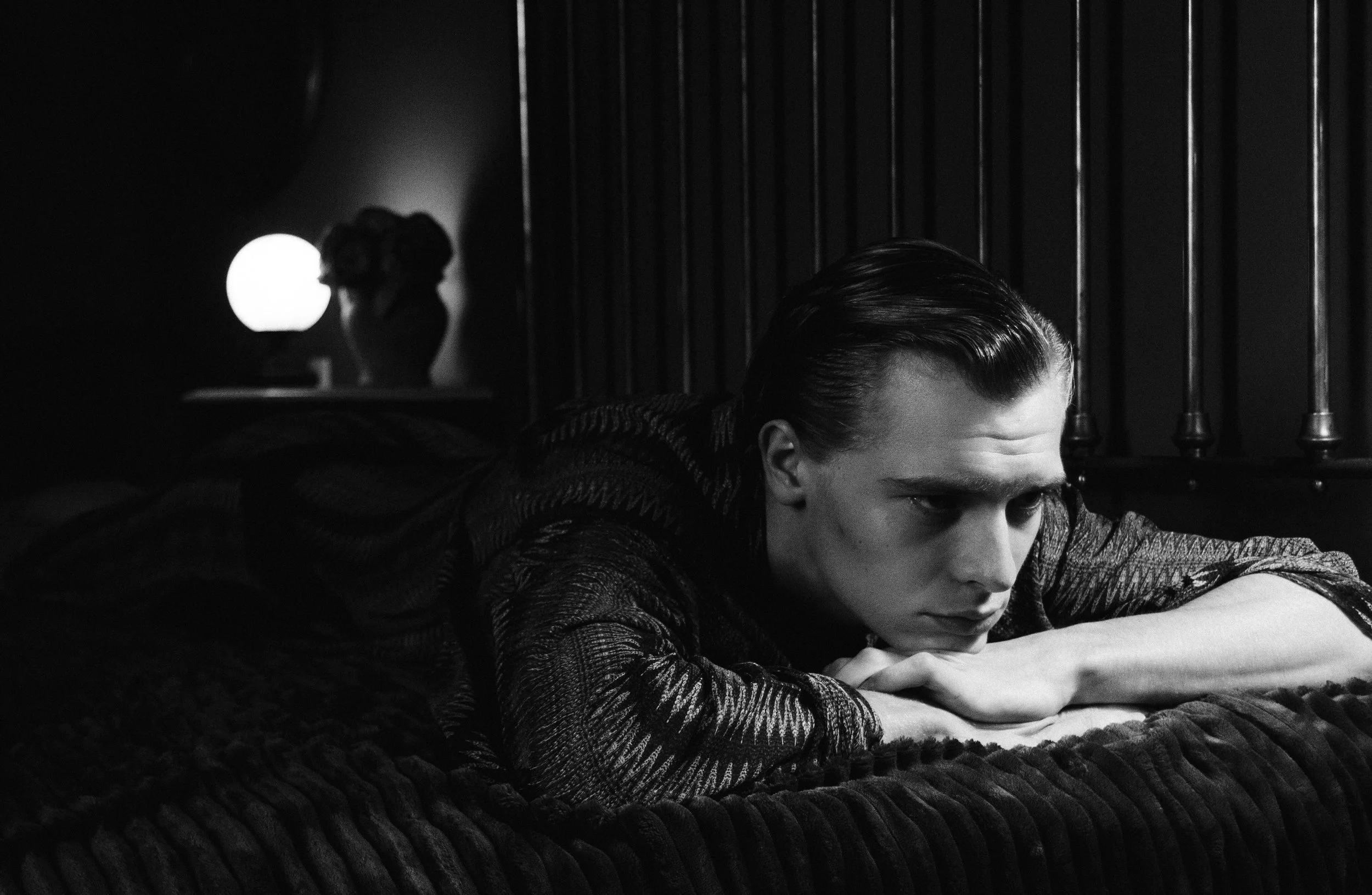
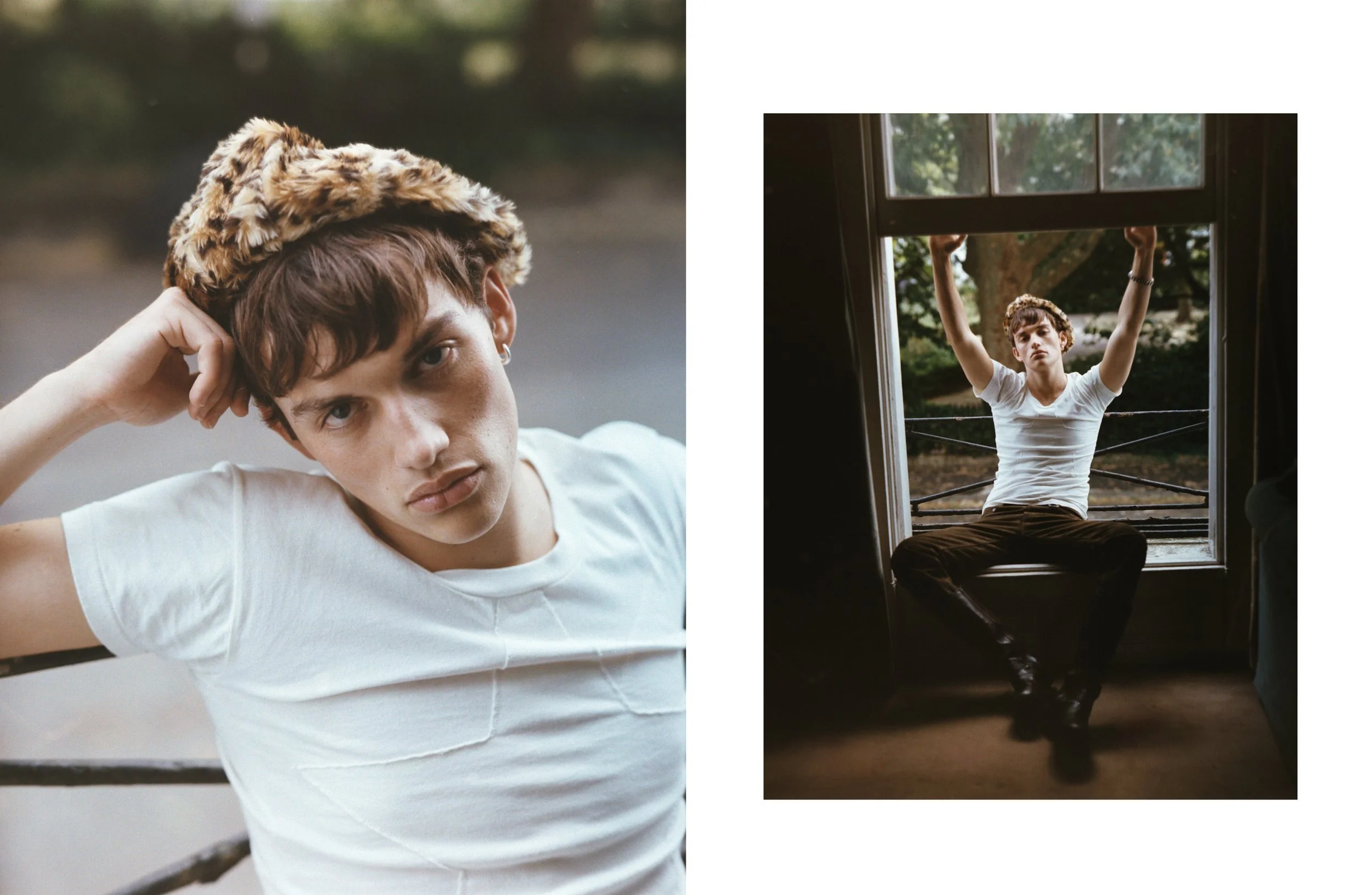
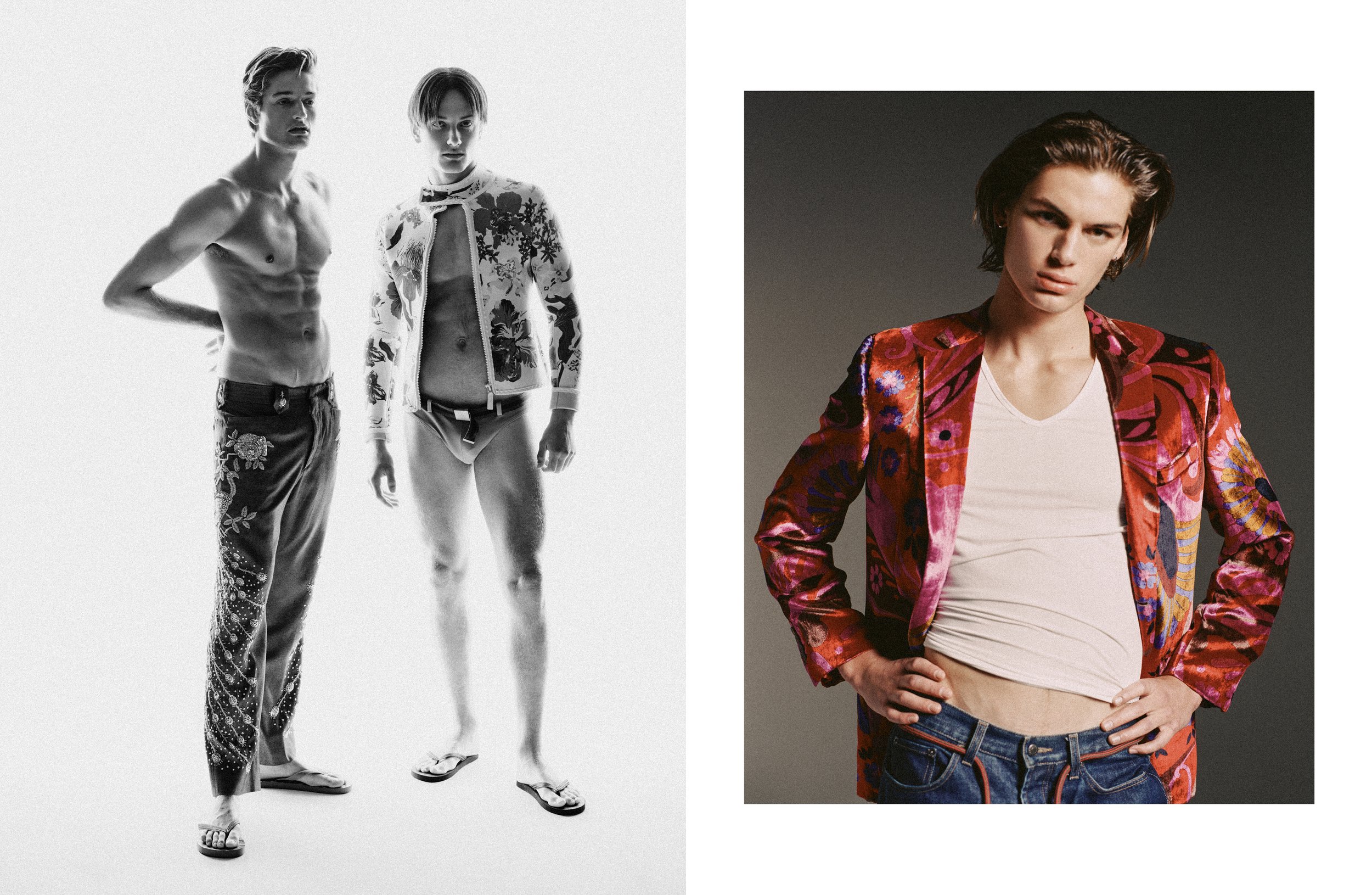
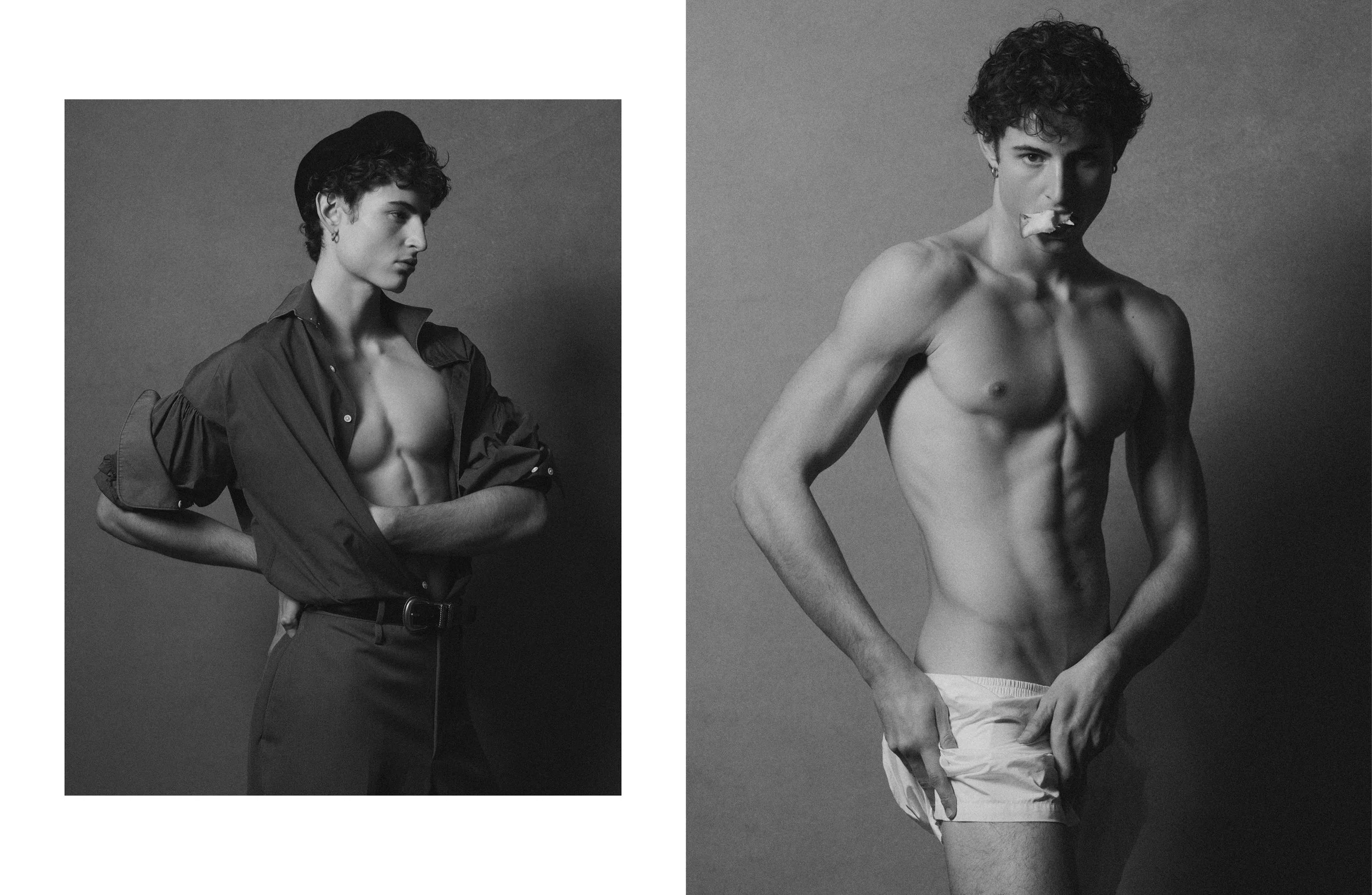
IN THE LONG-AWAITED SPIN-OFF OF THE APPLE TV+ SCIENCE FICTION SERIES FOR ALL MANKIND, TITLED STAR CITY, ALICE ENGLERT PLAYS ANASTASIA BELIKOVA, A SOVIET COSMONAUT WHO BECOMES THE FIRST WOMAN TO SET FOOT ON THE MOON. IN THIS ALTERNATE REALITY, WHERE THE SPACE RACE NEVER ENDED, BELIKOVA LEADS HUMANITY’S EXPANSION INTO SPACE. SHORTLY AFTER THE SERIES PREMIERED, WE SAT DOWN TO TALK ABOUT WHAT IT WAS LIKE TO WEAR A SPACESUIT ON SET, THE CHALLENGES SHE FACED DURING FILMING, AND THE BOOKS THAT HELPED HER GET INTO CHARACTER. WE ALSO DISCUSS THE FEMALE FIGURES WHO HAVE INFLUENCED HER CREATIVE JOURNEY AS AN ACTOR AND DIRECTOR, AS WELL AS SOME OF HER FAVOURITE TRACKS SHE WOULD TAKE WITH HER IF SHE EVER HAD THE CHANCE TO ACTUALLY GO TO THE MOON.
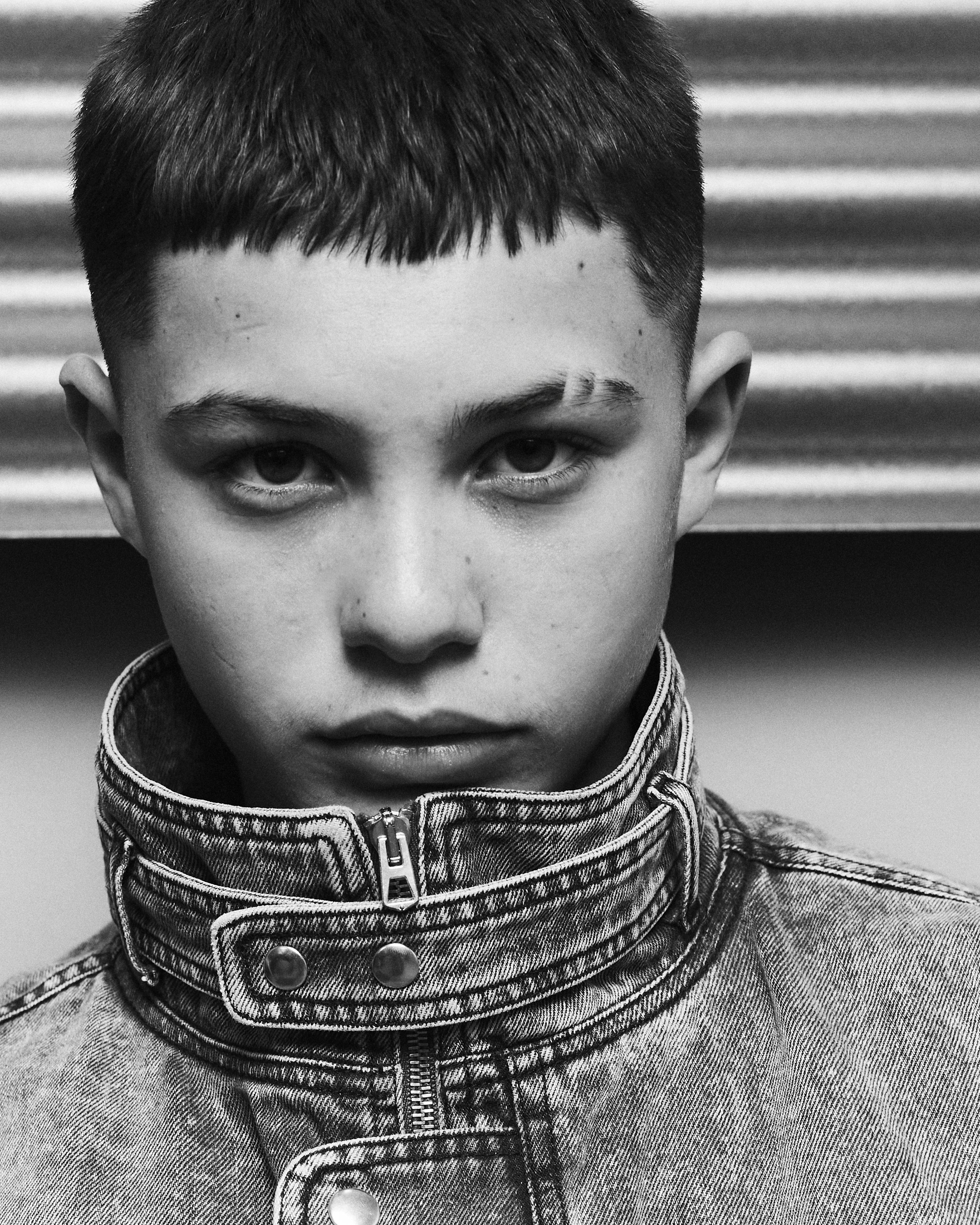
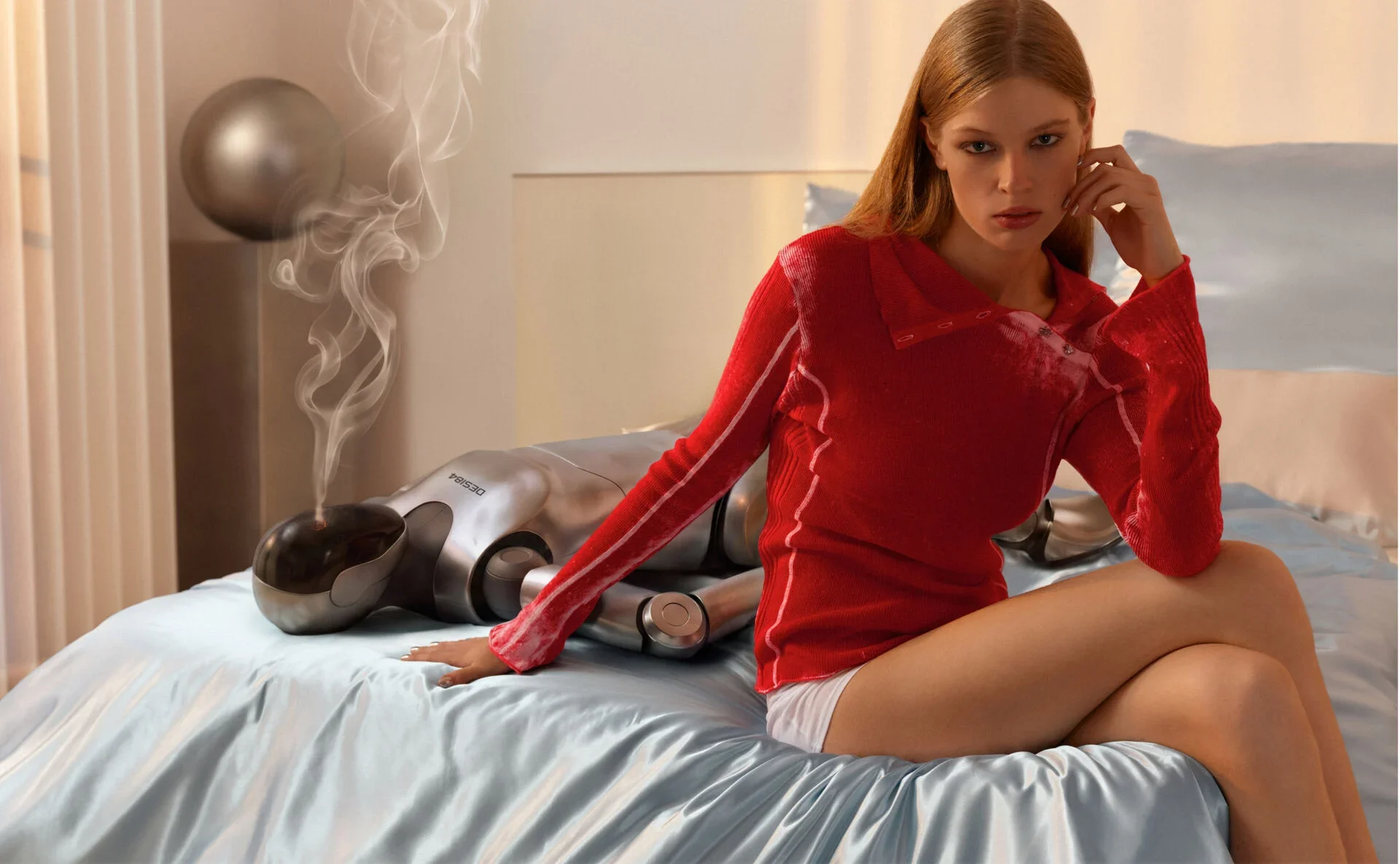
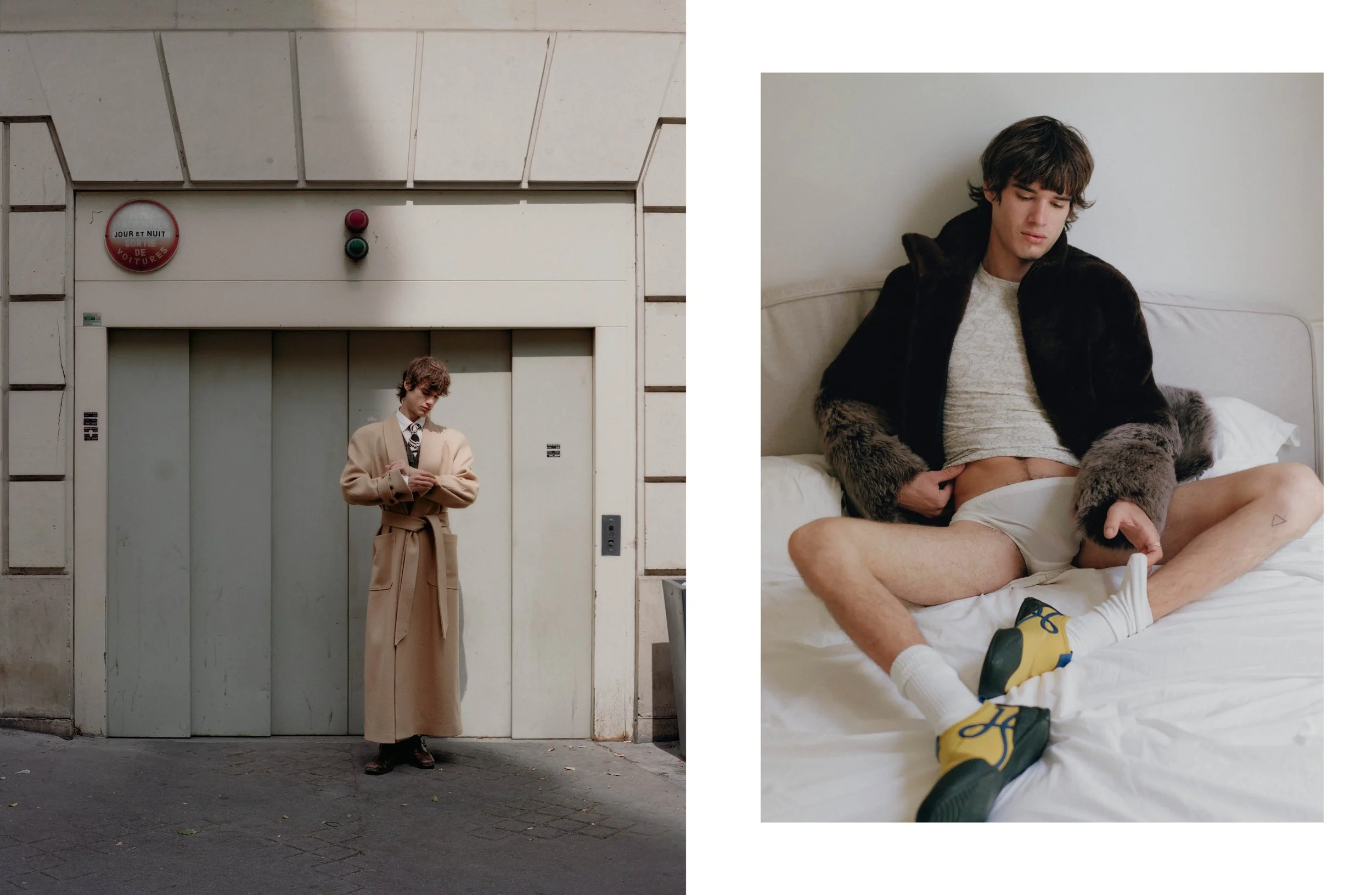
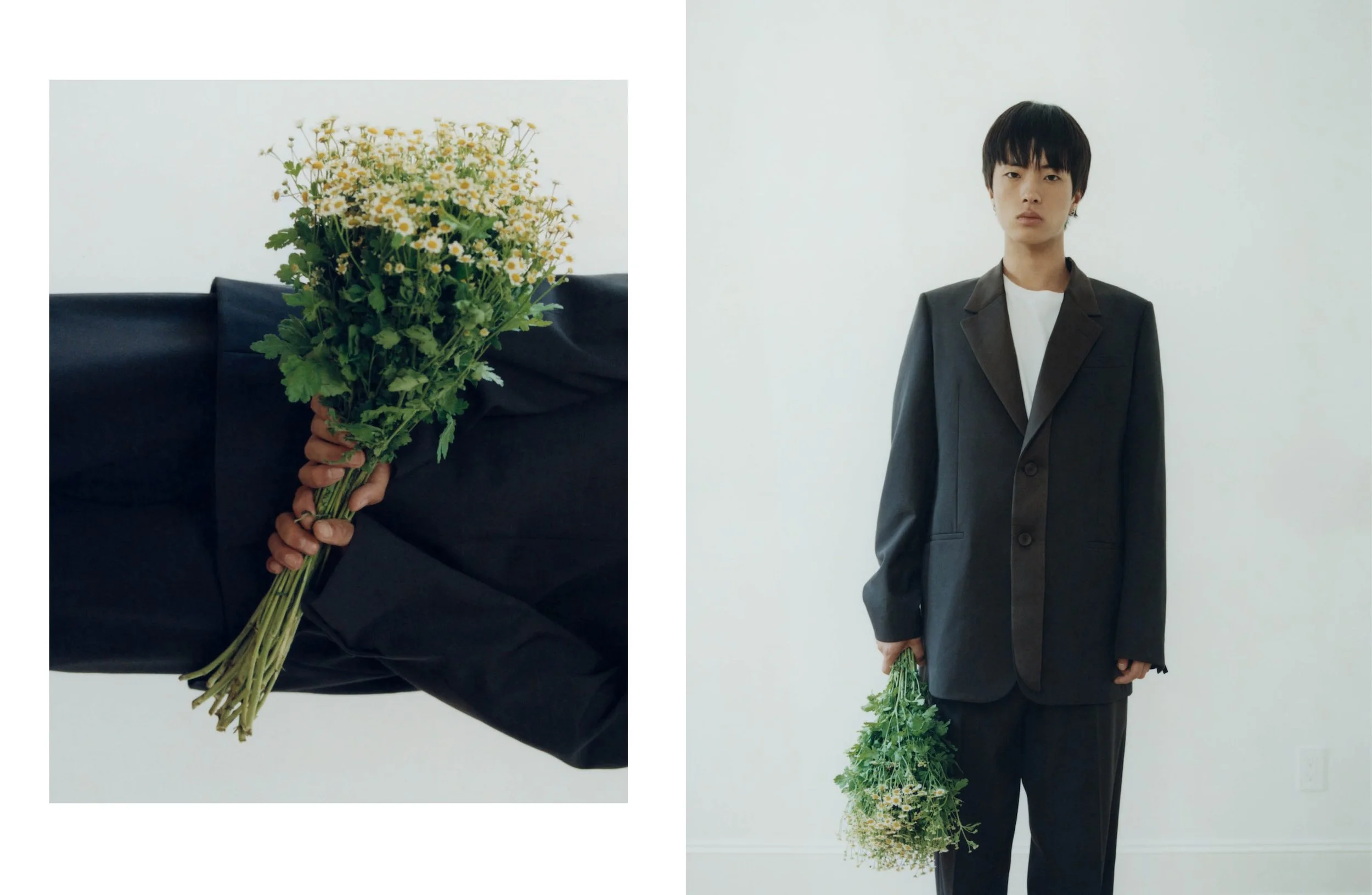
Left Full look Dior
Right Full look Mithridate
We’re off to a flying start. In the very first episode of the series, your character heads to the Moon. What was it like filming those intense scenes depicting Belikova’s first spaceflight?
As someone with a very active imagination, I’ve always wanted to at least pretend I was going to space. So what we did on set was something of a dream come true for me. While filming this scene, I was being puppeteered by a team of stunt performers. It was a highly choreographed sequence, with no room for improvisation. You can’t decide what you’re going to do with your body because it has already been determined in advance. The whole process required a lot of trust. But when you’re upside down and know you’re in good hands, it’s so thrilling. That’s the height of make-believe.
What about acting in those conditions? Was it difficult to convey emotions while wearing a spacesuit?
Going into space is not exactly a walk in the park either. Our bodies are designed to circulate blood on the assumption that things fall downwards. We’re used to gravity, so in its absence, blood rushes to your head. It’s incredibly difficult to function in those conditions – you can feel nauseous. Your sense of direction is also completely thrown off. So the discomfort of wearing a spacesuit, whilst trying to recreate all of that, was, in a way, more useful than a hindrance.
Speaking with the American former astronaut Garrett Reisman, who was with us on set, also proved to be extremely helpful. He said that some people who go to space focus on the literal experience of seeing the world as one, which can create an almost enlightened sensation. It’s a genuinely, quite literally, different perspective. And what’s amazing is that, after actually fulfilling all those dreams of flying, he still recommended… Earth. It’s fun to imagine being here as a choice. [Laughs]
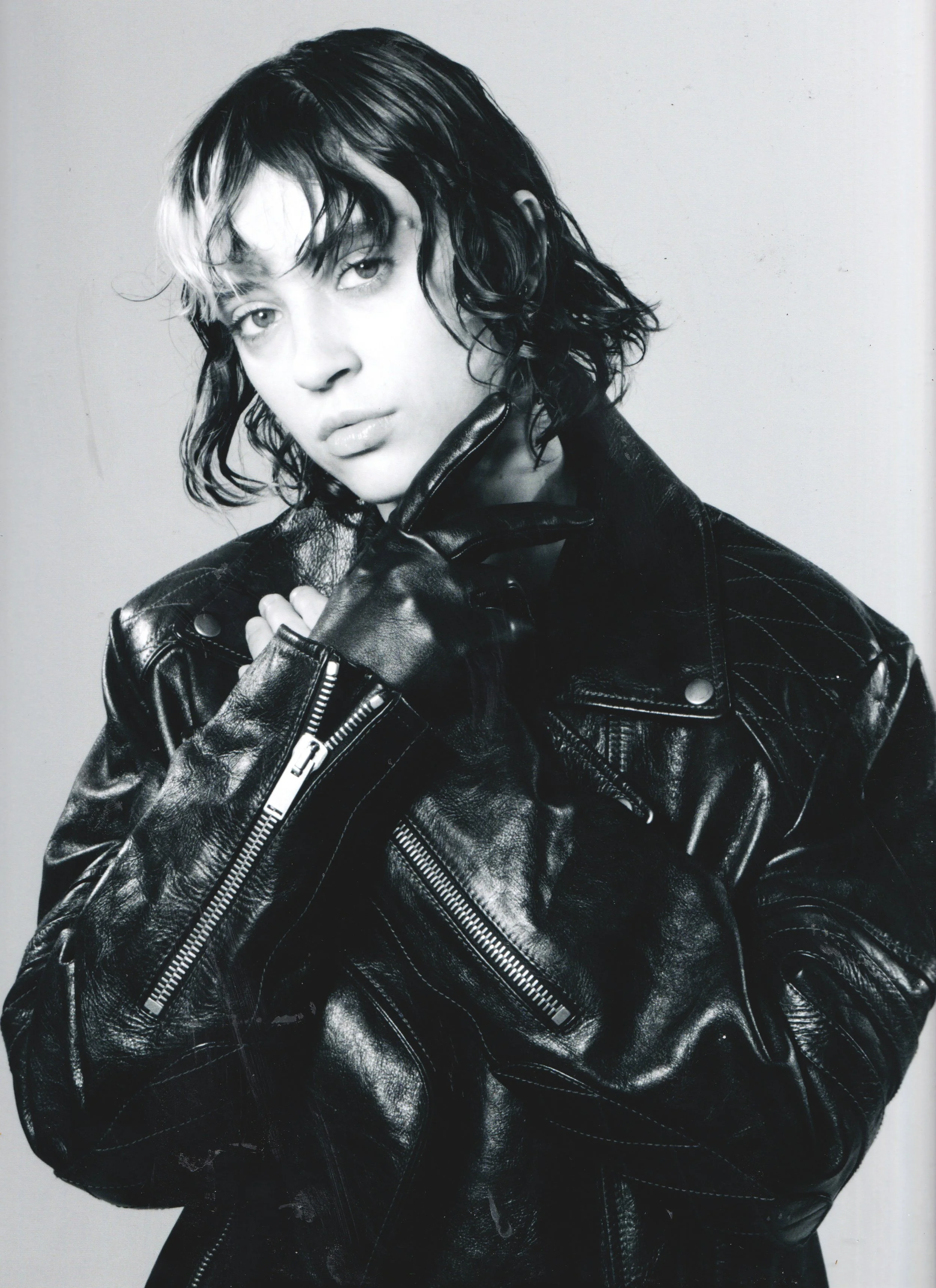
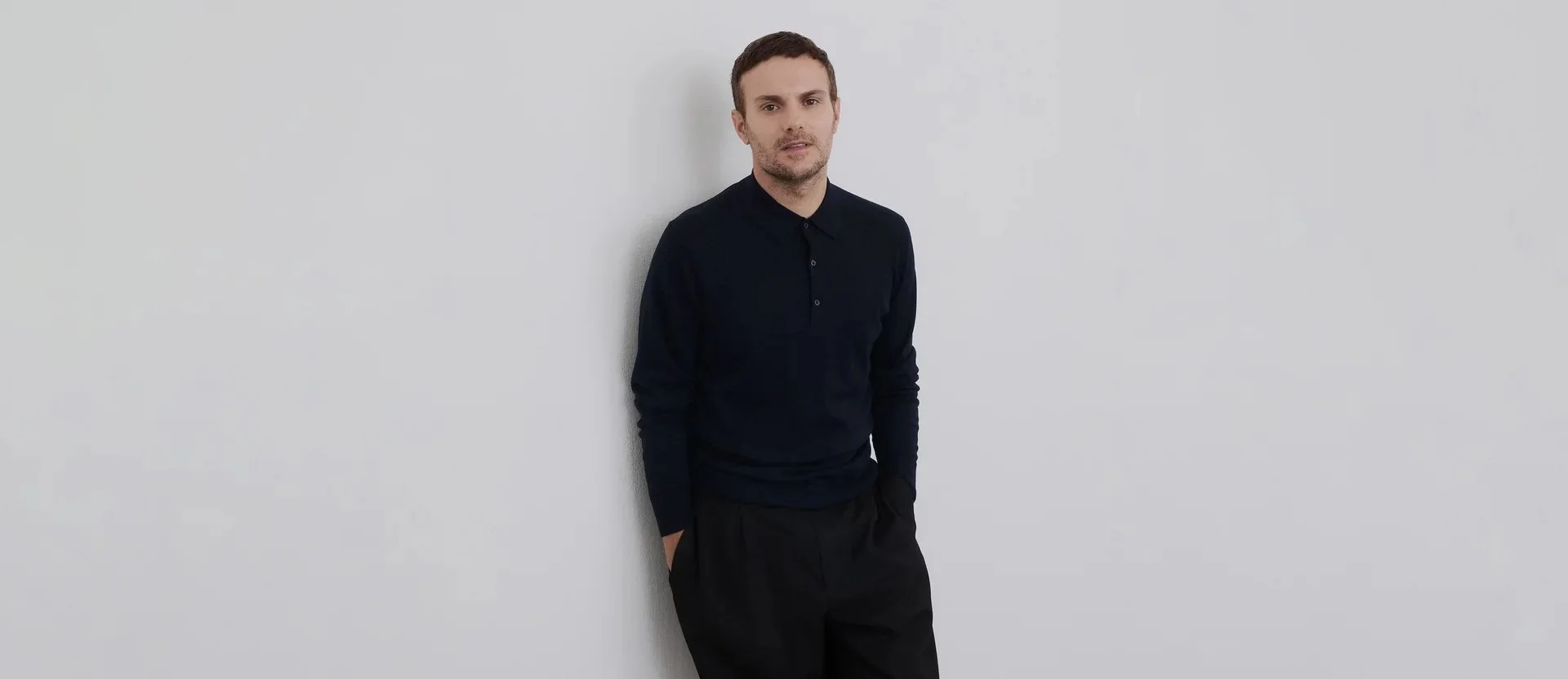
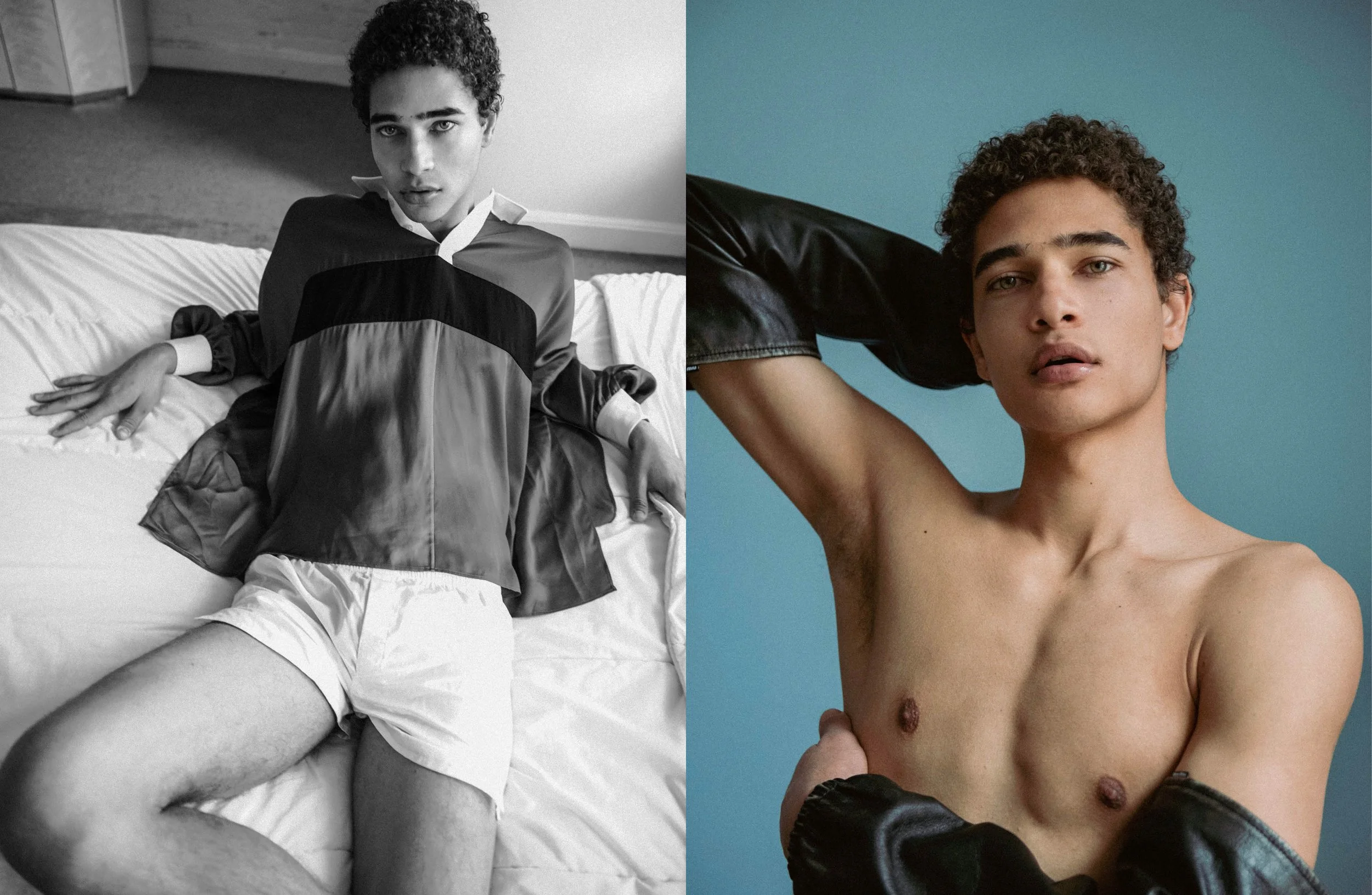
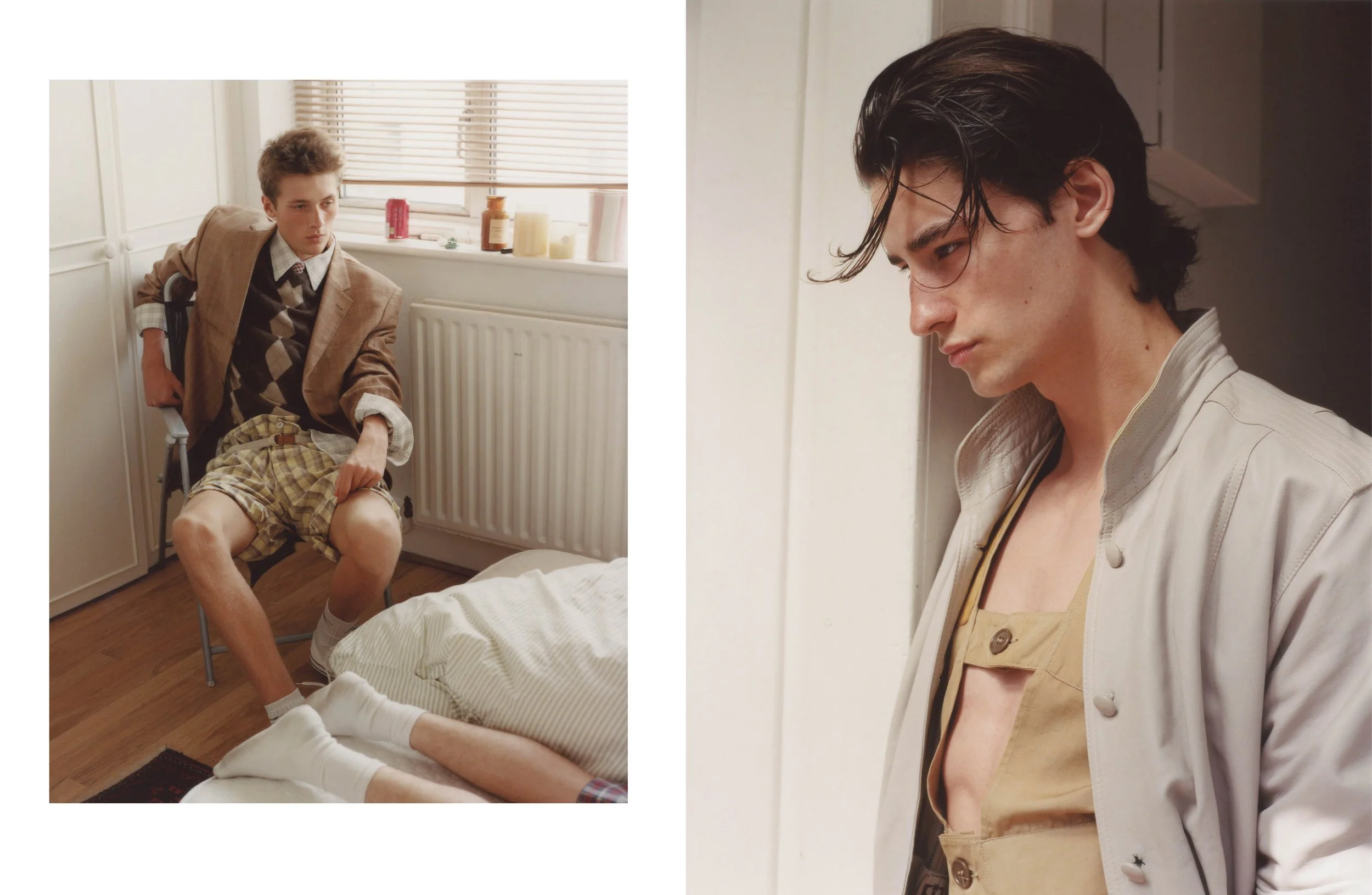
Left Full look Celine
Right Full look Issey Miyake
At first glance, Belikova may seem like a textbook example of Homo Sovieticus – an obedient citizen deeply committed to the values imposed by an authoritarian system. However, after taking her first steps on the Moon during a live television broadcast, we see that she has a mind of her own. In that pivotal moment, she chooses to speak freely without thinking about the consequences. How did you approach portraying the ambiguity and inner complexity of this character?
It was very important to me to portray Belikova as someone compliant but also secretive by nature, because she has grown up in this environment. As a result, she has no real way of finding her bearings as a person that doesn’t involve pleasing others or achieving something. She is deeply afraid of failure and starved of love and affection. I think that’s probably something a lot of us can relate to, even if we didn’t grow up under an authoritarian regime.
When Belikova finally realises all of that, it seems almost as if she’s possessed by herself, with her fabricated identity sealed away for a brief moment. Her first spacewalk was a sort of awakening, like adolescence – as though she had suddenly been hit by every hormone imaginable. I thought of it as her falling in love. She has shivers running down her spine. It’s like experiencing your very first crush – except, for her, it’s happening on the Moon.
And we all know exactly what a person in love is capable of…
All inhibitions and any sense of caution disappear. In that moment she’s discovering herself for the first time, which is both frightening and strangely seductive. Being herself feels like a relief, but also something she quickly learns to hide again, since repression is what she knows best. Still, she’s holding her breath for the next moment when her true self can resurface.
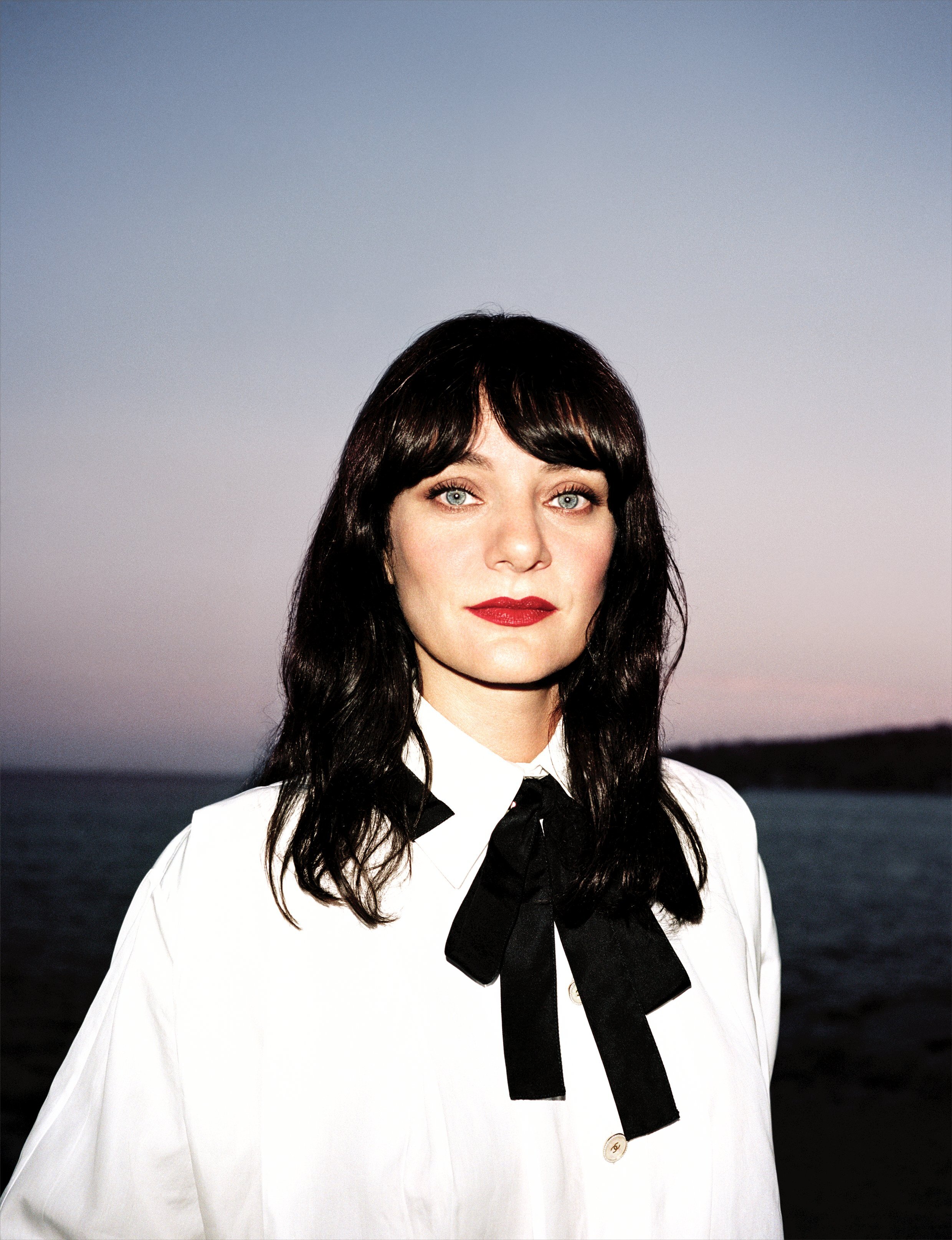
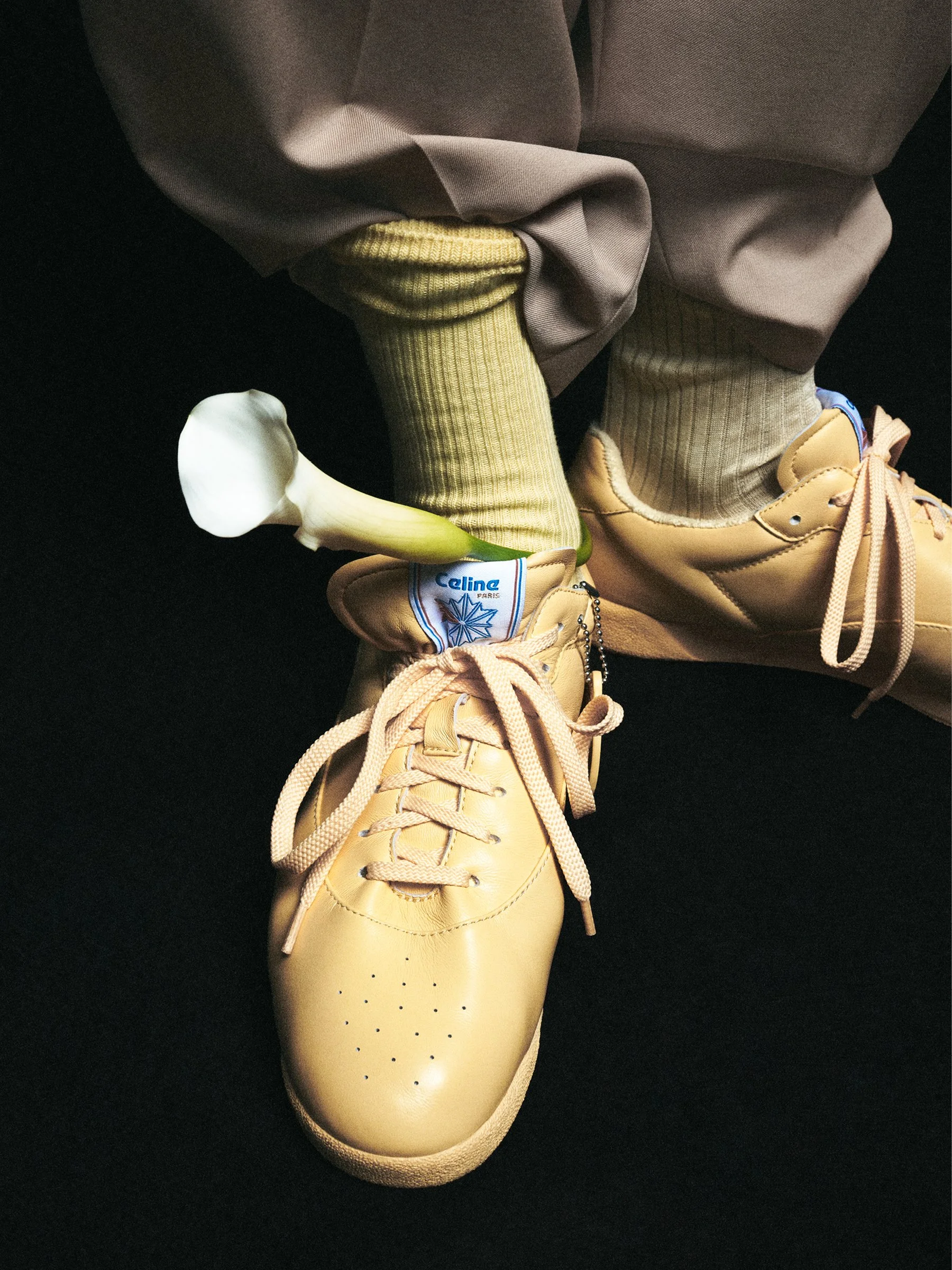
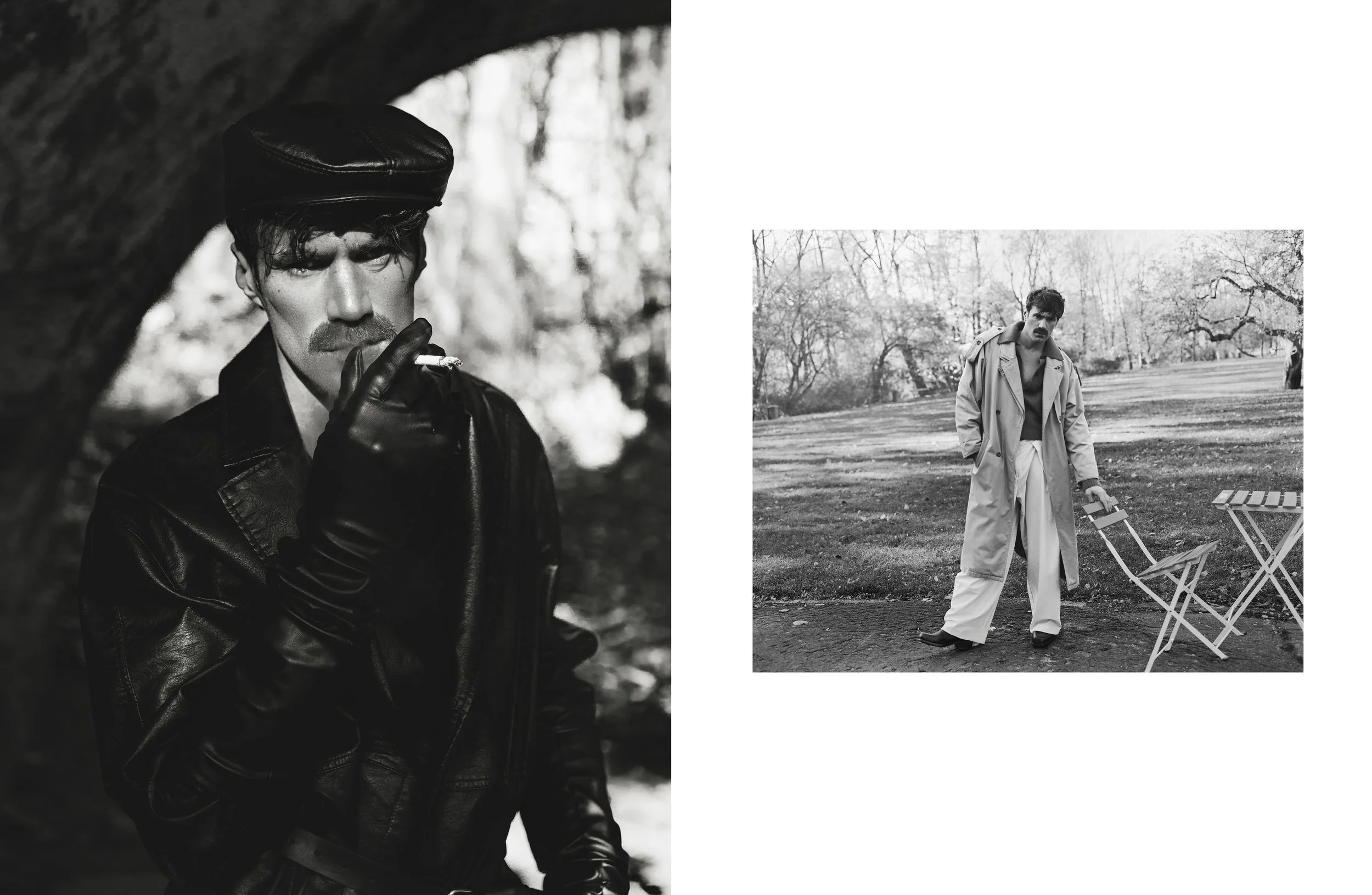
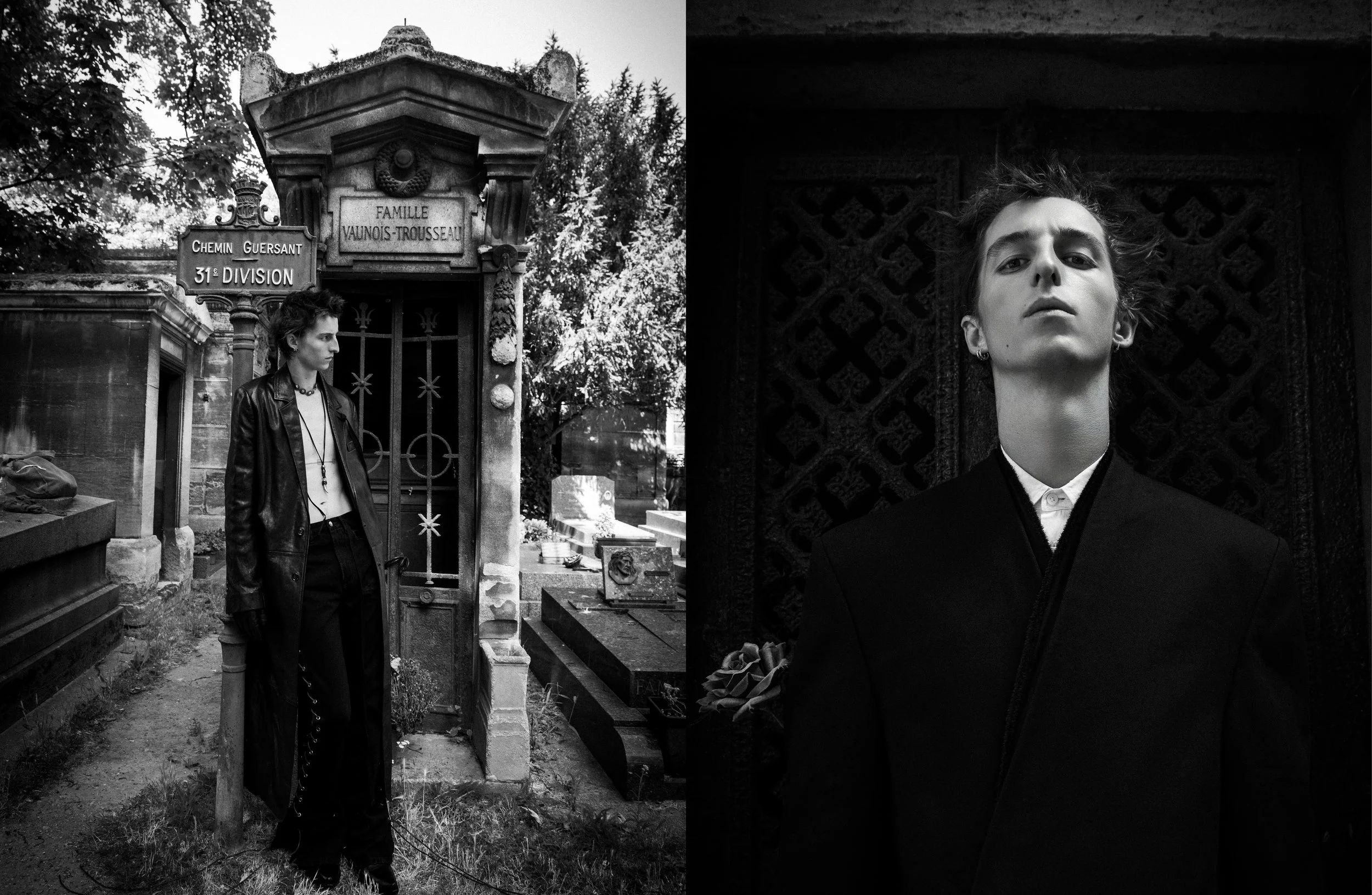
Left Full look Issey Miyake
Right Full look Celine
Was there any research involved that helped you understand all of that about Belikova?
There was definitely a lot of reading. Secondhand Time: The Last of the Soviets by Belarusian Nobel laureate Svetlana Alexievich felt like a genuinely mind-bending and honest touchstone. It’s an example of an incredible way to write about history. Instead of trying to construct a clear narrative of what happened, Alexievich reveals how fragmented our shared reality actually is. The main conclusion is that we need to become more capable of sitting with uncertainty rather than constantly reaching for clarity where none exists – when things are simply beyond us.
The second book that proved somewhat useful was The Cosmonaut Who Couldn’t Stop Smiling: The Life and Legend of Yuri Gagarin by Andrew L. Jenks. It made me think more about how Yuri Gagarin was both canonised and, in a sense, erased. He’s a strange figure: he exists only as myth, and many myths, as we know, can be both heroic and barbaric. Whoever he really was is completely gone. So there was a lot of unknown territory to work with.
But apart from everything I’ve learned from literature, I also spoke with our showrunners, Matt Wolpert and Ben Nedivi, about Belikova, and we agreed that we shouldn’t overanalyse her character too much. Instead, I should just turn up and, to some extent, see how things unfold. That approach felt incredibly right.
When Belikova opposes the spread of Soviet propaganda, she pays tribute to the female cosmonauts who paved the way for her. Which women have been important to you in your creative endeavours? Who did you look up to?
Of course, there is my mum, Jane Campion. I really love the films she has directed. In a way, our relationship as mother and daughter developed through her bringing me into her work. I think that was when she felt most herself, and also when we could have real conversations. I’ve always loved her commitment to characters and how she encouraged people on set. One thing that has always stayed with me – and that I’ve definitely brought into my directing – is never telling someone, “Do that again,” because they won’t be able to. Another take just becomes less true. Instead, she would say, “That’s interesting. Explore that. See what’s in there.” I’ve always appreciated that there was freedom in that approach.
As a teenager, I also had the privilege of working with Sally Potter on Ginger & Rosa. That was an incredible experience. But there are so many women whose work I admire, across all kinds of fields: Meryl Streep, Octavia E. Butler, Kylie Minogue…
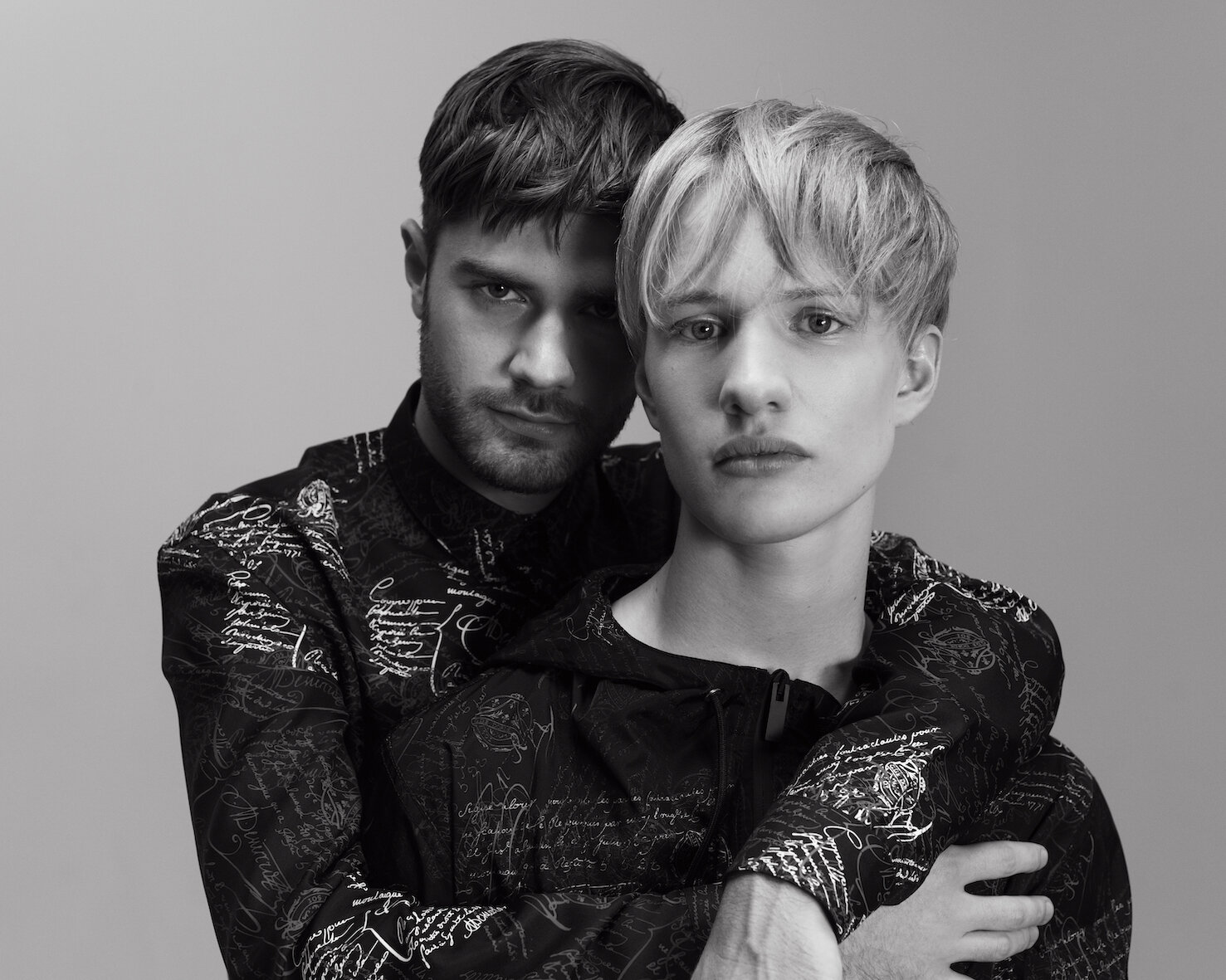
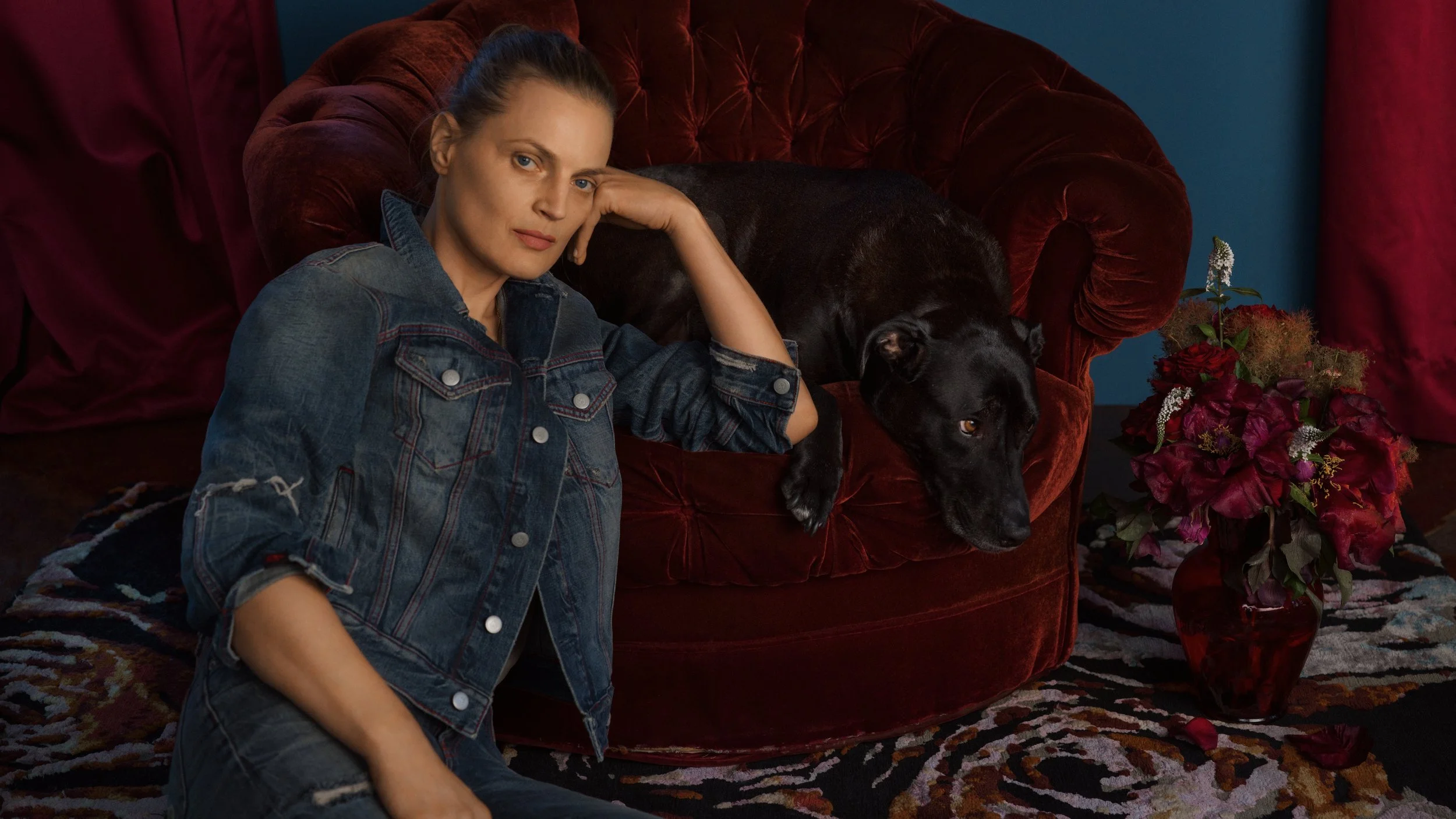
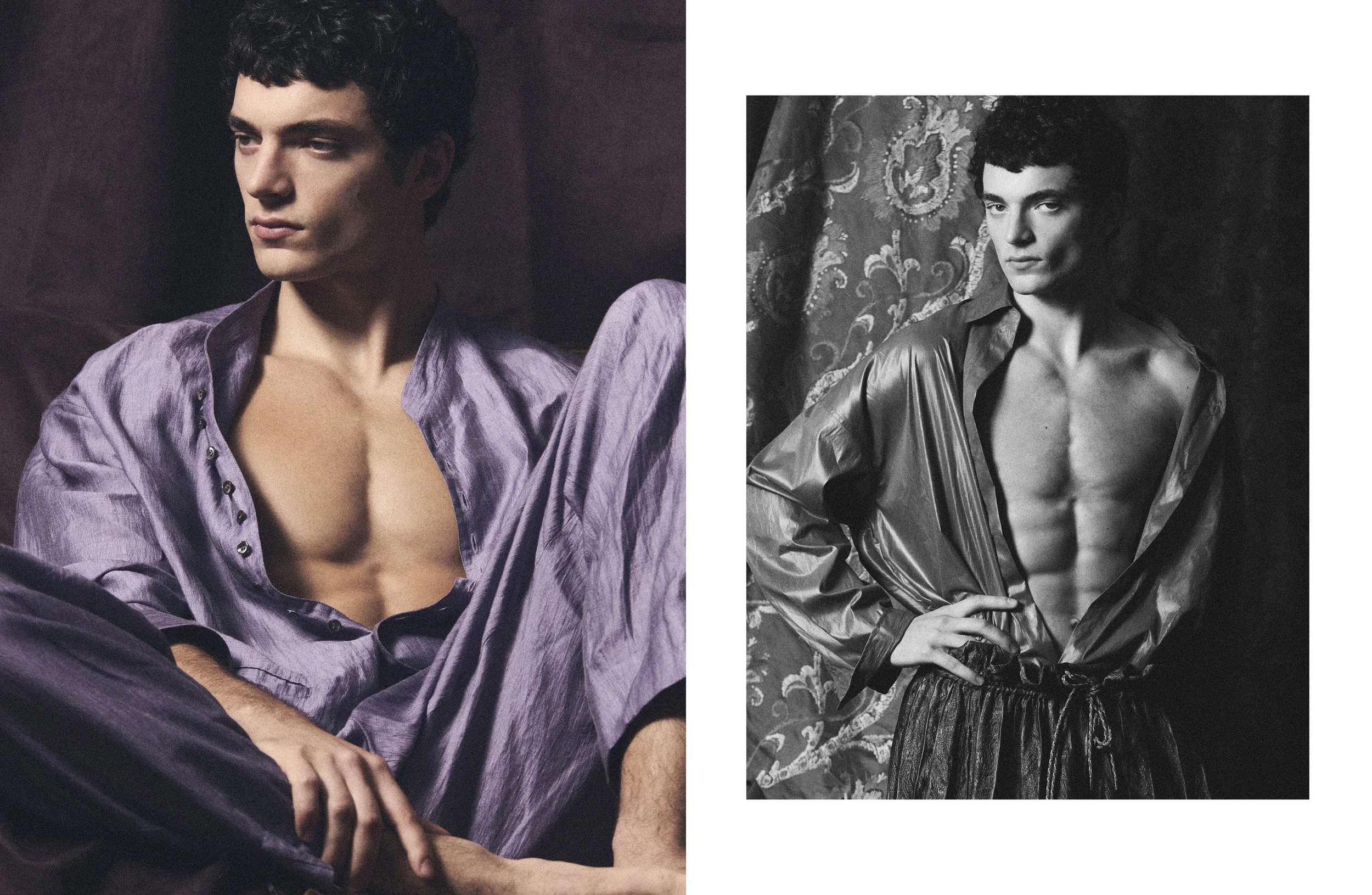
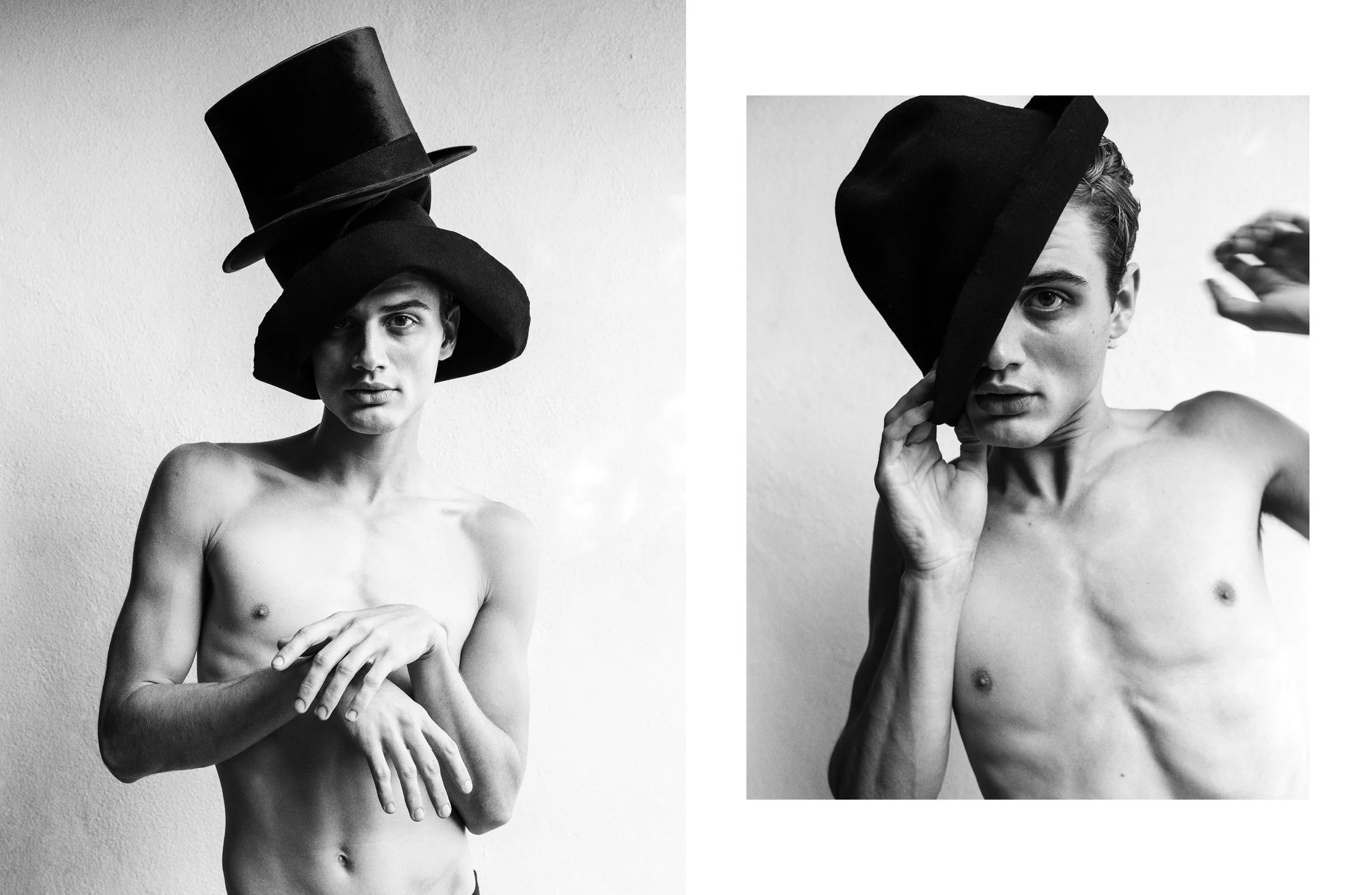
Left Full look Versace
Right Full look N°21
Legends in capital letters.
Wait – there’s also one closer to my age. For many years now, I’ve been really impressed by what FKA twigs does on stage. I don’t know how it’s physically and emotionally possible. Right now, I’m still buzzing because I just saw her Body High Tour at the O2. I must admit, I sobbed through the first few songs. I was literally weak at the knees! What really inspires me is her courage in simply being herself and pushing the boundaries of what it means to be an artist. She’s challenging all the norms at once, and she’s doing it while holding a samurai sword and dancing on a pole at the same time!
I did some digging: the first song said to have been played on the Moon was Frank Sinatra’s classic Fly Me to the Moon. In your case, I assume it would be something by twigs, then?
Home With You. It’s one of my favourite songs of all time. “I didn’t know that you were lonely. If you’d just told me, I’d have been running down the hills to be with you.” That chorus is everything. The runners-up would probably be Pulp’s This Is Hardcore and fullmoon (Motion Graphics remix) by Ryuichi Sakamoto. The flight to the Moon takes a while, so the other two might be something I end up listening to on the way. [Laughs]
In the second episode, during a press tour following the success of the space mission, Belikova’s fellow cosmonaut Sasha Polivanov [played by Solly McLeod] delivers a beautiful line: “When God wants to curse you, He makes you happy.” For your character, that moment of fulfilment comes while walking on the surface of the Moon. But I’m wondering: what does happiness mean to you?
It's the simplest things – like lying, scantily clad, on a hot rock by a river in New Zealand with friends. When we are completely alone, with our rollies and our bikinis, surrounded by ice-cold water and mountains looming on either side of us. That’s pure joy.
It’s also watching my brother play the piano. In my full-length directorial debut, Bad Behaviour, there’s a Sergei Rachmaninoff piece that Jennifer Connelly’s character plays obsessively, with growing frustration, because she can no longer perform it perfectly. My brother used to play that same piece throughout his childhood. I remember the way he played it – with such focus. He sent me a video of himself playing it again recently, and it brought back all the memories.
We can’t all be at the O2 doing what FKA twigs does. But sometimes there’s a moment when you’re watching someone you love, and you can feel something huge inside them is going on – something as vast as a gig for thousands of people – even though it’s just this person sitting in the corner of a room doing what they enjoy most. I love witnessing those moments, I suppose. Those moments when you have the whole arena inside you.
Left Full look Versace
Right Full look Issey Miyake
Interview by Mateusz Roesler
Photography by Vic Lentaigne
Fashion by Steven Huang
EIC Michael Marson
Casting by Imagemachine cs
Hair by Josh Knight at A-Frame Agency
Make-Up by Esme Horn
Stylist’s assistant Monique Menezes