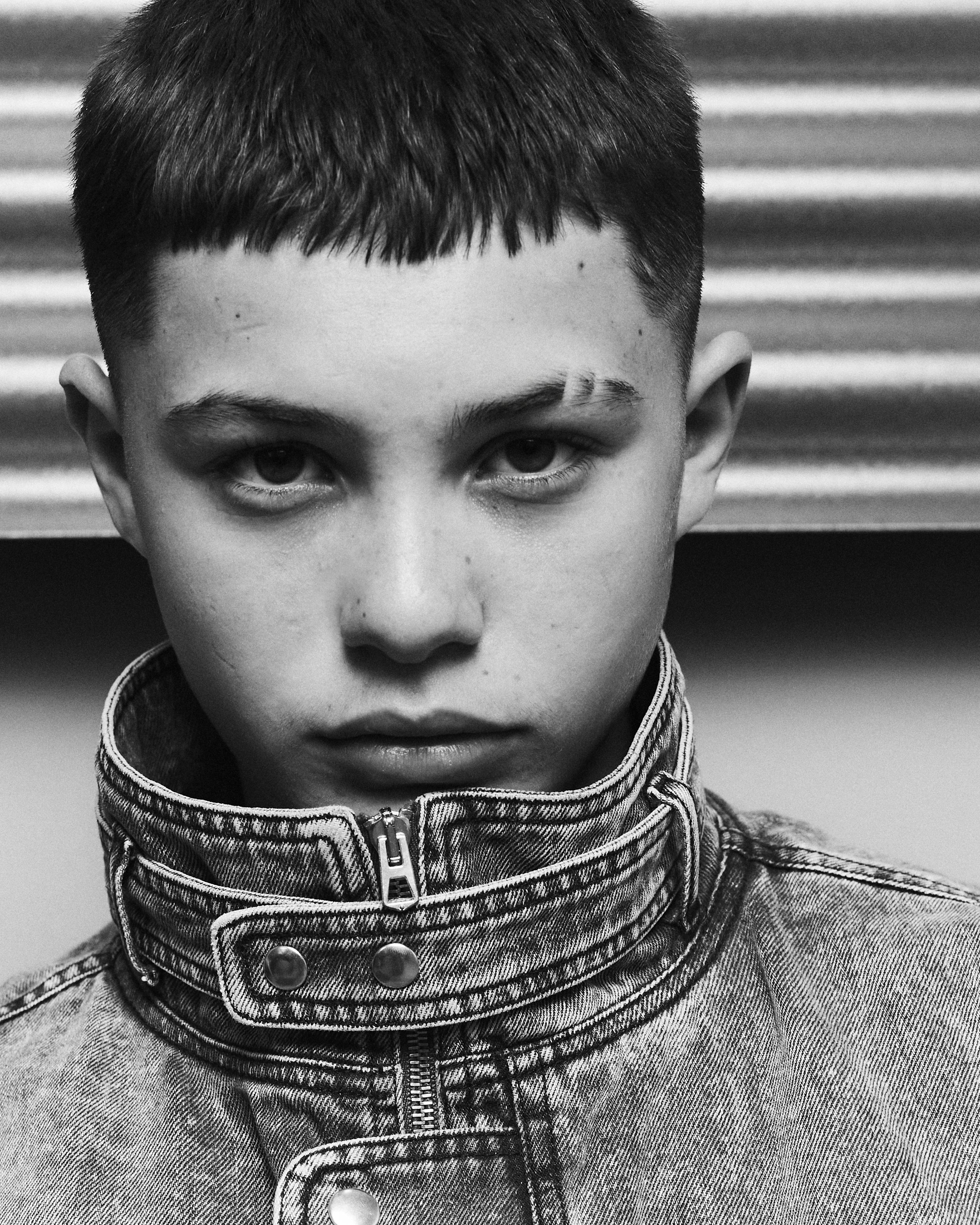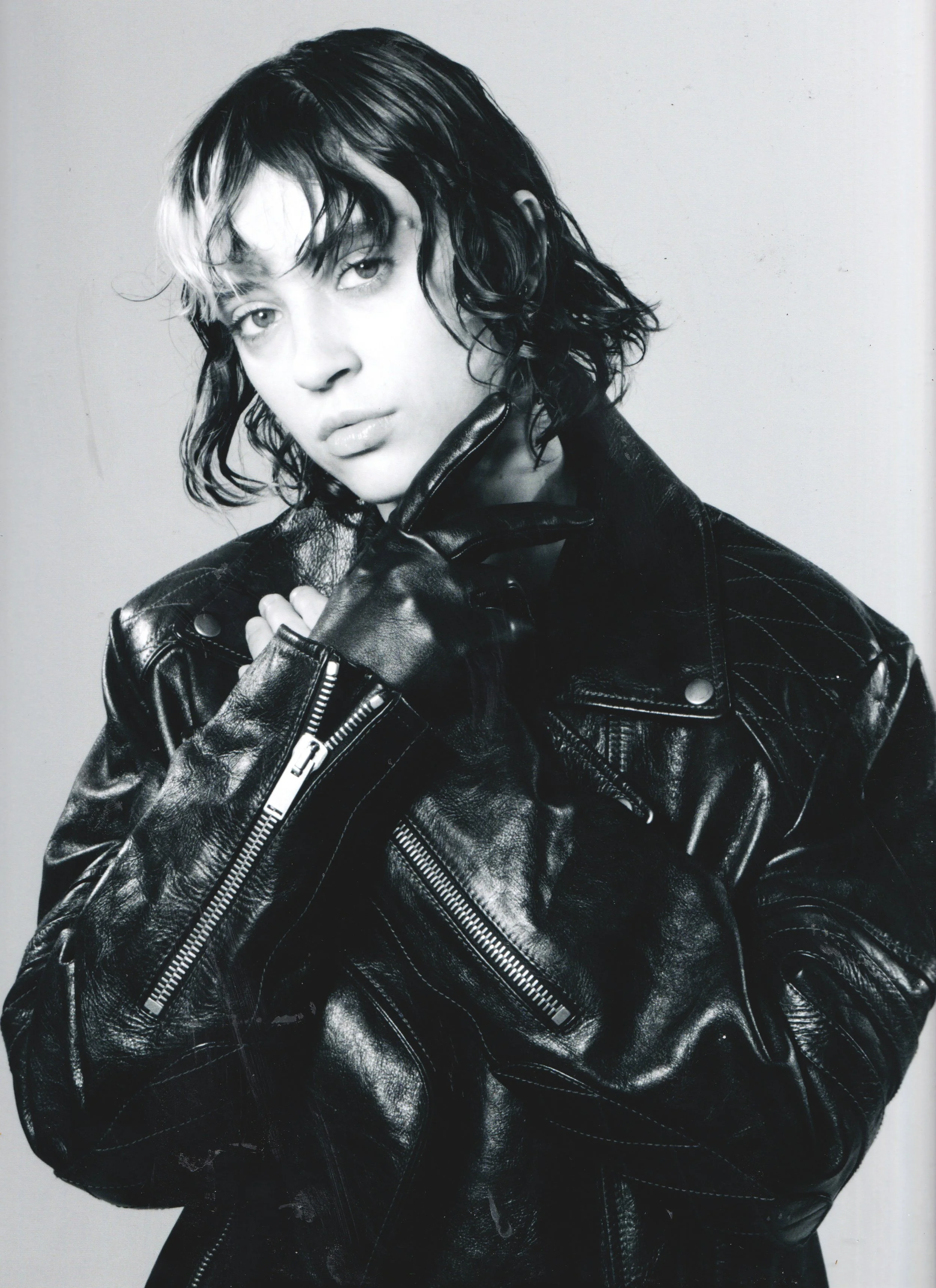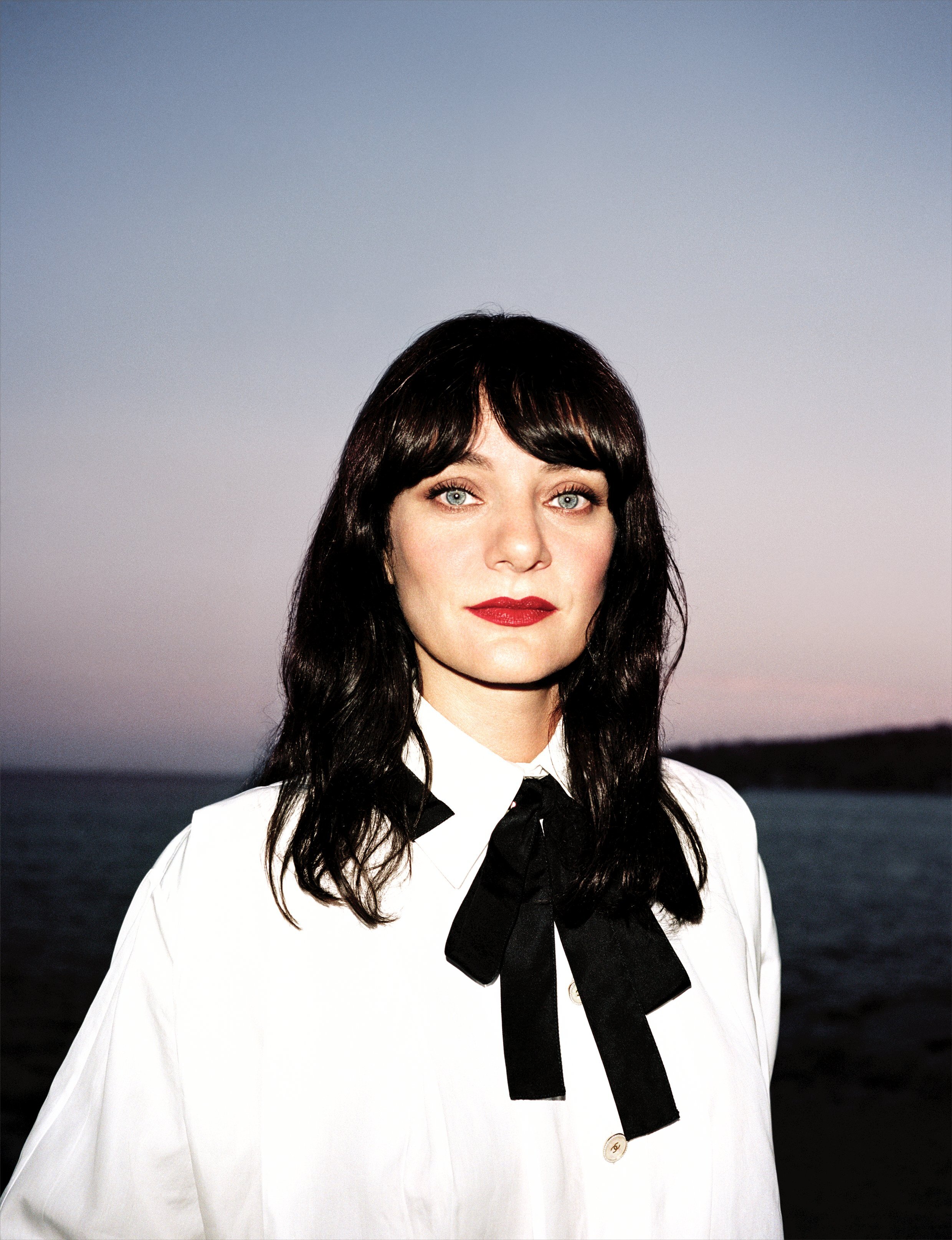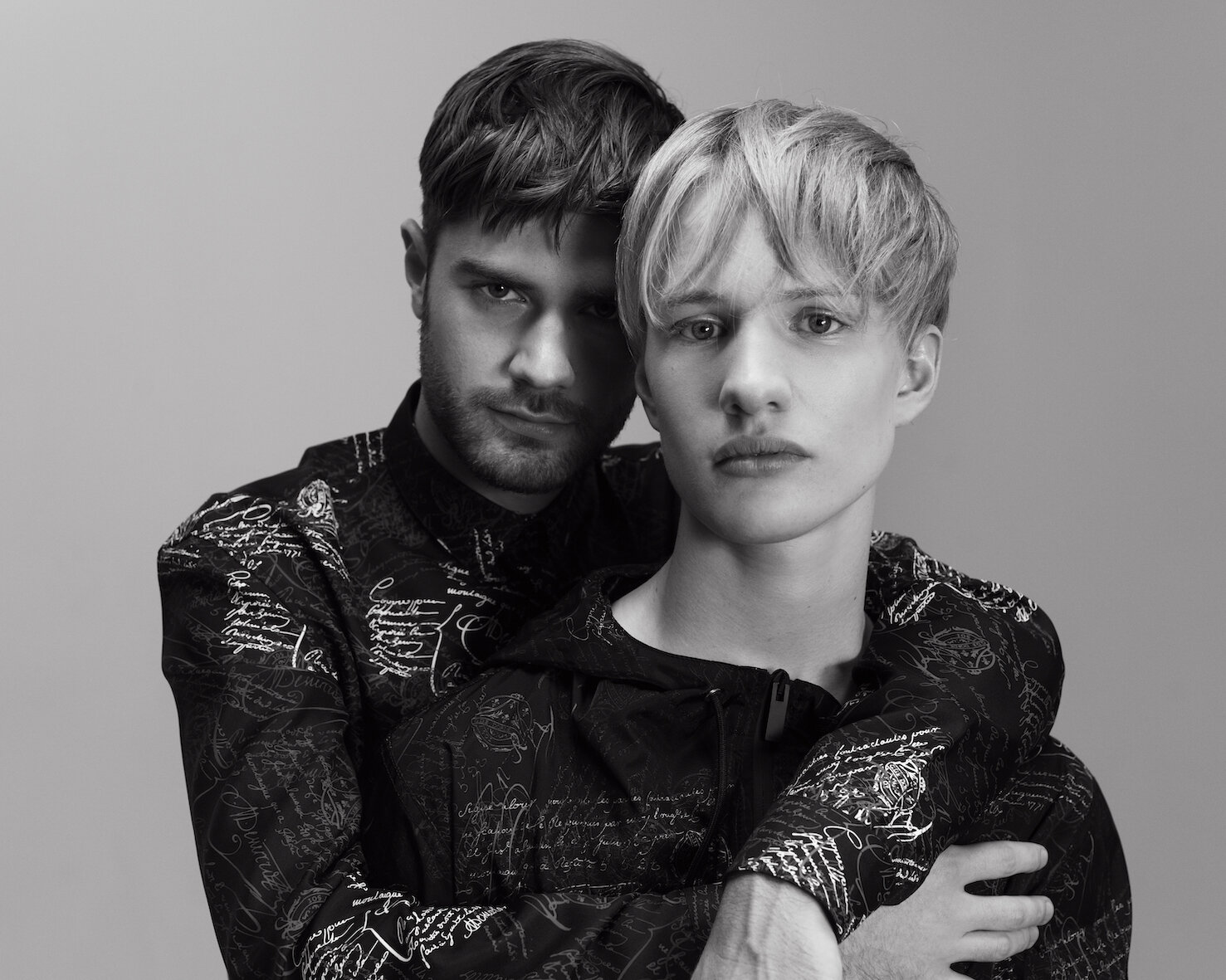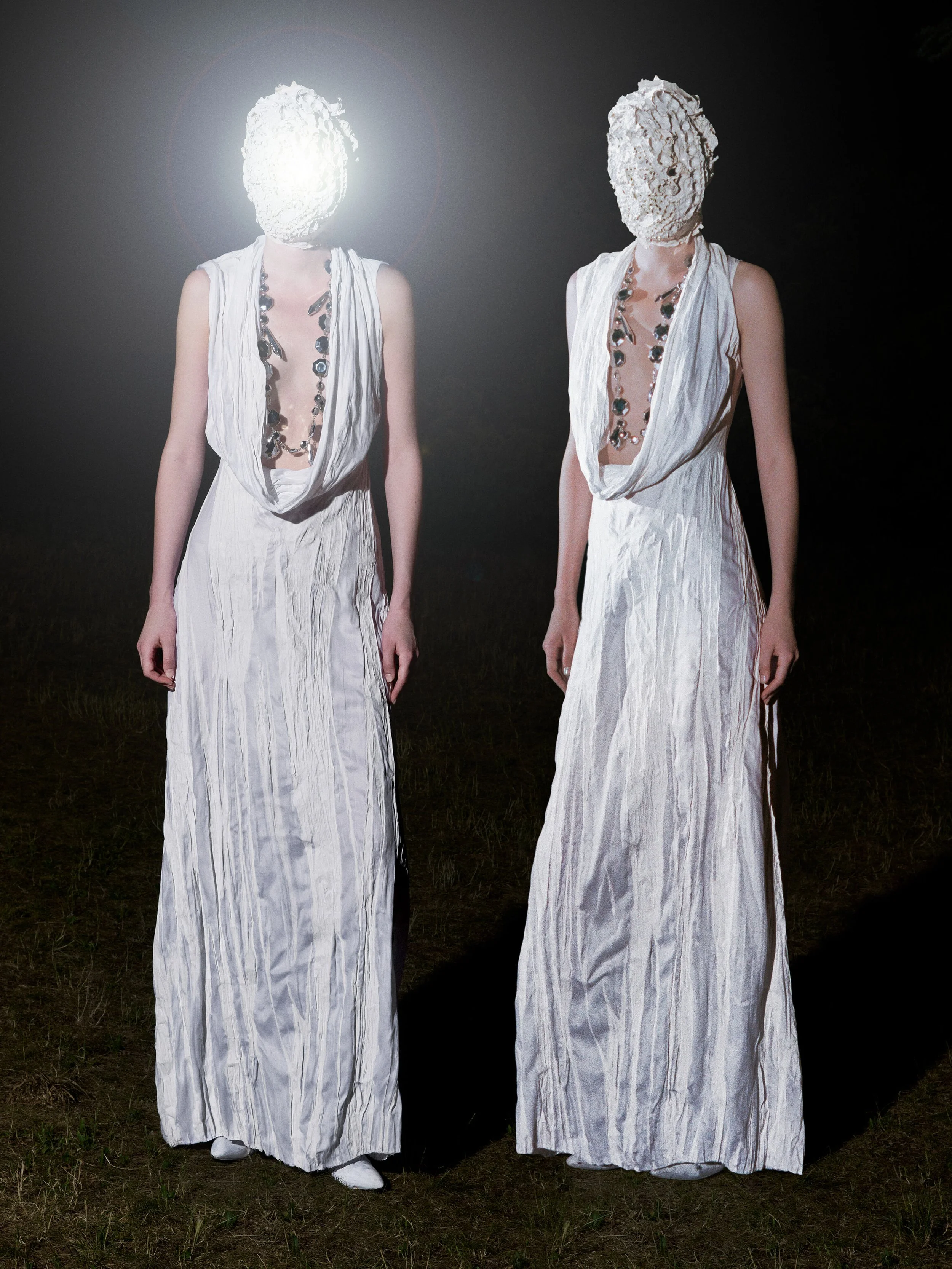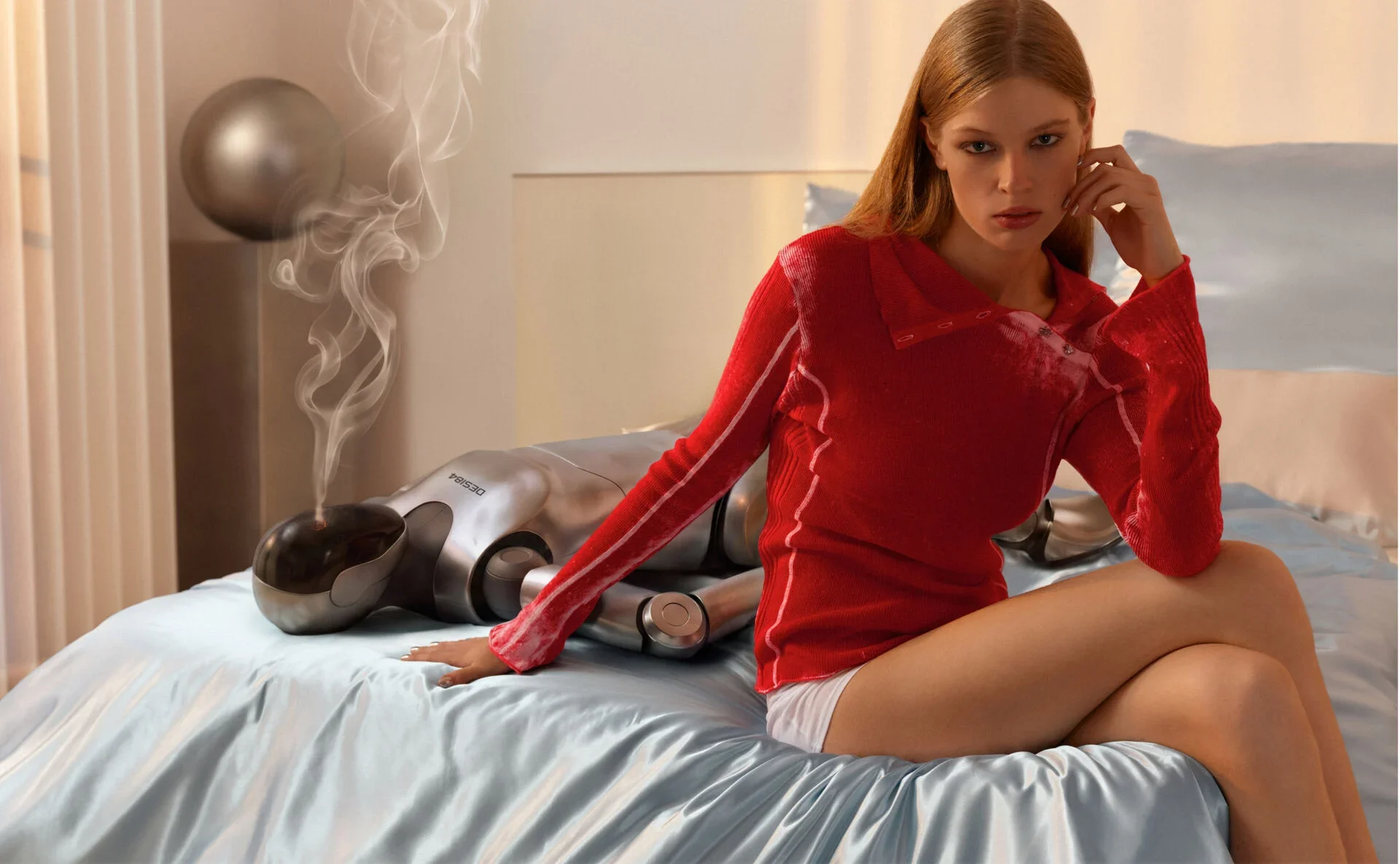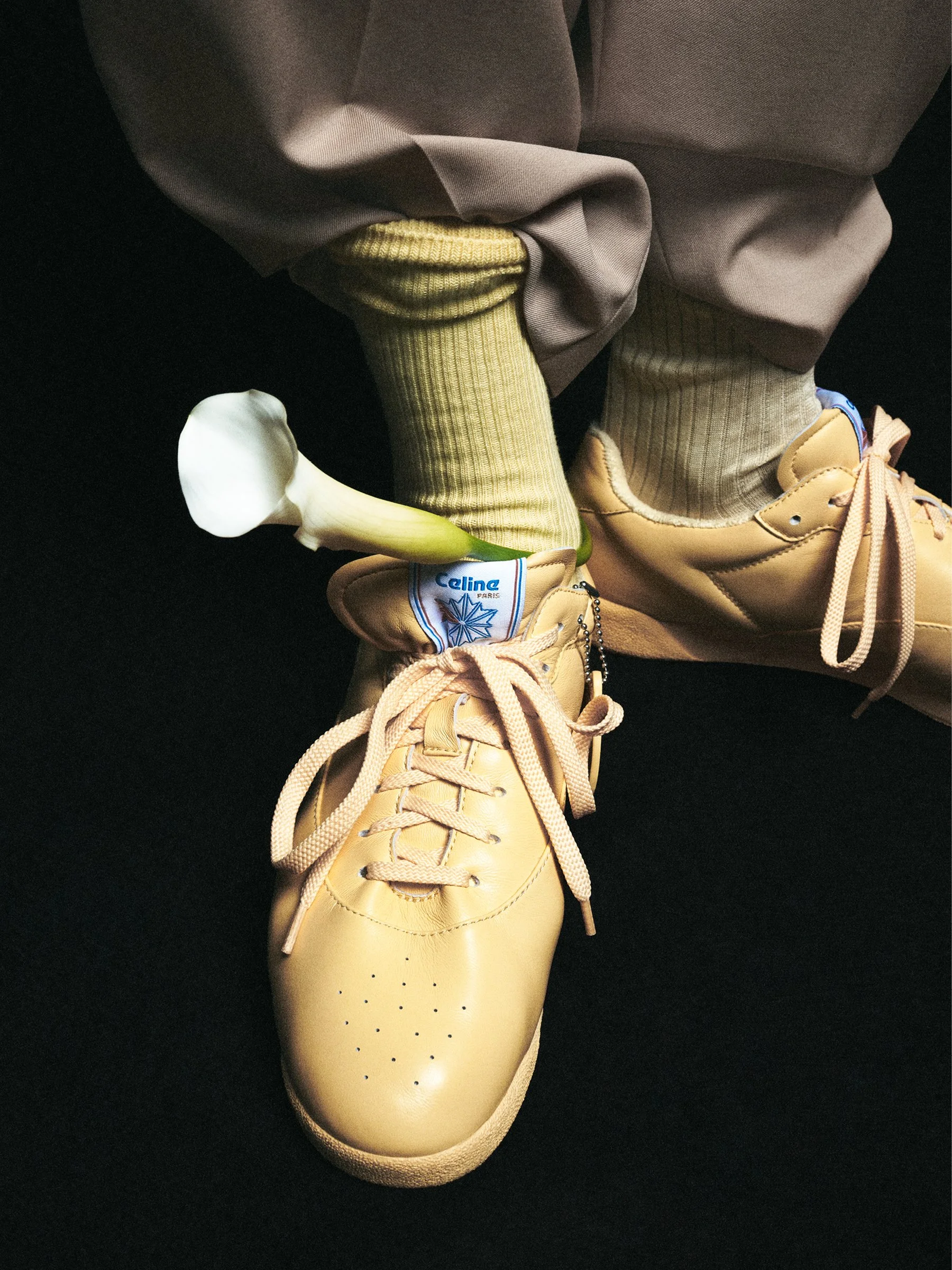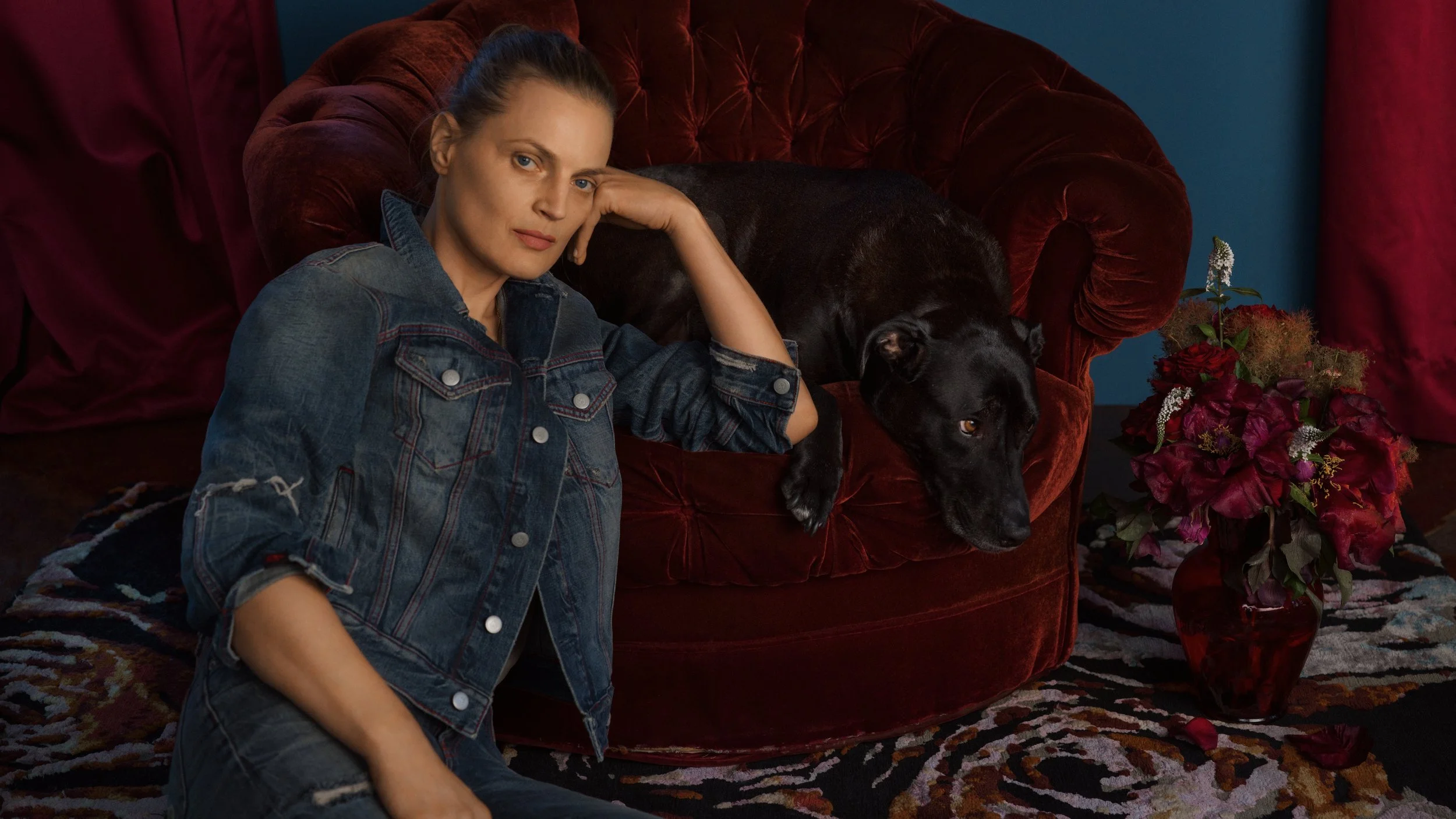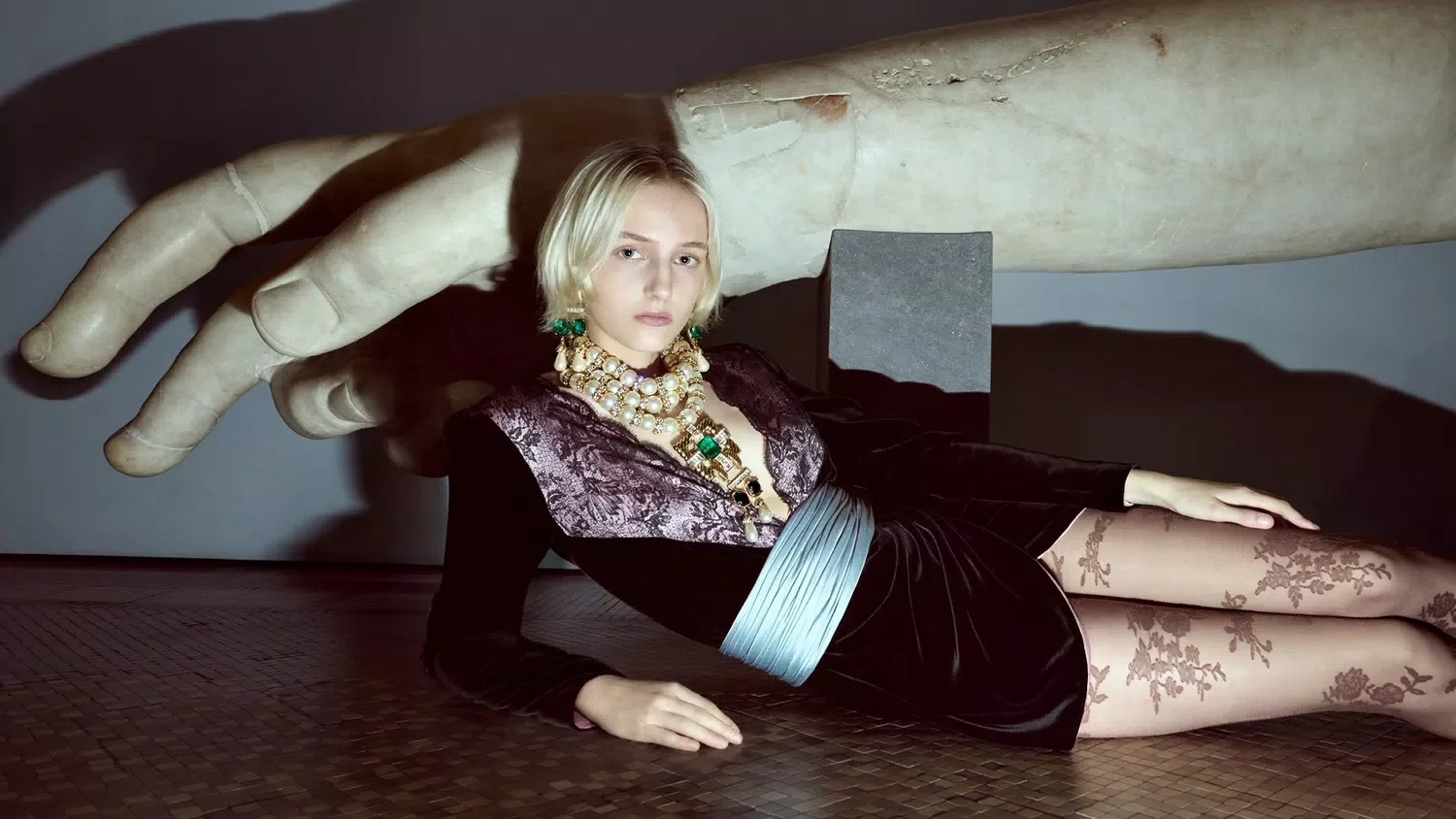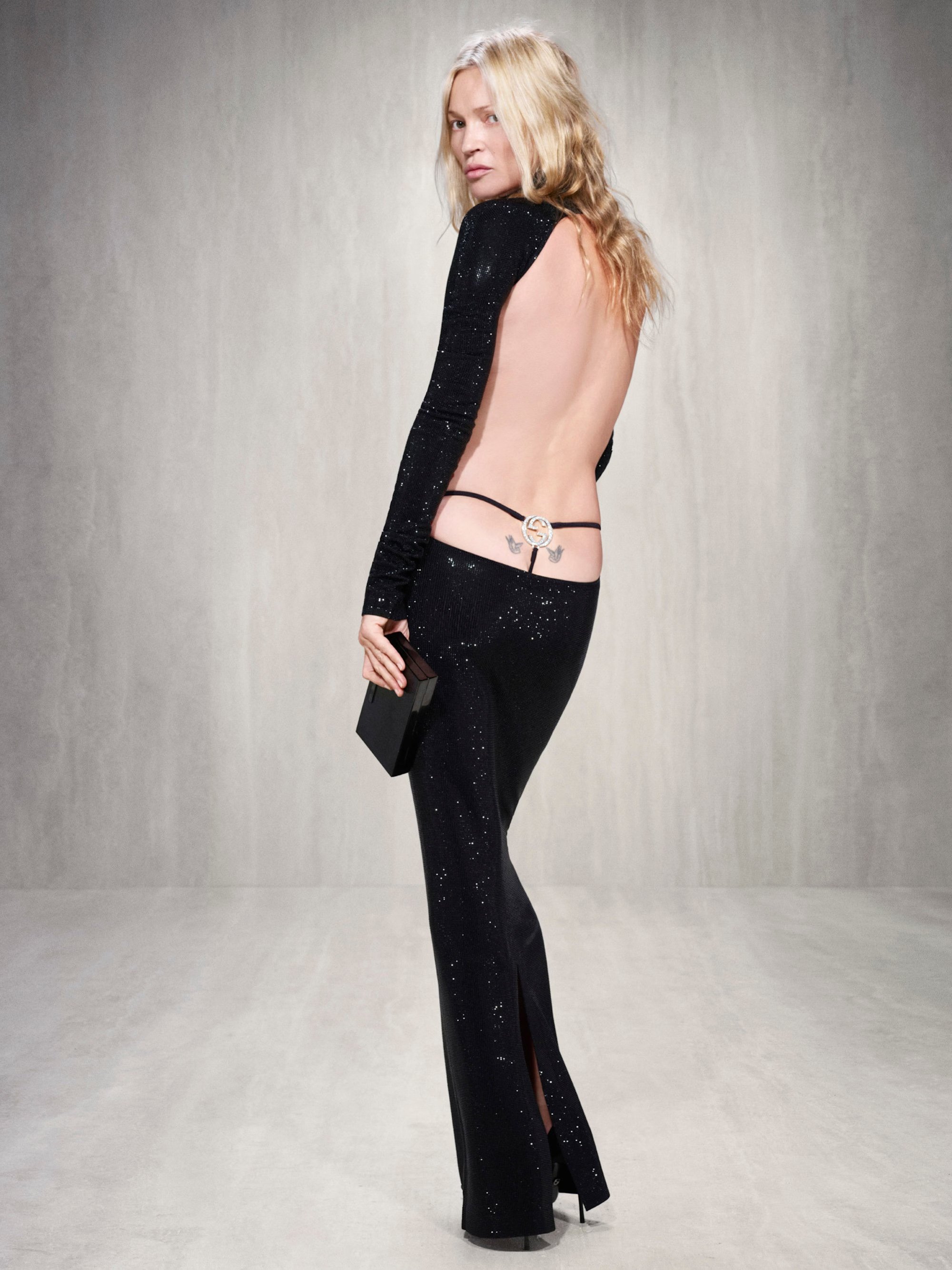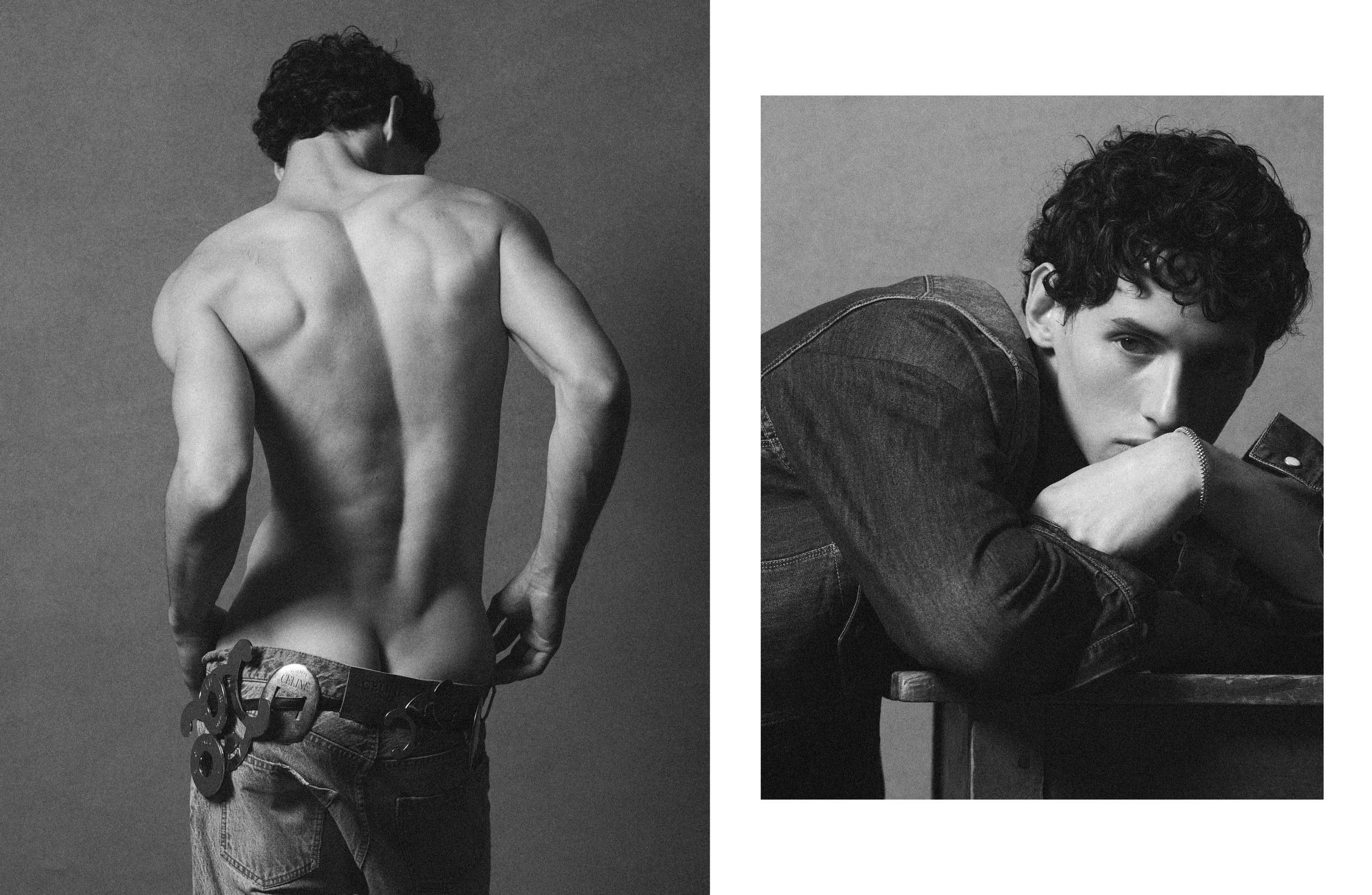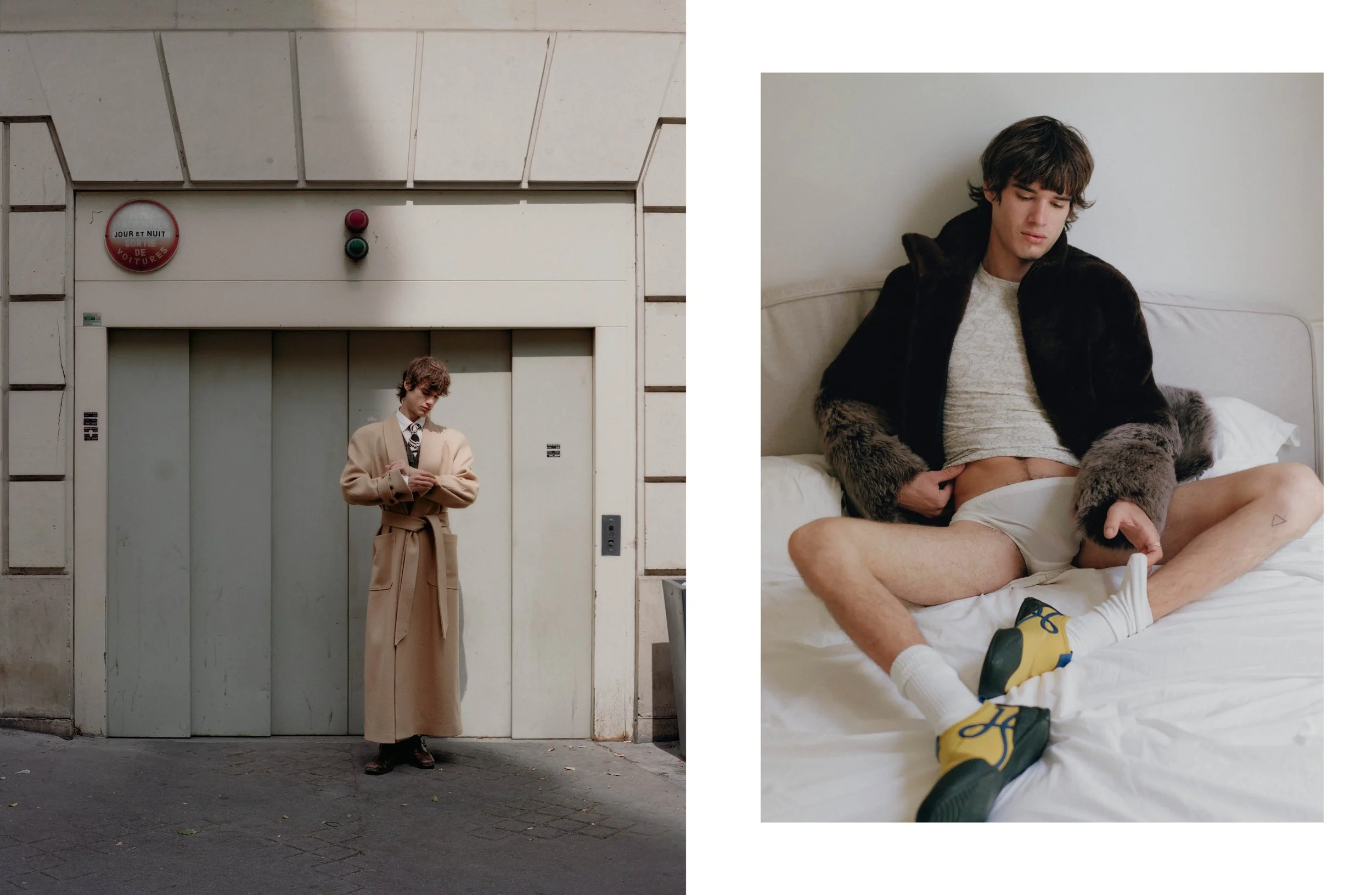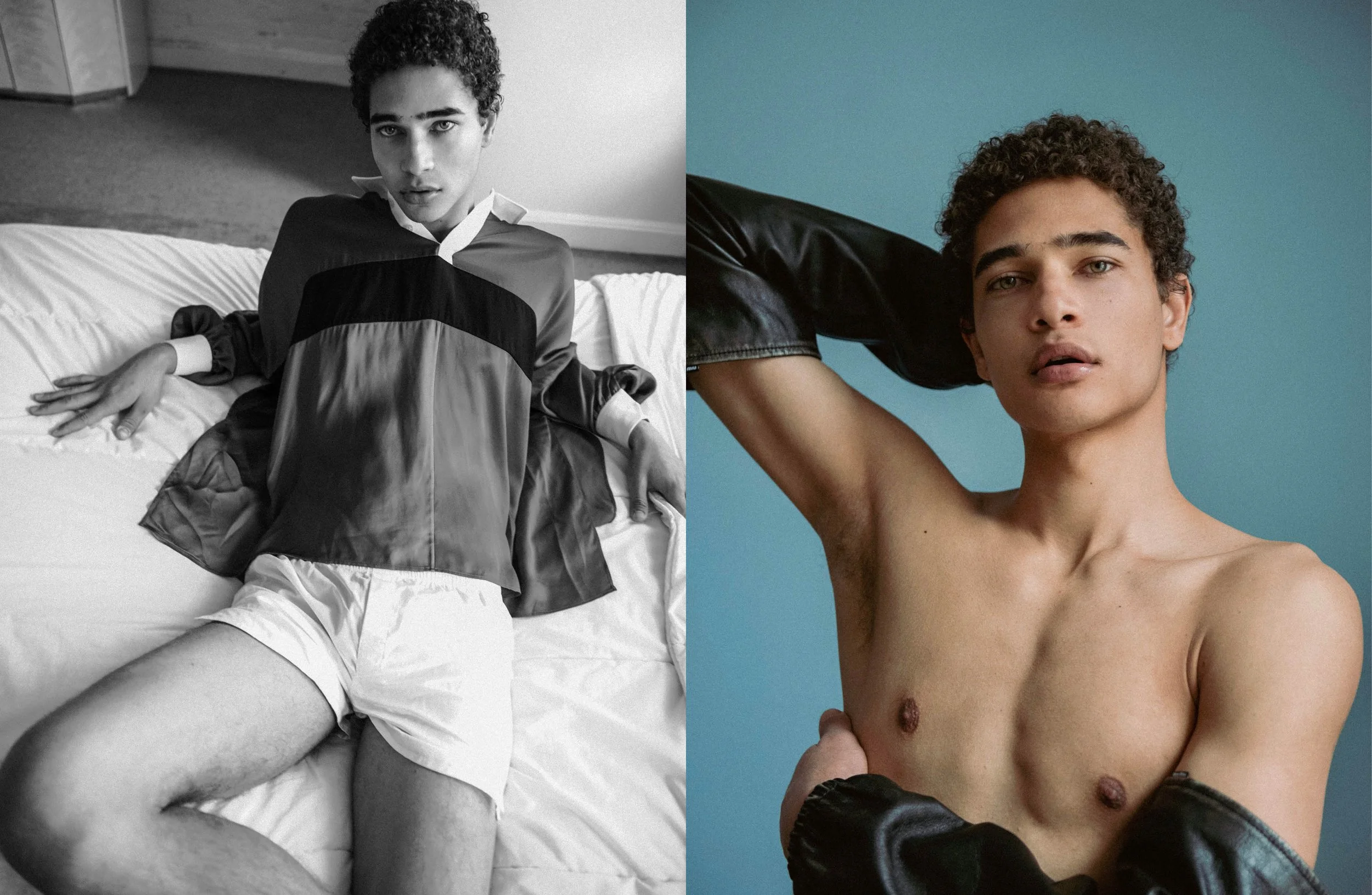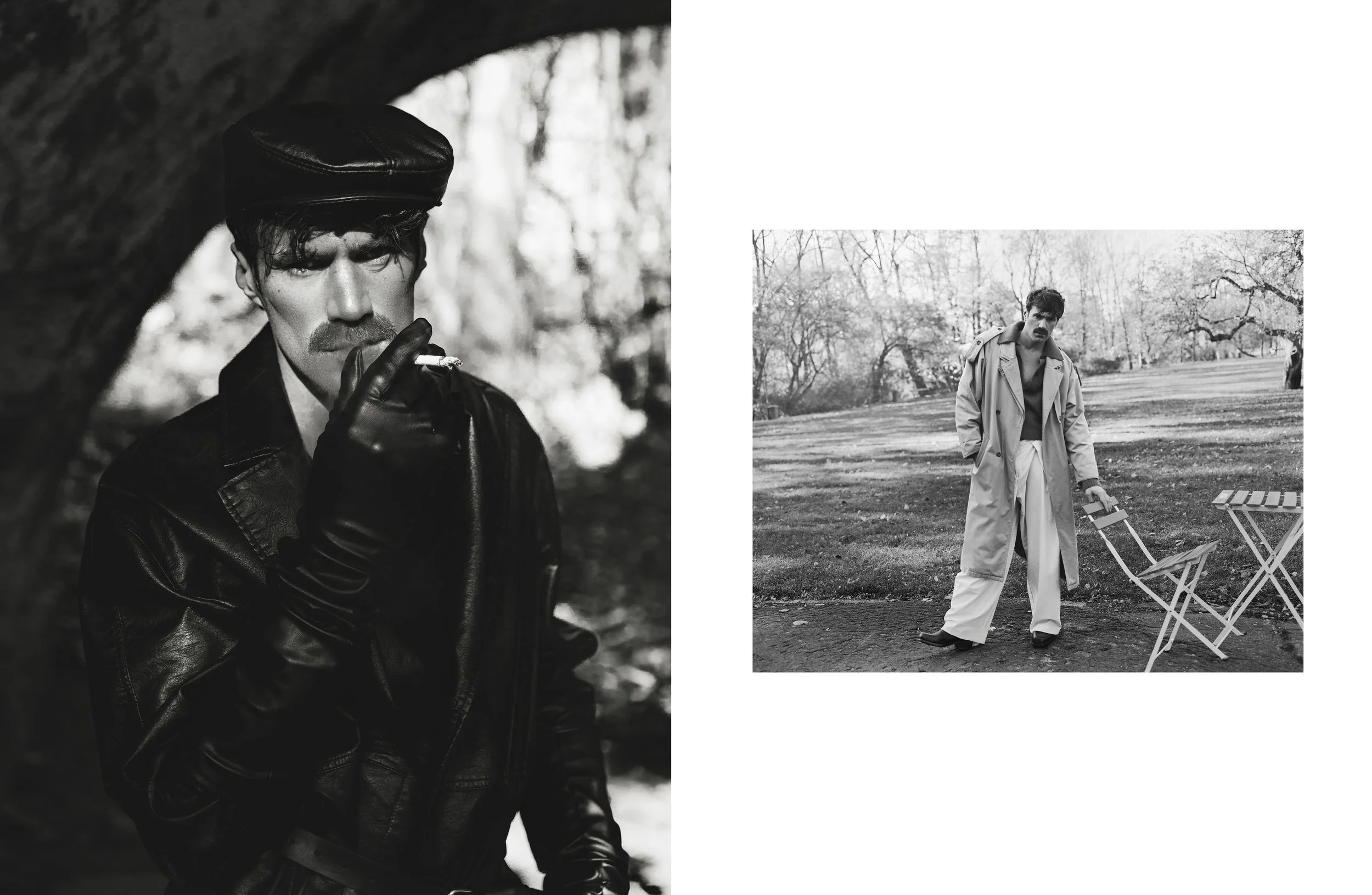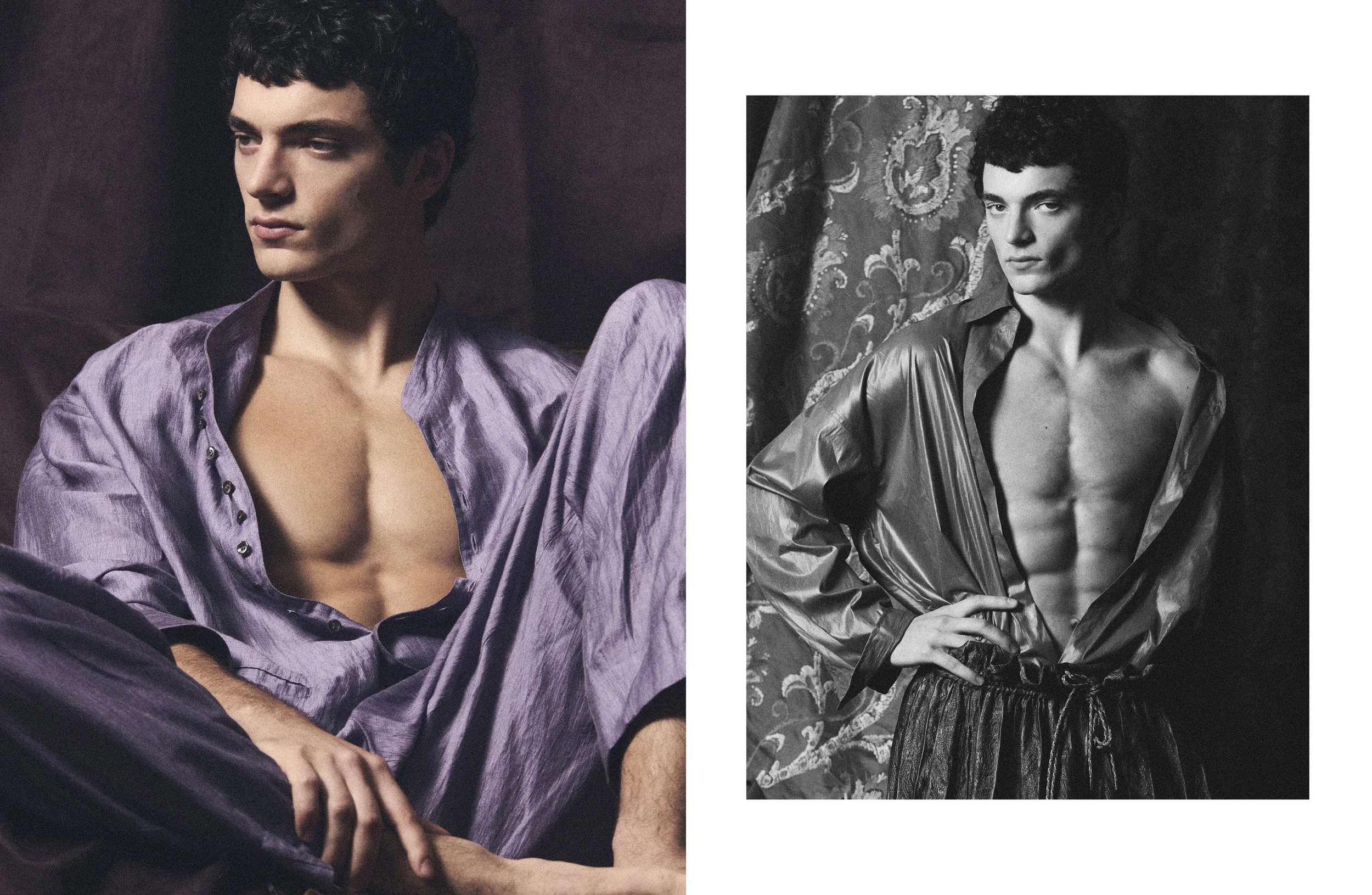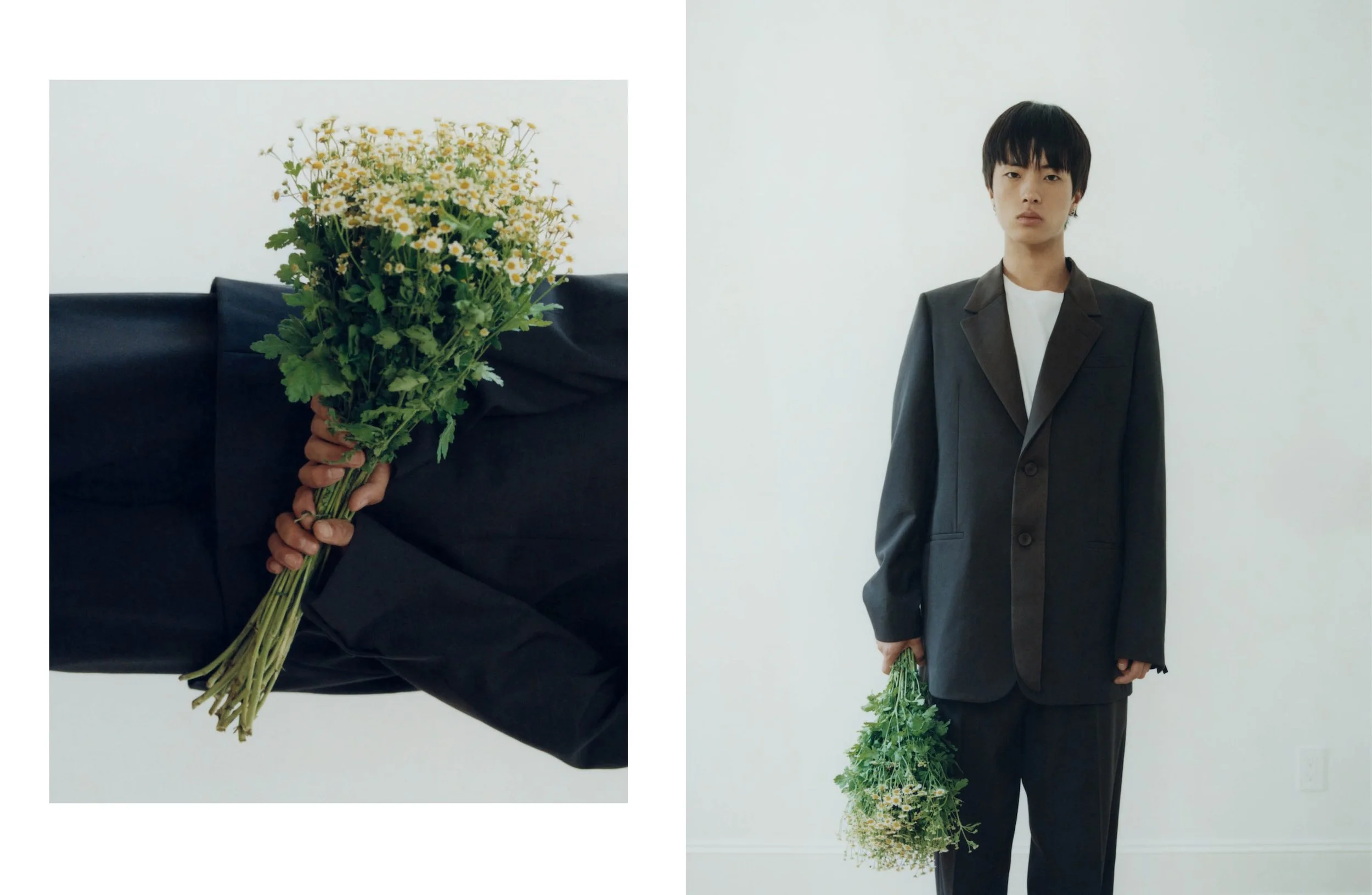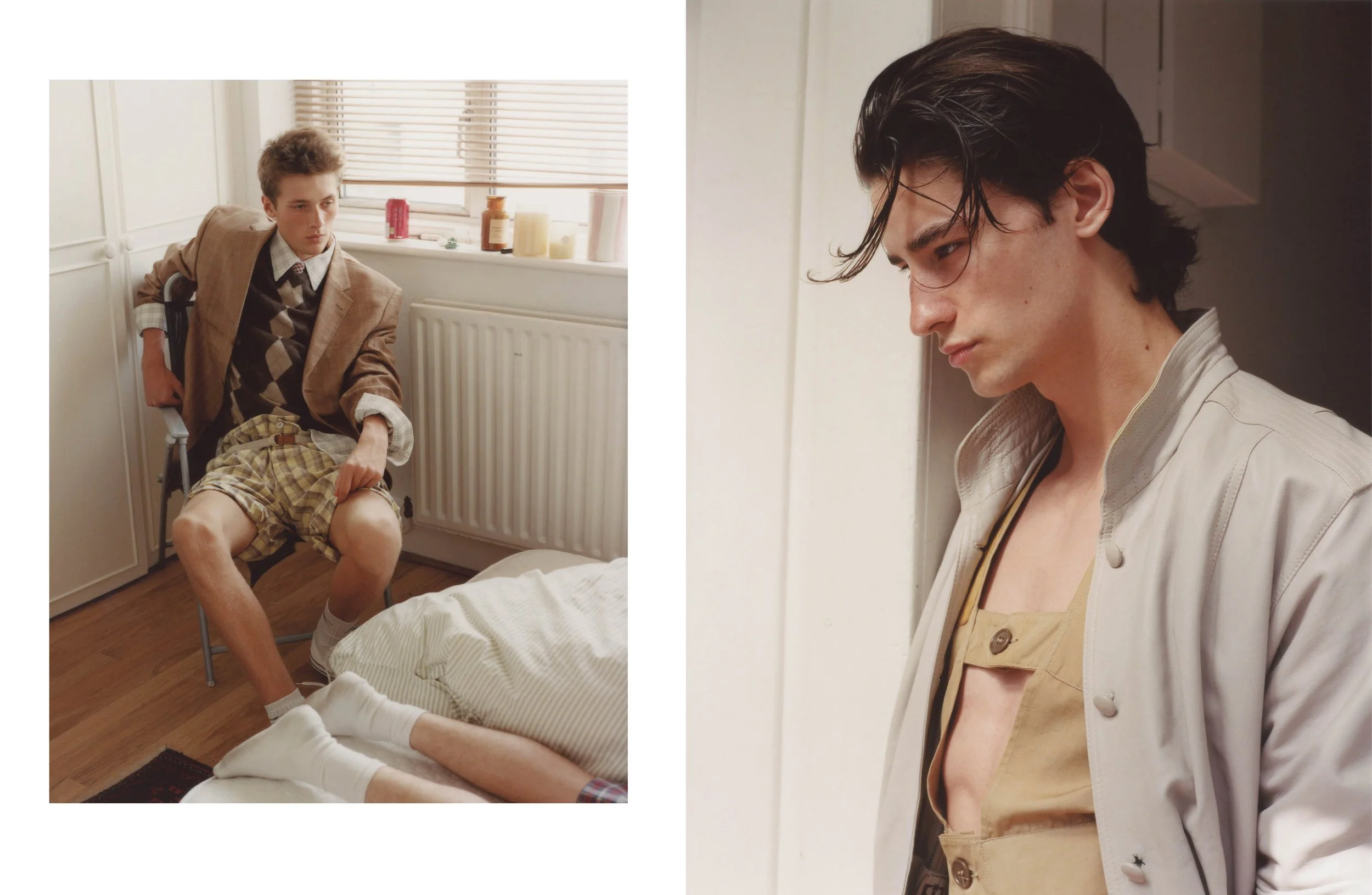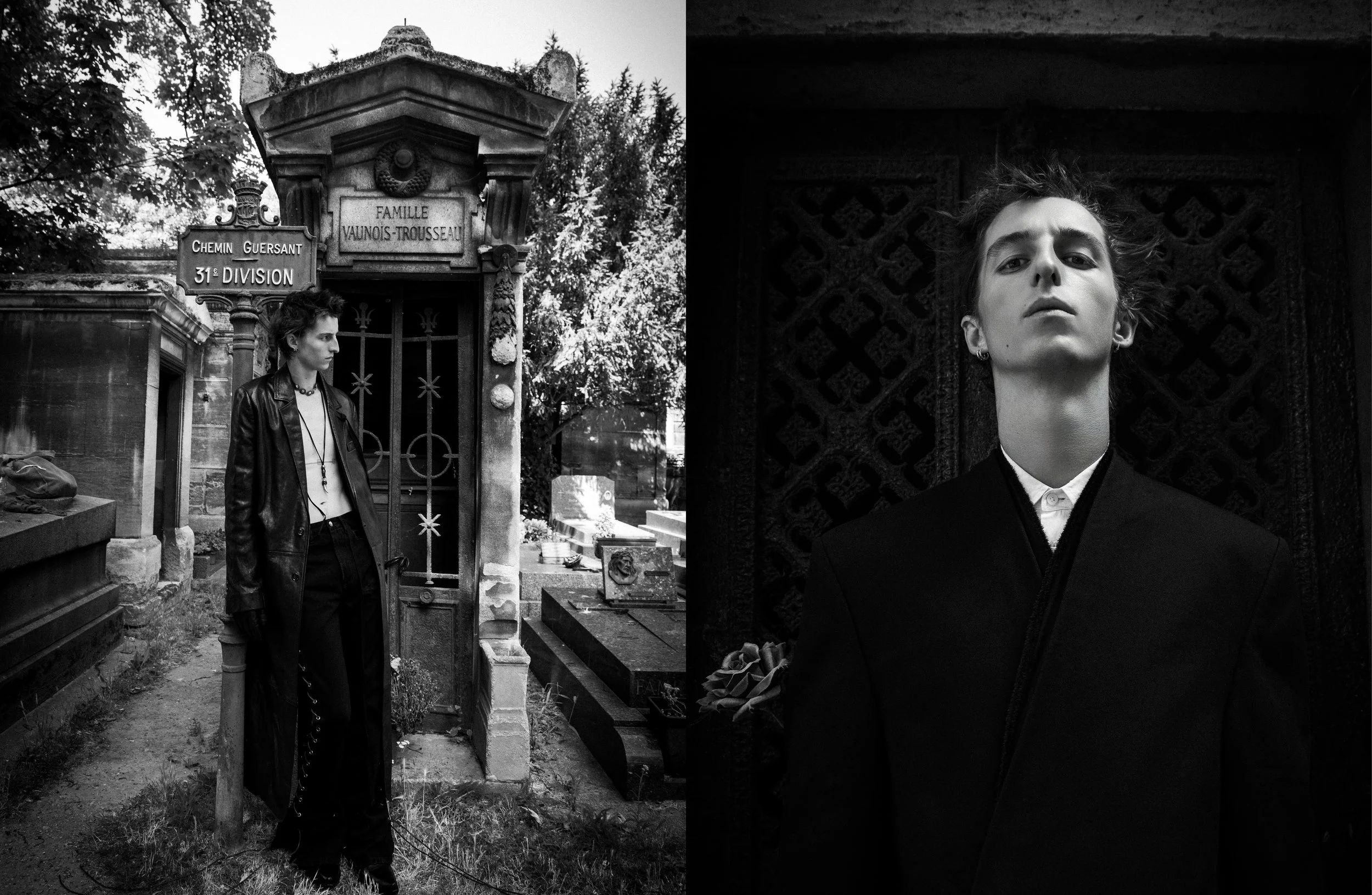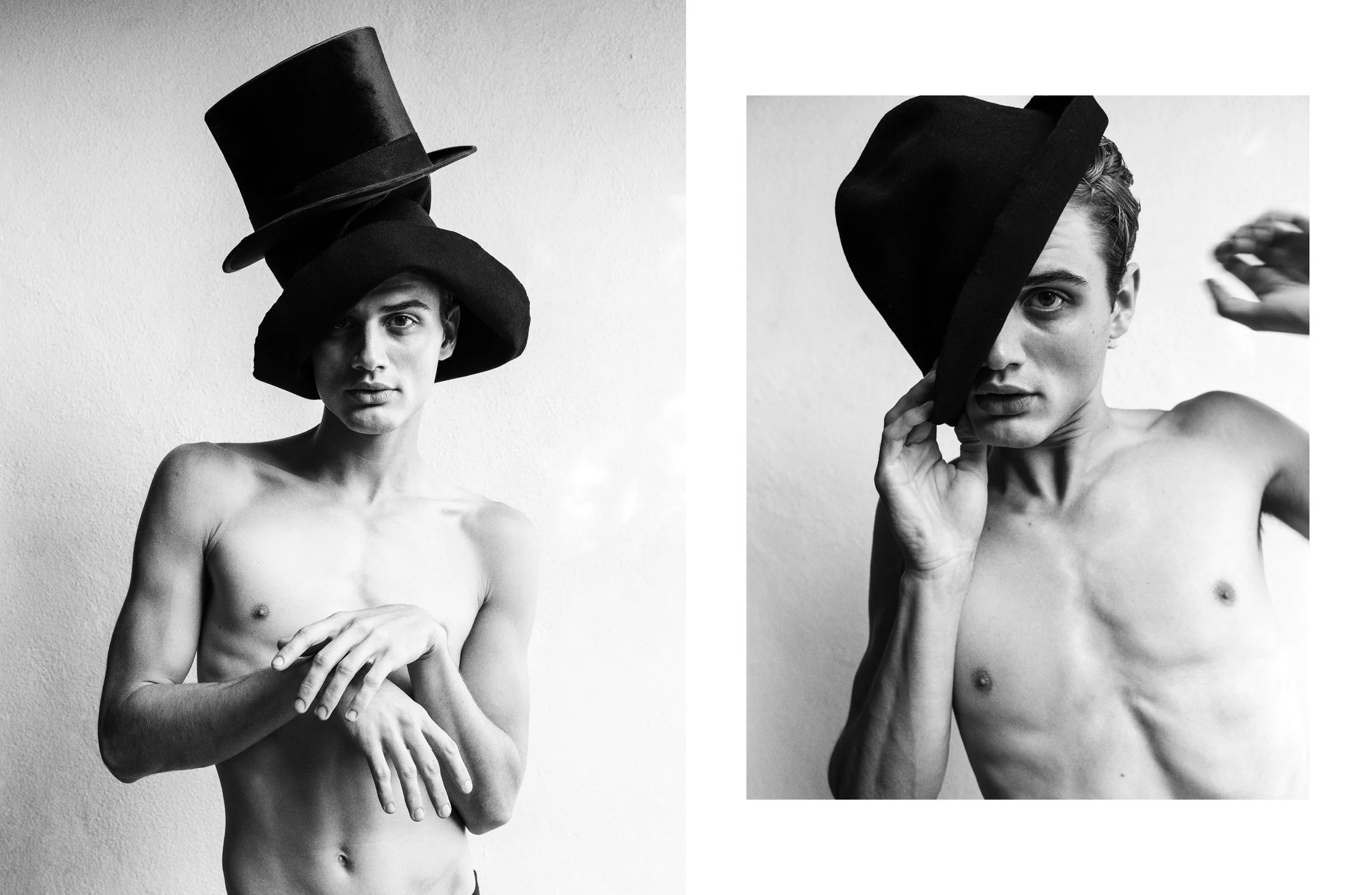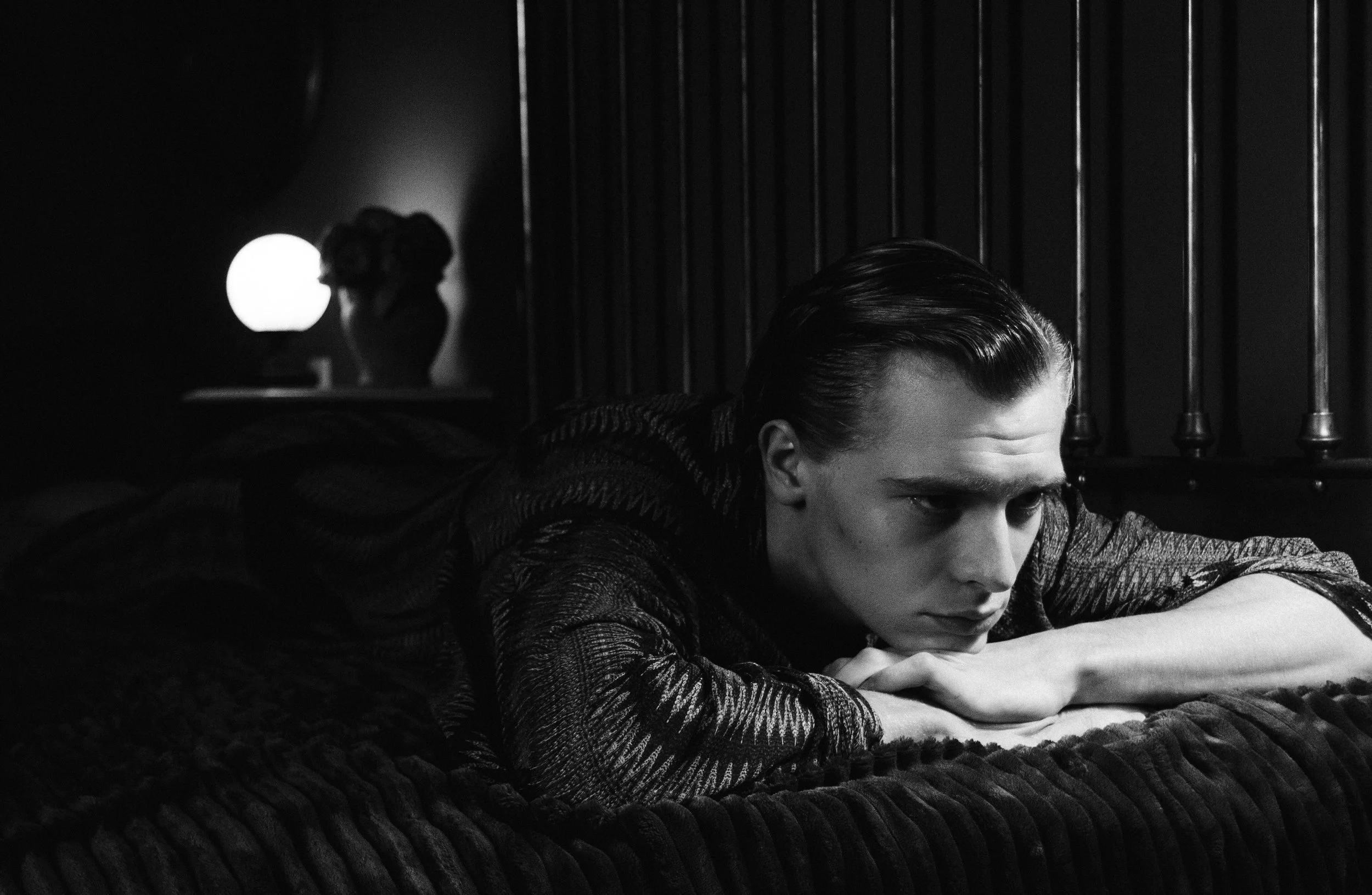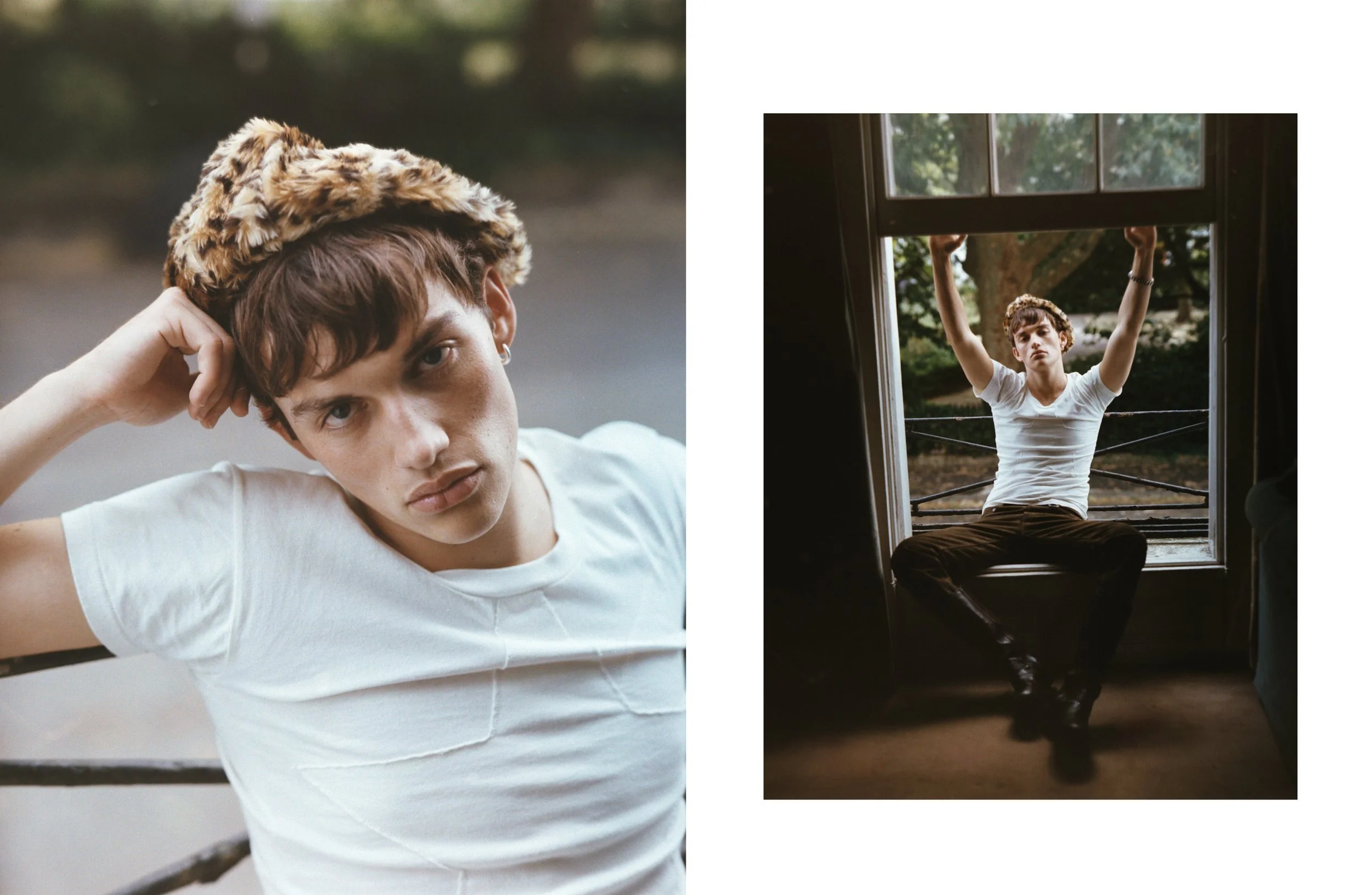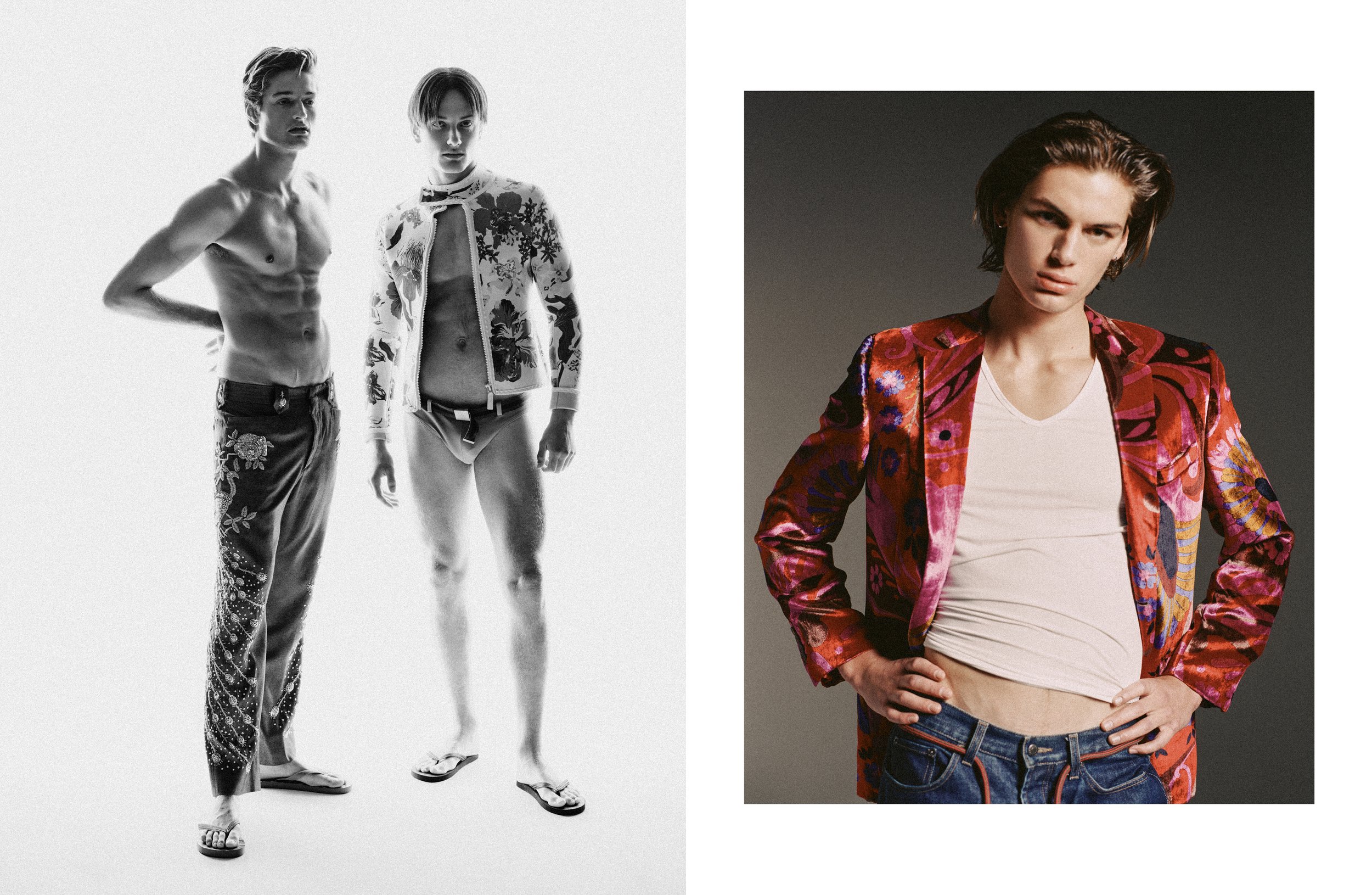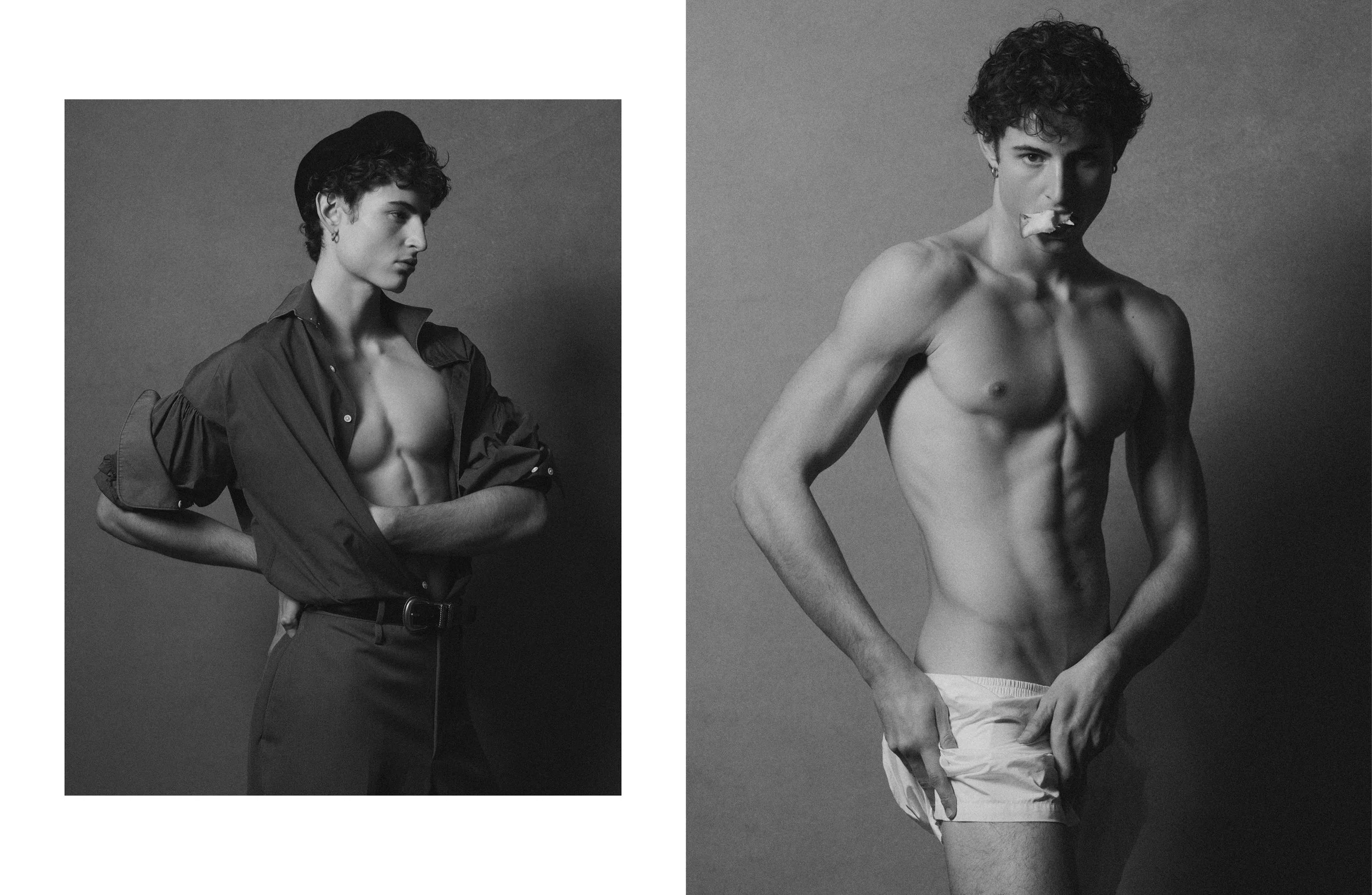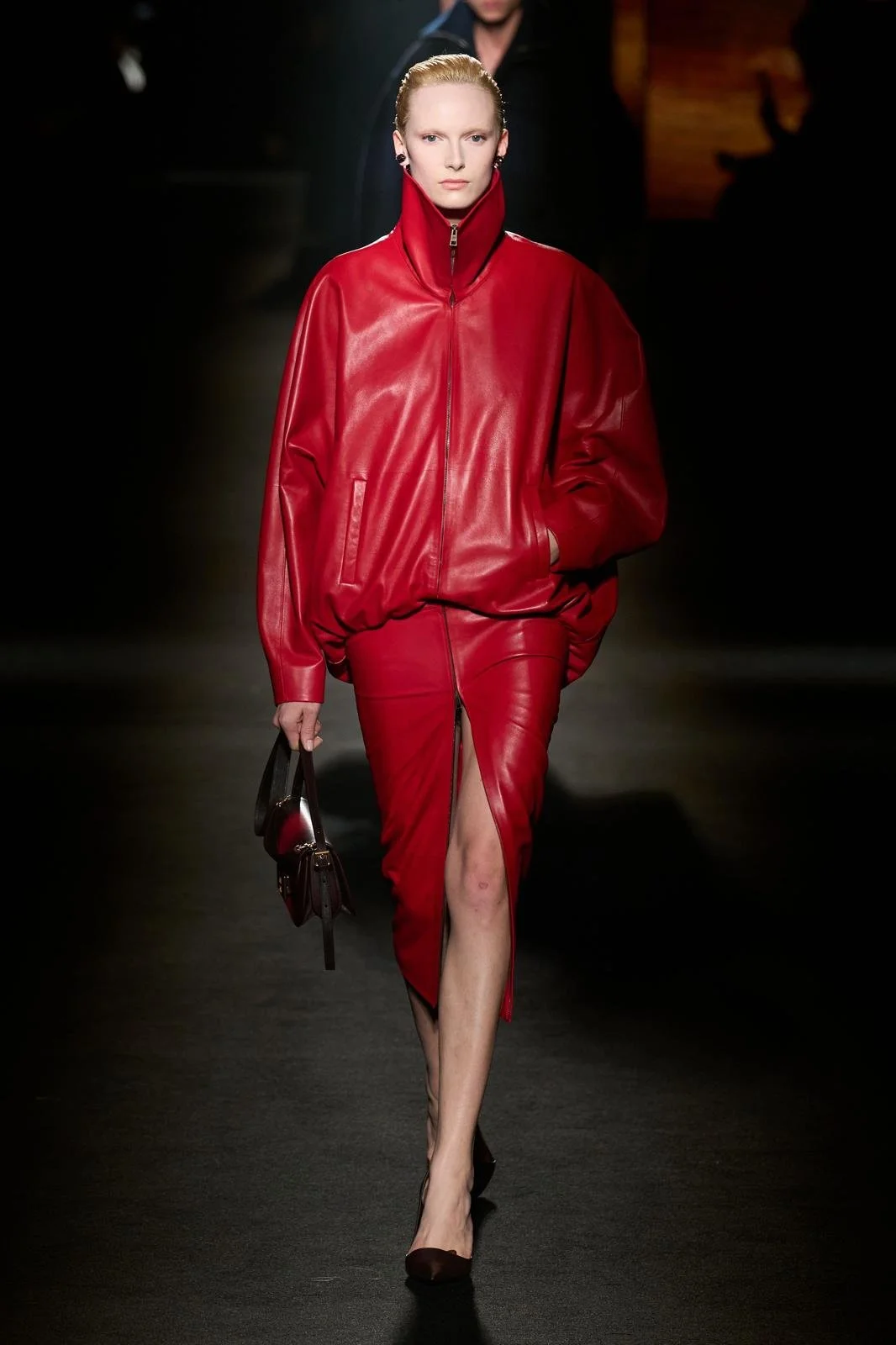
ClairObscur, Pierpaolo Piccioli's sophomore collection for Balenciaga, aimed to explore darkness and light as the defining forces of humanity. The show revolved around a celebration of community, serving as a reminder of our shared experience with all its wonders and complexities.
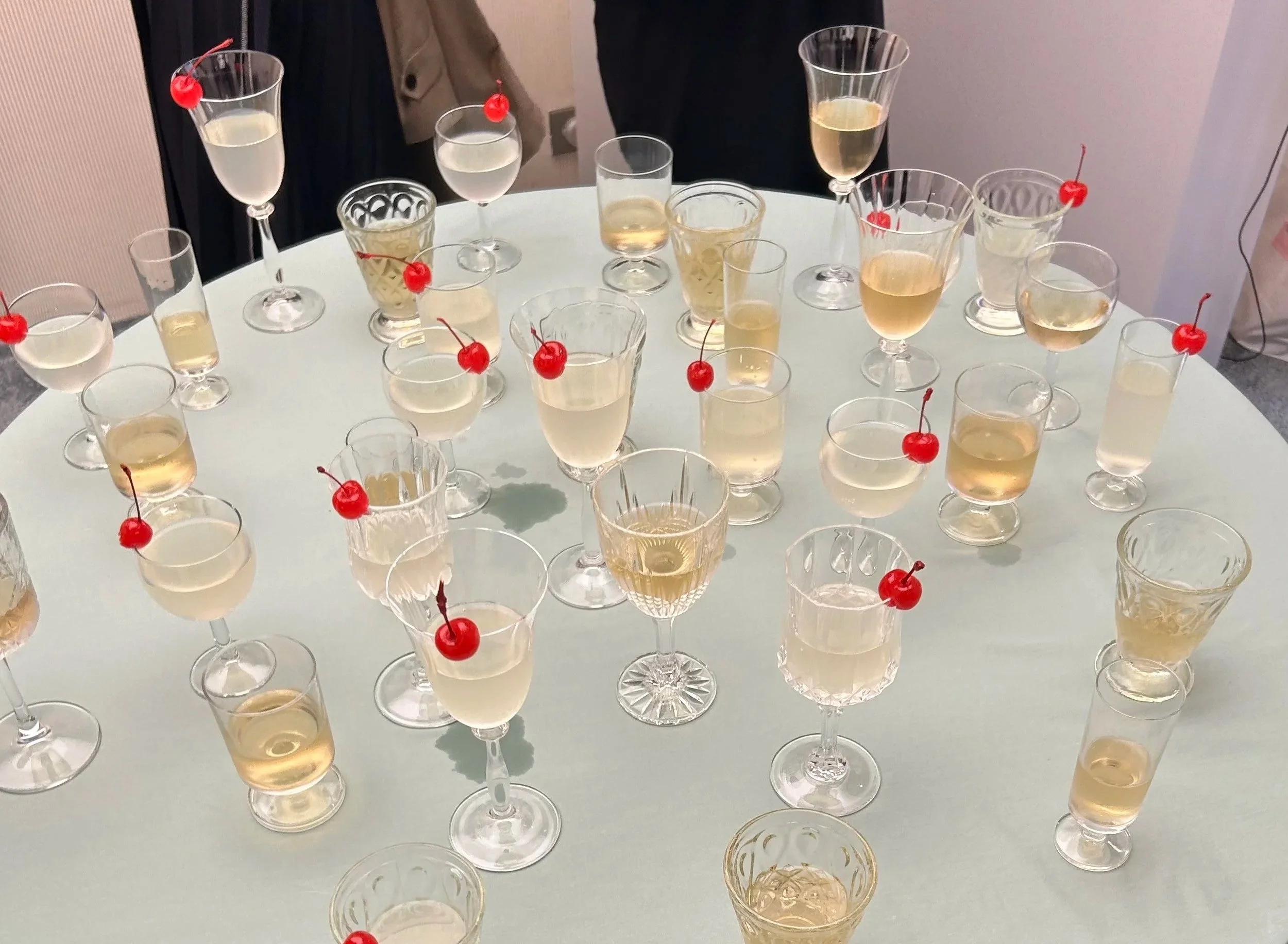
Helping Piccioli with his Fall/Winter 2026 mission was filmmaker Sam Levinson, creator of HBO’s Euphoria, who was invited to play a key role this season. Levinson and Piccioli collaborated on the development of the show space, which had Euphoria scenes playing on various screens scattered around the venue.
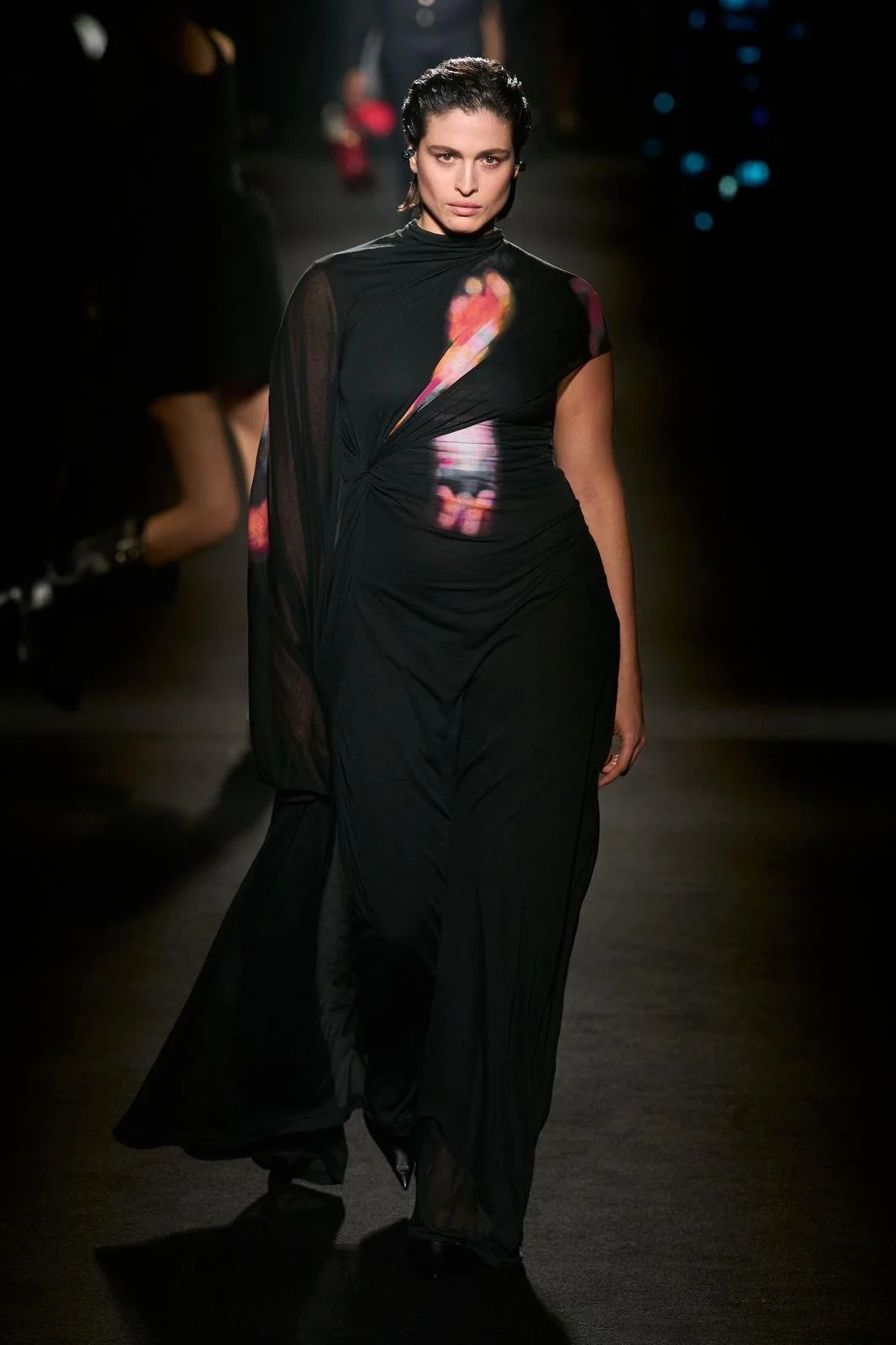
Going from concept to execution, some of the Balenciaga pieces that were part of the show, such as jumpers, coats and fleeces, carried Euphoria prints and motifs. “In the end, we are both creating a Fresco of Humanity, using the artistic technique of clair-obscur with love as a goal,” Piccioli said of Levinson in the press release, one that emphasised Balenciaga’s desire to keep its proximity with pop and celebrity cultures.
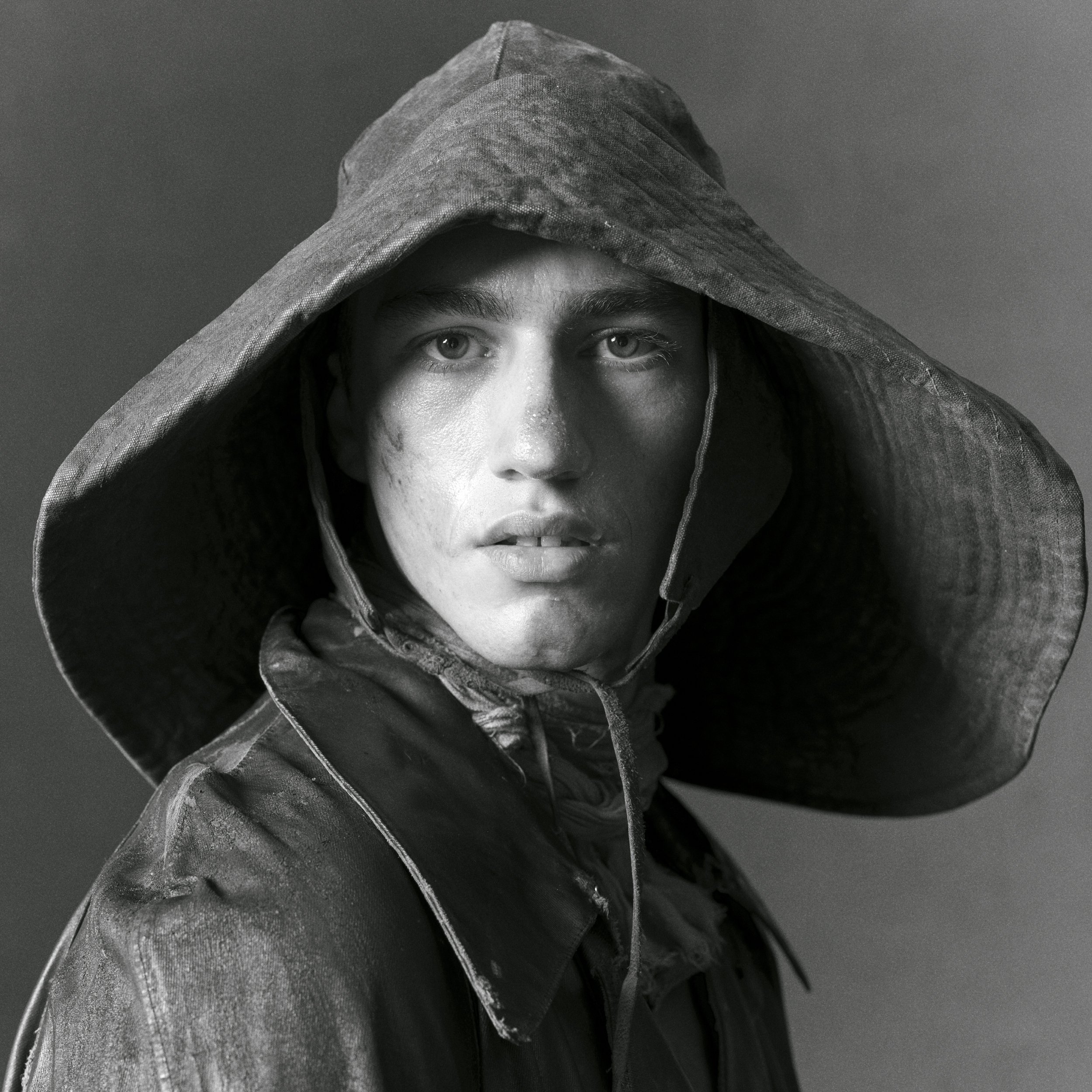
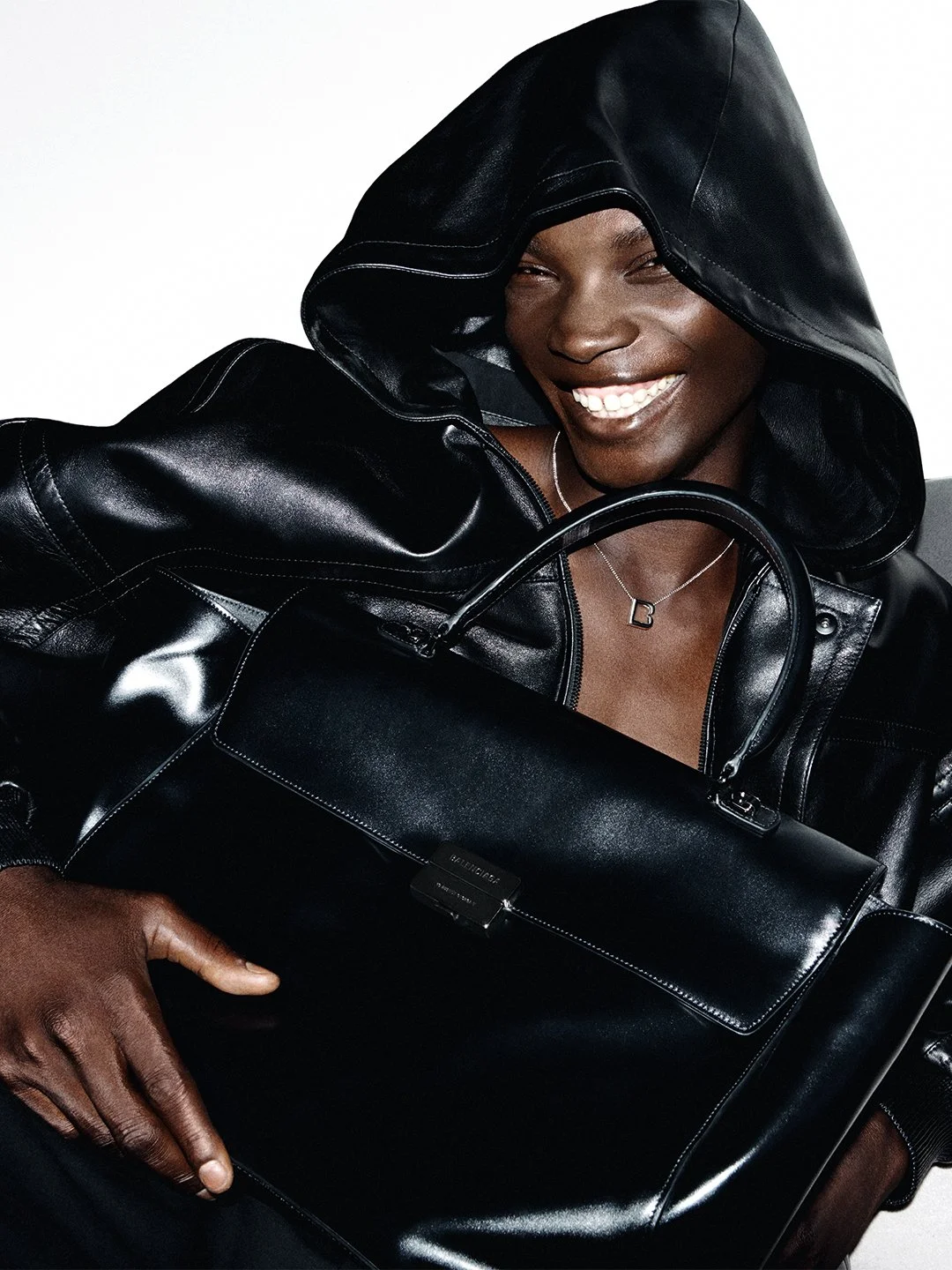
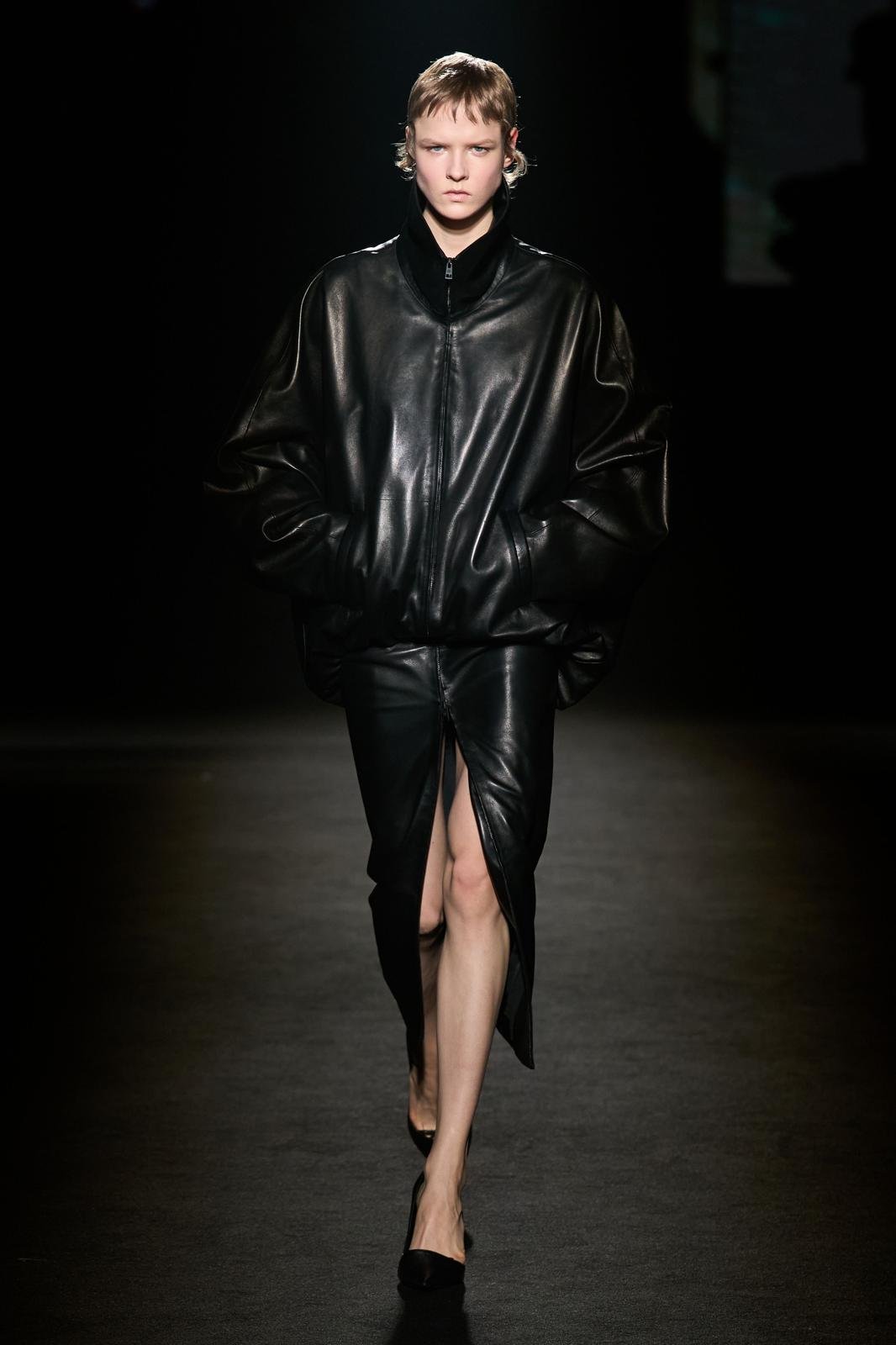
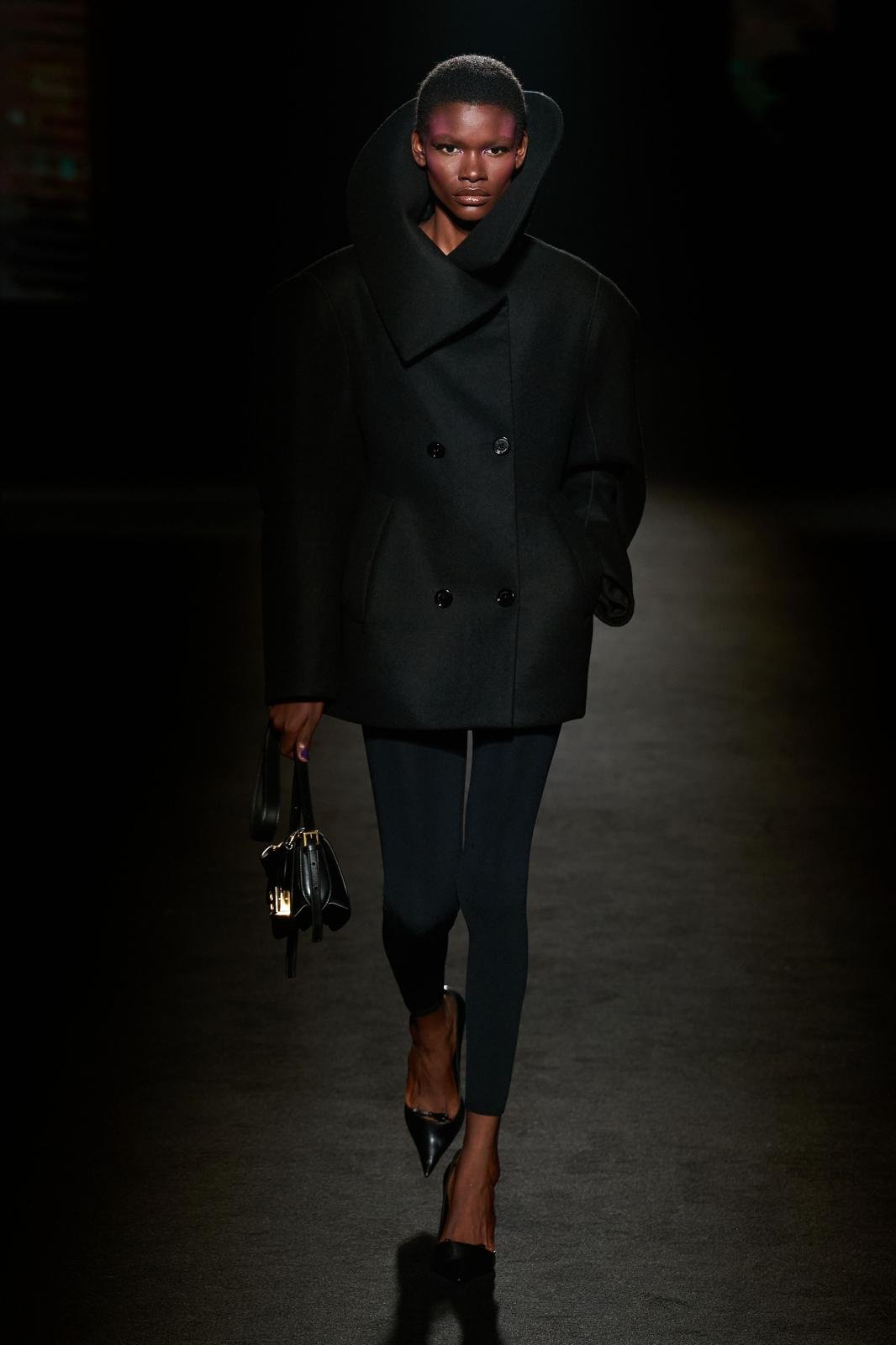
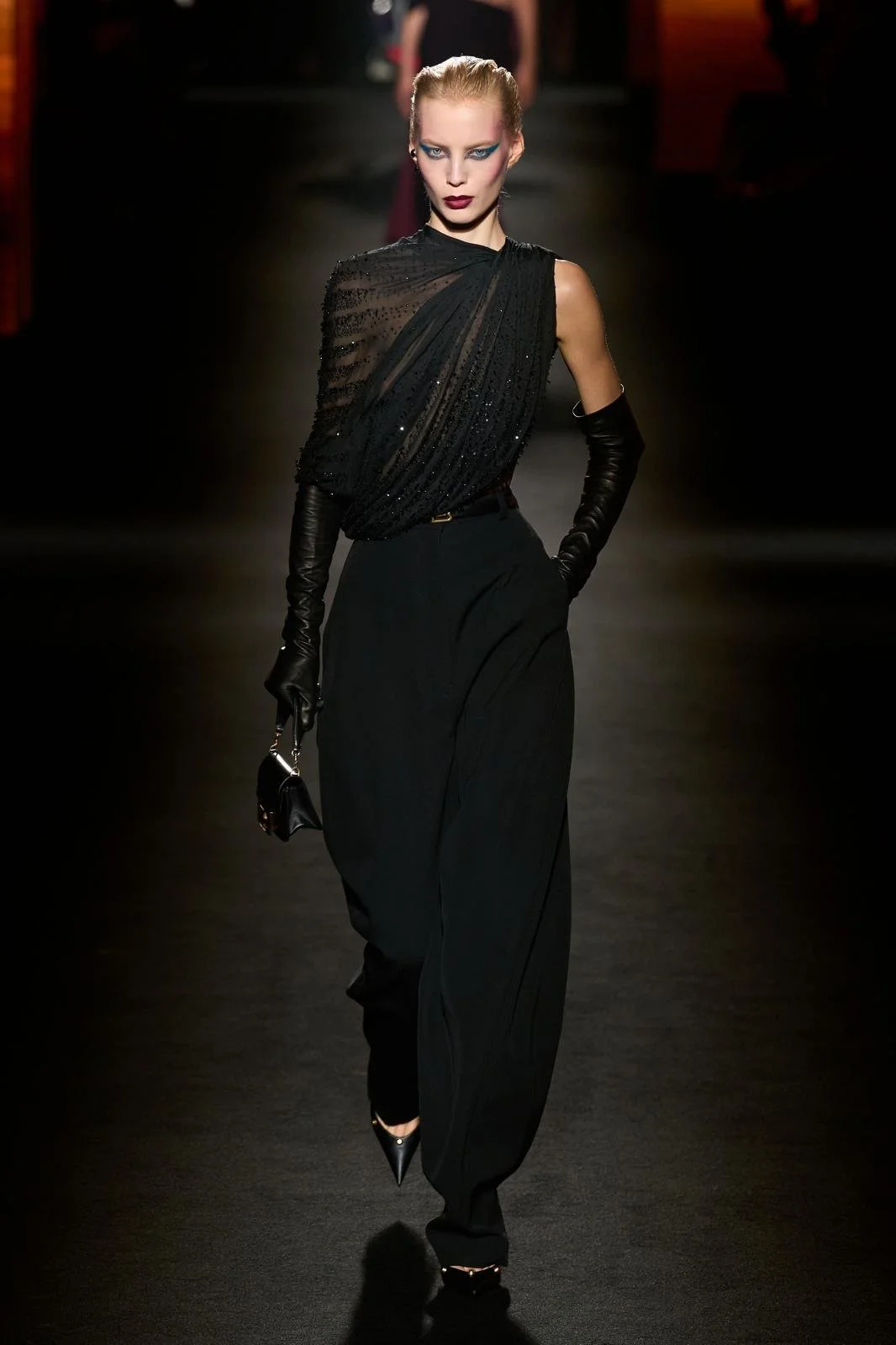
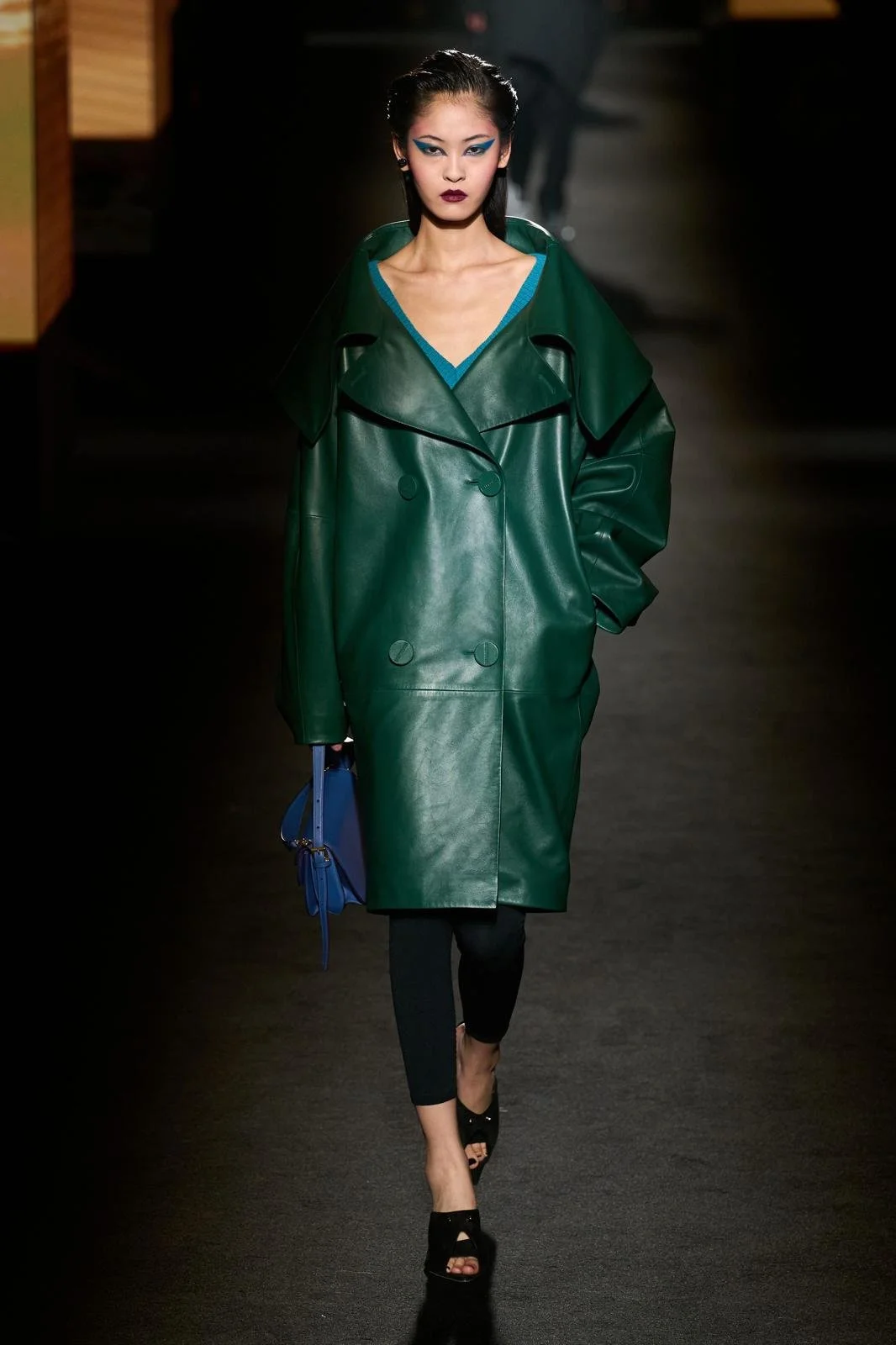
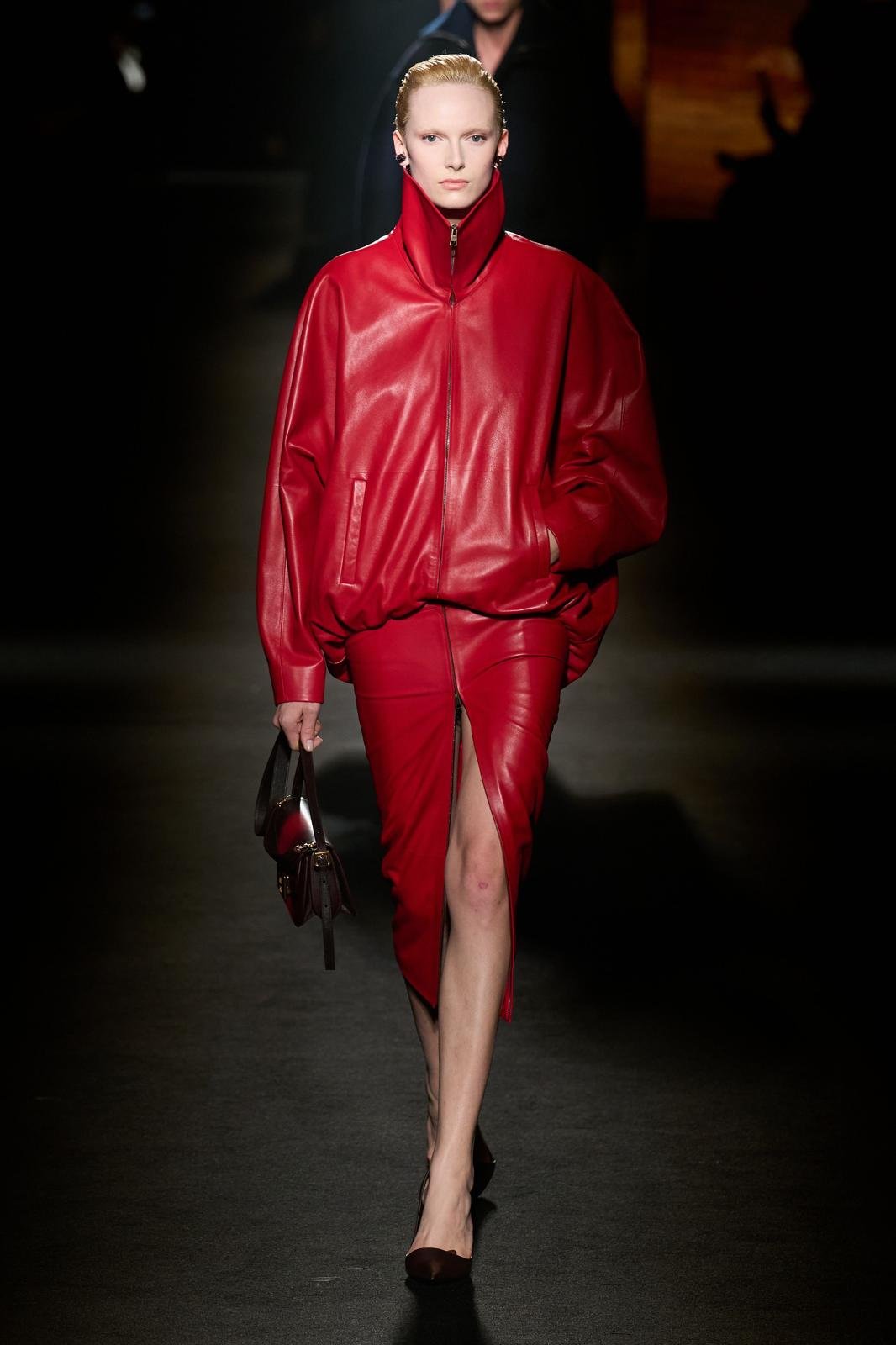
From hoodies and capes to embellished gowns, black pieces were far from missing this season. Quite the opposite, the majority of the looks were all black, alluding to the season's “light and darkness” motto. A few phosphorescent items, embodying the idea of radiance that emerges from the shadows, were carefully highlighted, including two orange pieces, an electric pink coat, and a set of glossy red leather skirt and jacket that happened to be an audience top choice, worn by Alex Consani.
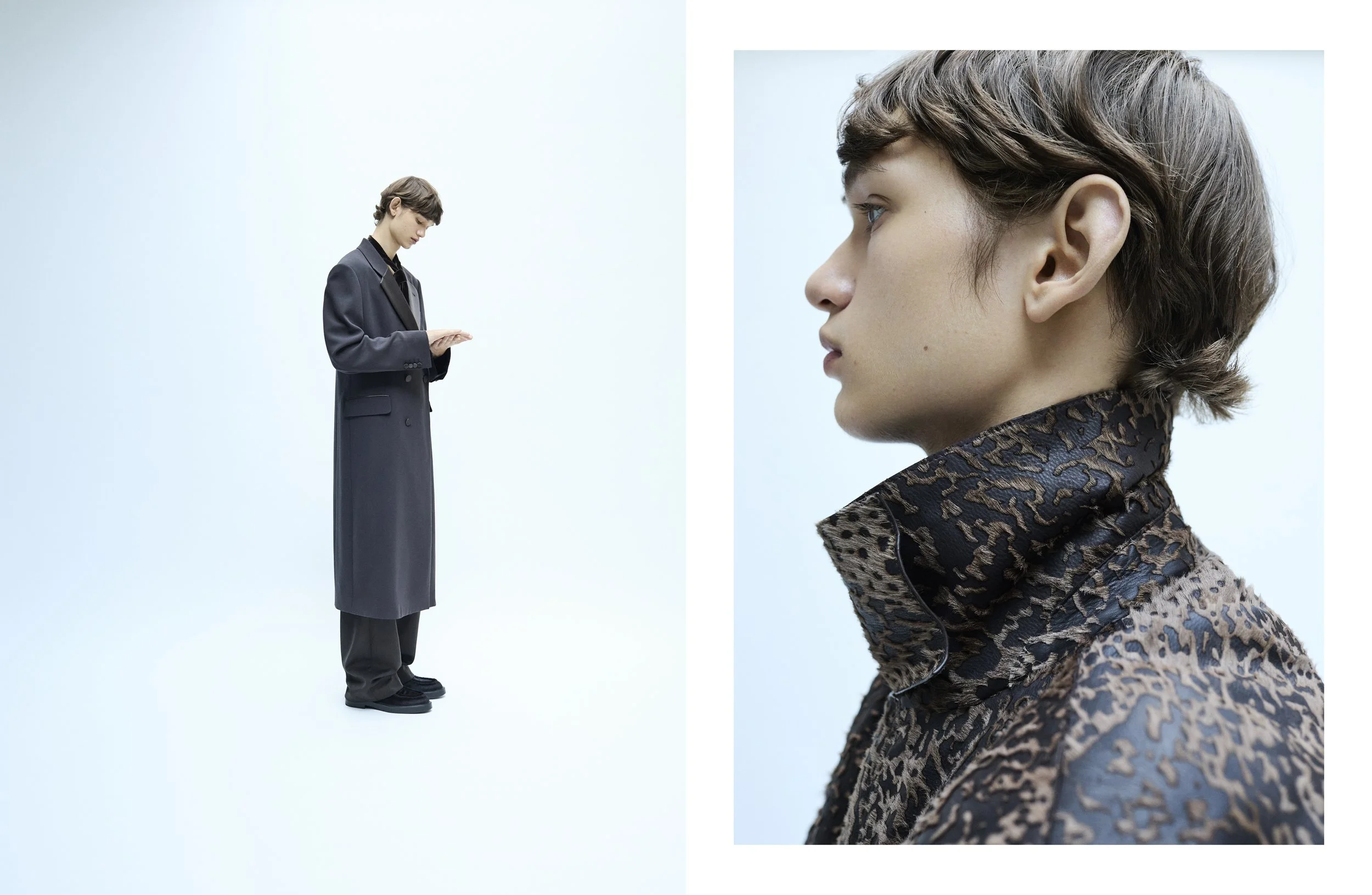
Still experimenting and finding his own language at Balenciaga, Piccioli also used elements inspired by his predecessors. Some of the shapes presented, for example, resembled the couture works of Cristóbal Balenciaga, especially the ones that focused on weightlessness through silhouette and fabric choices. High collars, hoods, and sportswear references were a clear nod to Demna’s tenure at the label, as were the prevalence of a moody atmosphere and the darker colour choices.
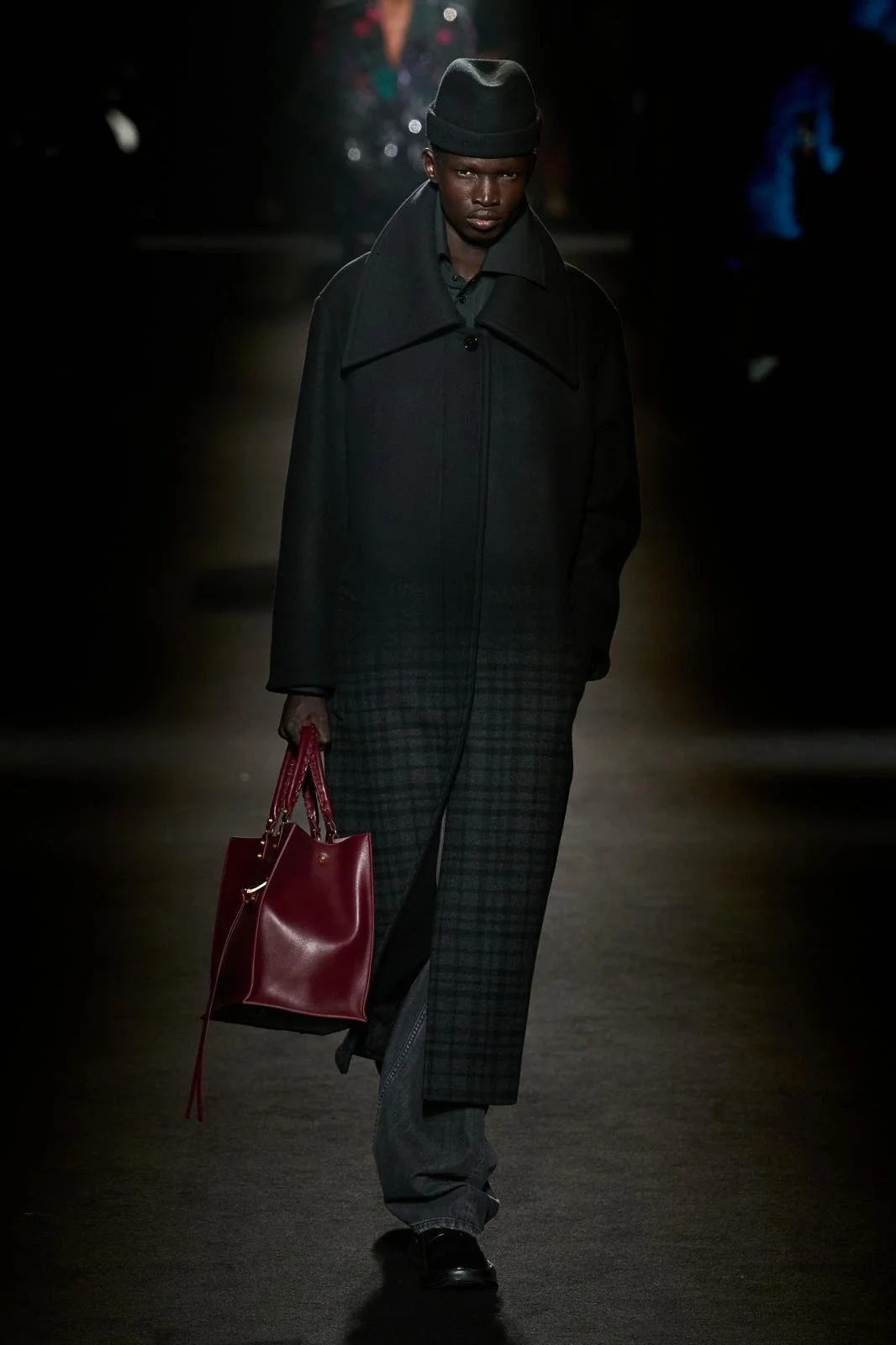
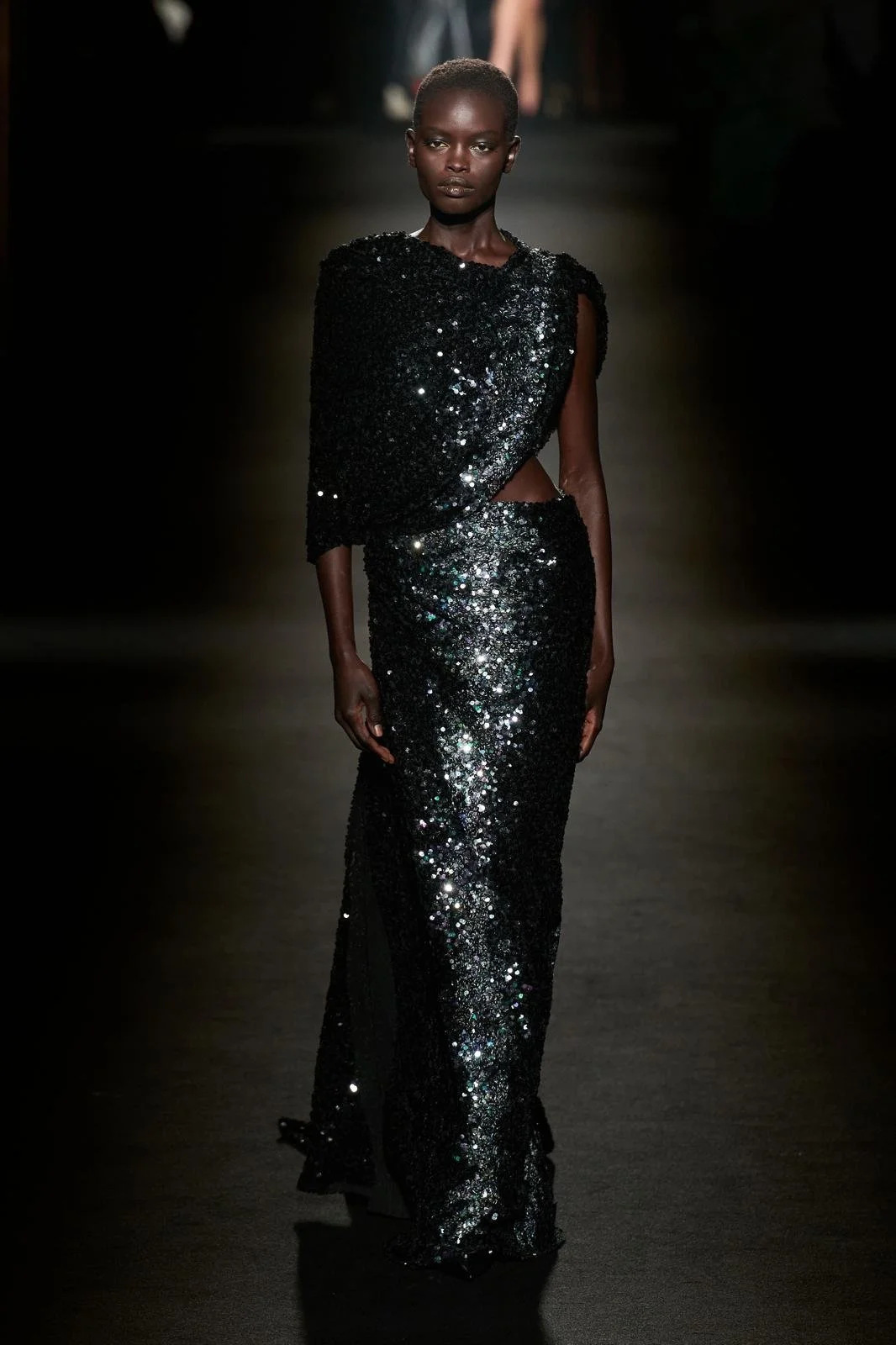
Cocooning shapes, one of the house's main codes throughout its history, were seen on wool coats and jackets. Cutouts and draping details led the way in eveningwear and light, long dresses, often styled with leather opera gloves, a seasonal favourite accessory for multiple labels.
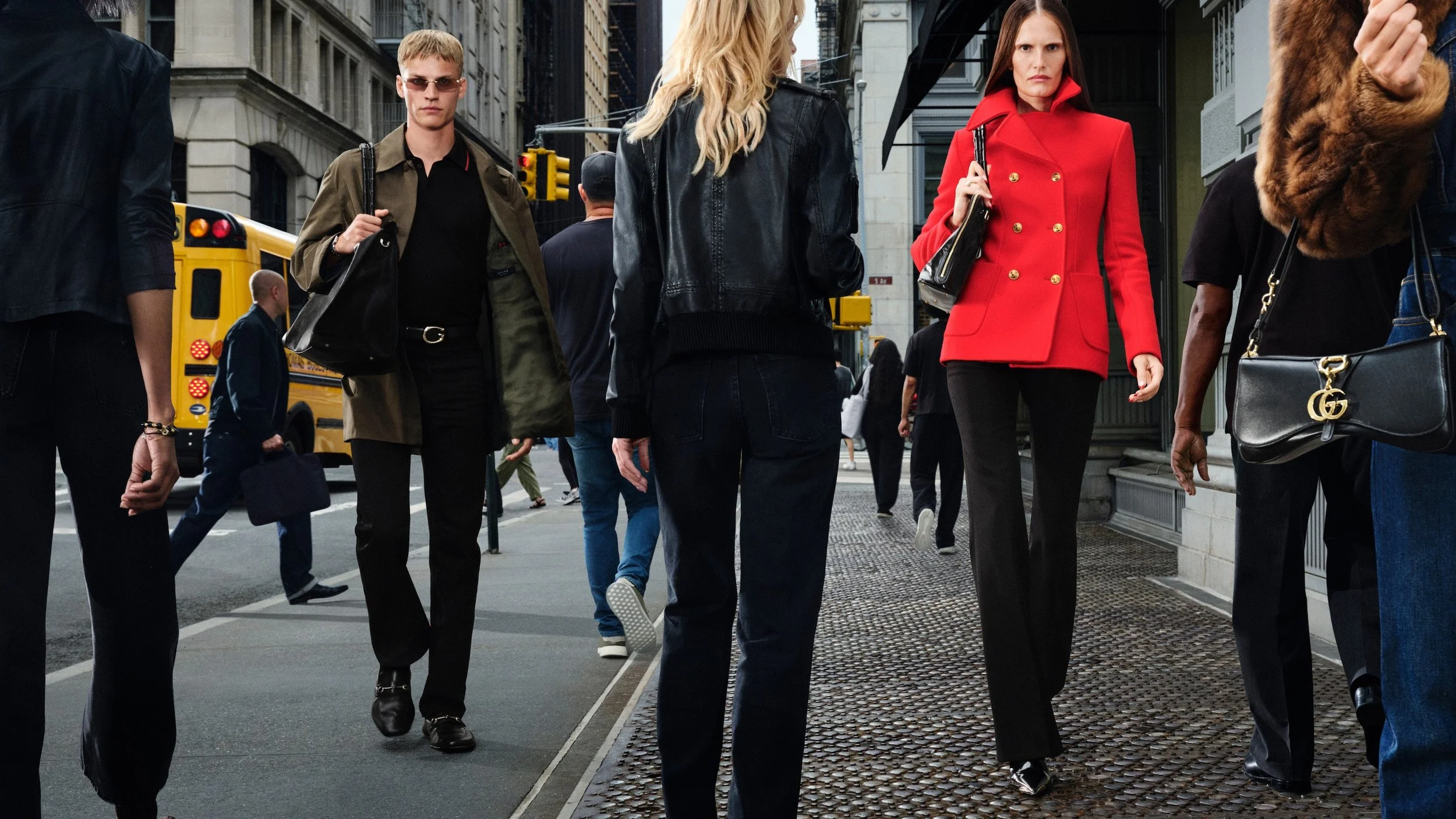
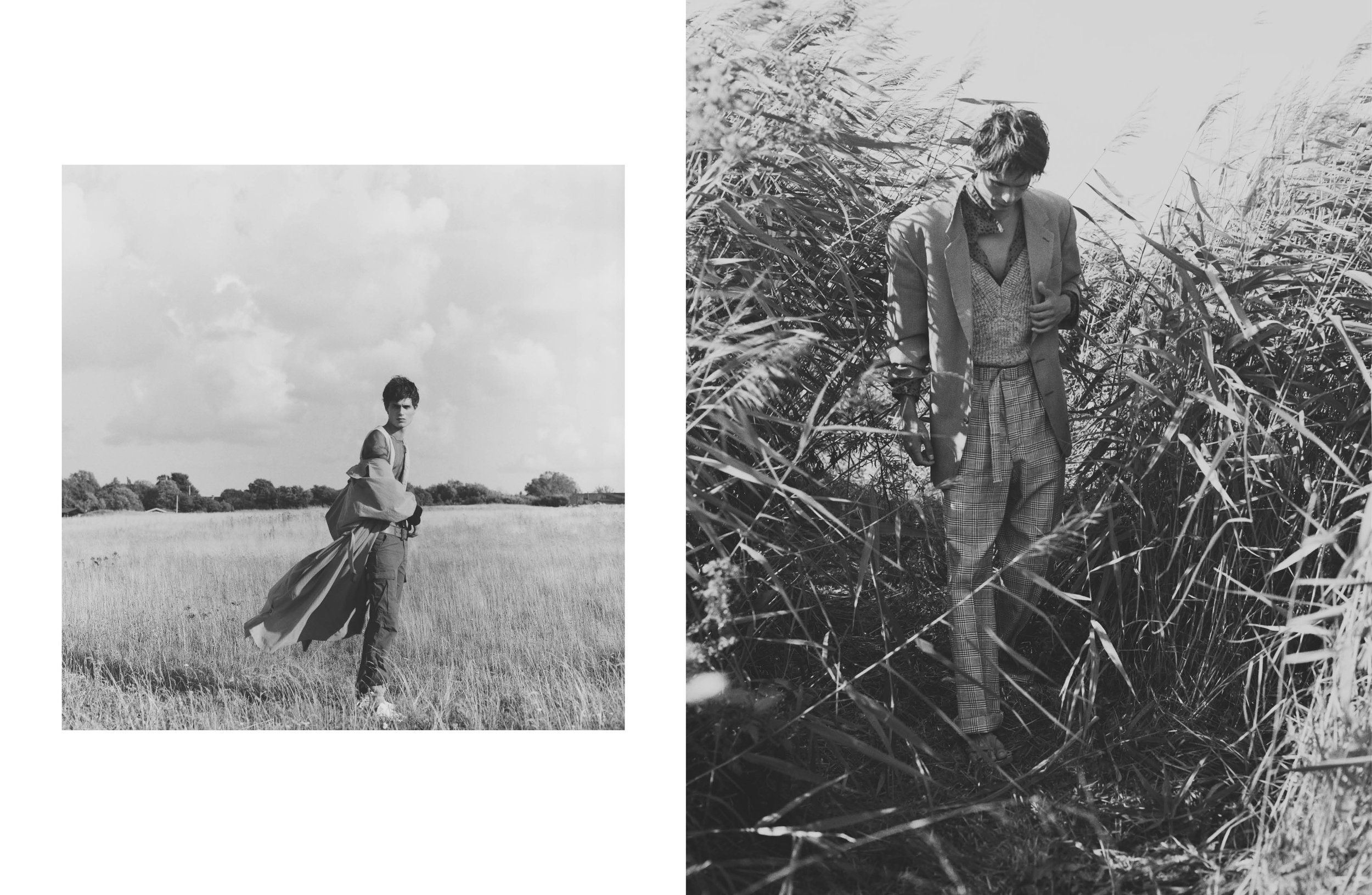
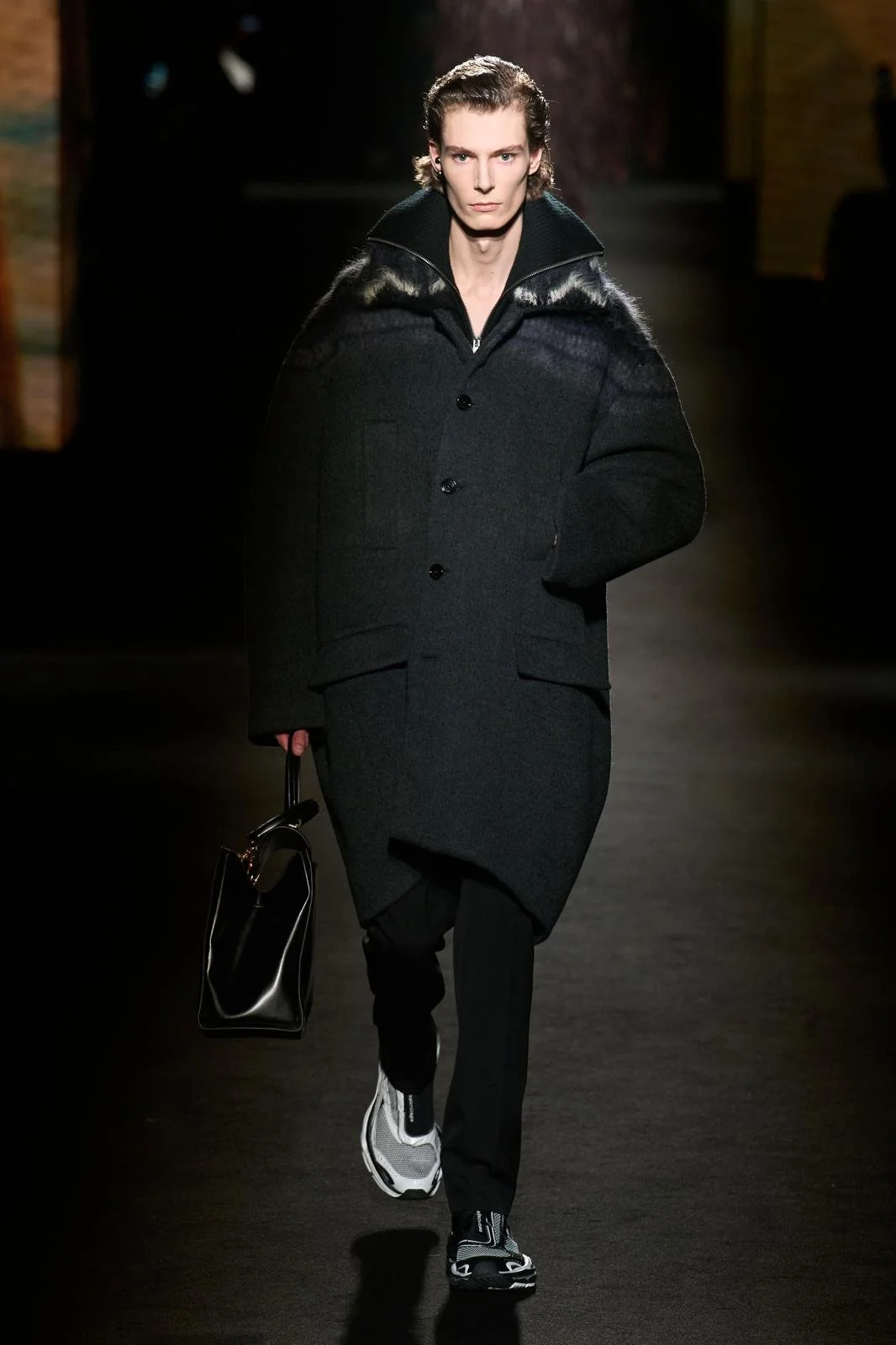
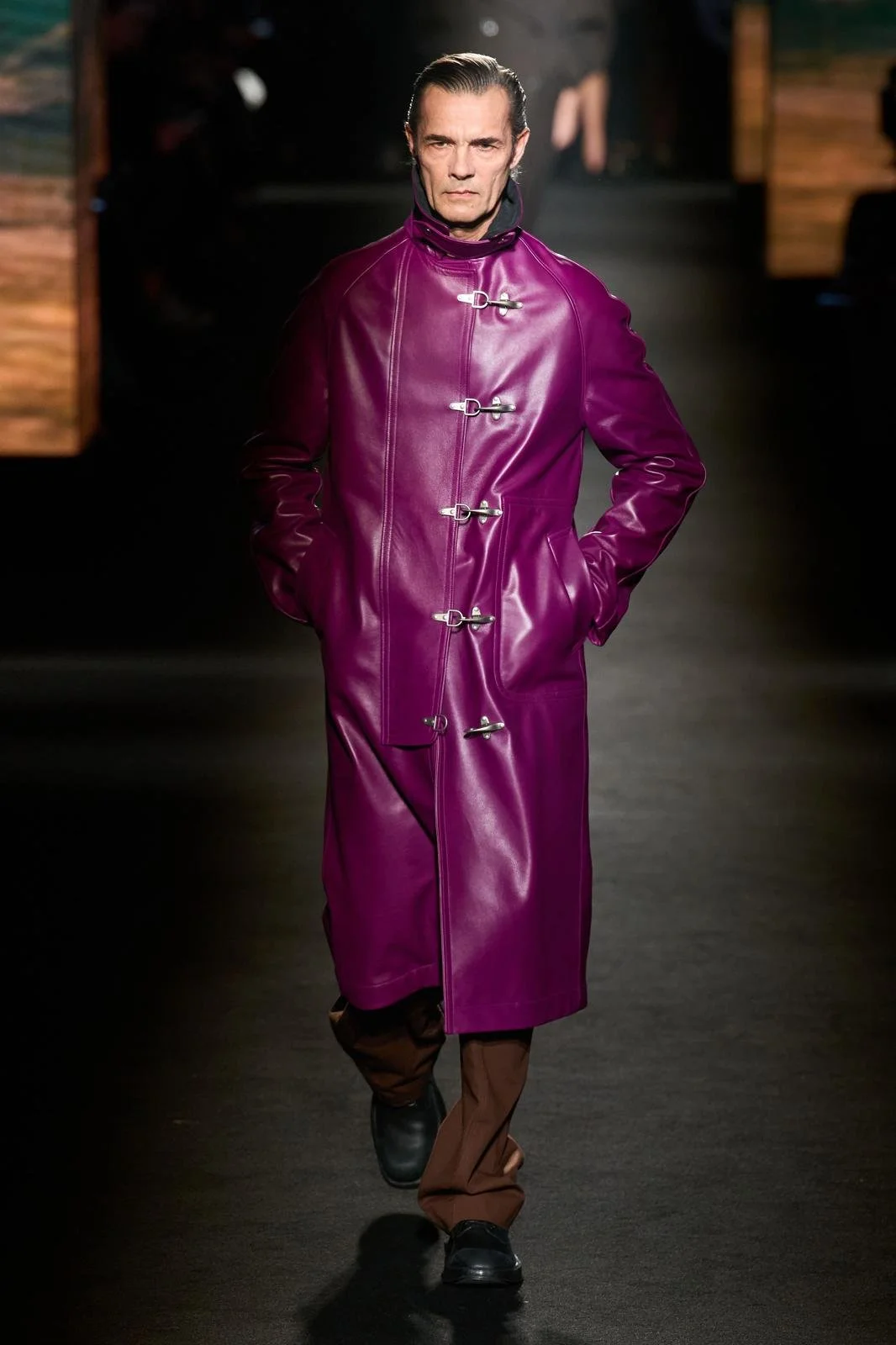
This was also Piccioli’s first time designing menswear for Balenciaga, building a male wardrobe laser-focused on outerwear and slouchy trouser silhouettes. Key materials, for both men’s and womenswear, varied from leather and cashmere to silk and embroidered sequins. Championing ideas of both individual and collective power, the casting was a big highlight of the show, marked by a truly diverse cohort of models in terms of both body type and age range.


Words by Ketlyn Araujo