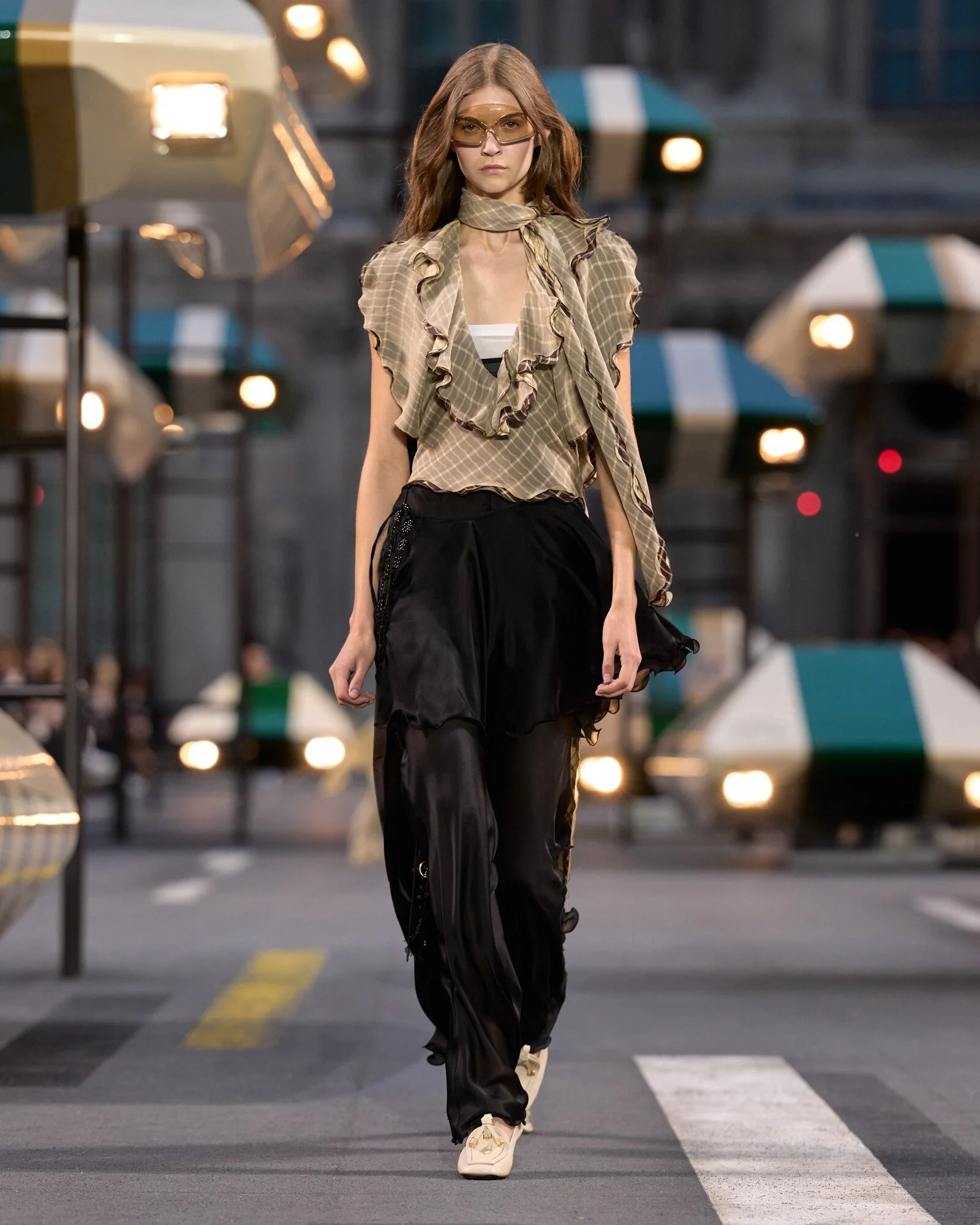
showreport

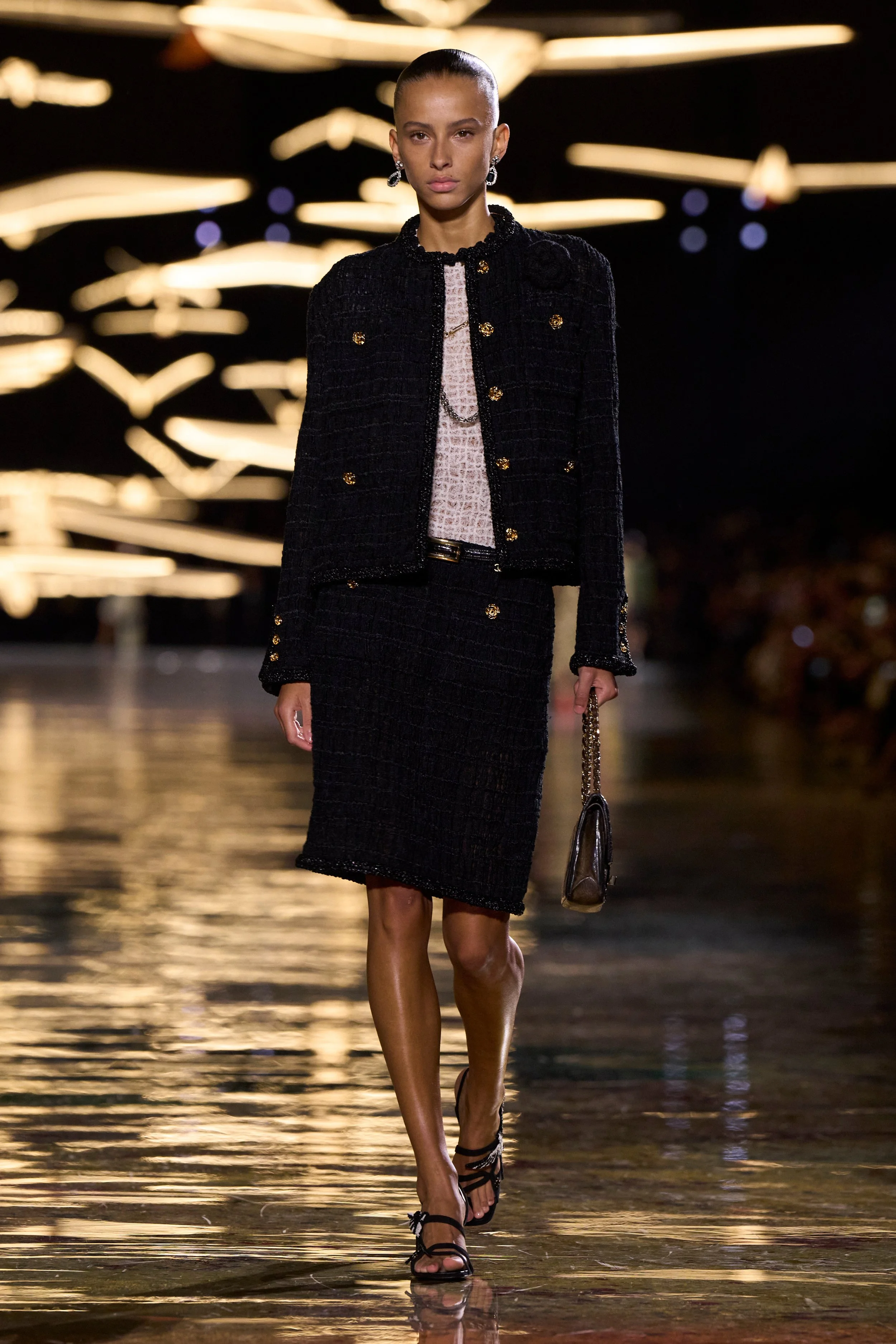
CHANEL SS27

It’s hard to describe the effect Matthieu Blazy has had on the fashion industry. On the first anniversary of his debut, the designer has made Chanel the most desirable label in the world. His work generates a particular kind of excitement, one that goes beyond the usual fashion-week enthusiasm. People (including myself) wait with bated breath for what he will do next. Or rather, what he will make us want to wear.

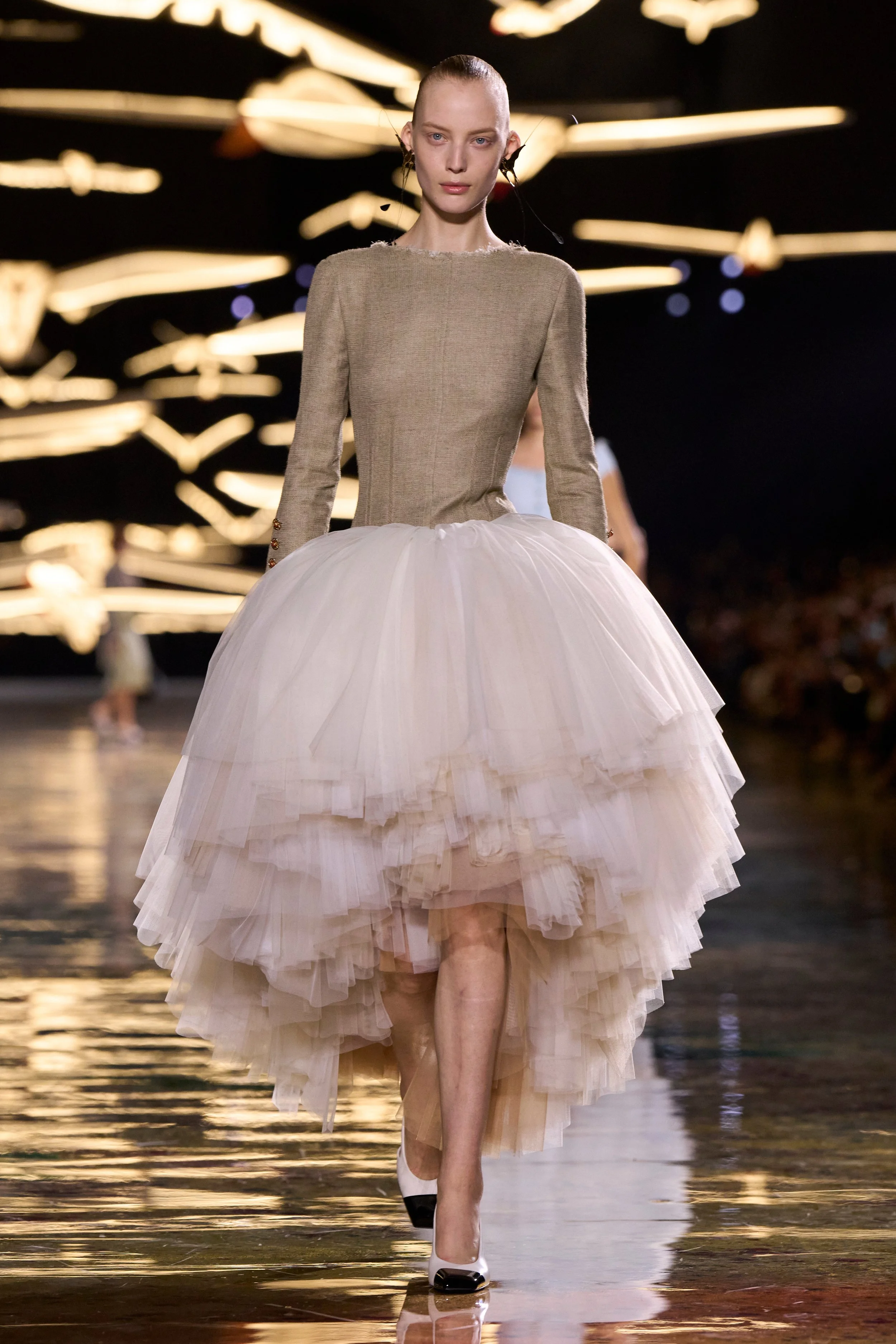
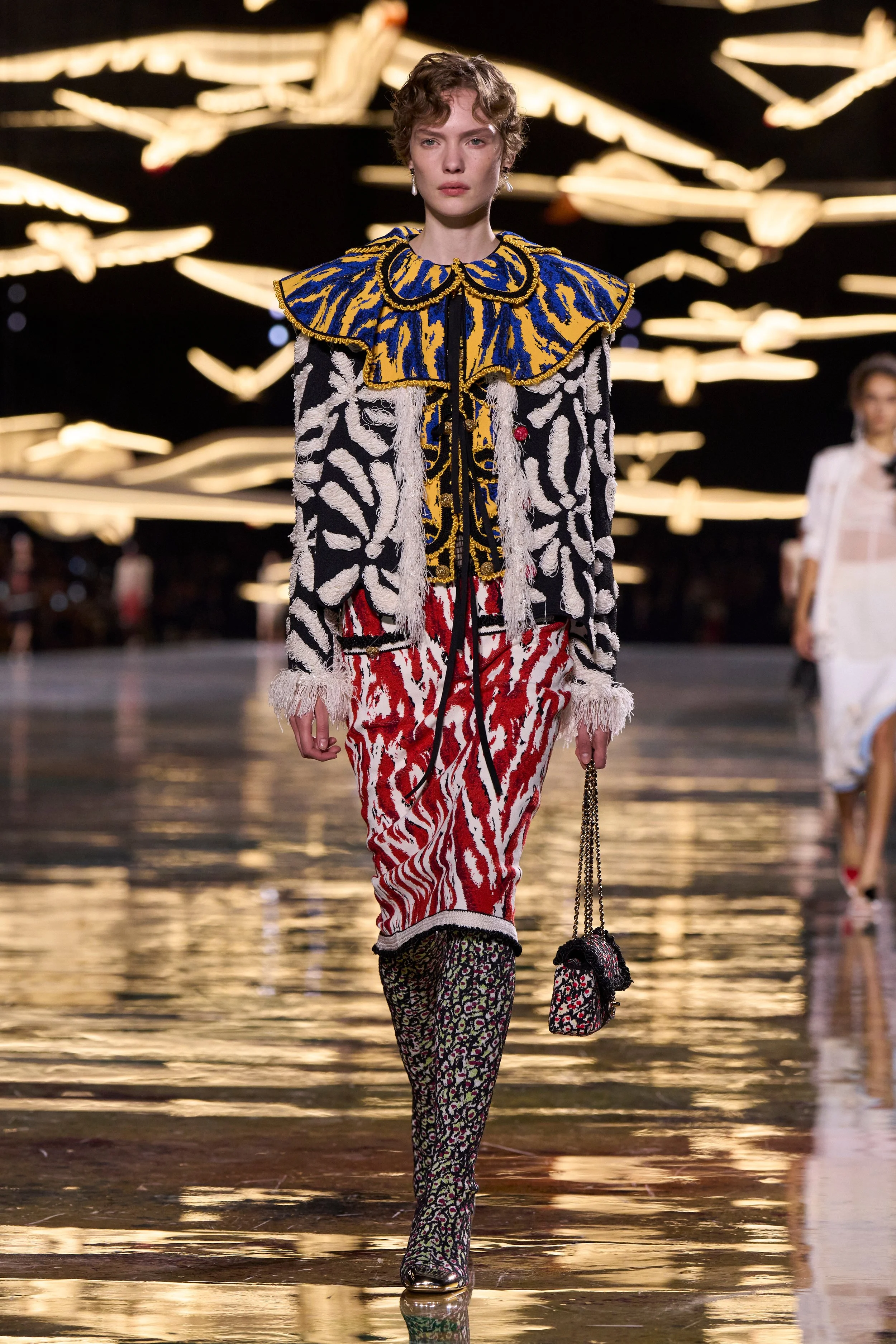
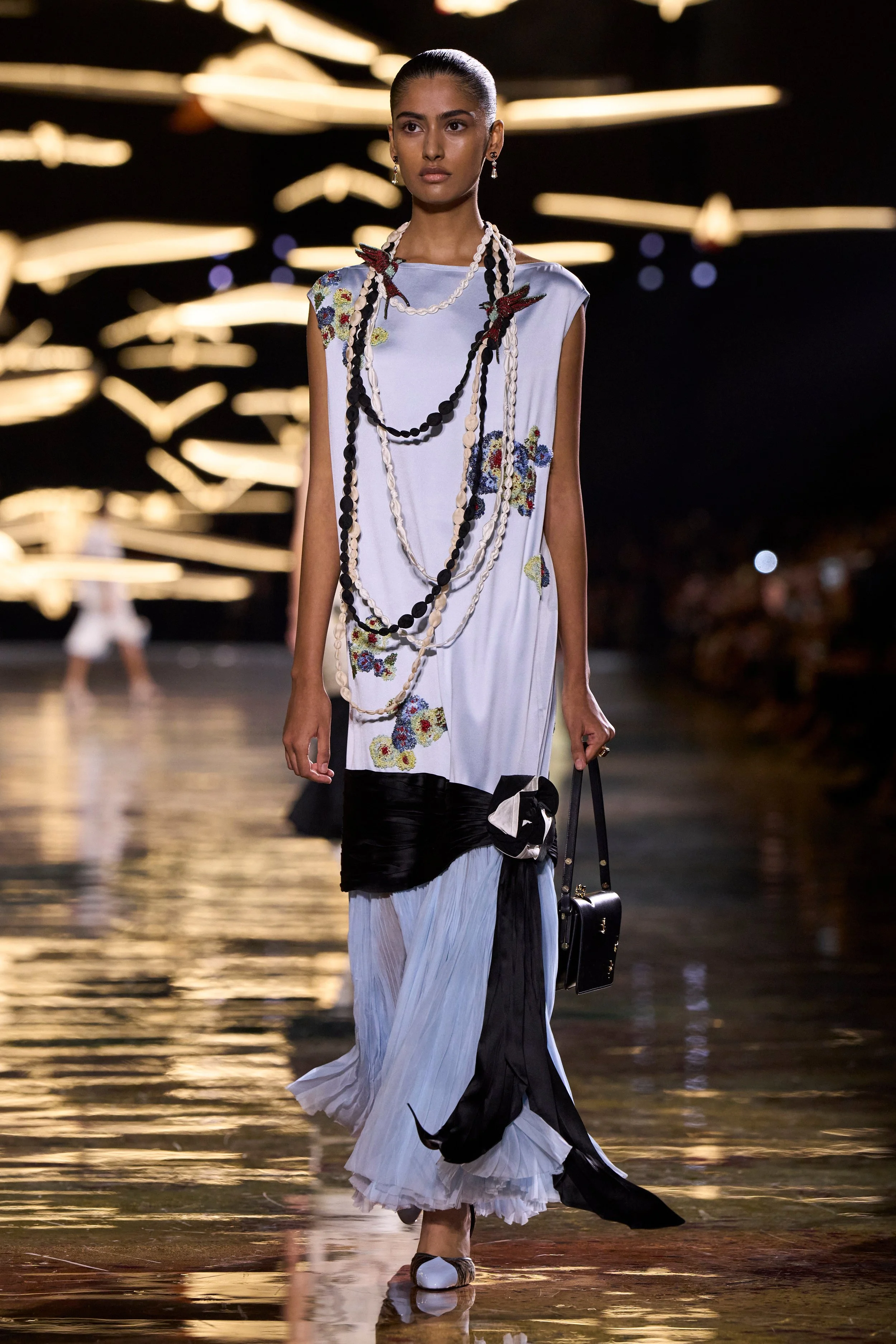
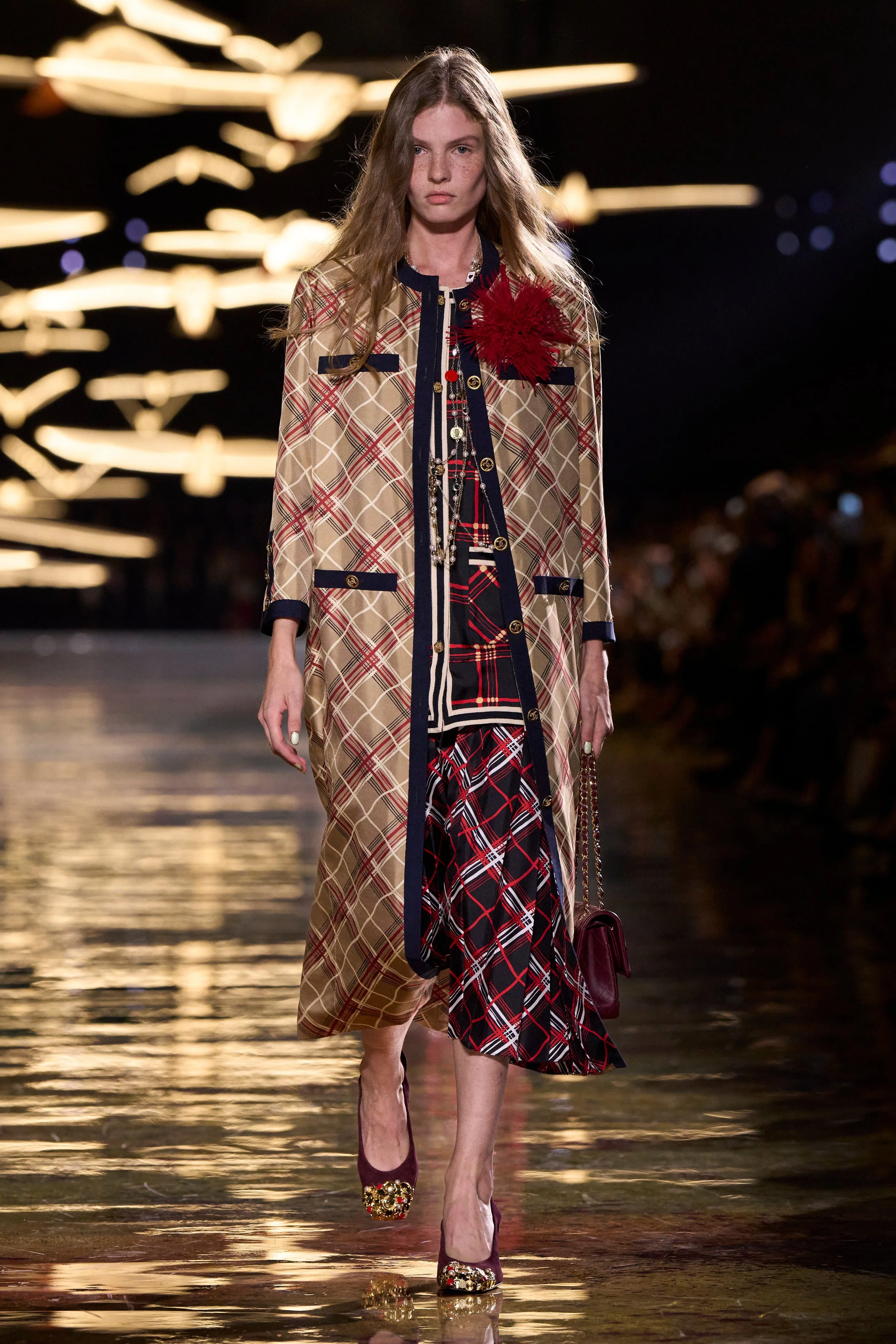
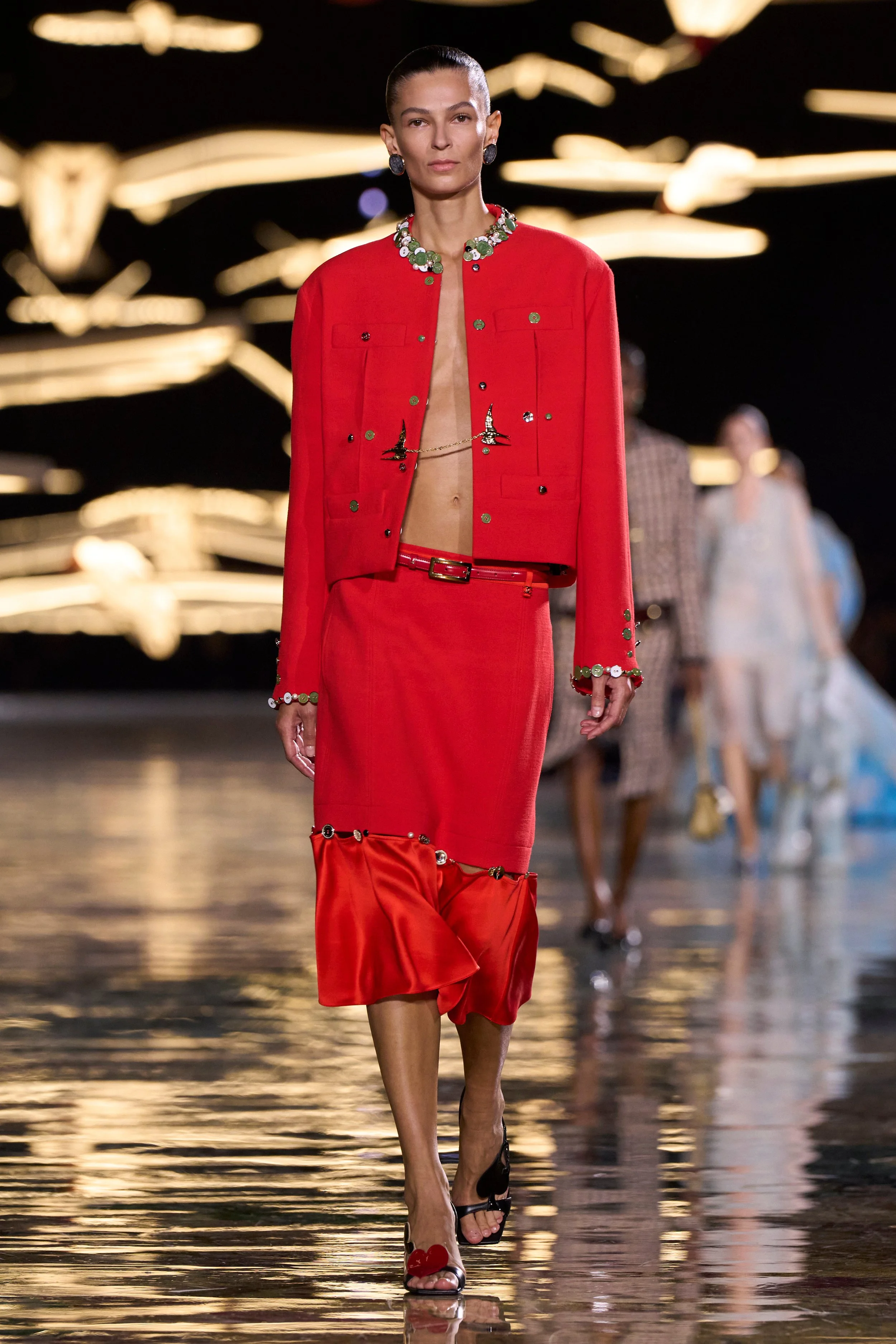
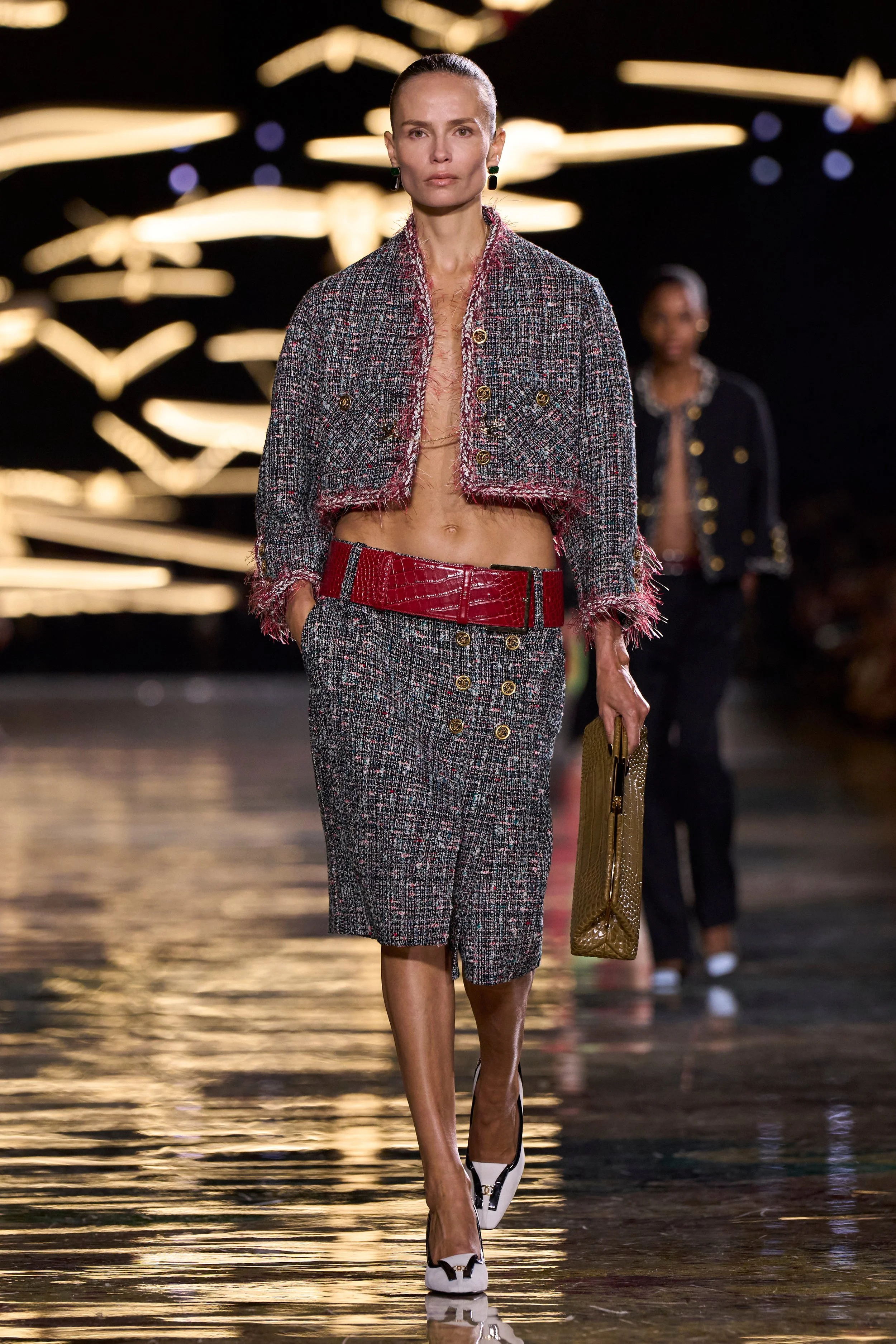
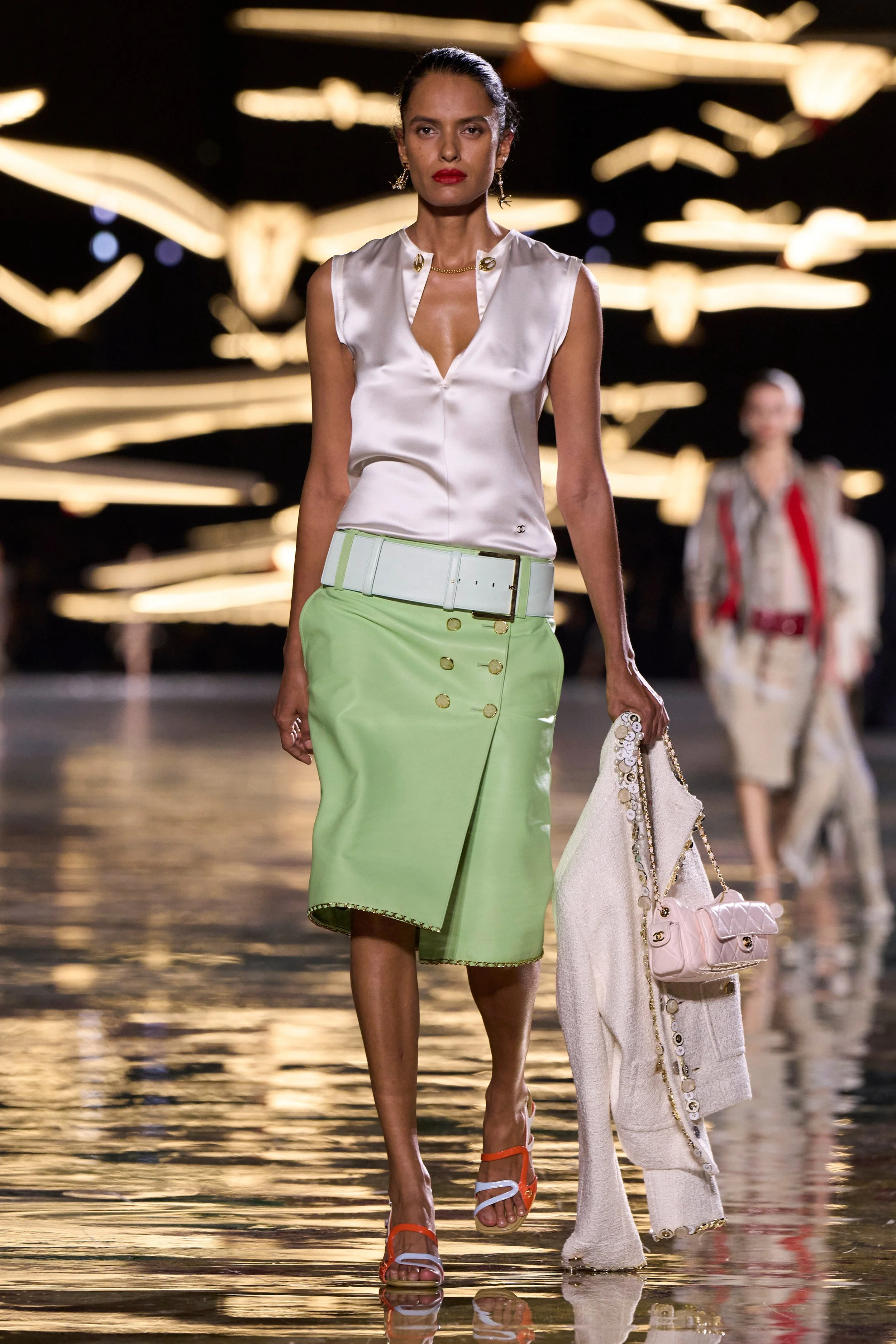
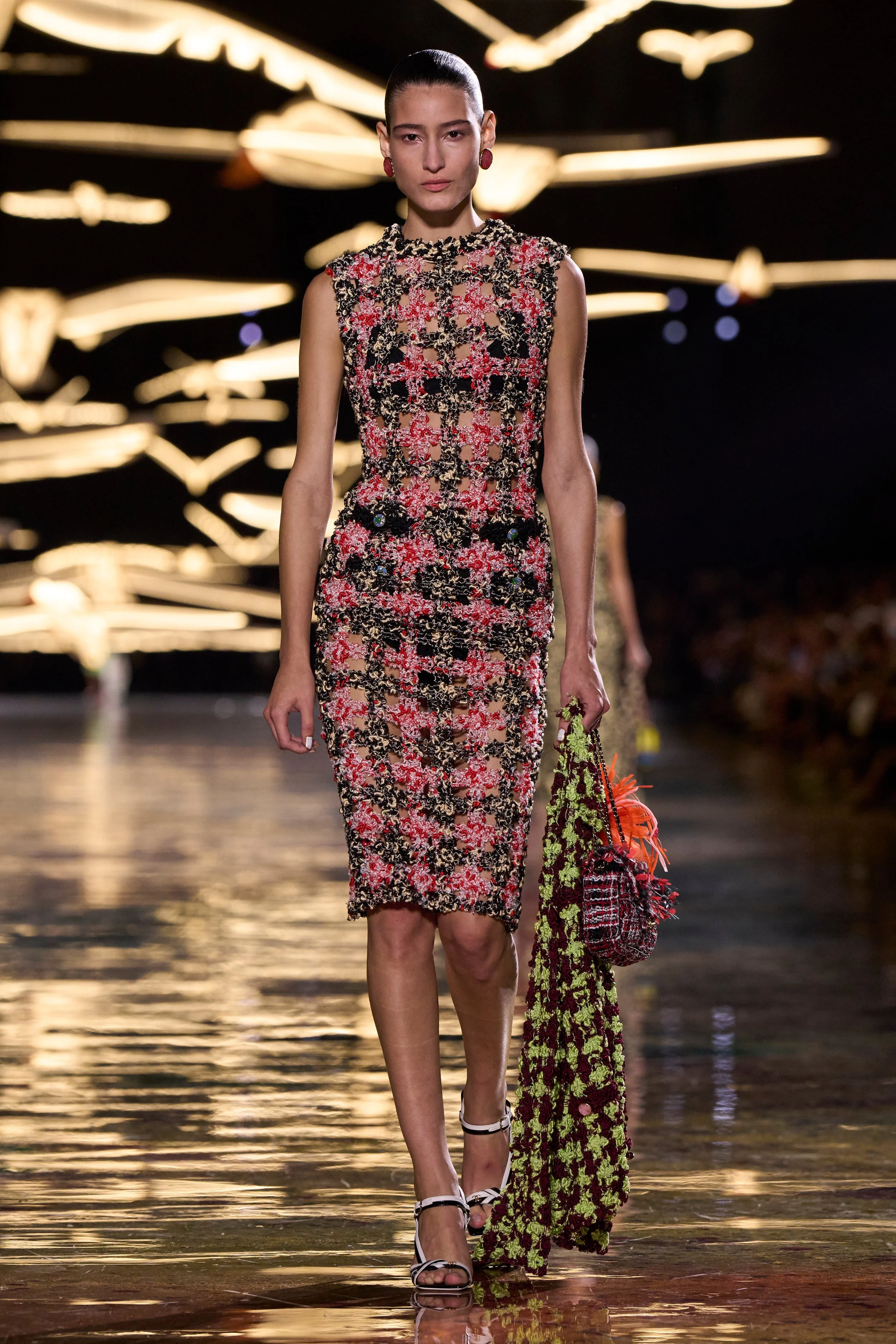
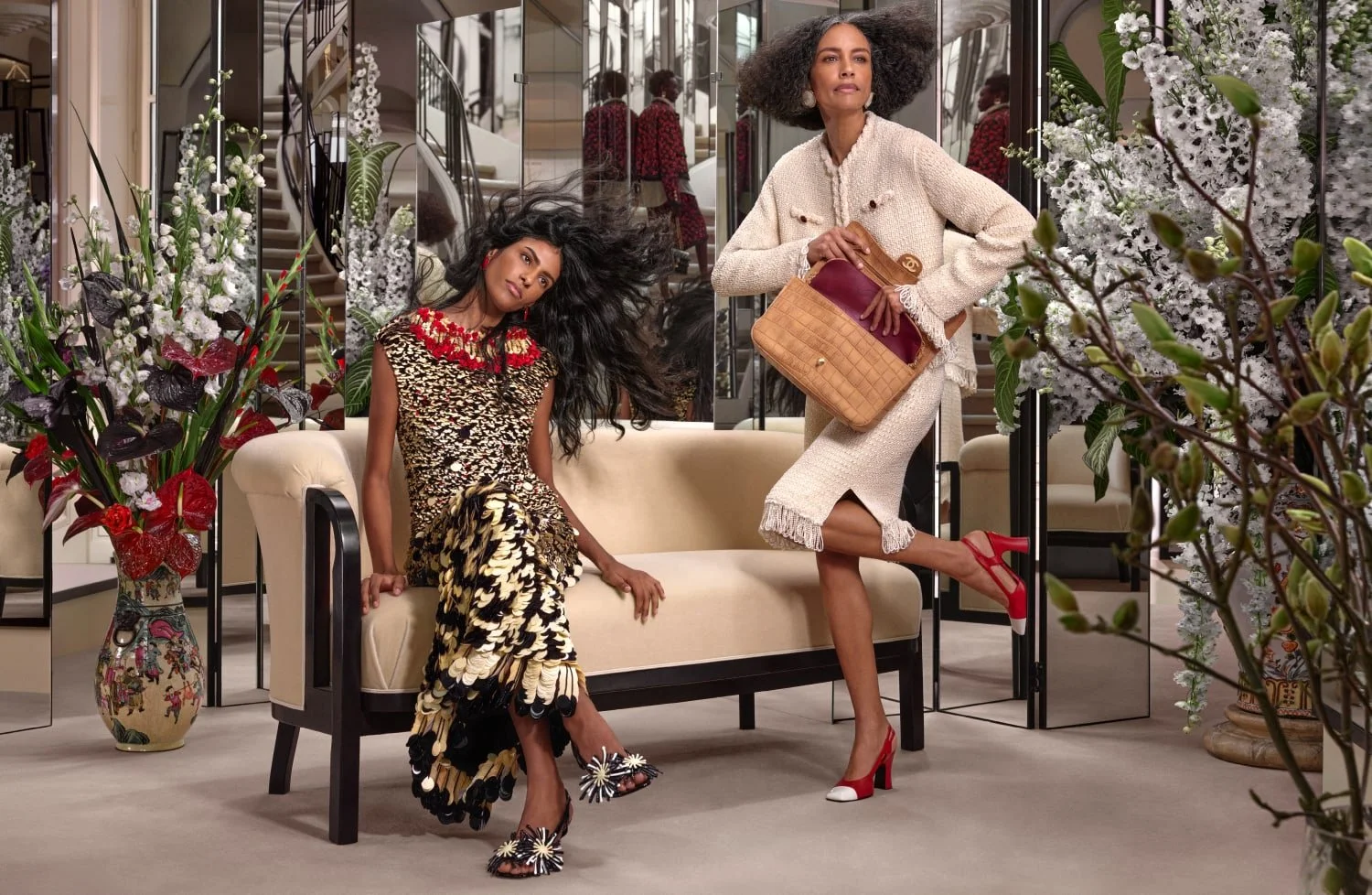
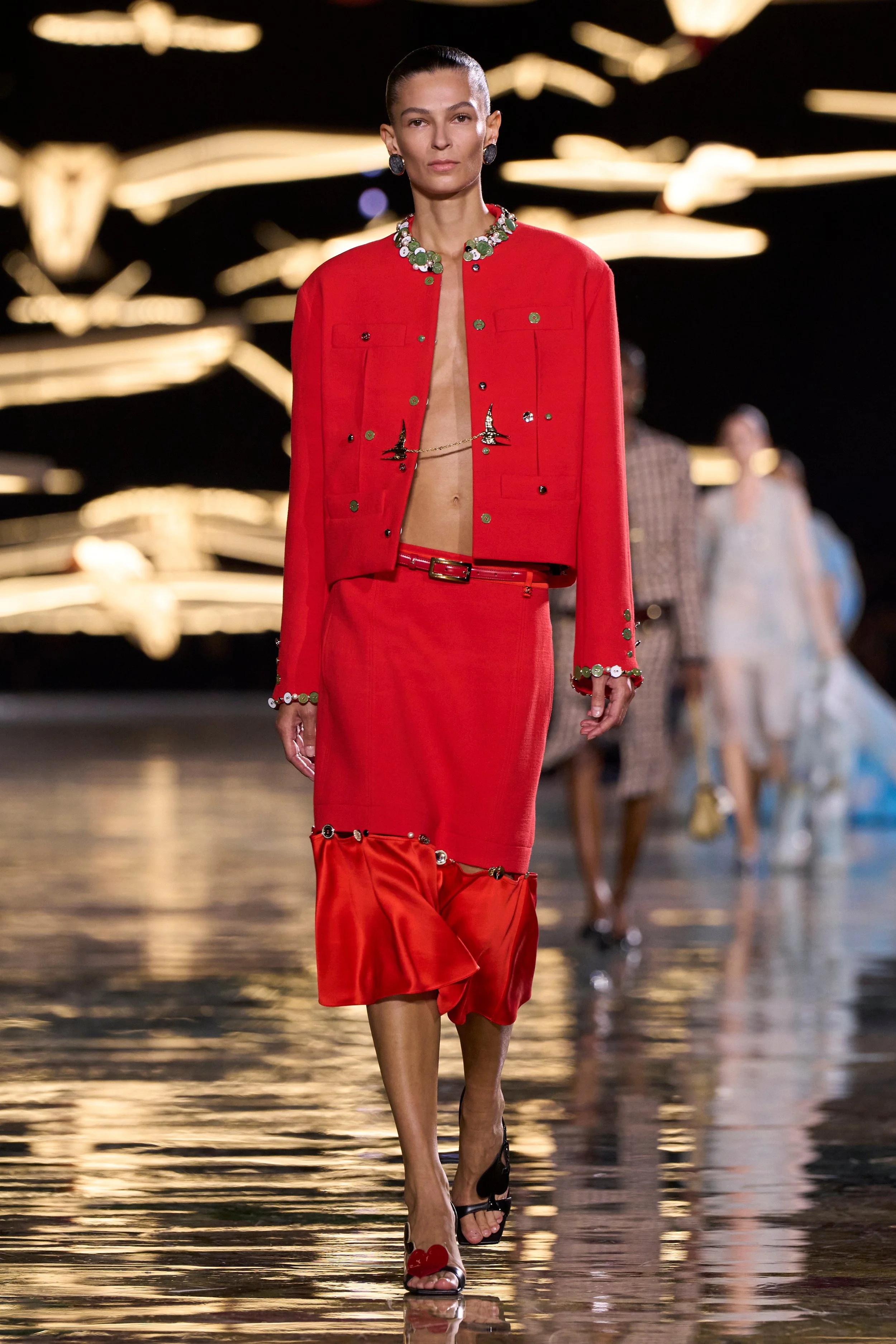
At Chanel, that curiosity comes with an added difficulty. How do you move a house so deeply embedded in the collective imagination without losing the things that made it matter in the first place? Blazy has solved the challenge by making Gabrielle Chanel his muse. Spring/Summer 2027 distilled her essence and applied it to the house's codes as a way to trace its past, present and future. The result was a wardrobe that moved through the different lives of its founder: the young woman before Chanel, the designer who liberated the female body, and the woman whose name eventually became synonymous with a particular idea of elegance.

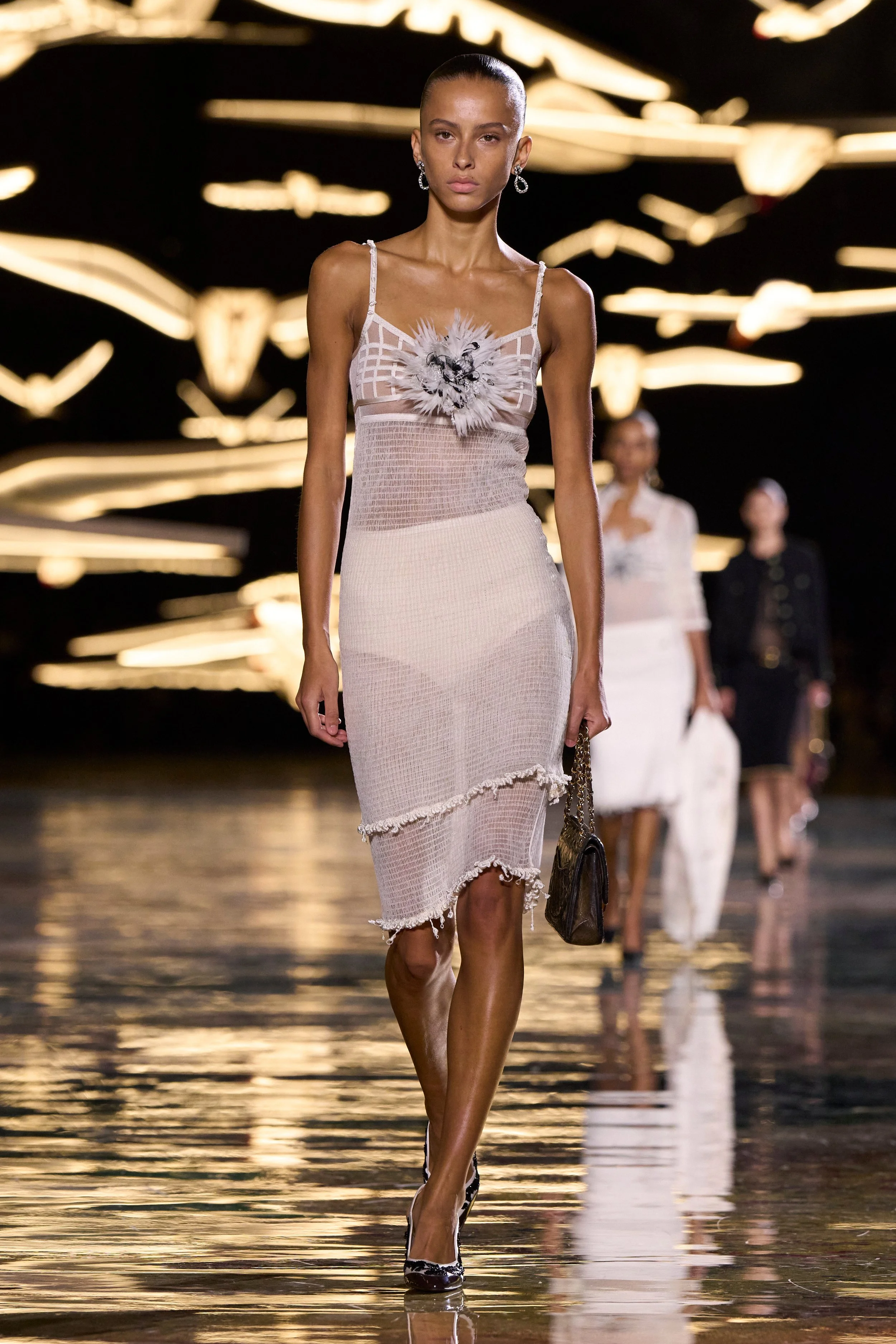
The show opened with a sheer white slip dress, its lingerie-like simplicity interrupted by a feathery rosette at the bust. Here was a woman who began her career working with clothes close to the body, before building a fashion house around the idea that women should be able to move freely in what they wore. Blazy returned to that starting point, using transparency, exposed underpinnings and fluid silhouettes to reconsider what Chanel elegance might look like without its familiar layers.

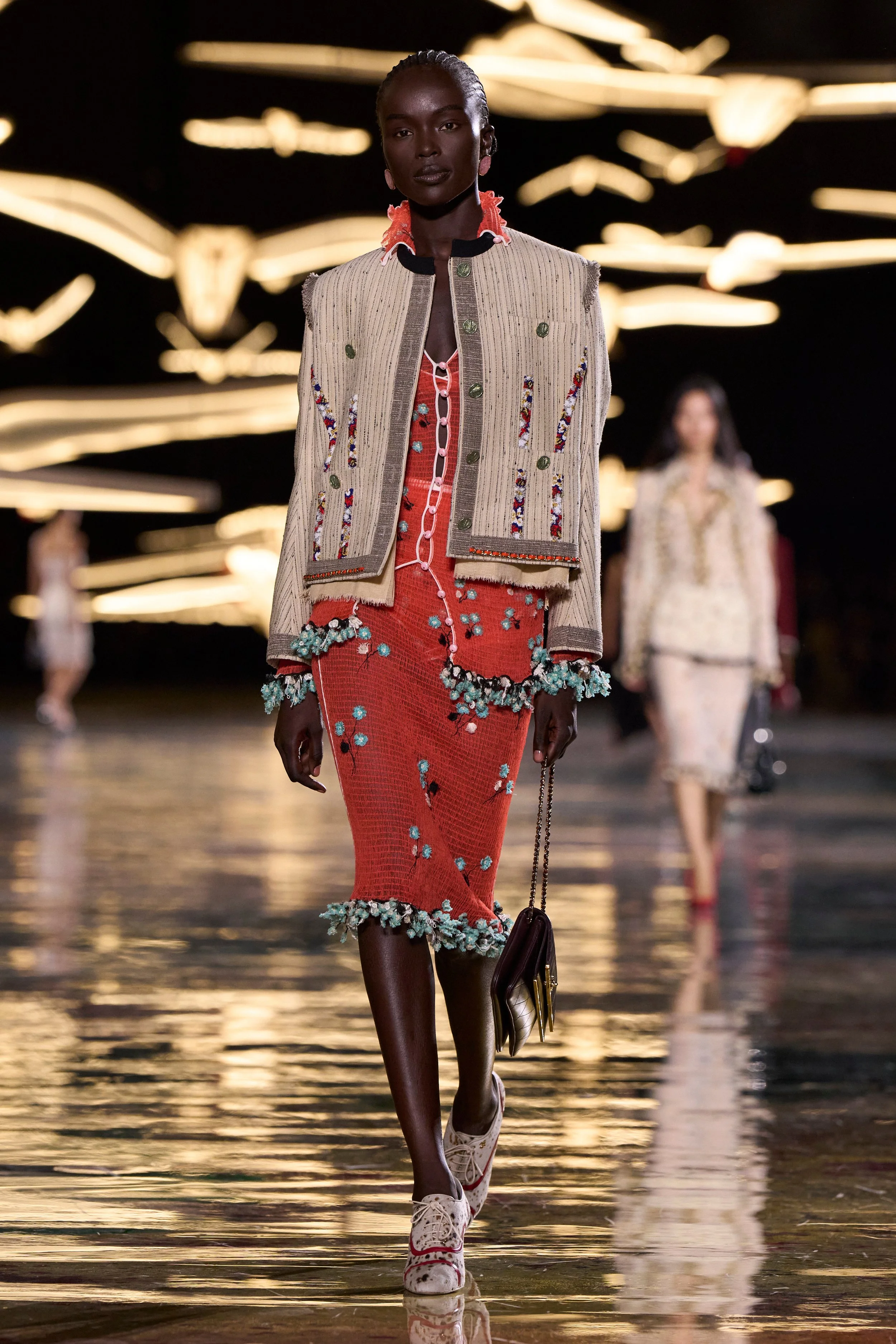
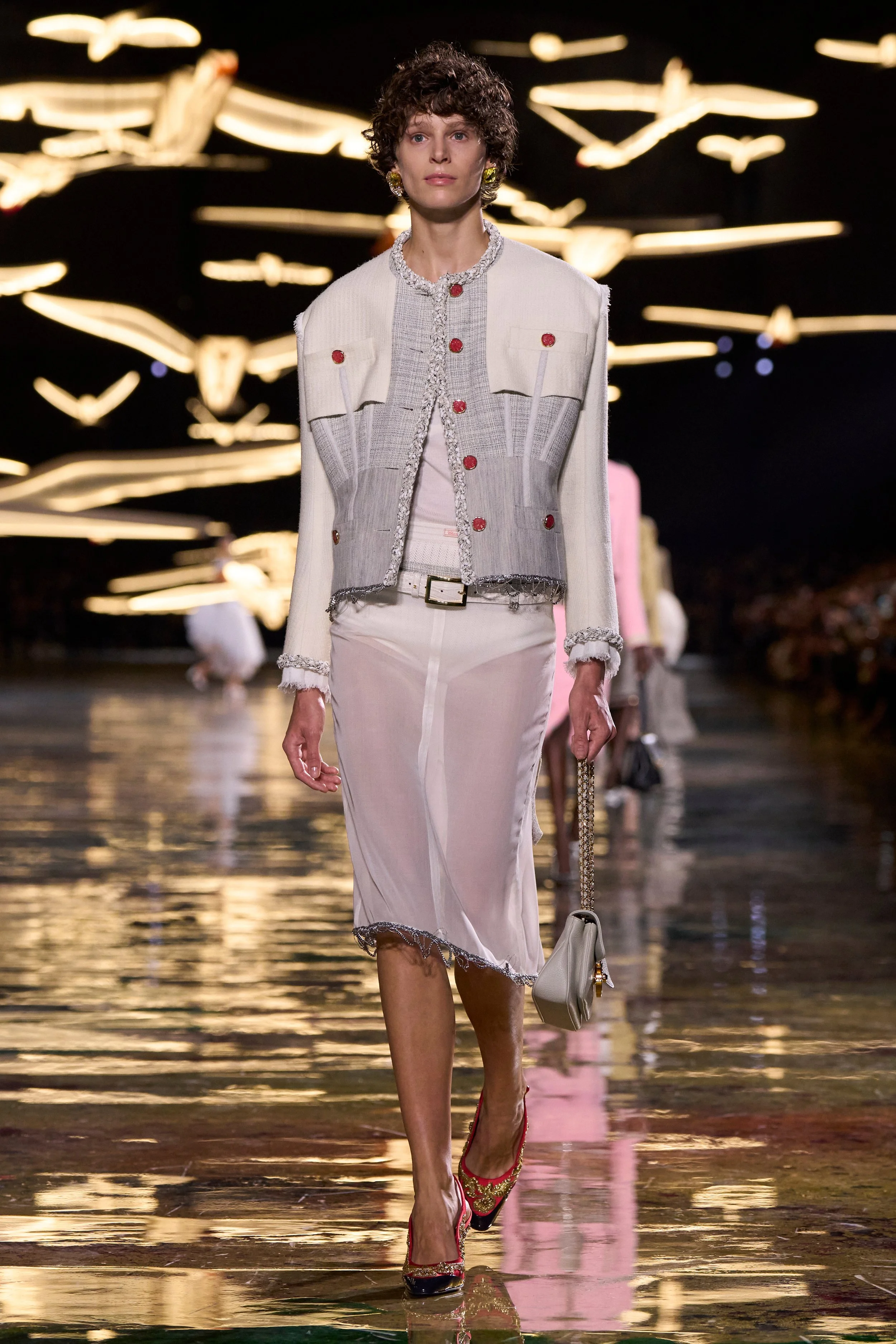
From there, the collection moved through different interpretations of the house's codes. Drop-waist skirts came in combinations of bouclé, wool and brightly coloured knitwear, paired with simple tanks. The tweed suit was a constant but made less rigid. Blazy introduced a new smock tweed construction, giving the fabric a degree of flexibility and movement that is new to the textile – the designer is as concerned with Chanel’s past as he is its future. The surface retained its richness, but the garment could bend, stretch and sit more naturally on the body. Elsewhere, the familiar skirt suit was disrupted by raw edges, exposed waists and jackets worn against bare skin. Traditional menswear appeared stripped back into gilets and narrow pencil skirts, while curved bodices, traces of corsetry and peplum shapes surfaced in silhouettes that felt much lighter than their historical references.

Above the runway, illuminated swifts and swallows crossed the glass ceiling of the Grand Palais. The birds, inspired by the migratory species Blazy observed in Calabria, provided a visual expression of the collection’s central idea: identity is not fixed, but shaped by constant movement. The Belgian designer looks at Gabrielle Chanel with tenderness, allowing her to exist outside the confines of collective memory. She was a woman, capable of being kind and unkind, funny and serious. He extends that same understanding to every woman. Under Blazy’s guidance, Chanel is less of an image to aspire to, and more of a world women recognise themselves in.
Words by Pedro Vasconcelos
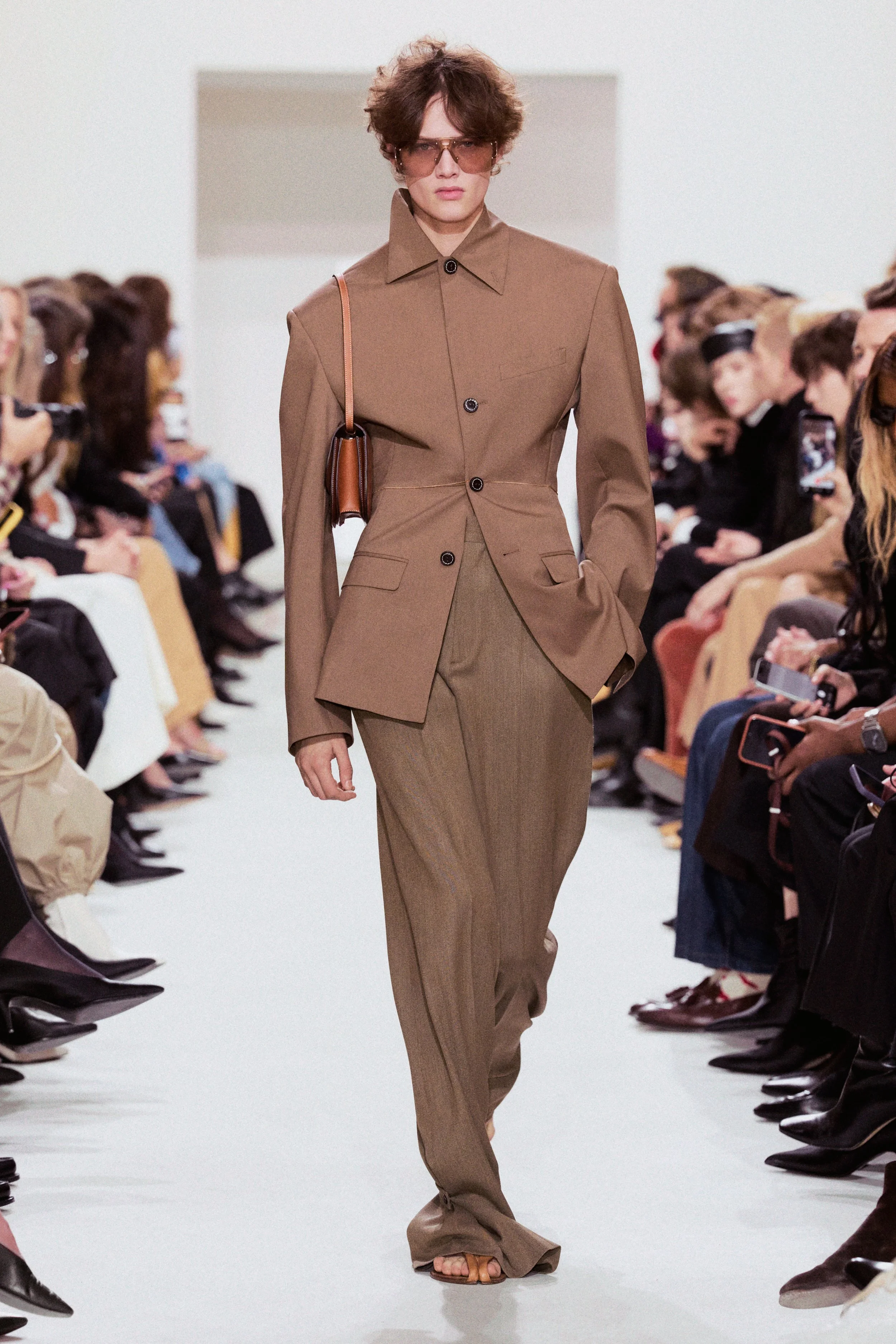
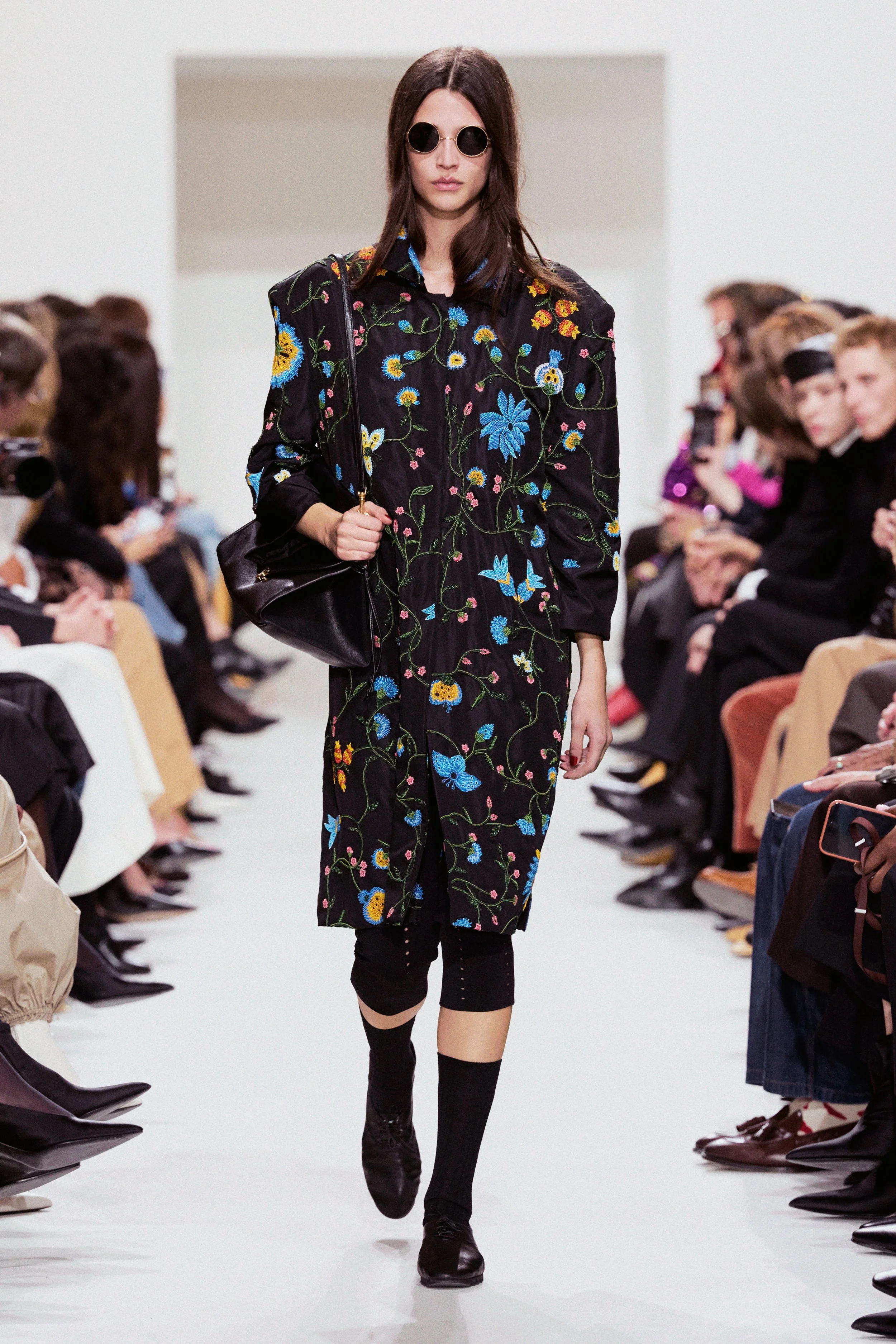
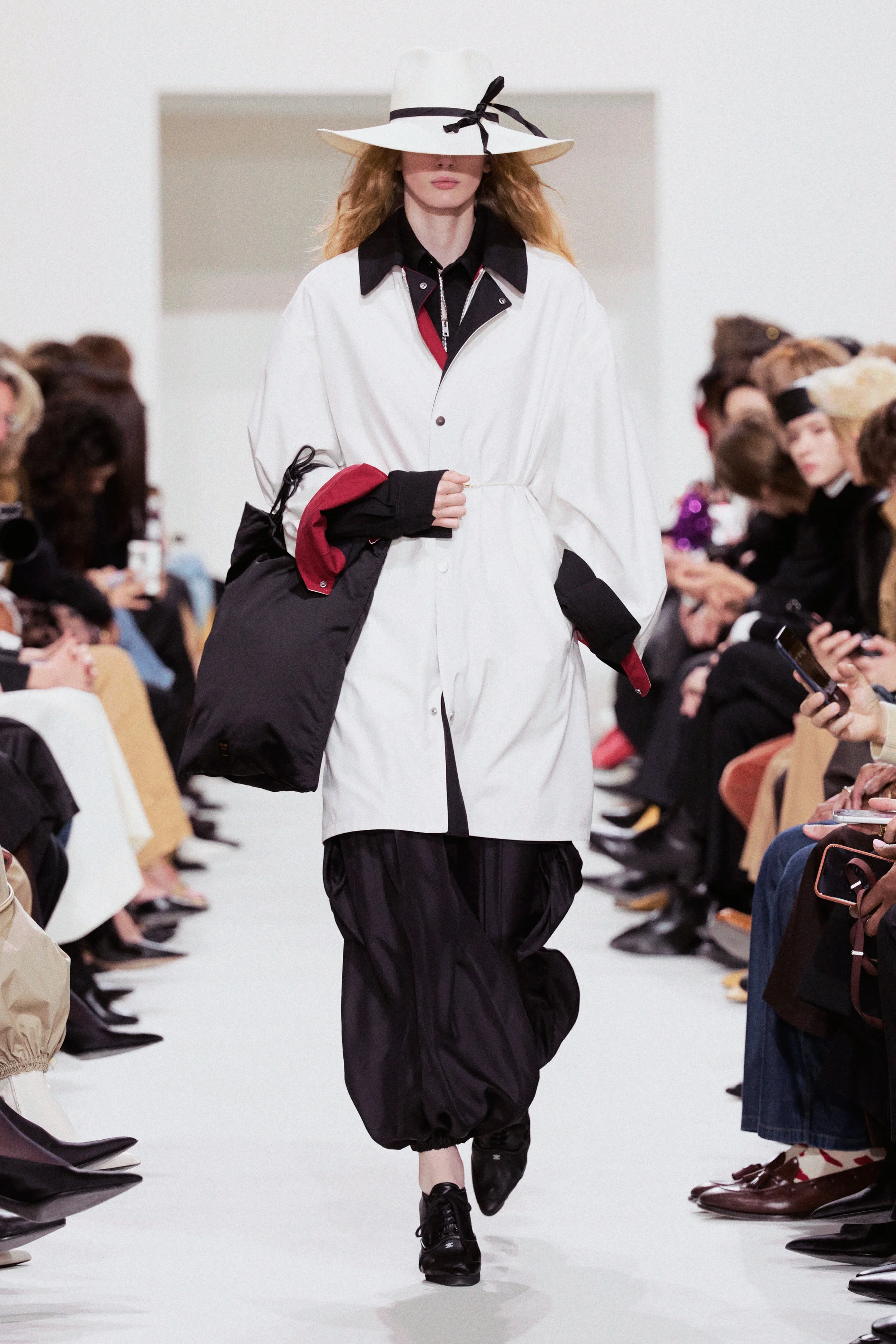
CELINE SS27

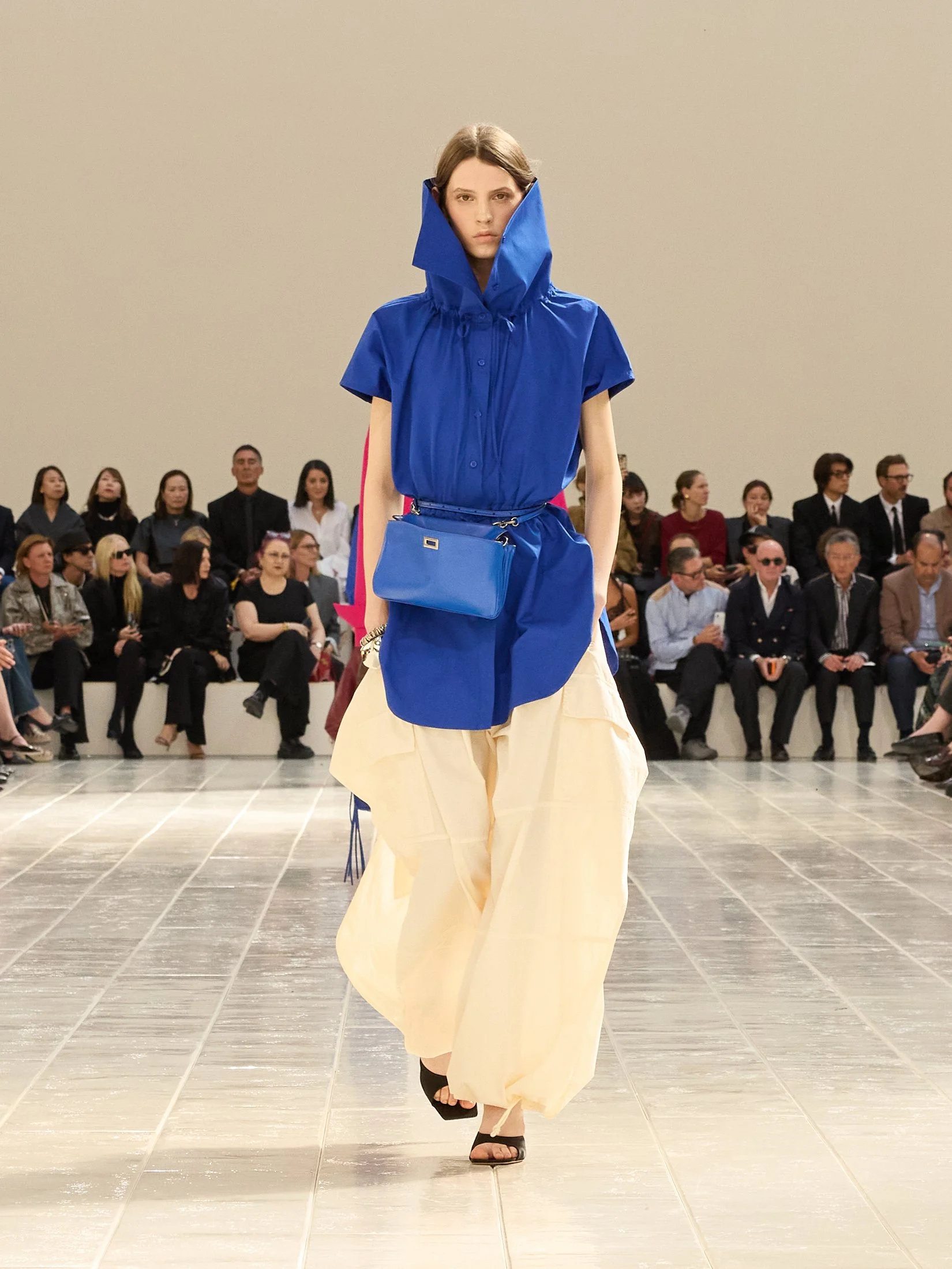
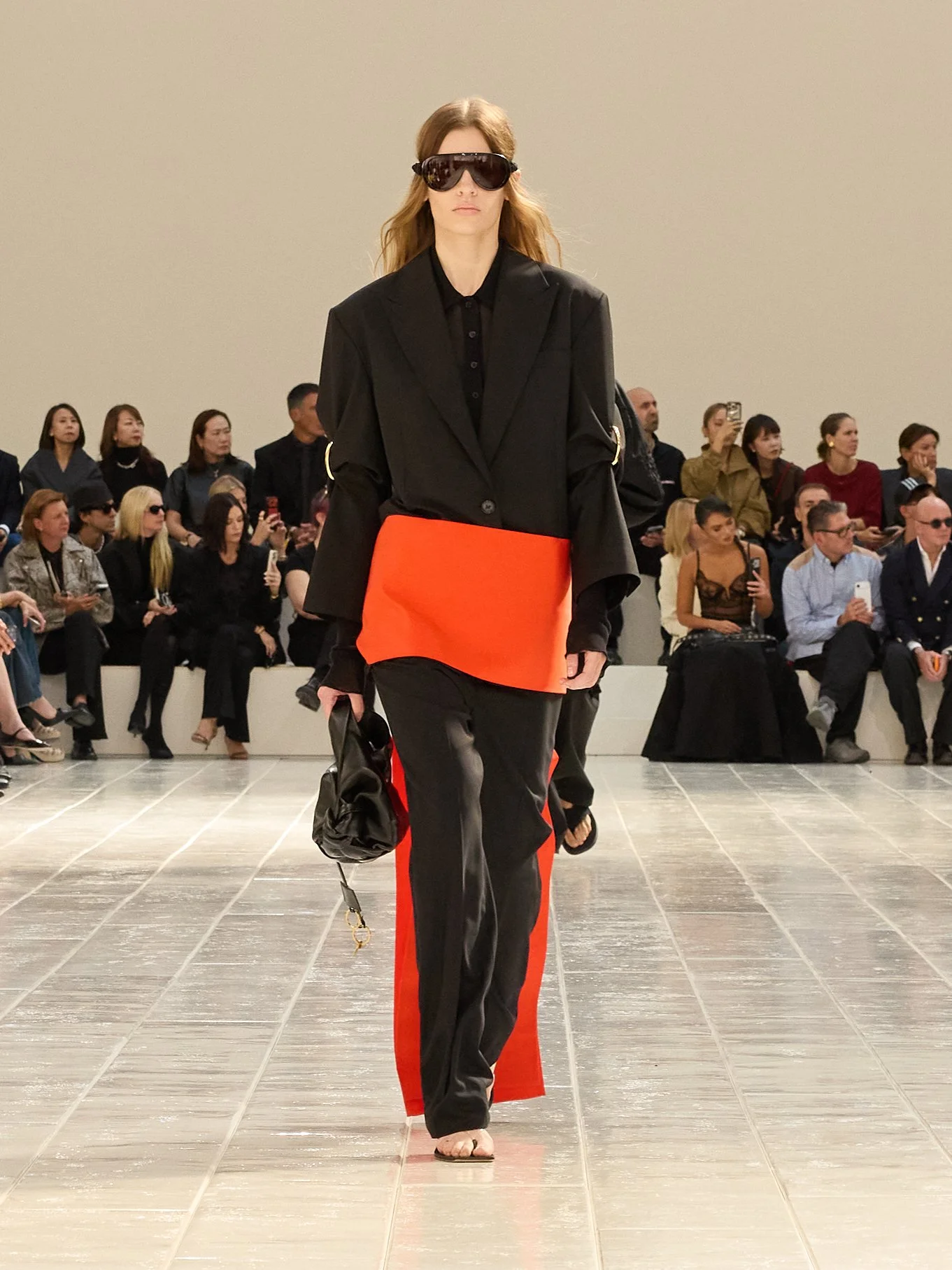
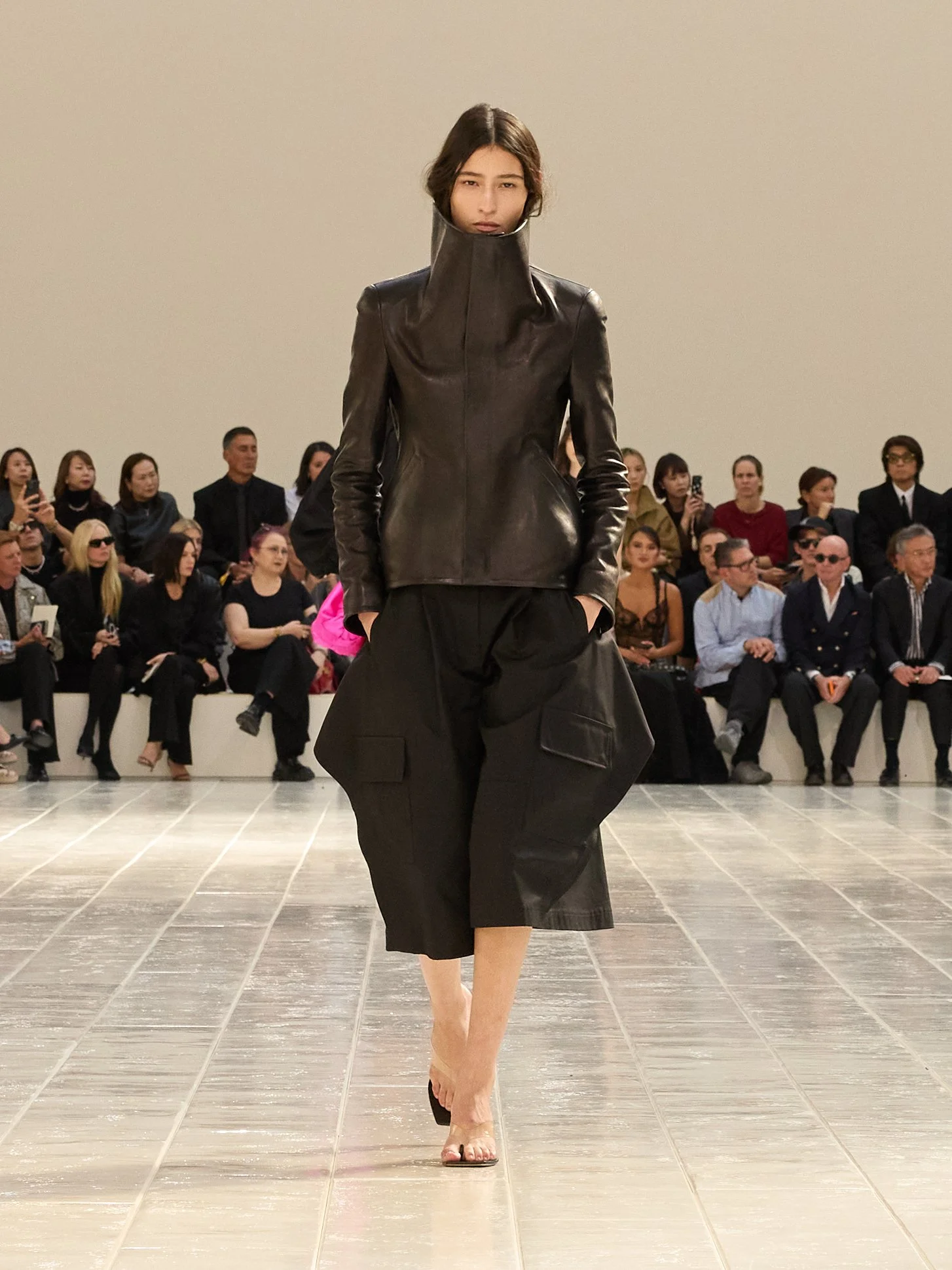
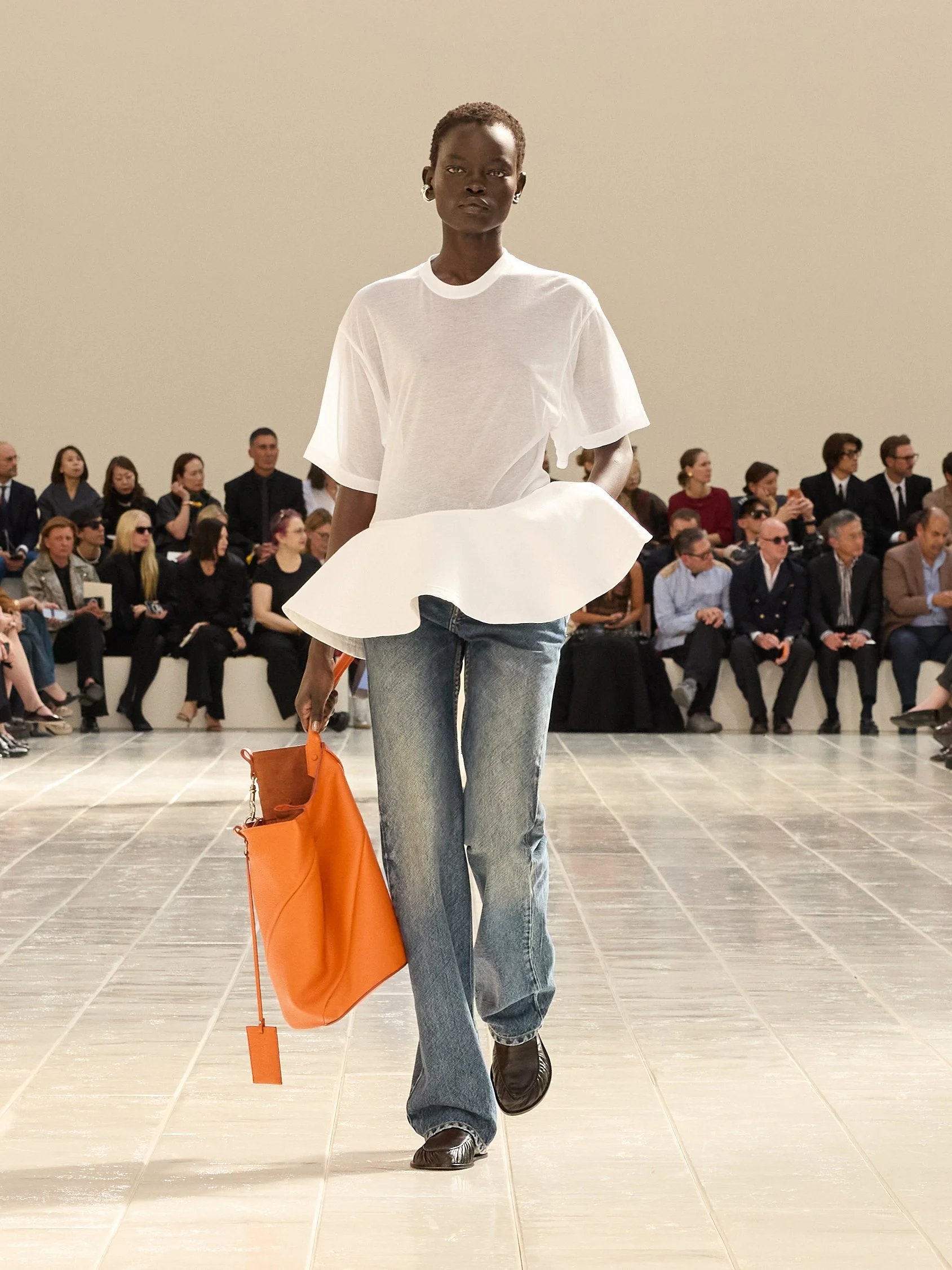
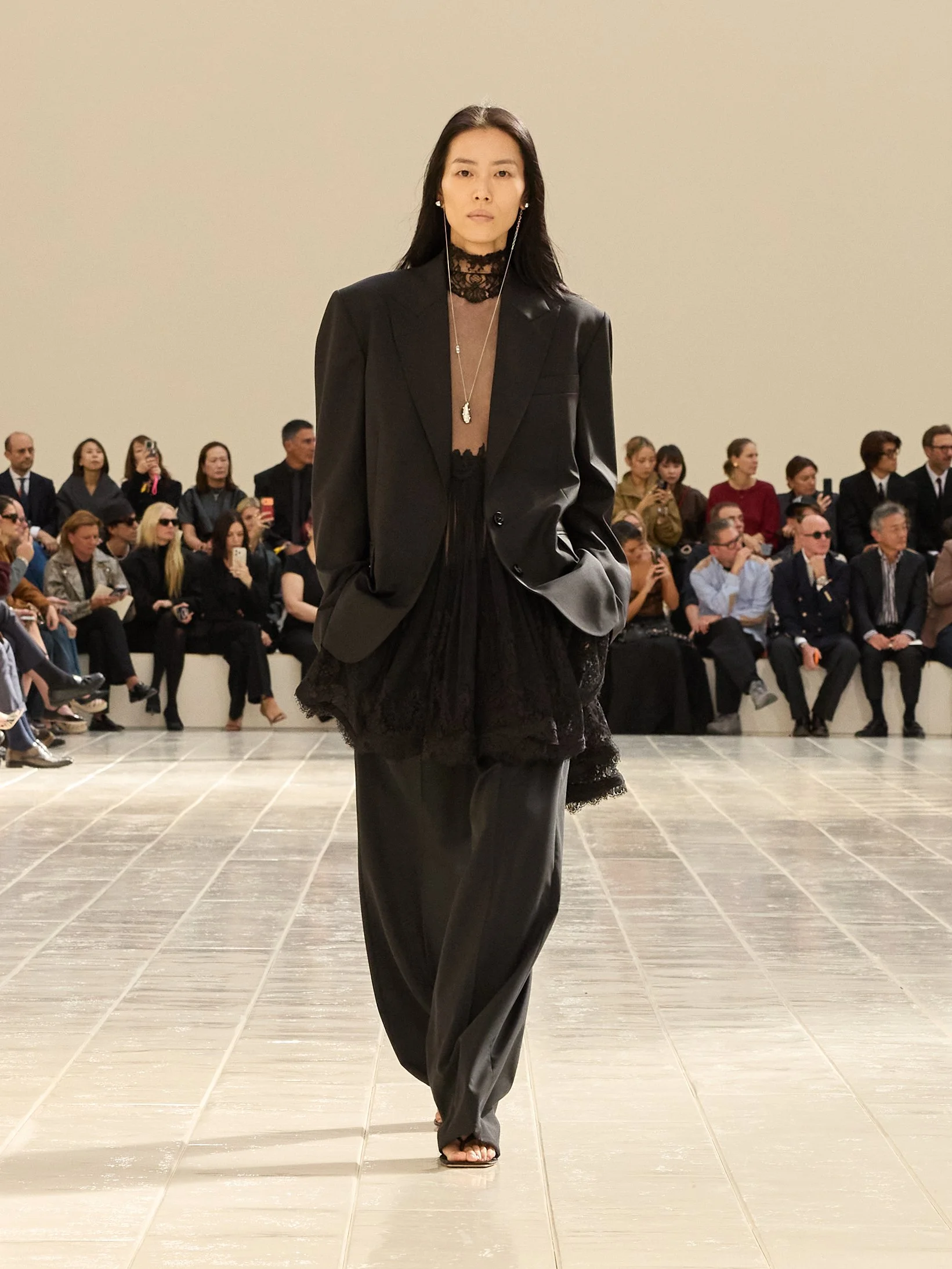
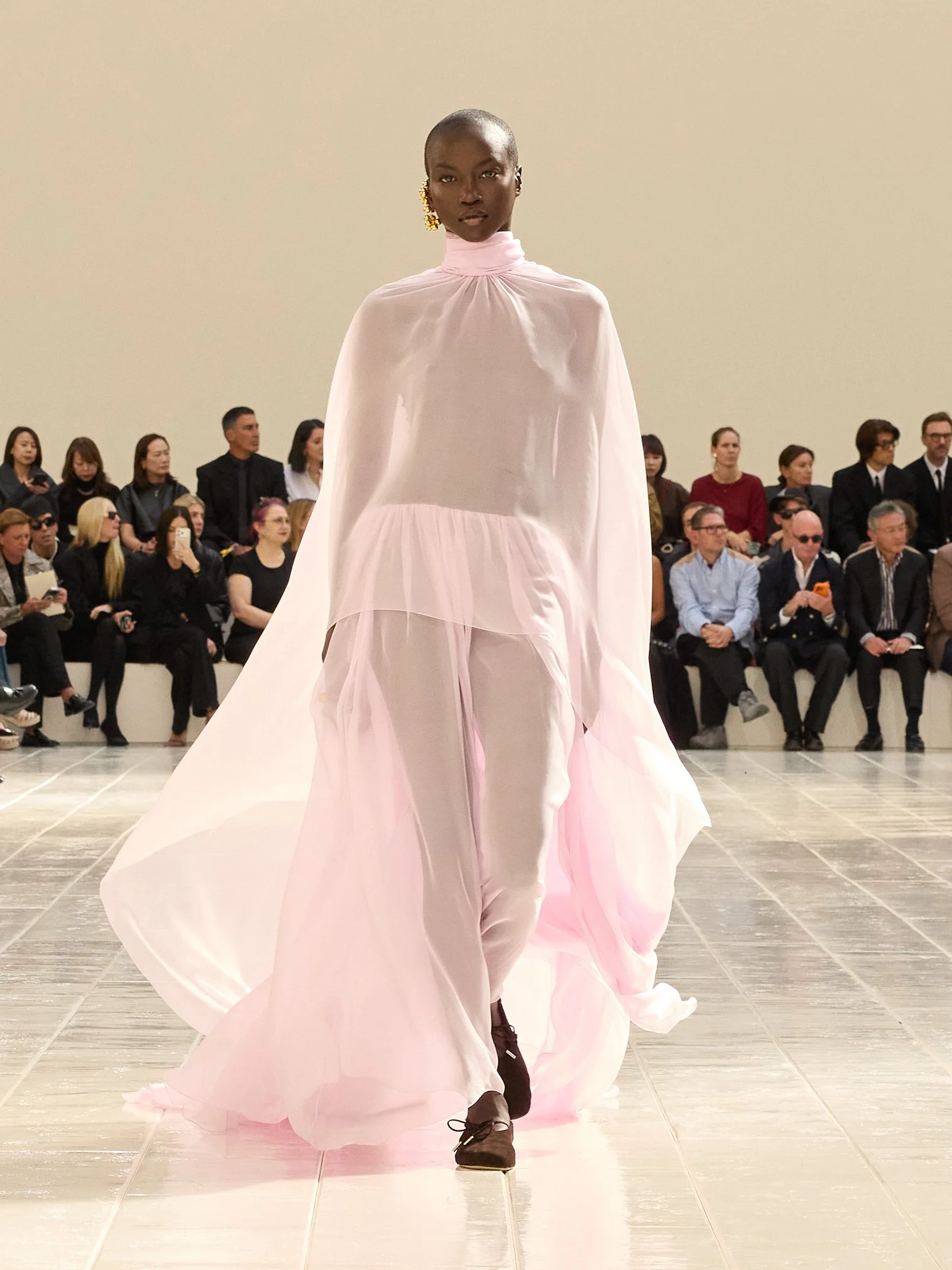
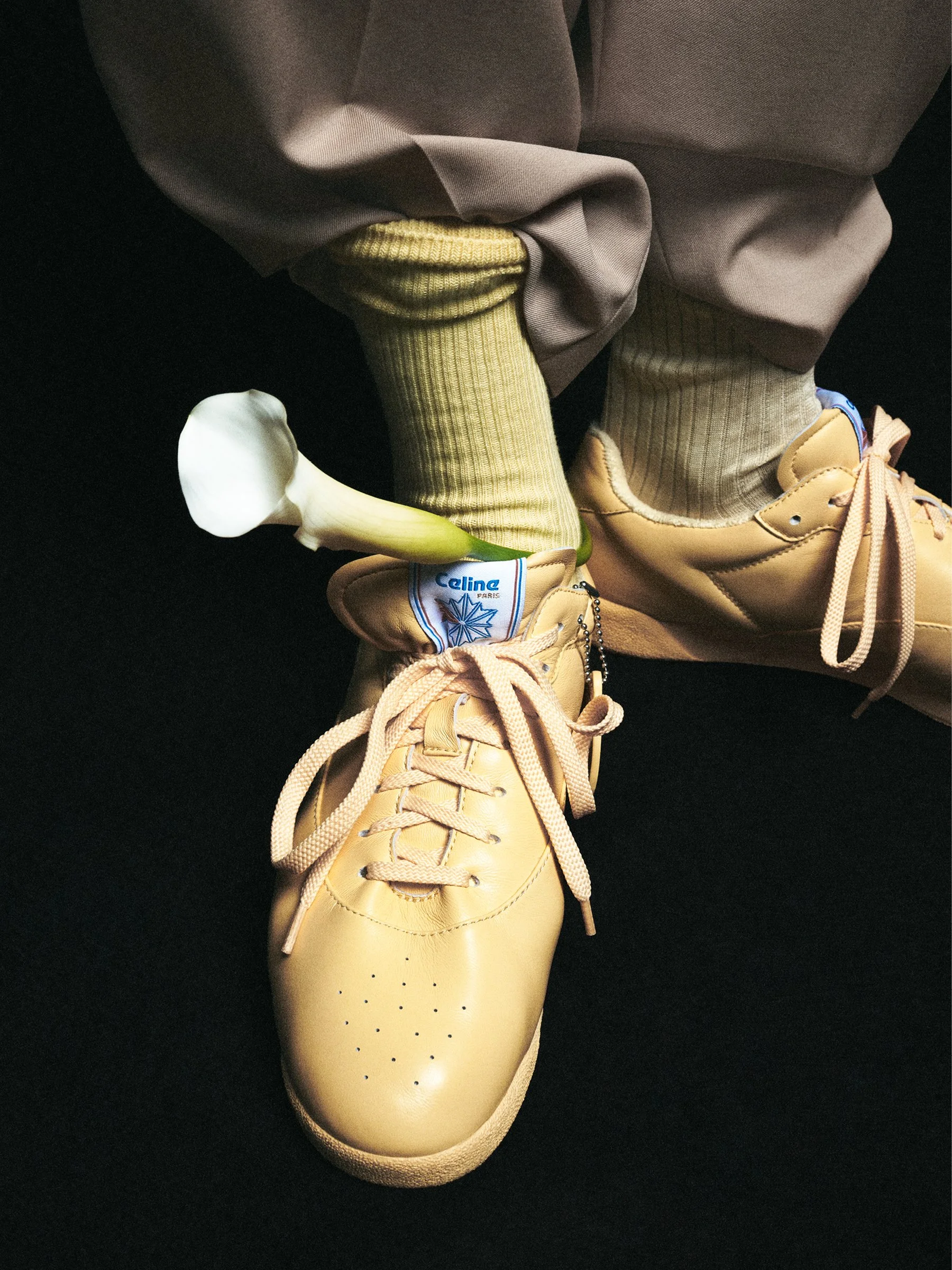
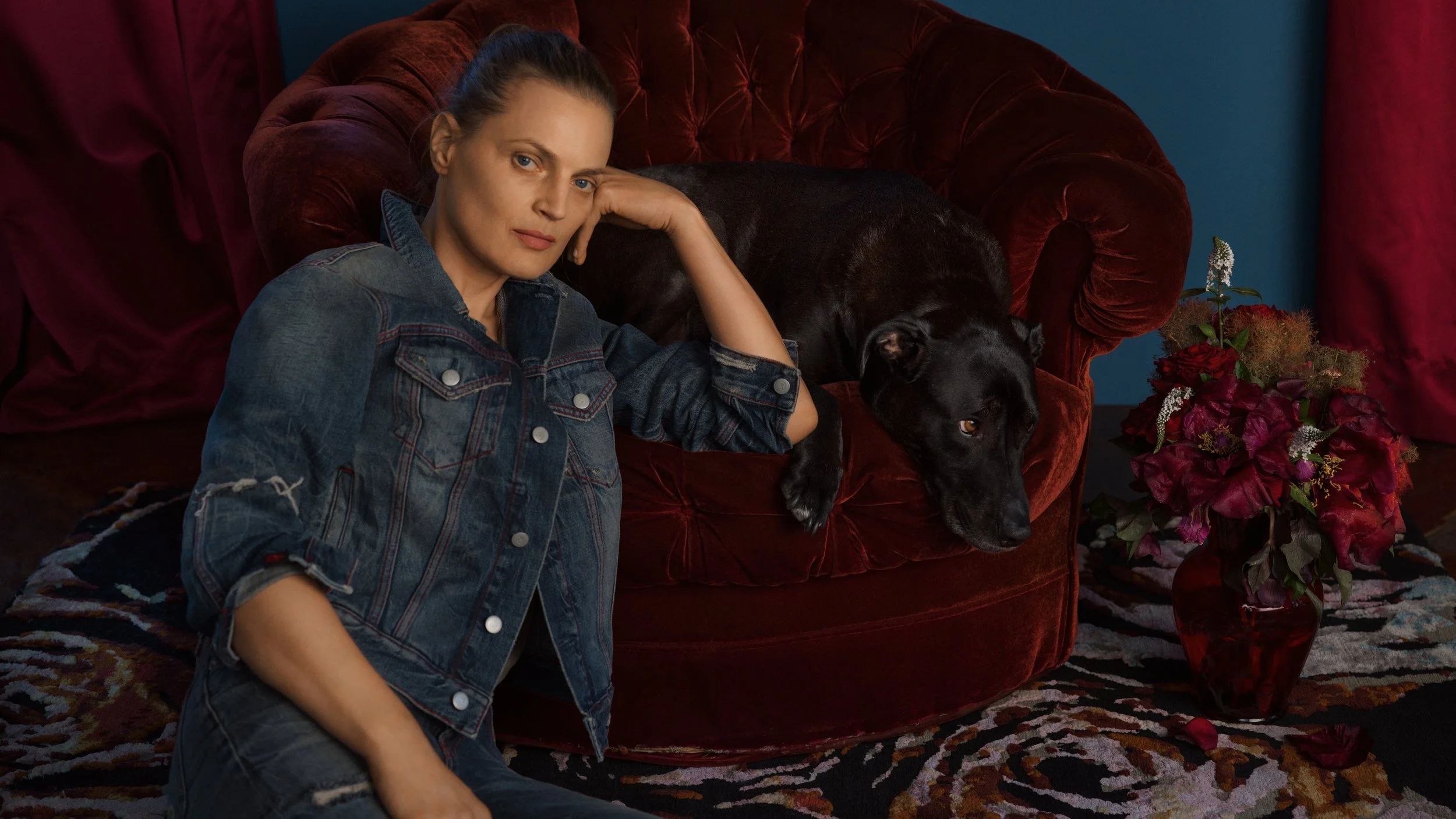
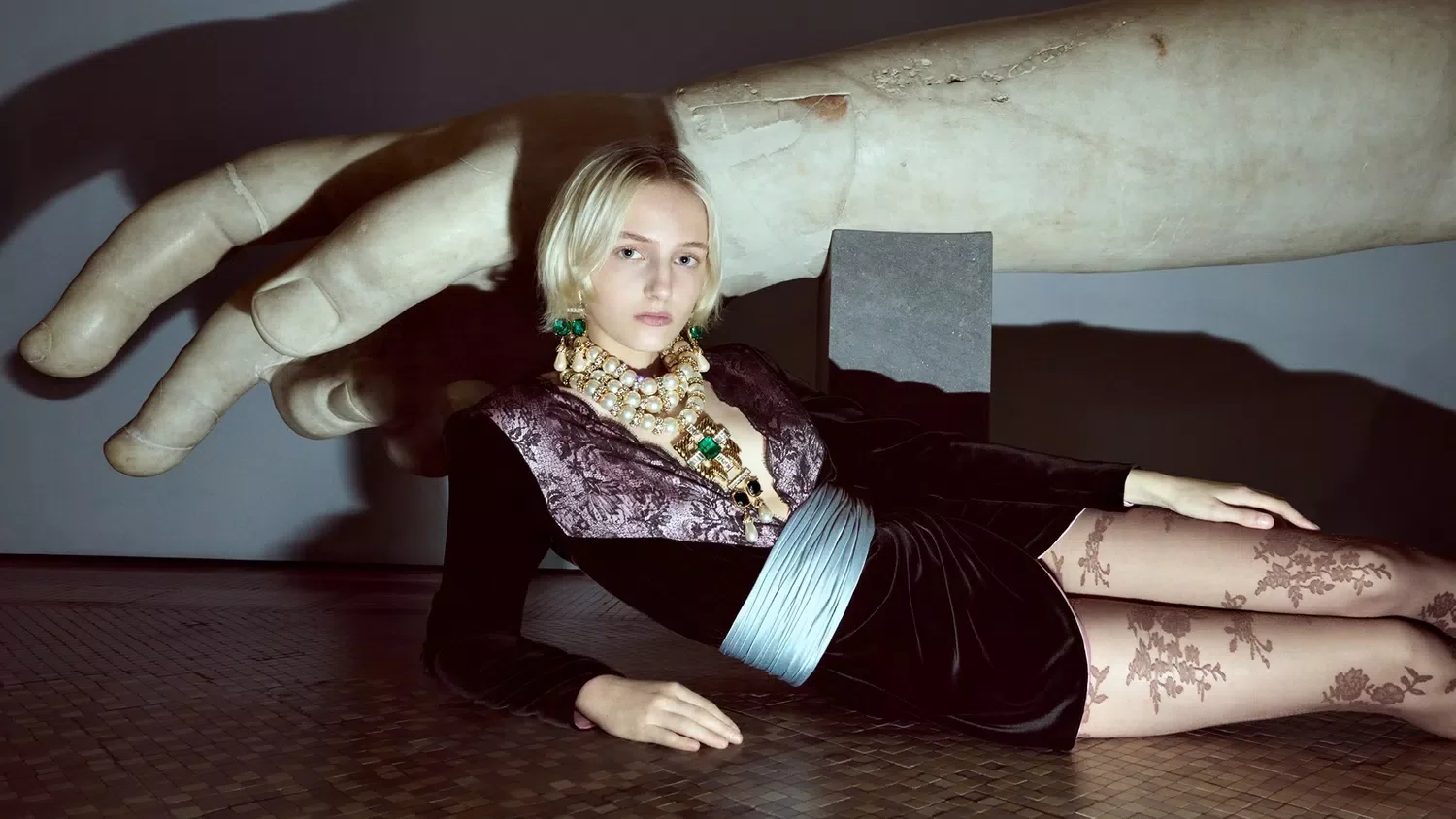
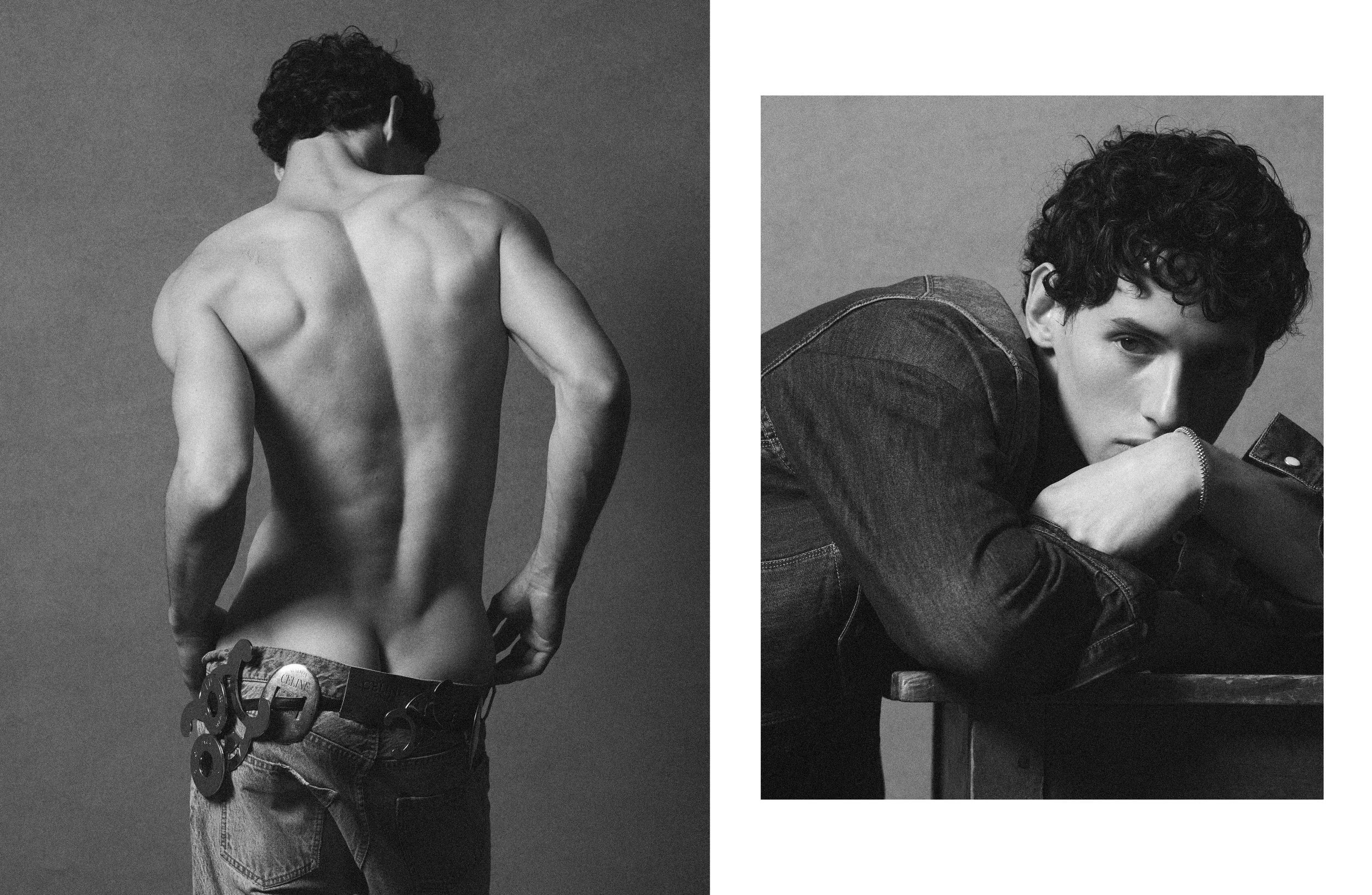
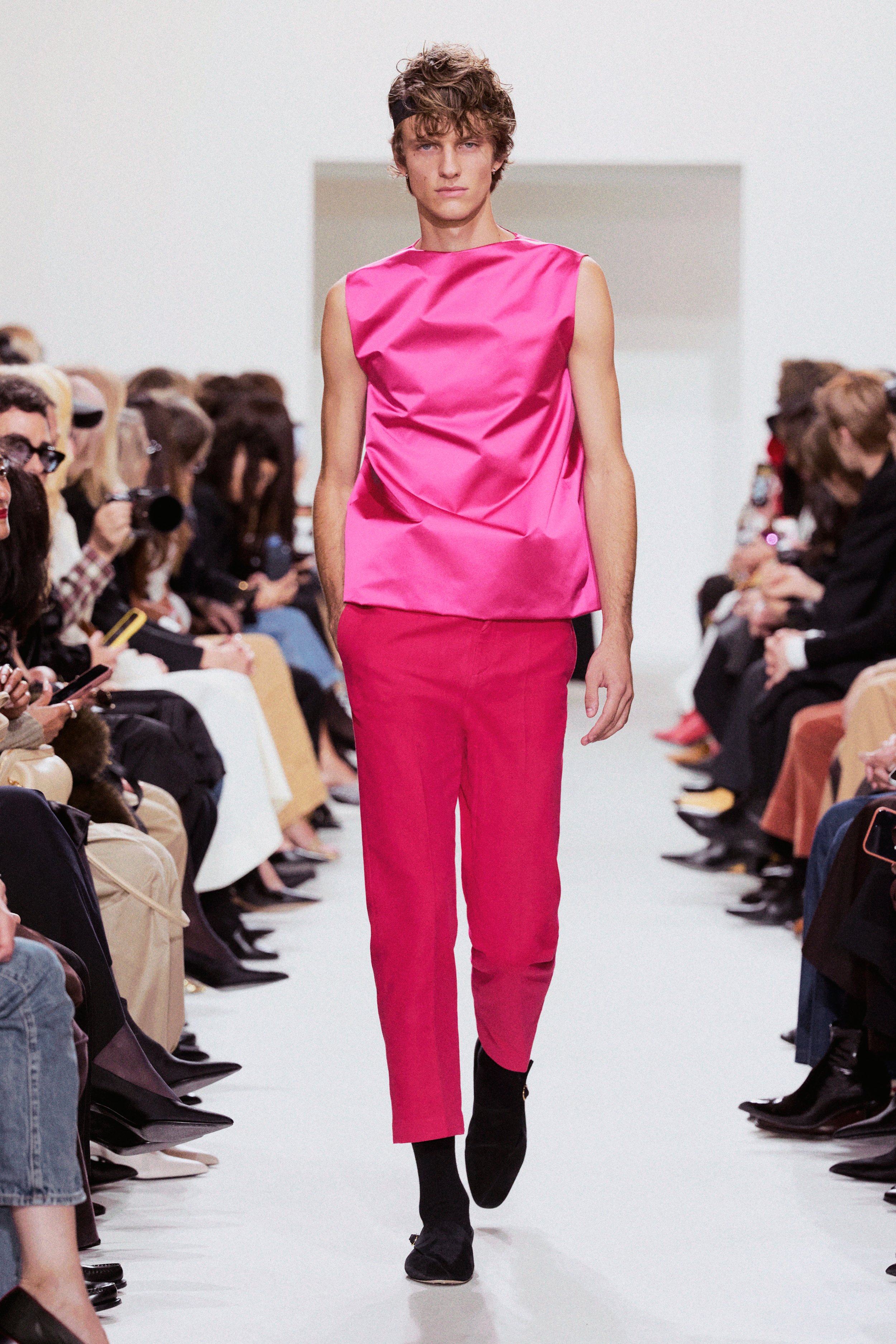
The word chic has largely been banned from fashion speak. Online, the anti-chic sentiment relies on it being a cliché. However, it’s hard to avoid it when looking at Celine Spring/Summer 2027. Michael Rider seems to understand that chic isn't necessarily about looking particularly polished. It's actually about the complete opposite. His third womenswear collection for the maison is a study in the possibilities of getting dressed, with a wardrobe that moves between Parisian restraint, American sportswear and bohemian eccentricity.

The collection opened with a black dress. Cut with a plunging V-neck and a gently defined waist. From there, Rider built on the idea of a wardrobe through pieces that felt individually considered but never overly styled. Tailored jackets came with pronounced shoulders, while trousers shifted between narrow chinos, wide-legged shapes and voluminous, almost balloon-like silhouettes. Some were pleated, others patterned, including printed gaucho-style trousers that brought a certain nonchalance to an otherwise refined proposition.

The tailoring was particularly strong. Jackets had enough structure to give the body presence without restricting it, and were worn with fluid trousers, simple tops and belts that ranged from discreet to deliberately exaggerated. There was a looseness to the proportions that kept the clothes from feeling too correct. A blazer could be worn open over a simple dress or paired with trousers that seemed to have a life of their own. Nothing felt particularly complicated.

Rider understands the value of a little disruption, which, in his visual language, comes in the shape of a 1970s sunny disposition. A butter-yellow dress came with a faded, scarf-like print. Floral patchwork appeared on an oversized bag, while long beaded necklaces and decorative headpieces introduced an eccentricity to otherwise timeless silhouettes. Colour was used with similar restraint, although restraint here doesn't mean playing it safe. Black, cream and muted neutrals provided the foundation, interrupted by solar yellow, vivid fuchsia, magnetic blue and flashes of red. Sheer gloves revealed unexpected colour against otherwise sober looks. One beaded minidress announced itself through its movement and sound, the wood clinking as the model walked.

There are traces of the different lives Celine has lived, from the intellectual sensuality associated with Phoebe Philo to the sharper Parisian attitude that has become part of the house's more recent history. But Rider isn't interested in recreating either. His approach feels more instinctive, drawing from familiar references without becoming trapped by them. The result is a collection that makes a convincing case for chic, not as a rigid set of rules, but as a way of making decisions.


Words by Pedro Vasconcelos
LOUIS VUITTON SS27

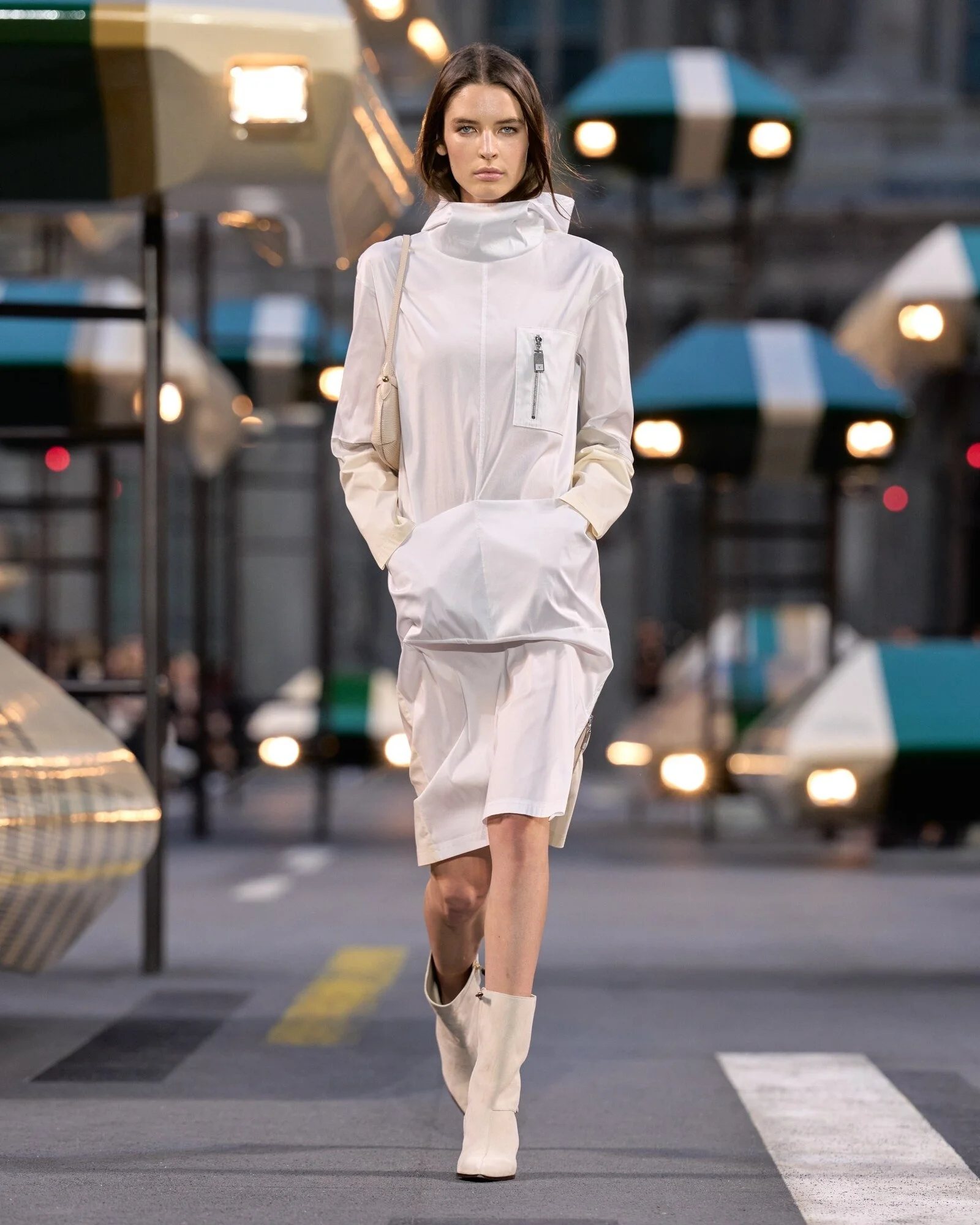
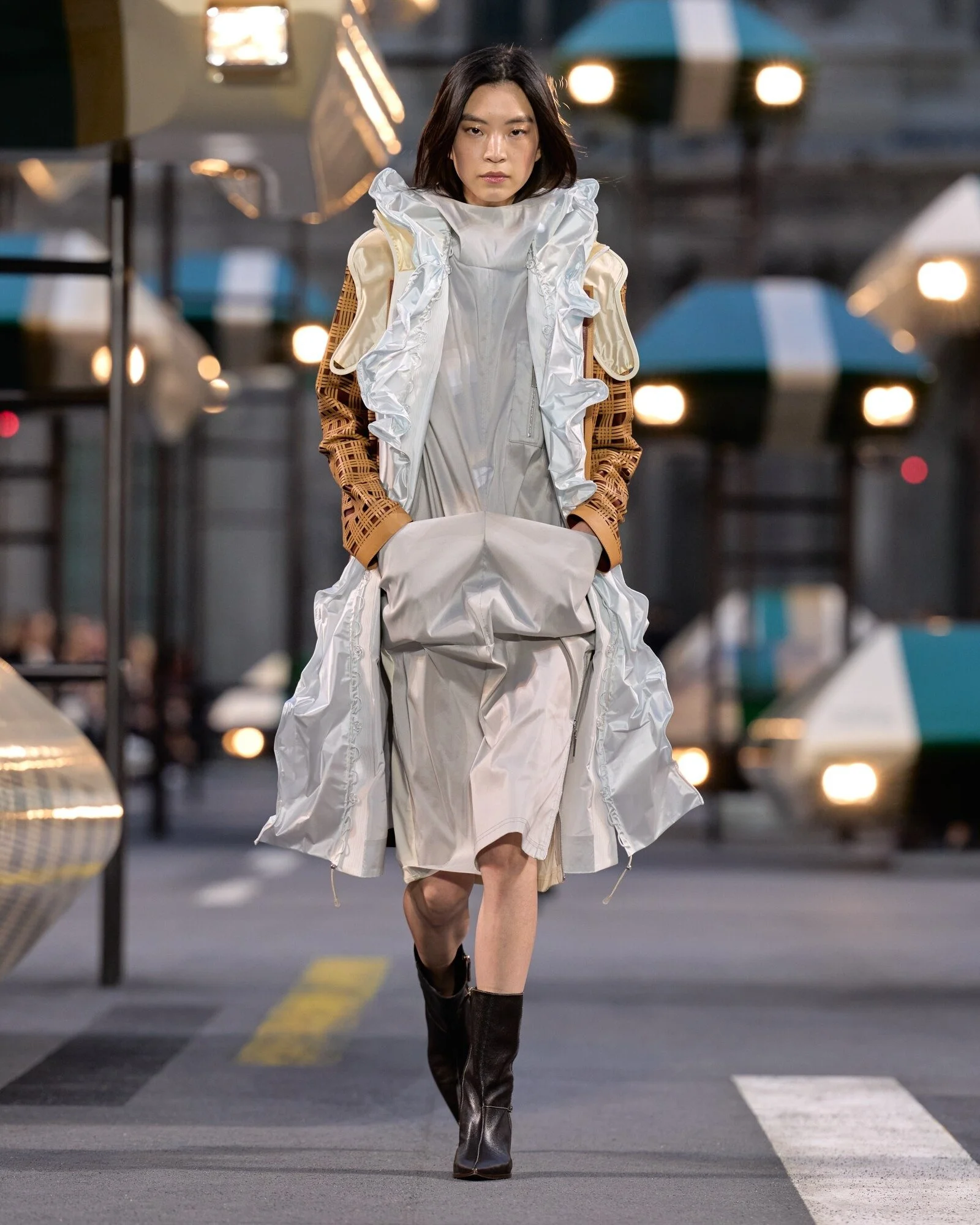
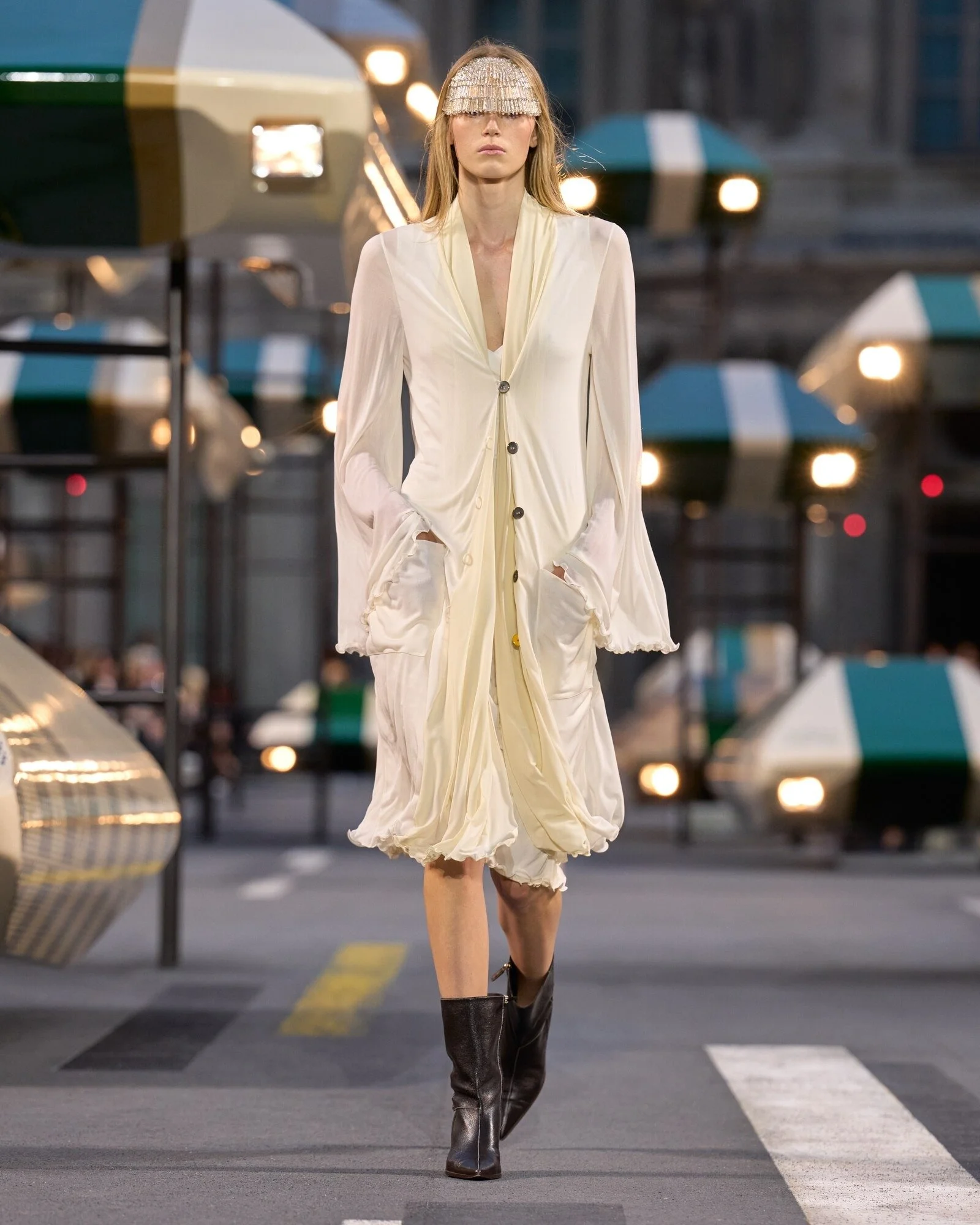
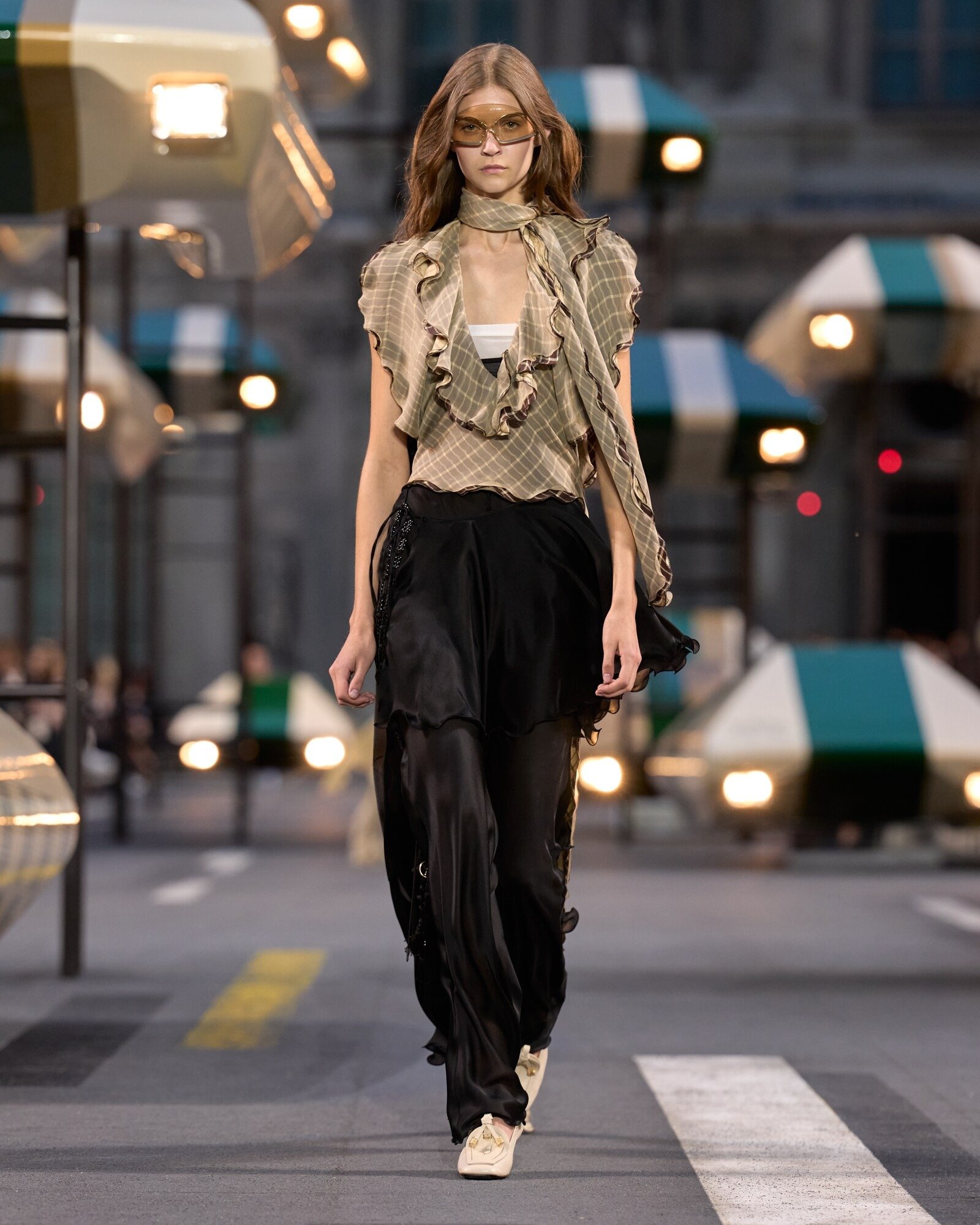
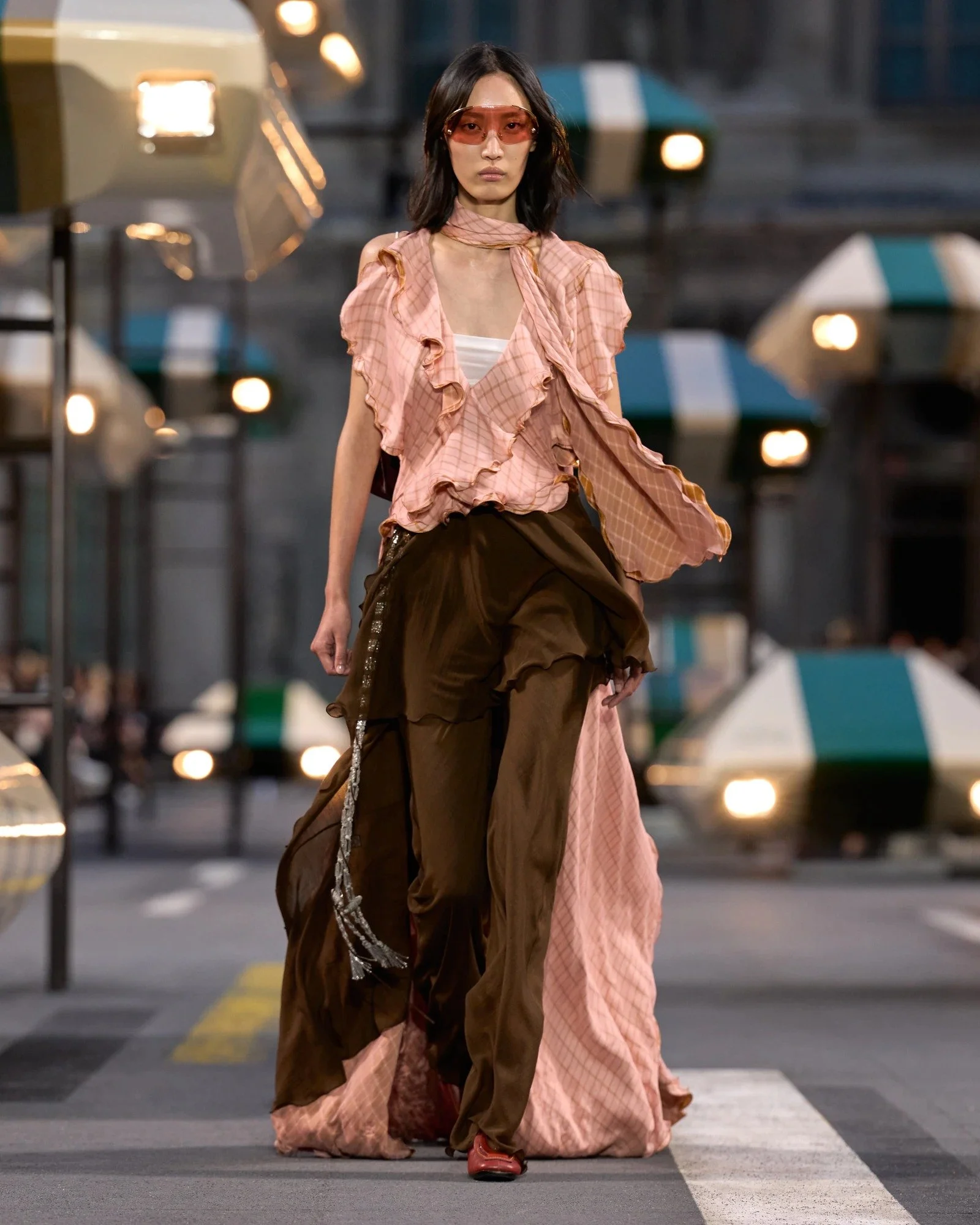
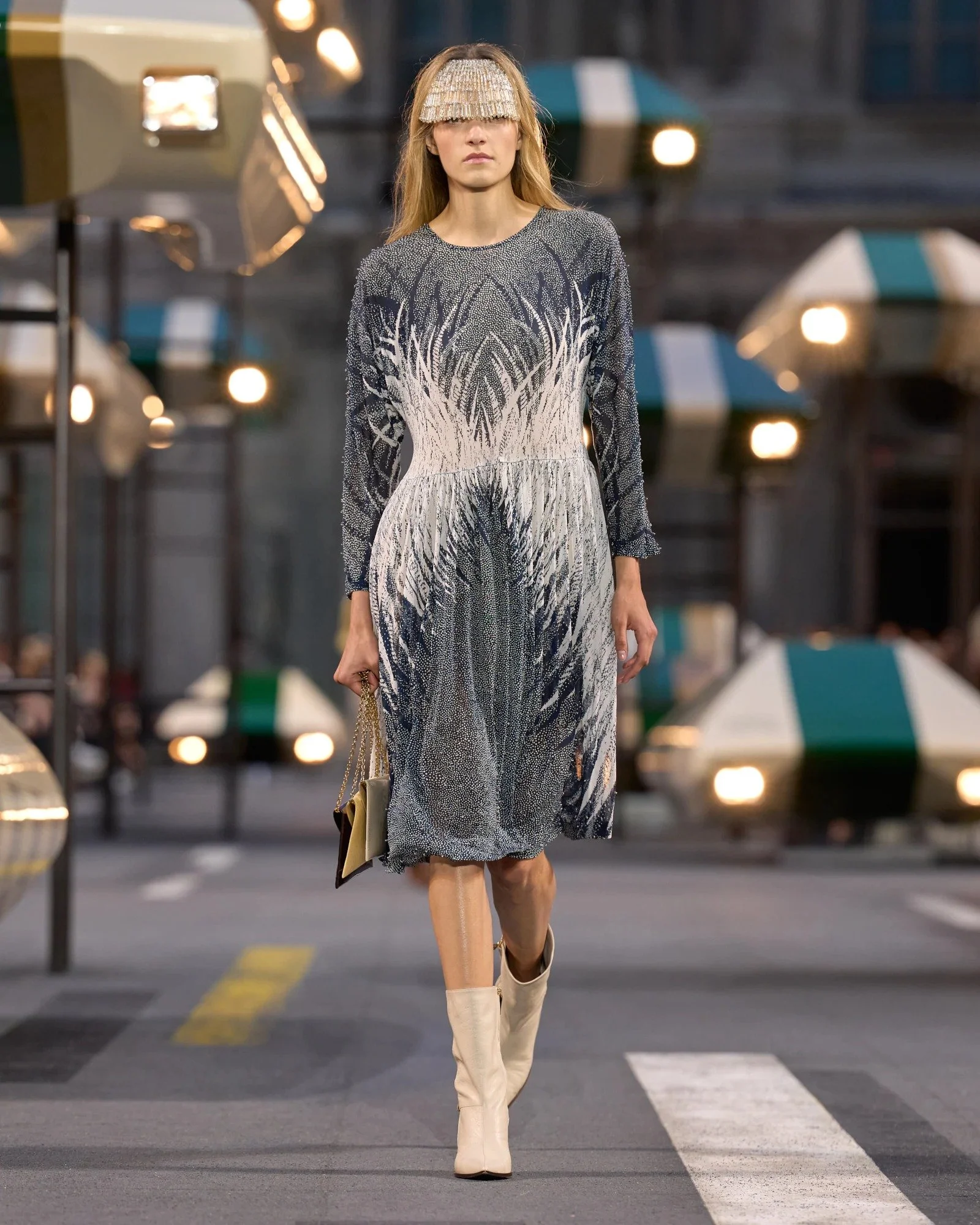
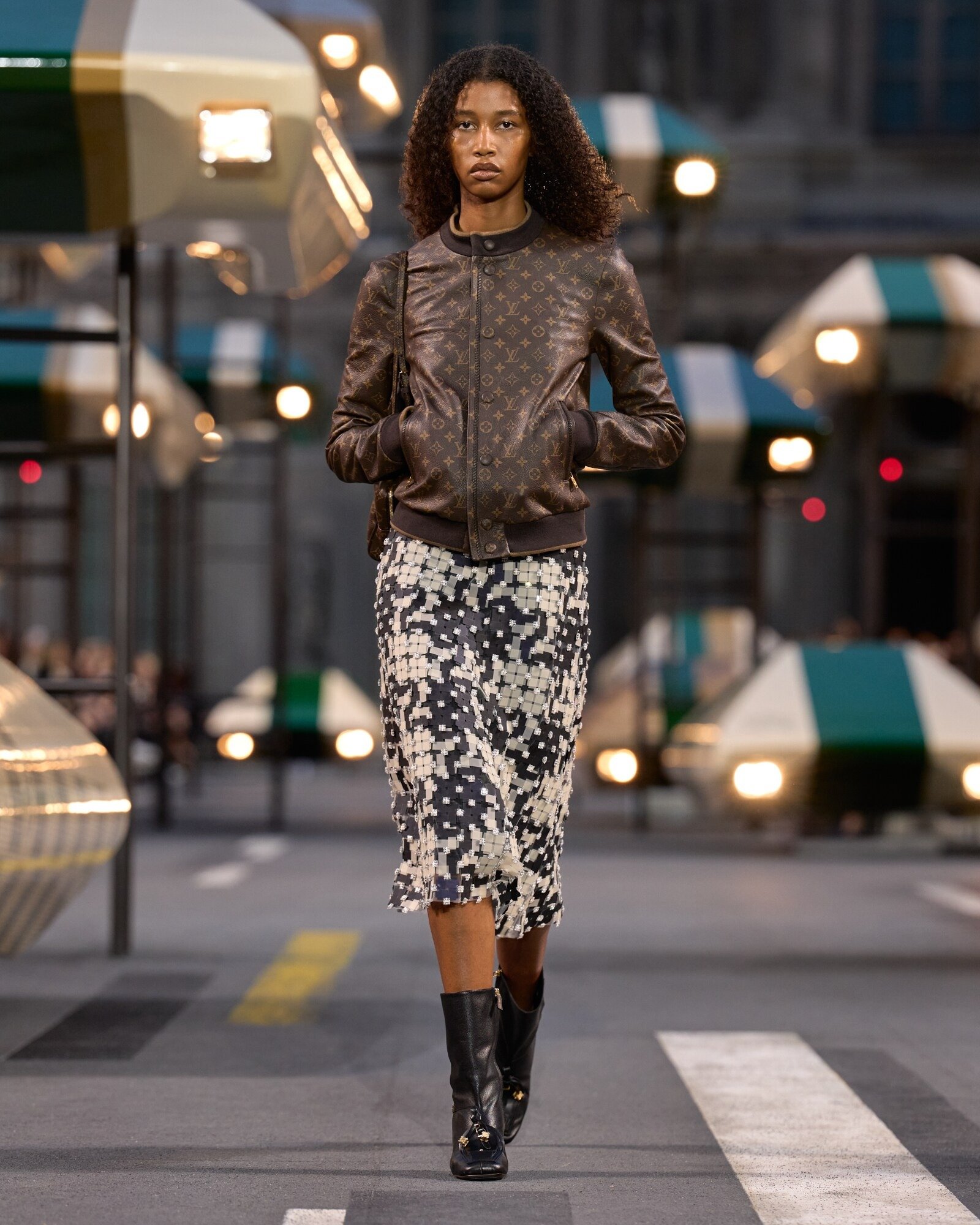
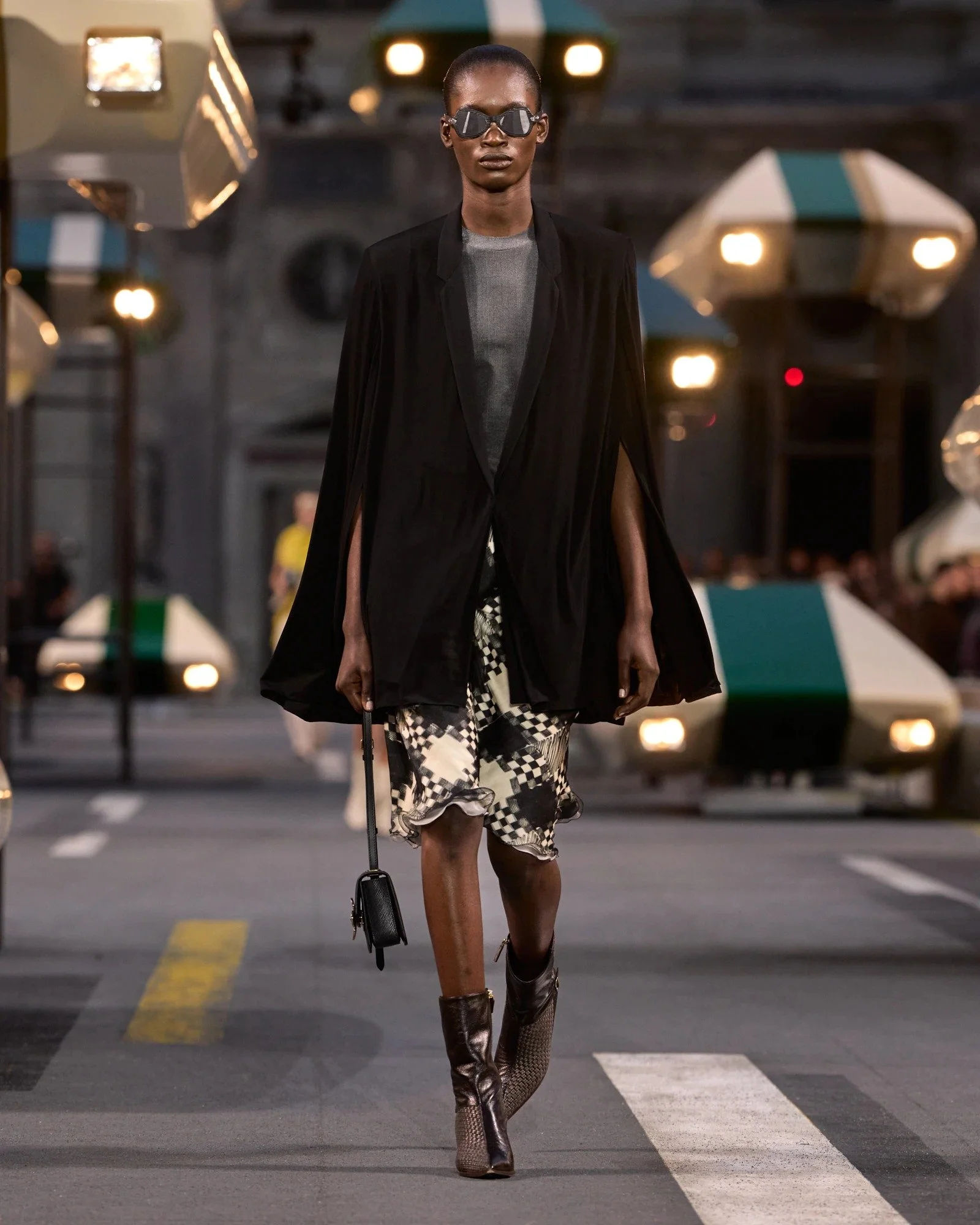
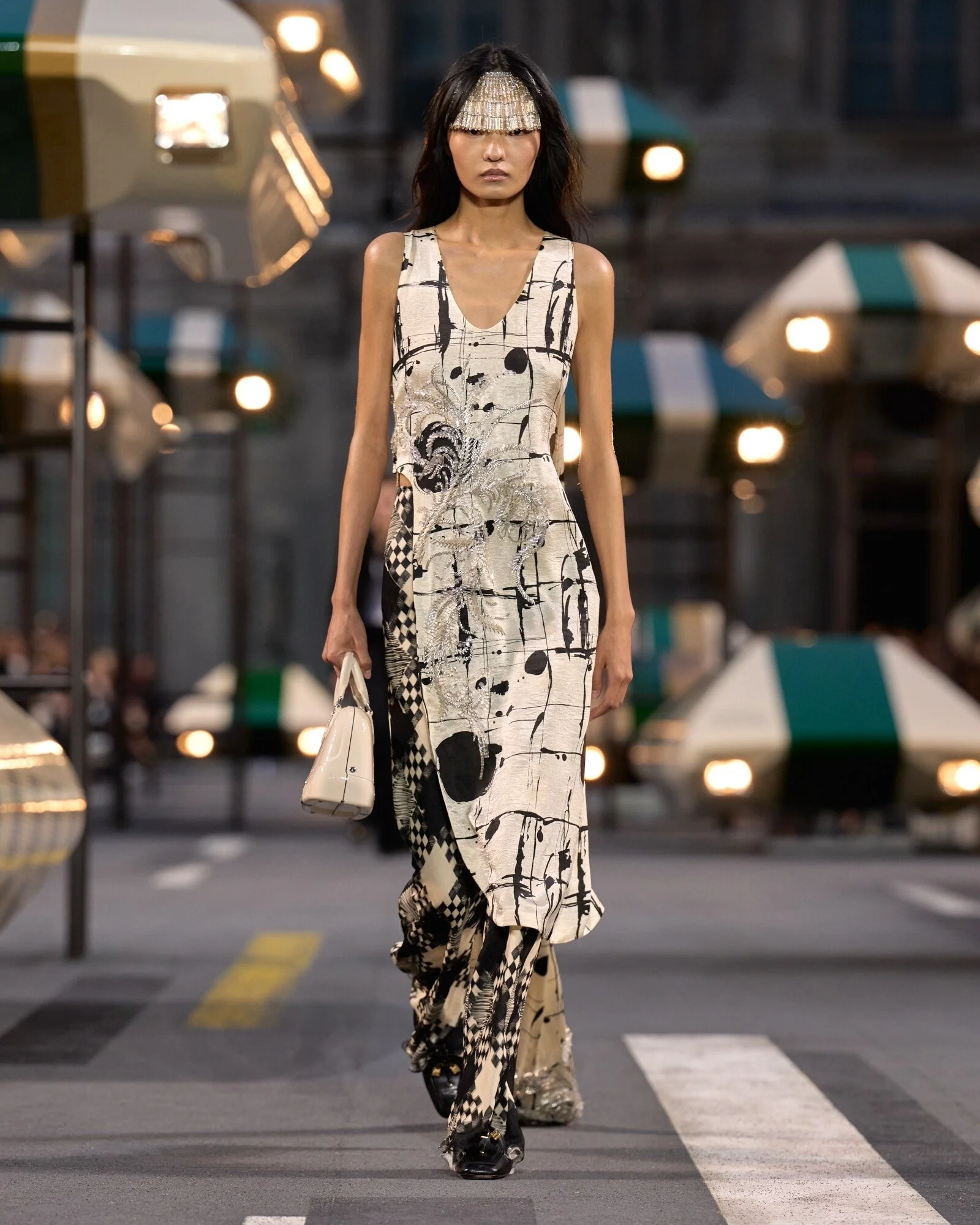
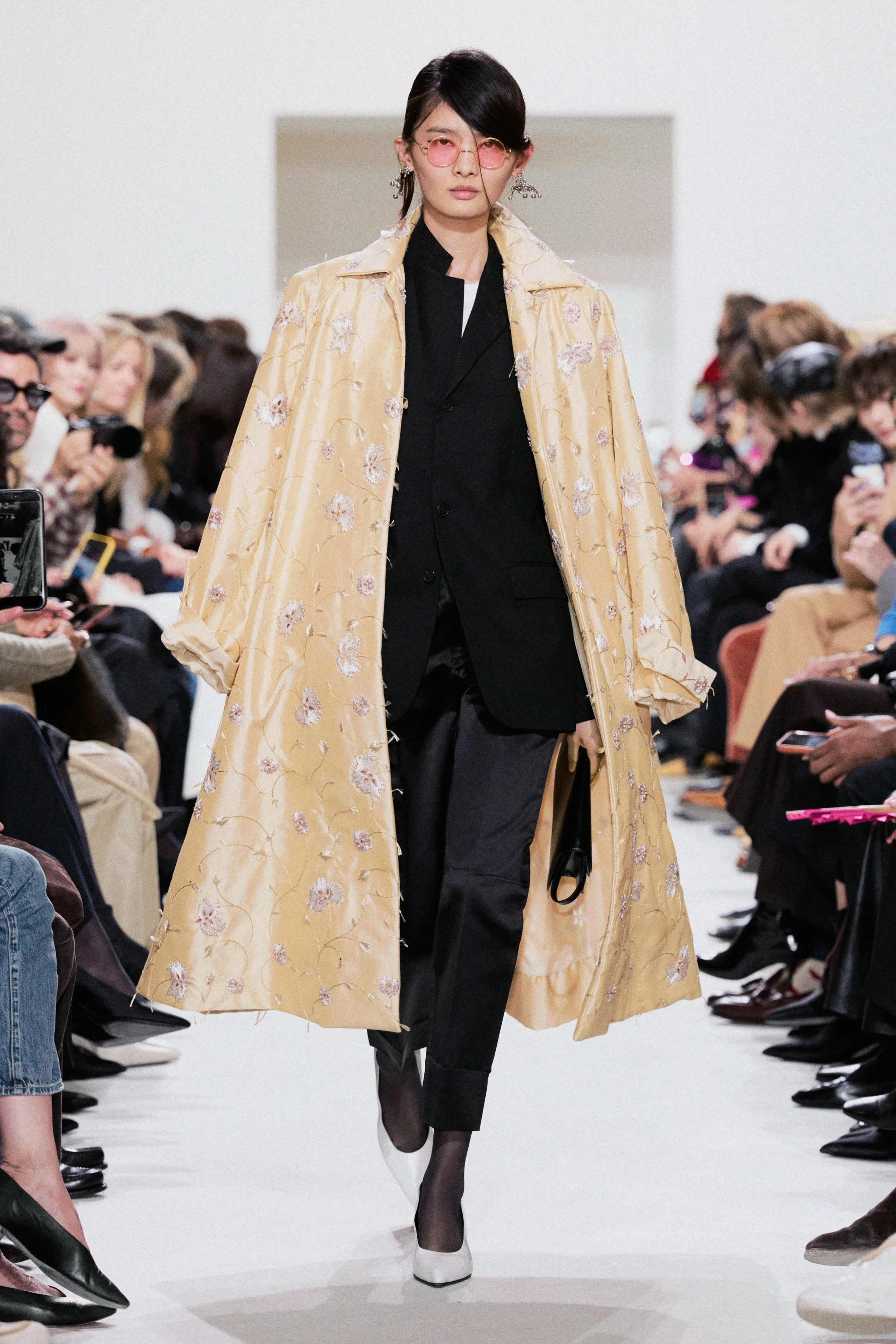
For Spring/Summer 2027, Nicolas Ghesquière presented a Louis Vuitton collection rooted in simplicity. Rather than relying on elaborate cuts, exaggerated volumes or the aesthetic experimentation that has long defined his work, the designer opted for a sharper, more straightforward approach, allowing the clothes to speak through their construction and movement.

Structured silhouettes flattened the body’s natural curves beneath straight-cut garments, lending the collection a youthful edge. Sensuality was not entirely absent, but rather shifted away from the clothes themselves and into the way they moved with the body, revealing a softer femininity in motion.

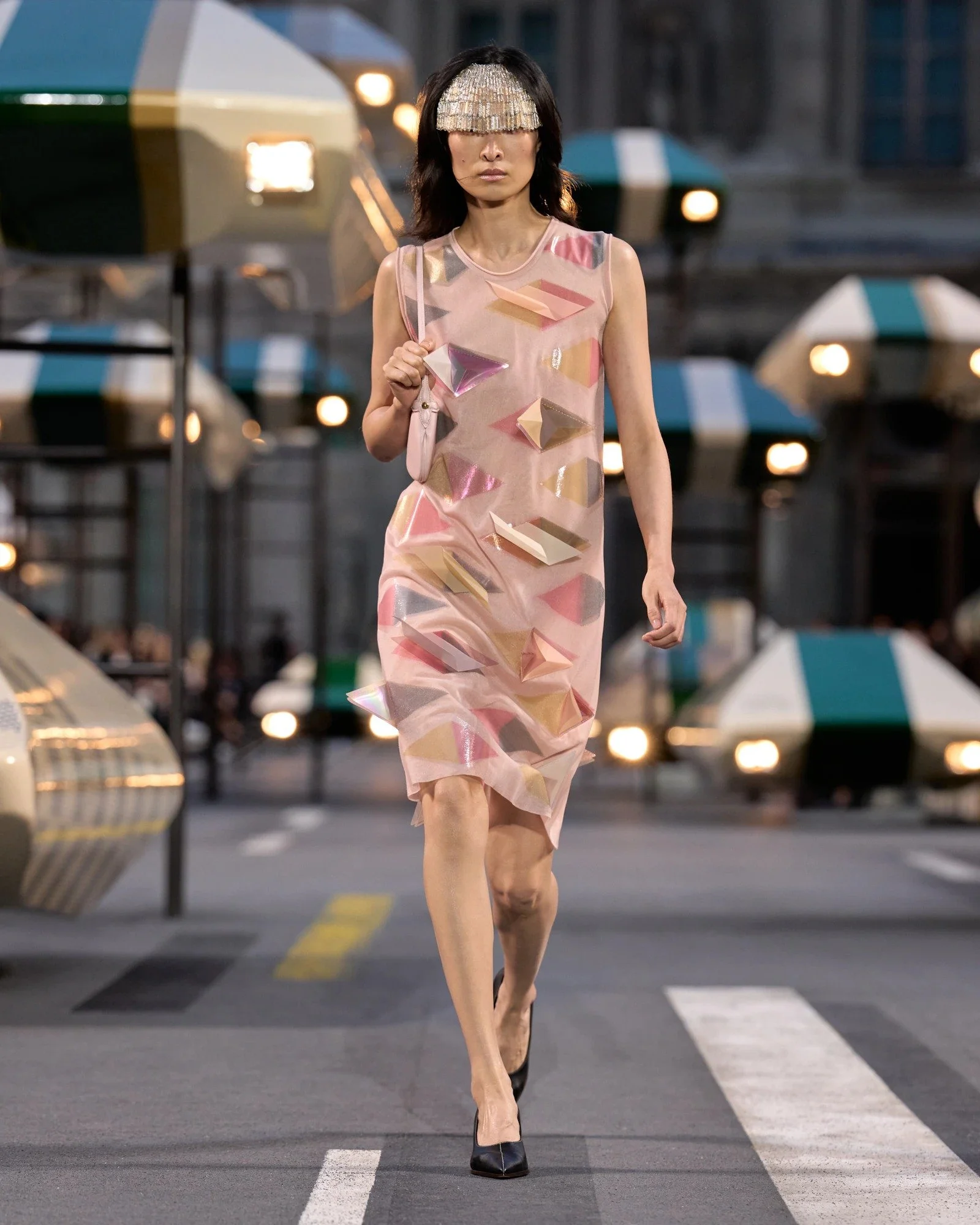
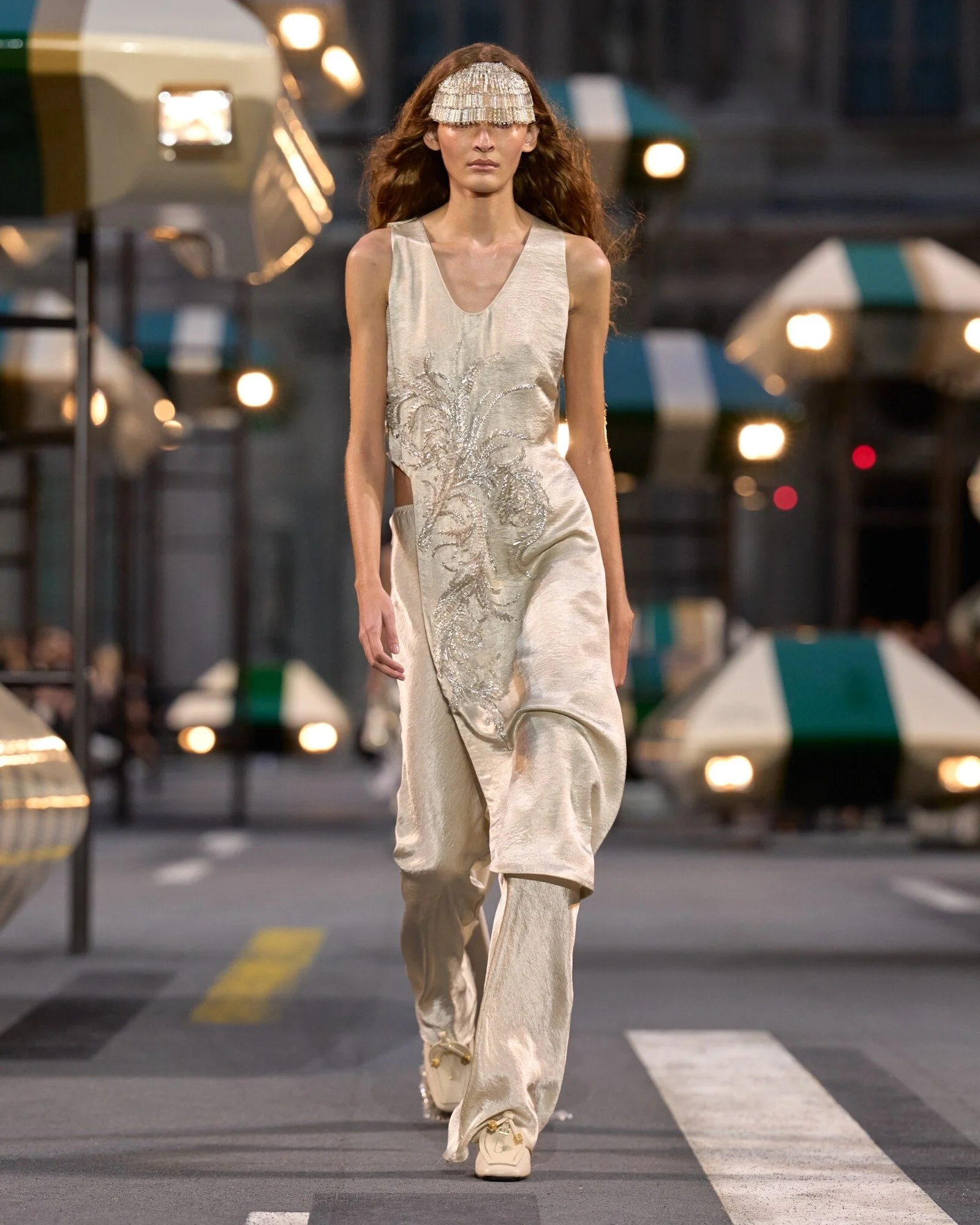
The setting evoked a retro-futuristic skyline straight out of Blade Runner, establishing an urban landscape against which the clothes took on a subtly futuristic quality. Yet, rather than feeling heavy or imposing, the garments were rendered in soft, breezy fabrics that seemed almost weightless. Floating silk trousers and tunic-like dresses bounced, drifted and swayed with every step, bringing a sense of fluidity to the collection’s otherwise controlled silhouettes.

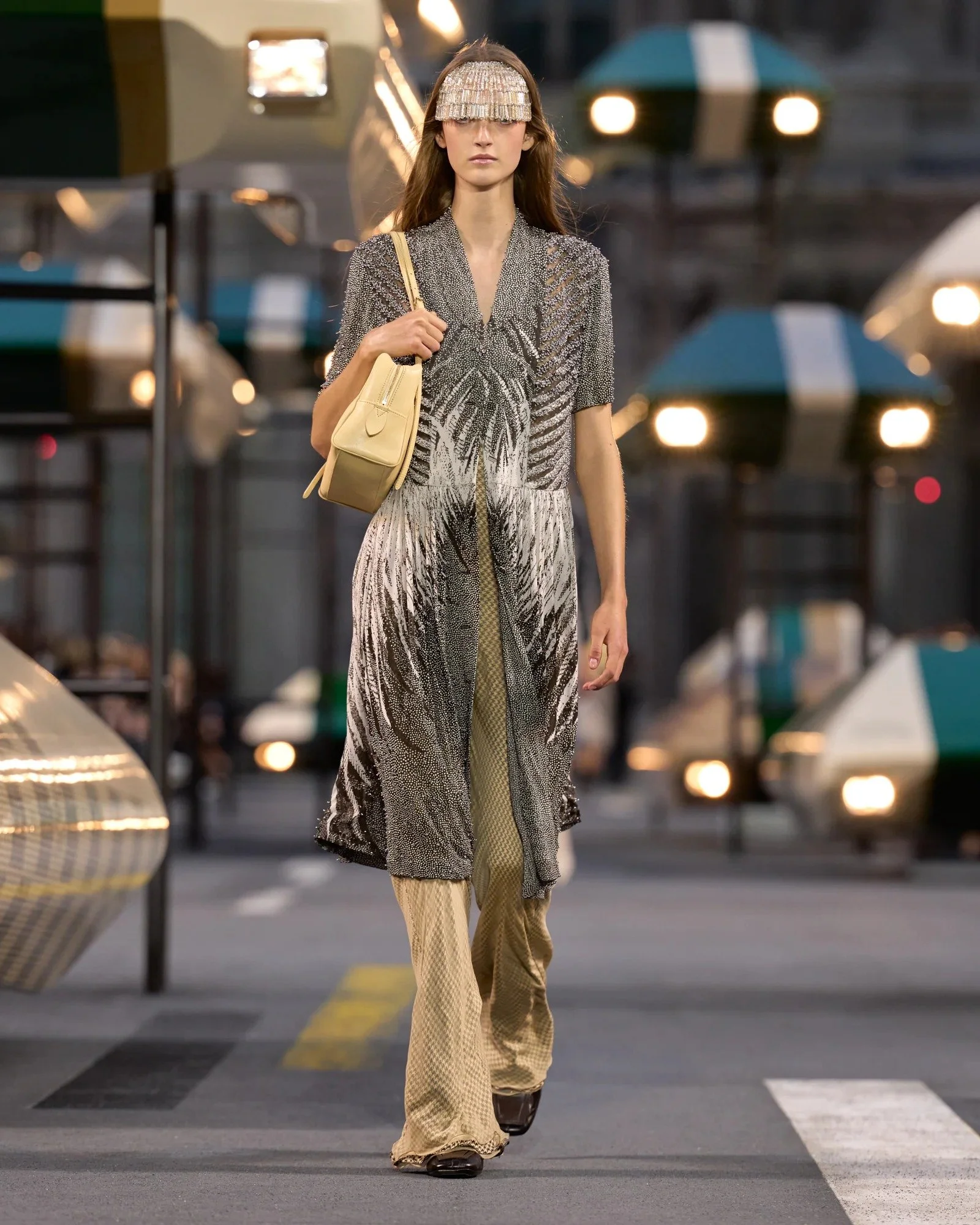
Metallic accessories, from silver headbands to fringe visors, reinforced the futuristic mood, while a restrained palette of whites, creams, pale pinks, lavender, soft greys and silvery metallics kept things light and airy. The interplay between structure and movement became the collection’s defining tension, balancing architectural precision with an almost effortless fluidity.

Embroidered skirts and dresses offered moments of intricacy, revealing Ghesquière’s enduring fascination with elaborate surface treatments. Their detailed embellishments introduced a welcome richness to an otherwise pared-back proposition, adding depth without disrupting the collection’s sense of ease.

Far removed from the more experimental, high-concept spectacles that have characterised some of Ghesquière’s past outings, Spring/Summer 2027 felt grounded in the rhythms of metropolitan life. These were clothes designed to navigate the everyday chaos of the city, moving with the wearer rather than against them. In a collection built around restraint, practicality emerged not as a compromise but as a design principle.


Words by Carolina Benjumea

DRIES VAN NOTEN SS27

It was a rainy, dark day in Paris. The third day of fashion week started with an auspicious beginning. Despite the hope and excitement that linger in the body in the early phases of a marathon, the weather wasn’t helping. Thankfully, there was something to look forward to: the Dries Van Noten show. My excitement was such that my brain seemingly turned off and I decided to bike to the venue. Quickly, I understood my mistake, but I was too deep in. So, I kept biking. The water had, at one point had so completely infiltrated my layers that I might as well have dipped in the Seine, instead of crossing it.

But even as I walked through the doors of the space where the collection would be shortly unveiled, leaving a snail trail of rainwater, I couldn’t be happier. Julian Klausner’s tenure at the brand has been marked by a distinctive joy. Both in its messaging and the actual garments, the Belgian designer inspires a sunny outlook on life – when I was in desperate need of it.

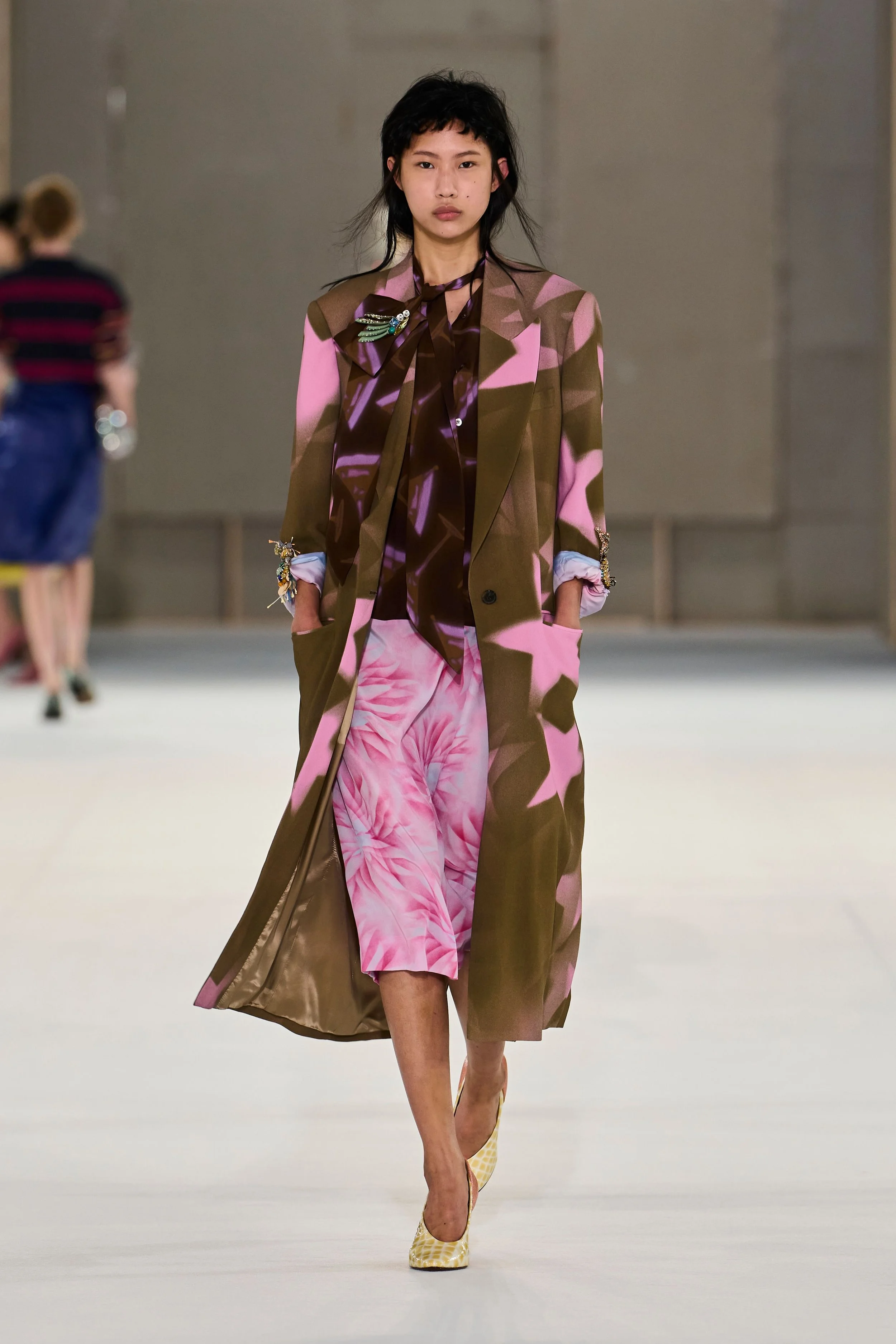
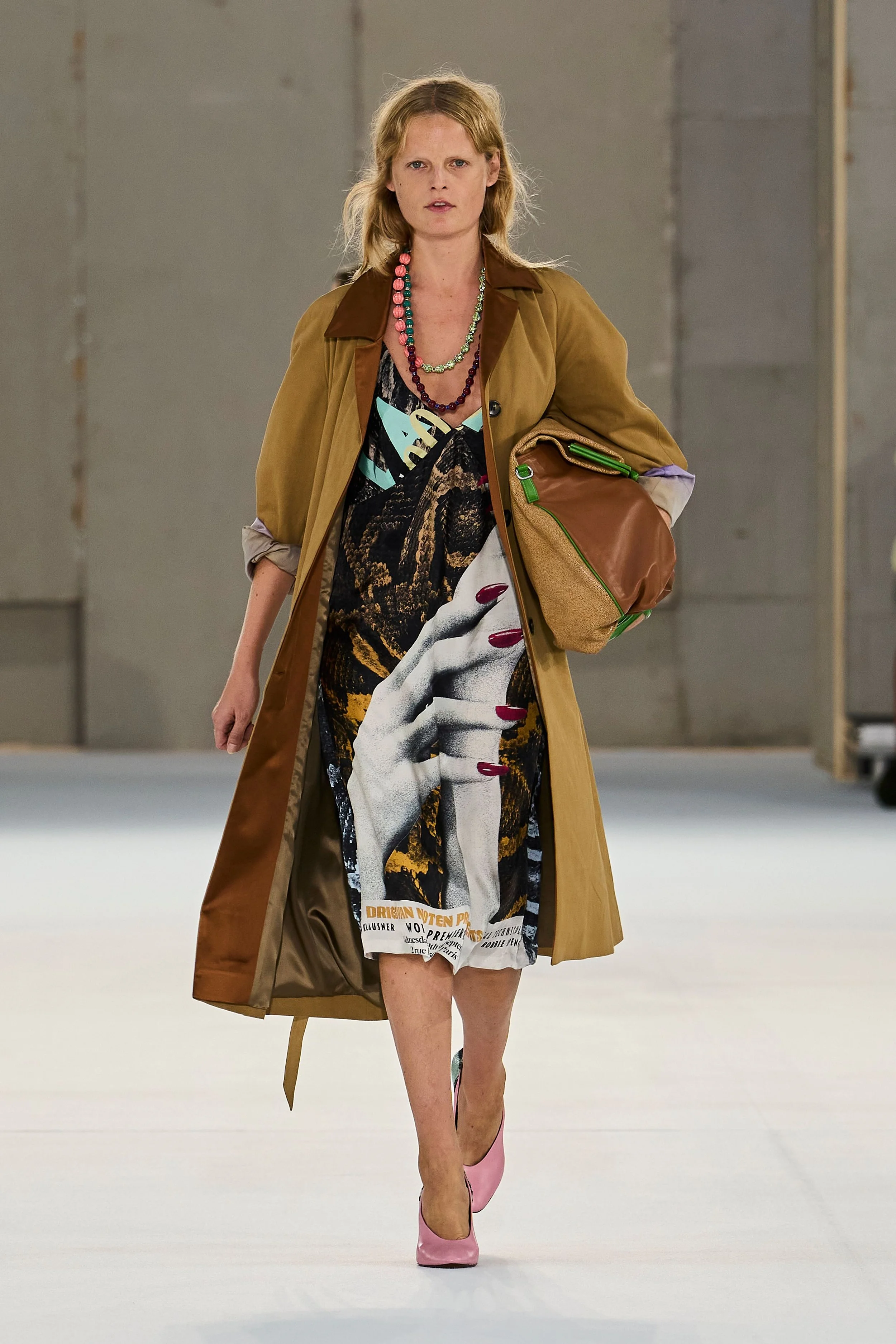
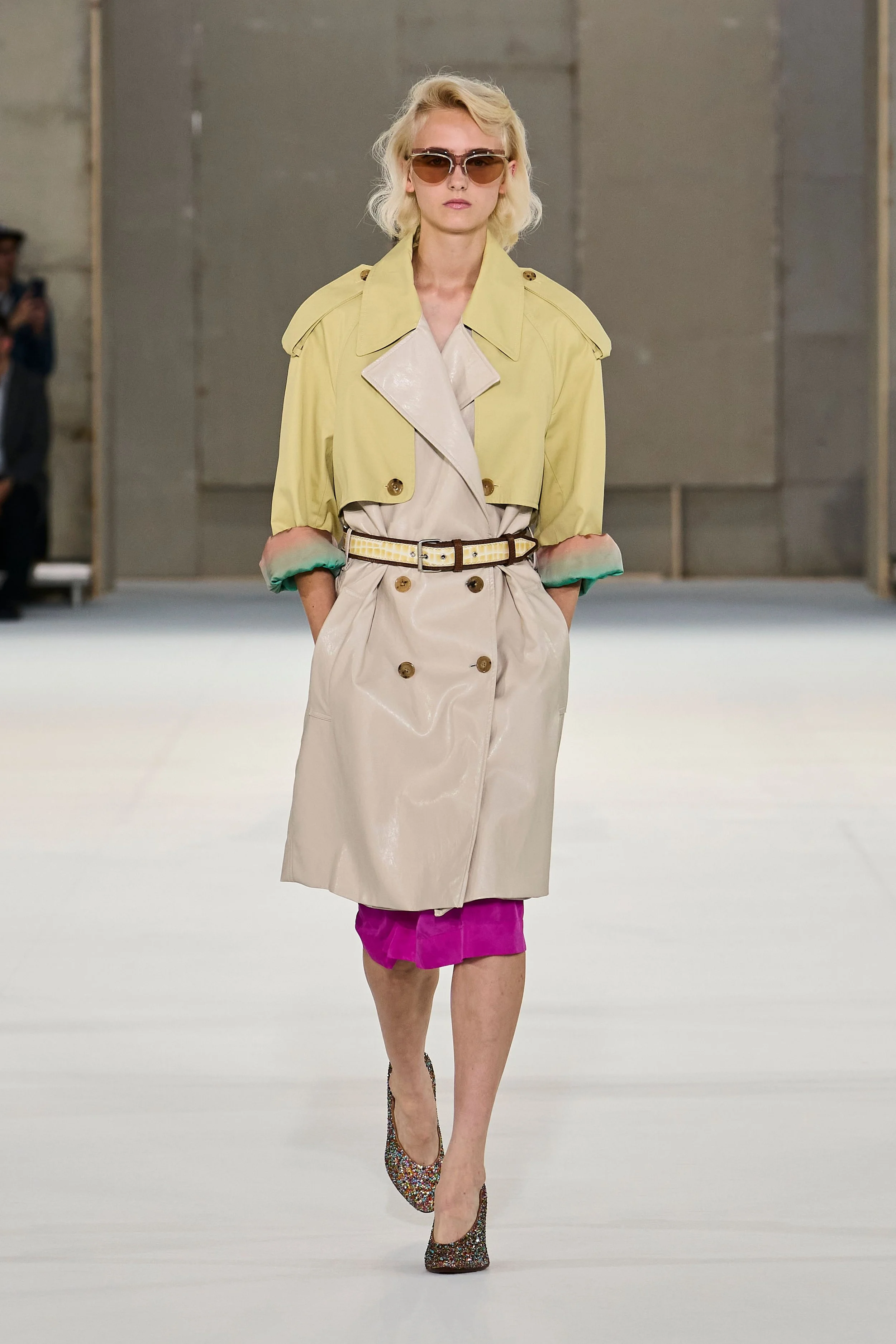
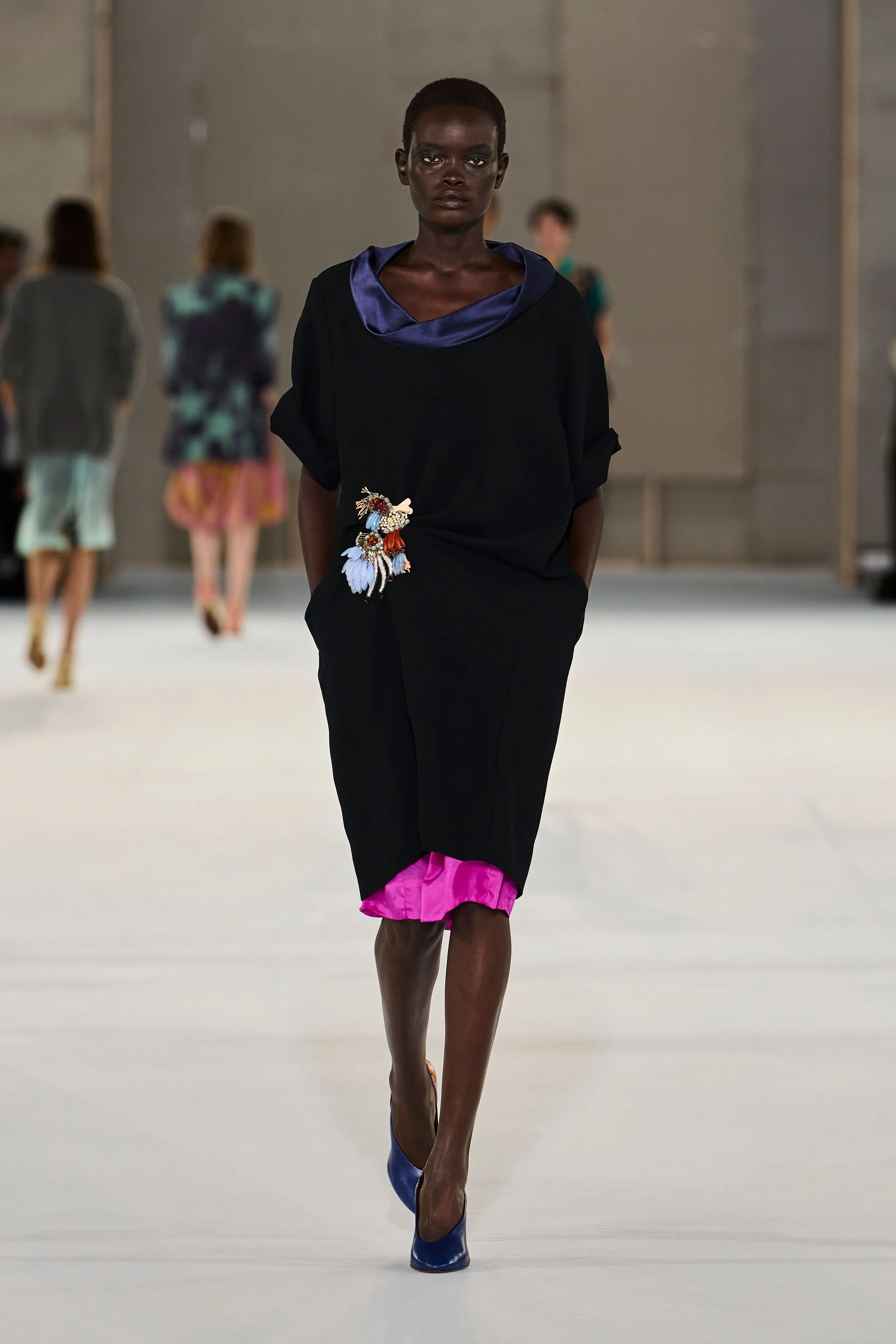
The show began with the sound of heels hitting pavement. Cars, voices, the noise of a city. It felt like the beginning of a movie. That was the idea. This season, Klausner was inspired by cinema as a mindset. The designer isn’t interested in the idea that an occasion needs to arise to justify dressing up. Instead, an excuse for glamour can be found anywhere the eyes choose to see it. The Hollywood inspiration materialised most concretely in the prints that took over entire garments. Klausner developed classic Hollywood posters to fill these, choosing them as both patterns and the invites for the season – mine has the title “Lacquer and Lace” and is currently on one of my living room walls. These prints became the basis for graphic shirts and cargo skirts, silky jackets and fluid dresses.

For Klausner, glamour isn’t an antonym of everyday life. A slinky cocktail dress appeared over a rugby shirt. Polo shirts were worn with the sleeves pushed up, alongside masculine shirts. The effect was very Dries: a flirty tension that arises when combining unusual partners. Speaking of which, the label’s technical mastery showed in embroidery on mesh overlays in printed garments. With the backdrop of a leopard print or the aforementioned movie posters, these delicate layers hosted heavy jewels. With beauty flooding my eyes, I forgot all about the pool that I was sitting in. In the middle of a grey day, Klausner made a convincing case for the simple pleasure of finding an excuse to make things feel a little more beautiful.


Words by Pedro Vasconcelos
LOEWE SS27

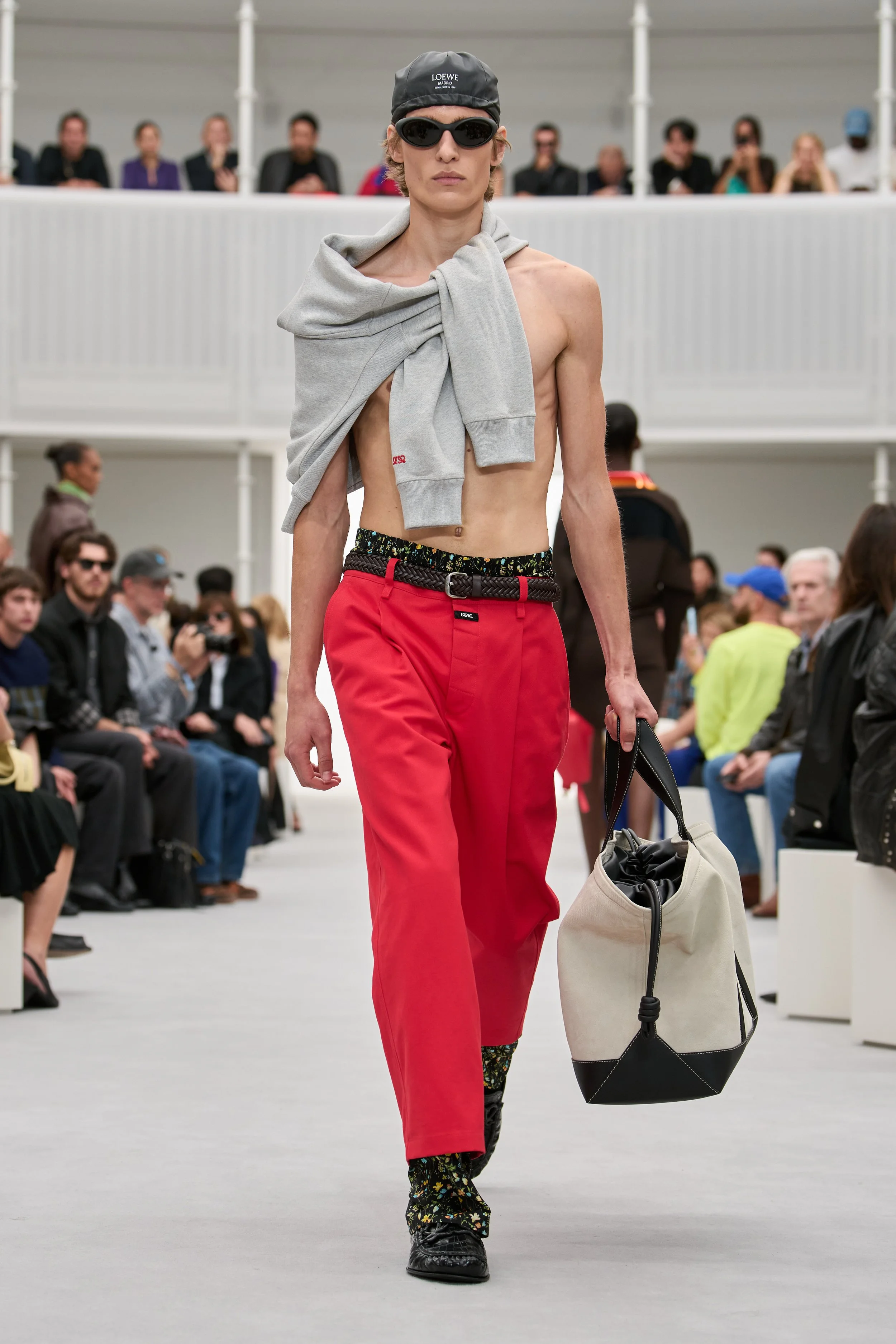
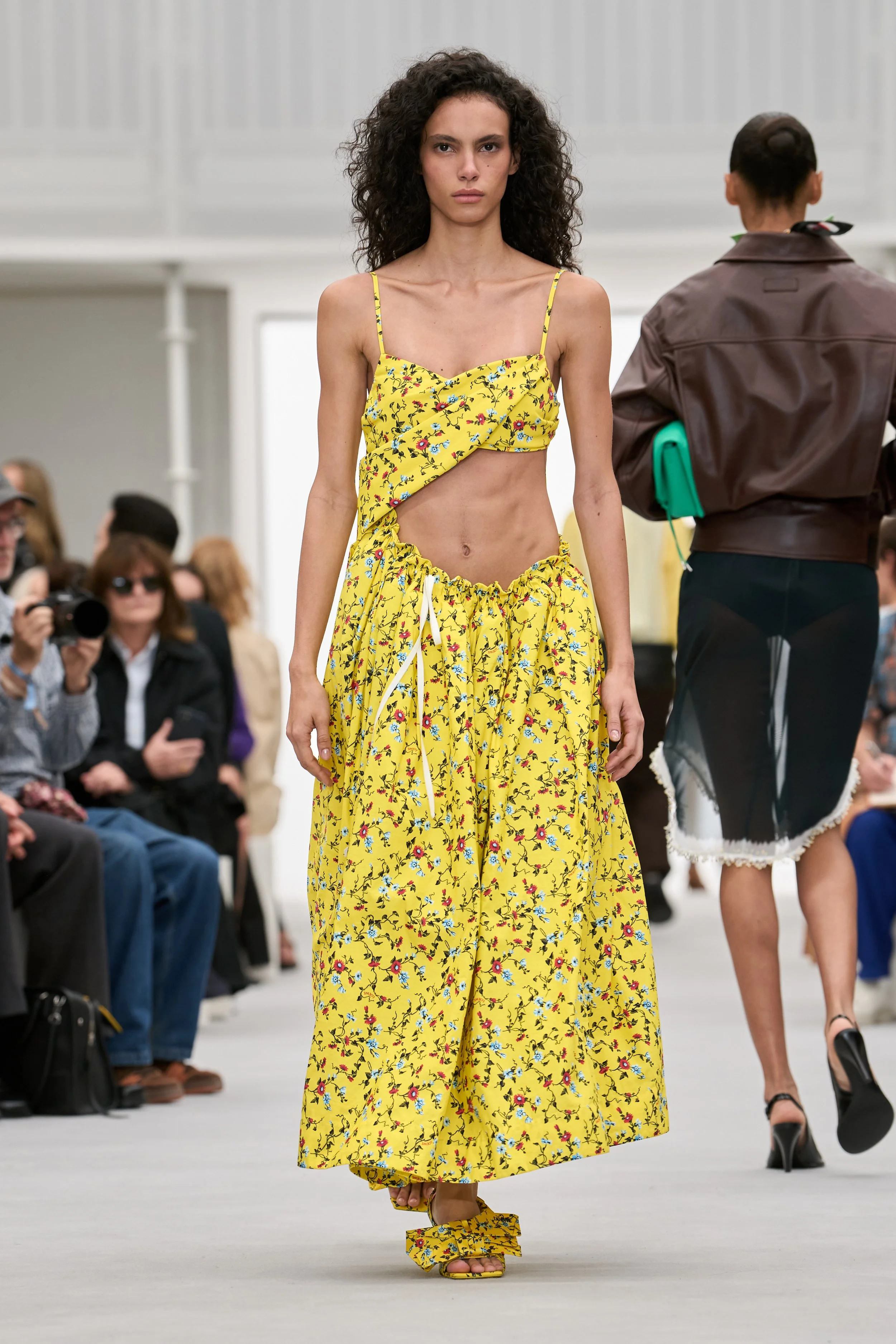
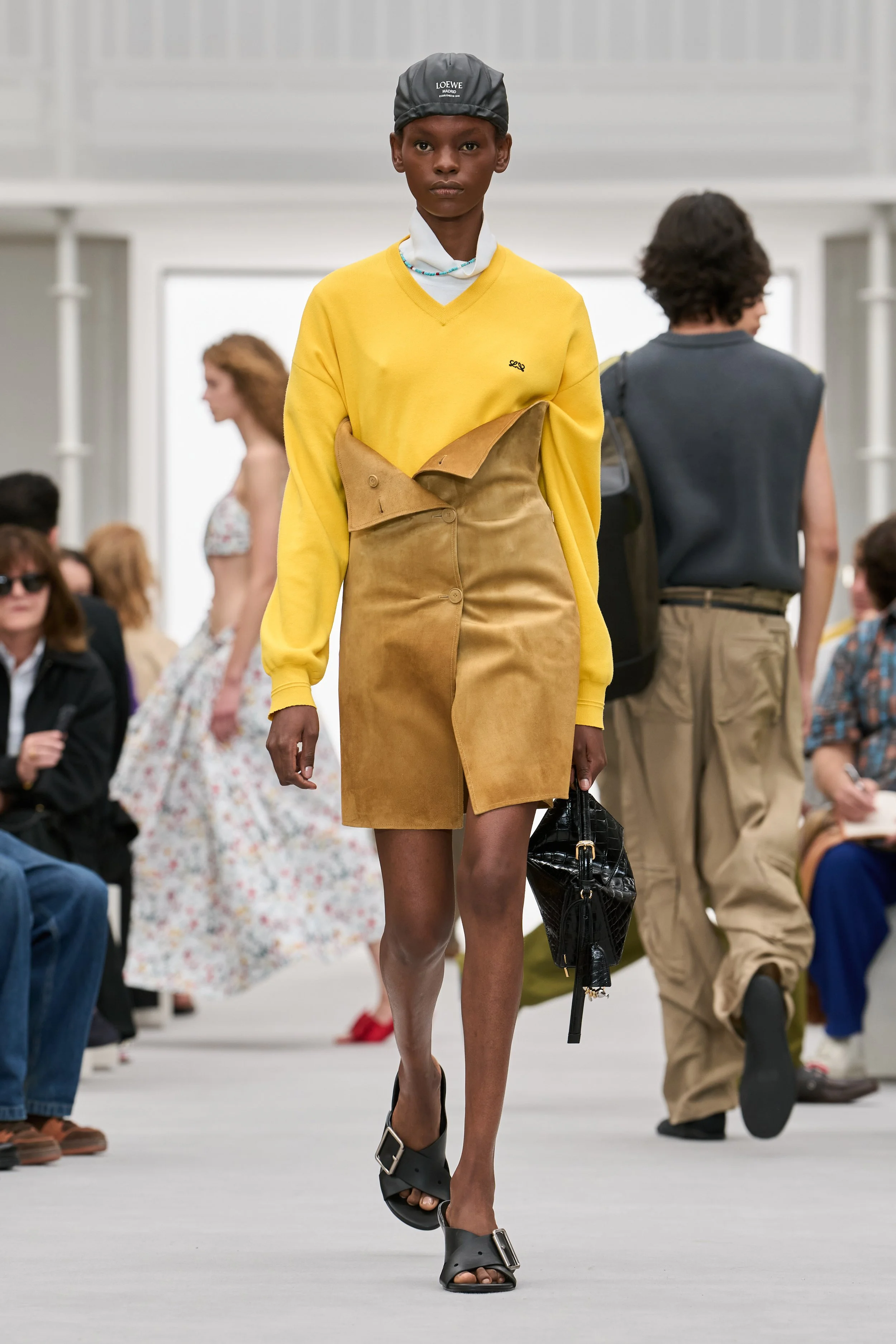
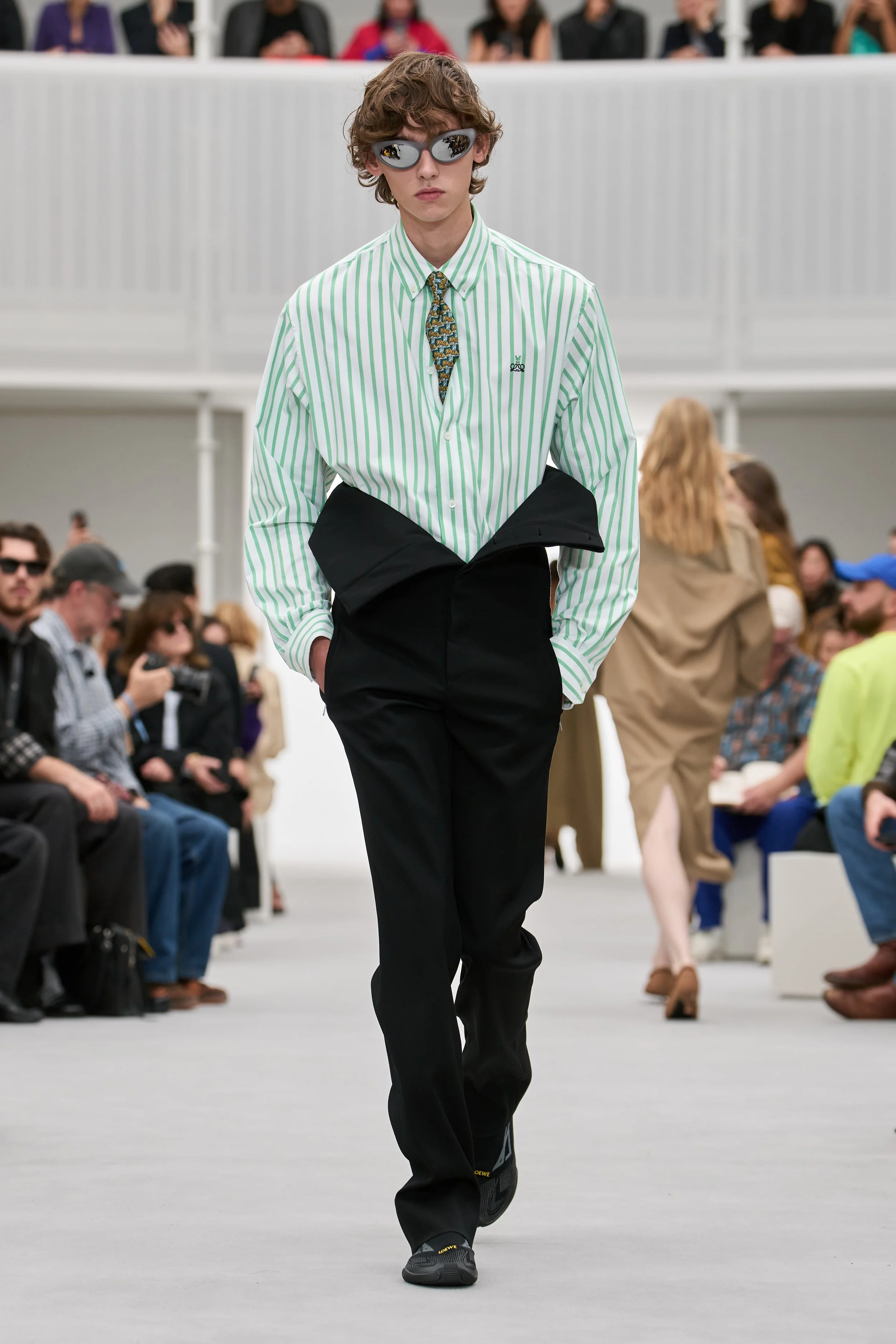
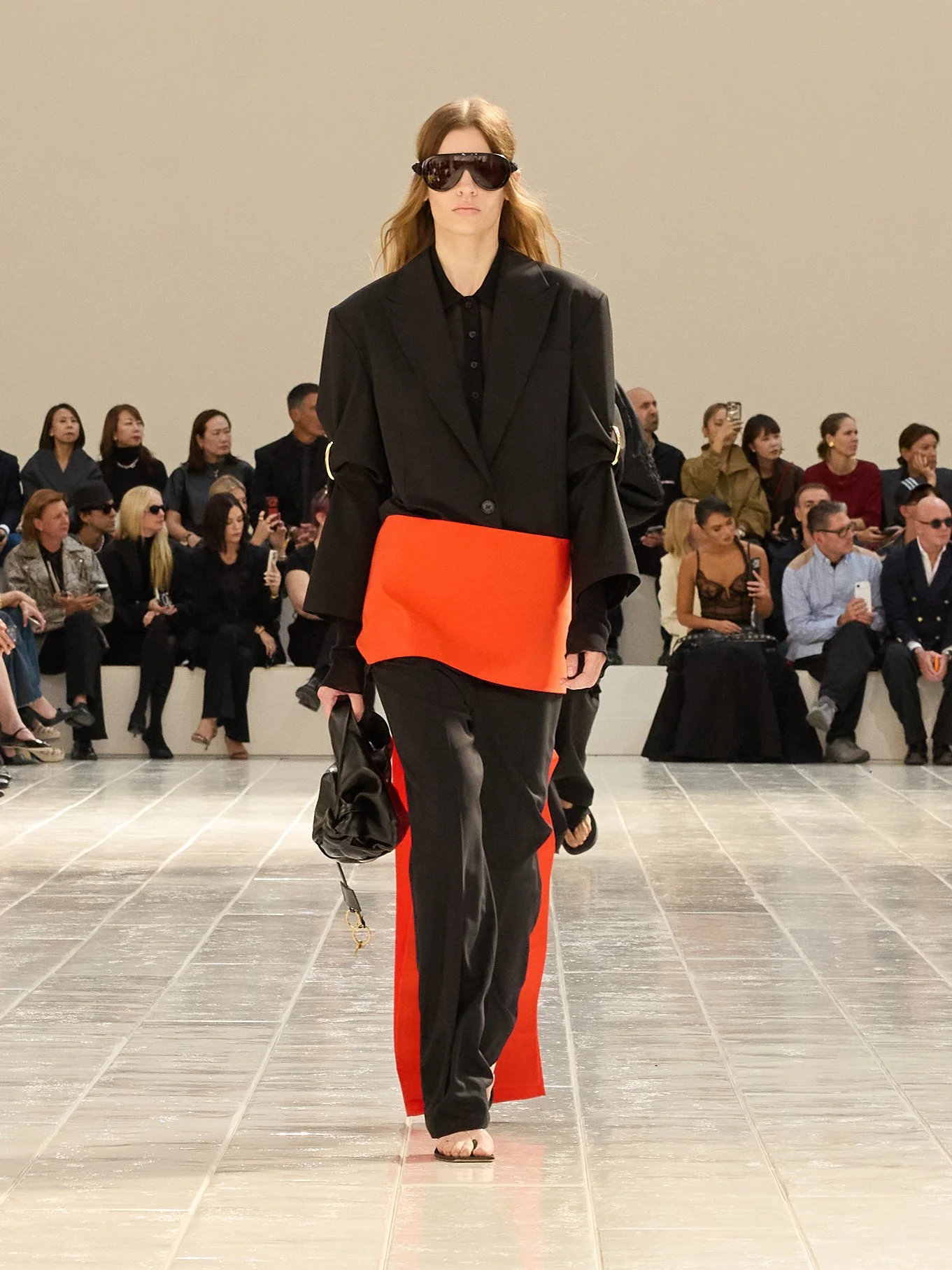
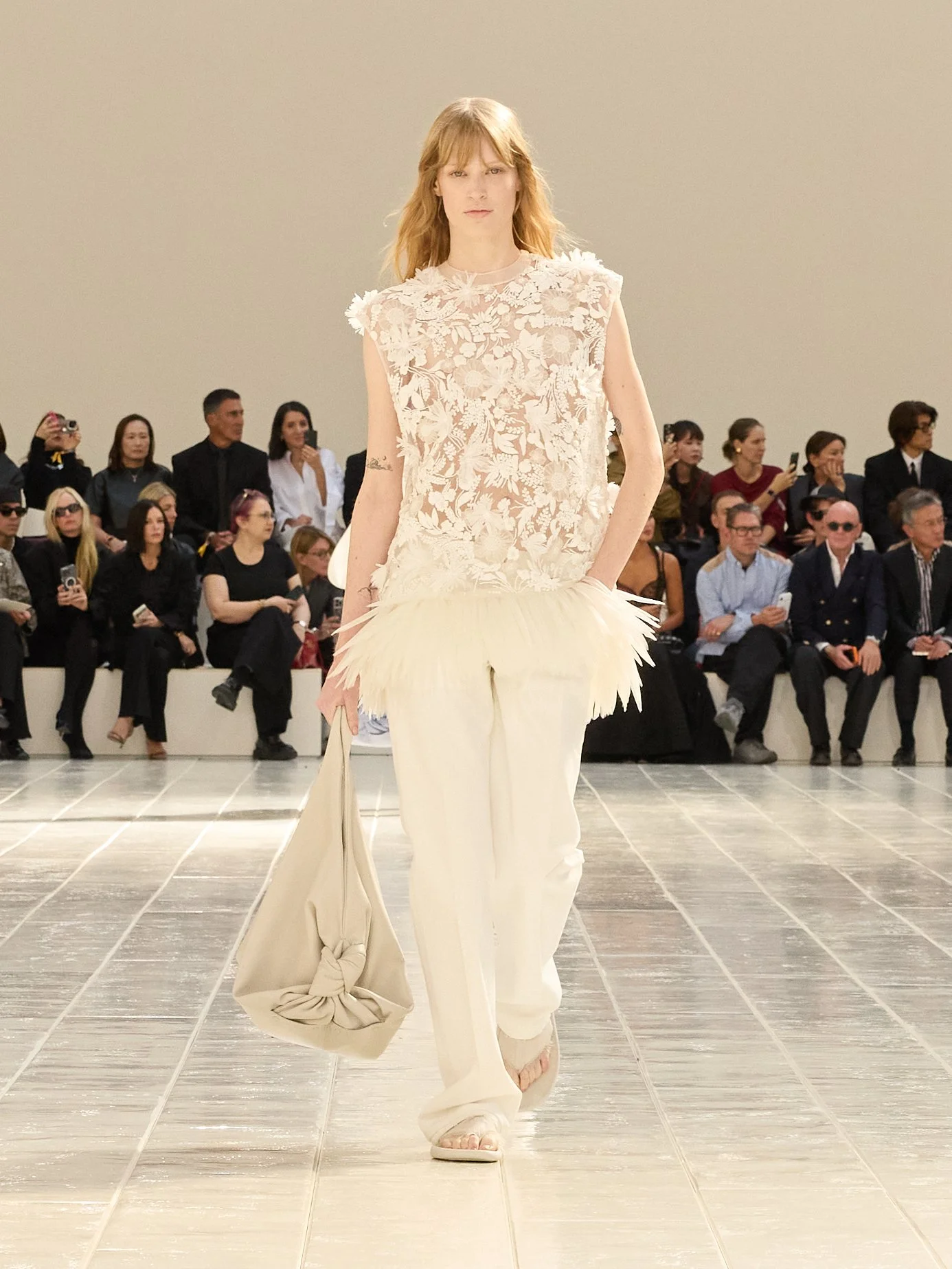
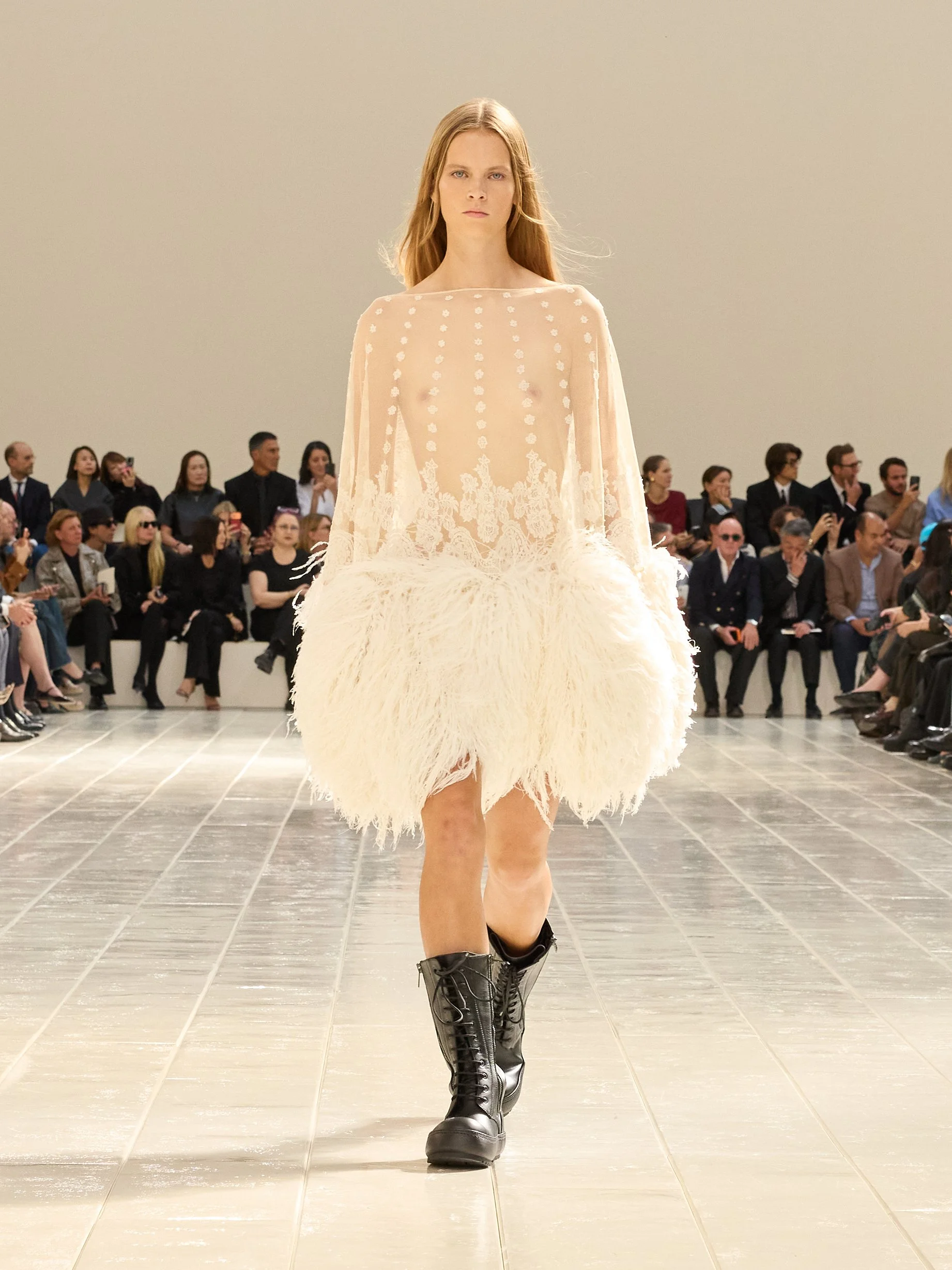
The Loewe show was held inside a two-tier structure, hidden inside the white box in the courtyard of the Château de Vincennes. The place is familiar to anyone who has been to a Loewe show in the last few years, but this time the inside had been turned into a circular theatre, almost an arena. You were close enough to see the construction but also close enough to understand that the clothes were supposed to exist outside of the show. There, in more or less the same place the label has been showing for years, Jack McCollough and Lazaro Hernandez are conducting a transition that now feels less like a question of identity and more like a question of wardrobe.

For years, Loewe has been associated with a certain kind of quirk. Jonathan Anderson codified that language so successfully that oddity became almost a house code in itself. The challenge for the designers coming from Proenza Schouler was how to evolve it. Their answer is in the clothes themselves.

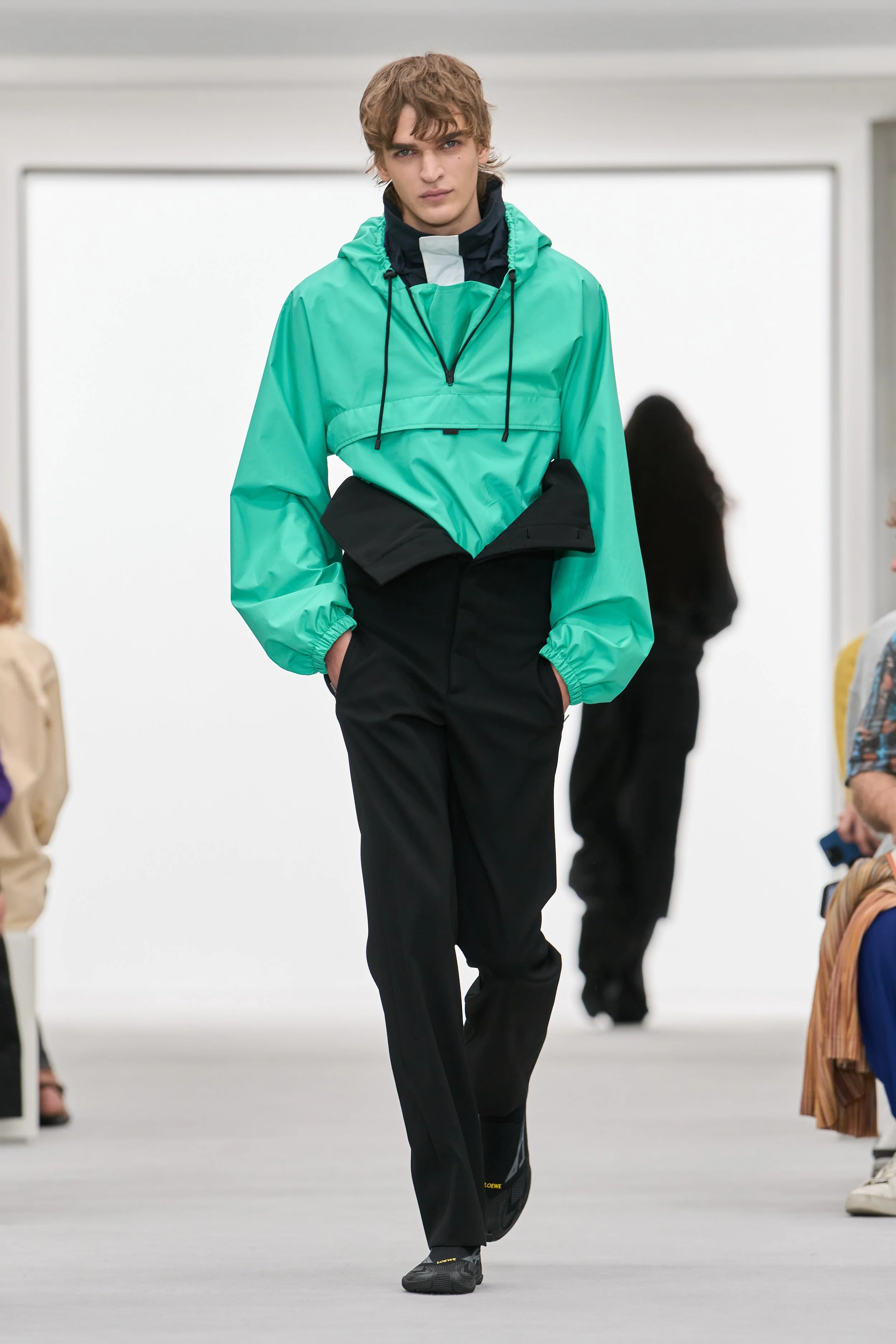
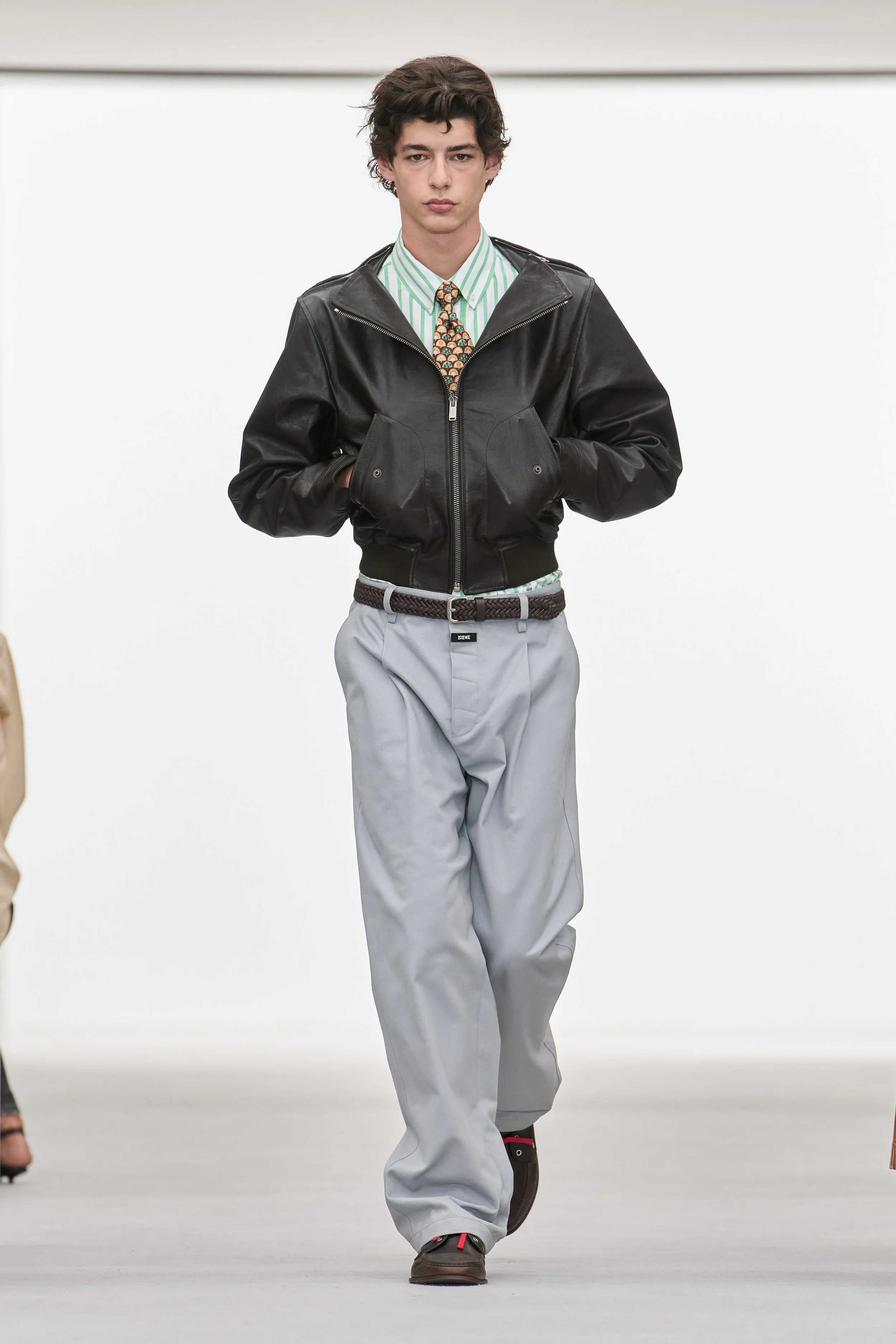
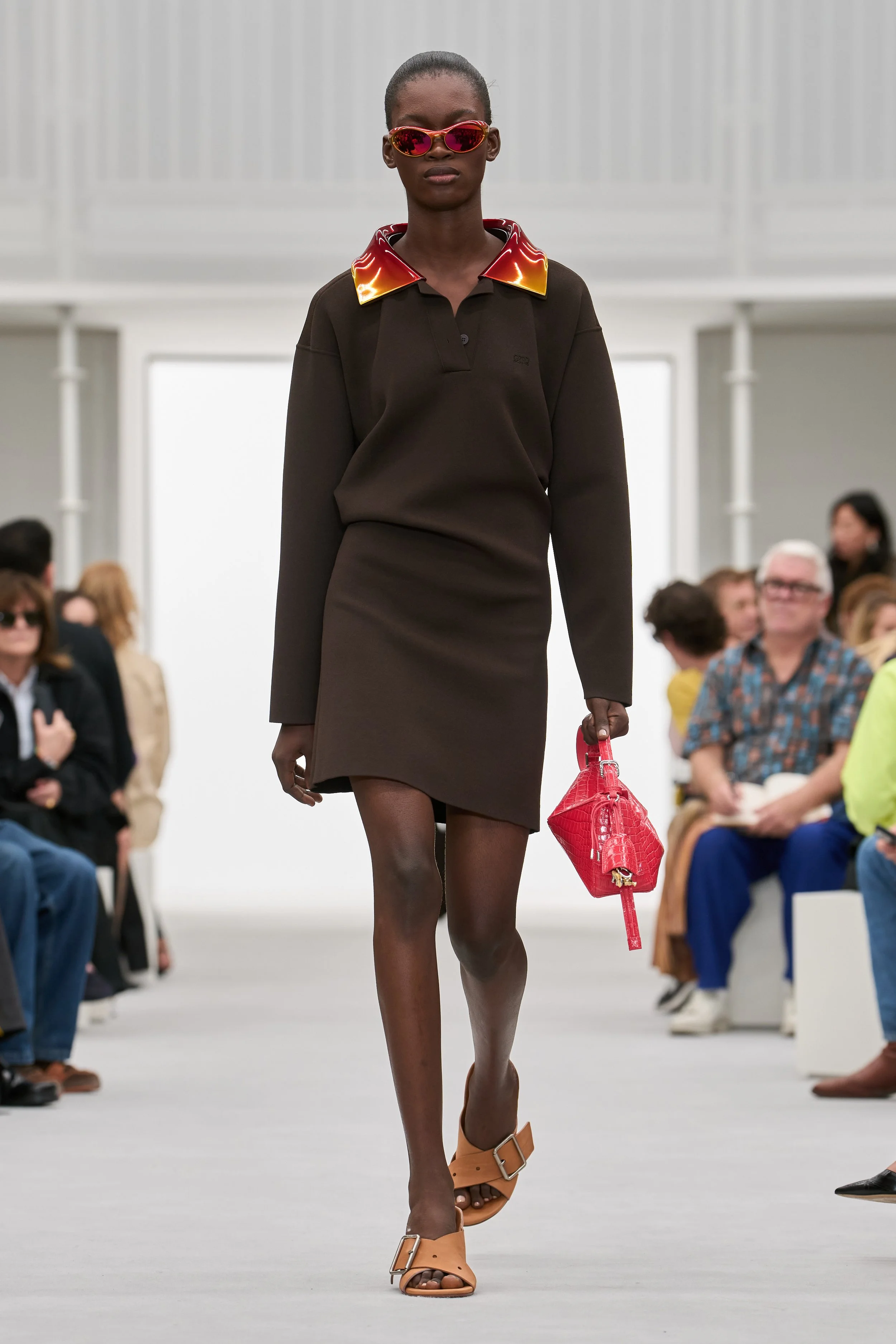
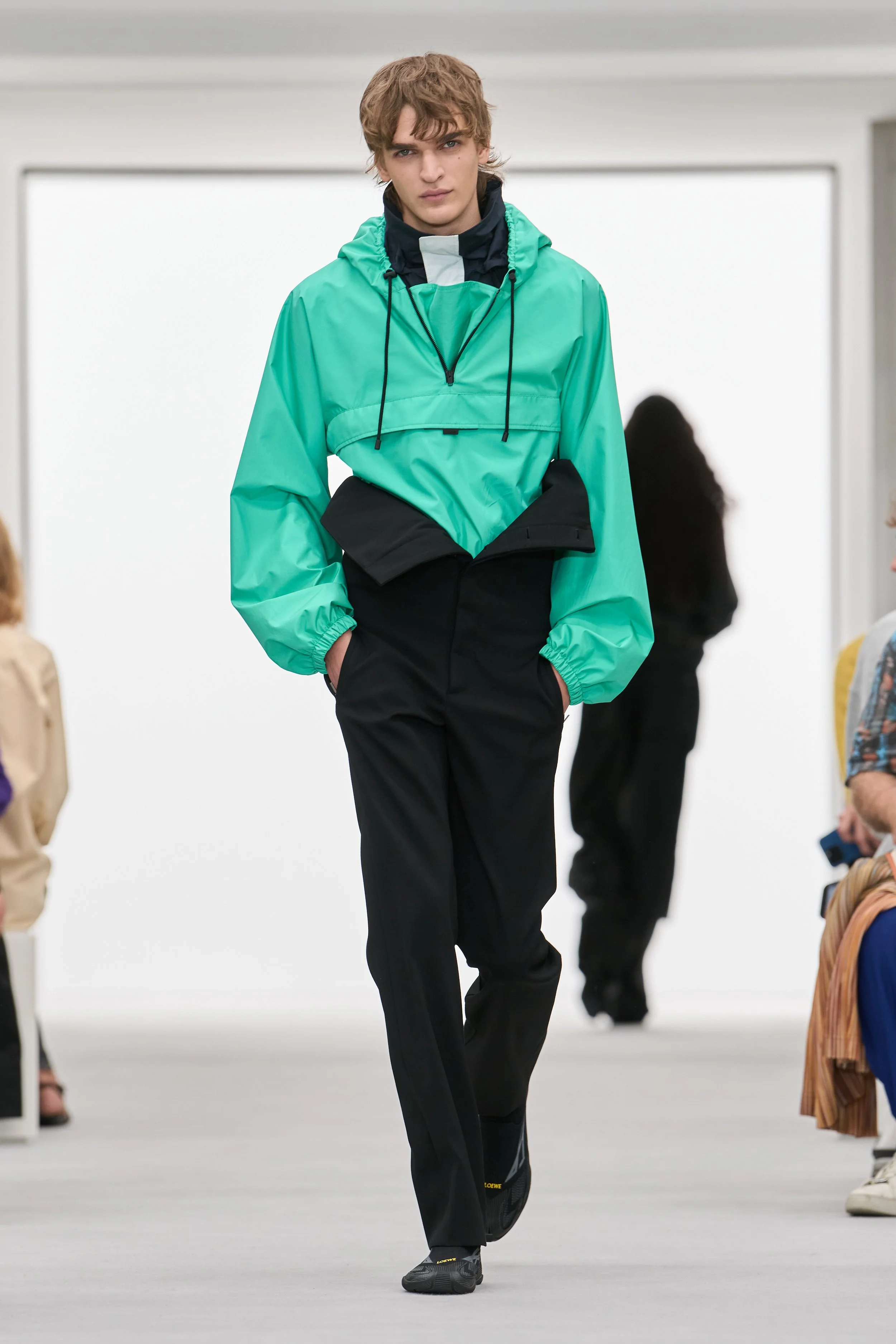
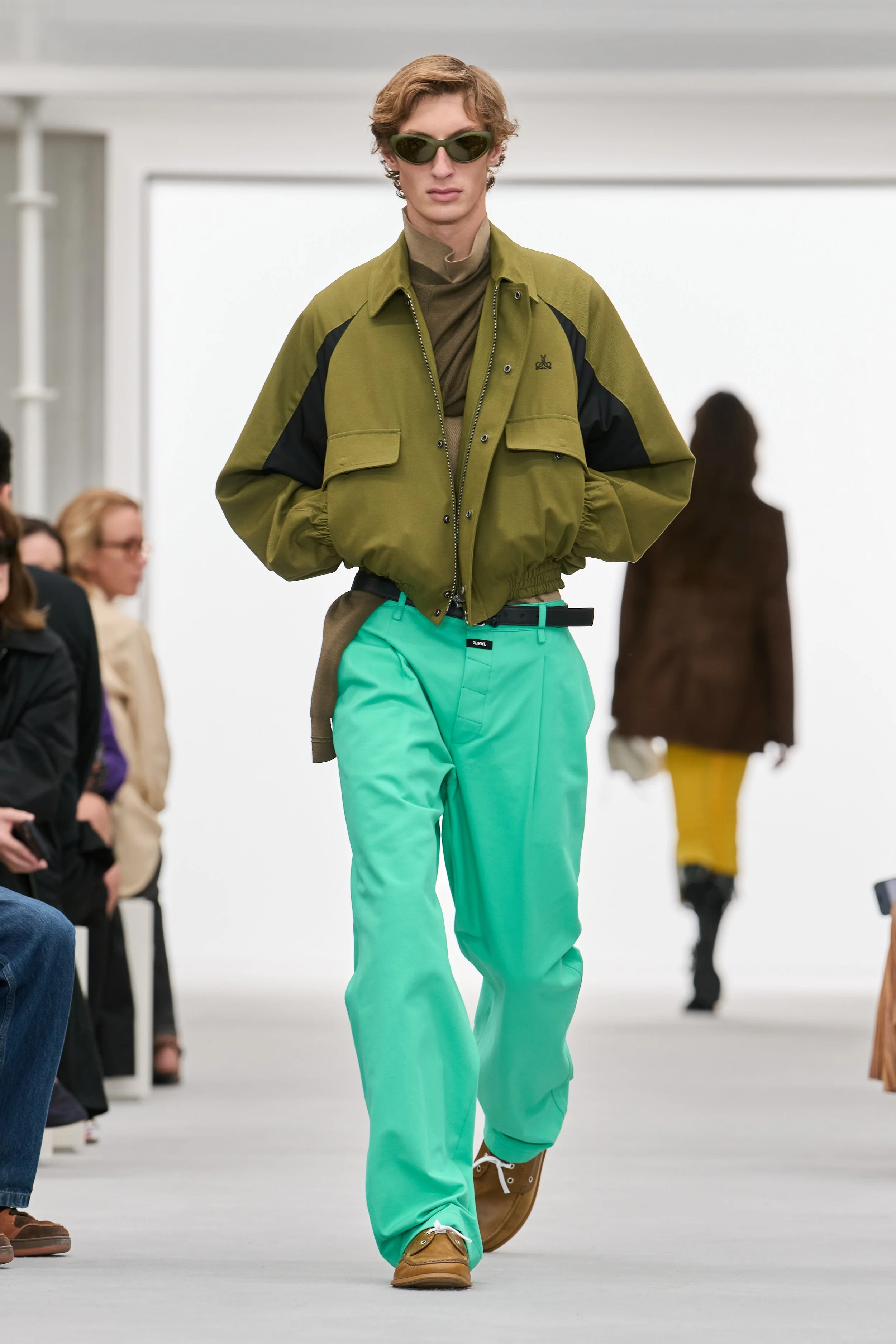
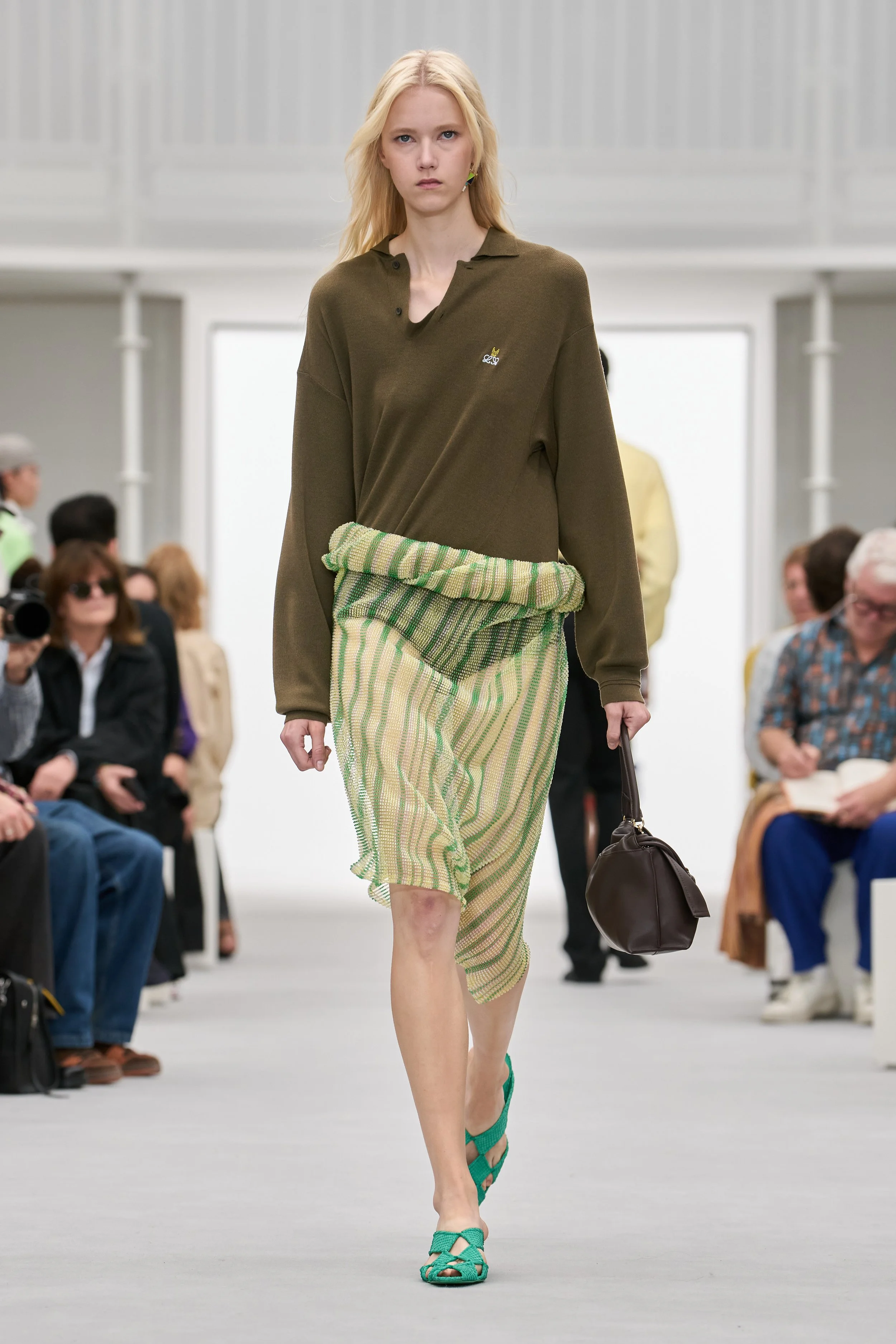
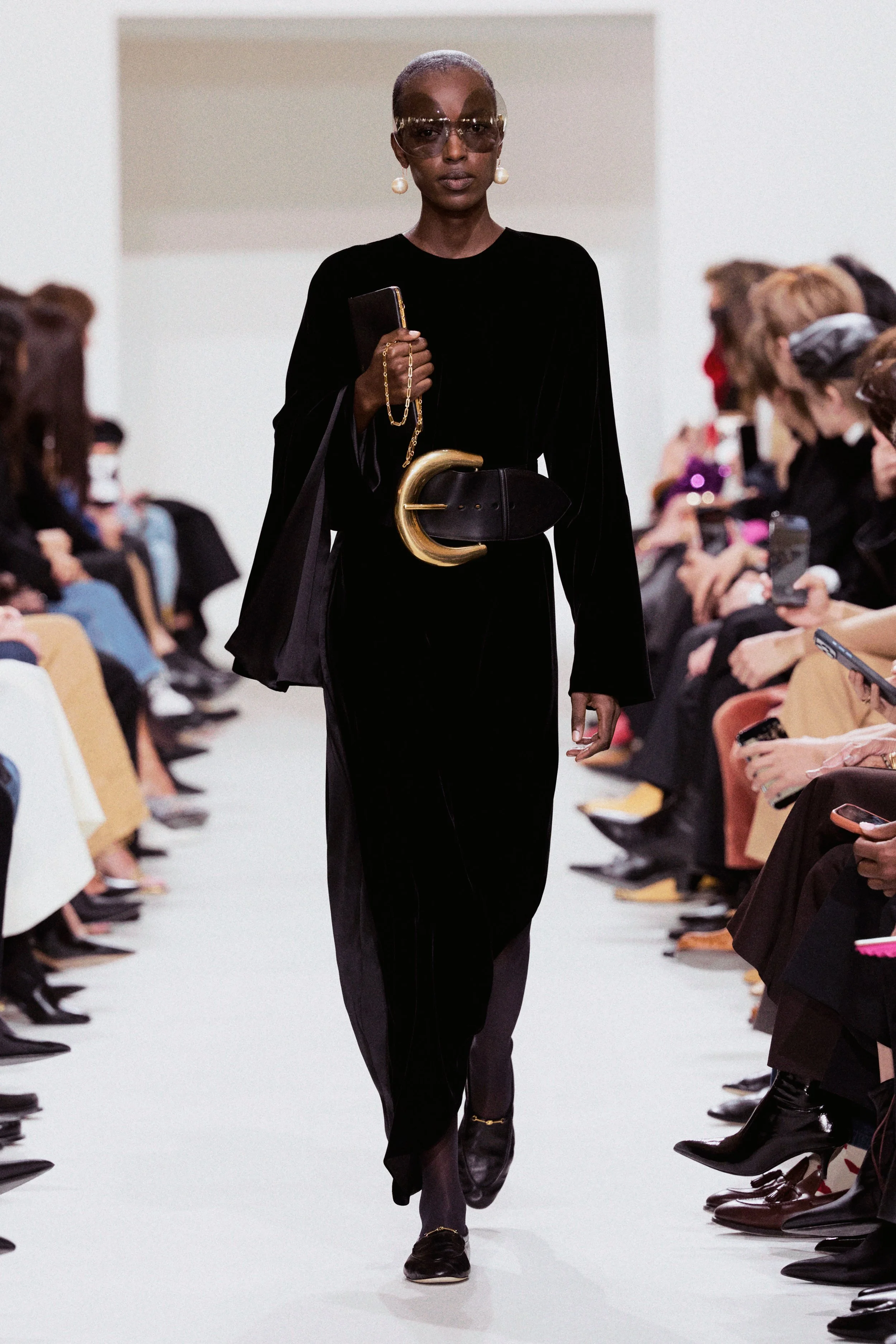
The starting point is American sportswear, and specifically the kind of New England wardrobe that McCollough and Hernandez know personally. Polos, baseball caps, boat shoes, blazers, anoraks, trenches, easy trousers. But nothing is quite behaving as it should. Polo shirts are cut backwards. Baseball caps are worn backwards. Boat shoes come with unexpectedly bright laces. A trench gets a collar made from glossy sunglass resin. The familiar is there, but it has been pushed slightly off its axis. The idea of taking a craft DNA into a space of practical modernity isn't new, but the way McCollough and Hernandez are directing it is much more functional, almost technical.

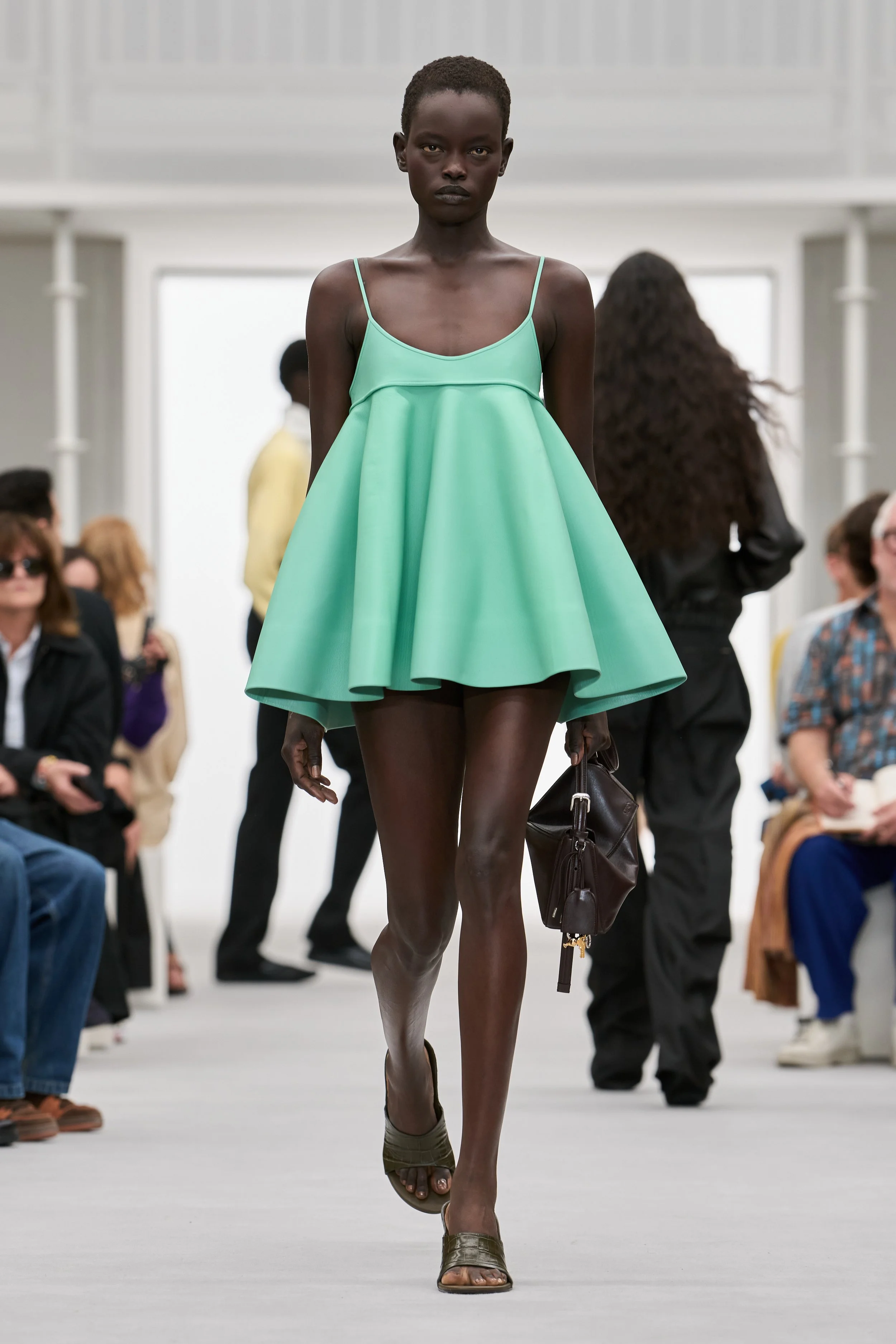
Loewe’s historical mastery over leather shows in striped jackets, shirt dresses, lightweight leather pieces, and abbreviated trapeze dresses in moulded nappa. A suede blazer references the first garment made by Loewe in 1960. The same thing happens with the more elaborate pieces. A basketball jersey becomes a chiffon slip dress, finished with beaded fringe. Glass beads turn into summer dresses and skirts. Three-dimensional floral embroidery appears on a tangerine shift and around a jade-green short. There are satin scarves flaring out from traditional Spanish taleguilla trousers, waistlines that open into Baroque-like shapes, and colour blocking that moves between very American combinations and Loewe's more faded, patinated Spanish palette.

The house's codified oddity, courtesy of Anderson, also means that the duo can project that contrast with a light, unpretentious angle. A resin collar can be strange without becoming a concept. A backward polo can be funny without becoming a joke. A leather shirt dress can demonstrate an absurd amount of technical ability while still being desirable. The new Loewe doesn’t make weird clothes; it makes the weirdness wearable.


Words by Pedro Vasconcelos
KIKO KOSTADINOV SS27

As a starting point, designer duo Laura and Deanna Fanning looked into the work of Italian architect and designer Nanda Vigo for their Kiko Kostadinov Spring/Summer 2027 womenswear collection. Part of Zero, a Düsseldorf-based group of creatives who practised kinetic art using light and motion in the 1950s and ‘60s, Vigo was historically underrepresented compared with her male peers.

Defining the SS27 Kiko Kostadinov woman “not as a static figure within space,” but rather its main driving force, Laura and Deanna Fanning were inspired by Vigo’s ‘Cronotopo’ works from the ‘60s to create clothing that served as a constantly changeable architecture, capable of shifting according to where it was inserted, proximity and/or movement. The body was a key vessel, carrying garments that were made to interact with light and move with both freedom and structure.

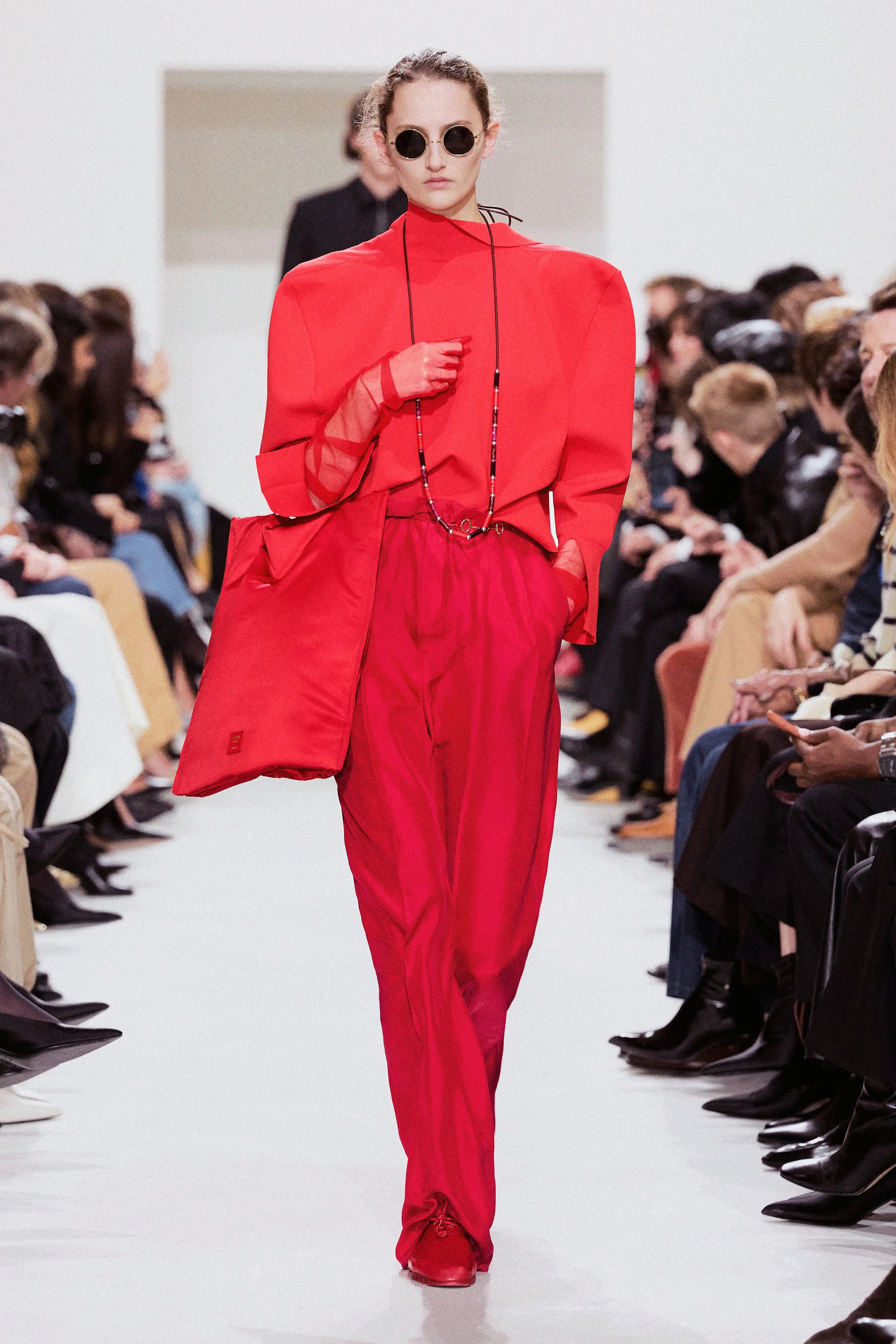
The show opened with a banger, a midi-length, rectangular, bright red sheer wool coat with sharp shoulders and a slightly cinched waist, giving the appearance of a dress. Paired with it were the ‘Chronotope’ pumps, named after Vigo’s body of work and highlighted by a prismatic effect. Besides footwear, which also included sandals, there were ‘Chronotope’ tops and dresses, the latter seen in white and blue shades, made from cotton yarn and translucent nylon for added sheerness. Simultaneously opaque and transparent, the pieces altered their finishing as per the wearer’s bodily motion.

A sense of lightness, previously explored during Fall/Winter 2026 at the label, returned this time via ultralight slip dresses and camisole tops made of sheer organza, as well as flowing headpieces often attached to the garments. Geometric, triangular forms and motifs were seen from start to finish, appearing in everything from shorts silhouettes to pleated skirts, button-downs to sharp-shouldered tops.

Tailored jackets in iridescent wool and satin black were paired with wrap trousers, while sheer materiality and fabric construction were championed further via the use of linens, crepes, and techniques such as pleating and intarsia, especially seen on knitted jumpers, matching sets and dart-shouldered tops.

As for the palette, among neutral white, beige, black and grey, there were fundamental pops of cobalt and teal blue, olive, metallic jade, and pastel green, deep red, bright pink, neon yellow, and orange tones, as well as a touch of mushroom-coloured browns. Colour, as well as garments, was used to convey dimension.

“For Vigo, light was a means of transmitting something into the future,” read the collection’s notes. You can say the same about Laura and Deanna Fanning’s work at Kiko Kostadinov: it’s adaptable, changeable, and future-ready.


Words by Ketlyn Araujo

JEAN PAUL GAULTIER SS27

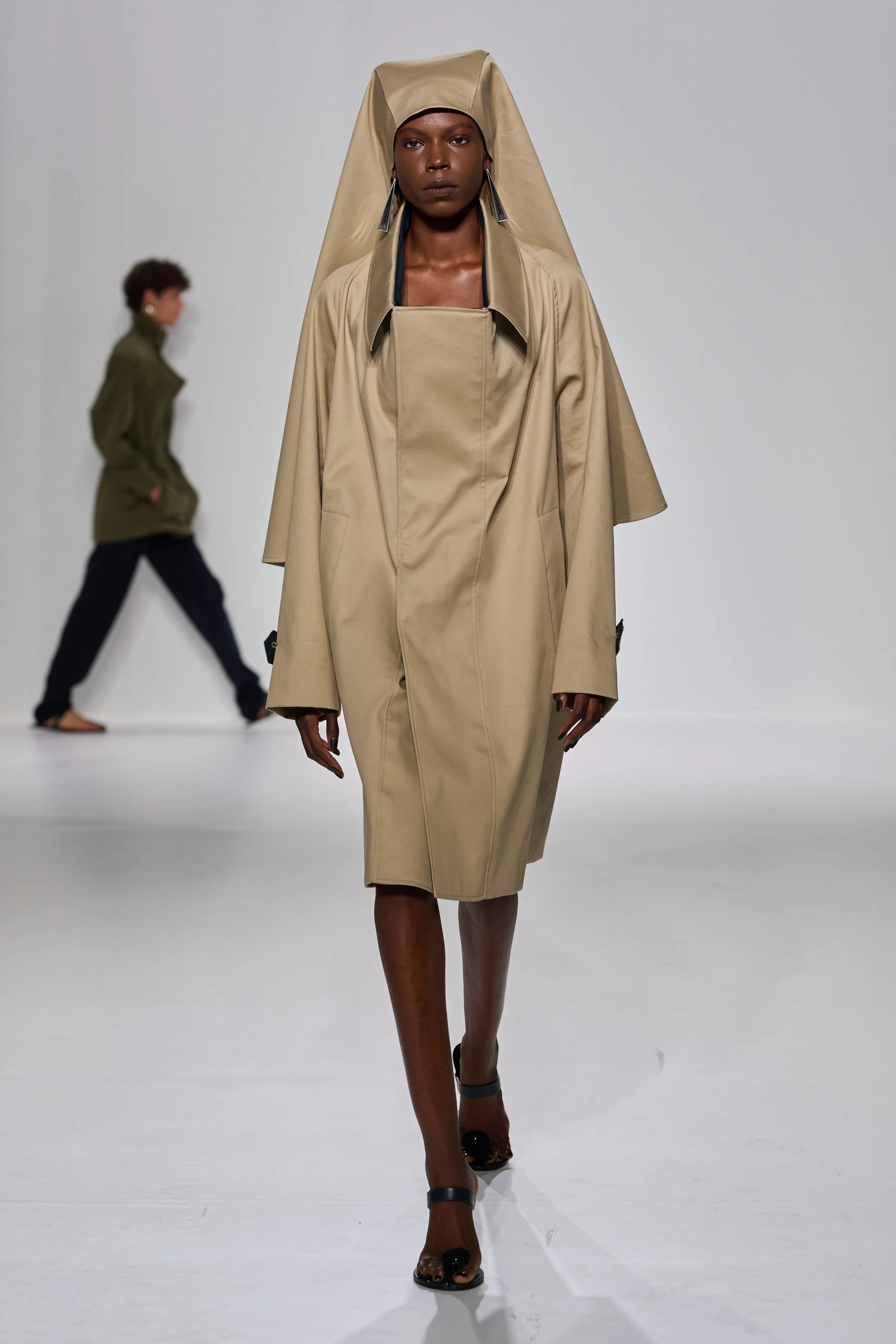
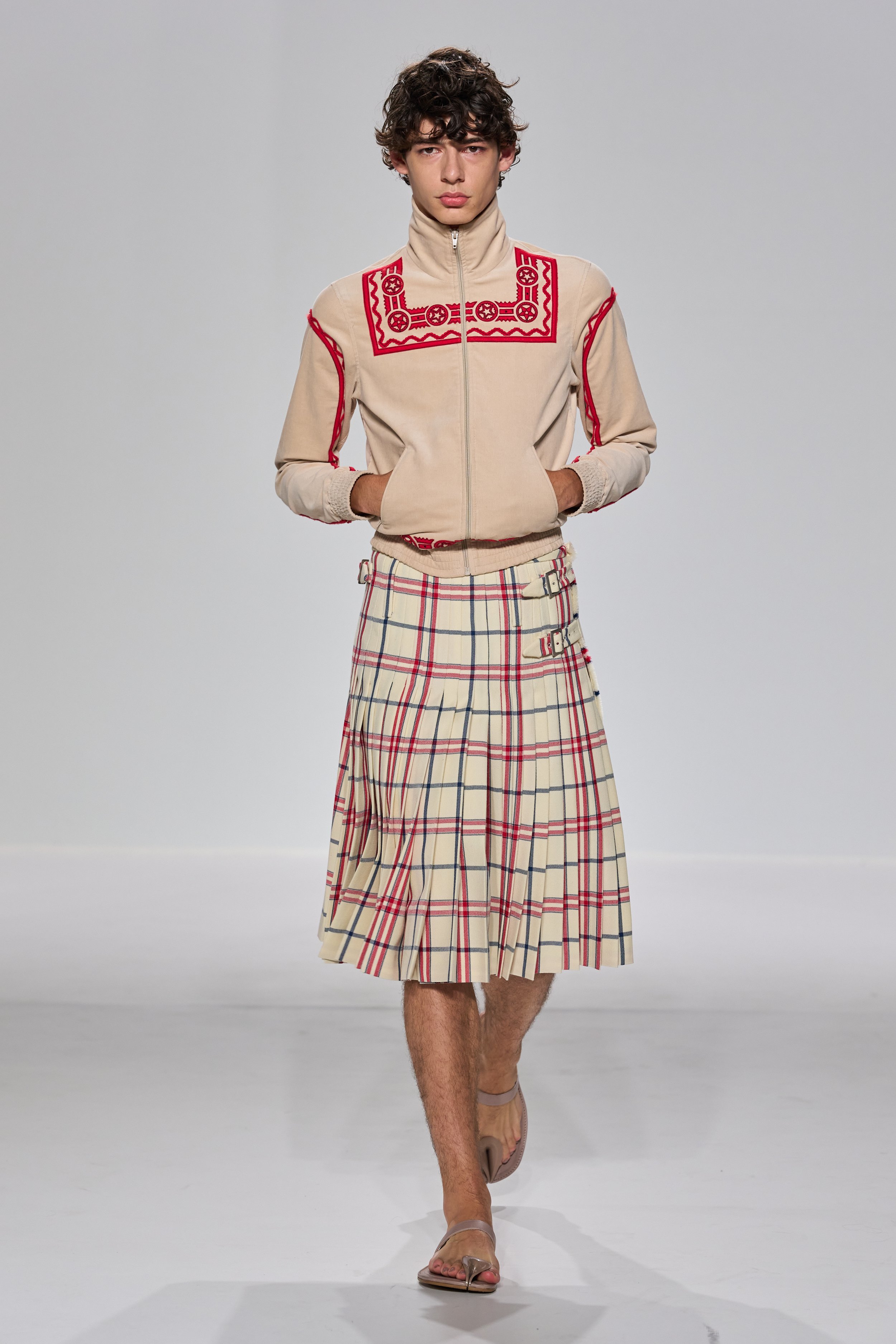
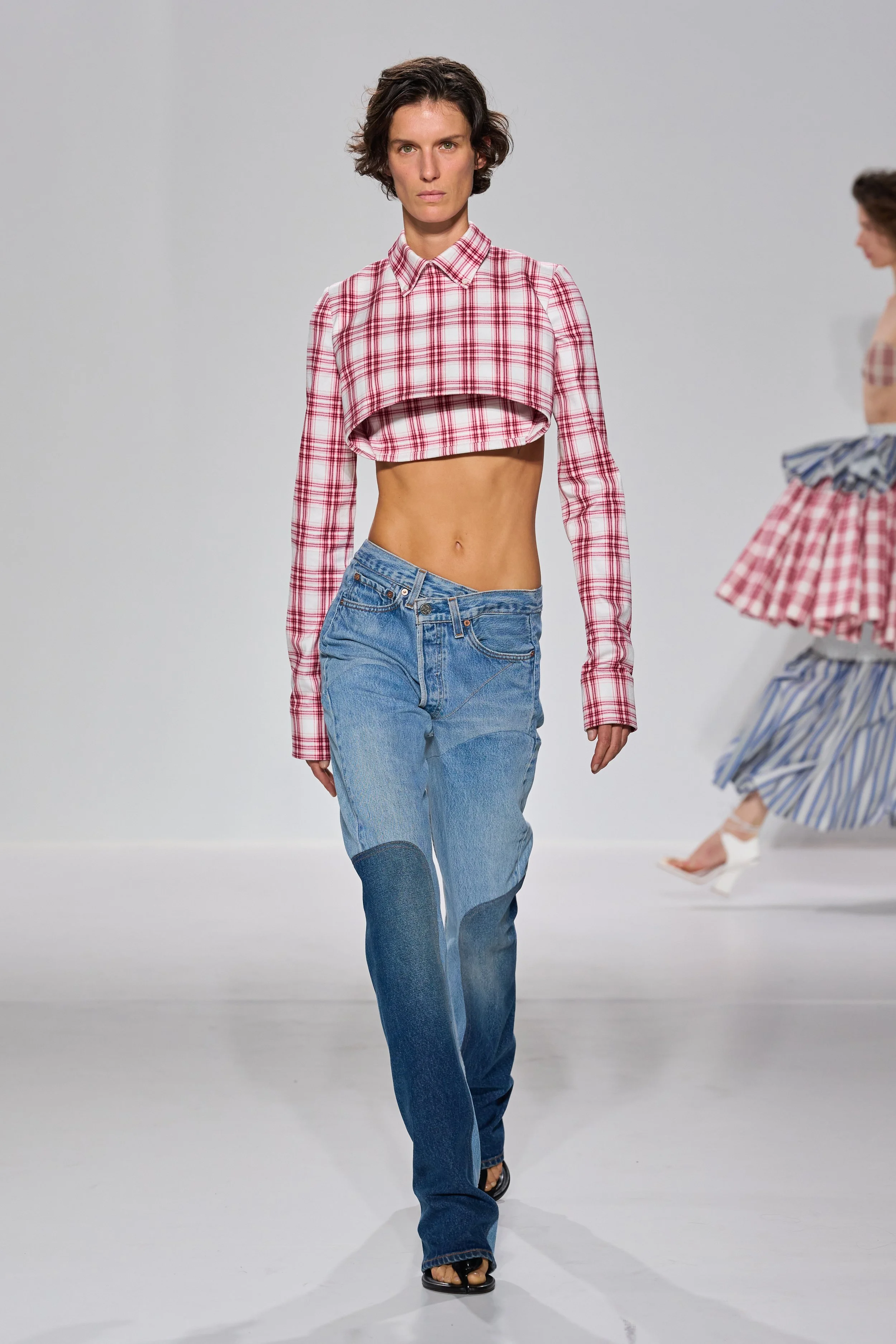
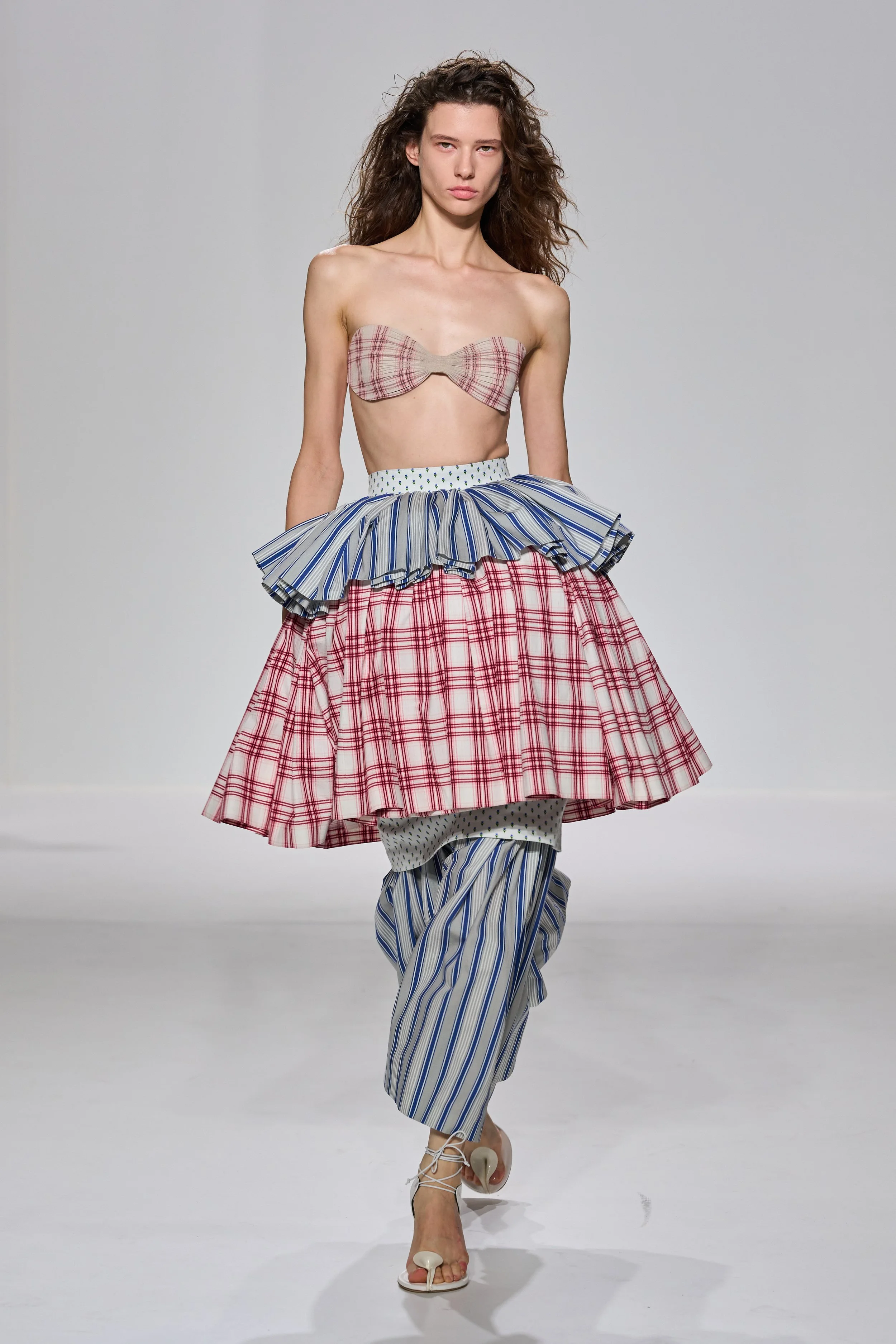
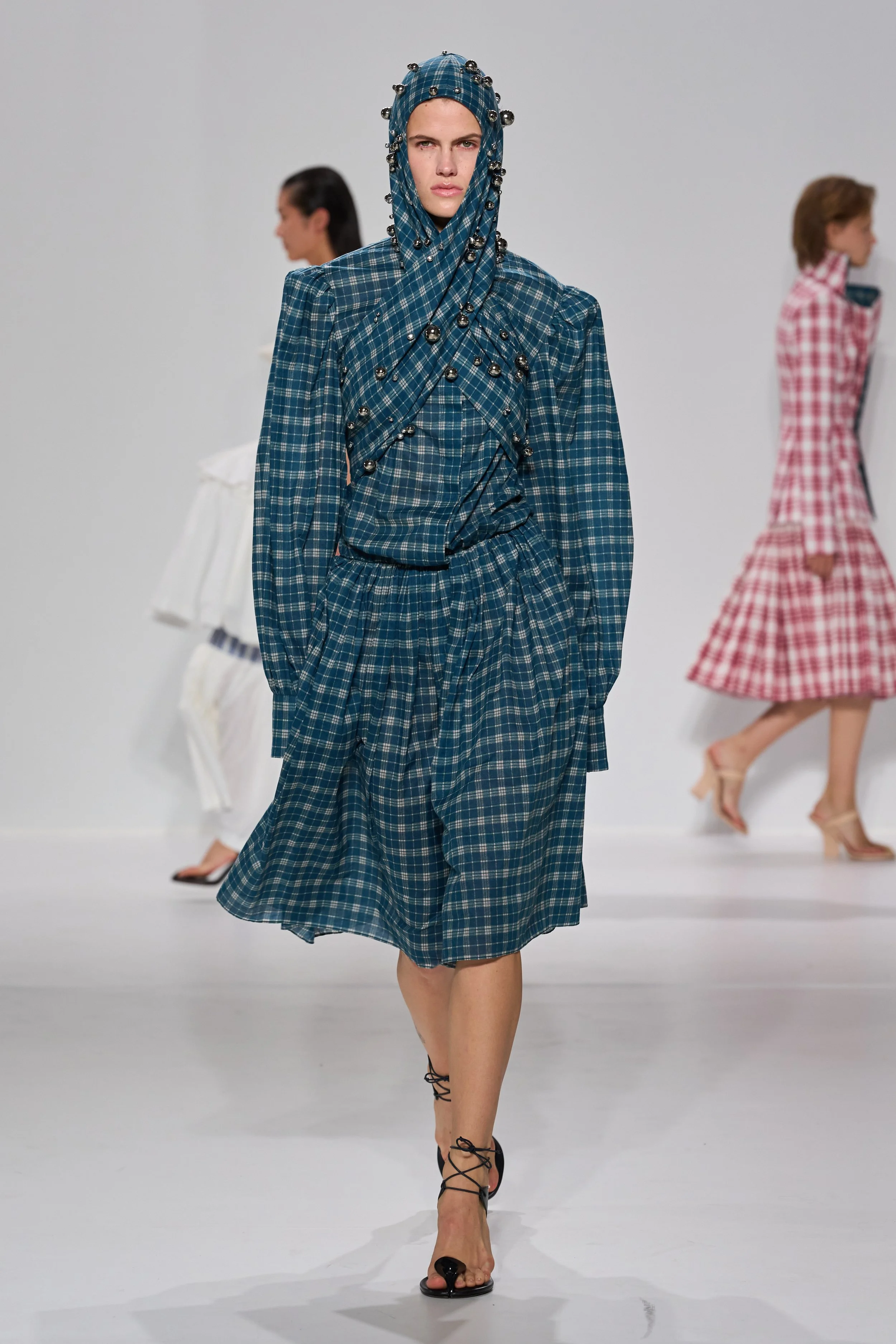
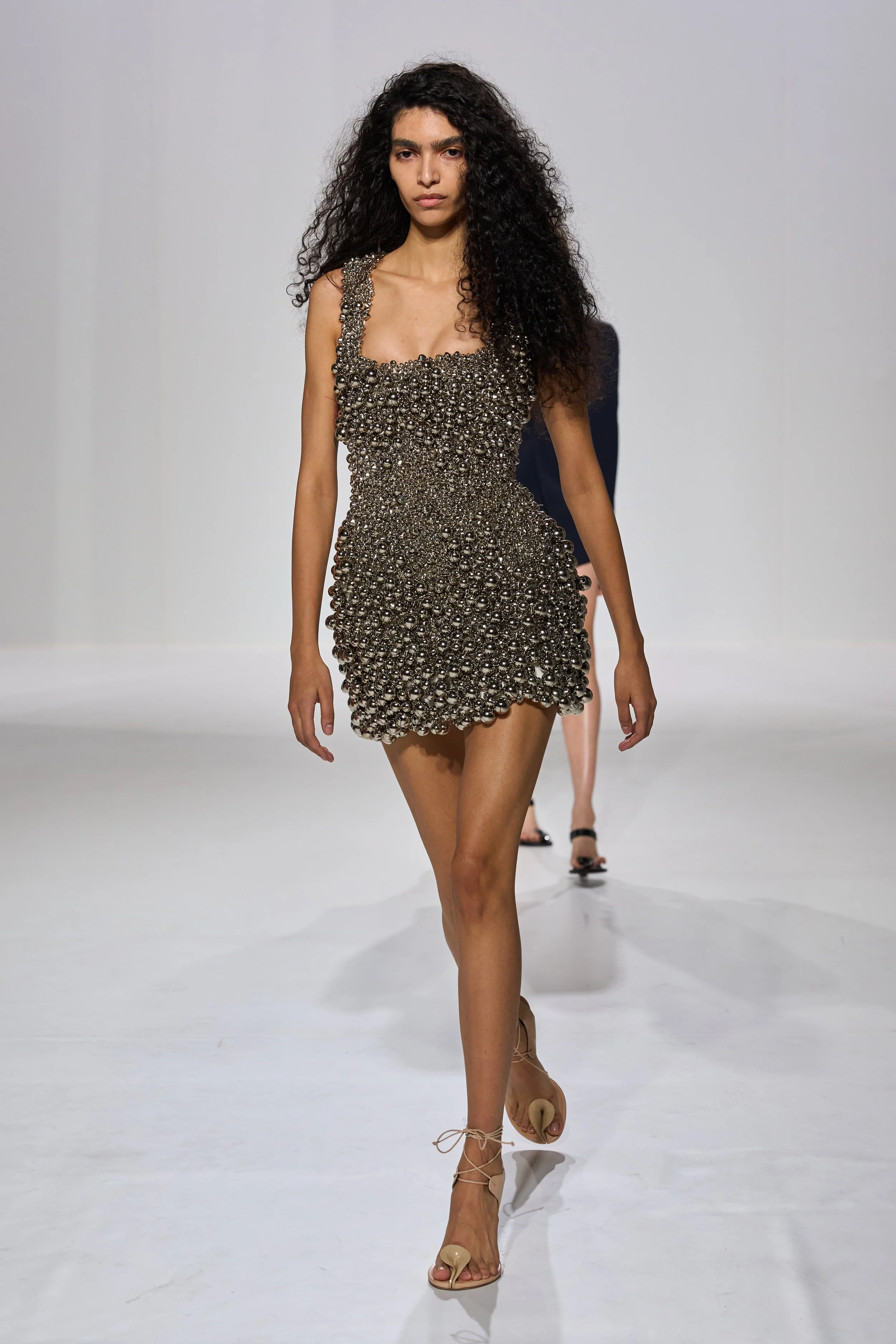
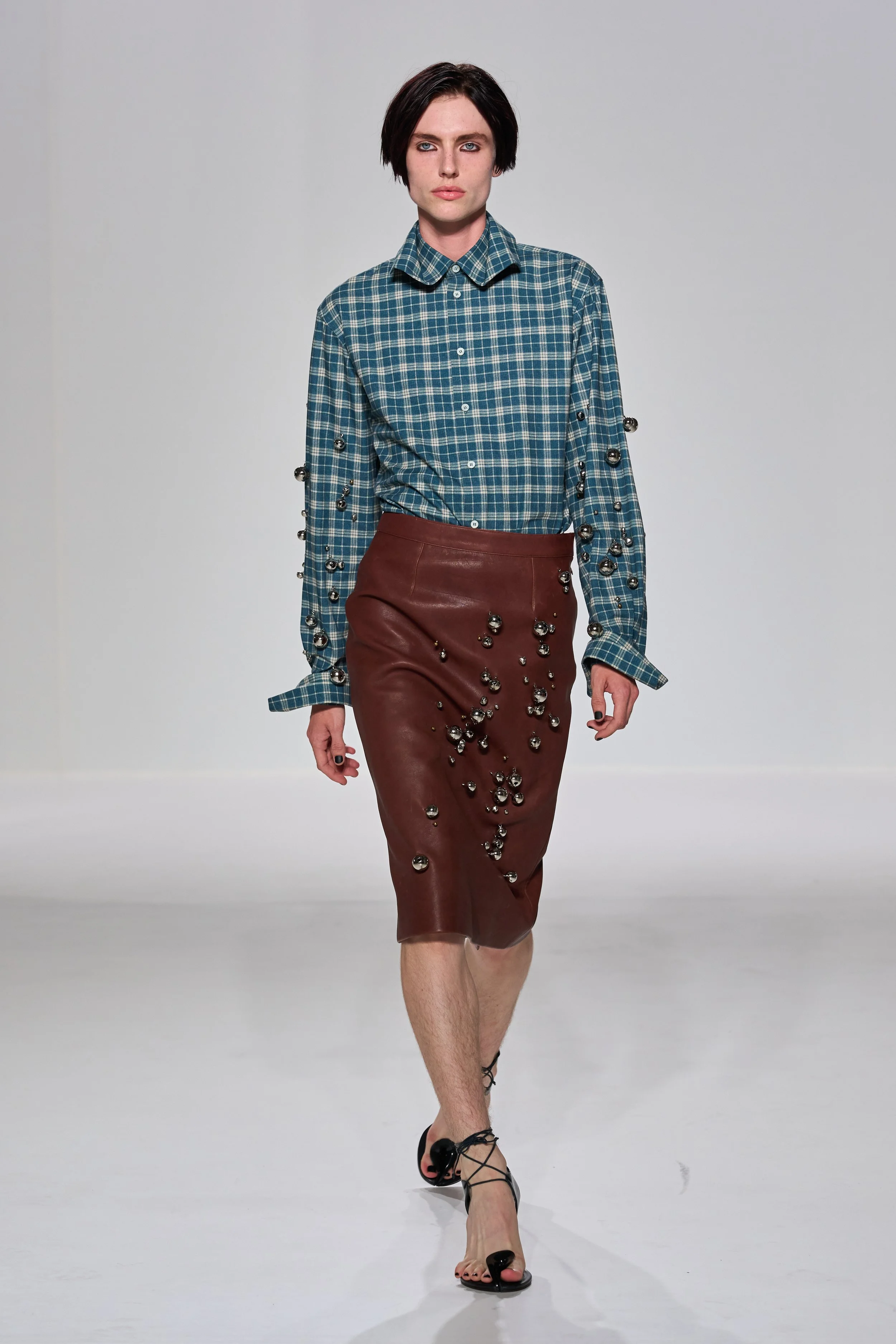
I can almost hear Julie Andrews taking her cue to sing in The Sound of Music as the bells chime for Jean Paul Gaultier Spring/Summer 2027. A year after taking the reins at JPG, Duran Lantink arrives at his most accomplished collection yet. Here, the story unfolds through the poetics of sound: bell-adorned clothes create an unconventional monastery of (un)godly shapes.

Taking over a fashion house is no easy task. Regardless of proficiency, there’s an omnipresent tension between the maison’s codes and a creative director’s voice. Lantink is known for his use of humour in design. Examples include the proposition of a man wearing a bodysuit printed with a woman’s naked body, and vice versa. But what should we make of a joke that has to be spelled out to be comedic?

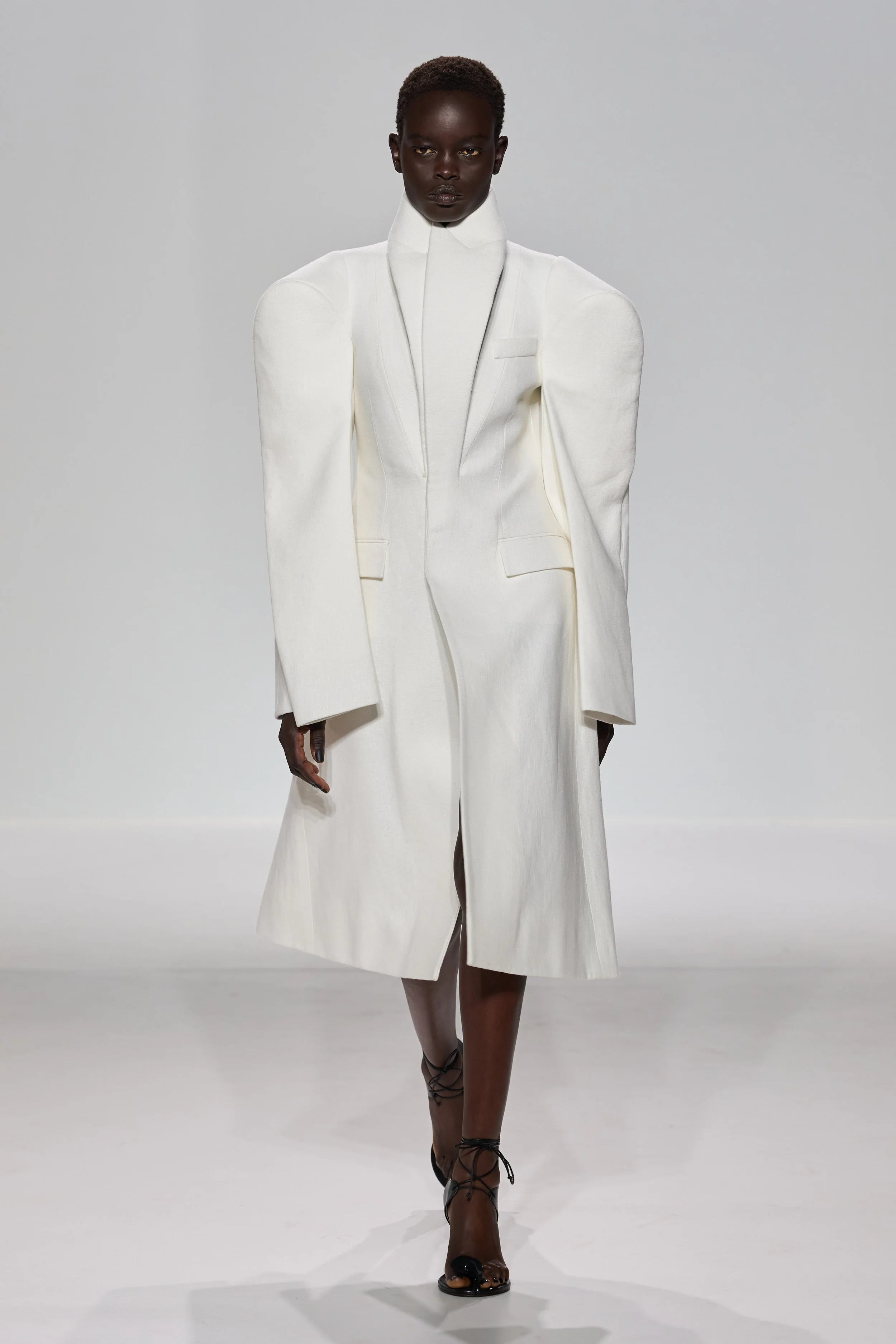
This season, rather than explicitly stating it, Lantink is instead interested in conducting an exploration of form and shape. The show opens with a strong, padded-shoulder coat in full white. There’s a tone of innocence that speaks to the designer’s proclivity towards circular softness, even when working with sharp edges. Gaultier’s famous cone bra is reimagined with a softer touch.

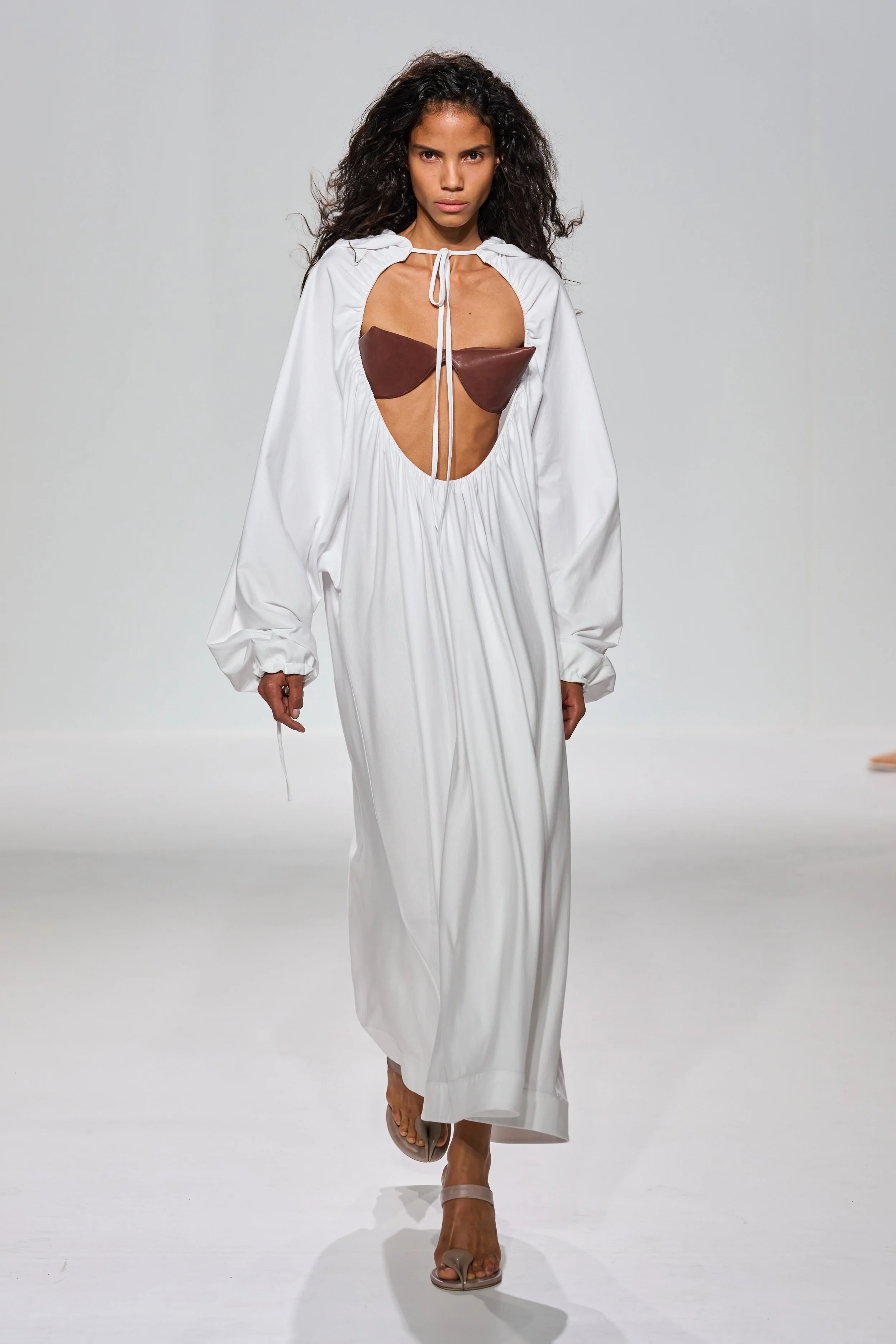
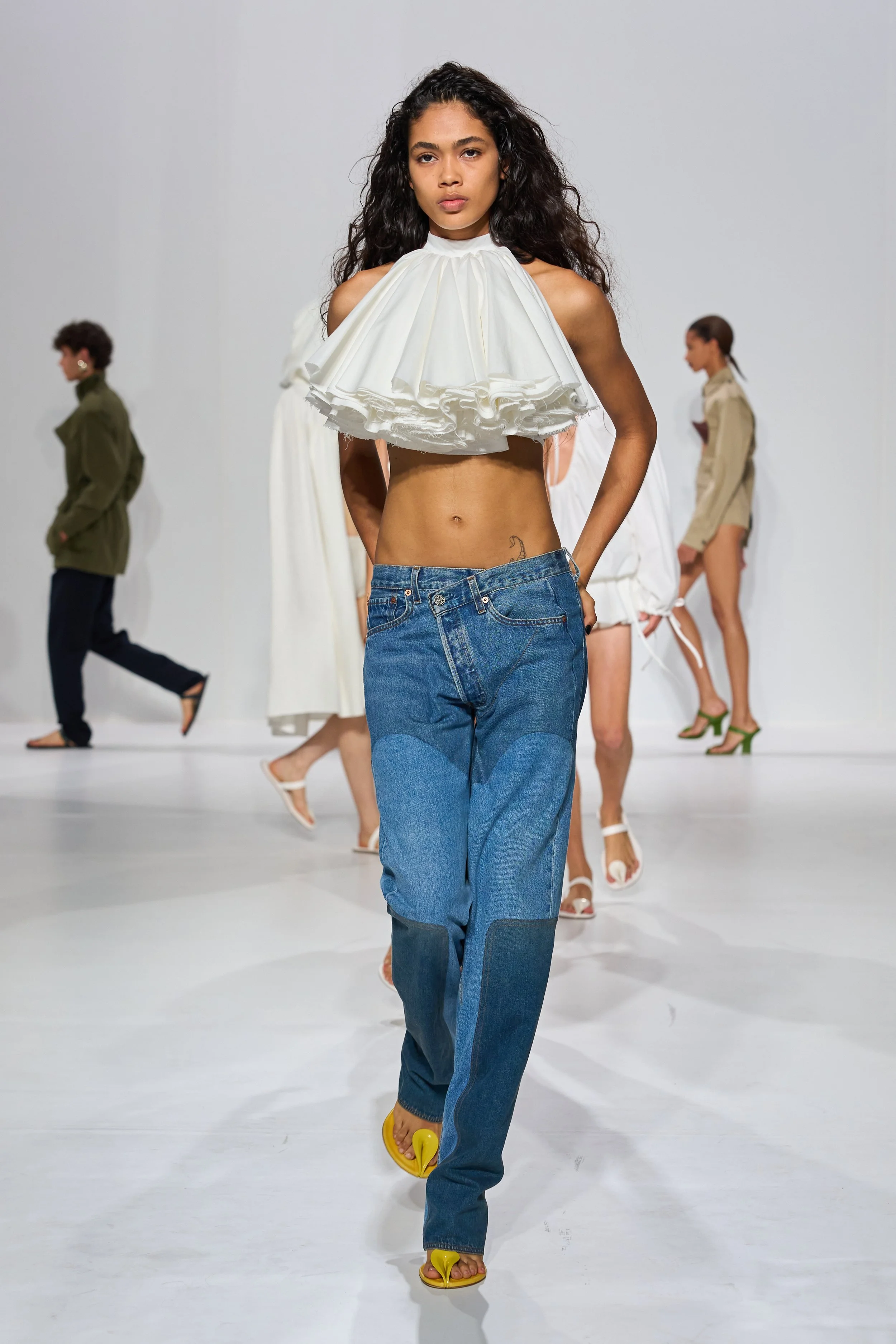
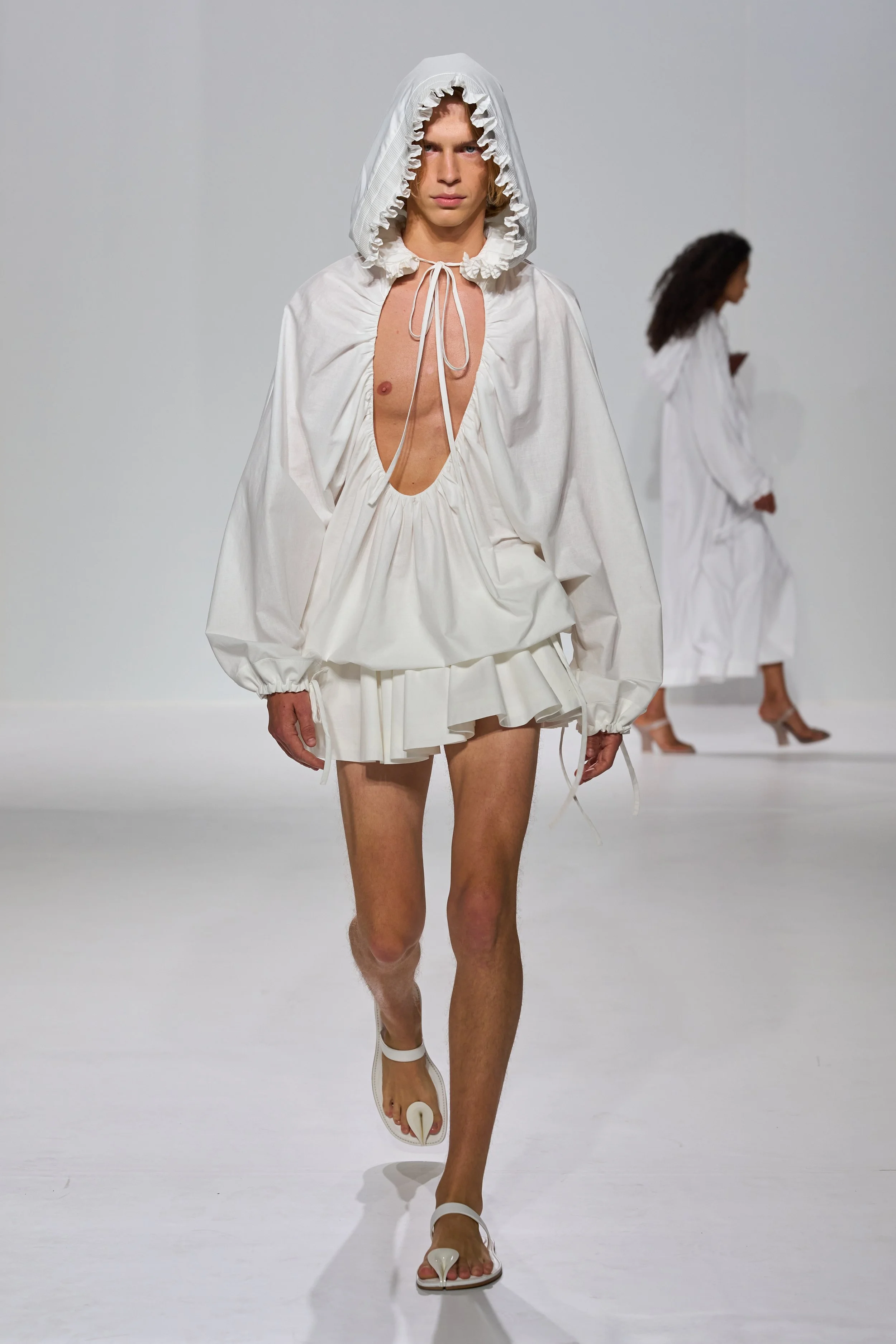
The slightly misplaced remains central to the designer’s vocabulary: an off-centre button on a pair of jeans, a ruffled top sitting strangely against the body, or a familiar garment pushed into an unfamiliar proportion. Flowing white dresses conjure images of monastic modernity; one imagines these billowing garments to belong to women taking vows in the morning, only to break them before lunchtime.

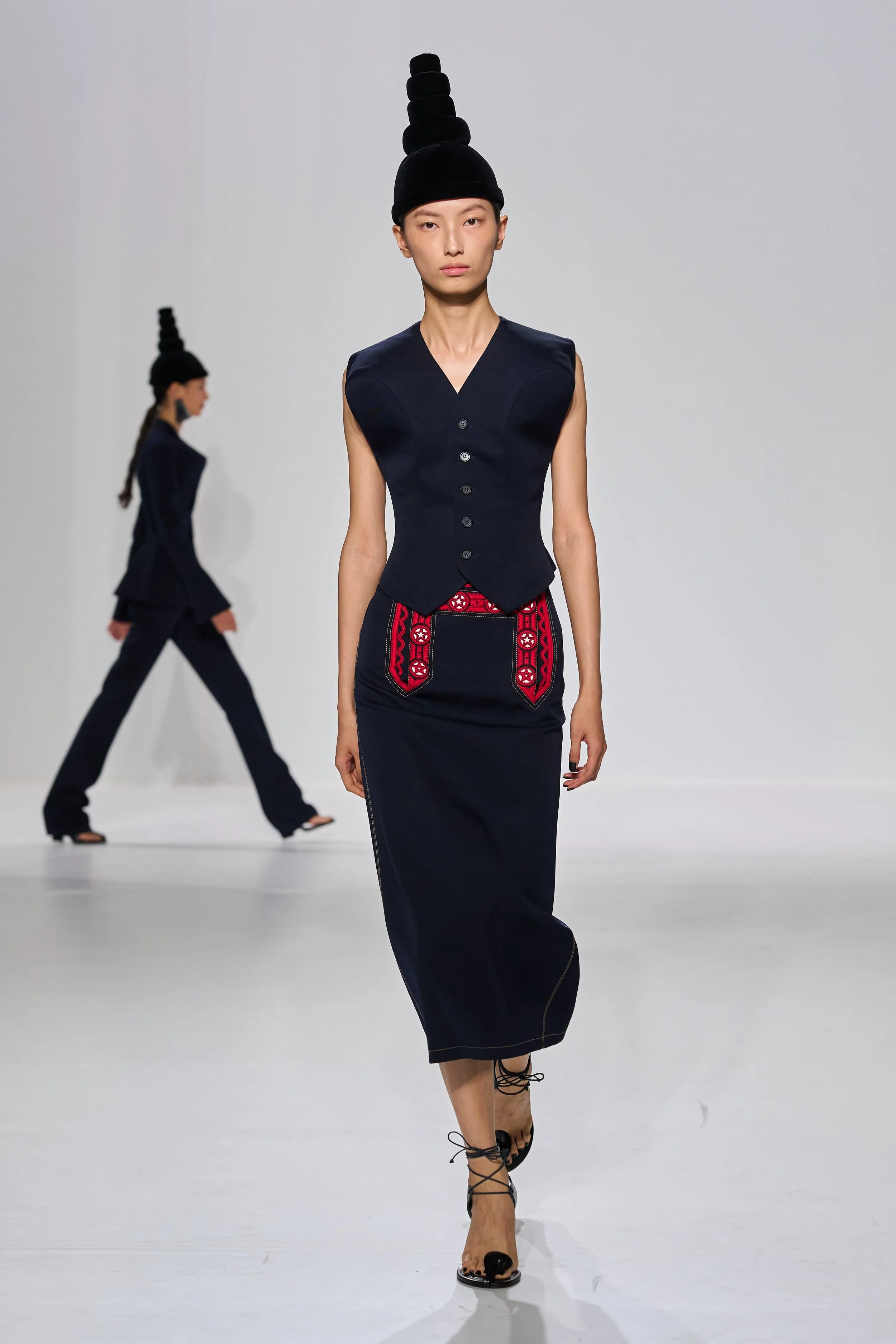
The collection moves between sci-fi and religious imagery. Reverent-mother-inspired headpieces, padded trenches and collaged fabrics transform everyday garments—bras, jackets, shirts—into something less recognisable. Gaultier’s women seem to have wandered into Dune or The Fifth Element, while the provincial styling makes it difficult not to imagine Andrews singing her heart out for a better future. These are clothes that turn heads and make the viewer ask: “Did I see that right?”

Bells embed themselves in the image Lantink projects, clothes announcing themselves before they’re seen. Their sound becomes extensions of the garments’ movement, producing a rhythm as the models walk. The body is now an instrument.

There is something both ecclesiastical and incredibly queer about this procession. The bell refuses to enter a room quietly; it doesn’t politely ask for attention. Lantink’s humour finds its rhythm. Rather than relying on the instantaneous recognition of a visual joke, the clothes unfold over time. What initially appears absurd begins to make its own kind of sense. The collection’s strangeness becomes less a punchline than a proposition. If Lantink’s earlier collections sometimes treated humour as an answer in itself, Spring/Summer 2027 allows it to become a way of moving through Gaultier’s archive without becoming imprisoned by it. The collection does not resolve its contradictions so much as make them wearable: innocence and obscenity, discipline and disorder, devotion and irreverence.

Fredric Jameson once said, “I quite dislike method—or distrust it, let’s say.” Perhaps this is the most appropriate position from which to approach a collection that seems to resist settling into one. There is something suspicious about the desire to make every look mean something, to locate the joke, identify the reference, historicise the silhouette and finally arrive at the answer. Fashion does not always want to be solved. Sometimes it wants to make a noise. Sometimes it wants to ring a bell, walk into the room dressed like an alien nun and refuse to explain itself. The hills are not only alive, they have eyes.


Words by Mehmet Süzgün

VALENTINO SS27

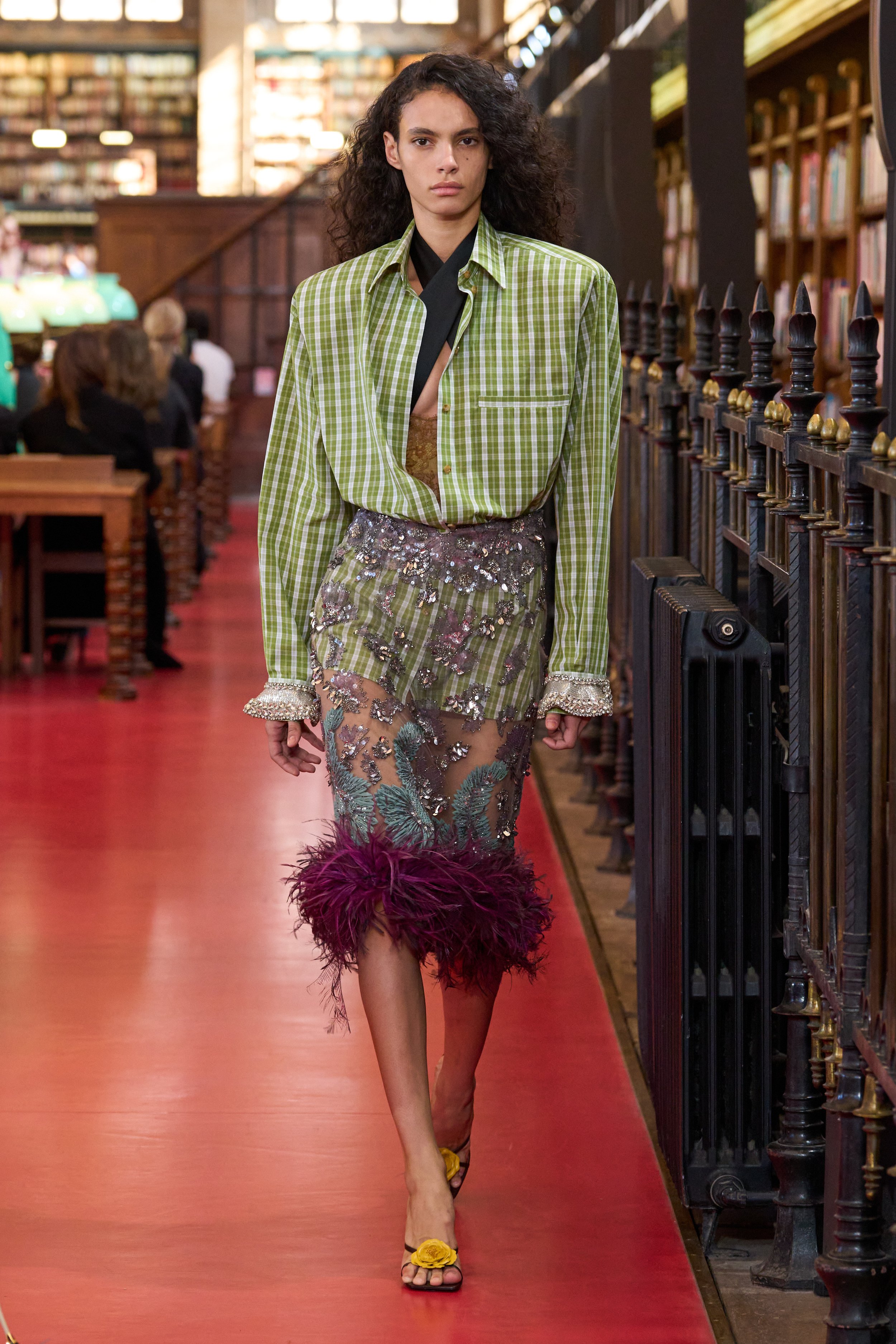
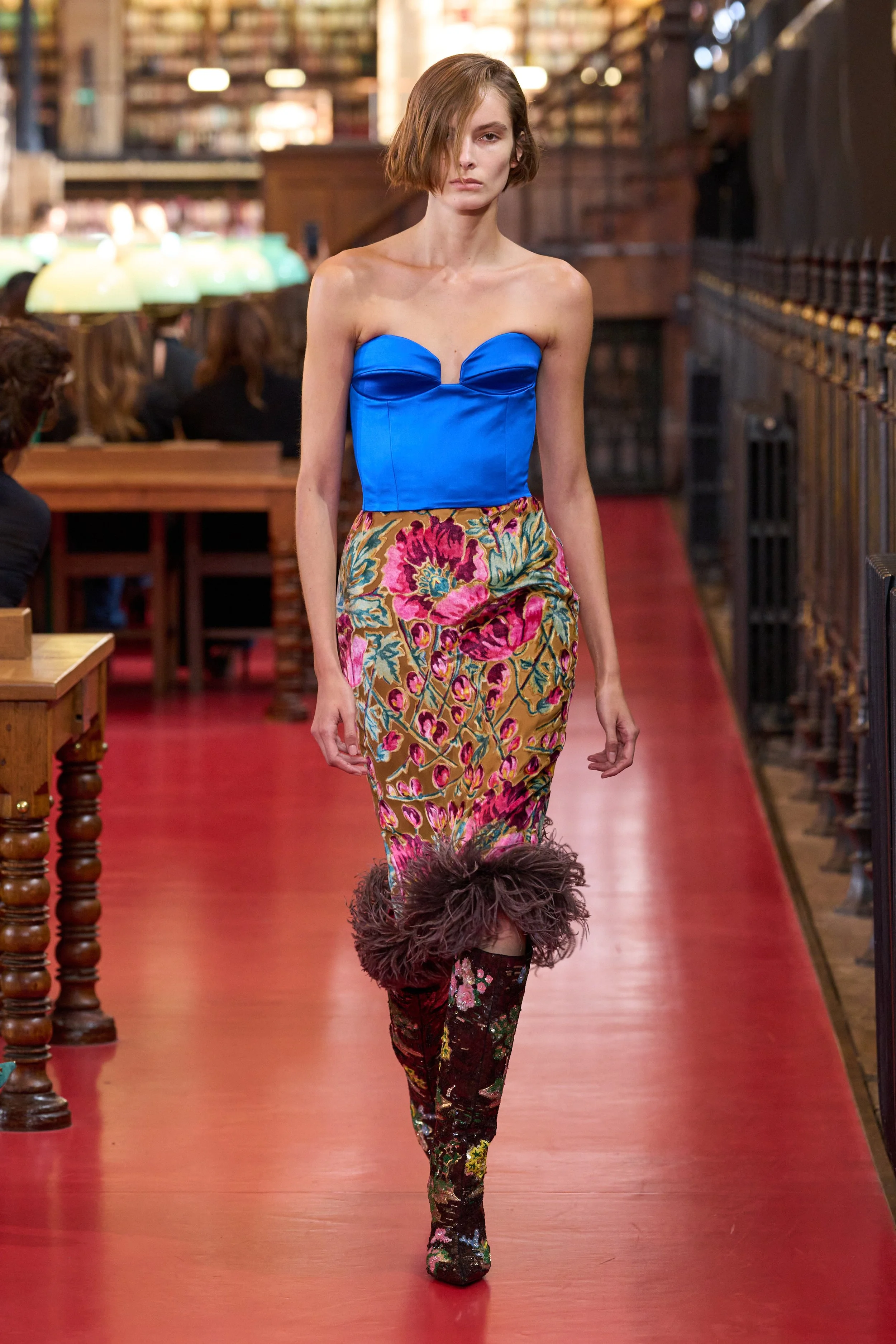
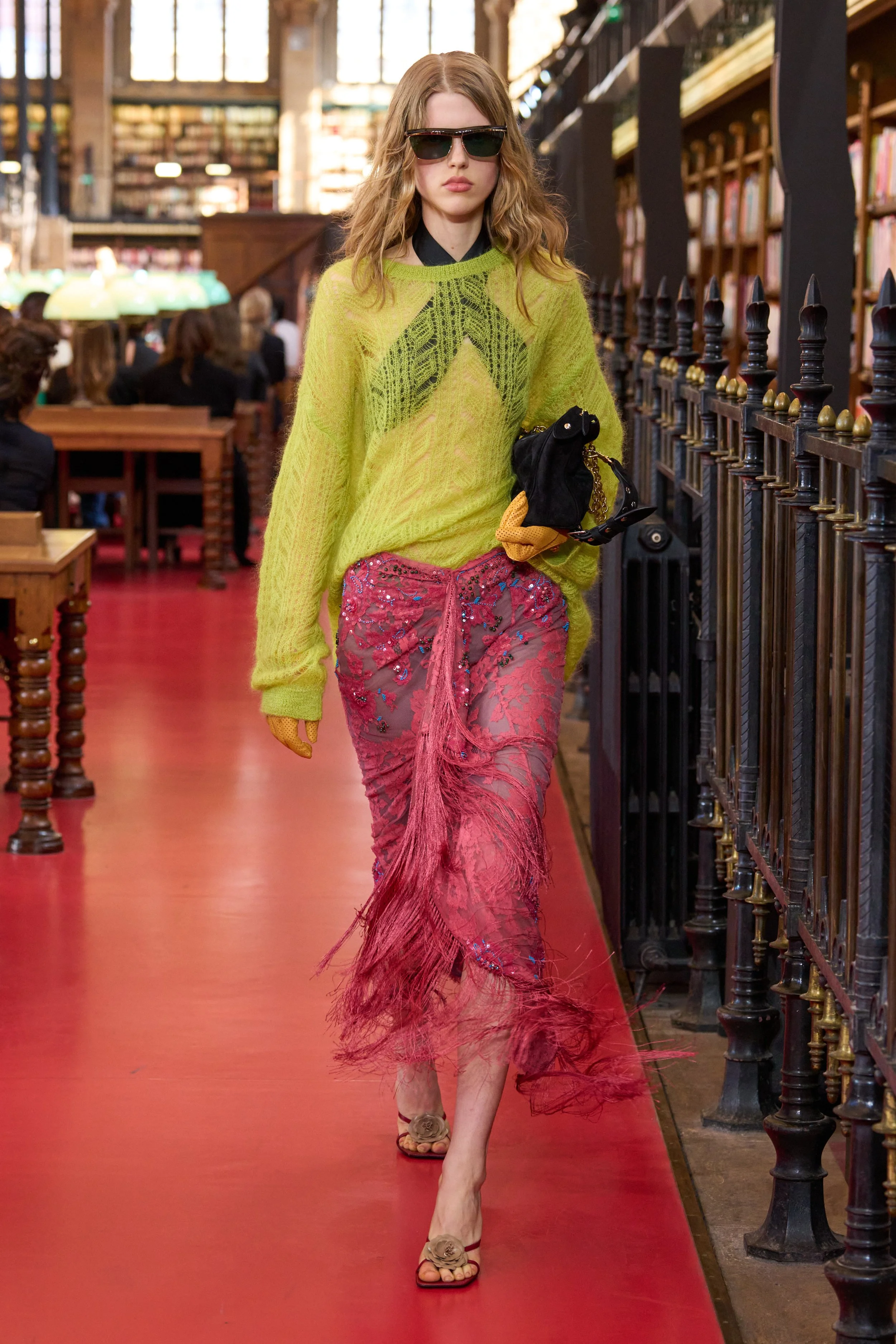
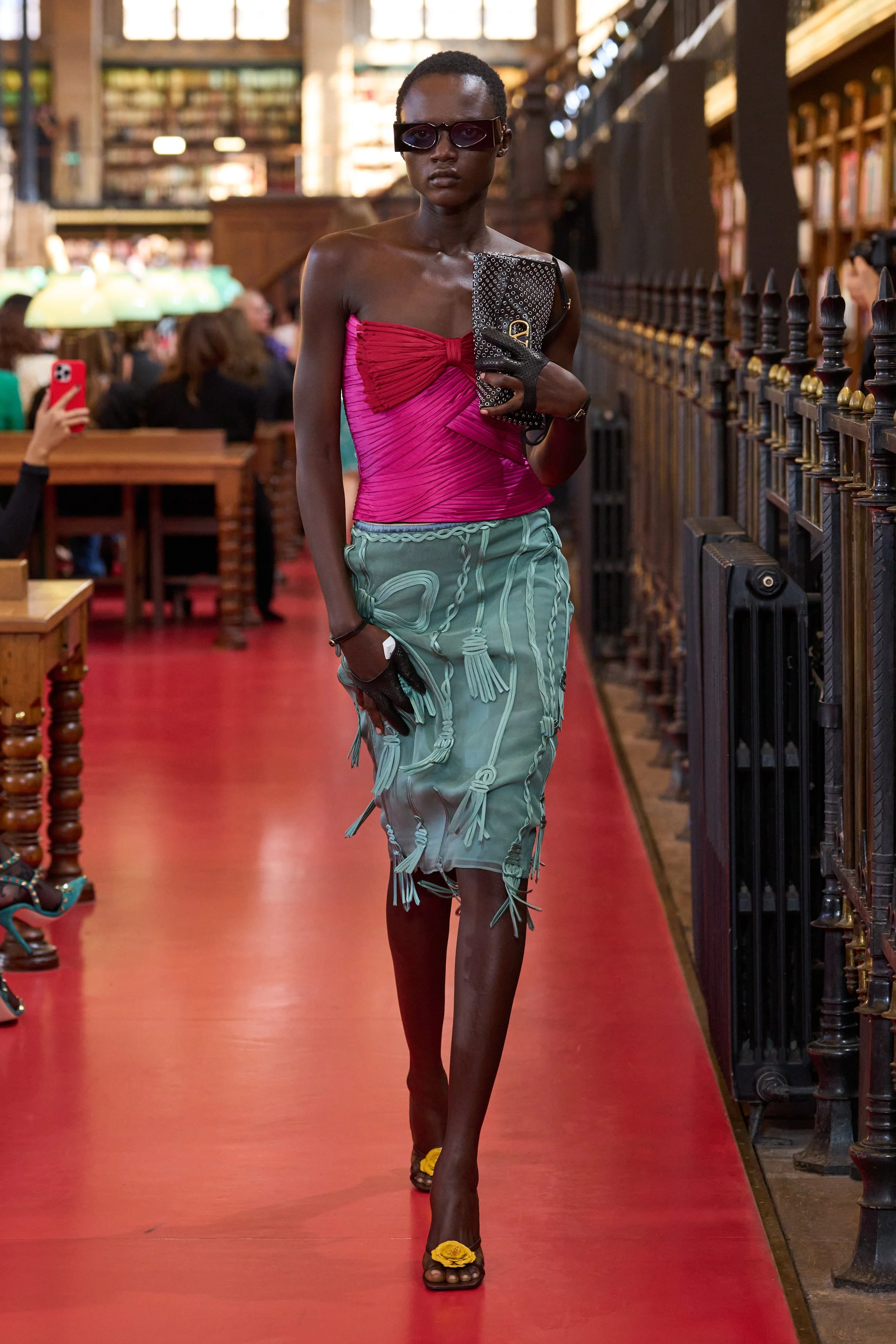
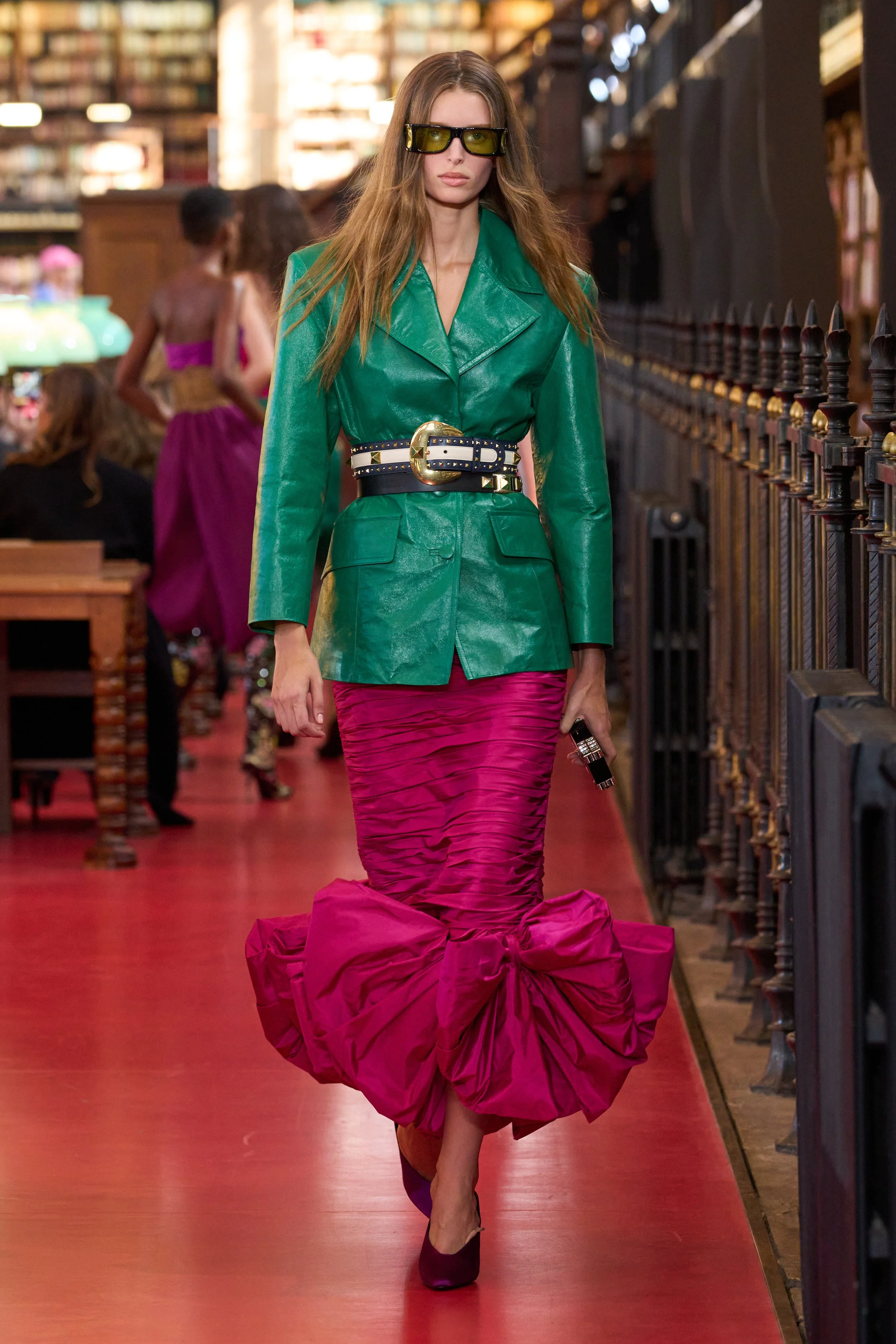
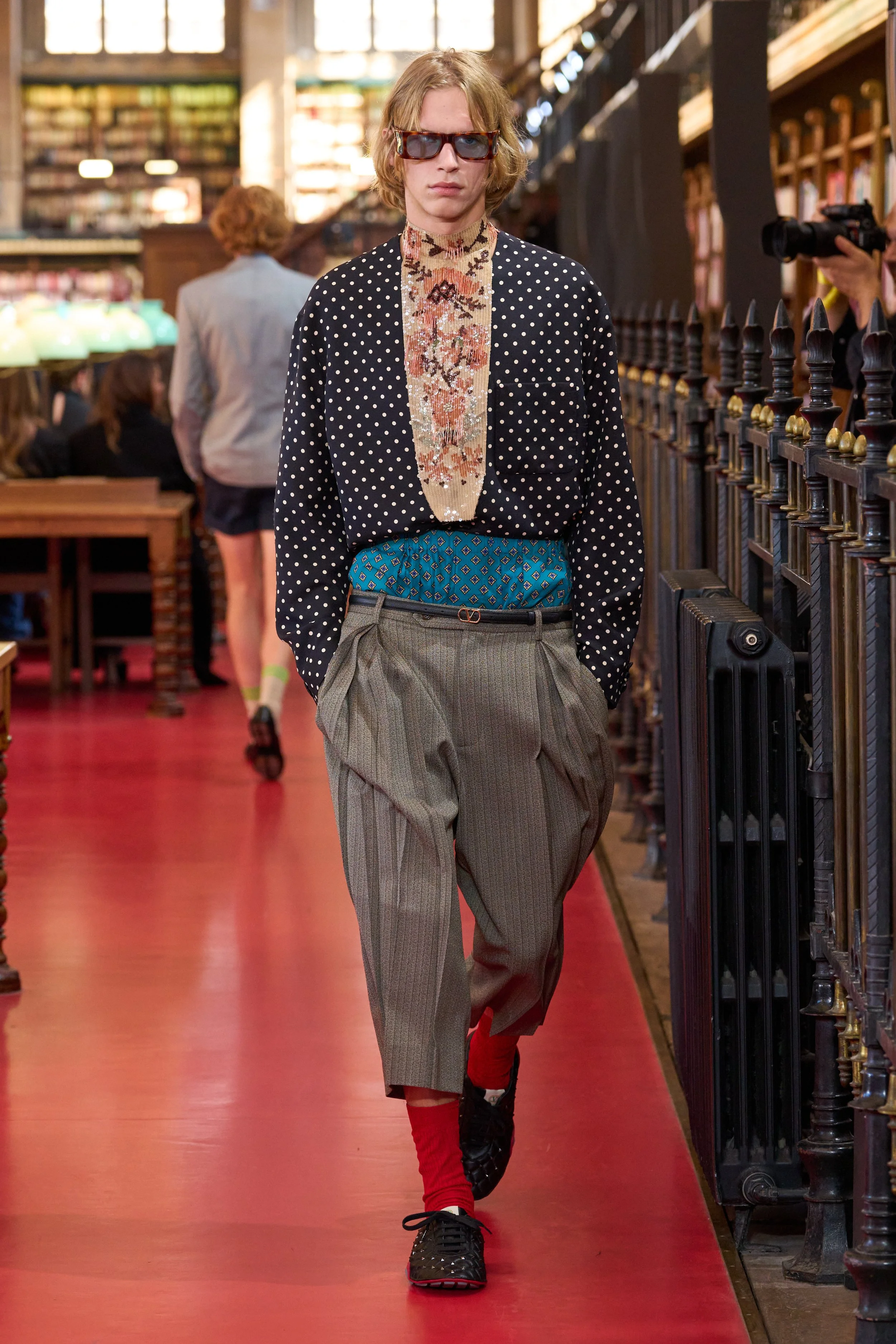
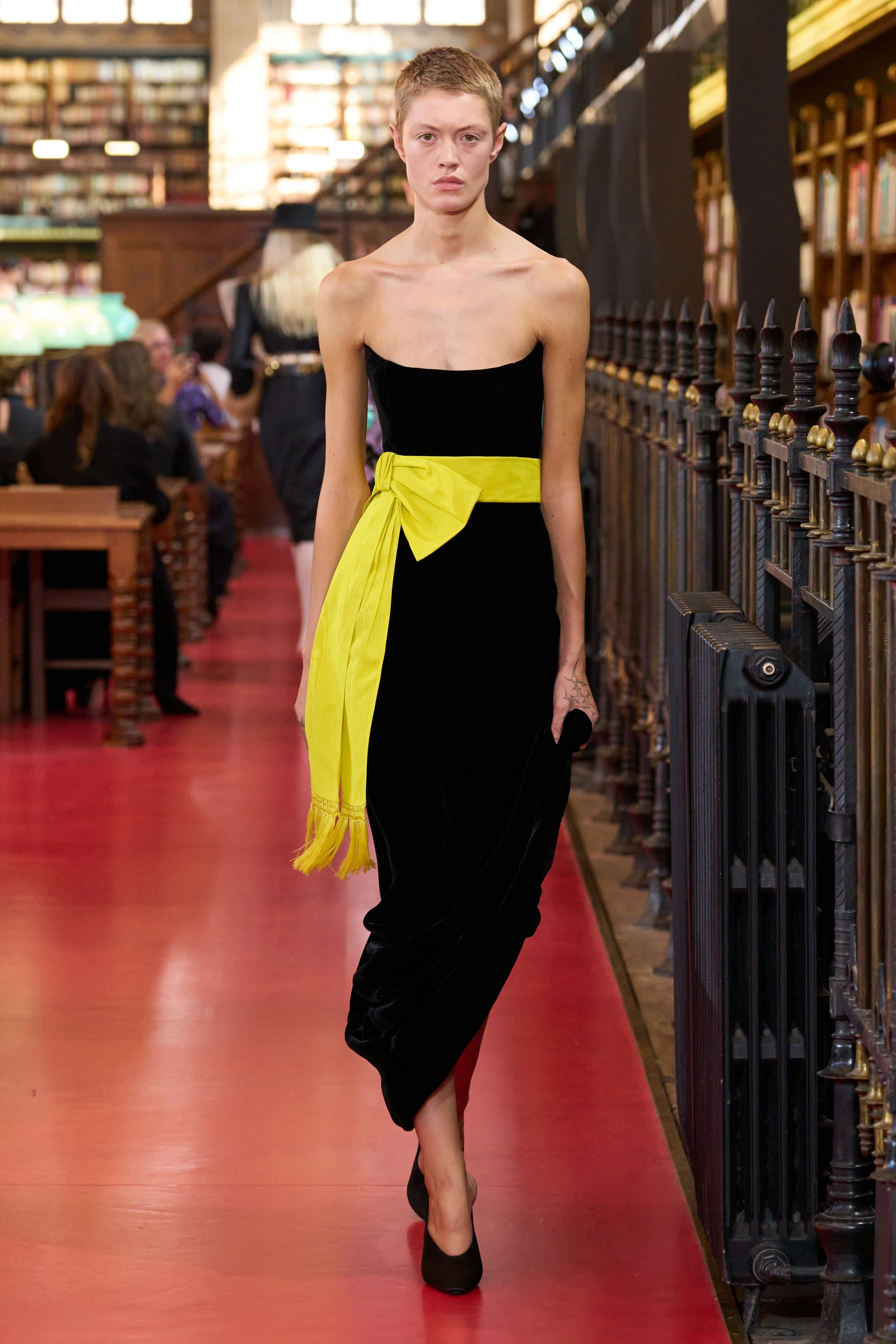
The Valentino invite stated clearly: bring a book. A risky demand in itself, considering how little younger generations tend to actually read nowadays, let alone enjoy the habit enough to have books simply lying around (the horror). But Alessandro Michele is unwilling to compromise on the value of a good reference, starting with the show notes that preceded the Spring/Summer 2027 show, presented at the Bibliothèque Sainte-Geneviève in Paris.

Antibiblioteca, it was called. For those among us who still indulge in this particular form of entertainment and research, the idea of a library containing thousands of books one will never get to read is nothing short of tantalising. The trendy ones you never remember to pick up again. The literary feats that feel too colossal to process at any given moment. The ones we borrowed with no intention to ever return. By evoking this catalogue of the unread, we are presented with a promise of knowledge and, as the notes mention, of “happiness treasured in anticipation”. For Michele’s Valentino, a house that delights in peeking into the fantastical, centring a collection on literary potential provided enough mystery to keep us at the edge of our seats as the first looks walked out between the maze of old school desks and Art Deco lamps.

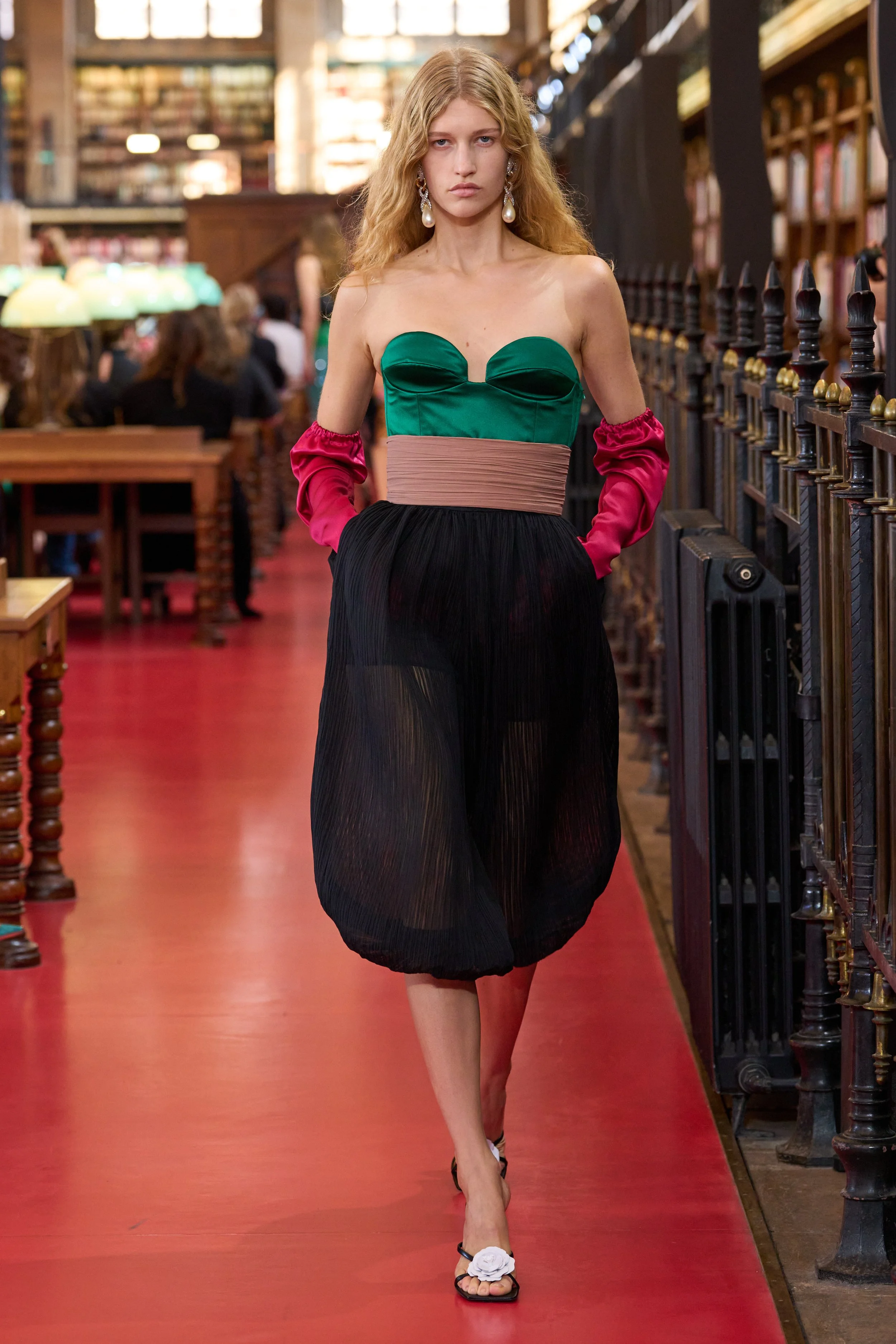
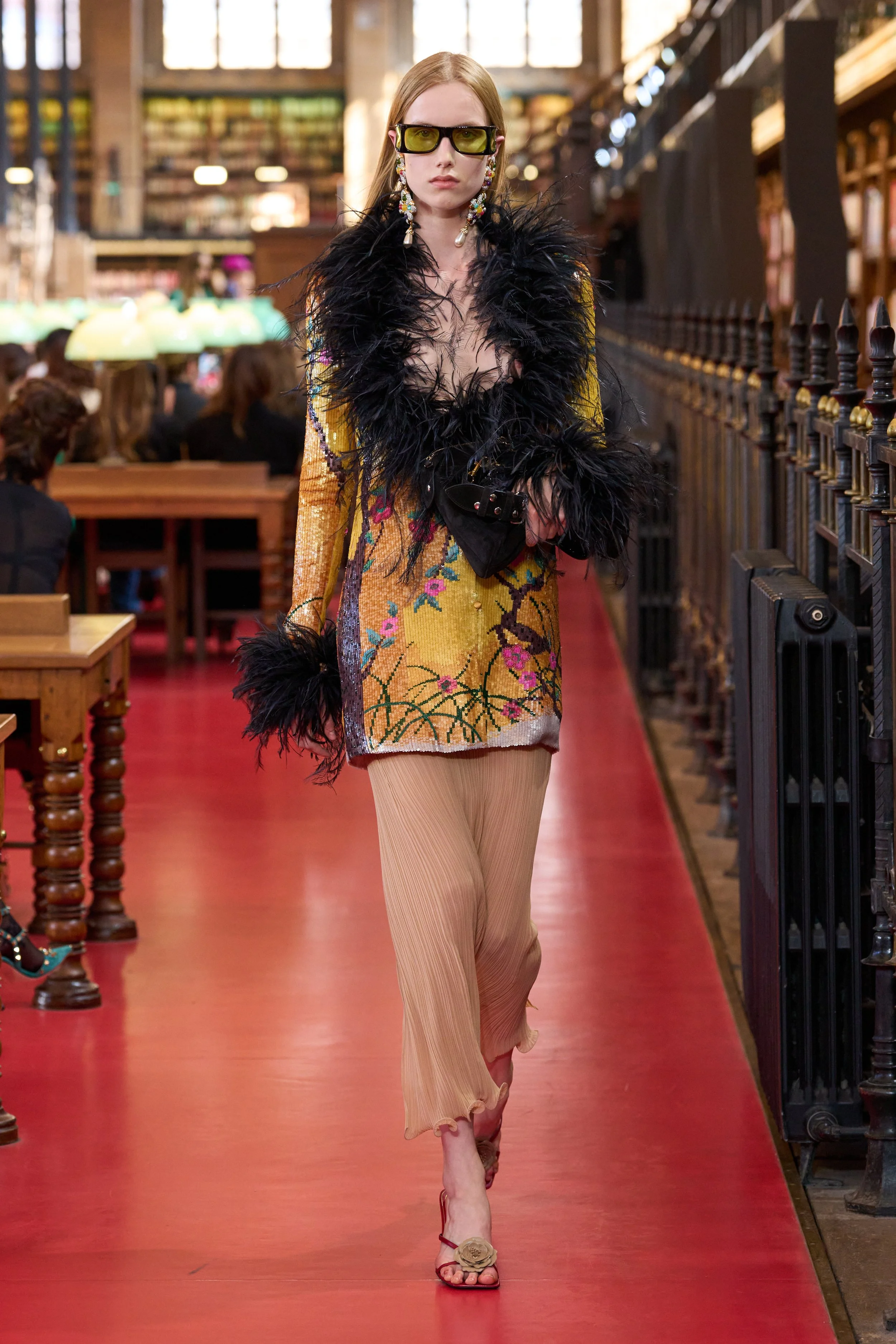
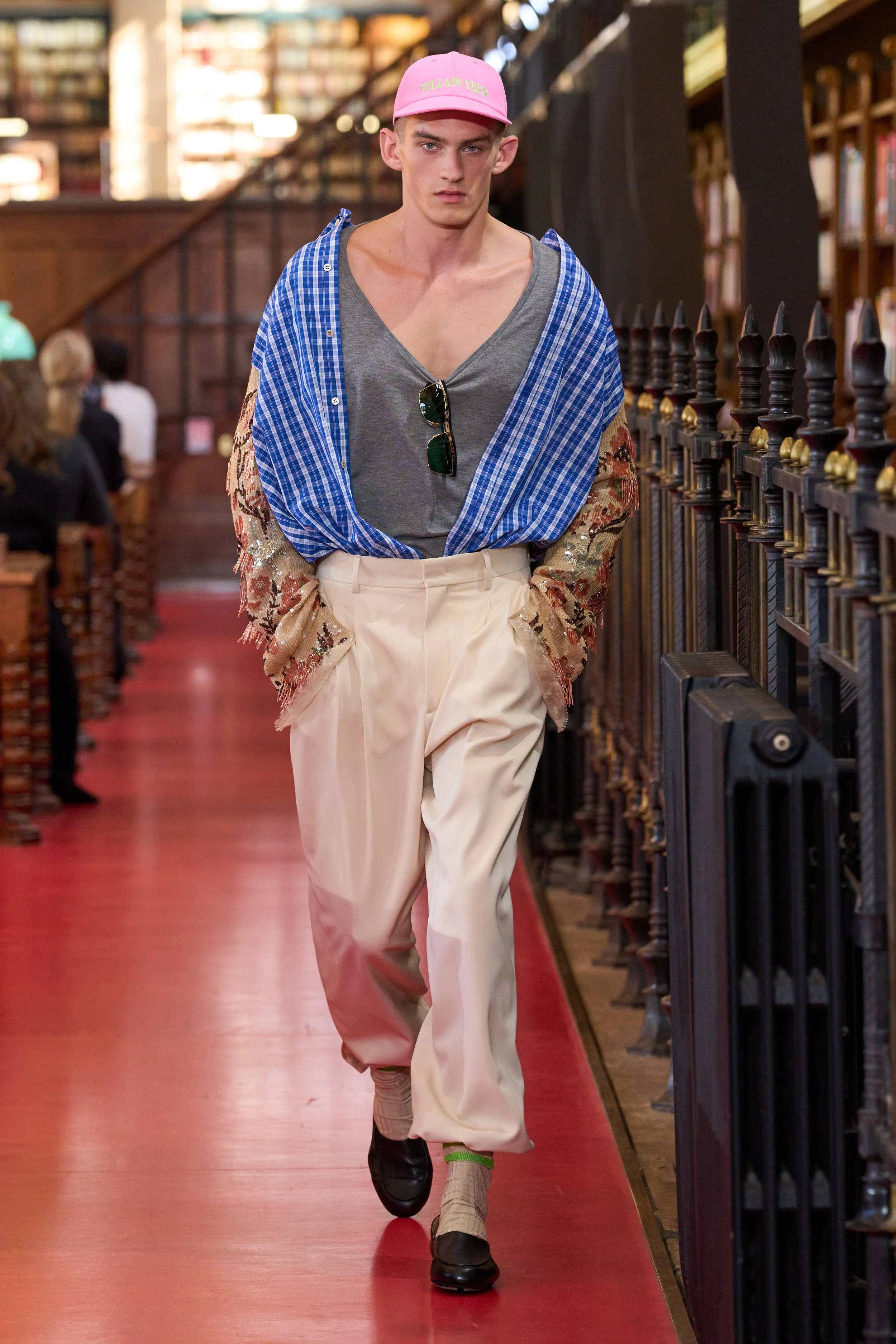
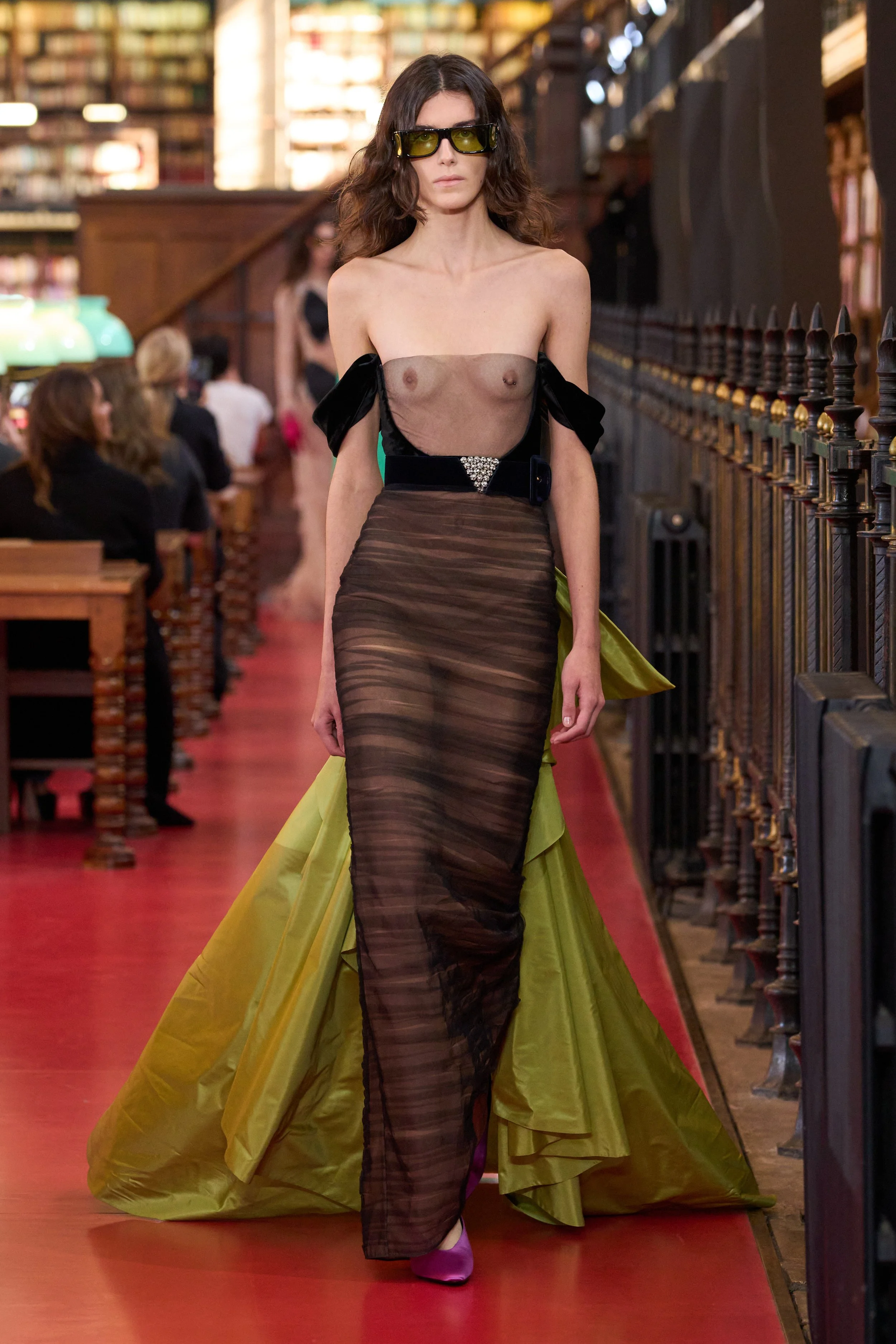
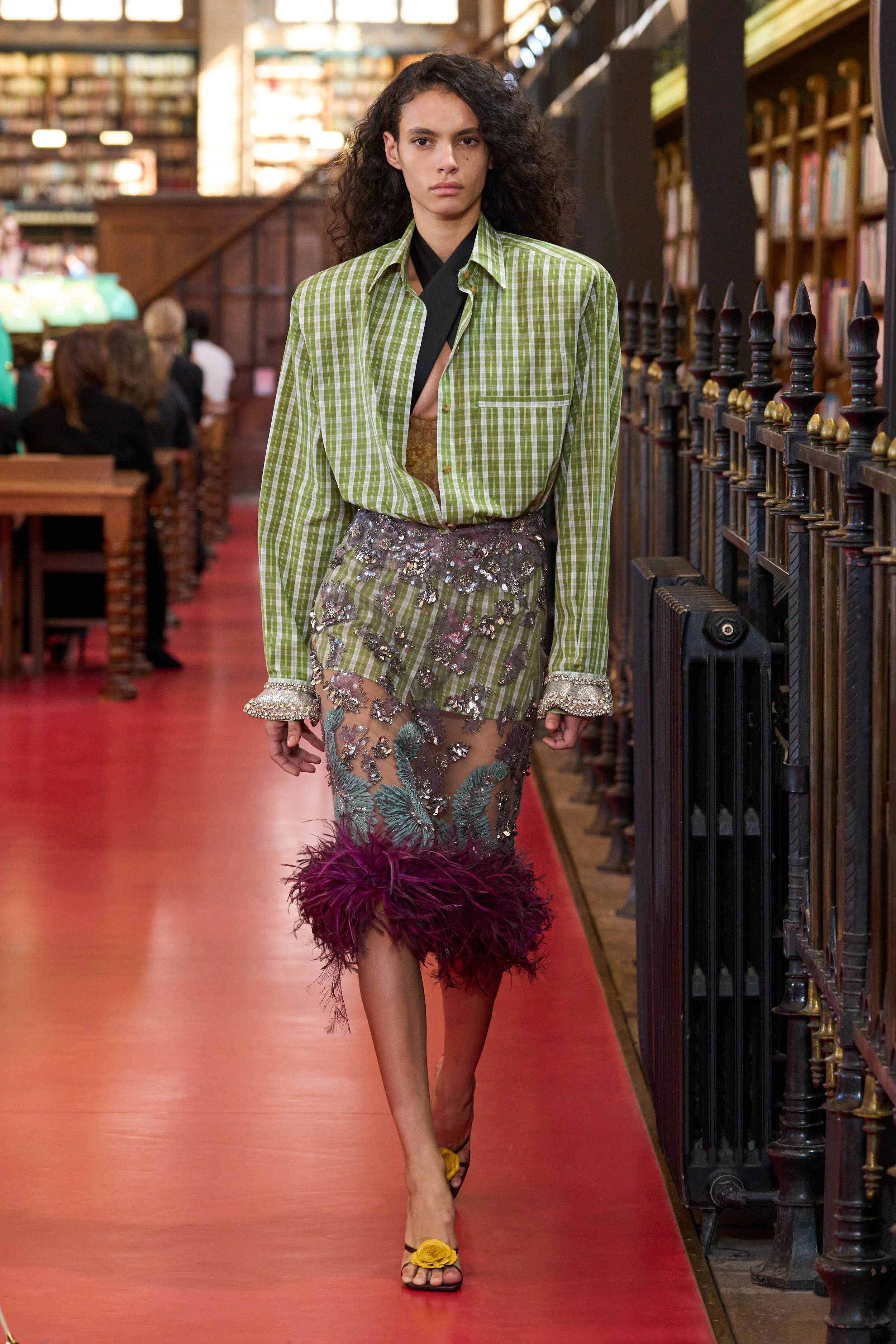
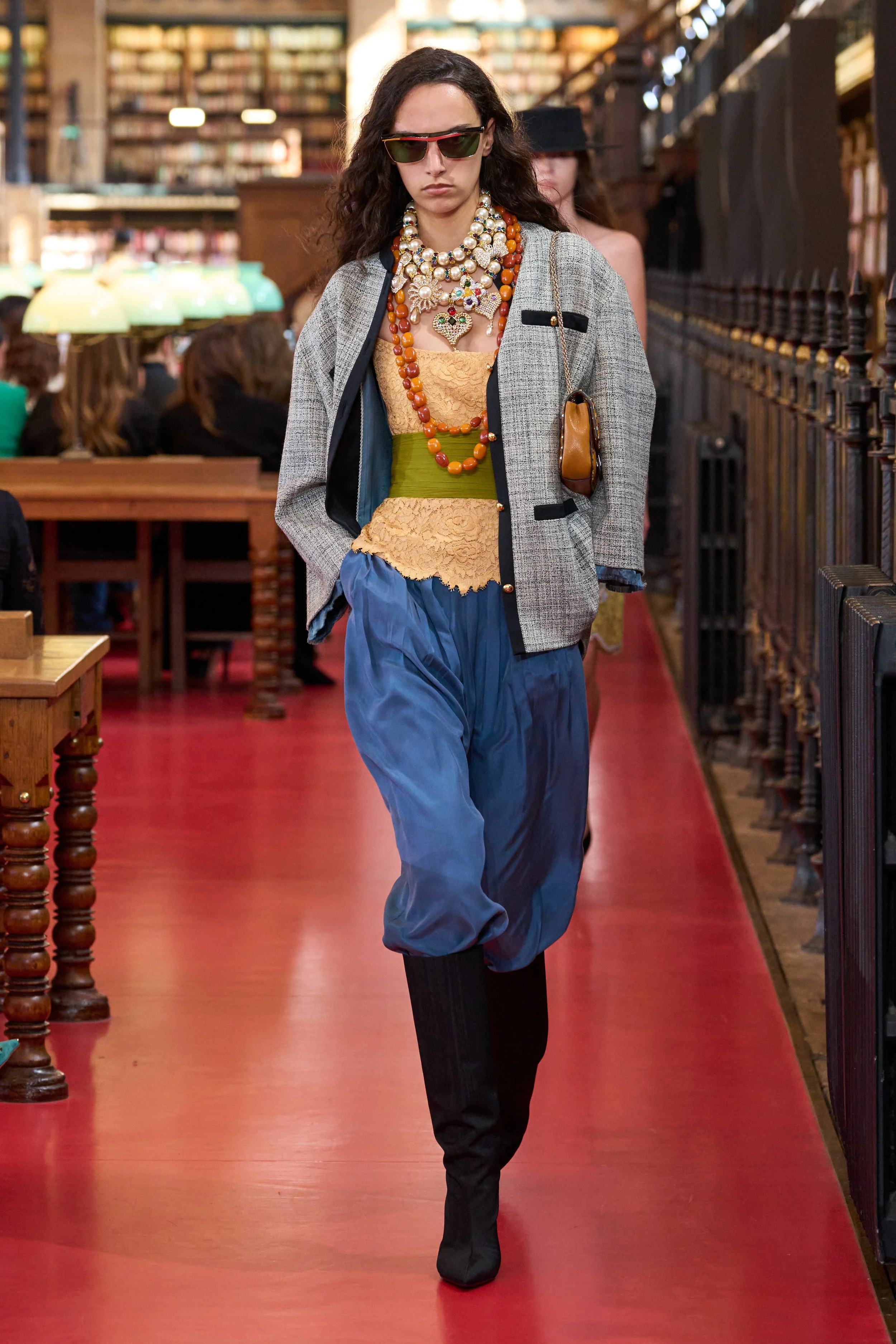
Lace and satin corsets over pleated balloon skirts, plaid shirts with sequined sleeves in flower motifs, a plumed neckline on an embellished open jacket, transparent black mesh over a nipple piercing. The pages turn at incredible speed. Each character owns their own narrative, one sentence never giving away the next, glamour being the only unwavering constant. Tweed mixed with lace, cheetah over plaid, a yellow fringe brushing against the smoothest black velvet. Trying to classify such an array of personas as tasteful or distasteful is entirely beside the point — this kaleidoscope is a sequence of scripts tied one to another not by a desire for coherence, but by a contemplation of the unknown. Valentino revels in contradiction, an Italian legacy of extravagance against the allure of Paris, and all the multitudes that lie within. As Troye Sivan’s Party started playing, models walked out for their last lap; the multiplicity of the collection was flagrant.

Potential is an interesting notion. It often comes as a cautionary tale, whether it be across relationships, careers, or people. We’re told time and time again not to consider it too much, not to guide ourselves by it, not to fall in love with it. Michele’s Valentino asks us to trust it, even if nothing of it ever comes to be. Trust that we can be it all, with no self-imposed limitation, and be sharply aware of how much there is still to do, live, and read. Everything else is a party in the bush.


Words by Carolina Queirós

TOM FORD SS27

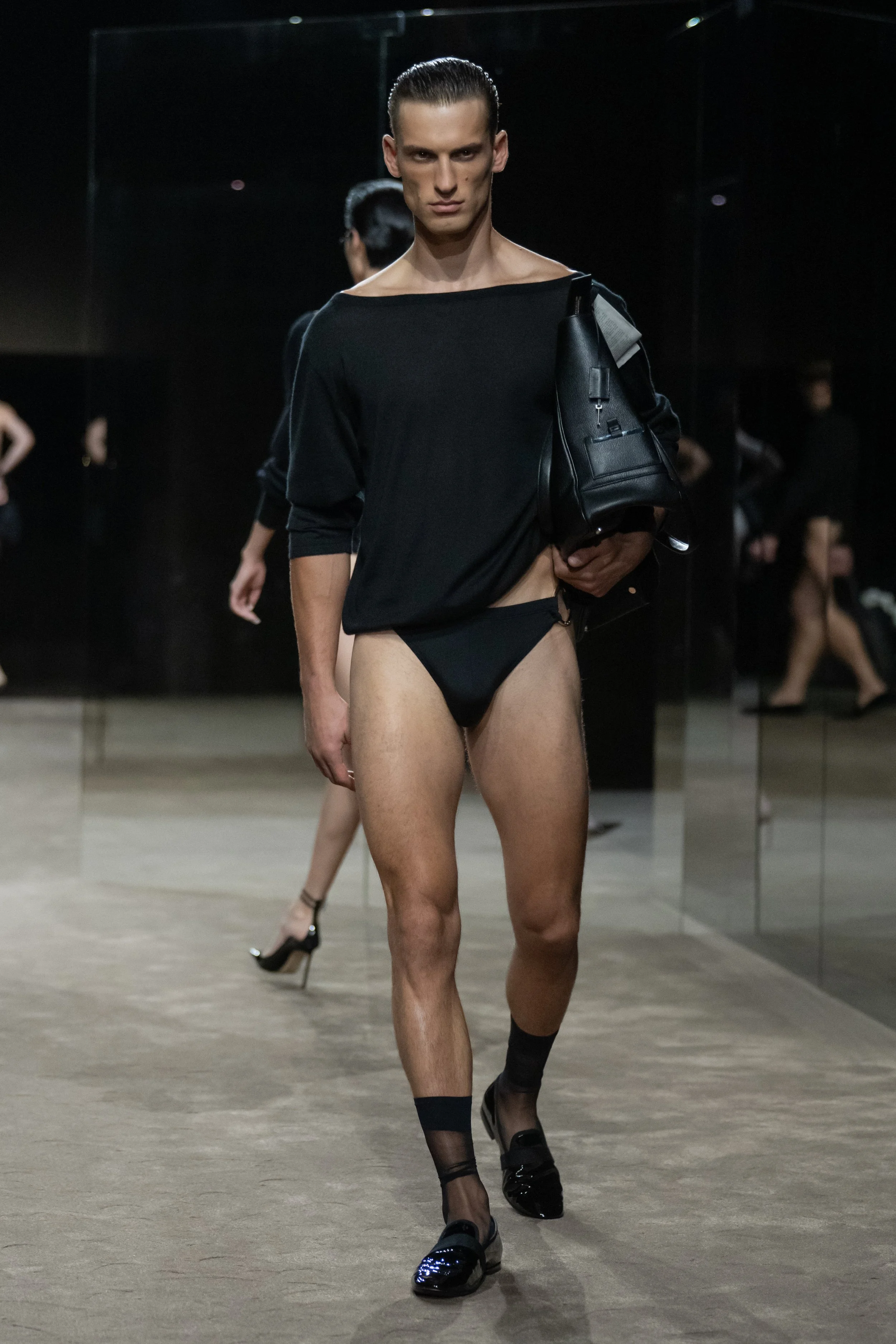
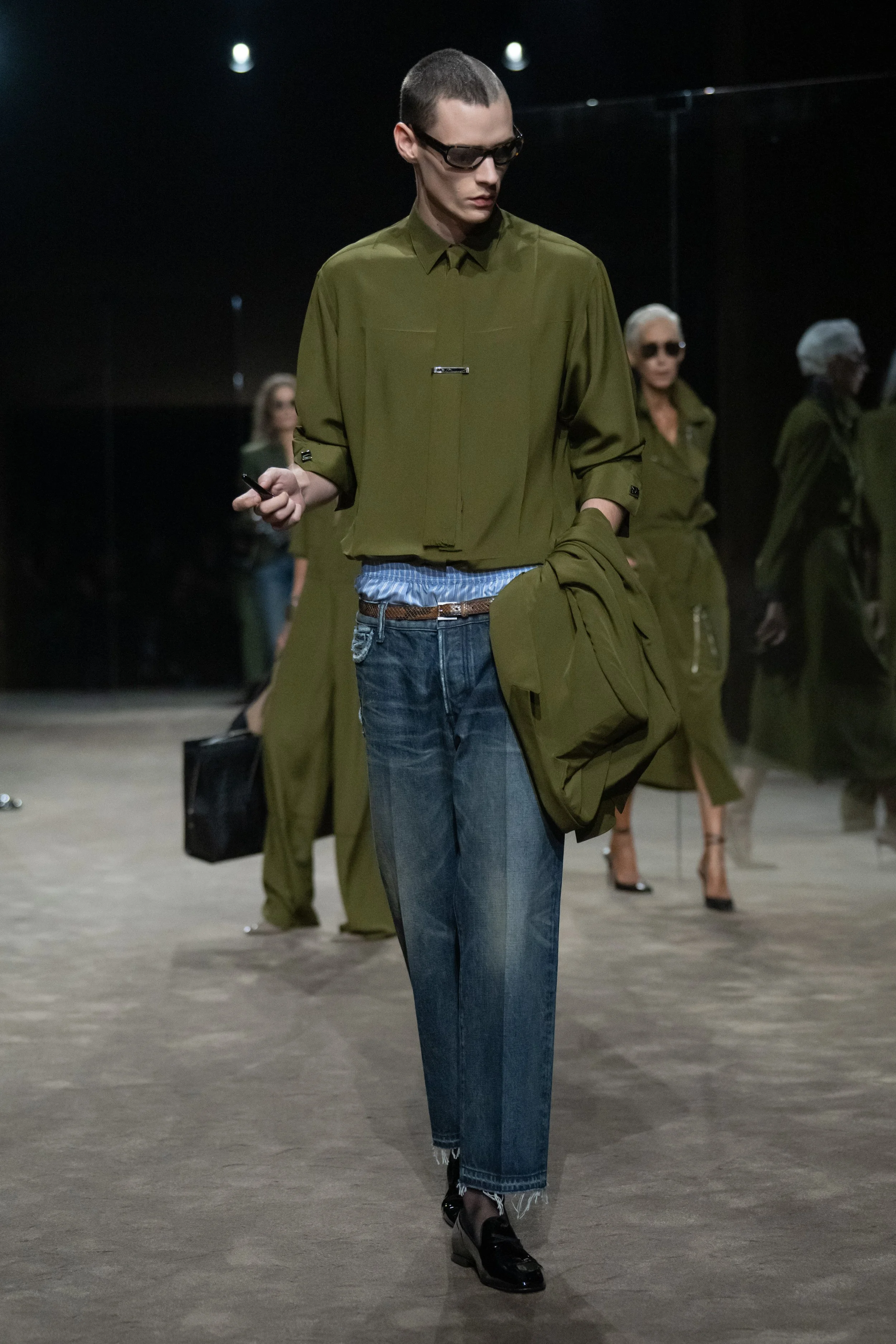
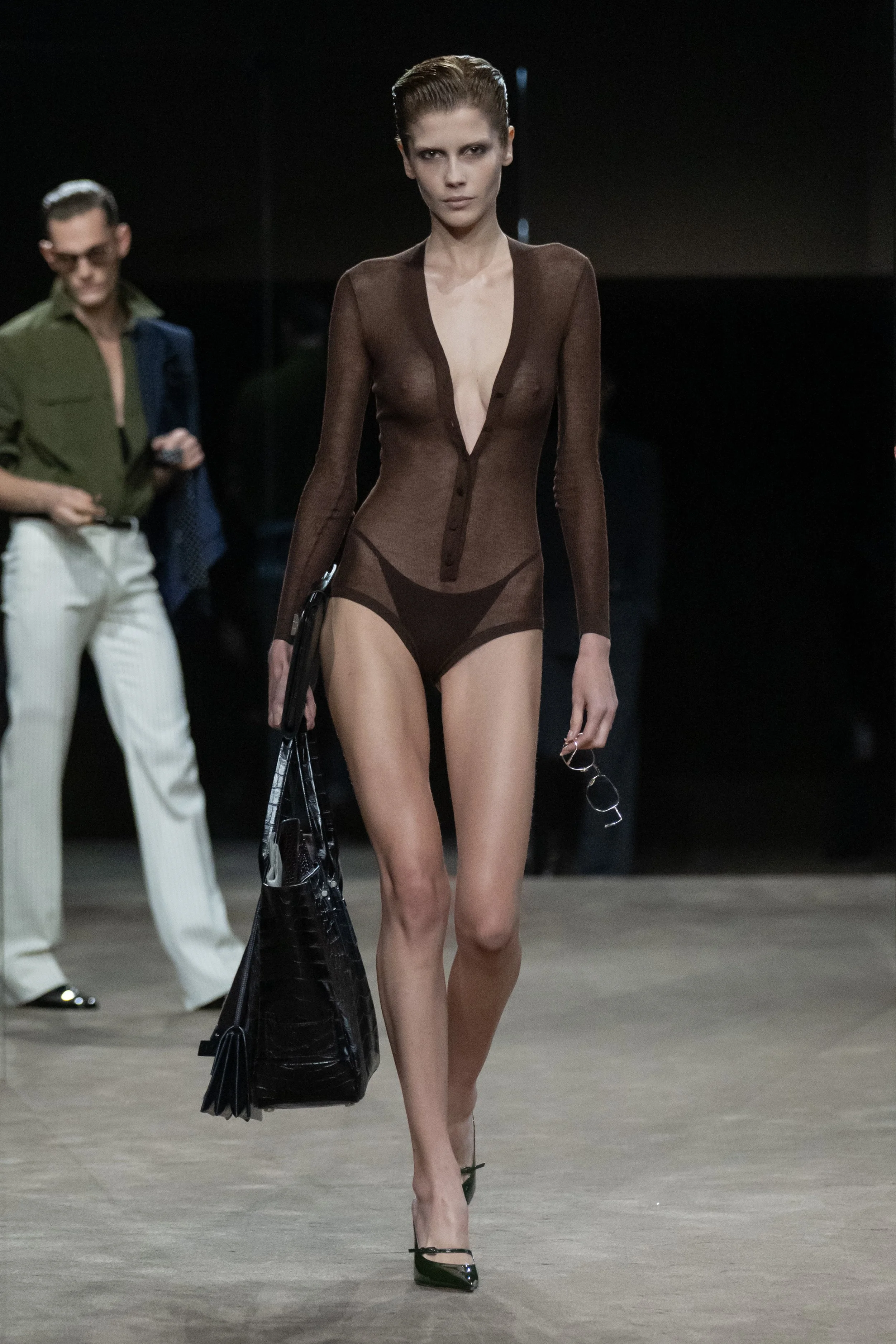
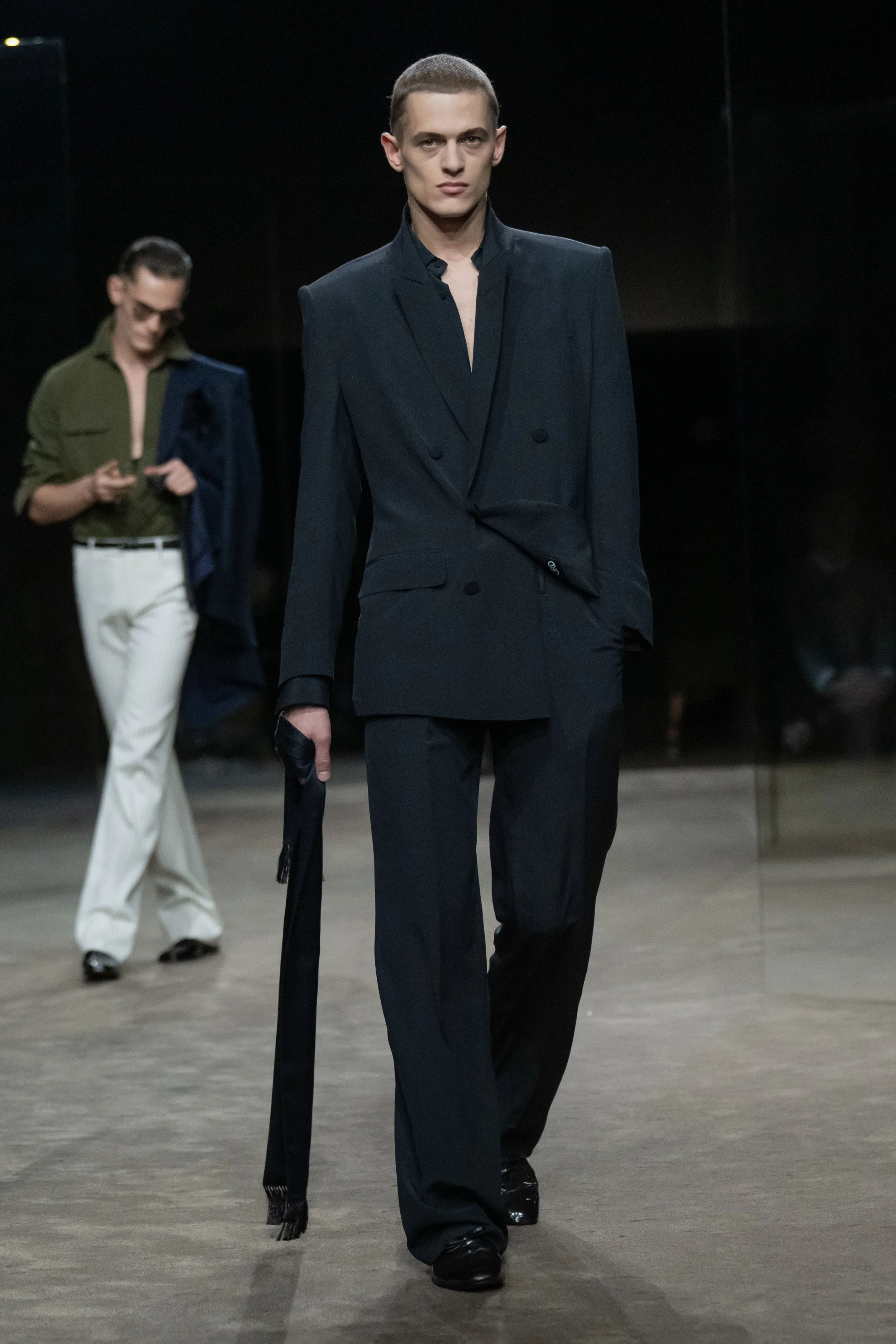
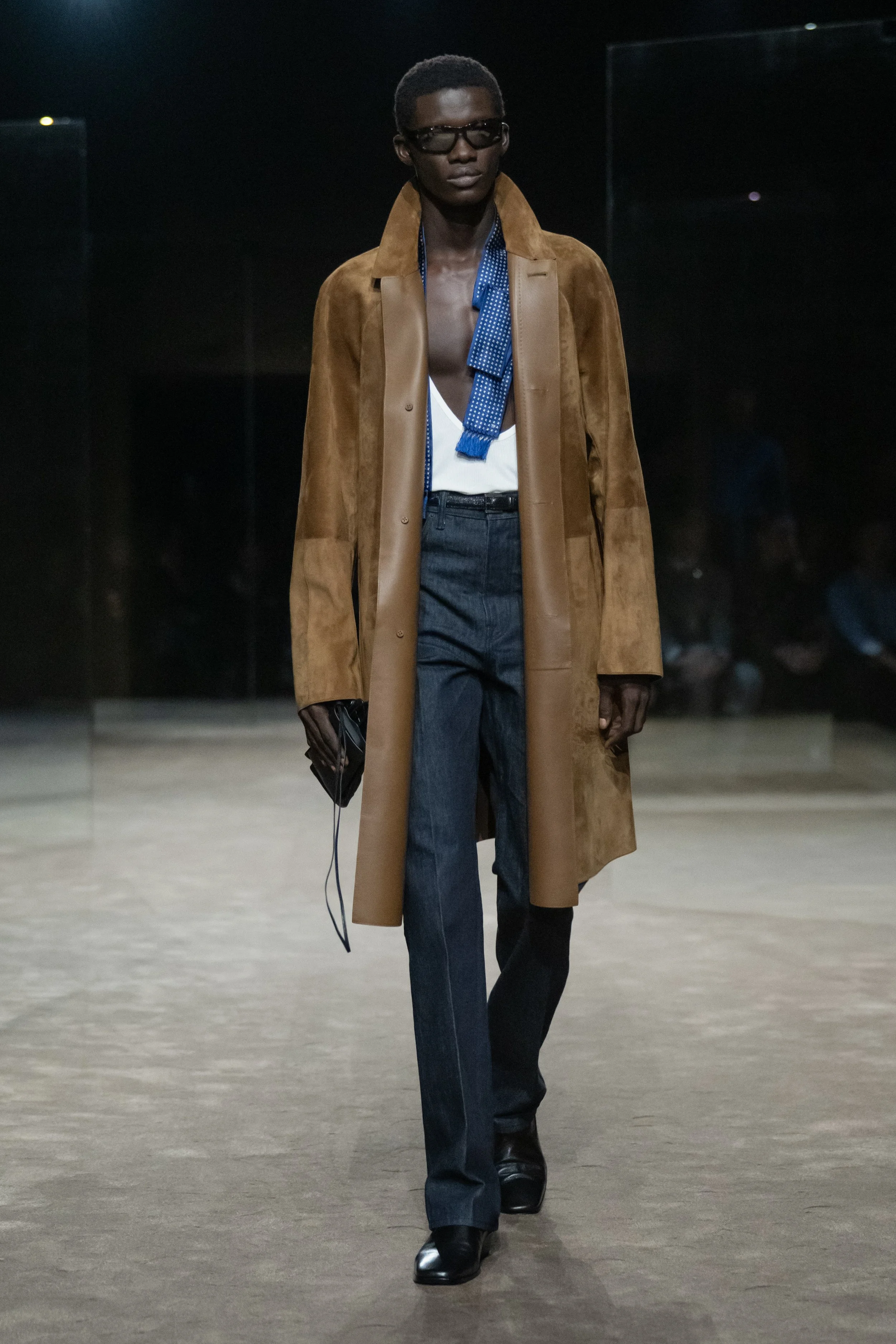
Everything in the world is about sex, except Tom Ford. Tom Ford is about gay sex. Haider Ackermann’s tenure at the label has placed both at the epicentre of fashion discourse. Whereas before, the label had been somewhat lying dormant, living off its founder’s historic sex rather than its reality. We’ve been talking of sex; now we’re engaging in it. There’s no better bedfellow than Ackermann, who has made it his mission to place Ford’s lust in the modern context. Rather than attempting to recreate Ford’s original, sticky, narcissistic eroticism, he has made it immaculate. The distinction was everywhere in the Spring/Summer 2027 collection.

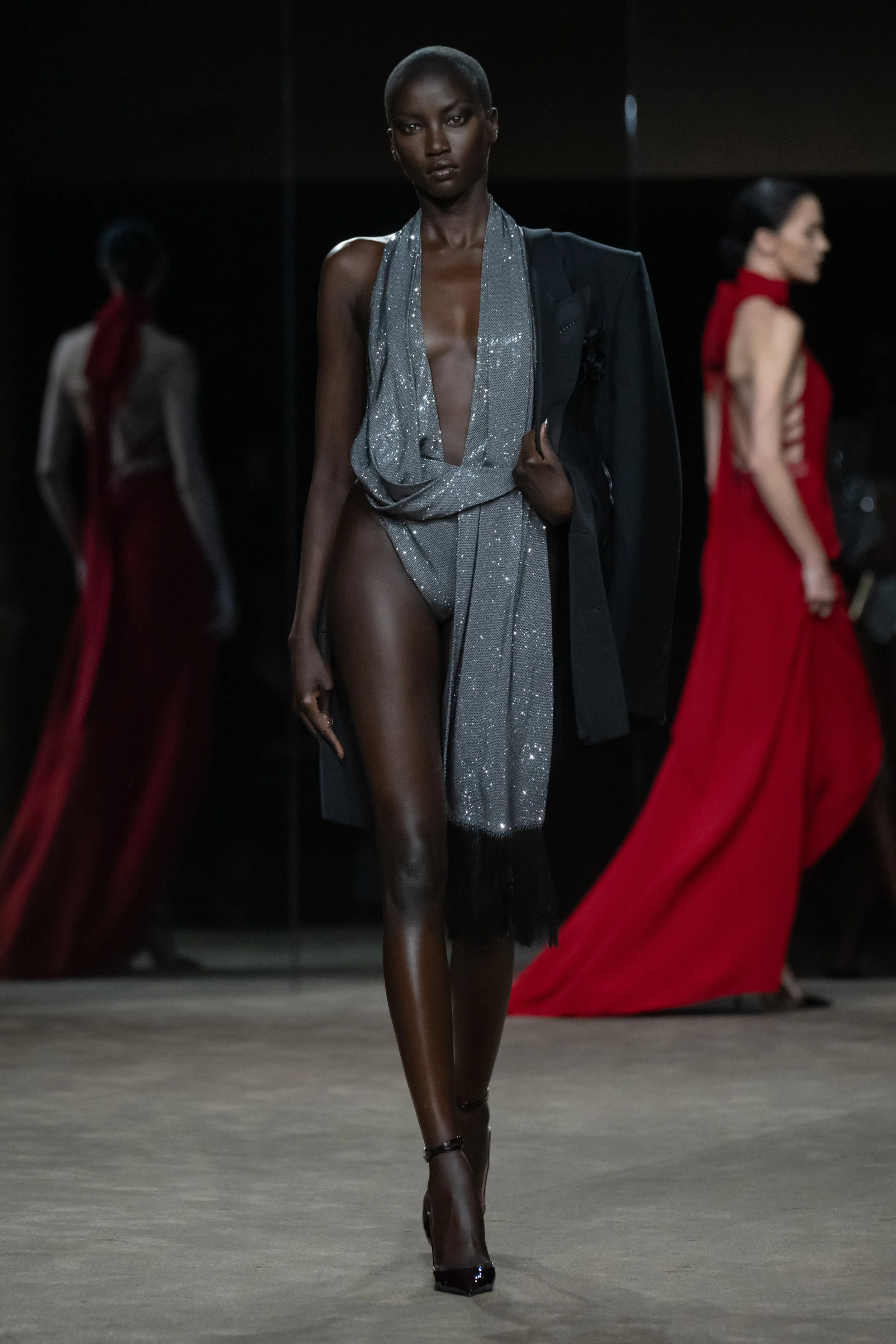
The show took place in a darkened room lined with enormous sheets of glass and smoked mirrors. Reflections multiplied bodies across the space, turning the audience into voyeurs and the models into their own spectators. Models came through in pairs and groups, slowly, with that peculiar Ackermann choreography in which a model will stop, turn, inspect another body, inspect their own reflection, and continue as if nothing happened. What some (me) would call cruising.

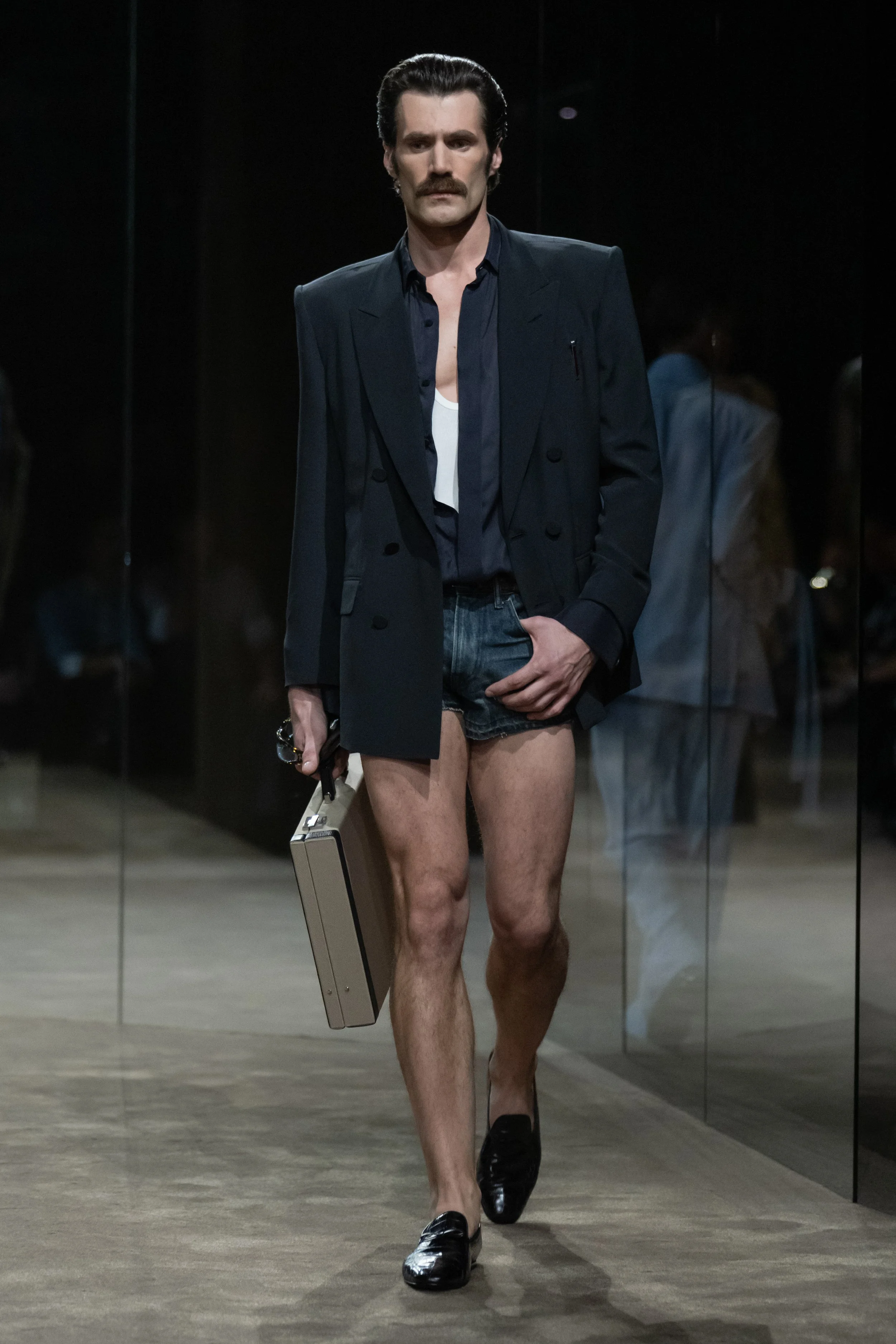
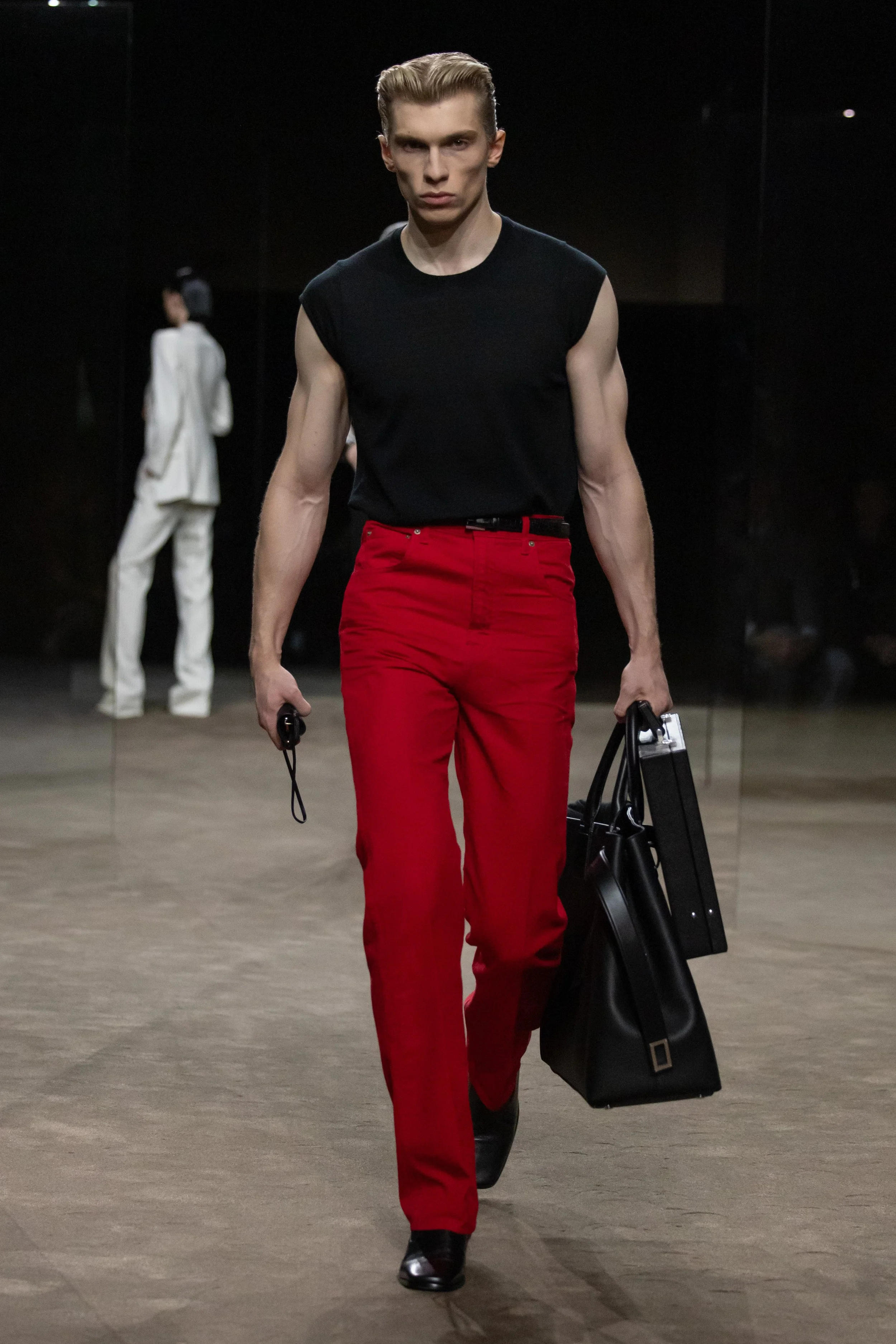
The collection opened with tailoring: narrow pinstripes, sculpted shoulders, beautifully cut trousers, jackets worn open over bare torsos. There was a severity to it that made the nudity more obscene. A hairy chest underneath a business suit is considerably filthier than a naked chest underneath nothing. The suit provides the alibi. It says accountant, lawyer, executive. Everything underneath says otherwise.

For womenswear, Ackermann worked the same tension through red dresses sliced with precise openings, bare backs, high slits and bodies exposed almost surgically. There were satin bralettes, folded leather constructions and transparent skirts through which lingerie appeared with the cold clarity of an X-ray. The clothes did not feel undone. Quite the opposite. Every inch of flesh seemed calculated, measured strategically.

There were gorgeous buttery leather dresses, their surfaces catching the light whenever a body moved, and tailoring that appeared almost severe until the wearer turned around. There were low-slung trousers, easy cottons, denim distressed at exactly the places where you might want to look twice, and shirts opened low enough to make the distinction between dressing and undressing academic.

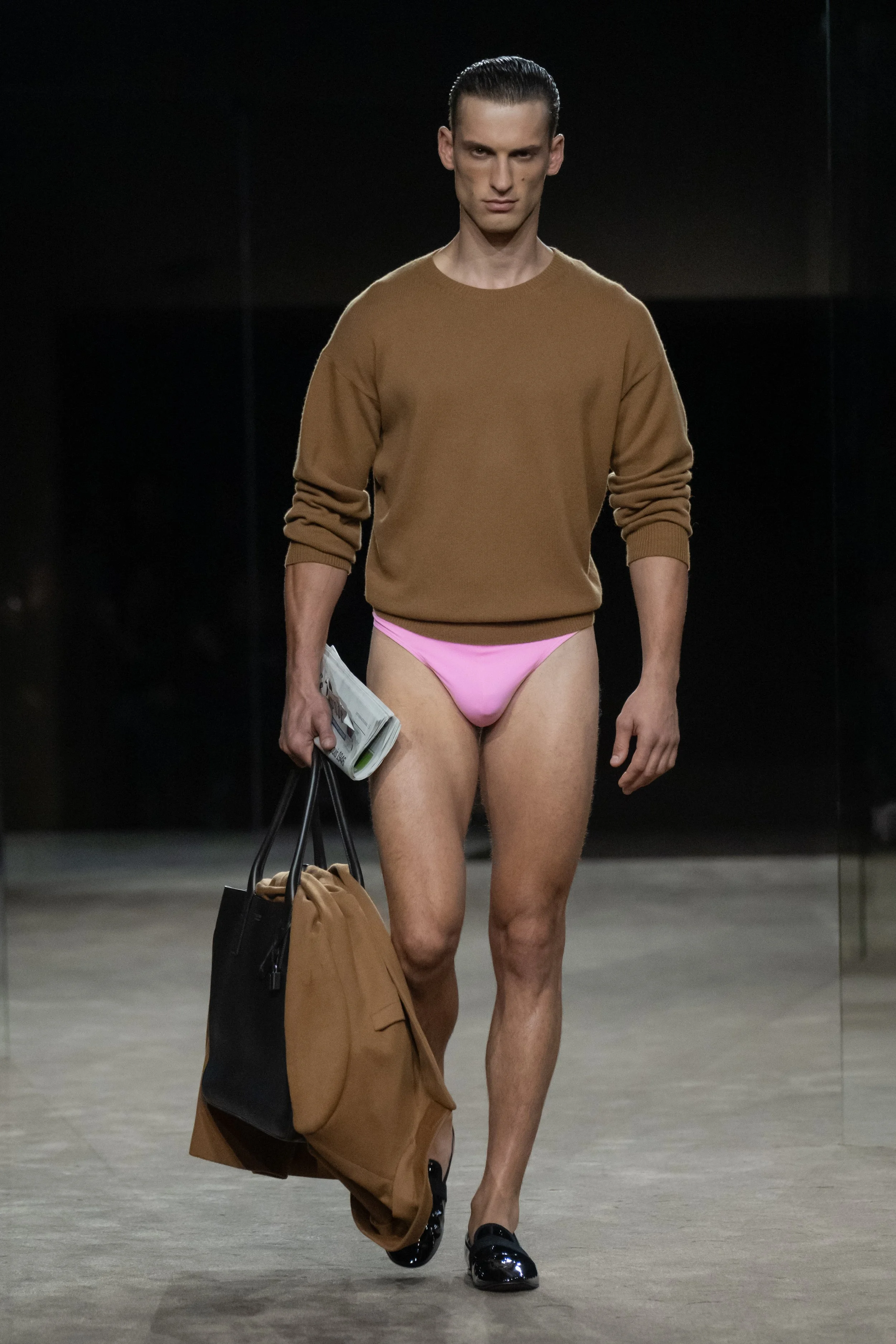
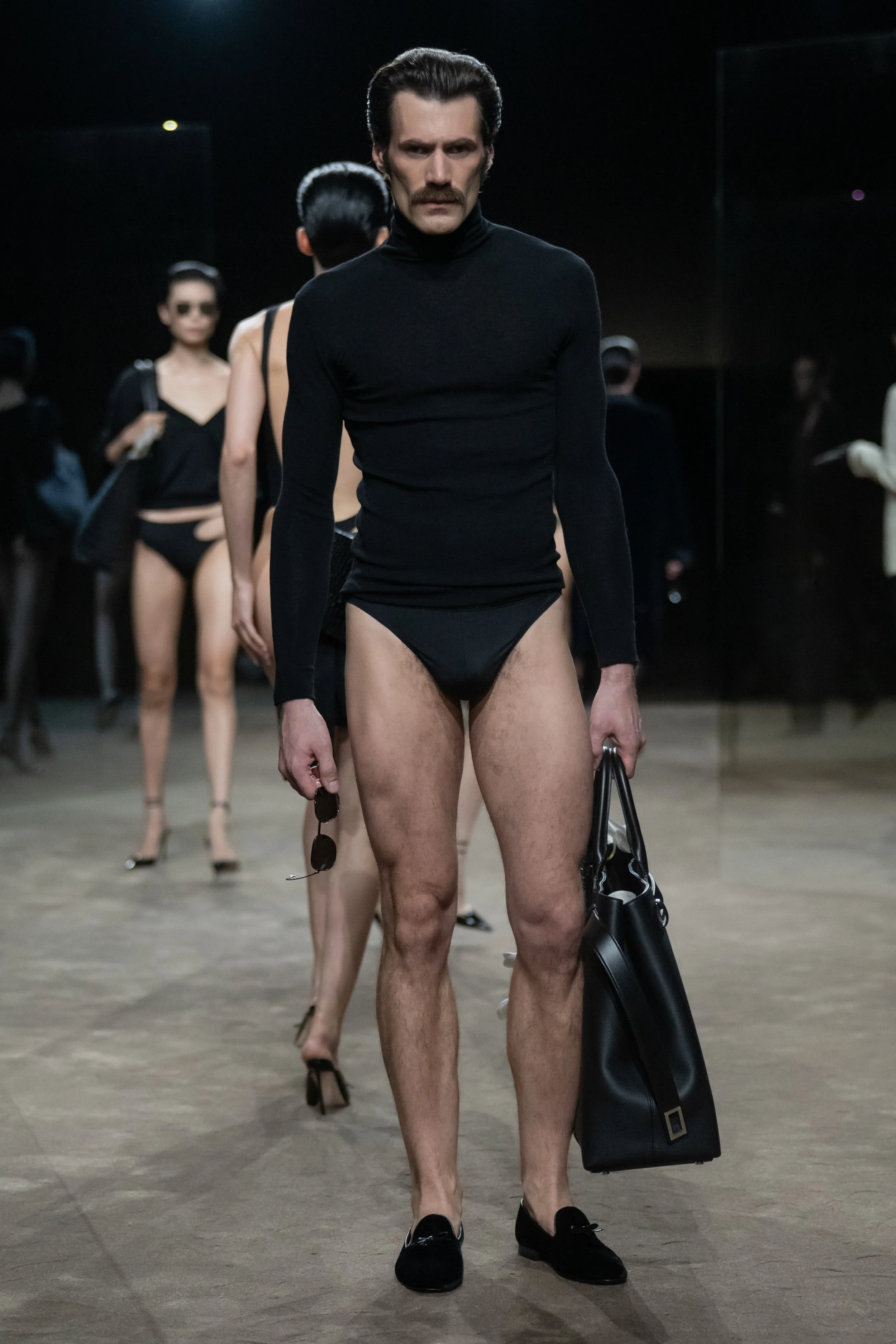
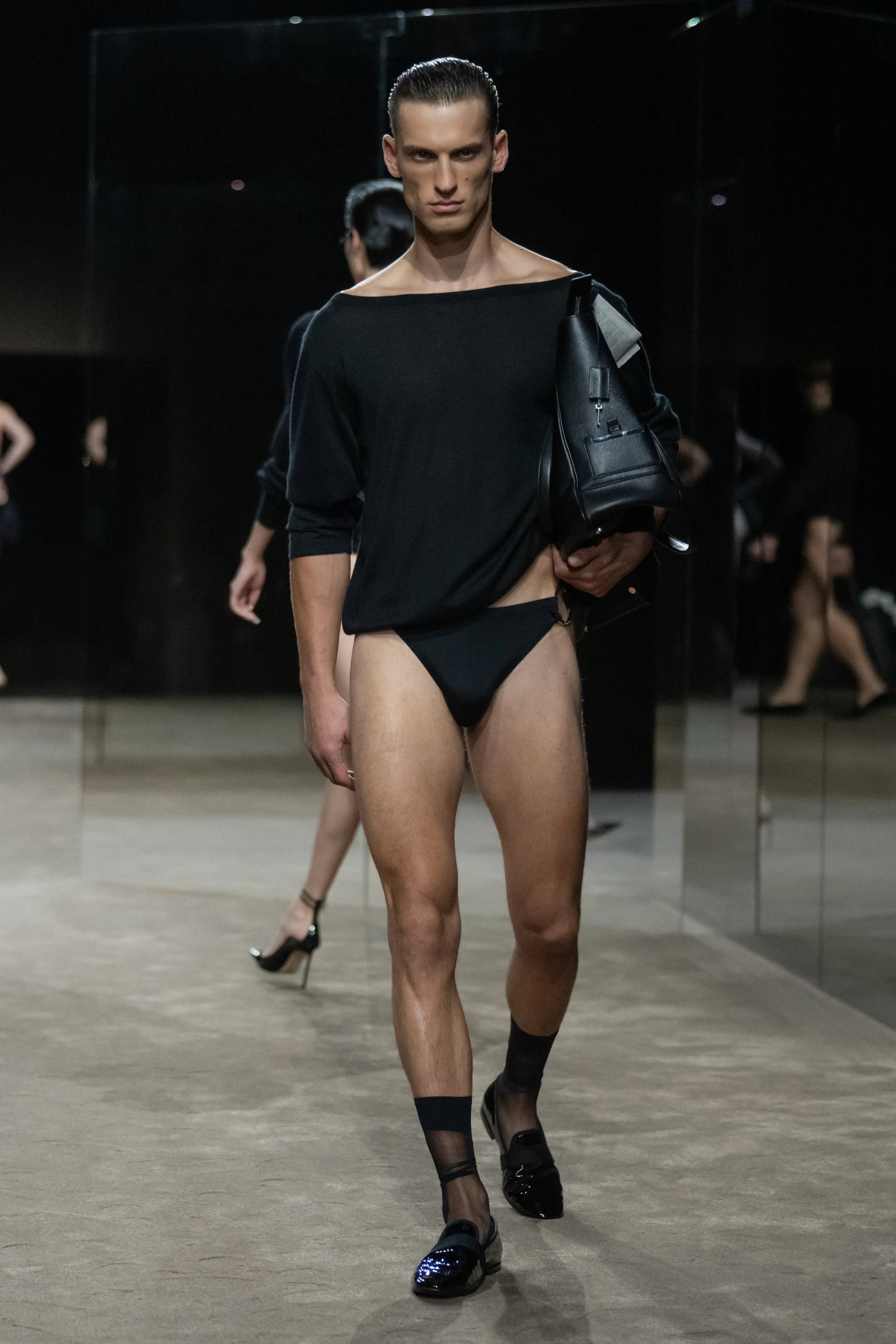
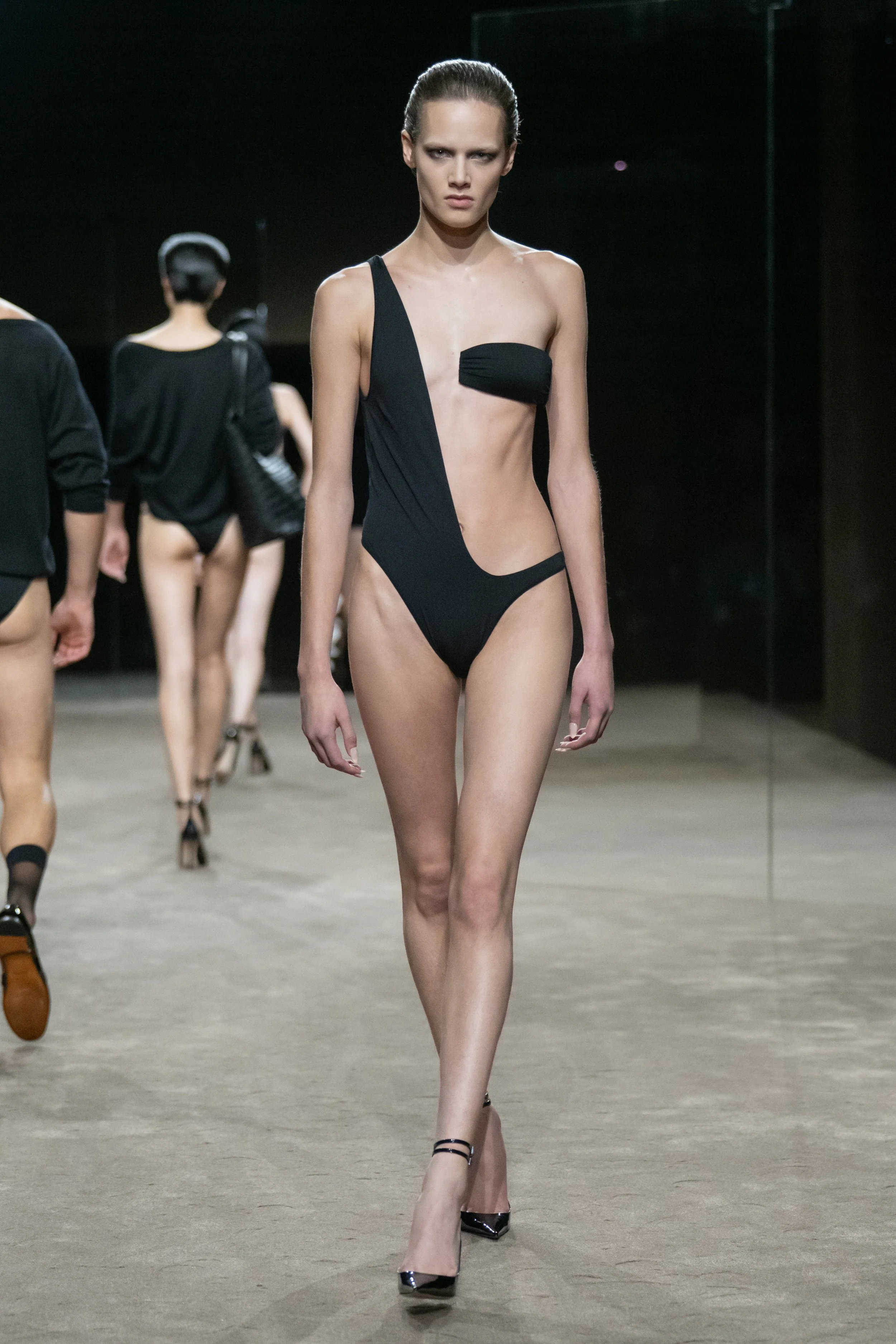
Swimwear was but architectural arrangements for showing as much body as legally and aesthetically possible. Black, minimal, cut high across the hip and low across the back. One male look, with a moustache worthy of a 1970s porn set—aspirational— paired a turtleneck with a tiny brief; when he turned, the back disappeared into a thong. It’s hard to describe the impact a singular neon pink thong can have on the homosexual psyche. As soon as model David Trulik turned around, something erupted in me. No, not that. Something more in line with being seen. Queer depravity seen through a fashionable, clean lens. Here paired with a camel pullover, the thong became almost conceptual: sex reduced to a styling device, its vulgarity preserved but its sweat removed.

There were references everywhere to the mythology of Ford: the late-Nineties Gucci thong, the nakedness, the red dresses, the tuxedos, the fixation with the torso. But Ackermann has not treated the archive as sacred. He has treated it as pornography. He takes the old images apart and asks what made them erotic in the first place. The answer, increasingly, seems to be control.


Words by Pedro Vasconcelos
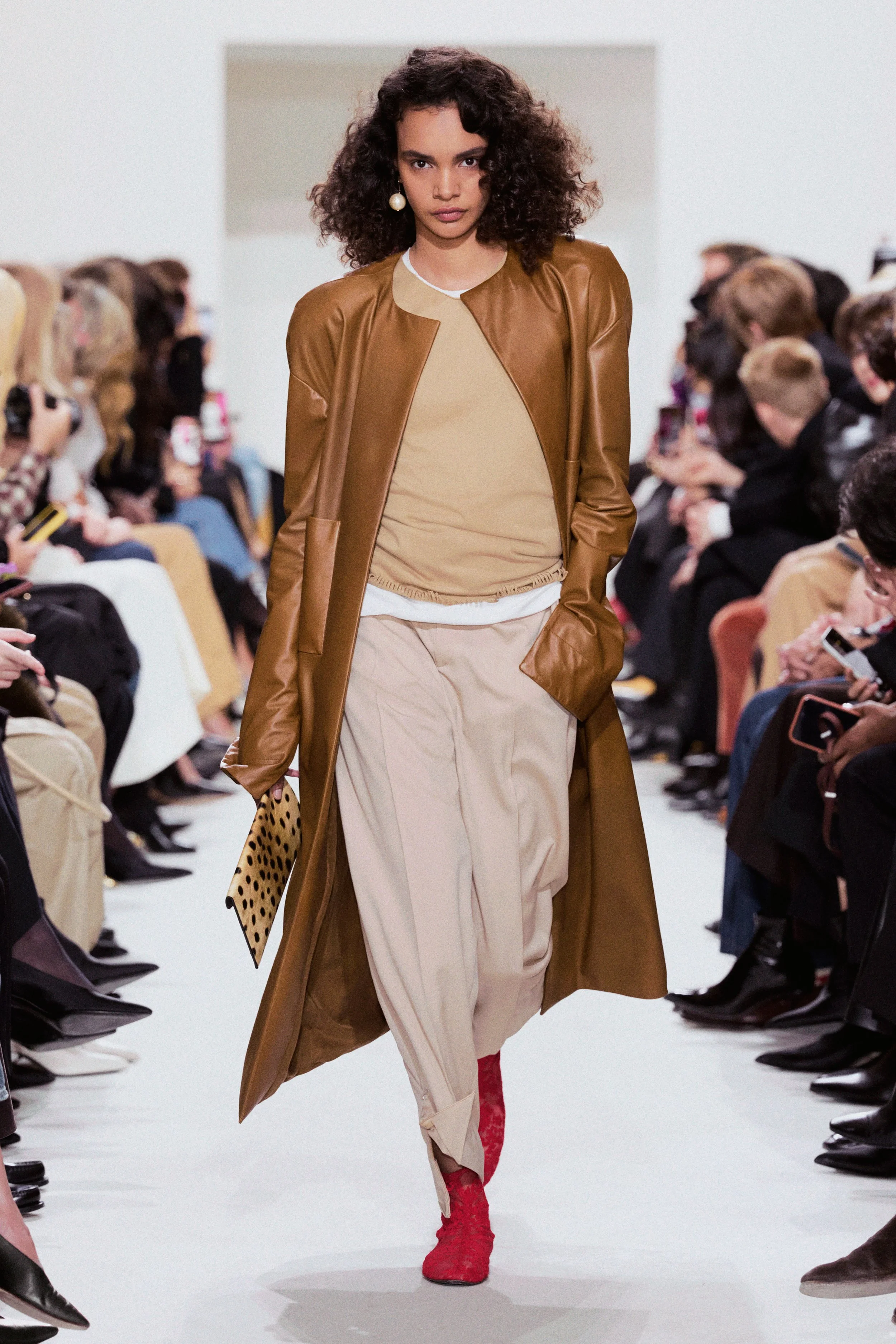
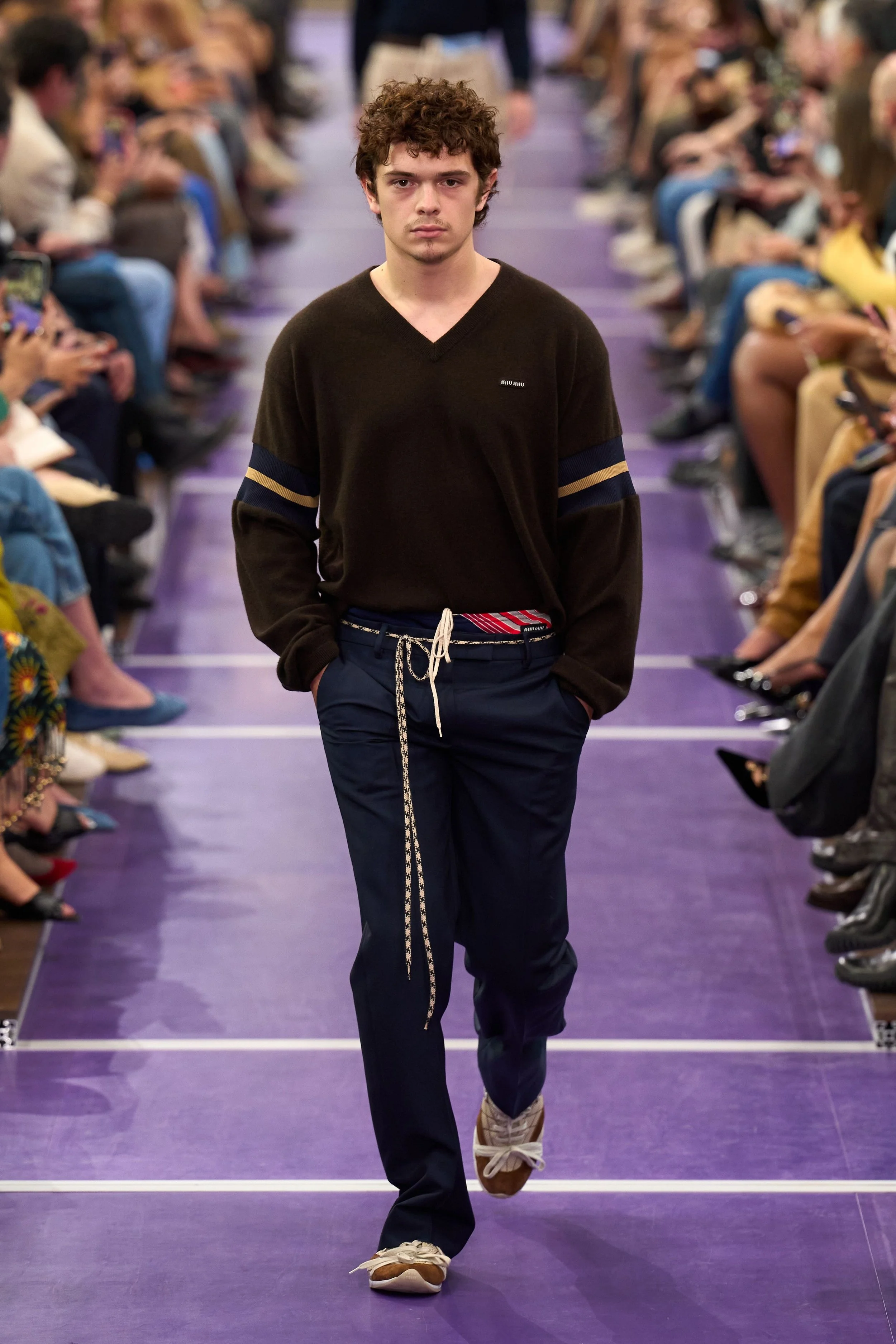
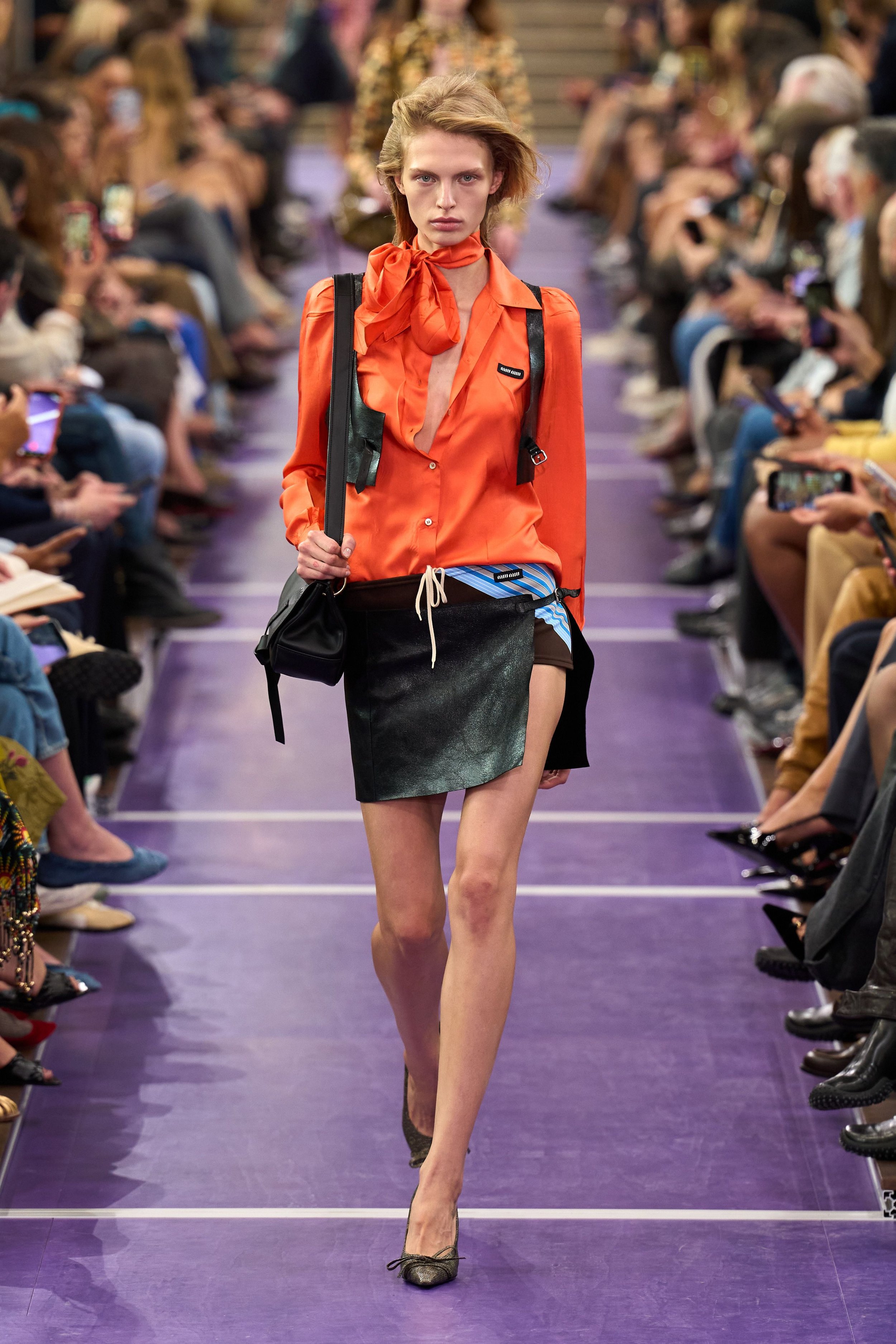
MIU MIU SS27

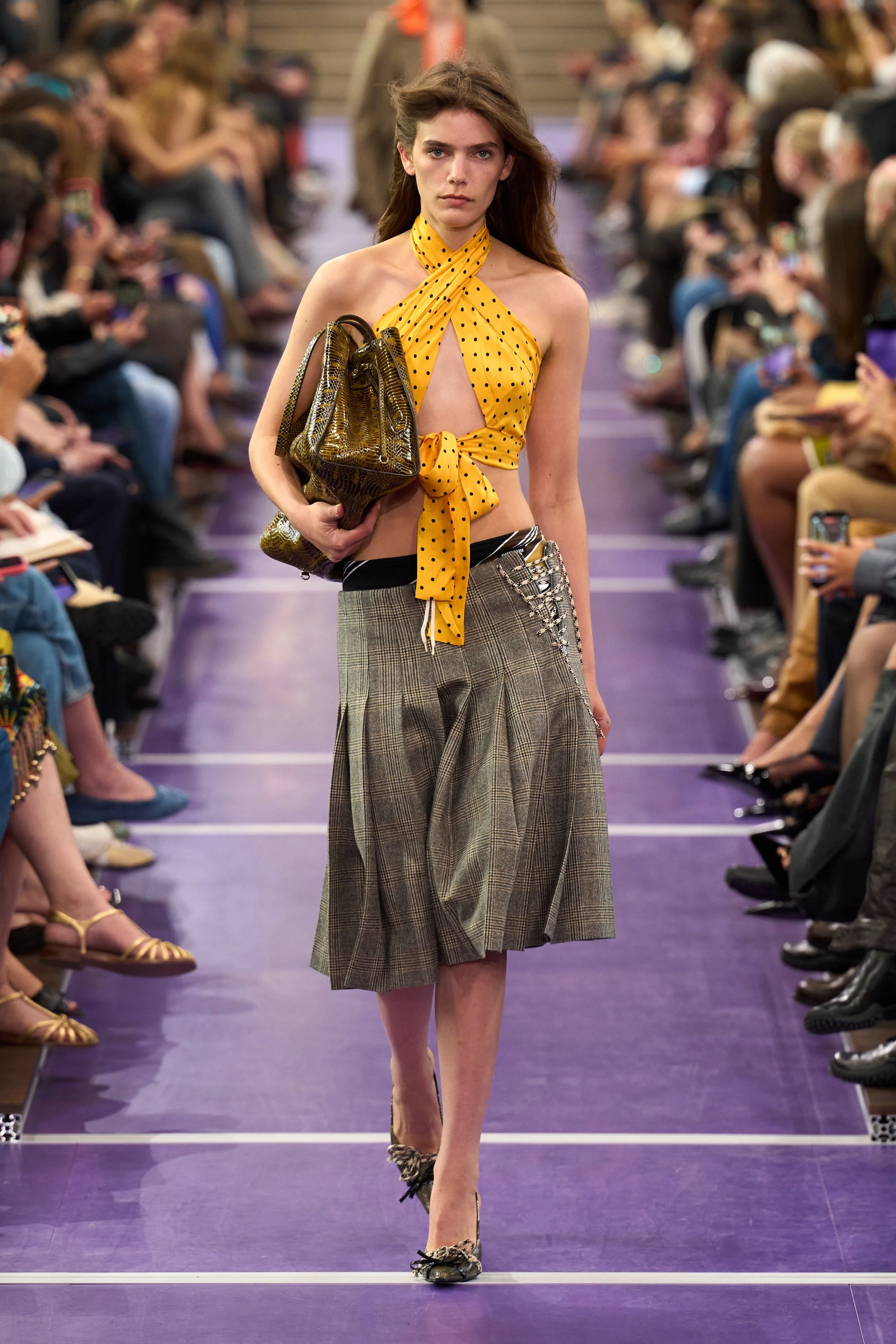
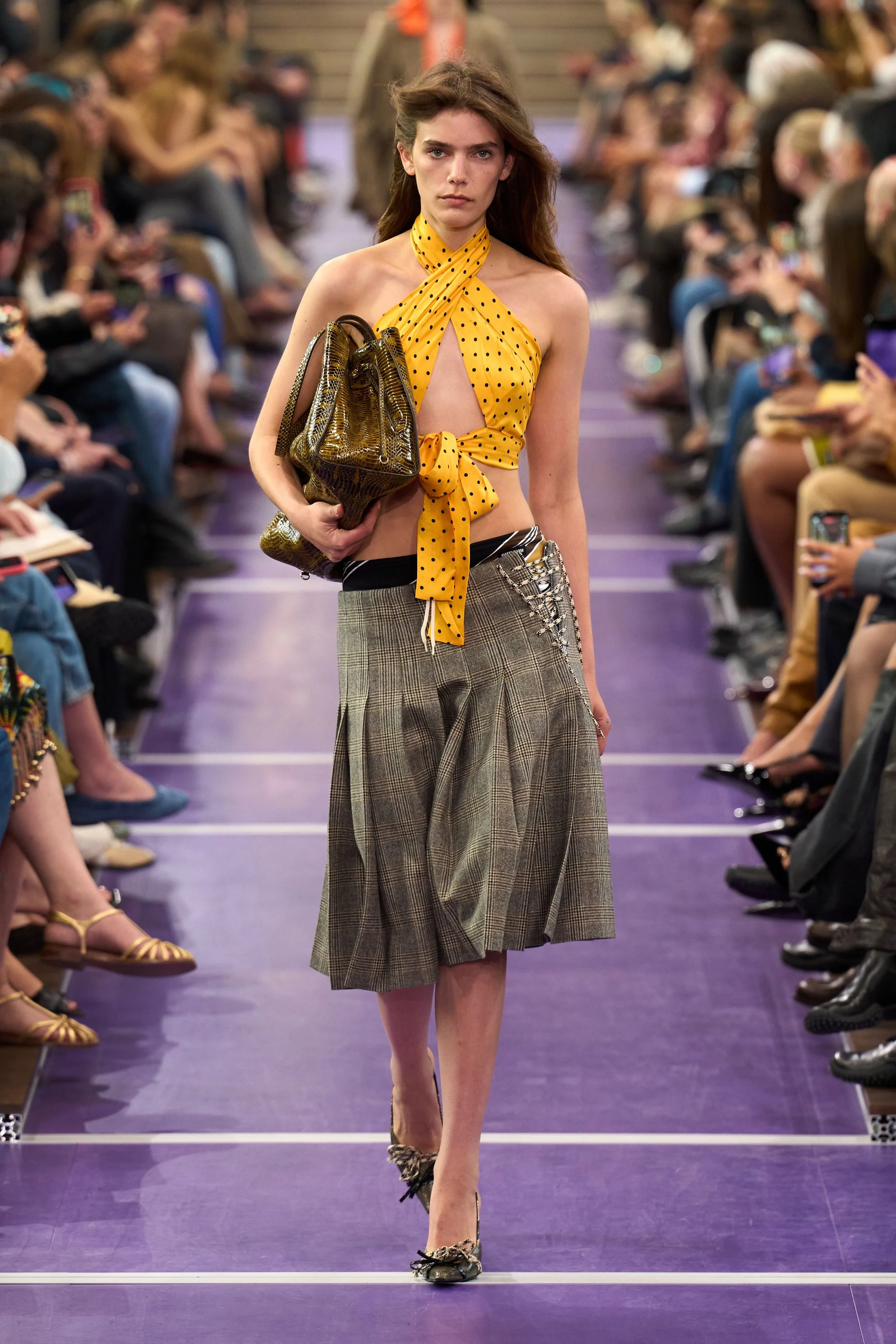
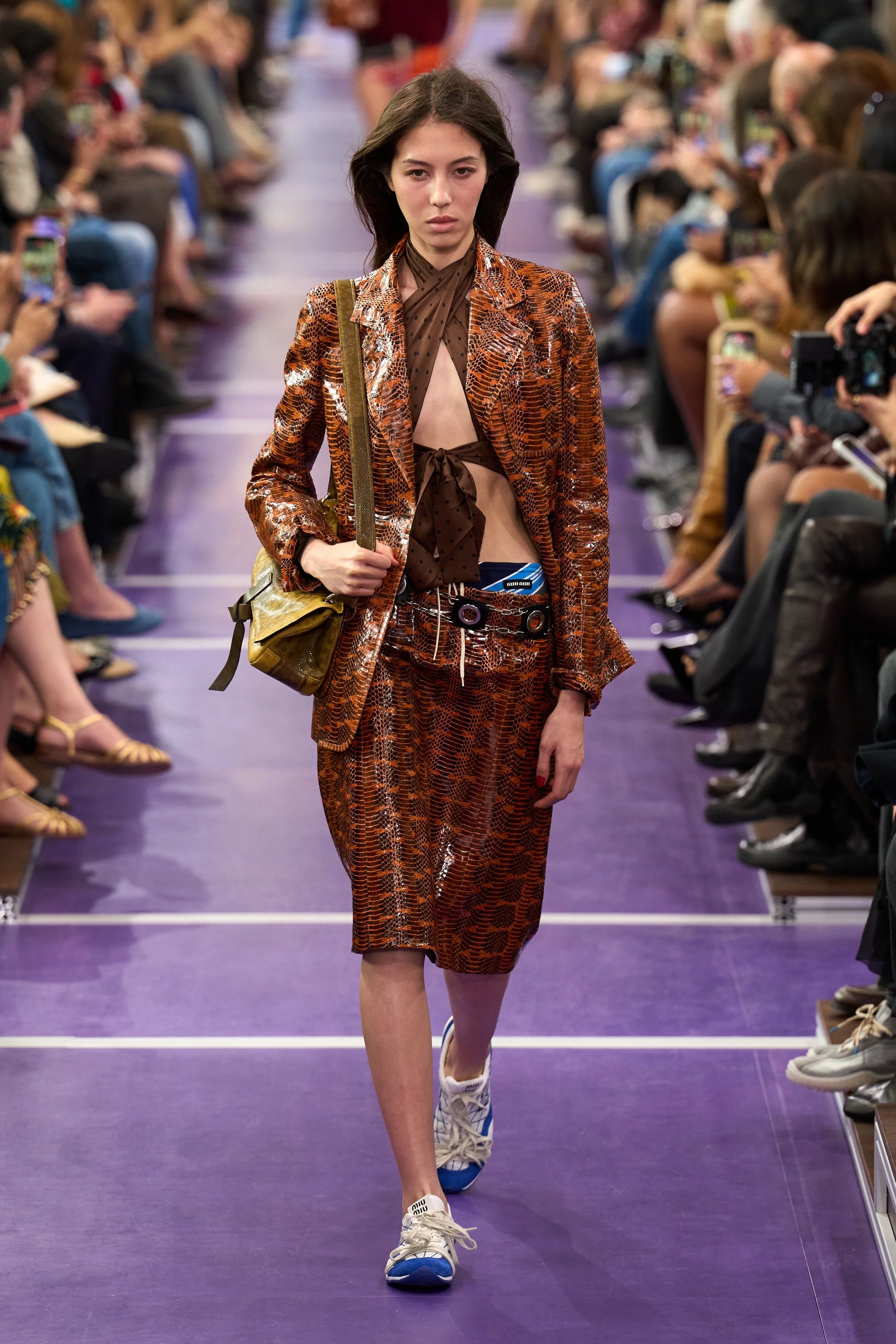
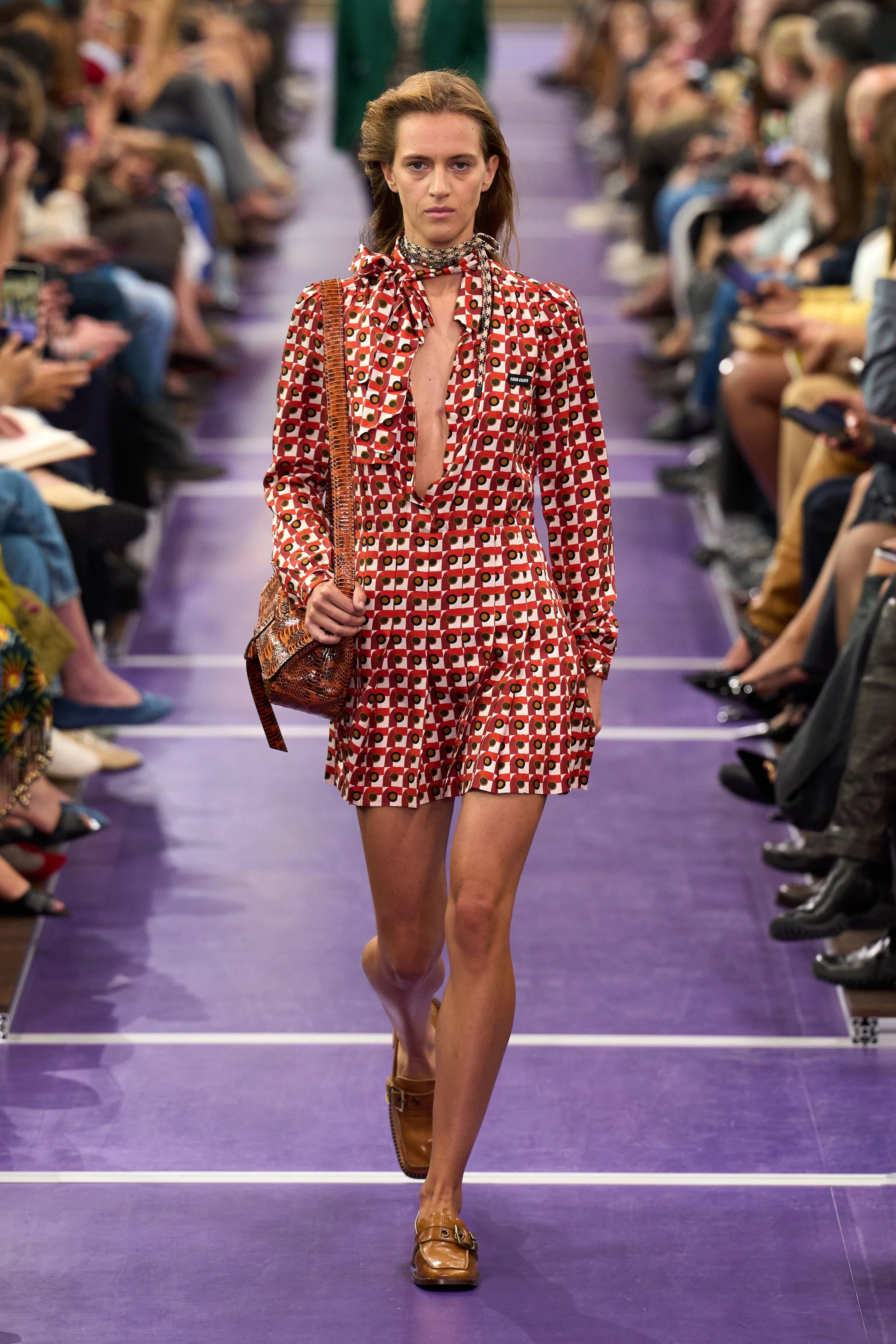
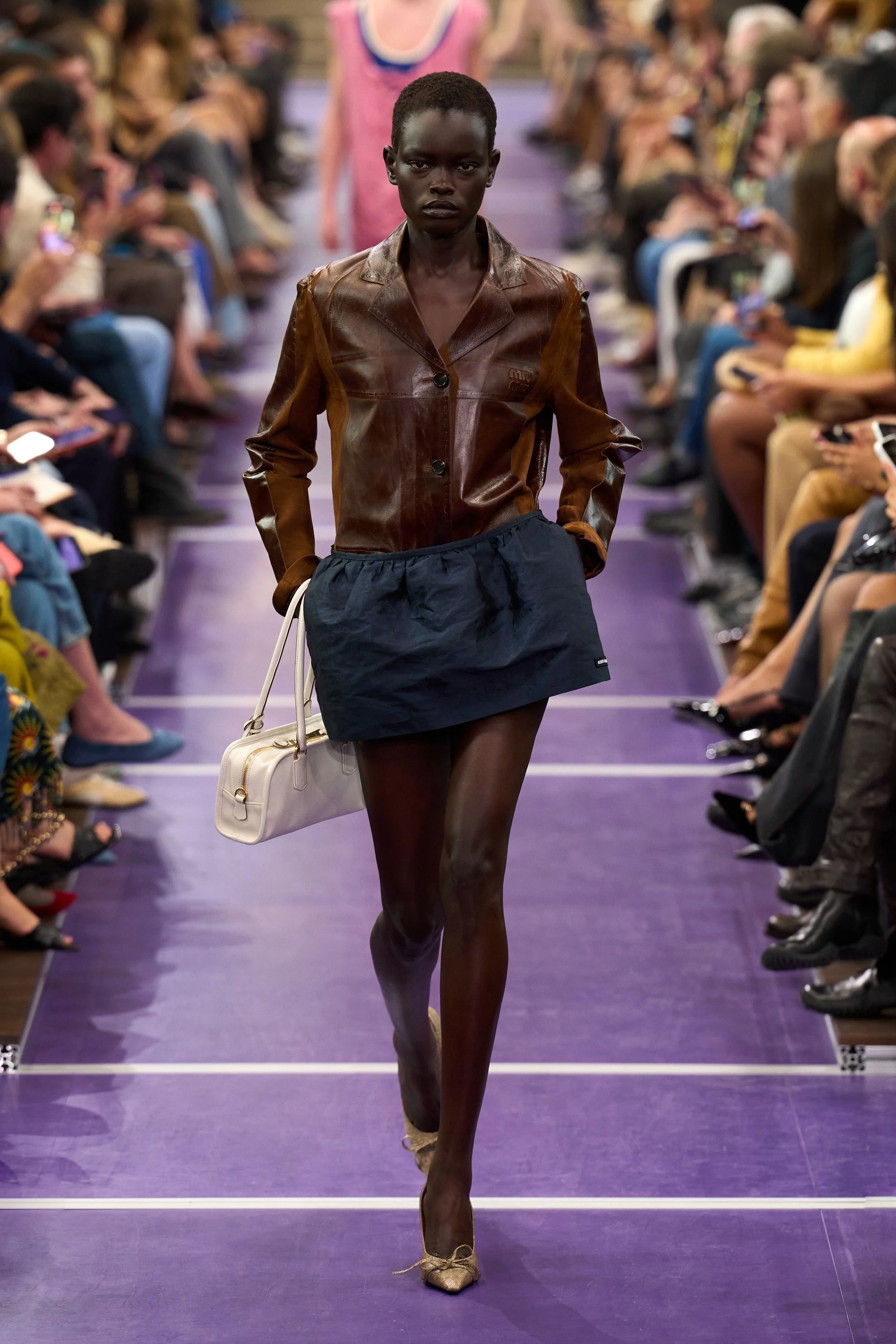
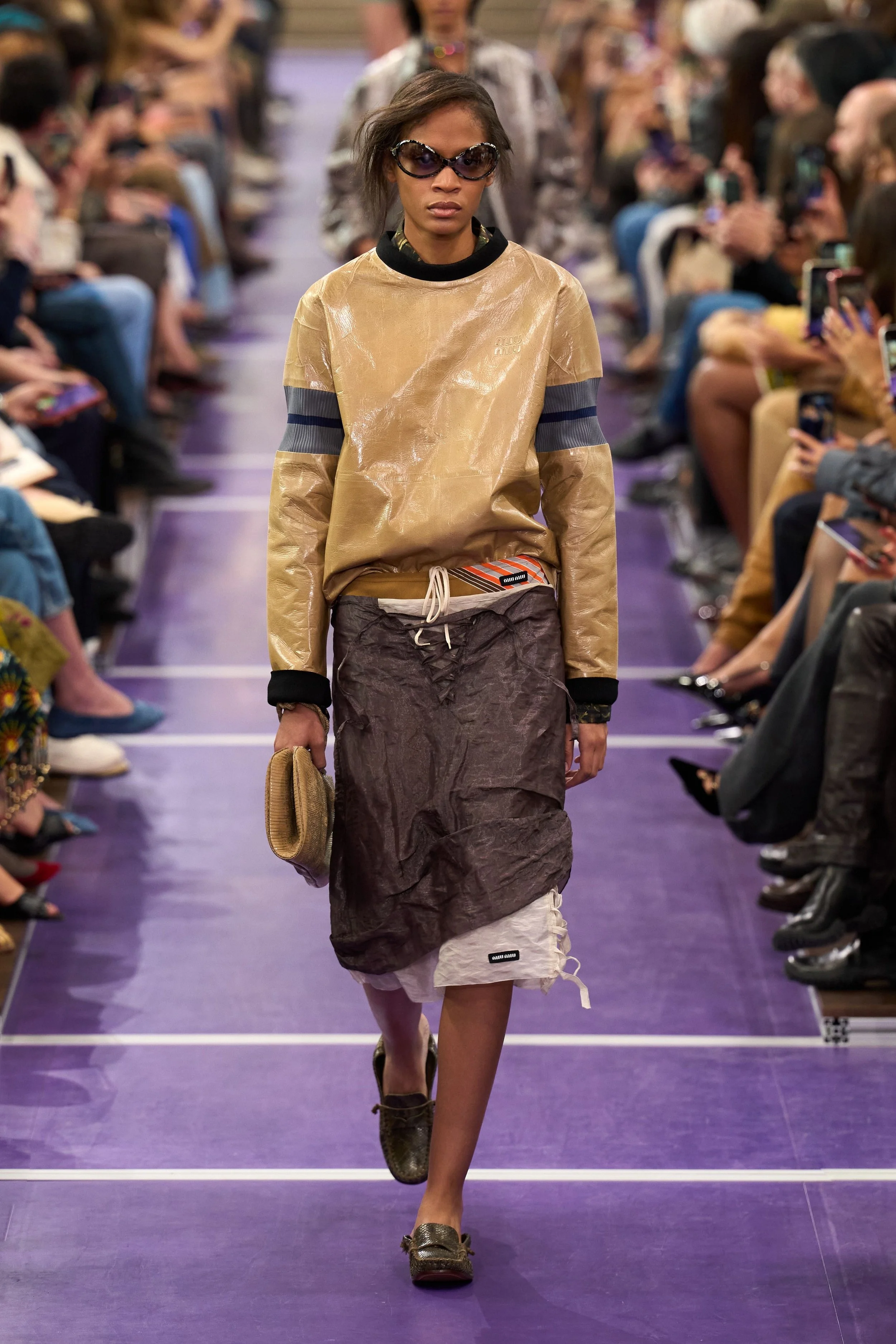
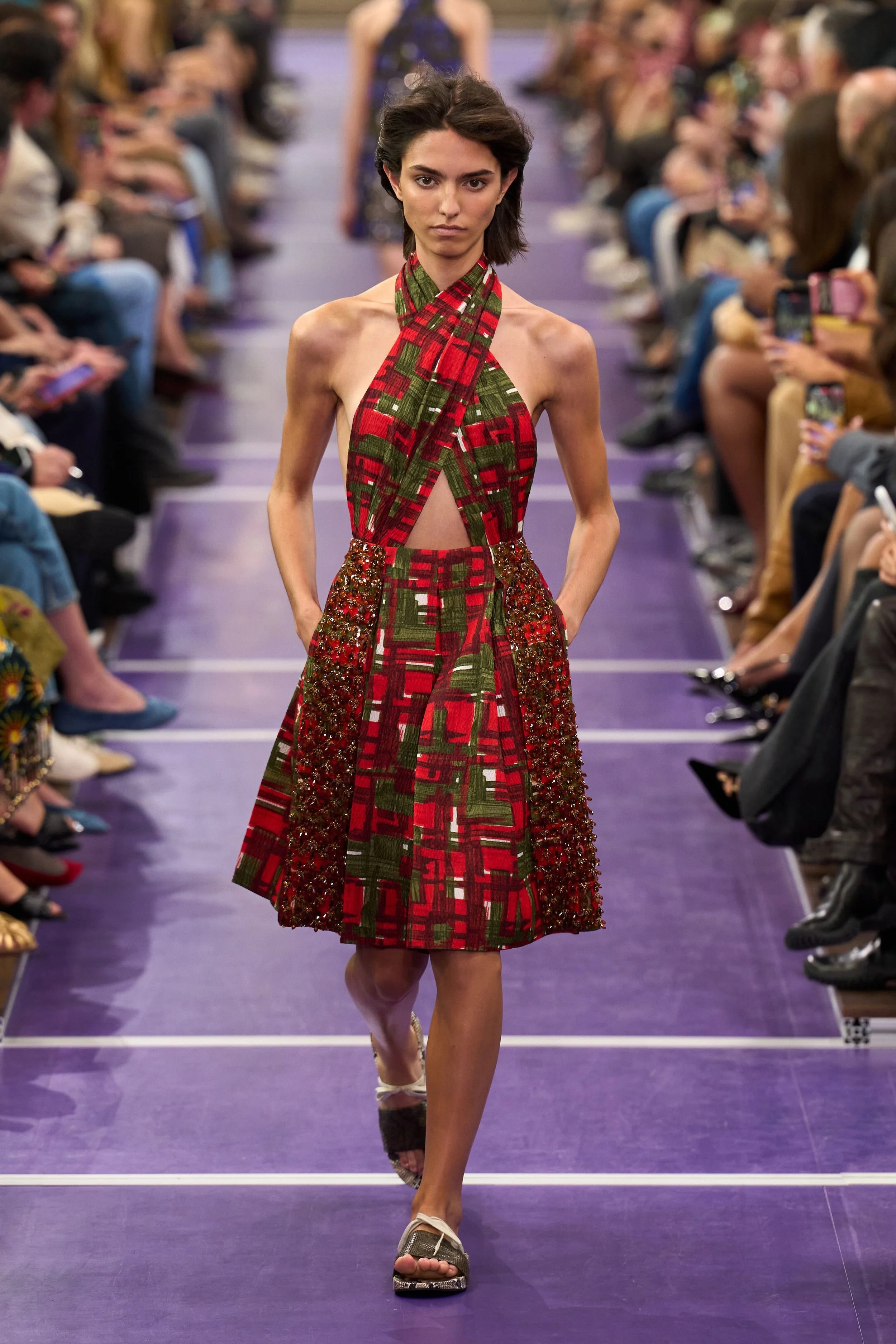
Plenty of fashion designers look to the future when creating, while others prefer to stare right into the past in search of inspiration. Miuccia Prada can do both, and both very well, but every now and then there is an opportunity for portraying the present, whatever that means in 2026, in her body of work. Mrs Prada’s Spring/Summer 2027 Miu Miu collection, “Here and Now,” is an exercise in just that.

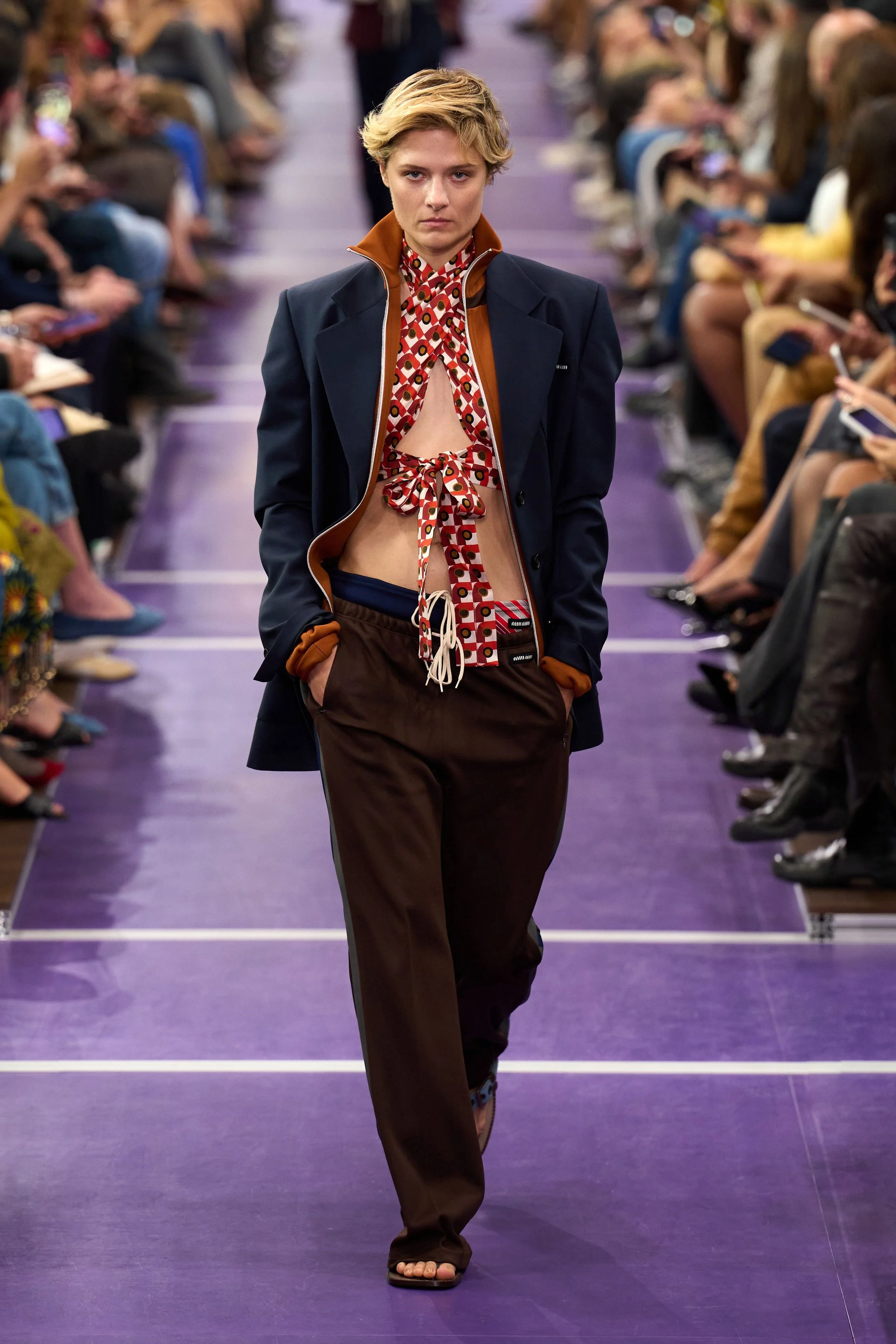
And what represents our contemporaneity better than mixing, remixing, referencing, and self-referencing the way we wear clothes? In the form of 75 looks showcased on a royal purple catwalk set at the Parisian Palais D’Iéna, Mrs Prada proposed a closer encounter with our current, daily garments, so they could be recontextualised and elevated or improved; “an ambition to do better,” as explained in the show notes.

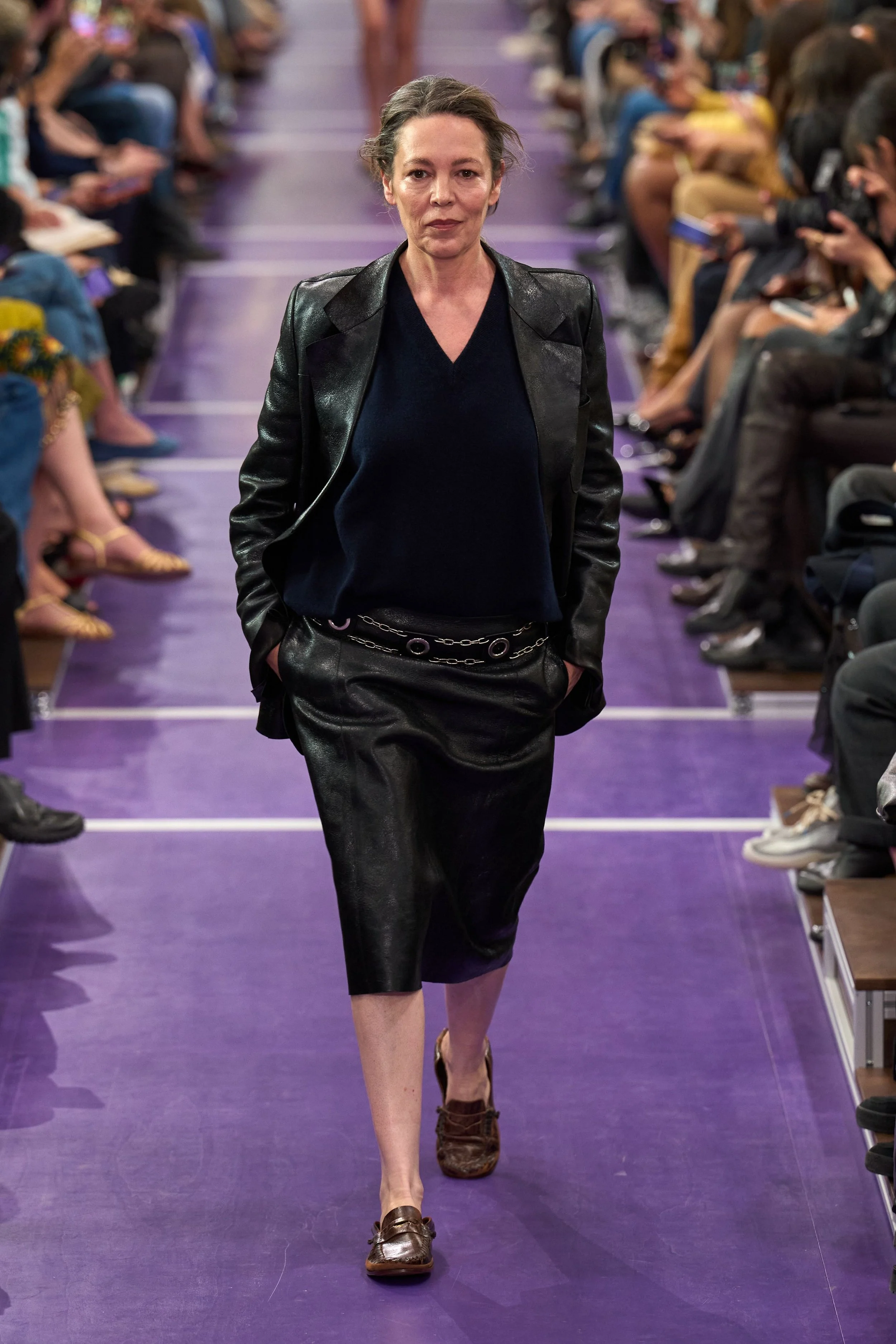
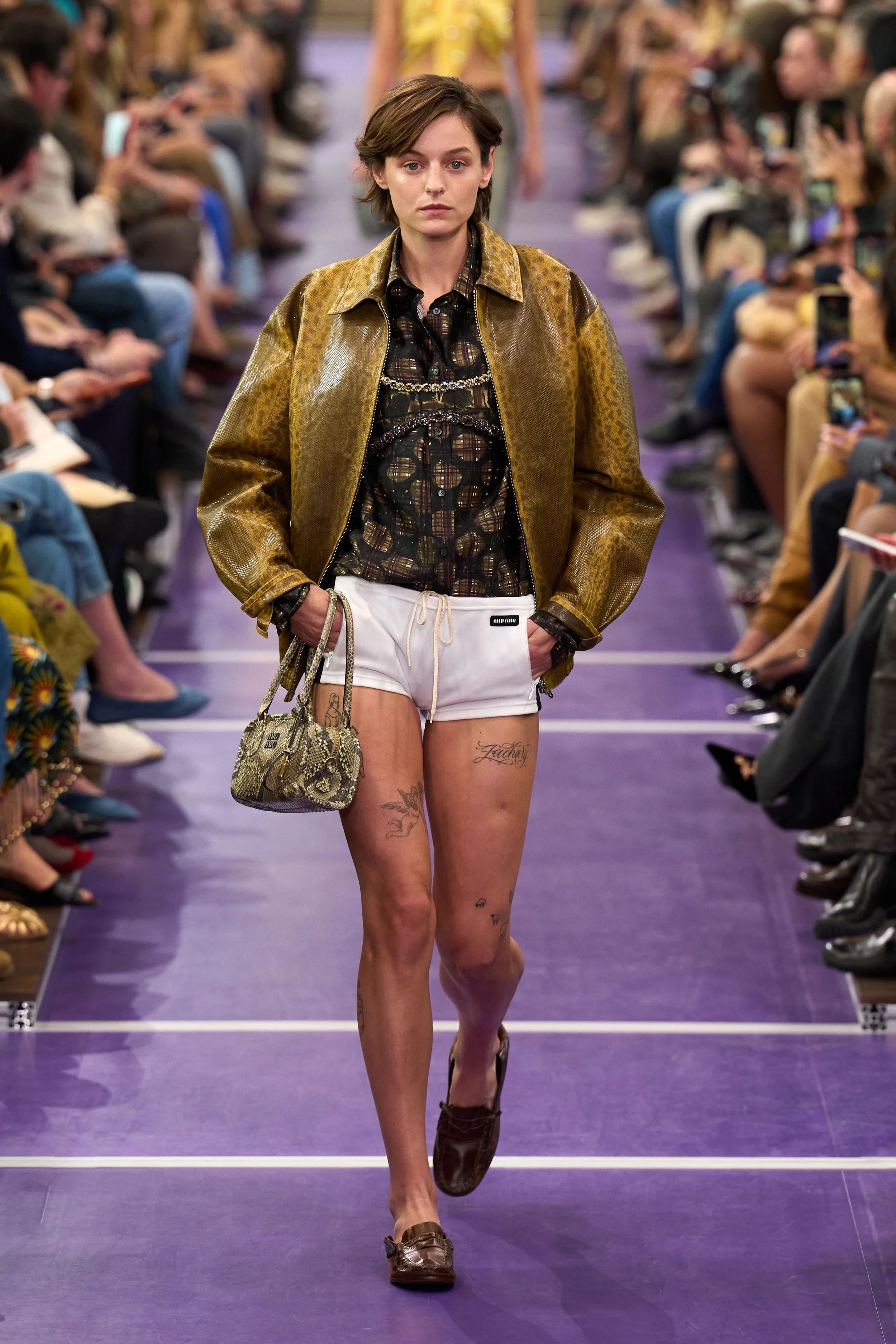
SS27 was eye candy for any Miu Miu aficionado, this writer included. Not just for its typically star-studded cast, which this year had Emma Corrin, Noah Jupe, Jamie Bell, and even Olivia Colman walk the show, but also for the range of key label codes that could be spotted, always used in a current way.

Zooming out, the collection was a blend of the classics – athleisure and sportswear, knits and vintage-looking items, leather and denim – with the regal: crystal embellishments, embroidered eveningwear, blouses, tailored suiting. Opposites that attract and evolve under Miuccia Prada’s Midas touch, creating something new.

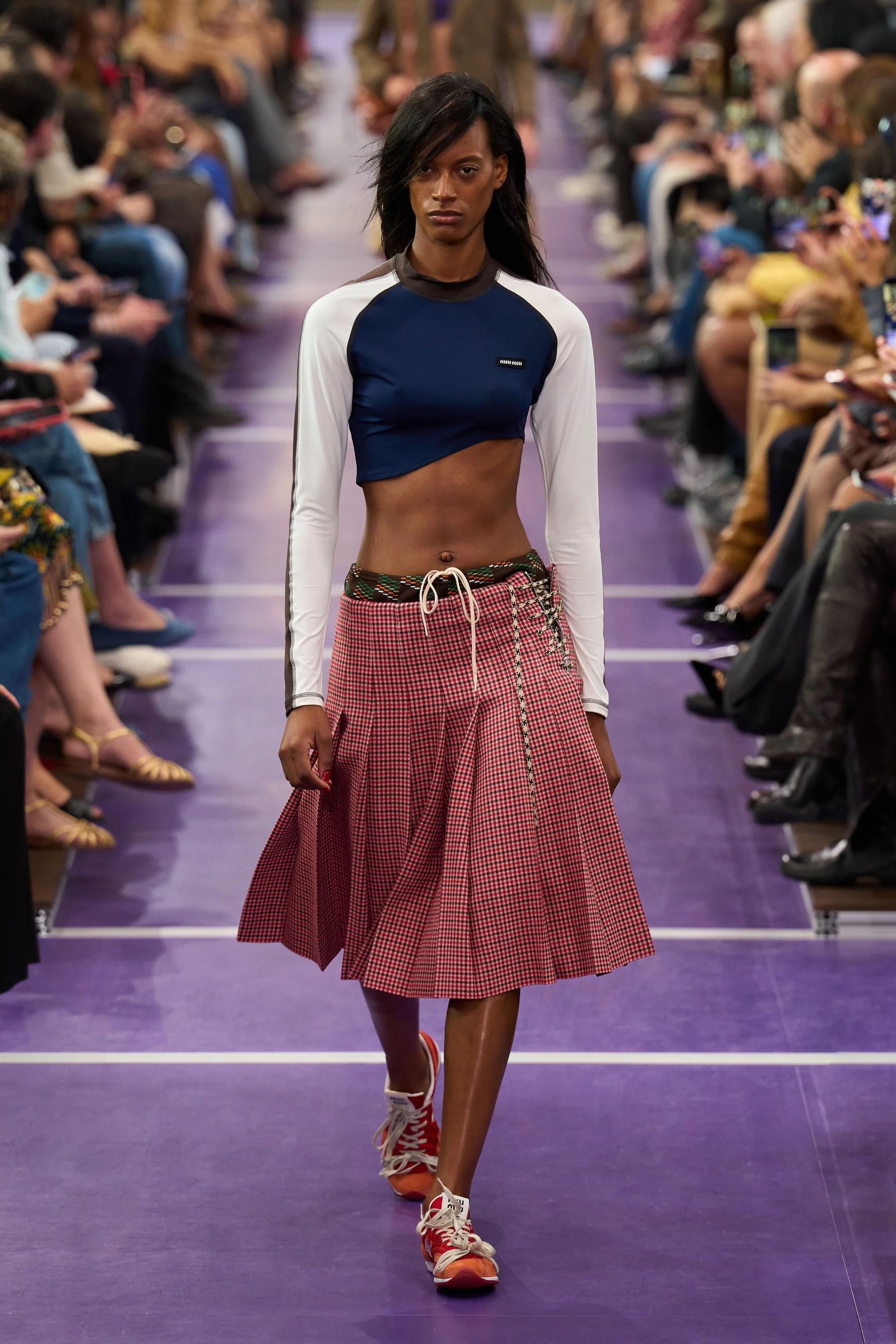
Up close, elements such as the shoelaces, introduced initially during Spring/Summer 2024, are revisited and now spotted as denim detailing, skirts, dresses, and shoe fastenings, crossed and tied for a practical yet decorative and changeable effect.

In a collaboration with American denim brand Wrangler, heritage denim was reworked and upcycled, acknowledging circularity. Regarding both teaming up and shoelaces, SS27 also debuted the RC150 racing sneaker, marking Miu Miu’s fifth footwear partnership with New Balance.

Straight from the archives and redesigned for our day, age, and craving for a good brand revival were the geometric prints seen everywhere from blazer jackets, wrapped and cropped tops to swim trunks and criss-crossed halter dresses, referencing past collections such as Fall/Winter 2004, 2012, and 2015. Suede pieces were waxed and meant to crease, crack, and age over time, similar to the leather displayed during Spring/Summer 2026, intentionally crafted to seem lived in.

Bug-eye, oversized sunglasses gently nodded to Spring/Summer 2008, while chunky, crystal embellishments, another Miu Miu signature, this time appeared embroidered on the straps of silk tops and incorporated into more sporty silhouettes, also decorating babydoll mini dresses and pleated skirts.

On the theme of skirts, they’ve been all over Mrs Prada’s mind recently, as you might have heard. After this season’s Prada show in Milan, five different combos of pleated, knee-length plaid skirts opened SS27 at Miu Miu, with various other versions of the garment featured along the way. Expect to see them more often in everyday life; no one understands the concepts of here and now better than Miuccia Prada.


Words by Ketlyn Araujo

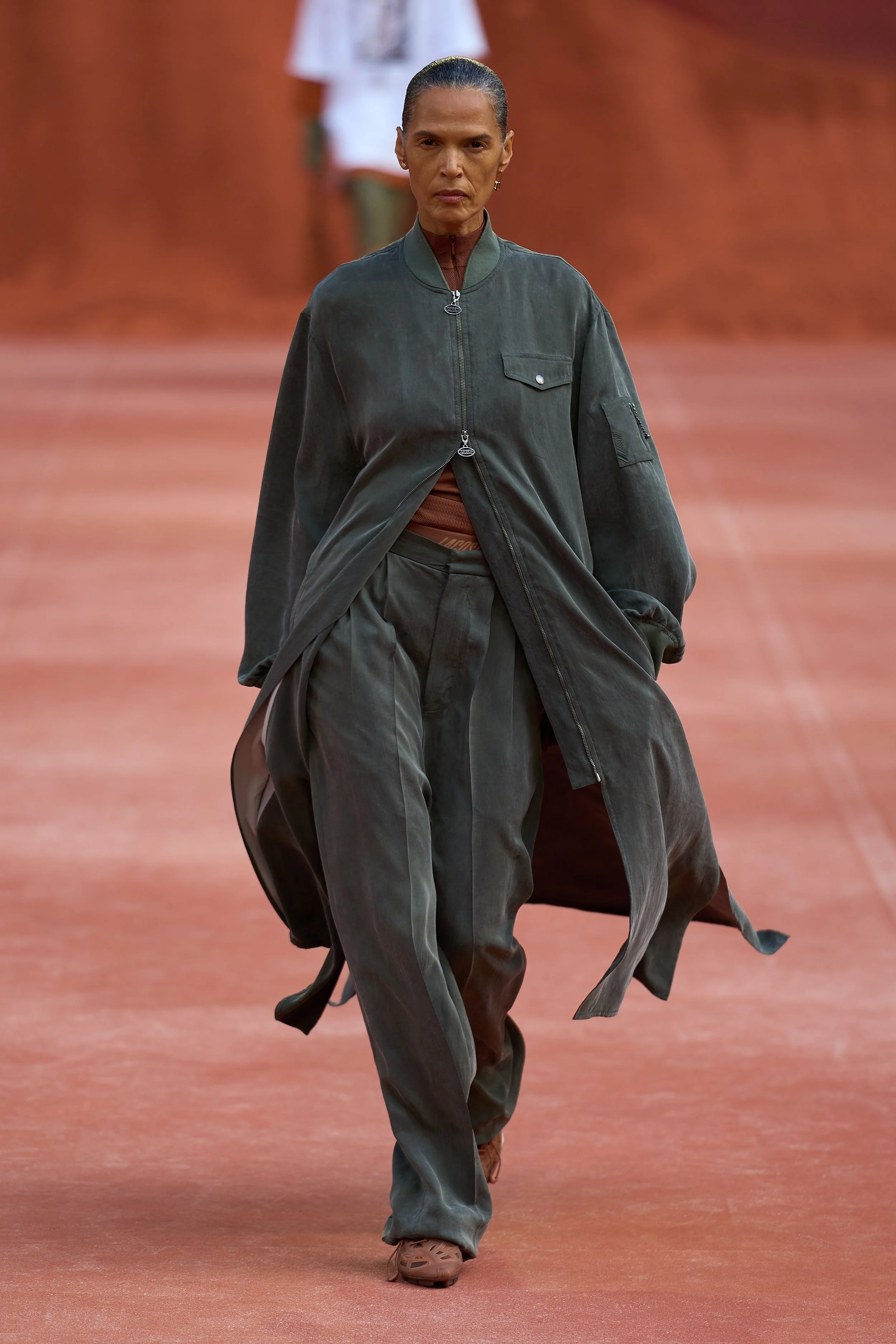
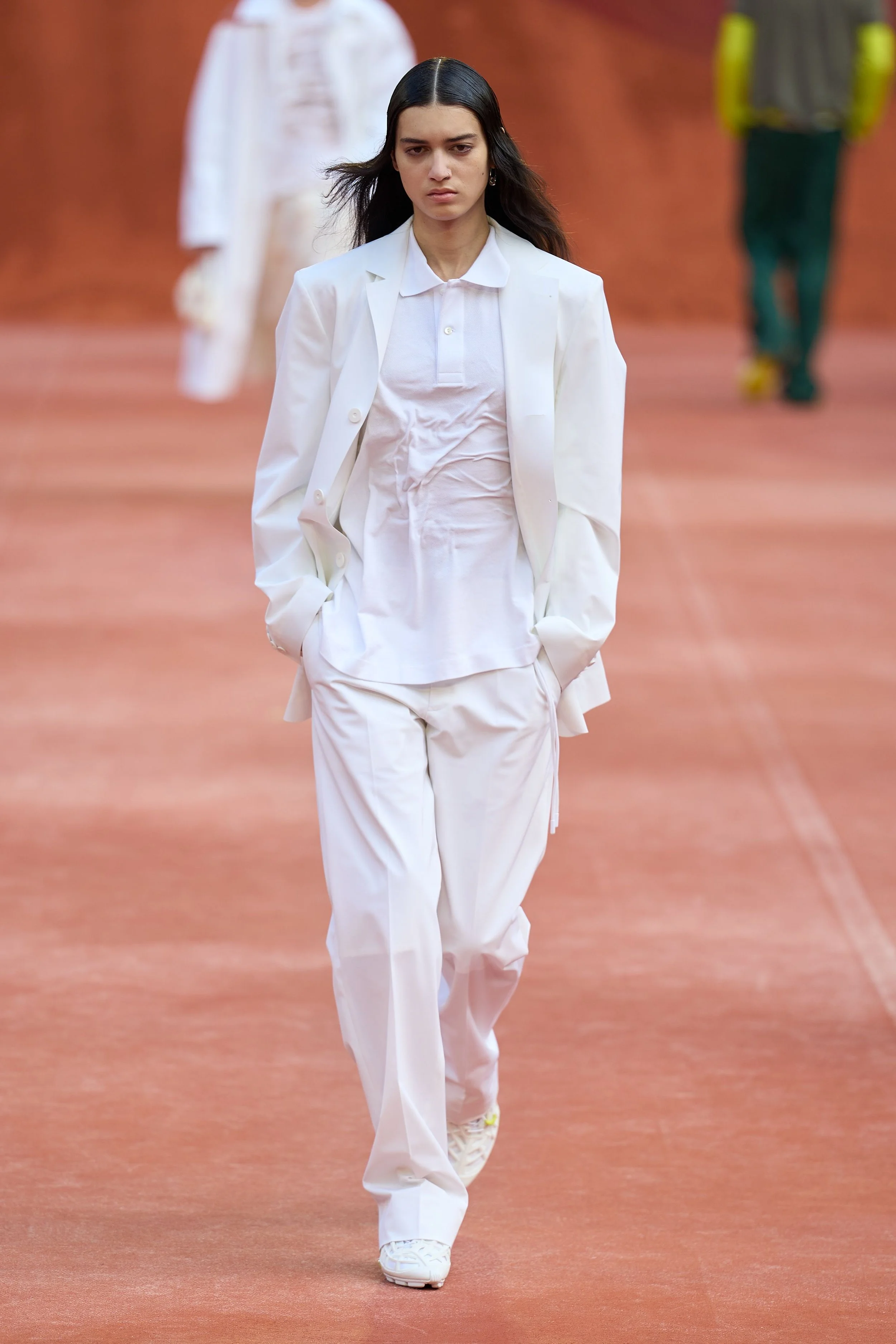
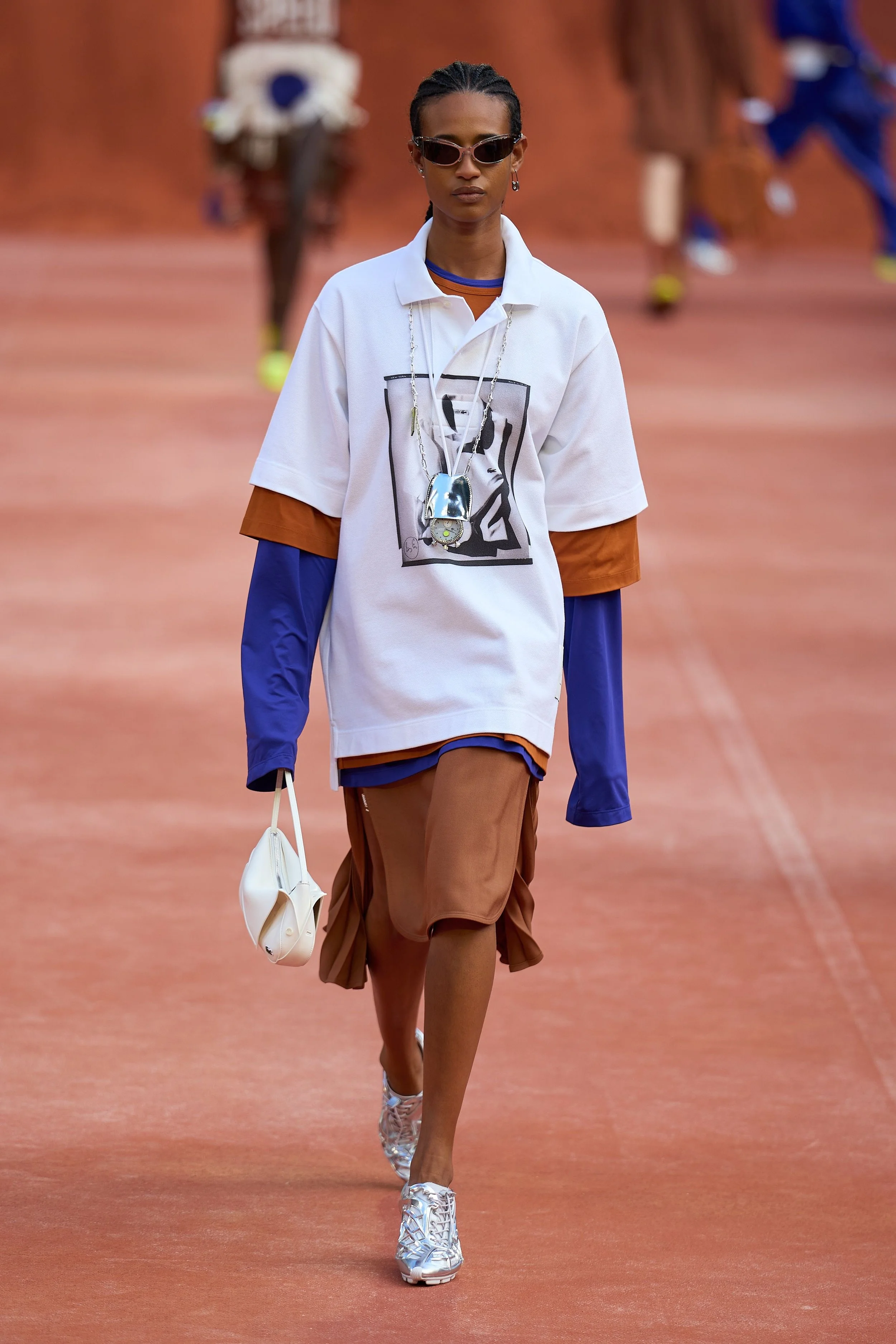
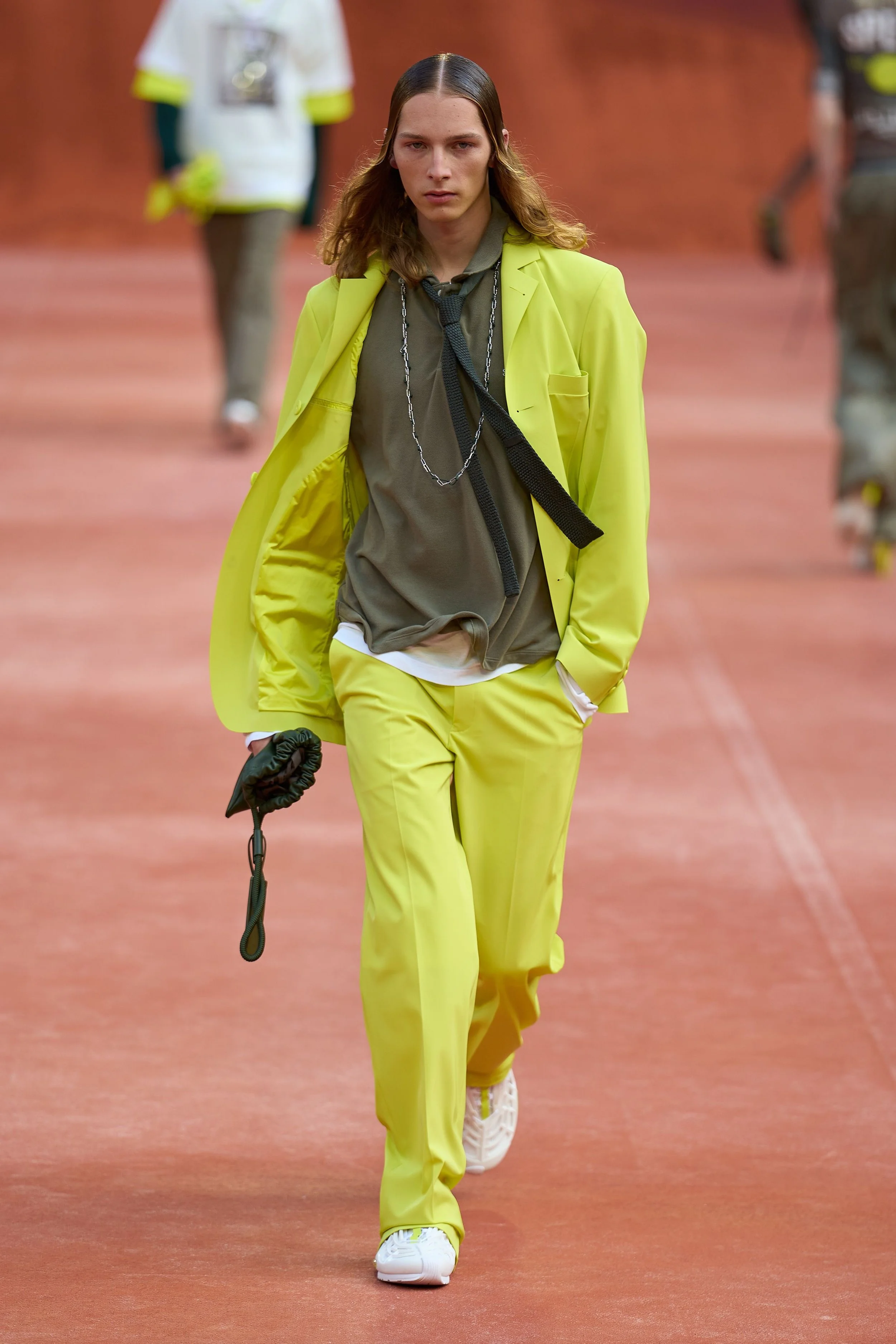
LACOSTE SS27

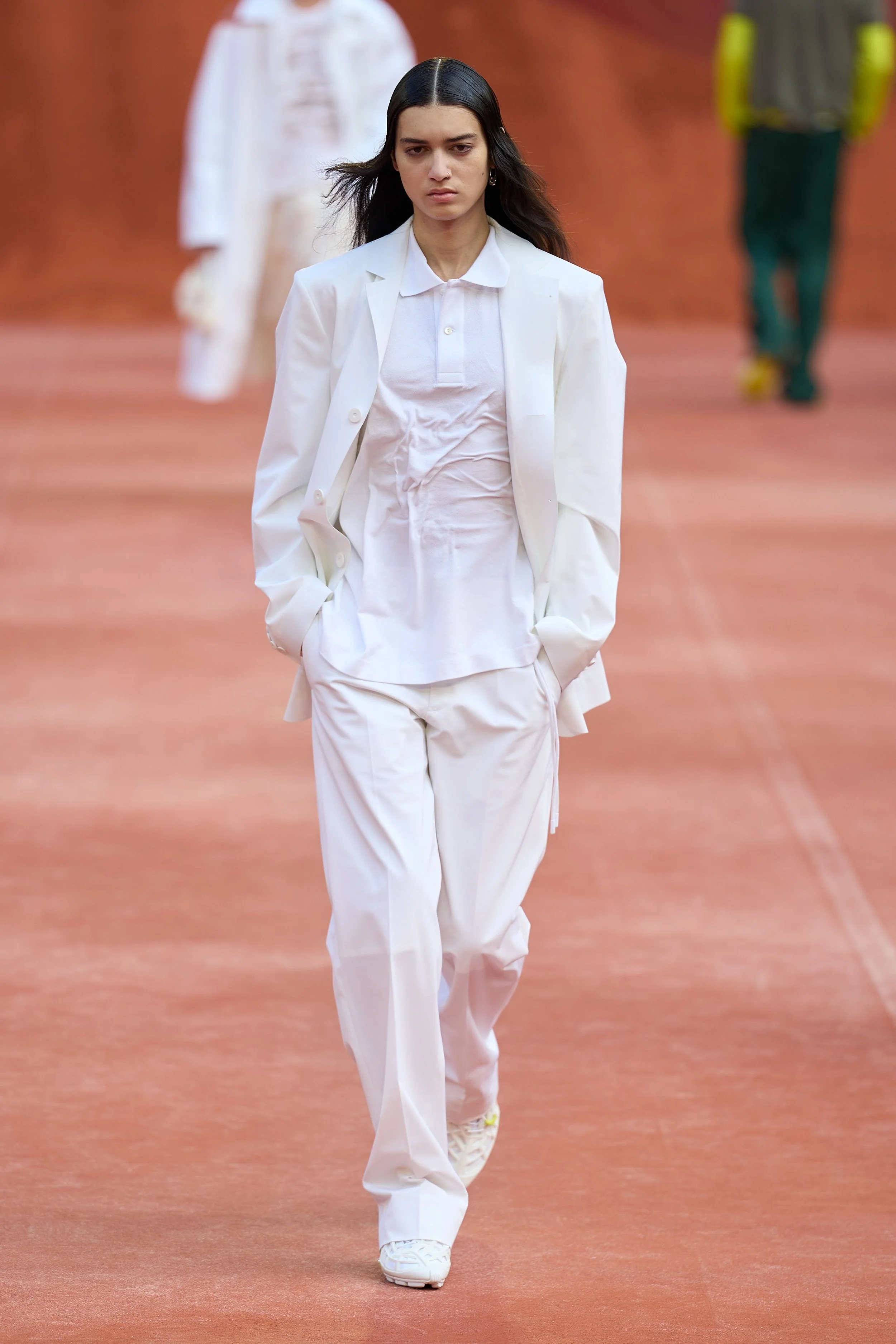
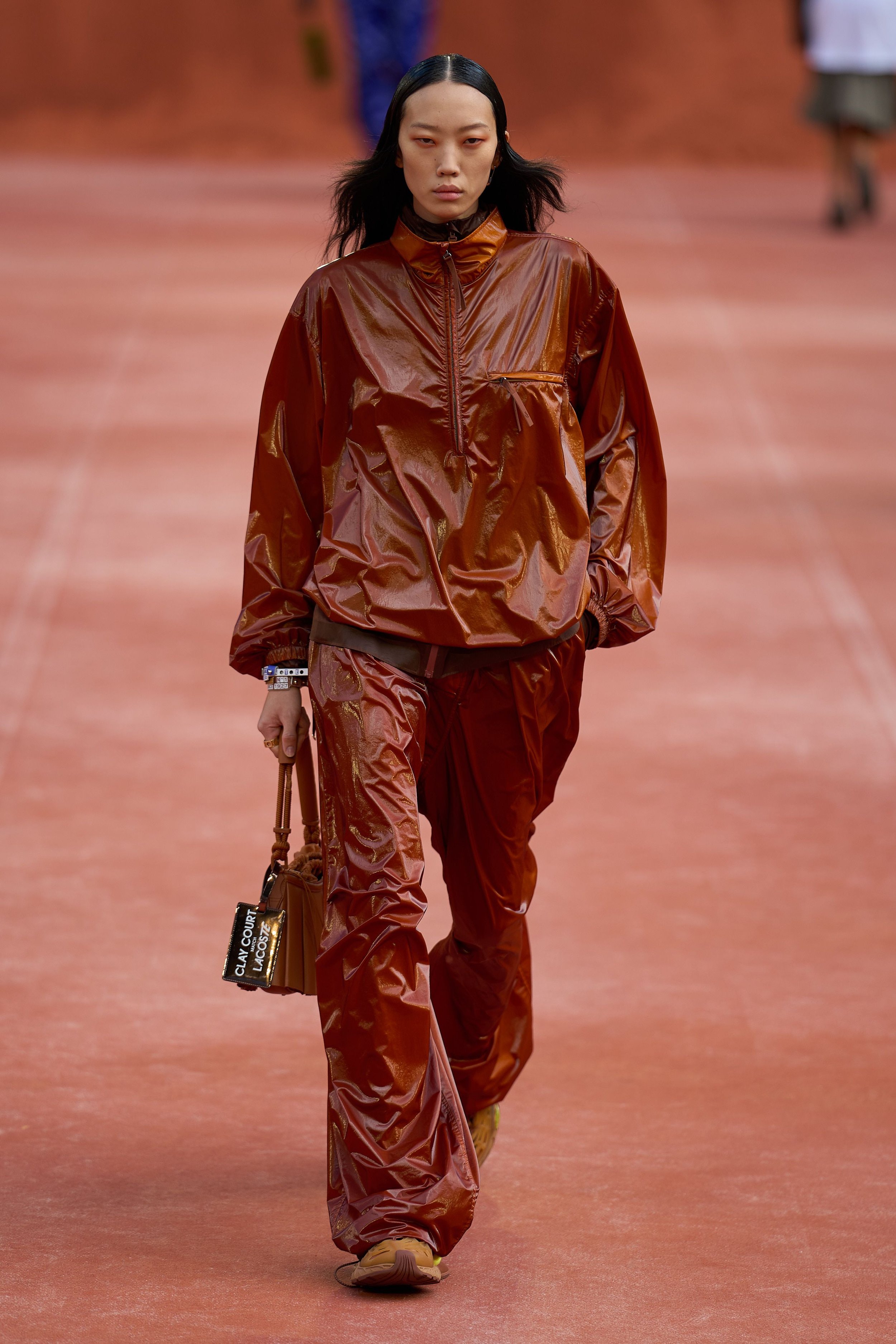
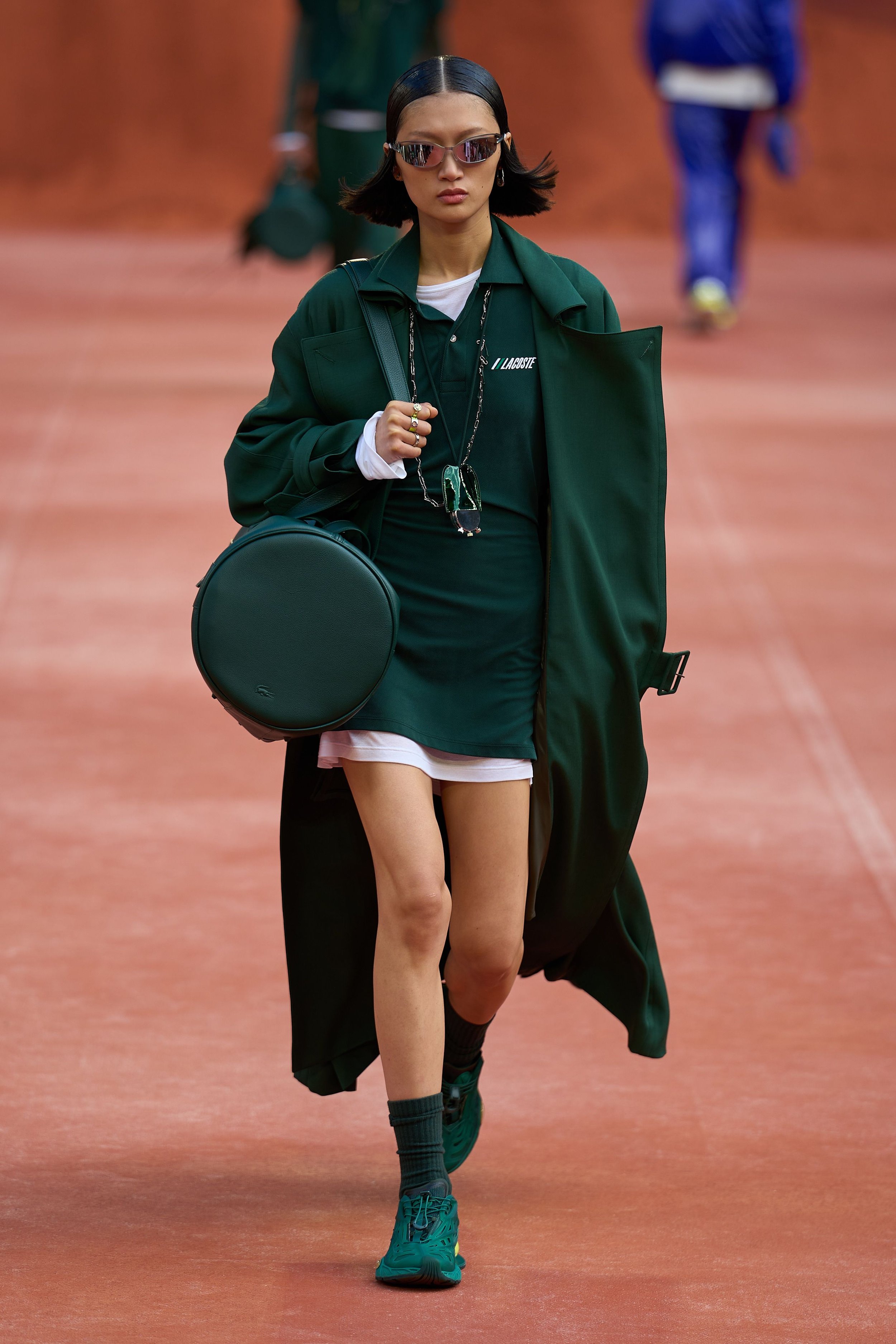
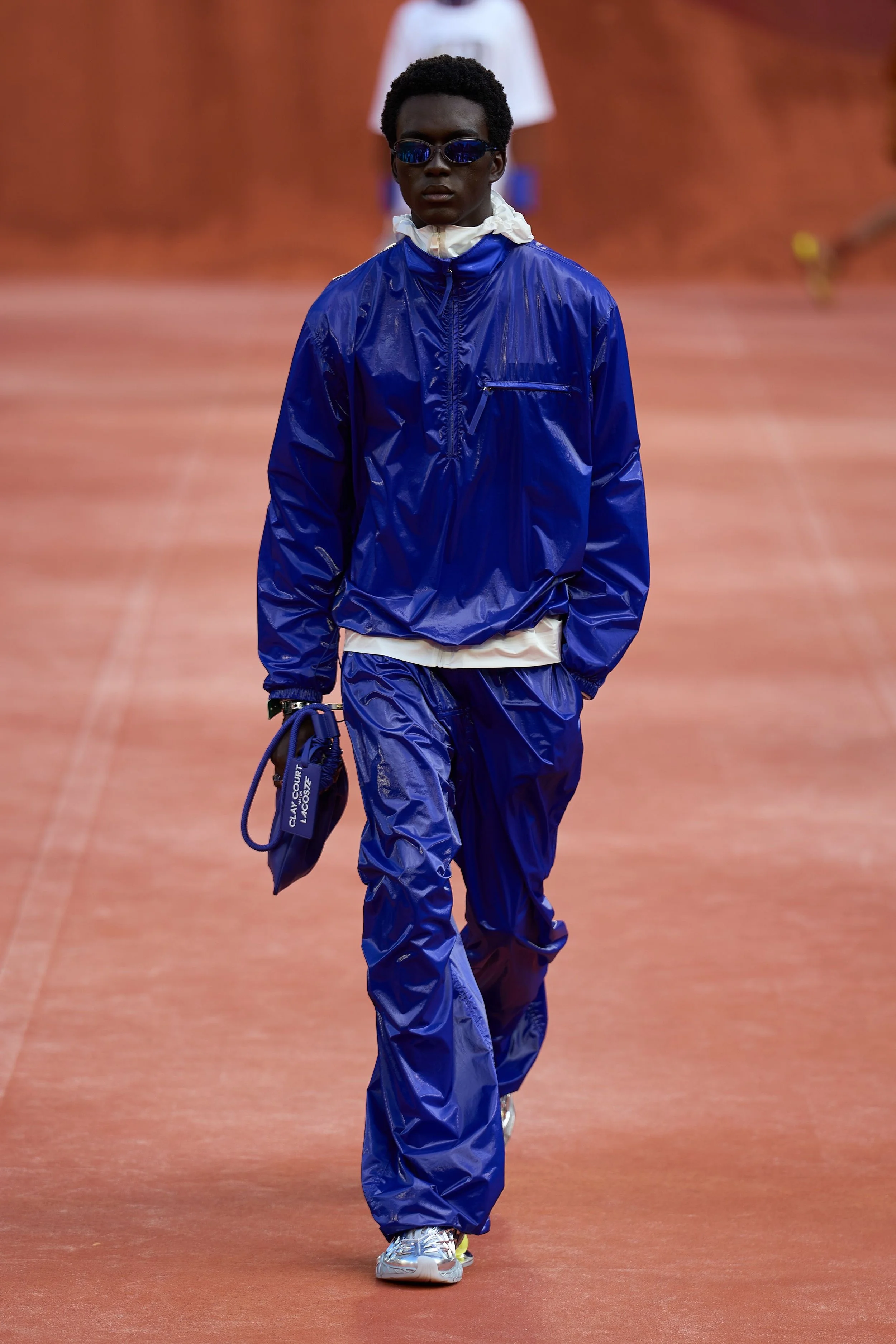
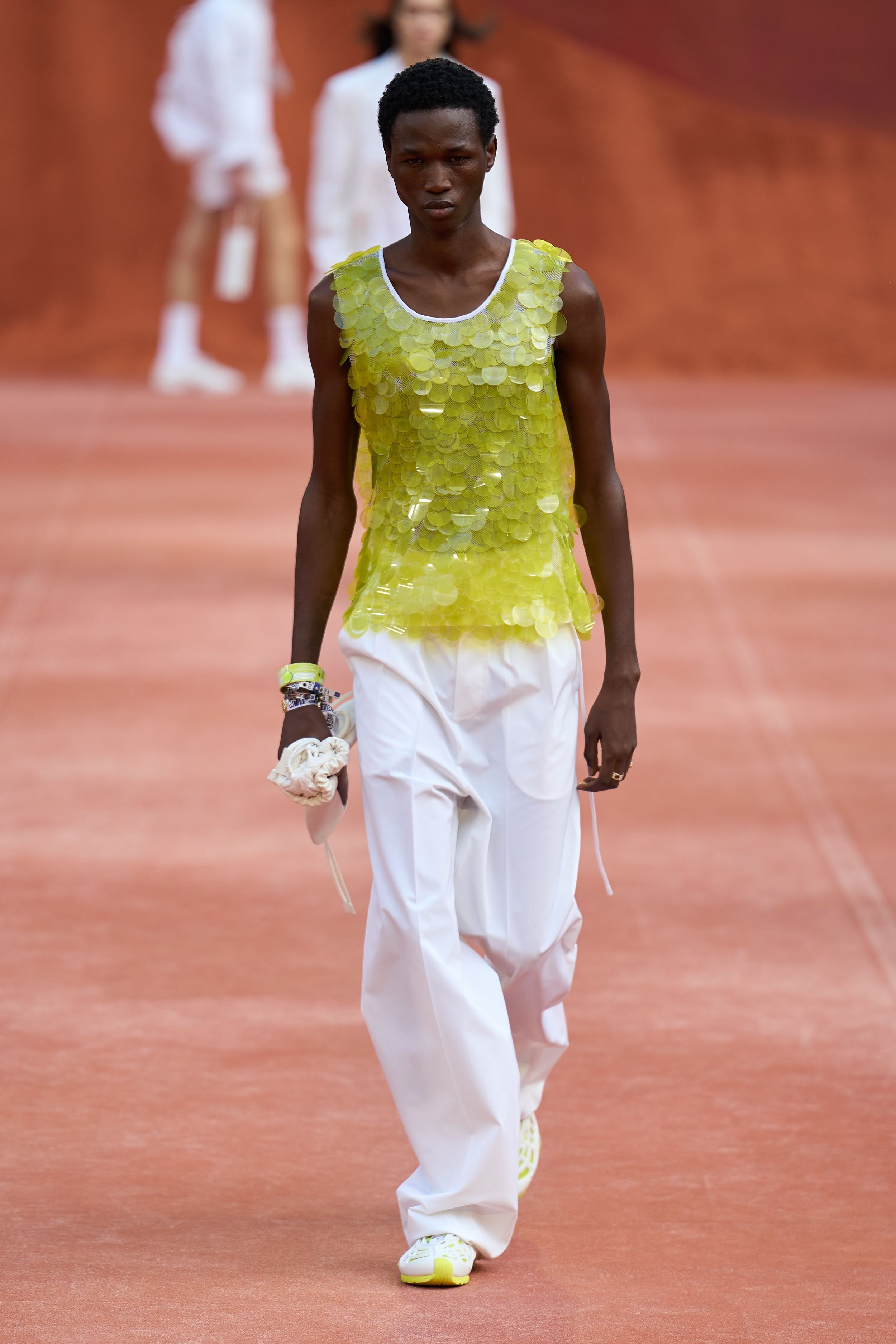
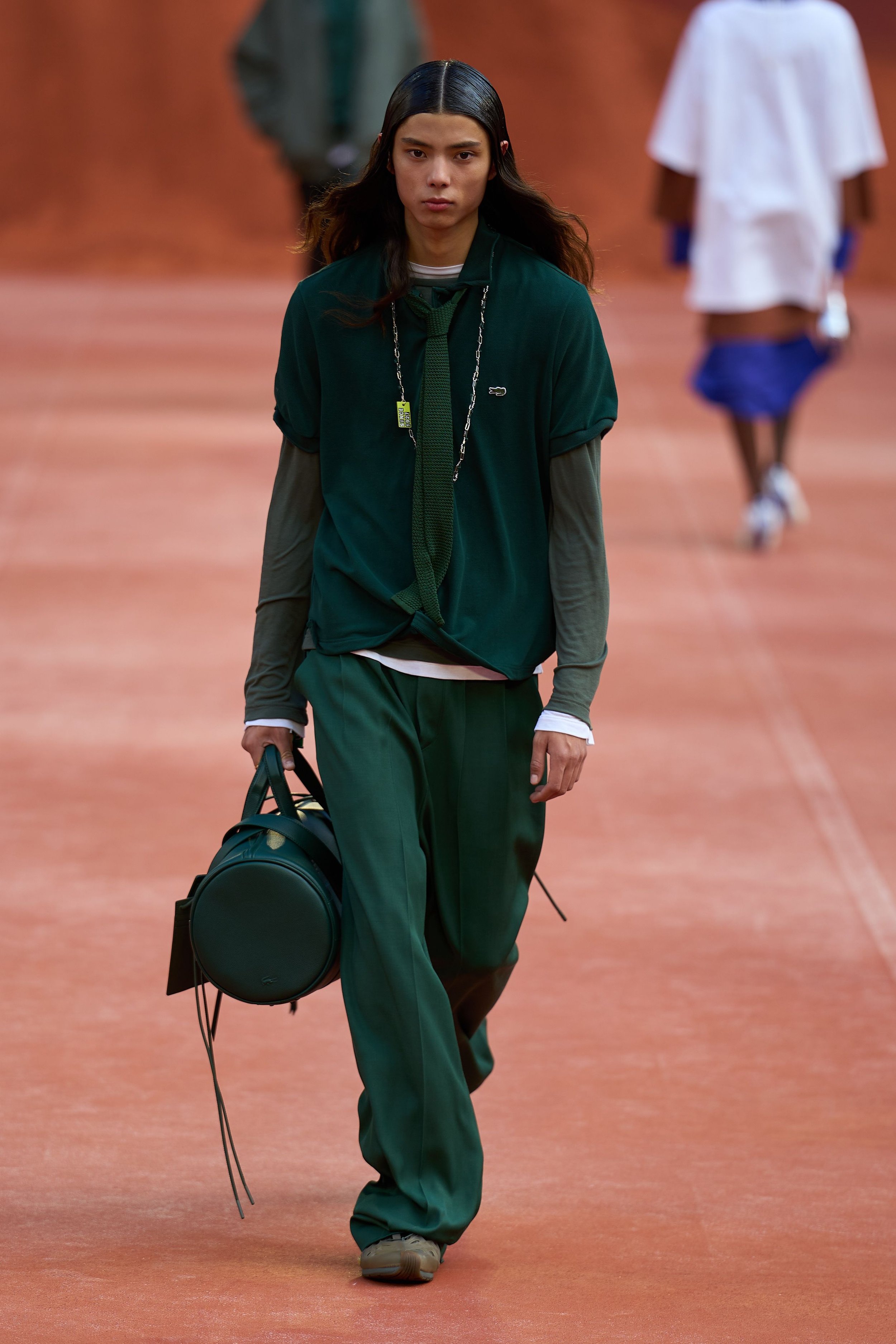
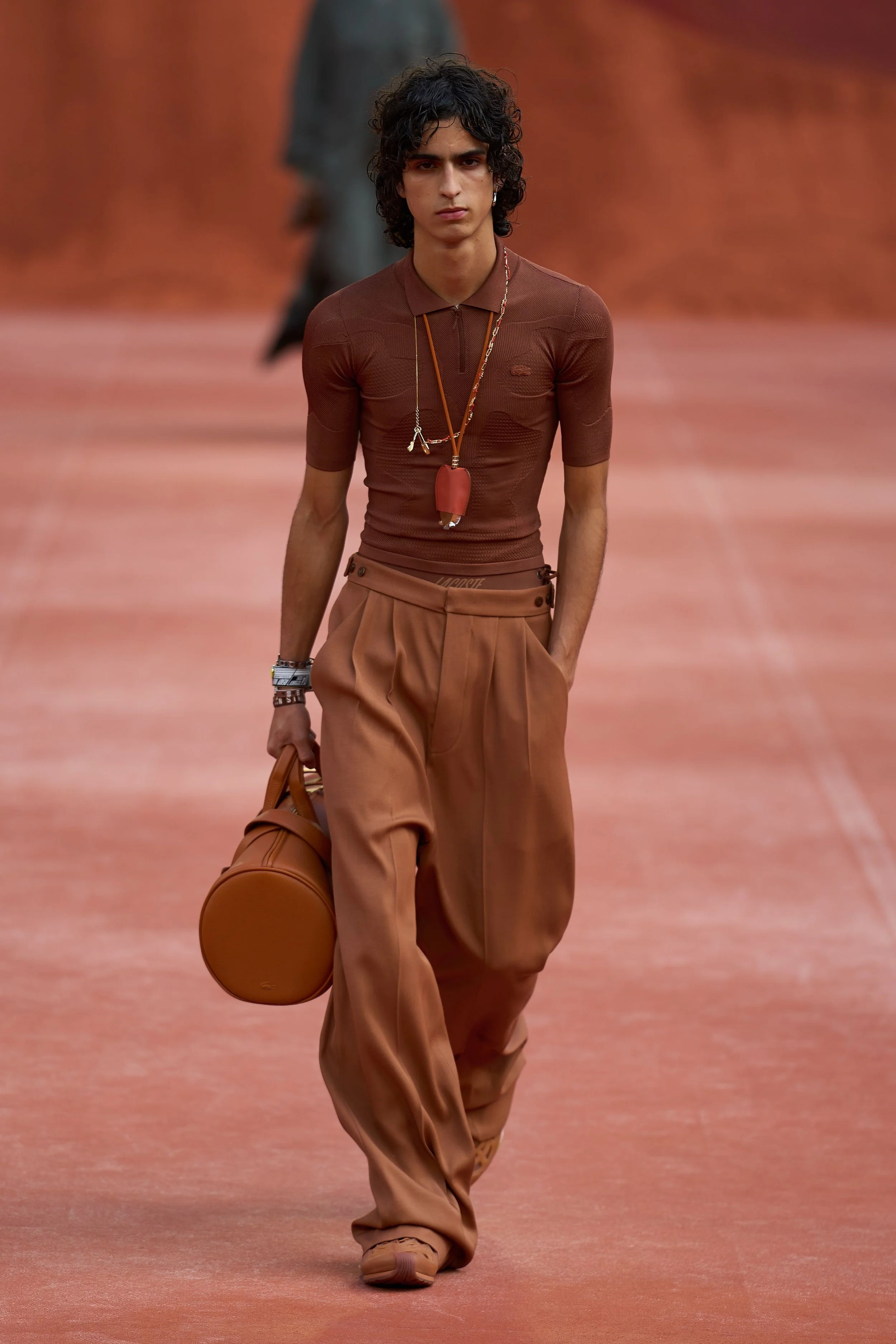
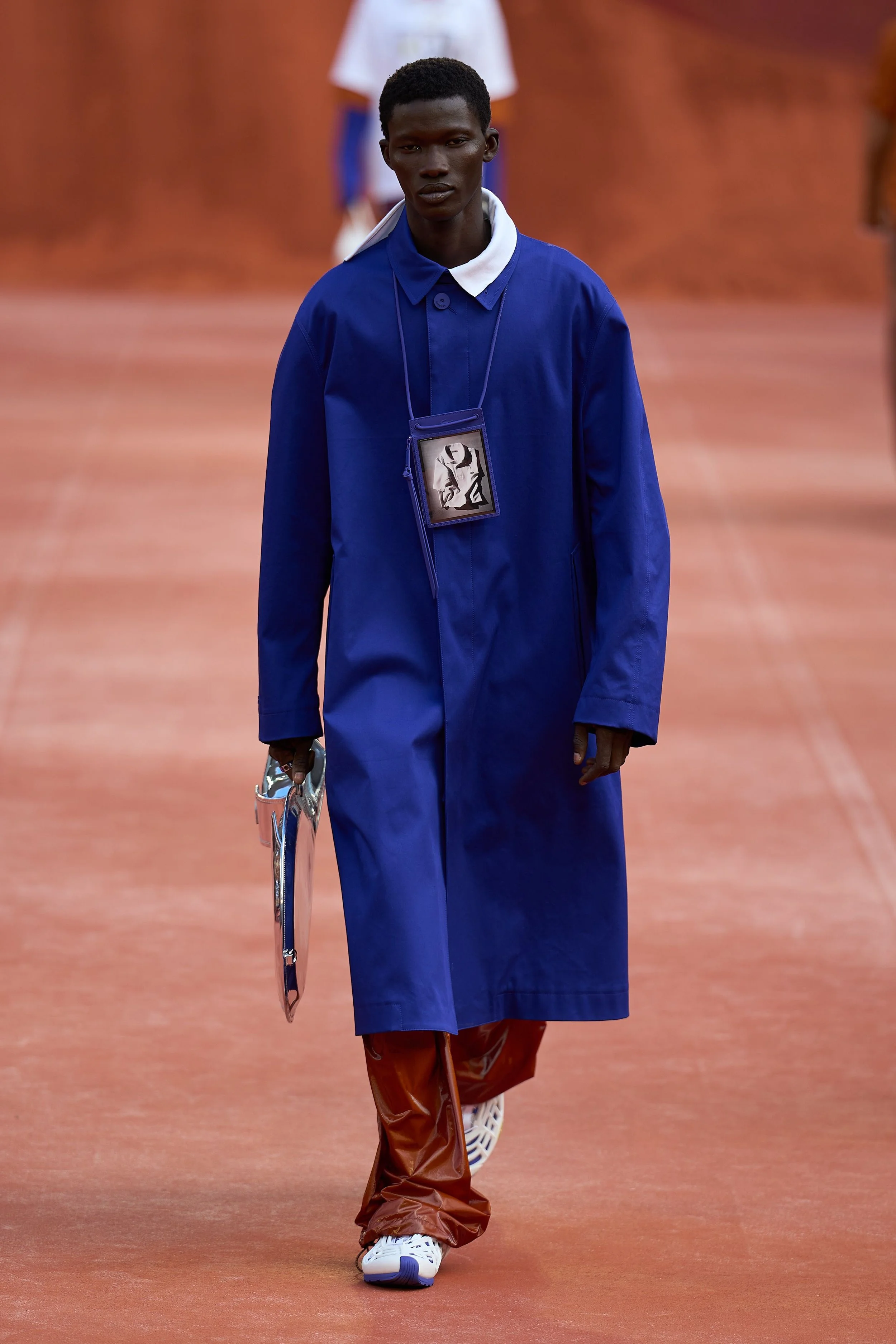
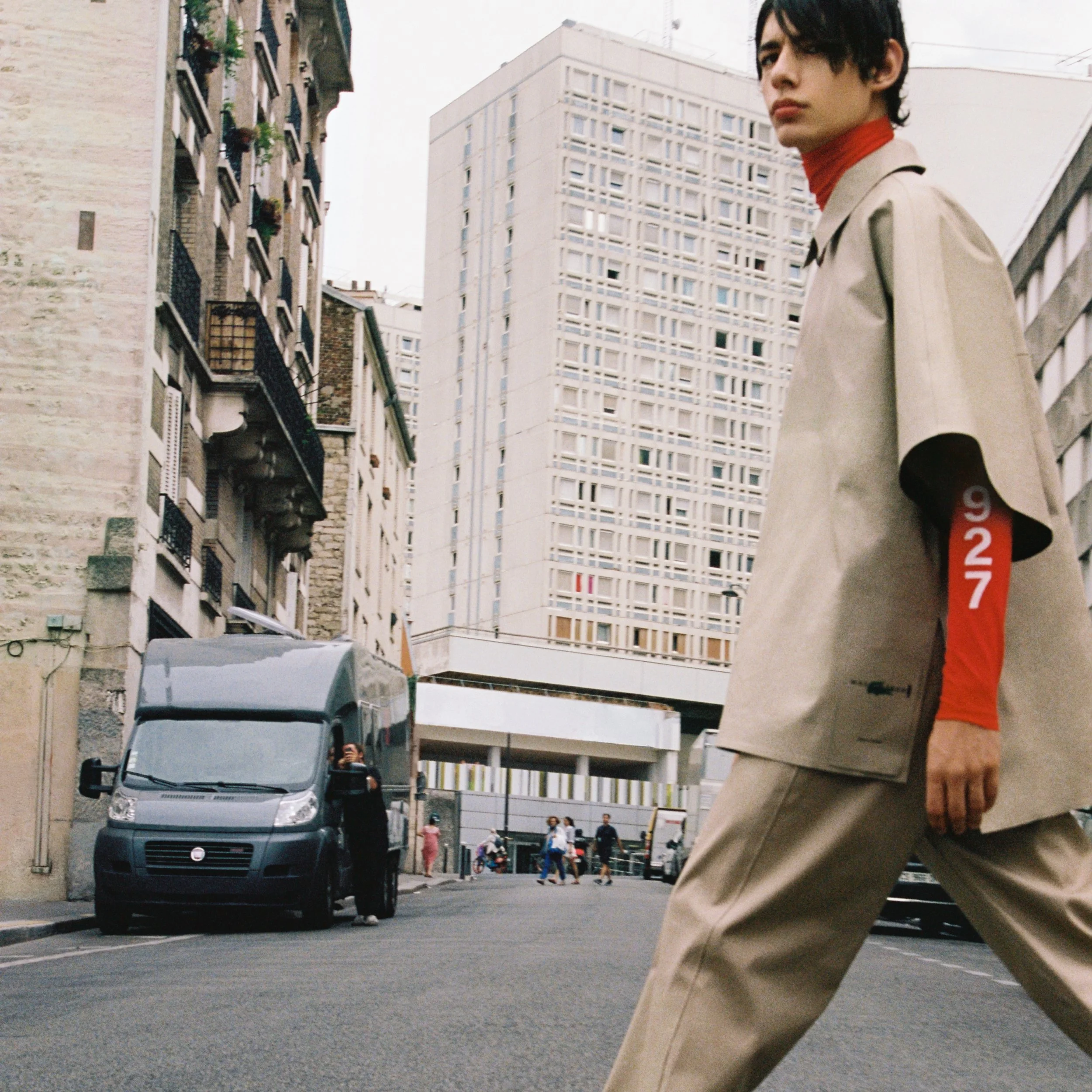
The Philippe-Chatrier court, one of the most recognisable tennis venues around the globe, was Lacoste’s creative director Pelagia Kolotouros’ chosen setting to showcase her Spring/Summer 2027 collection for the heritage French label. The space, marked by its orangey, terre battue – or clay court – flooring, is located inside the Roland-Garros Stadium, where one of the biggest tennis tournaments, the French Open, takes place yearly.

This season, Kolotouros turned clay into a central design element, reflected not only in the collection’s colour choices, but also in the material's more raw usage. It appeared, for example, settled on structured hems and applied to create a stained effect on white coats and trousers.

Tennis history is intertwined with the history of preppy culture, as one could not exist without the other. In between lies Lacoste. Inspired by two subversive and, at the time, rebellious acts, Kolotouros then aimed to insert a touch of playful liberation into the SS27 lineup.

First, she looked at an episode involving Suzanne Lenglen, a tennis player who, in 1919, during her Wimbledon debut, wore a short-sleeved, calf-length pleated dress, without a corset or petticoat underneath. At the time, after winning the tournament, Lenglen’s style choice was called “indecent” by the press. And there was, of course, René Lacoste, the tennis player known as “the crocodile” and later the founder of Lacoste, who famously cut the sleeves of his non-regulation shirt to achieve a speedy, lighter performance while playing. That’s how the polo shirt came about in the 1920s.

“Dress code: no white required,” was how Kolotouros named the collection, proving that classic sportswear can loosen up, ditch convention, and even appear sexy. Loose tailoring, washed and lightweight materials, and oversized printed T-shirts layered over long-sleeved tops all allowed for movement.

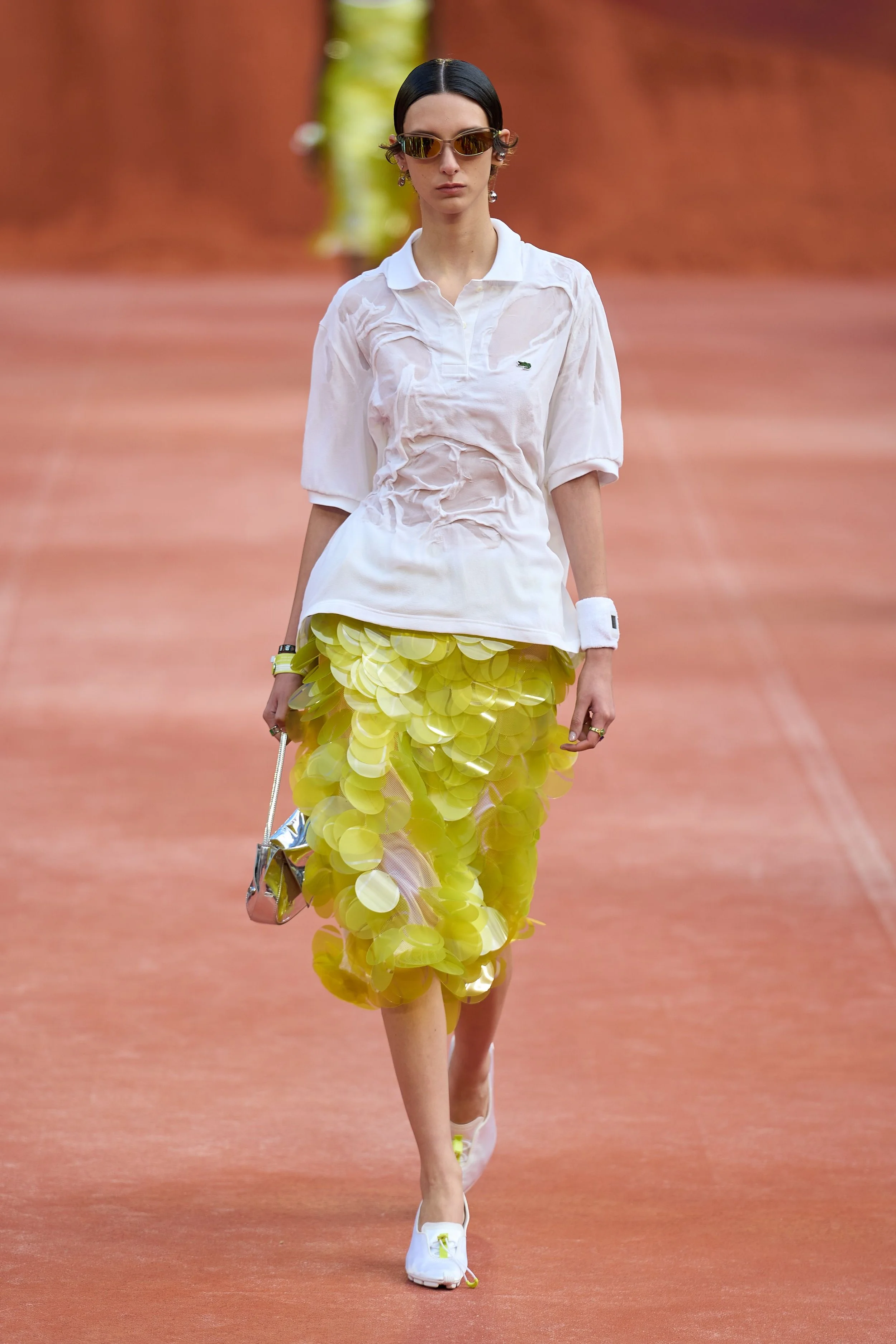
Embracing sweat as a signifier of honourable effort, a few black, white, and clay-stained garments mimicked a wet look, glued to the body with a crumpled and conscious effect. Polo shirts with messy collars and upside-down crocodile logos were paired with knitted ties; outerwear was practical, breathable, weather-proof, featuring nylon tracksuits and technological overcoats.

Besides the clay tones that matched the show space, pieces in cobalt blue, acid yellow, and burnt orange stood out from start to finish, merging with silver accents, olive, and earthy green shades. Pure white, mineral grey, and charcoal completed the mood board. Welcoming even more texture to the collection, Kolotouros showcased maxi yellow sequins, applied to skirts, tanks, and dresses, as well as pleats on graphic knee-length dresses.

Voluminous zip coats, relaxed A-line skirts, monochromatic shirt-and-shorts sets and skin-tight menswear tops styled with low-rise tailored trousers opened up the possibilities even more. Kolotouros is not calling for an anti-preppiness movement. Instead, it looks like a more up-to-date, freedom-led version of an ultimate classic.


Words by Ketlyn Araujo

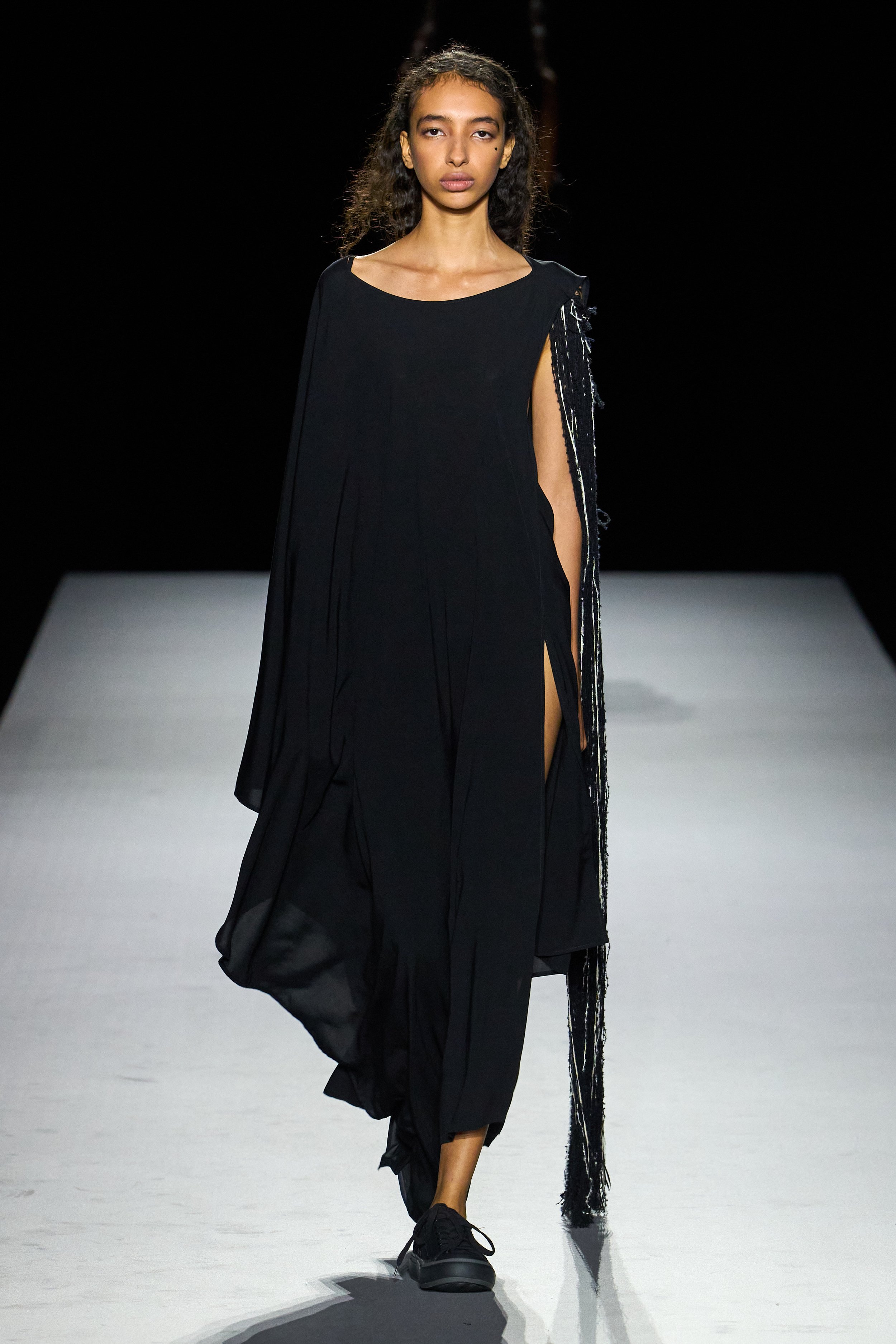
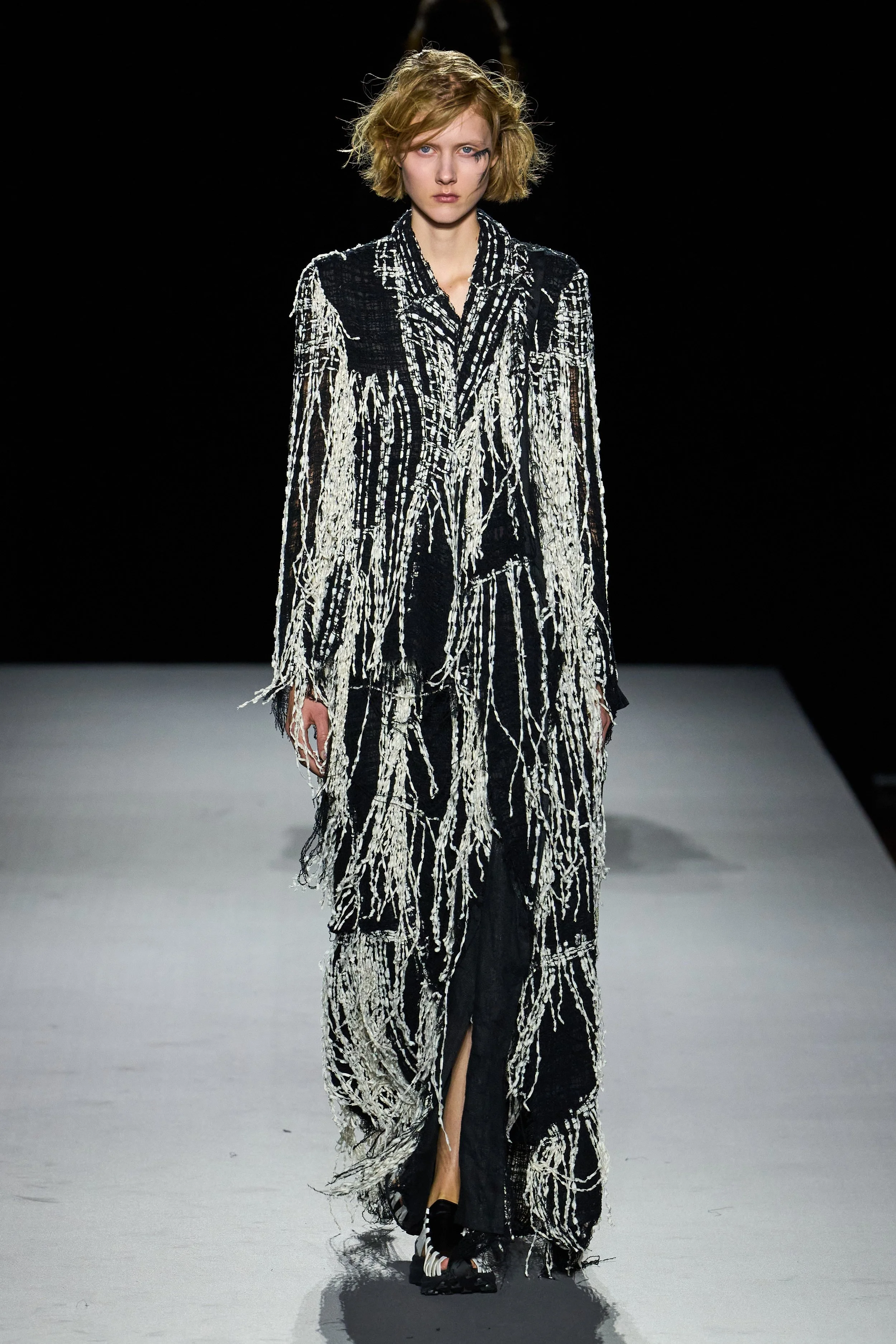
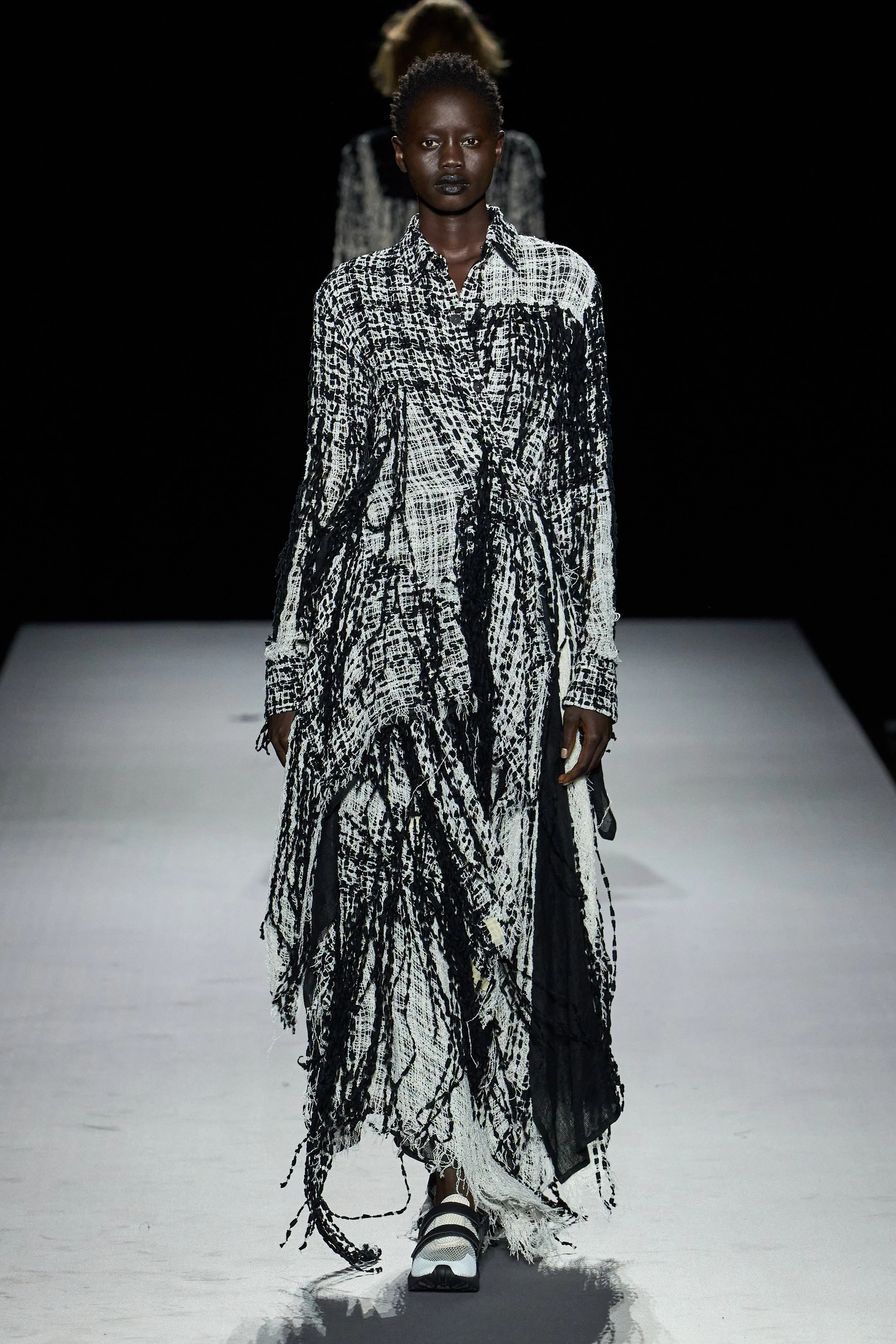
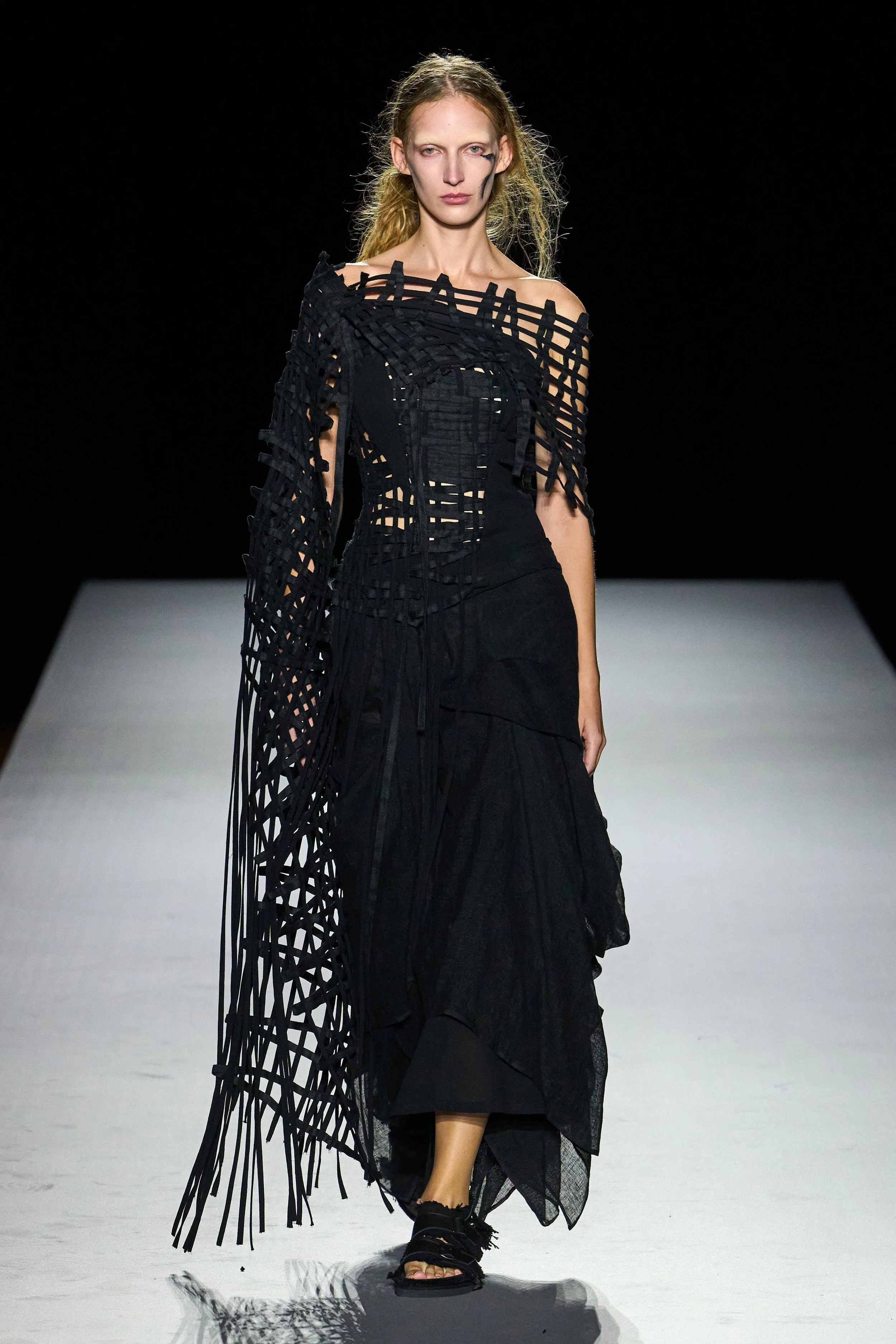
YOHJI YAMAMOTO SS27

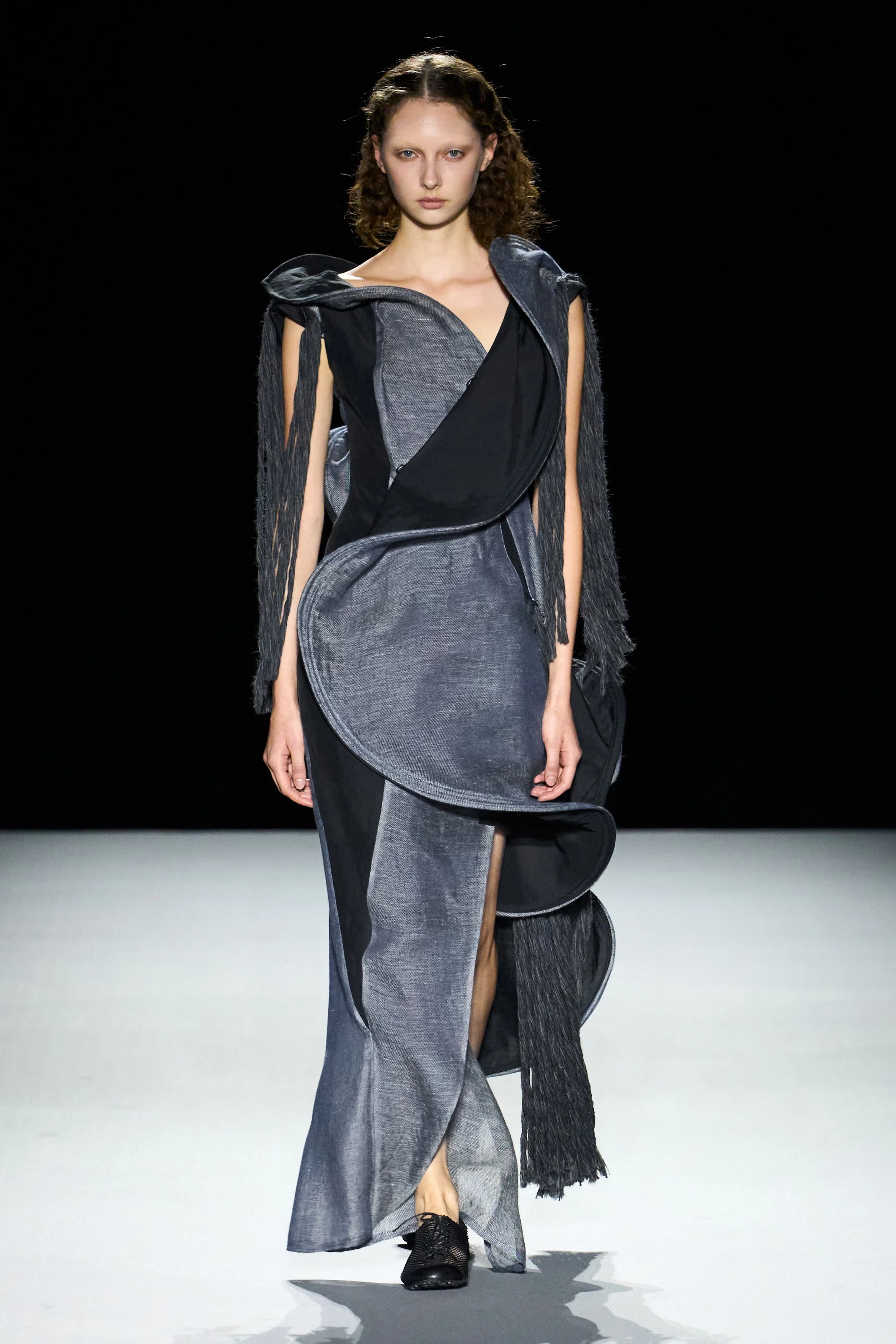
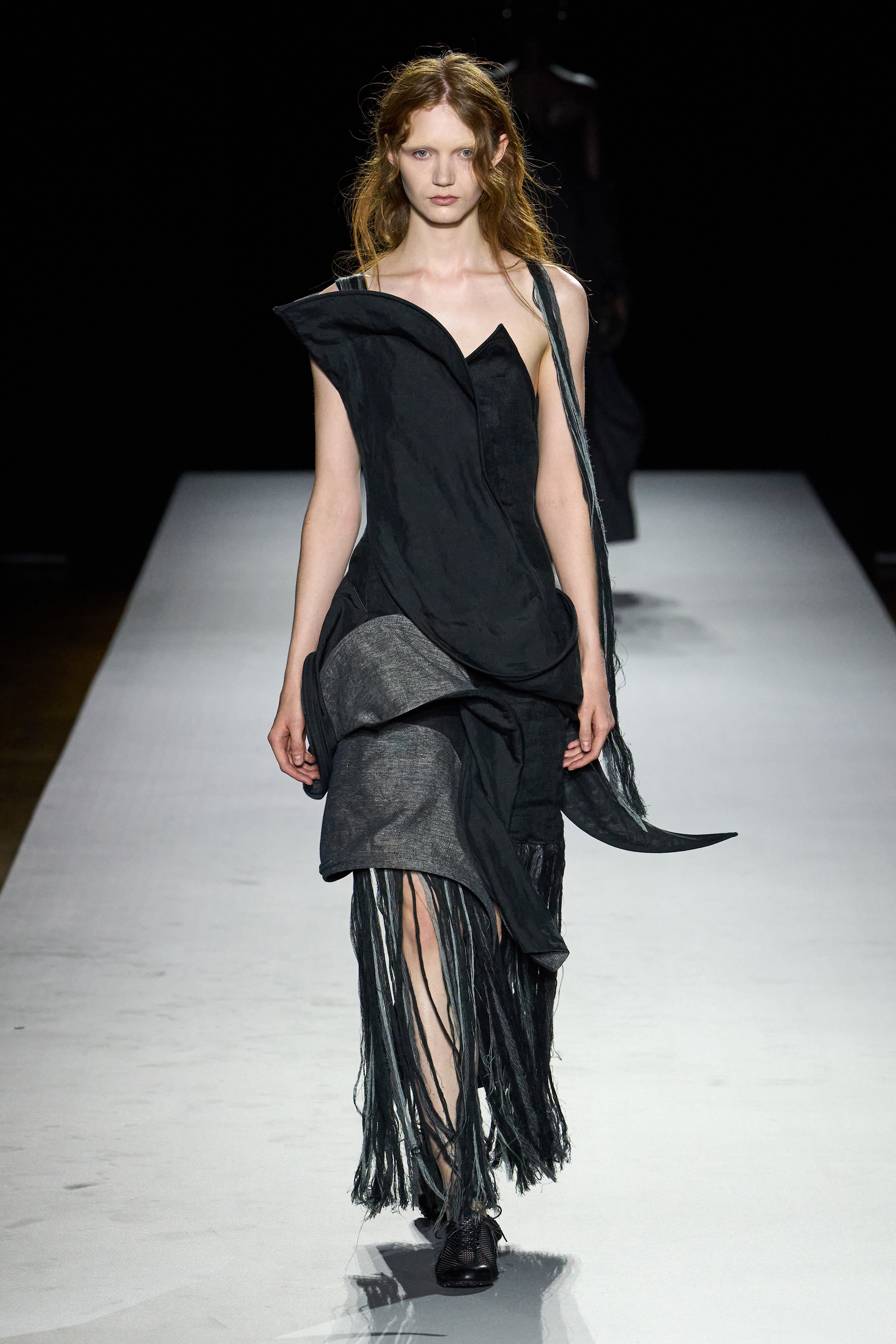
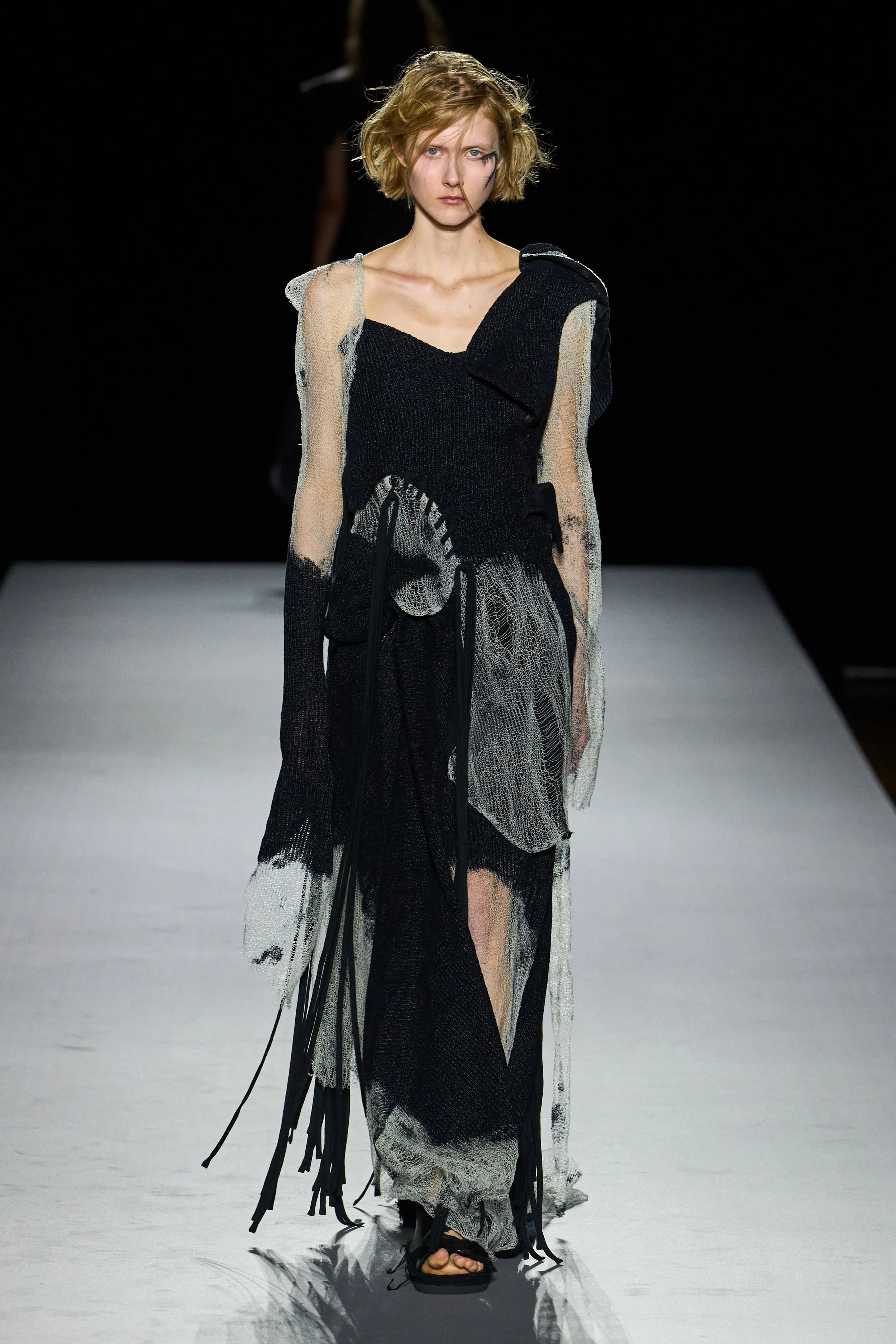
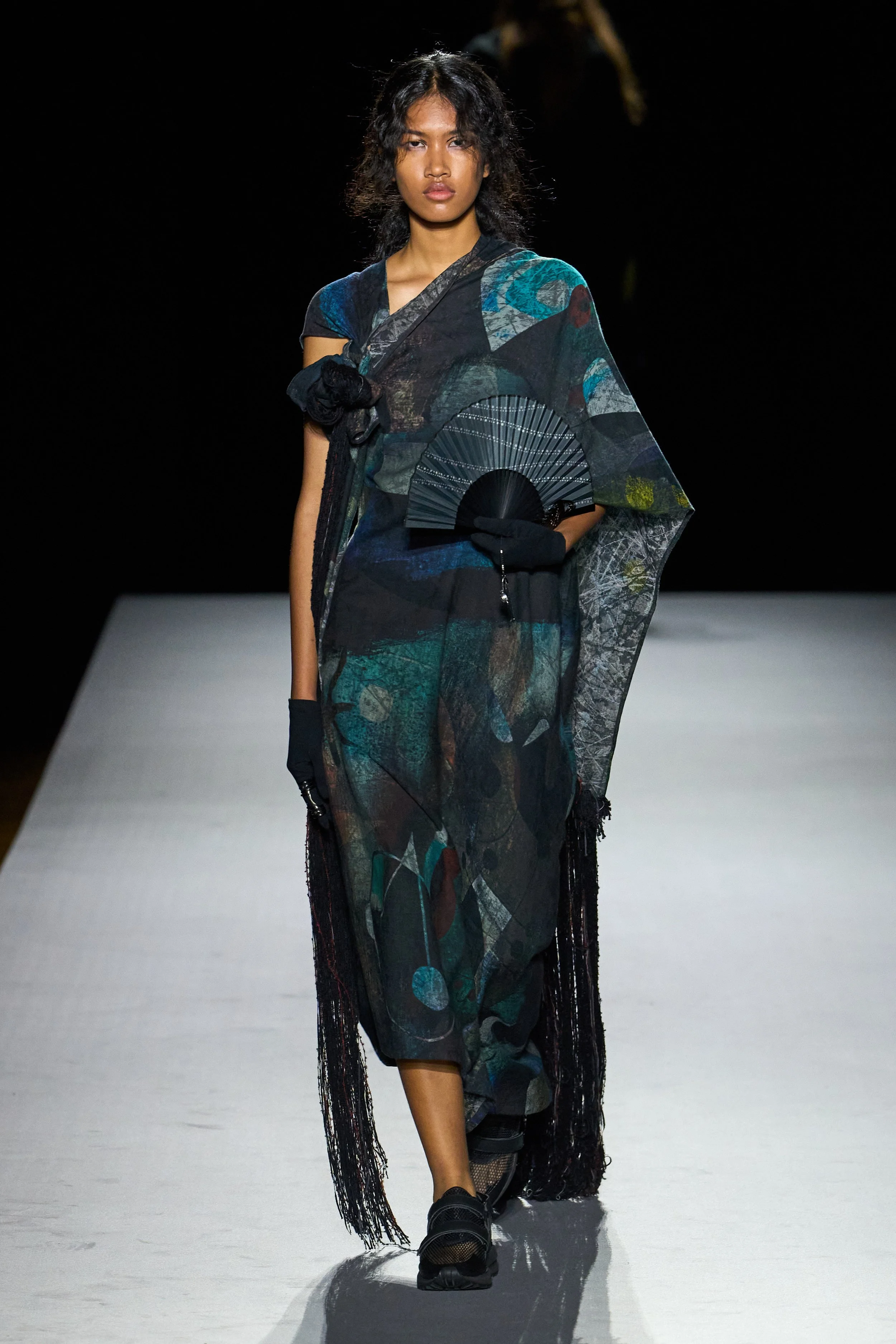
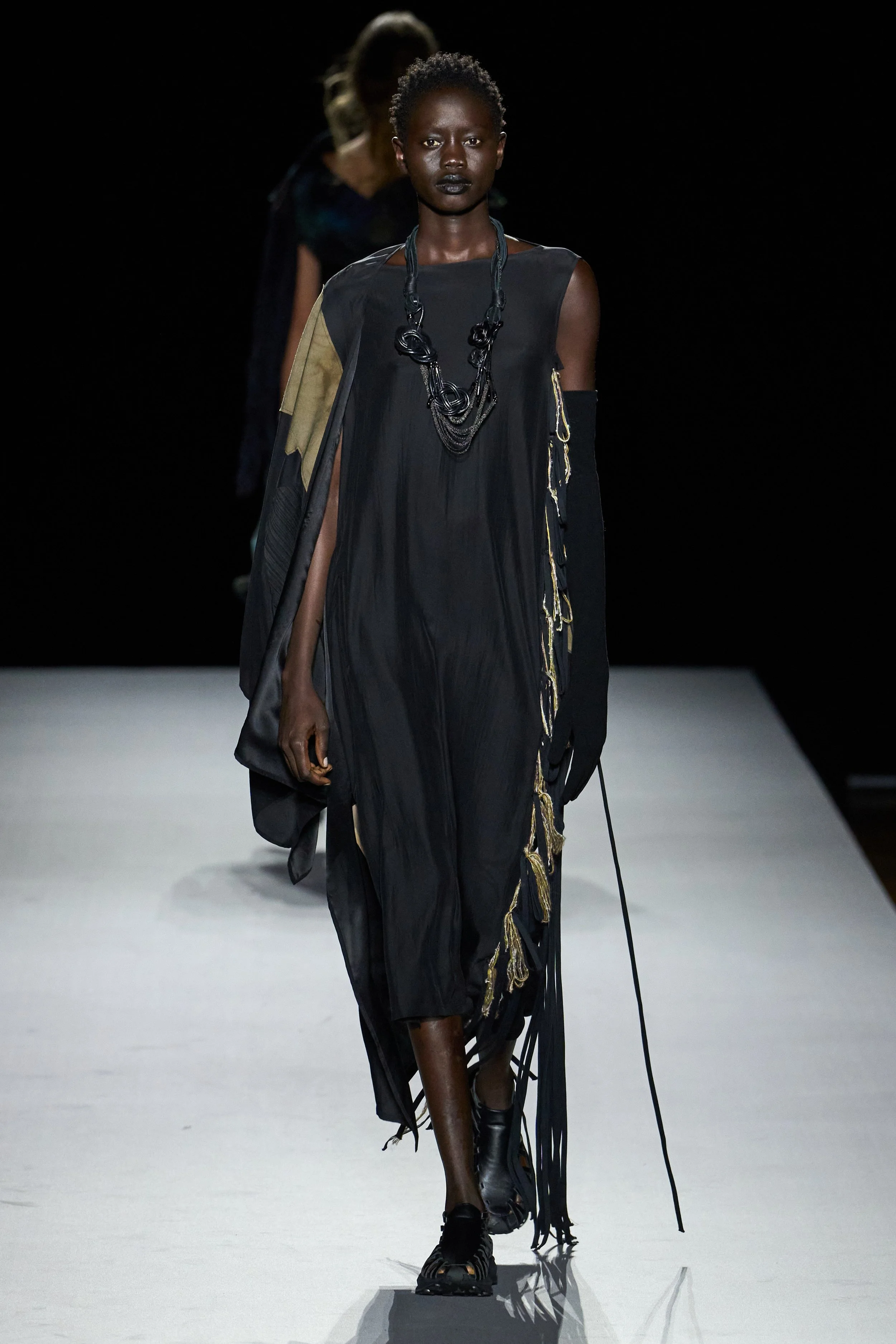
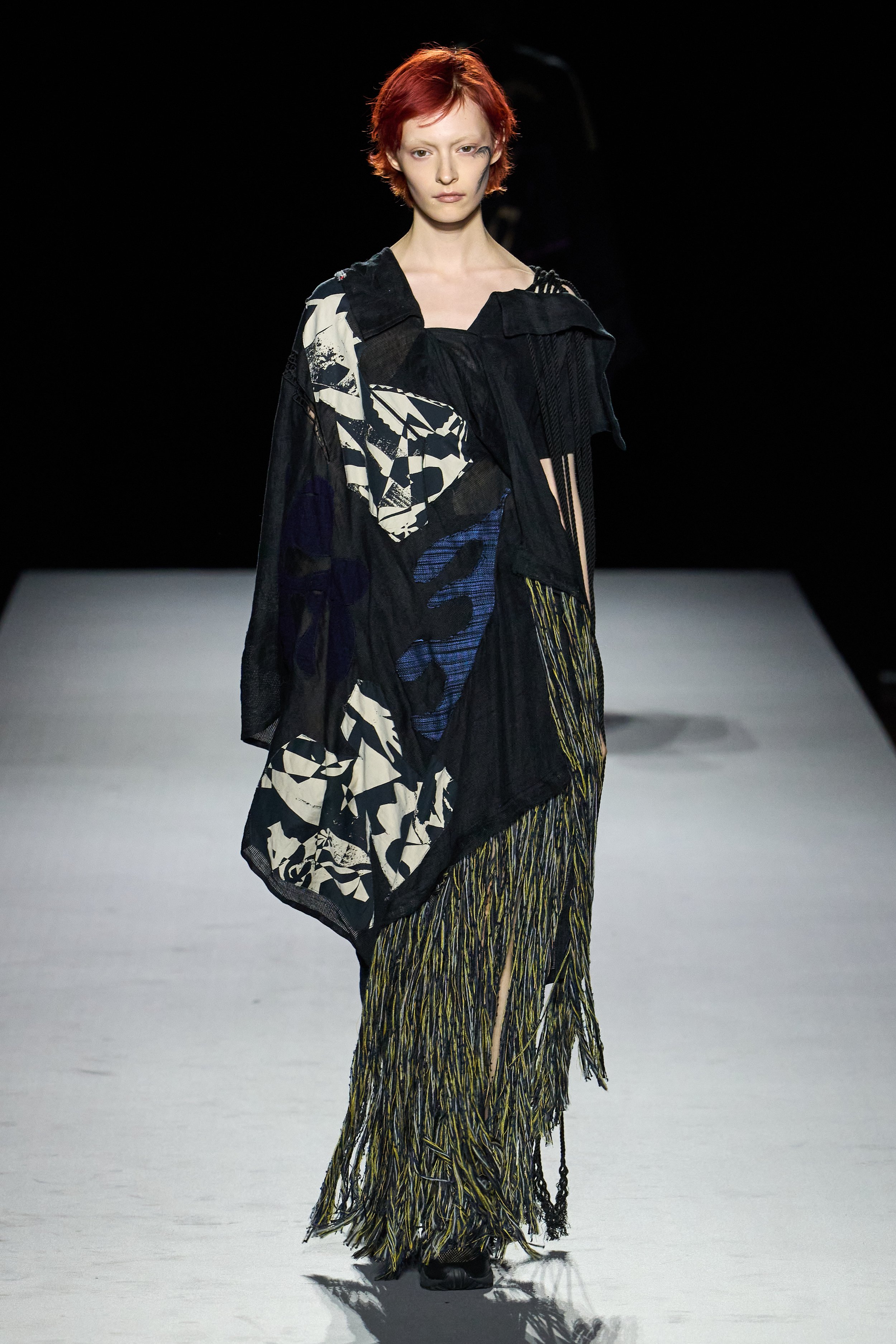
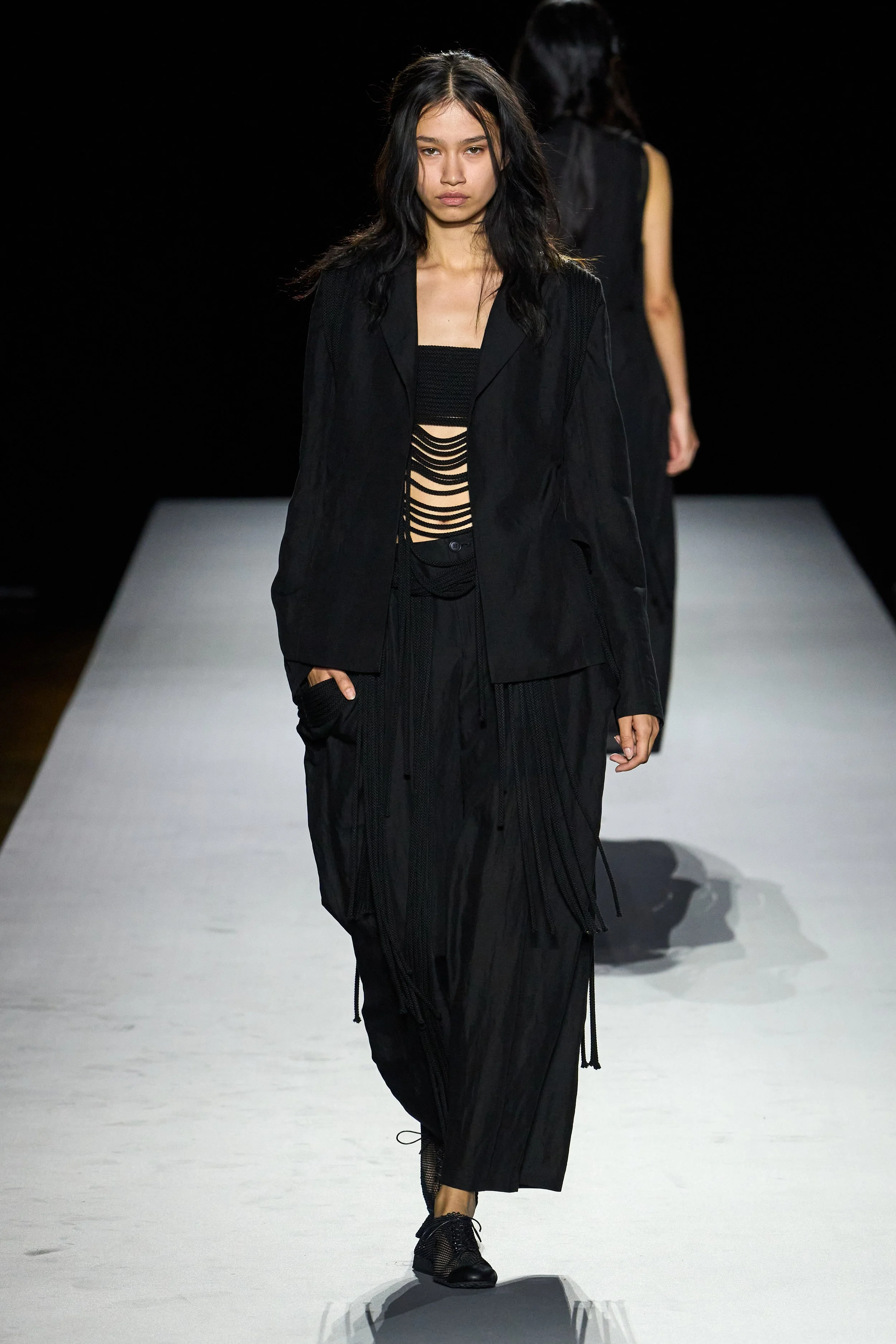
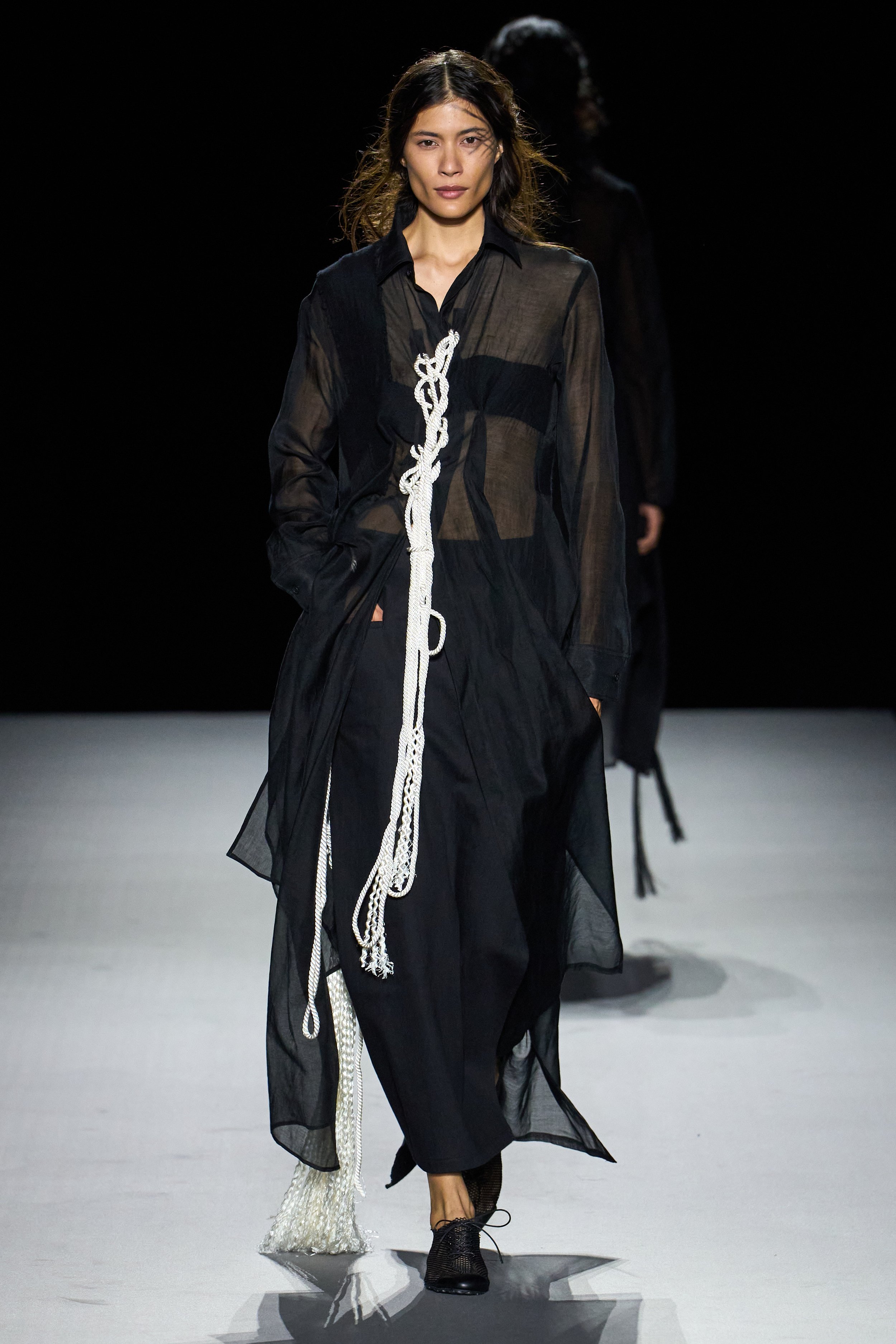
Returning to the opulent halls of the Hôtel de Ville, Yohji Yamamoto presented the SS27 collection that felt like a masterclass in elegant, intentional survival. In a world that seems more perilous by the day, Yamamoto remains a designer who grounds us, reminding us that the beauty of our existence lies simply in the quiet necessity of being present.

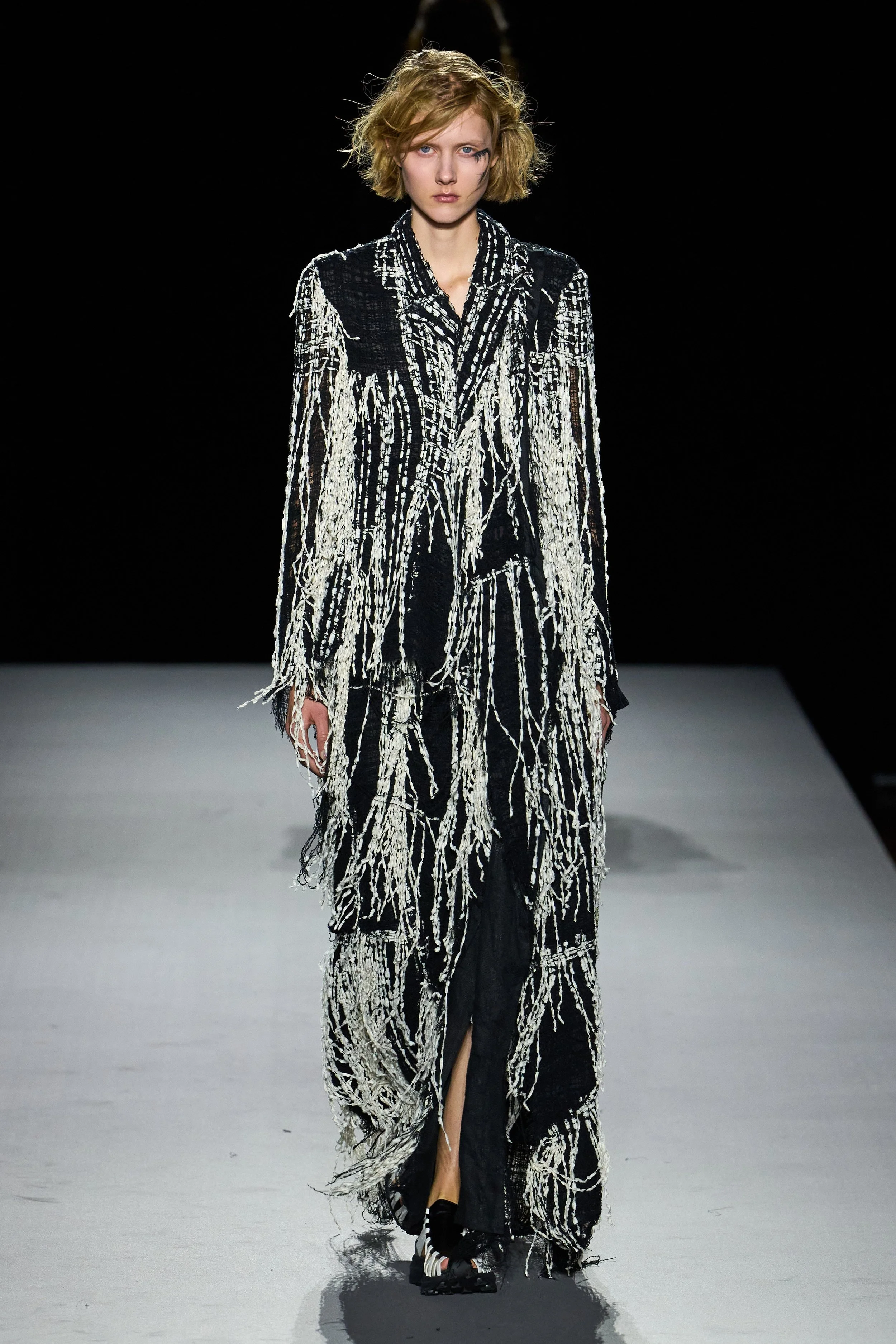
This season, the clothes carried an architecturally apocalyptic edge, yet moved with a wistful romance. The asymmetry of the cuts carried a striking architectural precision, leaning heavily into a profound concept of protection, yet this armour was far from heavy. In a contemporary landscape where many male designers continue to create overly complex garments suited more for the pages of an editorial than real life, there is an immense sense of relief in Yamamoto’s runway. He continues to craft clothing that is weightless, wearable, and inherently feminine.

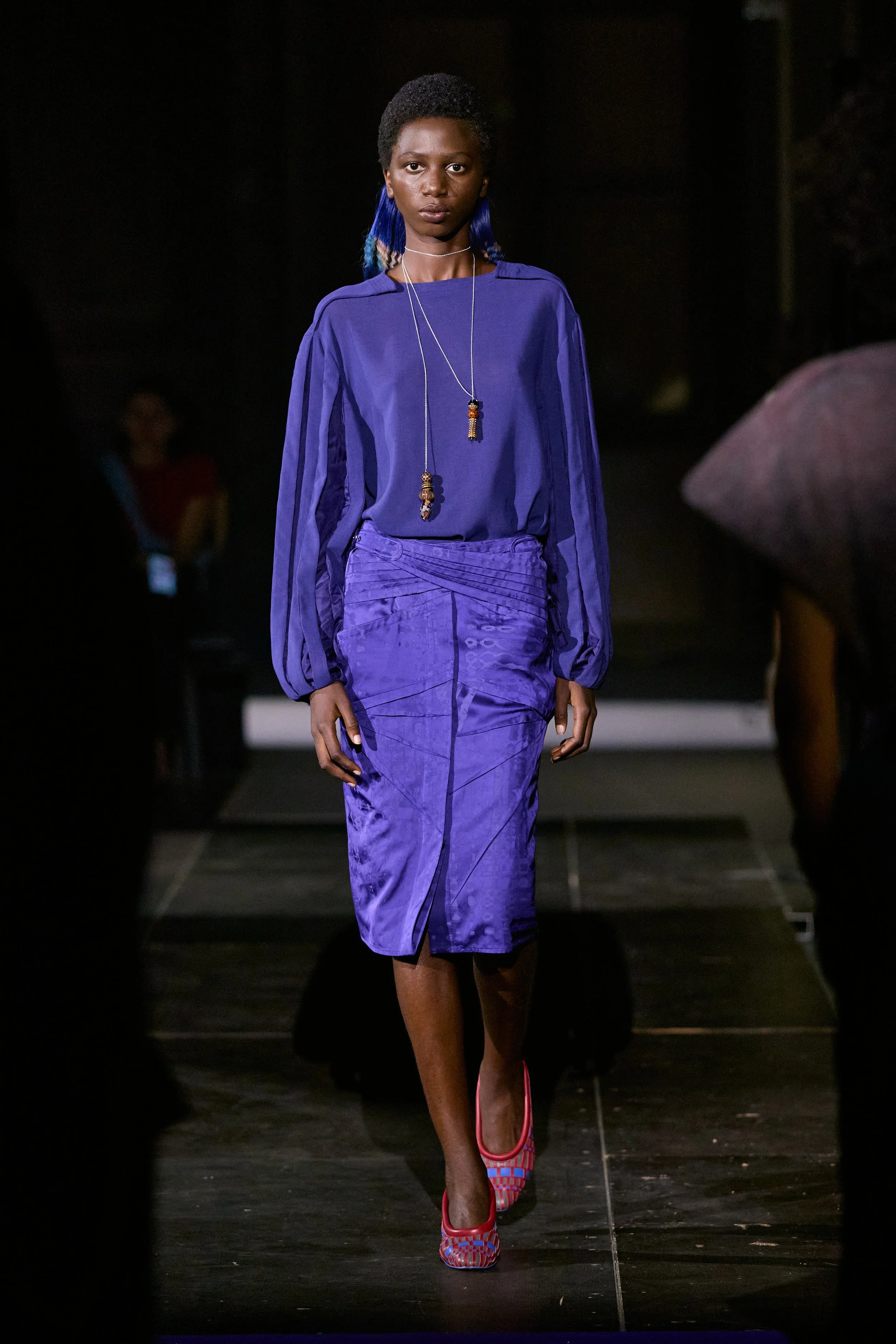
This balance was beautifully achieved through an exploration of 20th-century modernism. The selection of wire-framed dresses that opened the show revealed a stark, geometric discipline, evoking the clean lines of a Corbusian structure. Meanwhile, abstract prints with painterly motifs felt akin to the works of Joan Miró and Wassily Kandinsky. This modernism was softened by a breathtaking fragility: delicately webbed, gossamer-fine knit dresses served as a metaphor for safety, paired with transparent, netted footwear that felt pragmatic for a future acclimatised to hotter summers.

There is an undeniable, poignant vulnerability emerging in Yamamoto’s work as he gets older. The traces of time have become more apparent on the runway, translating into clothes that feel more fragile, porous, and tender than ever before. It was as if the collection was acknowledging an ending. The world on the outside was fracturing, but inside the venue, Yamamoto was showing us the most beautiful way to honour transience. He proved that even in an unravelling world, we can still find a deep appreciation for its grace.

The profound effortlessness of his work lies in this precise ability to cut through the industry's collective noise, staying fiercely true to the philosophical and aesthetic sensibilities that have informed his practice for five decades. As the final notes of the soundtrack faded, Yamamoto emerged for his signature wave. On his way out, he turned back for a fleeting reprise: a

spontaneous, final gesture that felt like a quiet validation of both his lifelong methodology and this breathtaking result.


Words by Maximilian Kilworth

RICK OWENS SS27

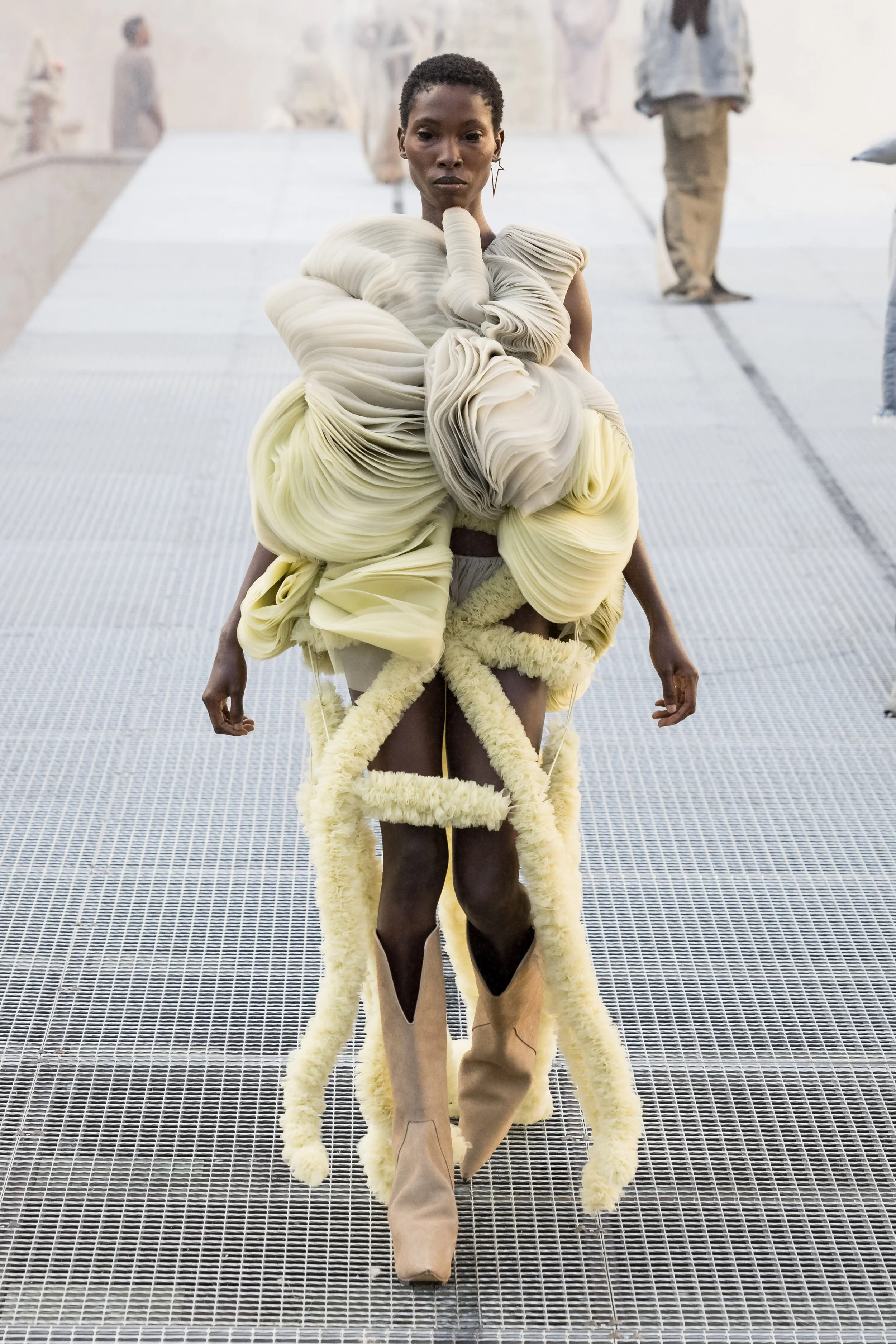
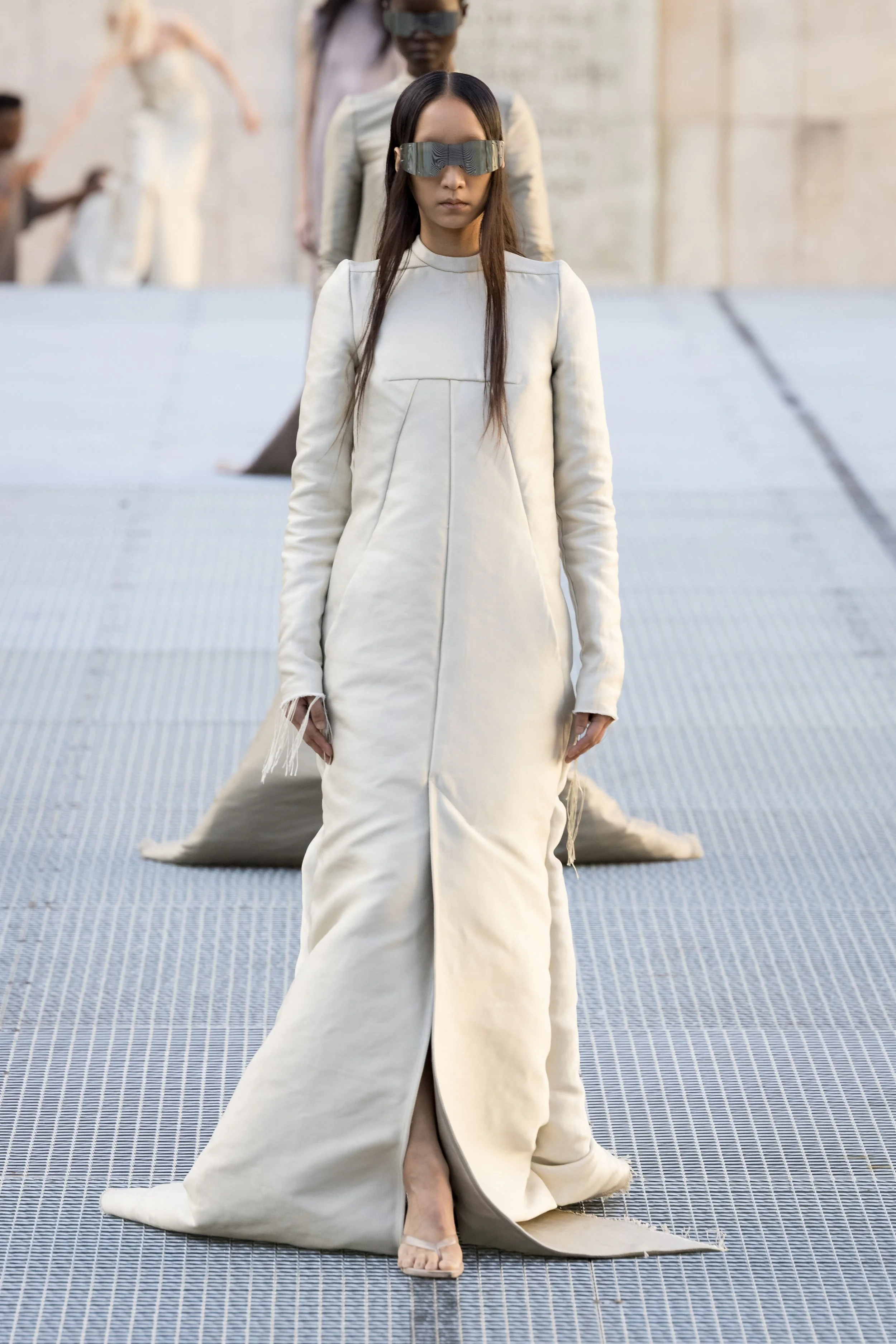
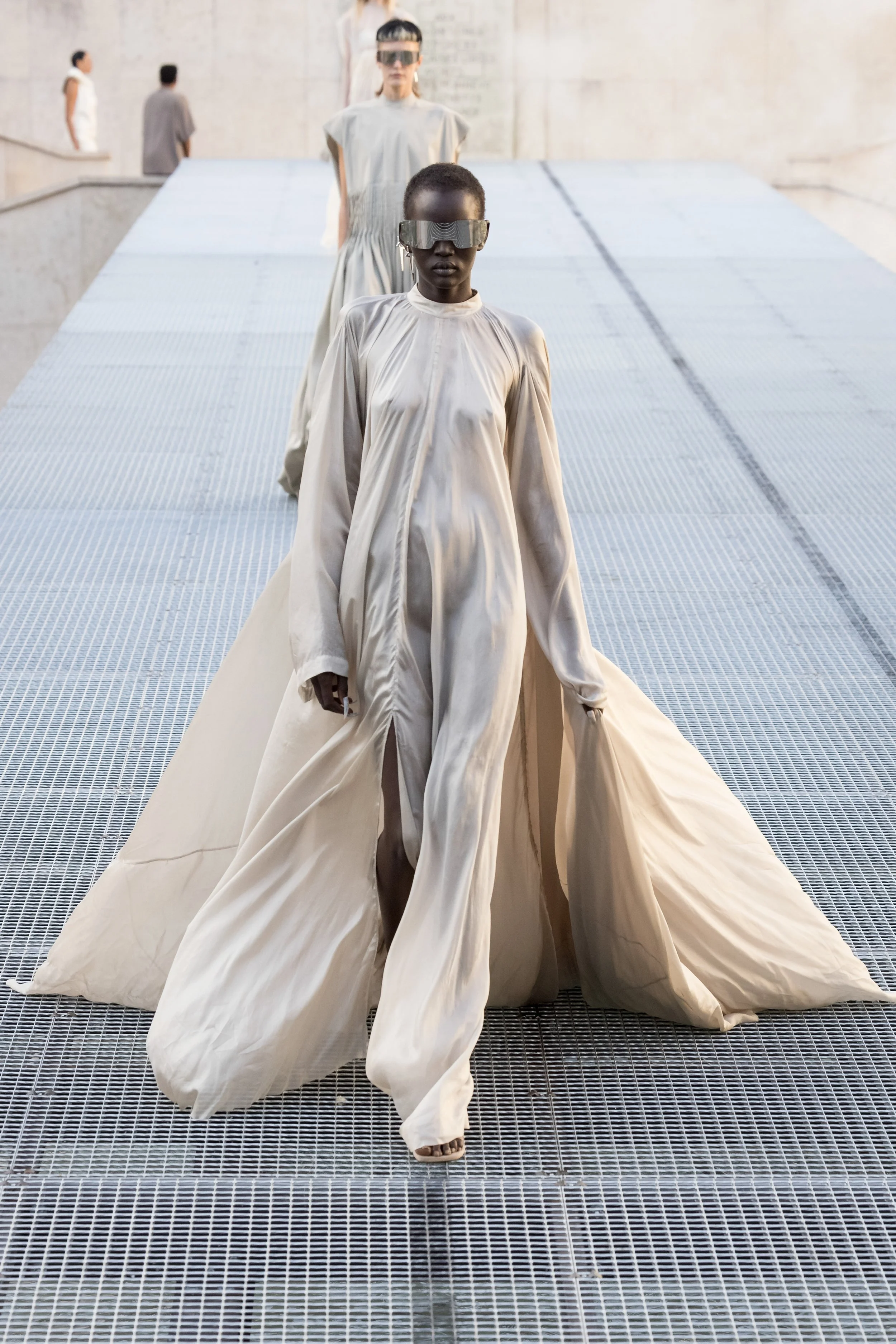
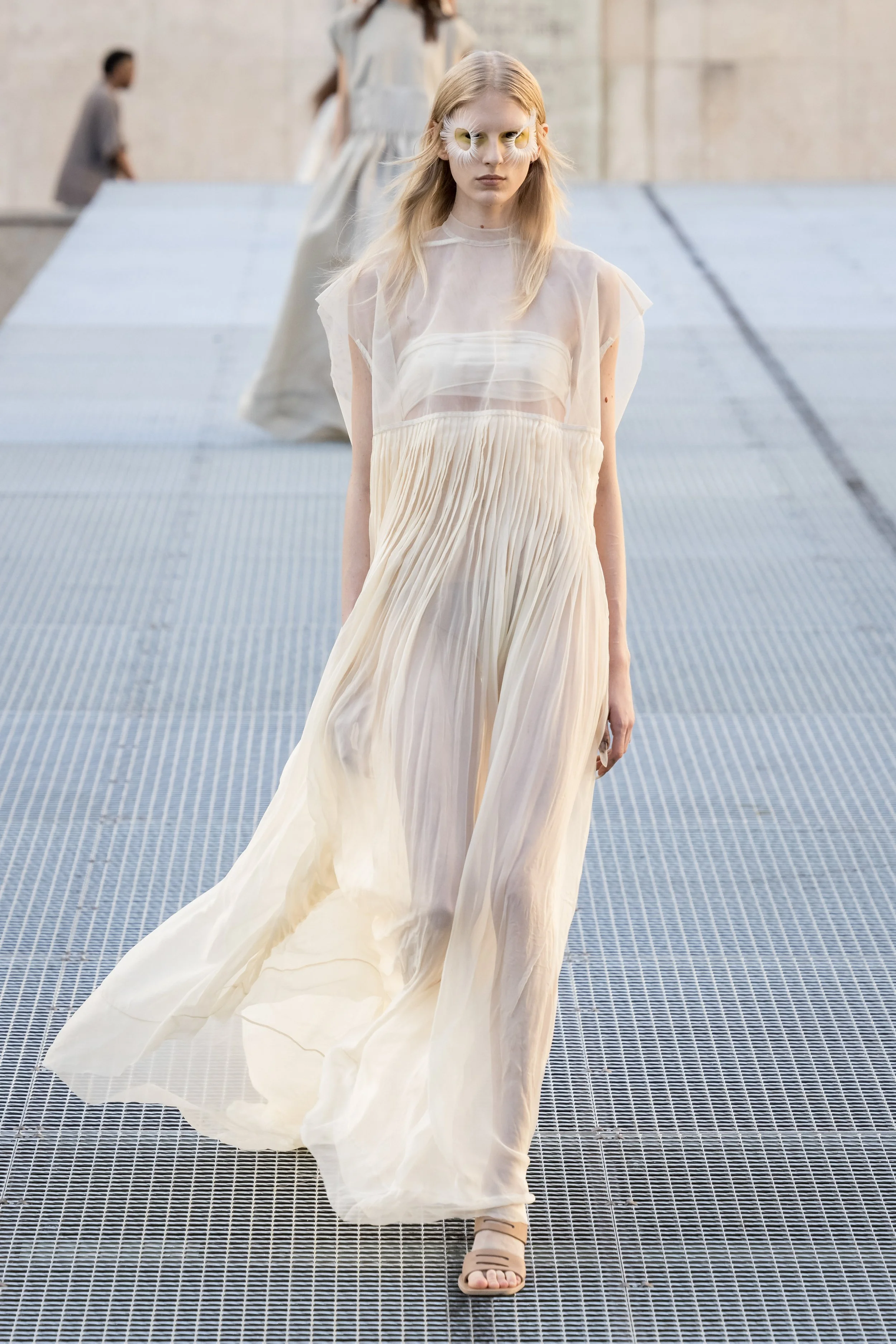
As someone who considers themselves to be a practising witch, I prefer to observe the first of the month with rituals revolving around resetting and cleansing: clearing the energy of bad hookups away with incense, washing my hands with cinnamon, and for this 1st in particular, watching Rick Owens’ Spring/Summer 2027 Womenswear show. It’s a coincidence only the Prince of Darkness can conjure up.

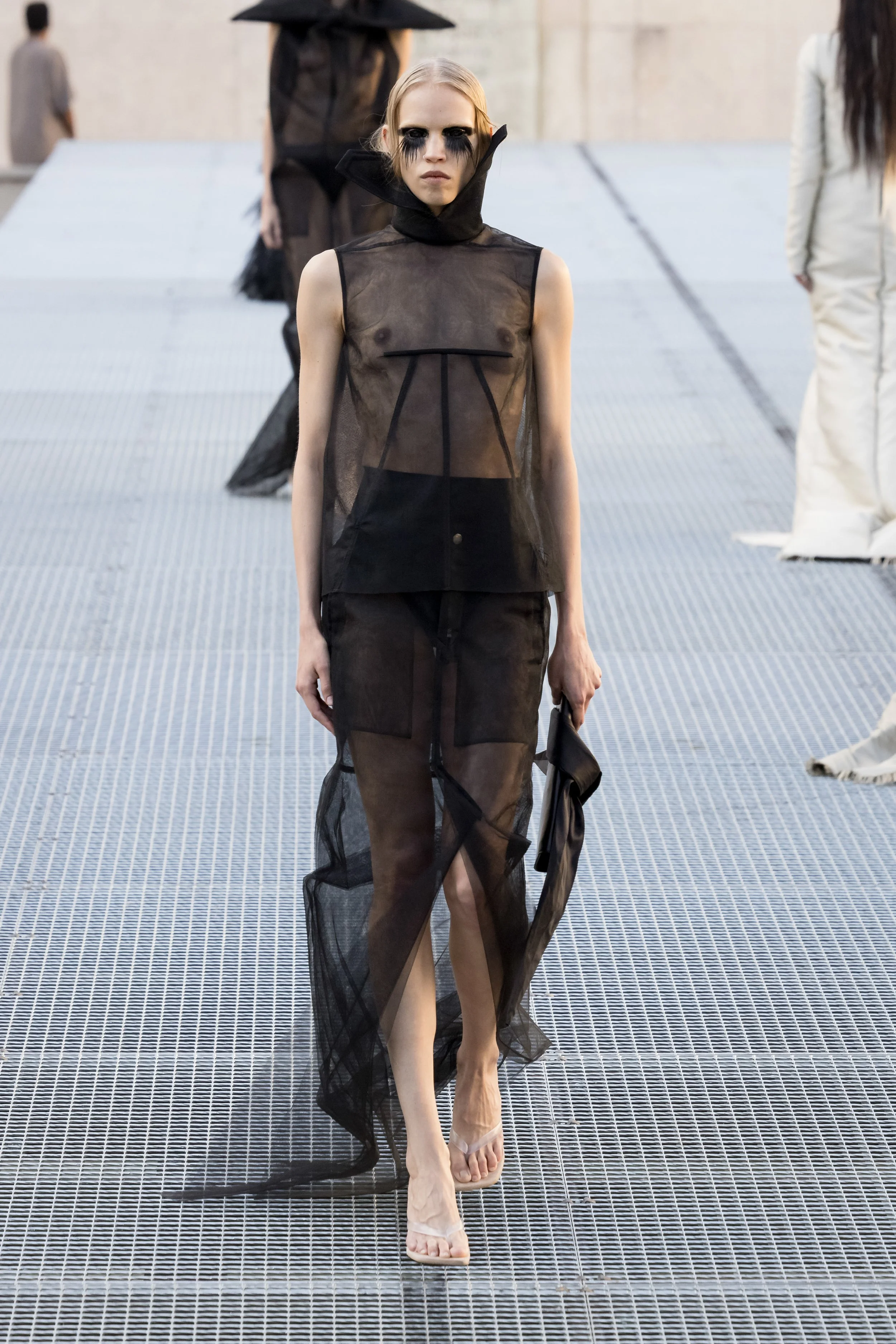
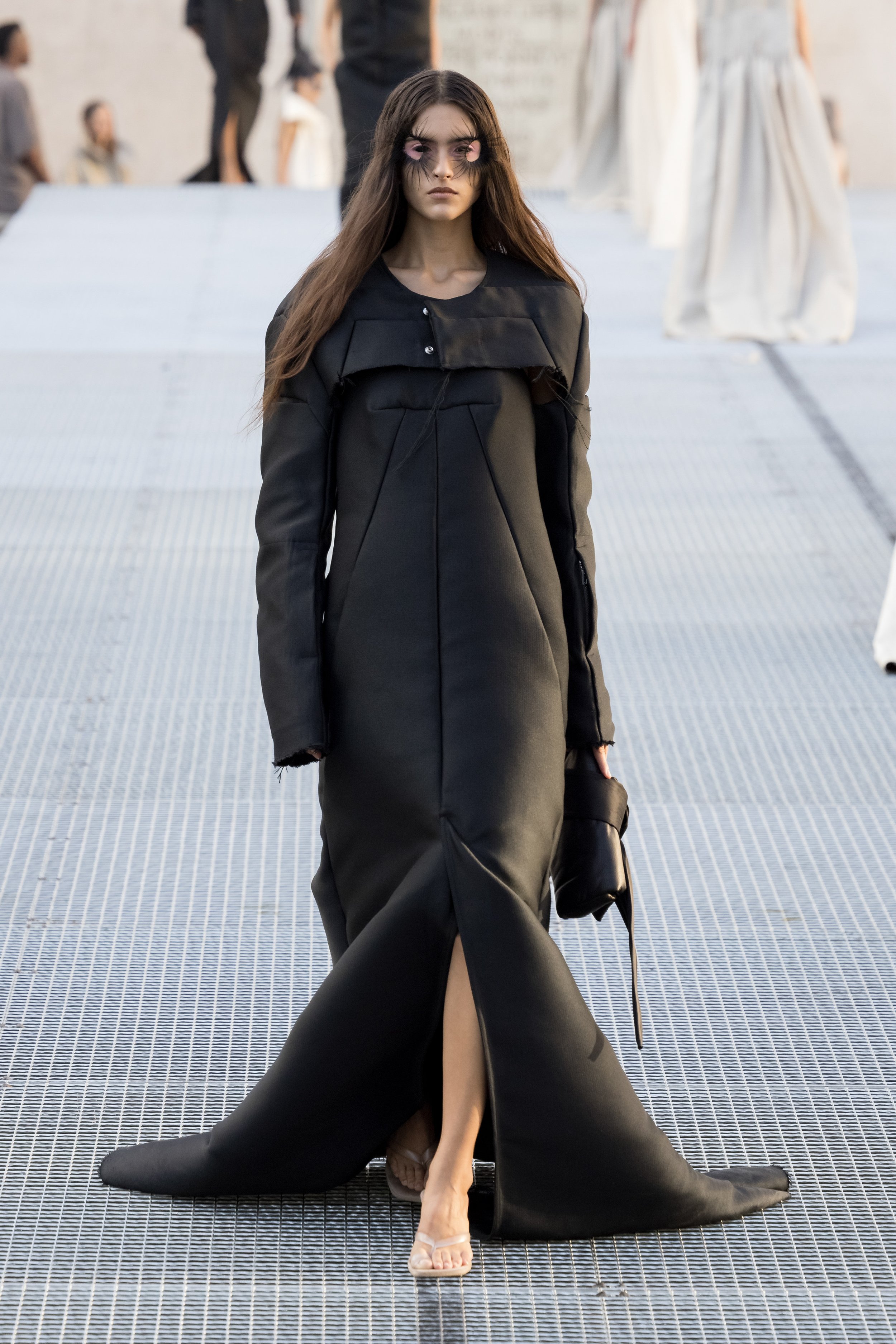
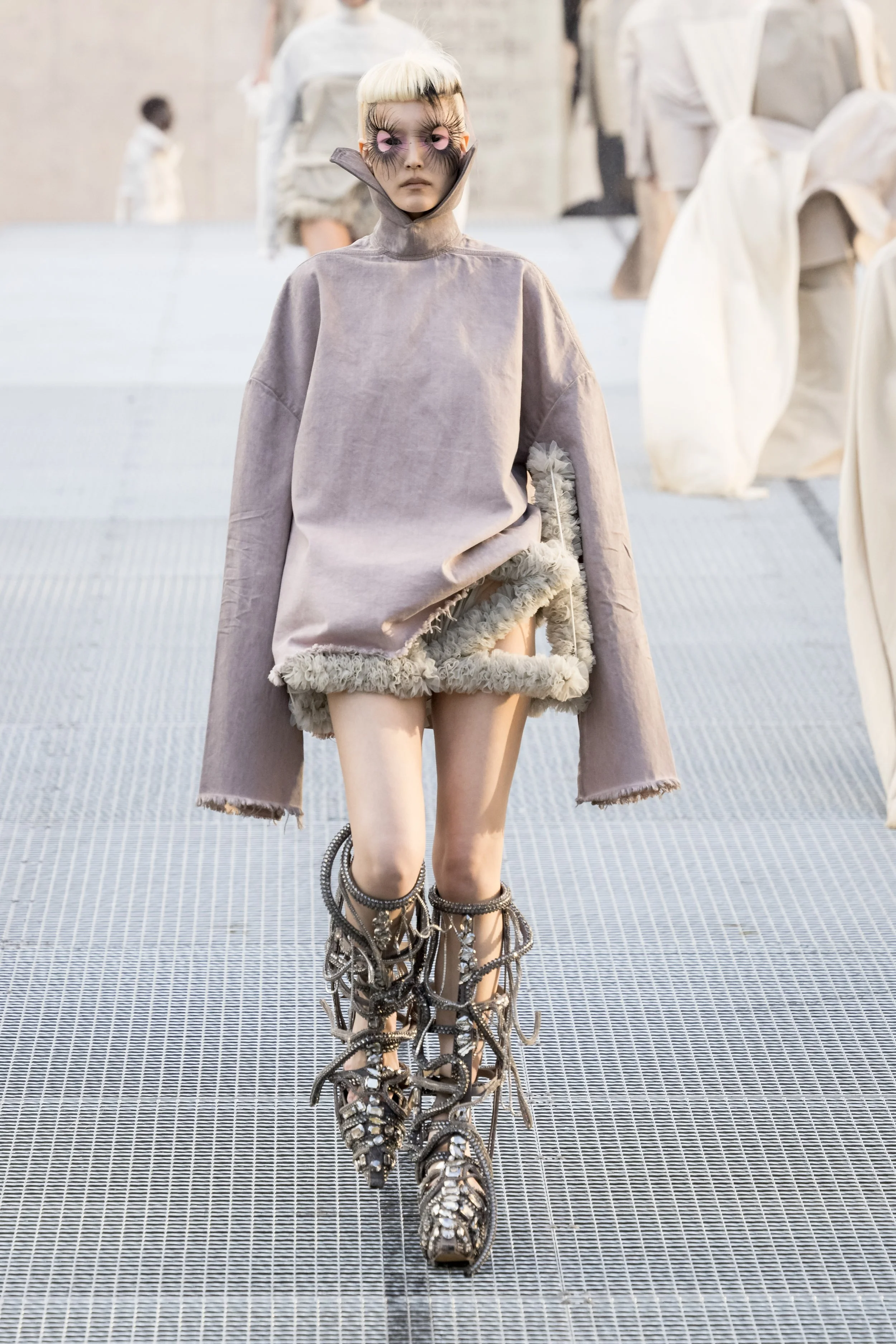
Owens’ own witches, as expected, are of more unearthly fare. Emerging from the designer’s beloved Palais de Tokyo, the models graced a runway ramped above the water, flanked by jetting streams and enshrined amidst white fog. Transformed into beings of extraterrestrial delight, they donned magnified, doubled-up lashes; blown-out eyeshadow; Owens’ favoured Scleral black lenses, and sharply capped mullets – all stuff of Biblical terror.

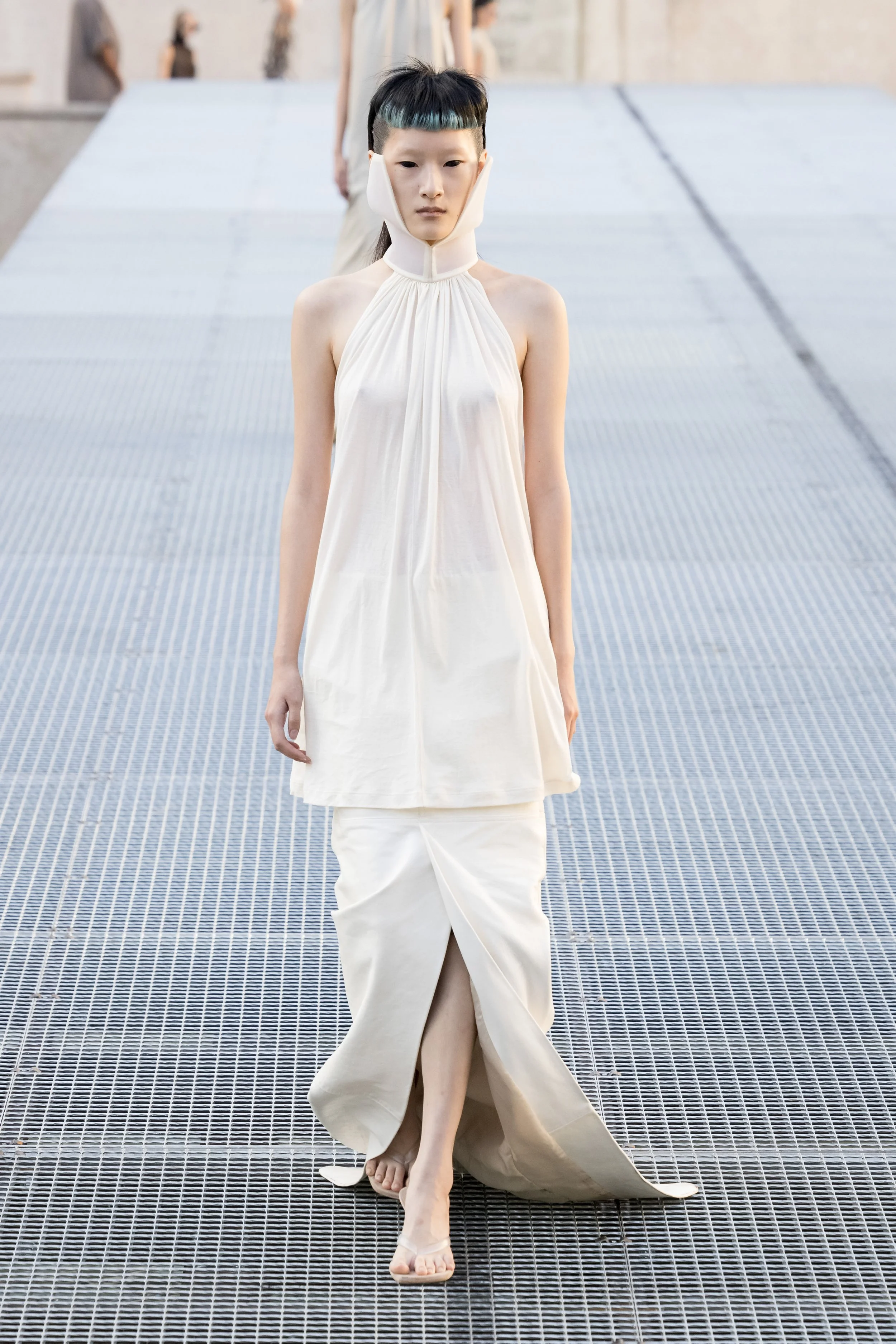
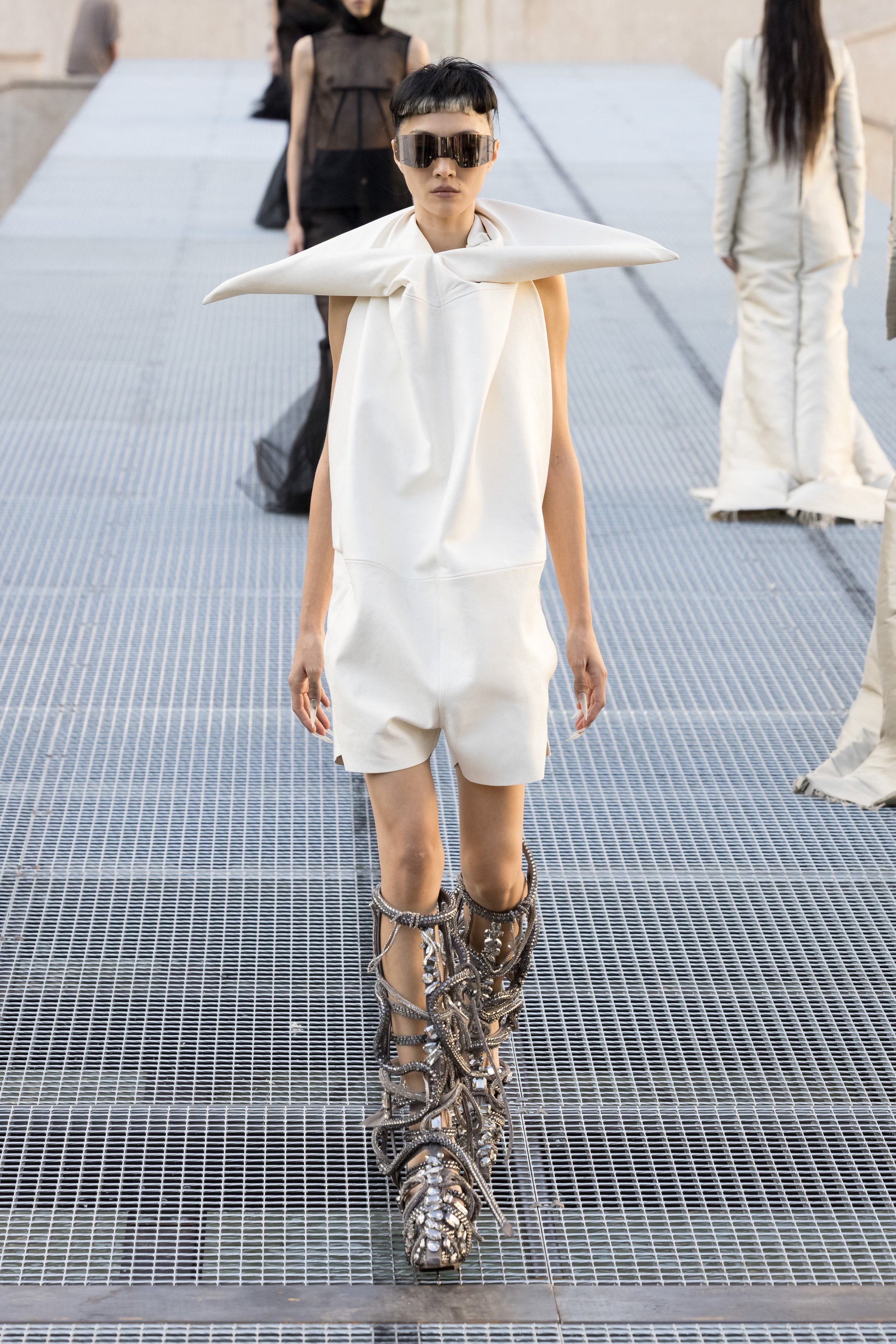
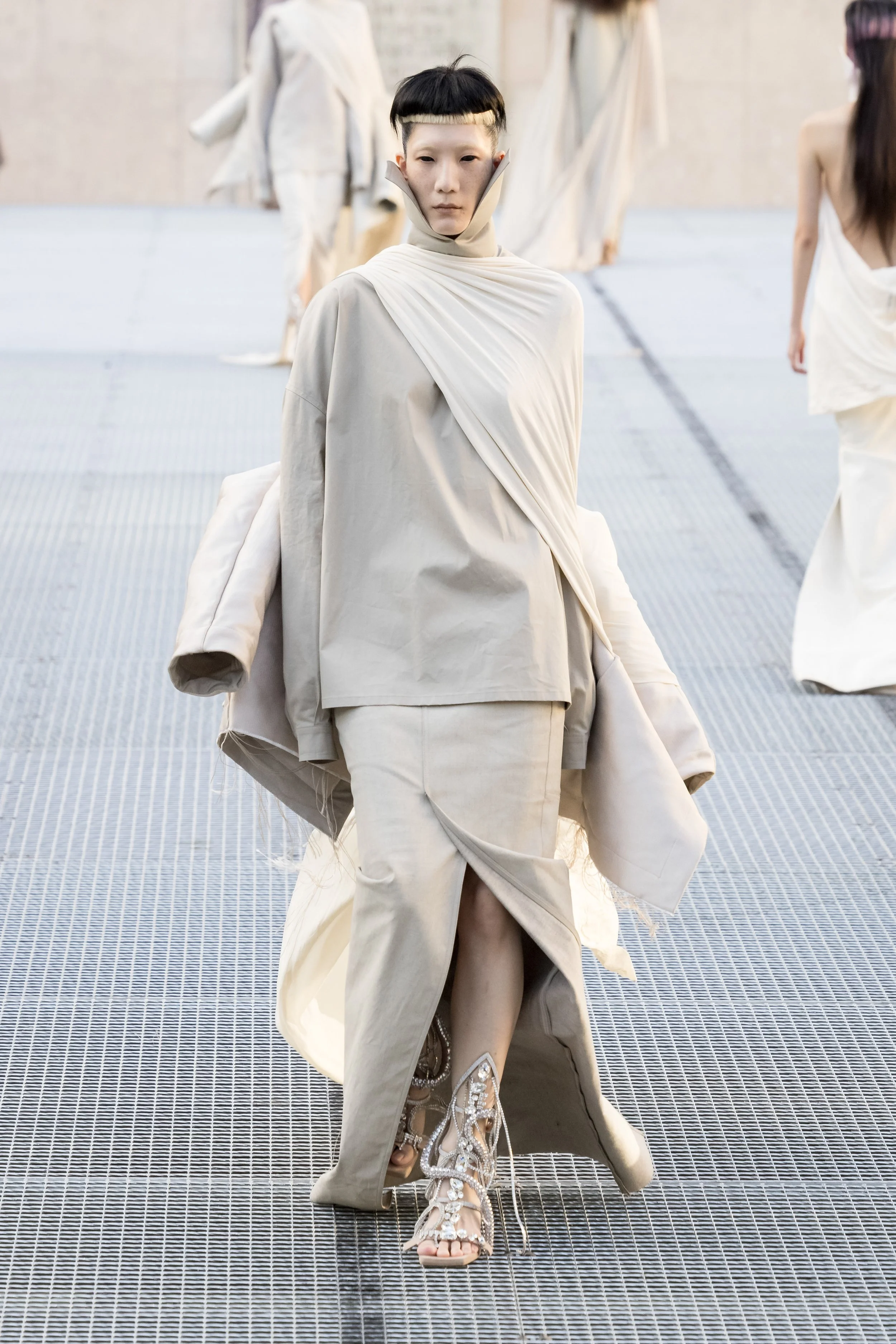
Titled “STONE”, this season’s show gives its name a three-fold meaning. The first is stoicism, an ideology which arrived in the stately gowns ushering in the collection. Cast in a palette of pale neutrals, these channelled resilience and self-discipline through structured shoulders and dignified darting, both elements that materialised later again in black. The deliciously bejewelled, cage-like heels which appeared throughout the show probably go against what the Stoics preached about passion, which they considered an unnatural state that should be avoided. They also believed, however, that happiness came from inner peace, a state I know I could achieve if I possessed such footwear.

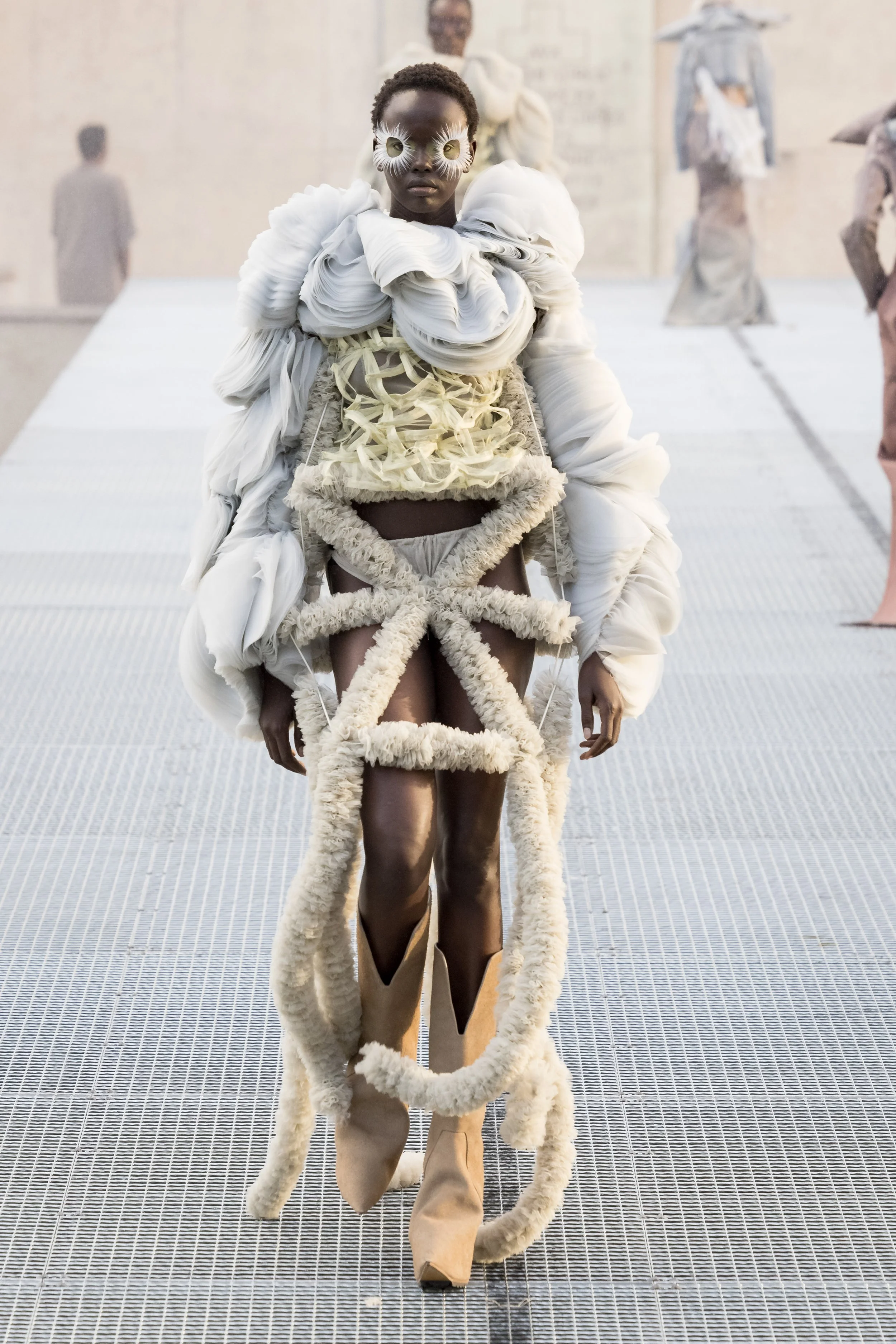
The second meaning refers to the stone rolled away from Jesus’ tomb, a sign of resurrection through release. Owens’ interpretation began with a sweeping, billowy dress – a departure from the more rigid pieces that came before. Other diaphanous, sheer creations populated the runway, punctuated by either precise pleating or chin-hugging collars. Structure still remained, yet the silhouettes were more loosely cut. Pointed, angular collars – a regular feature throughout this collection – became wider and more airborne, emulating wings. Undulating swathes of fabric melded into bodices. Snake-like boas trailed behind, unfettered by the heaviness of the past.

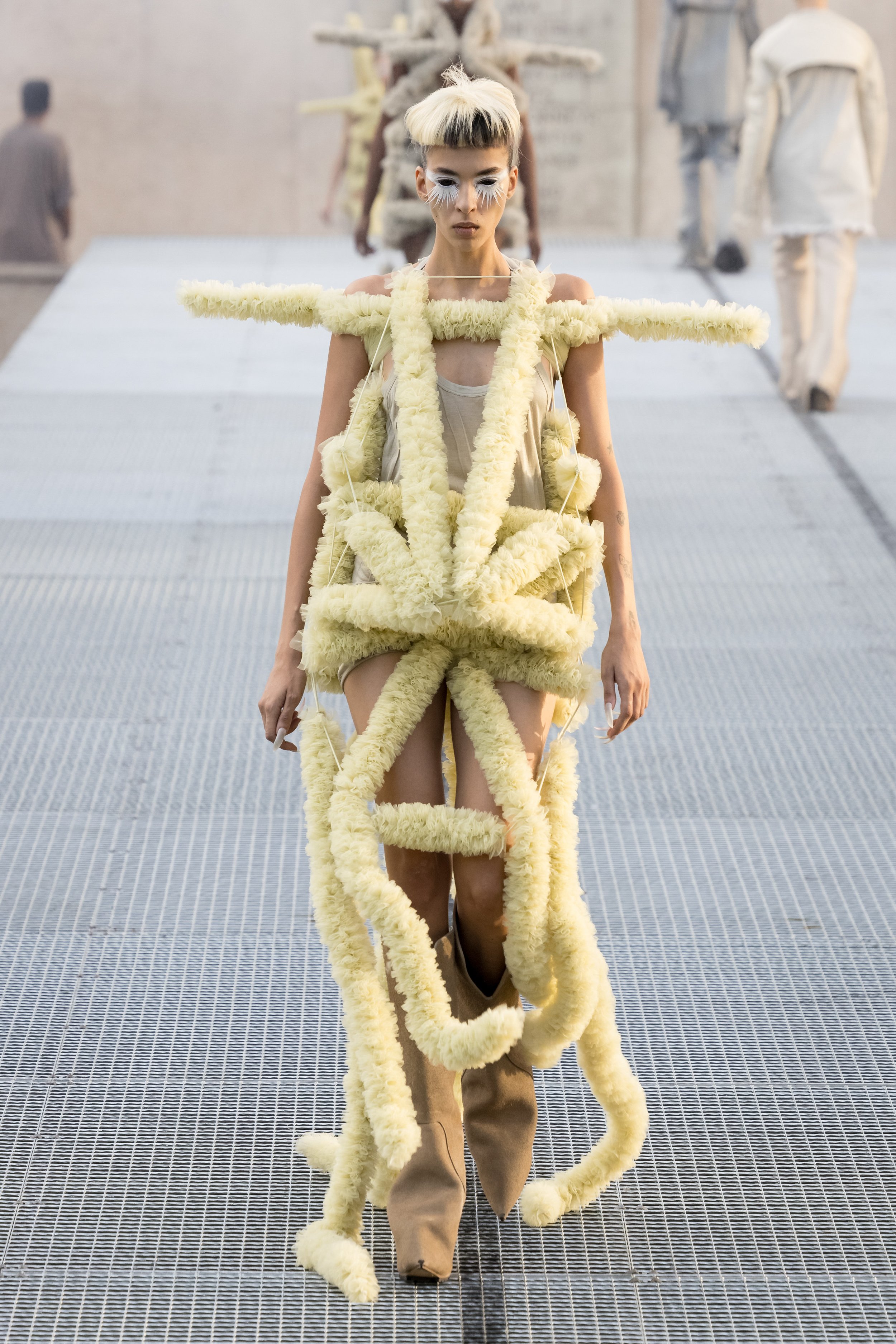
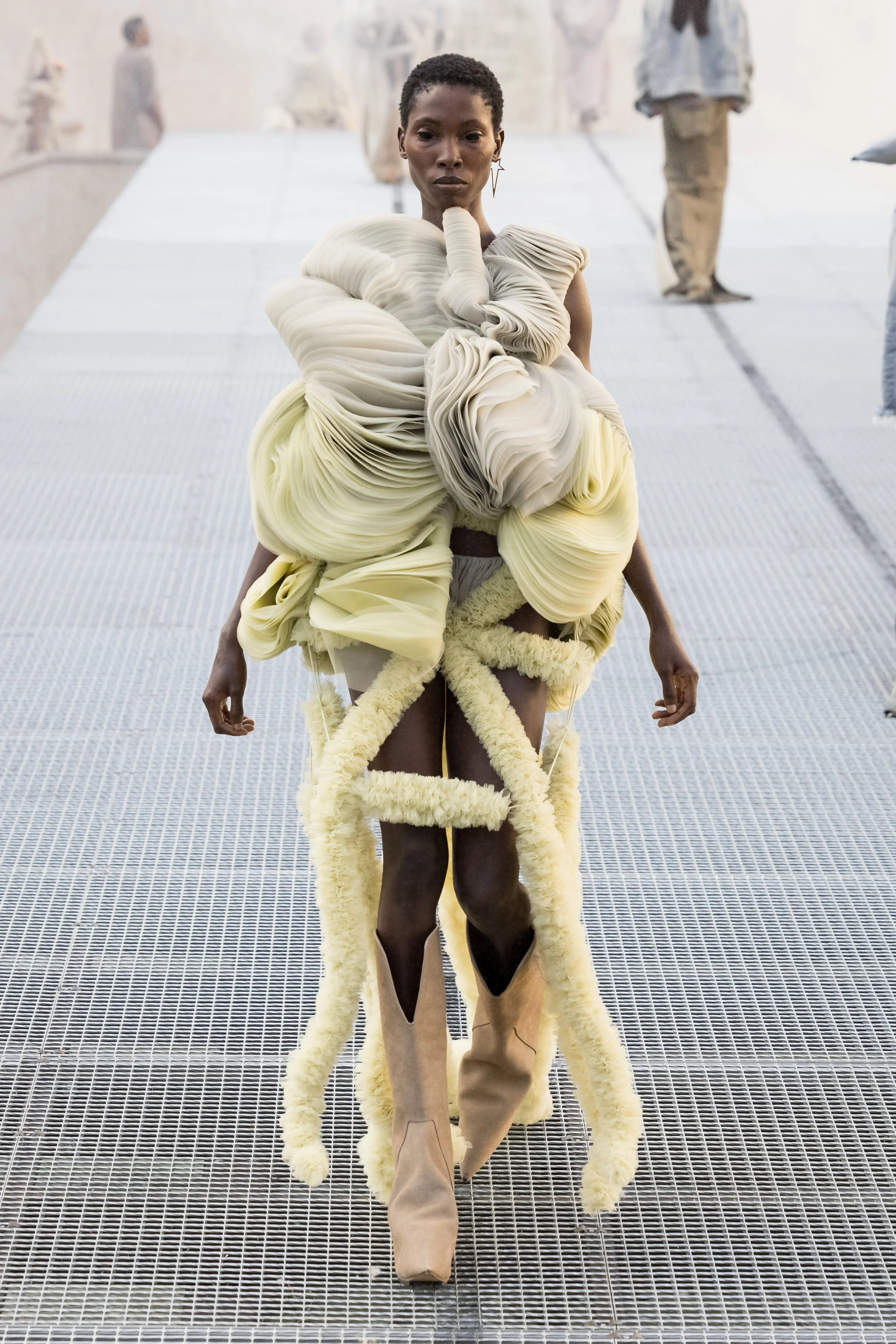
And then there’s the pentagram, which manifested in the tulle-bound exoskeletons towards the end of the show. It’s a symbol Owens has long used in his work, and only one of the countless reasons he regularly attracts accusations of being a Satanist. It’s also the most potent way of conveying the third meaning behind the show, which surrounds the act of casting stones. To Owens, pentagrams serve as a protest against intolerance and condemnation. For those who refuse to see beyond their own beliefs, they act as a litmus test, a visual reminder of their own judgement. For those who have been condemned, pentagrams represent a marker of protection, as summoned in the armour-like construction of those final ensembles.

In his show notes, Owens proclaimed that “Stars are magic symbols and I use mine to encourage an open heart.” It’s true that being involved in magic – or any spiritual practice for that matter – can have its consequences. One could be taken as a worshipper of the devil. Or become so embittered that the soul hardens beyond release.

As an acolyte of Rick Owens, though, I’d like to take my chances.


Words by Vicki Liang

ISSEY MIYAKE SS27

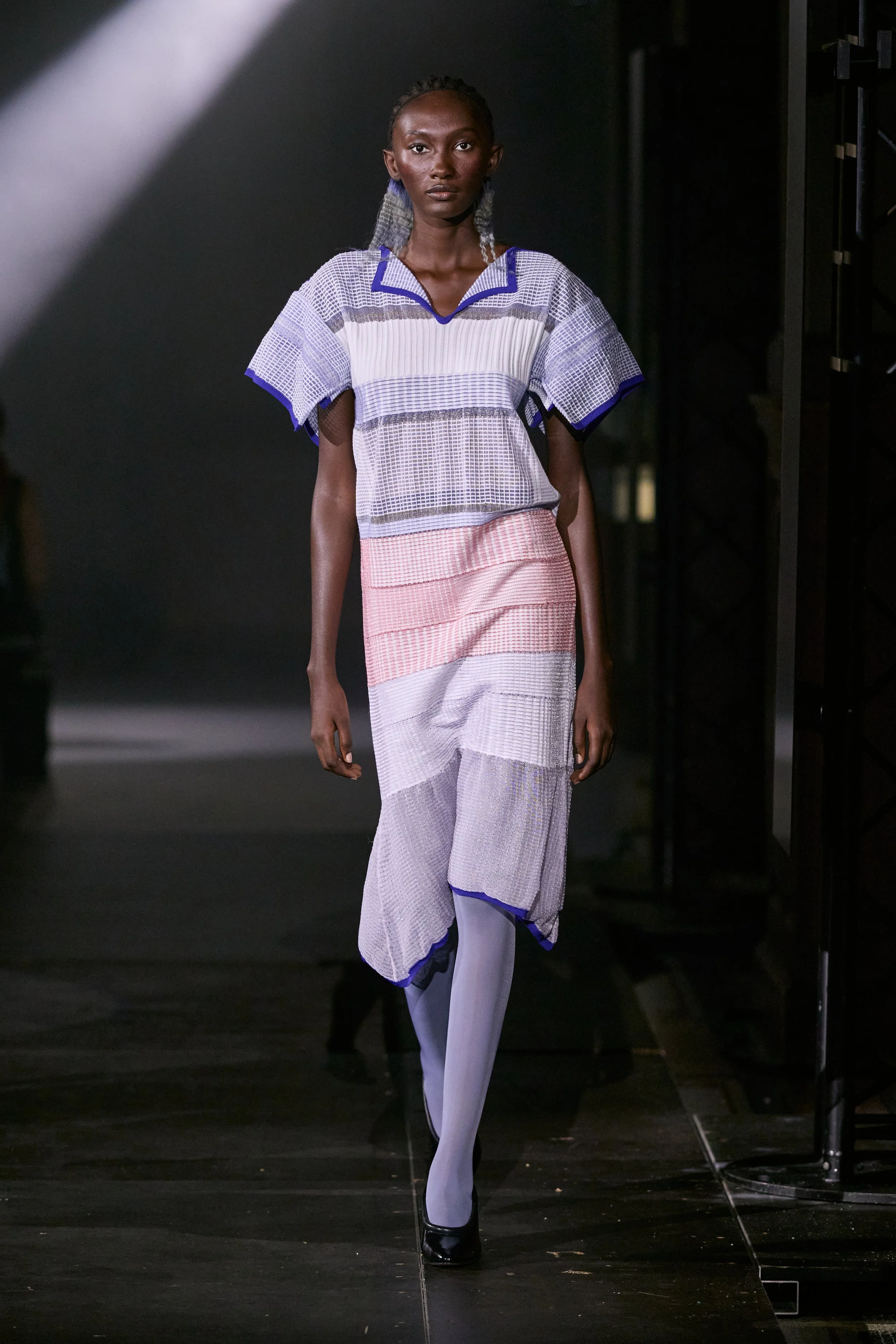
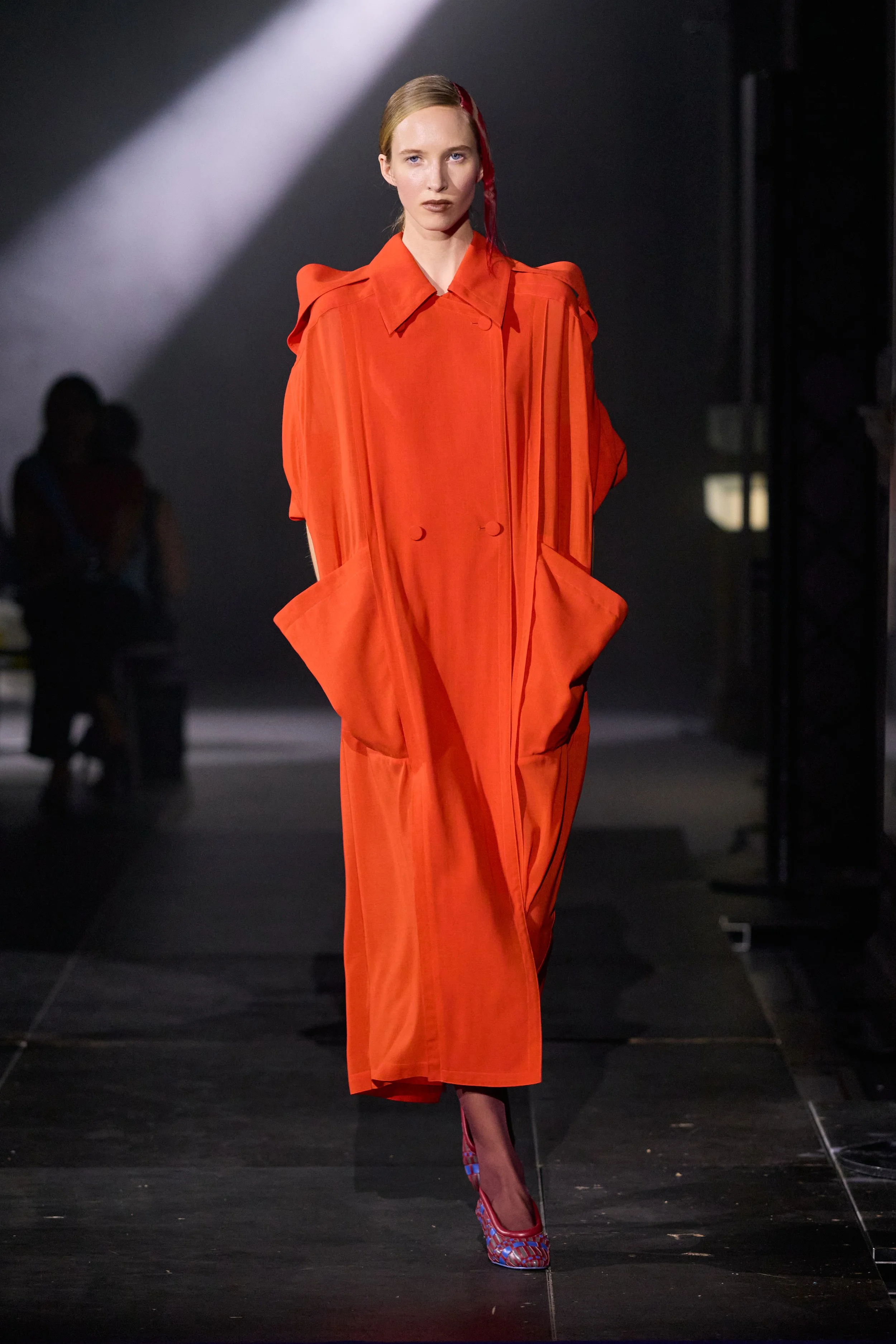
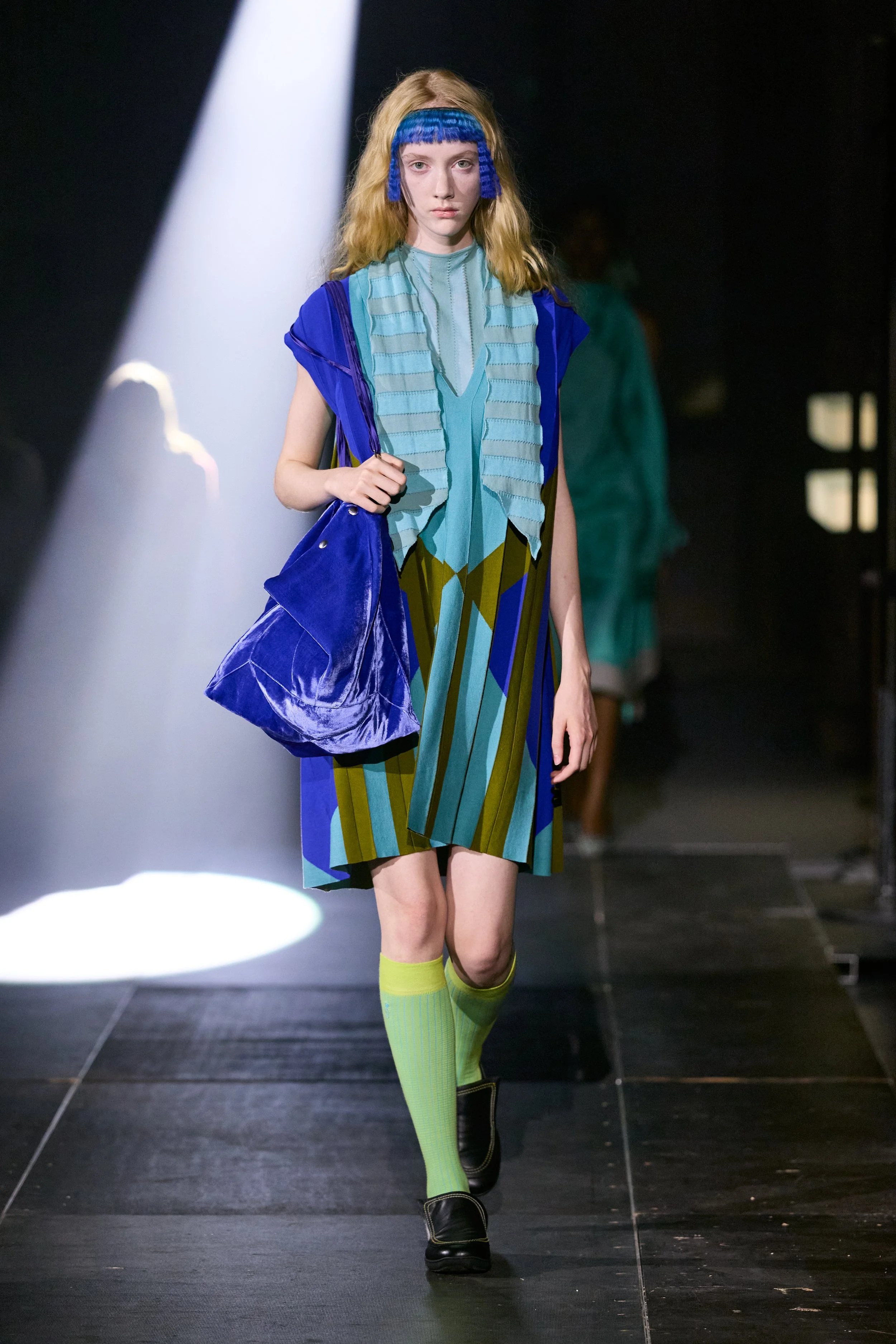
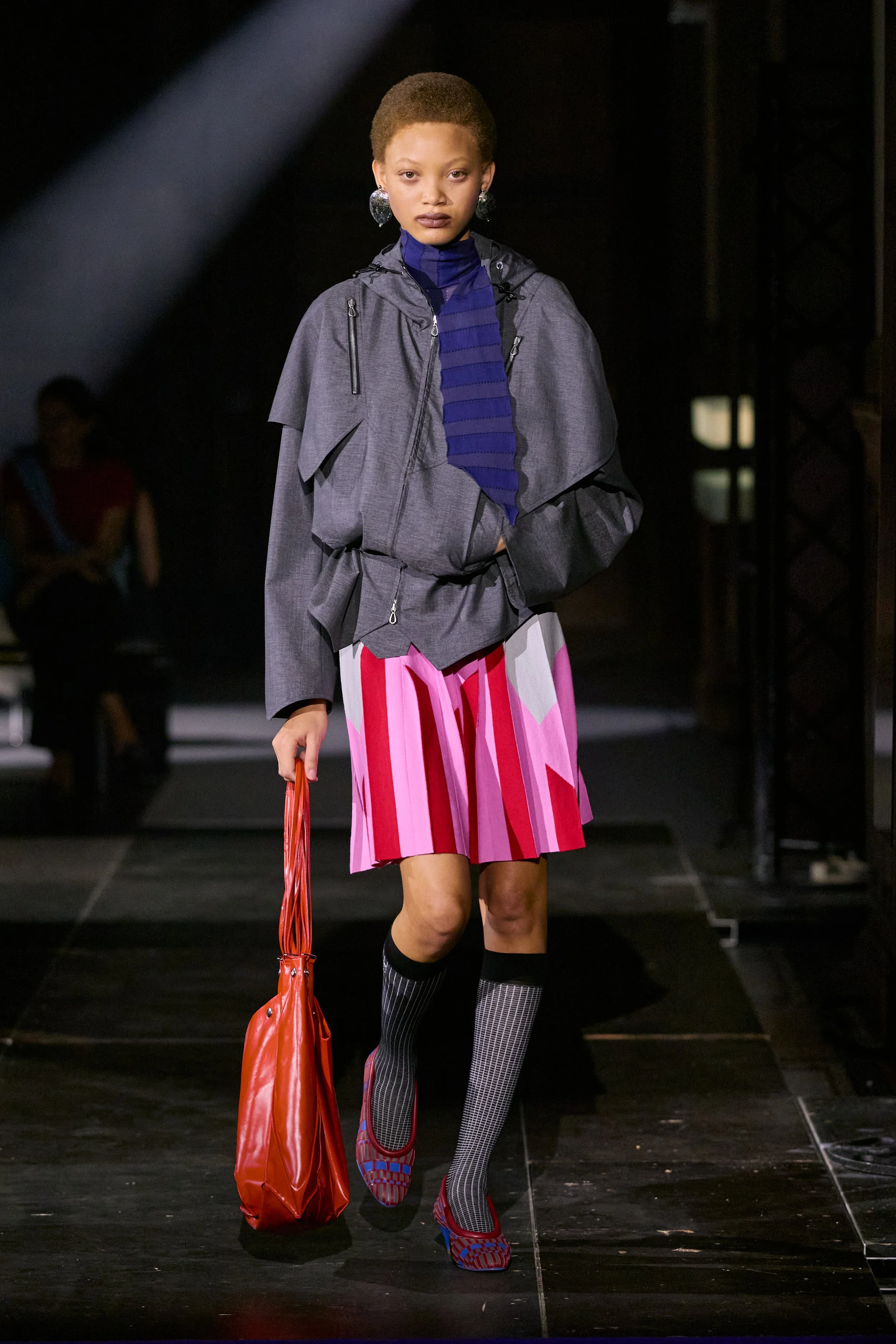
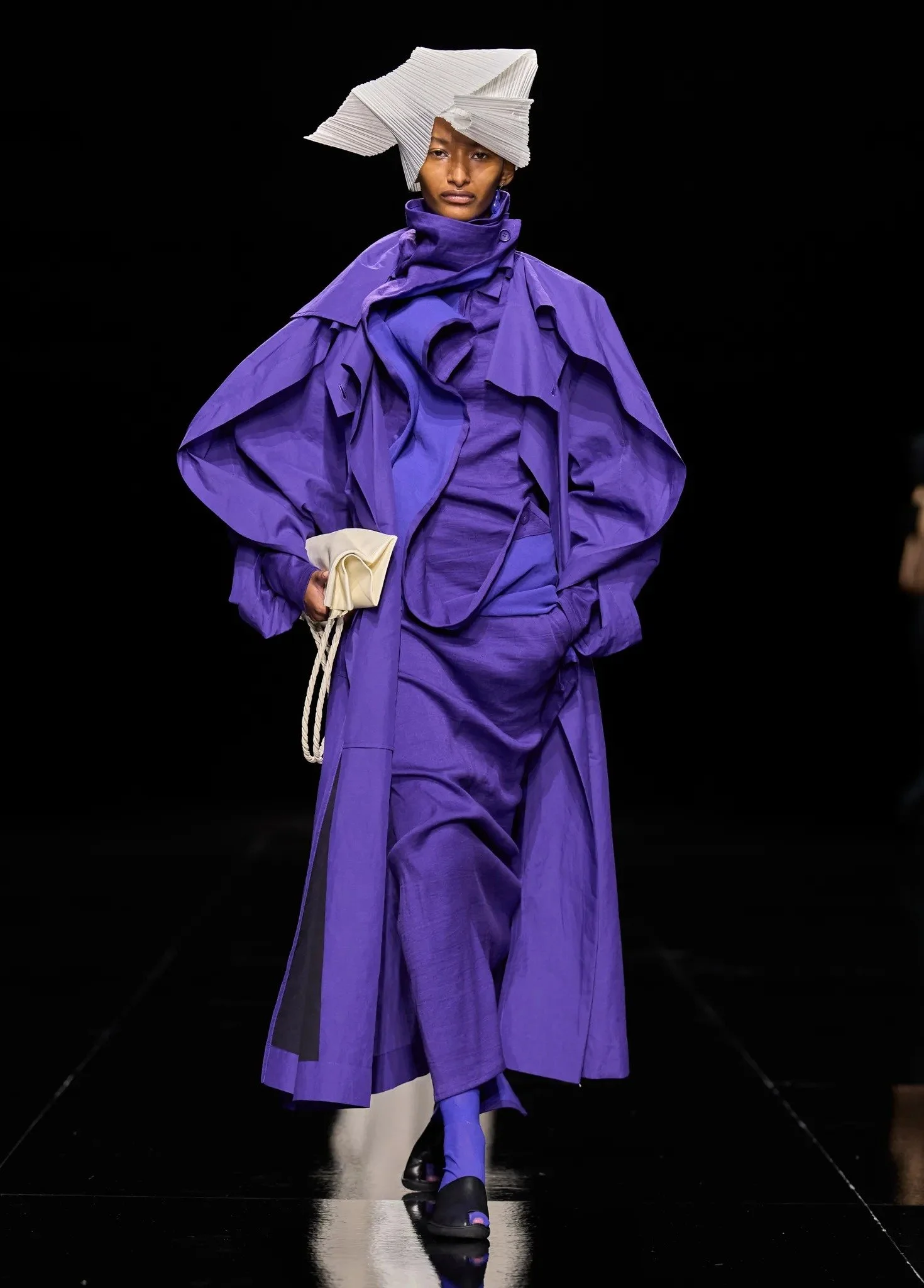
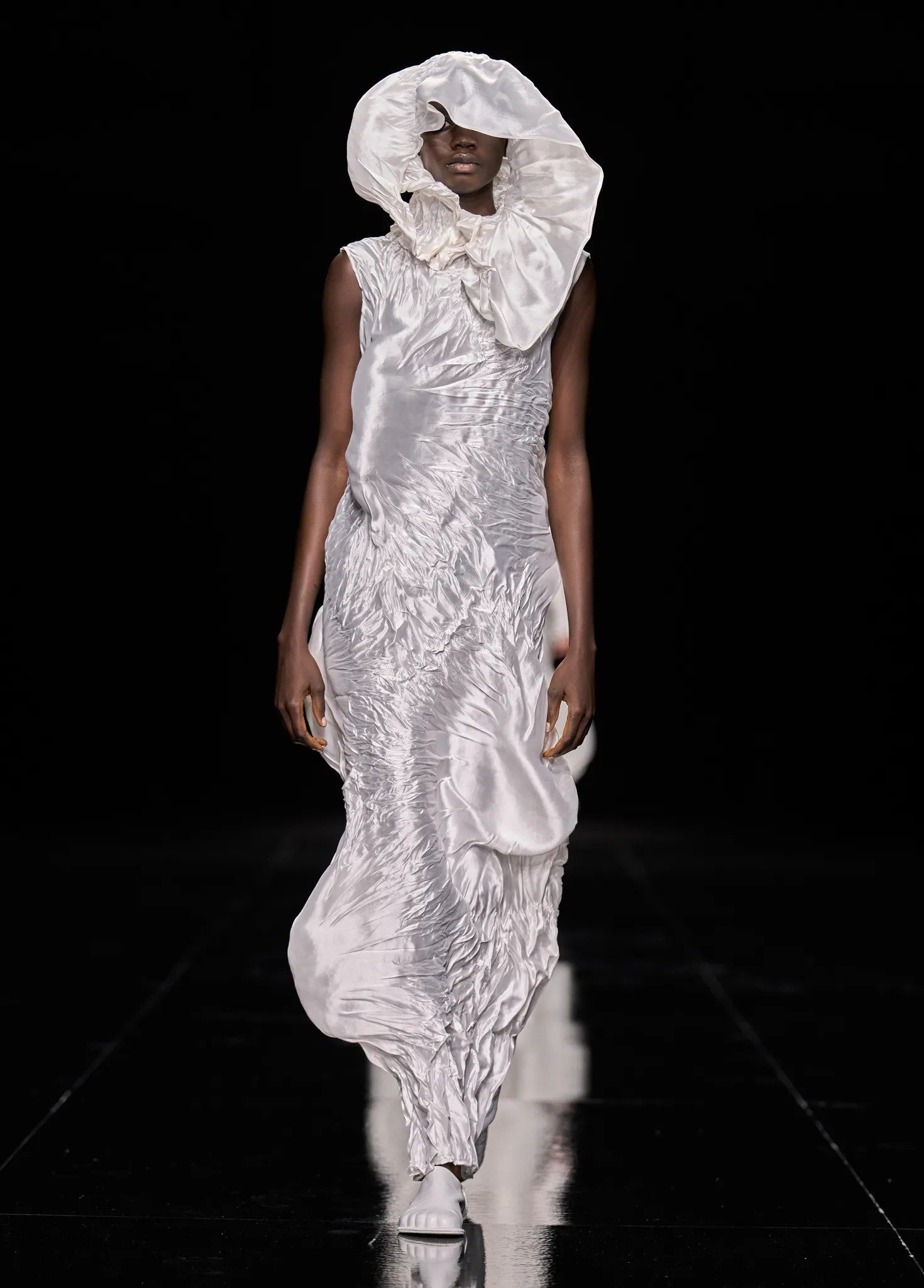
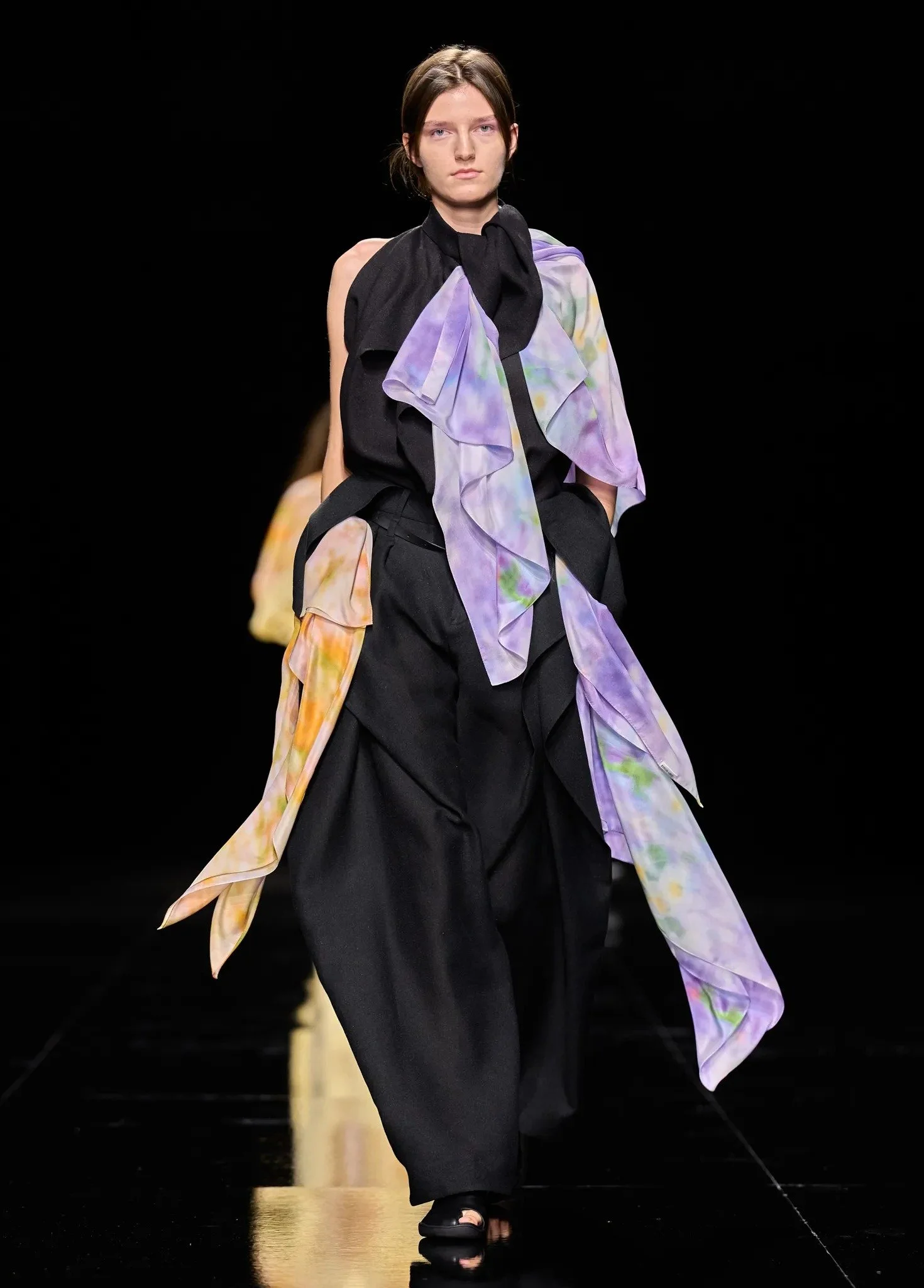
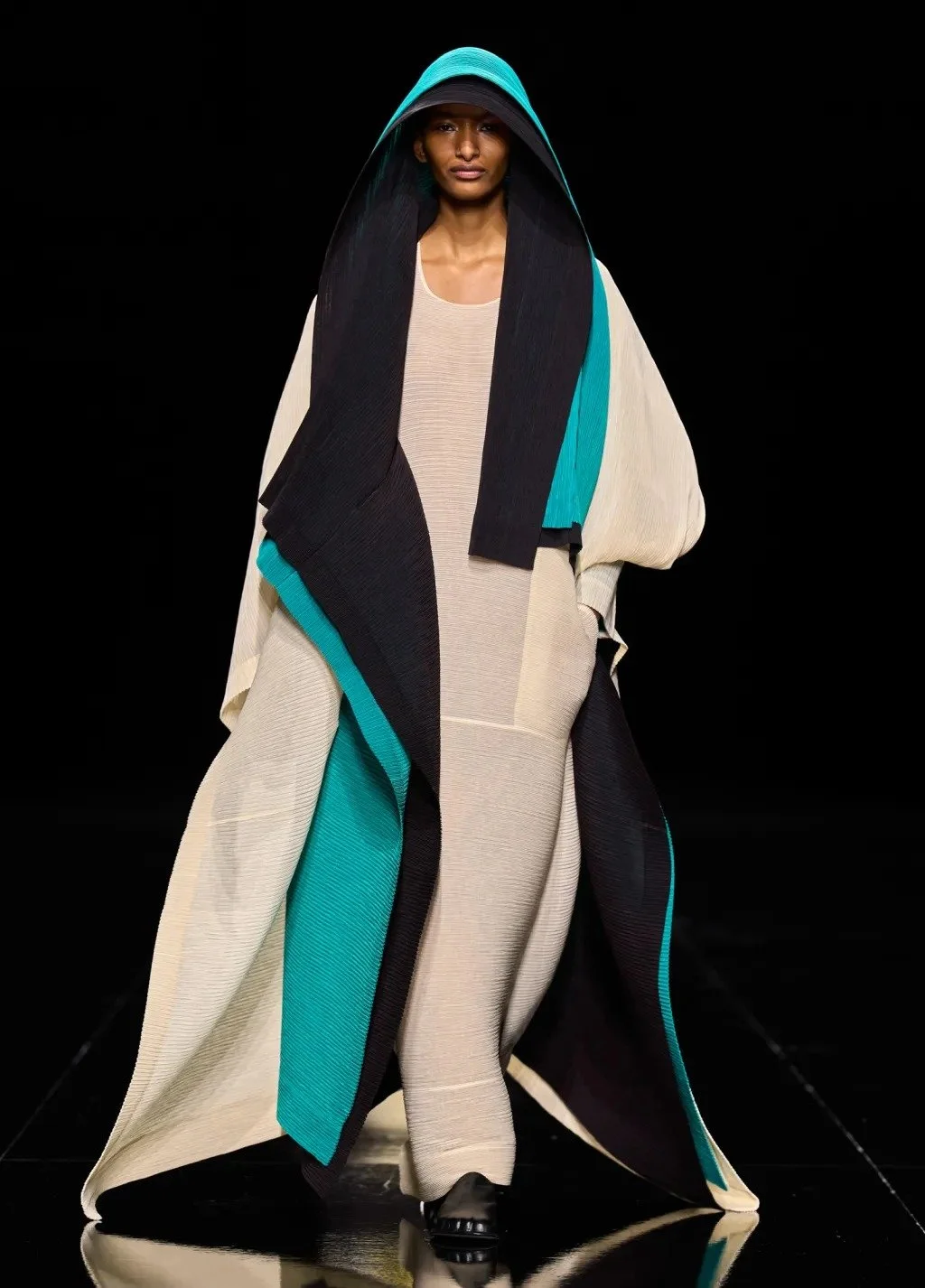
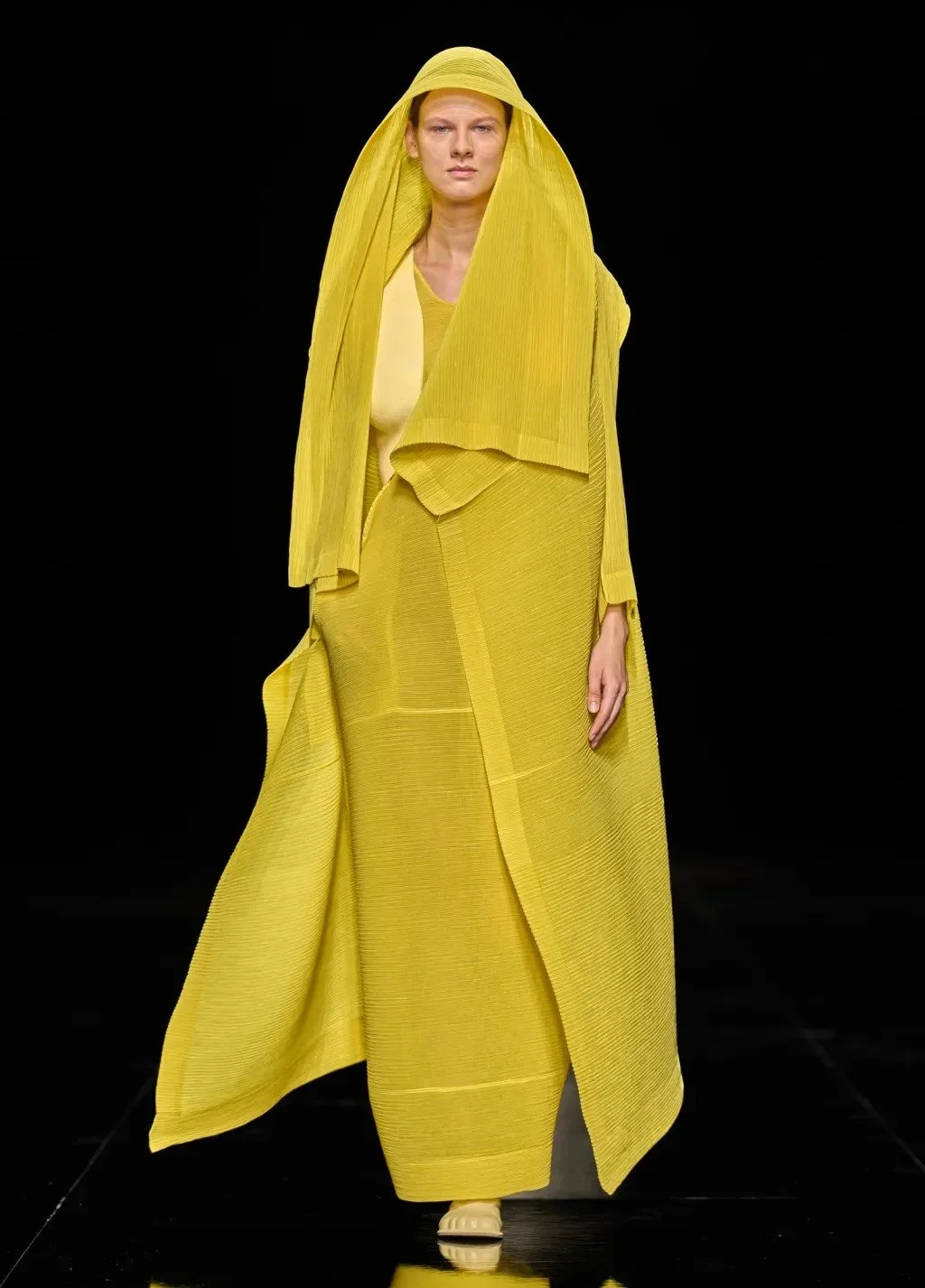
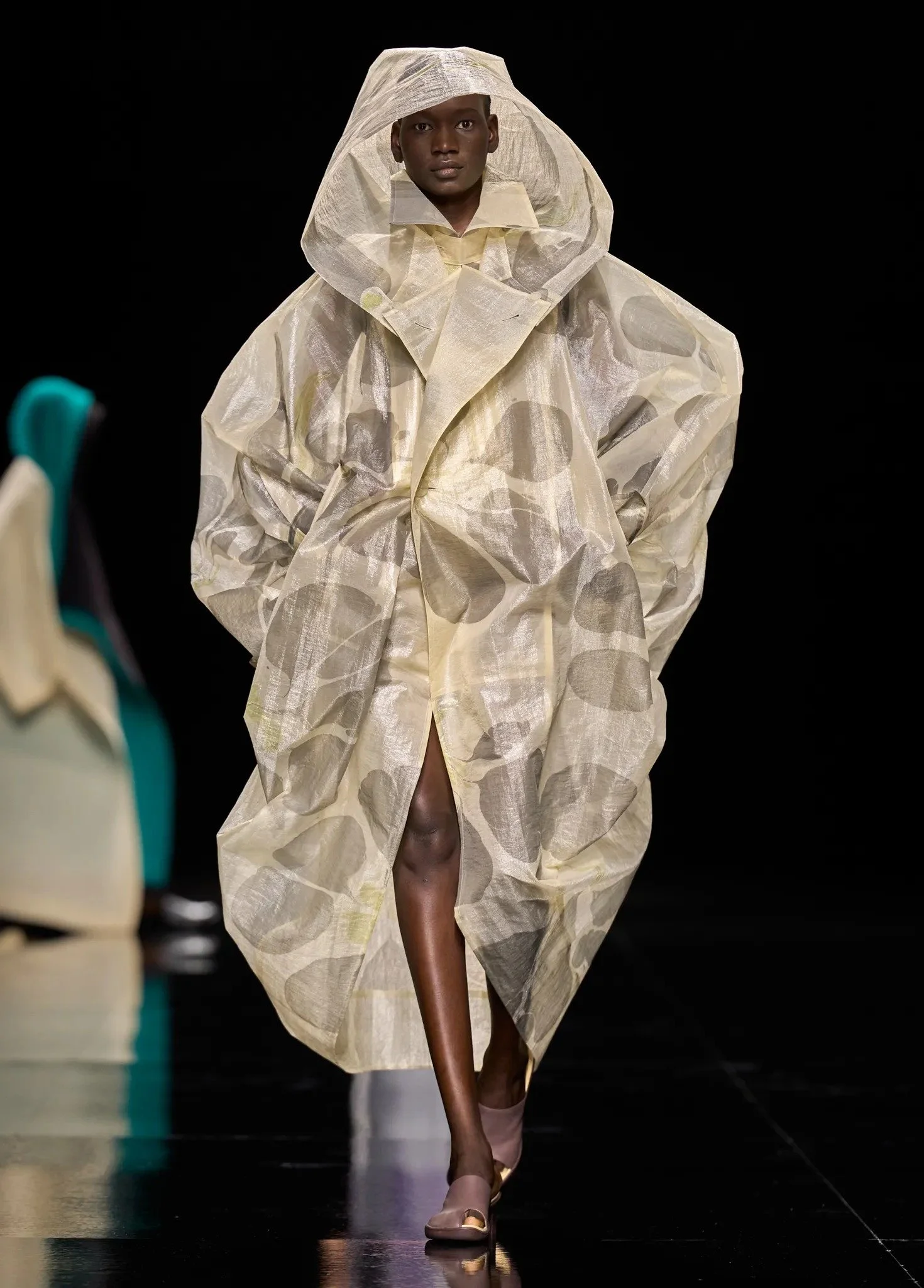
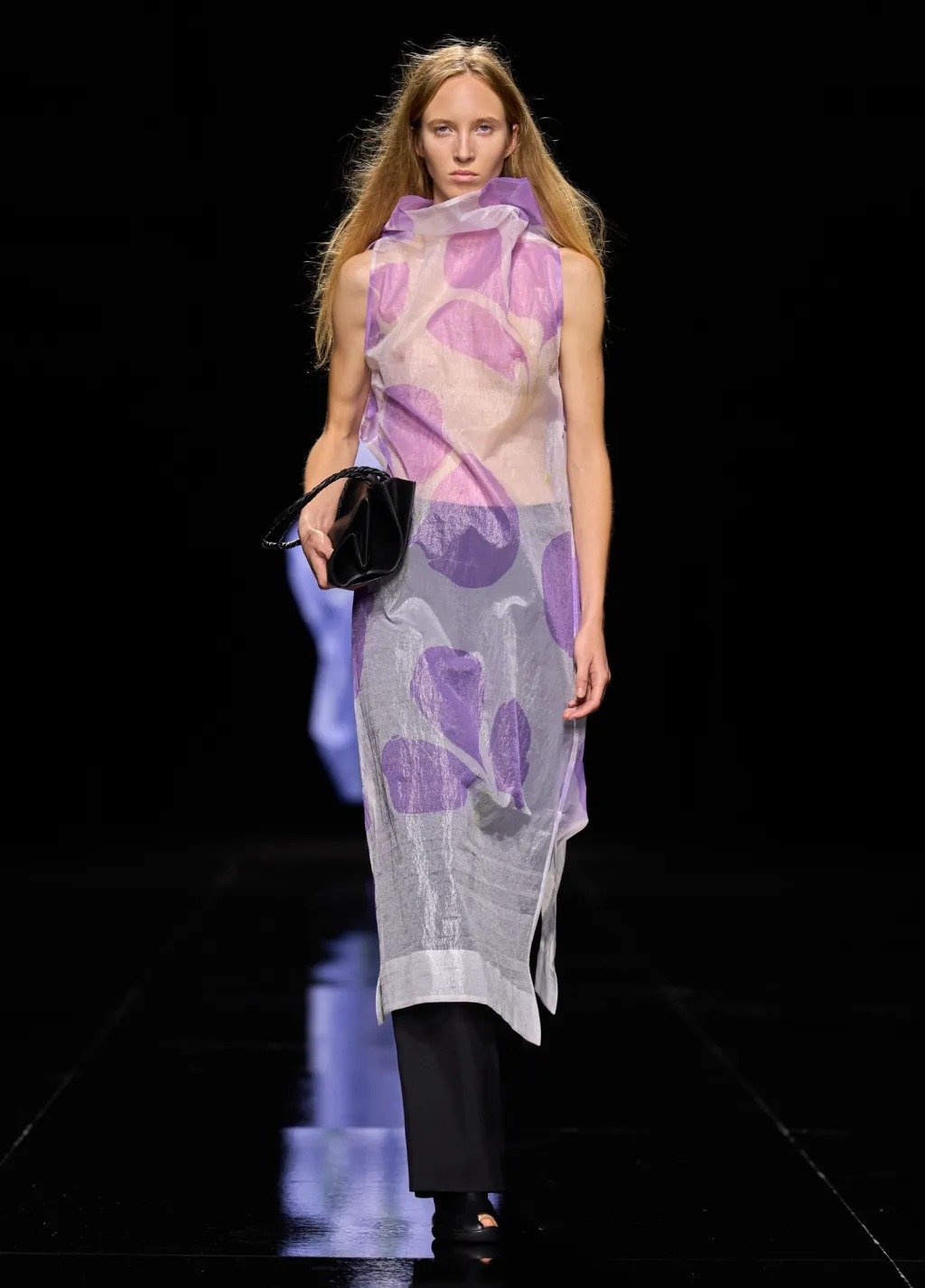
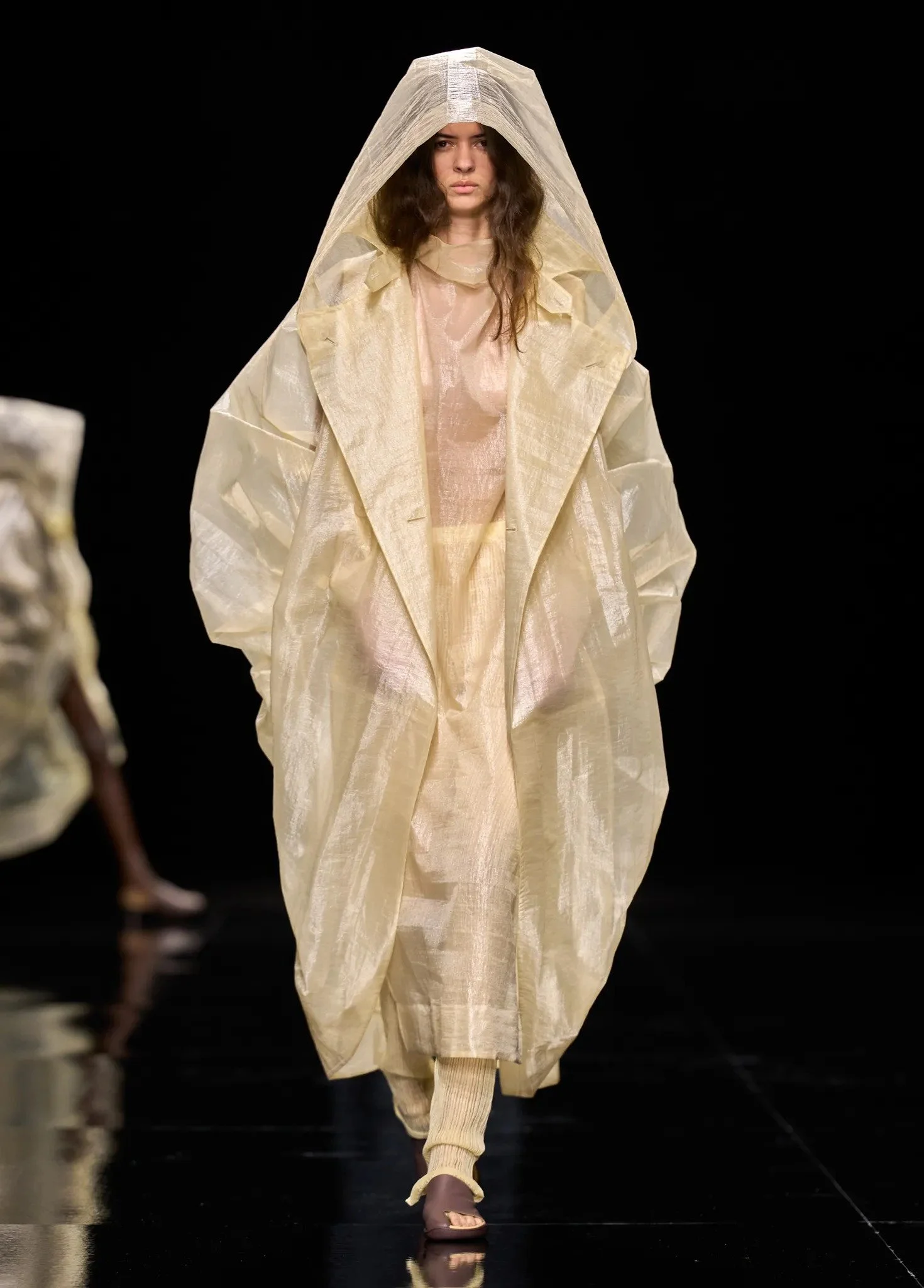
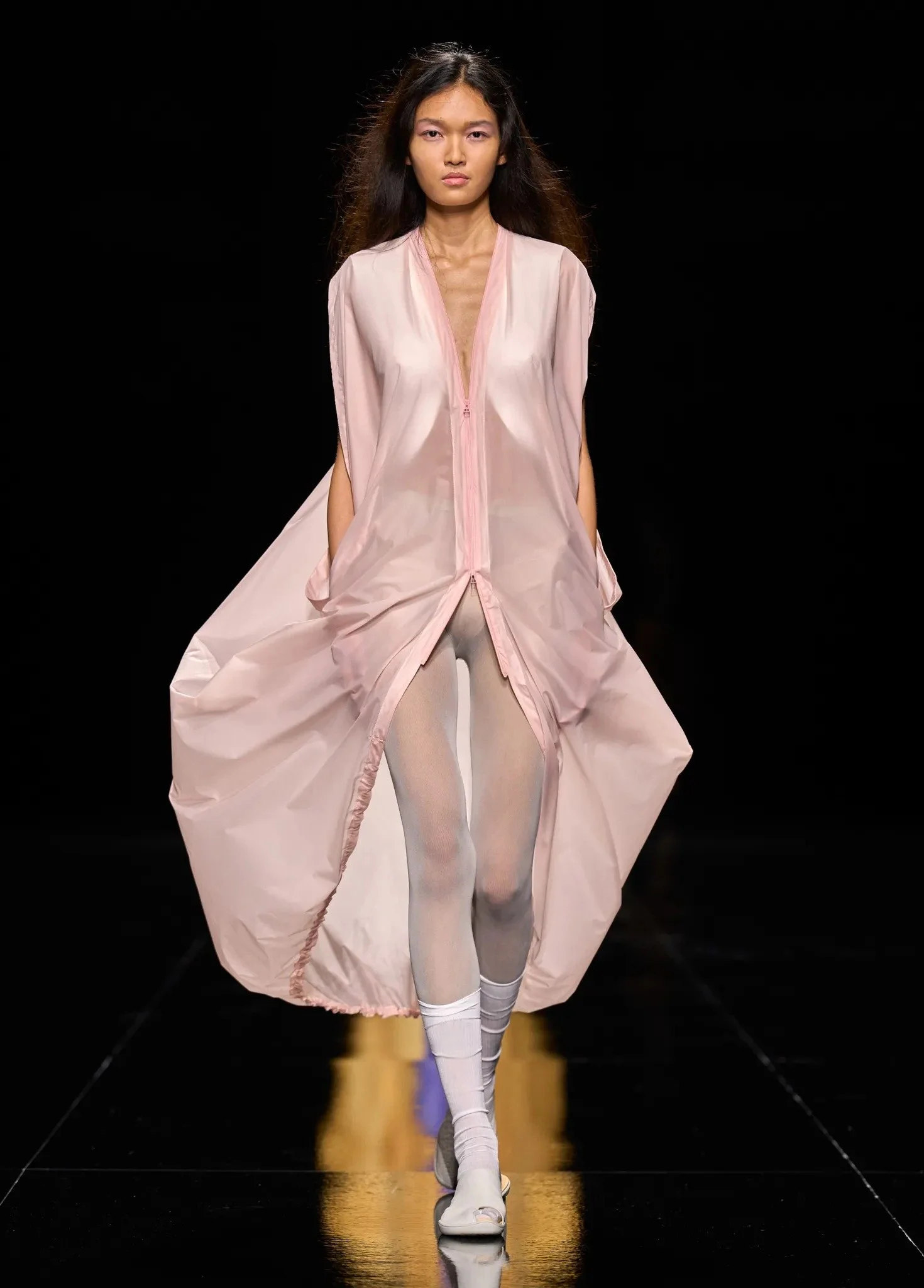
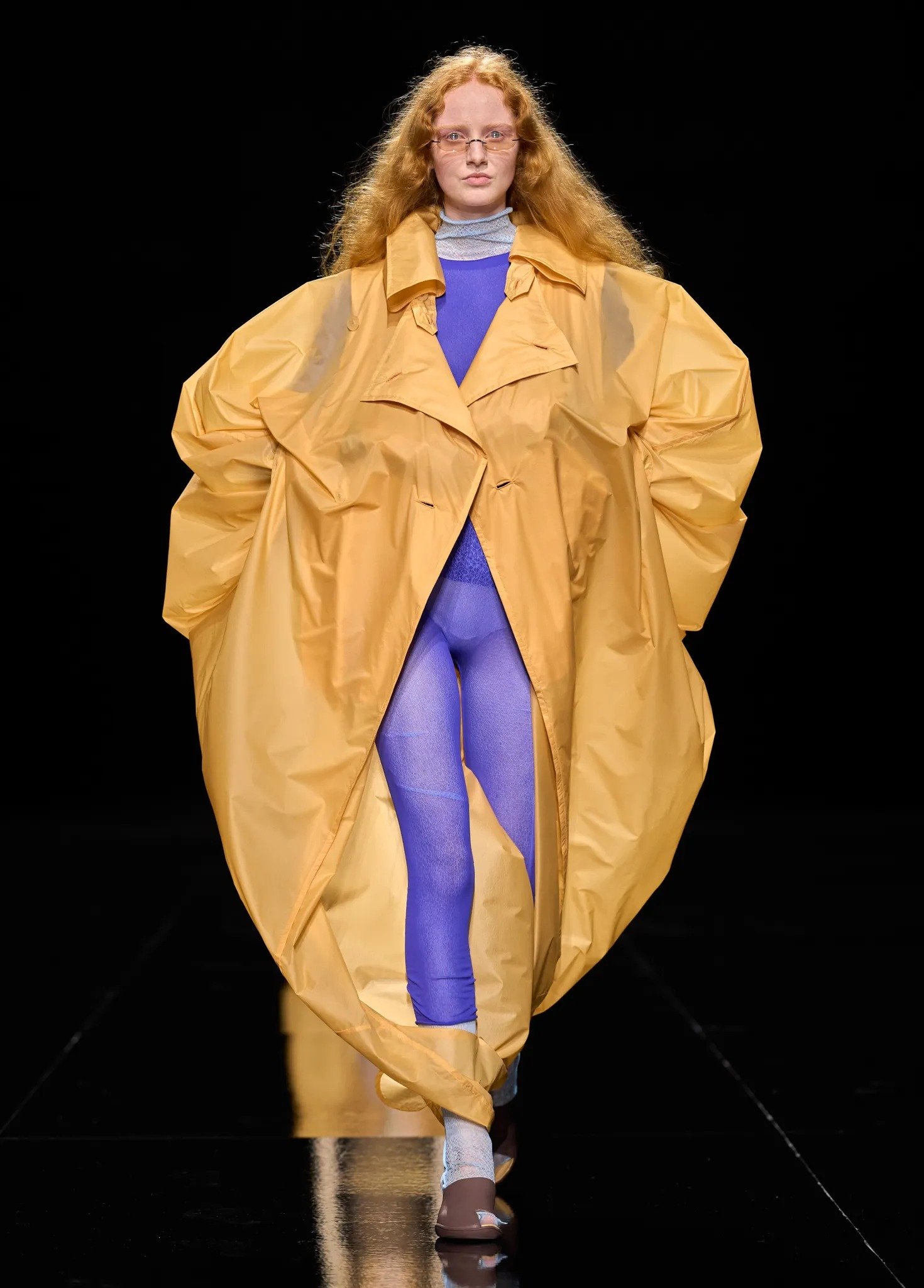
For Spring/Summer 2027, Issey Miyake introduced a collection inspired by the Japanese aesthetic concept of ma, referring to the gap or interval between things. For this offering, the concept is translated into the space between garments and the body.

This season, clothes are made for more than just covering or adorning. They create a dialogue between the garment and the body, one where graceful movement becomes the language and construction the medium of expression.

Each piece seems to have a life of its own. Garments breathe, move, transform and shapeshift according to the wearer’s movements. Through this approach to creation, fabric becomes more than just an object; it becomes a dynamic element capable of transforming and giving the body a new sense of freedom.

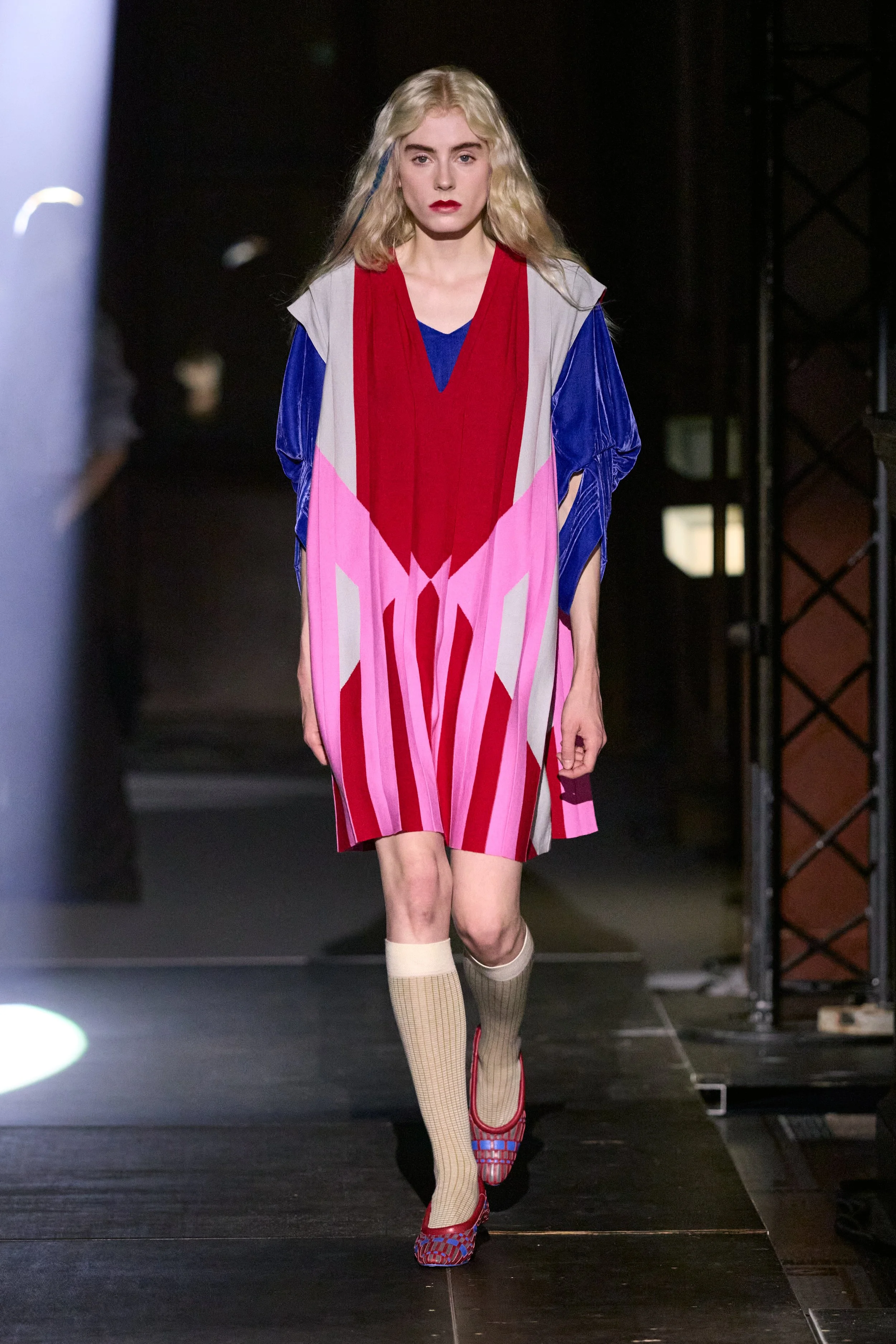
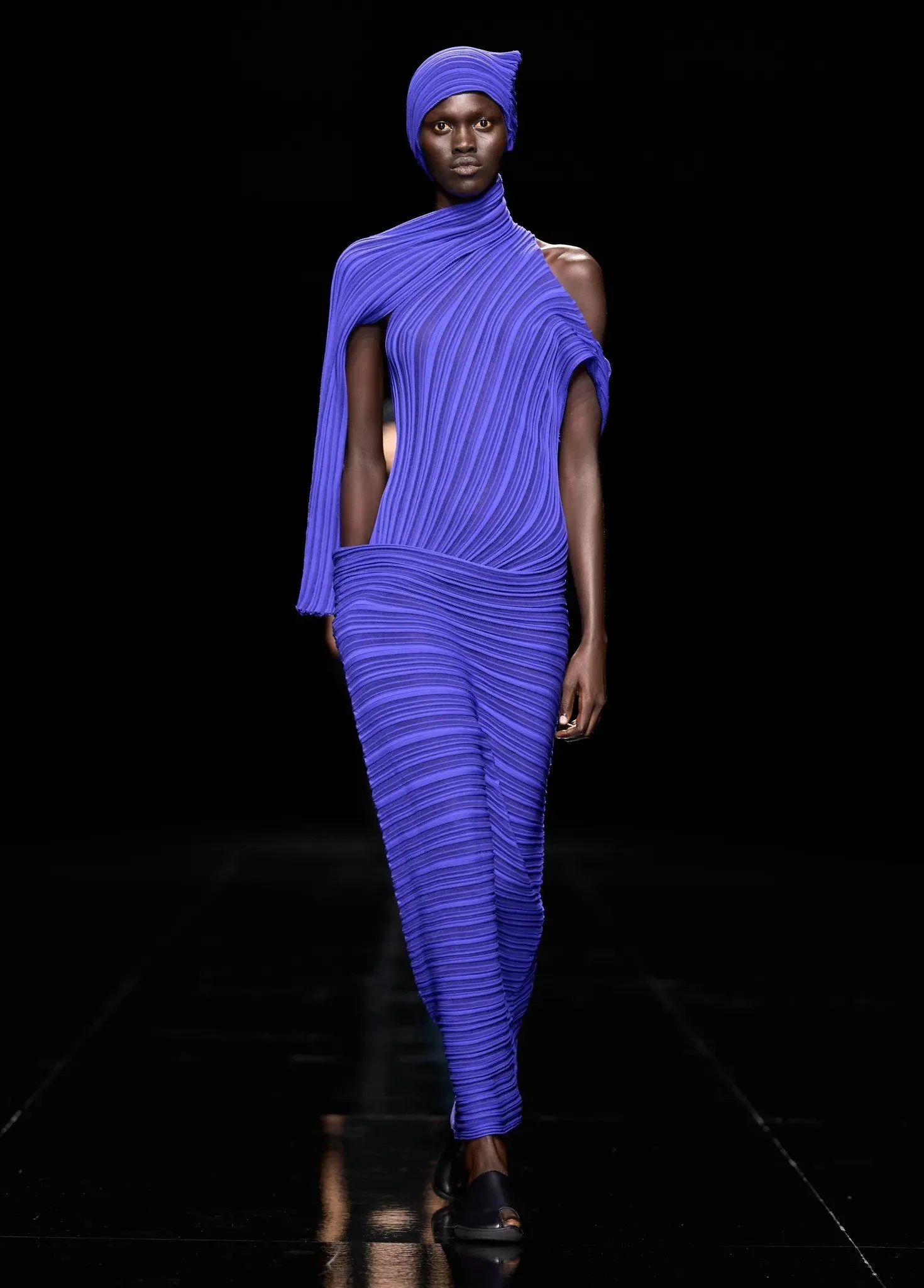
Highly experimental, the pieces showcase a mastery of construction techniques that is signature to the brand. Sculptural, voluminous silhouettes and asymmetrical shapes create an ethereal feeling as they move gracefully down the runway. Floating volumes, draping, layering and deconstruction give the collection its avant-garde and poetic sensibility.

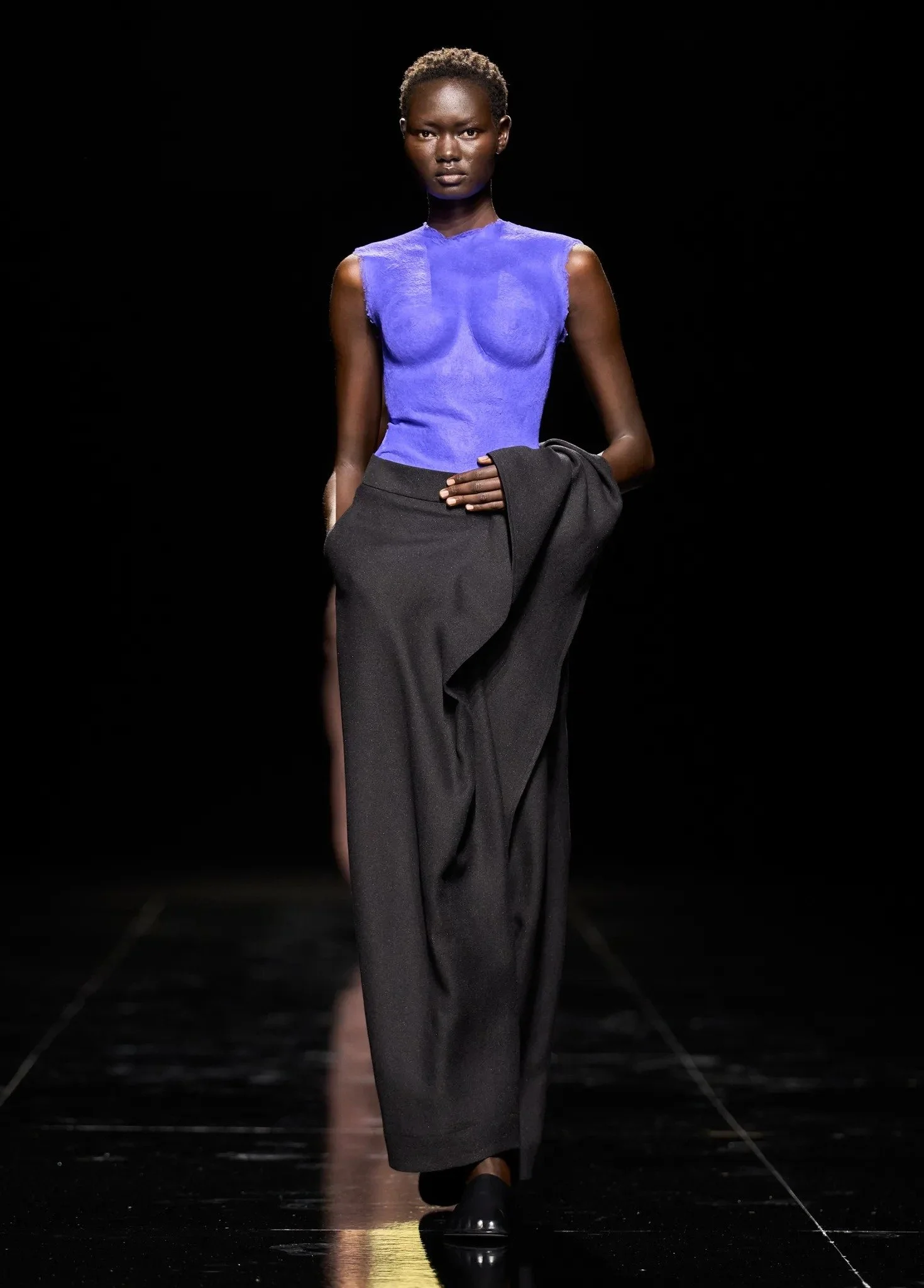
The signature Miyake pleating is present throughout the garments, making them swirl, bounce and transform with each movement. Exaggerated collars, ruffles and cascading volumes enhance the sculptural approach of the pieces. Moulded bodices introduce a futuristic approach to the collection. This contrast between sculptural forms and fluid silhouettes adds a sense of richness.

Colours and textures contribute to the opulent visual language. Vibrant hues, including royal purple, bright blues and yellow, alongside lavender and pink accents, stand out against the black runway, creating a dynamic interplay. Metallic finishes also interact with movement, adding an energetic dimension. The interaction between construction, colour, shape, texture and movement results in a creative and experimental conception of modern fashion, where technology and artistry merge to create garments that feel like works of art in motion rather than simply clothing.


Words by Carolina Benjumea

GIVENCHY SS27

They often say it’s easy to tell when a designer loves women; you just have to look at their creations. The popularised statement, turned social media trend in the past few years, has an element of truth, yet it's nuanced. More importantly, the question is: how many designers are truthfully interested in hearing what women want when it comes to fashion?

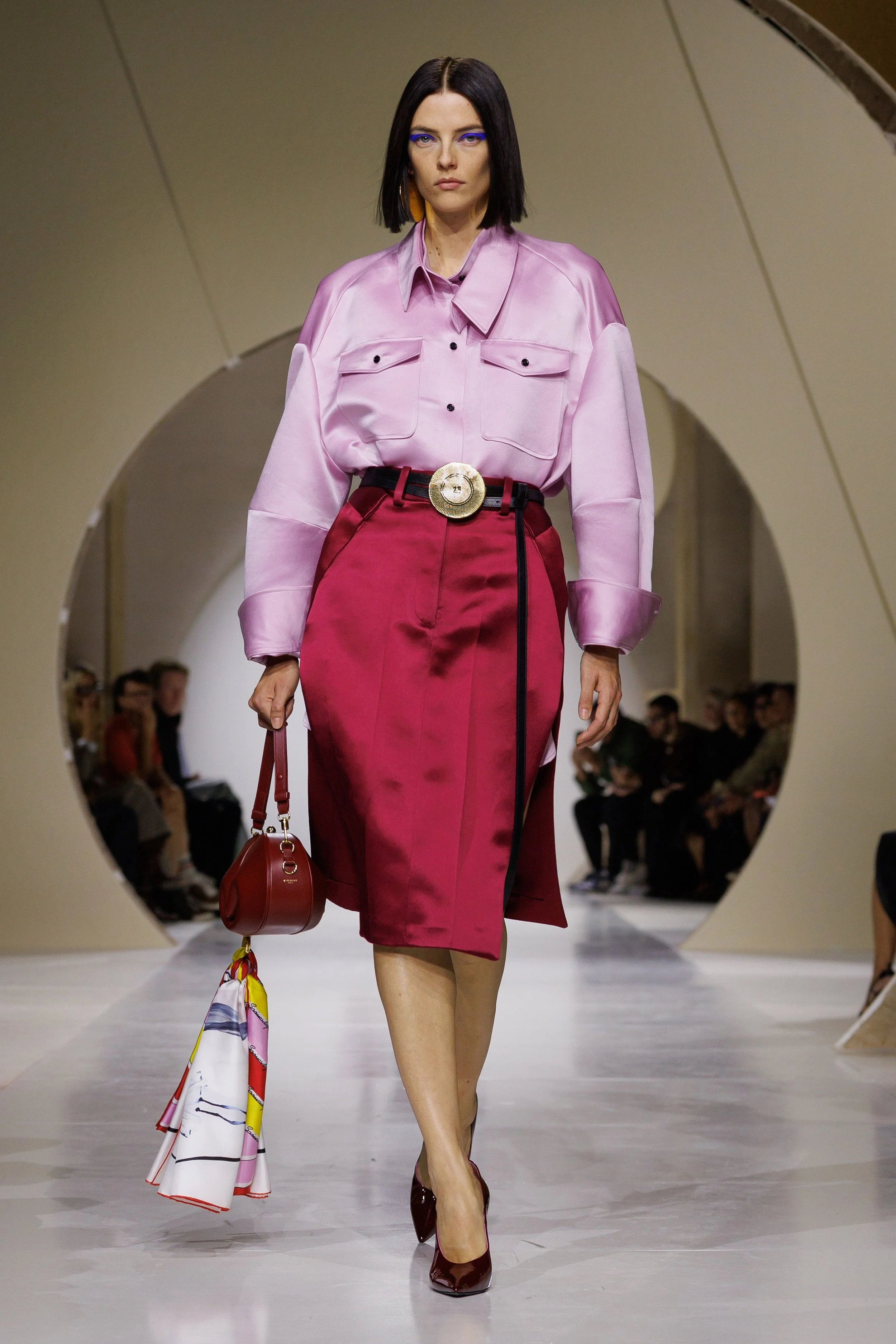
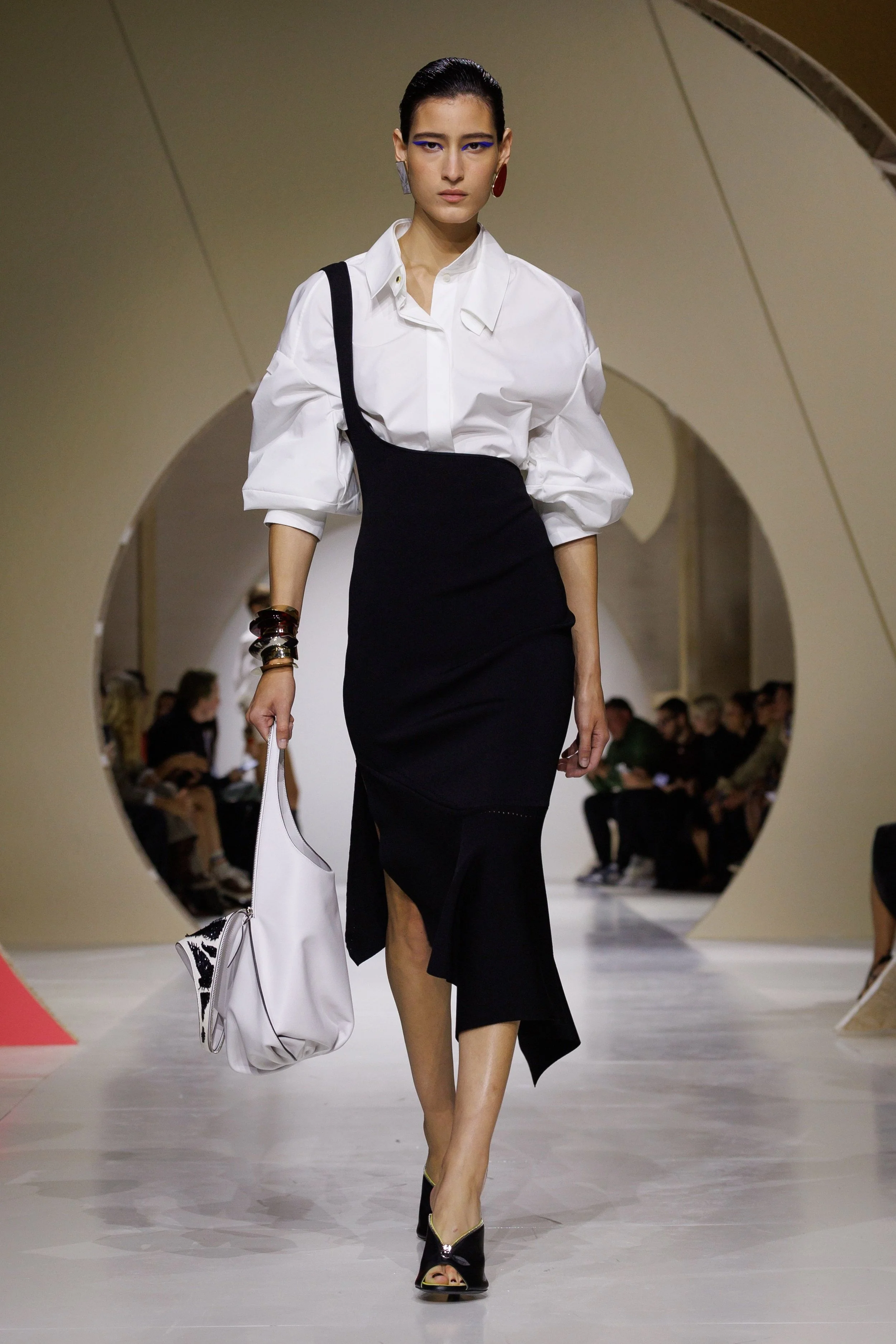
At Givenchy, Sarah Burton is one of them. Since her first collection for the house, Burton has been open about the meaning of her creative practice. Her ultimate goal is to fulfil the dressing needs of contemporary women, without discarding their differences, similarities, and pluralities.

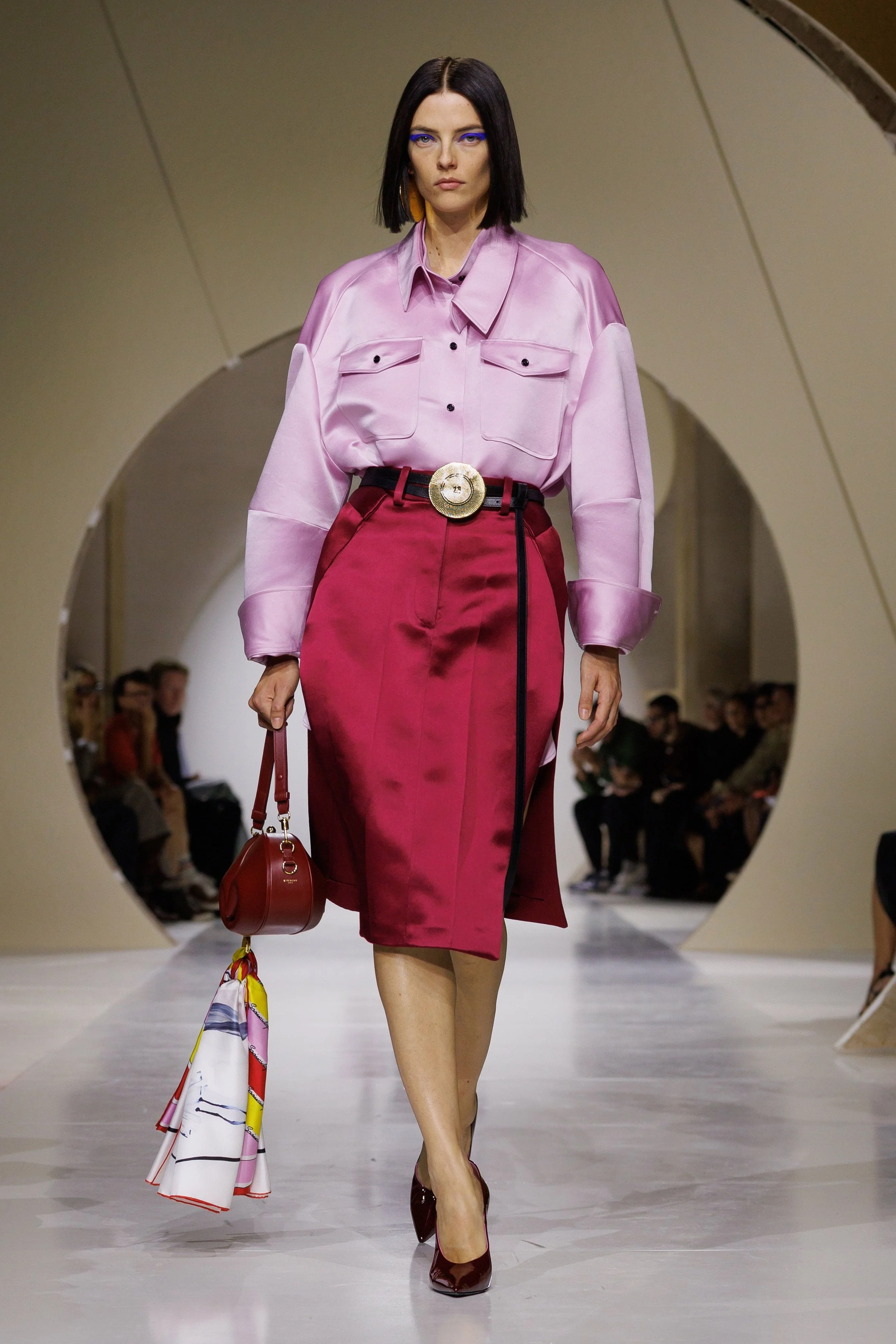
All of the above became crystal clear during Spring/Summer 2027, Burton’s fourth womenswear collection for the Parisian label. Taking into consideration how chaotic the world we live in is – even more so if you are a woman – she proposed a lineup of garments with a sense of balance and clarity. “A wardrobe to bring precision and simplicity to dressing as we speed through the multiple perspectives and perpetual motion of all our lives,” read the collection notes.

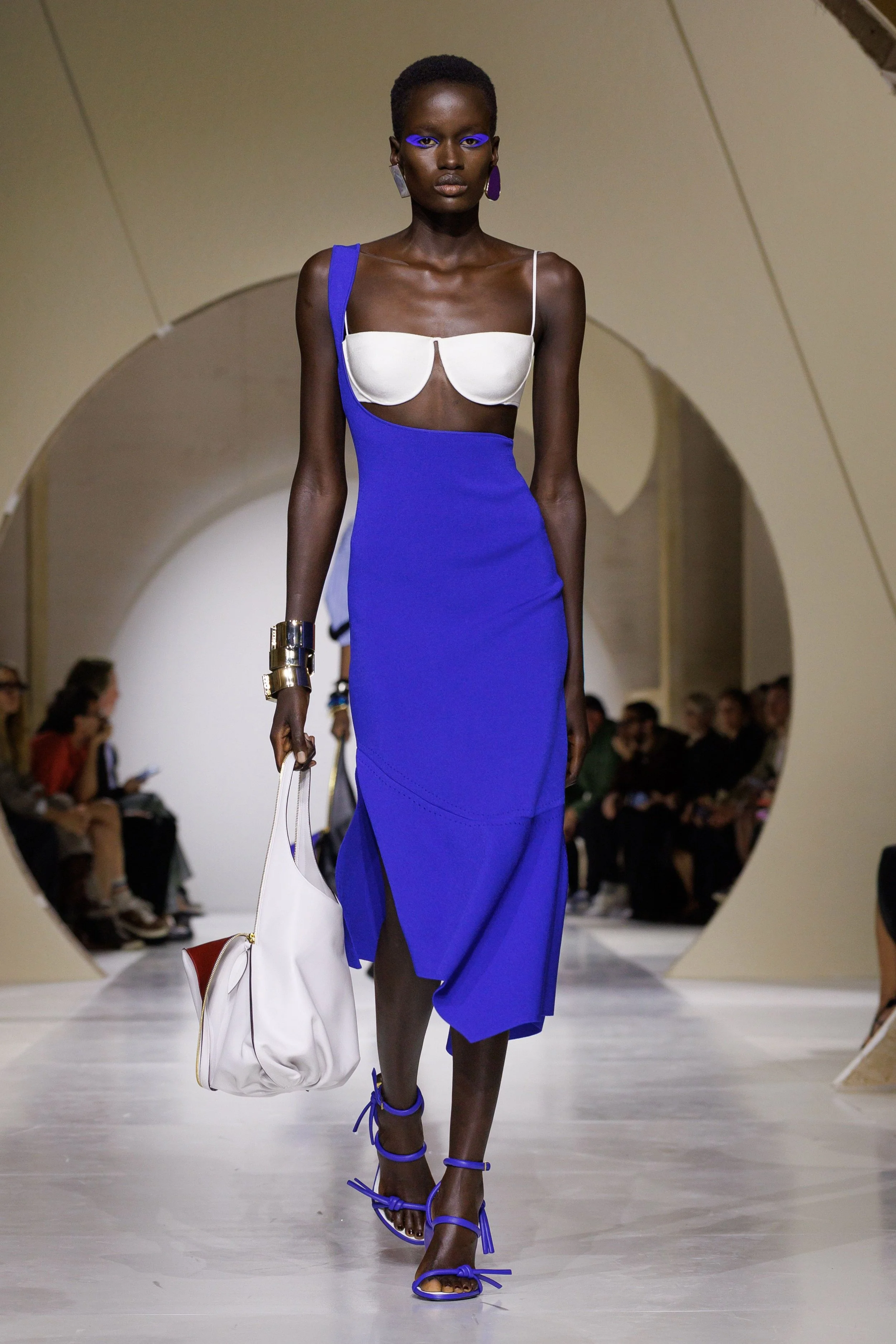
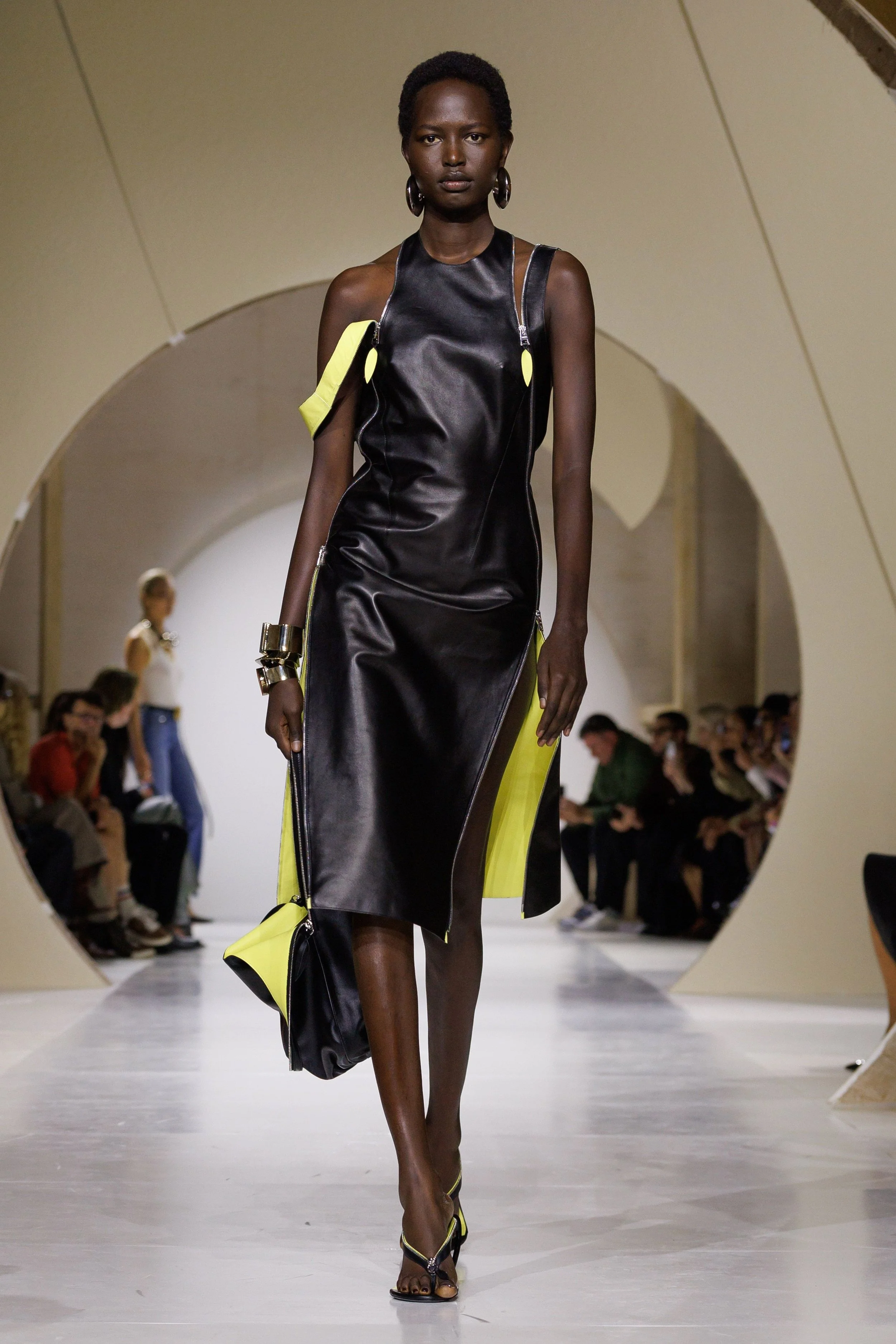
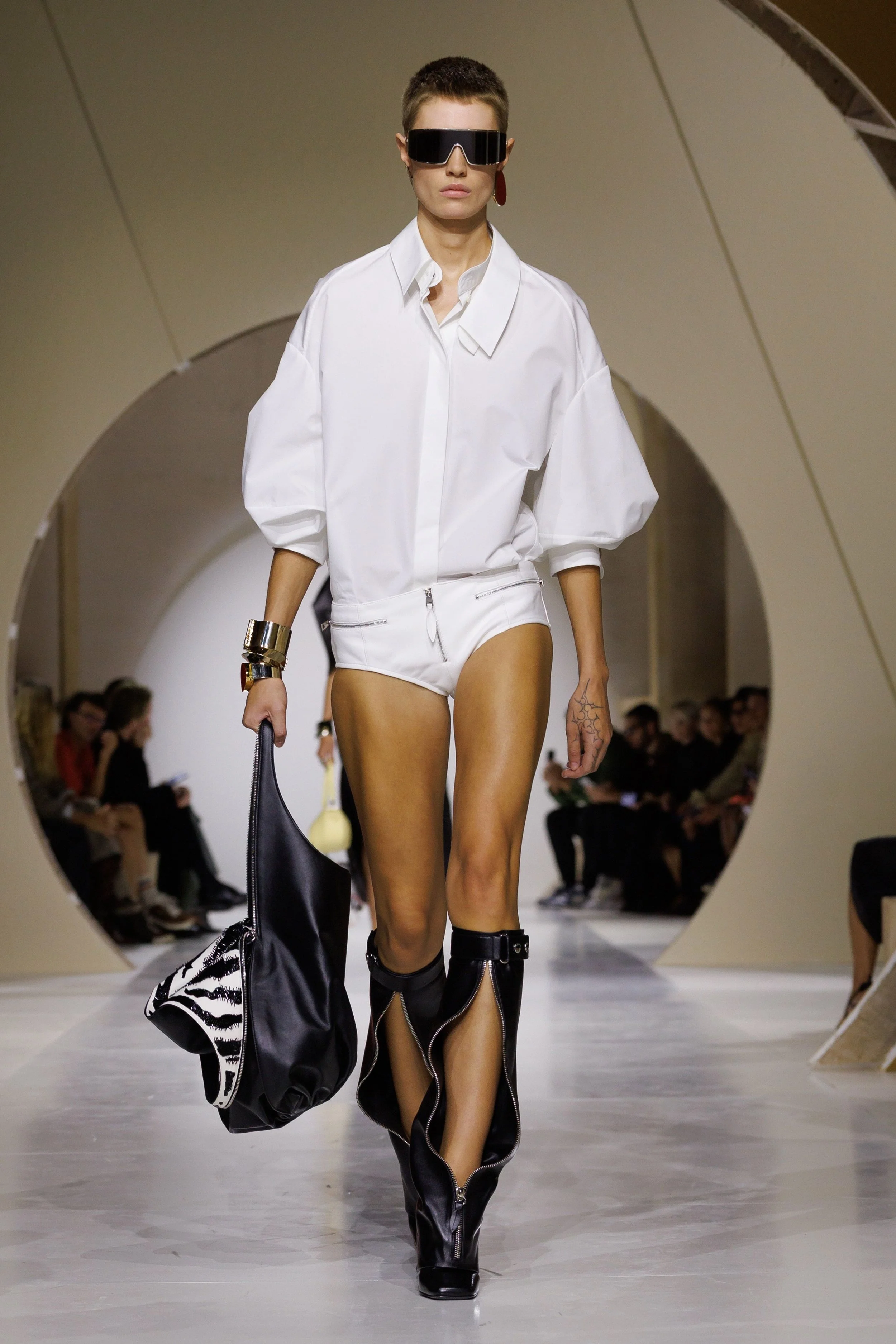
Here, the subject is in control, represented by an army of models meticulously cast, their clothes on the catwalk echoing their personal energy. A black-and-yellow leather dress, with metal side zips that serve as slits and climb onto the arms, almost becoming straps, opened the show. Colour-coordinating, heeled mules and a matching handbag, both with zip detailing, completed the look.

The motif was seen multiple times, which seemed to embody this sense of agency and power when choosing to dress or undress, protect or reveal. Micro black-and-white zipped hot pants were paired with unzipped, slouchier black leather boots plus a crisp white button-down, while a classic biker jacket and a black leather tank vest were also covered in zip fastenings.

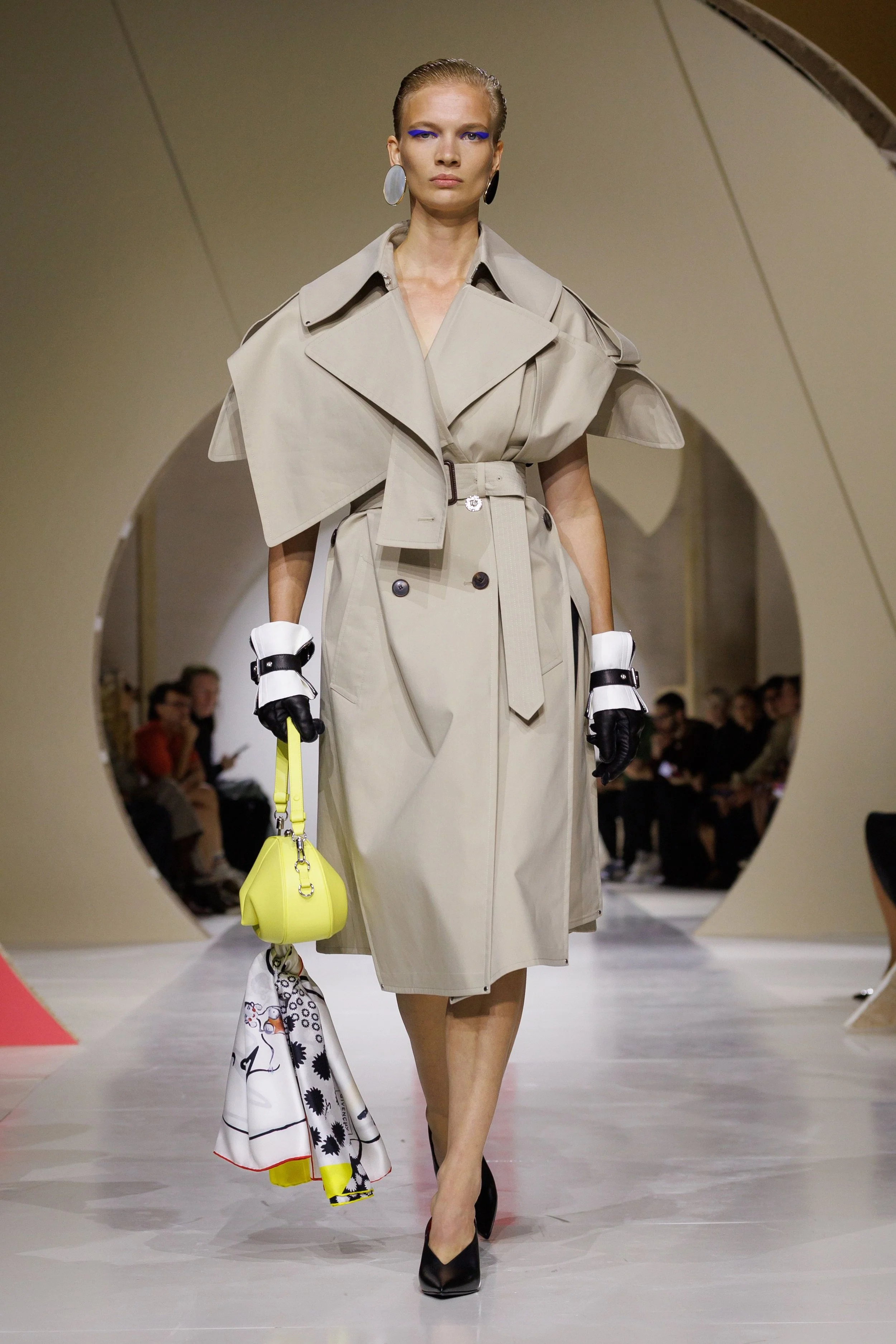
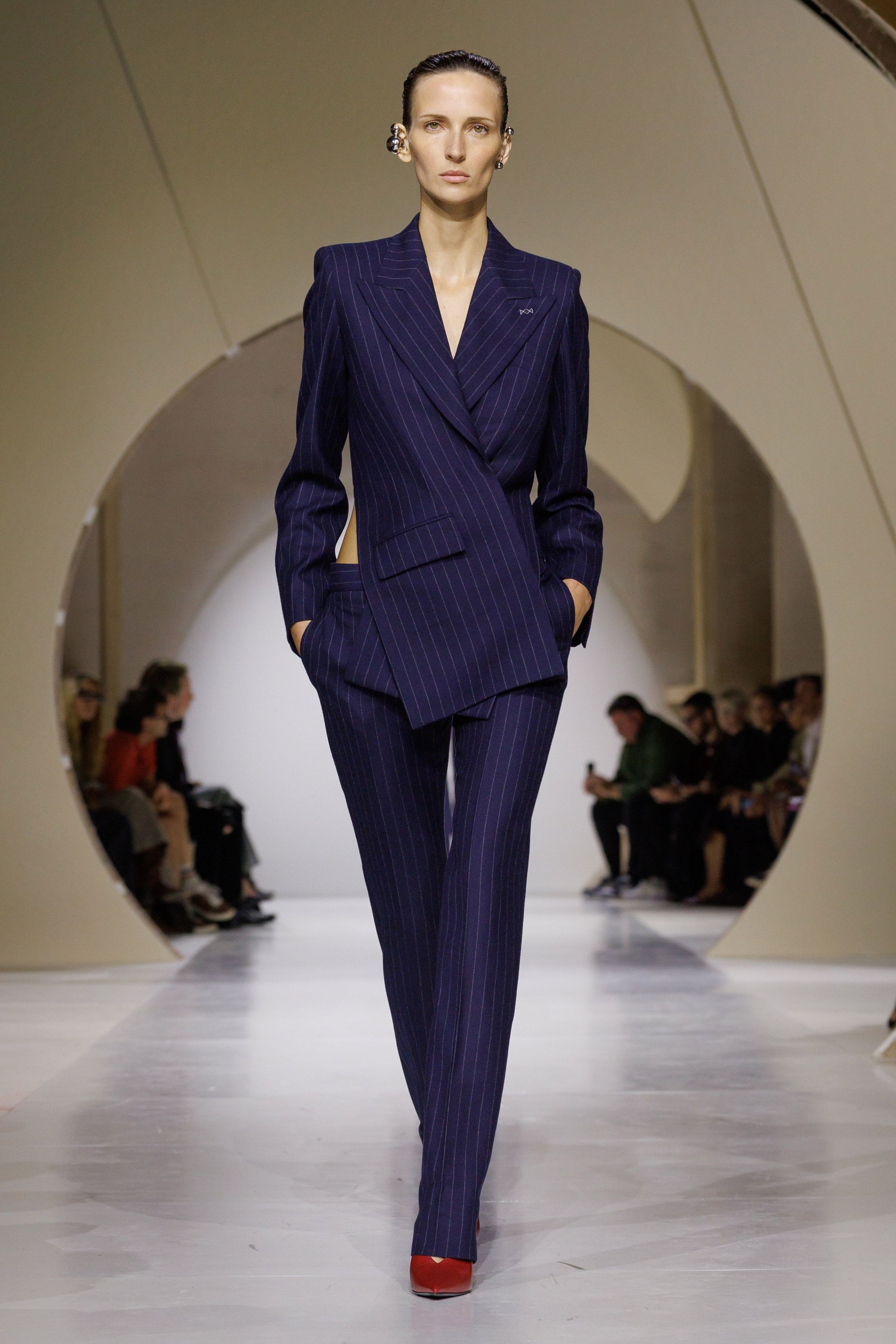
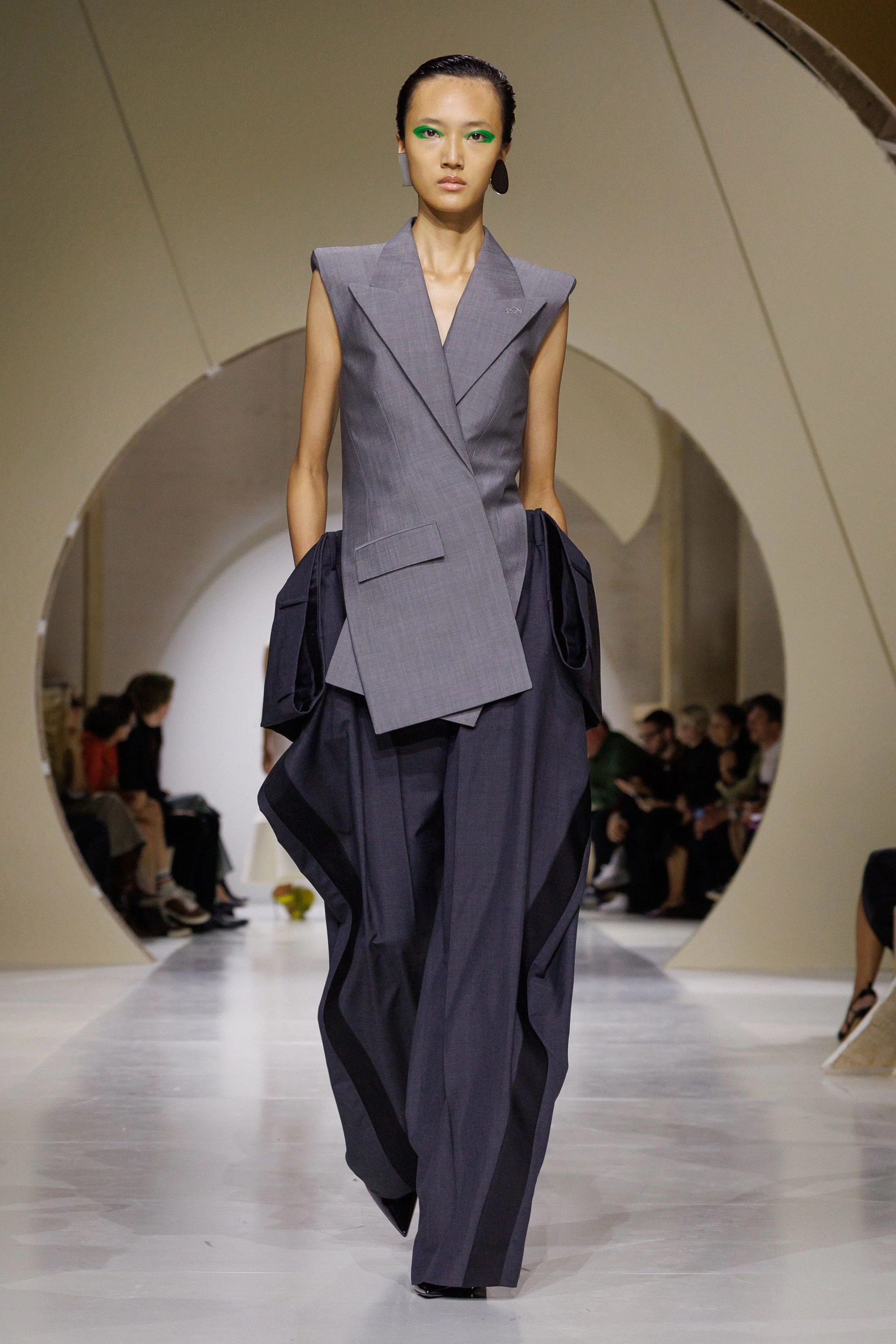
Tailoring is notably one of Burton’s greatest skills, and this time her garments appeared either precise, with clean, sleek proportions, geometric and asymmetrical touches, or much more experimental. Black and pinstripe navy trouser suits, for example, had their jacket quarters placed subtly on top of each other in a fold, a technique also used in sleeveless vest iterations. Like an embrace, look 38 had its sleeves detached and placed diagonally, crossed over the torso. Ultra-oversized trousers contrasted with the more streamlined, timeless suiting styles, and deconstructed trenches came with sharp, short capes.

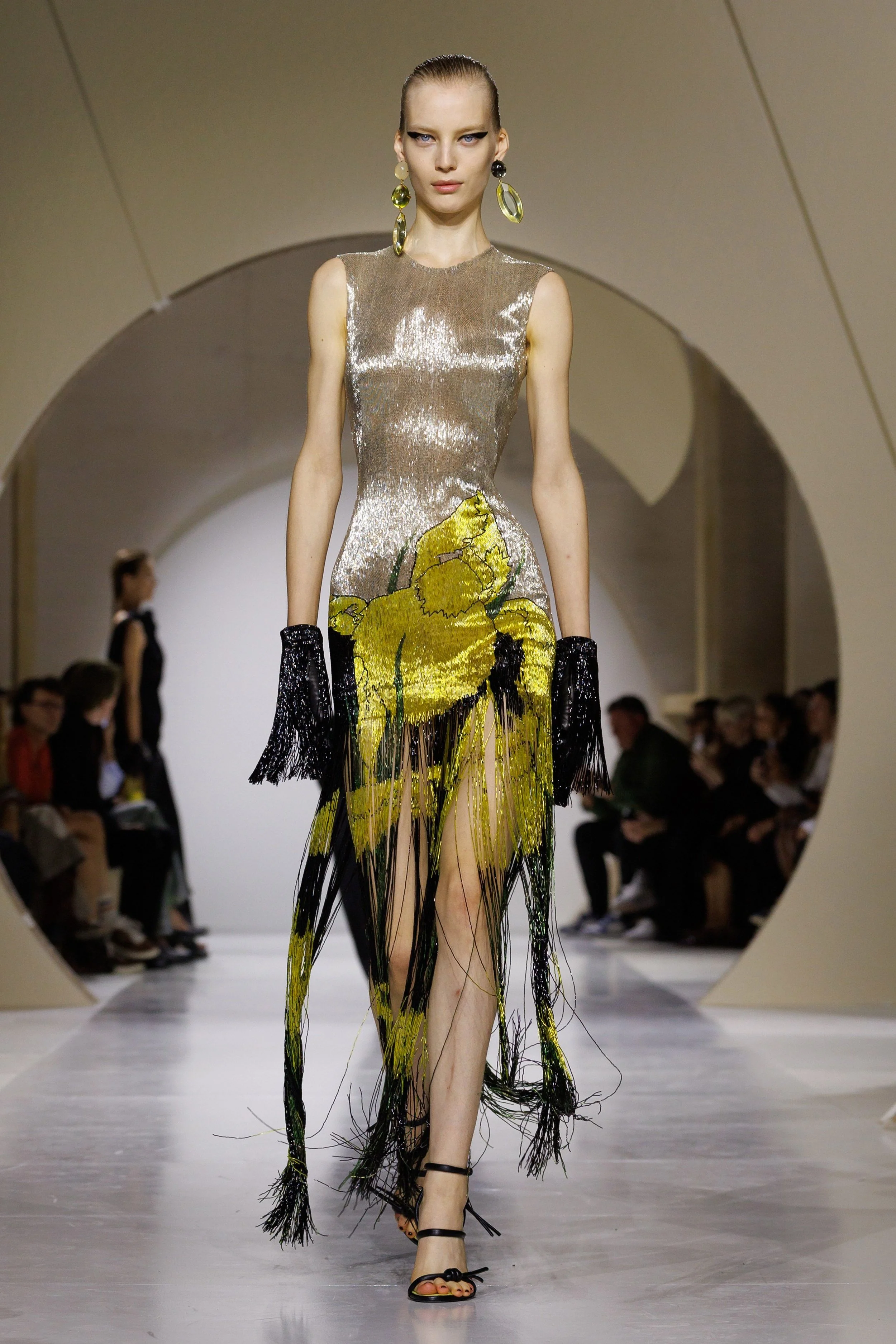
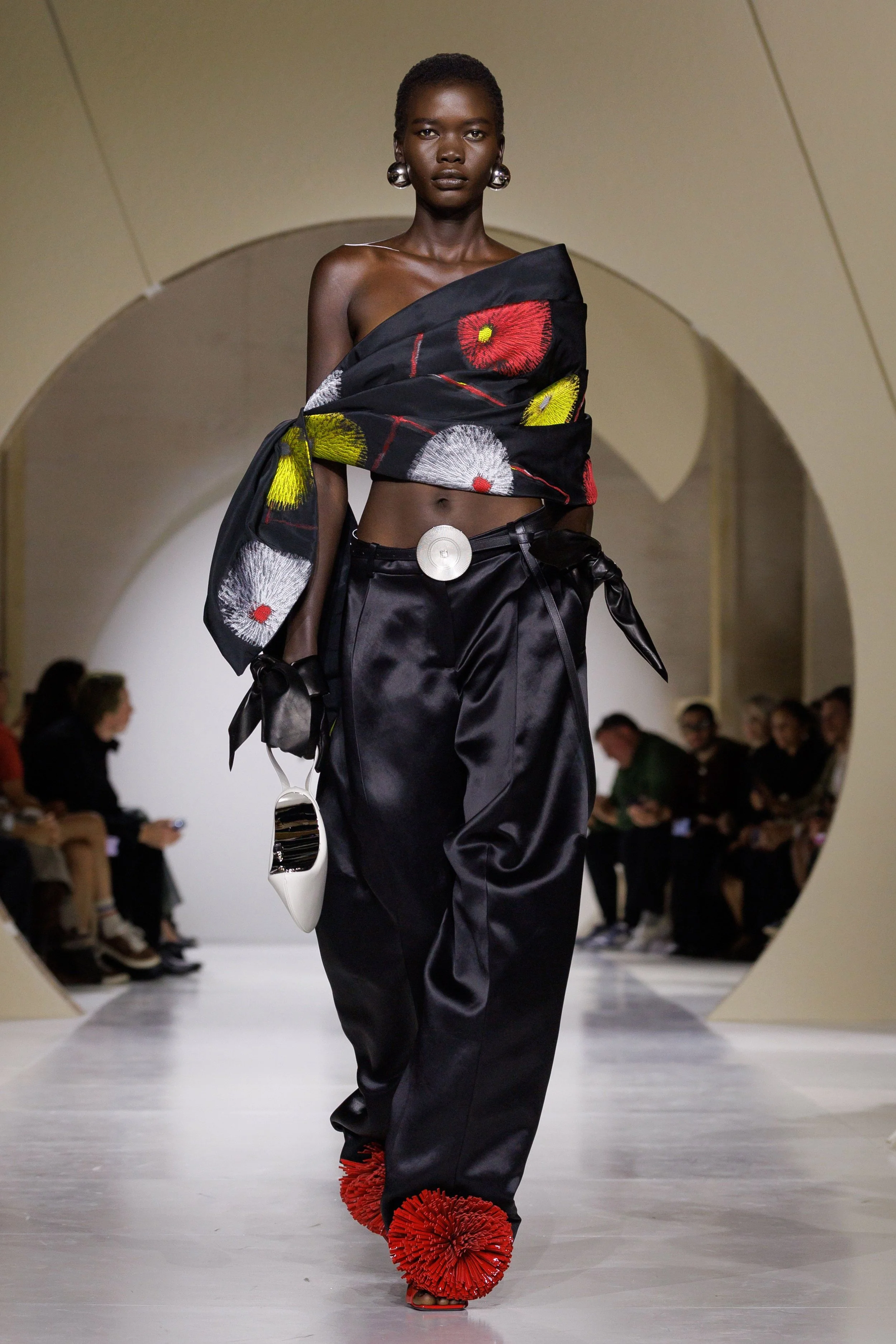
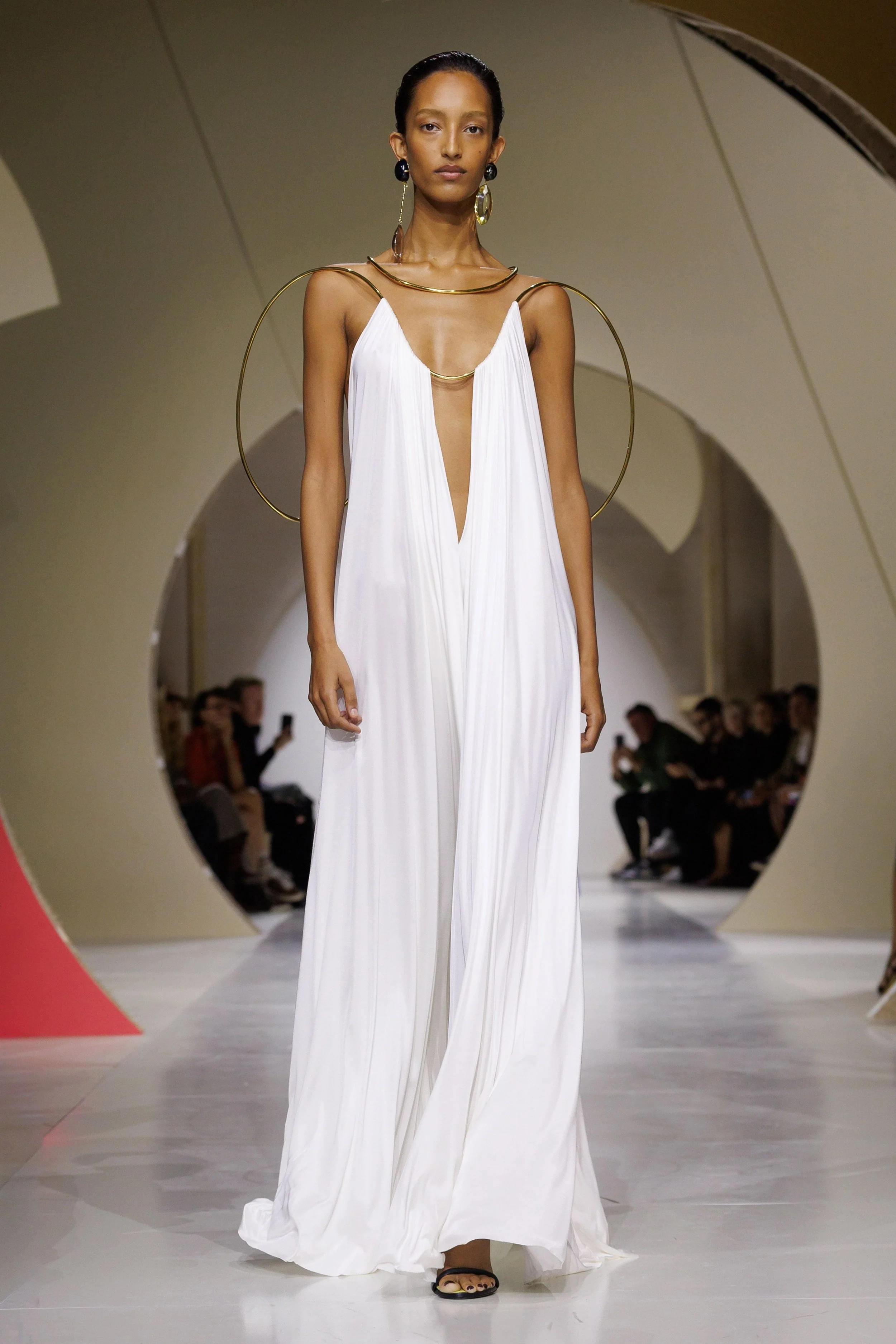
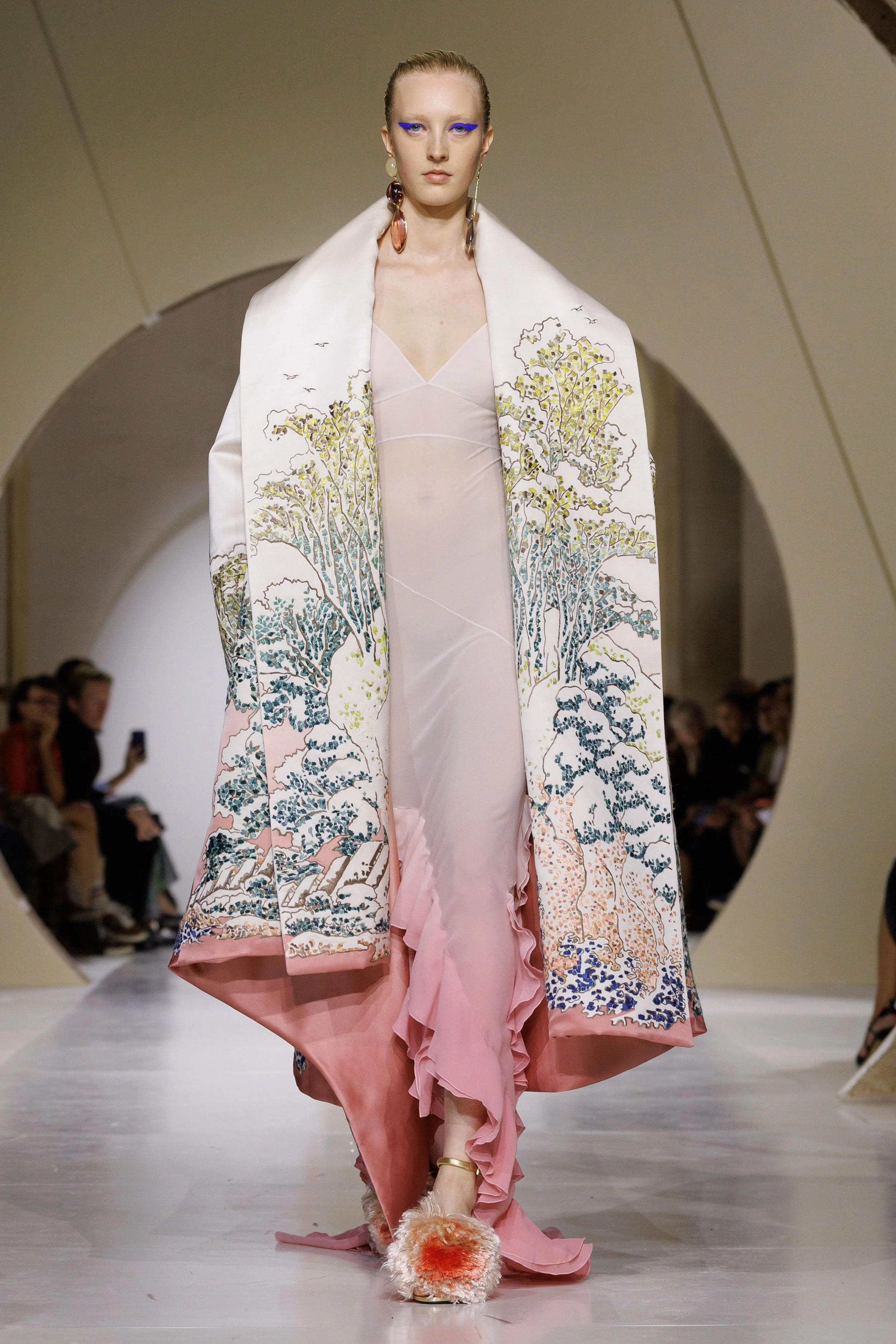
There was plenty of room for glamour and opulence, especially through the silk, printed separates, fringed and glistening floral-and-landscape-embroidered evening gowns. The use of primary colours, maximalist, playful pom-pom heels, peplum waists and hems, and a pair of white and blue column, floor-length dresses with sculptural, 3D gold hardware added an extra layer of drama.

On a similar note, the accessories, from stacked metallic bangles to leather and fringed gloves, mask-style sunglasses and pendant earrings and necklaces, topped off the styling. Sarah Burton understands women. In this case, it’s really not difficult to tell.


Words by Ketlyn Araujo

ACNE STUDIOS SS27

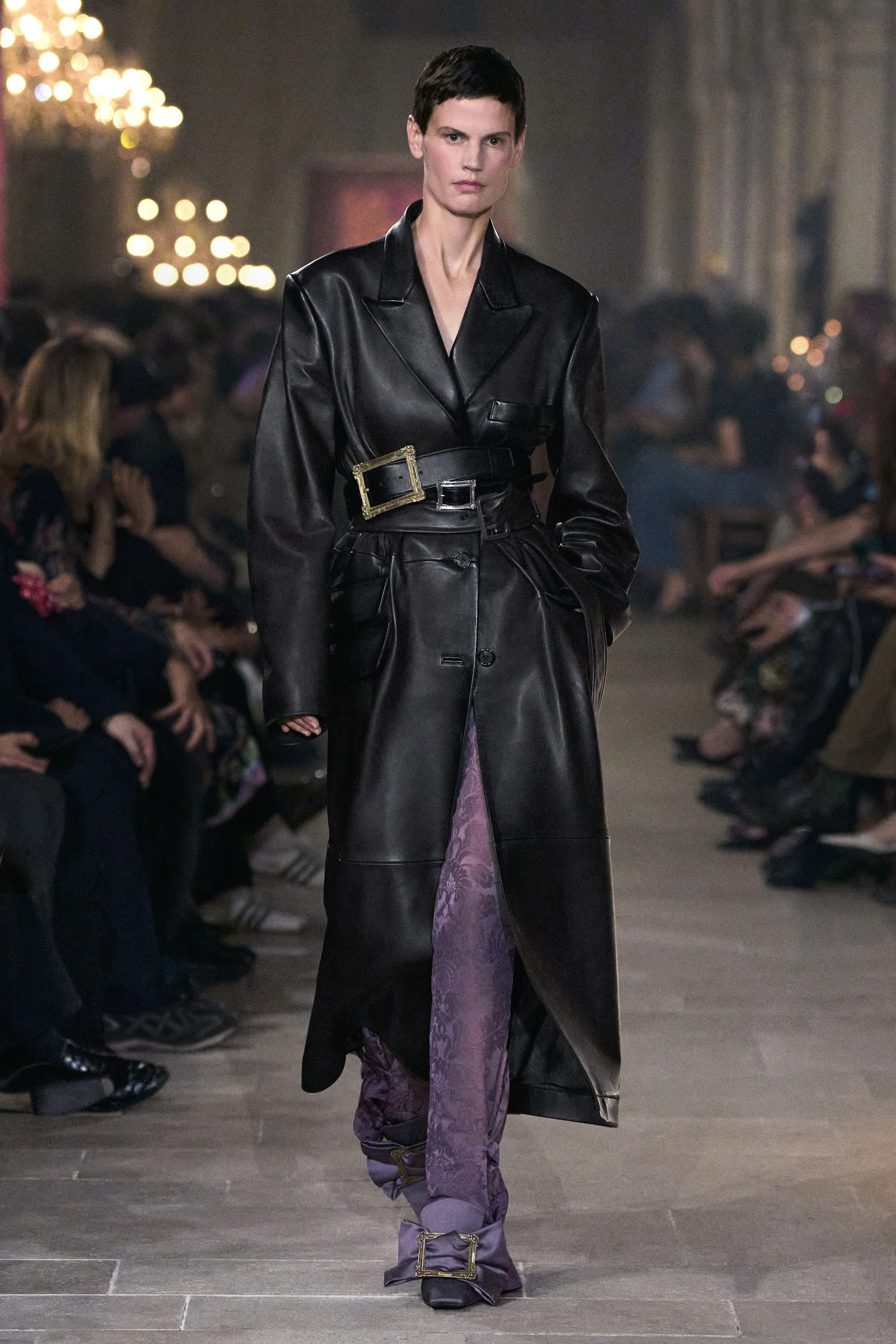
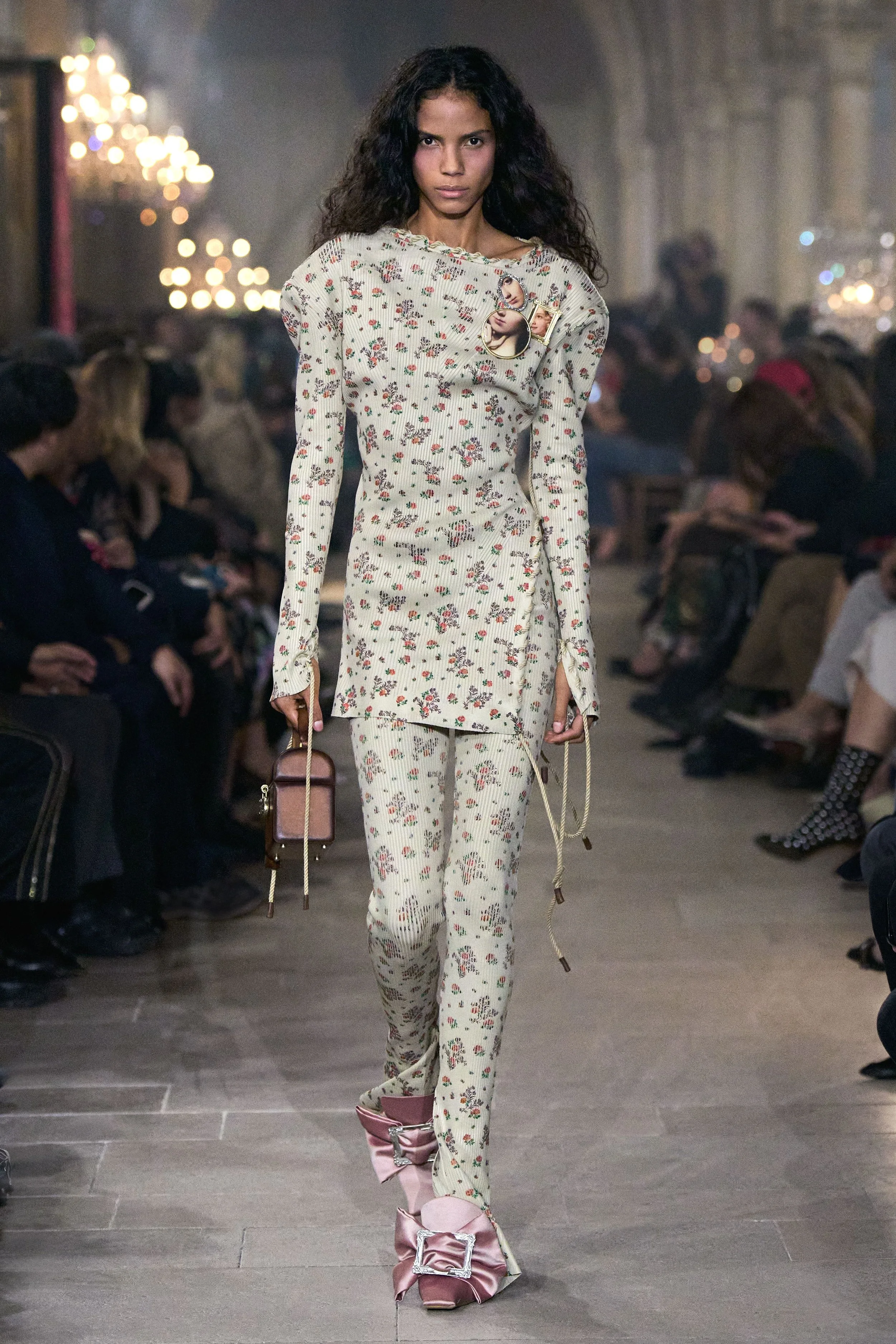
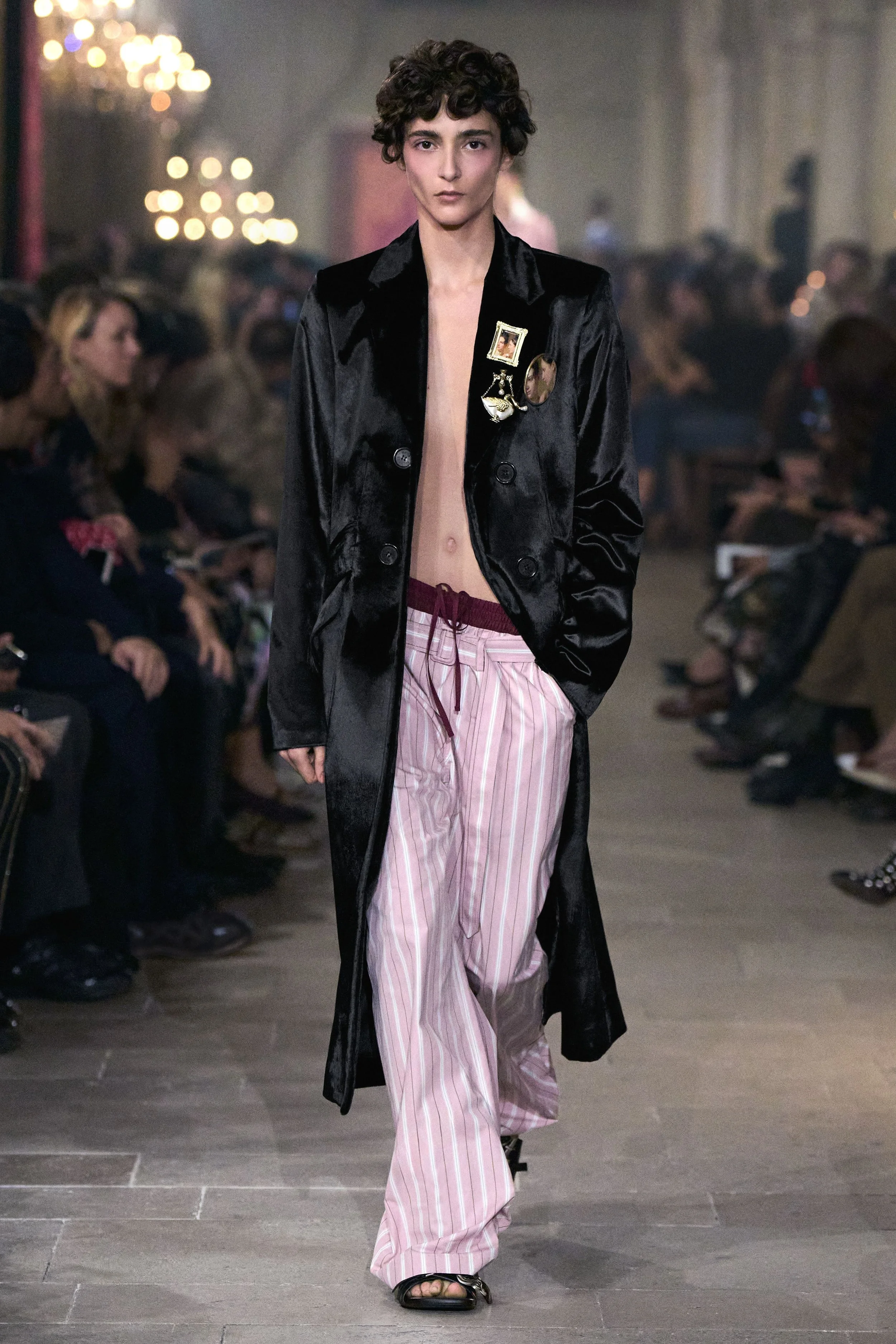
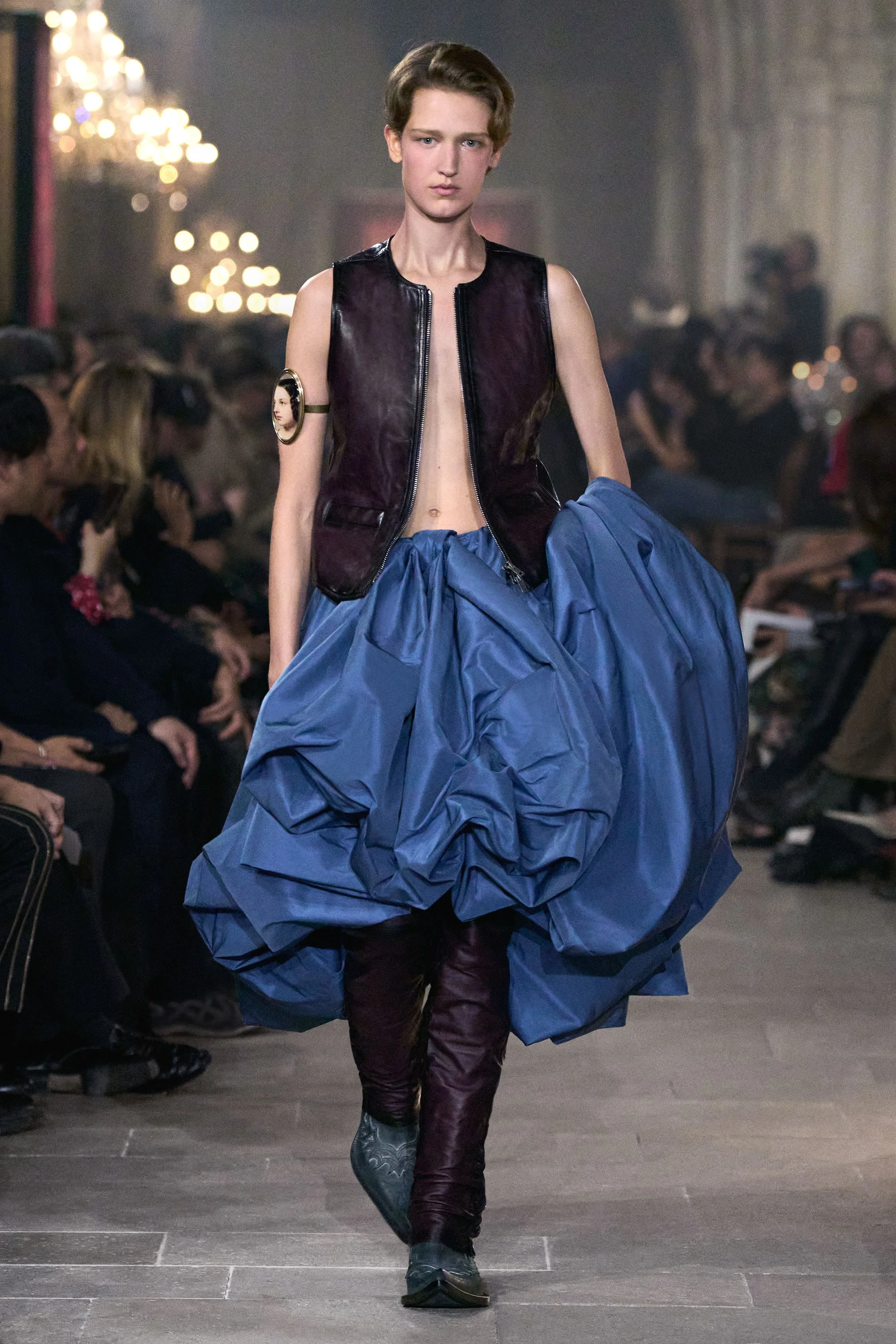
Have you ever imagined Marie Antoinette at a rodeo? Sure, it’s a far-fetched pairing, but that’s the beauty of fashion: bringing seemingly disparate influences together to create something entirely new.

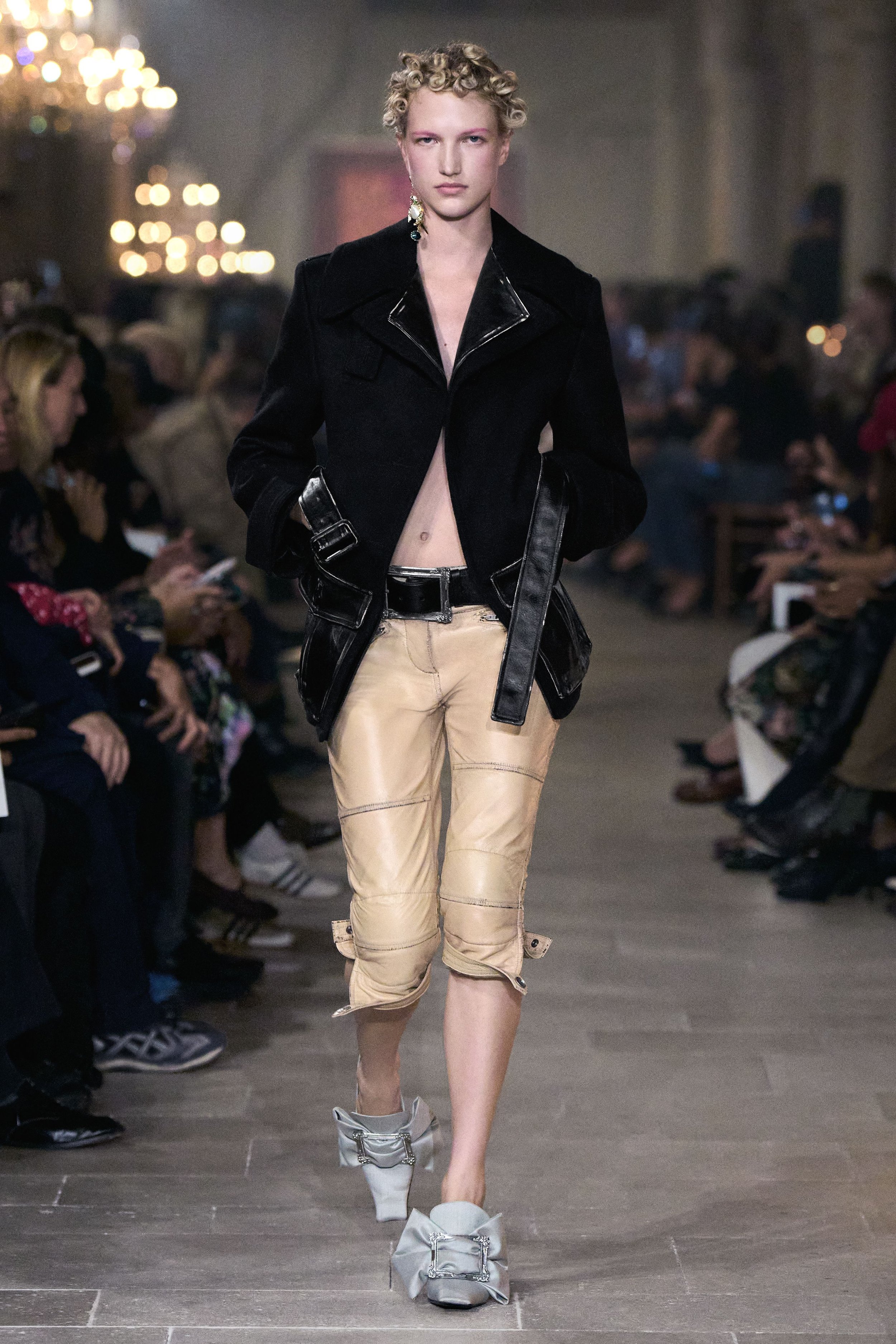
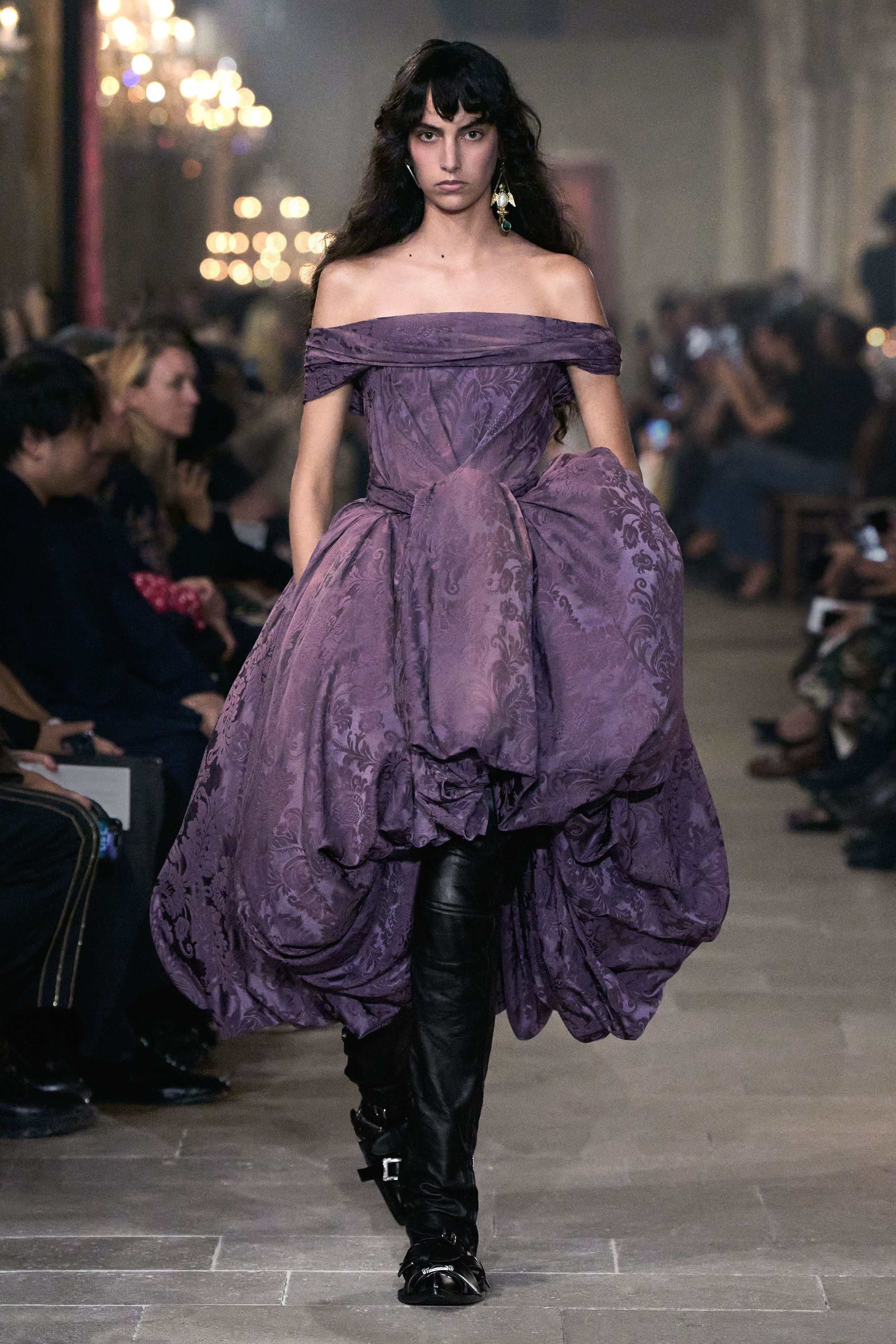
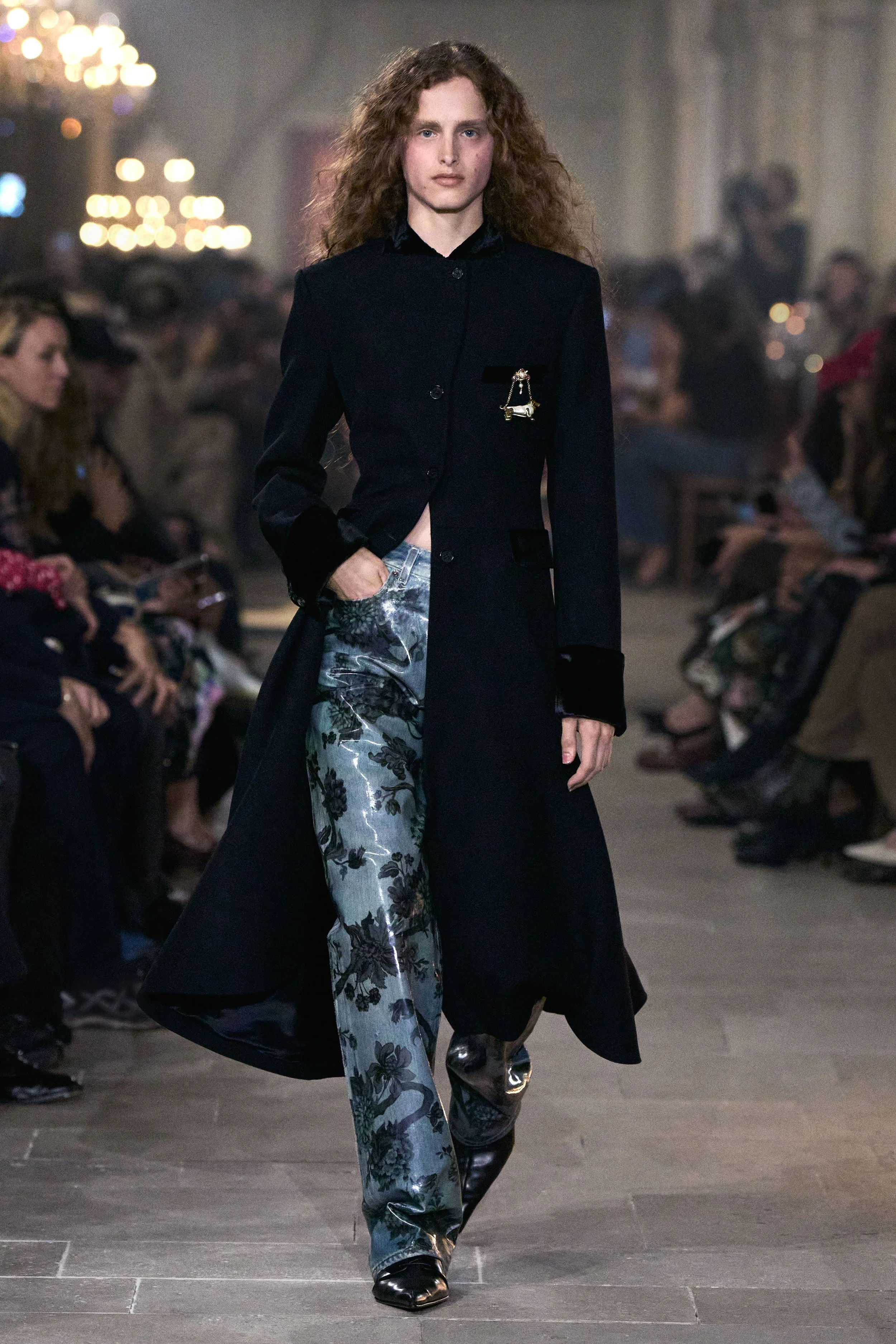
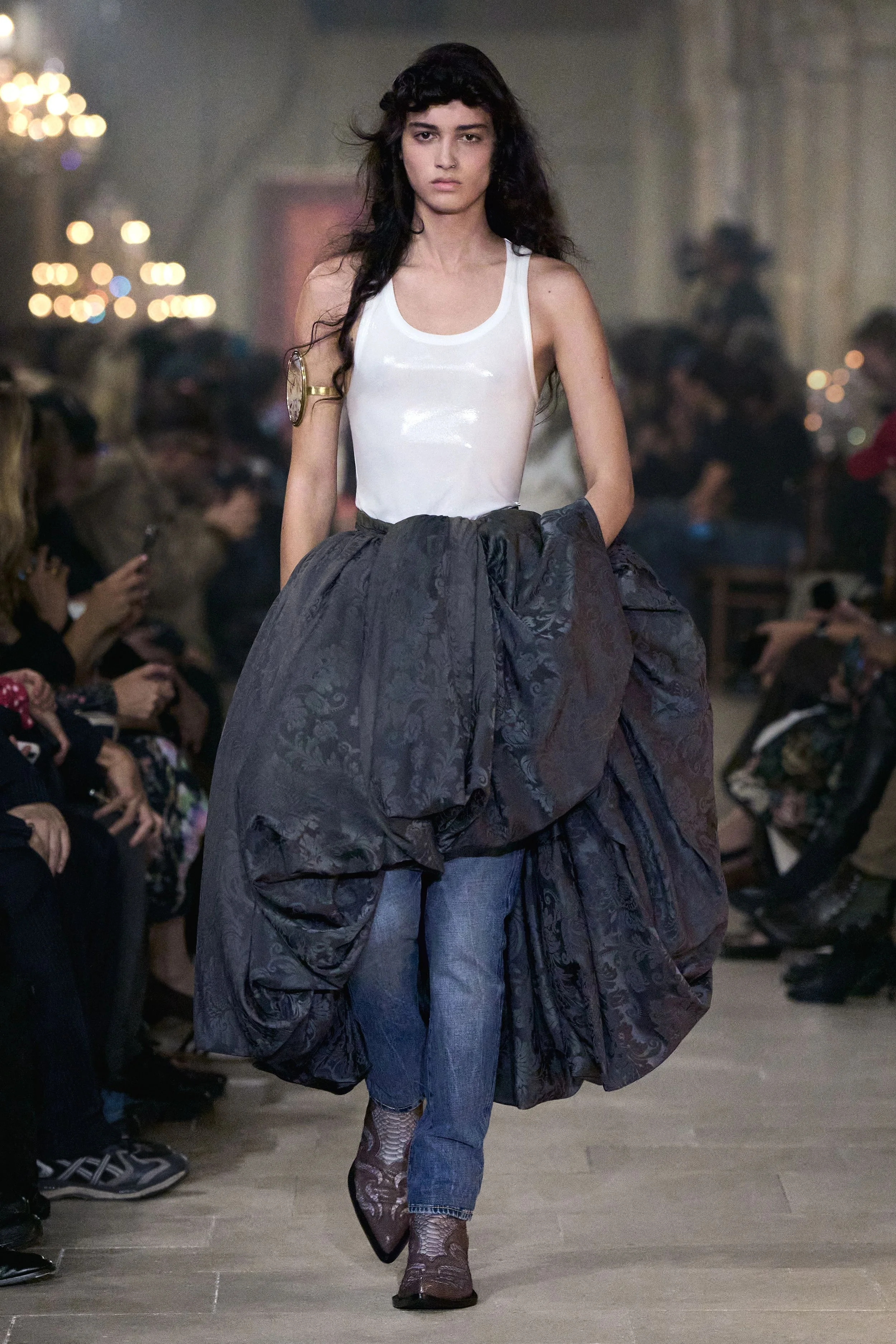
Madame Antoinette has found herself once again back in the spotlight with the opening of an exhibition at the Petit Trianon celebrating the 20th anniversary of Sofia Coppola’s seminal, macaron-tinted film Marie Antoinette. It seems only fitting, then, that the queen should make her way into Acne Studios’ Spring/Summer 2027 wardrobe — though with a decidedly more rugged edge.

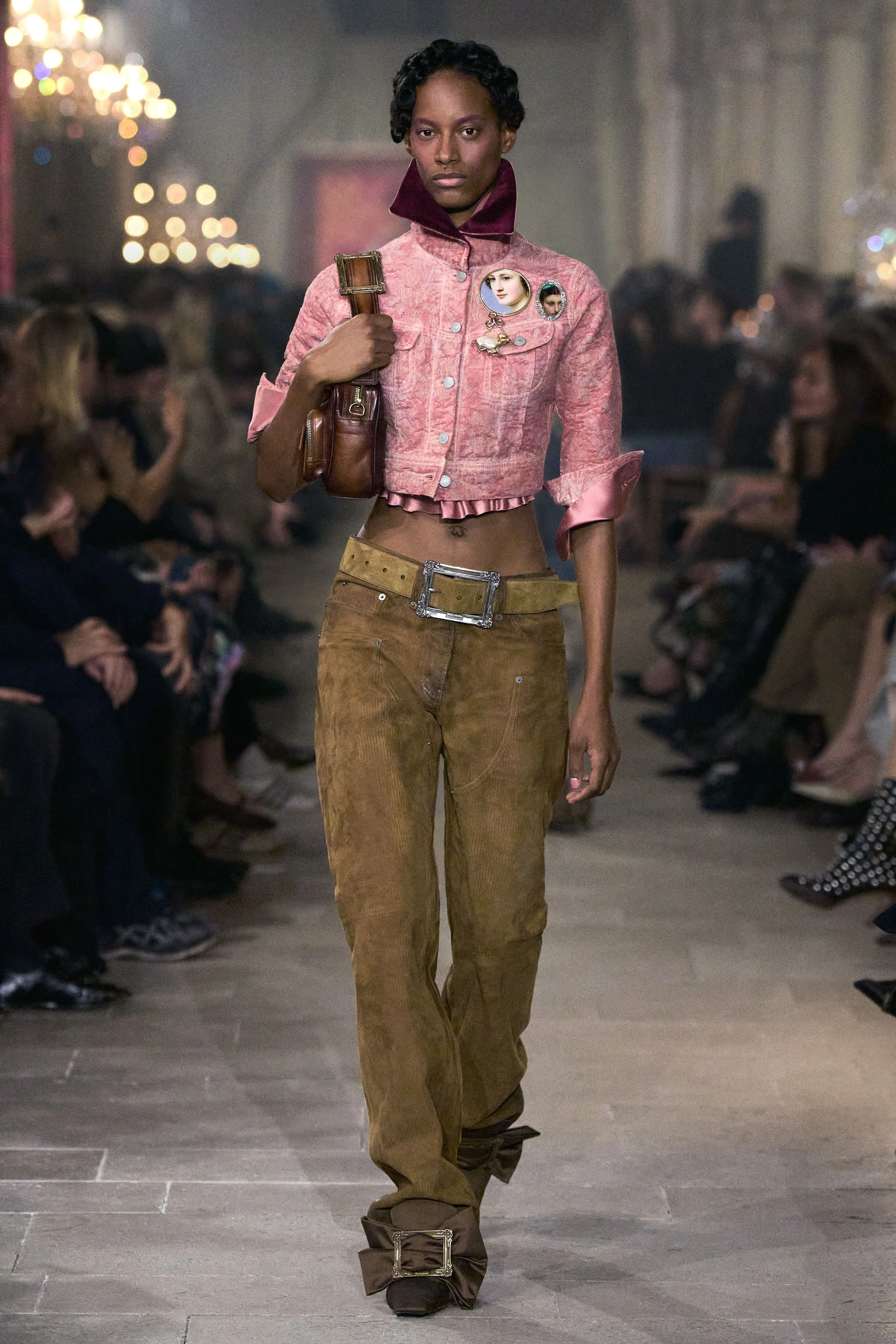
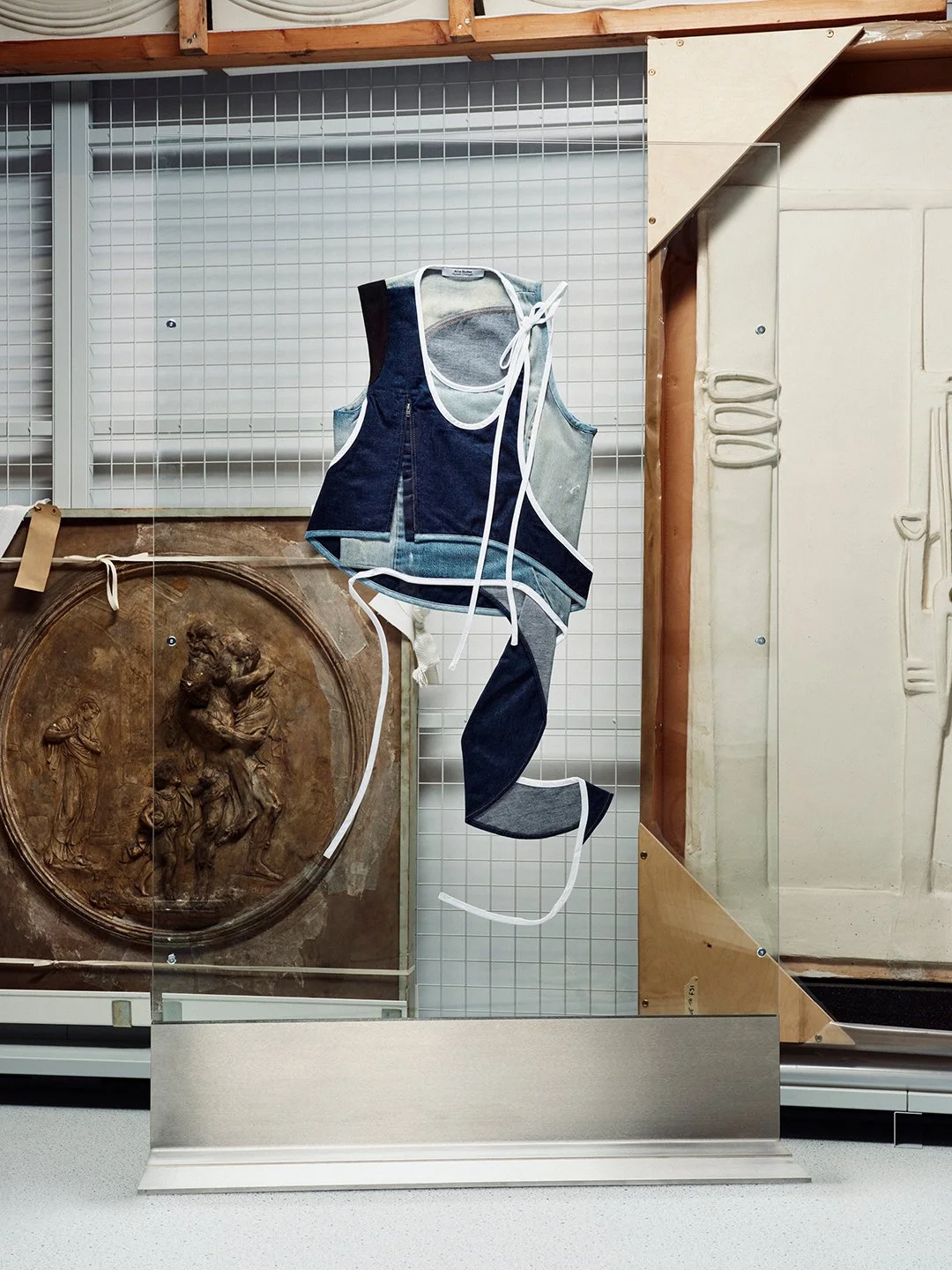
As the brand continues its three-decade-long reign over denim experimentation, creative director Jonny Johansson takes the exaggerated silhouettes of the French court and collides them with rebellious codes. Titled Denim Hystoria, the collection brings together traditional courtly dress, cowboy references and the unmistakable attitude of the American West.

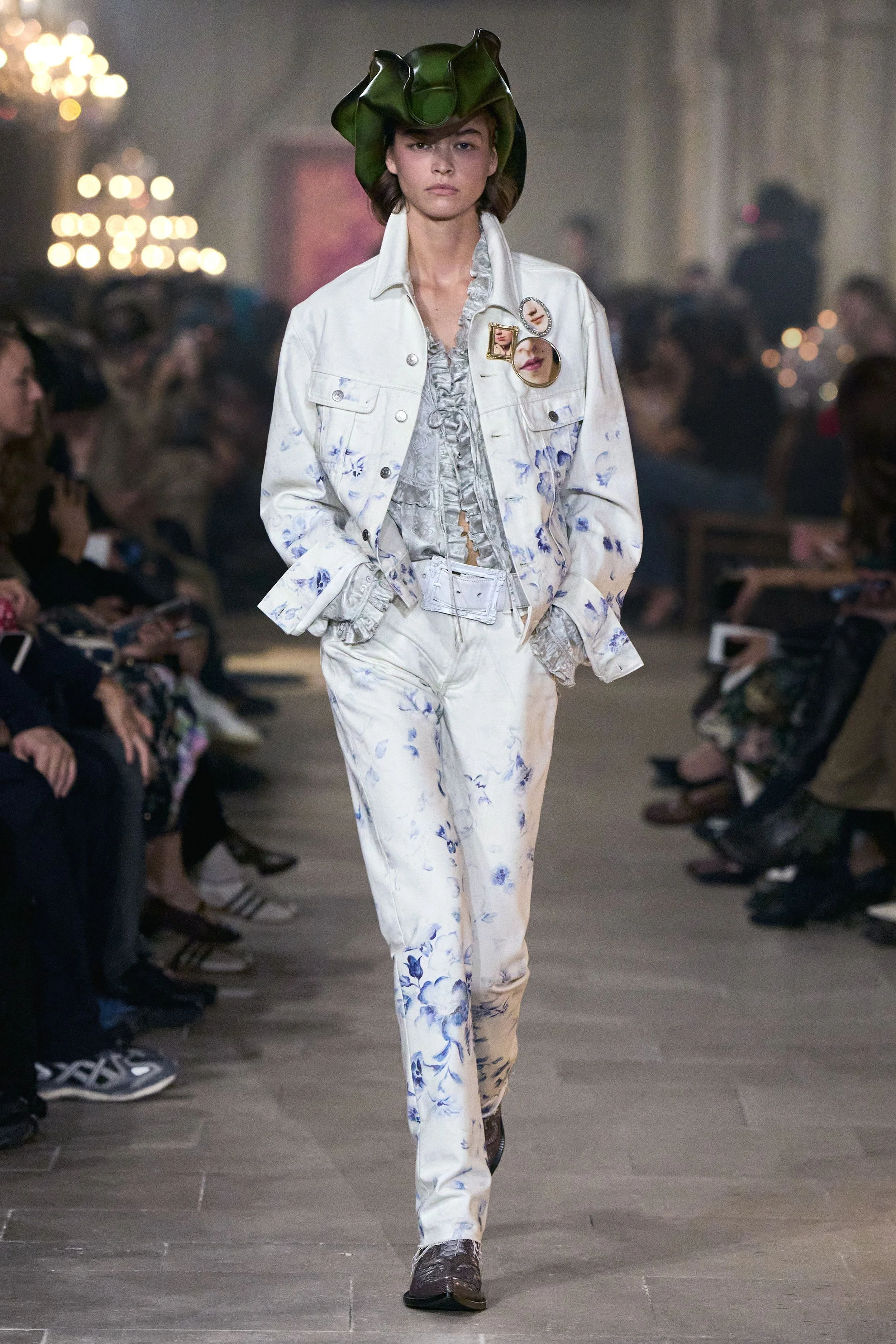
Dramatic skirts are paired with tight tank tops that gleam like skin-tight patent leather, alongside equally snug jeans and pointed cowboy boots. Elsewhere, they are layered over leather moto-inspired capri pants, while sweaters riff on the polished proportions of a twin set. White and blue motifs recalling Chinese porcelain decorate white-denim Canadian tuxedos, giving the collection an unexpected decorative flourish.

The accessories, however, are where the fantasy really takes hold. Princess-like portraits appear on XXL pins and arm cuffs, while belts are finished with buckles resembling miniature frames lifted straight from Versailles. And the shoes? Well, the silky mules are surely what Marie Antoinette’s wettest of dreams were made of.


Words by Martin Onufrowicz

MAISON MARGIELA SS27

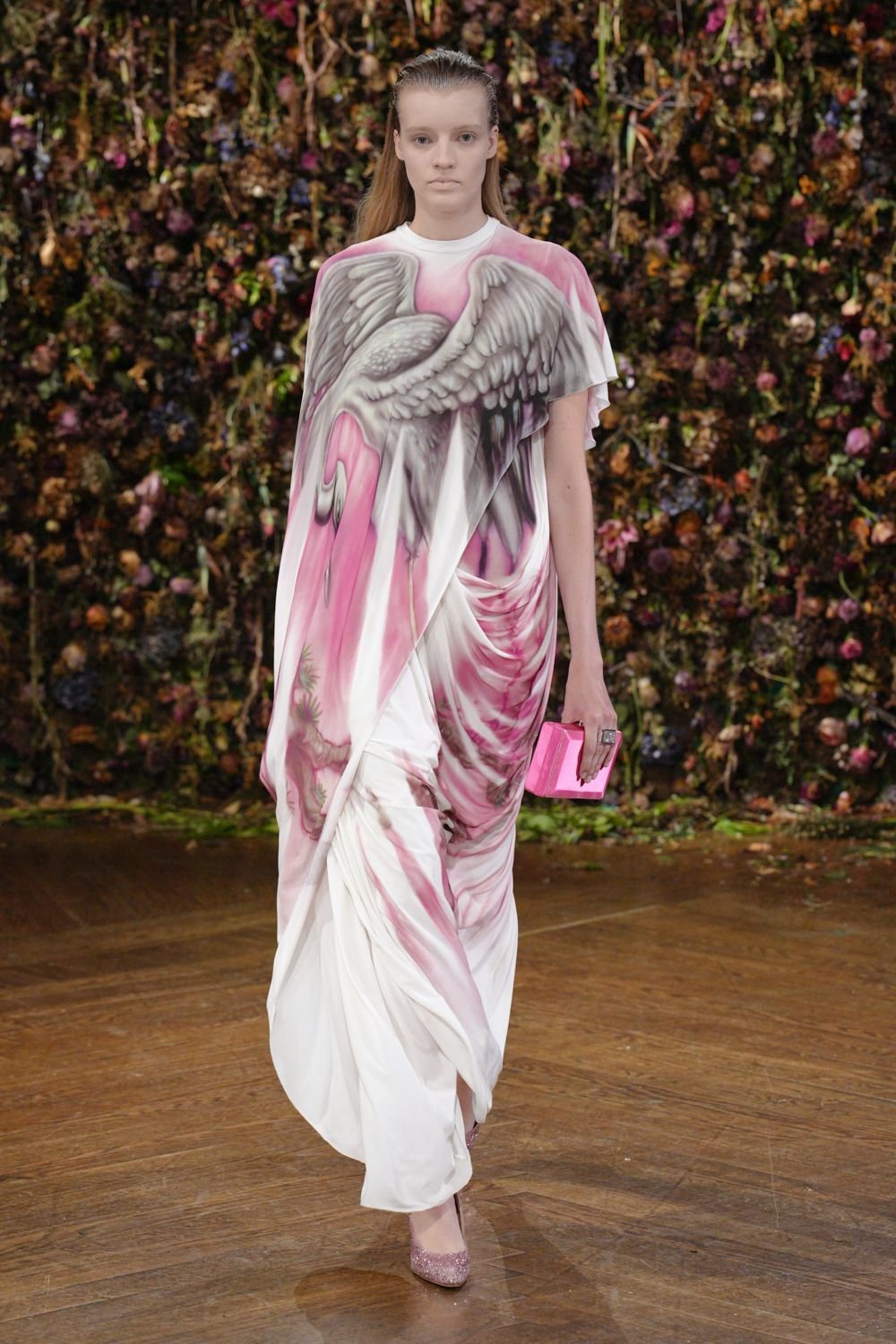
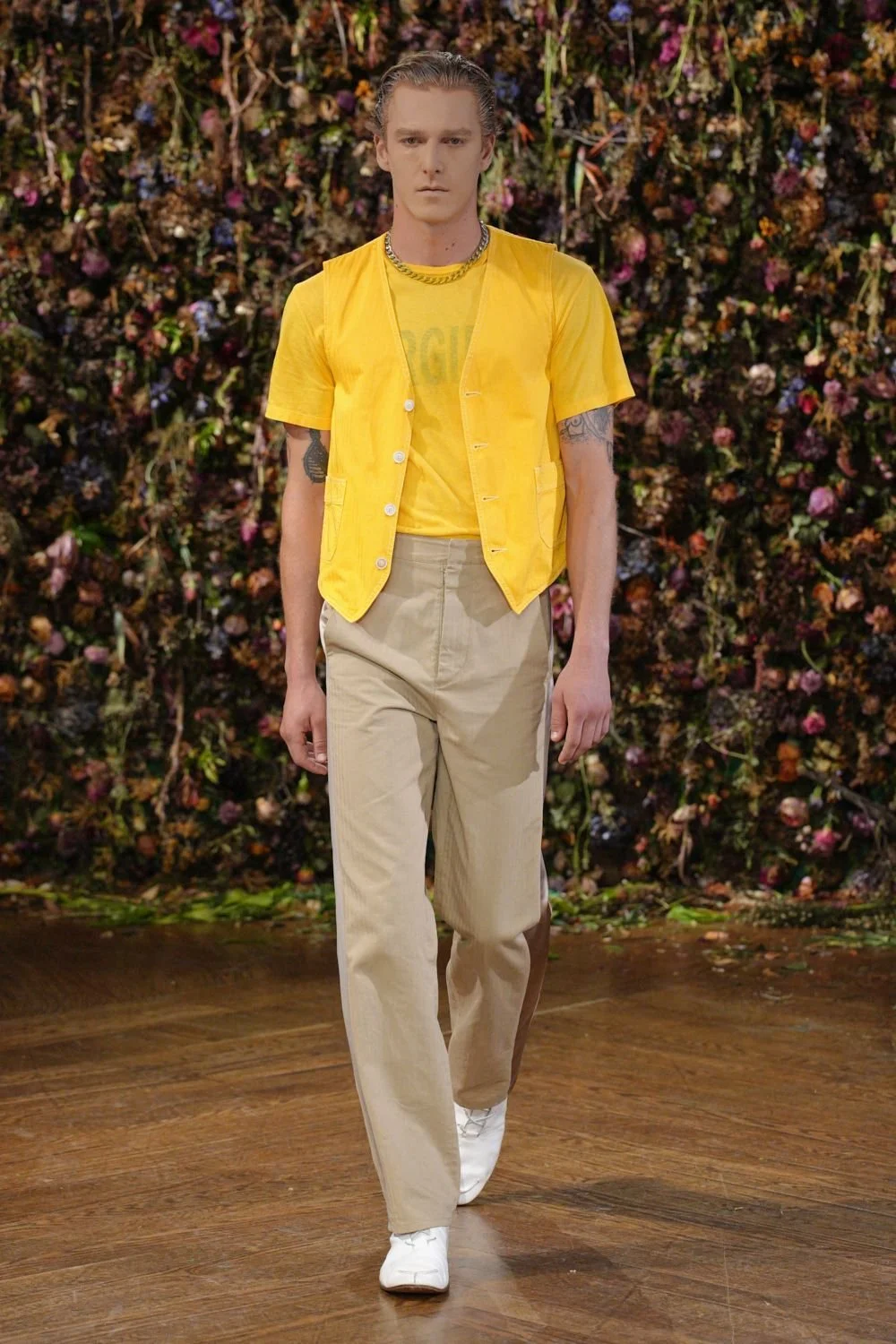
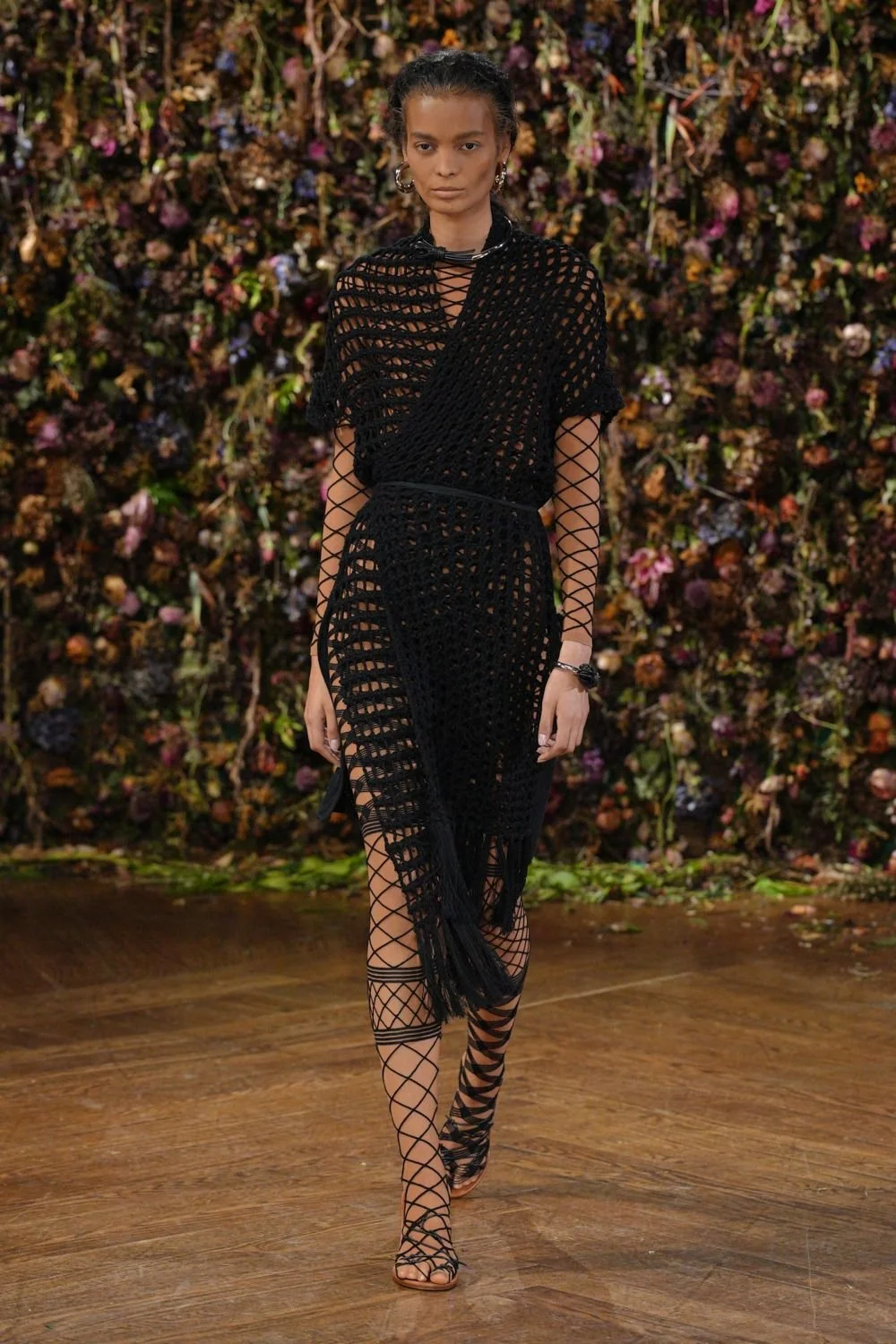
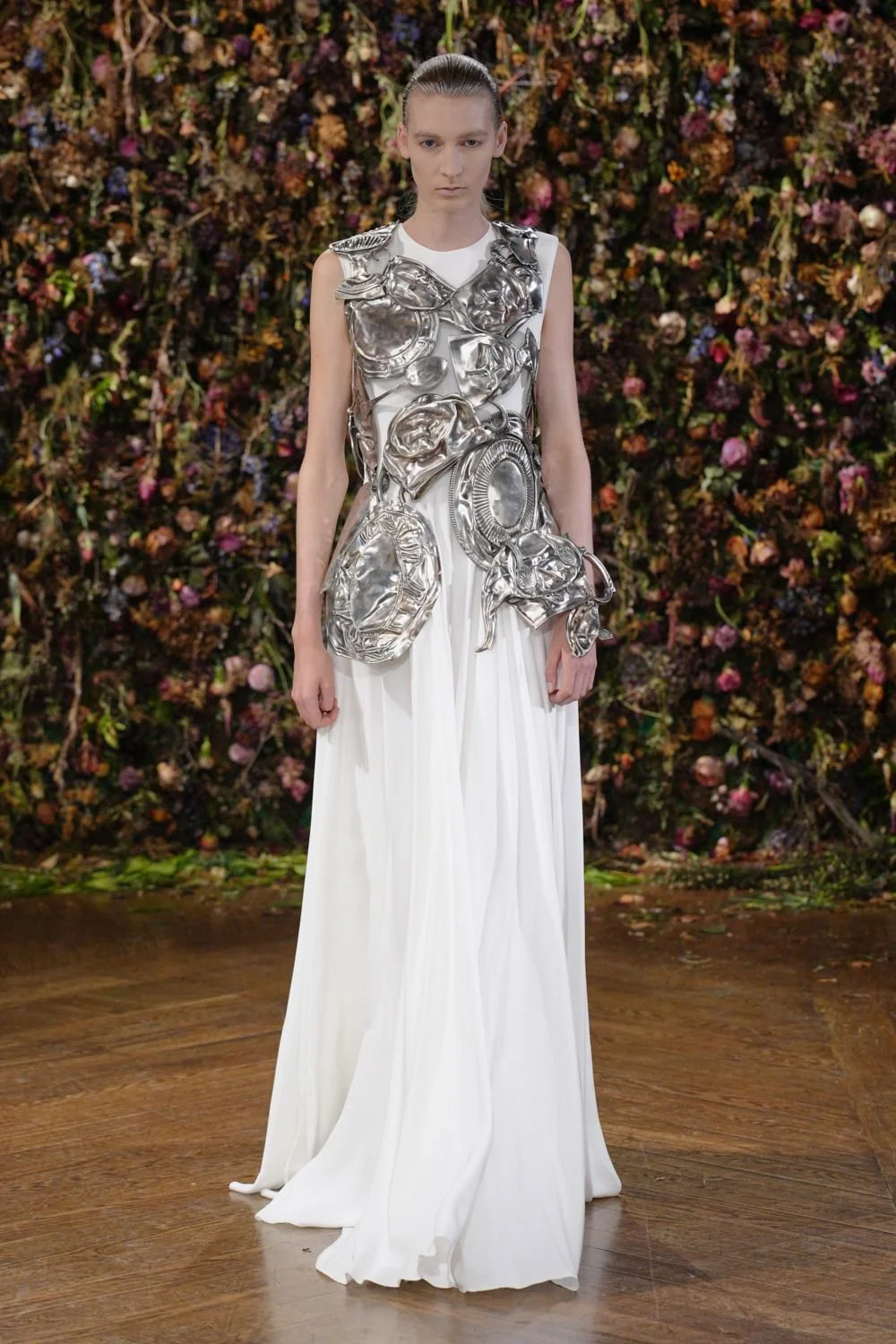
For Spring/Summer 2027, Maison Margiela’s Glenn Martens and the atelier he leads built the collection around the friction between two seemingly opposing qualities – hardness and softness.

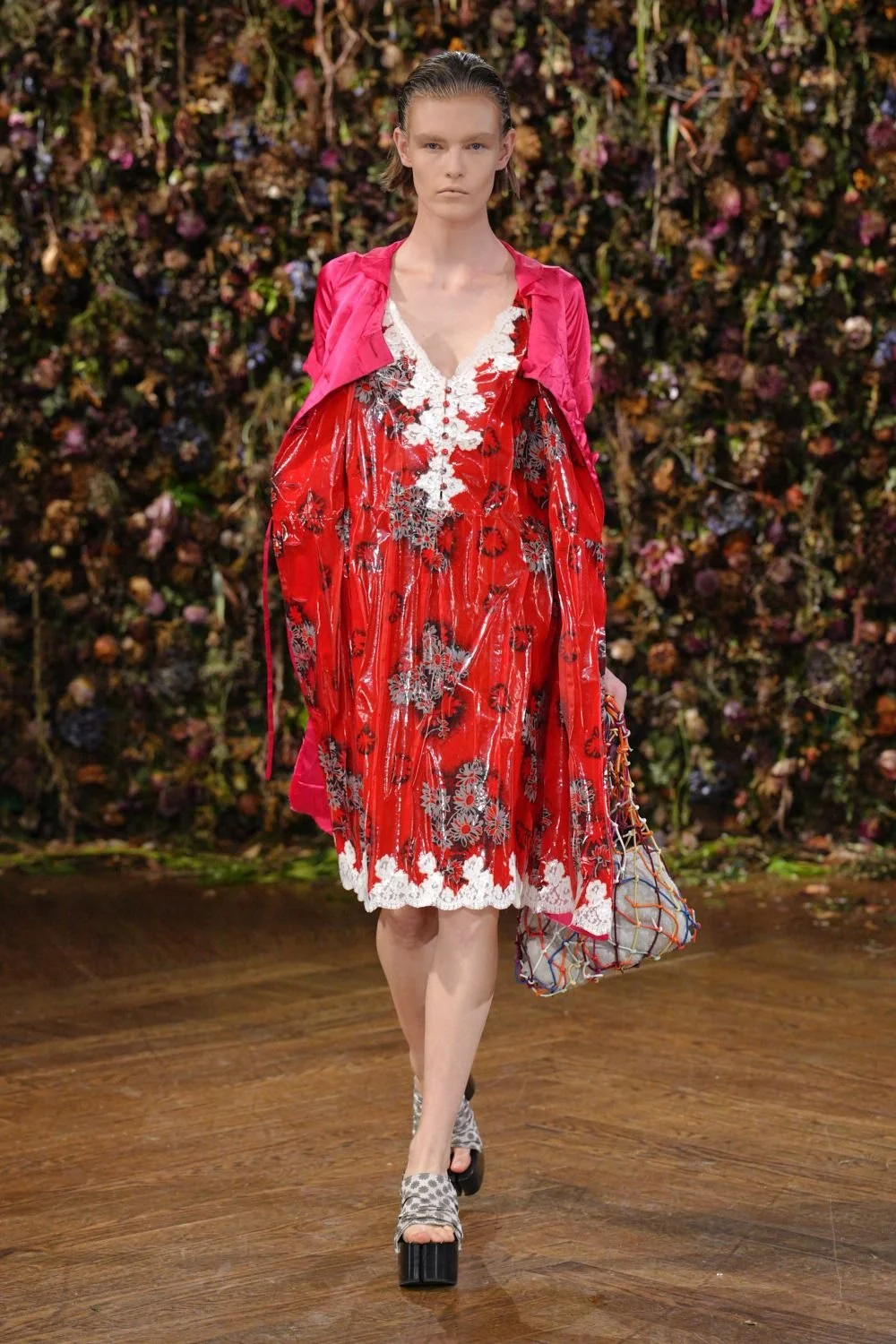
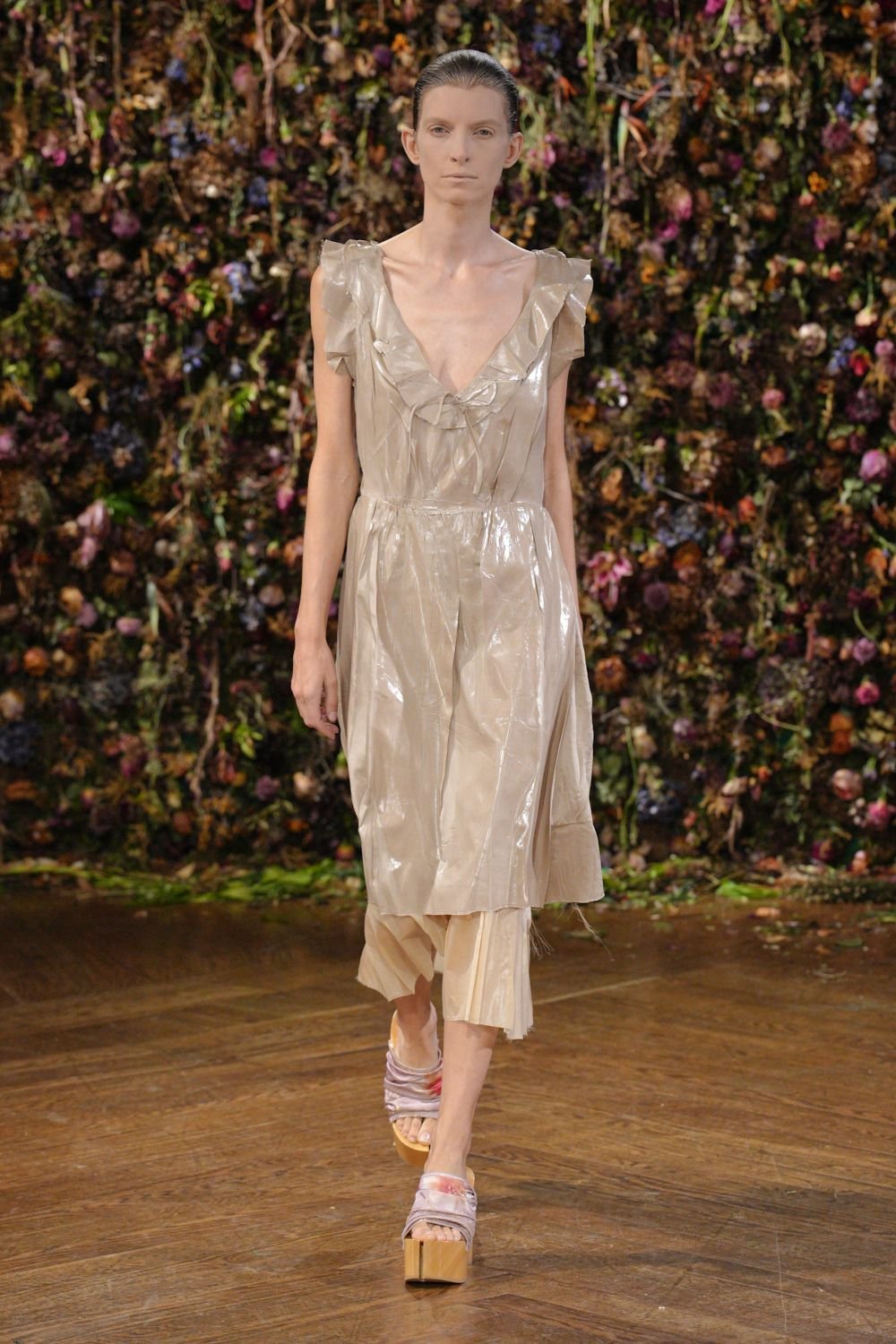
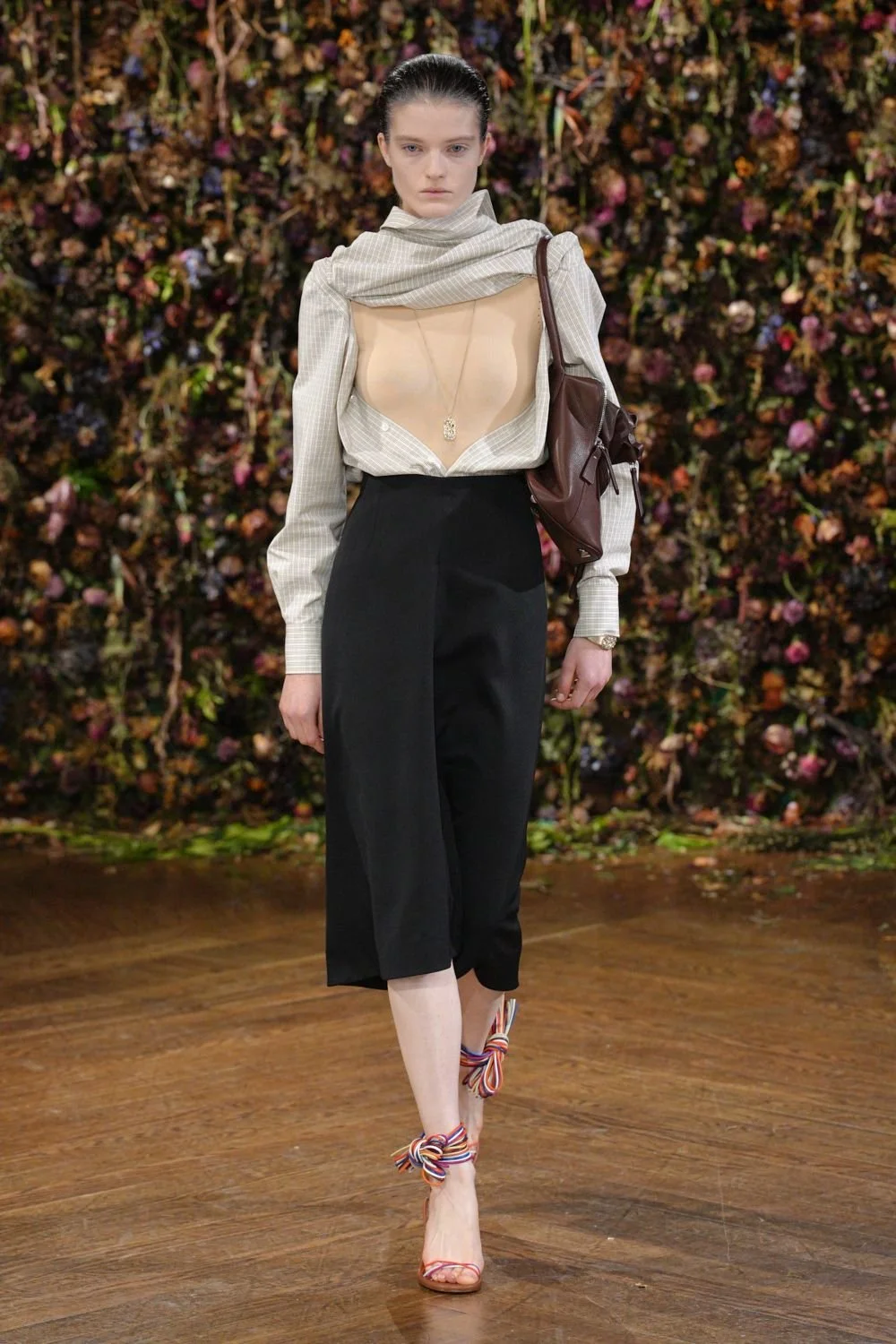
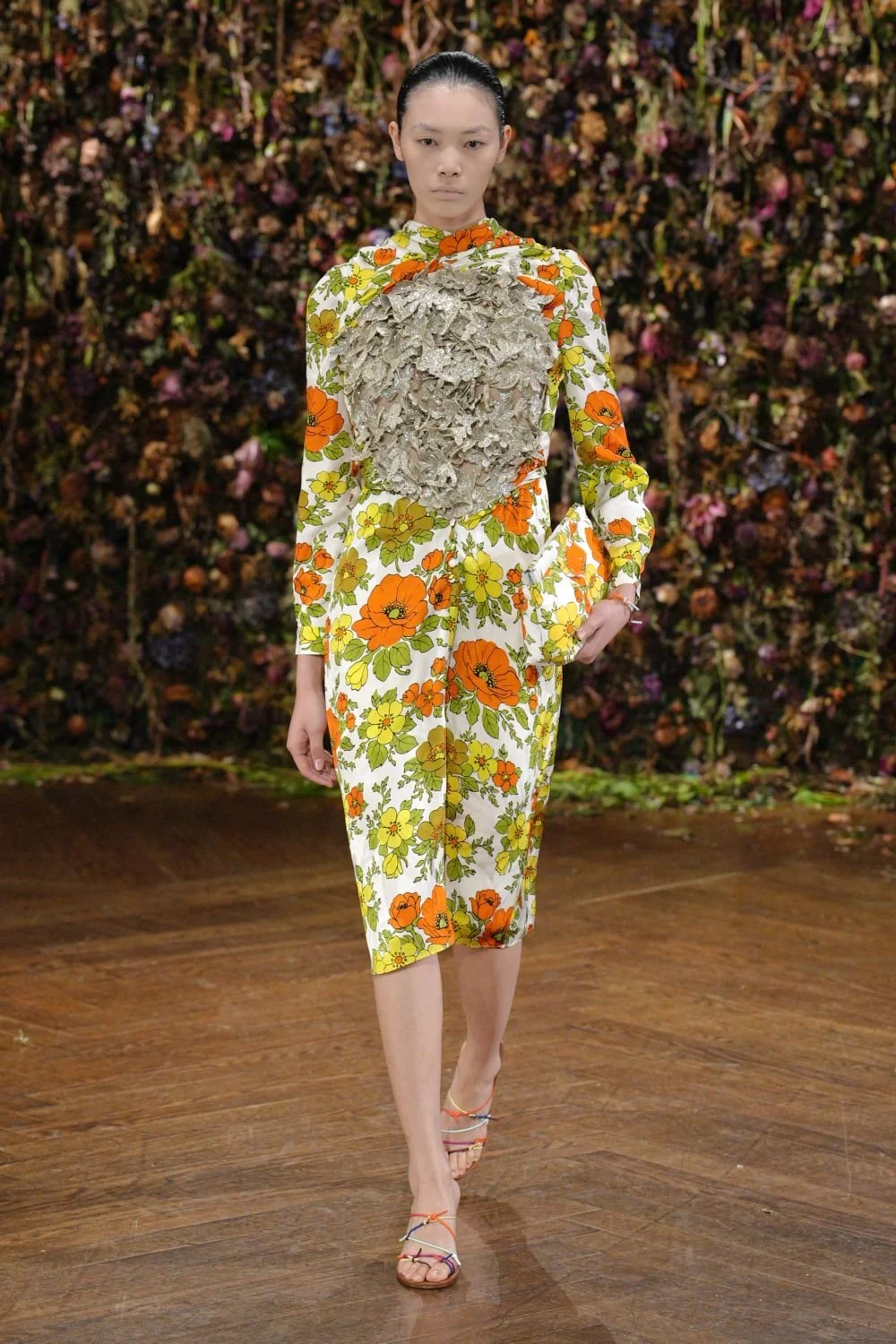
The tension became palpable from the very moment of entering the show space in the 18th arrondissement, where Belgian floral artist Mark Colle built a landscape altered by time – bouquets were slowly rotting in their plastic packaging, singular stems were coming out of stacked paper boxes, and piles of flowers were gathering in corners of the room.

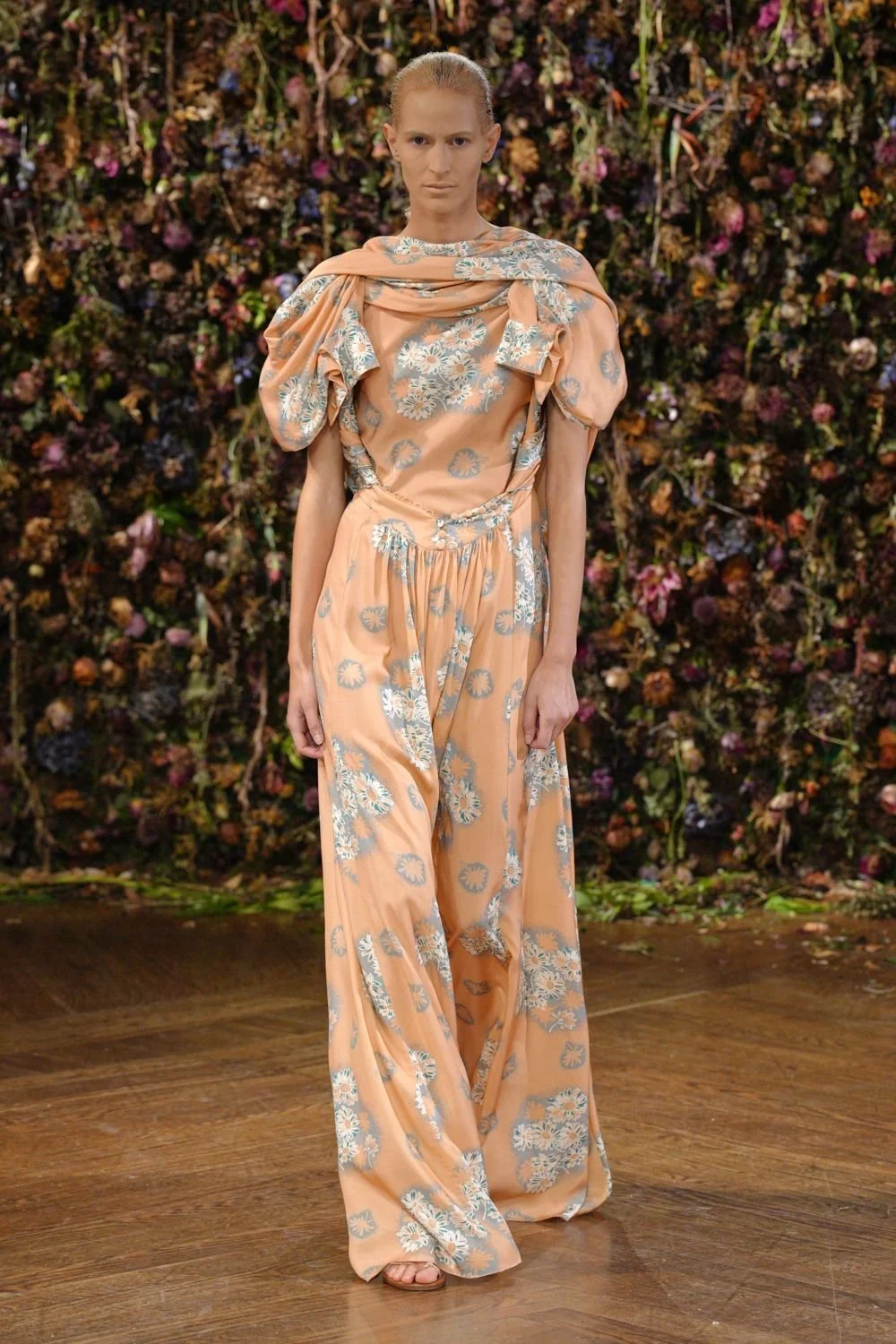
Their vivid forms return across the collection as floral prints, preserved in a state of permanent bloom. Short dresses matched their vibrant patterns with the lining of the coats worn on top (or were they a single conjoined piece altogether?), and draped gowns substituted obvious glamour with a melancholic quality thanks to their faded palette.

Hardened darts turn soft crewneck dresses into sculptural forms; reinforced skirts are softened with strips of humble cotton; and corsetry is pushed open to send swathes of fabric cascading from chest to ankle. Trench coats are reworked with jutting panels, tailoring folds in on itself with its lapels or hidden buttons, and dresses that should fall freely are reinforced and pulled into place. The result is a wardrobe oscillating between construction and collapse. Perhaps the most explicit exploration of that dichotomy comes in the form of a white sleeveless floor-length gown, on which an armour of flattened silverware is moulded to the body.

The accessories equally refuse to play by the rules. Briefcases, weekend bags and vanity cases are stripped of their usual rigidity and rendered in soft leather, while suede bags are waxed and designed to age. It is a staple Margiela play: take something we think we know, pull it apart and put it back together slightly awkwardly. This season, set to the soundtrack of Hole’s angry anthem Violet, the Maison simply makes the contrast more literal — giving hardness a softer side, and softness a little more bite.


Words by Martin Onufrowicz

BALENCIAGA SS27

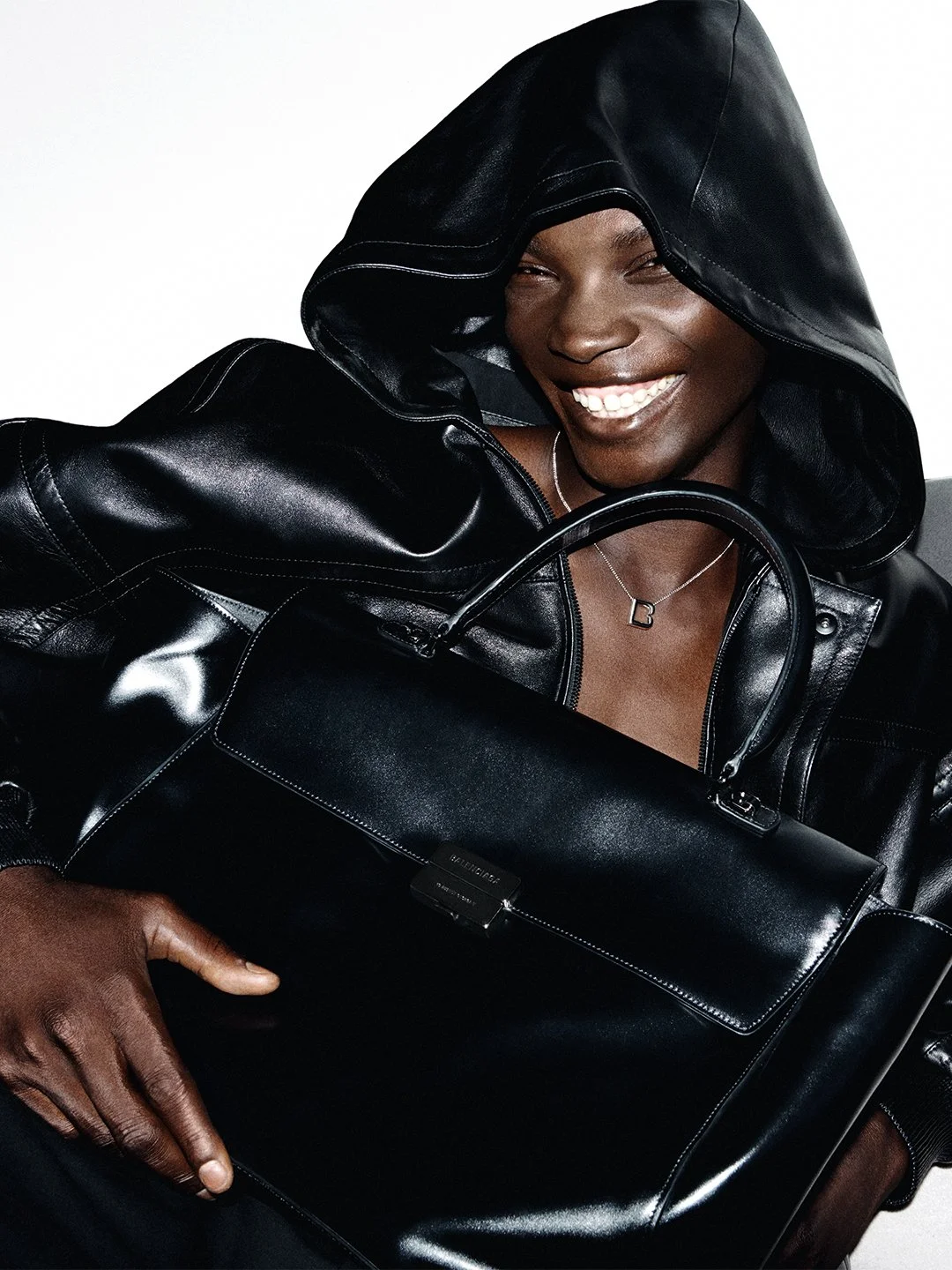
Pierpaolo Piccioli named his Balenciaga Summer 2027 collection “Les Coraux de la Liberté”, in English, something along the lines of “the corals of freedom.” The title matches a 2025 art piece by French artist Aude Franjou, freely made of hundreds of metres of linen thread, dyed and woven, which sat in the middle of the maison’s show space. “I wanted an art object to accompany this collection, something capable of synthesising the core of what I had in mind,” wrote Piccioli on Substack.

What Piccioli had in mind lies in the fact that couture has always been at Balenciaga’s roots. More than a method or structure, for the designer, couture is a mindset, an ecosystem. Alive and influential, like coral reefs in the ocean. Summer 27, therefore, was all about applying highly crafty, handmade skills, and the couture-level knowledge developed at his debut Haute Couture Balenciaga collection, “55th”, to a menswear and womenswear RTW lineup.

Several all-white and off-white looks started the show, gradually incorporating Piccioli’s beloved electric colours alongside a substantial number of black pieces, with beige and brown hues added to the foundation. On the theme of pastels, there were pops of pale and bubble-gum pink, together with lilacs, light blues, and mint green shades. Vibrancy was guaranteed via bright orange, royal blue, plum, yellow and chartreuse, as well as a fuchsia shade resembling Piccioli’s legendary ‘Pink PP’, developed during his tenure at Valentino.

From this idea of turning typical everyday clothes into couture-worthy creations, such as a white tee, a cotton button-down, or a pair of denim trousers, were born versions of those garments built and cut meticulously. Following Cristóbal Balenciaga’s sculptural design ethos, they were meant to sit away from the body, even if subtly.

There were crisp button-downs, either narrow on the waist with an organic peplum hem or doubled with popped collars and structured cuffs. Utilitarian balloon trousers carried cargo pockets, while various textured dresses and asymmetrical skirts featured sequins, fringes, feathers, or coral-like tactile materiality. Navigating between sportswear and tailoring, fluidity and sturdiness, Piccioli further delivered with high-necked jackets and loose-fitting trousers, long, sheer eveningwear and leather outerwear.

In a modern-day version of a regal feature, ultra-voluminous, puffed sleeves graced one of the men’s shirts, as well as an olive jacket worn over a grey suit with double belts, the model’s turquoise jumper peeking underneath. Looking ahead and subverting his predecessors, Piccioli debuted bias-cut jeans at Balenciaga for the first time, with the technique also applied to shirts, menswear suiting, and evening gowns.


Words by Ketlyn Araujo

SAINT LAURENT SS27

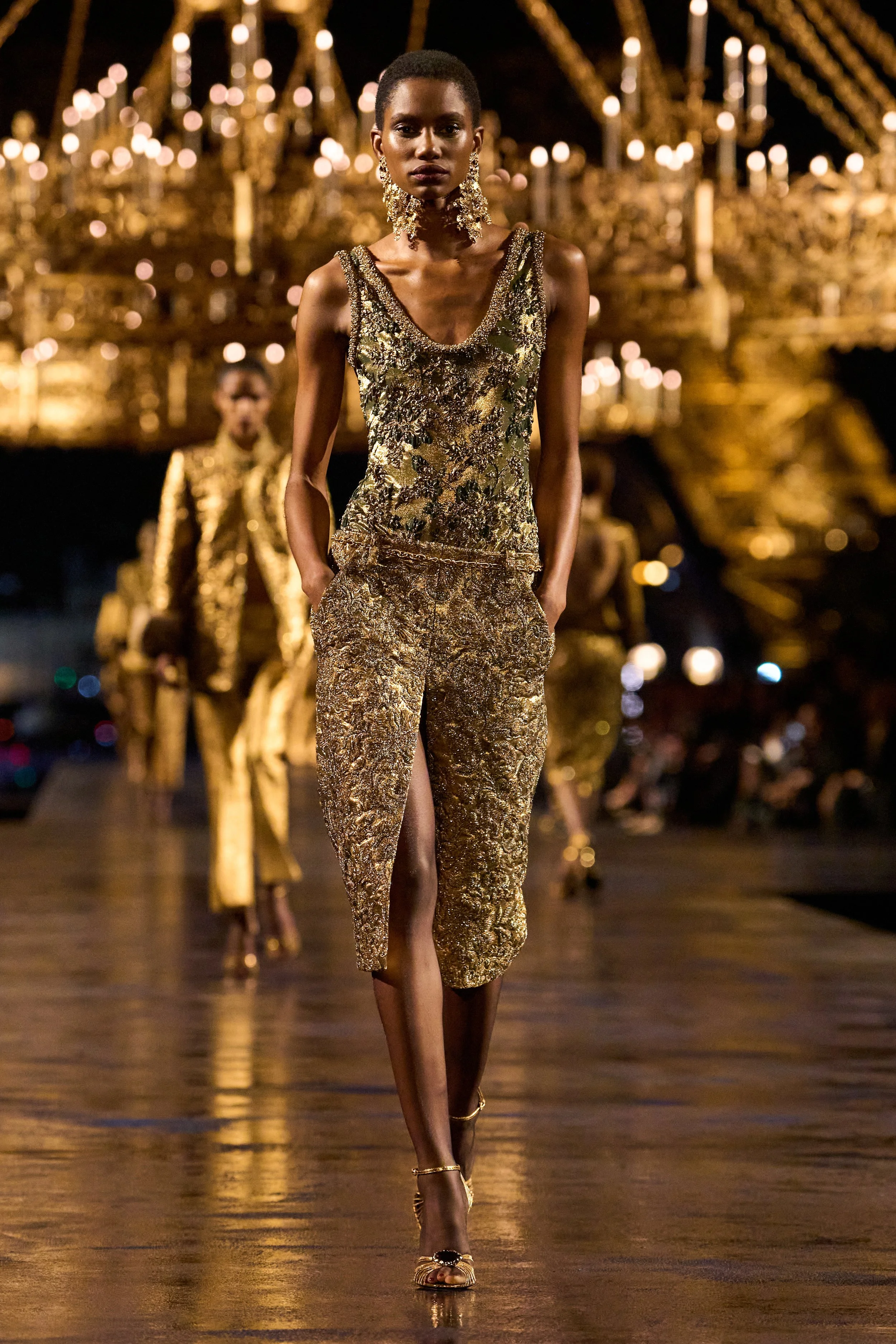
For the past ten years, every season, Anthony Vaccarello has spoken to a certain person. Someone who knows exactly what they are looking for: a devotion to the work of Yves Saint Laurent and a commemoration of a glamour that is increasingly rare. Throughout the decade, the designer has distilled Monsieur Saint Laurent’s historic legacy into a vision that is anything but old-fashioned. Even with deep reverence, Vaccarello knows that his role is not to simply regurgitate, but to adapt, to translate. Through the continuation of the legacy, his time at the maison has given the world an understanding of the creative director’s principles. His adaptation of sacred text is just as pious.

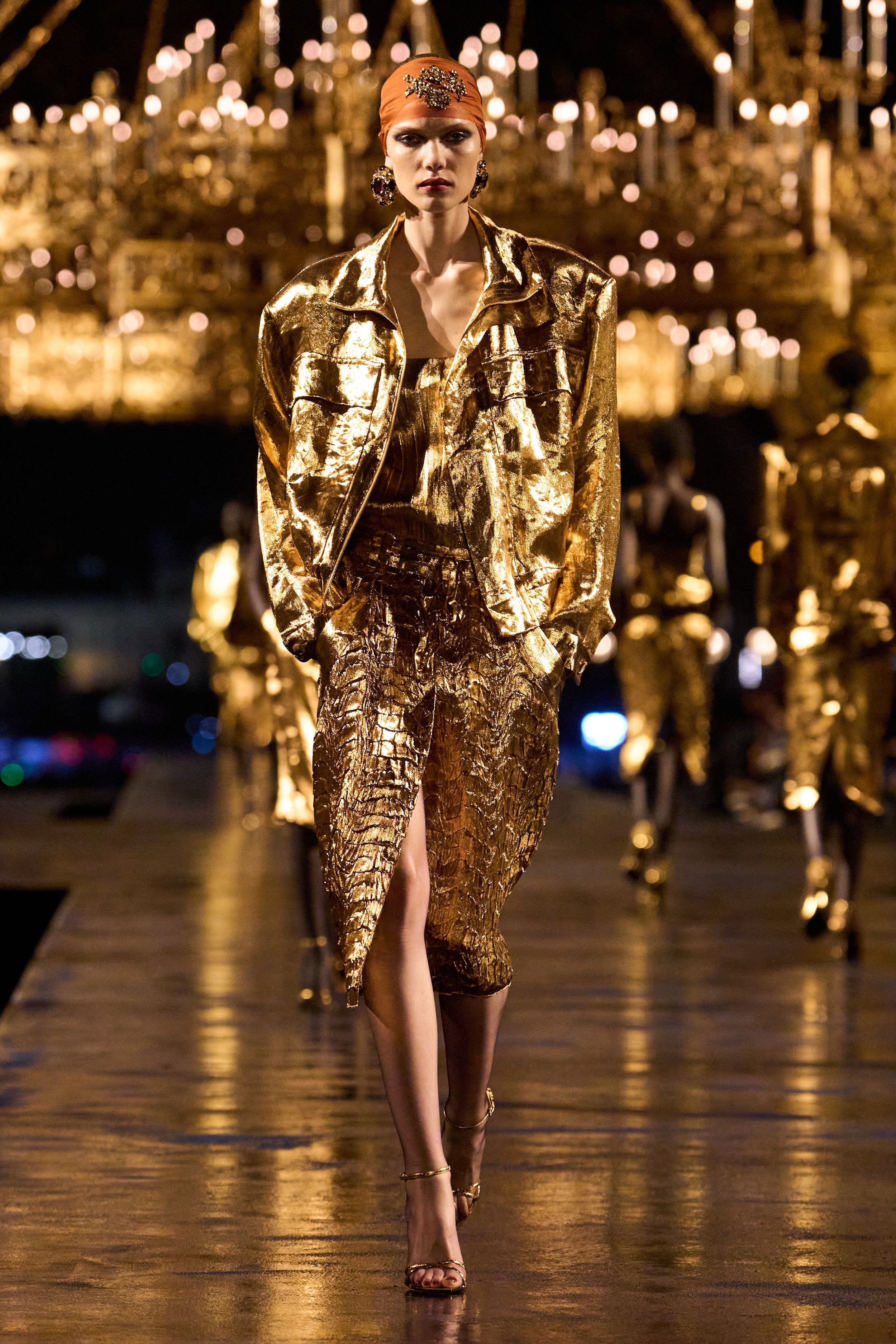
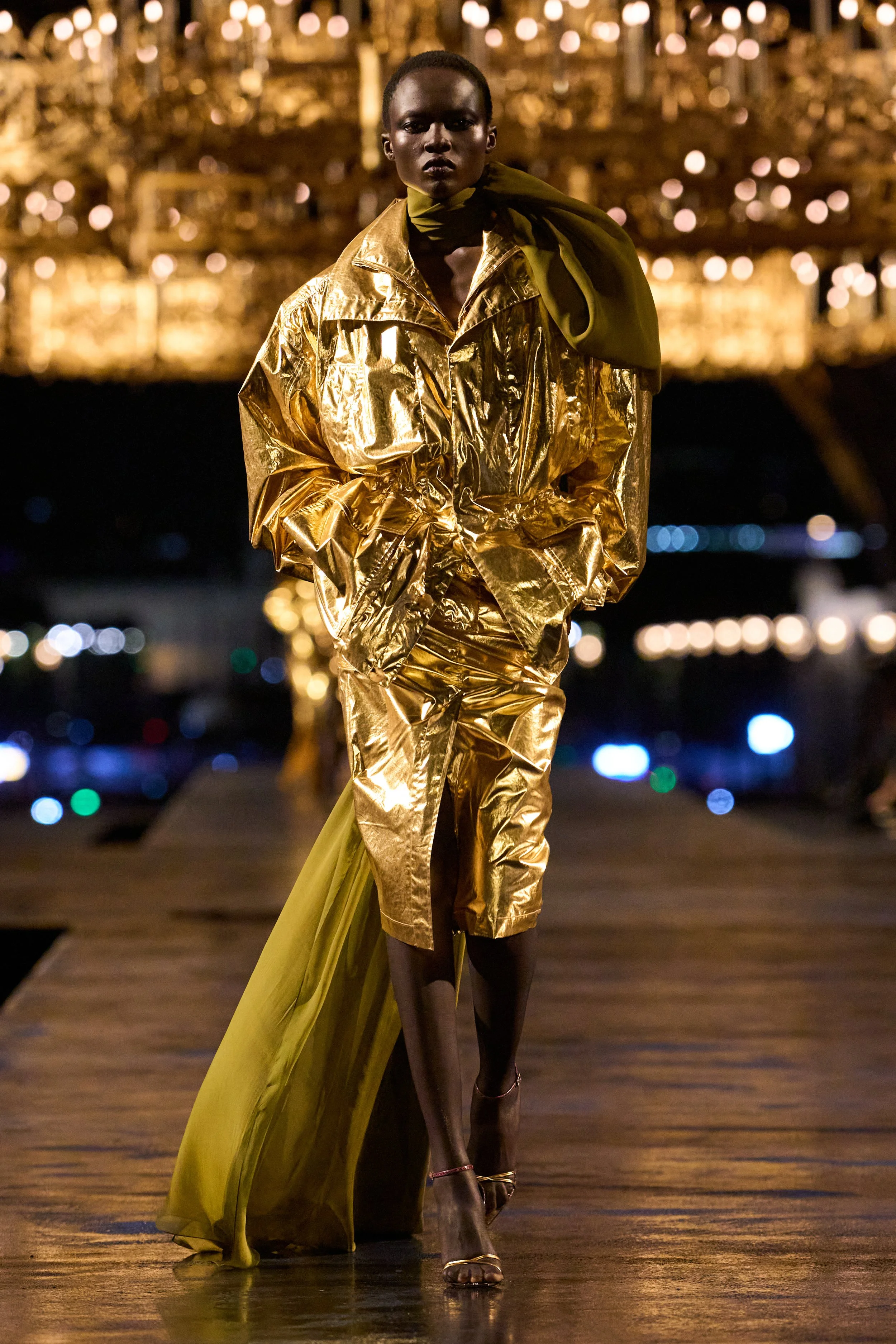
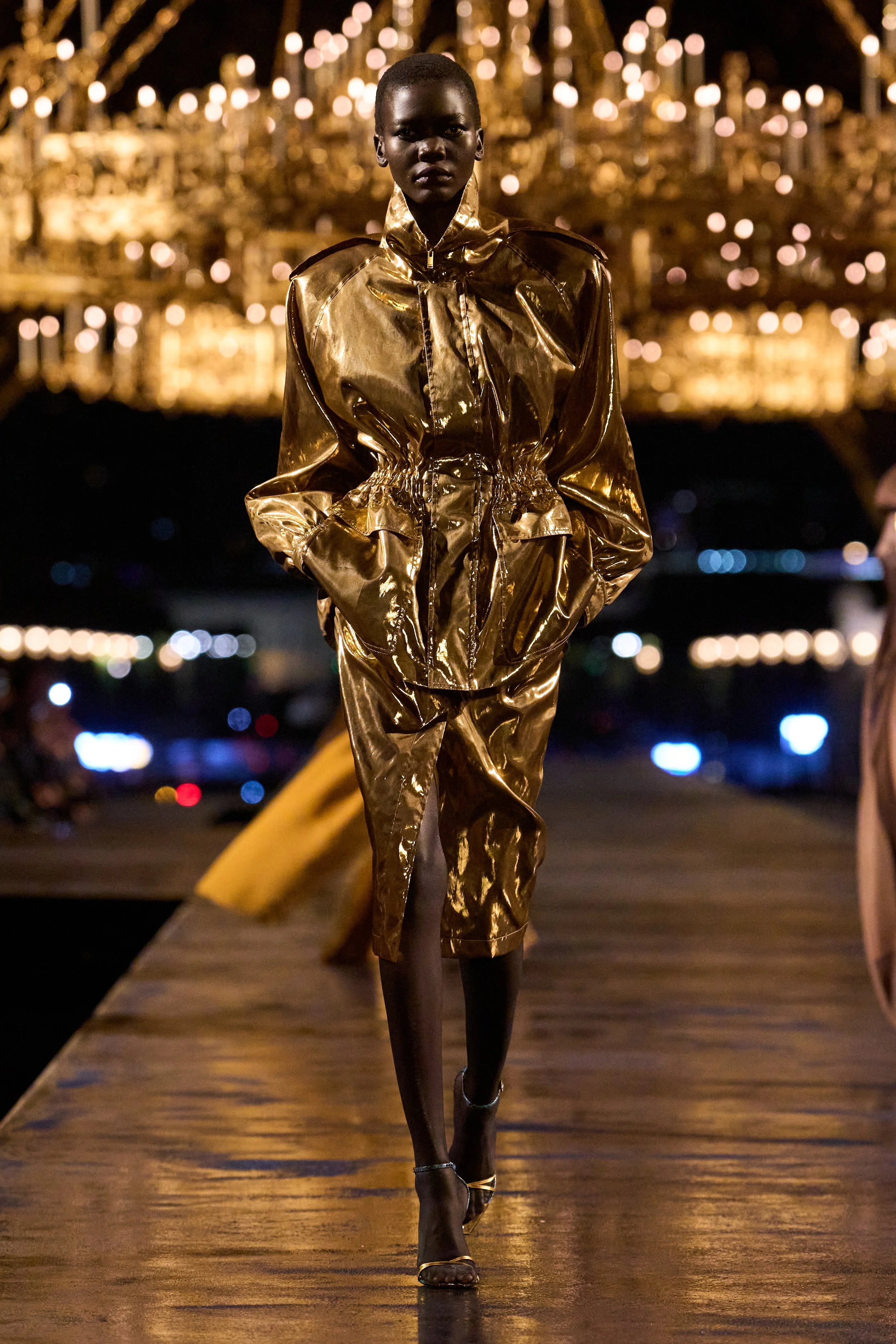
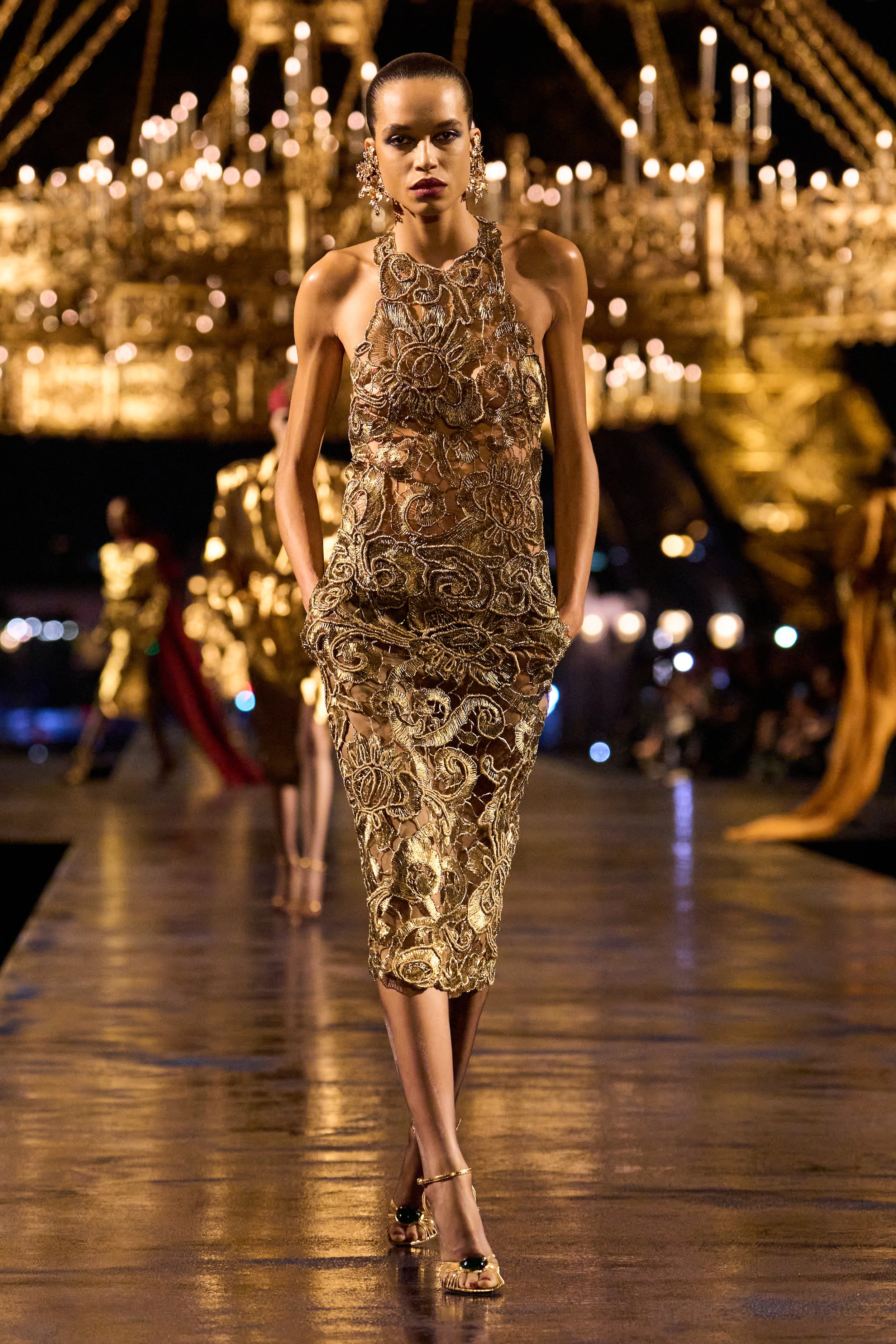
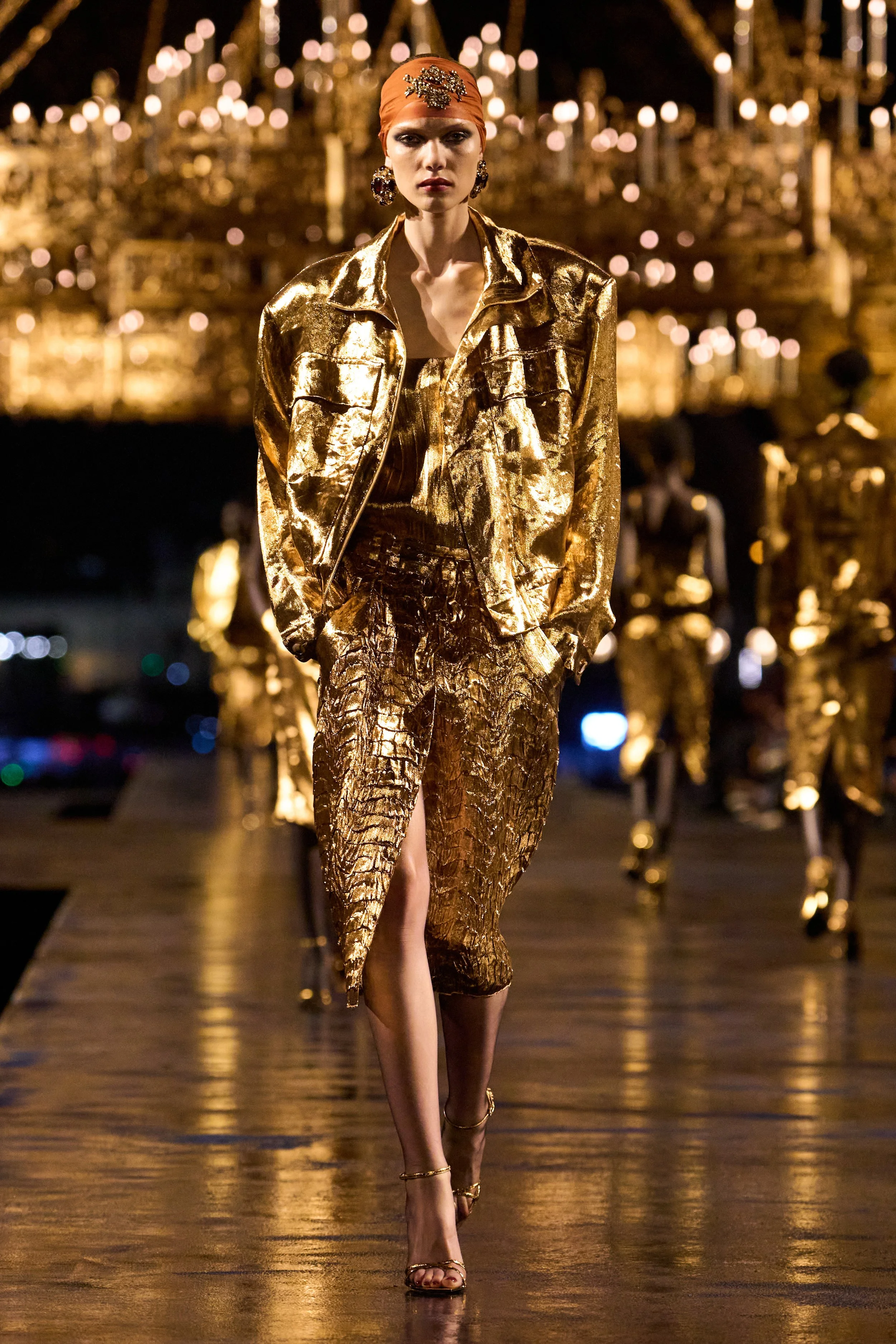
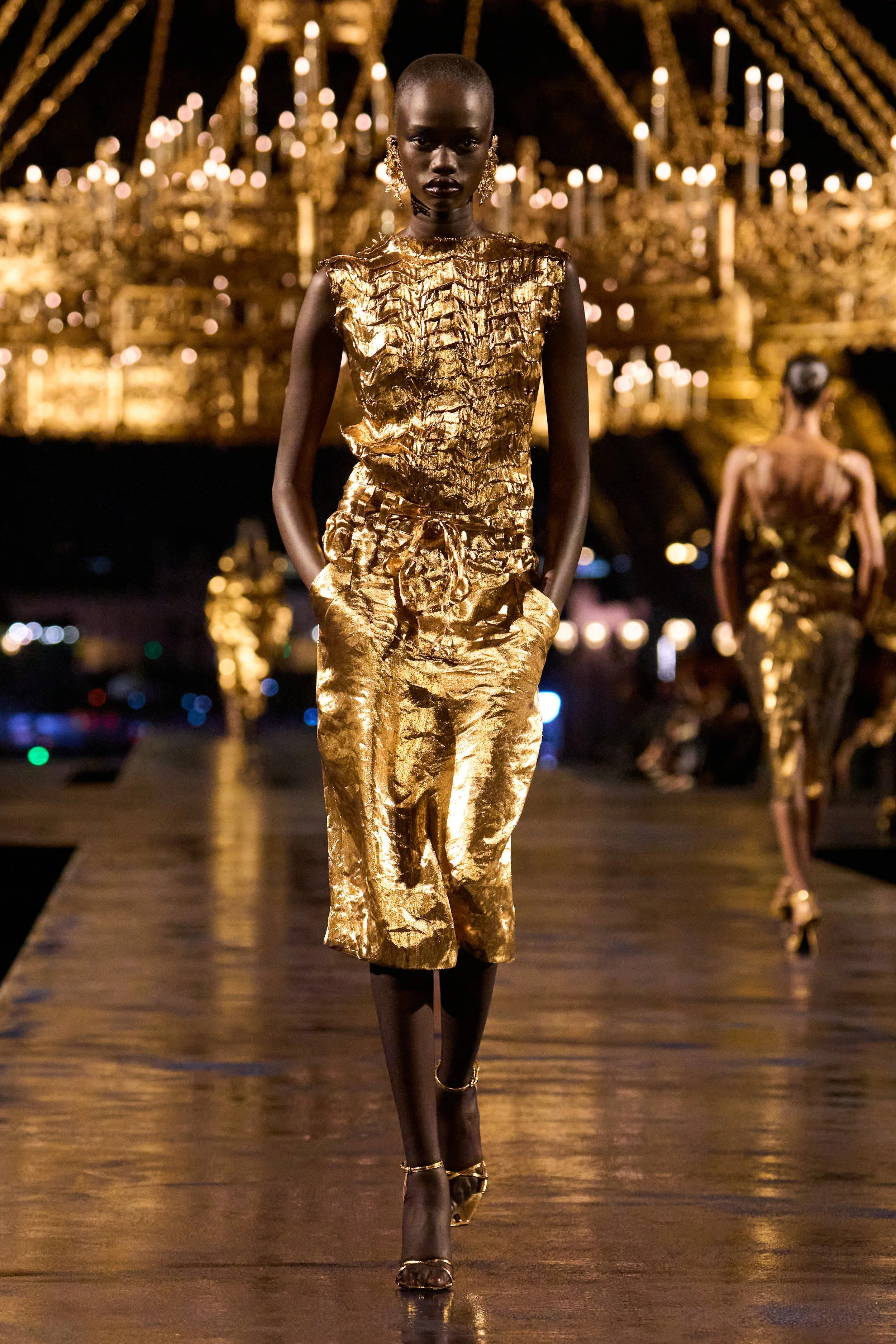
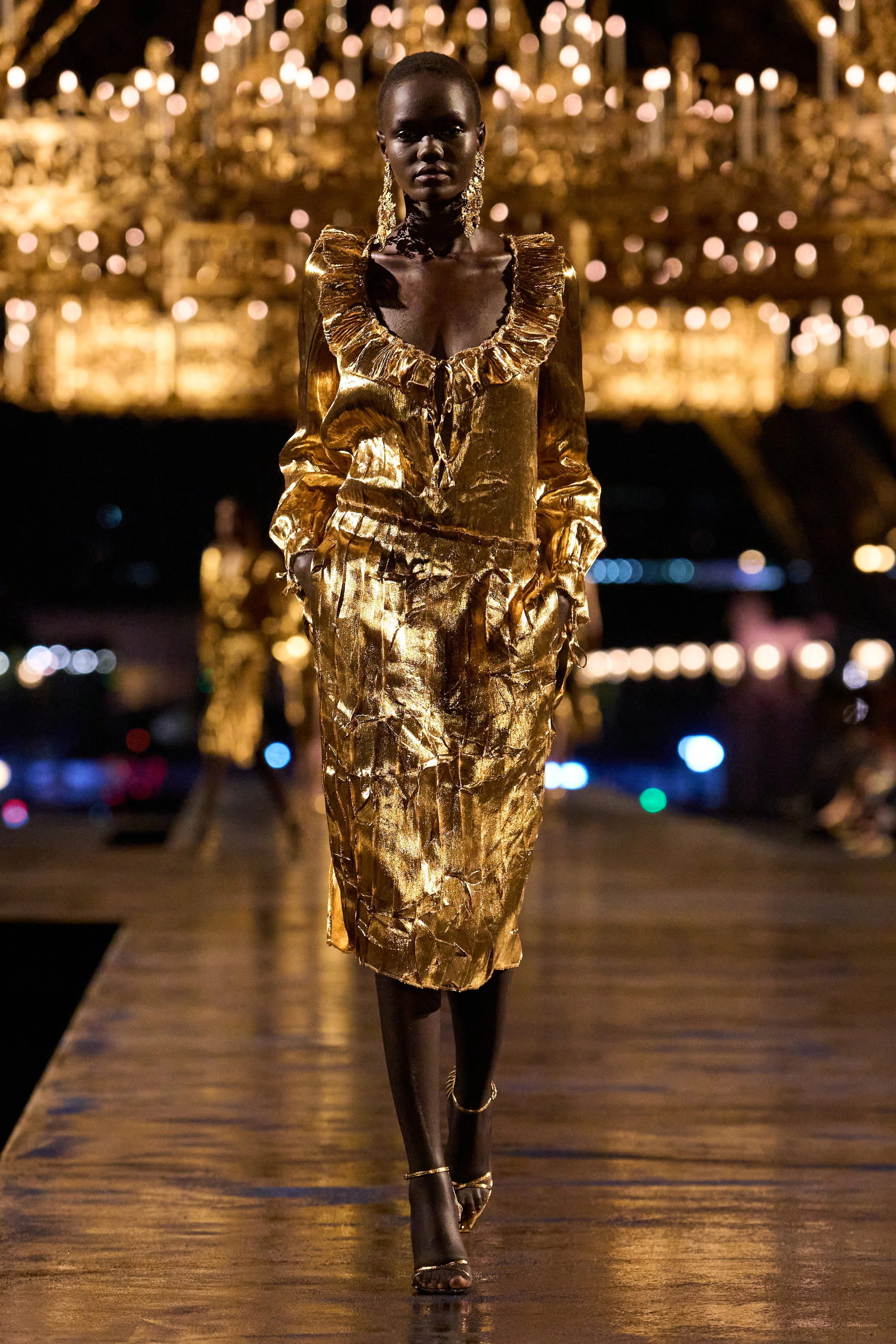
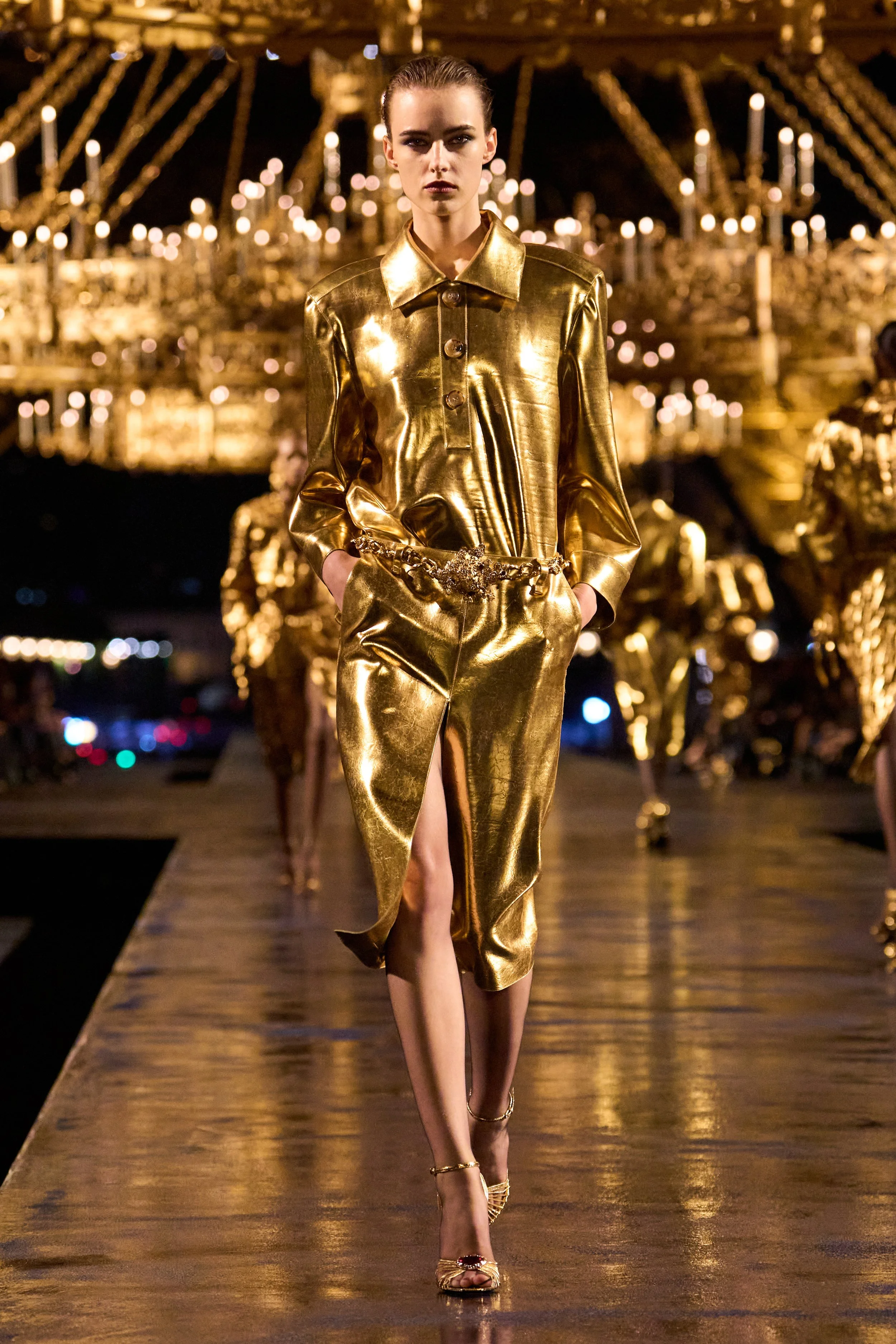
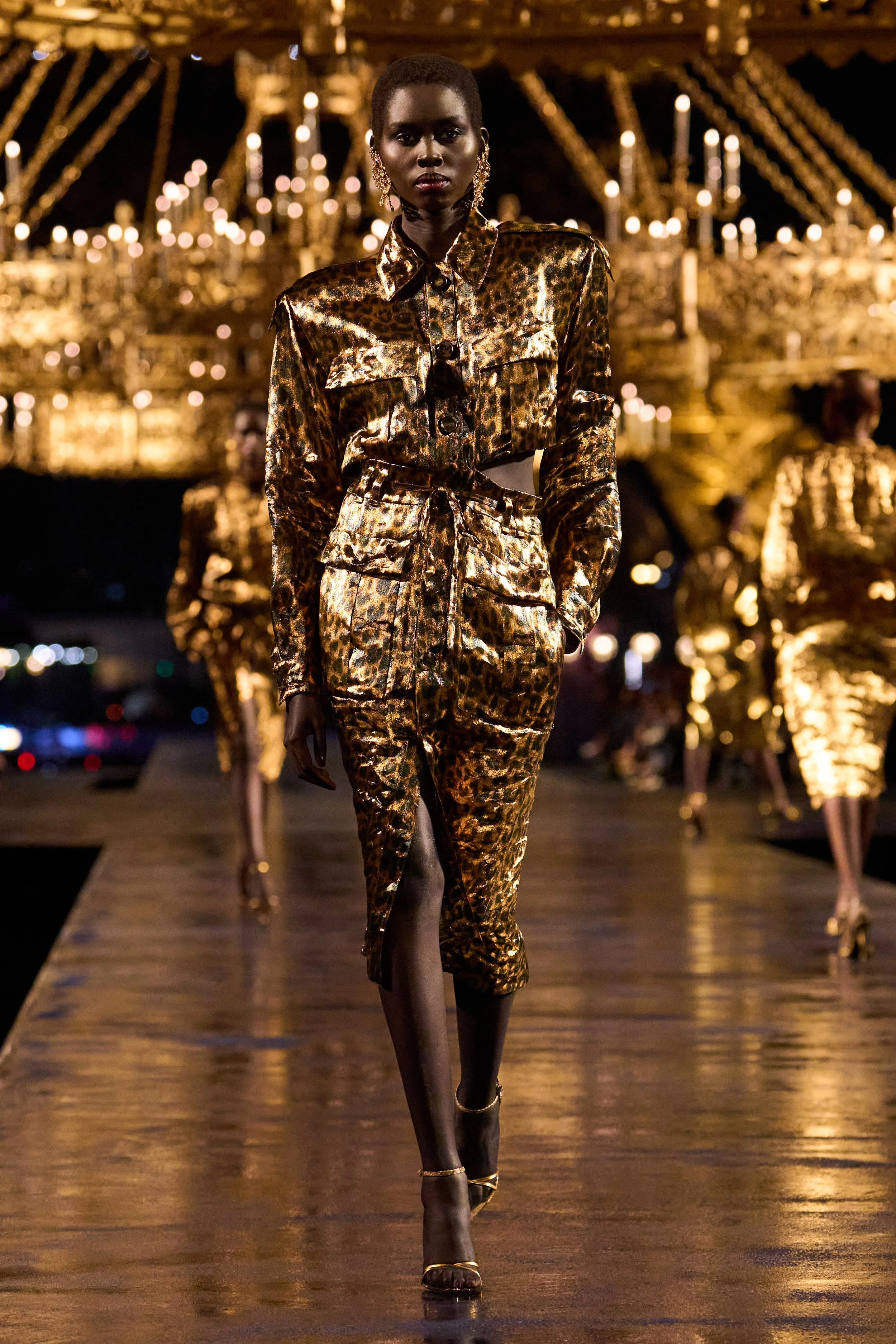
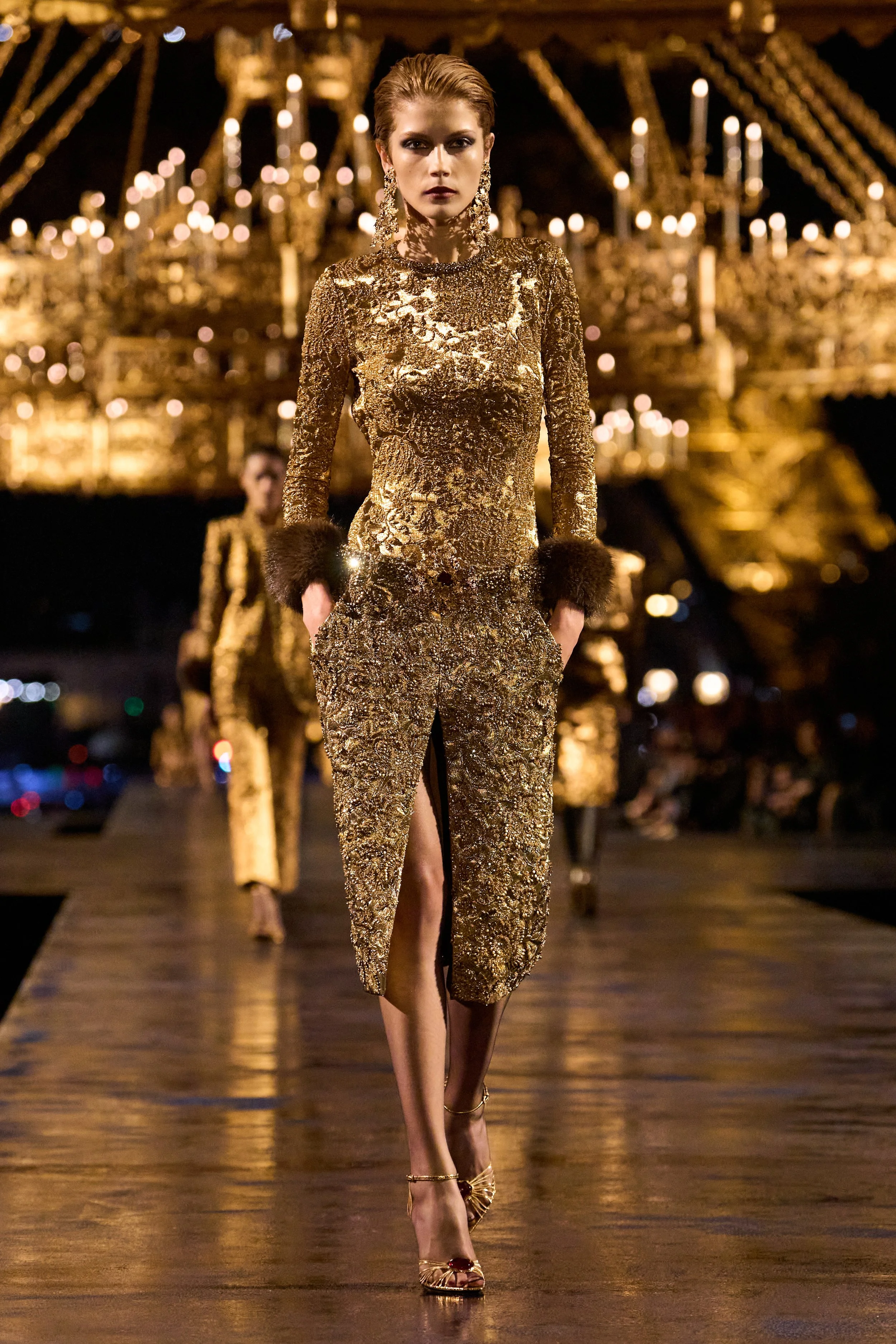
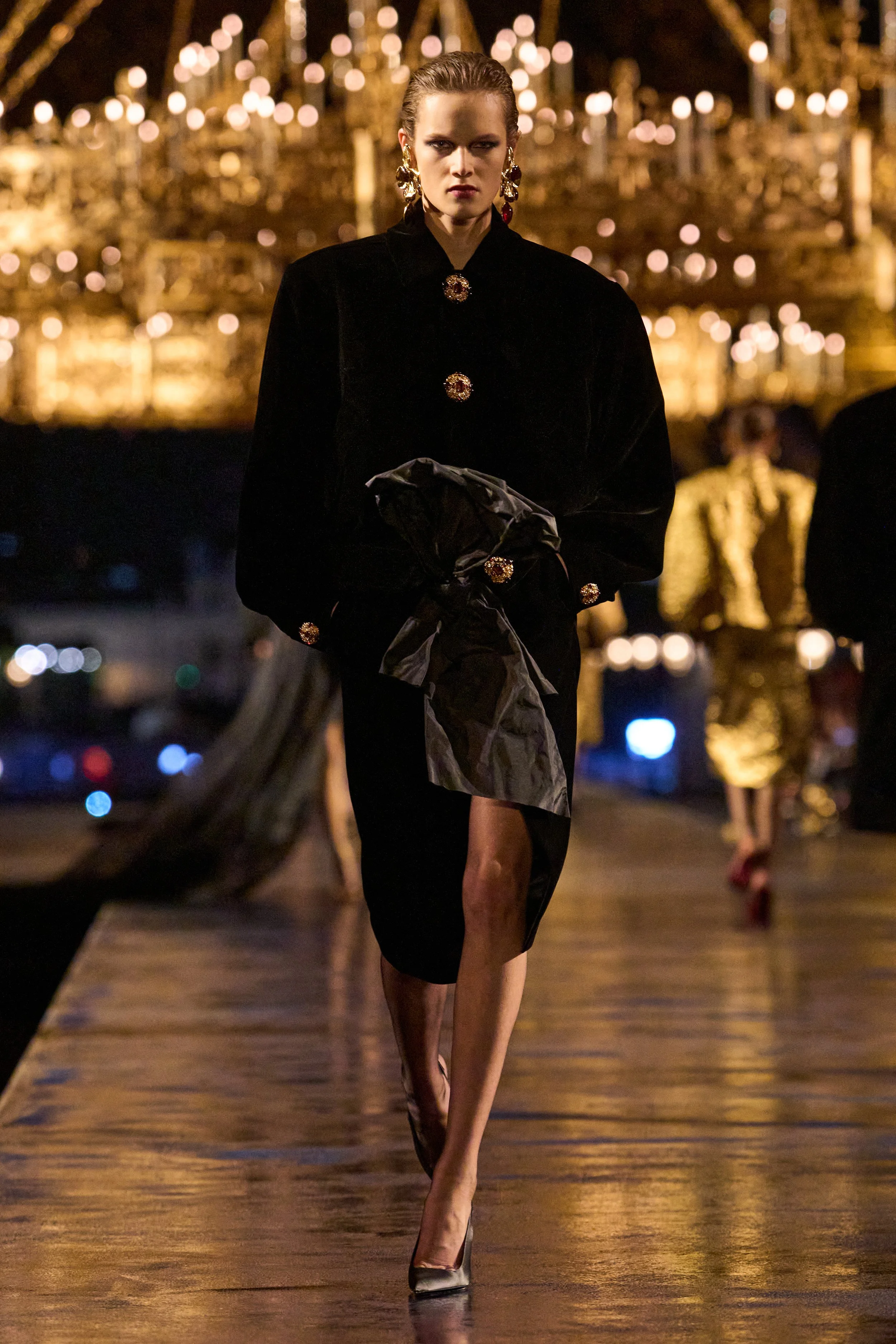
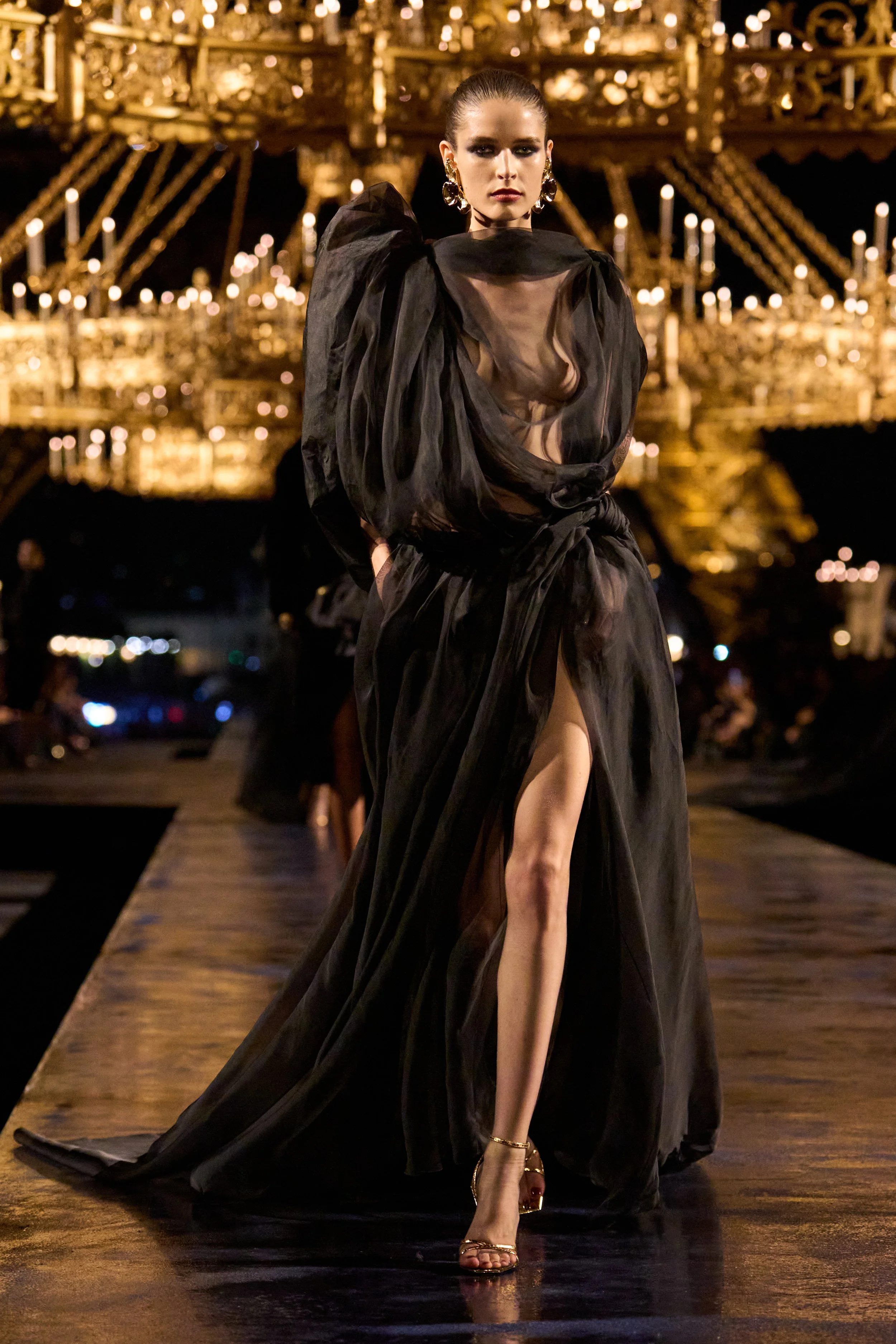
His usual modus operandi was present from the beginning. The show opened beneath the sound of billowing, funereal music, the atmosphere charged with a sense of ceremony. Chandeliers hung low overhead, creating an artificial ceiling below an open sky.

The Vaccarello silhouette: high necks, broad shoulders, tightly drawn waists. Drama, unmistakably. Pussy-bow scarves trailed behind the models like split trains, their colours emblematic of Saint Laurent under Vaccarello — burnt oranges, deep greens, shades that felt pulled directly from the house's visual vocabulary and pushed into something darker. Vaccarello likes to drive the point home. He’s spoken at length about his tendency to hone in on a handful of silhouettes and experiment on them with materiality and palette. This season, the formula was inverted.

Gold became the show's great obsession. Heavy earrings framed open necklines, while new surfaces became canvases for the colour: embroidered palettes, embellishment, metallic textures. Texture itself became a kind of wonderland, each surface catching the light differently, allowing gold to become something more than a hue. It shimmered, reflected, cracked and softened.

Fur appeared at the collars and cuffs, adding another dimension of excess. There was an array of silhouettes, but they were held together by the same chromatic language: a collection unified not by uniformity, but by colour, material and mood. And then, gradually, the gold gave way to black. The volume remained, but the light disappeared.

Black dresses arrived enormous and grief-stricken, their proportions almost funereal. What had begun as a celebration of glamour became something closer to mourning. Texture, again, became the emotional language. It was a wonderland, a dream, a eulogy — perhaps even a parting gift. After a decade of translating reverence into something entirely his own, the feeling that lingers is one of gratitude: for the care with which, season after season, Vaccarello upheld Saint Laurent, so naturally and so completely that, for a moment, we forgot it could ever belong to anyone else.


Words by Pedro Vasconcelos
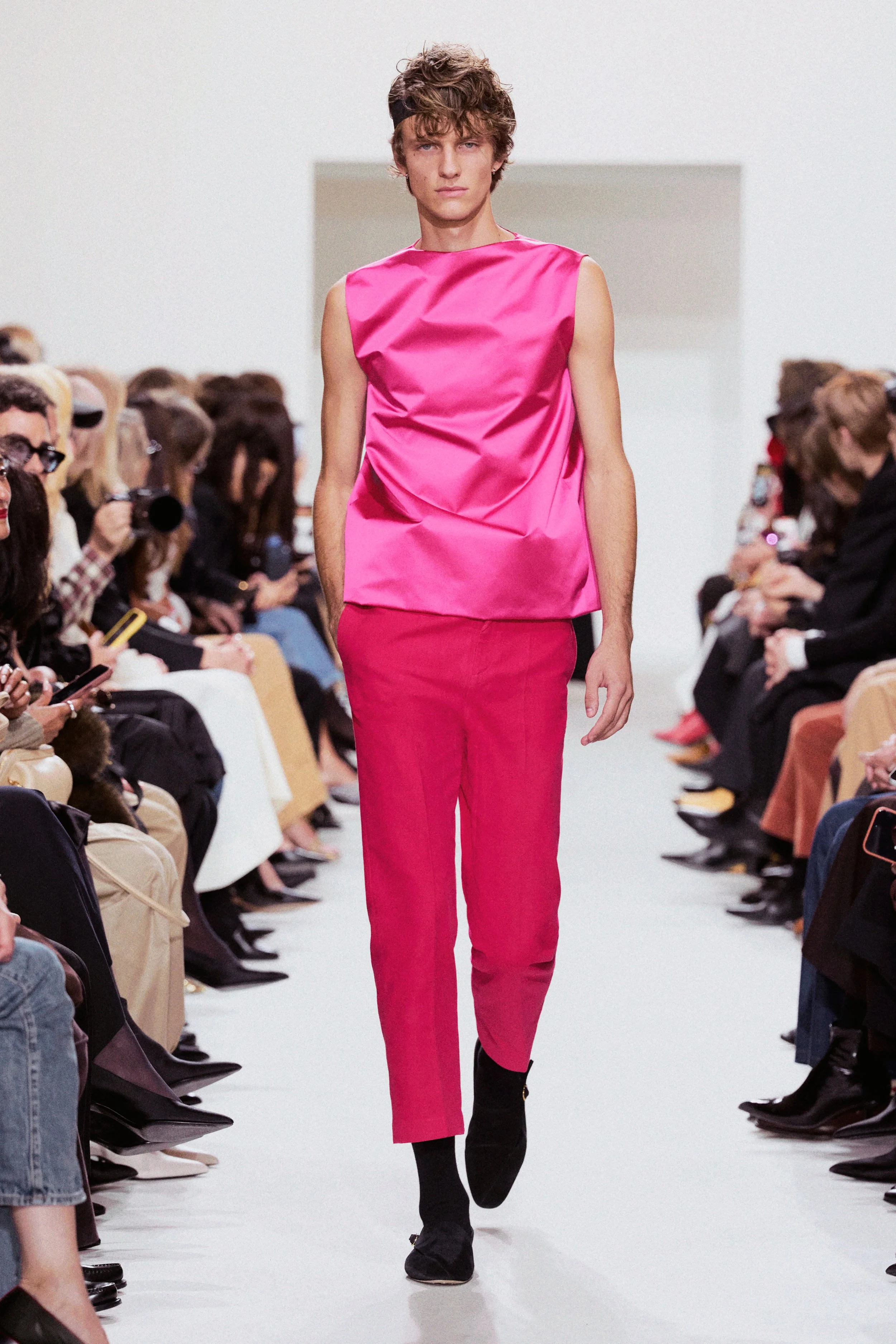
CARVEN SS27

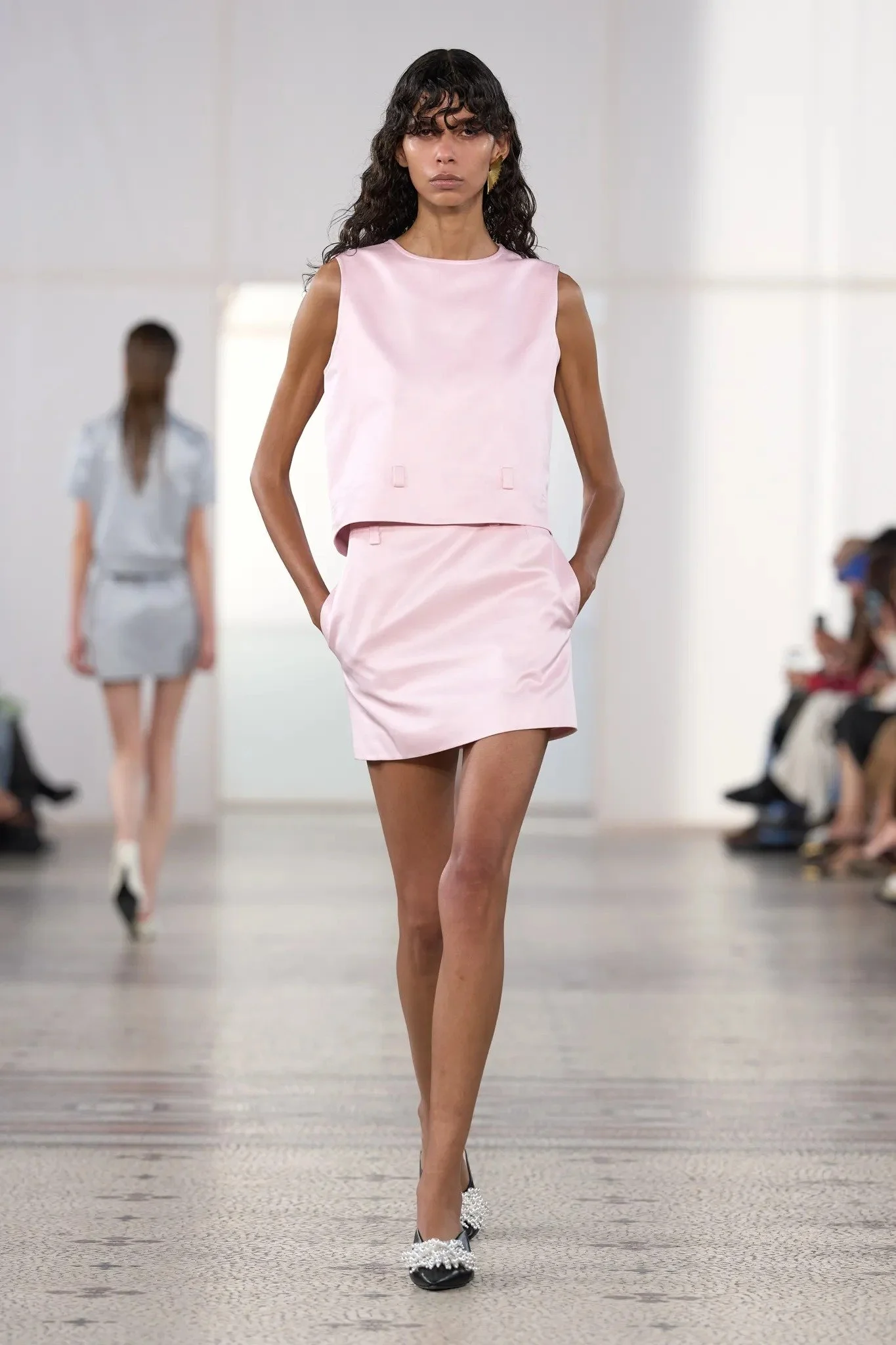
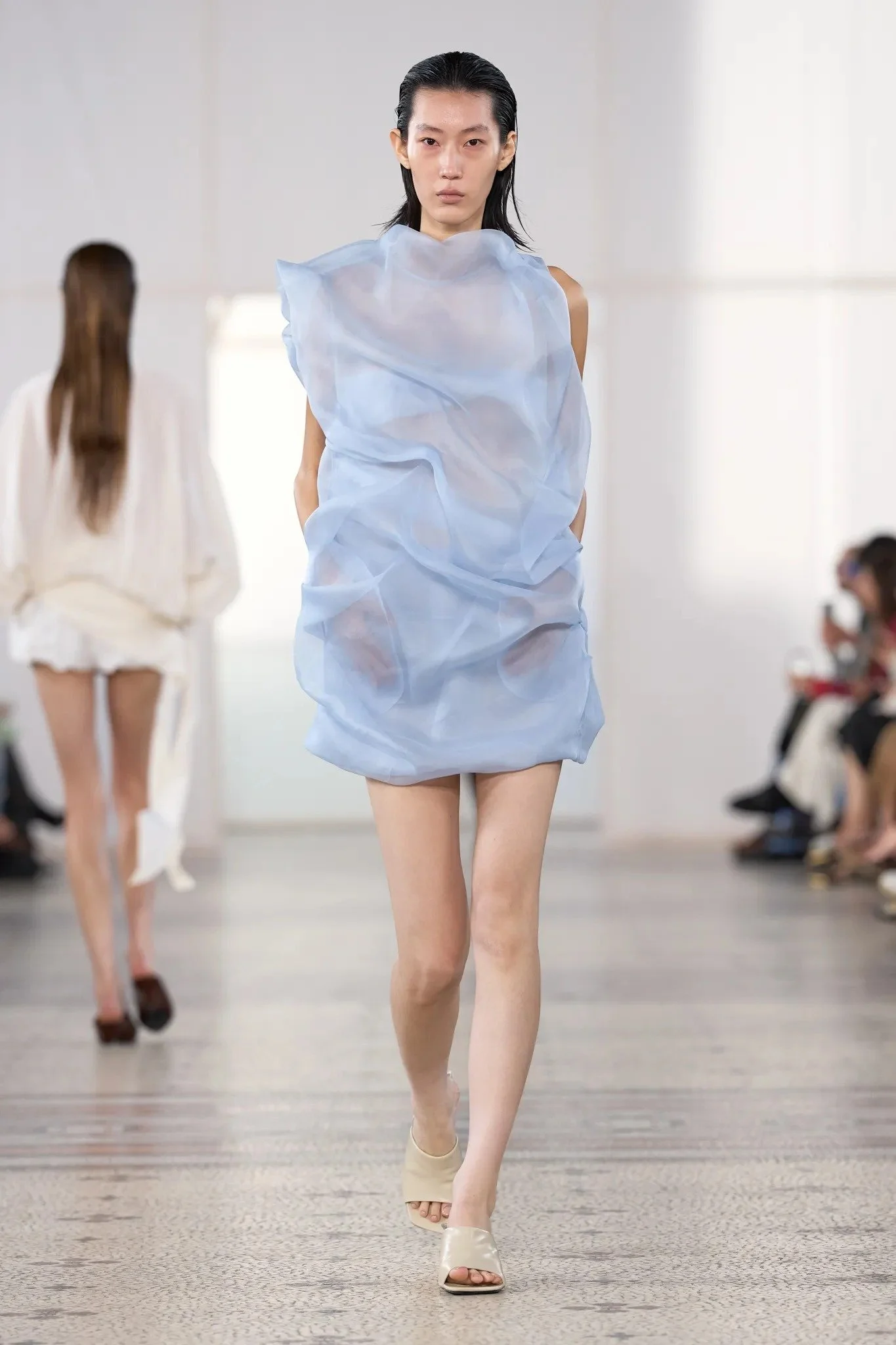
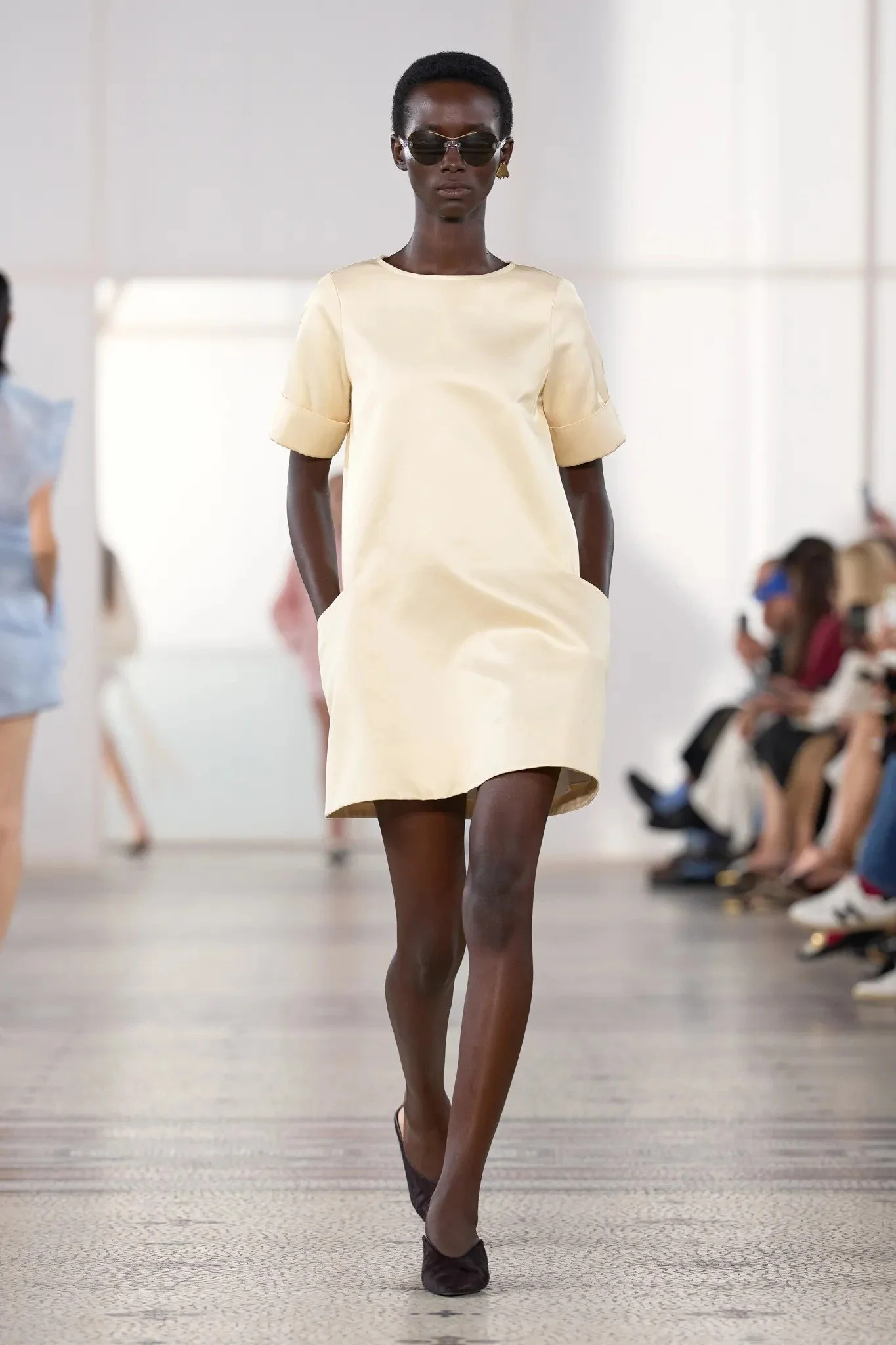
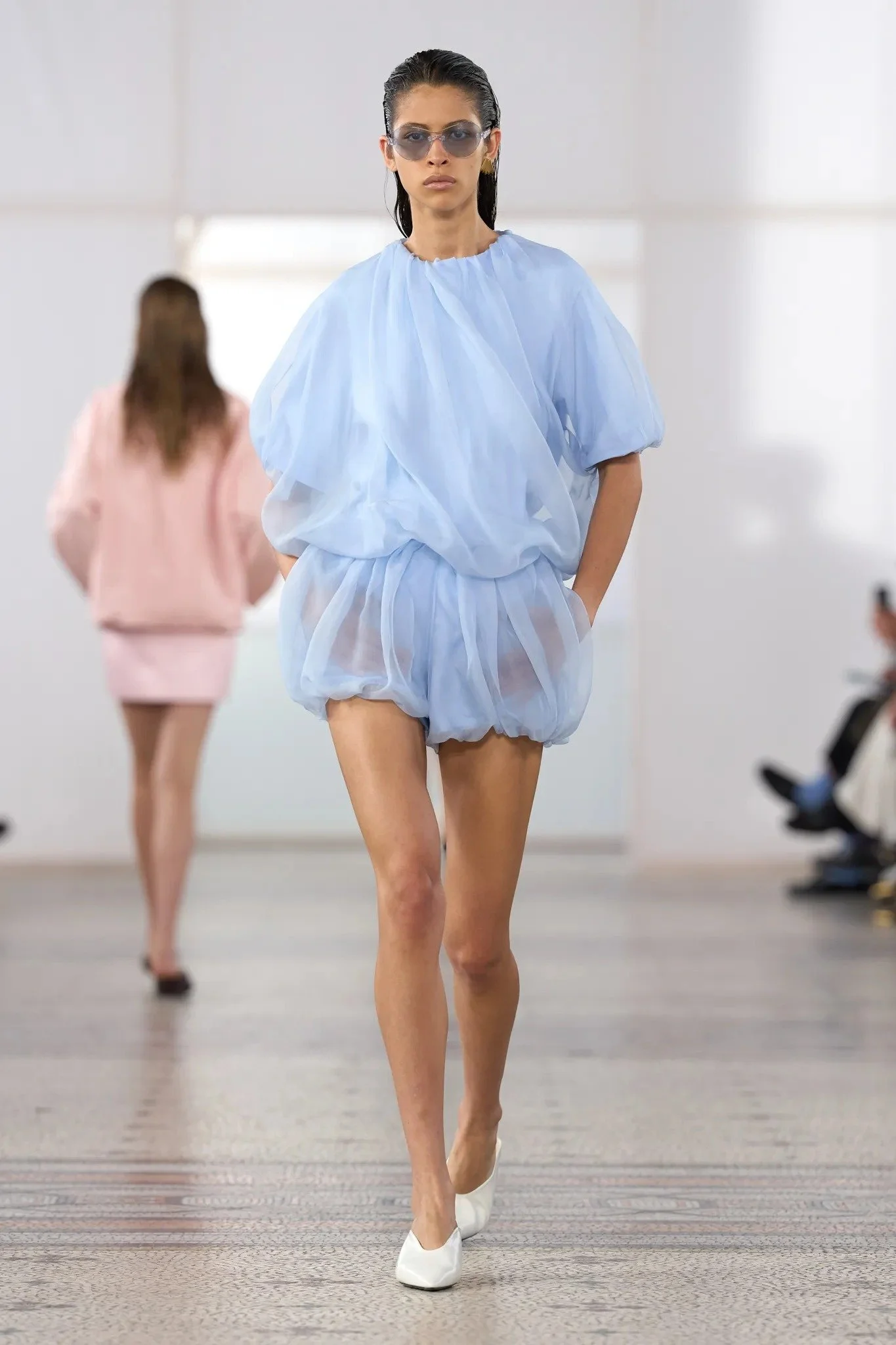
At Carven SS27, a clean and modern look takes shape through experimentation with silhouettes, where movement and ease are at the centre. Architectural shapes ground the collection, balancing structure and fluidity.
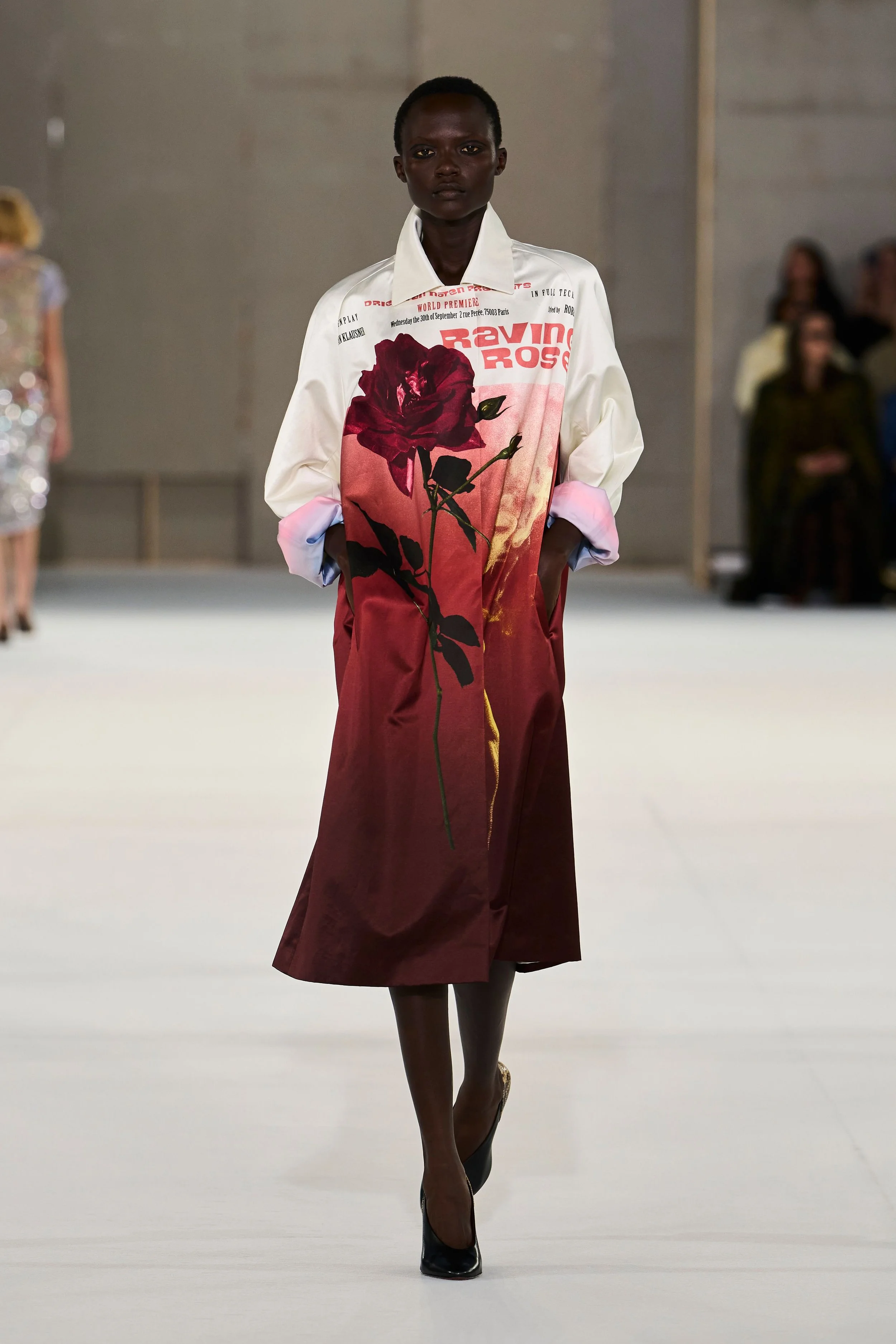
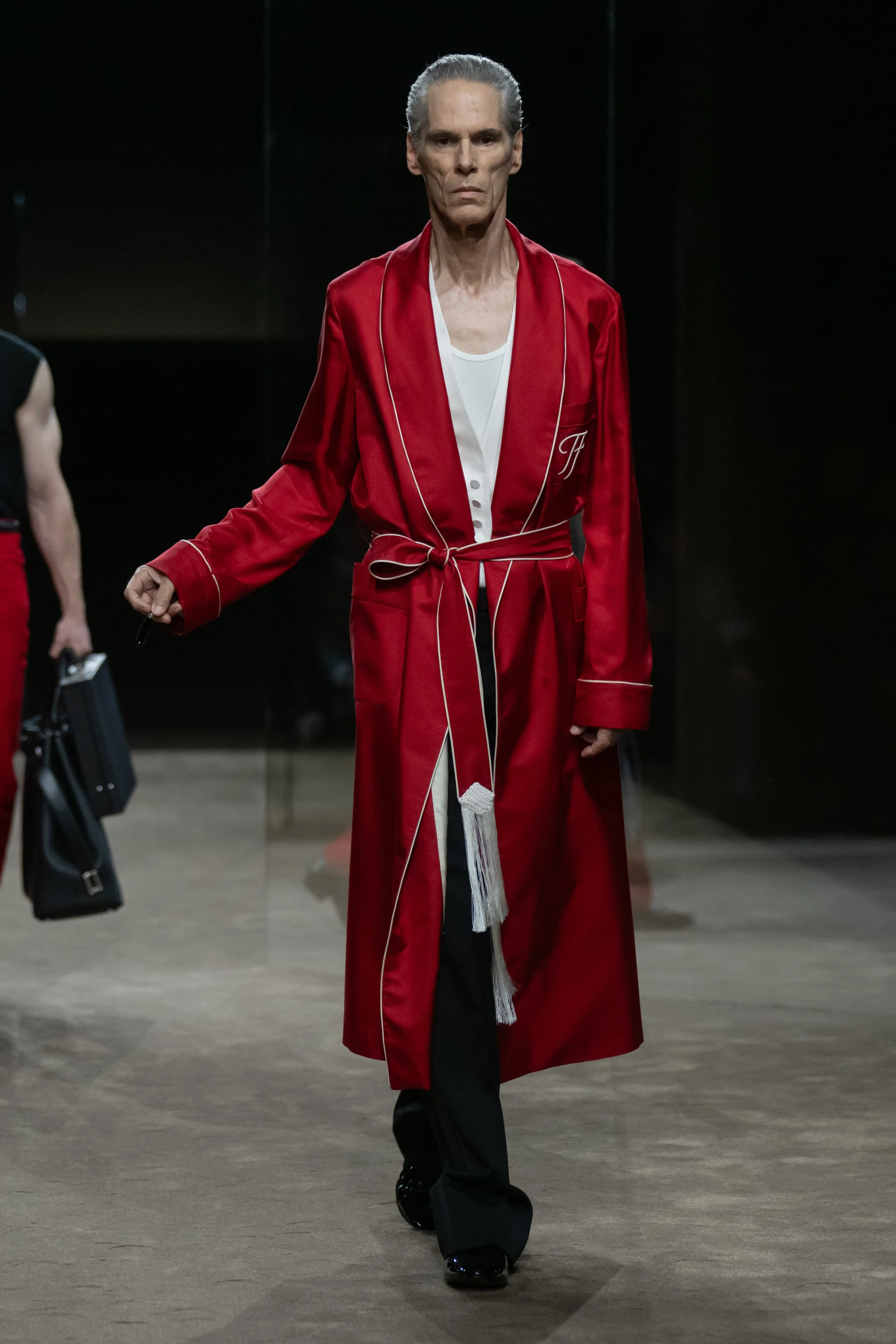
The offering is rooted in a modern concept of femininity, one where comfort and ease are the main character, while refined tailoring brings elegance. The restraint in the cuts and volumes showcases a collection rich in meticulous precision.

Playing with proportion, lightness and transparencies, mini lengths feel youthful and playful. They walk alongside sculptural long garments that offer a more serious and mature perspective on style. Draped organza dresses introduce volume while creating an ethereal, almost whimsical effect against the otherwise structured looks.

Colour is essential in recreating this clean, soft, harmonious, and feminine allure. Soft pastels, from light blue and pale pink to butter yellow, sit alongside neutrals such as camel, white, navy, and black. One look in emerald green stands out, bringing a striking contrast to the collection's otherwise restrained palette.

Accessories remain minimalist, with XXL bags becoming statements against the pared-back garments. Pen-inspired accessories are placed in the hair, attached to jackets, and integrated directly into the looks, reinforcing Carven's playful yet discreet approach to accessorising.

Instead of seeing femininity as restrictive, the collection allows it to exist through movement and ease, showing that it can be expressed in a myriad of ways. Structured tailoring, sculptural volumes, playful proportions, and delicate fabrics come together to create a wardrobe for a woman who is not afraid to express her femininity and embrace it through her everyday style.


Words by Carolina Benjumea