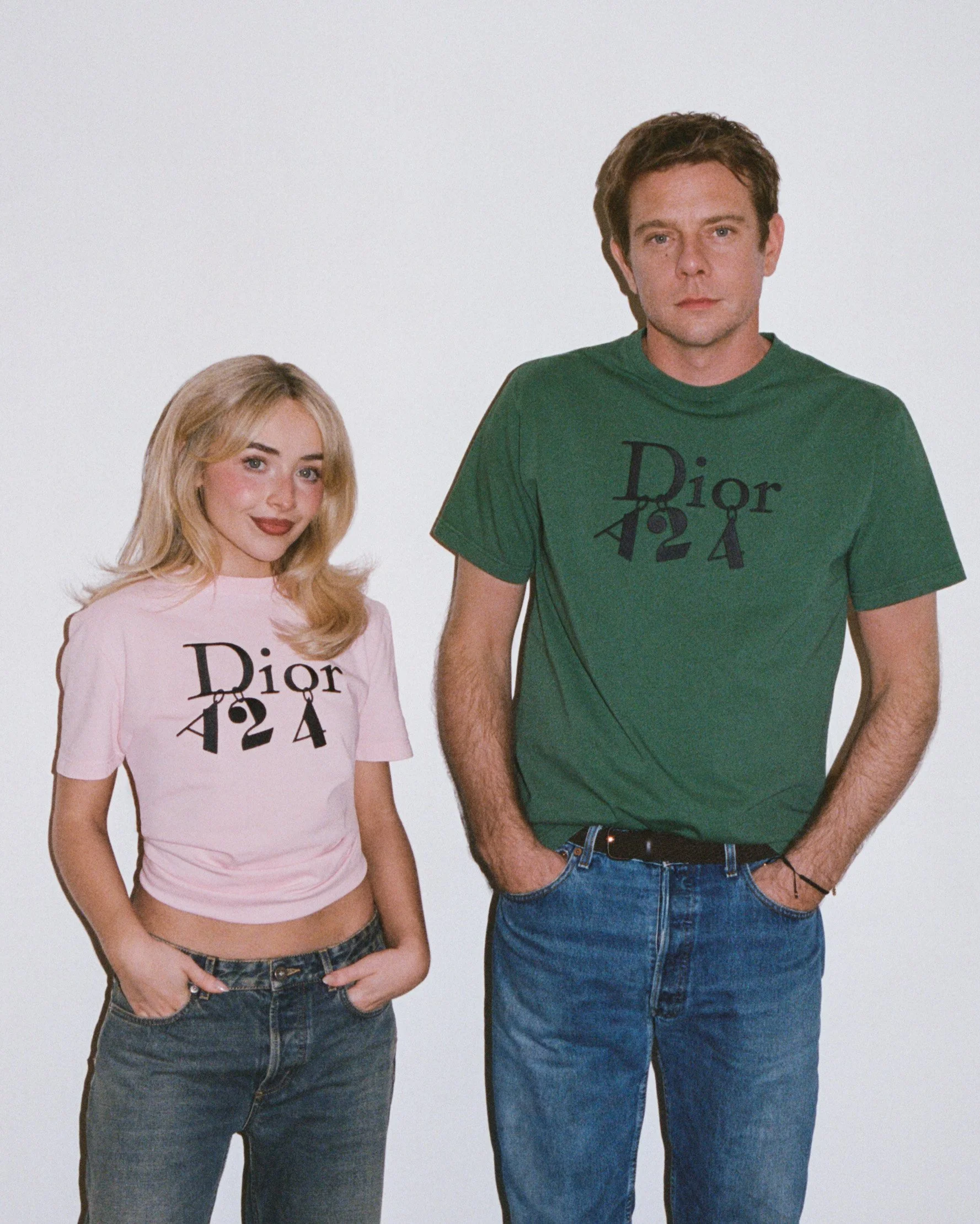
“There’s no Dietrich without Dior.” In 1950, Marlene Dietrich refused to star in Alfred Hitchcock's Stage Fright without a Christian Dior wardrobe – the better part of which she conveniently kept after production wrapped. Dietrich was but one of a clientele that reads as Olympian rather than human: Marilyn Monroe, Grace Kelly, Sophia Loren, Elizabeth Taylor, Audrey Hepburn. Dior’s myth itself is intertwined with that of the golden age of Hollywood.
It makes sense, then, that for his first Cruise show, Jonathan Anderson chose Los Angeles as his location. In the recently inaugurated David Geffen Galleries at LACMA, the Northern Irish designer projected the seductive effect of the city of angels. Not that Anderson is not privy to such magnetism. Since 2022, his collaborations with Luca Guadagnino have birthed films like Challengers and Queer – and there are more to come. Anderson revealed he’ll be collaborating on another three movies in the near future. The point is: he’s no stranger to the intersection of cinema and fashion. And therefore, here, a show dedicated to Hollywood was made into a story, a narrative of different characters and stories. It’s a creative strategy that has become quite popular in recent seasons but, under the thematic guideline of Hollywood, has found its most appropriate interpretation.
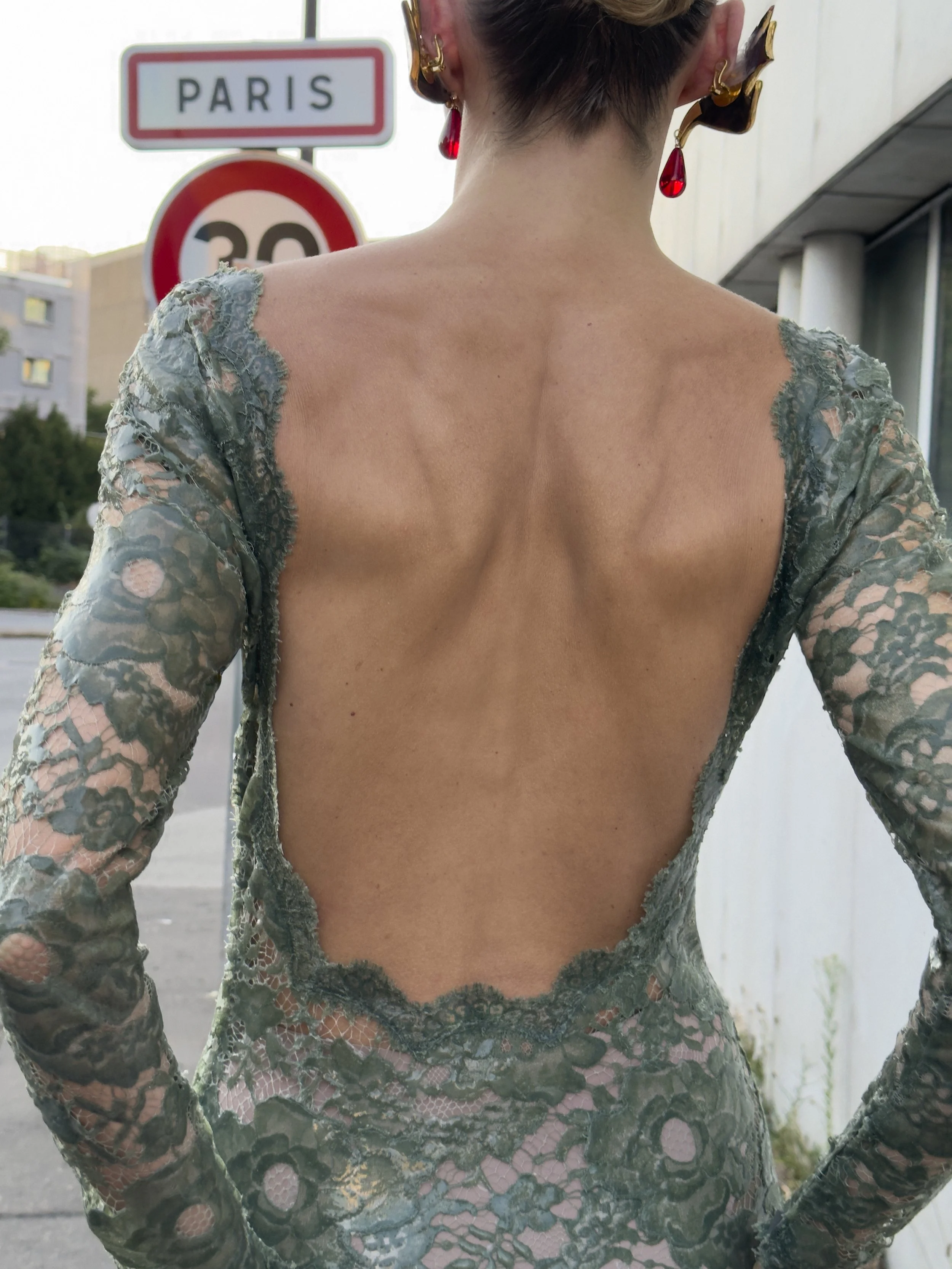
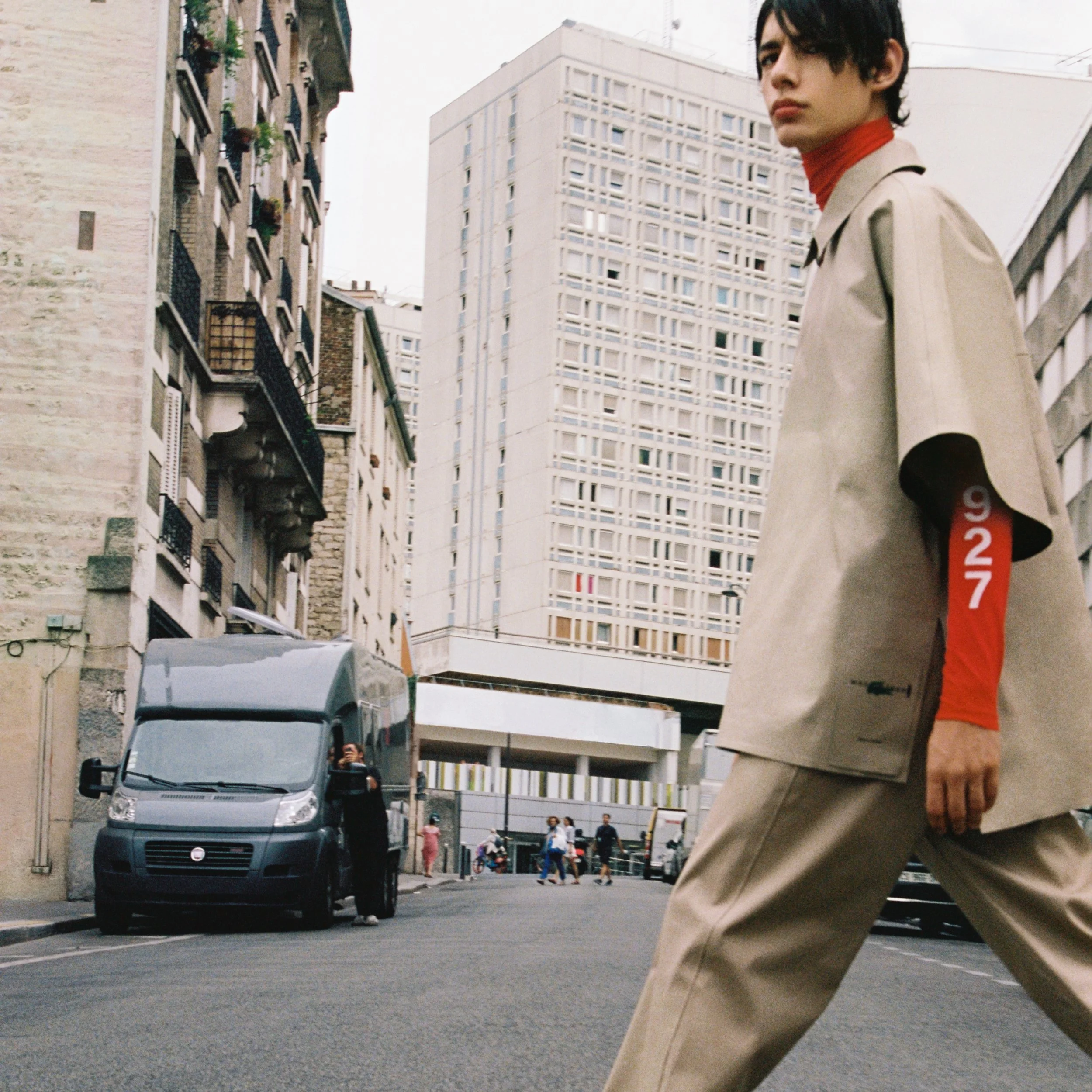
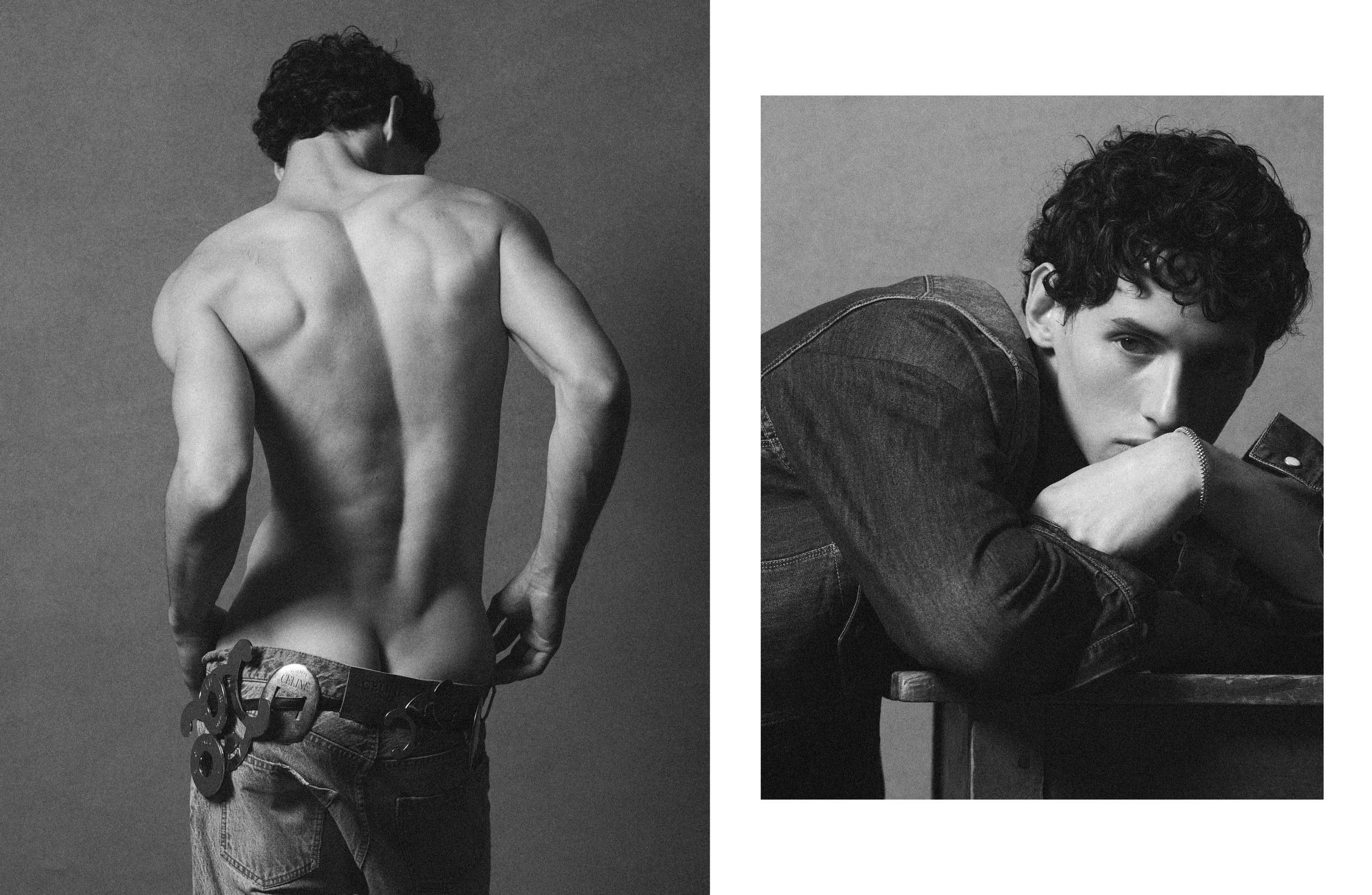
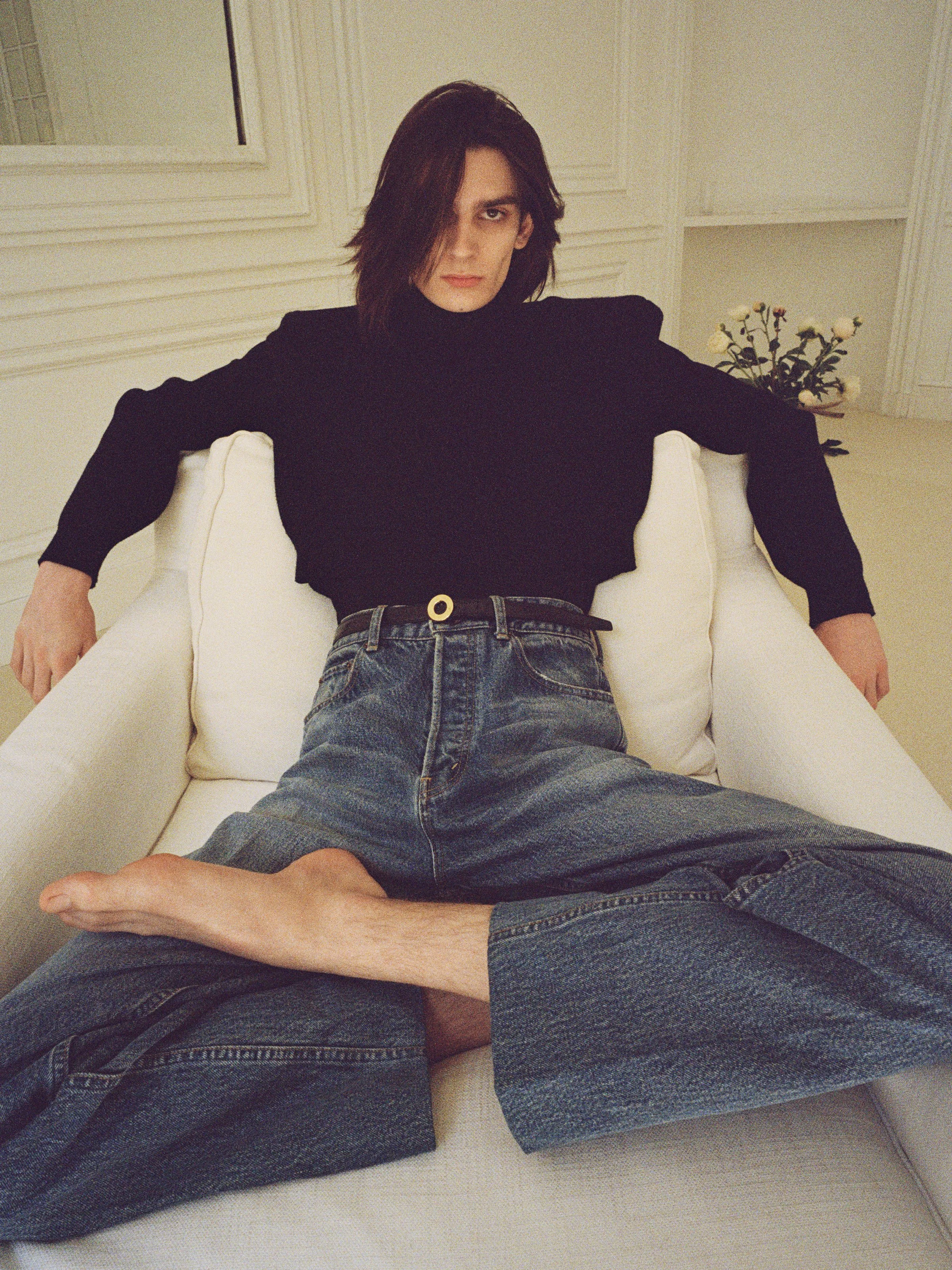
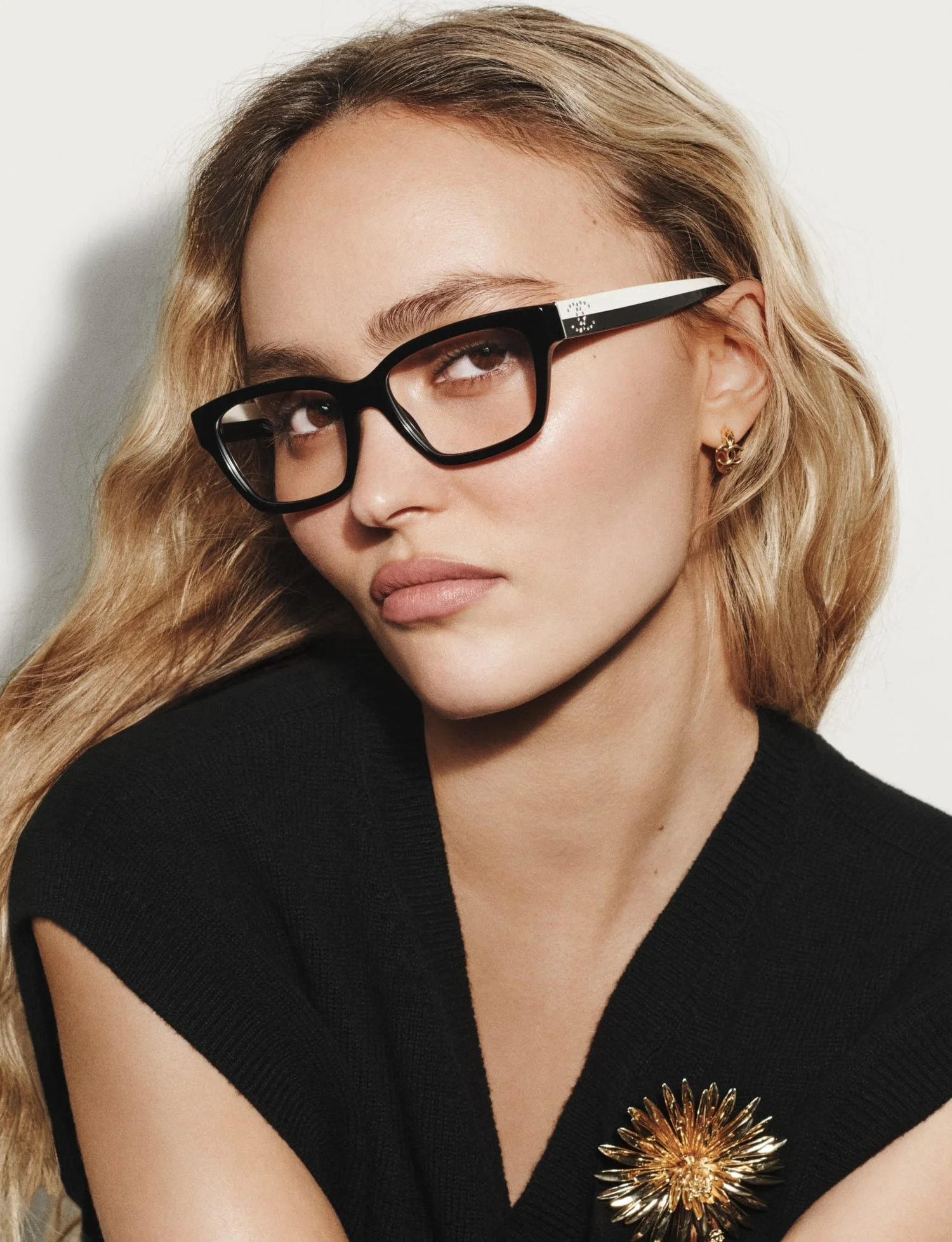
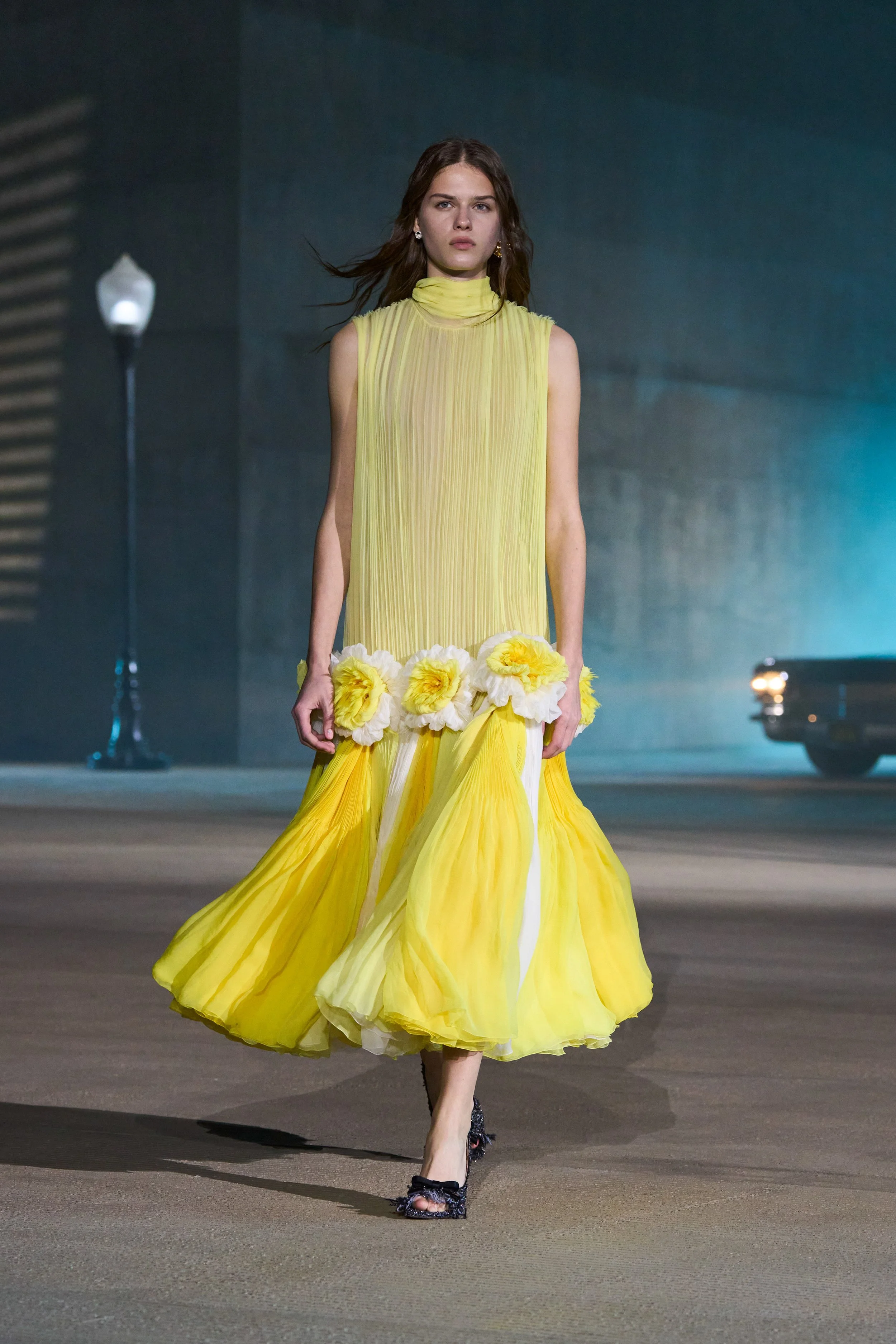
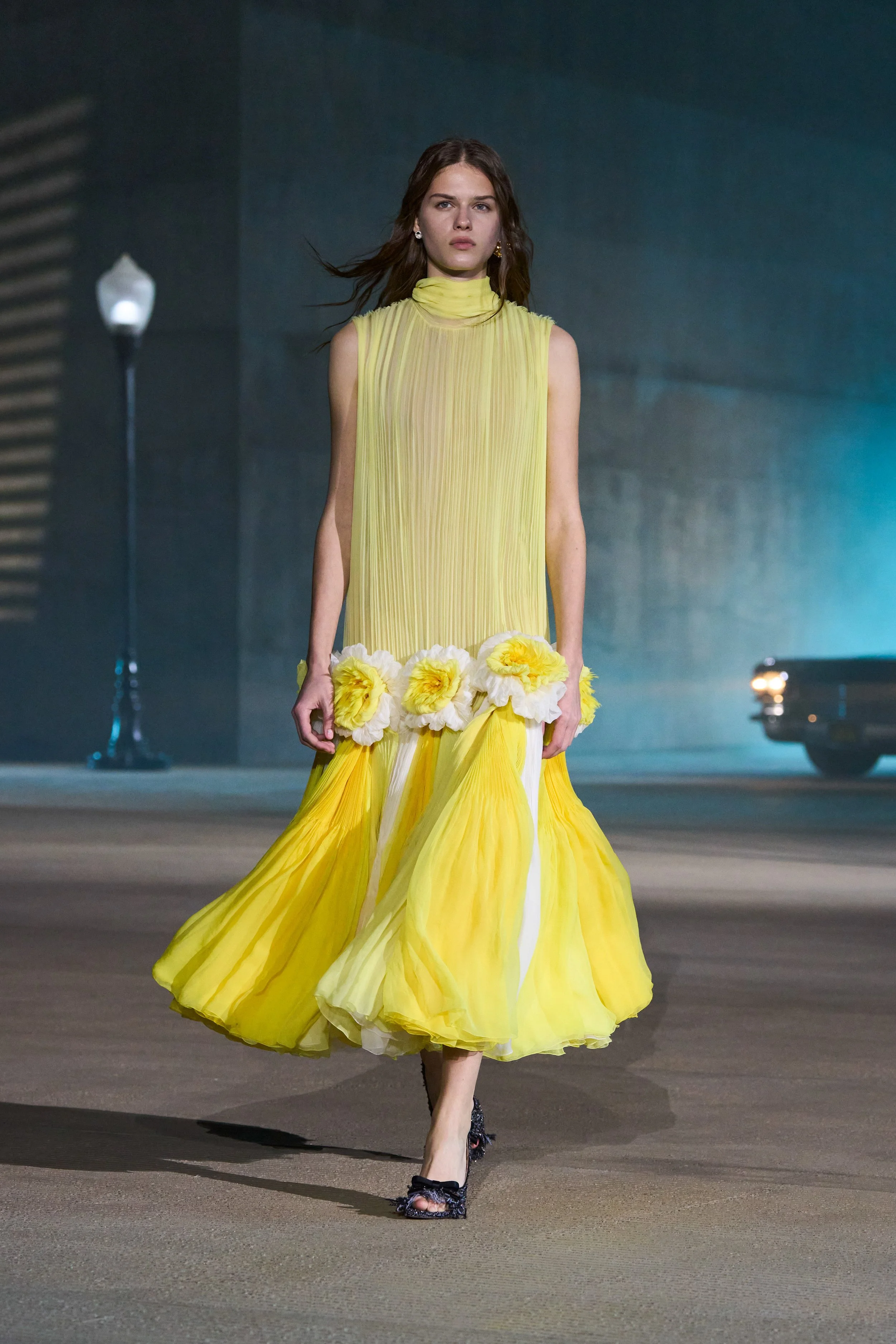
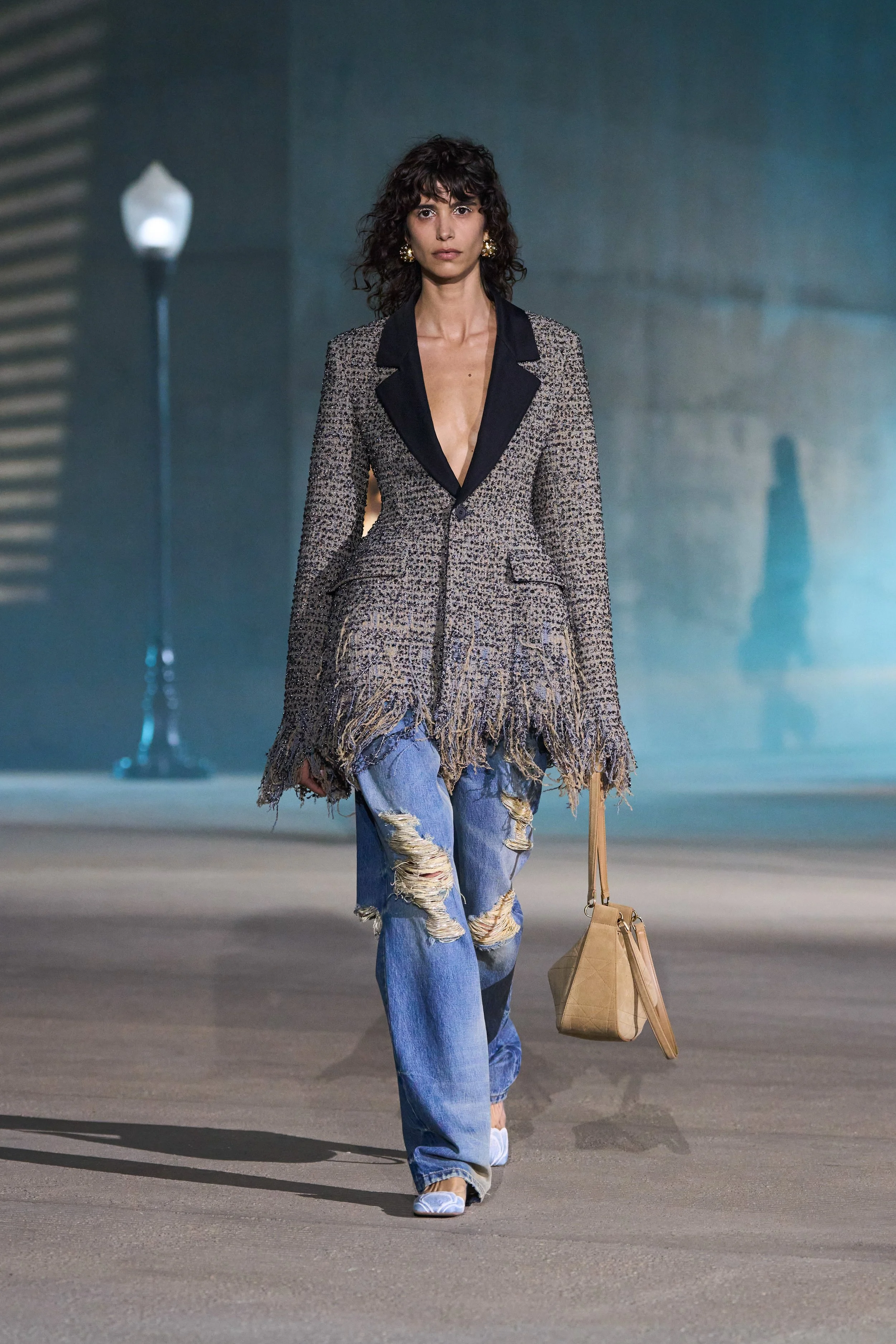
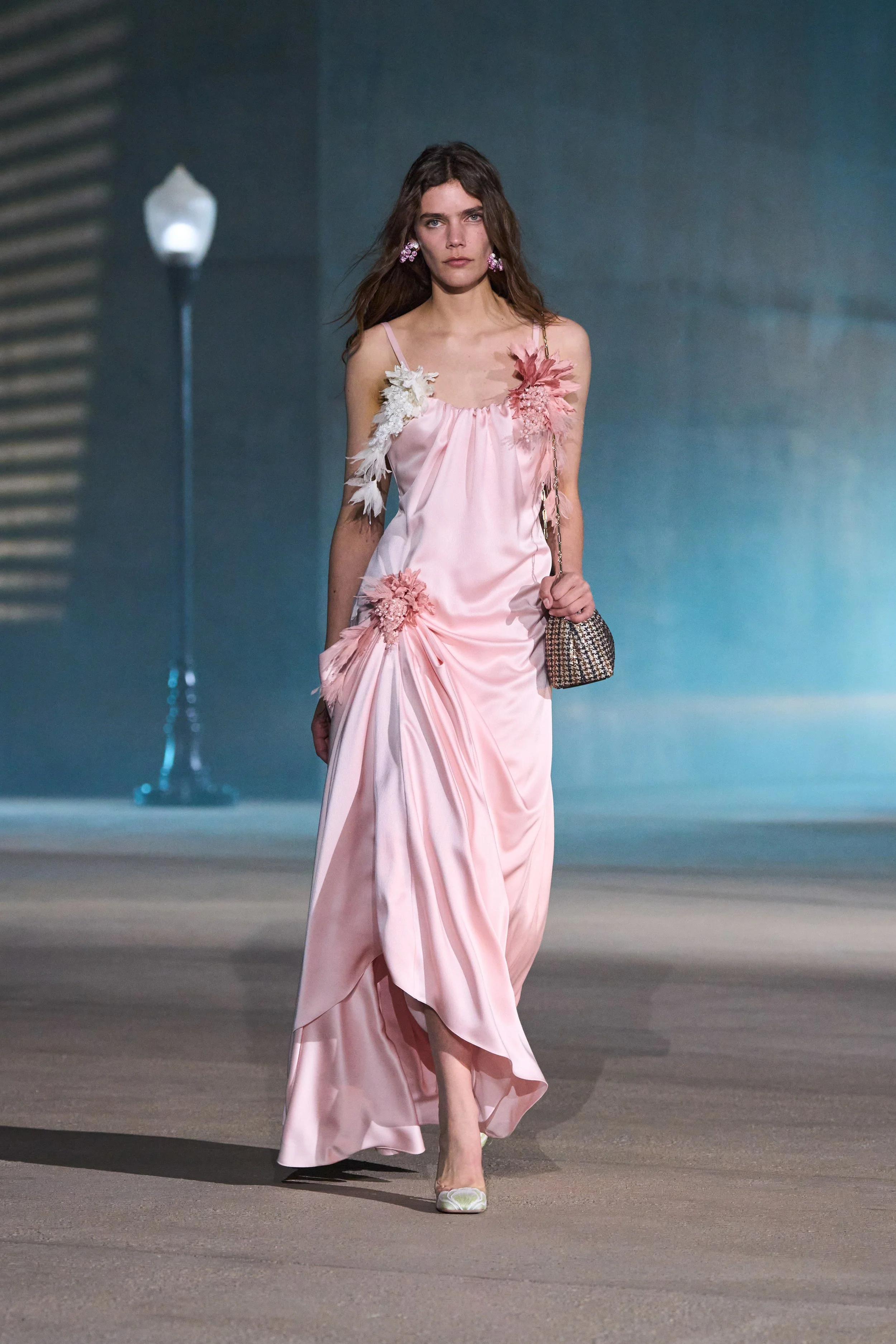
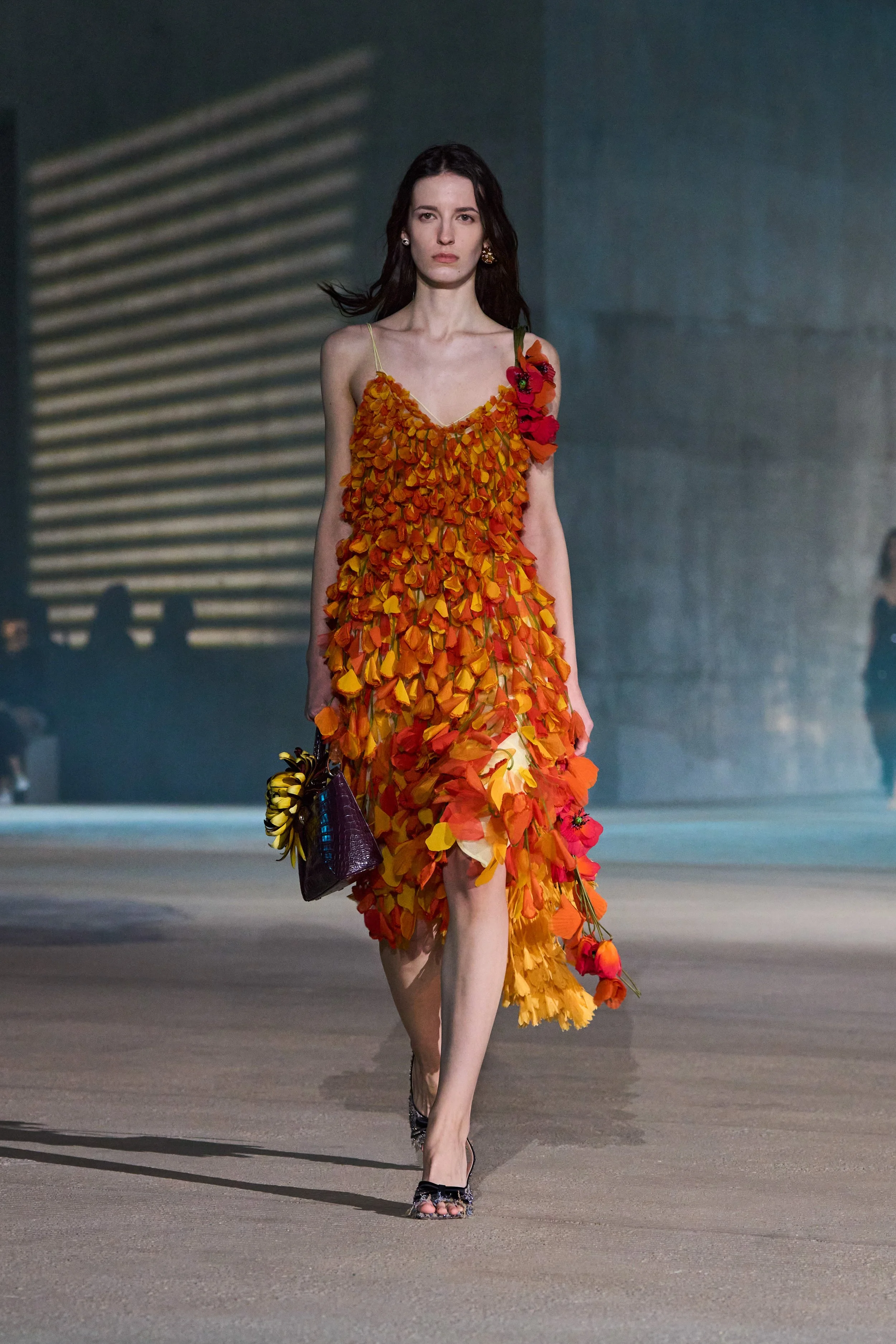
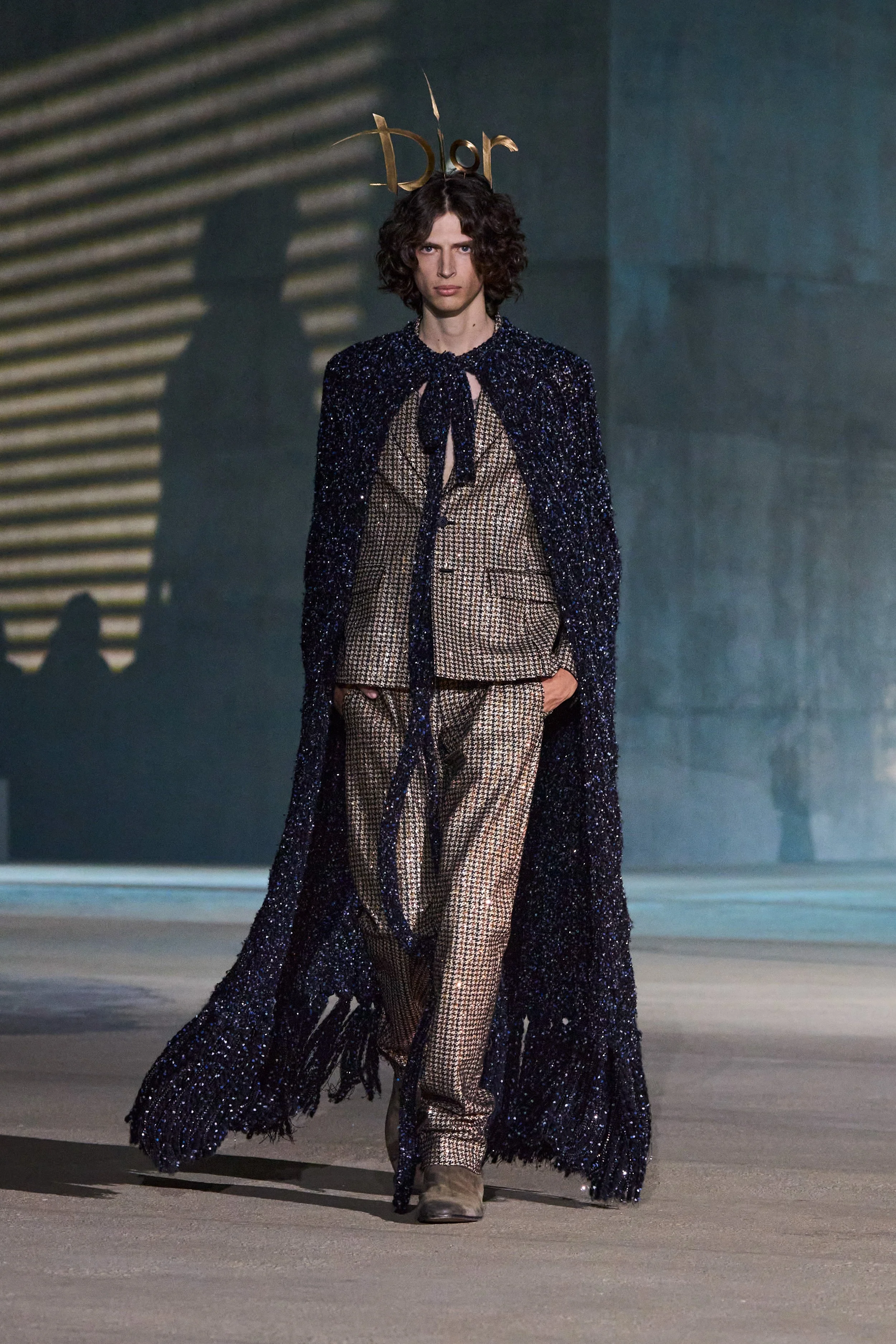
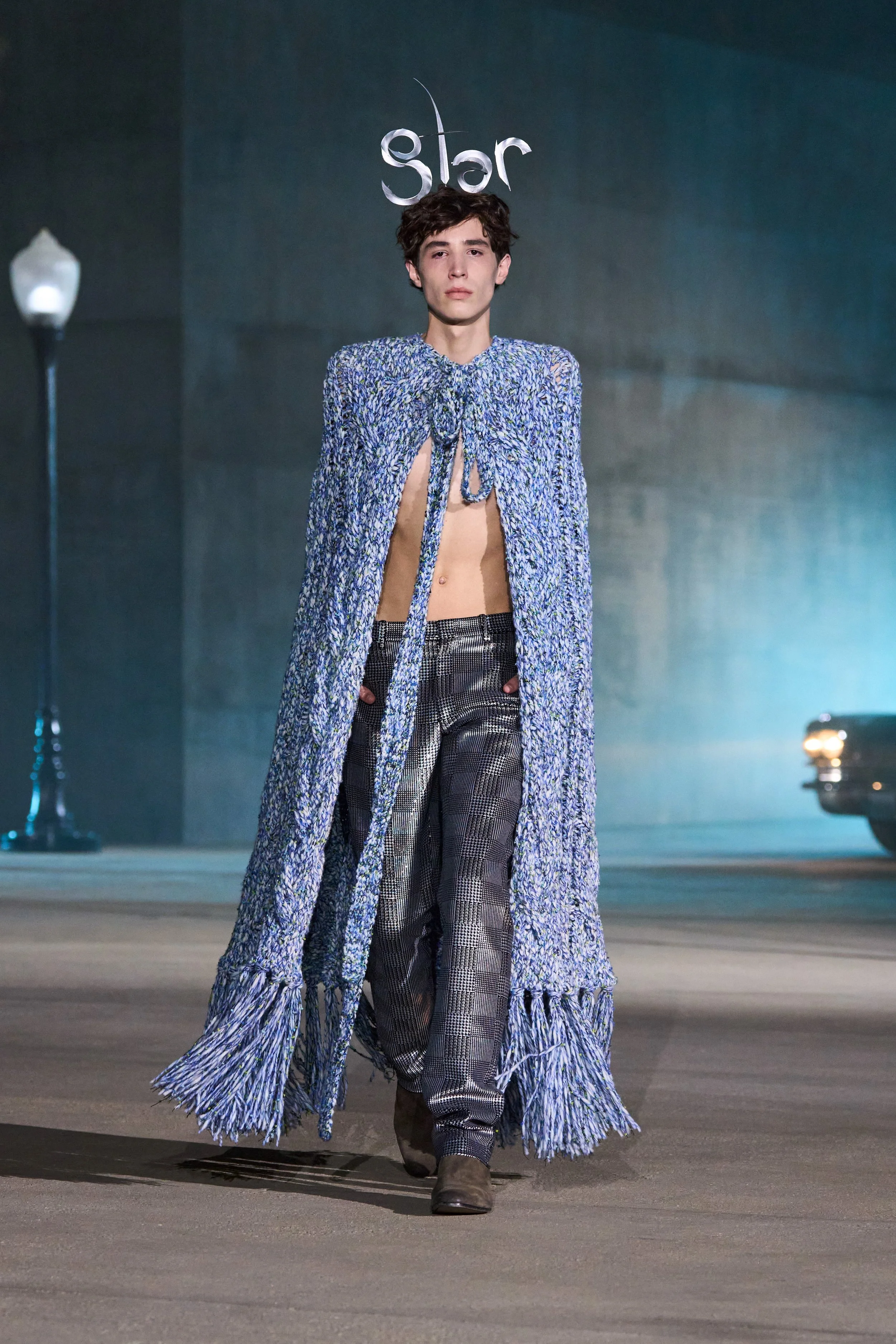
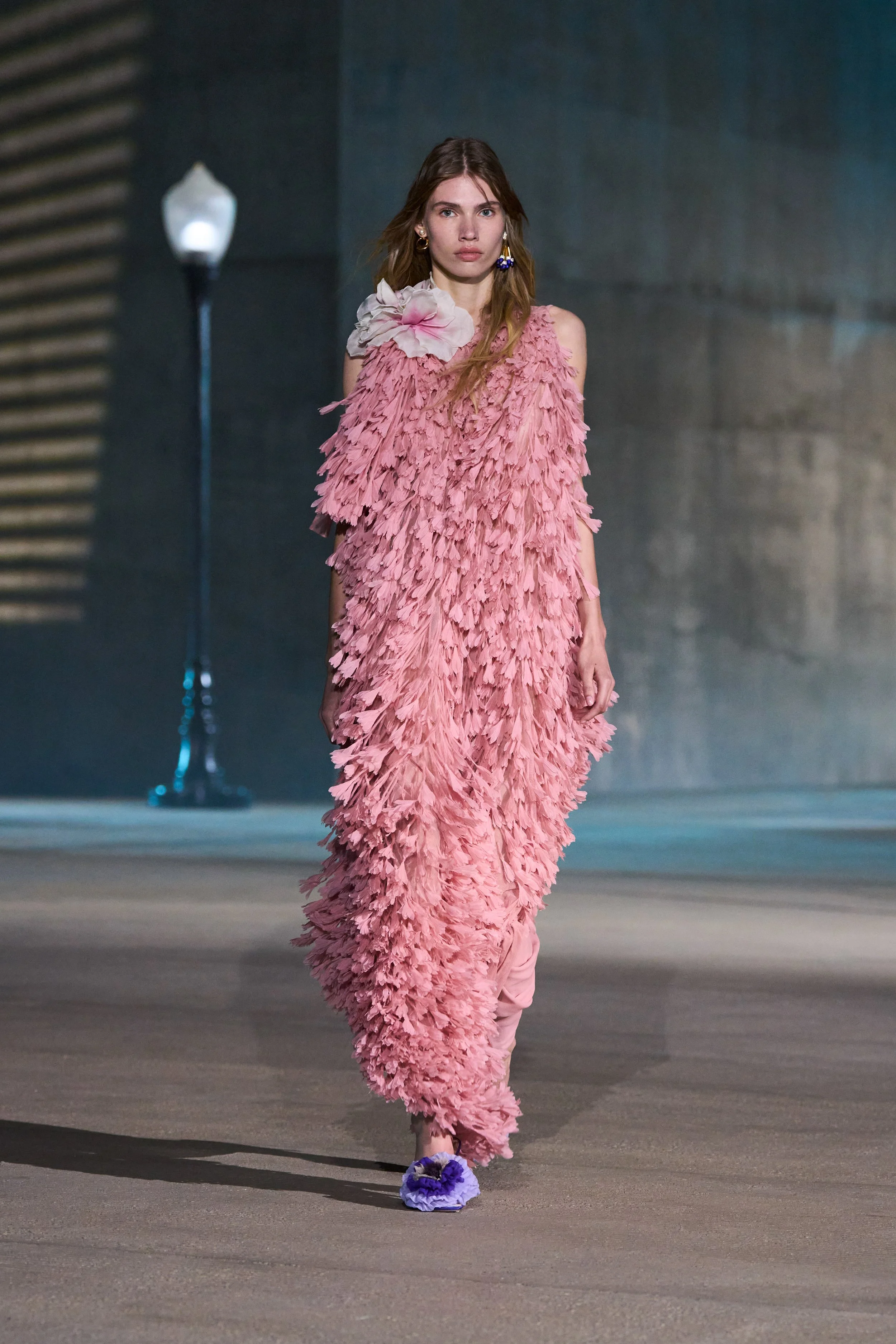
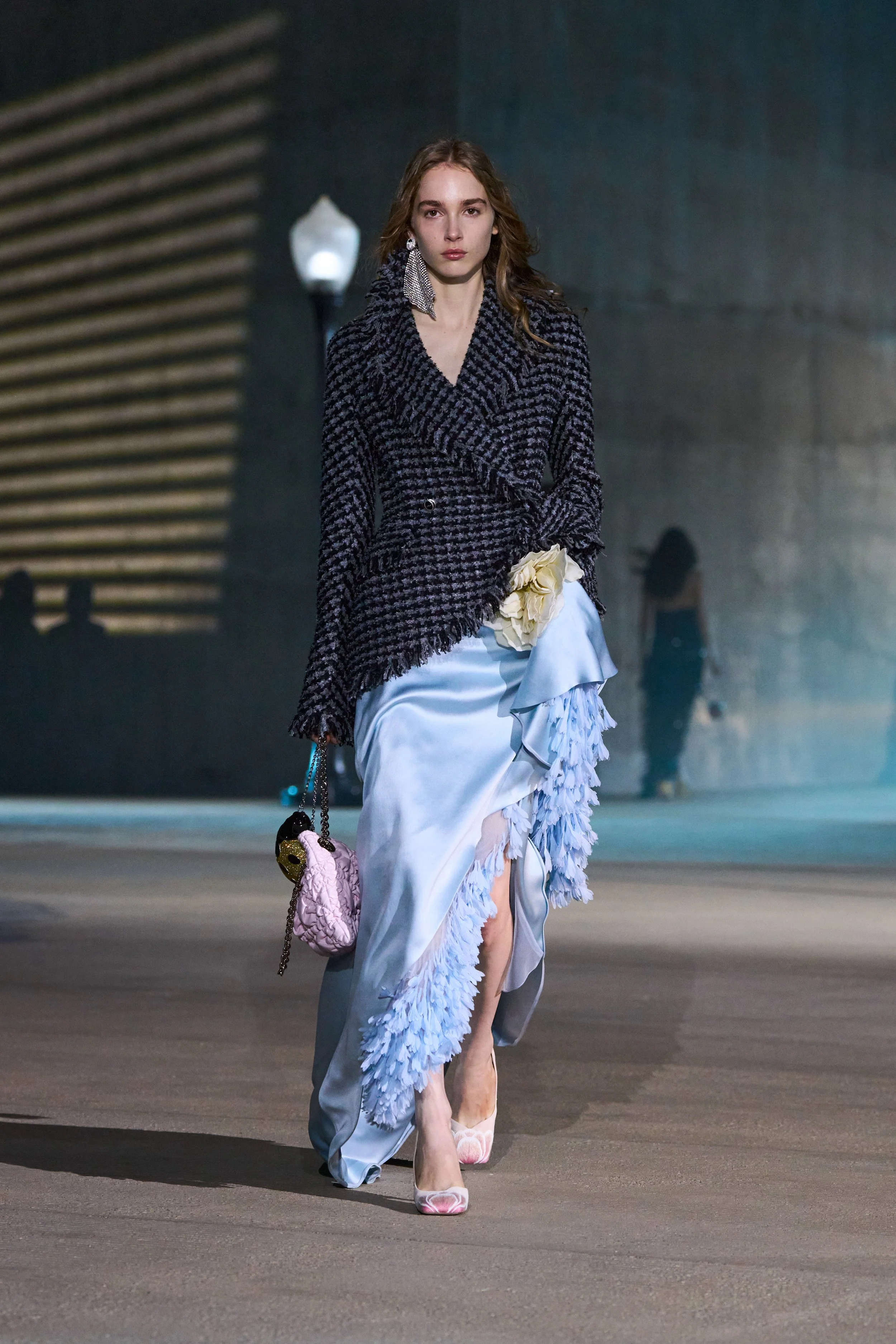
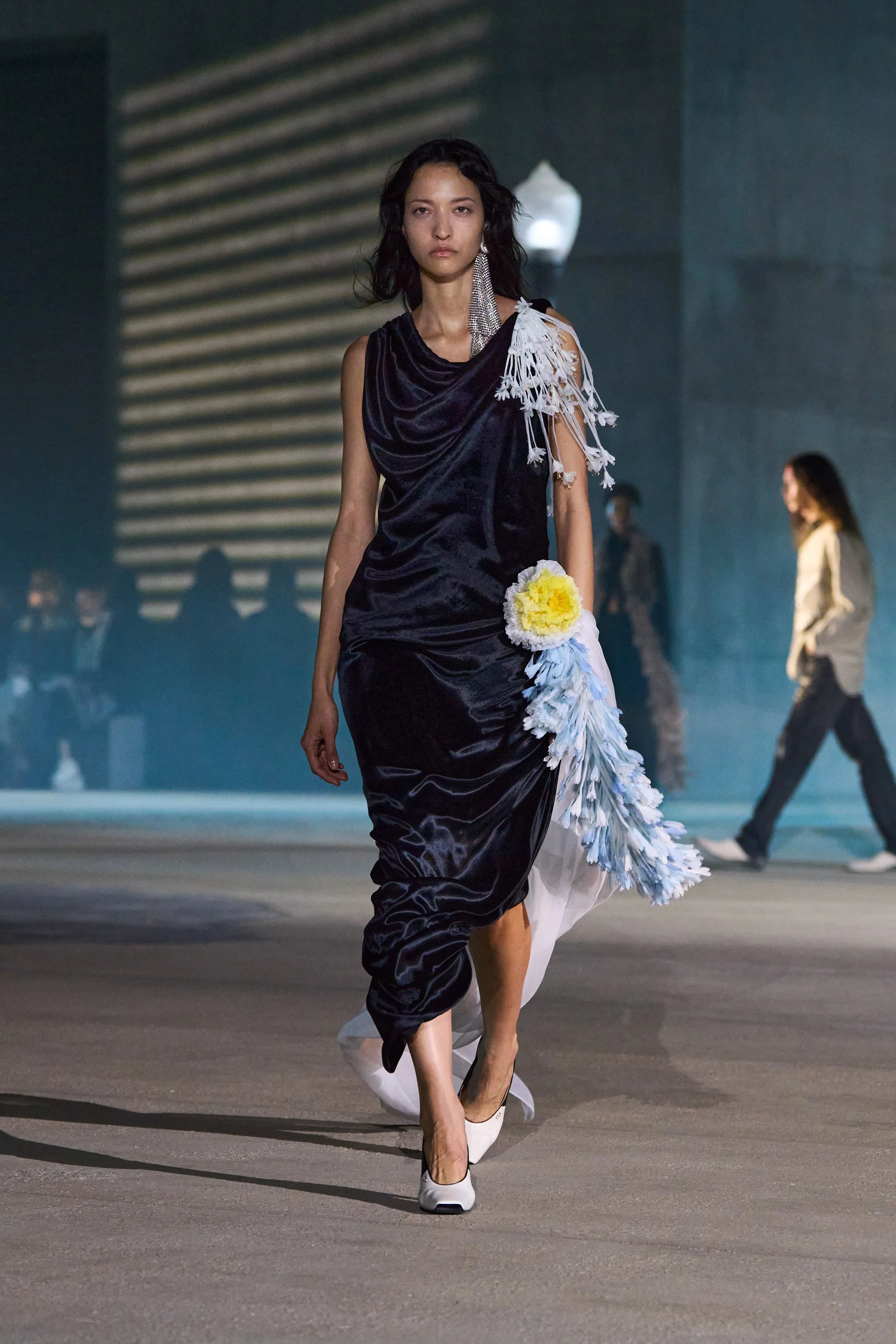
There were some recurring characters, flashes of the body of work the designer has spent the better part of the last year building. The dramatic and colourful flowers on the shoulders flounced similarly to those in the couture show. Tasselled capes worn with nothing but jeans were reminiscent of the latest menswear offering. The Bar jacket remains a protagonist in Anderson’s Dior, this time in frayed versions that untangle at the hems and cuffs.
It wasn’t all new characters, though. John Galliano’s bias dresses and Marc Bohan bags made cameos. Elsewhere, milliner Philip Treacy recreated his feather headpieces, most recognisable from Isabella Blow’s iteration – a timely reference with the news of a movie about the stylist’s relationship with Lee McQueen, the latter played by Behind the Blinds current cover star, Russell Tovey. But no Blow was in sight; here, the milliner spelt Dior, Buzz, or Star atop the heads of male models.
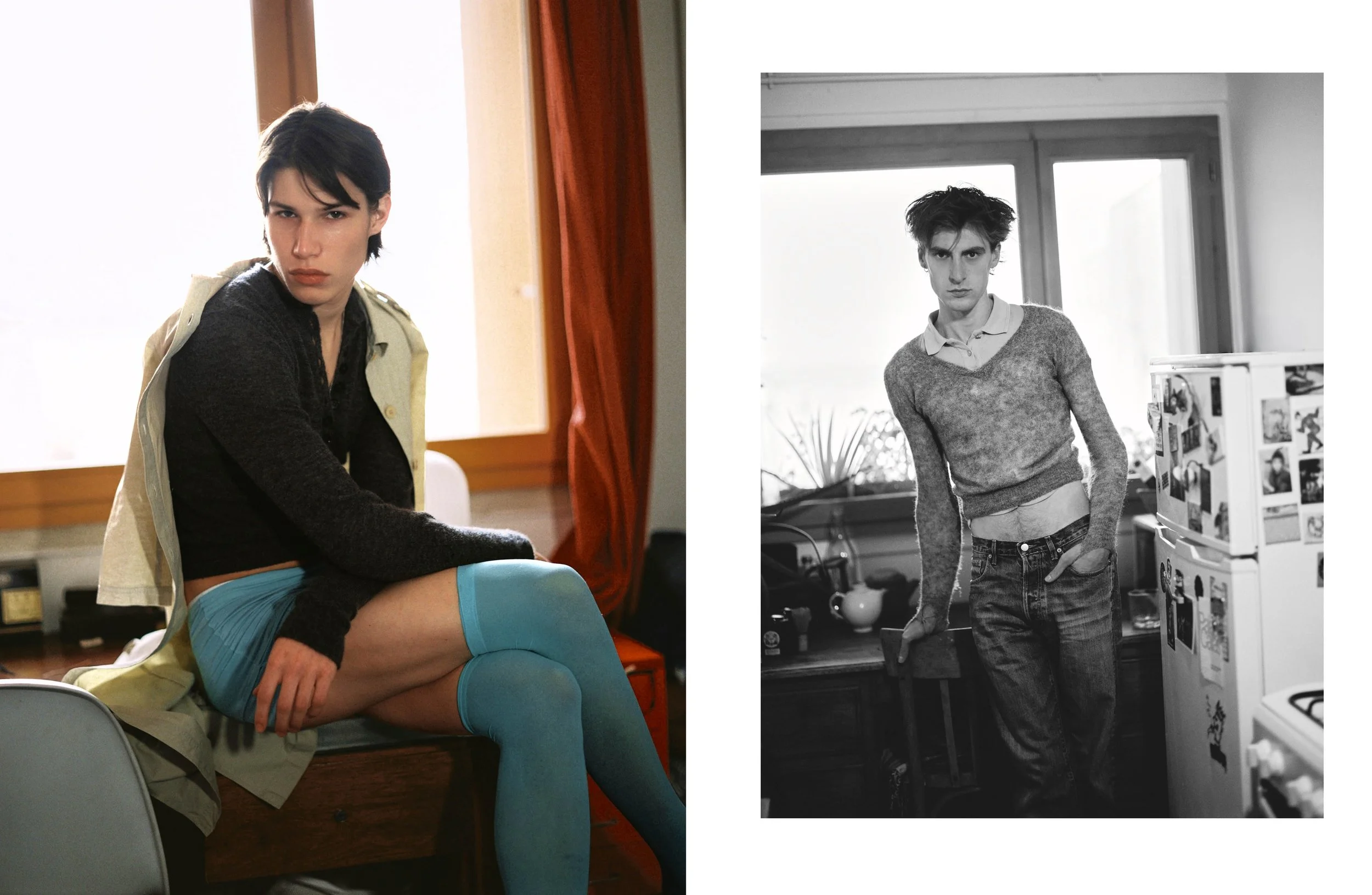
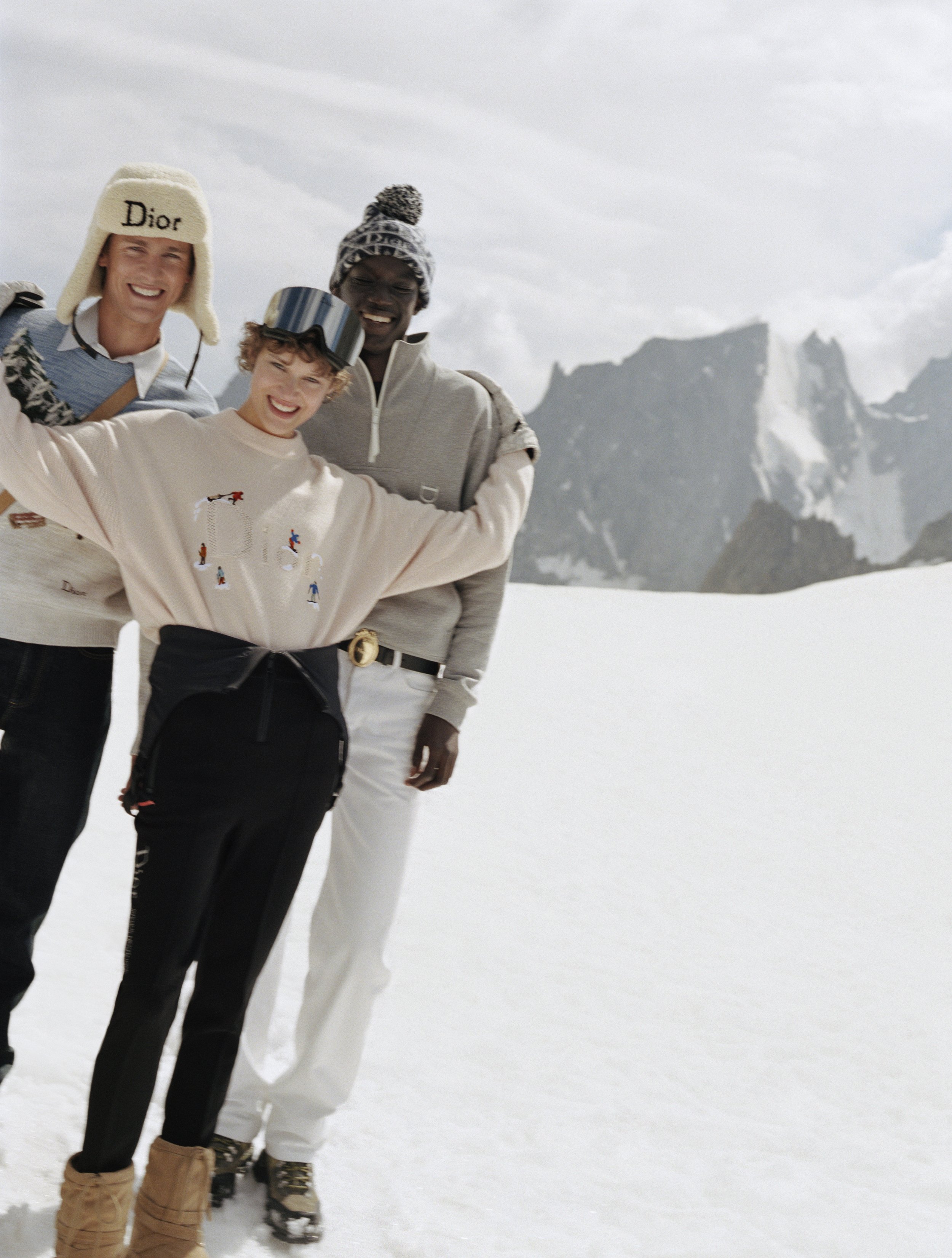
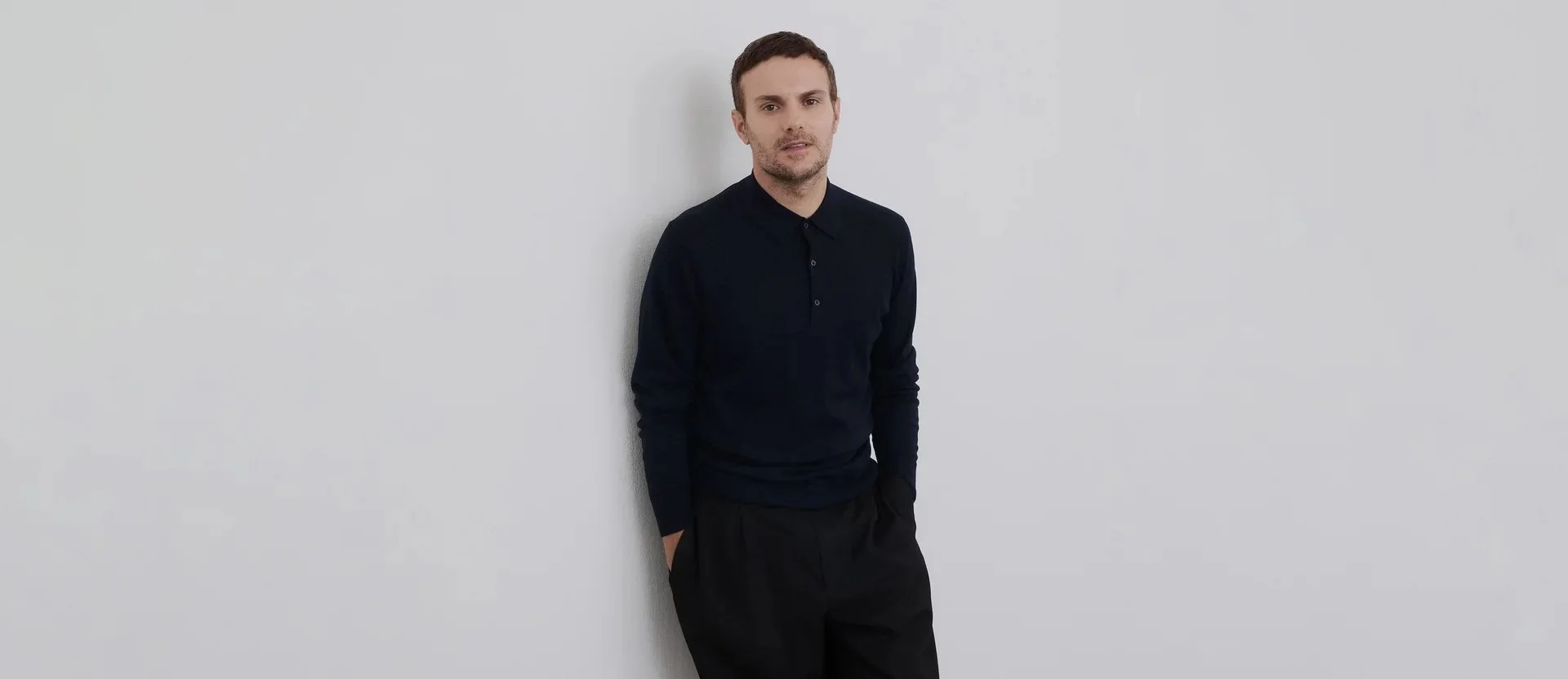
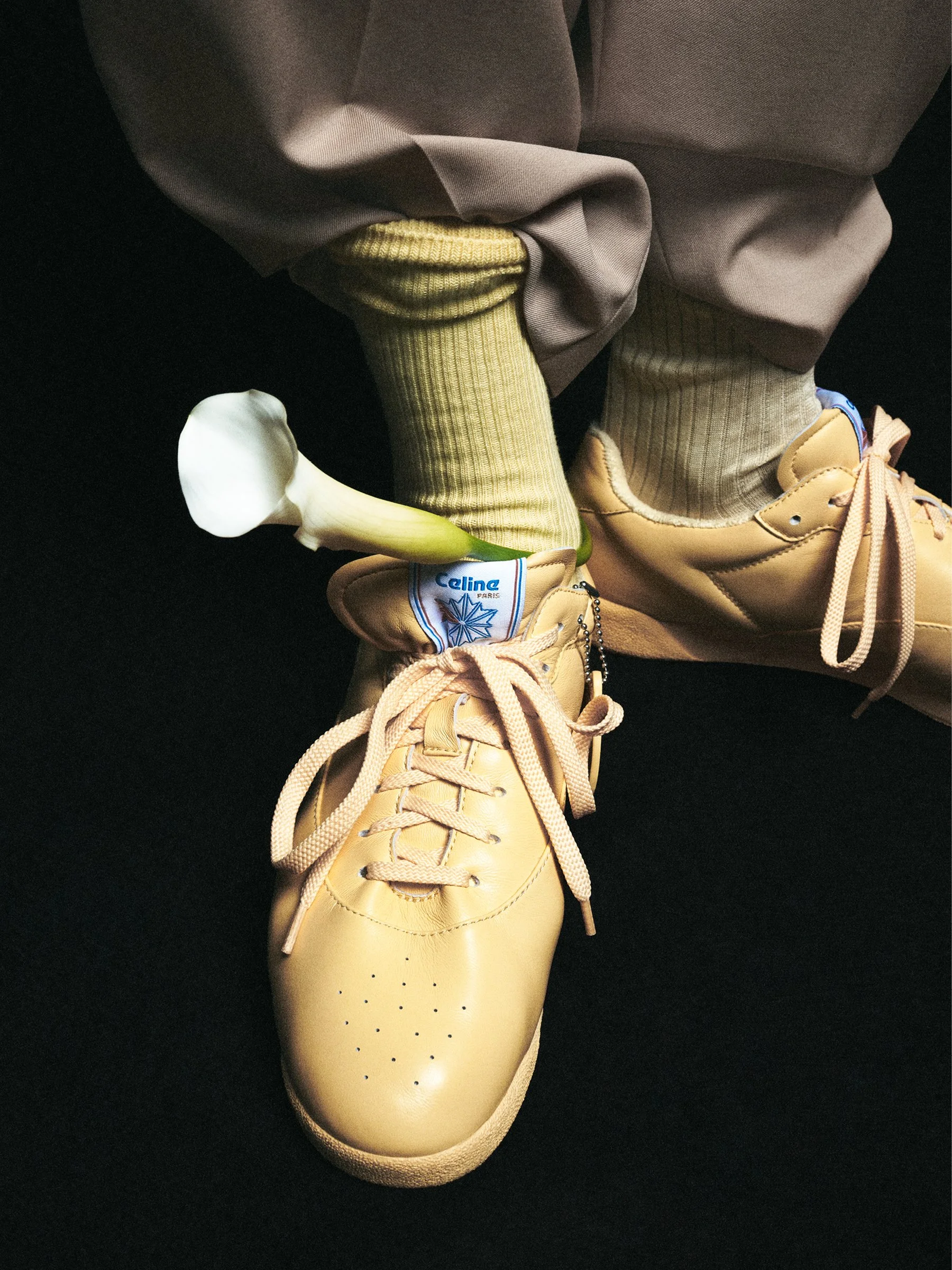
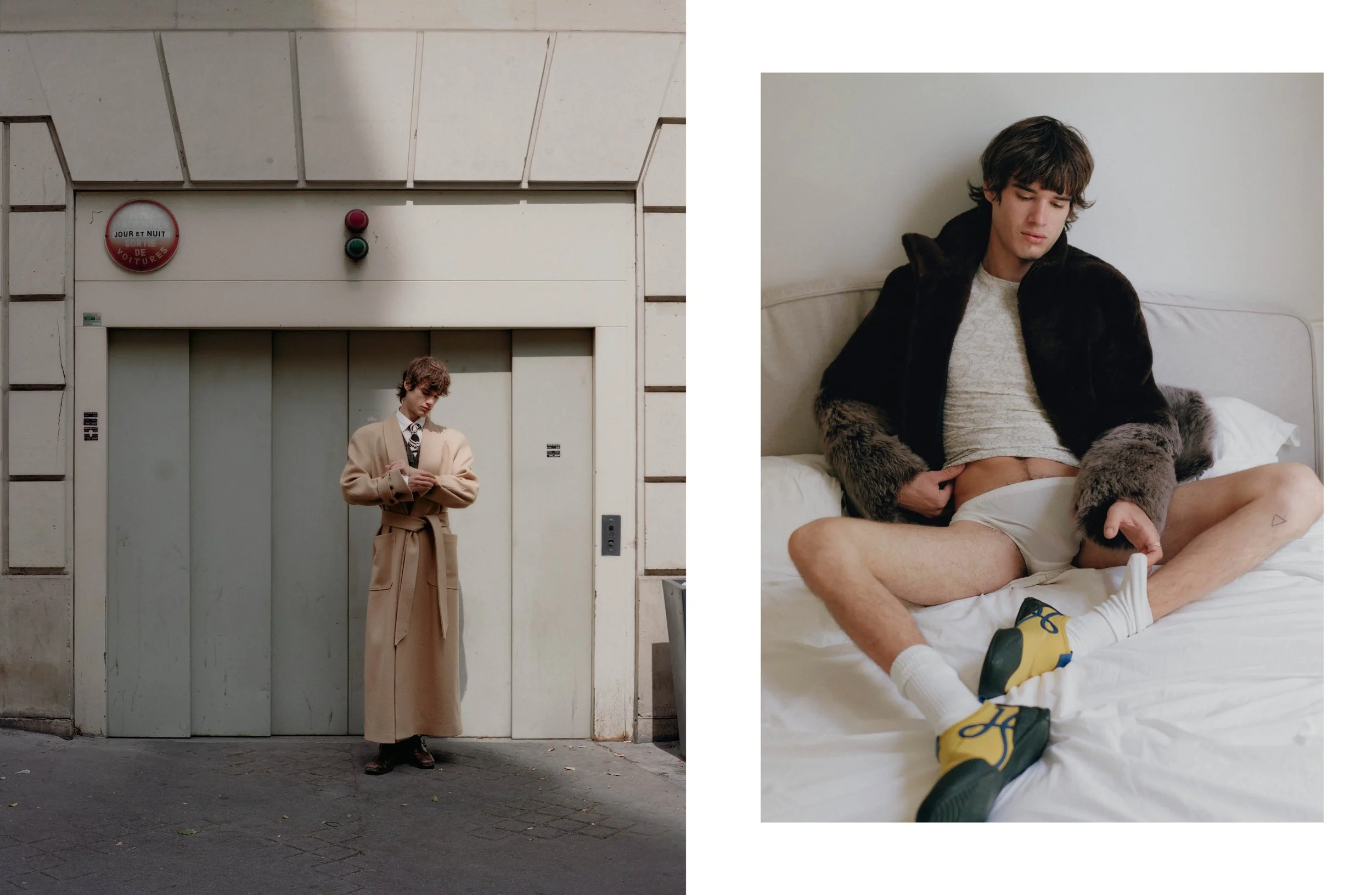
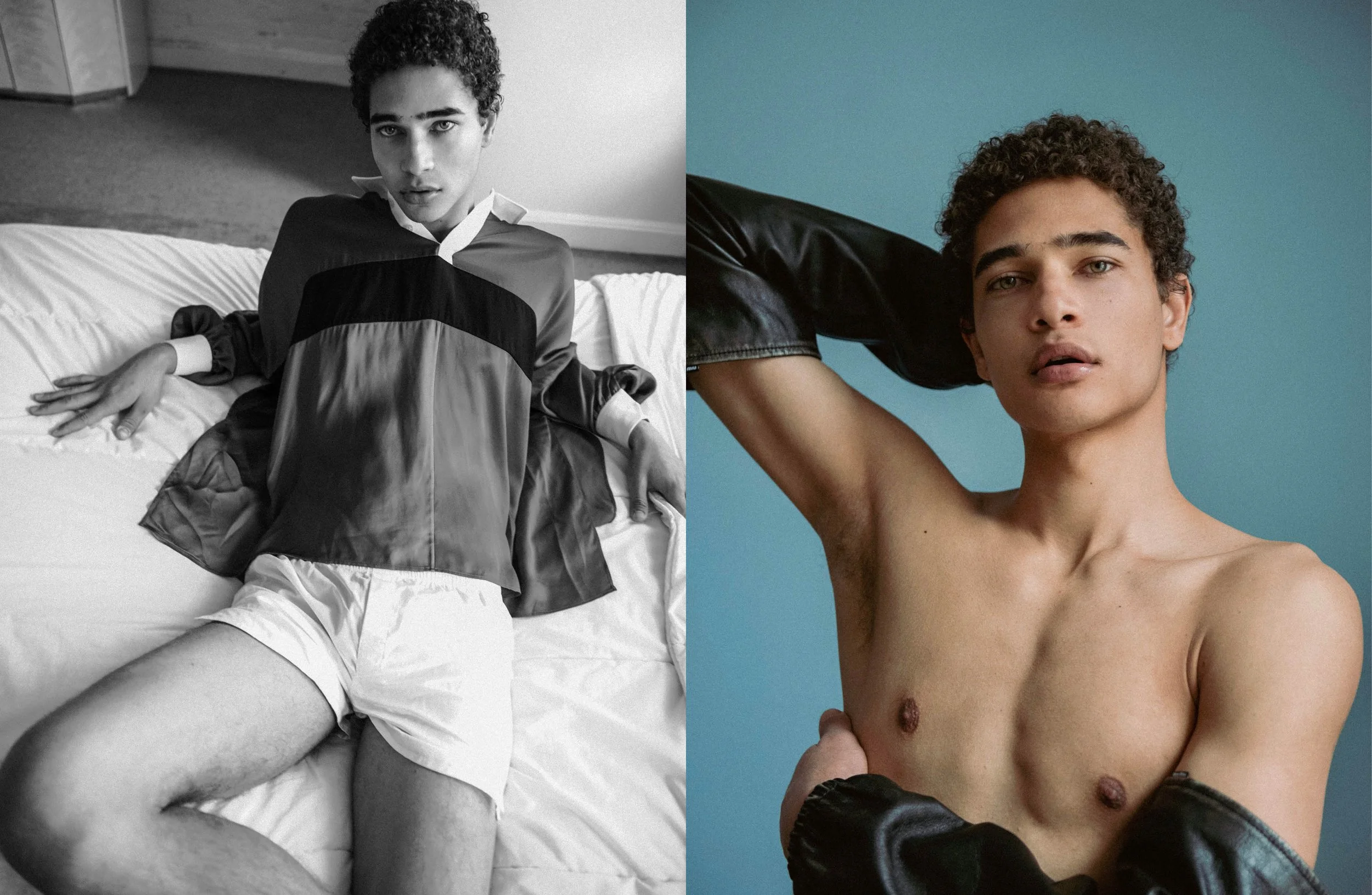
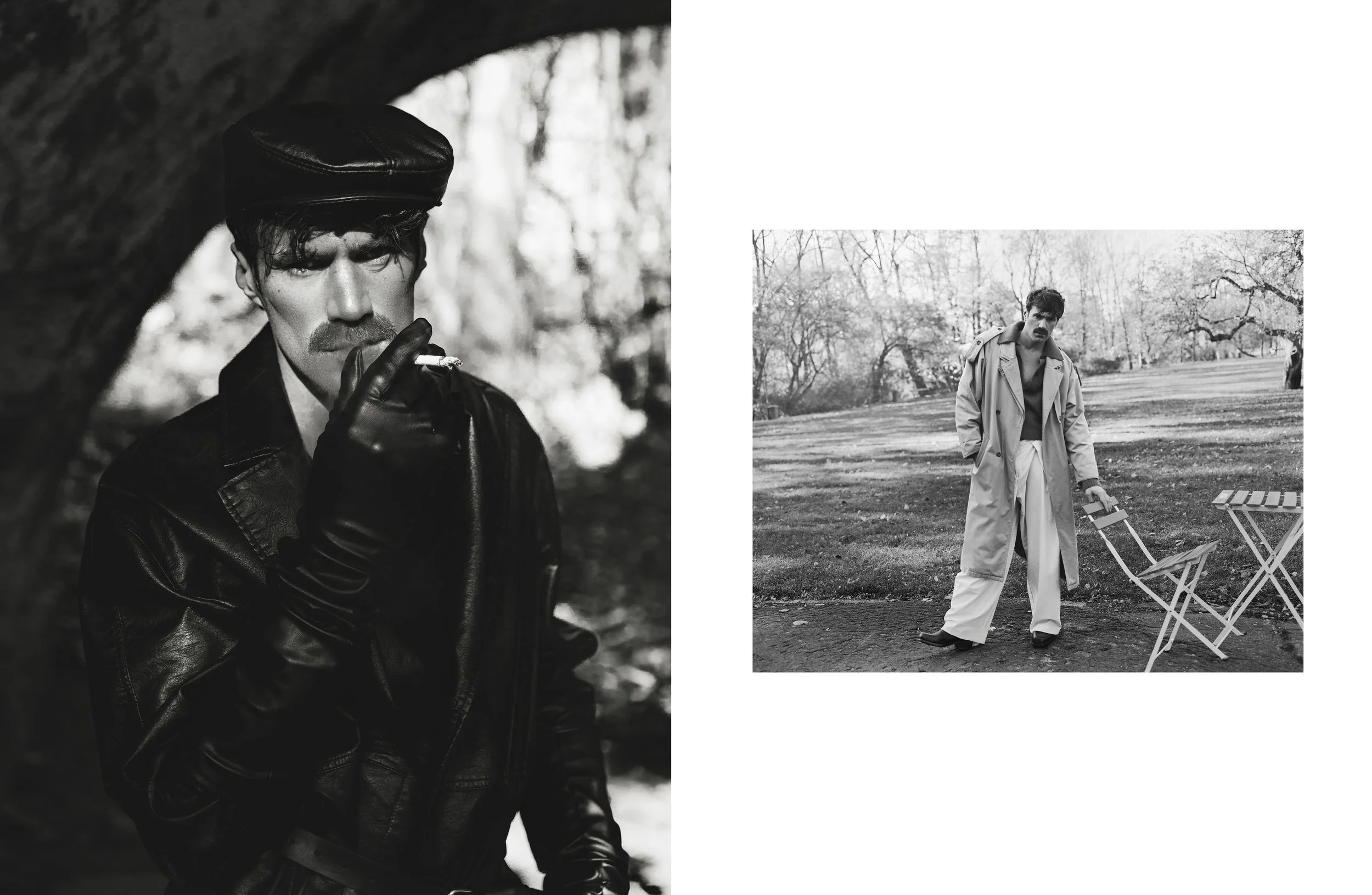
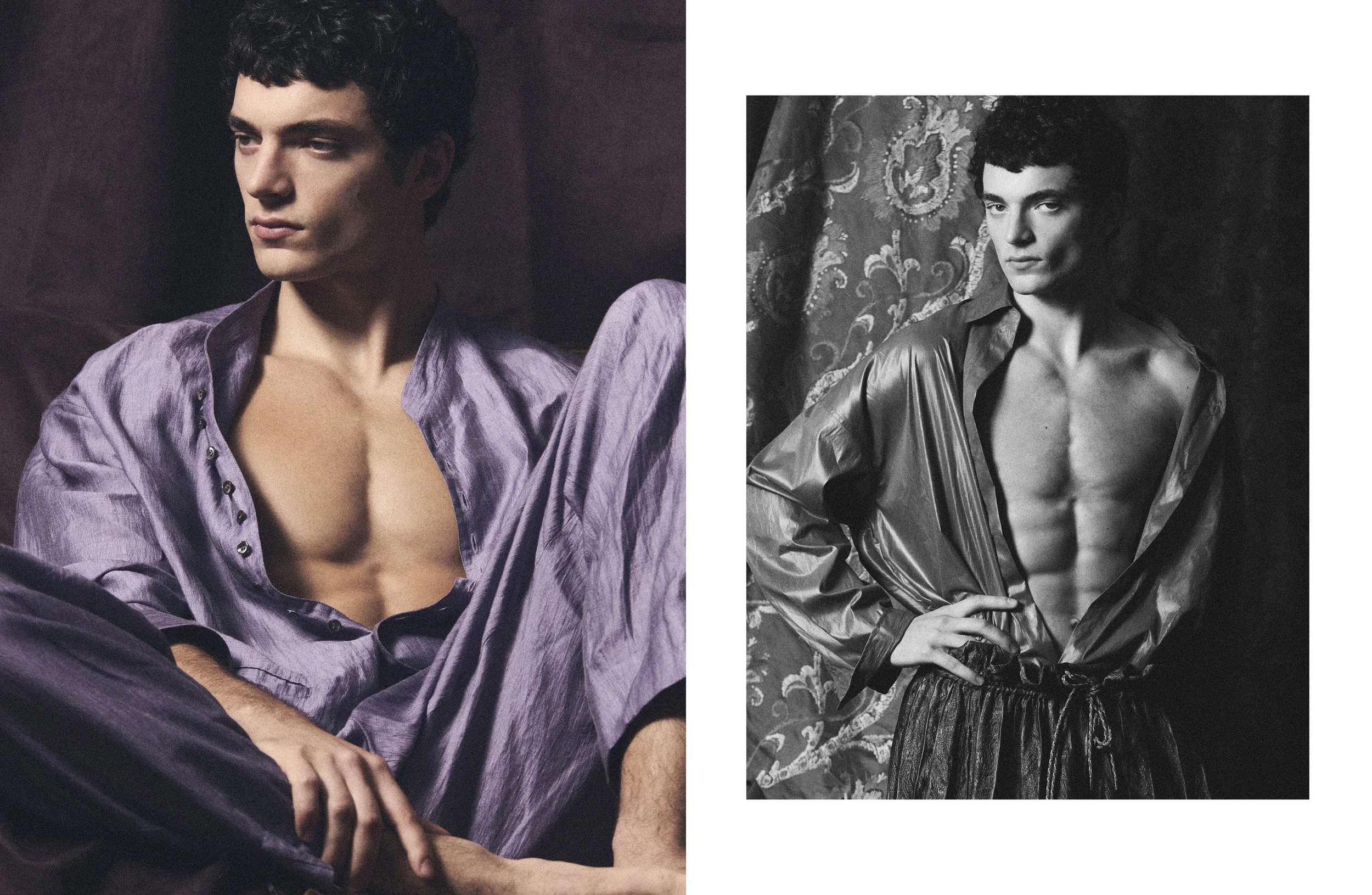
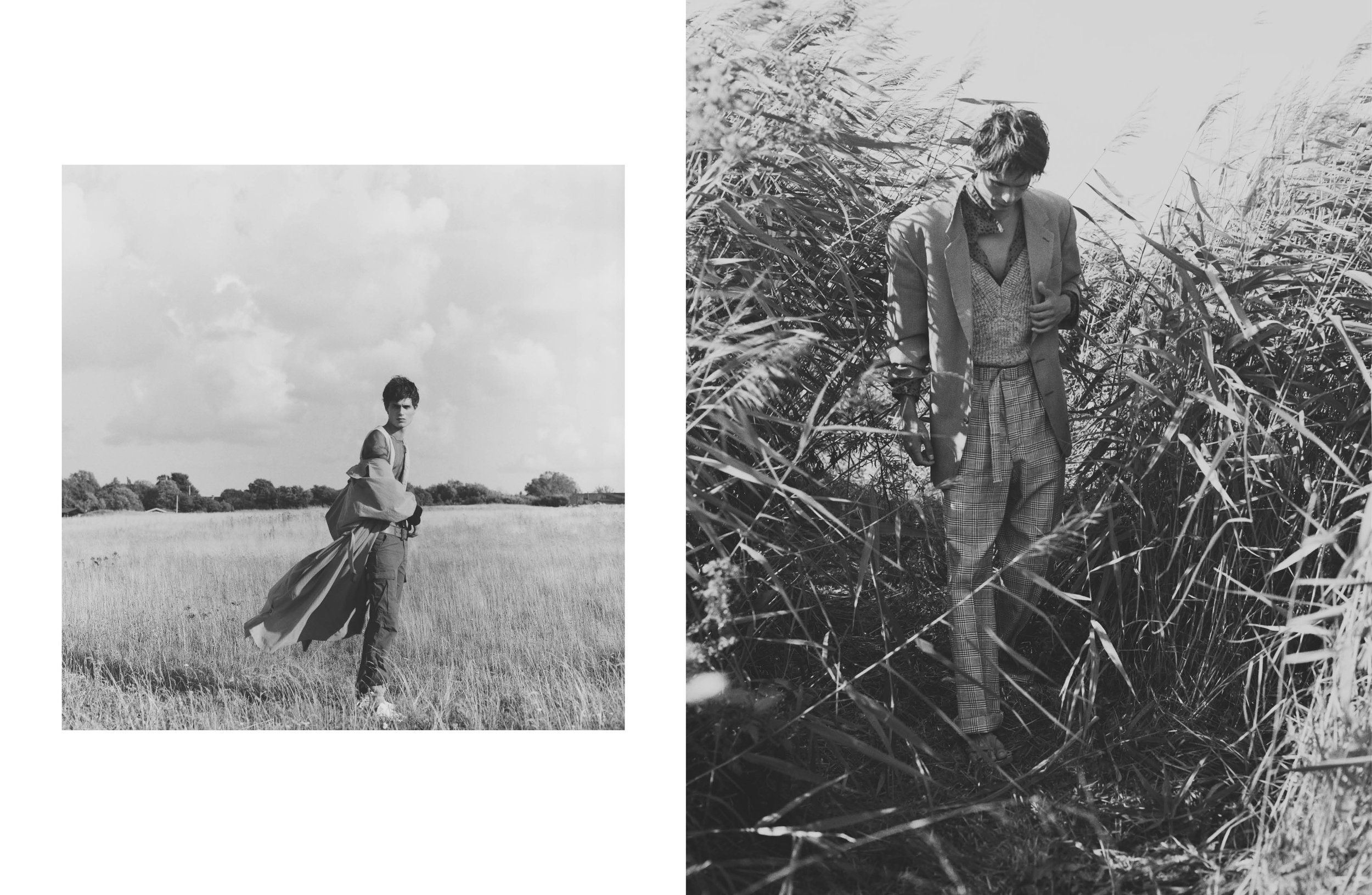
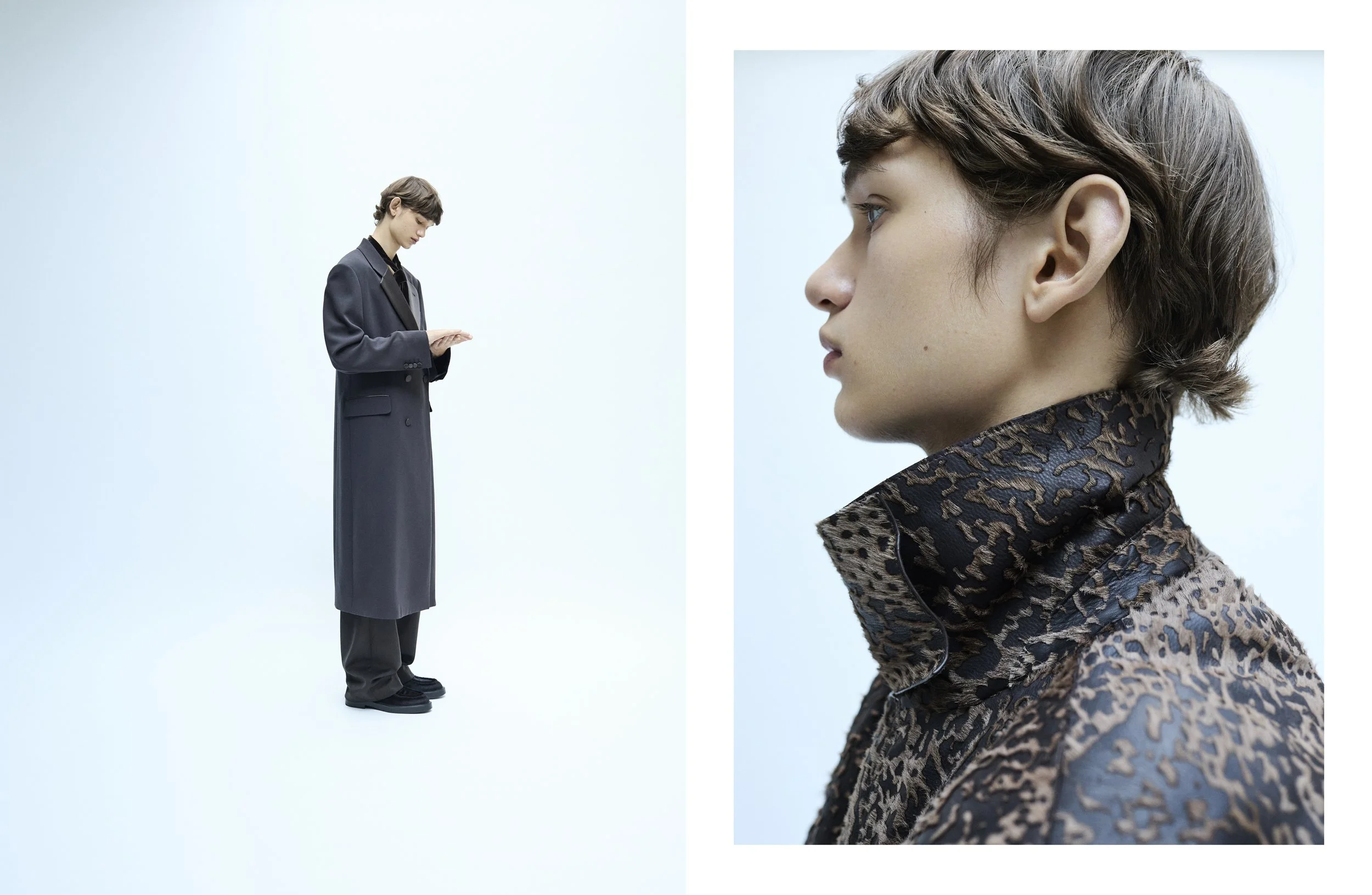
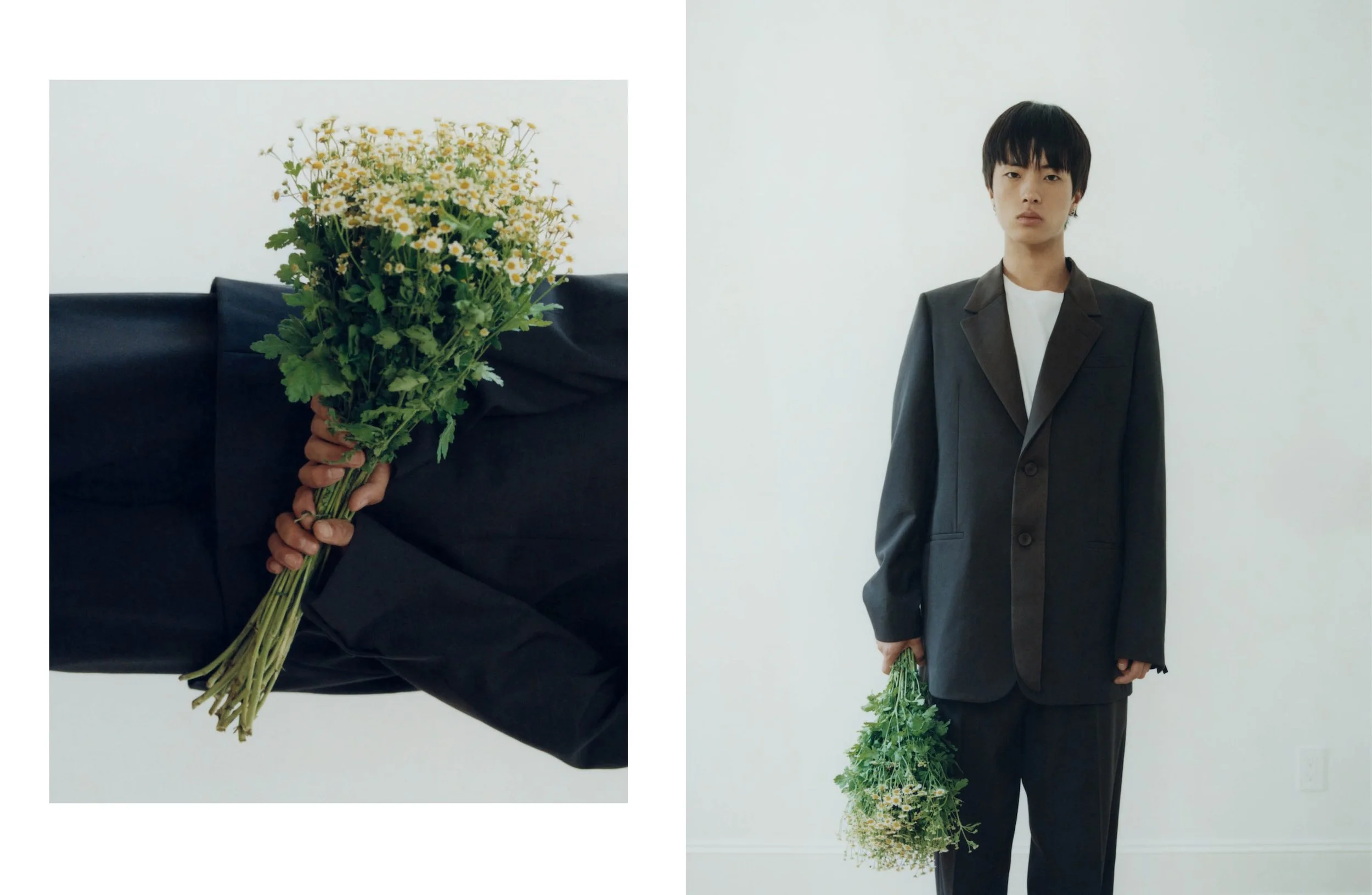
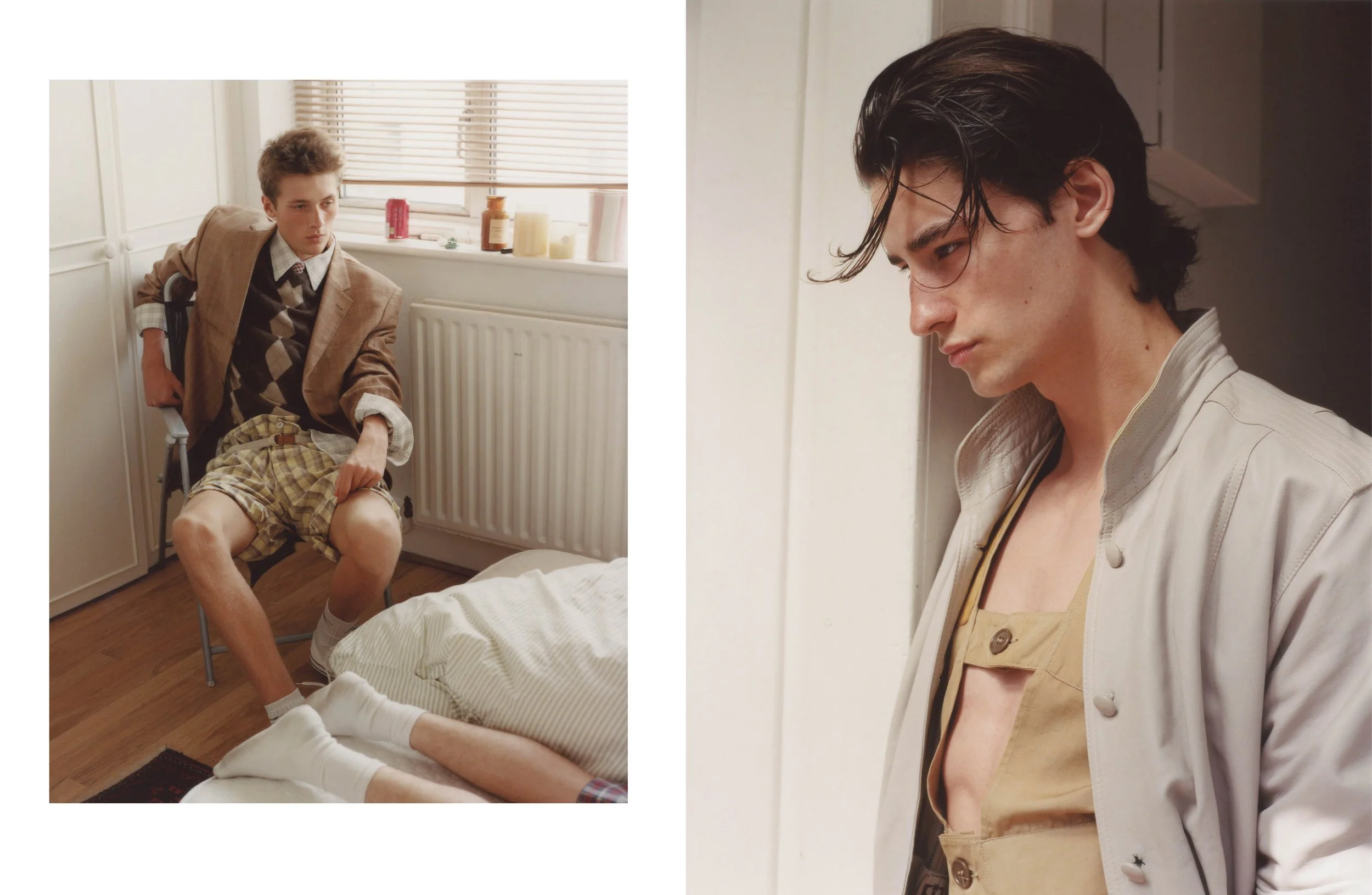
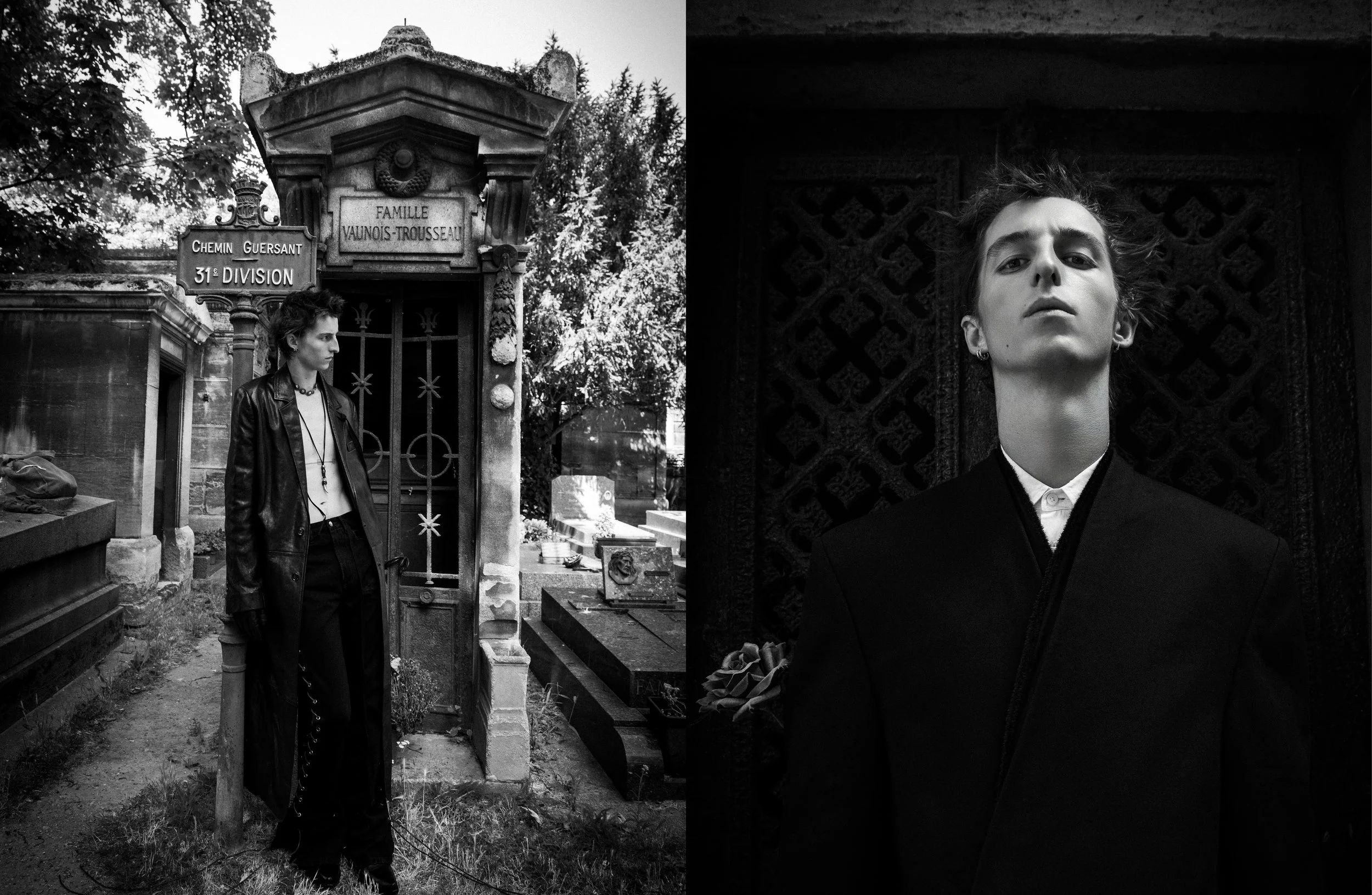
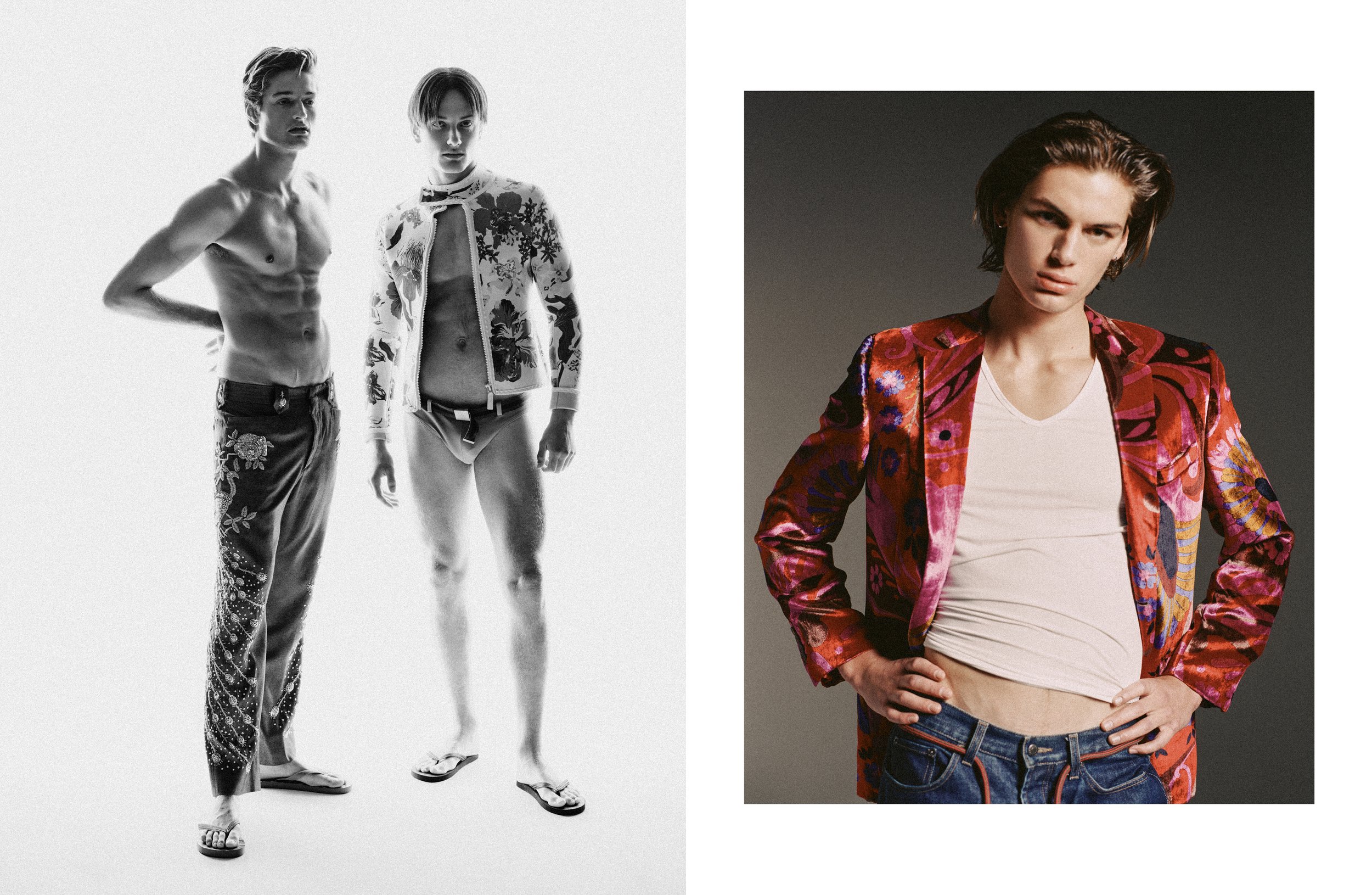
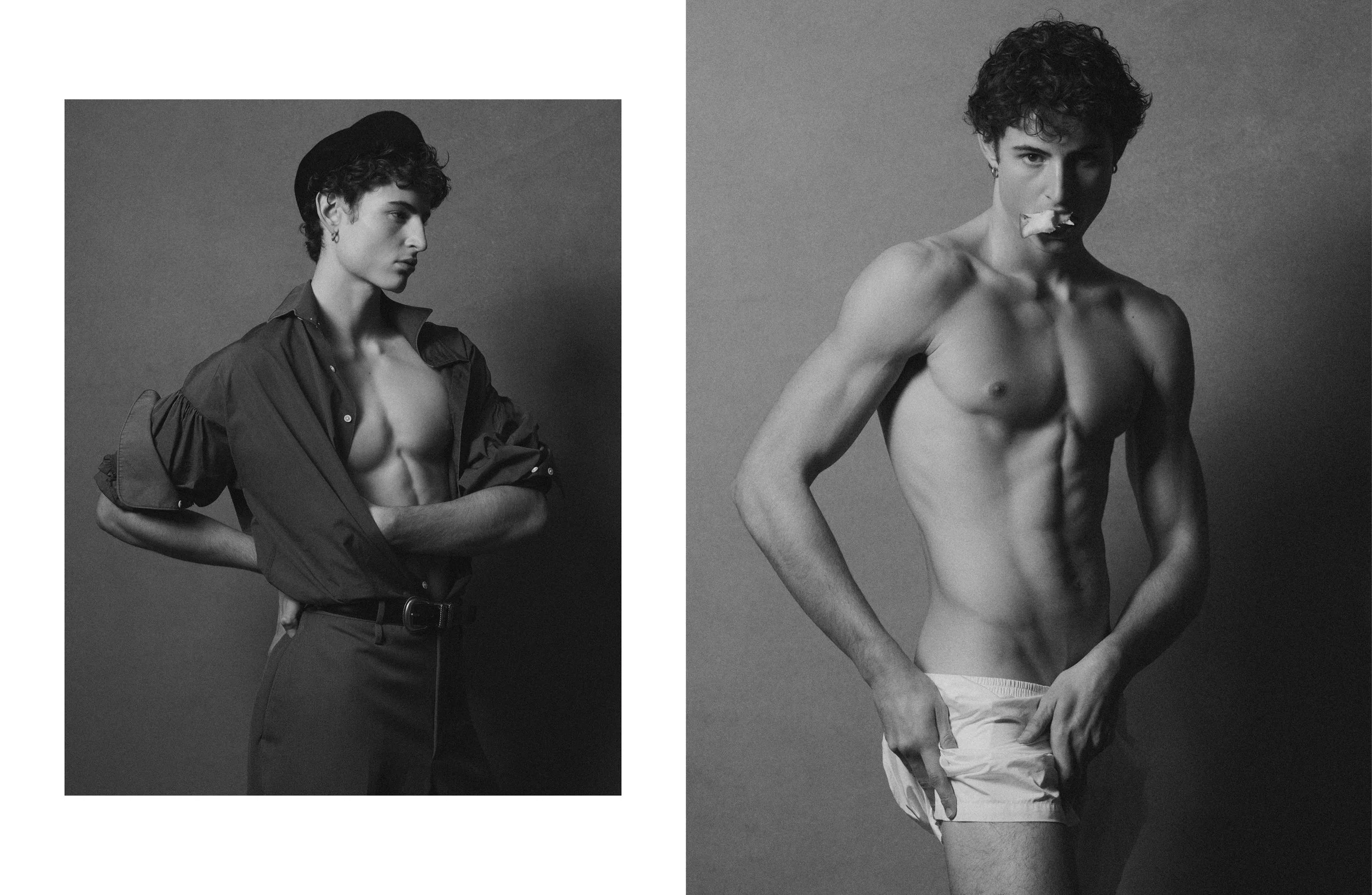
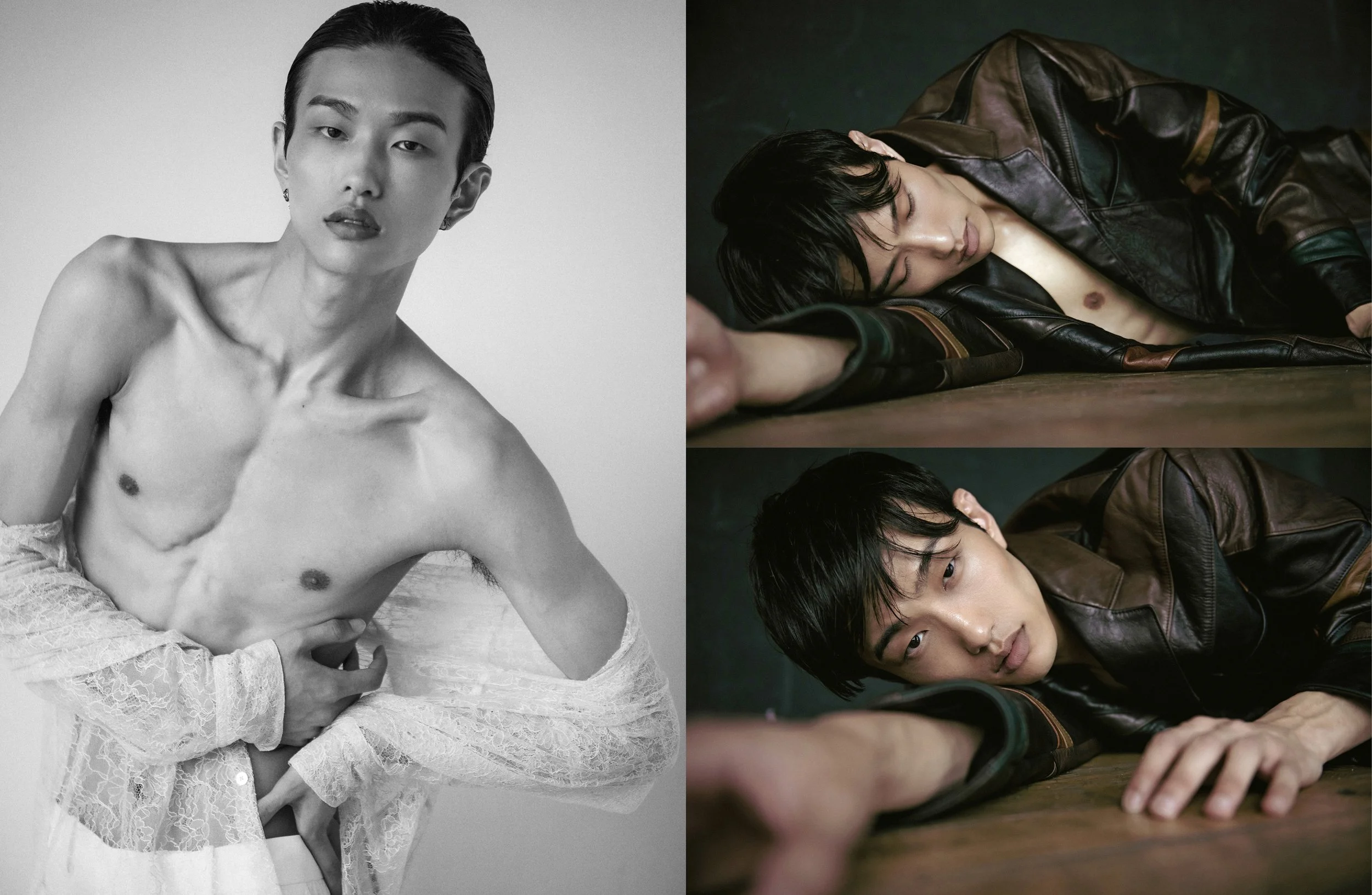
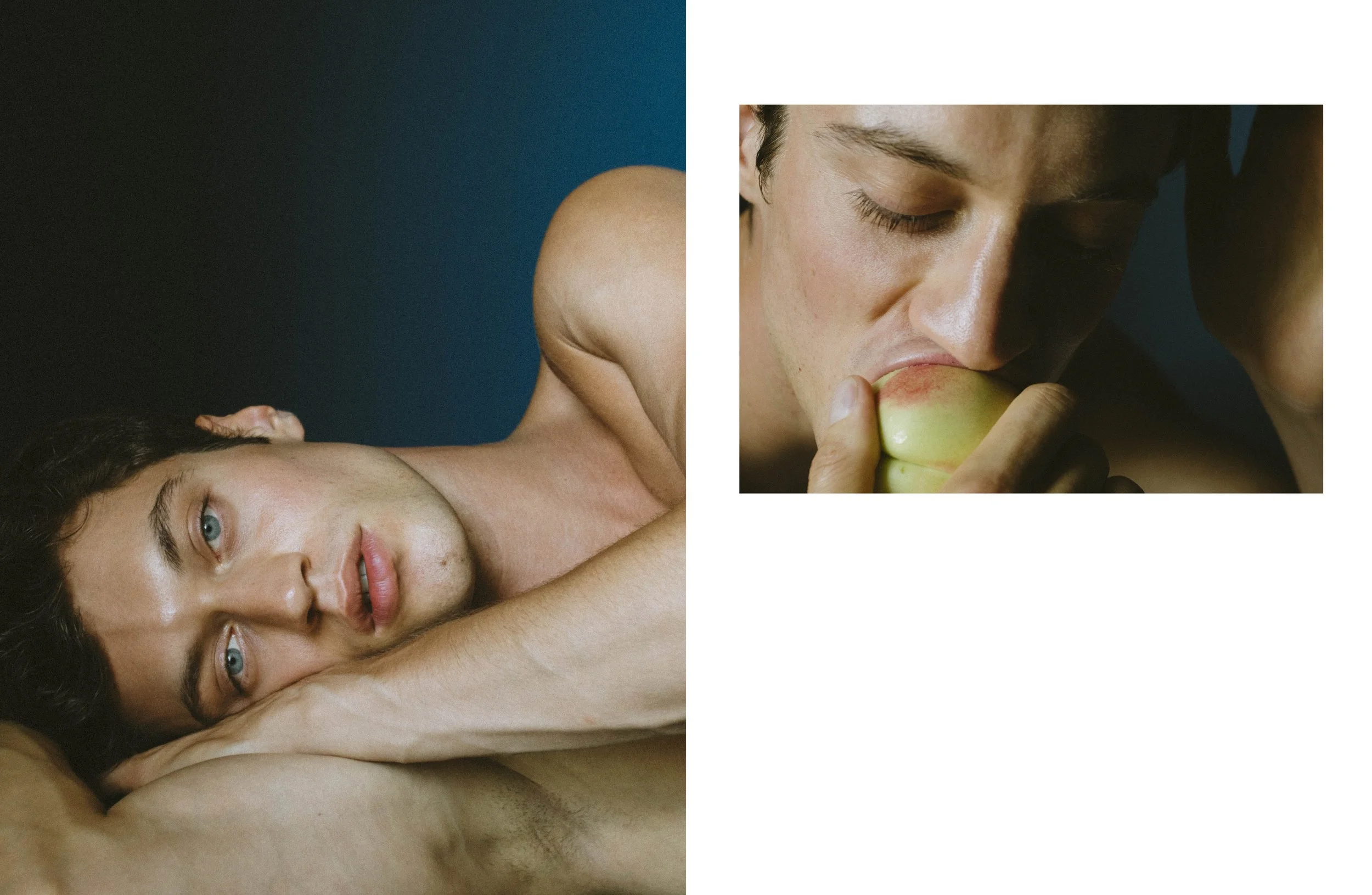
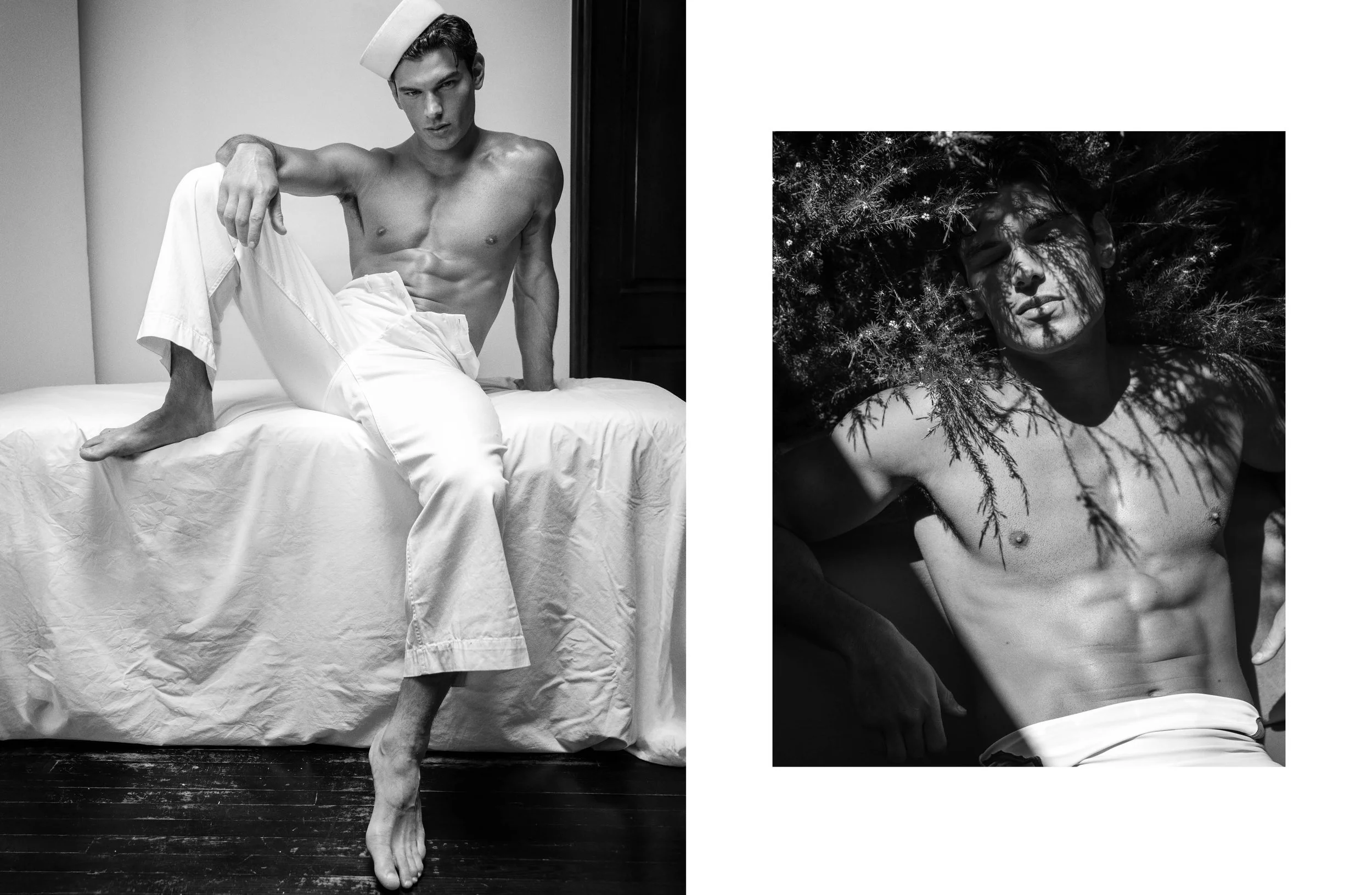
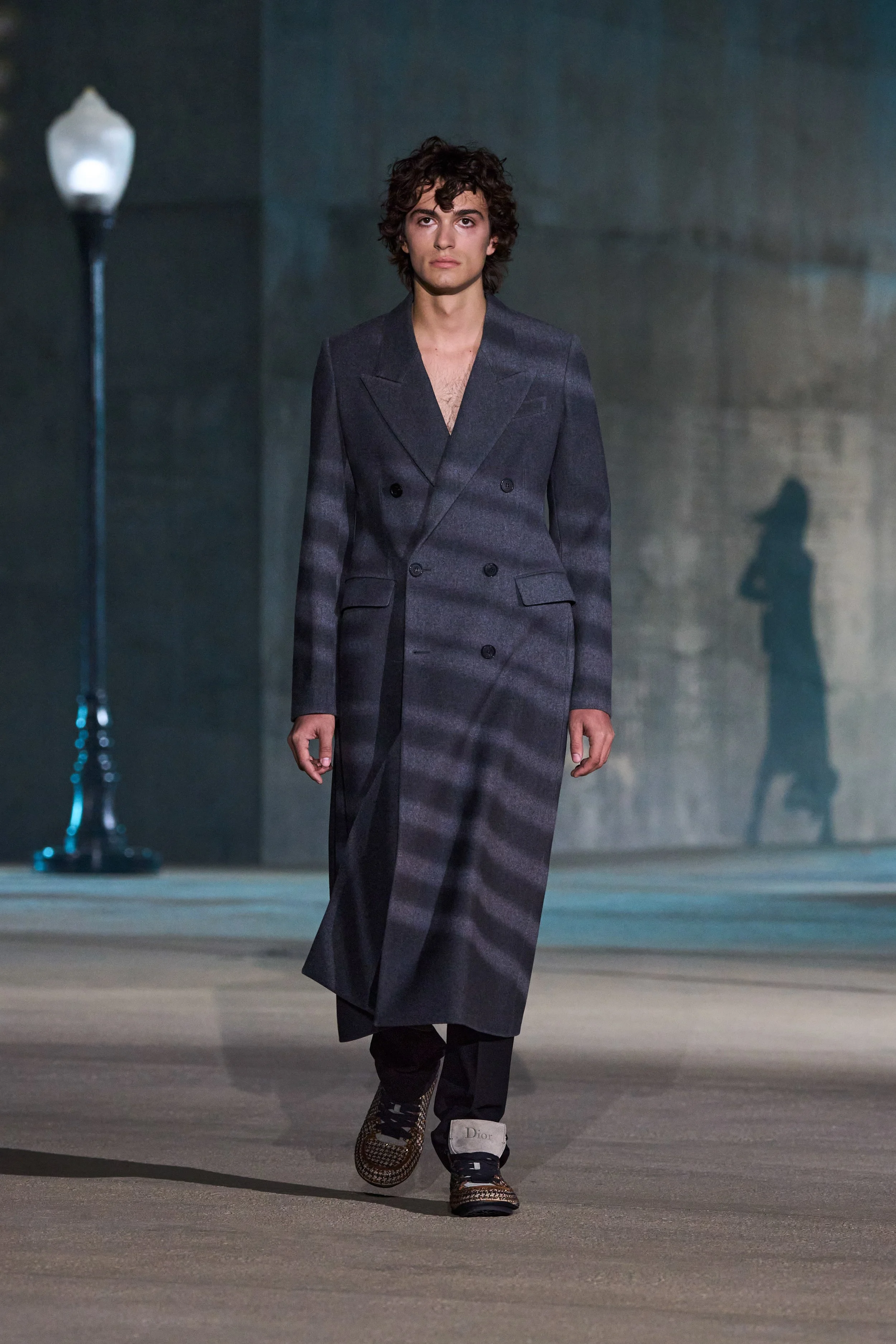
Whereas the womenswear was an array of characters, the menswear presented a tighter vision. Artist Ed Ruscha collaborated with Anderson to create graphic shirts. A particularly impressive wool coat replicated film noir lighting in angled stripes. Perhaps nowhere more than here was Anderson’s perspective concise. Hollywood is an illusion, a machine built to manufacture emotion.
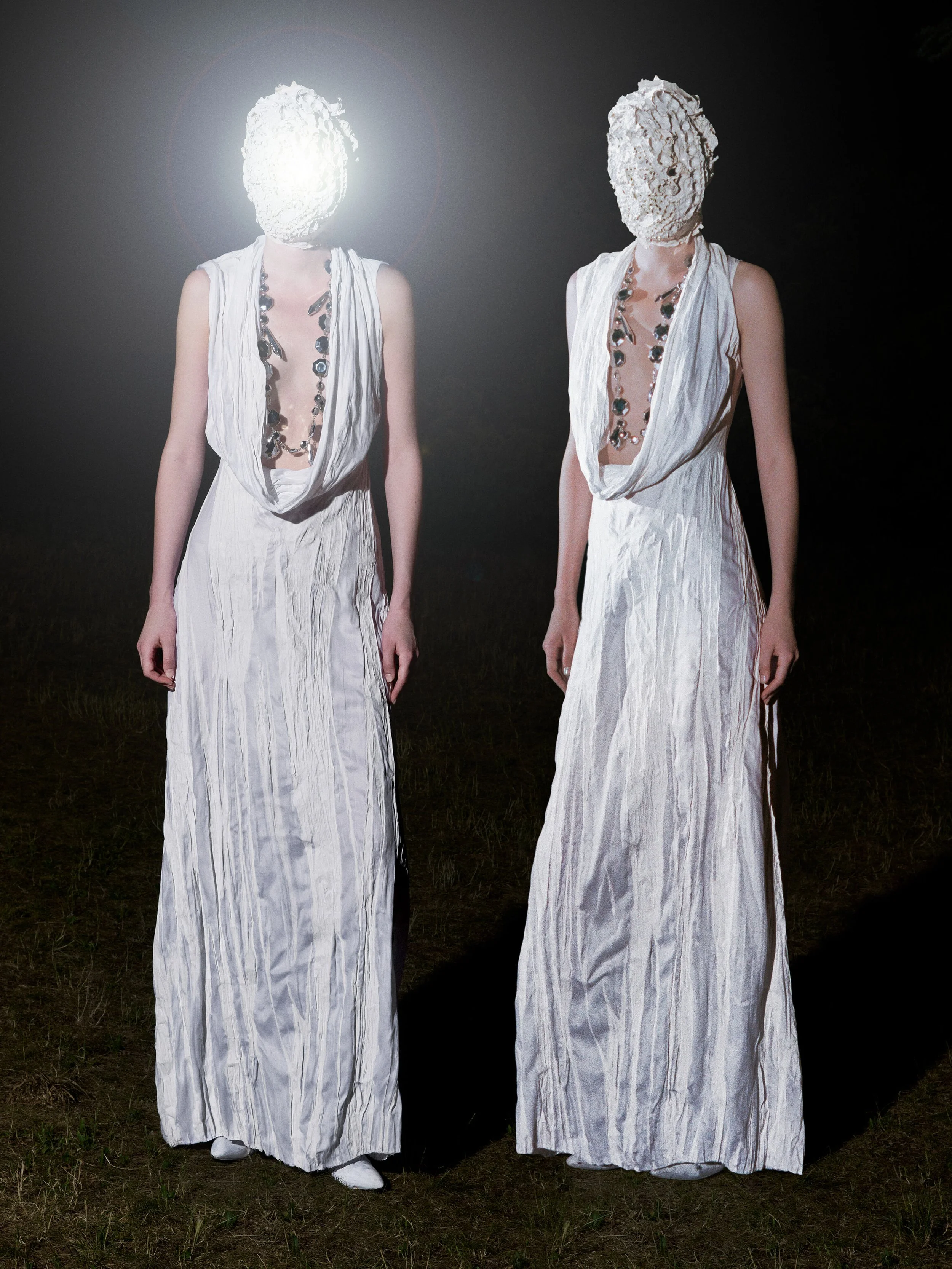
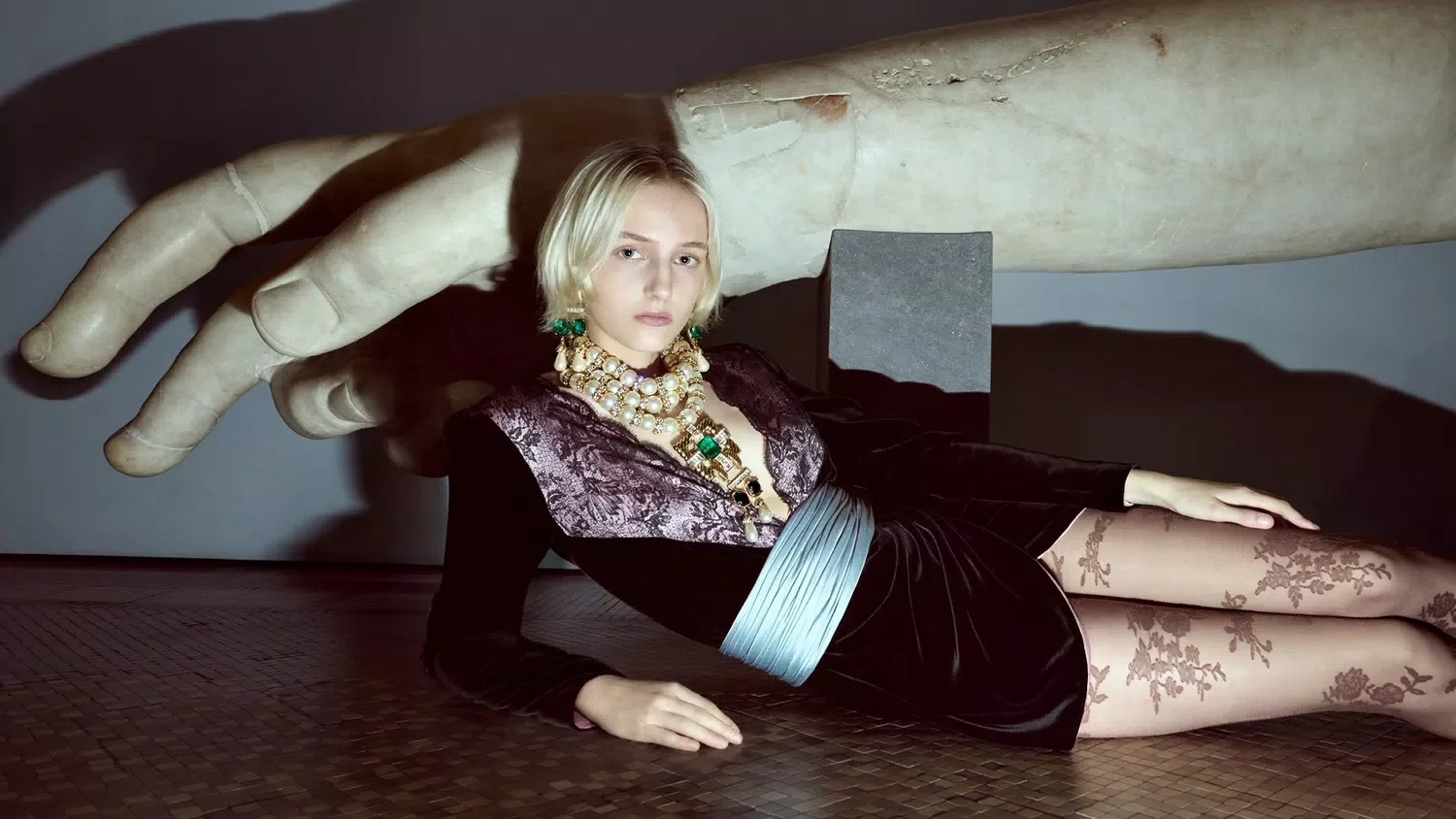
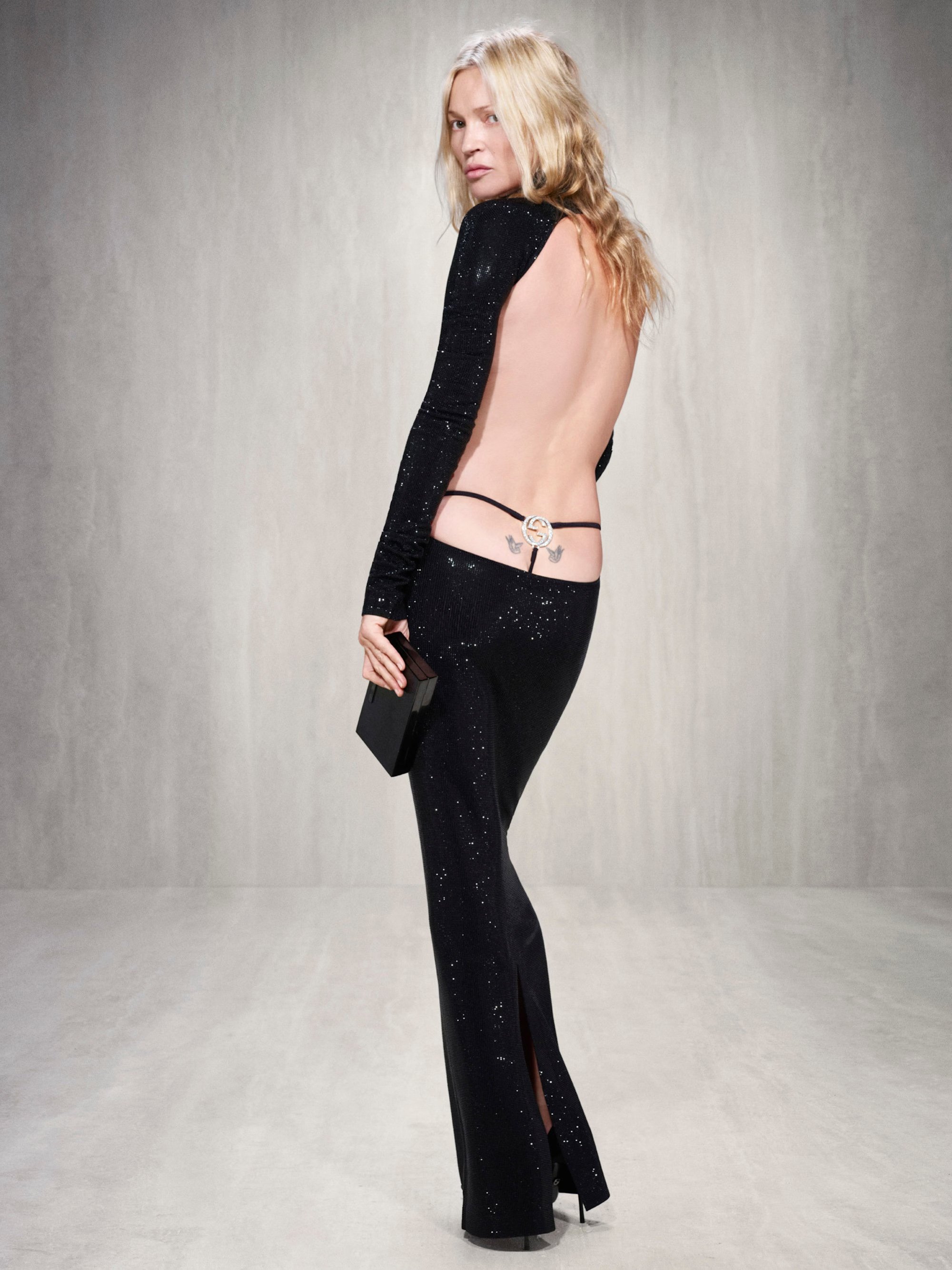
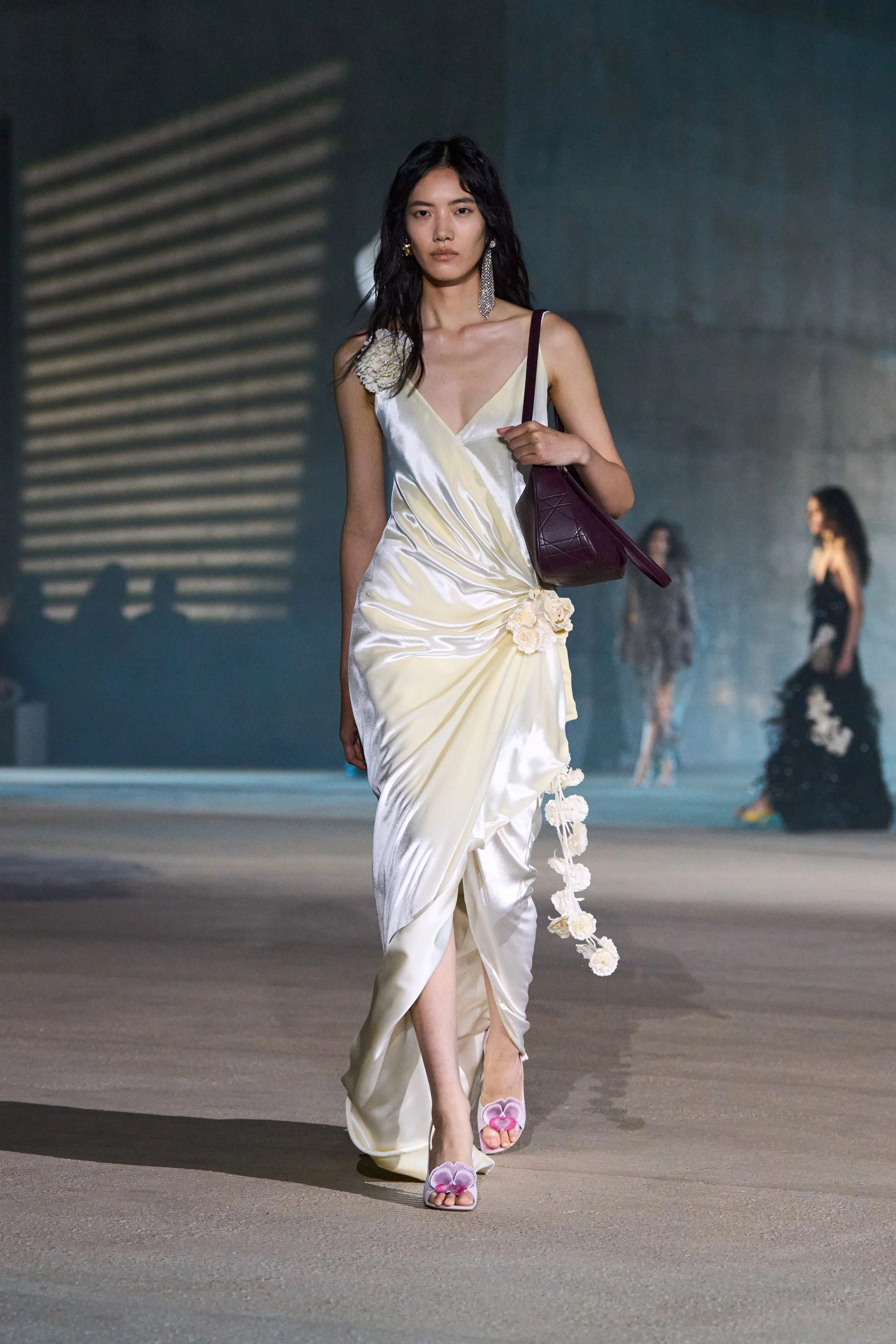
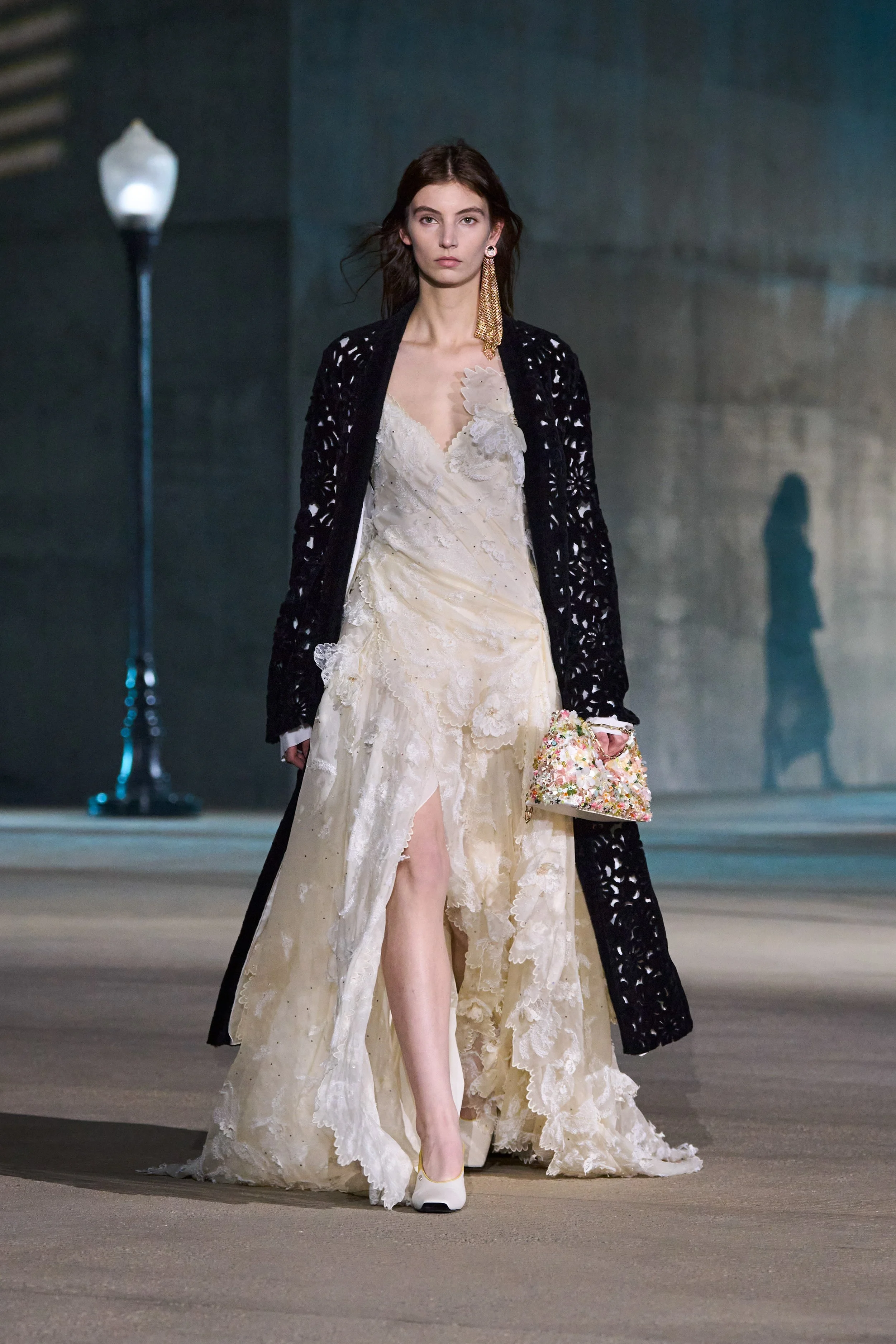
In womenswear, the designer was looking to convey glamour. A white gown scalloped at the edges, a slit swishing open as the model walked. Minute details on scaled dresses were made evident by their sheer repetition. Just shy of the first anniversary of Anderson at the brand – a celebration that will take place at the upcoming men’s show this June – his confidence is palpable. He might’ve had to move things around, put his imprint on the couch, but there’s no denying it: Dior is Anderson’s house.
Words by Pedro Vasconcelos