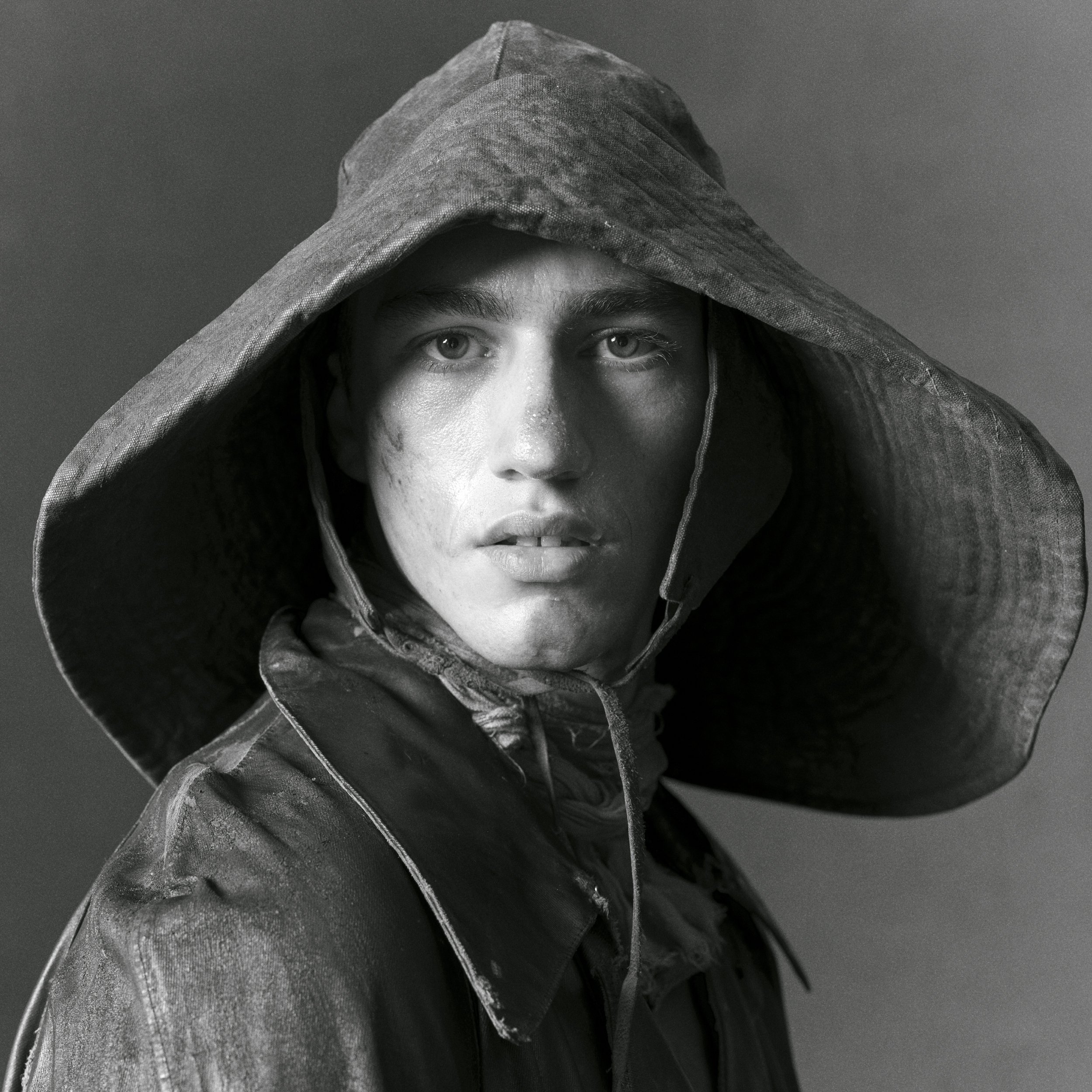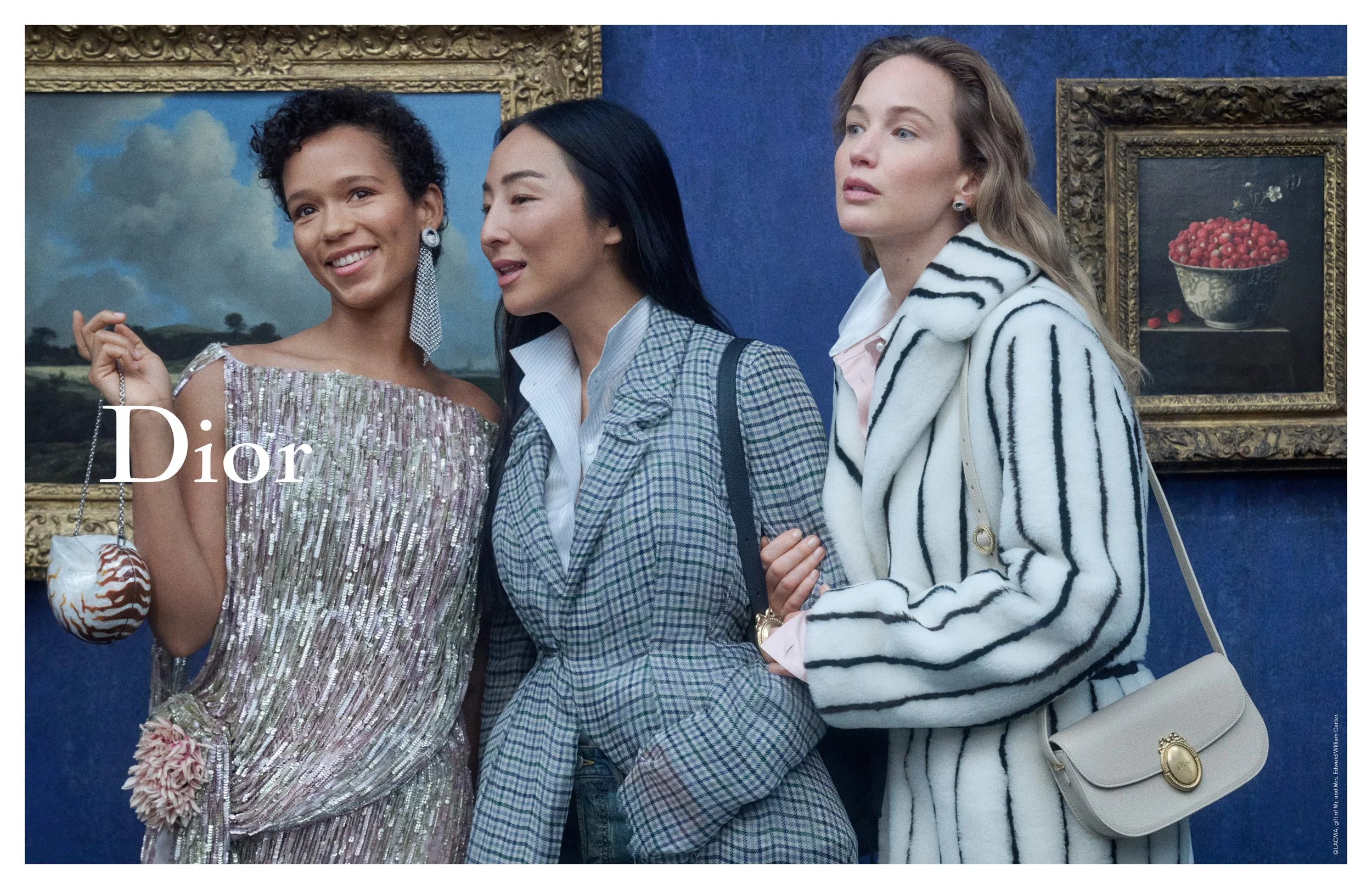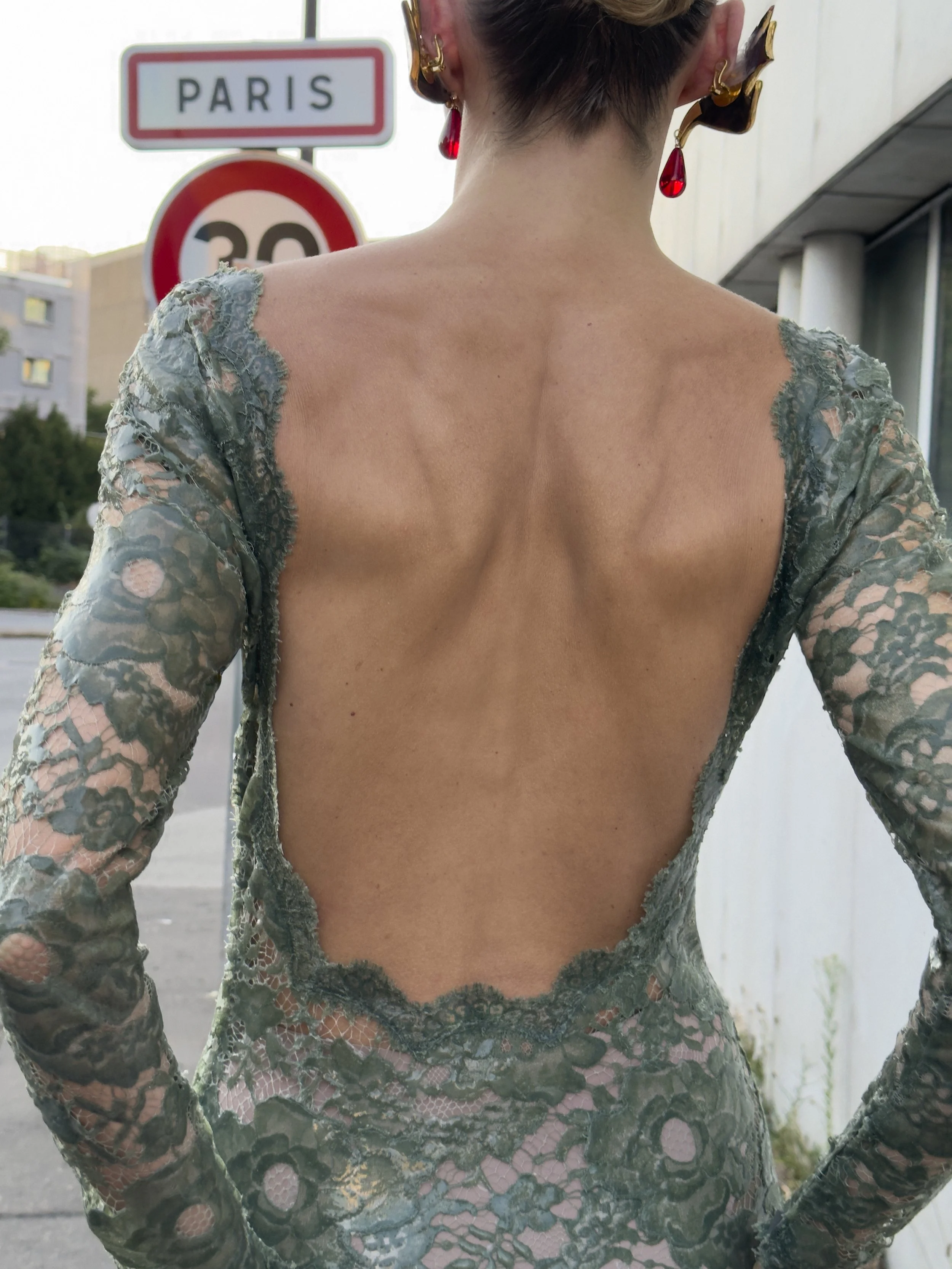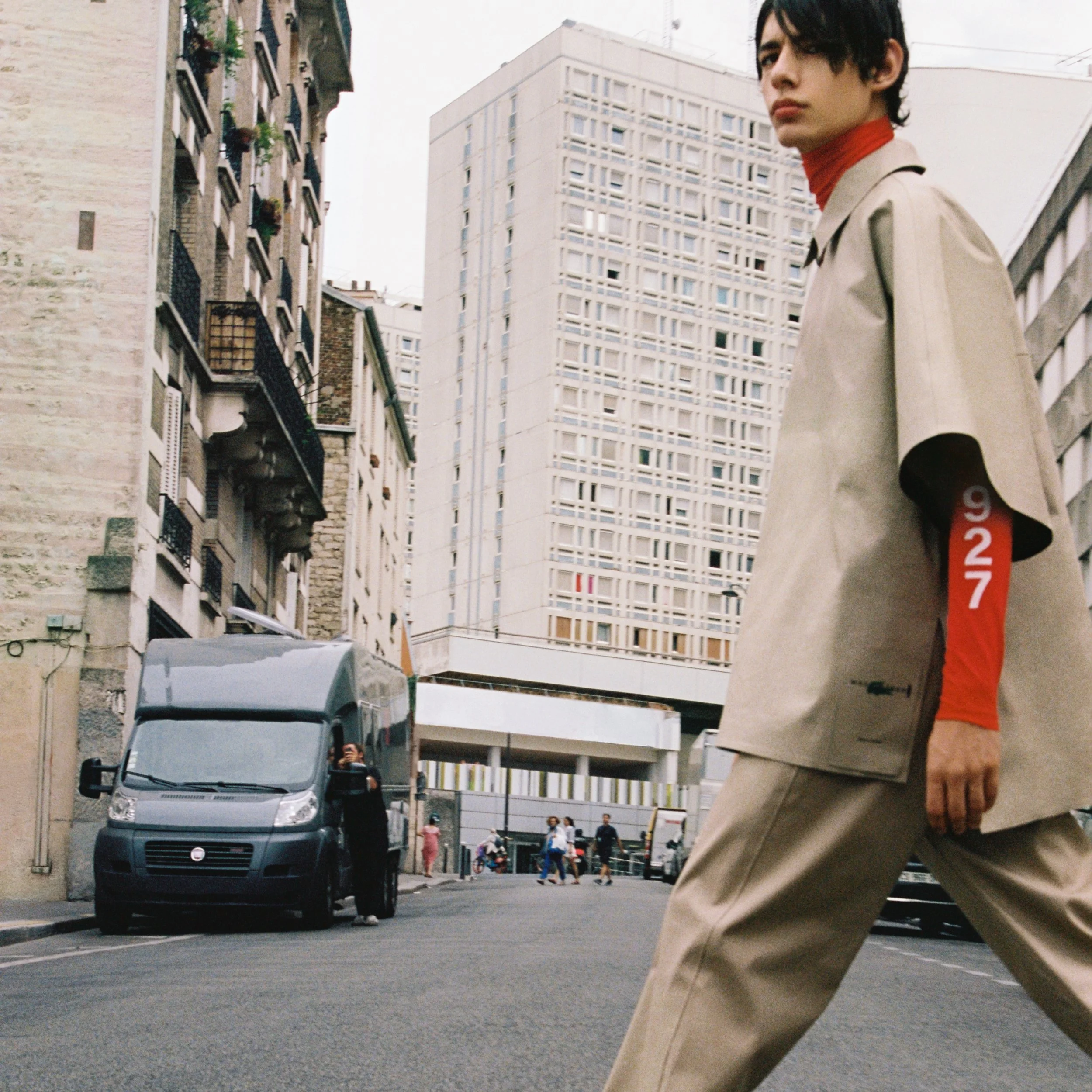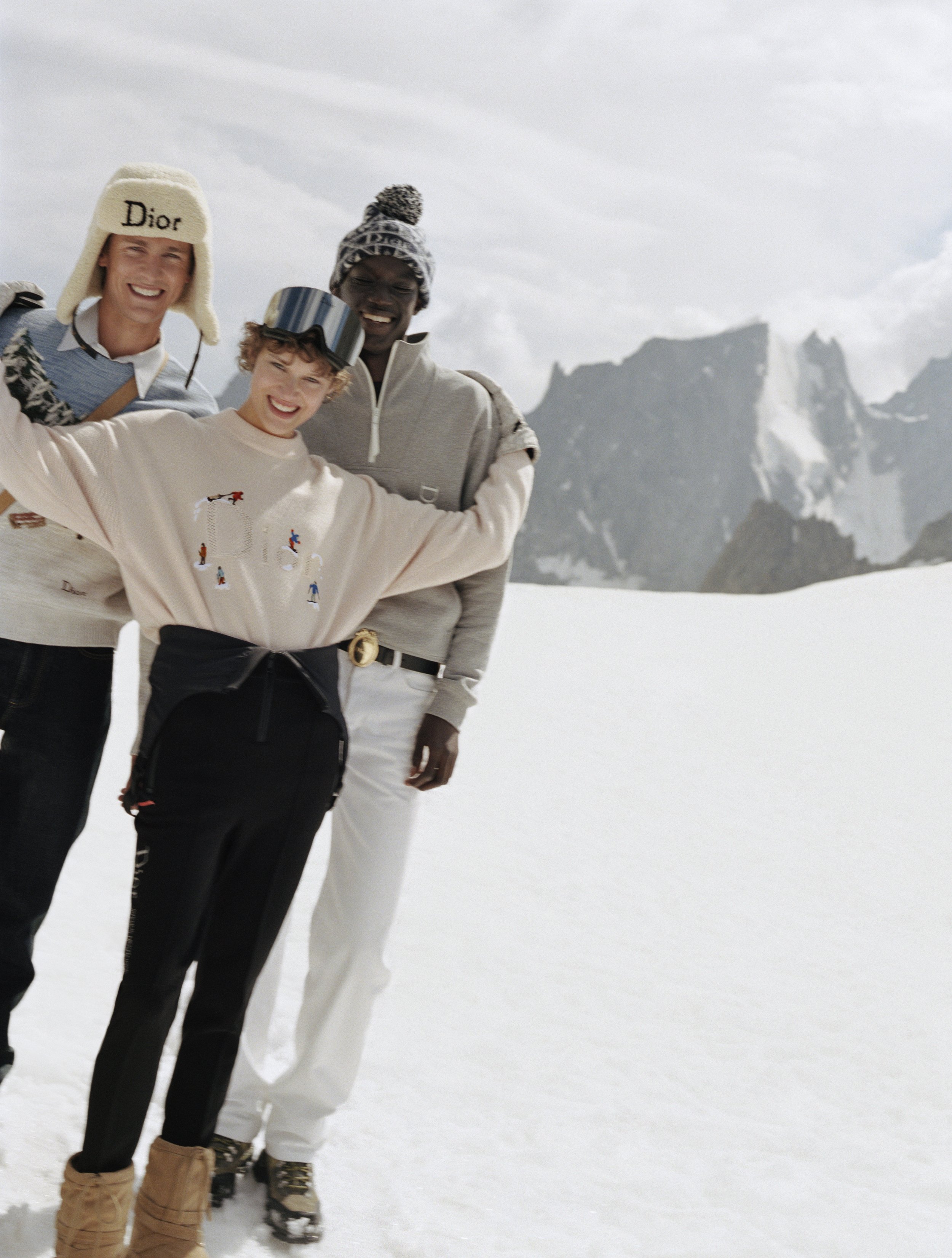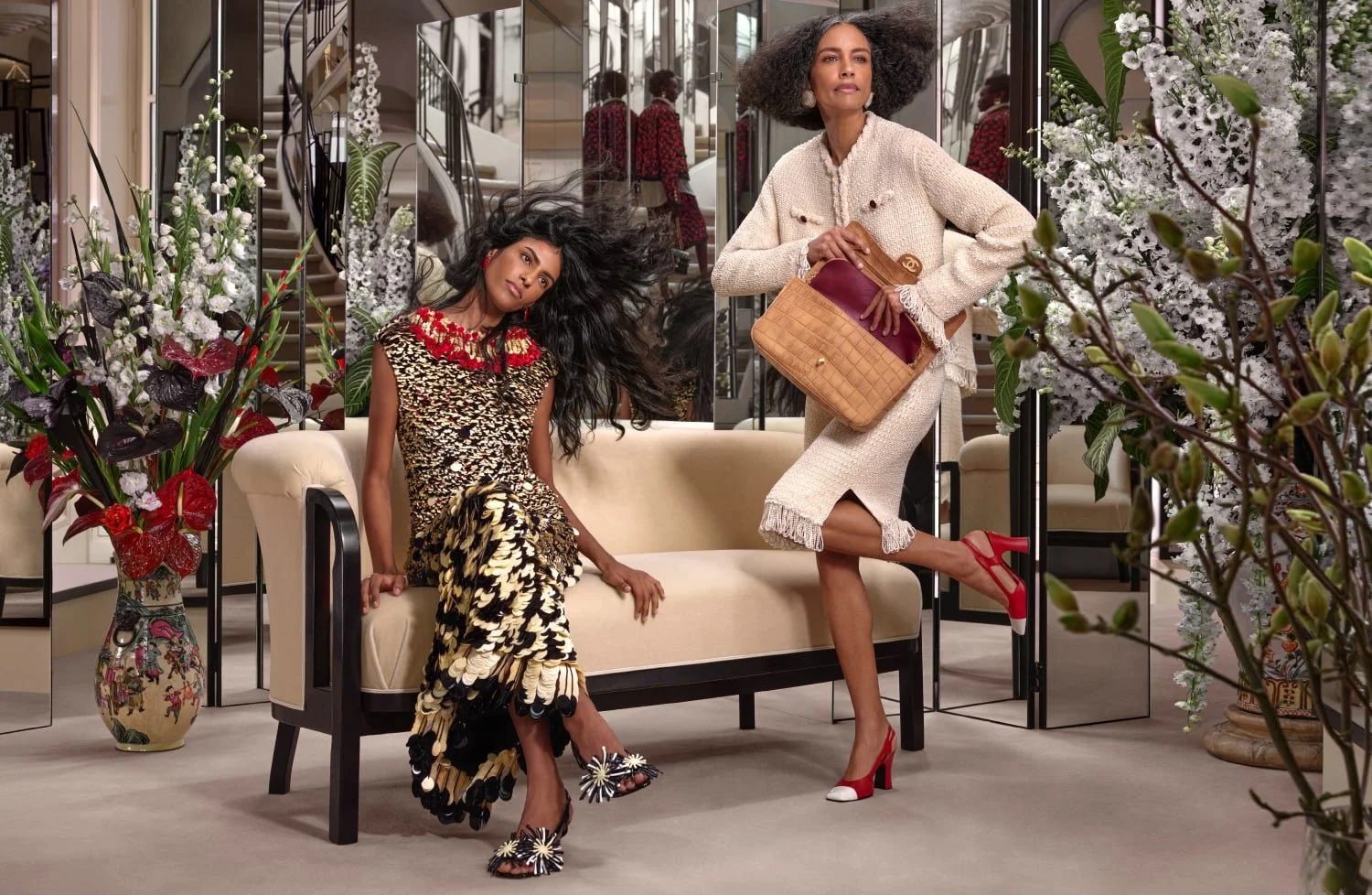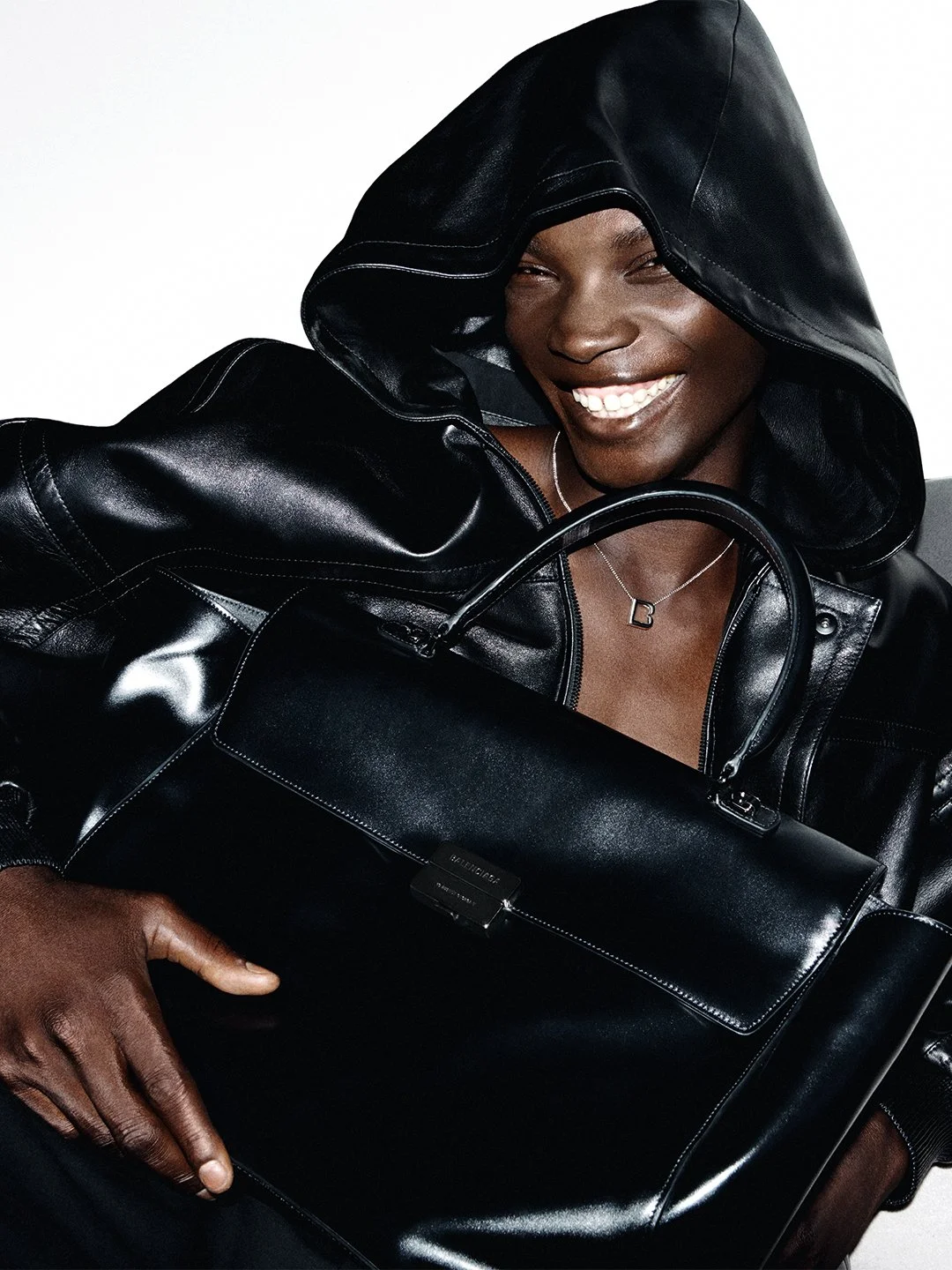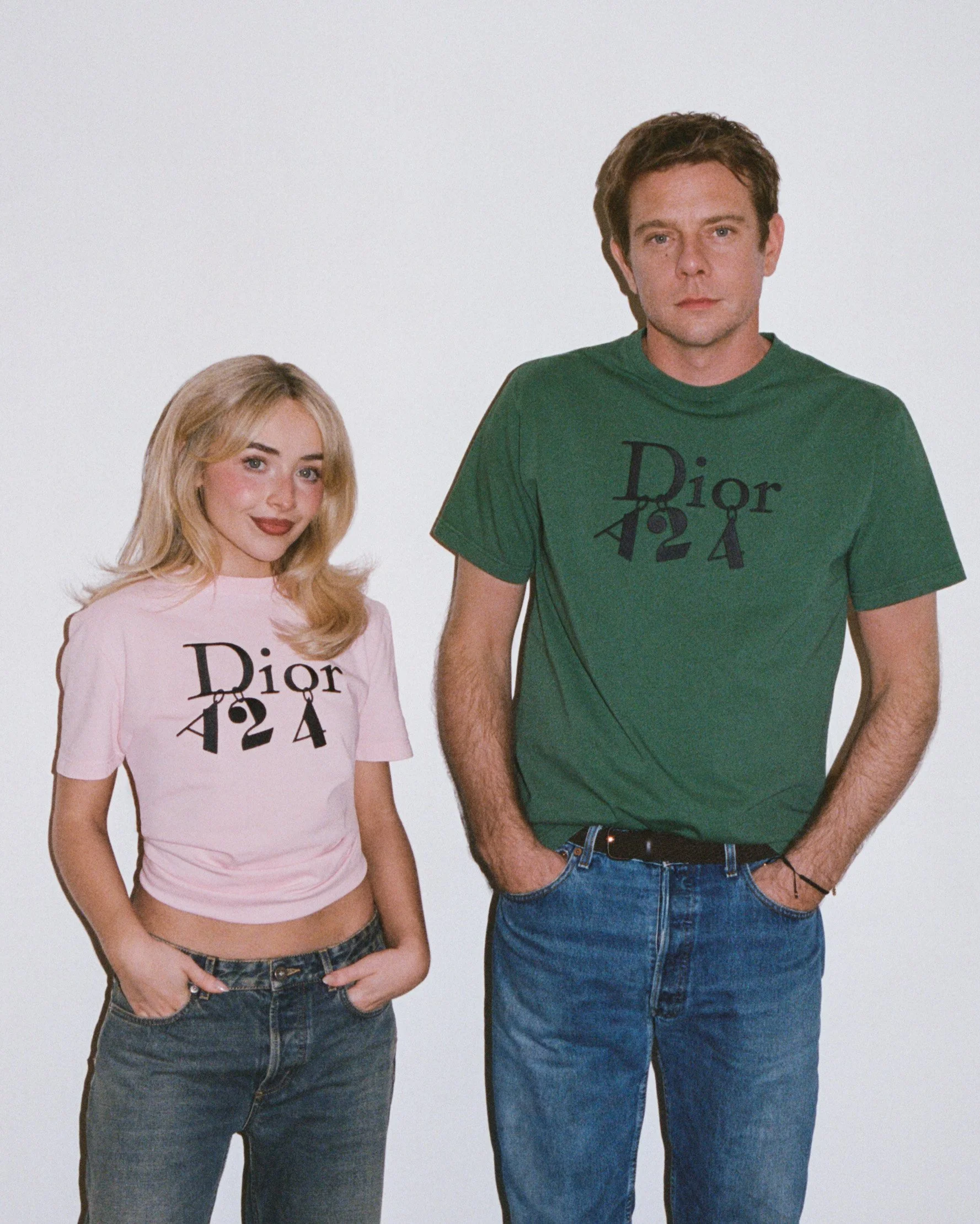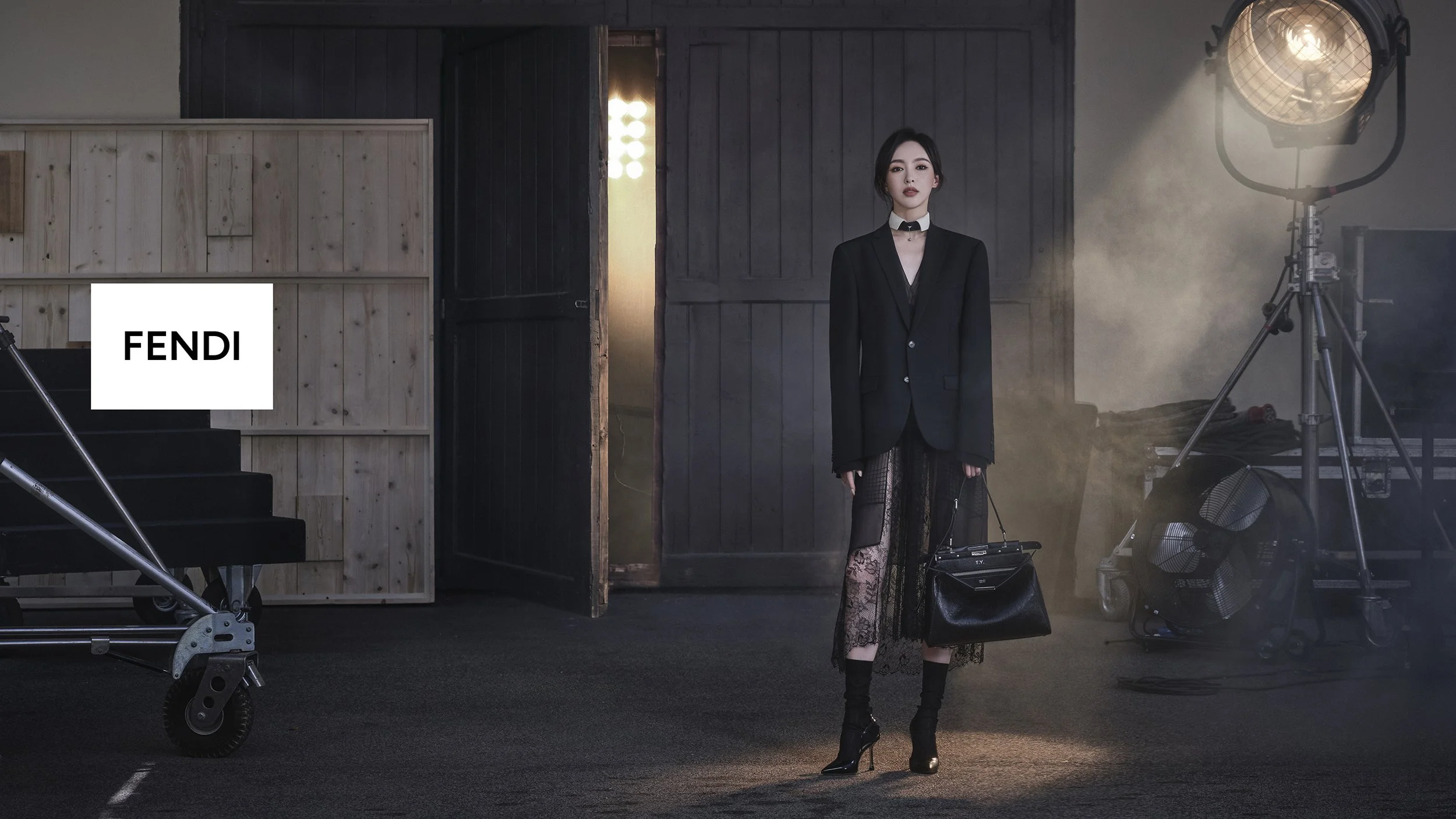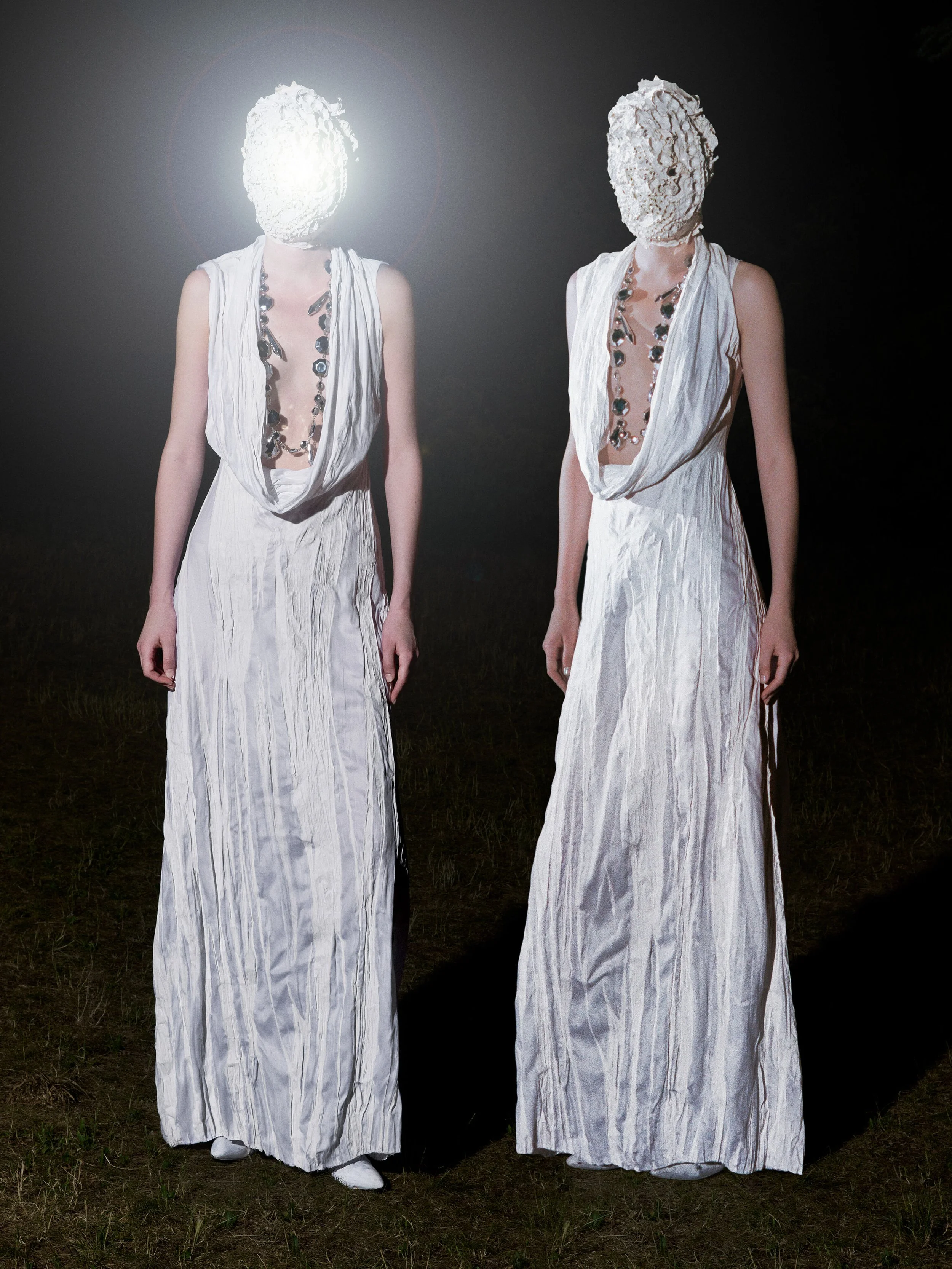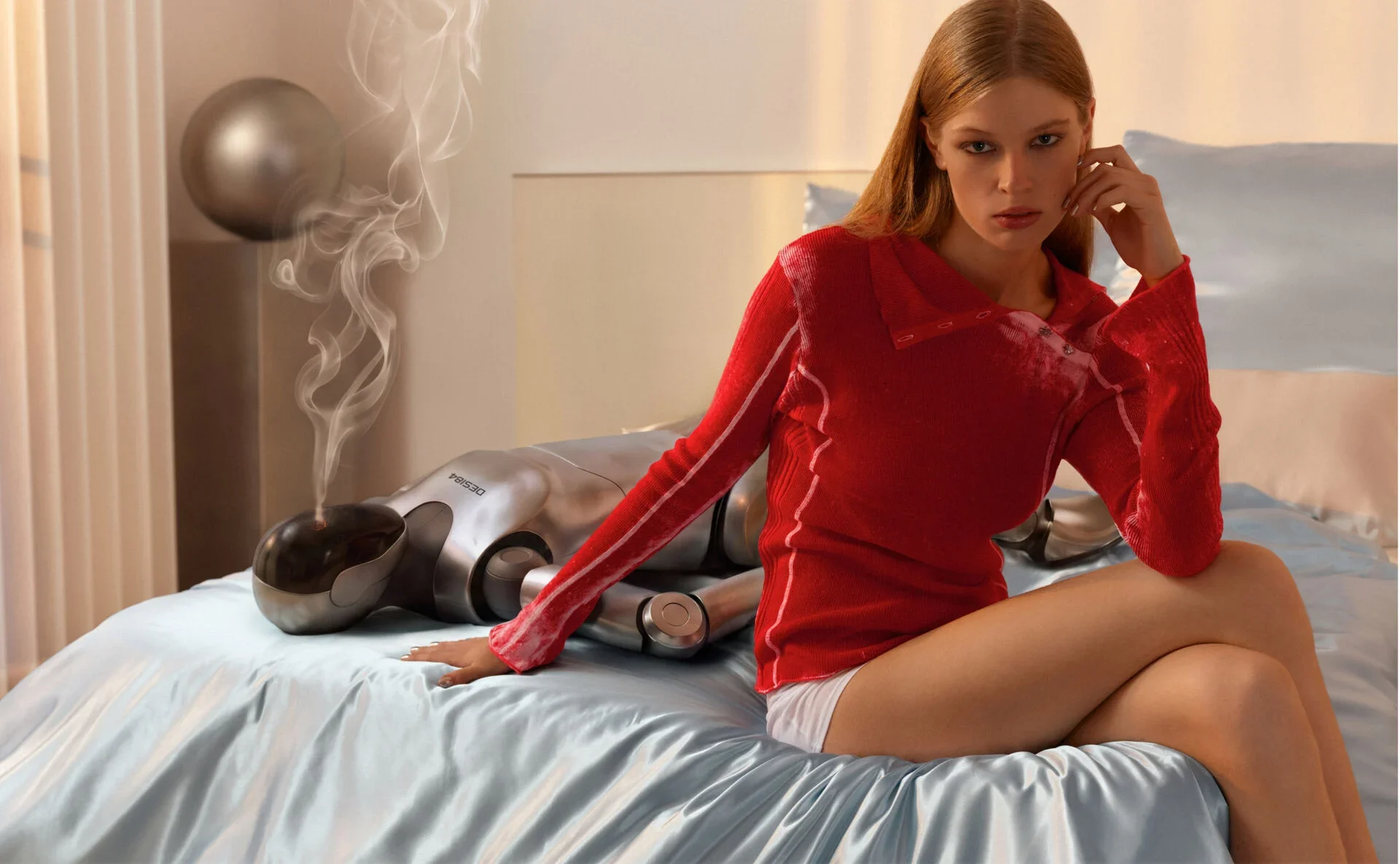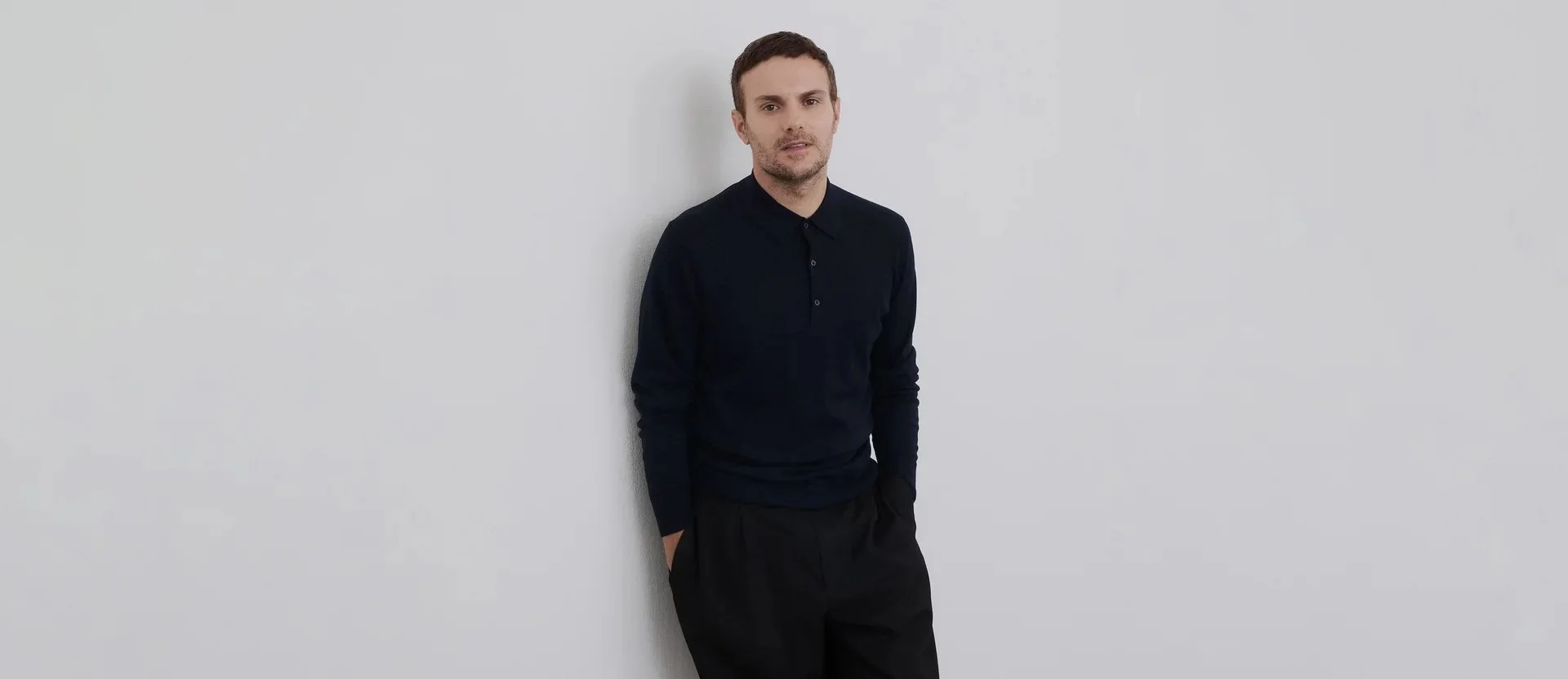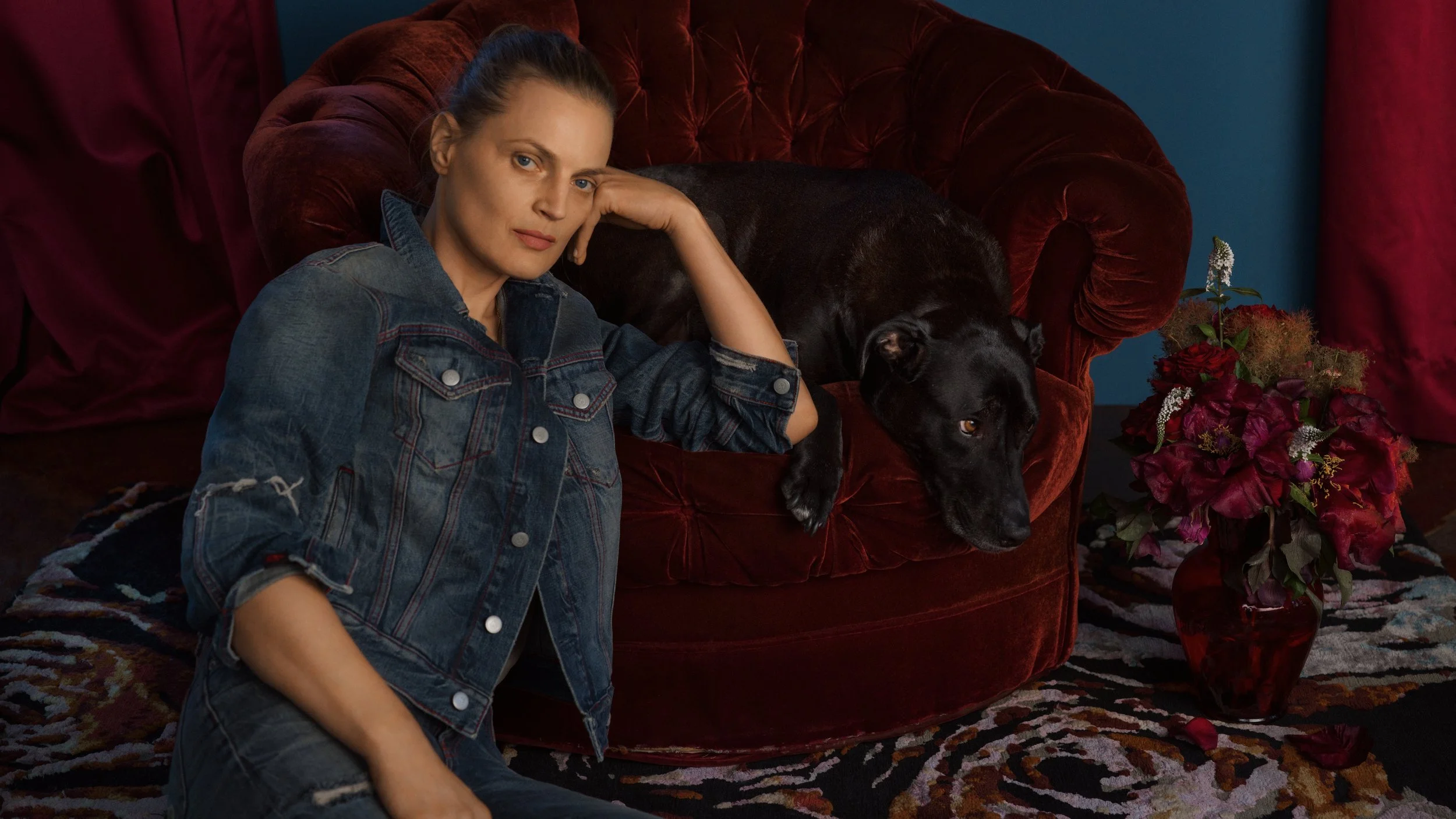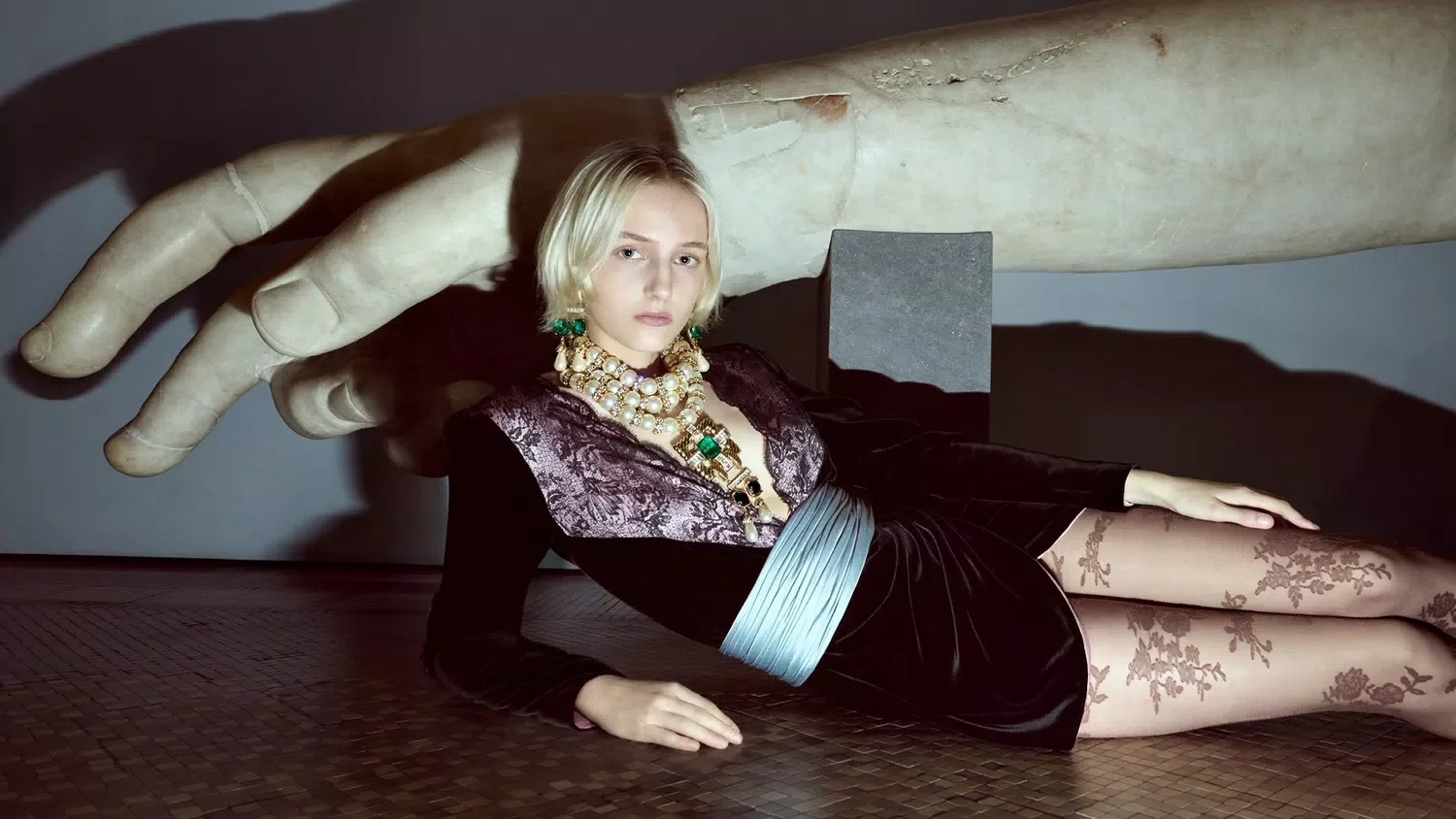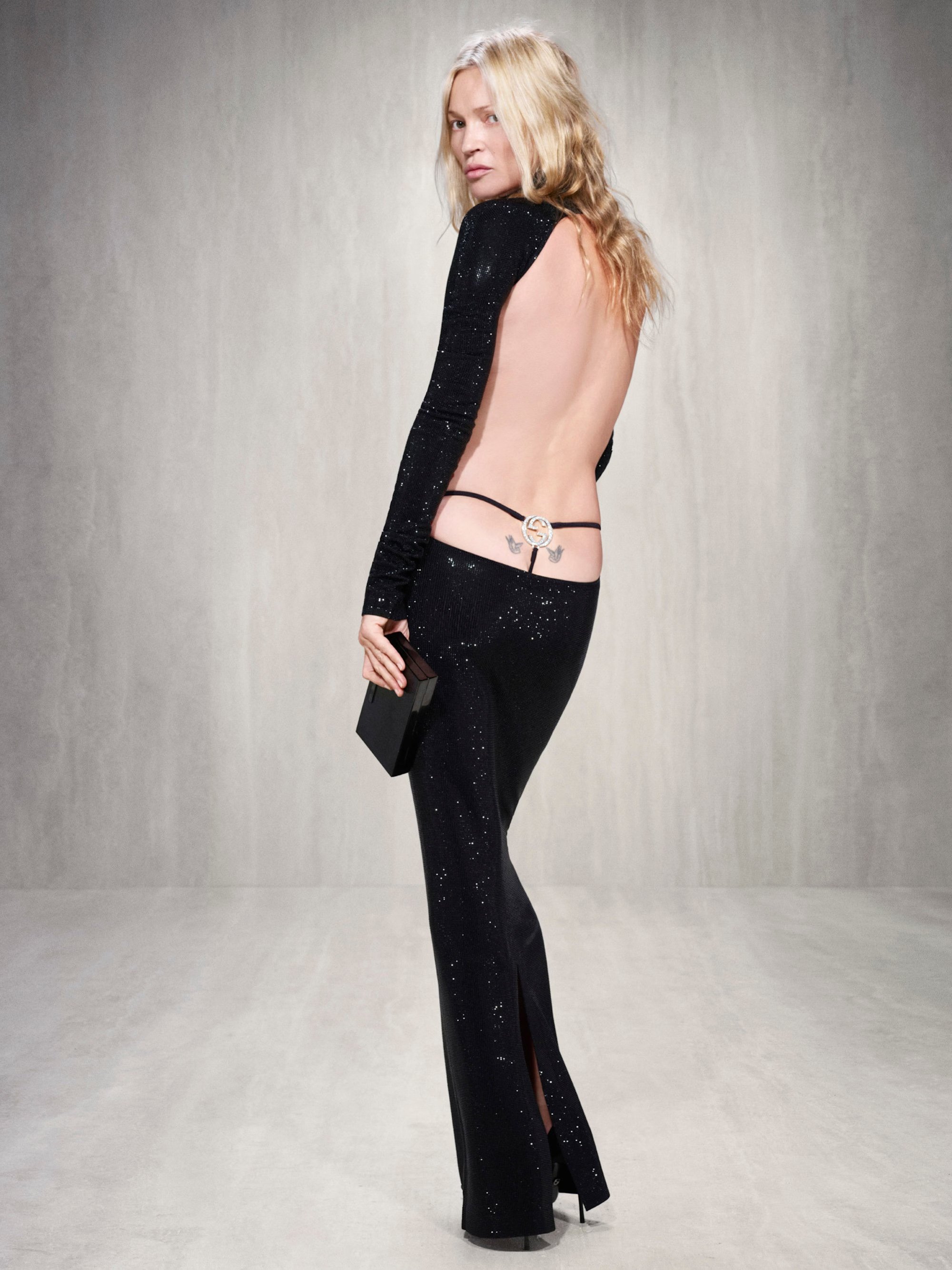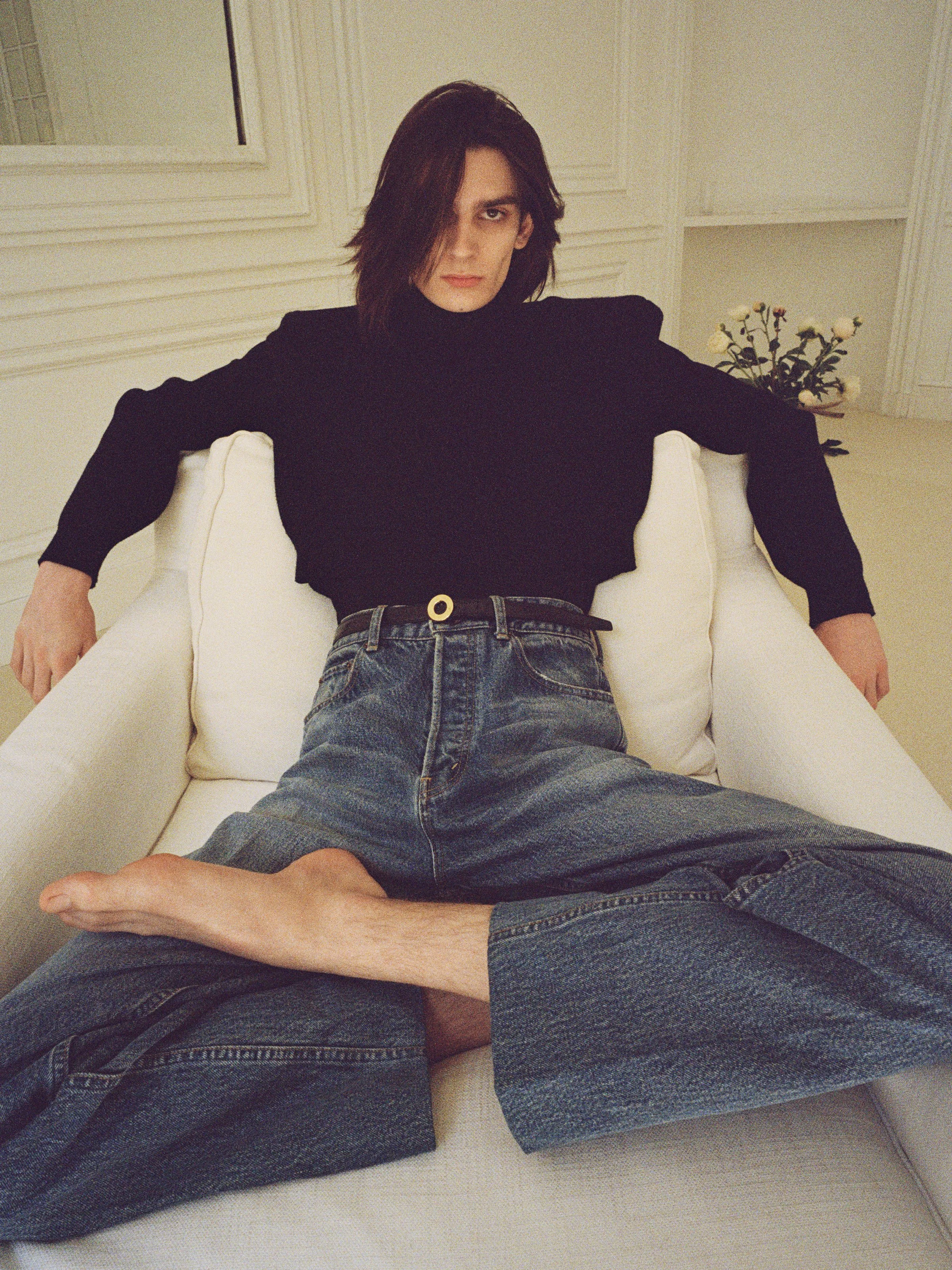
As a foreigner in Paris, Jonathan Anderson has let himself be seduced by the city of love. Fall/Winter 2026 makes it clear. The invite to the show featured micro replicas of the instantly recognisable green metal chairs spread around the Jardin des Tuileries. The venue, placed right atop where these same chairs usually sit, consisted of a promenade with a water-lily pond in the middle.
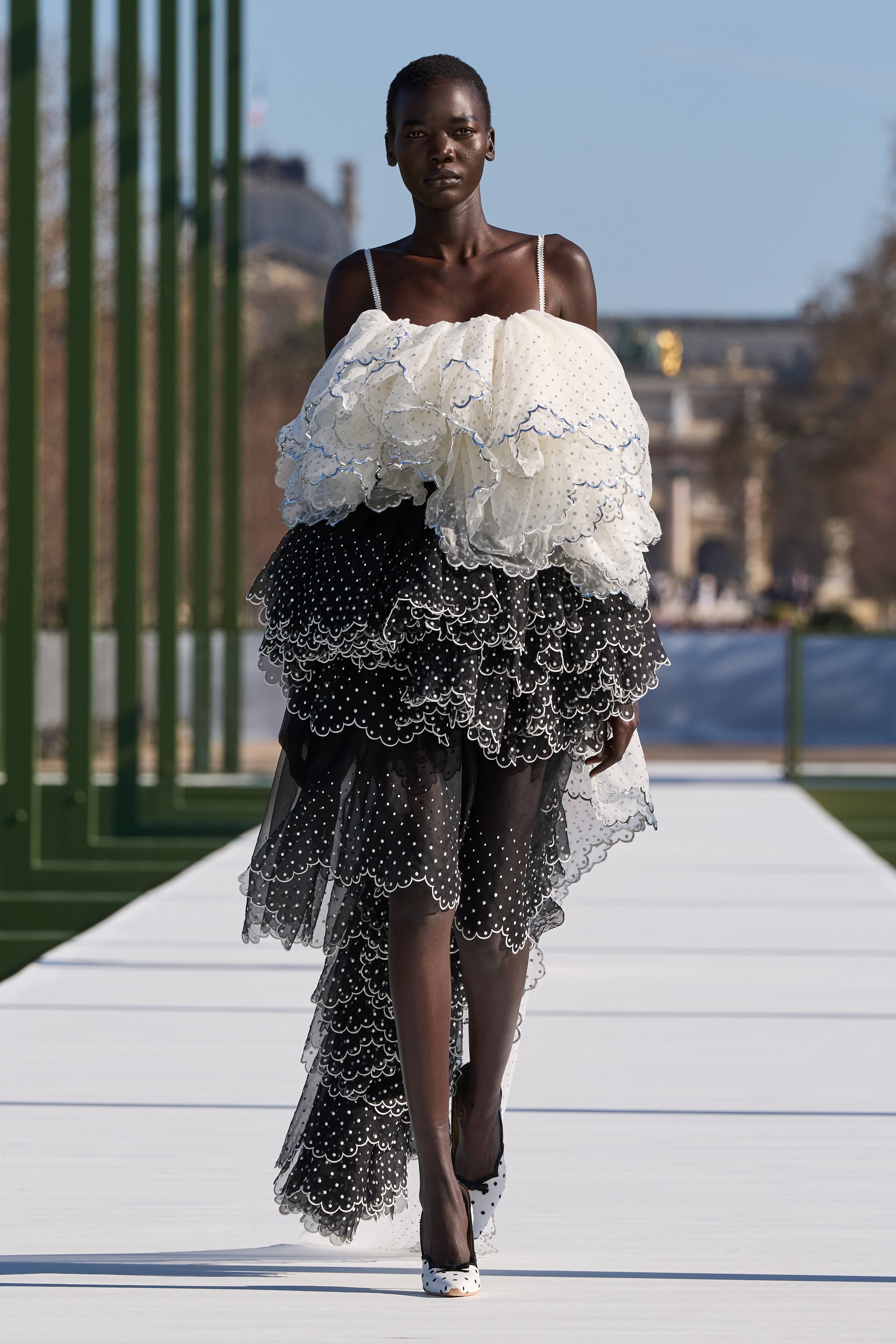
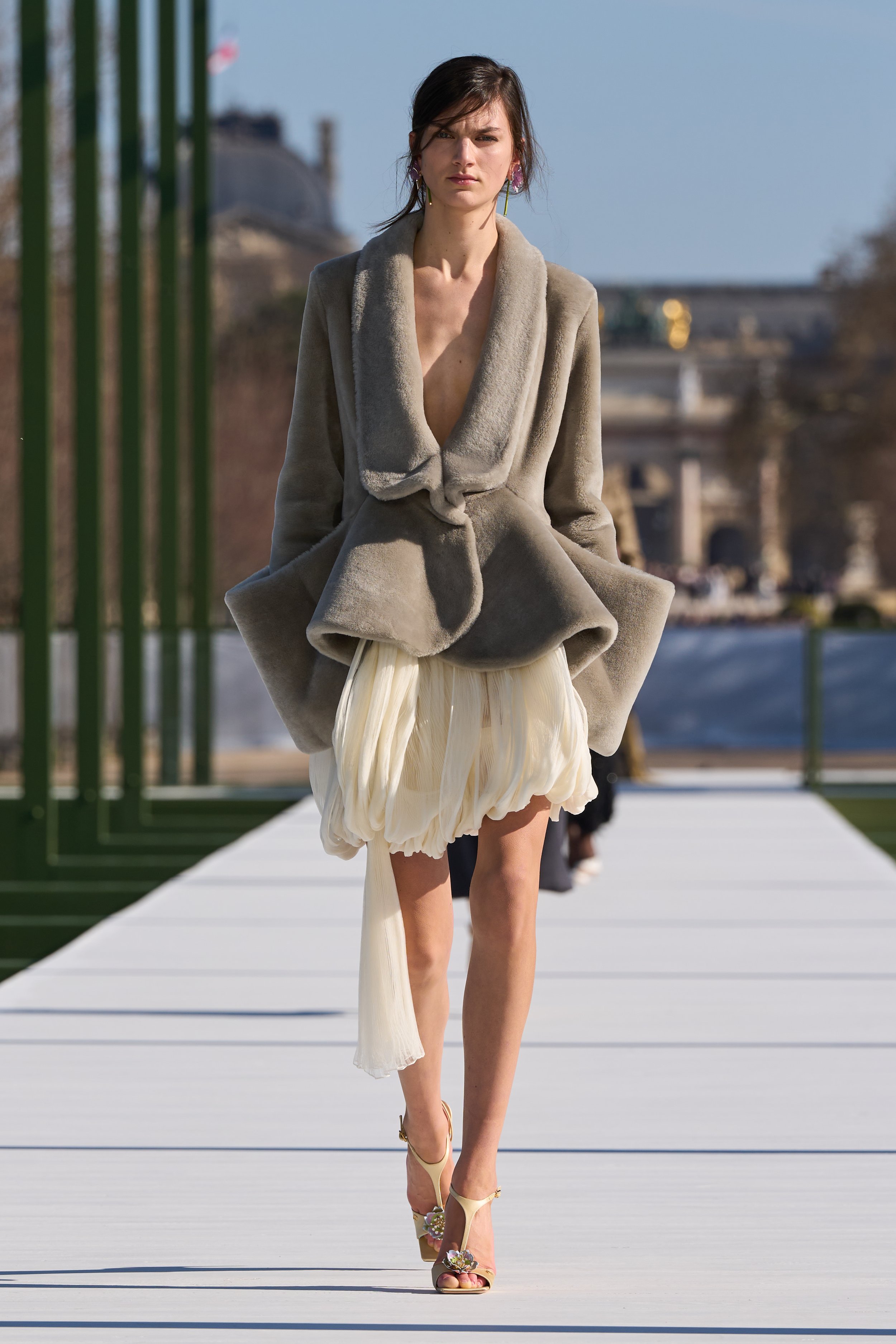
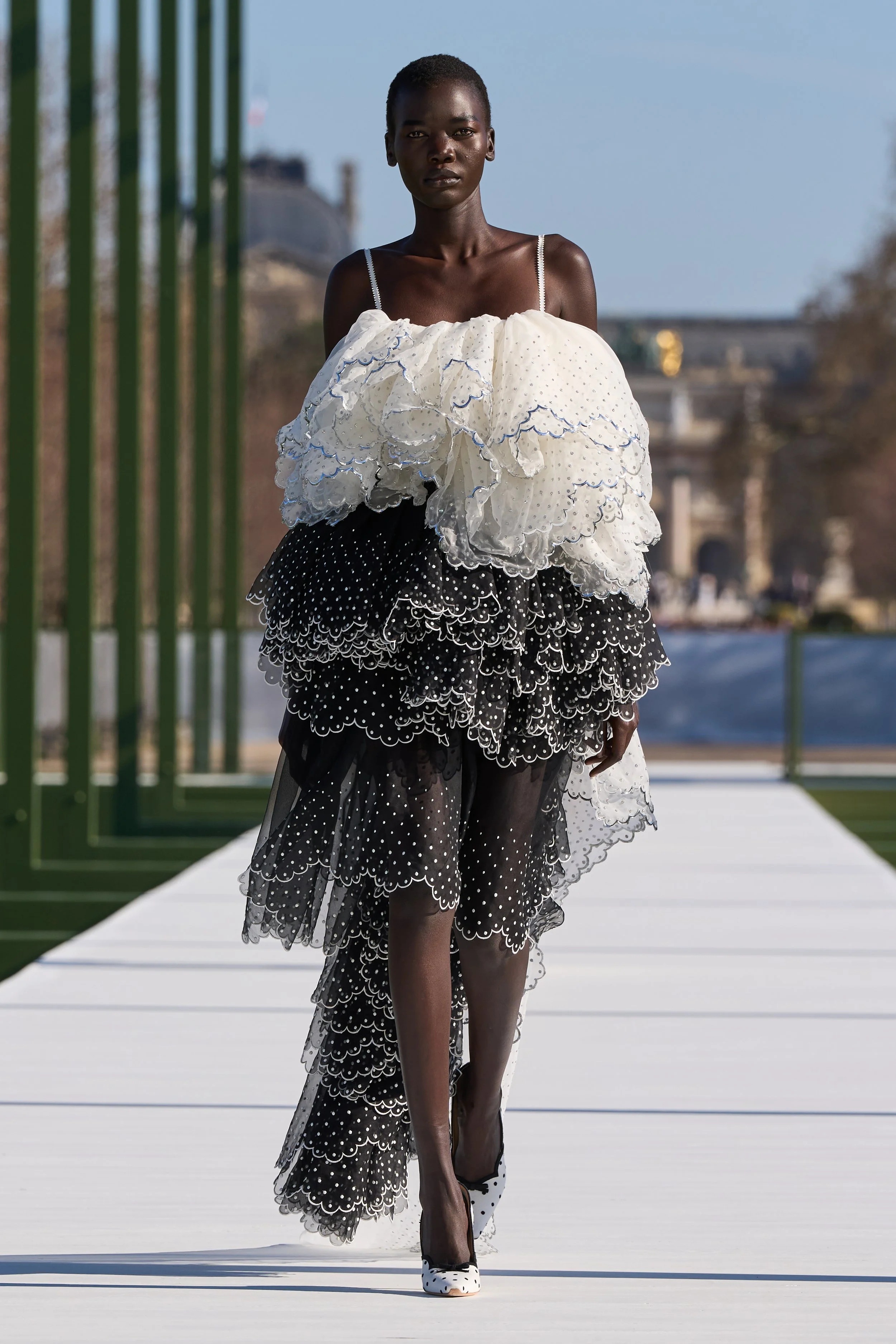
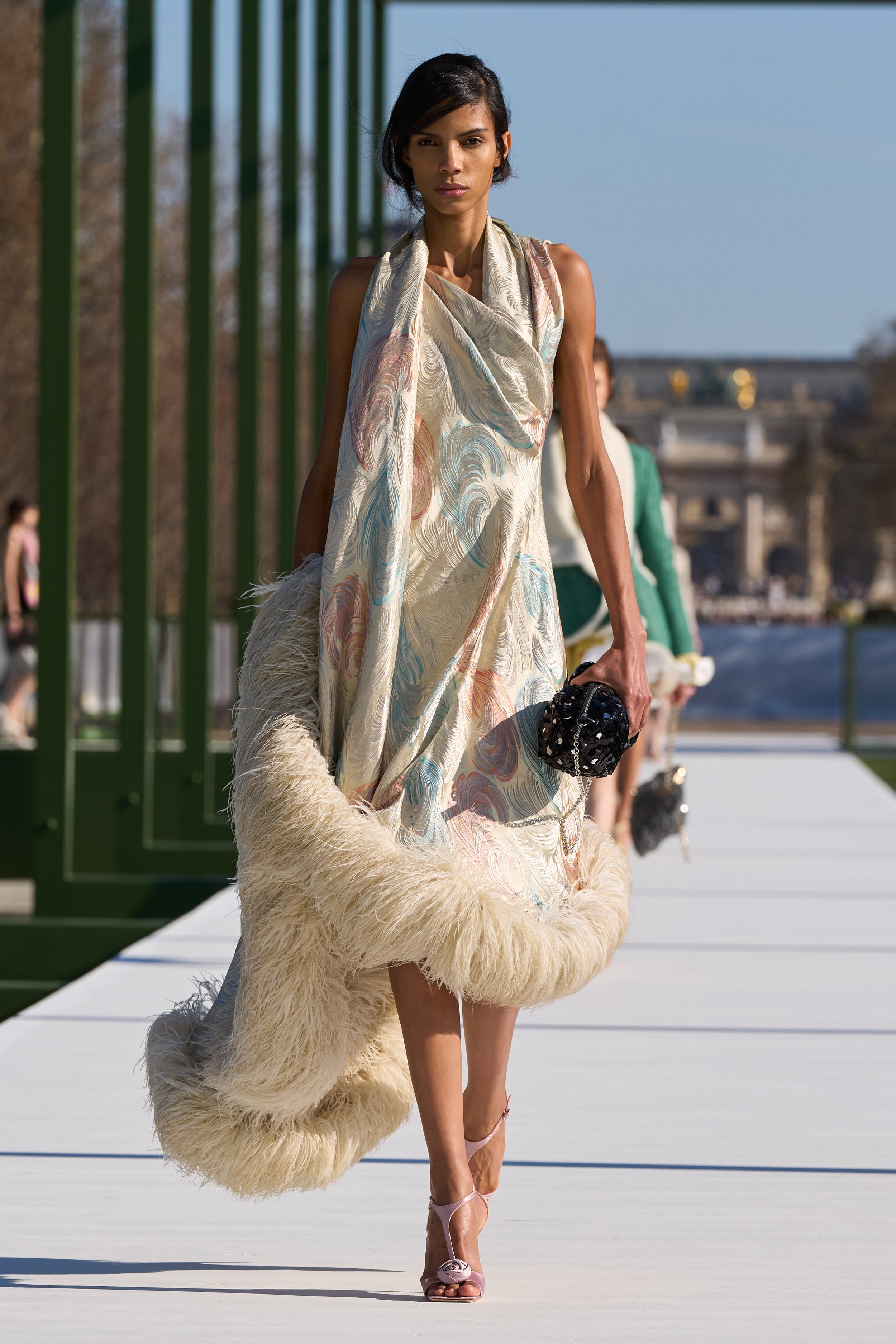
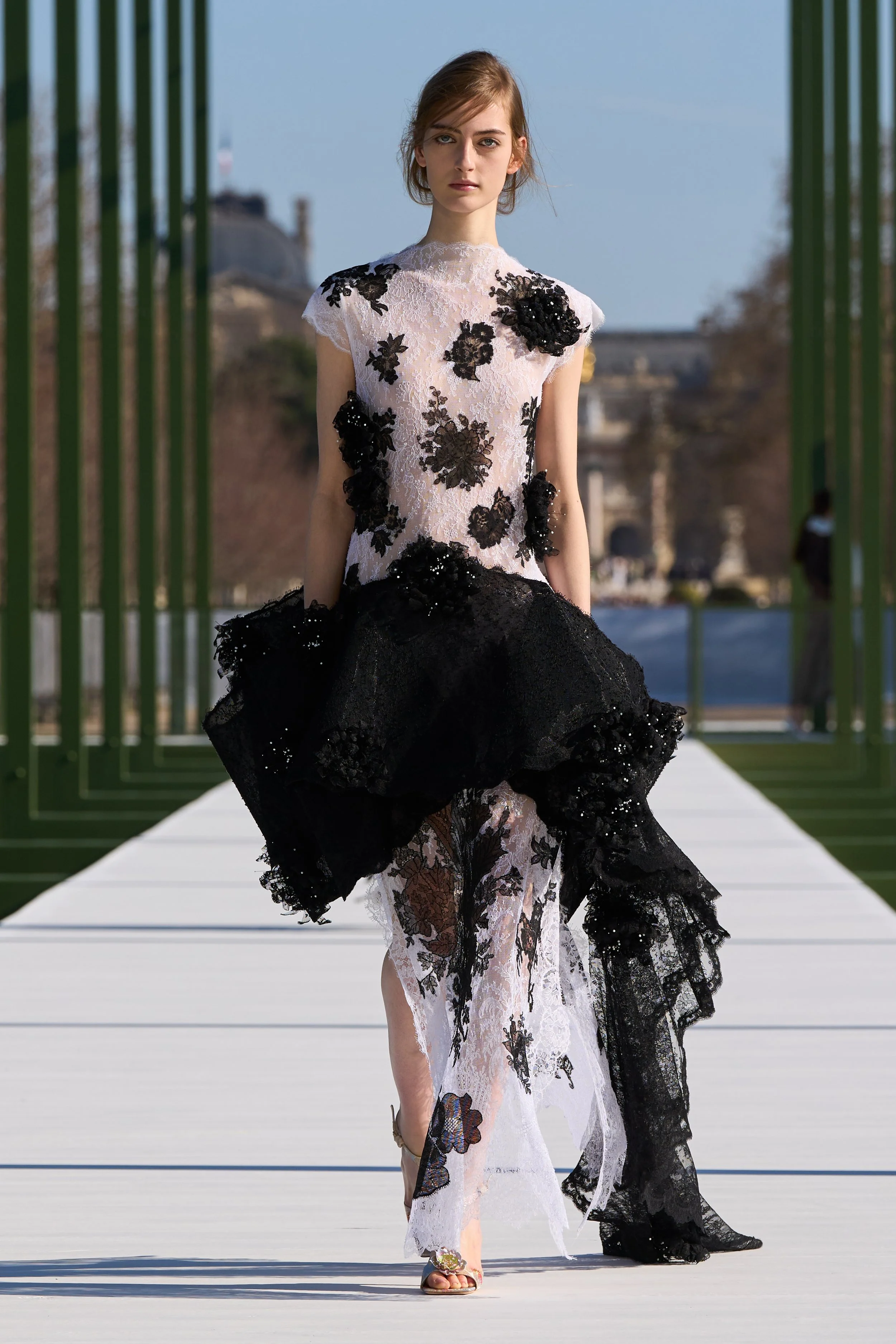
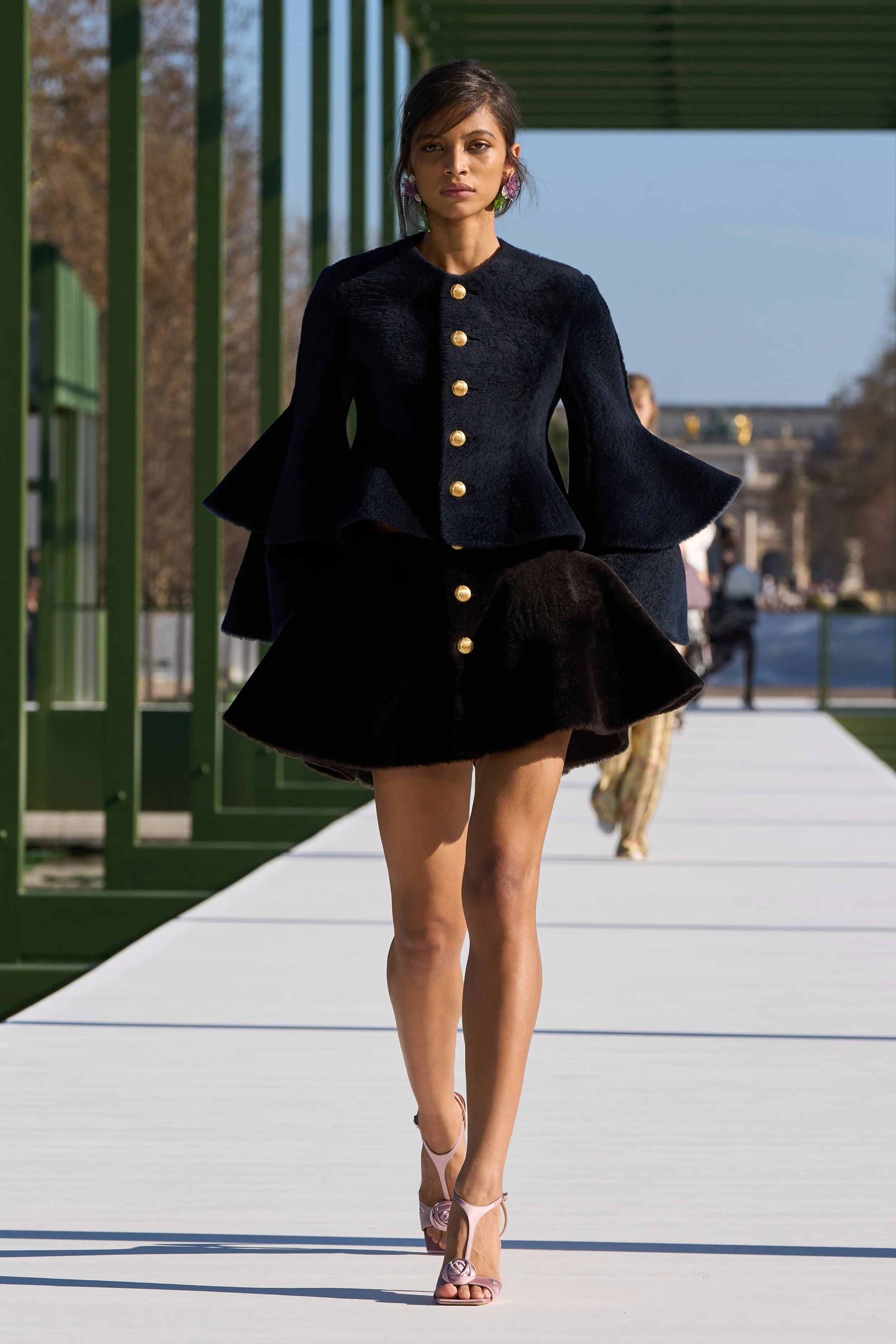
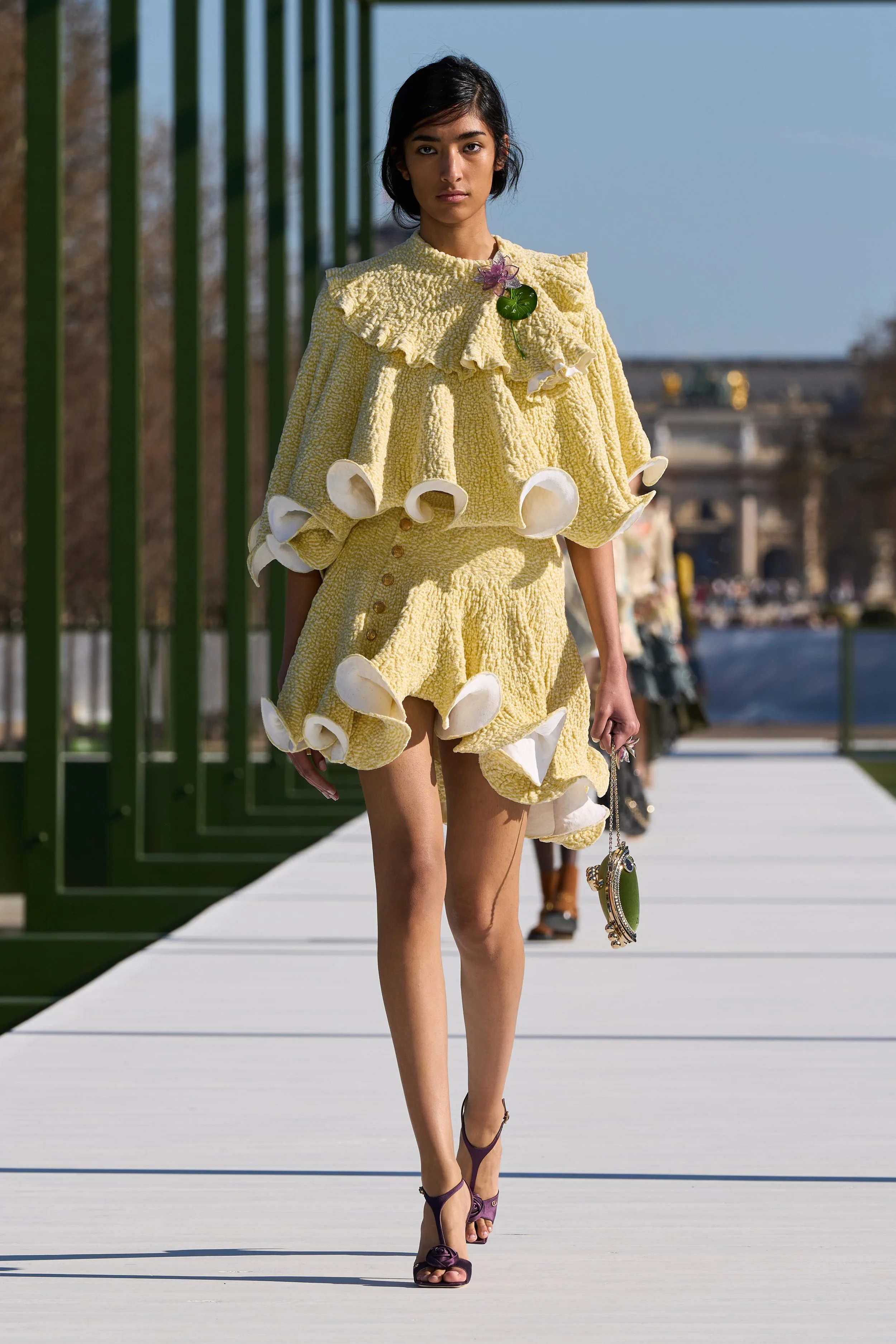
For his sophomore womenswear collection, Anderson feels more confident in his approach. The challenge in taking on a maison with a legacy as rich as that of Dior is to find where you’ll fit in it. For his debut, we saw him interpolate his modern quirkiness with the house’s elegant femininity, but here the two are enmeshed. Romantic ruffles are both feminine and bulky. Distorted hems on colourful, asymmetrical jackets resemble bouquets of calla lilies. Flowers have taken on a privileged spot in Anderson’s Dior. While symbolically romantic, the Irish designer takes their organic shape at face value, allowing it to inspire beyond its metaphor. Tulle dresses have rounded busts that sit far from the body, gather at the waist and then explode into knee-length asymmetrical skirts.
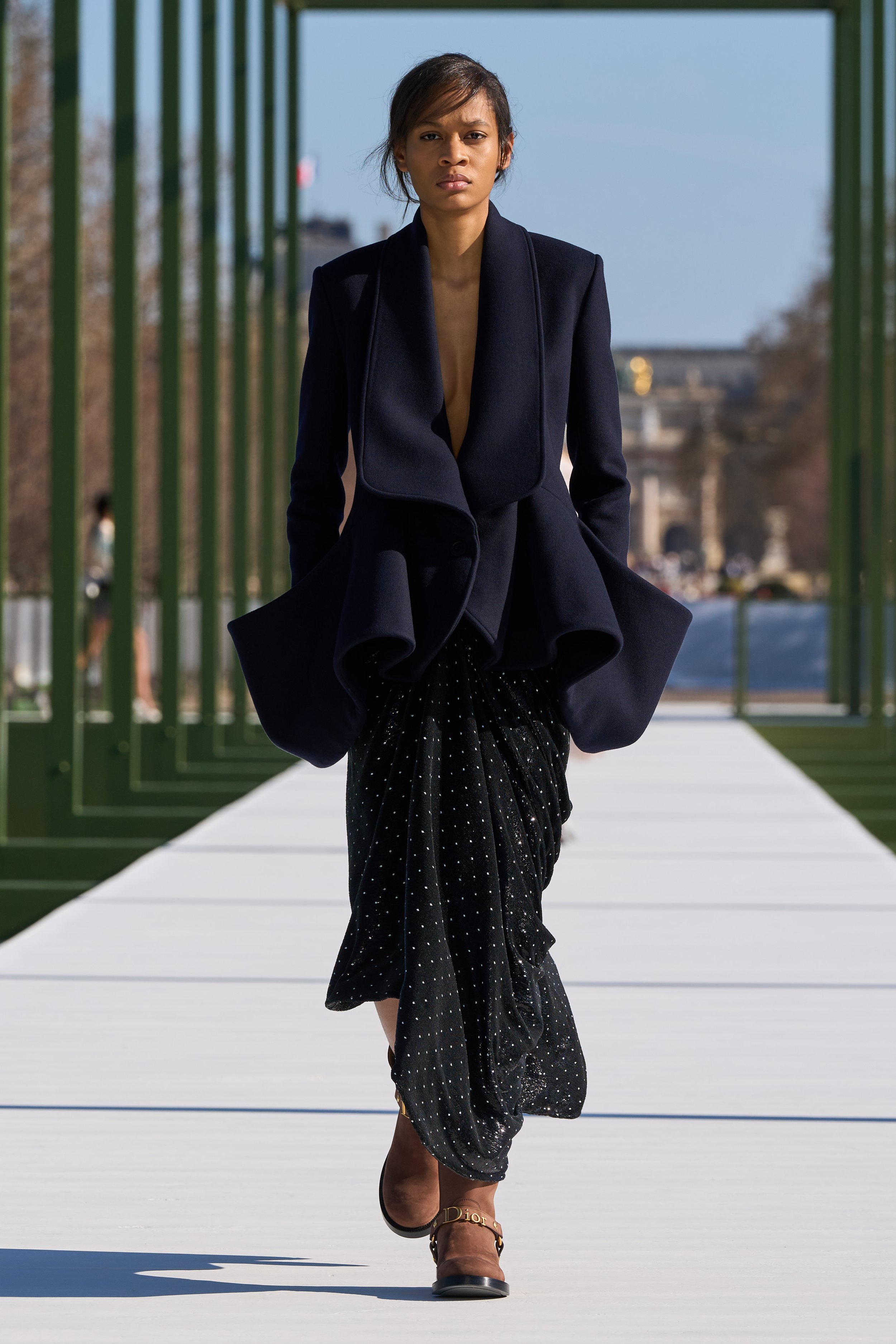
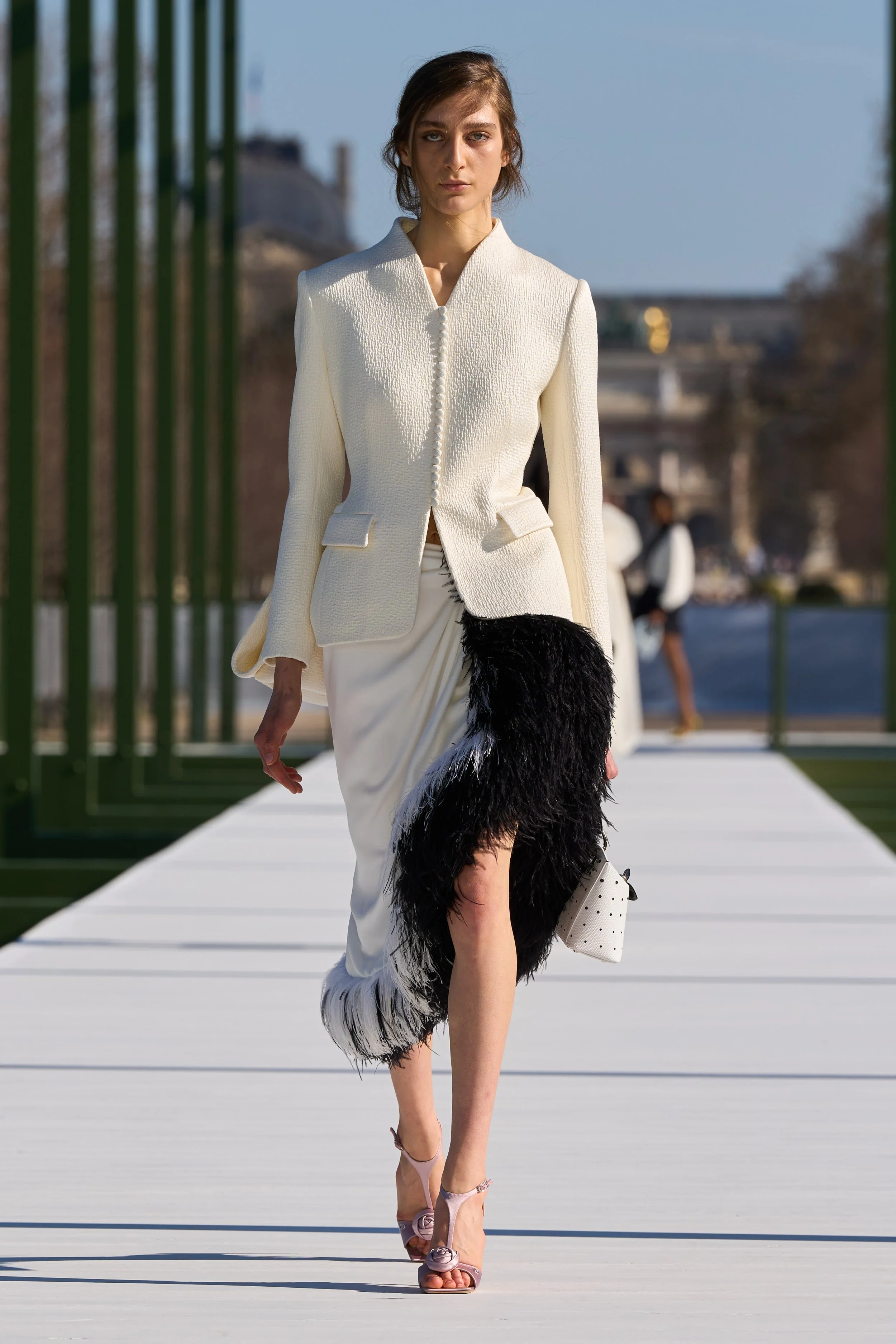
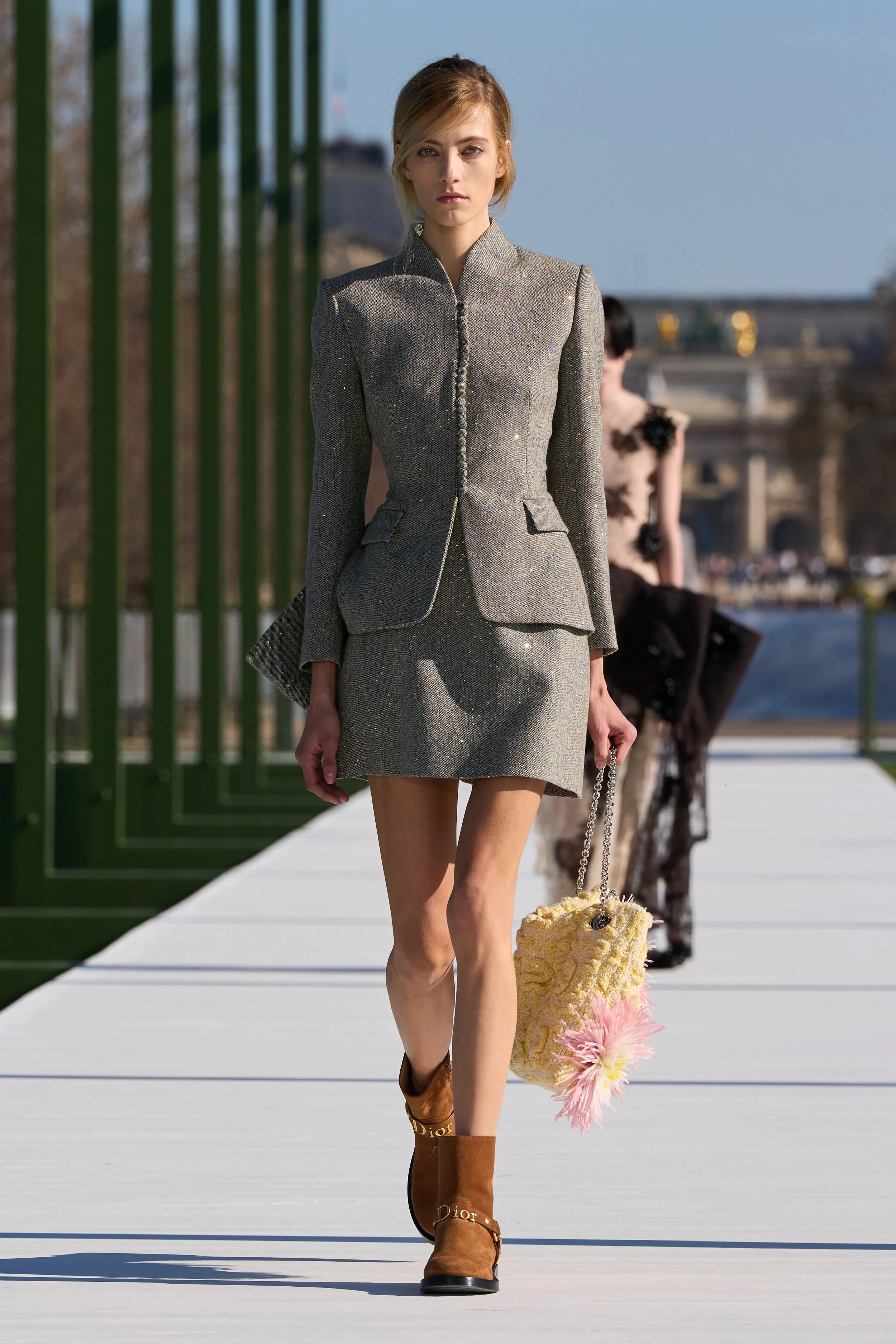
Besides his floral muses, he has his eyes set on some recurring Dior trophies, the Bar jacket for one. It’s not surprising. Some of Anderson’s best work speaks to the way he distorts silhouettes to create something new. The iconic jacket, arguably the most notable modern example of such an exercise, was created with that same purpose in mind. Here, we see him interject the rigidity of the original through a knitted version. Underneath, a sea of ruffles seems to sustain its shape, reminiscent of another Dior classic, its scalloped and embellished edges evocative of the tiers on the Junon gown.
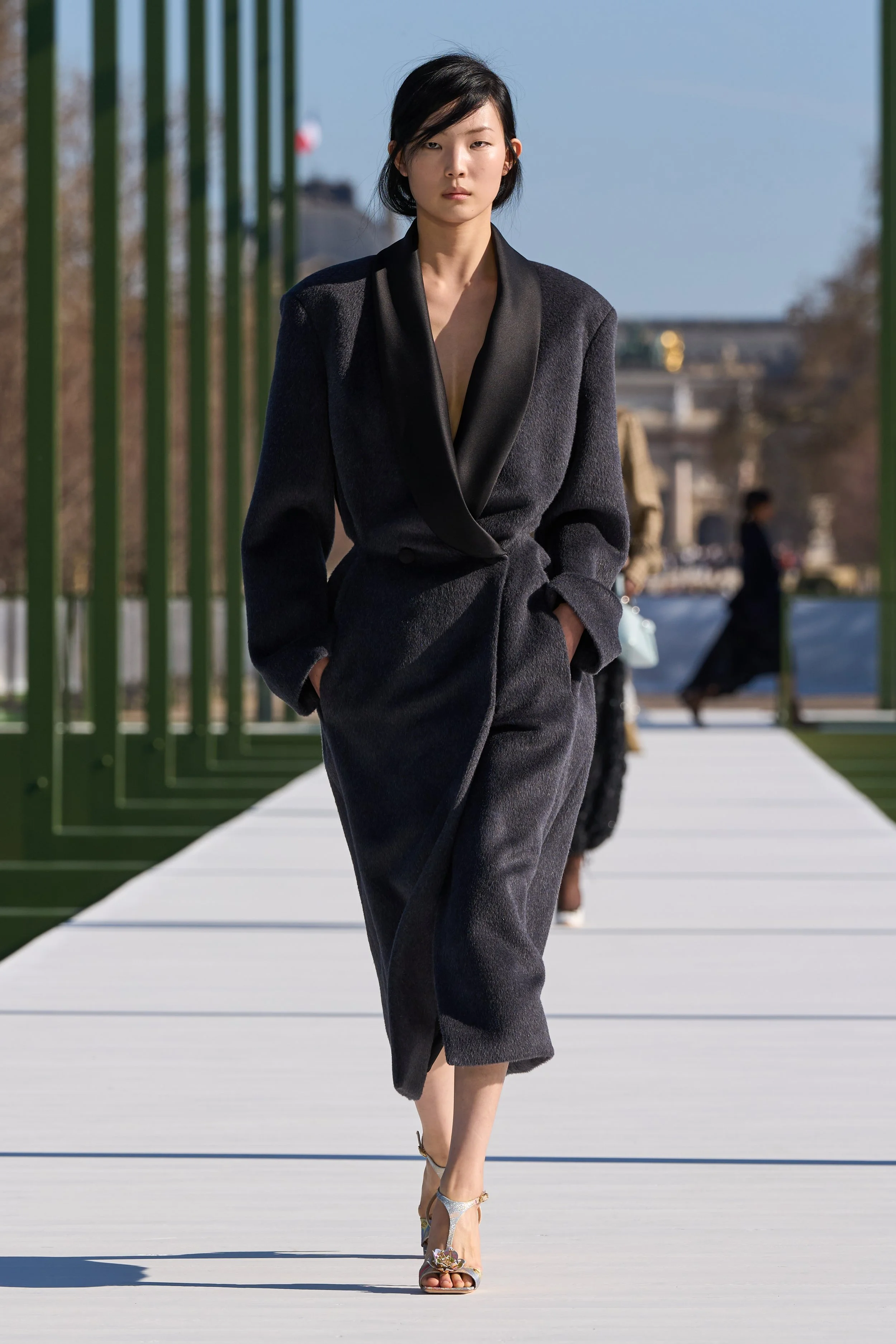
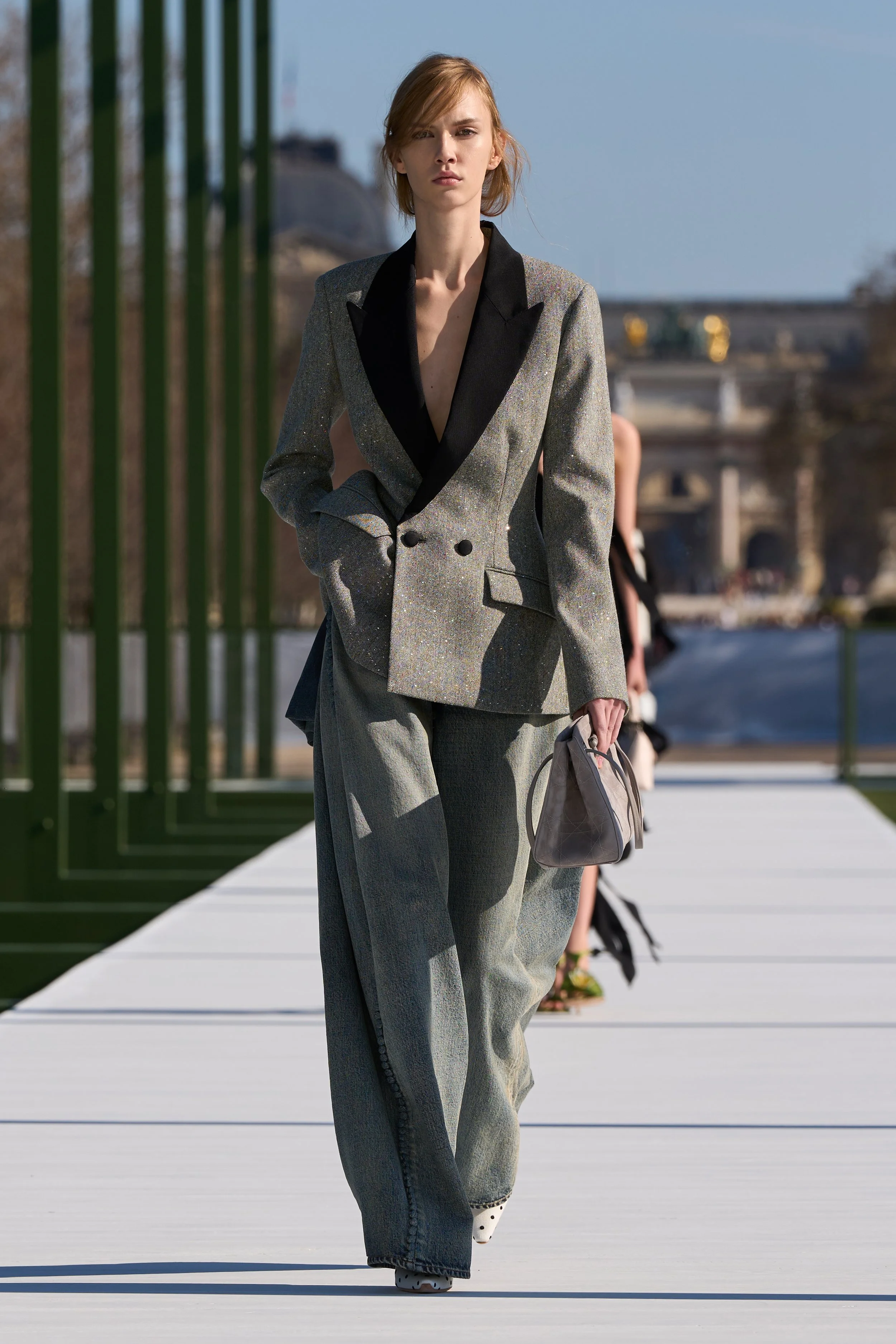
Maybe no other piece speaks to the philosophy that emerges after nine months (and an astounding seven collections) for the maison: classic elegance is cut through with an almost comedic modernity. At Loewe, Anderson had close to free range and, throughout his decade-long tenure, he was able to illustrate his gift for creating clothes that are not just desirable, but that are interesting, that move the needle forward. Here, he has to work within a set of rules, within much more structured codes. But much like the overused Igor Stravinsky quote suggests, it seems that Anderson has found freedom in that constraint.
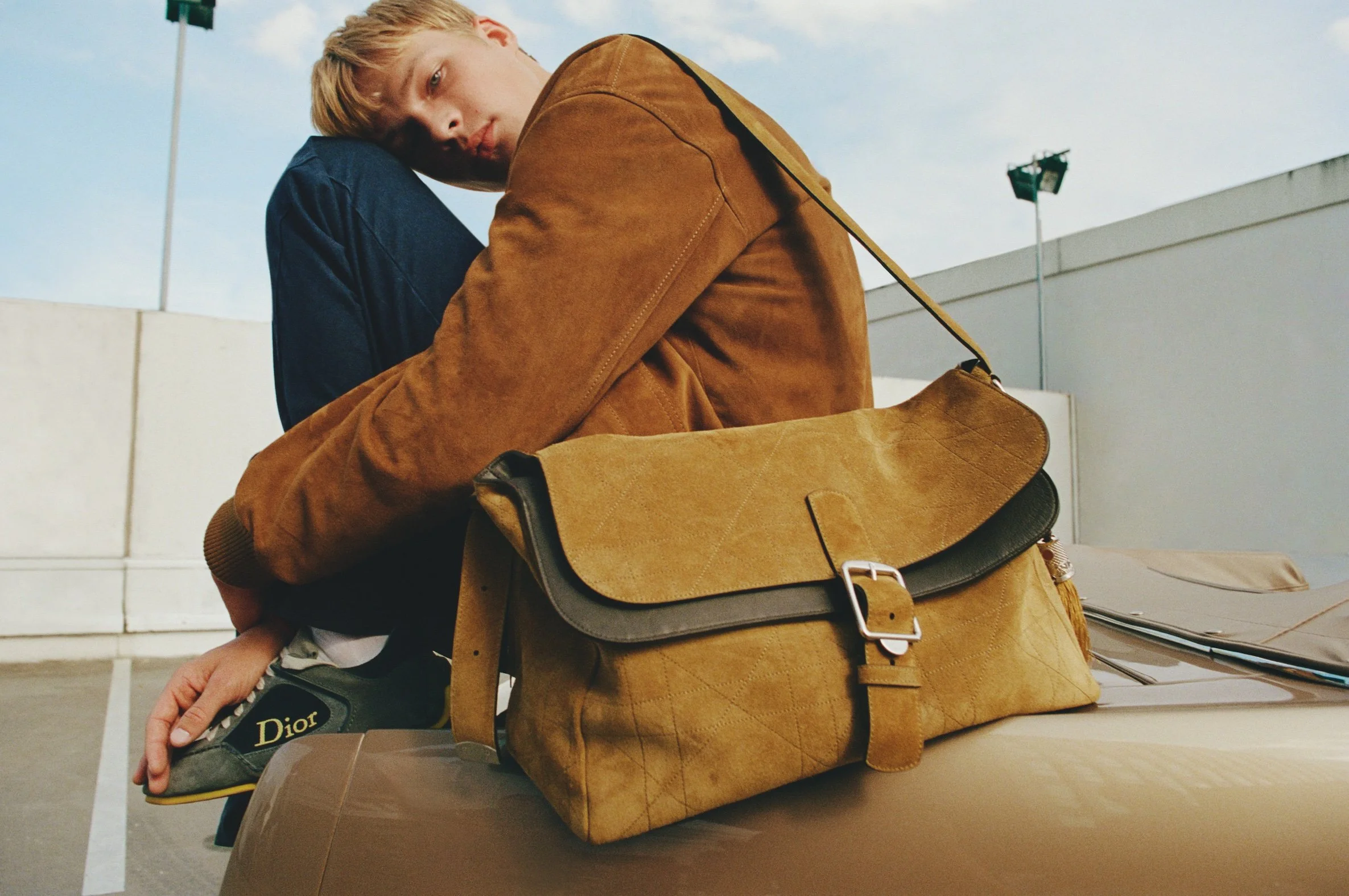
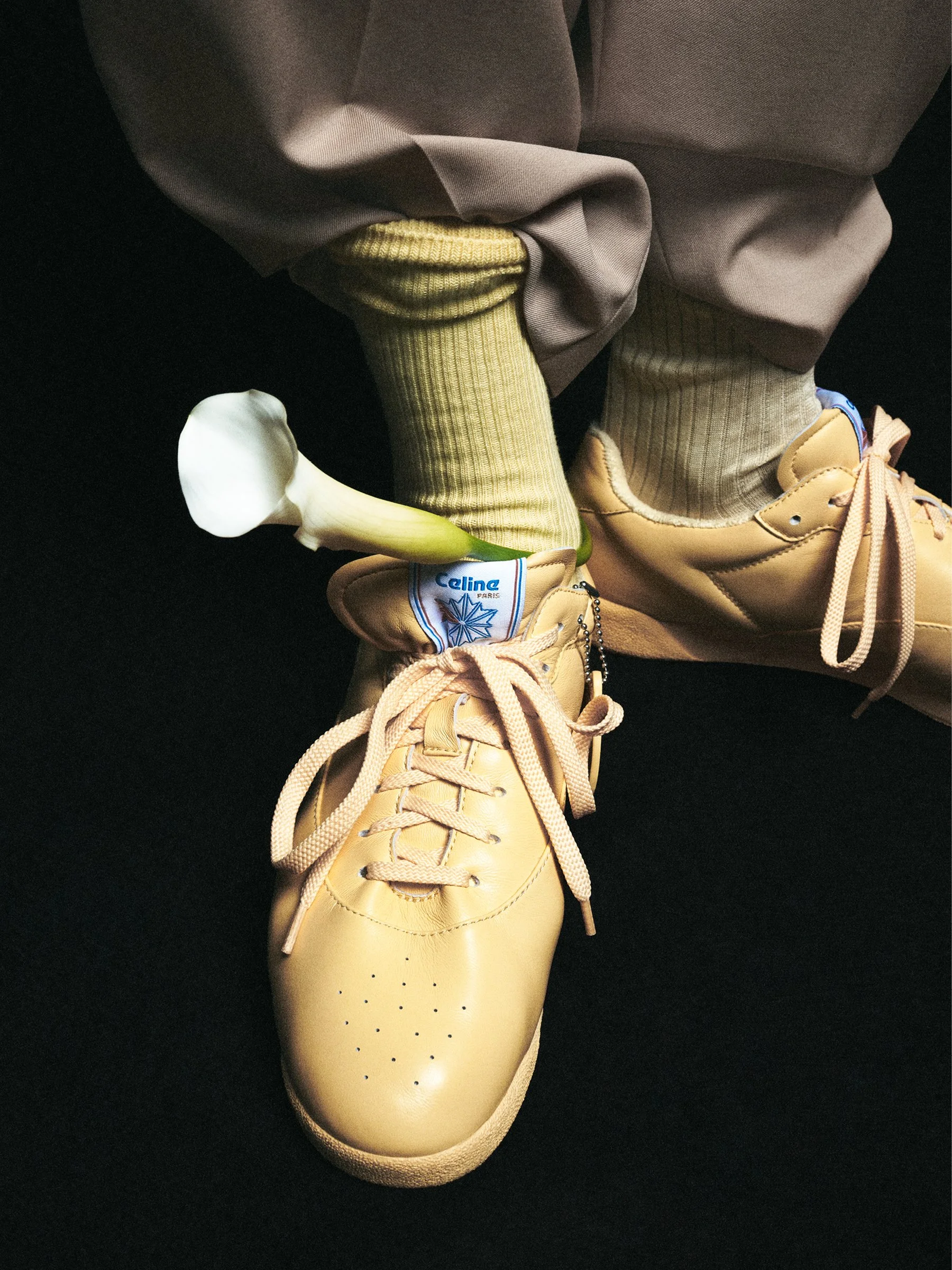
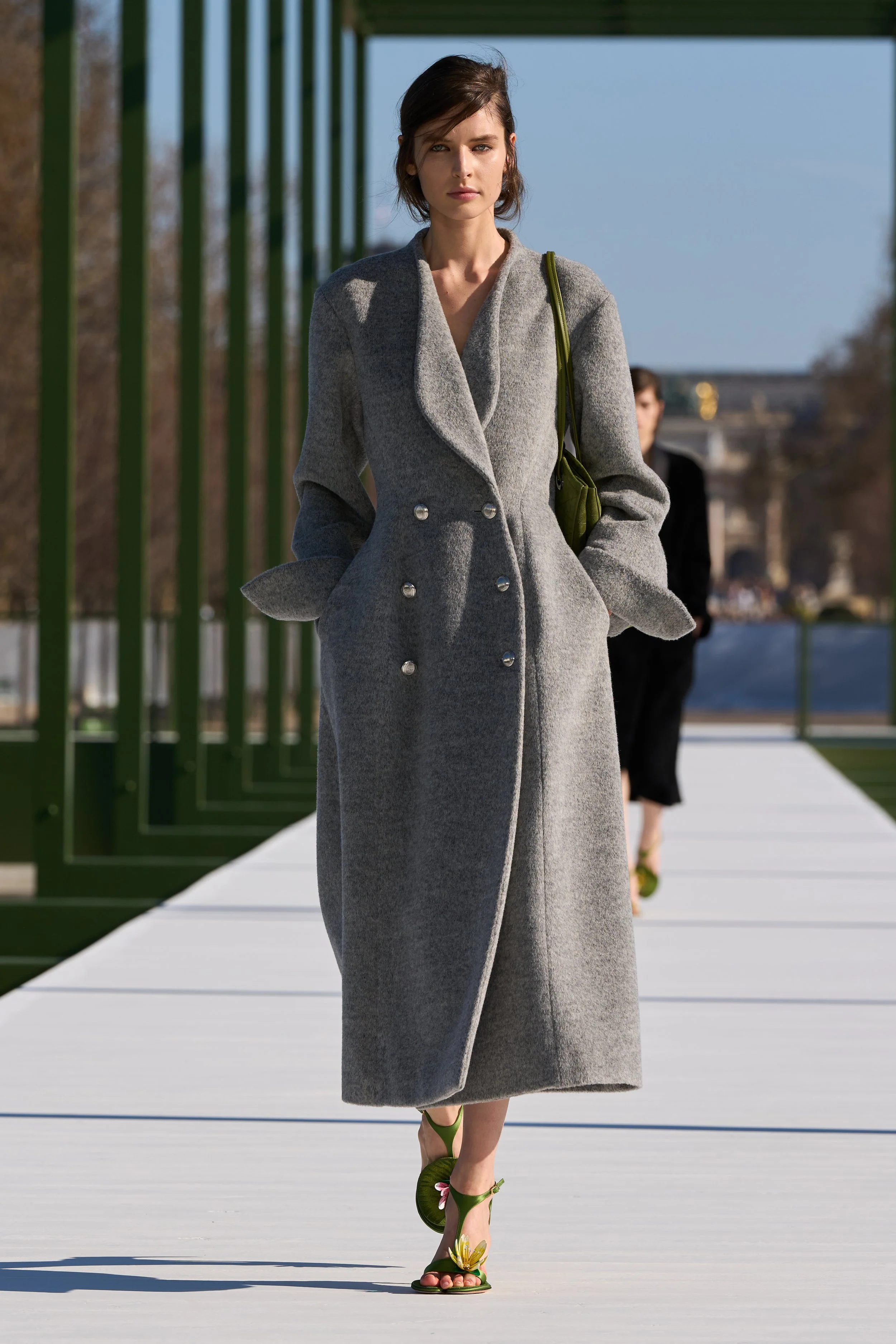
If the garments follow a strict philosophy, it’s in the accessories and shoes that Anderson is able to play up his idiosyncratic campiness. Water-lily shoes imitate the flowers floating in the middle of the catwalk, collapsing the set and the clothes into the same Parisian fantasy. Dior is Paris and Paris is Dior. I’ve never had such a glamorous walk amongst the Parisian garden, but then again, I’ve never worn Jonathan Anderson’s Dior. It’s clearly the secret.
Words by Pedro Vasconcelos