Moments before the Chanel Fall/Winter 2026 show, I’m told the set that transformed the Grand Palais into a colourful construction site reflects Matthieu Blazy’s mindset this season: he was thinking like an architect. In truth, he’s been doing that since his first day on the job. When you inherit a house as historic as Chanel, some remodelling is only natural. Codes must be upgraded, silhouettes need new upholstering, new references beg to be explored. Still, the bones must be respected. God knows what would happen if they weren’t, when the entire world appoints itself architecte des bâtiments. Not that we need to worry. For all the change he has brought to the house in just four collections, Blazy’s Chanel is nothing if not devoted to legacy
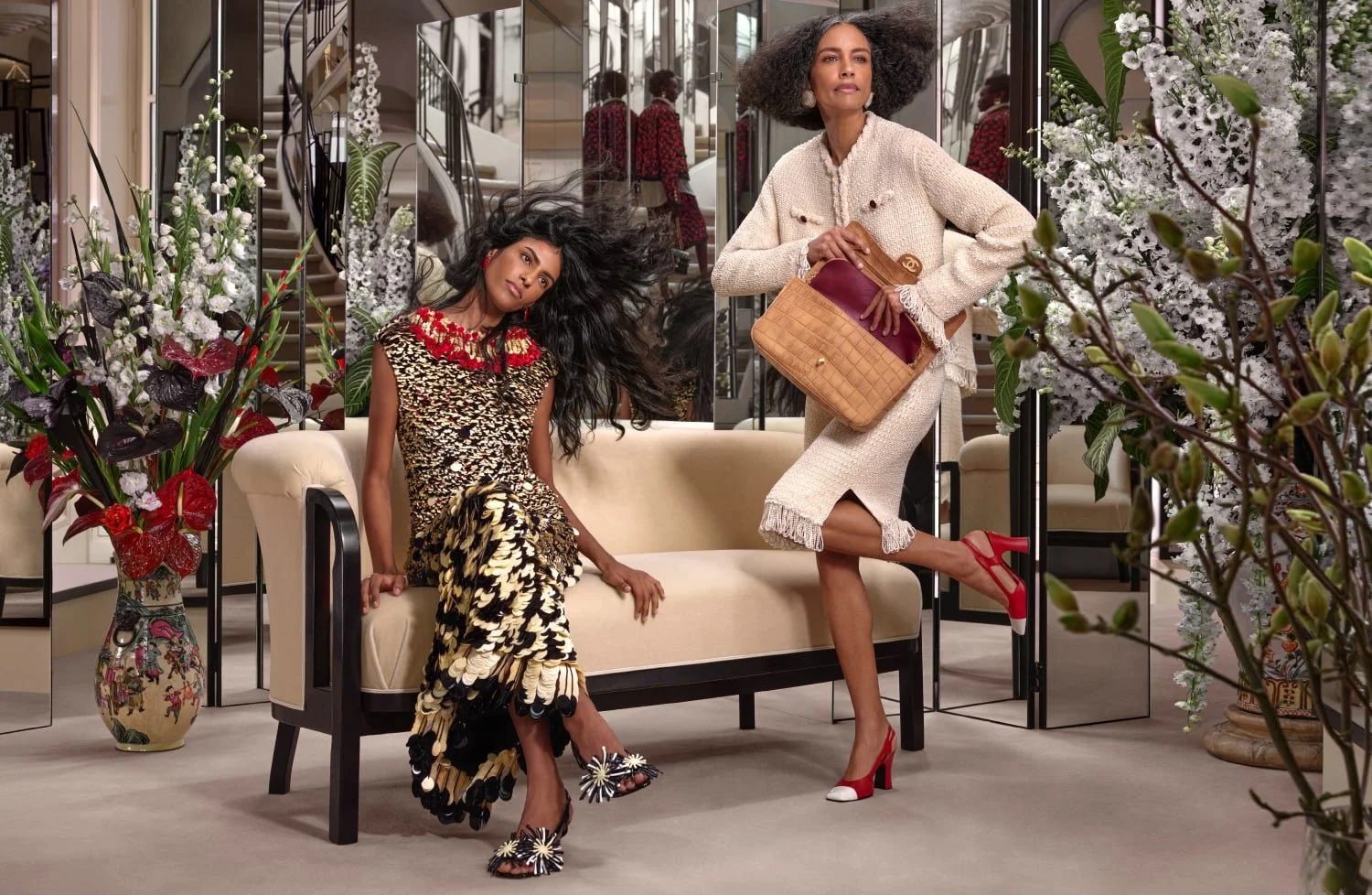
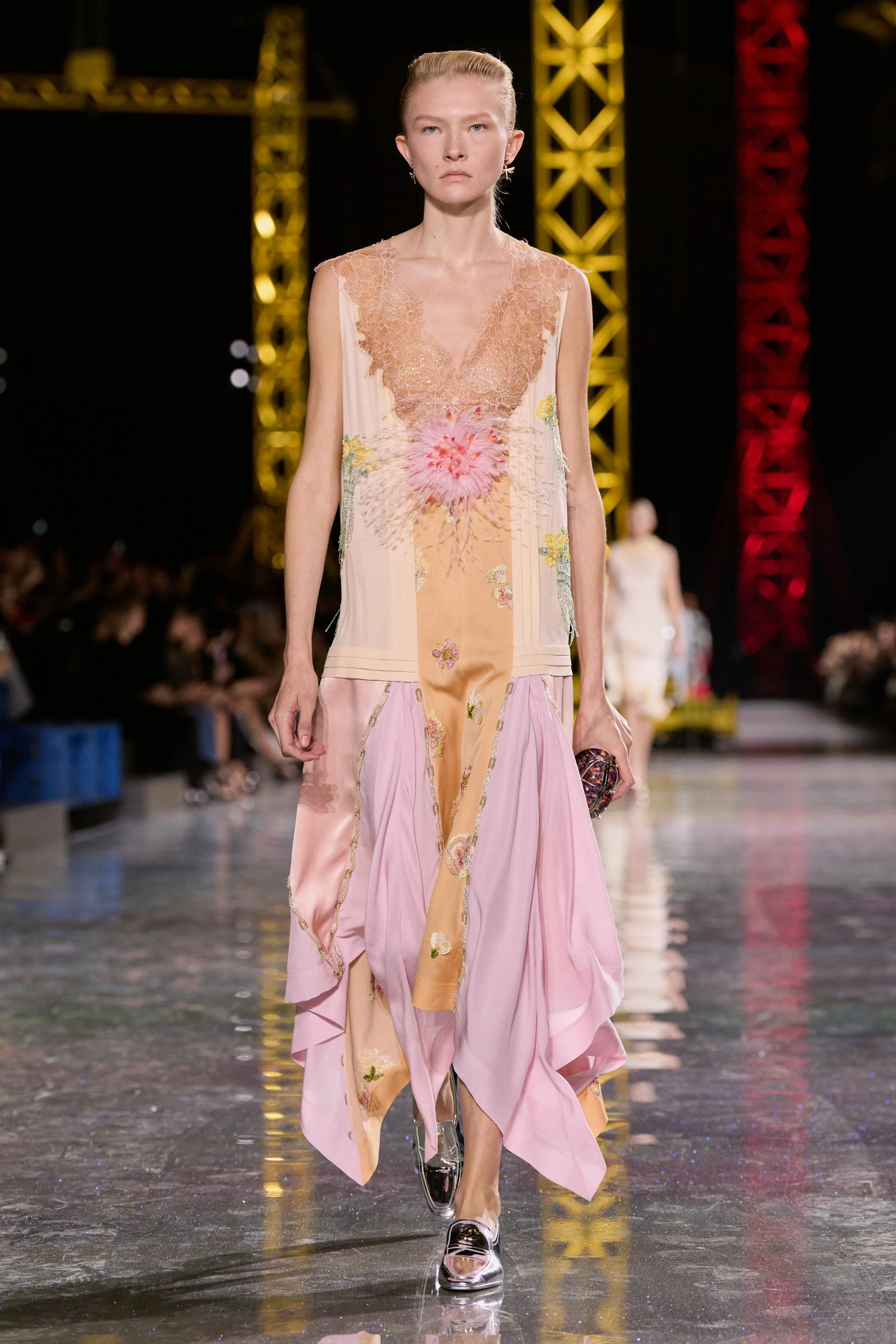
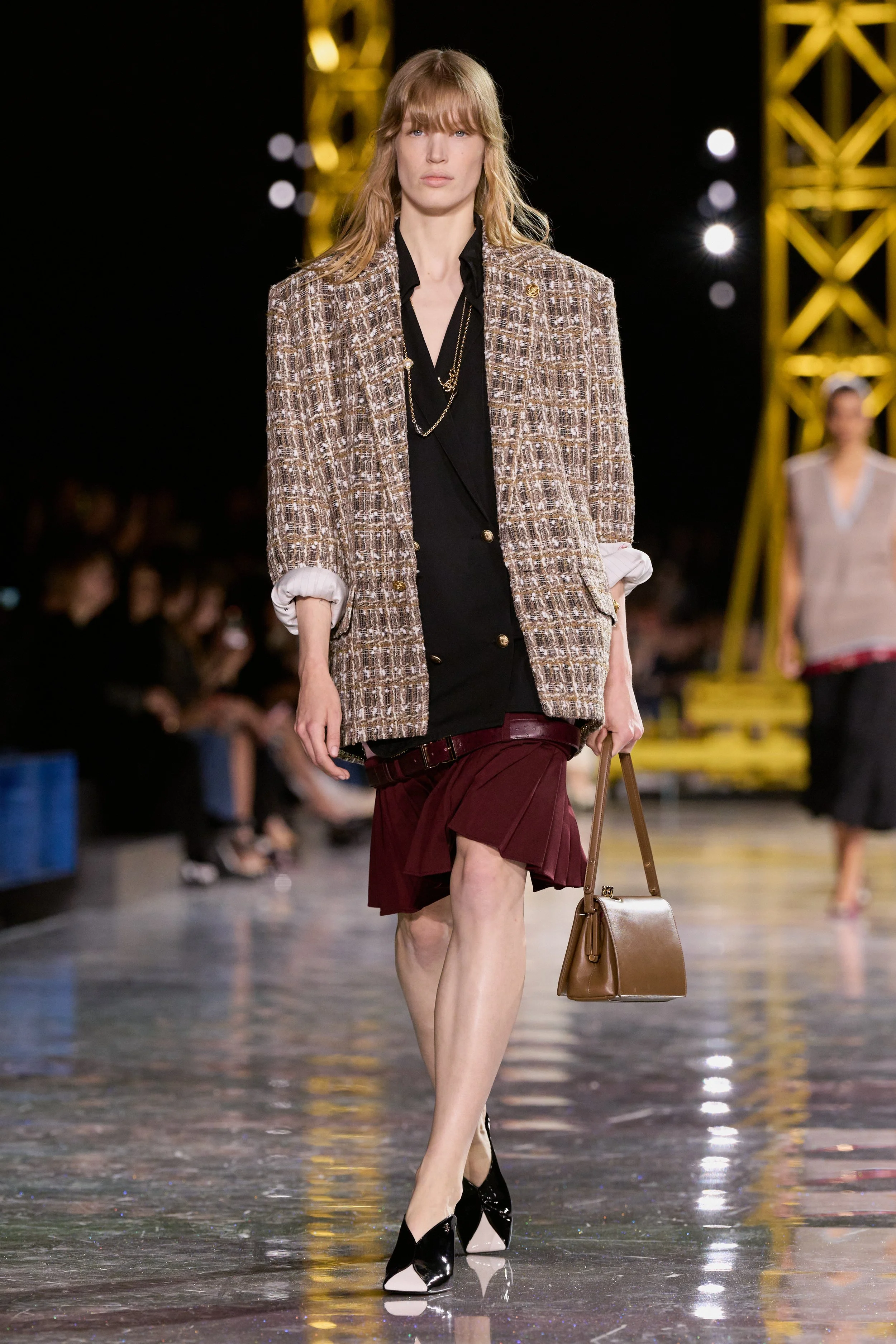
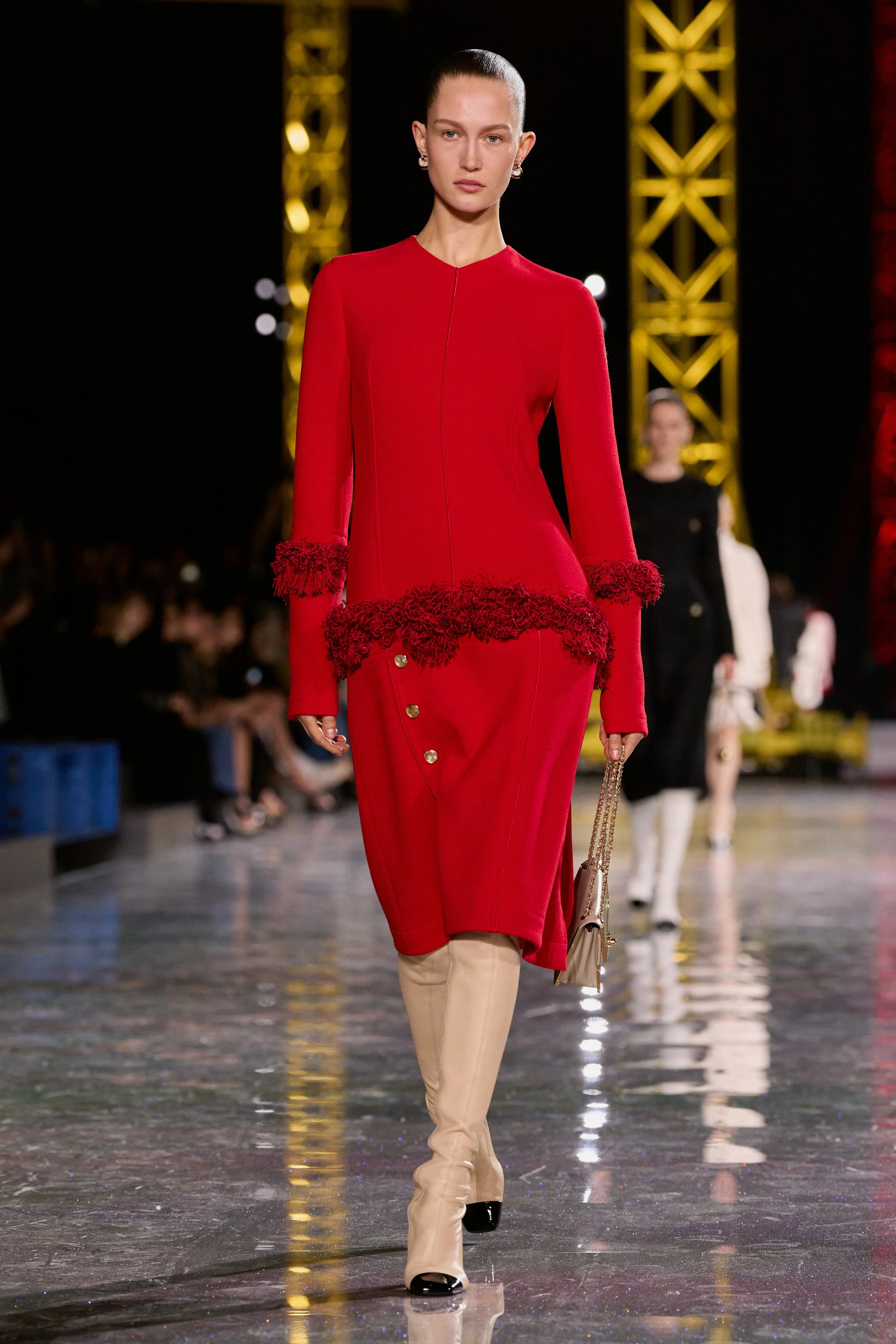
Gabrielle Chanel, both the founder of the maison and a recurrent muse of the Belgian designer, is seen in 1930s-inspired pieces, like embroidered silk dresses, that, at the hip level, jolt strips of fabric cut on a bias. Blazy isn’t creating historically accurate garments; he’s establishing a conversation. The dropped-waist silhouette that we’ve seen him toy with since his debut evolves. This season, he belts skirts closer to the hem than their natural waist, further highlighting the silhouette. Imaginary waists are created on the upper thigh with loops through which leather belts slide.
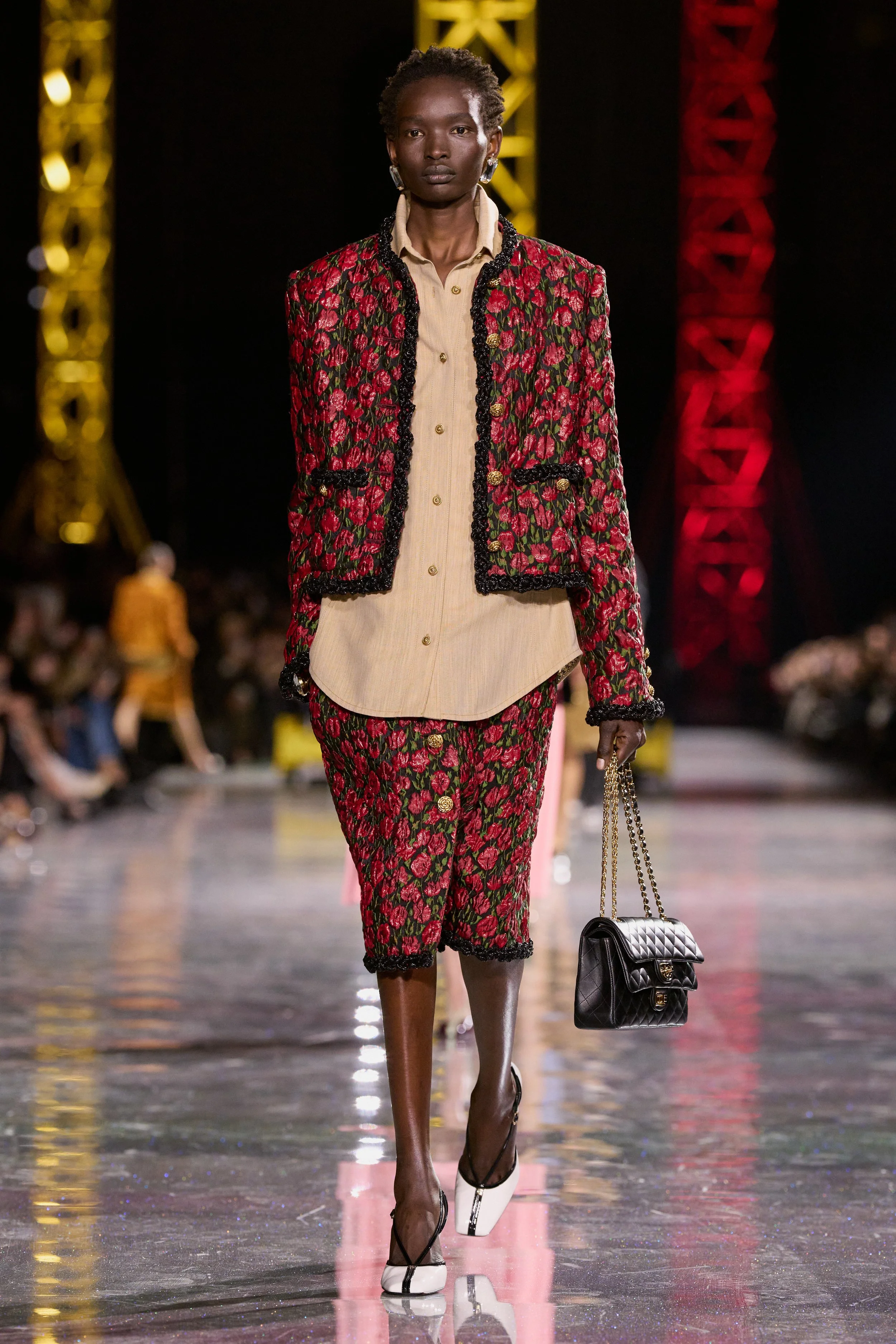
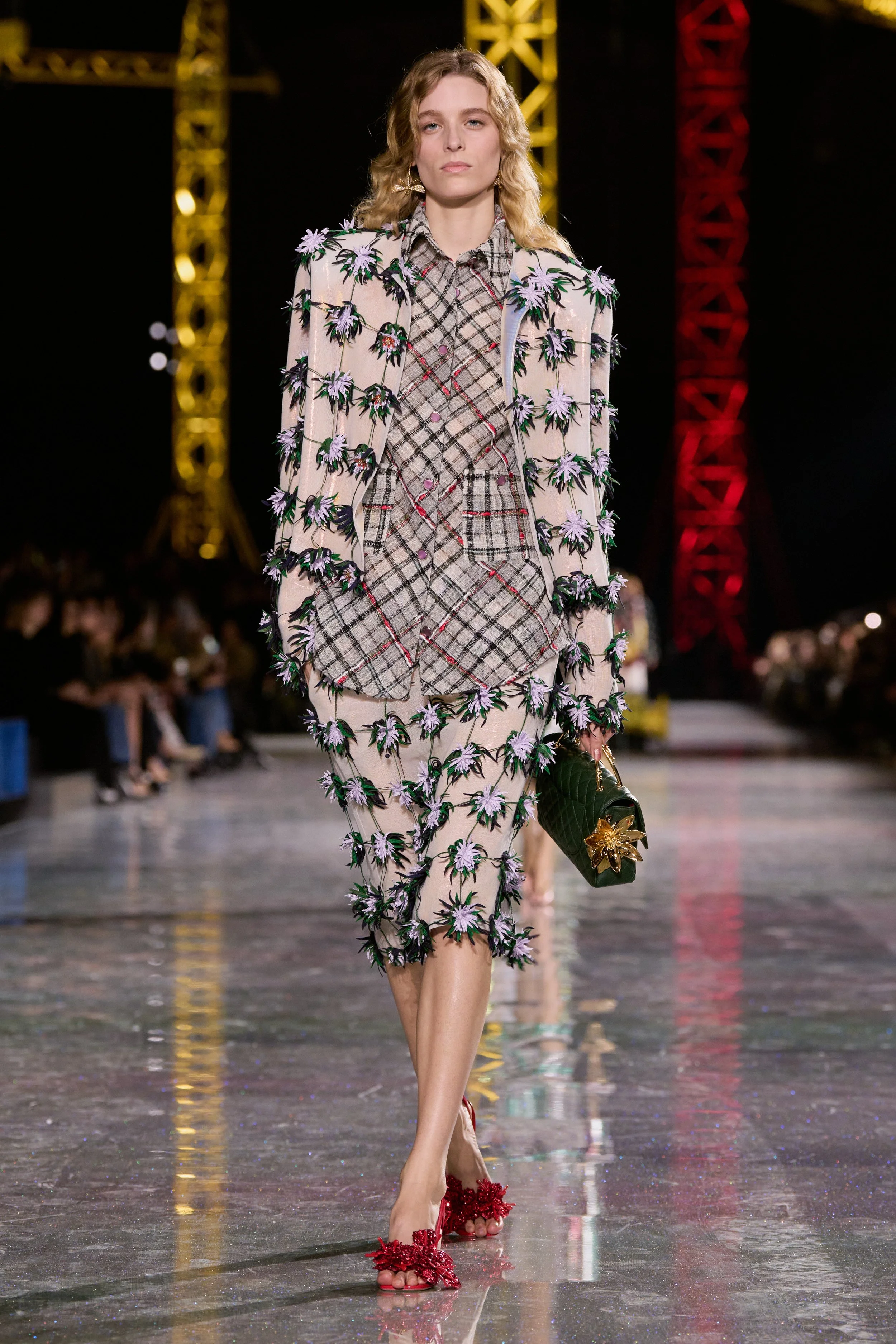
A flower-printed set shines in a way that almost resembles leather despite being cotton. The effect is achieved through a couture technique utilised by Chanel herself. Here, Blazy revives it for ready-to-wear. The dialogue between the two is omnipresent. If the founder of the maison sought to make clothes for women out of the practical fabrics, then exclusive to menswear, the French-Belgian answers in reverse, rummaging through Chanel’s technical lexicon to expand what ready-to-wear feels like.
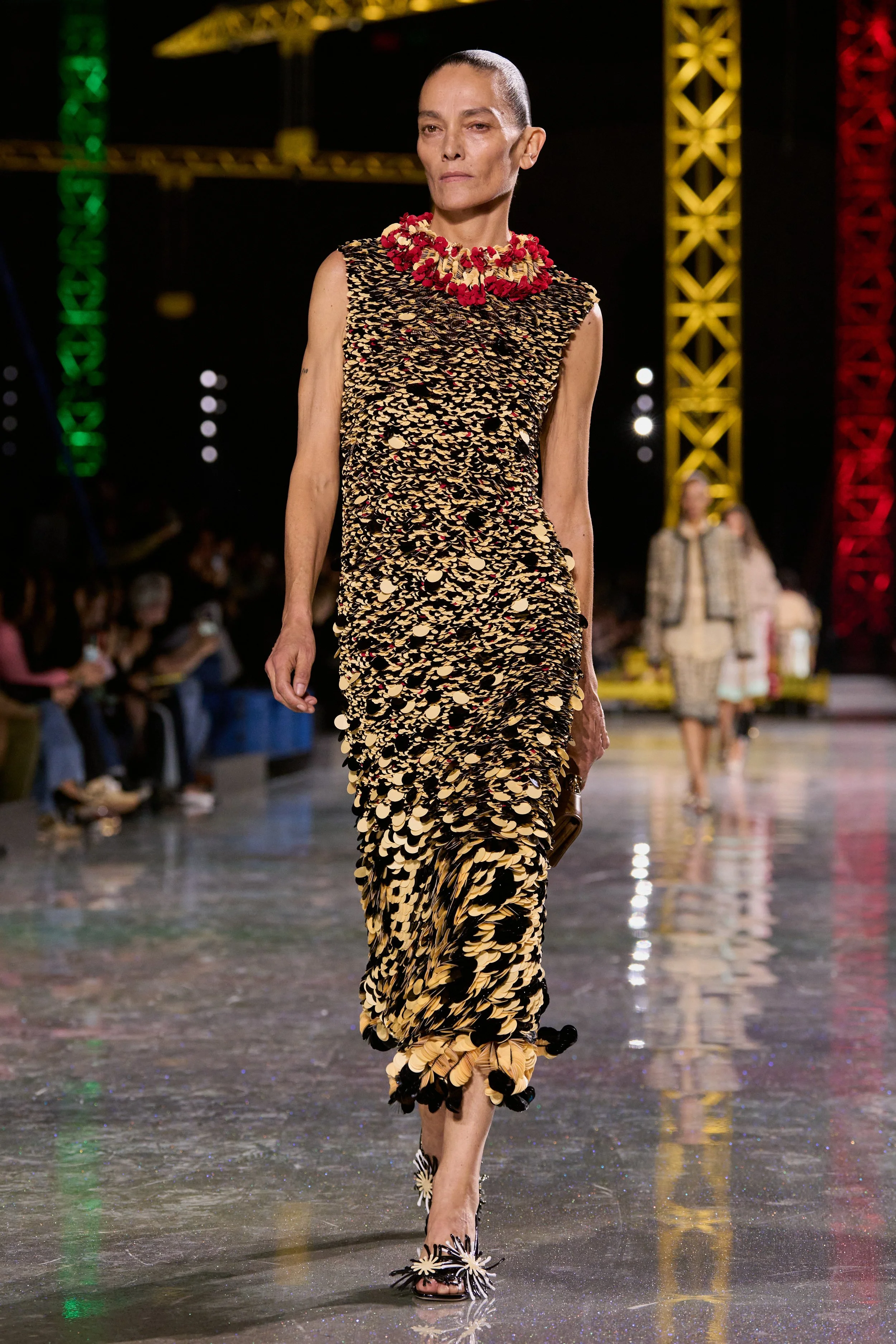
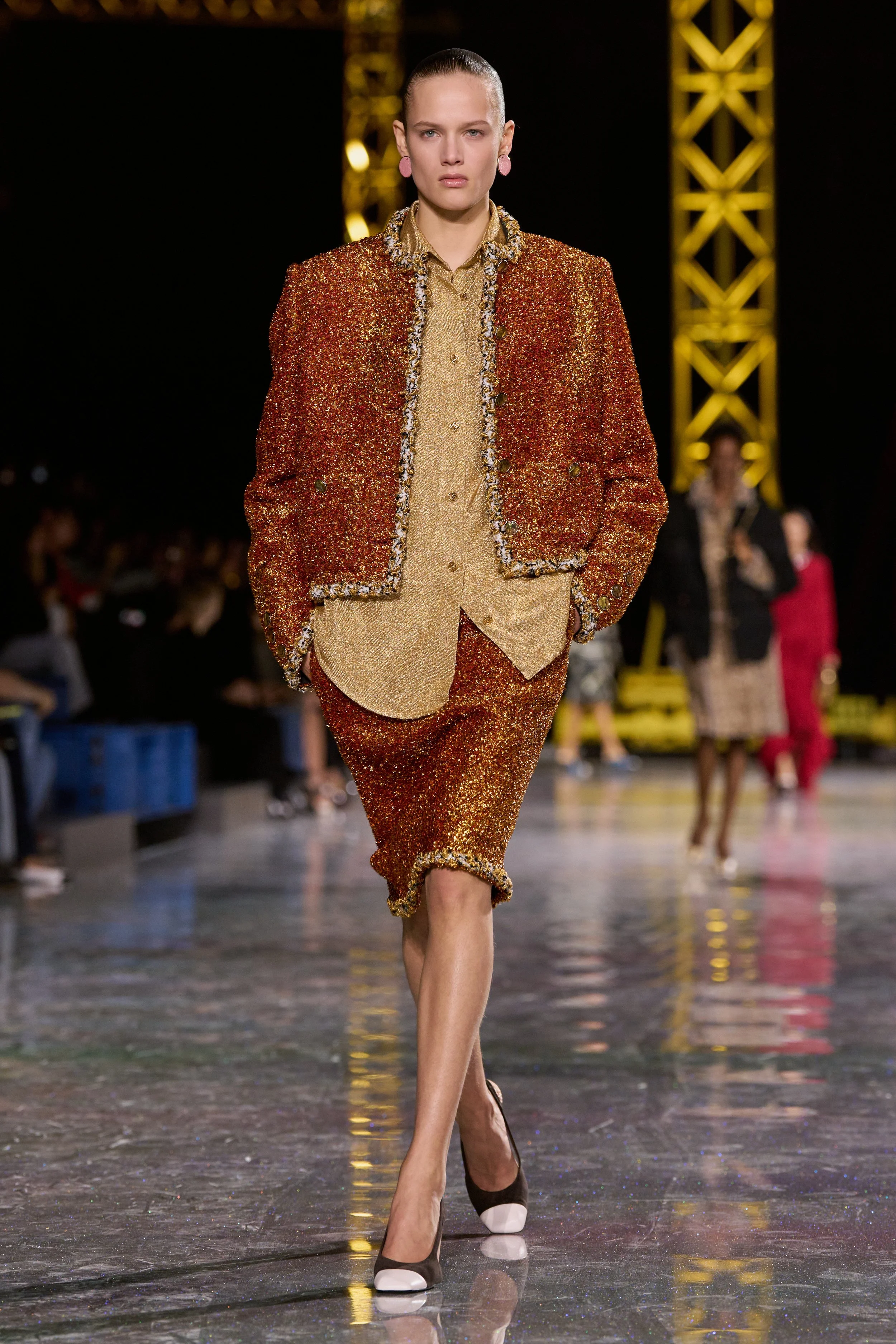
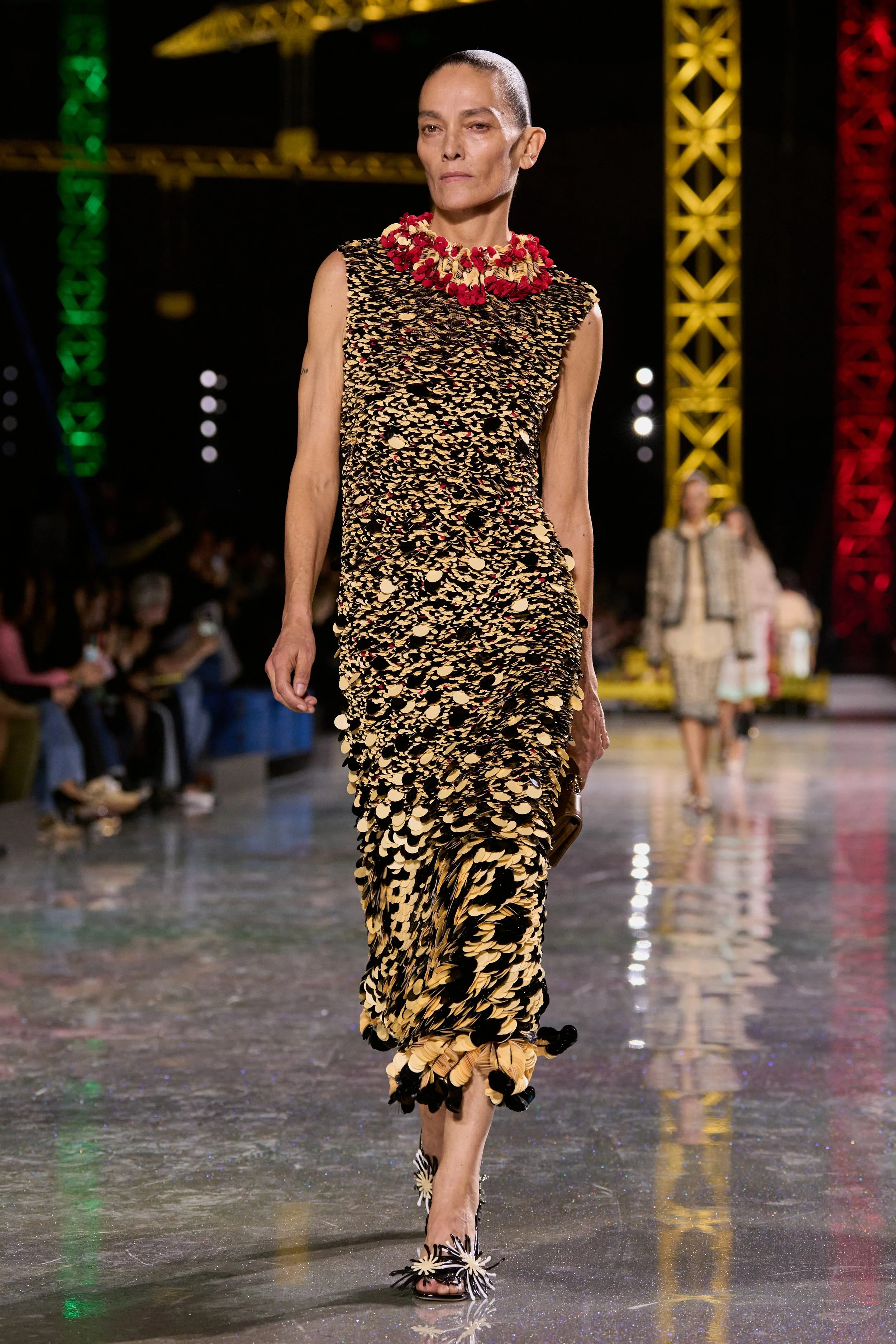
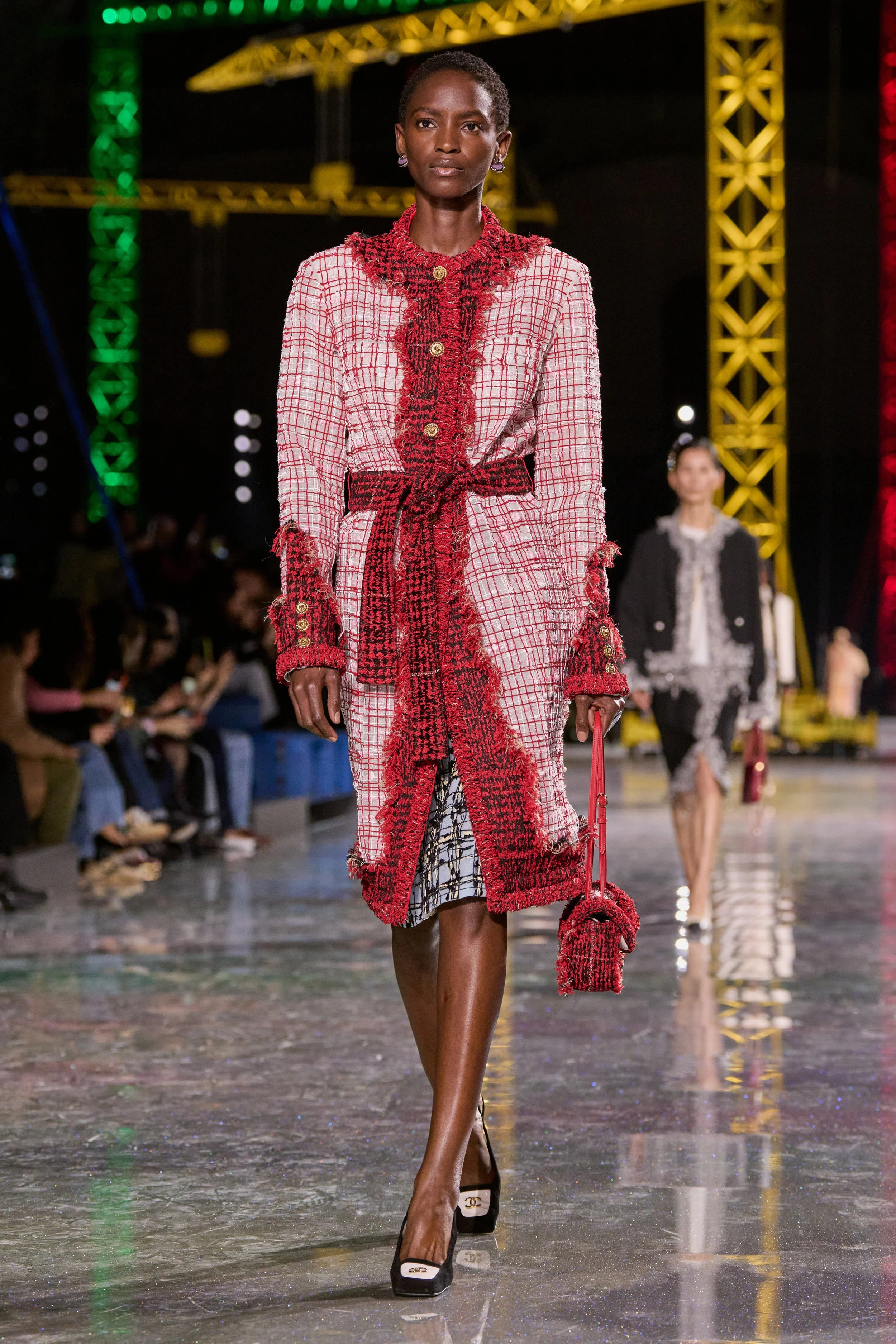
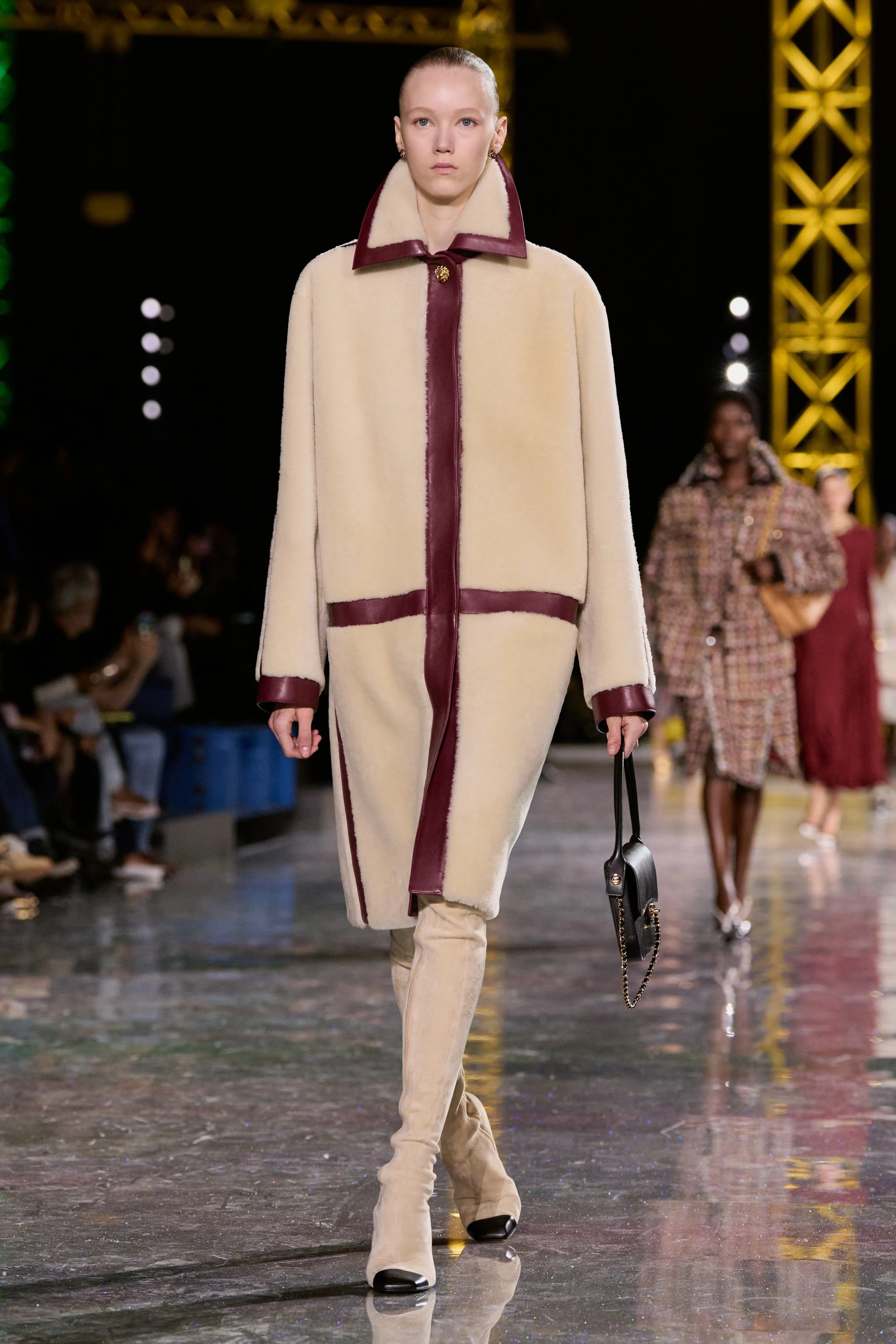
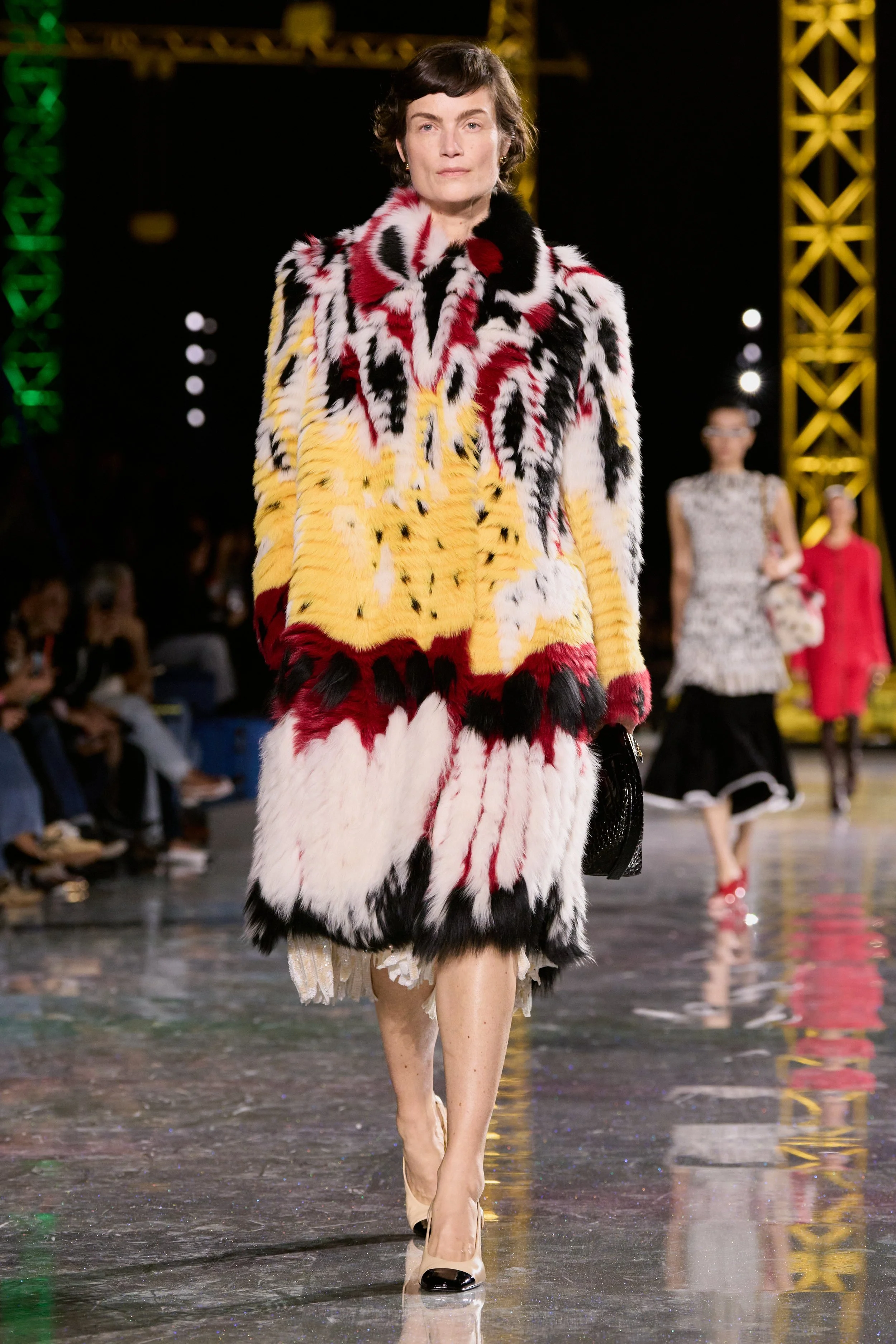
At the re-see the next day, held in the same space (crates and all), I spent close to two hours navigating through looks. Translucent tweed, Pollock-esque silicone overlays, sequin-threaded knits, pastel chain mail, layered lurex, feather flowers, embroidered silk, washed linen, geometrically shaved fur, My Little Pony-inspired tweed blends: it’s hard to hyperbolise Blazy’s textile intelligence.
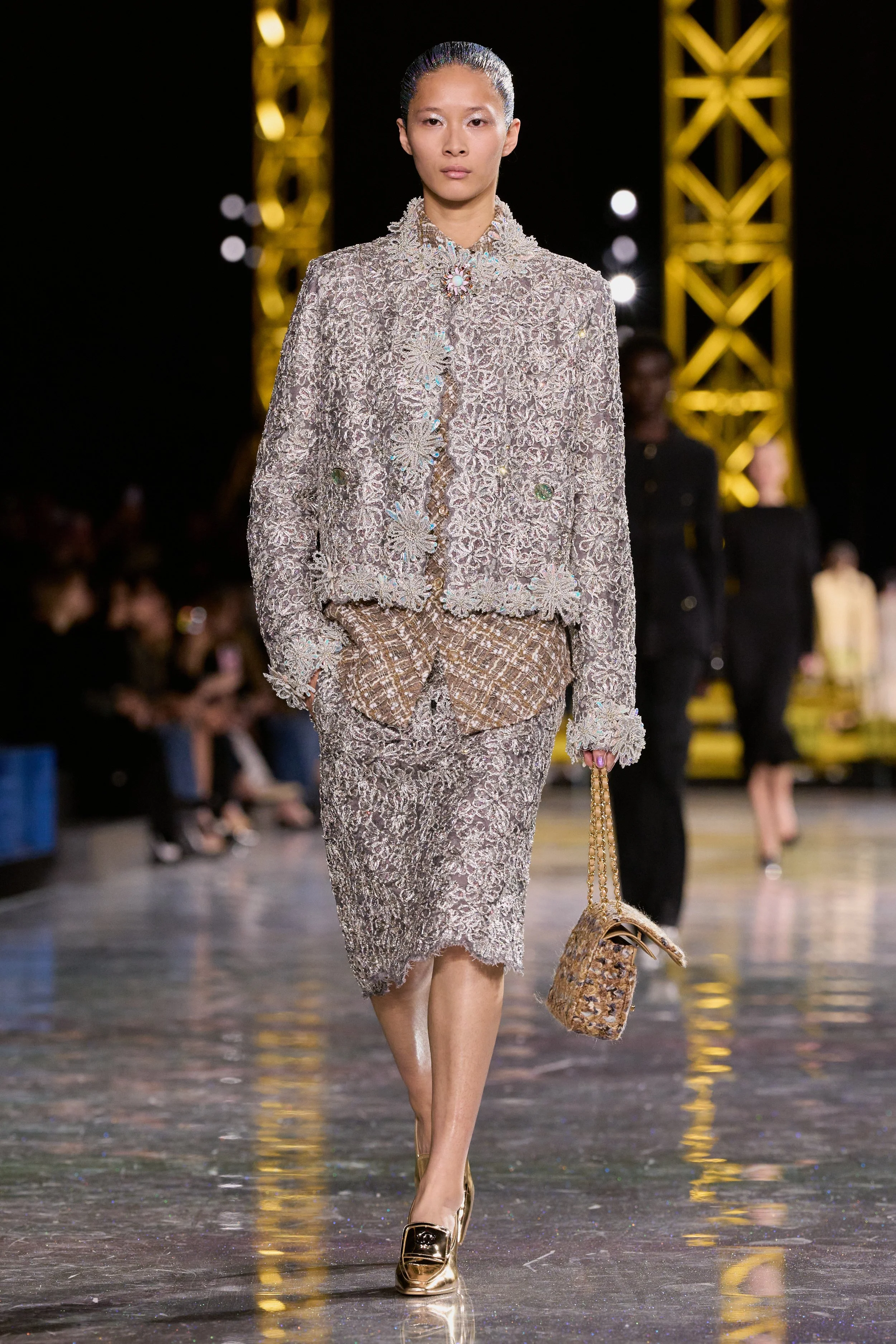
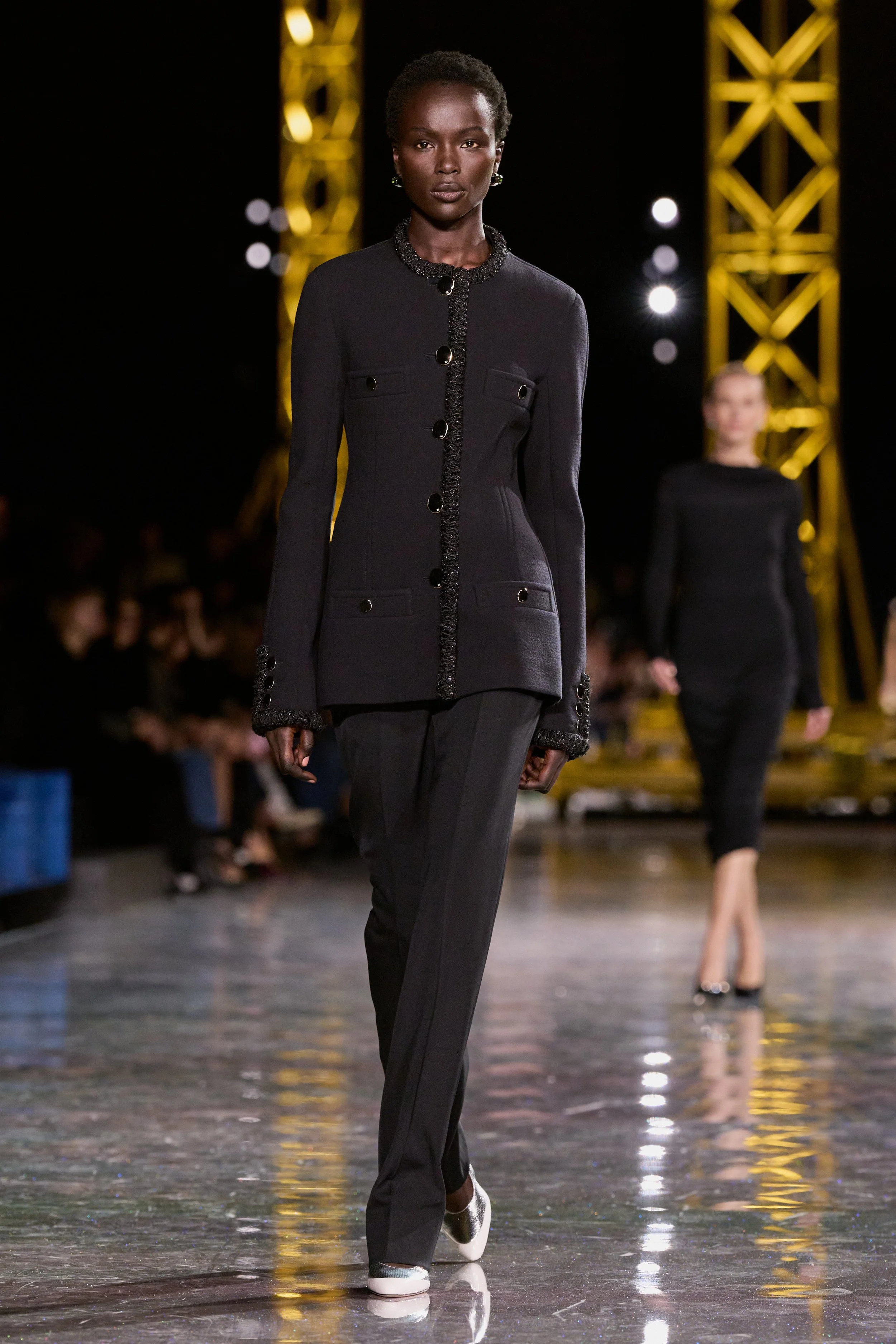
Even with all the imagination required to use this diverse scope of fabrics, Blazy doesn’t design for fictional, fetishised women. The silhouettes are made to be comfortable when worn. The classic tweed set is reinvented through that mantra, its jacket wider in the shoulders, roomier at the waist. The interior of a garment is as important as its outer shell. In certain jackets, the lining’s beauty matches that of the outside – quite a feat on garments made of pearl-threaded knits with encrusted fringes at the hem. These assume a more visible role in jackets made of razor-thin tweed, where their translucency offers a peek into the colourful lining.
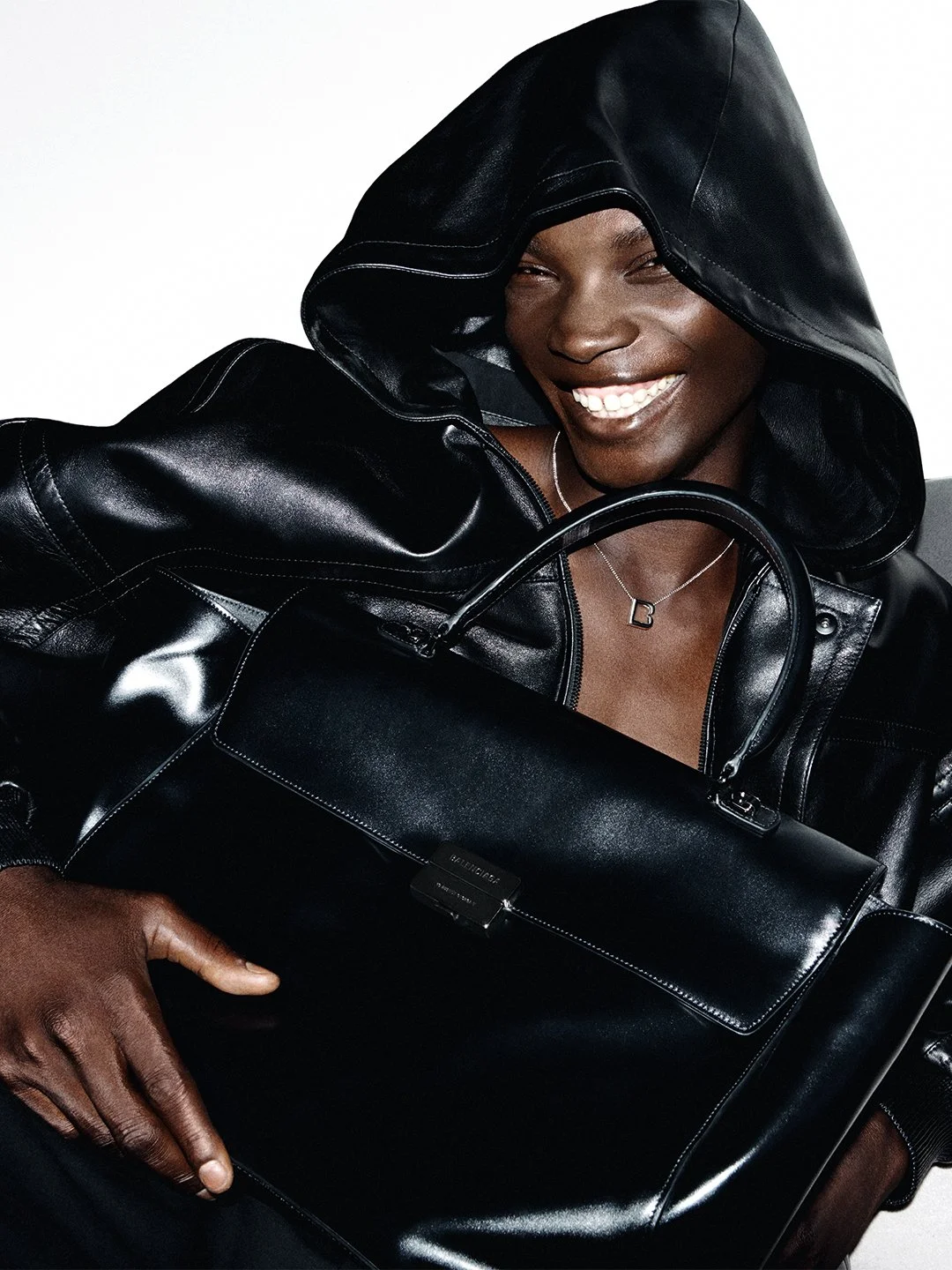
The ability to create pieces that are as special as they are wearable is where Blazy is most successful. Beyond critical acclaim and artistic satisfaction, the designer is making something that people want. To have been in Paris in the first week of March is to have heard of the chaos that followed the release of Blazy’s debut collection in stores. You couldn’t go somewhere without overhearing the struggle to purchase even just one pair of shoes or a bag. We predict a similar despair in six months, when Fall/Winter 2026 hits the stores. Here, Chanel’s legacy is a first step on whimsical adventures. The black toe squares off in a pair of thigh-high boots. The idea is pushed further in pumps, with the toe shaped like a waxing moon, inspired by the dipping of madeleines in chocolate. The same philosophy is applied to bags: crocodile-embossed patent leather totes, a hybrid of Chanel’s double flap and the 2.55 with two buckles, and a metallic tweed oversized classic flap bag.
On the night of the show, guests wore new season bags just as they did the slot machine or spaceship bags. Somehow, even among the maison’s most recognisable pieces, Blazy’s creations felt at home. He’s not distancing himself from the past; he’s not tearing down walls. He’s breathing life into a house already alive. Chanel is both past and present, and in his hands, it becomes urgent again.
Words by Pedro Vasconcelos