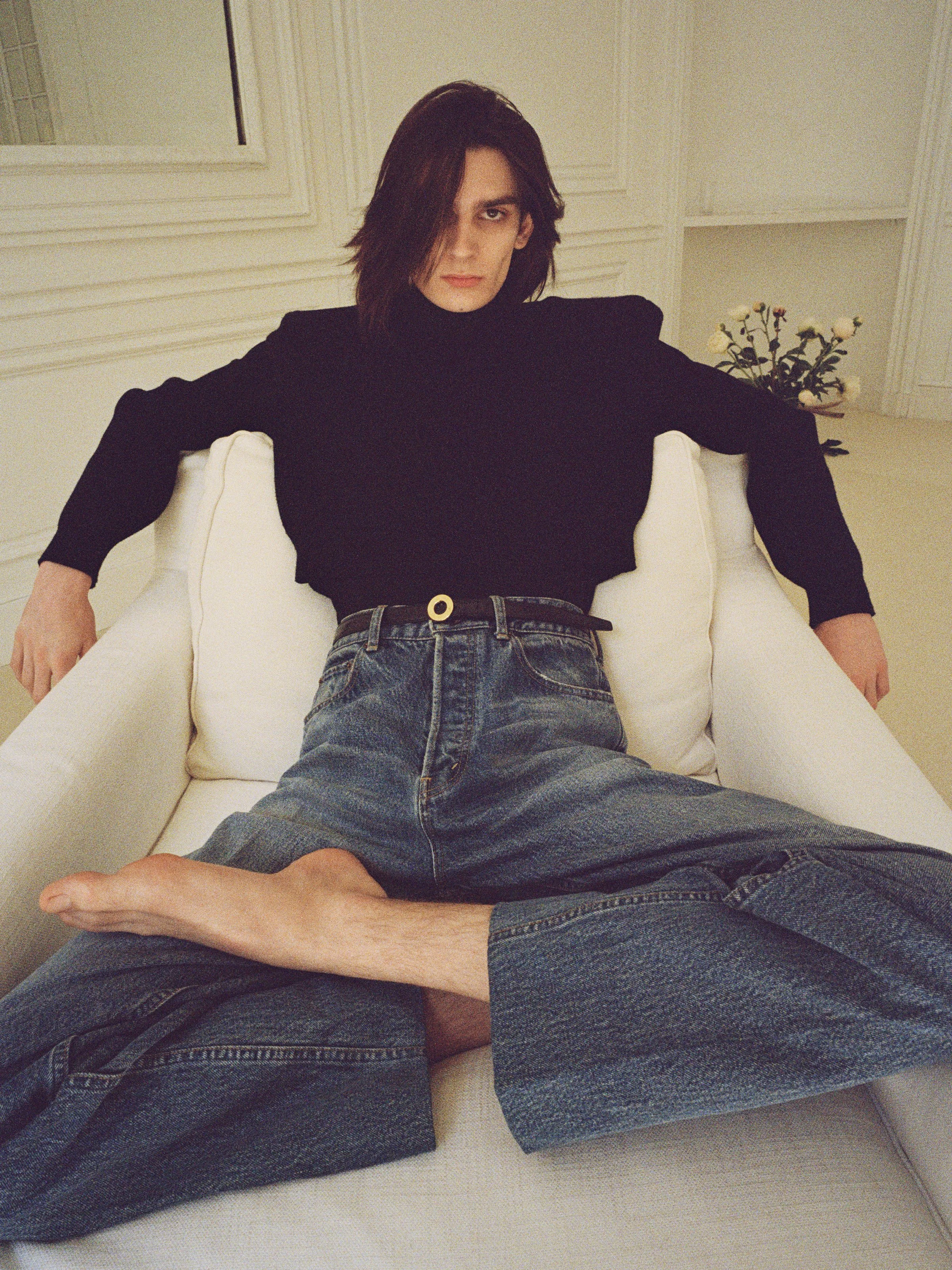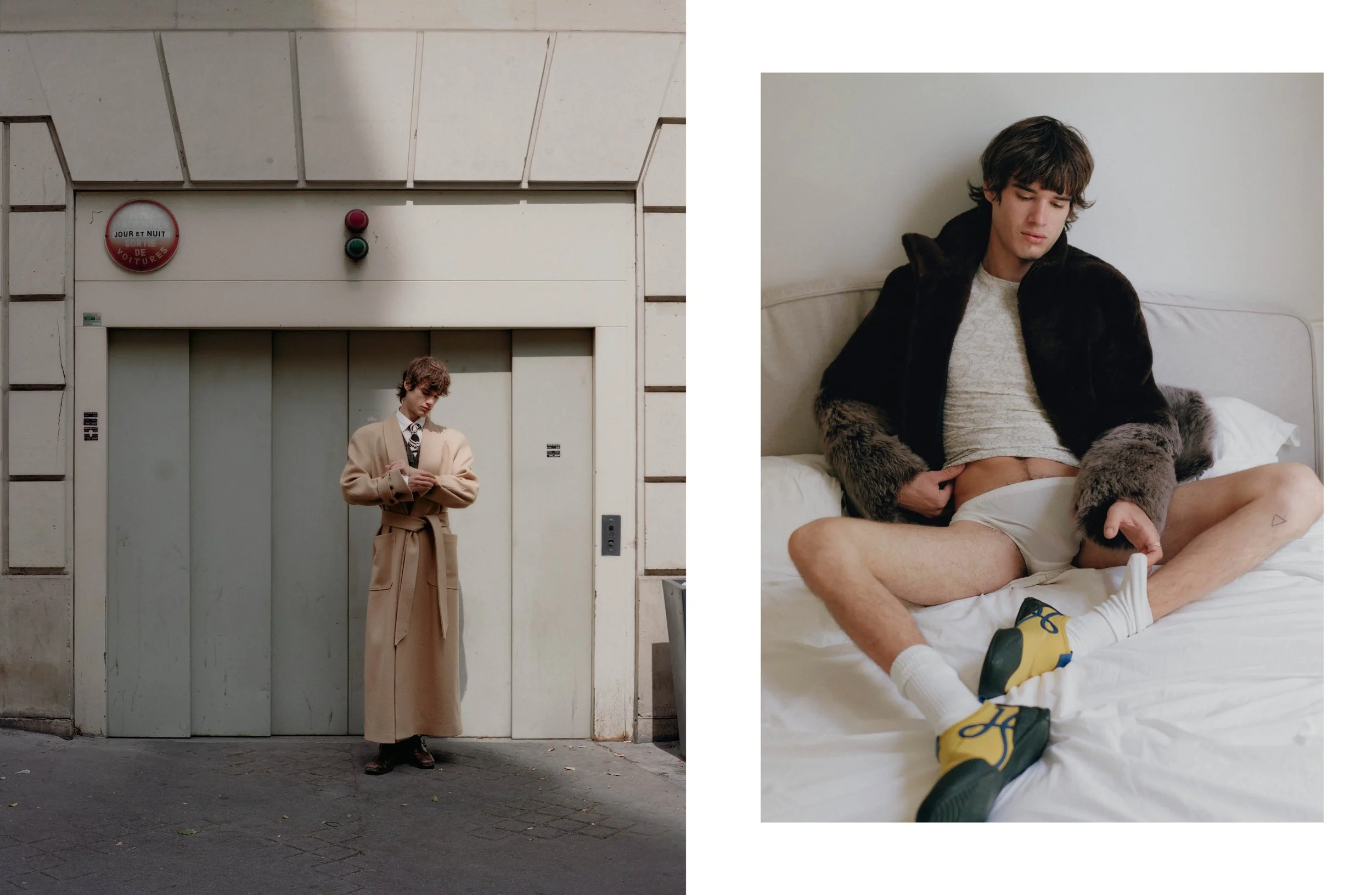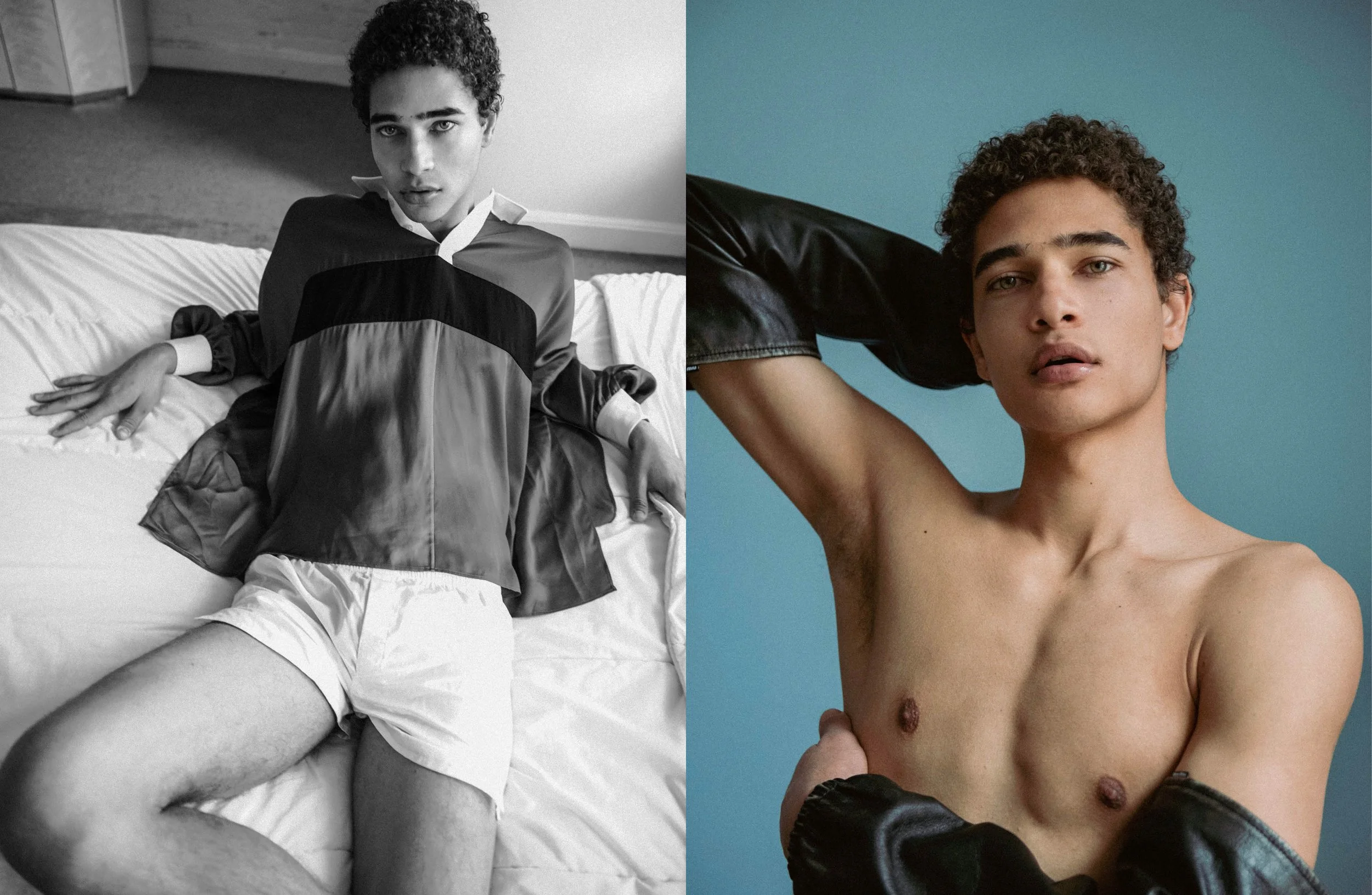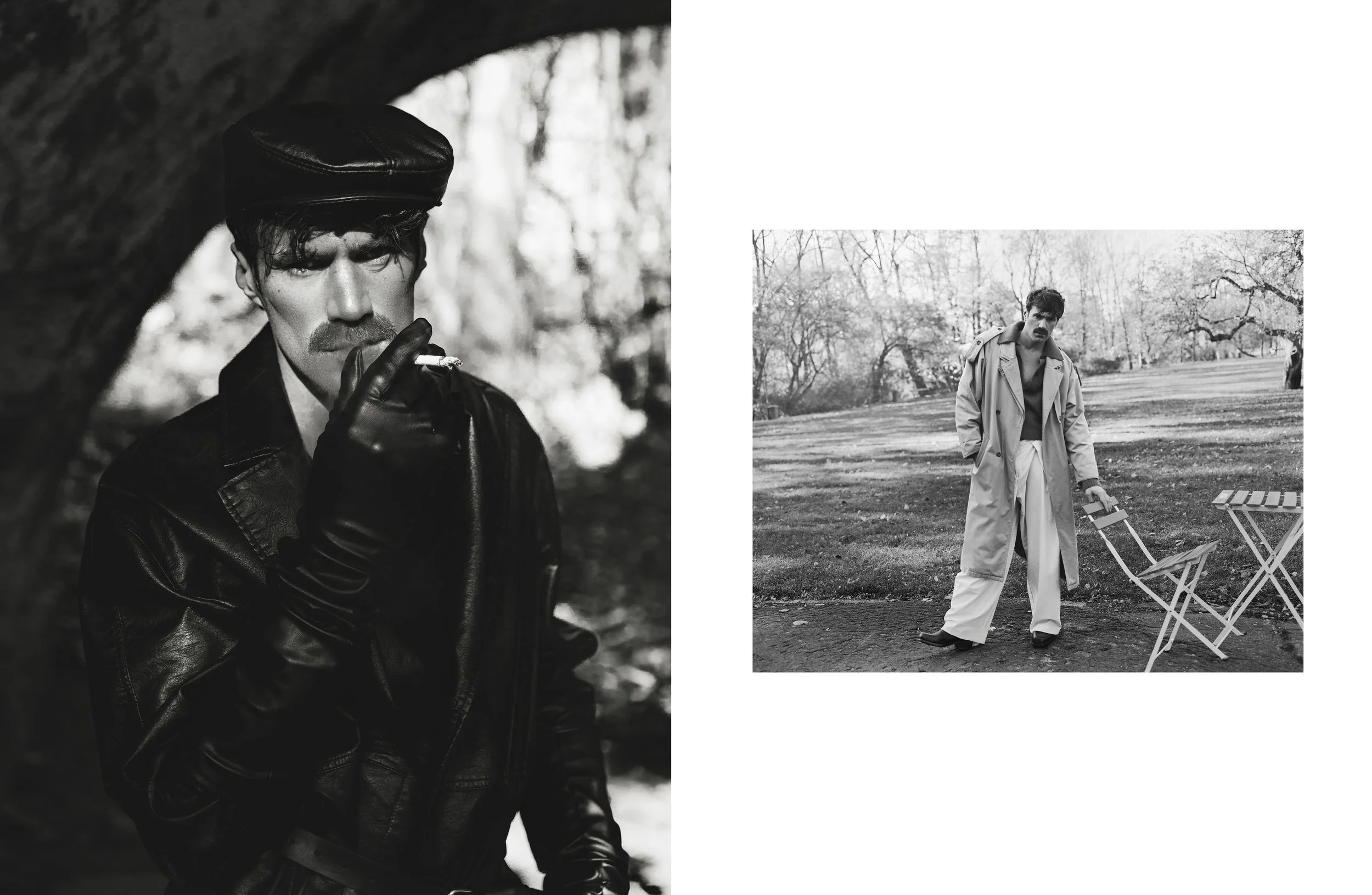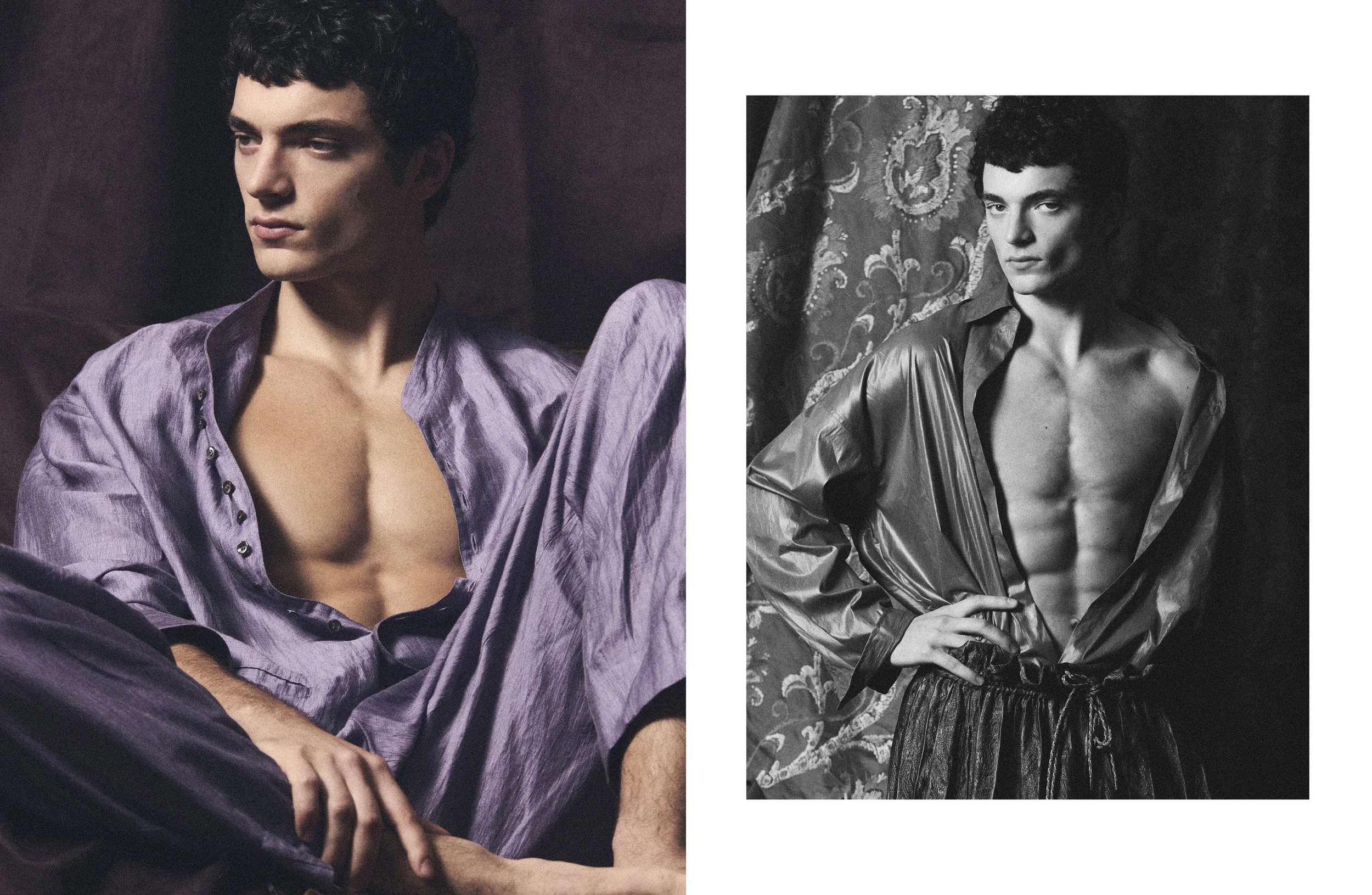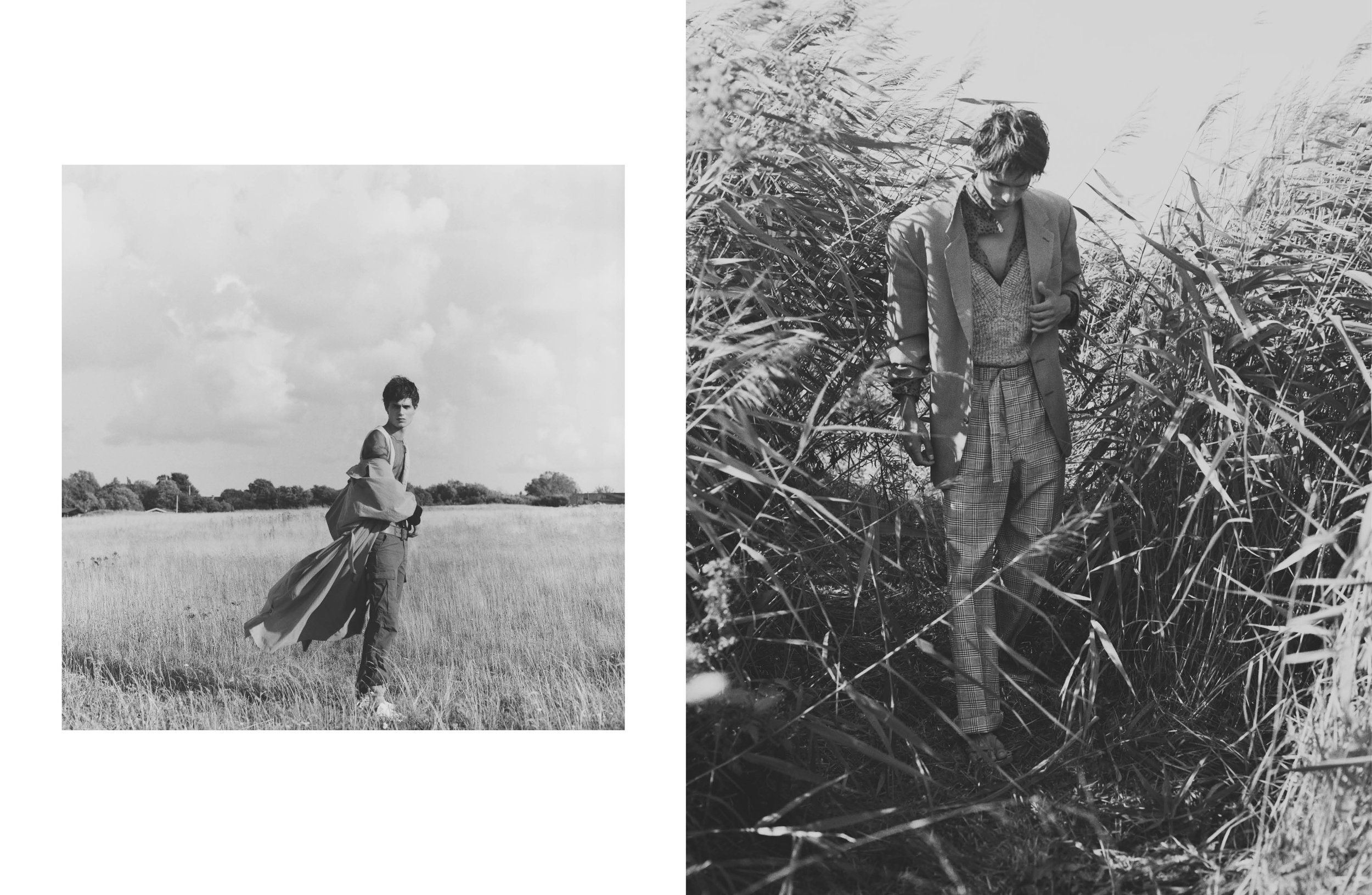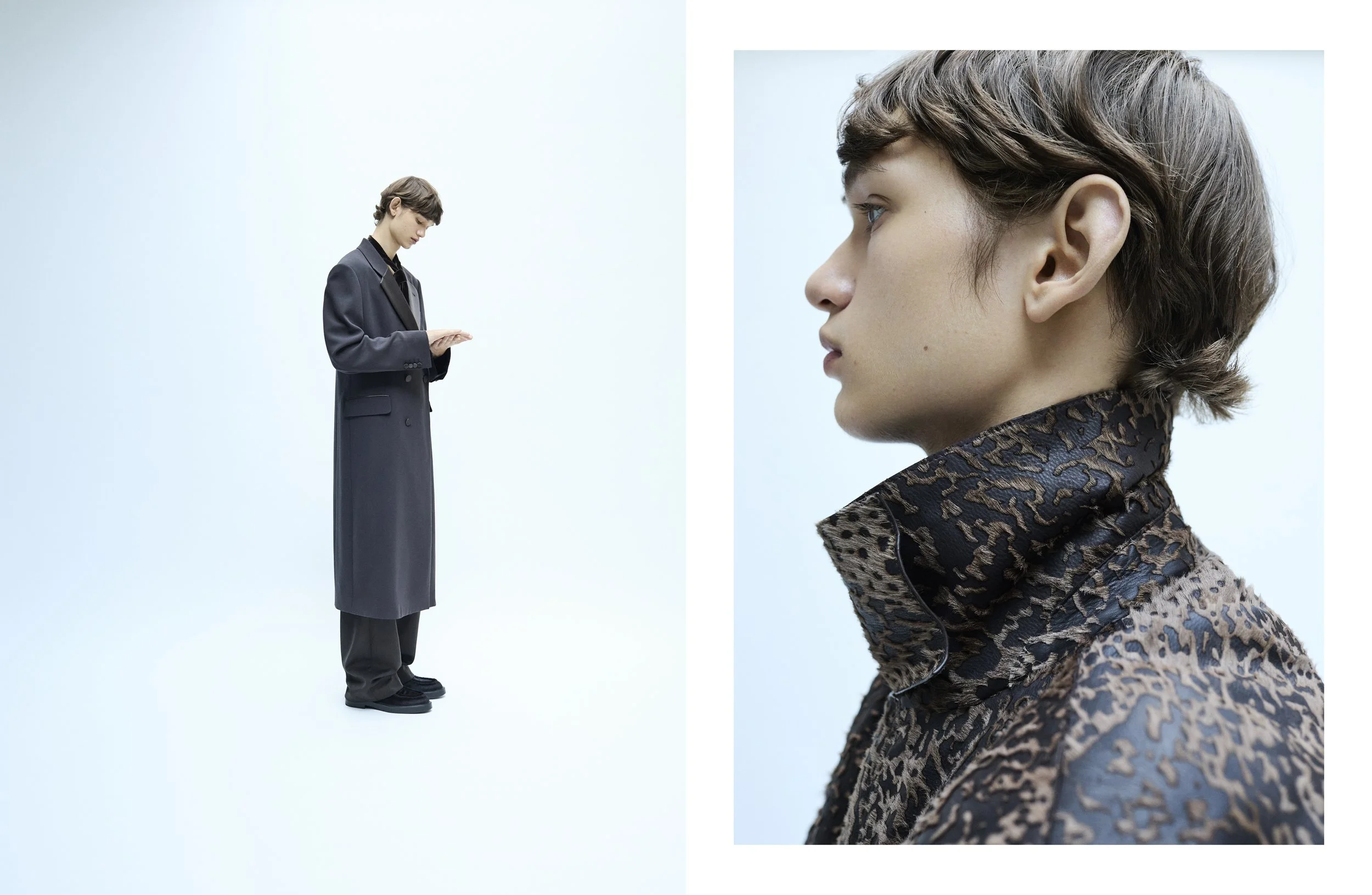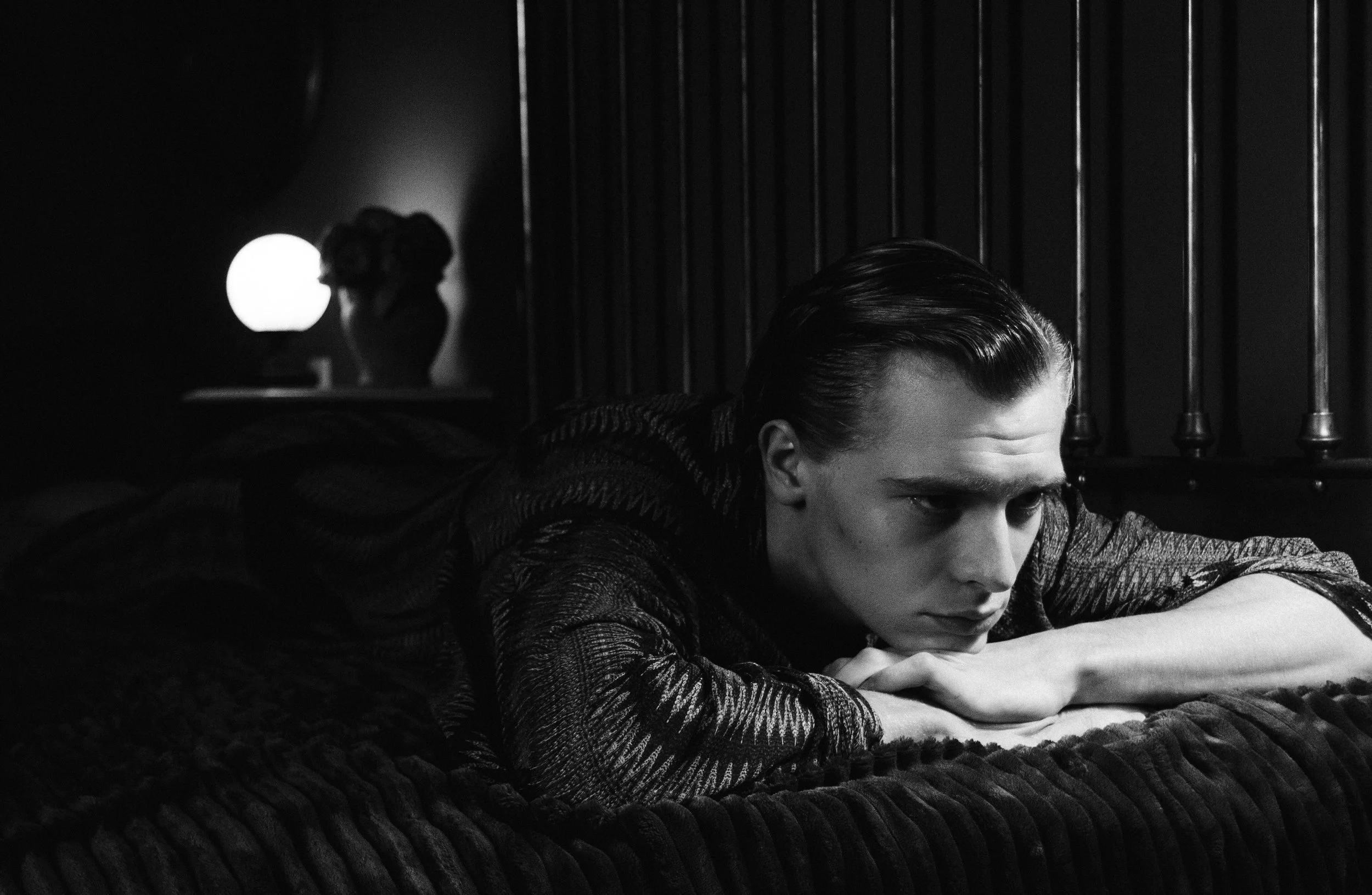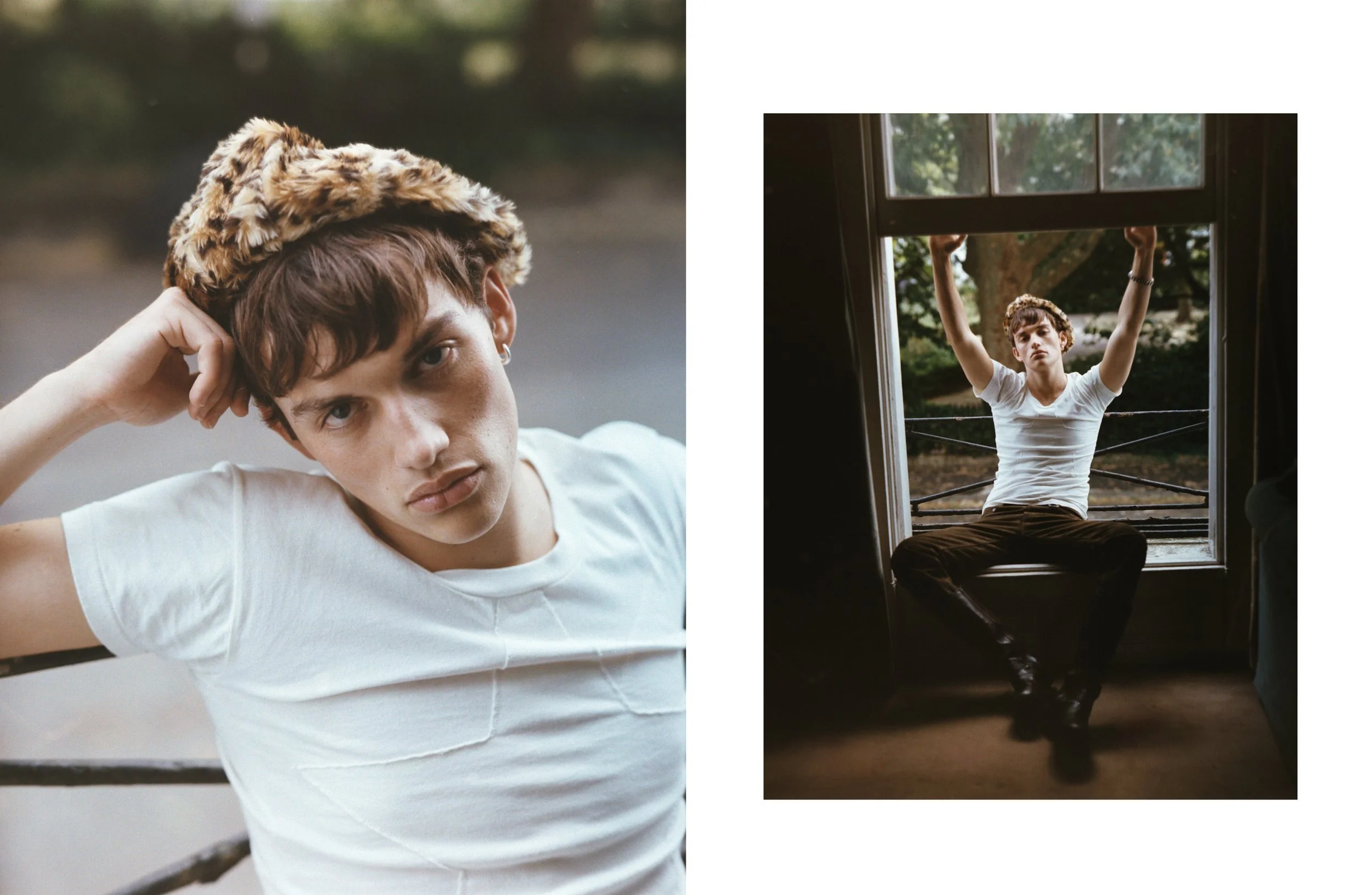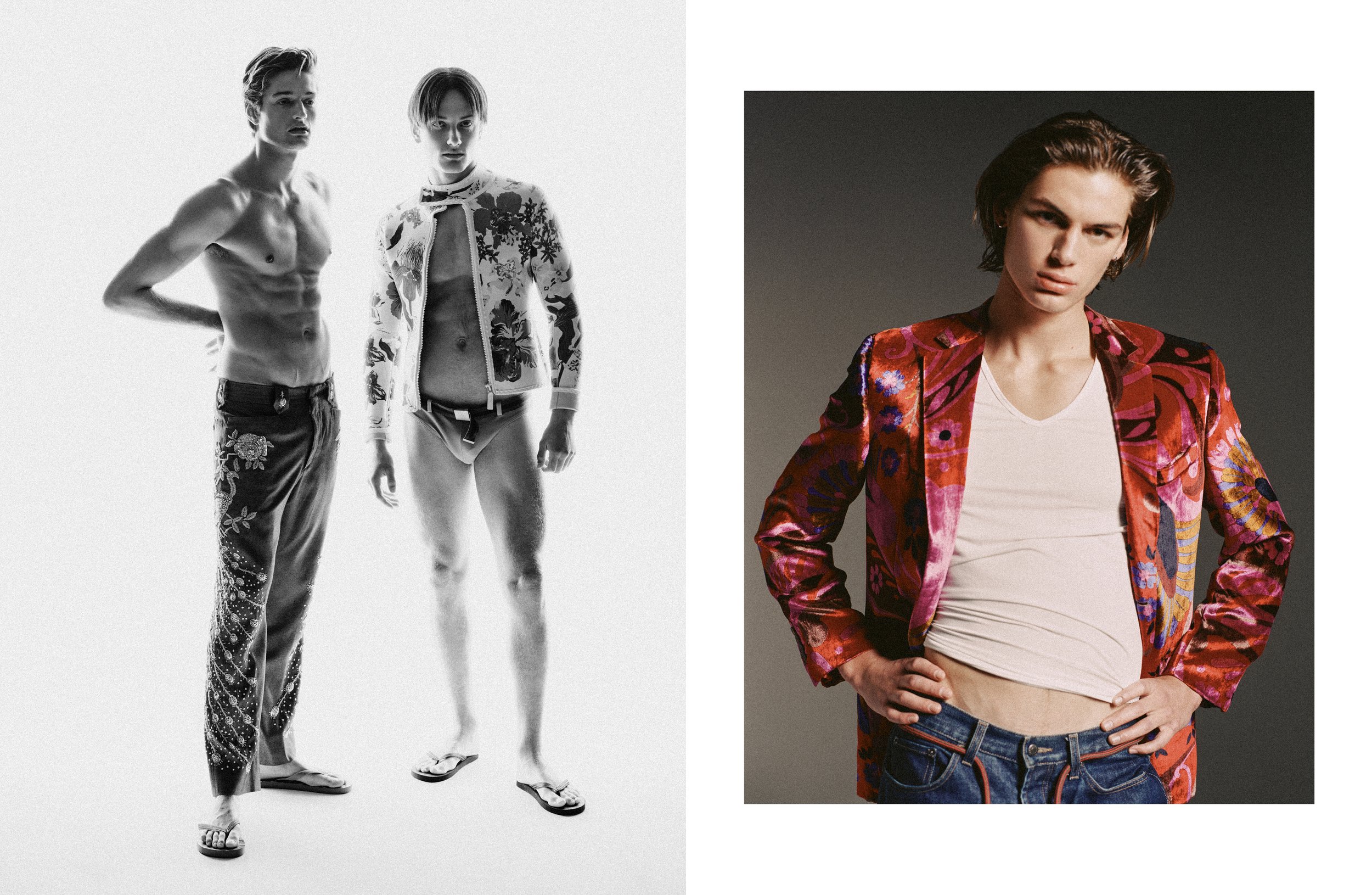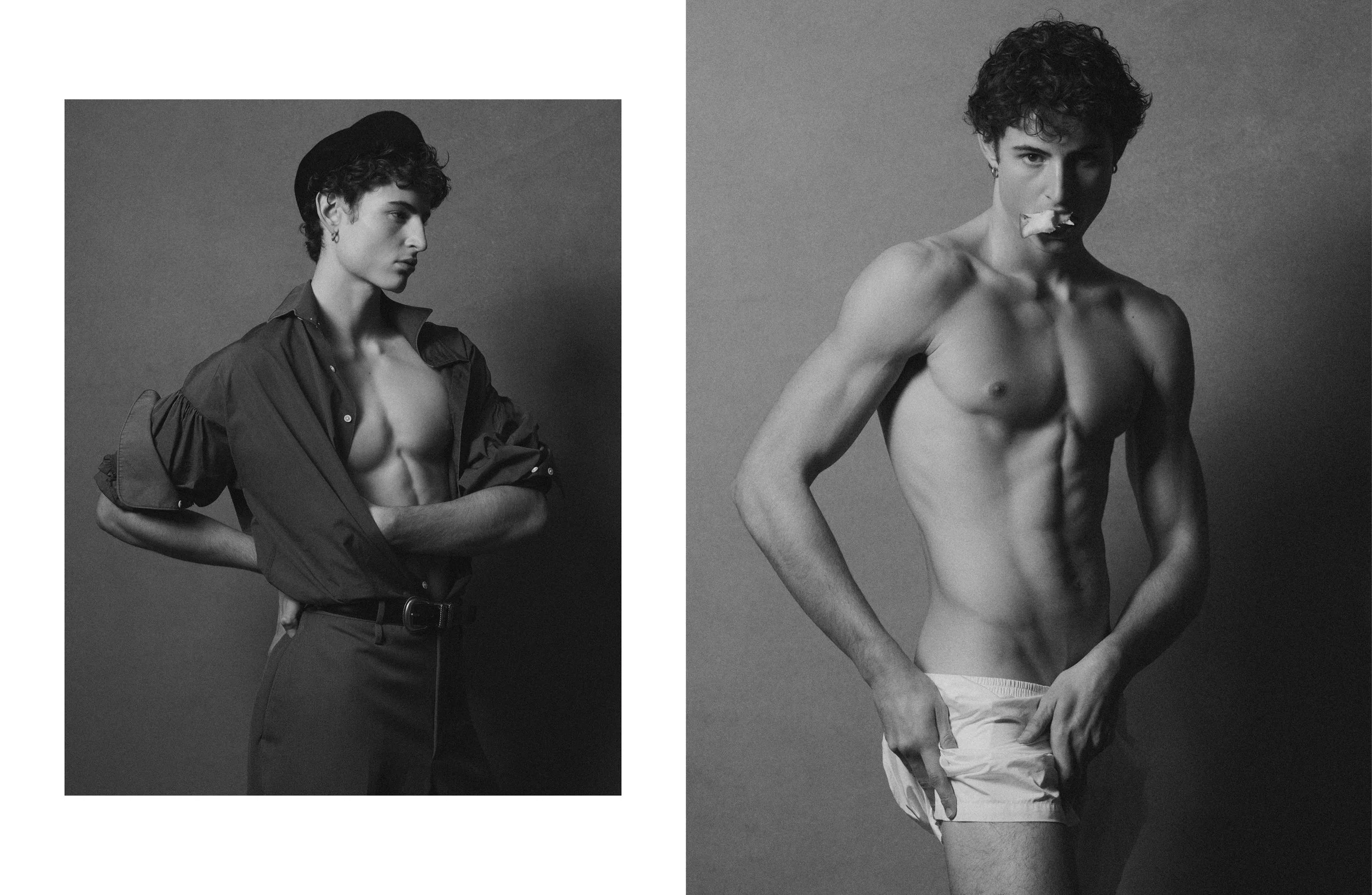
A pilgrimage, a journey, a mission. Perhaps a search for whatever seems to be missing in an ultra-connected, AI-pushing society. For Louis Vuitton’s Fall/Winter 2026, Nicolas Ghesquière focused on a travelling quest, where the magnitude of nature and multiculturalism inspired enduring clothing silhouettes and were equally translated into protective gear and fabric choices.
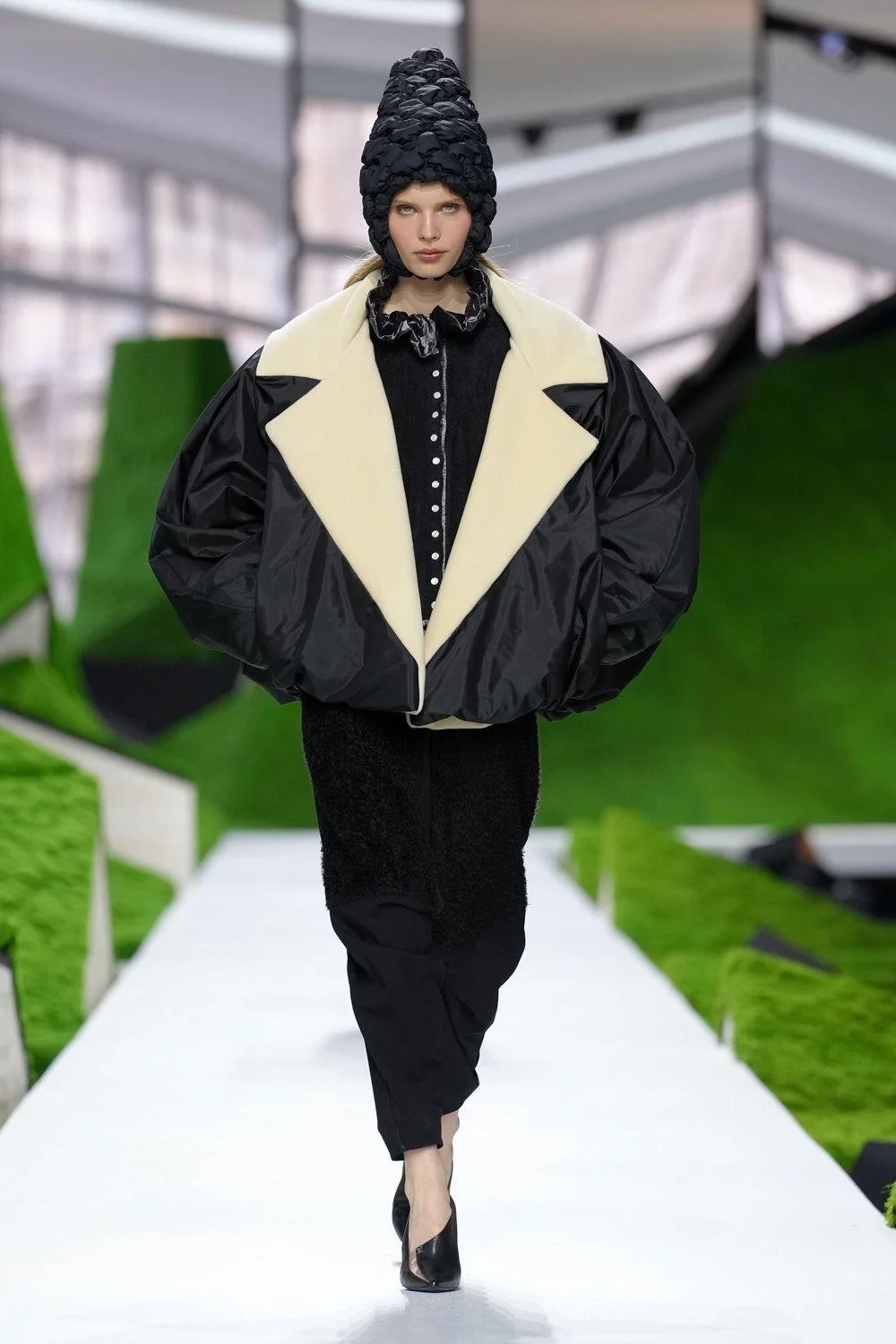
Production designer Jeremy Hindle, famously credited for crafting the mood of Apple TV’s major success series Severance, developed the moss-covered Vuitton show space, which simulated futuristic, swirling green mountains for the models to freely walk.
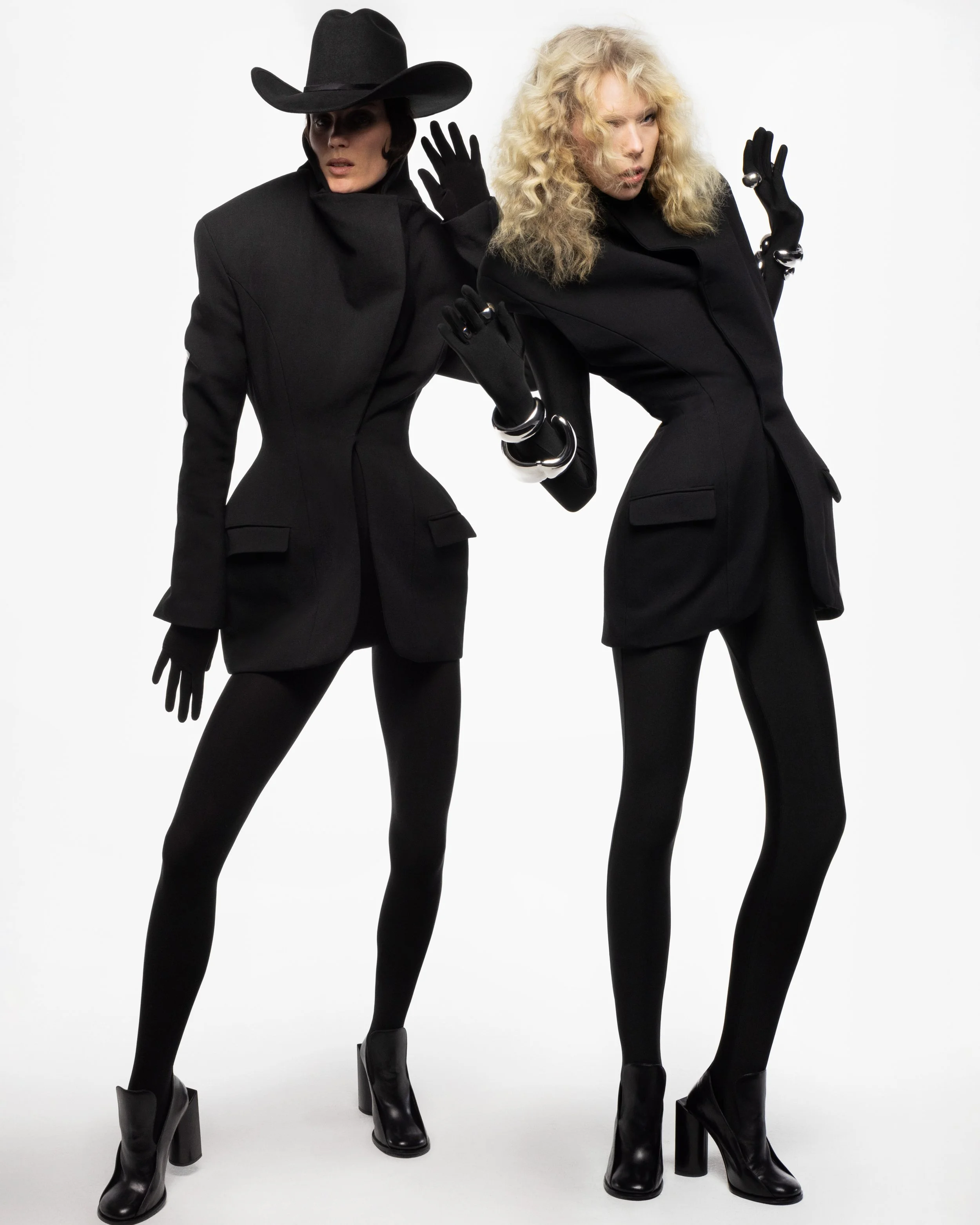
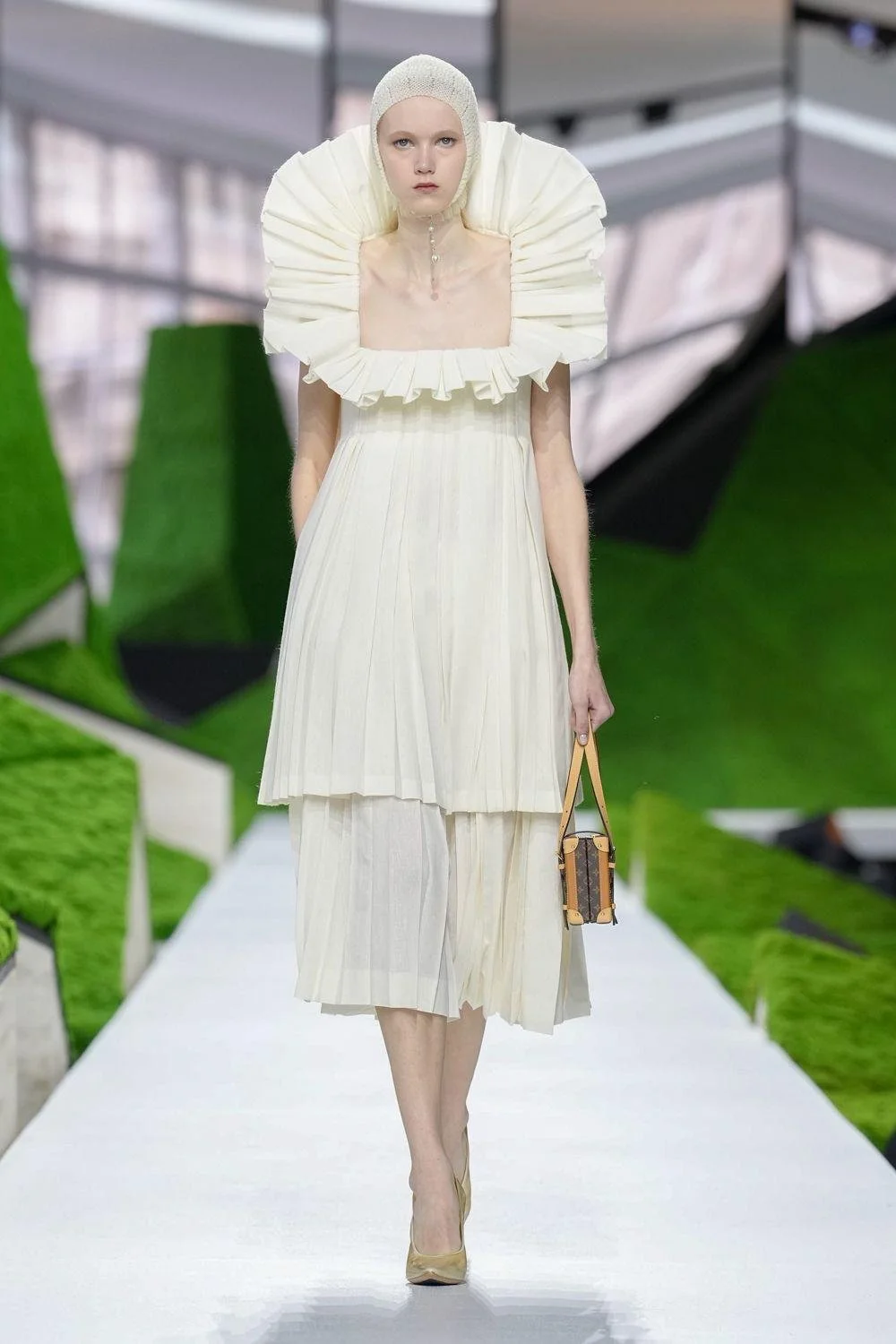
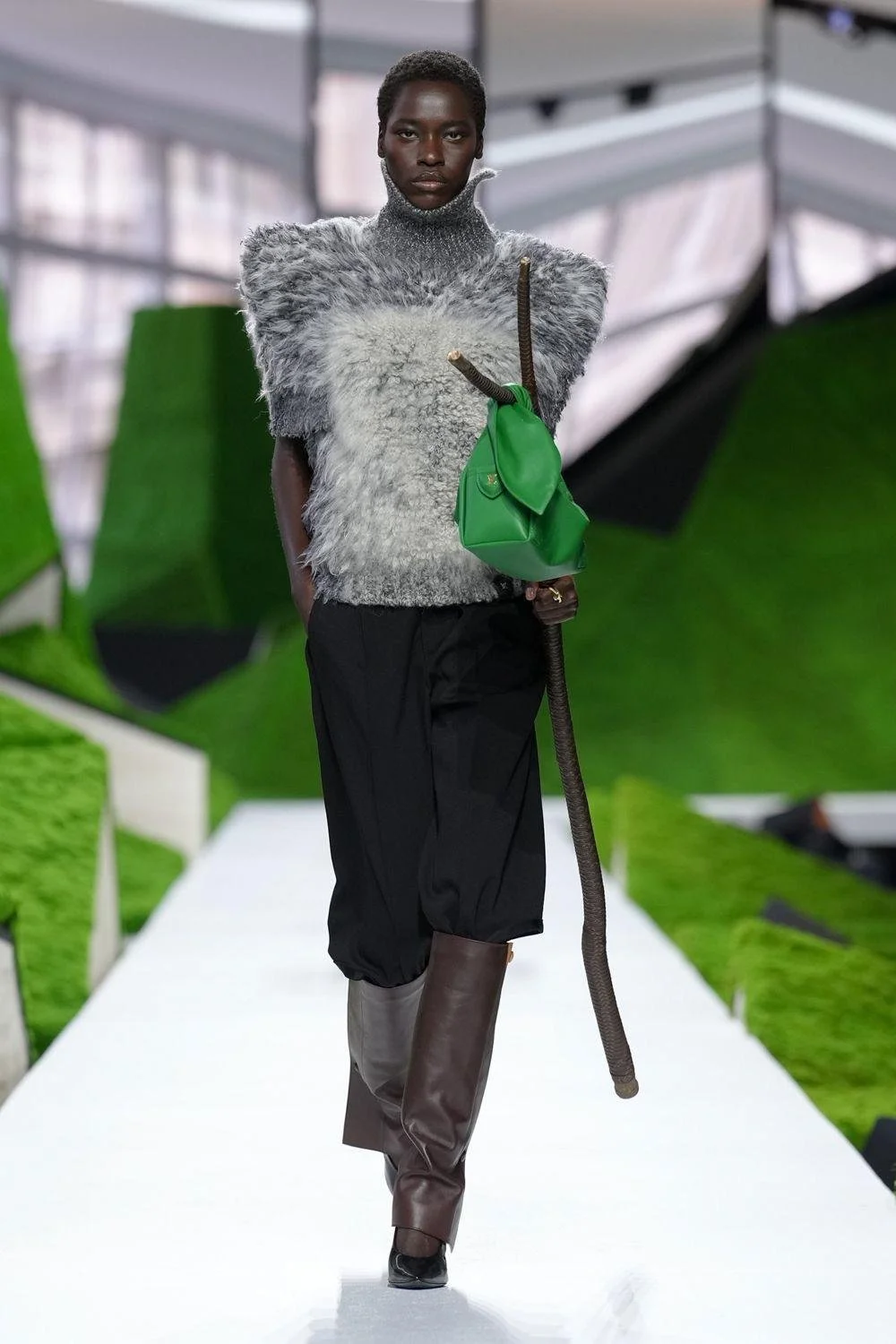
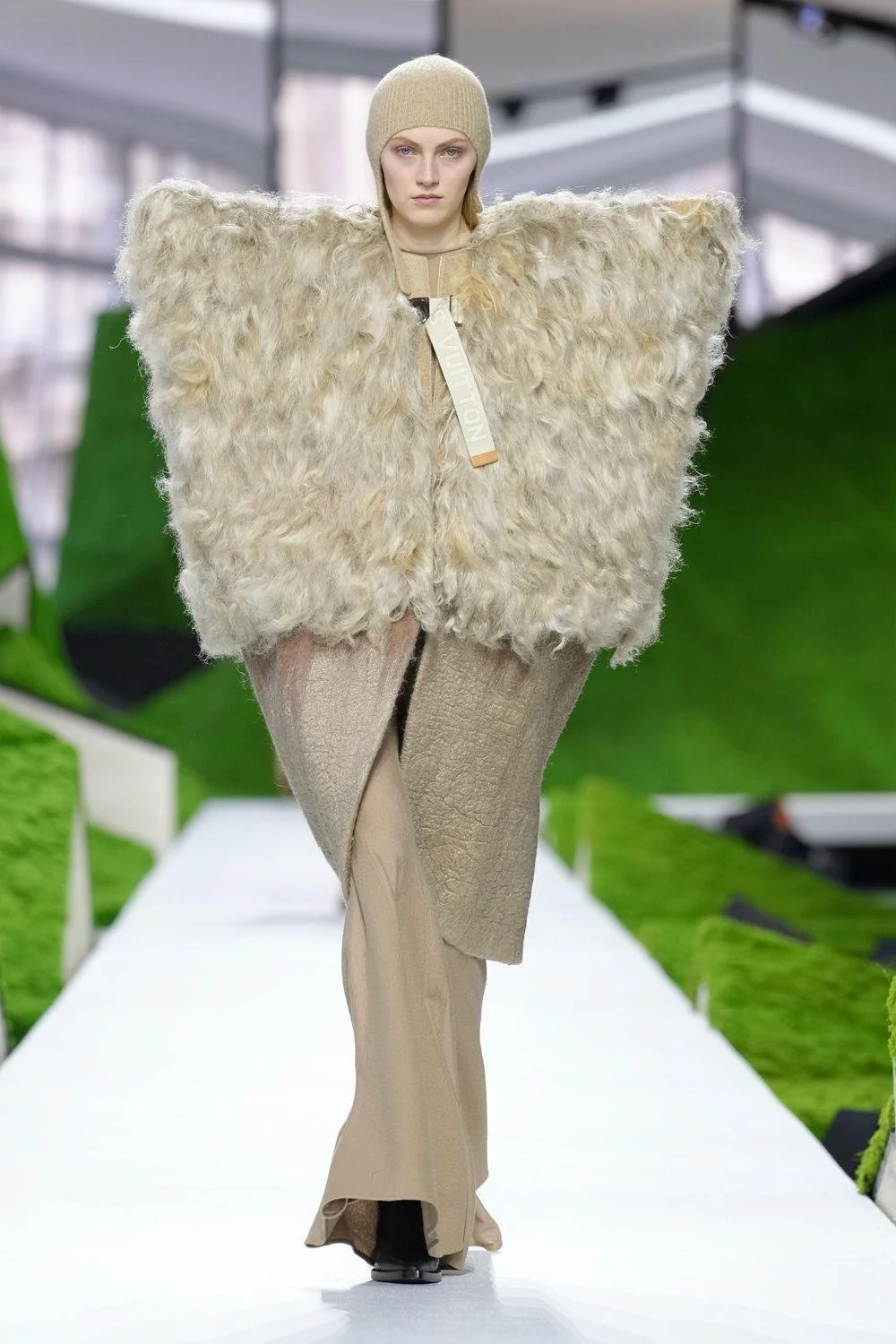
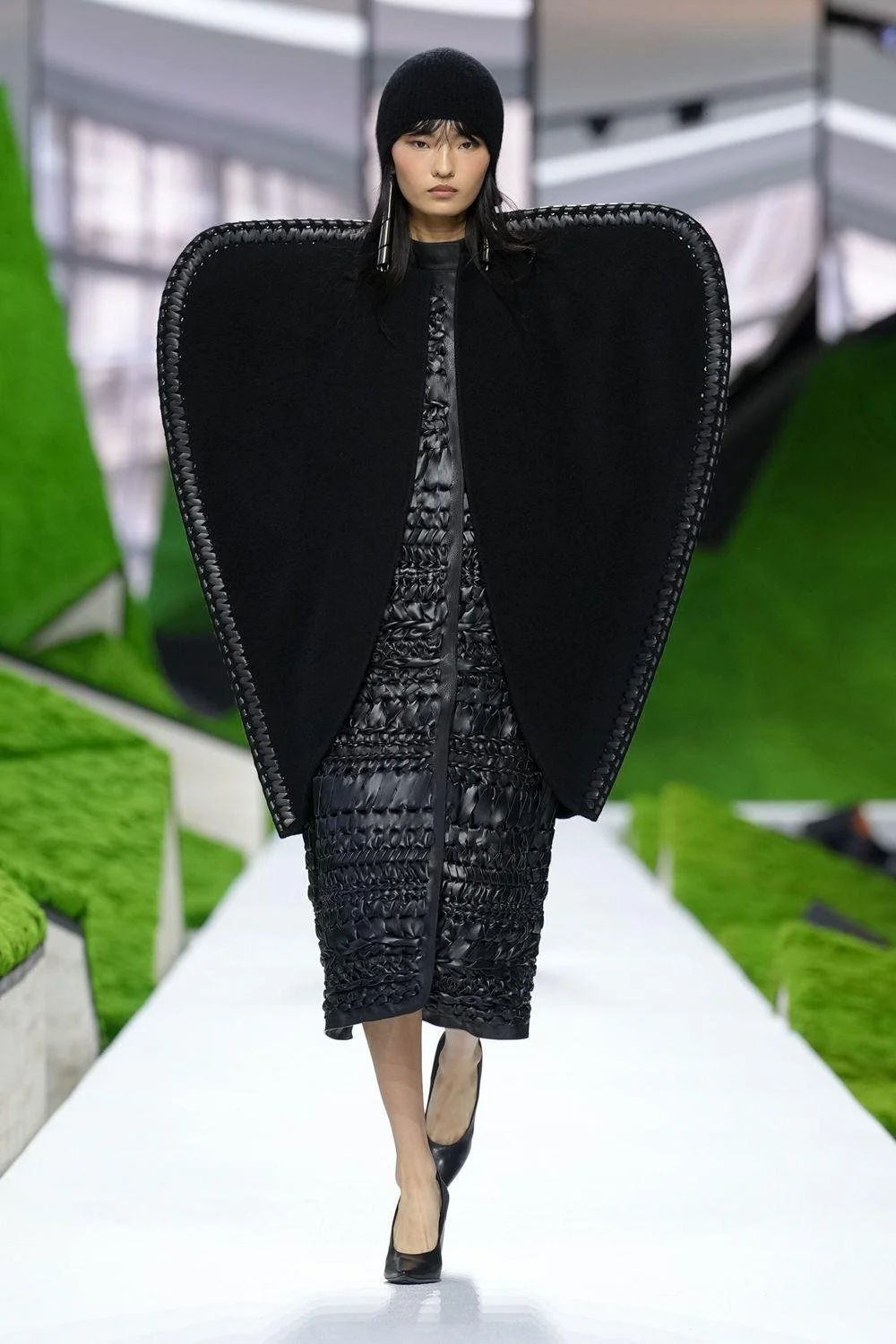
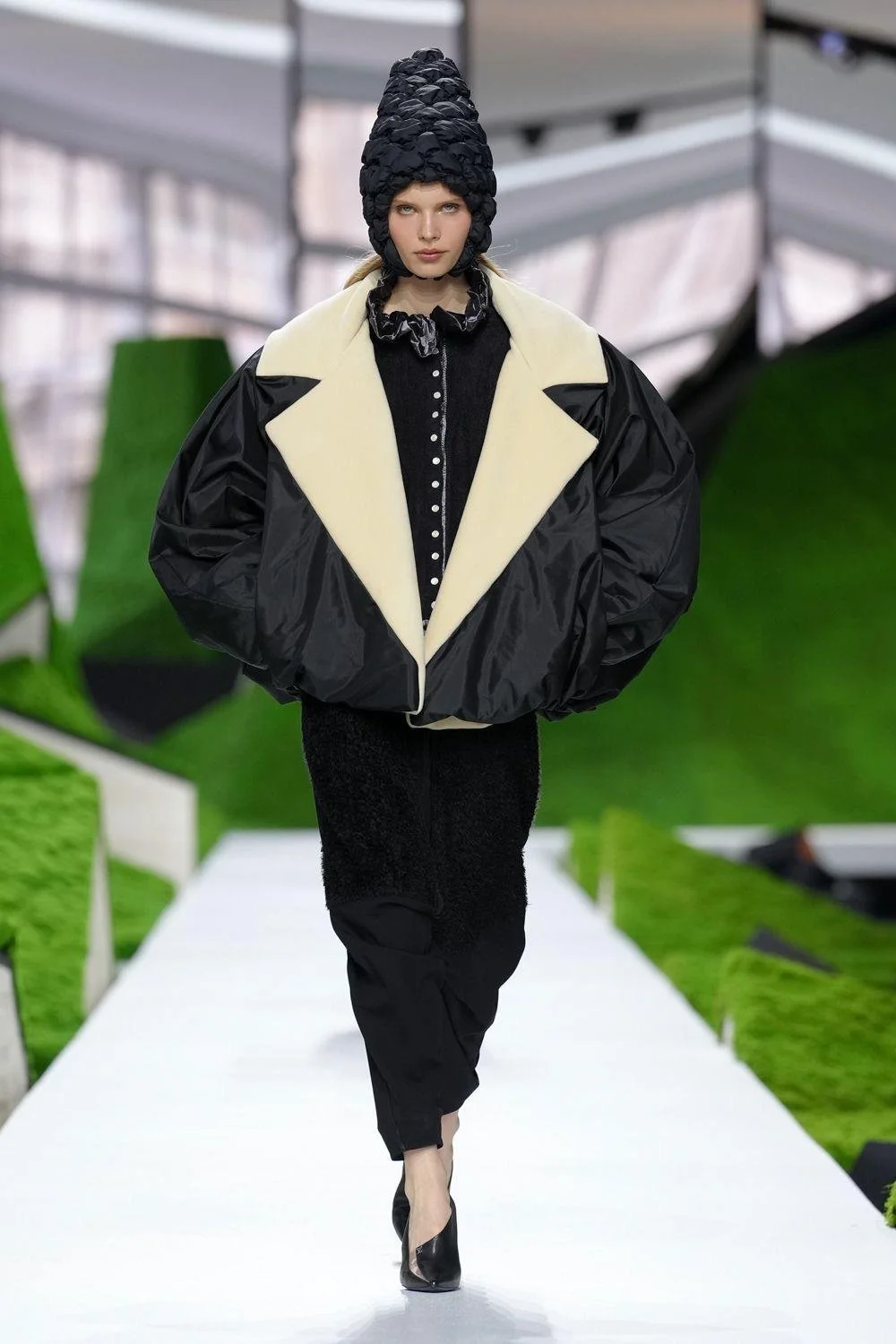
Held at the Cour Carrée du Louvre, this season’s path started with four looks featuring gigantic, broad-shouldered architectural forms and ended with more romantic, ruffled-collared pleated dresses, one of them paired with a matching crocheted bonnet.
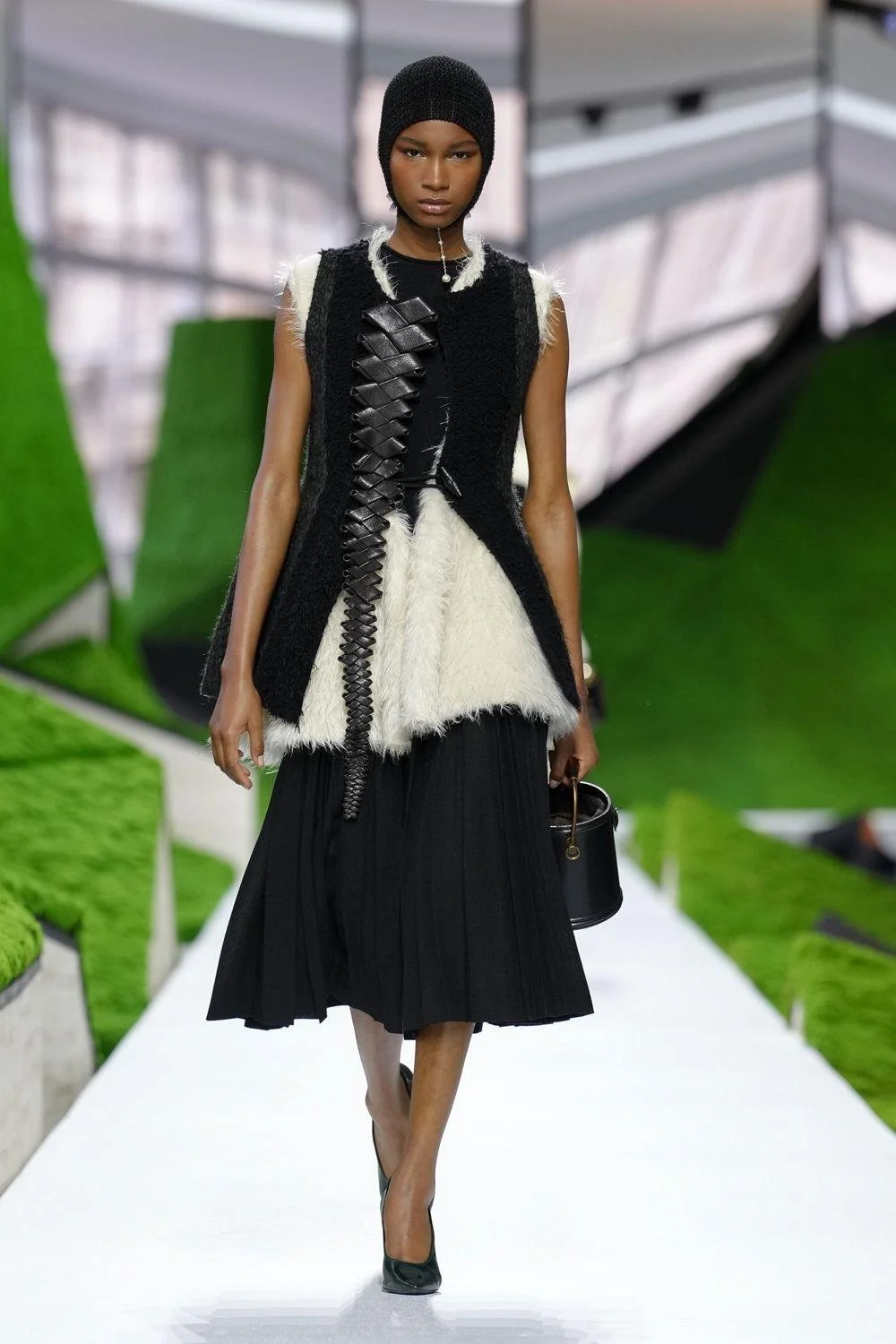
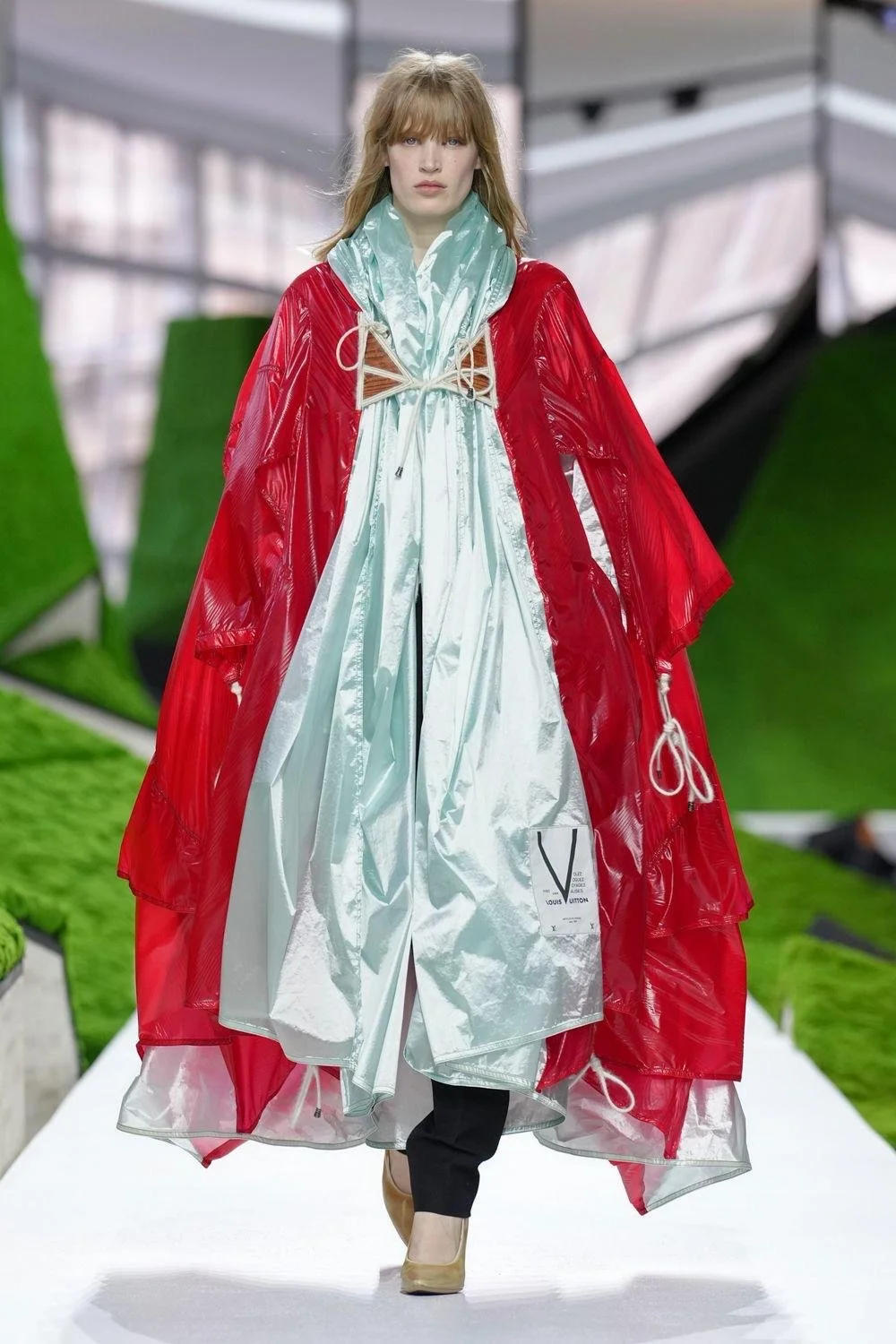
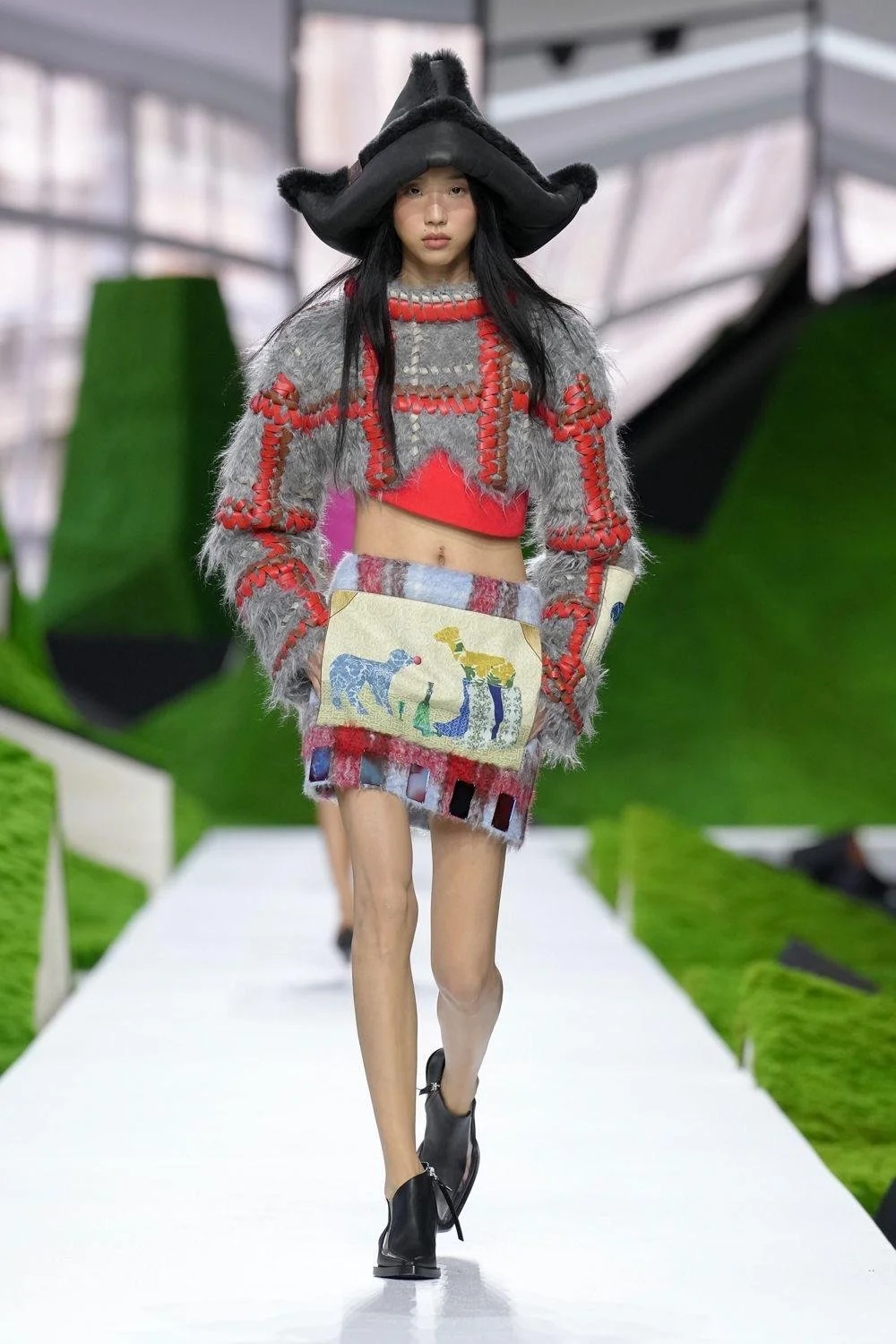
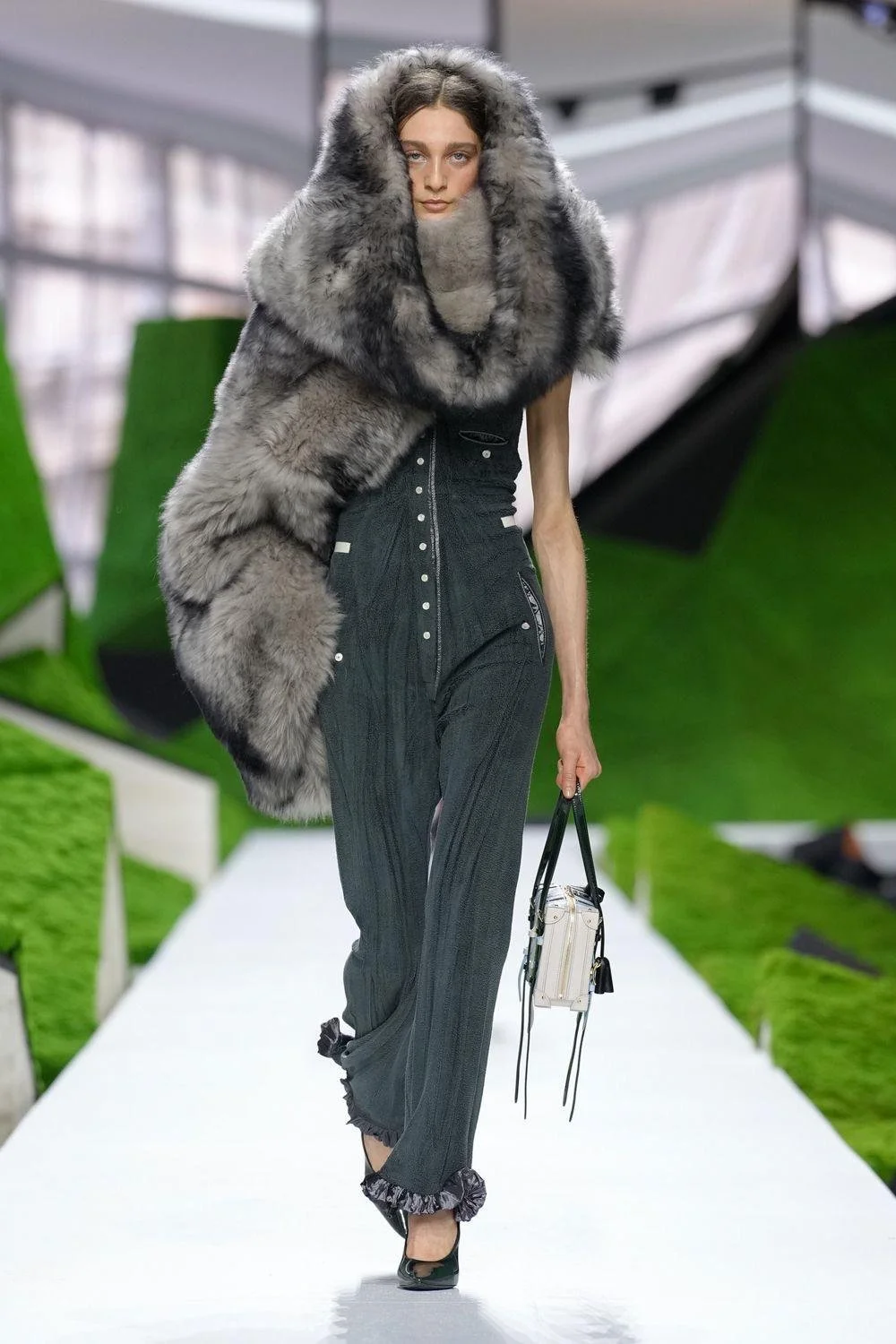
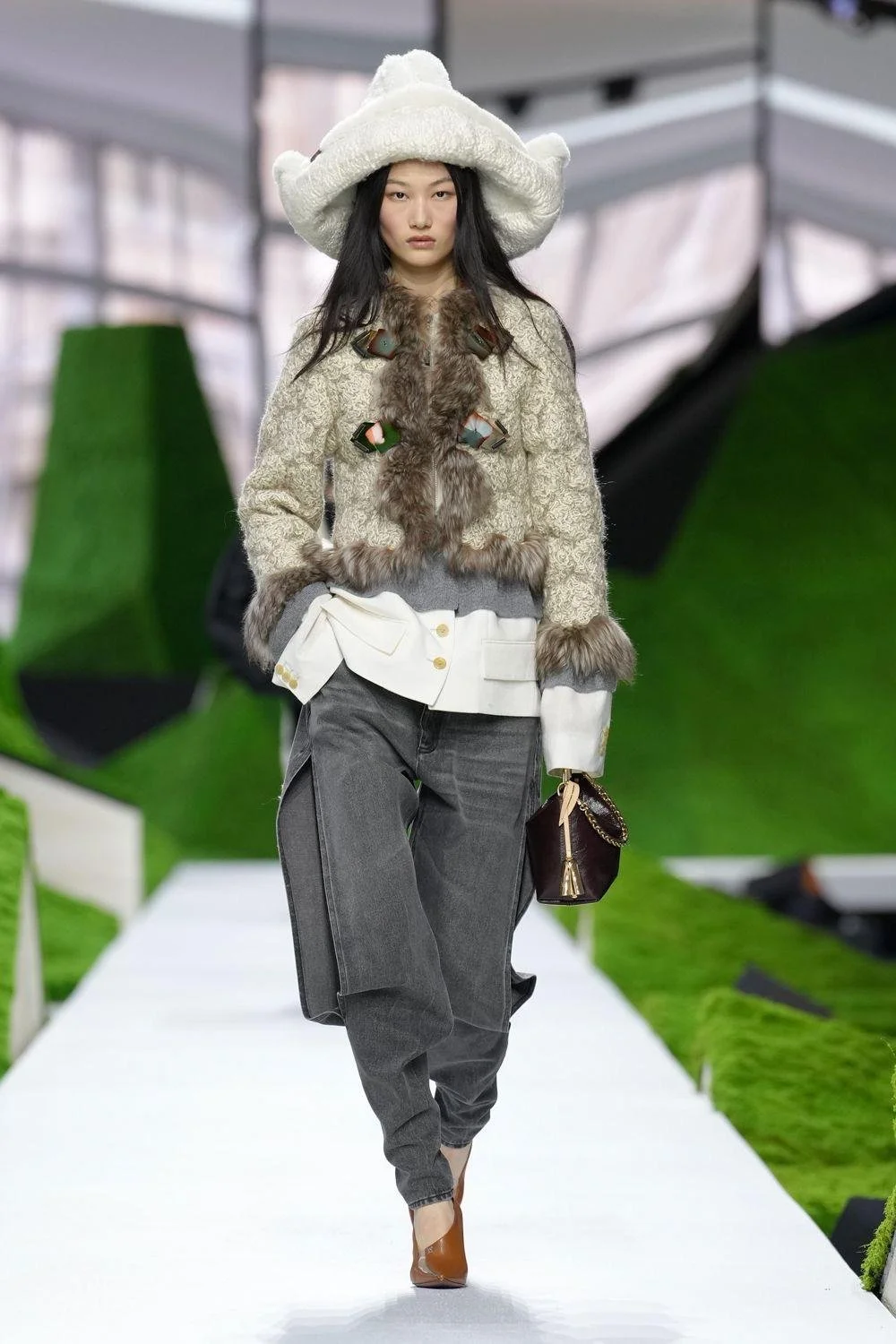
With accents of folklore and references to the mountain people of the South American Andes and the Himalayan and Mongolian landscapes, fur-lined garments conveyed ideas of shielding, as did the various headwear pieces spotted on the catwalk, the latter ranging from subtle hoods to enormous hats in different geometrical shapes.
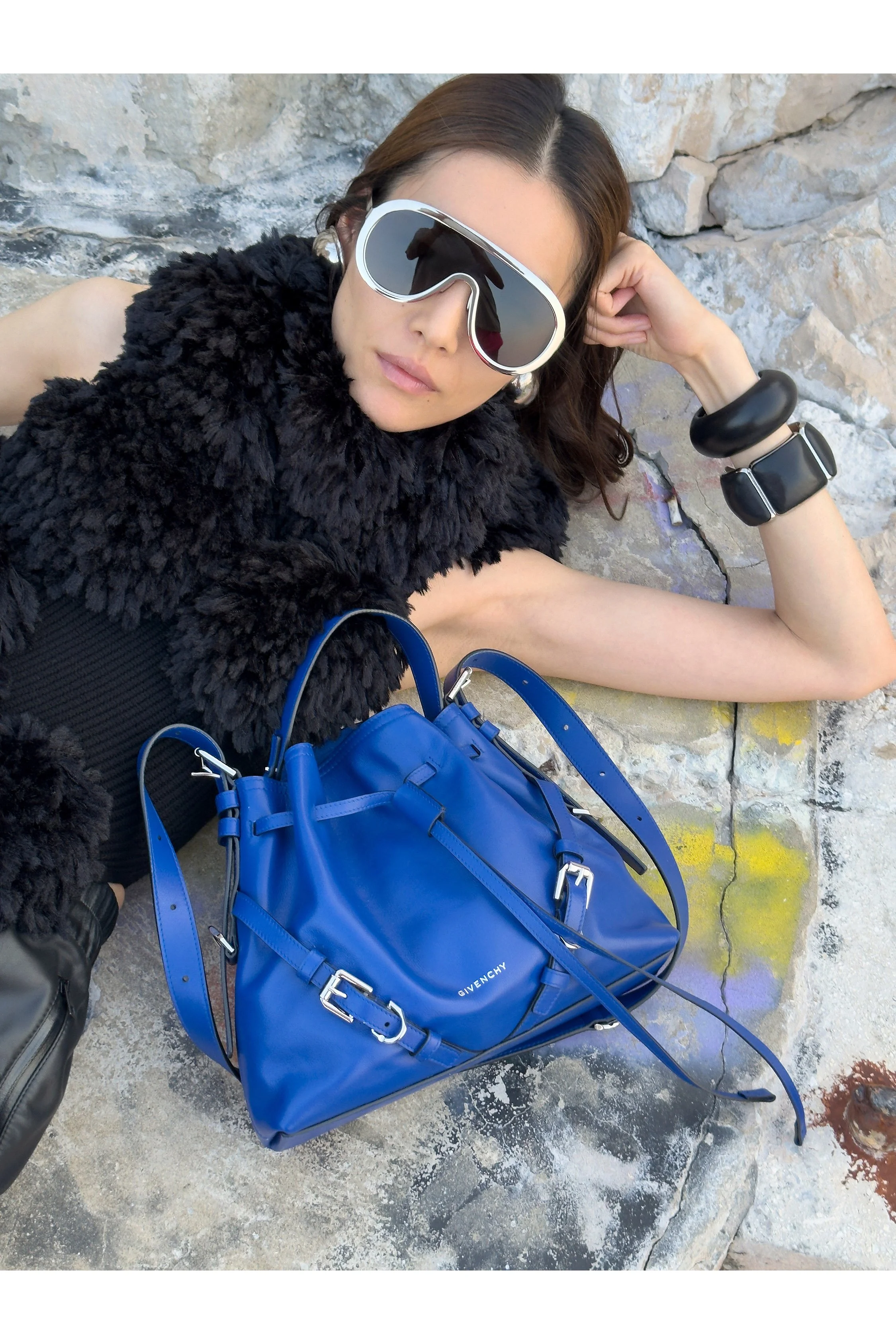
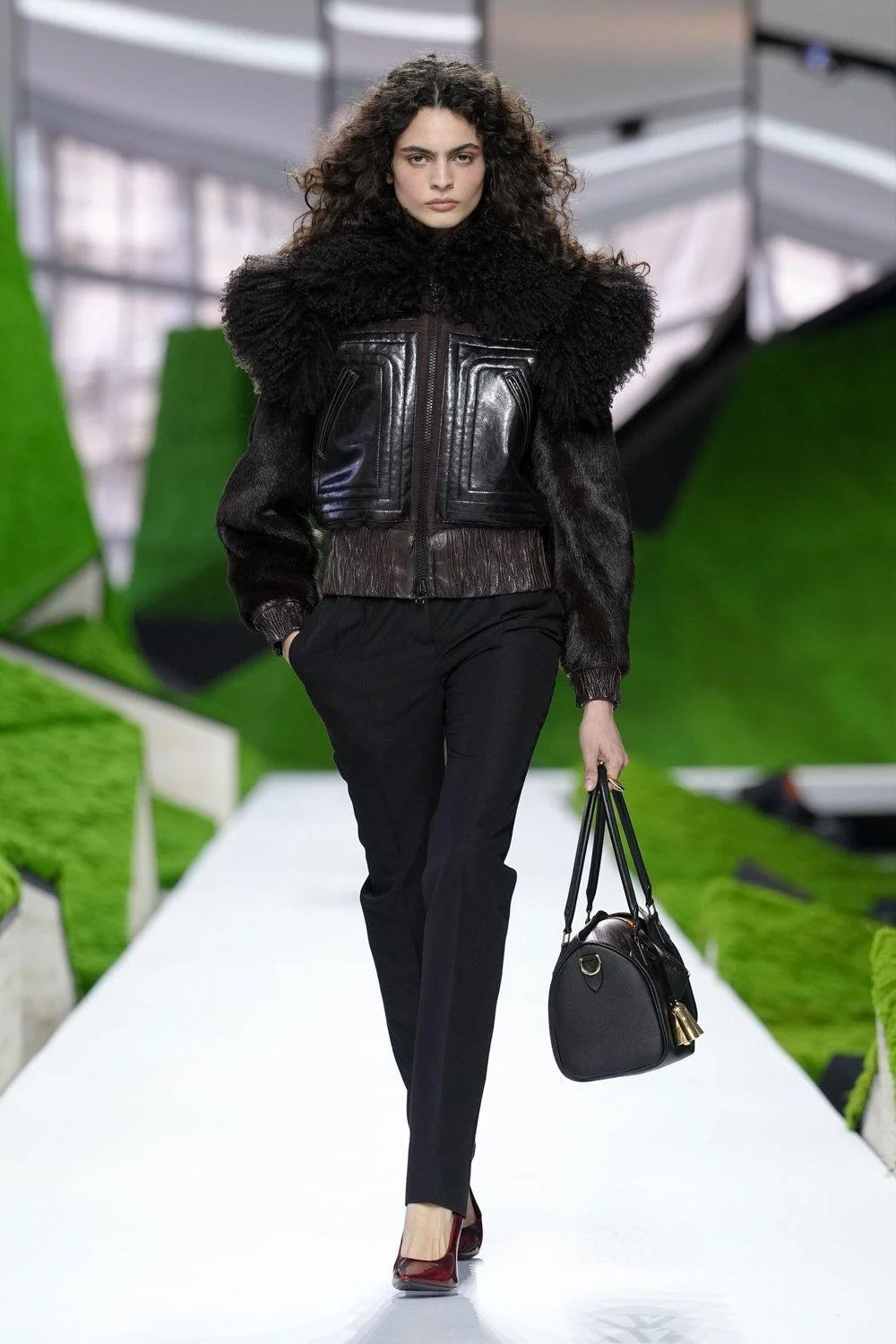
Sunglasses resembled pilots’ goggles, pockets served as a utilitarian detail, and a few handbags, always a coveted Louis Vuitton piece, were carried with the help of a walking stick. Earthy and muted tones fused with the vibrancy of windbreaking capes, waterproof-looking jackets and checkered sets with printed, sheep-themed surrealist illustrations designed by Ukrainian artist Nazar Strelyaev-Nazarko.
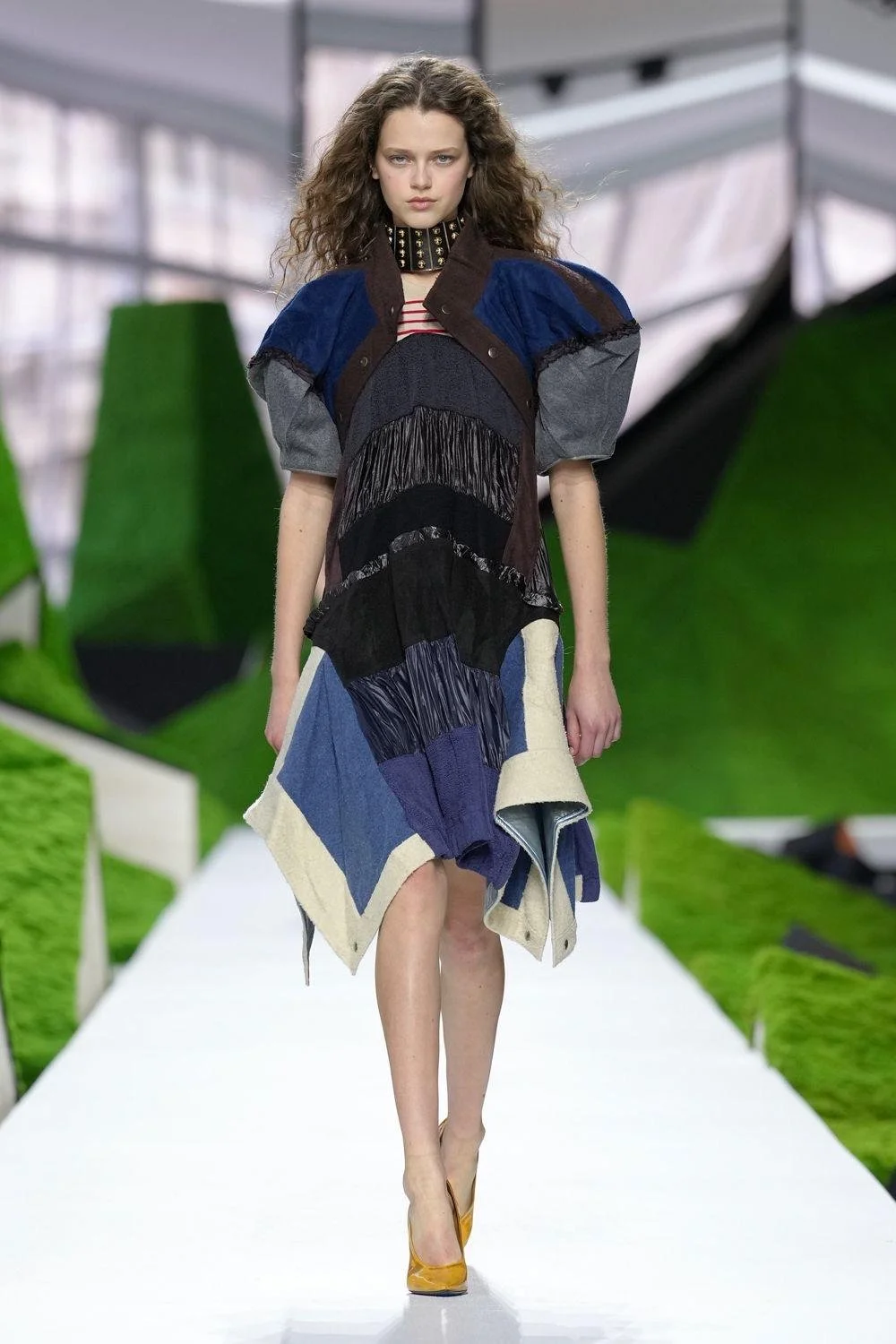
Nature was honoured as "the greatest designer,” Ghesquière said to the press, and therefore used to inspire not only the abundance of silhouettes seen as part of the collection but also its sophisticated array of textures, embroideries and materials, spanning from leather to tweed and denim to shearling.
During FW 26, Ghesquière, known as an avant-garde fashion designer, seemed to practically and metaphorically acknowledge not just what our future holds, but what we lack in contemporaneity, too. There was this anthropological idea of gathering items of clothing and natural elements as wearable souvenirs, a motto of appreciation along the way.
Words by Ketlyn Araujo