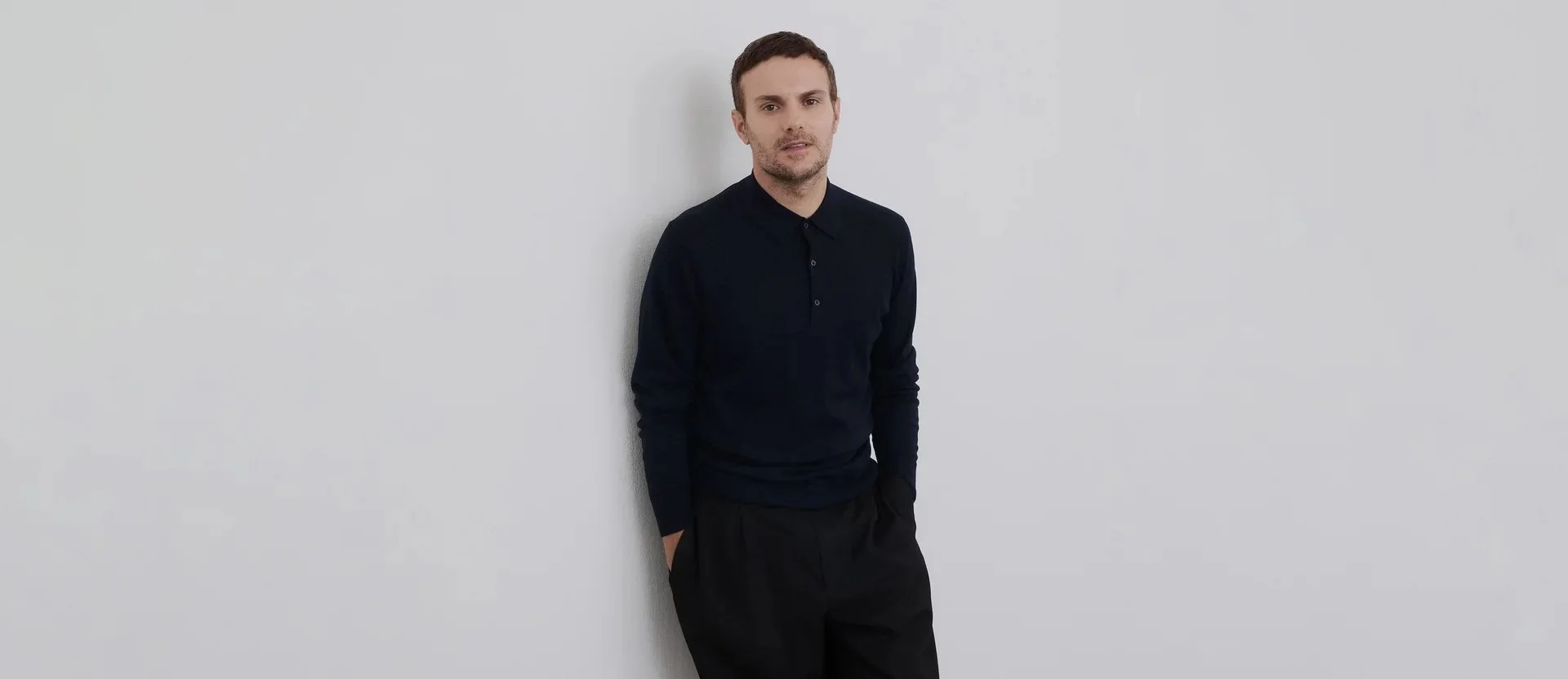
The Courrèges woman is typically imagined after dark. Picture the best party you’ve ever attended — she’s there, effortlessly commanding the room. For Fall/Winter 2026, however, creative director Nicolas Di Felice reframed that familiar narrative, presenting a collection that followed her through the rhythm of an entire day.
Time, quite literally, was the collection’s central motif. The show marked Di Felice’s fifth anniversary at the helm of the house, and the theme unfolded from the very first moment. Guests received a clock as their invitation, and as the show began, the soundtrack traced the cadence of daily life: the steady tick of passing seconds, snippets of radio news, the sound of coffee brewing, and the shrill interruption of a ringing phone.
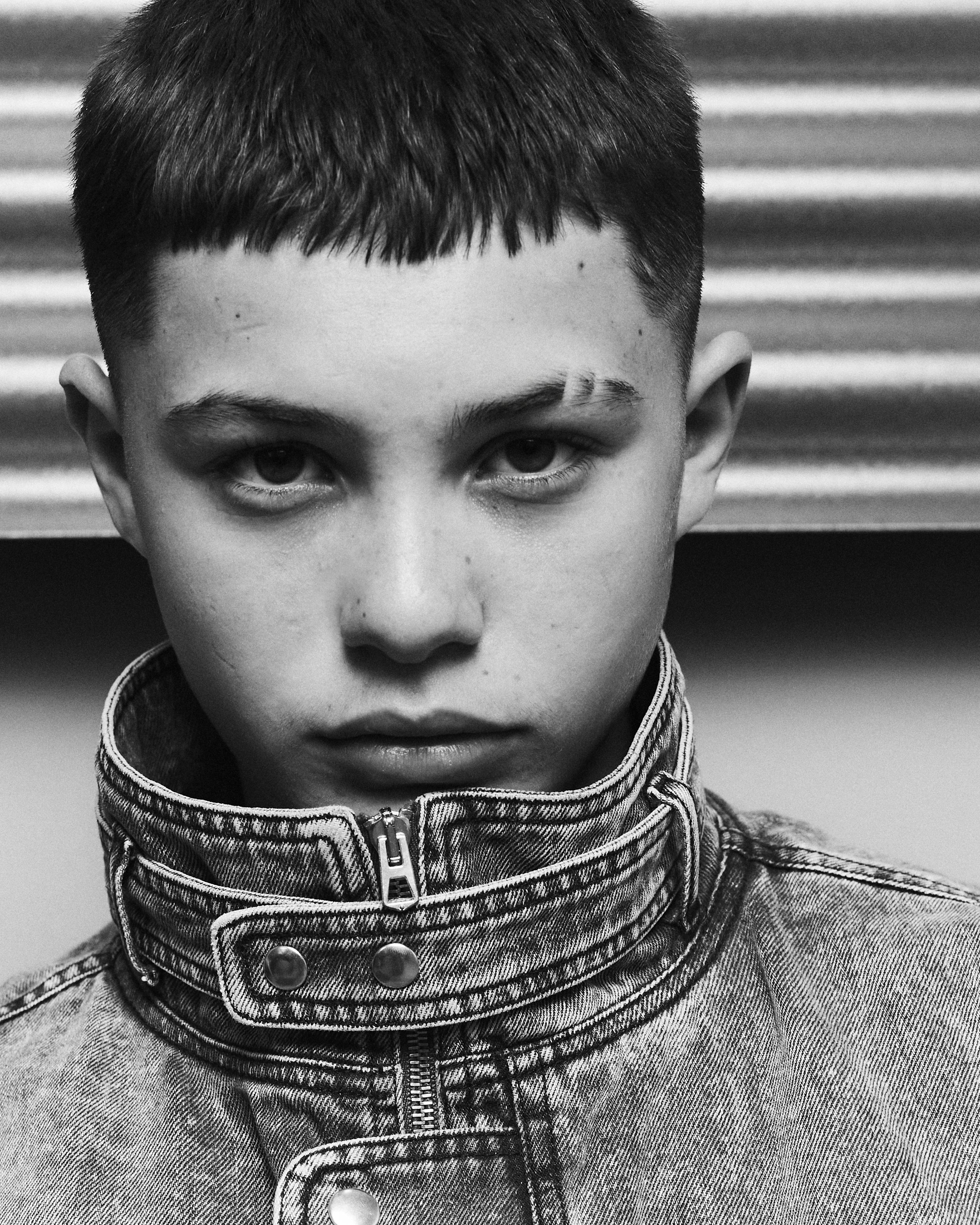
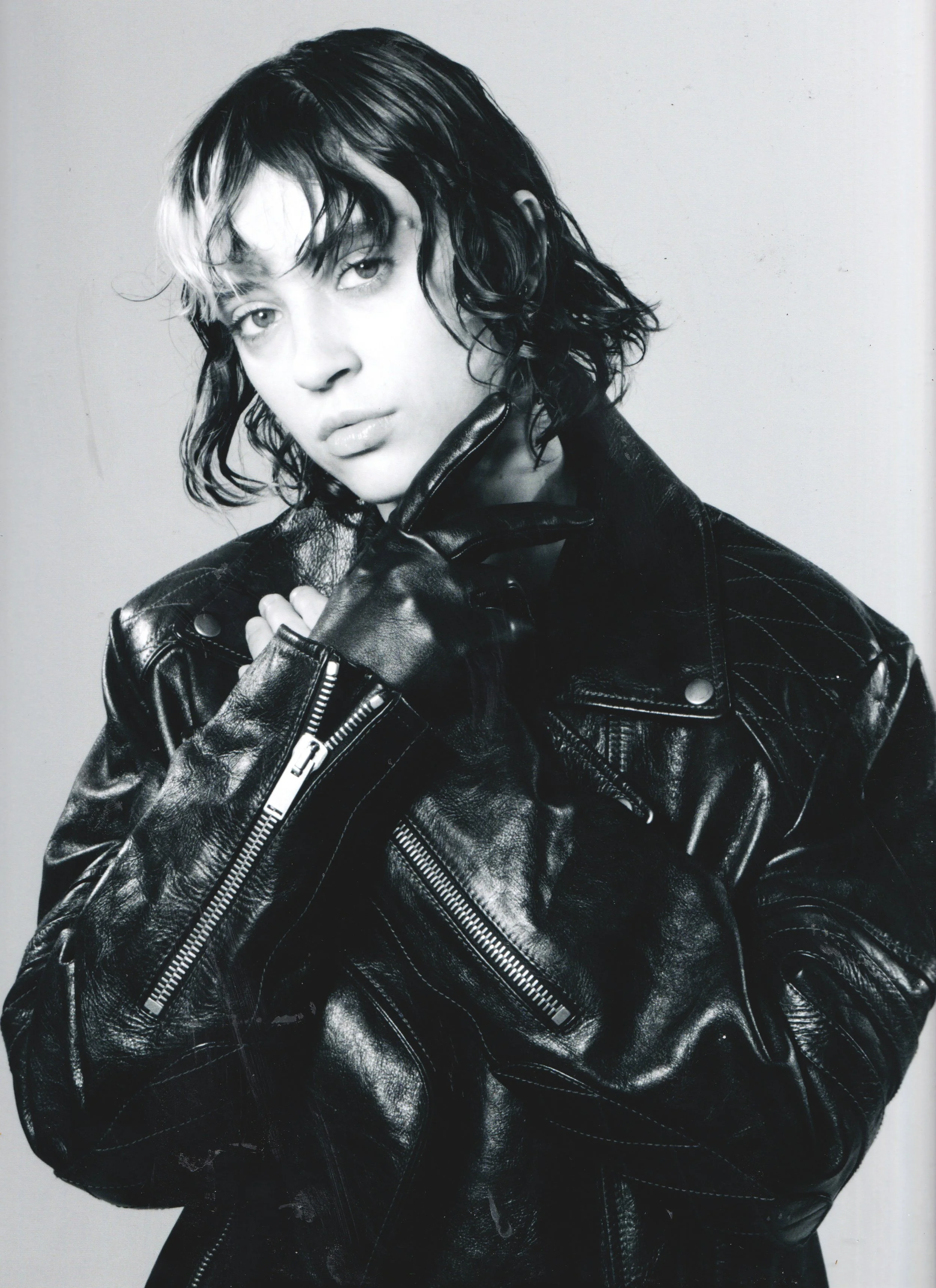
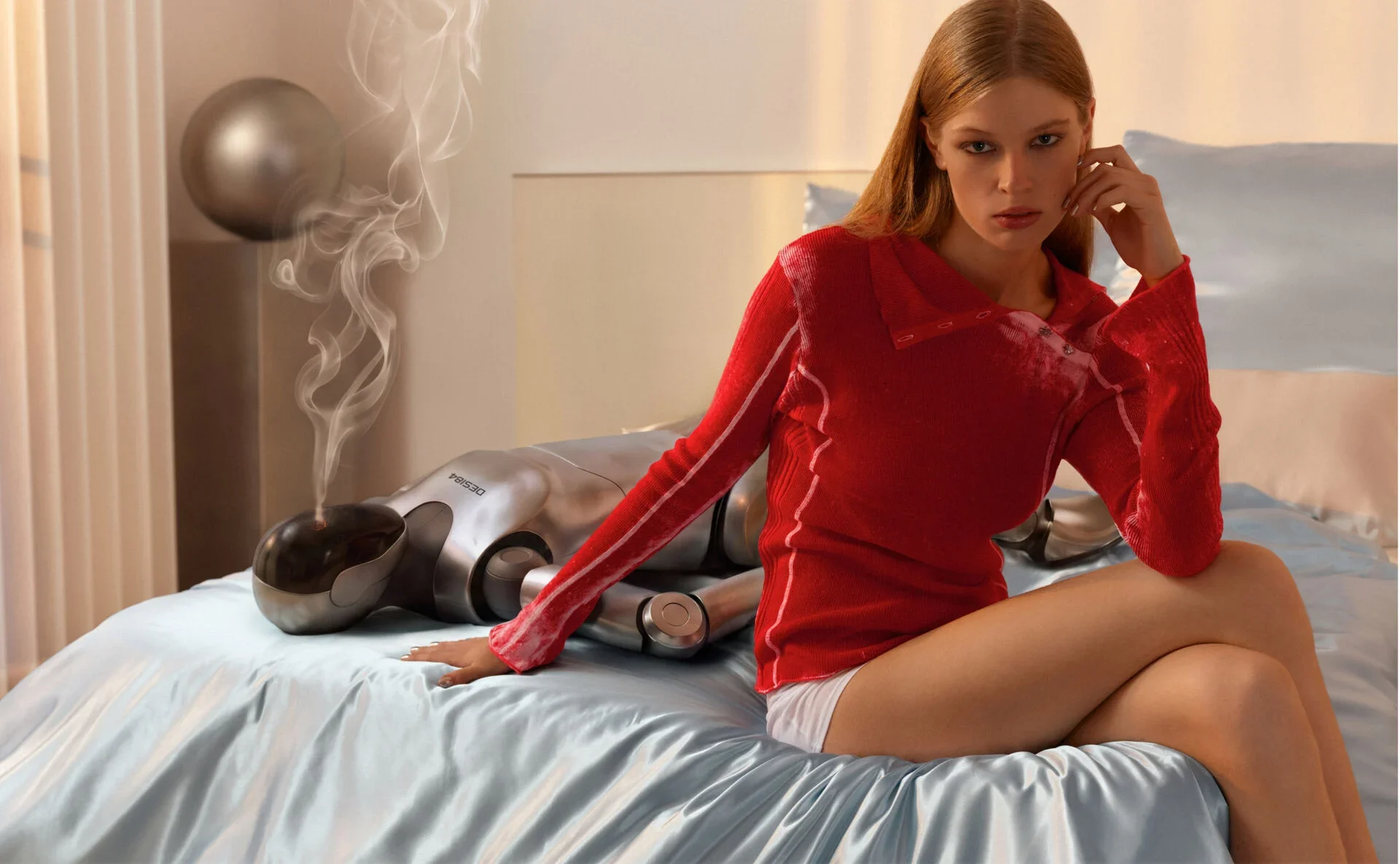
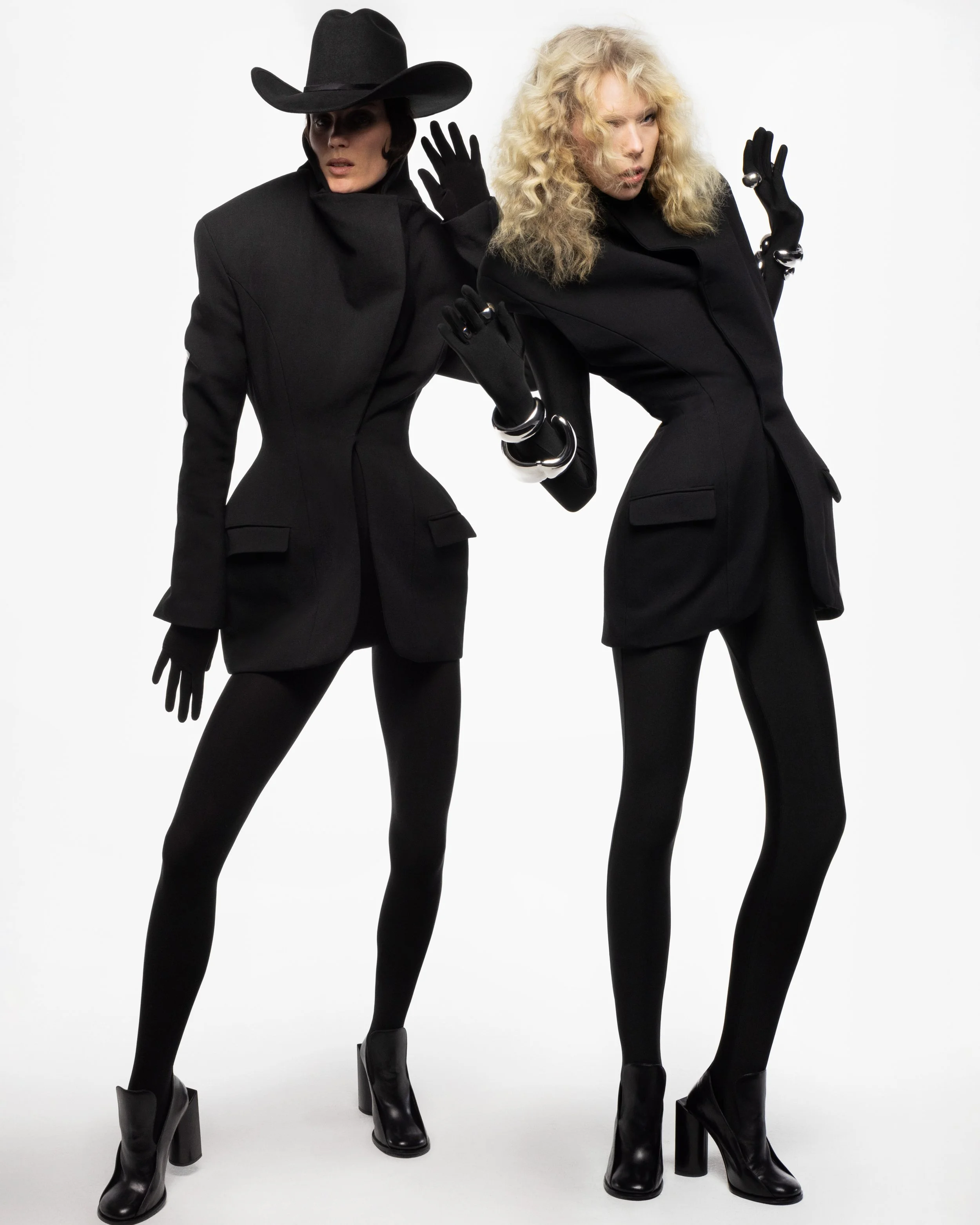
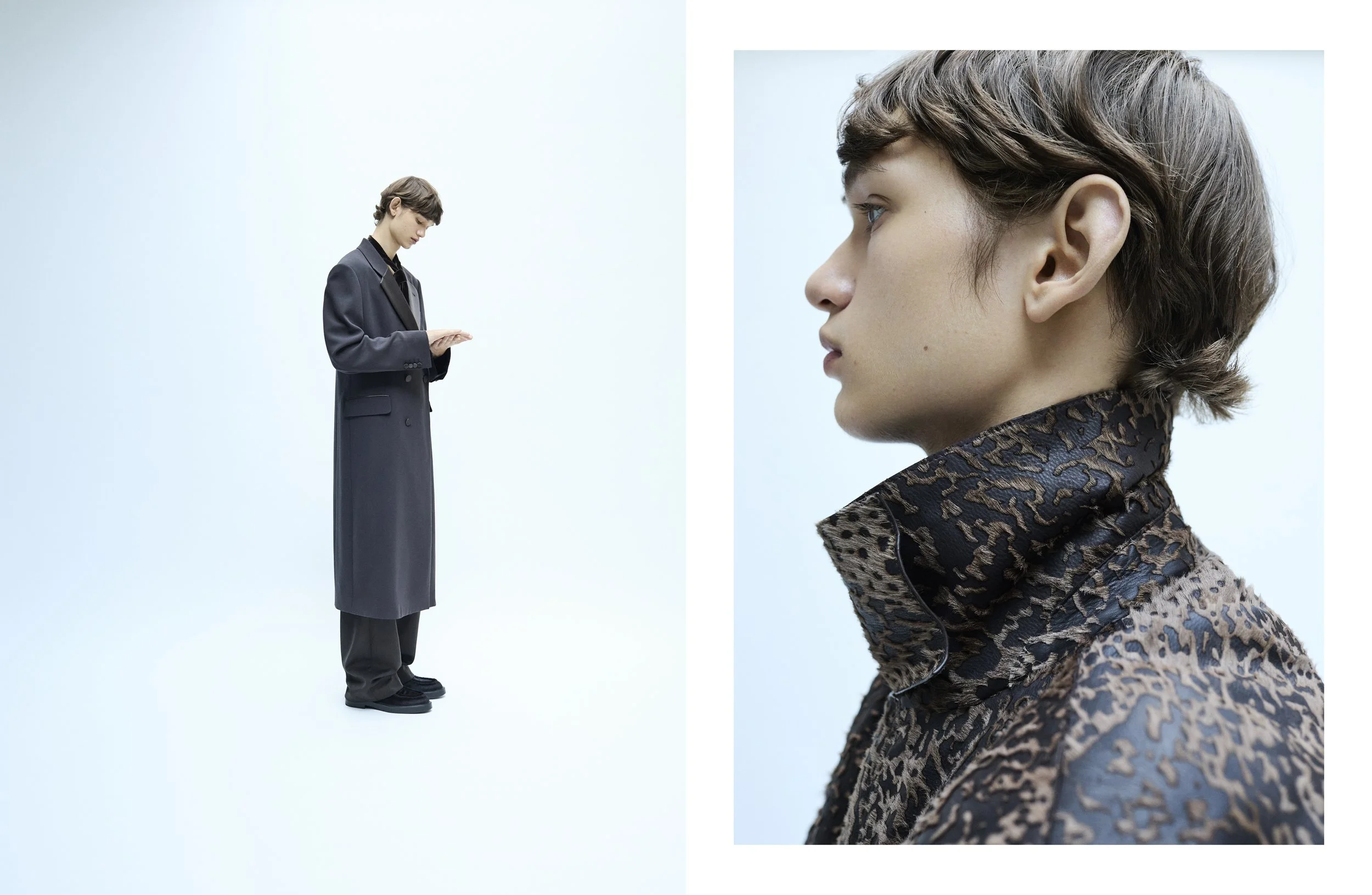
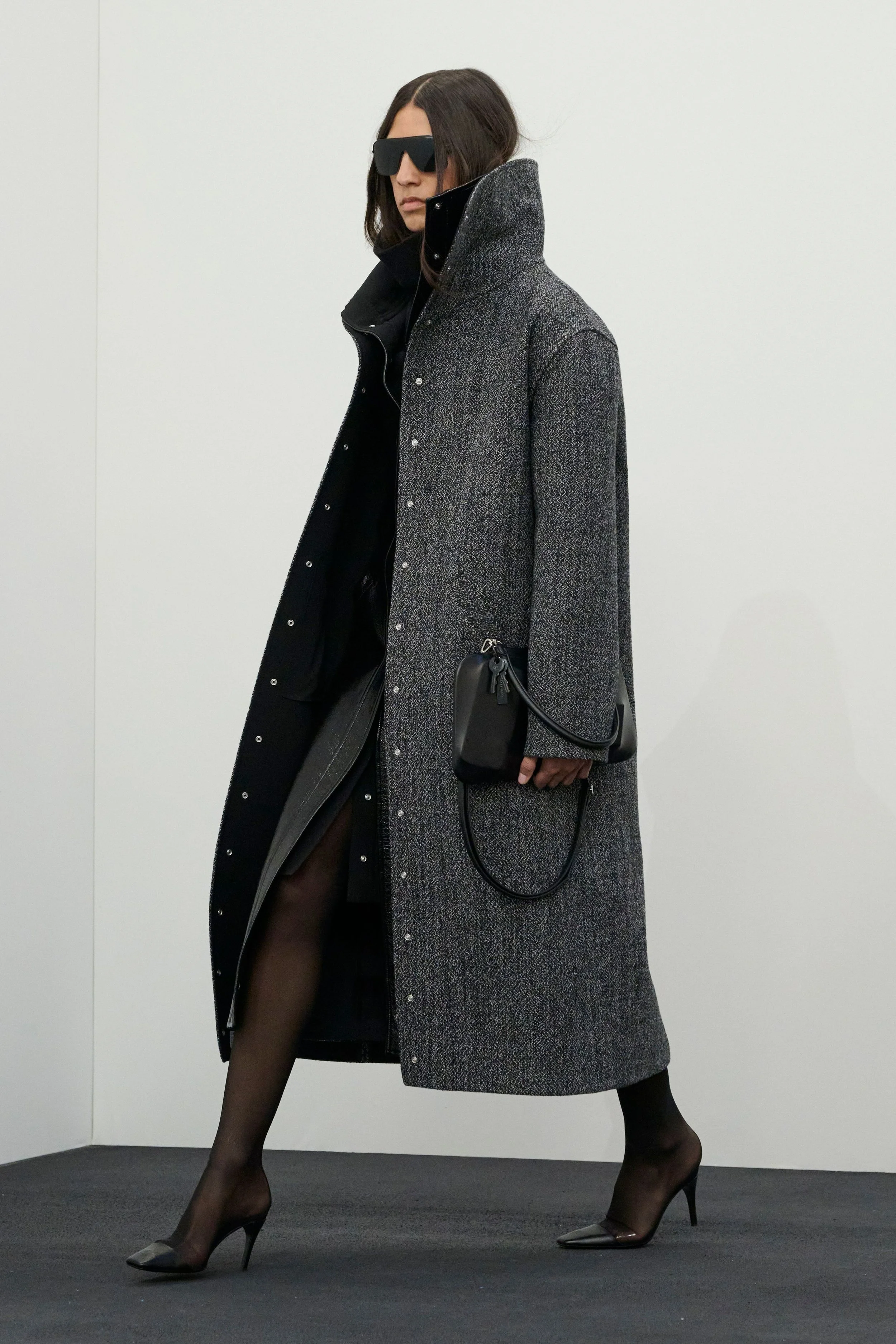
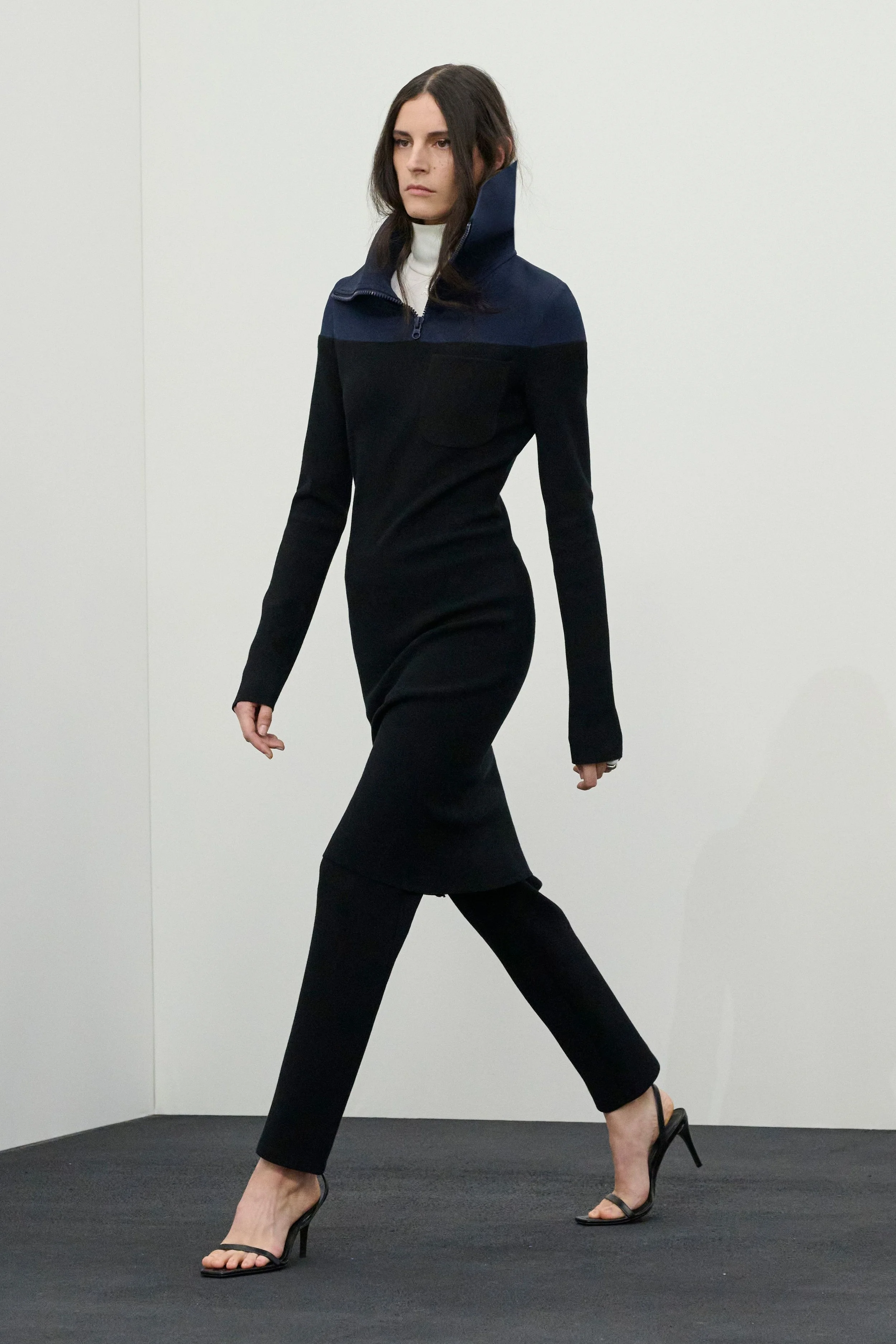
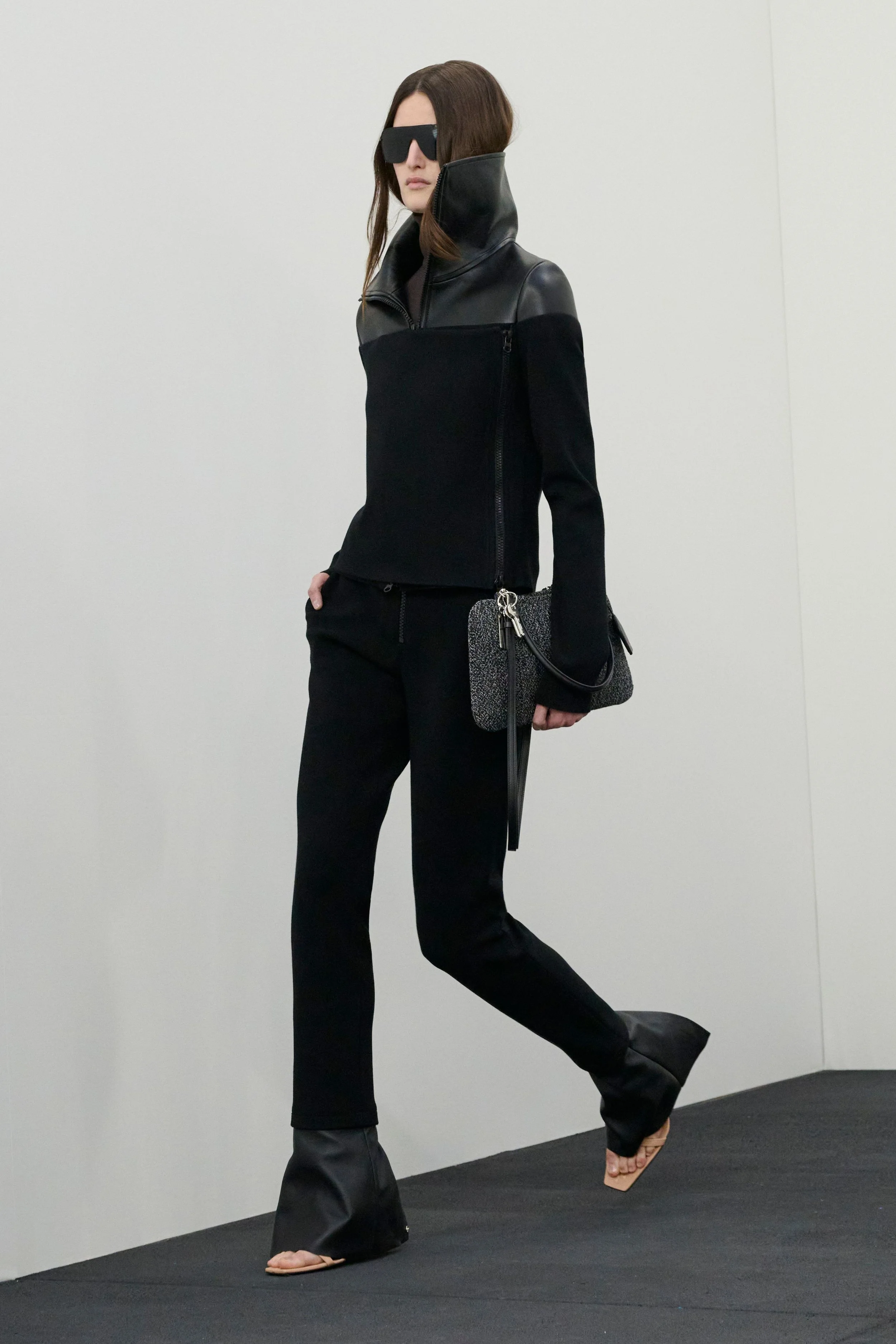
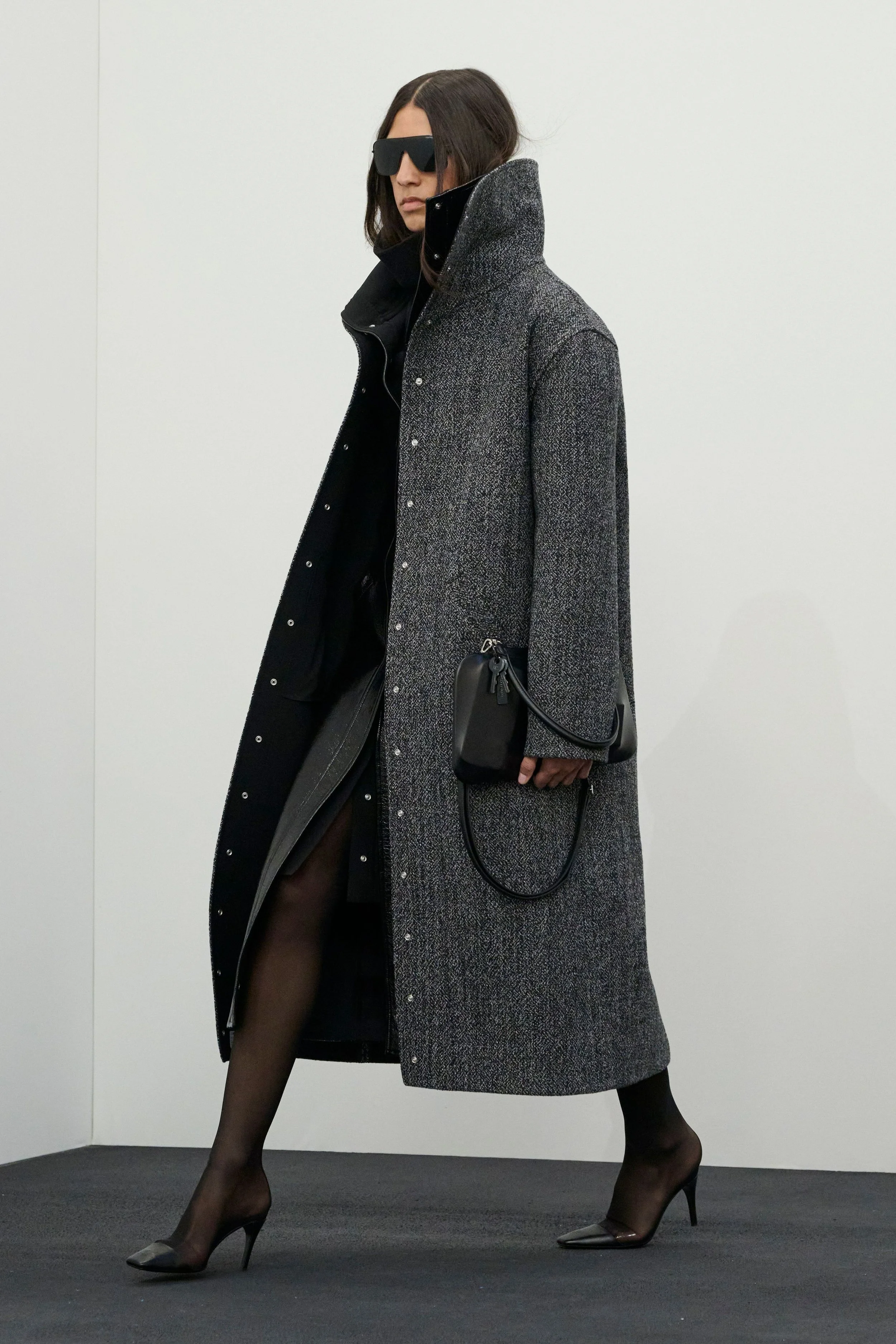
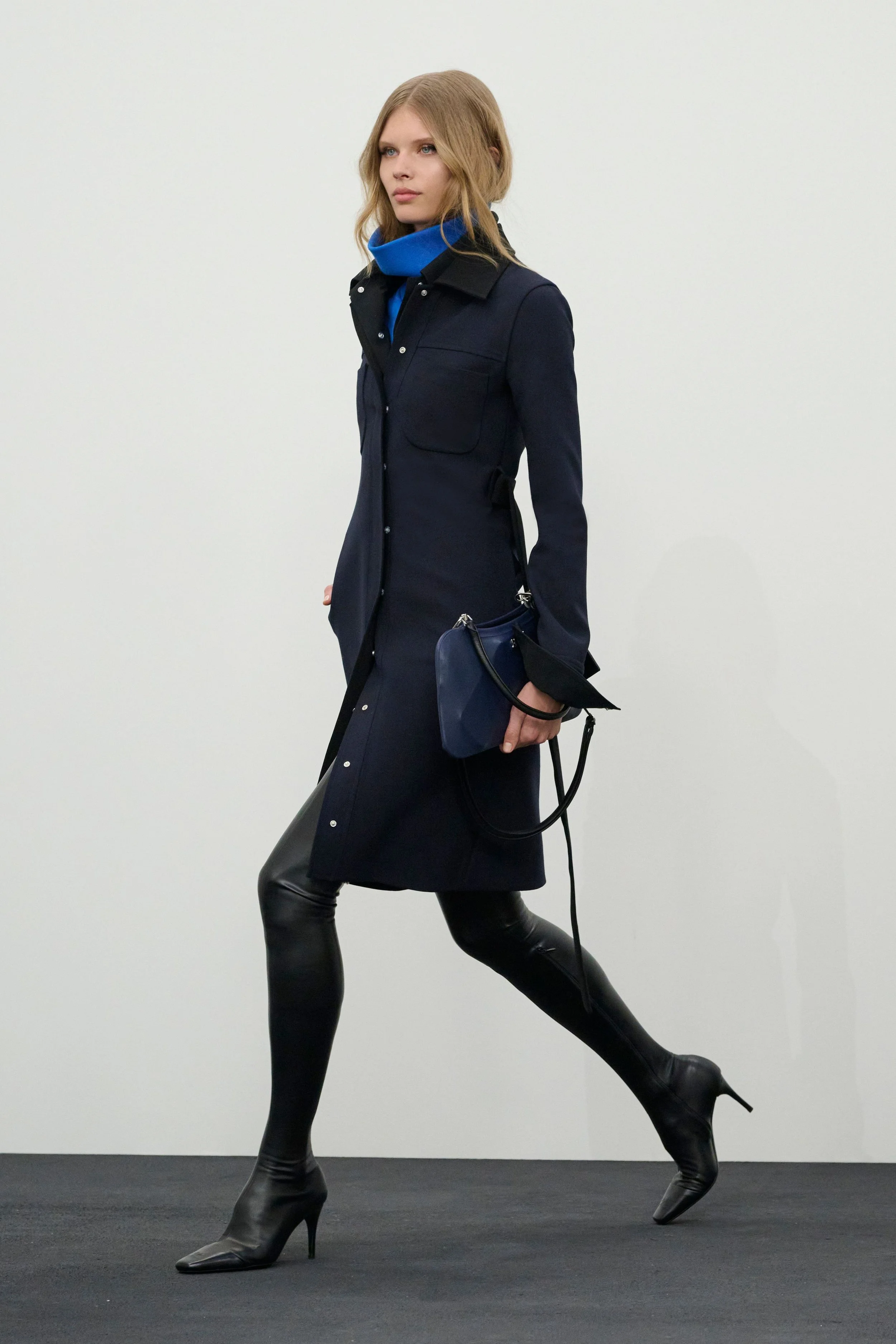
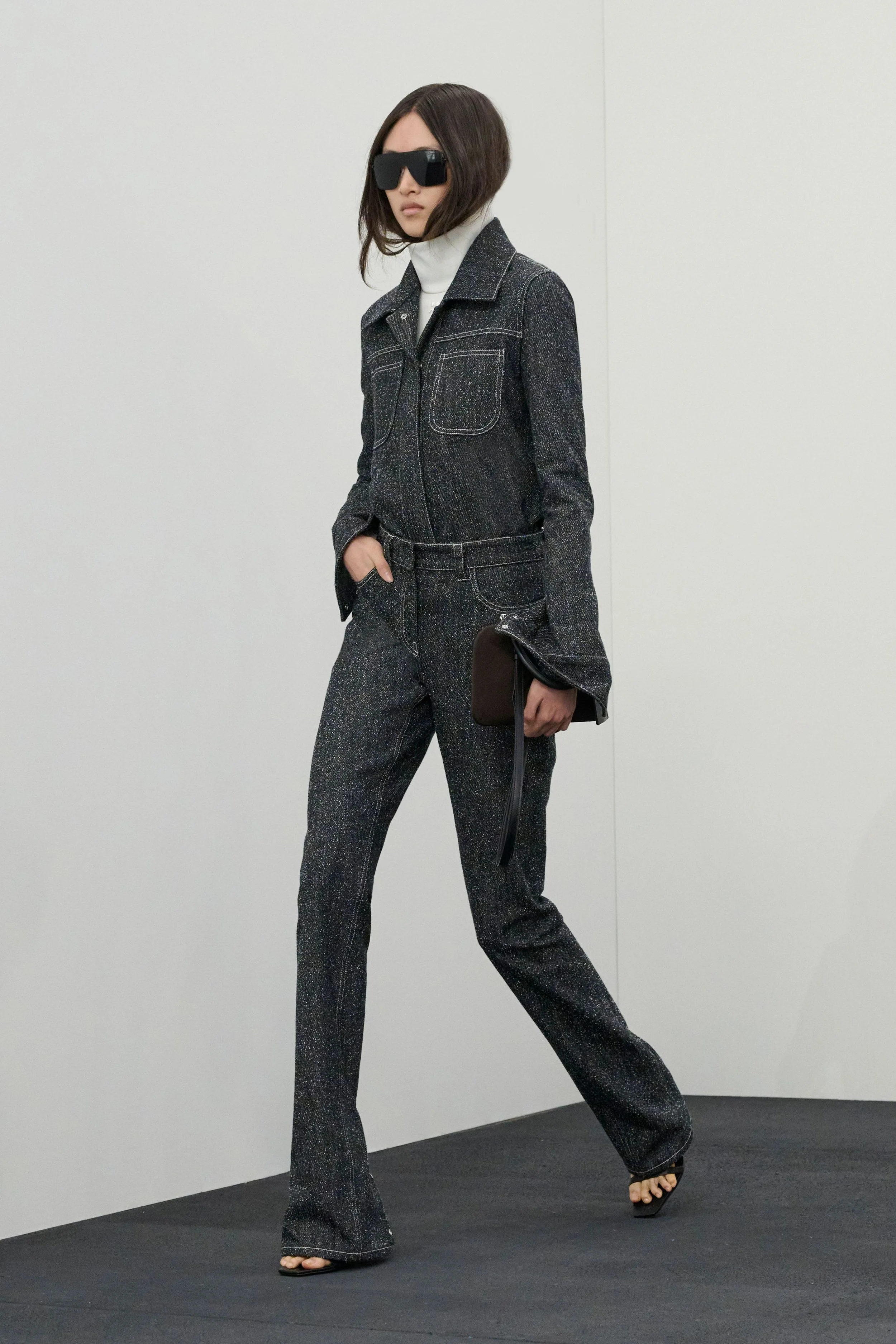
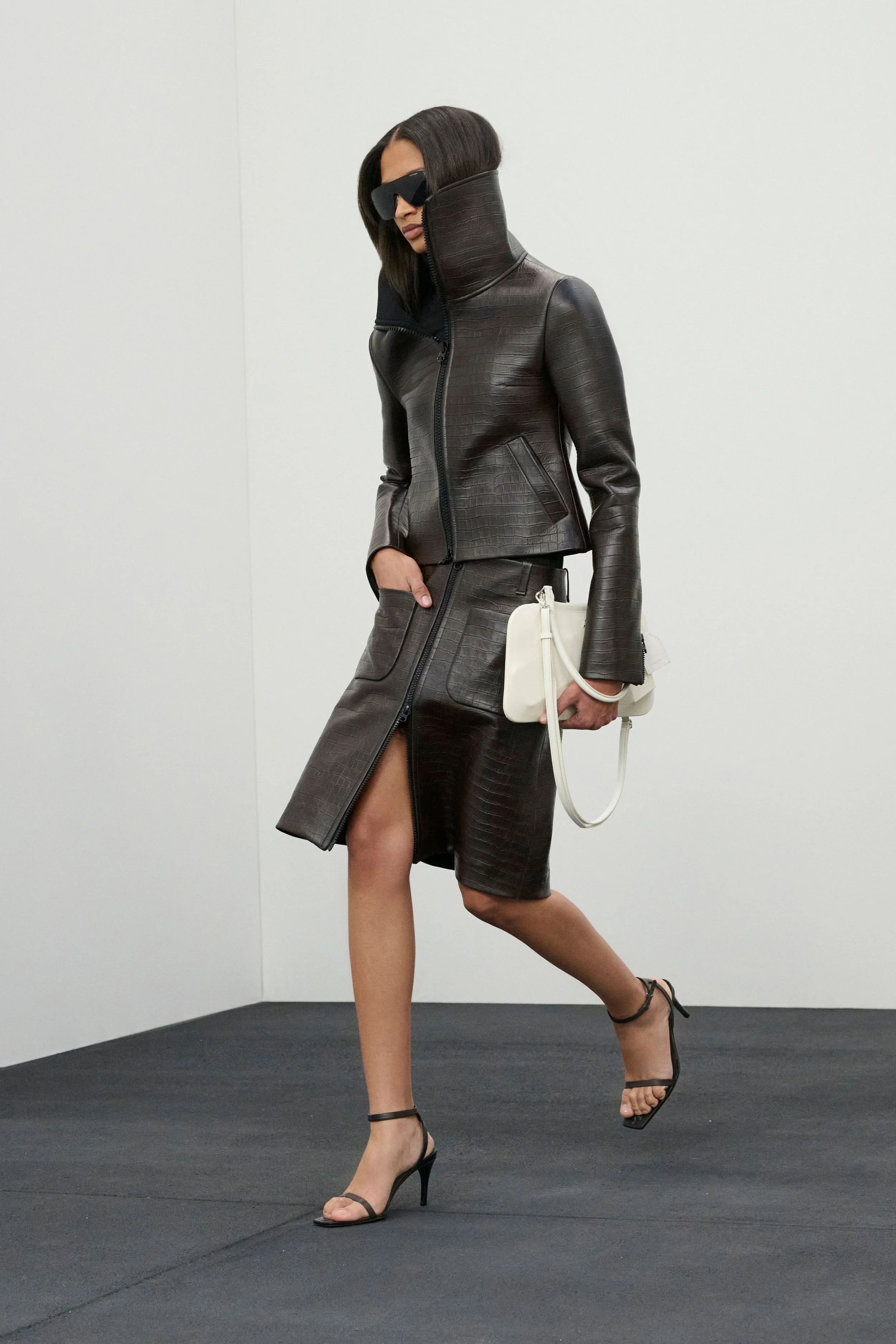
The wardrobe mirrored this sense of constant motion. Technical quarter-zip tops accented with leather, robust wool coats with dramatically popped XL collars, and navy shirt dresses layered over cobalt blue turtlenecks evoked the practicality of daytime dressing. Sets in speckled denim further reinforced the utilitarian mood. Accessories followed suit: bags appeared larger and decidedly more day-appropriate, featuring a clever design detail — the visible outline of the everyday essentials tucked inside.
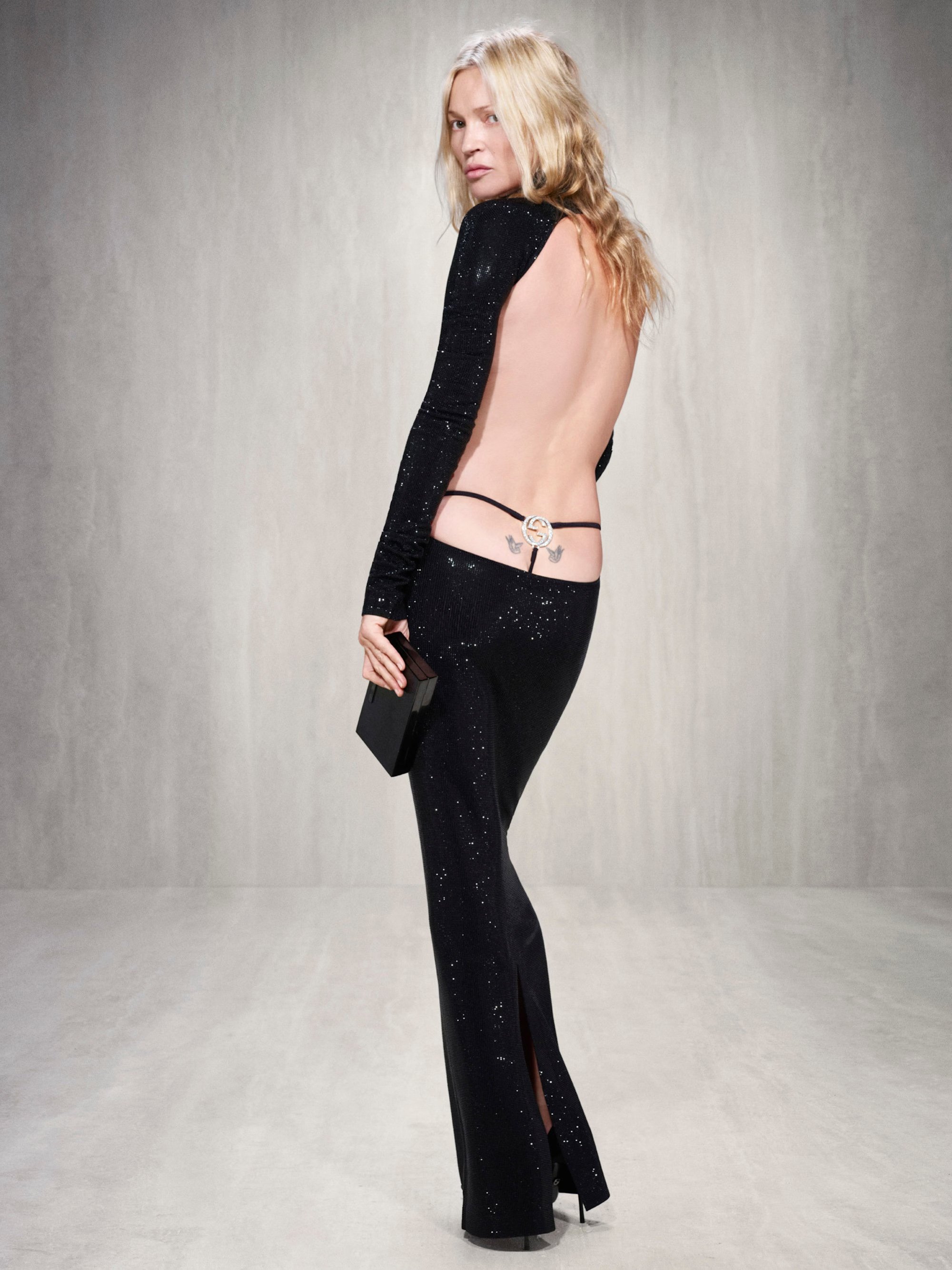
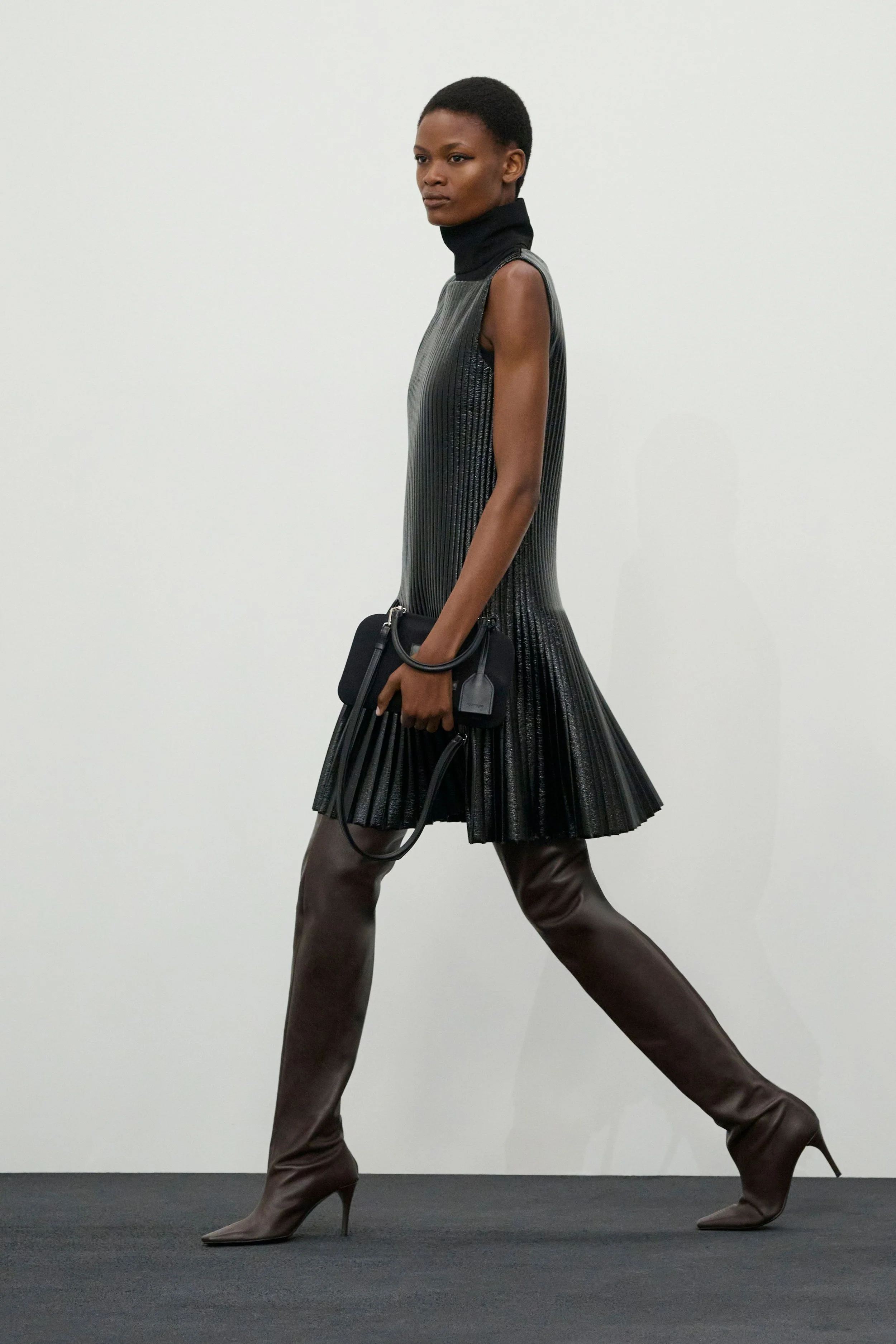
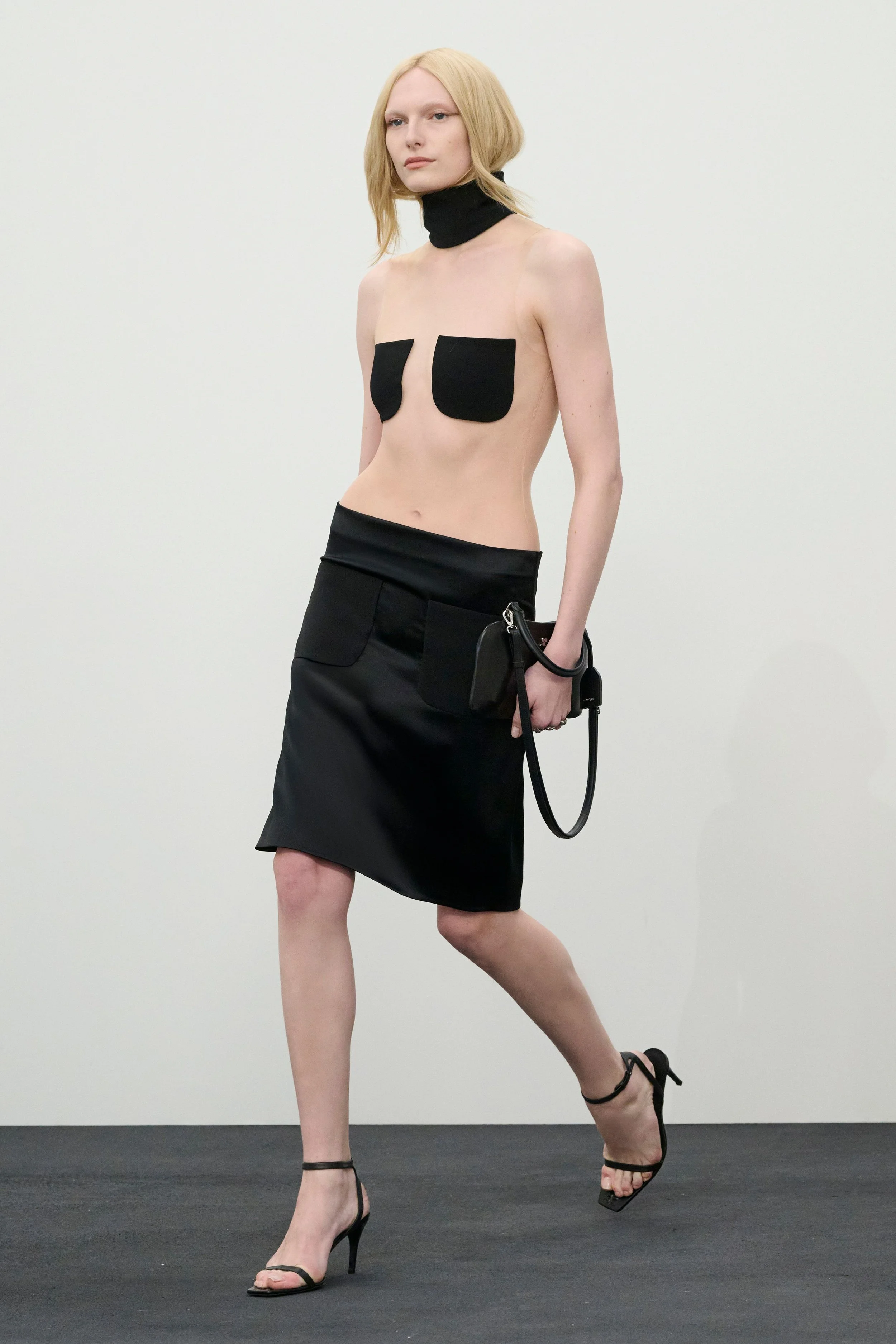
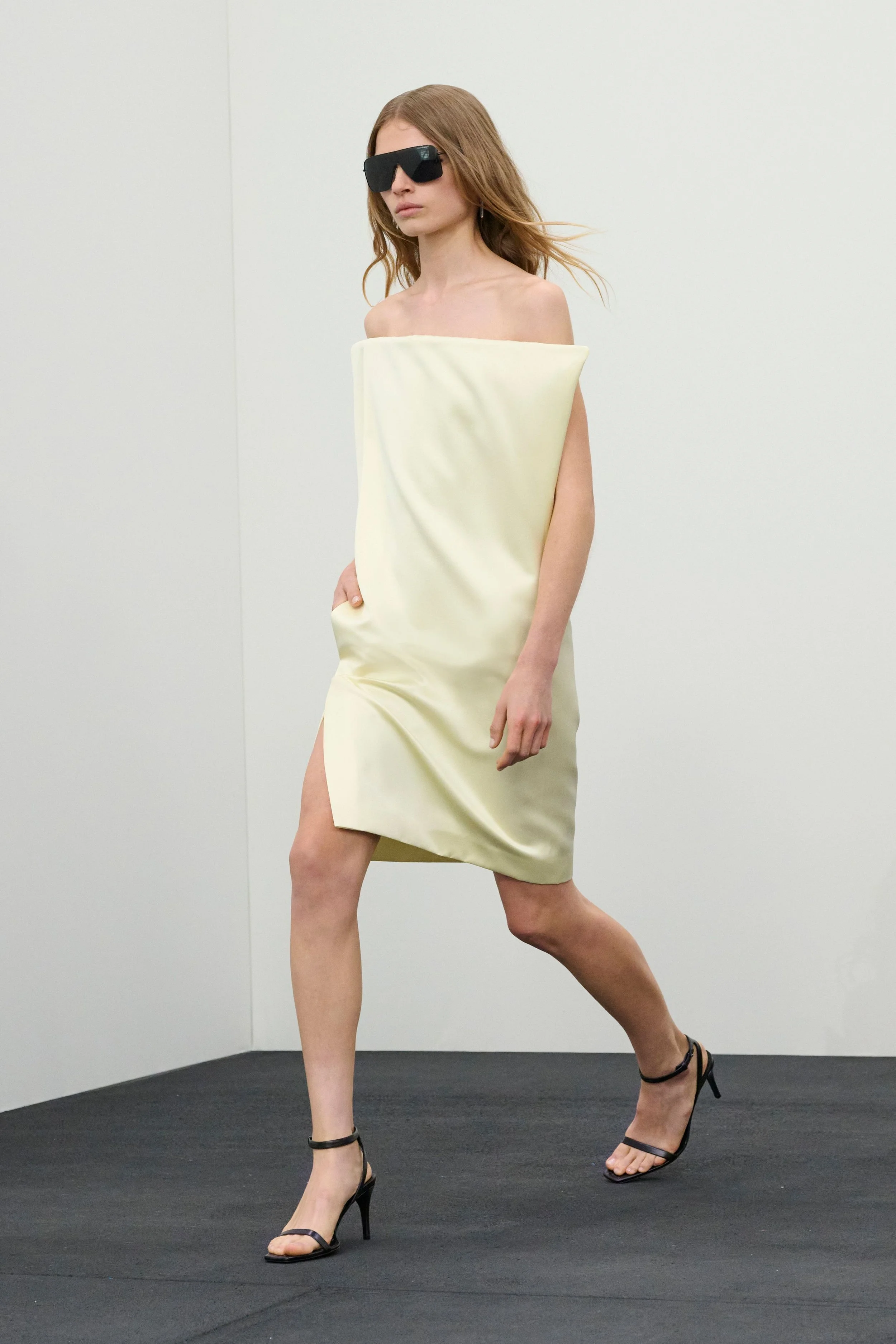
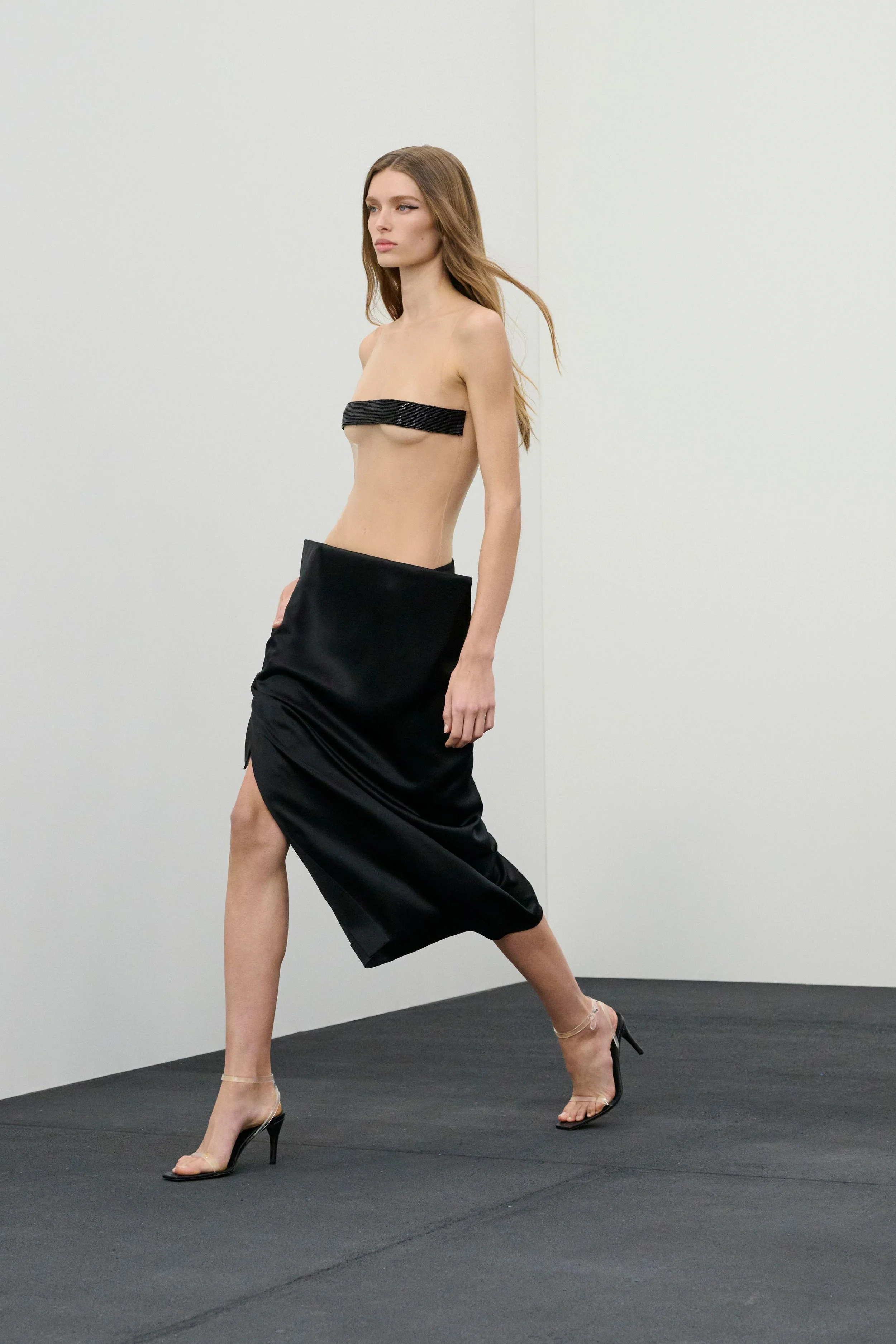
As evening fell, Di Felice returned to the codes that have defined his tenure at Courrèges, but with a renewed twist. On Alex Consani, a sleeveless “turtleneck” top was rendered in the designer’s barely-there translucent fabric, lending a sharp, provocative edge. Sculptural dresses shimmered under the lights, many punctuated by daring slits that hinted at the brand’s signature sensuality.
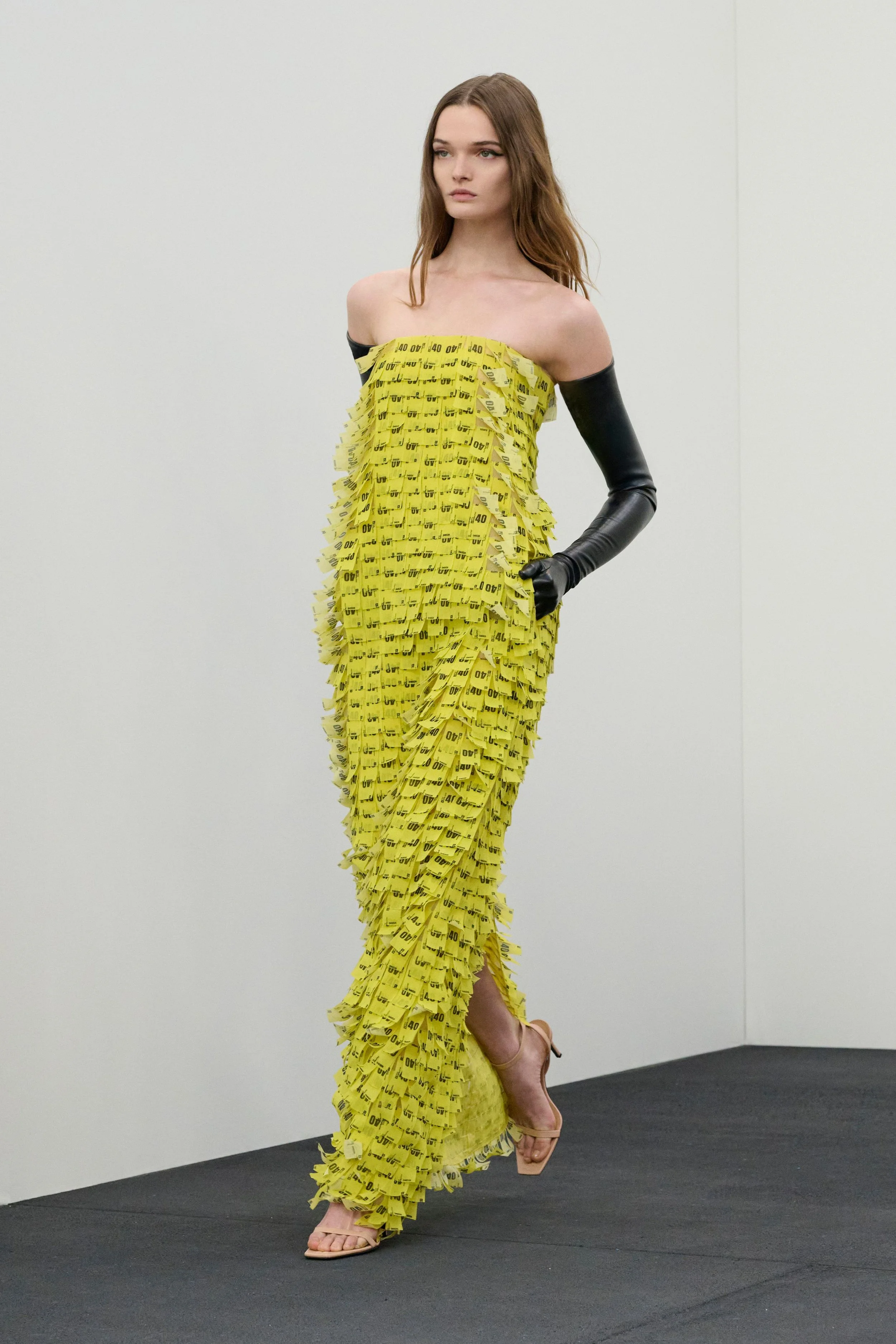
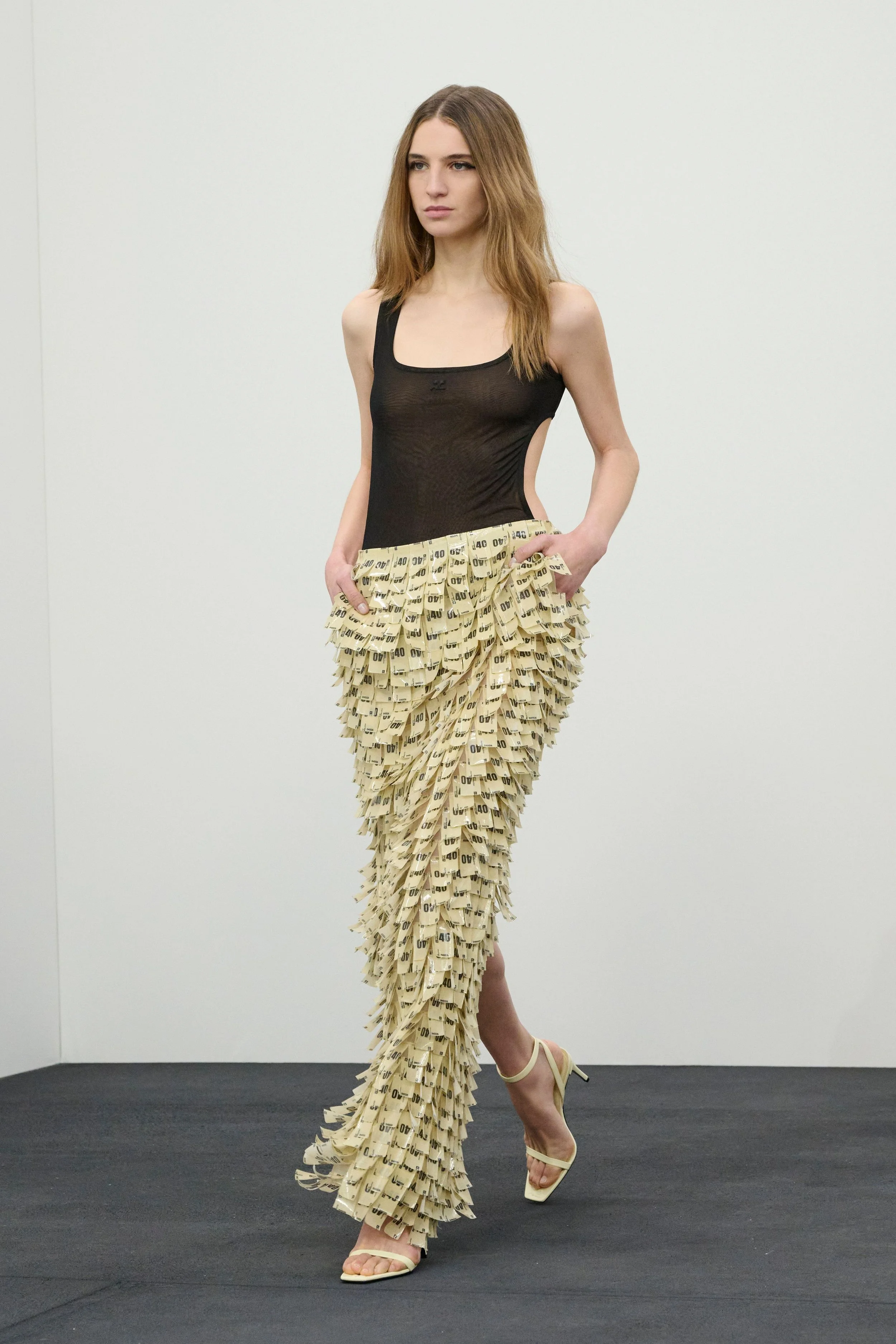
Di Felice’s most experimental gestures arrived in the form of dresses and skirts constructed from coat-check and metro tickets — fragments of the city’s daily choreography transformed into unexpected couture material.
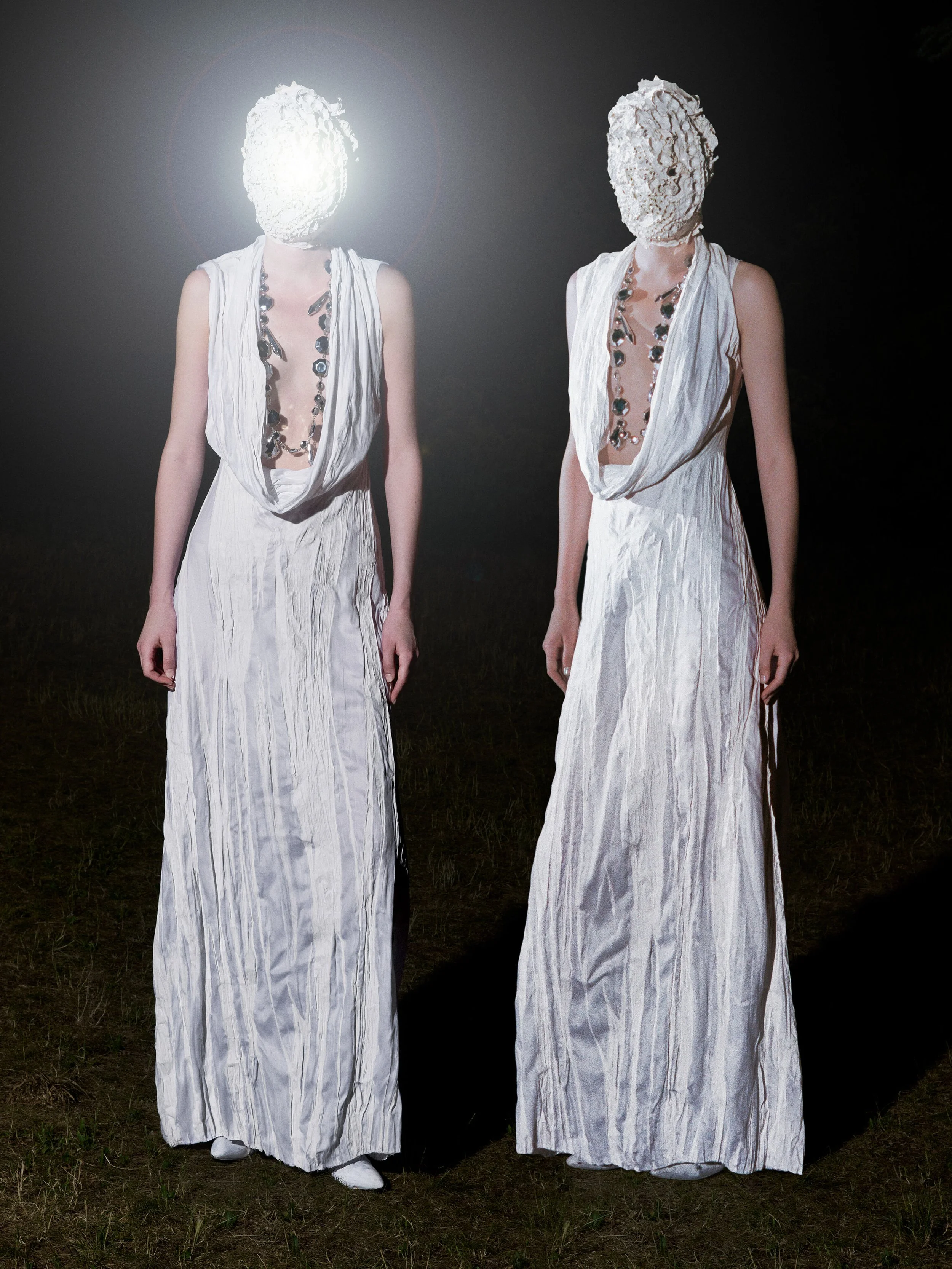
For the finale, the models reappeared in white iterations of the collection’s key looks. The gesture felt symbolic: a blank slate, perhaps, marking both Di Felice’s first five years at Courrèges and the promise of the next chapter.
Words by Martin Onufrowicz