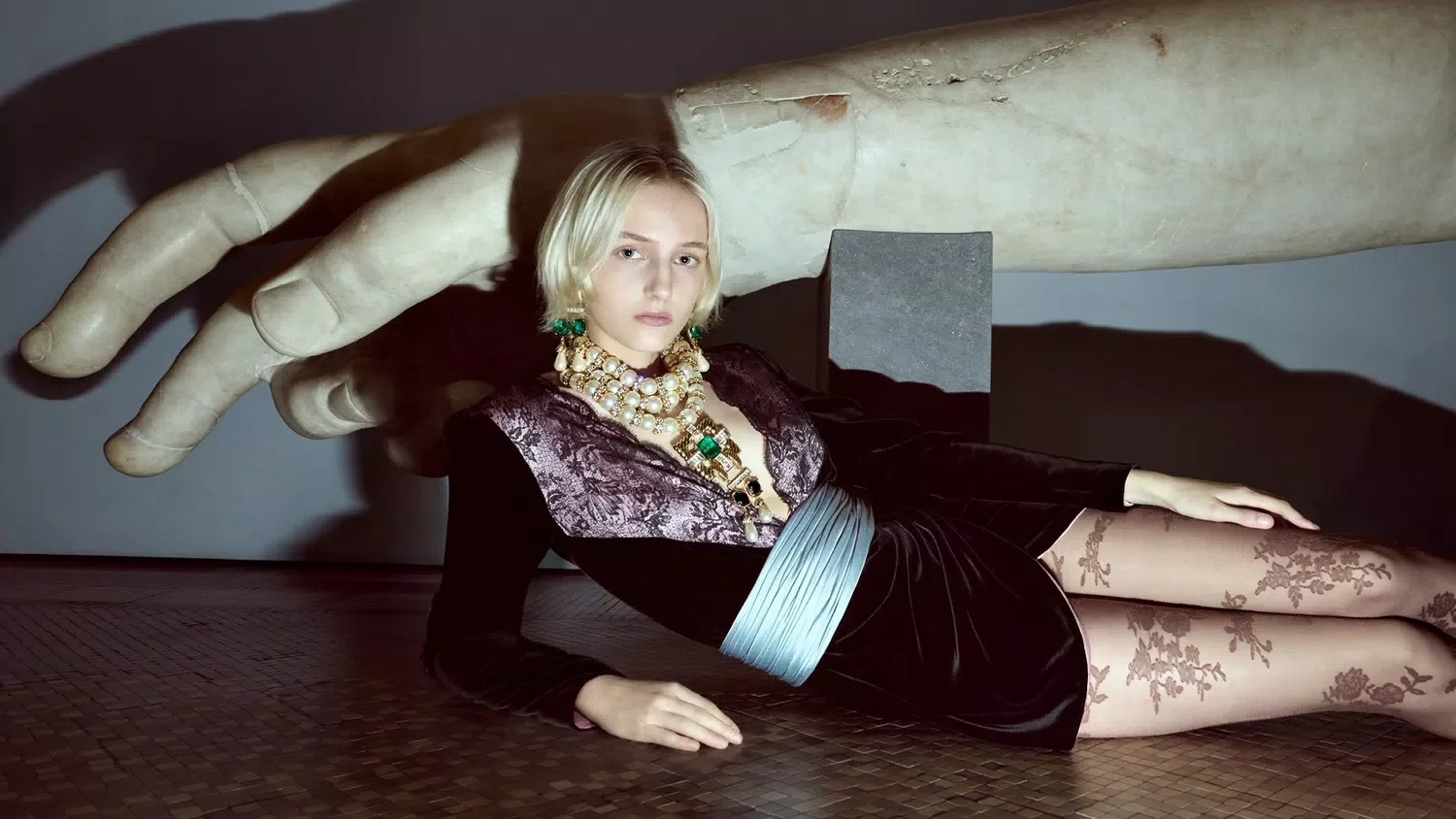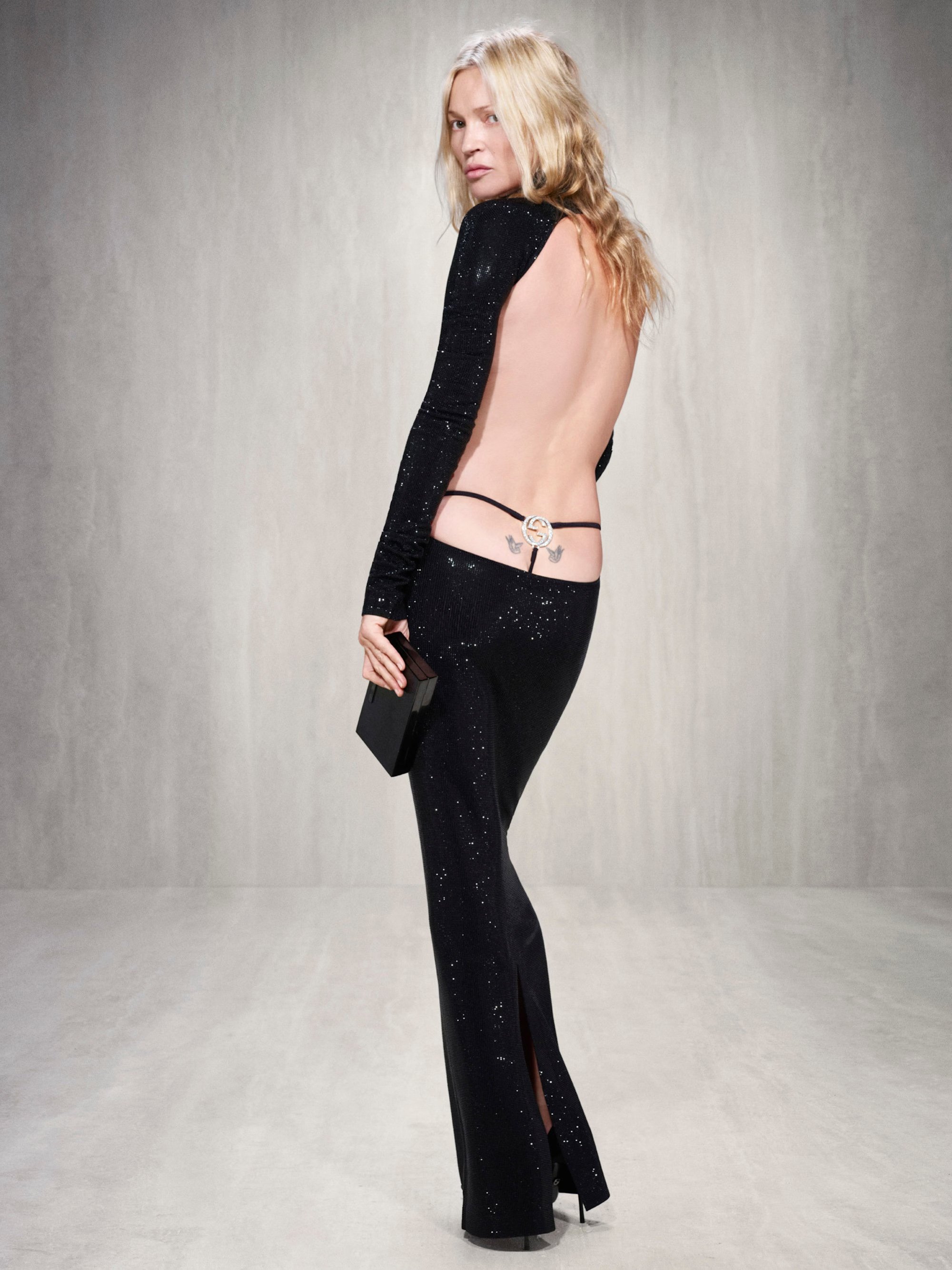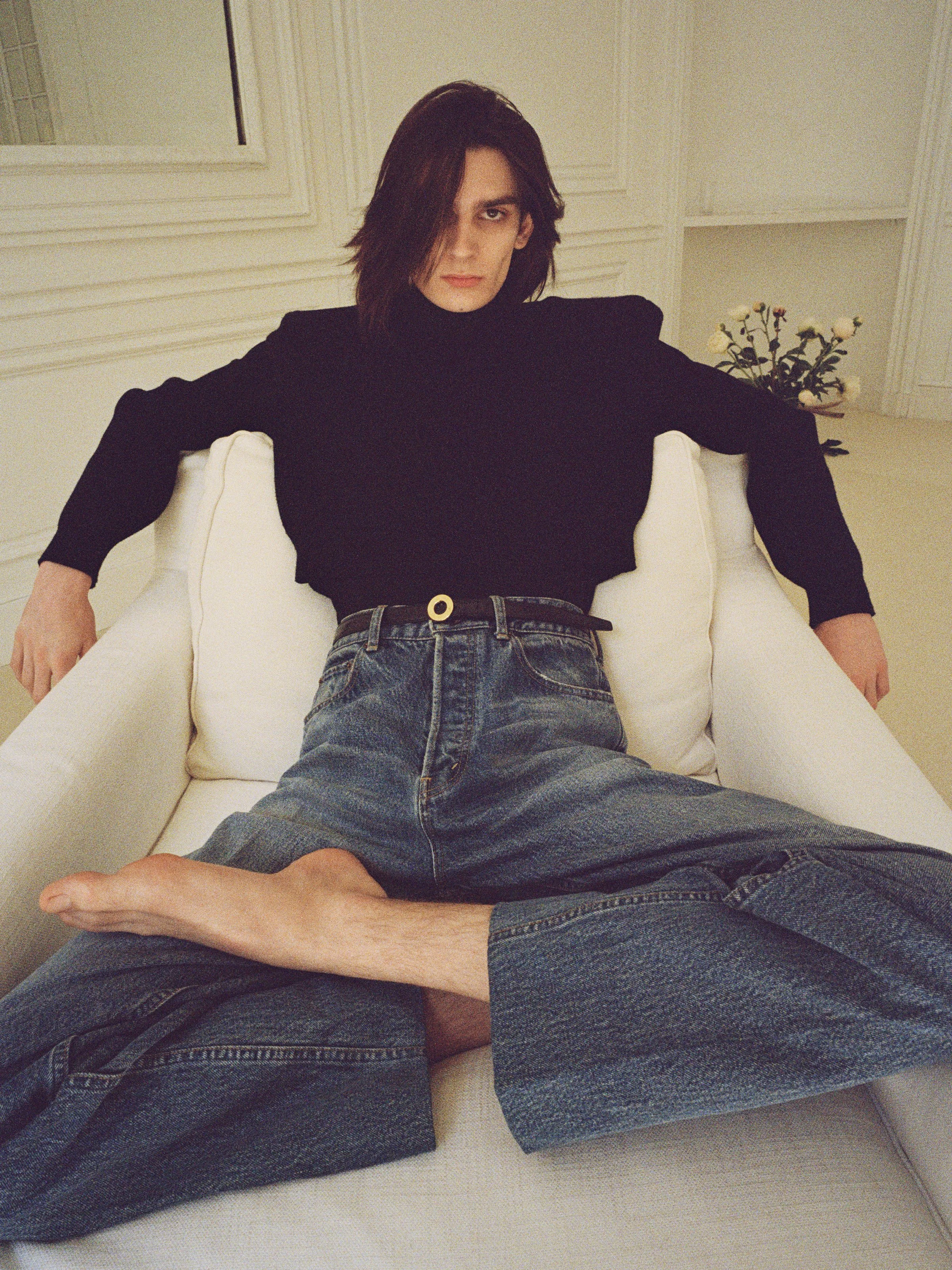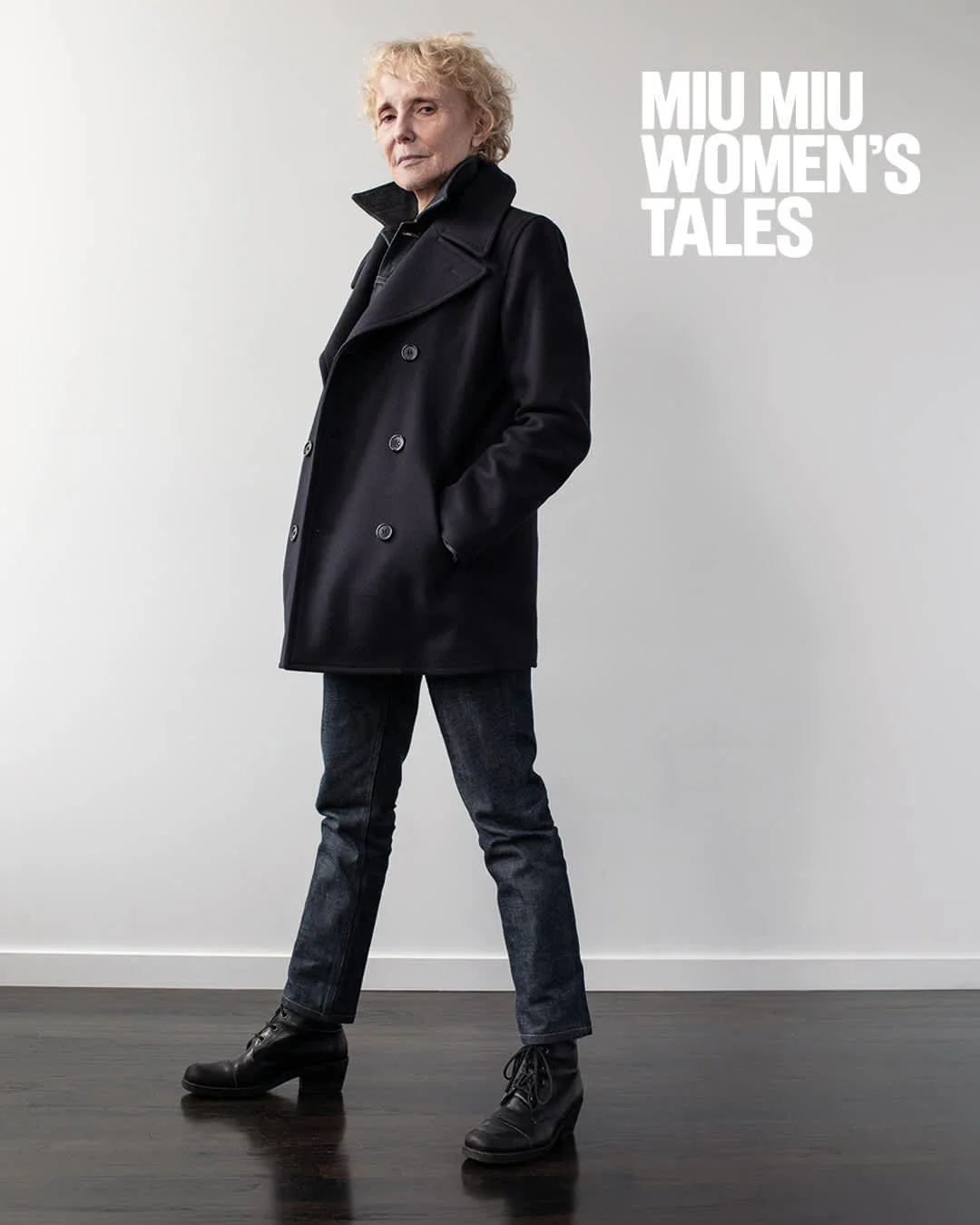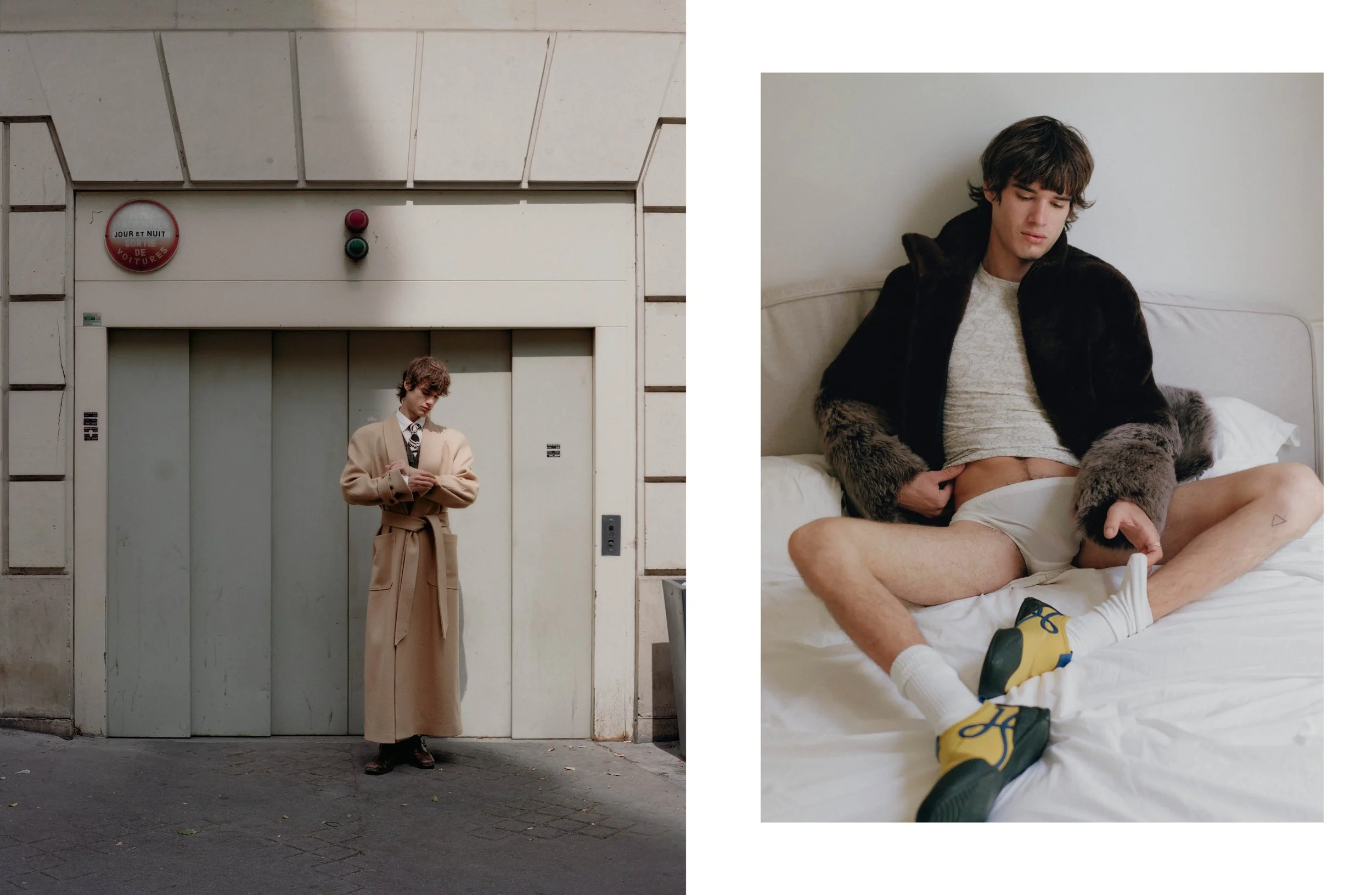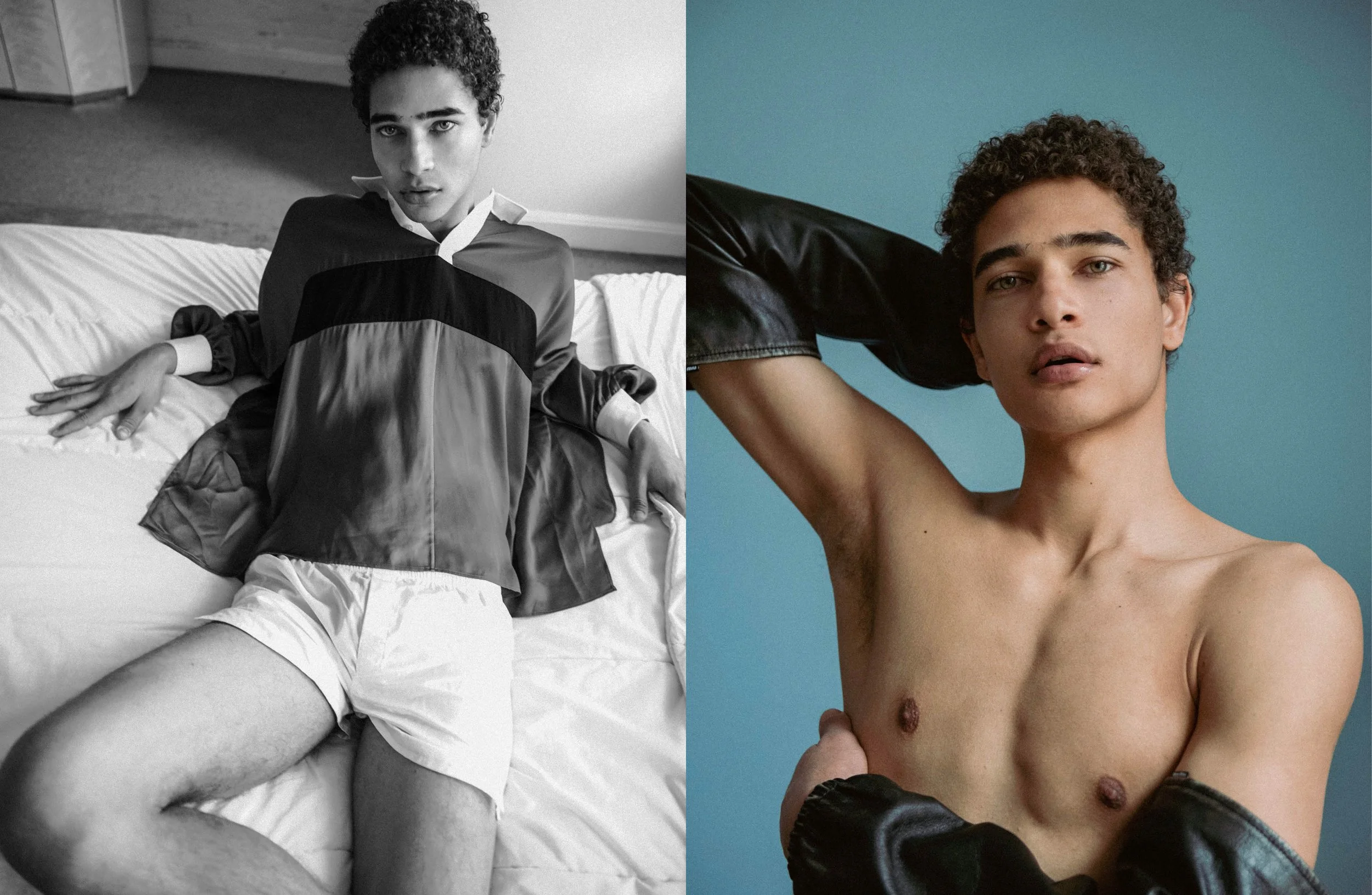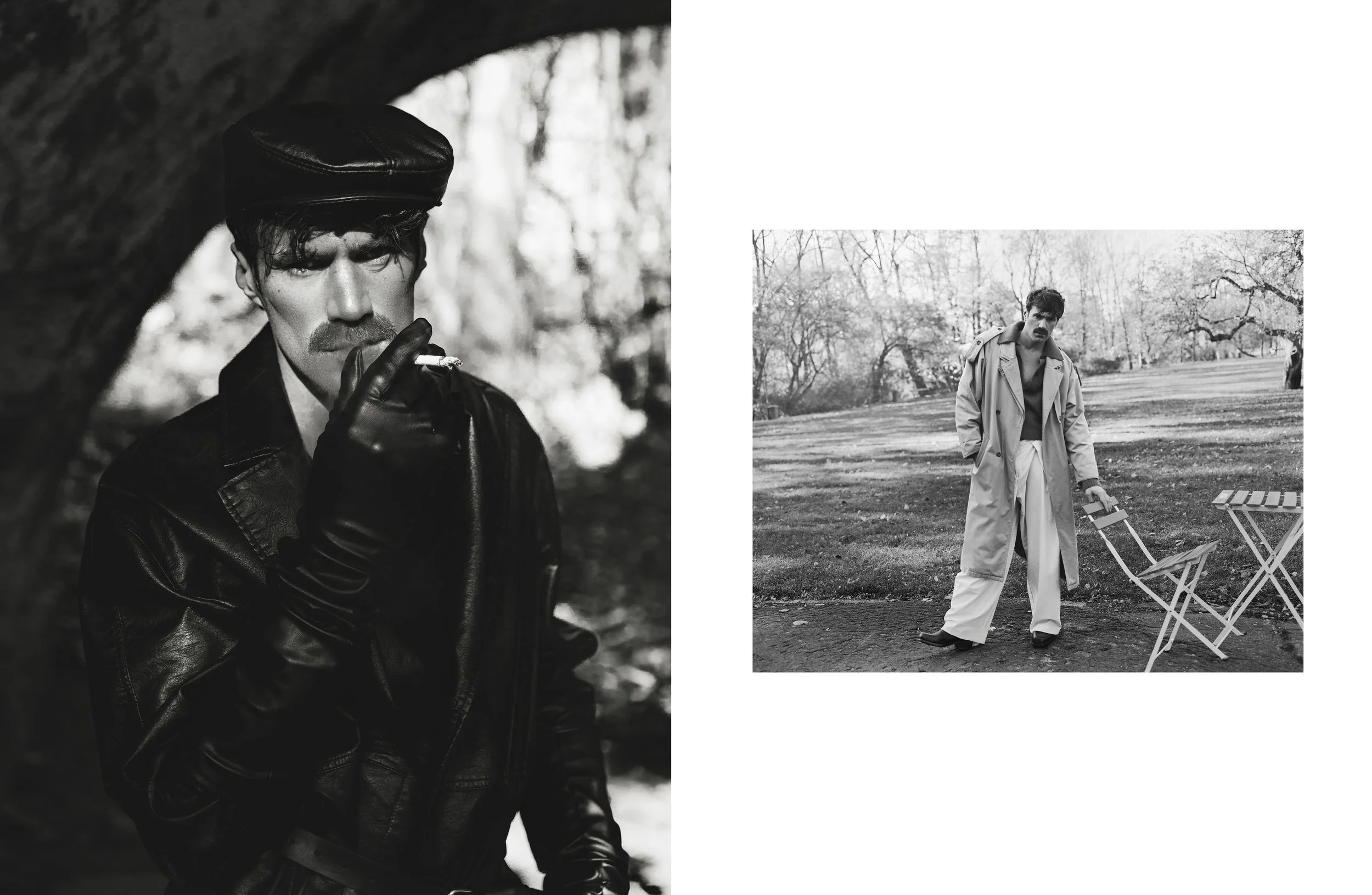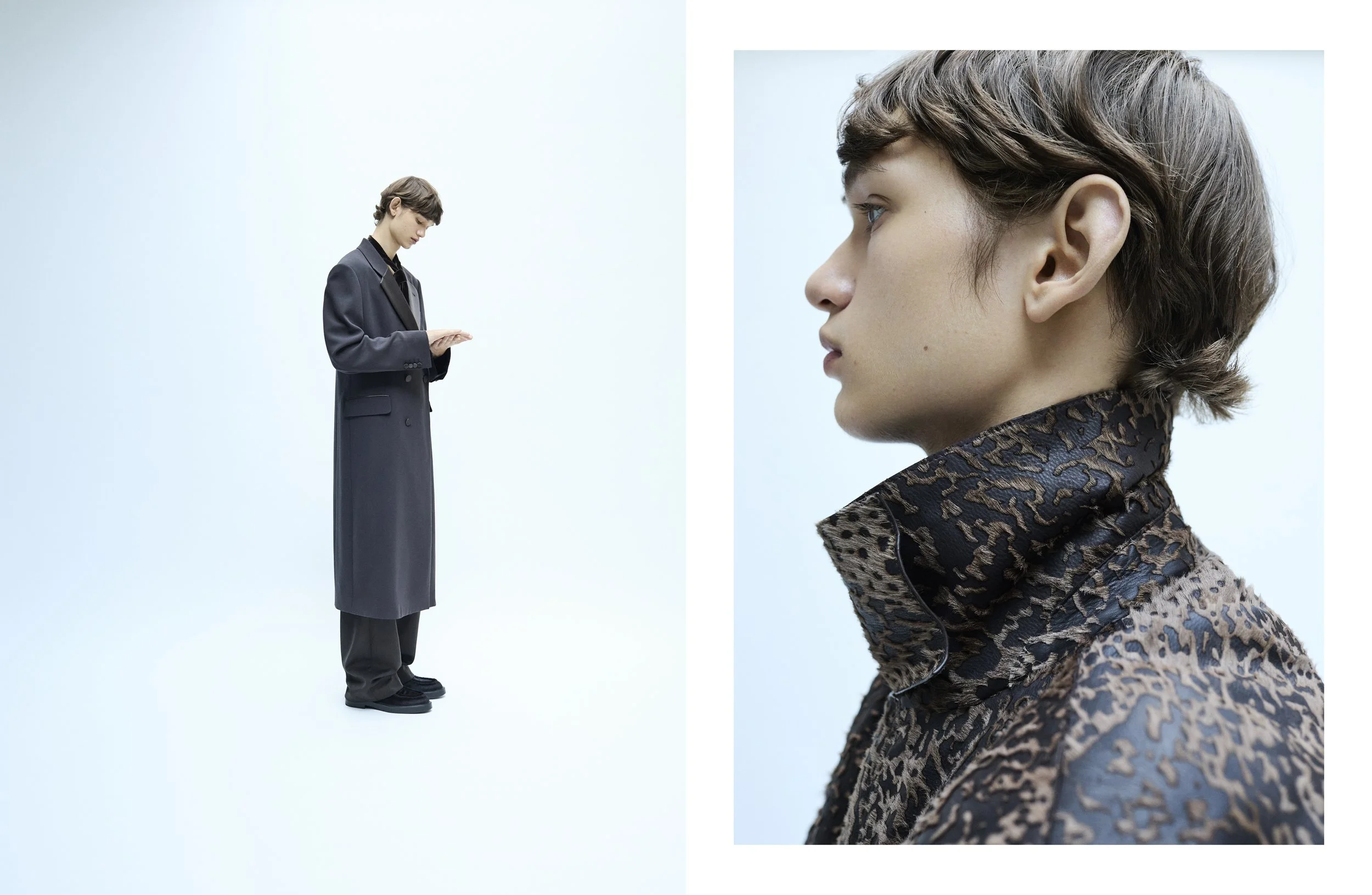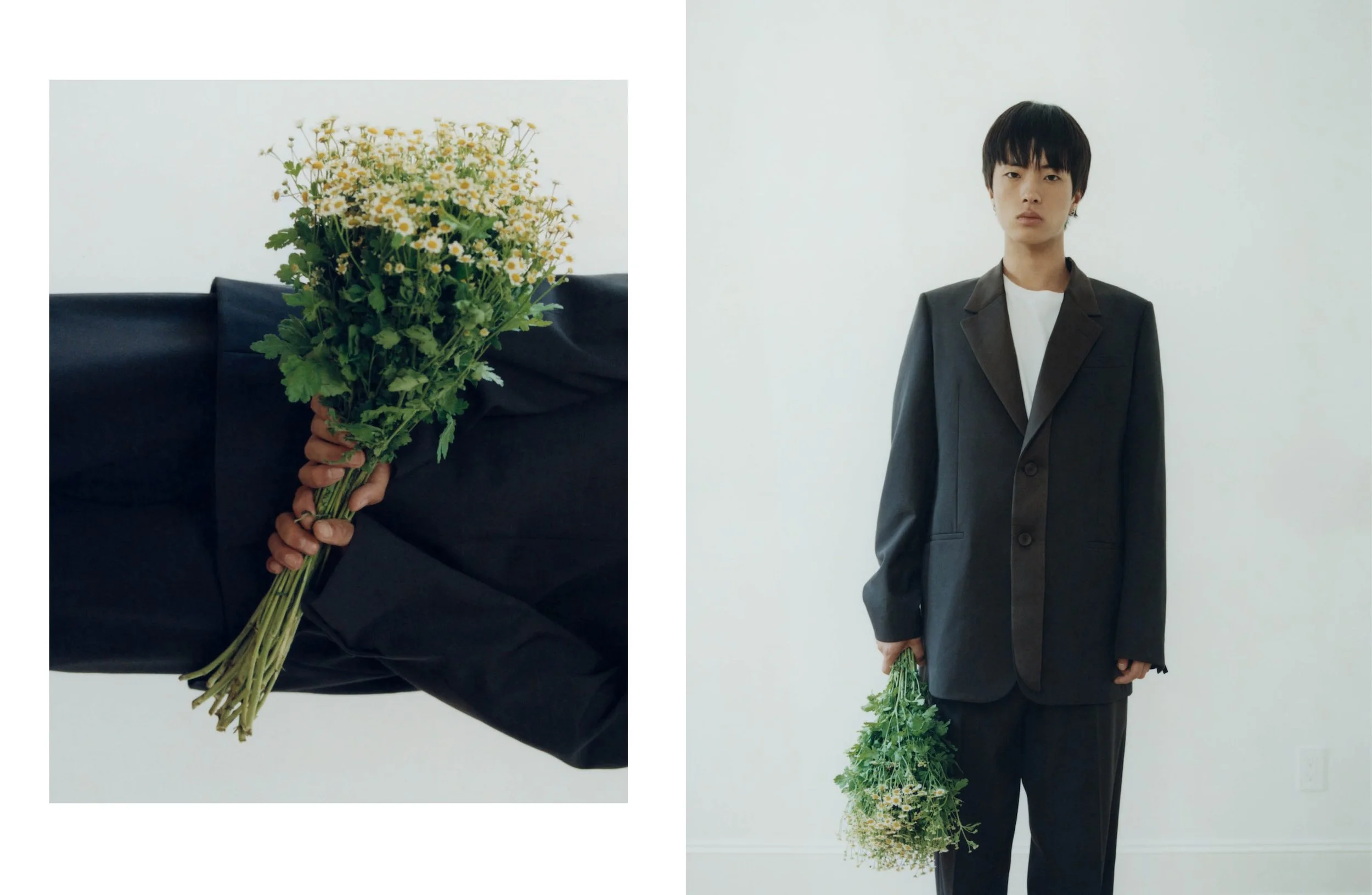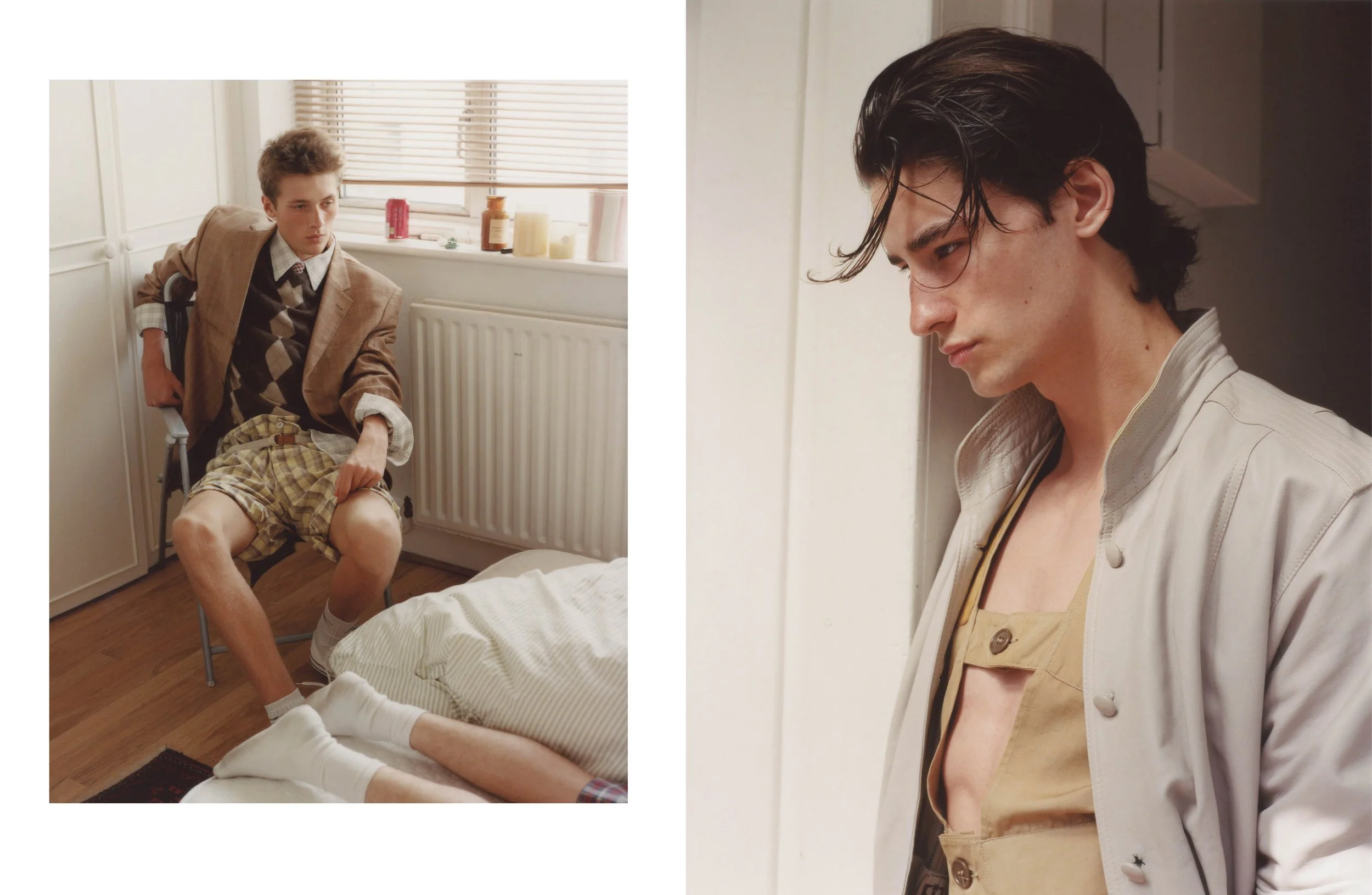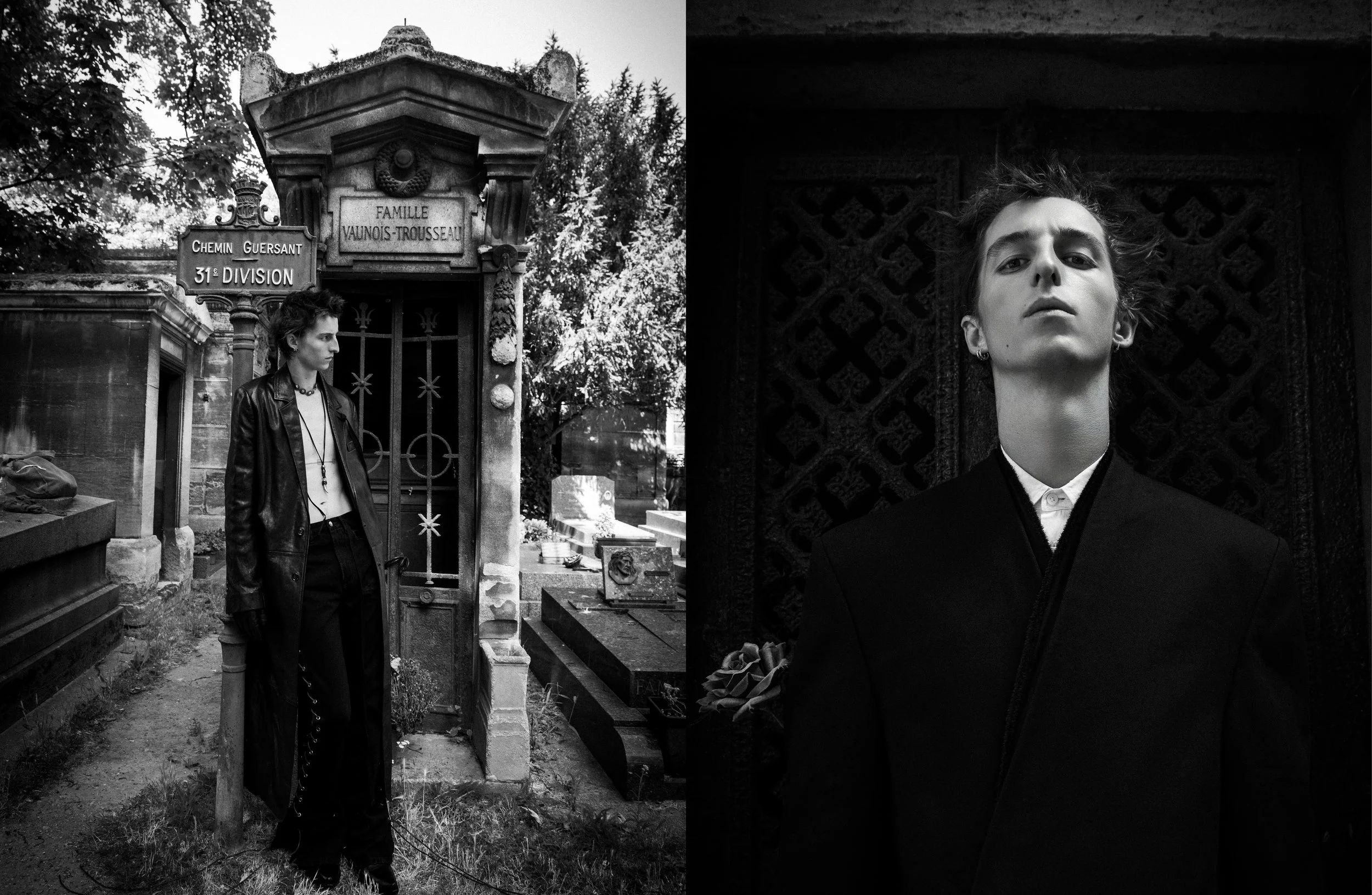
Nicolas Ghesquière doesn’t worship at the self-referential altar of the maison he leads. He tends carefully to the legacy of Louis Vuitton, of course, but rarely feels compelled to extrapolate from it. The house’s history — simultaneously one of the oldest in fashion and one of the youngest when it comes to ready-to-wear — affords him such freedom. Louis Vuitton’s Resort 2027 is resonant of this privilege.
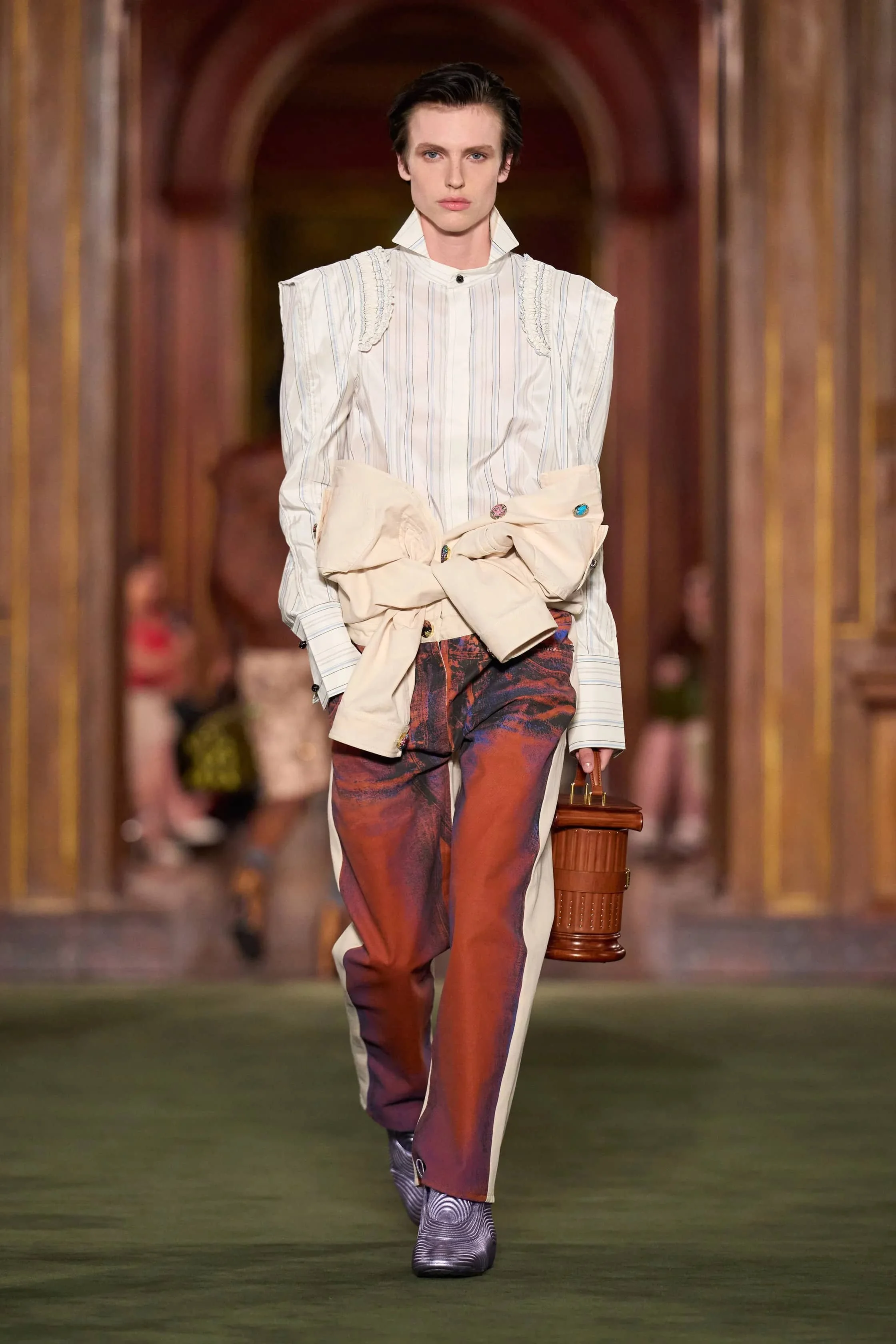
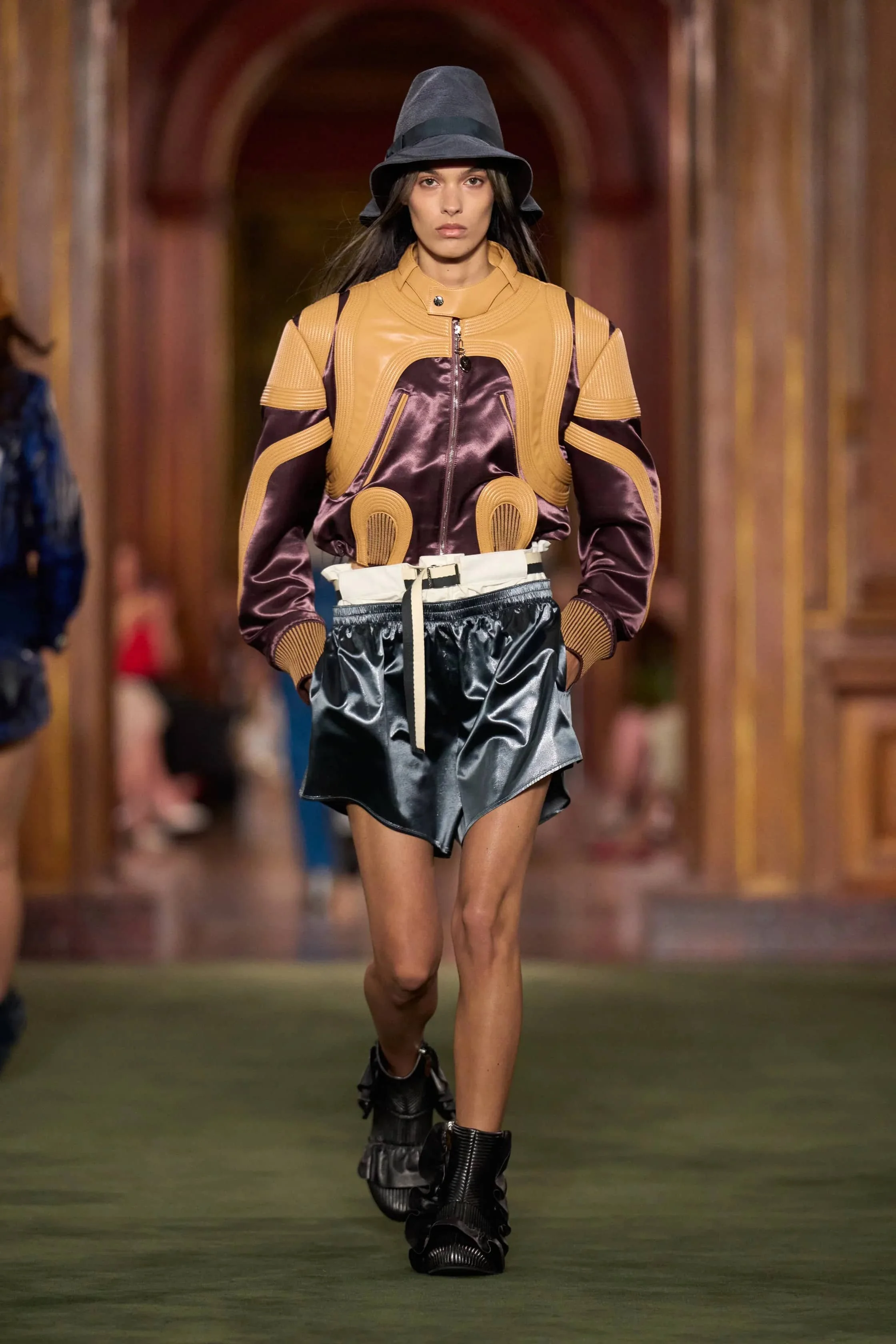
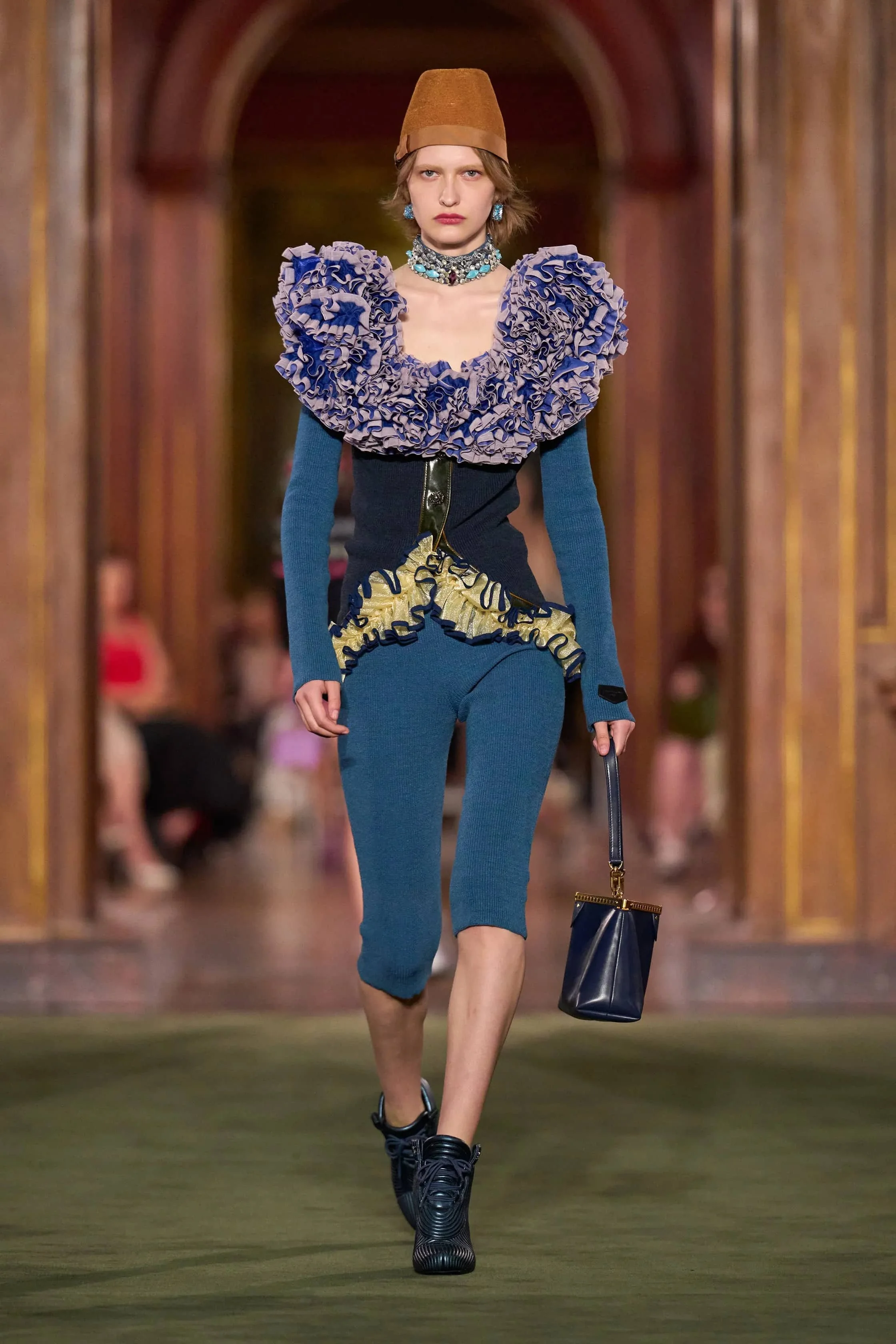
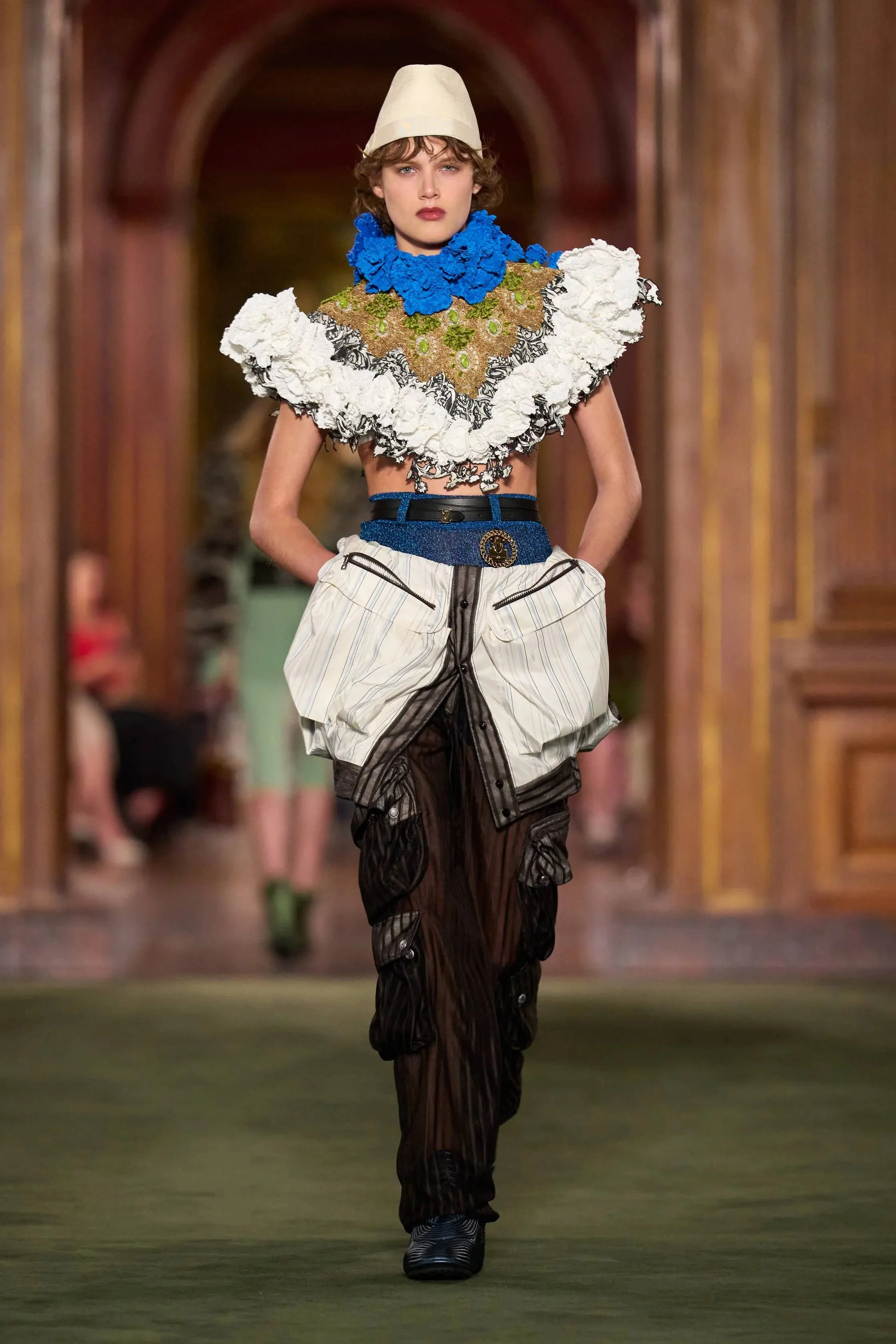
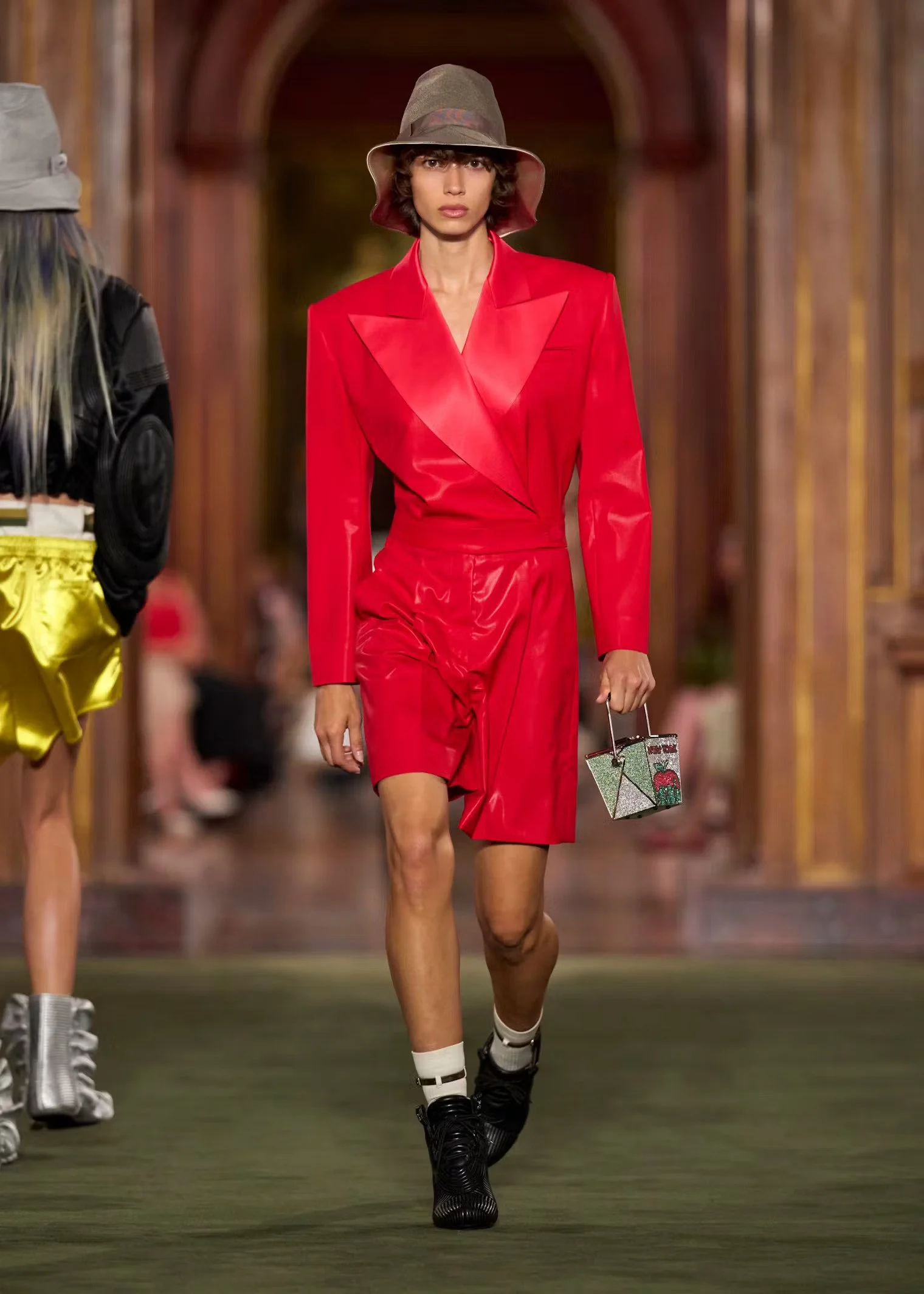
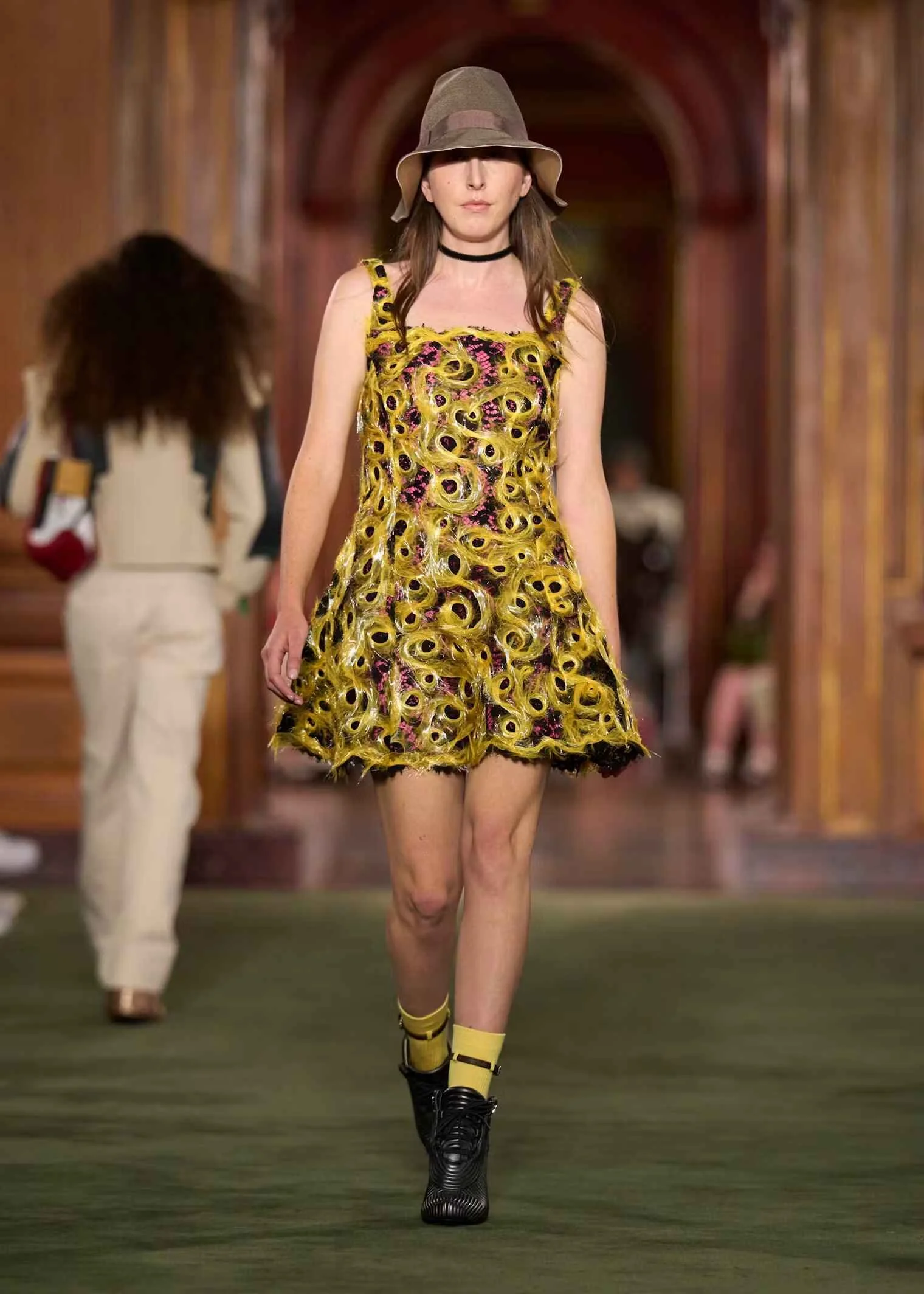
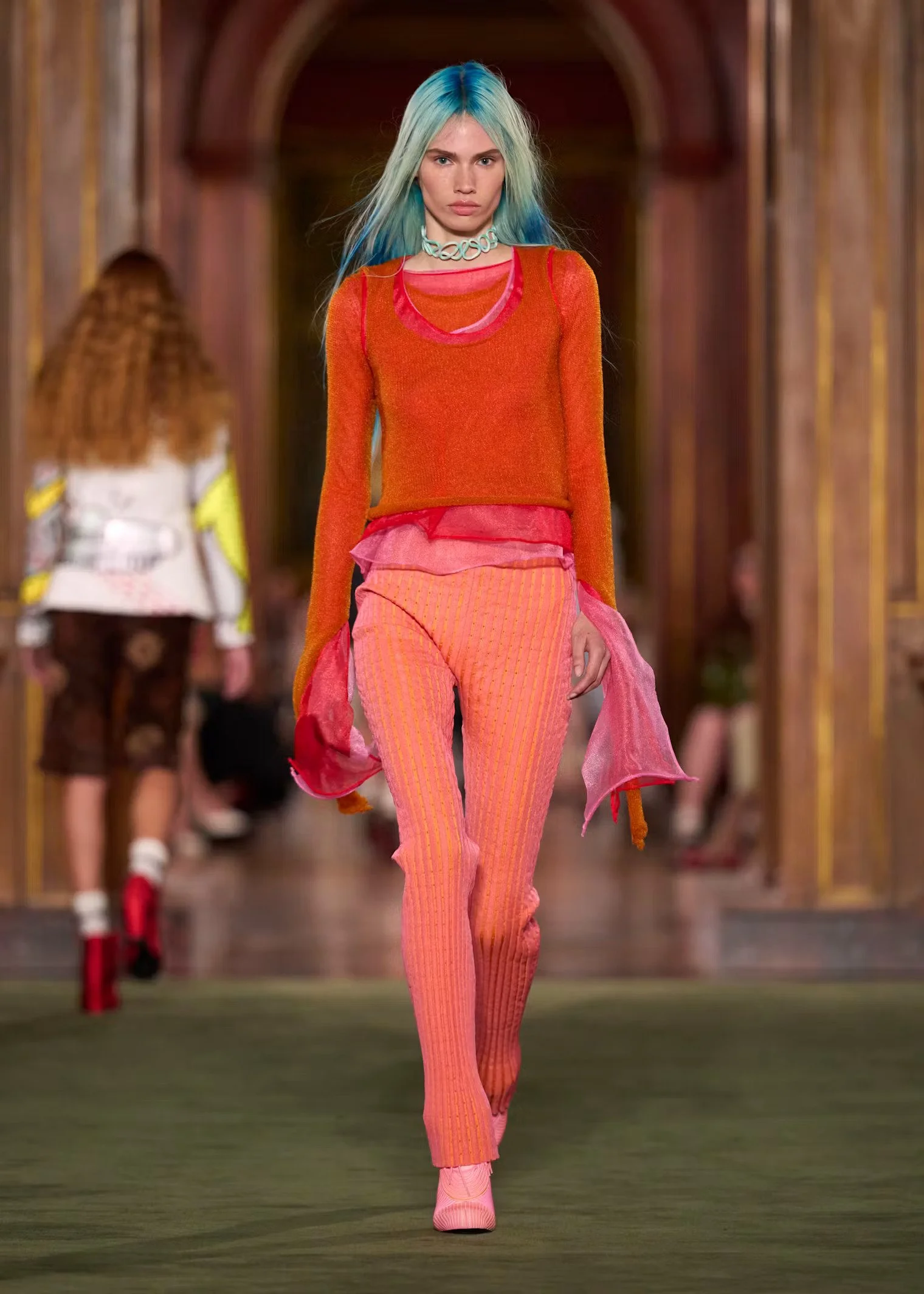
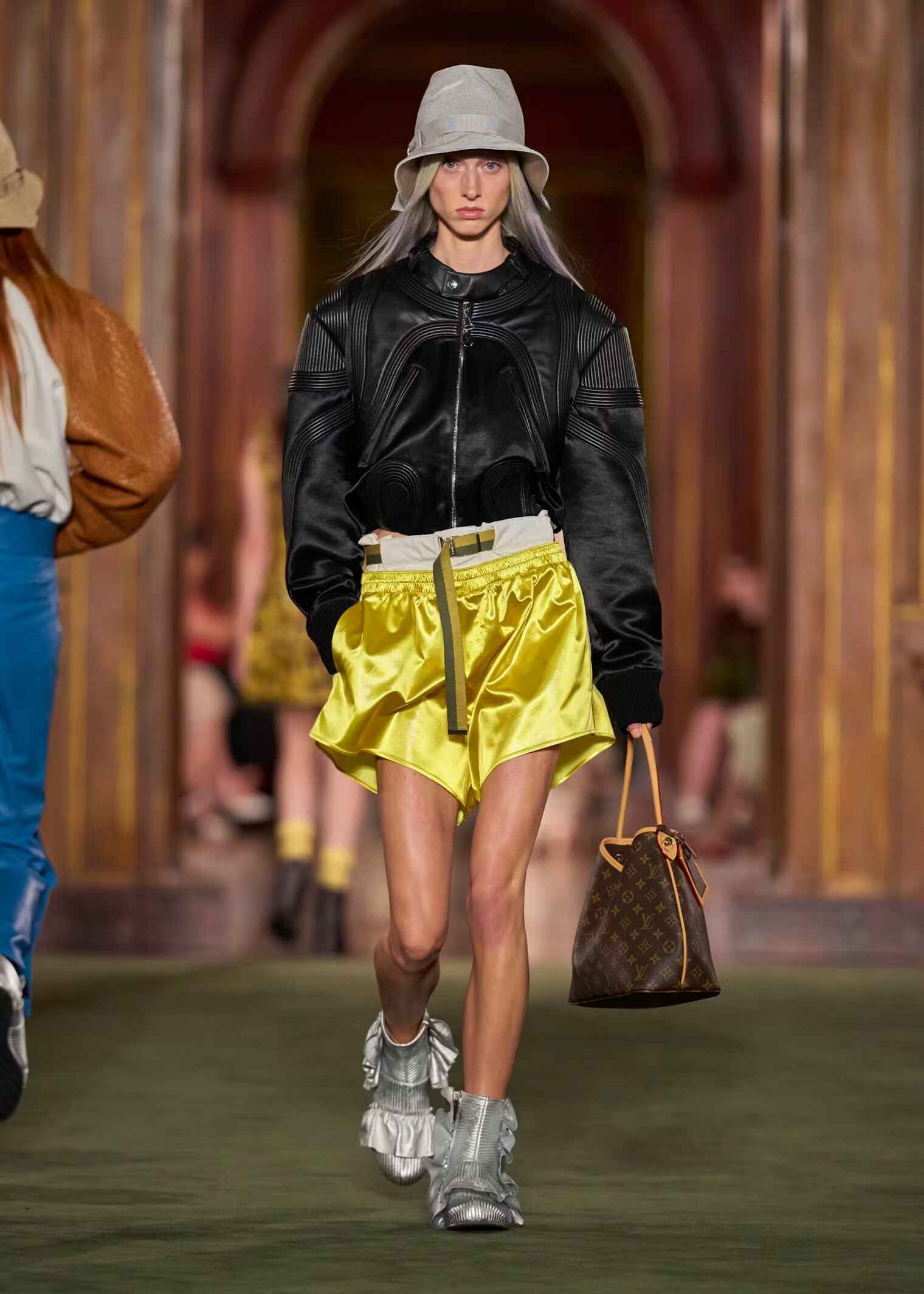
Held at The Frick Collection, a recently renovated museum on Manhattan's Upper East Side, the show was an exercise in contrast. Ghesquière, a Frenchman in New York, utilised the friction between uptown and downtown as a basis for the collection. The first was embodied in exaggerated frills on shirts, protruding organic shoulders, and ruffled hems. Flowy, layered camisoles, ribbed leather jackets, and satin shorts illustrated the second.
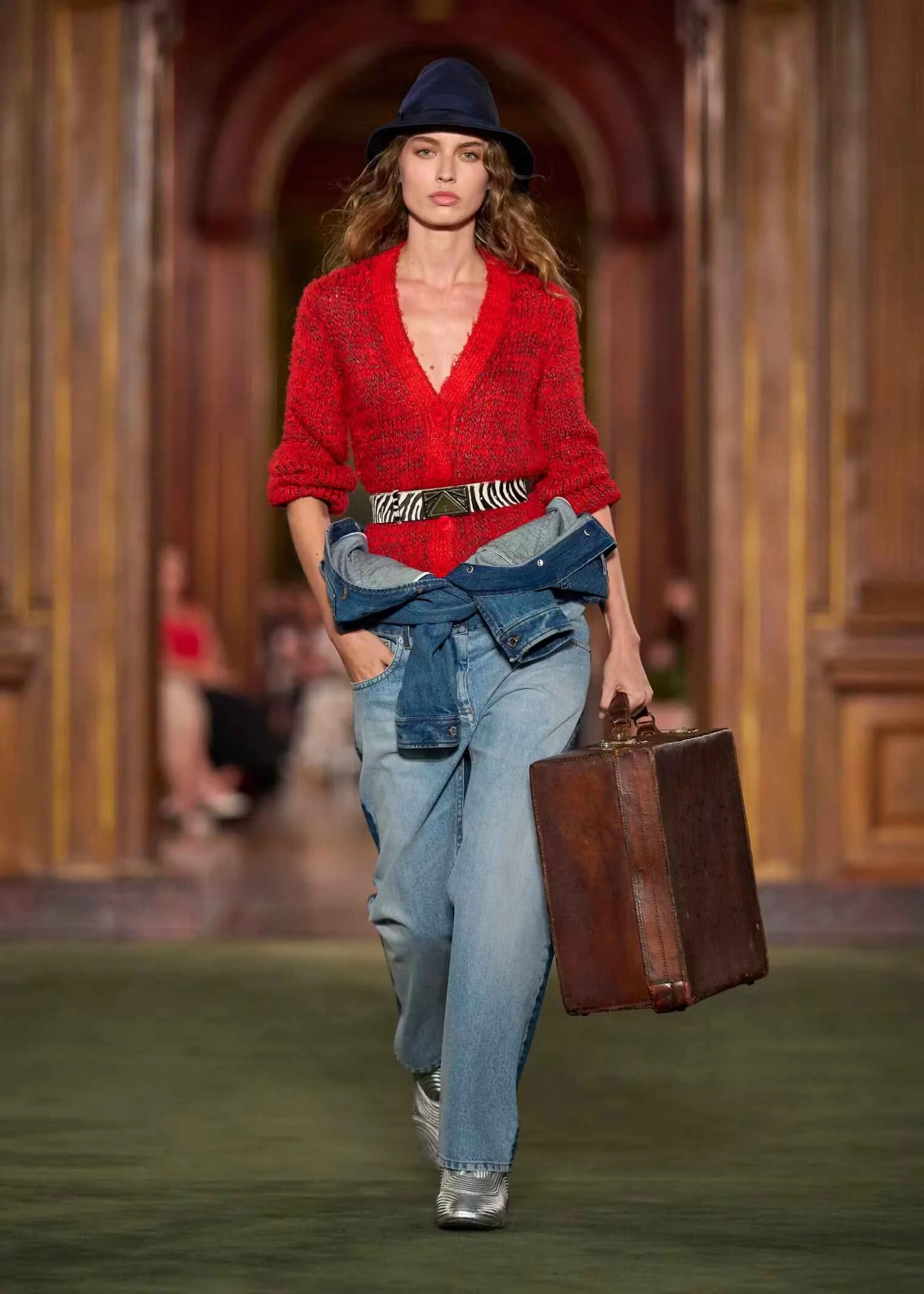
The latter was further embodied by the mythology of art in the city. Keith Haring was made the muse. The choice is justified by the artist’s connection to Louis Vuitton. In 1984, Haring graffiti-ed one of the maison’s suitcases for a friend. The opening look — a chunky knit cardigan with jeans — was paired with that same piece of history (or art, or both). Further references to the artist were seen in hand-printed leather jackets, brightly colored sleeveless tops, and an origami-like folded white dress.
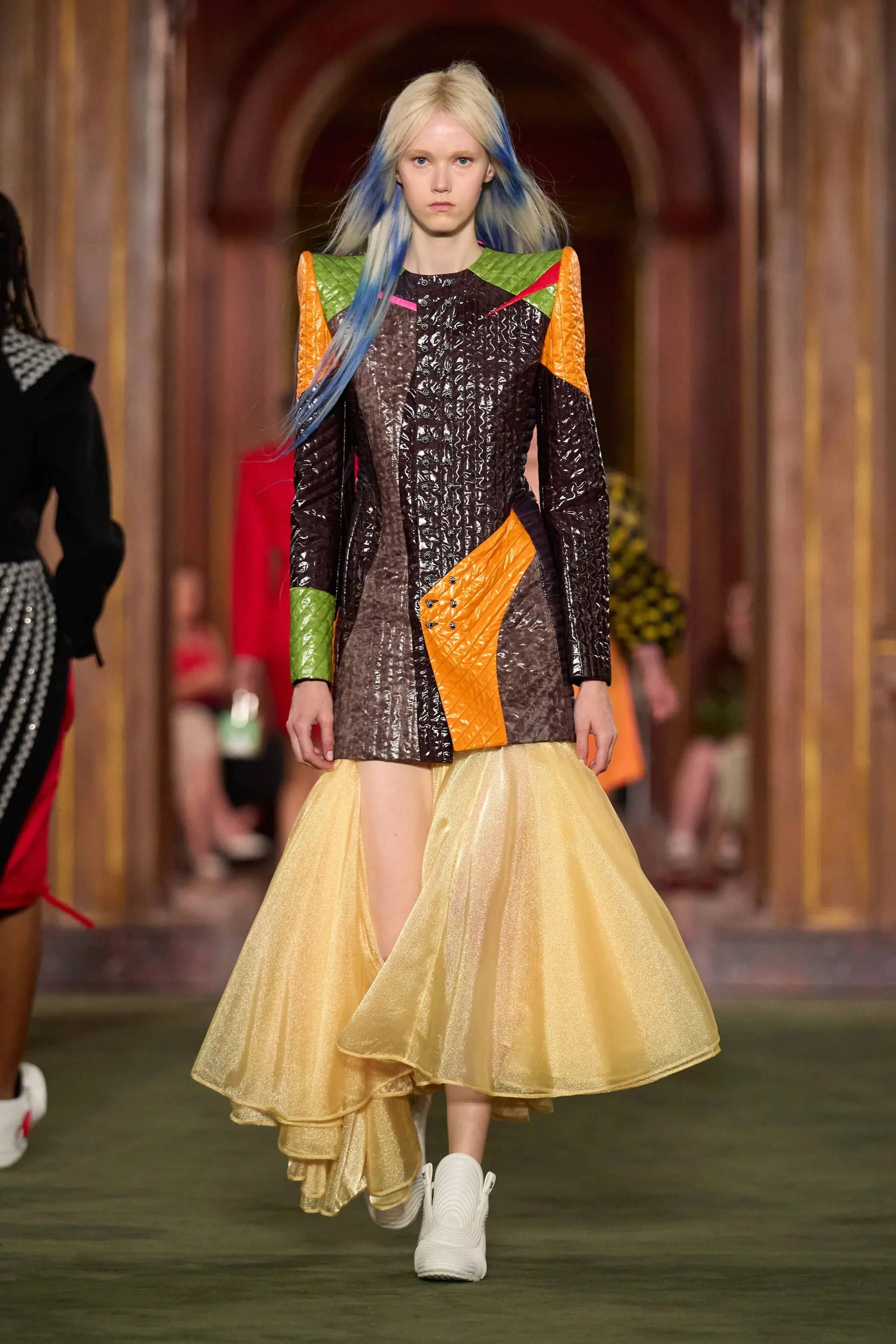
Throughout his tenure at Louis Vuitton, Ghesquière has grown interested in pushing the body outward, sculpting silhouettes that protrude, curve, and resist natural movement. Here, his experimentations were a bit more tame than, say, last season, but even so, rigid leather dresses with villainous shoulders exploded into asymmetrical skirts past their hems.
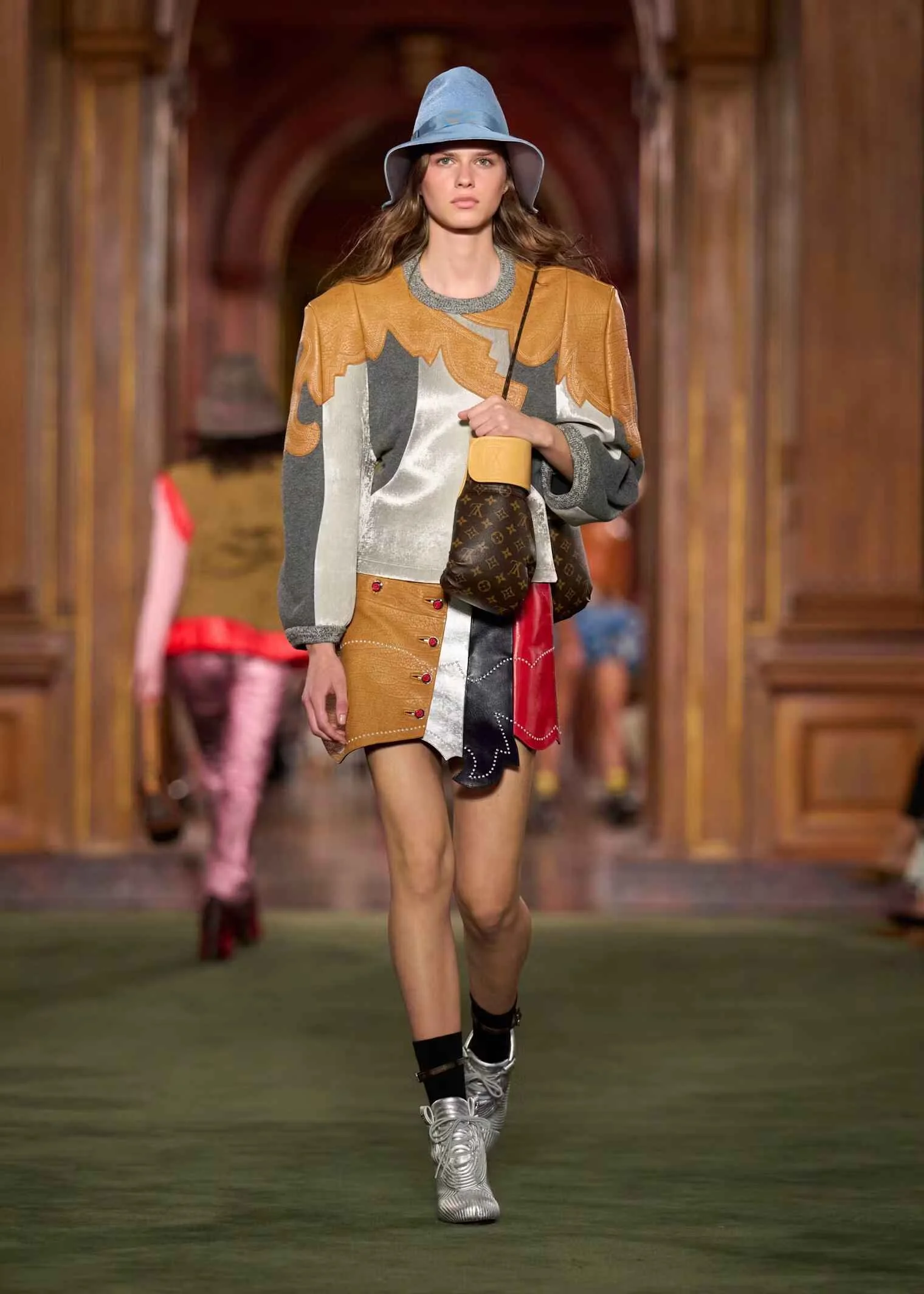
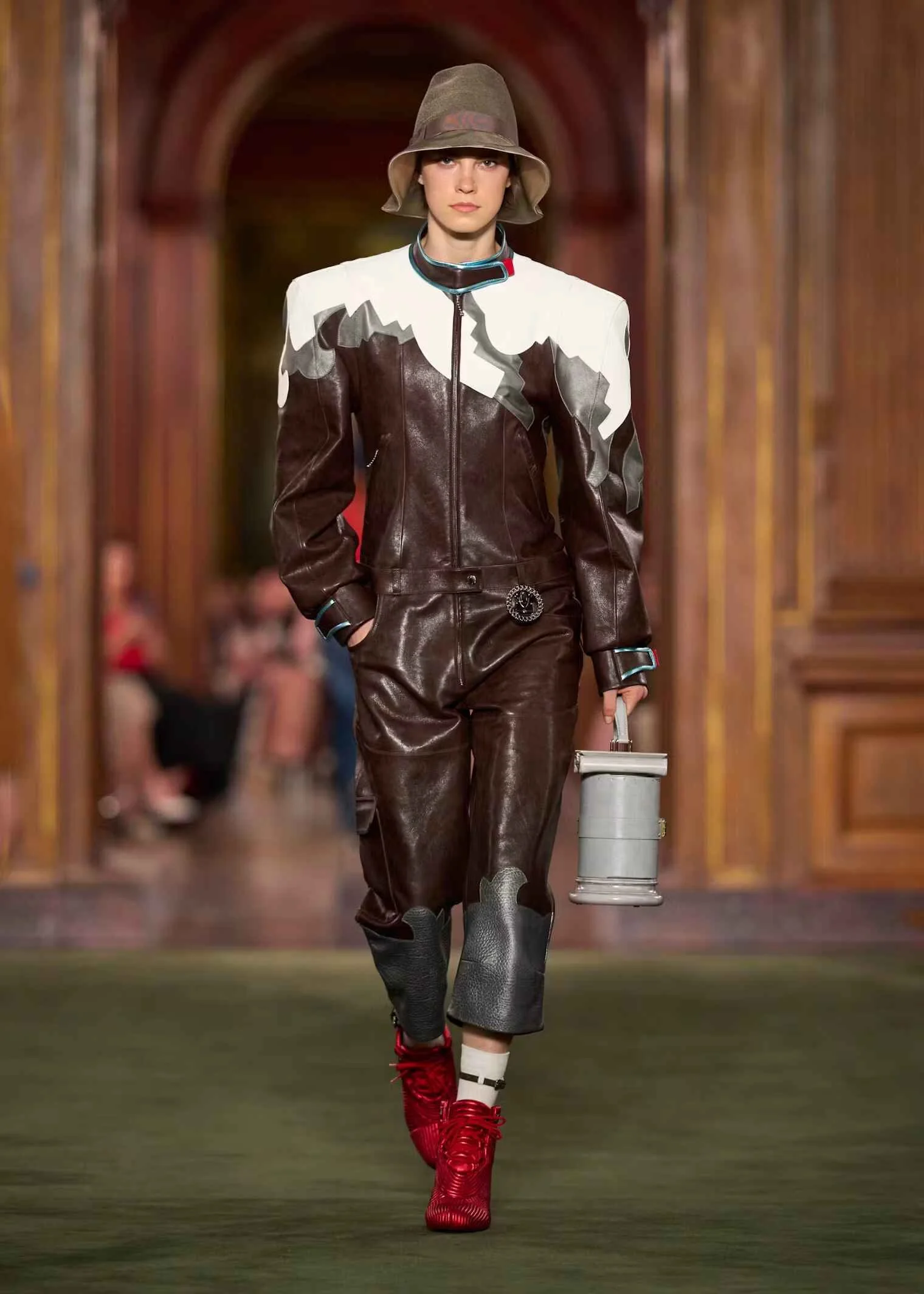
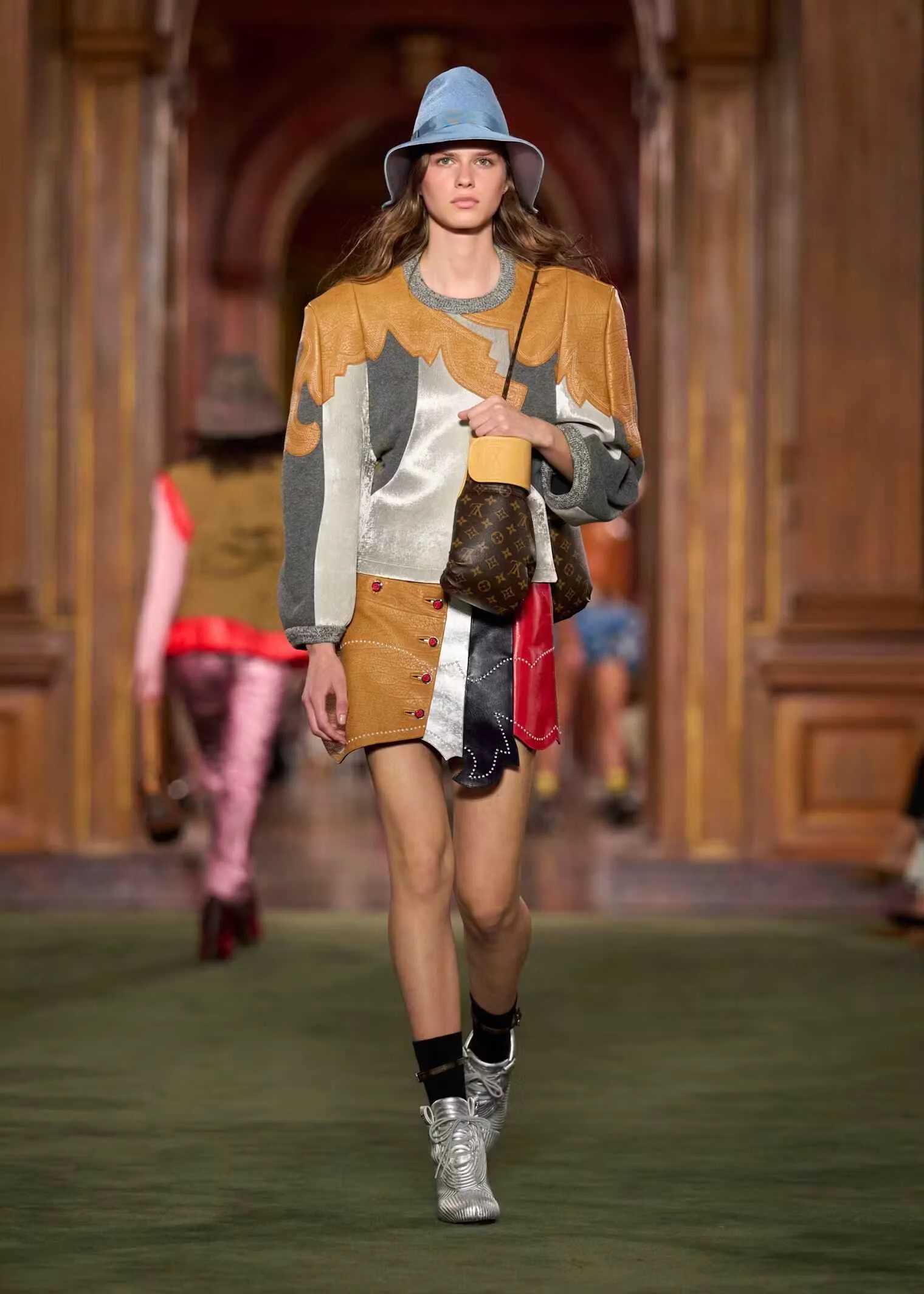
It wasn’t just New York; Americana as a whole was taken on as a guideline. Strong-shouldered leather bodysuits and patchworked skirts in red, brown, and silver leather spoke to a futuristic fantasy of American nostalgia. That is where the designer shines brightest – Ghesquière’s ongoing project is one that constructs wardrobes for lives that do not yet fully exist.
Words by Pedro Vasconcelos