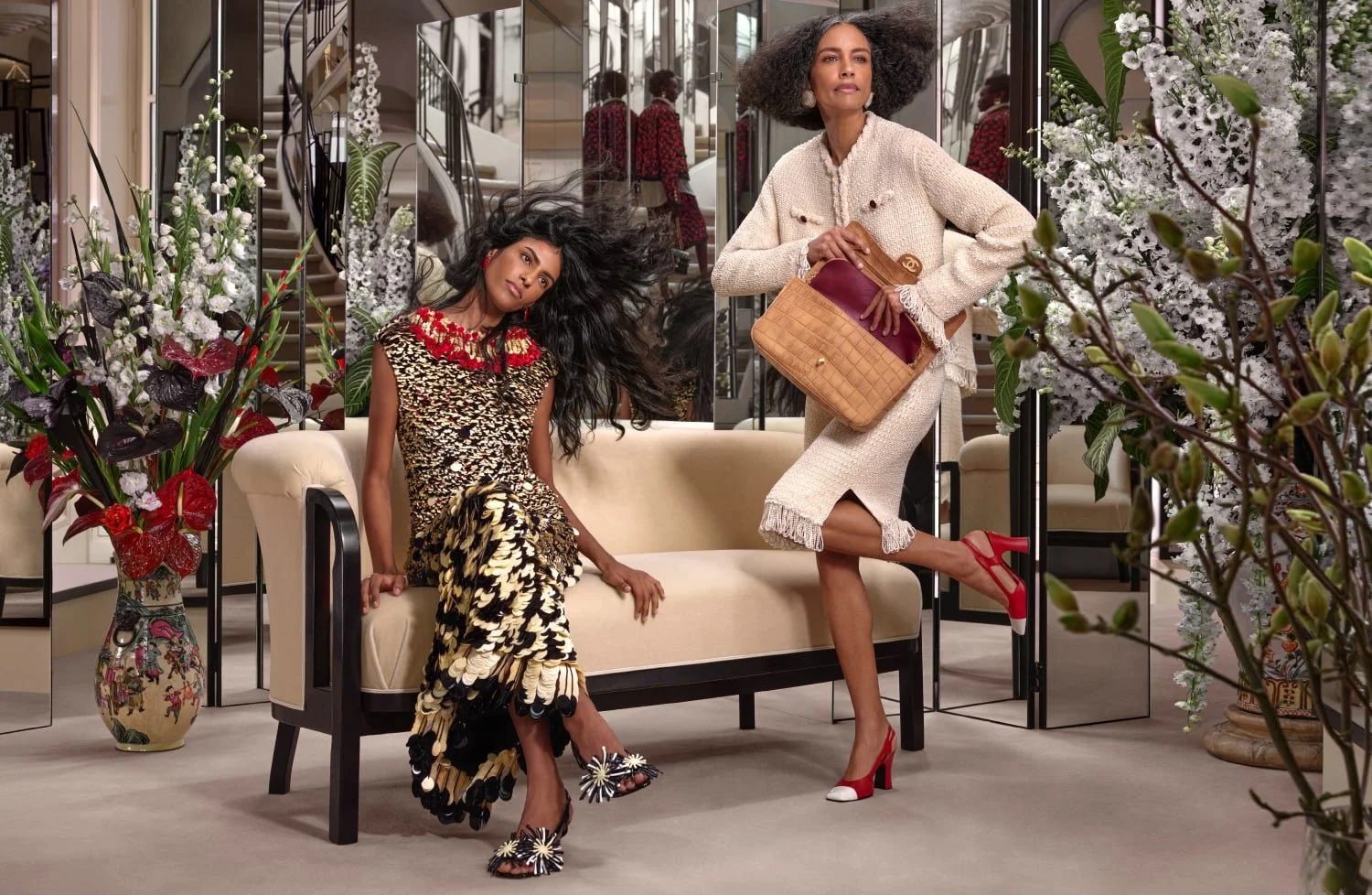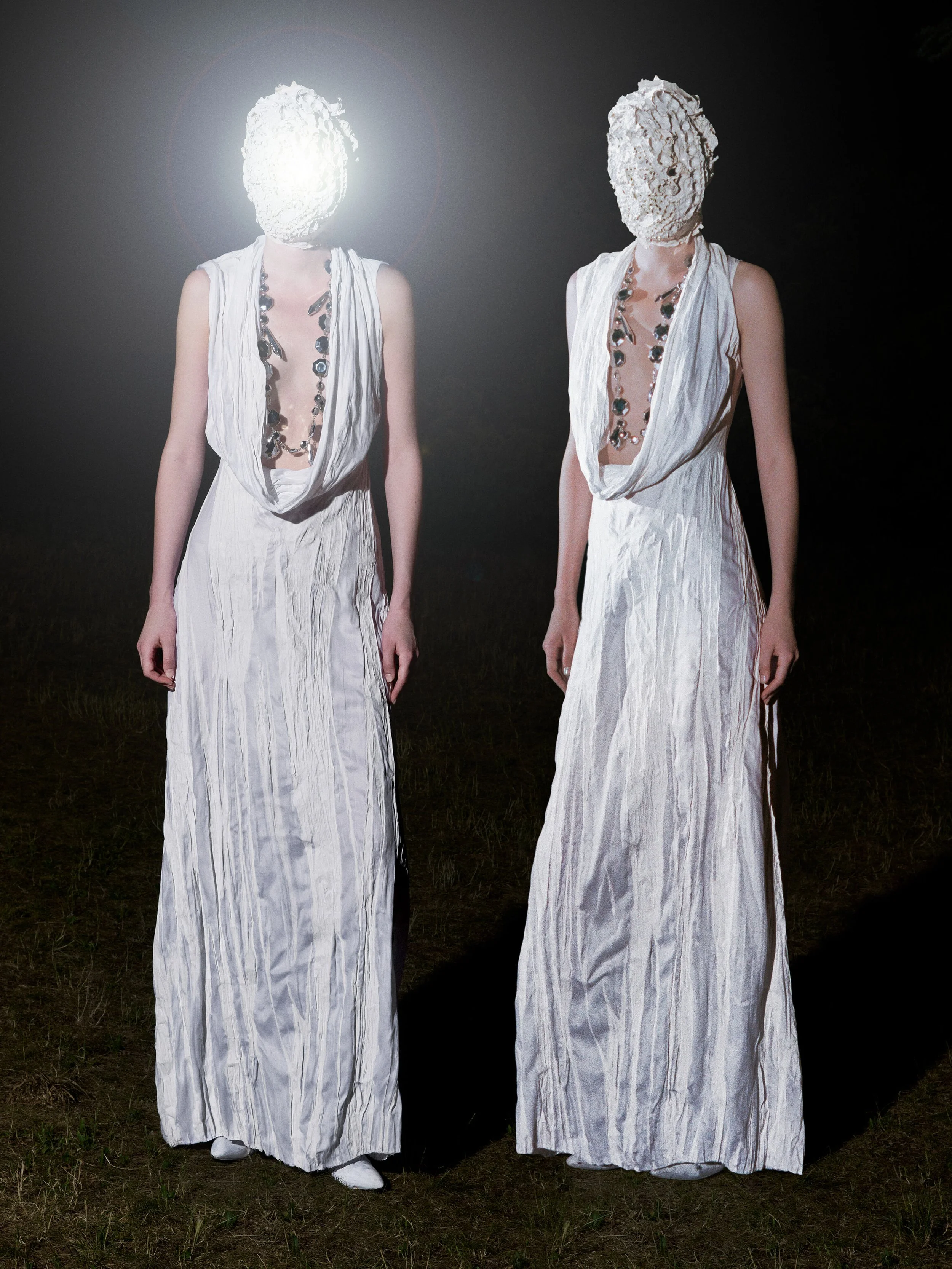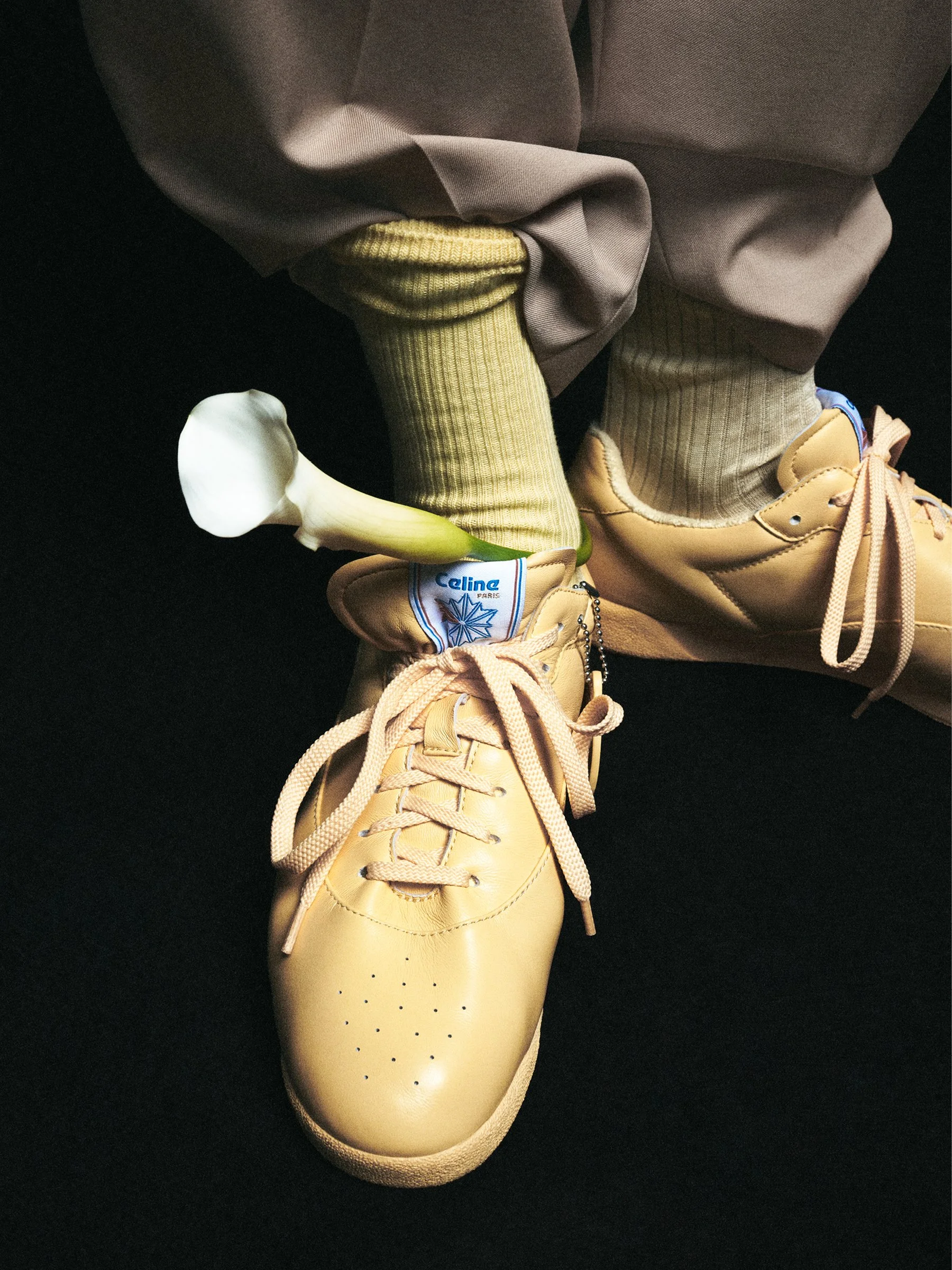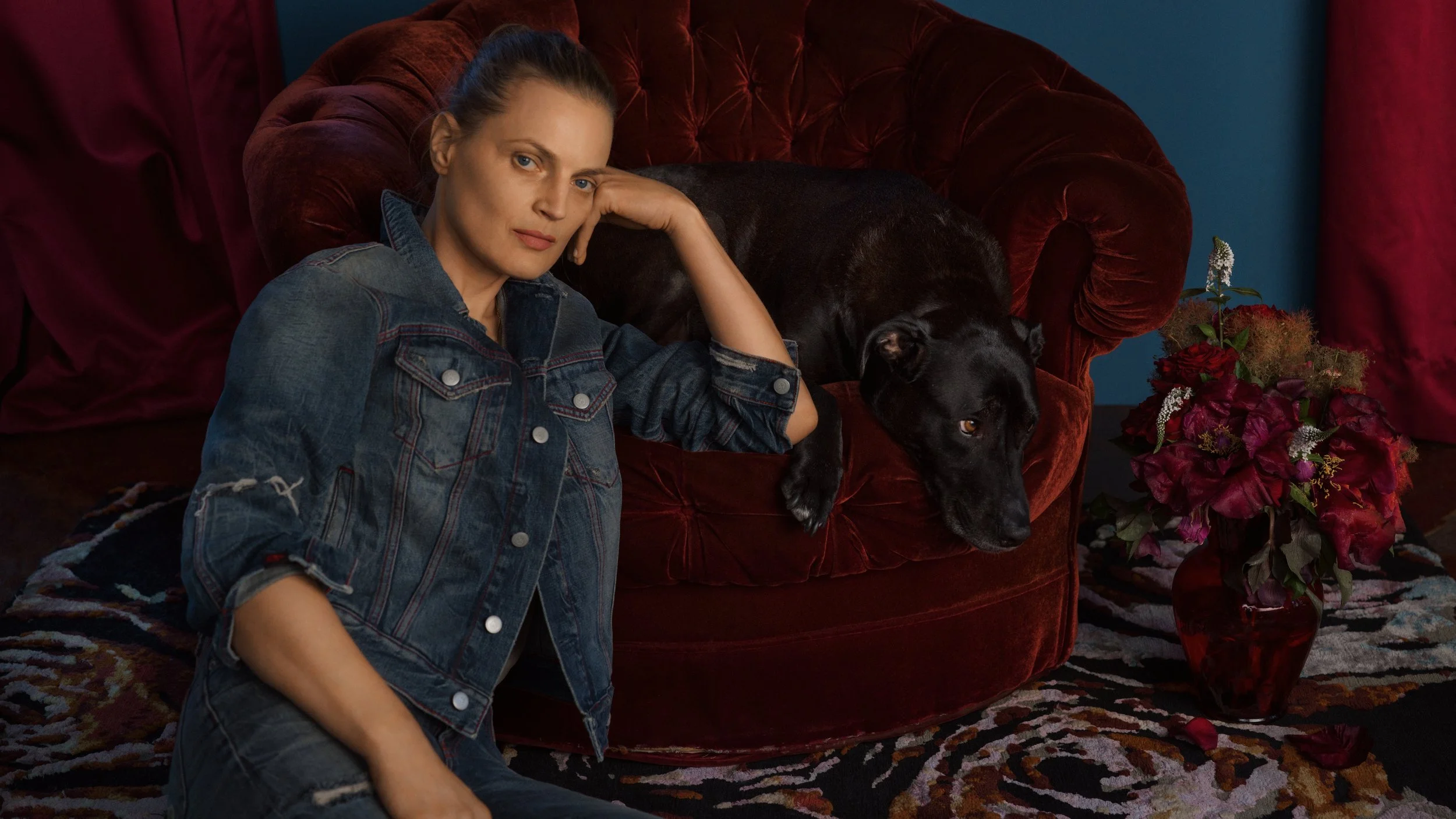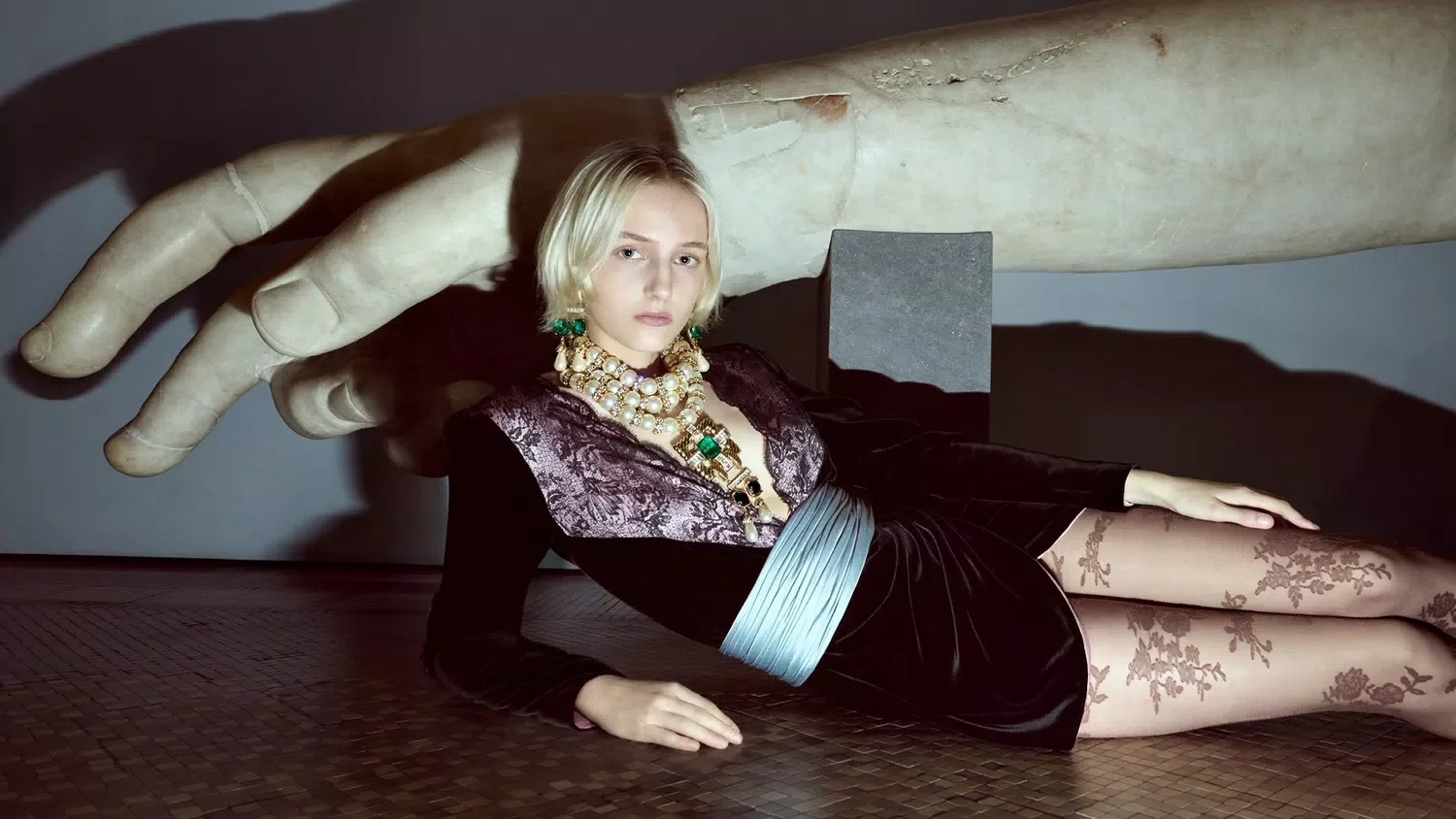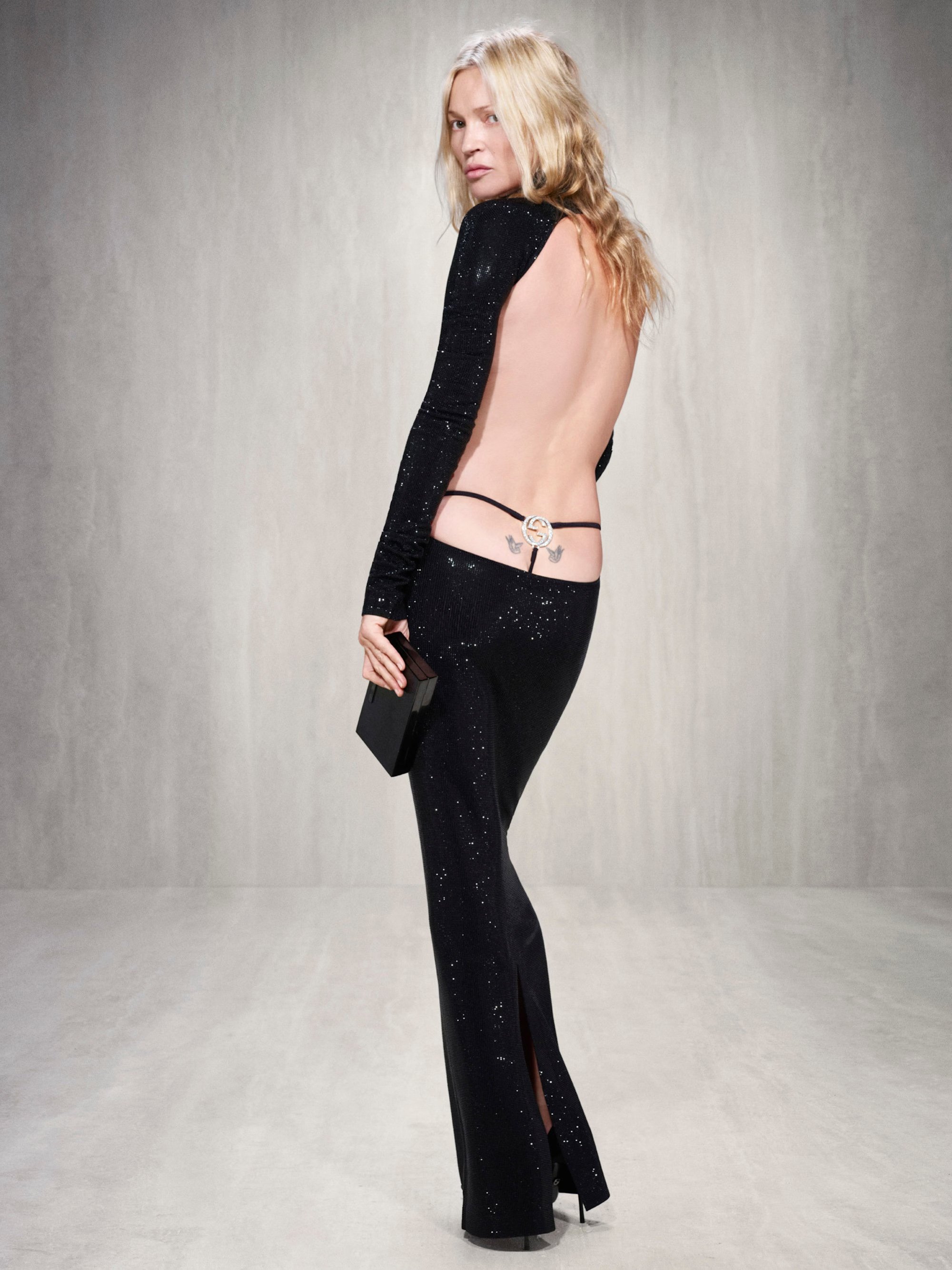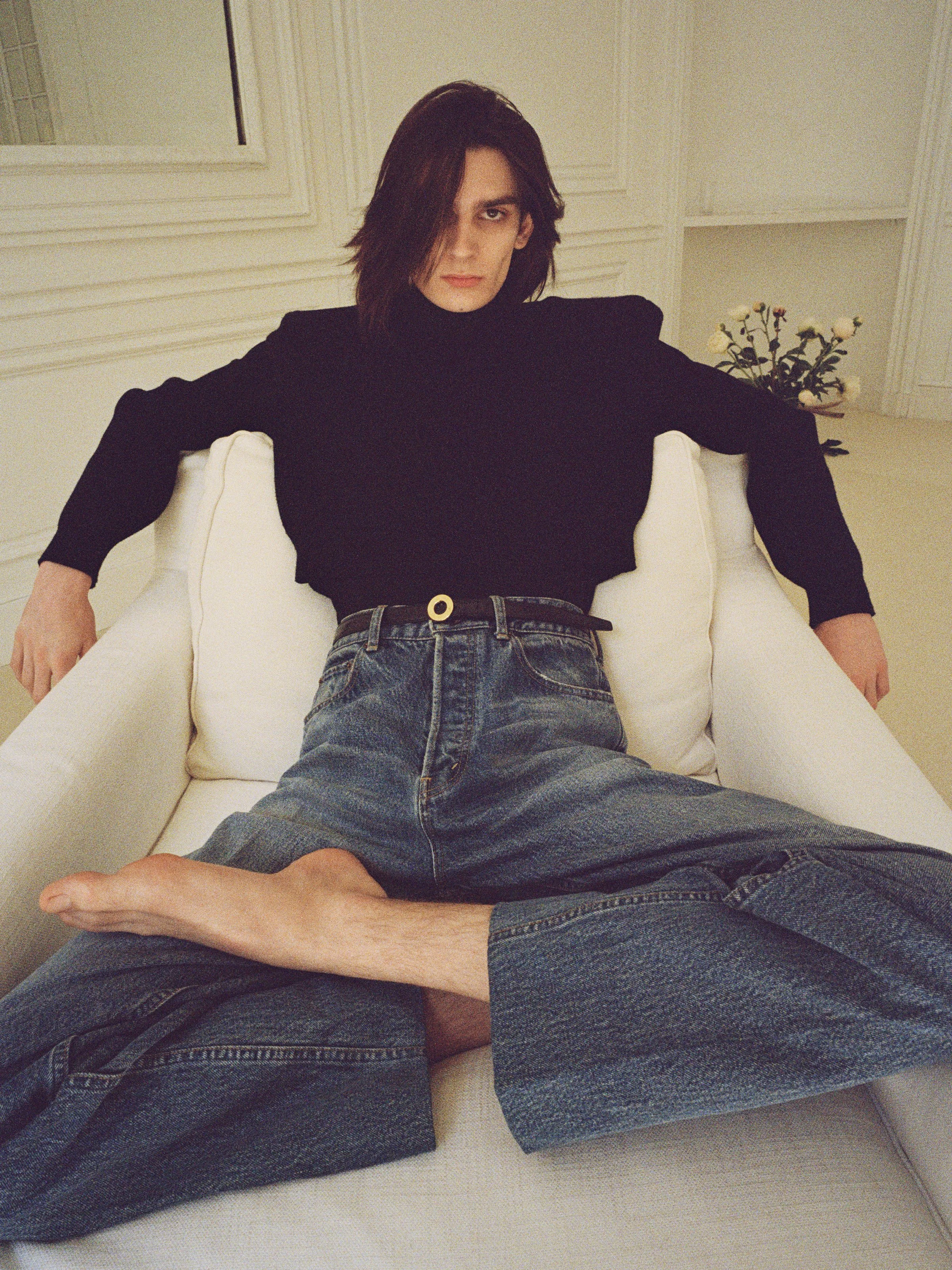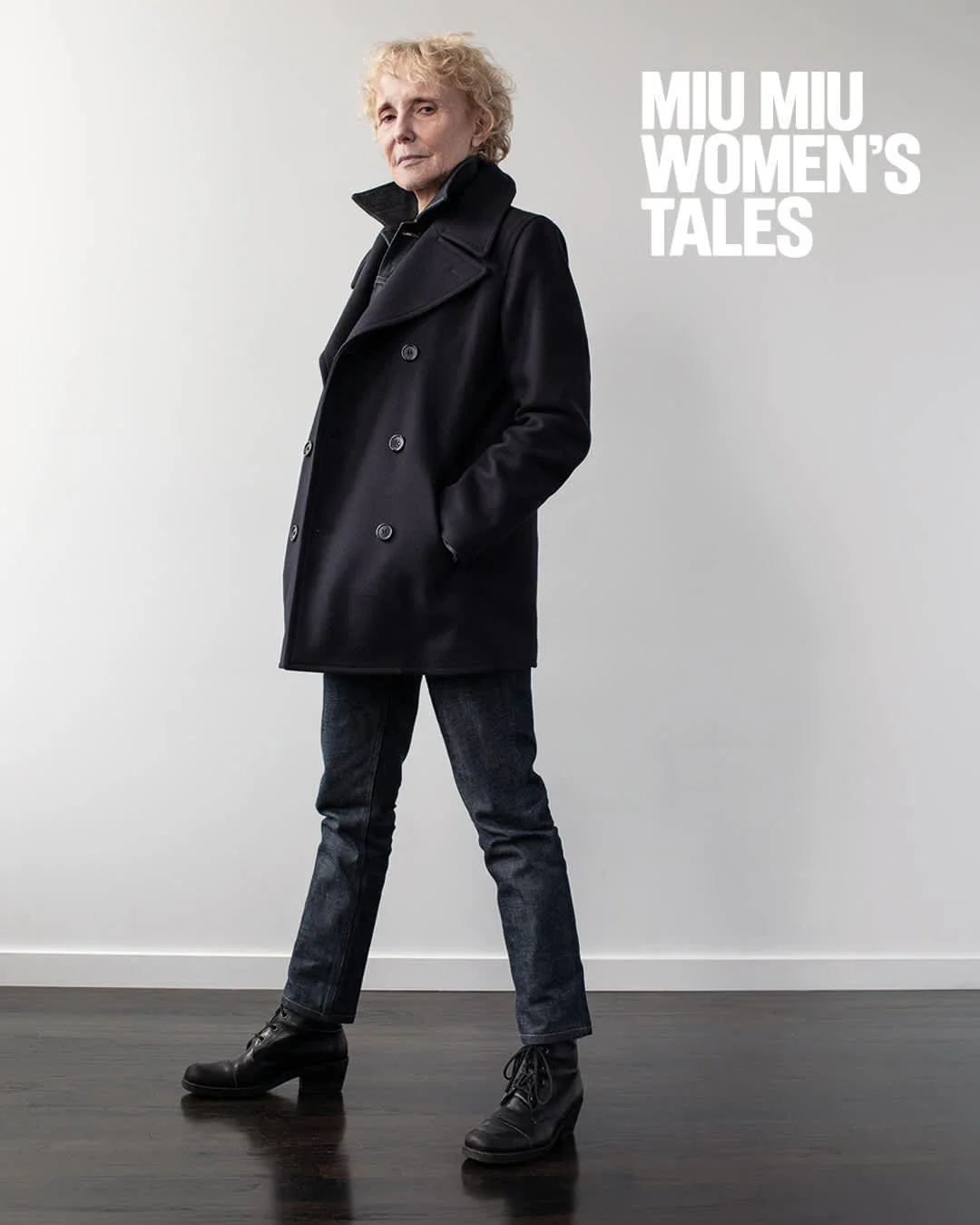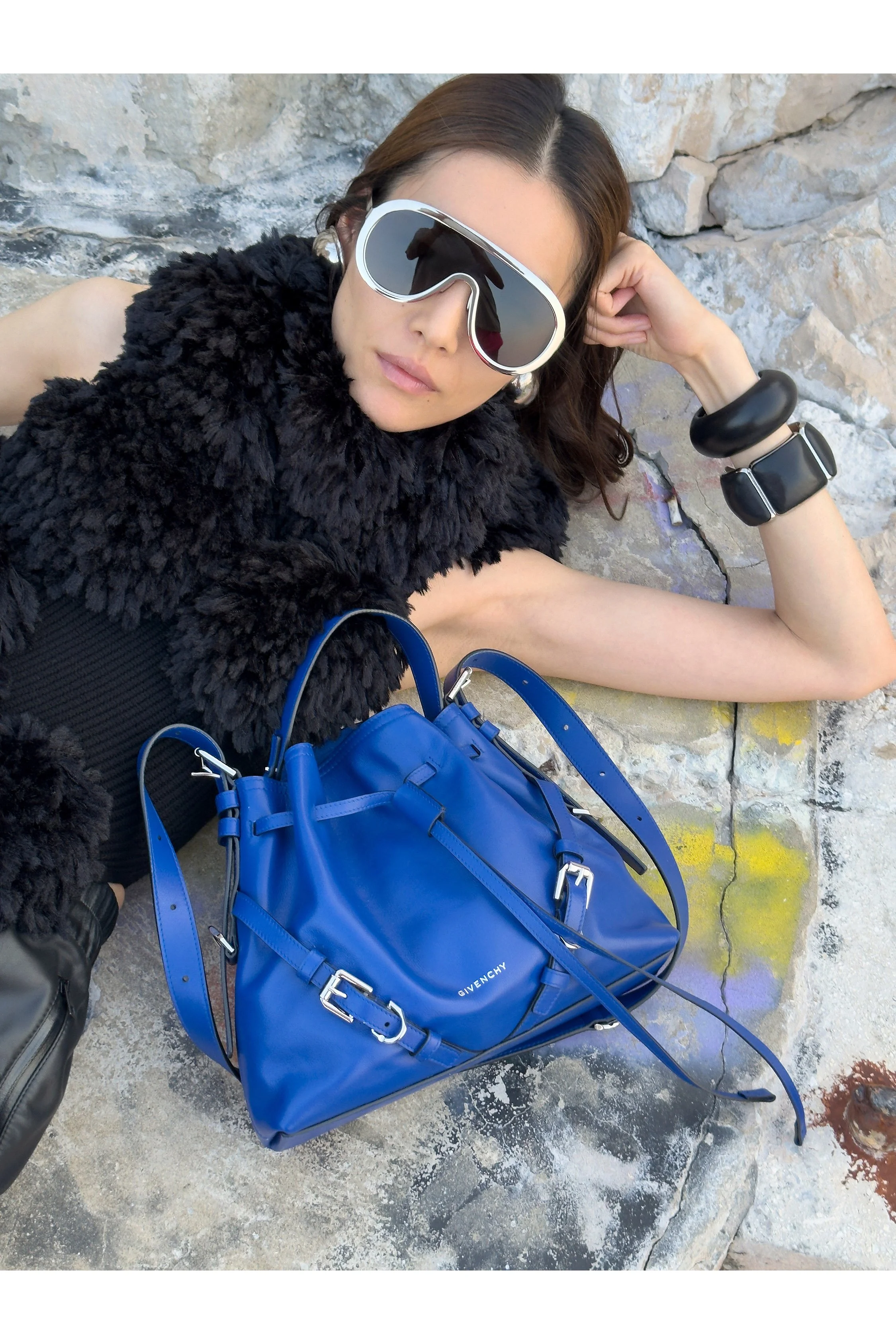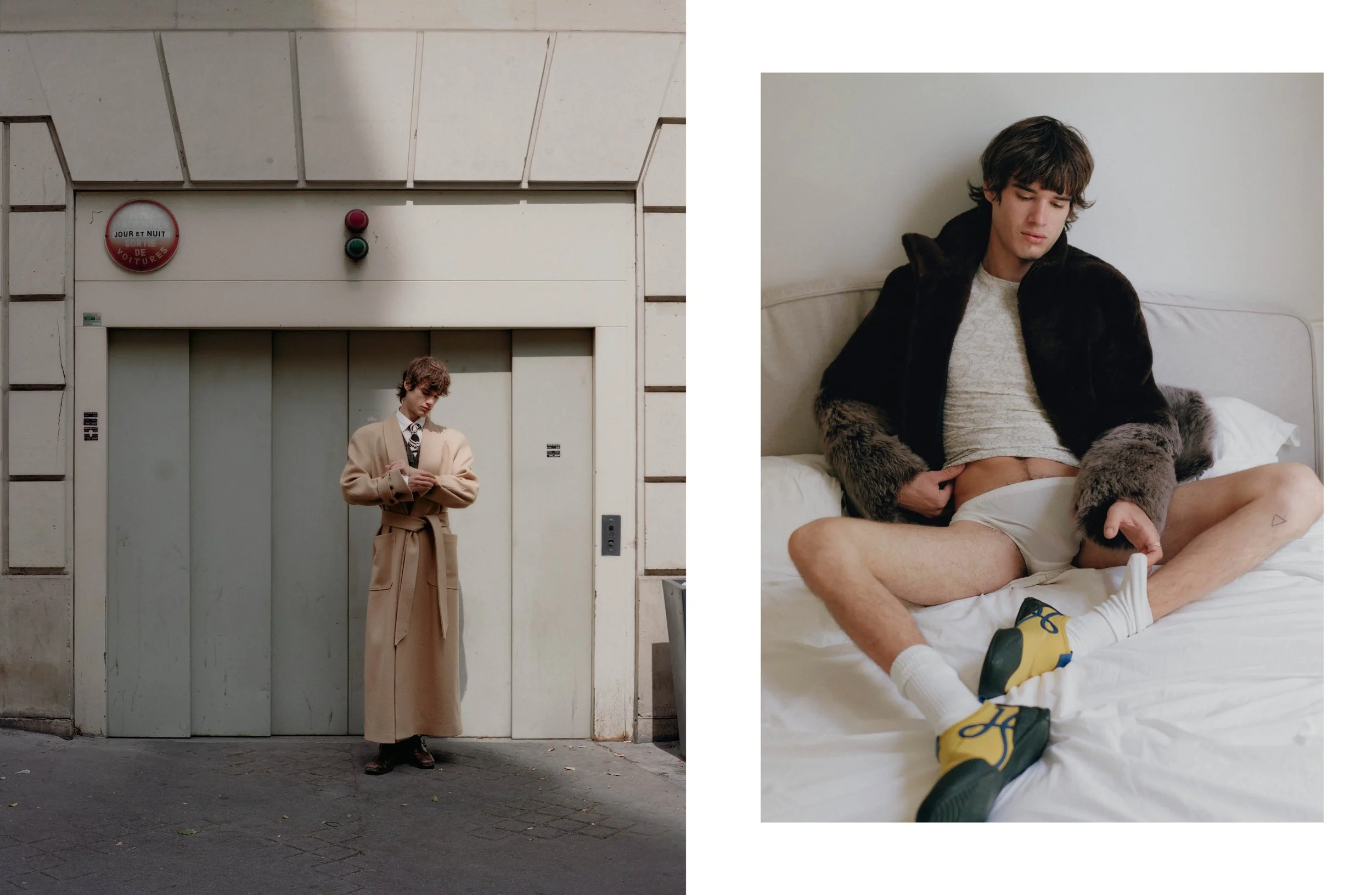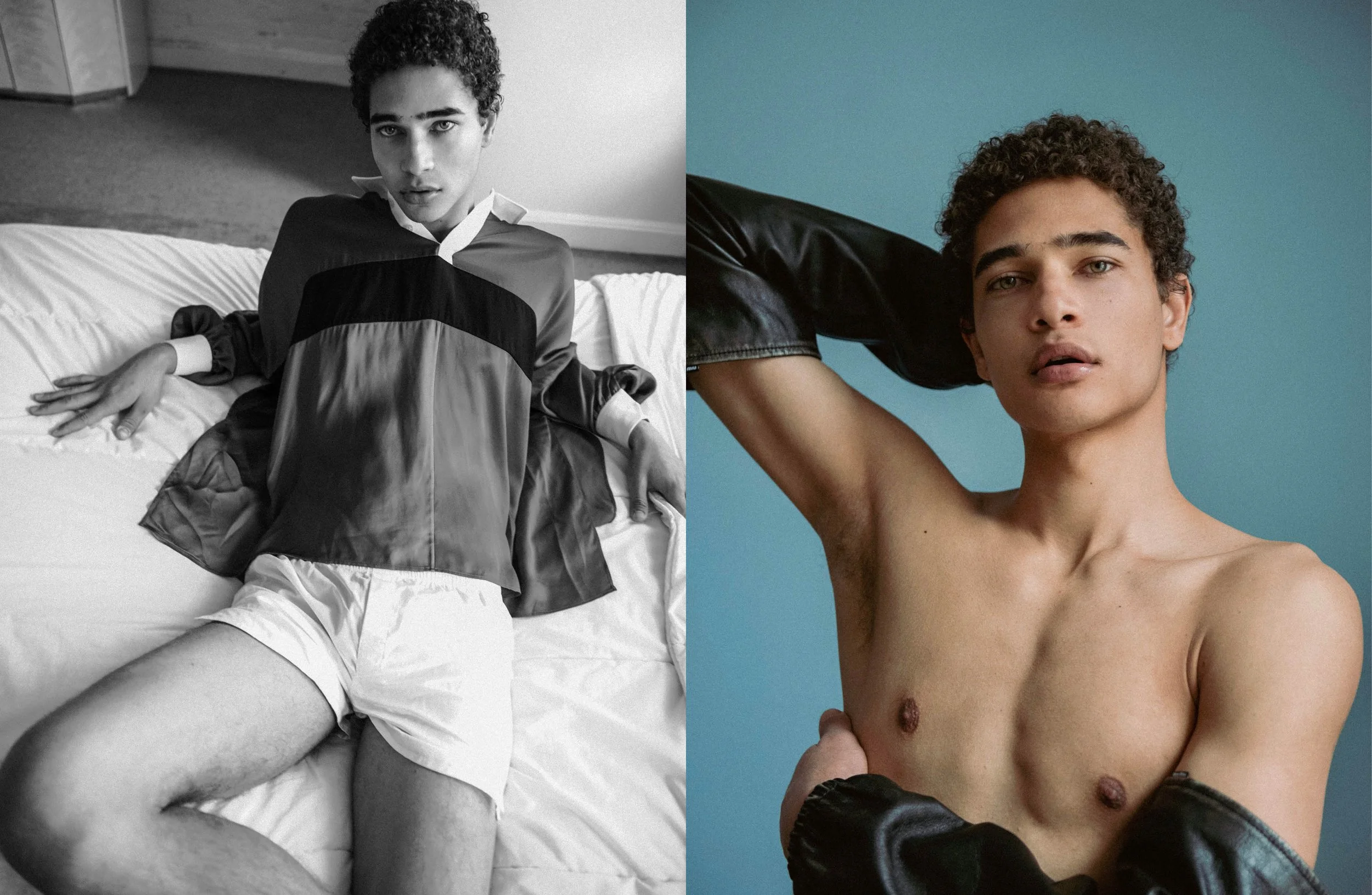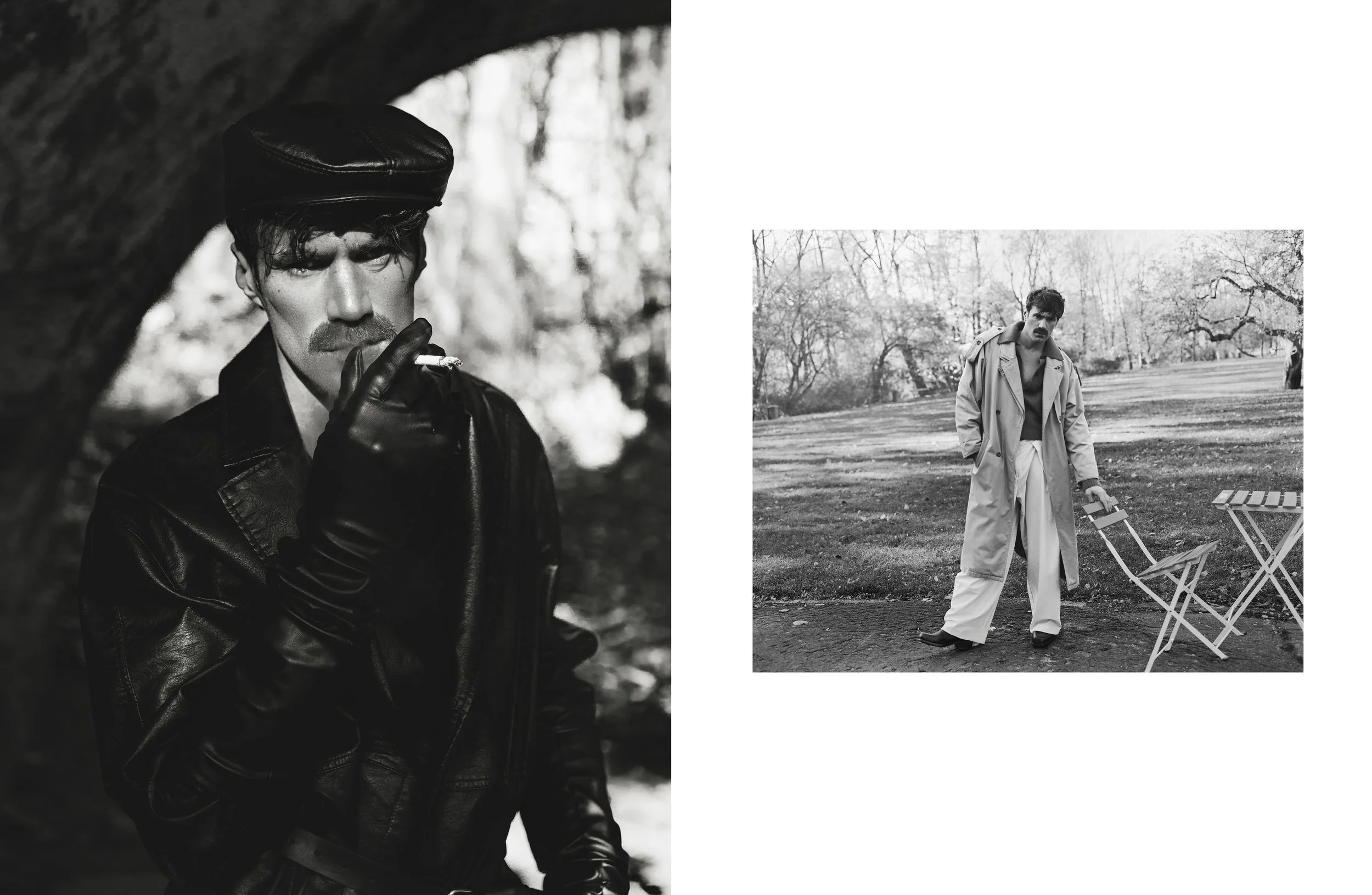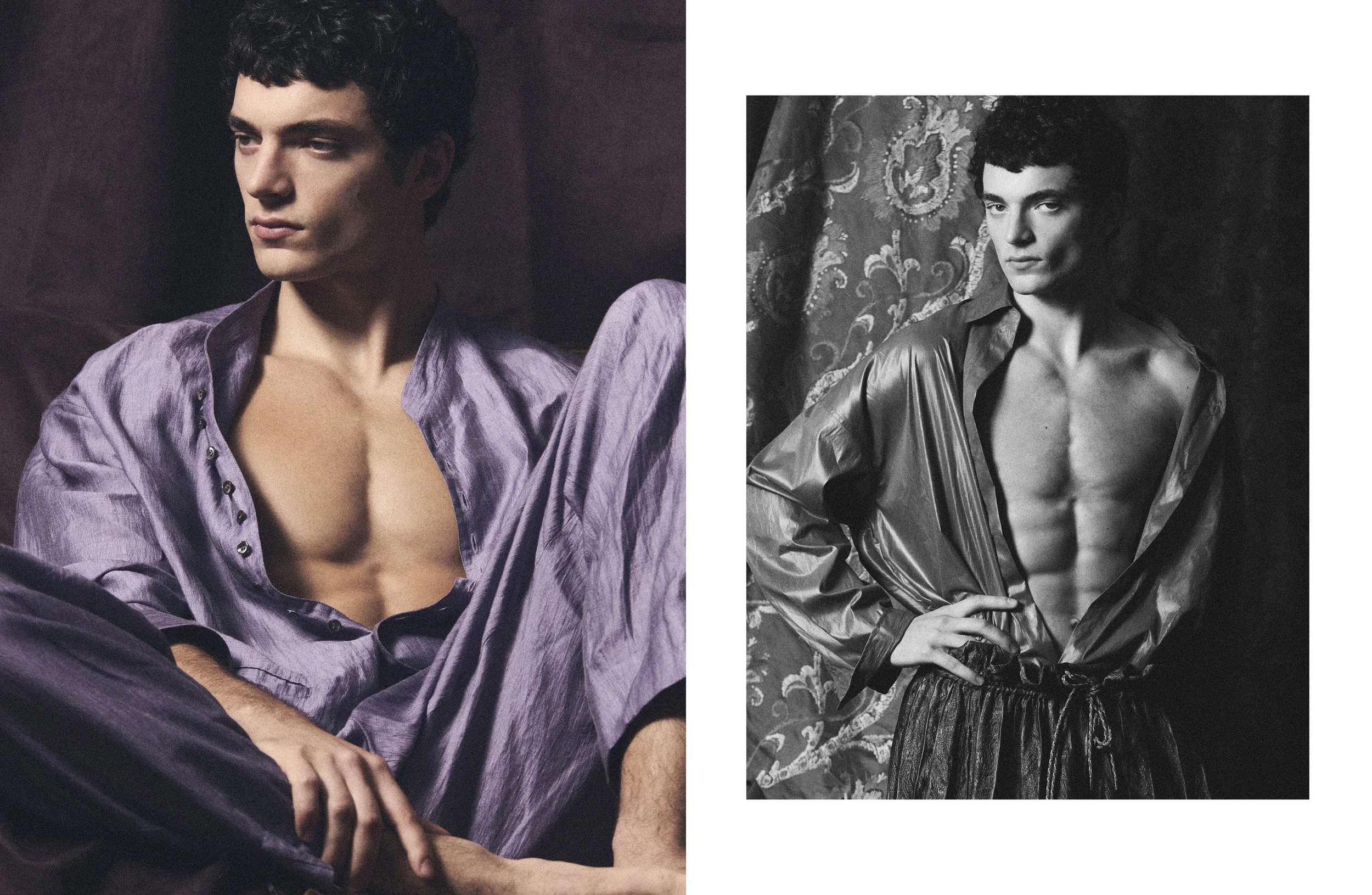
Matthieu Blazy doesn’t design for short attention spans. Our collective image of couture is often one of grandeur and spectacle. For my generation, couture is synonymous with John Galliano’s Dior in the 2000s – its theatricality pushed to the absolute extreme. That isn’t what Blazy is doing.
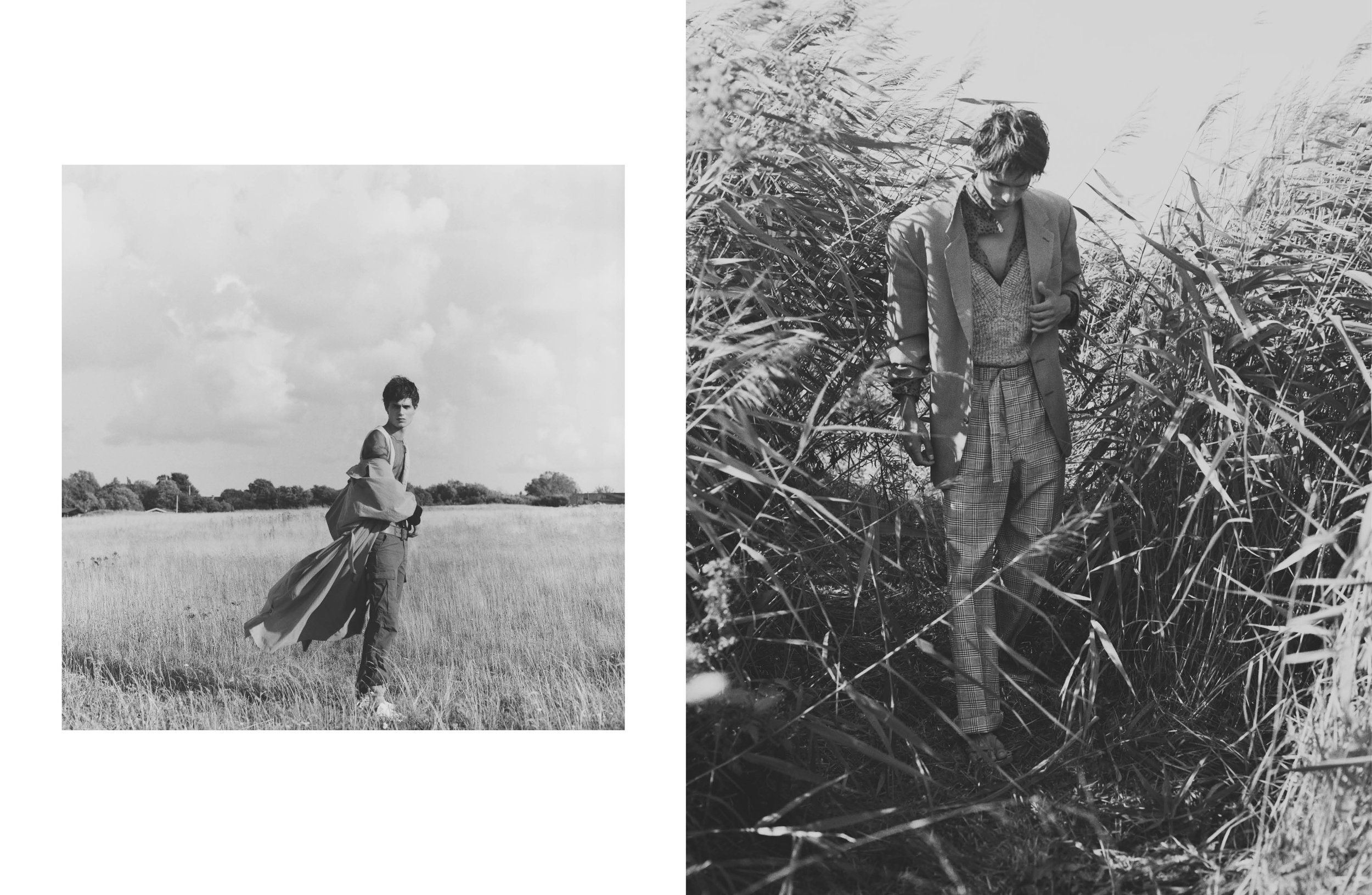
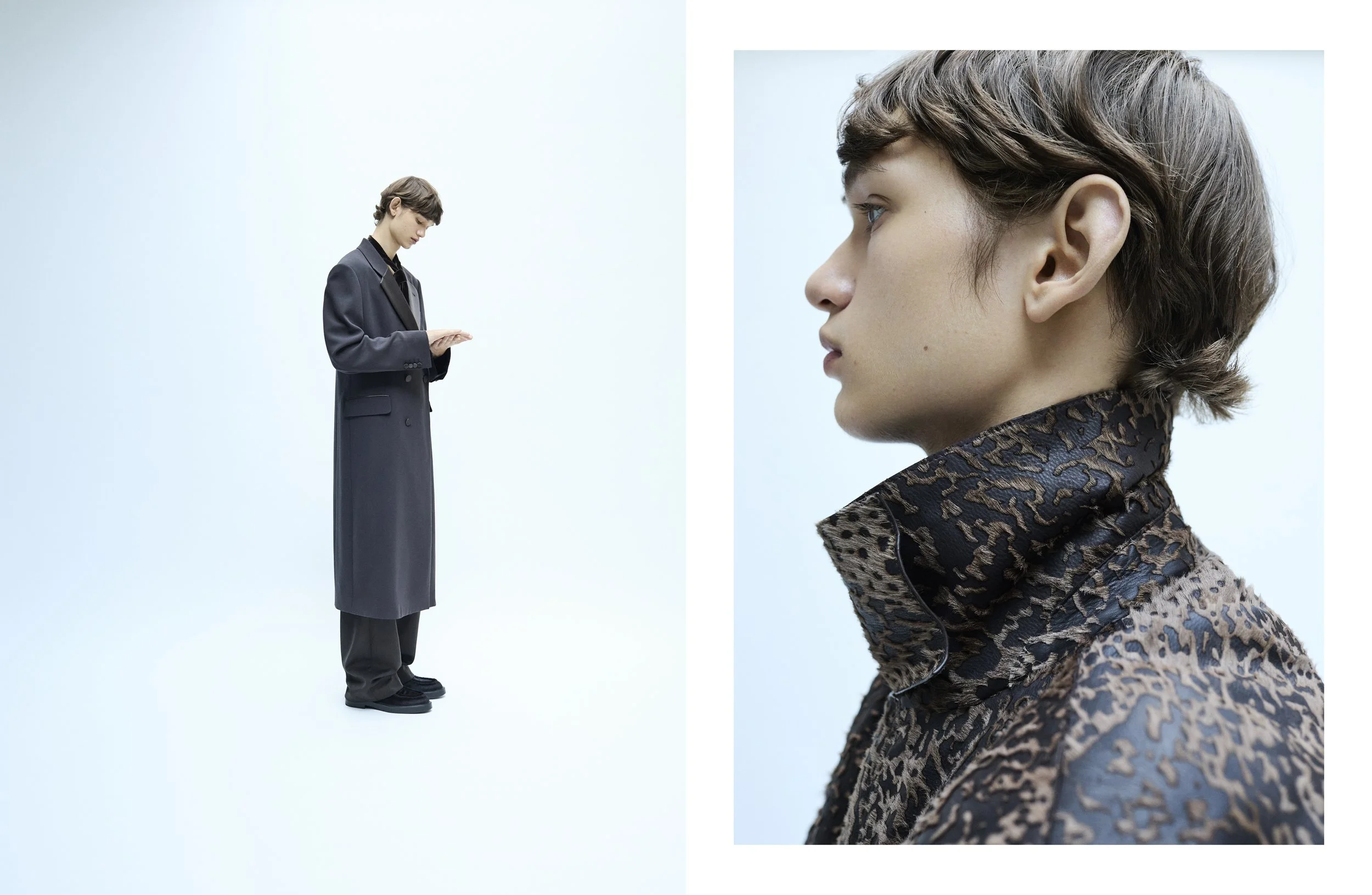
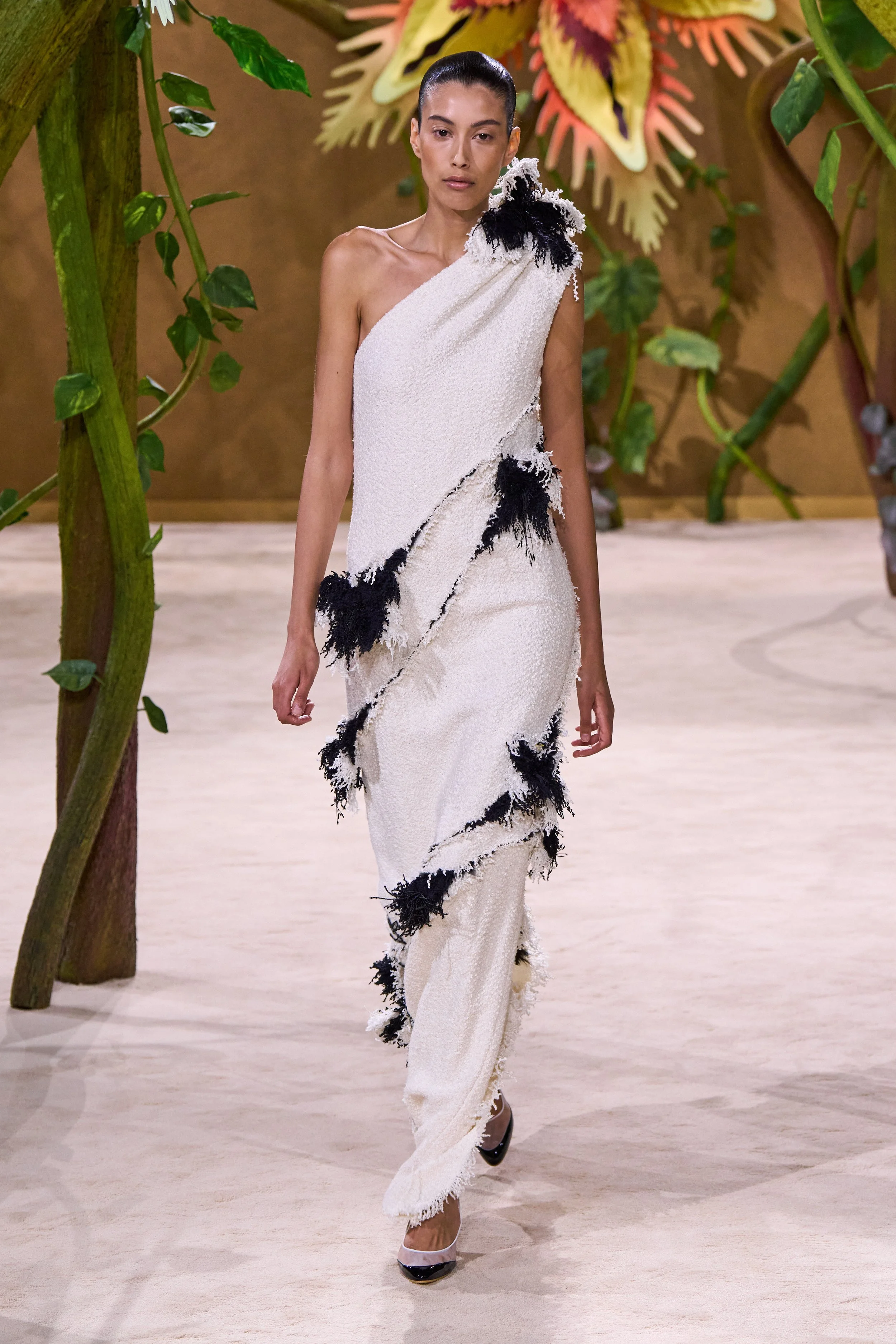
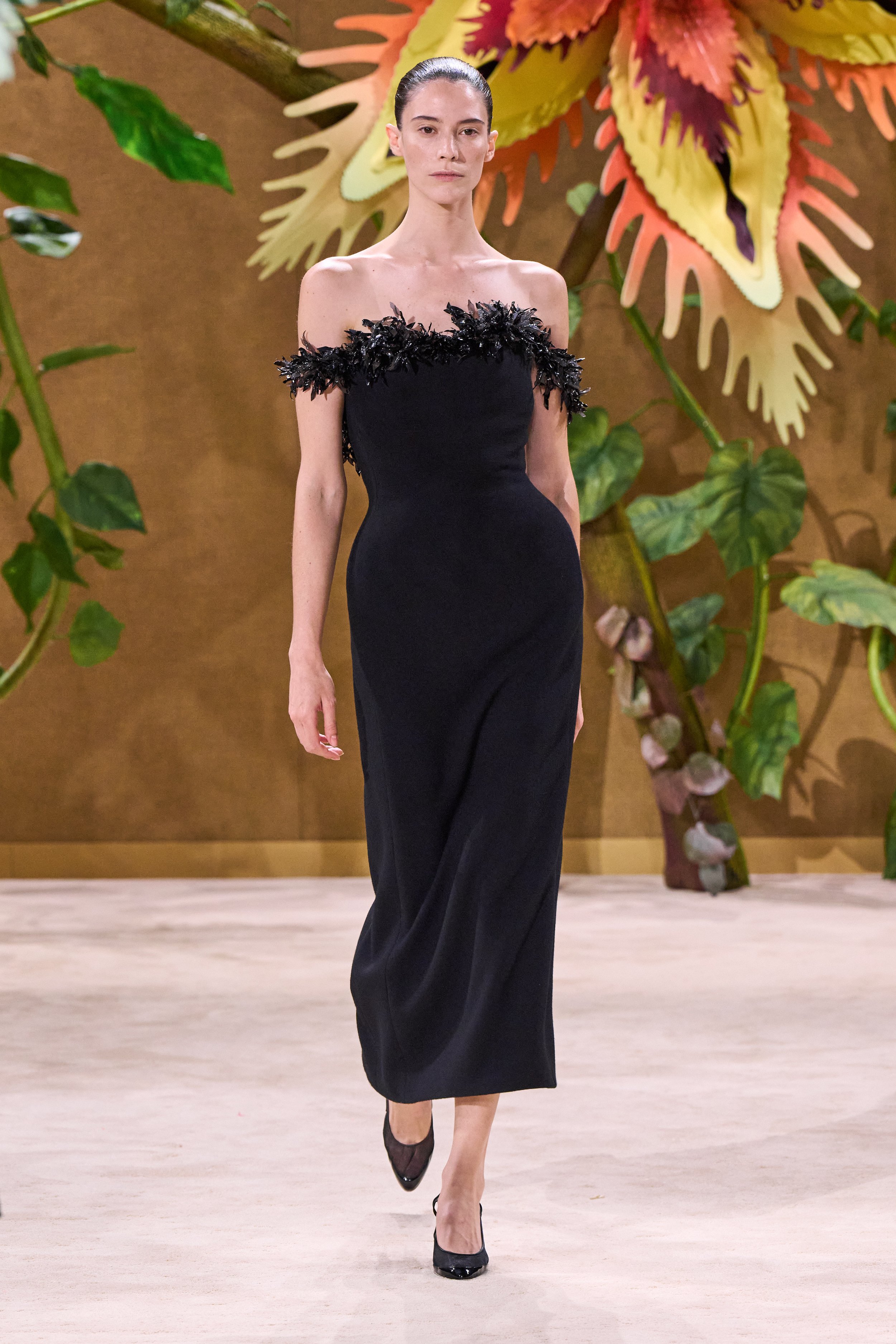
The corseted silhouette so often associated with this kind of glamour is nowhere to be found. Instead, throughout his tenure, Blazy has established a different form as his signature. Returning to the maison's founding principles, he favours ease over constraint: below-the-knee skirts, softly tailored jackets, and generously proportioned tops form the collection's recurring vocabulary. They are clothes designed to move with the body rather than sculpt it into an idealised shape.
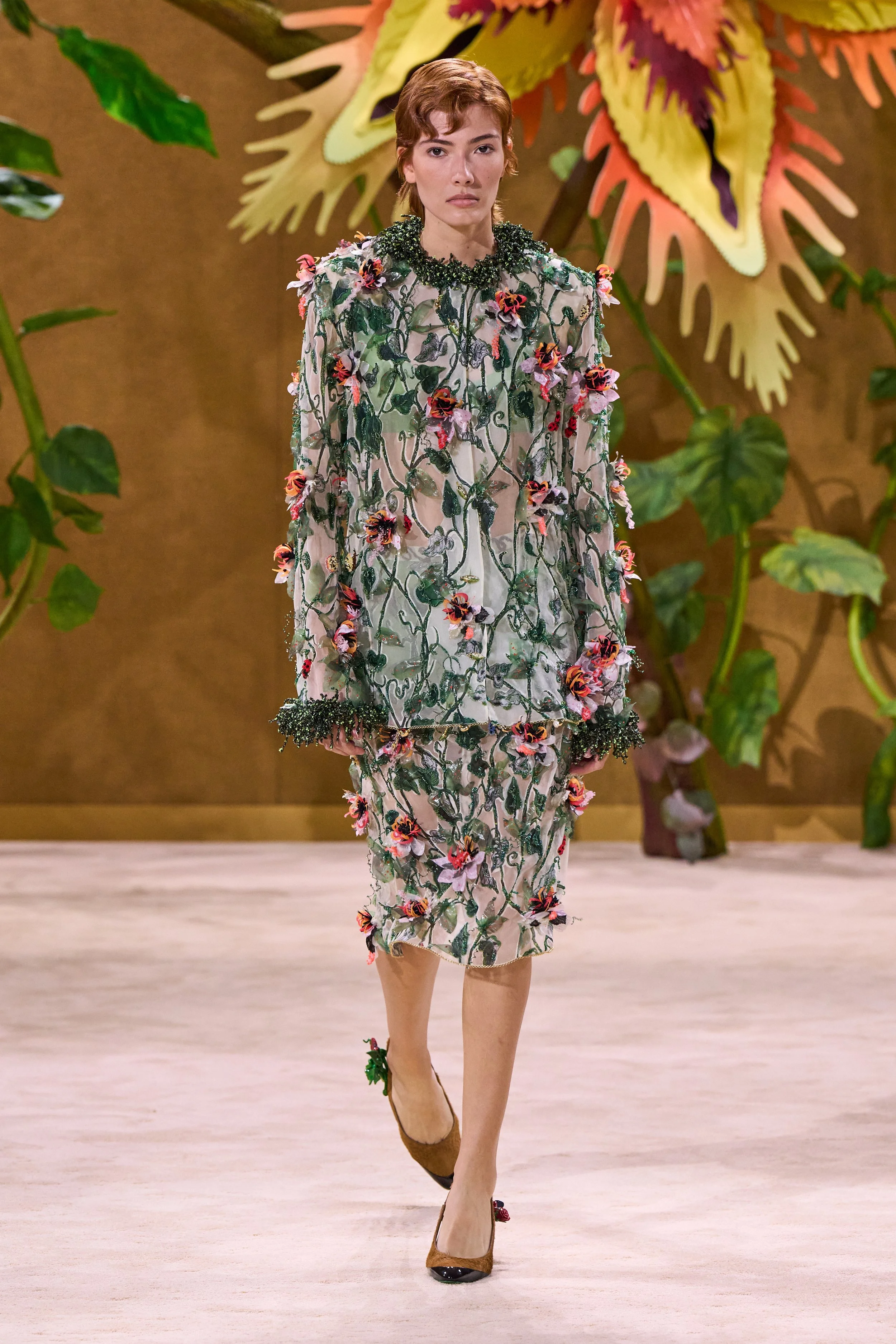
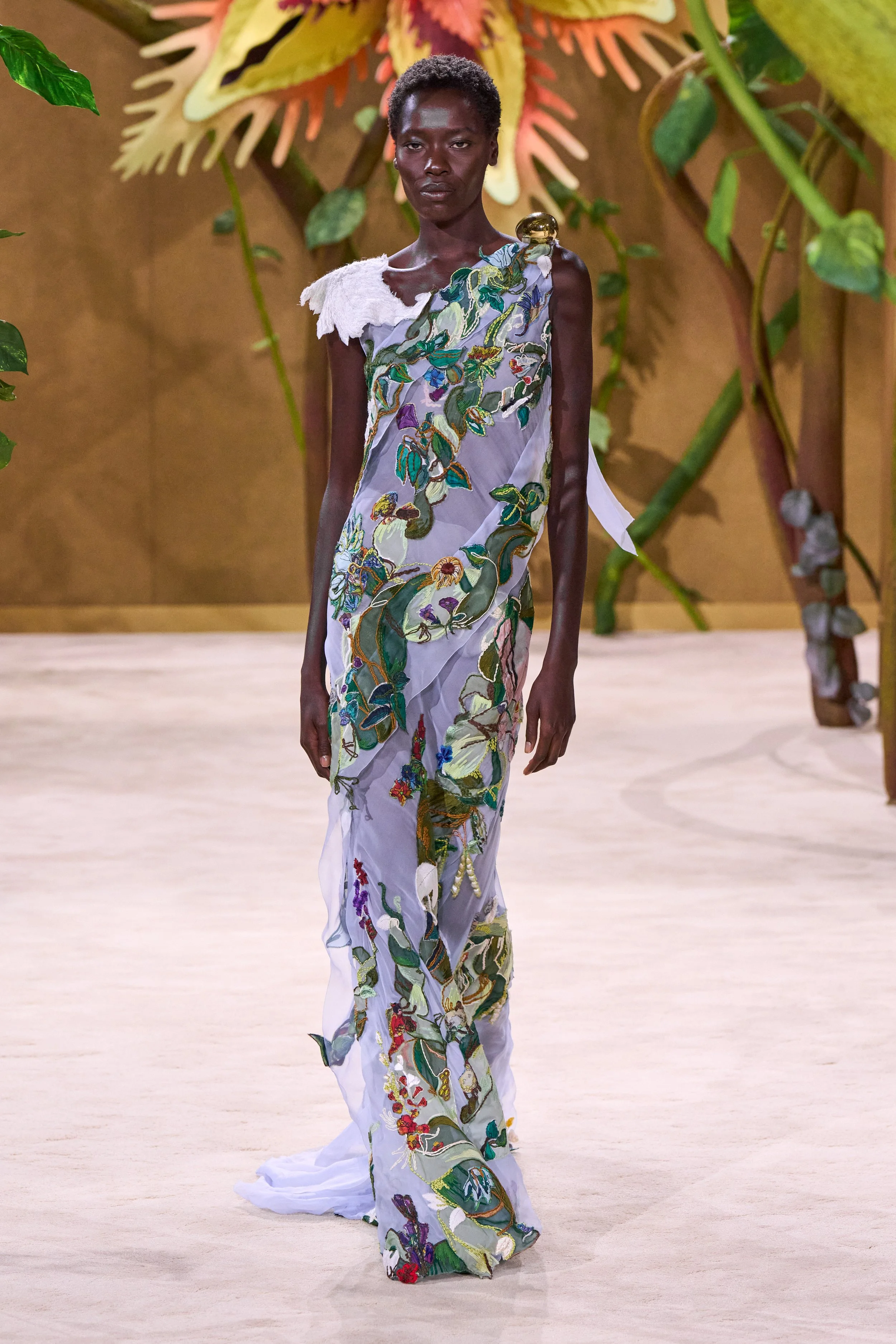
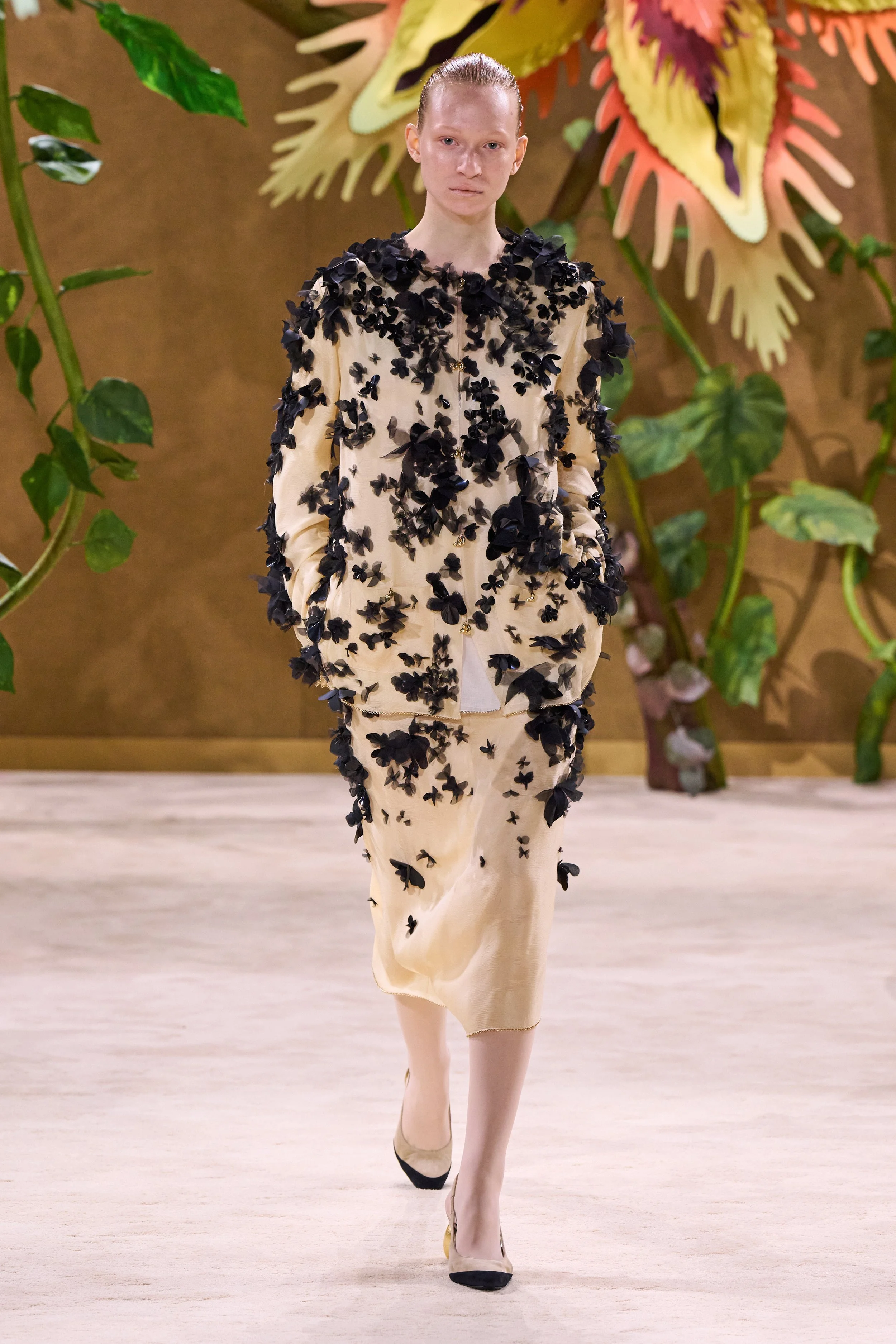
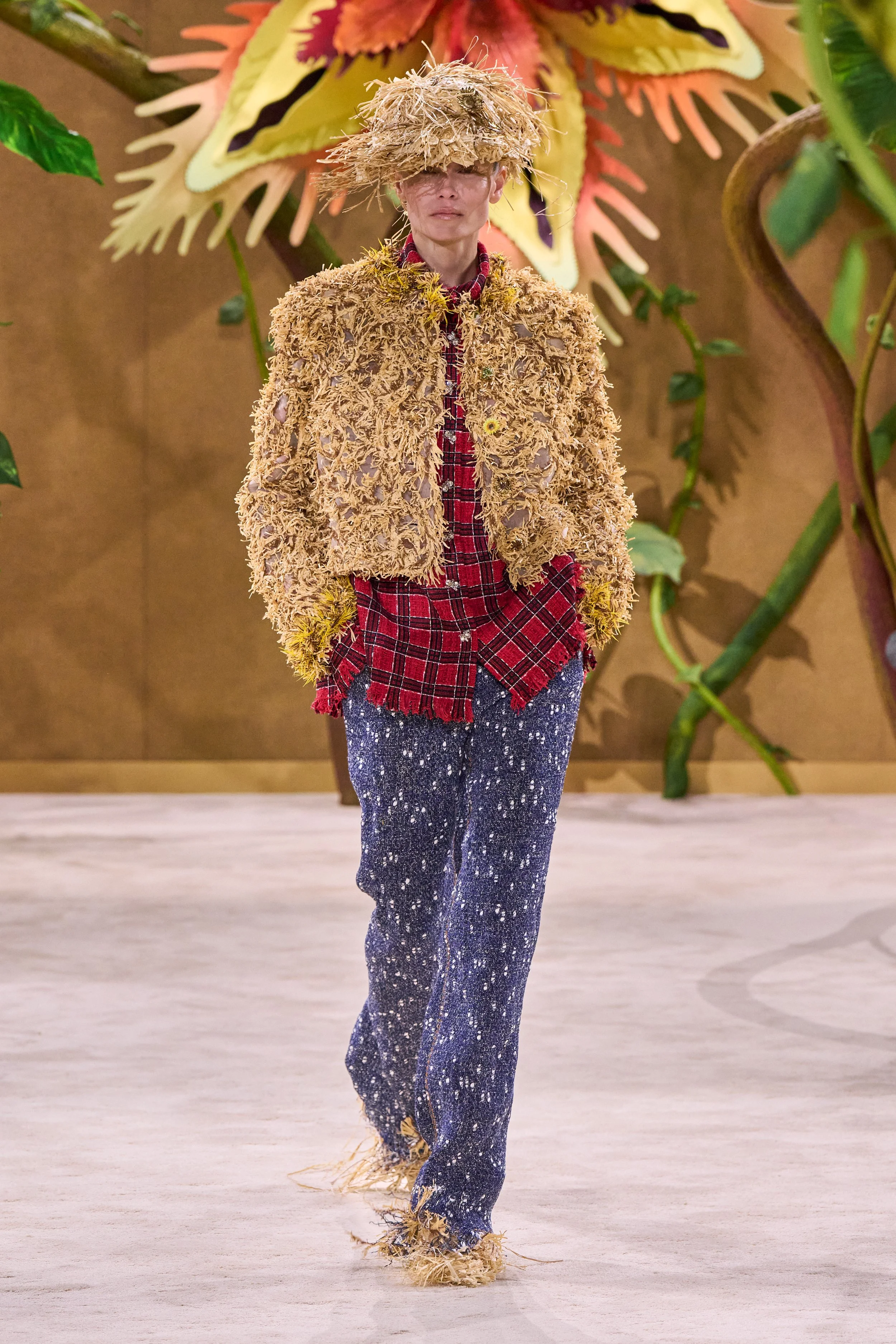
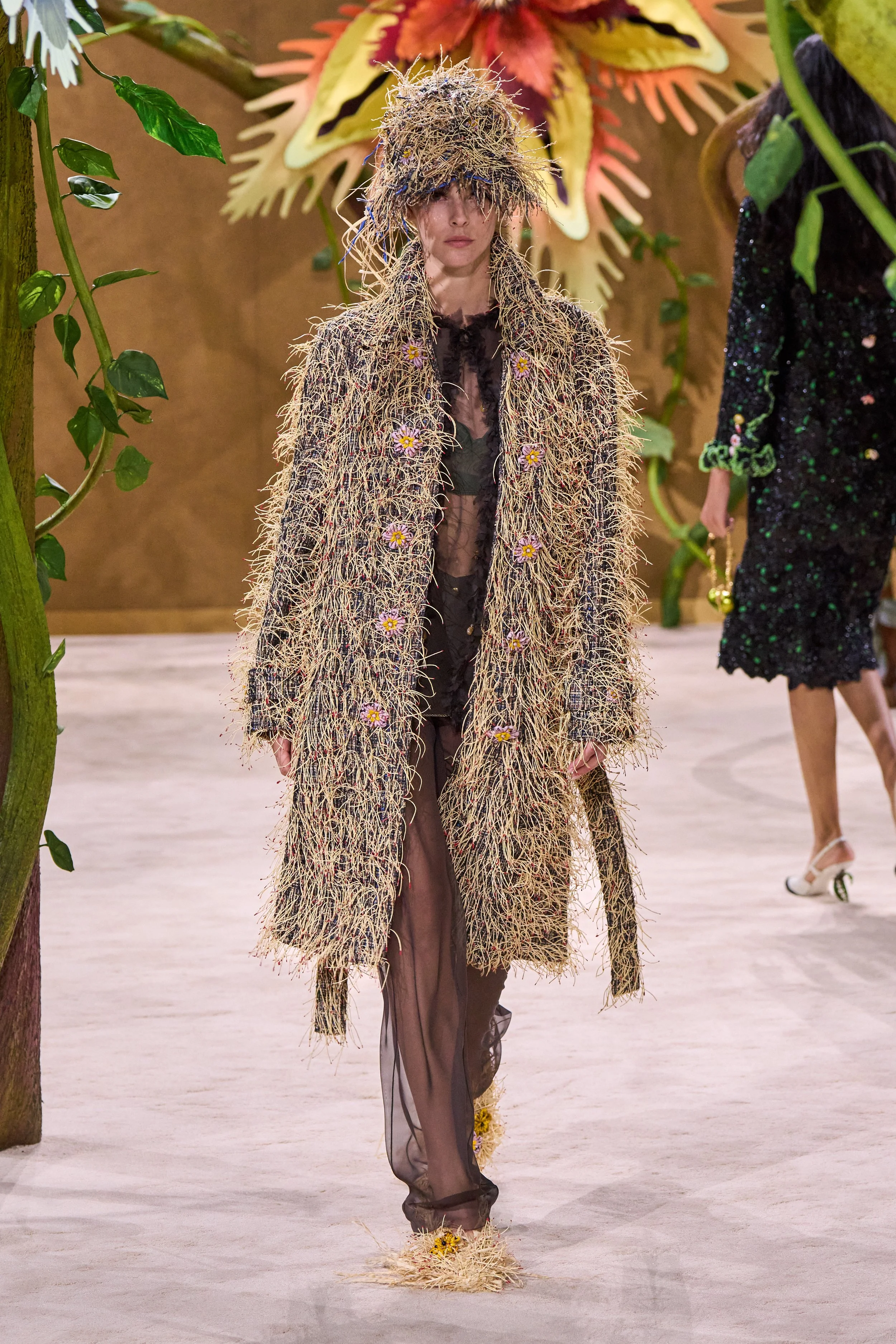
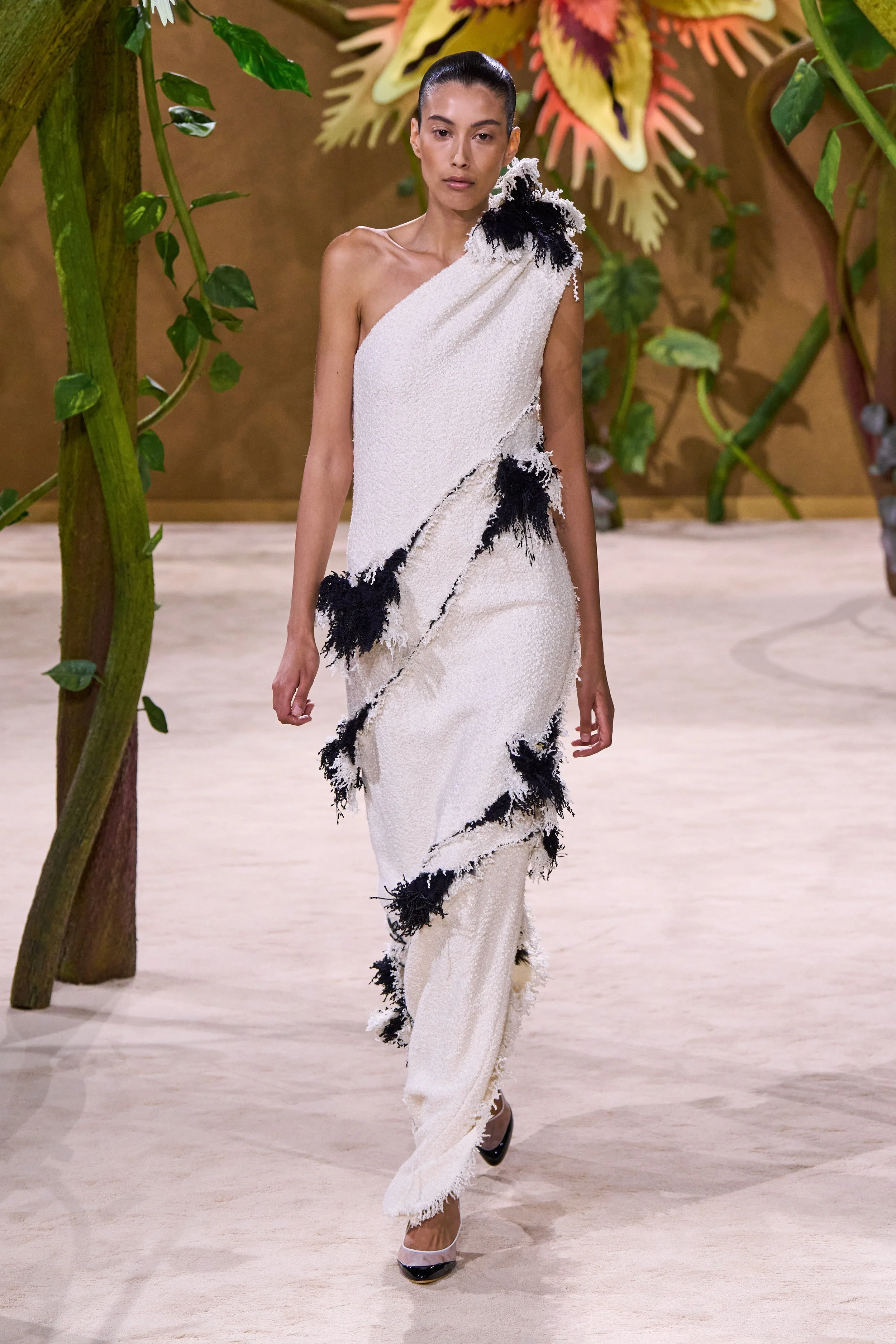
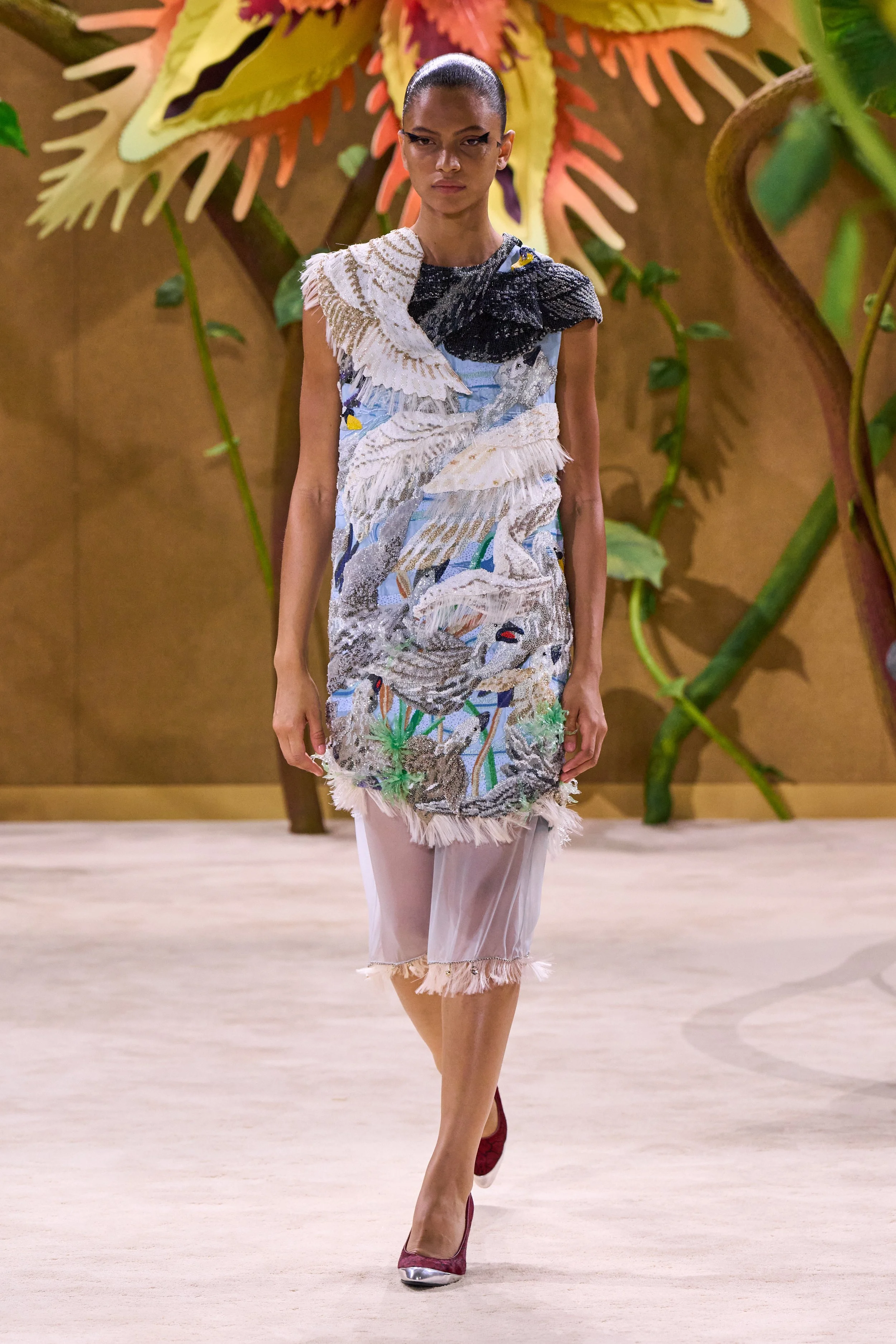
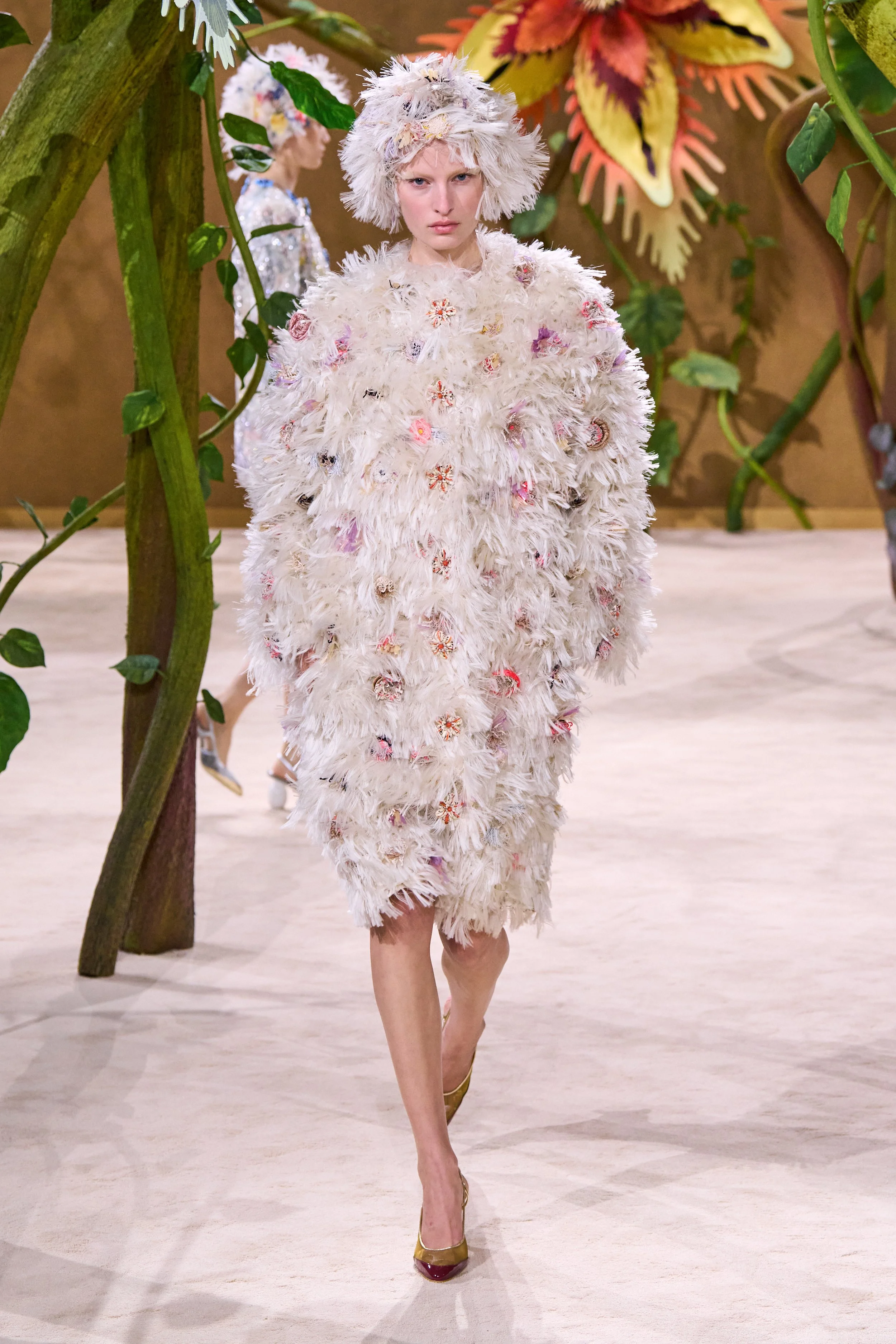
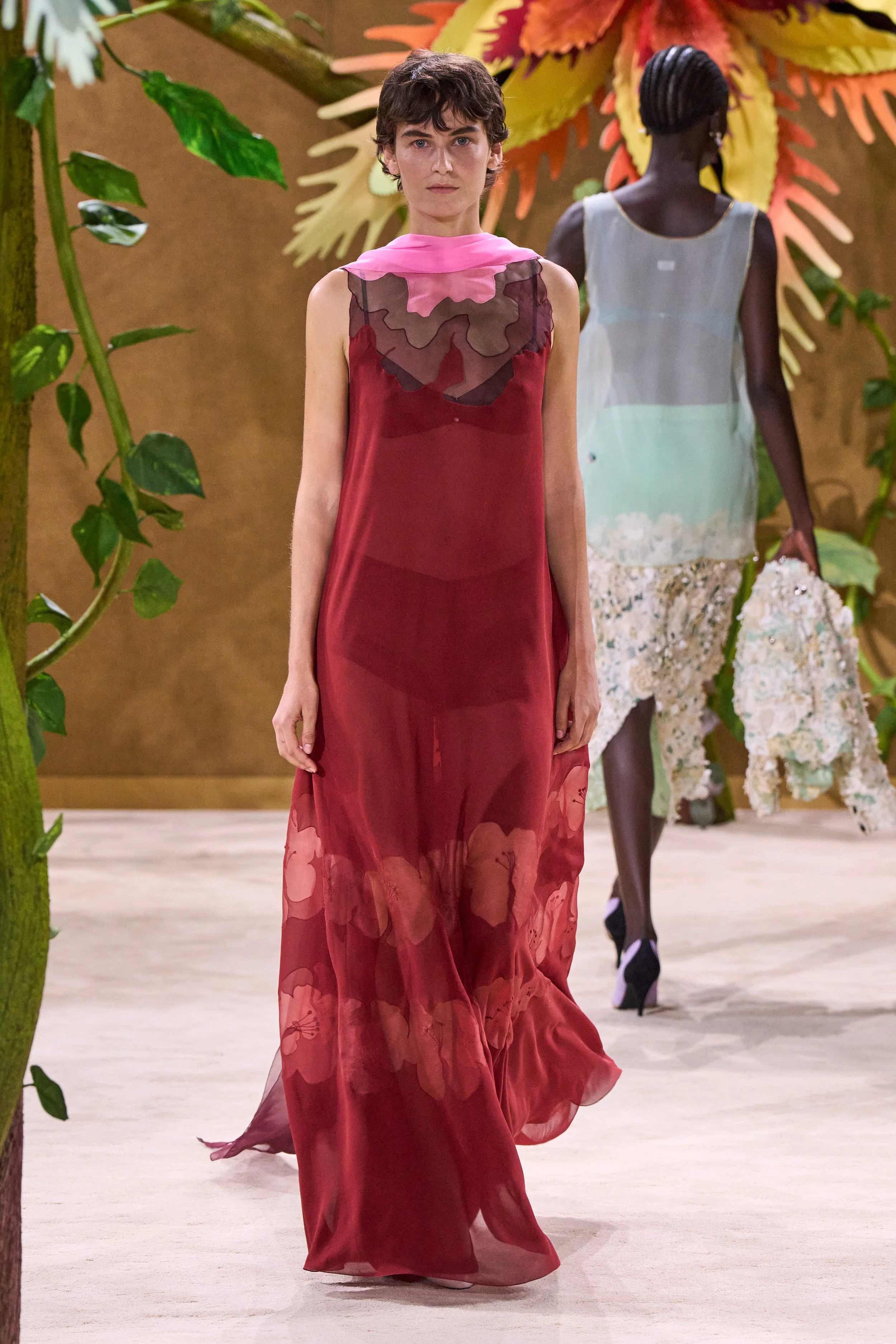
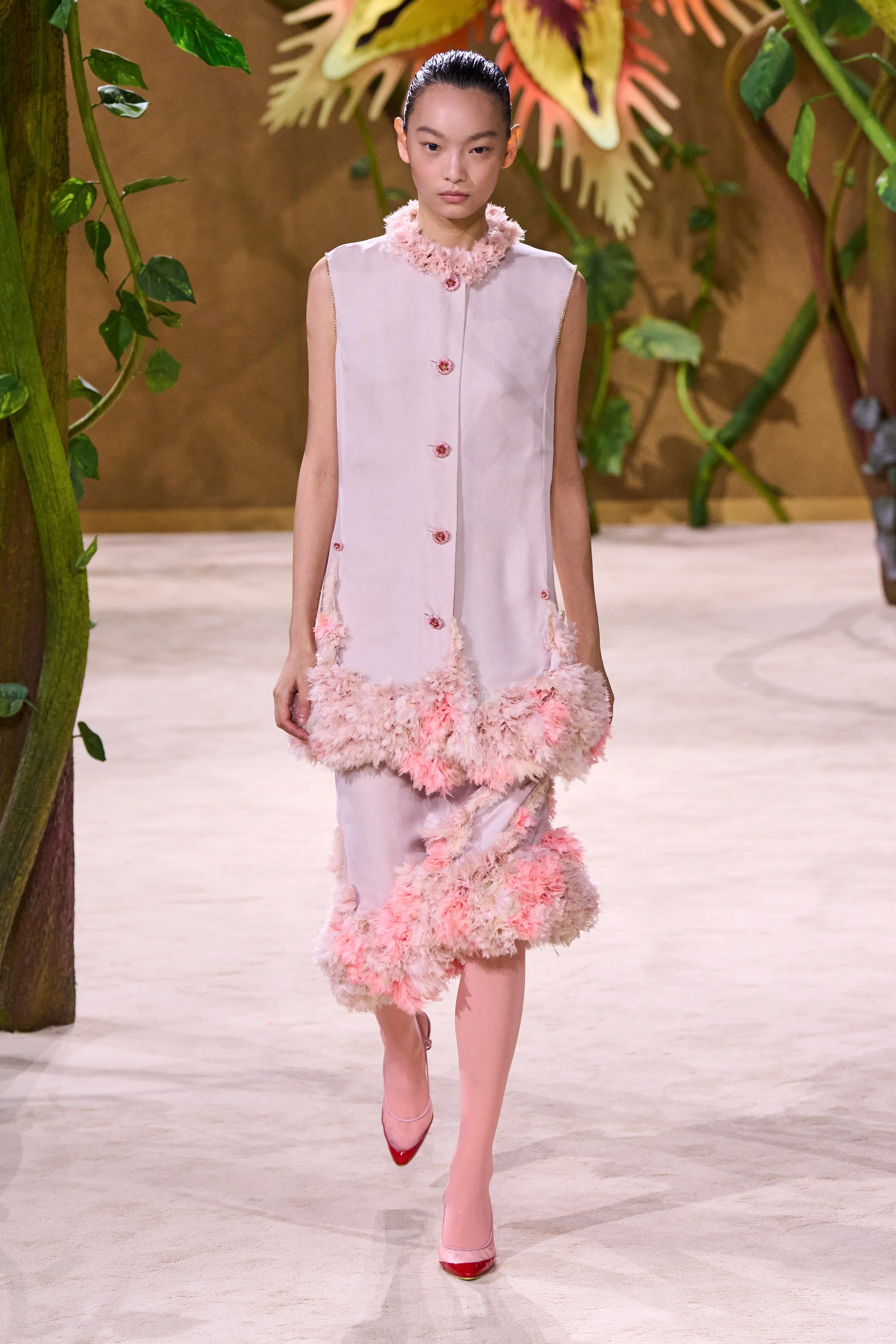
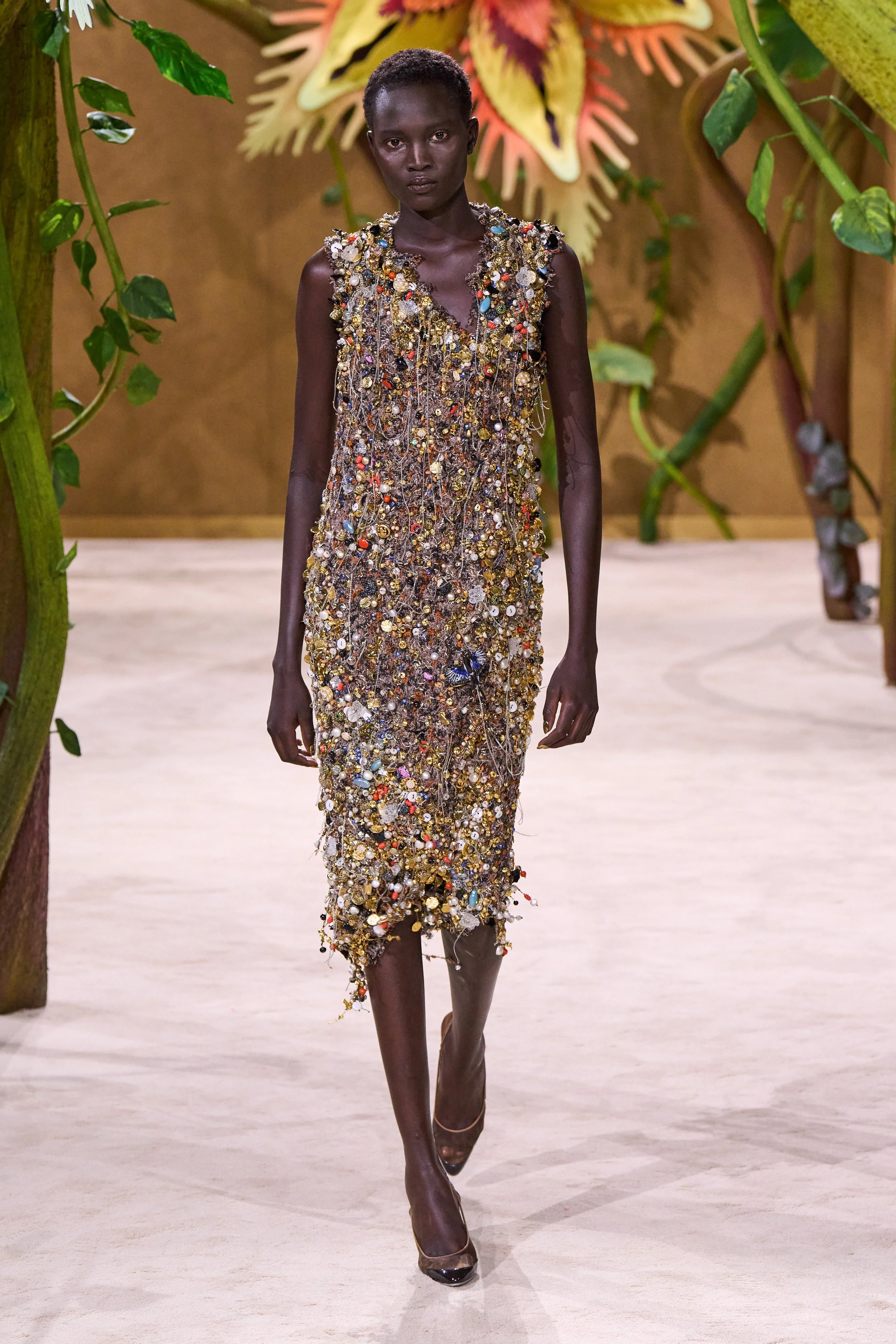
The spectacle lies in Blazy's witty approach to materiality. Tweed becomes something altogether unexpected, transformed into fluffy clouds, delicate rose petals, or prickly hay. Familiar fabrics are made to appear almost impossible, demonstrating the technical virtuosity of the atelier and the savoir faire it established over the course of its 116-year-old history. For Haute Couture Fall/Winter 2026/27, vines and flowers escape three-dimensionally from translucent sets, blossom in black in a butter yellow jacket and skirt. Perhaps most impressively, and most memorably, embroidered birds on a dress wrap their wings around the collar.
Inspired by fairy tales, the collection is filled with subtle acts of fantasy rather than obvious costume. Tweed jackets are woven to resemble bundles of hay, while tiny dwarfs hide among sculpted leaves on the heels of shoes, rewarding anyone willing to look closely. Footwear was a particular highlight, balancing technical ingenuity with wit.
Ever in conversation with Gabrielle Chanel, the collection also pays tribute to the founder of the house. Both the show's invitation and a leather-bound book carried by one of the models referenced a fairy tale volume that Chanel kept in her apartment on Rue de Cambon. Rather than treating the archive as something to be faithfully reproduced, Blazy uses it as a point of departure.
Words by Pedro Vasconcelos