It’s hard to describe the effect Matthieu Blazy has had on the fashion industry. On the first anniversary of his debut, the designer has made Chanel the most desirable label in the world. His work generates a particular kind of excitement, one that goes beyond the usual fashion-week enthusiasm. People (including myself) wait with bated breath for what he will do next. Or rather, what he will make us want to wear.
At Chanel, that curiosity comes with an added difficulty. How do you move a house so deeply embedded in the collective imagination without losing the things that made it matter in the first place? Blazy has solved the challenge by making Gabrielle Chanel his muse. Spring/Summer 2027 distilled her essence and applied it to the house's codes as a way to trace its past, present and future. The result was a wardrobe that moved through the different lives of its founder: the young woman before Chanel, the designer who liberated the female body, and the woman whose name eventually became synonymous with a particular idea of elegance.
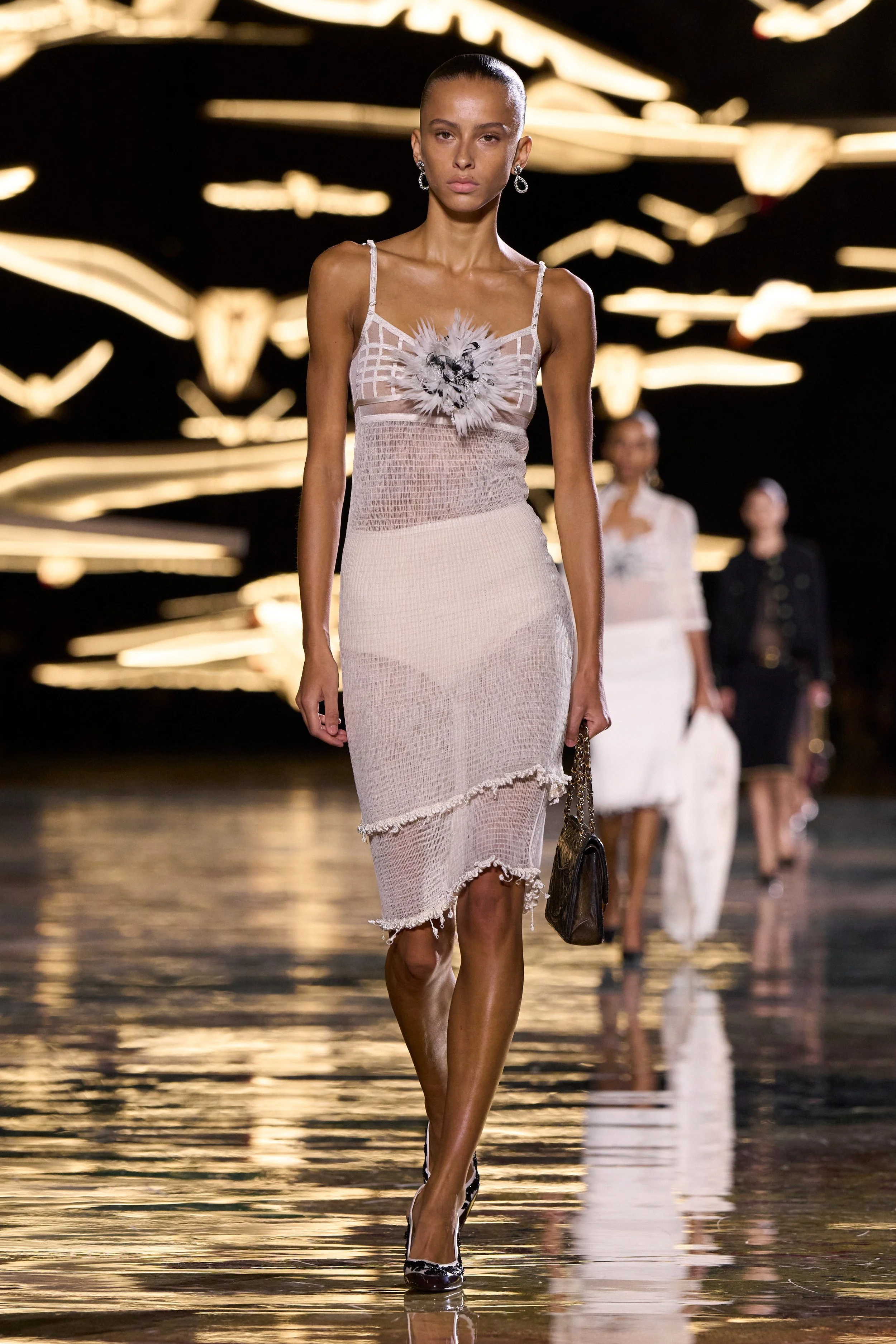
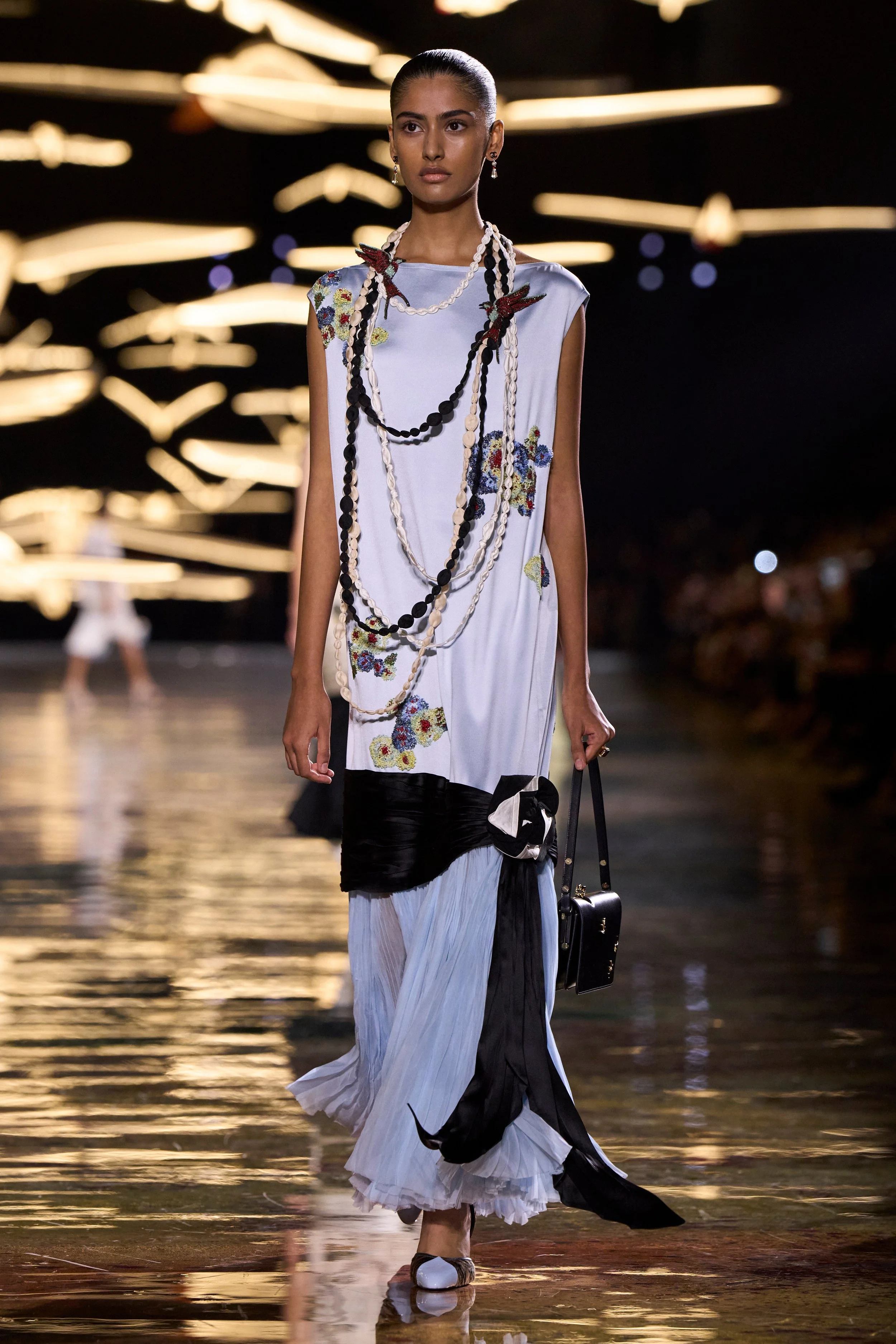
The show opened with a sheer white slip dress, its lingerie-like simplicity interrupted by a feathery rosette at the bust. Here was a woman who began her career working with clothes close to the body, before building a fashion house around the idea that women should be able to move freely in what they wore. Blazy returned to that starting point, using transparency, exposed underpinnings and fluid silhouettes to reconsider what Chanel elegance might look like without its familiar layers.
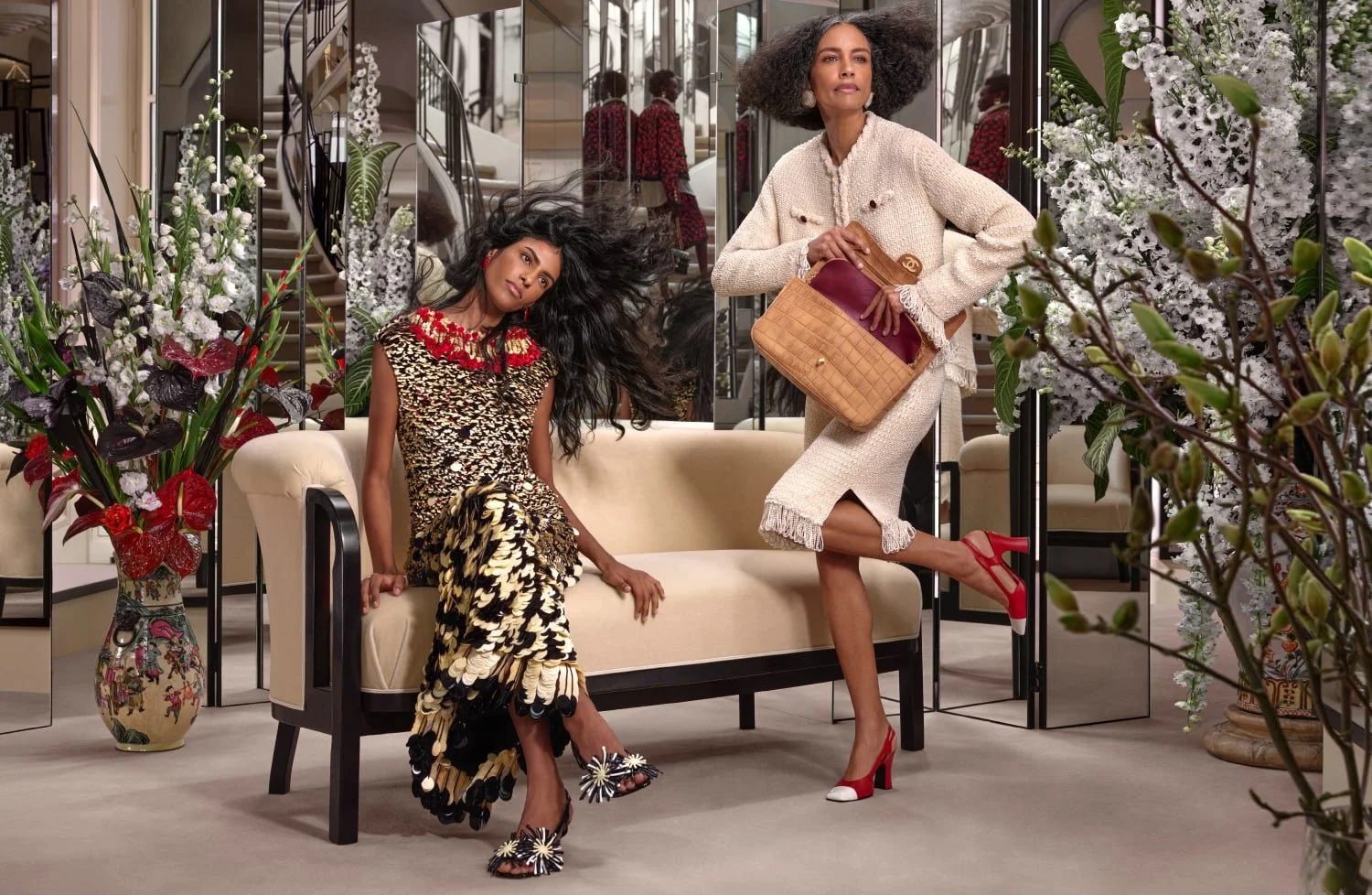
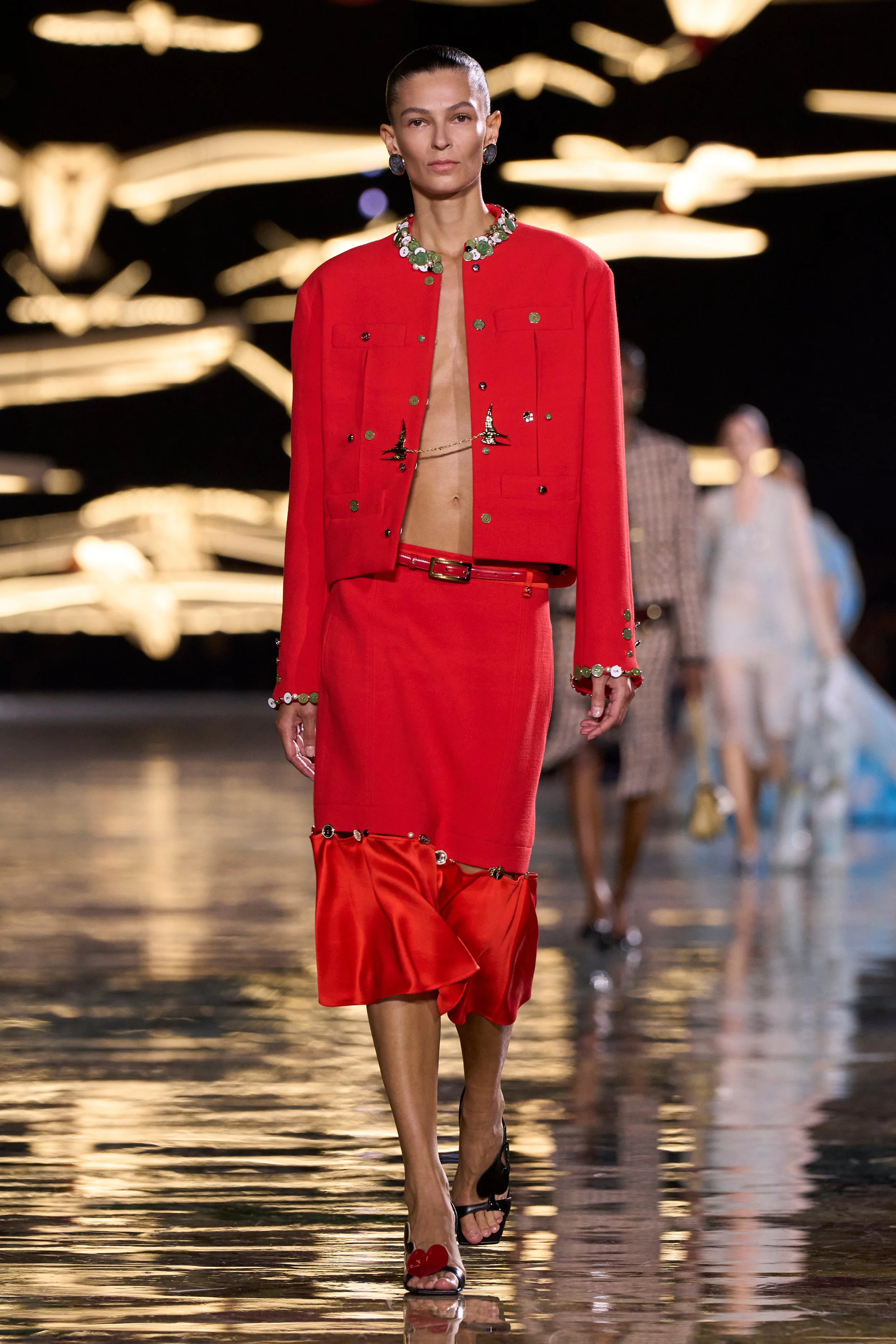
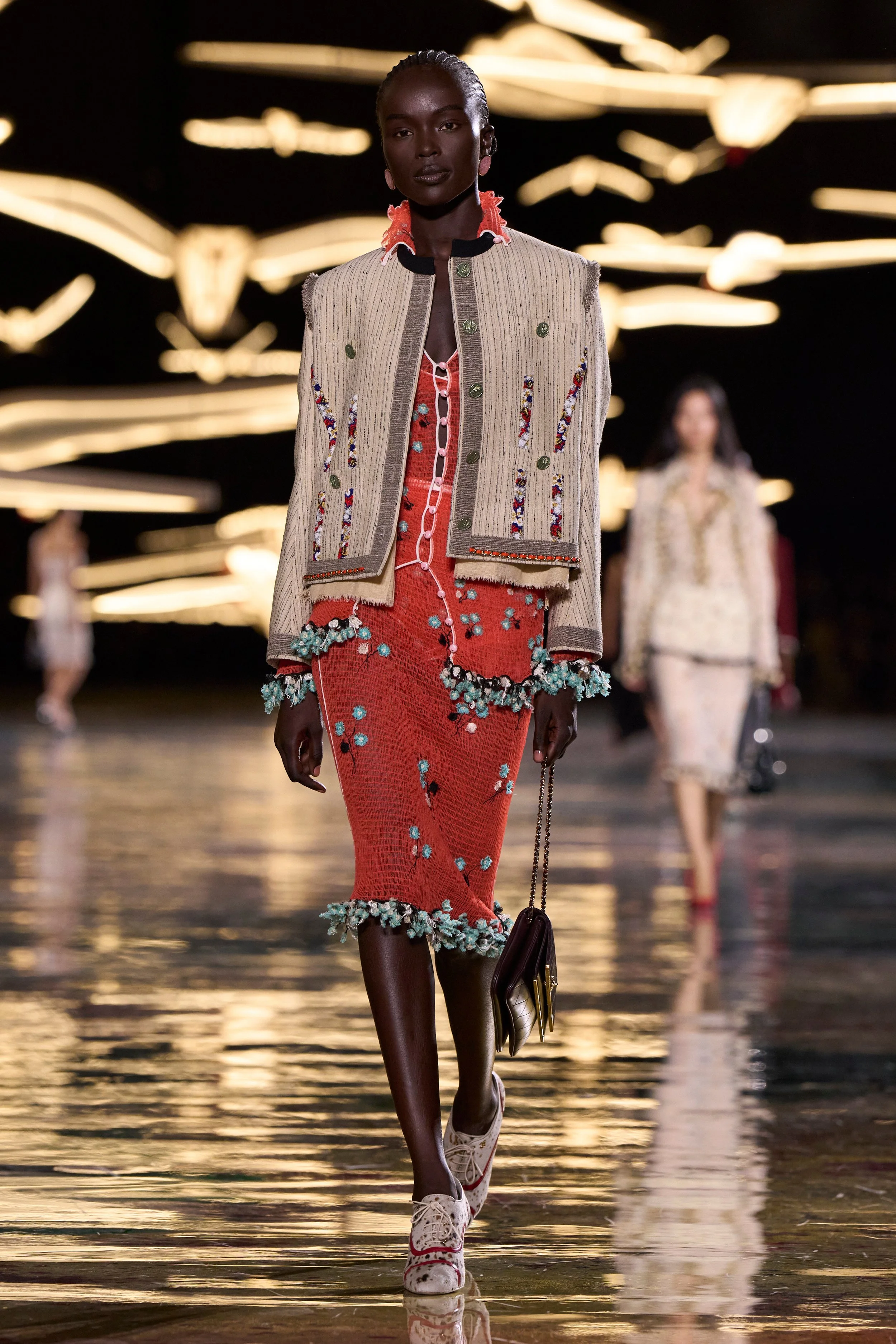
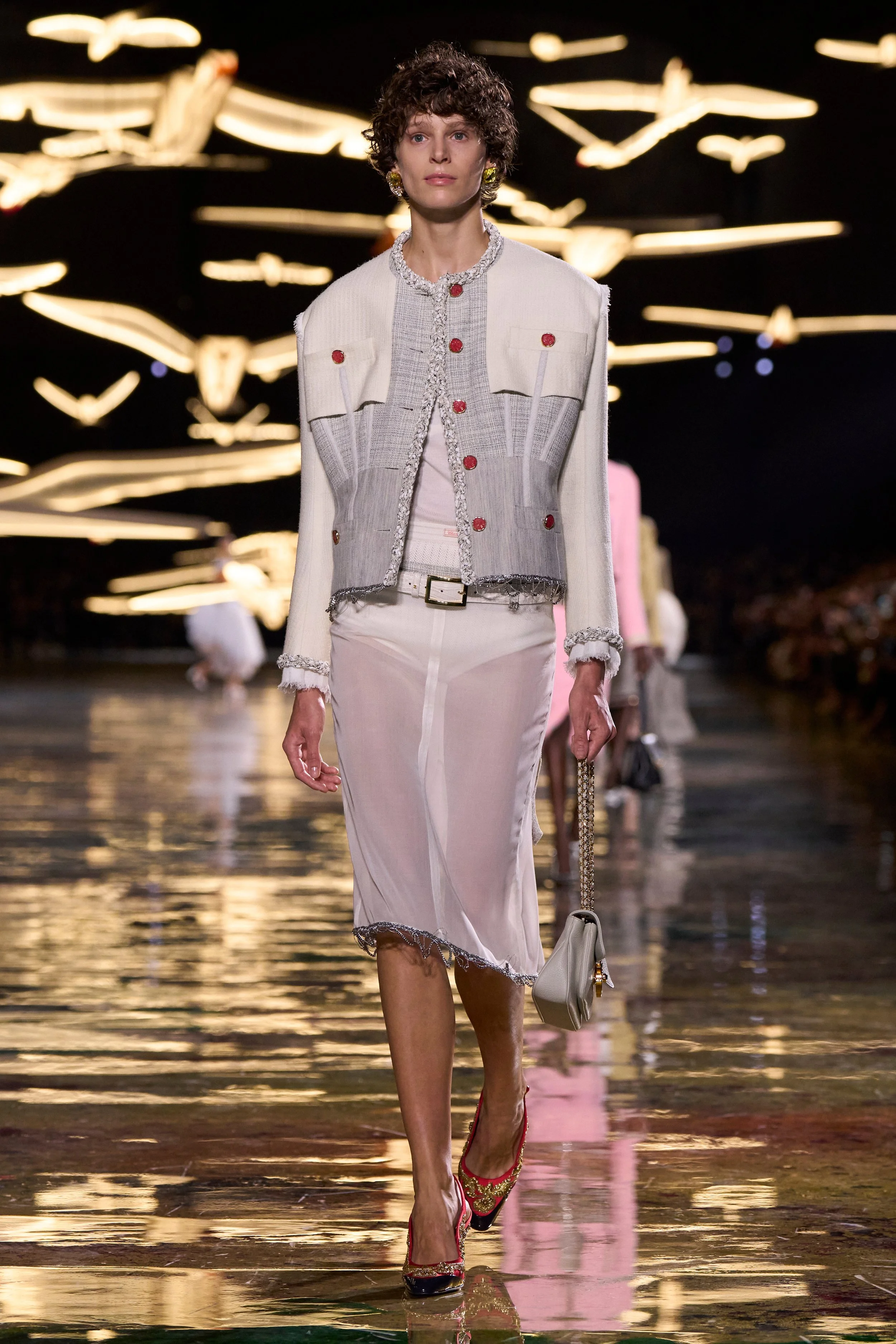
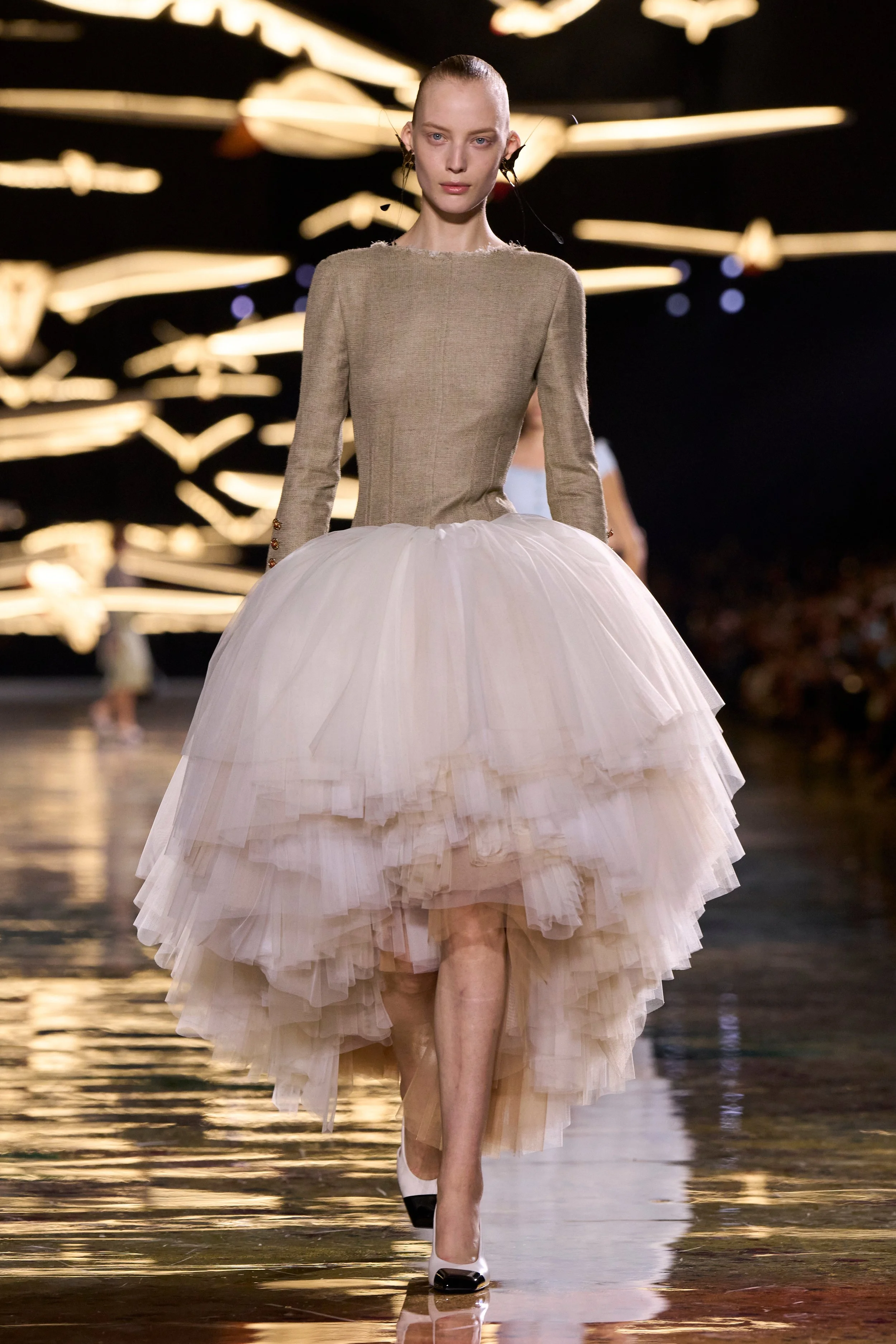
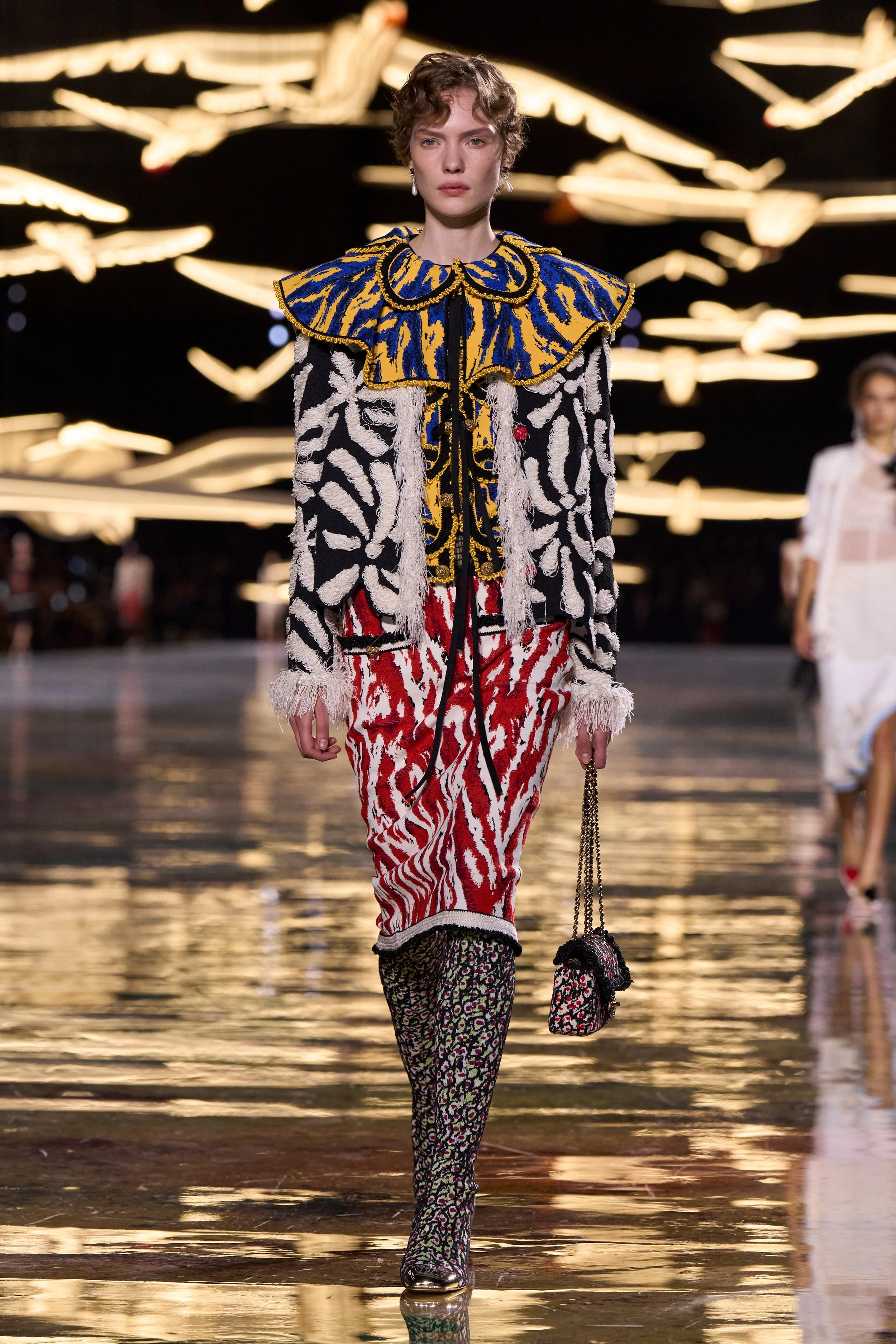
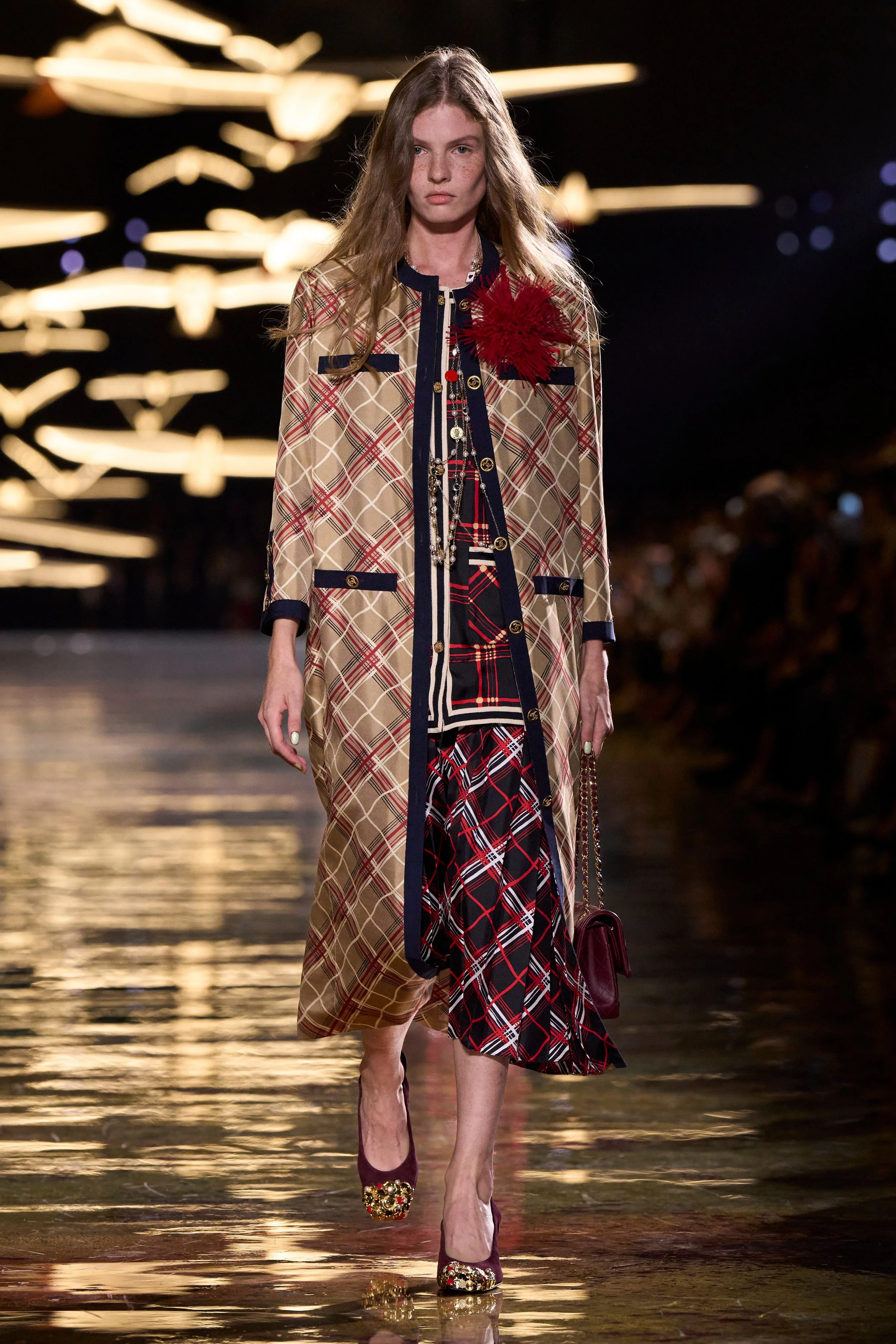
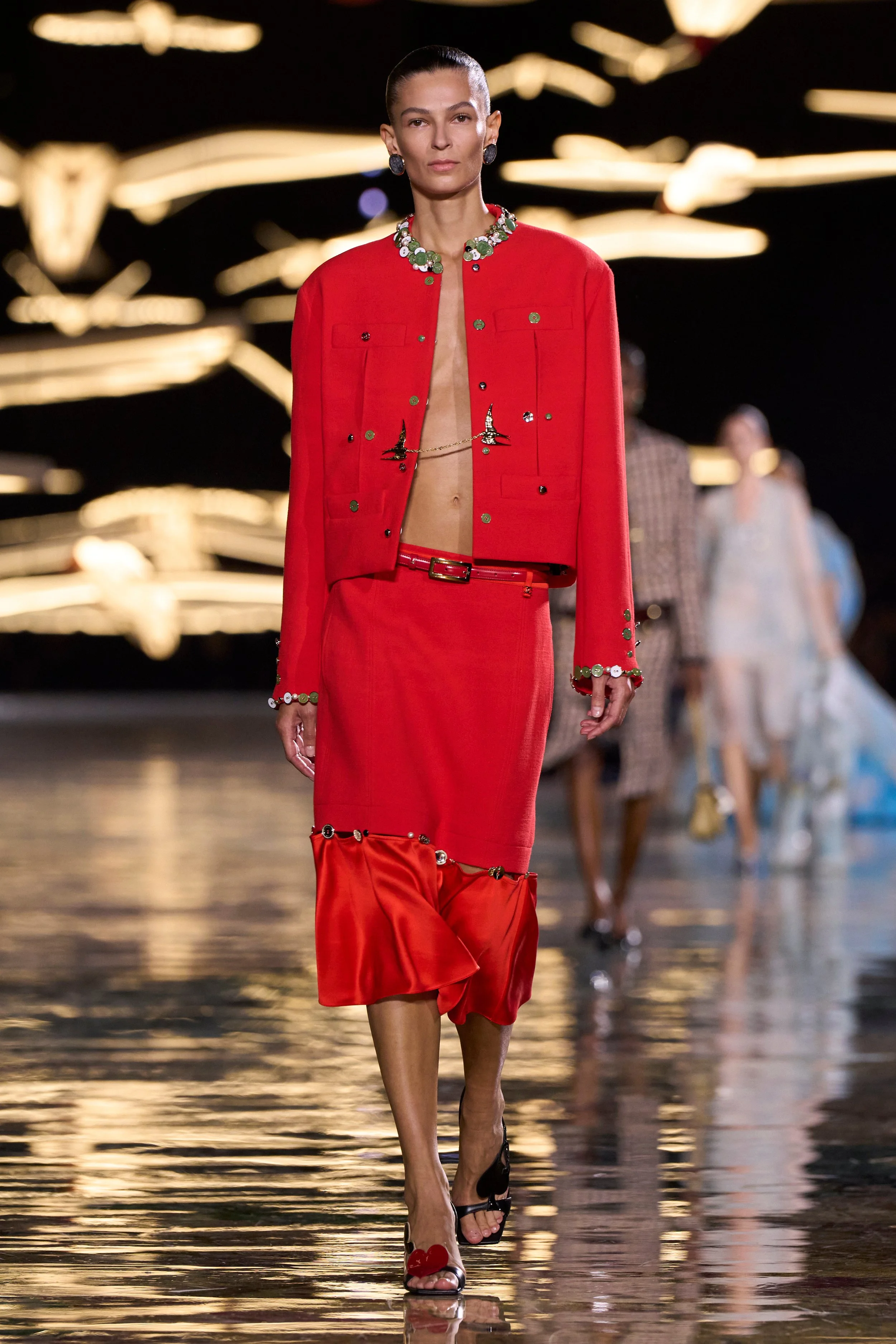
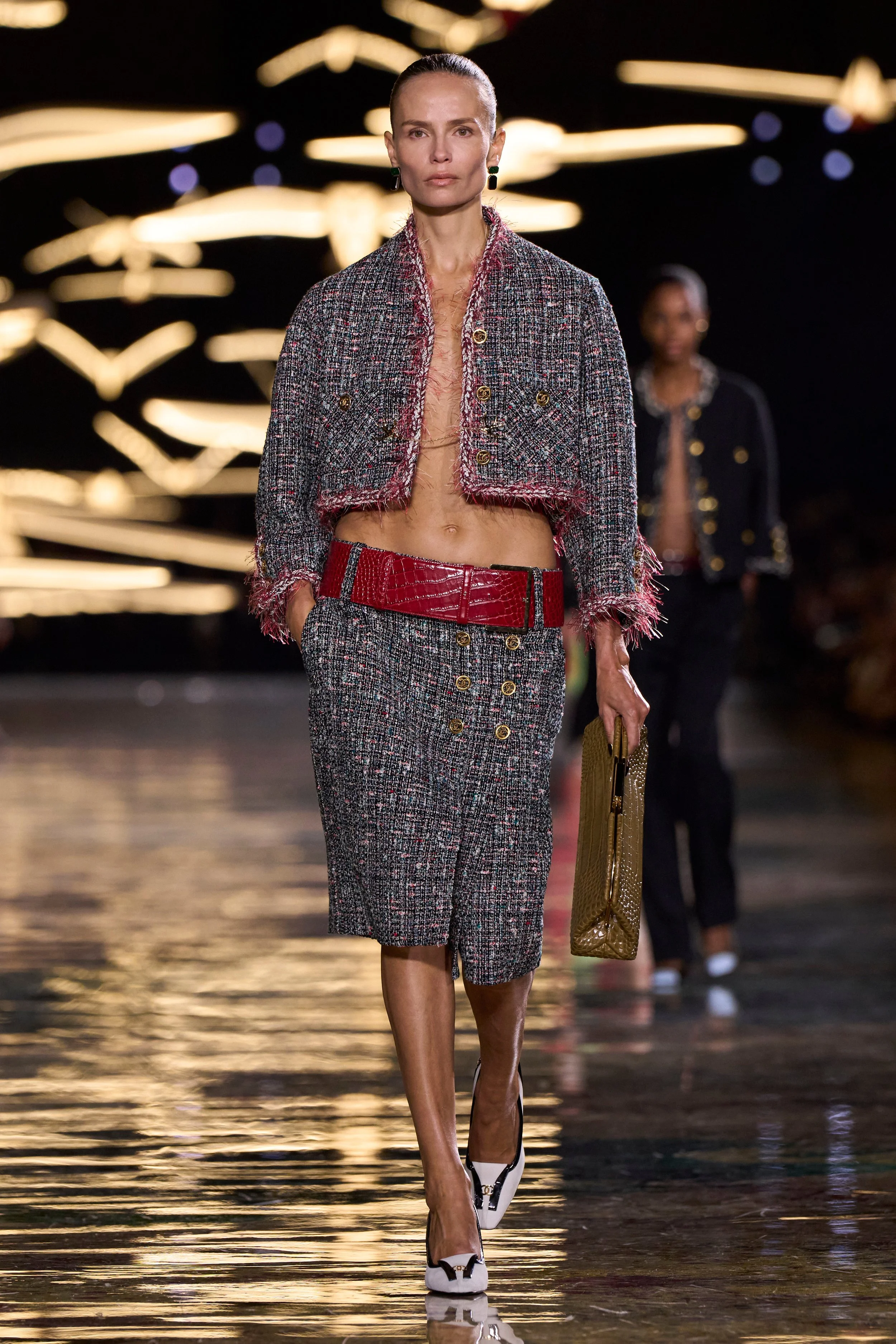
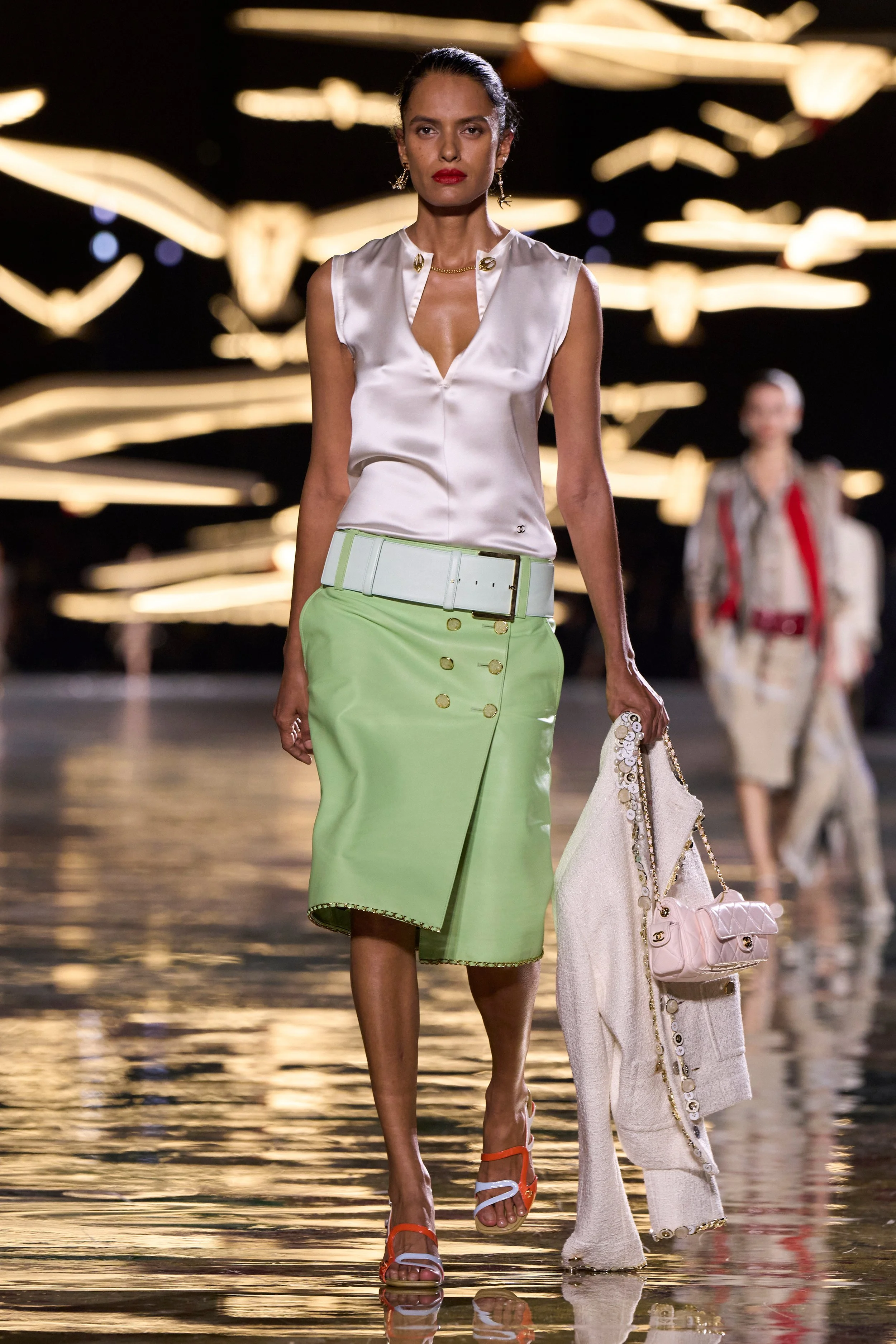
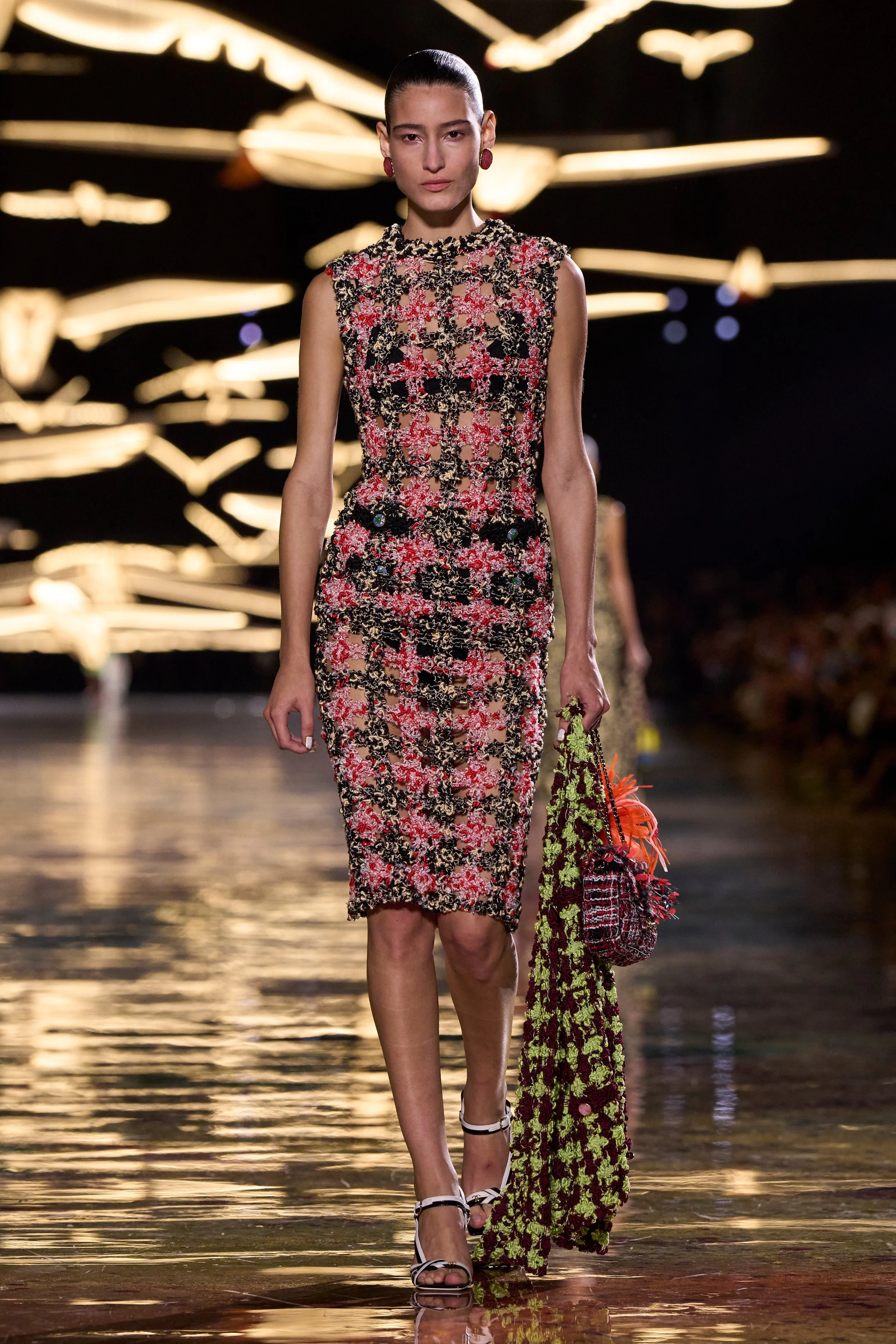
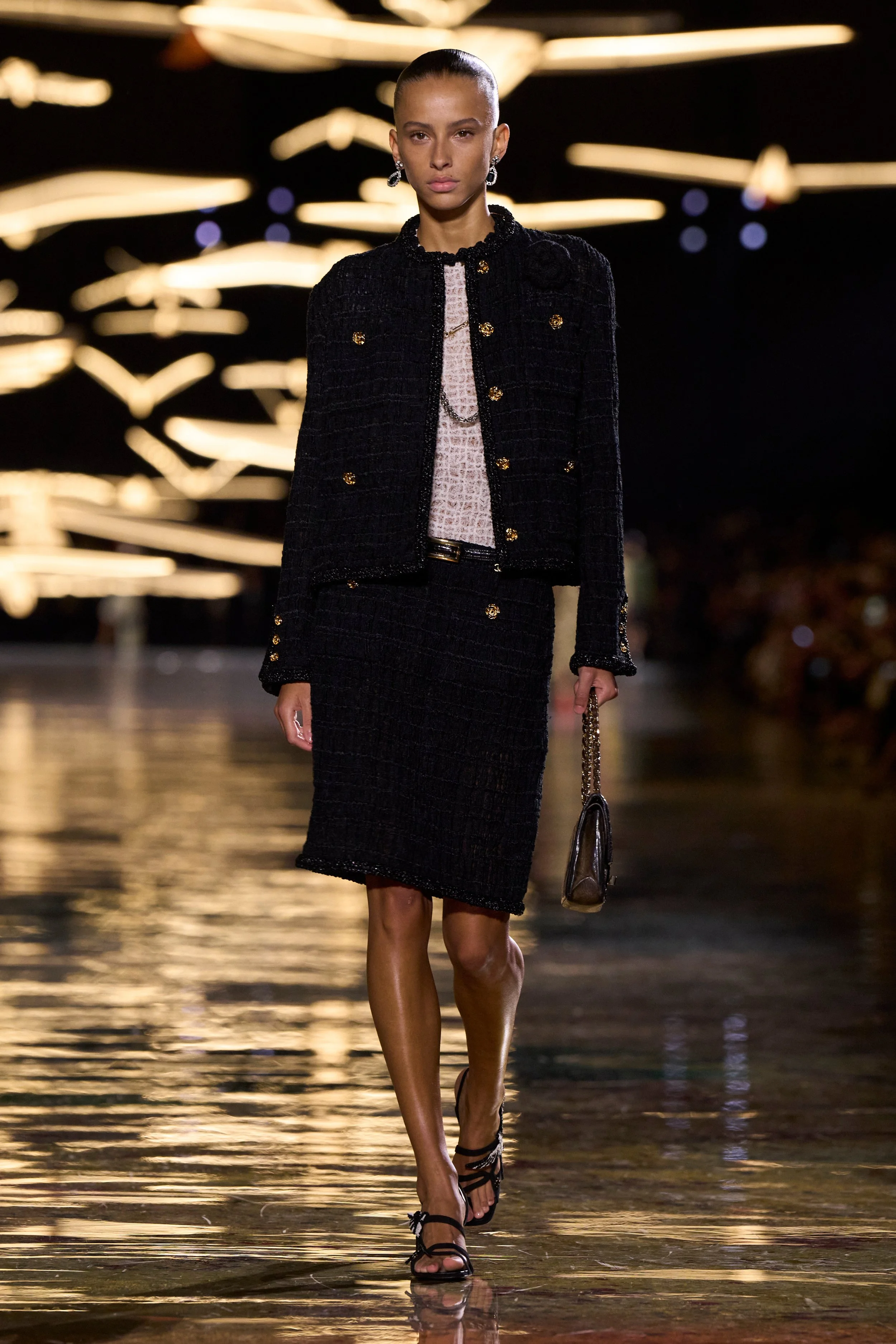
From there, the collection moved through different interpretations of the house's codes. Drop-waist skirts came in combinations of bouclé, wool and brightly coloured knitwear, paired with simple tanks. The tweed suit was a constant but made less rigid. Blazy introduced a new smock tweed construction, giving the fabric a degree of flexibility and movement that is new to the textile – the designer is as concerned with Chanel’s past as he is its future. The surface retained its richness, but the garment could bend, stretch and sit more naturally on the body. Elsewhere, the familiar skirt suit was disrupted by raw edges, exposed waists and jackets worn against bare skin. Traditional menswear appeared stripped back into gilets and narrow pencil skirts, while curved bodices, traces of corsetry and peplum shapes surfaced in silhouettes that felt much lighter than their historical references.
Above the runway, illuminated swifts and swallows crossed the glass ceiling of the Grand Palais. The birds, inspired by the migratory species Blazy observed in Calabria, provided a visual expression of the collection’s central idea: identity is not fixed, but shaped by constant movement. The Belgian designer looks at Gabrielle Chanel with tenderness, allowing her to exist outside the confines of collective memory. She was a woman, capable of being kind and unkind, funny and serious. He extends that same understanding to every woman. Under Blazy’s guidance, Chanel is less of an image to aspire to, and more of a world women recognise themselves in.
Words by Pedro Vasconcelos