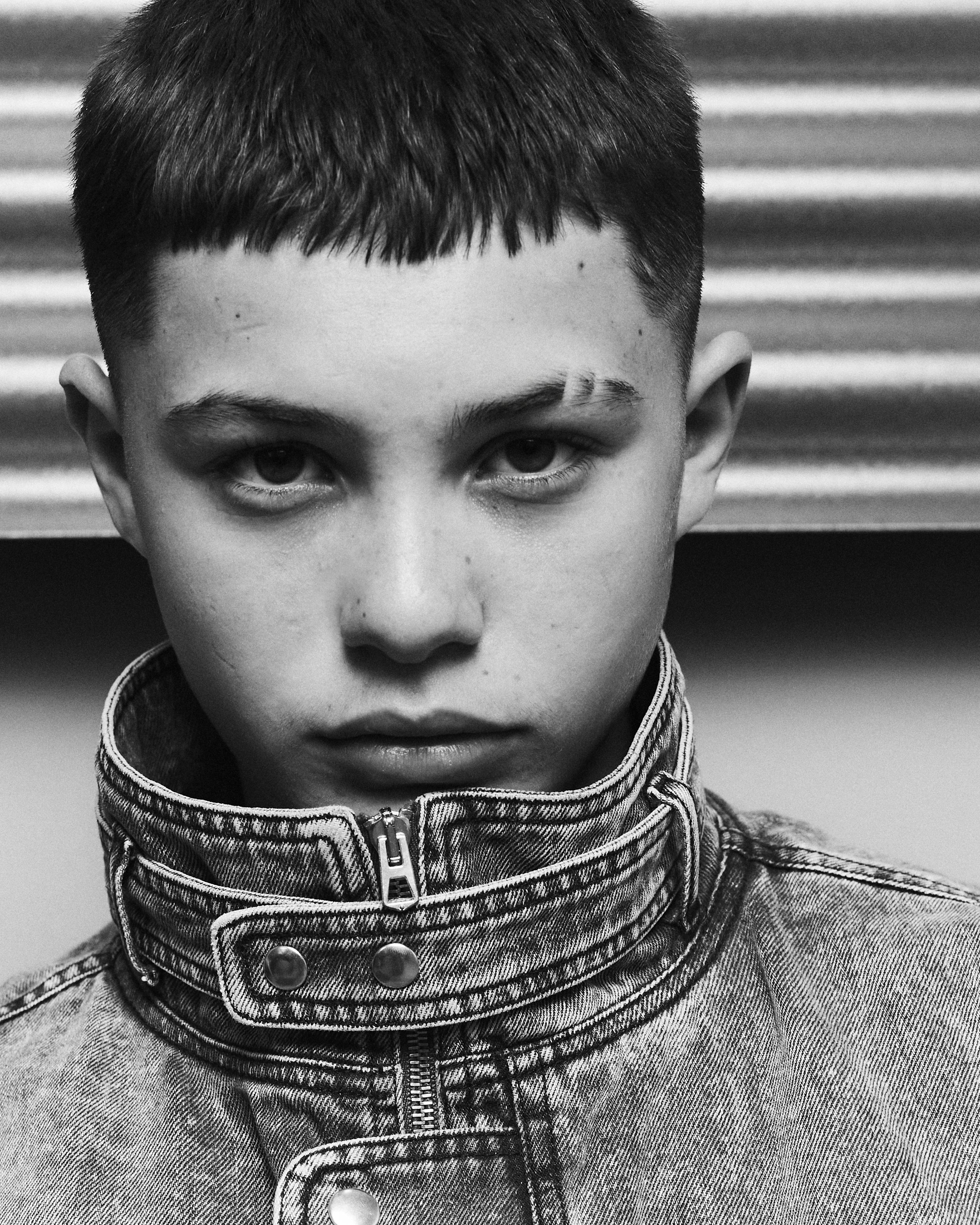
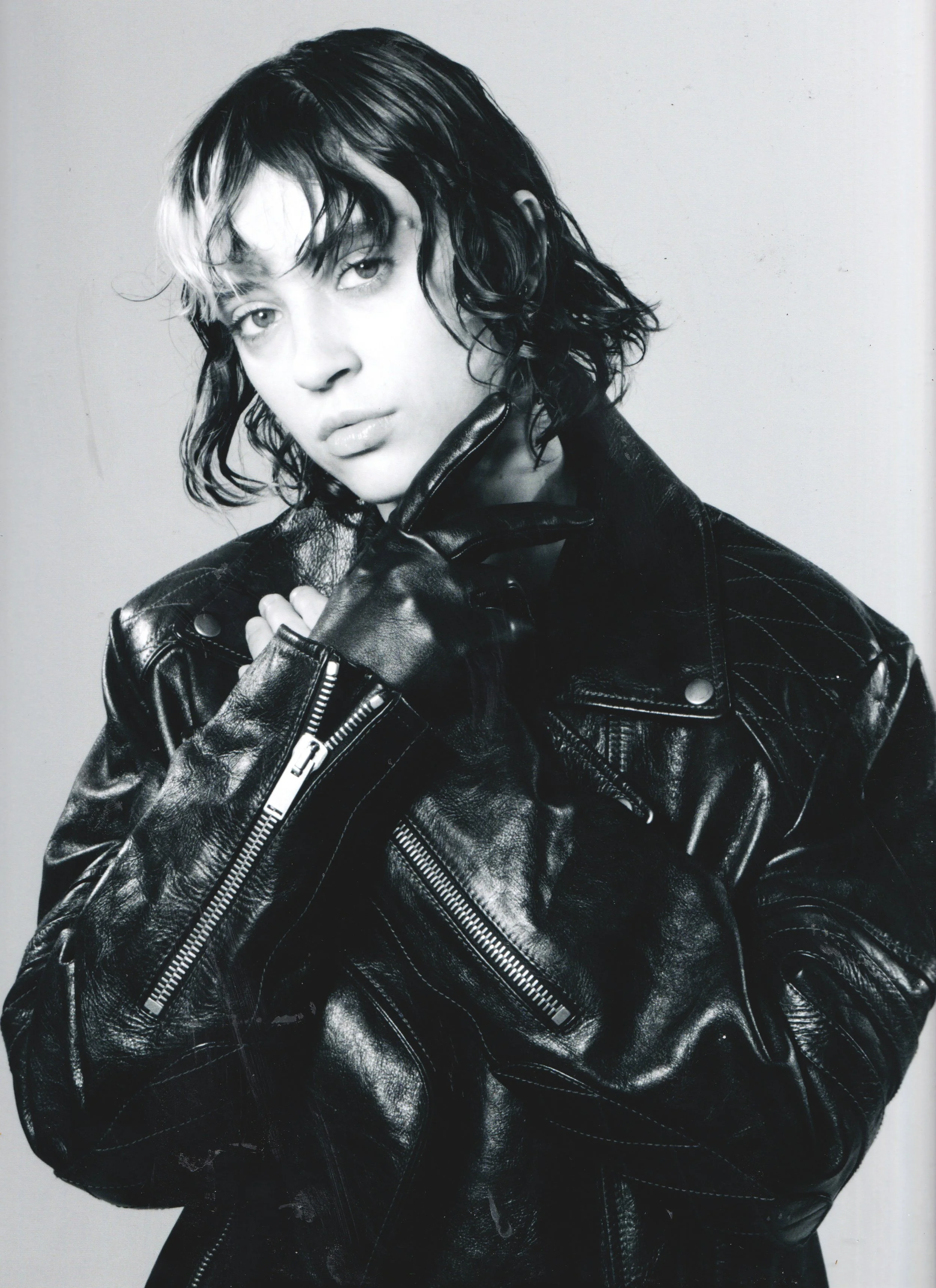
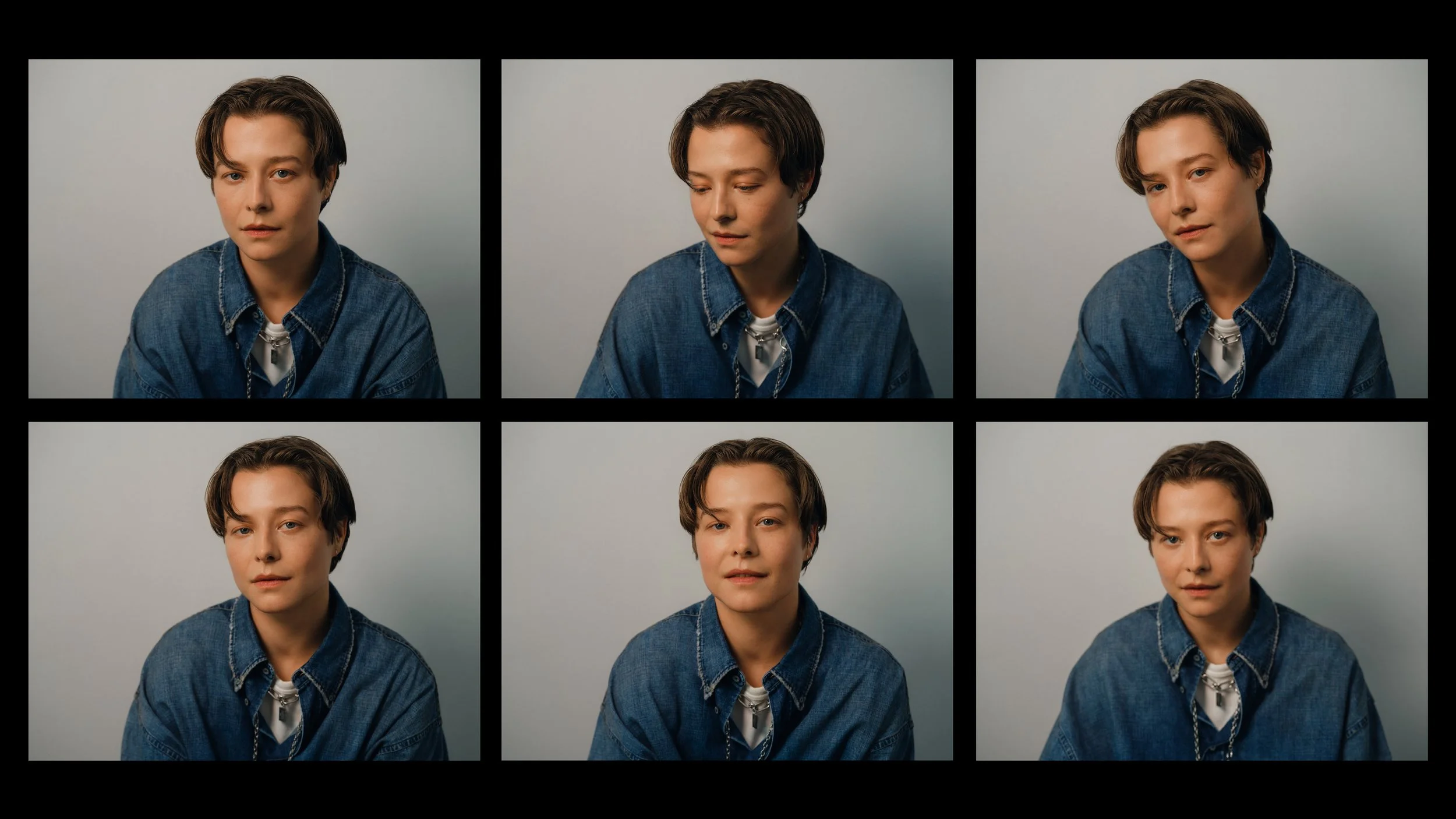
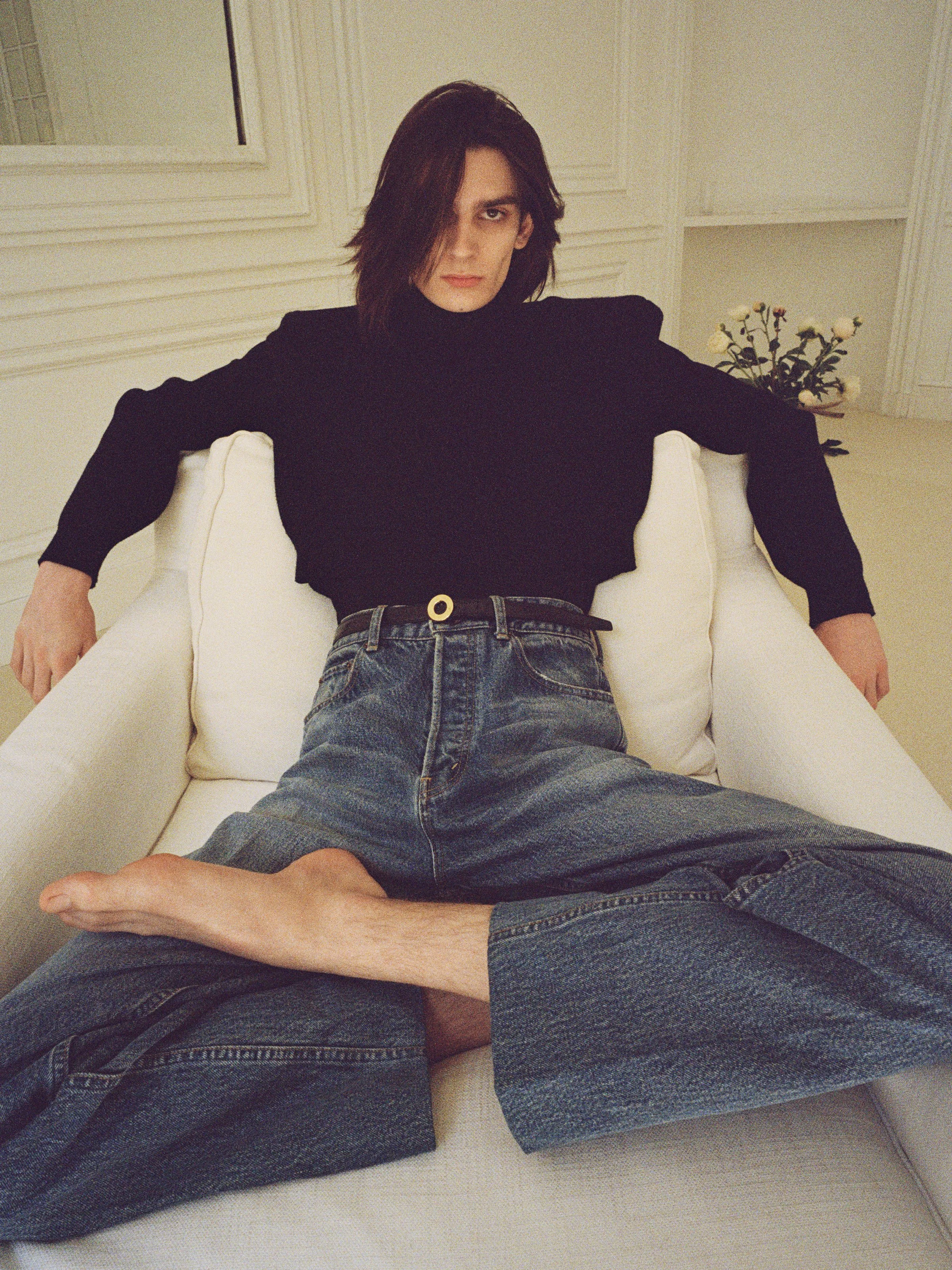
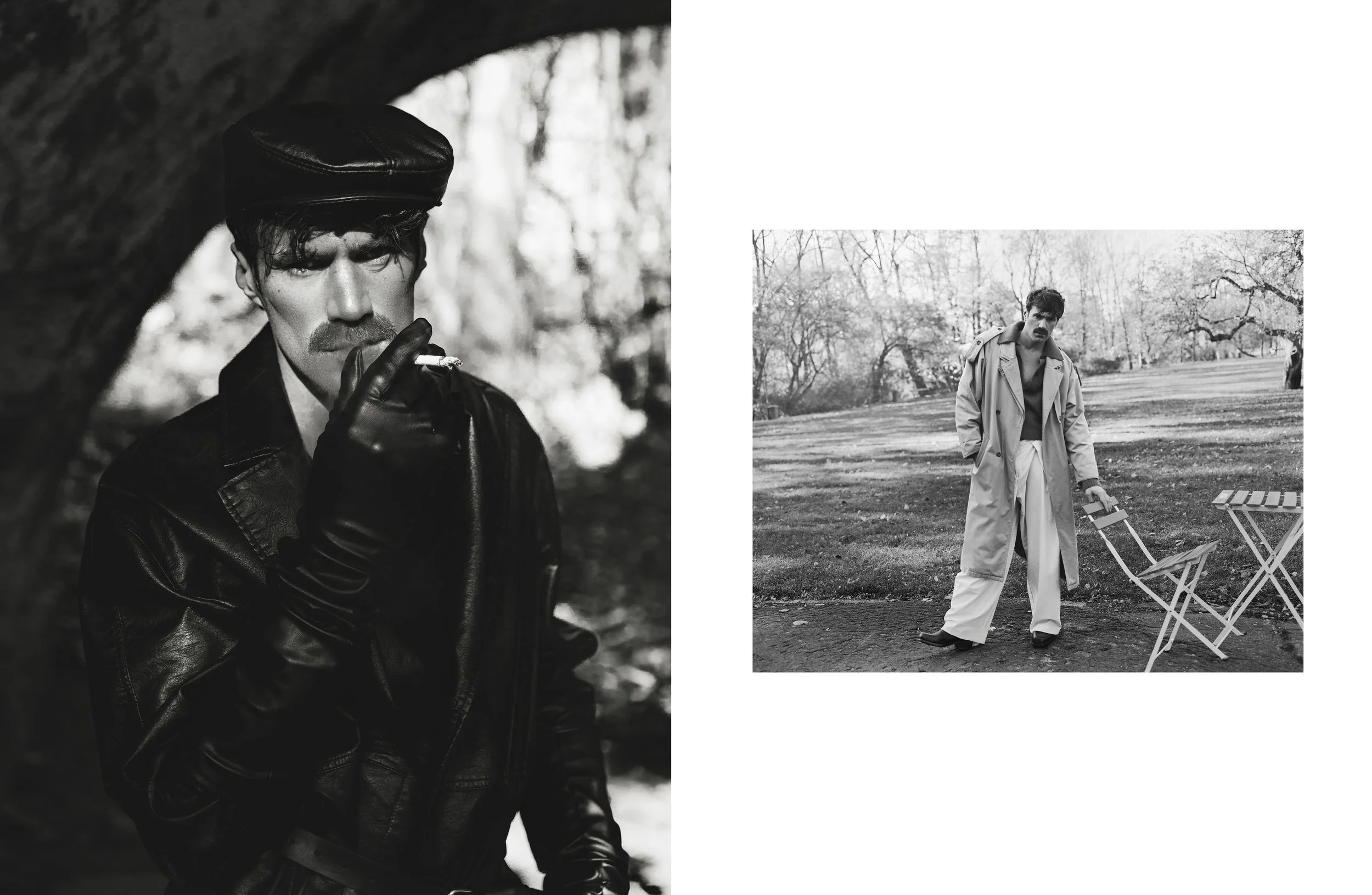
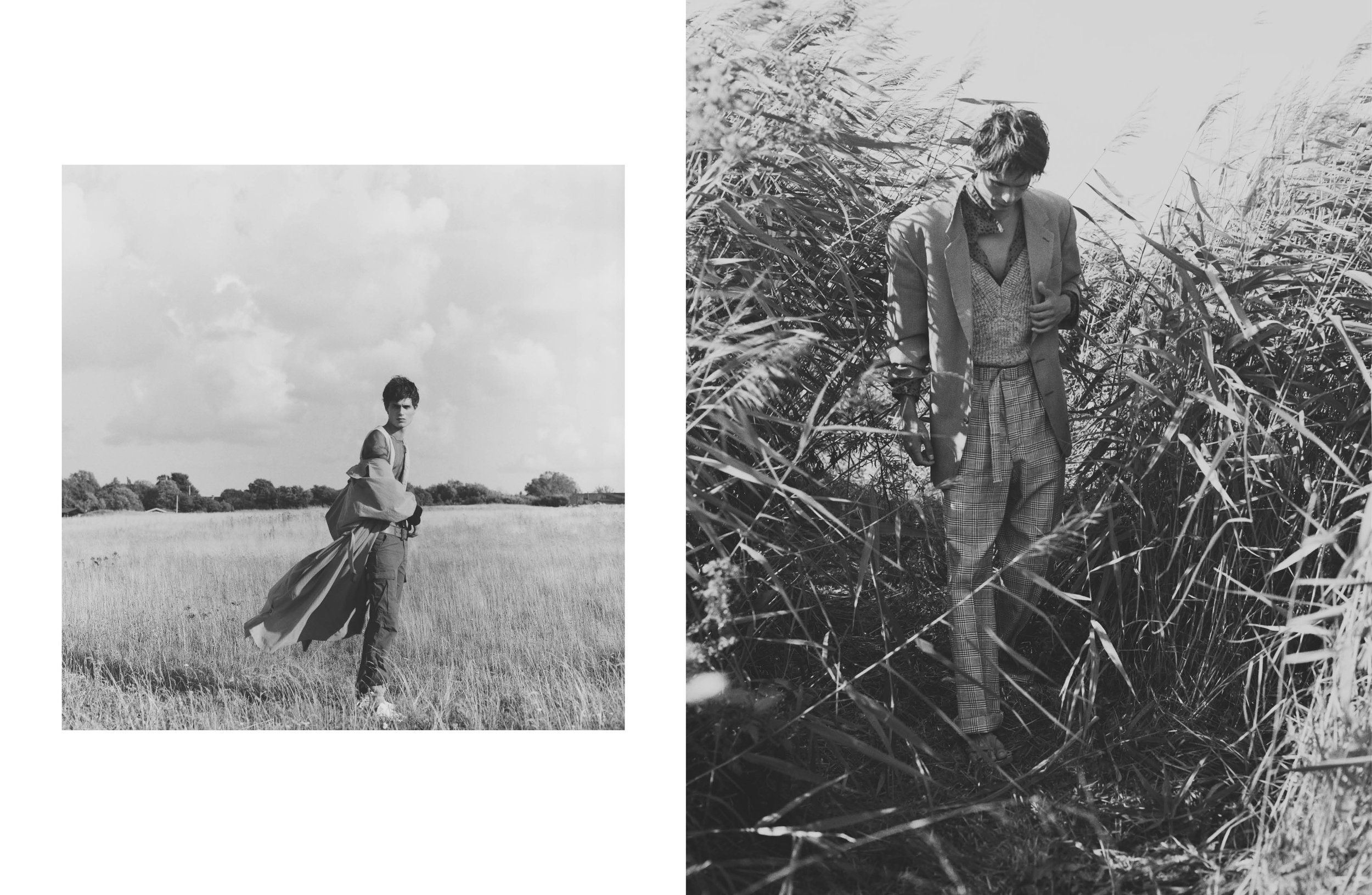
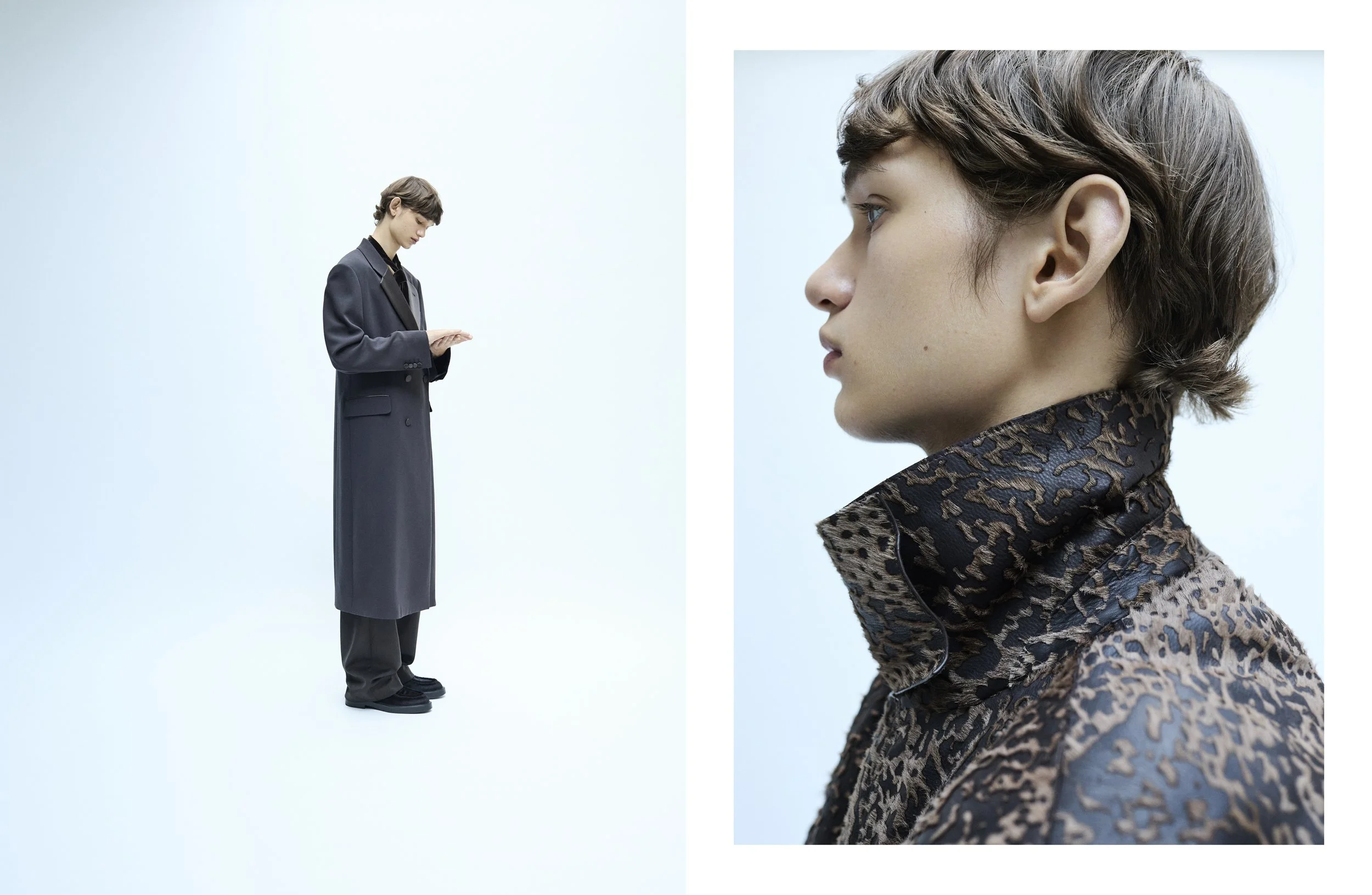
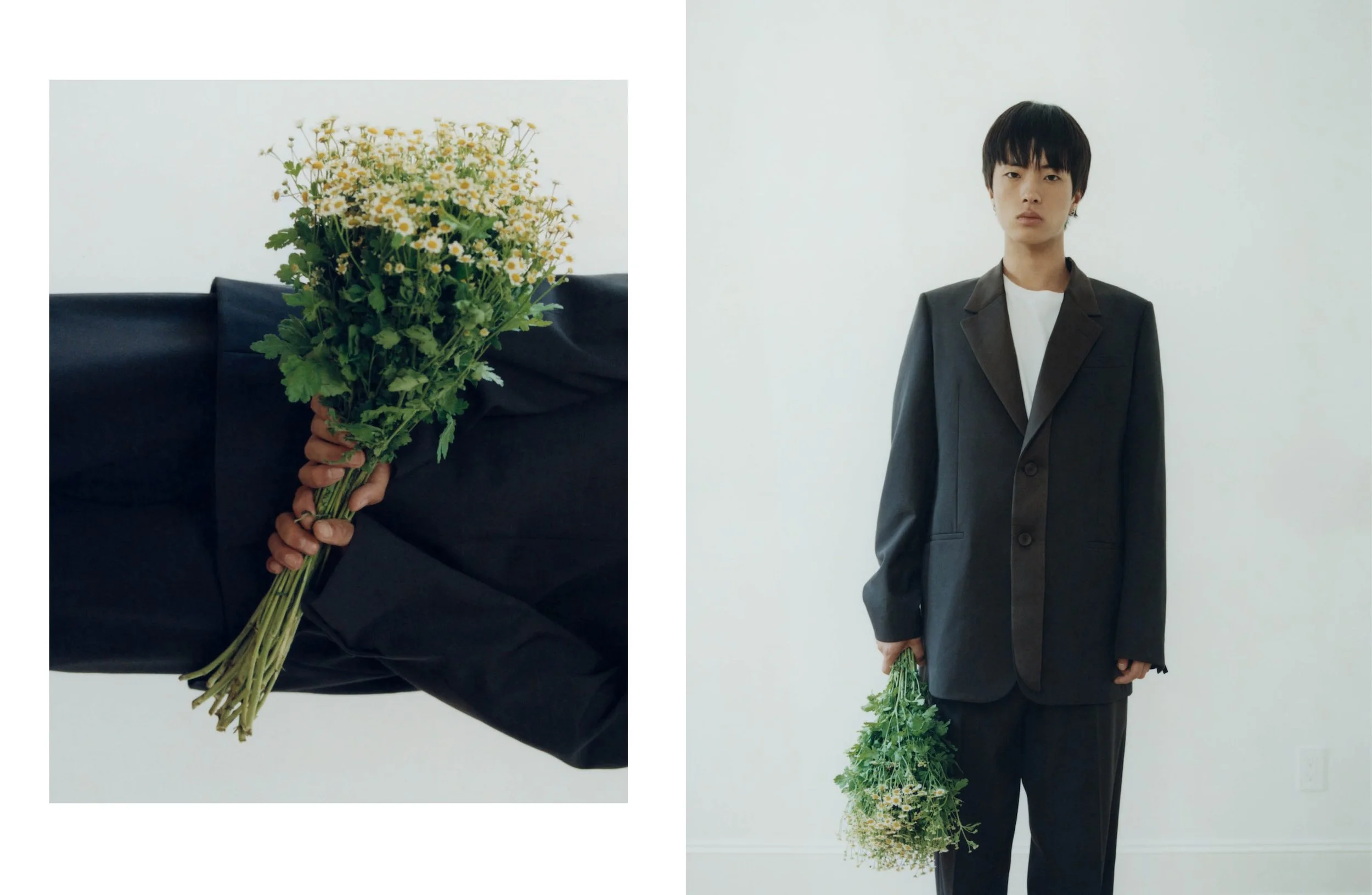
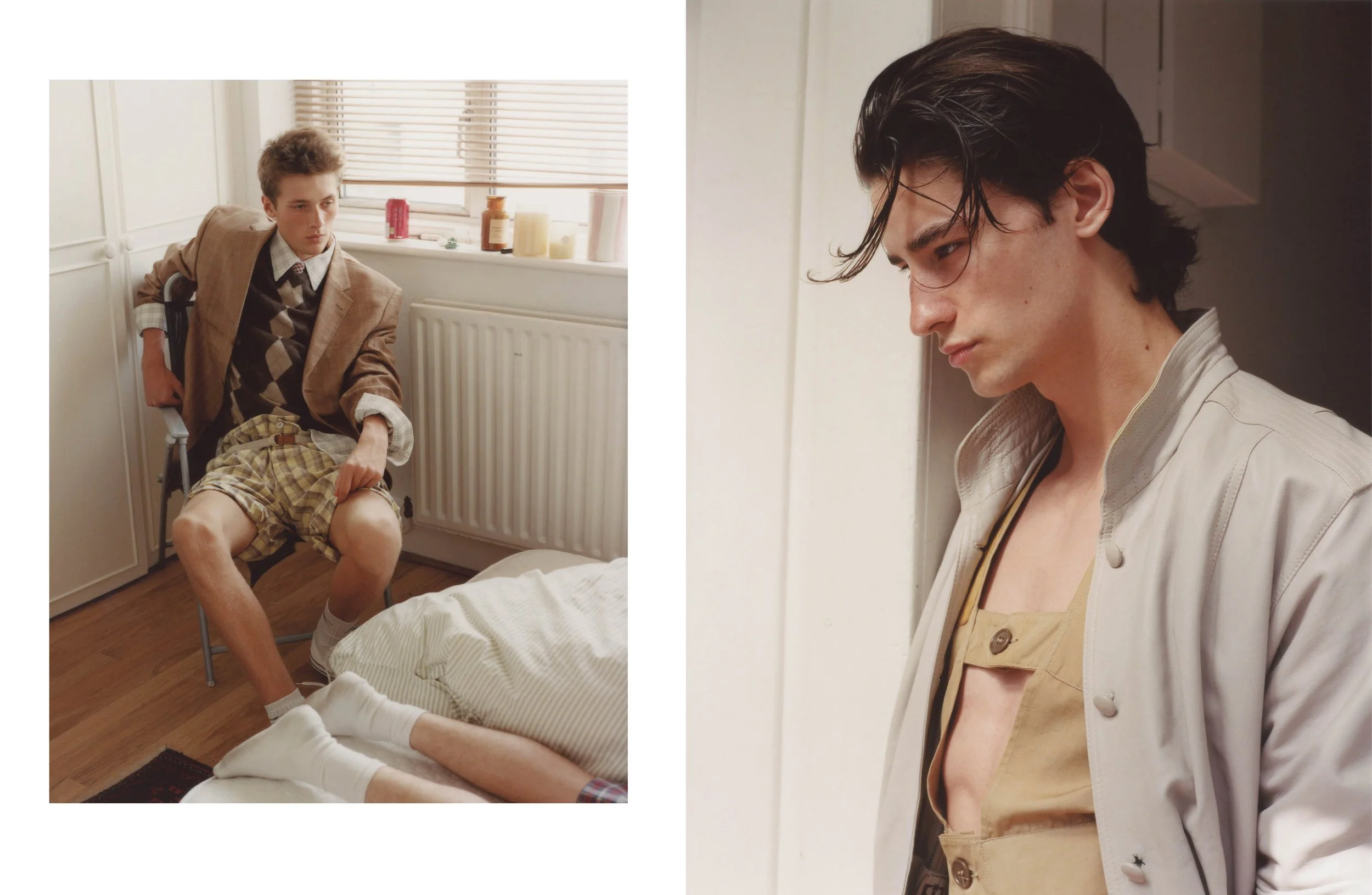
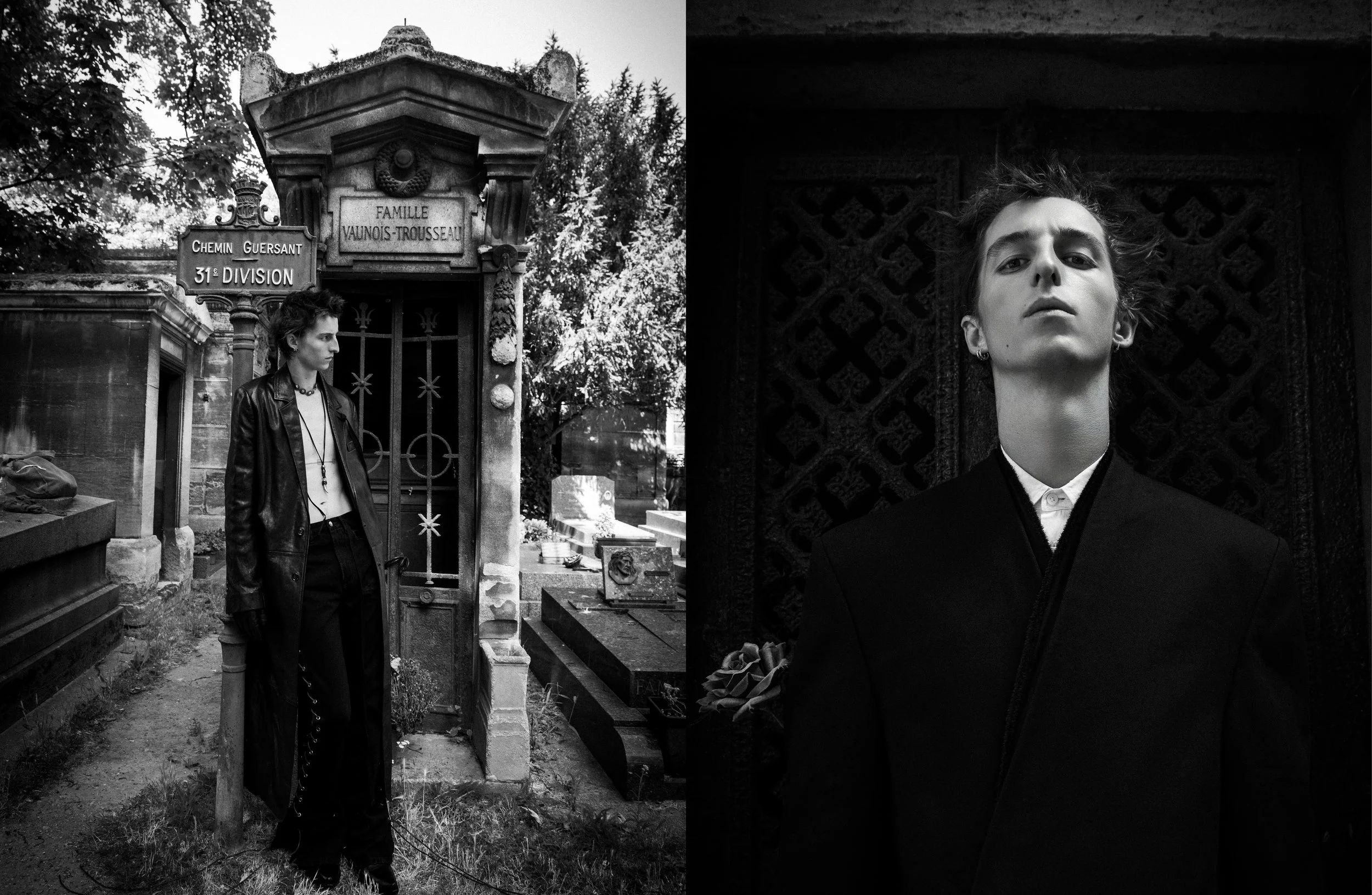
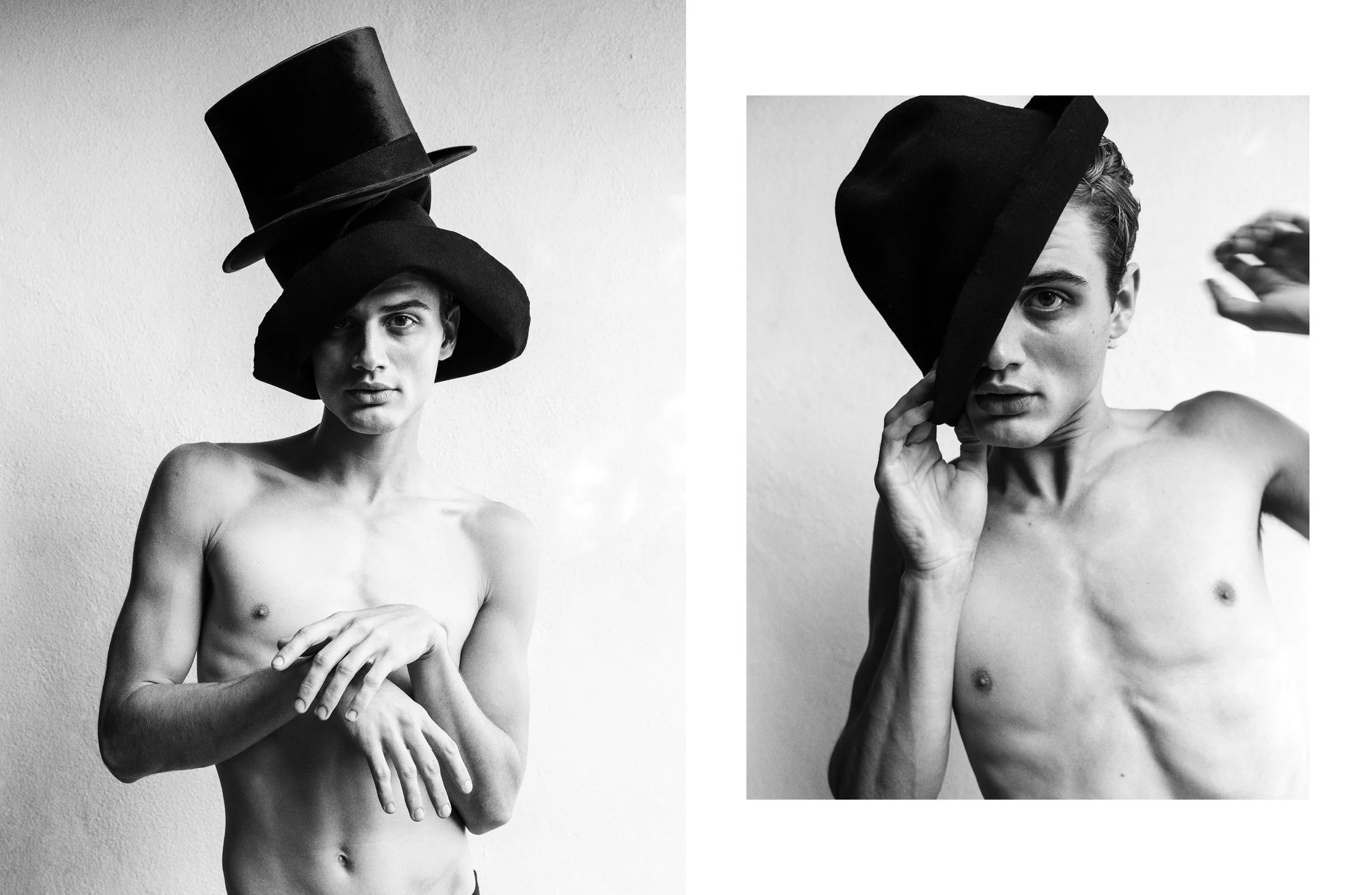
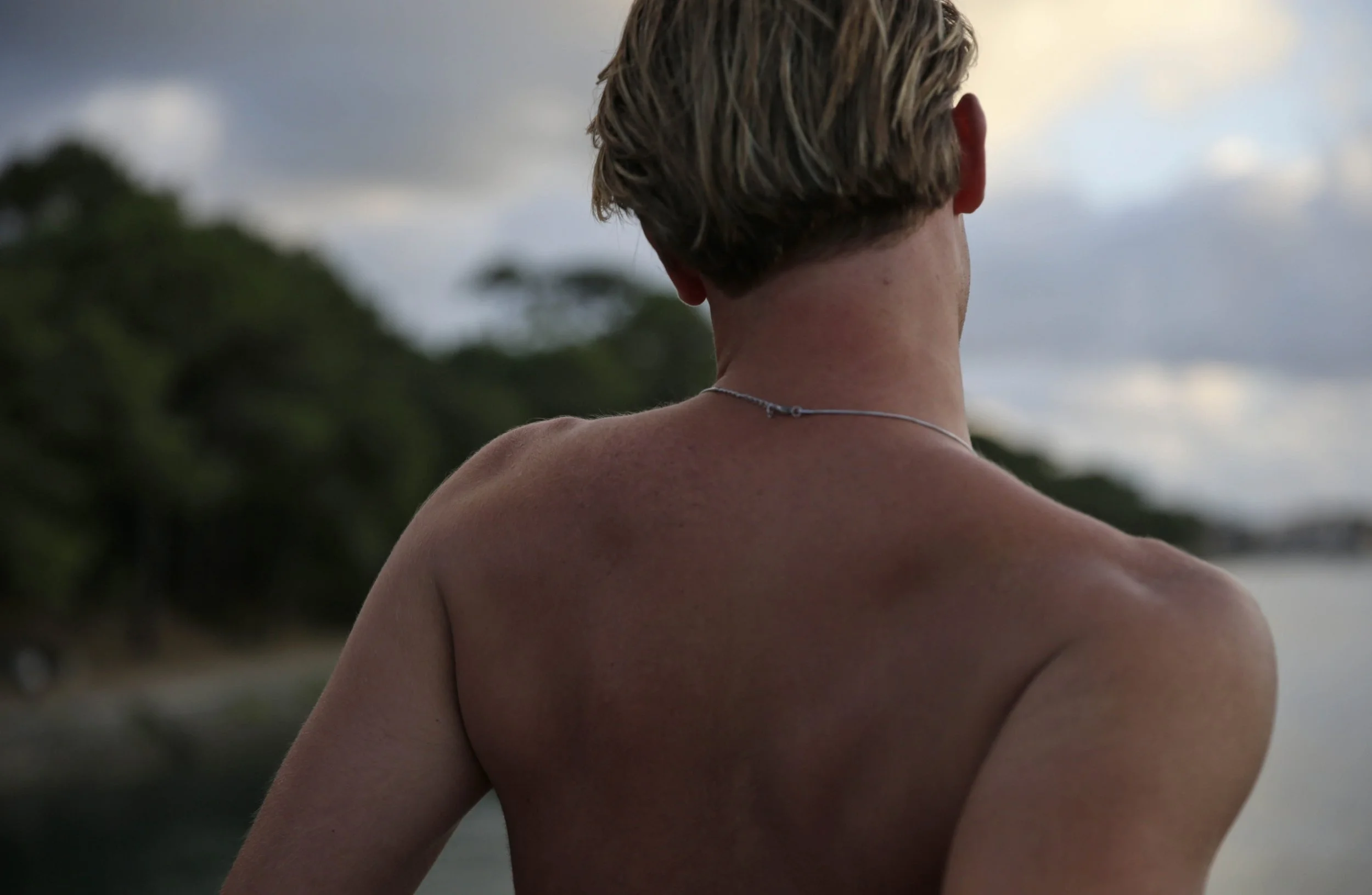
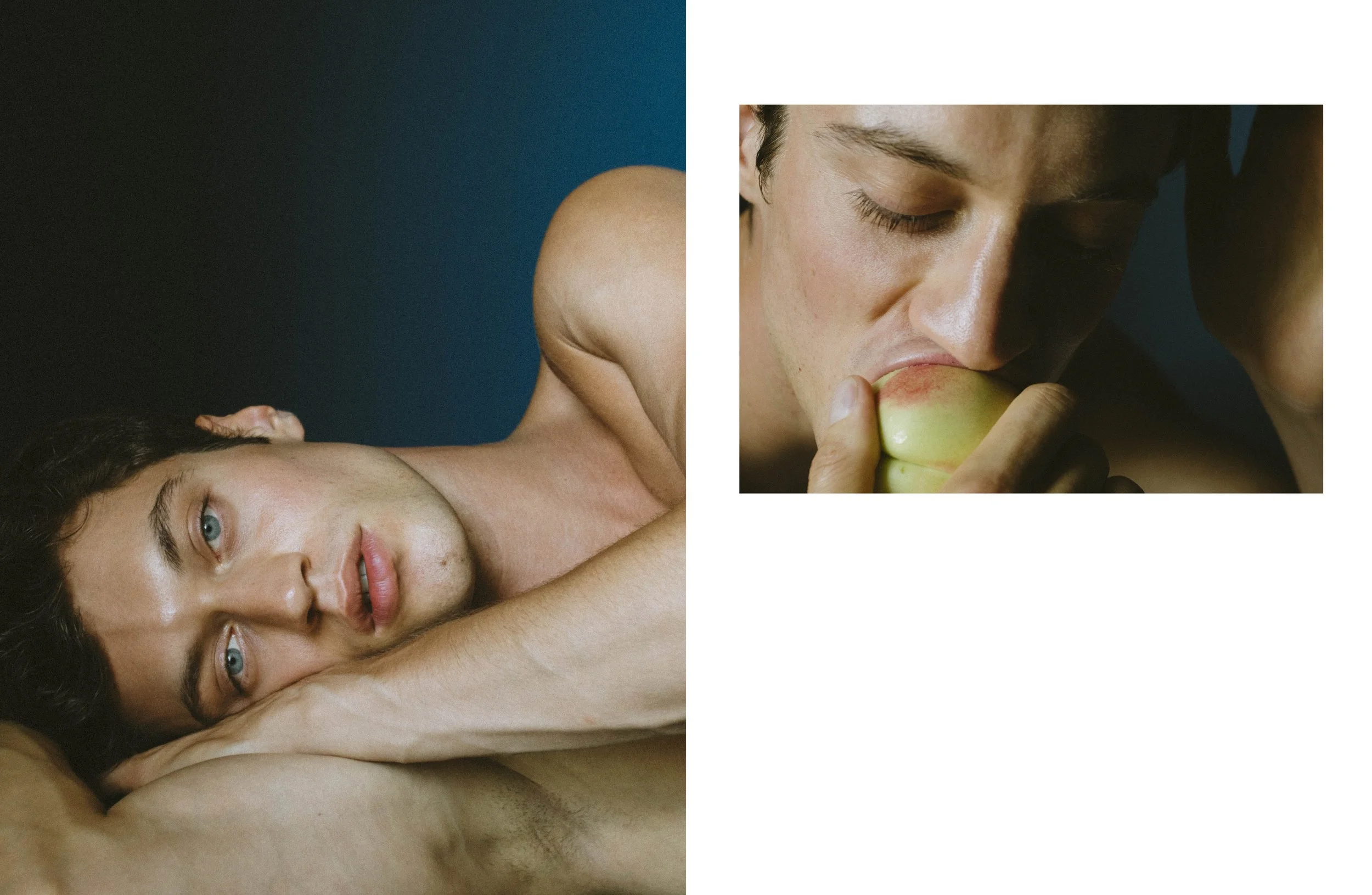
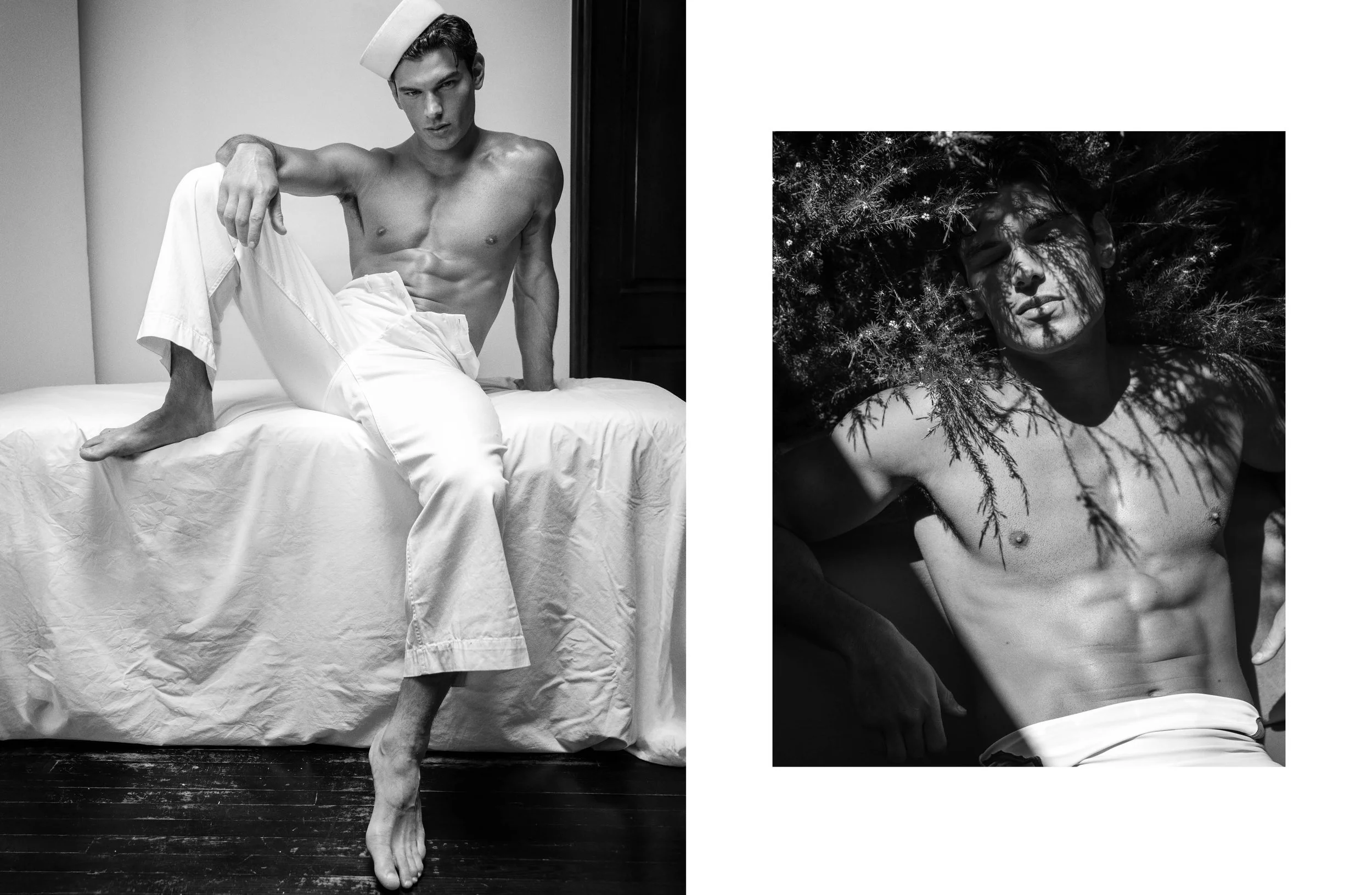
THE SECOND TOM BRITTNEY REALISED ACTING WAS A POSSIBILITY, THERE WAS NO PLAN B. HE WENT ALL IN, DEVOTING IT ALL TO HIS PASSION FOR PERFORMING, AND POURING THAT INTO SEVERAL CAREER-SHAPING ROLES, LIKE REVEREND WILL DAVENPORT IN GRANTCHESTER, AND NOW AS JIMMY ROAKE IN THE WESTIES. HOWEVER, THE SCALES HAVE BEEN SHIFTING. THE EXCITEMENT HAS NEVER FALTERED, BUT BRITTNEY IS LOOKING AT HIS CAREER WITH MORE CONSIDERATION, LEADING WITH HIS INSTINCT AND PROTECTING THE PURITY OF IT. FROM NAVIGATING SOME HEAVY REJECTIONS, SUCH AS FAMOUSLY MISSING OUT ON THE ROLE OF SUPERMAN, TO HANDLING PLAYING DARK ROLES IN SEVERAL BRUTAL DRAMAS, BRITTNEY STILL TALKS WITH A LIGHTNESS THAT COMES FROM GRATITUDE. HIS MANIFESTATIONS CAME TRUE AS HE CALLS HIS LATEST PROJECT A TRUE “BUCKET LIST” MOMENT. BUT NOW, HE’S IN THE BUSINESS OF MAKING PLAN A AS POSITIVE AND FULFILLING AS POSSIBLE.
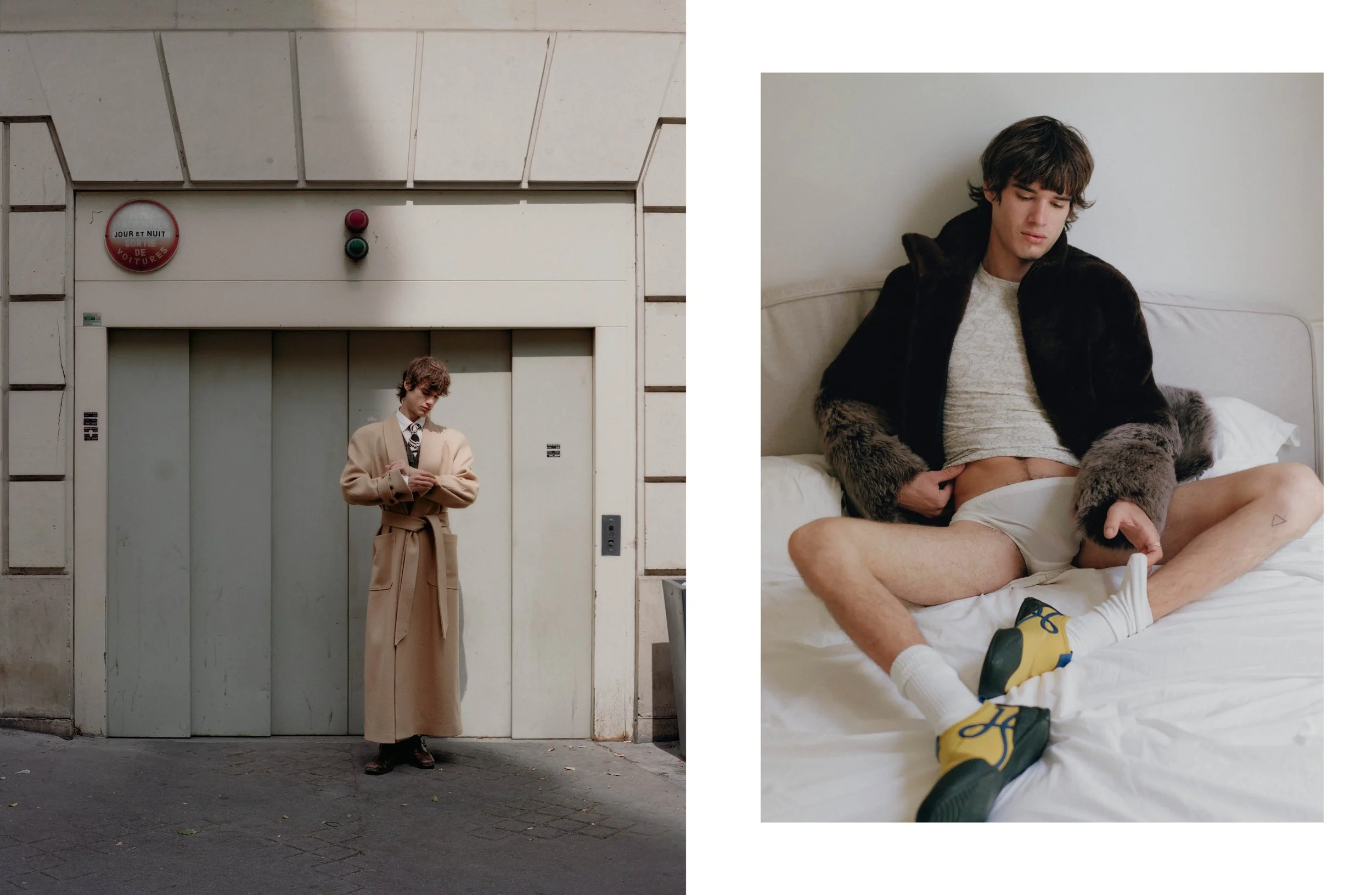
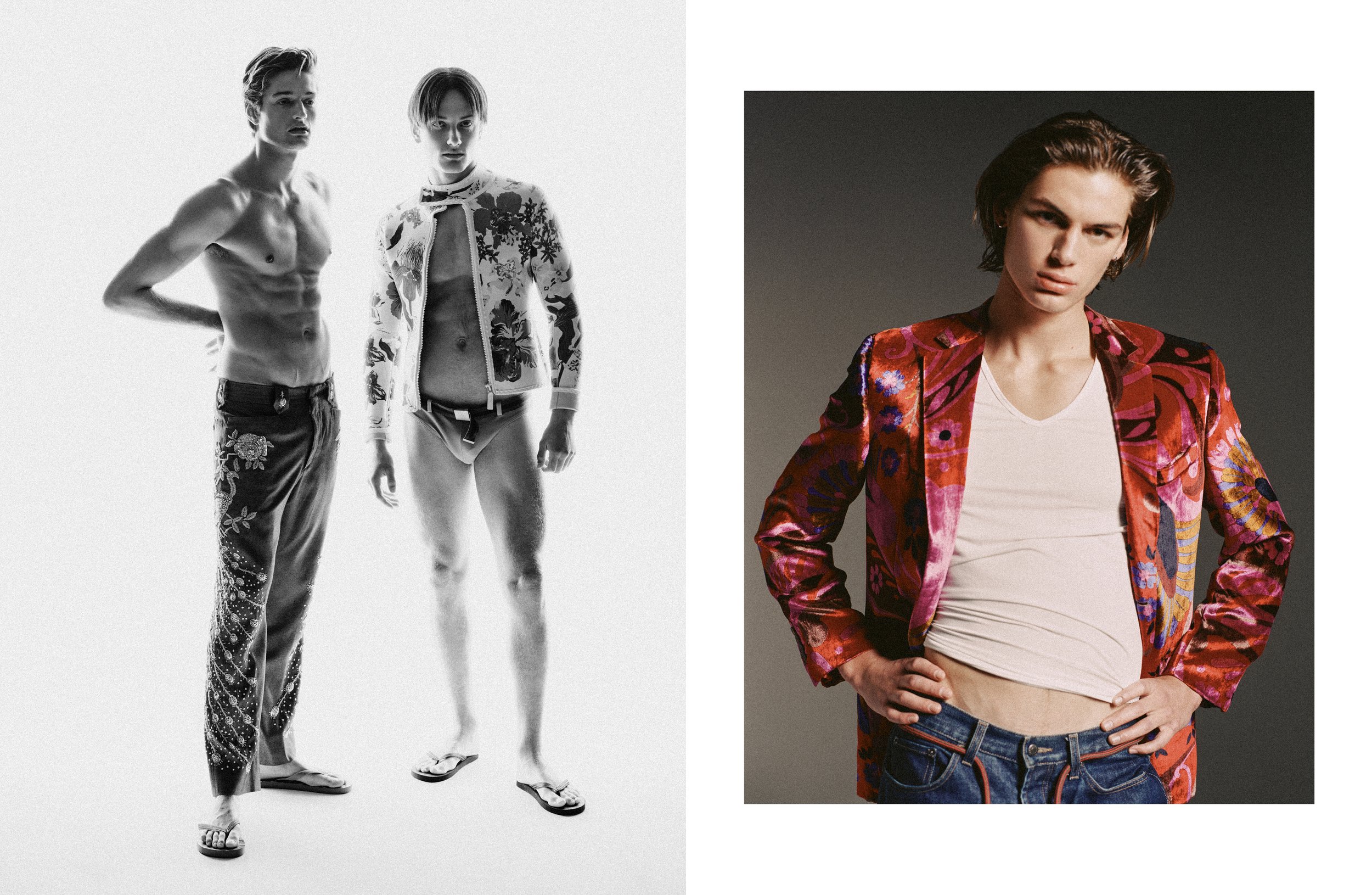
Left Full look Prada
Right Shirt, jacket, tie and pants Paul Smith, watch Omega
I know you grew up in a very creative household, but is there any movie or moment that lit the spark to become an actor?
I really have to thank my mum, who was my drama teacher in primary school, for being the person who was like, “You're good at this. You should do this,” which a lot of parents wouldn't do.
Having someone to encourage you like that is so important, and, as you say, often rare in the arts…
I think I get it. Honestly, I don't know if I'd want my kids to be actors. If they really wanted to, of course I would support them. But I think it's such a brutal industry. I think I'd want to protect them from that. But if they did want to go into it, I know that I'd be able to help them with the mental health side of it.
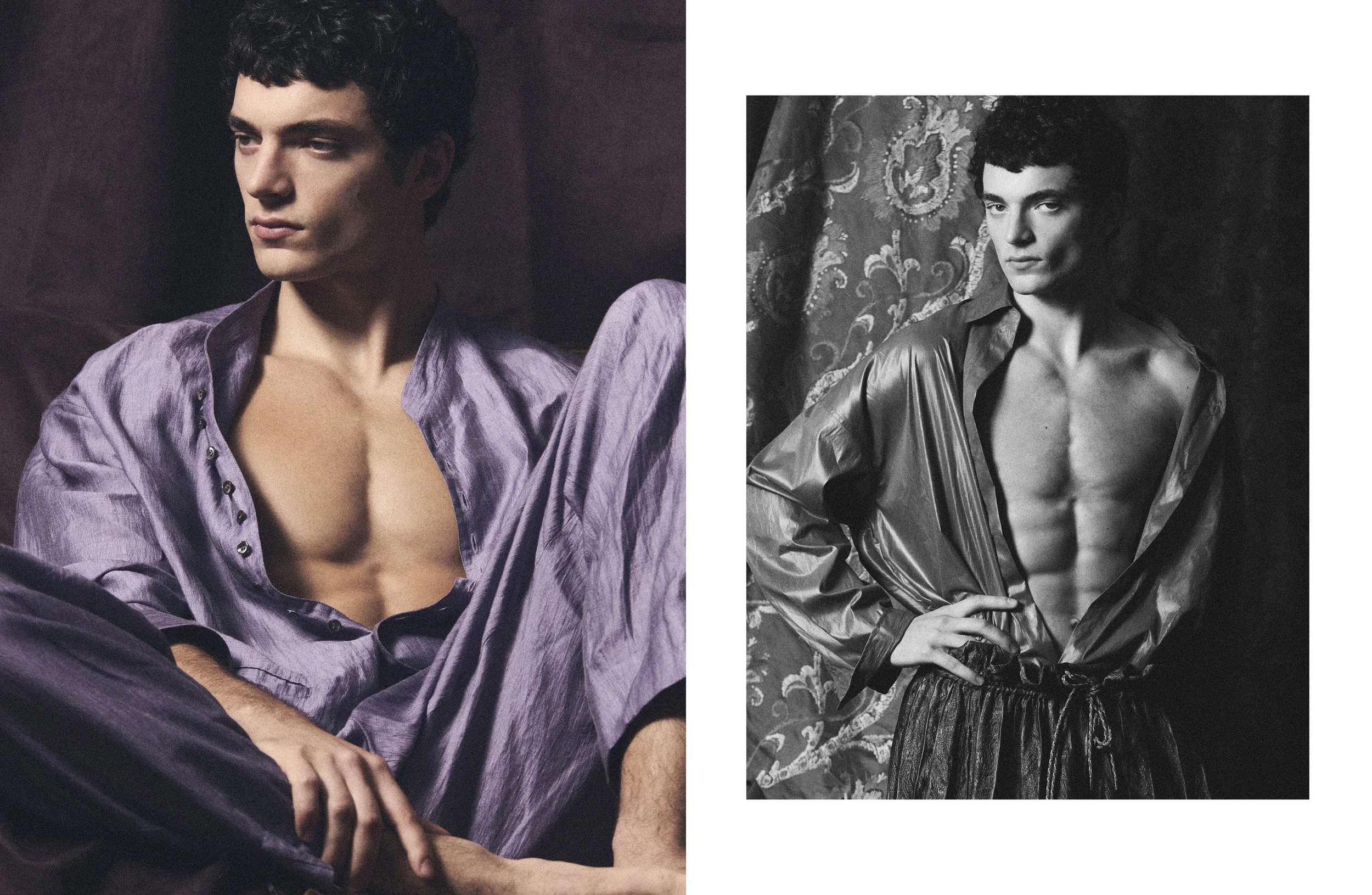
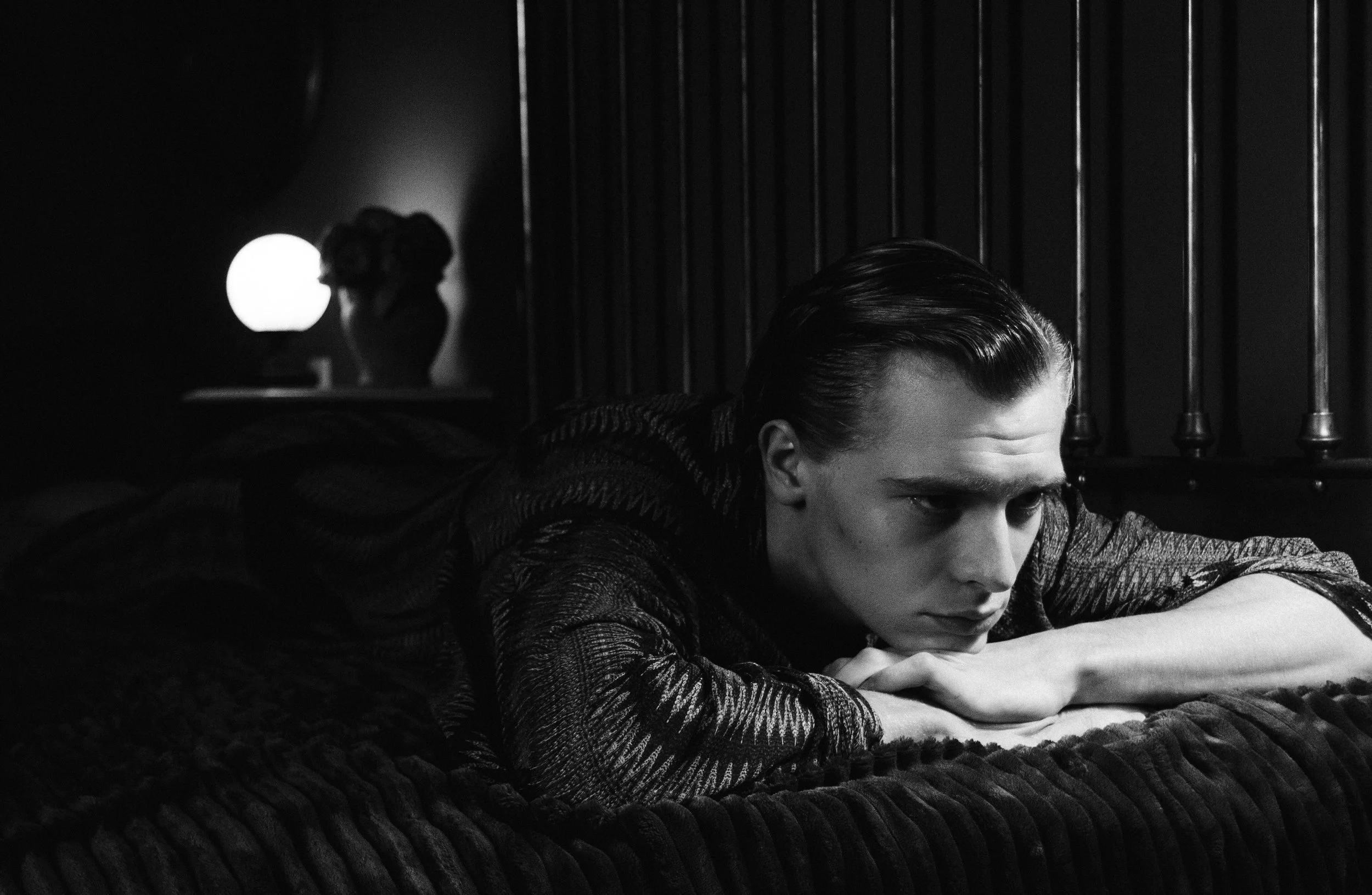
Jacket, shirt and pants Hermès, socks Falke, shoes Jimmy Choo, watch Omega
What would be your best advice for them? Or for any actor struggling with the lows and rejections?
Have something else that you love that isn't acting – that’s the advice I tell myself. You know, I love doing a thing that doesn't always love me back. I'm always desperate for that phone to ring and go, “Hey, you're off to fly here and film this.” Those bits in between are the hardest to keep going. I think you just need to have some sense of purpose between the jobs.
How do you pick your projects? How do you decide what to say no to and what to say yes to?
It's an undefinable thing, just instinct. I went to drama school, which was rewarding in a lot of ways, but I felt like it broke down my instinct for years after. I used to say I wasn’t going to work for the sake of it and I’ve come back around to feeling my instinct a bit more, going “There's something about this script,” or “There's something about the director's work,” or just something that made me think I really feel that I need to do this, and I'm kind of addicted to that feeling.
Times when I've gone against my instinct, it takes something you love, and you can start to hate it. Before The Westies, there were a couple of job offers I had, like big movies, but The Westies was something where I just went, “I would die happy just to work opposite J.K. Simmons.” That's a bucket list thing.
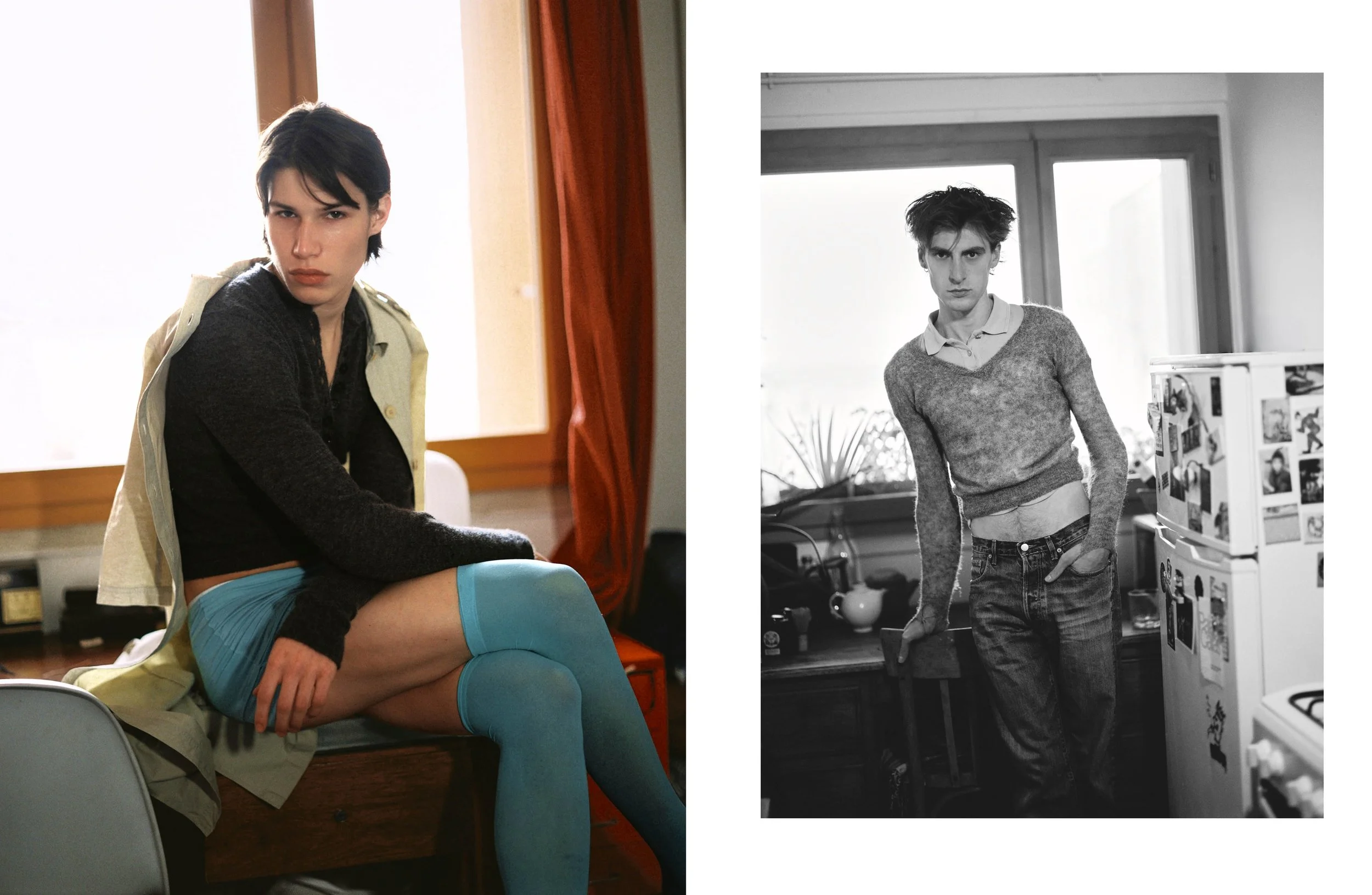
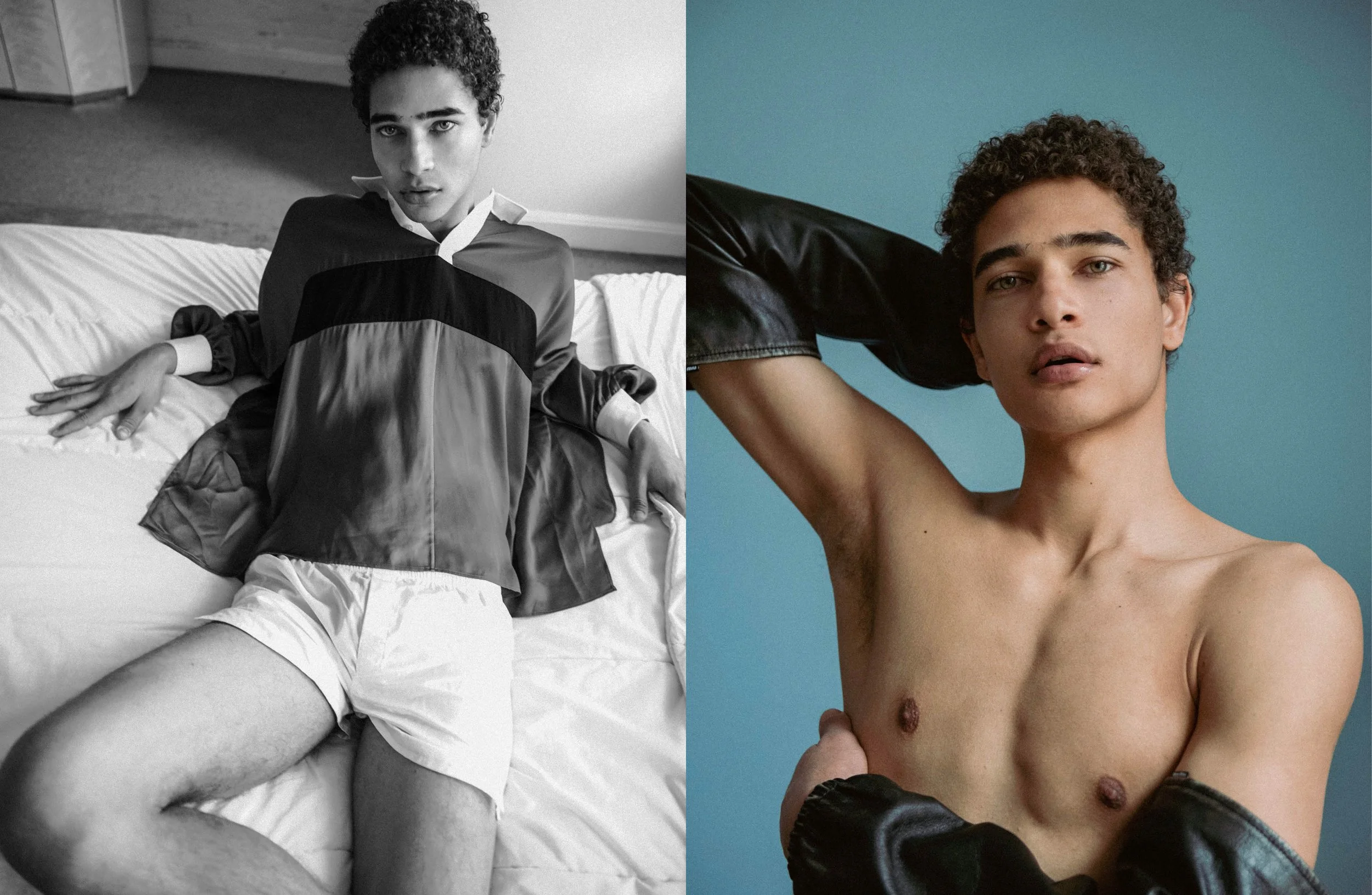
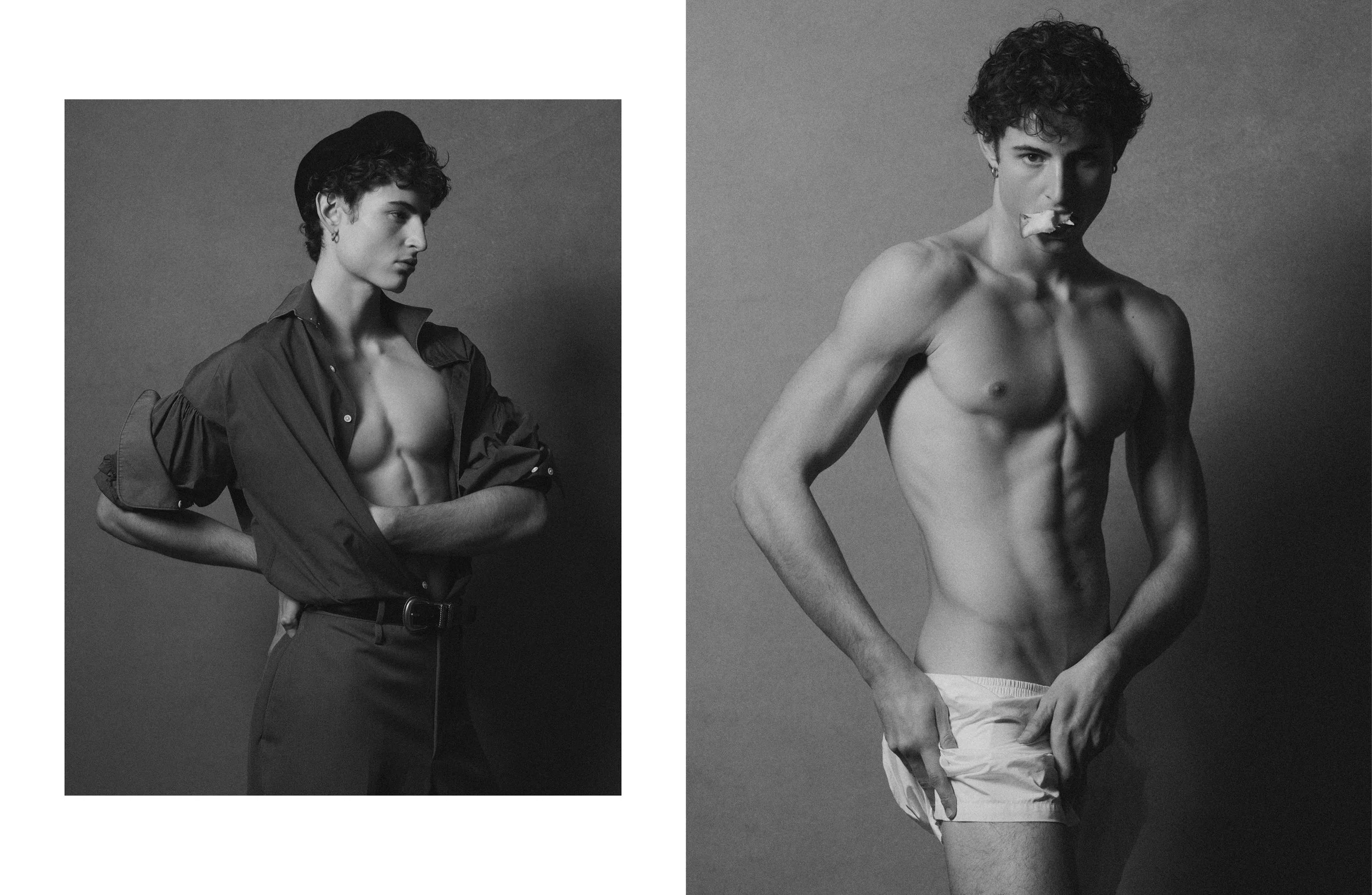
Left Shirt Giorgio Armani, watch Omega
Right Top, jacket and pants Saul Nash, shoes Jimmy Choo
With a character like Jimmy Roake who is so full of inner conflict and depth, how do you even begin approaching a role so heavy?
I felt this instinctive thing even before my audition; I felt like I could play this, and I didn't know who he was then. One of the scenes I had was when he was standing up to J.K’s character, and it made me feel like I was a teenager. It reminded me of that moment when you’re growing up, and you start to question your parents' authority, so I went with that.
I think the biggest thing is playing stuff from yourself. You have to have an understanding of yourself. I don't think that you can play anyone else unless you have some understanding of yourself. Even though this character is very different from me in a lot of ways, I have to go, “If I were Jimmy, what would I do?”
You can't be like, “Well, I would never cut up a person,” because you have to go and do a scene where you're cutting up a person. It's a very weird process, especially doing darker stuff like this, when you have to not judge this person who's doing these despicable things. I have to put myself in this position and make it make sense.
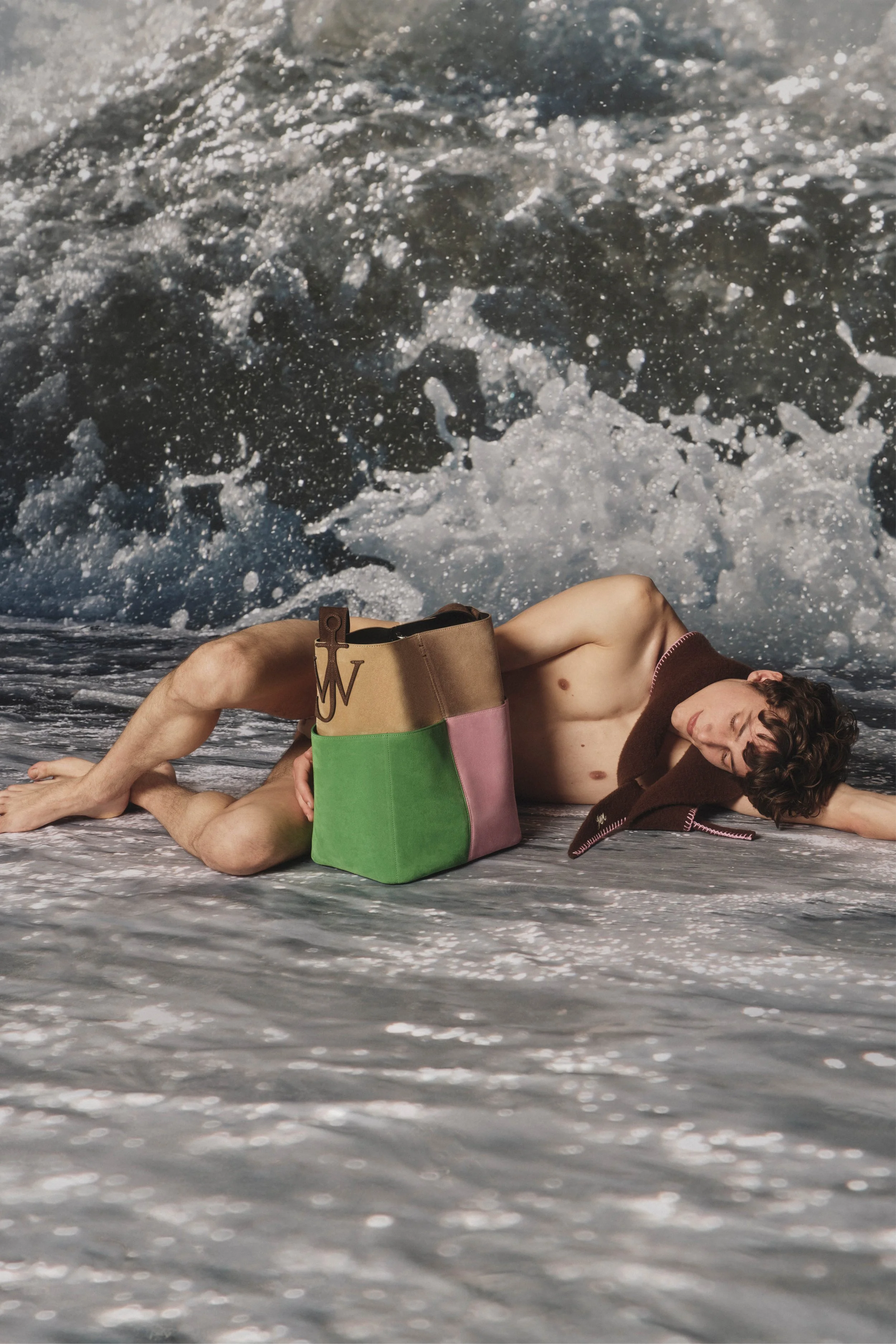
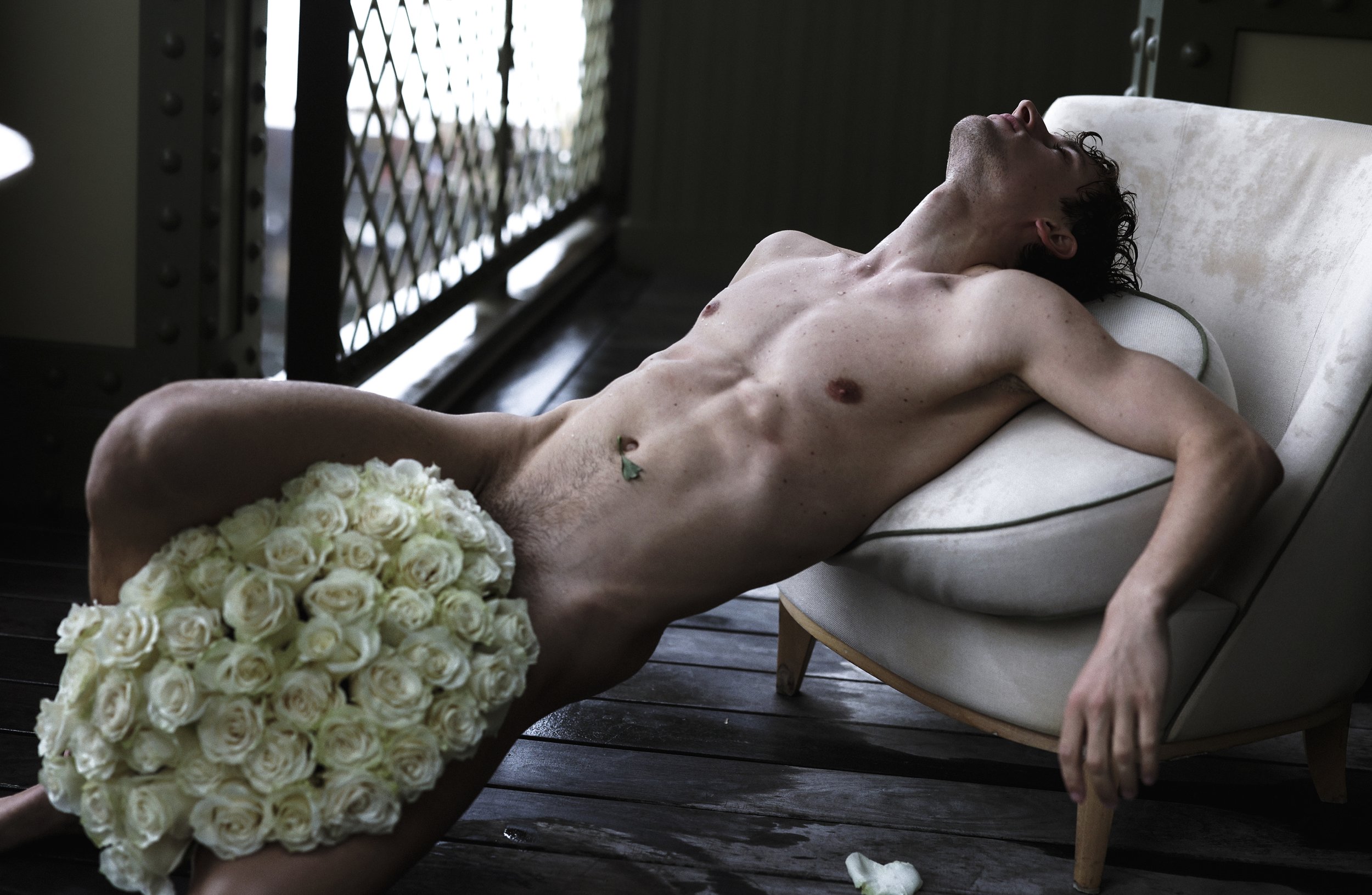
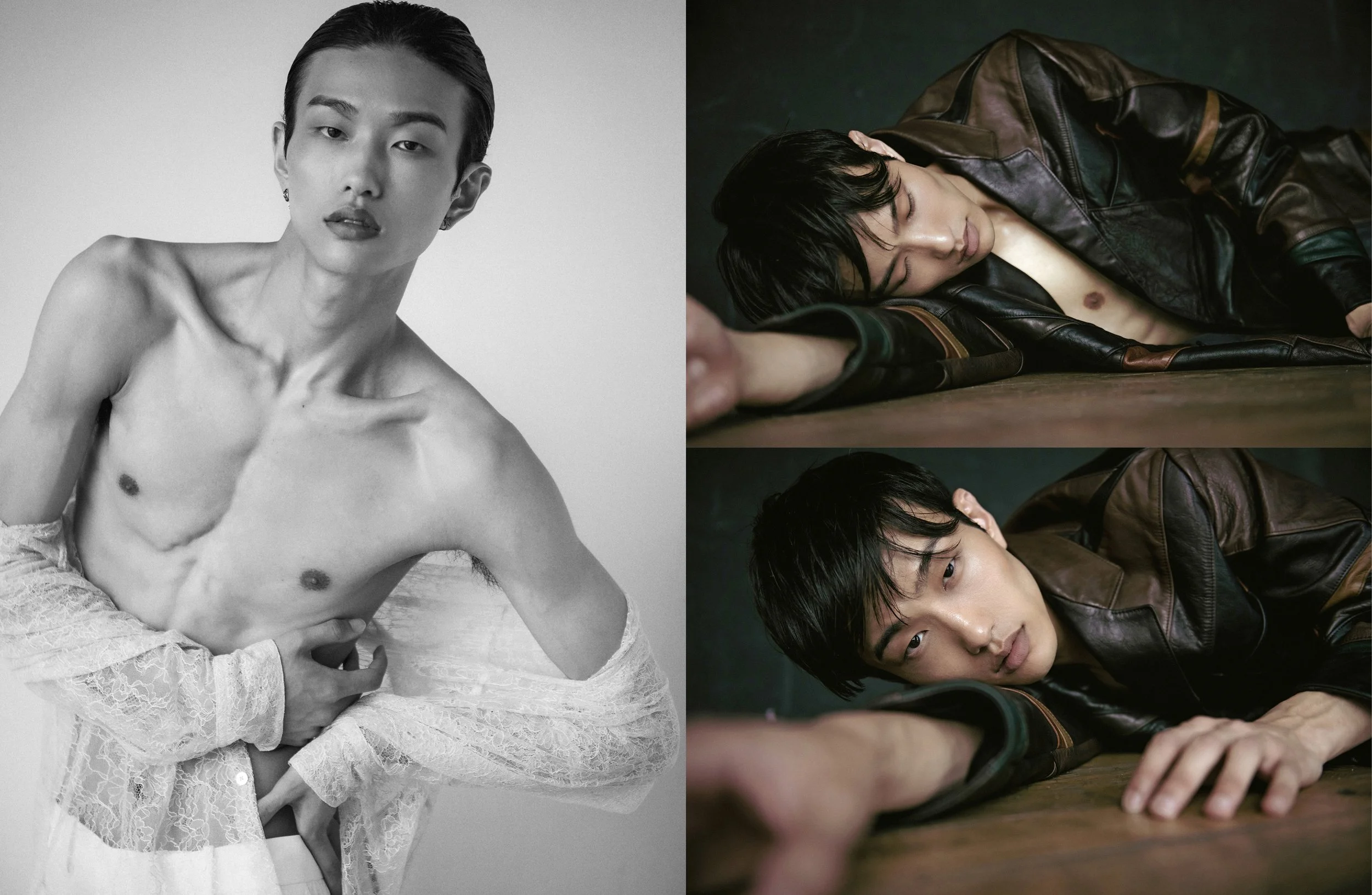
Full look Louis Vuitton, shoes Jimmy Choo, socks Falke
When it comes to real-life dramas, do you deep dive into the history or is it tough trying to protect the actual character and the script from the biases of different historical reports and takes?
Before the audition, it was tough. I really wanted to instantly go all in, but it’s a really fine balance between falling in love with a role and also needing to minimise the heartbreak if you don’t get it. It's a really hard thing because you want to do as much research as you can so you do a really good job, but you don't want to do too much that you're like, “Oh fuck, I really want to play this,” but I knew I wanted to do it.
For my audition, I did a bit of research. But after I knew I’d got it, I went all in. I read every book there was about the Westies, any kind of history about Irish immigration into New York. But then also ultimately because we're doing a show that's historical fiction, the script has to be your bible in the end.
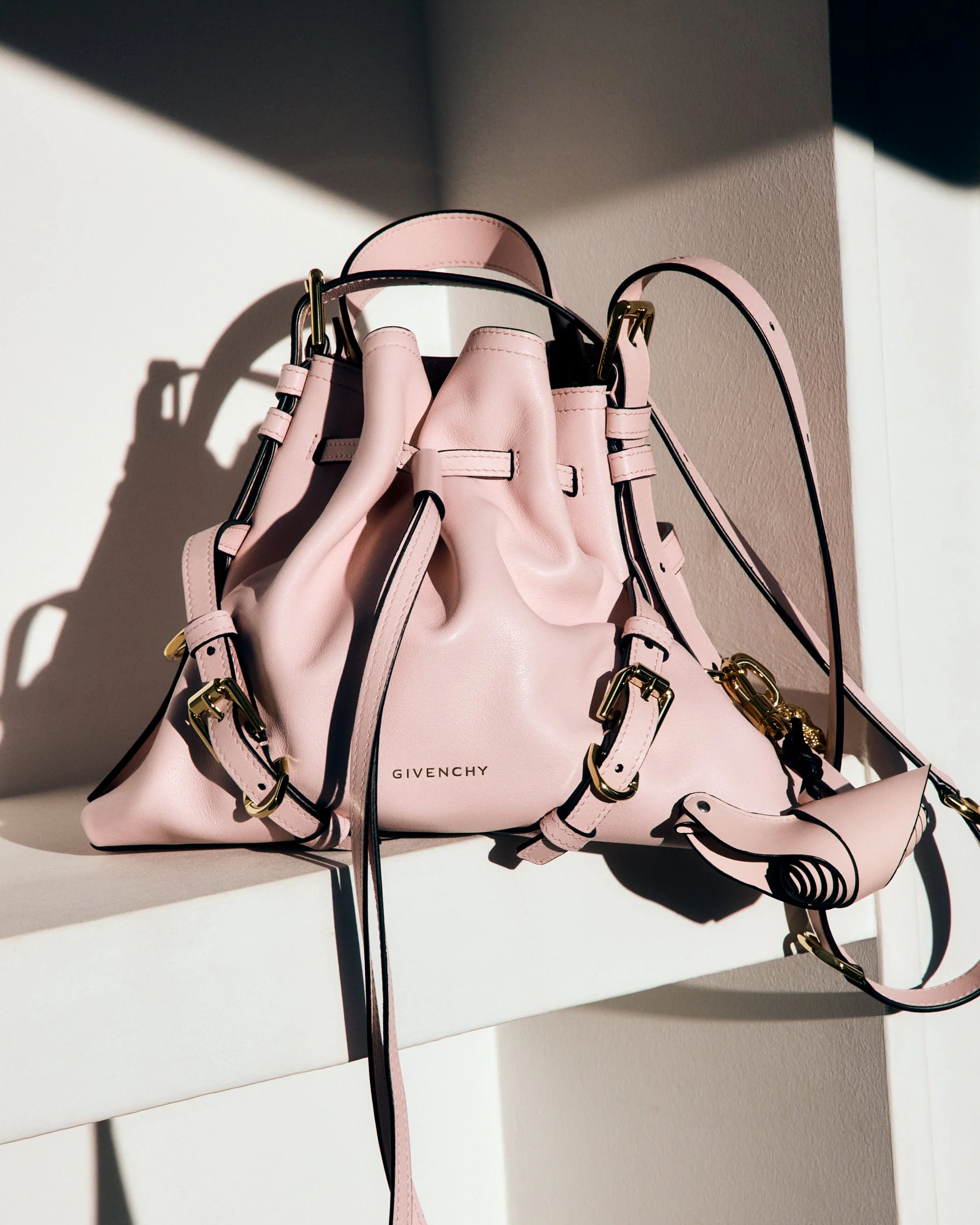
Full look Givenchy by Sarah Burton
I guess you also want to protect your view of Jimmy as historical documents are going to reflect a different person to the one you’re playing. How do you protect the bubble of your character against all those outside sources?
It can be really hard, but that’s when it all comes down to the hundreds of other people on the credits that are all pulling in the same direction. Between myself and the costume designer, there was a really clear idea of how we wanted Jimmy to look. I wanted to have that long hair because it was sort of the late ‘70s, early ‘80s crossover, and so I was like, “I want this look, and I want to feel this way,” and luckily the costume designer already had loads of things that were bang on, which helps a lot.
I had a playlist as well. I still listen to it every so often, and it takes me right back there. I've got some Kneecap, some of the Pogues, the Dubliners. Dropkick Murphys was one of the big ones I’d listen to, and then got like ‘70s and ‘80s Americana for the time period, like Rolling Stones and Bruce Springsteen.
Also, with this being a TV show, you don’t have the whole script when you start, so shaping the character becomes a collaboration.
Is that what draws you to TV shows?
Yeah, you get to really grow with a character. You get to develop it over a much longer period of time. This series is eight episodes, so that's eight hours you get to spend with these characters, and as you’re getting scripts every few weeks, you’re developing that role in real time. But obviously, I love films too. That’s what made me want to go into this business.
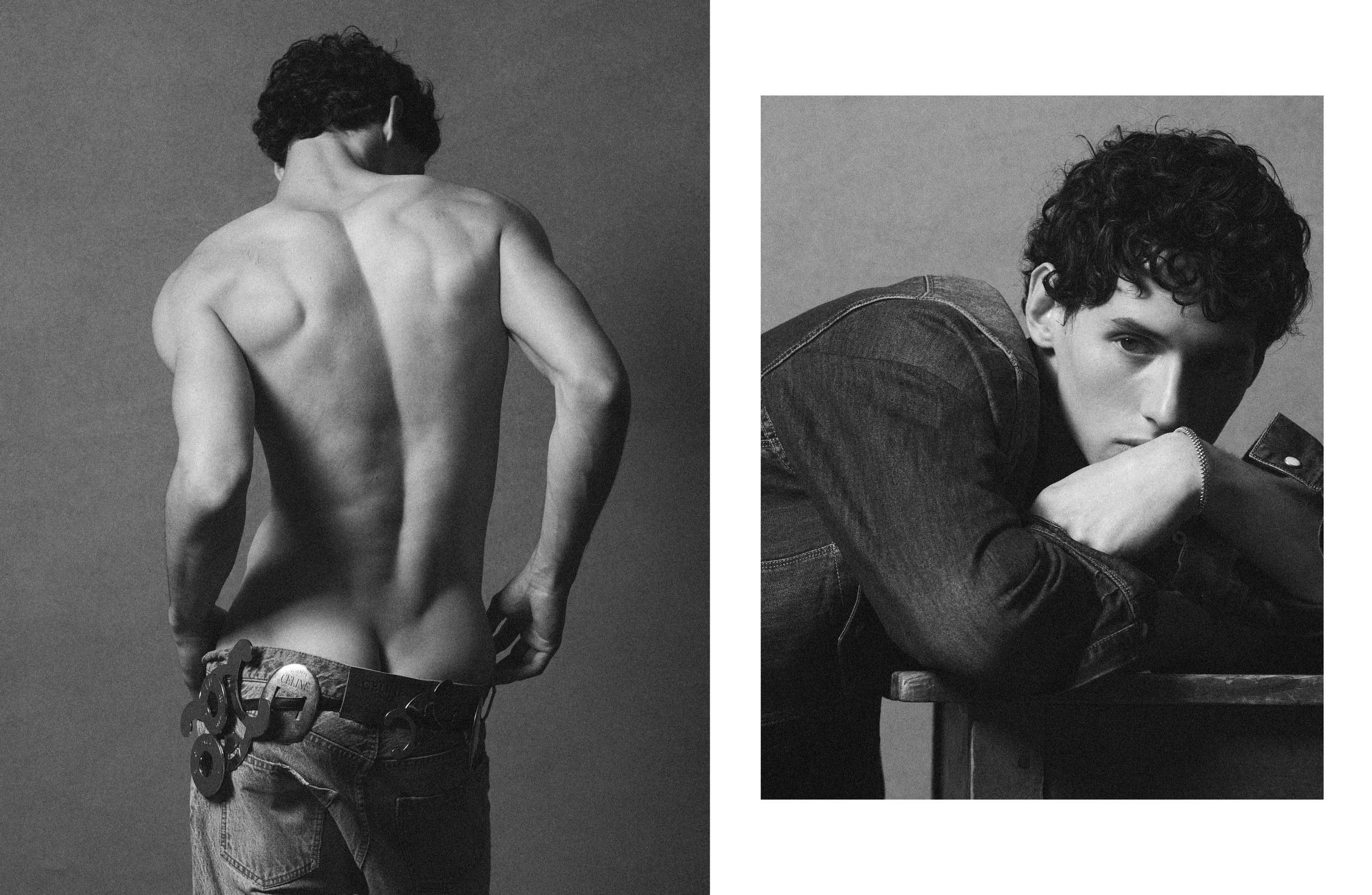
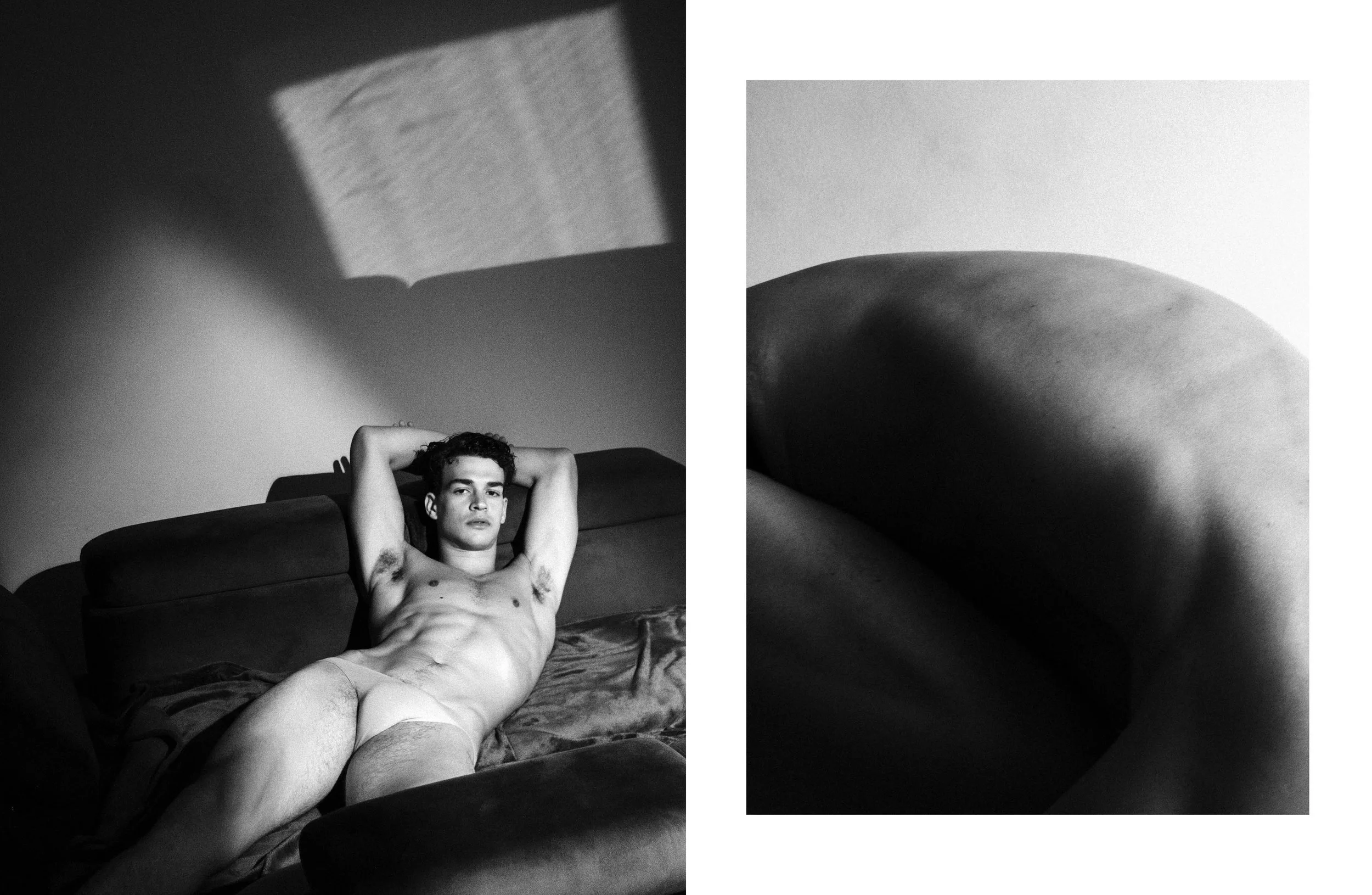
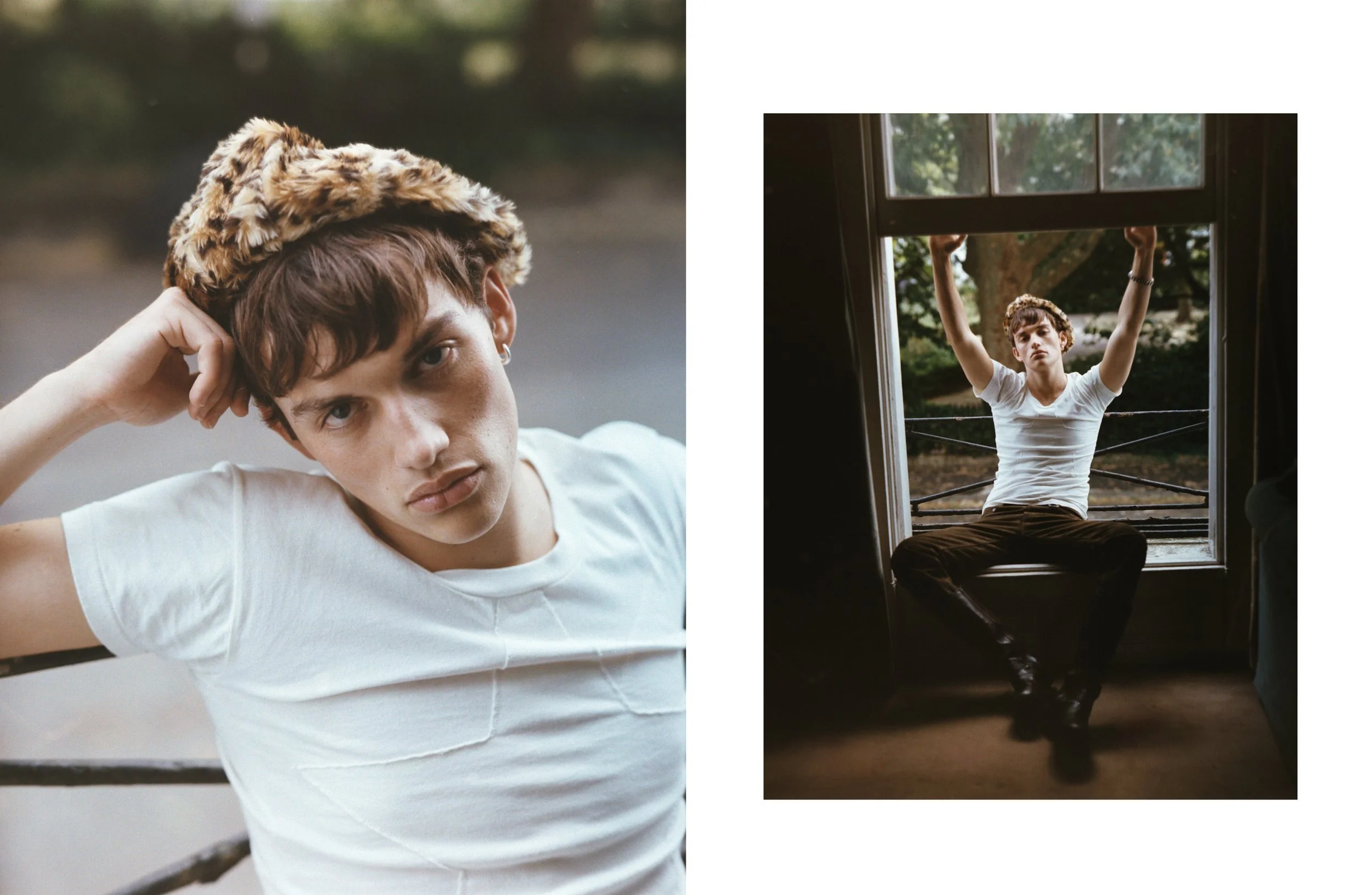
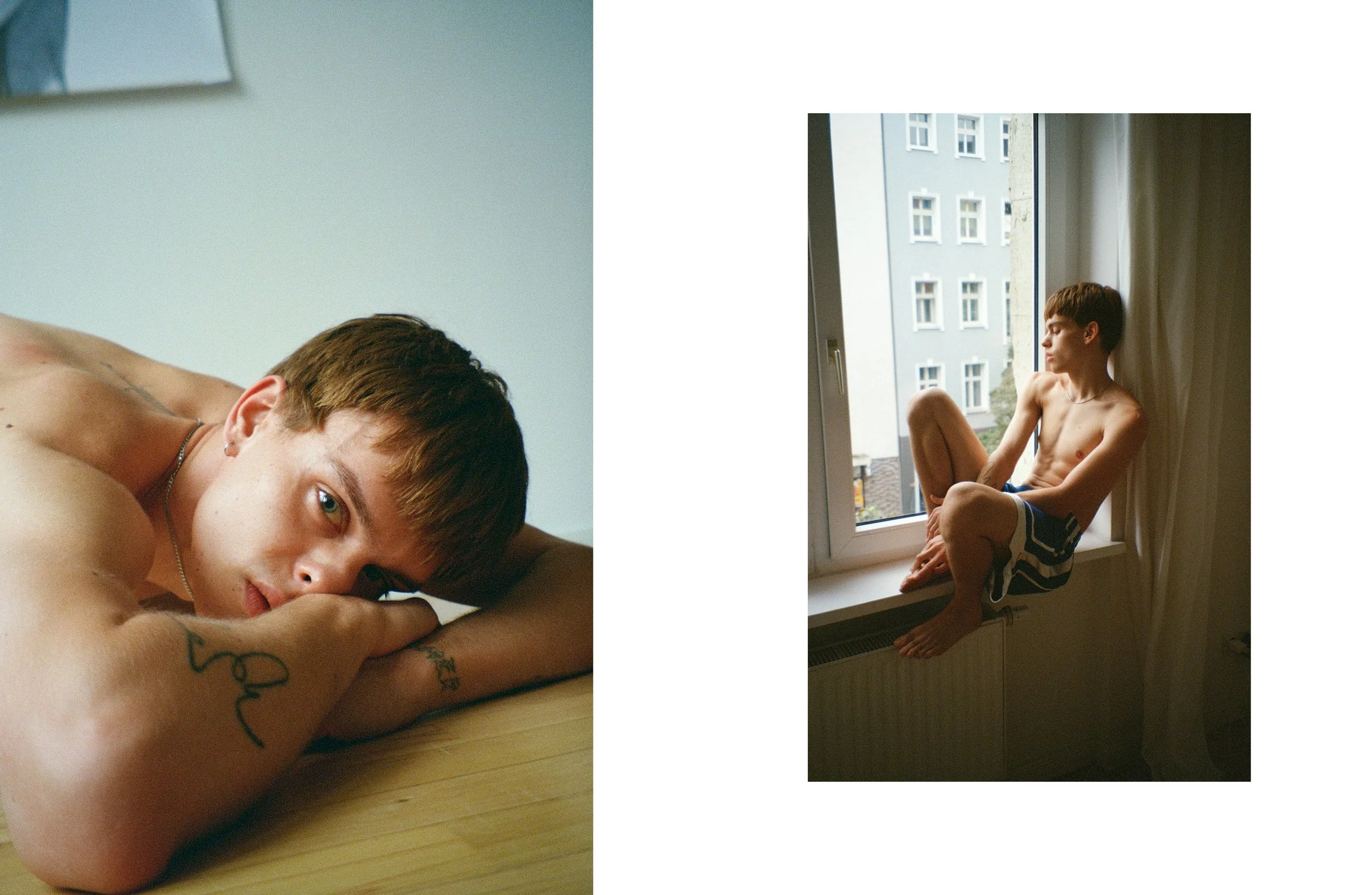
Left Full look Hermès
Right Full look Prada
Interview by Lucy Harbron
Photography by Dean Ryan McDaid
Fashion by Steven Huang
EIC Michael Marson
Casting by Imagemachine cs
Grooming by Charley McEwen at The Only Agency using Horace
Photographer Assistant’s George Tomlinson
Stylist Assistant’s Francesca Ward