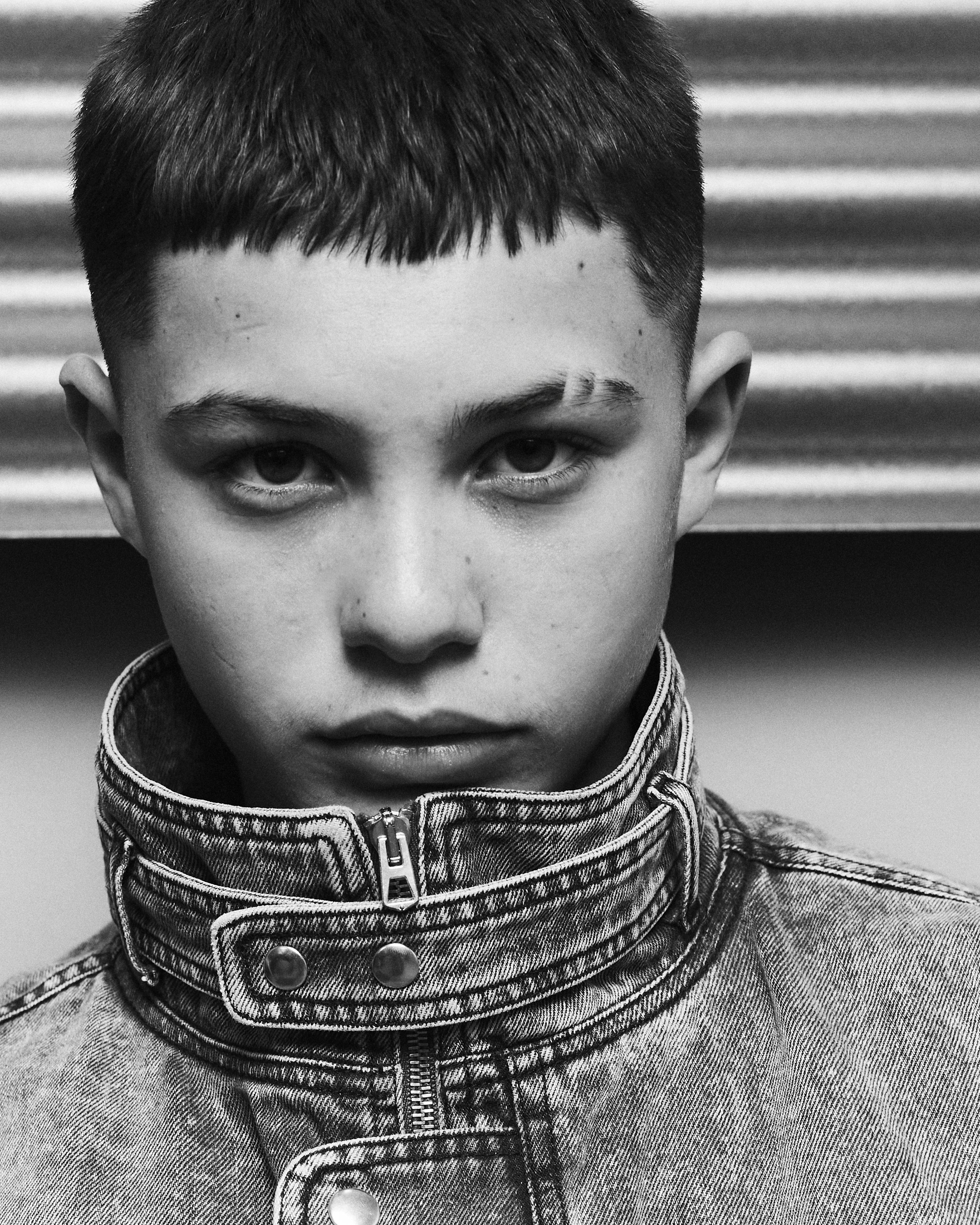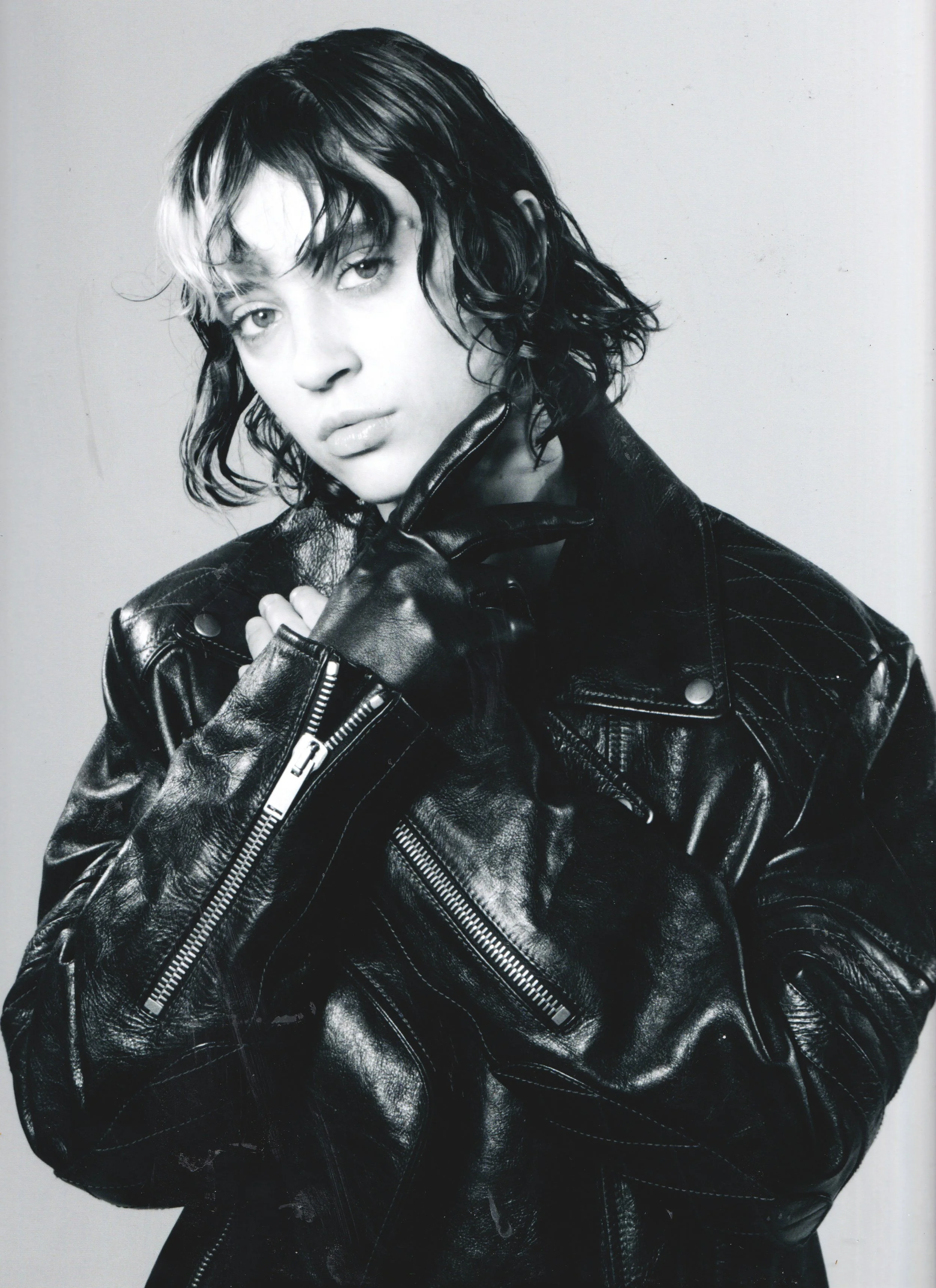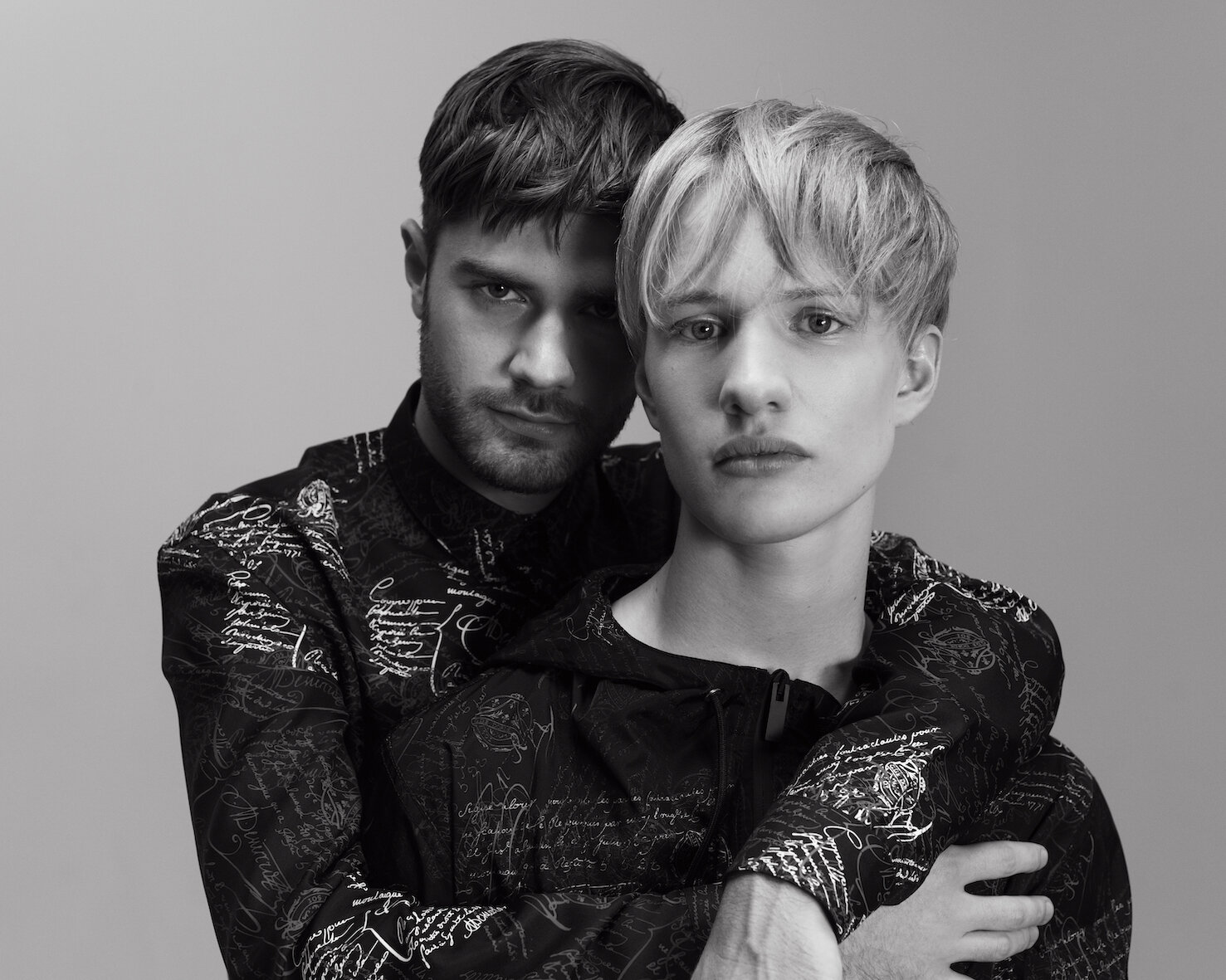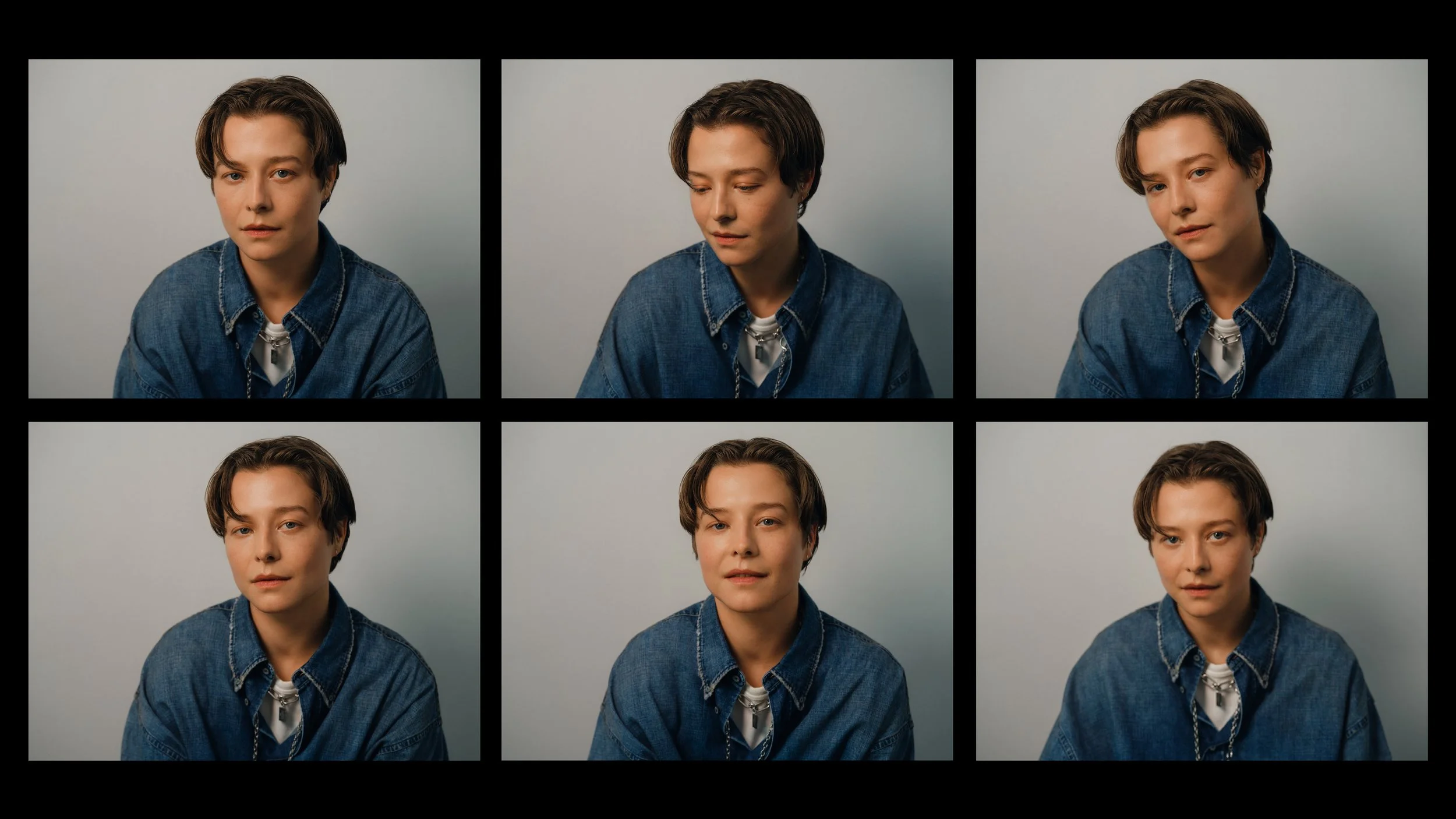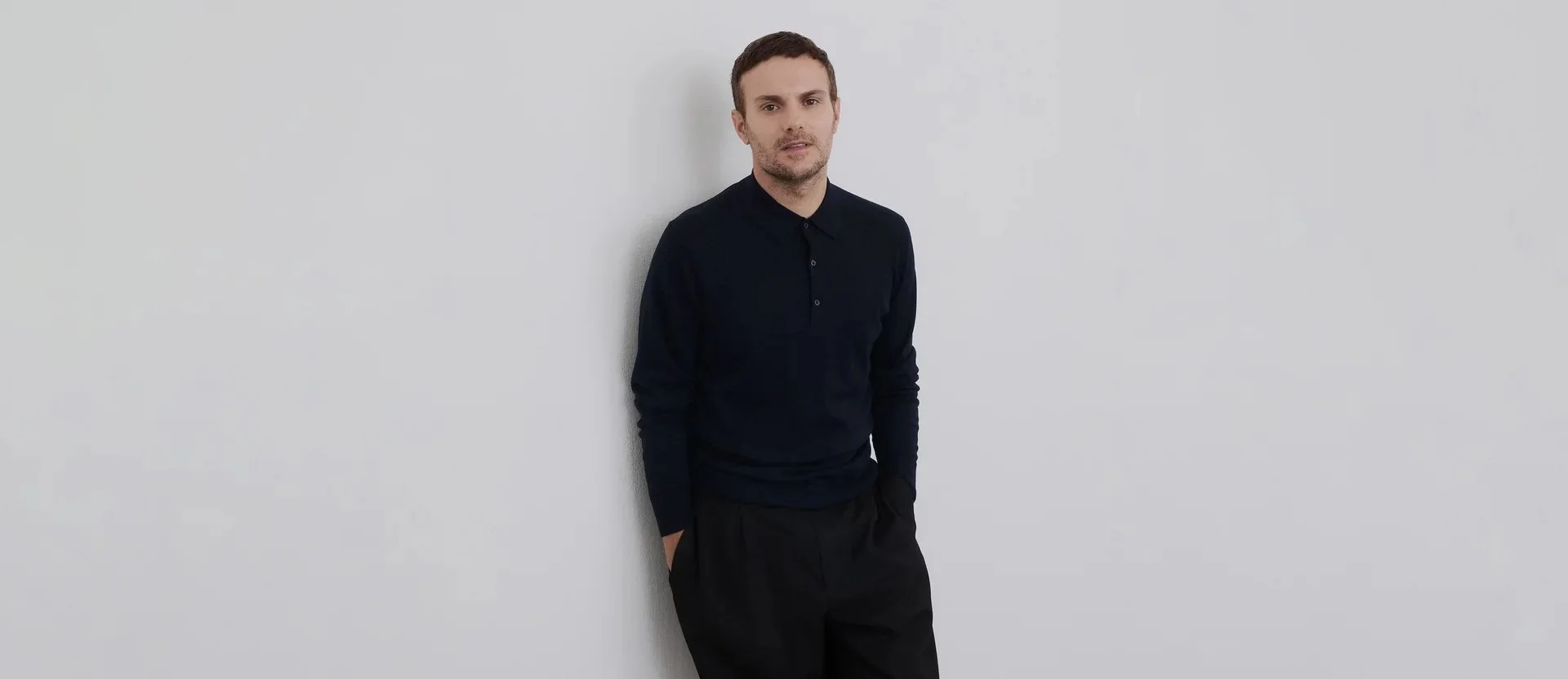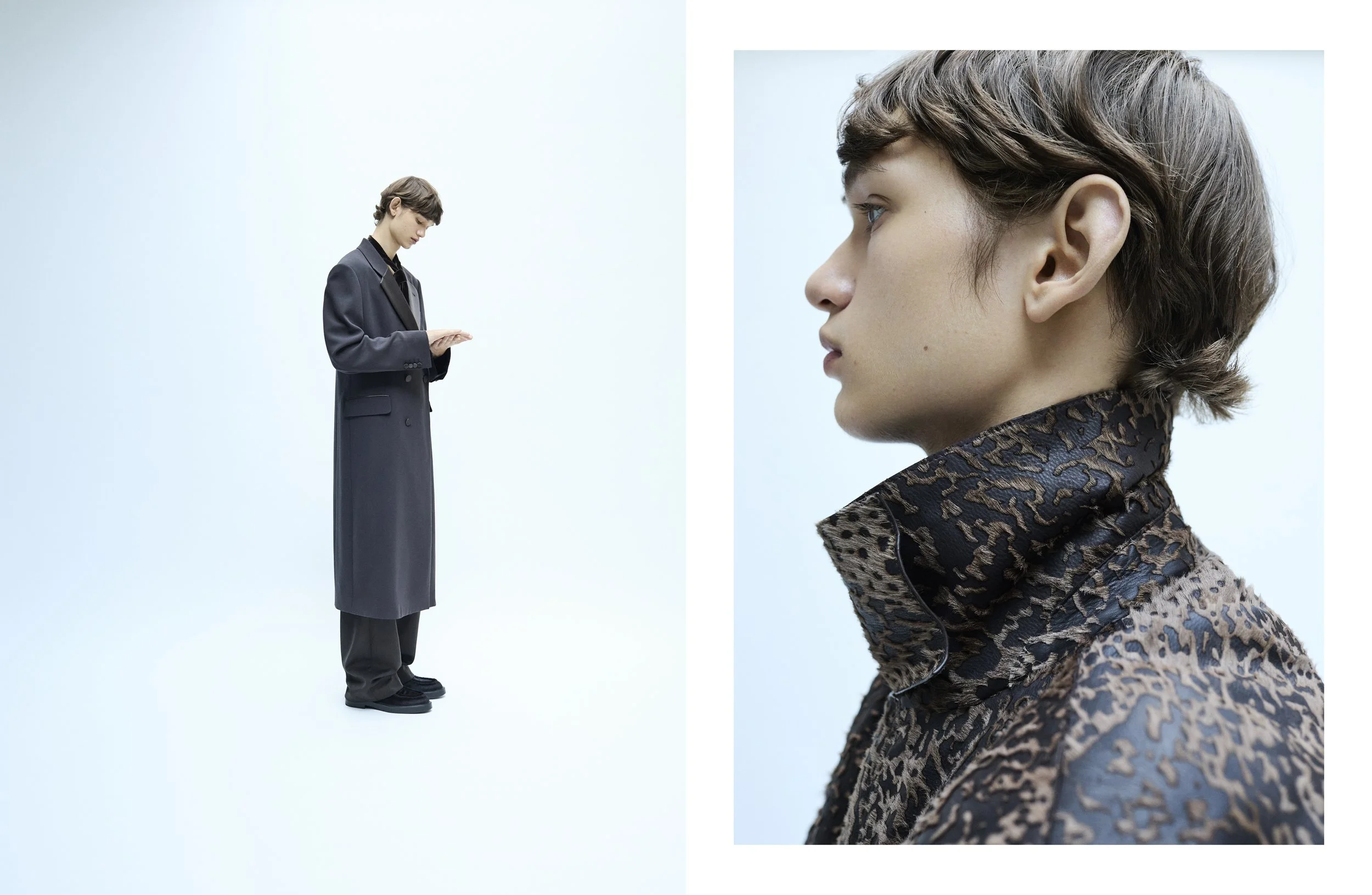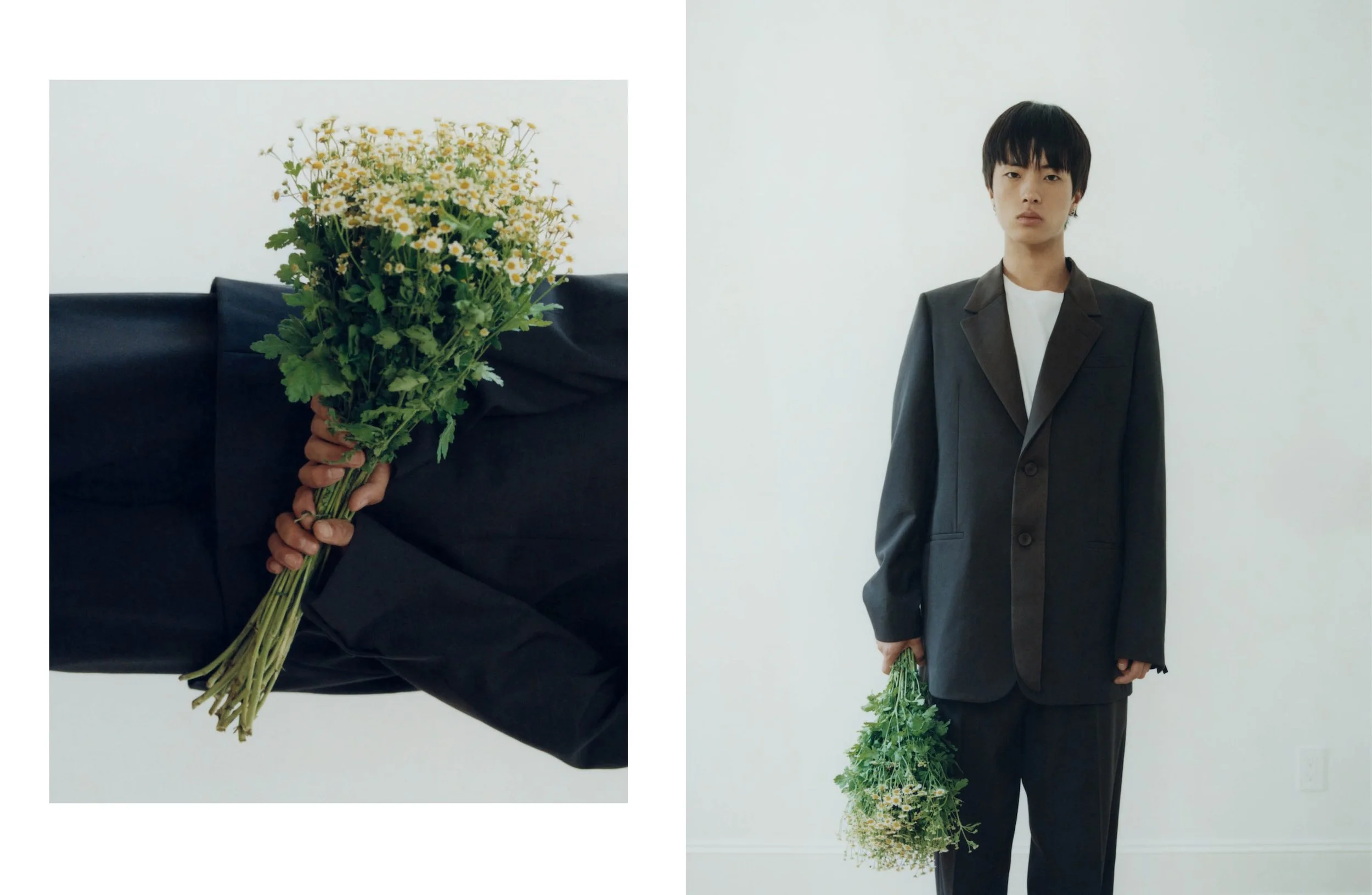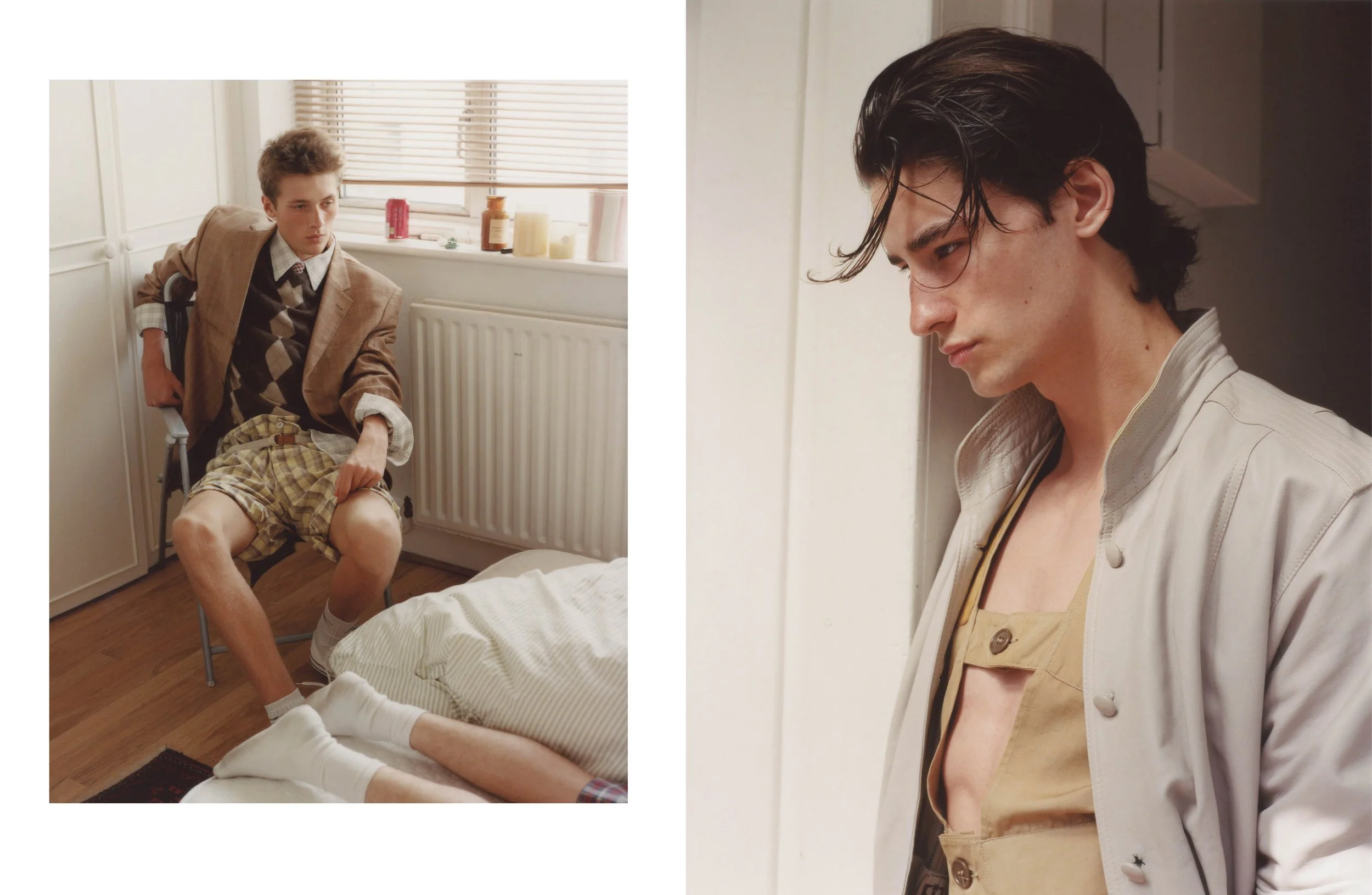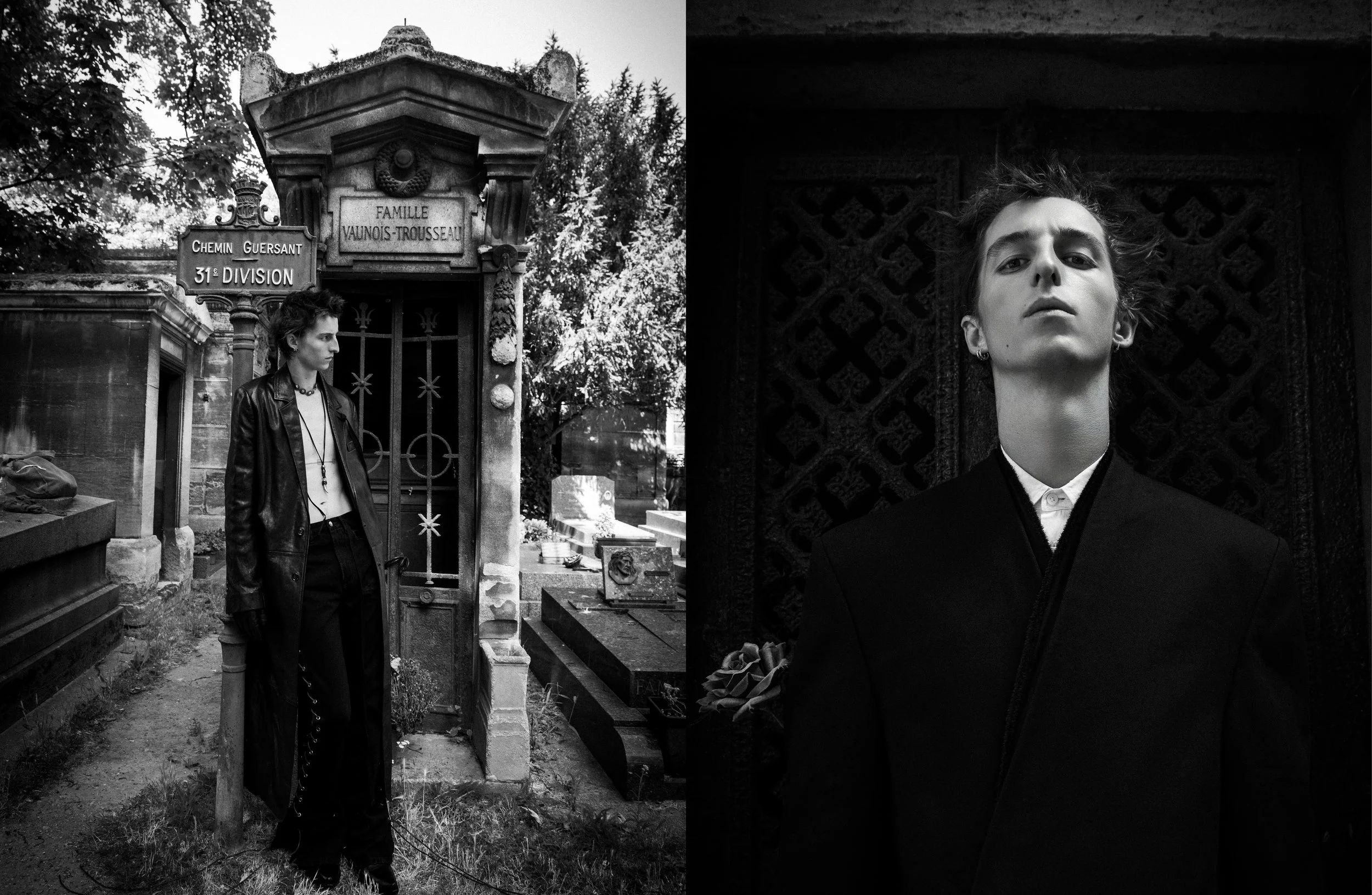
The Loewe show was held inside a two-tier structure, hidden inside the white box in the courtyard of the Château de Vincennes. The place is familiar to anyone who has been to a Loewe show in the last few years, but this time the inside had been turned into a circular theatre, almost an arena. You were close enough to see the construction but also close enough to understand that the clothes were supposed to exist outside of the show. There, in more or less the same place the label has been showing for years, Jack McCollough and Lazaro Hernandez are conducting a transition that now feels less like a question of identity and more like a question of wardrobe.
For years, Loewe has been associated with a certain kind of quirk. Jonathan Anderson codified that language so successfully that oddity became almost a house code in itself. The challenge for the designers coming from Proenza Schouler was how to evolve it. Their answer is in the clothes themselves.
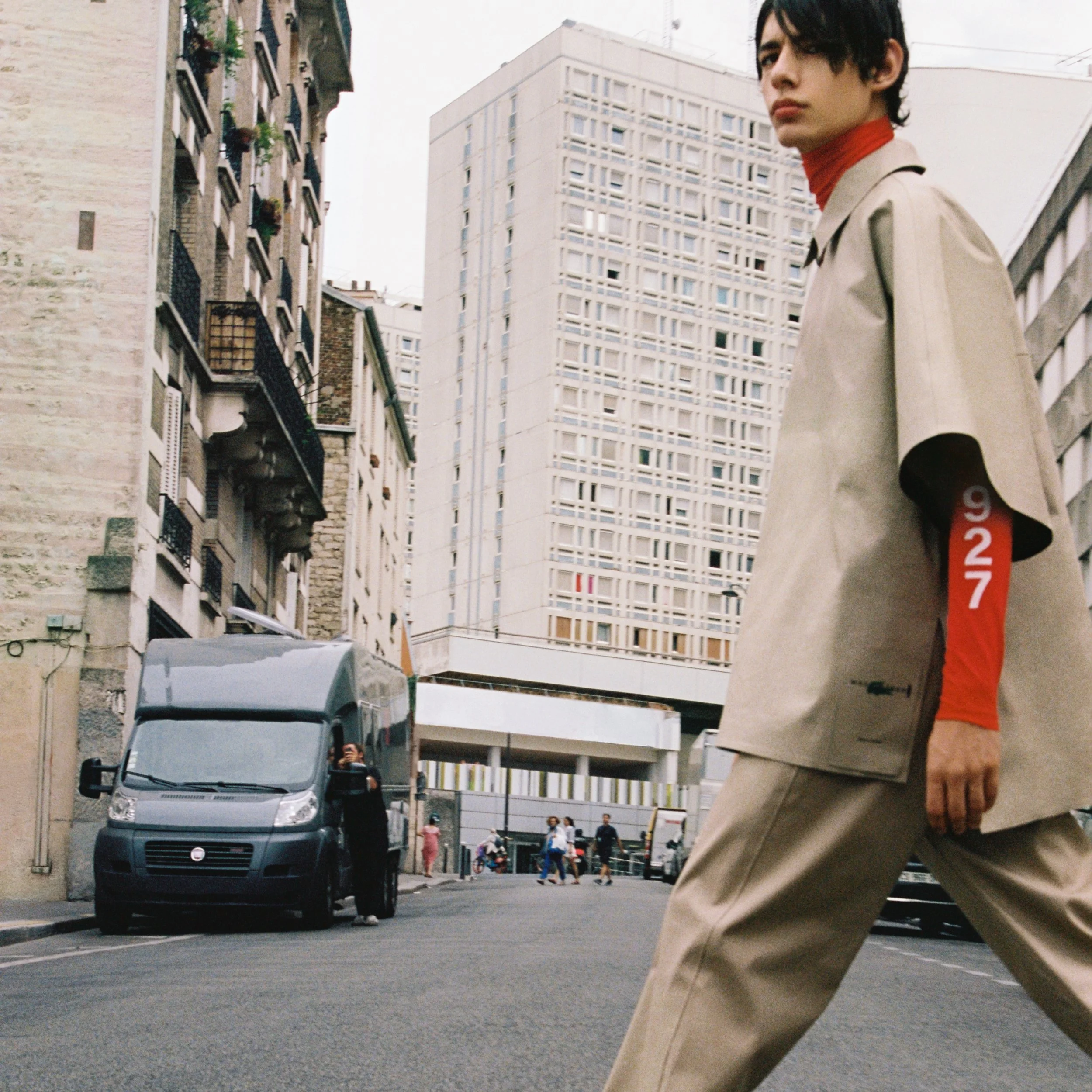
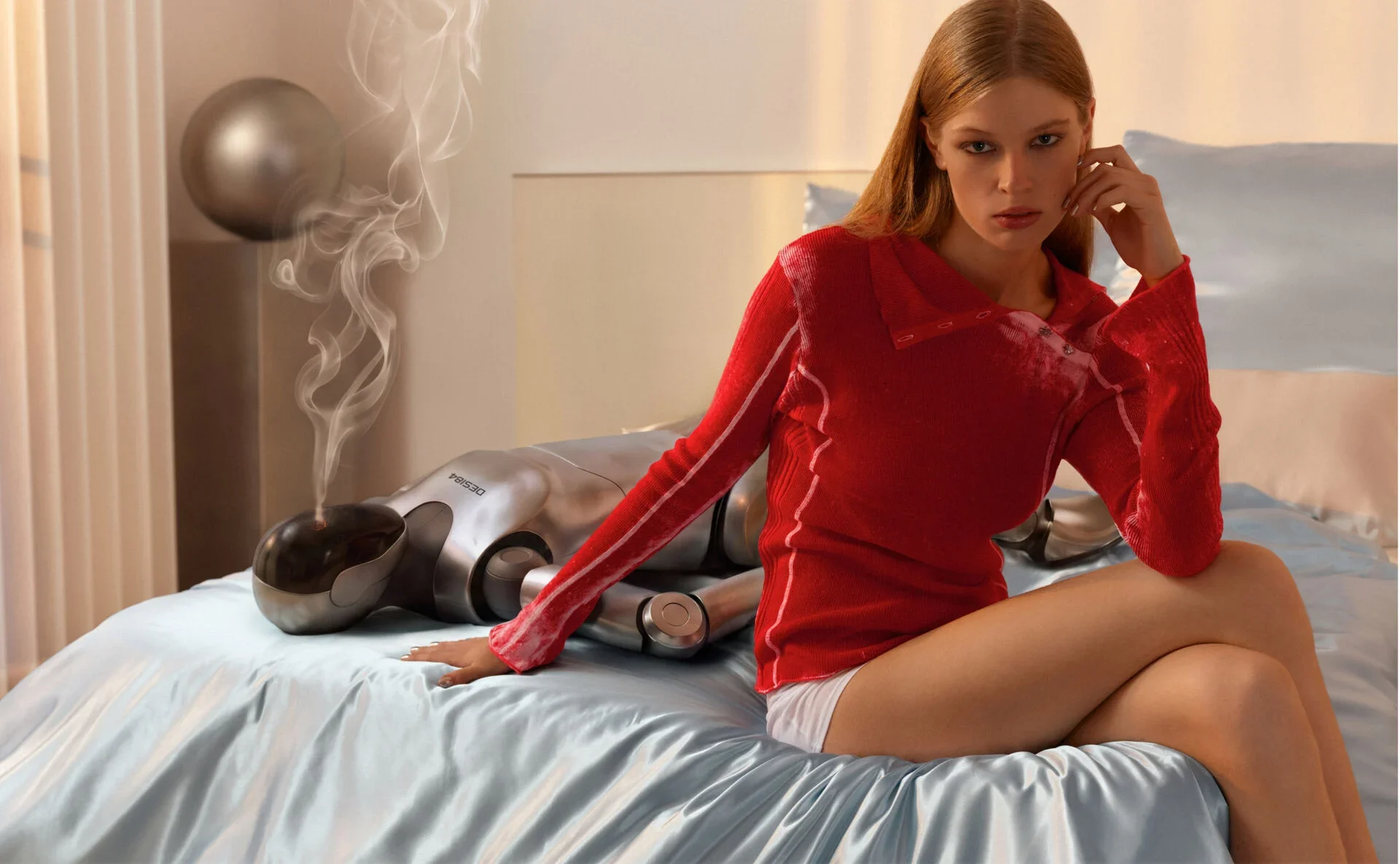
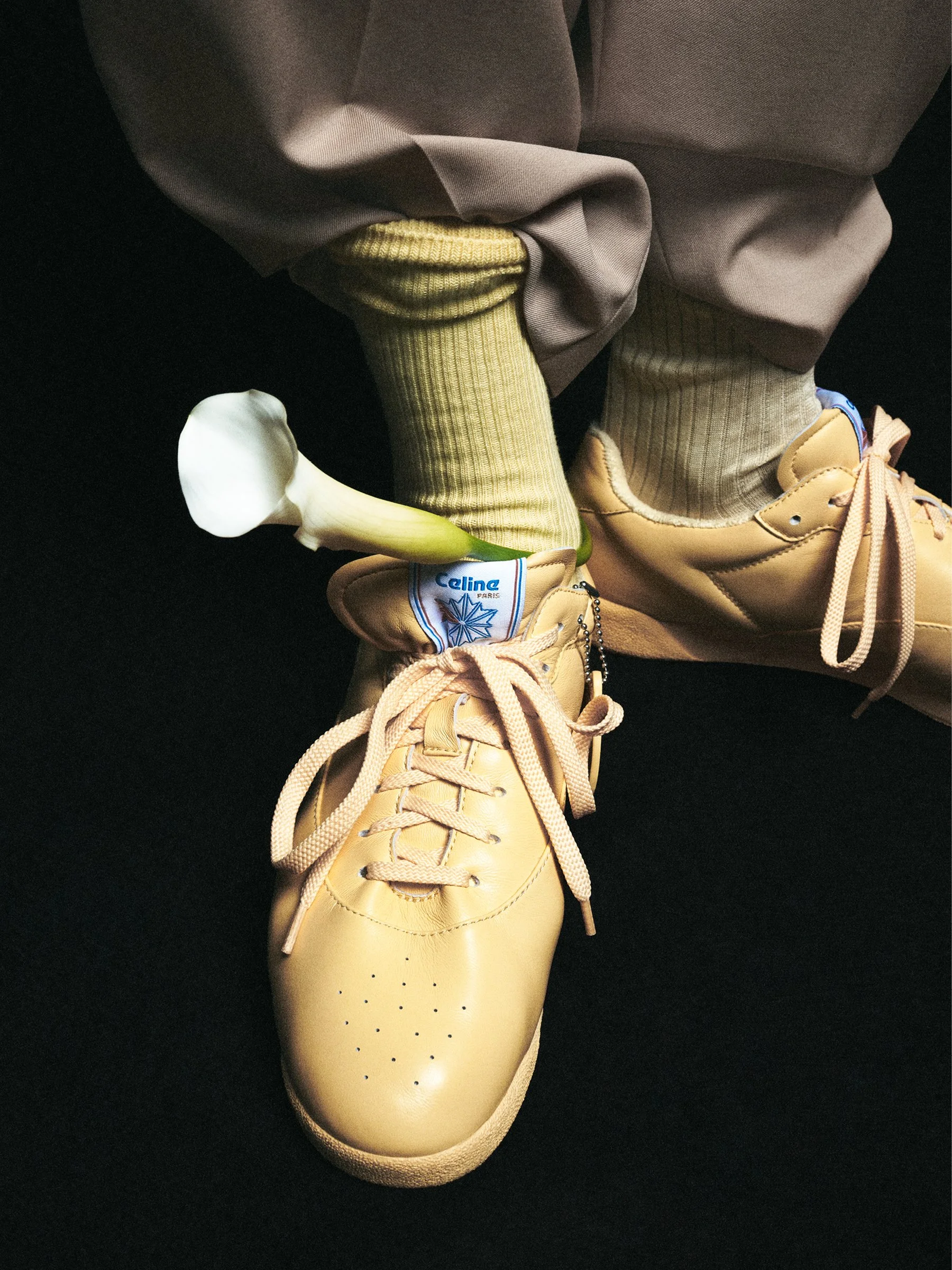
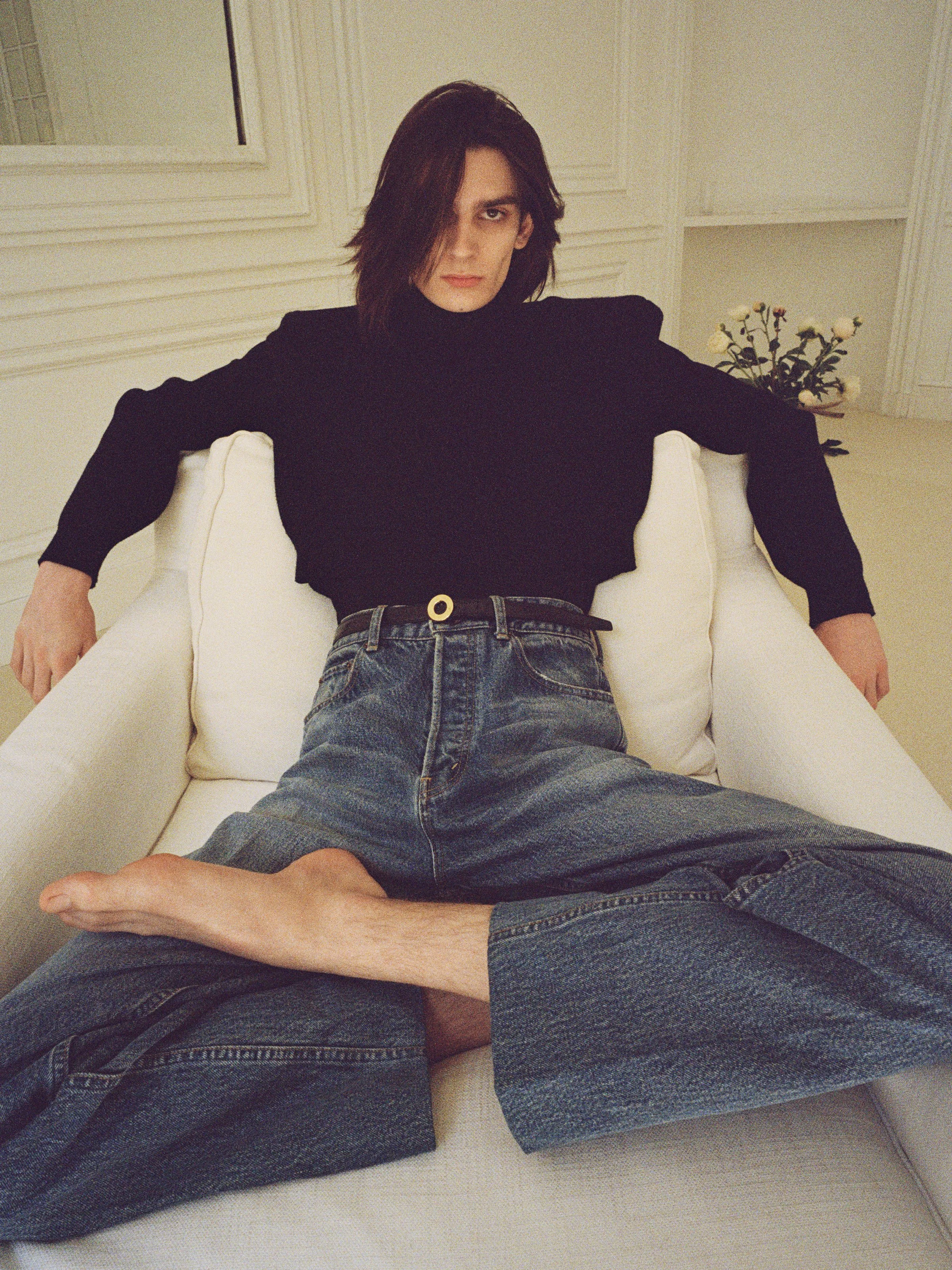
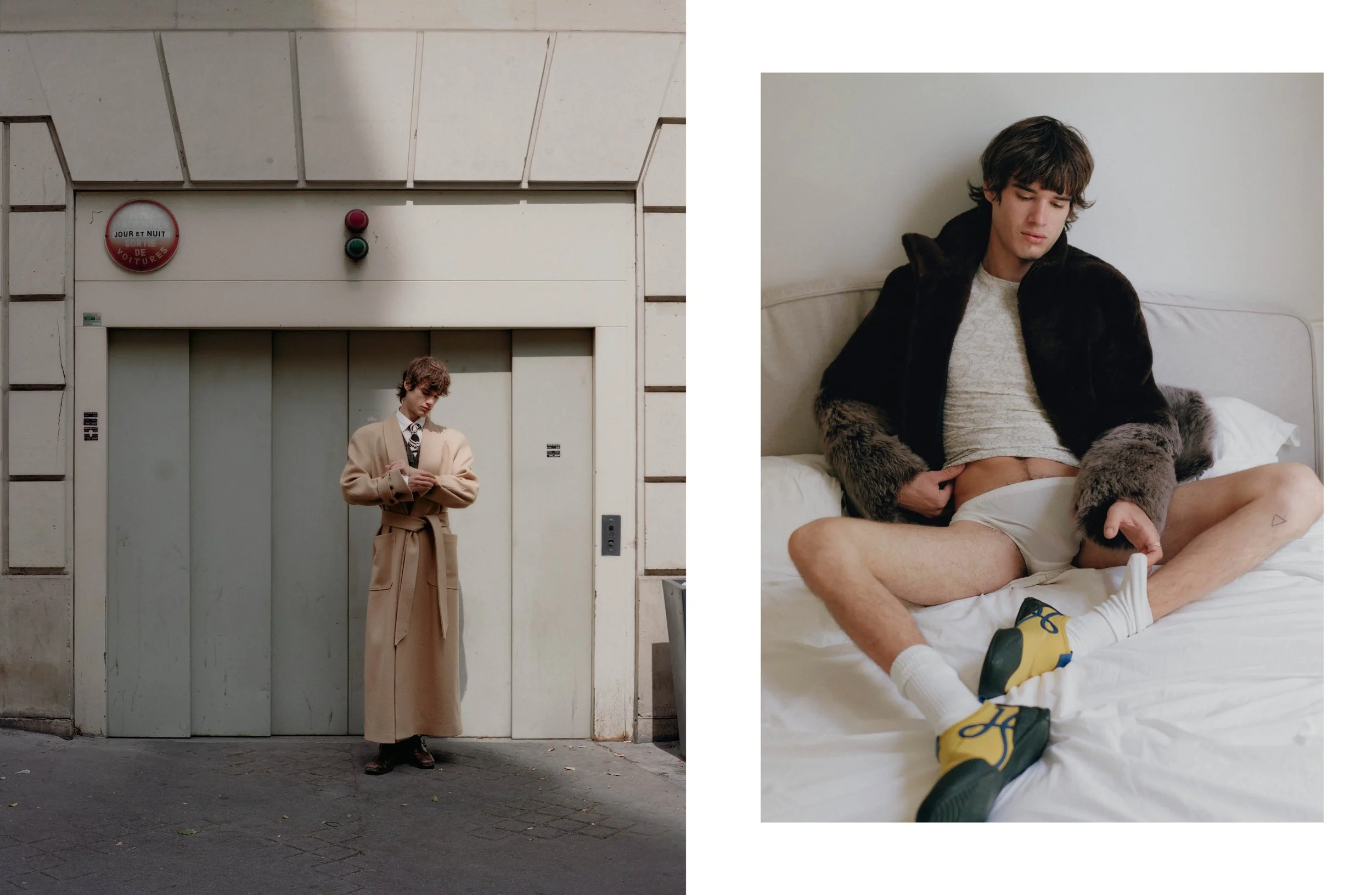
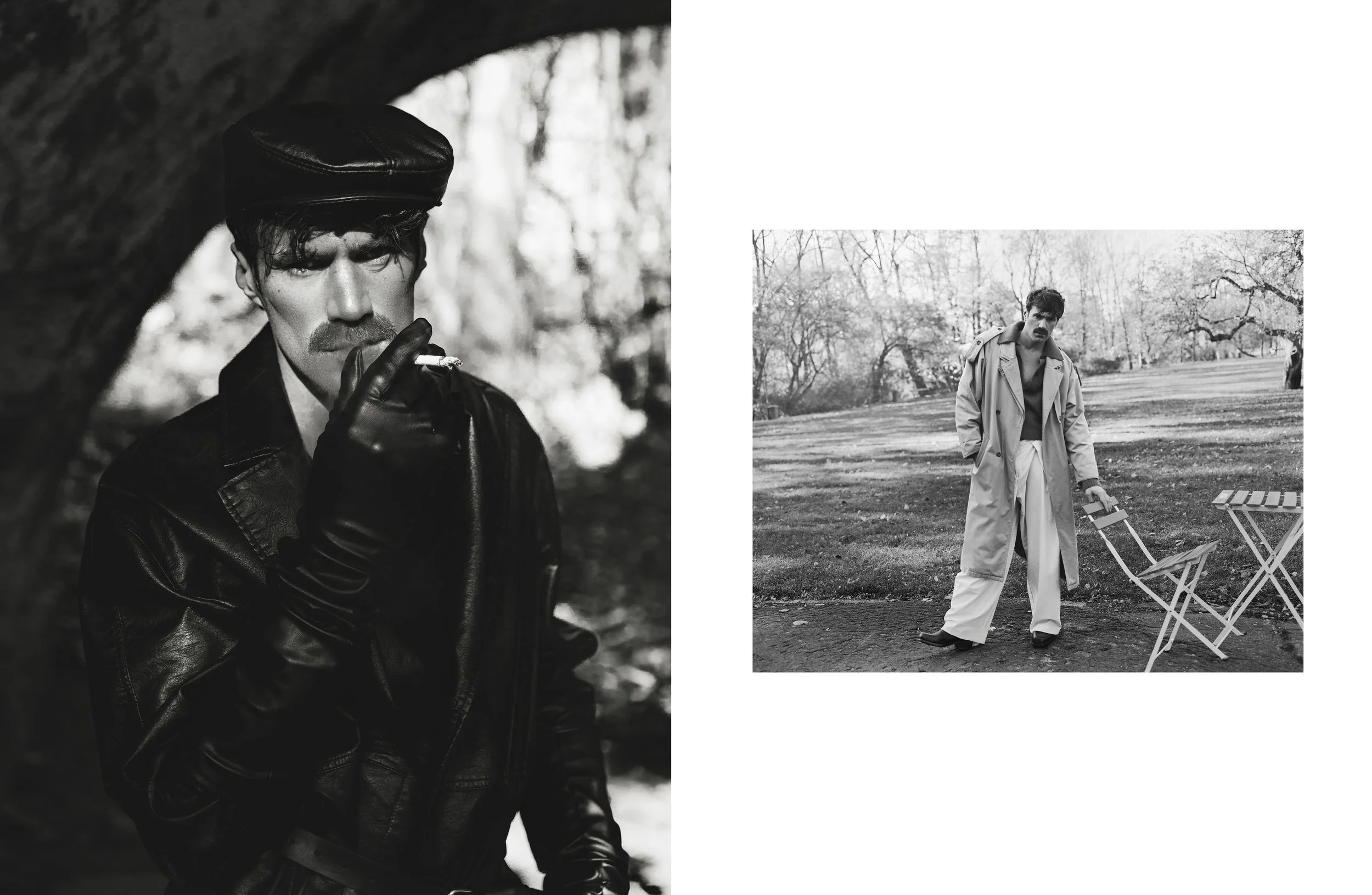
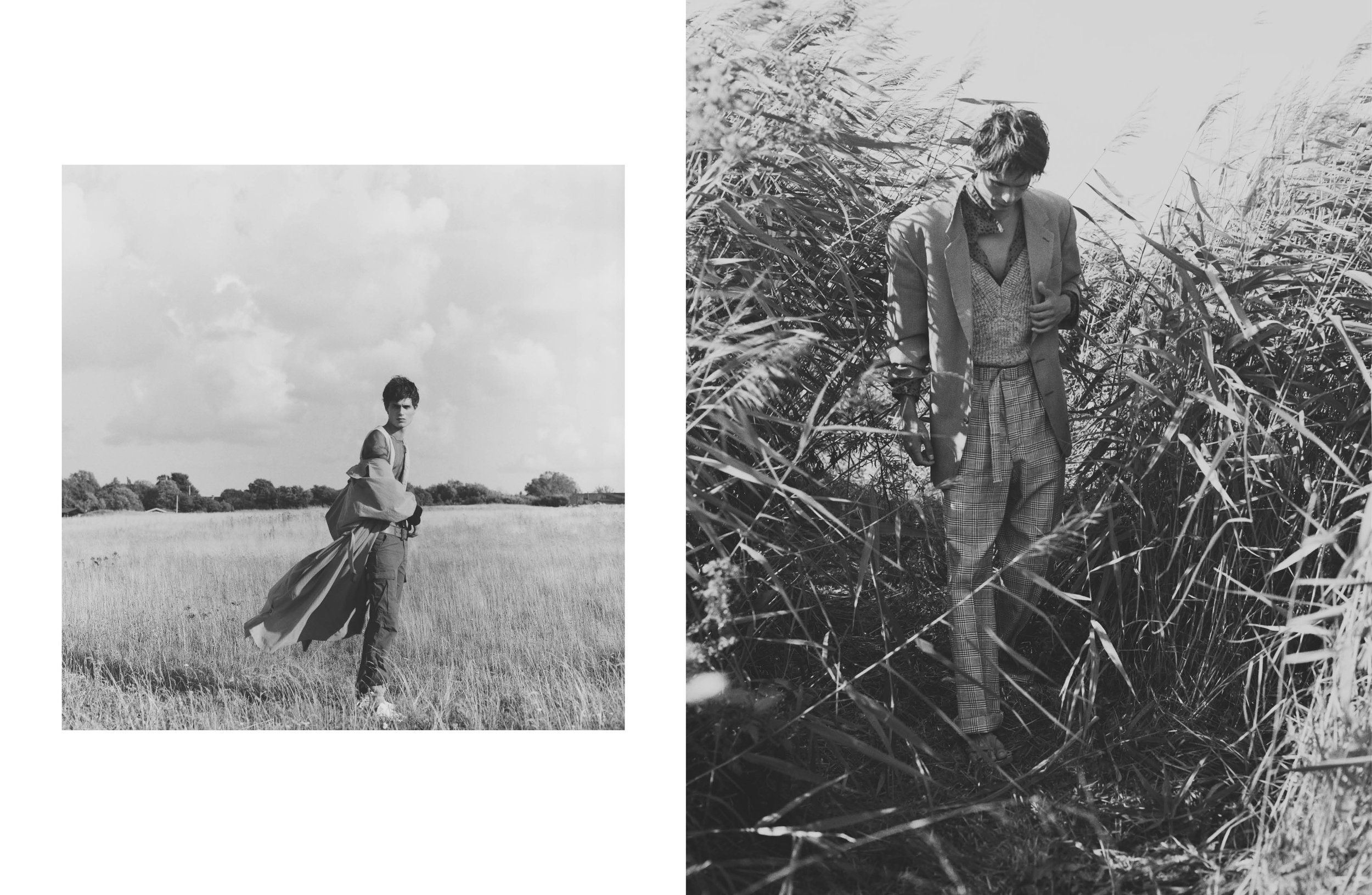
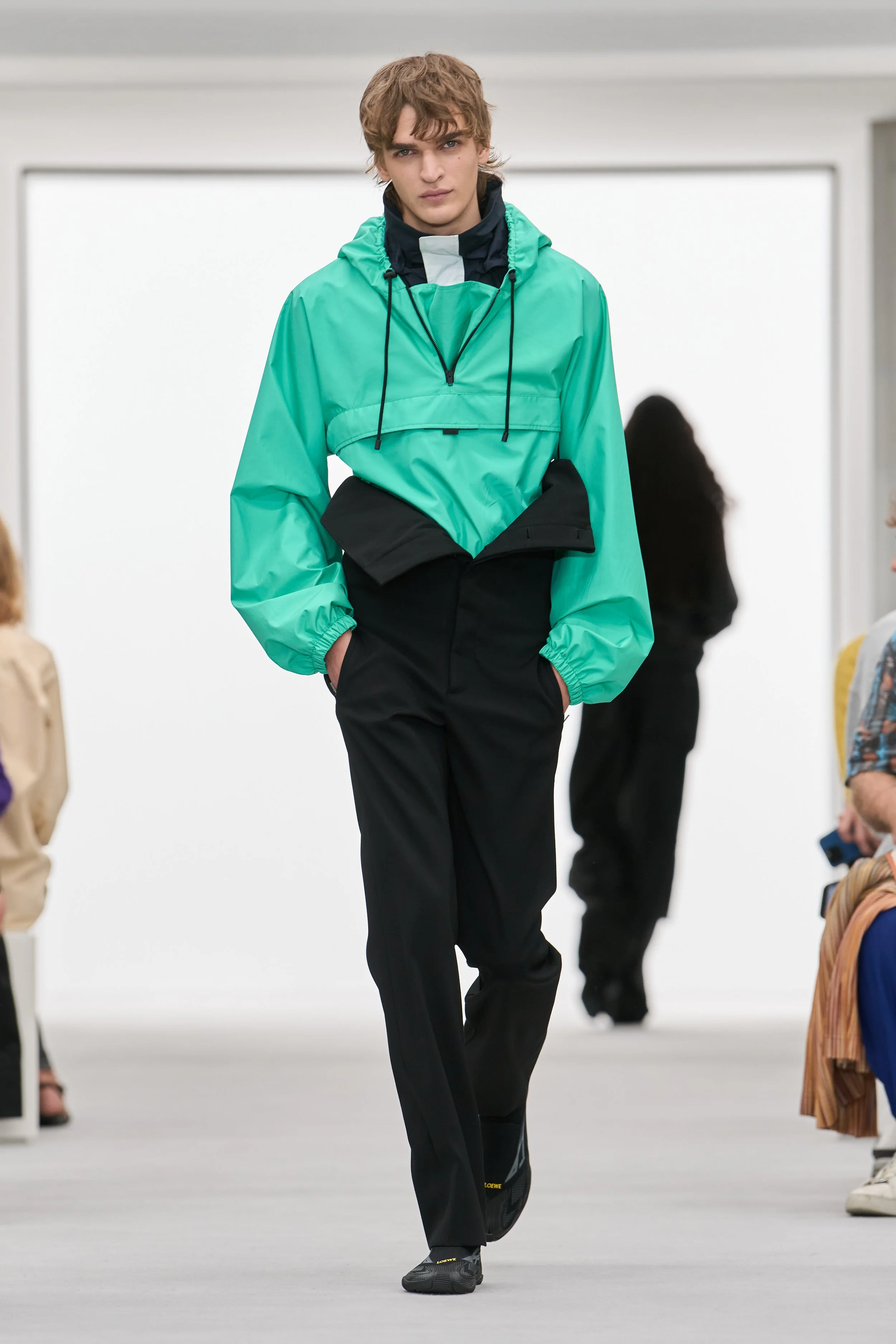
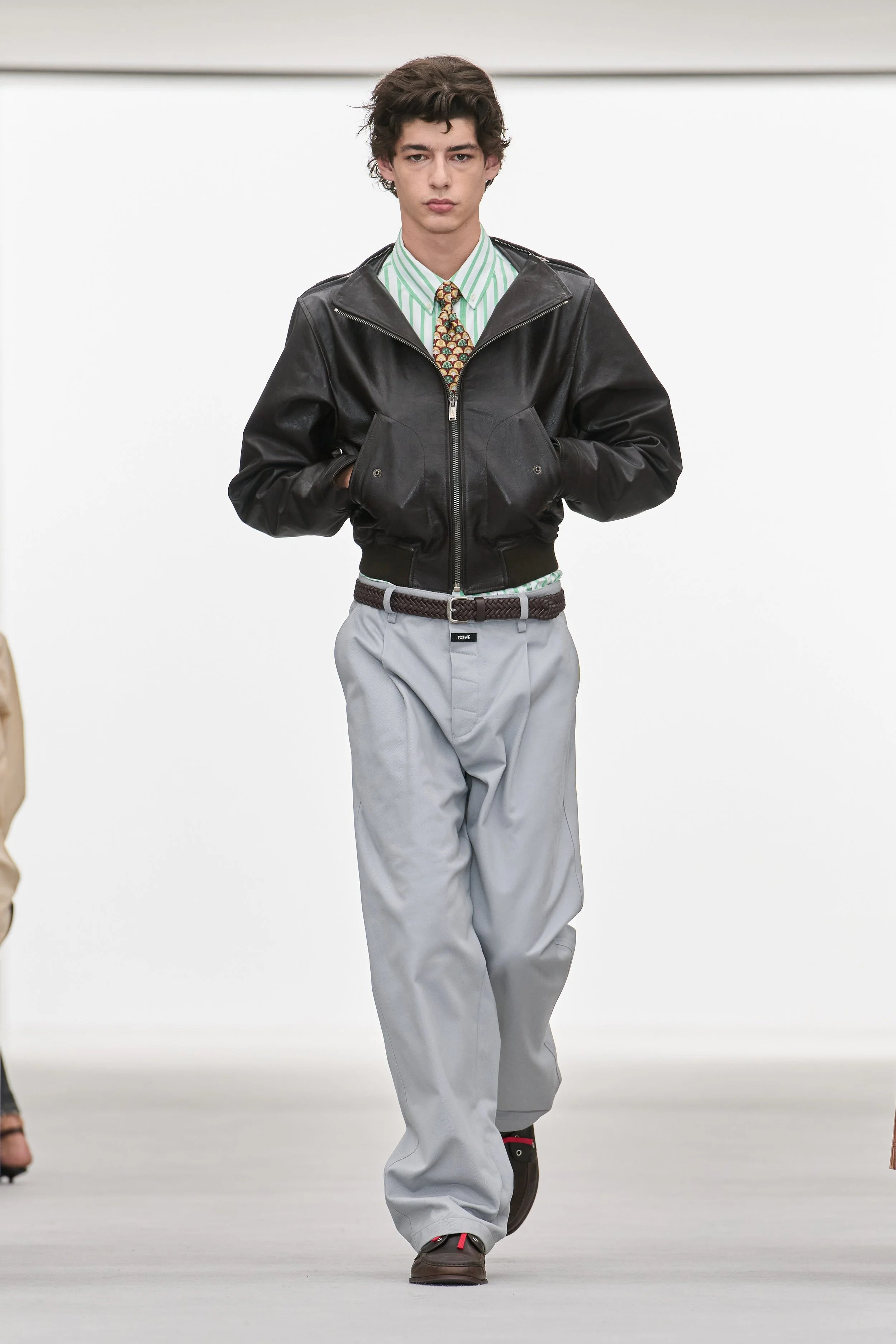
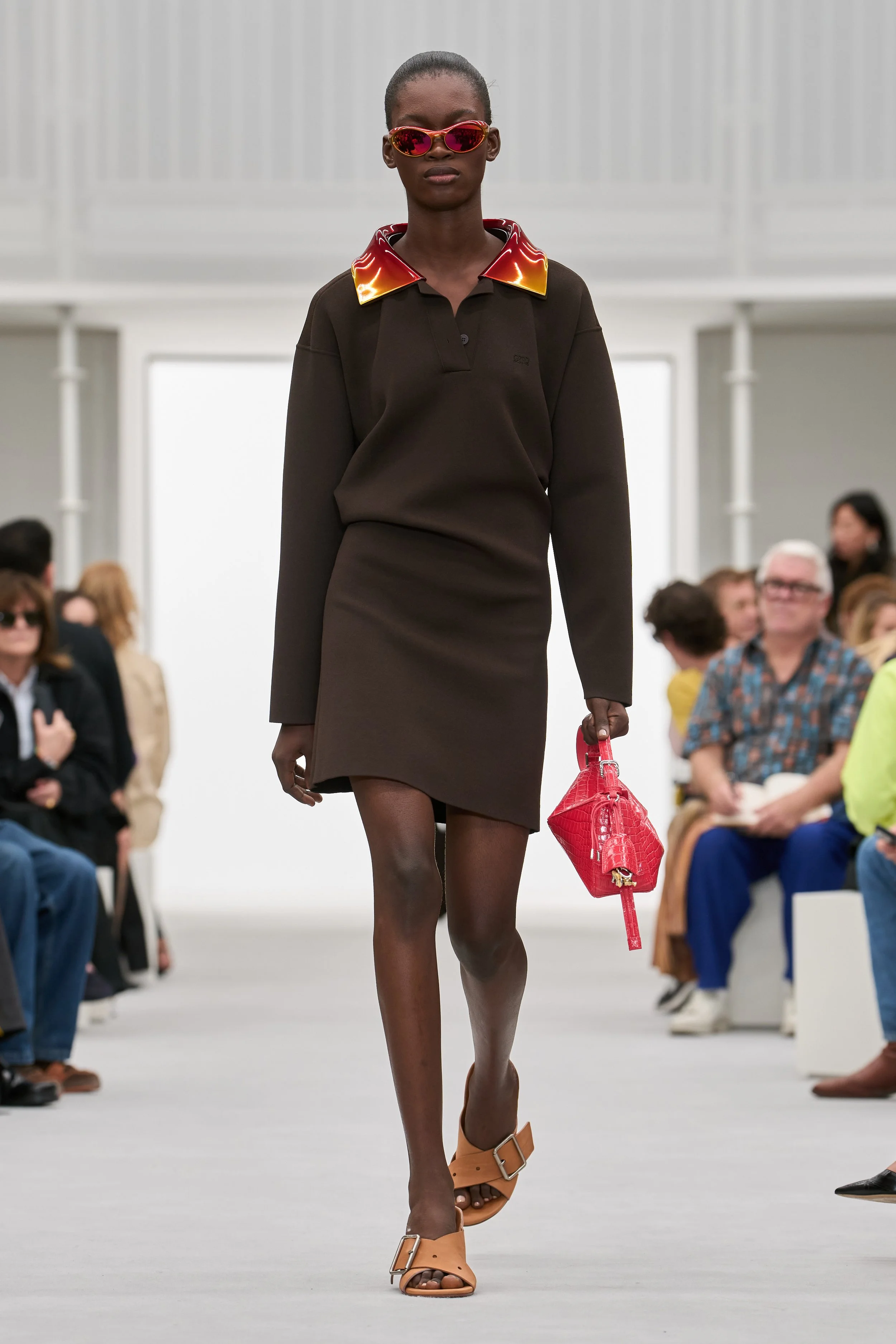
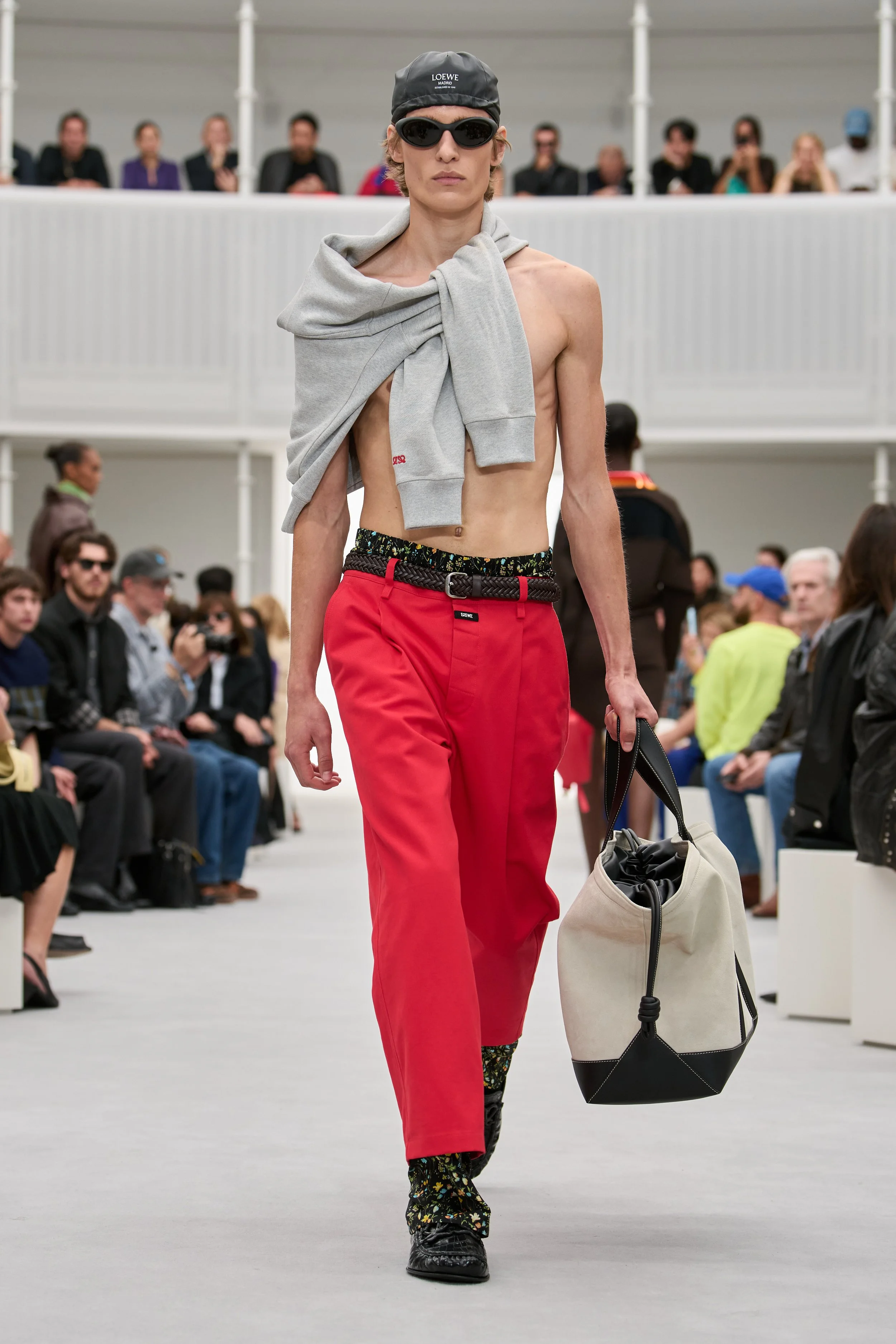
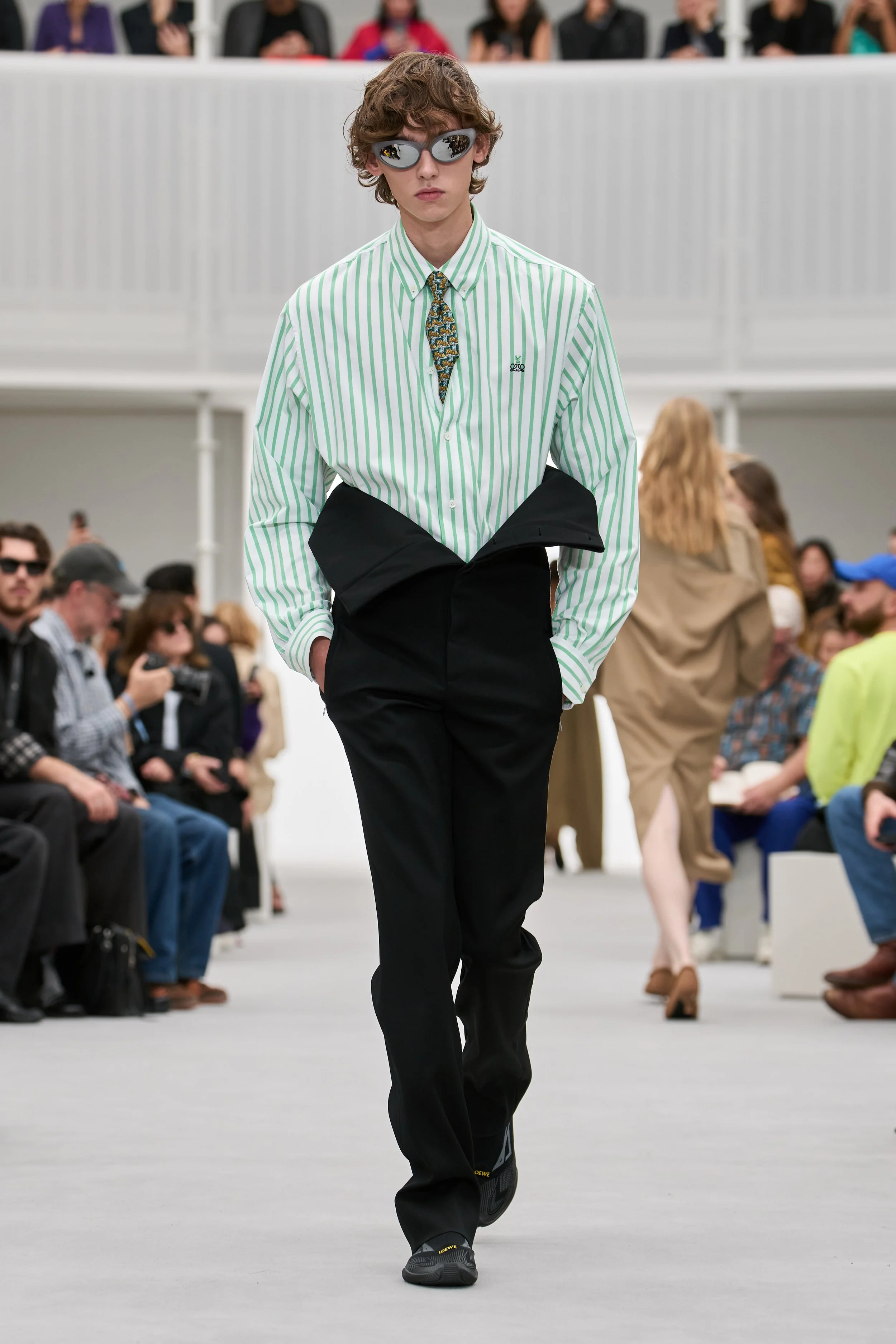
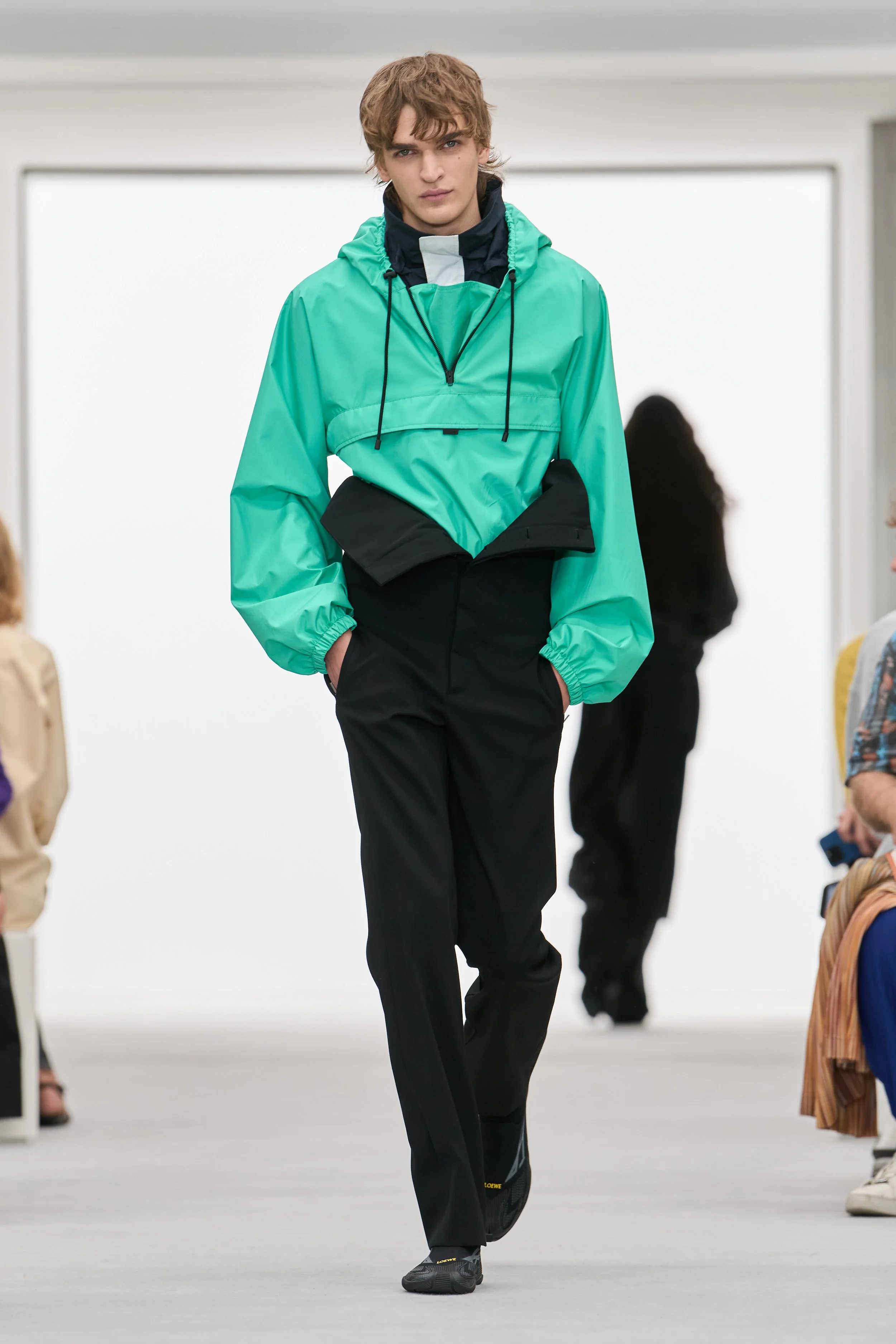
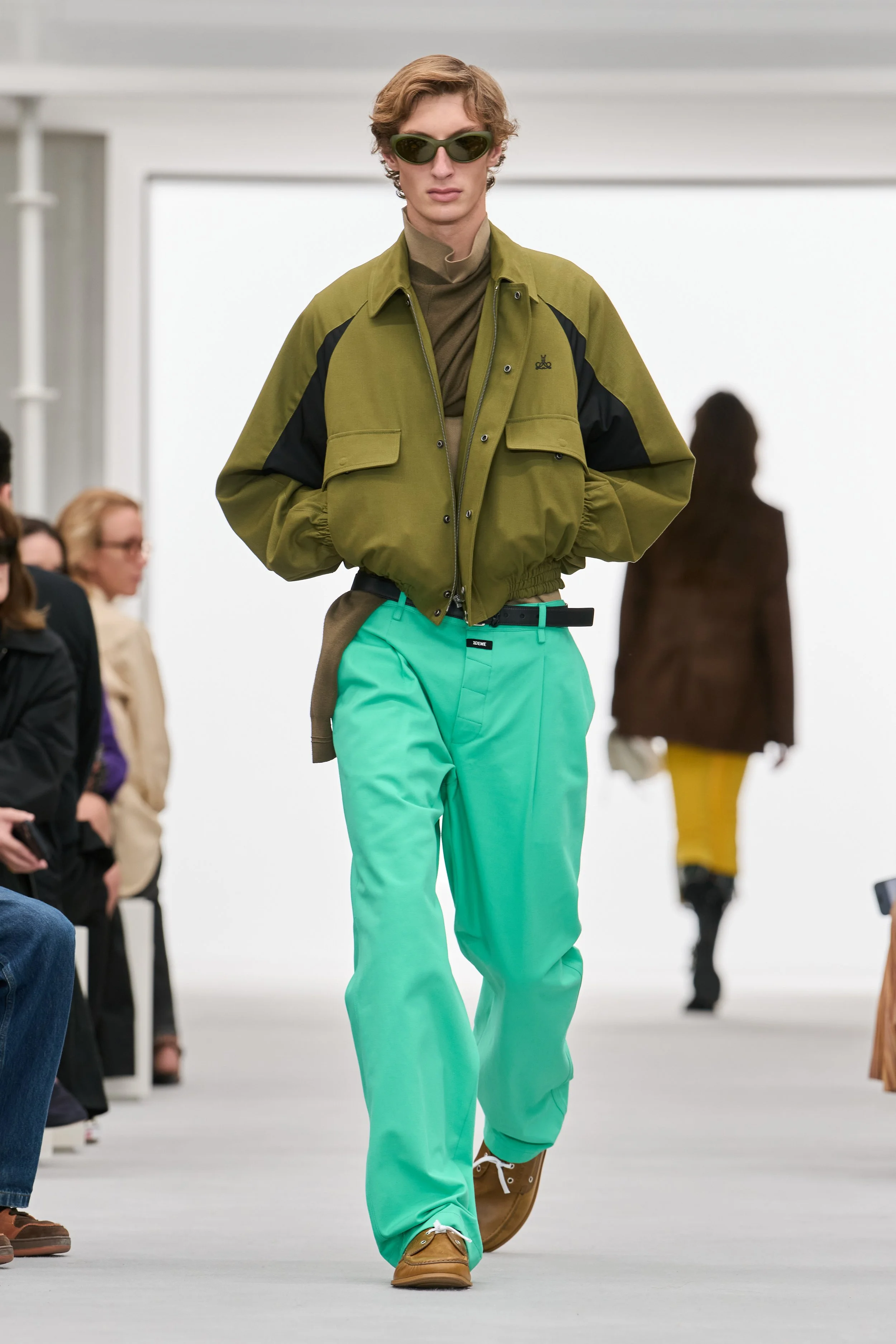
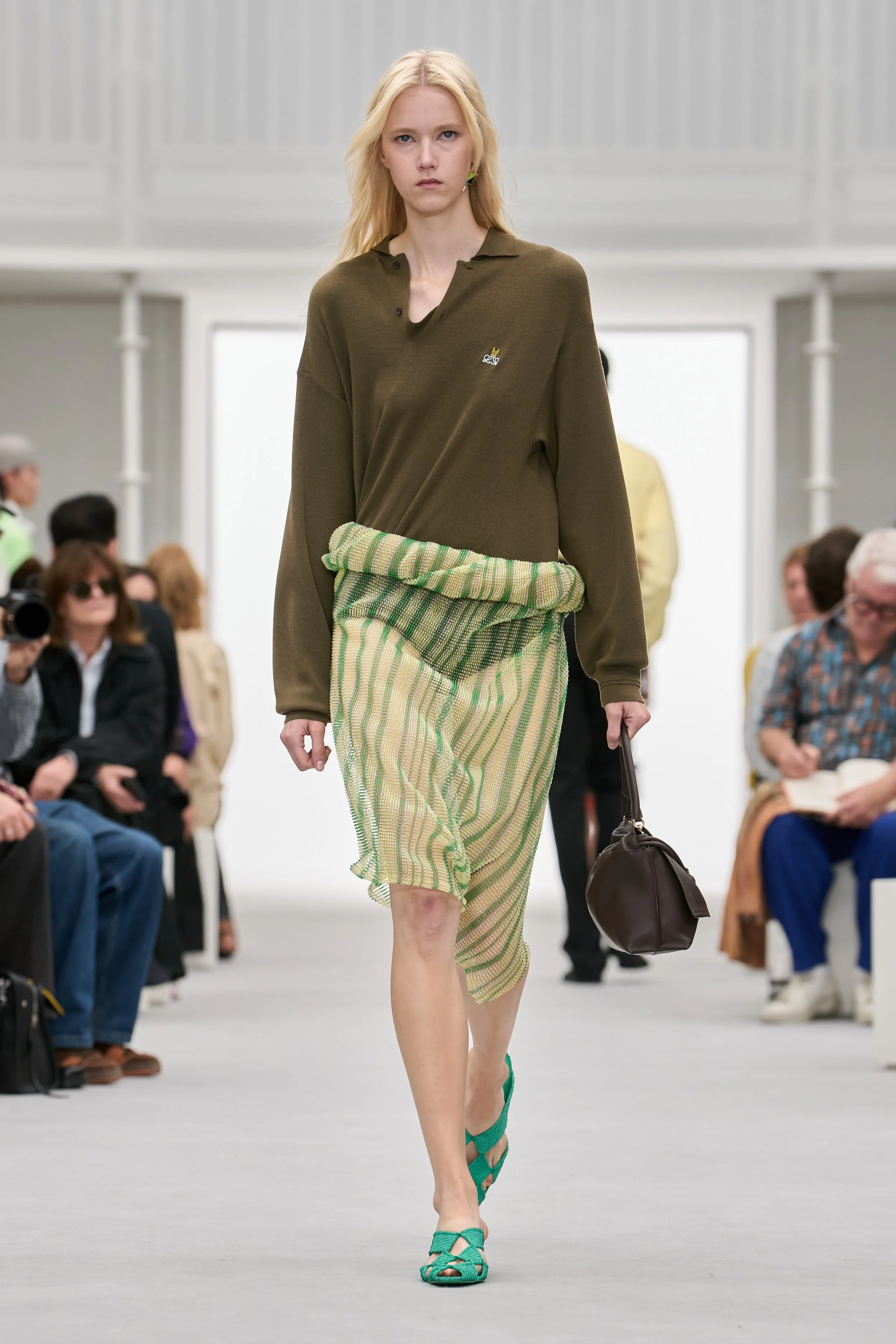
The starting point is American sportswear, and specifically the kind of New England wardrobe that McCollough and Hernandez know personally. Polos, baseball caps, boat shoes, blazers, anoraks, trenches, easy trousers. But nothing is quite behaving as it should. Polo shirts are cut backwards. Baseball caps are worn backwards. Boat shoes come with unexpectedly bright laces. A trench gets a collar made from glossy sunglass resin. The familiar is there, but it has been pushed slightly off its axis. The idea of taking a craft DNA into a space of practical modernity isn't new, but the way McCollough and Hernandez are directing it is much more functional, almost technical.
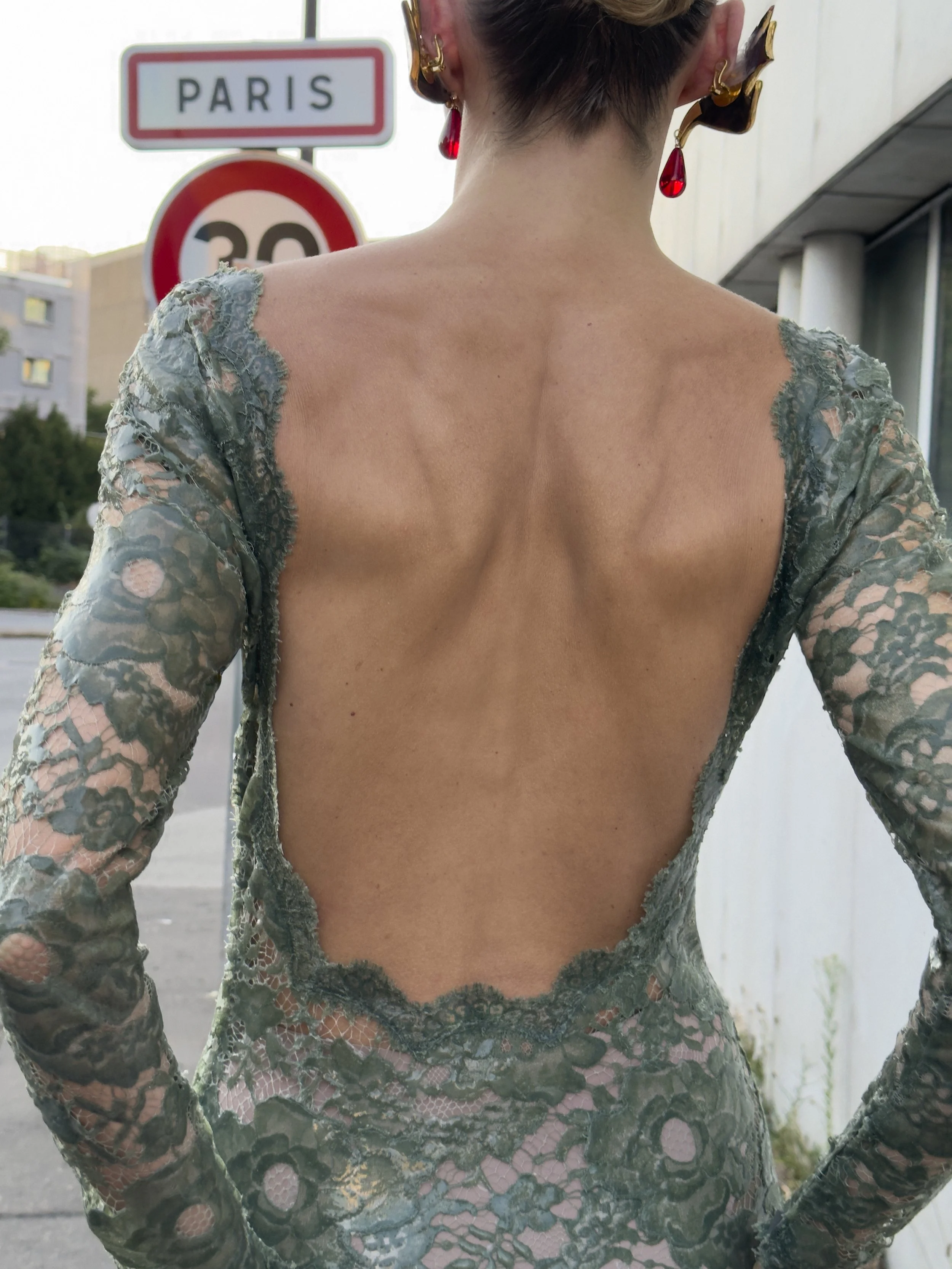
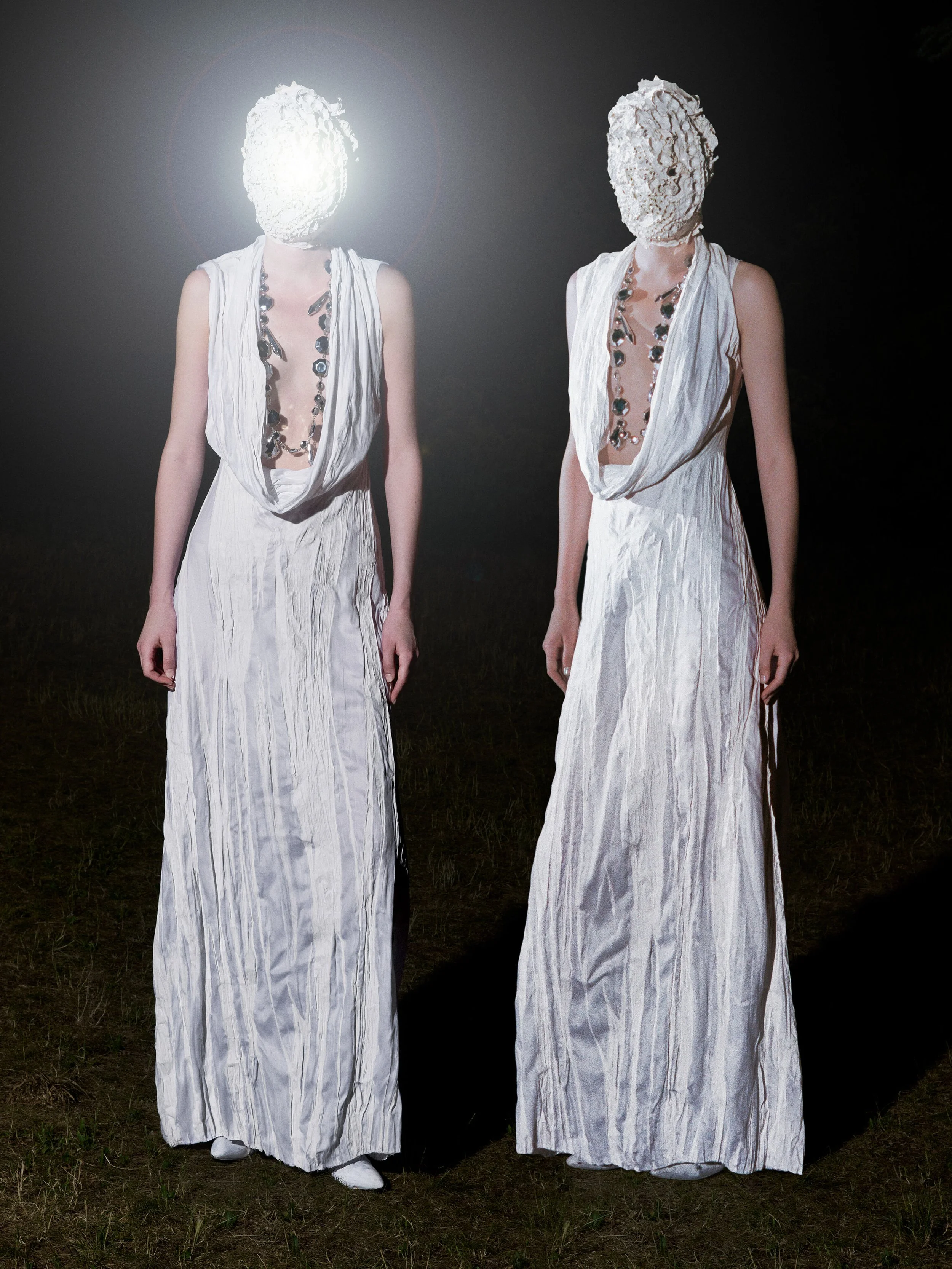
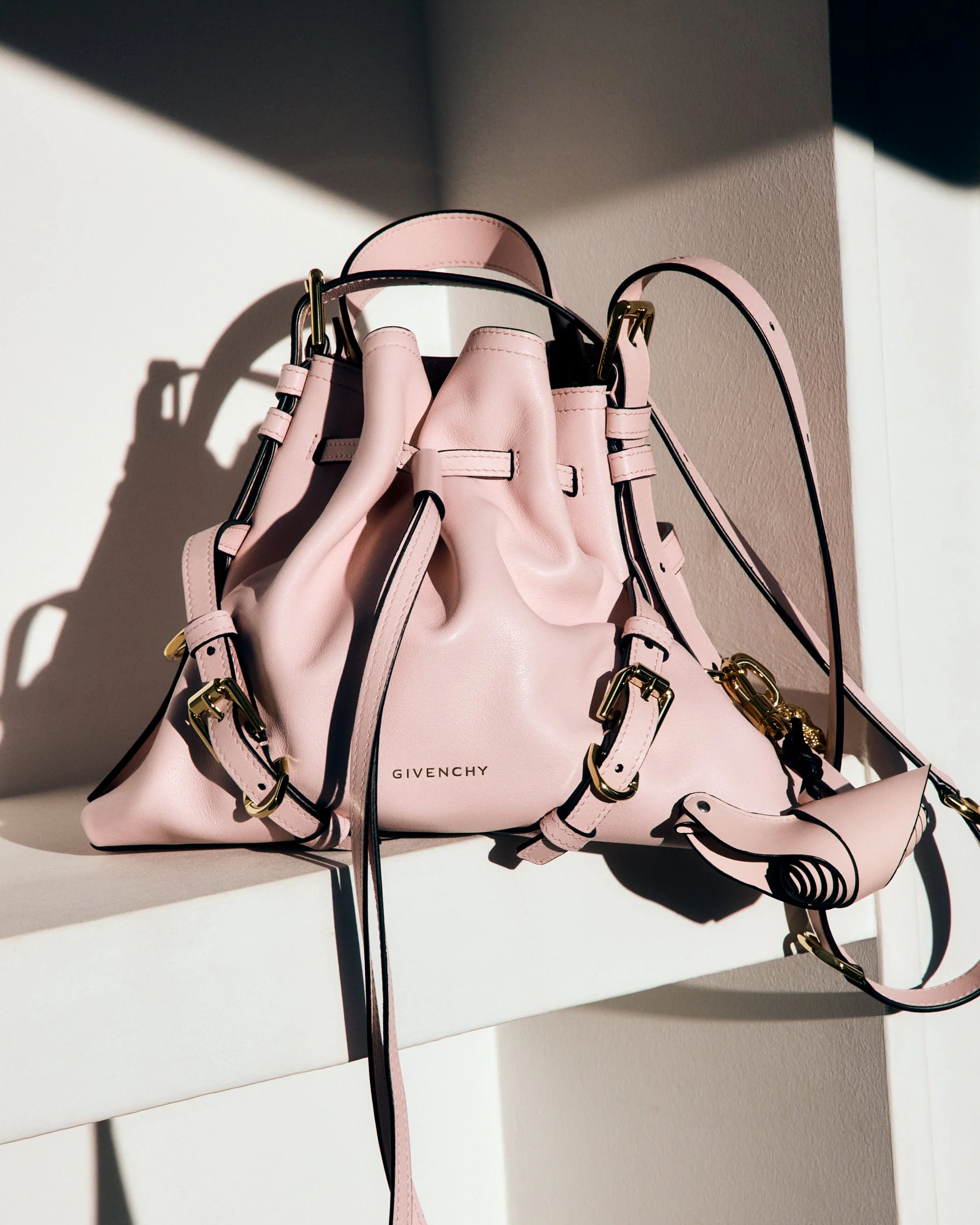
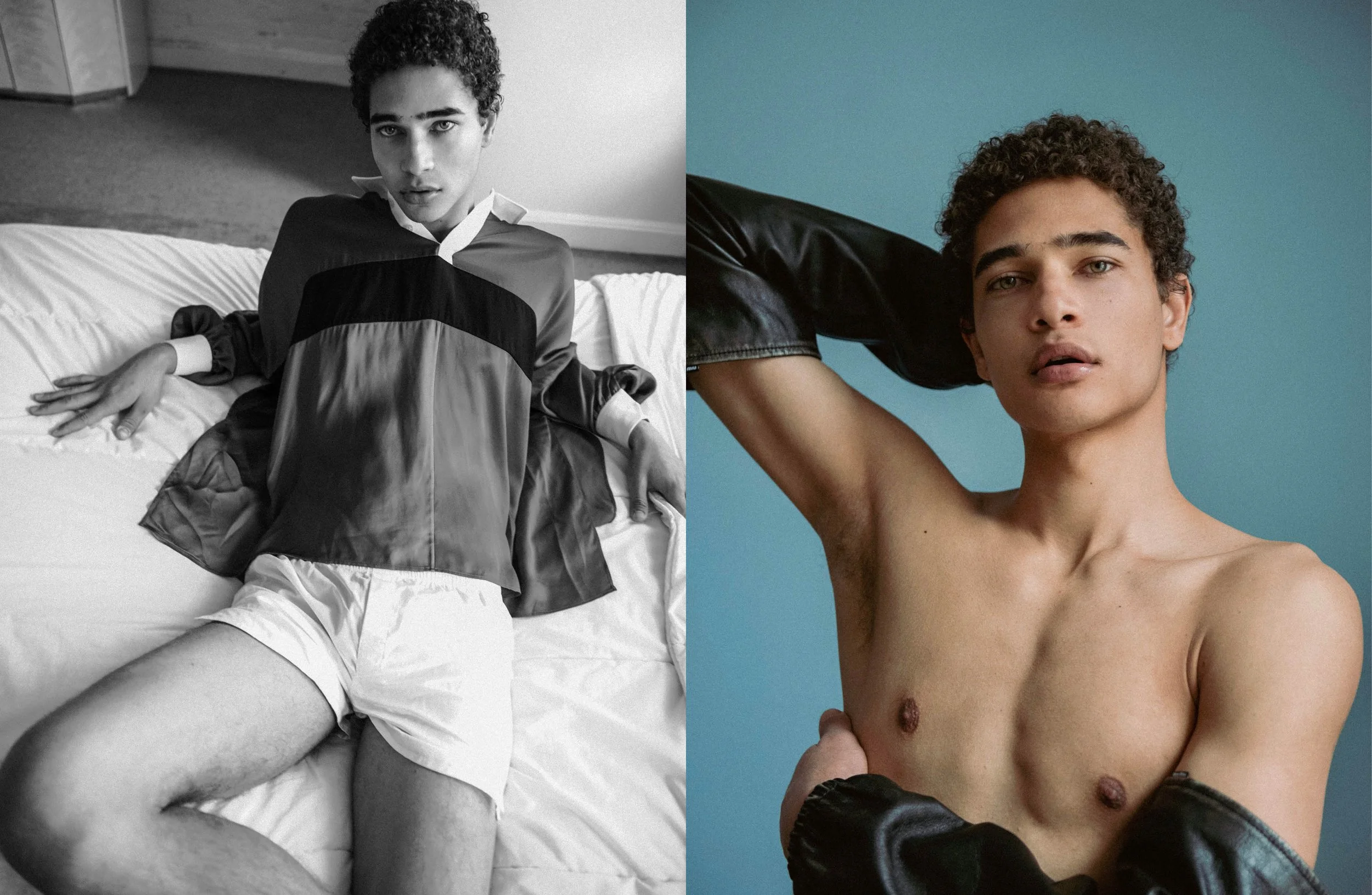
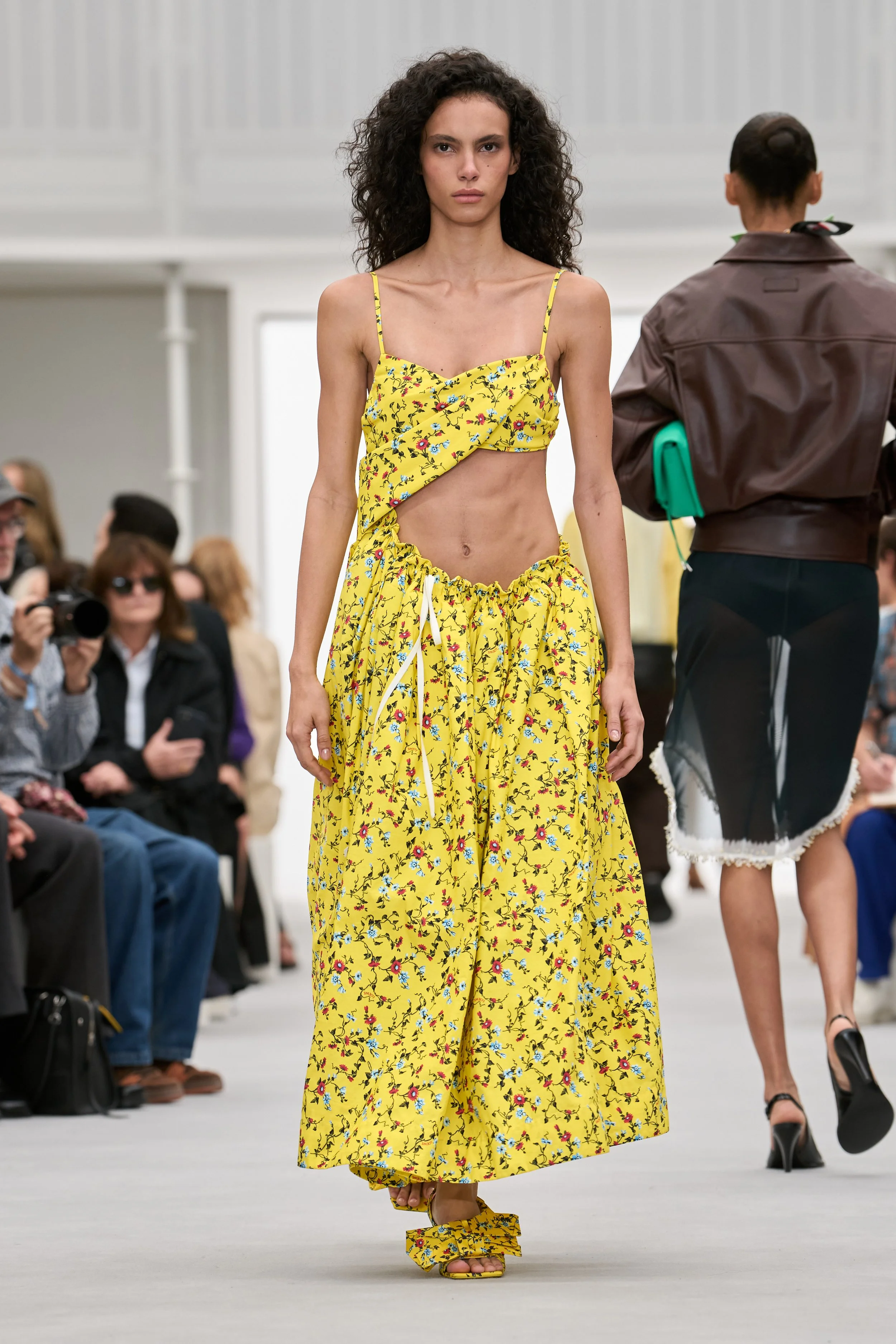
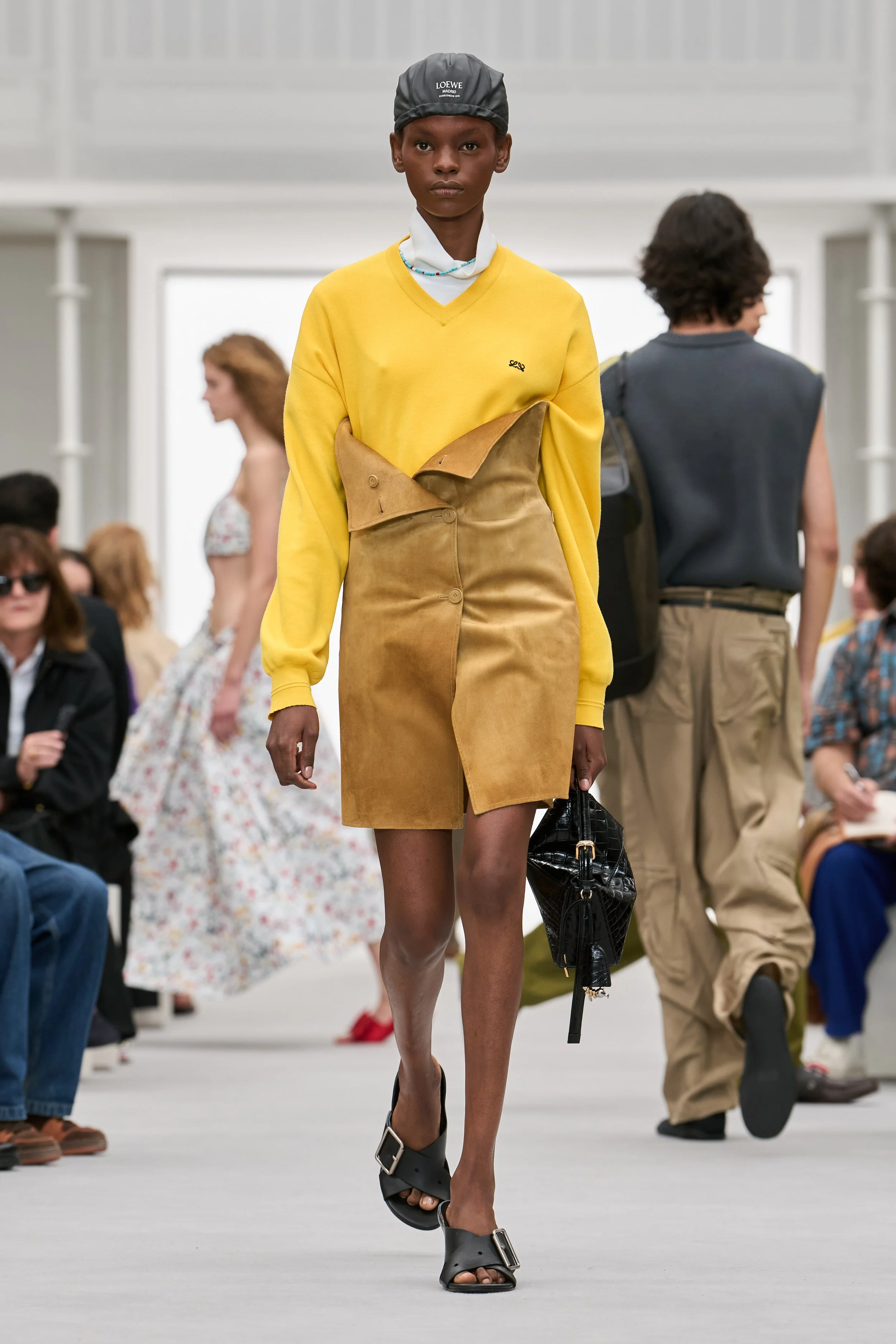
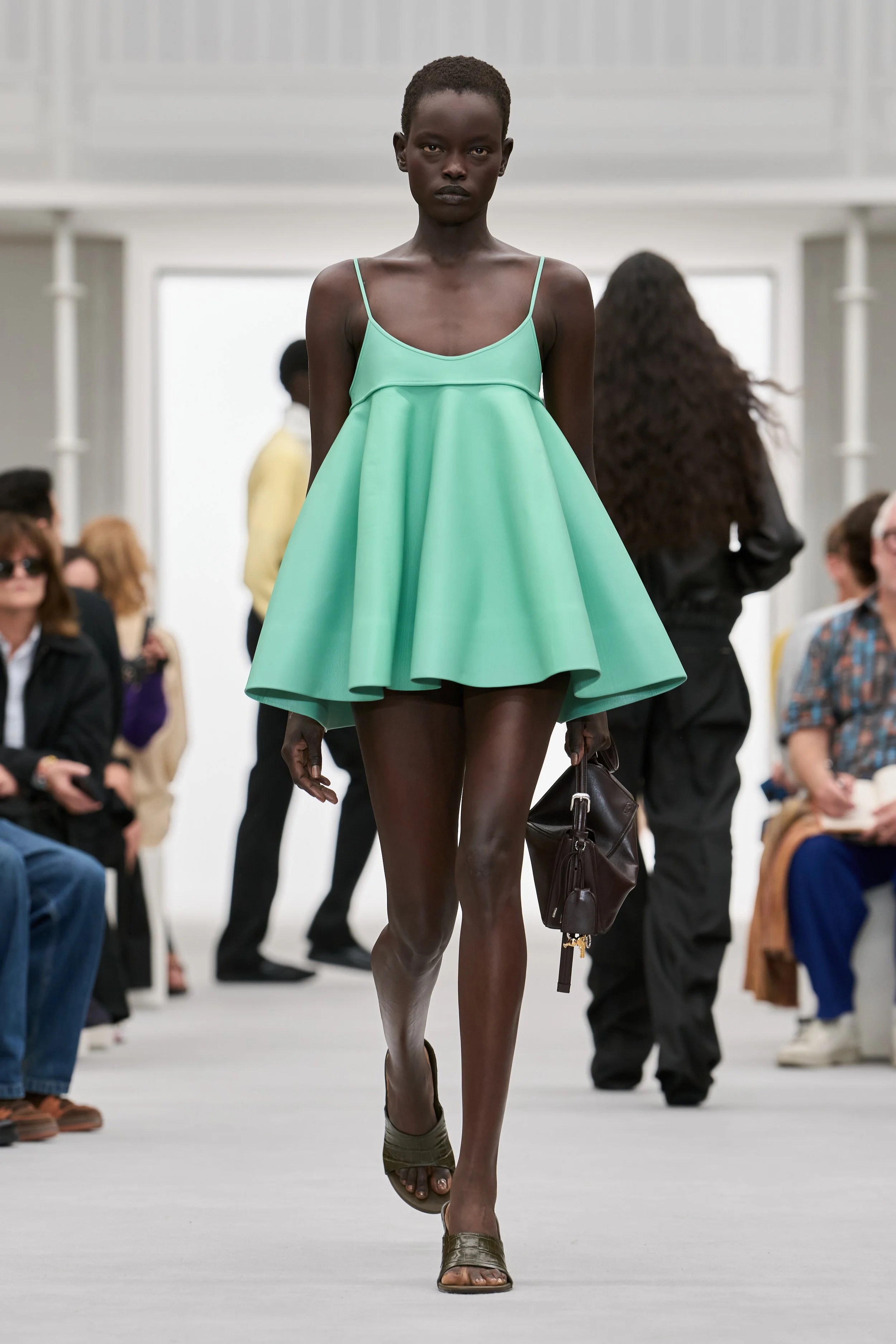
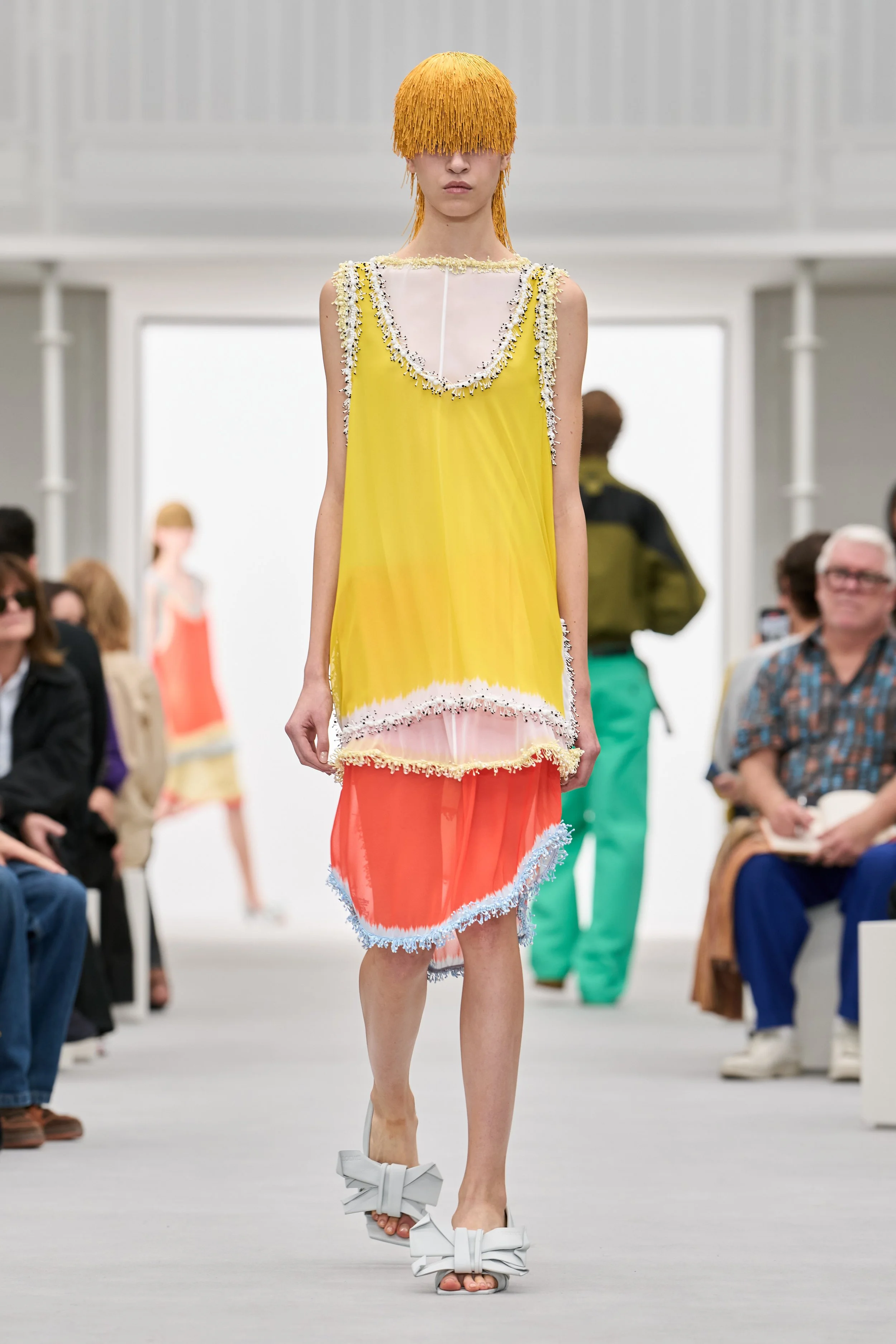
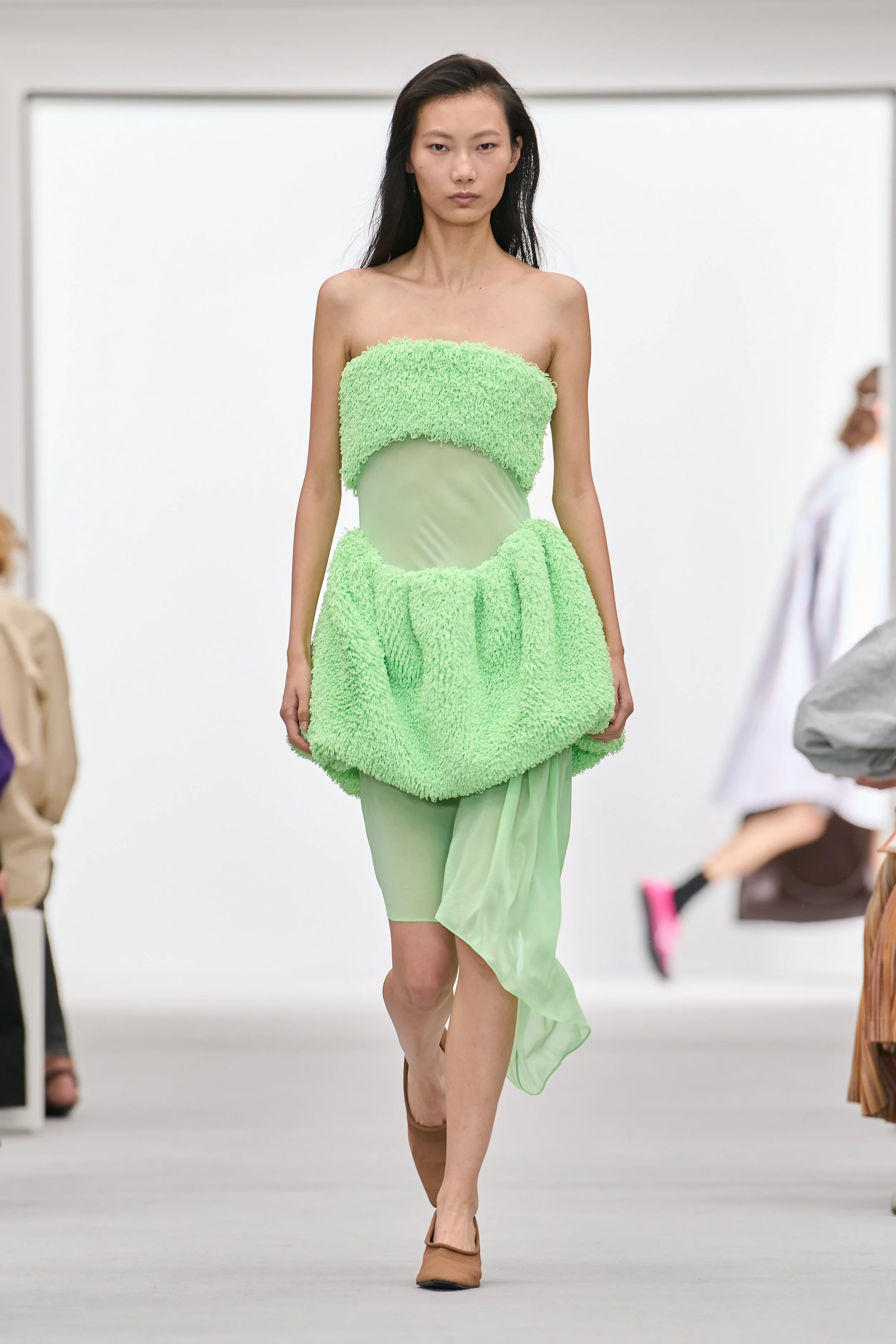
Loewe’s historical mastery over leather shows in striped jackets, shirt dresses, lightweight leather pieces, and abbreviated trapeze dresses in moulded nappa. A suede blazer references the first garment made by Loewe in 1960. The same thing happens with the more elaborate pieces. A basketball jersey becomes a chiffon slip dress, finished with beaded fringe. Glass beads turn into summer dresses and skirts. Three-dimensional floral embroidery appears on a tangerine shift and around a jade-green short. There are satin scarves flaring out from traditional Spanish taleguilla trousers, waistlines that open into Baroque-like shapes, and colour blocking that moves between very American combinations and Loewe's more faded, patinated Spanish palette.
The house's codified oddity, courtesy of Anderson, also means that the duo can project that contrast with a light, unpretentious angle. A resin collar can be strange without becoming a concept. A backward polo can be funny without becoming a joke. A leather shirt dress can demonstrate an absurd amount of technical ability while still being desirable. The new Loewe doesn’t make weird clothes; it makes the weirdness wearable.
Words by Pedro Vasconcelos