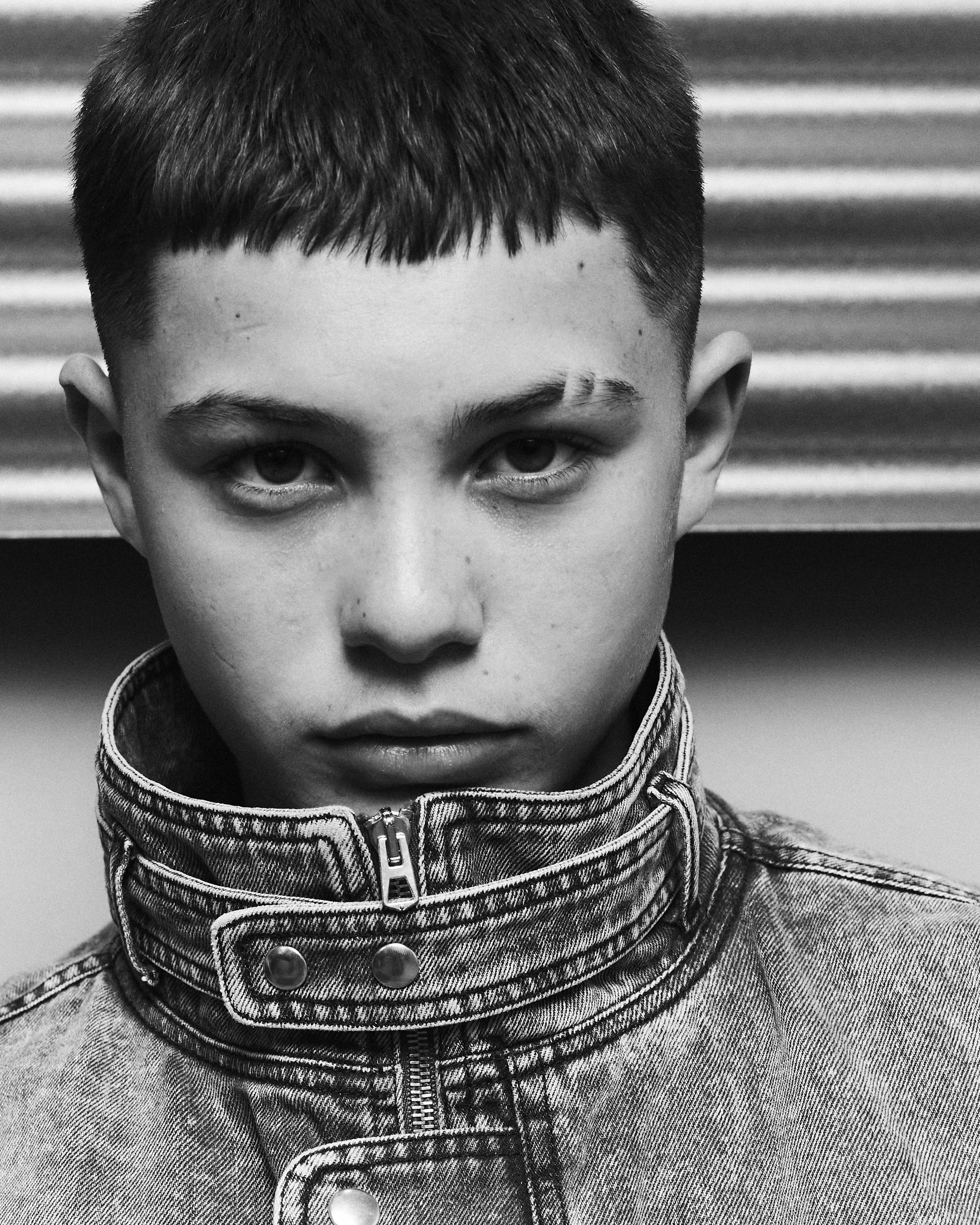
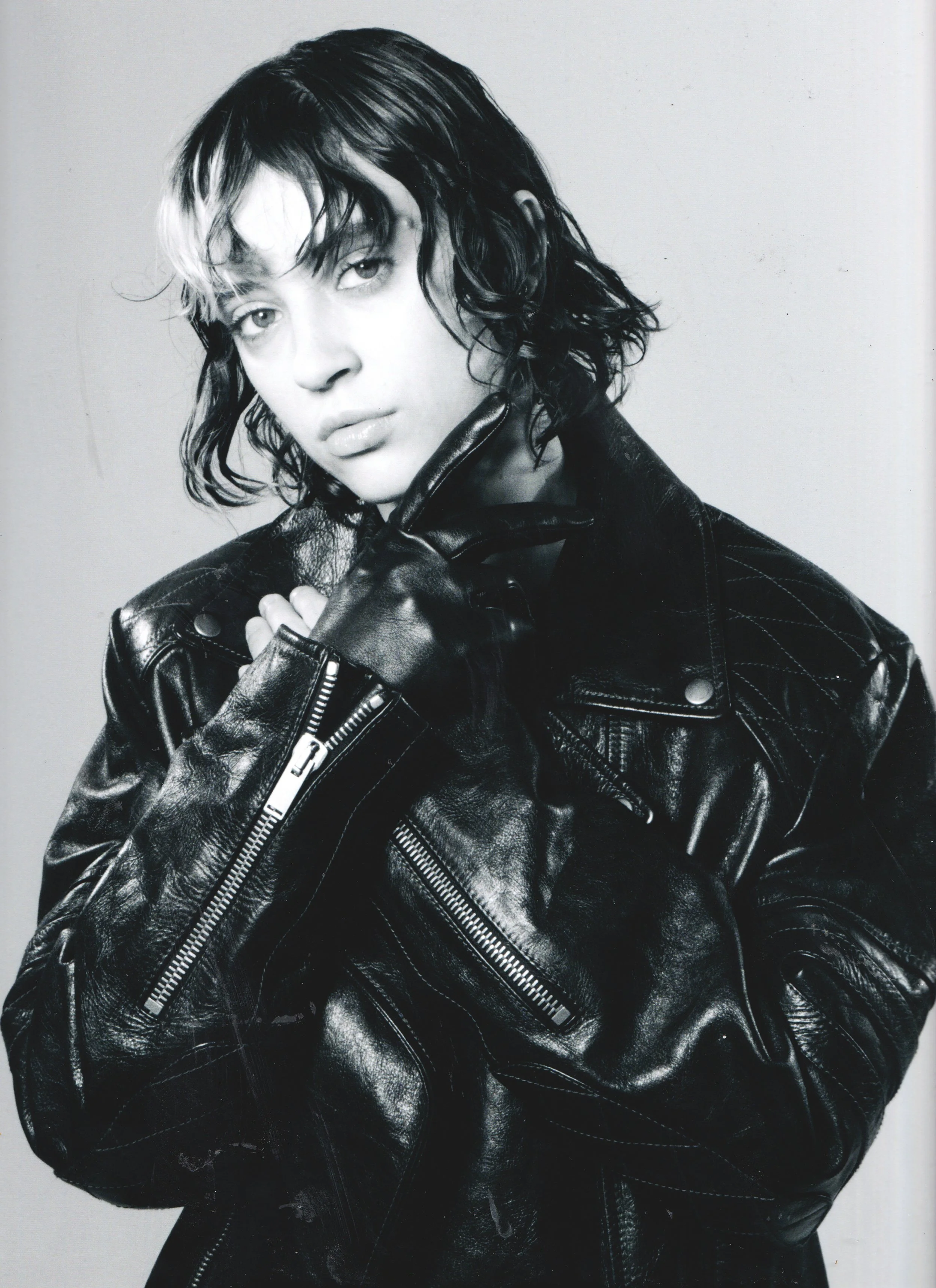
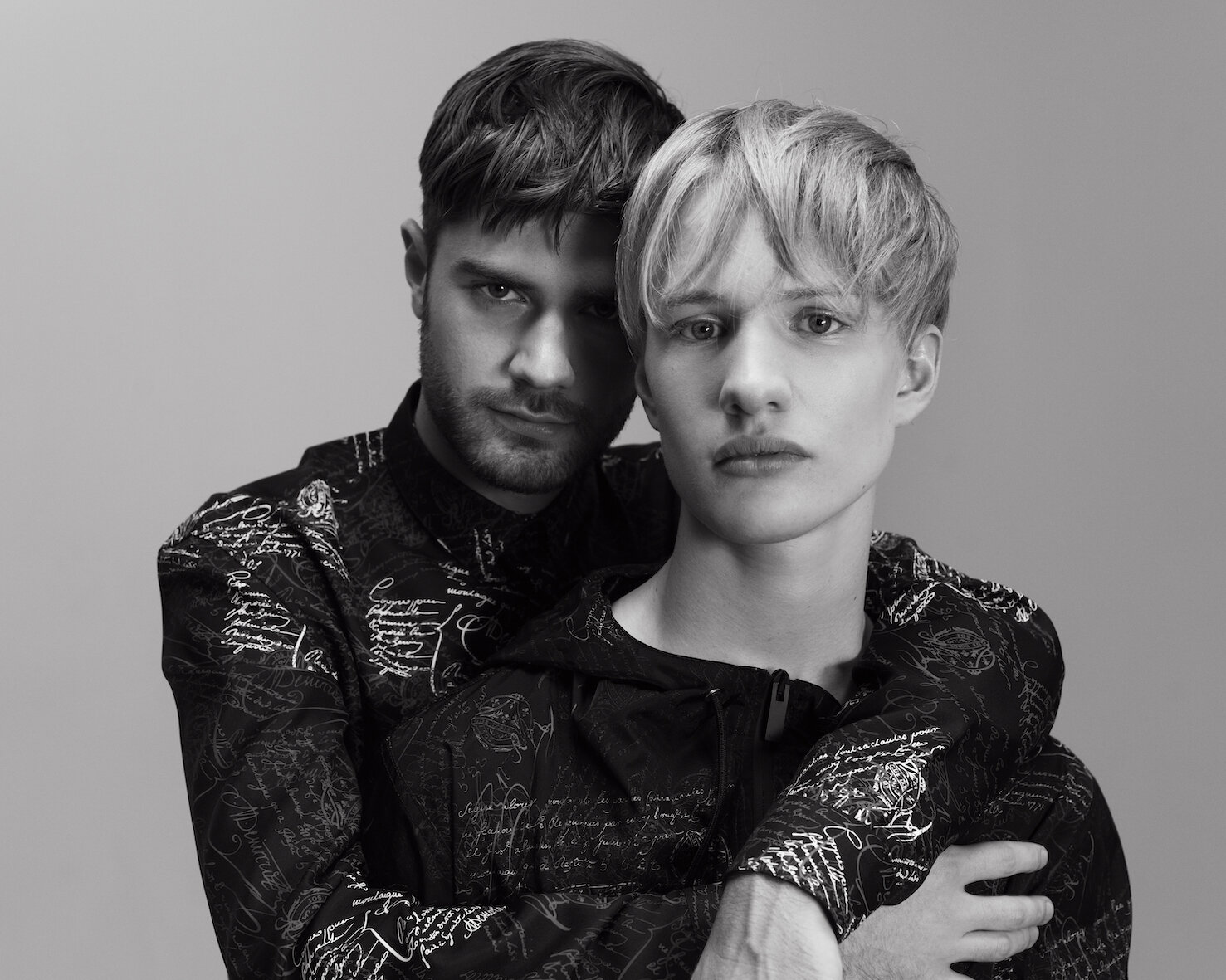
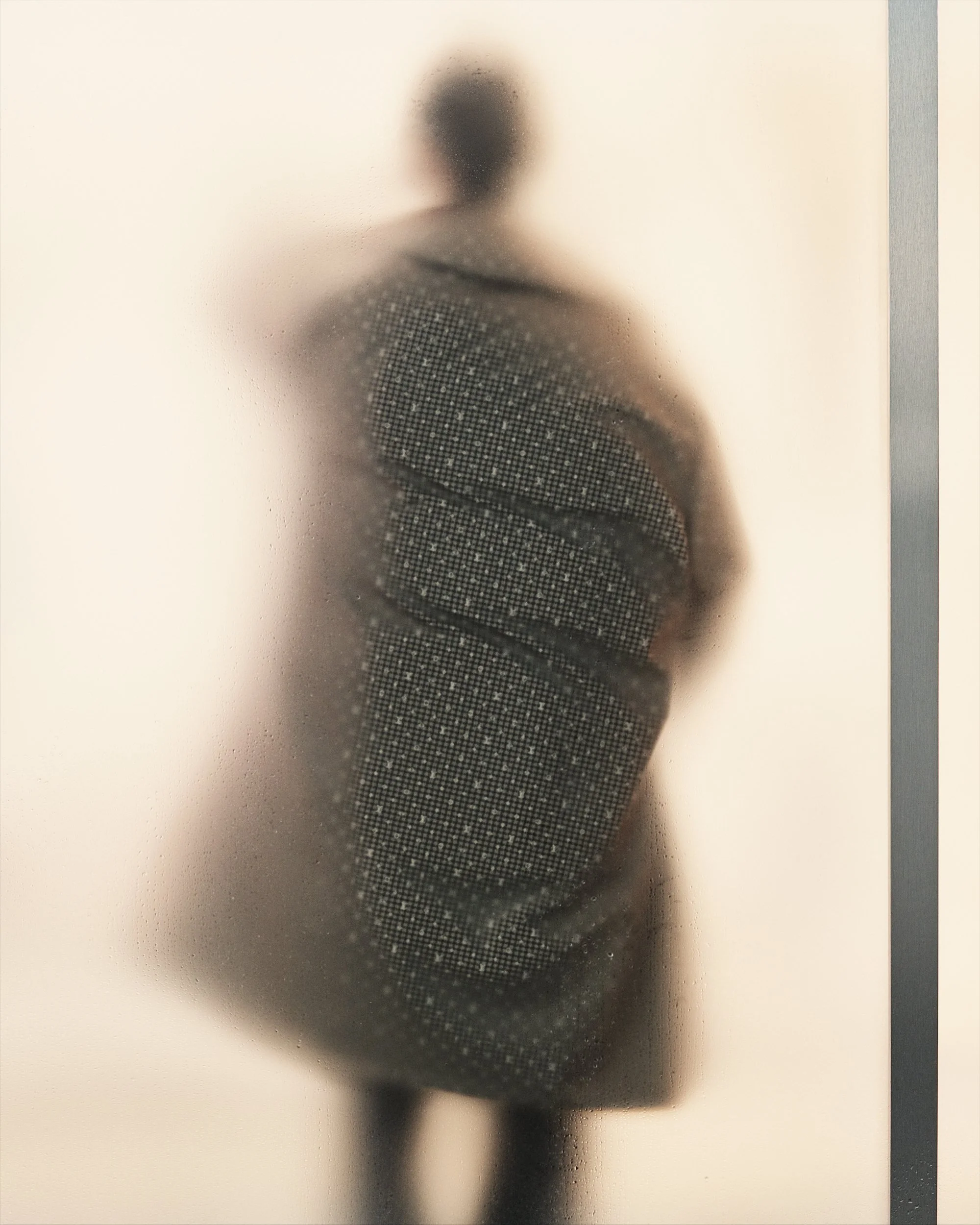
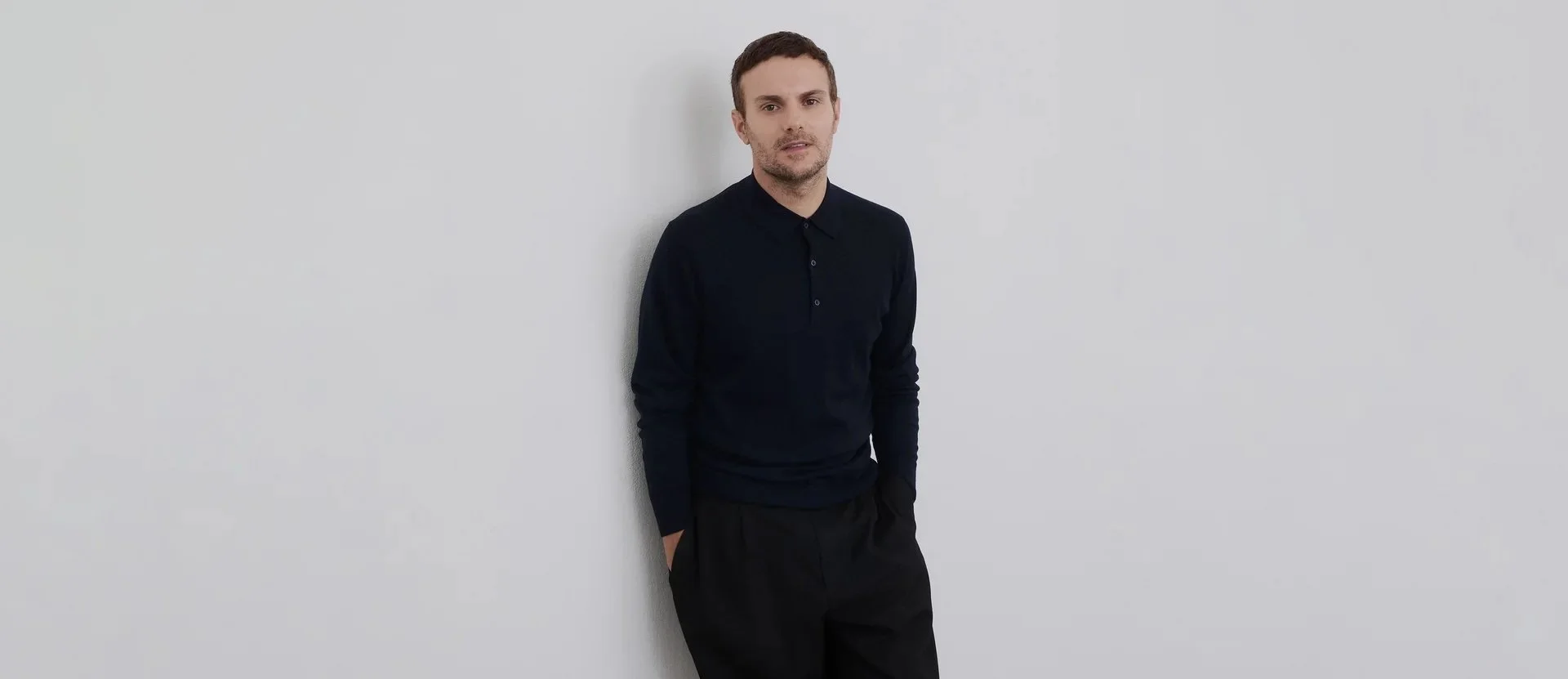
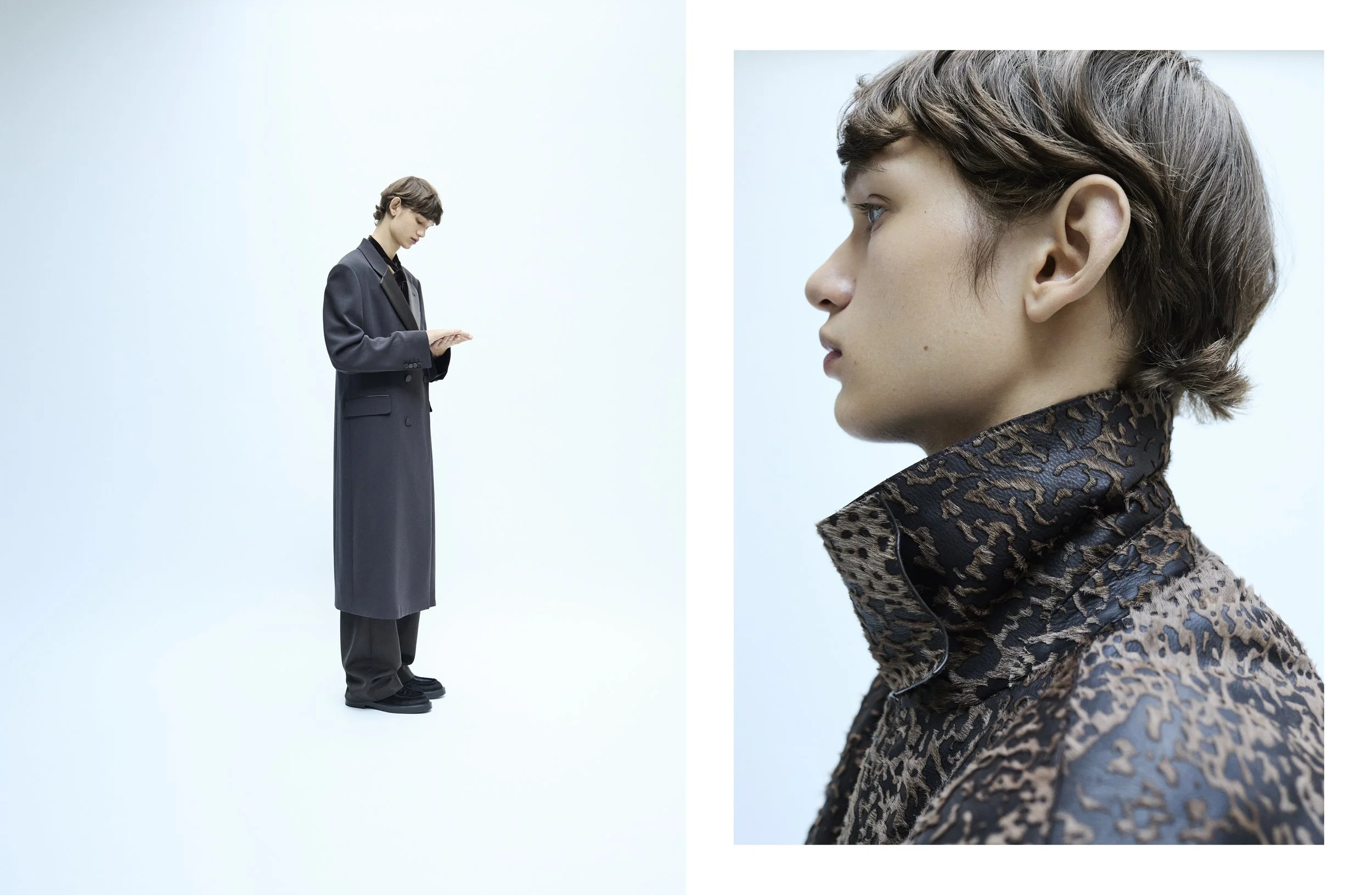
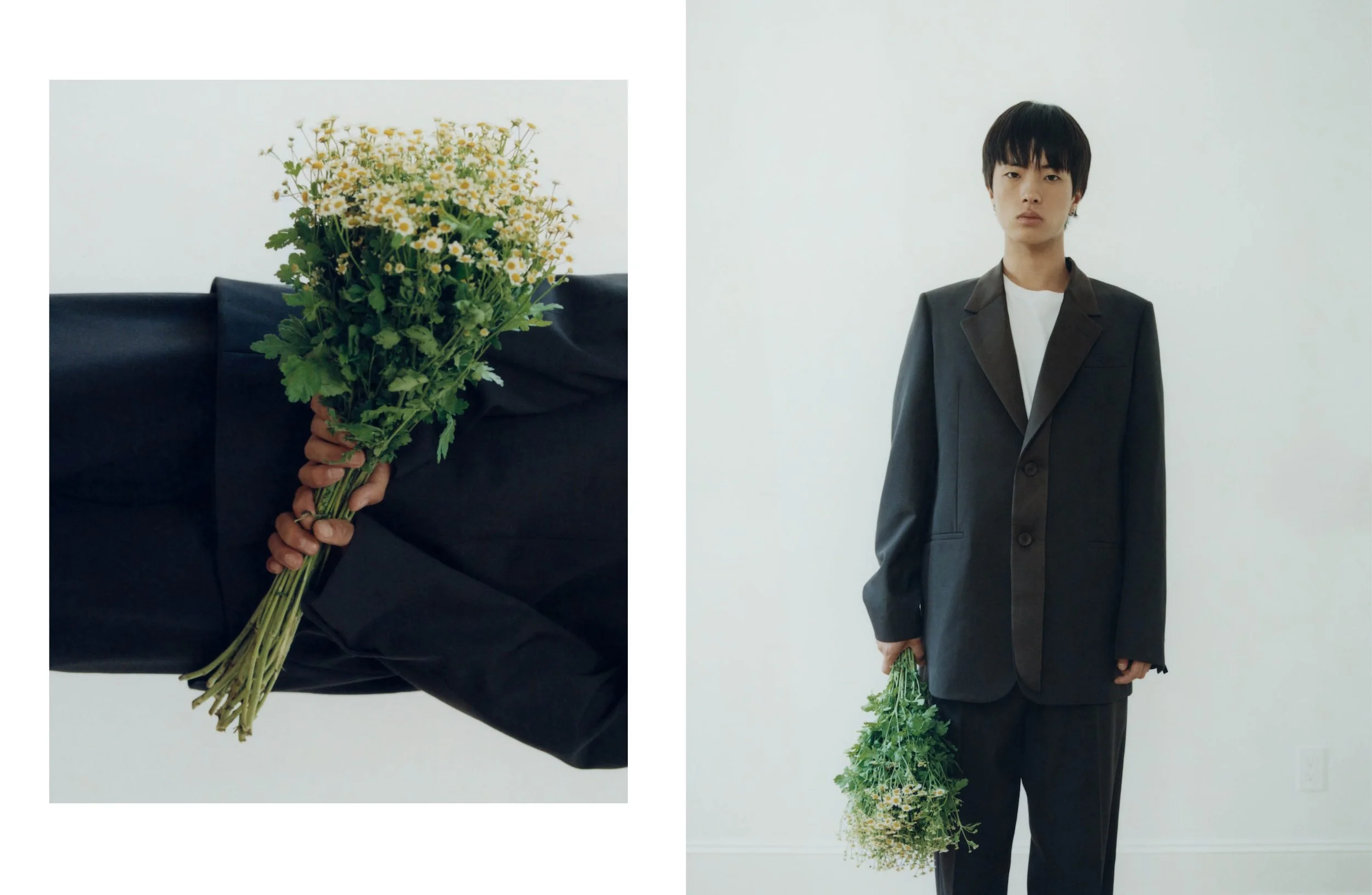
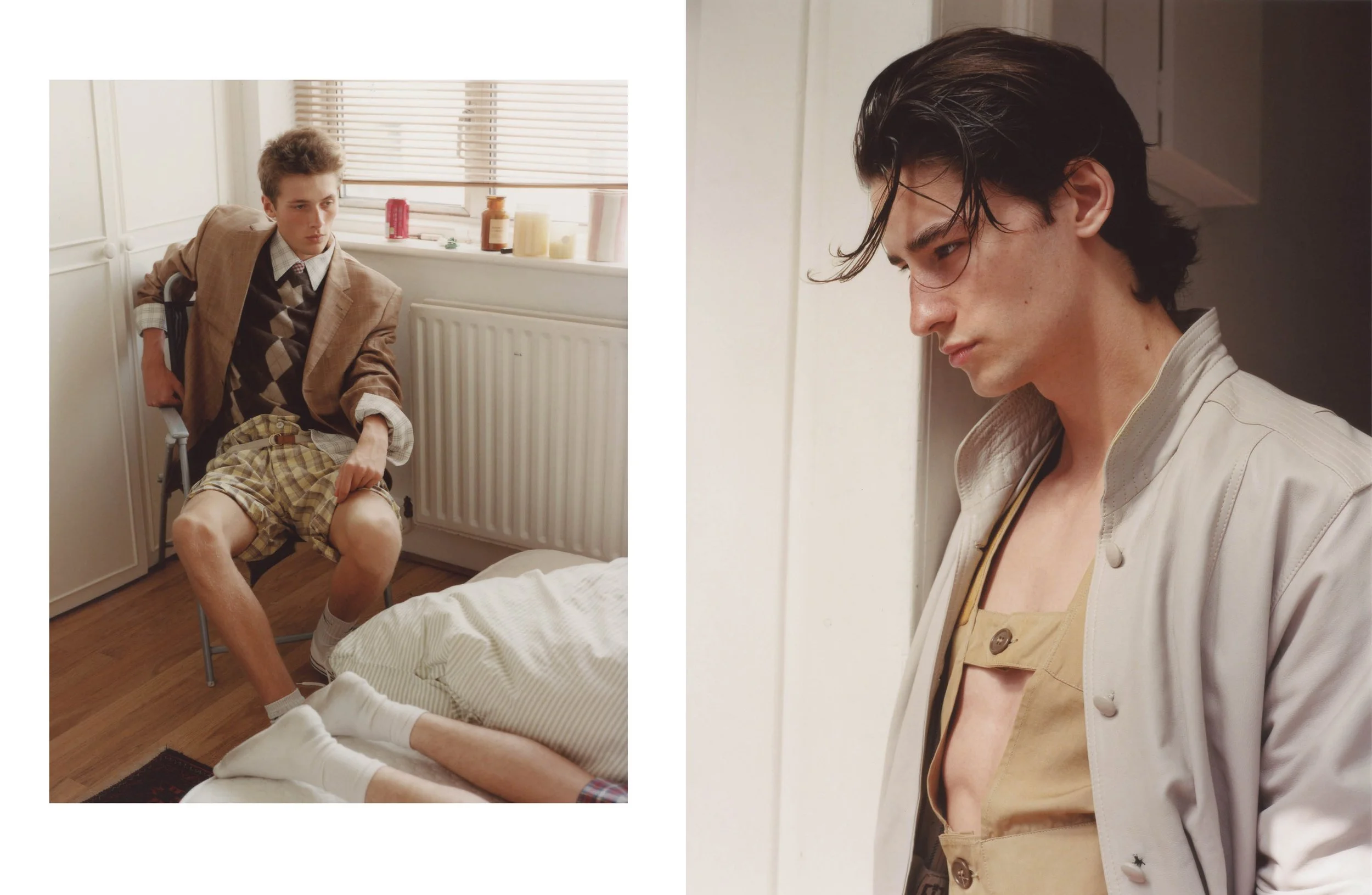
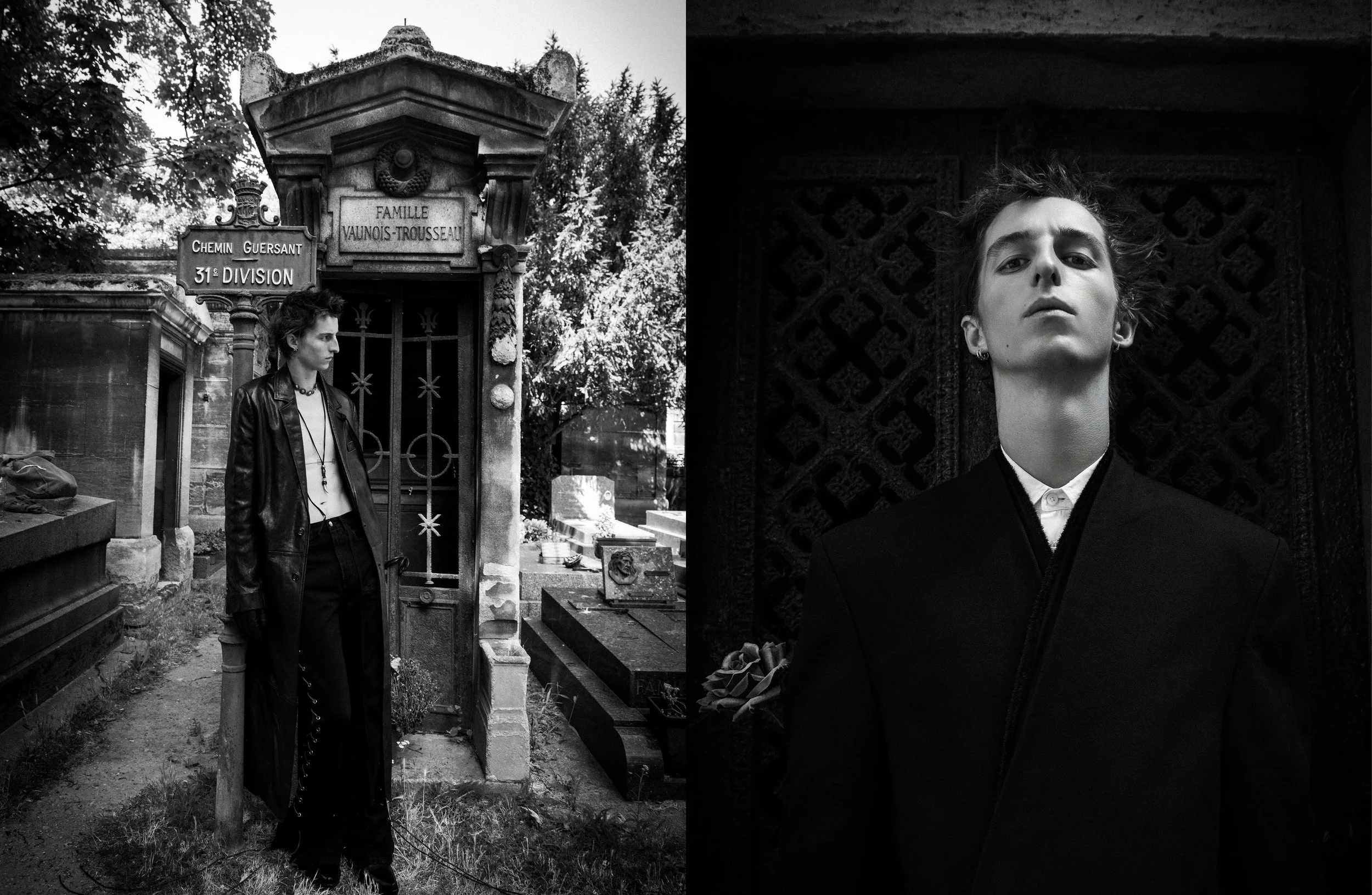
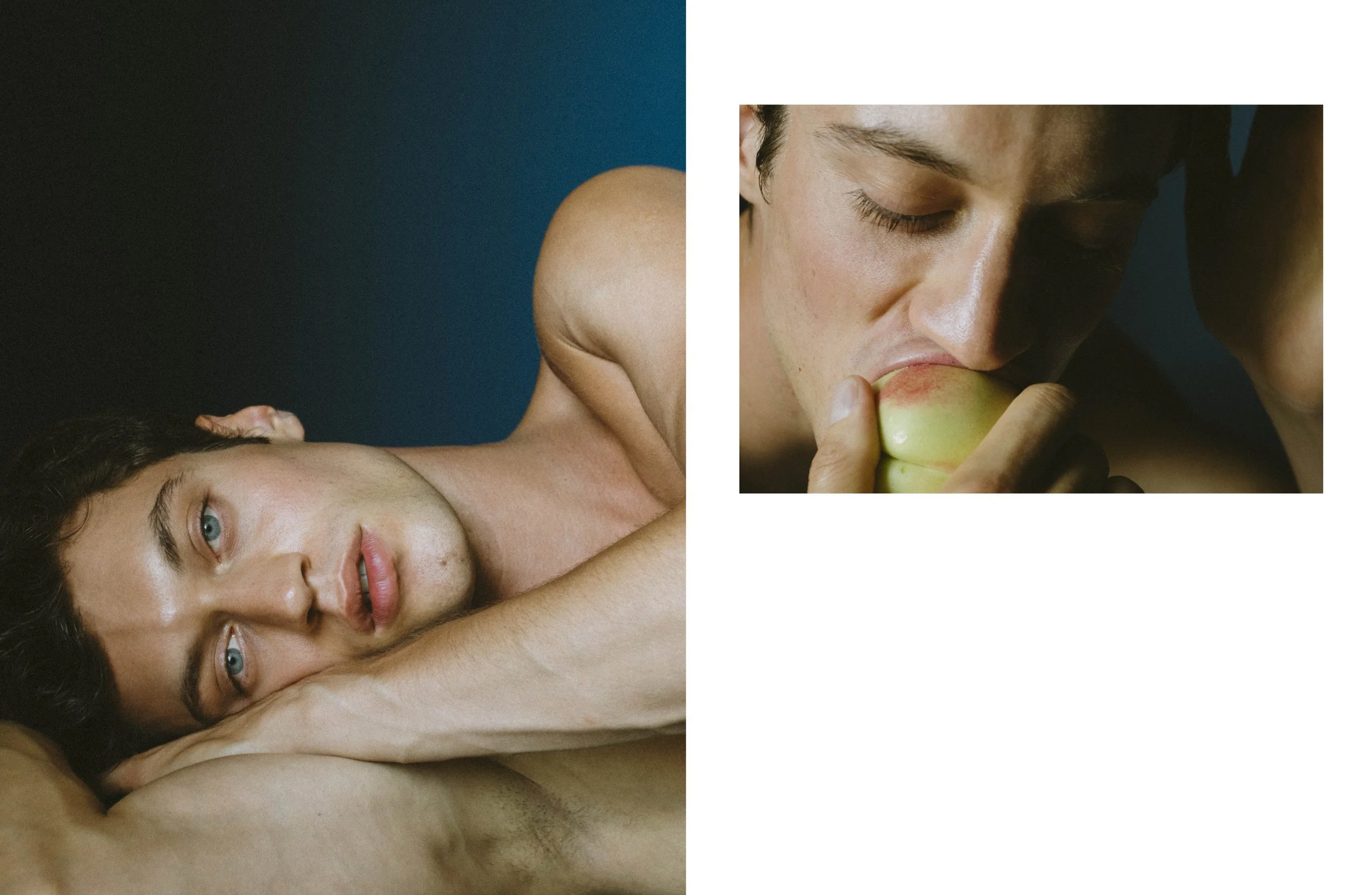
THE LINE BETWEEN ART AND SPORT IS HARD TO TRACE. BOTH DEMAND REPETITION, DISCIPLINE, AND AN ALMOST OBSESSIVE COMMITMENT TO GETTING BETTER. WHEN IT COMES TO FIGURE SKATING, THE DIFFERENCE CAN BE HARD TO PERCEIVE AT ALL. THAT IS, AT LEAST, HOW OLYMPIC MEDALLIST PAUL POIRIER EXPLAINS IT TO US. AFTER AN OLYMPIC SEASON MARKED BY TRIUMPH – ALONGSIDE HIS PARTNER, THE CANADIAN FIGURE SKATER TOOK HOME THE BRONZE – POIRIER IS ENJOYING THE CALM. FOR AN ATHLETE WHO HAS SPENT MUCH OF HIS LIFE ON THE ICE, HOWEVER, REST DOESN´T MEAN STEPPING AWAY FROM THE CRAFT. IT IS A CHANCE TO PREPARE FOR WHATEVER COMES NEXT. FOR POIRIER, THAT’S NEVER JUST MEANT COMPETITION. AS HE DESCRIBES IT, “SKATING IS FIRST AND FOREMOST A CREATIVE ENDEAVOUR.”
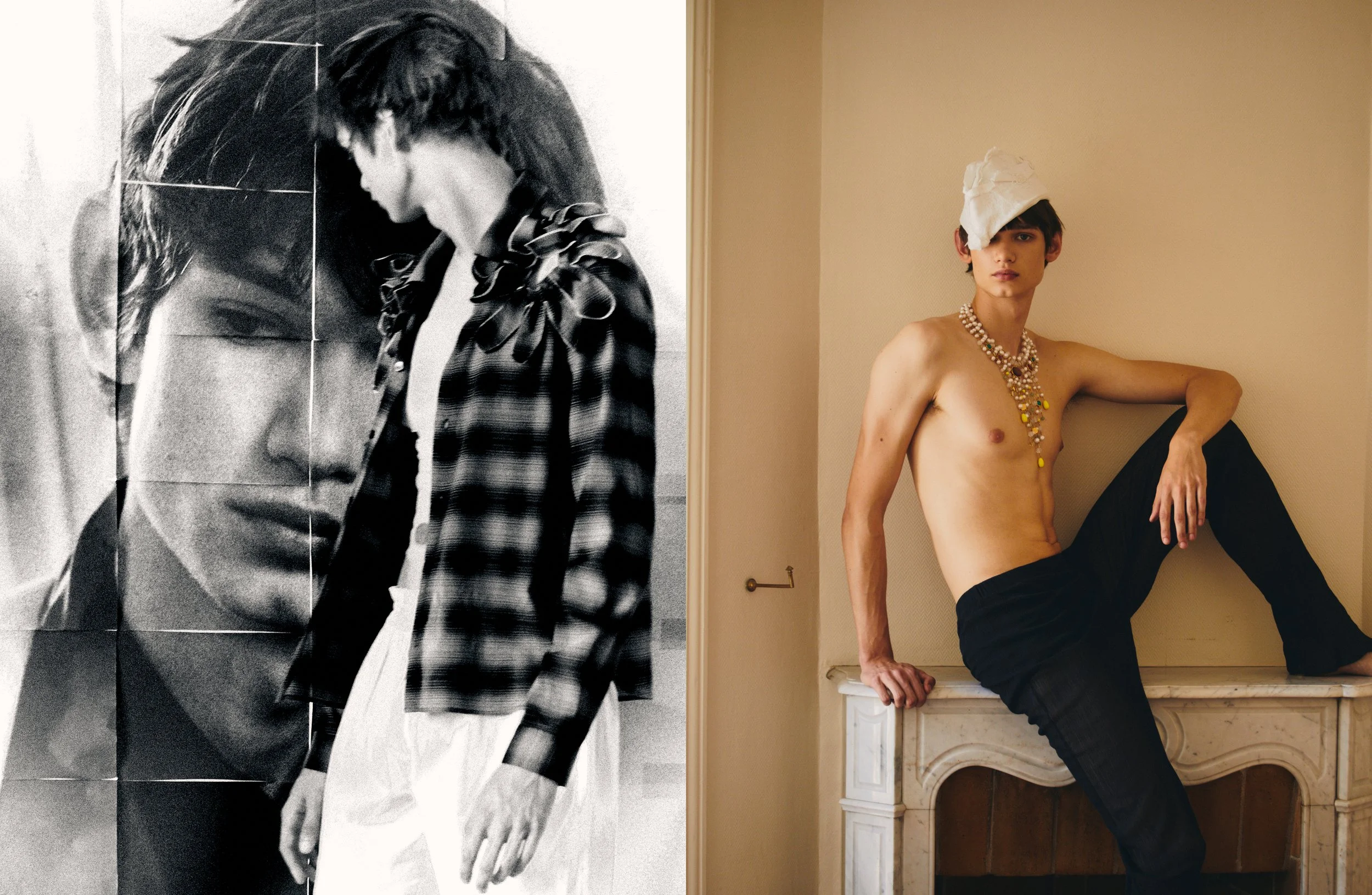
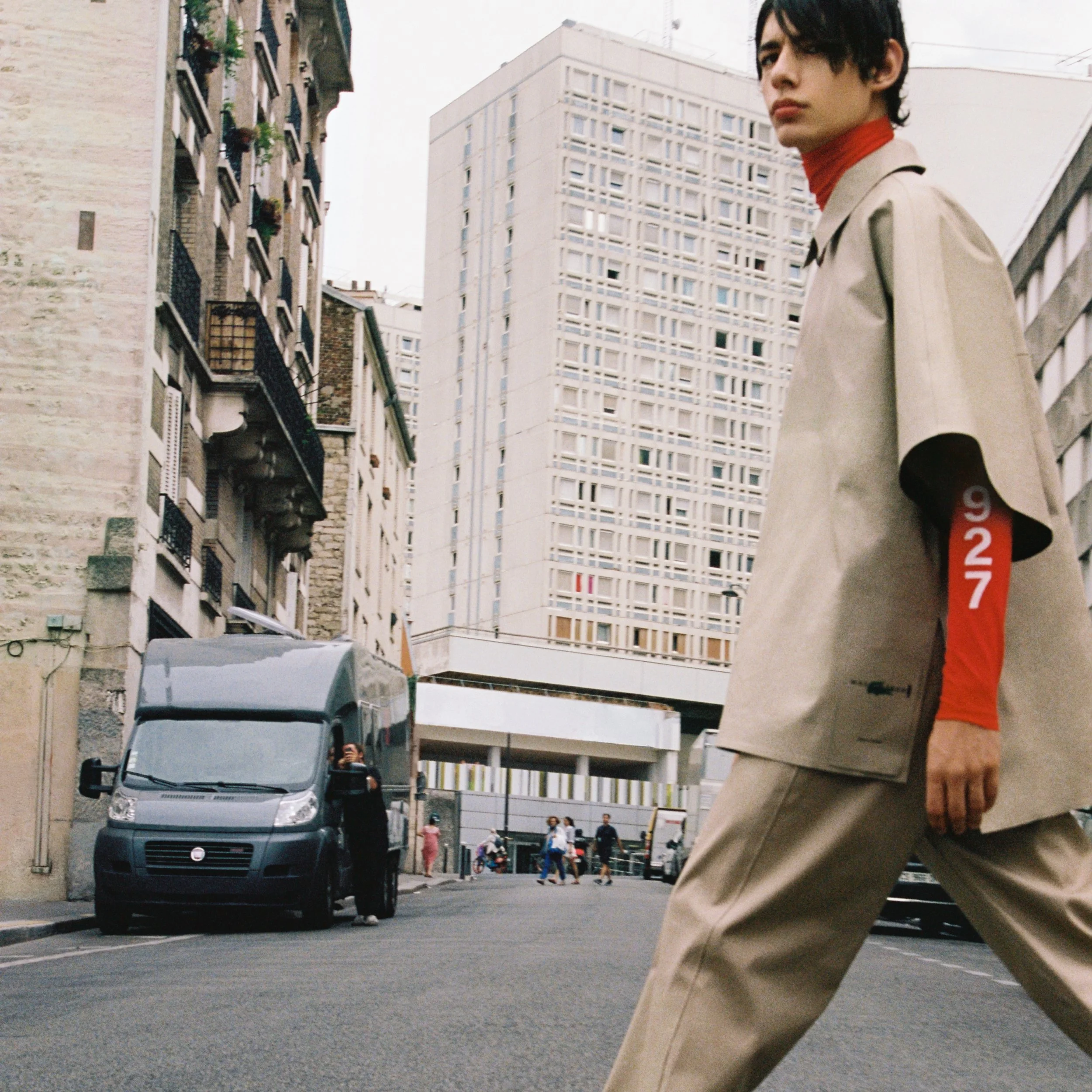
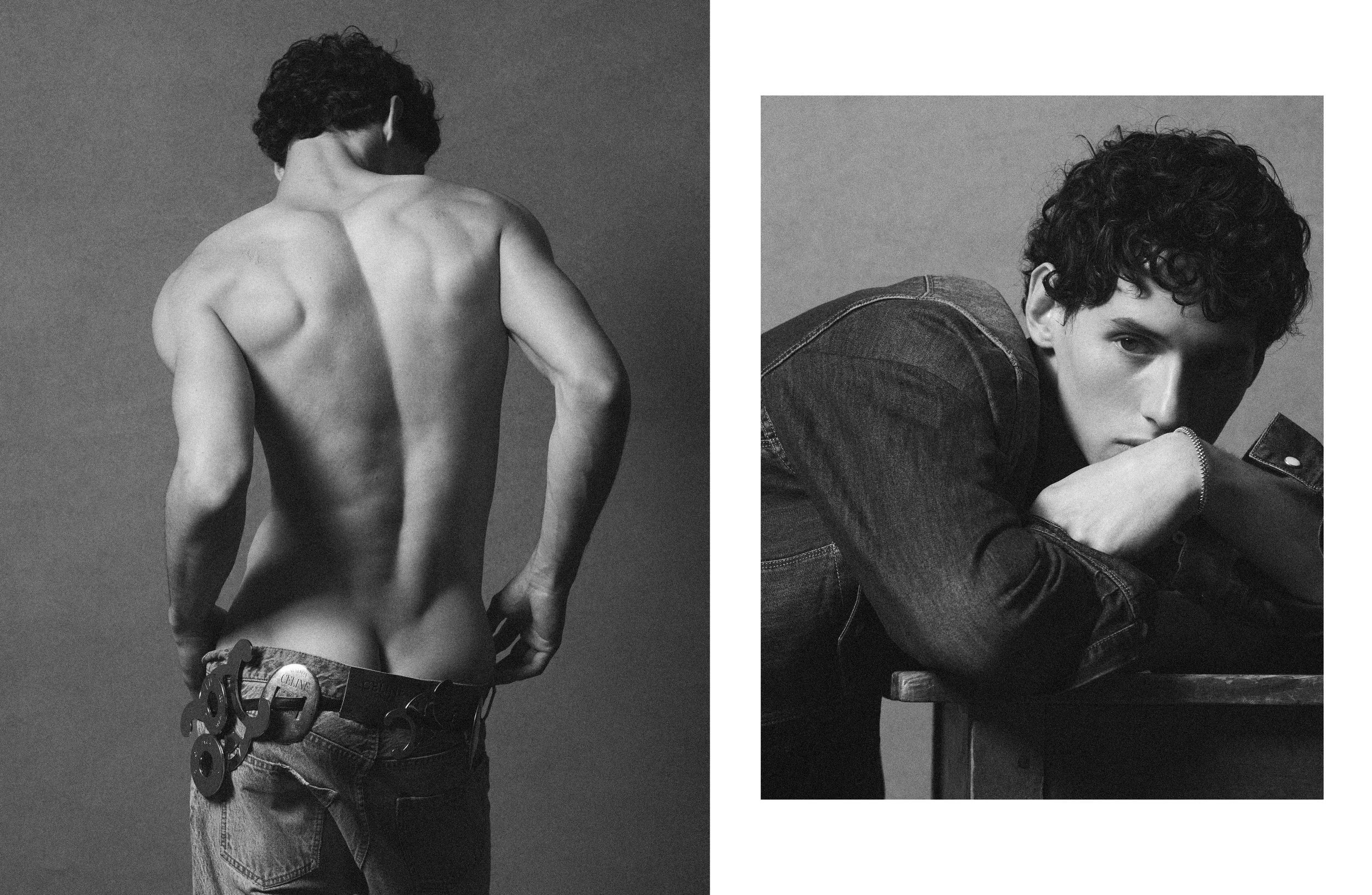
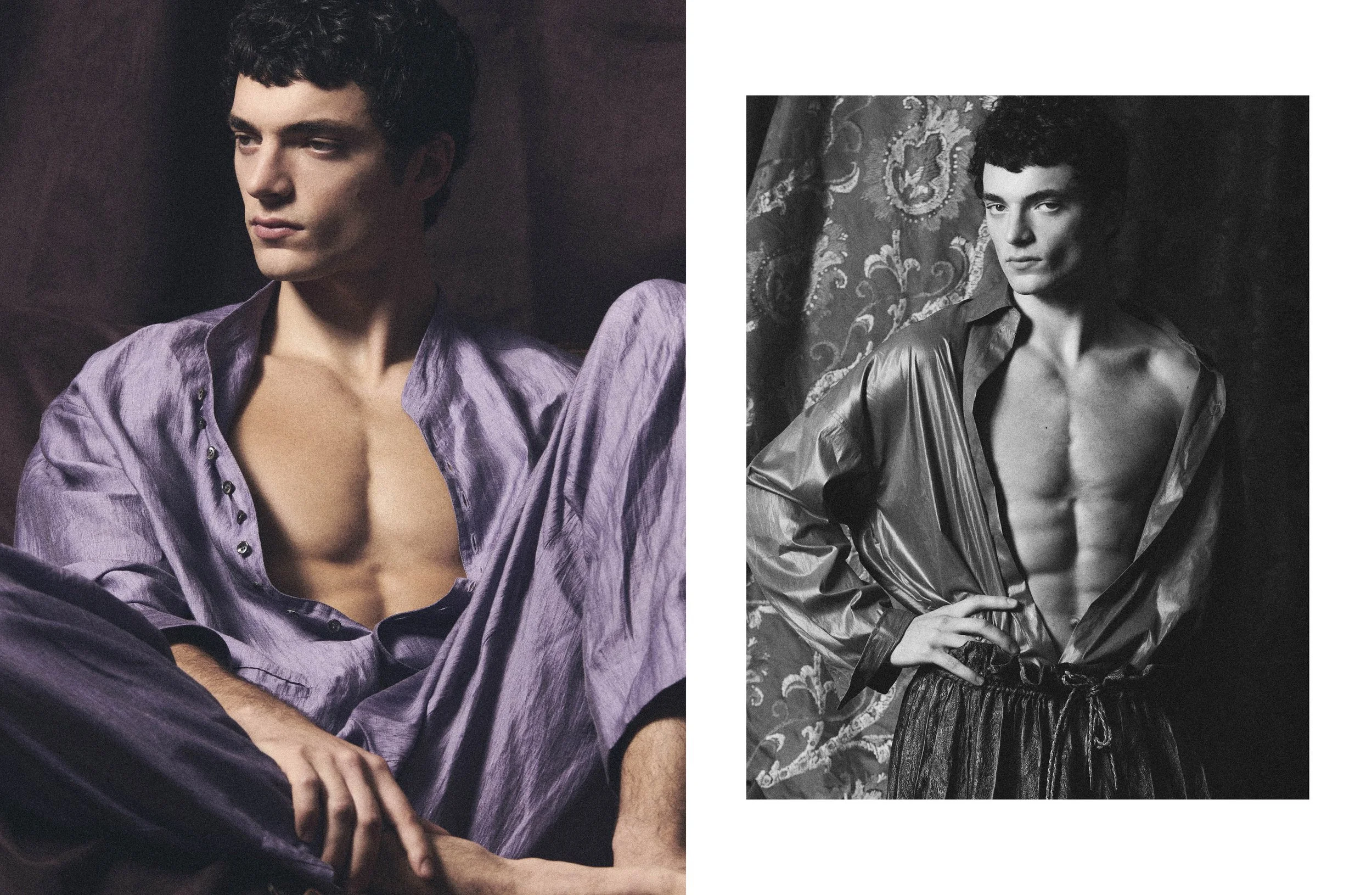
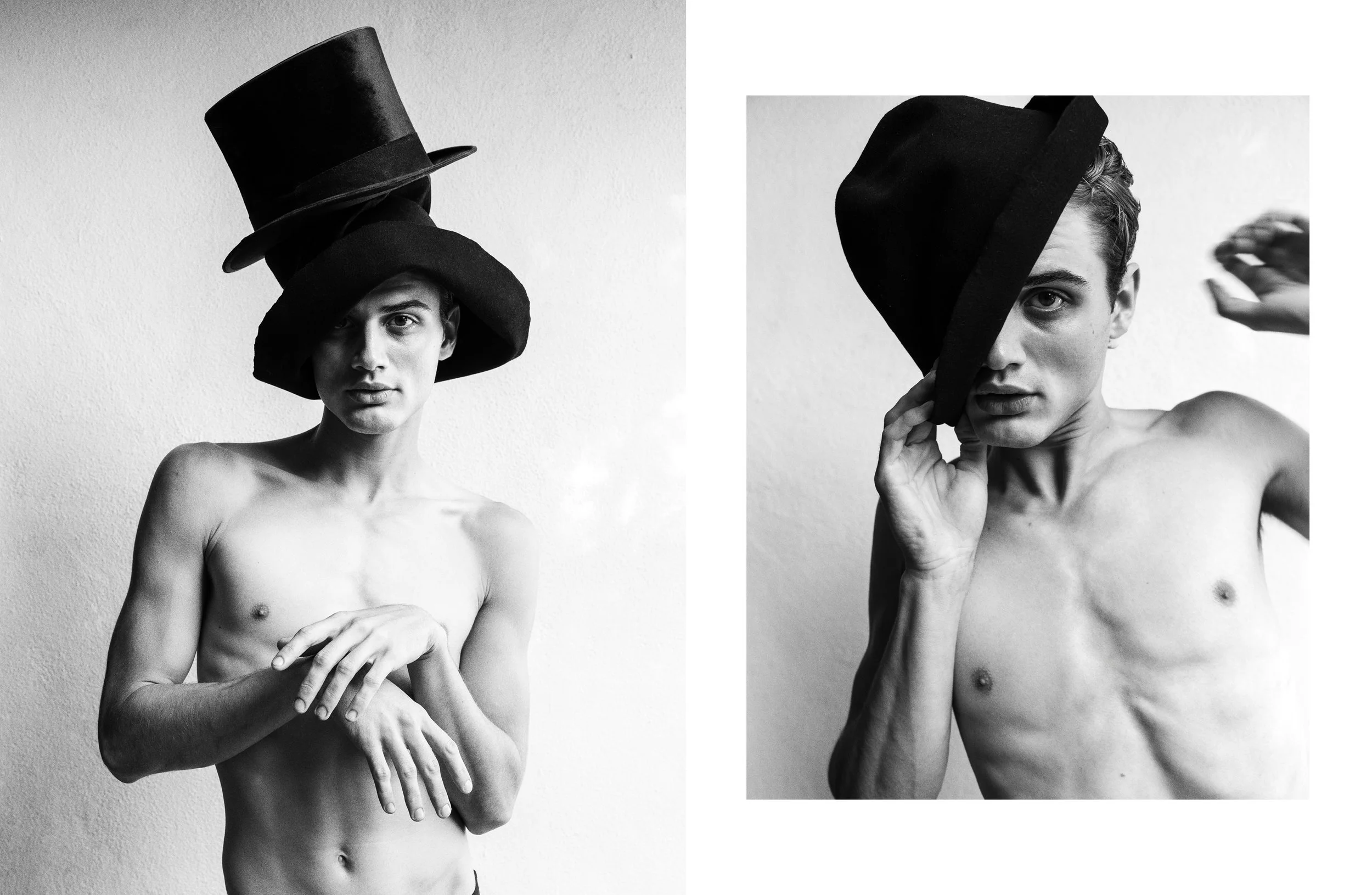
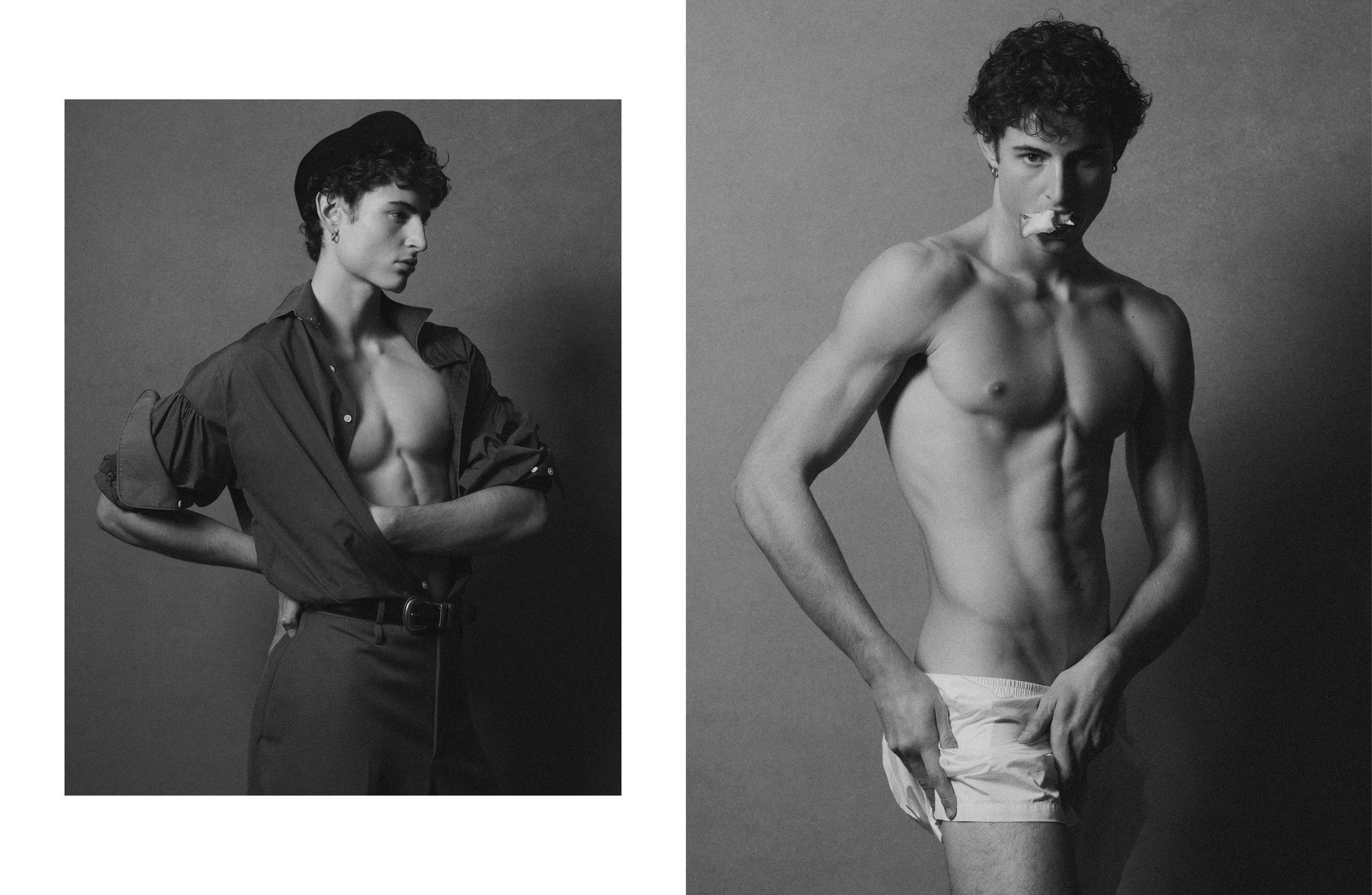
Left Shirt Louis Vuitton, vintage pants and belt
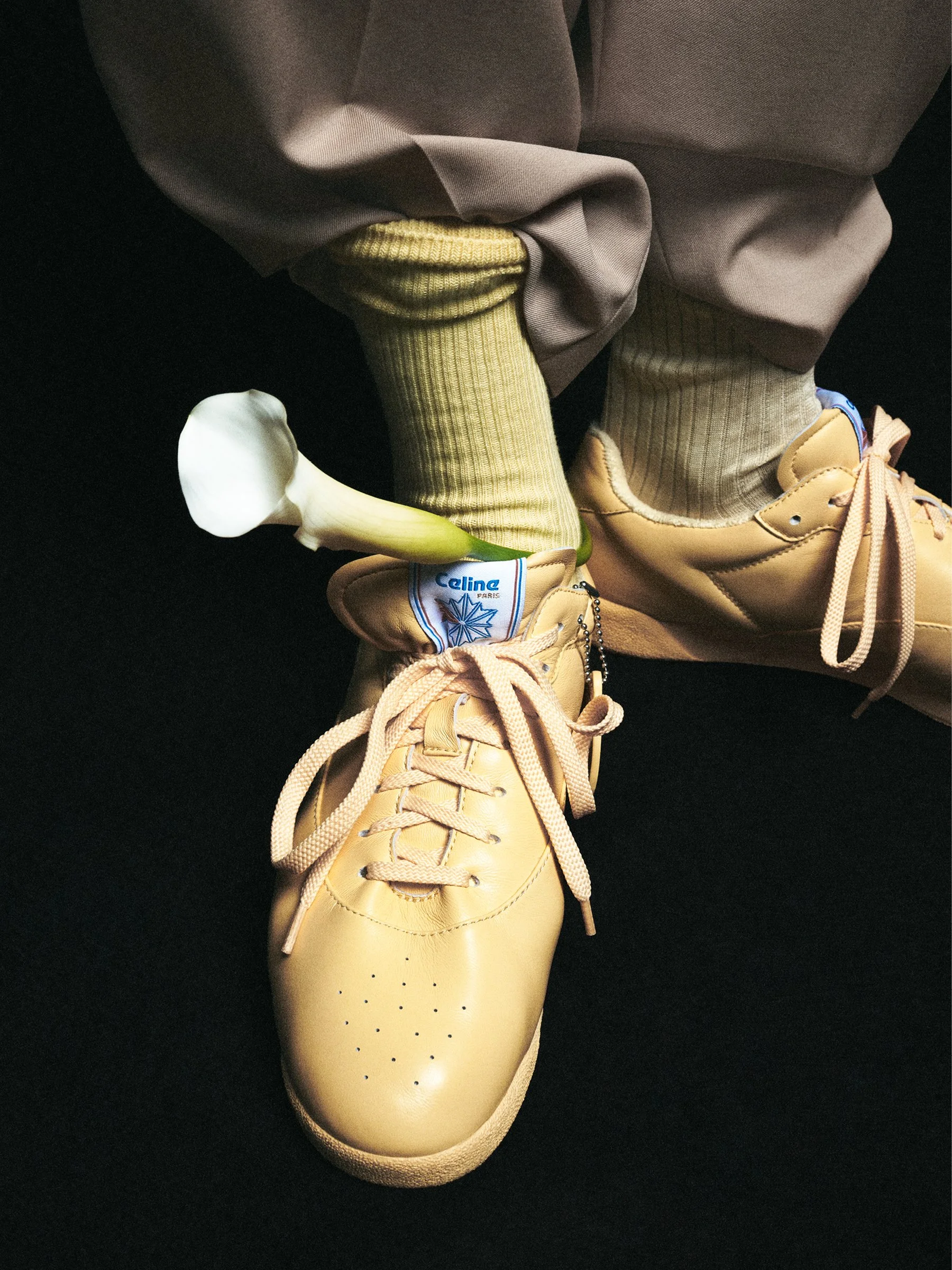
Right Pants Issey Miyake, belt Isabel Marant
Hi! Where are you right now?
I'm at the skating rink. I just finished practice.
How often do you train?
Right now, it's been kind of quiet. When we're in season and getting ready for competition, it's five days a week, and I'm training like six hours a day. Right now, I've been skating about three to four days a week. We just have a show that we're getting ready for, but we're taking a very light summer post-Olympics. I’m trying to rest my body a little bit and recover from a very intense year.
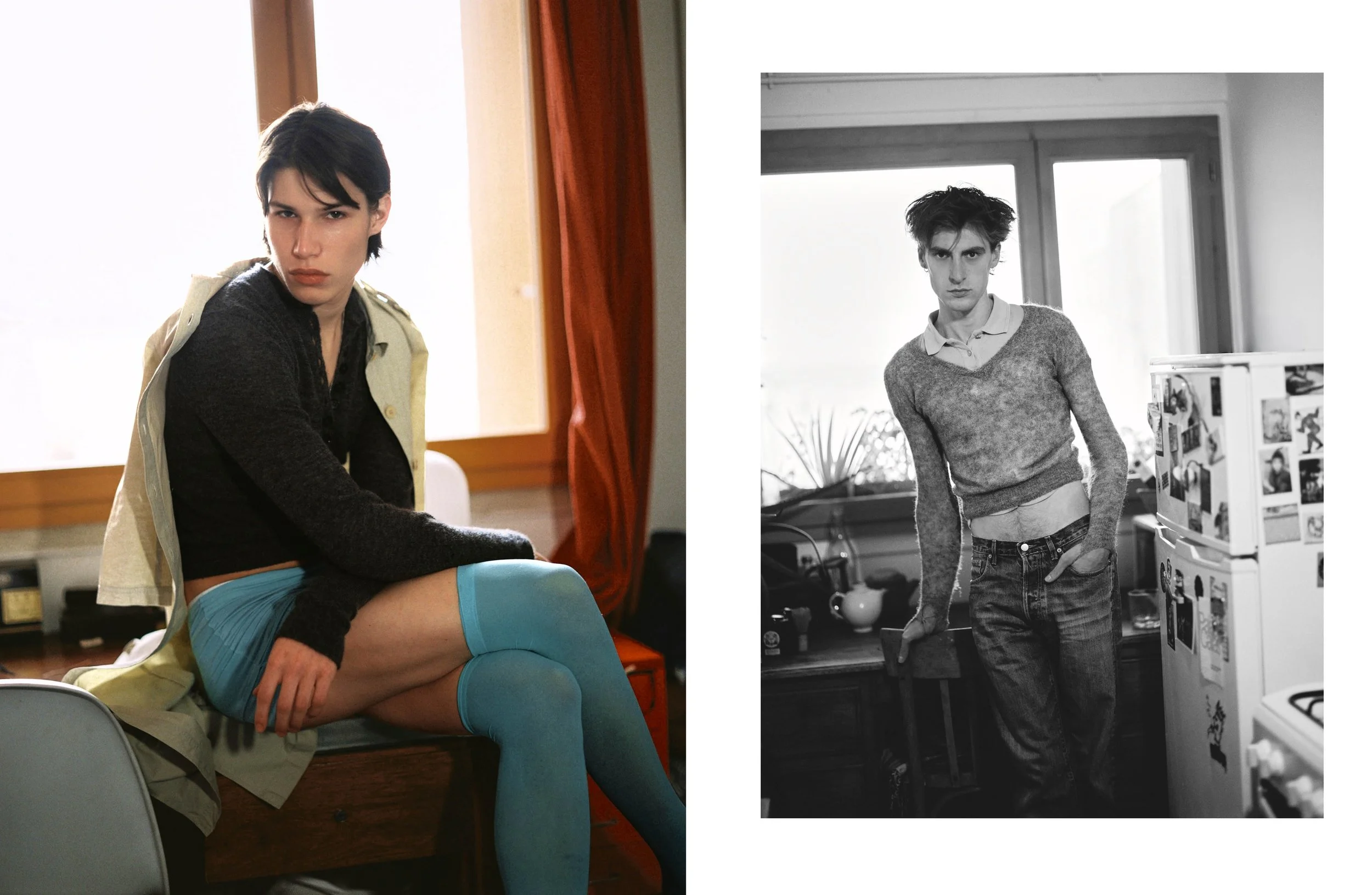
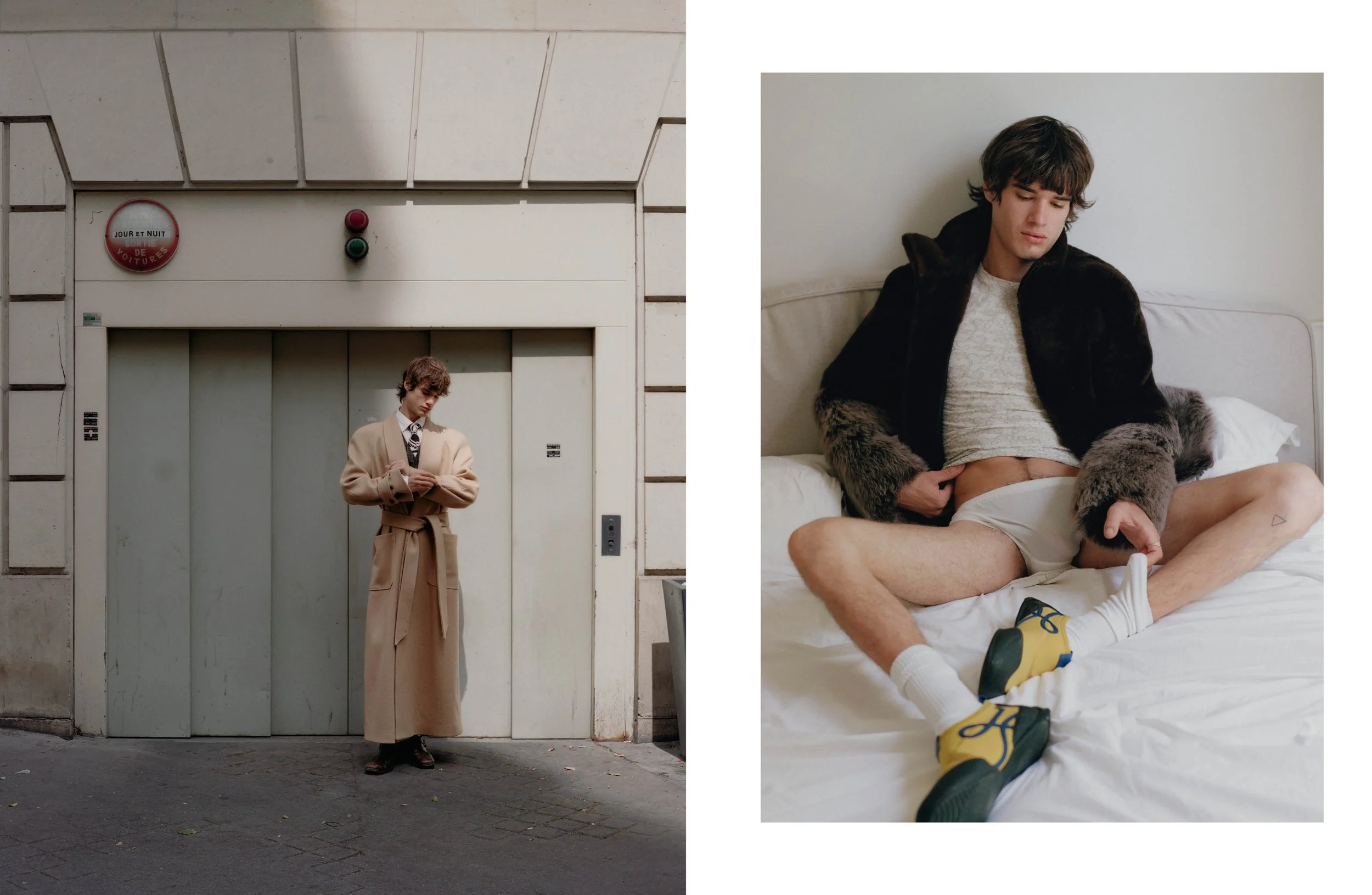
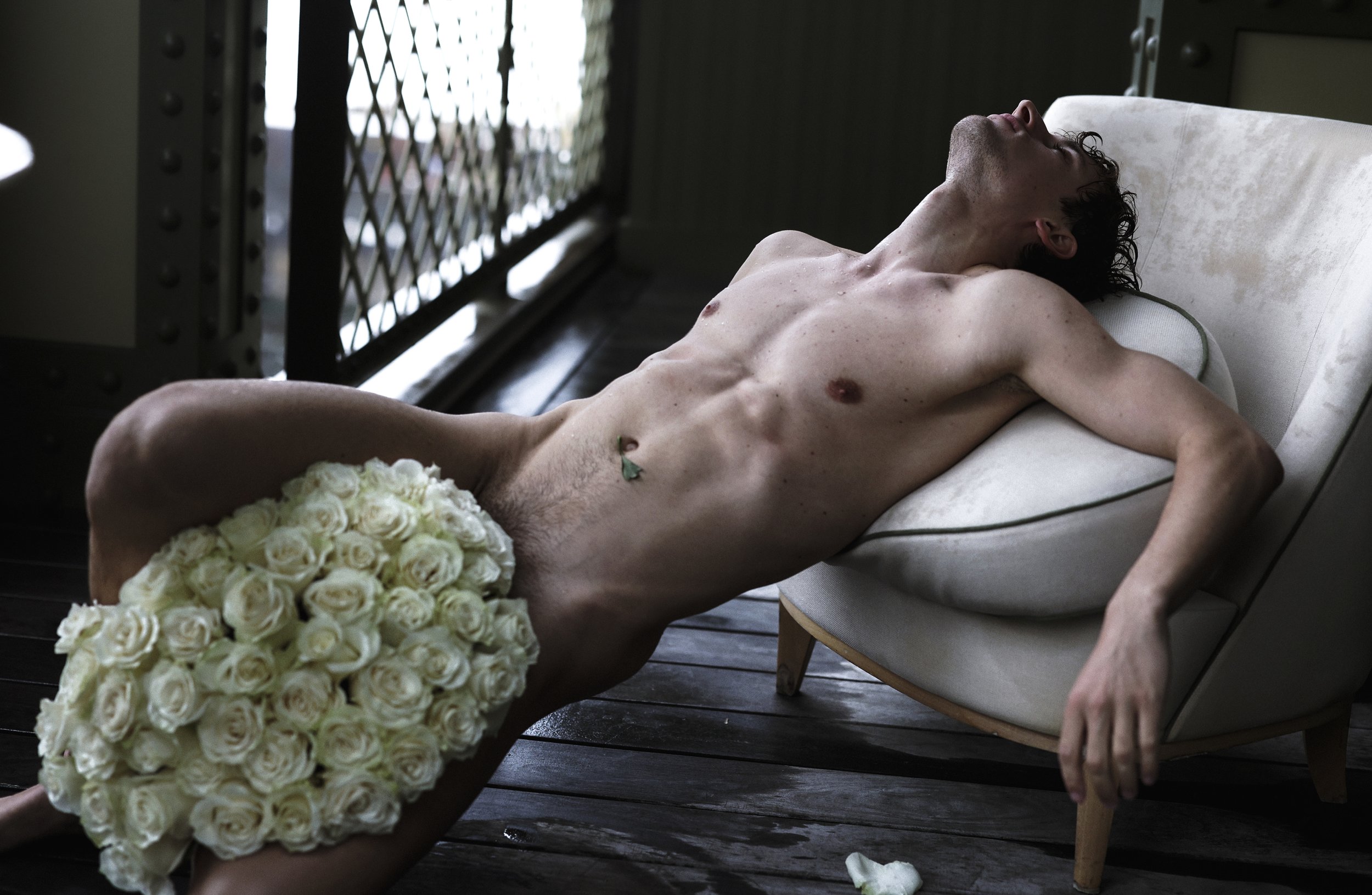
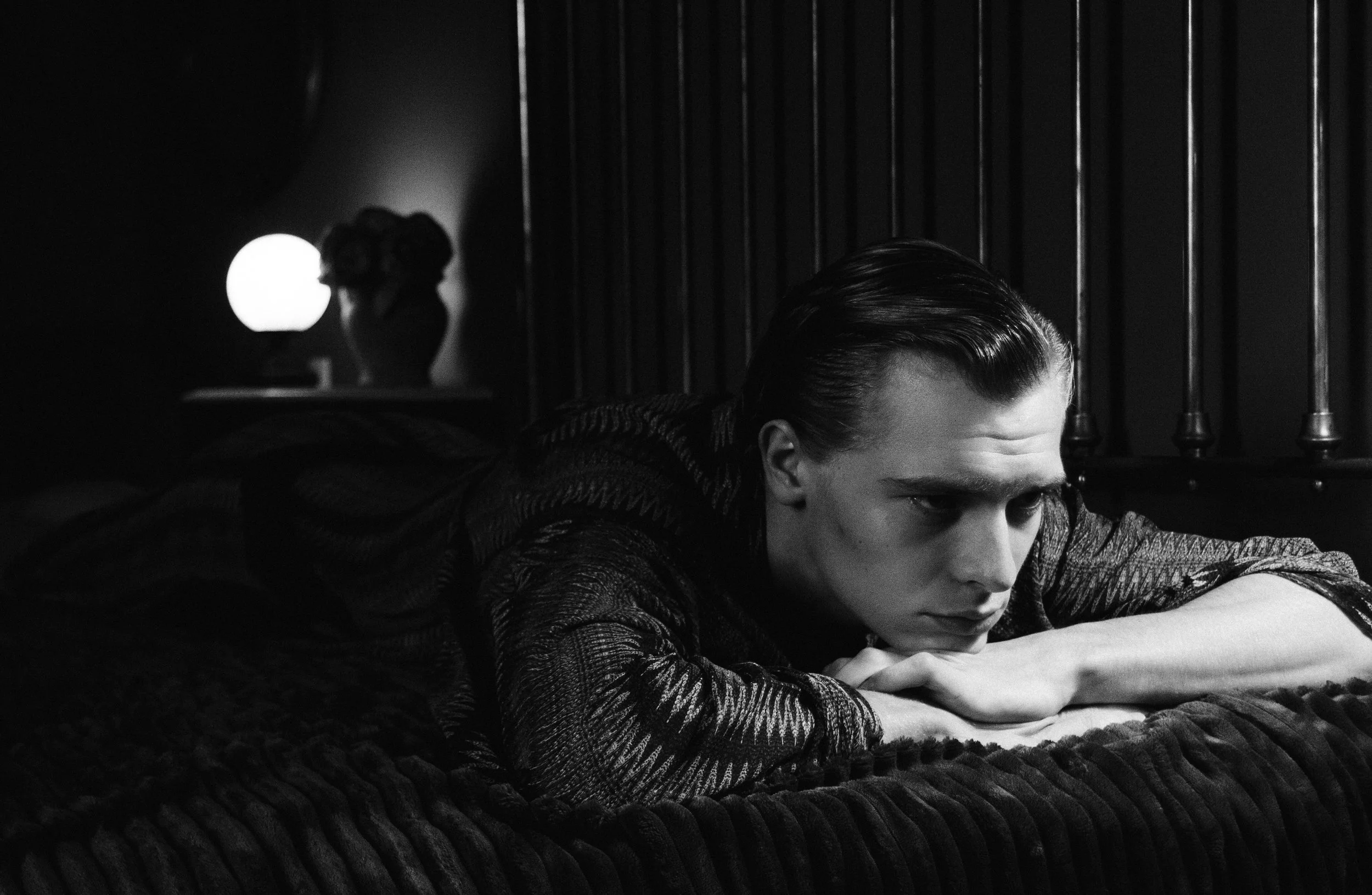
Left Top Miu Miu
Right Underwear Ludovic de Saint Sernin
I would imagine the Olympics have to be incredibly stressful. I can't even watch the Olympics because I get too stressed out for the people on the screen…
Honestly, I sometimes find watching harder than doing it yourself. When you're doing it, you're somewhat in control of what's happening. In our sport, there is ice, and you can't control what your competitors are doing, but ultimately you have control over what you put out there. There's something kind of comforting about that. The only times I feel super stressed when I'm performing are when I haven't prepared well. But when you're watching, you can't do anything. You are completely helpless.
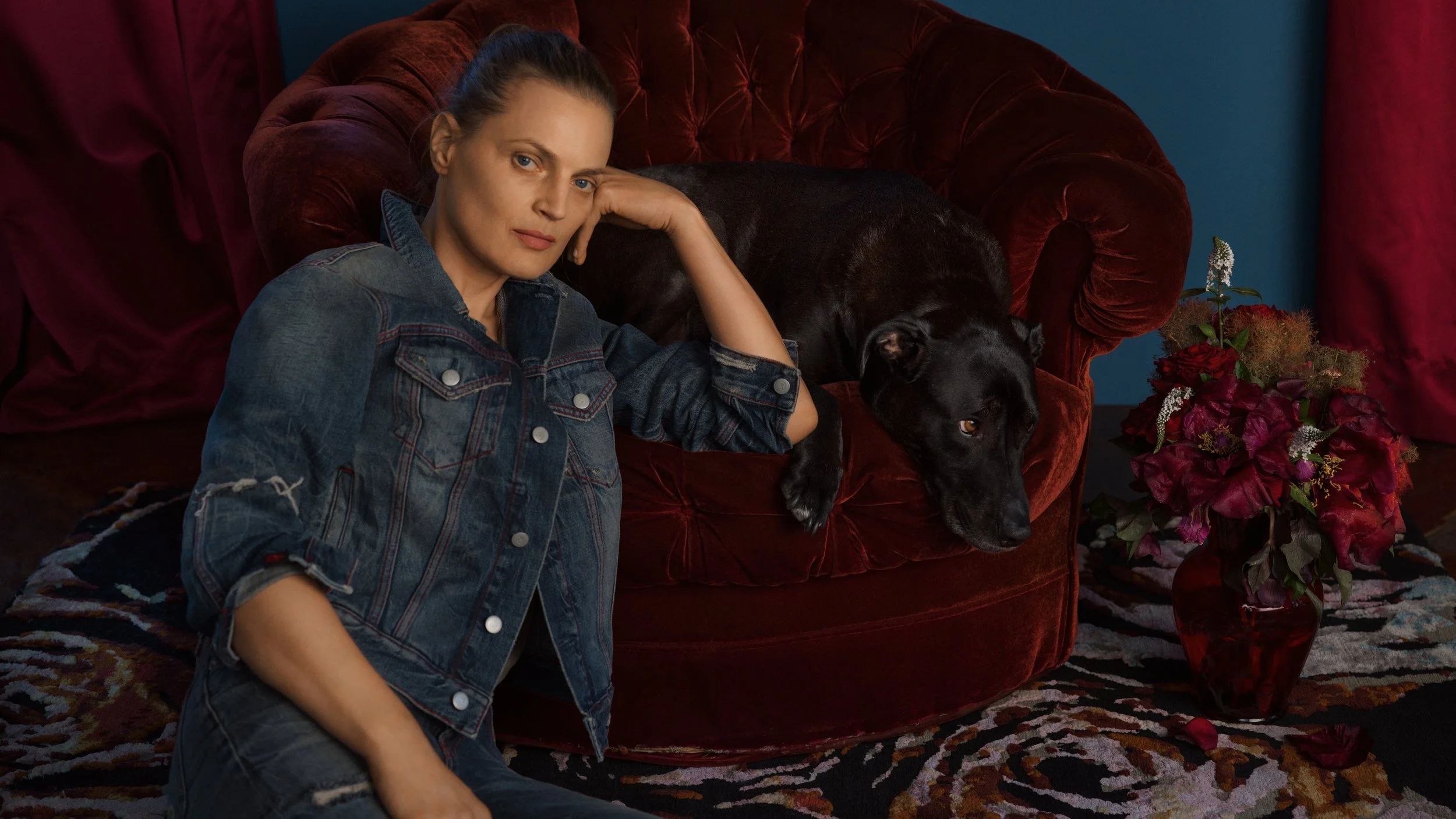
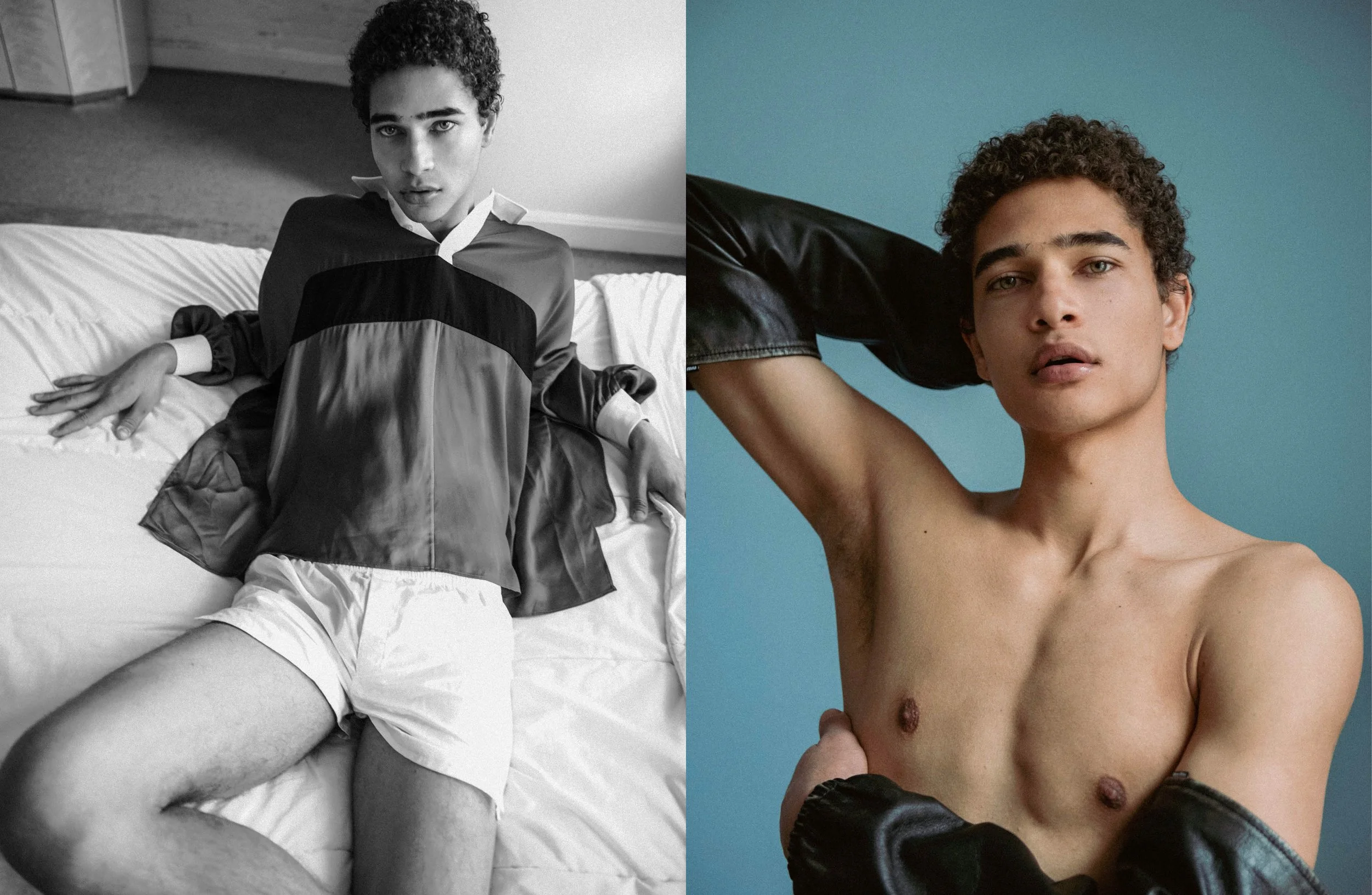
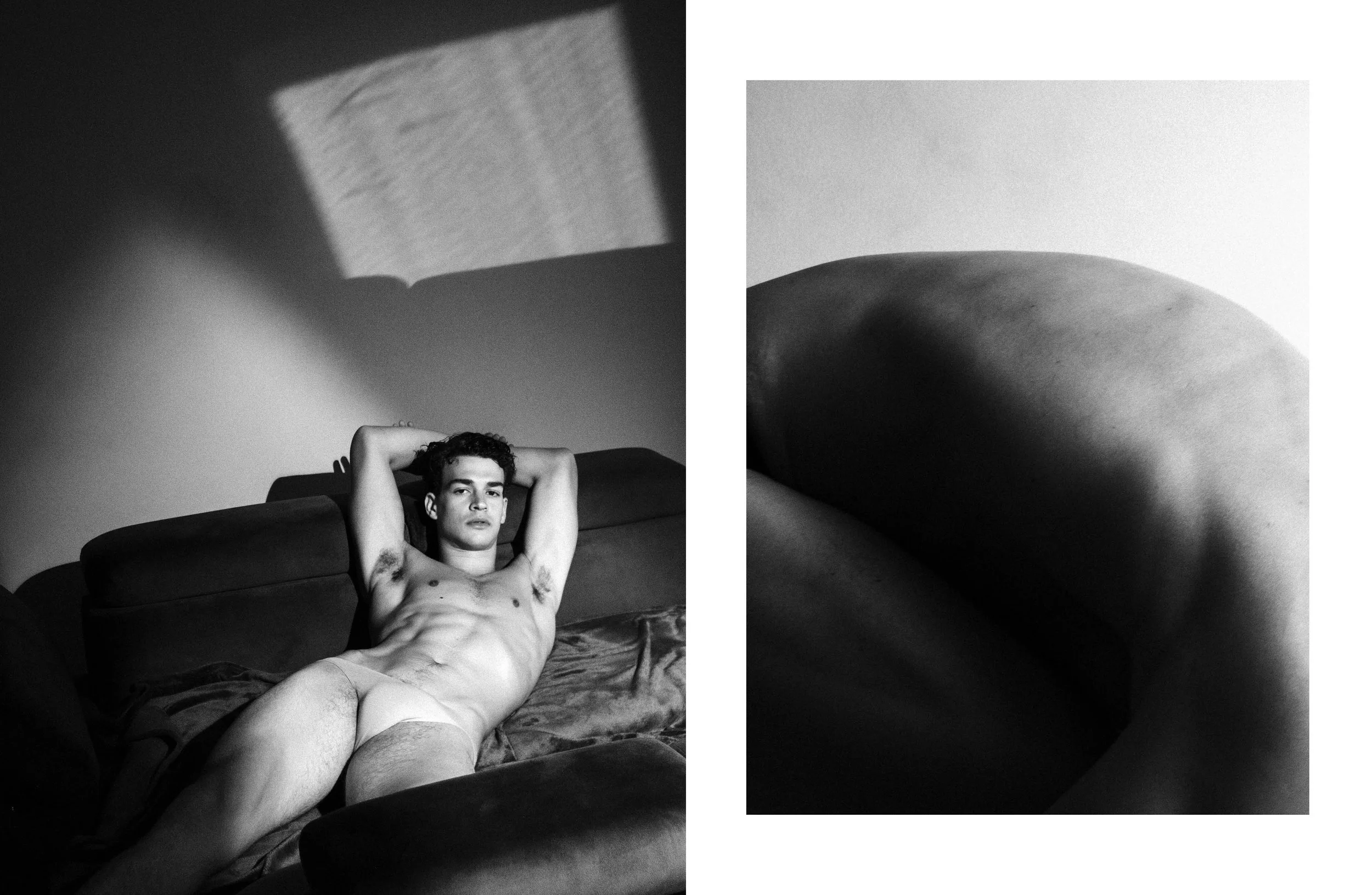
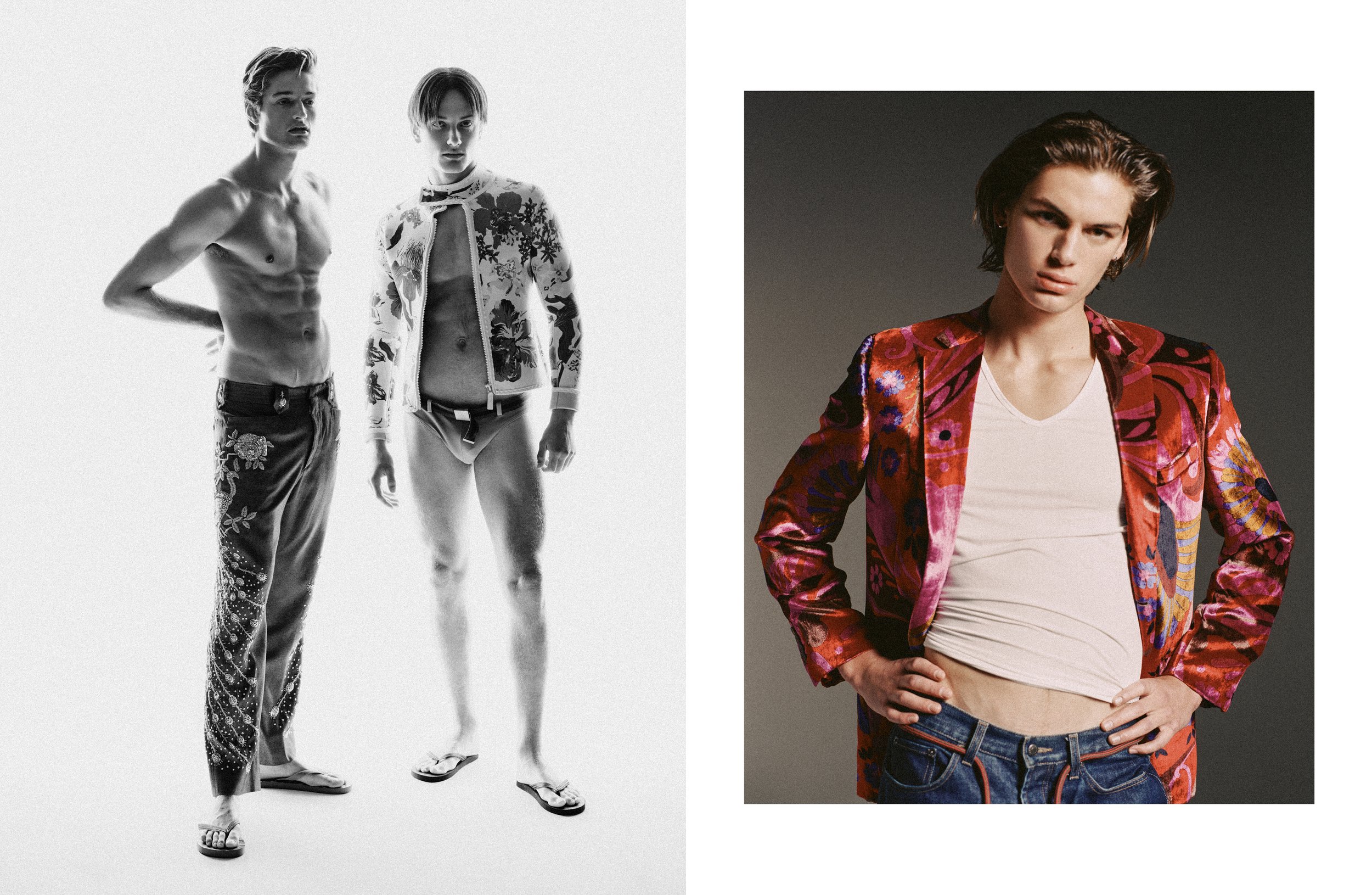
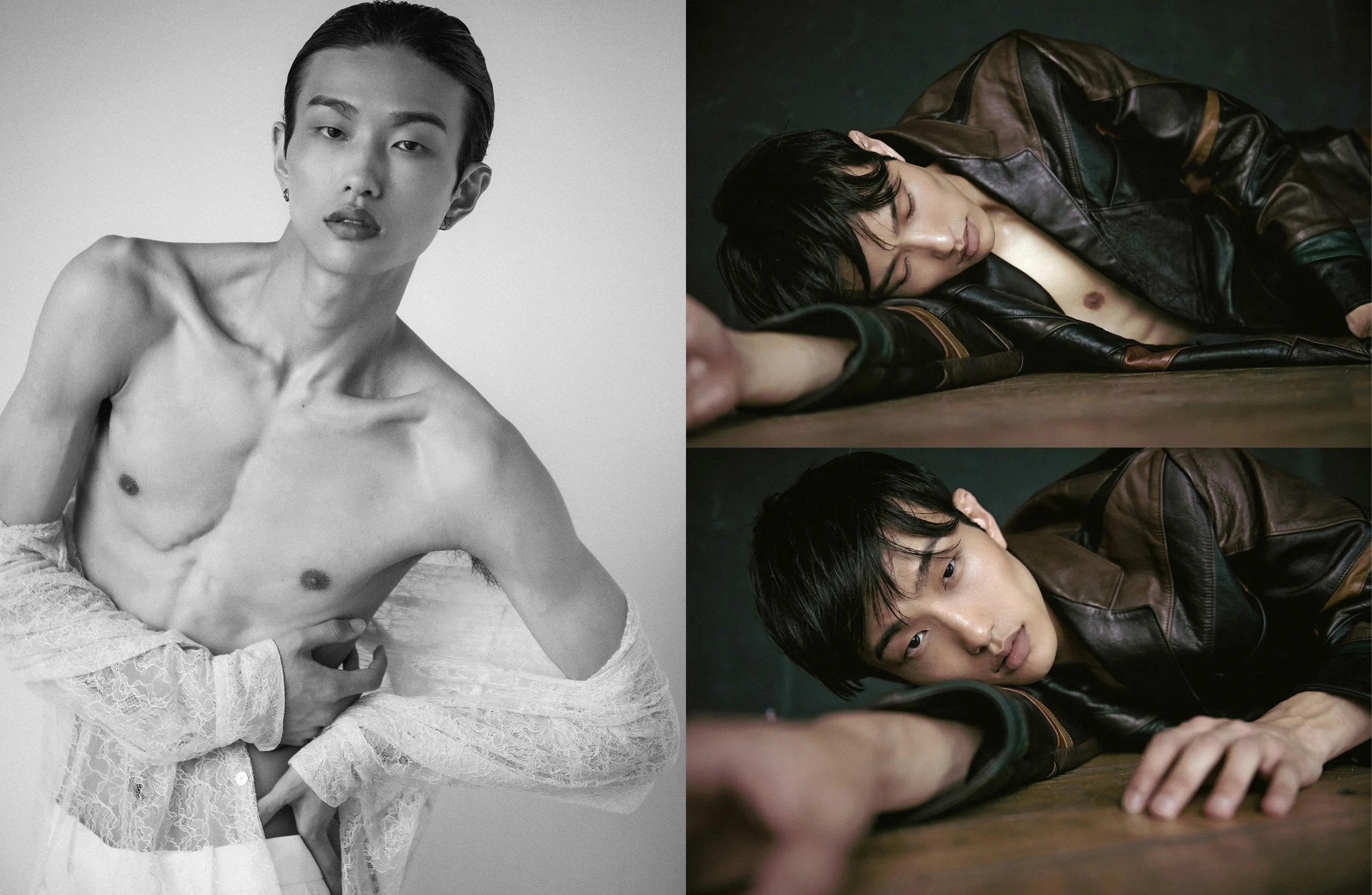
Left Full look Saint Laurent by Anthony Vaccarello
Right Full look Fendi
There's also this idea of athletes as people who are extremely dedicated, that they live their life in preparation for an event like that. What’s your relationship like with the Olympics?
We always get this where once every four years the entire world cares a little bit more about what you do, and then they kind of disappear for the other three and a half years. But the work continues. There are always goals; there are always objectives. Of course, every sport is a little different with this. The Olympics are the pinnacle; that’s not to say we haven't done other things, that there haven't been other goalposts or other important events. But there is a sort of finality and a kind of weight to the Olympics that no other competition has.
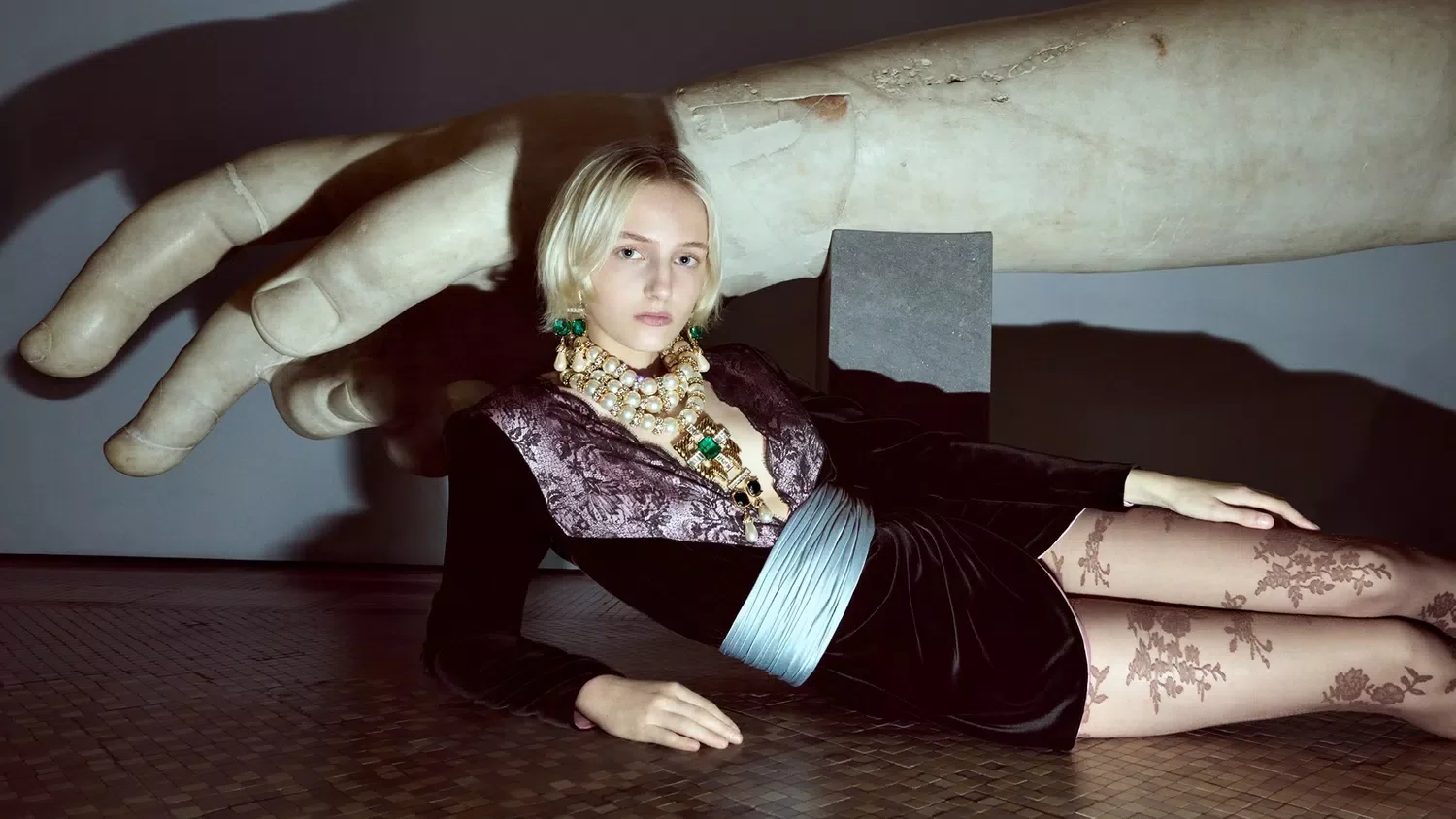
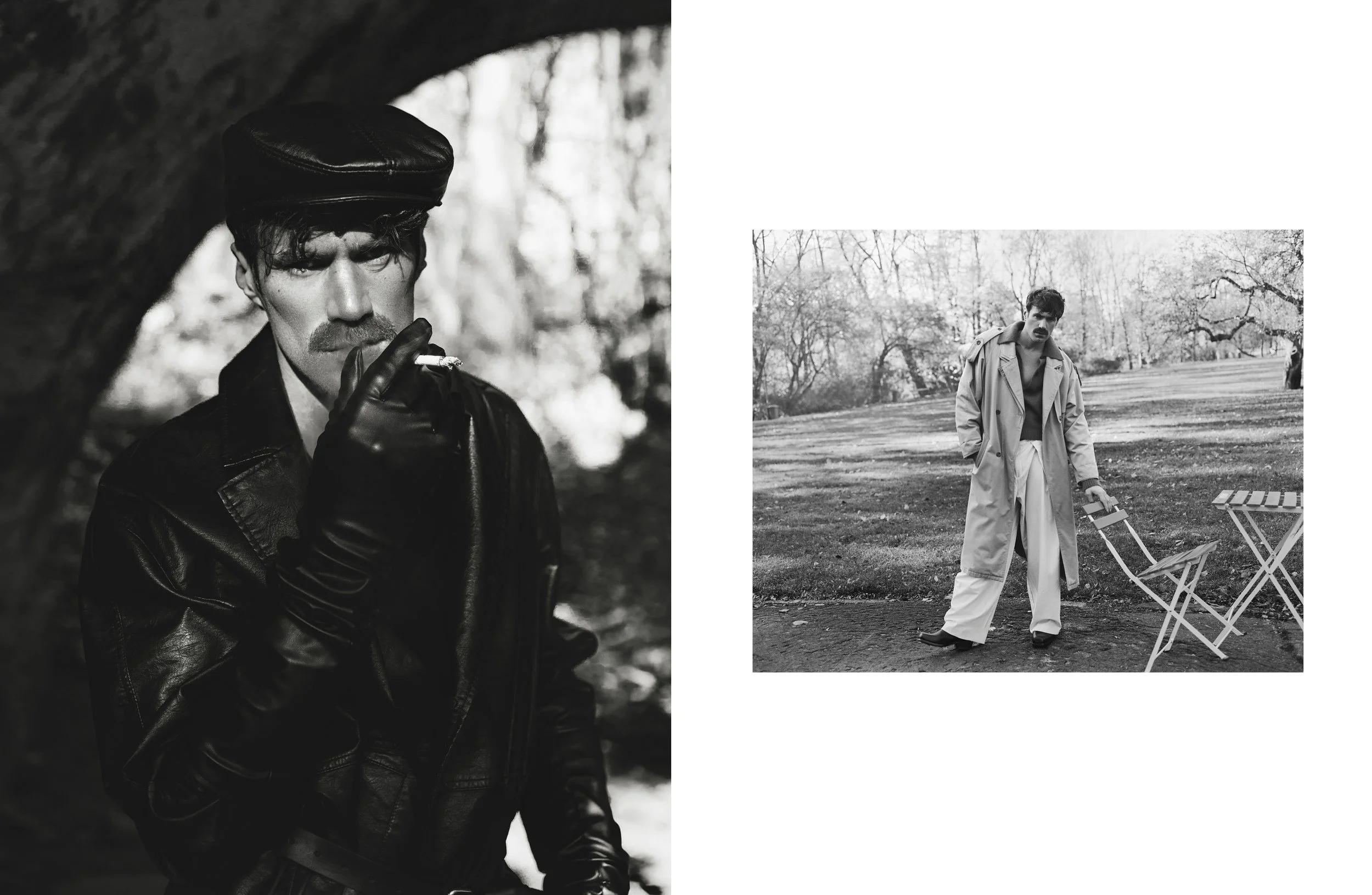
Pants, belt and gloves Versace, jewellery Gucci
How do you keep that perspective when you're preparing for something that carries that much weight?
Especially leading up to these, I had to constantly kind of remind myself that it isn't the be-all and end-all. The inherent value of the years of work that you put in, what you've been able to create, and what you've been able to hone as a craft doesn't come down to those few minutes that you're performing. There's a separate, inherent value of just the pursuit that you have to remind yourself about from time to time. Otherwise, you go crazy. There are a lot of great athletes that never got an Olympic medal, and I would still consider them some of the best skaters ever. Because again, what they have given the world, what they've given to the craft of skating, is bigger than just that one medal that they won or didn't win.
That is such a healthy perspective; I’ve never heard someone put it that way…
I worked closely with a sports psychologist this year to just kind of get my brain in check, because I am prone to self-sabotaging. We all are a little bit. But it's practice. It's not like, "I learned how to think this way, and now I think this way." It's something you have to continuously work at. Your mental health is going to go with your body through the ups and downs of training. We can't be up all the time because it's not human. It's something you have to work at. It's something you have to train. The brain is a muscle in that way.
When did the Olympics first become a goal for you?
It’s interesting because I wasn't one of those kids. I wasn't a 10-year-old who dreamt of going to the Olympics. I was already competing at a high level at that point, going to nationals, but I didn't start with these big, lofty dreams. It was just something I enjoyed. The first time I thought about the Olympics was when I was 11. They had just announced that the 2010 Olympics would be in Vancouver, in Canada. My coach at the time, who is still my coach now, said to my partner and me at the time, "You guys are going to be there." I remember hearing her say that and reacting quite viscerally to it. I thought, “Well, that's outrageous. I'm 11.”
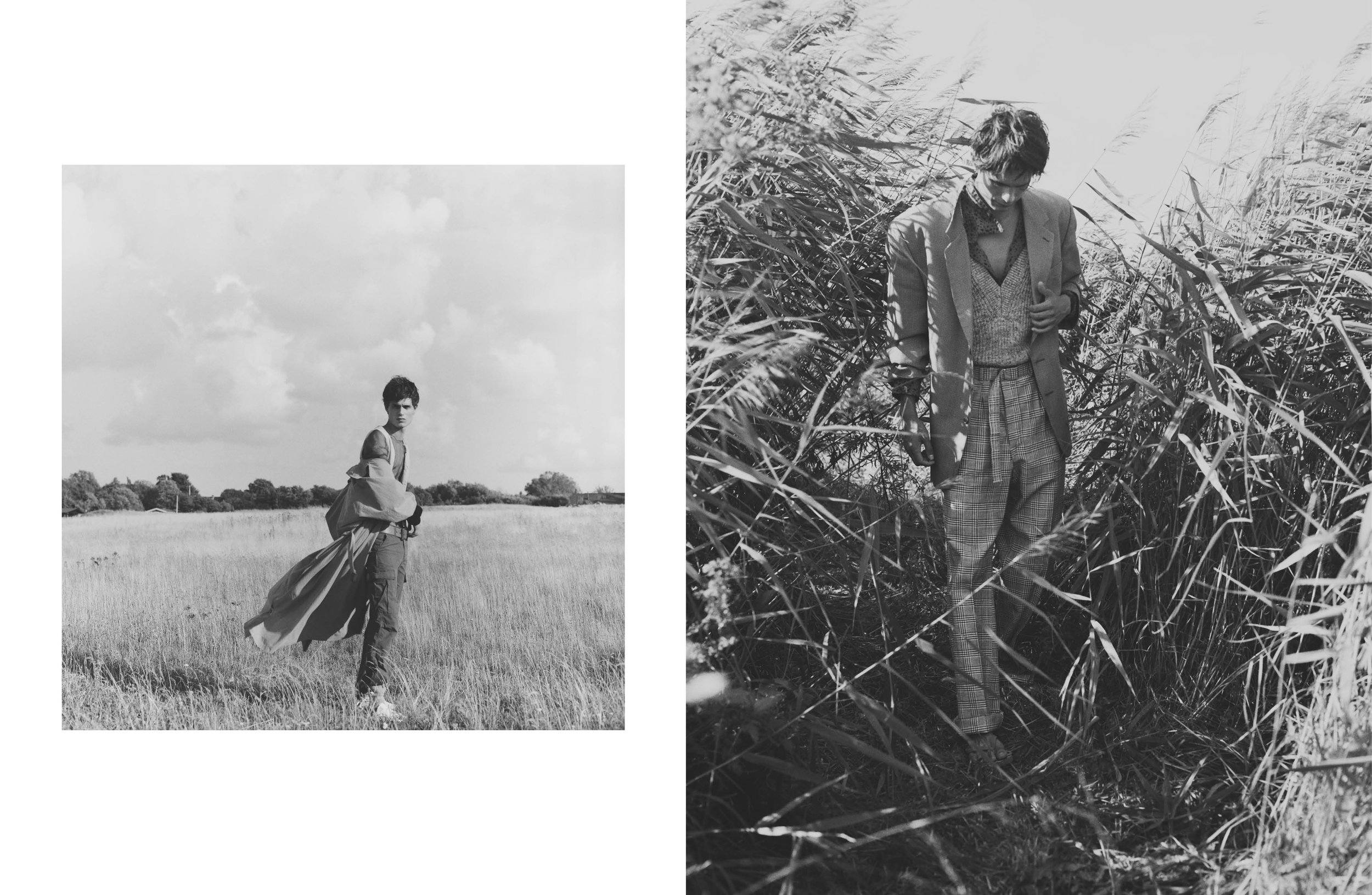
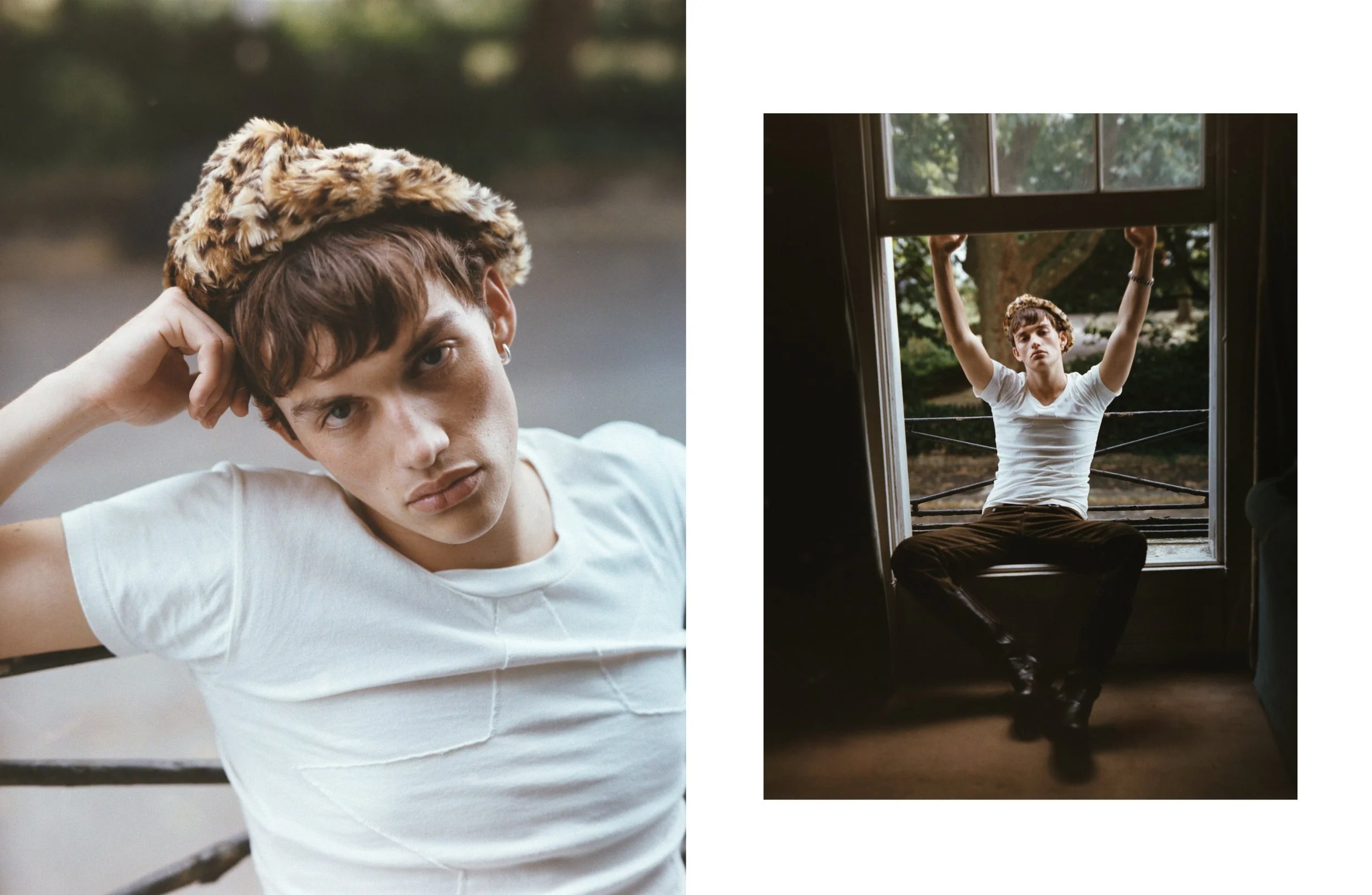
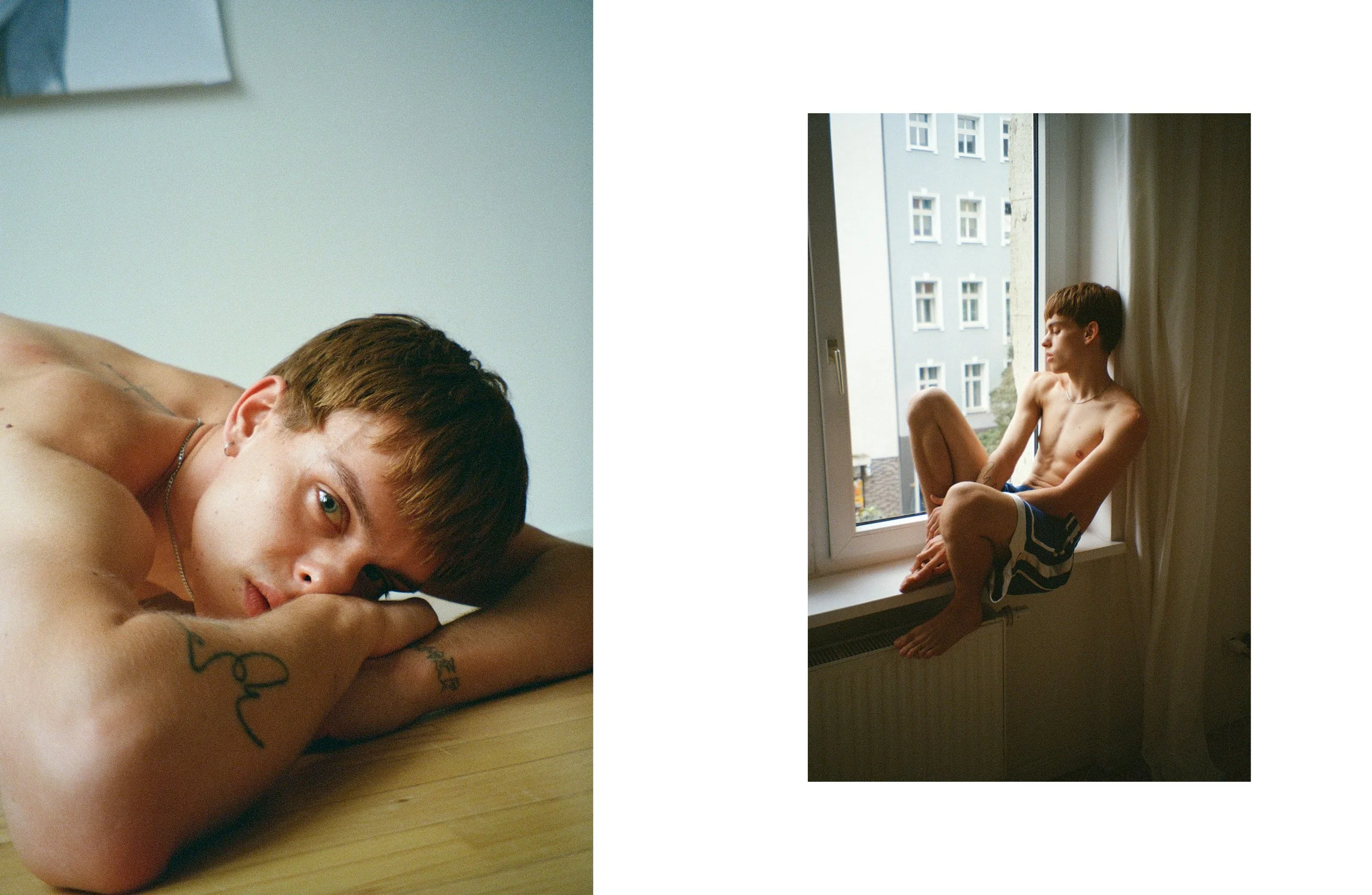
Left Jacket Balenciaga
Right Full look Thom Brown
Why did you think you brushed it off initially?
I've always erred on the side of always thinking I can do things better. As an athlete, you have to balance between healthy confidence and an arrogance that blinds you to your own faults. Especially as a young skater, I had to rely on other people's sense of vision for me. Because I was focused on the craft. I cared about skating as well as I could because I take pride in what I do. I want to do it as well as I can. I want to be good. We're performers. I want to put on a good show. I want to entertain people. I want people to be delighted by the work that we're putting out into the world.
How has your definition of success changed throughout your career?
The thing that matters most to me is that I’m proud of the work. I have to believe in what I'm doing. If I don't think it's good enough, I'm never going to be satisfied. As the years went on, Piper, my skating partner, and I had a rocky road. We had some early success, and then we got stuck for a while. Around the 2018 Olympics, we had to give ourselves a reality check. “We love what we do, but is competing the best avenue to continue to explore that love?” At that point, we both had an appetite to continue competing. And if the plan was to continue competing, then we wanted to compete well. So, we had to shift our mentality from just doing good work to “how do we win?” The last two Olympic cycles that we went through, that was more of an objective. We wanted to be successful. We wanted to win those medals. We wanted to triumph.
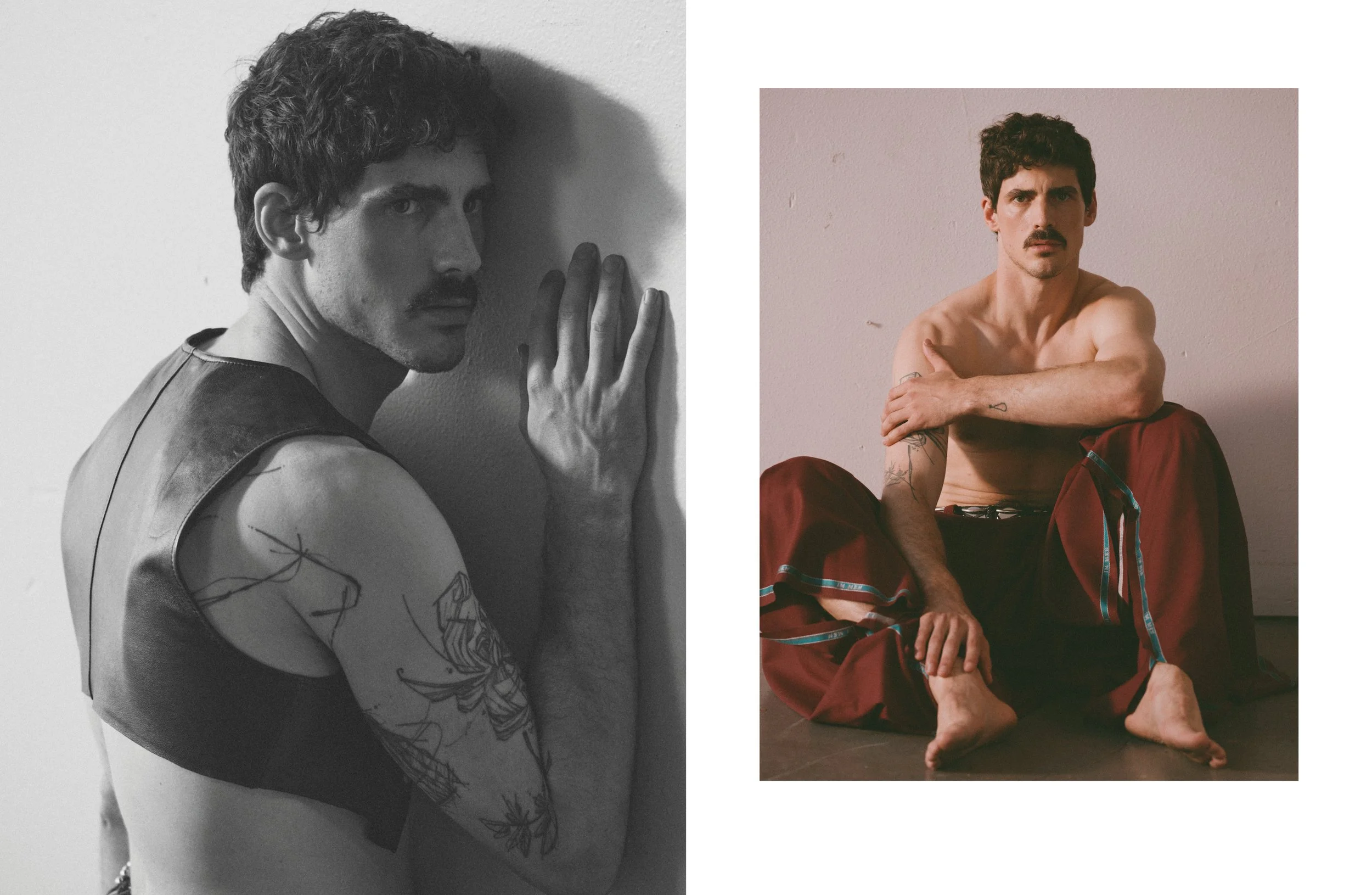
Left Vintage top
Right Pants Issey Miyake
I’ve never heard an athlete put it that way, to consider if competition is the best avenue to explore the love for the craft.
We have this luxury in skating that not a lot of athletes have. There are shows where you can just perform for the love of it. If you want to put on a good show, if you want to entertain people, if you want to be an artist, you can do all those things without competing. Some athletes love competing. They love the thrill, they love the adrenaline, they love winning. That's what they want, and they kind of tolerate training to get there. And then there are the athletes who love the craft. They love the pursuit. They love the work. They love the process. They love figuring out how to get better. I've always been more of that second kind. Having said that, I love competing. The last eight years of my life that have come from that decision have been some of the most beautiful moments of my career. It's given me so many wonderful memories, opportunities, connections, and great things that I might not have done if we had not been competing for all that time.
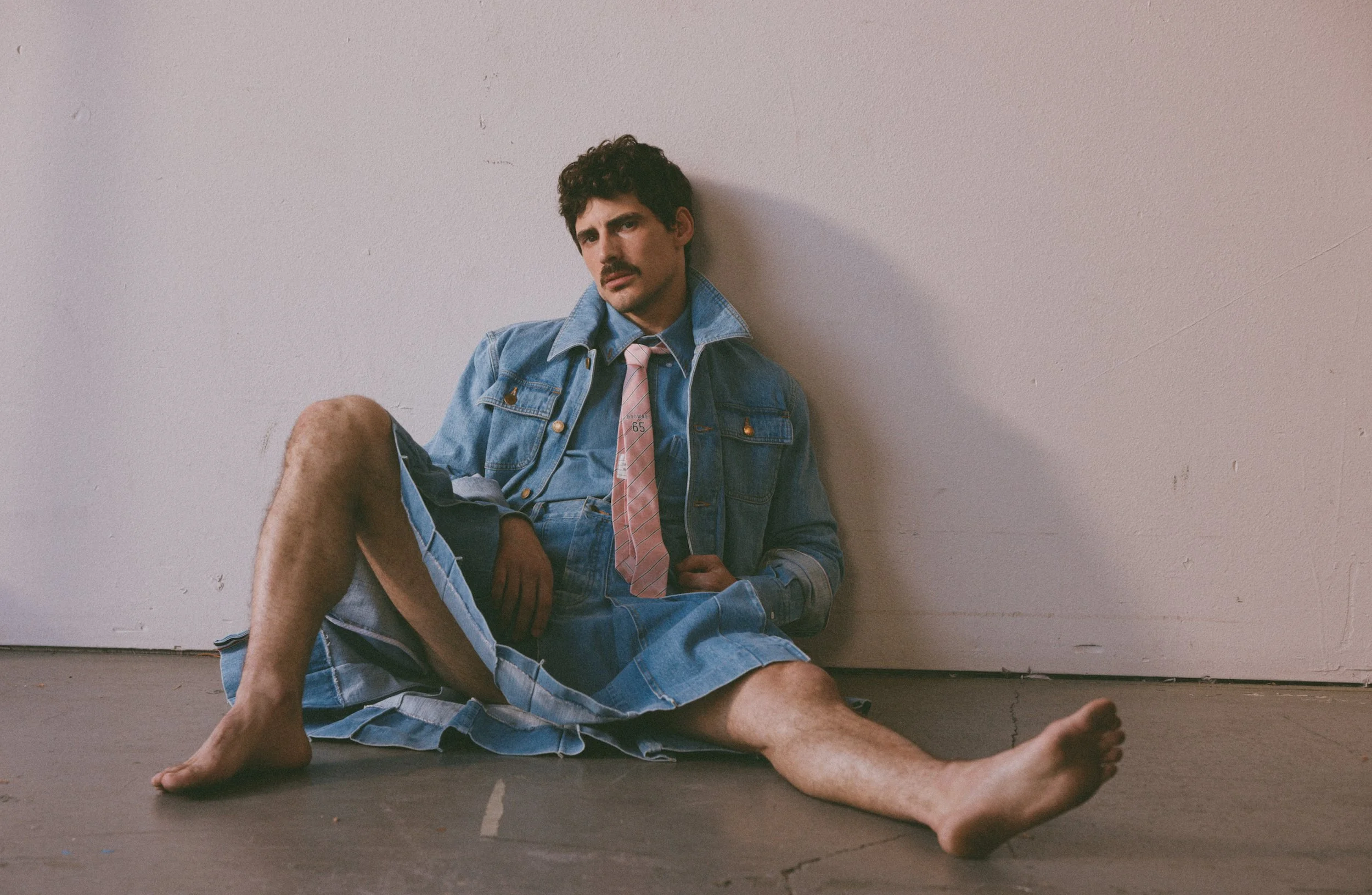
Full look Thom Brown
Skating is objectively a sport, but there's also this sense of creativity which I find fascinating. What's your relationship with the creative side of figure skating?
It's the driver. There's a tension that exists in skating because it’s a sport, but it's also an art form. You want to be creative and express yourself, but you're working within rules. You're trying to collect points. This tension exists between sometimes what you want to do and what you feel you need to do to get the results that you want. For me, the program, the routine, will always first and foremost be a creative endeavour more than anything.
…
Order your copy of the FW26 LOST PARADISE issue here to read the full story.
Interview by Pedro Vasconcelos
Photography by Nino Muñoz
Fashion by Wojciech Christopher Nowak
Casting by Imagemachine cs
Grooming by Erica Verrett
Creative Movement Direction by Maxwell Simões
Photographer’s assistants William Mathieu and Kevin Faulkner
Stylist’s assistant Sid Sultan and Leah Garcia
Digital assistant Gray Hamner