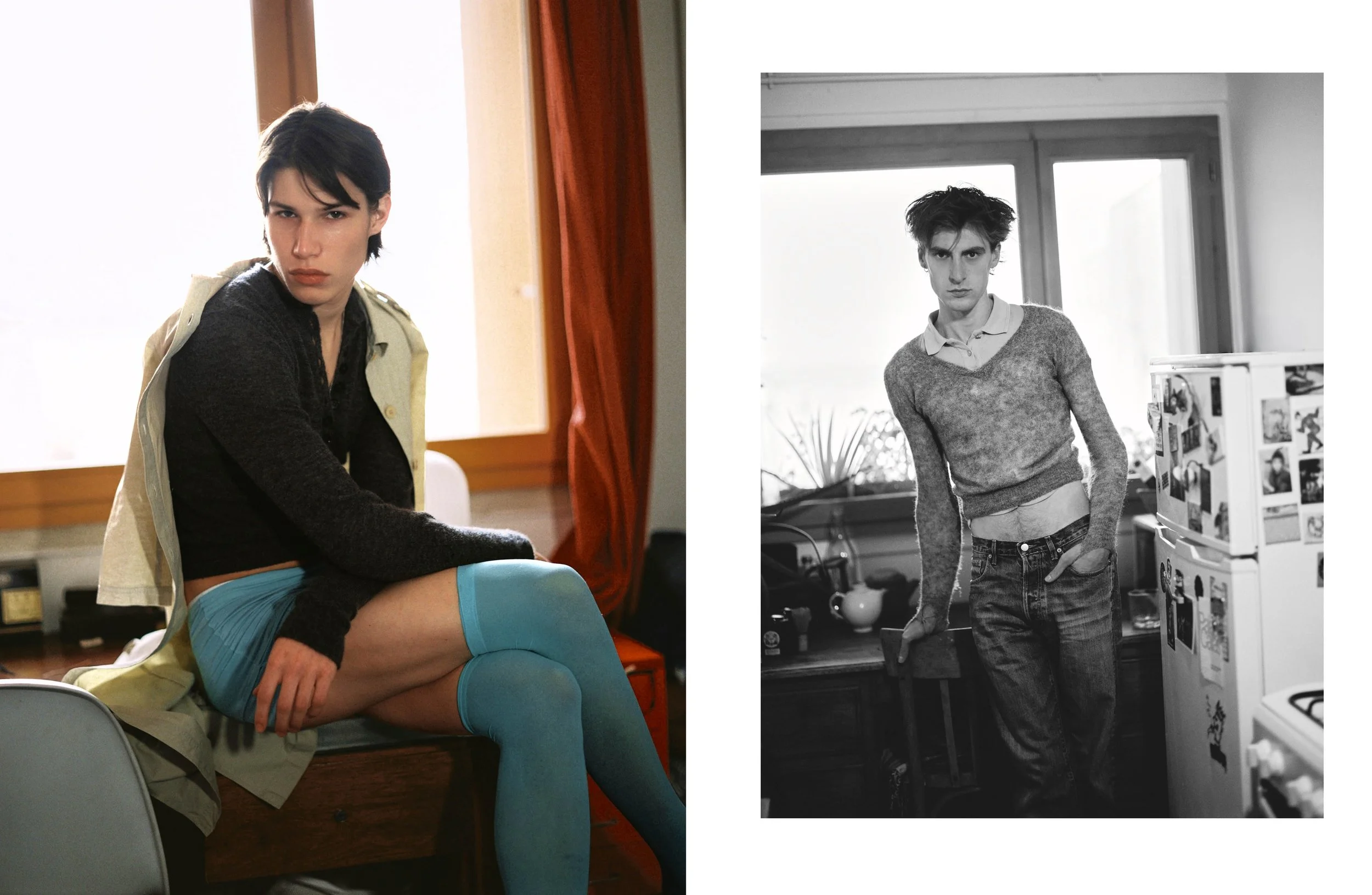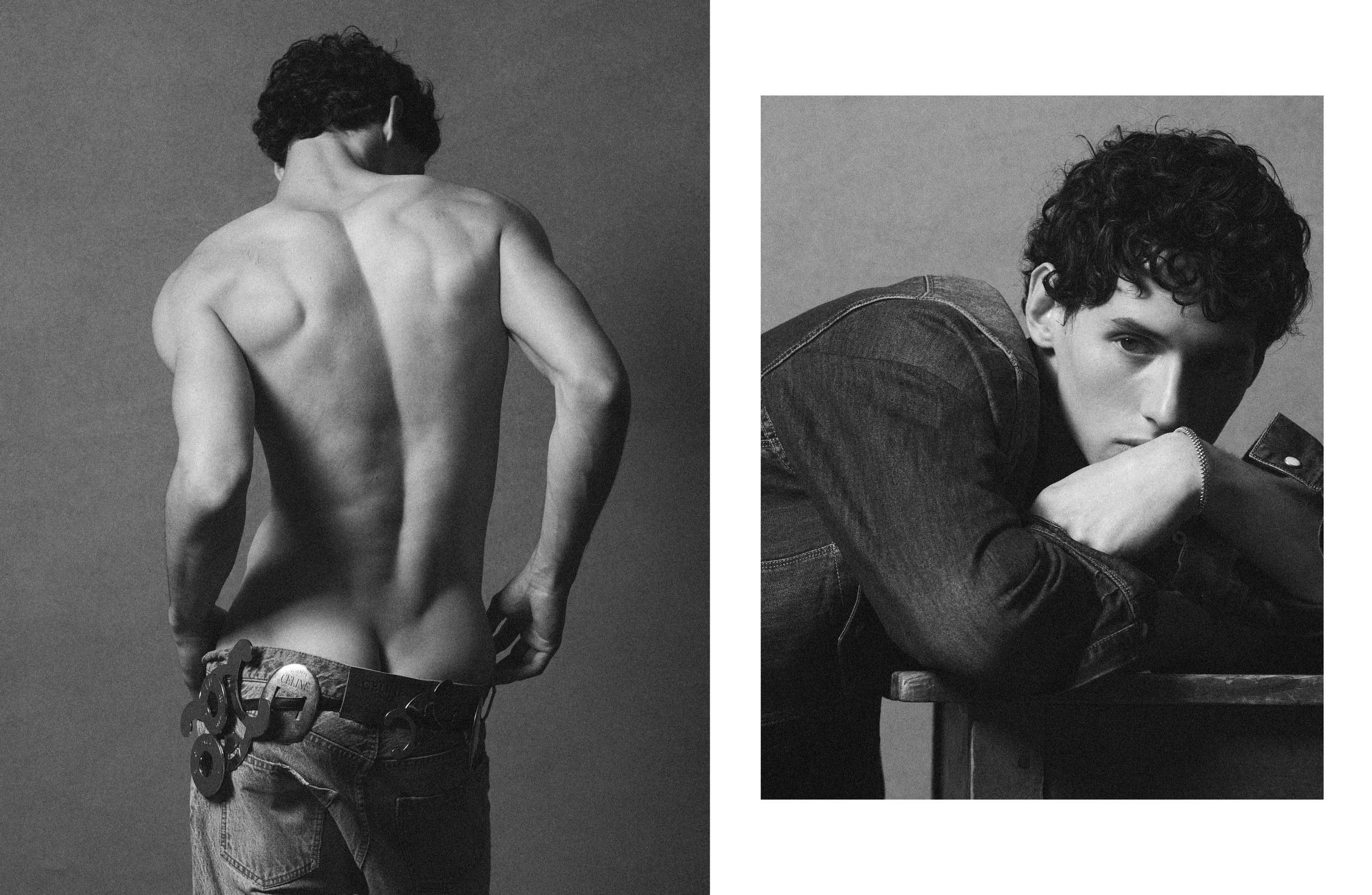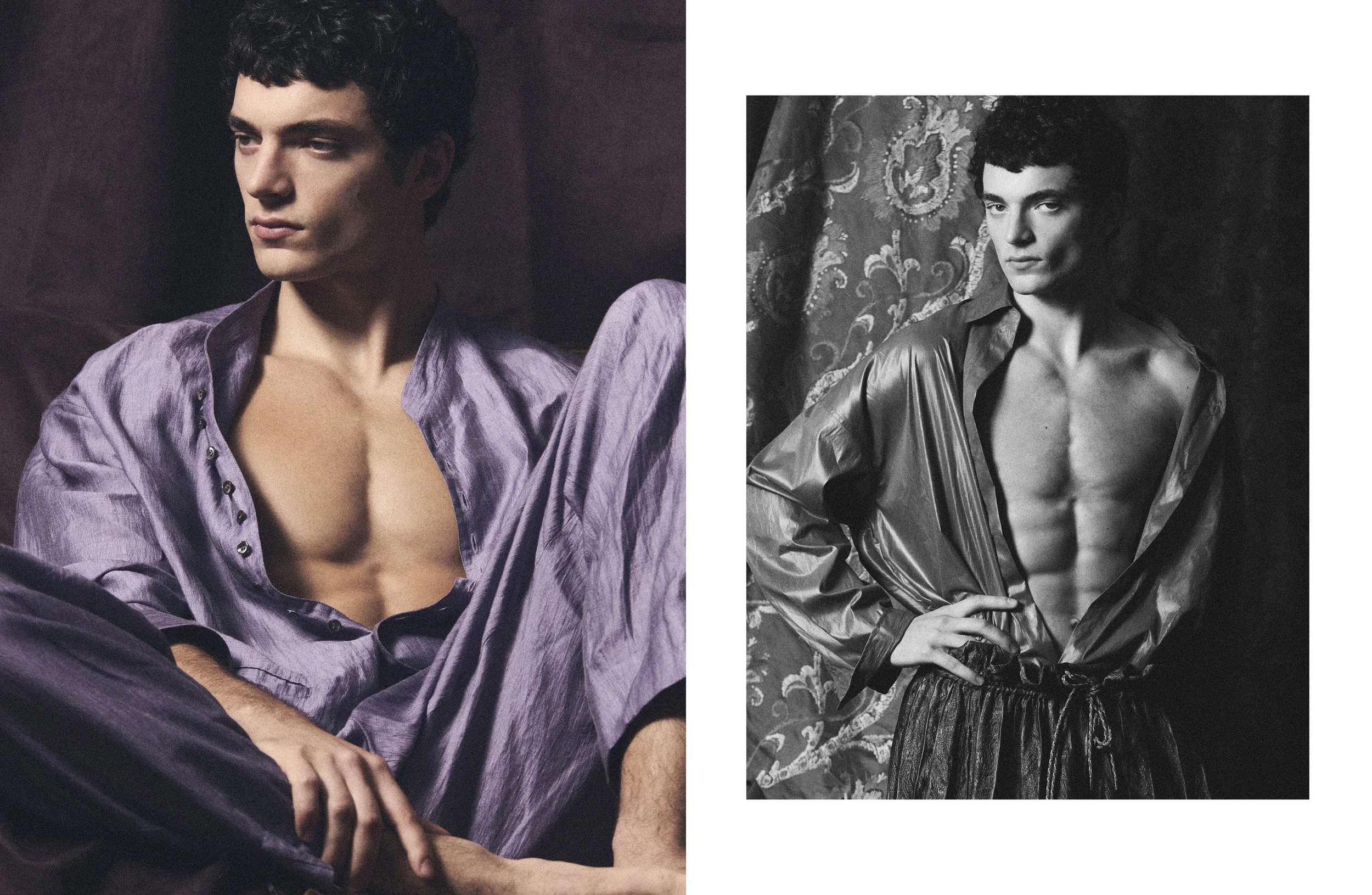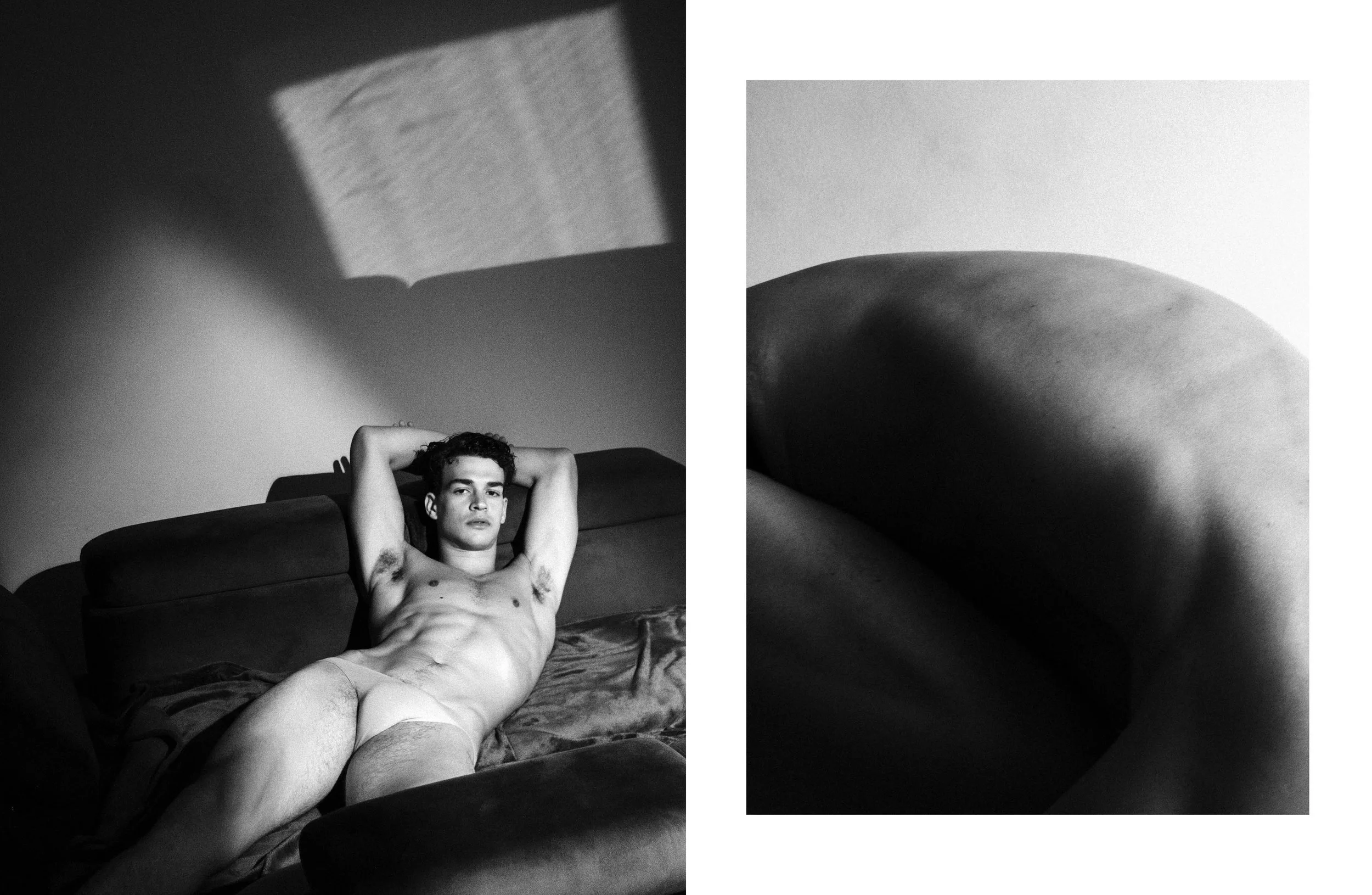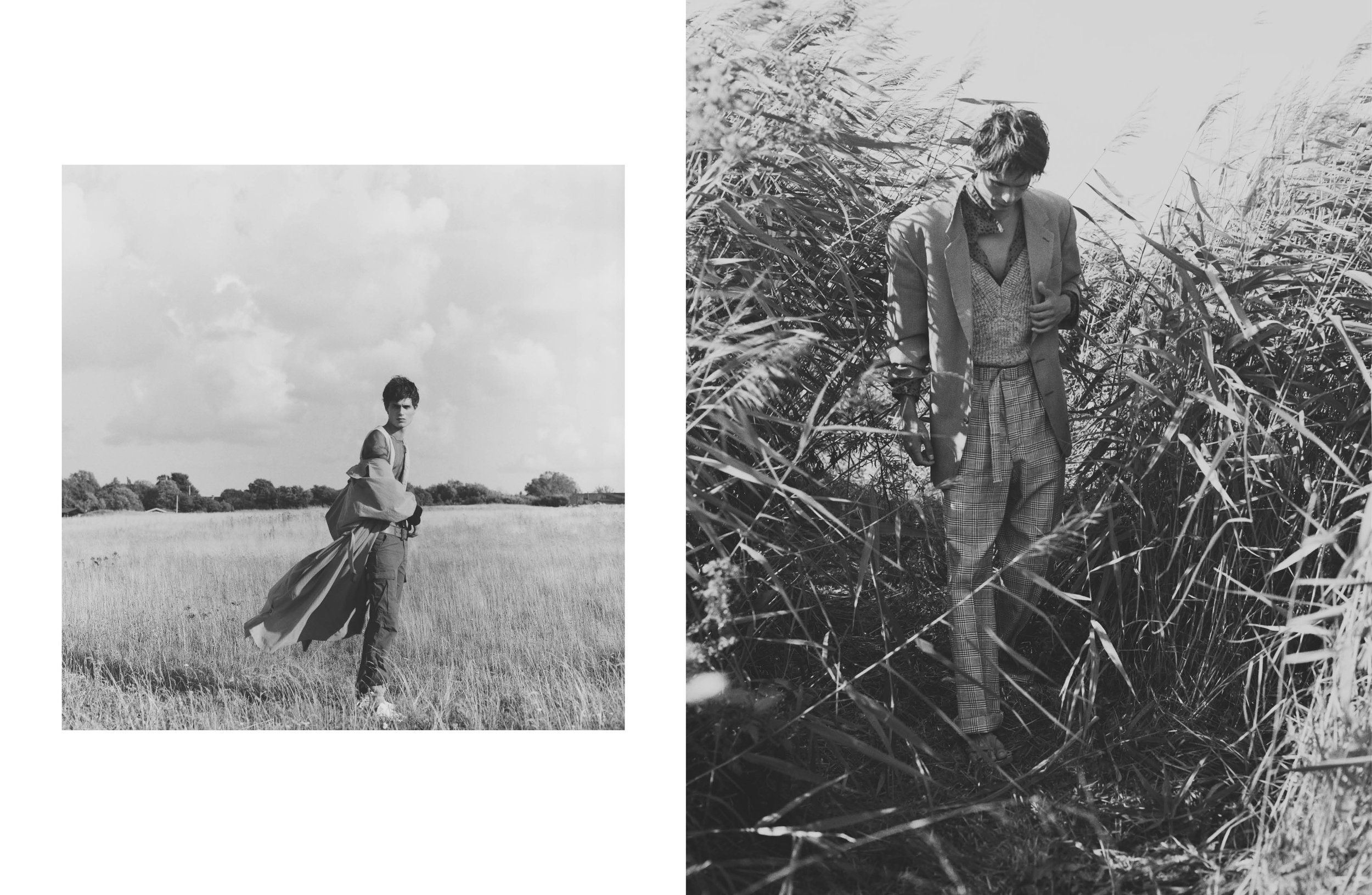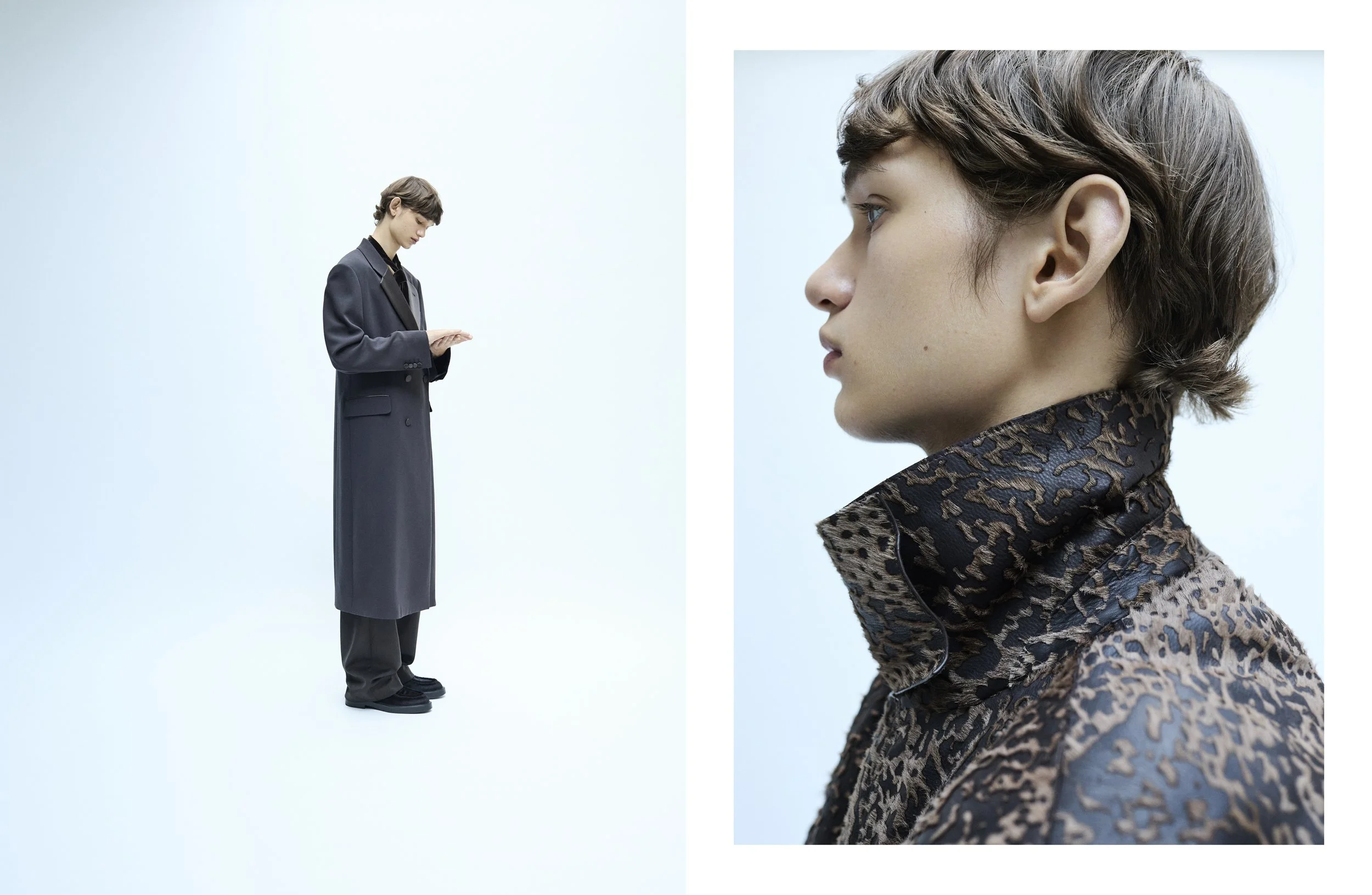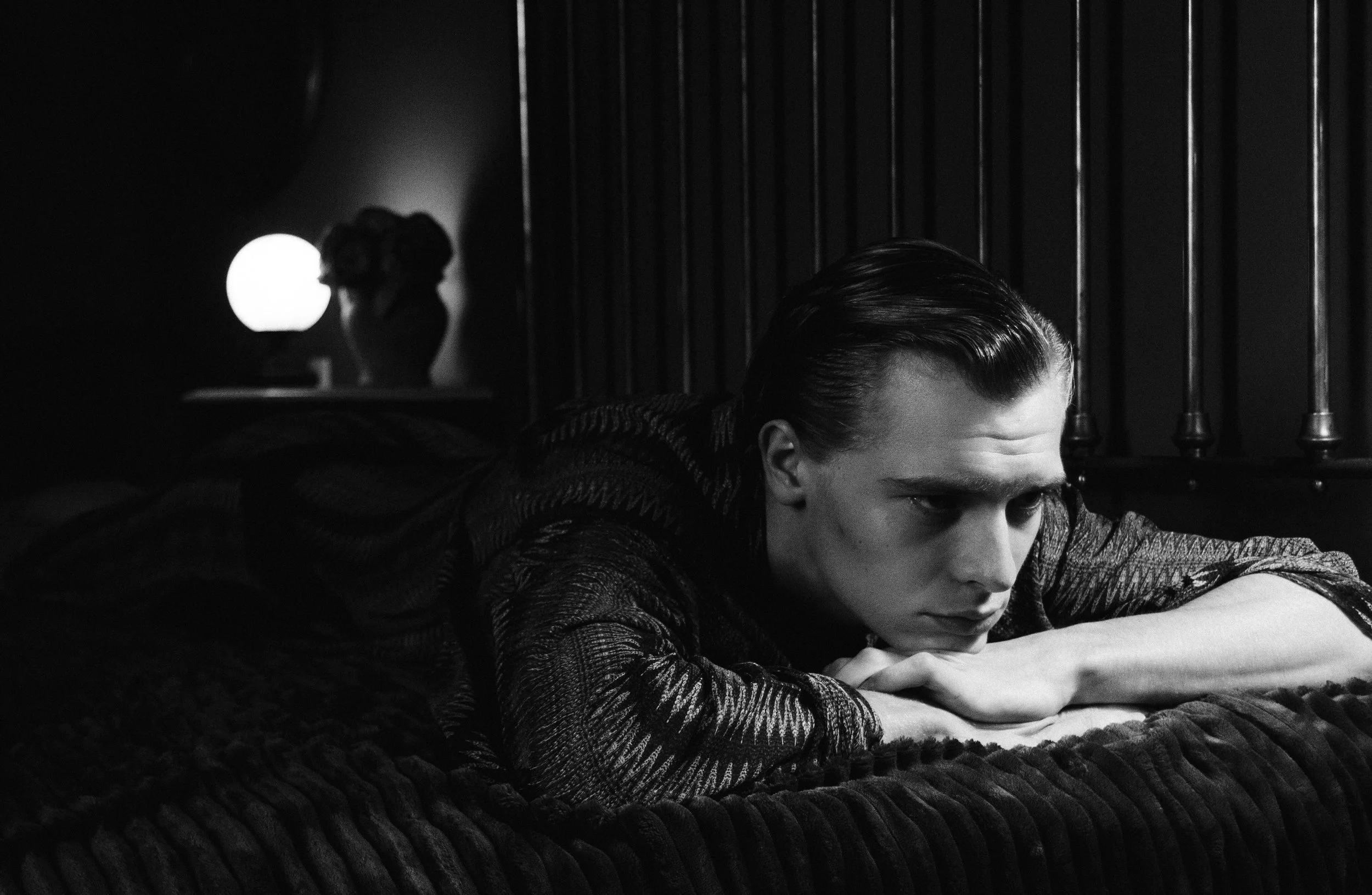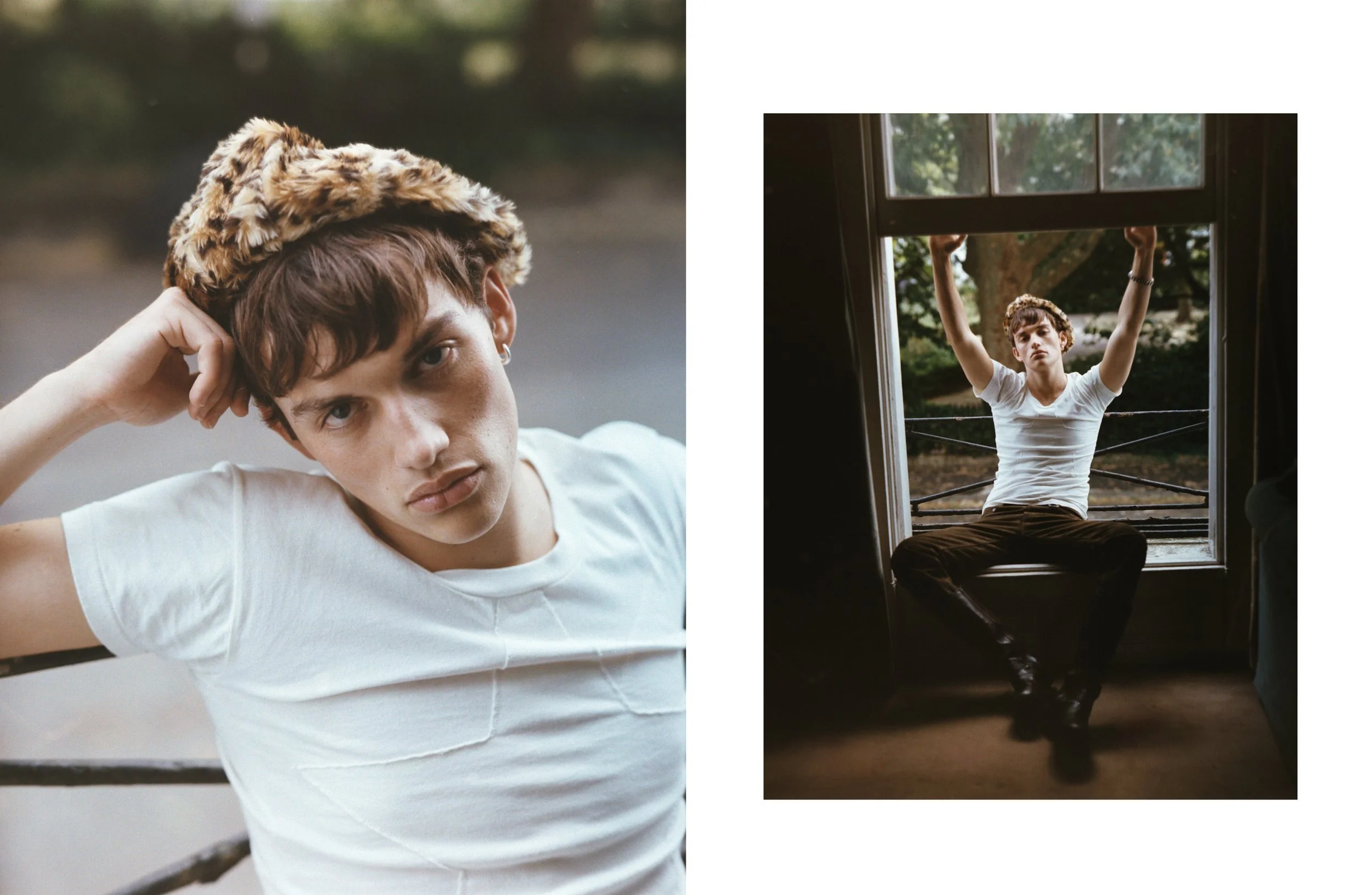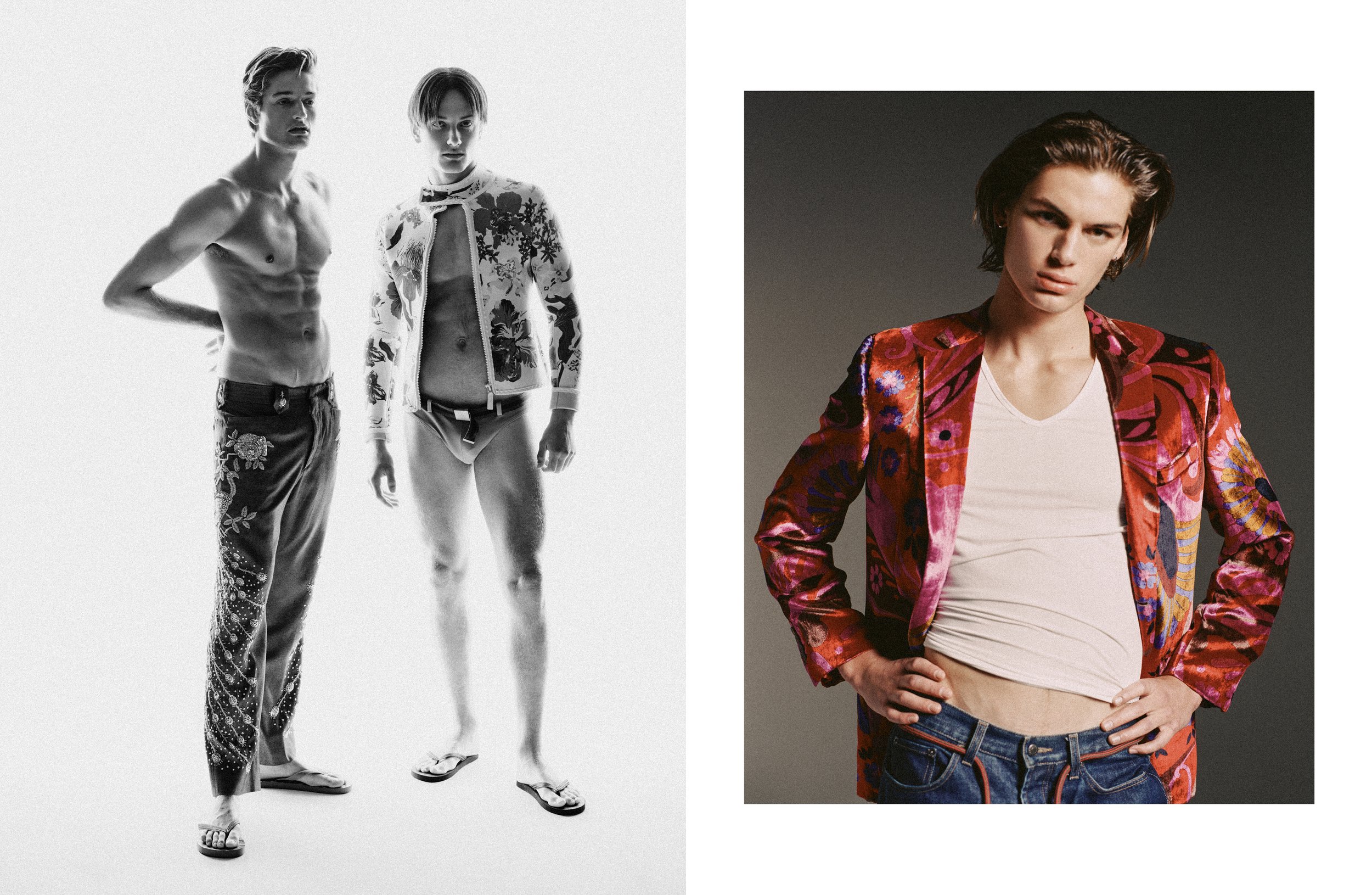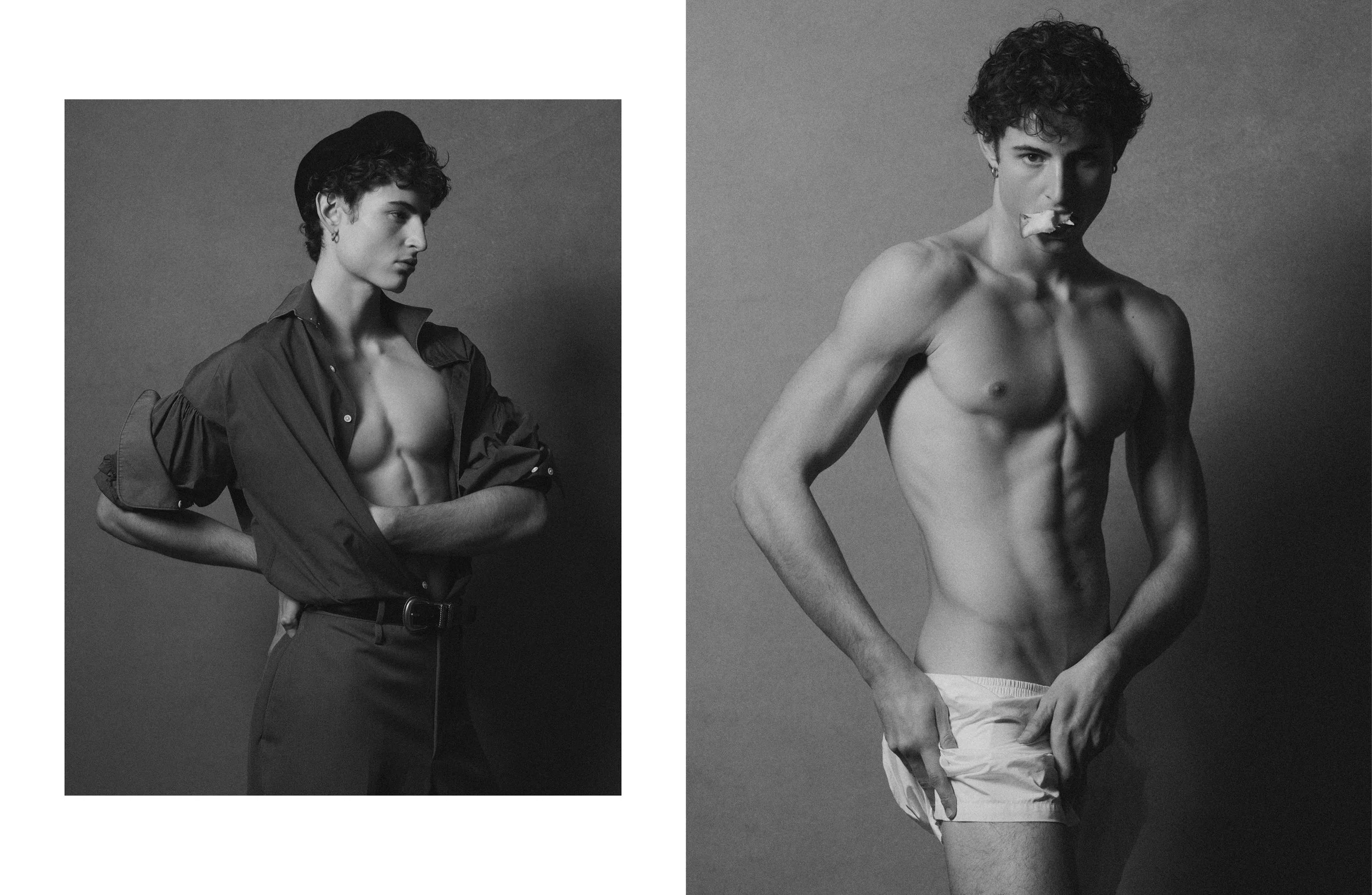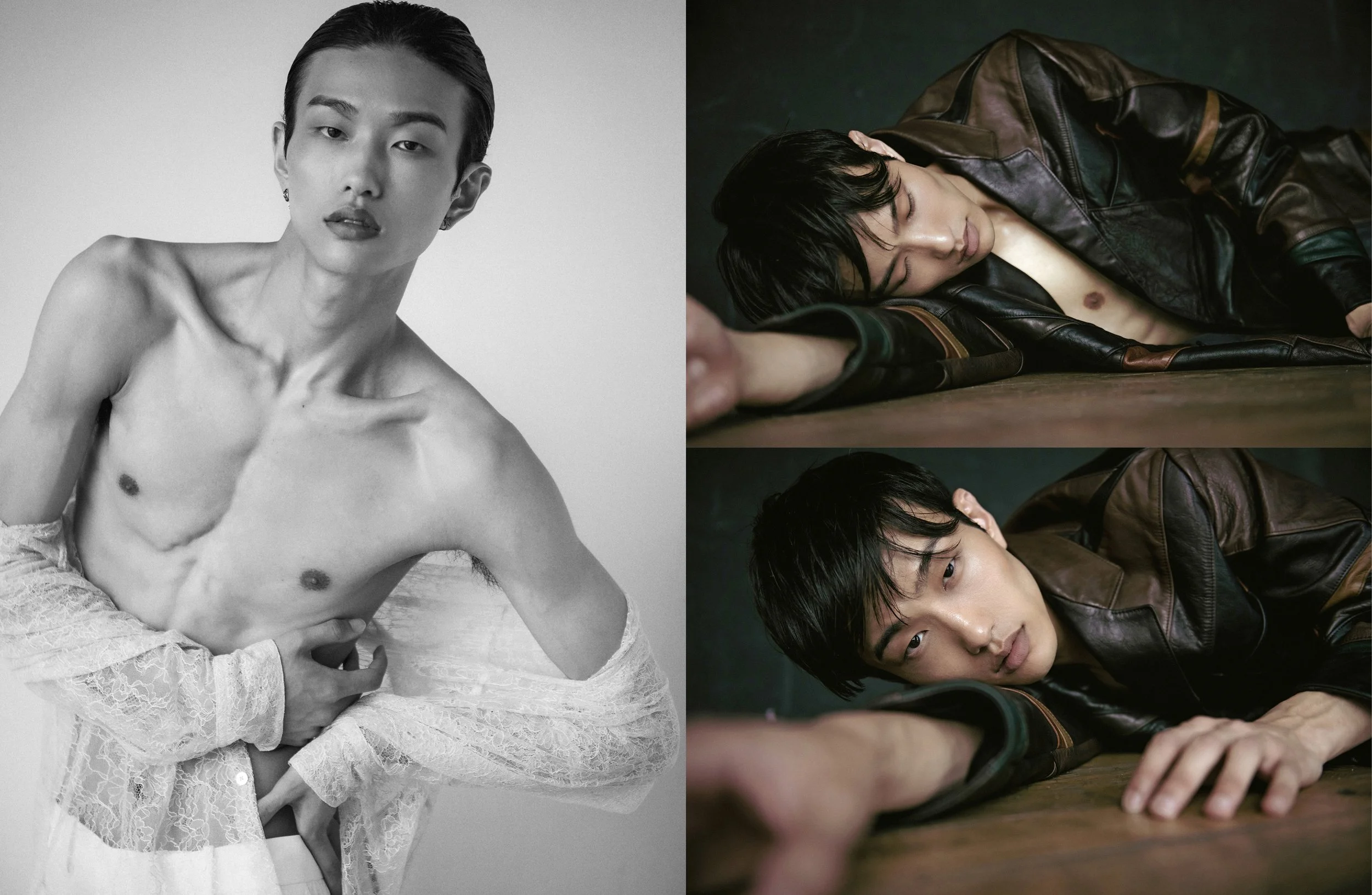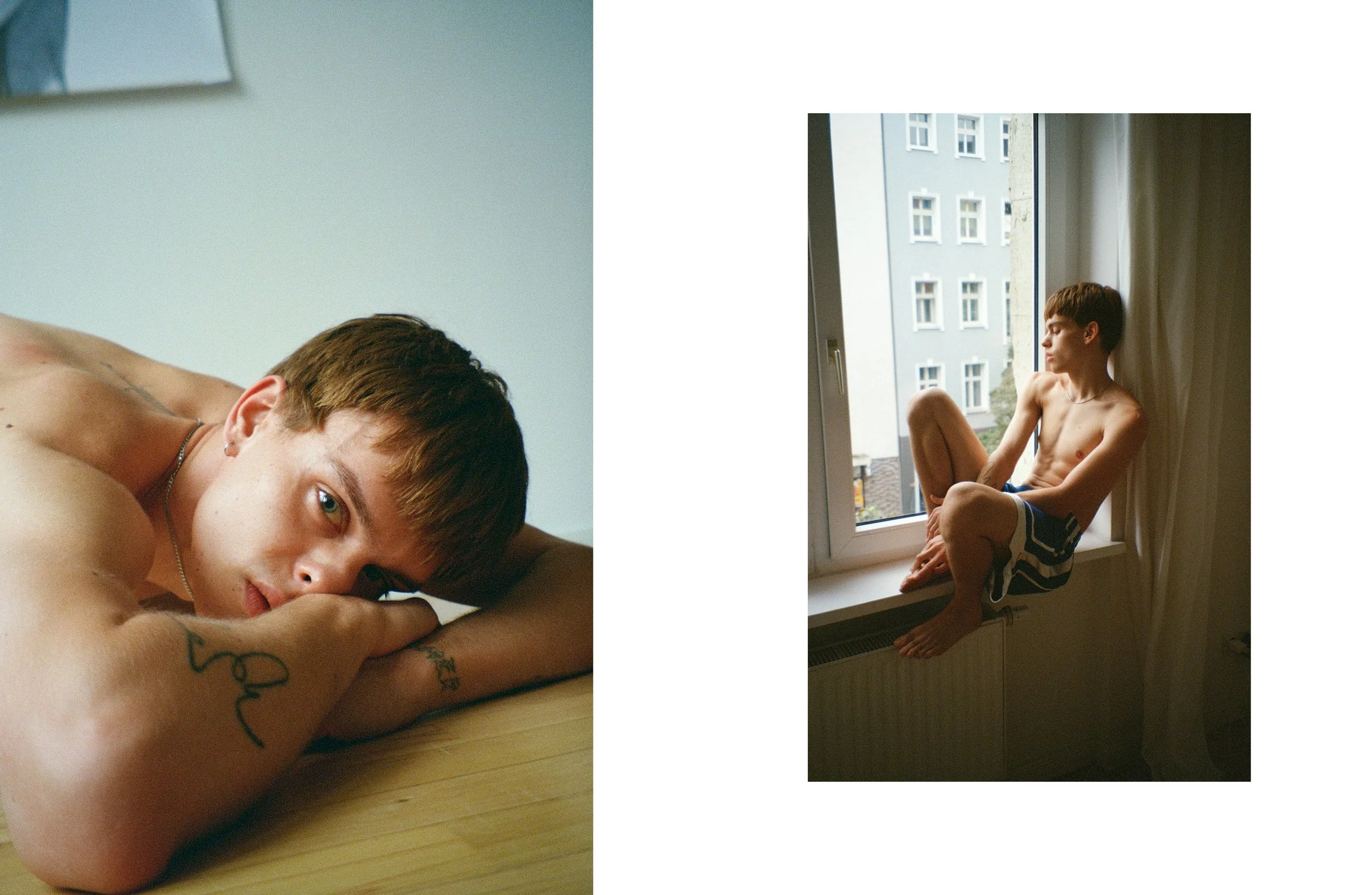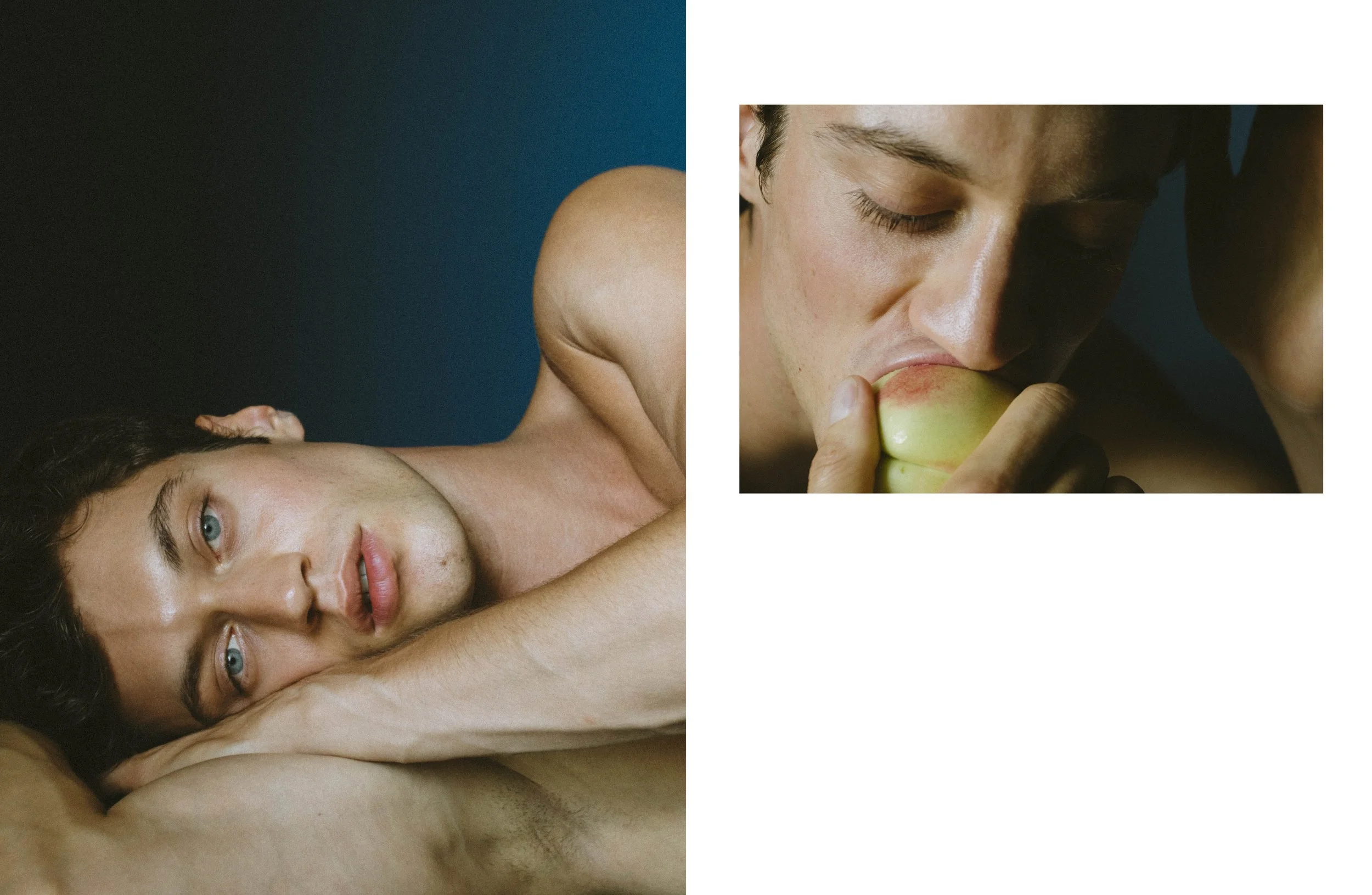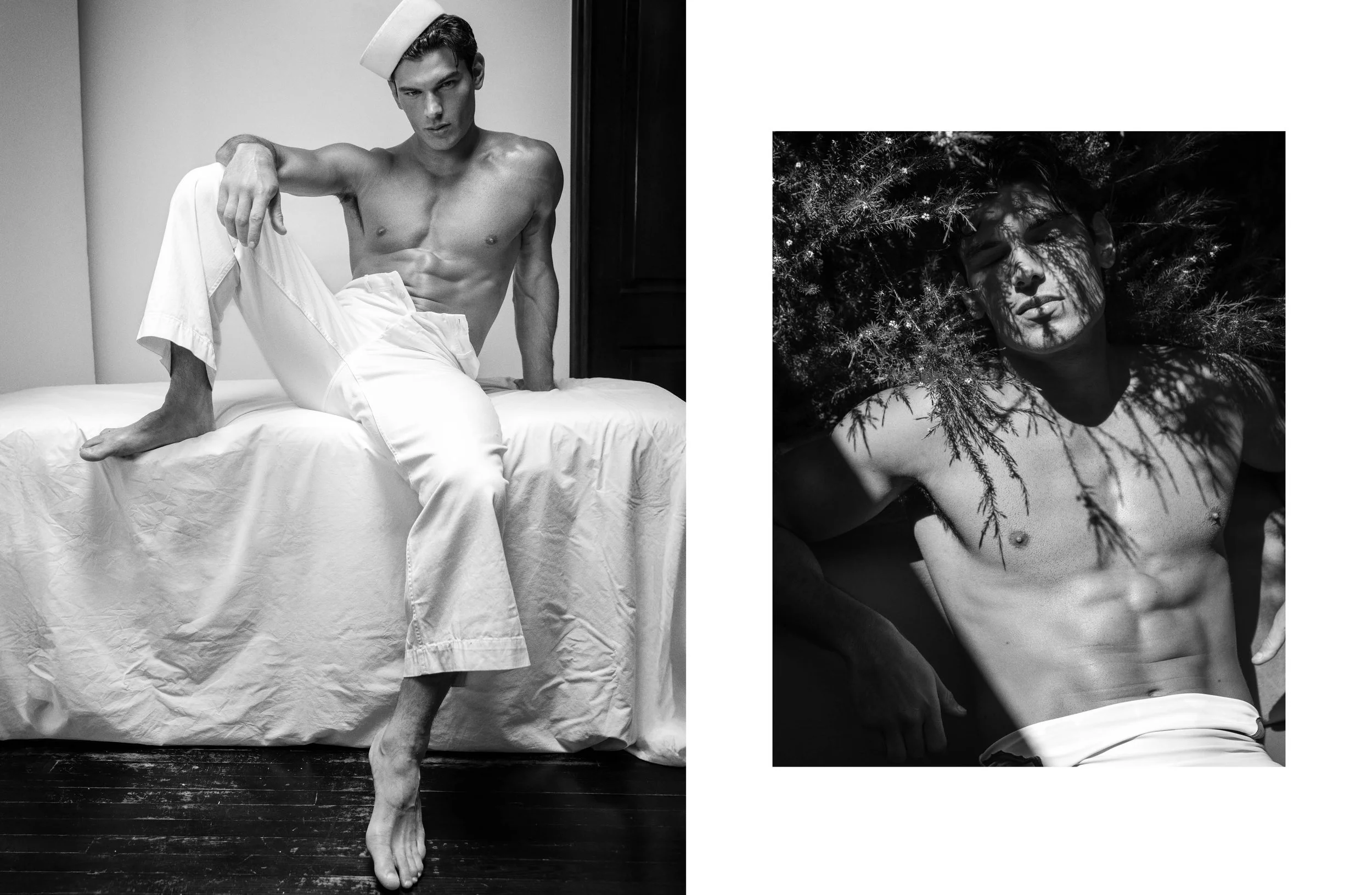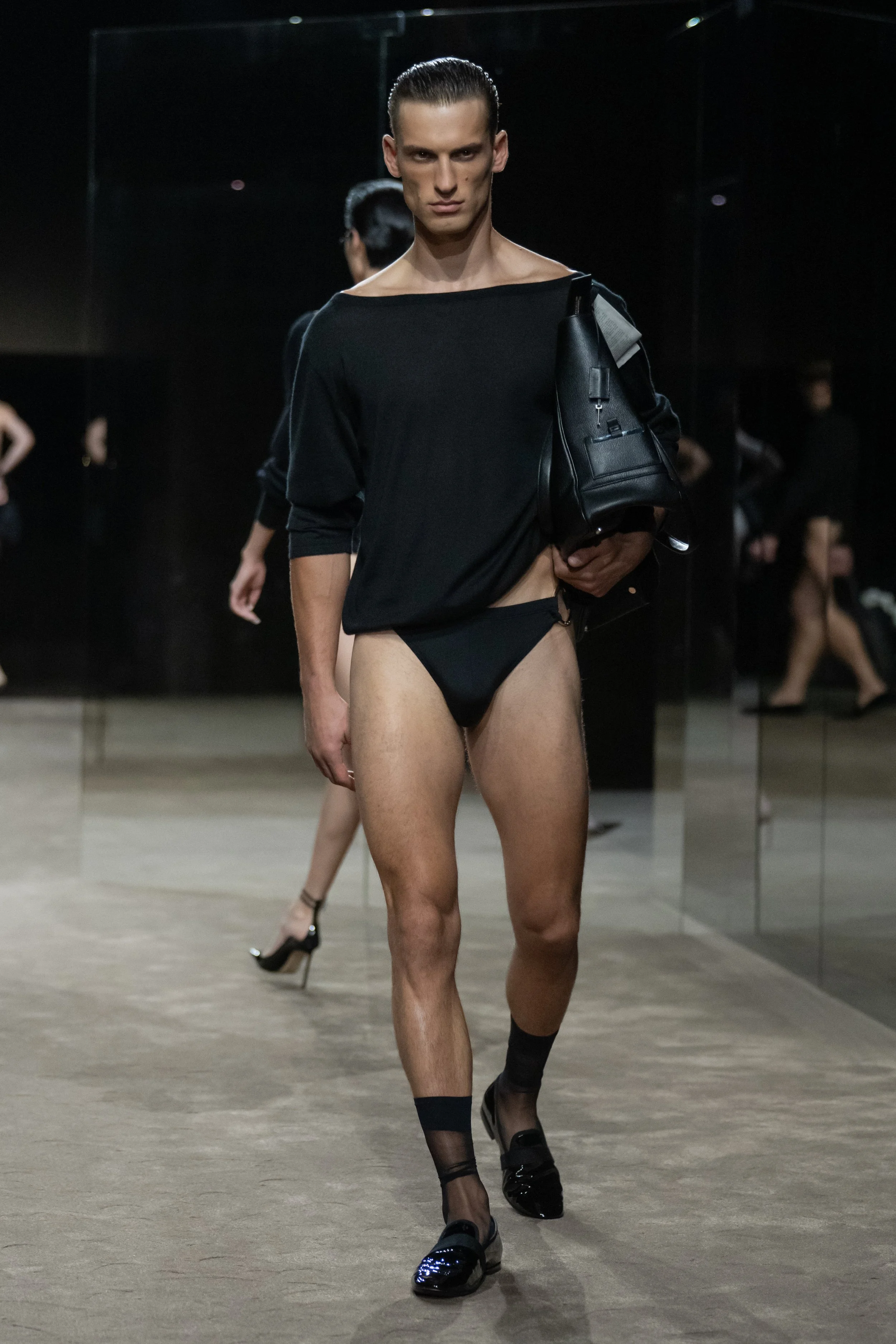
Everything in the world is about sex, except Tom Ford. Tom Ford is about gay sex. Haider Ackermann’s tenure at the label has placed both at the epicentre of fashion discourse. Whereas before, the label had been somewhat lying dormant, living off its founder’s historic sex rather than its reality. We’ve been talking of sex; now we’re engaging in it. There’s no better bedfellow than Ackermann, who has made it his mission to place Ford’s lust in the modern context. Rather than attempting to recreate Ford’s original, sticky, narcissistic eroticism, he has made it immaculate. The distinction was everywhere in the Spring/Summer 2027 collection.
The show took place in a darkened room lined with enormous sheets of glass and smoked mirrors. Reflections multiplied bodies across the space, turning the audience into voyeurs and the models into their own spectators. Models came through in pairs and groups, slowly, with that peculiar Ackermann choreography in which a model will stop, turn, inspect another body, inspect their own reflection, and continue as if nothing happened. What some (me) would call cruising.
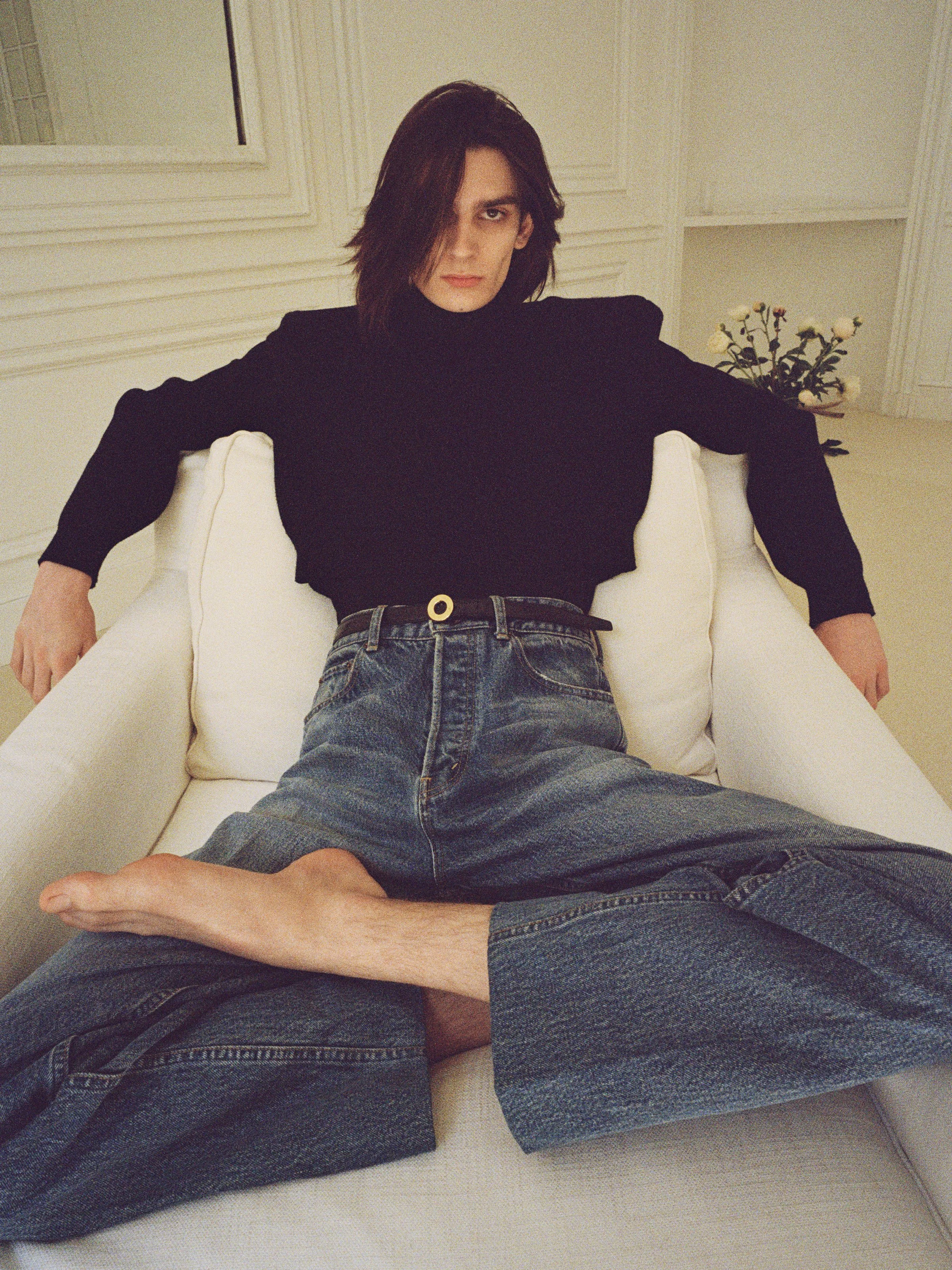
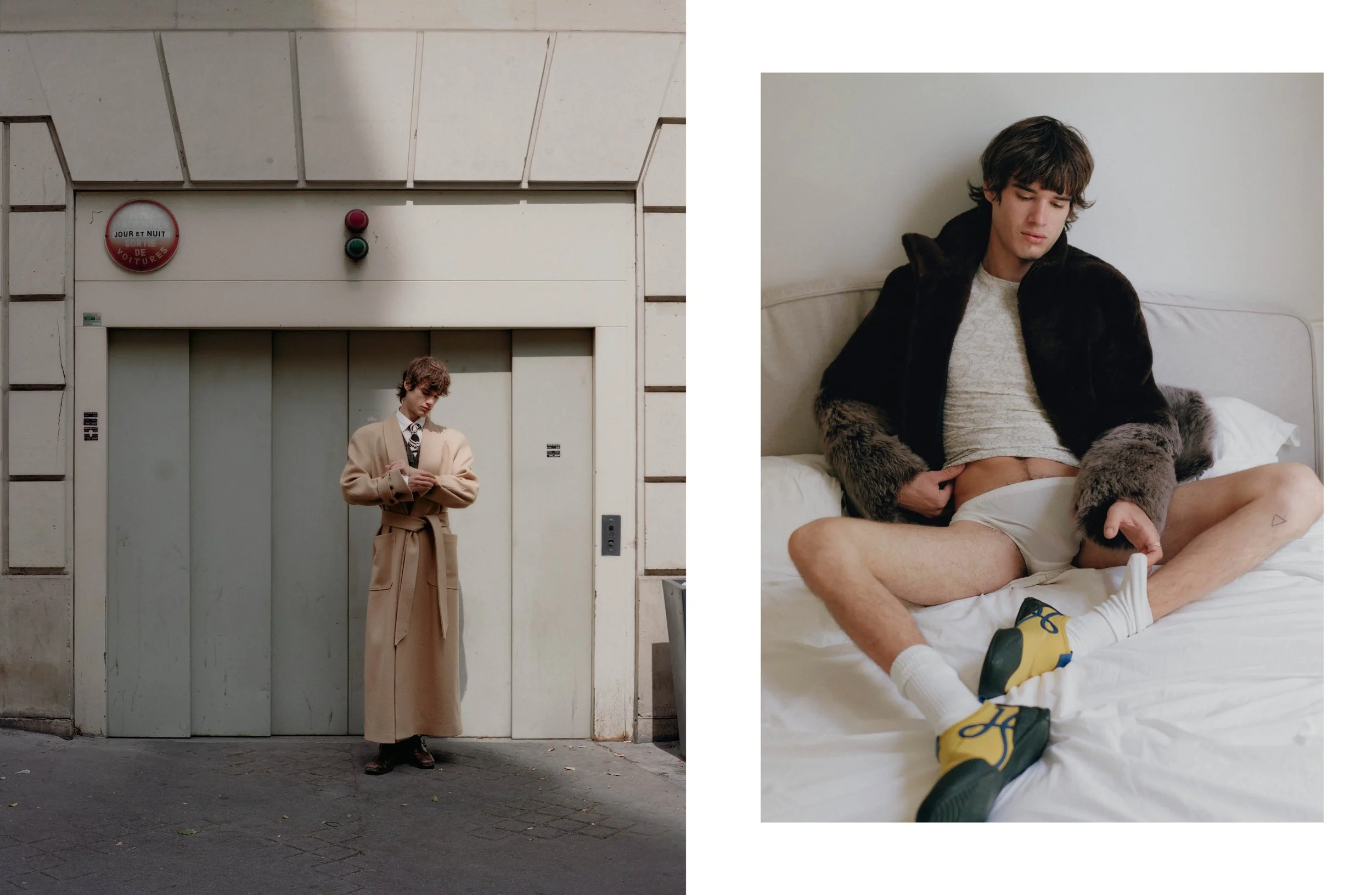
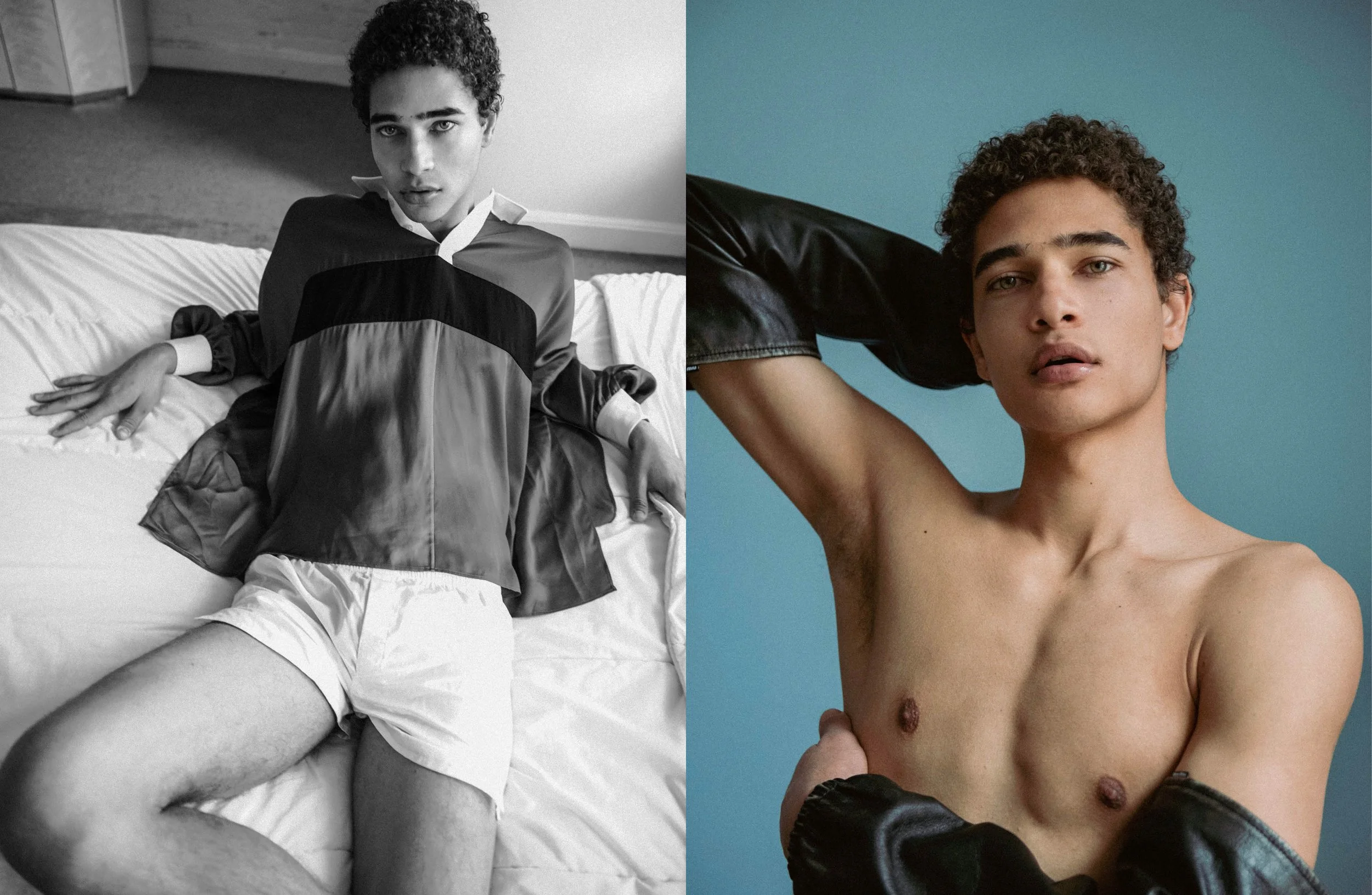
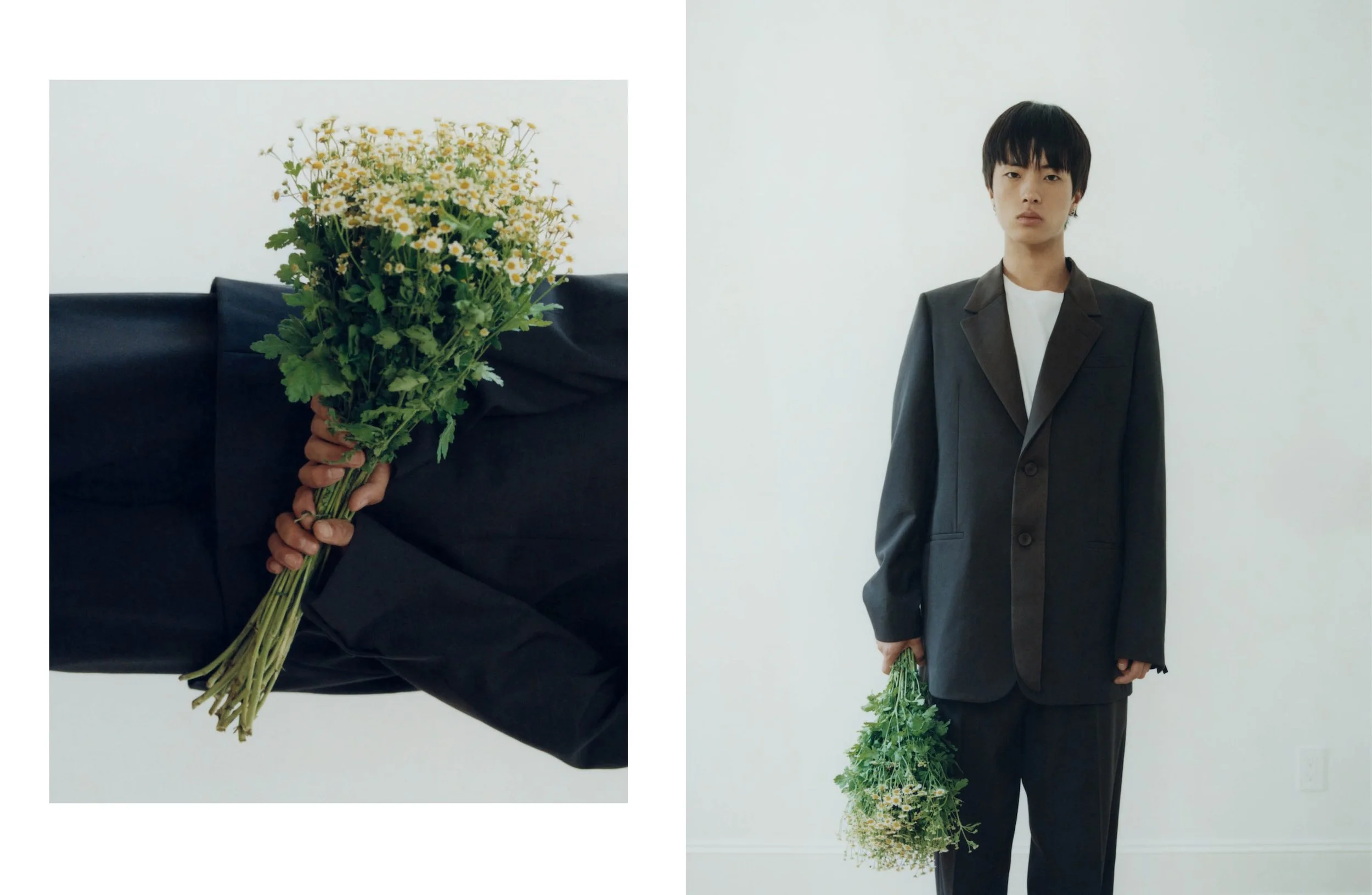
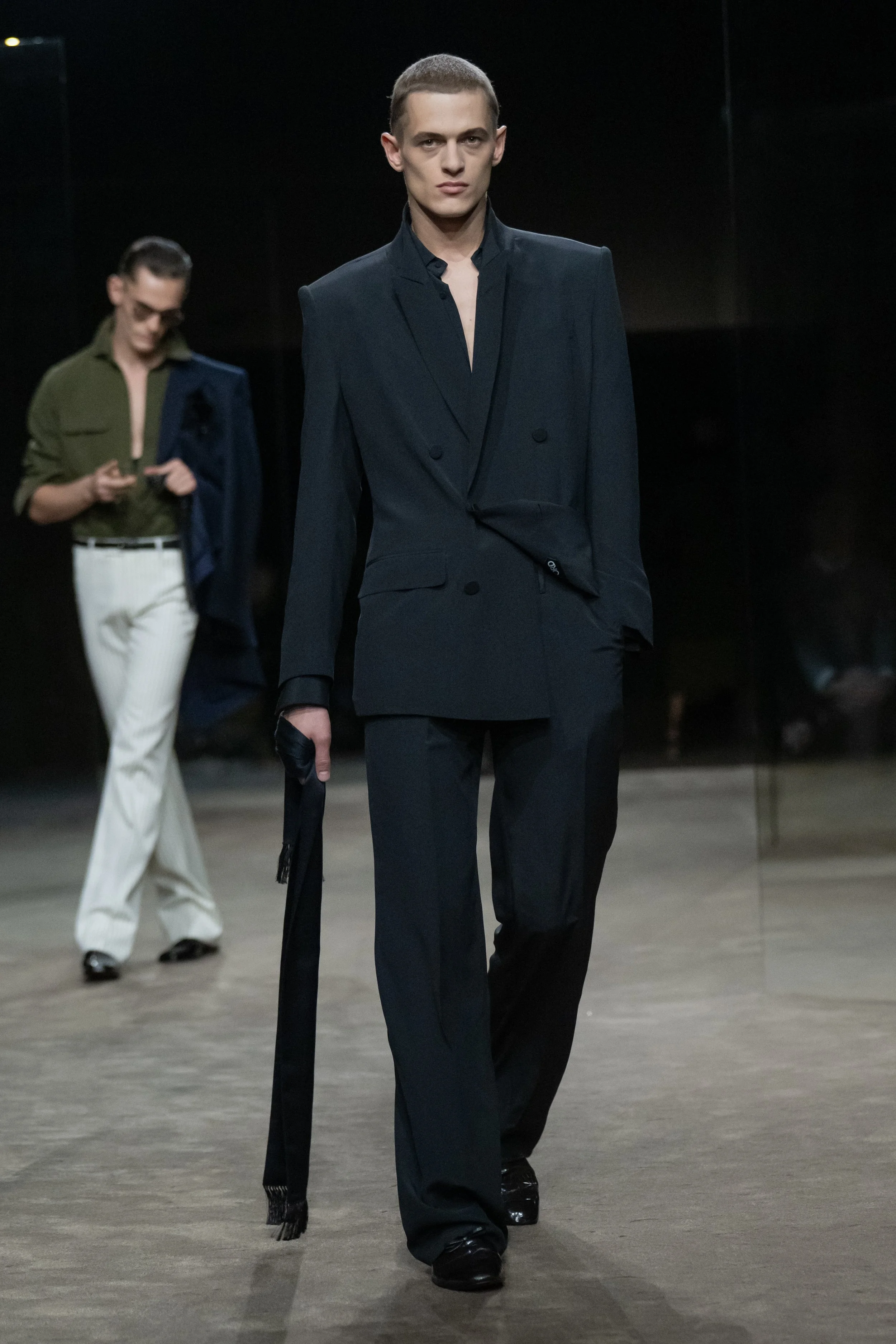
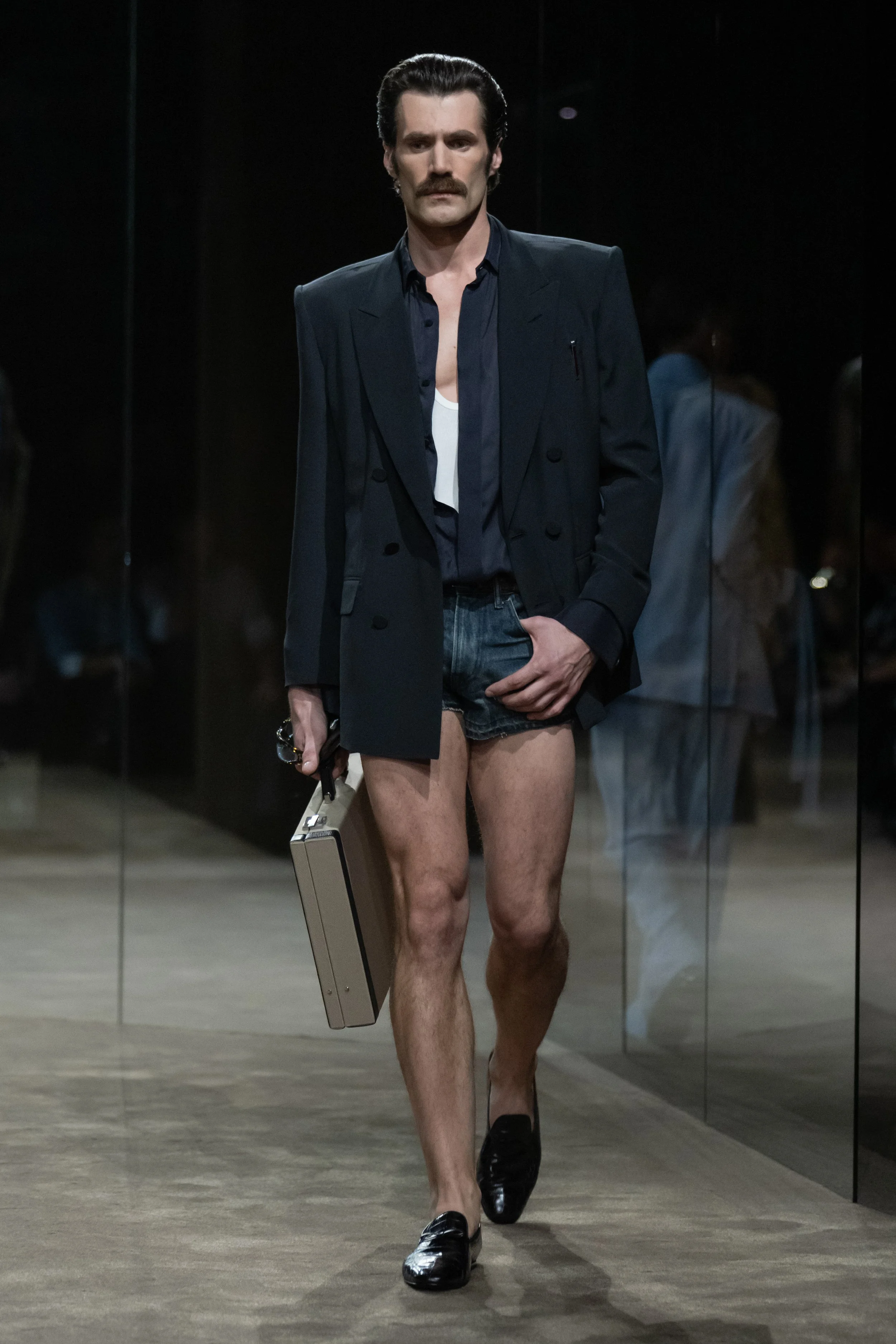
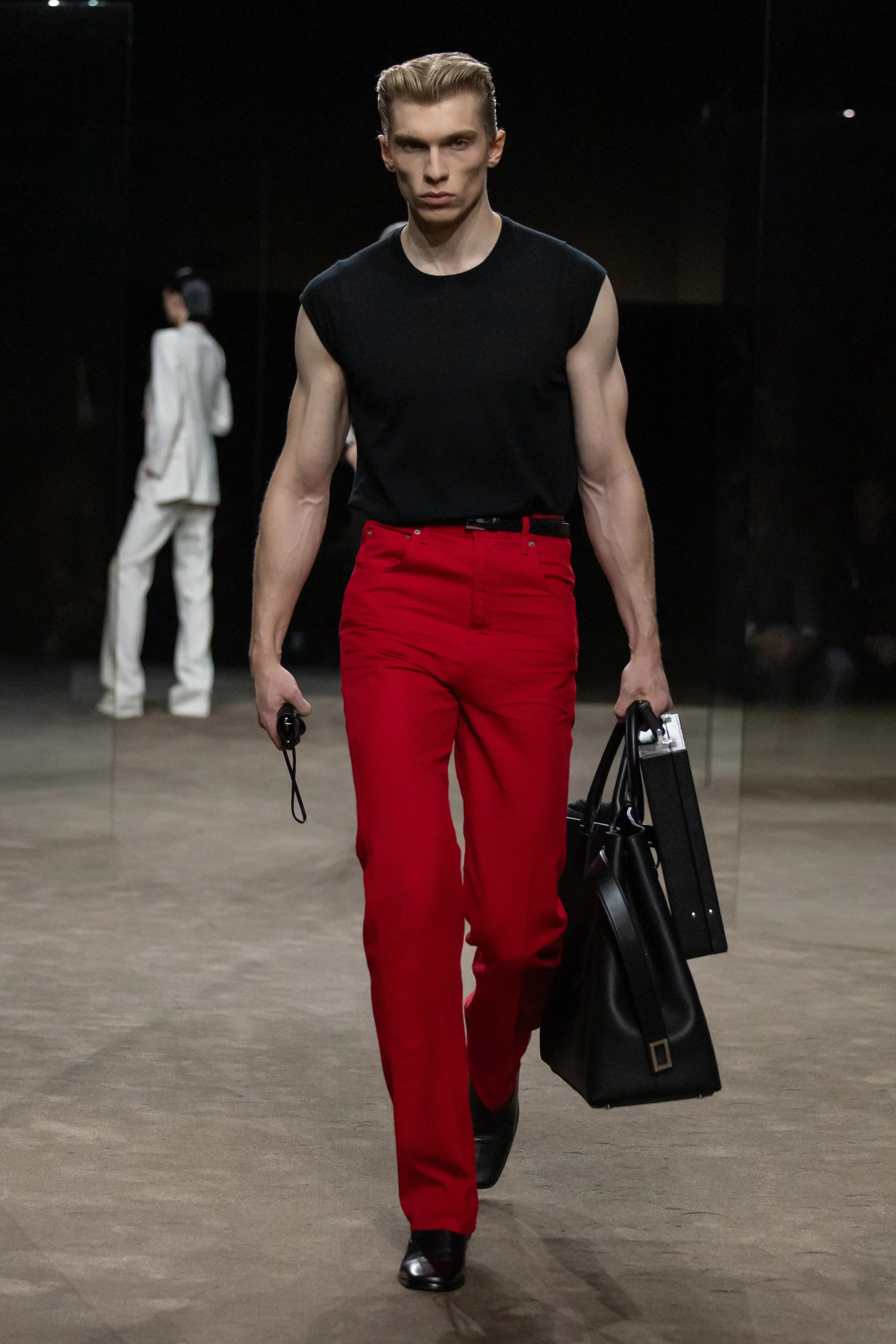
The collection opened with tailoring: narrow pinstripes, sculpted shoulders, beautifully cut trousers, jackets worn open over bare torsos. There was a severity to it that made the nudity more obscene. A hairy chest underneath a business suit is considerably filthier than a naked chest underneath nothing. The suit provides the alibi. It says accountant, lawyer, executive. Everything underneath says otherwise.
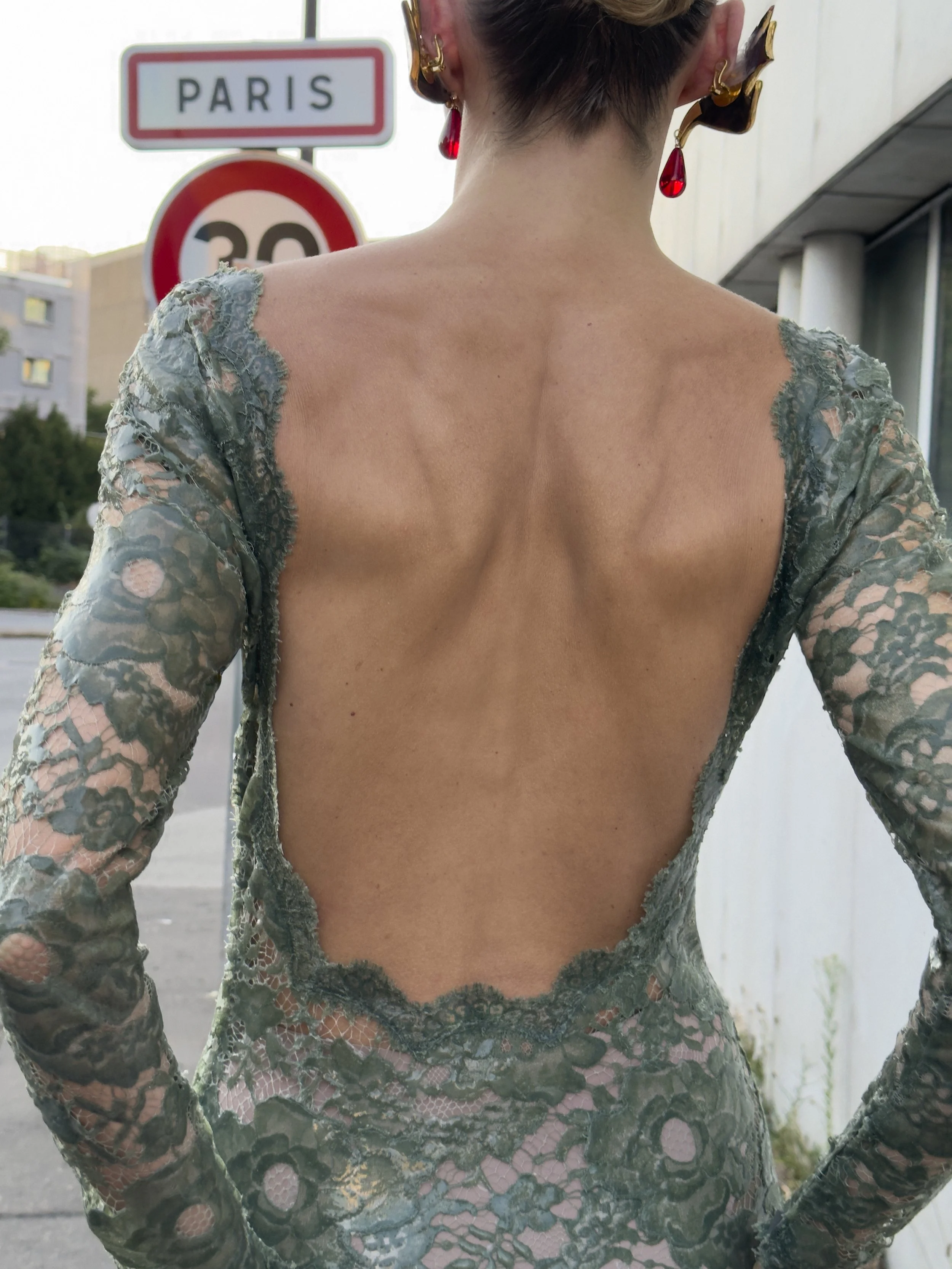
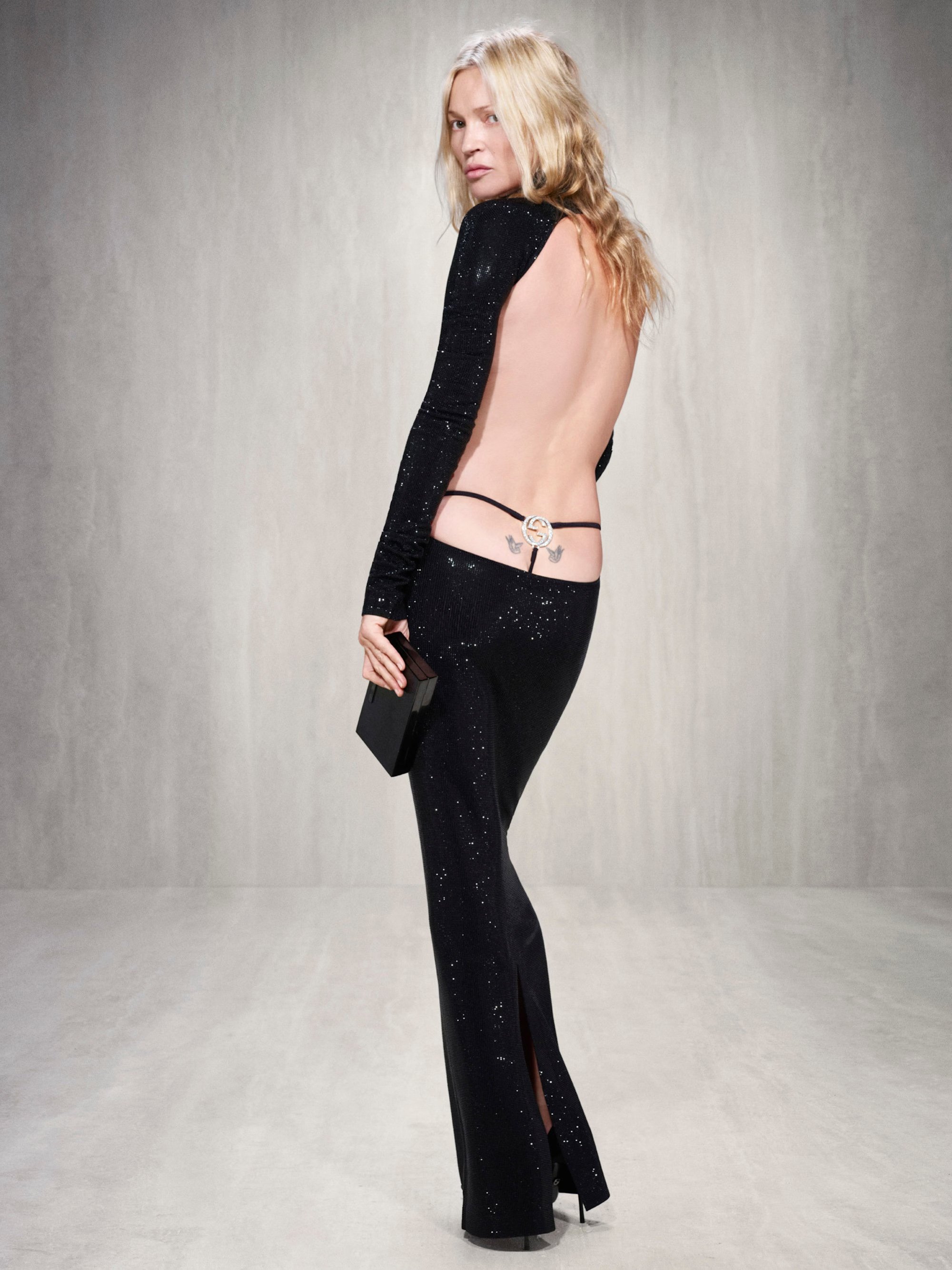
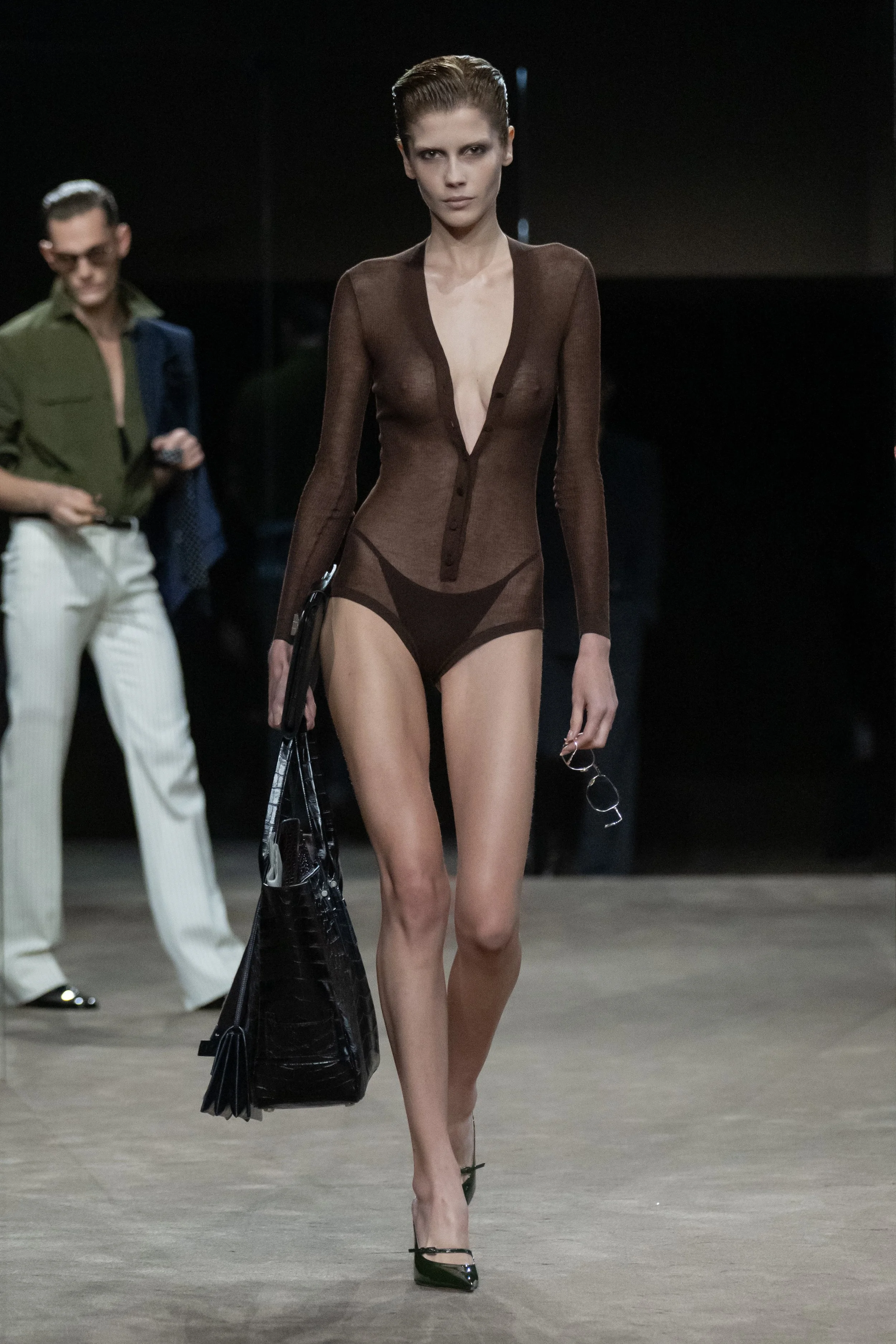
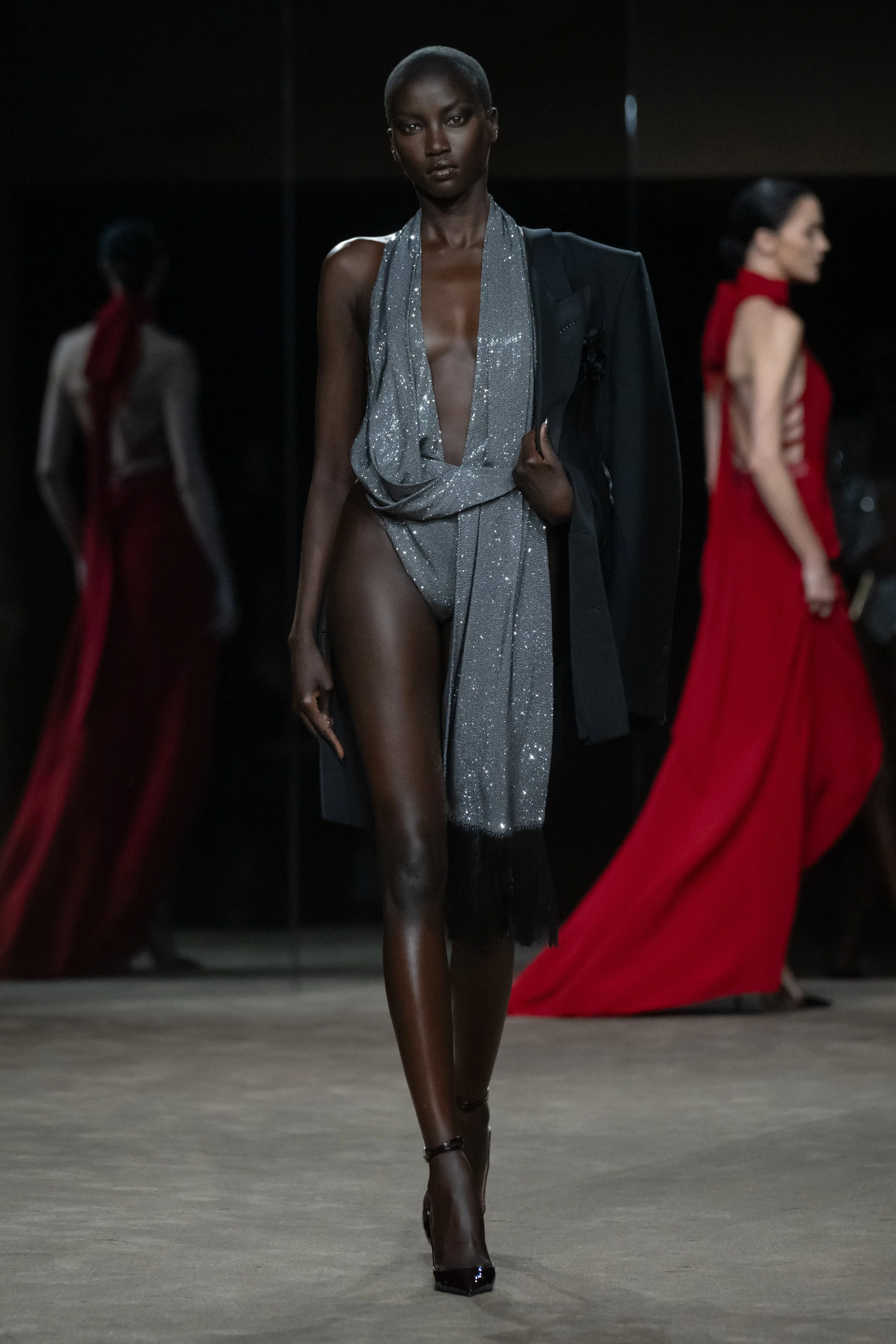
For womenswear, Ackermann worked the same tension through red dresses sliced with precise openings, bare backs, high slits and bodies exposed almost surgically. There were satin bralettes, folded leather constructions and transparent skirts through which lingerie appeared with the cold clarity of an X-ray. The clothes did not feel undone. Quite the opposite. Every inch of flesh seemed calculated, measured strategically.
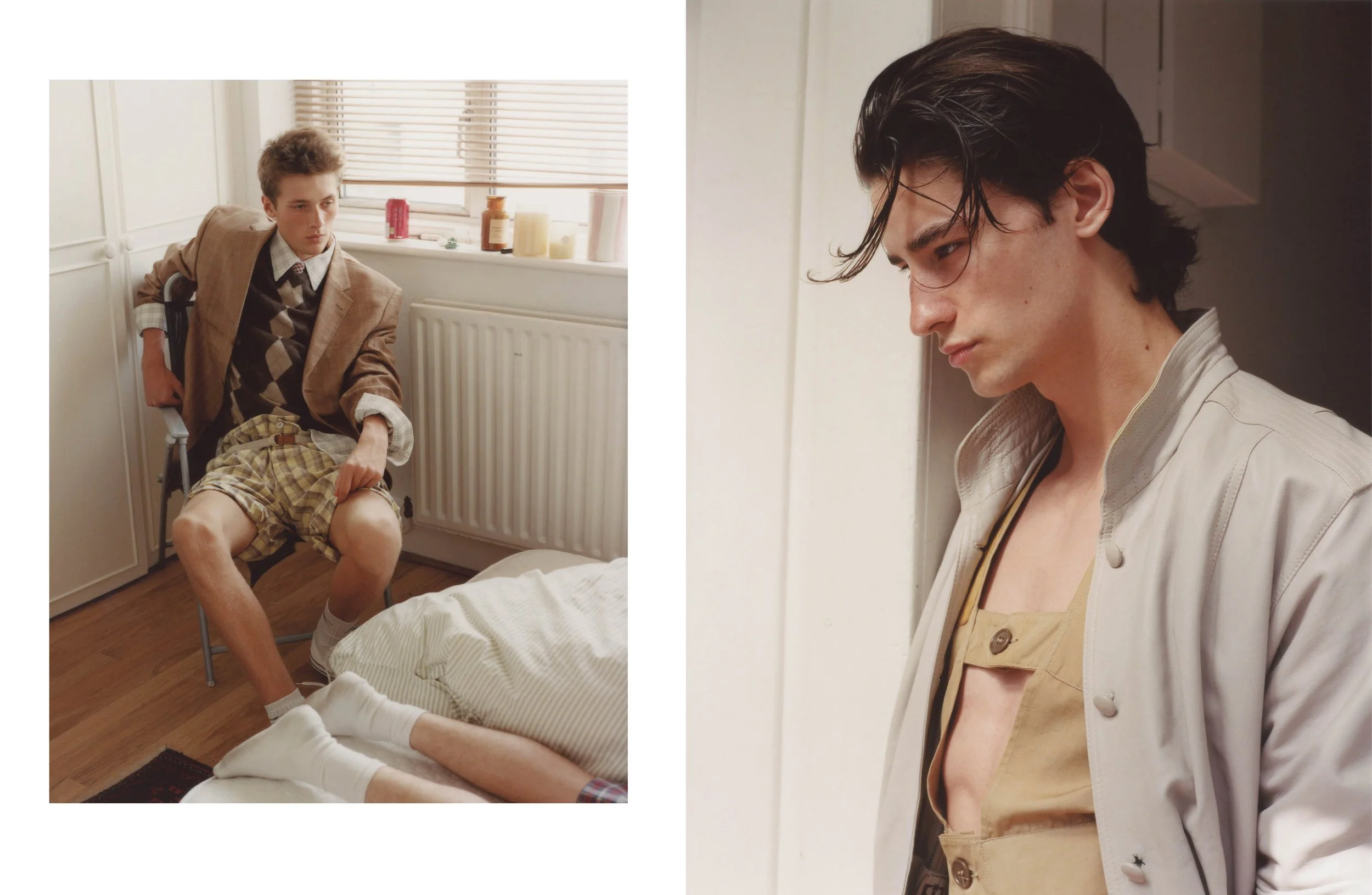
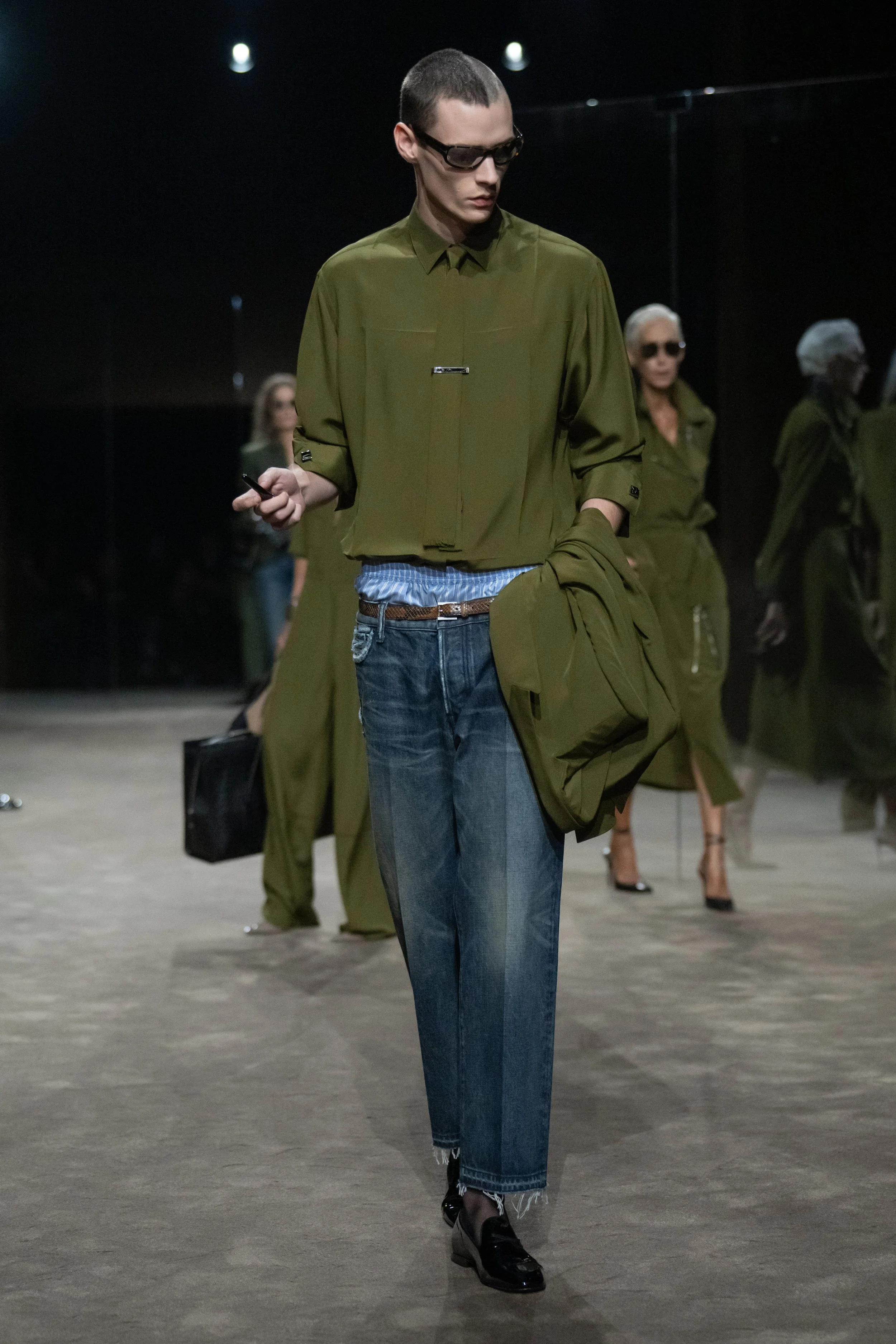
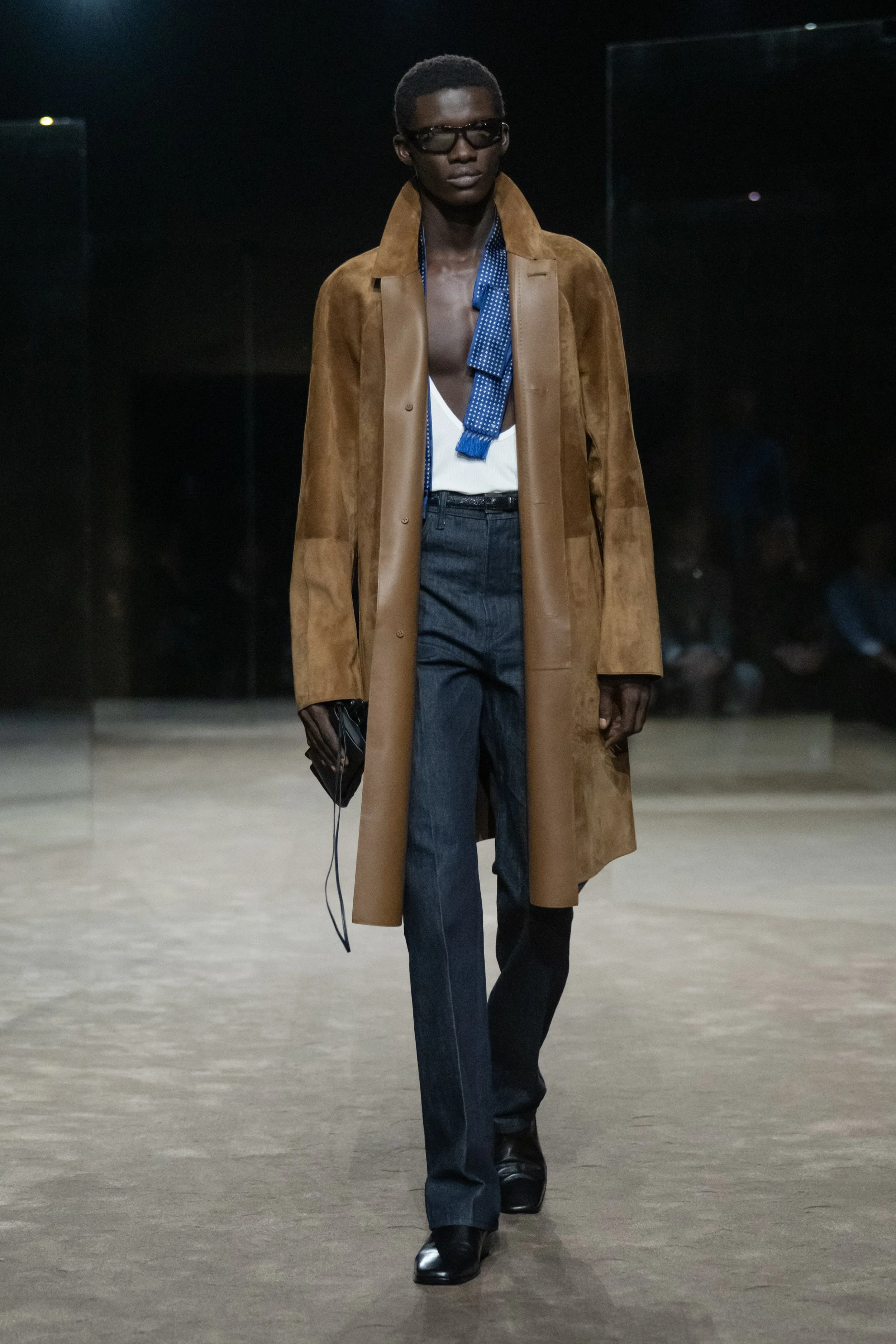
There were gorgeous buttery leather dresses, their surfaces catching the light whenever a body moved, and tailoring that appeared almost severe until the wearer turned around. There were low-slung trousers, easy cottons, denim distressed at exactly the places where you might want to look twice, and shirts opened low enough to make the distinction between dressing and undressing academic.
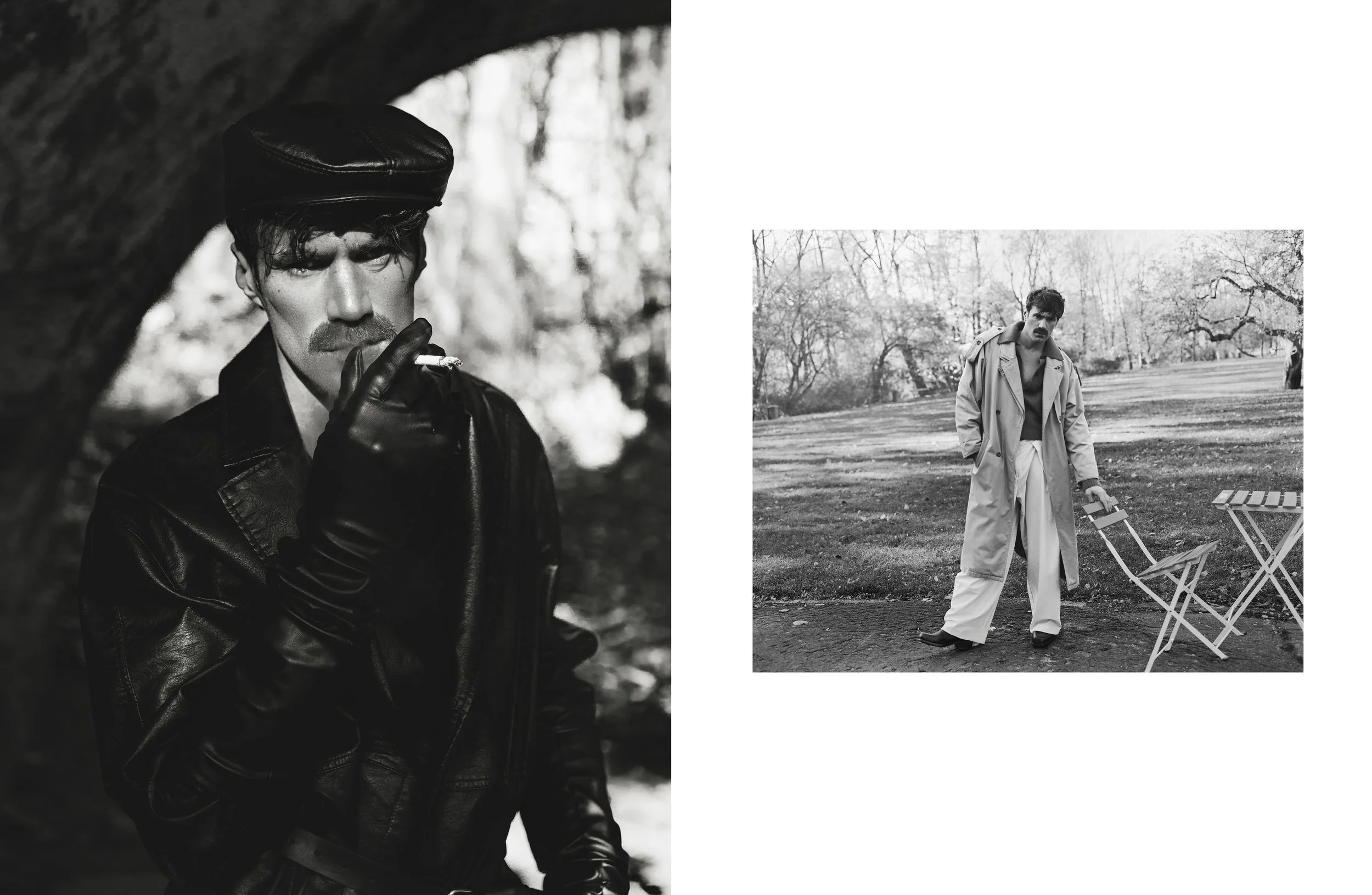
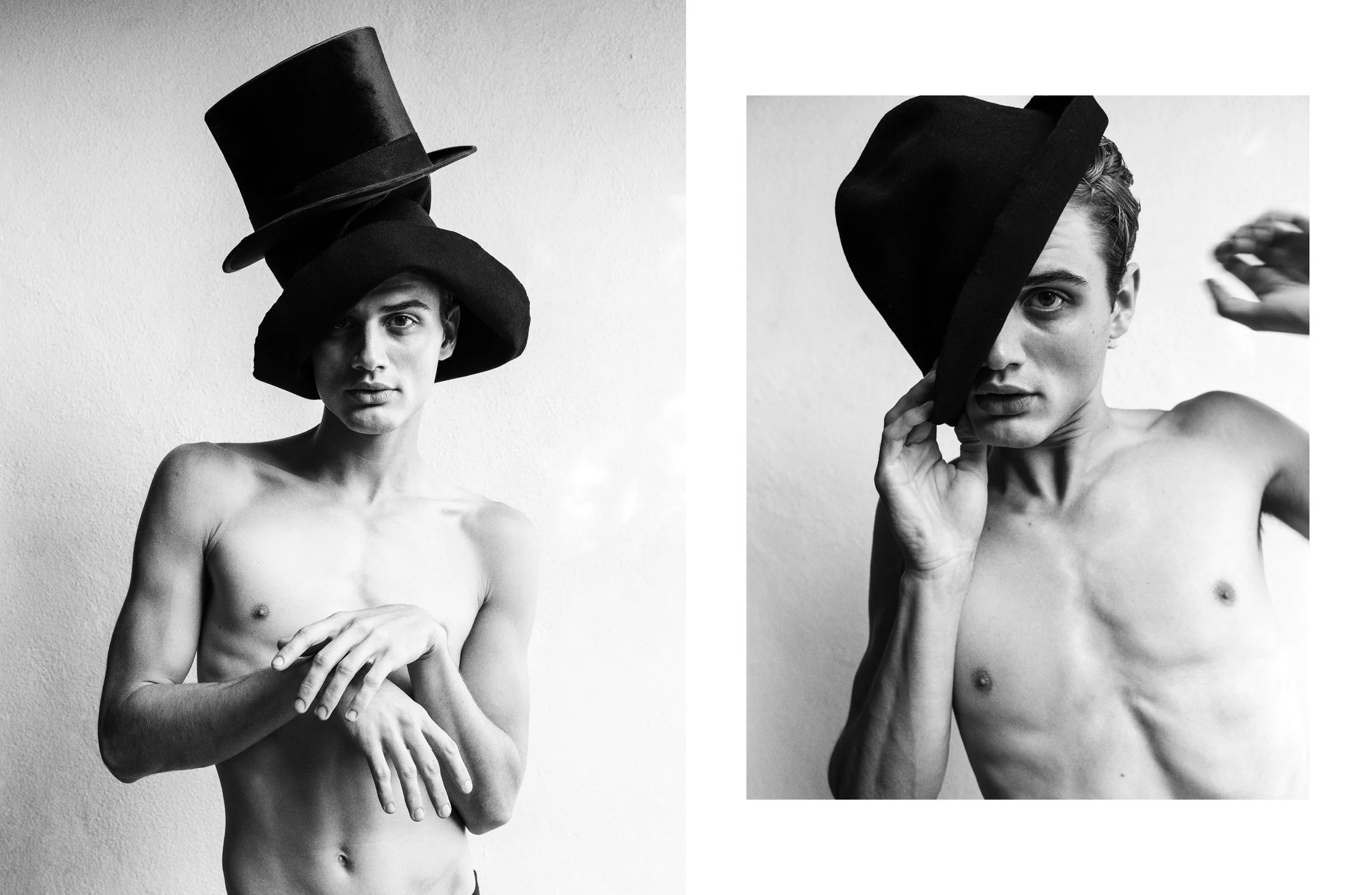
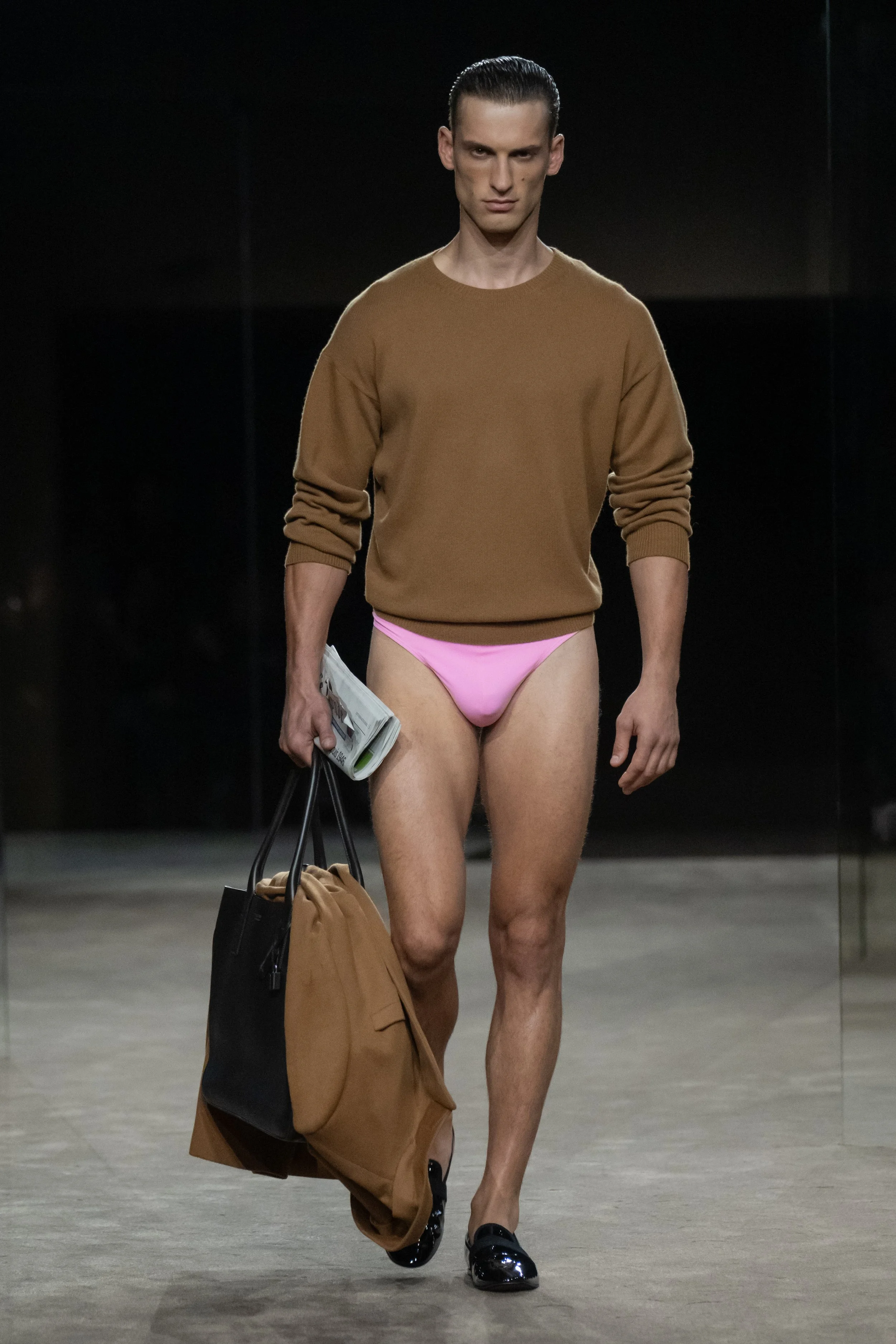
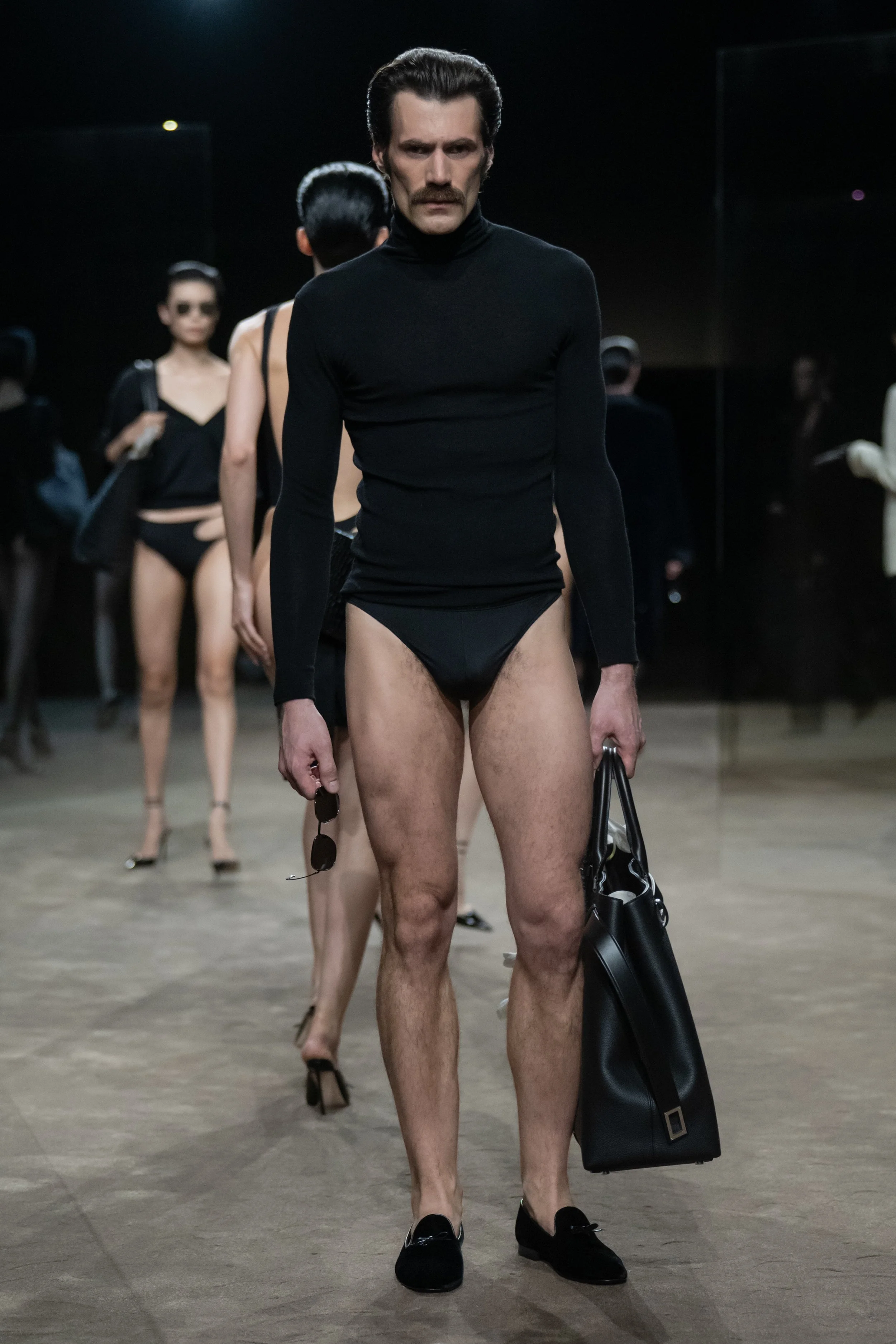
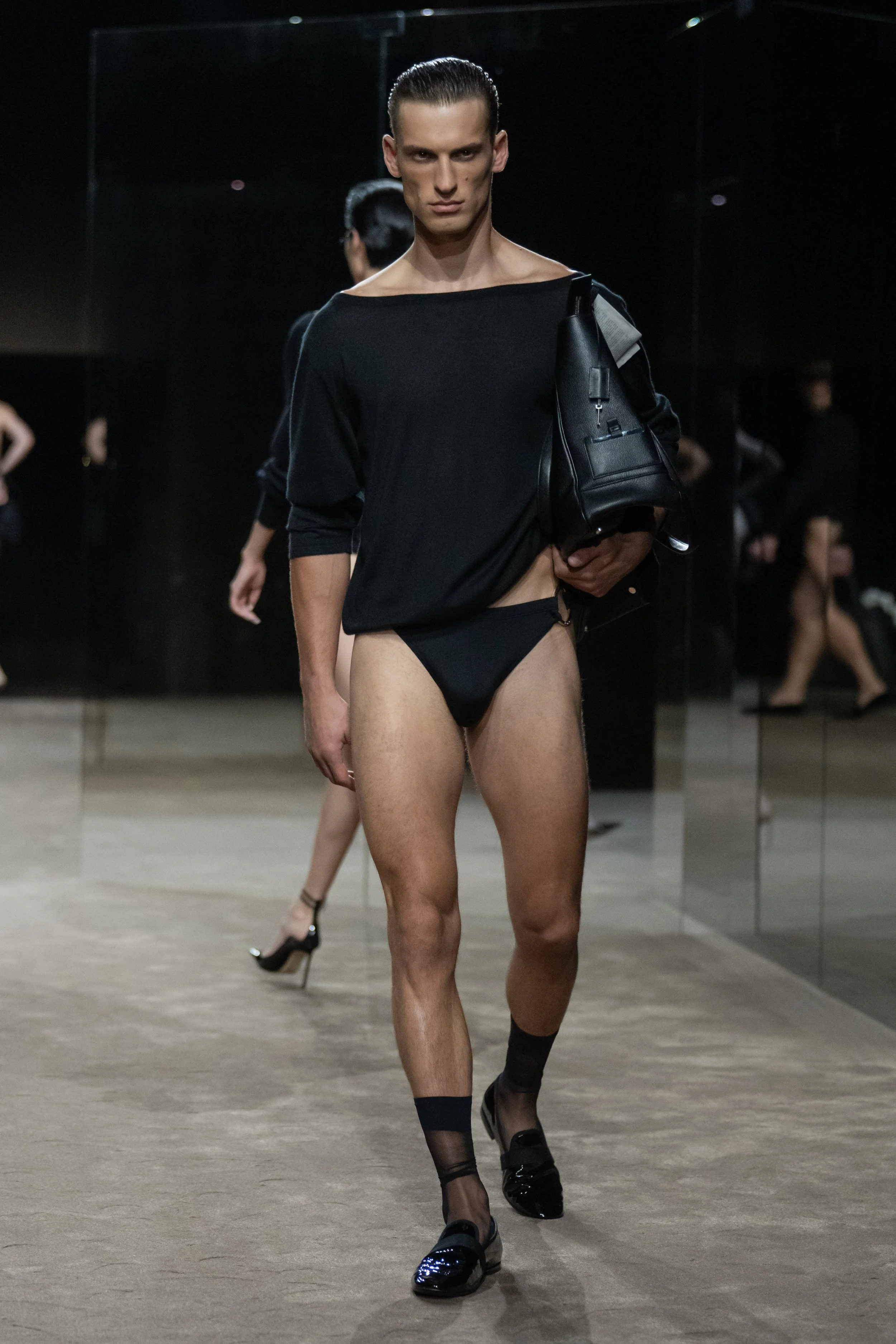
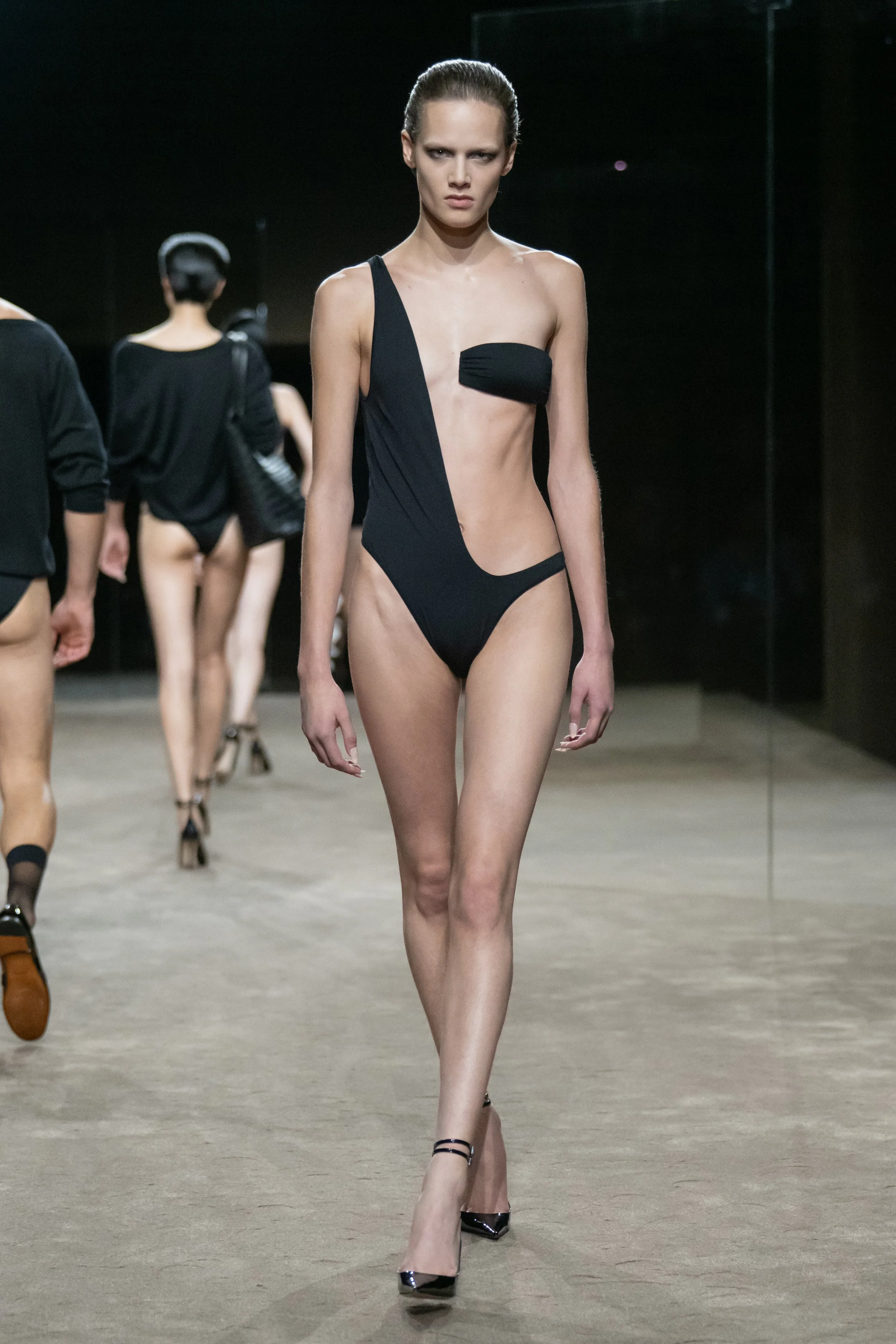
Swimwear was but architectural arrangements for showing as much body as legally and aesthetically possible. Black, minimal, cut high across the hip and low across the back. One male look, with a moustache worthy of a 1970s porn set—aspirational— paired a turtleneck with a tiny brief; when he turned, the back disappeared into a thong. It’s hard to describe the impact a singular neon pink thong can have on the homosexual psyche. As soon as model David Trulik turned around, something erupted in me. No, not that. Something more in line with being seen. Queer depravity seen through a fashionable, clean lens. Here paired with a camel pullover, the thong became almost conceptual: sex reduced to a styling device, its vulgarity preserved but its sweat removed.
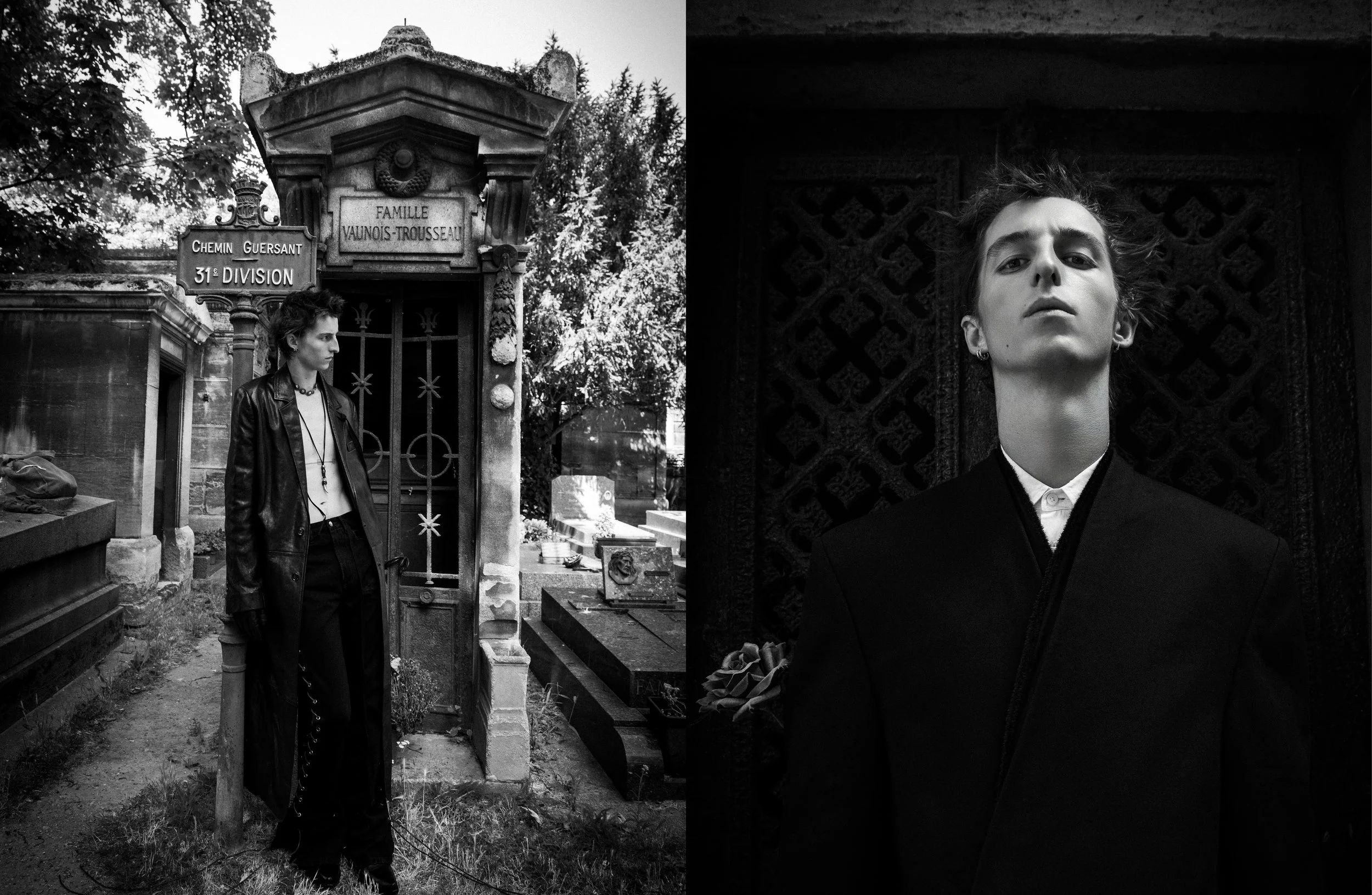
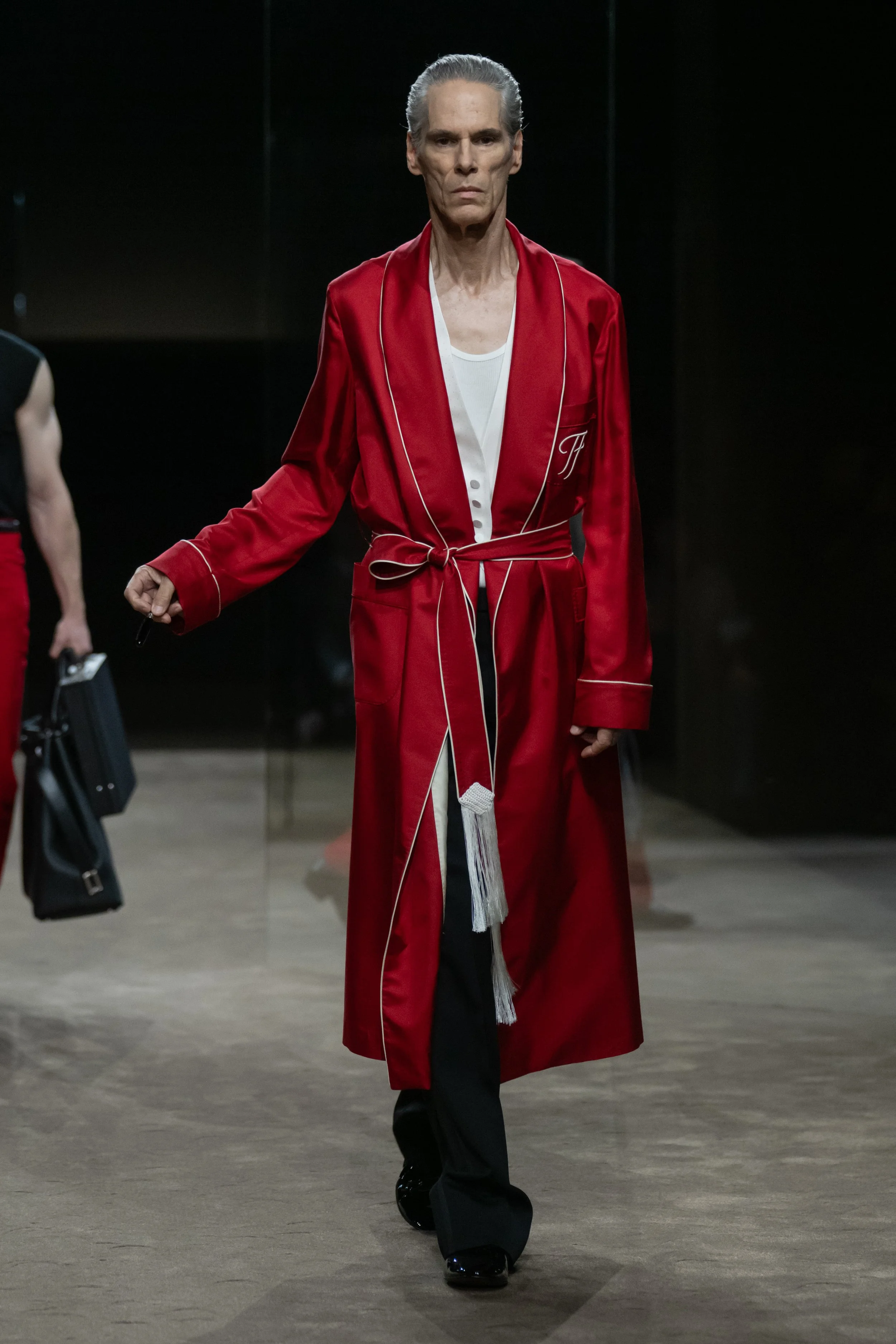
There were references everywhere to the mythology of Ford: the late-Nineties Gucci thong, the nakedness, the red dresses, the tuxedos, the fixation with the torso. But Ackermann has not treated the archive as sacred. He has treated it as pornography. He takes the old images apart and asks what made them erotic in the first place. The answer, increasingly, seems to be control.
Words by Pedro Vasconcelos