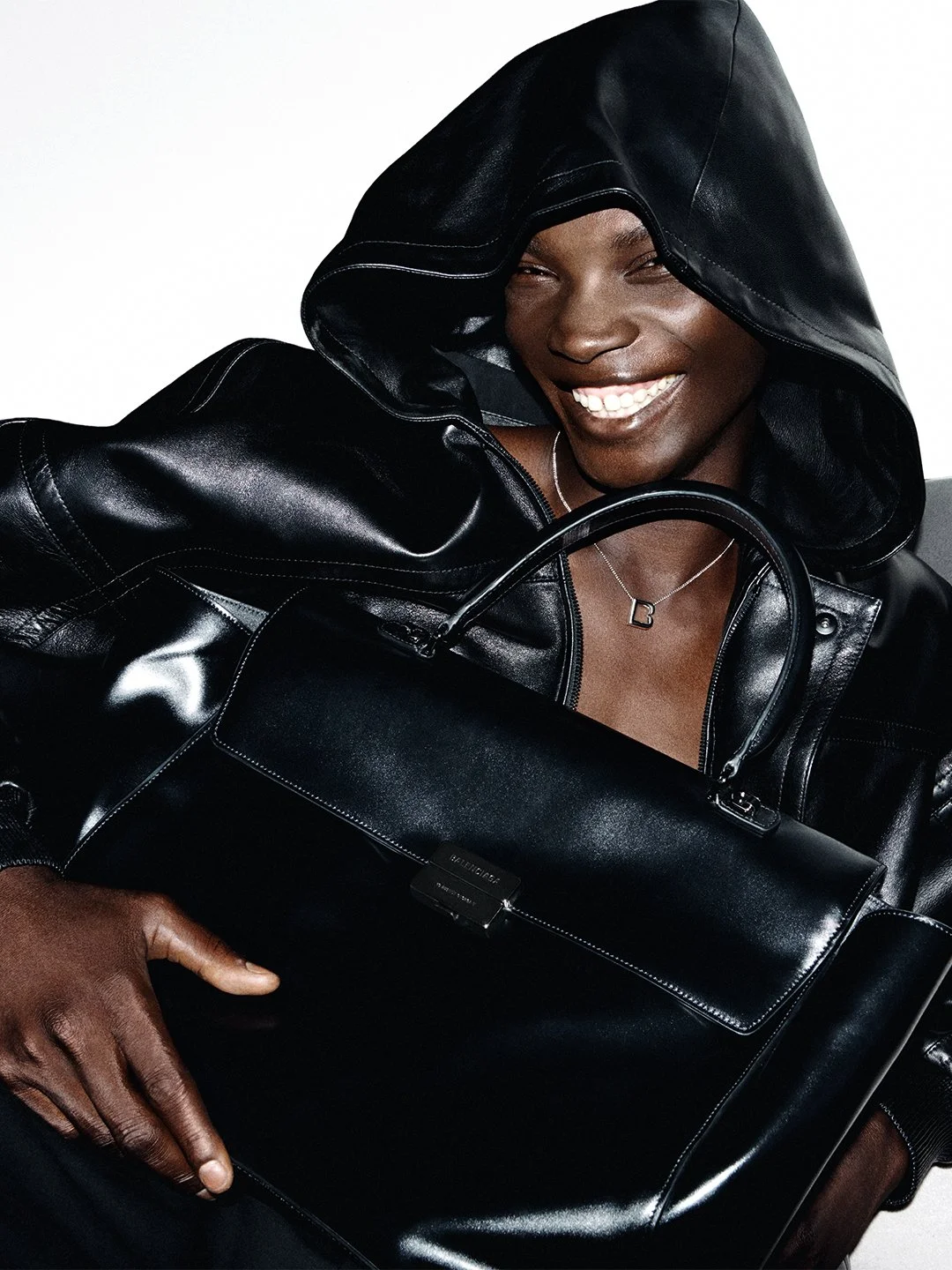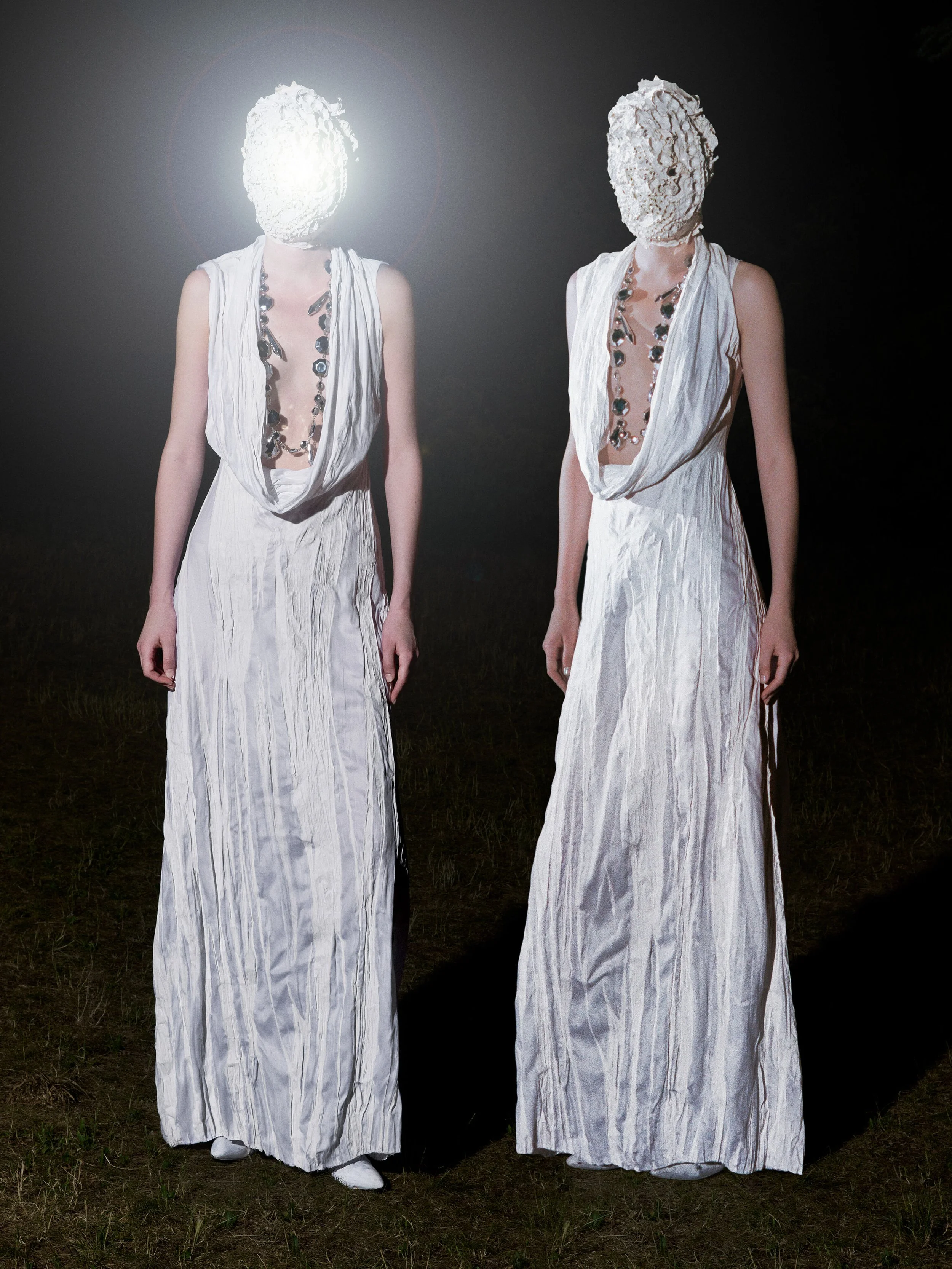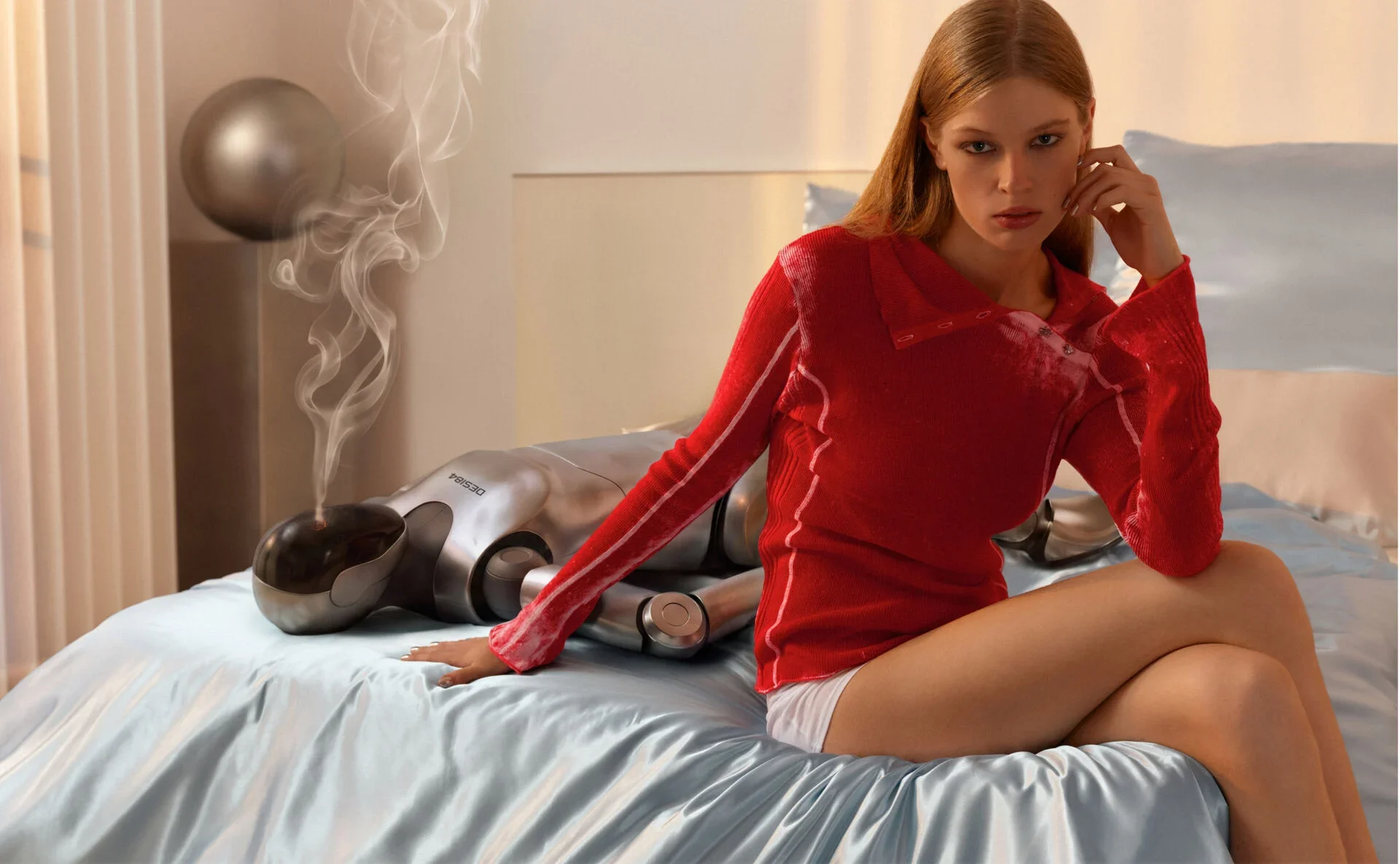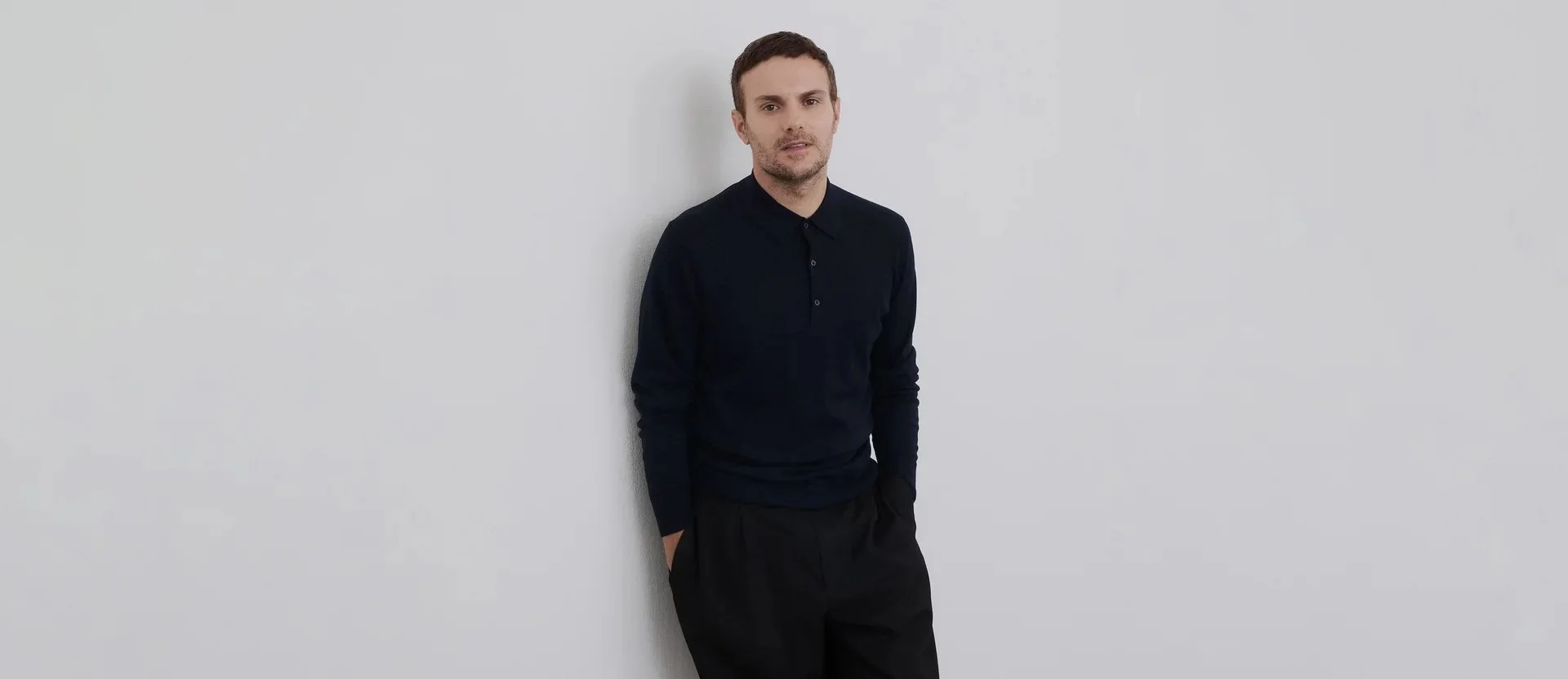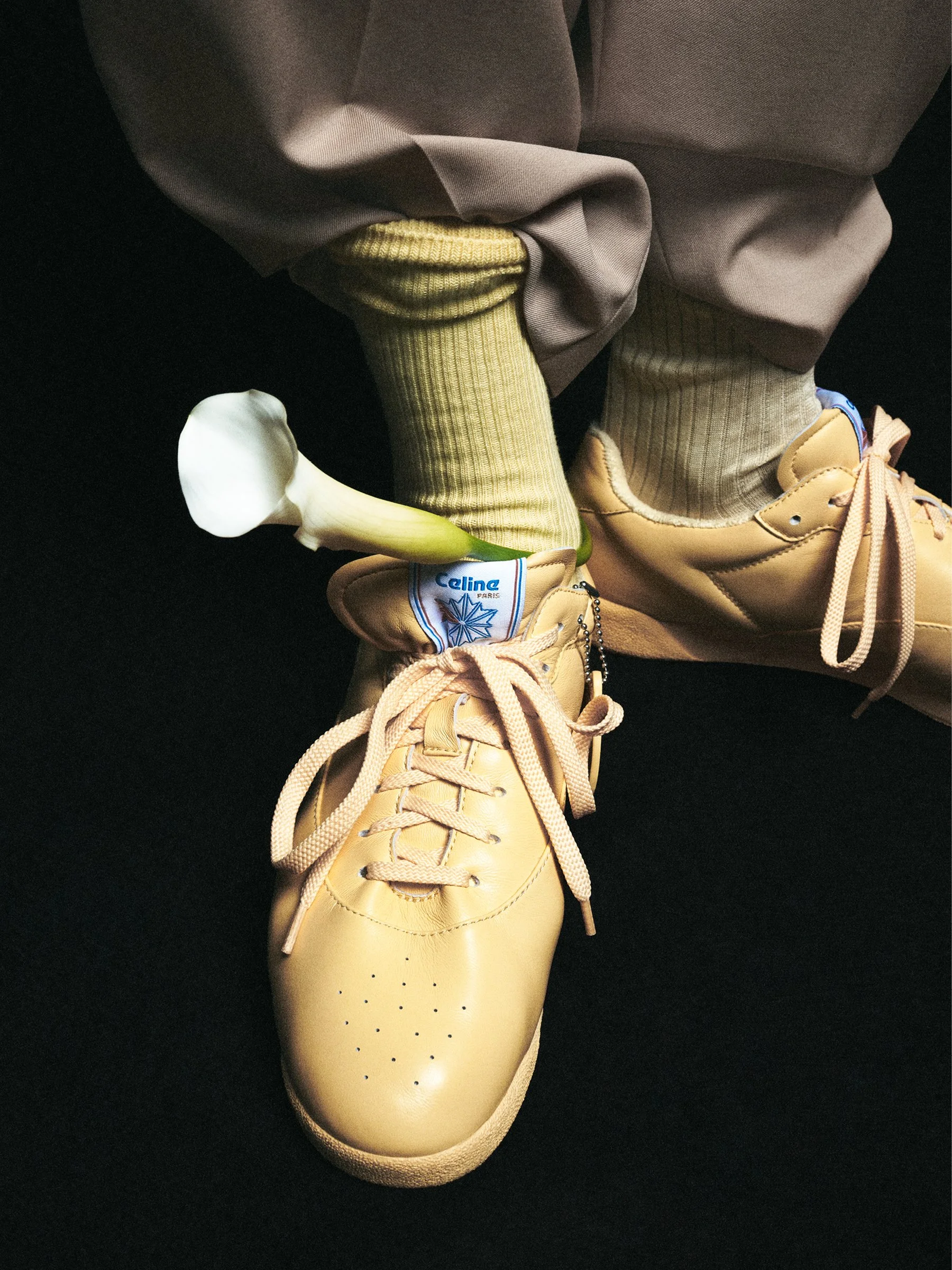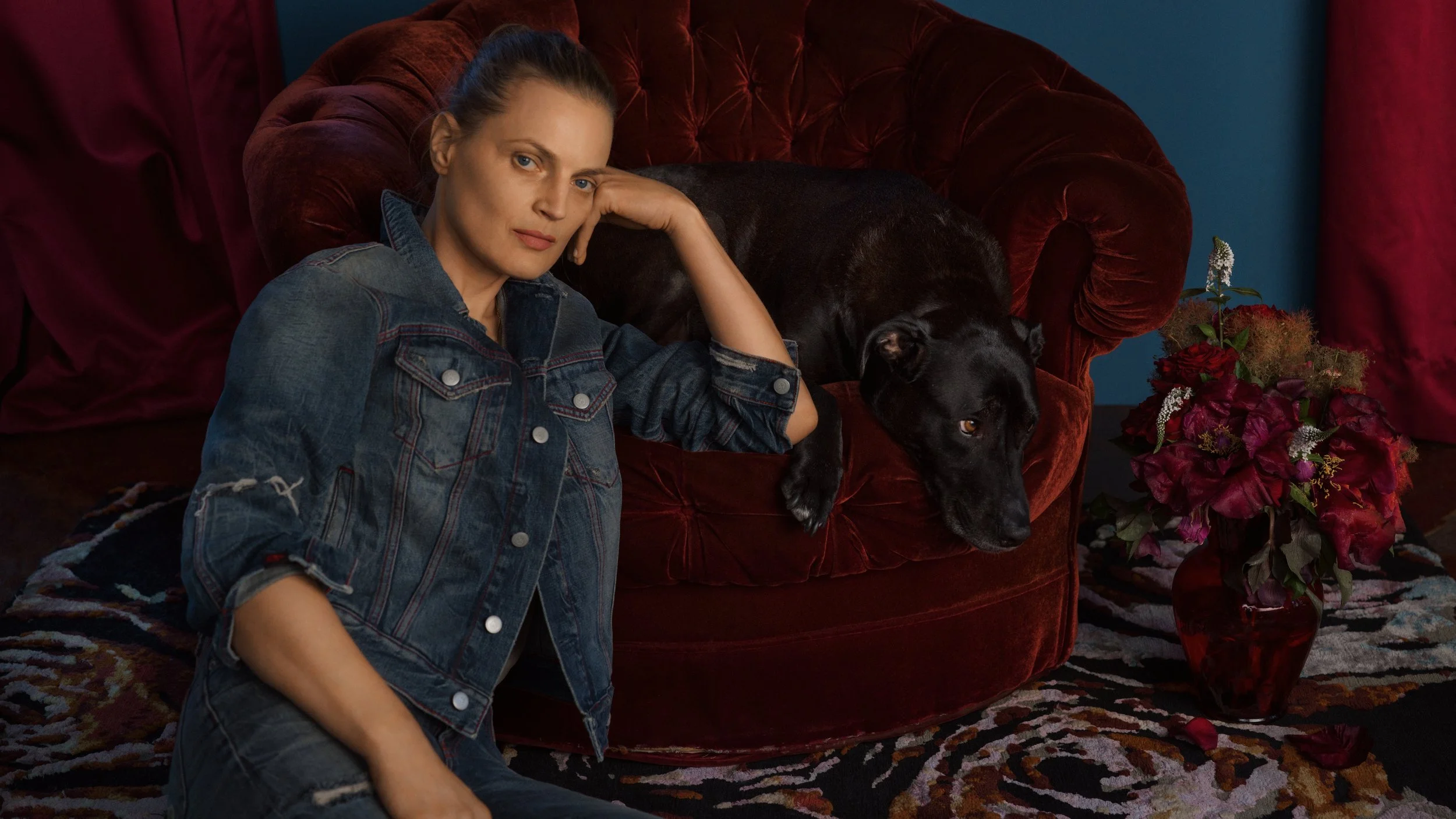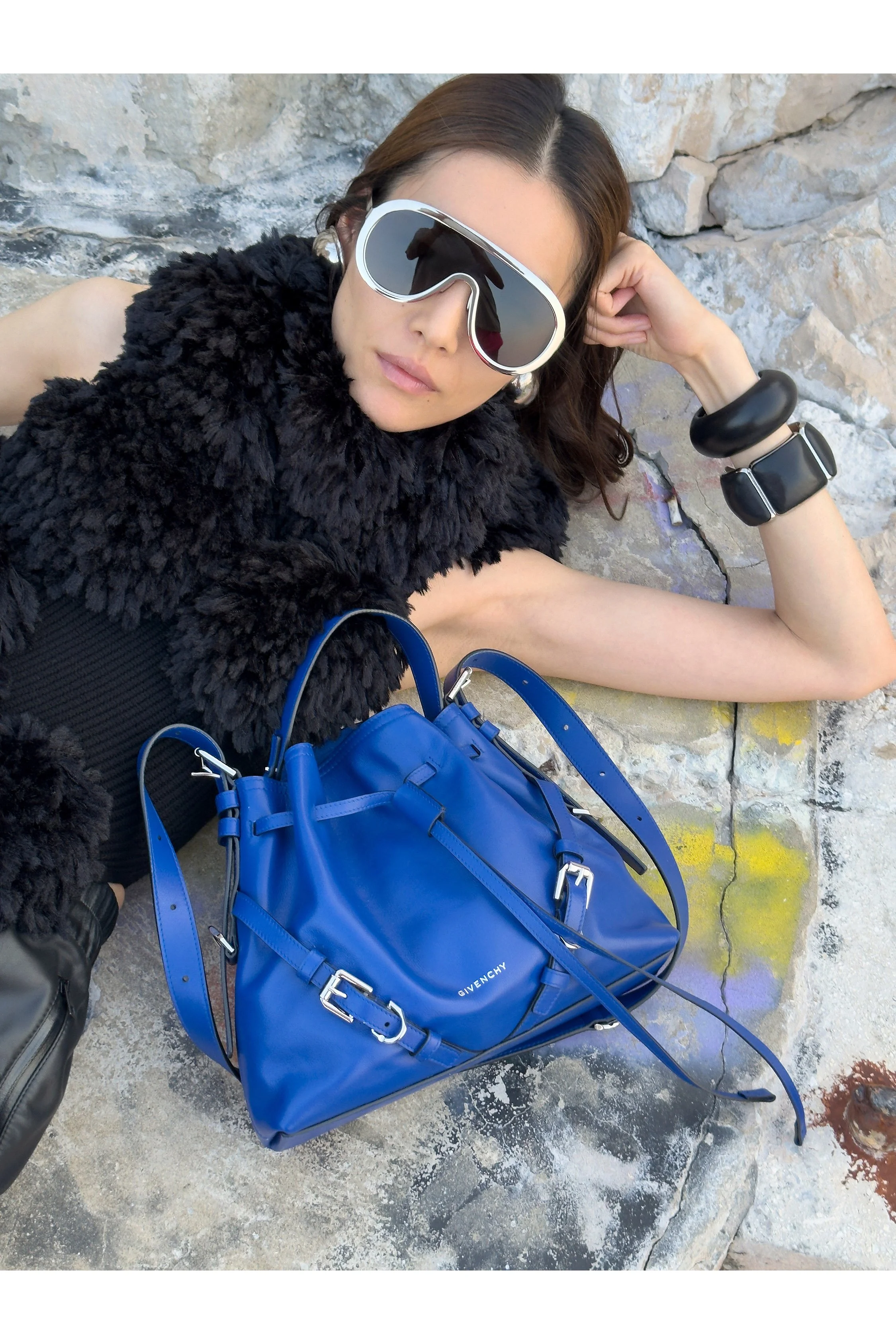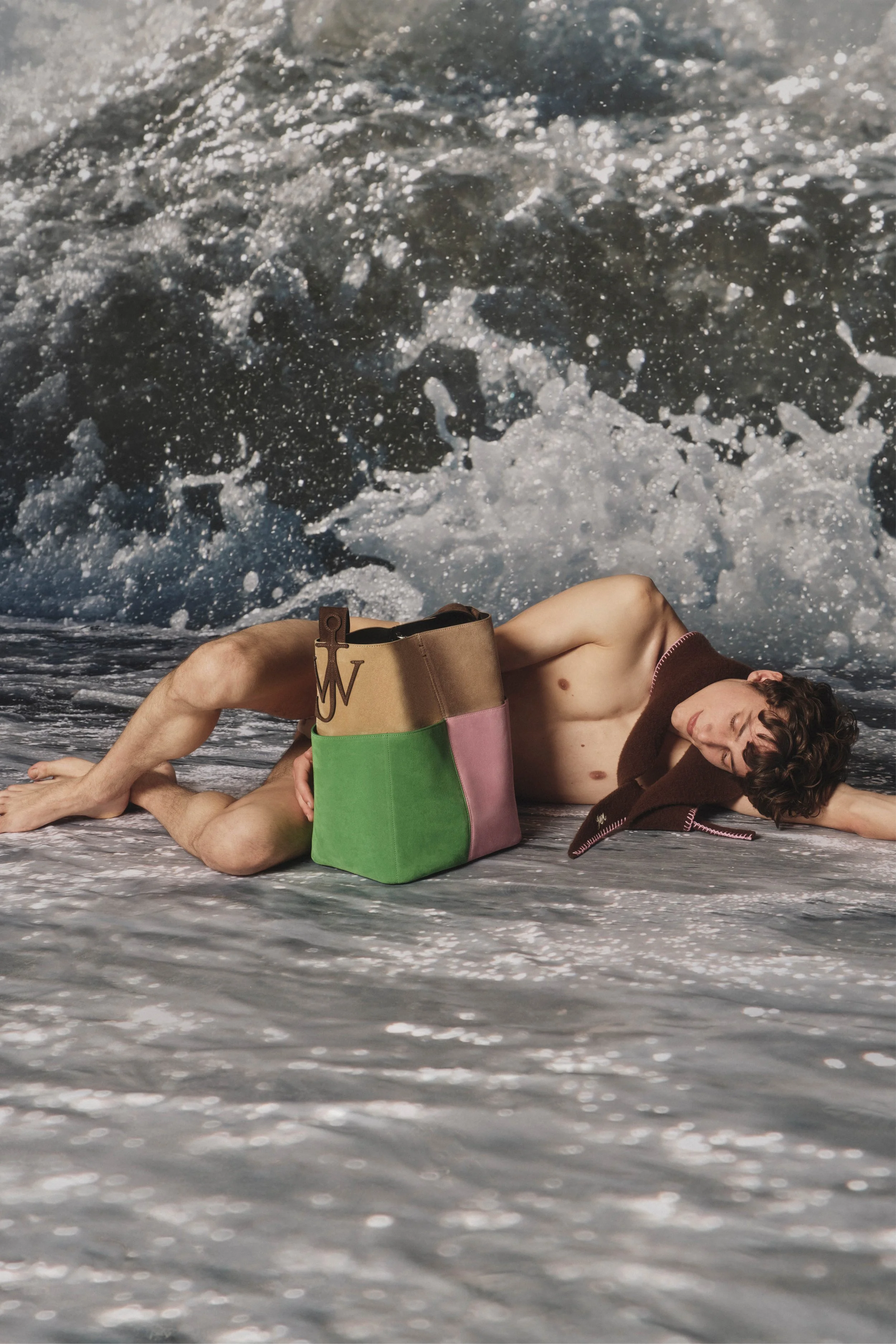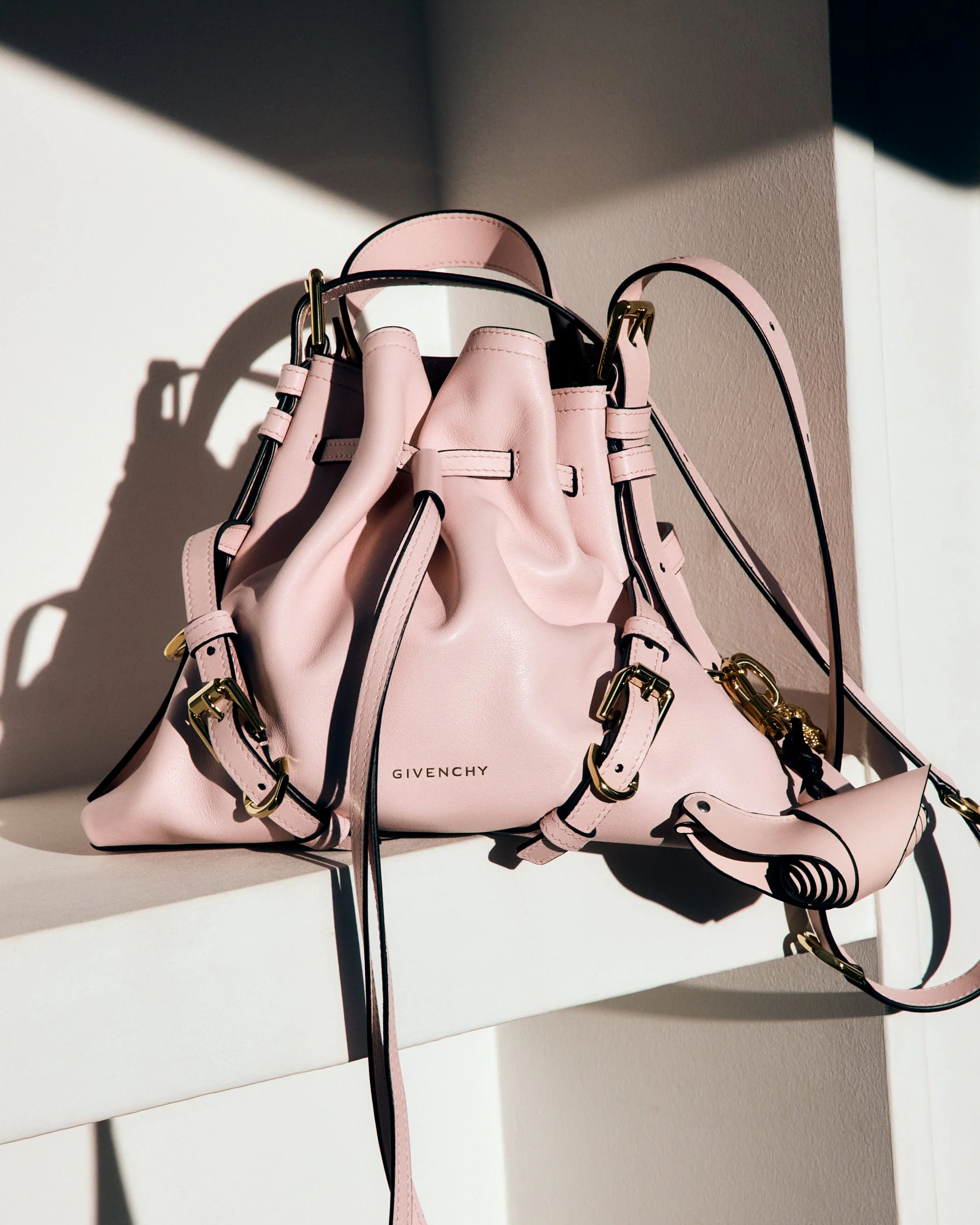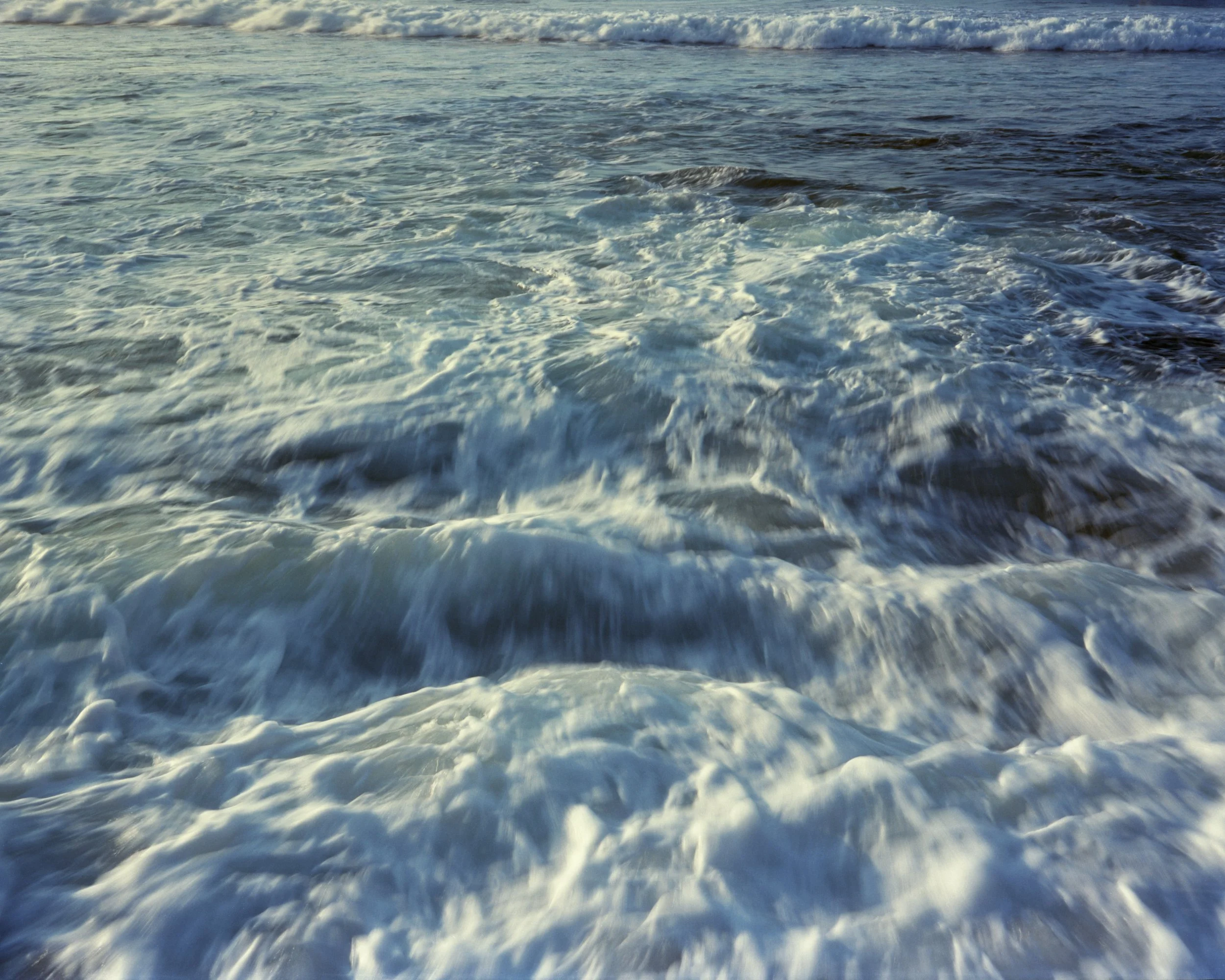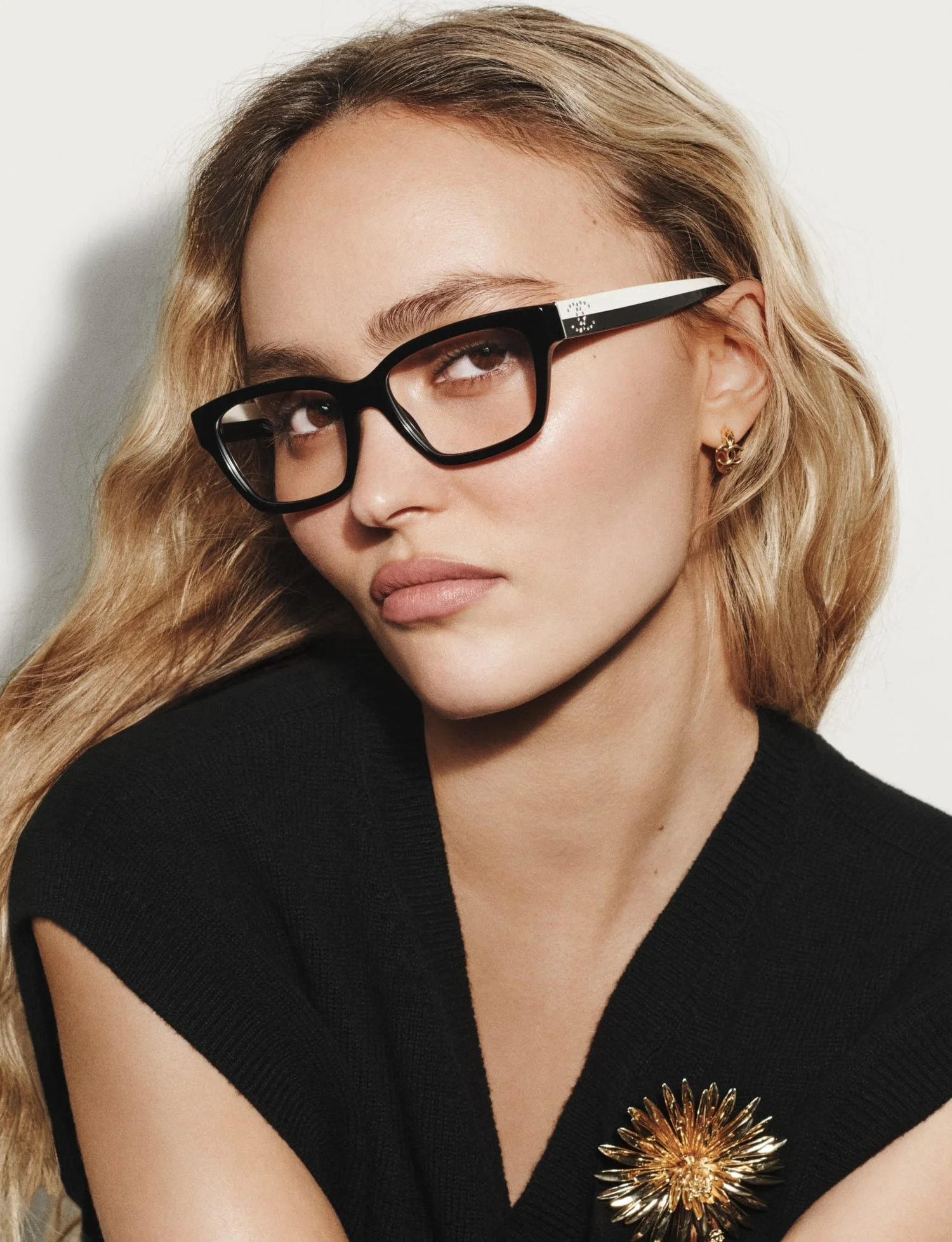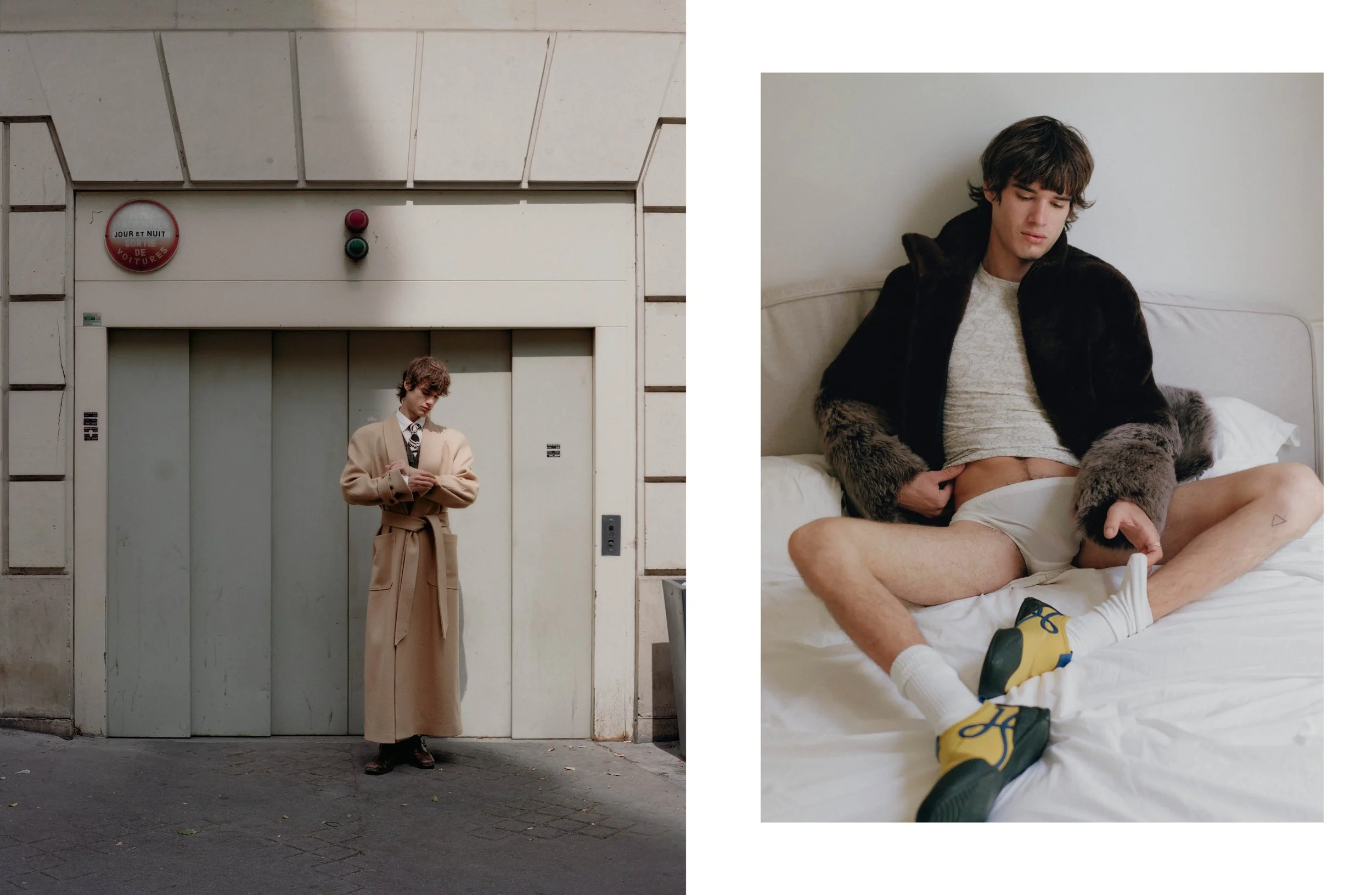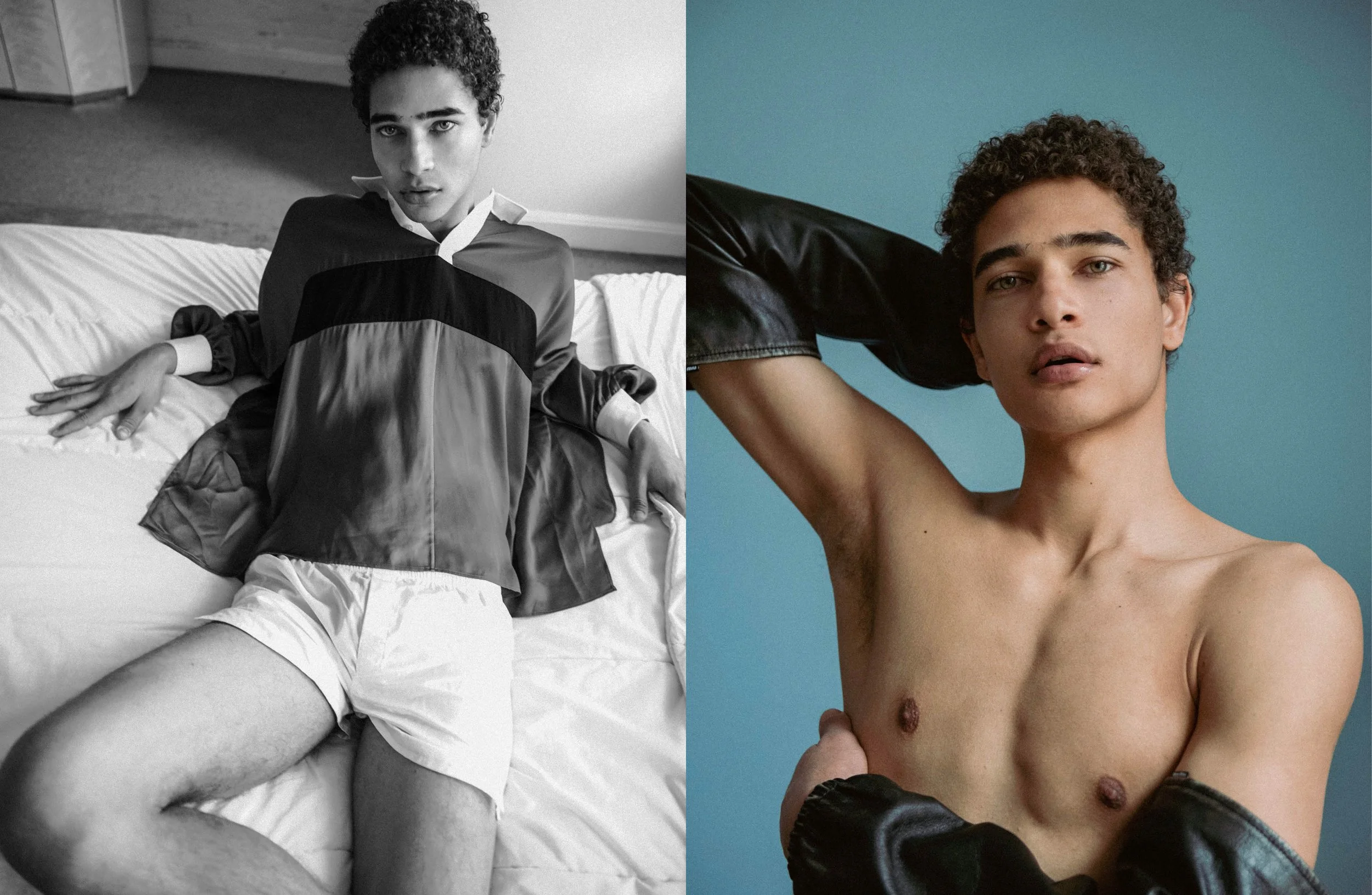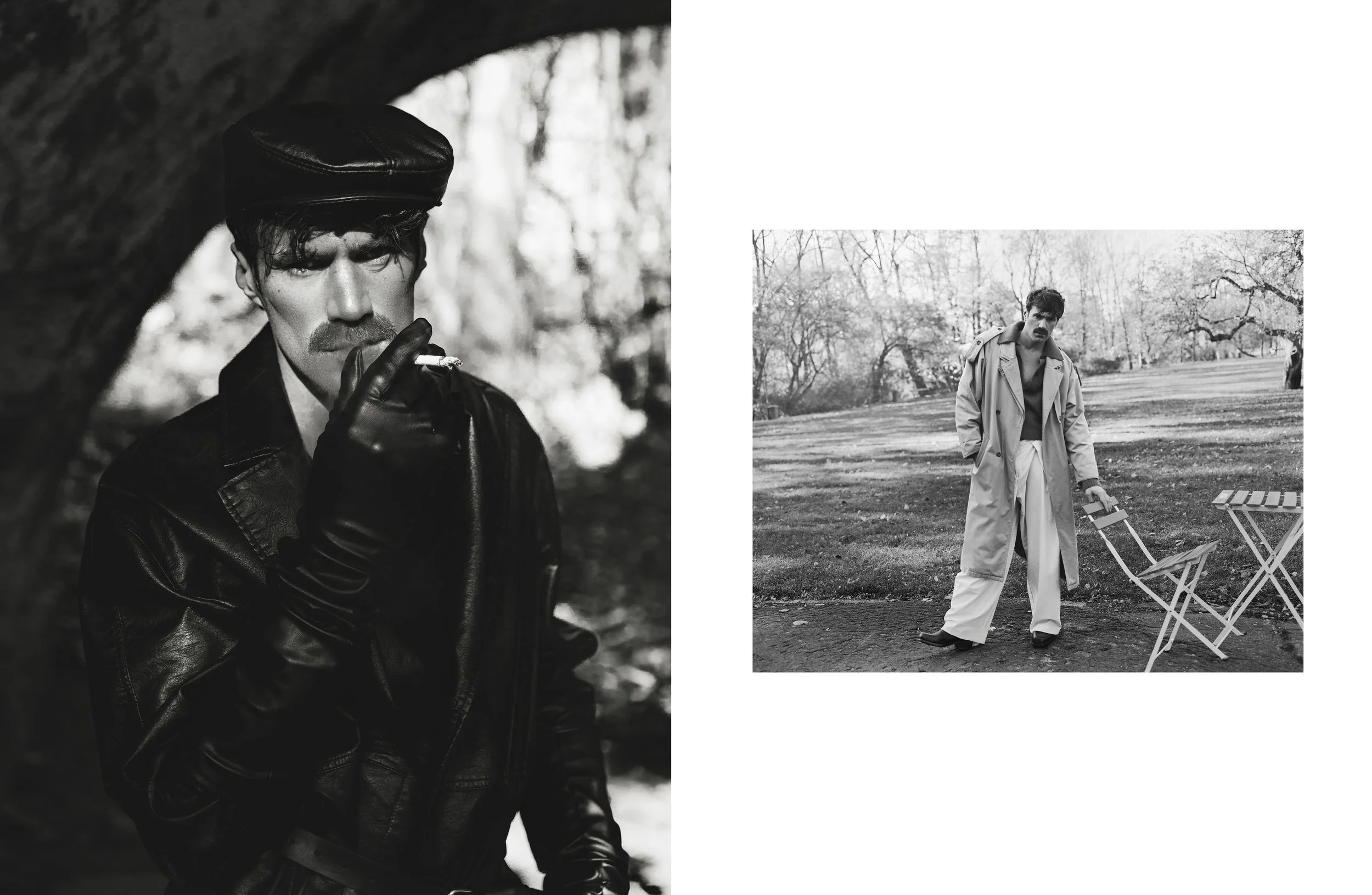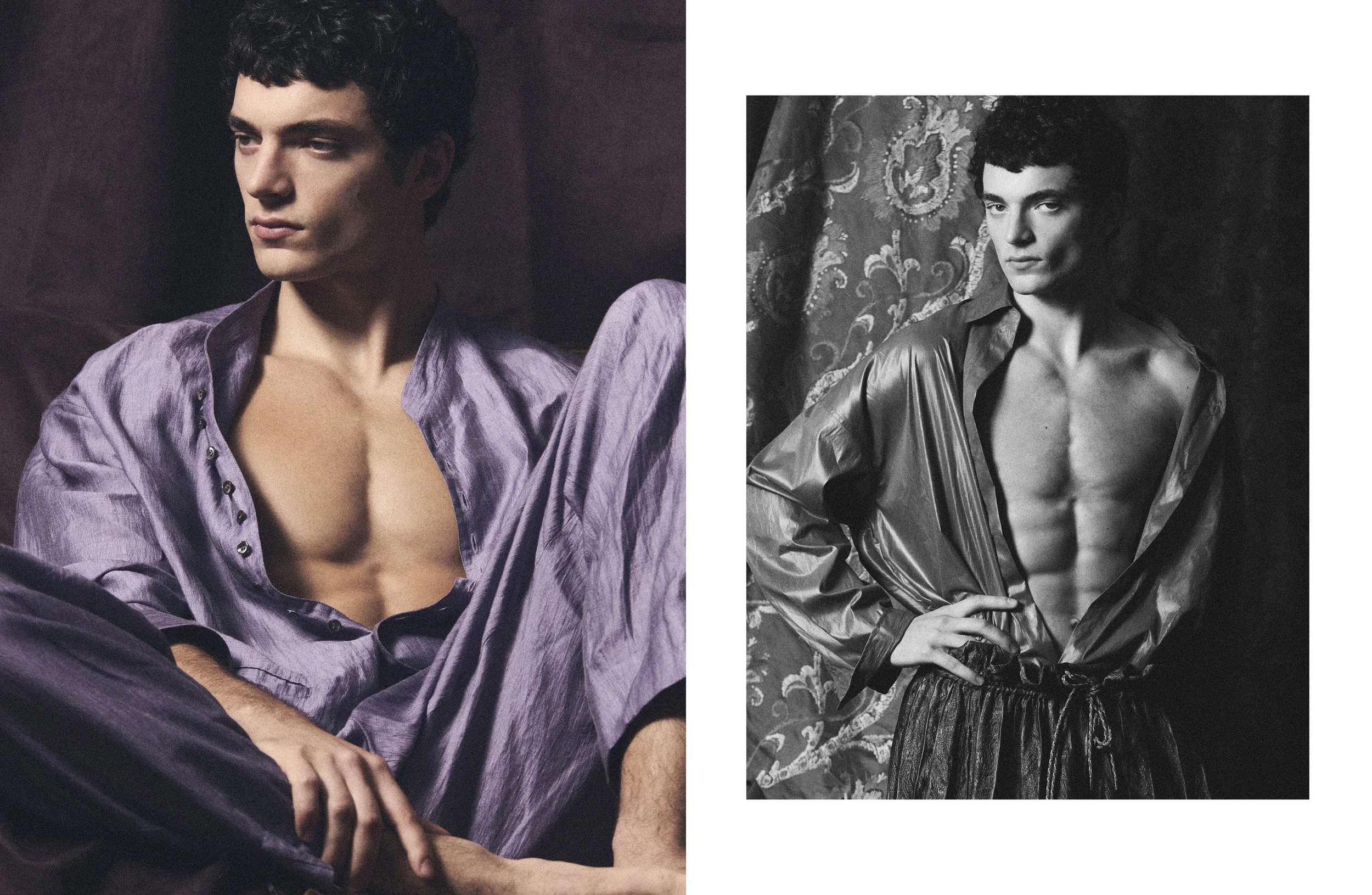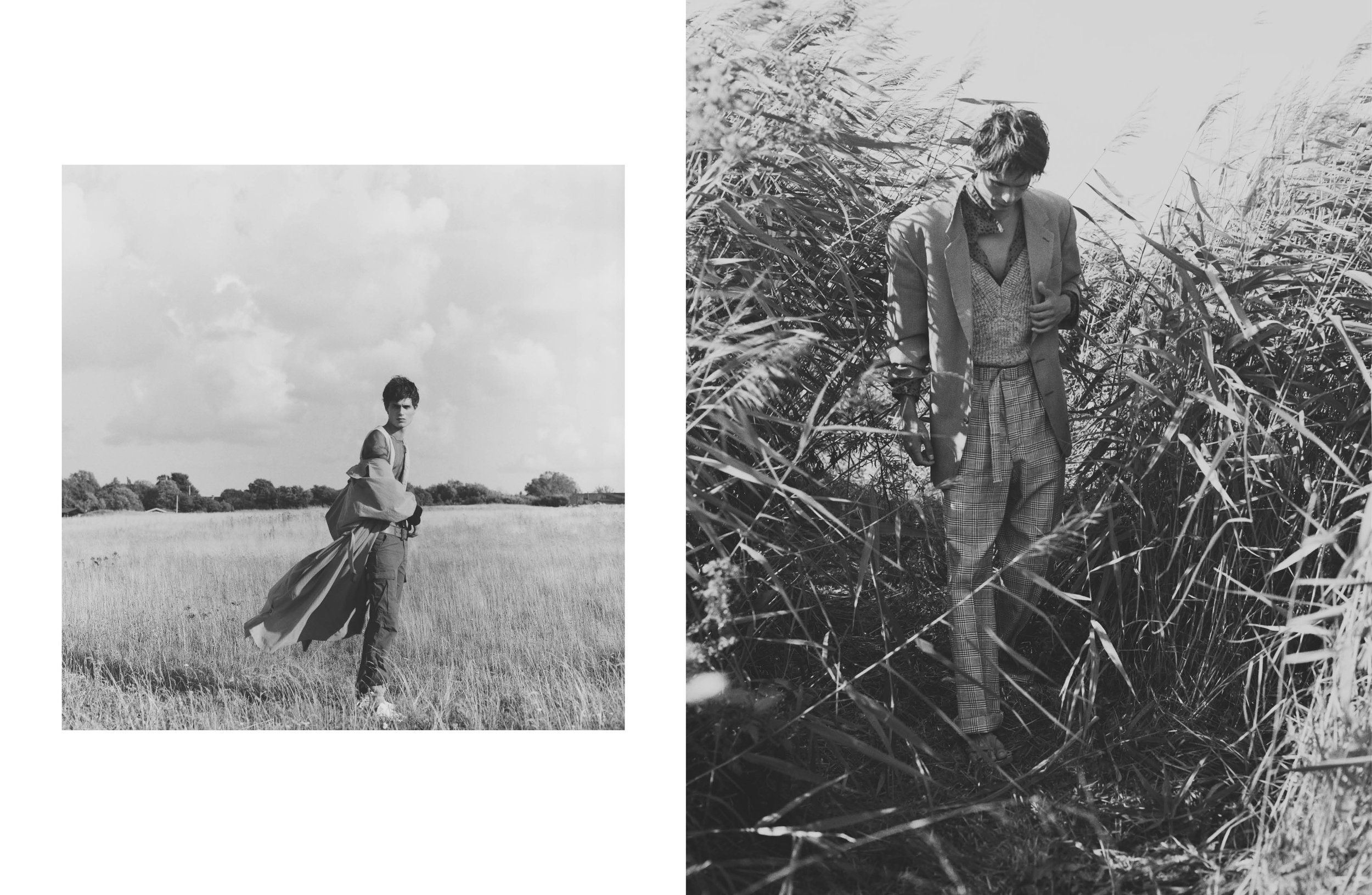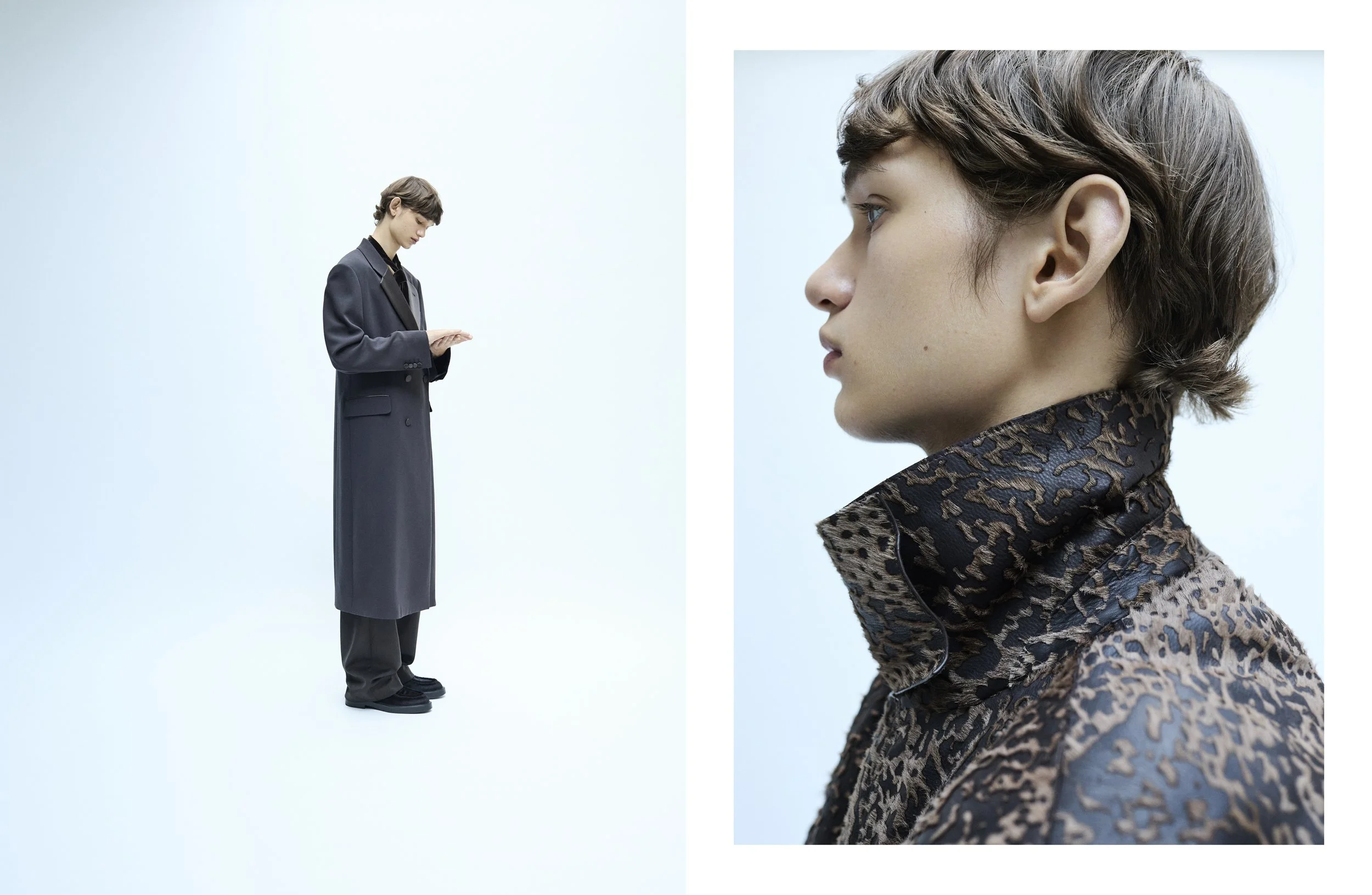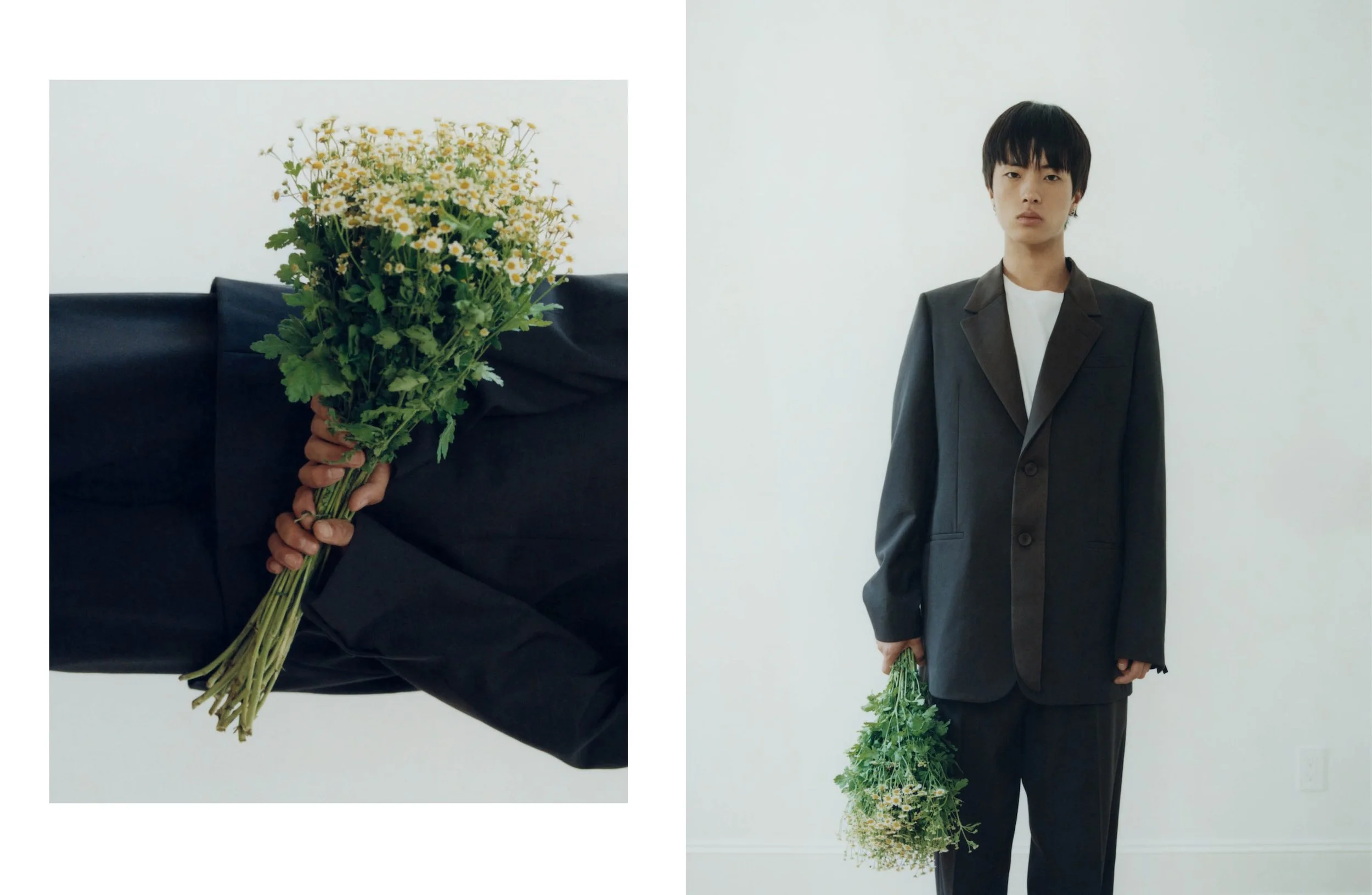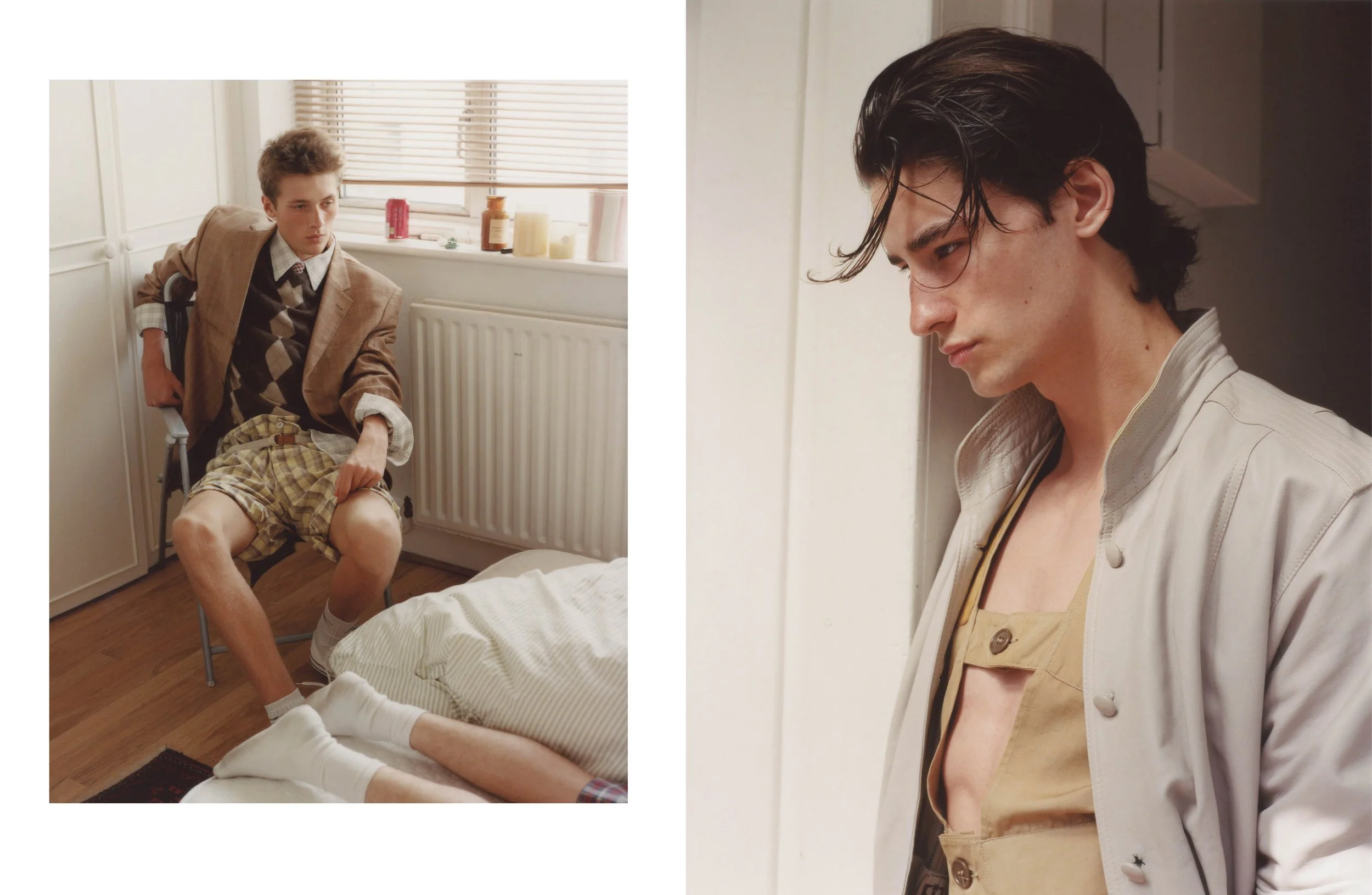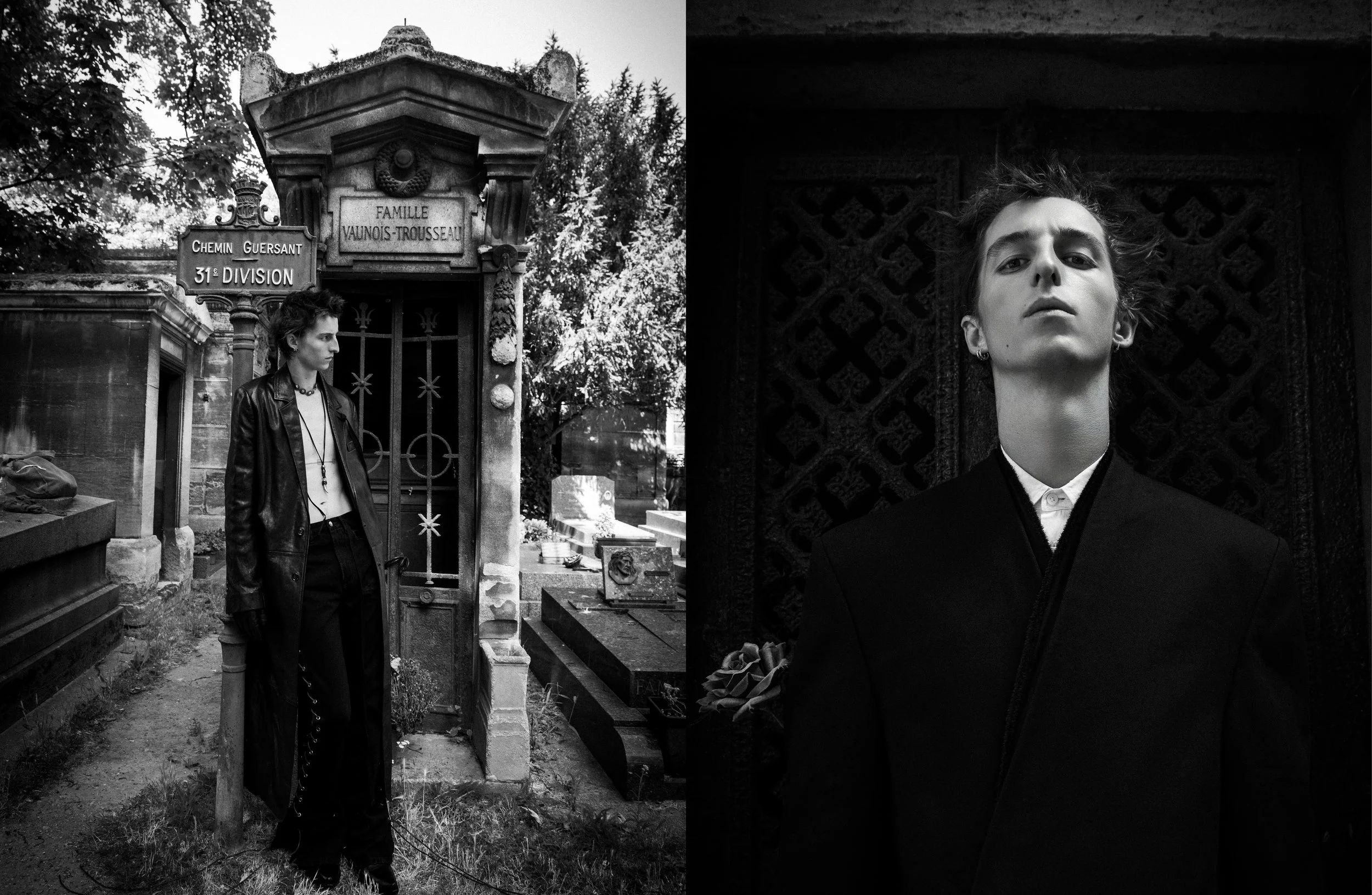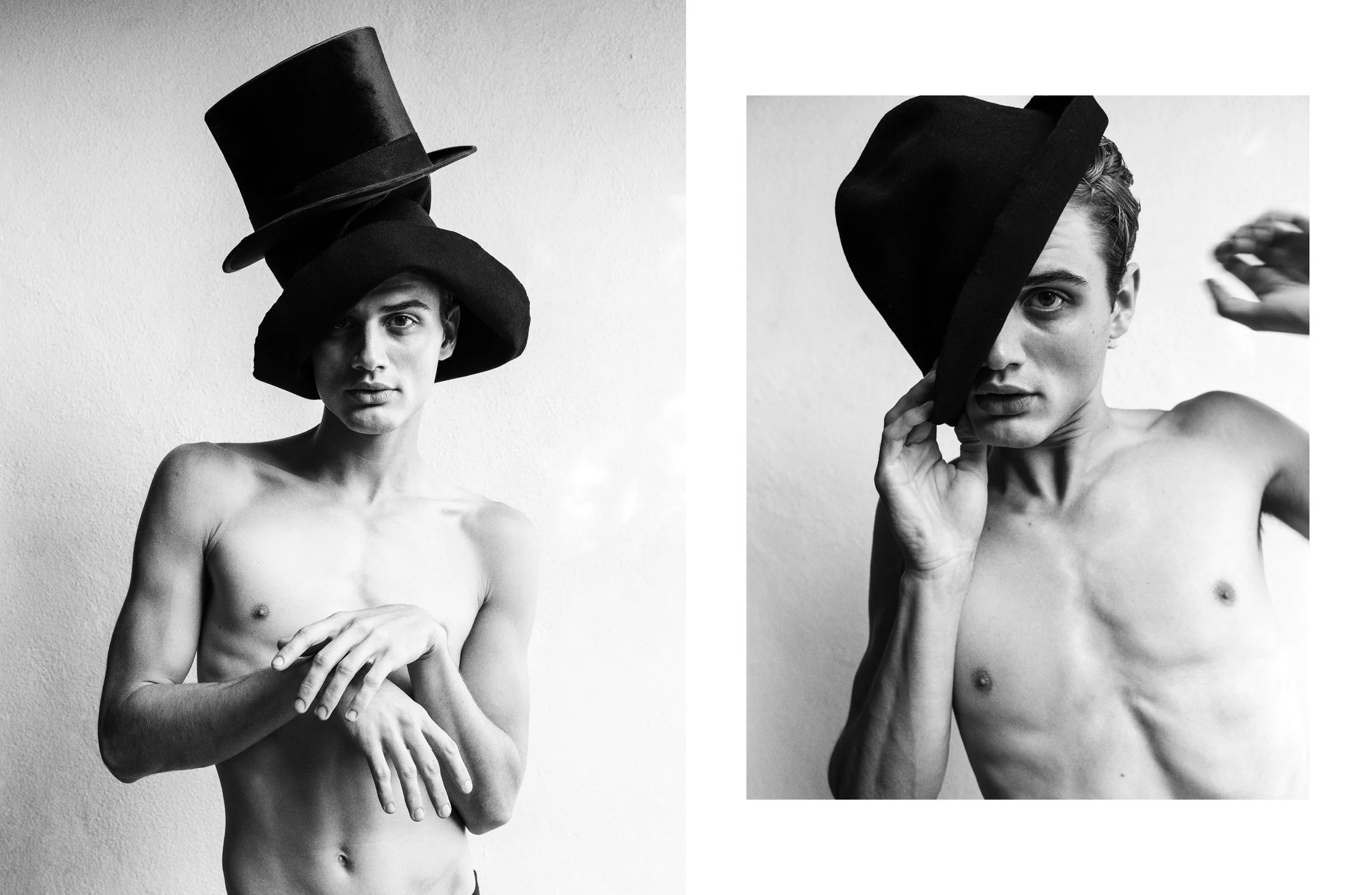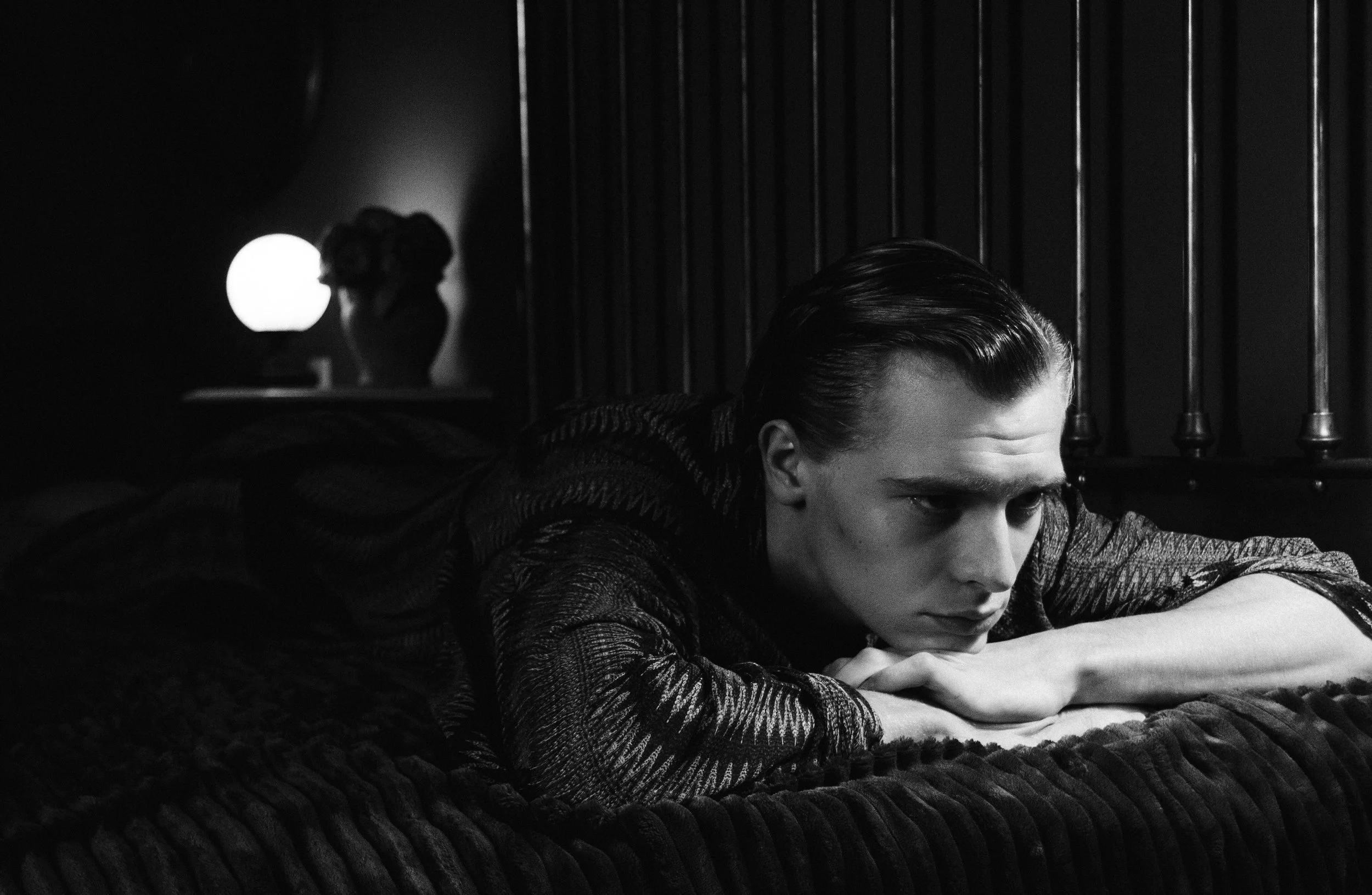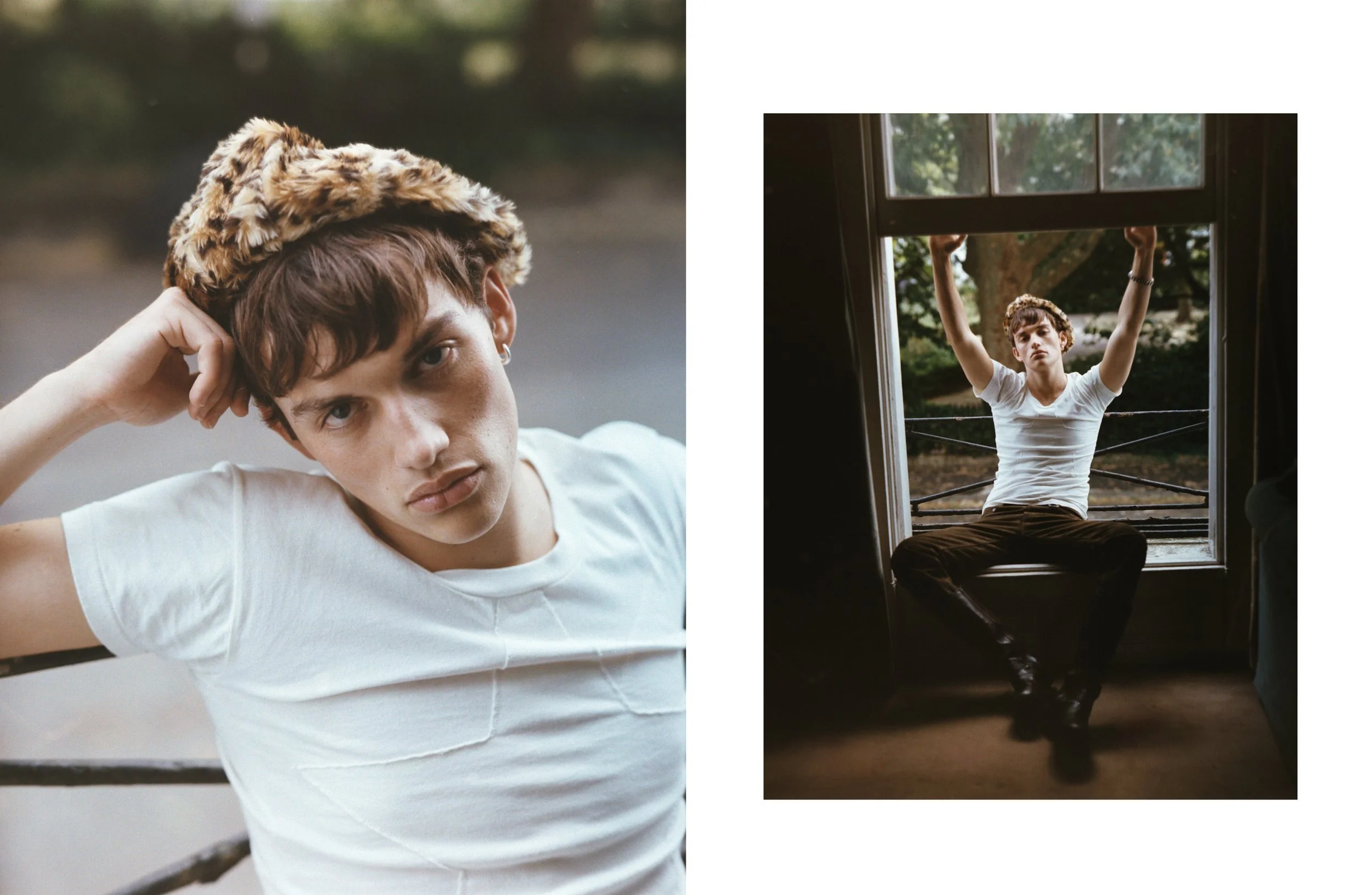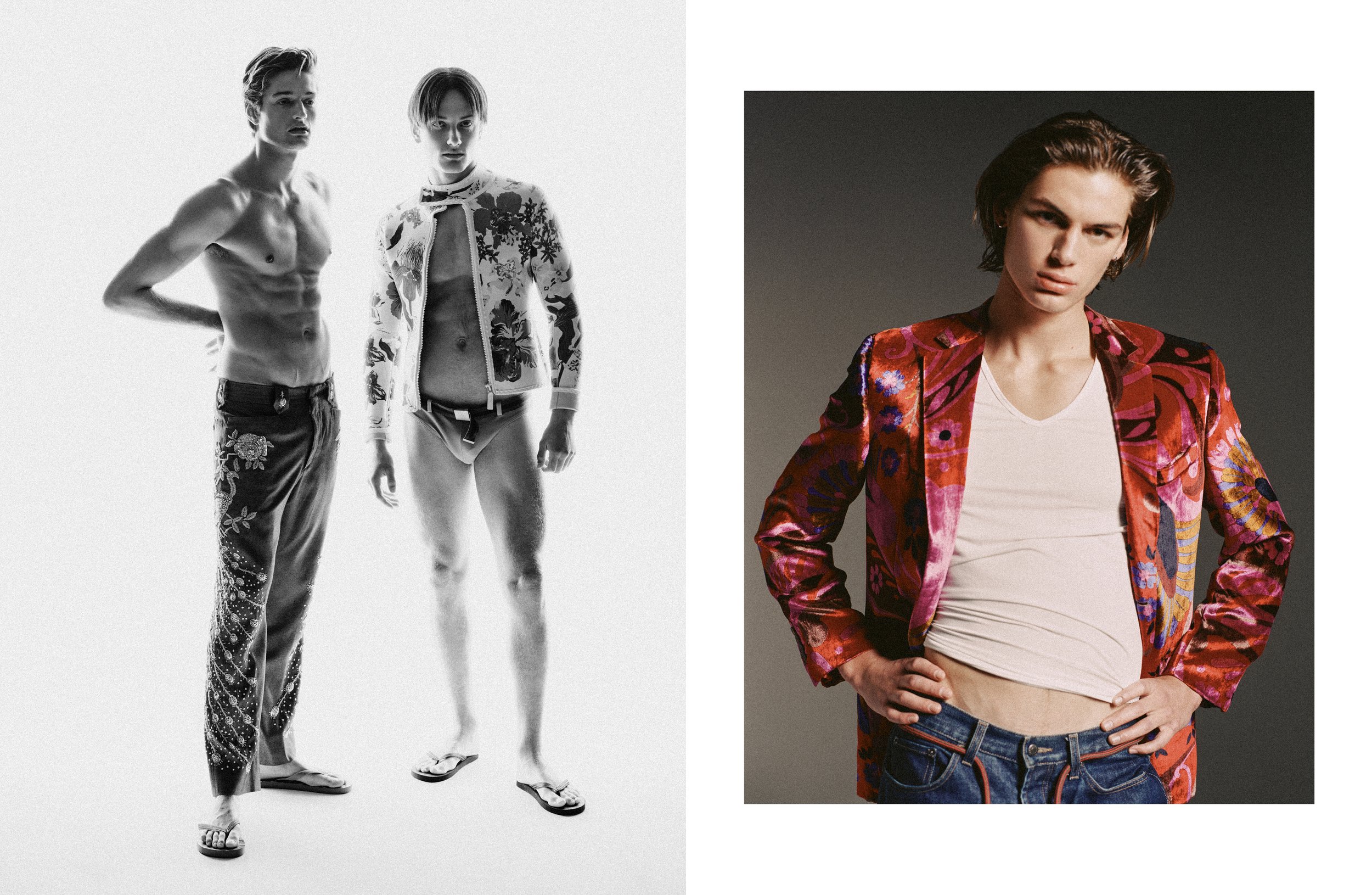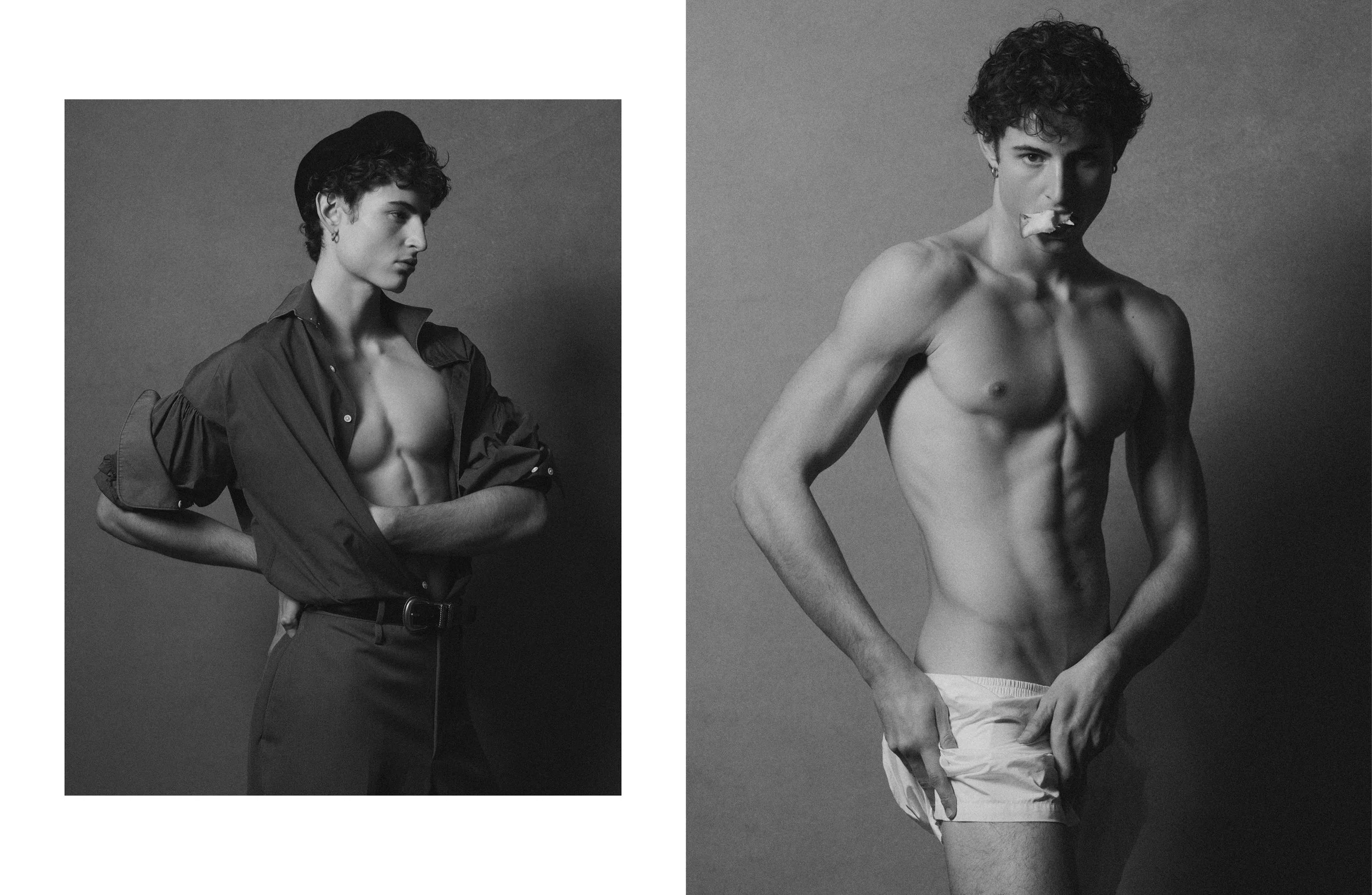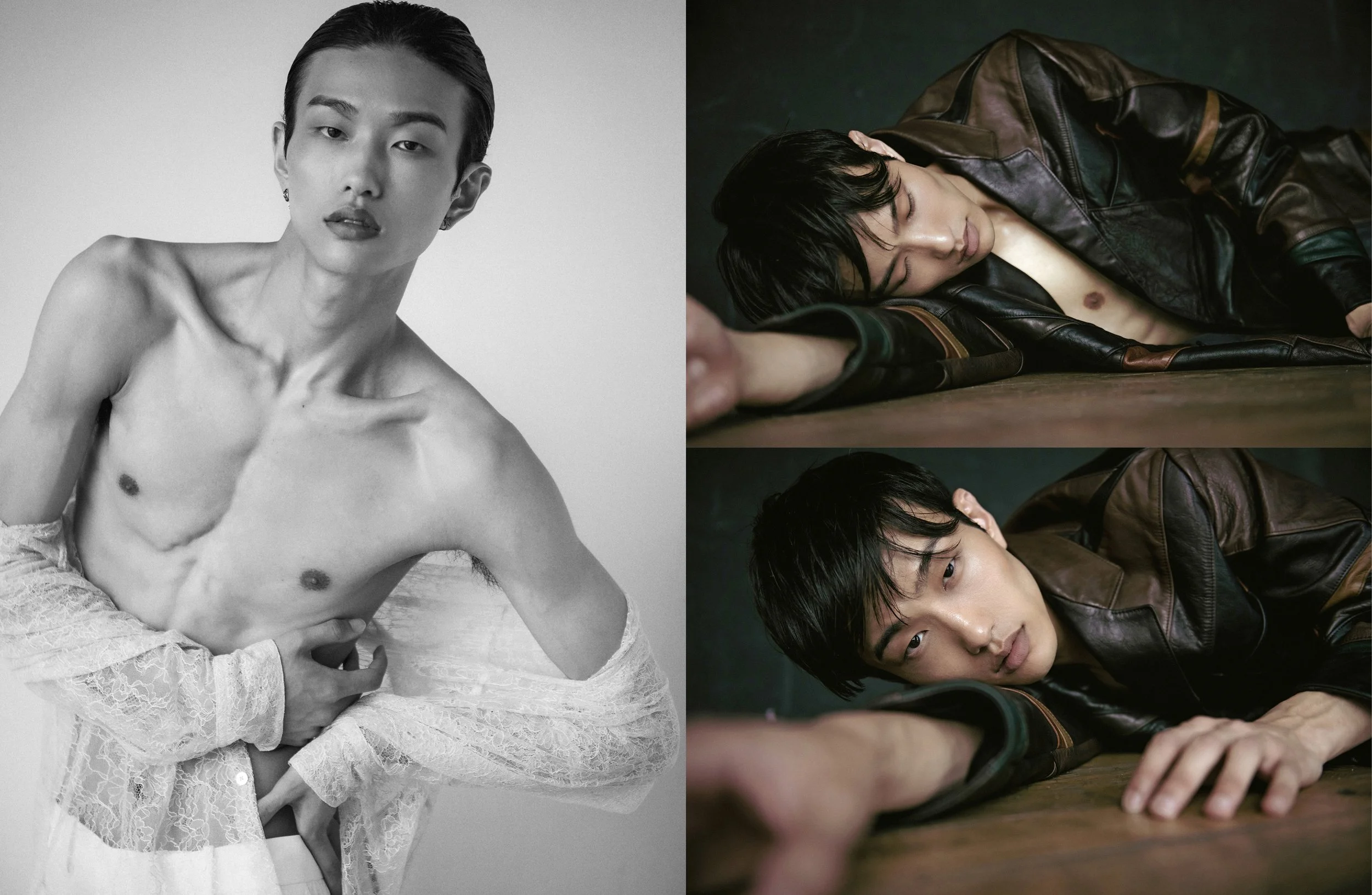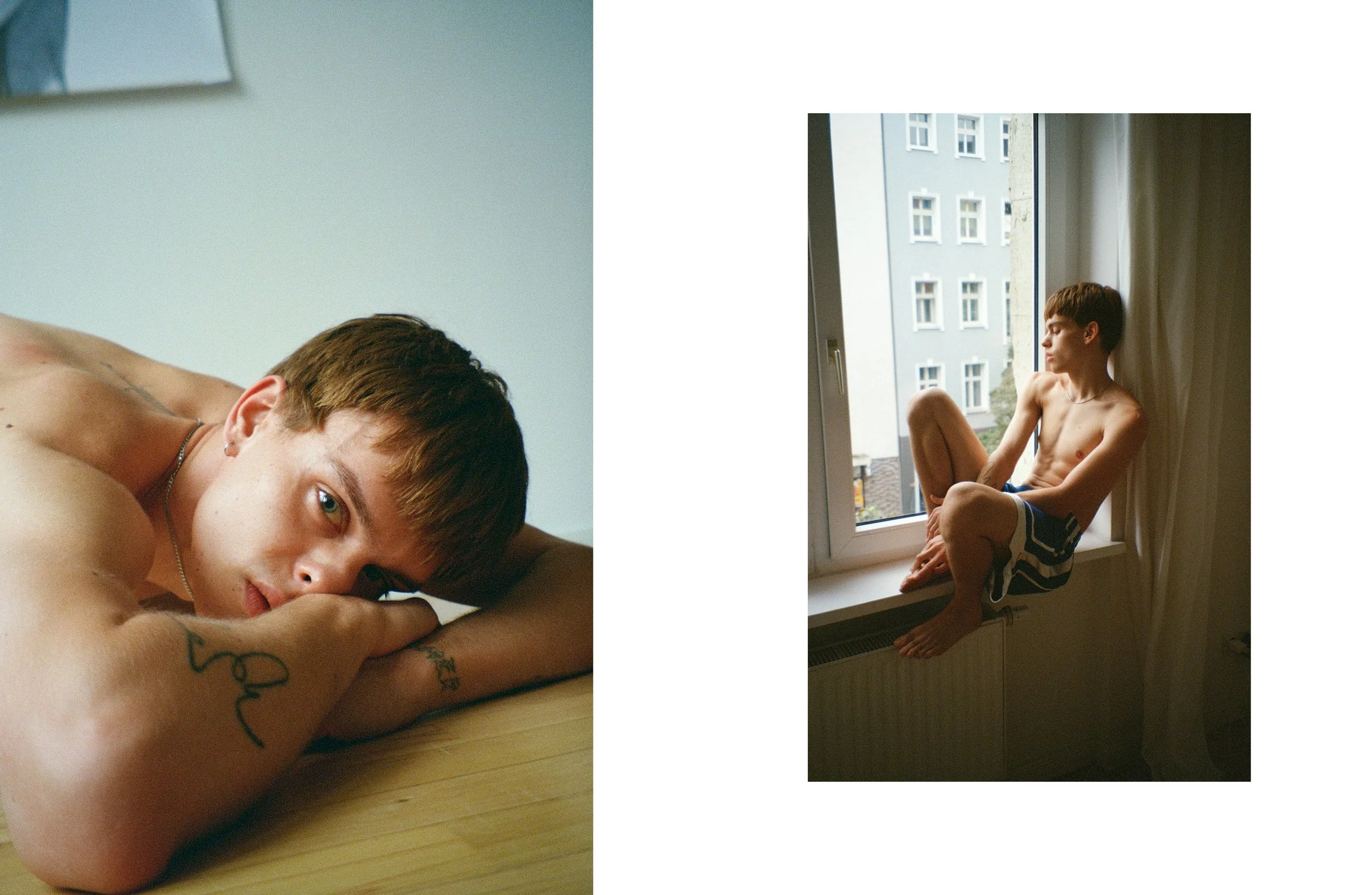
Pierpaolo Piccioli named his Balenciaga Summer 2027 collection “Les Coraux de la Liberté”, in English, something along the lines of “the corals of freedom.” The title matches a 2025 art piece by French artist Aude Franjou, freely made of hundreds of metres of linen thread, dyed and woven, which sat in the middle of the maison’s show space. “I wanted an art object to accompany this collection, something capable of synthesising the core of what I had in mind,” wrote Piccioli on Substack.
What Piccioli had in mind lies in the fact that couture has always been at Balenciaga’s roots. More than a method or structure, for the designer, couture is a mindset, an ecosystem. Alive and influential, like coral reefs in the ocean. Summer 27, therefore, was all about applying highly crafty, handmade skills, and the couture-level knowledge developed at his debut Haute Couture Balenciaga collection, “55th”, to a menswear and womenswear RTW lineup.
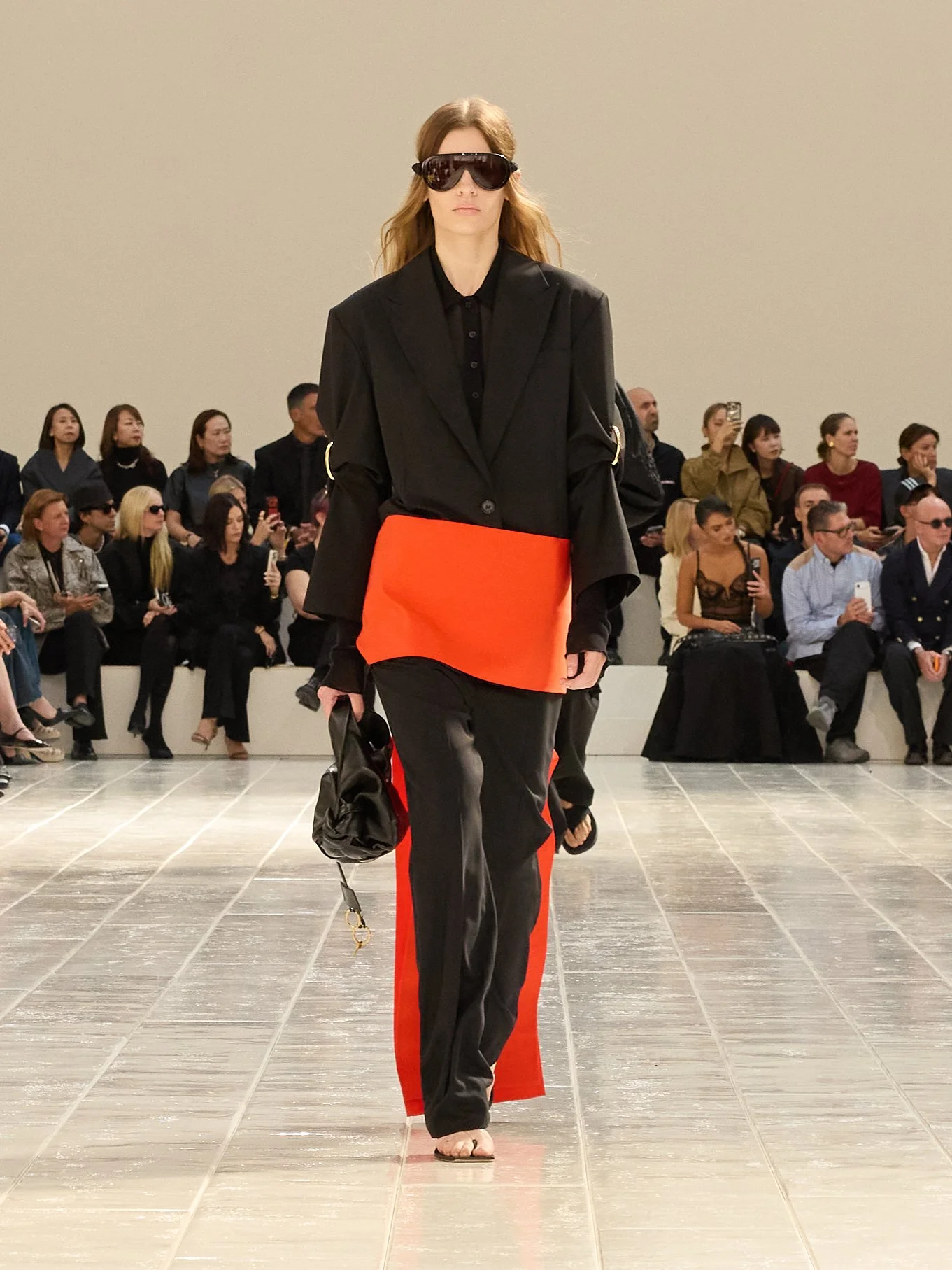
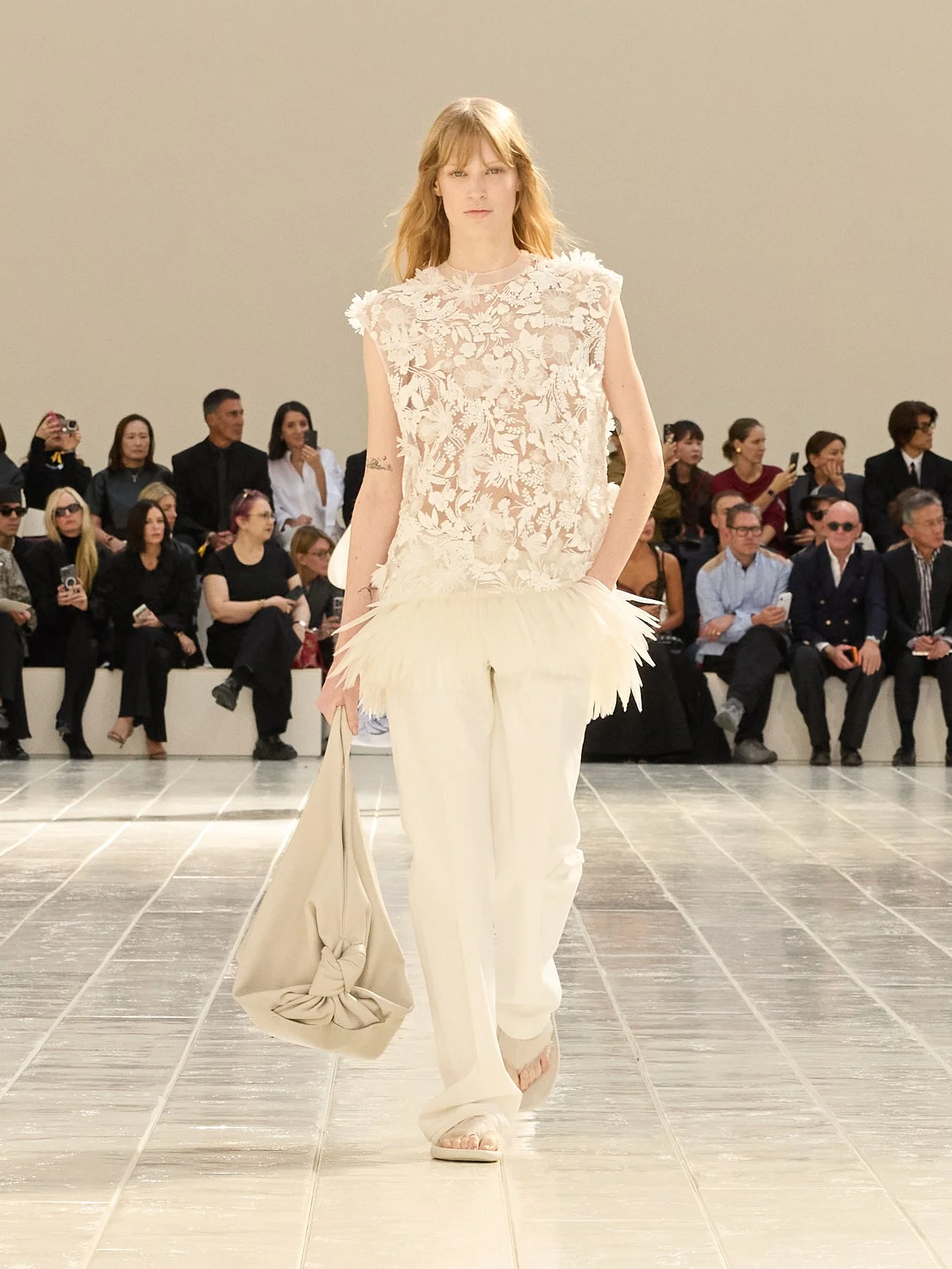
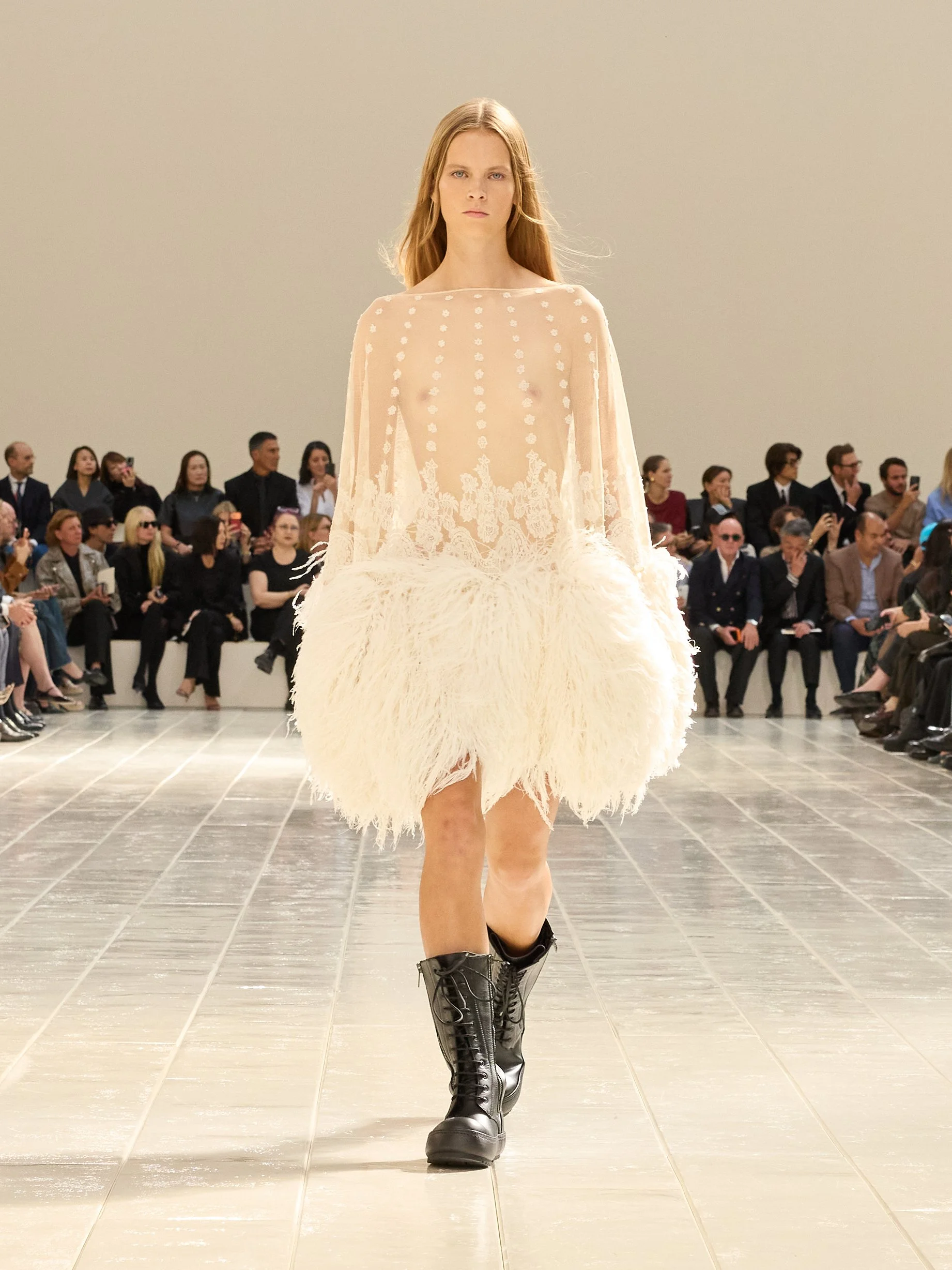
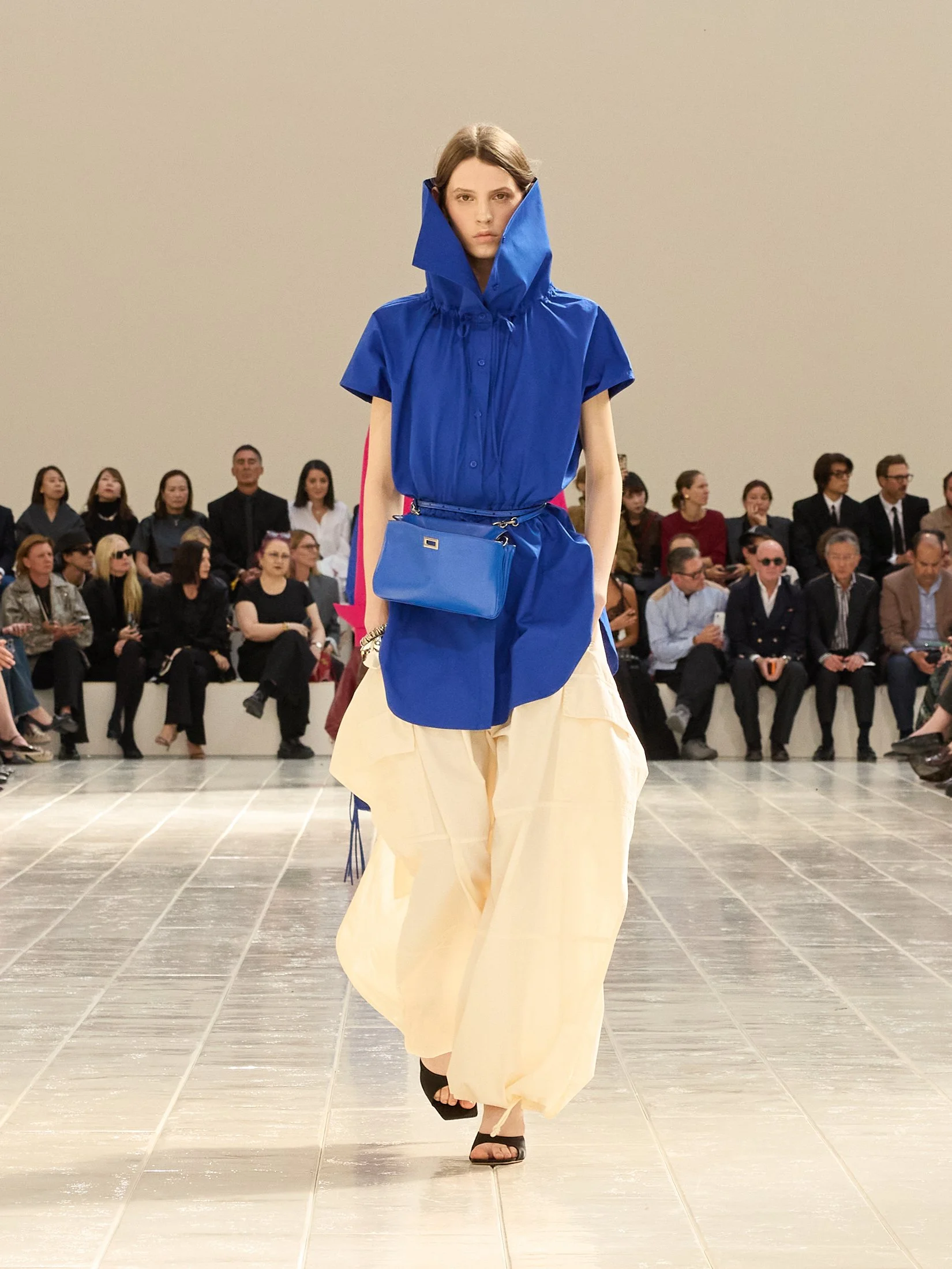
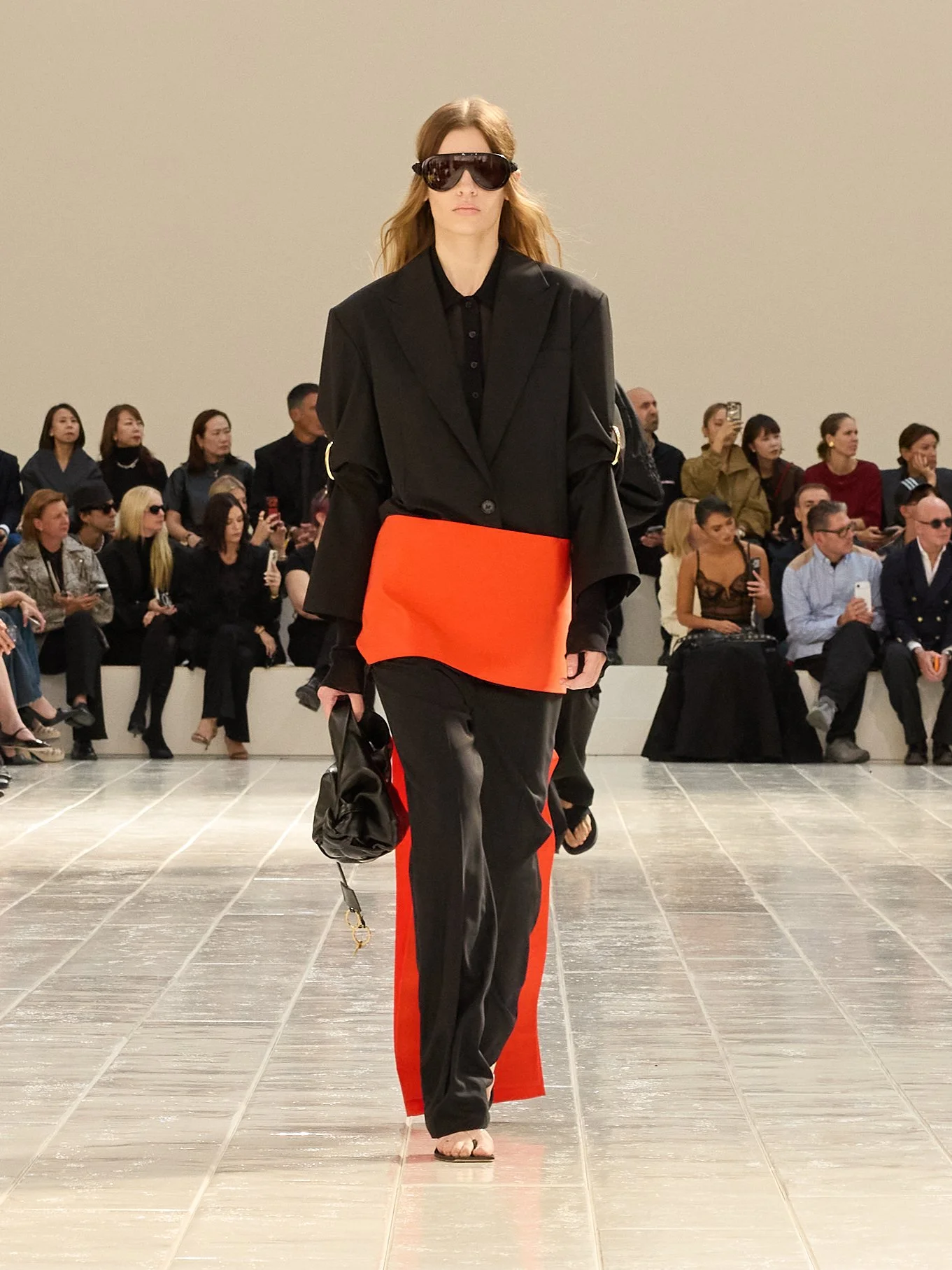
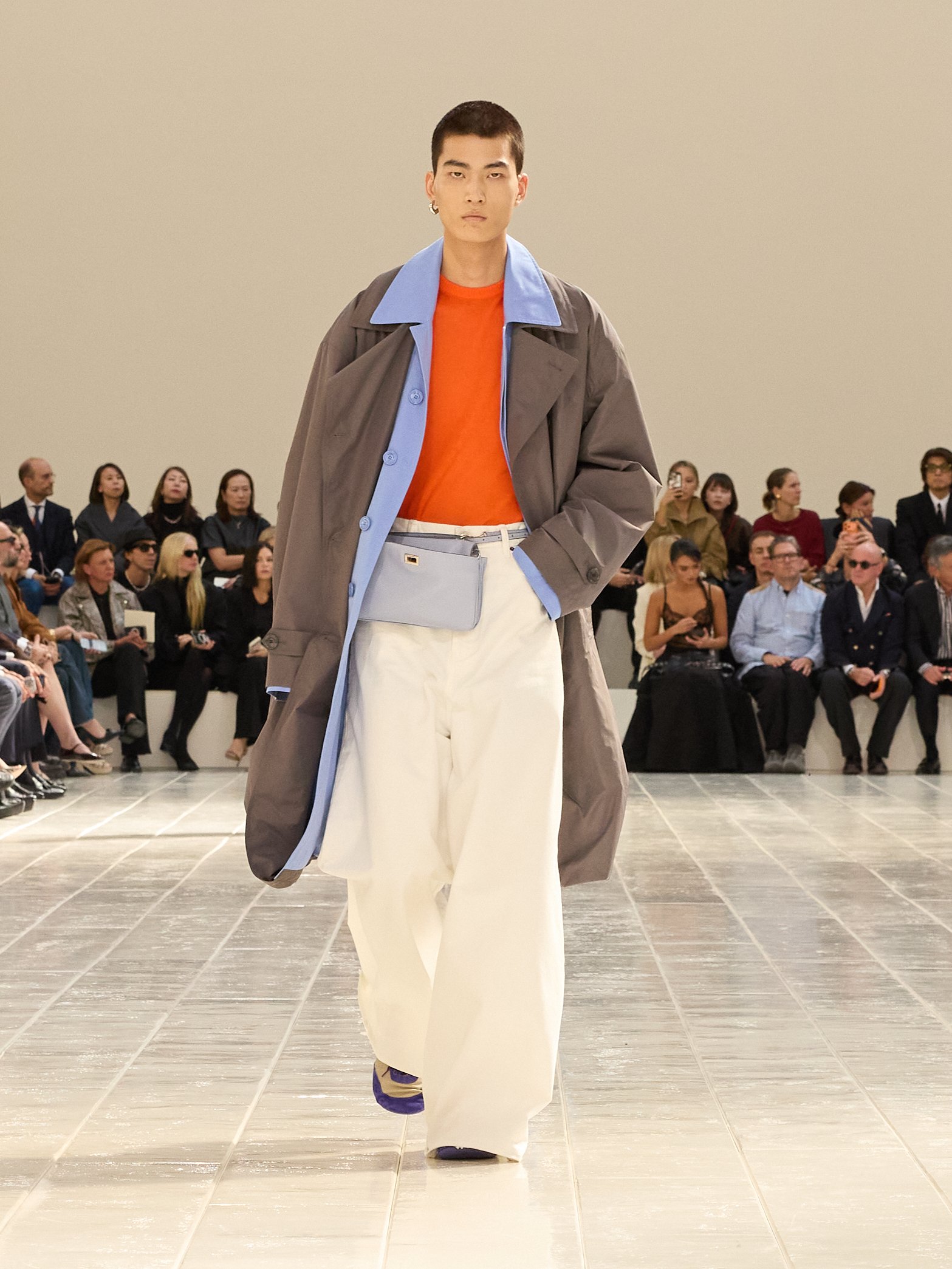
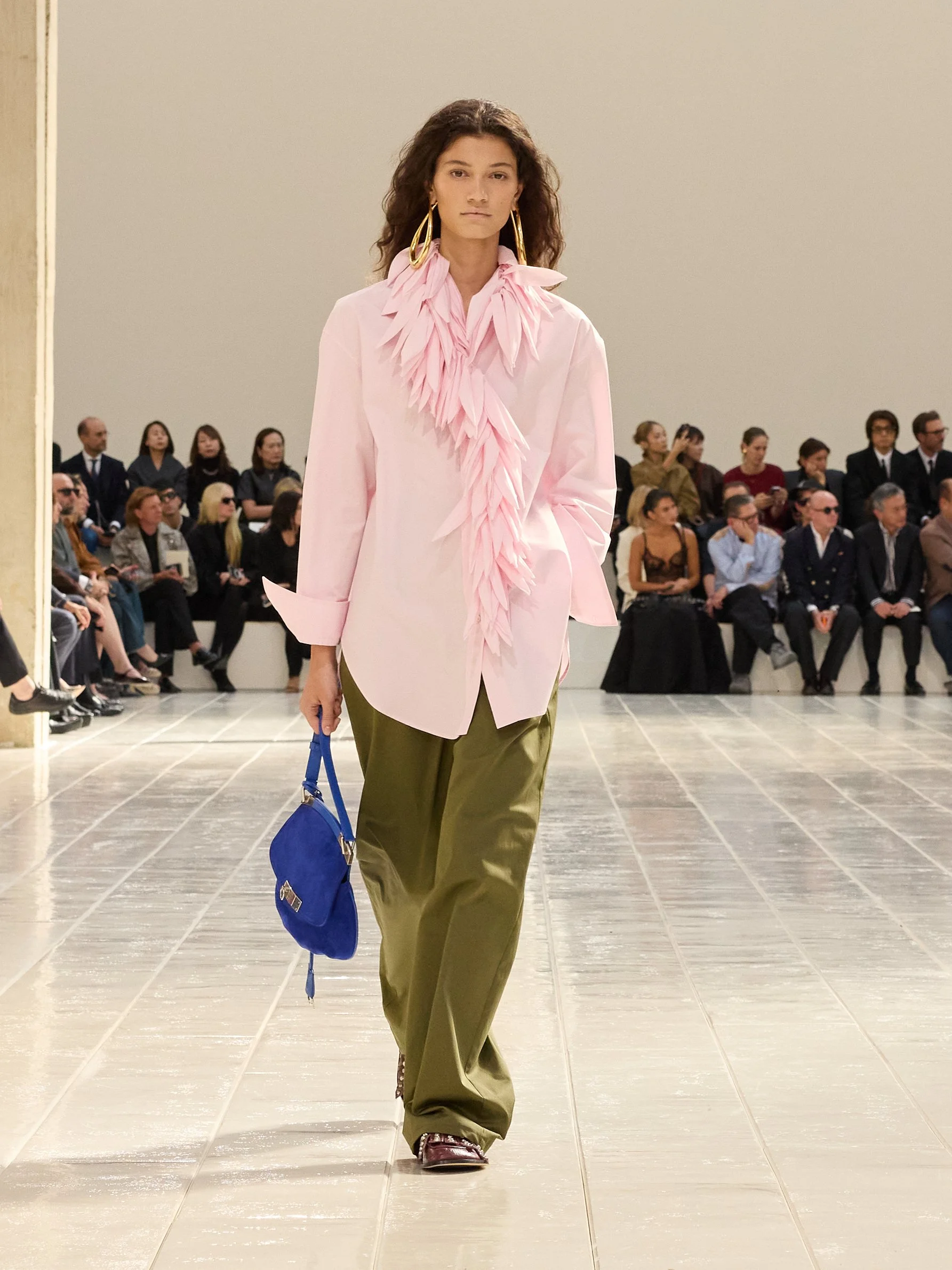
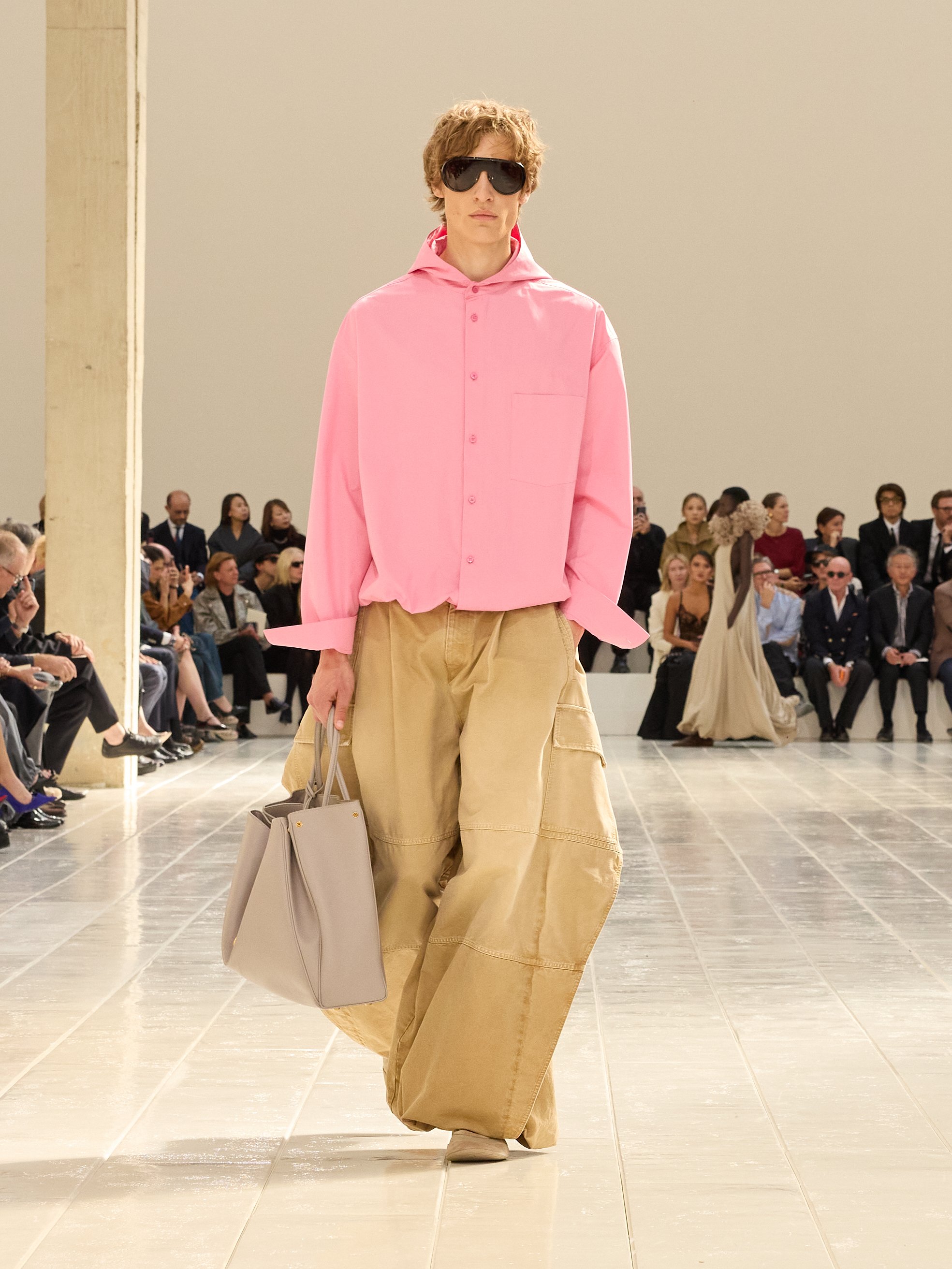
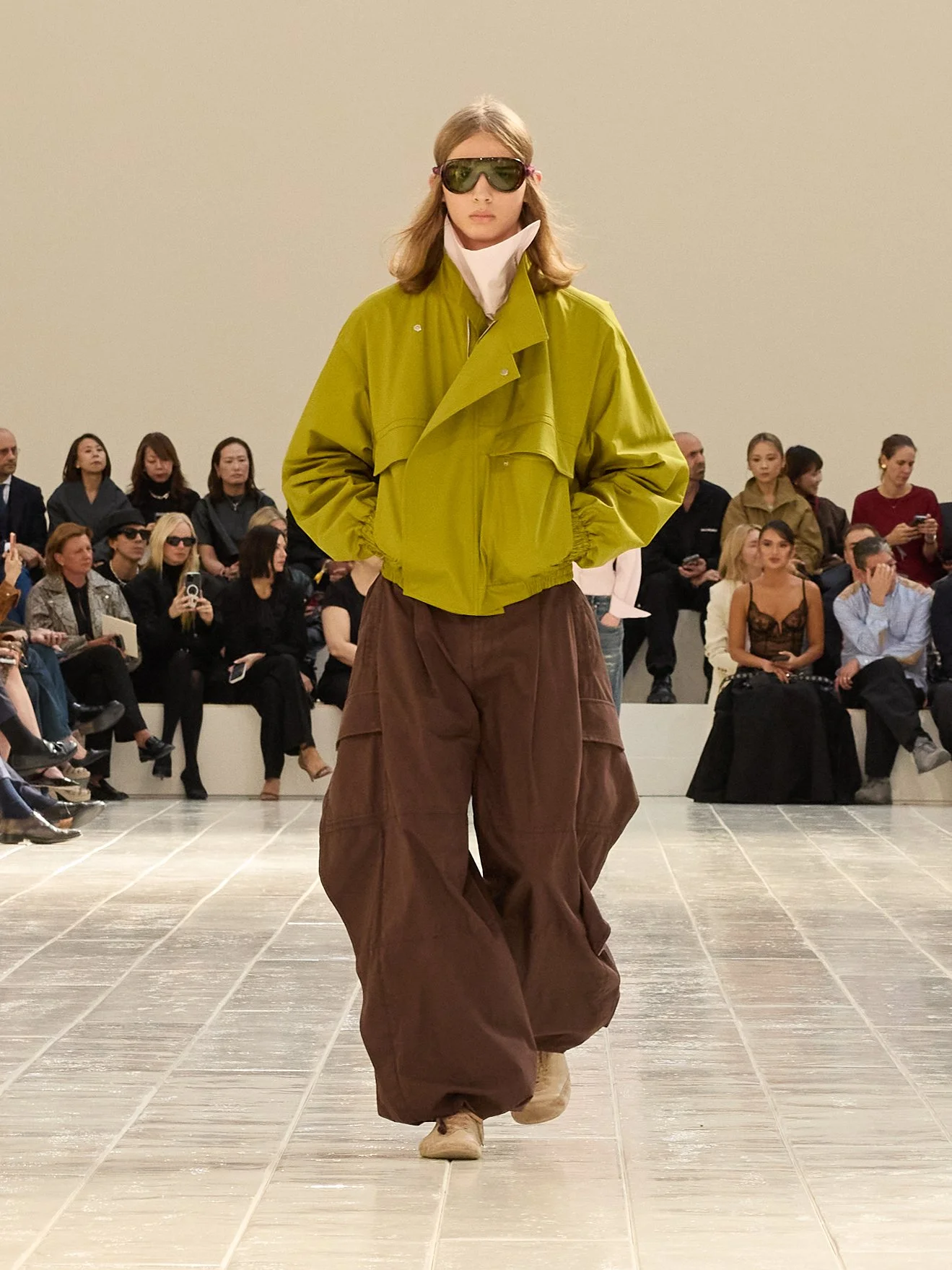
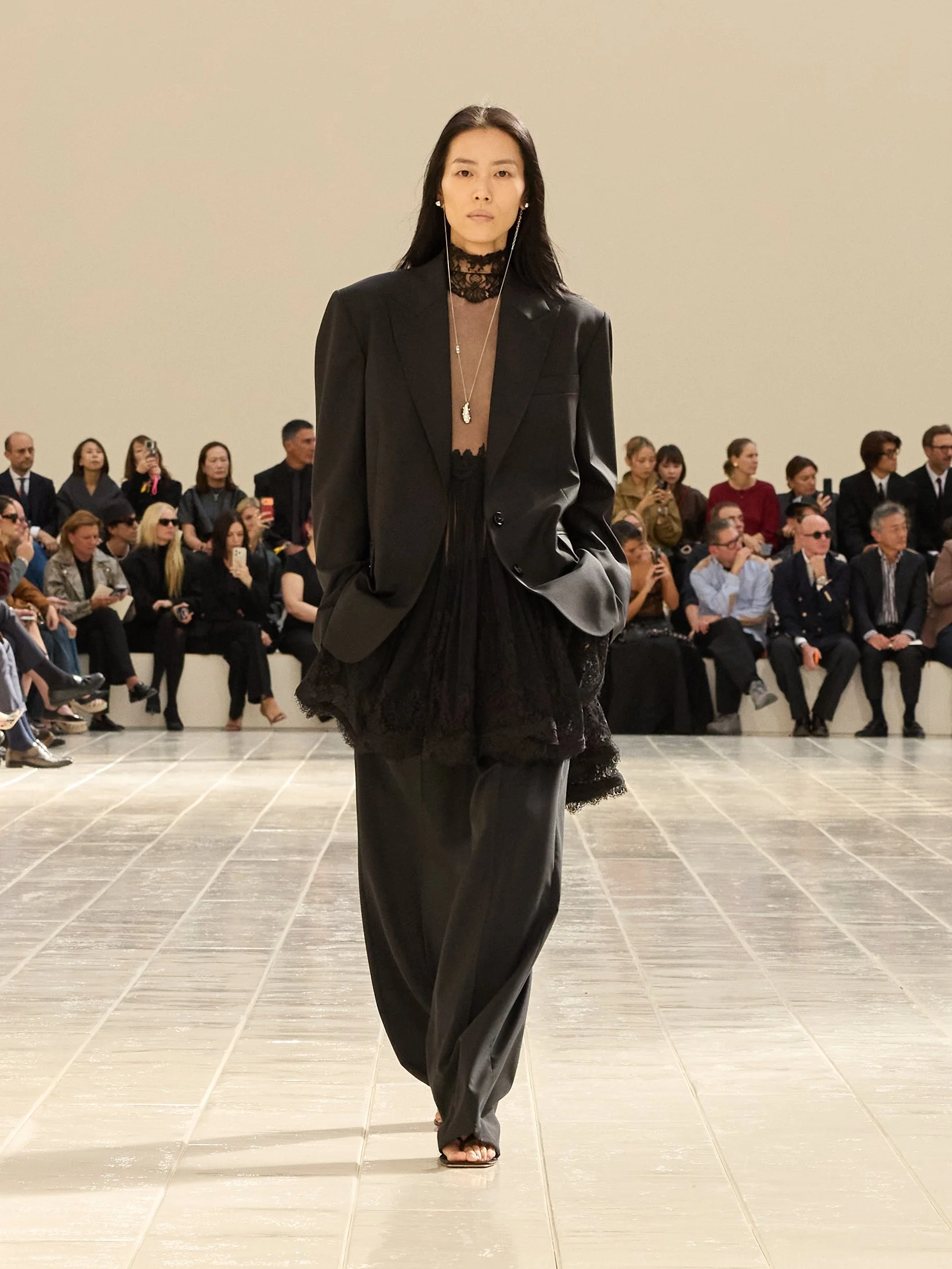
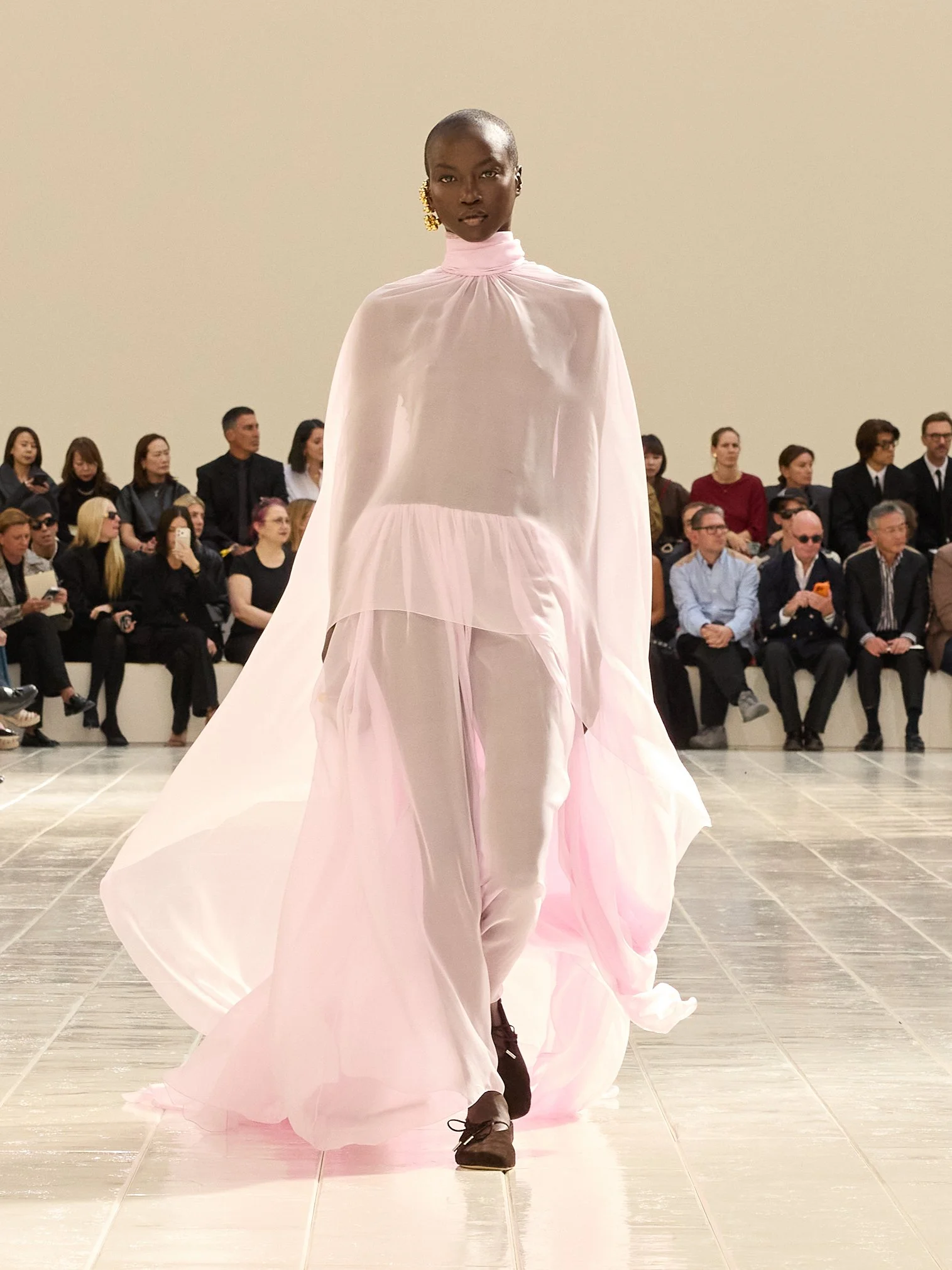
Several all-white and off-white looks started the show, gradually incorporating Piccioli’s beloved electric colours alongside a substantial number of black pieces, with beige and brown hues added to the foundation. On the theme of pastels, there were pops of pale and bubble-gum pink, together with lilacs, light blues, and mint green shades. Vibrancy was guaranteed via bright orange, royal blue, plum, yellow and chartreuse, as well as a fuchsia shade resembling Piccioli’s legendary ‘Pink PP’, developed during his tenure at Valentino.
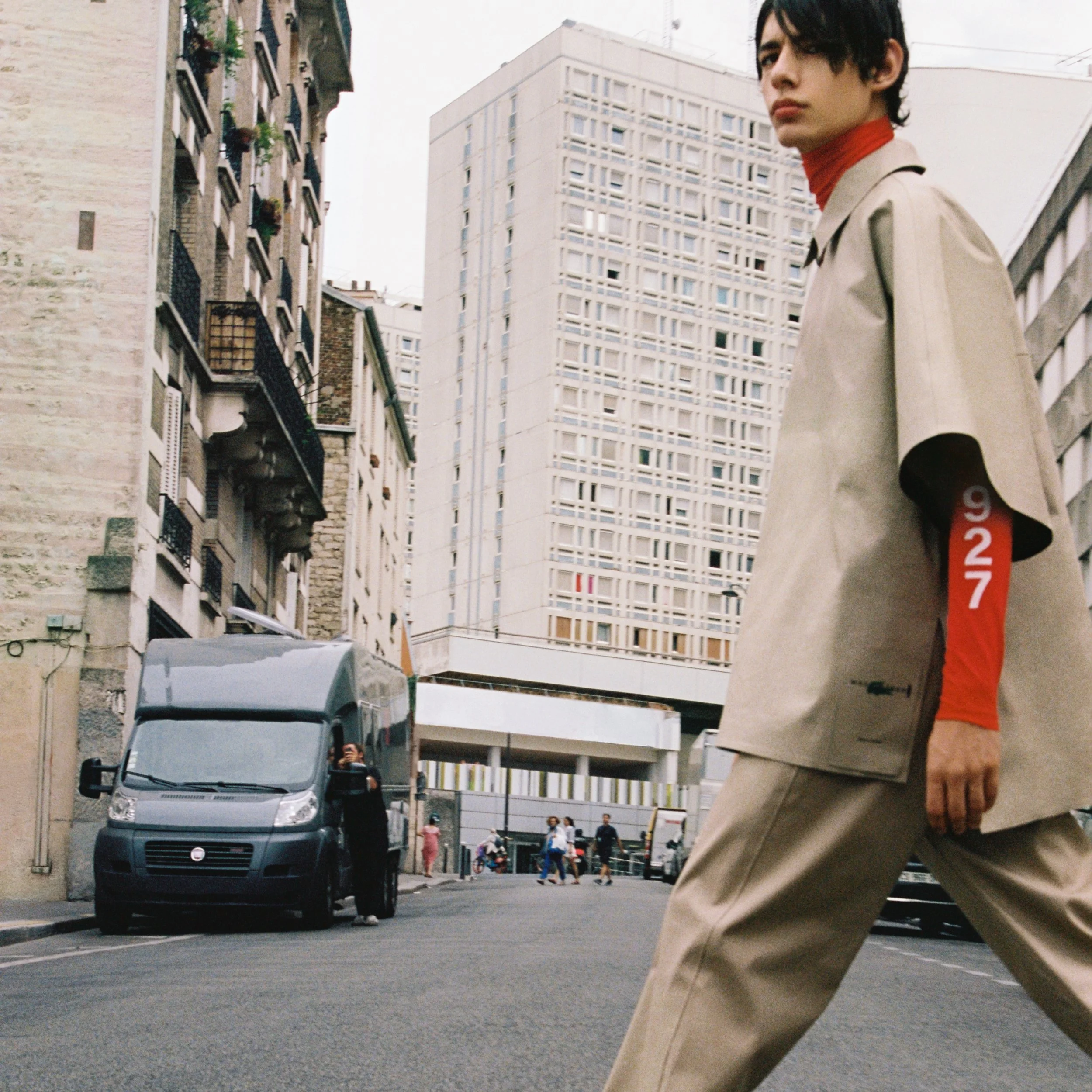
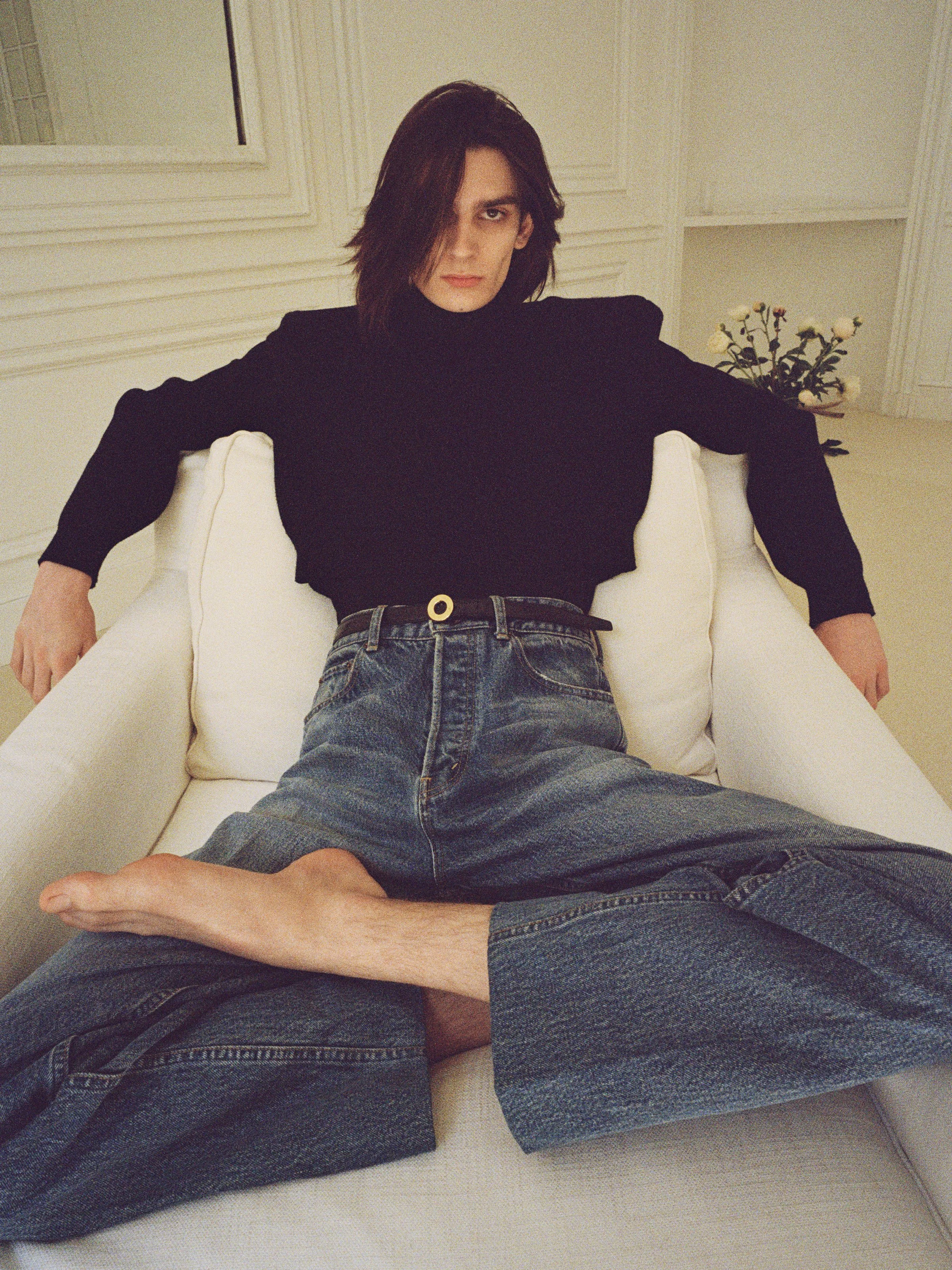
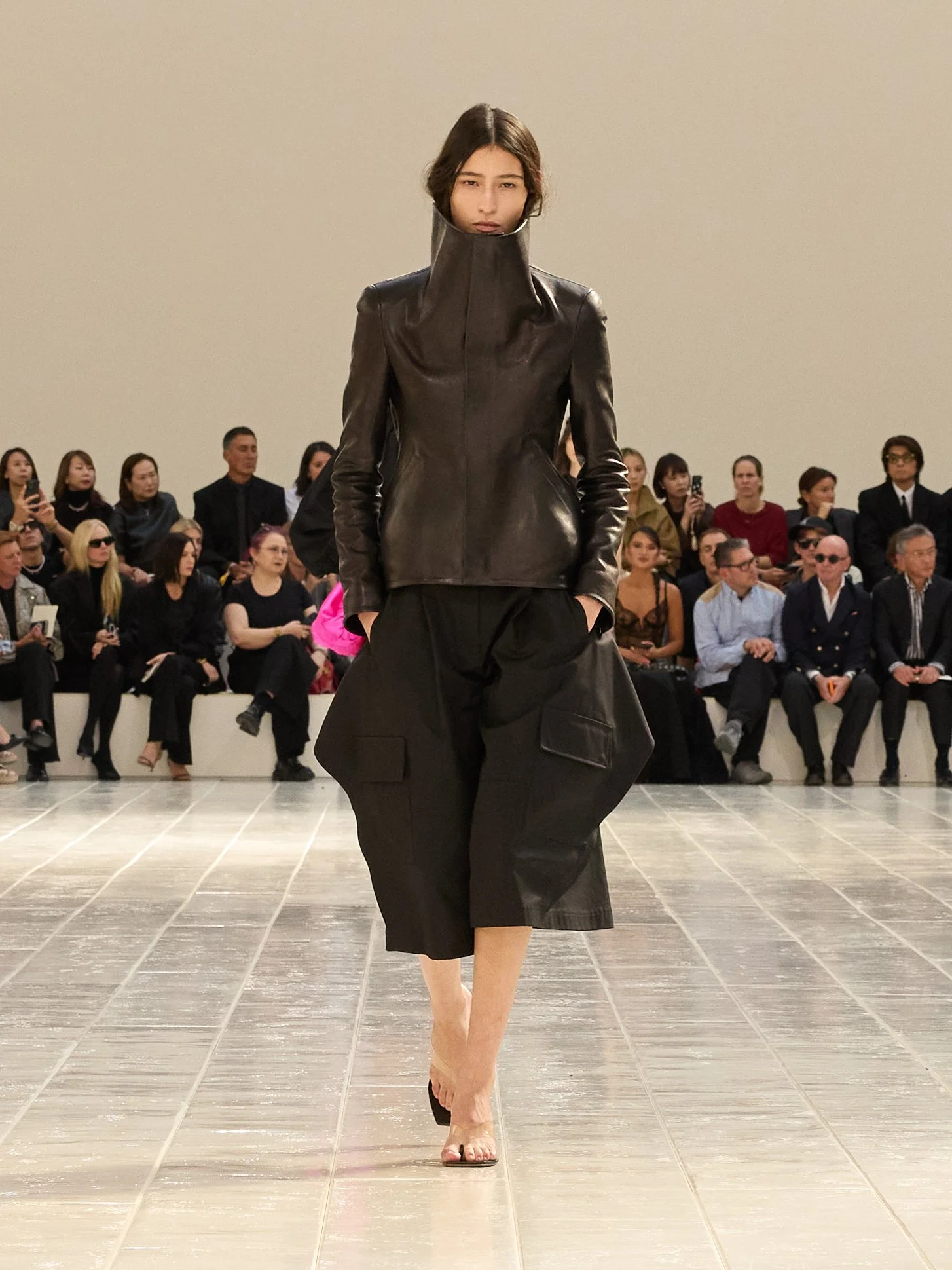
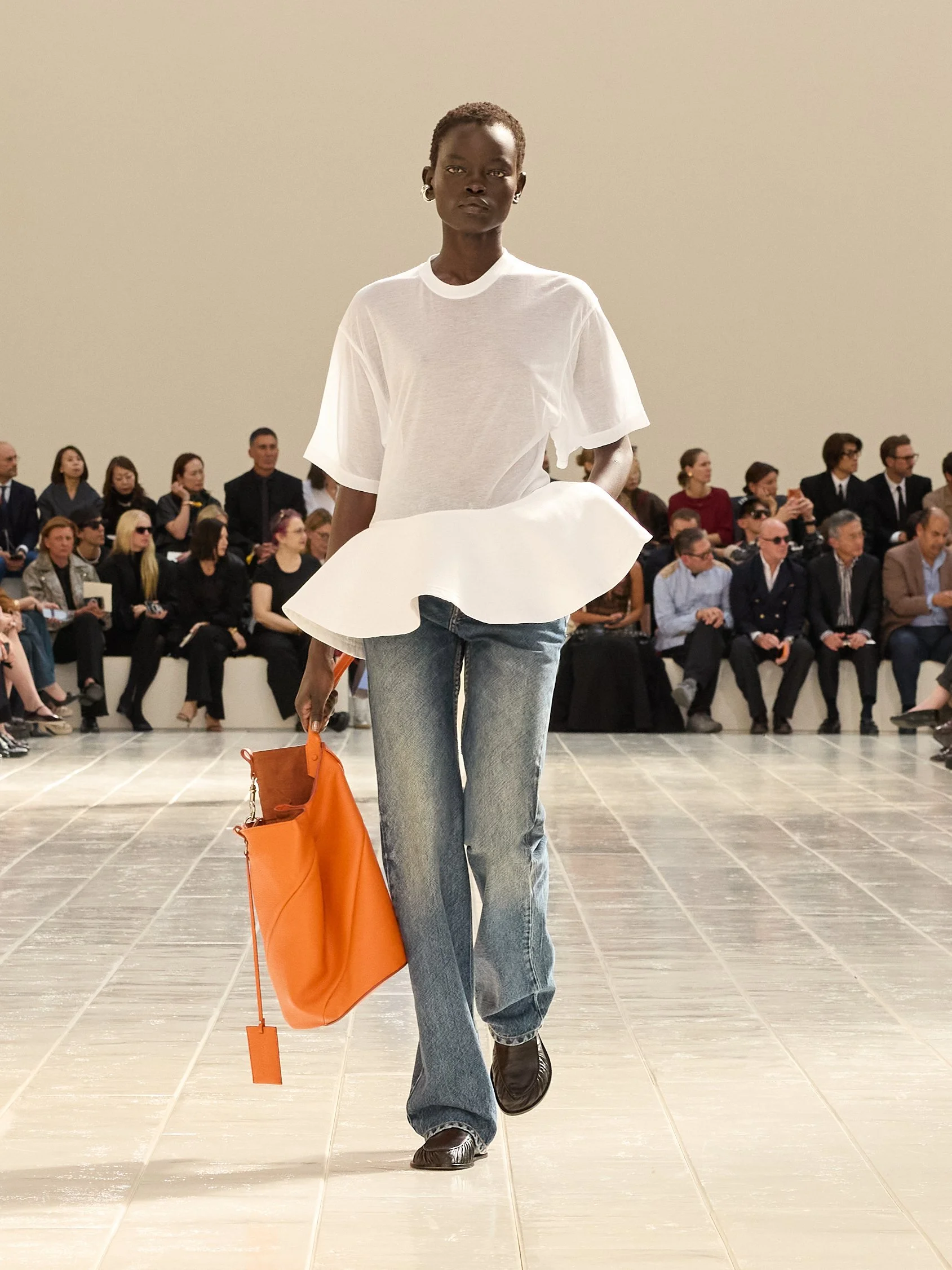
From this idea of turning typical everyday clothes into couture-worthy creations, such as a white tee, a cotton button-down, or a pair of denim trousers, were born versions of those garments built and cut meticulously. Following Cristóbal Balenciaga’s sculptural design ethos, they were meant to sit away from the body, even if subtly.
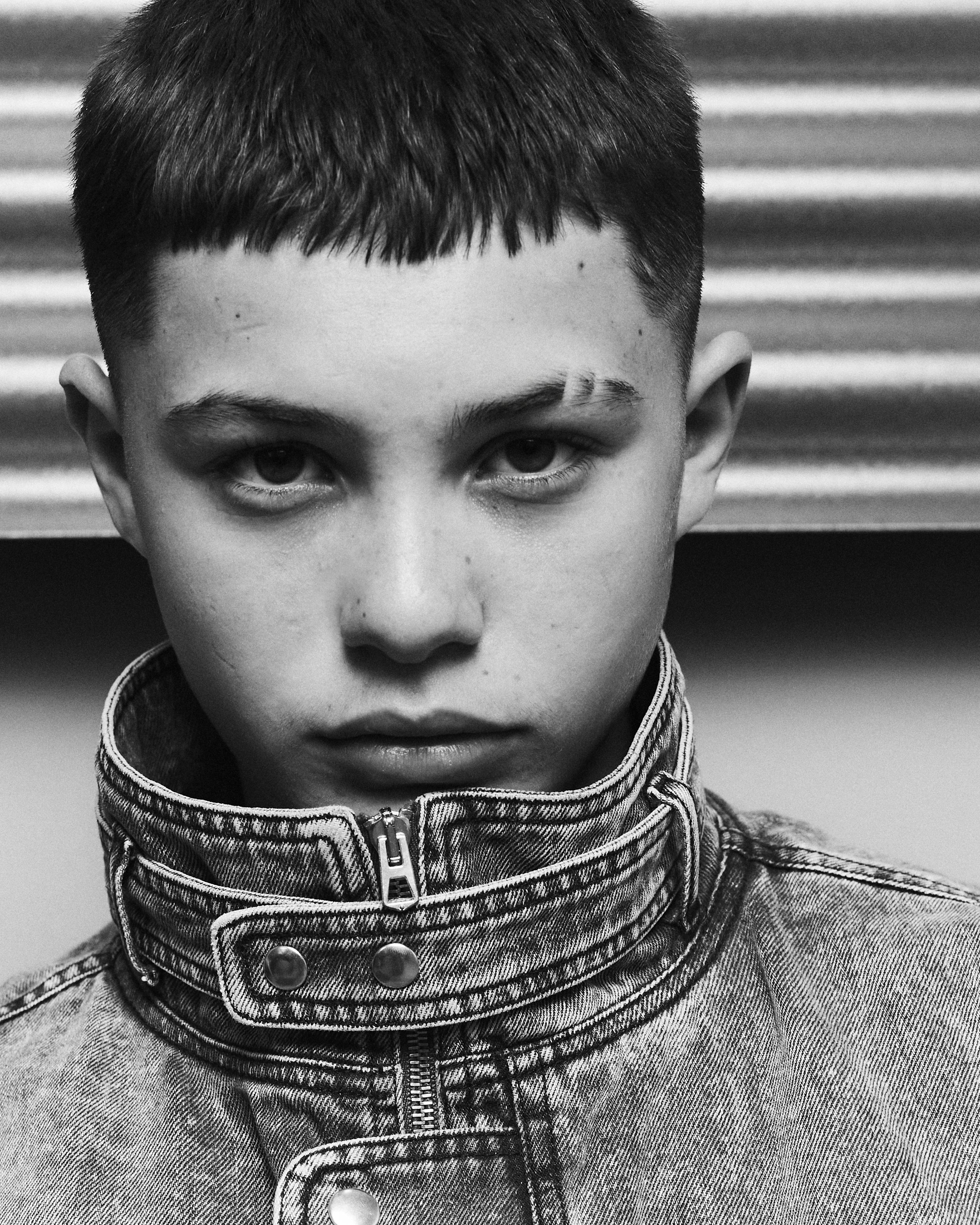
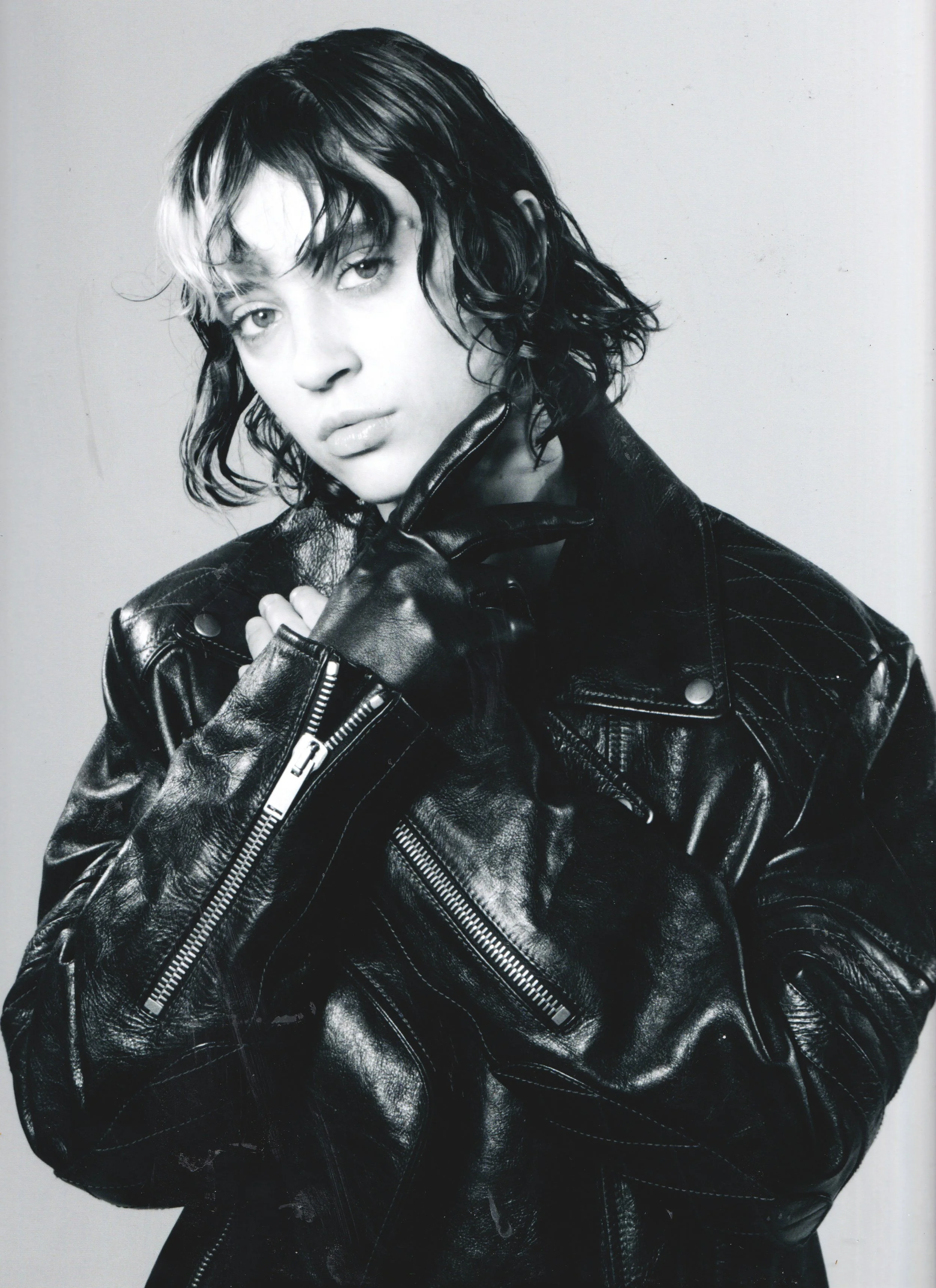
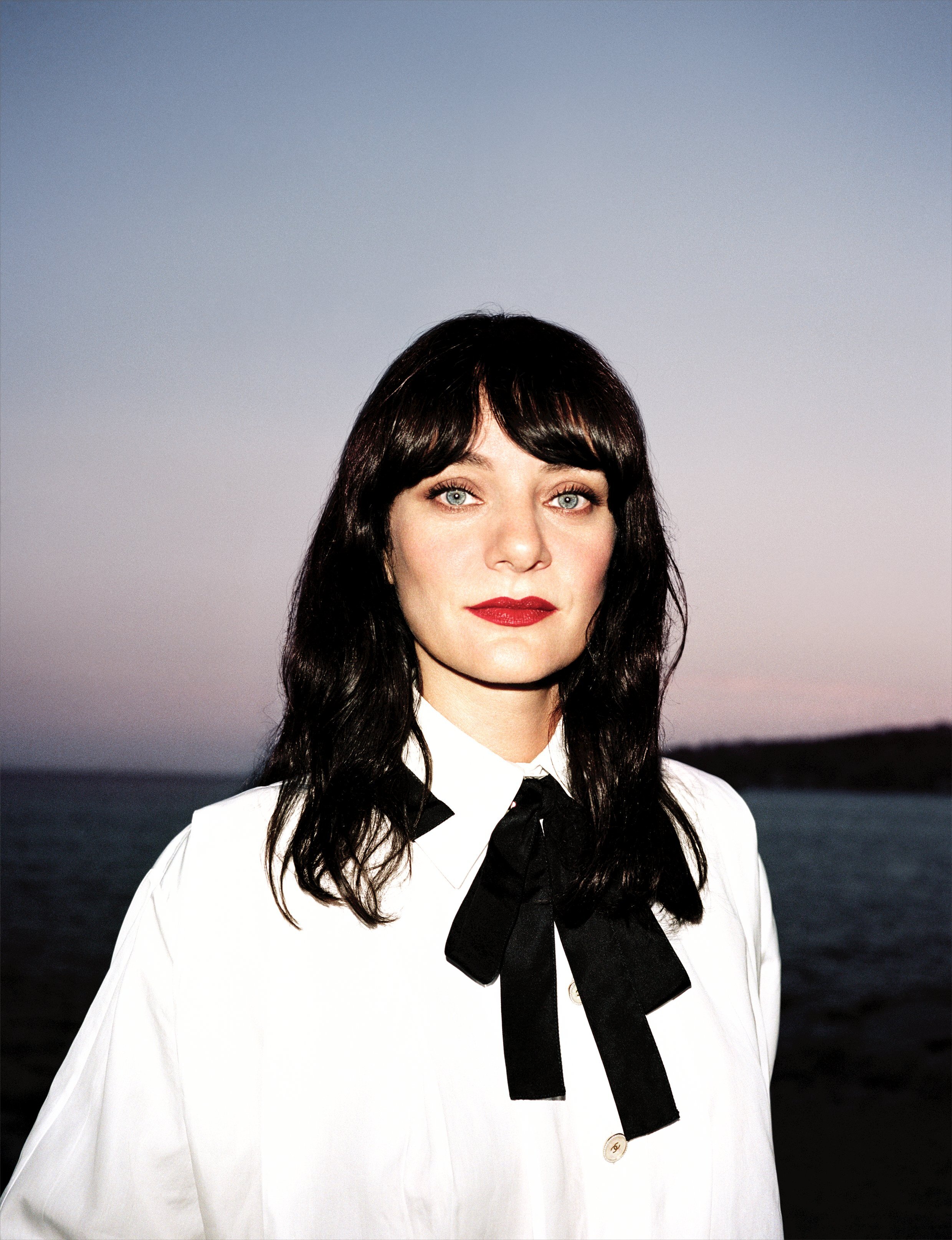
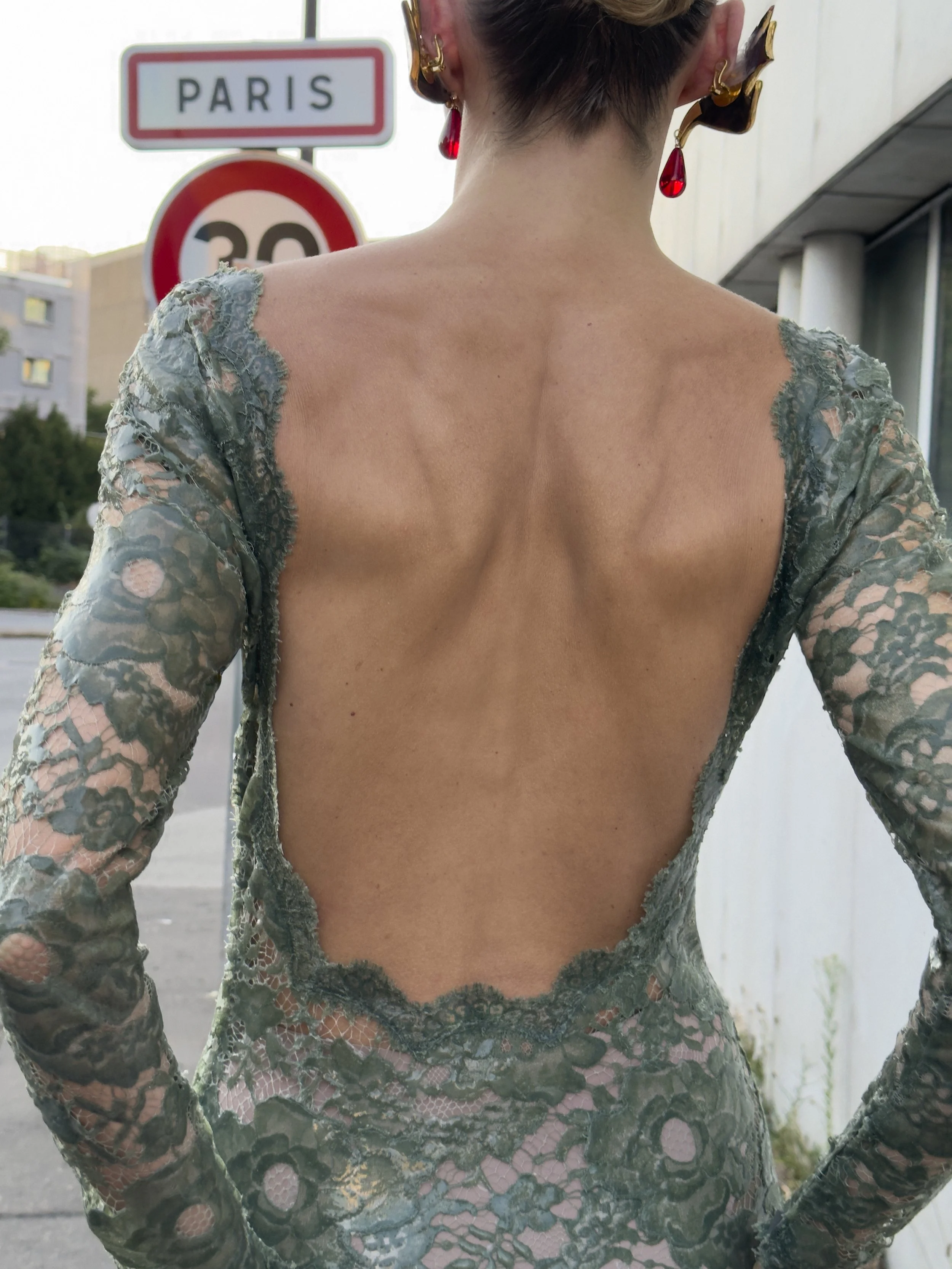
There were crisp button-downs, either narrow on the waist with an organic peplum hem or doubled with popped collars and structured cuffs. Utilitarian balloon trousers carried cargo pockets, while various textured dresses and asymmetrical skirts featured sequins, fringes, feathers, or coral-like tactile materiality. Navigating between sportswear and tailoring, fluidity and sturdiness, Piccioli further delivered with high-necked jackets and loose-fitting trousers, long, sheer eveningwear and leather outerwear.
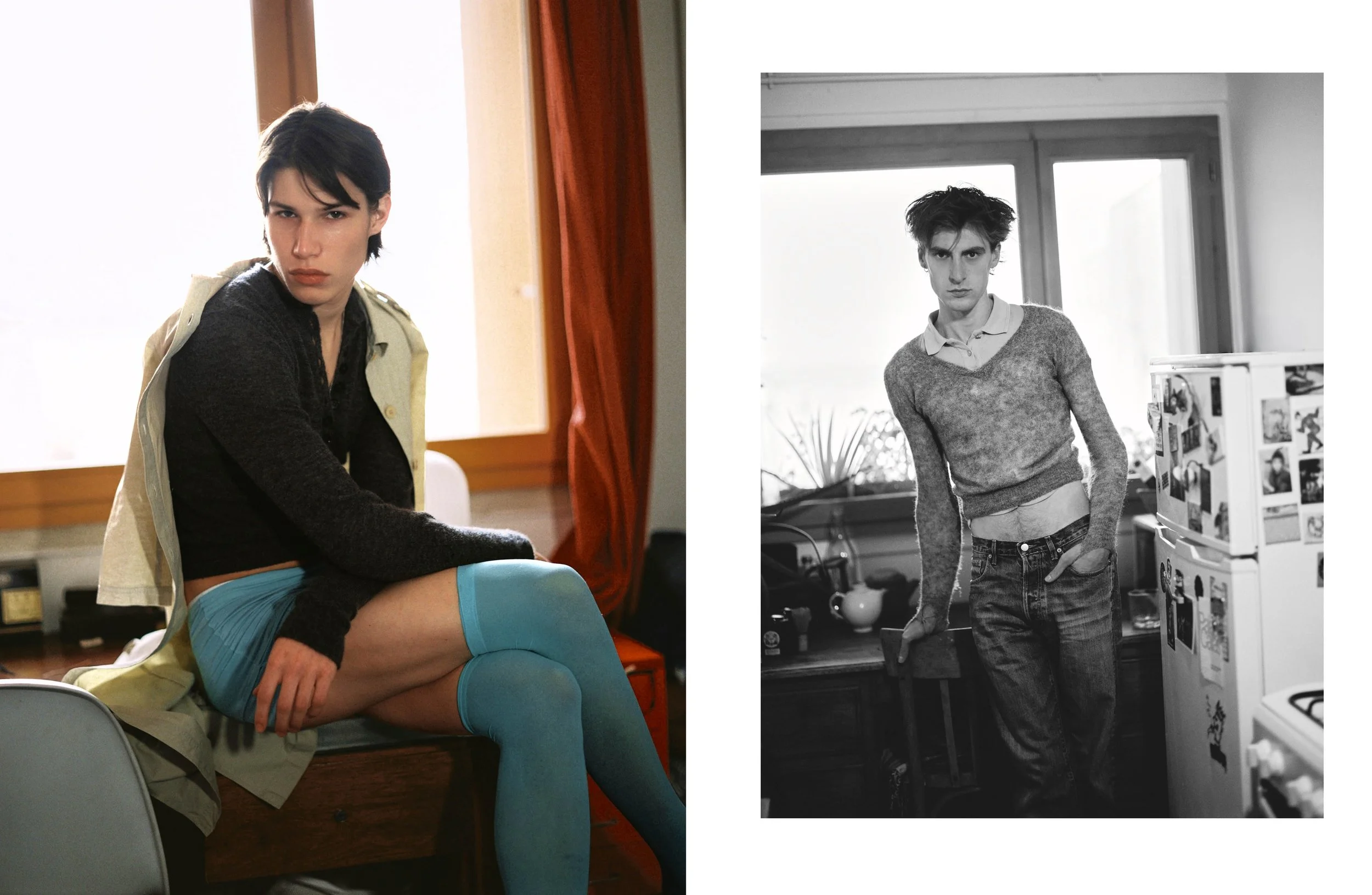
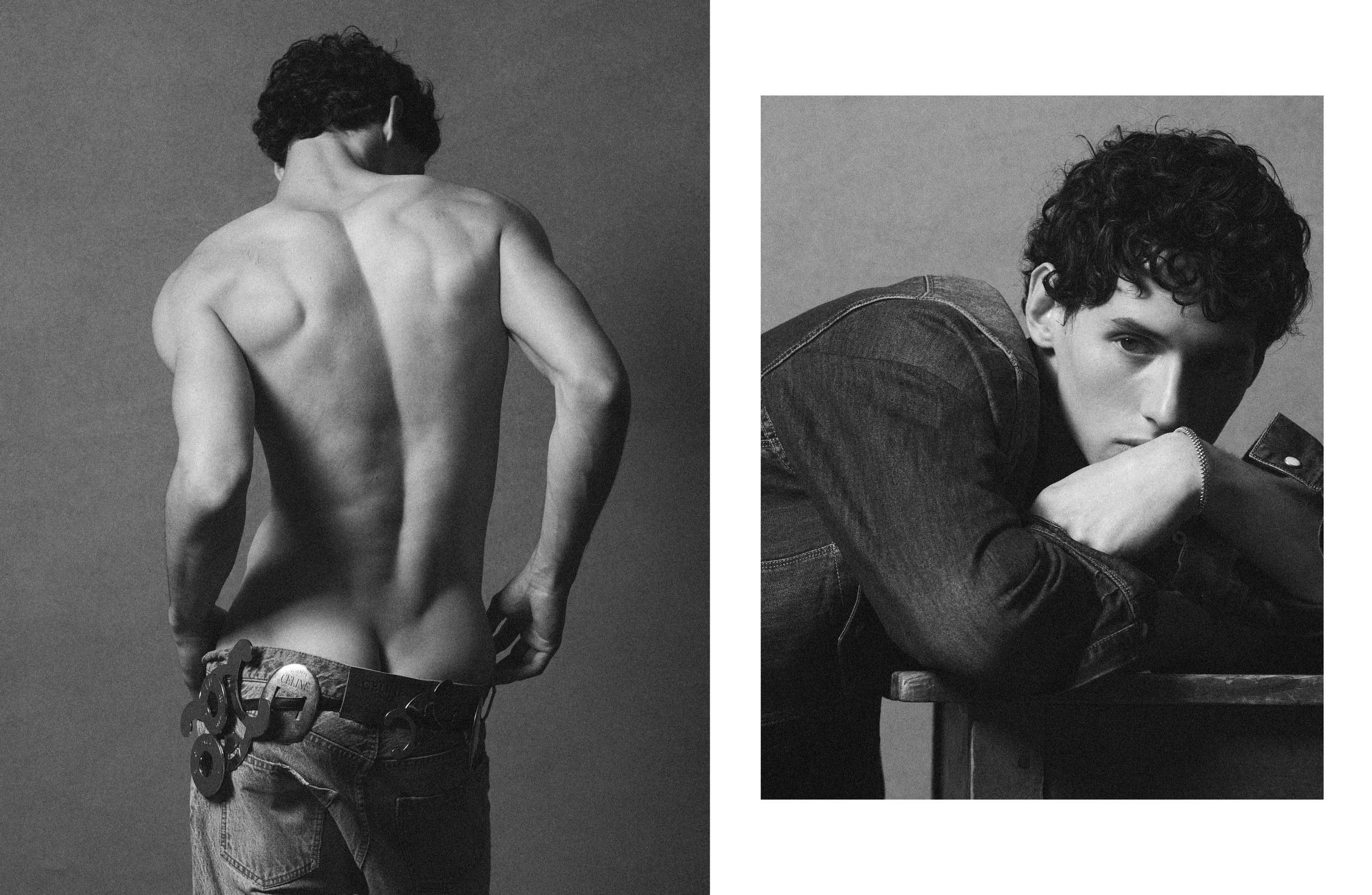
In a modern-day version of a regal feature, ultra-voluminous, puffed sleeves graced one of the men’s shirts, as well as an olive jacket worn over a grey suit with double belts, the model’s turquoise jumper peeking underneath. Looking ahead and subverting his predecessors, Piccioli debuted bias-cut jeans at Balenciaga for the first time, with the technique also applied to shirts, menswear suiting, and evening gowns.
Words by Ketlyn Araujo