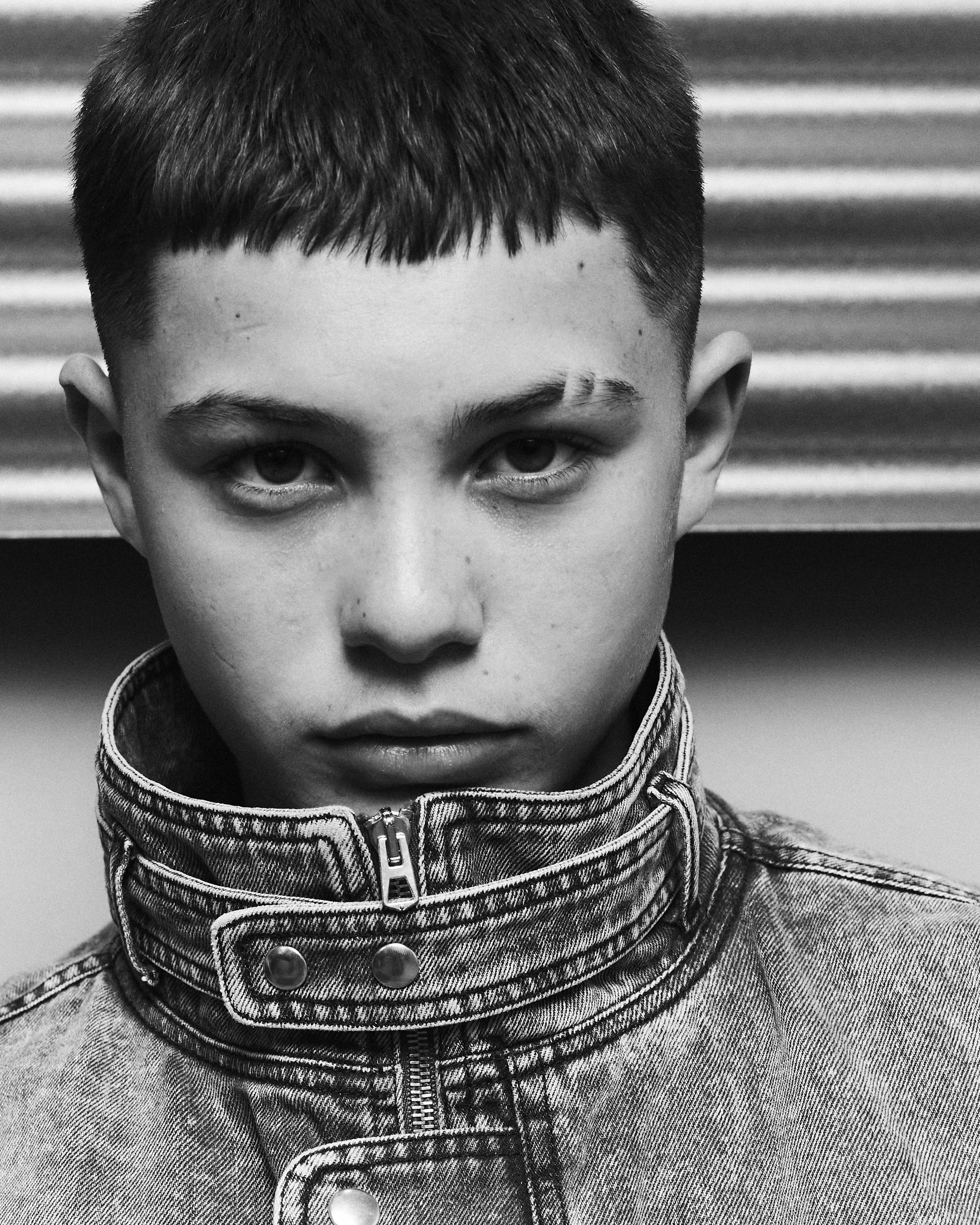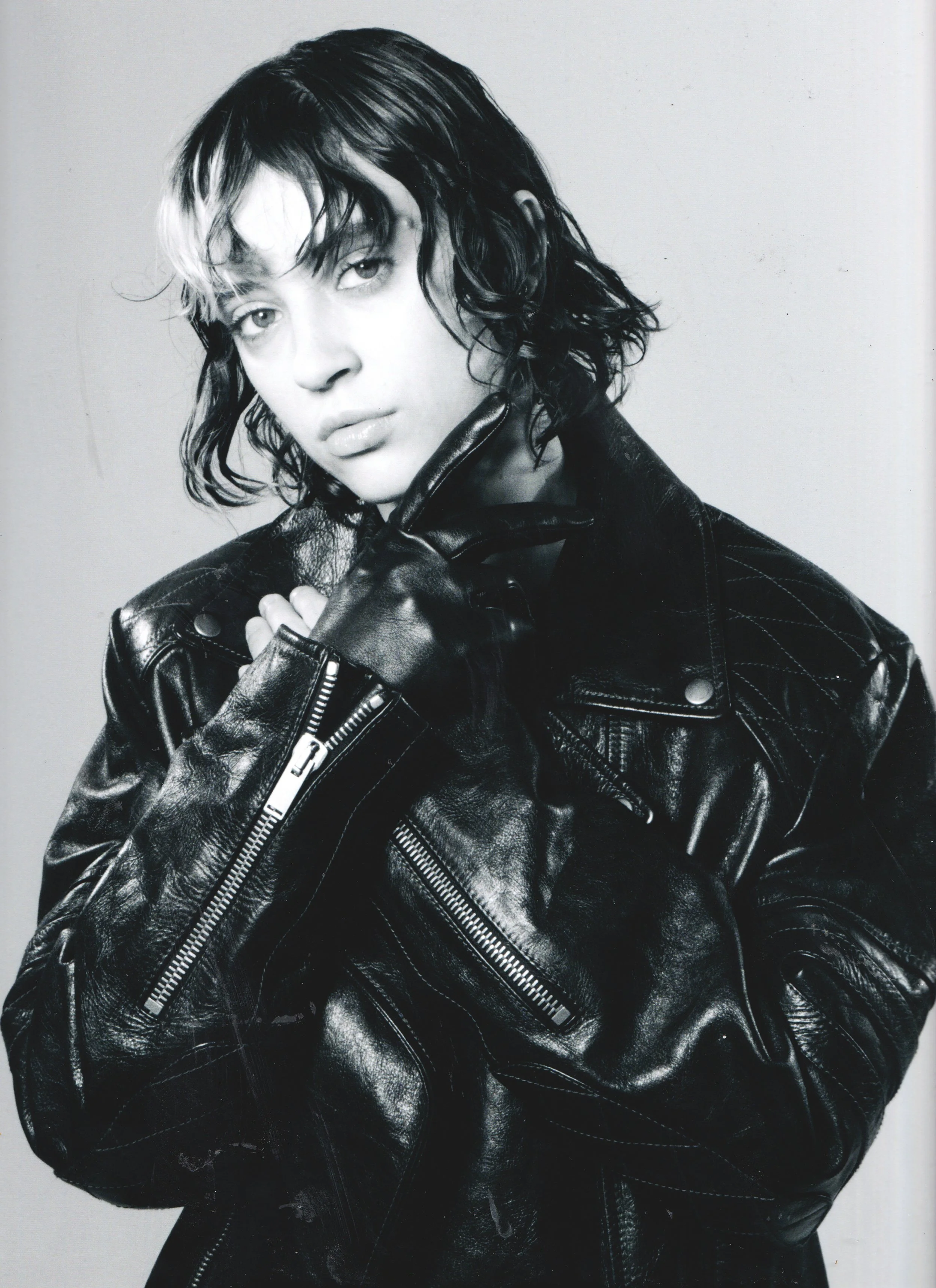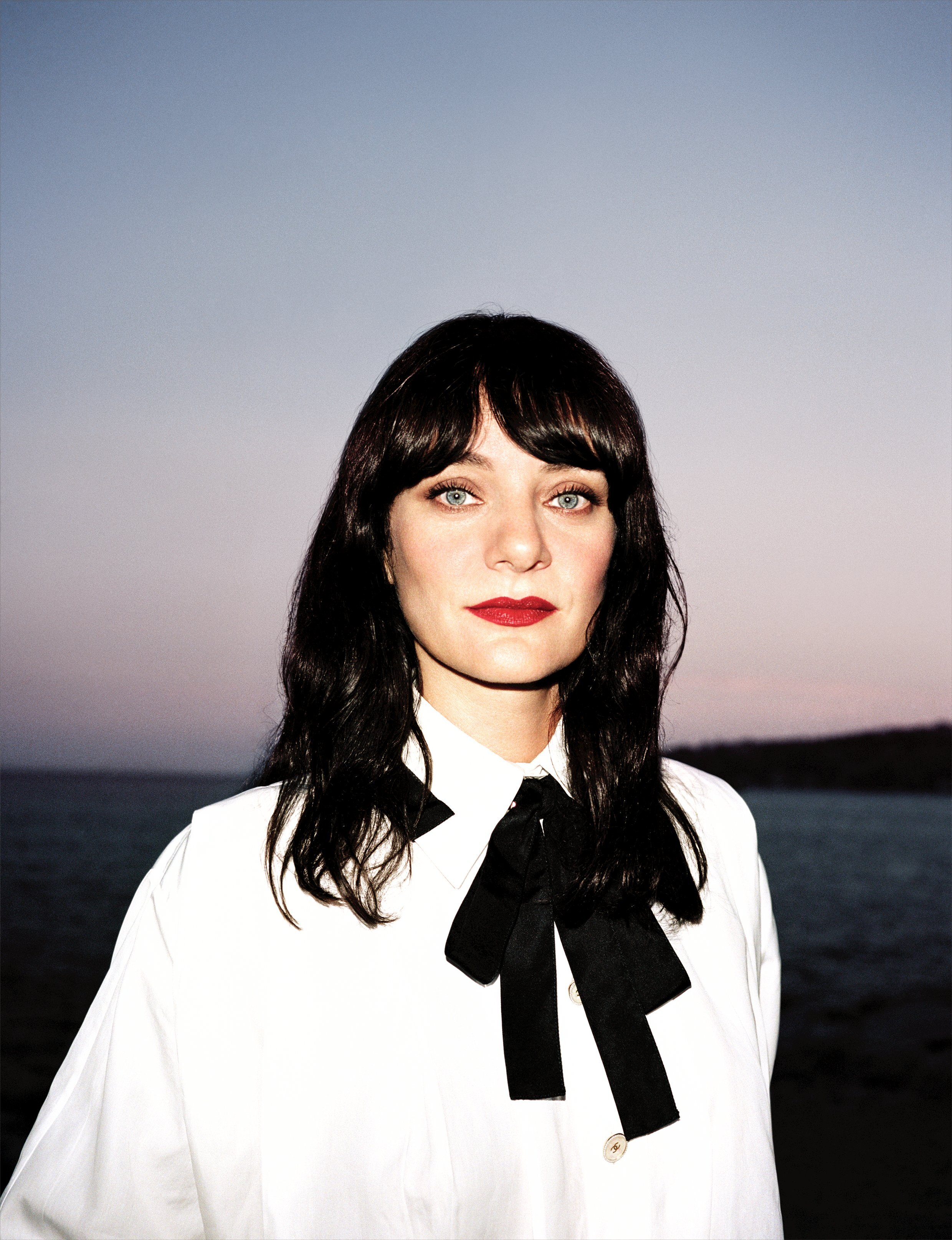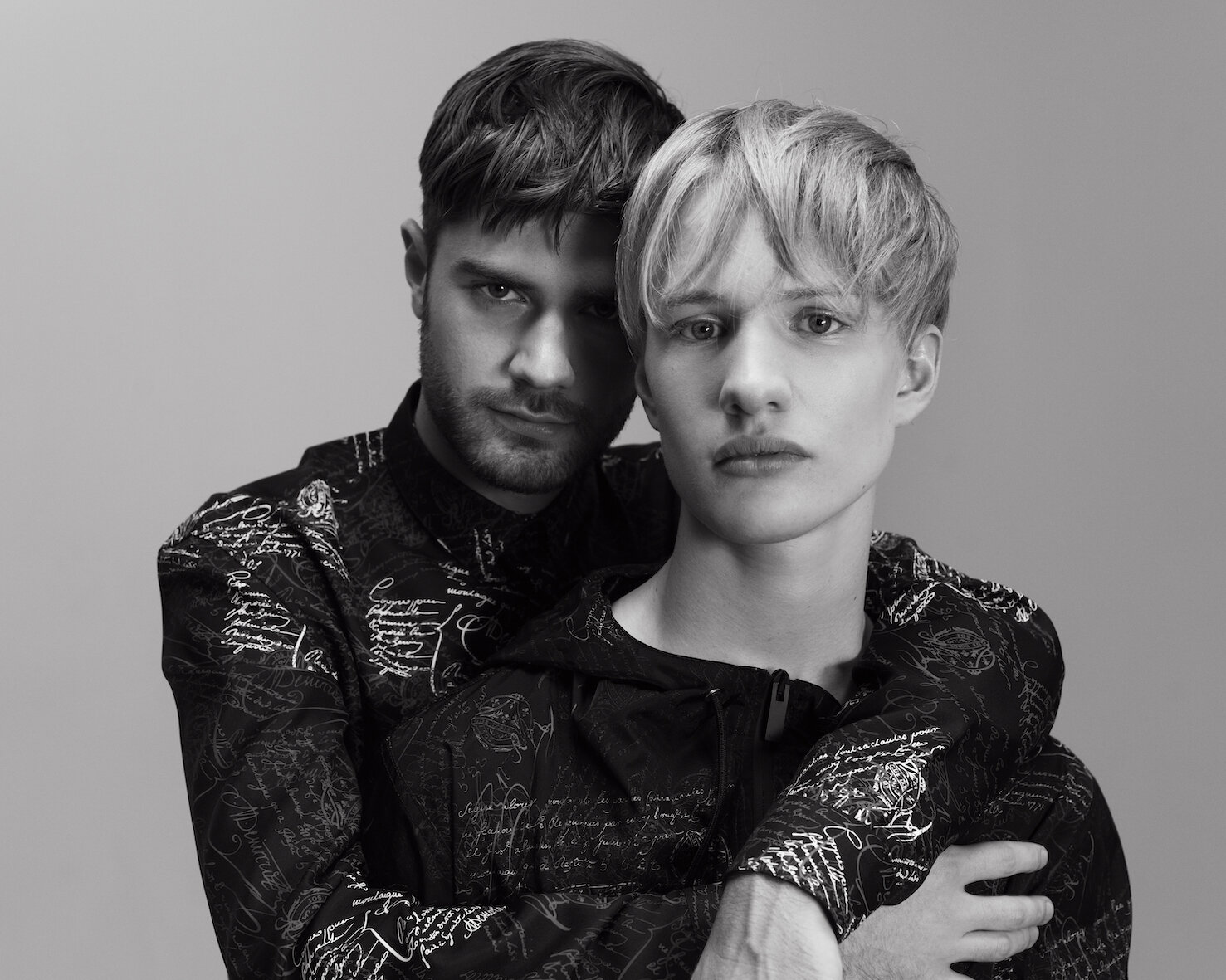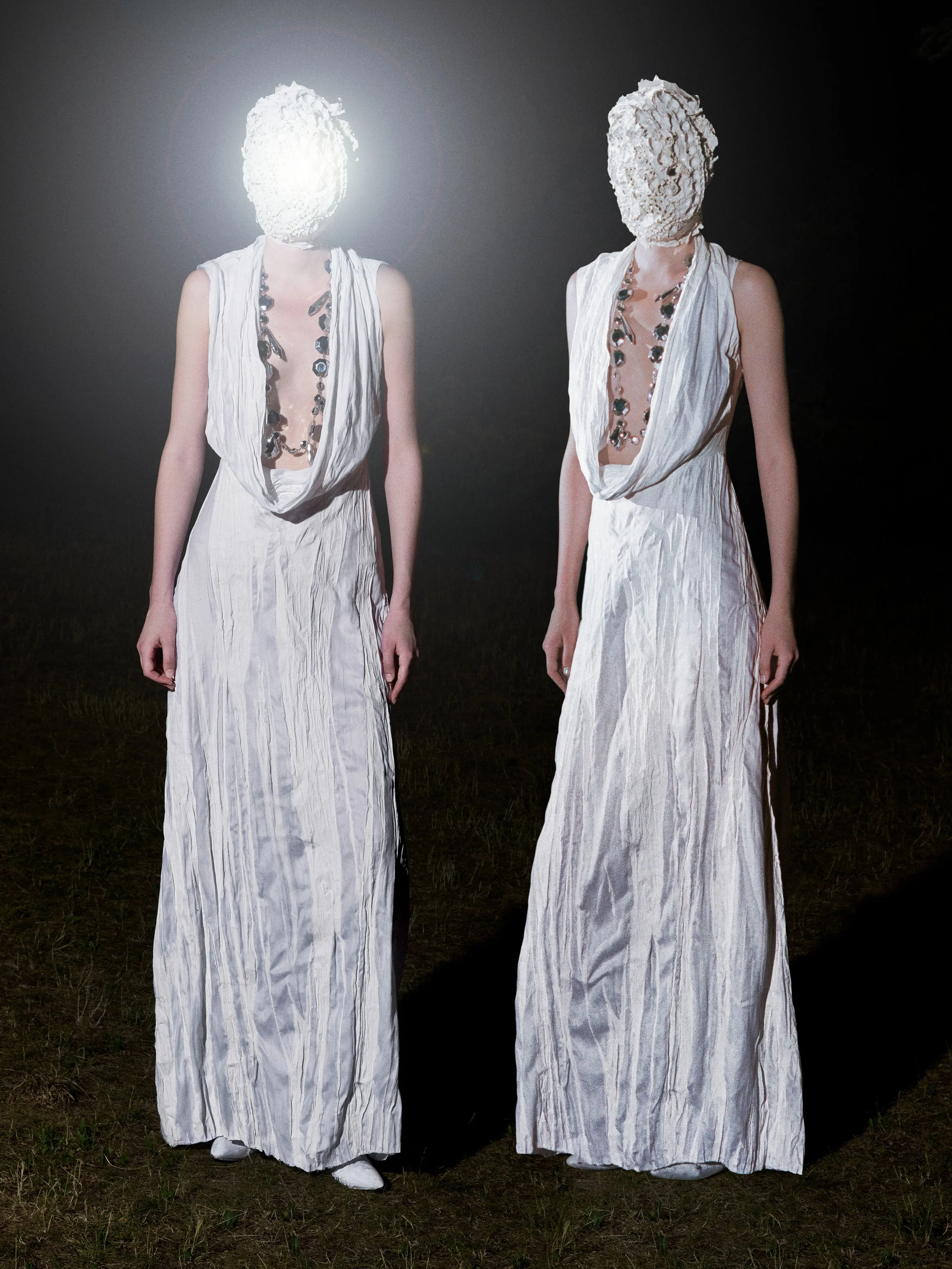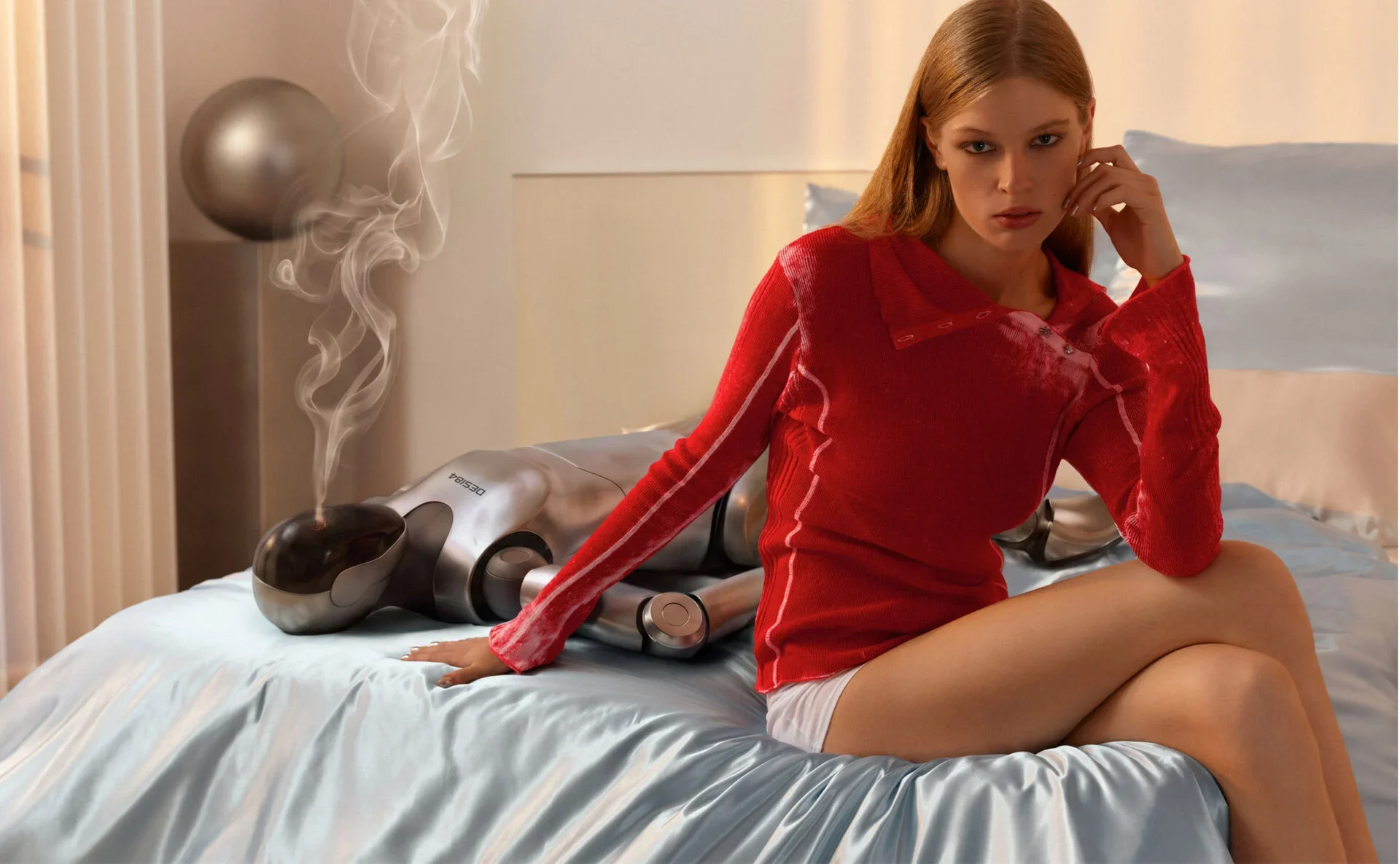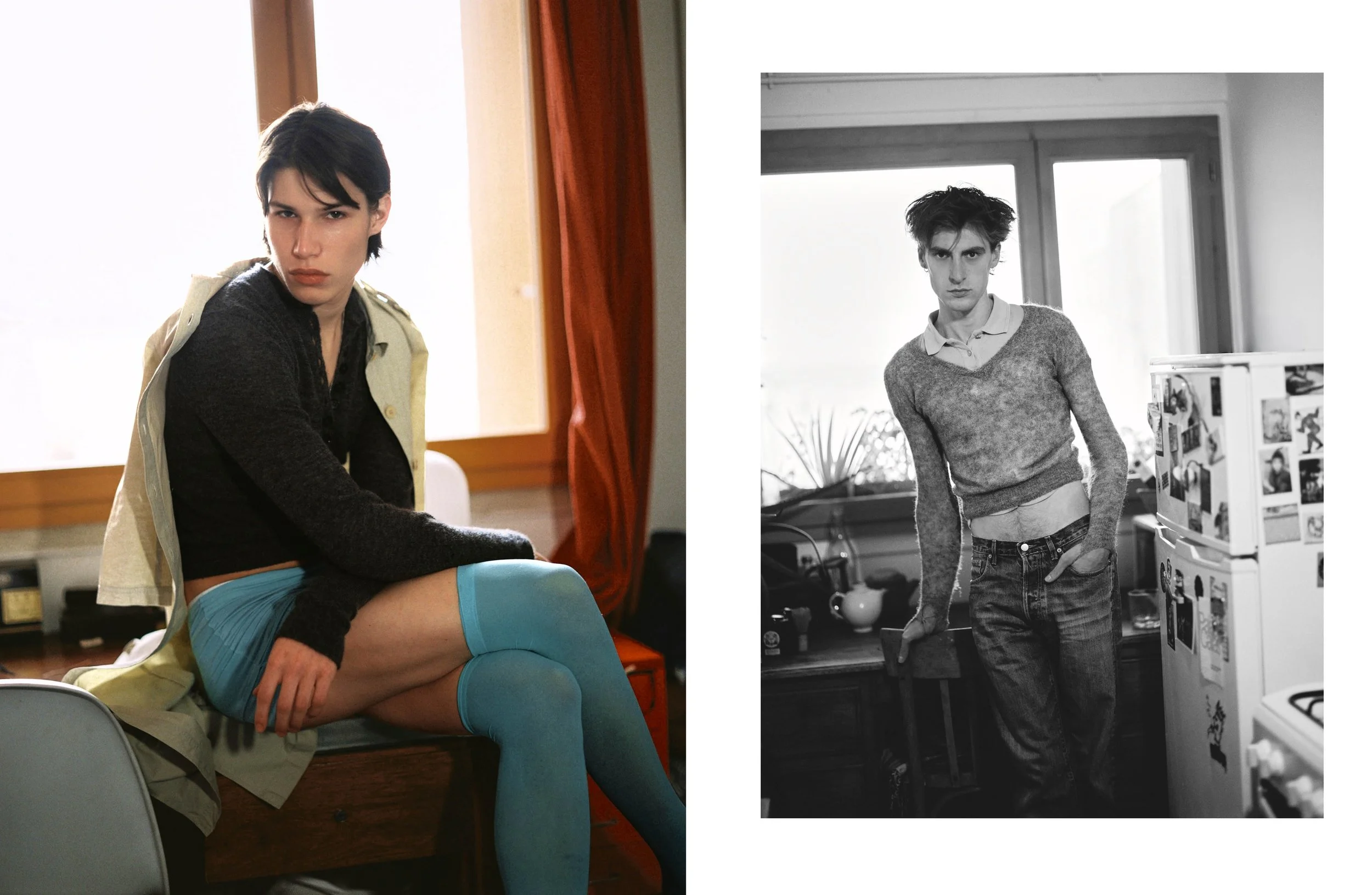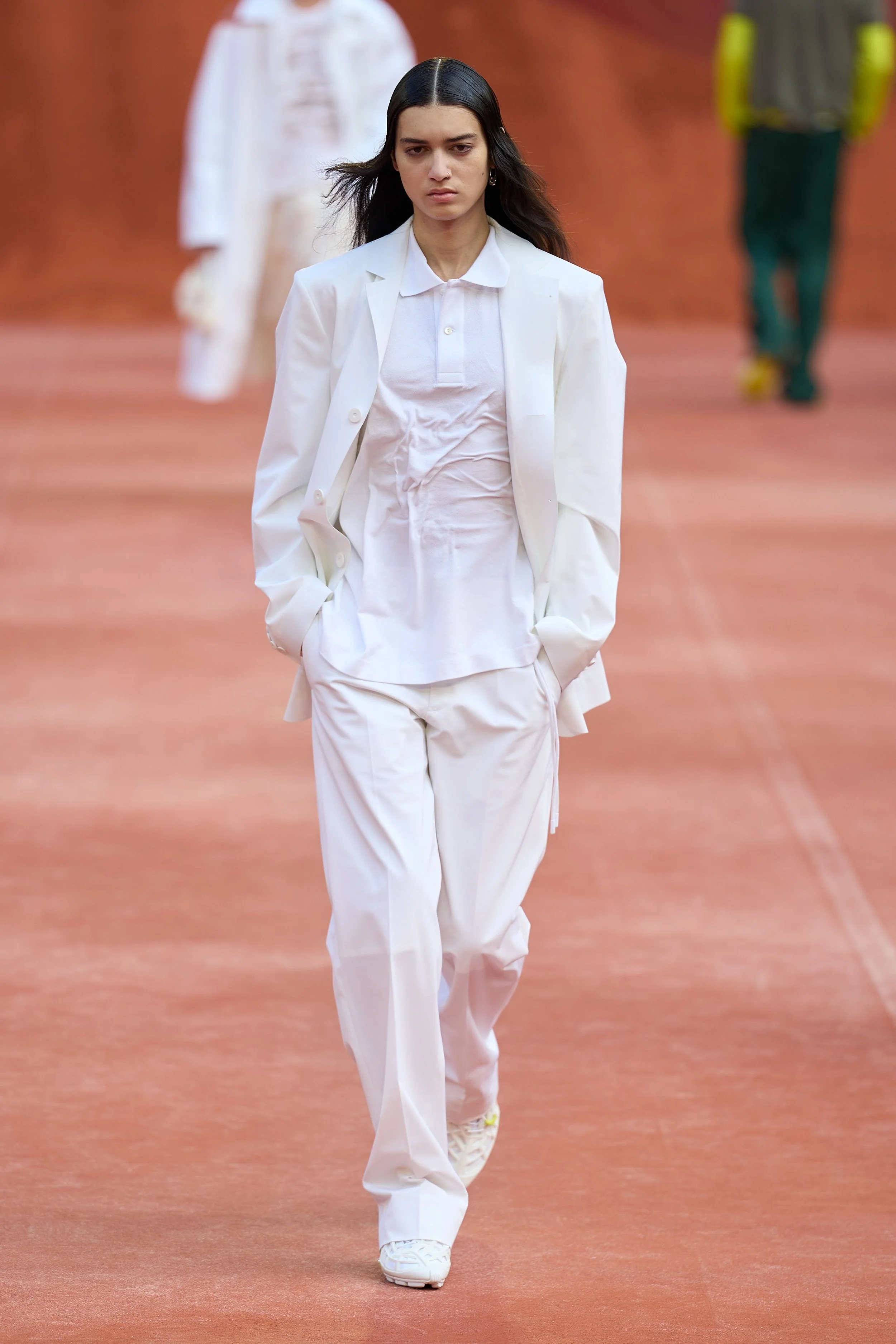
The Philippe-Chatrier court, one of the most recognisable tennis venues around the globe, was Lacoste’s creative director Pelagia Kolotouros’ chosen setting to showcase her Spring/Summer 2027 collection for the heritage French label. The space, marked by its orangey, terre battue – or clay court – flooring, is located inside the Roland-Garros Stadium, where one of the biggest tennis tournaments, the French Open, takes place yearly.
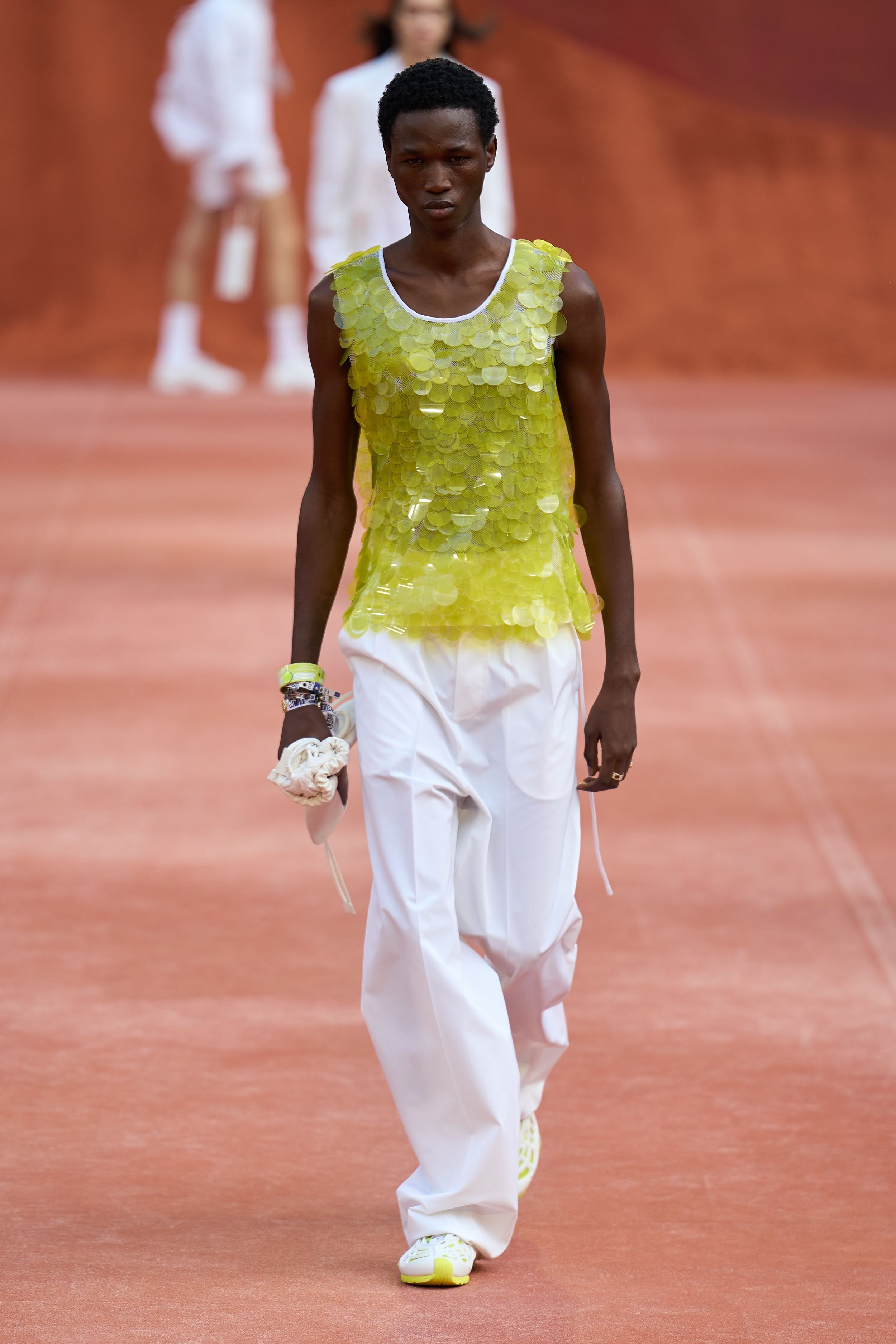
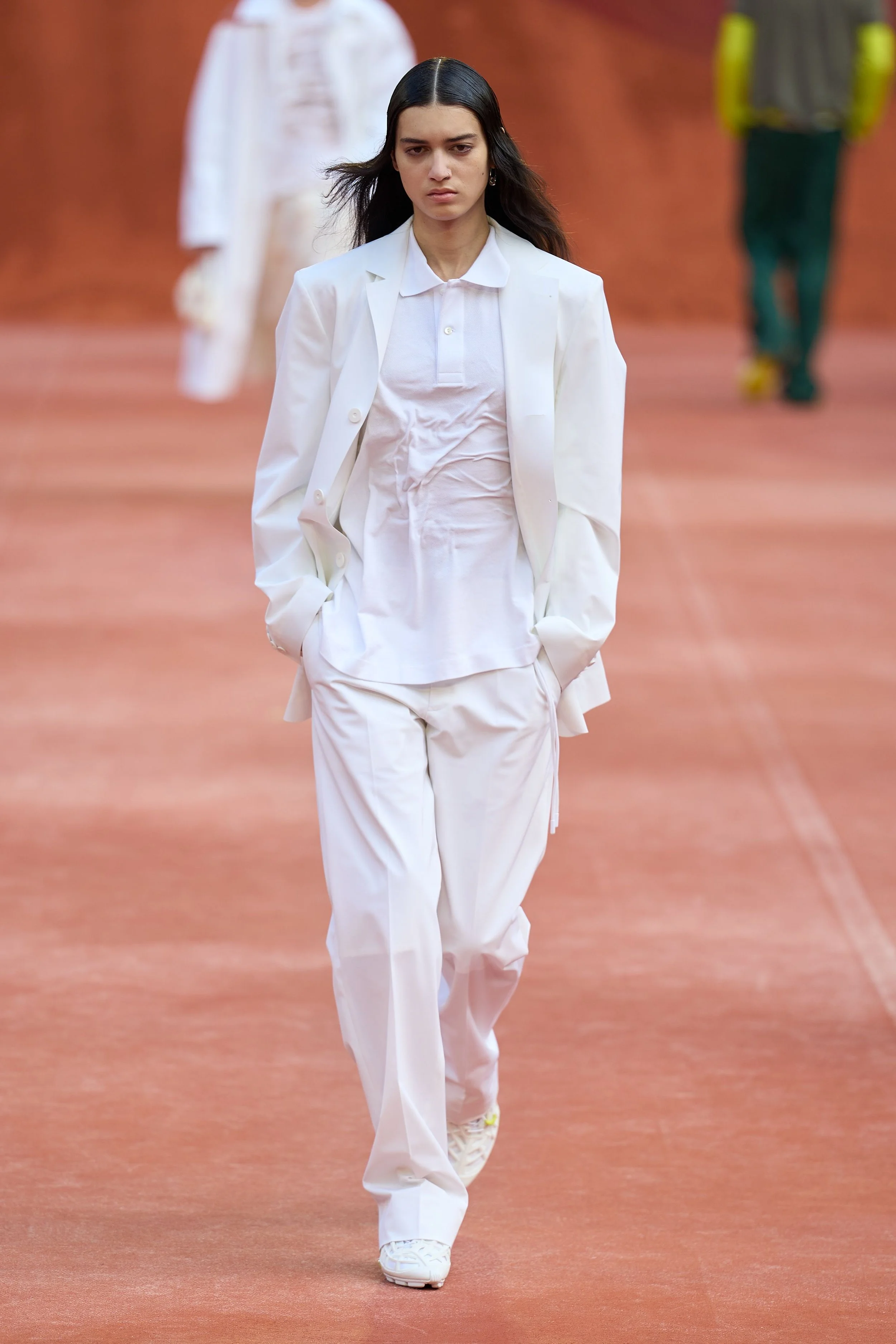
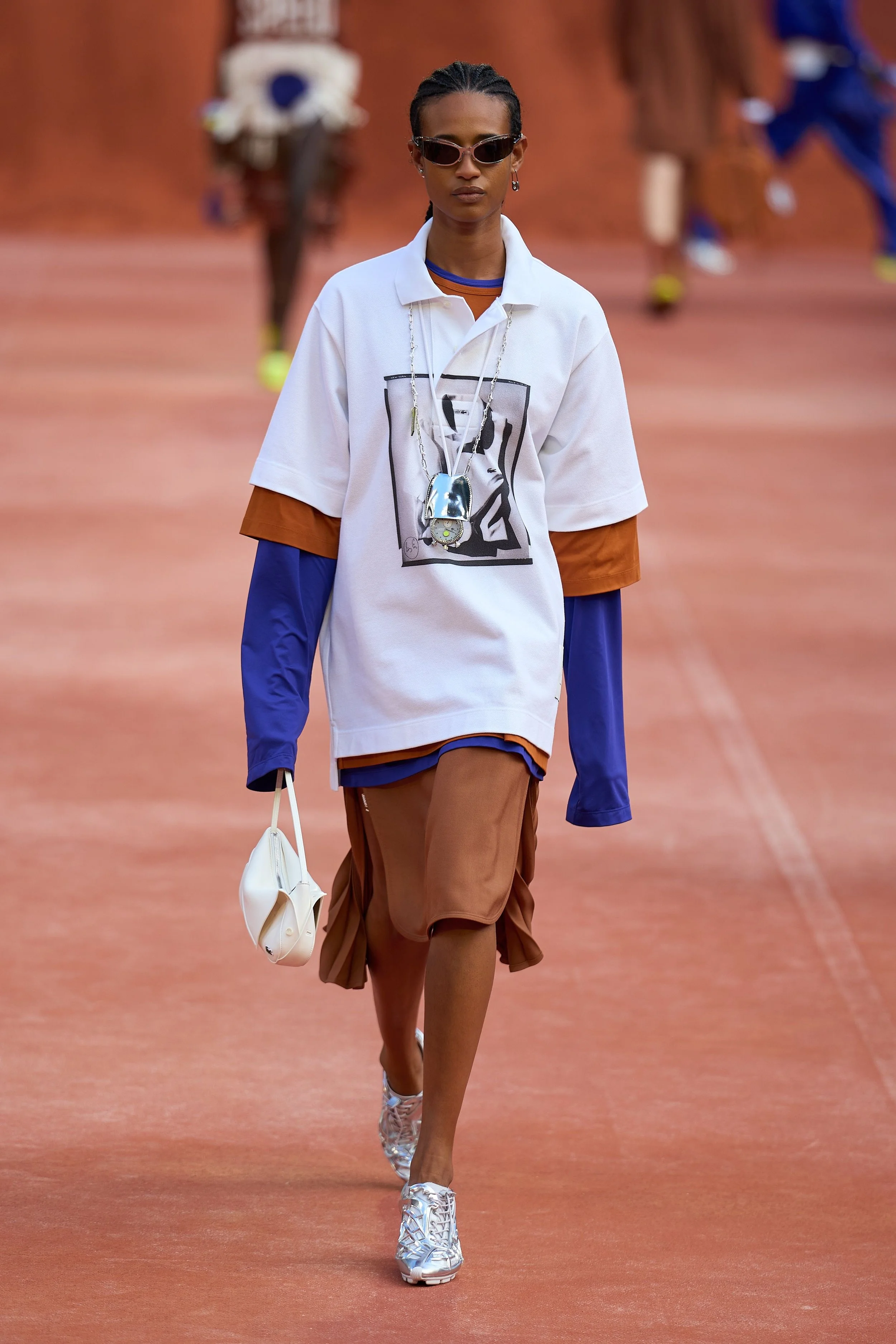
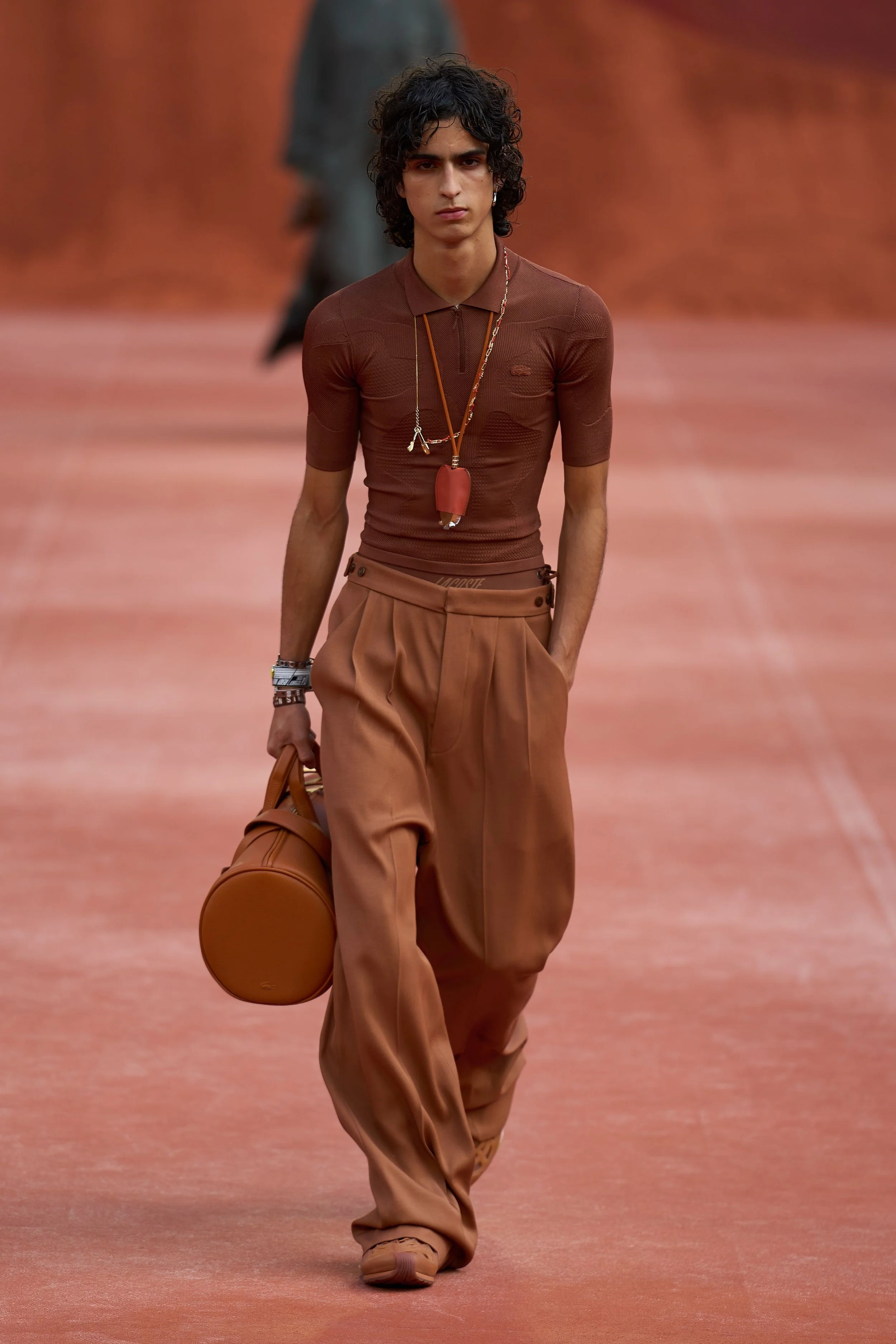
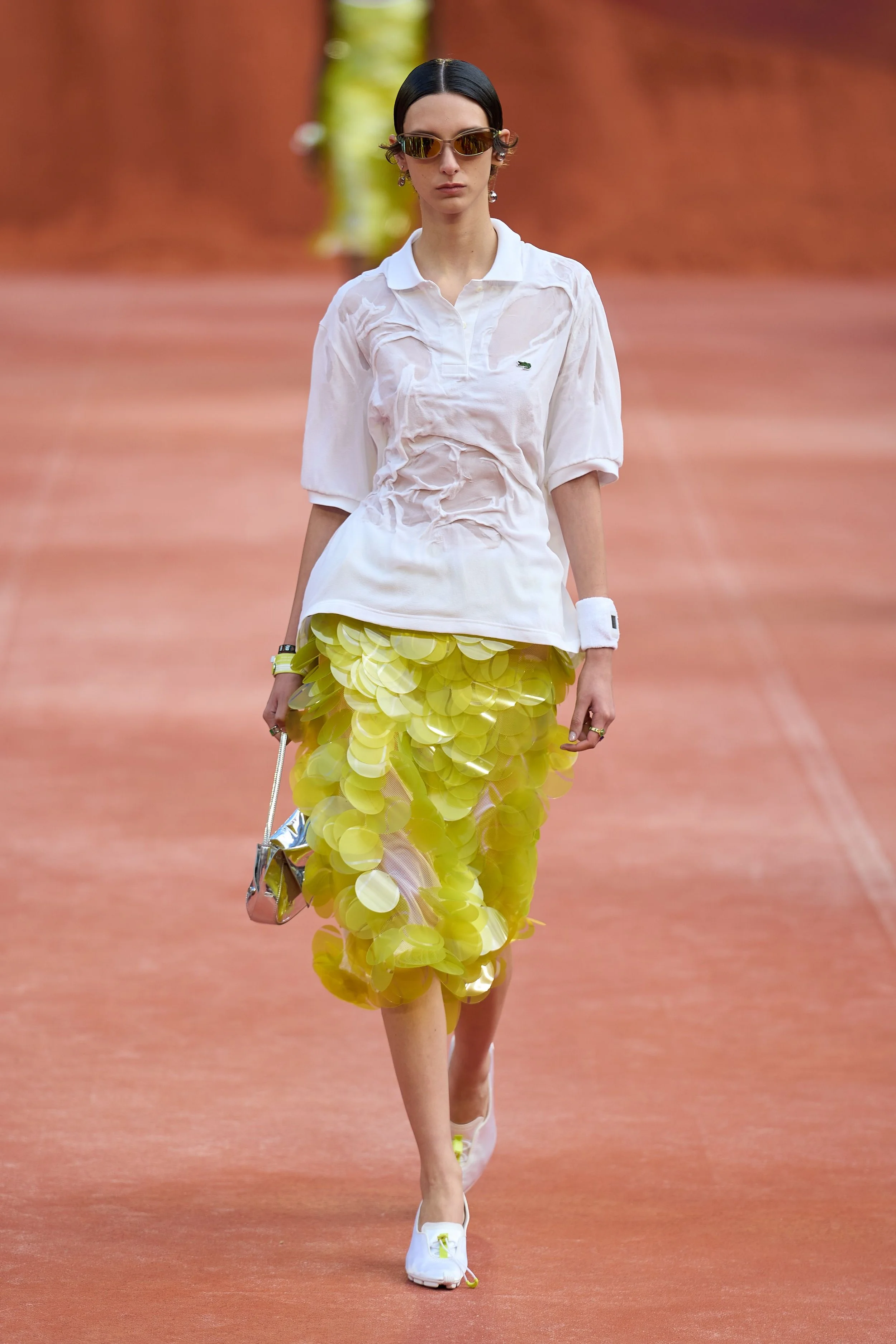
This season, Kolotouros turned clay into a central design element, reflected not only in the collection’s colour choices, but also in the material's more raw usage. It appeared, for example, settled on structured hems and applied to create a stained effect on white coats and trousers.
Tennis history is intertwined with the history of preppy culture, as one could not exist without the other. In between lies Lacoste. Inspired by two subversive and, at the time, rebellious acts, Kolotouros then aimed to insert a touch of playful liberation into the SS27 lineup.
First, she looked at an episode involving Suzanne Lenglen, a tennis player who, in 1919, during her Wimbledon debut, wore a short-sleeved, calf-length pleated dress, without a corset or petticoat underneath. At the time, after winning the tournament, Lenglen’s style choice was called “indecent” by the press. And there was, of course, René Lacoste, the tennis player known as “the crocodile” and later the founder of Lacoste, who famously cut the sleeves of his non-regulation shirt to achieve a speedy, lighter performance while playing. That’s how the polo shirt came about in the 1920s.
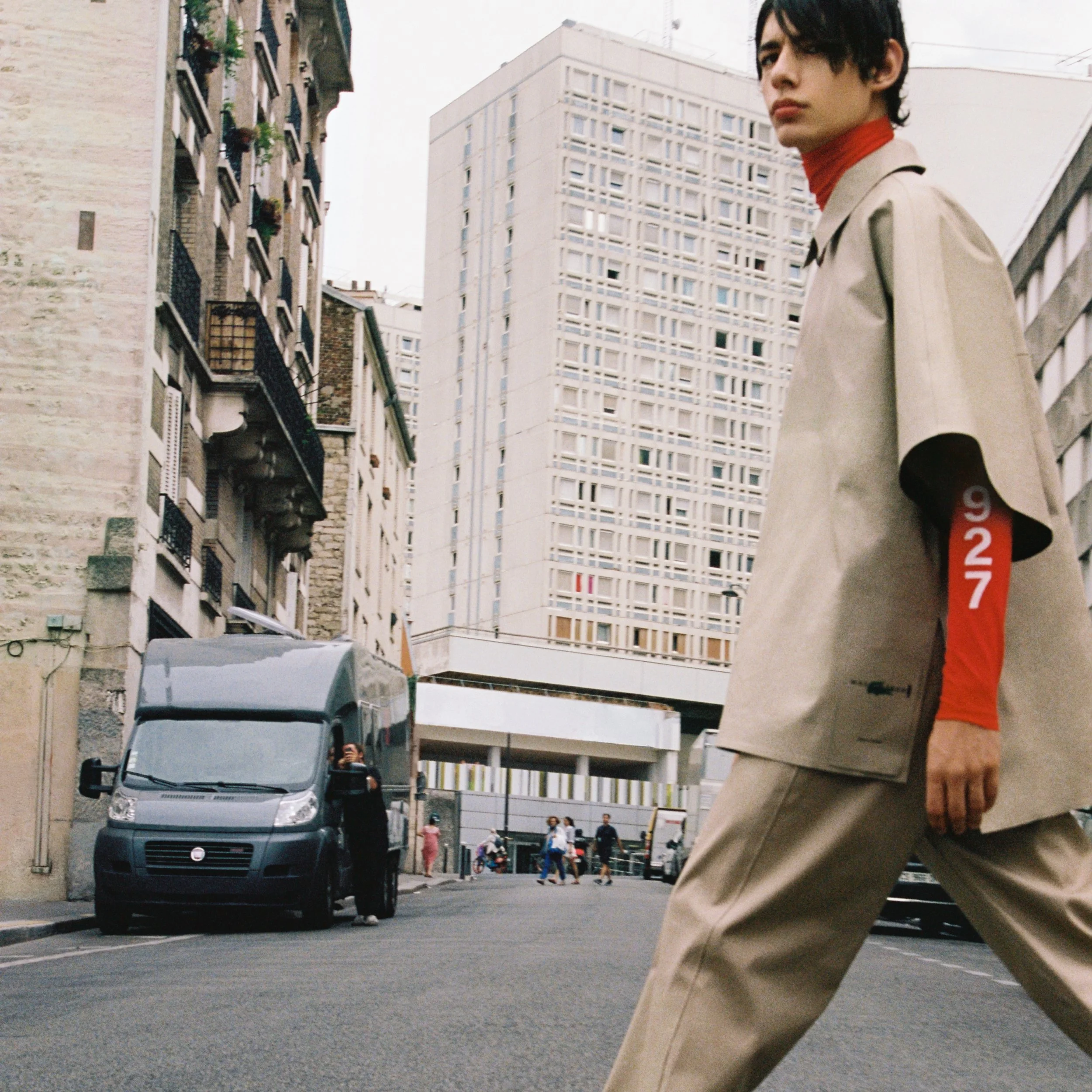
“Dress code: no white required,” was how Kolotouros named the collection, proving that classic sportswear can loosen up, ditch convention, and even appear sexy. Loose tailoring, washed and lightweight materials, and oversized printed T-shirts layered over long-sleeved tops all allowed for movement.
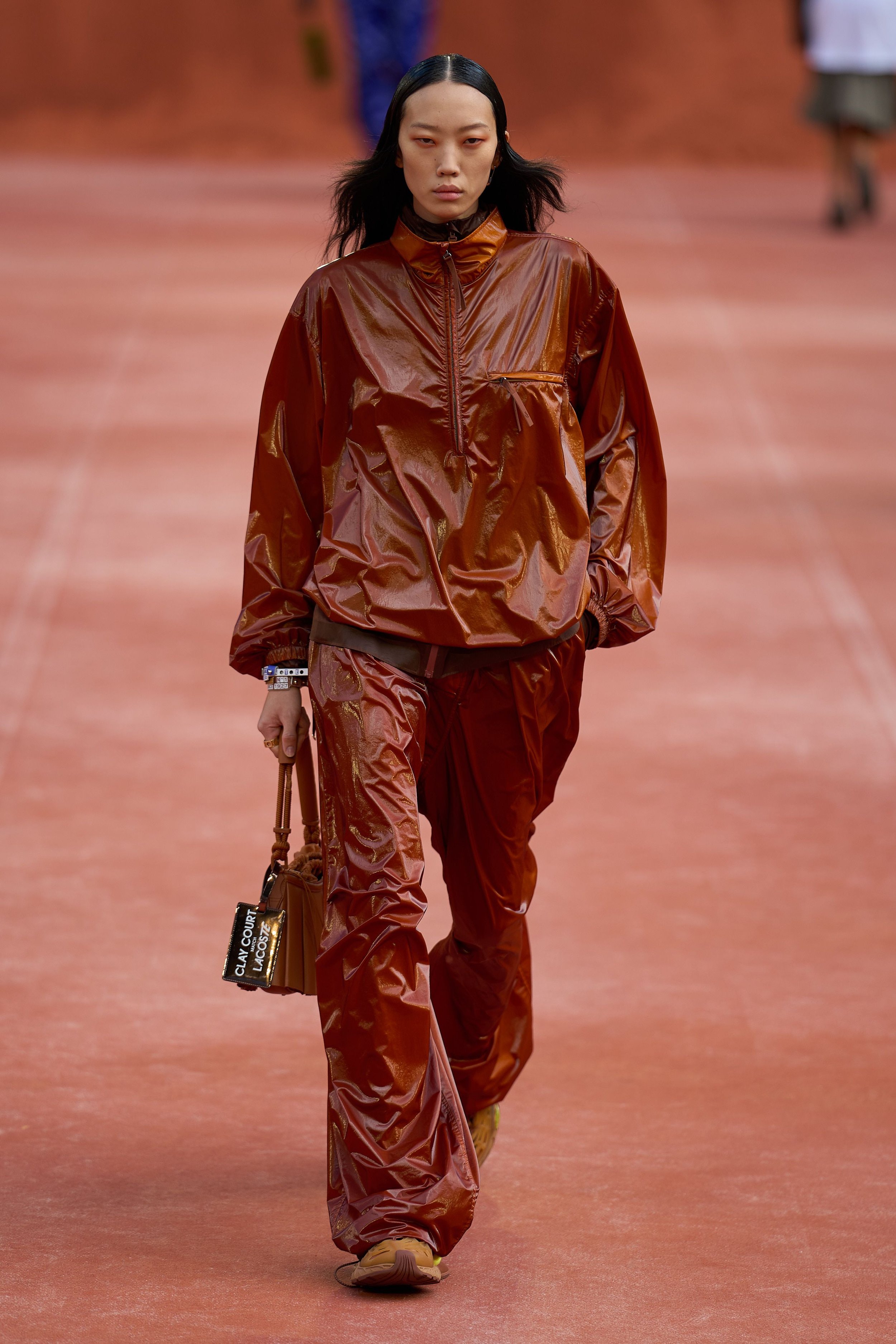
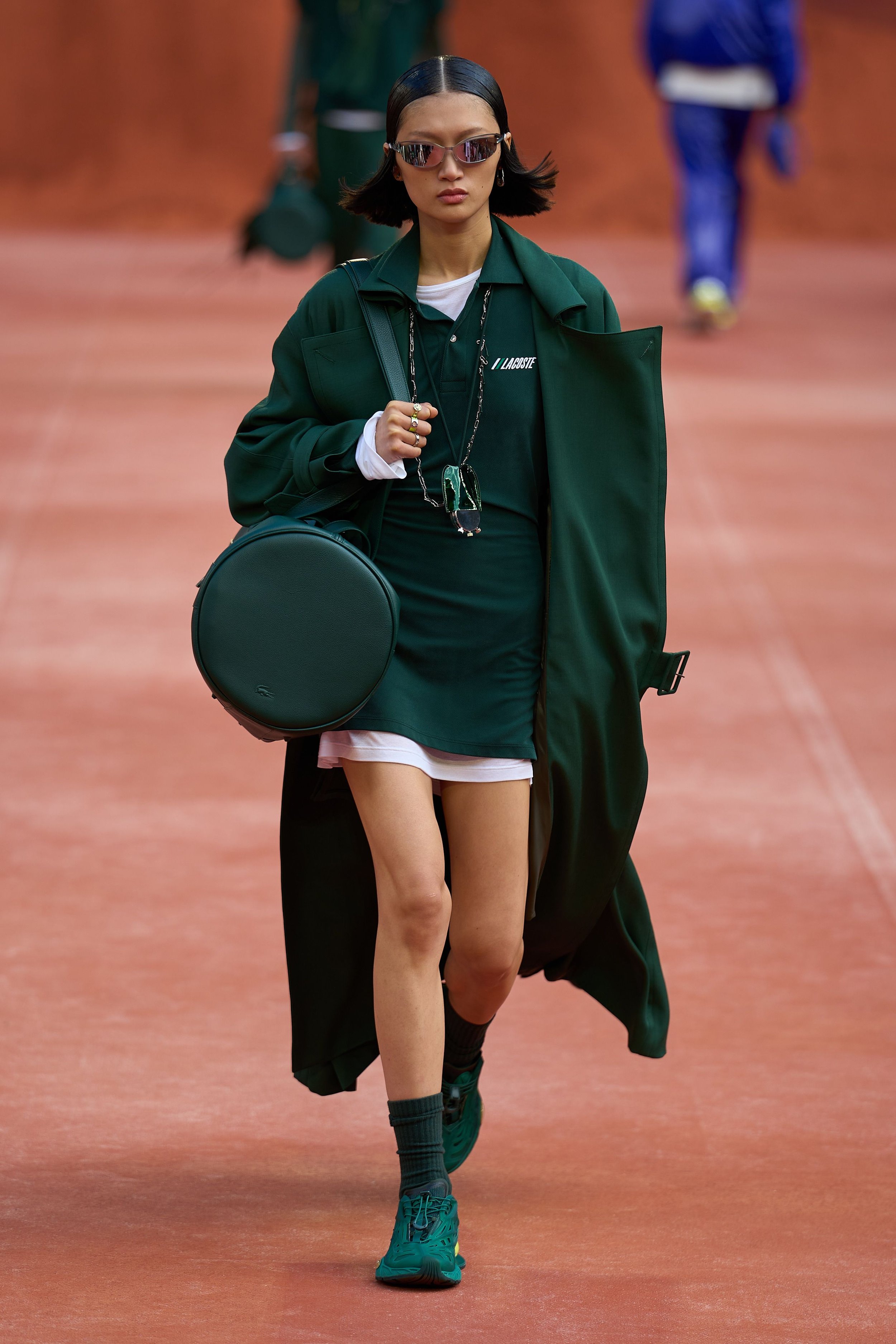
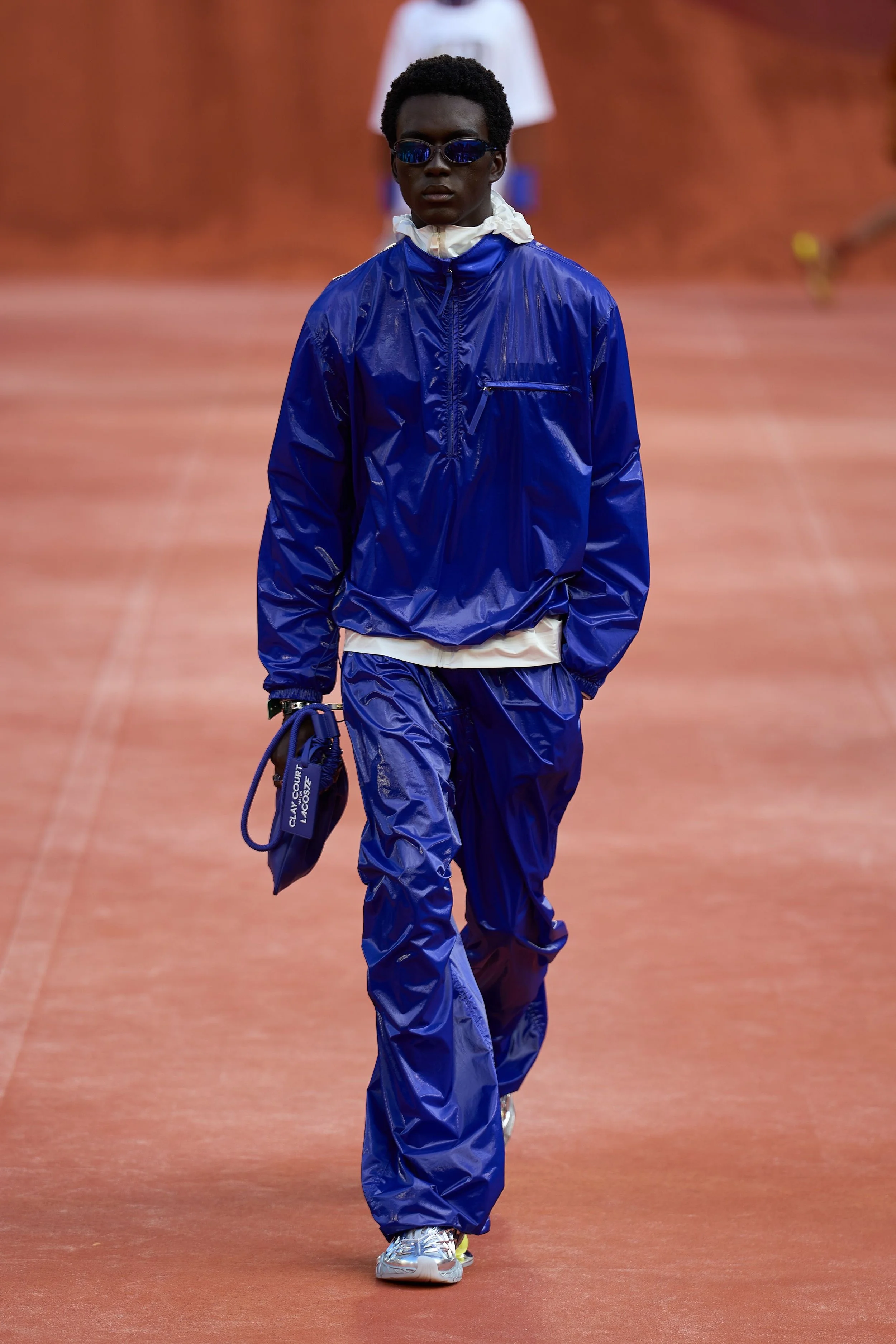
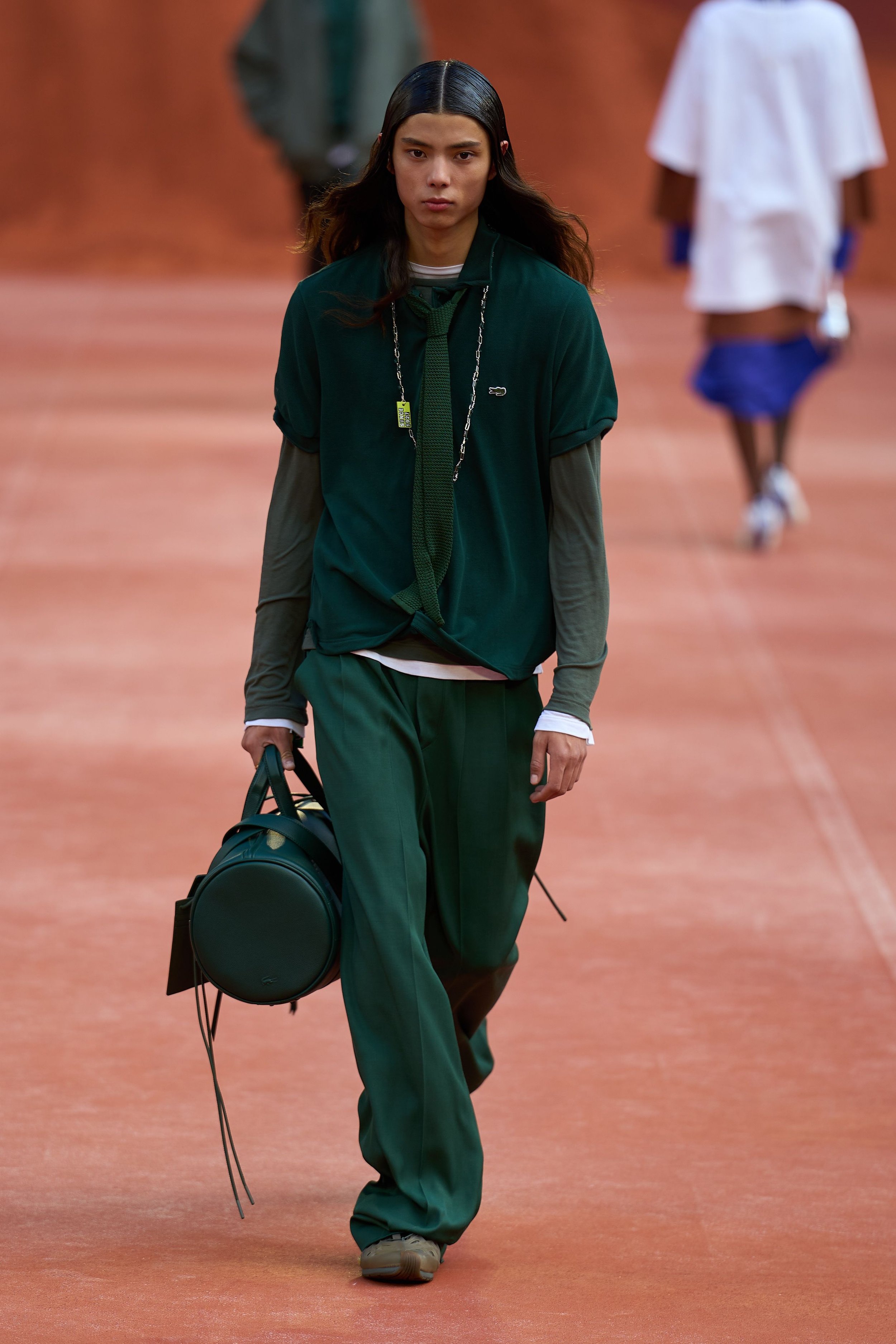
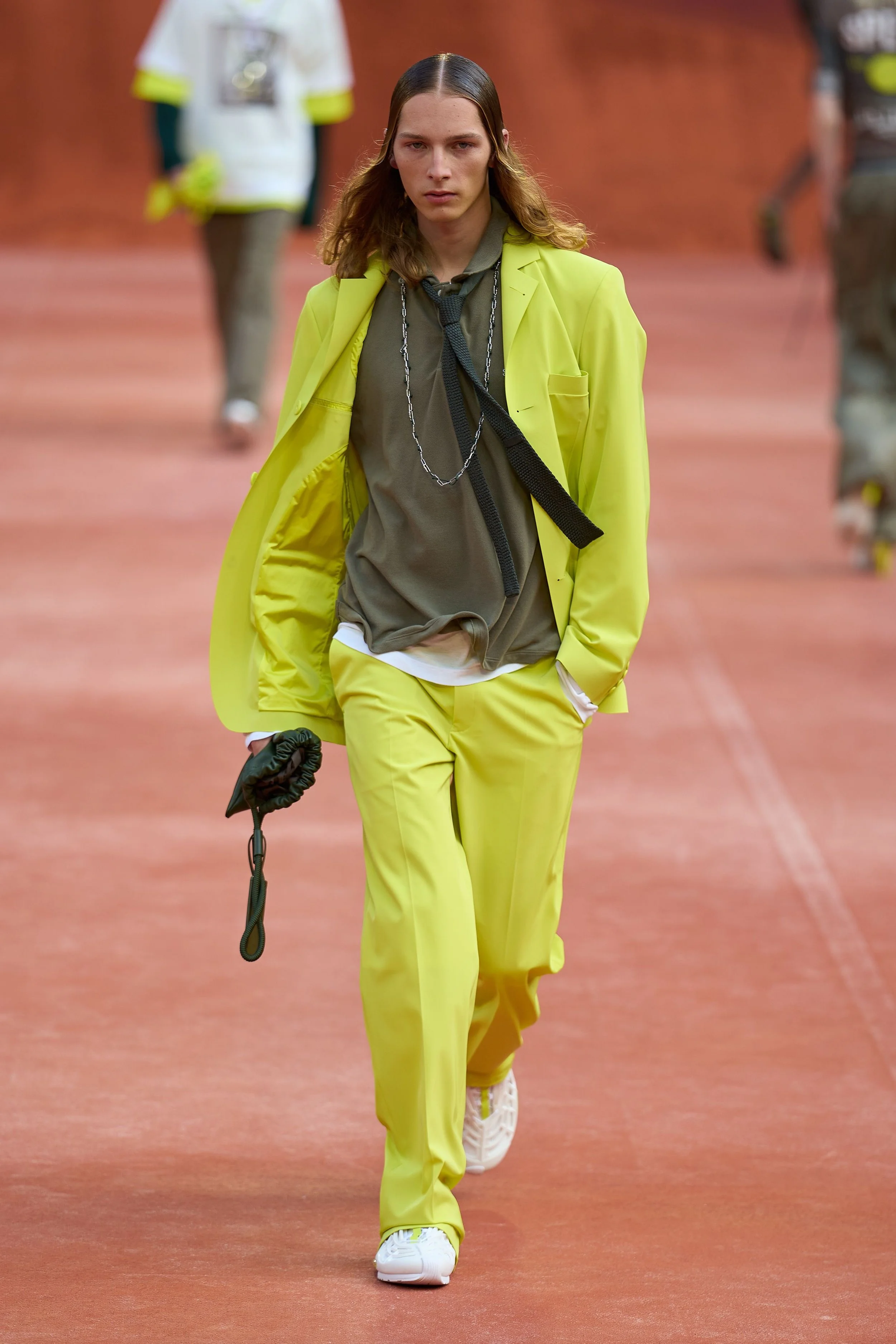
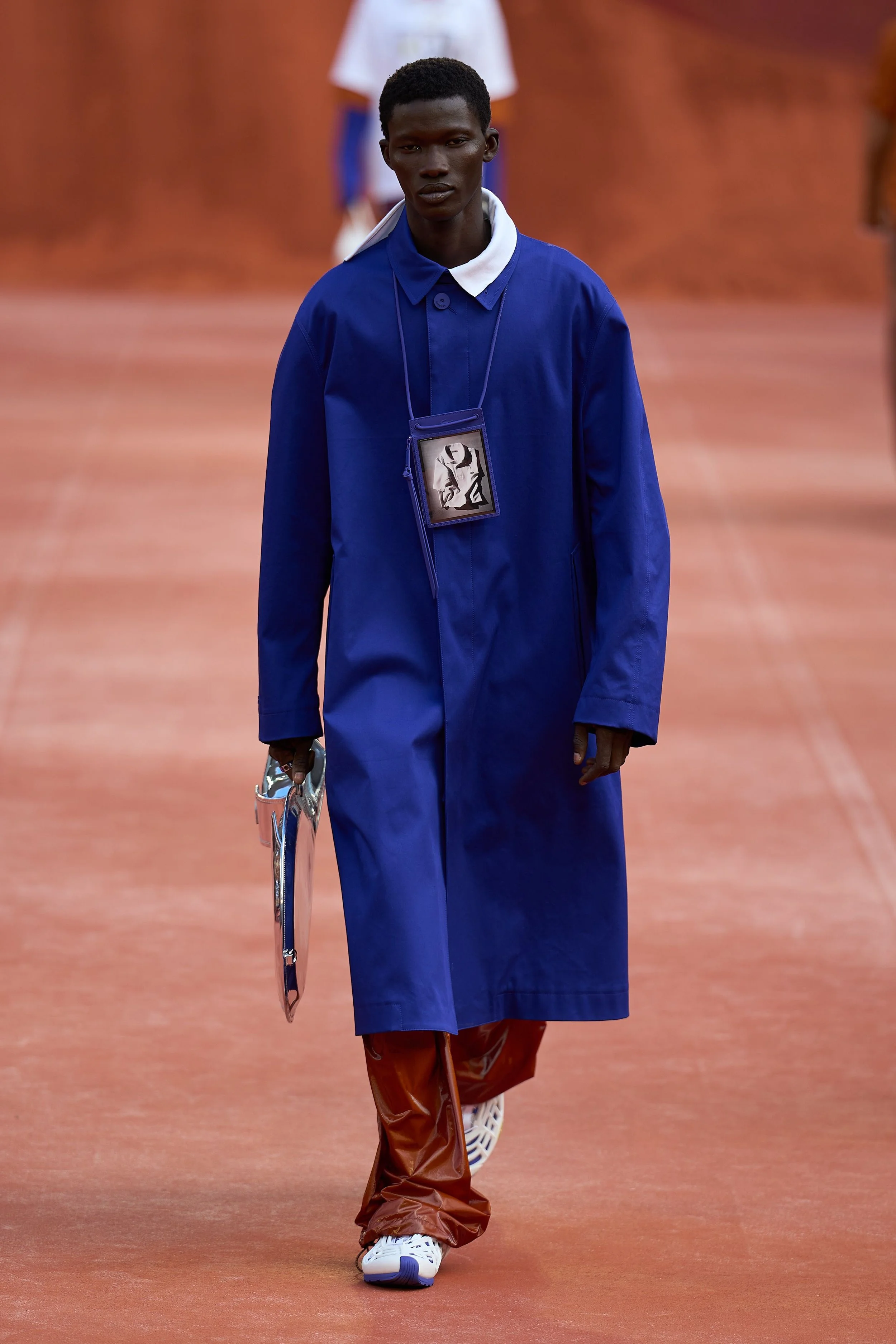
Embracing sweat as a signifier of honourable effort, a few black, white, and clay-stained garments mimicked a wet look, glued to the body with a crumpled and conscious effect. Polo shirts with messy collars and upside-down crocodile logos were paired with knitted ties; outerwear was practical, breathable, weather-proof, featuring nylon tracksuits and technological overcoats.
Besides the clay tones that matched the show space, pieces in cobalt blue, acid yellow, and burnt orange stood out from start to finish, merging with silver accents, olive, and earthy green shades. Pure white, mineral grey, and charcoal completed the mood board. Welcoming even more texture to the collection, Kolotouros showcased maxi yellow sequins, applied to skirts, tanks, and dresses, as well as pleats on graphic knee-length dresses.
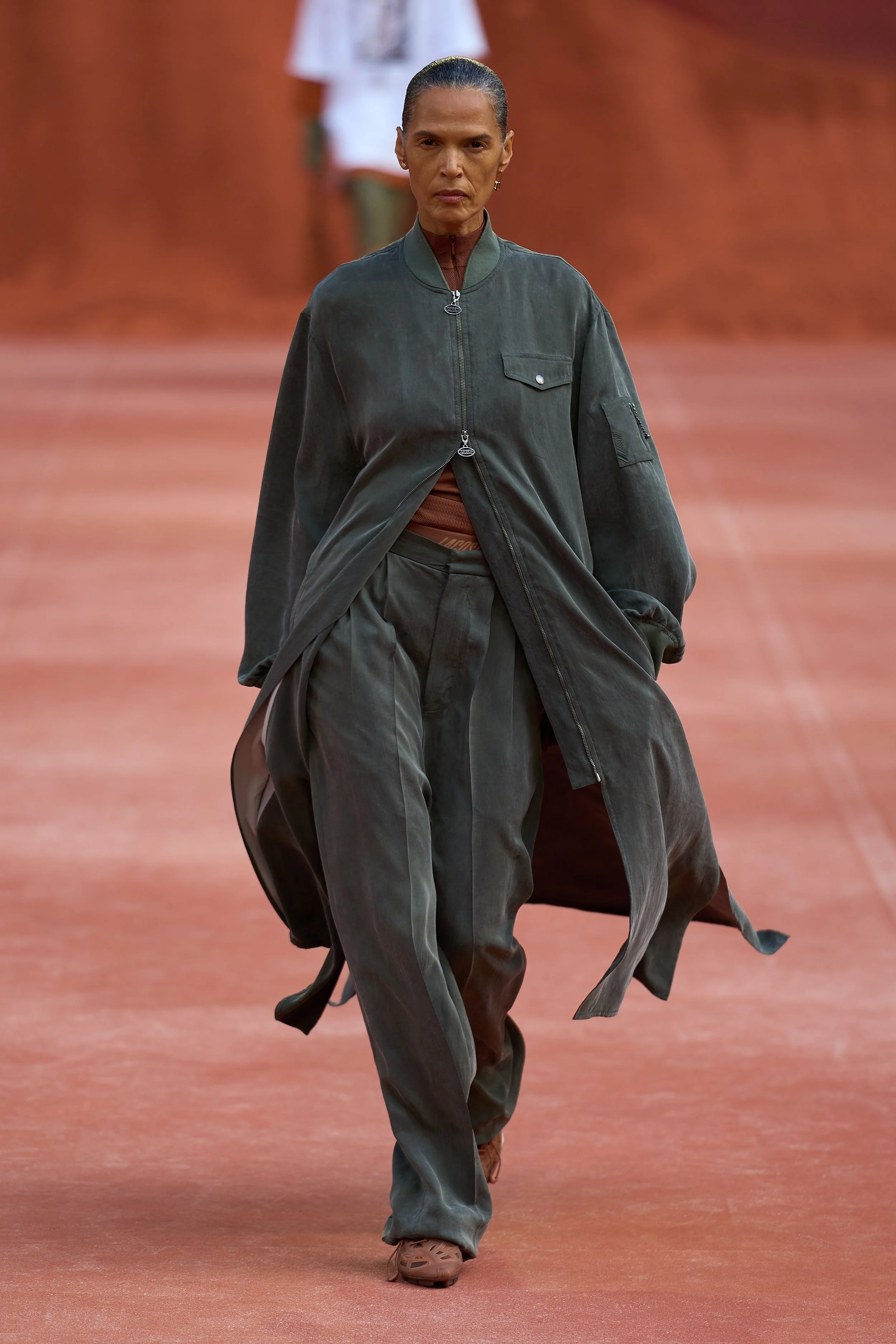
Voluminous zip coats, relaxed A-line skirts, monochromatic shirt-and-shorts sets and skin-tight menswear tops styled with low-rise tailored trousers opened up the possibilities even more. Kolotouros is not calling for an anti-preppiness movement. Instead, it looks like a more up-to-date, freedom-led version of an ultimate classic.
Words by Ketlyn Araujo