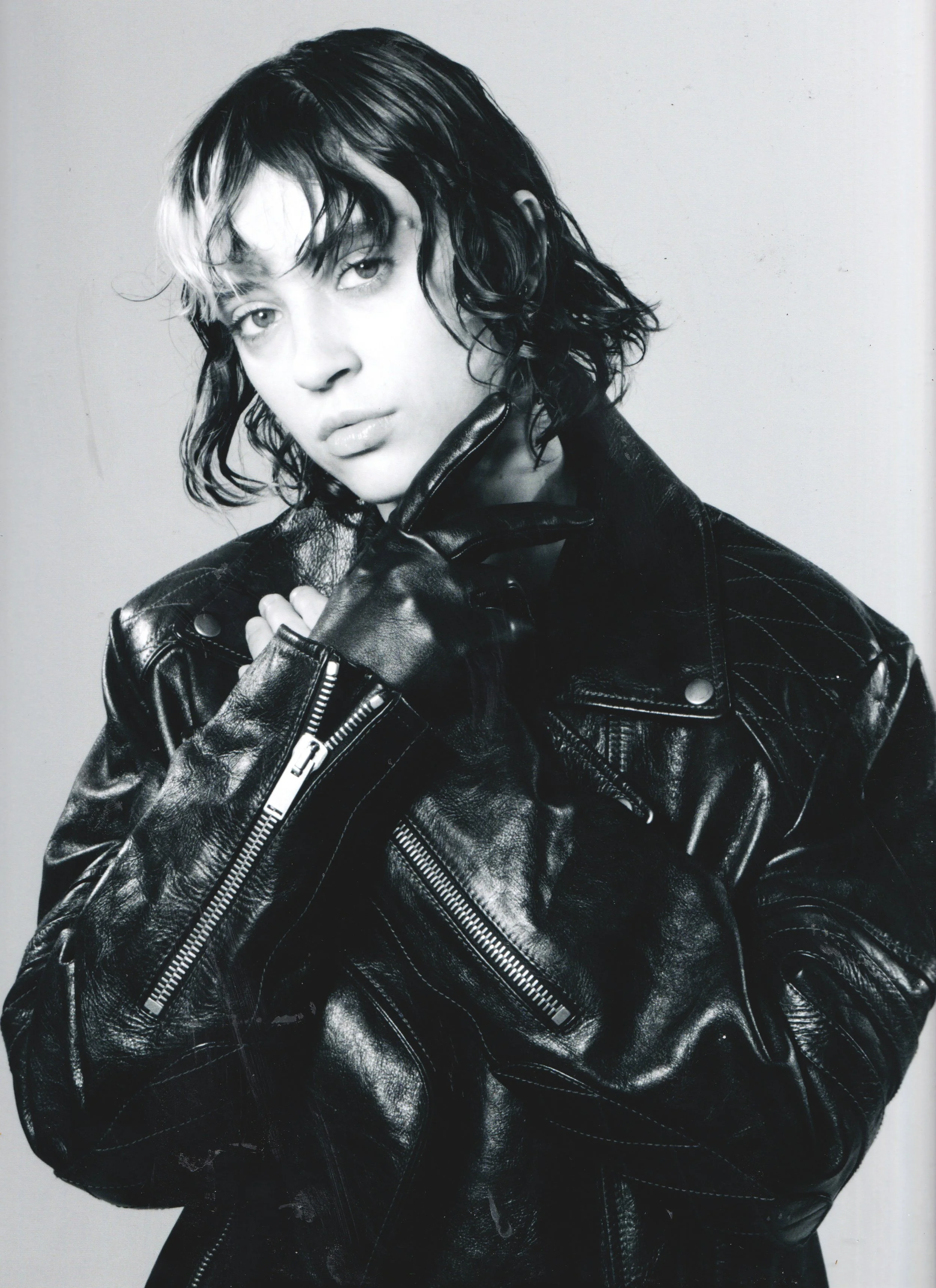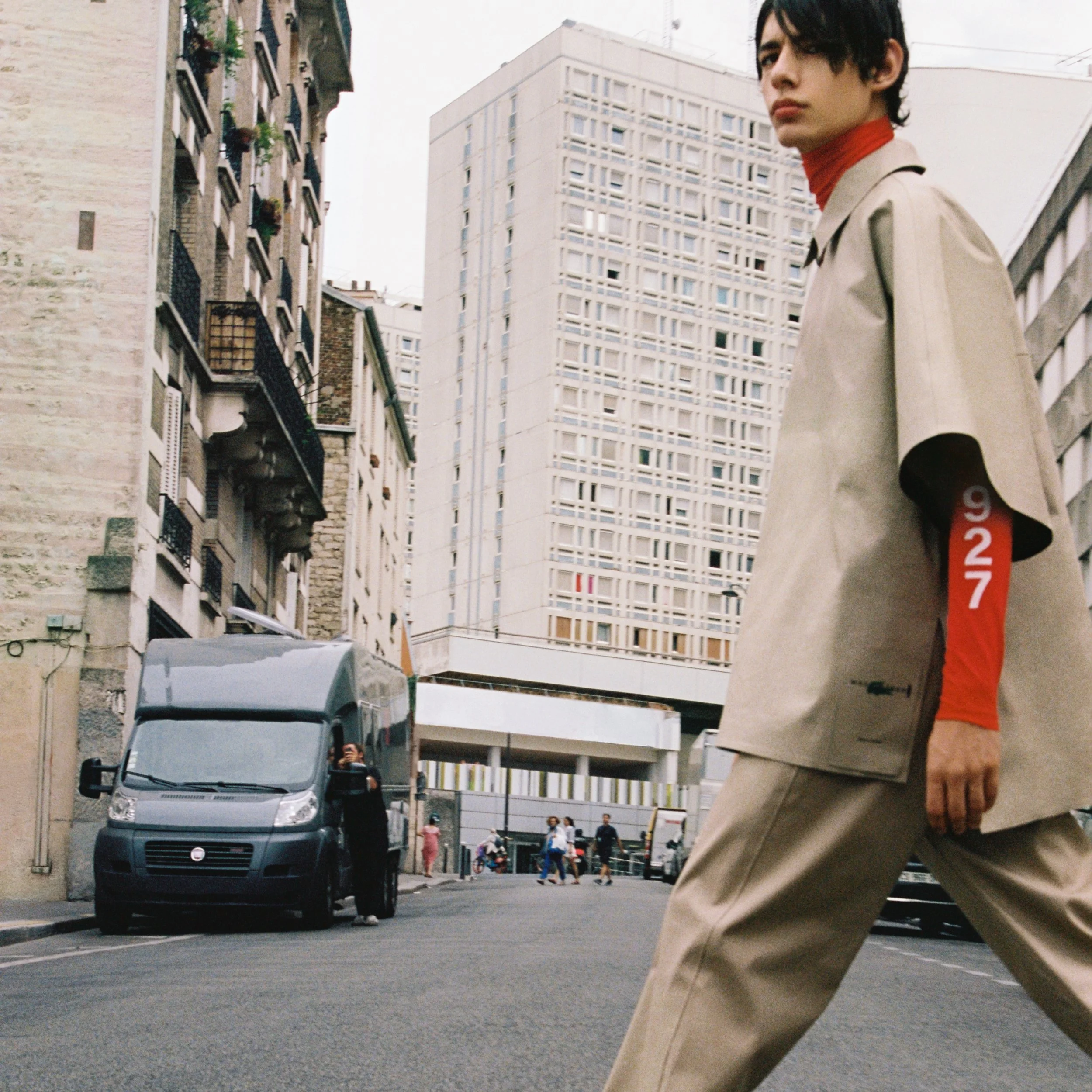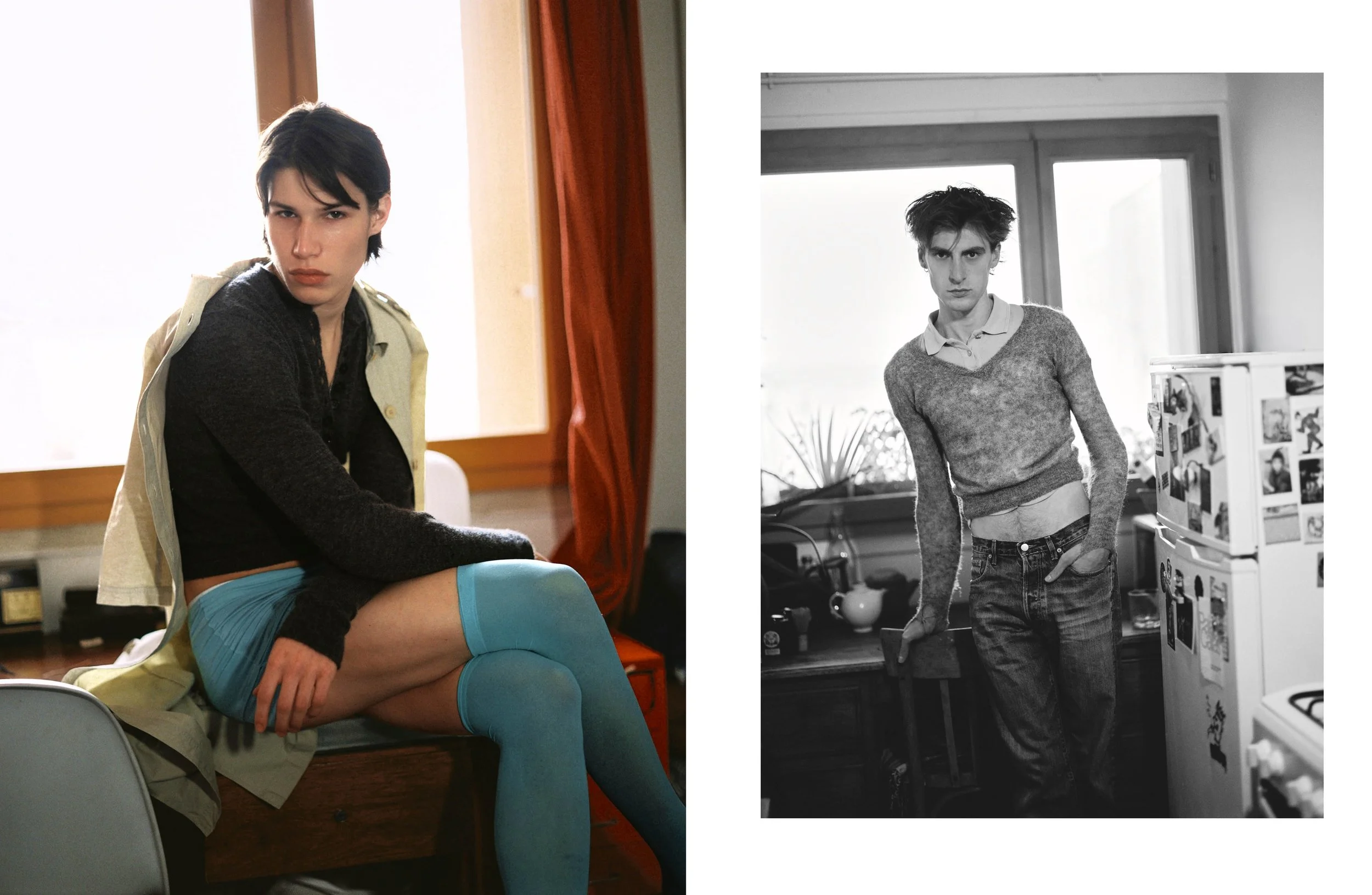
Returning to the opulent halls of the Hôtel de Ville, Yohji Yamamoto presented the SS27 collection that felt like a masterclass in elegant, intentional survival. In a world that seems more perilous by the day, Yamamoto remains a designer who grounds us, reminding us that the beauty of our existence lies simply in the quiet necessity of being present.
This season, the clothes carried an architecturally apocalyptic edge, yet moved with a wistful romance. The asymmetry of the cuts carried a striking architectural precision, leaning heavily into a profound concept of protection, yet this armour was far from heavy. In a contemporary landscape where many male designers continue to create overly complex garments suited more for the pages of an editorial than real life, there is an immense sense of relief in Yamamoto’s runway. He continues to craft clothing that is weightless, wearable, and inherently feminine.
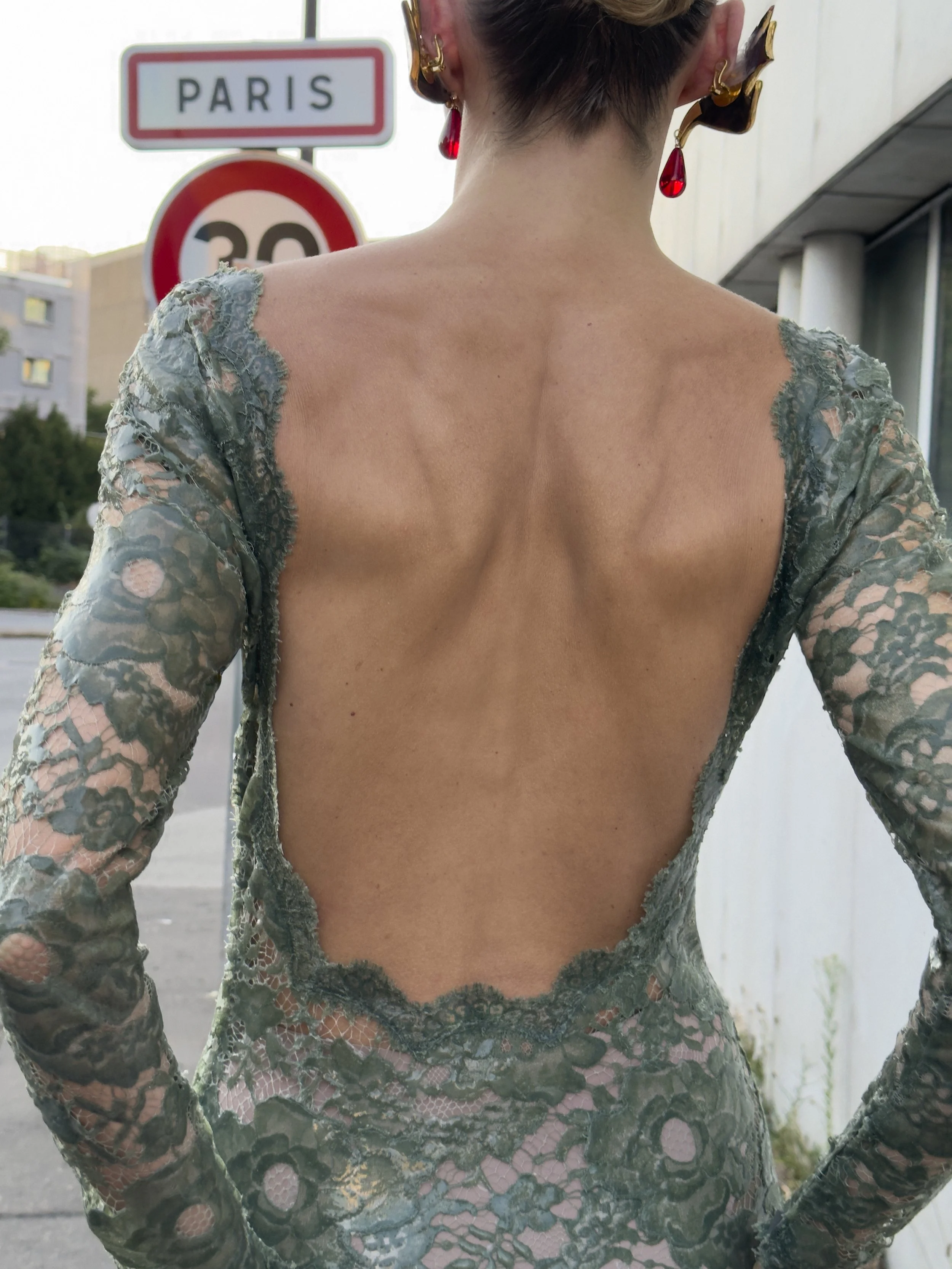
This balance was beautifully achieved through an exploration of 20th-century modernism. The selection of wire-framed dresses that opened the show revealed a stark, geometric discipline, evoking the clean lines of a Corbusian structure. Meanwhile, abstract prints with painterly motifs felt akin to the works of Joan Miró and Wassily Kandinsky. This modernism was softened by a breathtaking fragility: delicately webbed, gossamer-fine knit dresses served as a metaphor for safety, paired with transparent, netted footwear that felt pragmatic for a future acclimatised to hotter summers.
There is an undeniable, poignant vulnerability emerging in Yamamoto’s work as he gets older. The traces of time have become more apparent on the runway, translating into clothes that feel more fragile, porous, and tender than ever before. It was as if the collection was acknowledging an ending. The world on the outside was fracturing, but inside the venue, Yamamoto was showing us the most beautiful way to honour transience. He proved that even in an unravelling world, we can still find a deep appreciation for its grace.
The profound effortlessness of his work lies in this precise ability to cut through the industry's collective noise, staying fiercely true to the philosophical and aesthetic sensibilities that have informed his practice for five decades. As the final notes of the soundtrack faded, Yamamoto emerged for his signature wave. On his way out, he turned back for a fleeting reprise: a
spontaneous, final gesture that felt like a quiet validation of both his lifelong methodology and this breathtaking result.












Words by Maximilian Kilworth