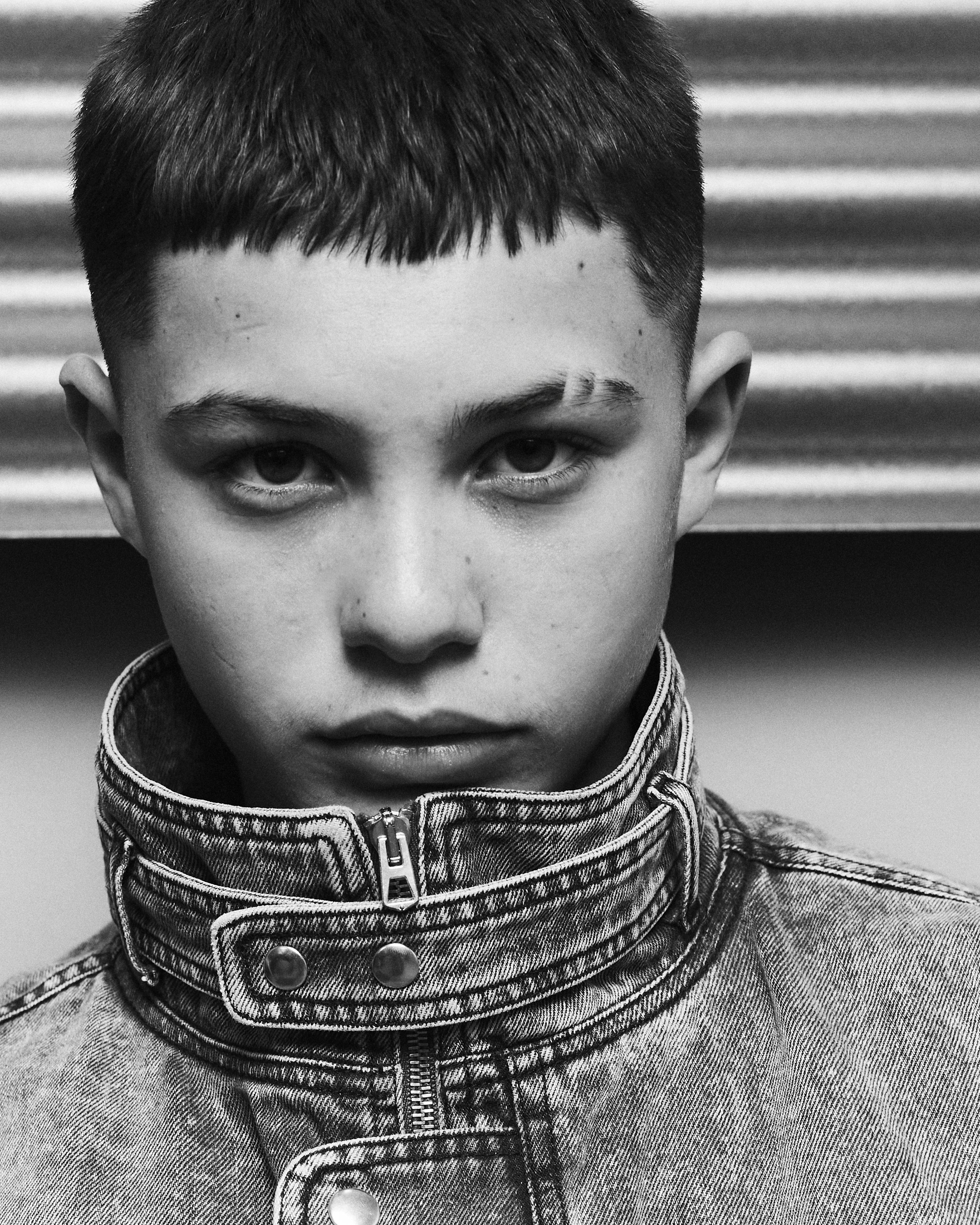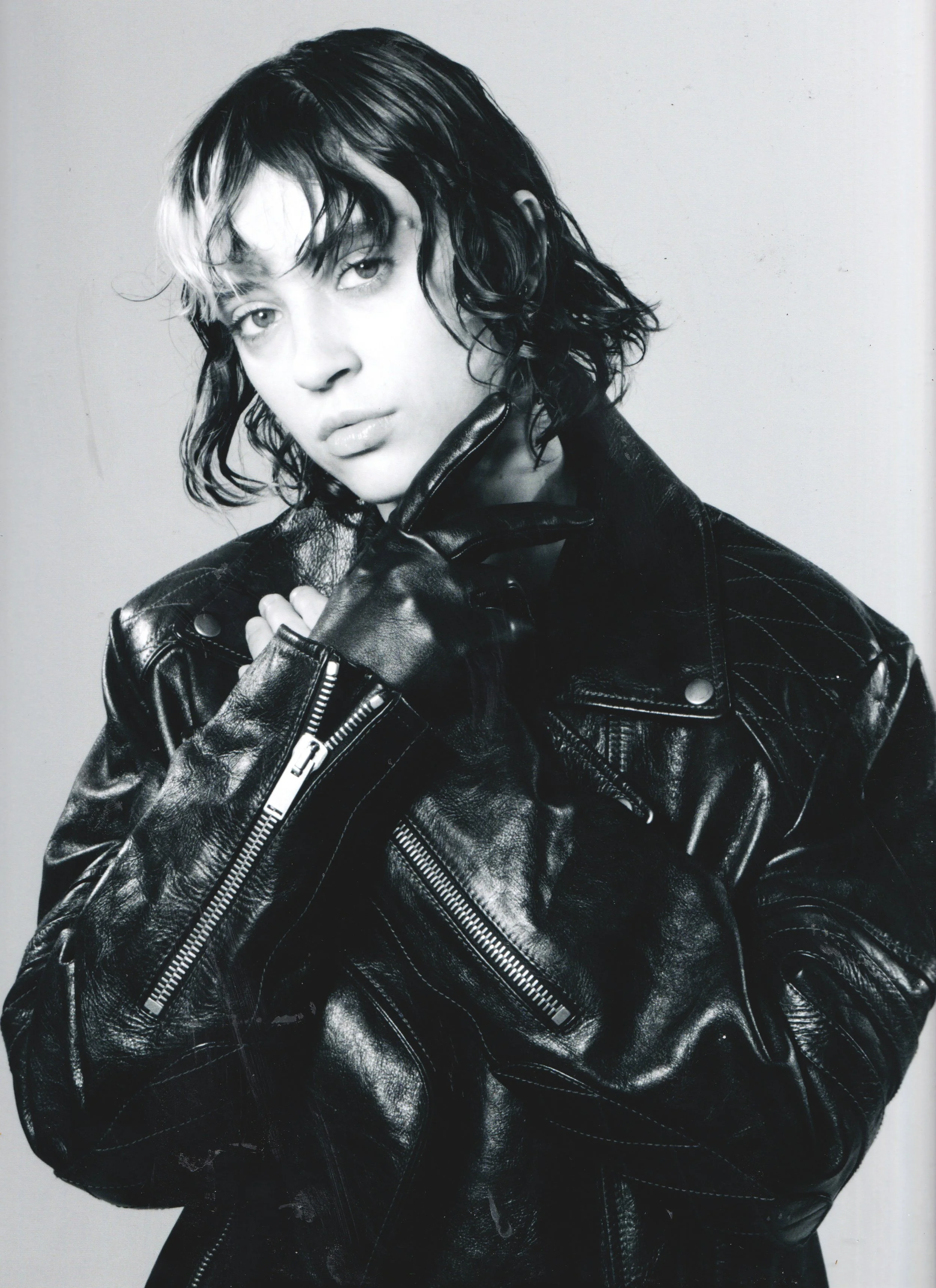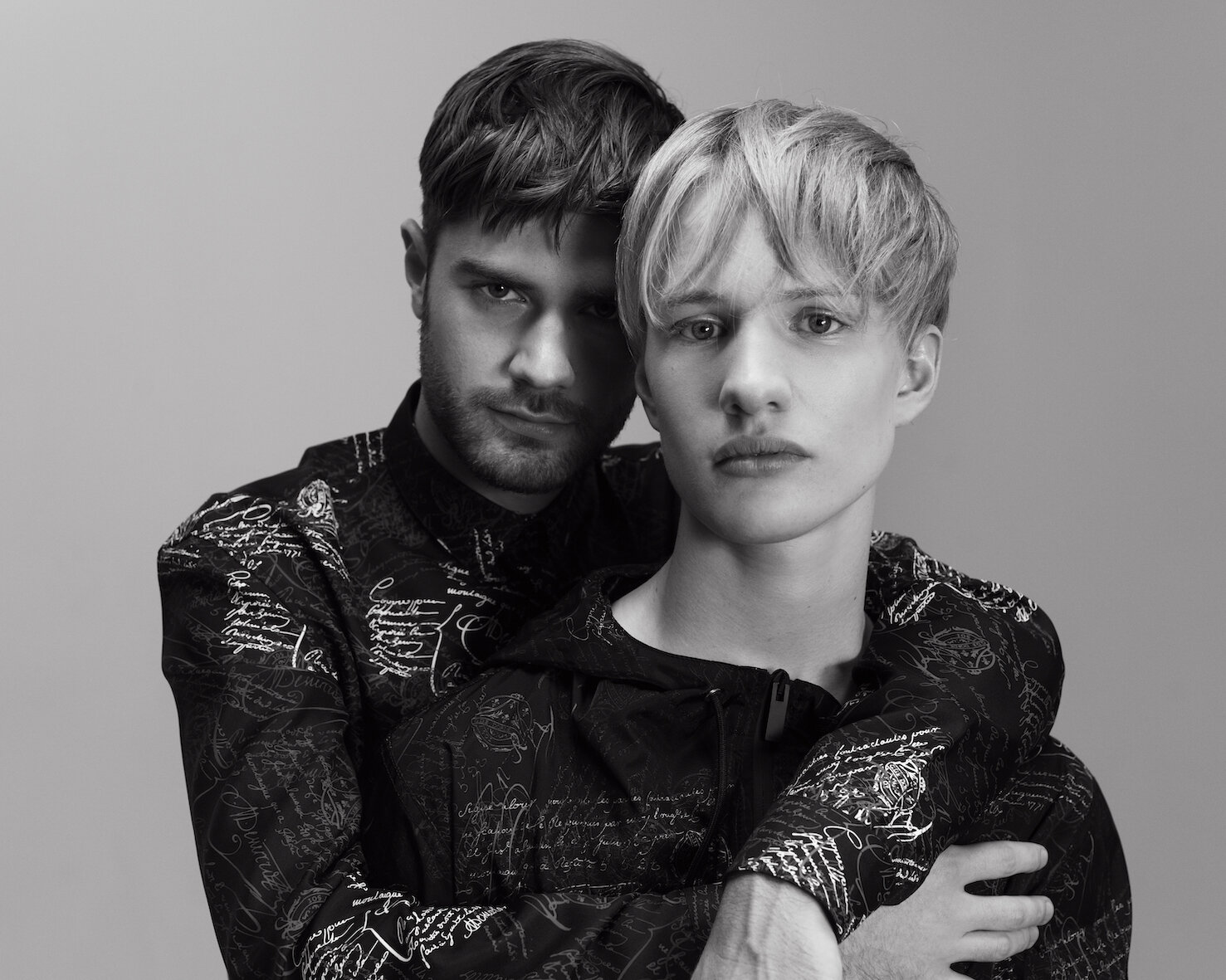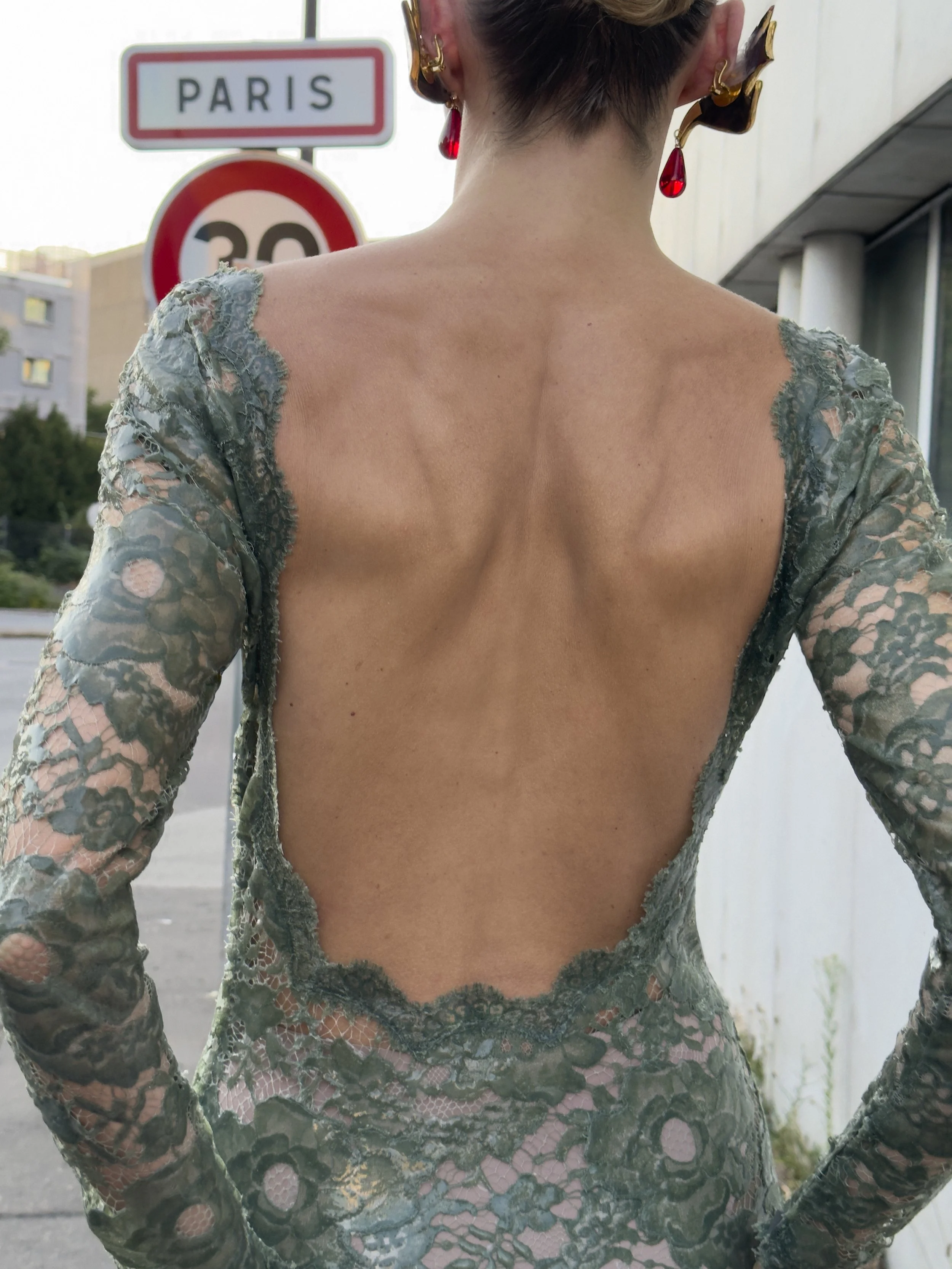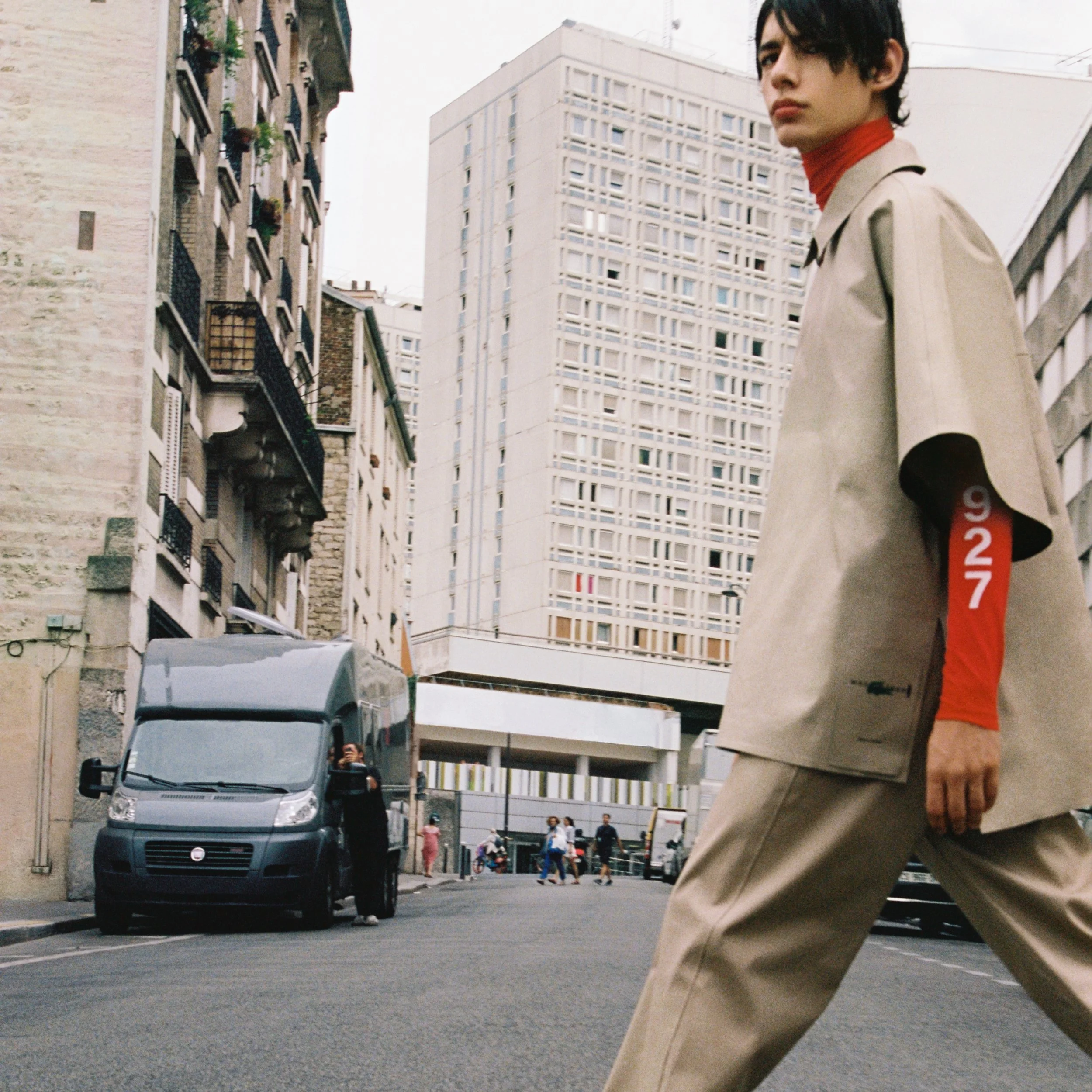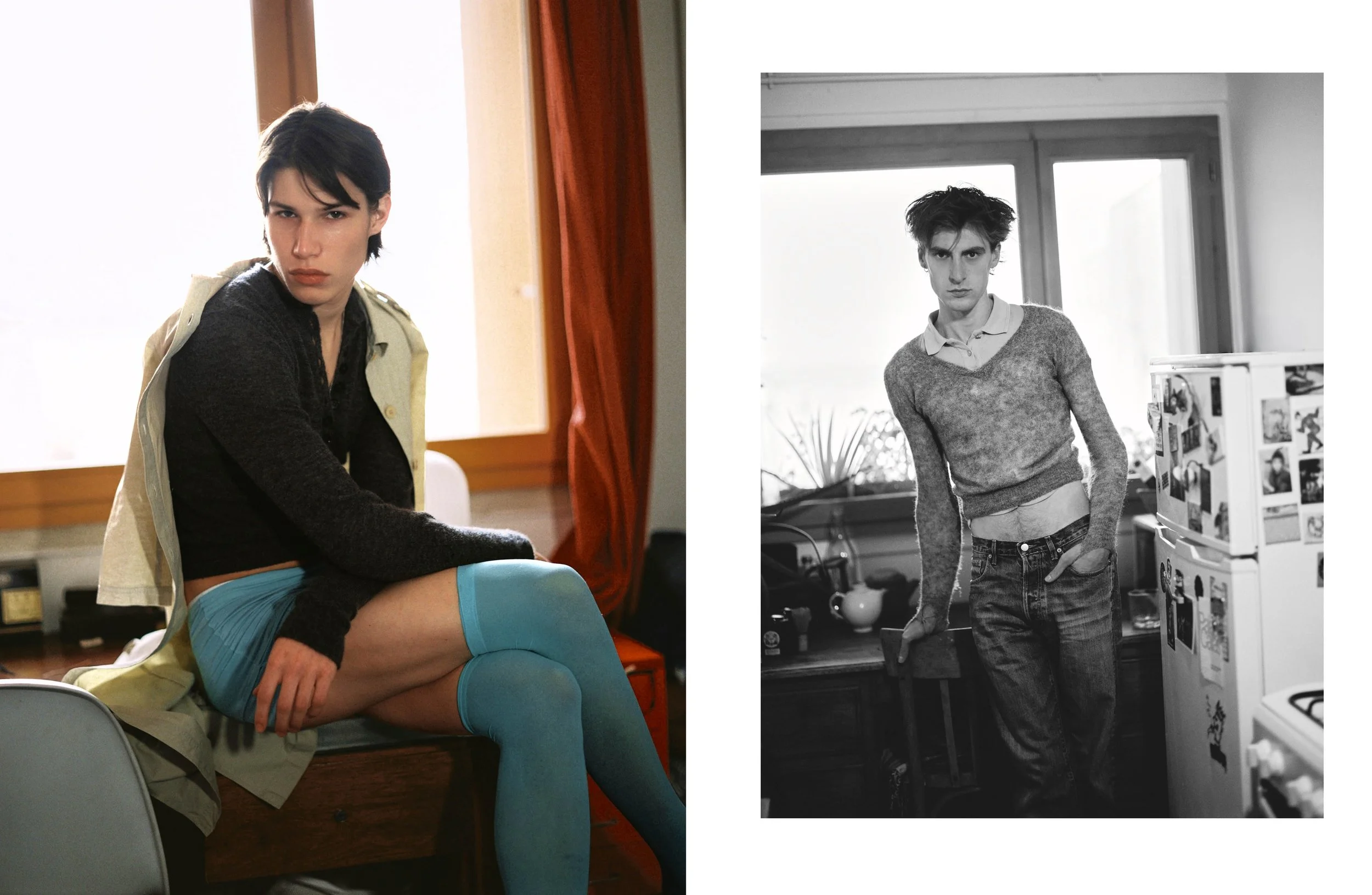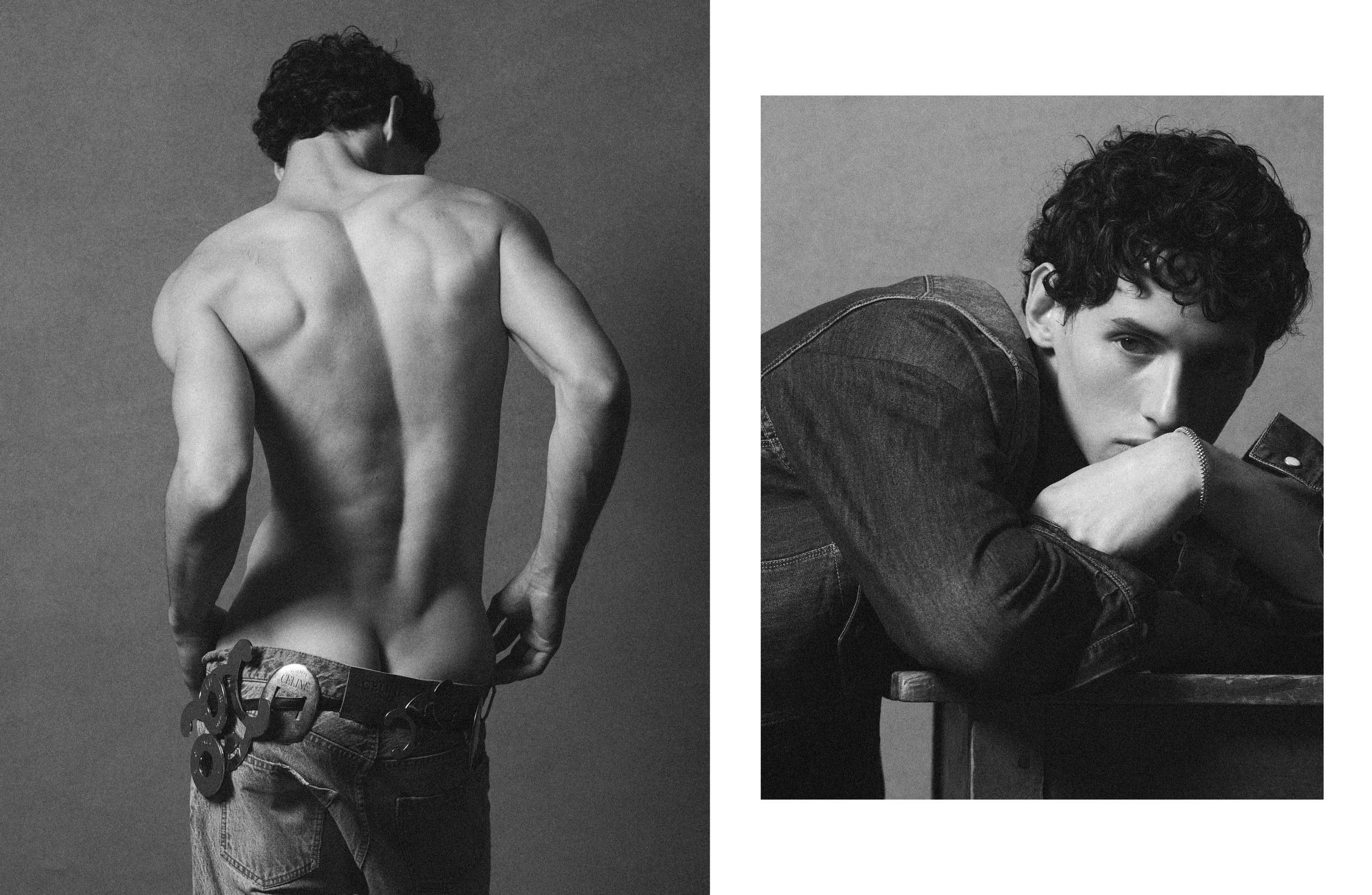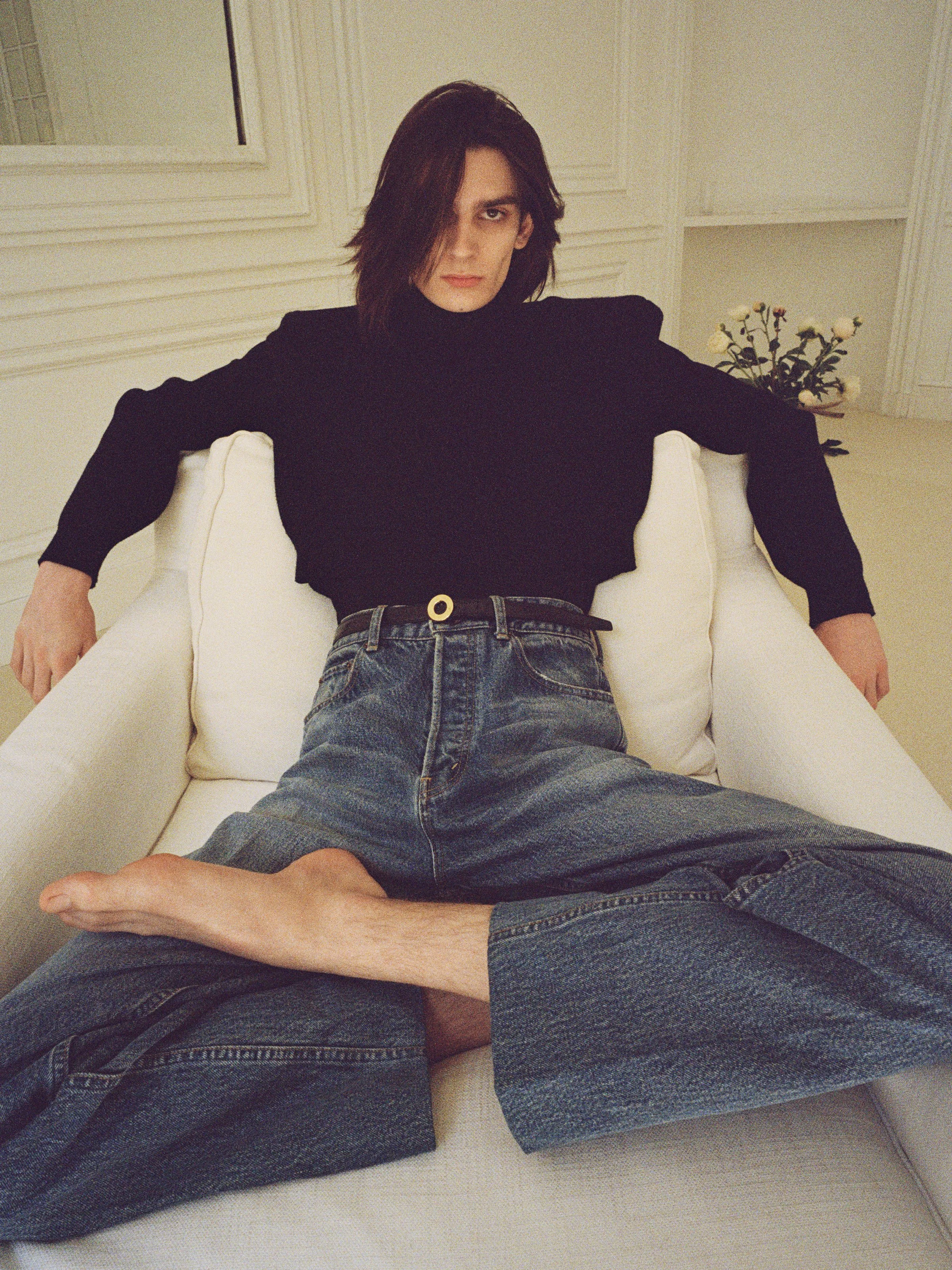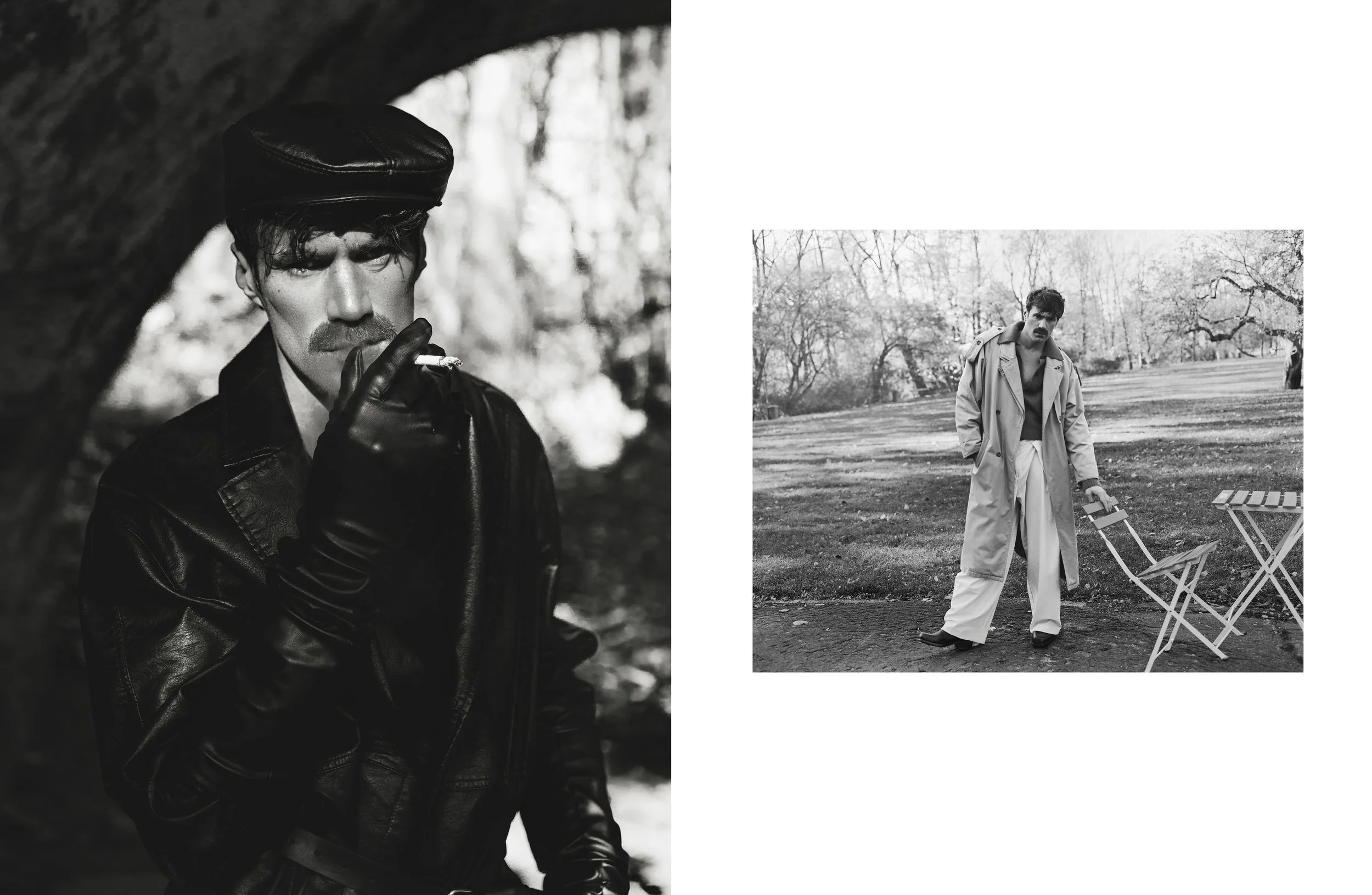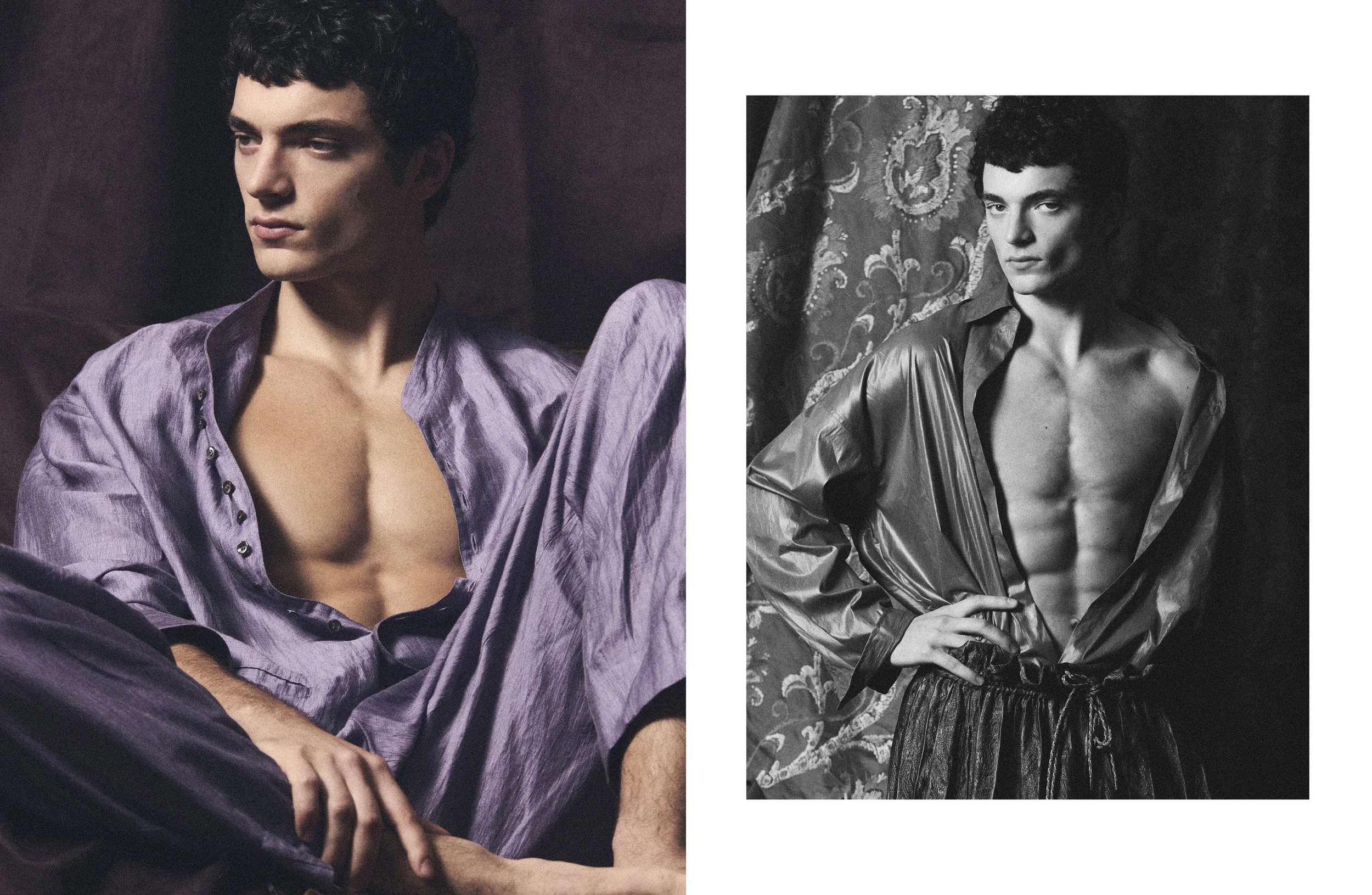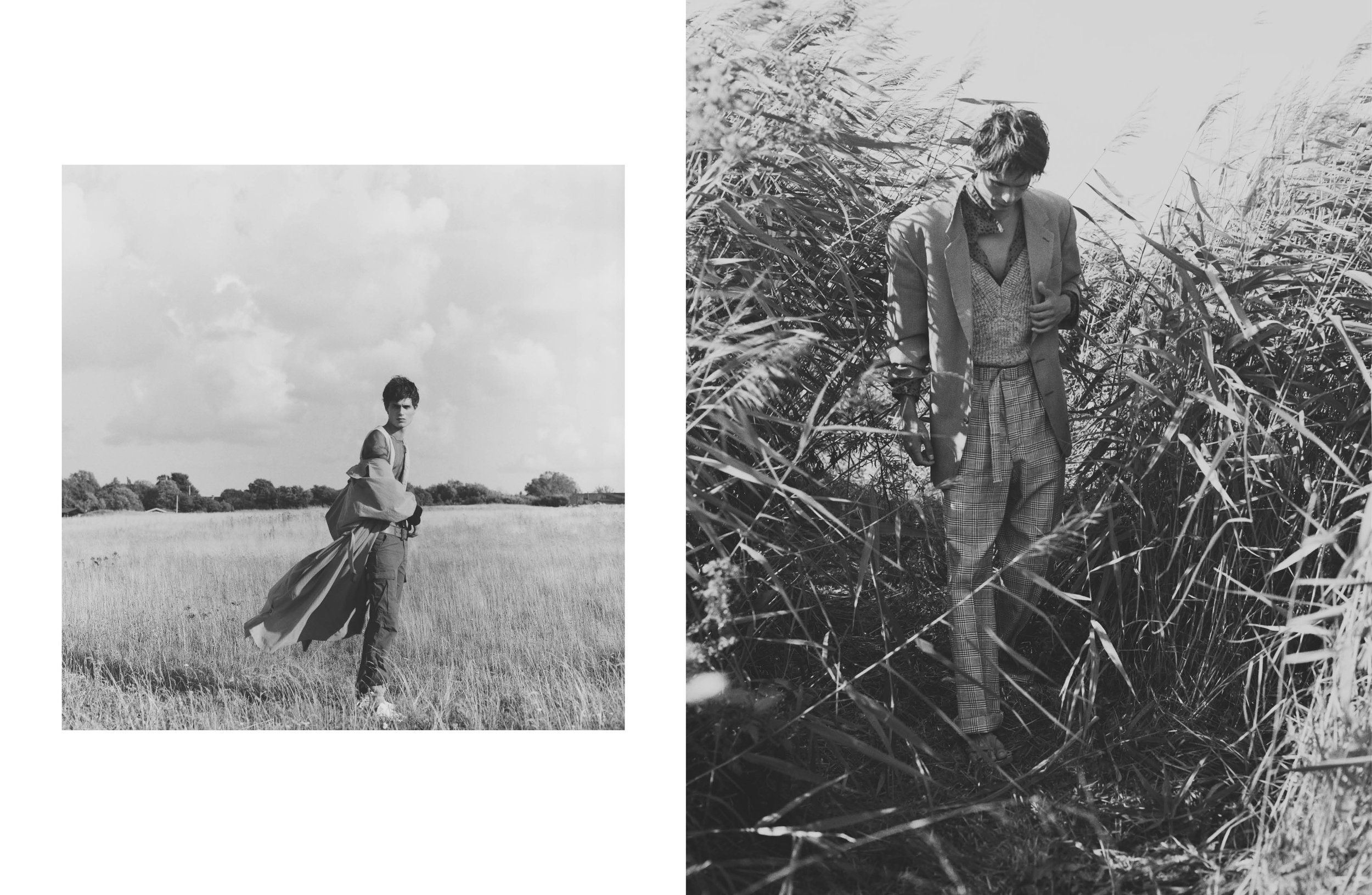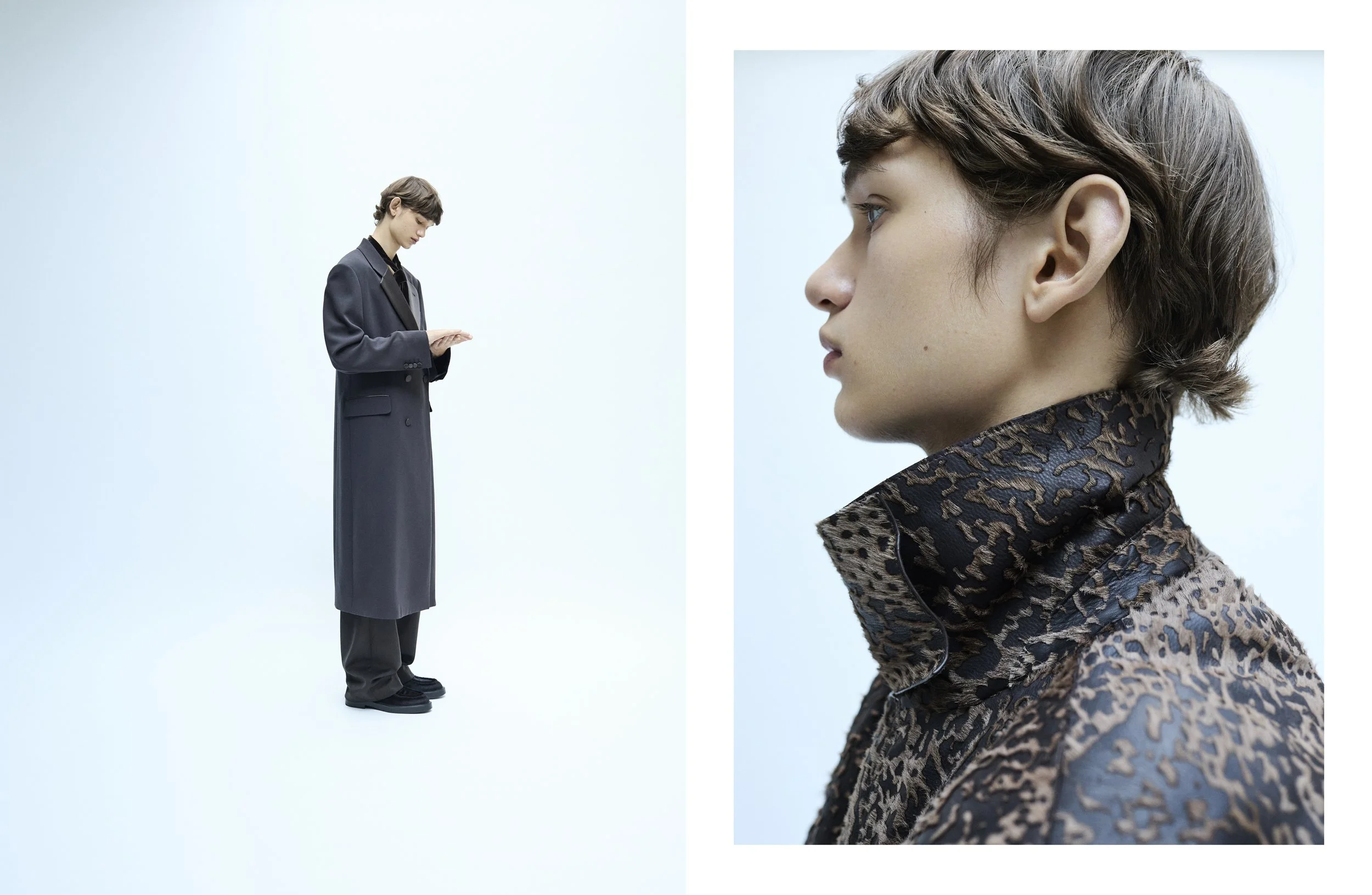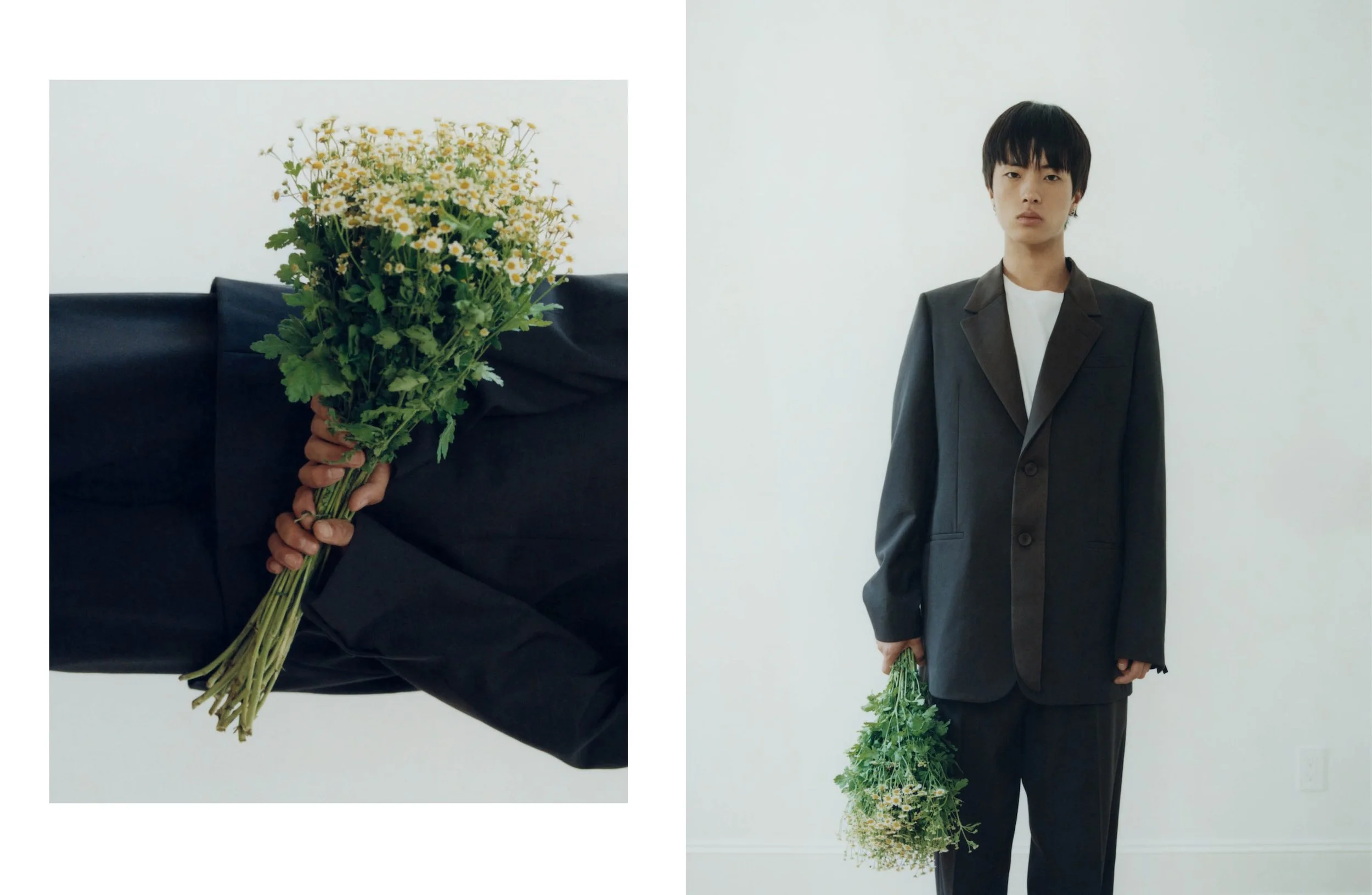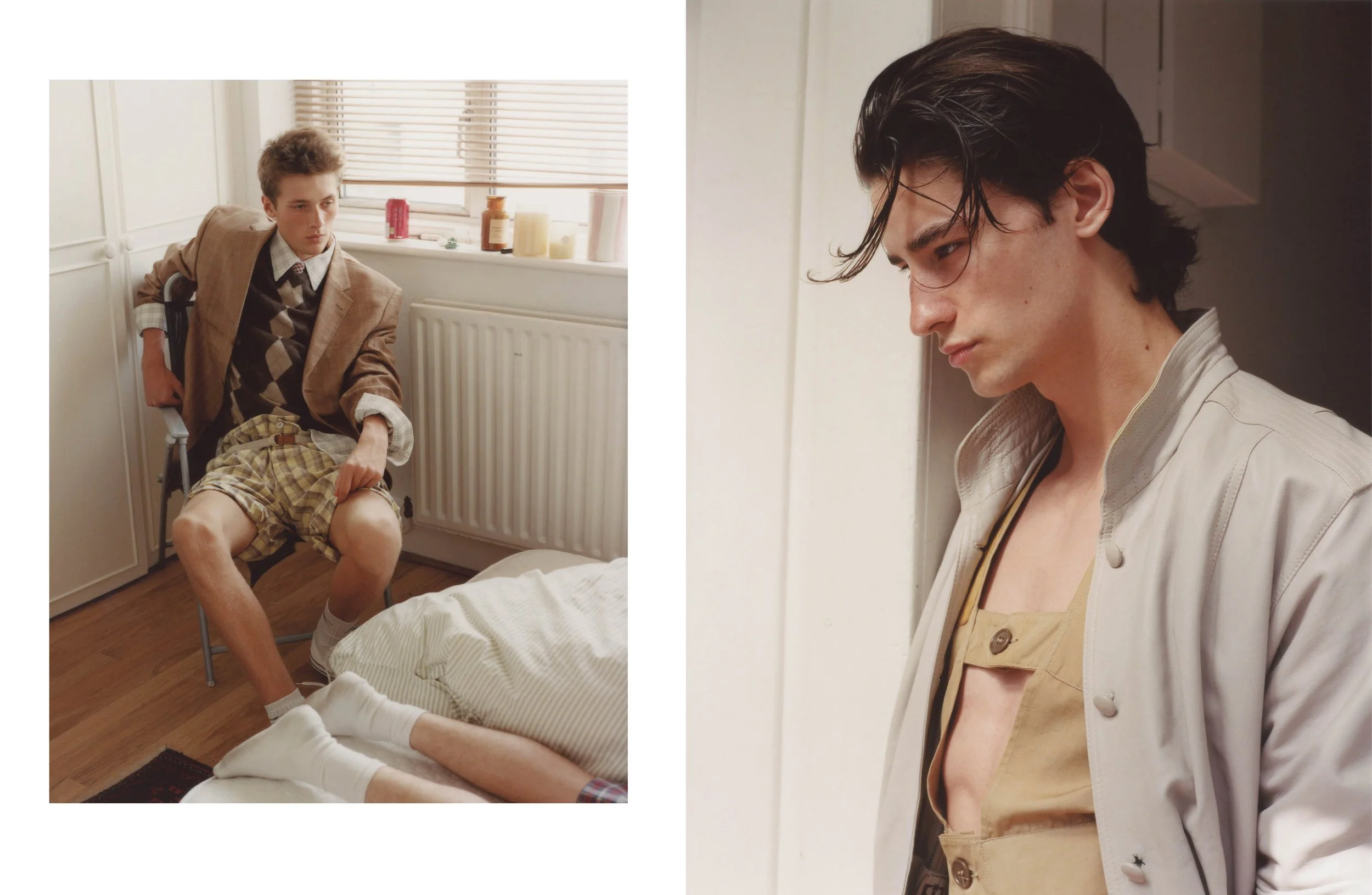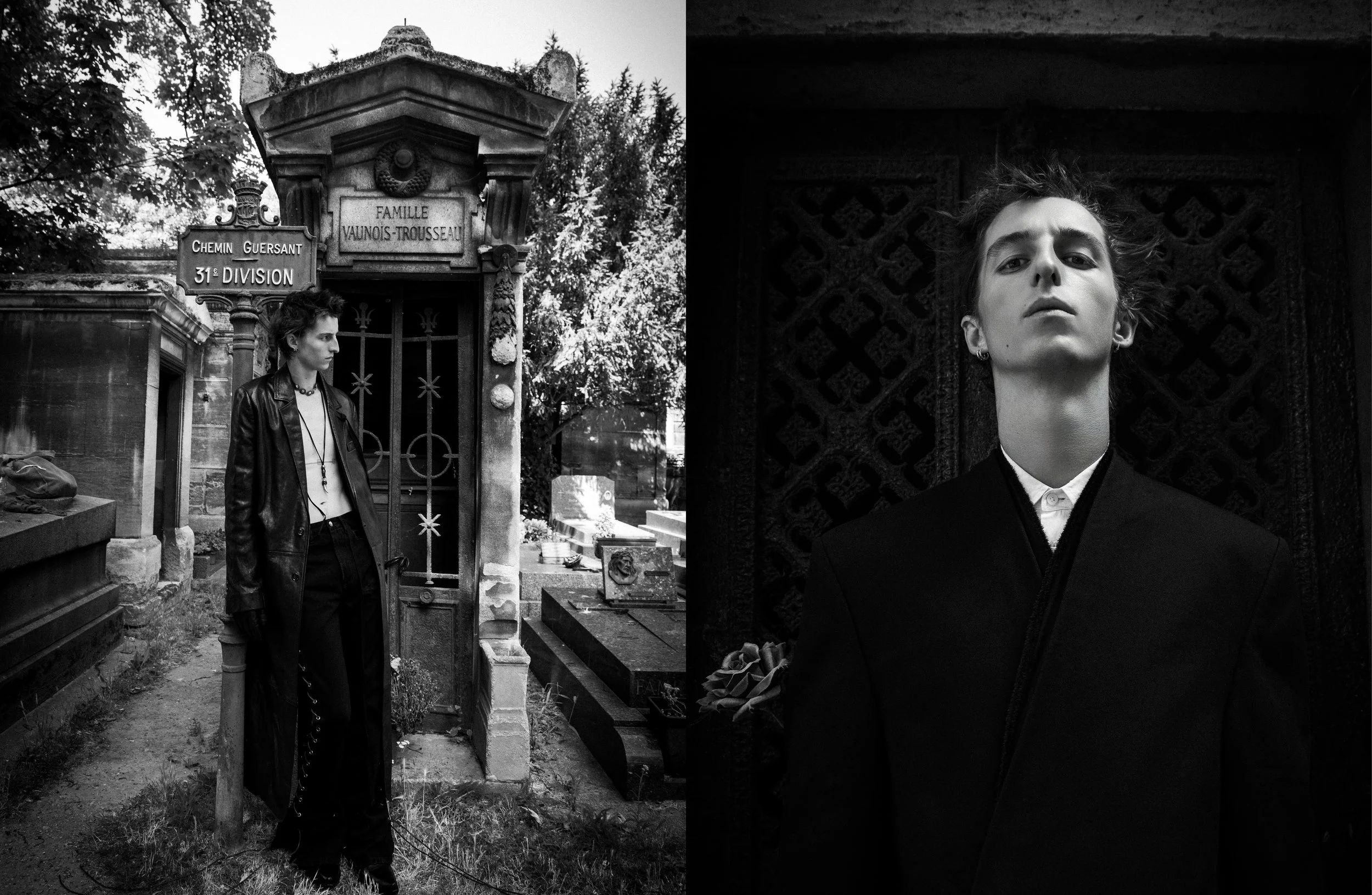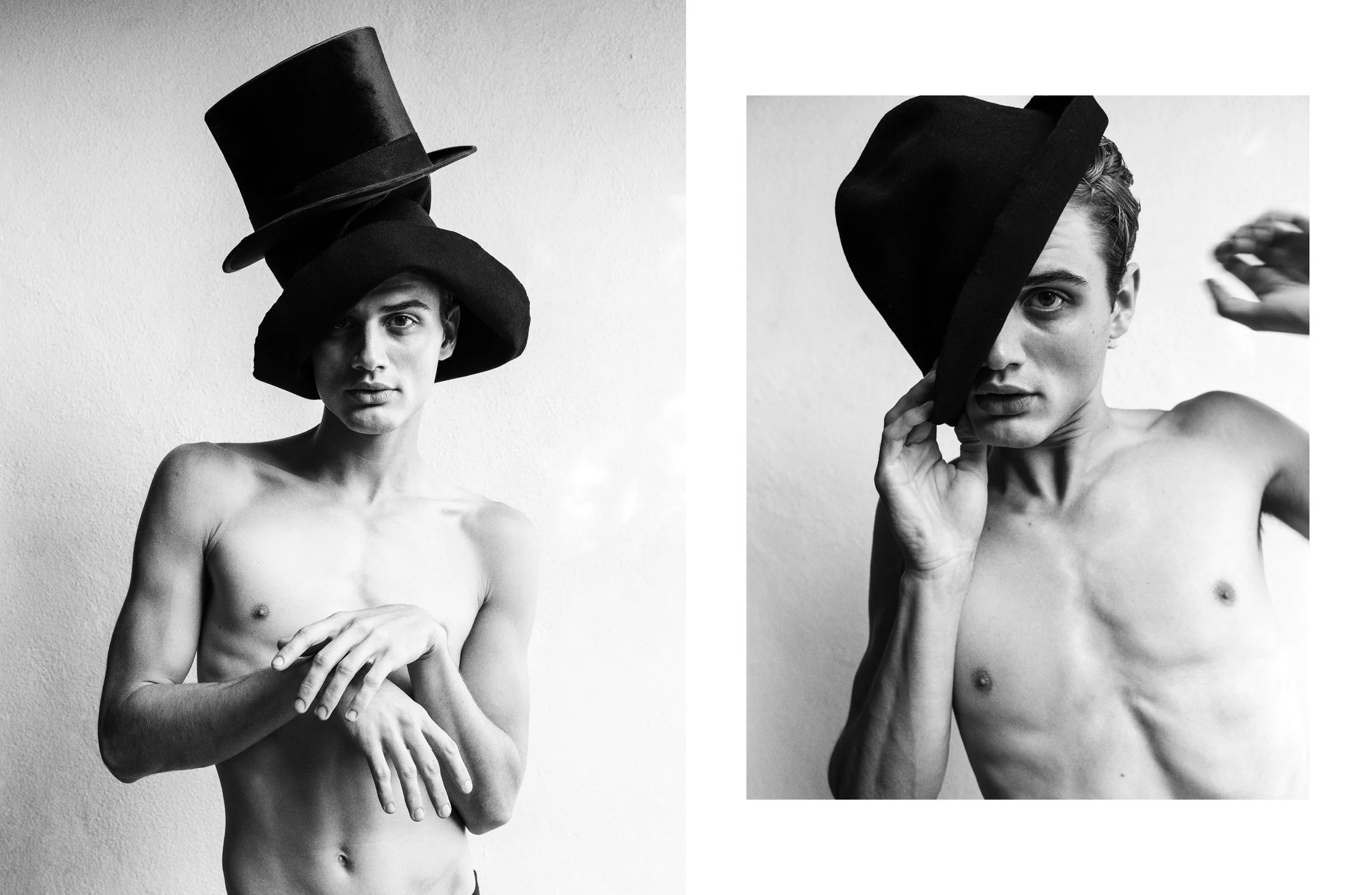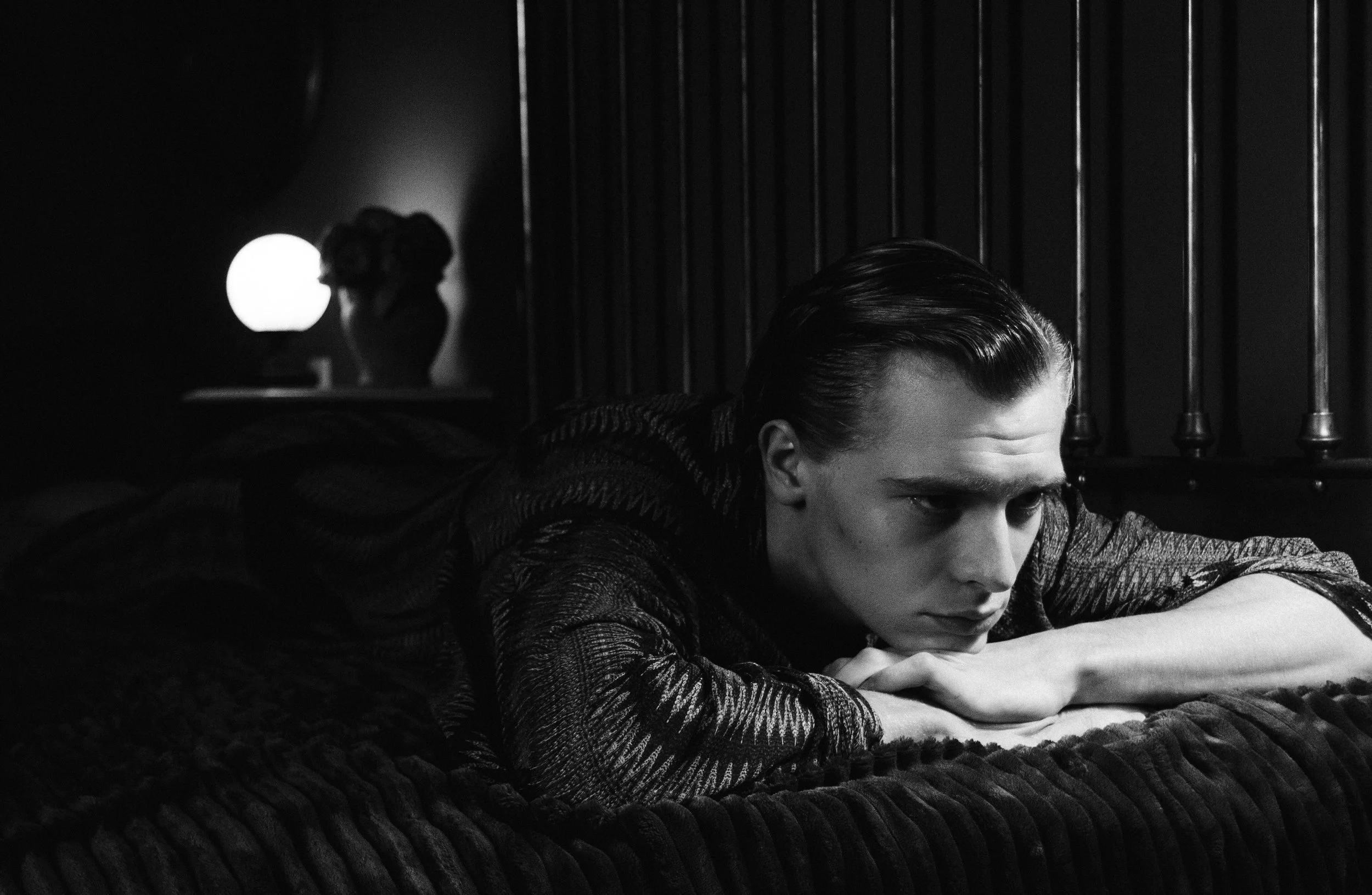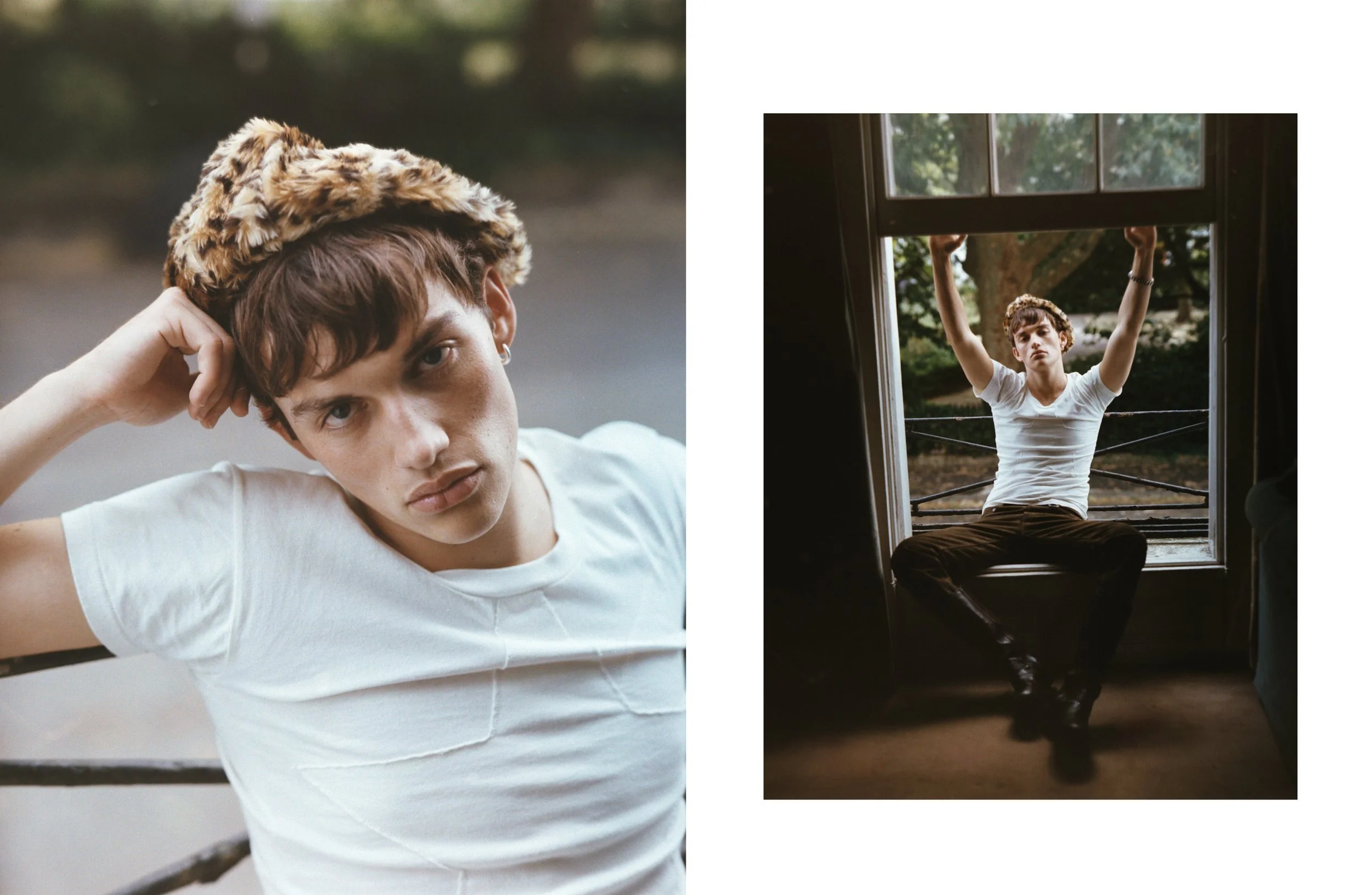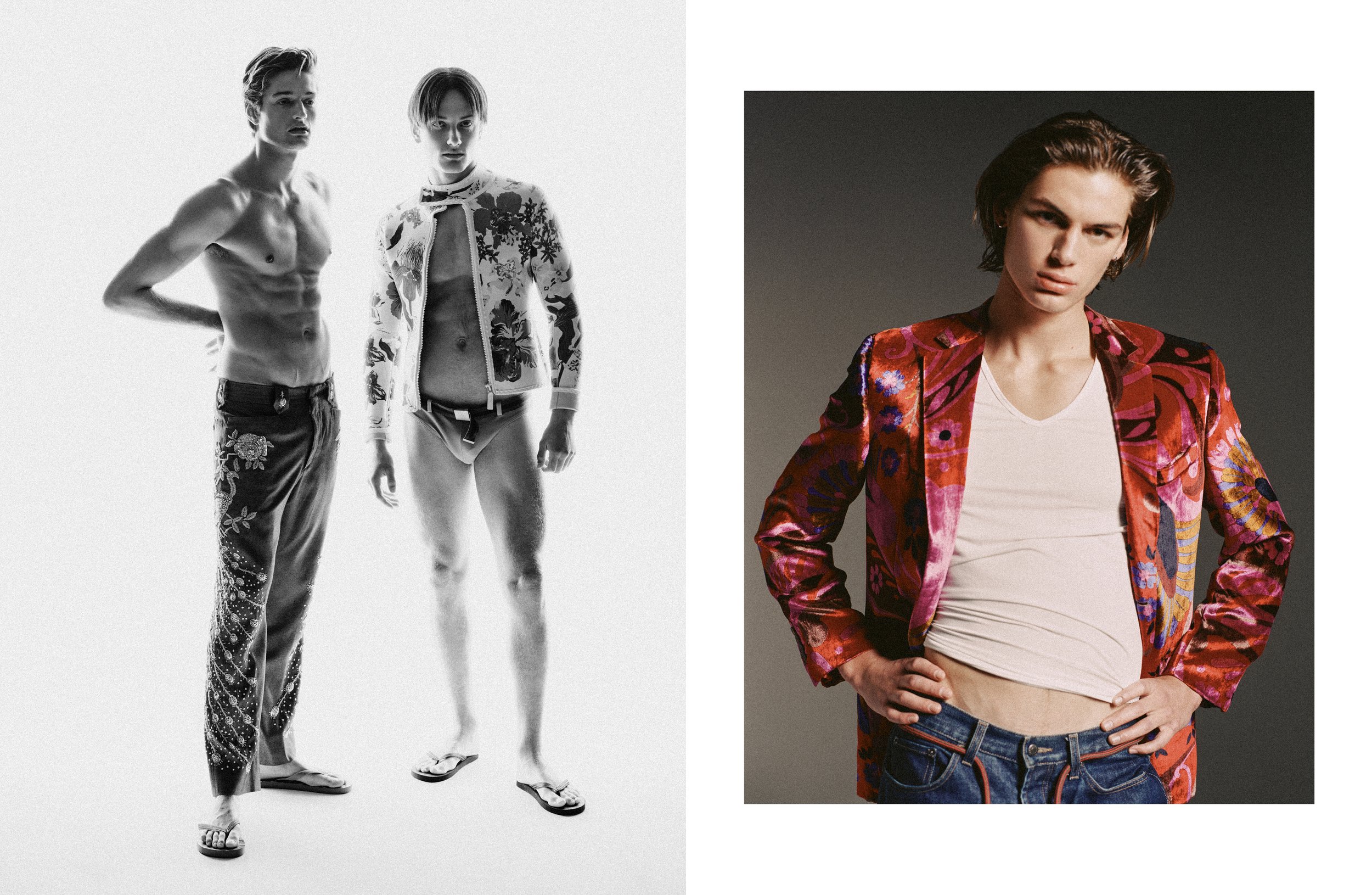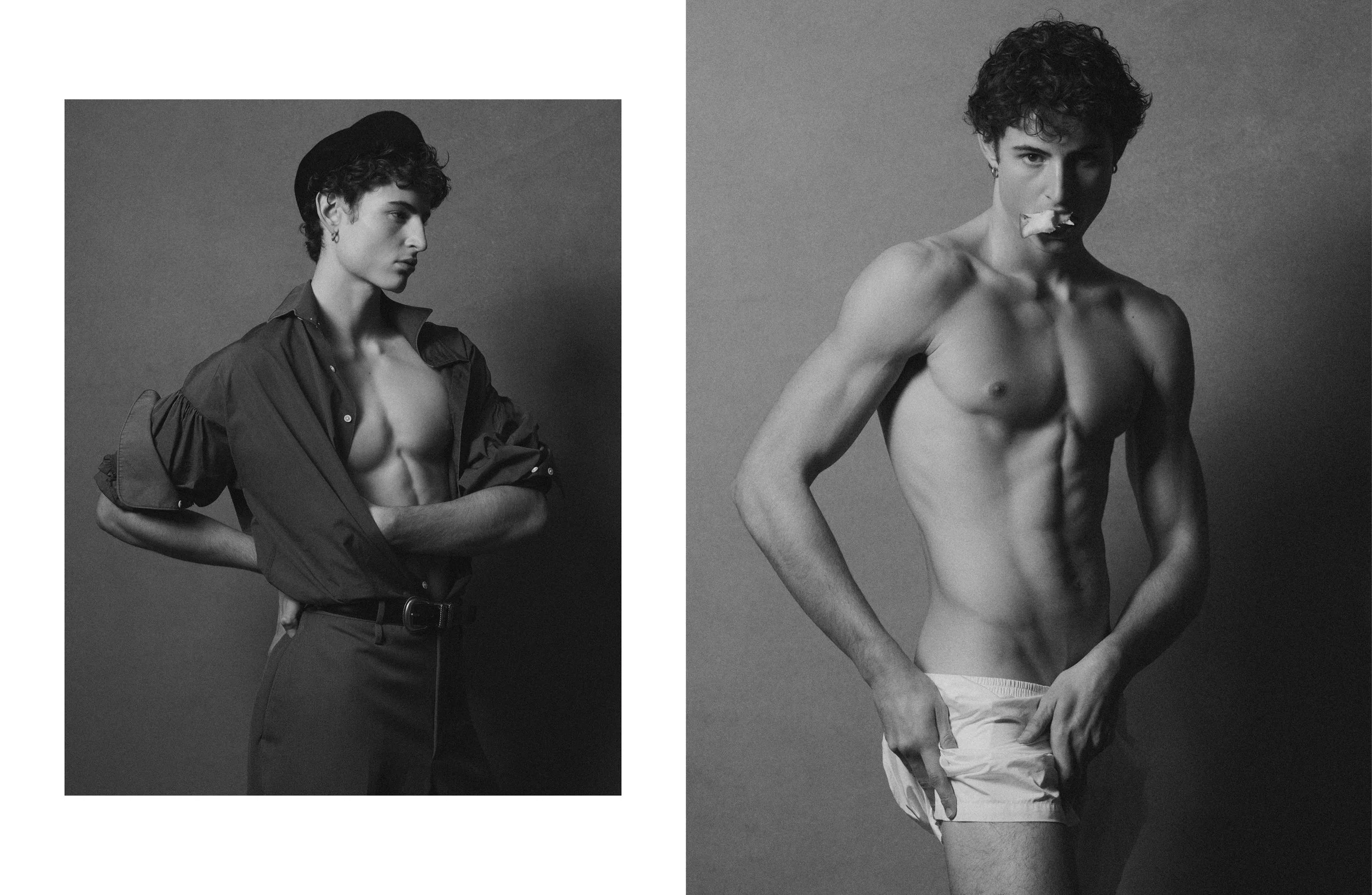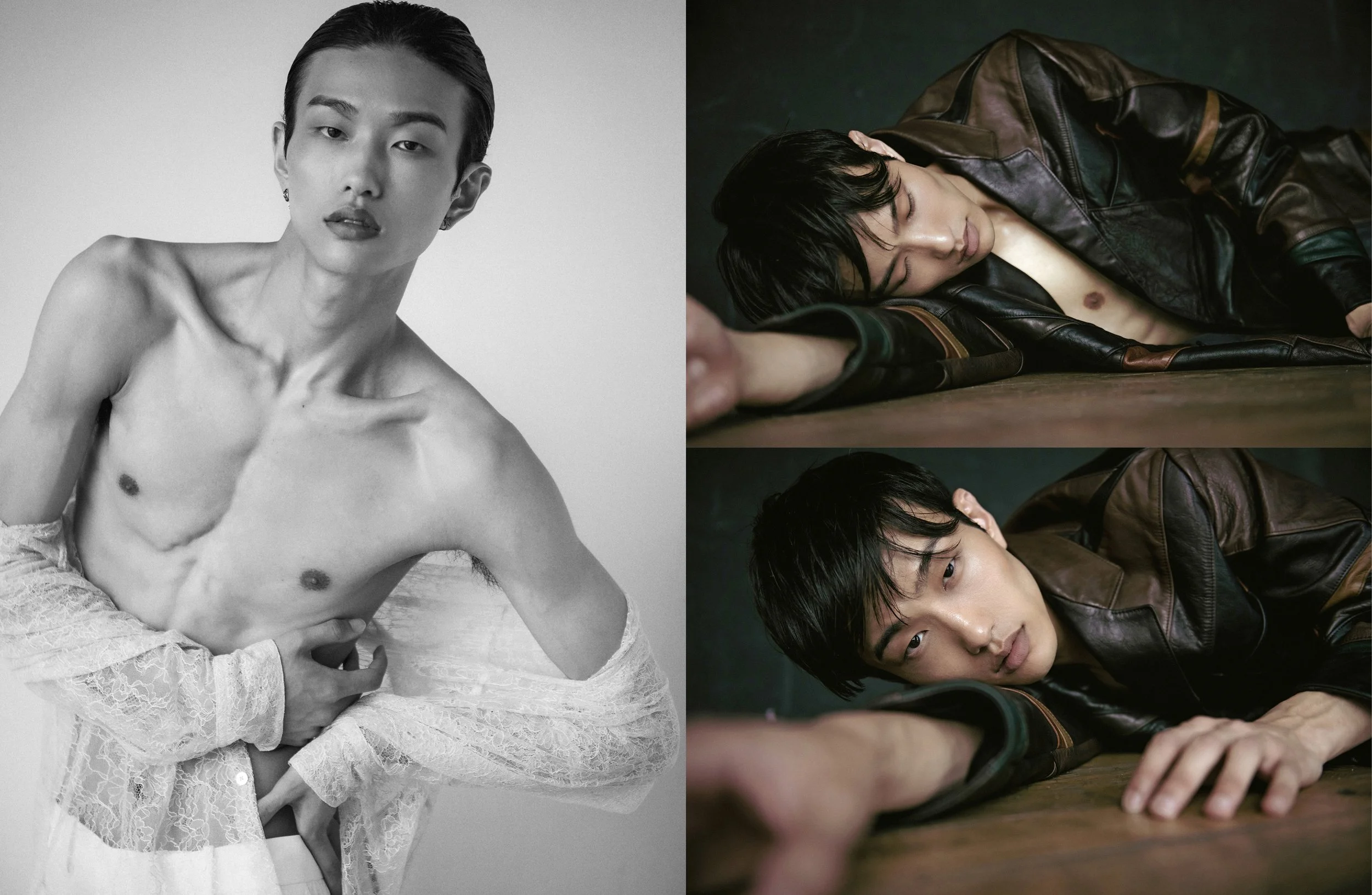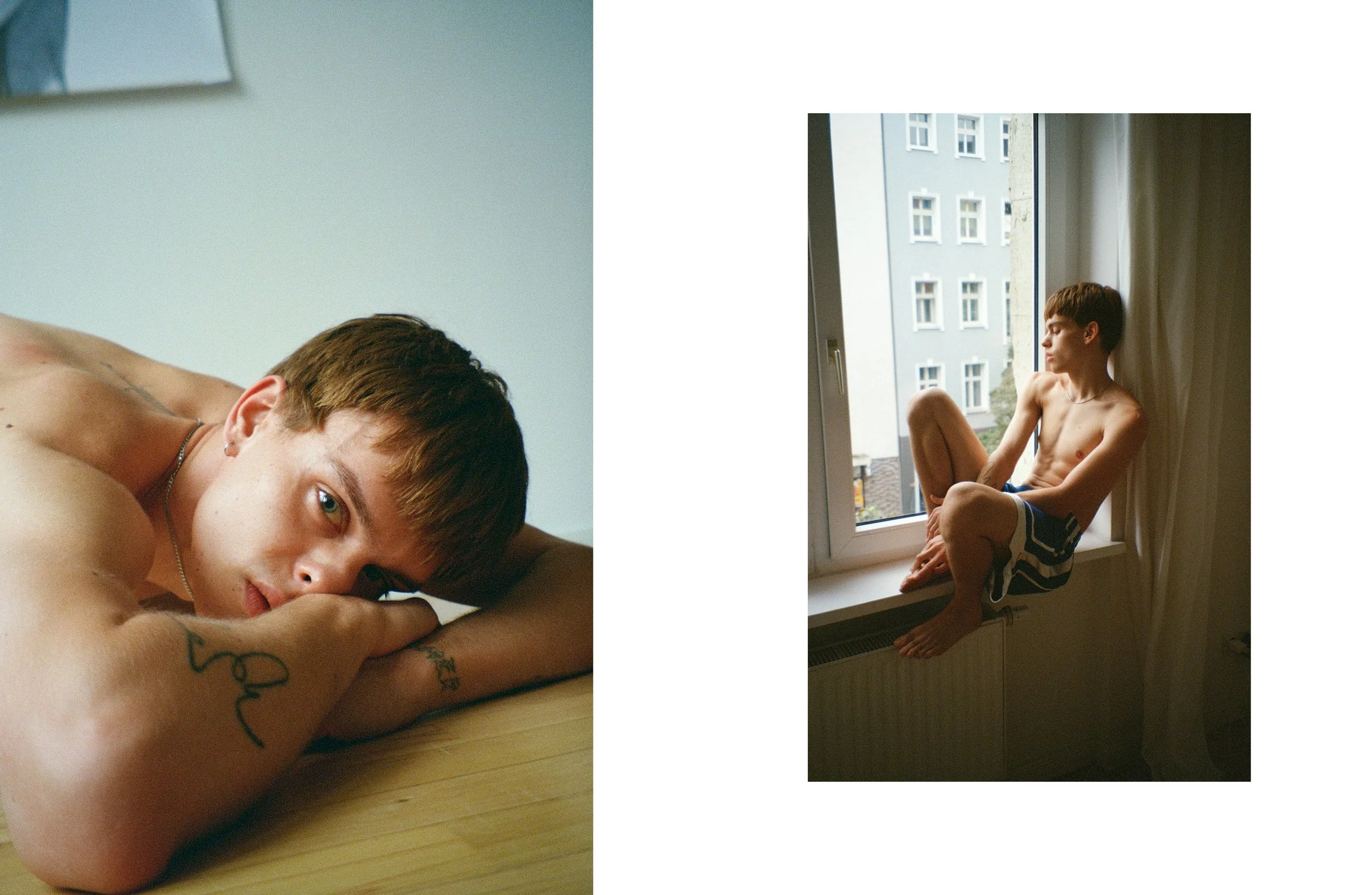
Bottega Veneta’s Spring/Summer 2027 show venue was composed of perfectly aligned cardboard boxes. Made to withstand the duration of the show, these resin-coated cubes were made by artist Illya Goldman Gubin. Even within a rigorous grid, the seats were not uniform – some identical in shape, others severely crumpled. The Ukraine-born, Berlin-based artist utilised these apparently fragile seats as explorations of vulnerability, hugging each of them with varying degrees of emotion. Immediately, online, speculations arose that the severity of the embrace on each seat revealed how Louise Trotter, creative director of the brand, felt about each of her guests. To think the British designer would use her time in such a way was to not witness the collection that walked amongst the Twitter frenzy-inducing seating. For her third season at the brand, Trotter shows an ever-growing prowess in manoeuvring historical codes.
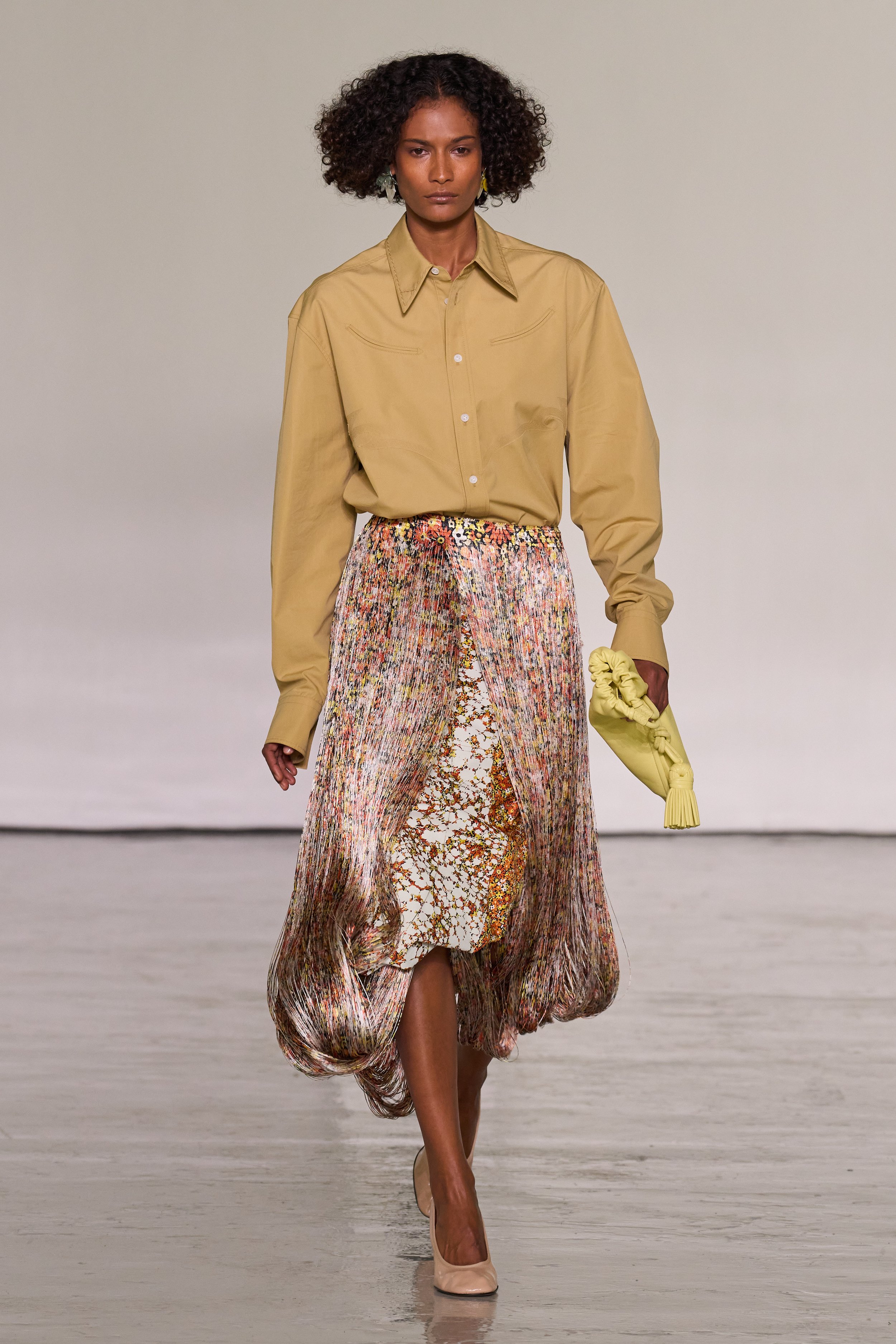
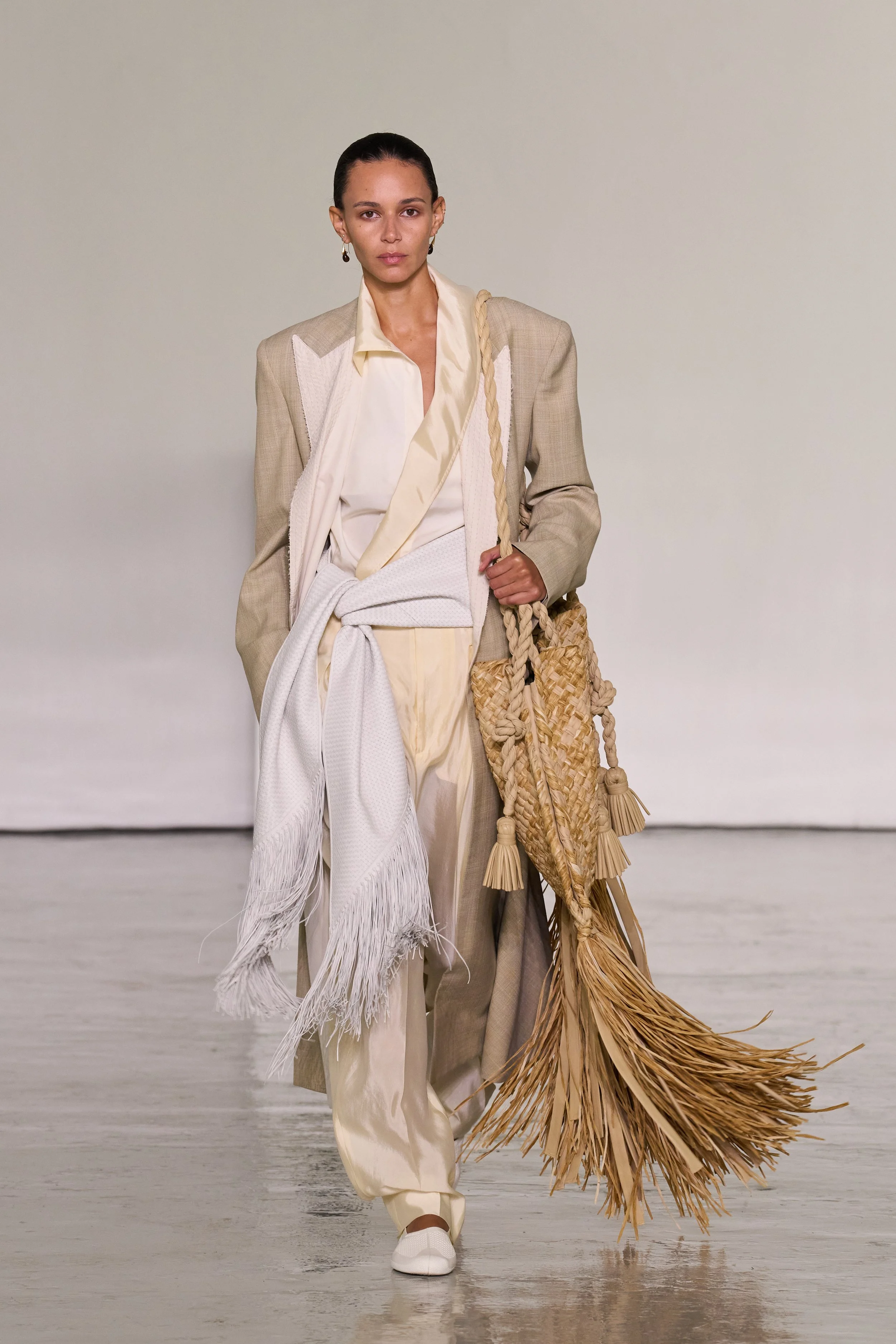
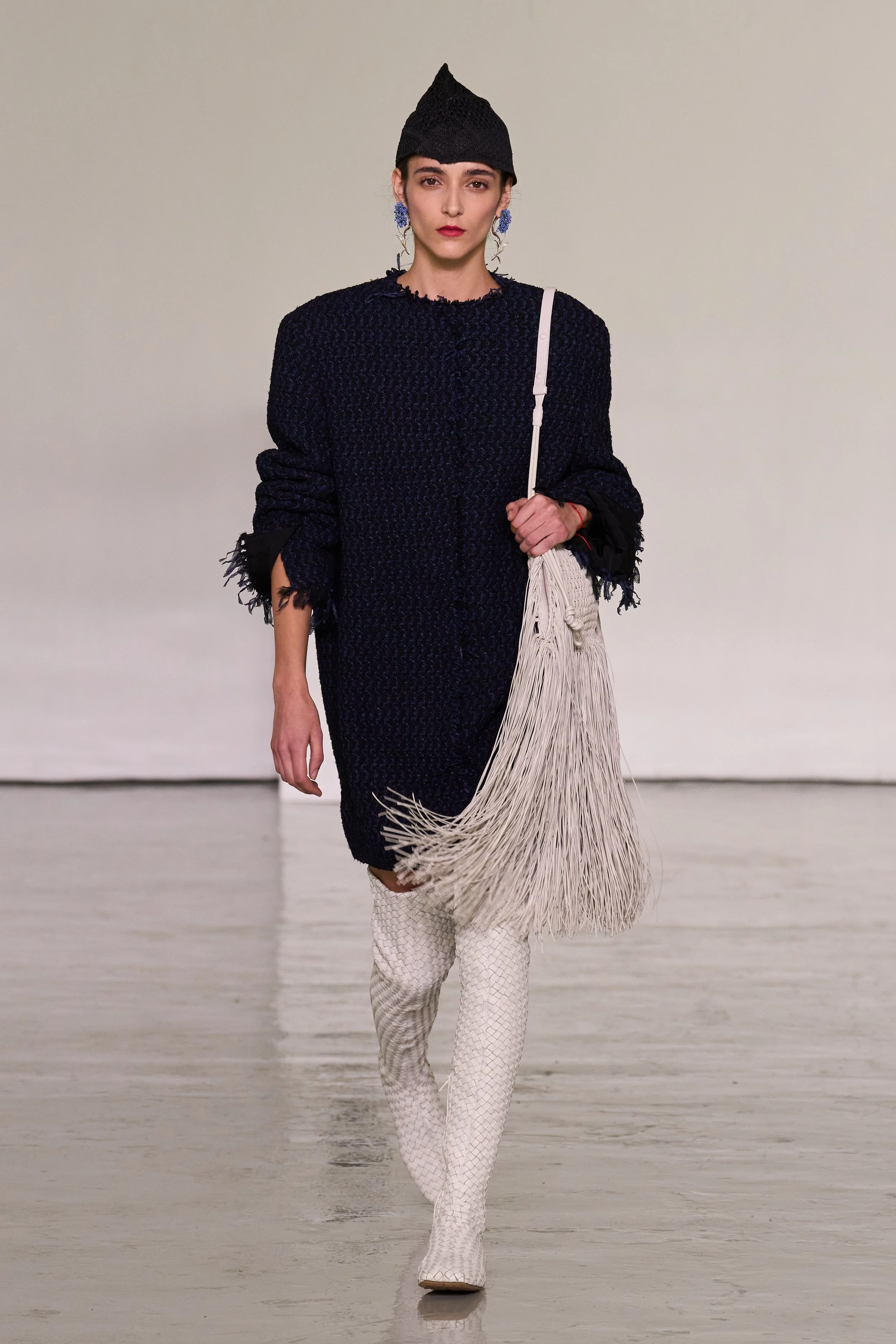
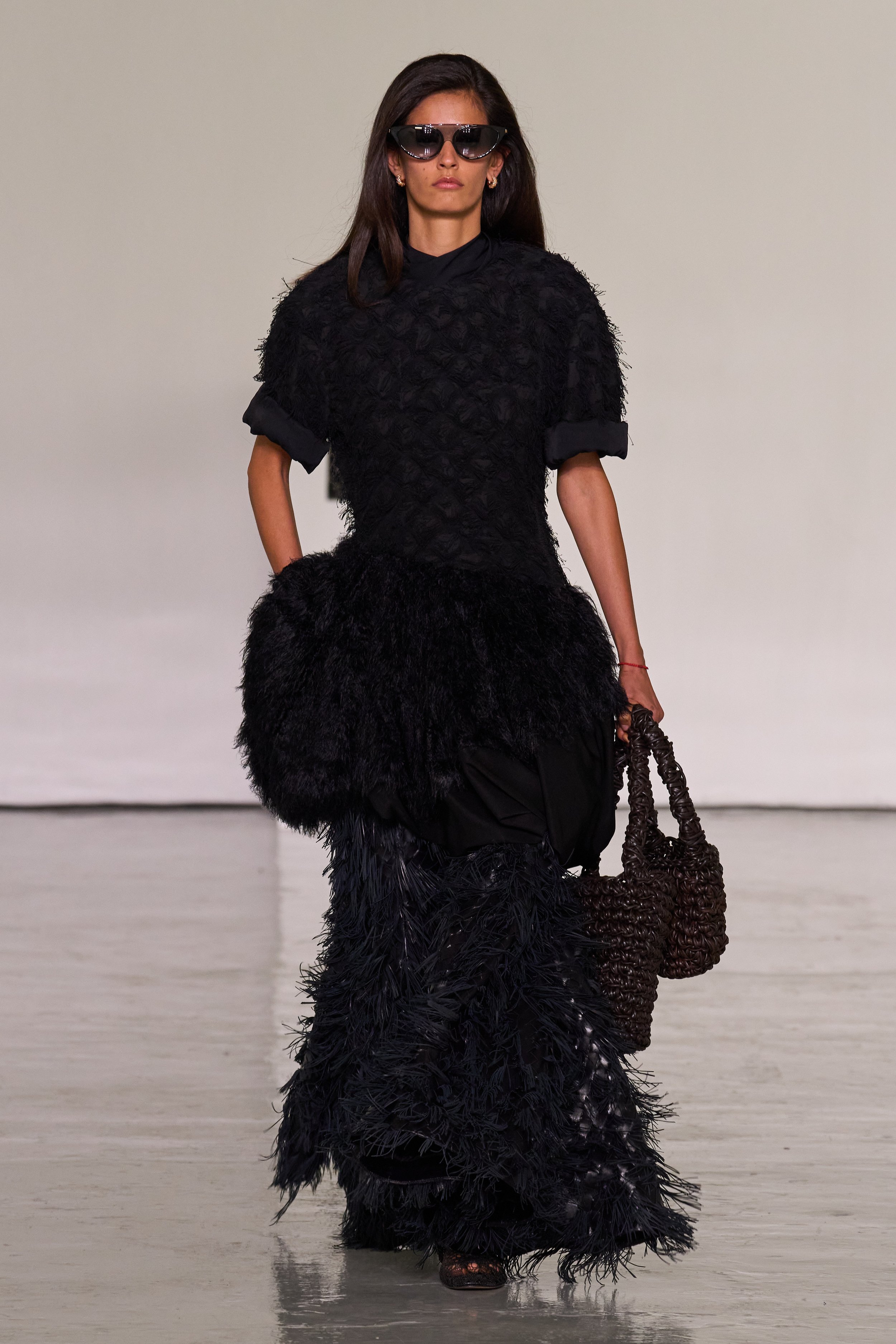
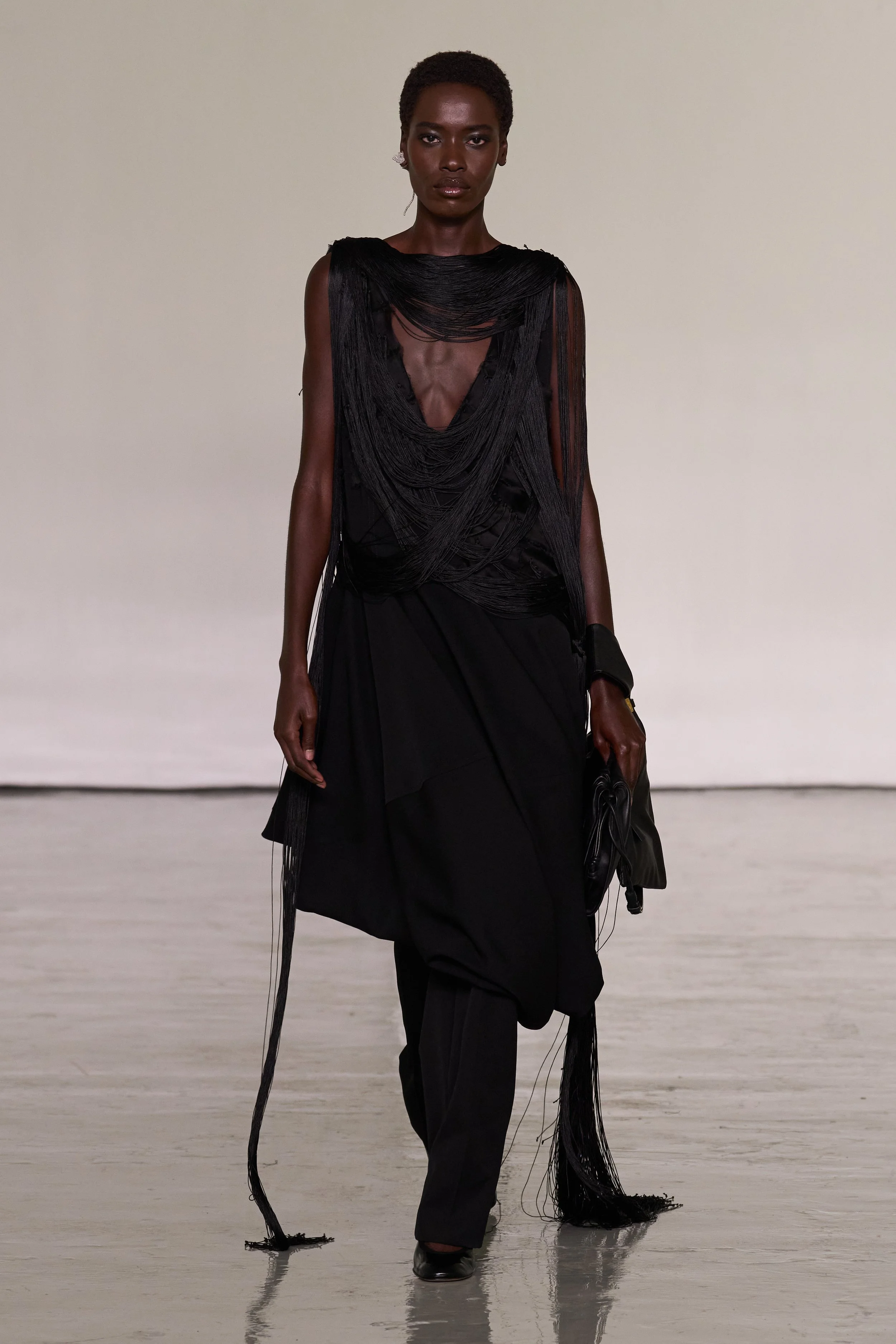
Bottega Veneta is a house with strict symbols; its heritage is solid in the image of its rigorous intrecciato. Even so, Trotter finds a way to add movement. Extrapolating the idiosyncratic craft of the brand, the physicality of material manipulation is felt in raffia bags whose fringe almost skirts the floor, in hard knots on a navy coat’s front panel.
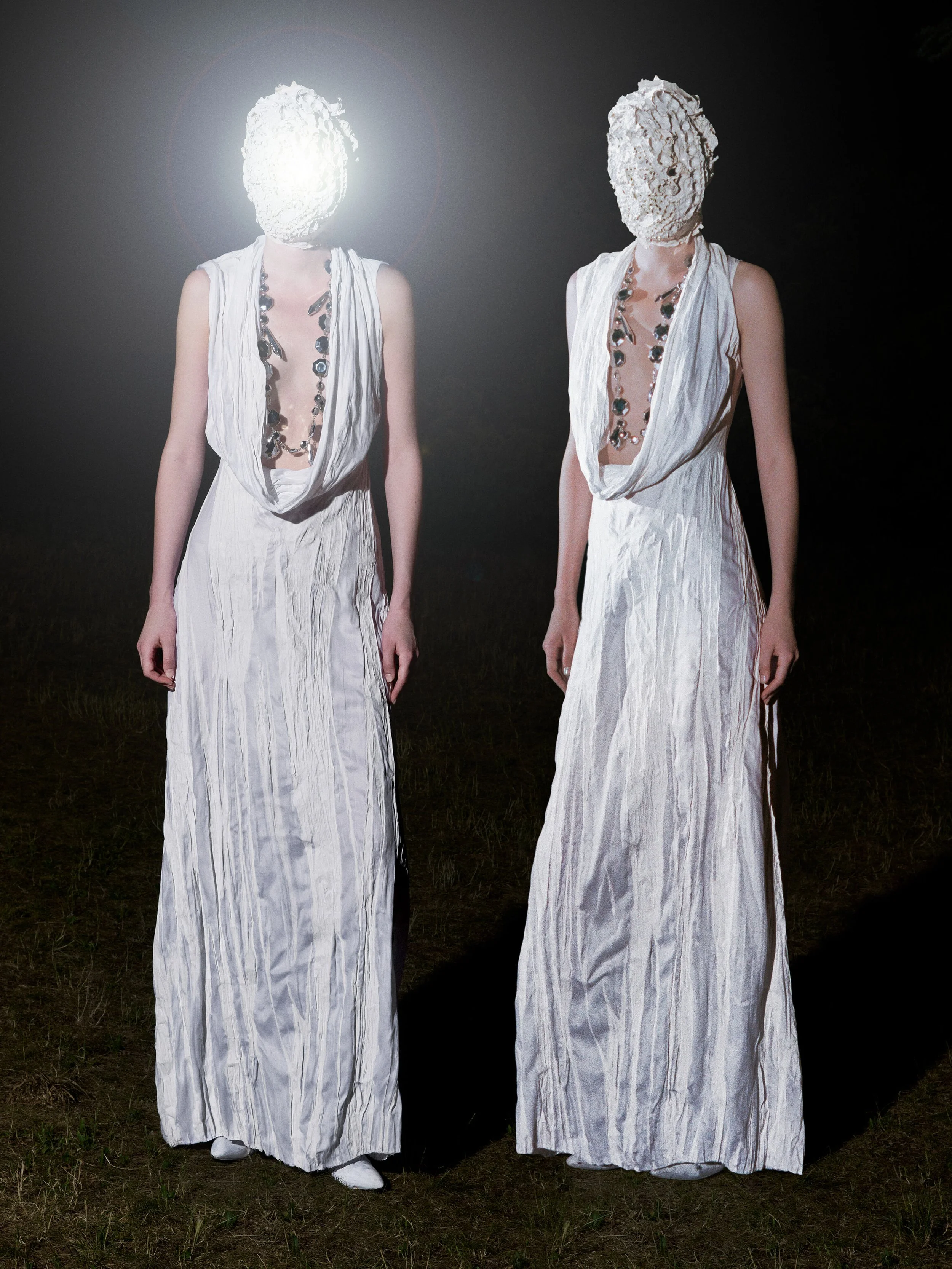
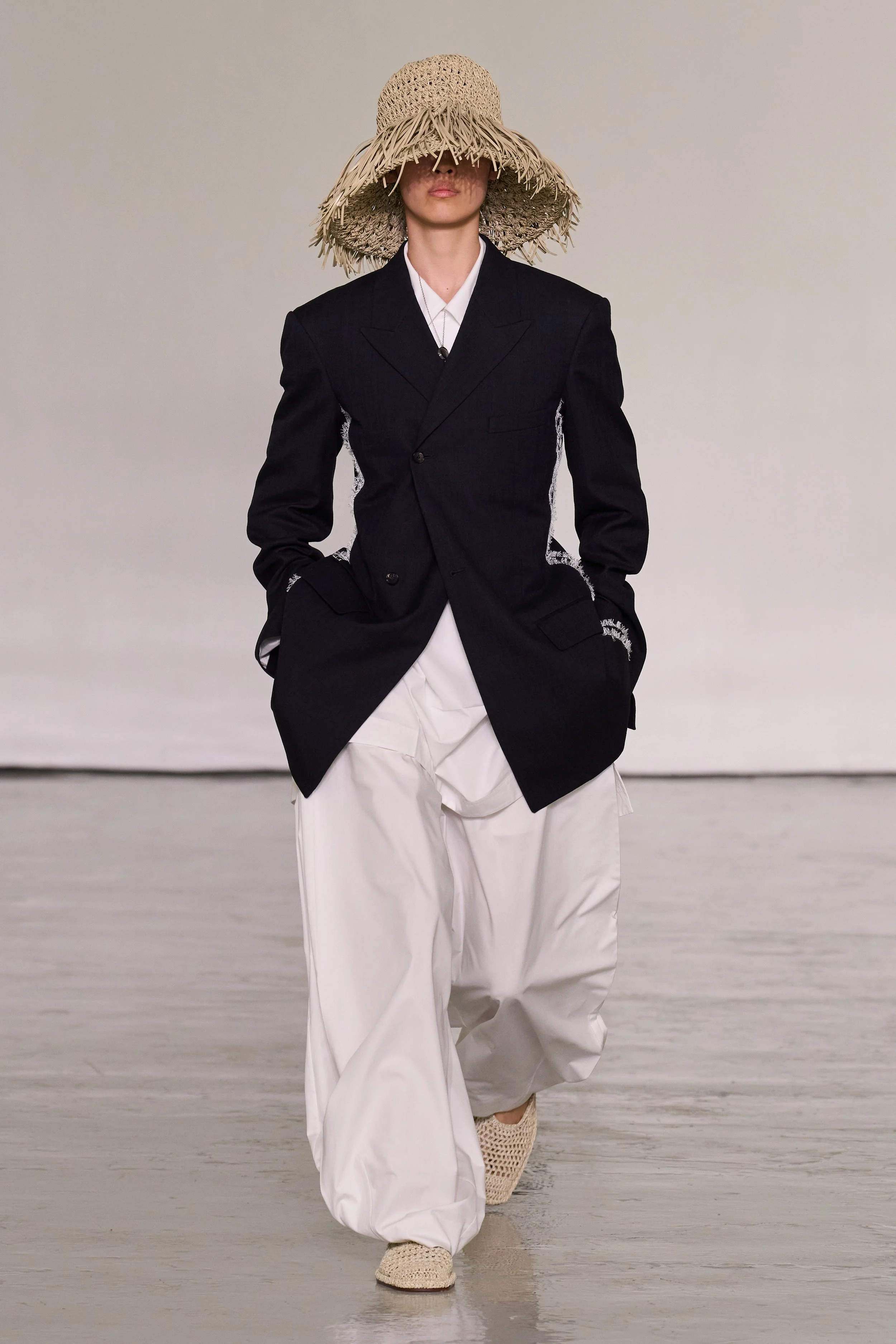
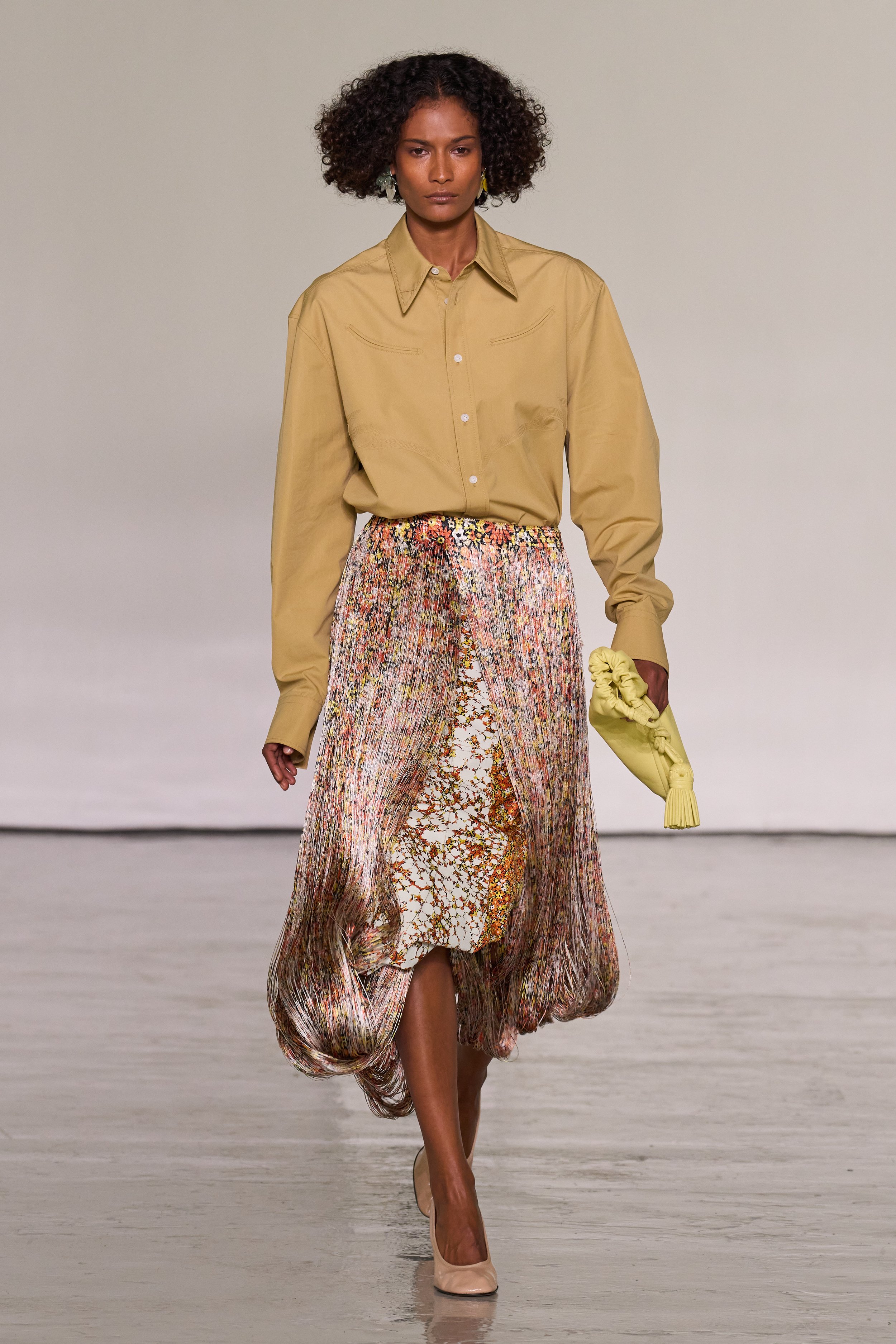
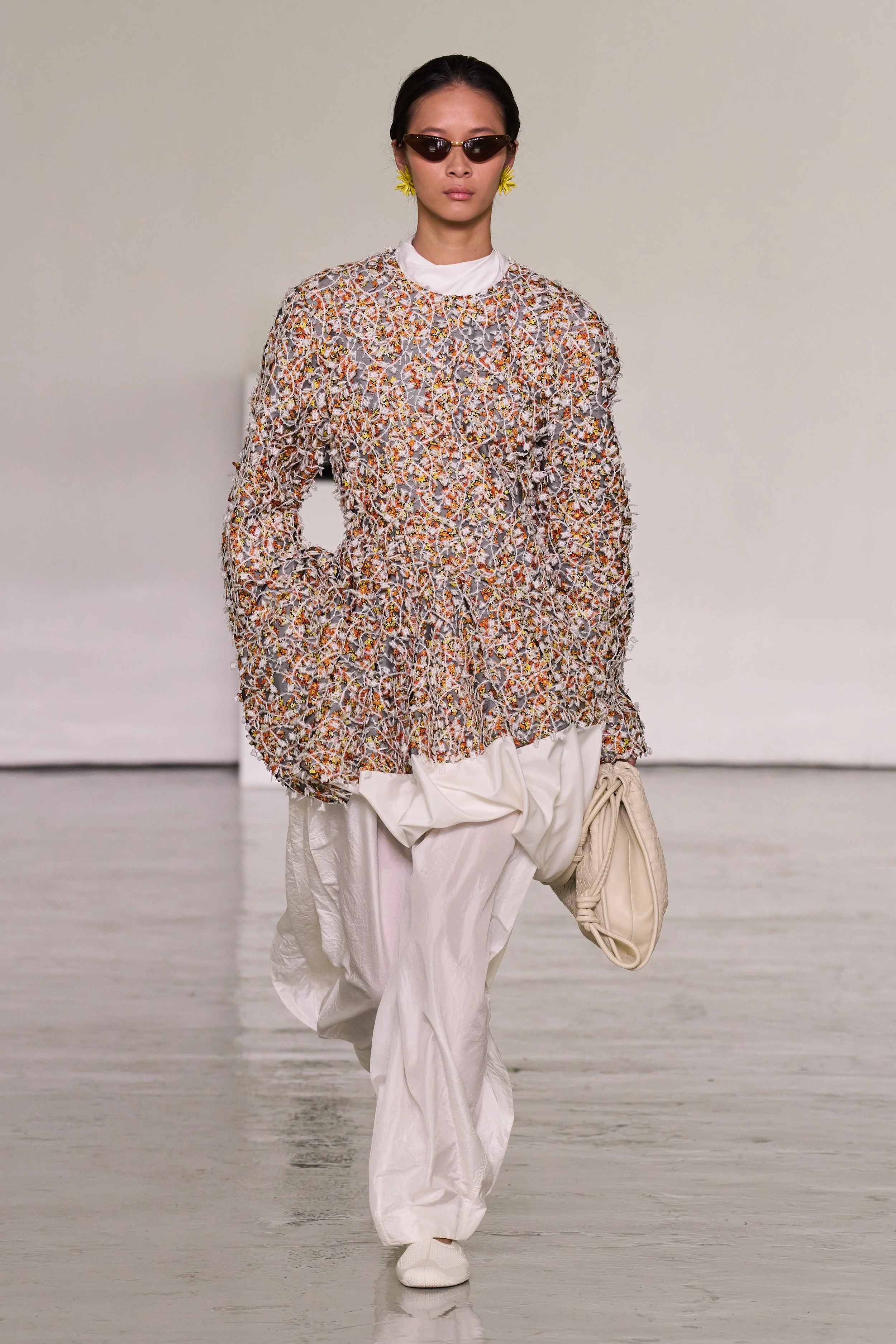
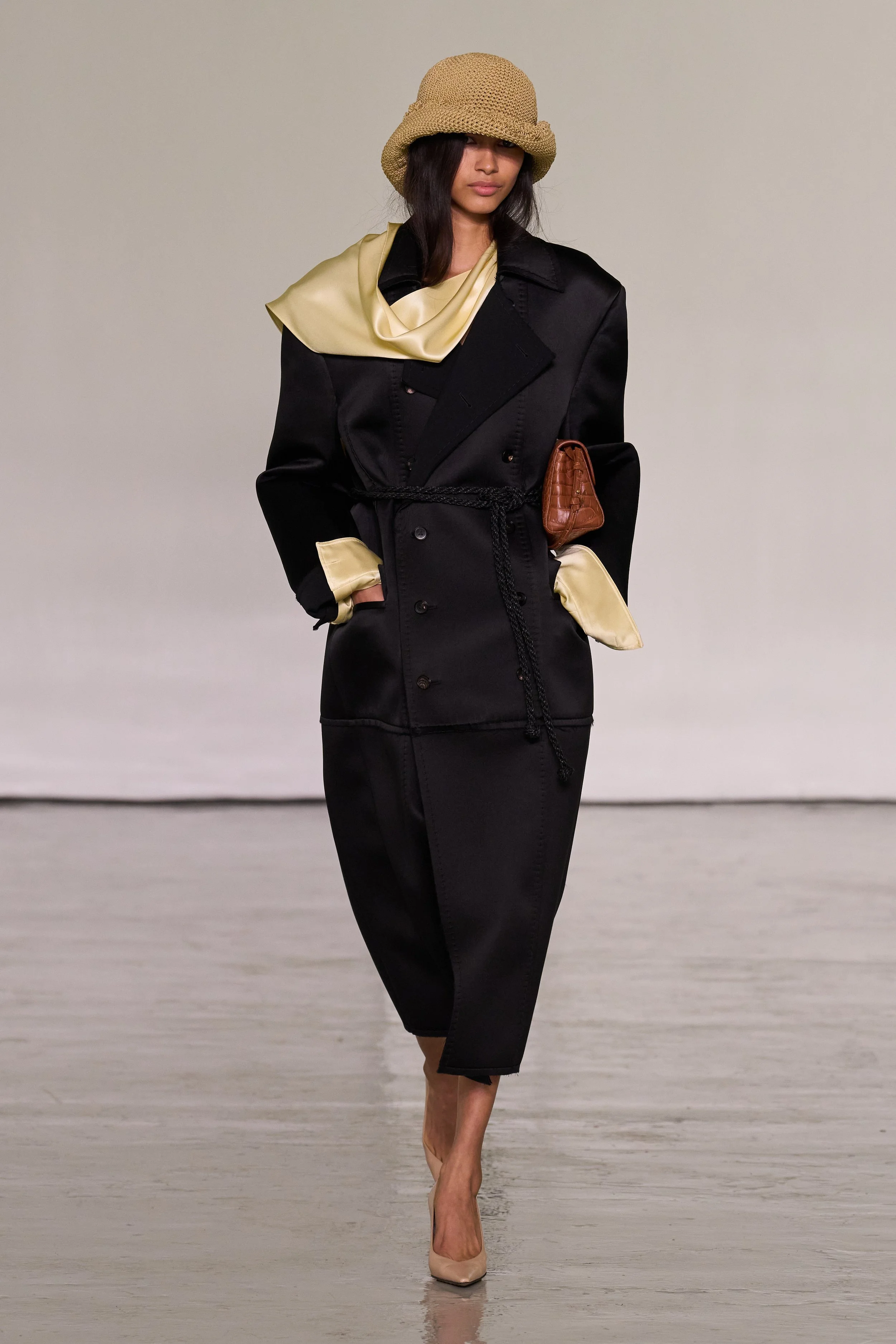
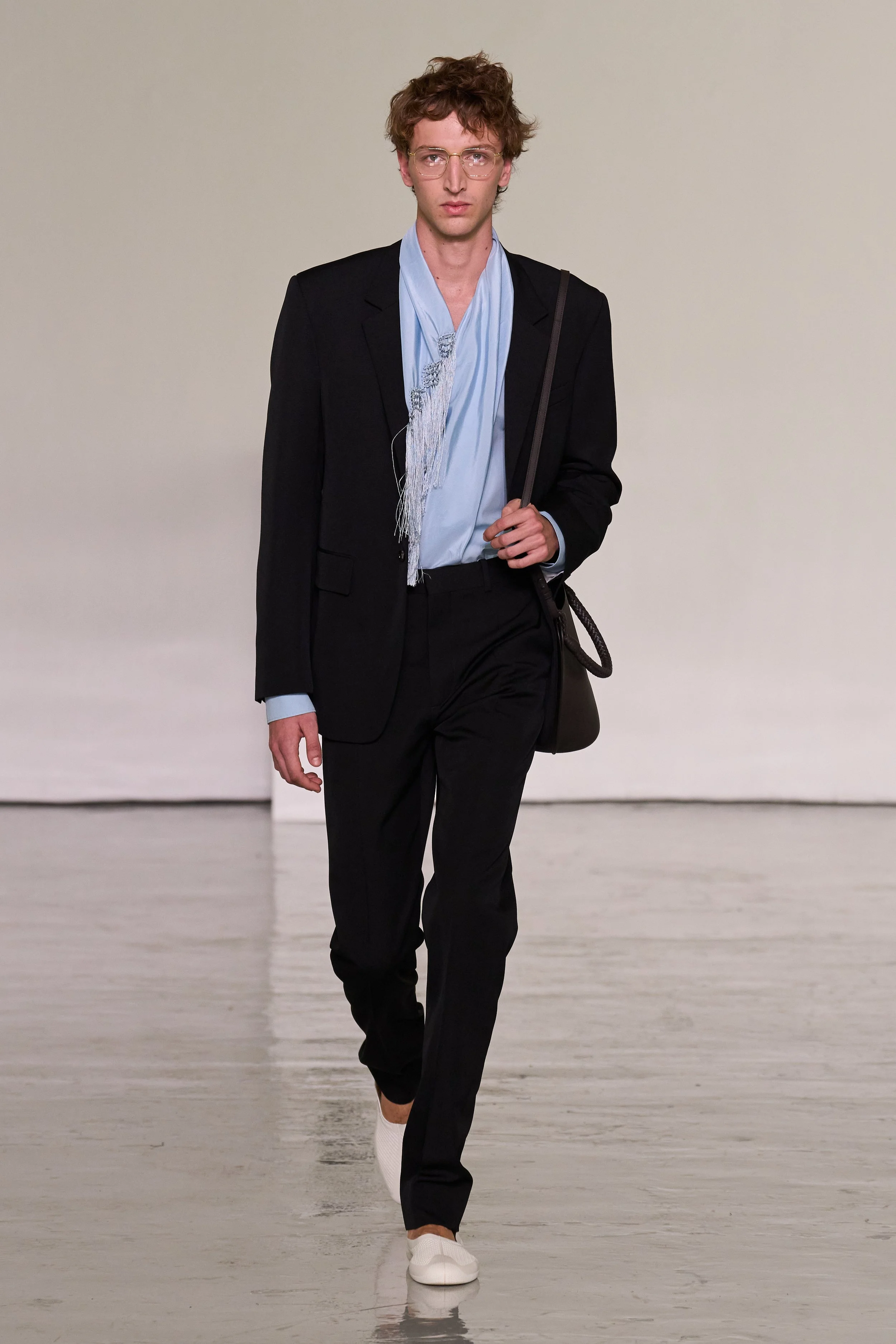
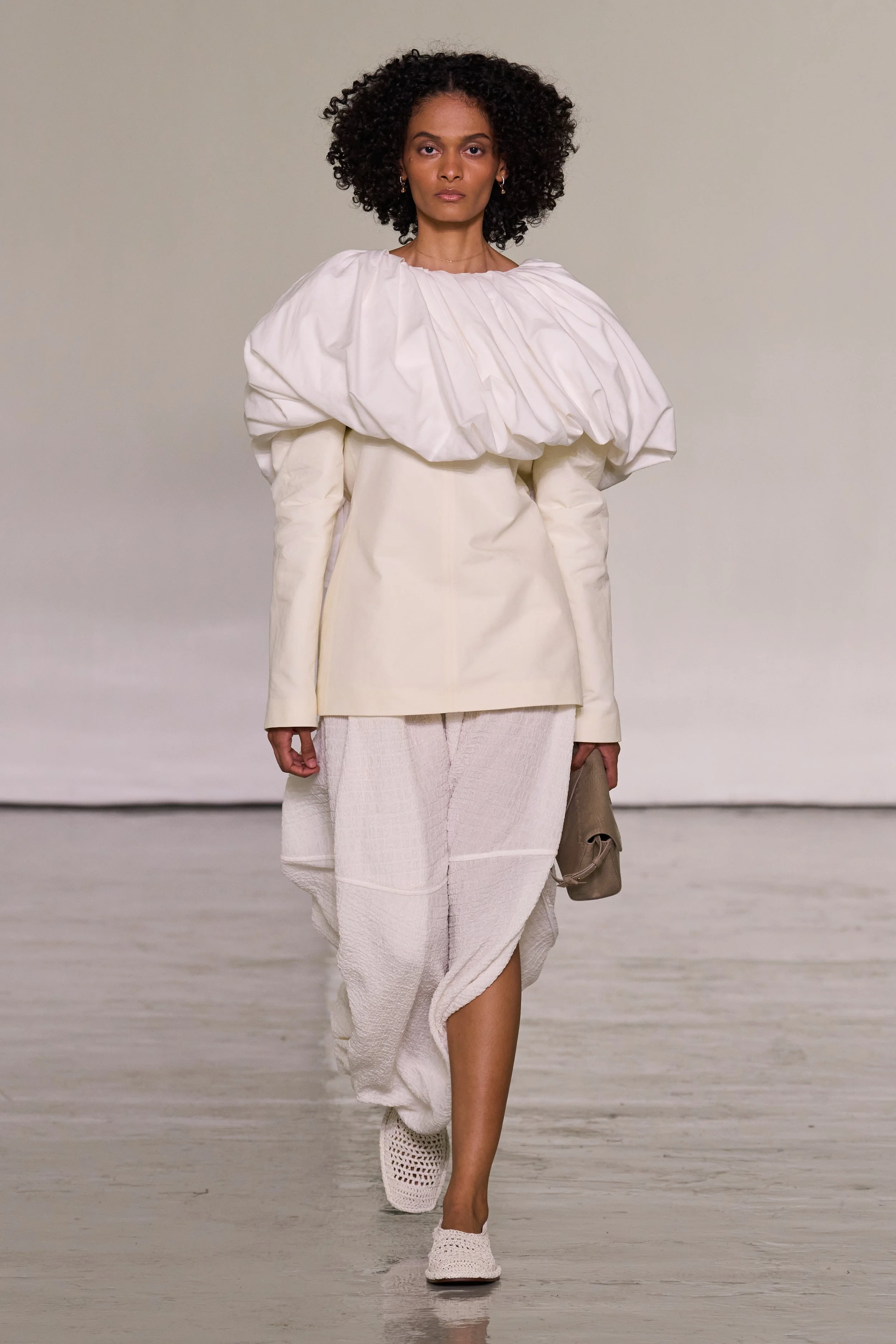
The idea of movement is intrinsic to the brand’s vision under Trotter’s guidance. Billowing pants and fringed scarves around the waist flow both against and with each other, while printed fringed swishes diagonally. Bodies move in tandem with garments, their proportions altered by the clothes that surround them. Incredibly, I hesitate to call it silhouette work. The word paints such a clear picture, one that is stiff, that resists against the body's organic movement. What Trotter does is different. Her use of volumes, the perfectly calculated weight of the silk on pants that pleat as they walk. creates a silhouette that changes its shape as the model walks. The perfectly calculated volumes are highlighted when in contrast with rigid silhouettes – a tight tailored jacket is paired with translucent white trousers.
Inspired by Milan, the city the British designer is now based in, the collection captures the organic borders in between seasons. What delineates their passing? Is it a date in the calendar? Is it the first night out where the jacket remains on the hand rather than over the shoulders? How can manmade borders delineate organic limits?
Words by Pedro Vasconcelos