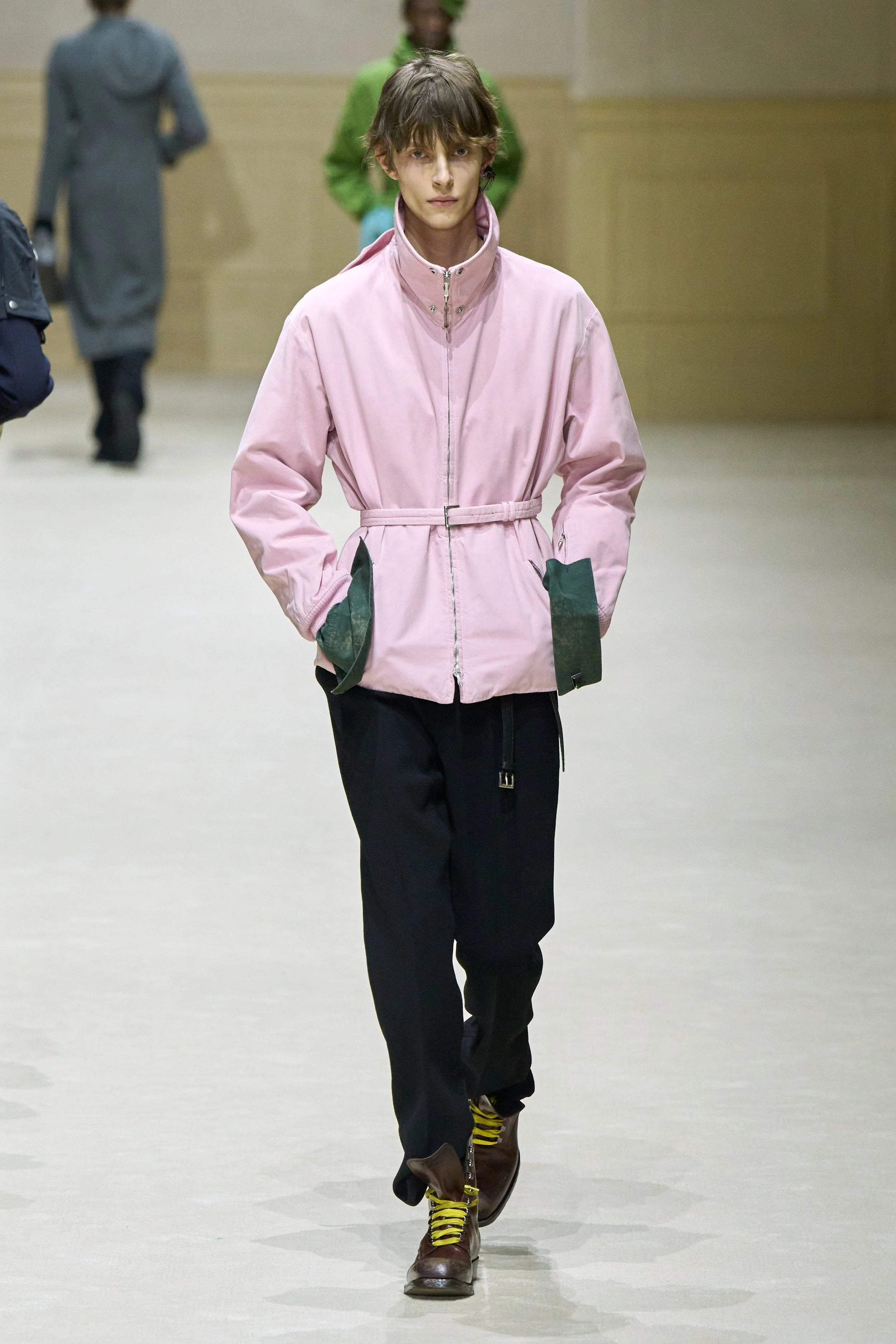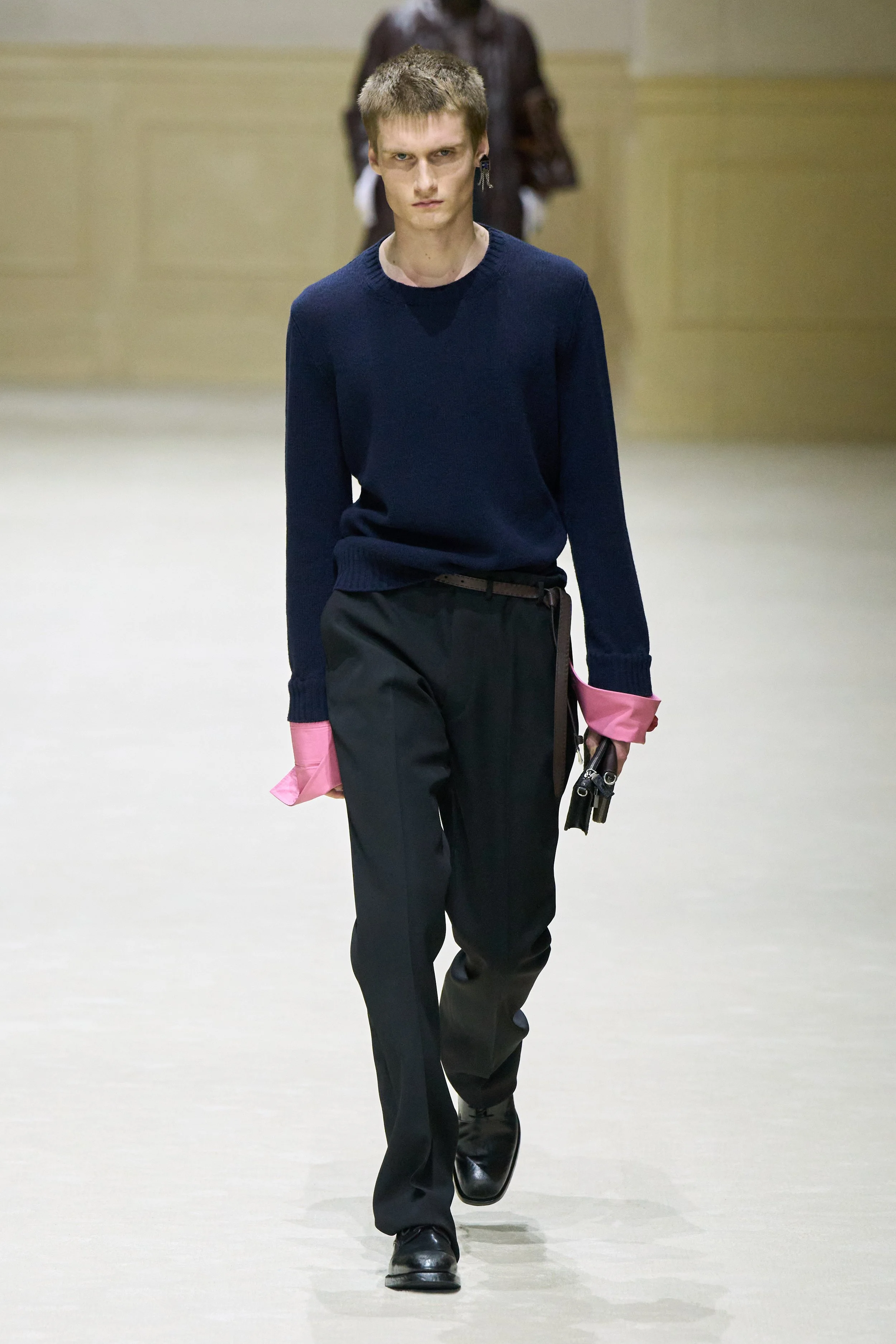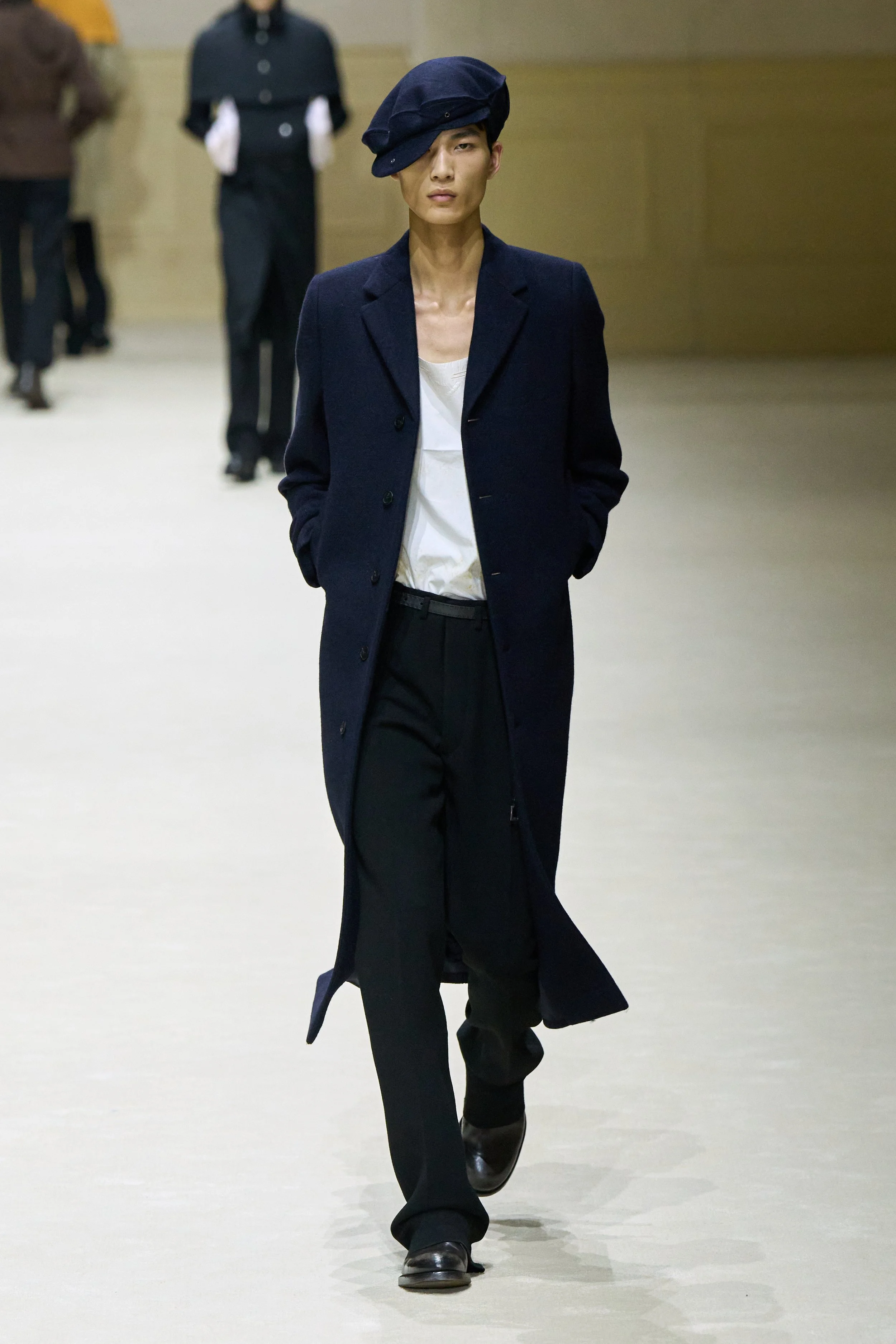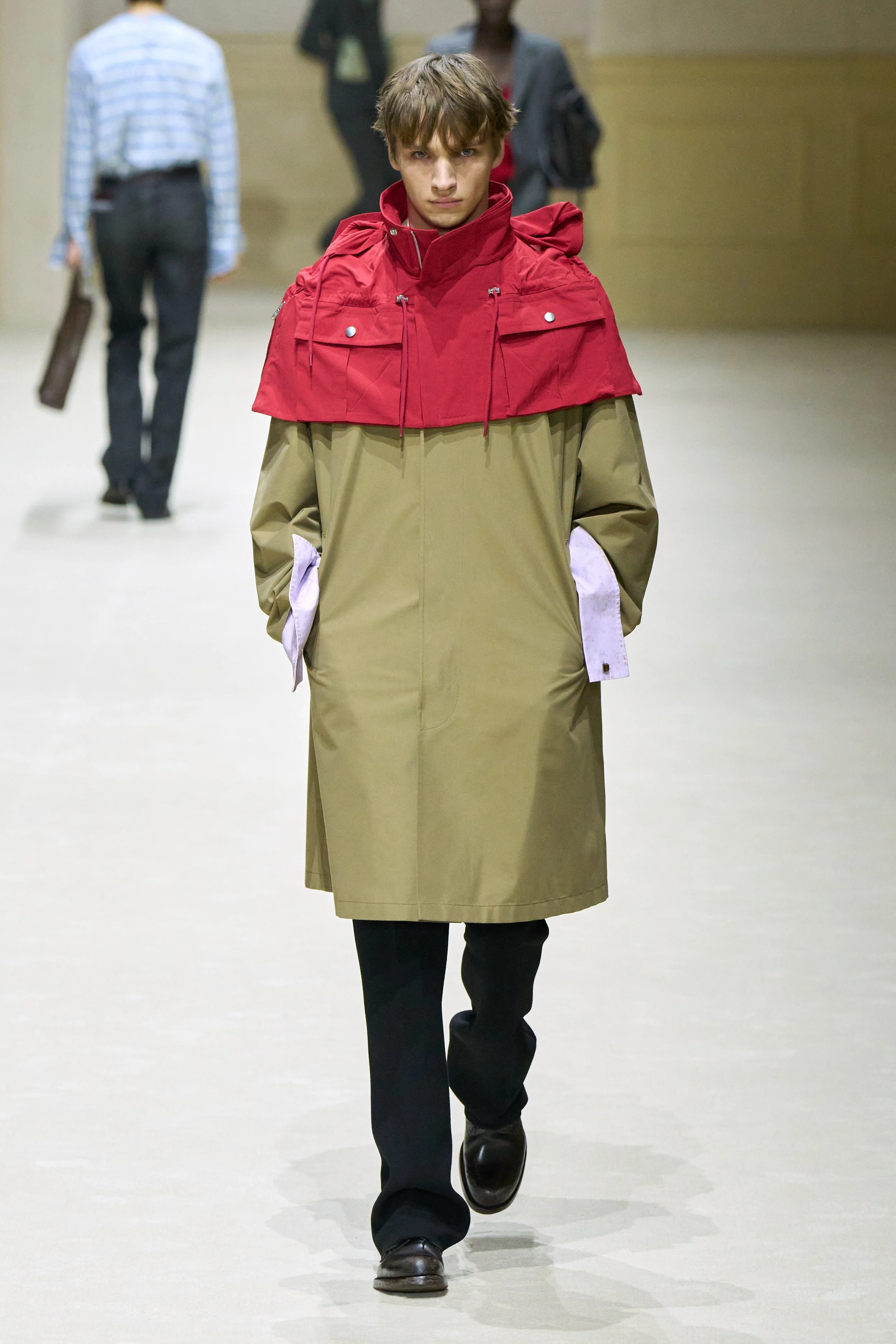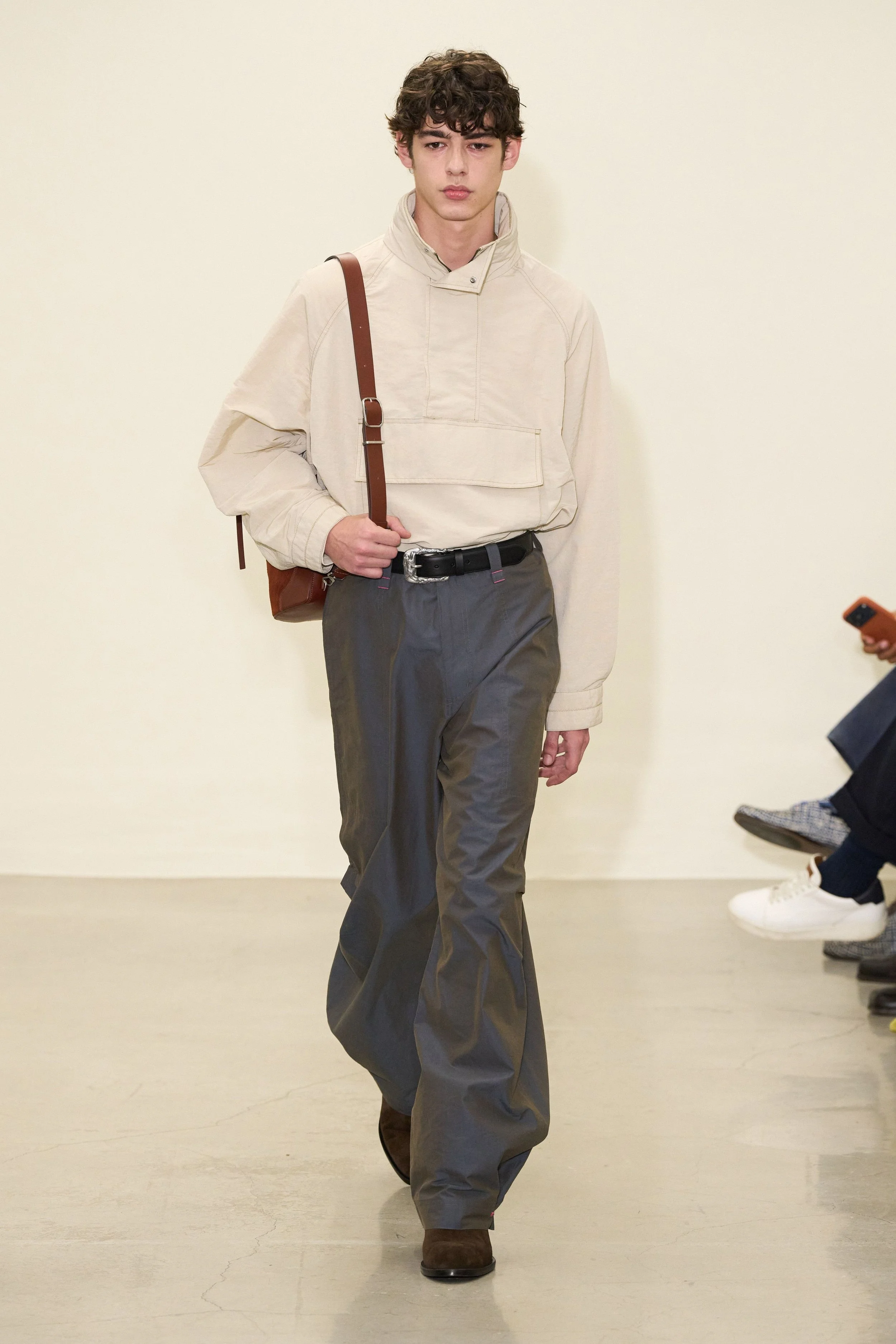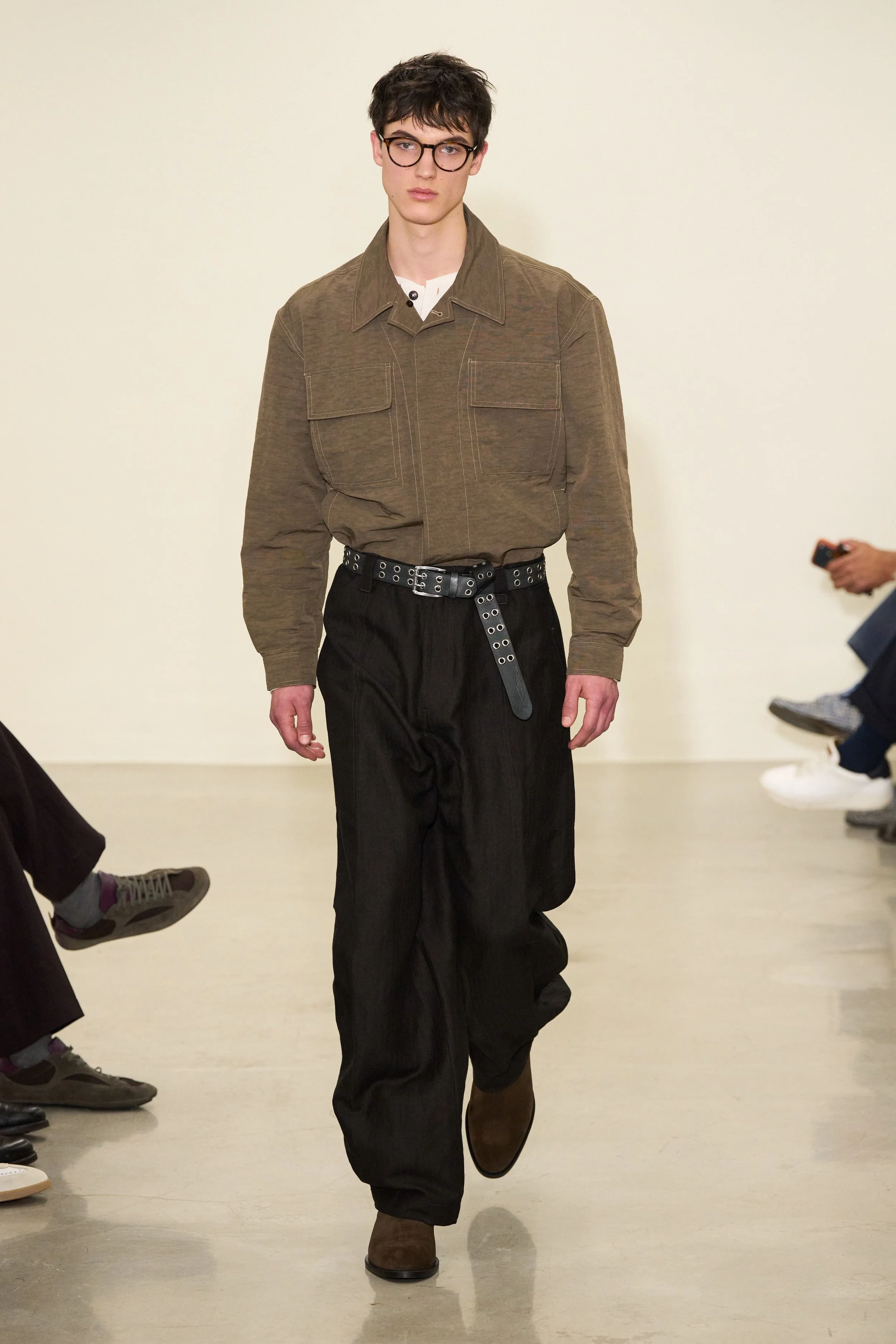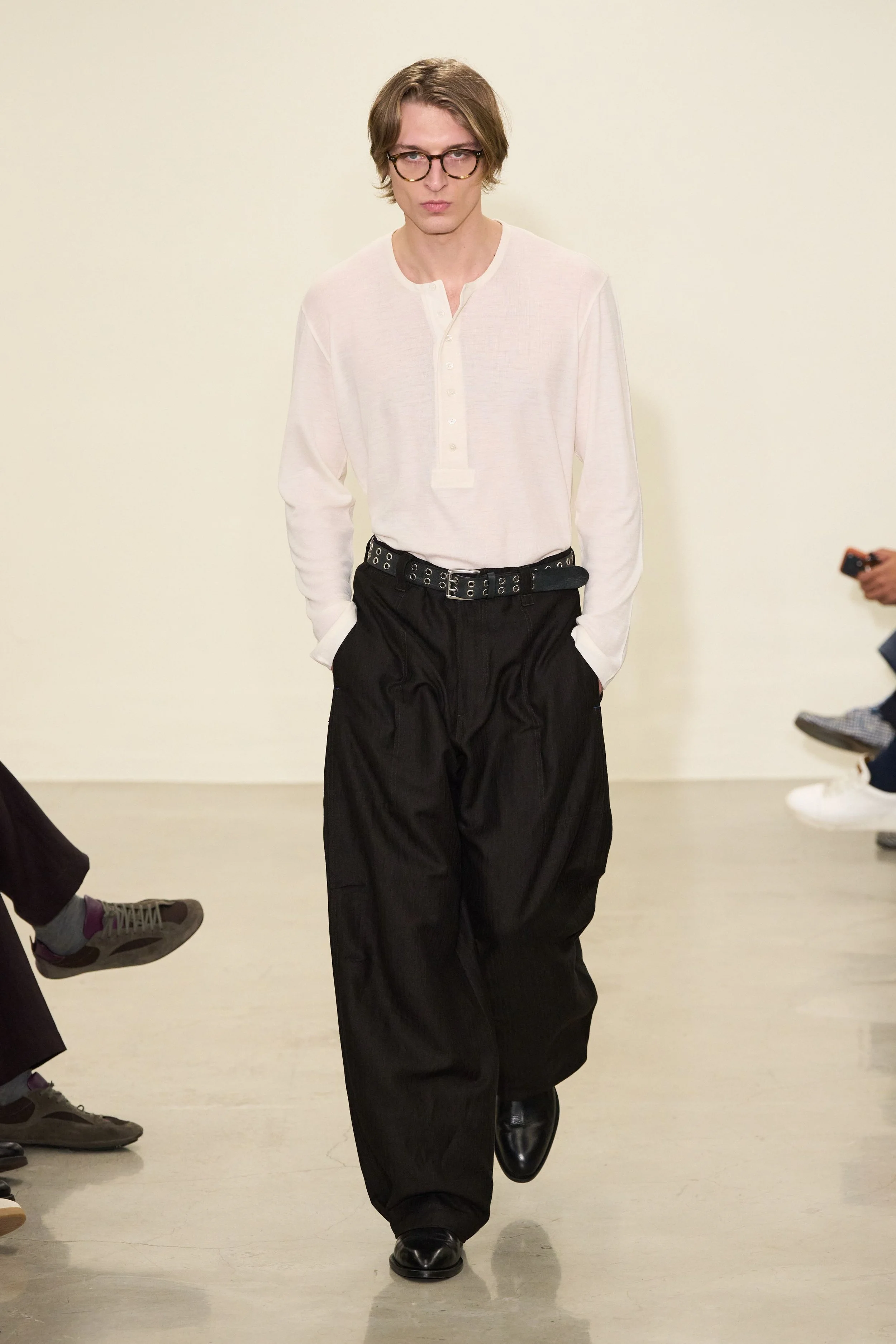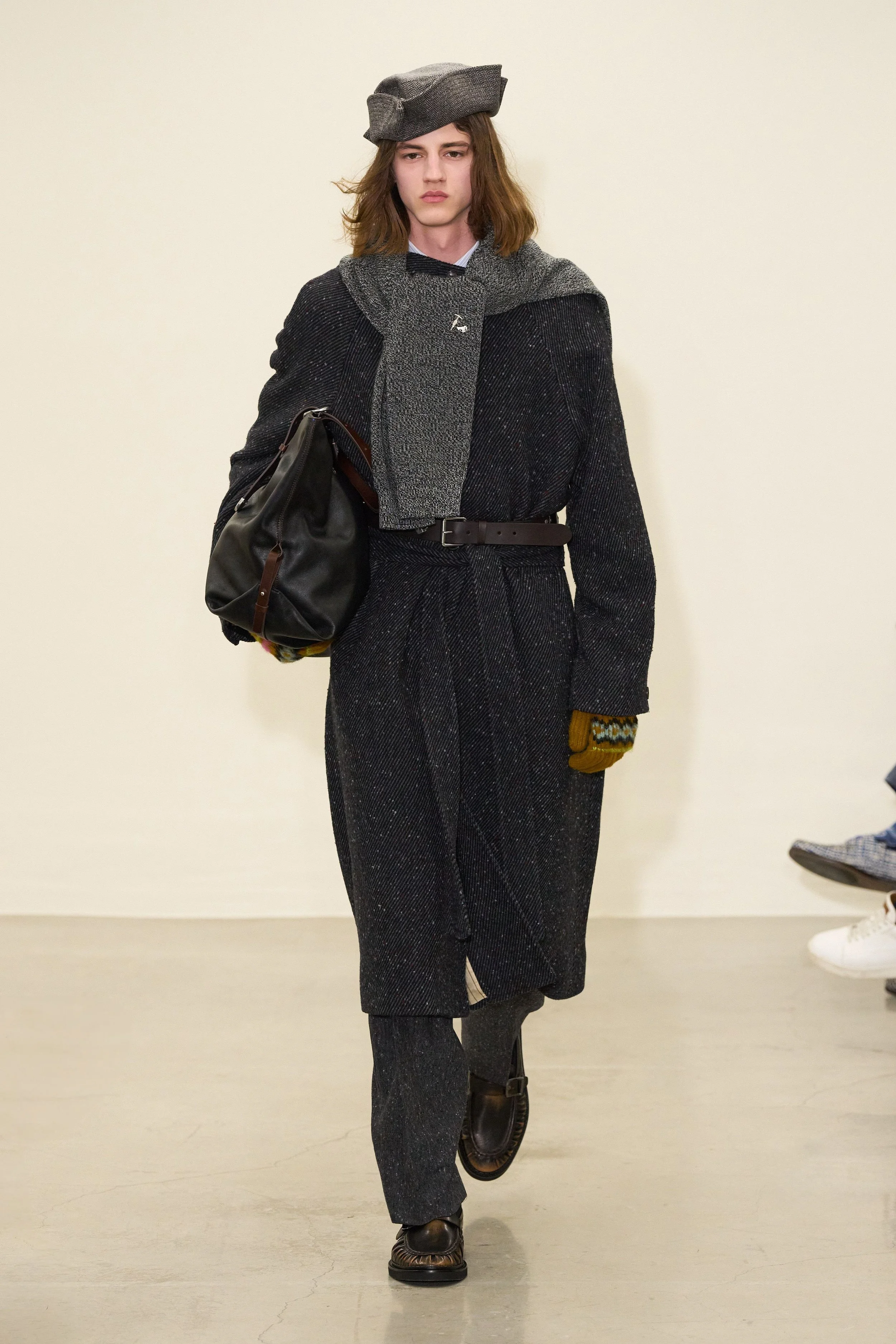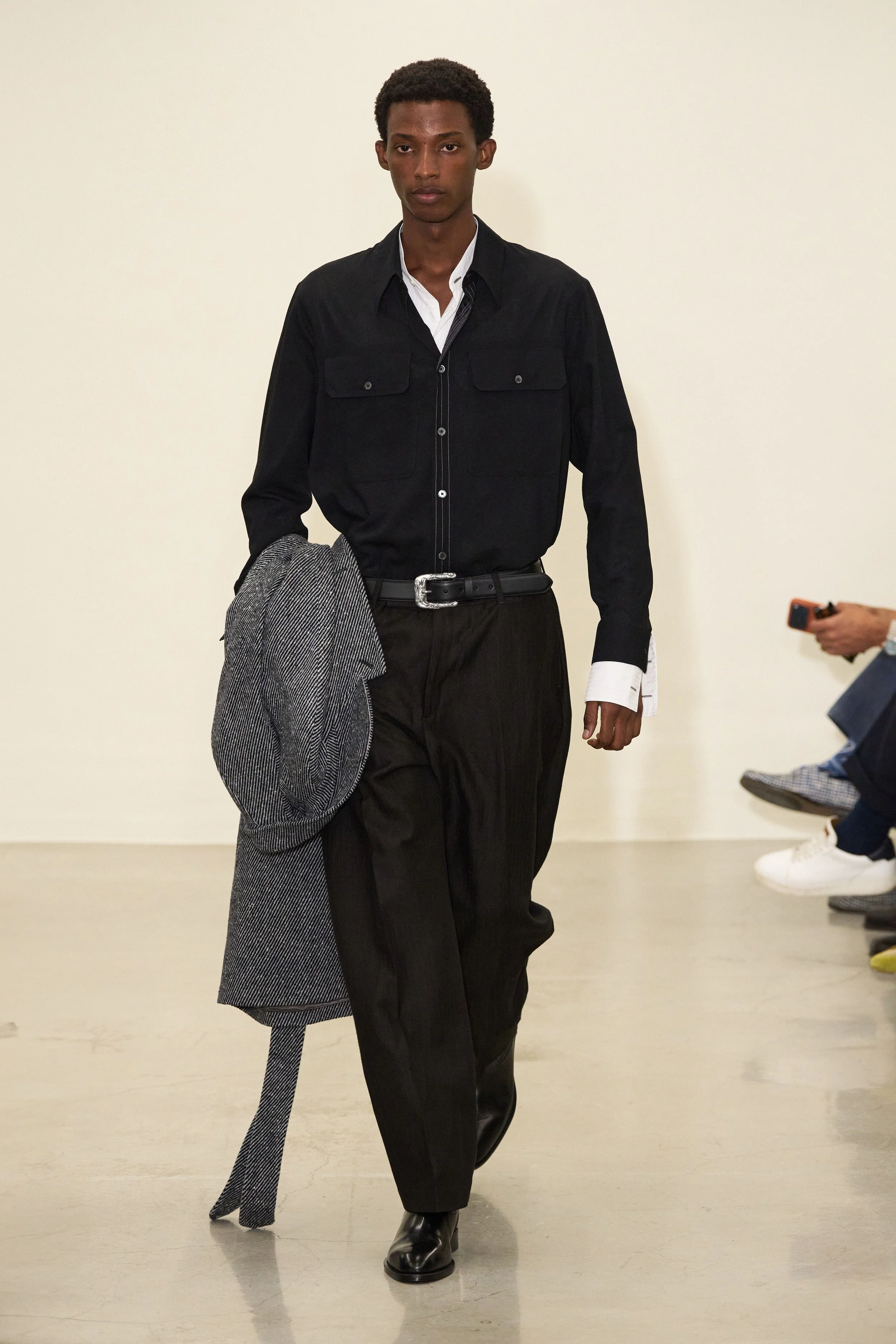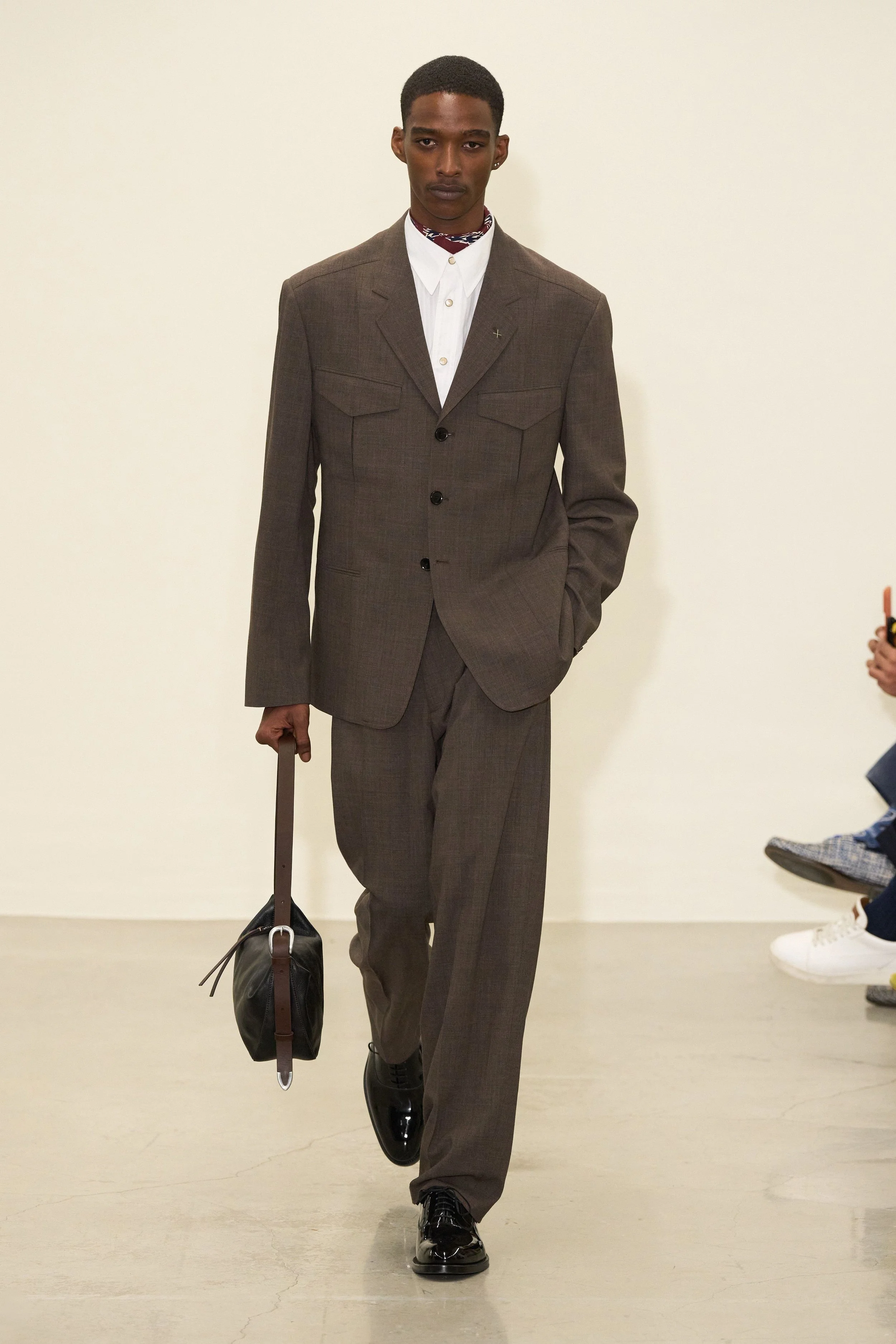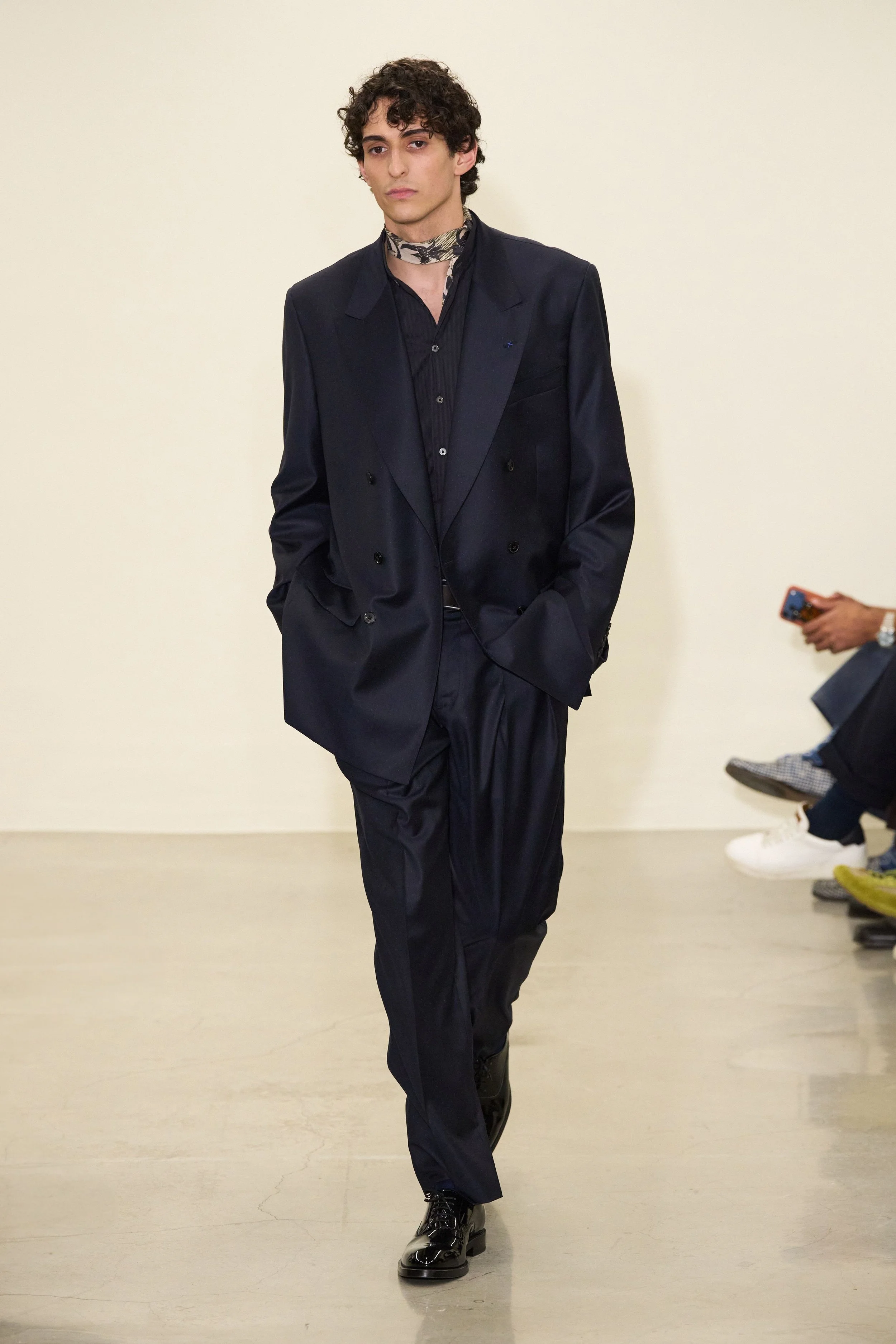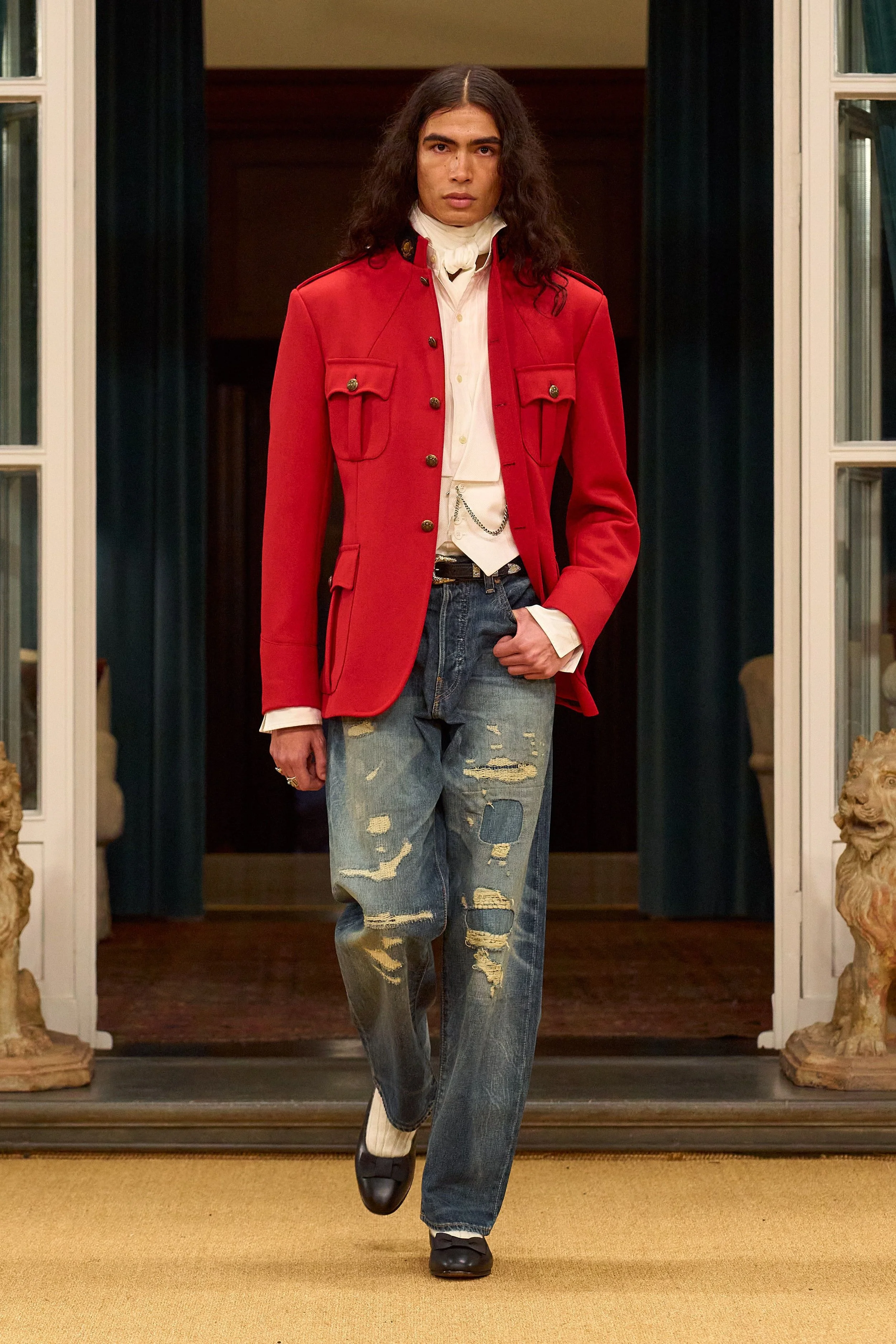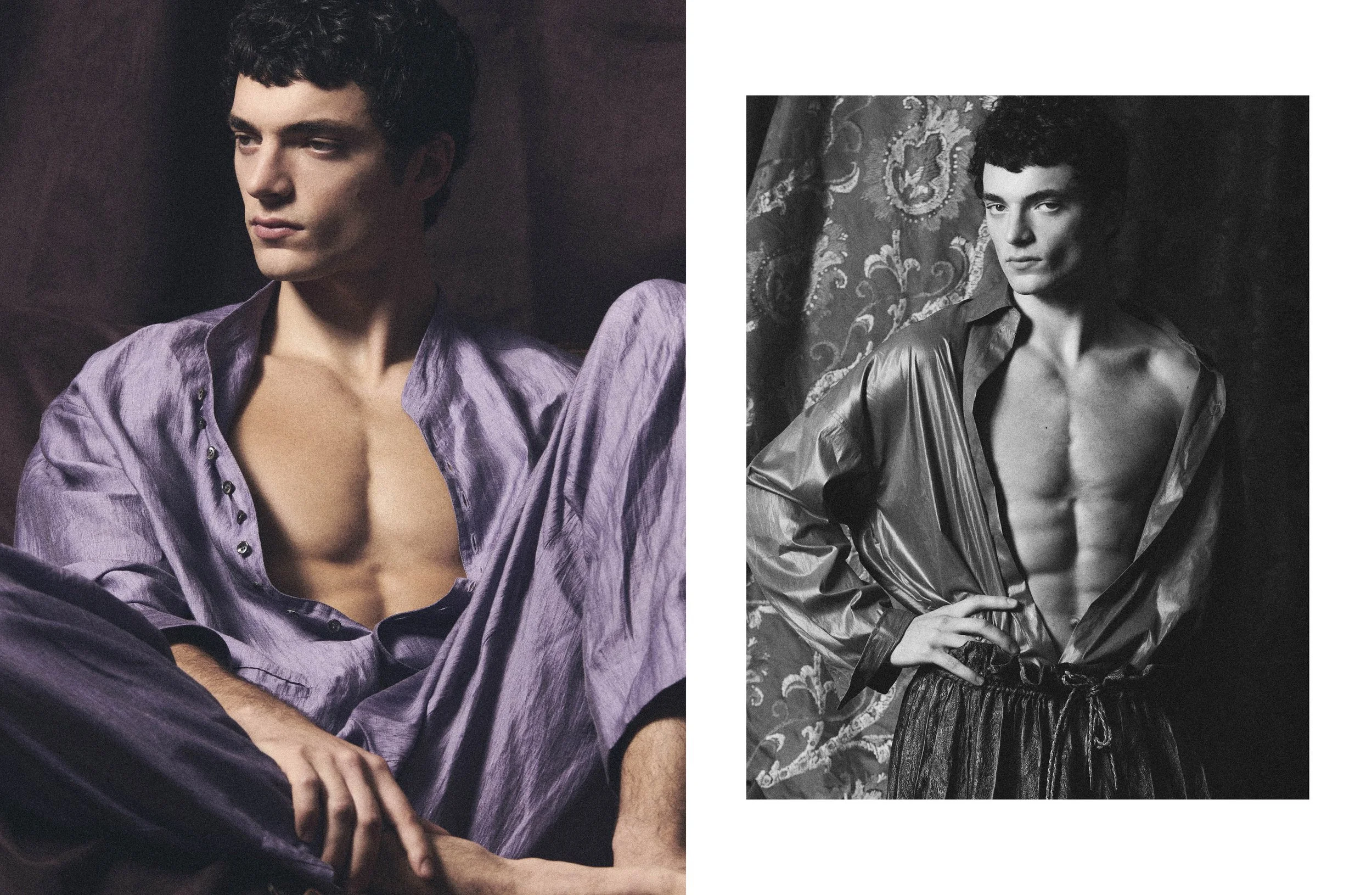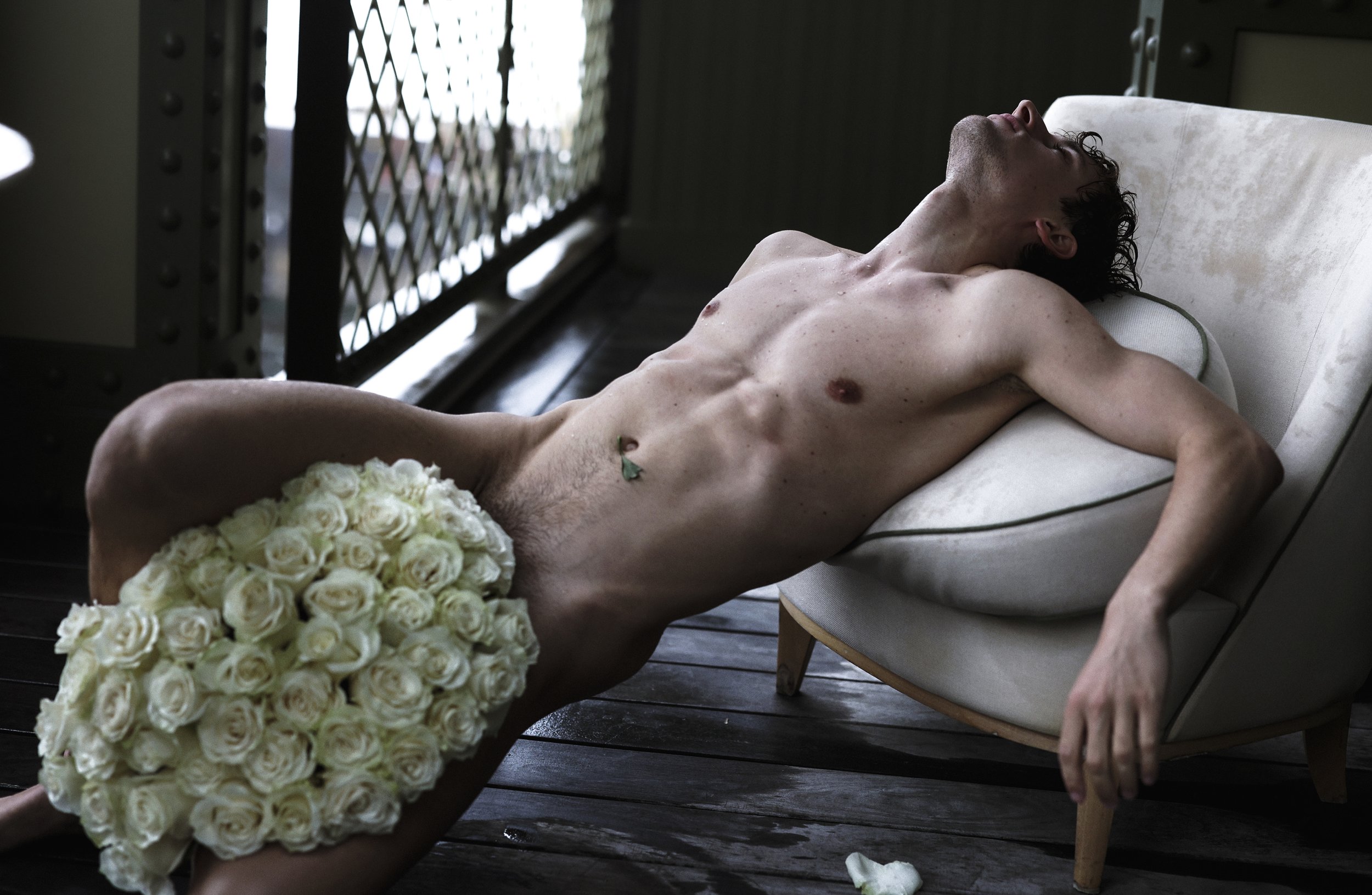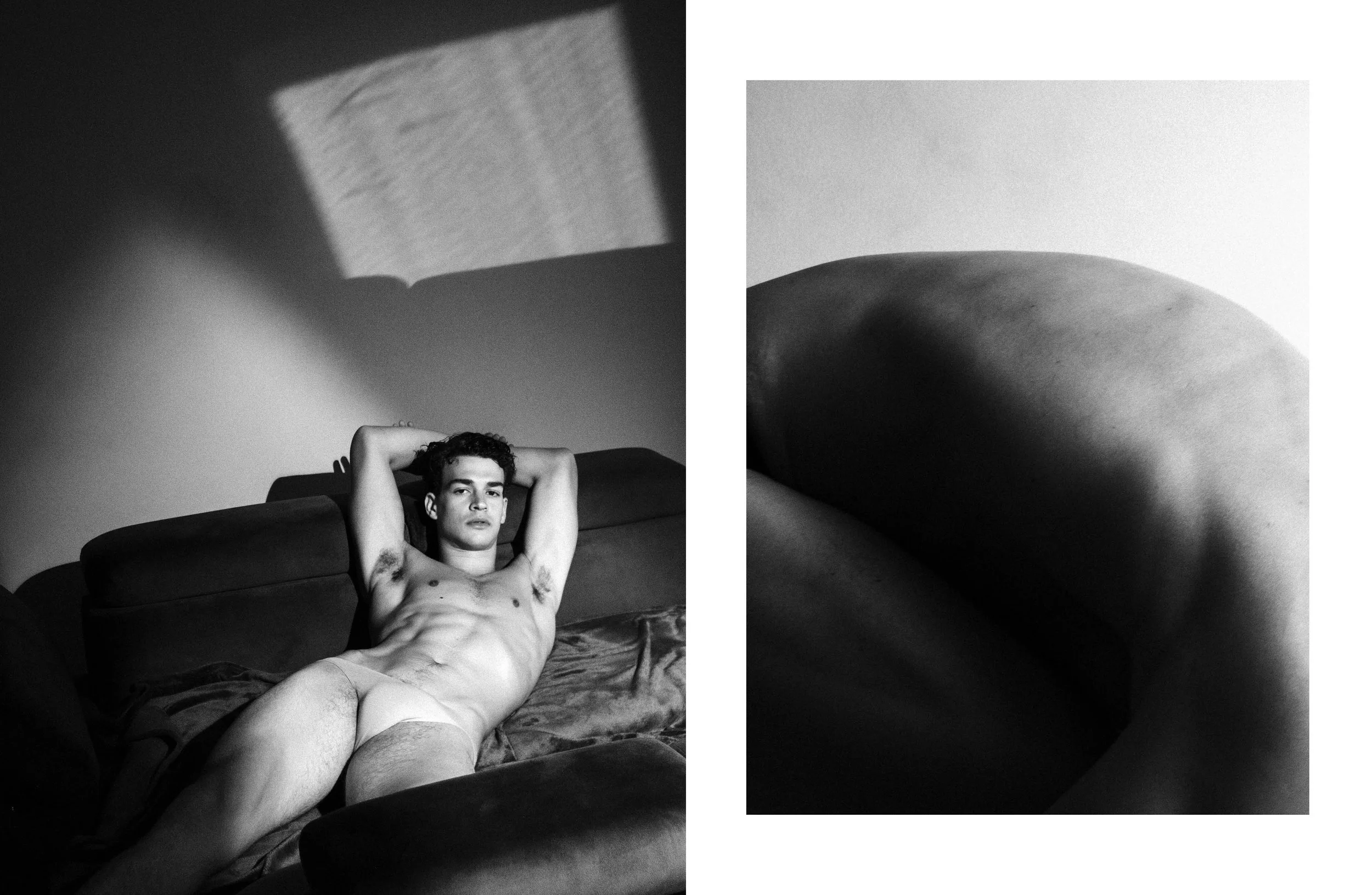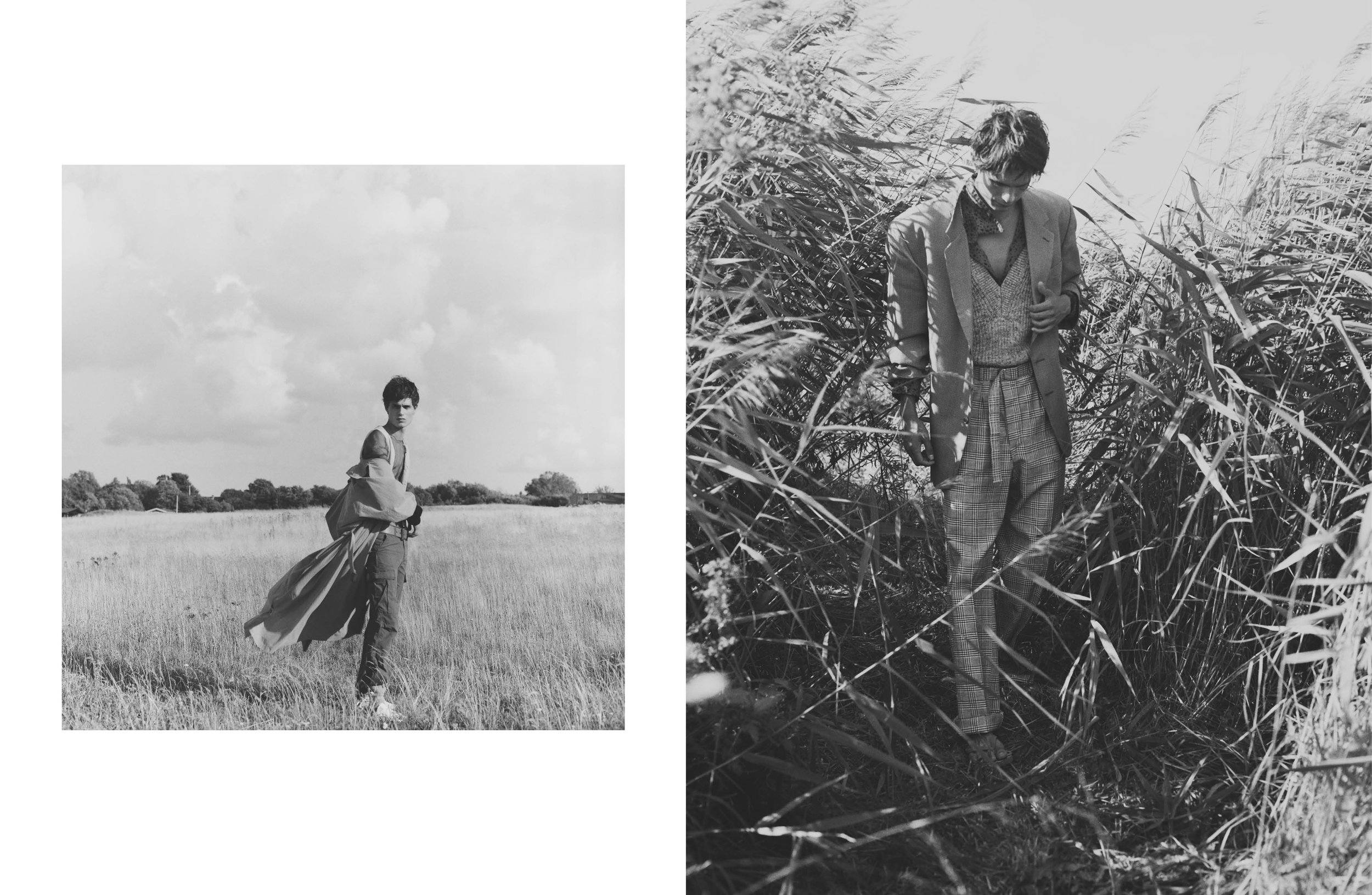
showreport

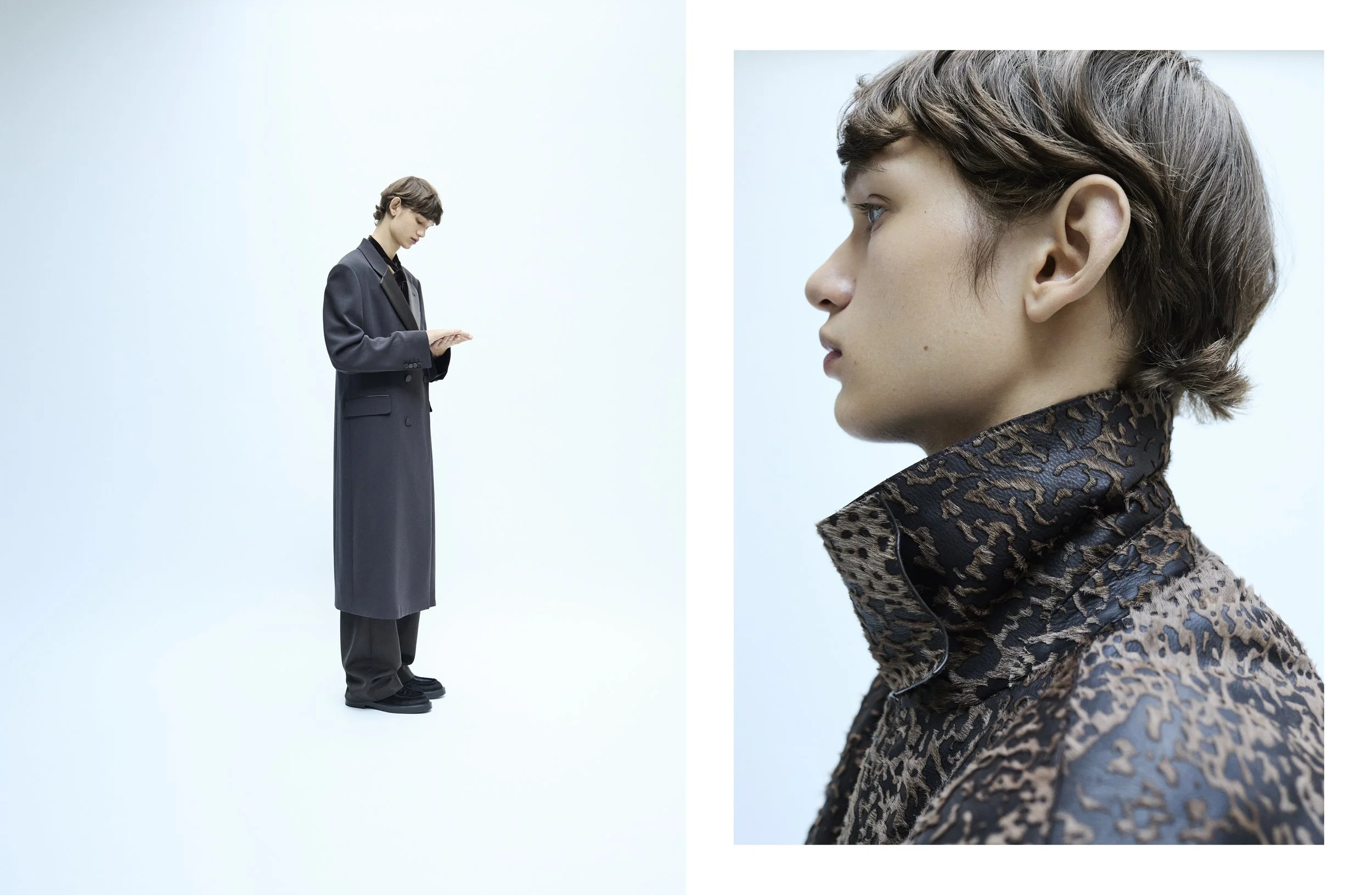
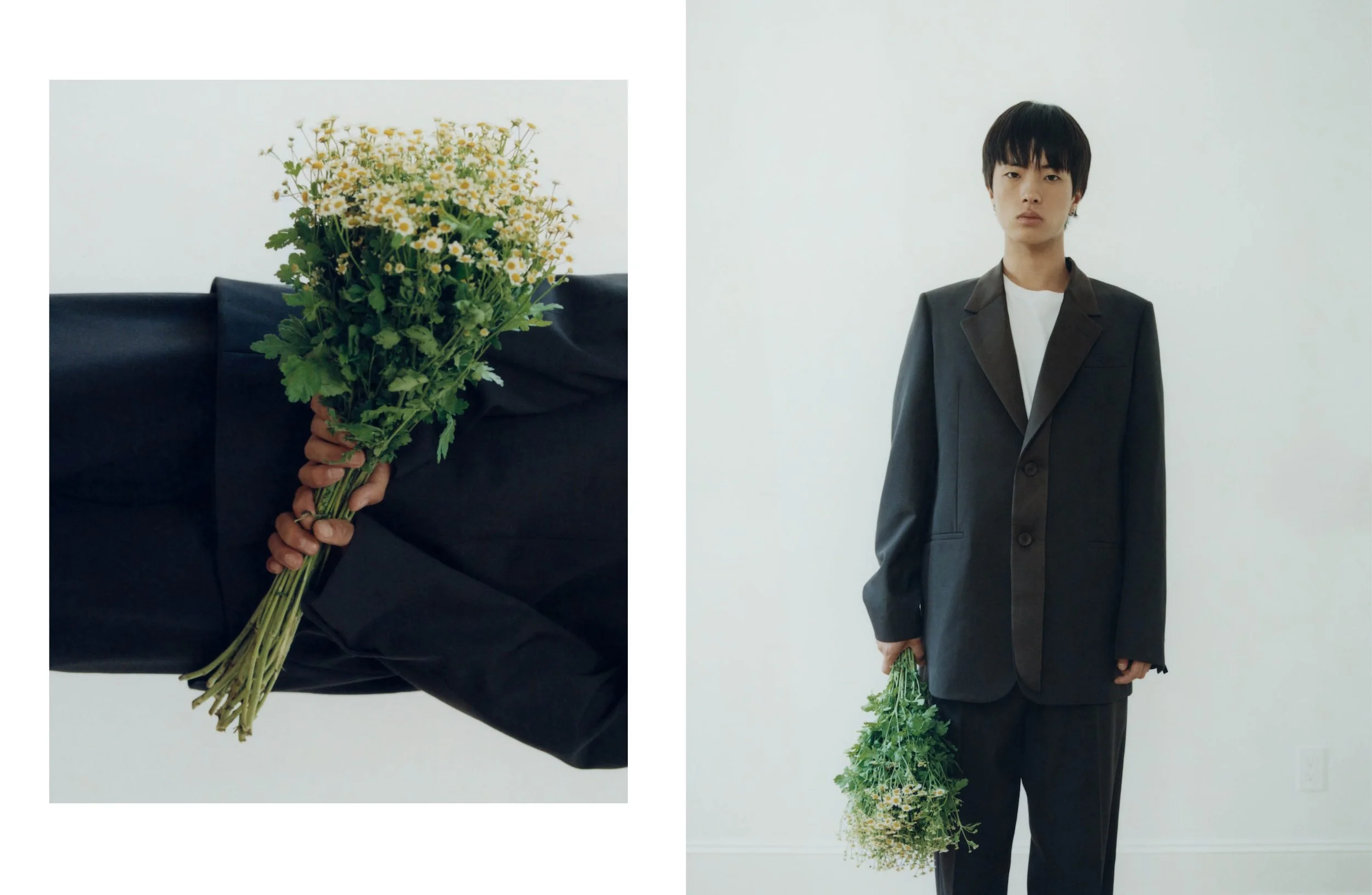
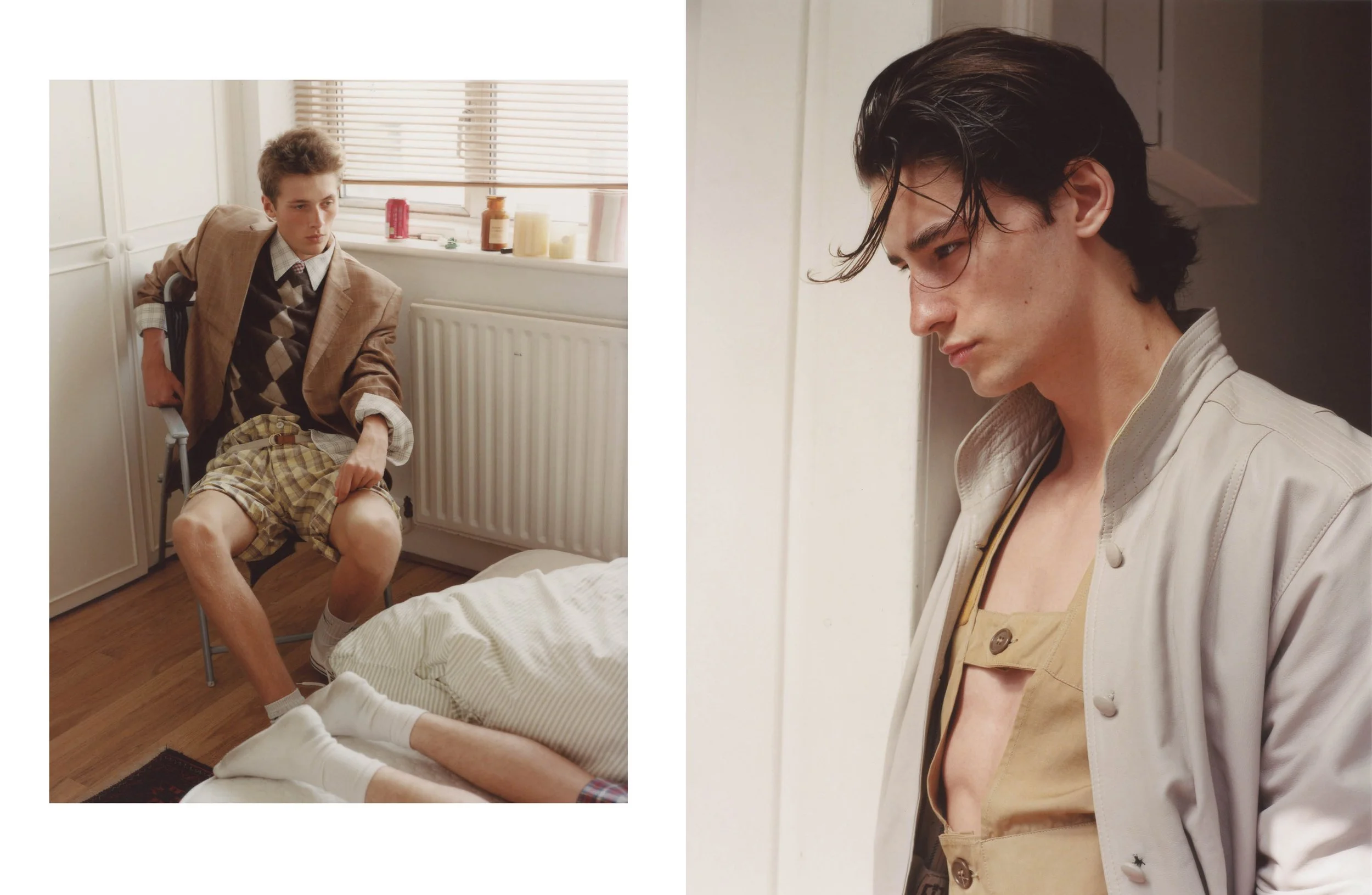
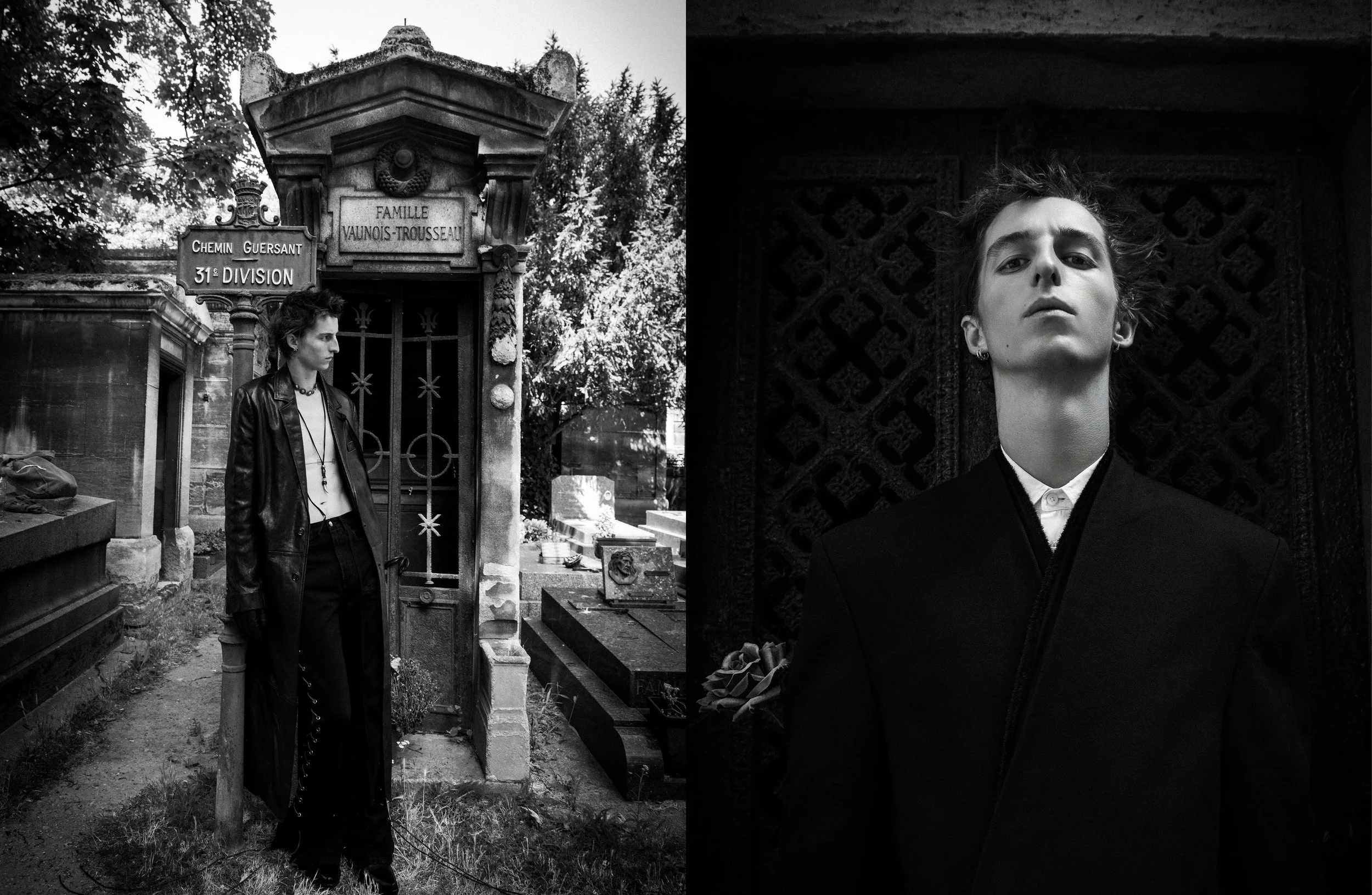
DRIES VAN NOTEN FW26

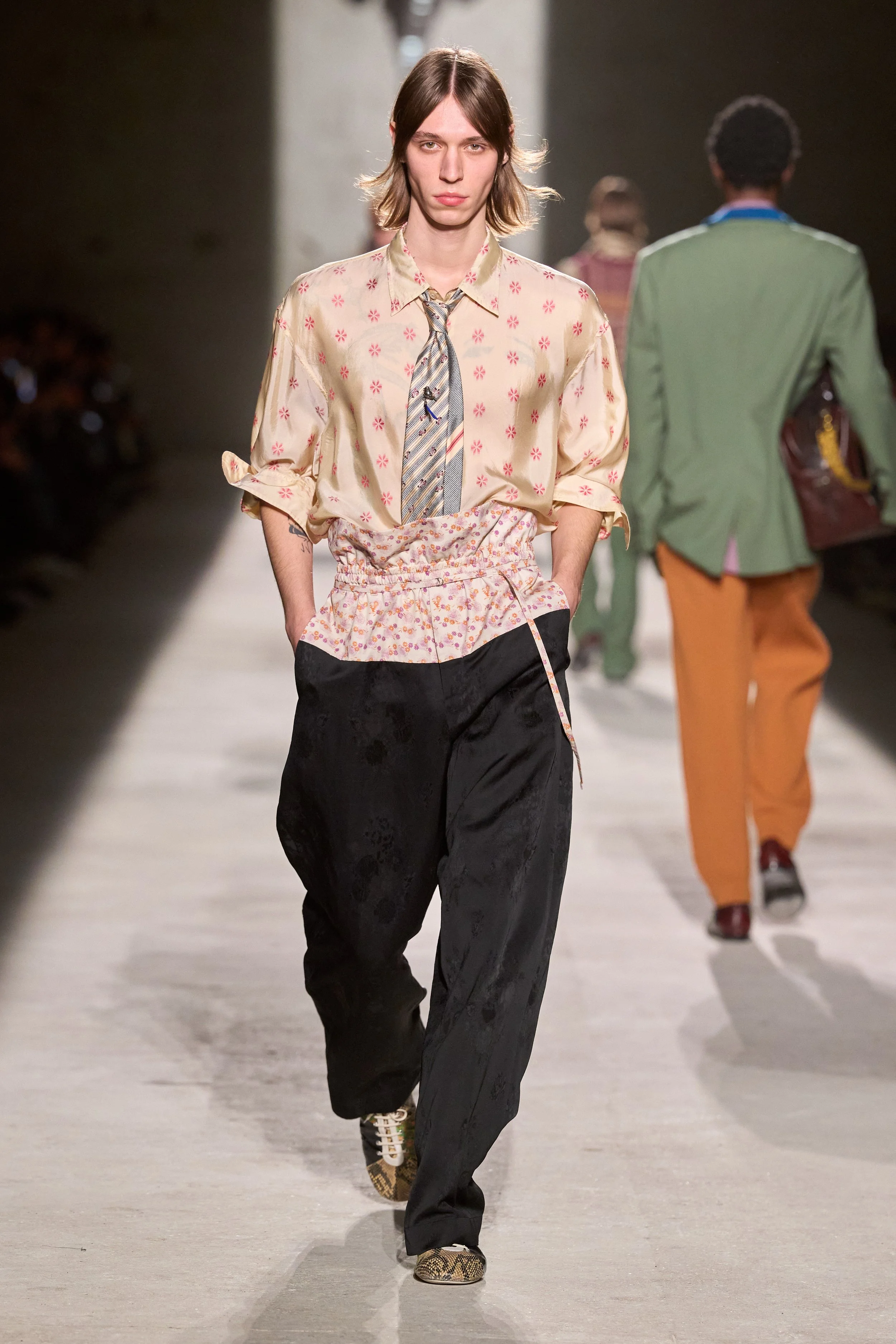
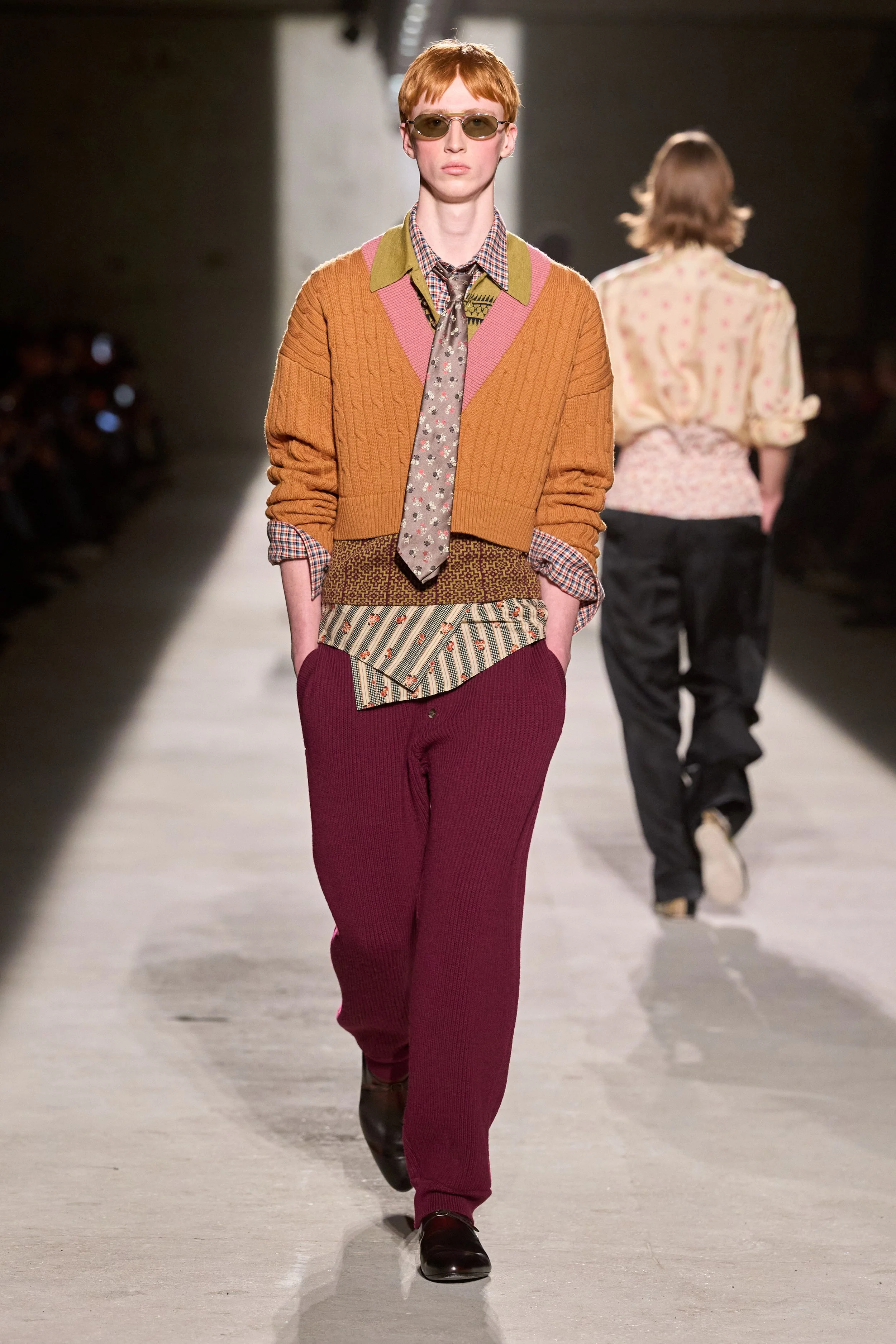
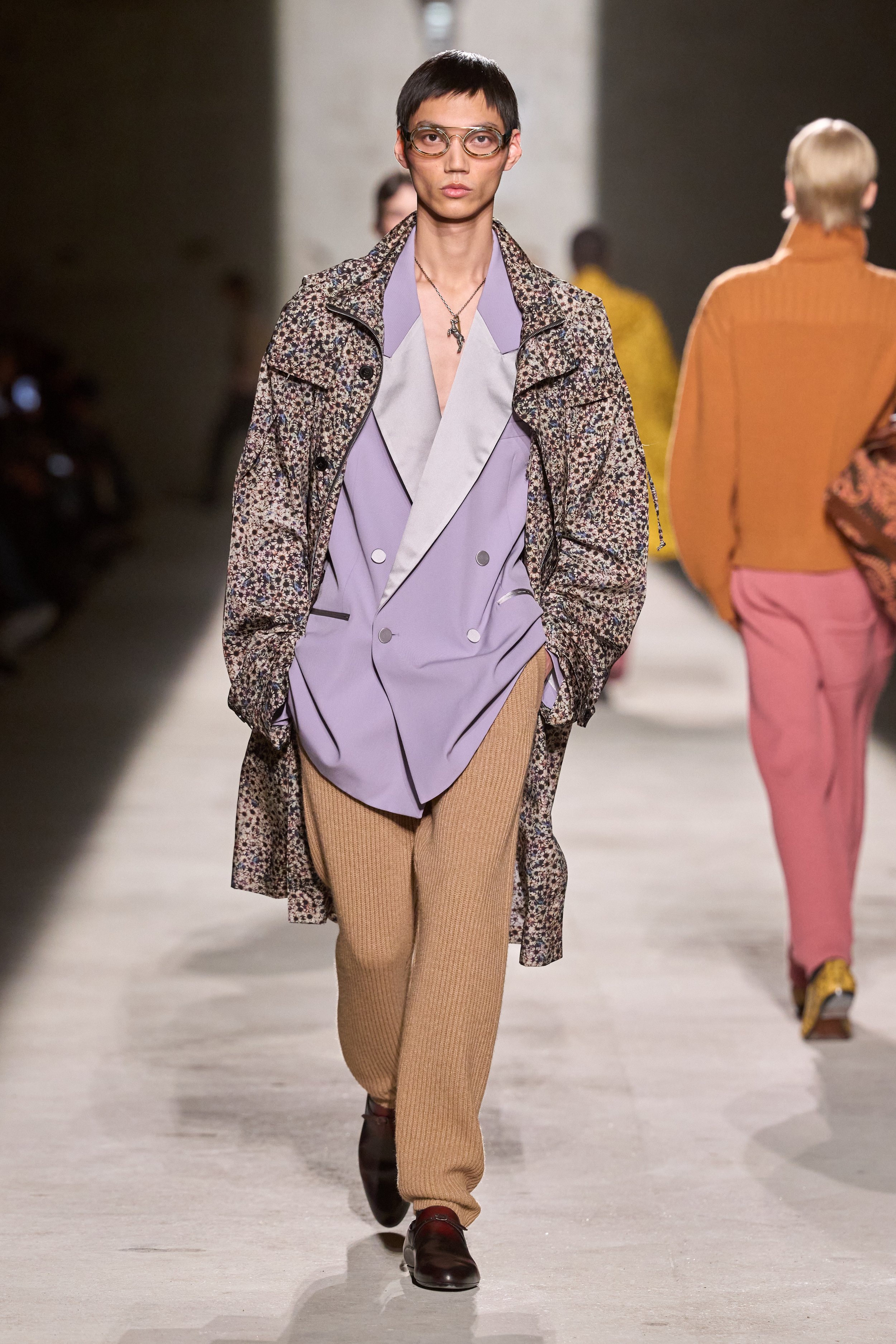
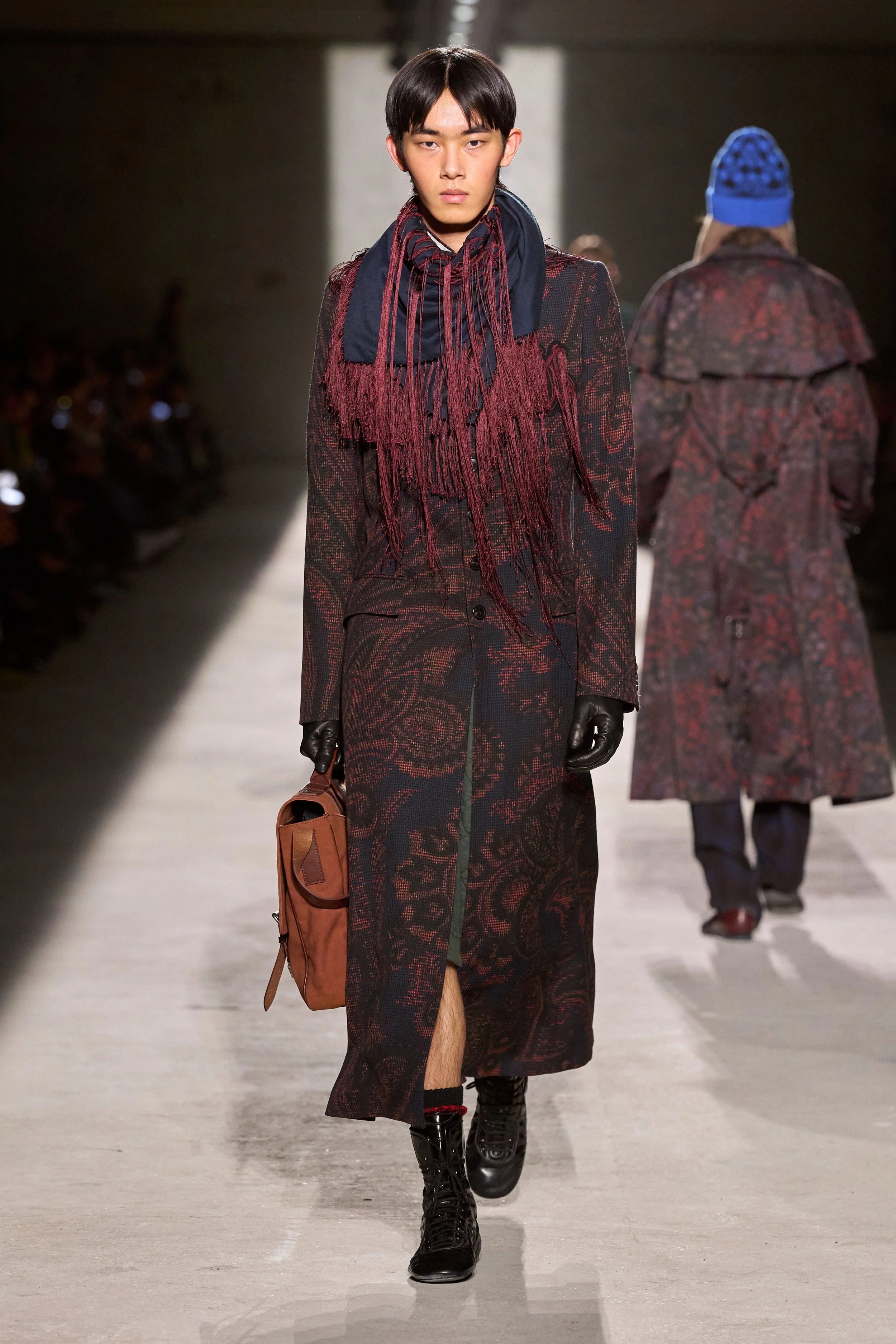
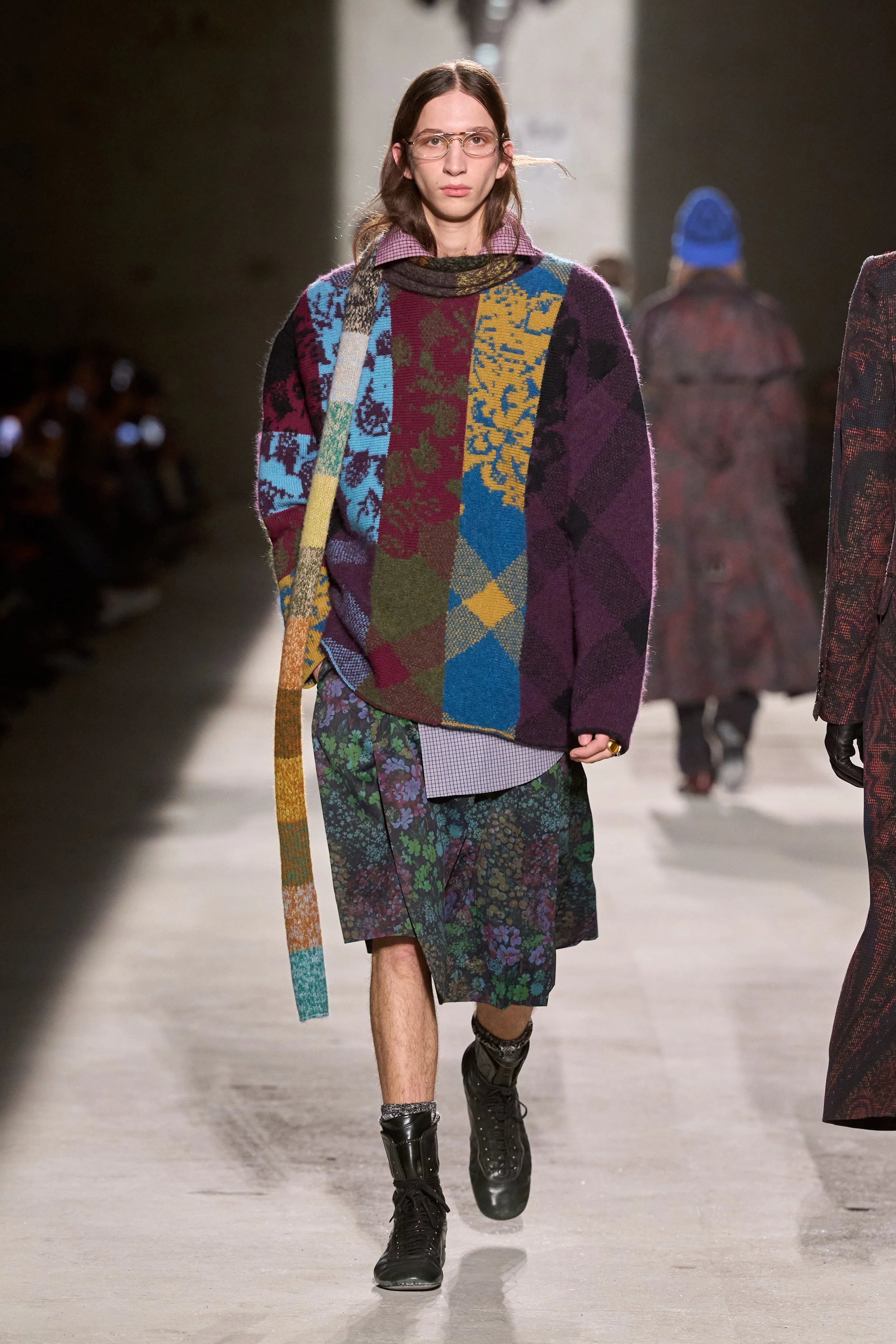
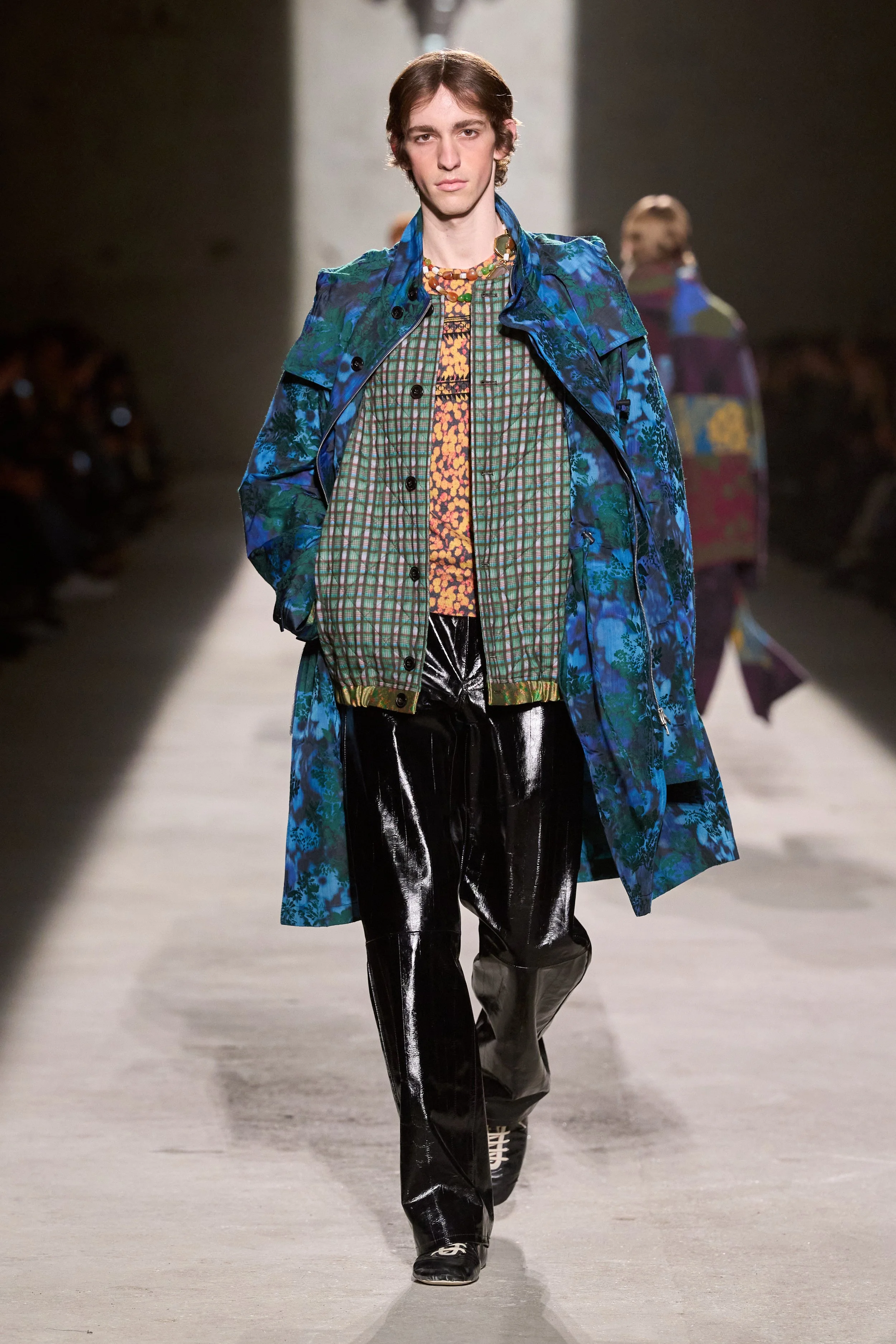
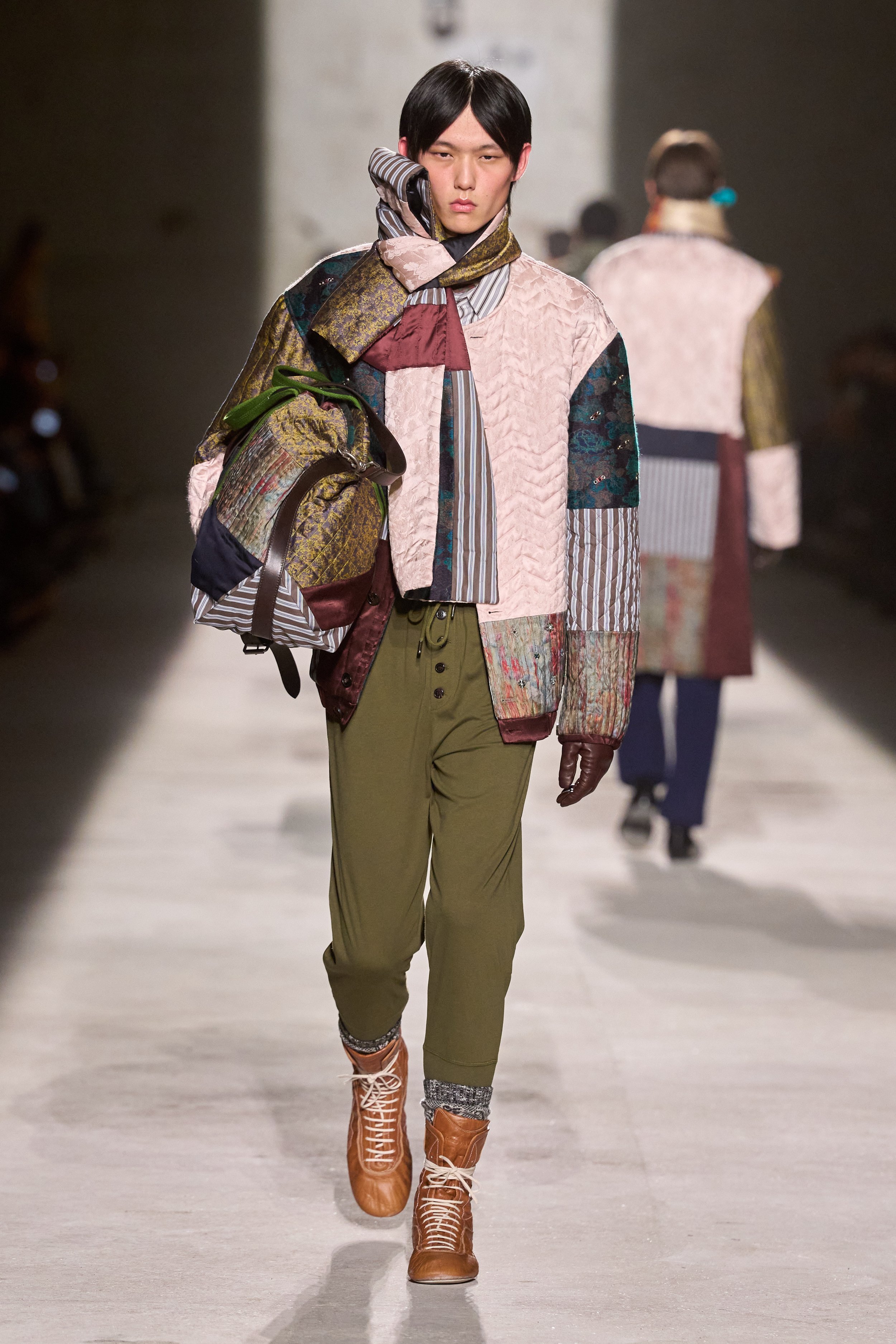
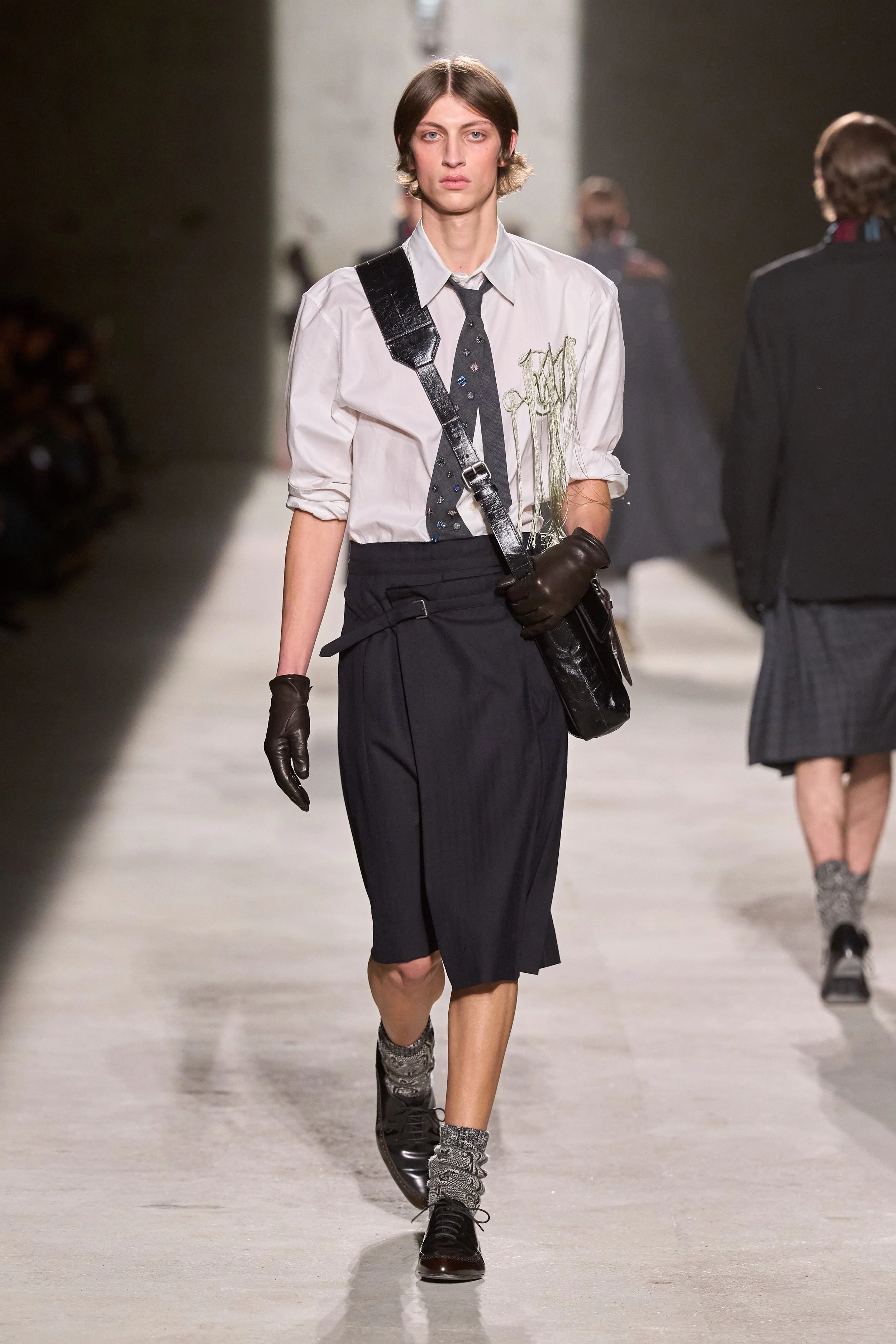
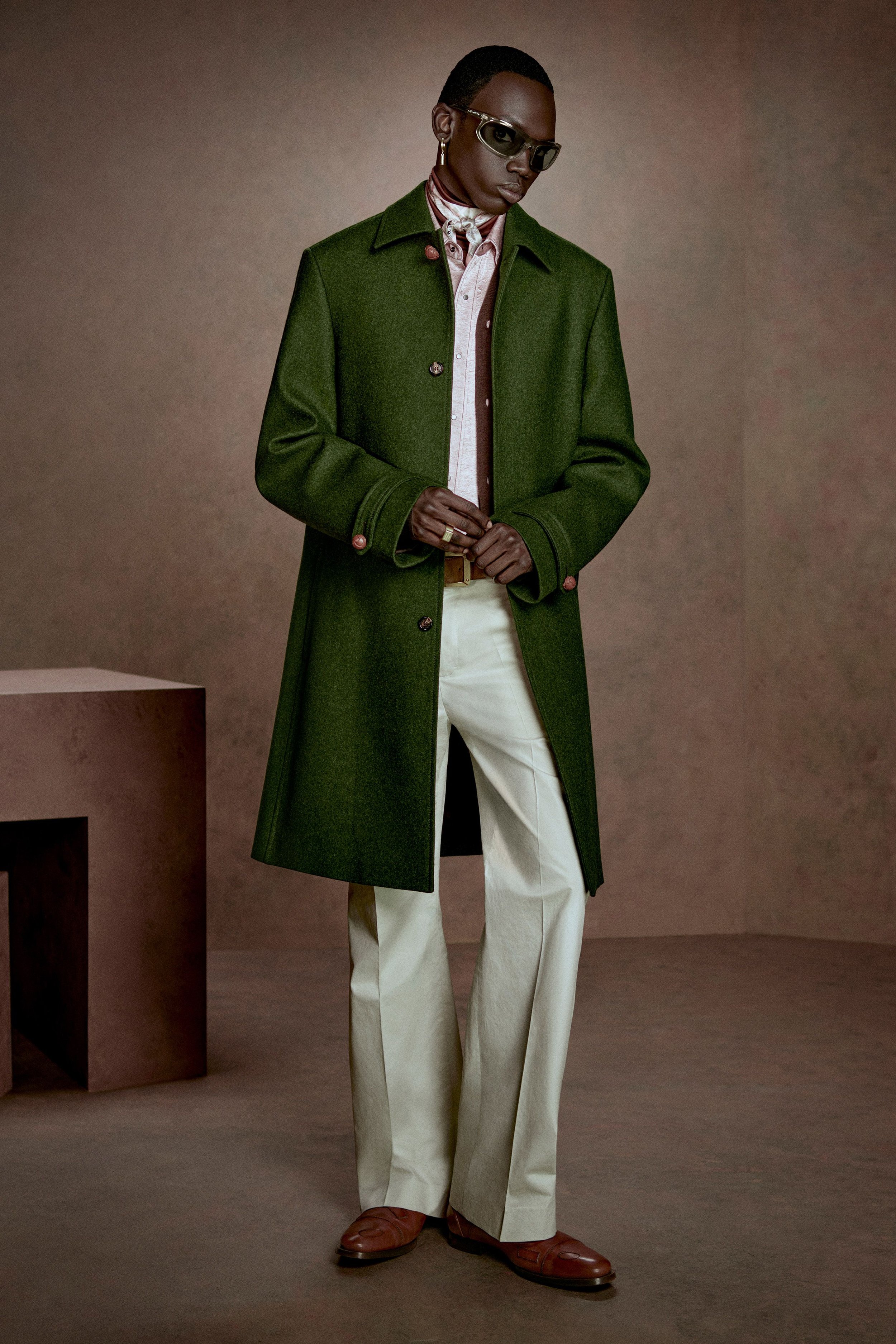
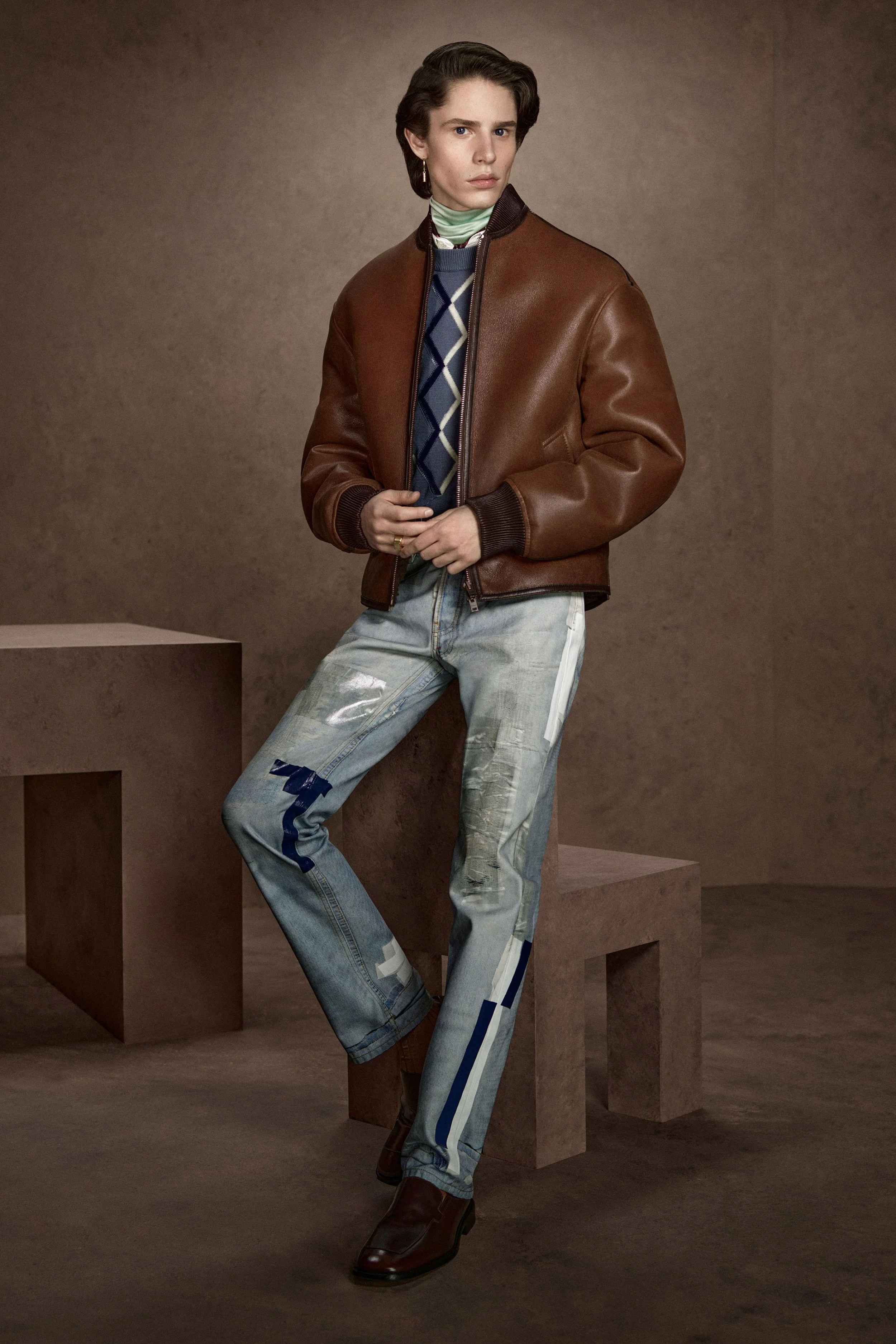
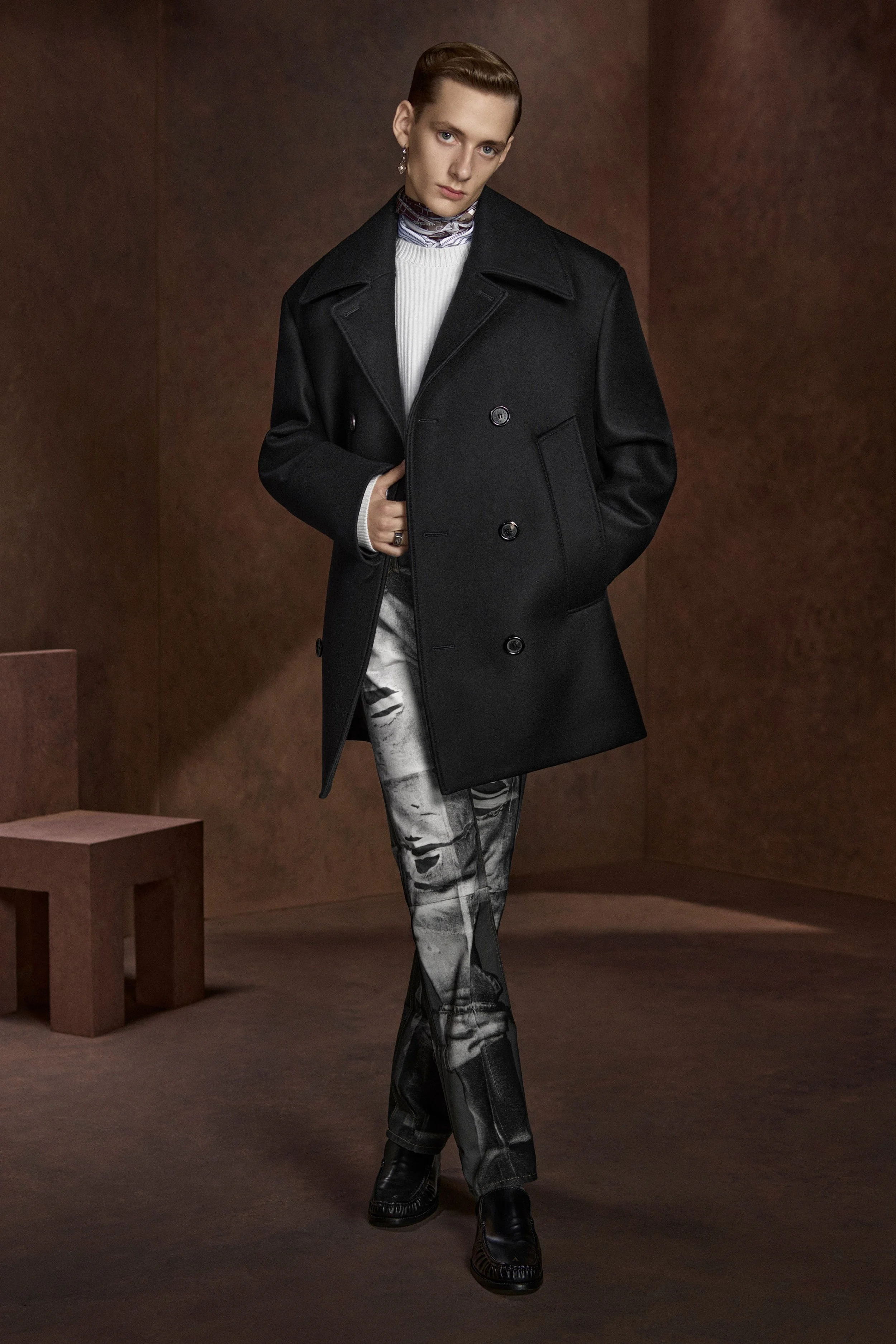
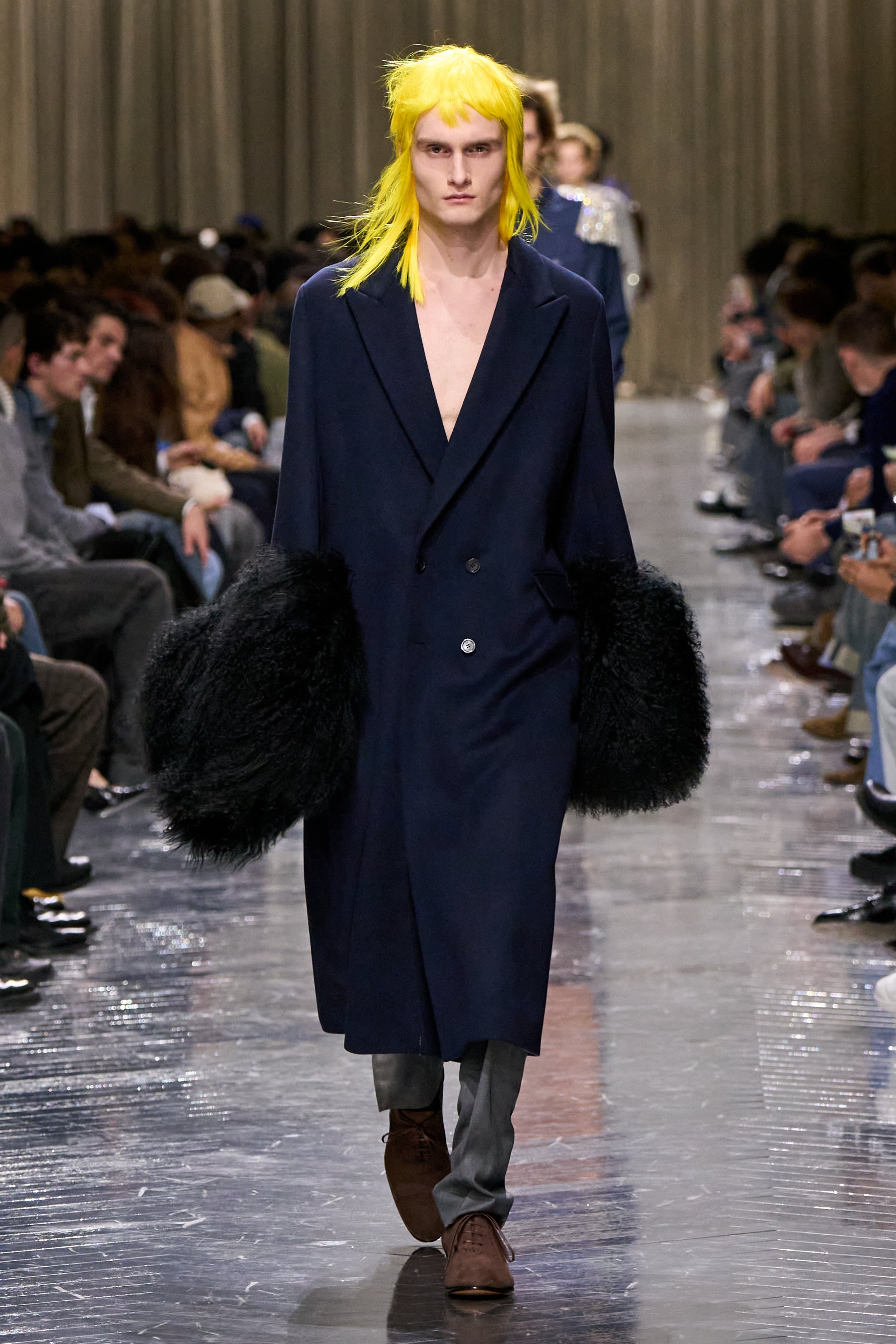
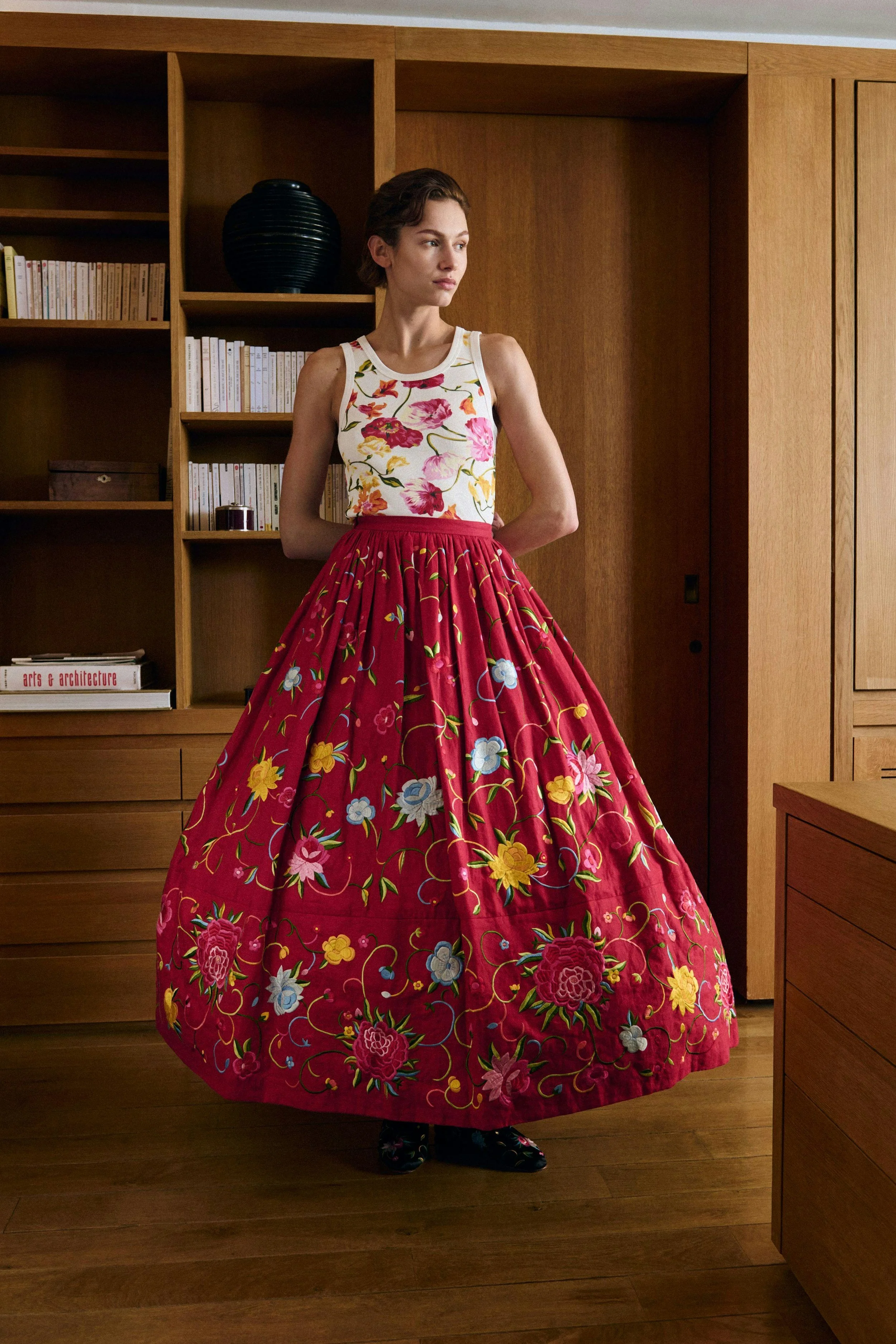
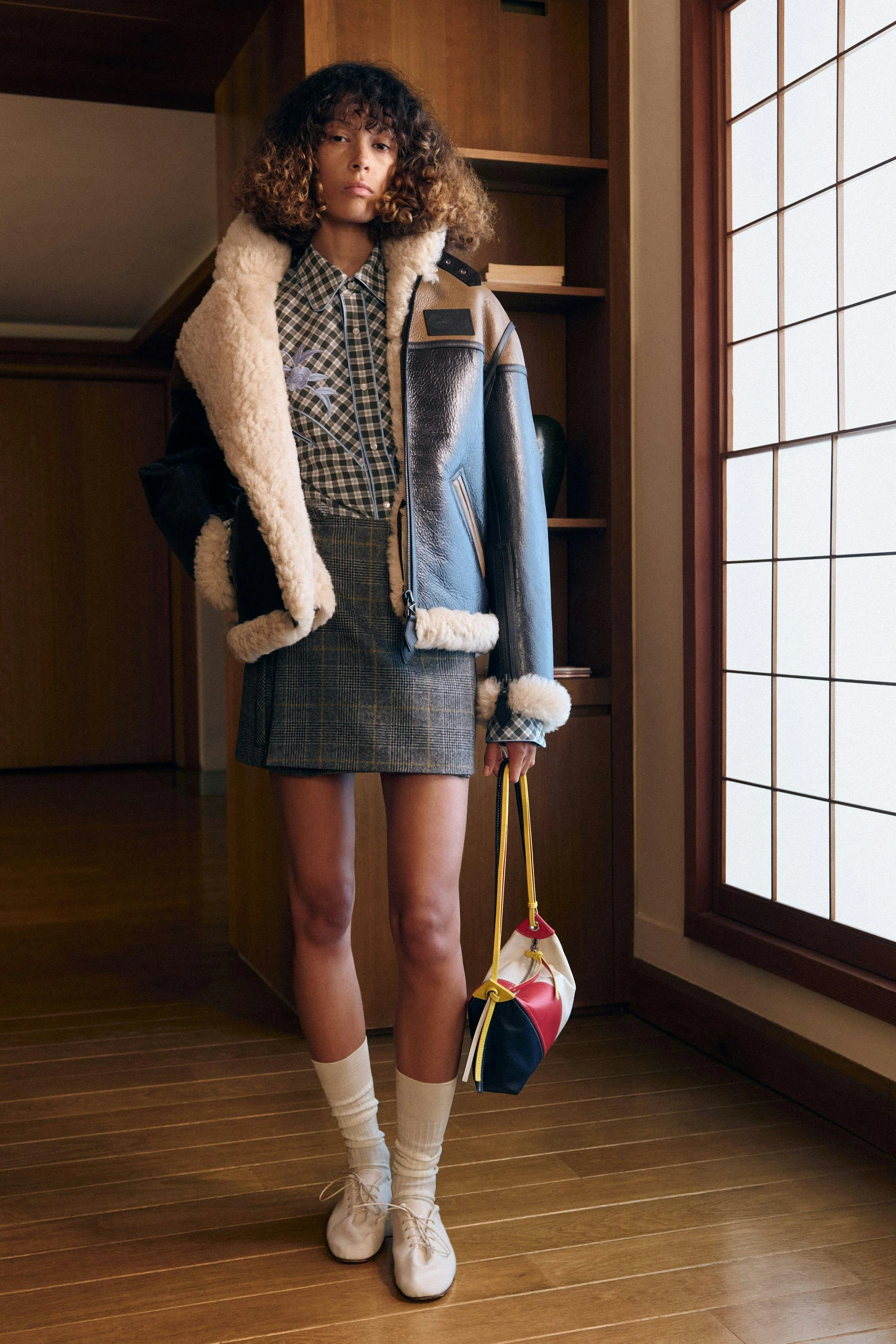
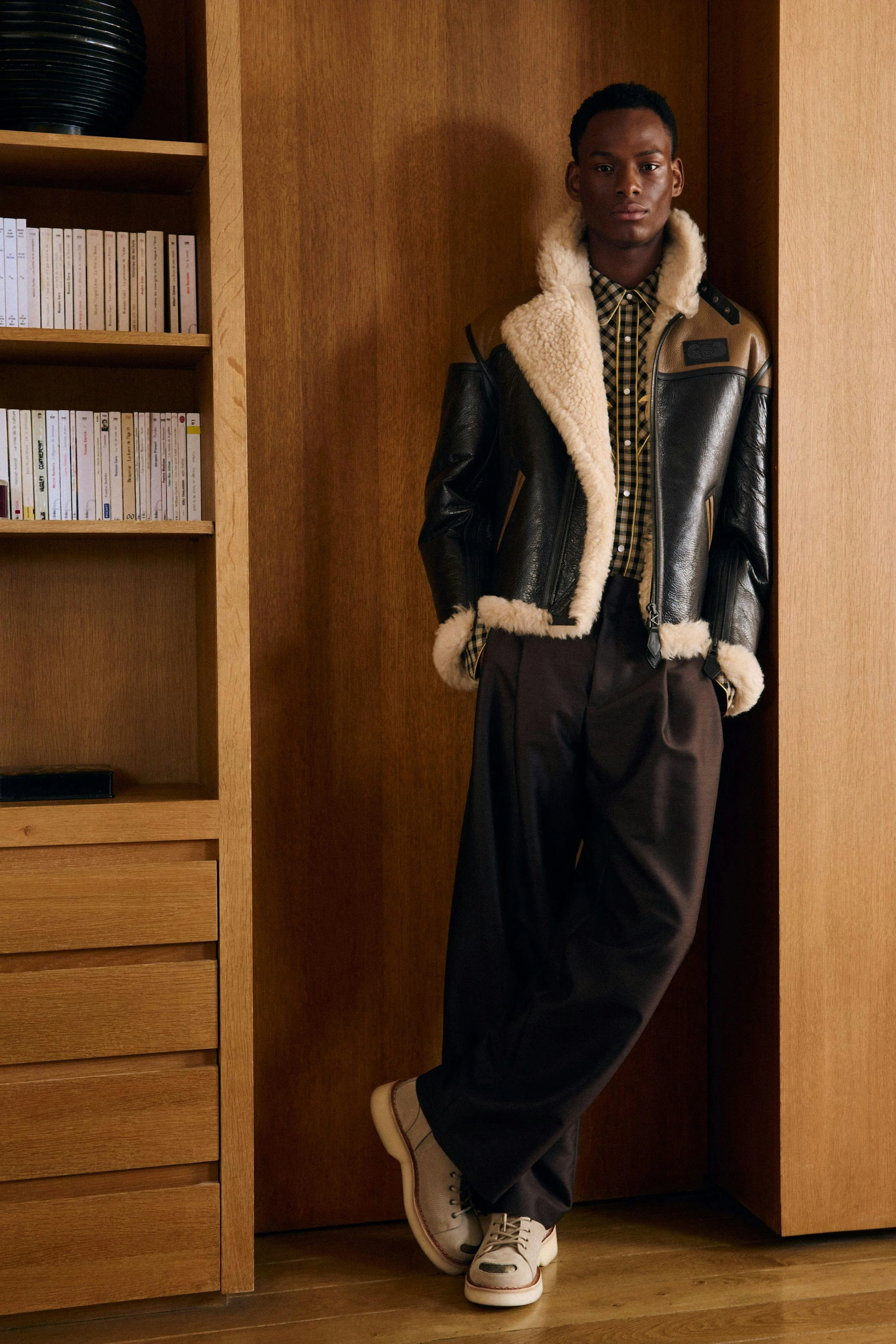
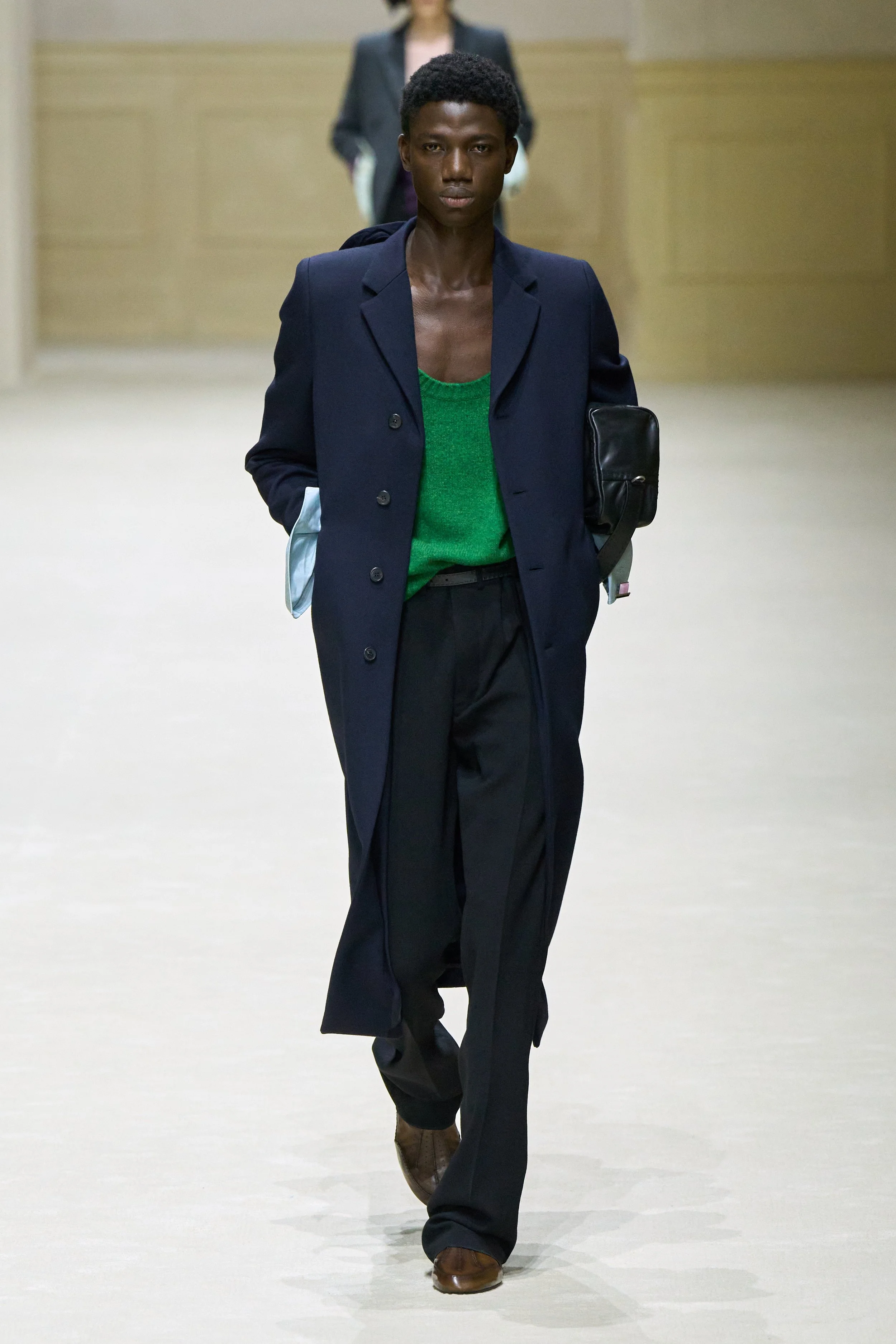
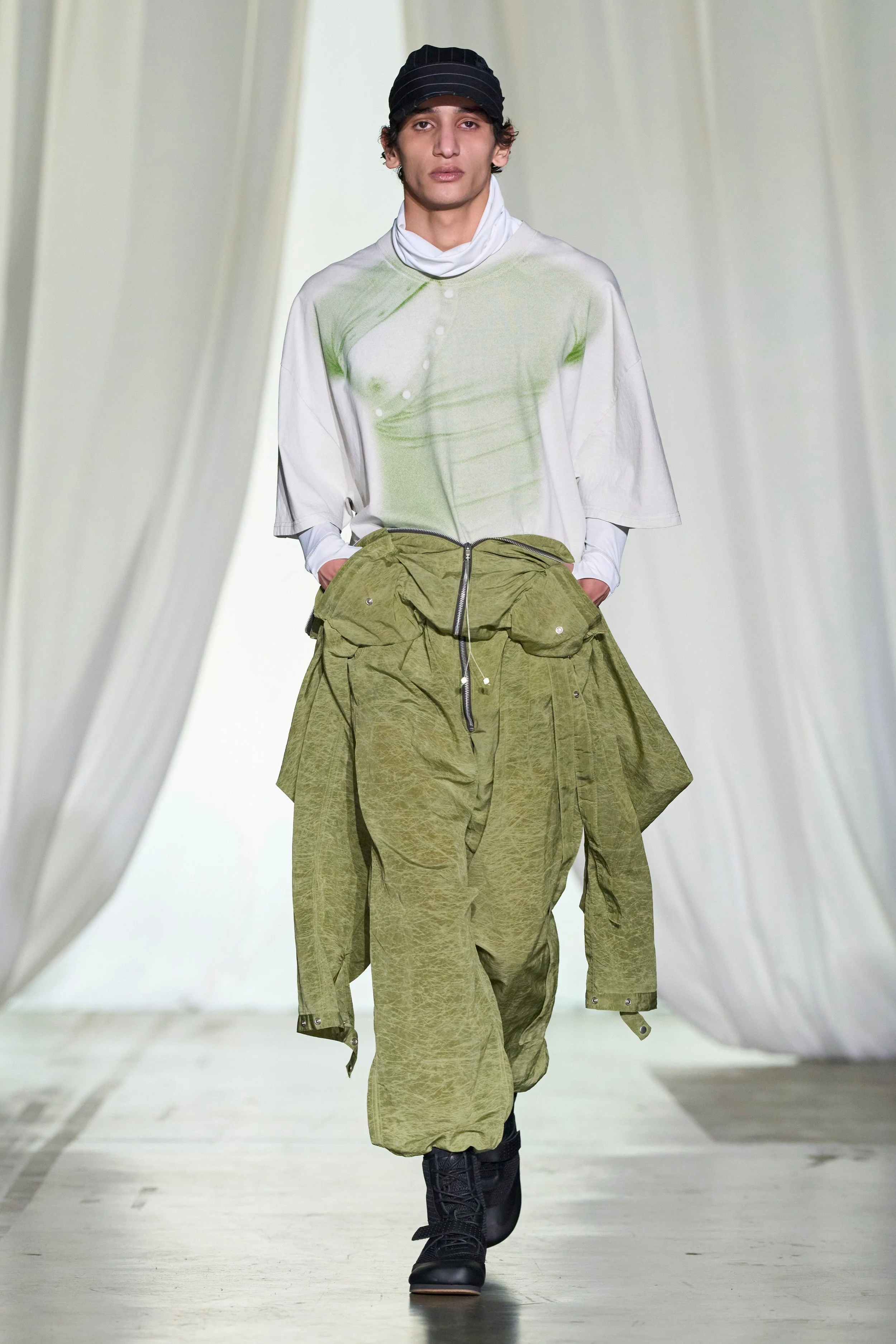
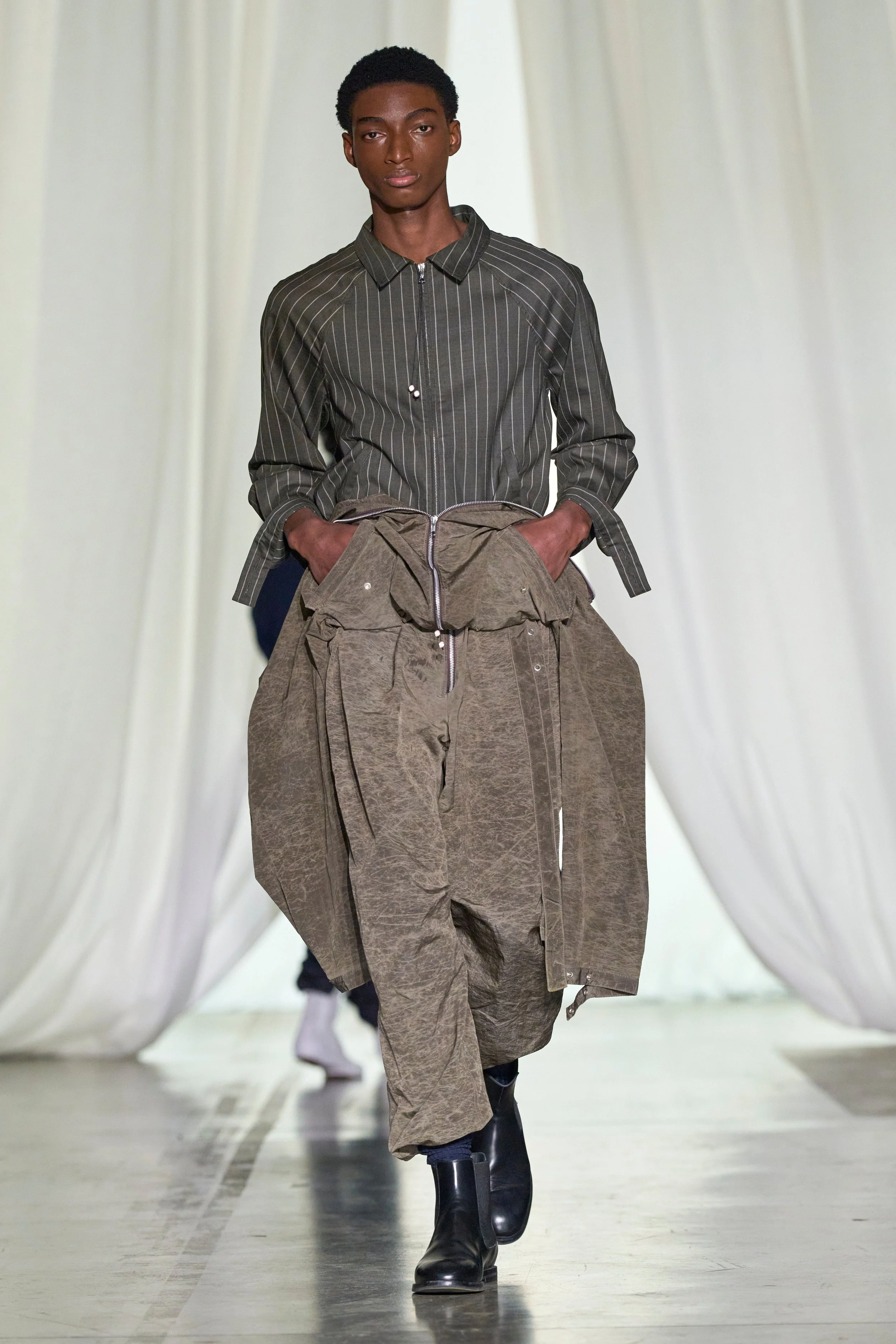
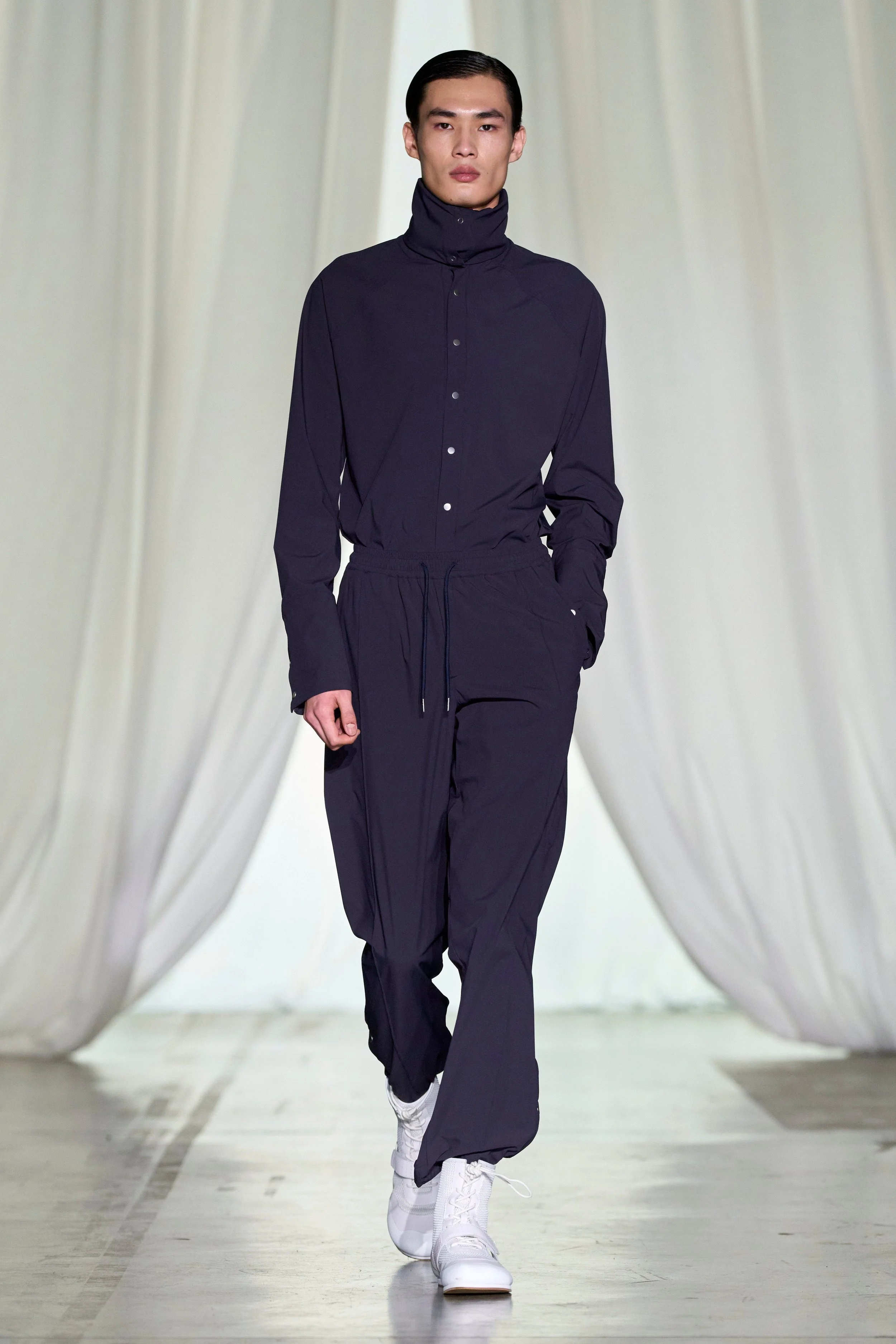
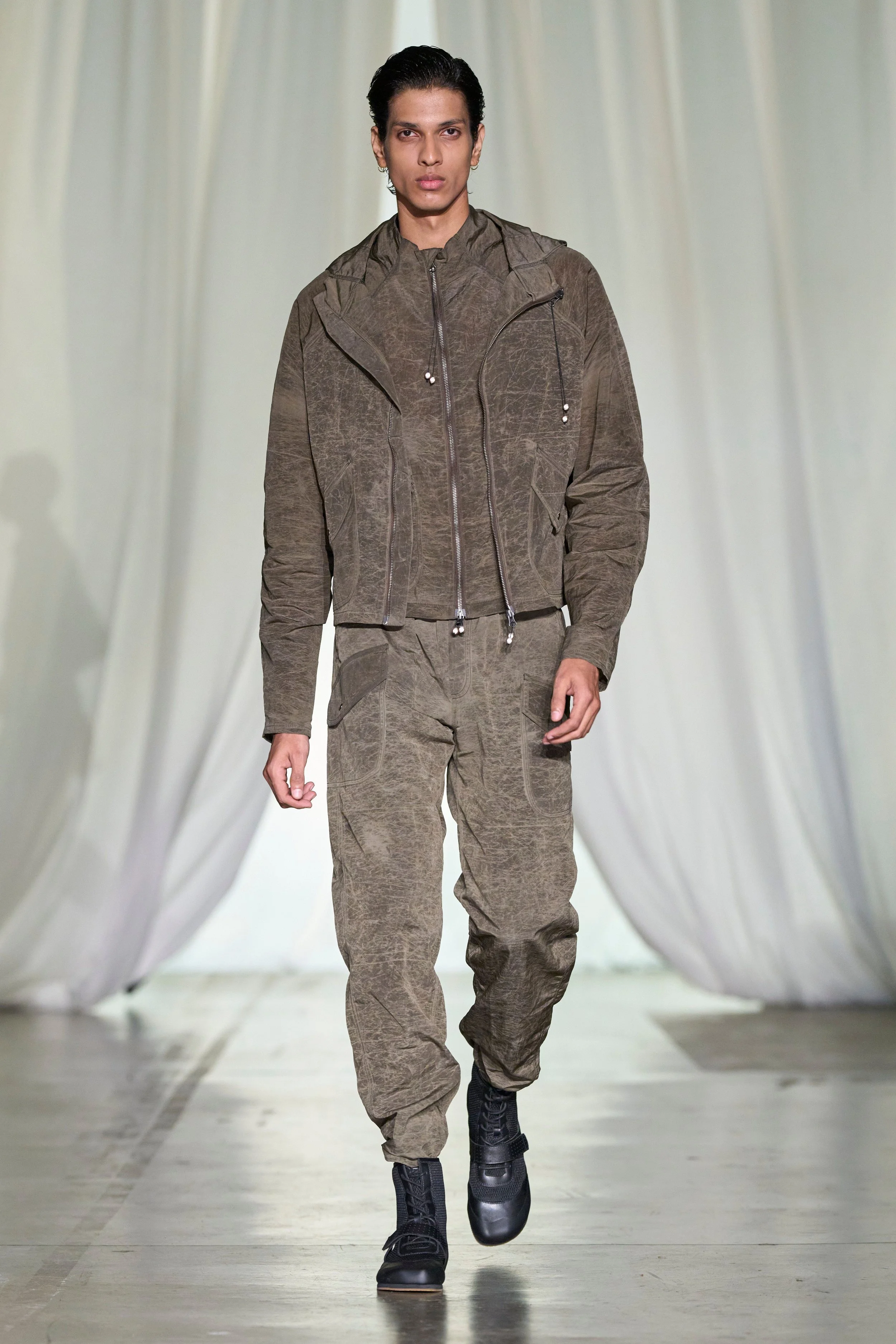
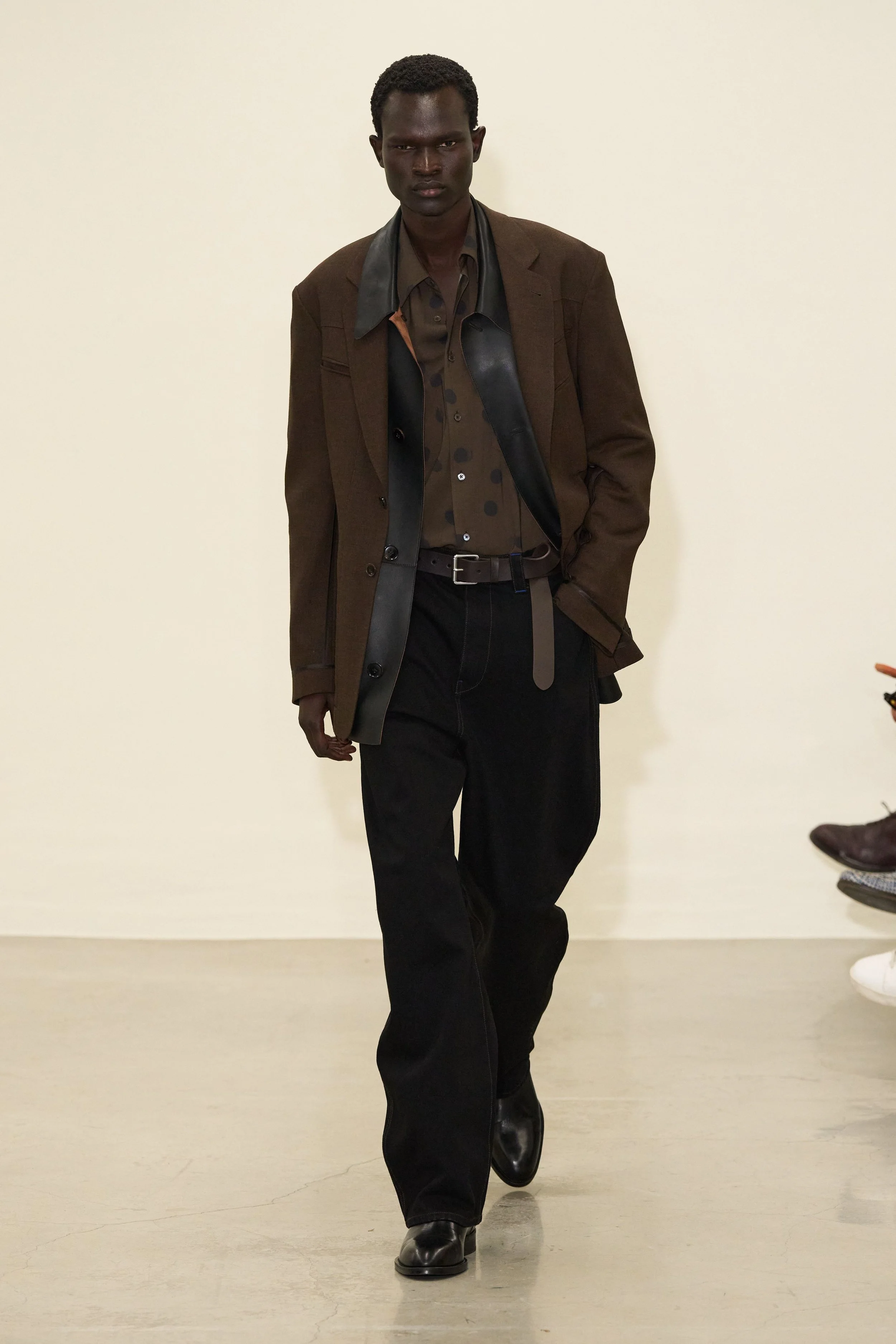
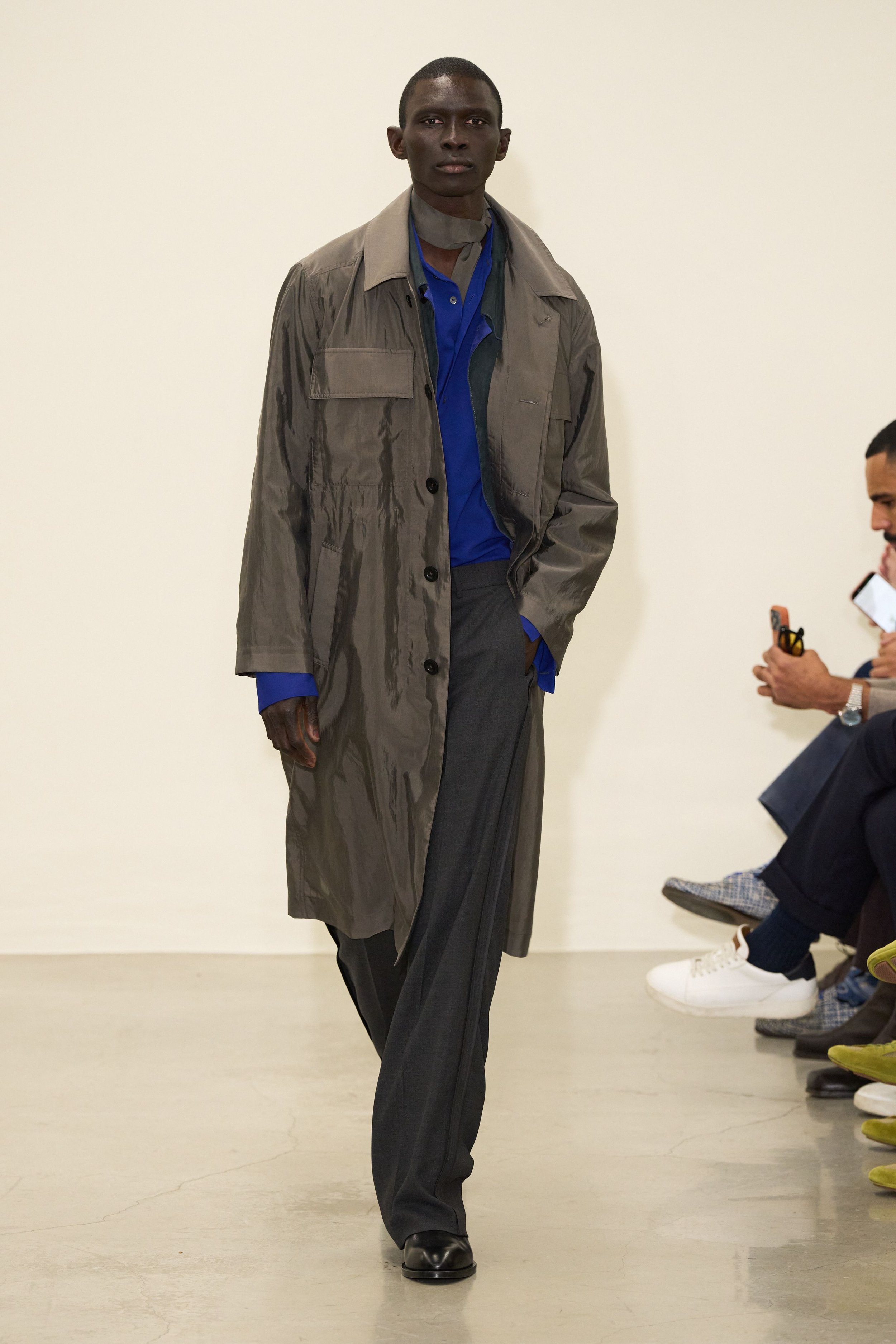
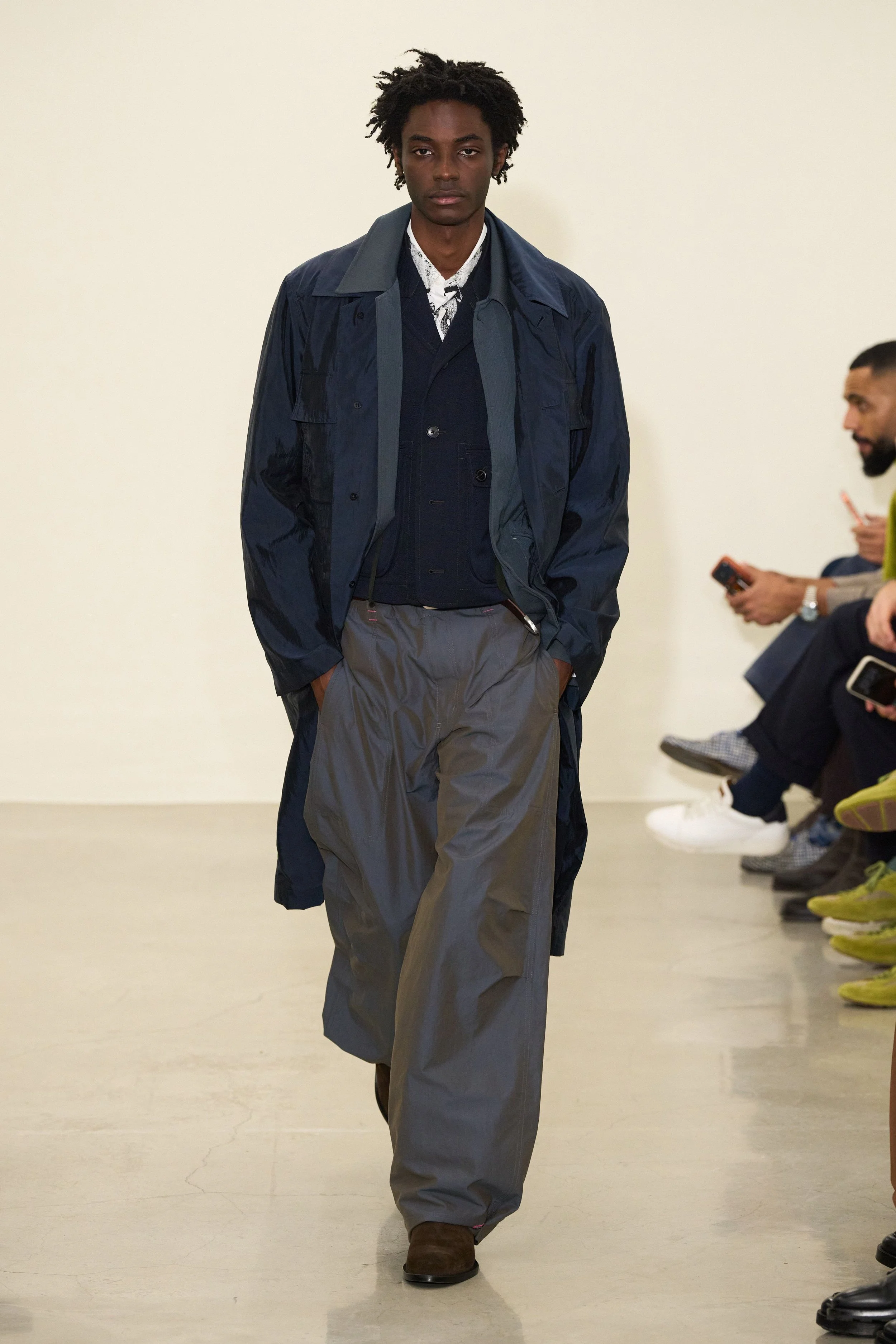
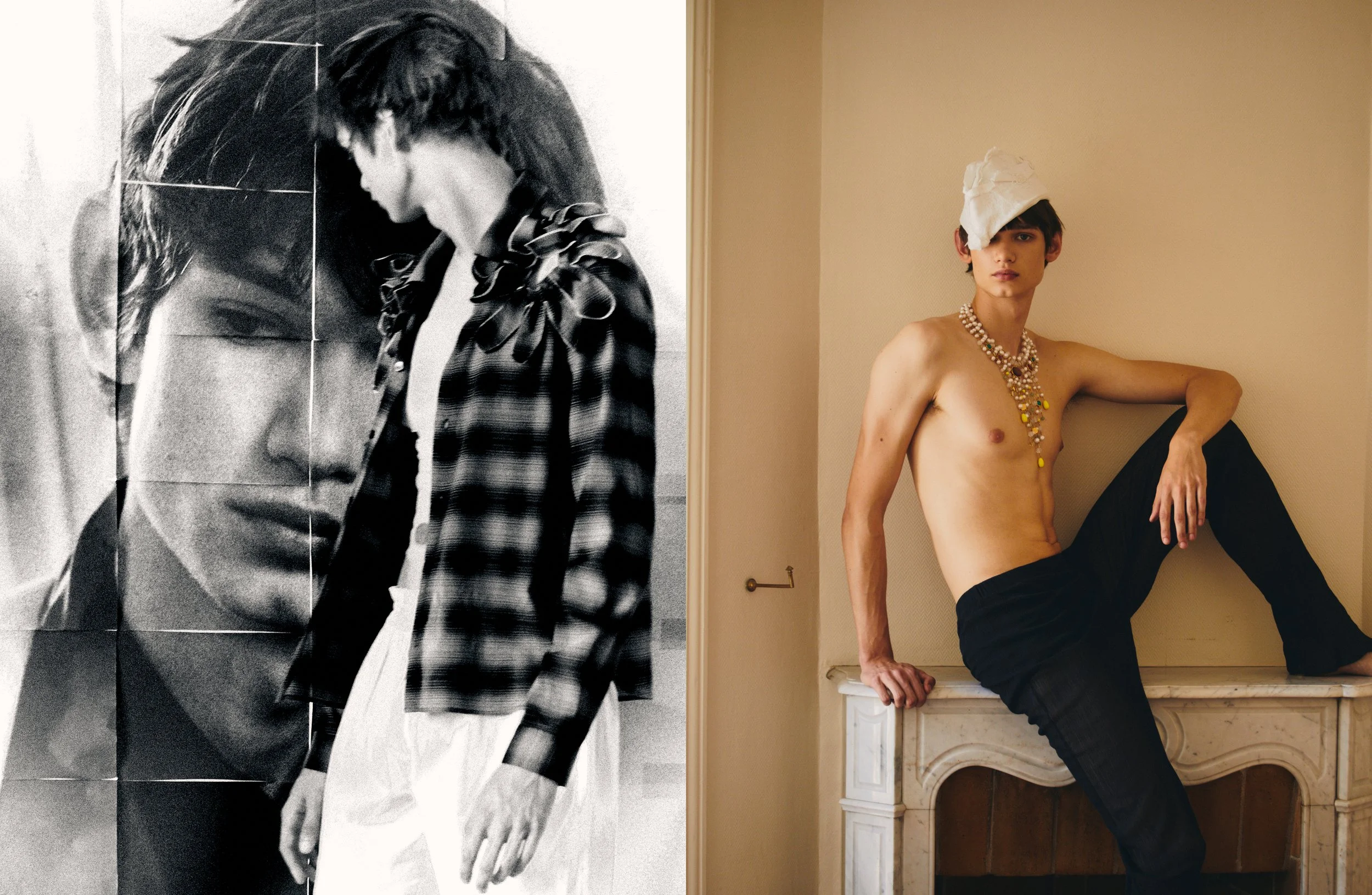
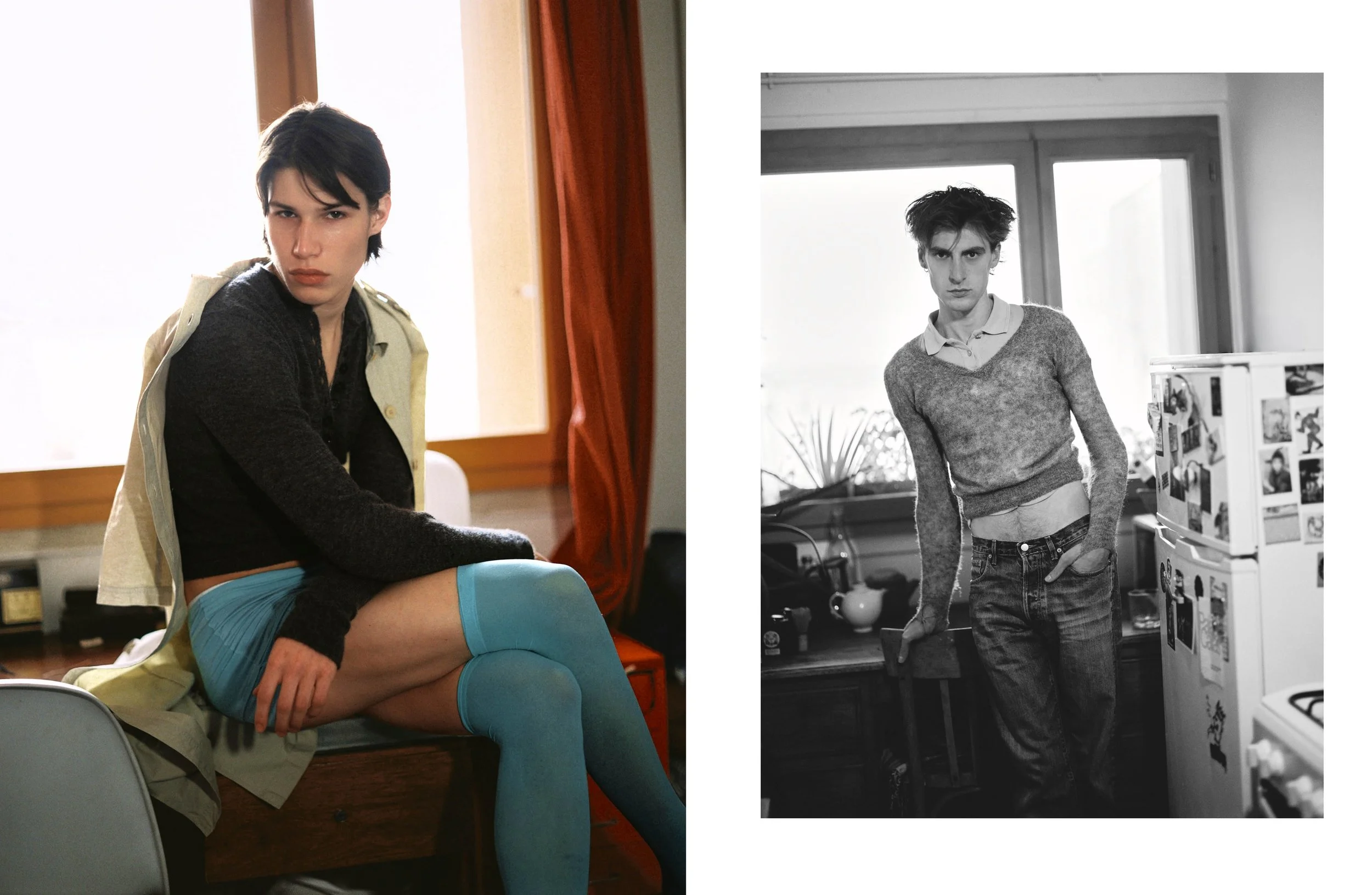
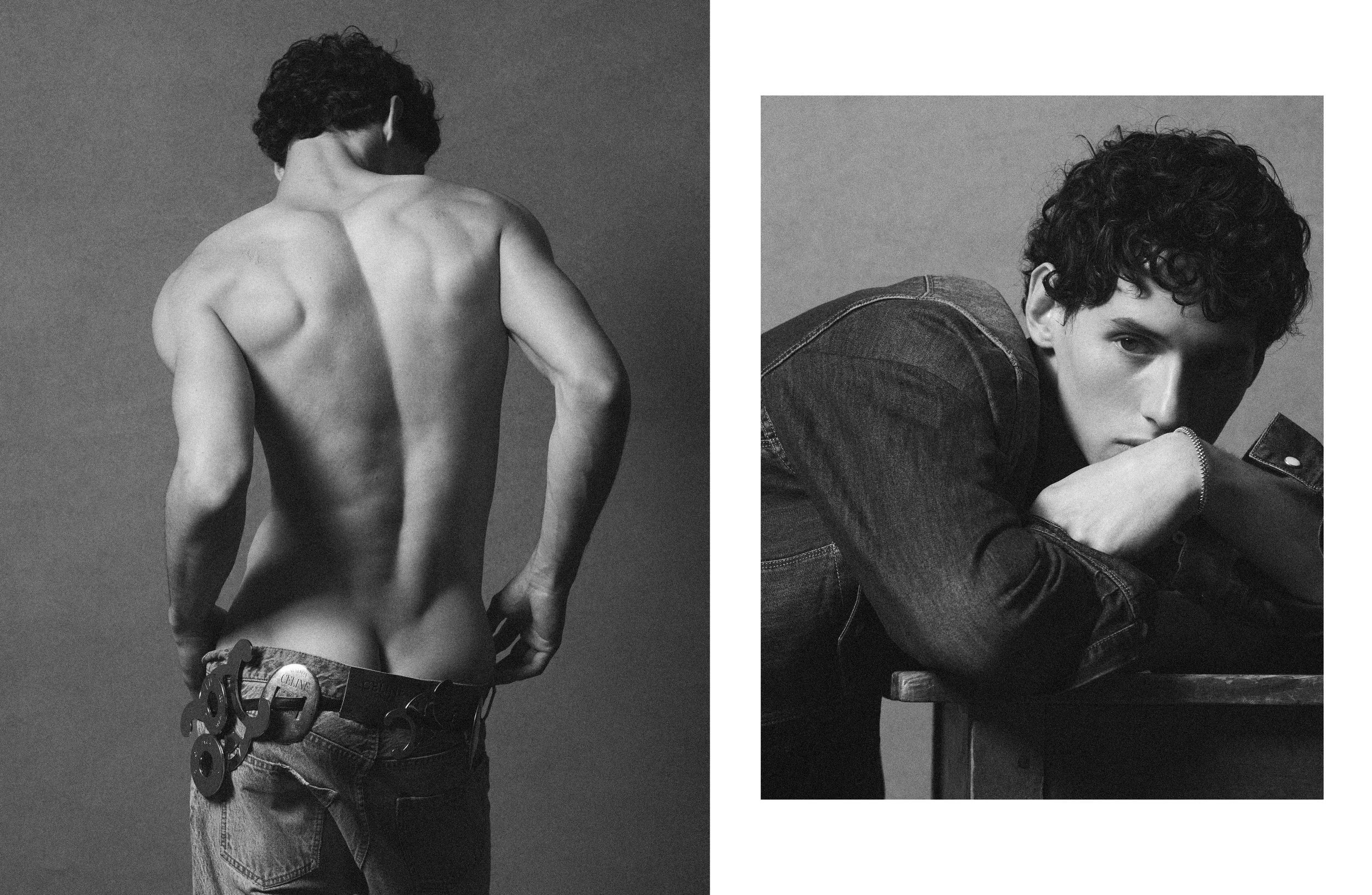
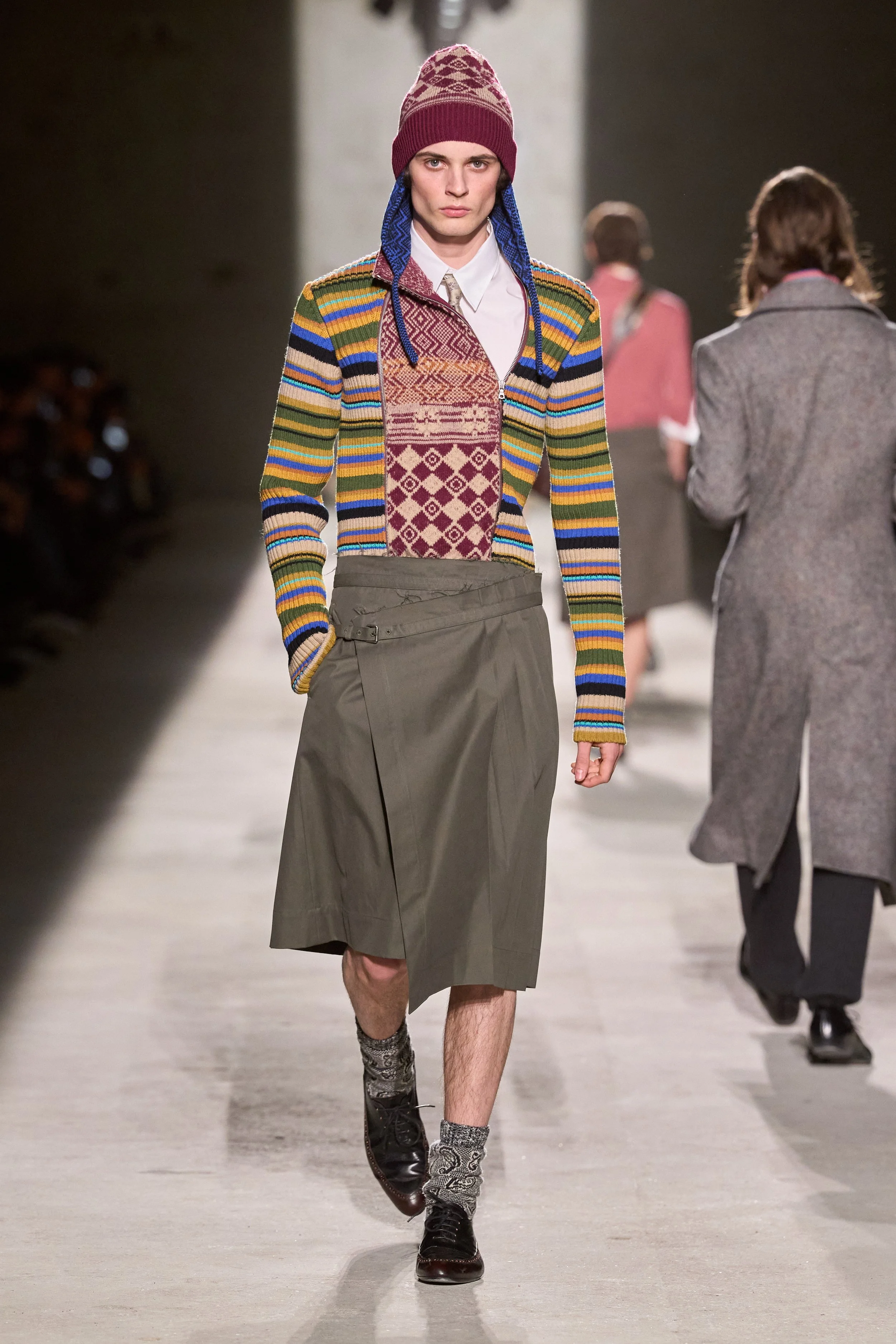
Thank god for Julian Klausner! Ever since taking over Dries Van Noten’s creative helm, the Belgian designer has created euphoric collections. He utilises the beloved language of the house to narrate beautiful stories. Fall/Winter 2026 speaks to a common, tender experience: outgrowing domestic familiarity. It’s a collection that hits close to home, or rather, far from it. If a personal interlude is permitted, I have recently moved away, alone with my objects, with my clothes. These have become anchors of my emotional connections. The rustling of clothes on your body becomes the closest you have to the touch of the ones you left behind. The knitted jumper made by a grandma. The pants stolen from a sibling. The watch given by a dad. These are proofs of life, of connection.

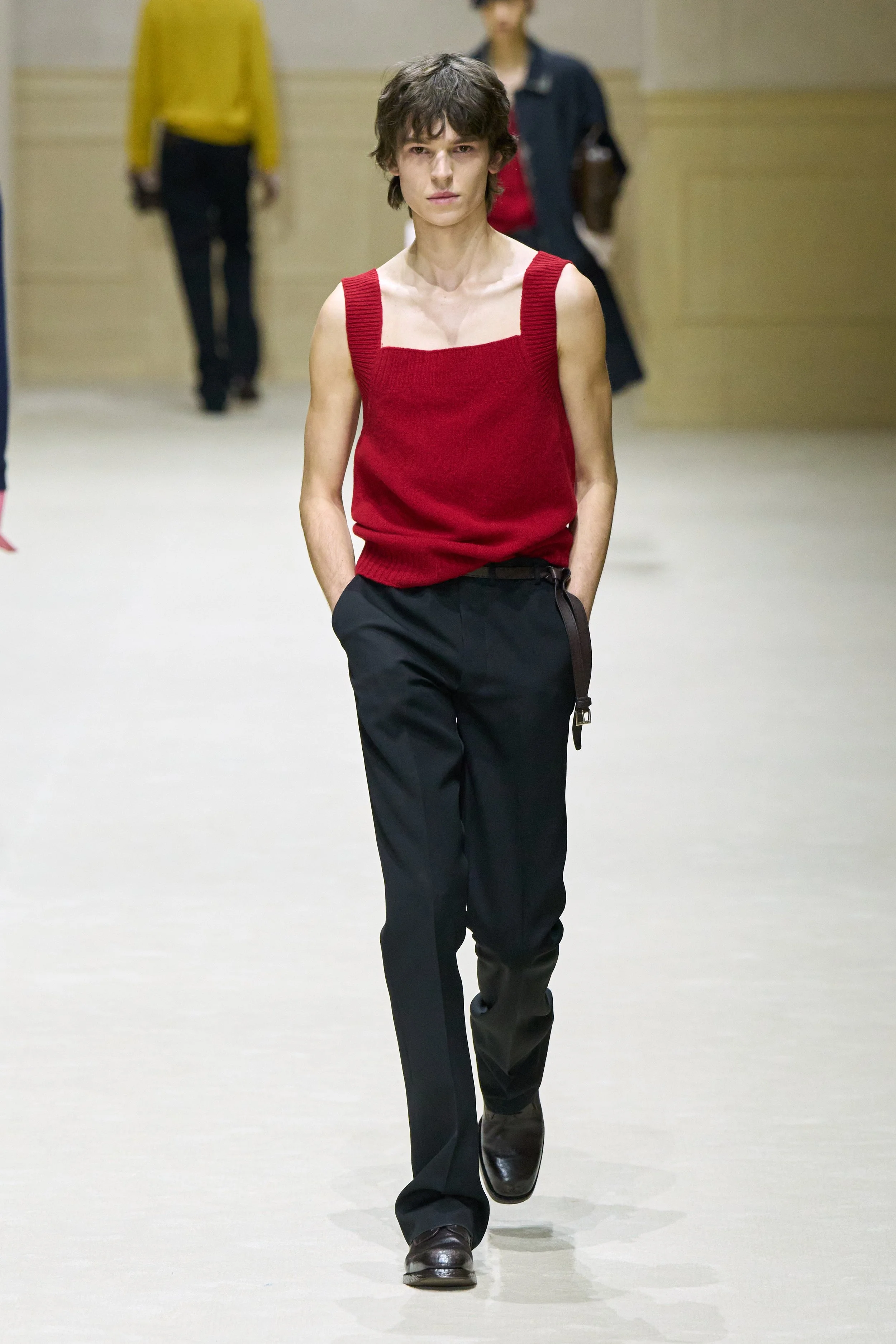
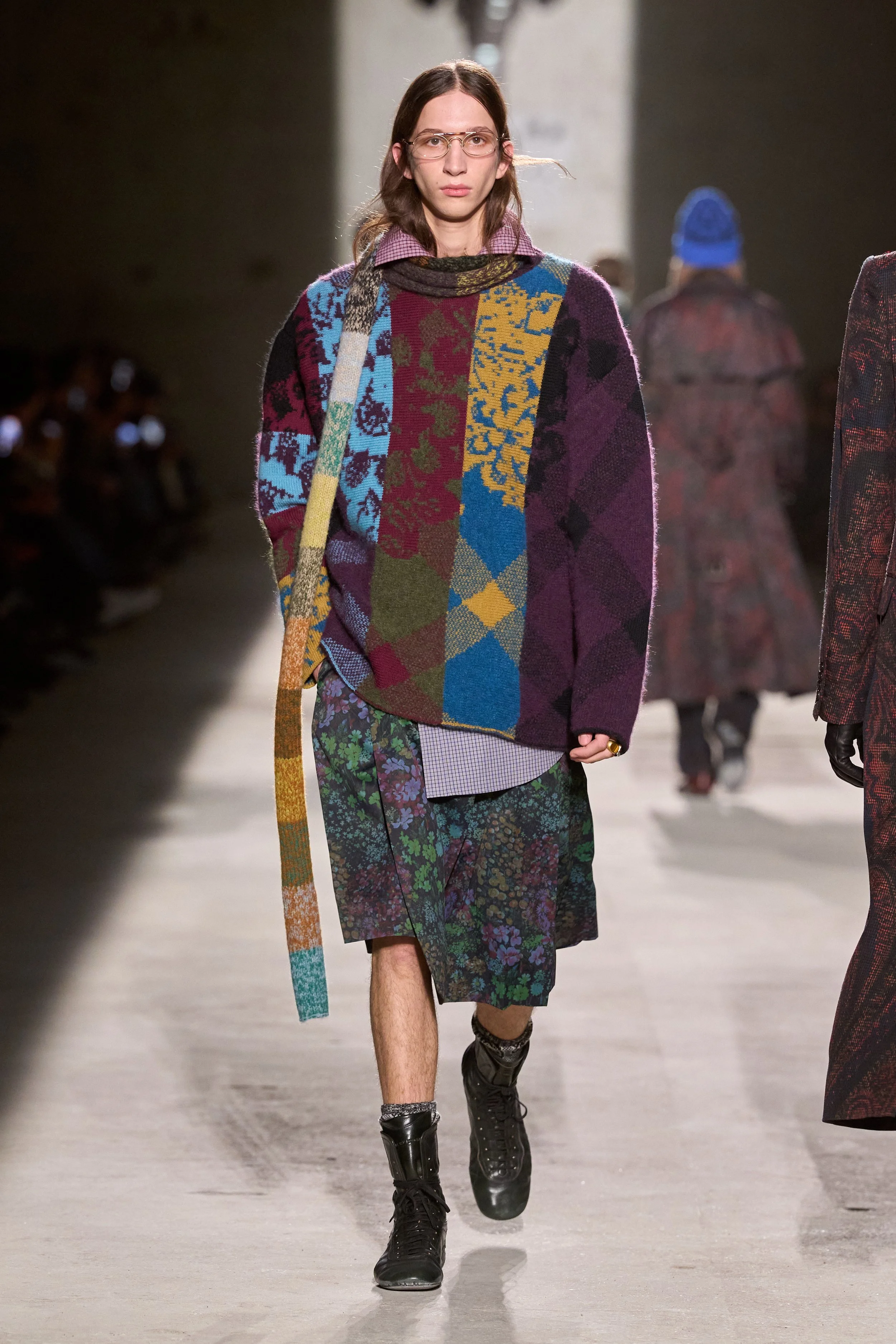
Klausner illustrates this growth in different ways; its most straightforward is undoubtedly through knitwear. Argyles and stripes are remixed, explored through the lens of the brand’s affinity for patterns. Prints are assembled and reassembled, juxtaposed through vertical zippers on tight jumpers. Knitwear is used to demonstrate familiar ancestry both in its conceptual sense and its literal one. Backstage, the Belgian designer speaks of the knit department at the brand, of wanting the collection to honour those who built the brand, season by season, before he arrived. Life imitates art.

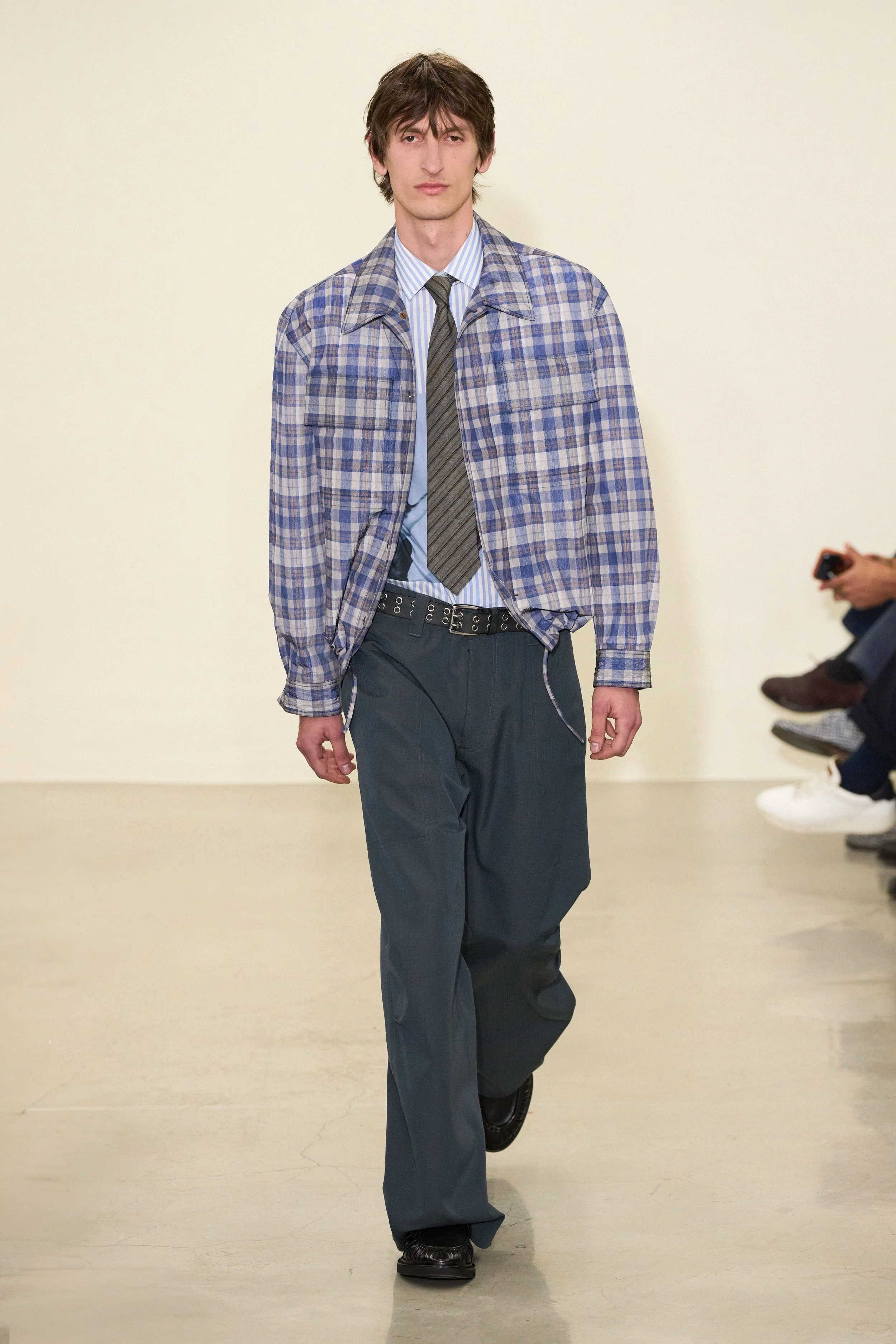
The affection for print is dallied with through clever construction. An open-collared shirt that peeks through a cropped jumper, seemingly laid over a longer one, is all one piece. Tartan shirts are cut in half through light aprons/cummerbunds made to resemble the hem of another shirt.

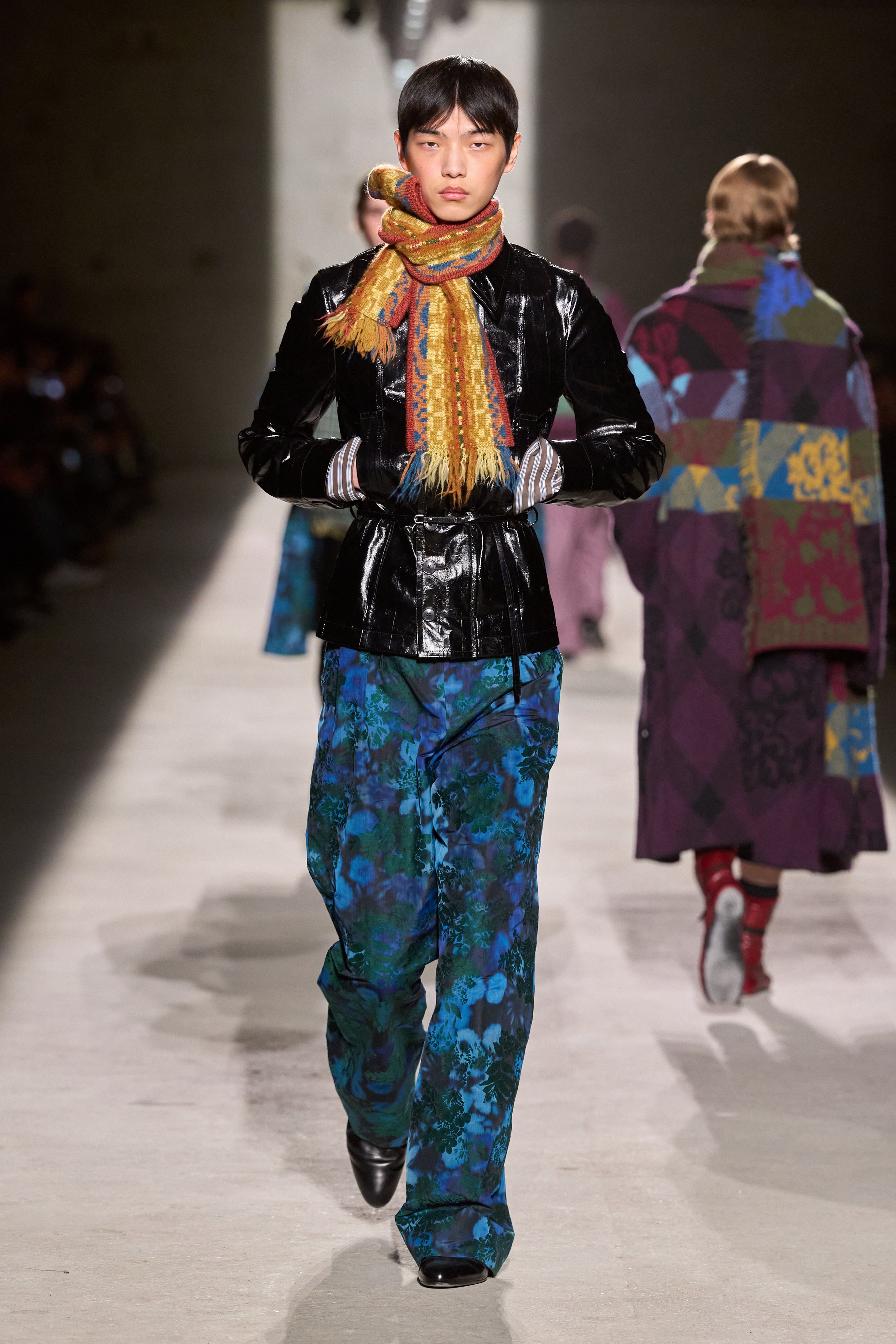
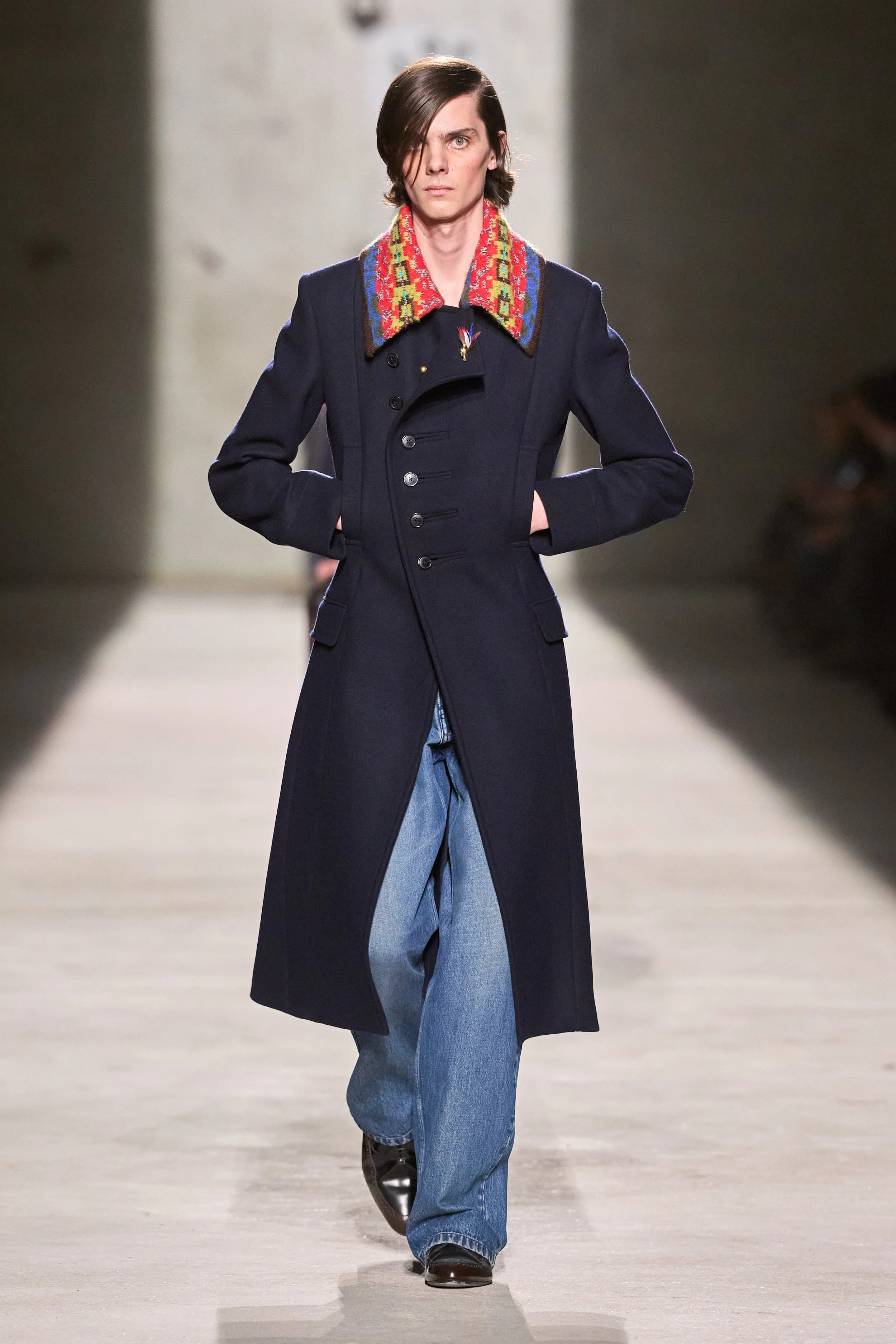
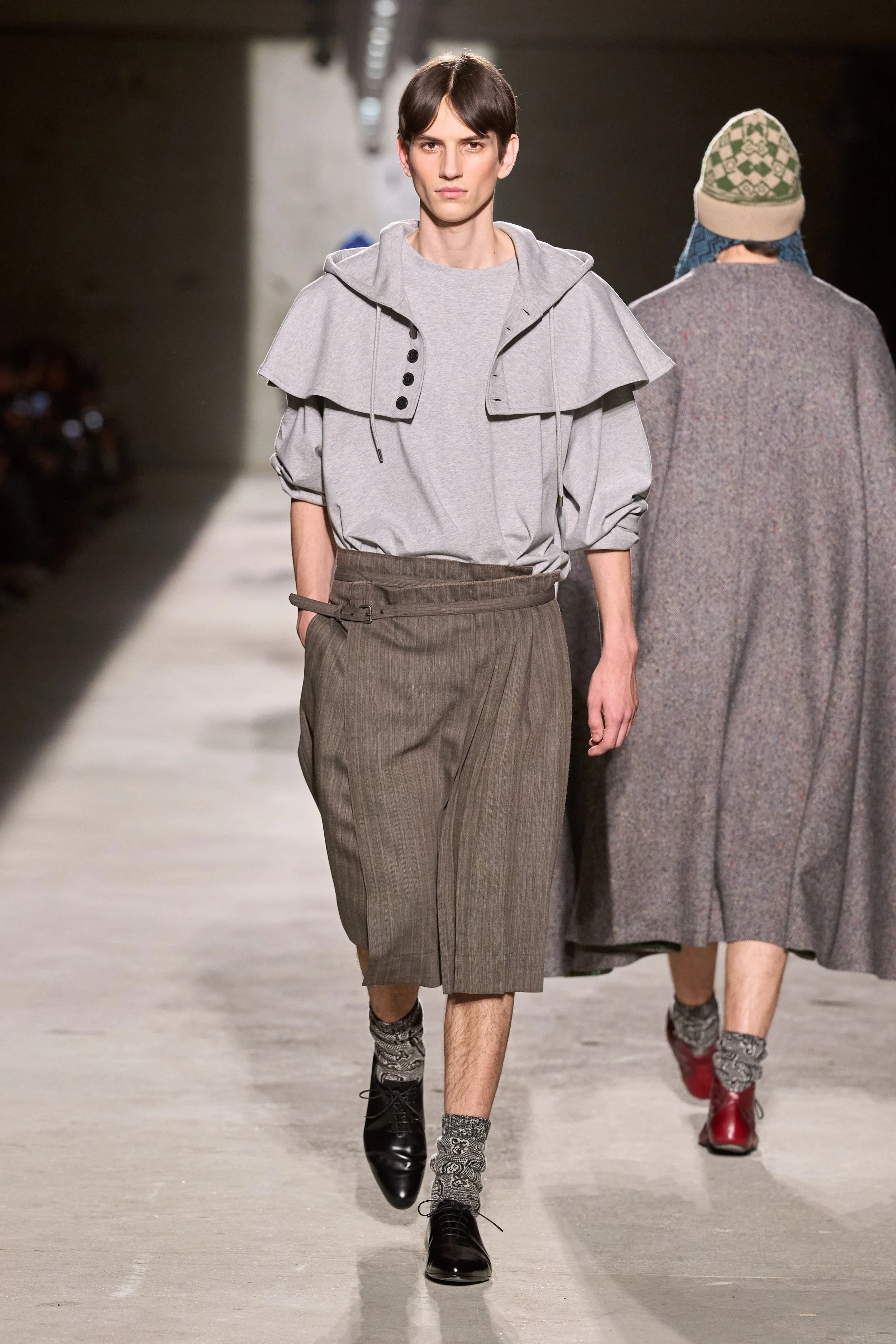
Silhouette is just as much of a playground to convey the emotional message behind the collection. Tight leather jackets are cinched in by skinny belts, while oversized blazers totalize the upper body. Garments are worn not because of their fit, but because of their emotional value. Clothes don’t just dress the body, they keep it company. By folding memory into construction, he reminds us that growing up is less about rupture than it is about carrying what stays with you.
Words by Pedro Vasconcelos

MAGLIANO FW26

A visit to Magliano’s Instagram page reveals the brand’s mission statement in three provocative words: “Fucked up classics.” The cheeky slogan neatly encapsulates Luca Magliano’s design philosophy — one driven by a visible pleasure in crafting garments that are, in his own words, “precise in their chaos”.

Over the past few years, Magliano’s fascination with Italian provincial elegance has made a notable impact on Milan’s fashion scene. Now, the designer enters a new chapter, relocating his runway to Paris and unveiling a more streamlined vision that becomes less location-specific.

Titled Unplugged, the Fall/Winter 2026 collection excelled in outerwear and tailoring, showcasing Magliano’s unrivalled ability to make slouchy silhouettes read as deeply sensual. Roomy trousers and V-neck sweaters were reworked with literal twists: collars and waistbands curled inward, disrupting familiar proportions. XXL leather belts sat low on the hips, elongating the body, while an oversized wool blazer channelled just the right amount of ’80s macho bravado.

Magliano’s signature humour and social commentary surfaced throughout. A red silk shirt printed with tangled bunches of keys shared space with a chunky wool cardigan adorned with “ABCD” lettering — the “A” standing for Antifa, complete with the movement’s logo.

Elsewhere, refinement came deliberately undone: scarves emerged through slits in jacket collars, and the final look — a mismatched, oversized double-breasted suit — was punctuated by an untied bow tie, left hanging as a final gesture of dishevelled elegance.


Words by Martin Onufrowicz

WILLY CHAVARRIA FW26

Willy Chavarria’s Fall/Winter 2026 show, Eterno, gathered more than 2,000 attendees in the audience, from fashion professionals to enthusiasts. Mon Laferte, a Chilean-Mexican artist, opened the spectacle with a heartfelt rendition of Femme Fatale in a cabaret-inspired performance.

The show unfolded in three stages, each shifting the storyline as the clothing and music evolved. One notable aspect of the designer is his ability to distance himself from the cliché of the Latino aesthetic while still celebrating its culture and subtly referencing its visual and cultural codes.

The model casting reflects the continent's multiethnic richness, a diversity further highlighted through its roster of talents, including Colombian Feid, Puerto Rican singer Lunay, Mexican groups Latin Mafia and Santos Bravos, and Italo-Egyptian singer Mahmood.

Suits tailored for both men and women opened the runway. For women, they were paired with pencil skirts that elongated the silhouette, creating a distinctly feminine aesthetic. For men, structured blazers and long coats were softened with vibrant shirts and pussy-bow blouses.

Satin fabrics and sequin dresses added a sense of classic glamour, while roses and animal prints reflected the kitsch imagination that thrives in Chavarria’s creative universe, delivering not just stylish clothing but culturally relevant garments. Then, the show transitioned from timeless allure to a Chicano aesthetic, represented by the designer’s signatures such as plaid shirts, bomber jackets, wide-leg jeans, tracksuits, strong shoulders, keychains, and shading hats.


Words by Carolina Benjumea

EGONLAB FW26

Feathers were the thread that united Egonlab’s Fall/Winter 2026 menswear collection. Presented through body-fitted tops worn under jackets, they created a refined and tender look, emphasising elongated necklines and evoking a phoenix-like sense of rebirth.

The collection plays with masculinity and femininity, expressed through tailored suits next to cut-out dresses and one-shoulder looks. Masculine garments such as hoodies and jackets were softened through tailoring and styling, creating an androgynous vision. Feathers catalysed this approach, lending a romantic sensibility that disrupted conservative ideas of manhood. Asymmetric cuts and oversized silhouettes were also part of the rich visual language. From its colours to its shapes and textures, there was a clear intent toward provocation and artistic radicalism.

Suits excelled in flawless tailoring, while shirts were, in some cases, oversized and partially unbuttoned. Trousers were long and fluid, and shoulders subtly exaggerated. The colour palette ranged from black, charcoal, deep oxblood, and grey to occasional pops of electric blue and red plaid that brought exciting tension. Sensuality was revealed through glimpses of skin and was not connected solely to femininity, but to attitude and confidence itself.


Words by Carolina Benjumea

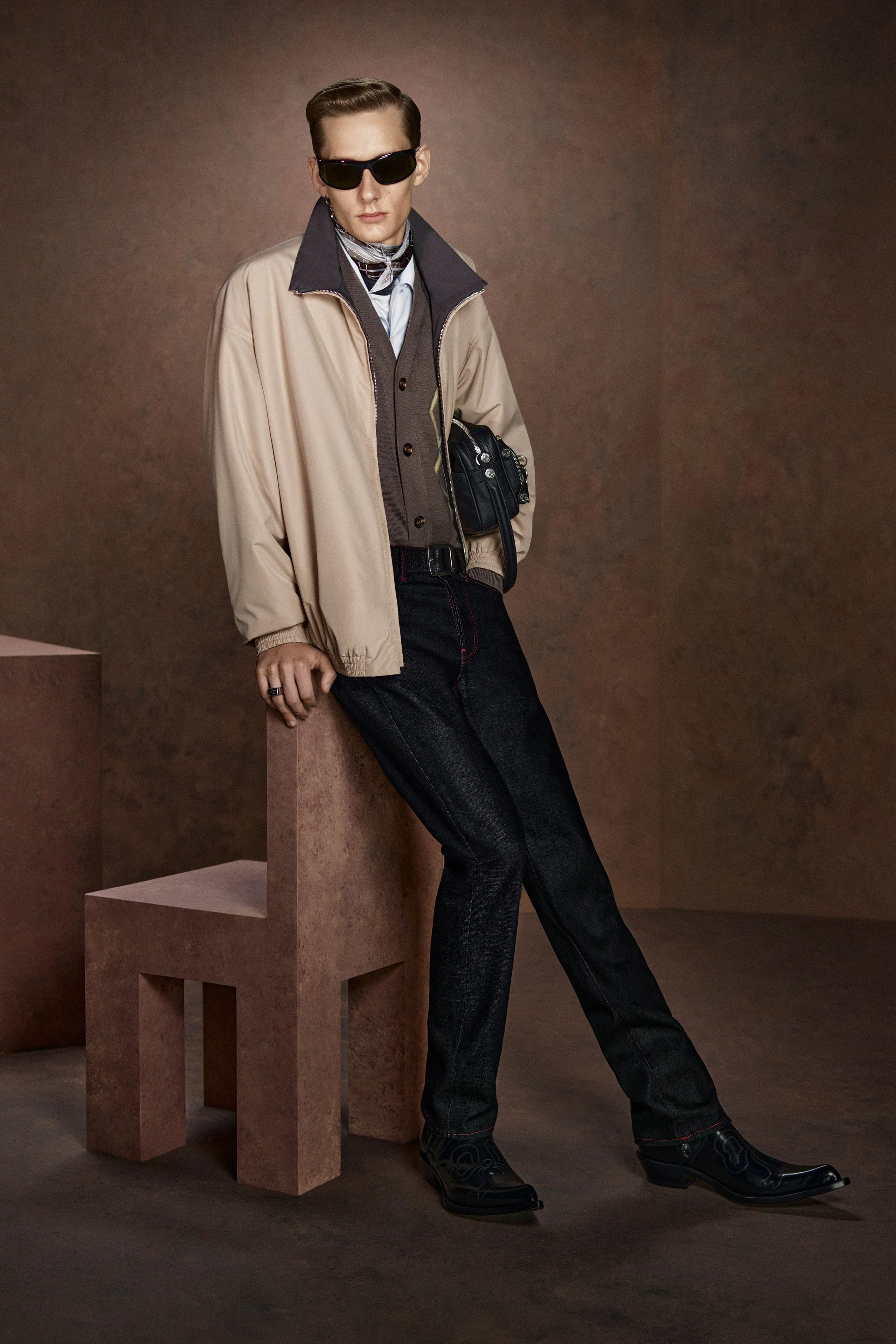
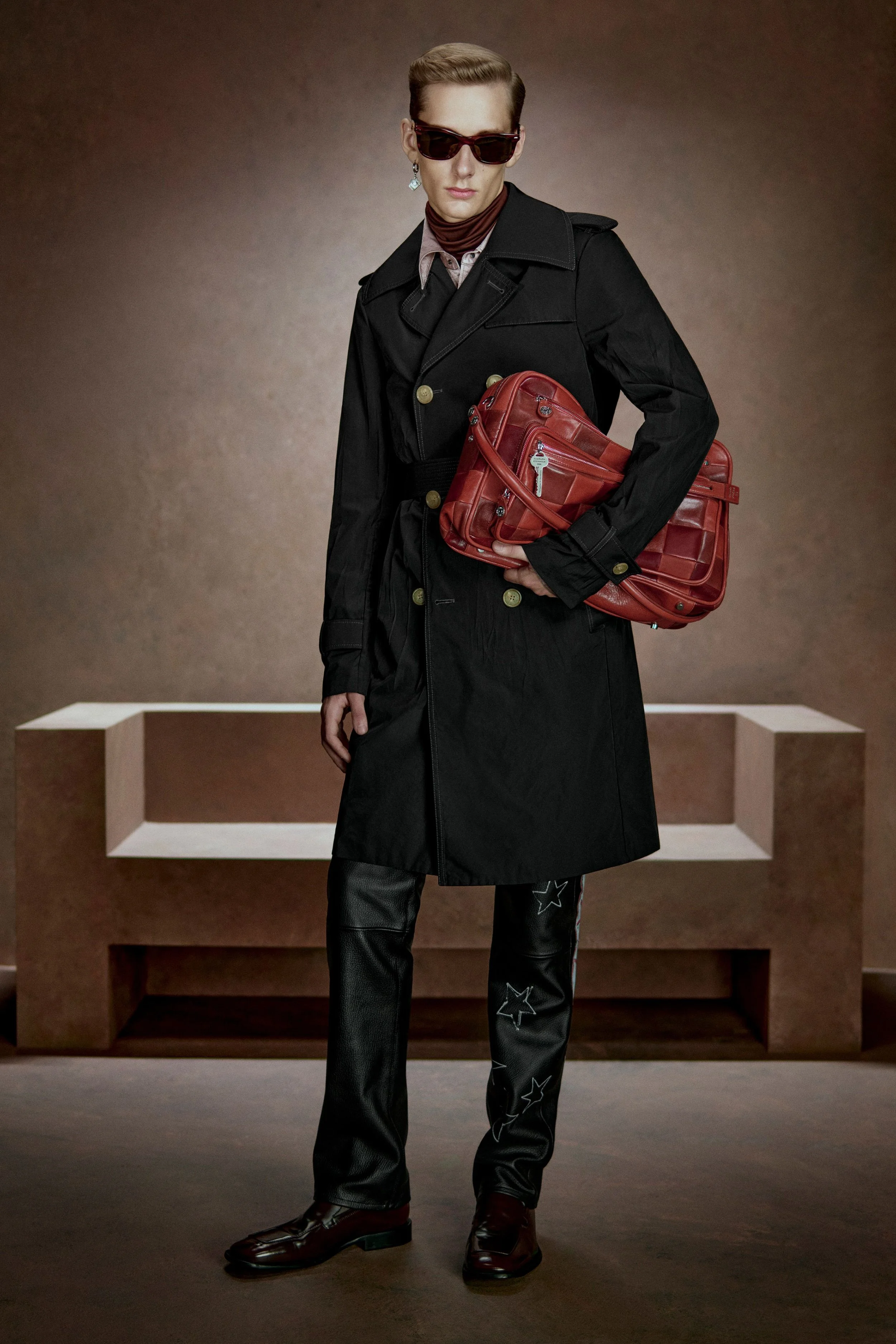
ACNE STUDIOS FW26

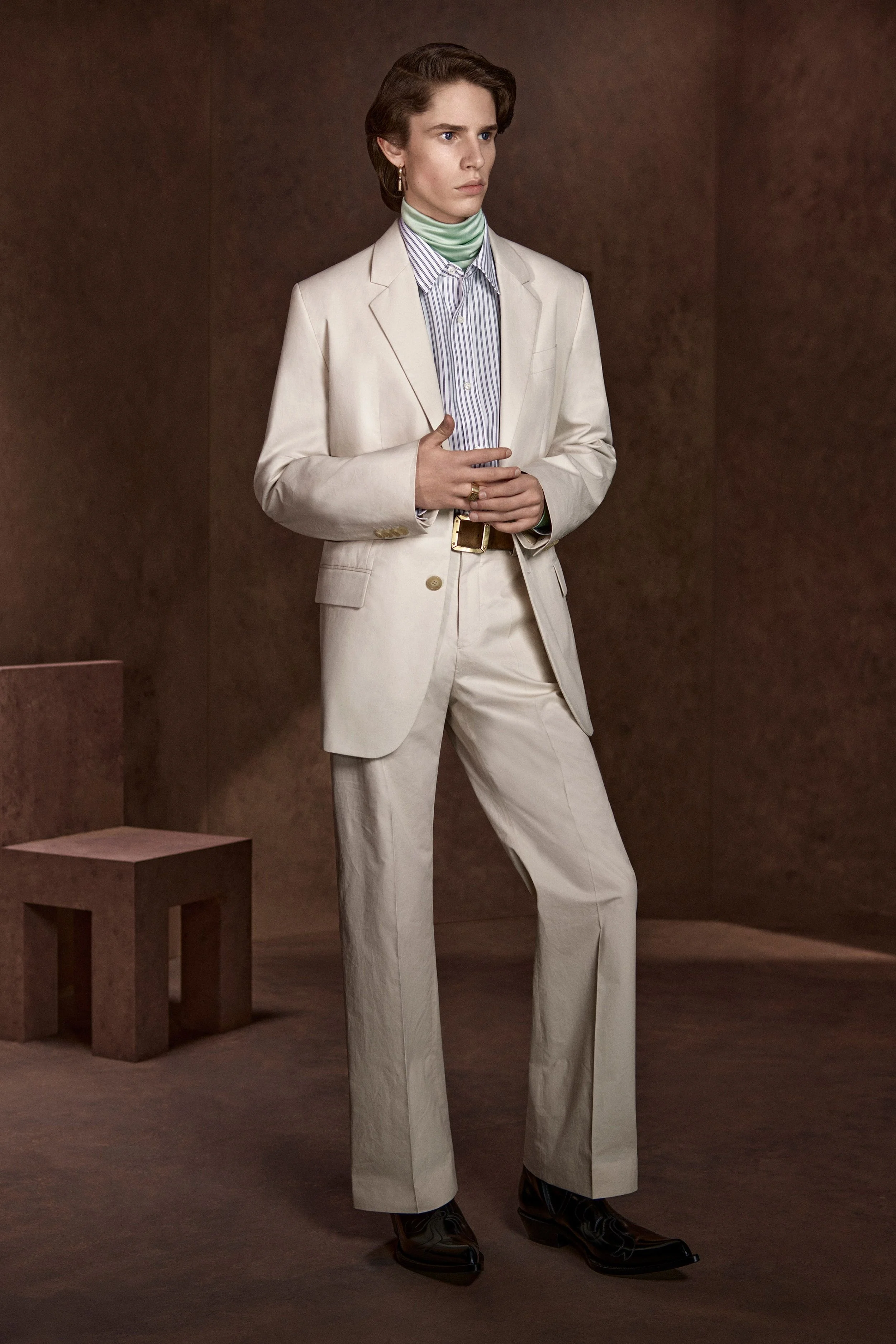
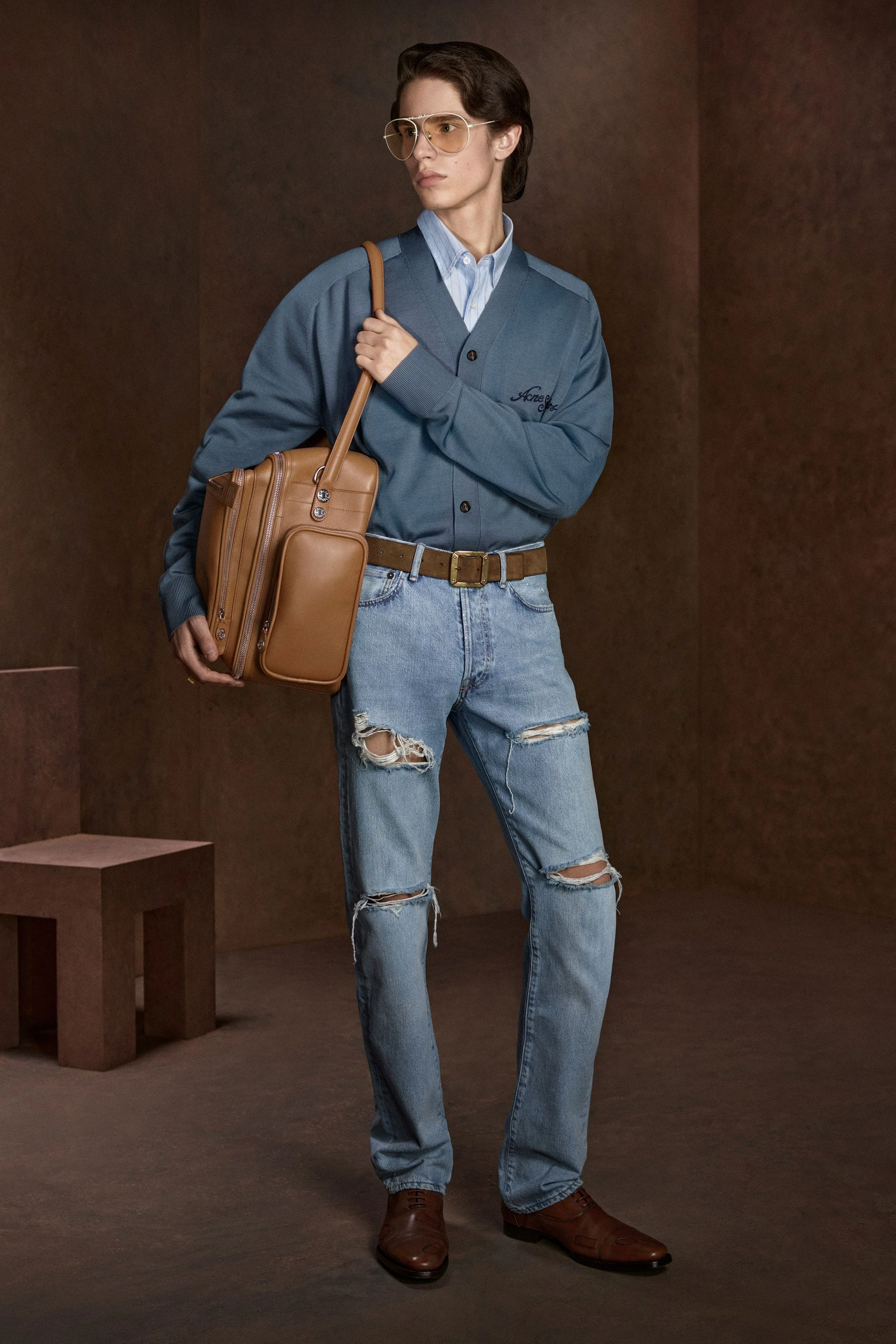
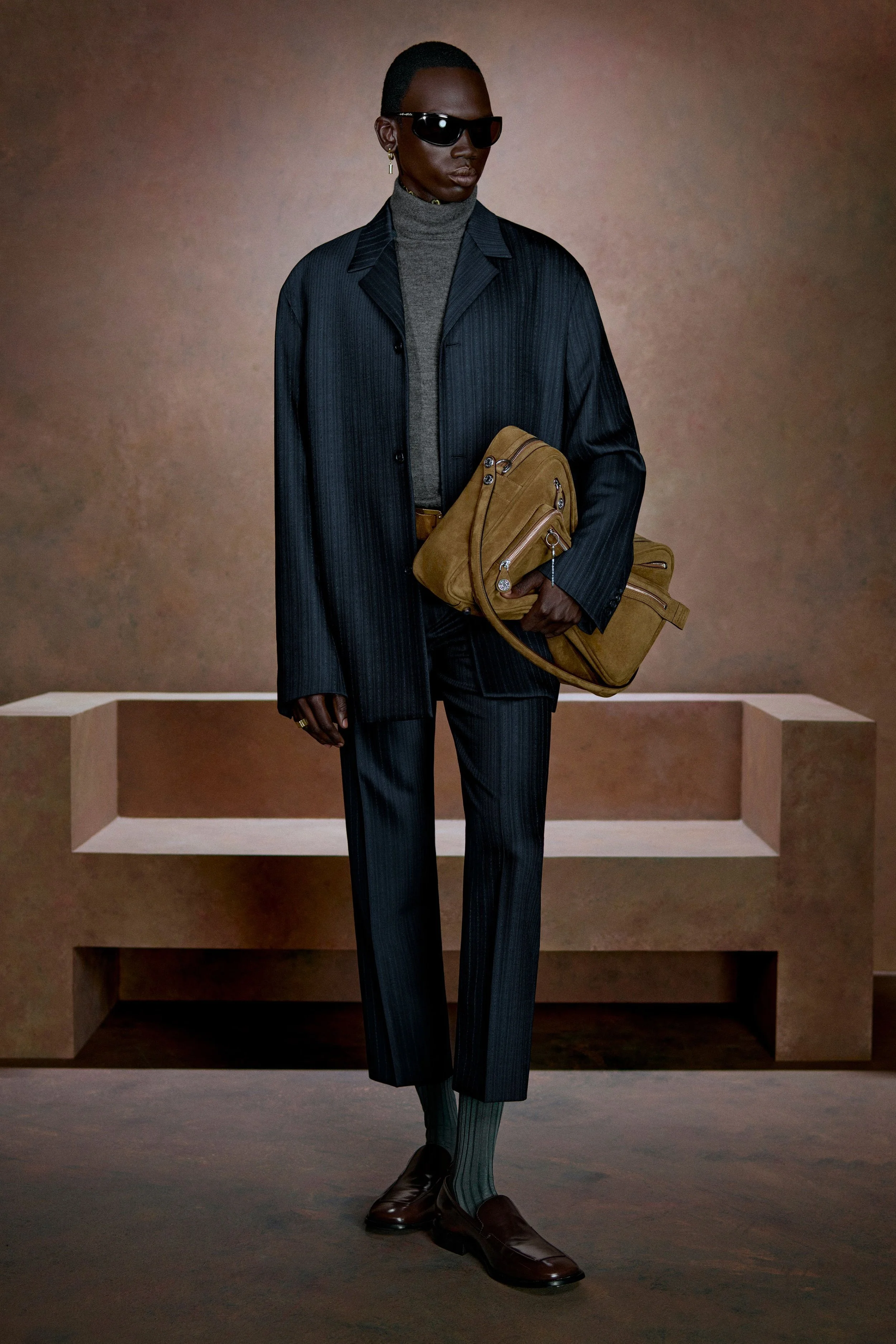
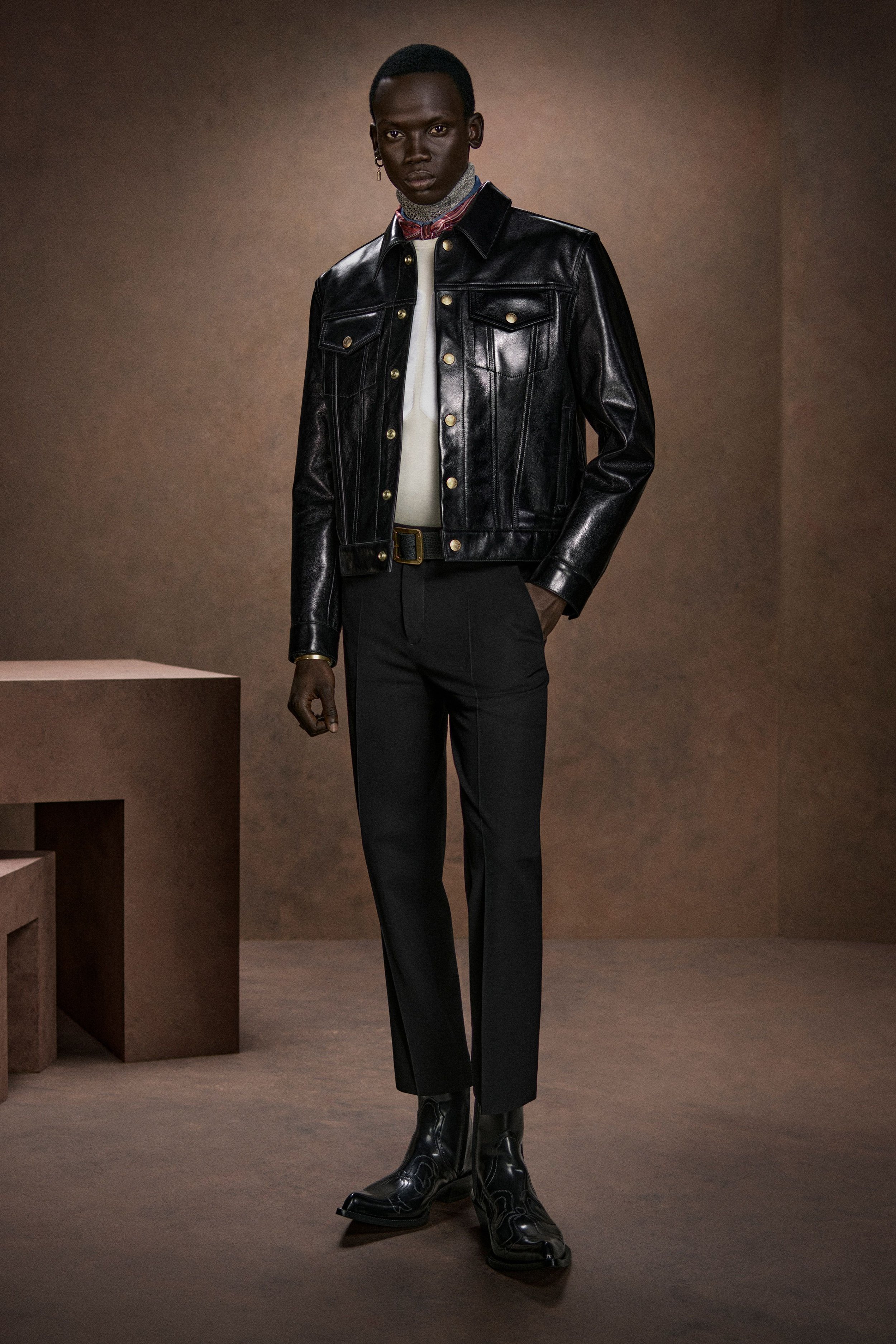
Turning thirty is scary. Especially for those who still feel youth coursing through their veins. That was the fear that catalysed Acne Studios’ Fall/Winter 2026 collection. After three decades of the brand, Jonny Johansson wrestled with that transversal challenge. It’s even tougher when one thinks of the spot the brand occupies in the zeitgeist. Ever since its inception, Acne has been the brand of everyone’s youth. The Tumblr reblog candy, the Instagram screenshot magnet, the TikTok like bait.

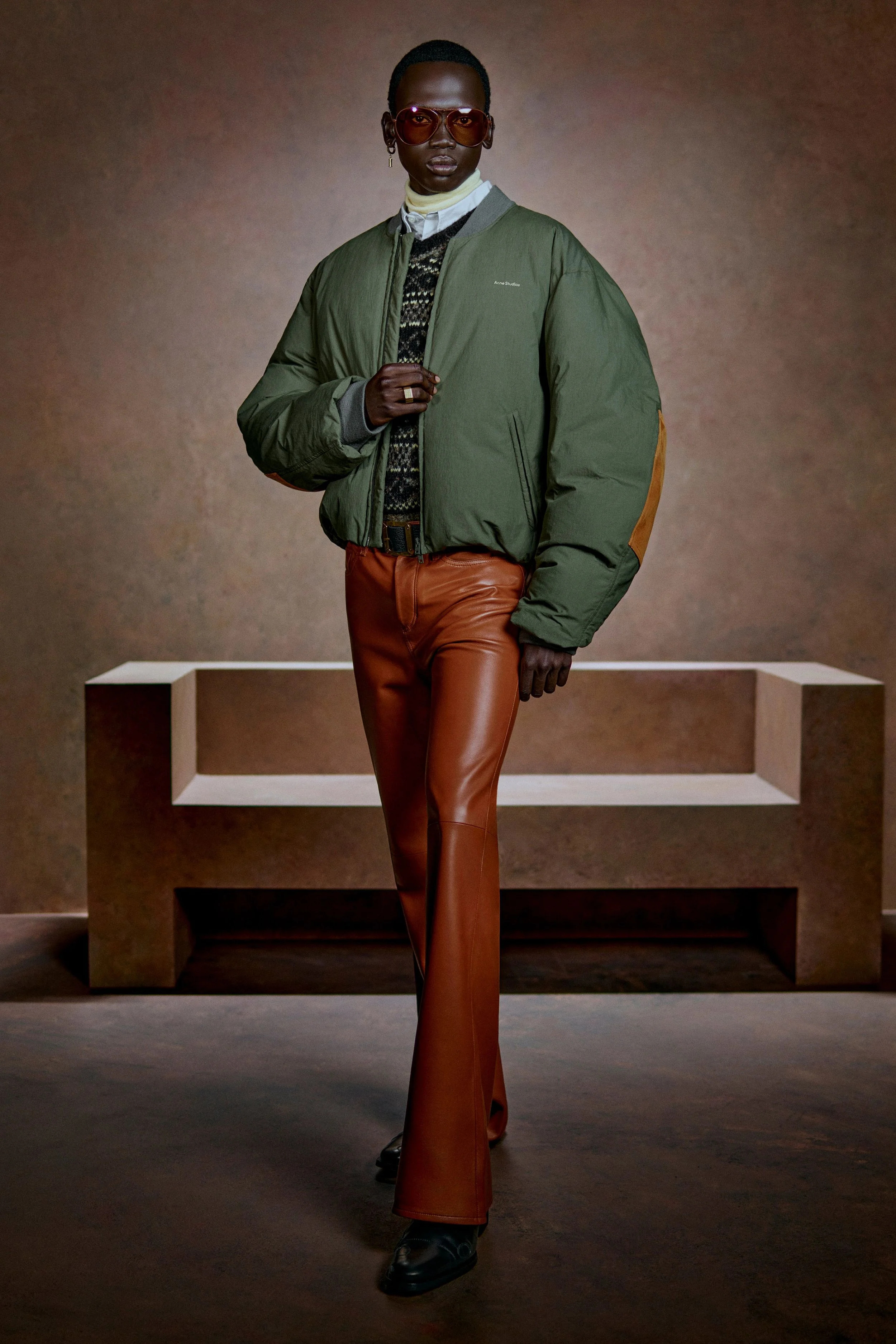
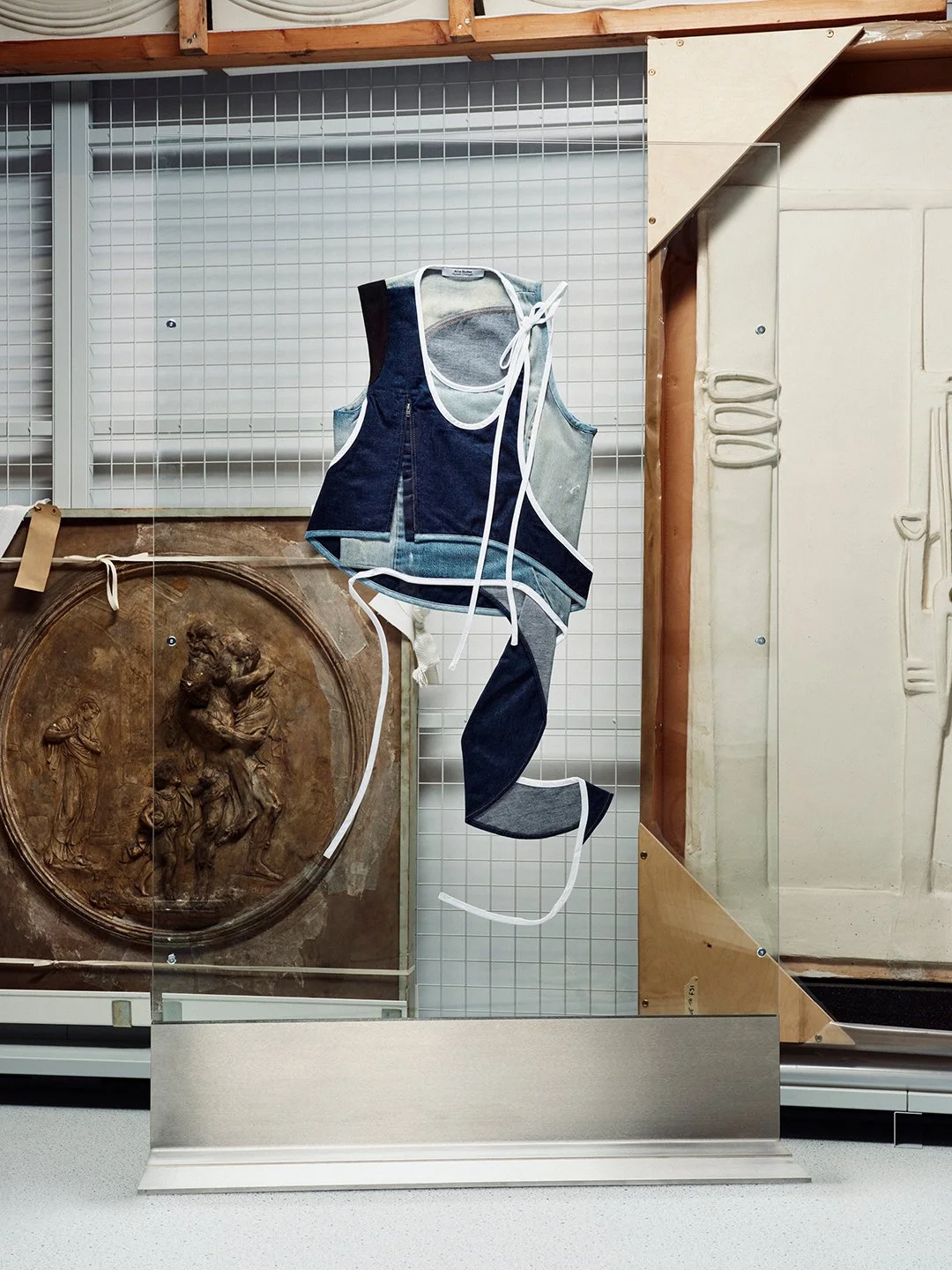
Johansson thankfully resists the temptation to do a retrospective. It would be nonsensical for a brand that has always put itself forward. Still, this season, something is different. It’s not exactly a coming-of-age moment, more of a celebration over getting there. It isn’t nostalgia, and it isn’t a crisis. Acne Studios tropes are elevated, used to spin classics. Shirts are stitched together to become one. Polos are cropped and tight to the body. Suede loafers have tassels sketched on them in white.

Of course, the classics are omnipresent, even if slightly twisted. The printed jeans for which Acne has become synonymous in recent years are here, but now the same effect is passed into bags and shoes. Jackets have their heavy leather distressed. Camero bags are enlarged into the XXL weekenders of our dreams. It isn’t nostalgia, it isn’t crisis. It’s thirty.


Words by Pedro Vasconcelos

LGN LOUIS GABRIEL NOUCHI FW26

Louis Gabriel Nouchi can make anything sexy – even a gory sci-fi horror. Staying true to his signature method of building collections around literary and cinematic references, the French designer turned to the Alien franchise as his source of inspiration for Fall/Winter 2026.

Rather than leaning into a literal homage to Ridley Scott’s 1979 cult classic, Nouchi drew from the emotions the film stirred in him as a child: pure terror, tinged with fascination. Forbidden from watching Alien with his parents, he instead absorbed it through the muffled sounds drifting from the living room. That half-heard experience ignited his imagination and sparked an obsession with what he could not see. When he finally watched the films years later, their visuals only deepened his fixation on the franchise’s extraterrestrial mythology.

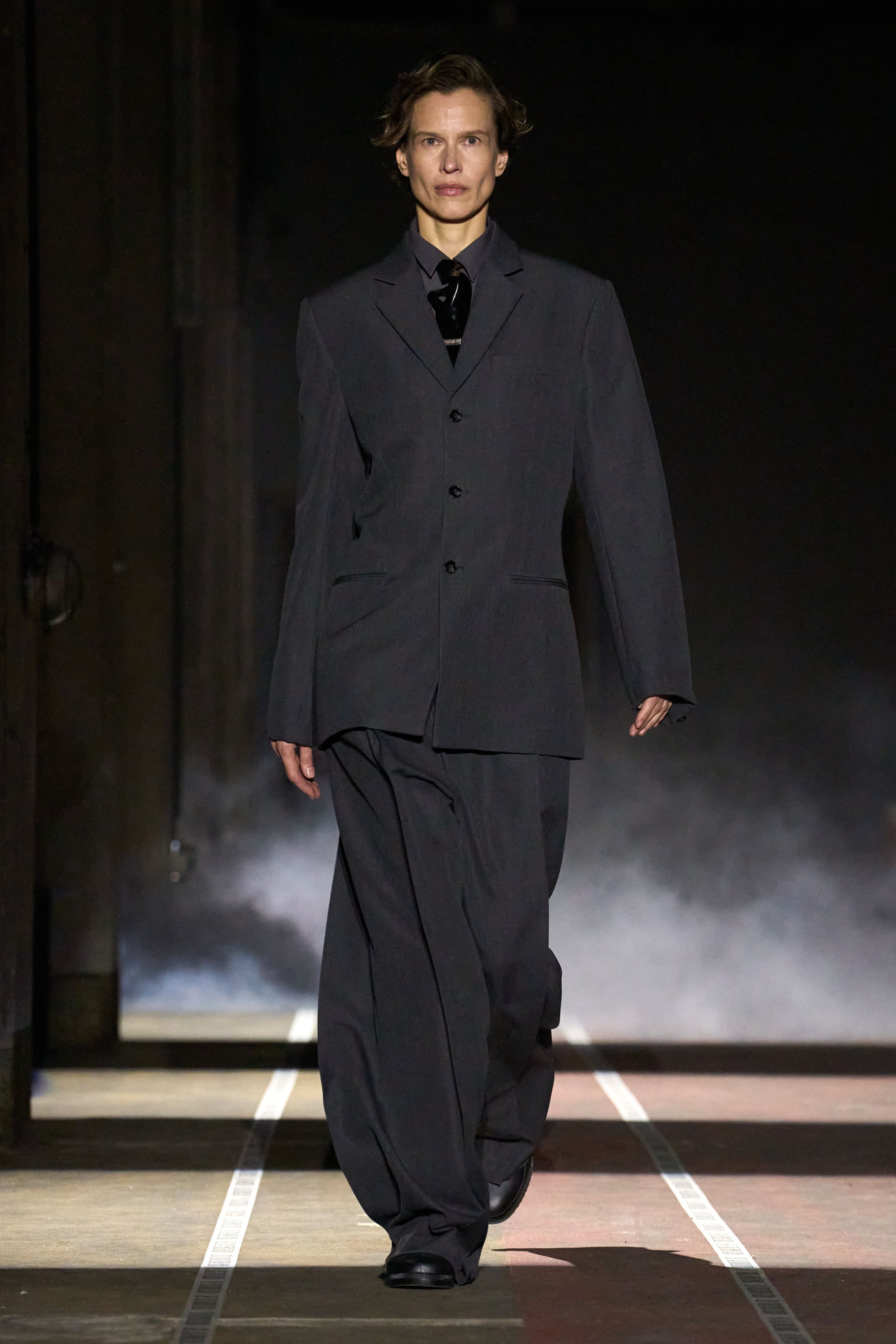
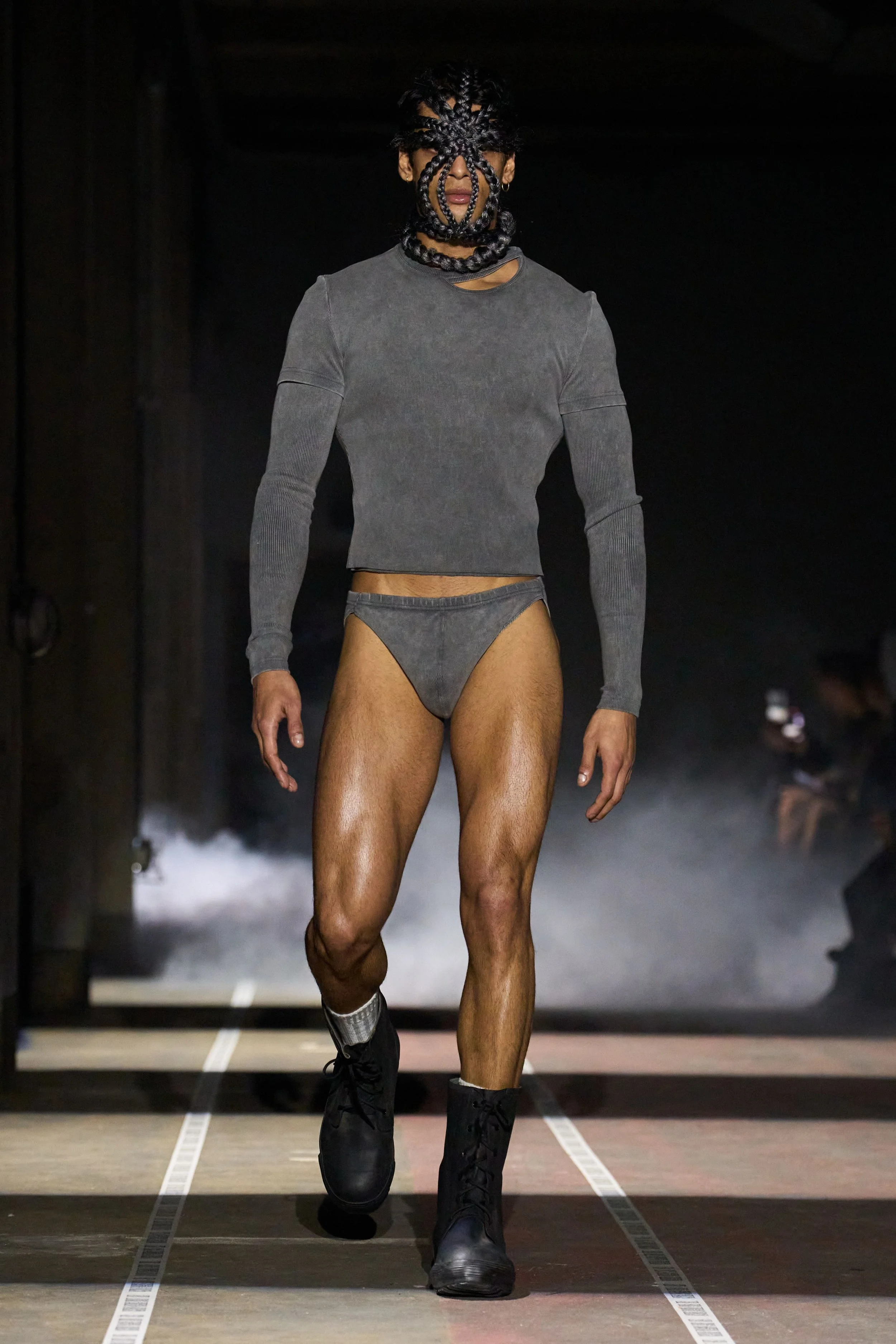
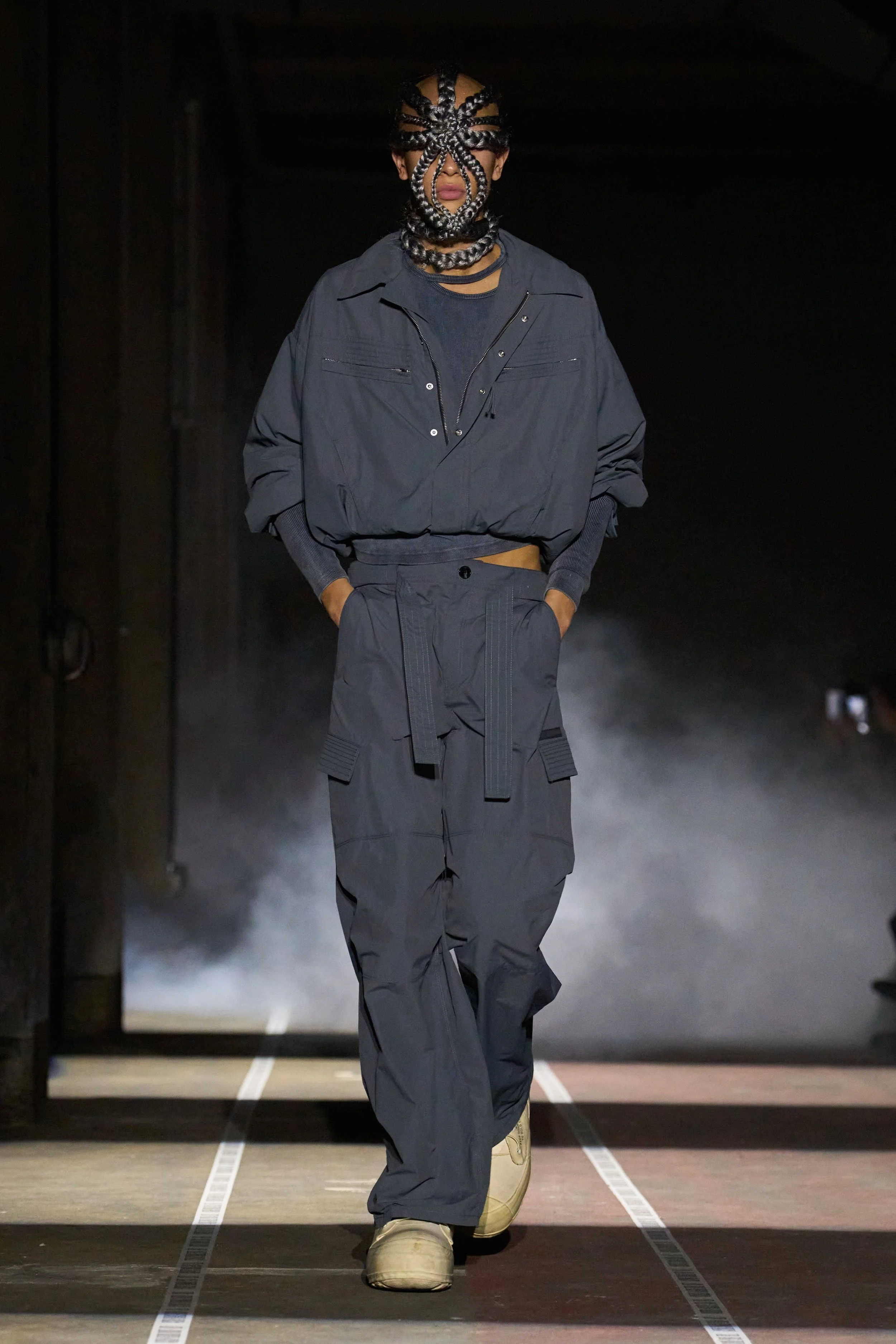
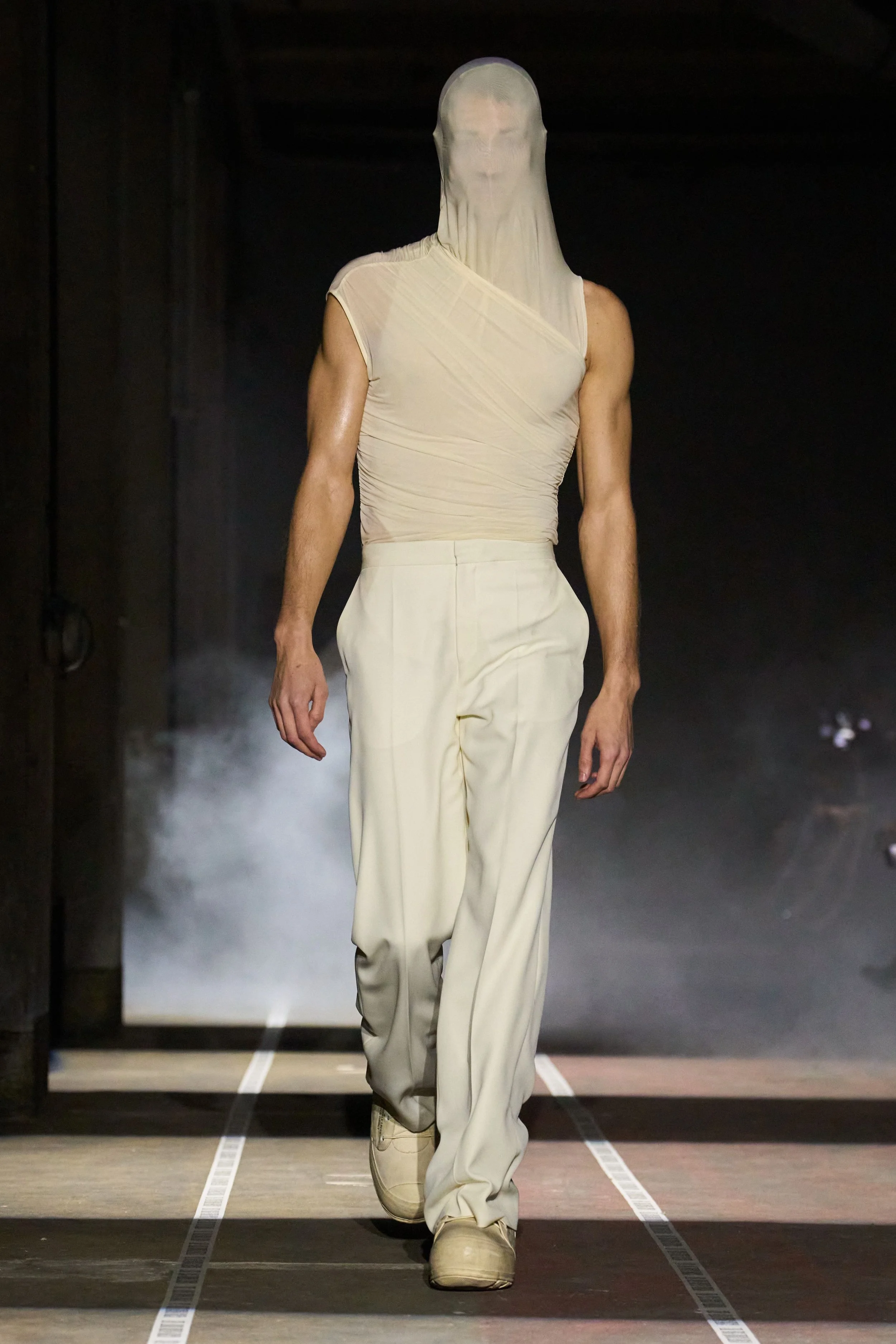
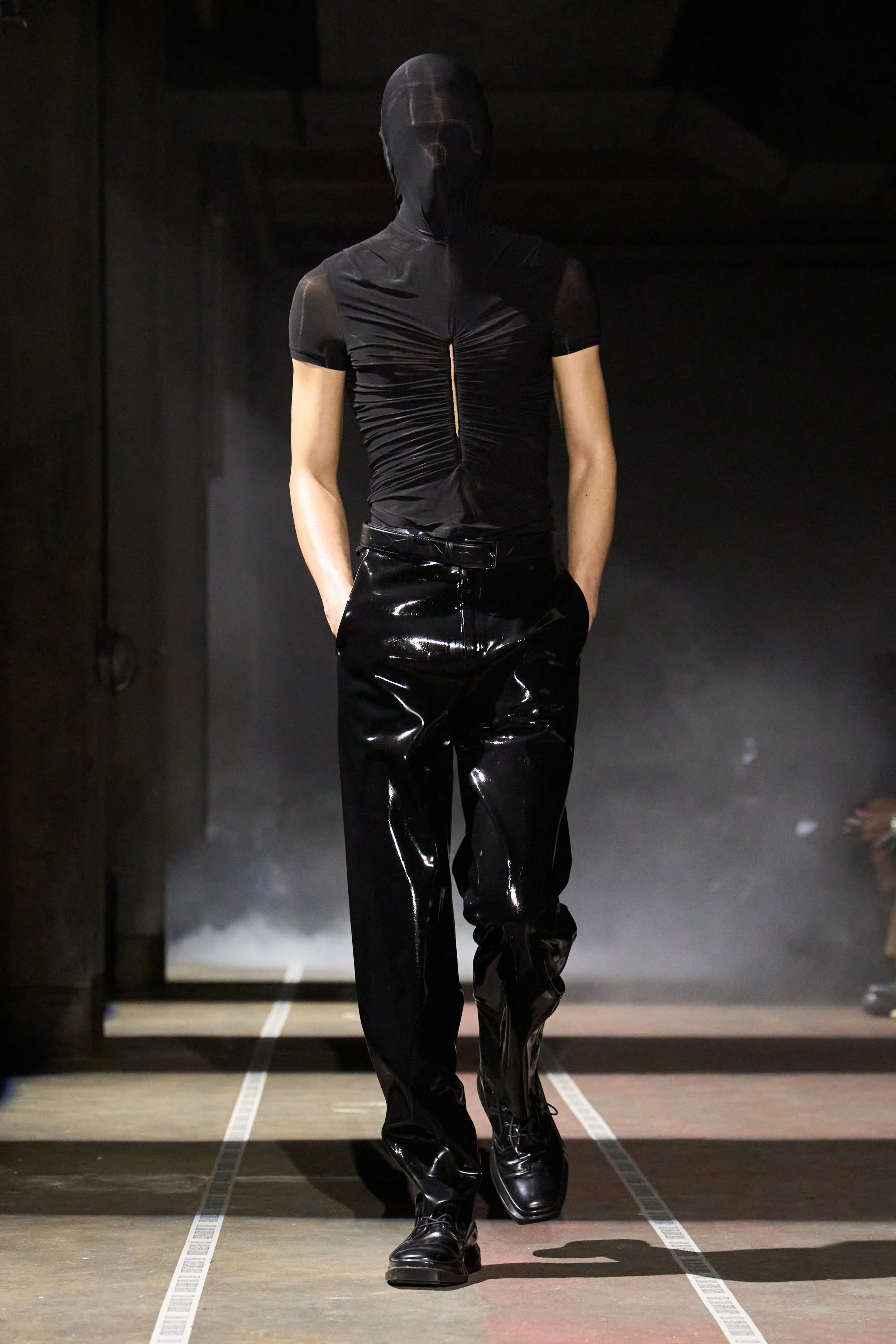
The show opened with one of Nouchi’s signatures: a sharp-shouldered grey suit, immediately subverted by a black headpiece obscuring the face. The piece recalled the saga’s infamous facehugger, the parasitic creature that latches onto its victims. As the collection unfolded, this motif reappeared in another headpiece, this time crafted from braided hair.

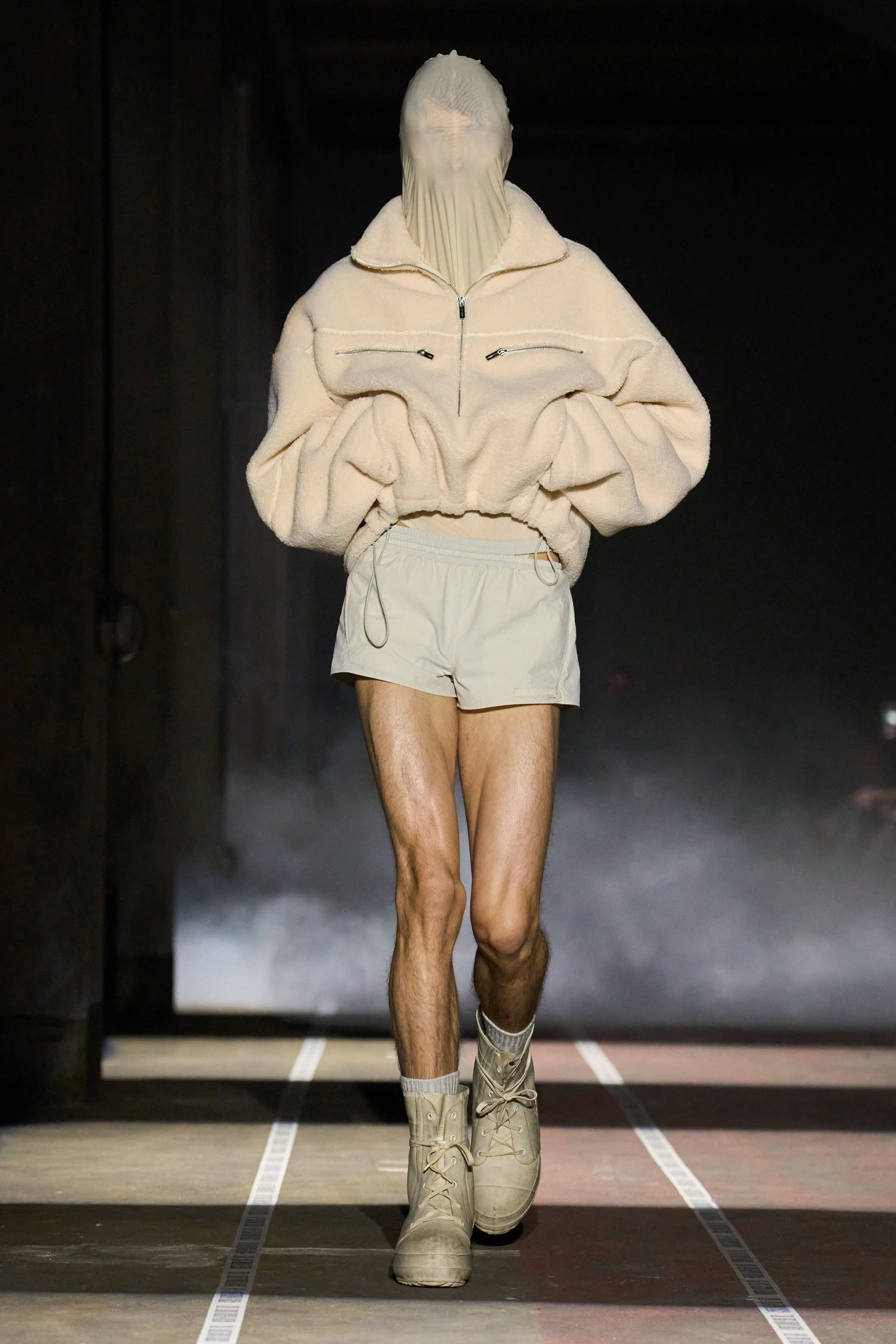
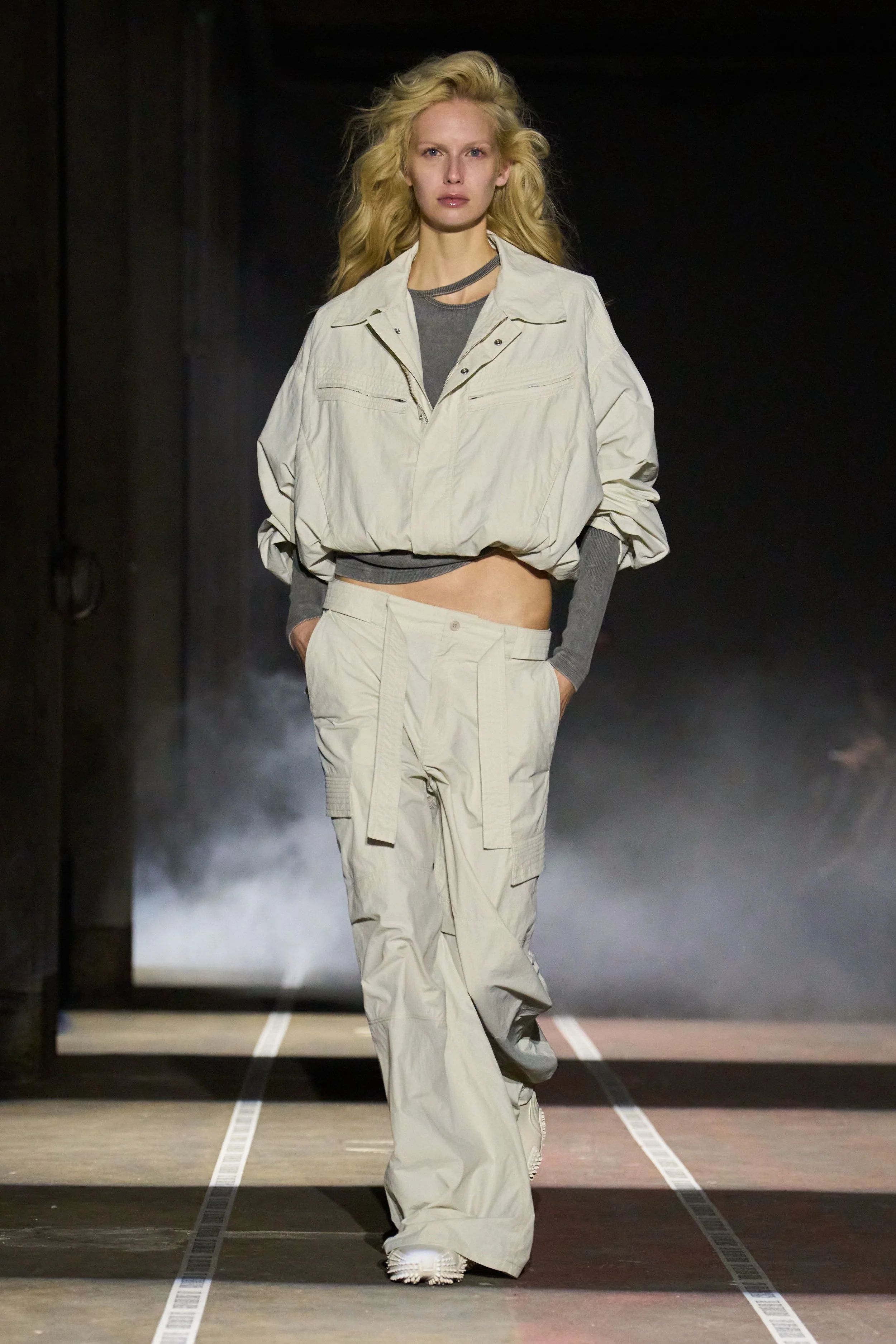
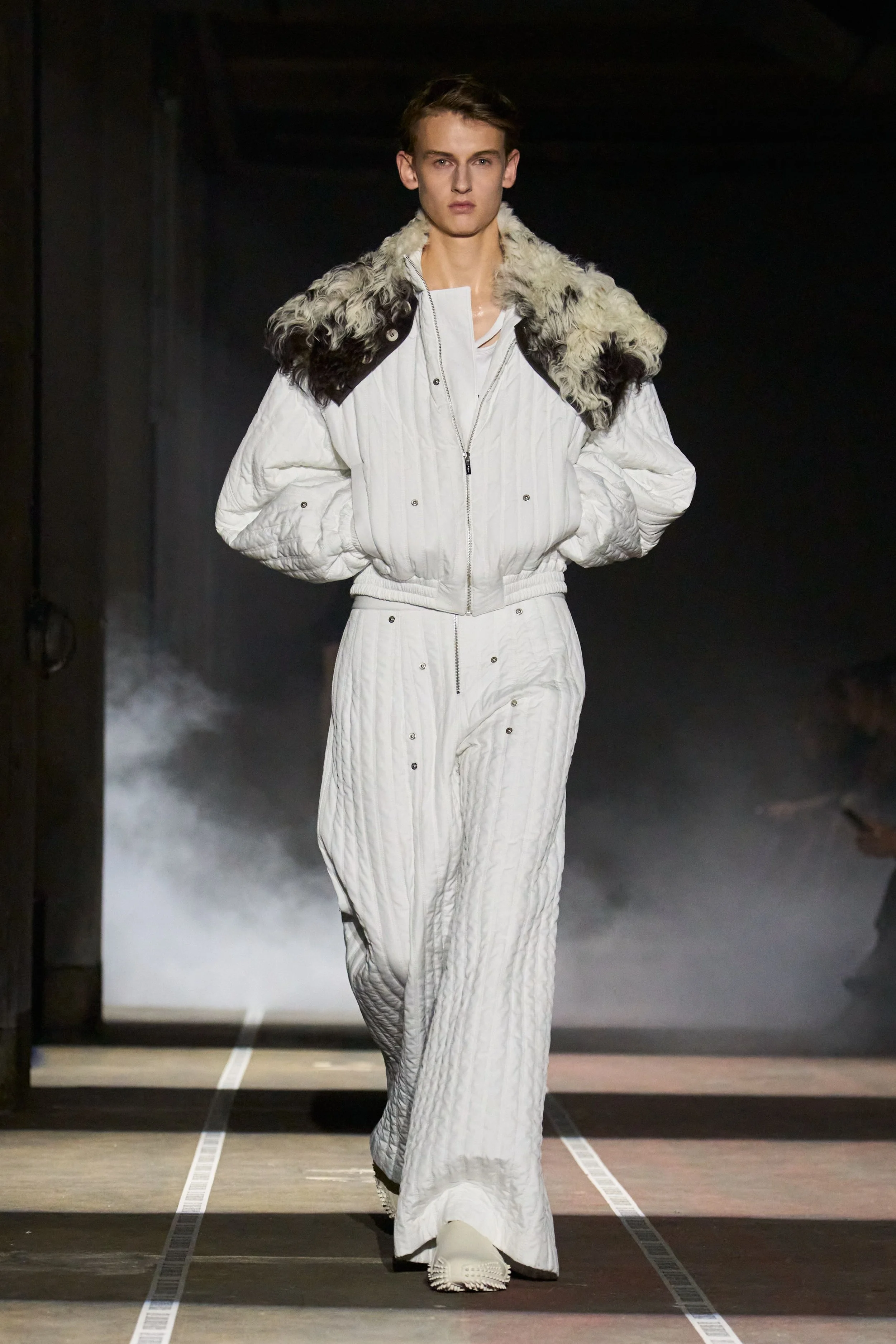
Several looks echoed the utilitarian spirit of Sigourney Weaver’s iconic boiler suit. A graphite ensemble paired a lightweight bomber with loose, unbelted cargo trousers, while a cropped cream fleece was styled with short shorts and a glimpse of LGN’s cult underwear line. Bare legs highlighted the footwear of the season: Bunny boots rendered in military beige and black.

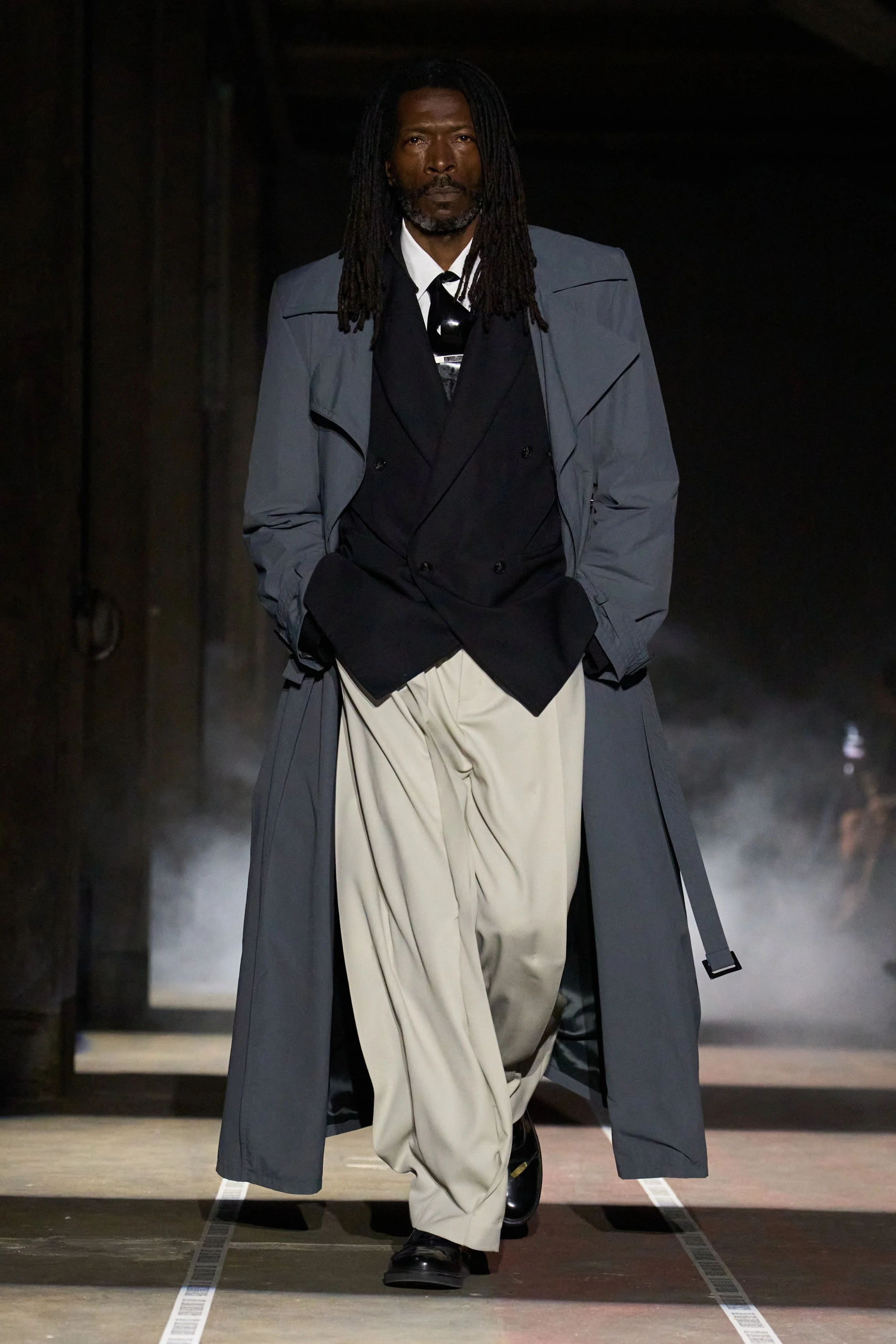
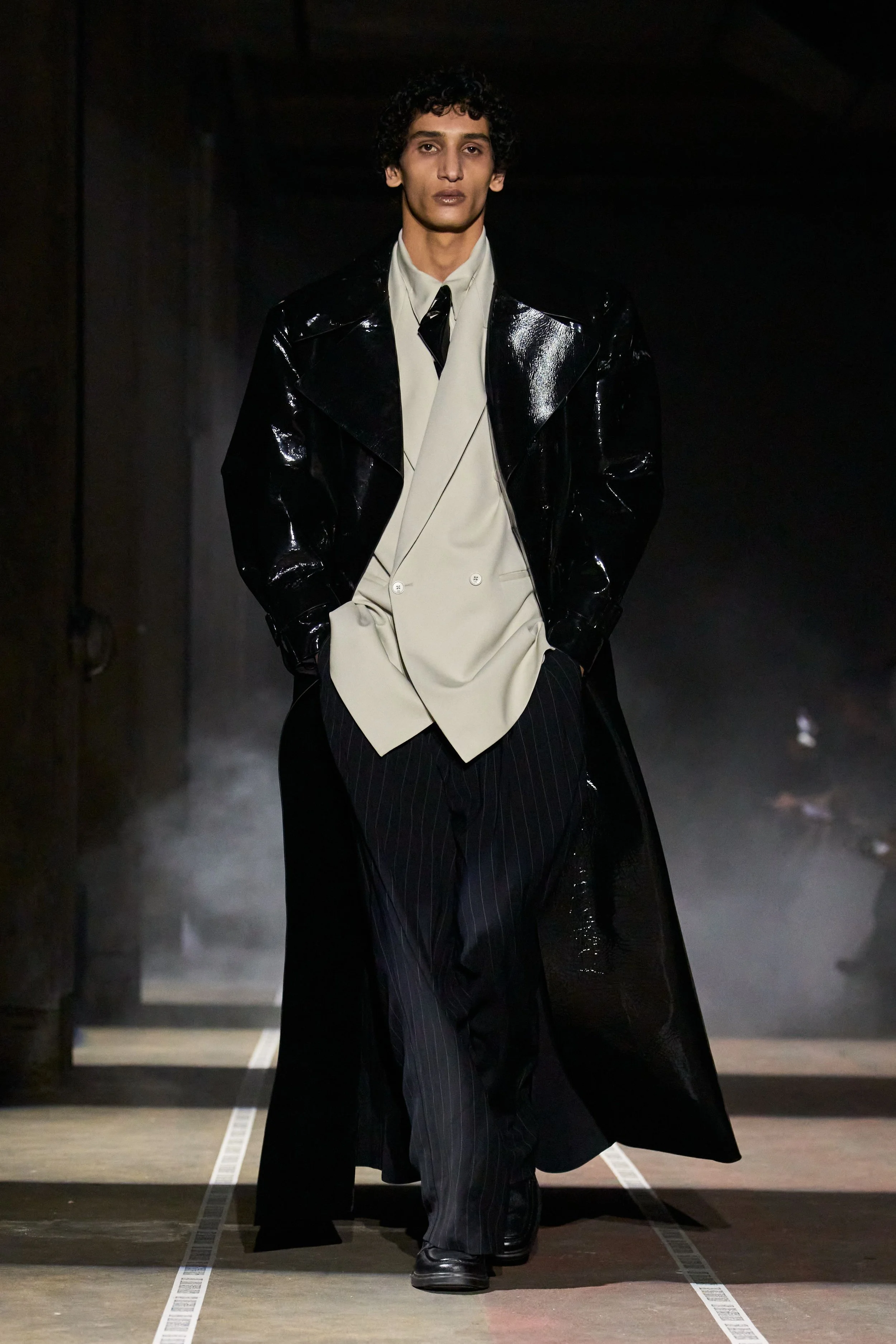
The film’s viscous predators were also woven into the wardrobe. Their presence surfaced through glossy latex accents that coated wide ties, oversized trench coats and darkroom-ready trousers – garments that gleamed with the same unsettling allure as the creatures that inspired them.


Words by Martin Onufrowicz

RICK OWENS FW26

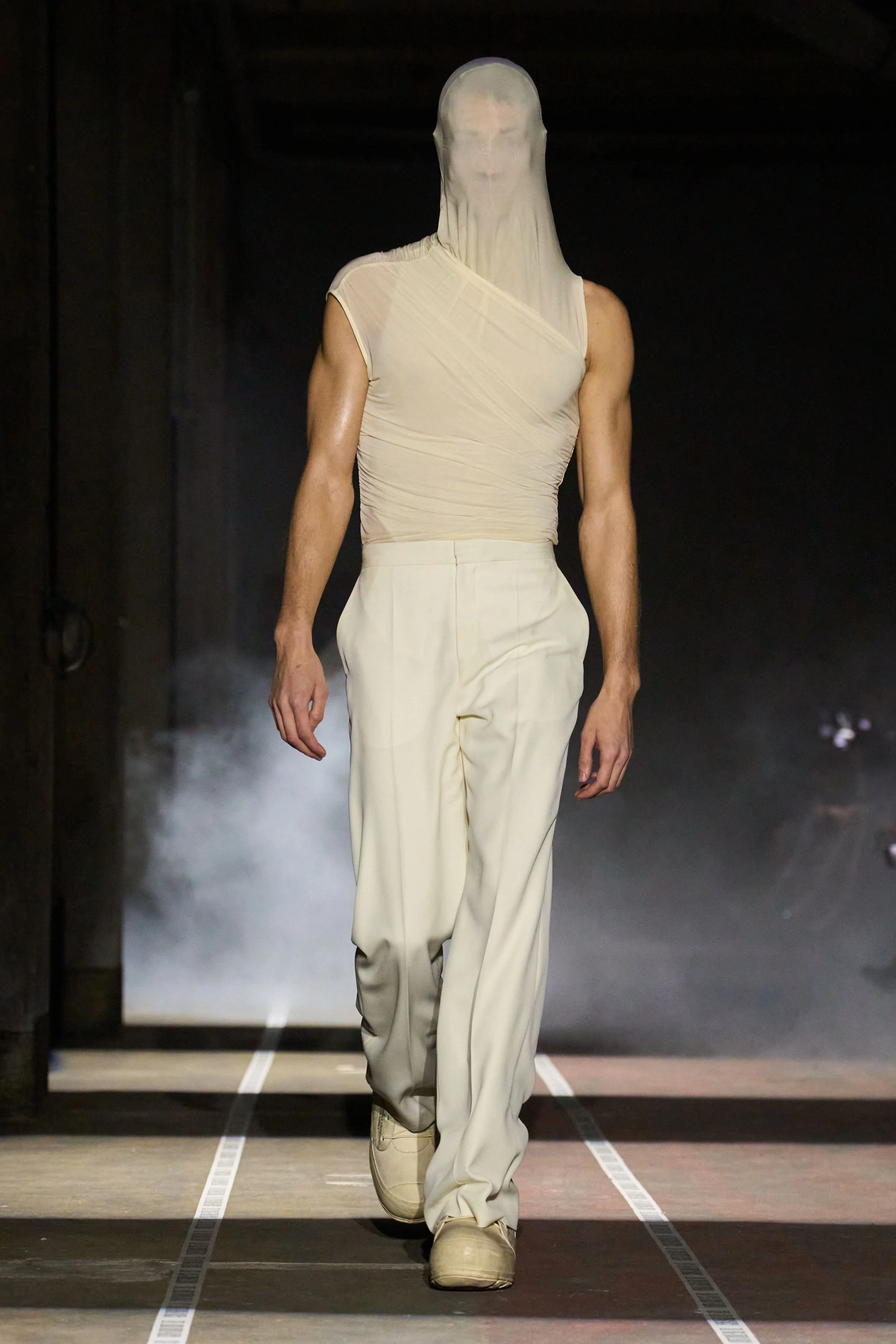
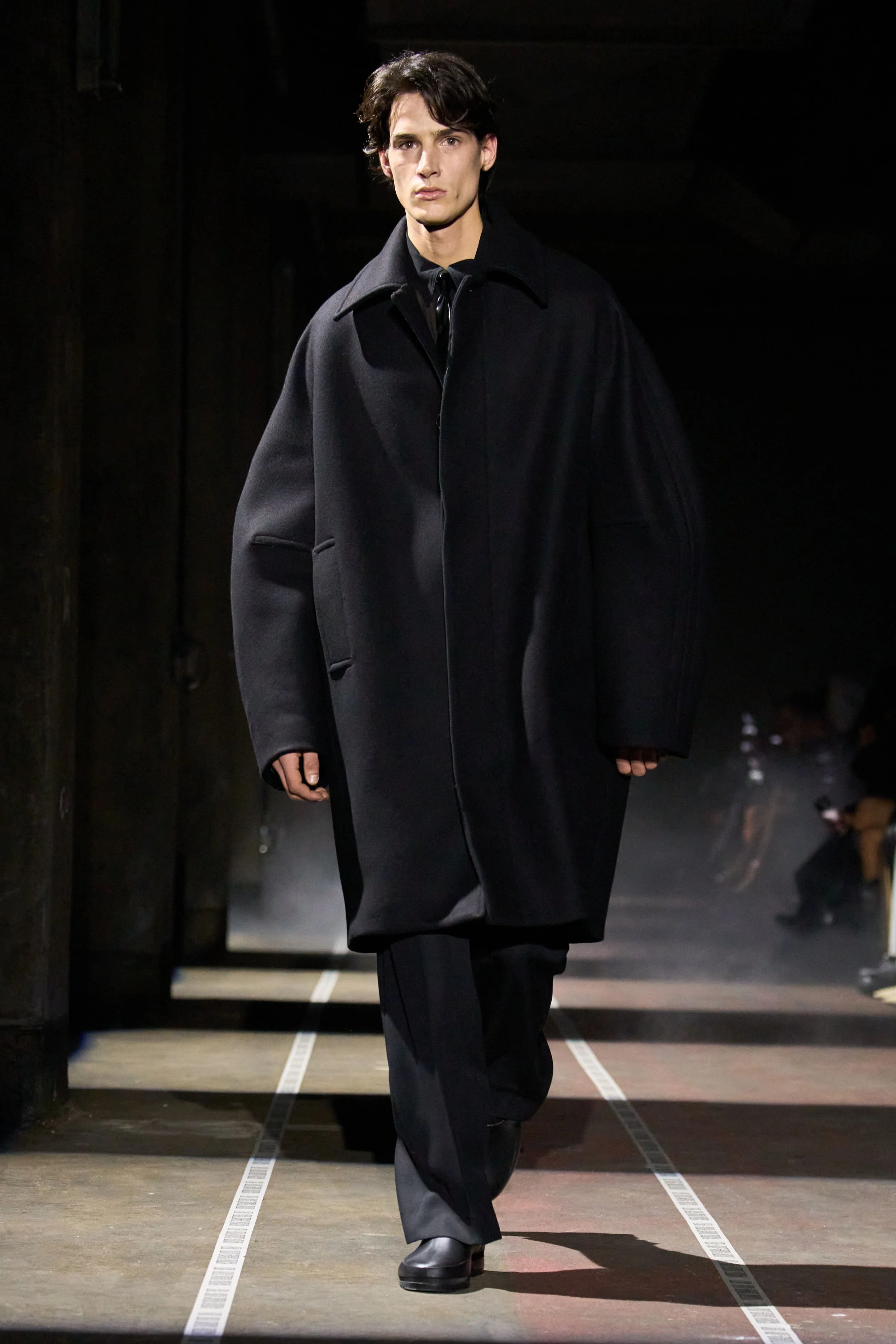
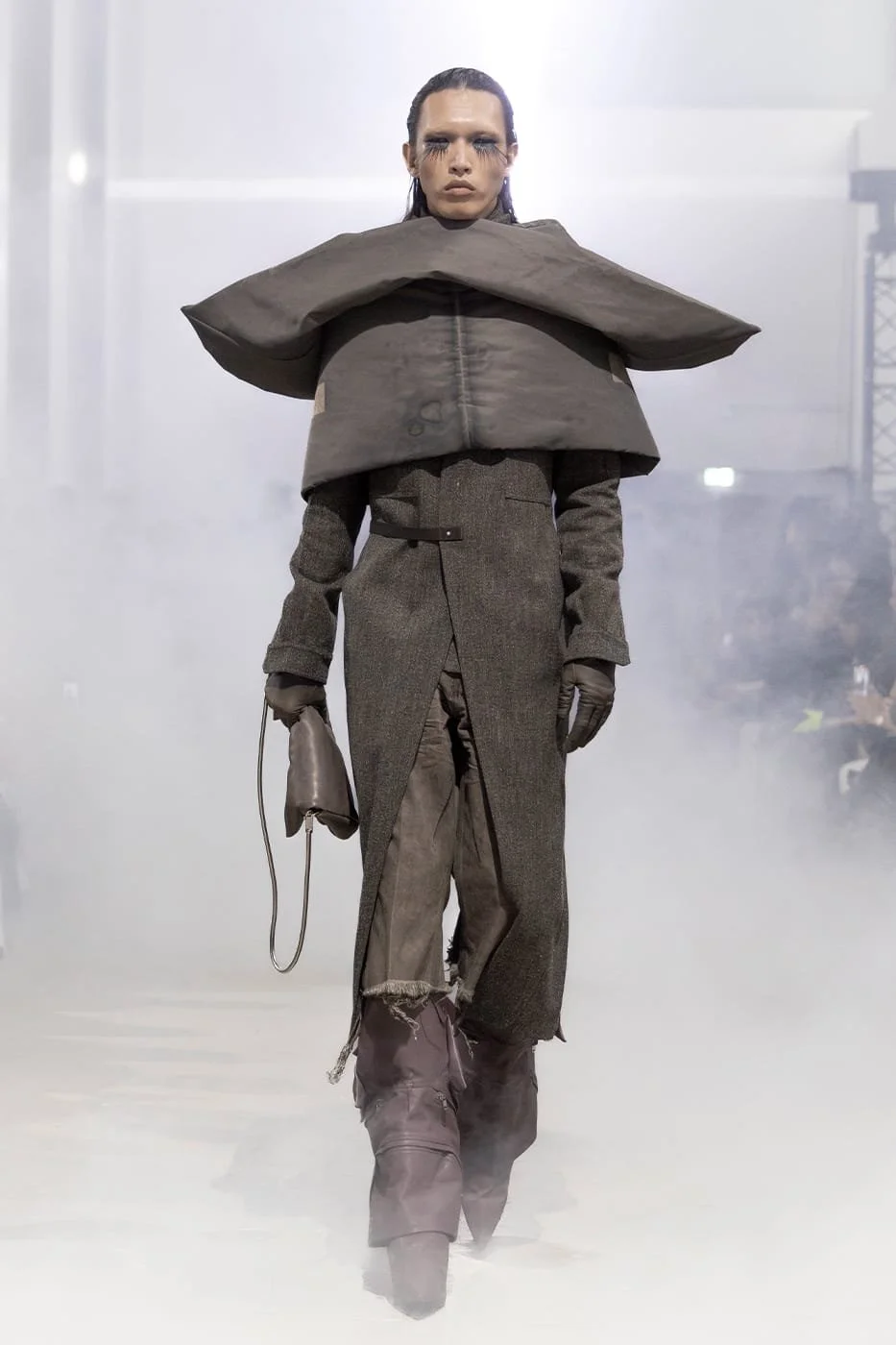
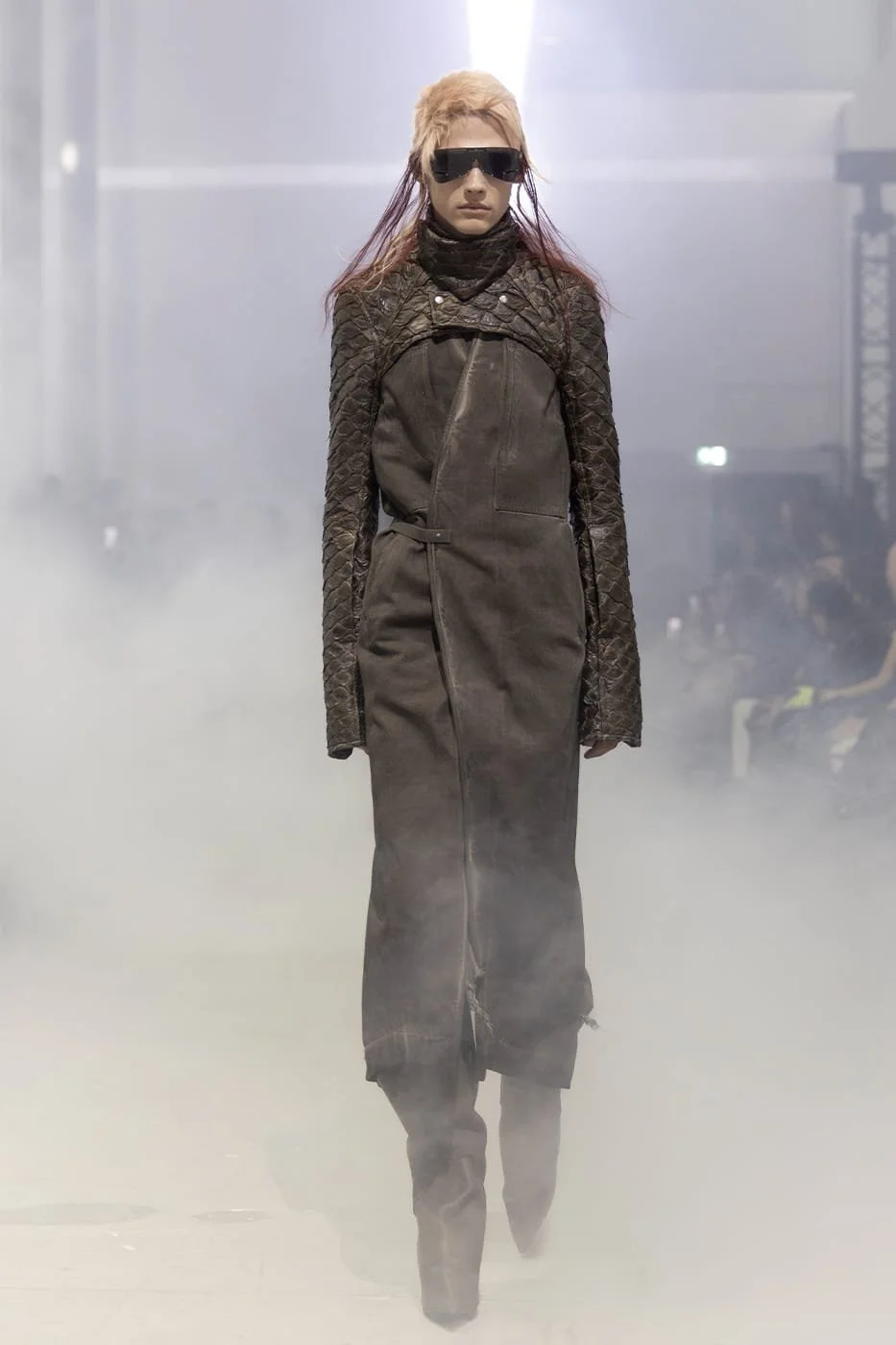
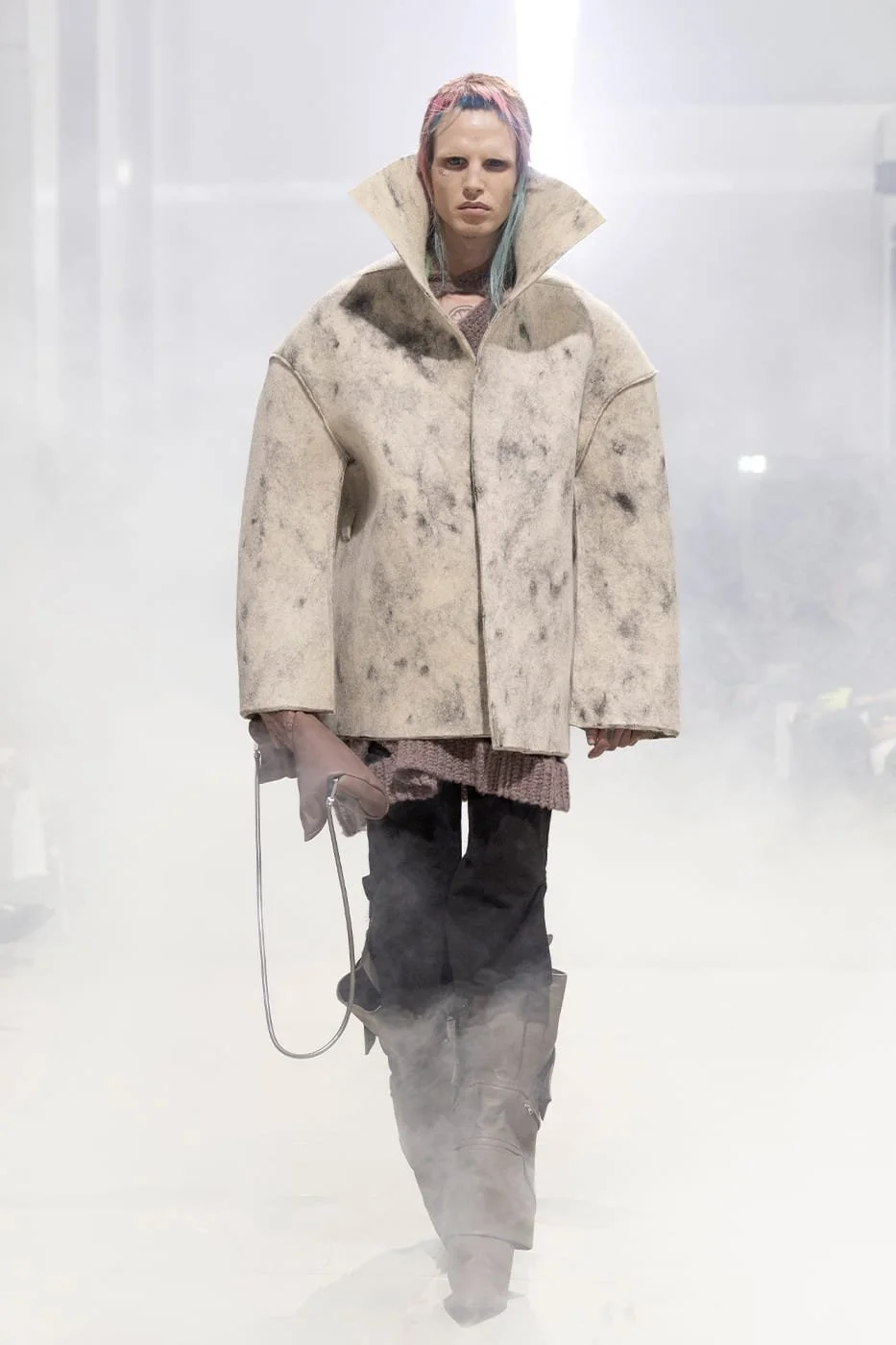
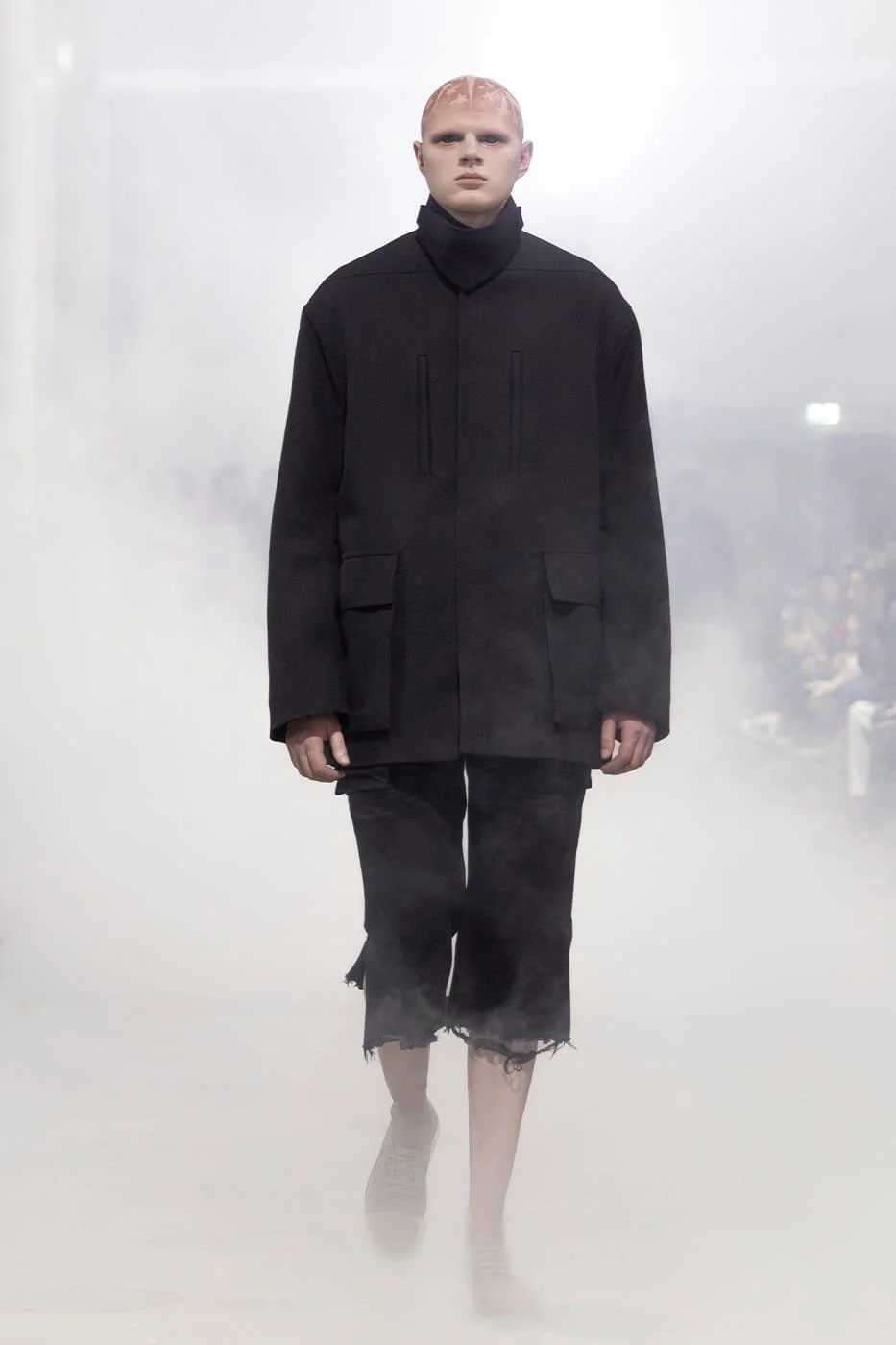
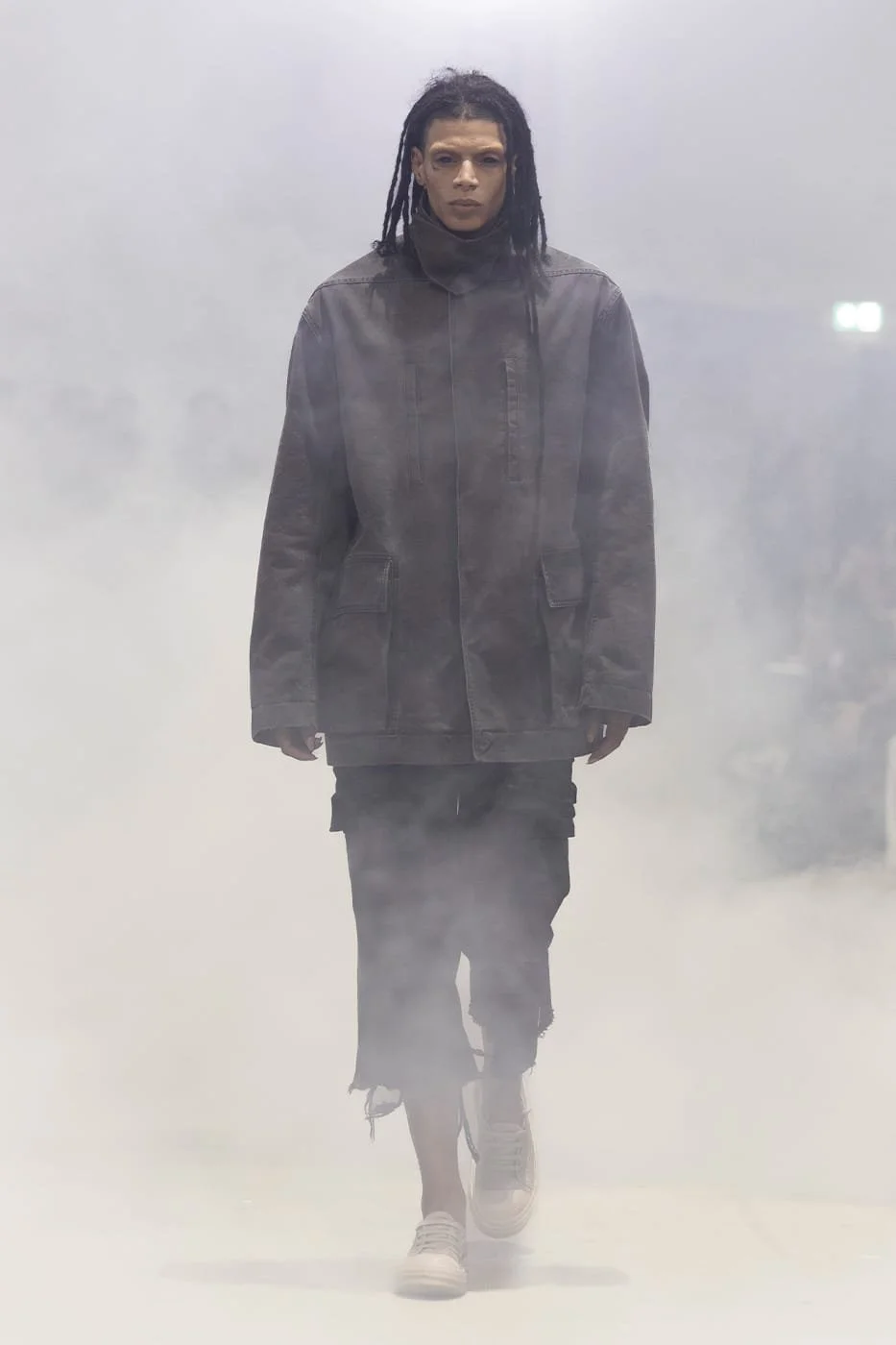
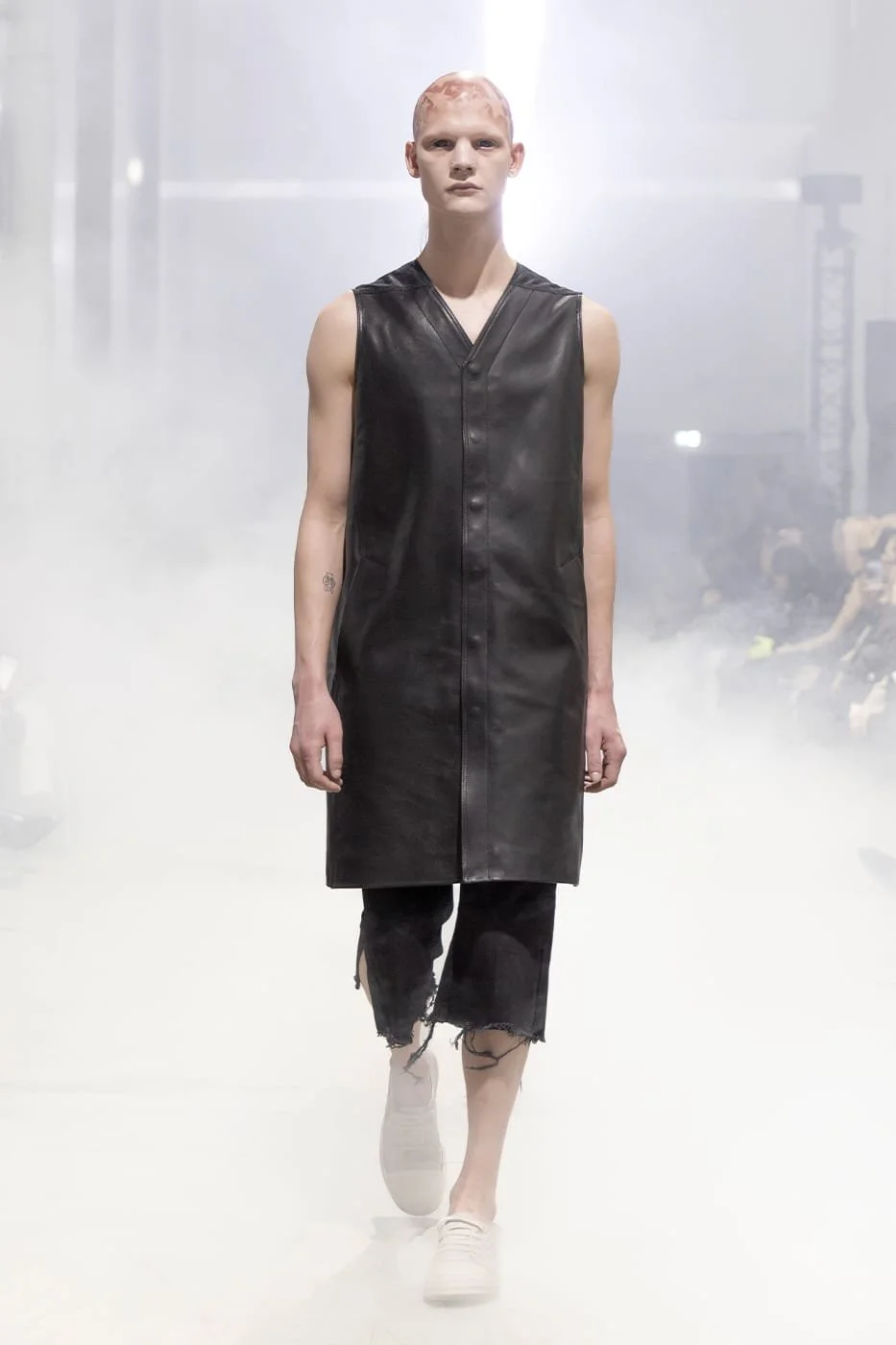
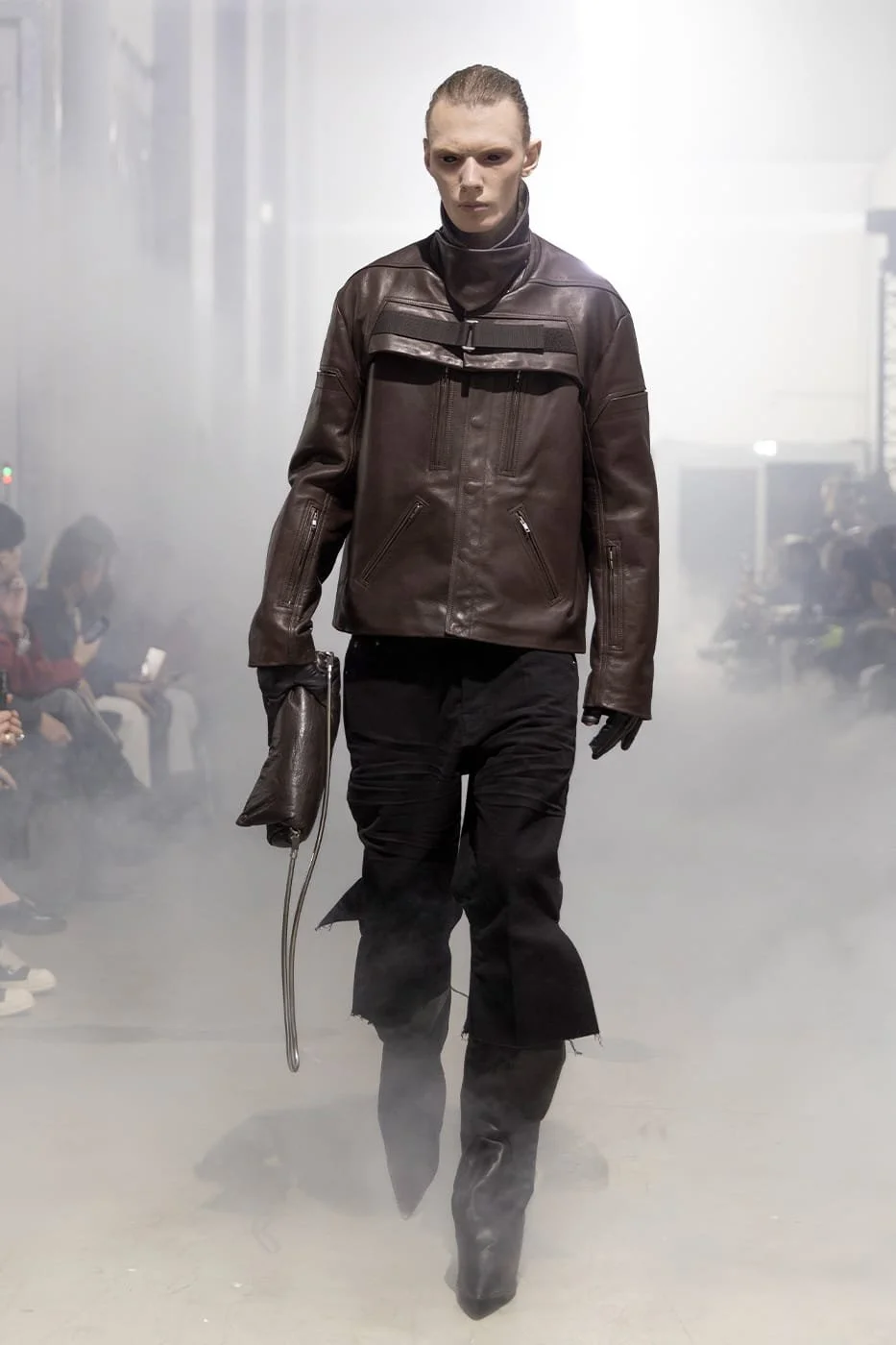
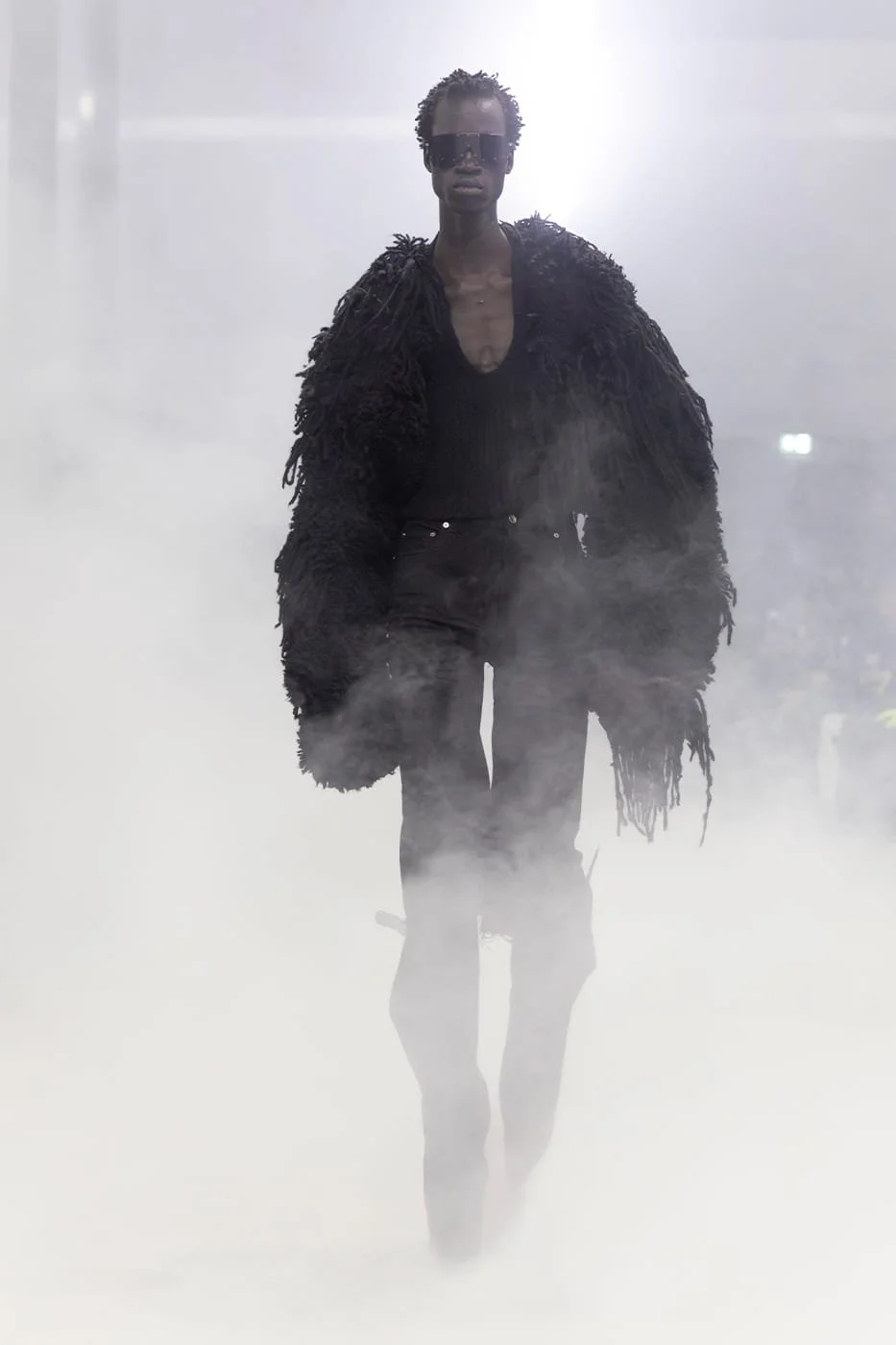
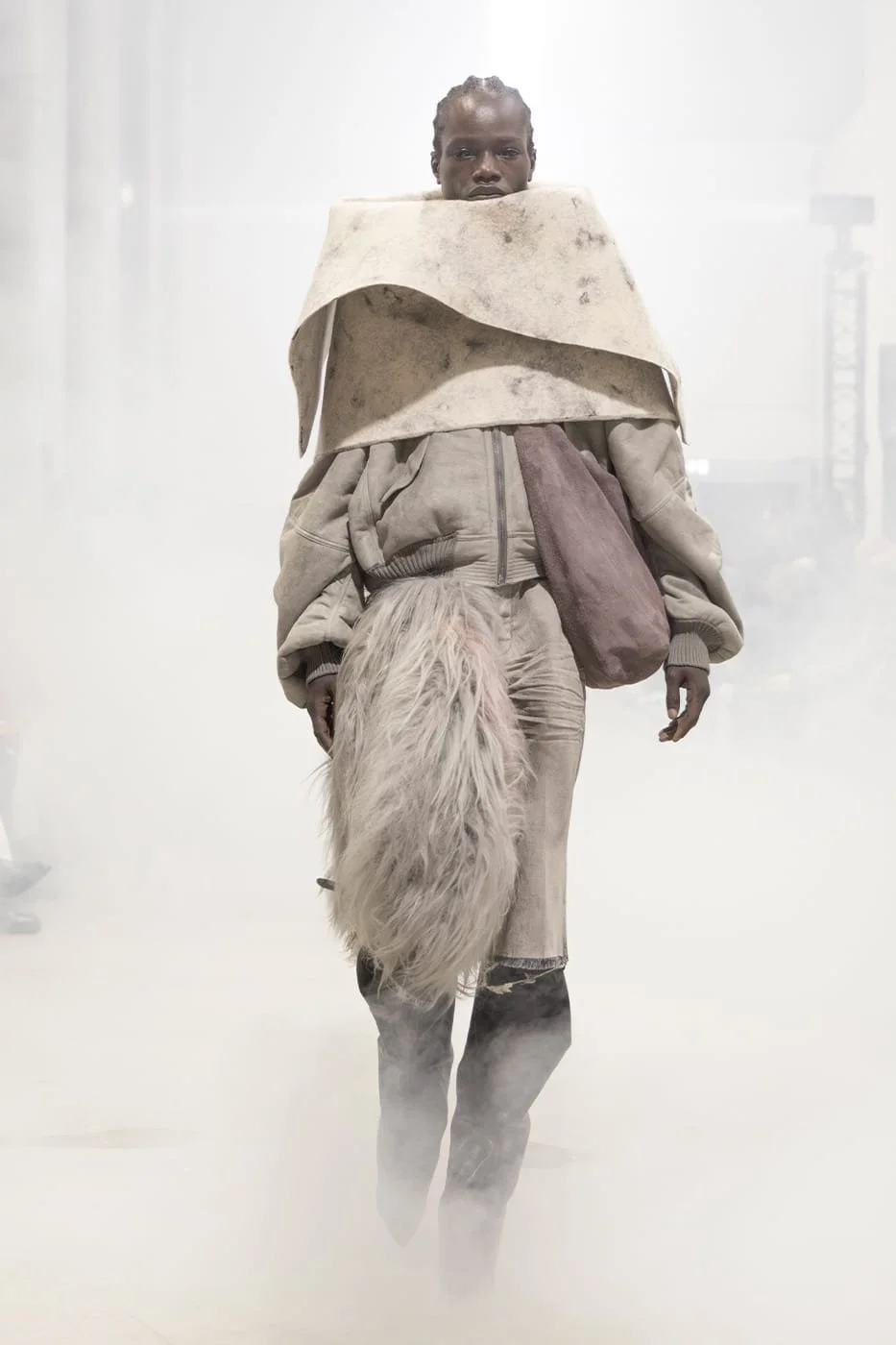
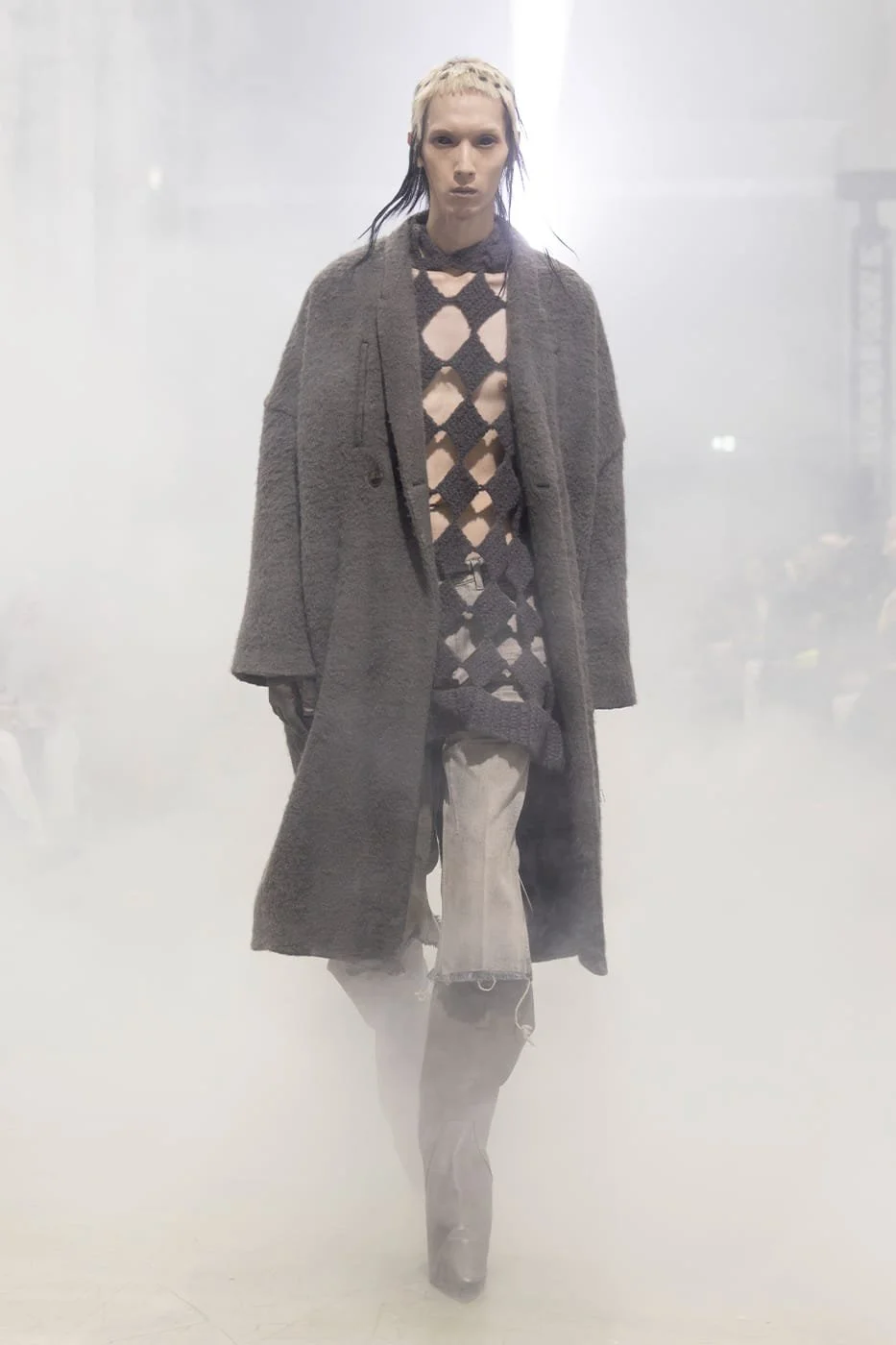
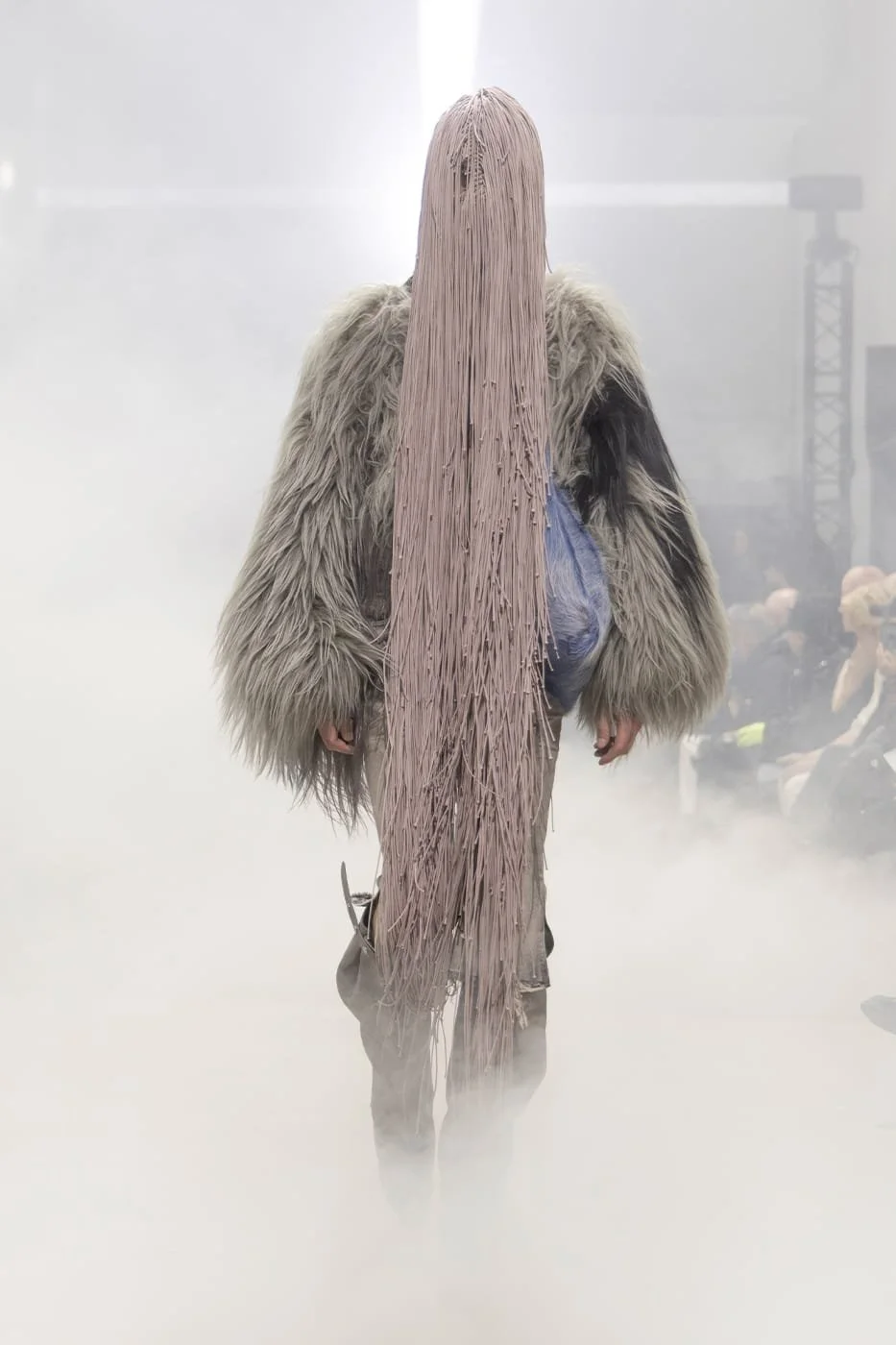
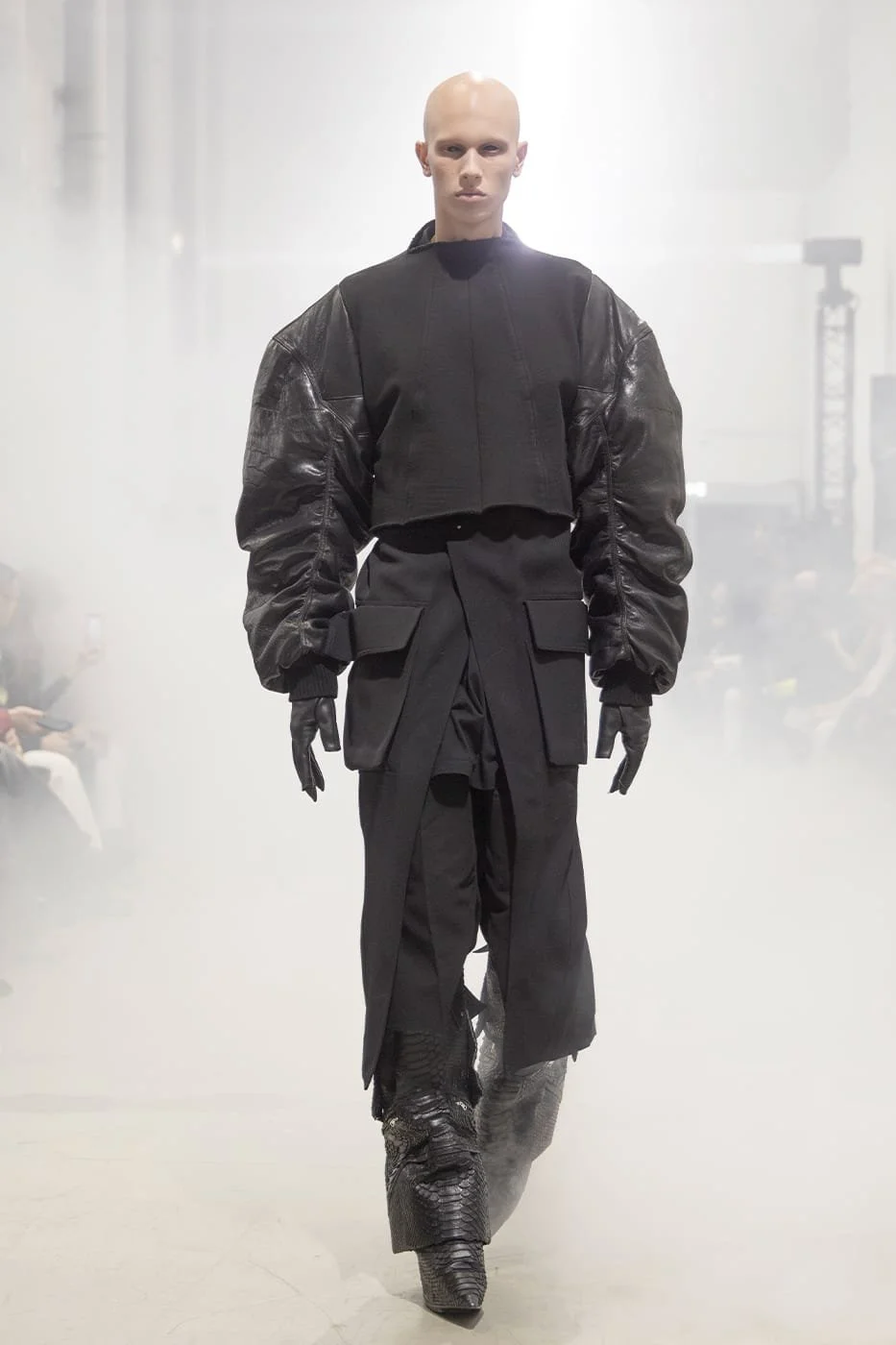
This season, Rick Owens explored the concept of modern authority. While other shows focused on dystopian visions, the designer’s Fall/Winter 2026 collection seems to have been inspired by the current state of the world and its leaders.

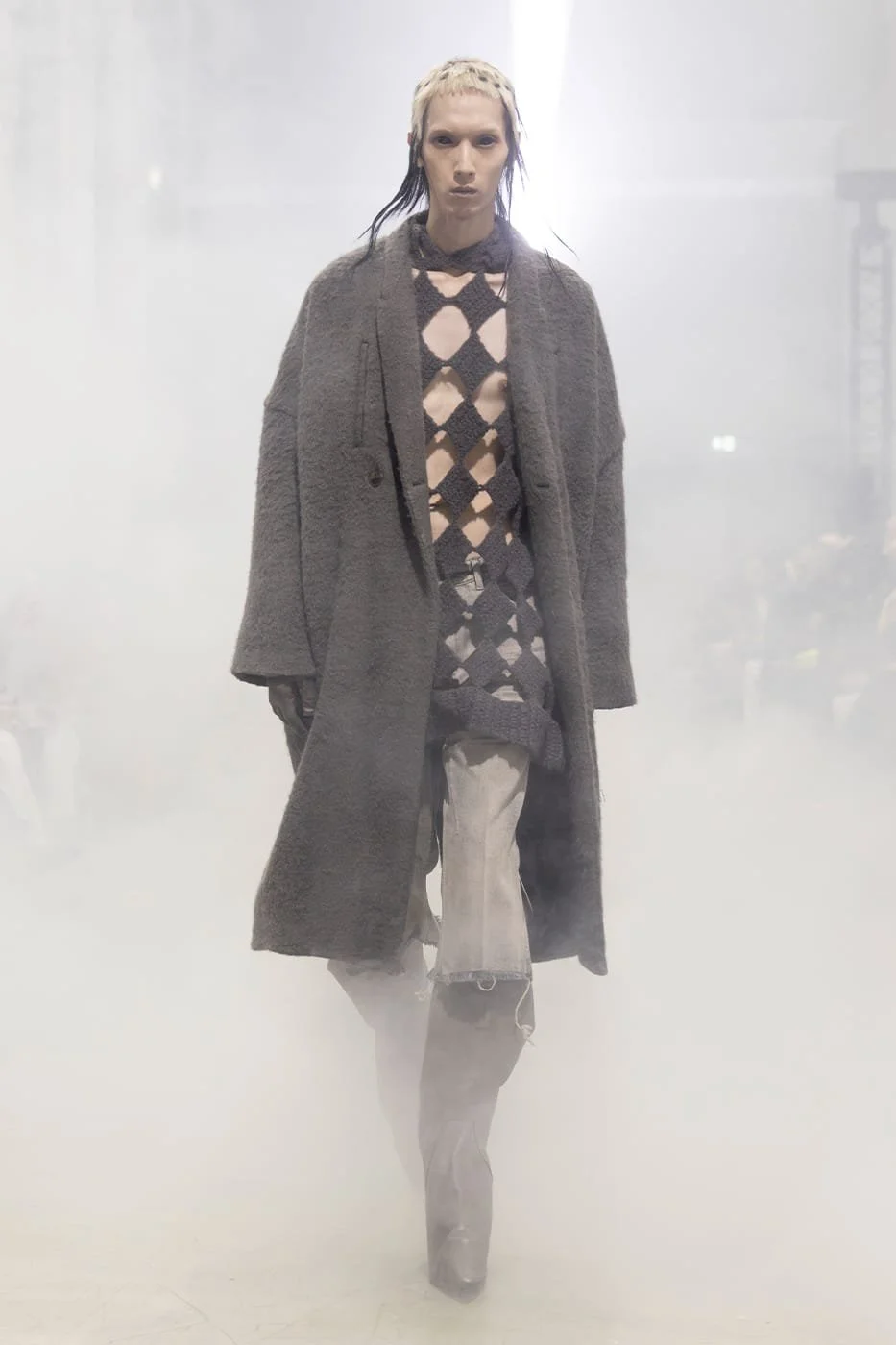
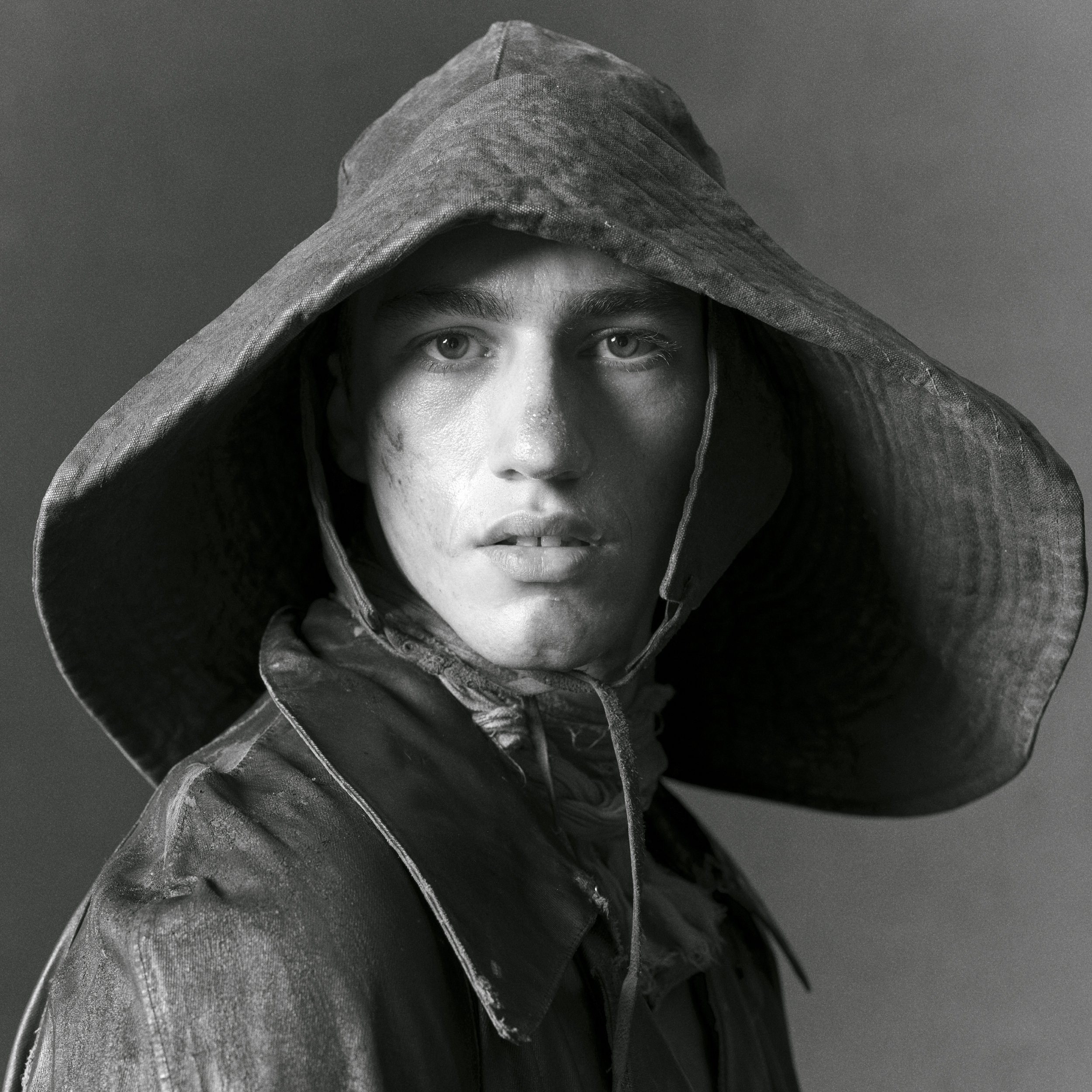
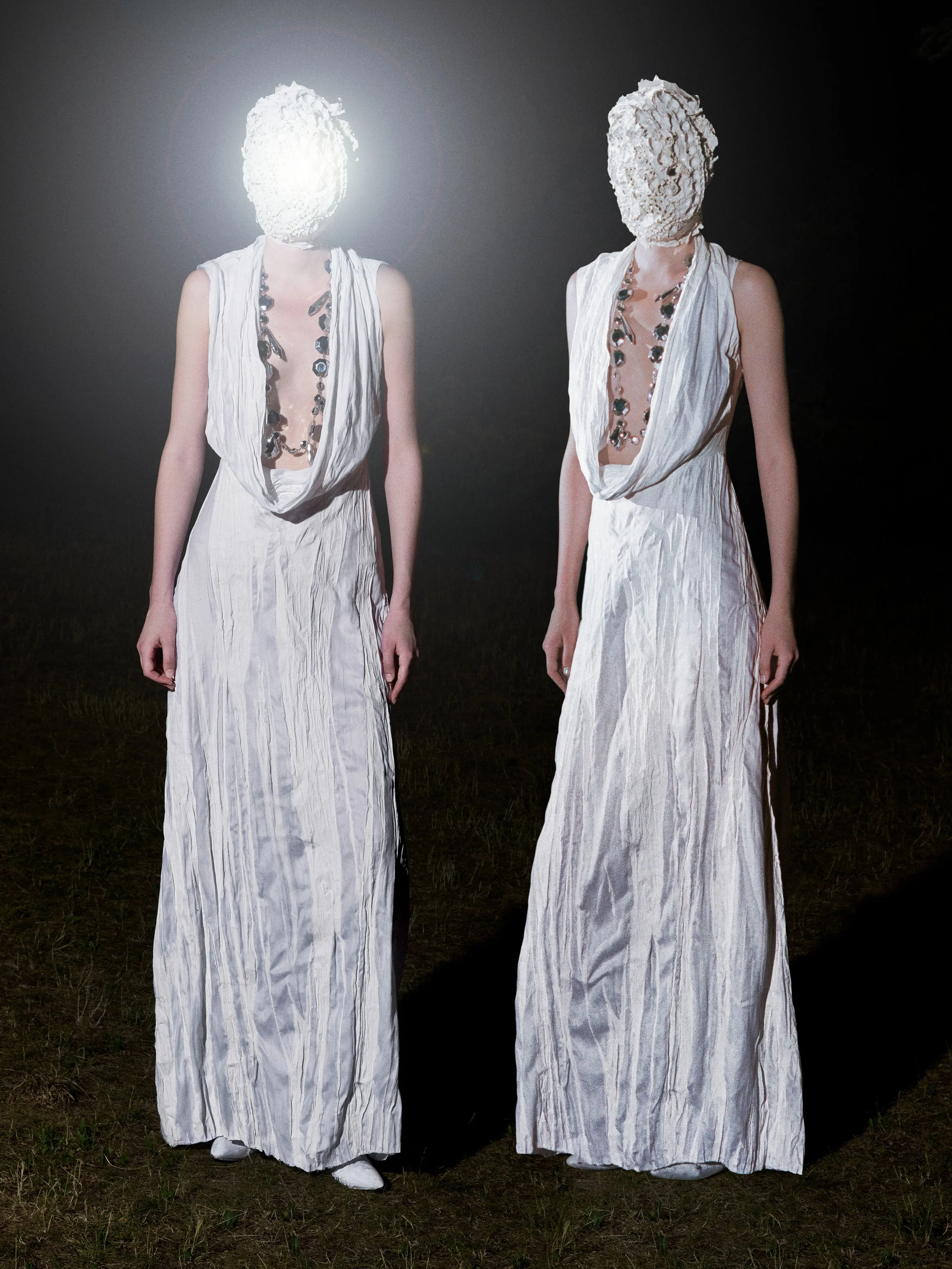
The smog created a dense environment, which merged with the dark and monumental statues of the models. Distressed materials, such as thick wools, faux fur, and patchwork, along with deconstructed pieces and monochromatic colours ranging from black and charcoal to taupe, greige, and dusty brown, evoked a harsh, raw aesthetic that at times brought a sense of discomfort.

Through its styling, the brand seeks a distortion of reality, an exaggeration of shapes. Yet the garments fit naturally to the body, a common feature of the brand’s collections and its relationship to the human form. Each look seems sculpted onto the wearer, acting as an extension of them rather than as an added accessory.

Faithful to his creative language, Owens introduced a collection of flawlessly made pieces presented through chaotic styling – an offering that speaks about the modern world and its spiralling disorder. More than clothing, Rick Owens is a concept, a social discourse, and a cultural moment that resonates with those who view life with the same distraught eyes as the designer.


Words by Carolina Benjumea

IM MEN FW26

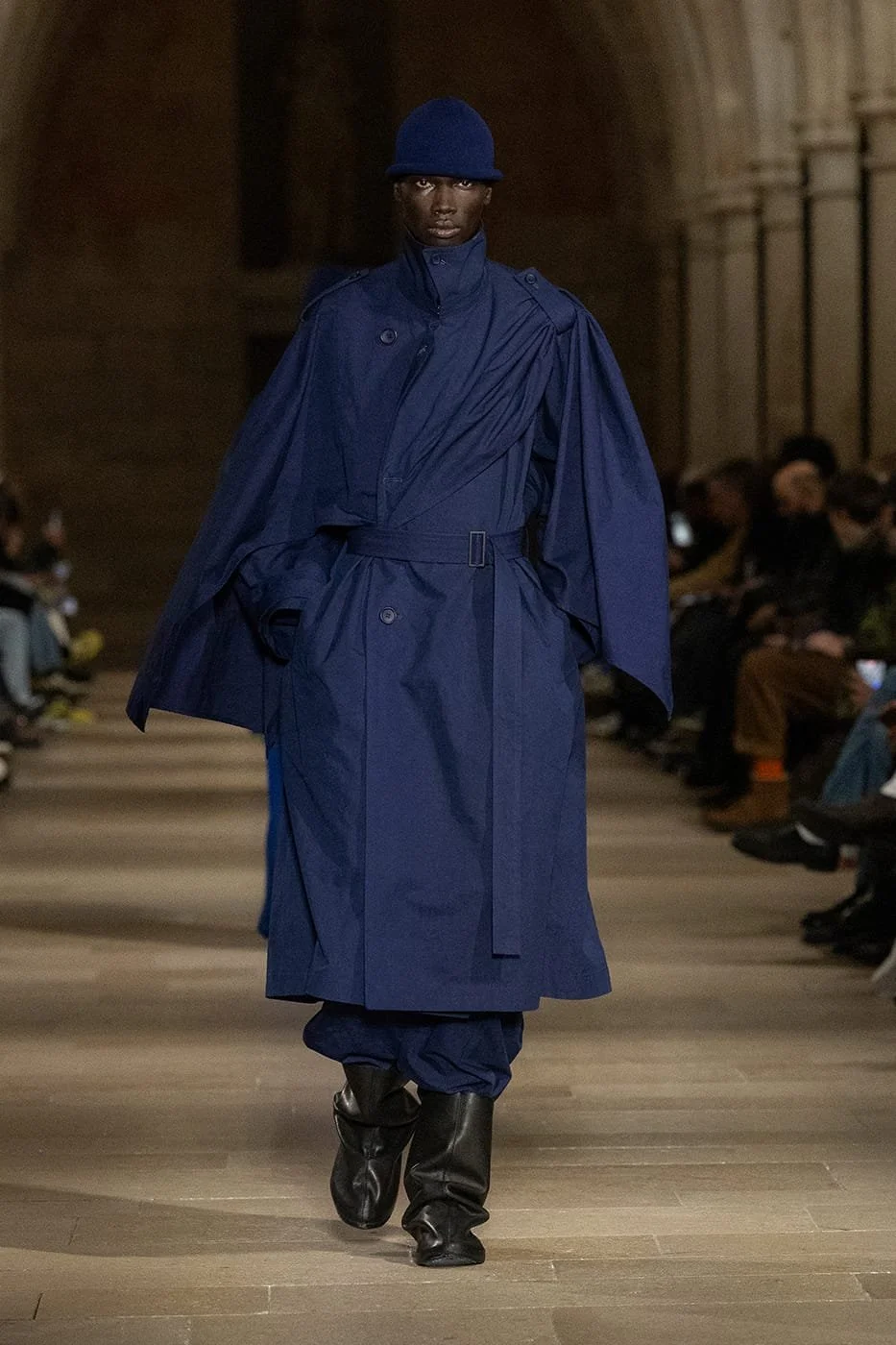
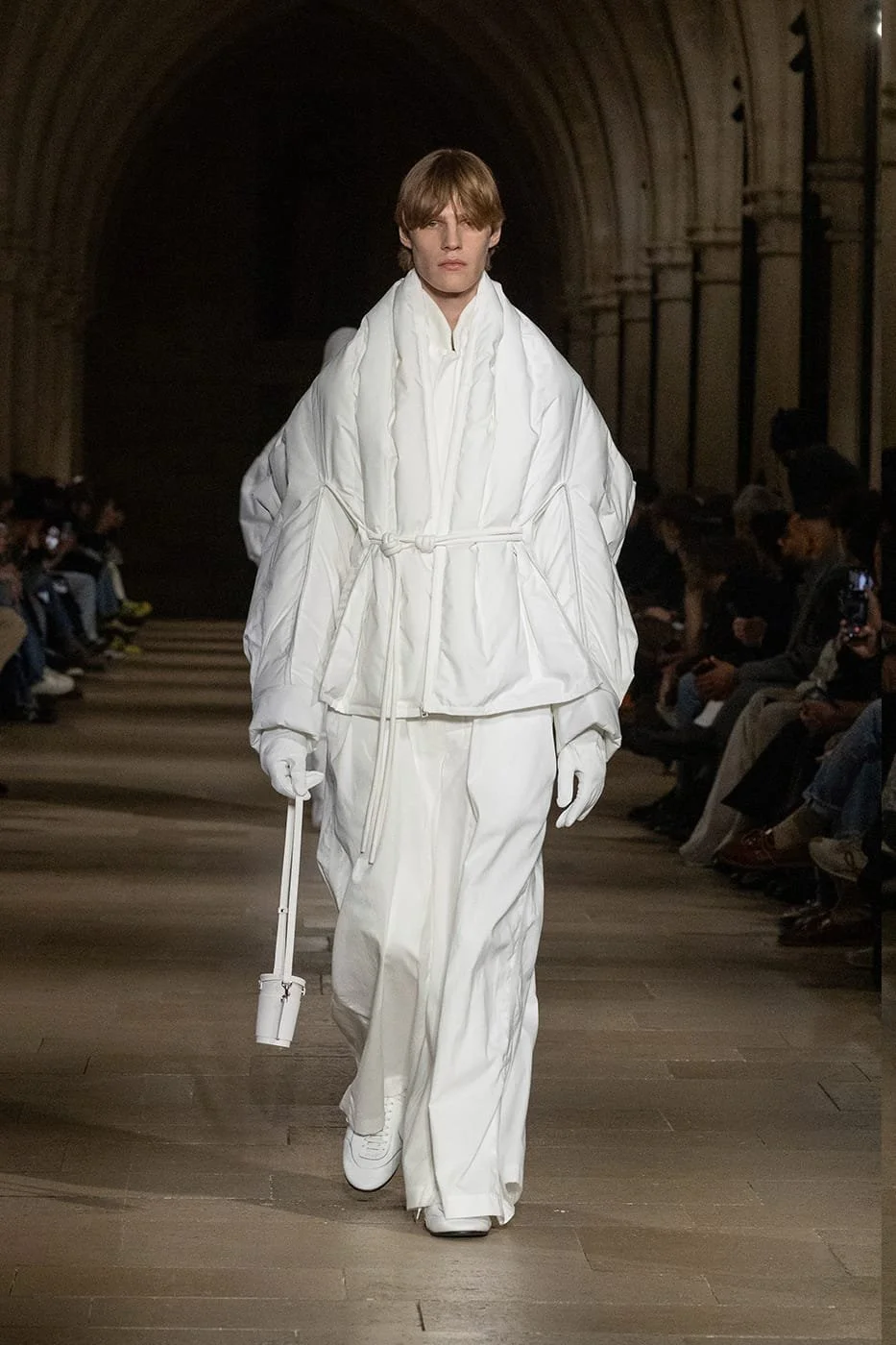
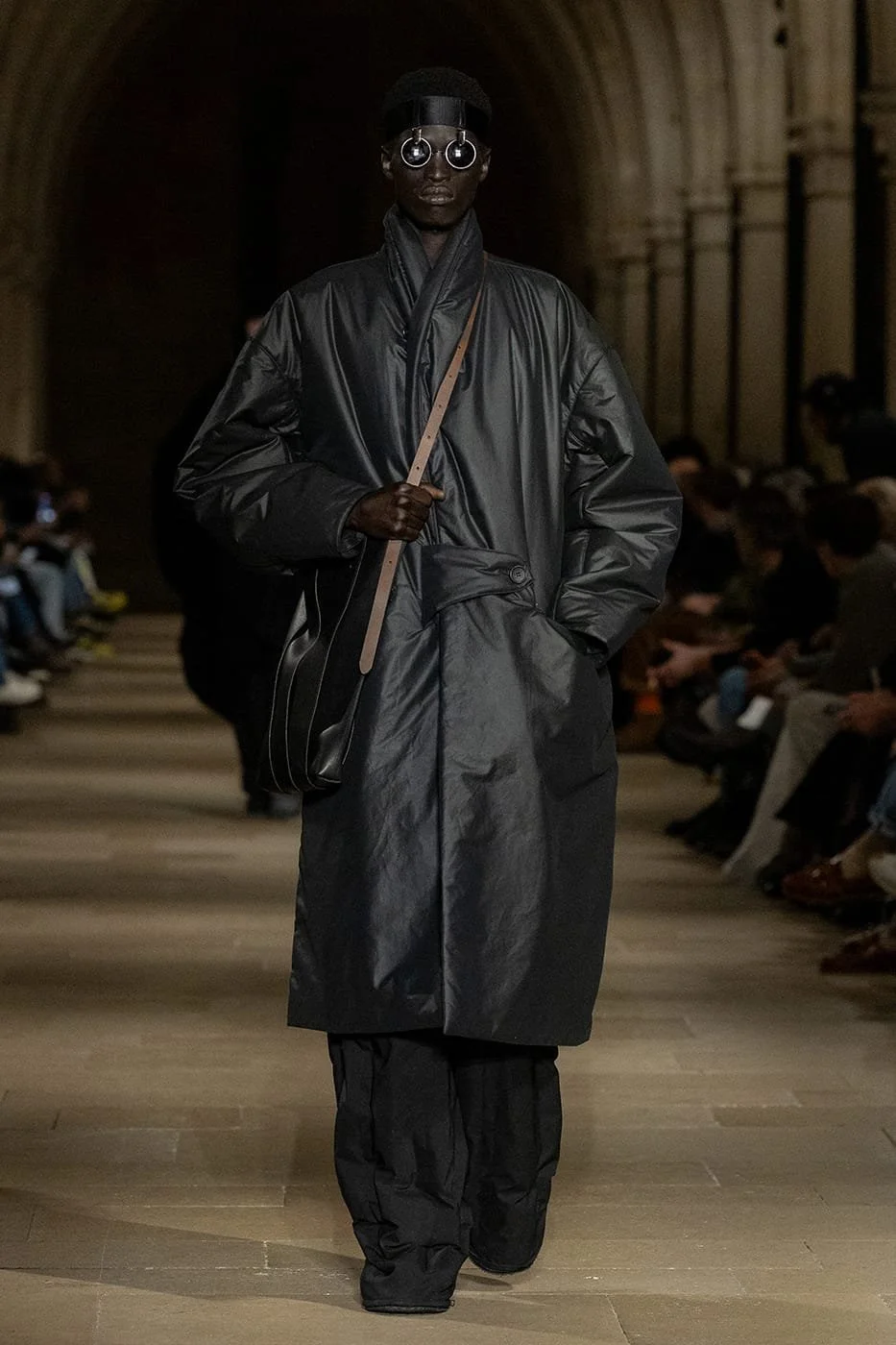
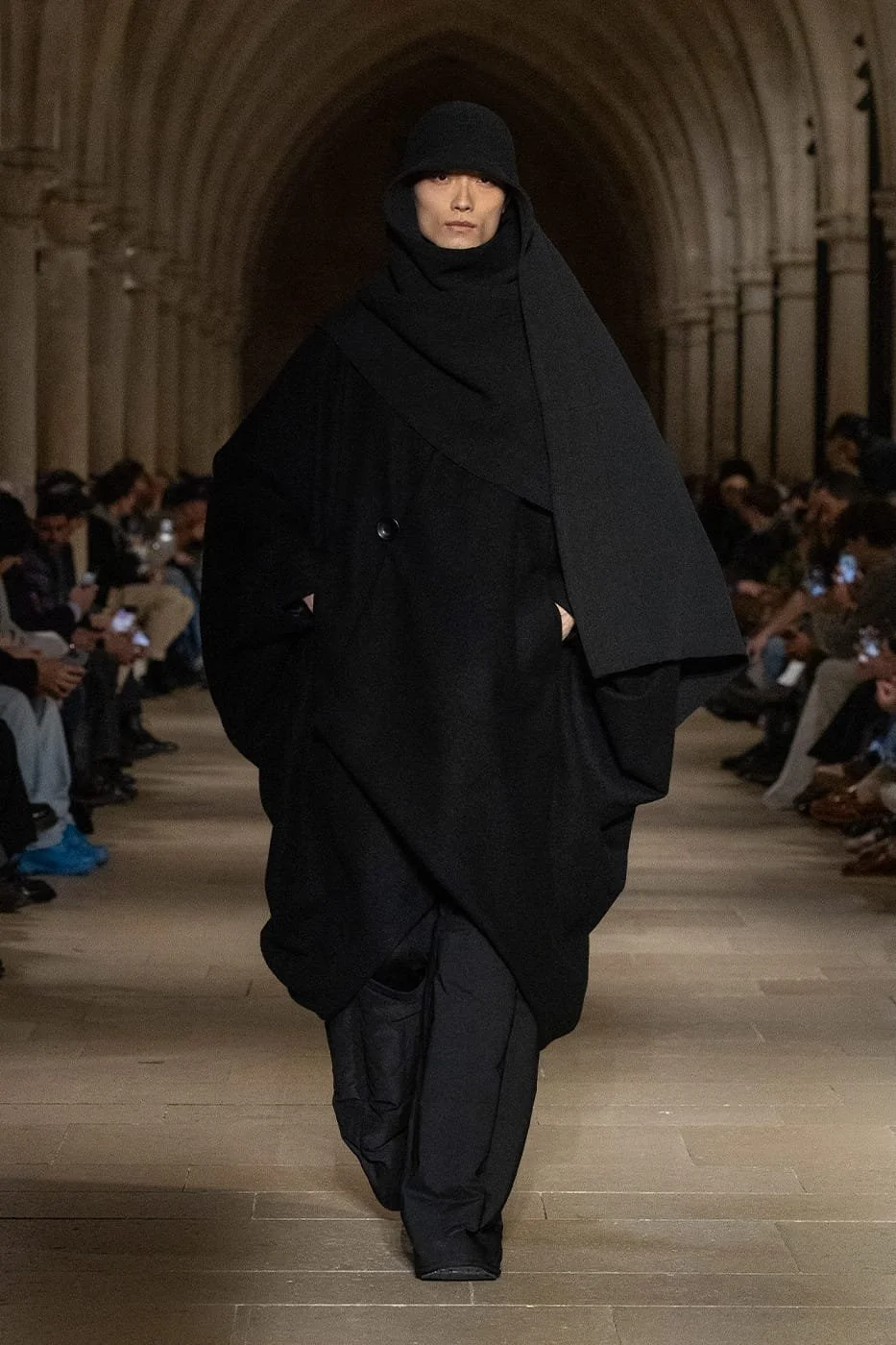
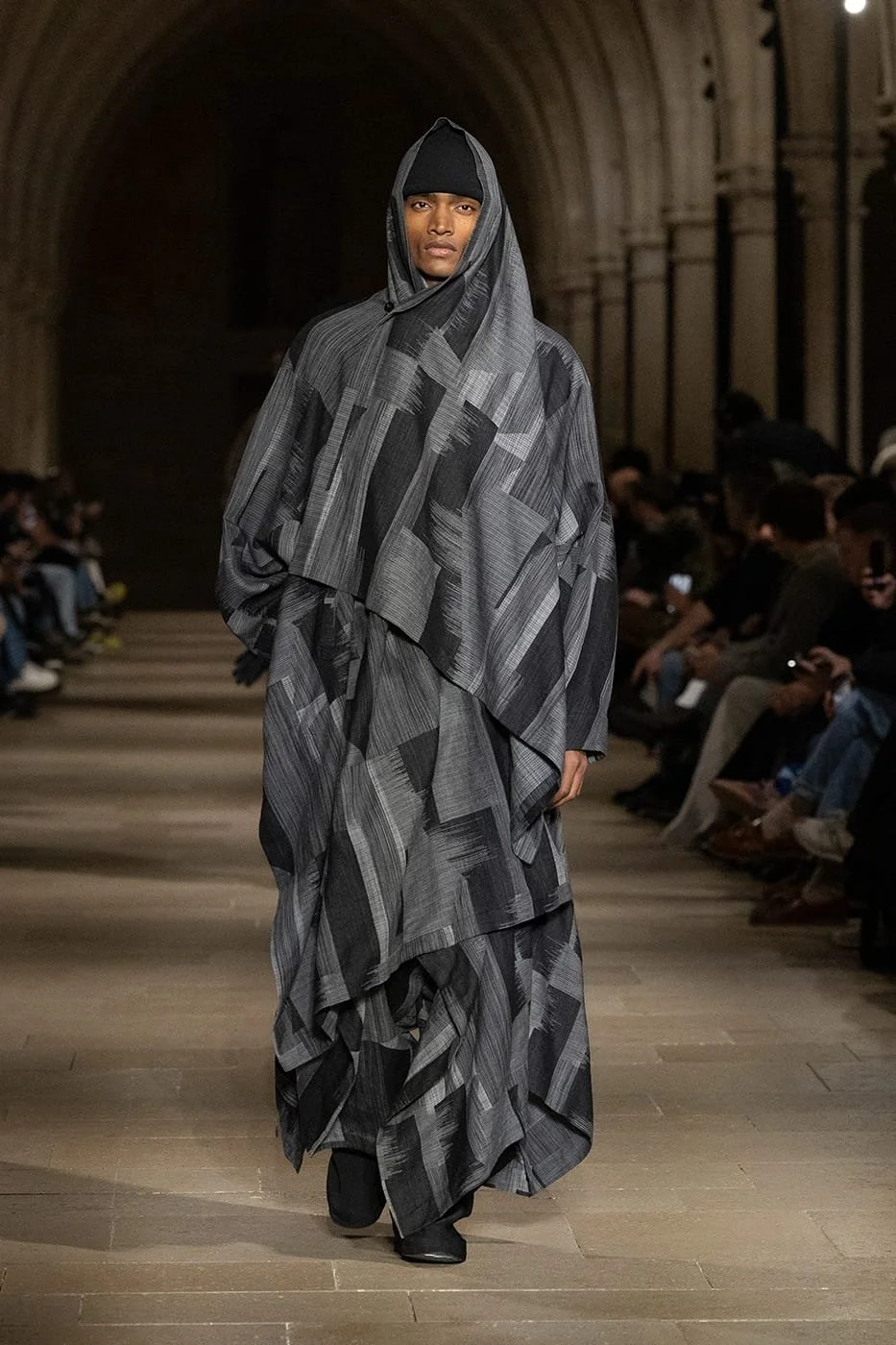
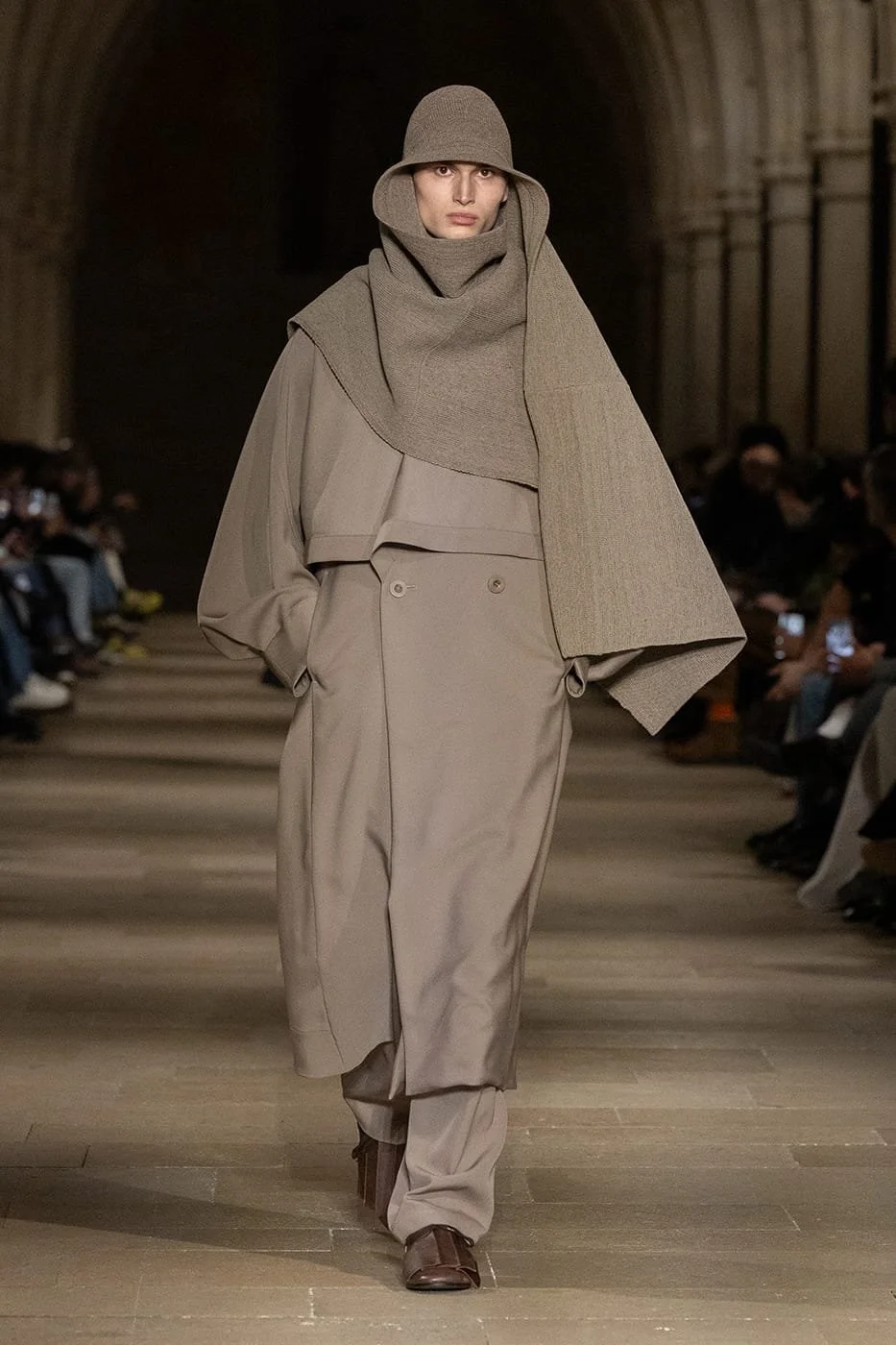
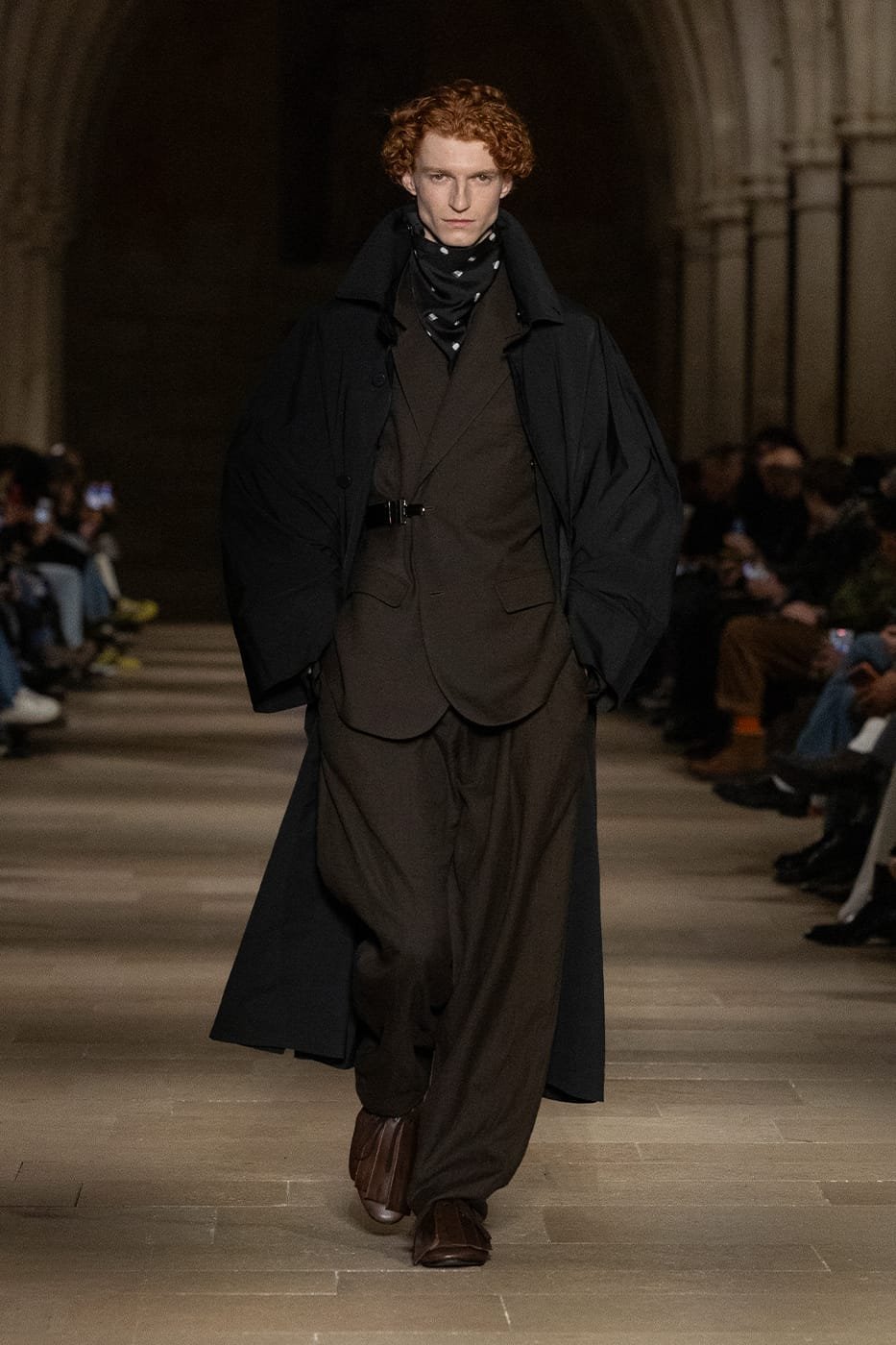
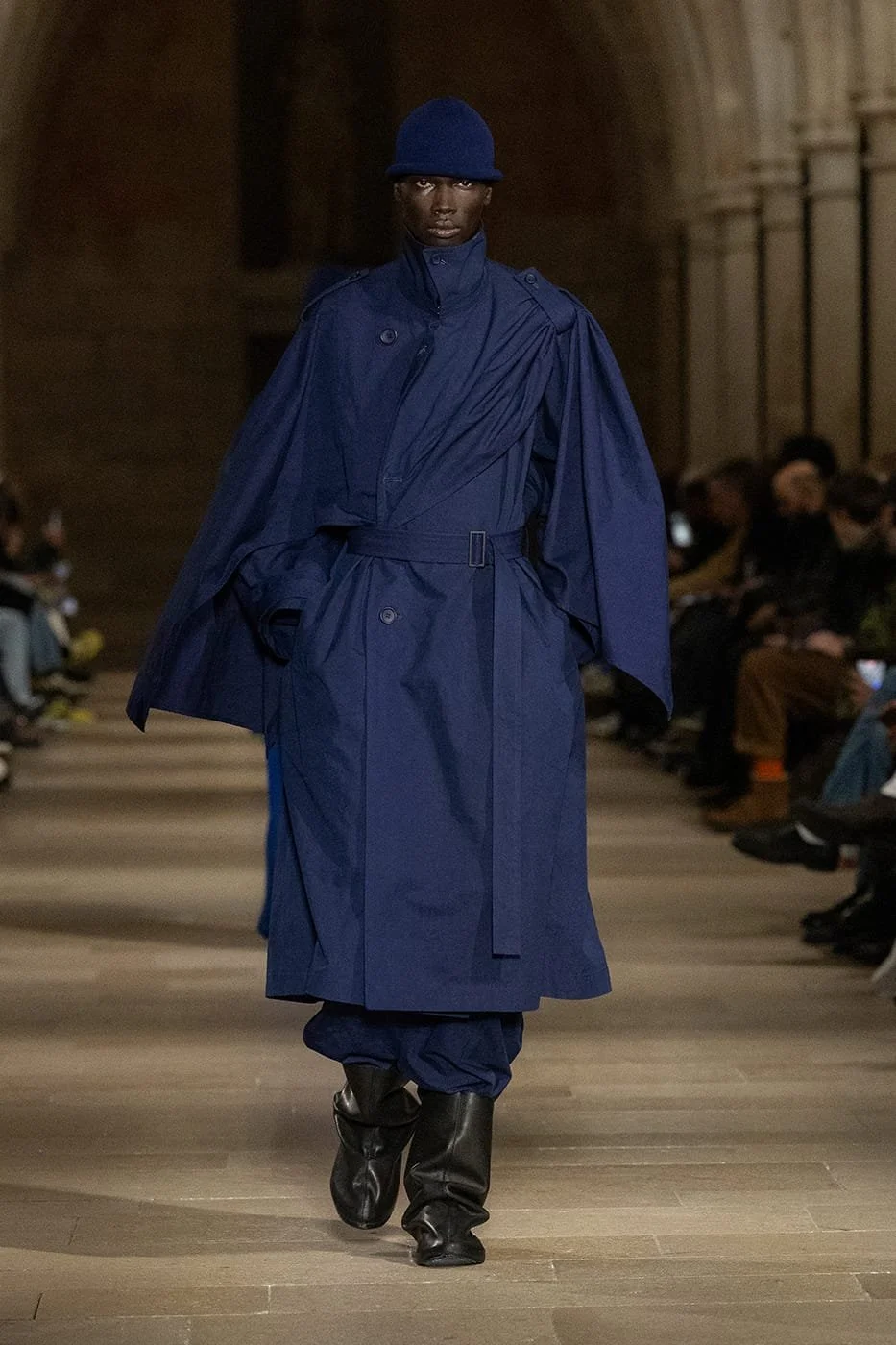
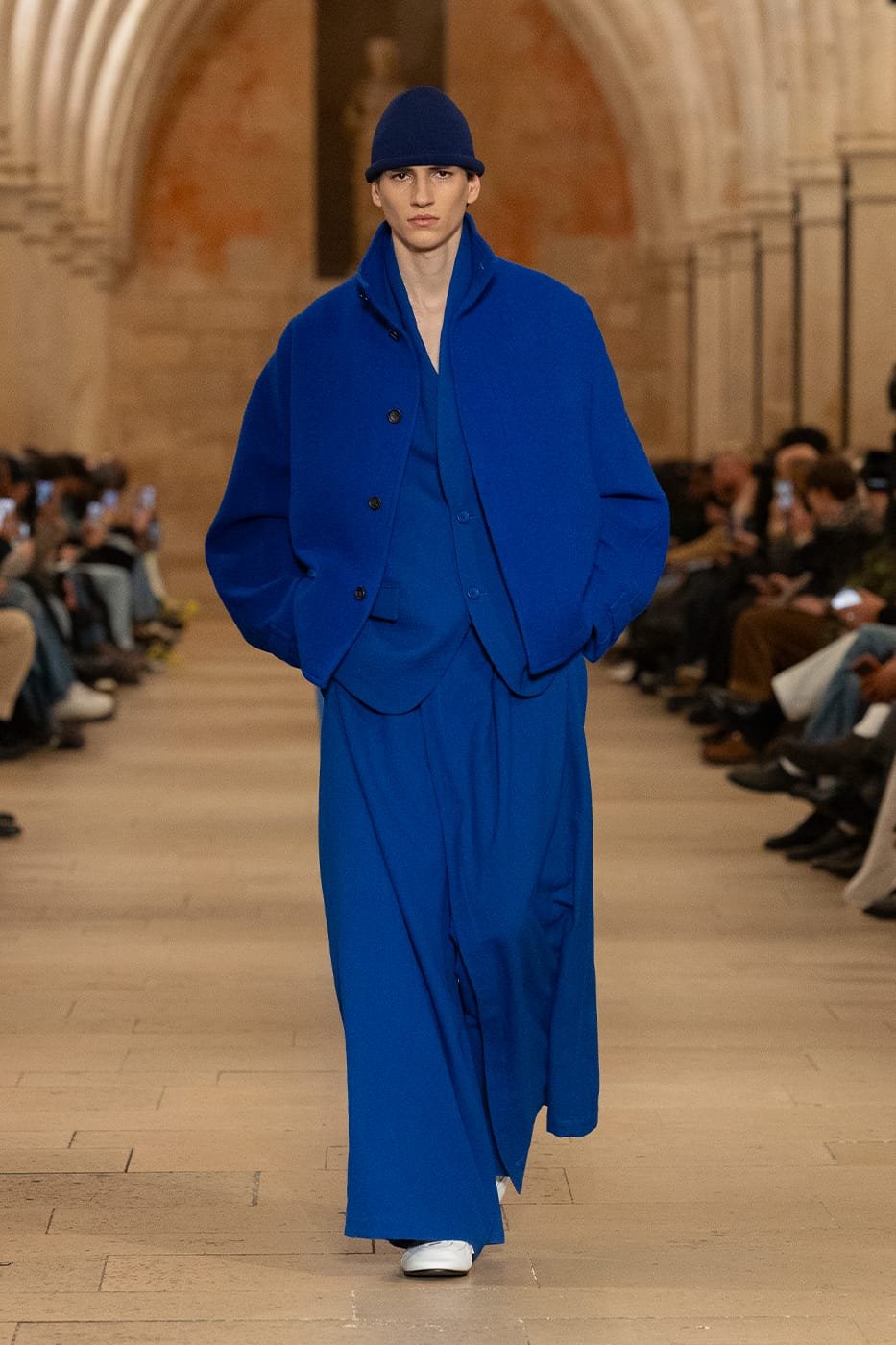
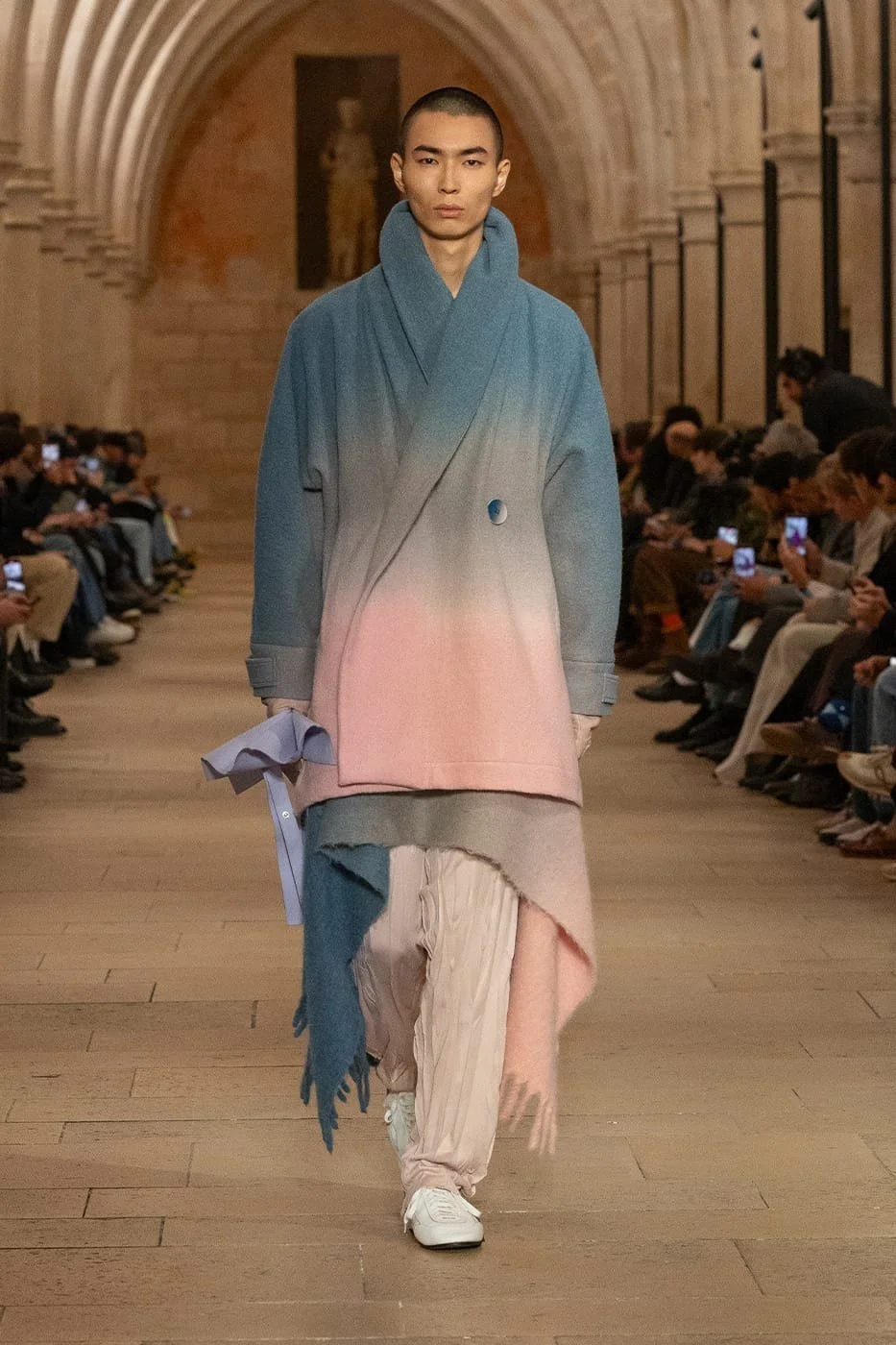
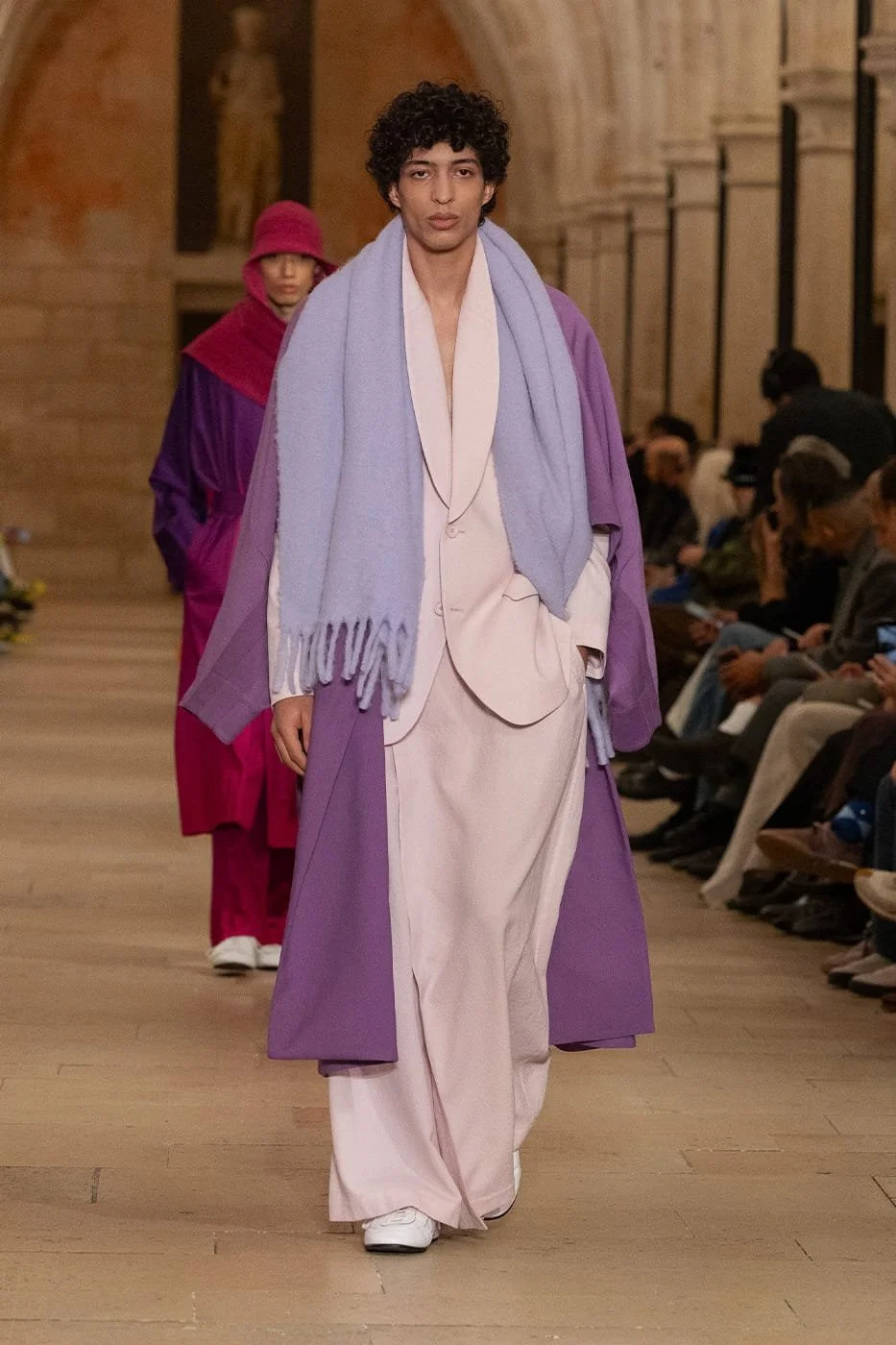
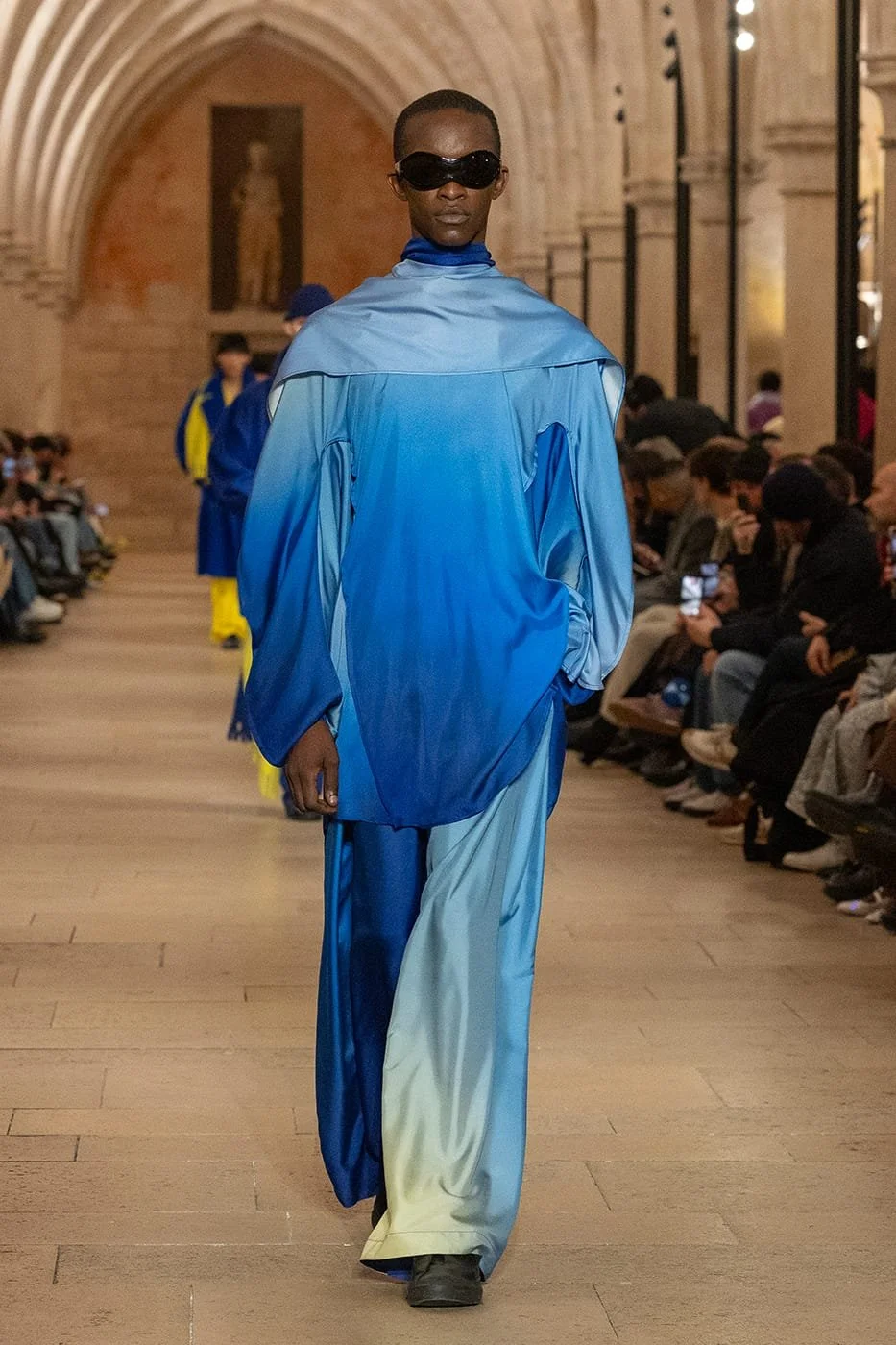
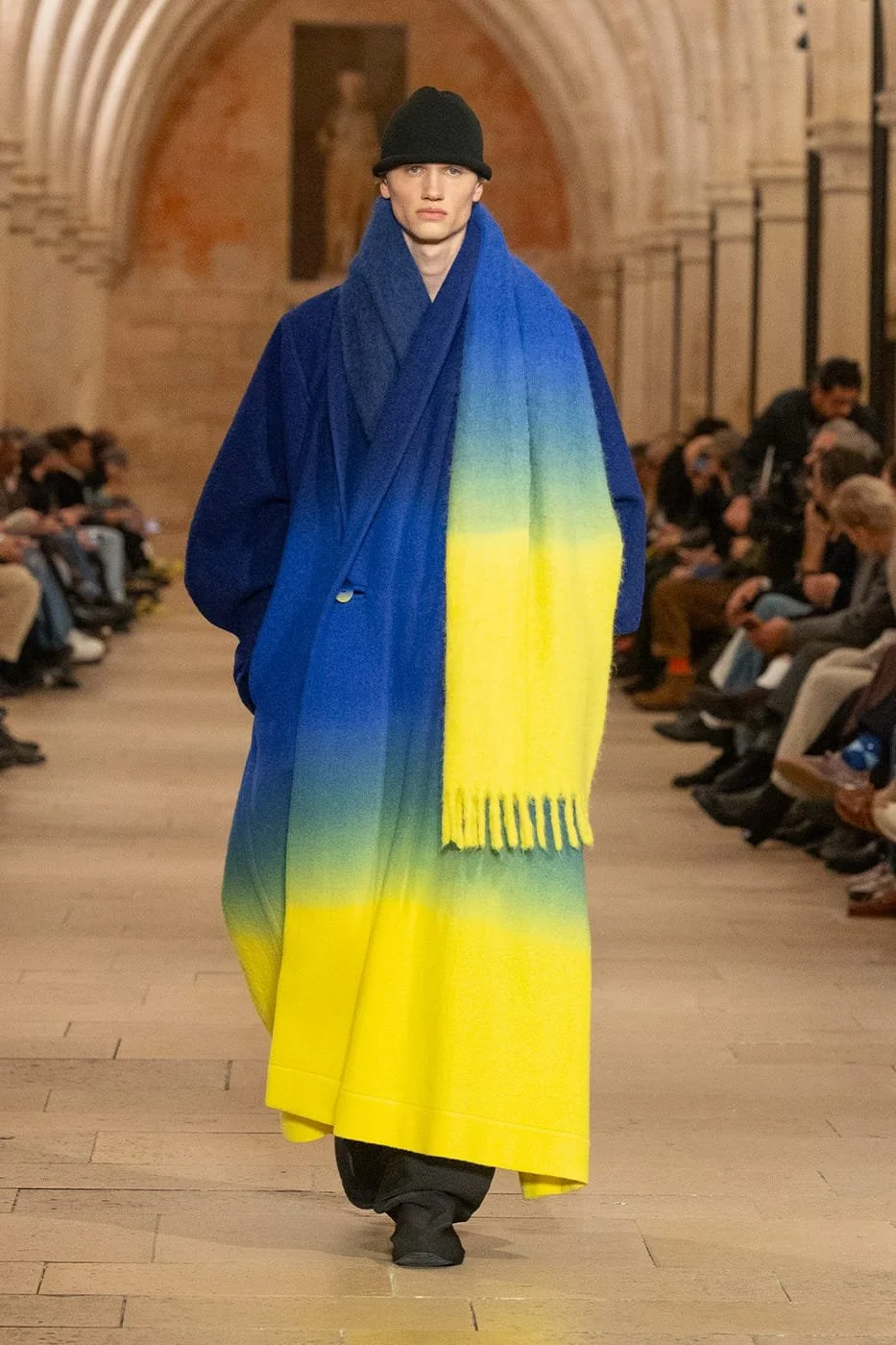
IM MEN’s Fall/Winter 2026 collection is an exploration of form, construction, and structure. Presented at the 13th-century Collège des Bernardins and titled Formless Form, the offering showcased garments that enveloped the body and created an almost religious aura.

Silhouette experimentations were at the centre of the collection through fluid draping and deconstructed garments. The body was left invisible, allowing the focus to rest solely on the sculptural nature of the pieces.

There was something architectural in the way the clothing was conceived: voluminous, vertical, and driven by intelligent construction rather than aesthetics alone. Oversized coats in wool and felted fabrics, wrap and robe coats in asymmetrical shapes, ponchos, capes, and long tunics defined the proposition.

The collection opened in black, which then transitioned into muted tones before bursting into electric, saturated shades, creating a sense of movement and transformation. The entire show unfolded like a meditative state, an introspective moment. Garments draped the body gracefully and were designed to layer seamlessly, reinforcing a sense of calm, continuity, and contemplation.


Words by Carolina Benjumea

DIOR MEN FW26

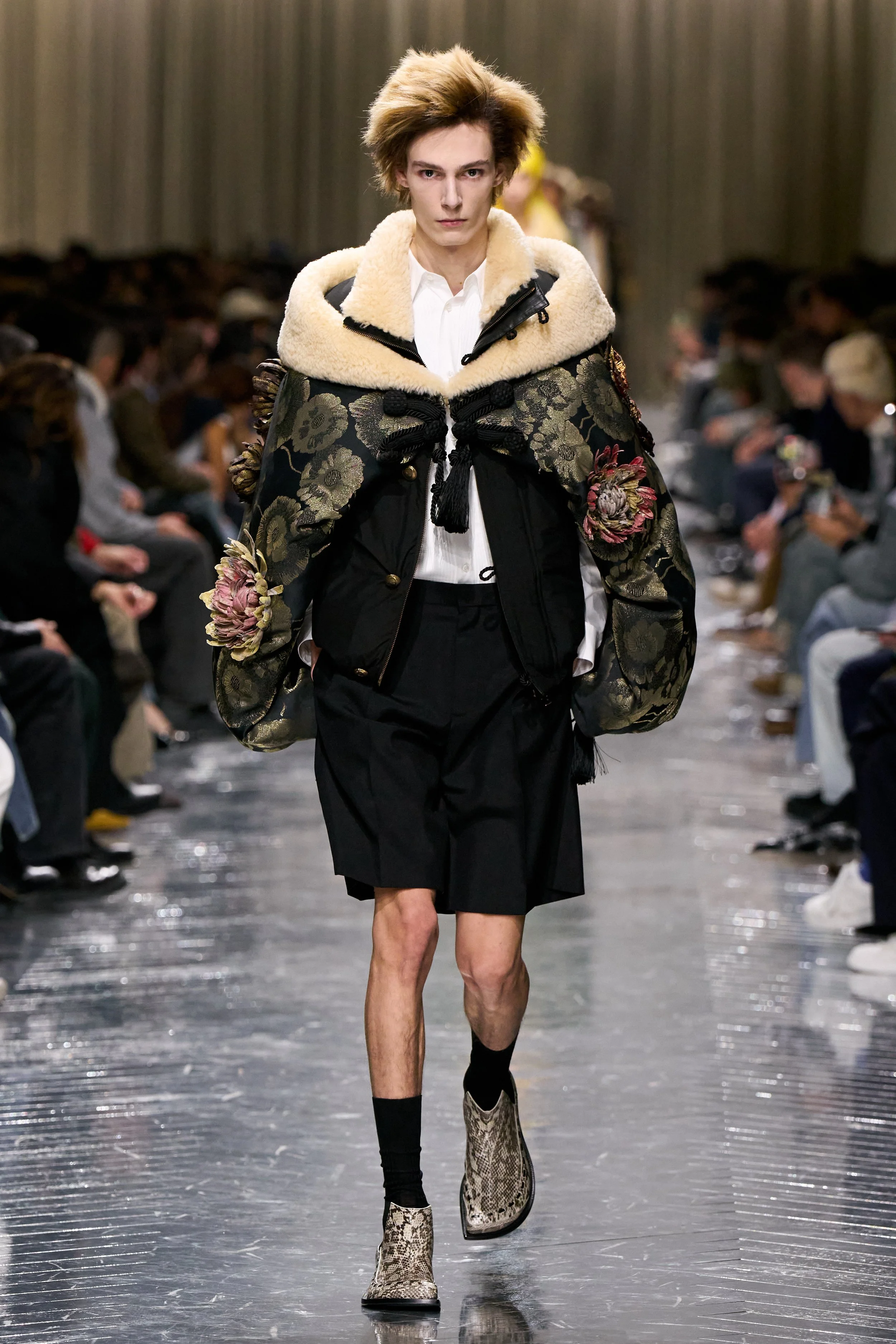
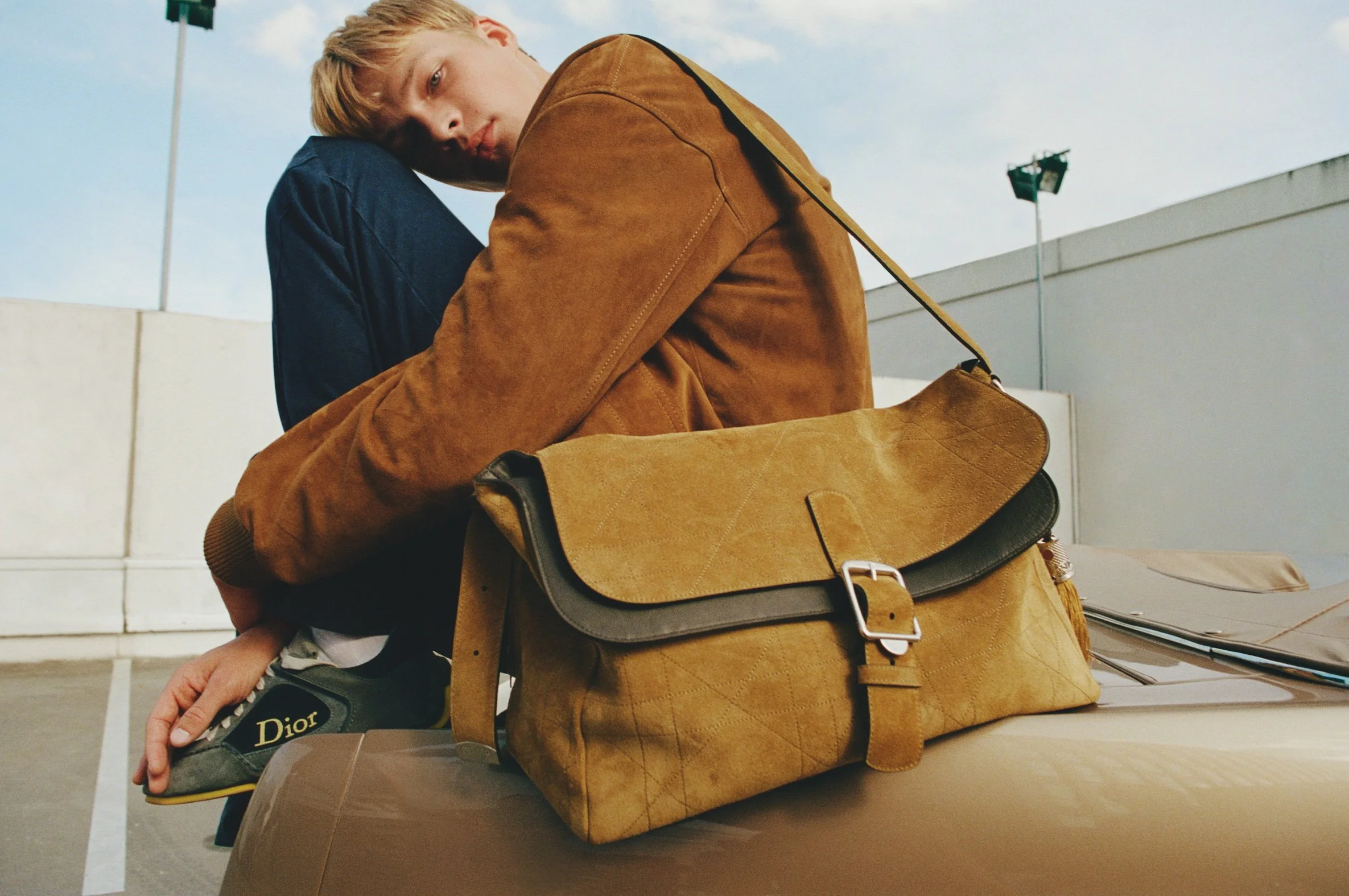
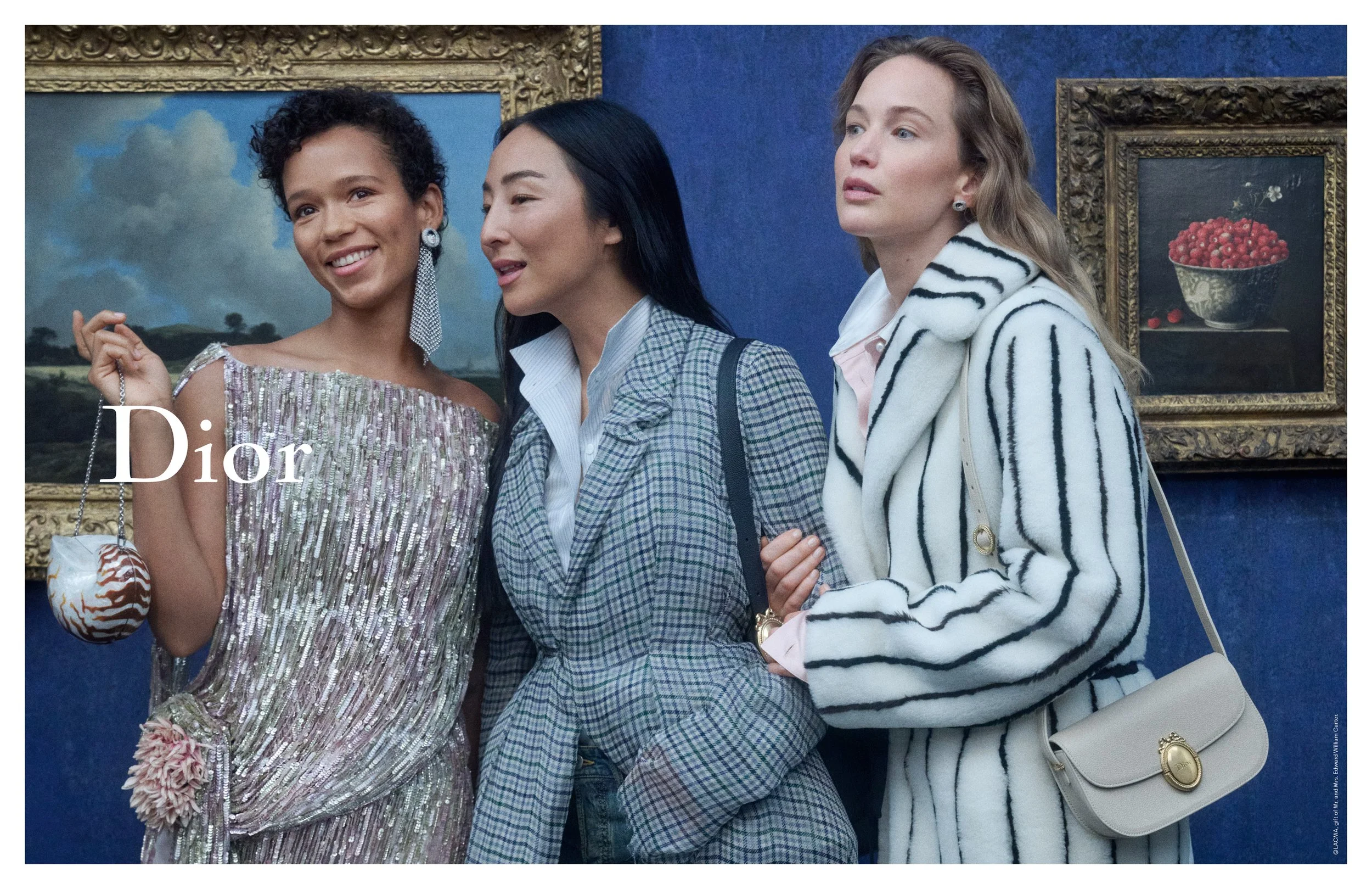
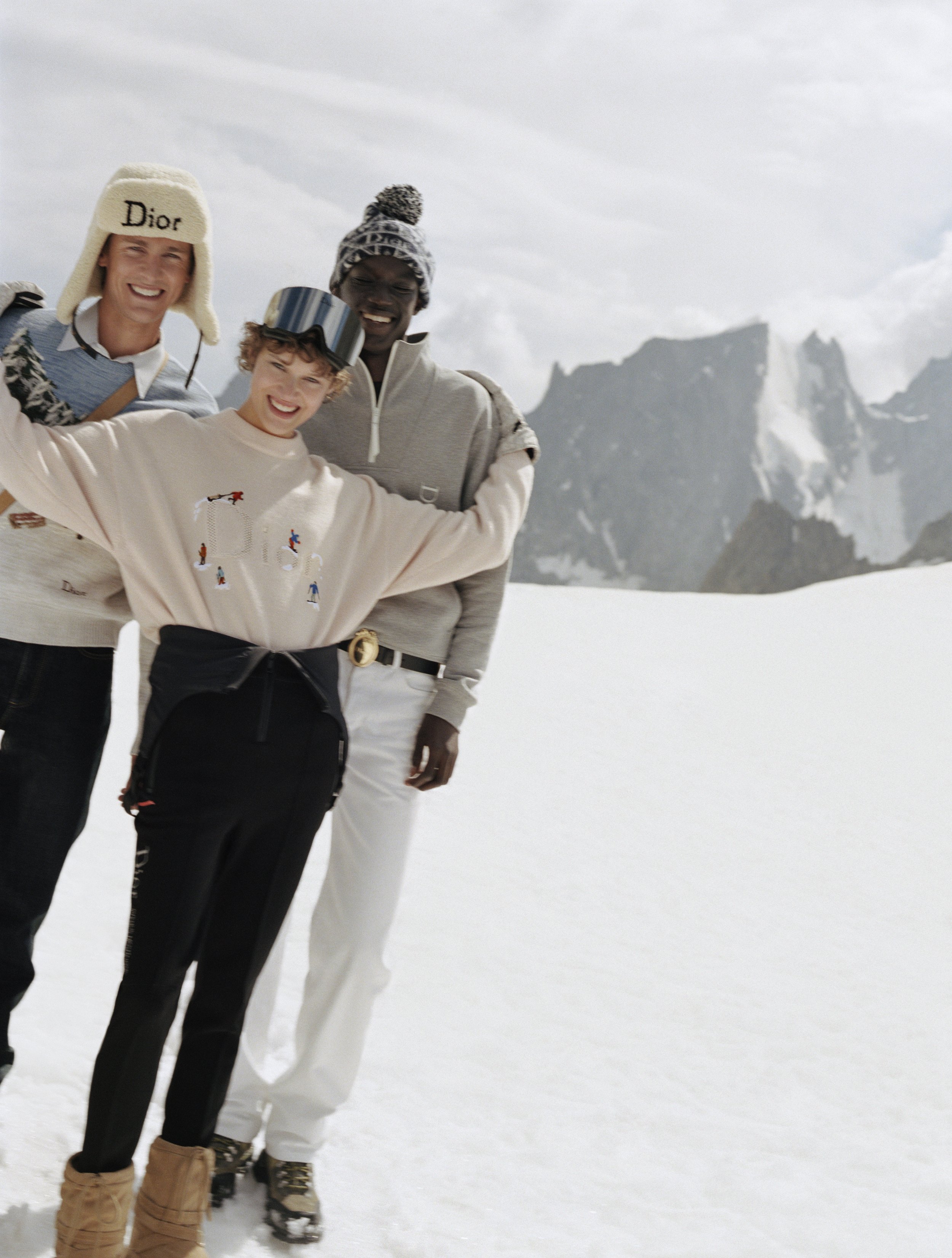
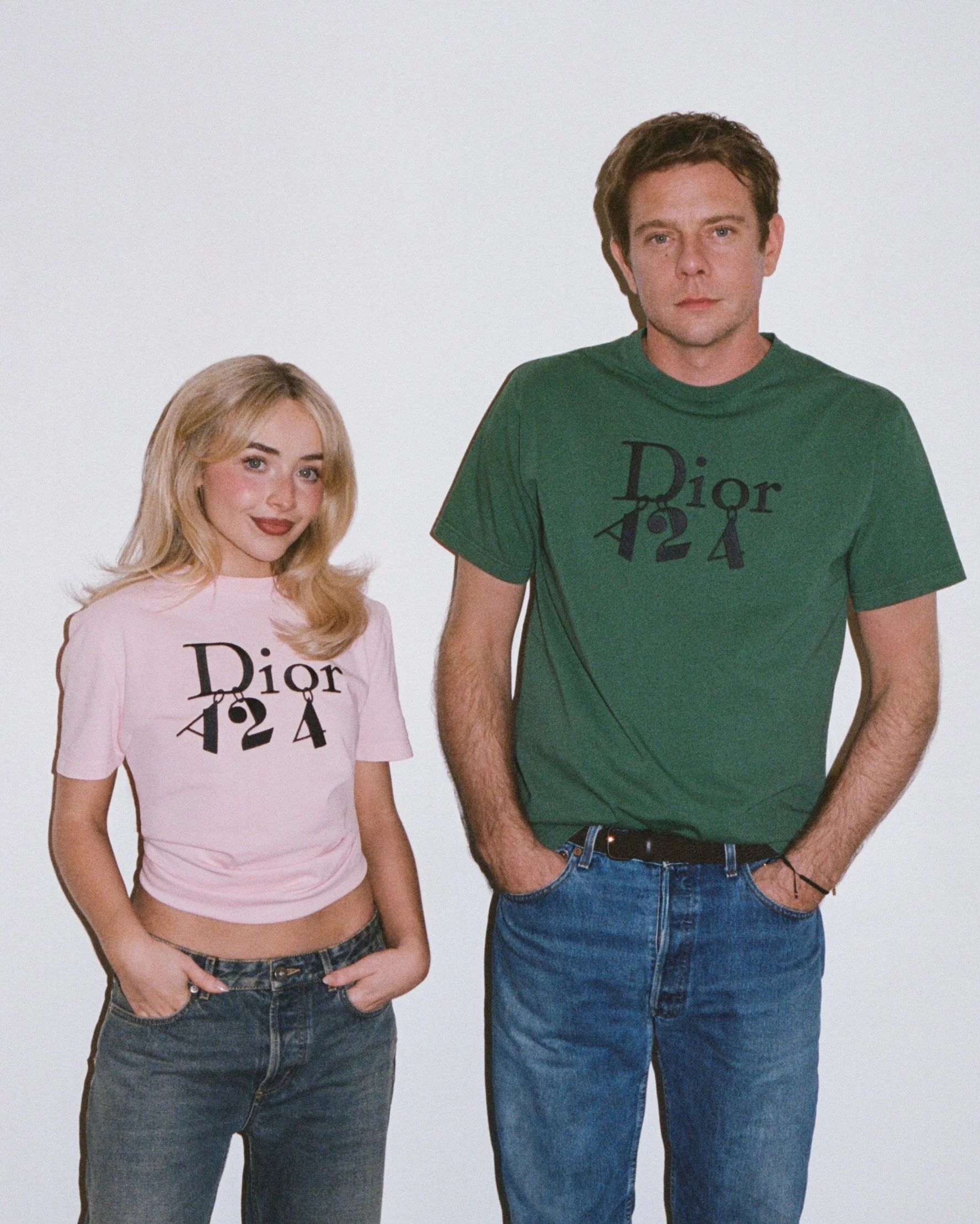
For his second season at Dior, Jonathan Anderson approaches the maison’s legacy differently. Where his debut felt almost pedagogical in its demonstration of respect, Fall/Winter 2026 saw him speaking the brand’s language with greater ease.

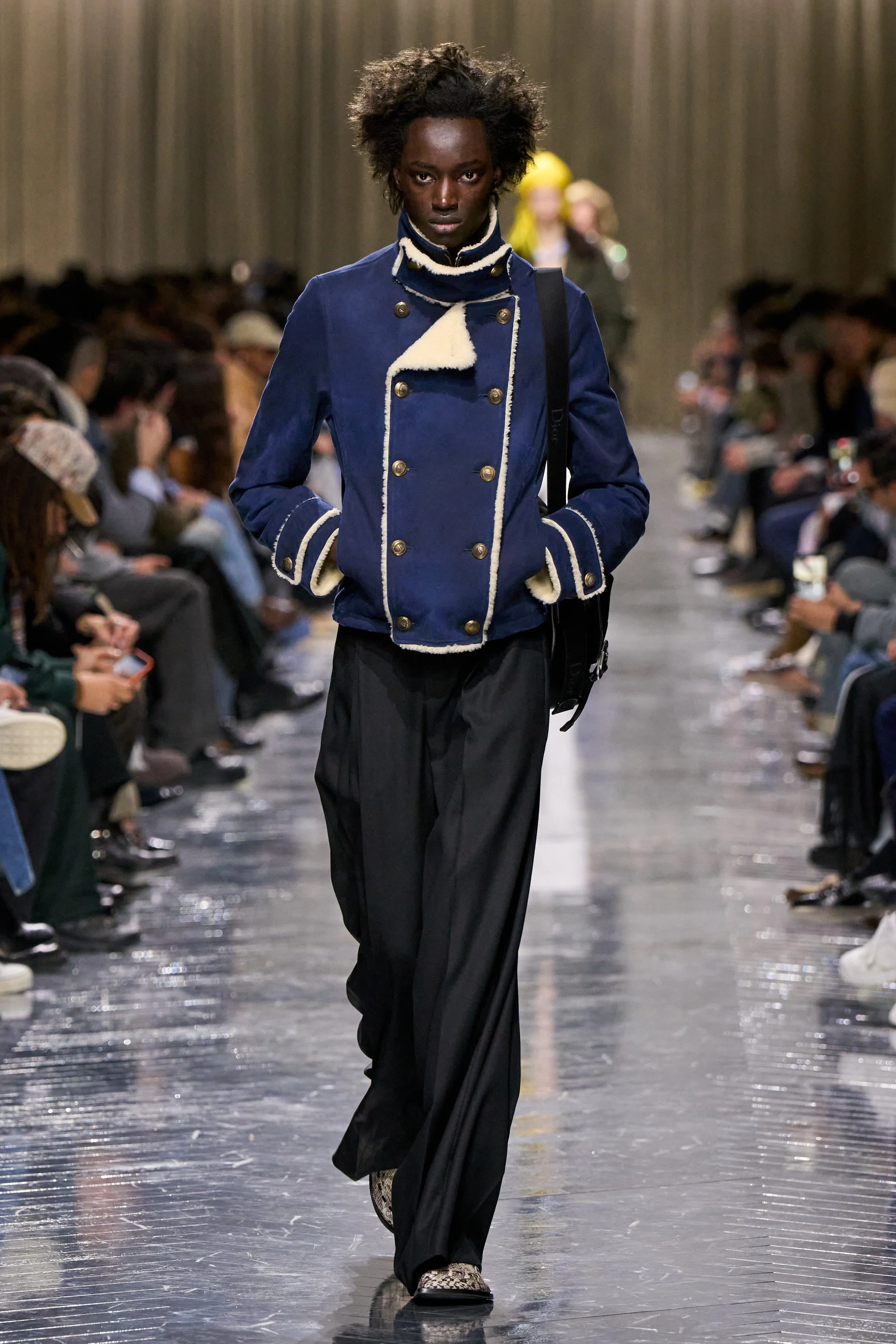
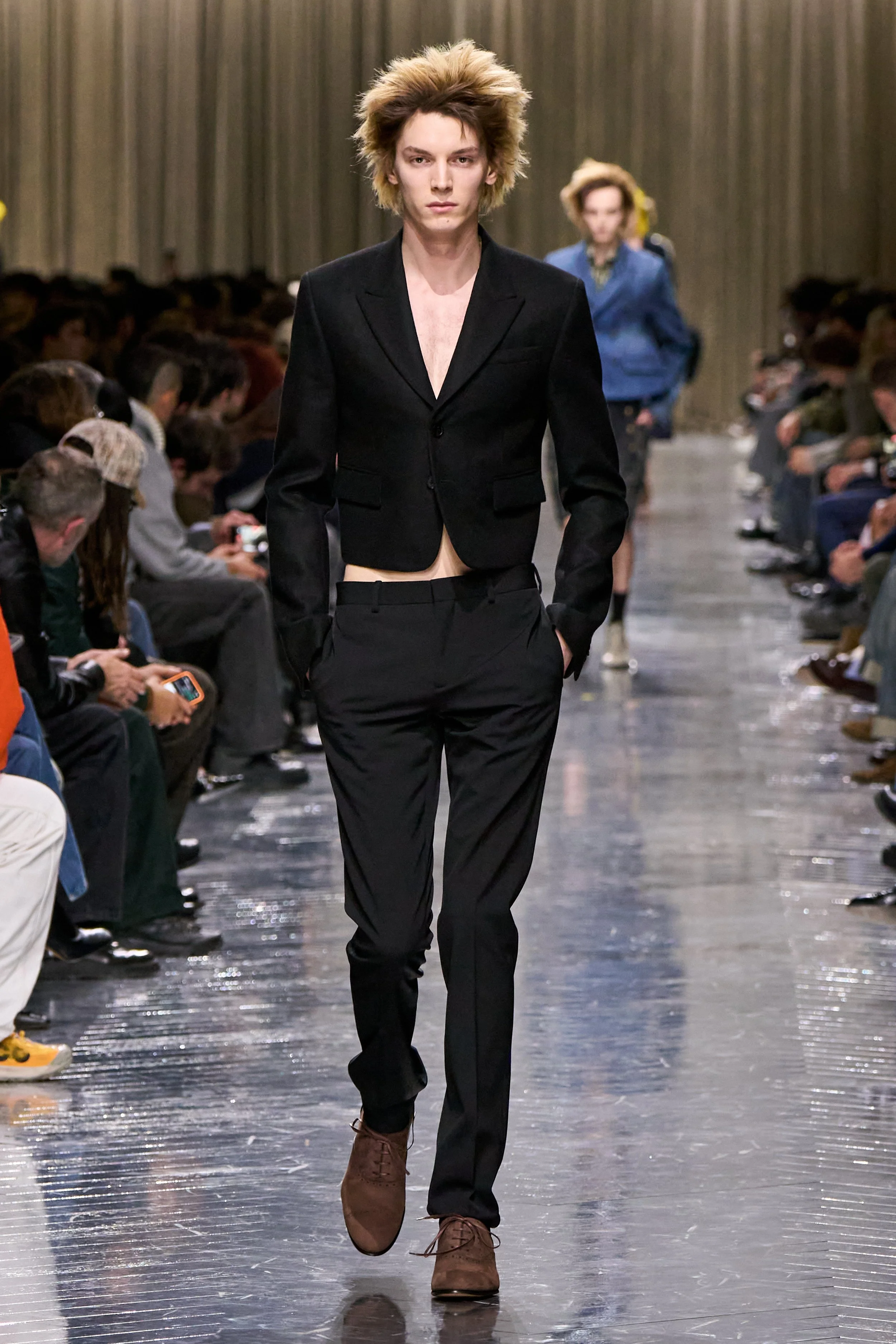
Silhouette remains Anderson’s sharpest tool. The bar jacket, long a symbol of Dior’s authority over the body, returns once more, though noticeably altered. Rendered in weightier fabrics than last season, the shape itself is made heavier.

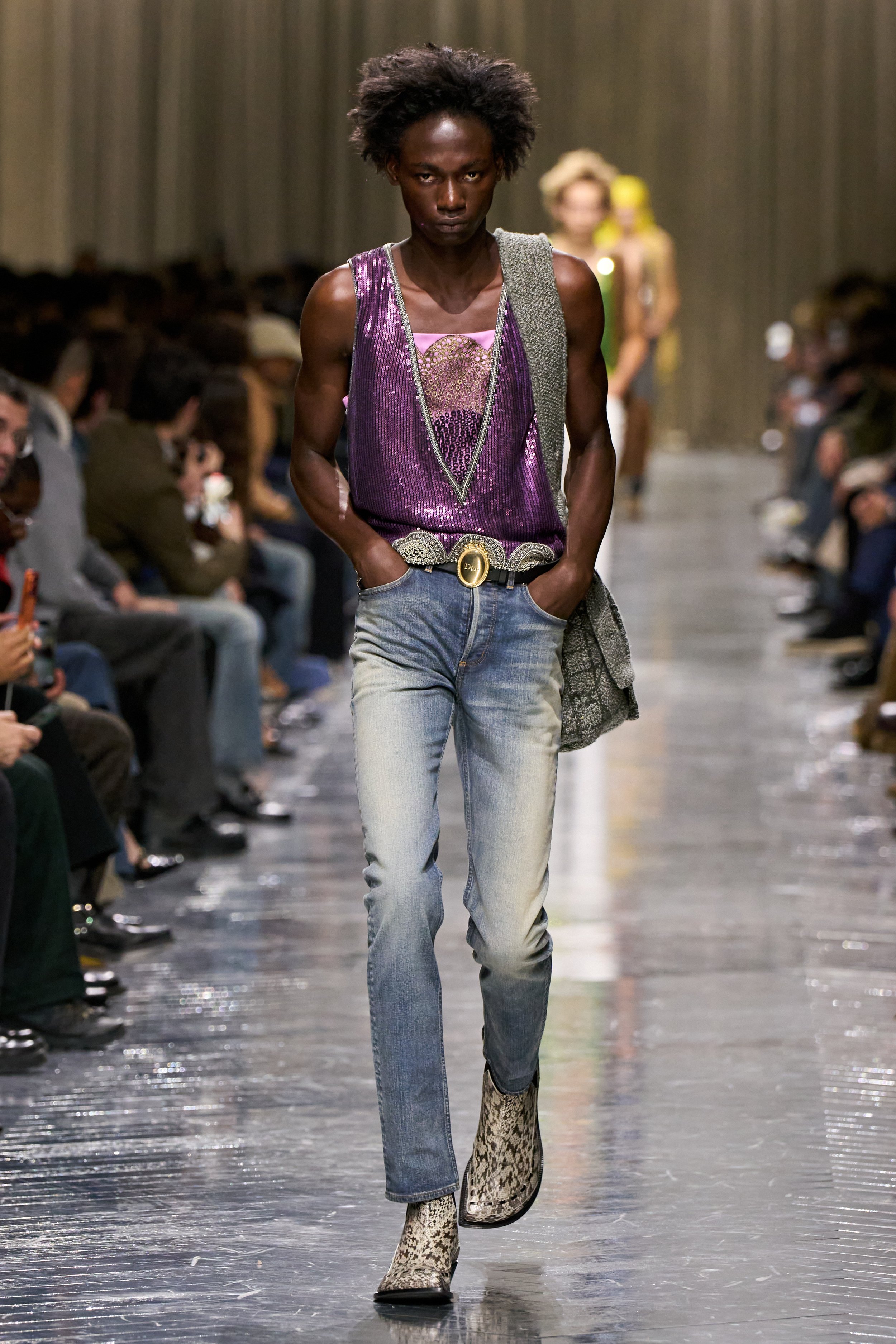
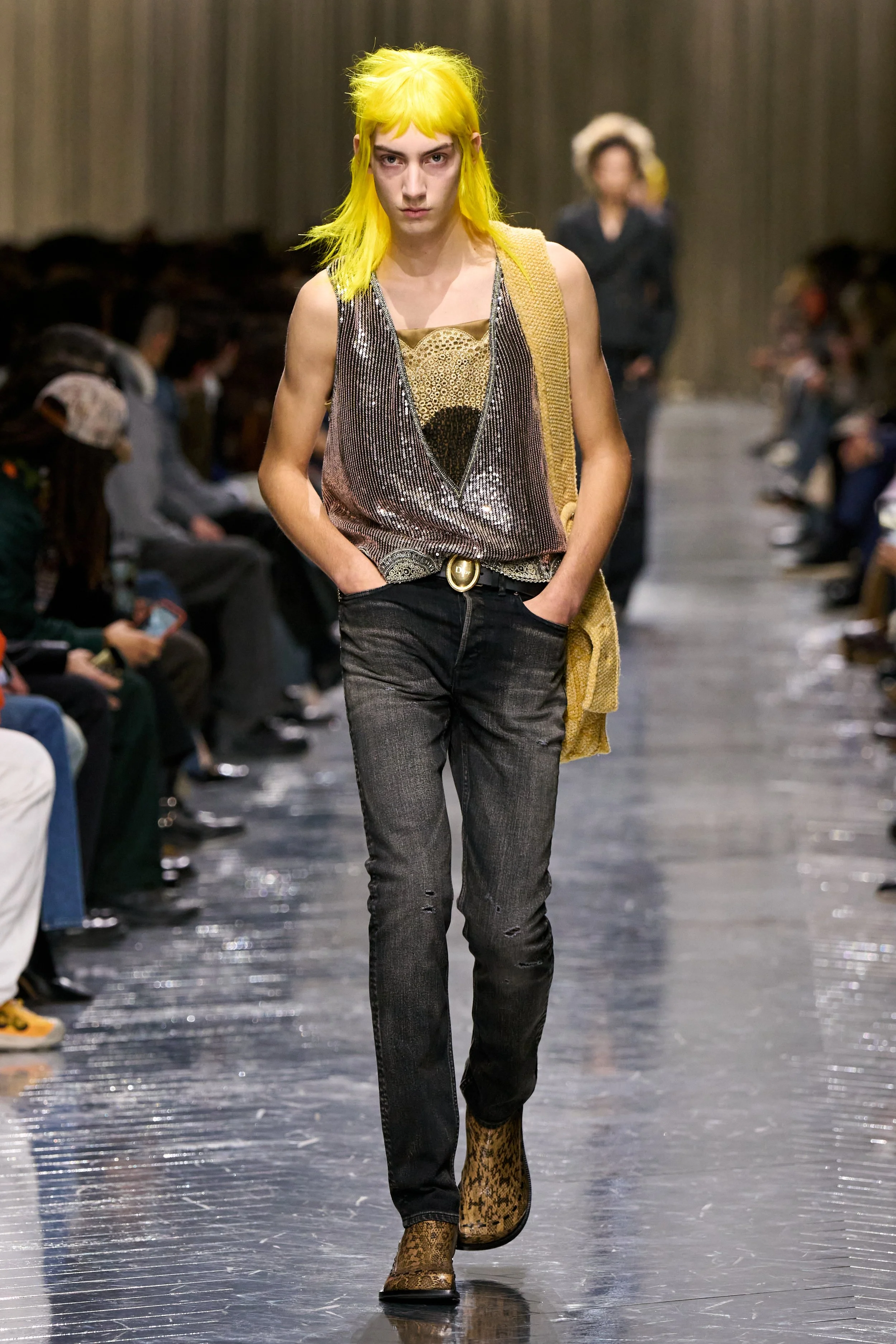
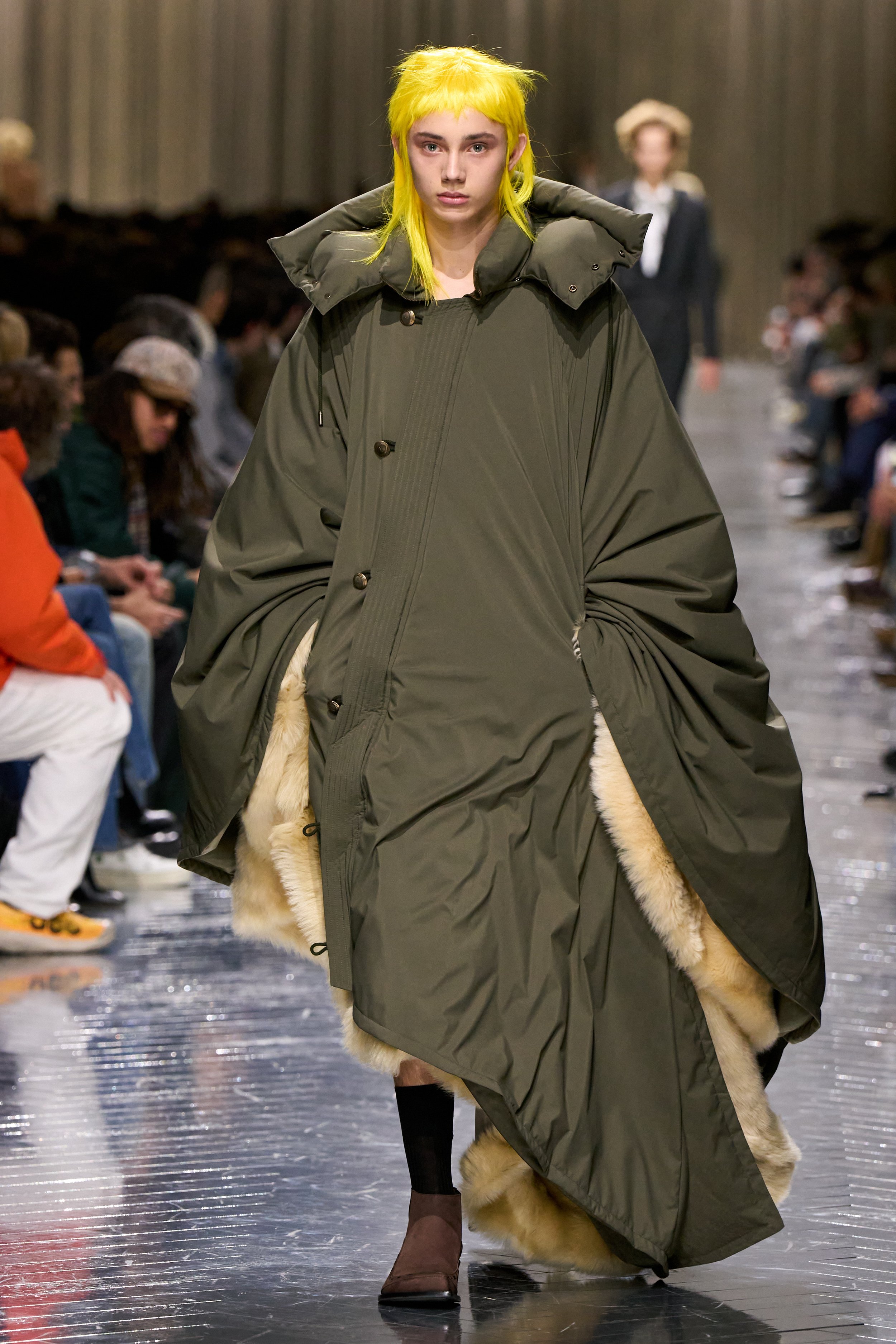
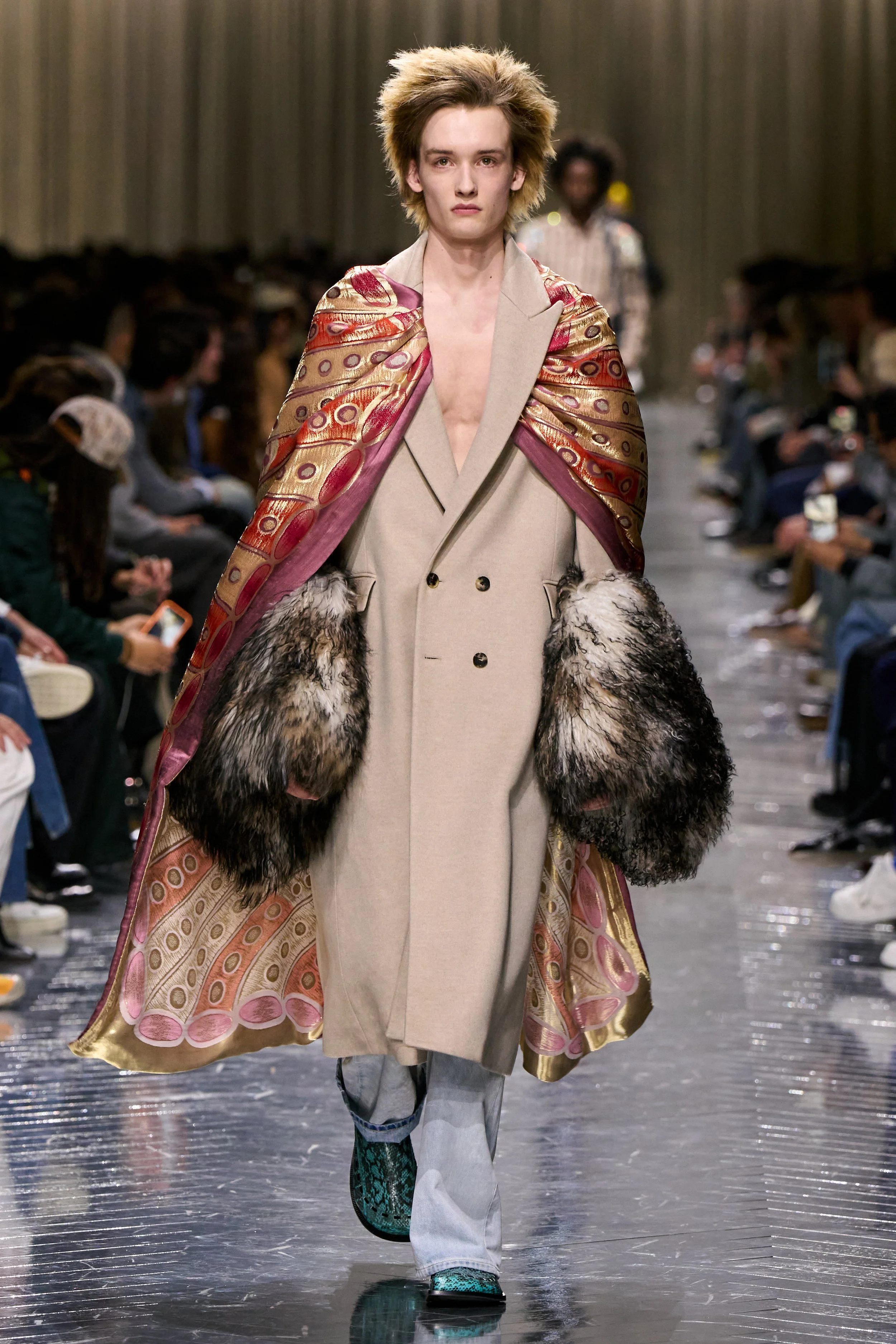
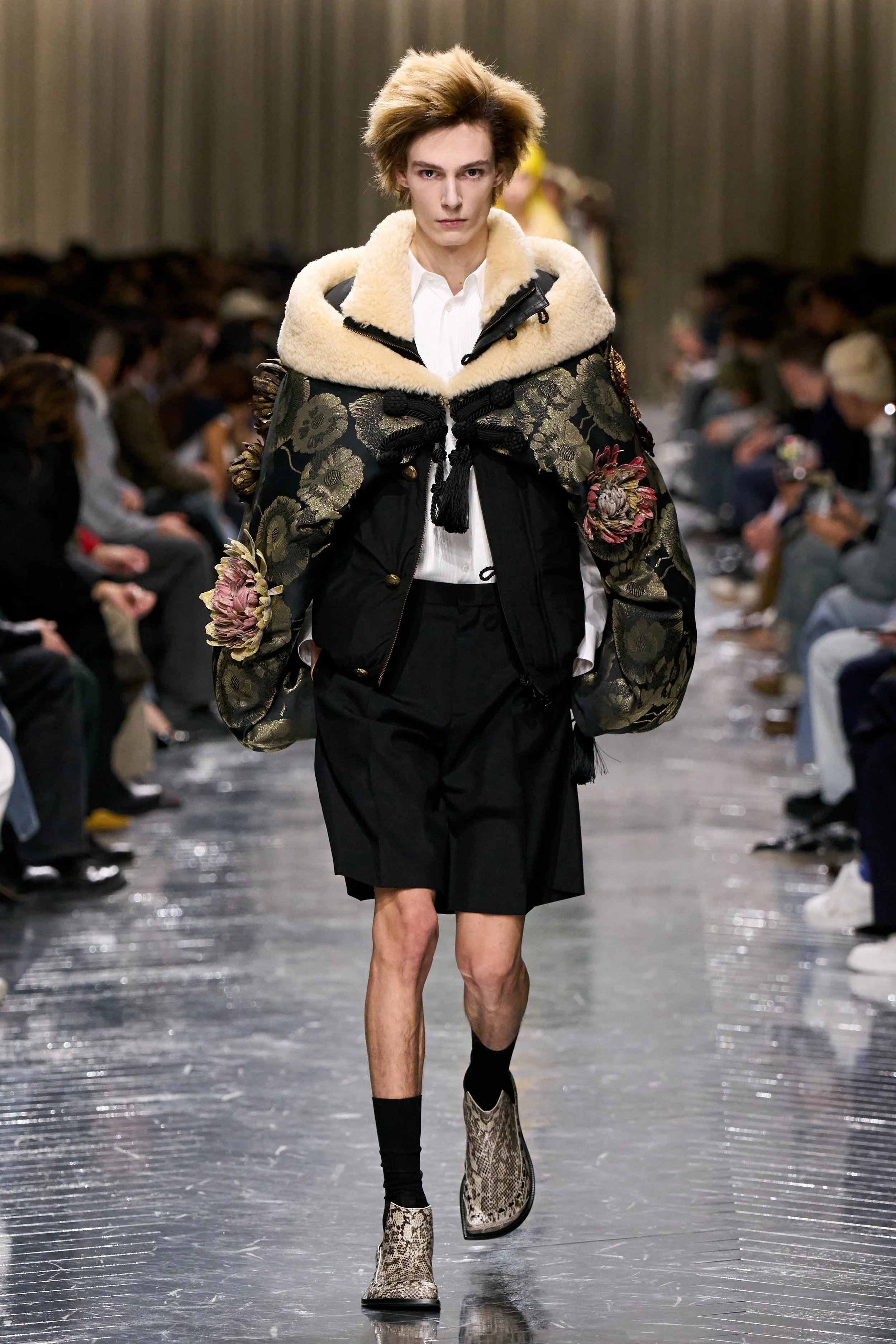
Running parallel to Dior’s history is the presence of Paul Poiret, whose influence hovered heavily on the runway. It is a pointed reference. Poiret’s philosophy of dress stands in ideological opposition to Dior’s postwar reshaping of the female form. Anderson leans into this contradiction rather than smoothing it over. Billowing coats have expansive volumes. Slinky, shiny tank tops are almost literally paraphrased from Poiret’s ornate eveningwear.

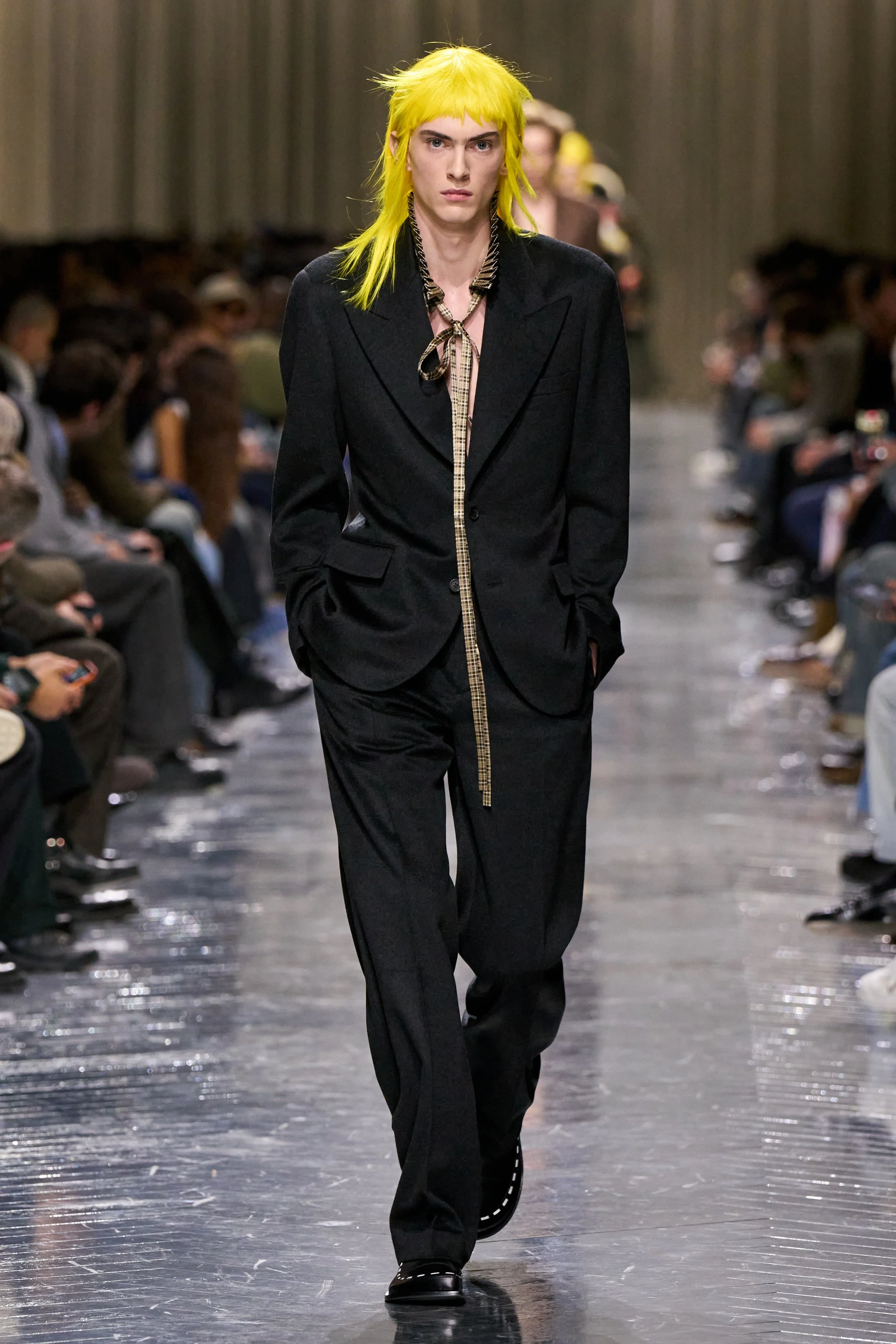
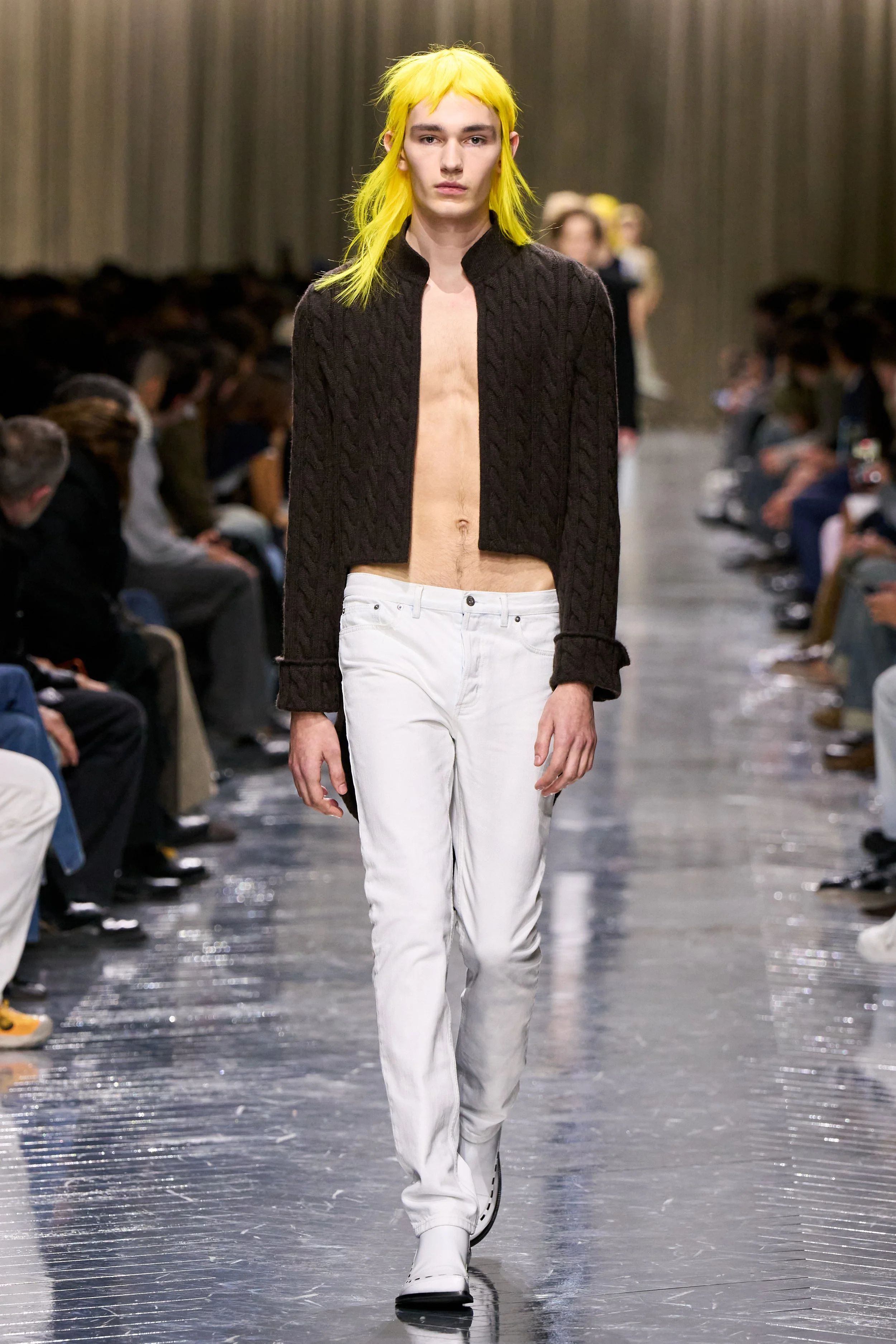
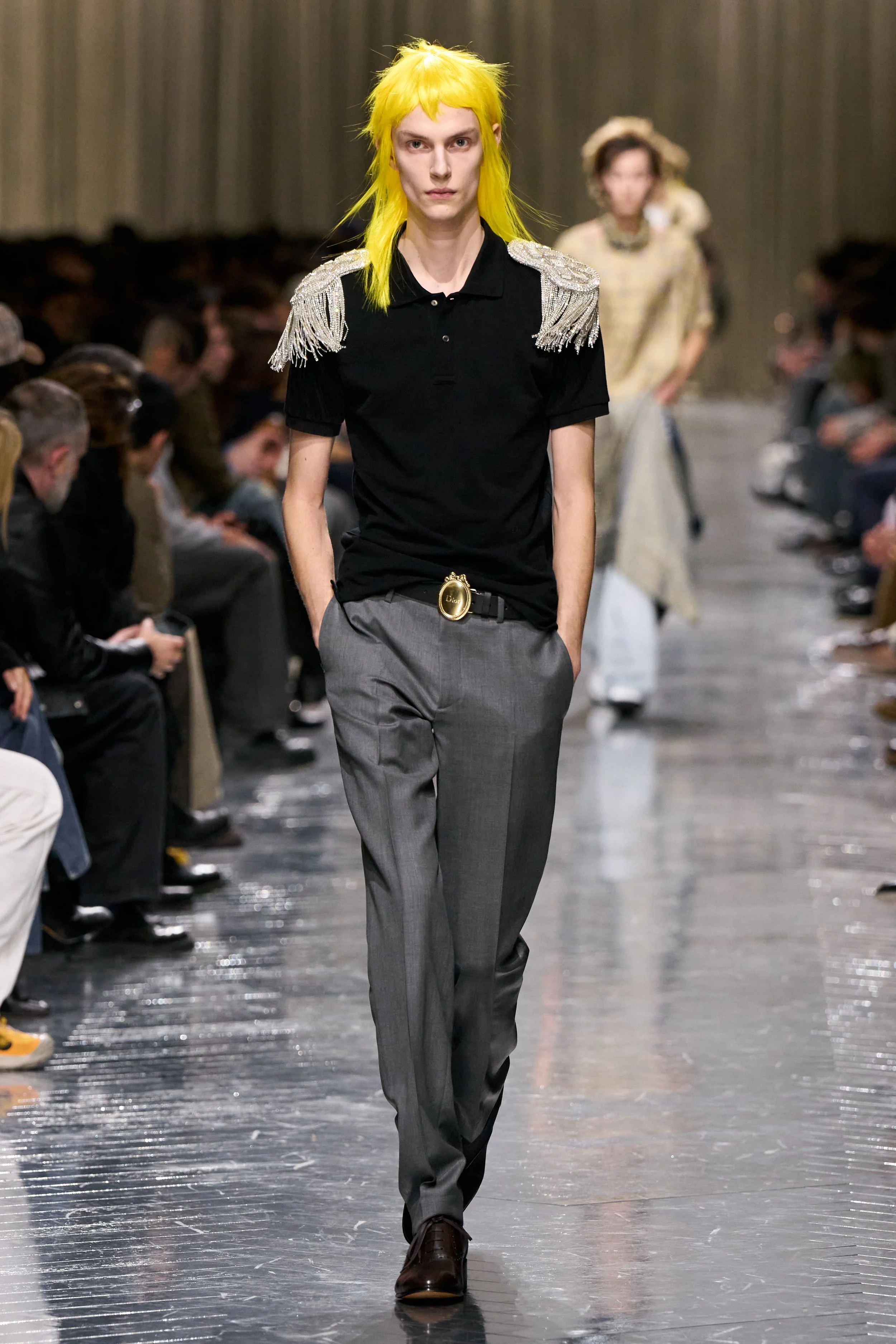
We offer an interpretation: by interpolating silhouettes and stripping references of their original hierarchies, Anderson comments on luxury. Where craftsmanship and material excess were once its primary markers, now it's an act of creative assertion. Ornately embellished tops are worn with distressed skinny jeans (Hedi Slimane’s spirit lives on, thank god).

Instead of proving vehemence to Christian Dior alone, he’s creating a shared vocabulary, freely recombining references across eras. Slimane’s razor-thin silhouettes brush up against the theatricality of John Galliano’s Dior, both existing within the gravitational pull of the founder of the maison they all led at some point. The result is a collection that uses tradition not to stabilise the brand’s identity, but to push against the expectations that now surround it.


Words by Pedro Vasconcelos

AMI FW26

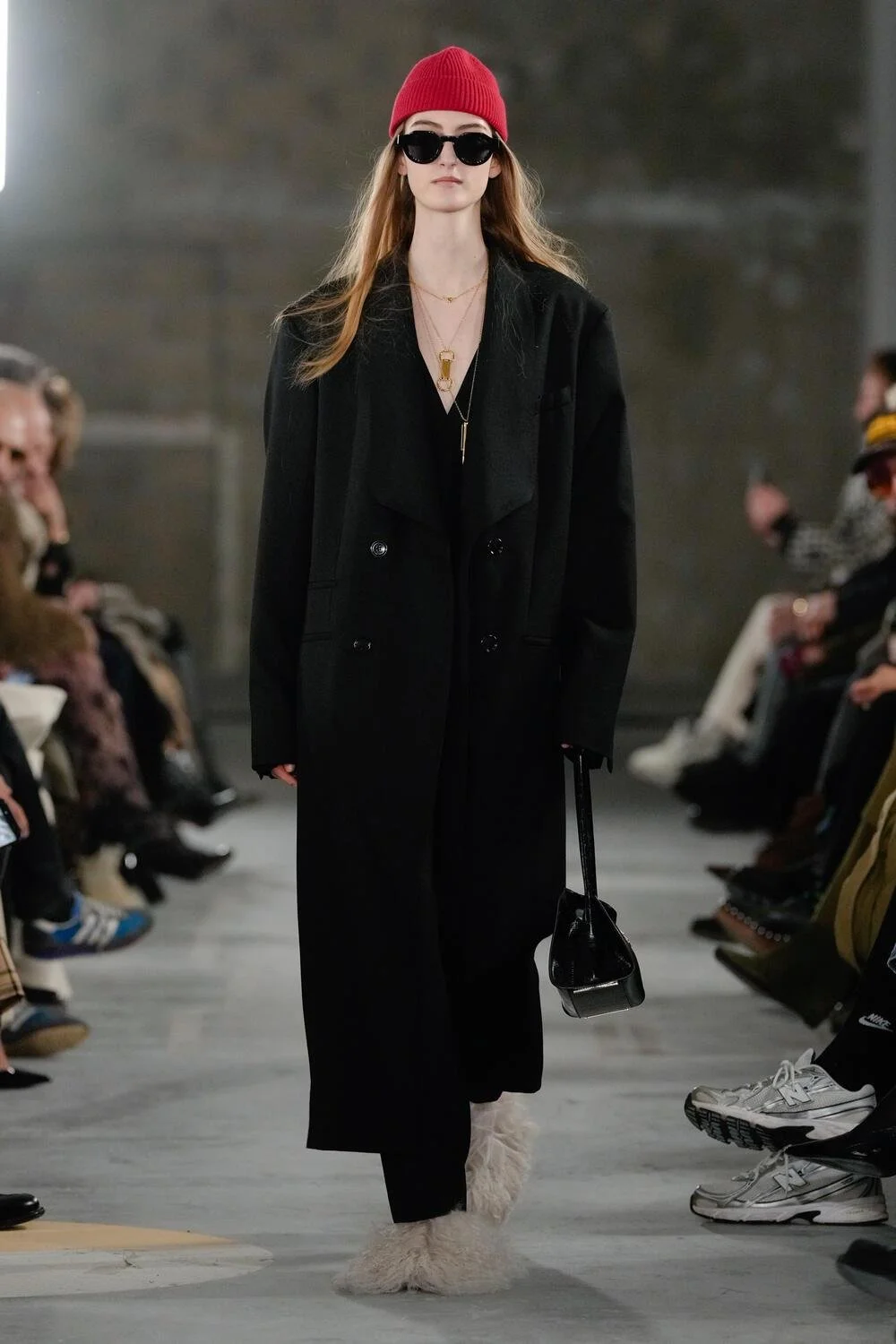
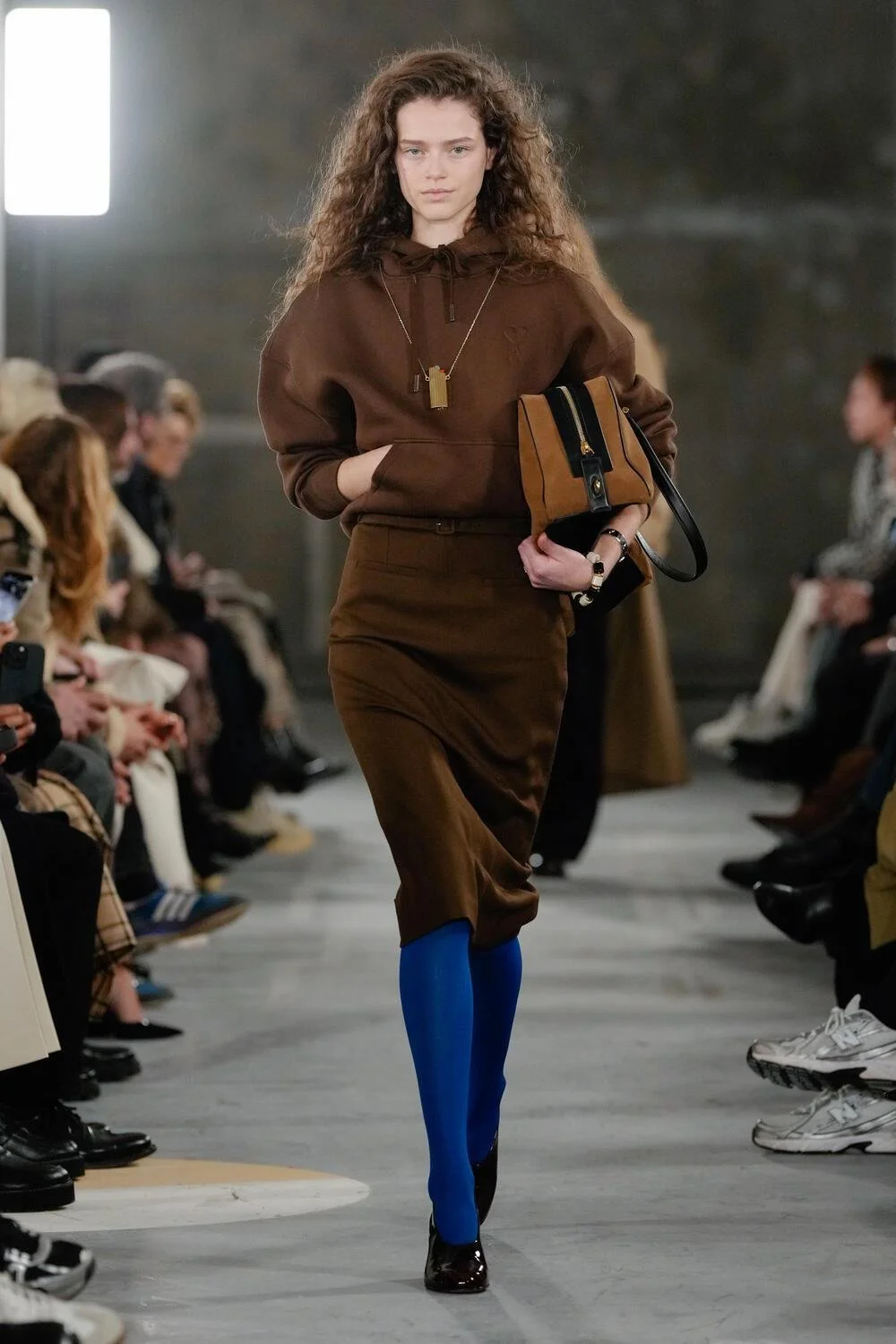
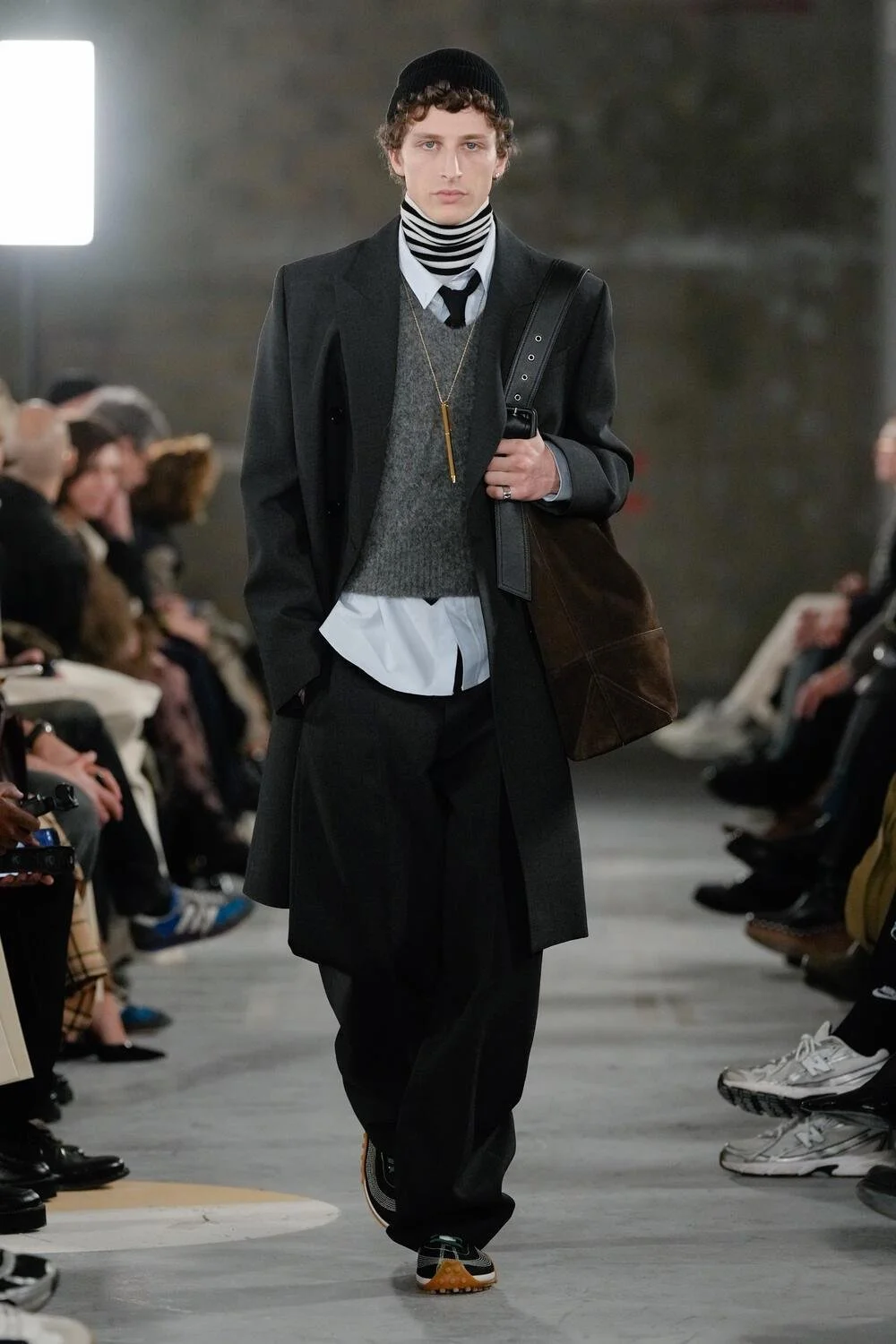
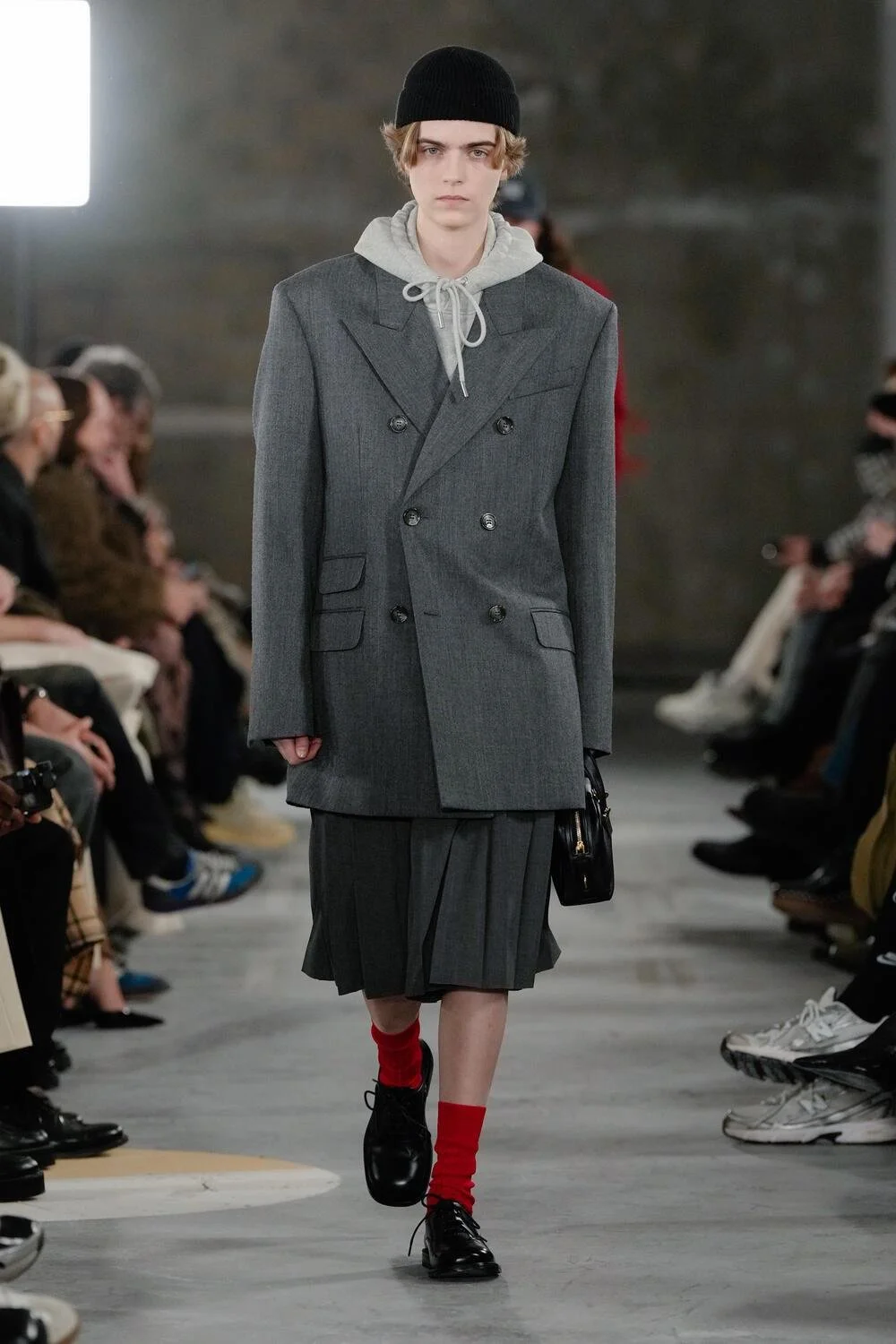
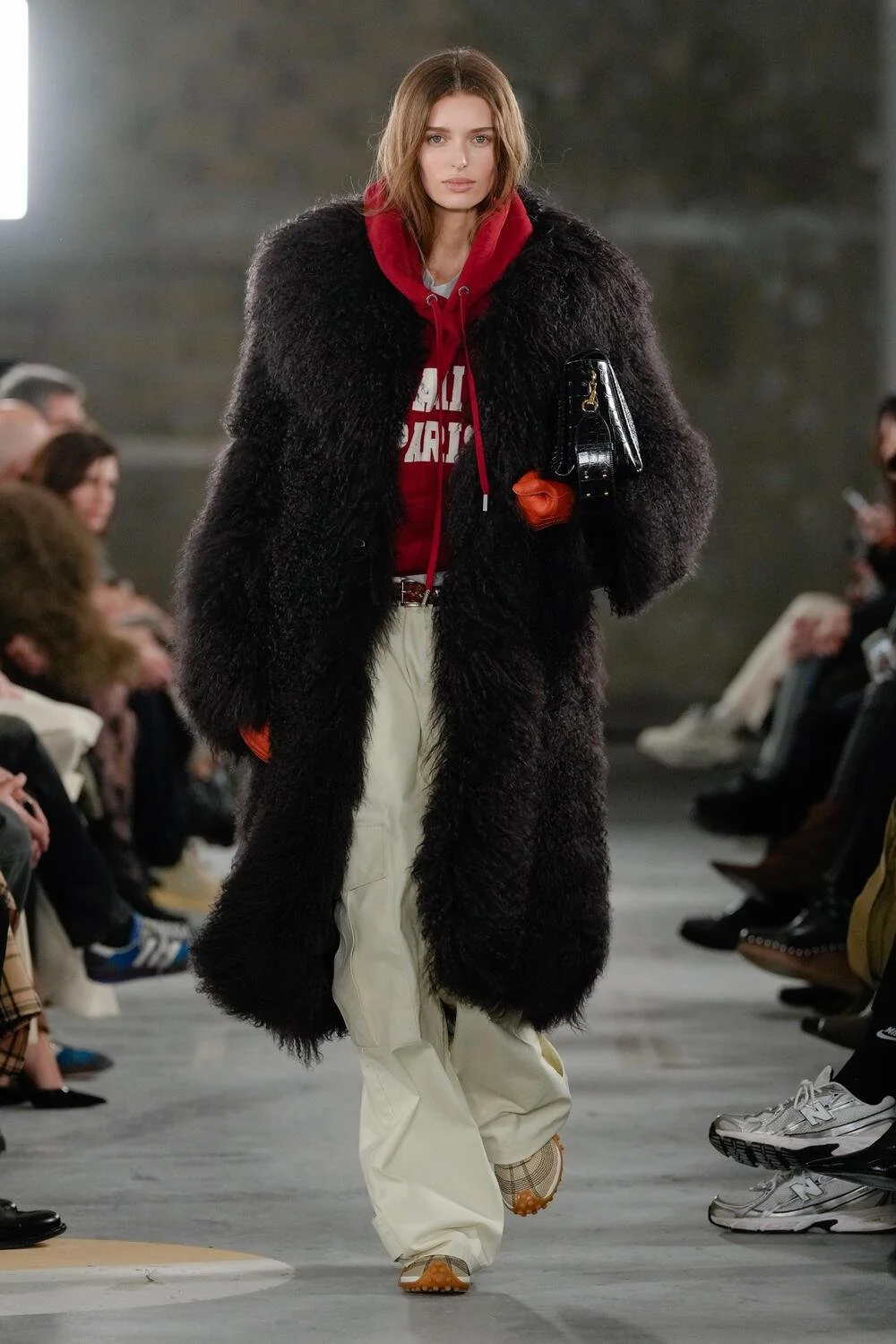
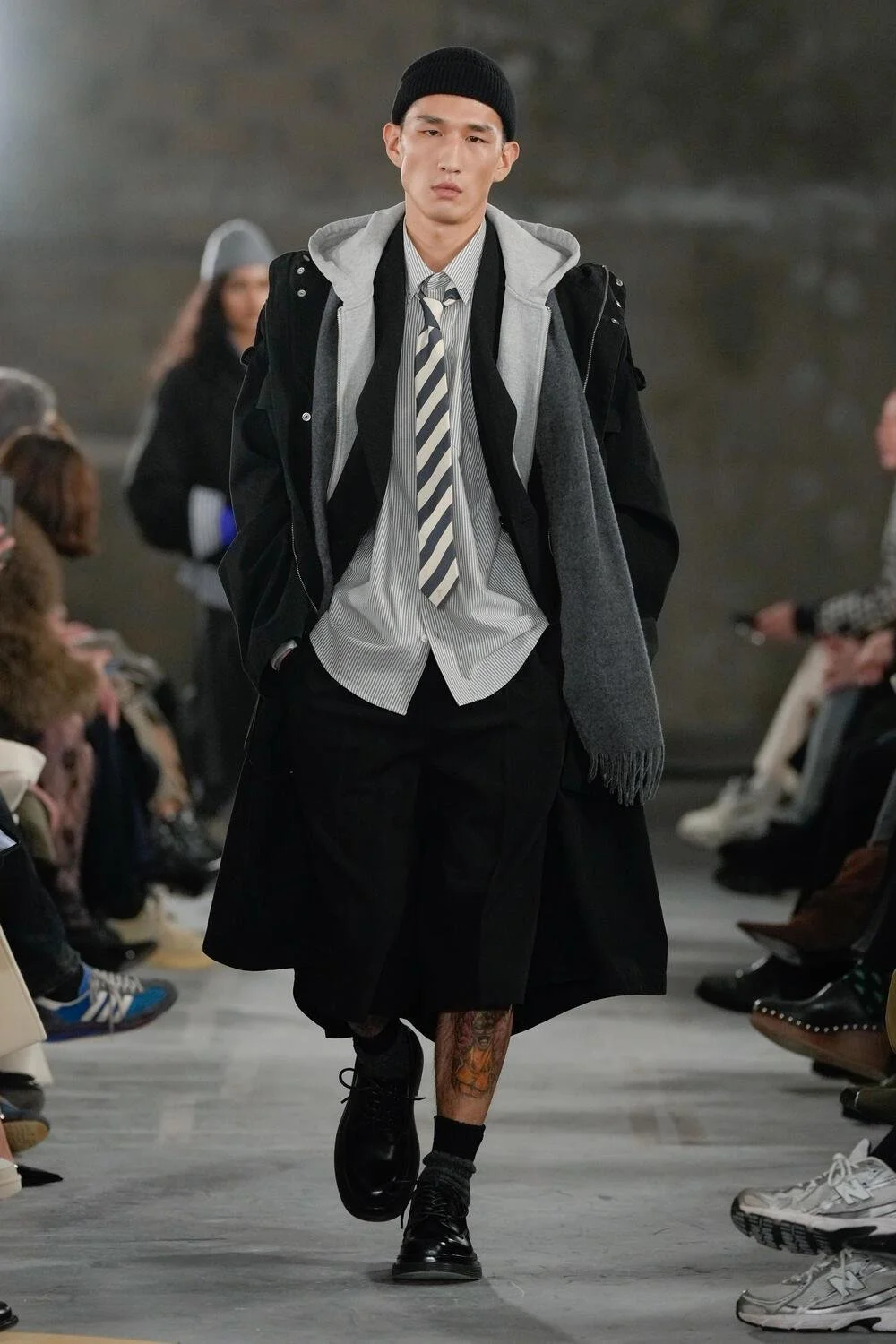
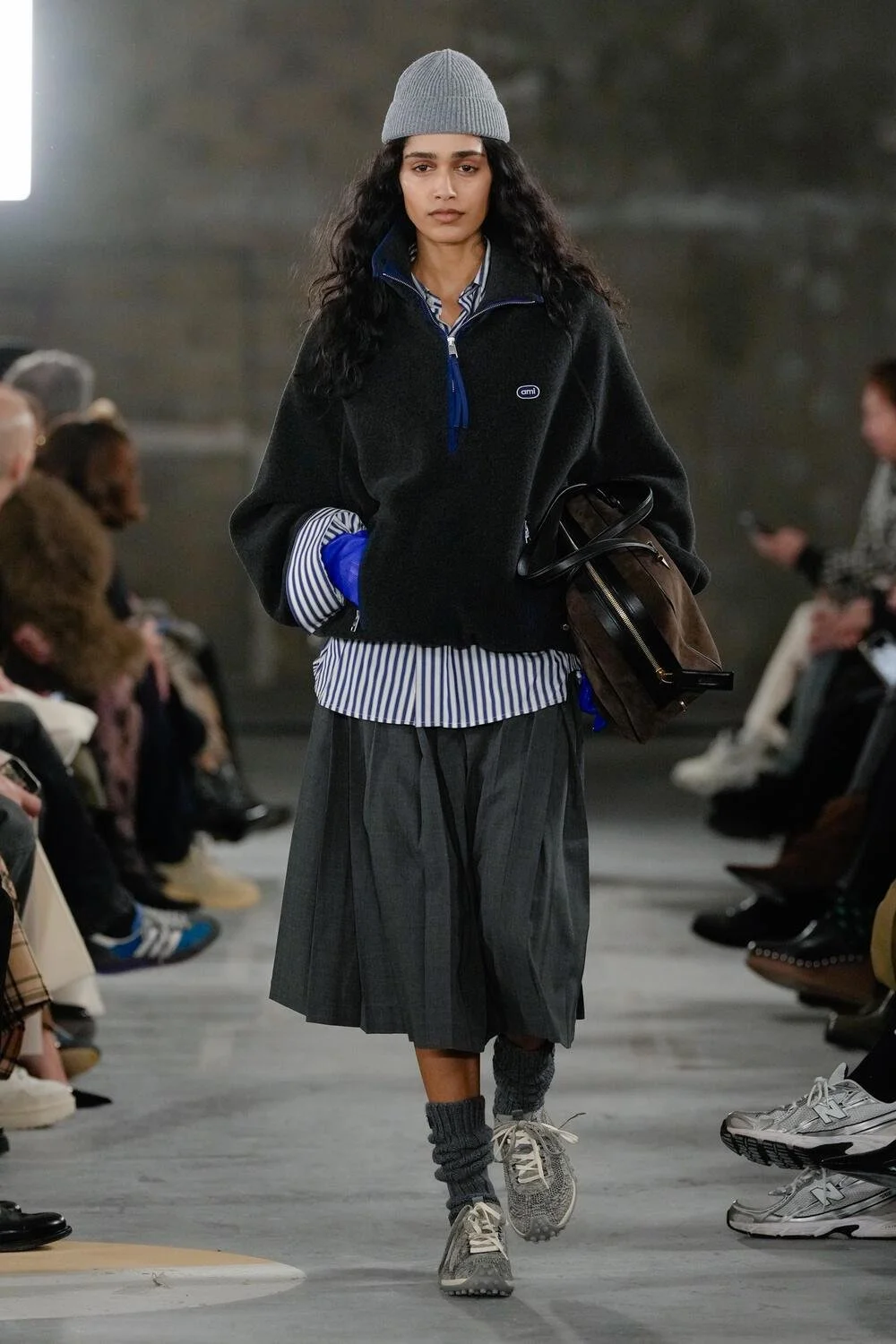
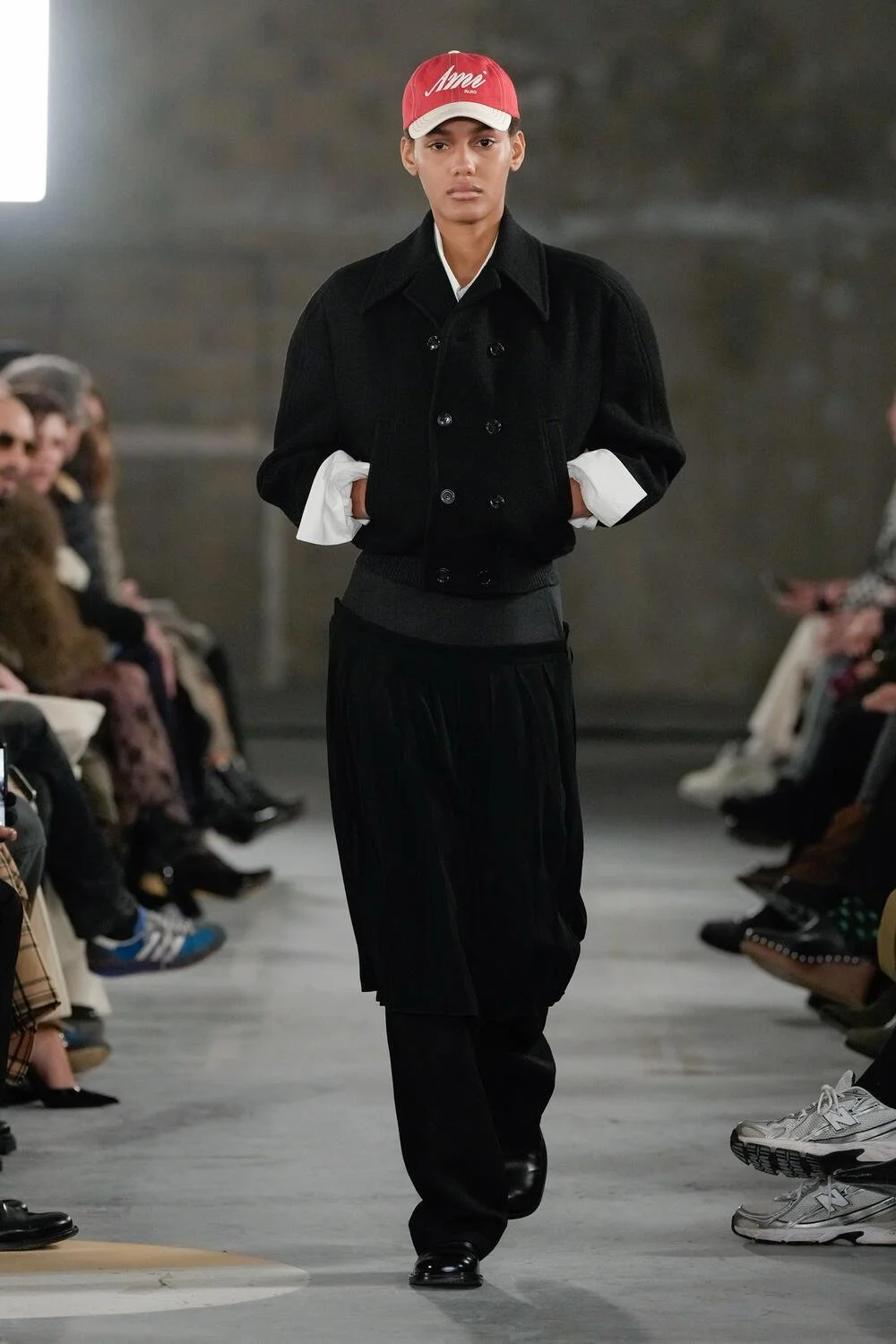
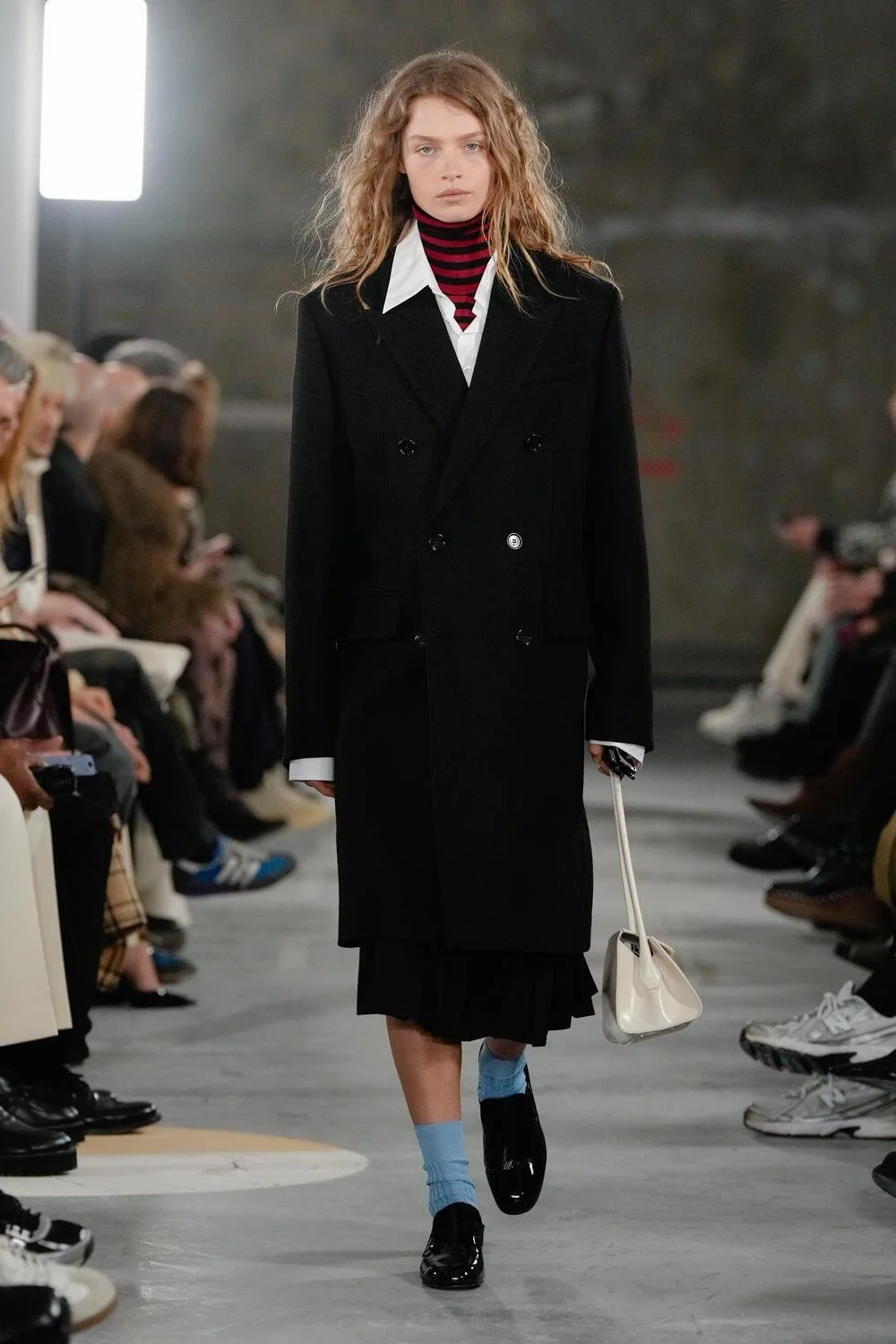
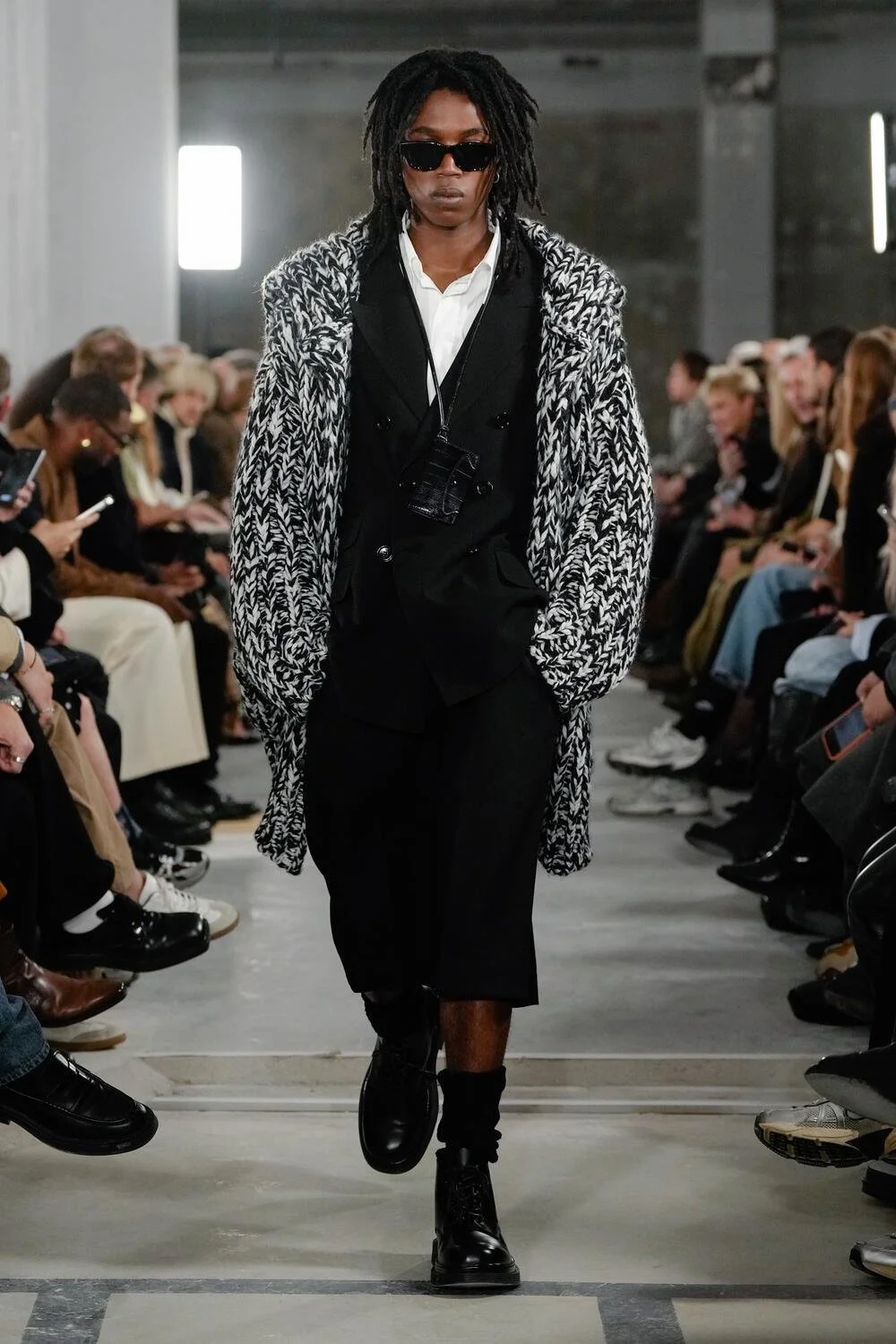
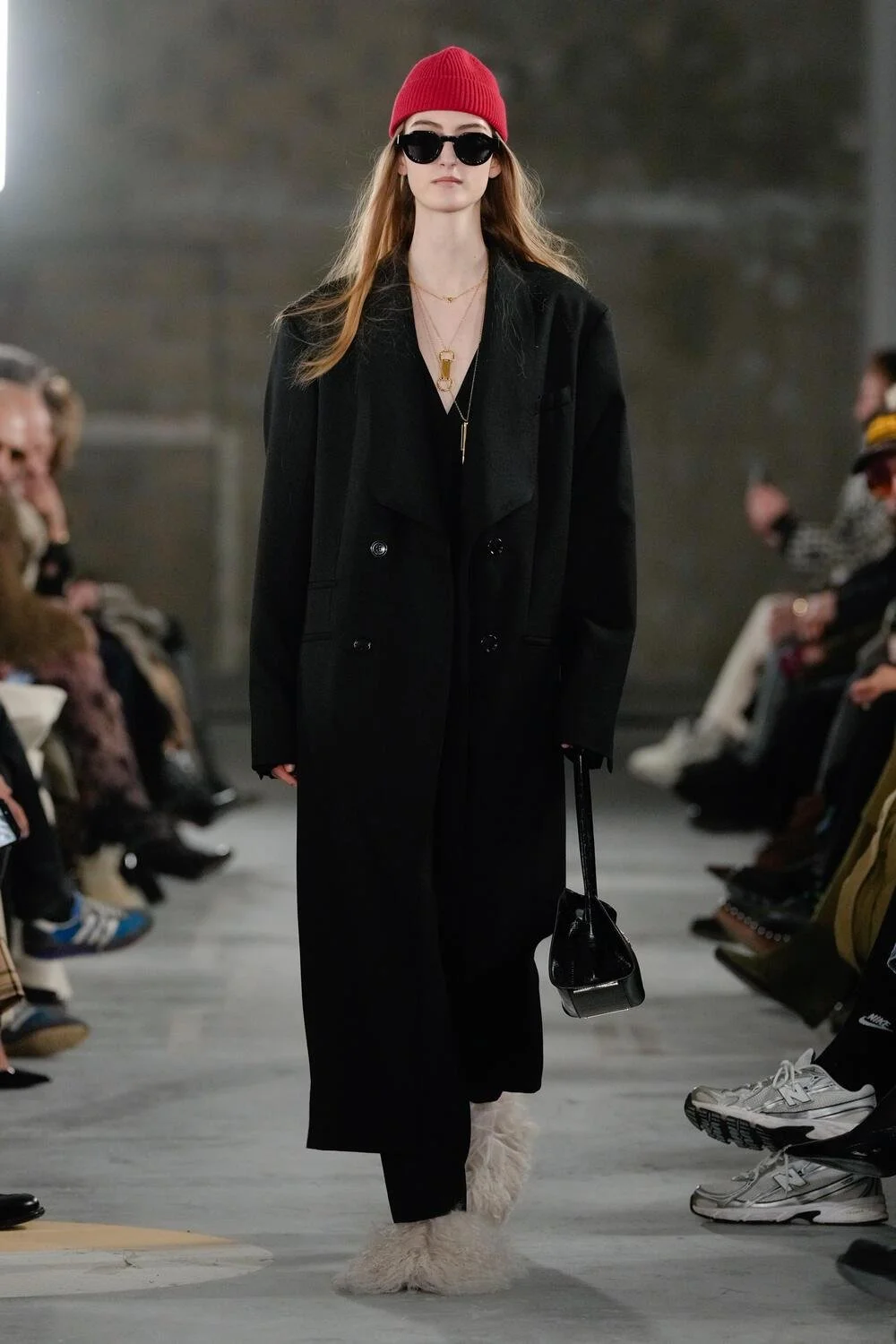
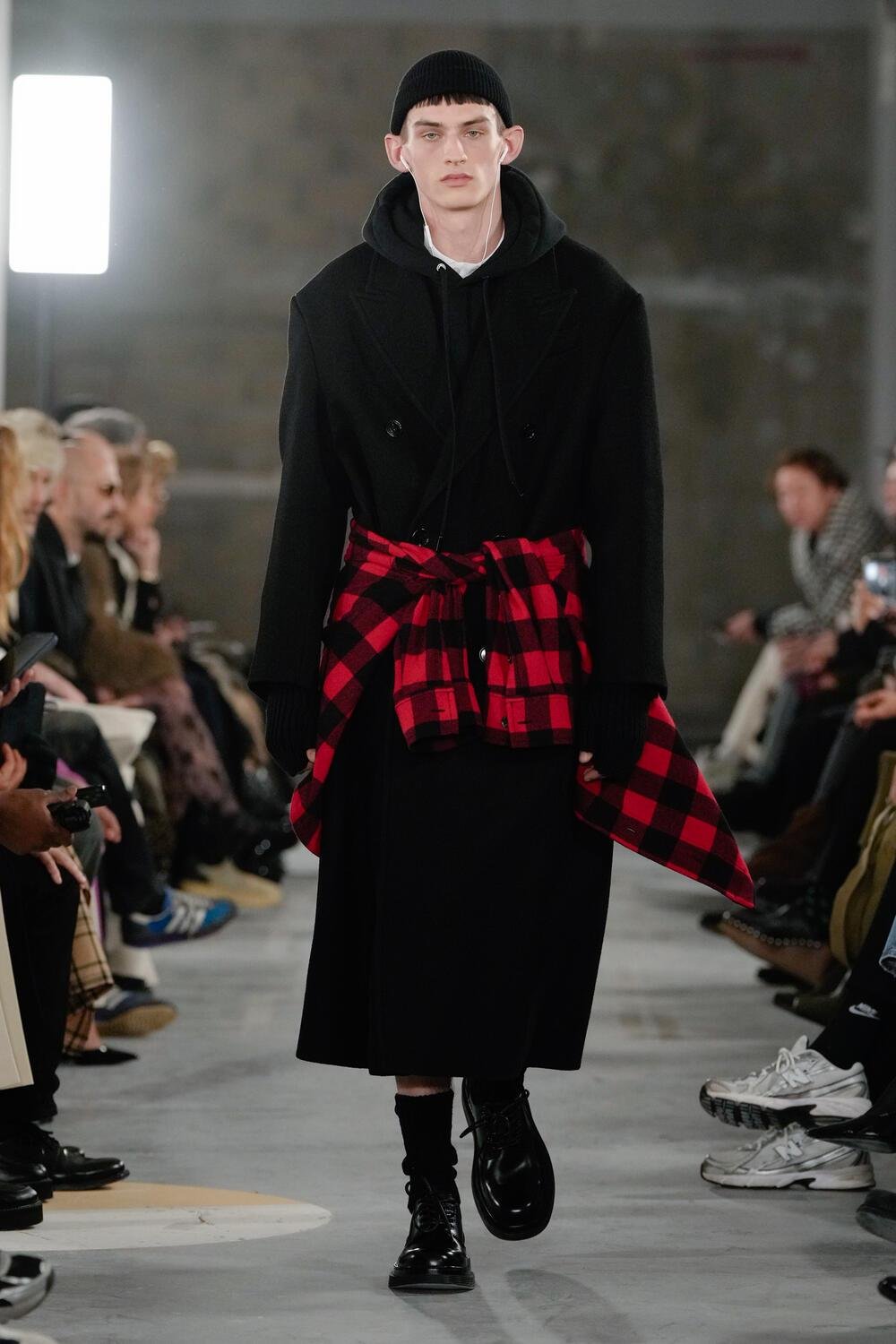
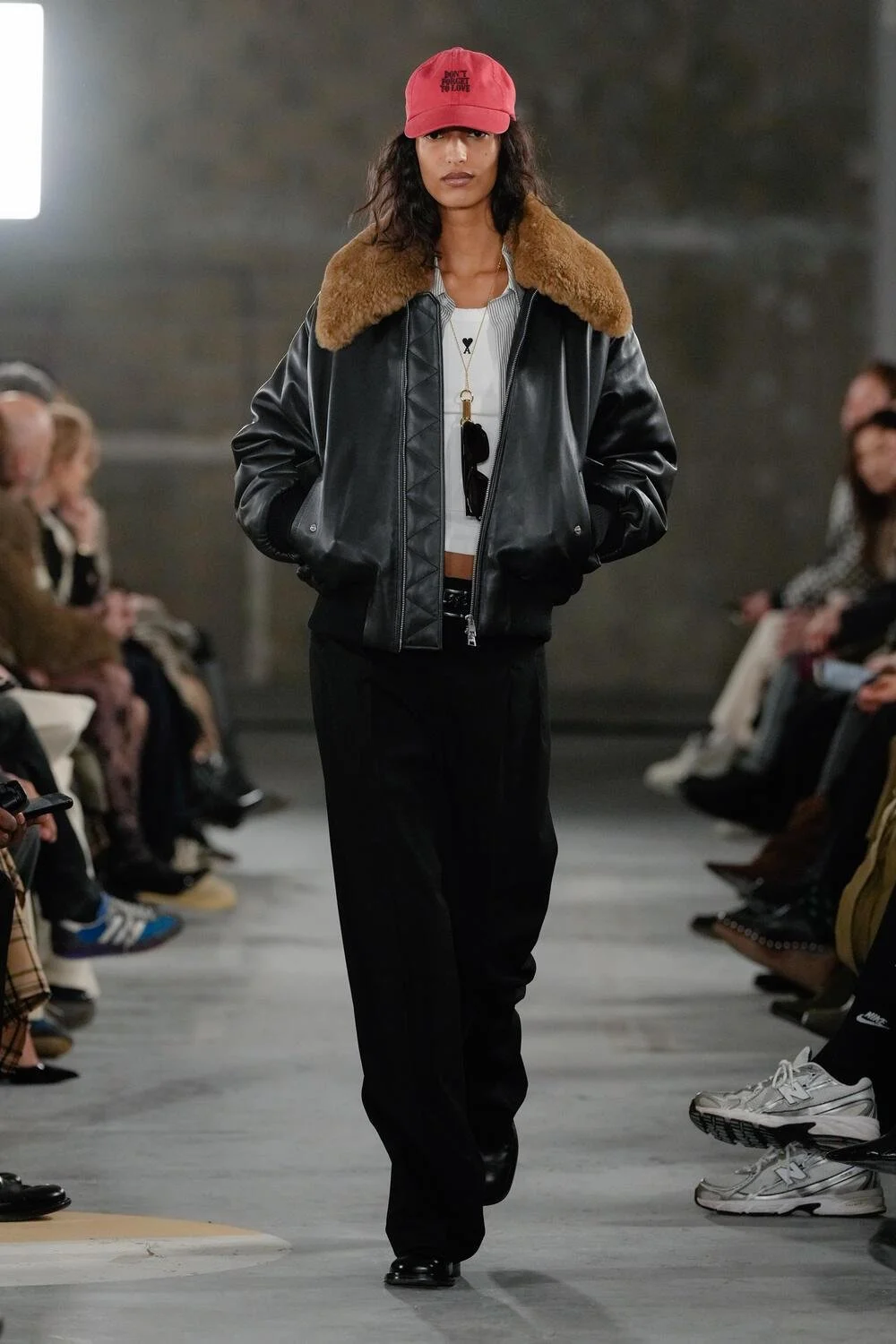
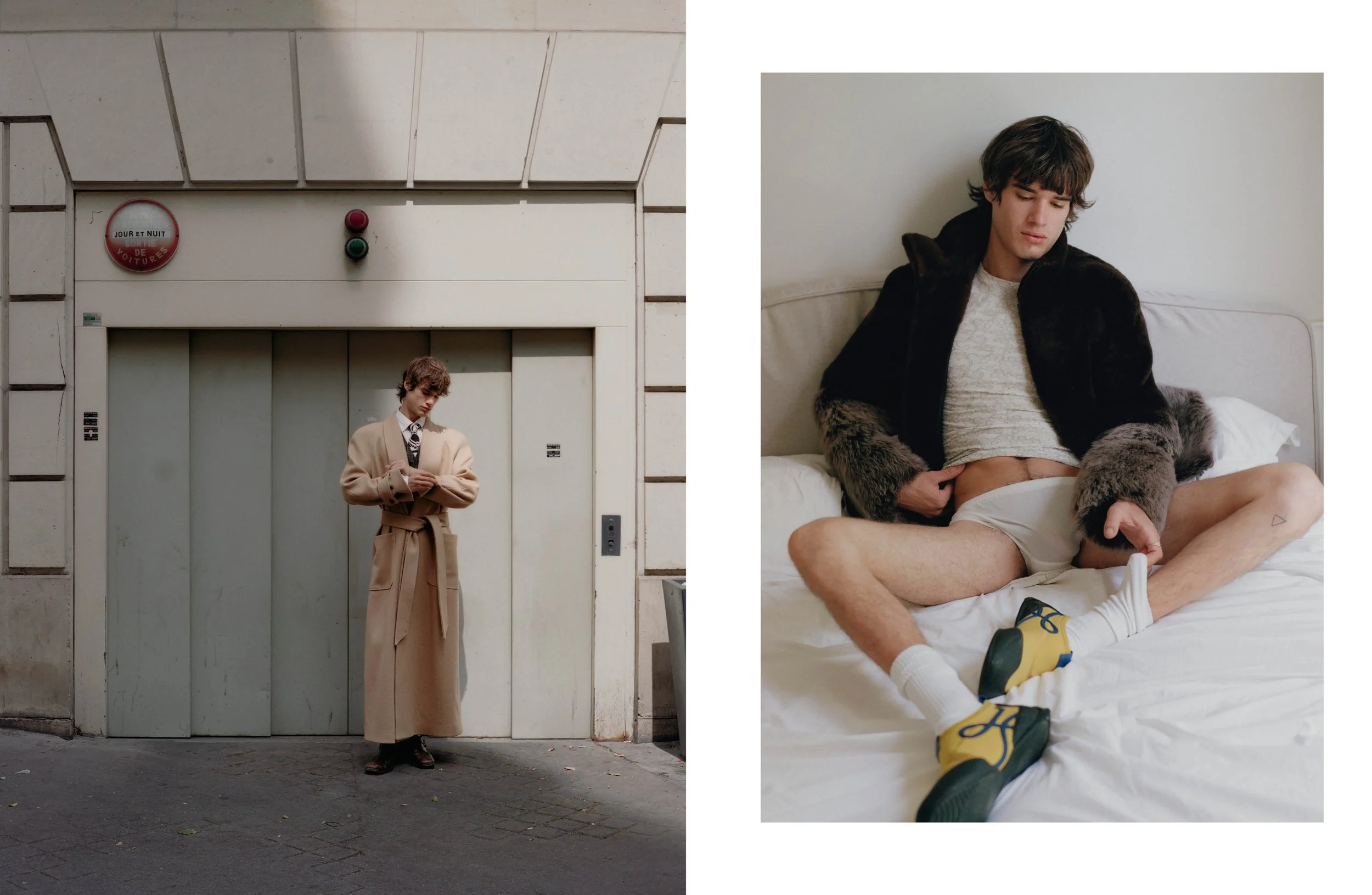
Among all brands inspired by “La Parisienne”, AMI is the one that best showcases Parisian chic through its collections. Each presentation feels like a walk through the streets of the city, interpreted in a modern way that appeals to an international audience.

For the Fall/Winter 2026 collection, the industrial setting merged seamlessly with the minimalism of the pieces. Structured looks played with proportions, while the colour palette remained neutral. Lean lines define the silhouettes, from oversized coats and elongated skirts to relaxed trousers. Well-constructed pieces in luxurious fabrics are paired with voluminous shapes such as full skirts, ballooned trousers, and dramatic coats, creating contrast and breaking the otherwise minimalist aesthetic.

Throughout the years, AMI has mastered the art of layering, and this season was no exception. Shirts under knits and scarves tucked into coats felt purposefully styled rather than messy. The tie was worn in an easygoing, casual way, appearing youthful and creative.

While some pieces felt corporate-appropriate and intellectual, such as the shirts, loafers, and coats, others were better suited for a night of drinks and dancing, or even the Sunday-morning casual: featuring sneakers, sweats, and hoodies, paired with oversized, chic coats. Caps were added for a relaxed touch.

Strongly androgynous, the collection played with gender without attempting to “soften” masculinity or exaggerate femininity, something key to understanding the visual language of the brand; gender is expressed through attitude rather than clothing.


Words by Carolina Benjumea

KENZO FW26

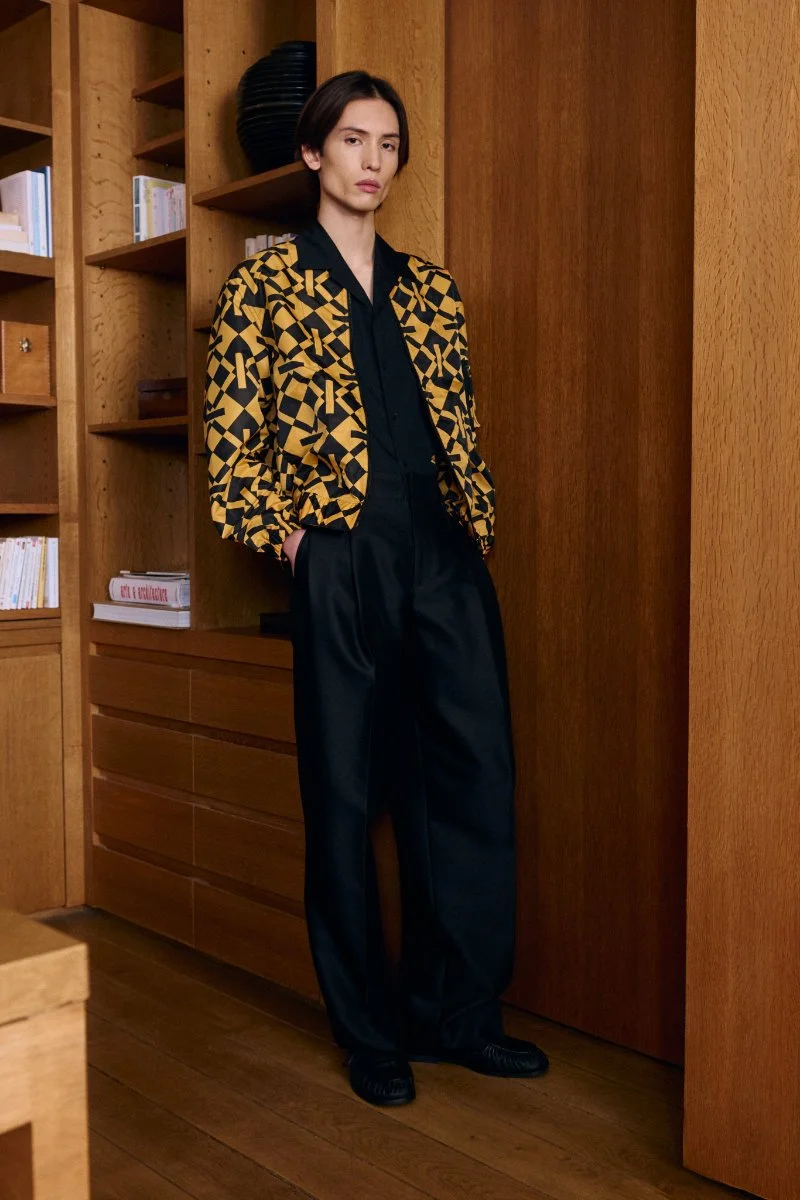
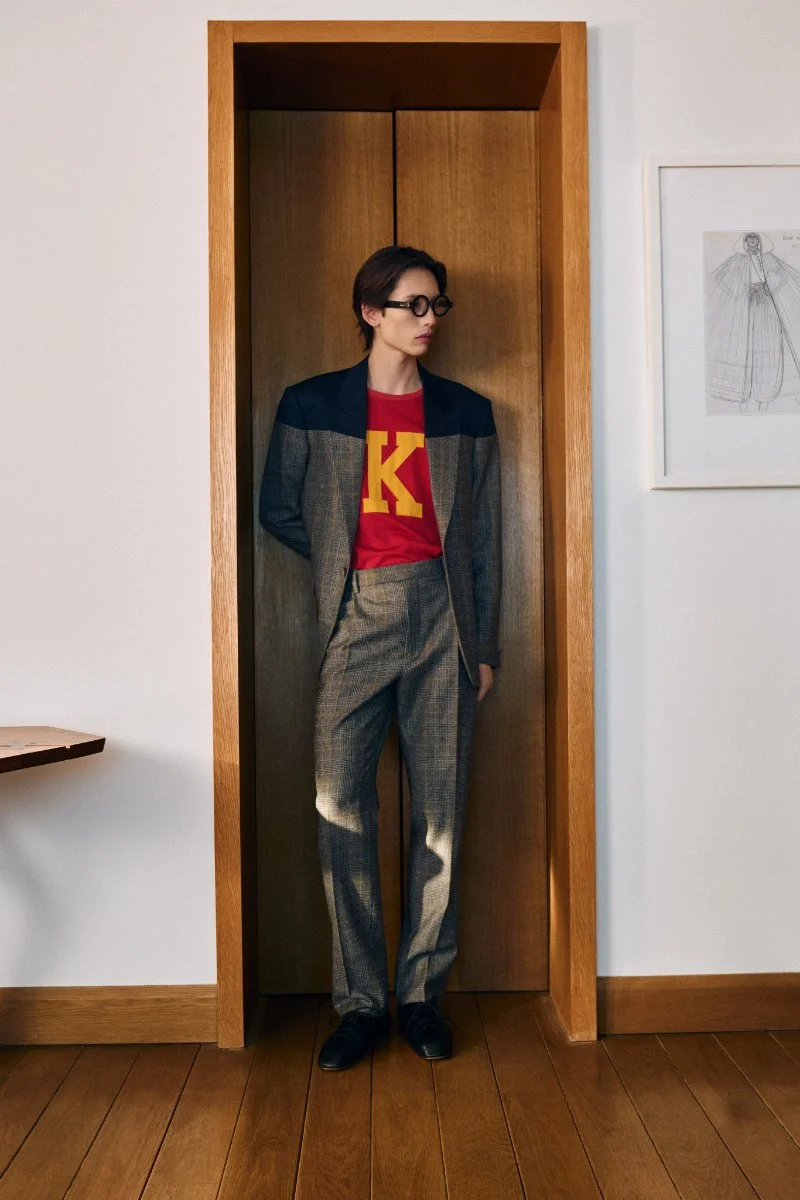
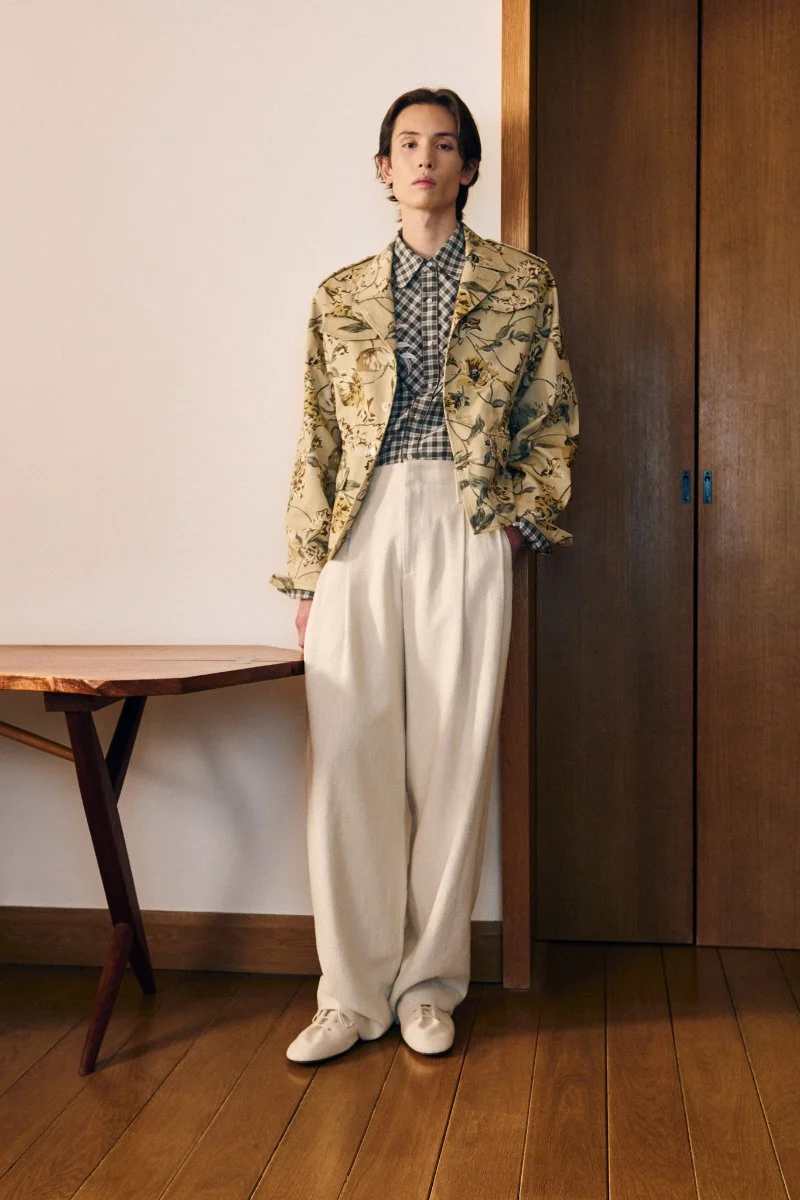
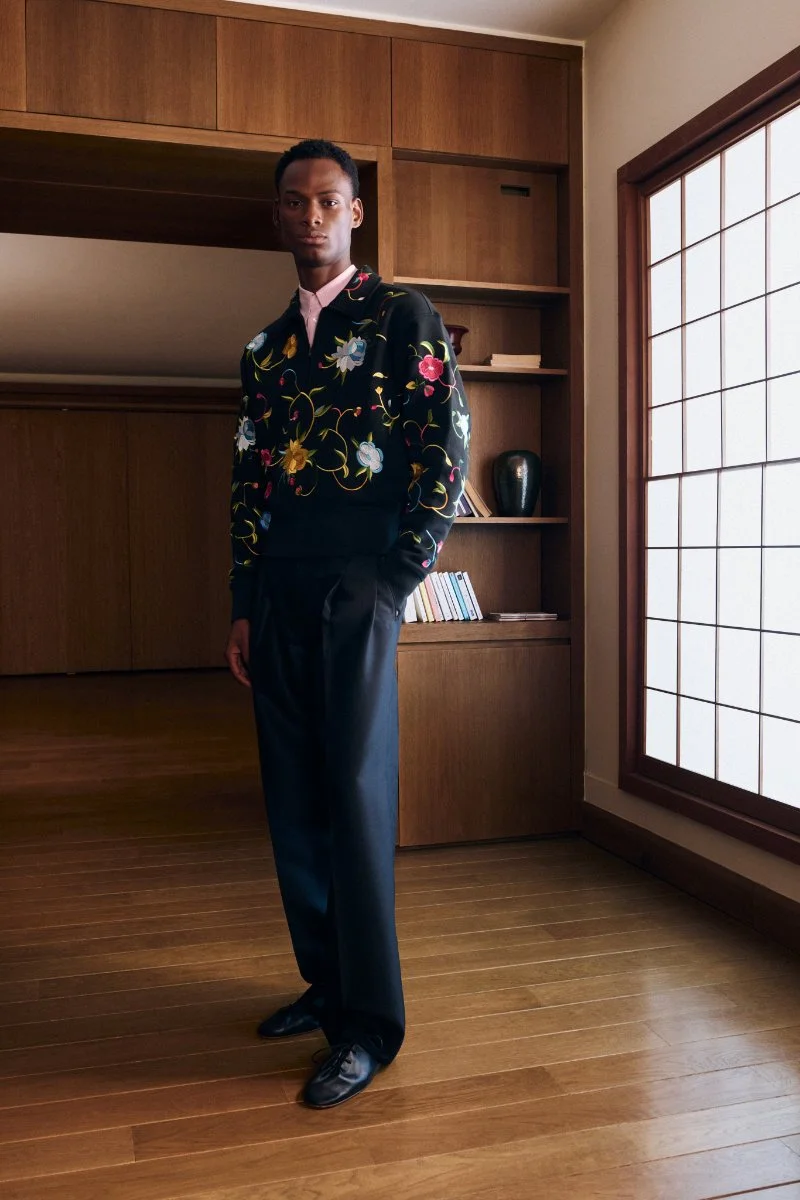
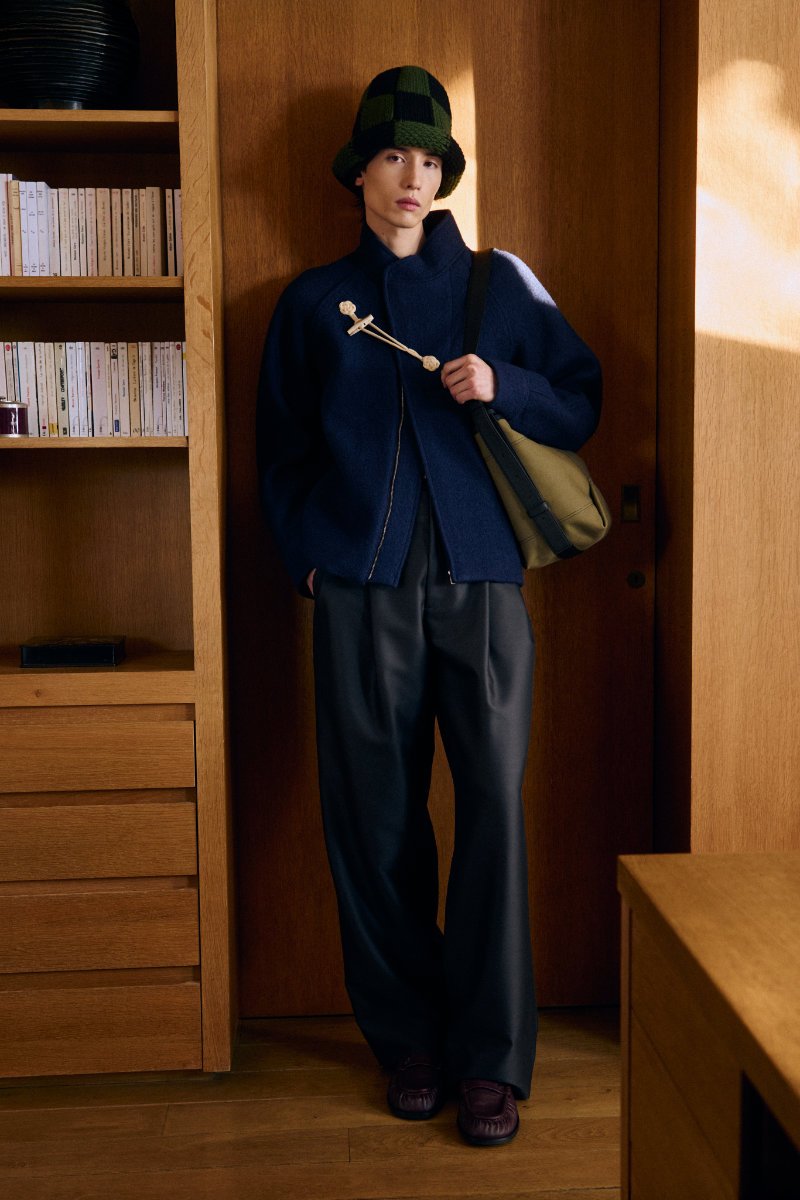
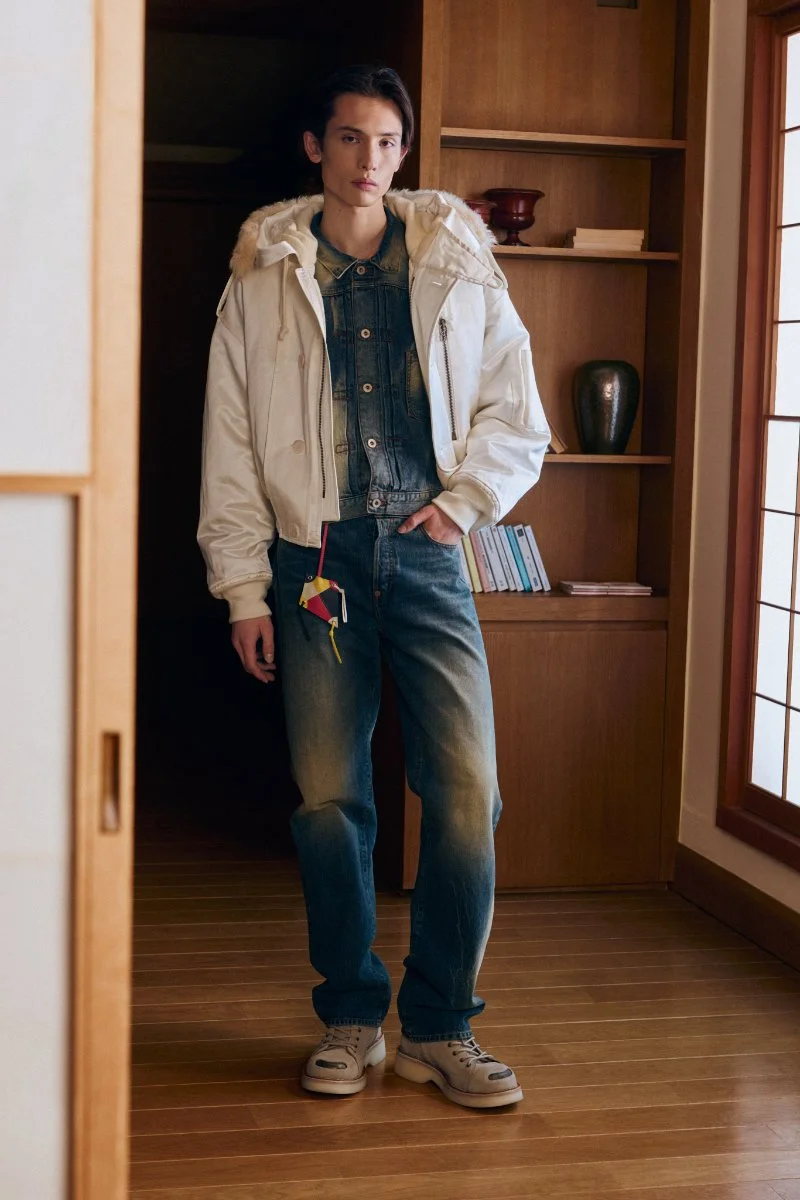
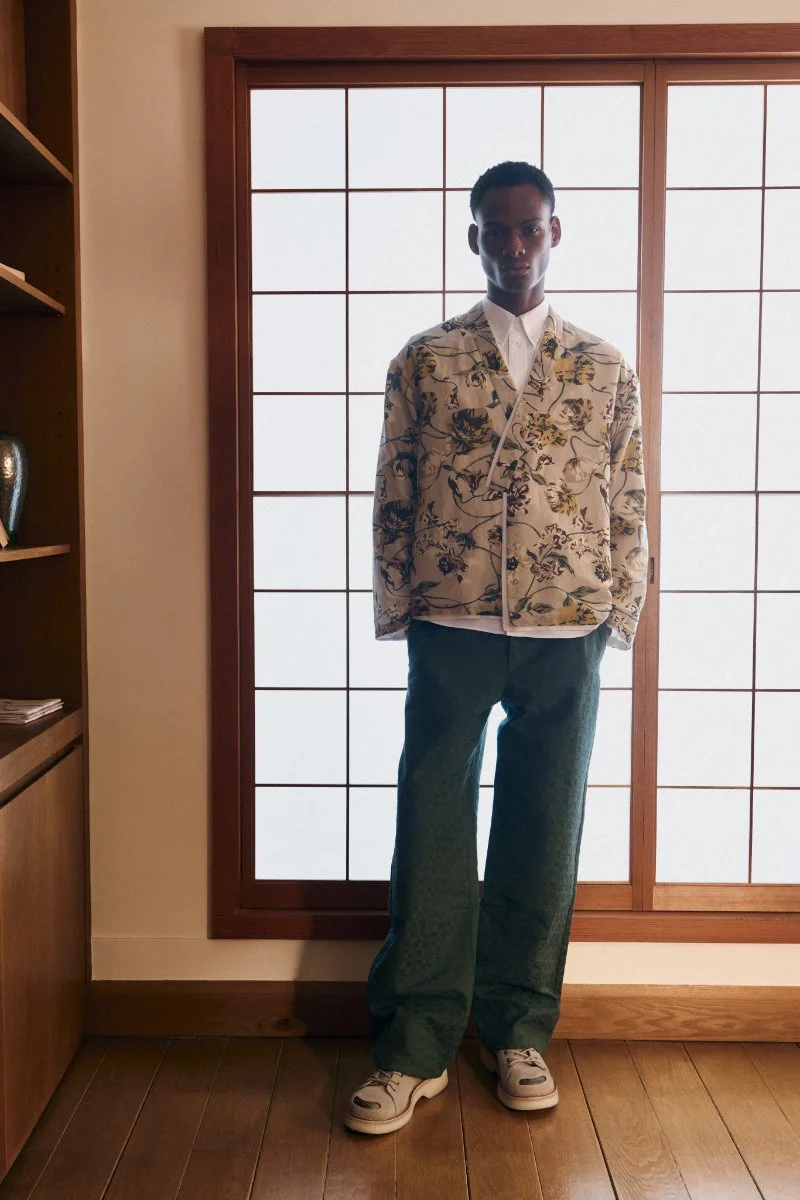
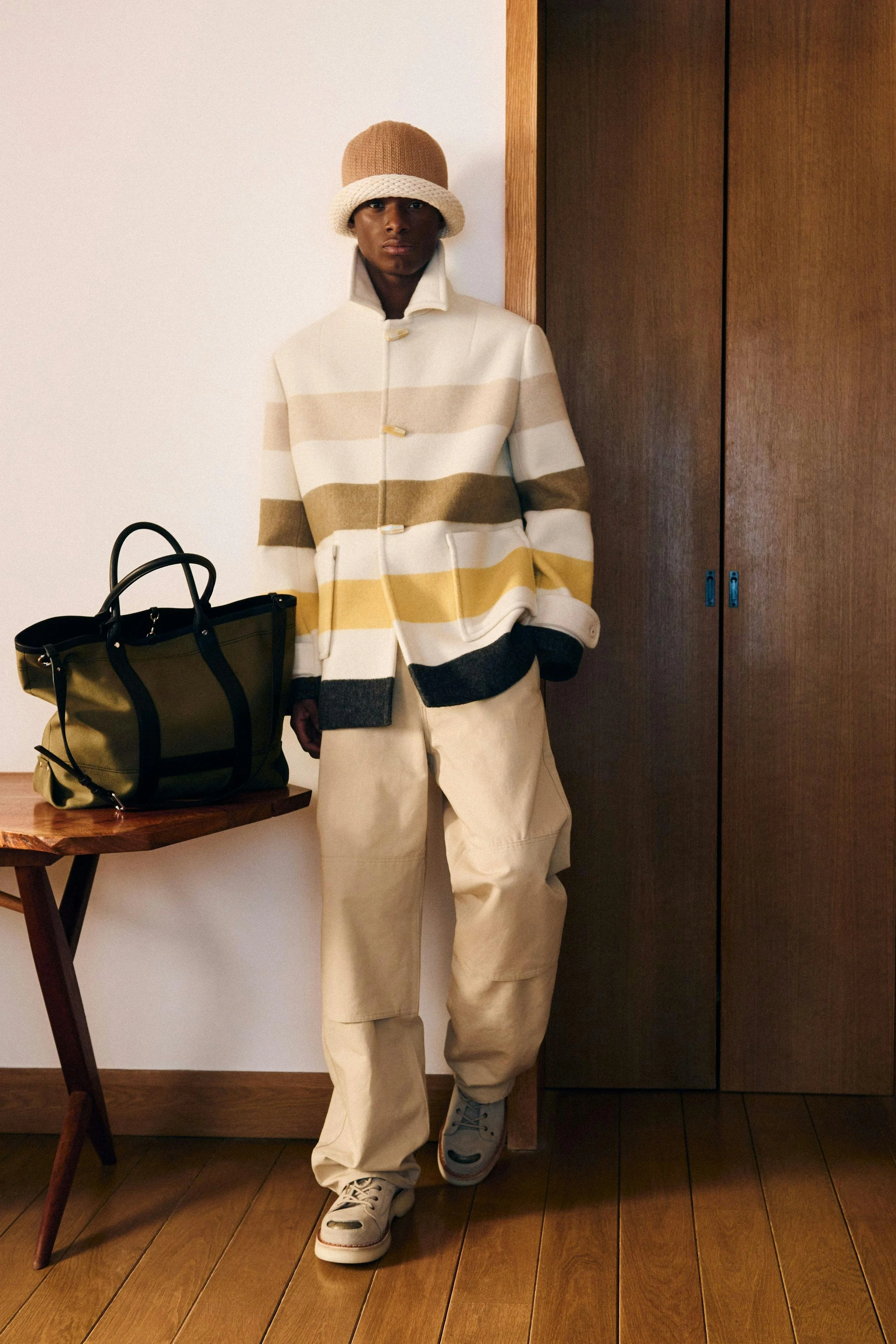
For Fall/Winter 2026, Nigo didn’t look far for inspiration; instead, he returned home – to the basics and to the inner strength of Kenzo: the joyful, colourful essence of the house, and the richness of its constructions.

The designer presented Kenzo’s most intimate and toned-down collection to date. As a nod to the house’s origins, he sought to return to the founder’s home – Kenzo Takada’s house near the Bastille in Paris, built between 1988 and 1993 — creating a collection rooted in harmony, precision, and intimacy, with pieces adapted to every moment of a person’s life.

As a nod to both French and Japanese influences, the wardrobe feels equally practical and elegant. Think Japanese minimalism, with kimono-inspired pieces, merging with the French conception of understated refinement. Capes felt modern, and prints recalled the creative spirit of the brand –  from plaids, checks, and stripes to subtle geometrics. Florals were present throughout in a myriad of ways, lending a romantic aesthetic to the looks.

The body feels at ease in the clothing, with long lines, dropped shoulders, and comfortable fits suggesting movement and wearability. Textures are tactile and cosy, reinforcing the collection’s warmth and intimacy. Earthy, muted tones dominate, from camel, cream, chocolate brown, olive, charcoal, and navy, creating combinations that feel natural. Accents of mustard, forest green, and soft yellow add depth without disrupting the calm palette.


Words by Carolina Benjumea

LOUIS VUITTON FW26

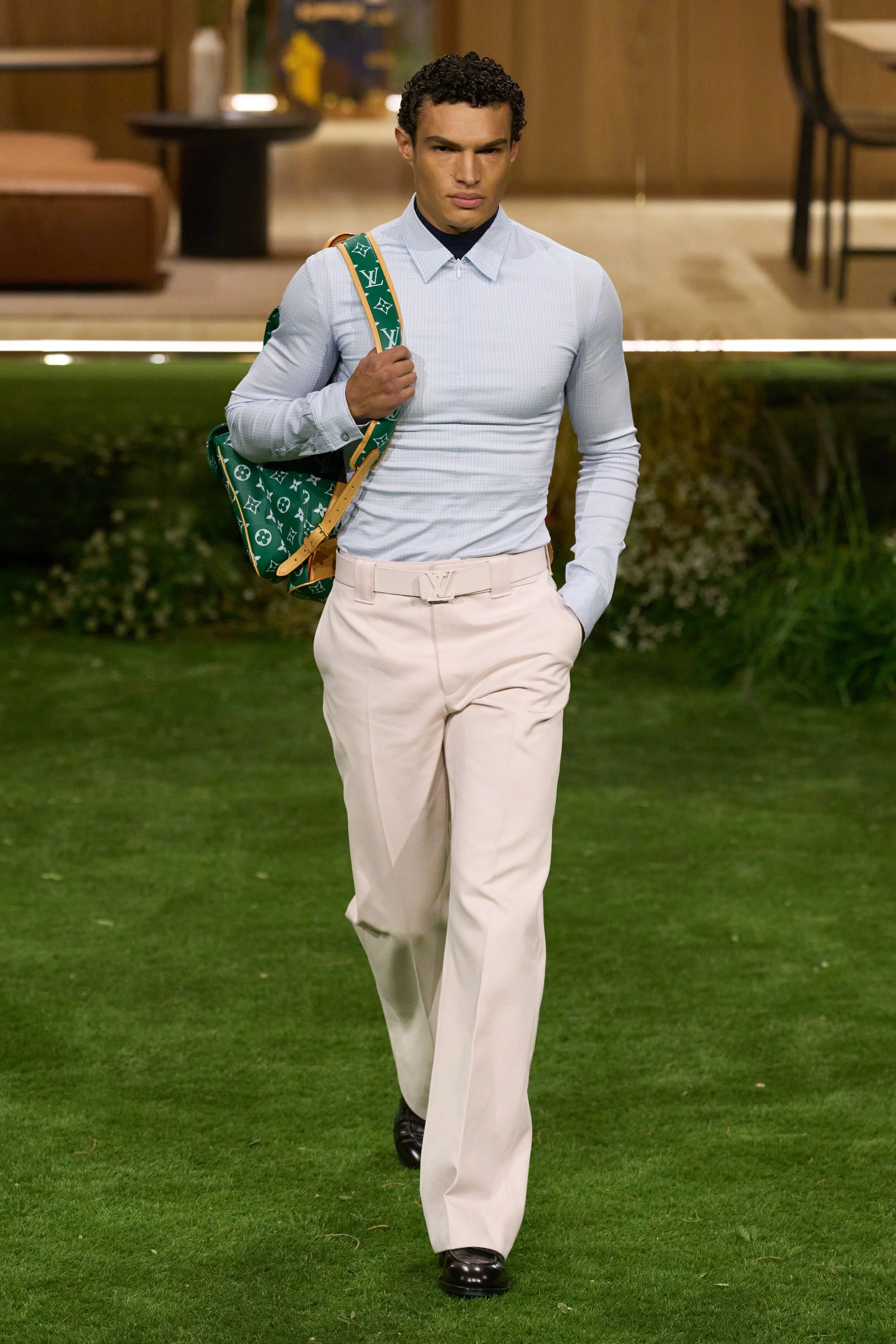
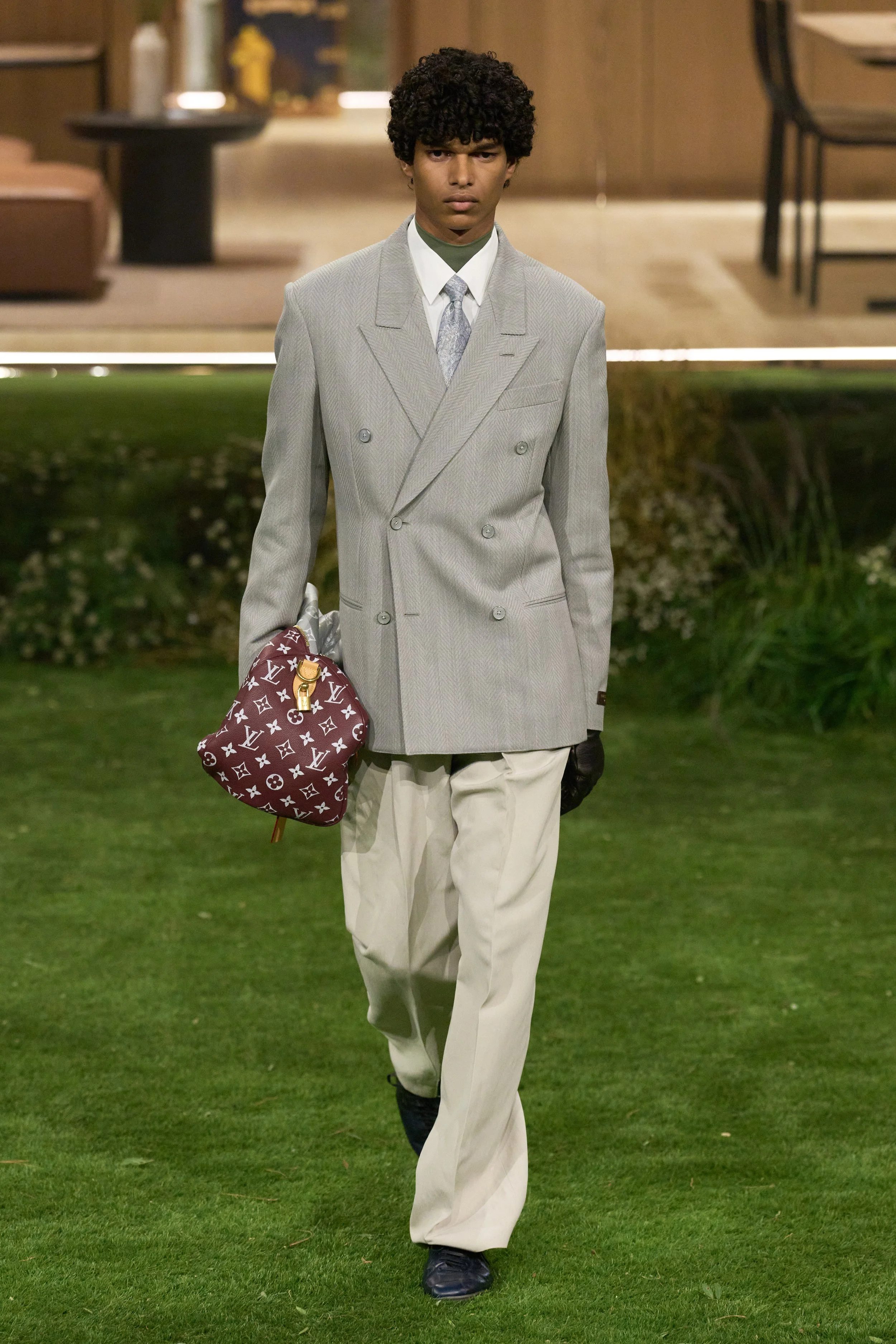
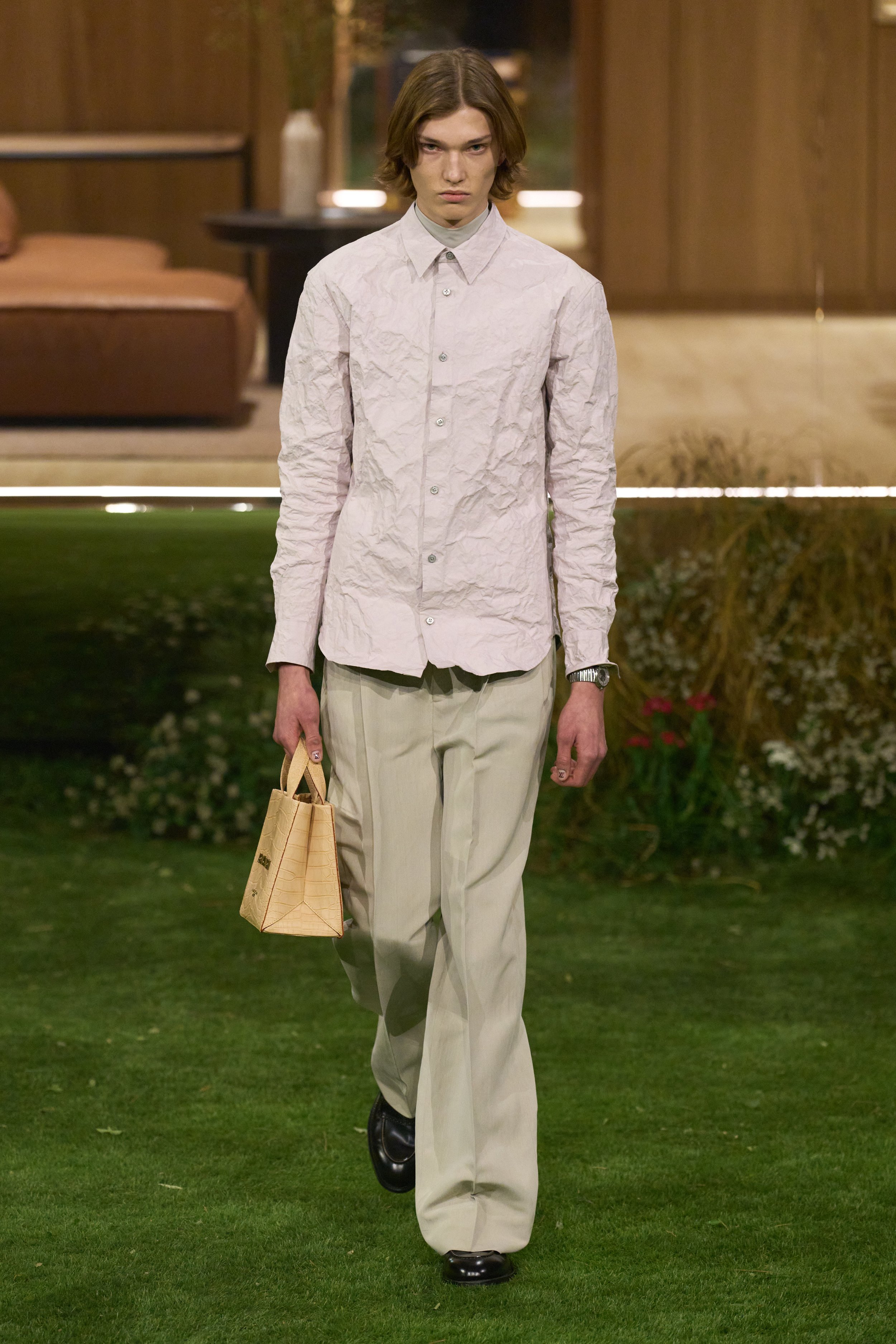
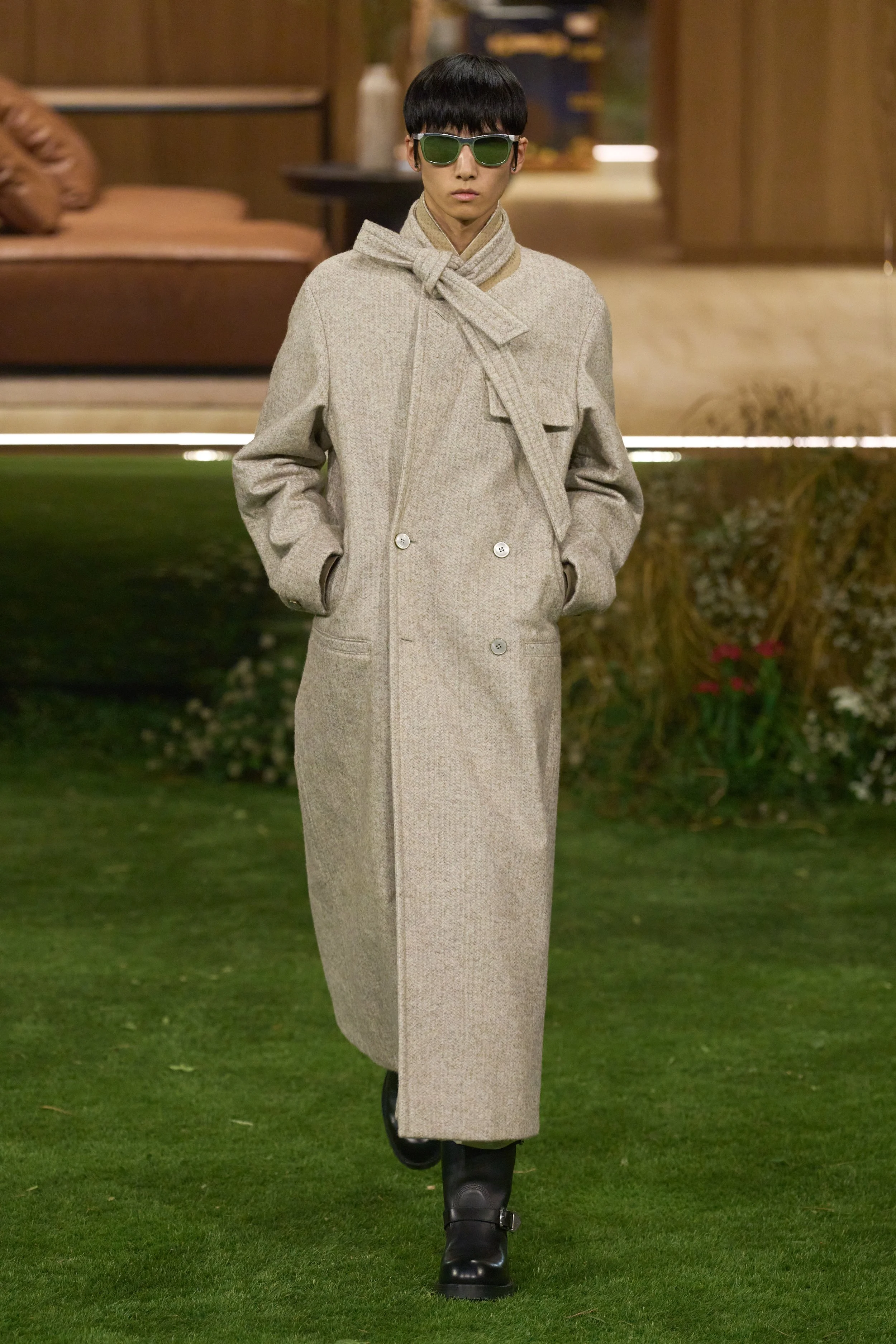
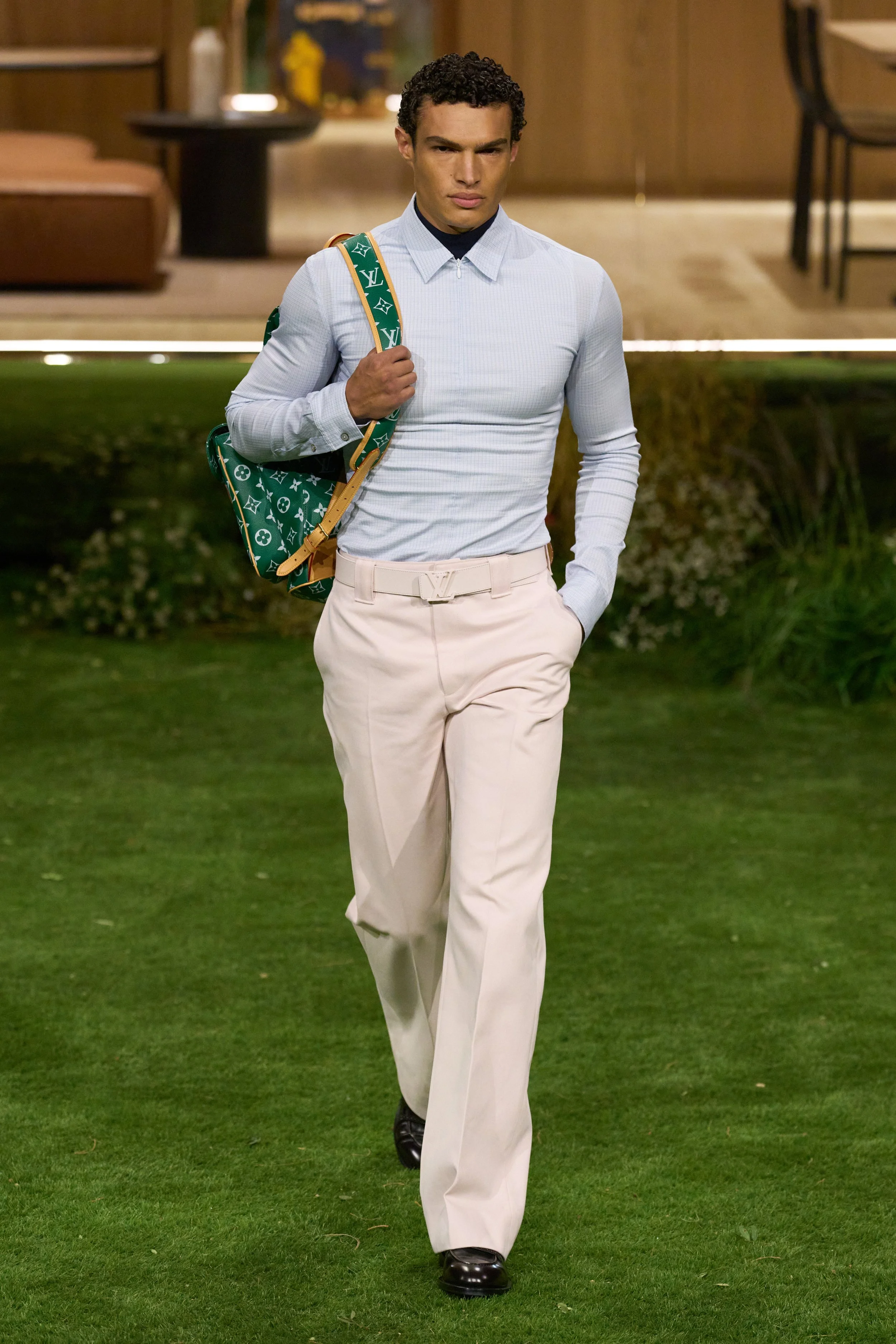
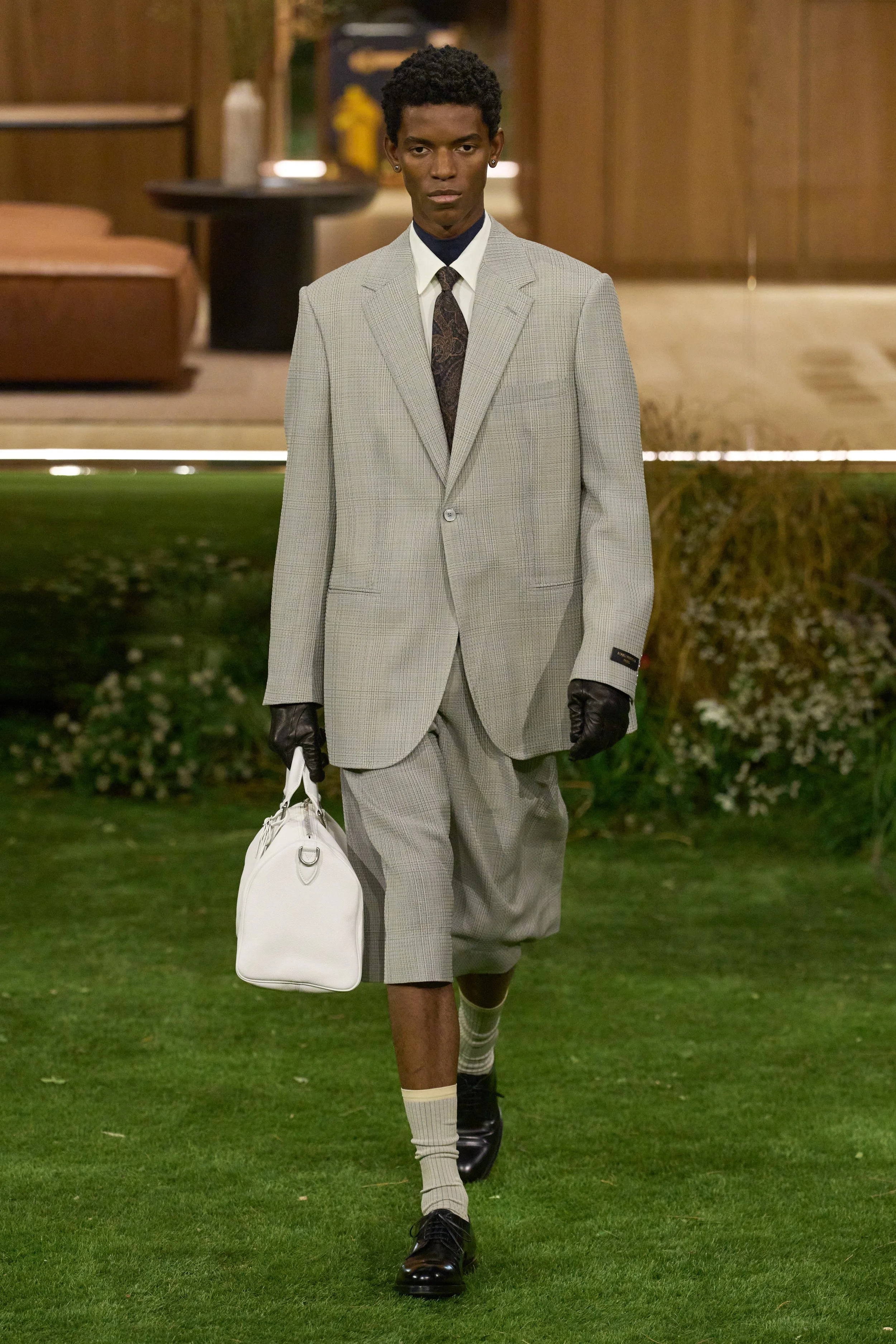
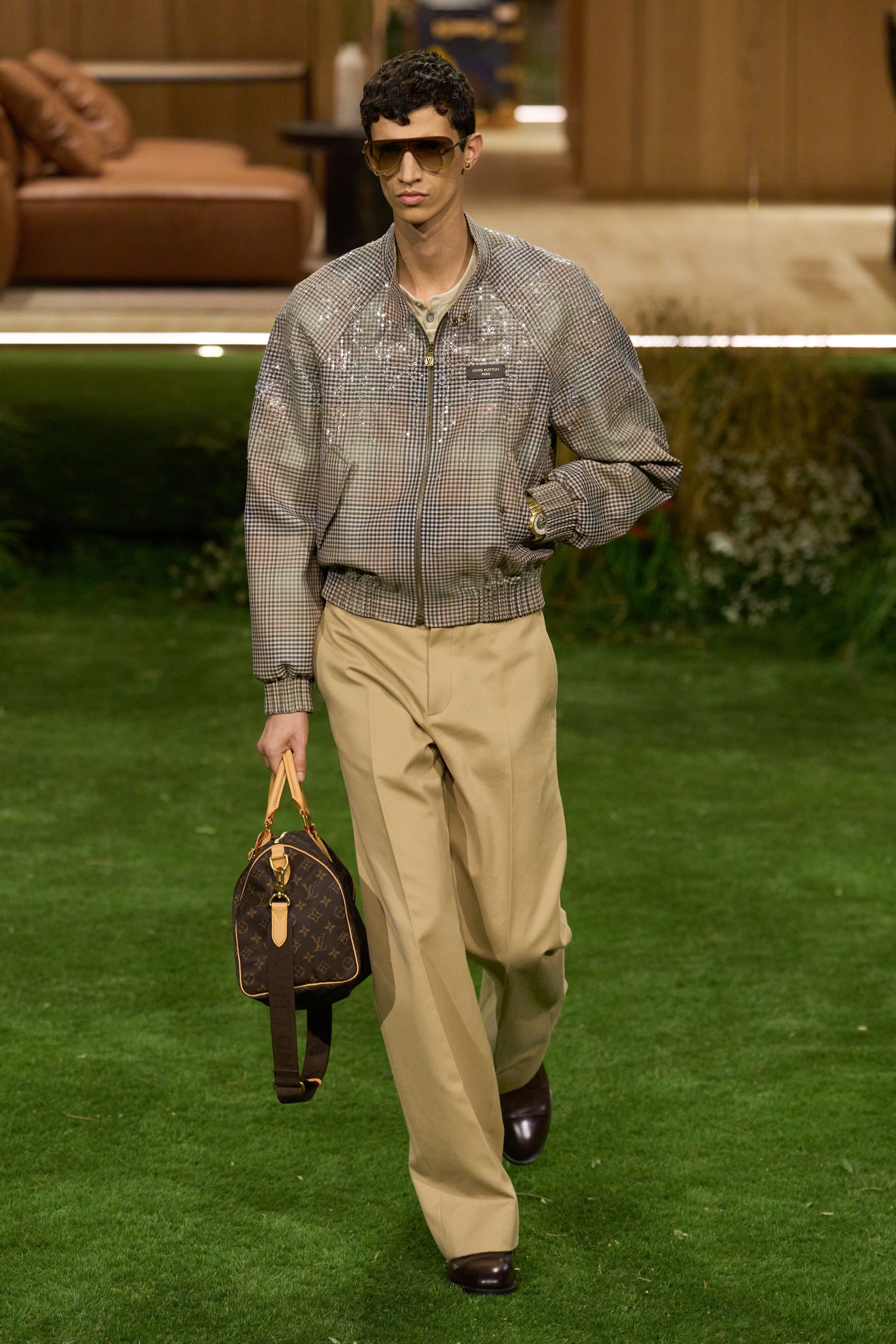
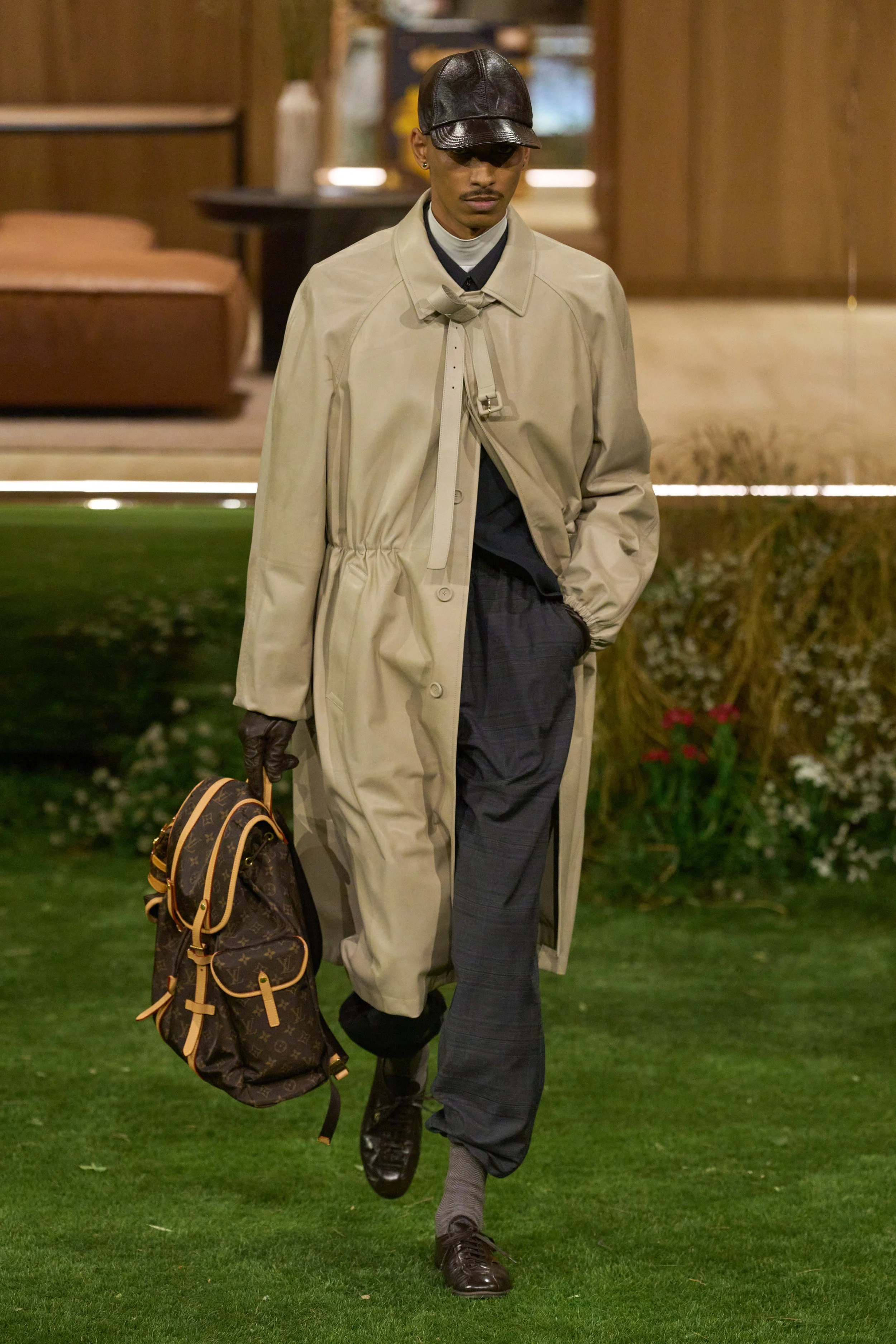
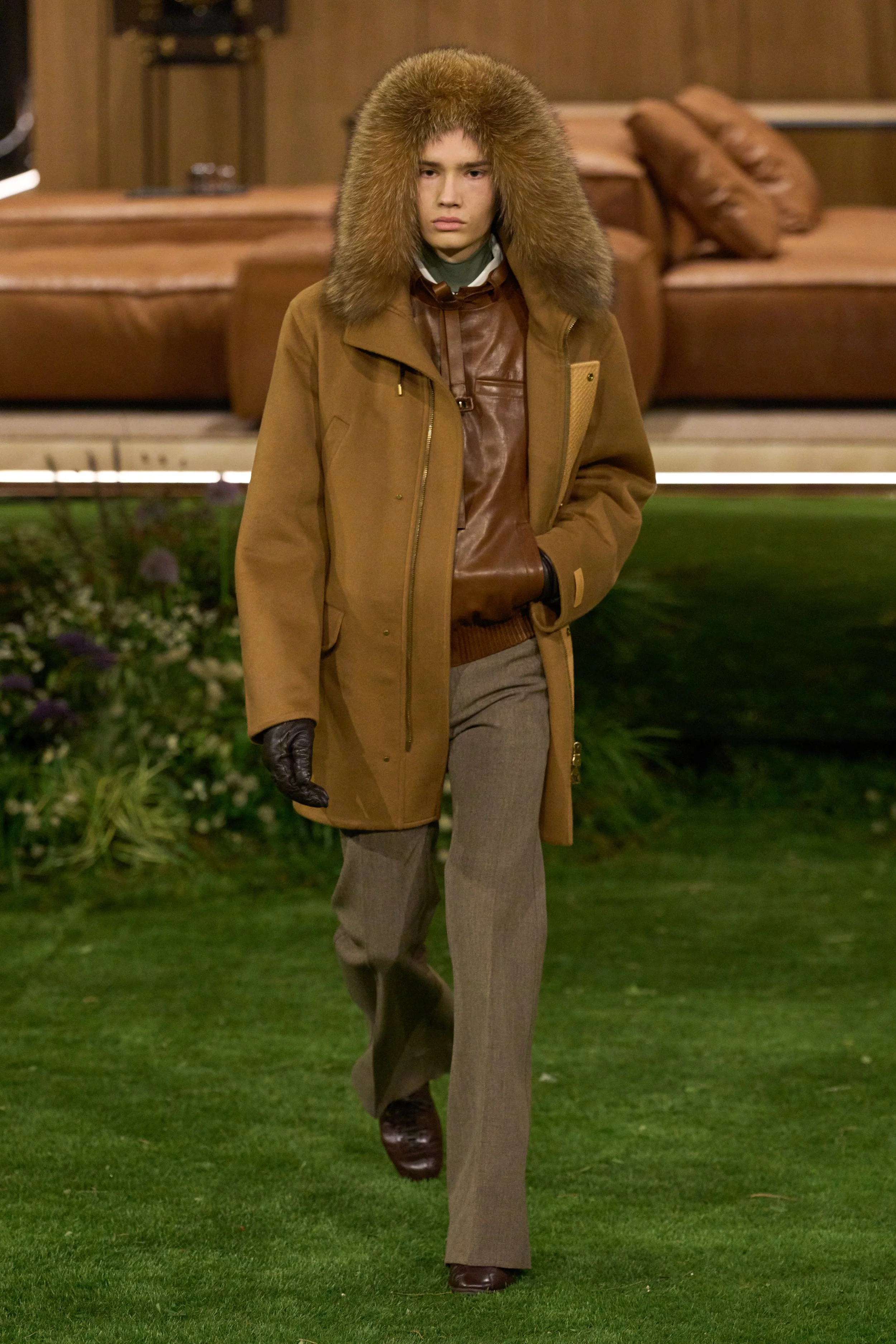
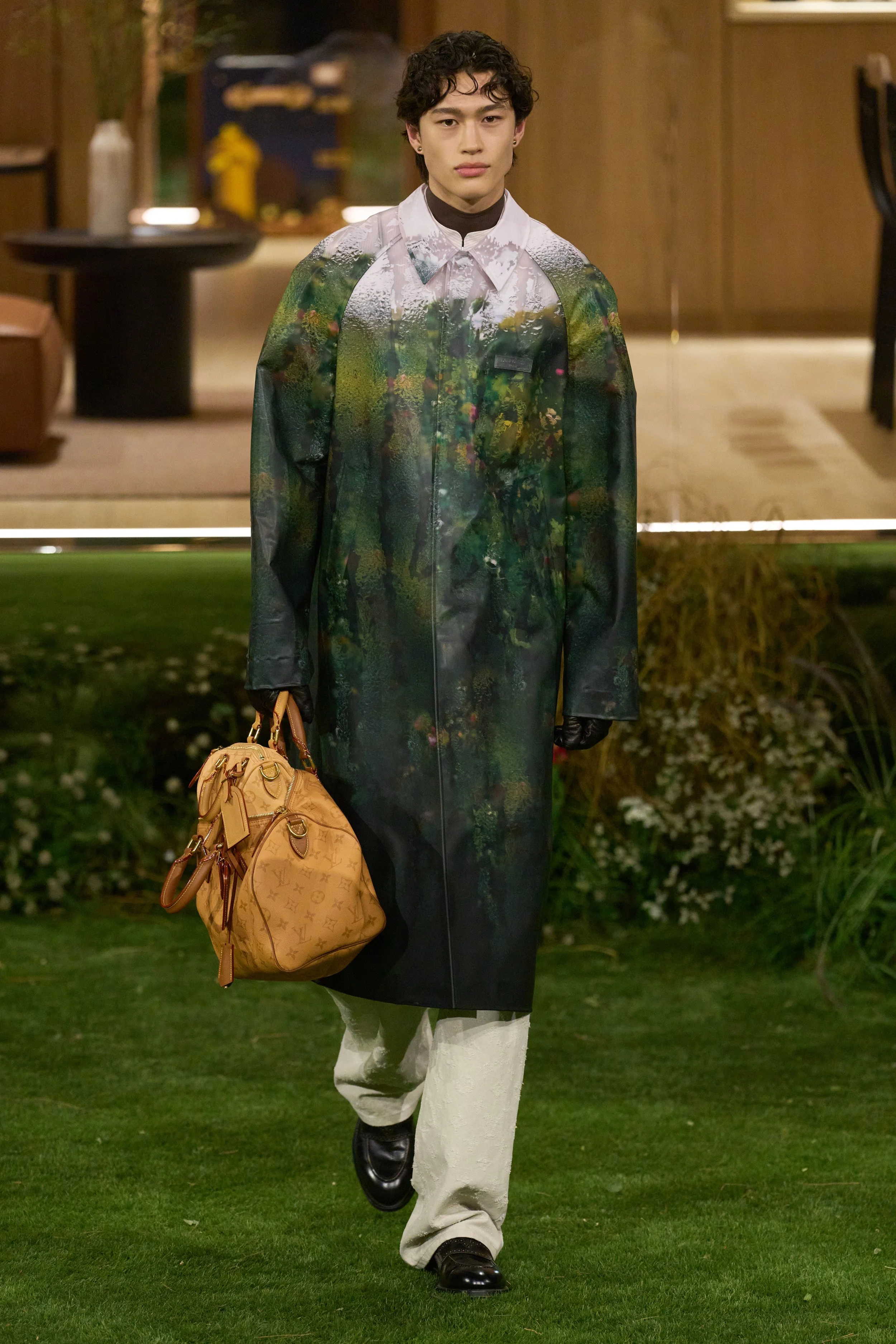
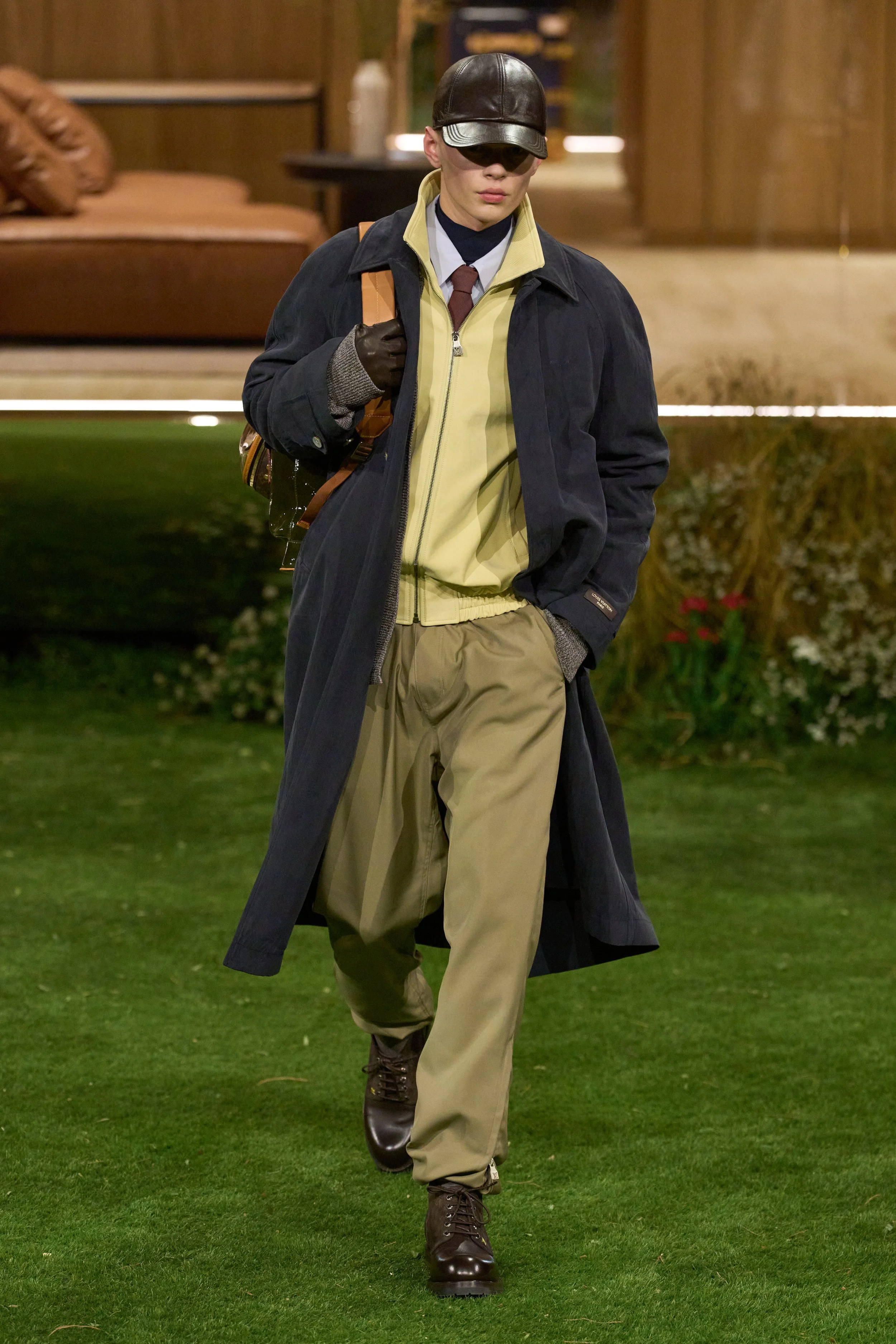
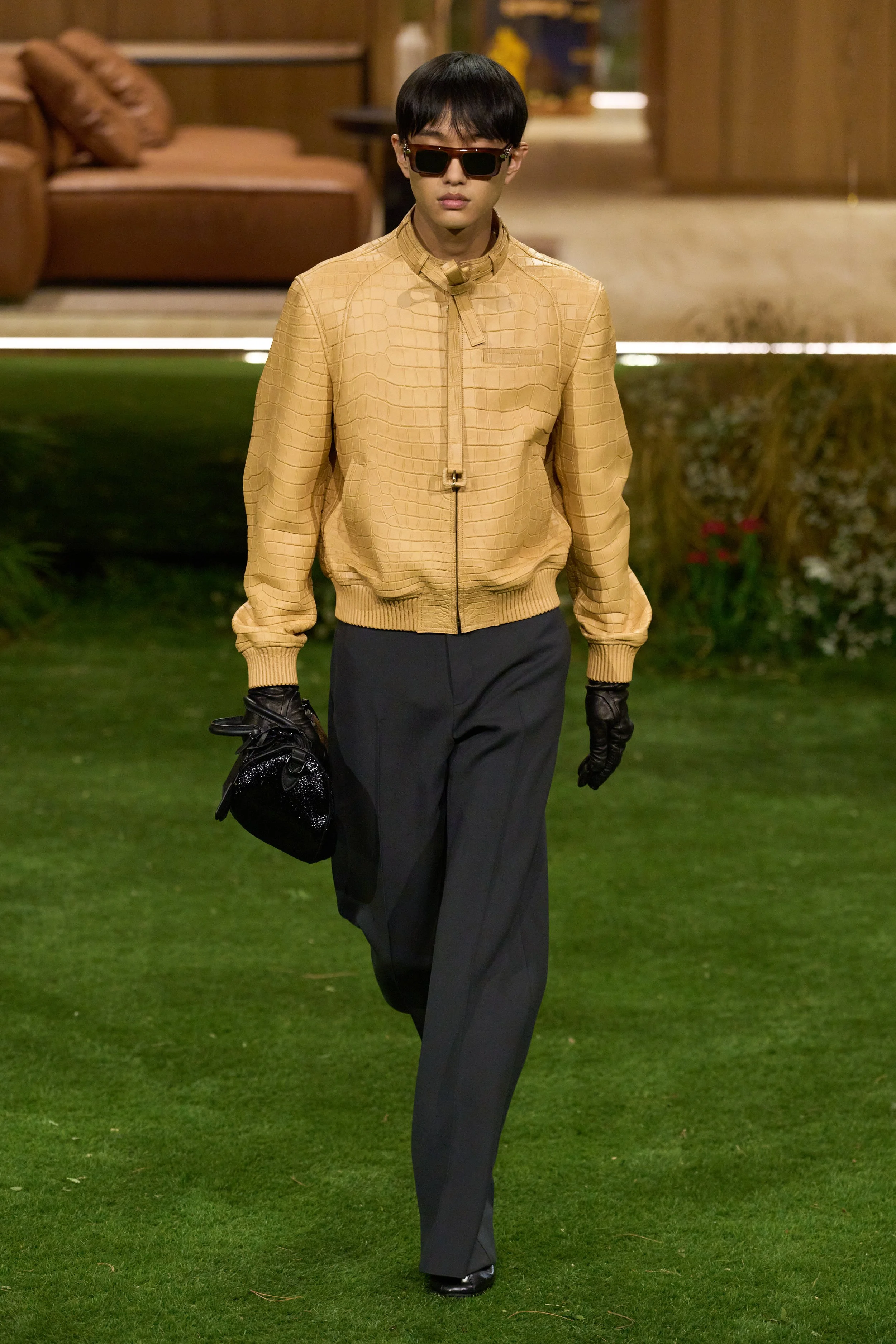
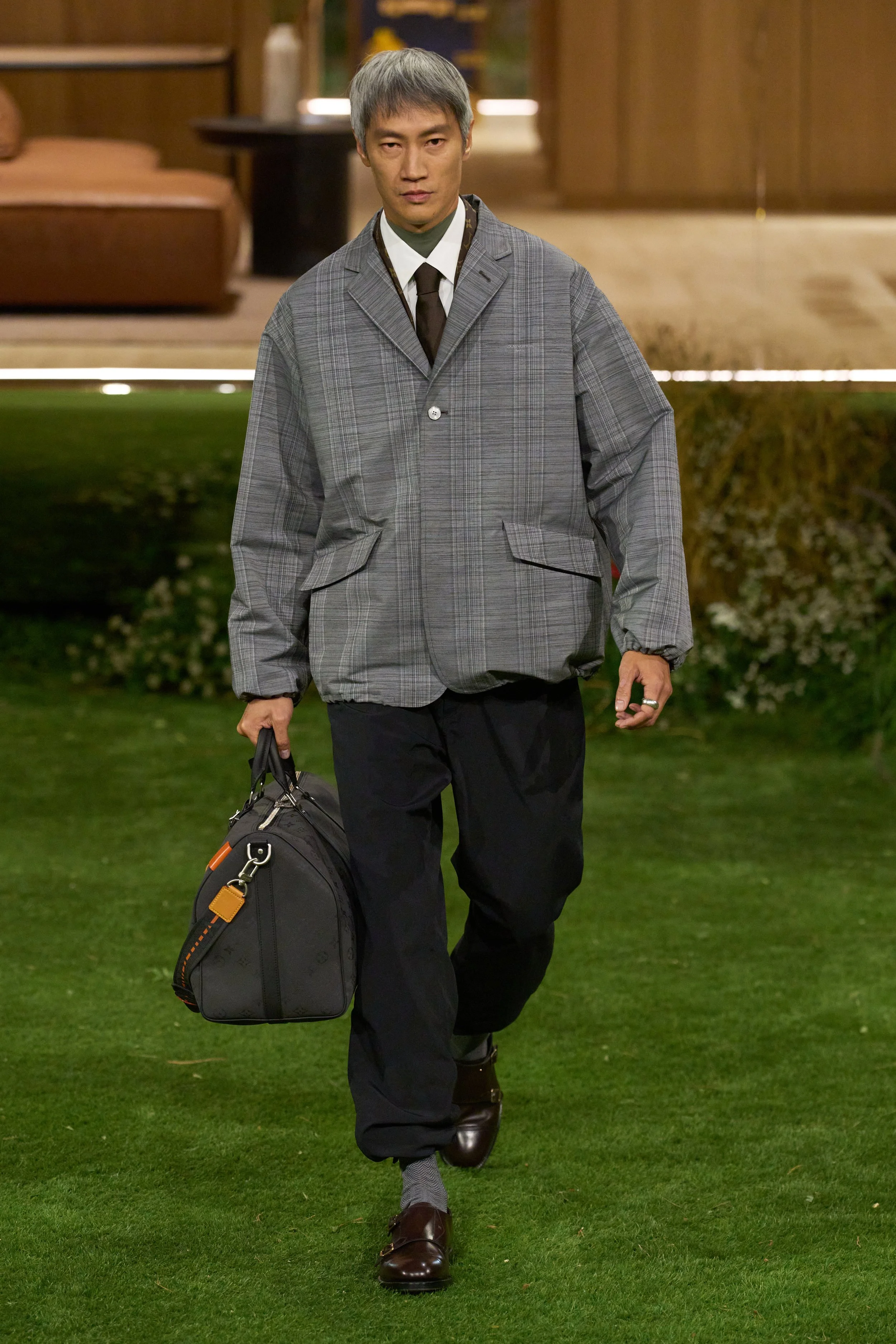
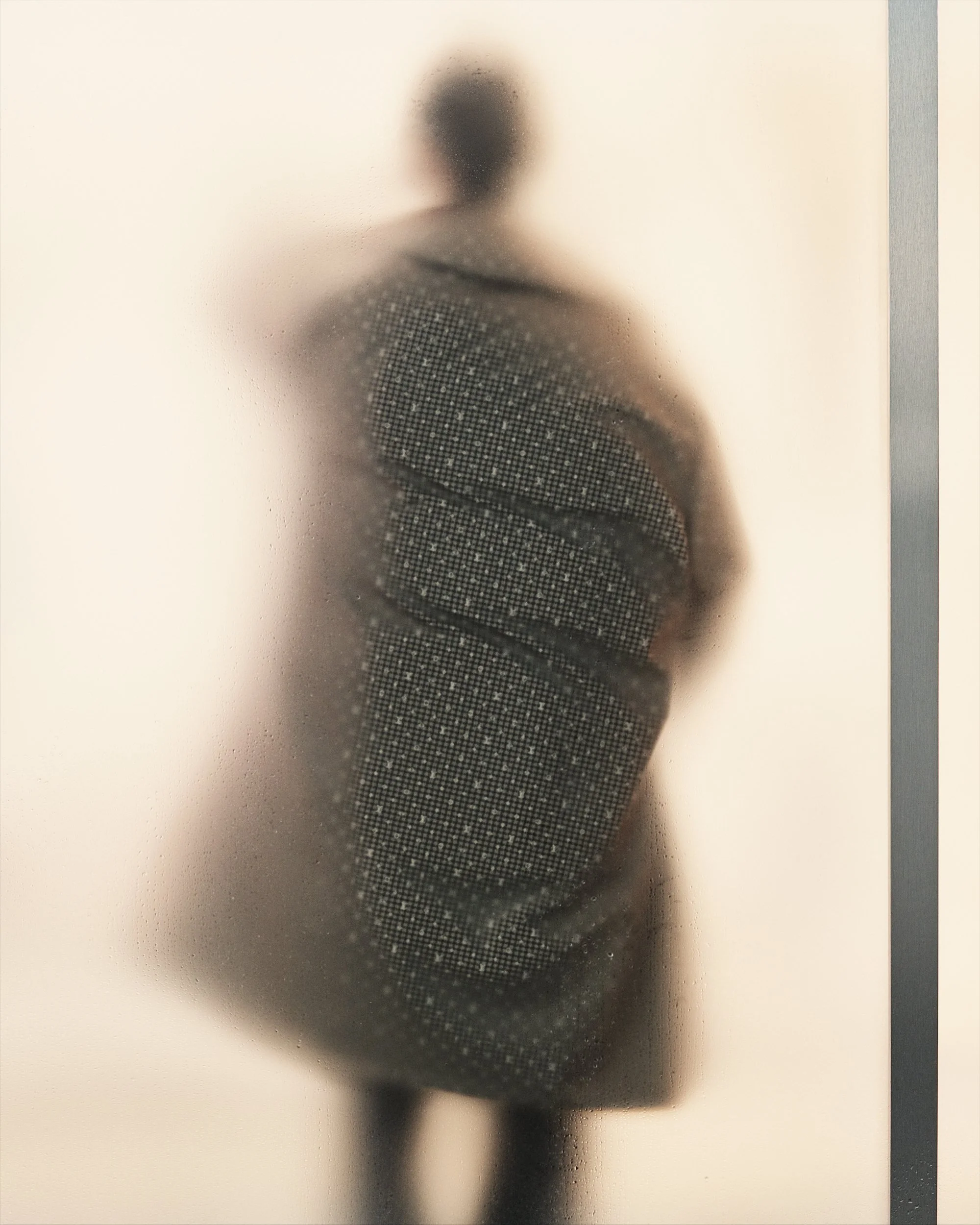
Writing about Pharrell Williams’ work at Louis Vuitton calls for a recognition of the perspective he brings to the house. Williams embraces the position of creative director in a way that reflects his understanding of fashion as part of a broader creative ecosystem, not just the production of garments. With that in mind, the Louis Vuitton Fall/Winter 2026 collection felt especially compelling in its focus on confident, well-executed clothes.

At the Louis Vuitton Foundation, an indoor villa served as the setting for a collection filled with wardrobe staples. The show opened with powerful tailoring. Strong shoulders, long hems, nipped in waists. Almost immediately, the formal is tempered by technical functionalism. Hooded parkas replace blazers on top of ties. Shirts are embellished or crumpled, a feat ingeniously achieved through aluminium in the fabric.

There were elements of fun, of course – it’s still Vuitton, it’s still Williams. Shiny vinyl hid the classic LV monogram. Long coats were tied at the neck in wool pussy bows, the same that, in cropped leather jackets, were made from long belts. But, even in these moments of whimsy, pragmatism seeped through. Maybe it’s a sign of confidence. After more than two years, Williams is surer of himself, more comfortable letting clothes carry the performance.


Words by Pedro Vasconcelos

LEMAIRE FW26

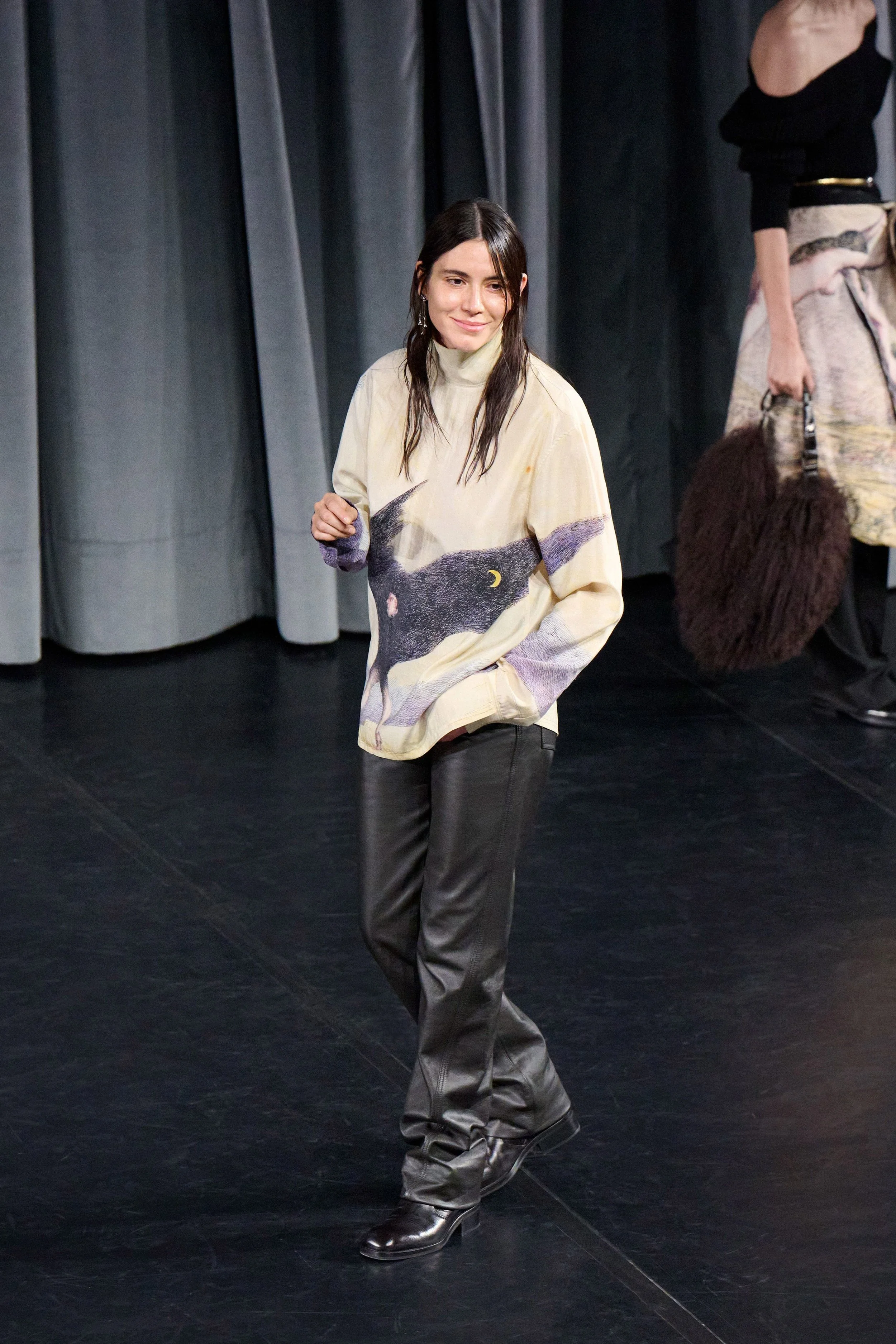
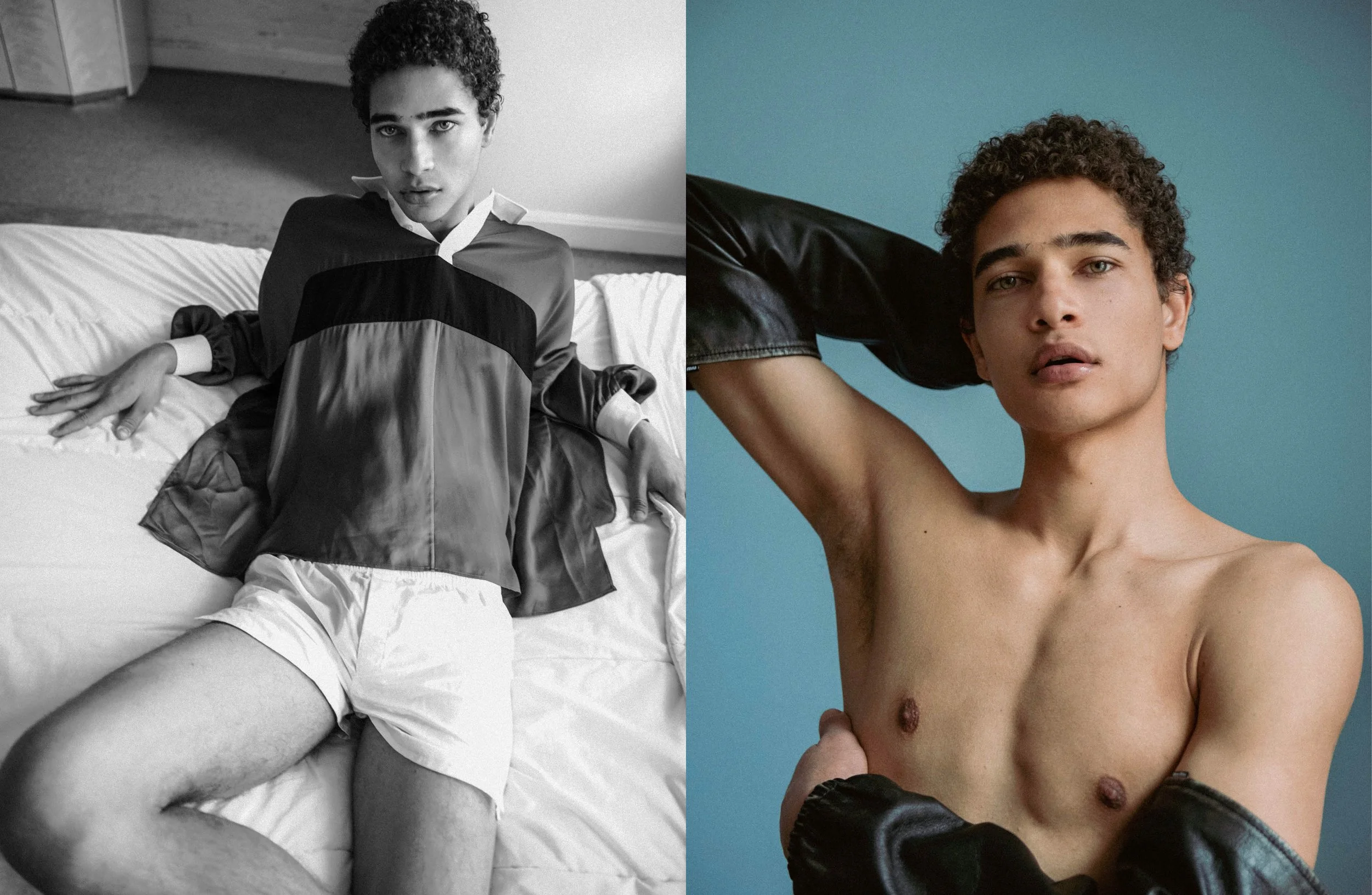
LEMAIRE’s Fall/Winter 2026 presentation, mine eyes, unfolded like a lucid dream. In collaboration with theatre director Nathalie Béasse, the house blurred fashion and performance into a series of living scenes. Inspired by Béasse’s work titled velvet, the setting became a world of seduction and unease, where silhouettes emerged, dissolved, and reappeared. The experience felt contemplative and cinematic.

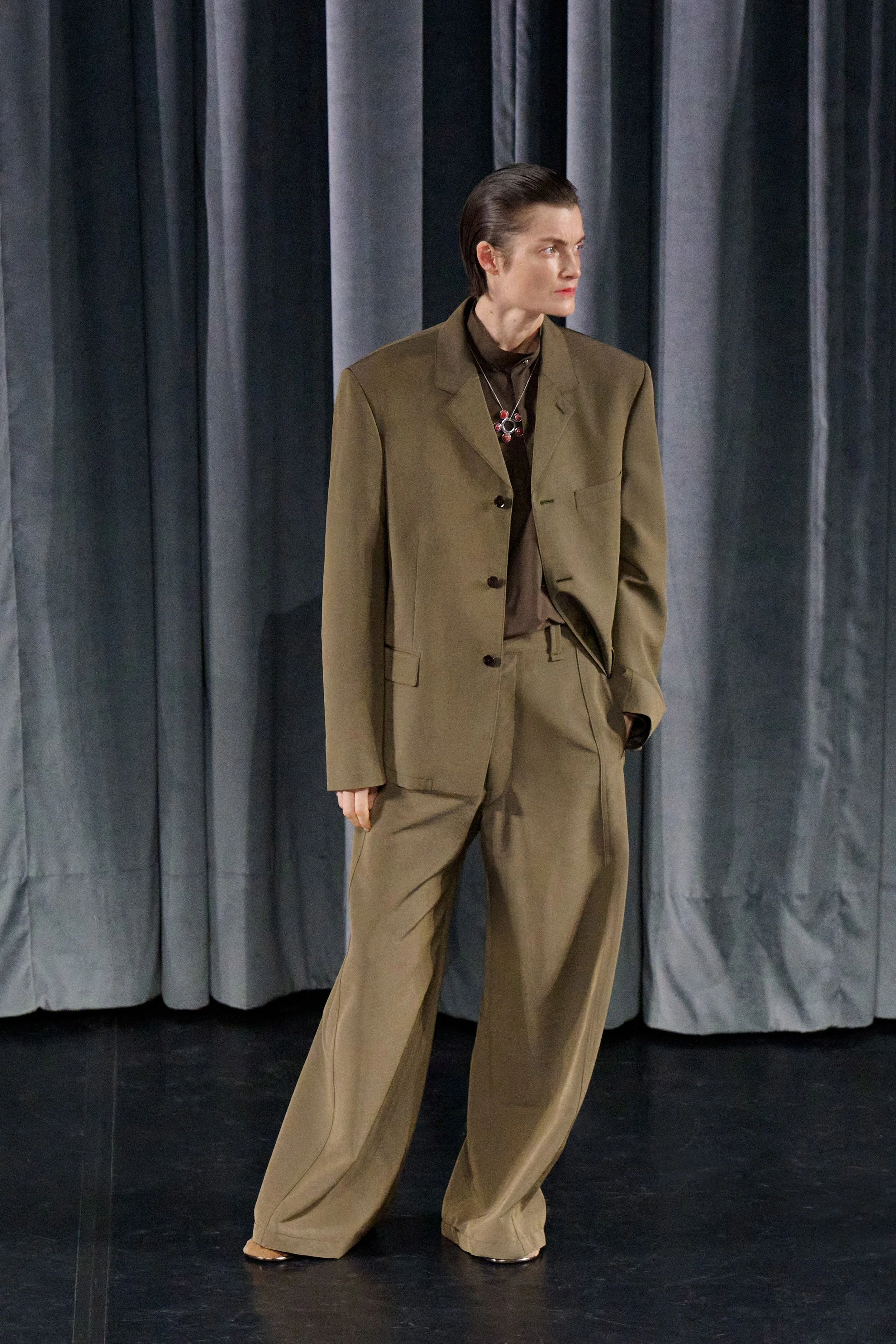
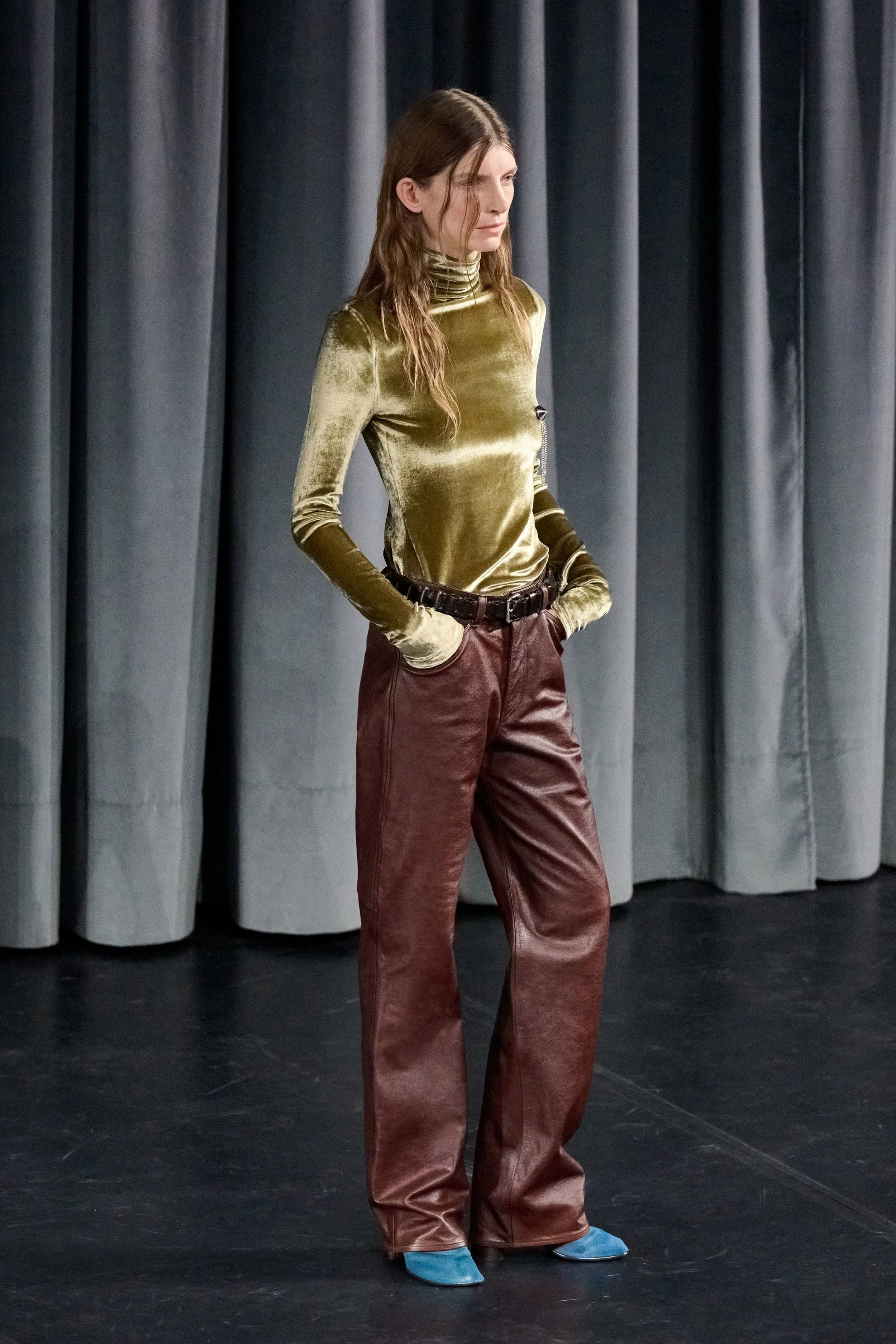
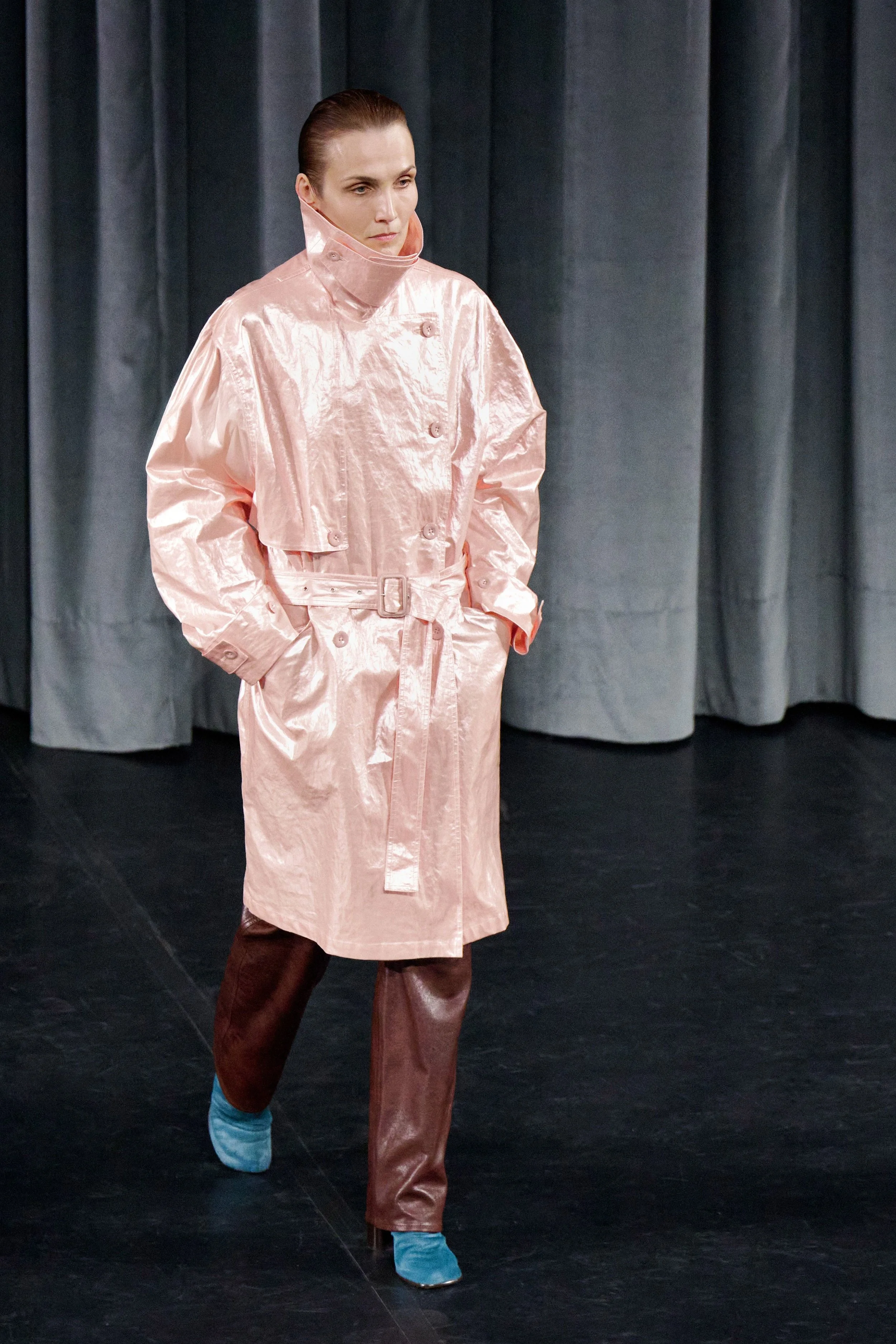
The women’s collection leaned into illusion as a through line. Crushed velvet turtlenecks shimmered like liquid metal, lacquered denim masqueraded as leather, and coated cottons and dry silks shifted under light with each step. The colour palette was rich in LEMAIRE staples – charcoal, chocolate, khaki, butter yellow – and juxtaposed with gleaming shades of pink, celadon, and turquoise.

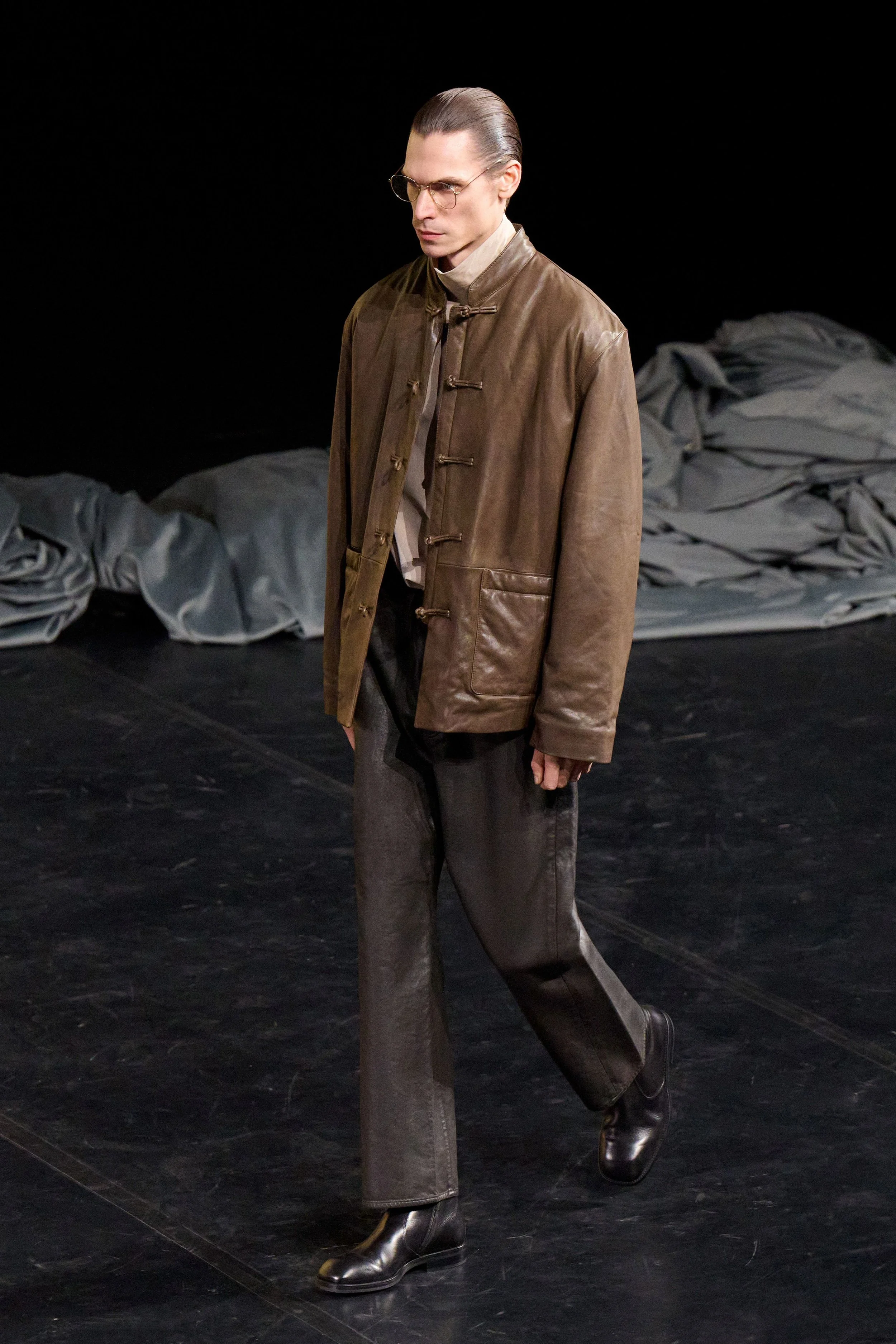
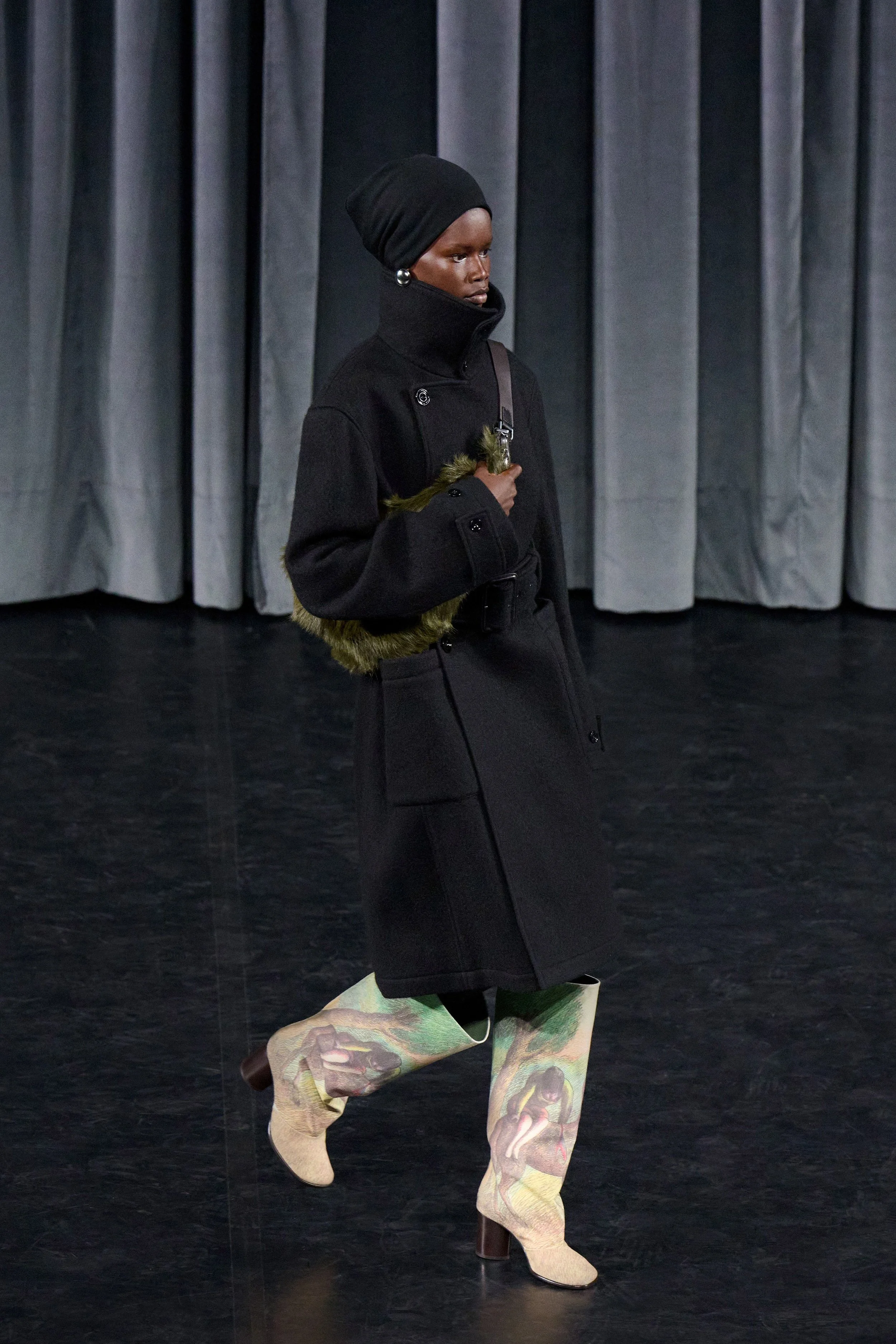
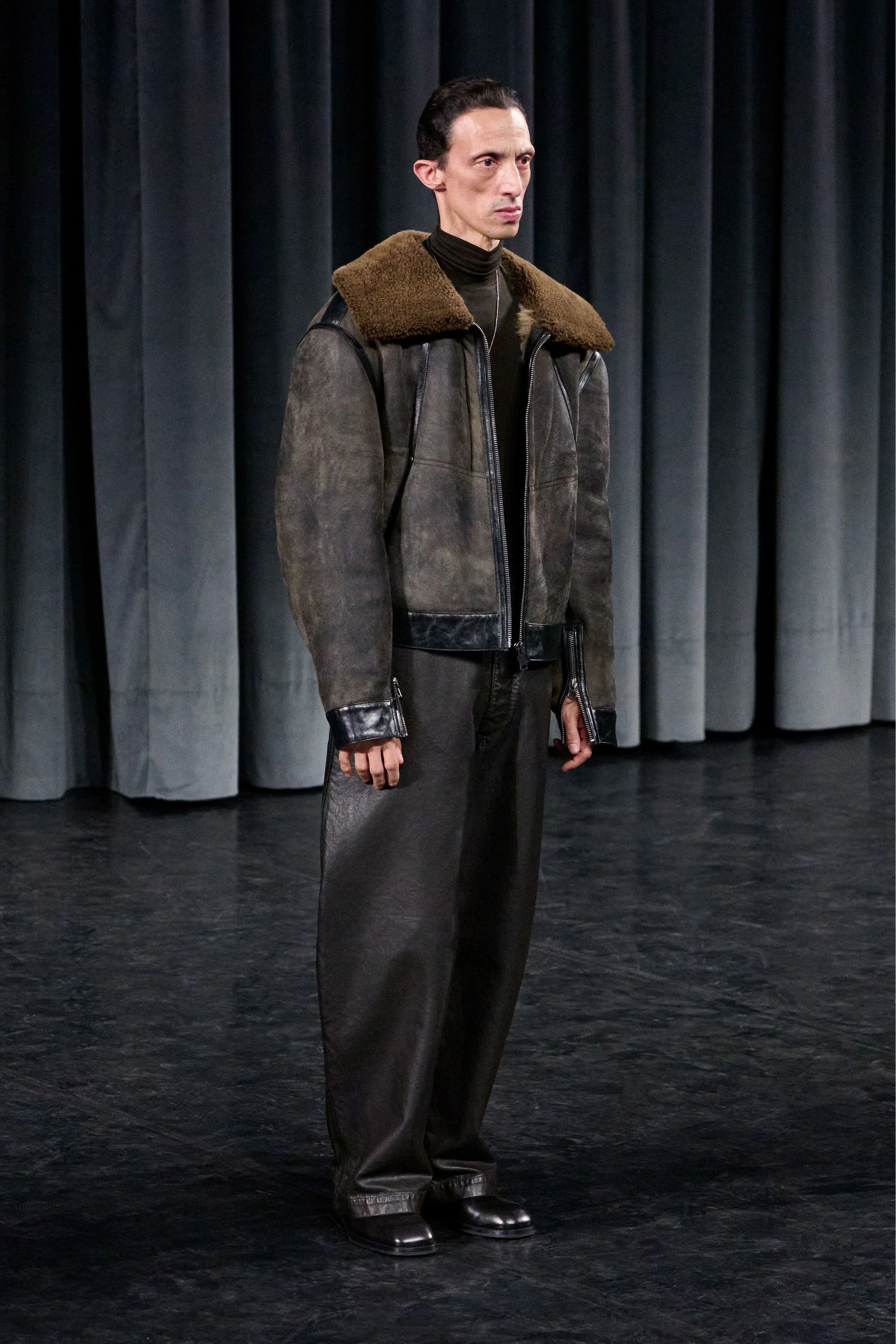
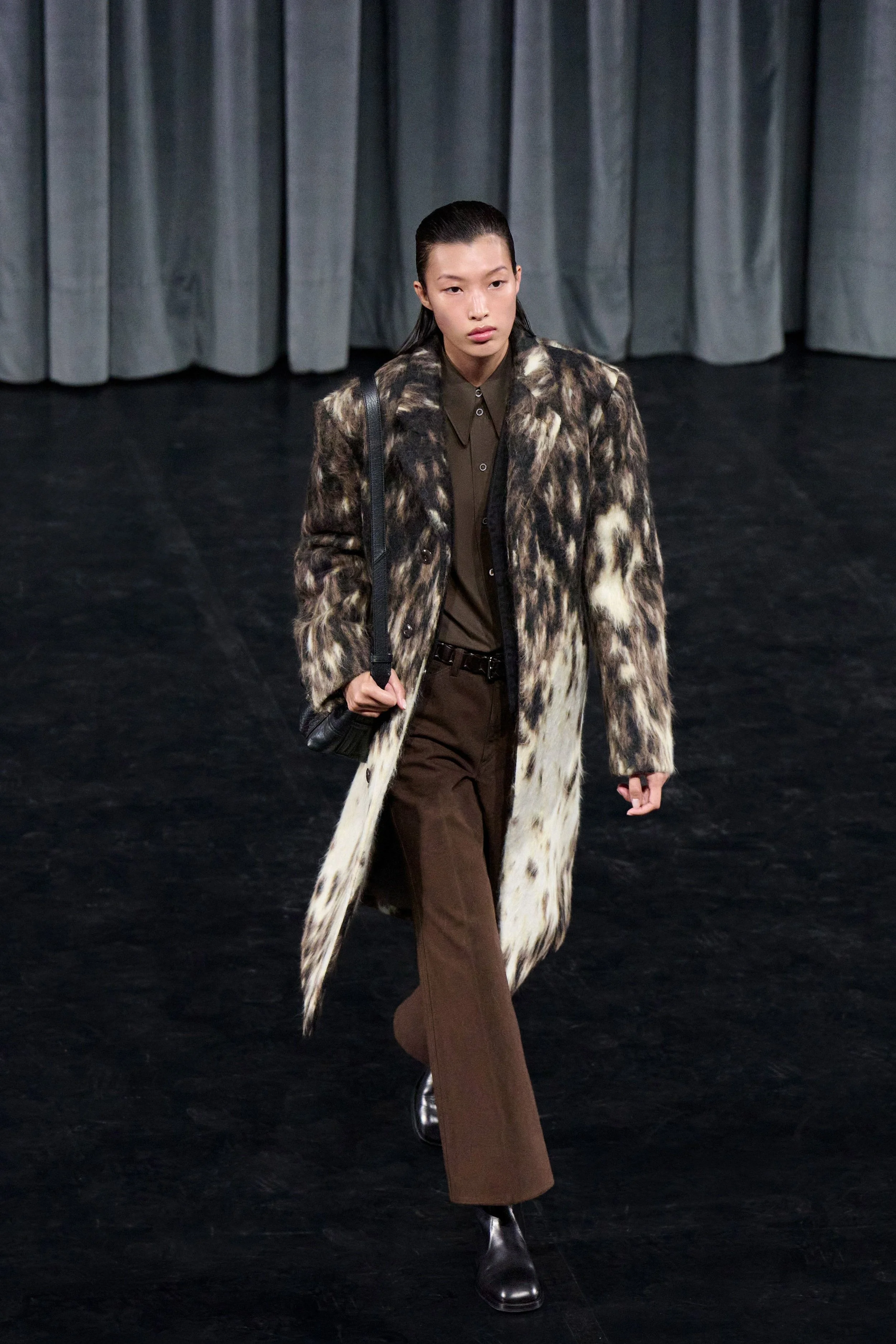
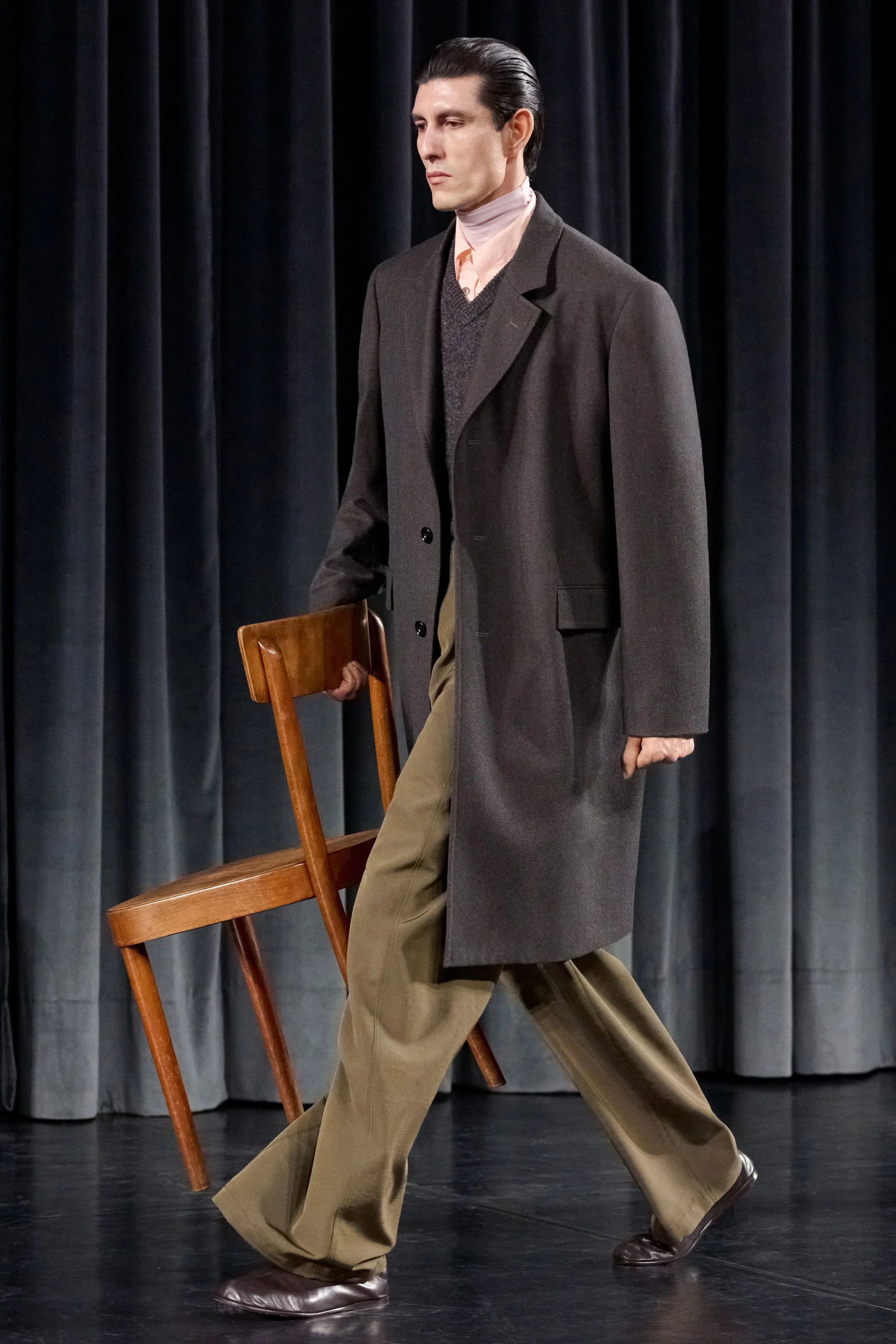
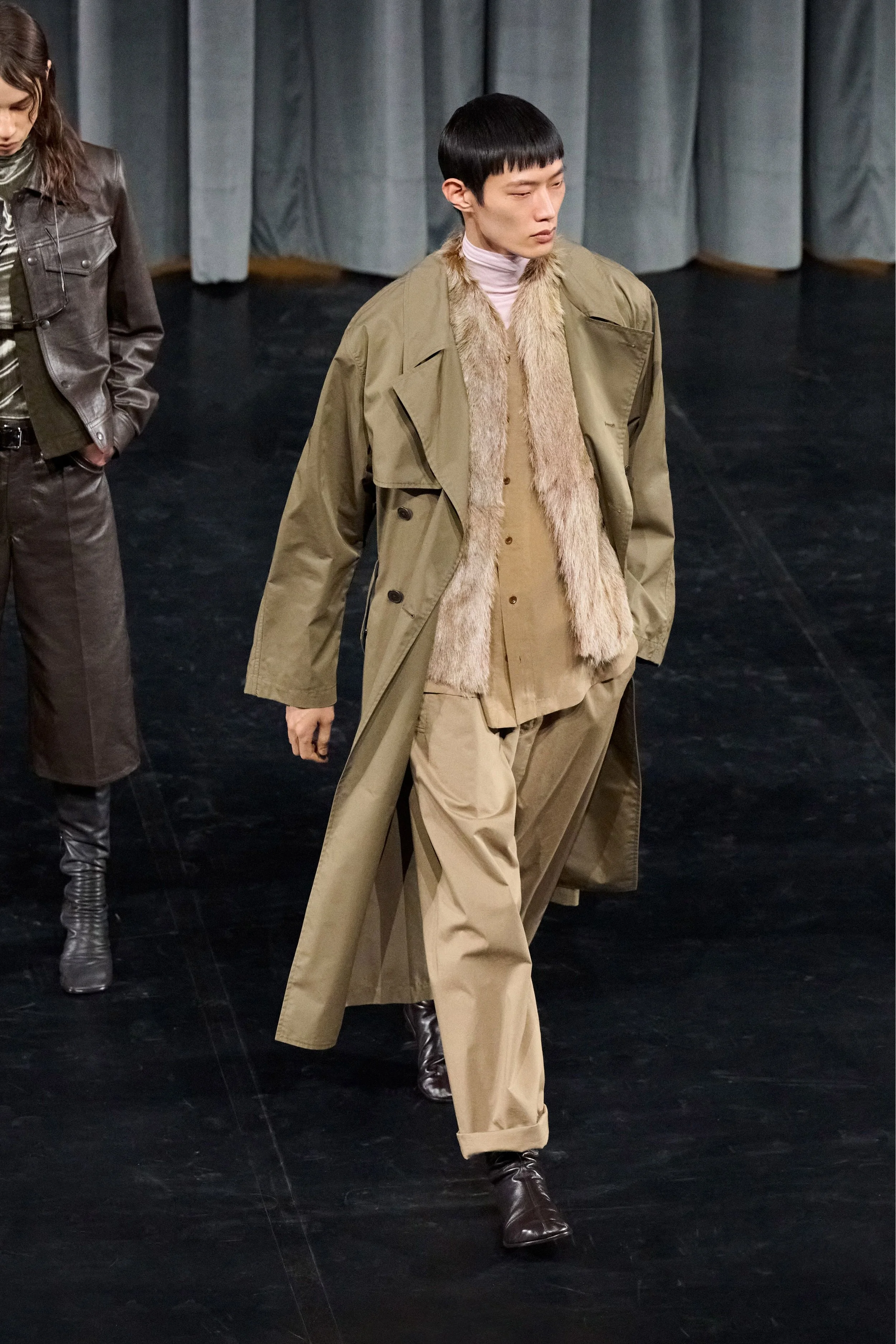
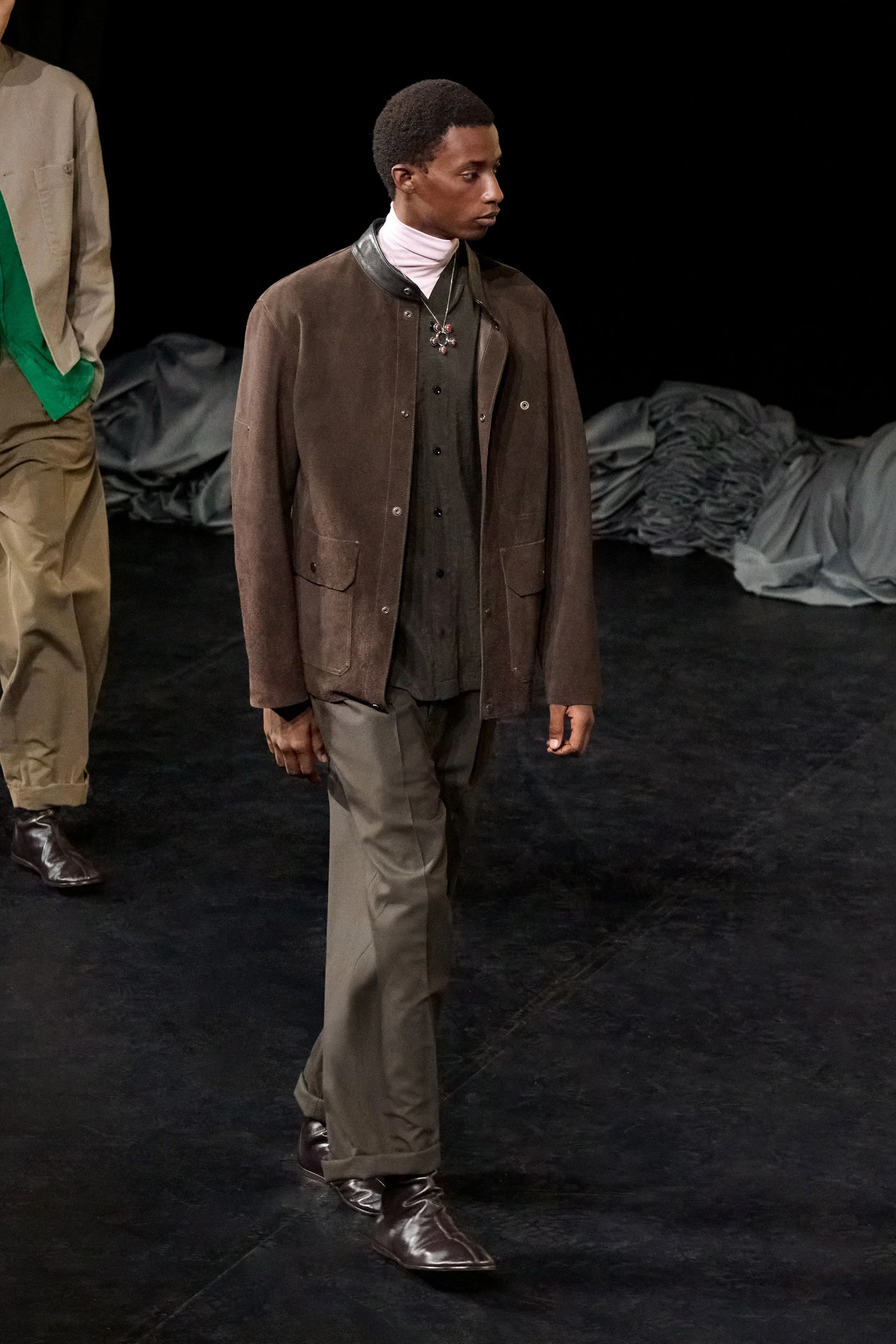
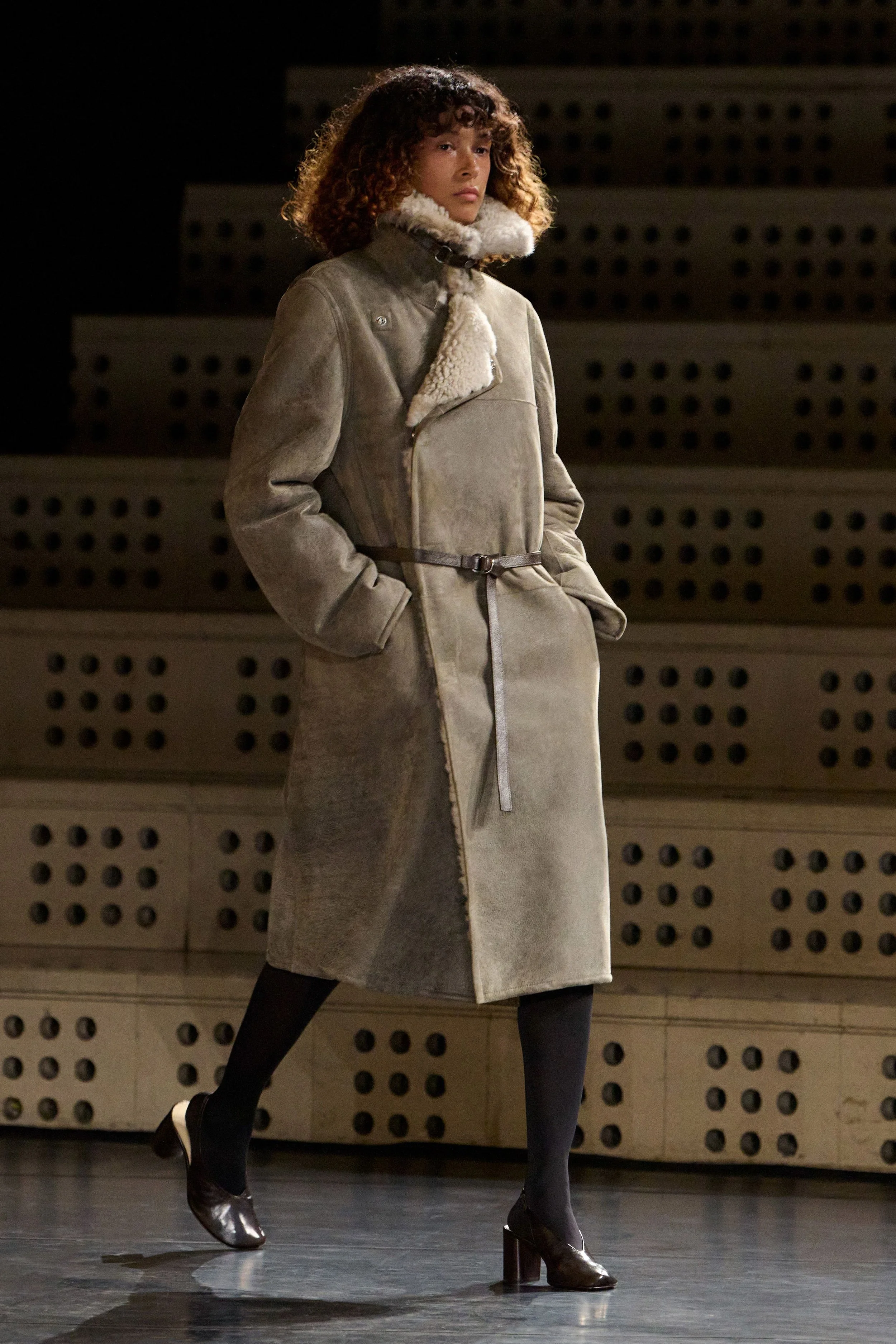
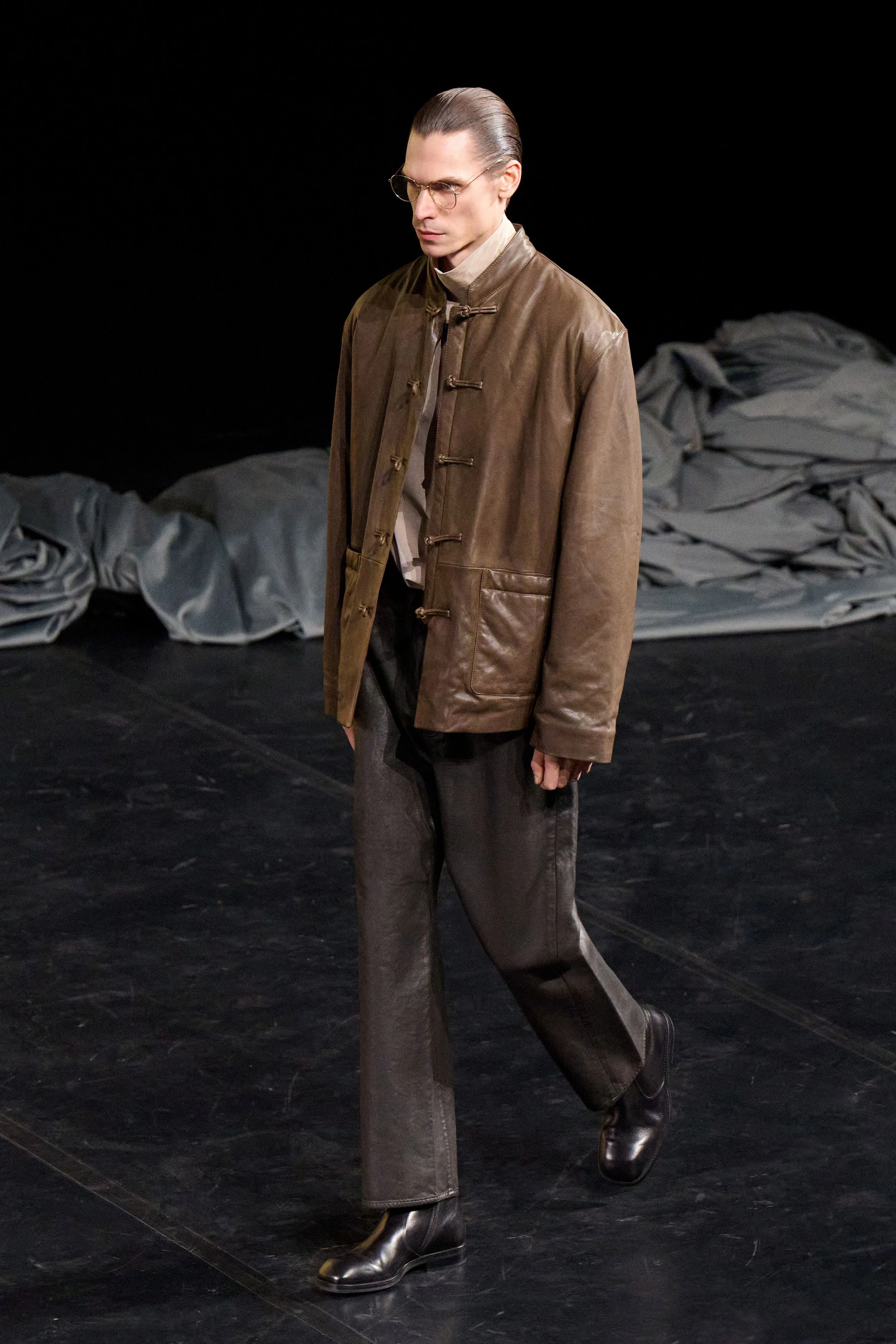
As for the menswear proposition, the archetypes of Western dress, like leather and sheepskin jackets, were translated through a more fluid take. Mandarin and welding jackets appeared in supple calfskin and suede, and were paired with rolled-up trousers and sock-like leather boots, while a shaggy vest sat underneath a floating trench coat.

Hybrid pieces, like quilted skirts that double as capes or blankets, nodded to domestic surrealism, joined by accessories that felt equally oneiric, from big furry bags to shell-like charms and starburst brooches. The atmosphere further persisted with the garments featuring prints of surrealist works by illustrator Roland Topor, decorating knee-high boots with a block heel or delicate silk shirts with a funnel neck.


Words by Martin Onufrowicz

GIORGIO ARMANI FW26

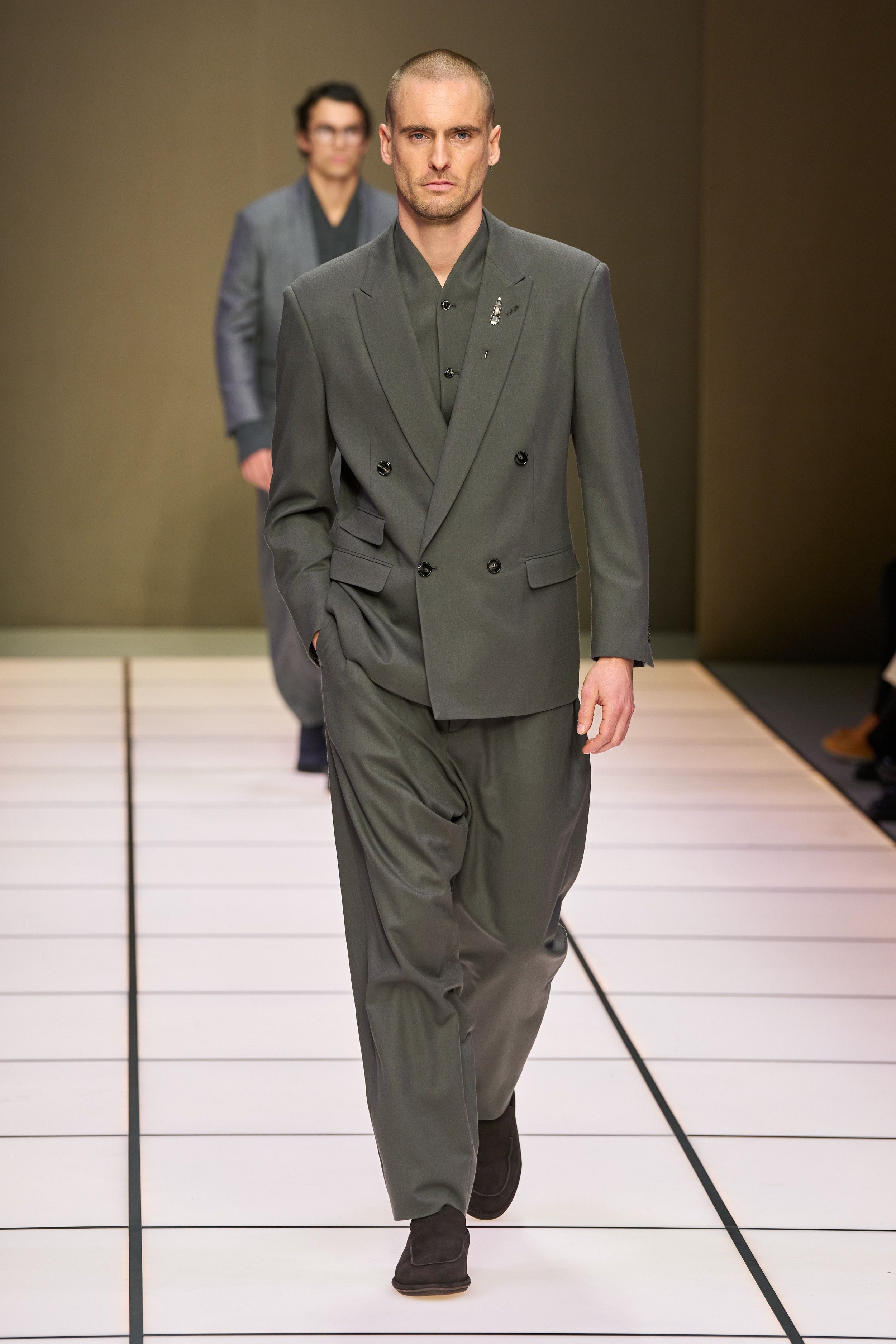
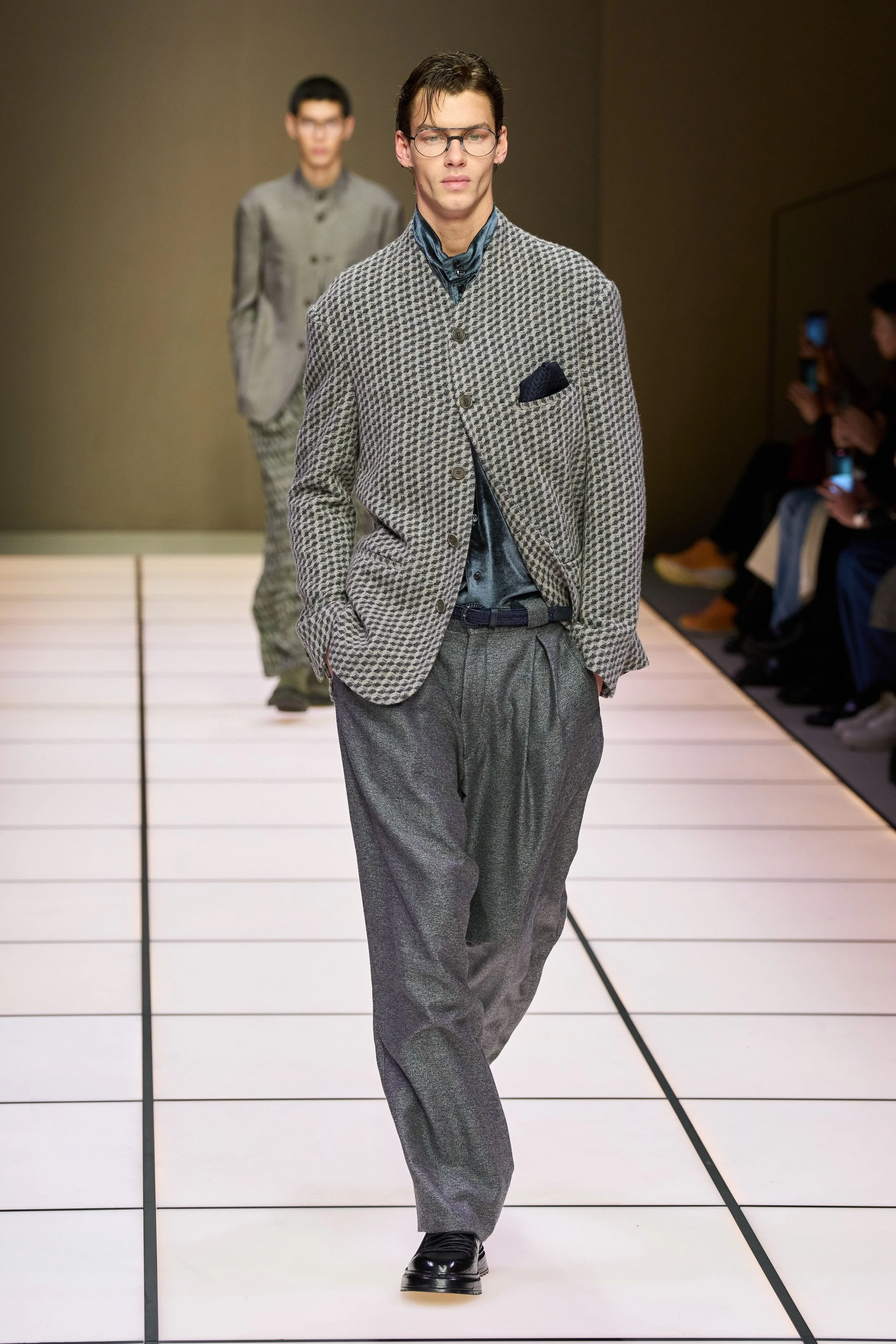
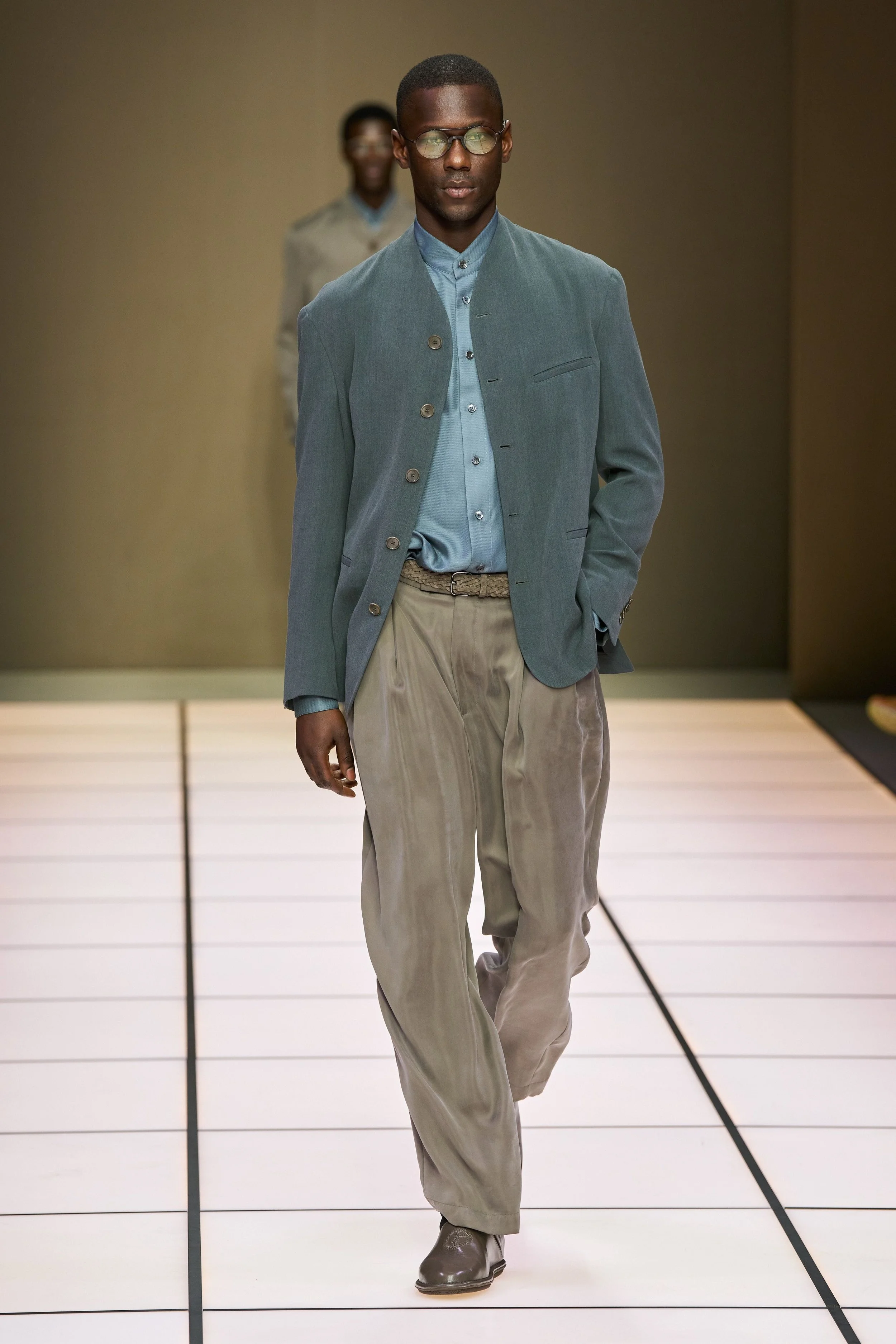
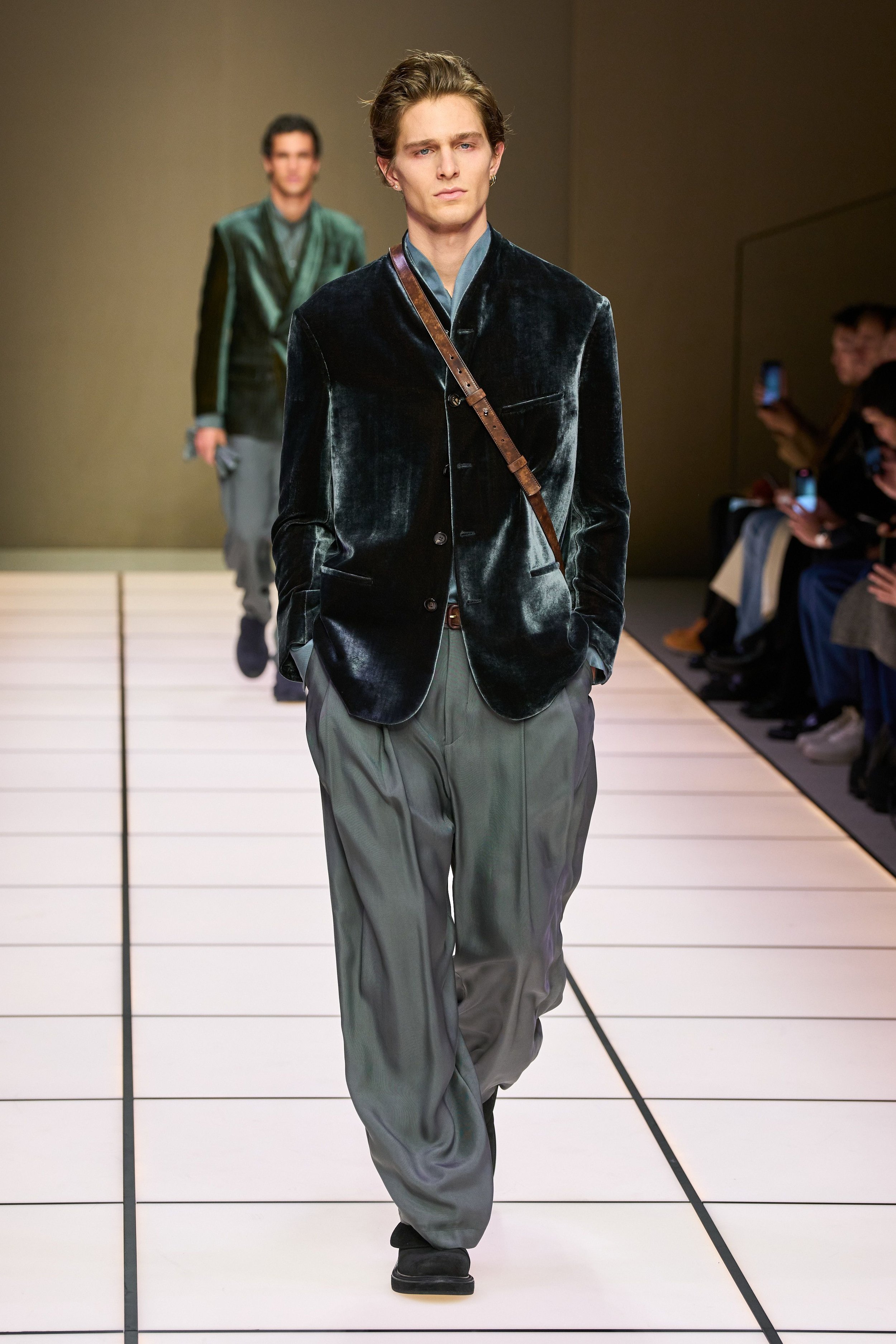
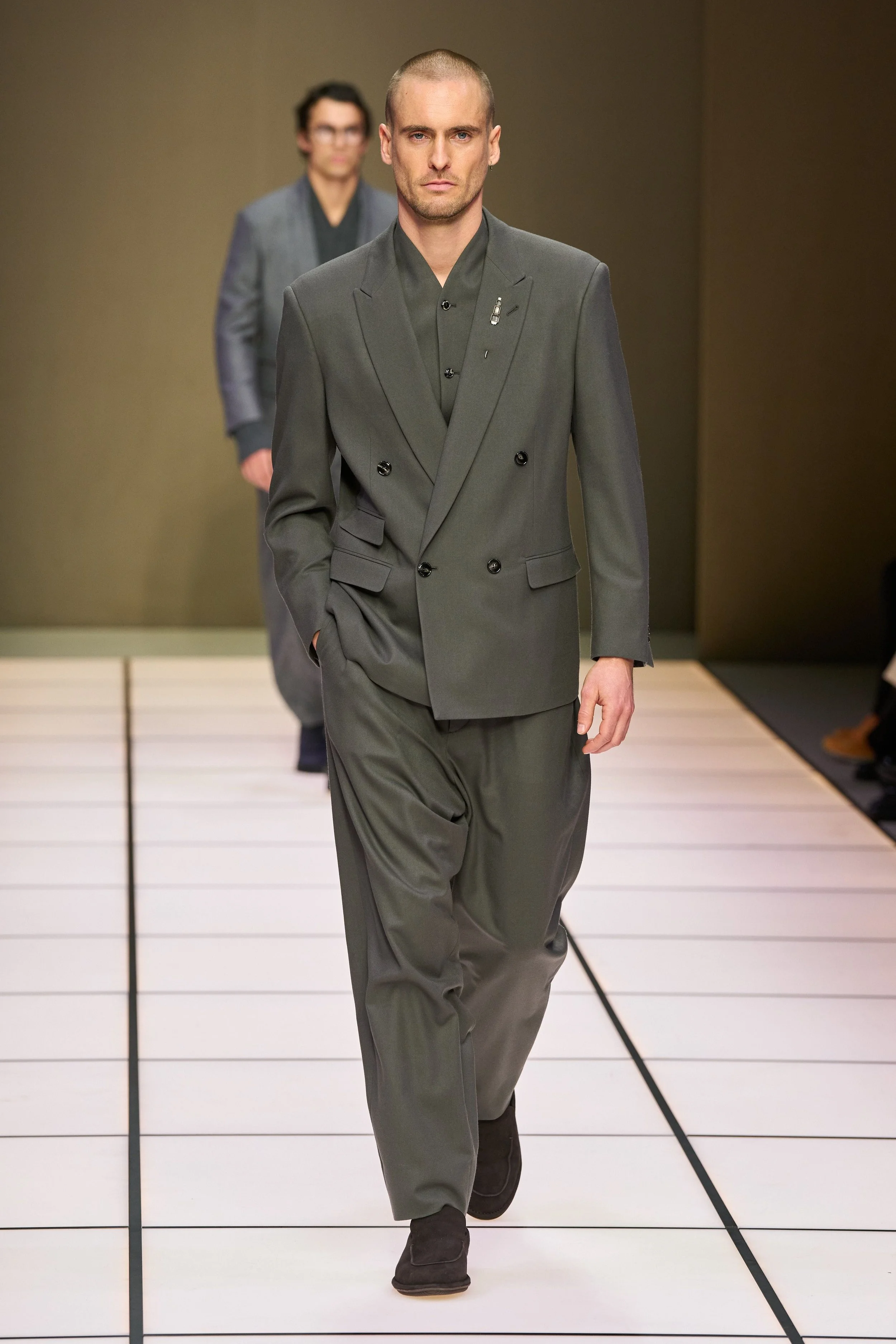
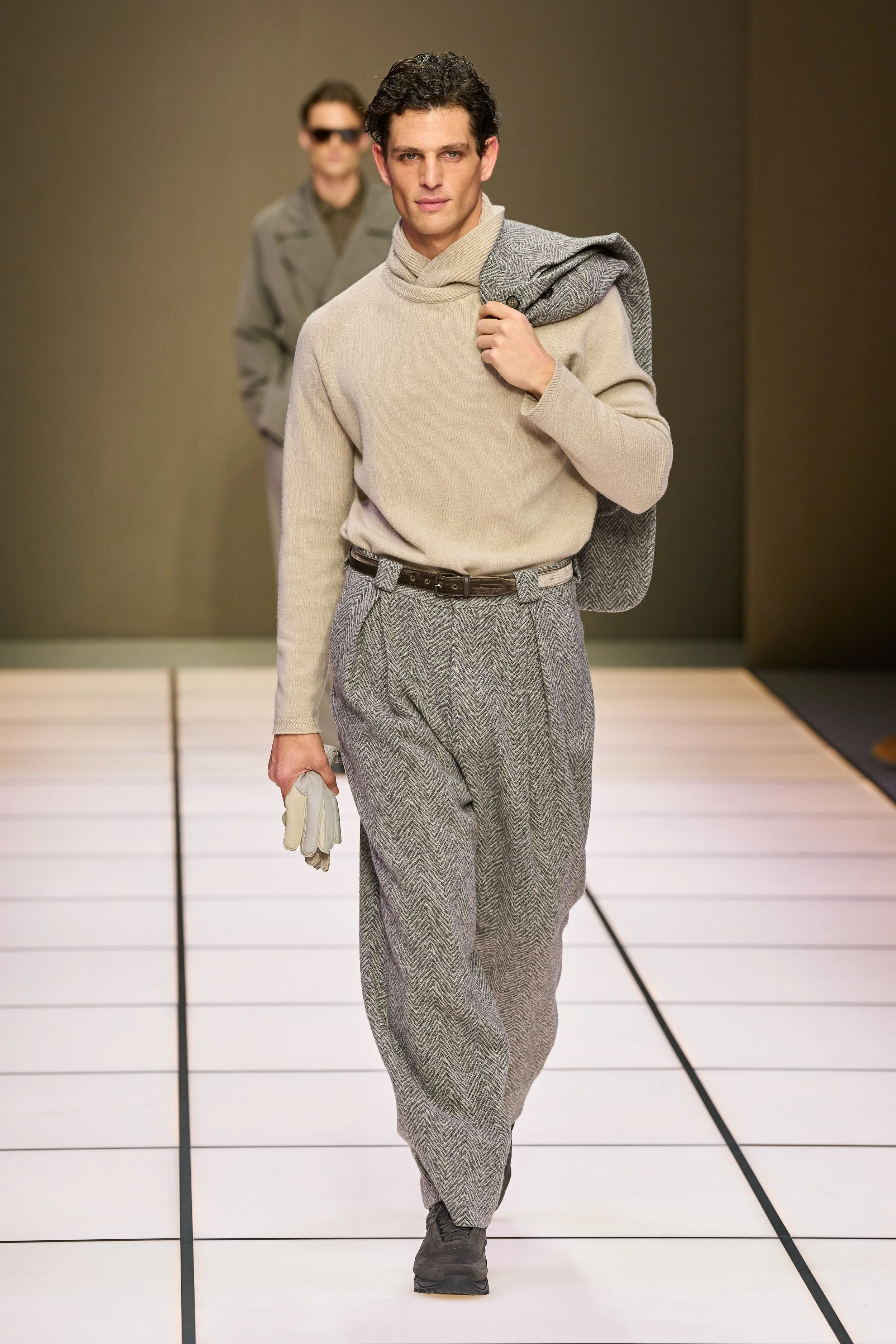
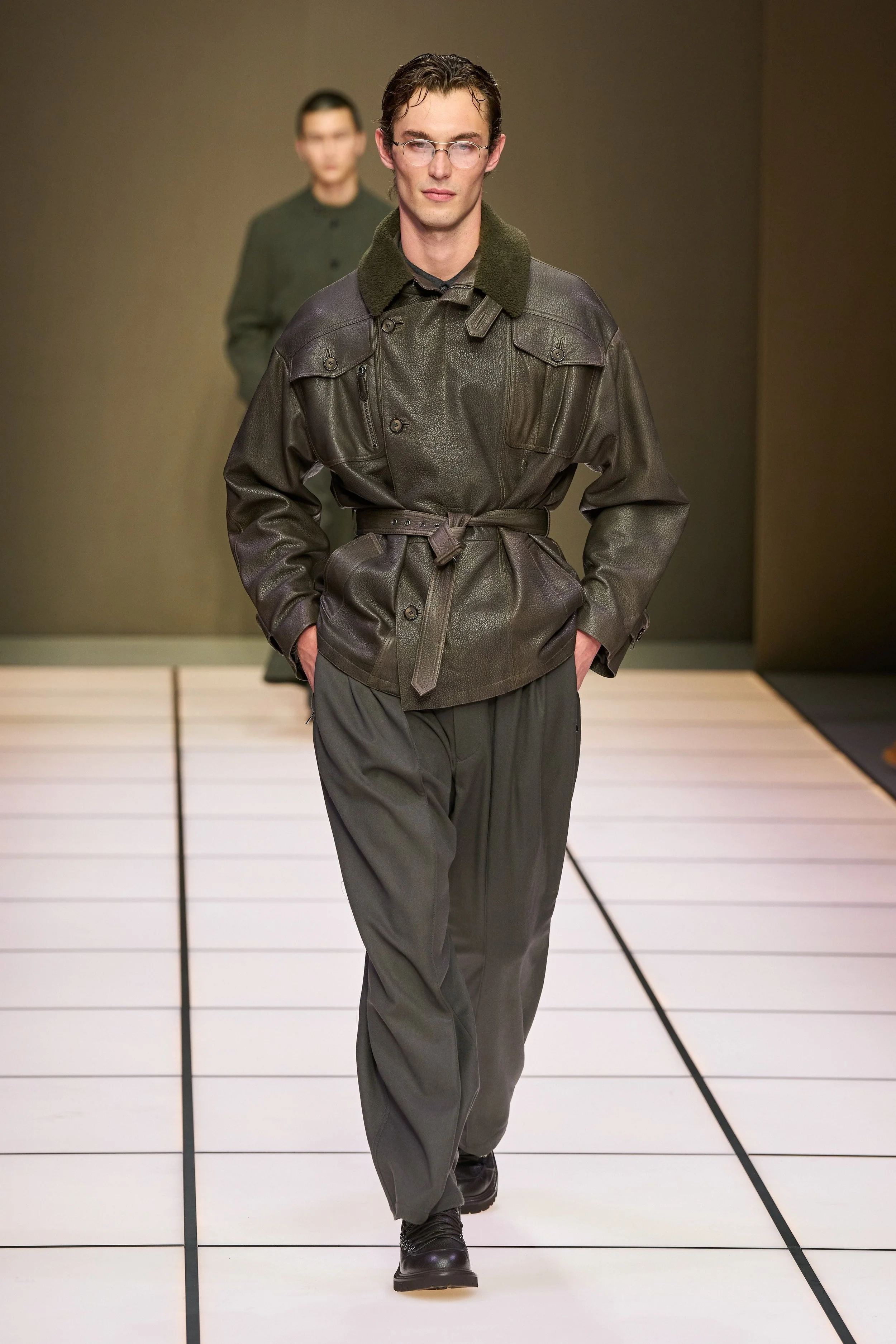
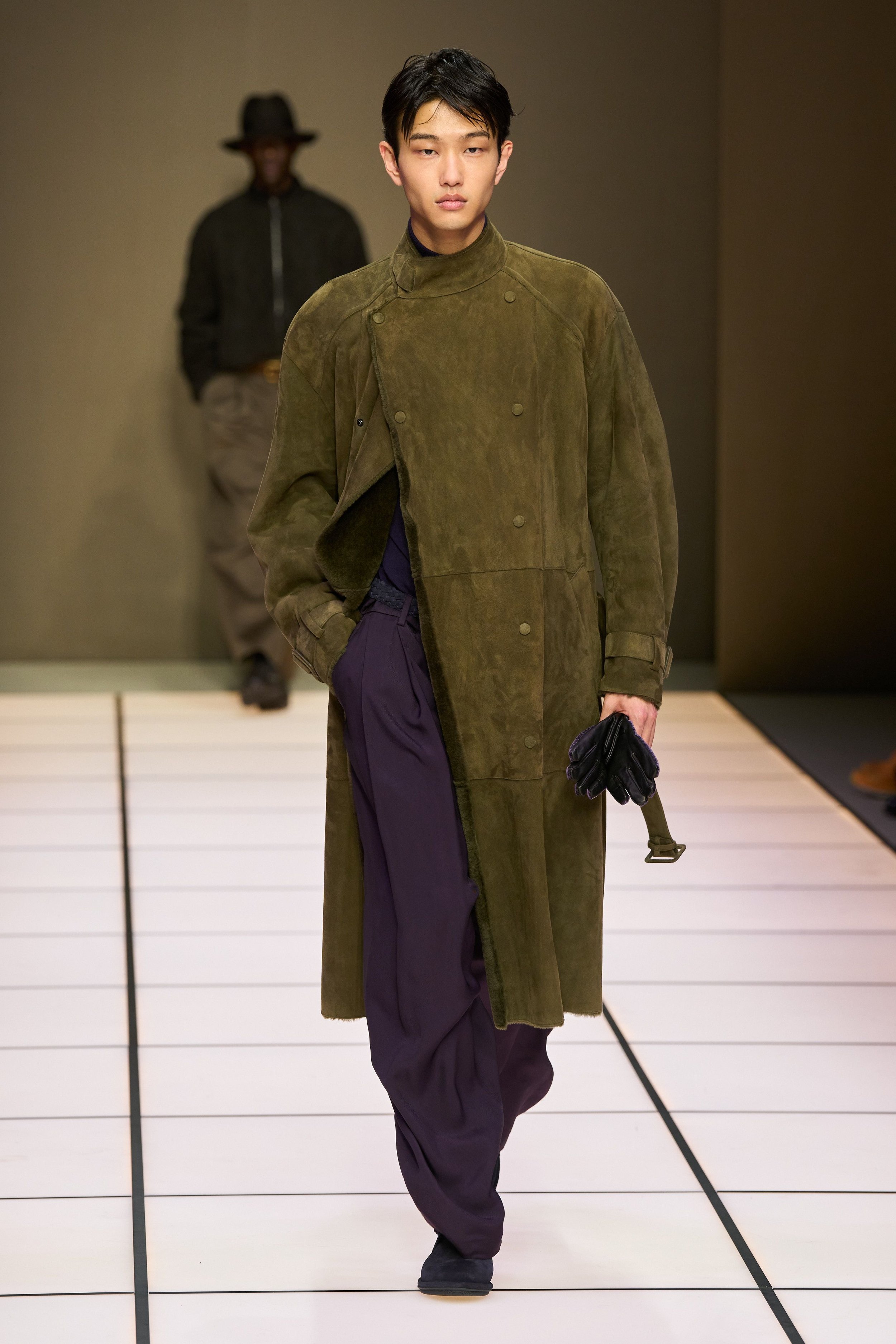
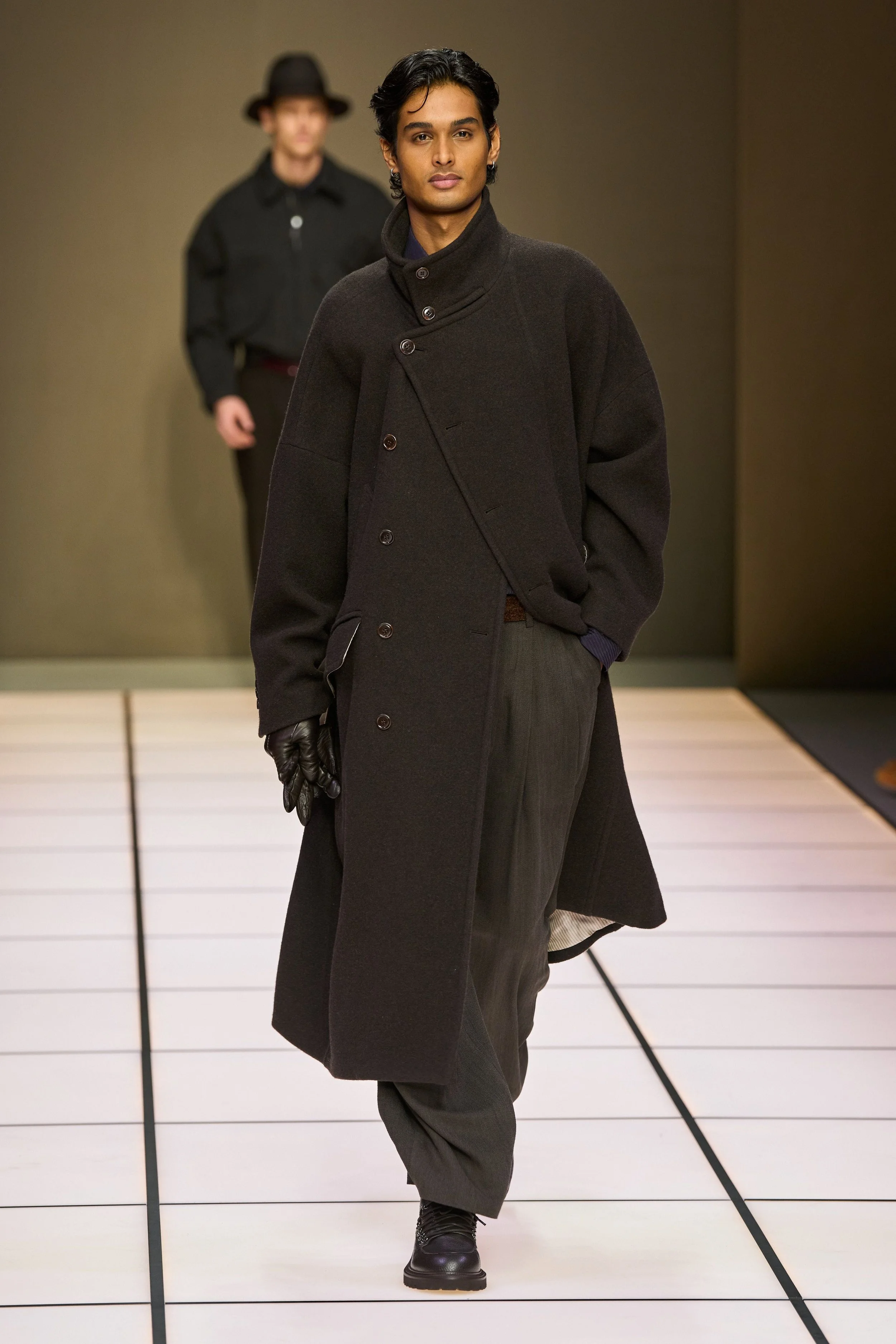
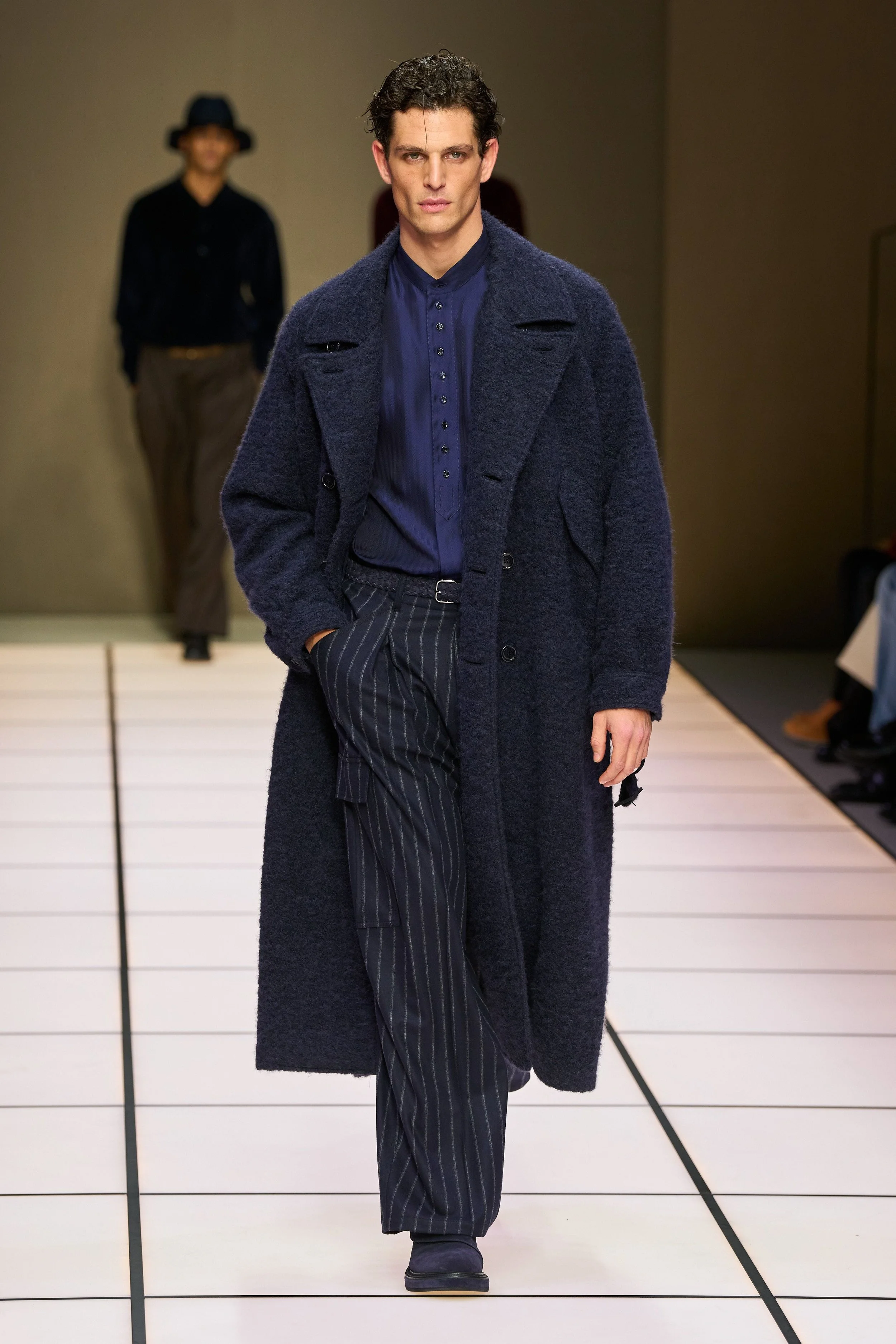
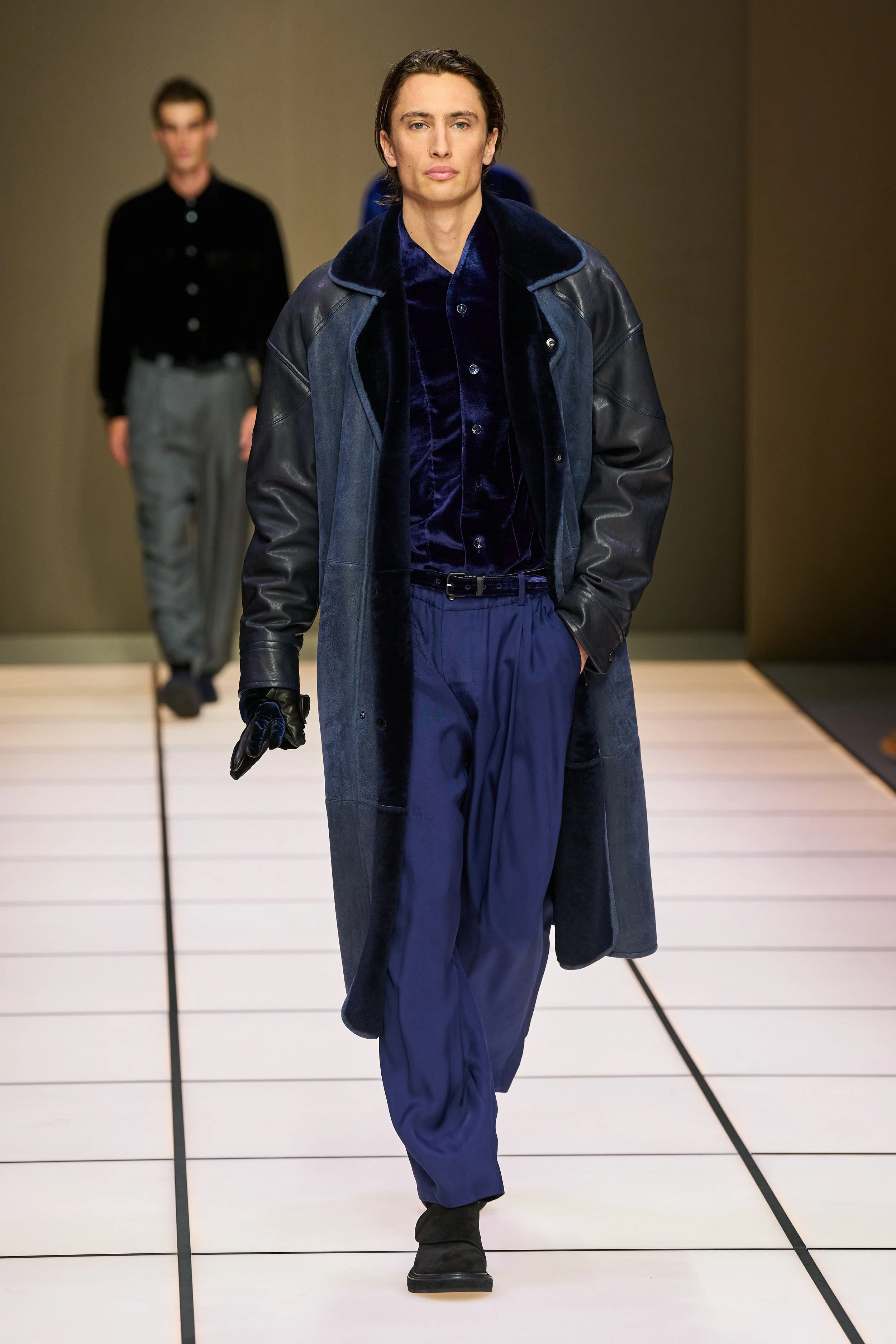
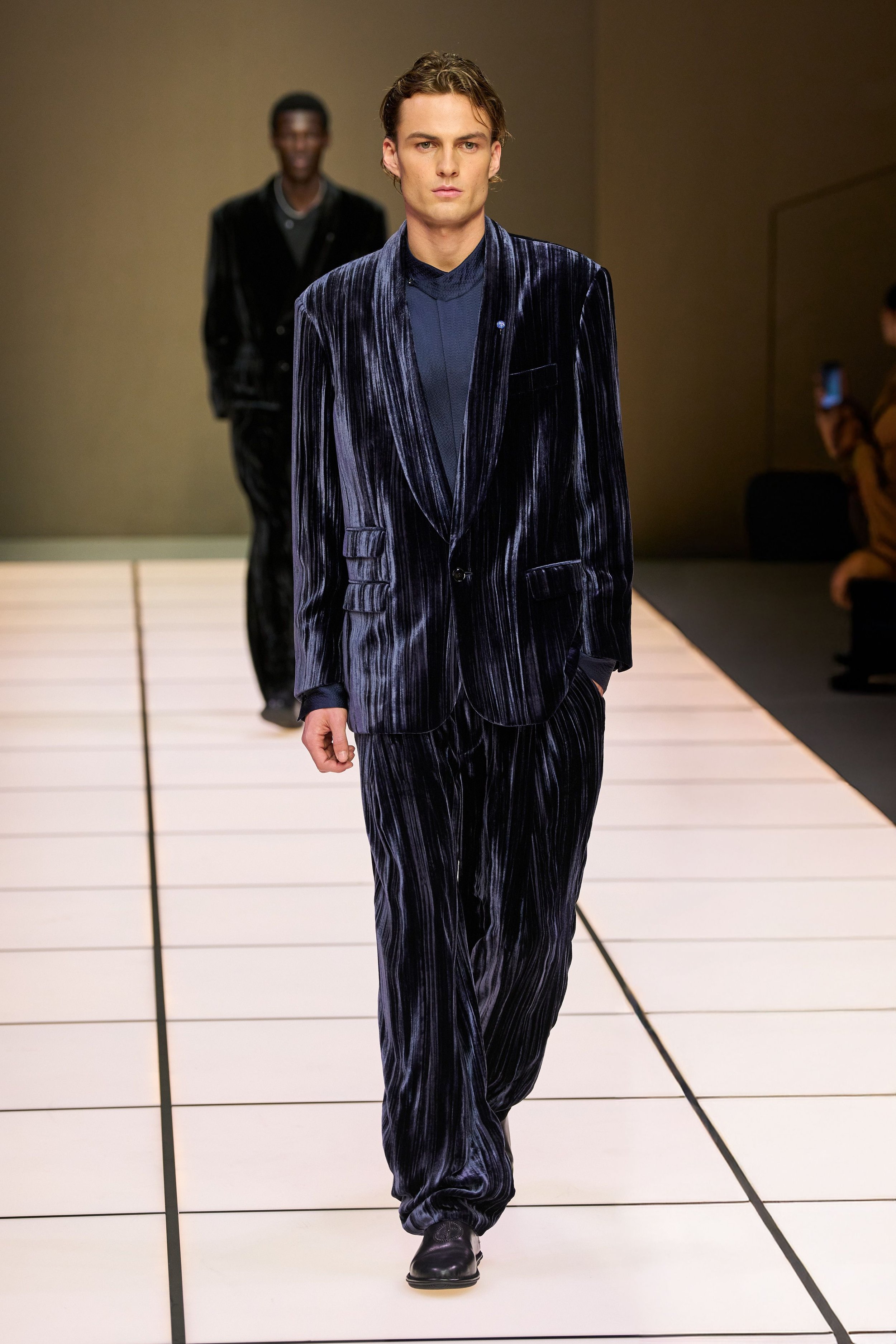
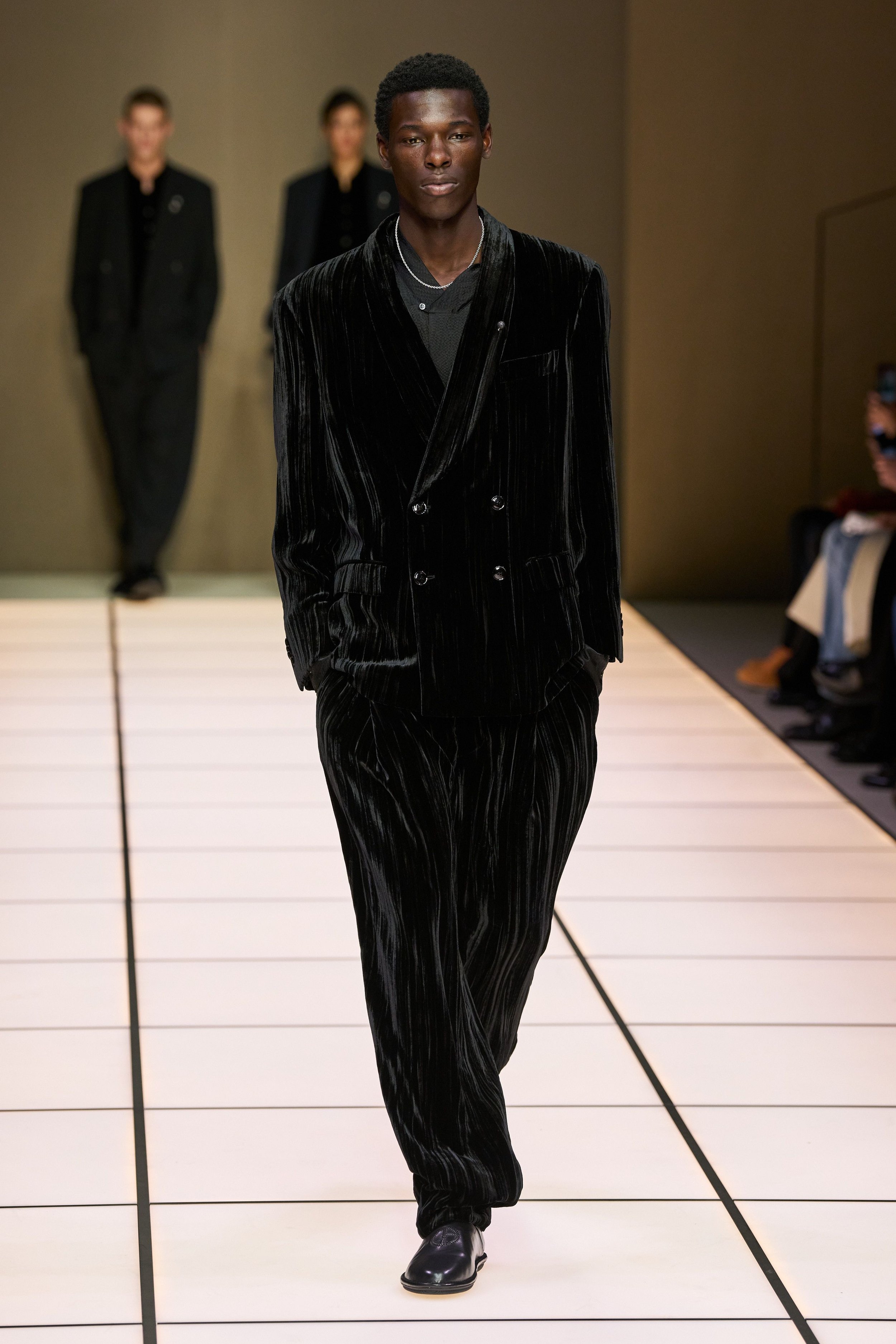
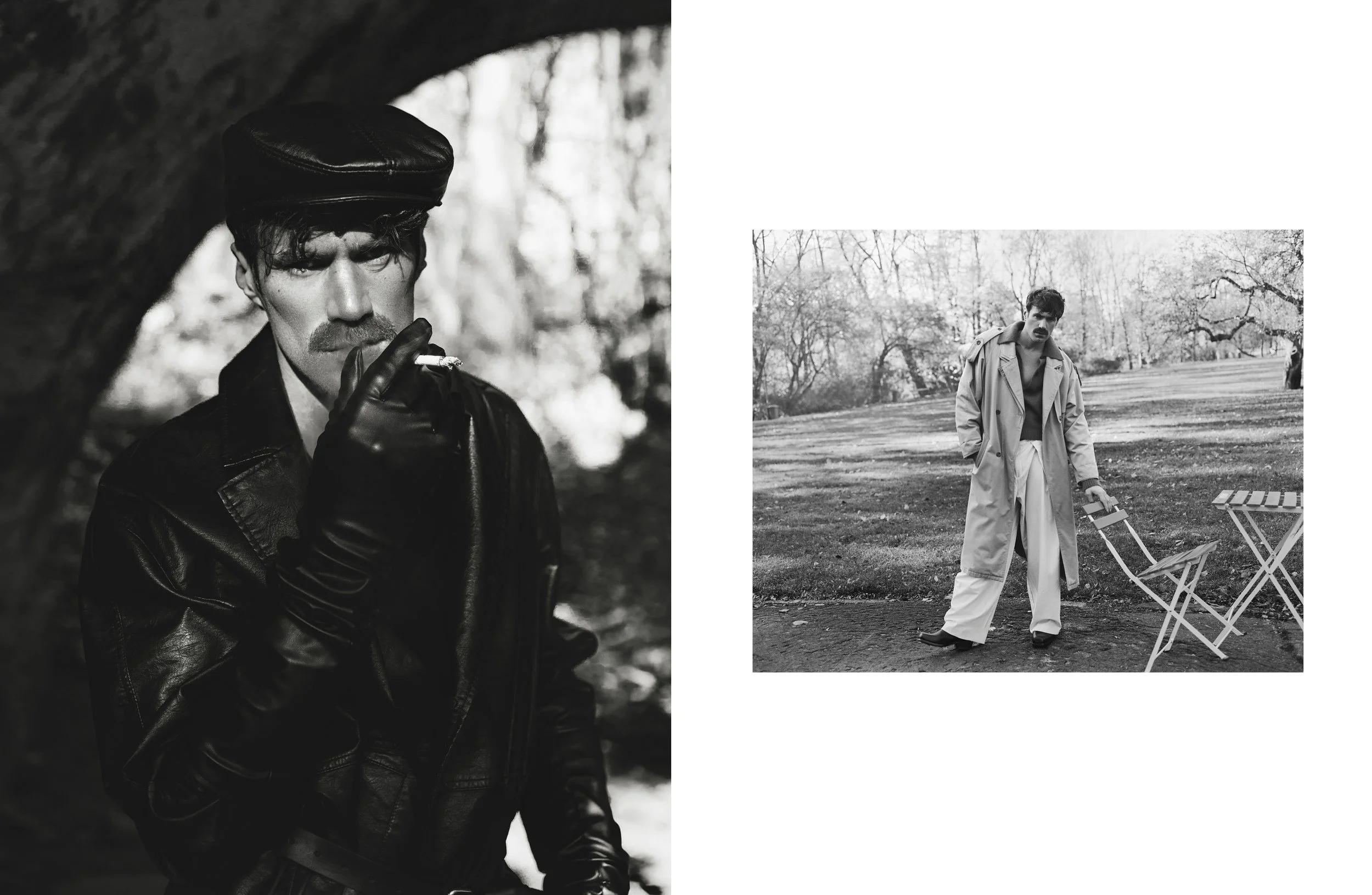
Hands in the pockets, preppy glasses, and loose, structured silhouettes were the centre of the Giorgio Armani Fall/Winter 2026 menswear show. For this season, suits were less tailored than in past collections, giving way to a wardrobe reminiscent of the corporate chic of the ’80s and early ’90s; wide shoulders, loose garments, and distinctly manly silhouettes.

The offering was the first-ever collection to be created without Mr. Armani himself. Leo Dell'Orco's rendition of the Armani man didn’t come out of nowhere; it is the product of more than 40 years working alongside the late designer and shaping what the brand is today. The transition feels natural. The designer knows what the public seeks in the brand, and he delivered.

The silhouettes were an homage to the brand’s past, but the thread that united the collection was business-like, intellectual dressing. Dominated by a myriad of grey shades, the wardrobe seemed as though it had been taken from an ’80s Hollywood film, a period in which the Armani suit reigned supreme.

The allure of the men on the runway also felt cinematographic; their strong presence was amplified by their strong shoulders. The pieces ranged from roomy, straight silhouettes in light fabrics to loose pants with movement, double-breasted jackets worn casually, and long coats that elongated the body.

Velvet was a big part of the show, breaking the monotony of the looks and giving a luxurious feel. In forest green, navy, graphite, and black, the pieces reflected the light of the runway, creating a sumptuous and lavish mirage. Colours were not contrasting each other; they accompanied each other in a harmonious way, showcasing Armani’s ability to make simplicity and elegance their biggest asset.


Words by Carolina Benjumea

PRADA FW26

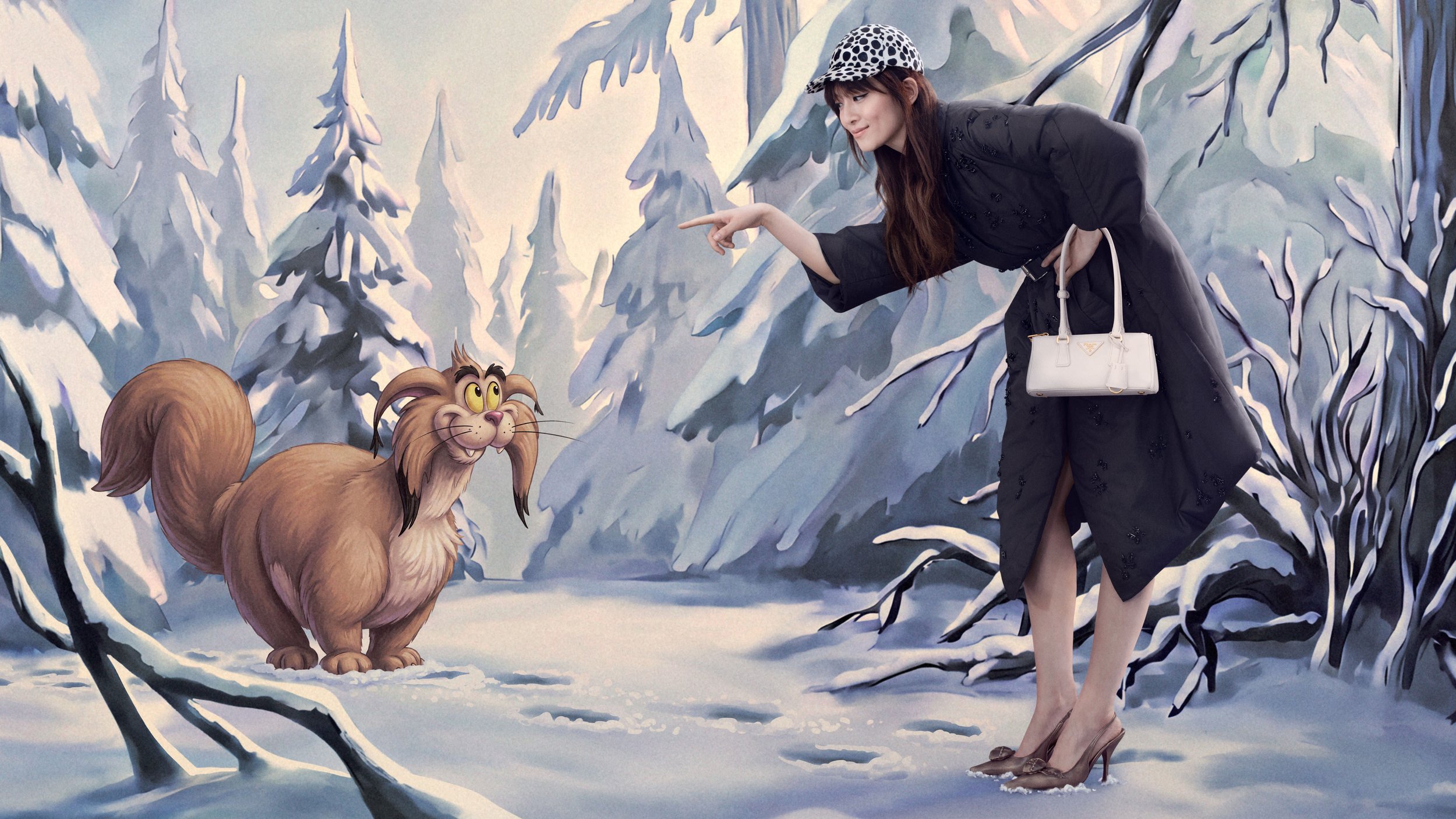
In conversation with a fashion critic, I discussed the importance of trends. He highlighted an often neglected point: the ephemeral nature of fashion is a historic record, allowing us to trace a society’s taste, and by extension, its tensions and anxieties. Prada stands three steps ahead to the industry it inhabits. The brand’s legacy lies in articulating the aesthetic values of culture through contradiction. Miuccia Prada, now alongside Raf Simons, has translated clothing into a counterpoint.

Ugliness is one of Mrs. Prada’s most used tools for this goal. However, for the past three seasons, the duo has been on an imperfection kick. In the age of accessible perfection, it’s become the only way to differentiate luxury from its dreaded counterpart.

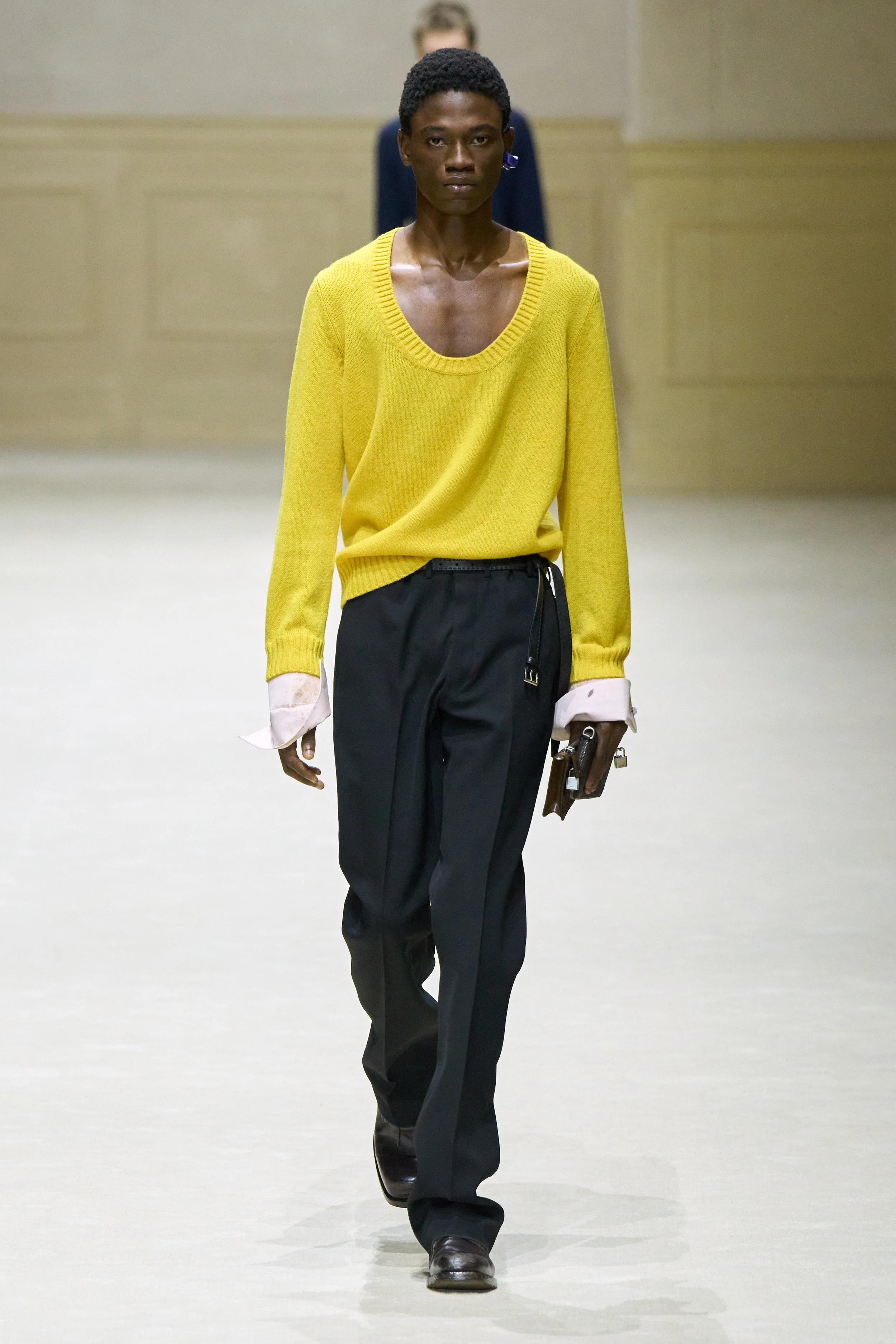
Here, knit vests were made boxy, almost awkwardly homemade. On a yellow knit jumper, the collar was loose, as if extended by use or being improperly hung. Signs of wear were elevated to the highest regard. In the age of mass consumption, patina is privilege.

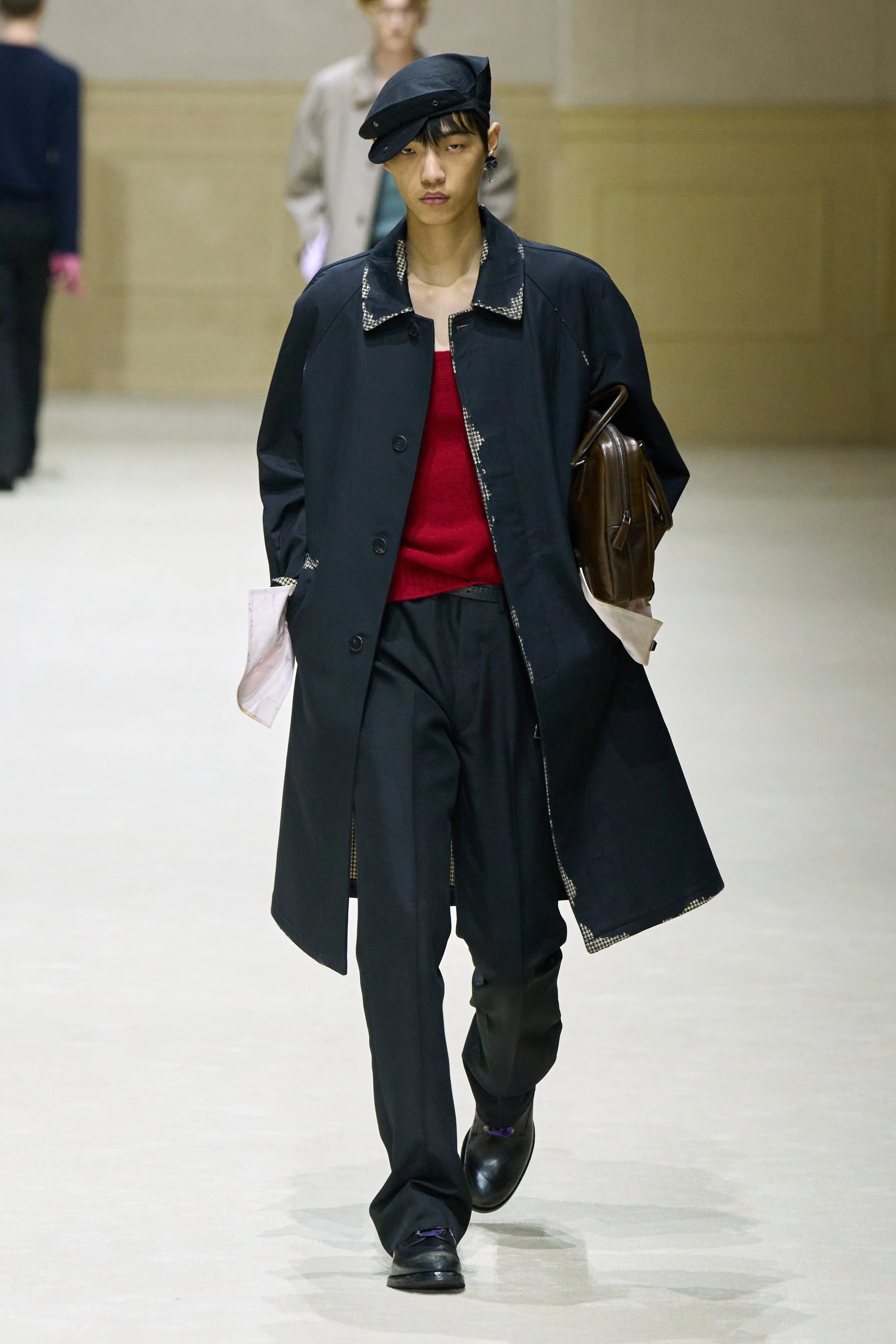
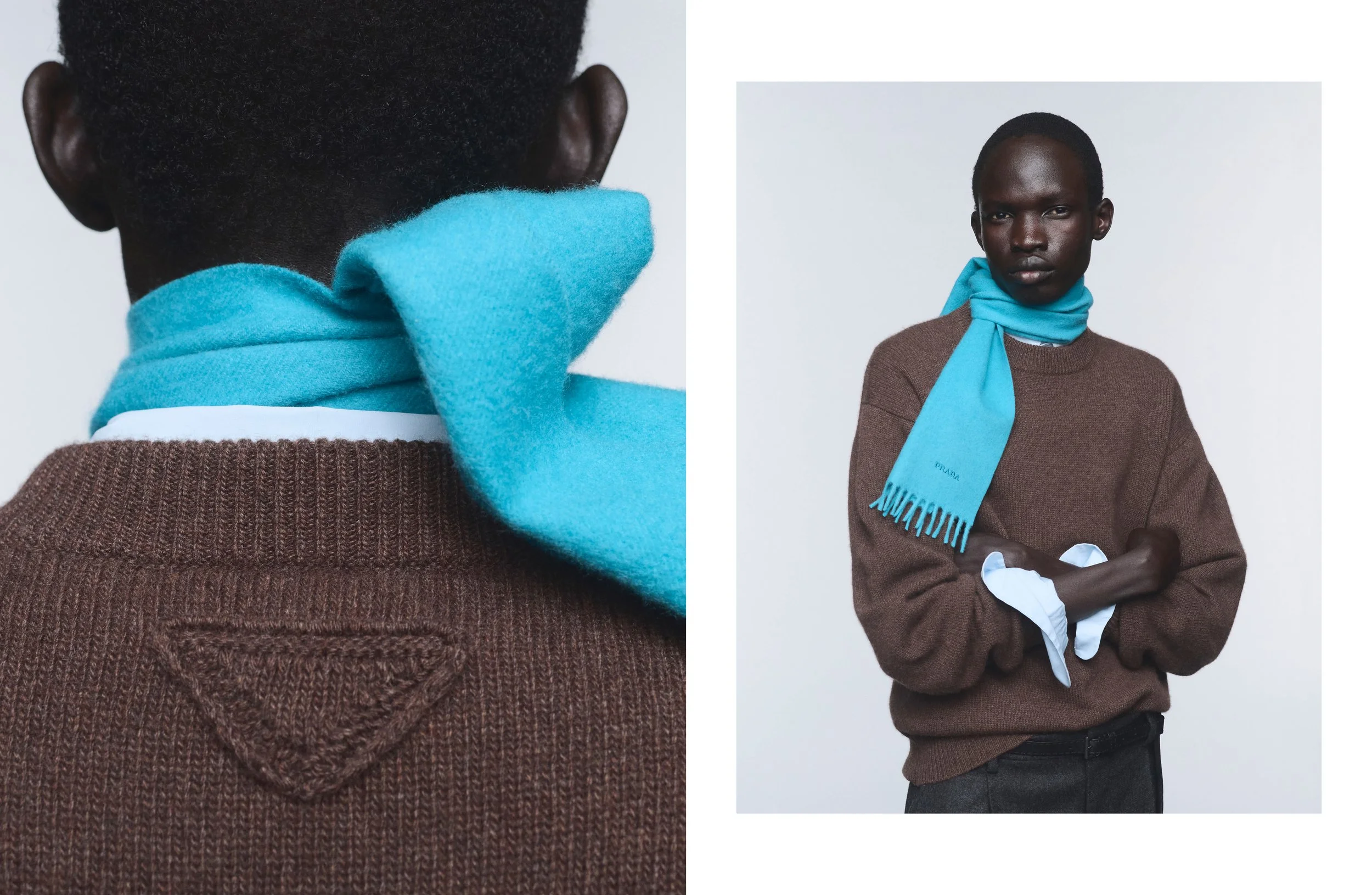
The most effective – and shareable – of the garments this idea was communicated in single-breasted coats, the back of which revealed a previous shell, in houndstooth, slowly chipping away to uncover the back seam and the triangular logo in the nape of the model's neck. Trench coats were creased, as if just taken out of the closet where they had been folded. Parkas had the imprint of matching hats.

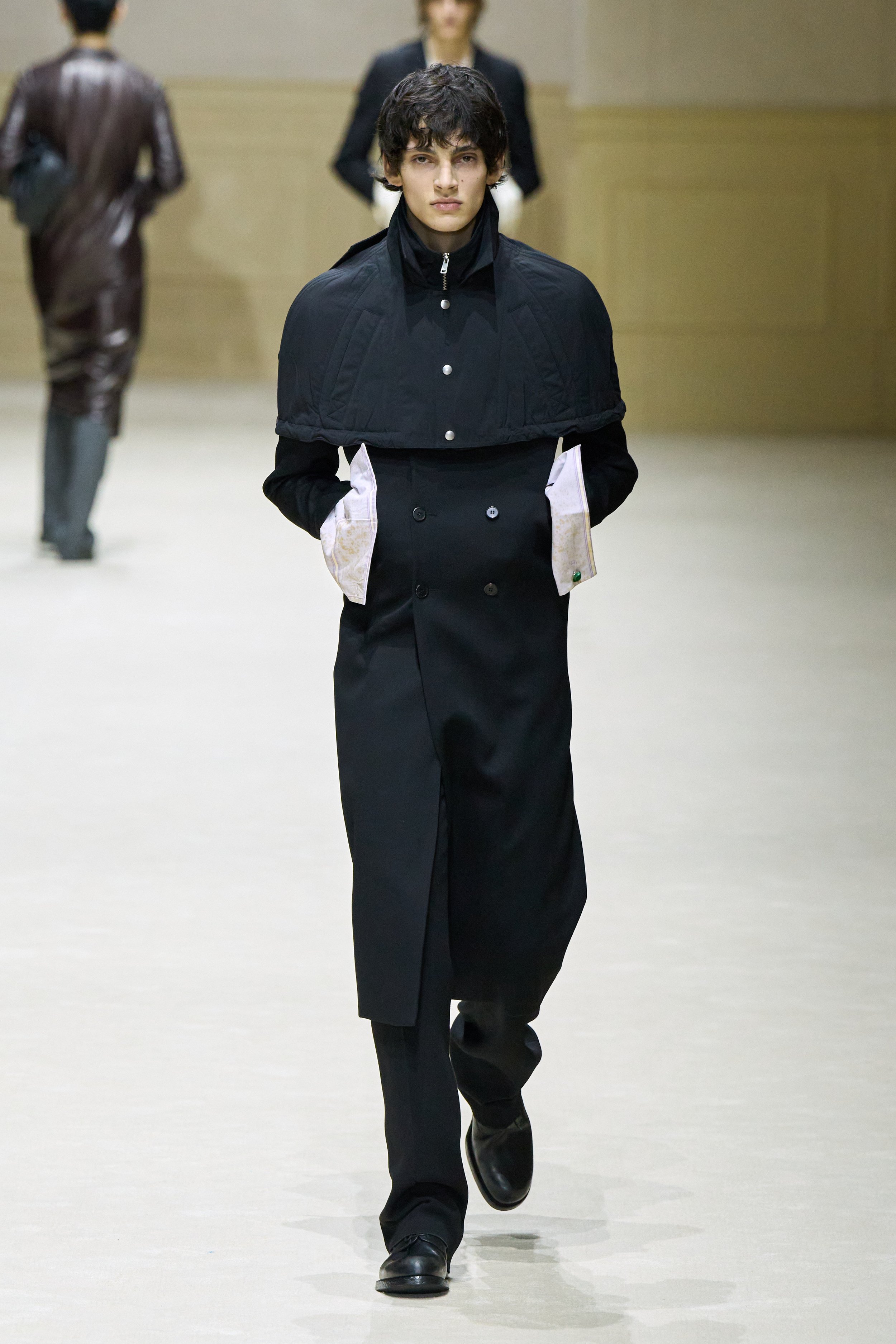
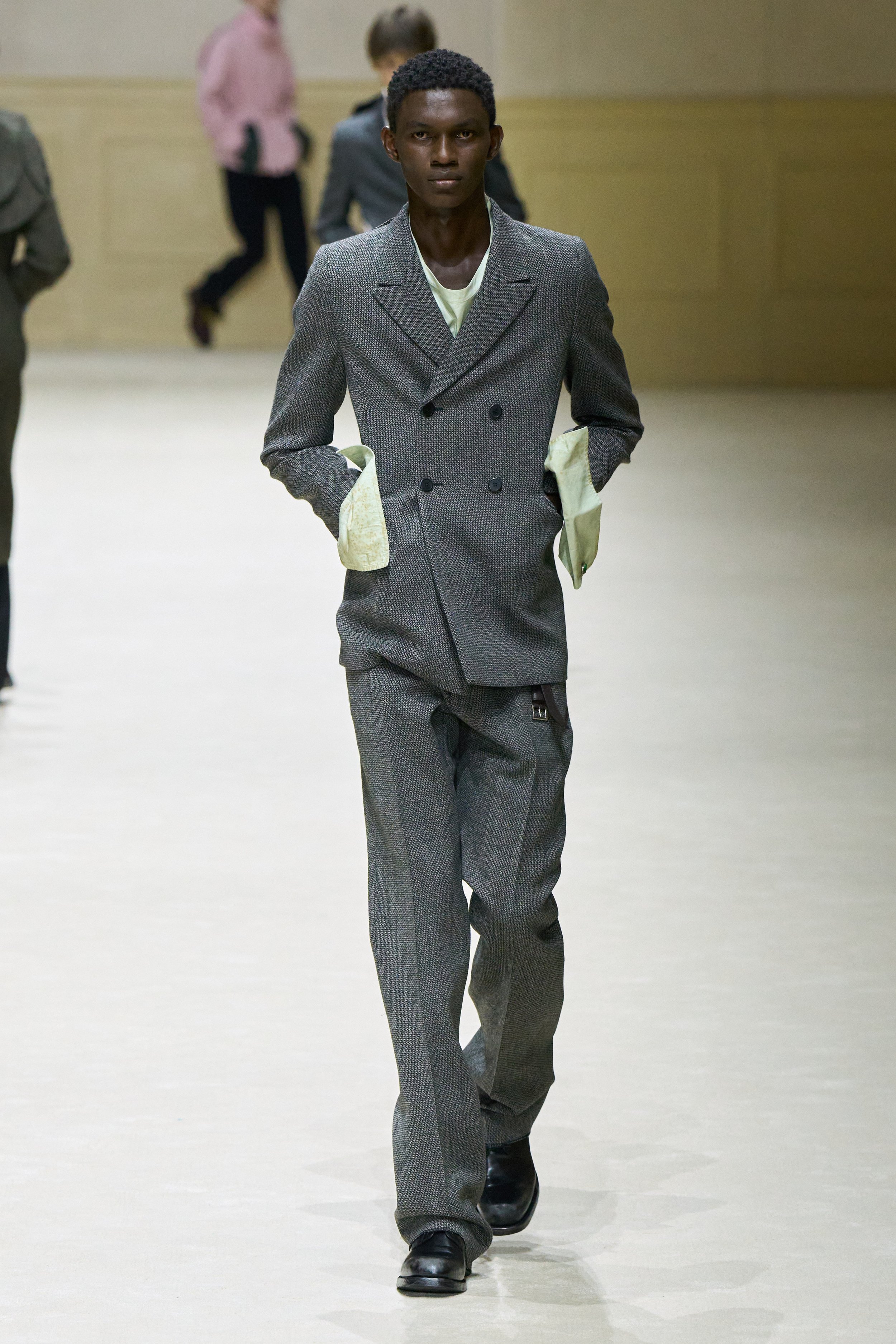
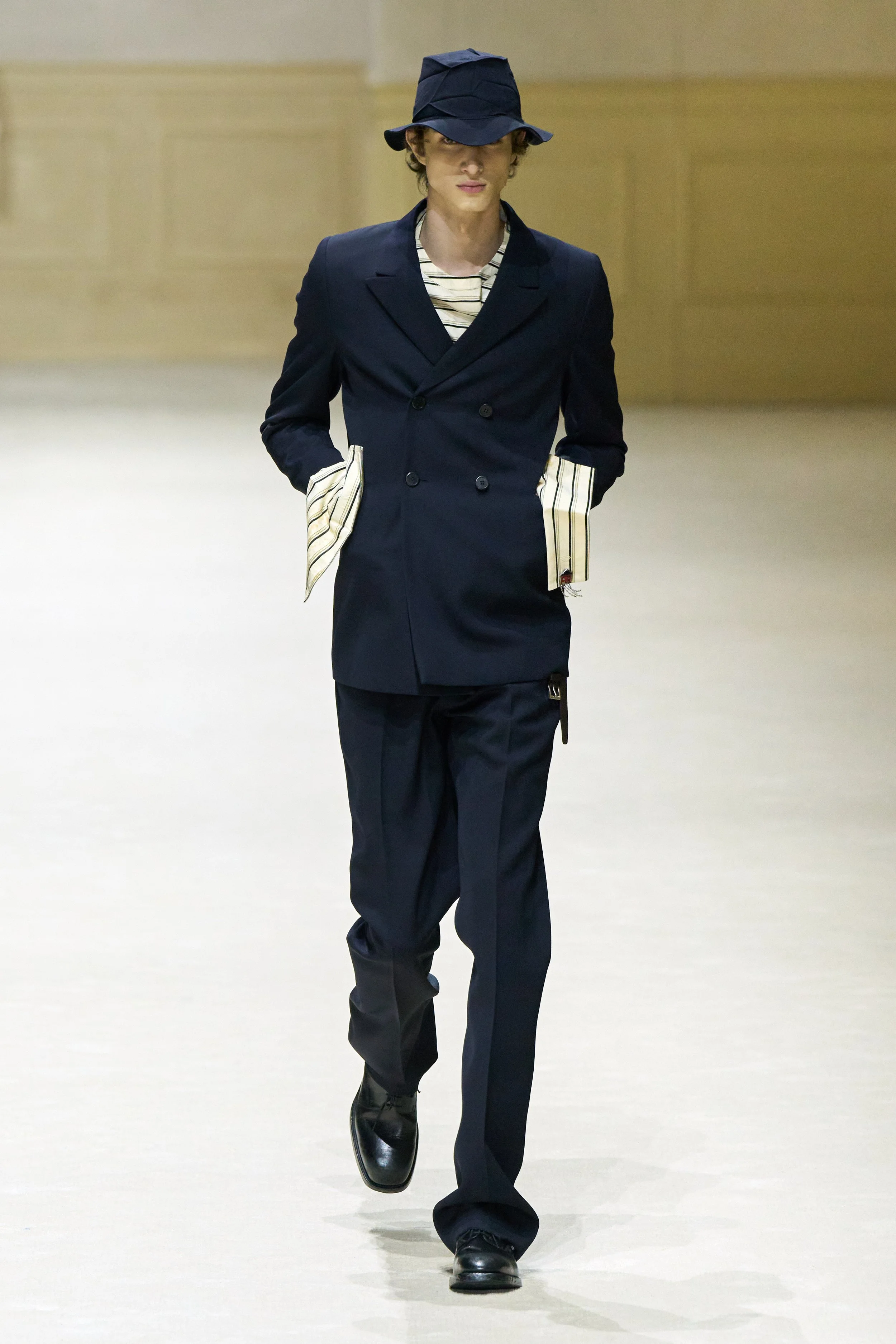
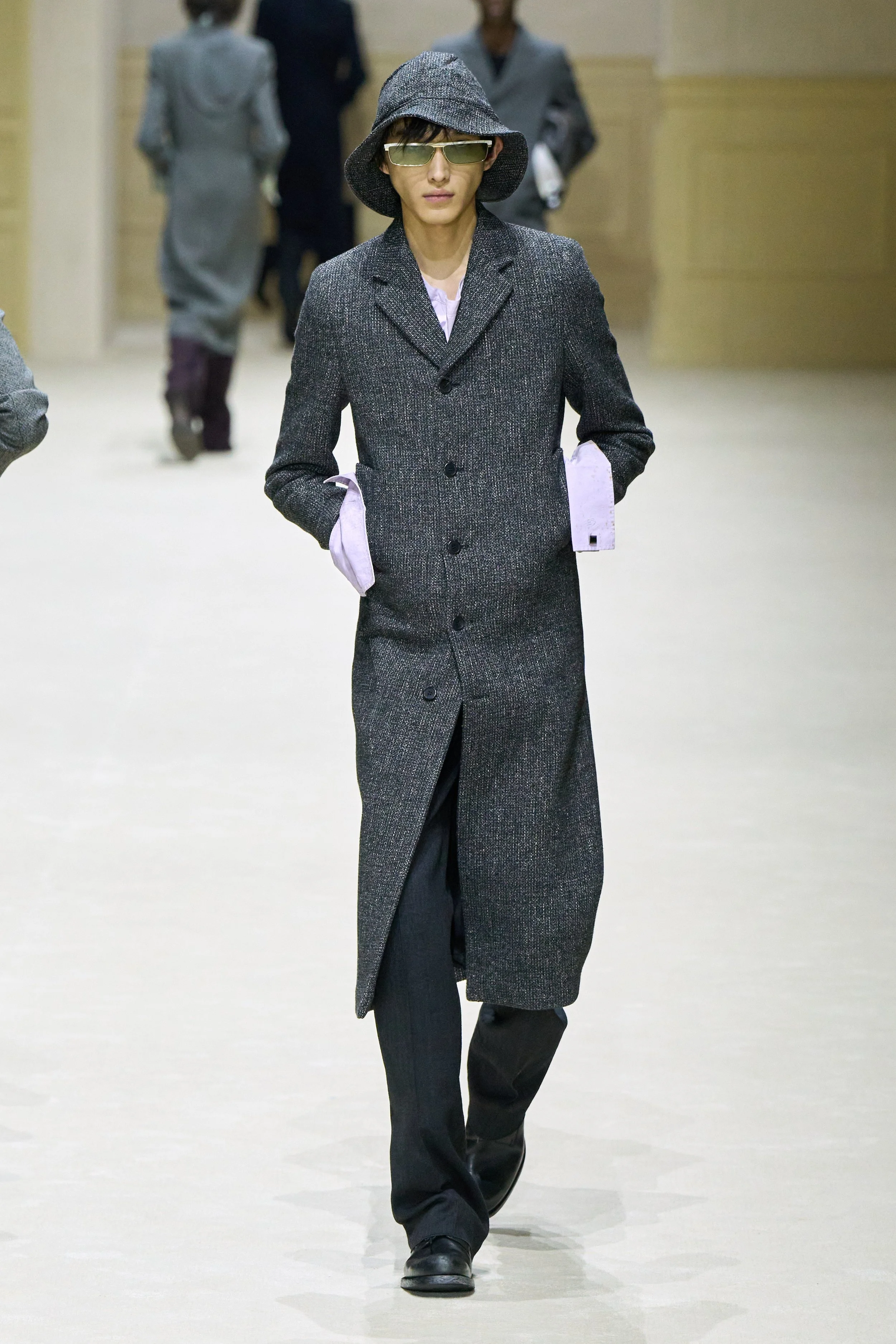
For all their intellectualisation and conceptual work, neither of the pair is clueless to the fact that what they do isn’t just communicating, it’s also selling. Selling to the top of the social hierarchy, no less. Shirt cuffs jolted out of wool blazers and slim, tailored coats. These were spotted with specks of mould, stained by coffee spills. Beneath the historical uniform of the upper class, something is rotting.

This season, silhouettes were particularly slim. Simons’ curiosity over silhouette rears its head once again. Long coats were awkward on the body, their shoulders shrinking models’ frames as they walked. Backstage, the silhouette was discussed; the design duo claimed it felt comforting in opposition to a movement that widens them. Prada stands in opposition to the industry, and, therefore, ahead of it. Fall/Winter 2026 was, in a way, no different than all other Prada collections: a helpful historic document to juxtapose against wider trends.


Words by Pedro Vasconcelos

SAUL NASH FW26

With his Fall/Winter 2026 collection, Saul Nash is going mask for mask. Making his debut at Milan Fashion Week, the London-based designer presented an offering titled Masquerade — an exploration of how identities can be shaped, concealed, or amplified through what we wear. Inspired by the ritualistic pageantry of Notting Hill Carnival and the subversive anonymity of Venetian masks, Nash reframes masquerade through a distinctly London lens, where dressing is often an act of navigation: between formality and comfort, visibility and self-protection, expectation and authenticity.

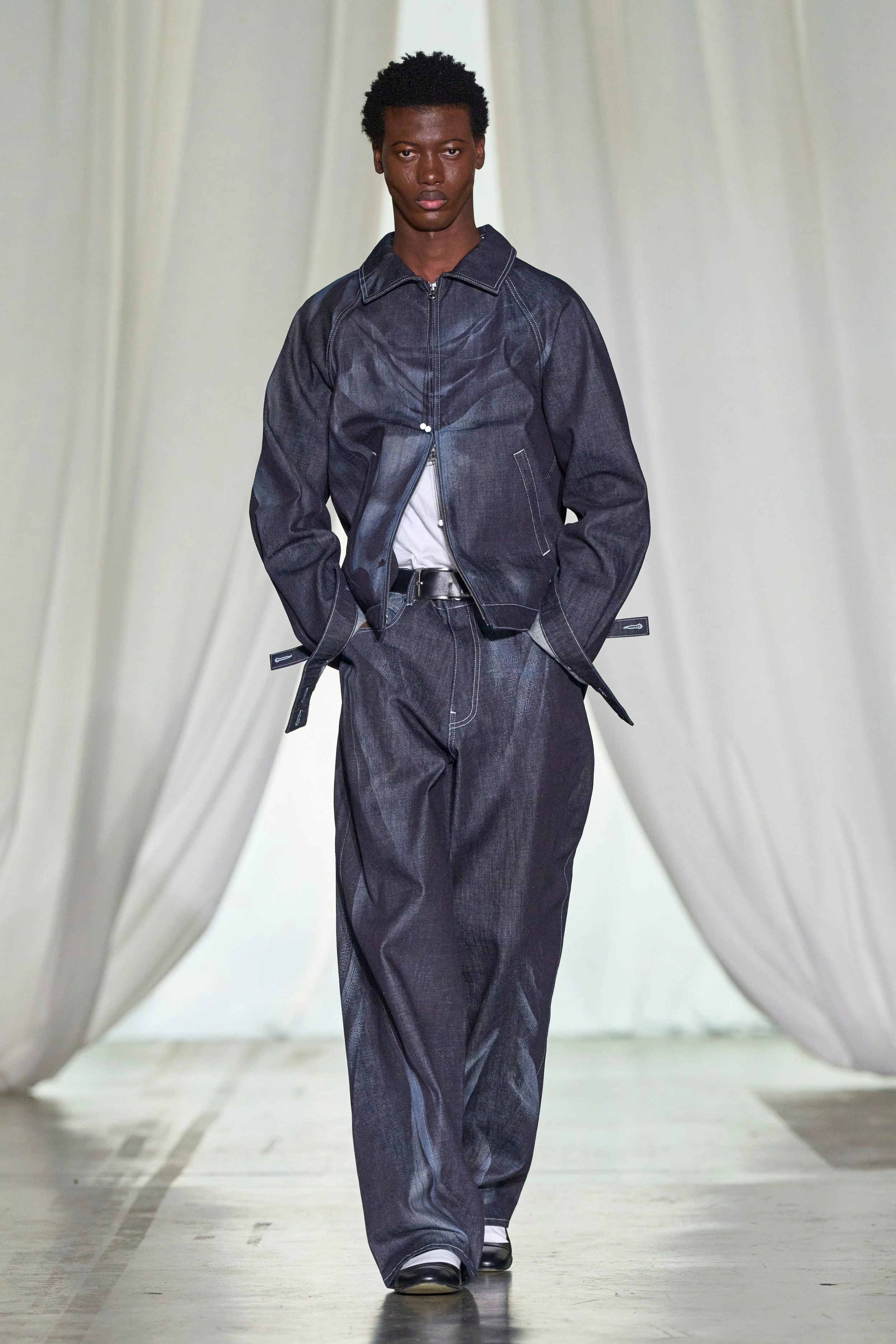
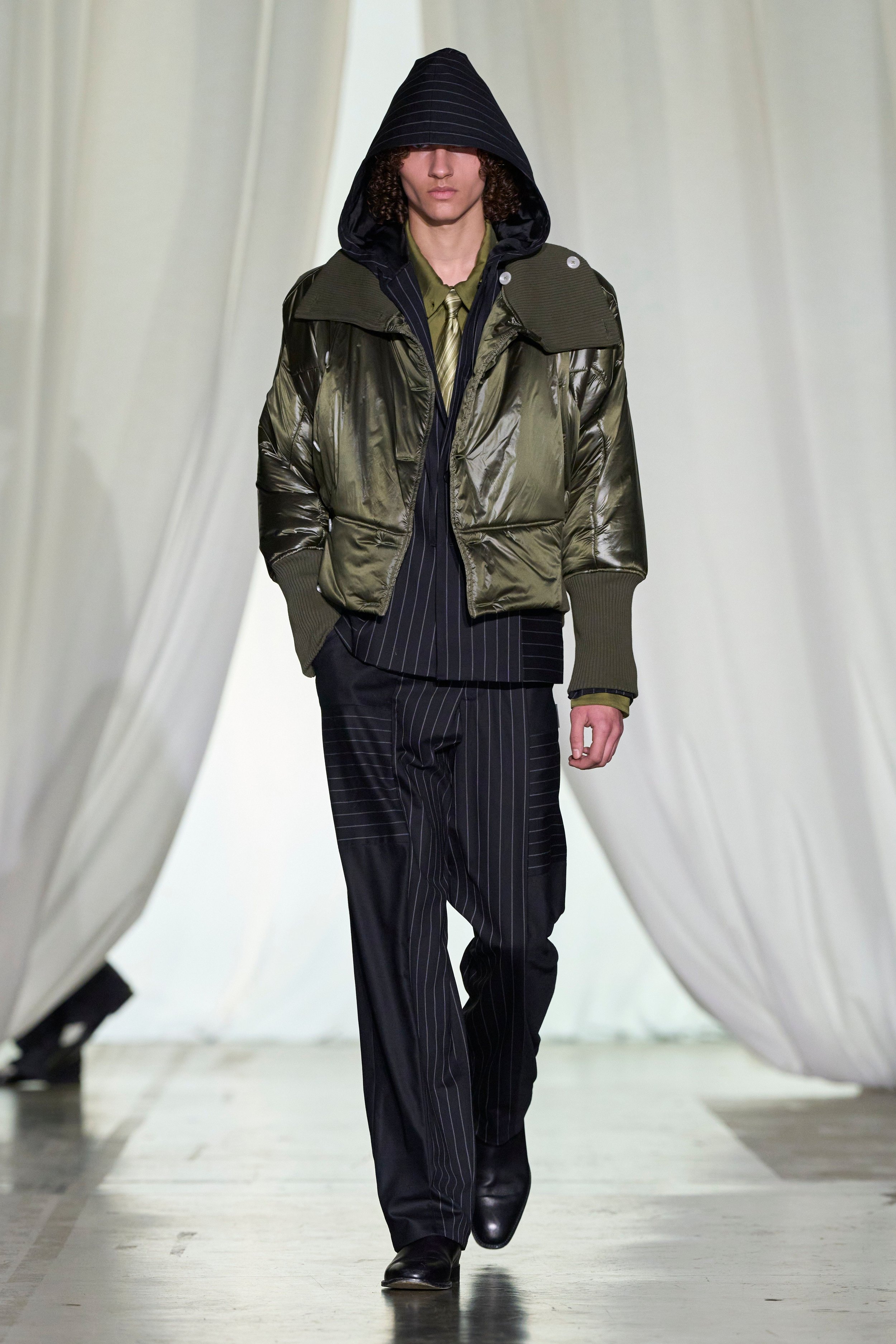
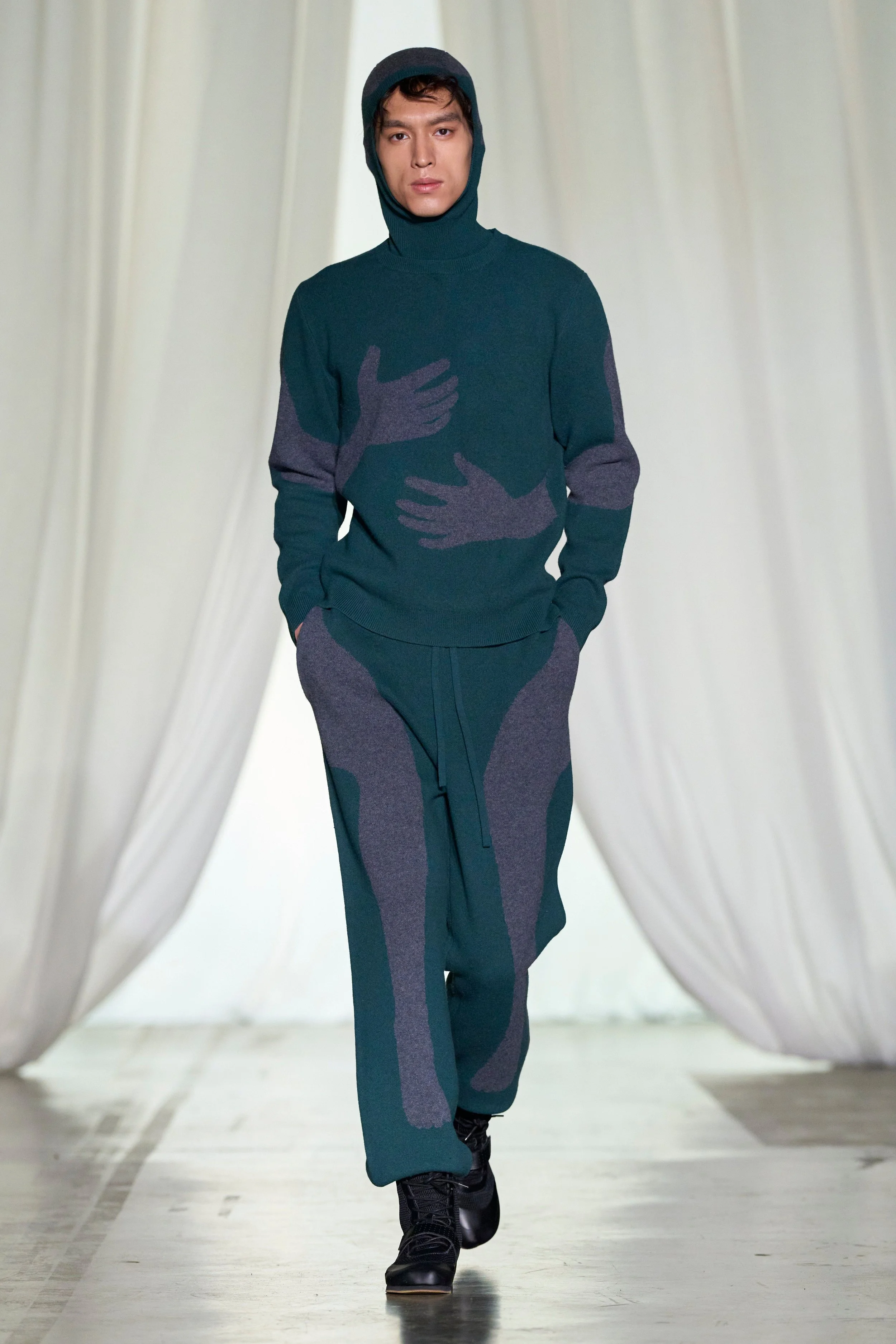
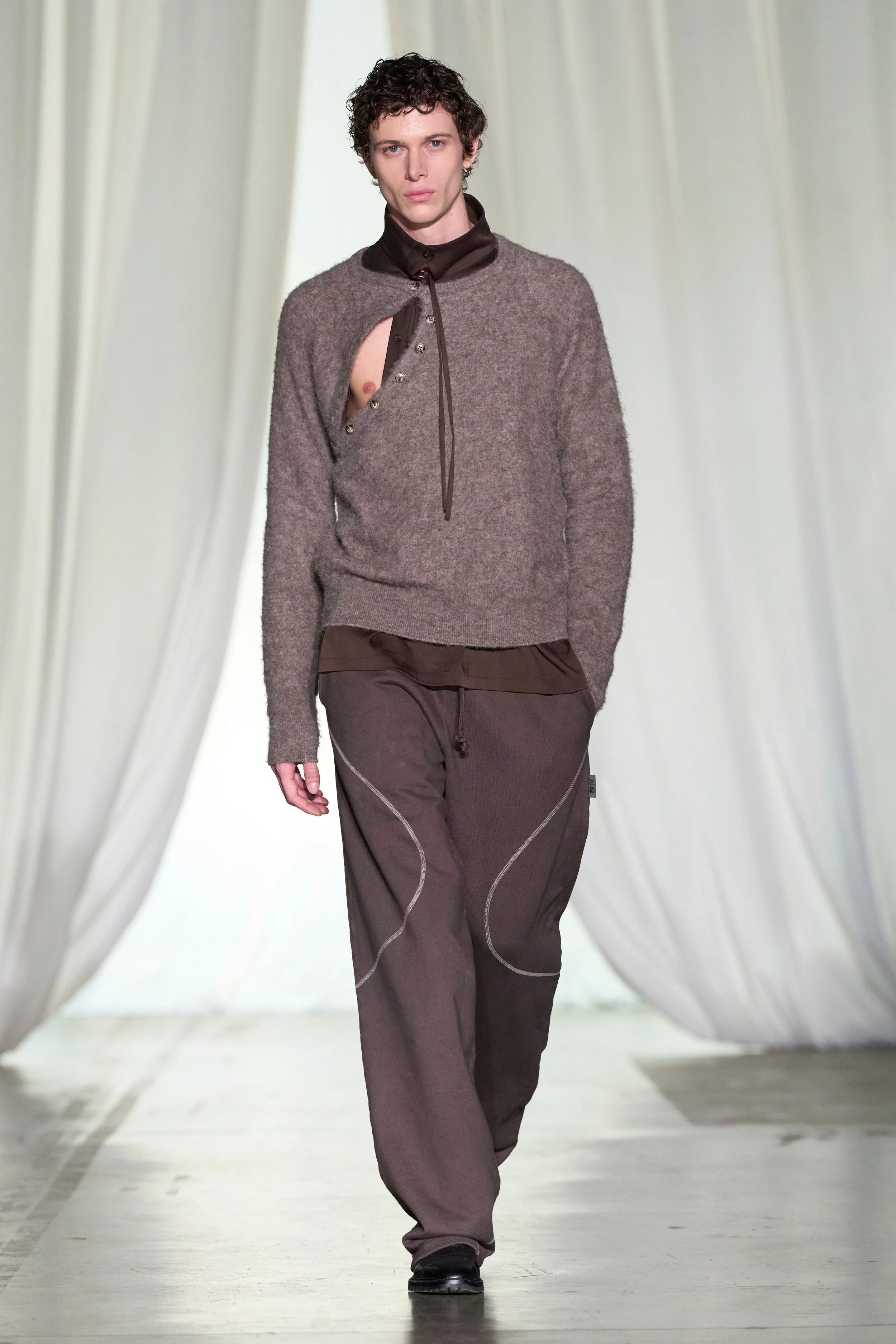
Here, power dressing is dismantled and rebuilt. Tracksuits masquerade as suits through a trompe l’oeil pin-striped print, while tailoring borrows the ease of sportswear and gets paired with a high-top sneaker. Garments morph through kinetic cuts, detachable elements, and warped proportions. Nash’s signature top design, which cheekily reveals one of the pecks, returns here in the form of a printed T-shirt paired with an olive green boiler suit and a crewneck knit with a string of undone buttons on the side. A set in deep teal features a print of hands, giving a hug to its wearer.

Drawing on 1980s British and Italian suiting codes, Nash proposes a wardrobe that accommodates multiplicity — clothes that let us slip between selves without compromise. It’s a confident continuation of the designer’s goal to blur performance and reality, reminding us that in a world of constant self-presentation, the ultimate luxury may be the freedom to decide who you are, and when.


Words by Martin Onufrowicz

PAUL SMITH FW26

Paul Smith remains one of menswear’s enduring cool characters. More than fifty years after launching his eponymous label, the English designer continues to inject classic tailoring with a sense of surprise — and his Fall/Winter 2026 collection, presented in Milan, proved that his formula still hits with precision.

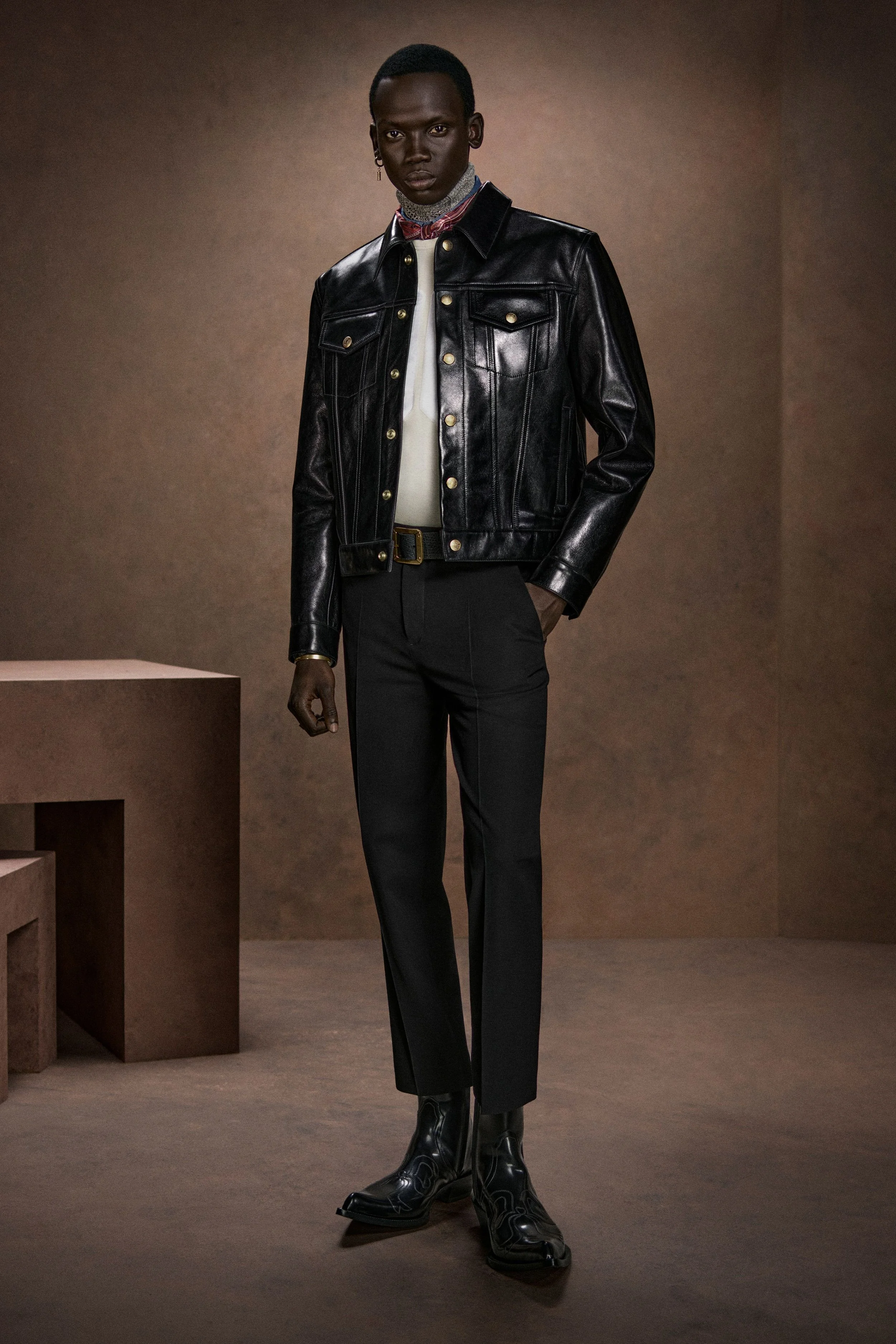
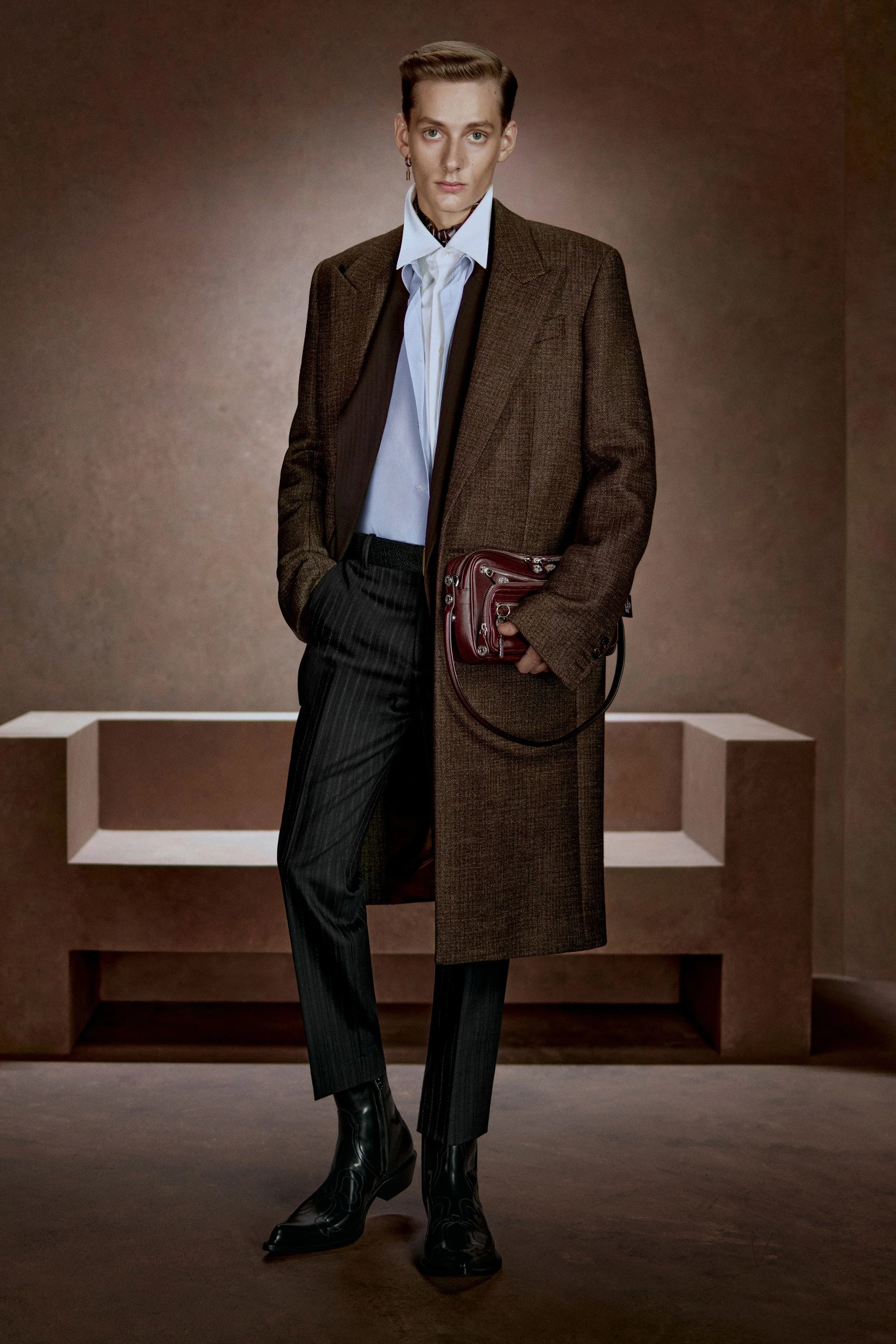
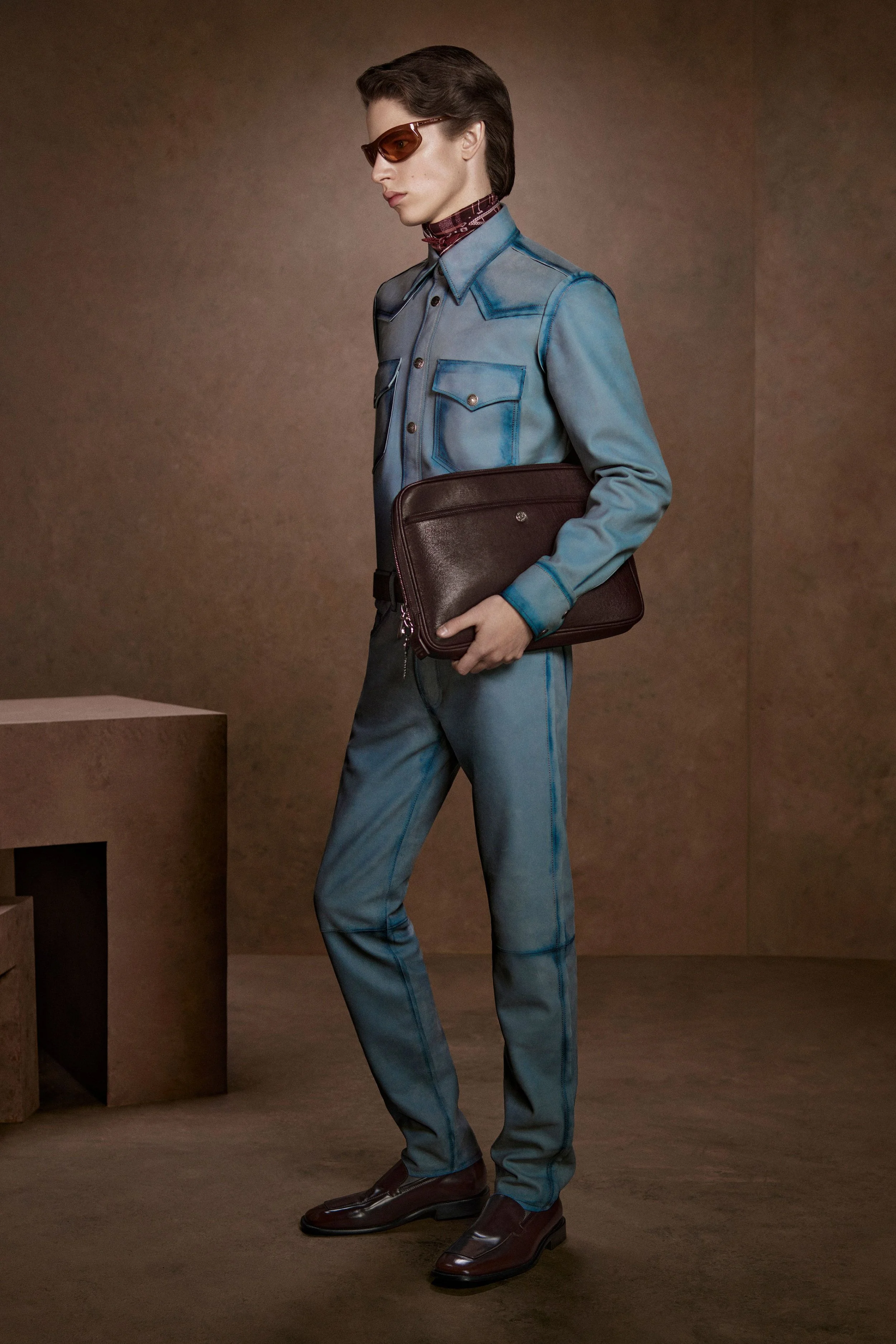
This season, Smith introduced a compelling tension between tradition and edge, layering technical fabrics and leather accents onto familiar wardrobe staples. A light grey nylon coat was styled over a cobalt blue knitted polo, while a black leather overshirt emerged subtly beneath a chocolate-brown blazer. The interplay of texture and colour kept the silhouettes grounded yet charged.

Accessories played a defining role. Nylon trousers were secured with bold belts featuring Western-inspired buckles, while voluminous wool slacks leaned into rock ’n’ roll territory with eyelet-studded designs. The details felt deliberate — never loud, but impossible to ignore.

The collection’s rebellious streak carried confidently into eveningwear. A classic three-button suit jacket was reimagined with utilitarian chest pockets, blurring the line between tailoring and function. Elsewhere, a relaxed double-breasted suit in a rich navy hue was softened by a printed necktie, lending ease to an otherwise commanding look.


Words by Martin Onufrowicz

RALPH LAUREN FW26

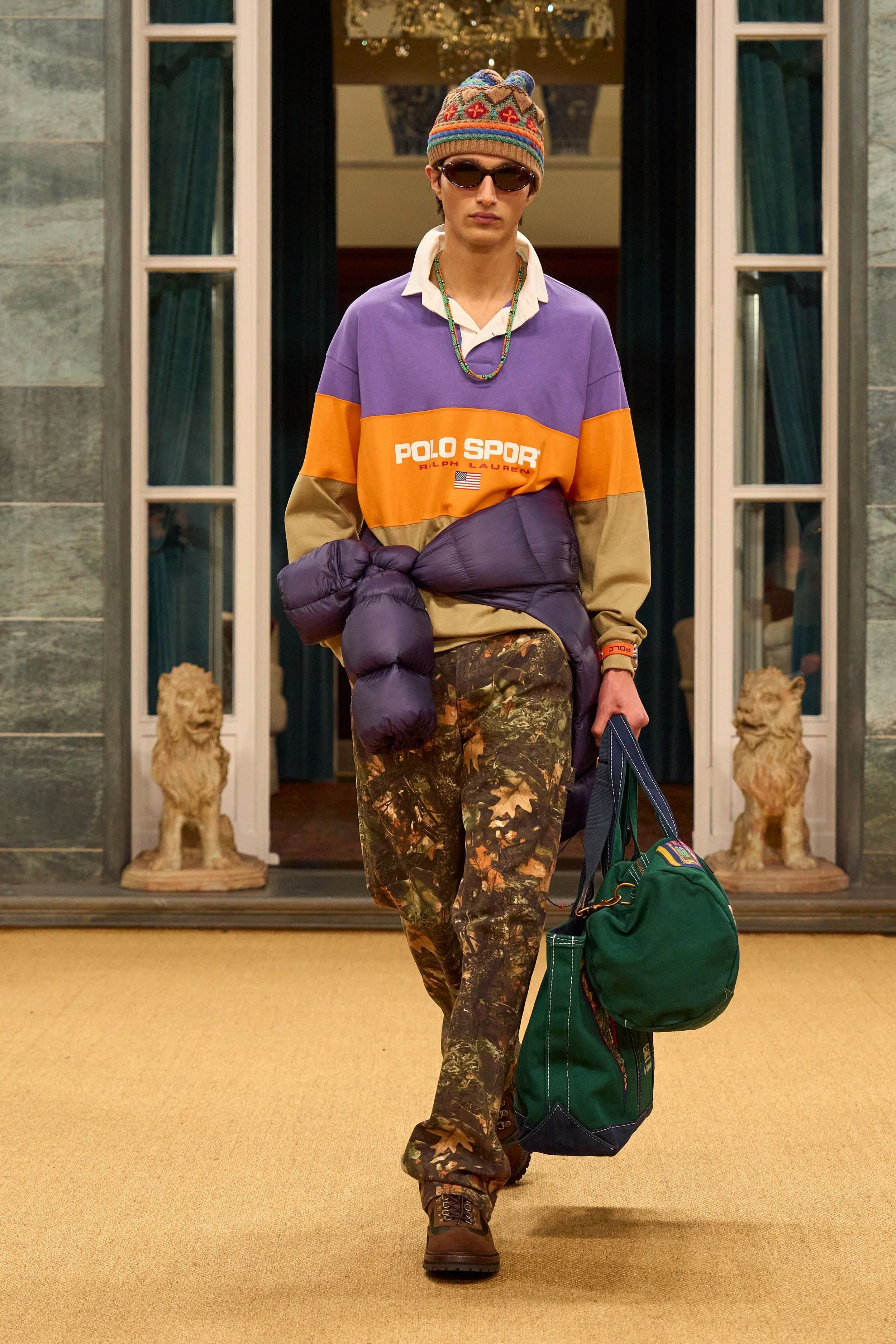
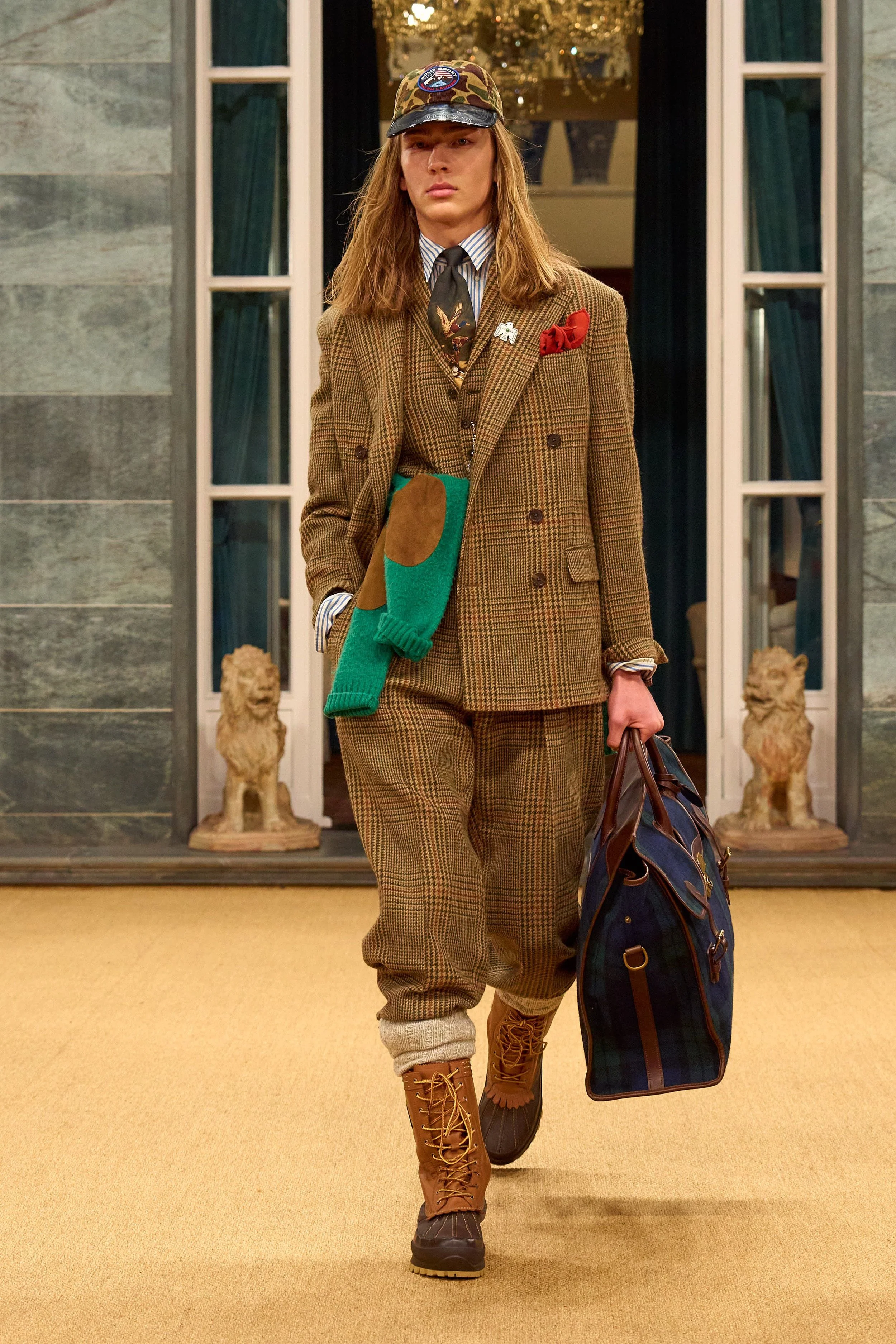
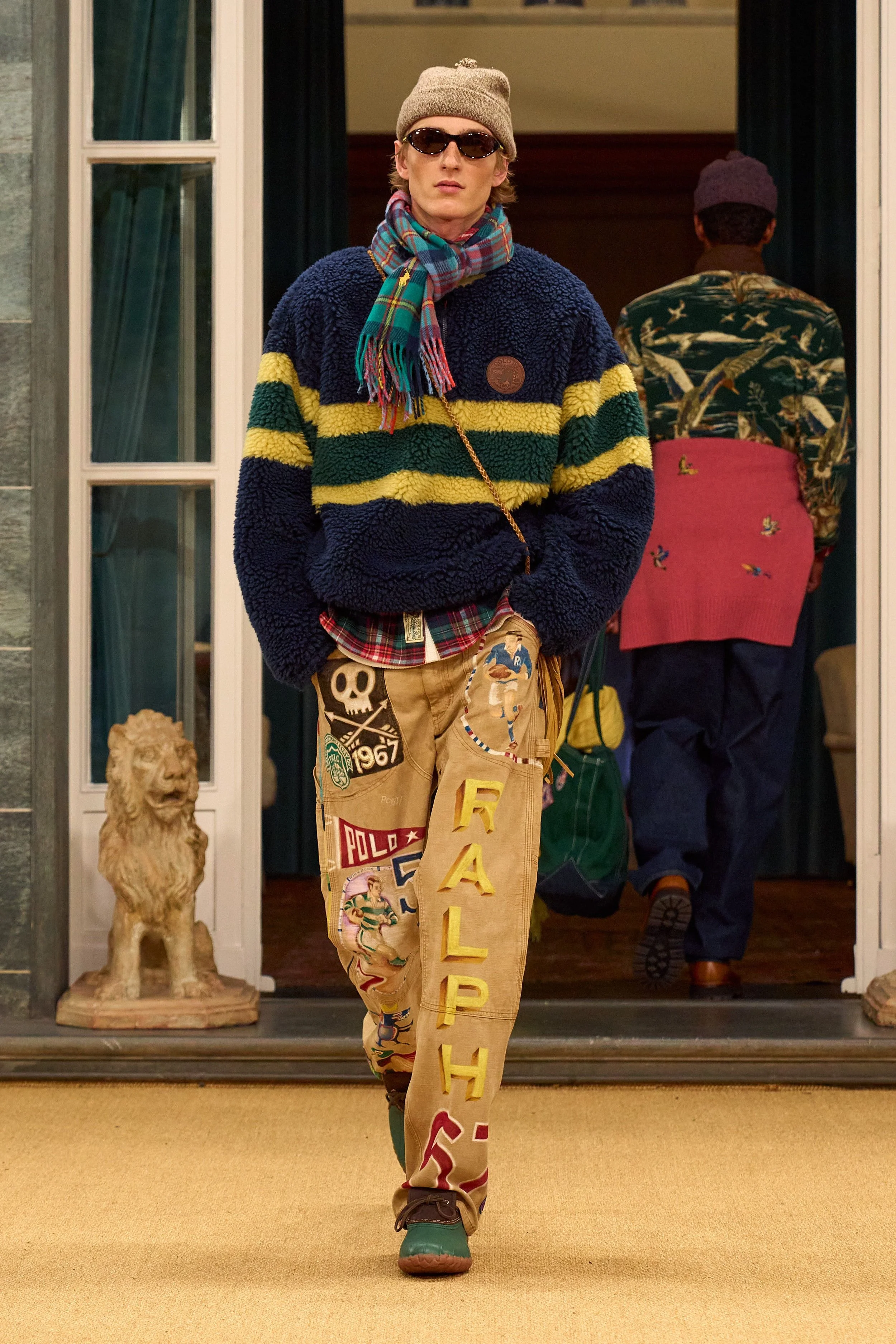
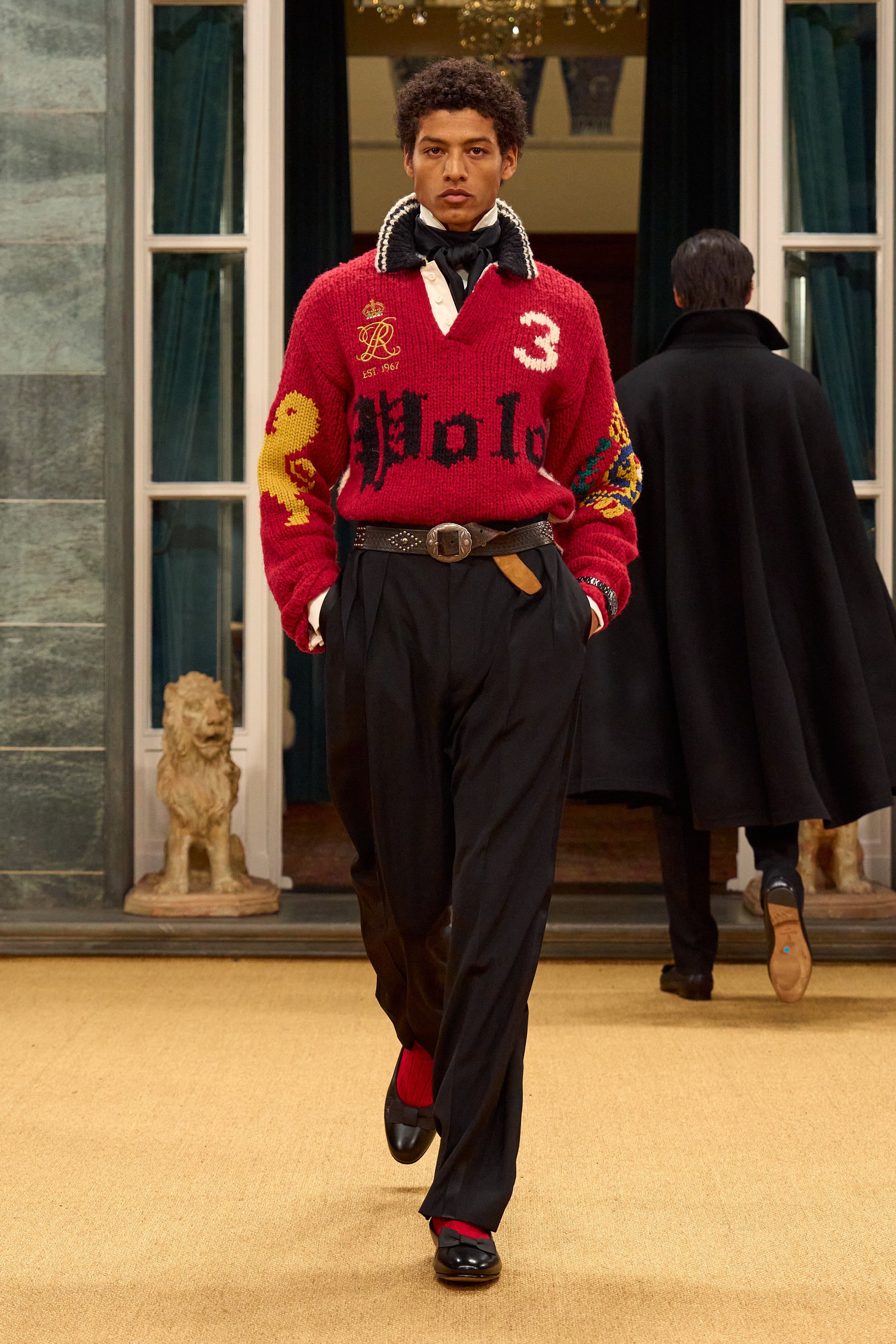
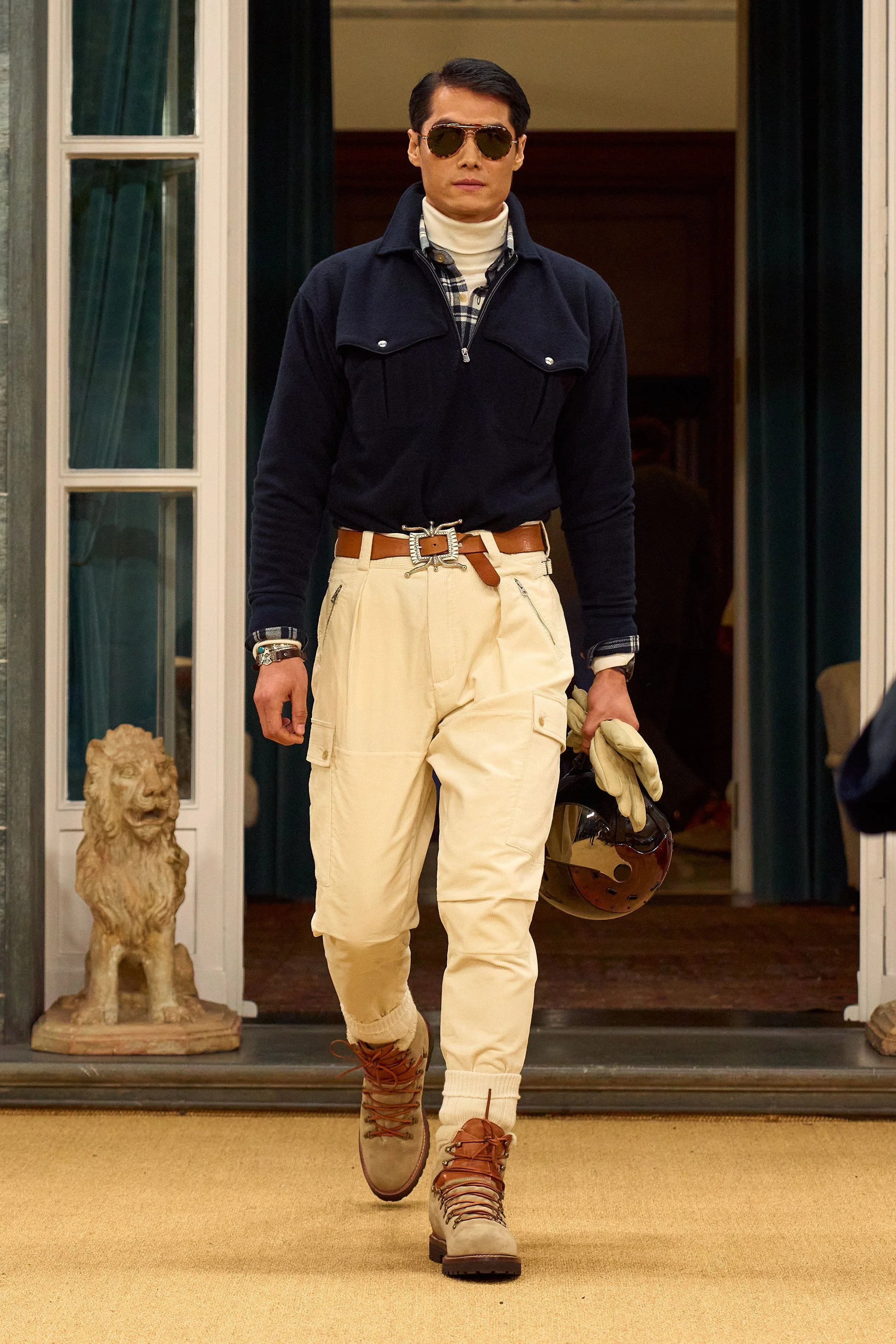
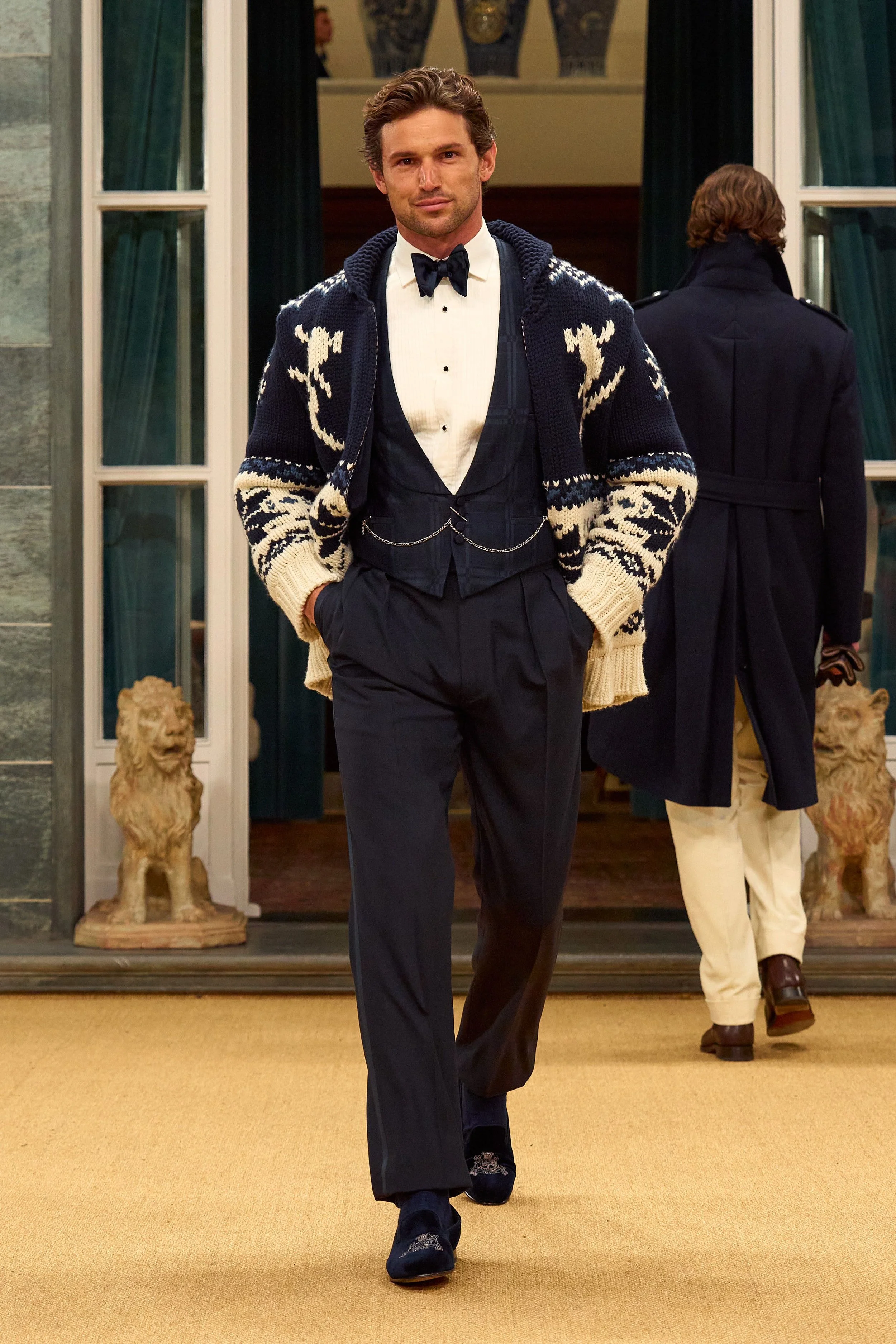
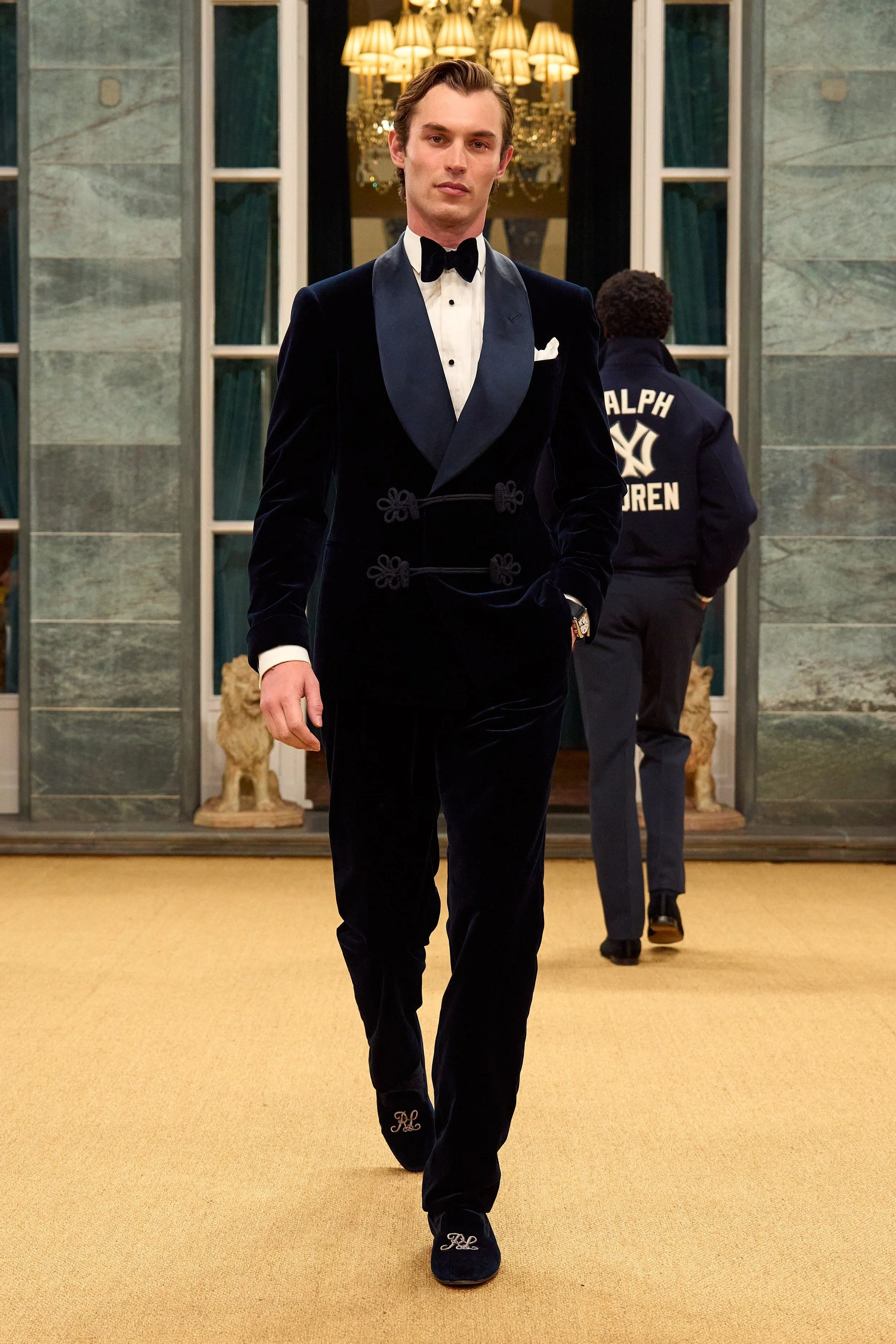
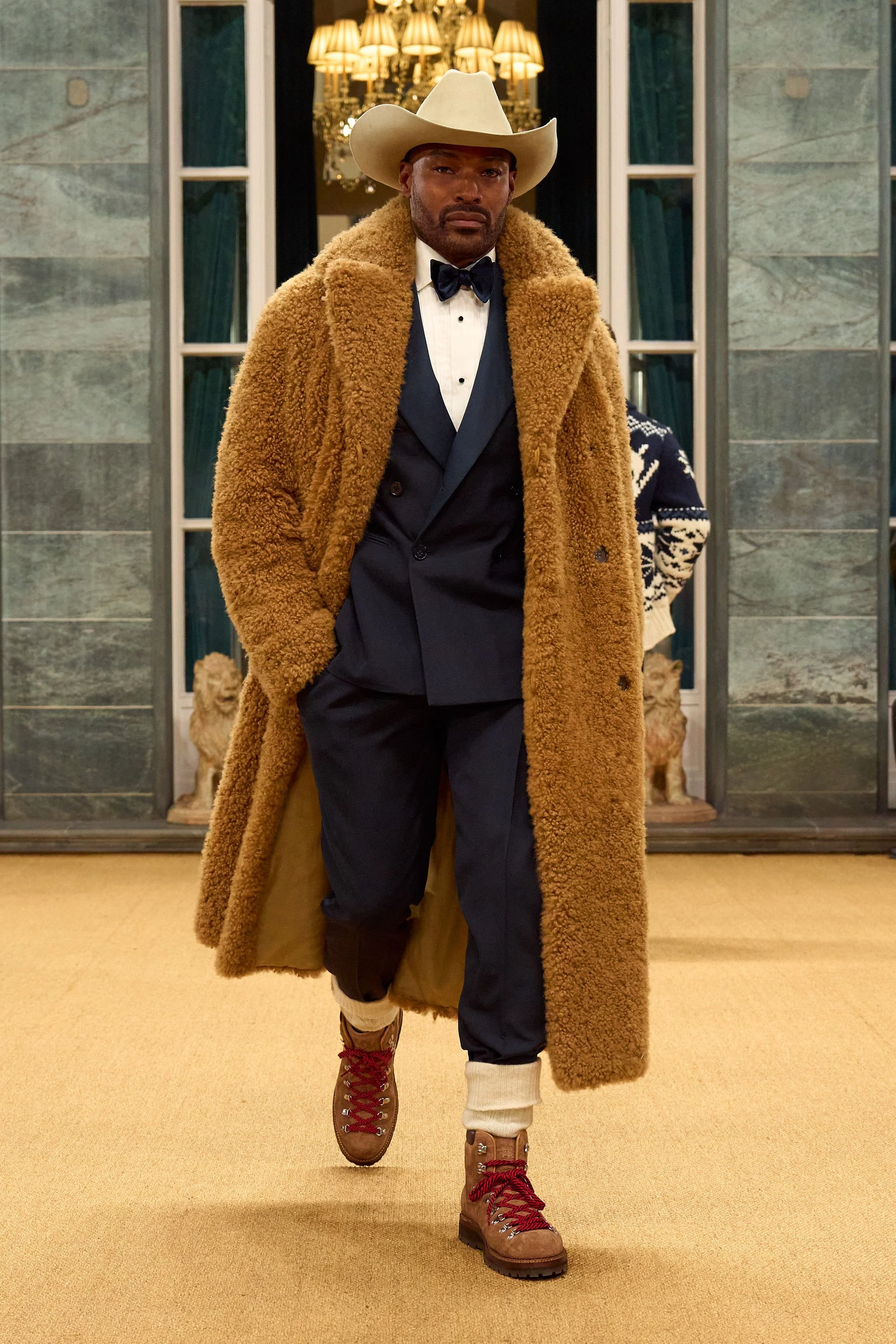
Some things never go out of style. Making a guest appearance at Milan Fashion Week, Ralph Lauren unveiled his Polo and Purple Label Fall/Winter 2026 collections, transporting his unmistakable brand of Americana to the Italian fashion capital.

The show opened on a playful note with Polo’s youthful sensibility taking centre stage. Roomy rugby shirts with sharply popped collars were layered with beaded necklaces, while puffers and vividly hued knits were cinched neatly at the waist. Colourful checked scarves were wrapped snugly around the neck, their cable-knit counterparts tied effortlessly to canvas bags — styling gestures that felt both considered and carefree.

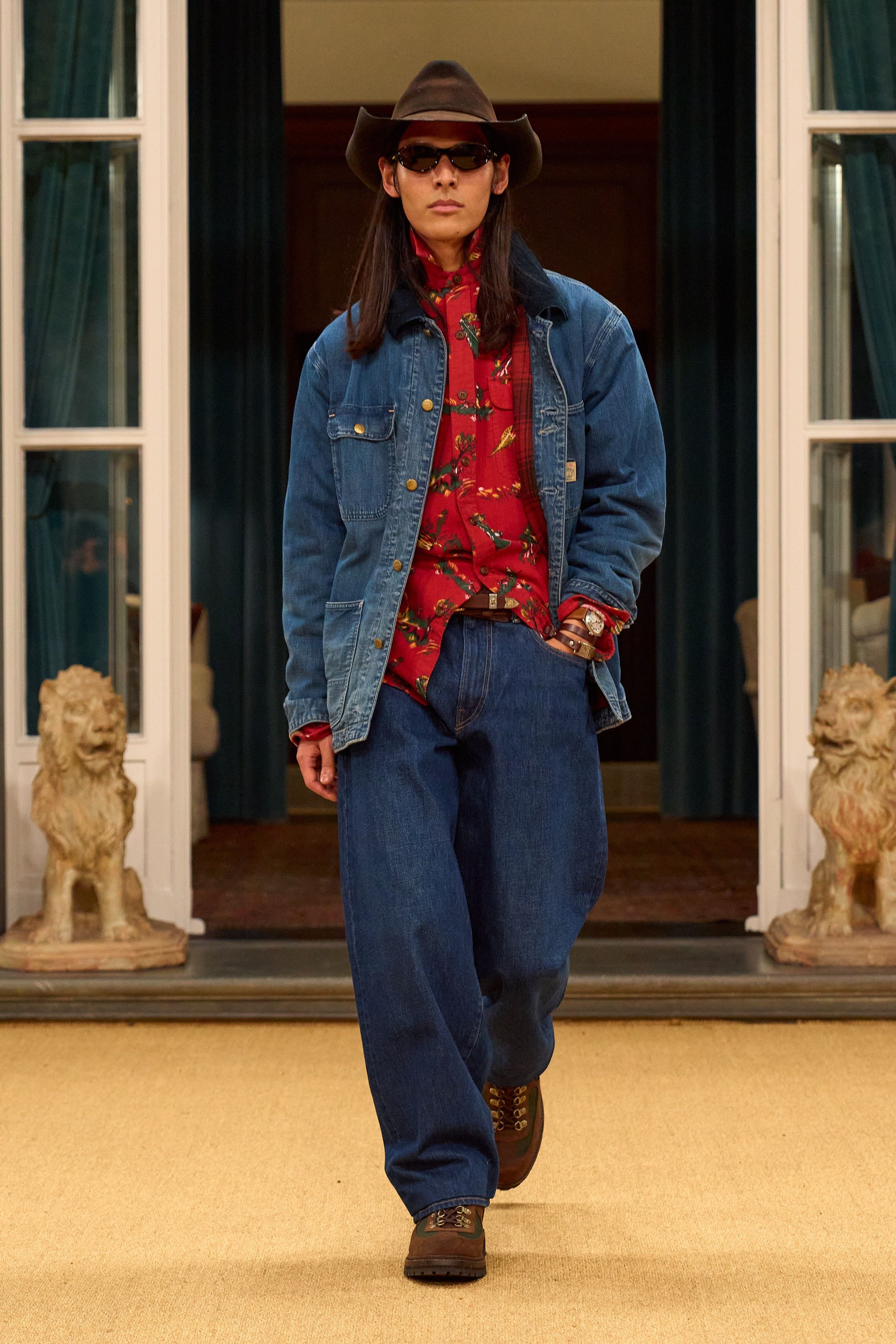
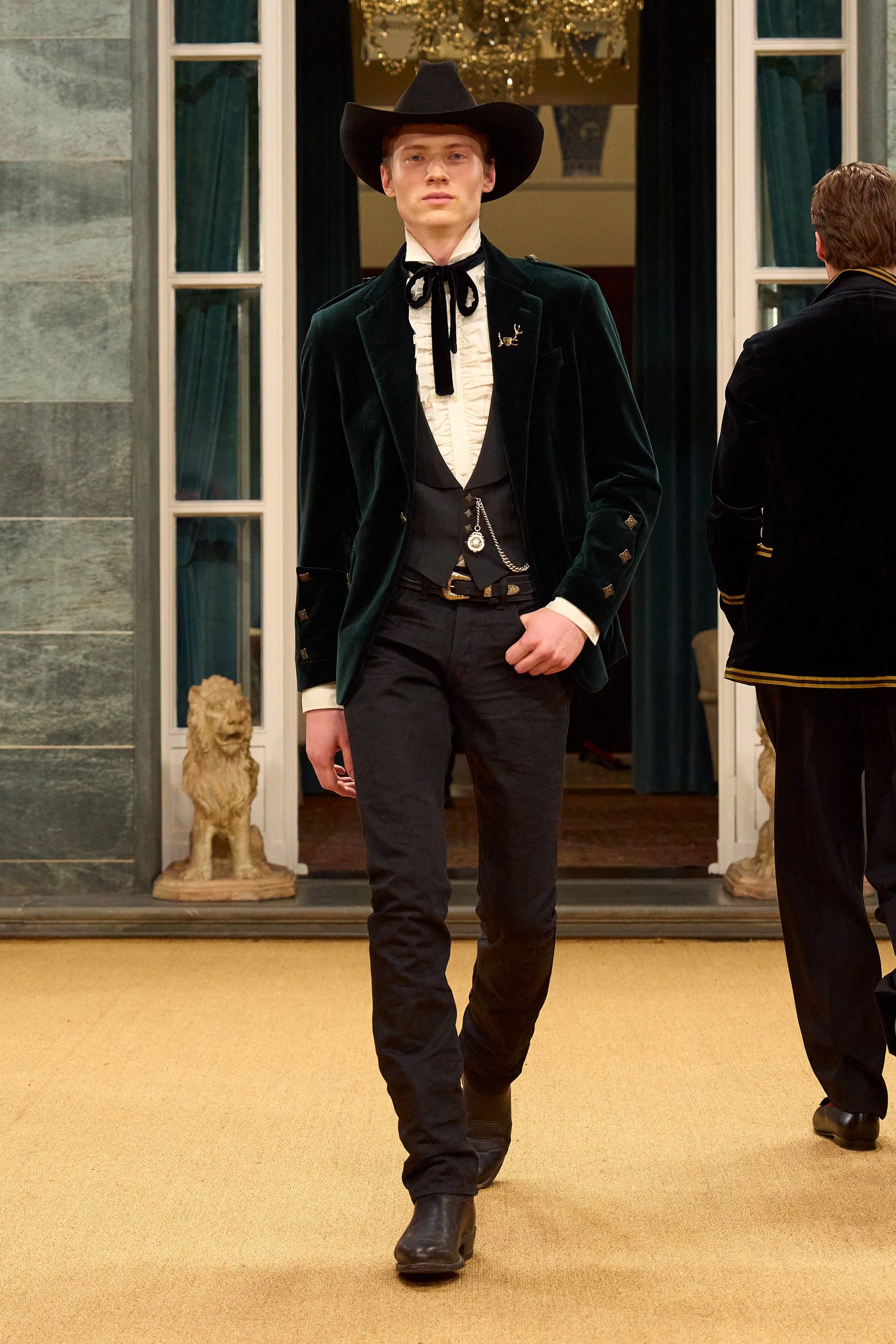
As the presentation transitioned into Purple Label, the mood shifted toward after-dark elegance without abandoning Lauren’s signature grit. Tailoring took on a richer texture and deeper palette. A velvet blazer in an inky forest green was layered over a ruffled white shirt and finished with a black necktie, cowboy hat, and boots — a look that balanced refinement with rugged confidence.

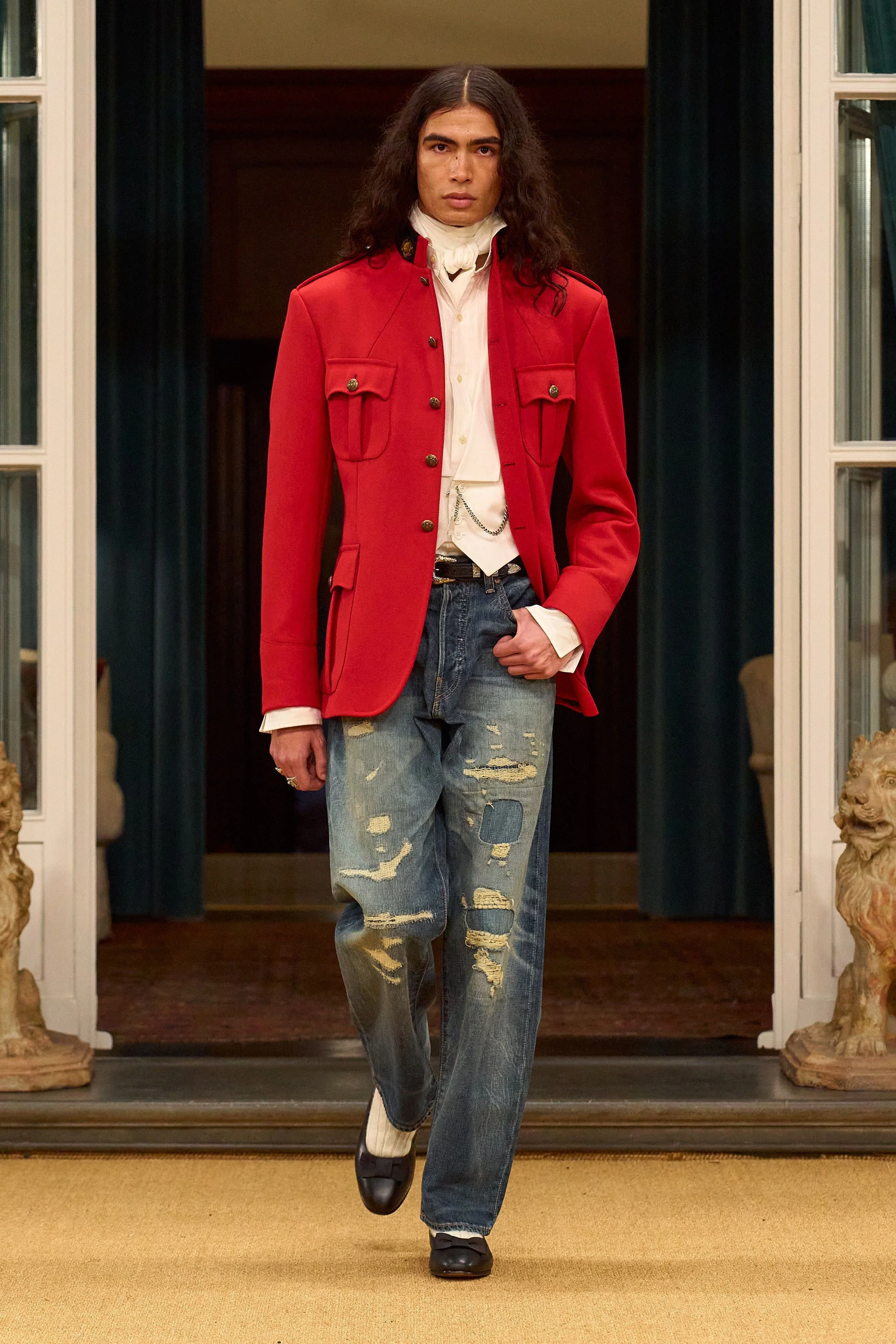
The standout ensemble came in the form of a red officer’s jacket, sharply contrasted against perfectly distressed straight-leg denim and polished black opera loafers. It was a reminder that Ralph Lauren’s enduring appeal lies in his ability to blend heritage, romance, and rebellion — no matter the city, no matter the season.


Words by Martin Onufrowicz

DSQUARED2 FW26

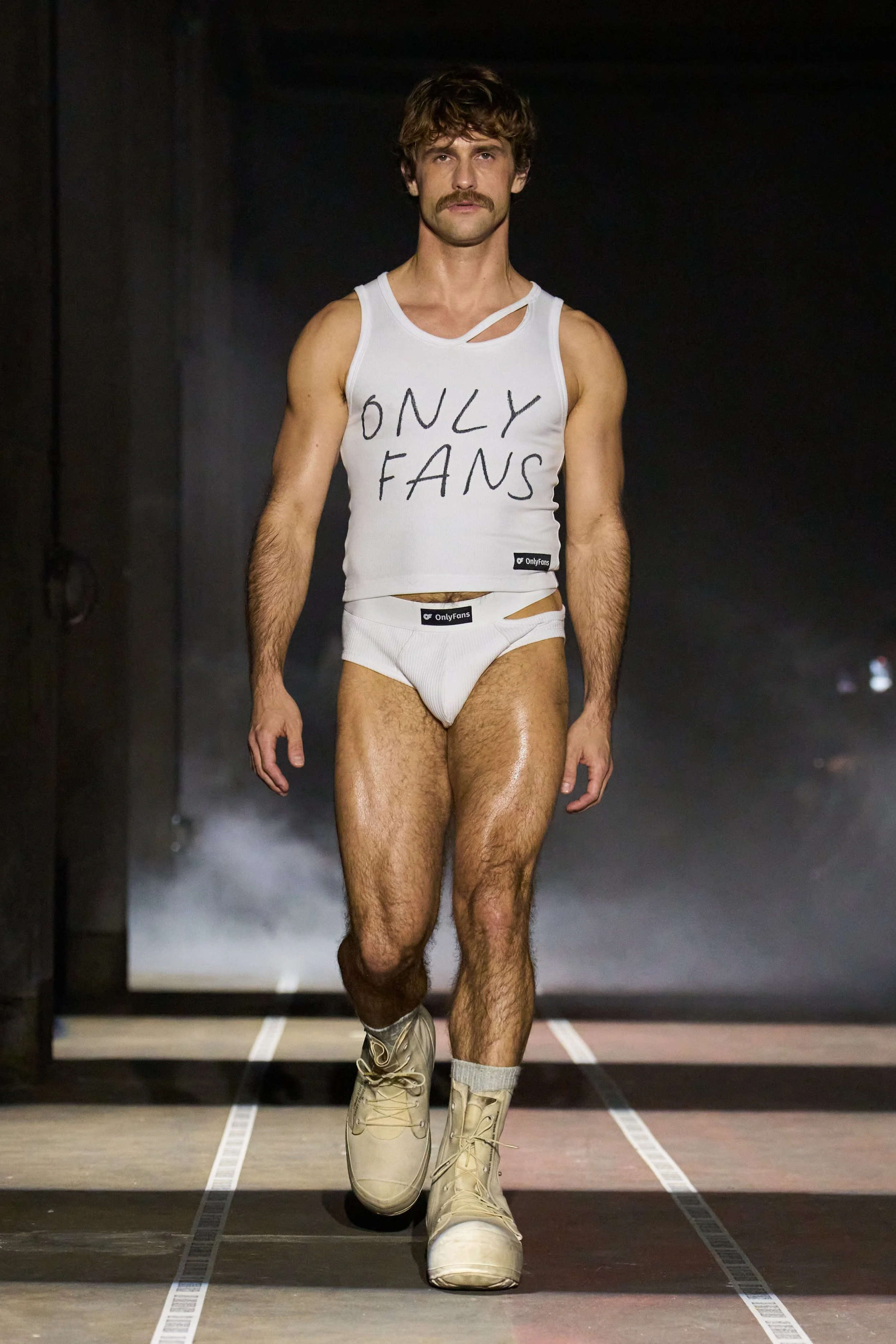
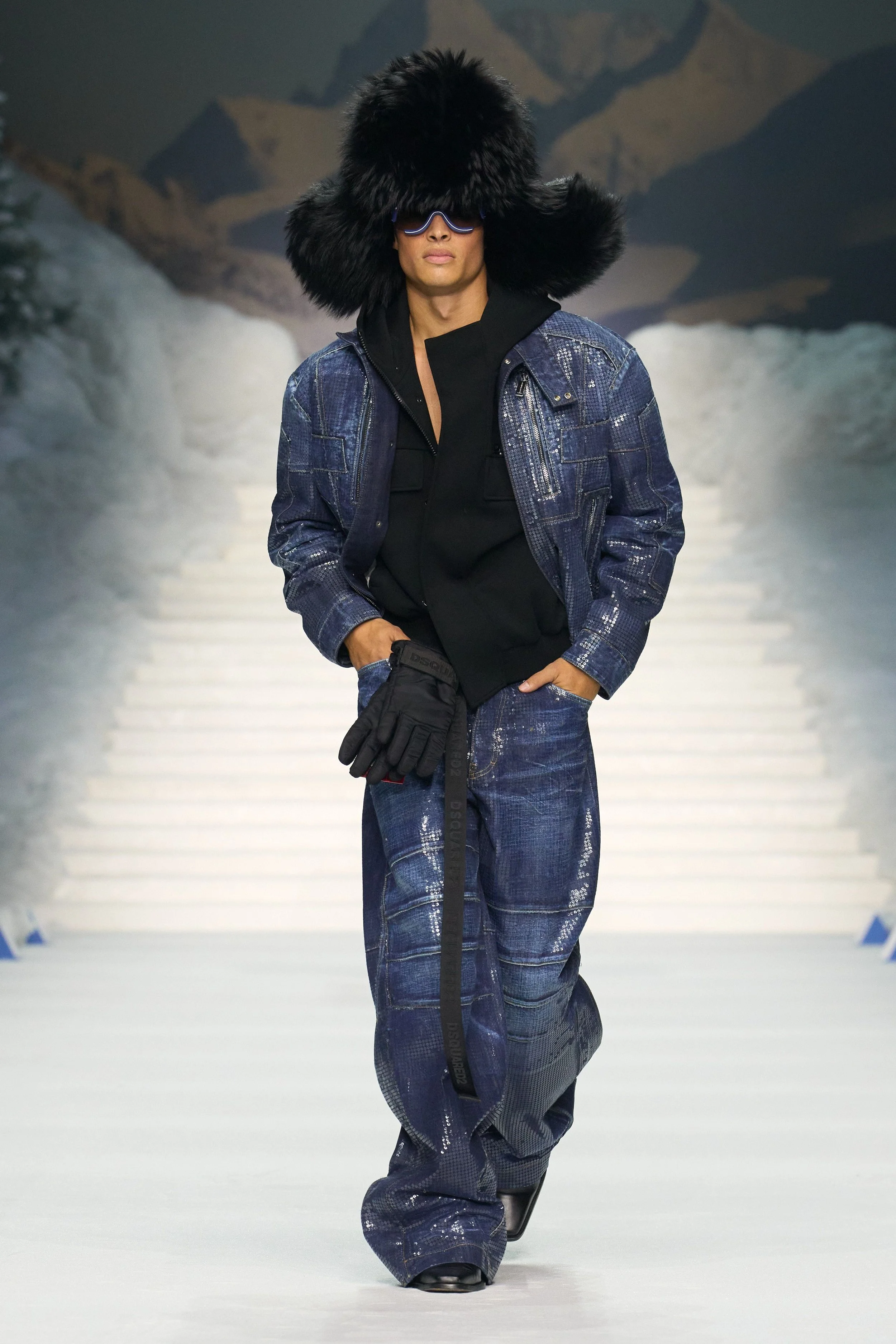
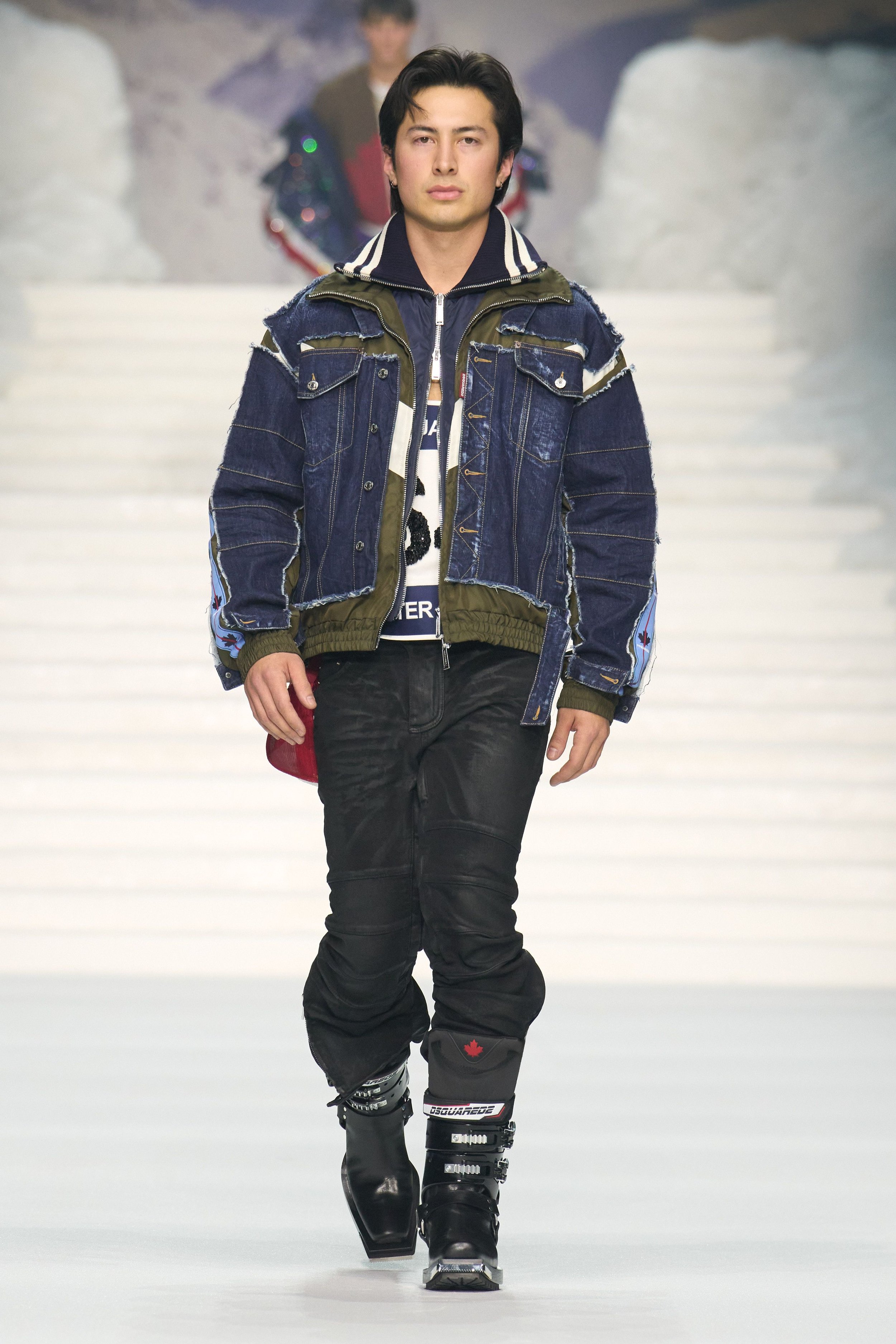
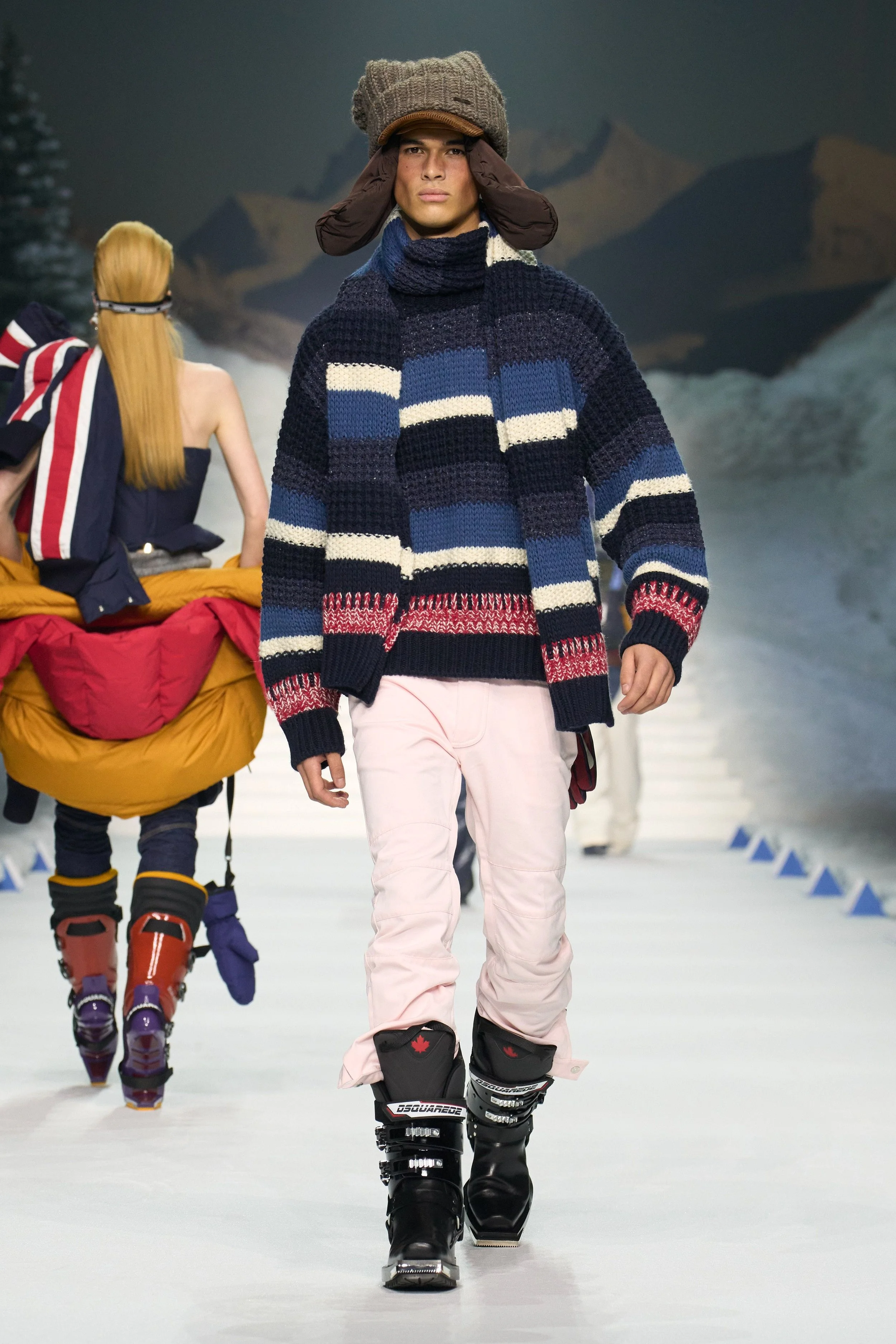
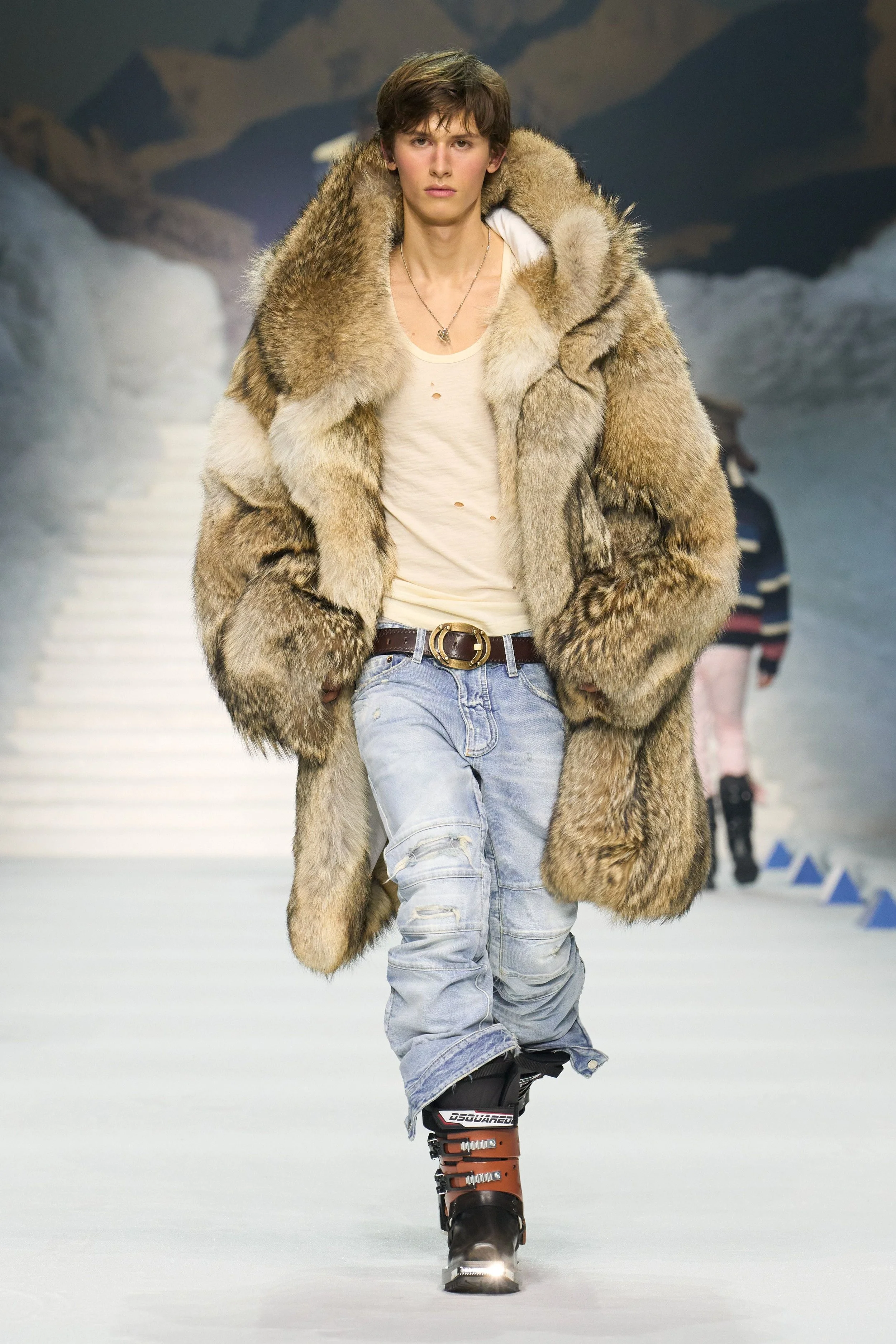
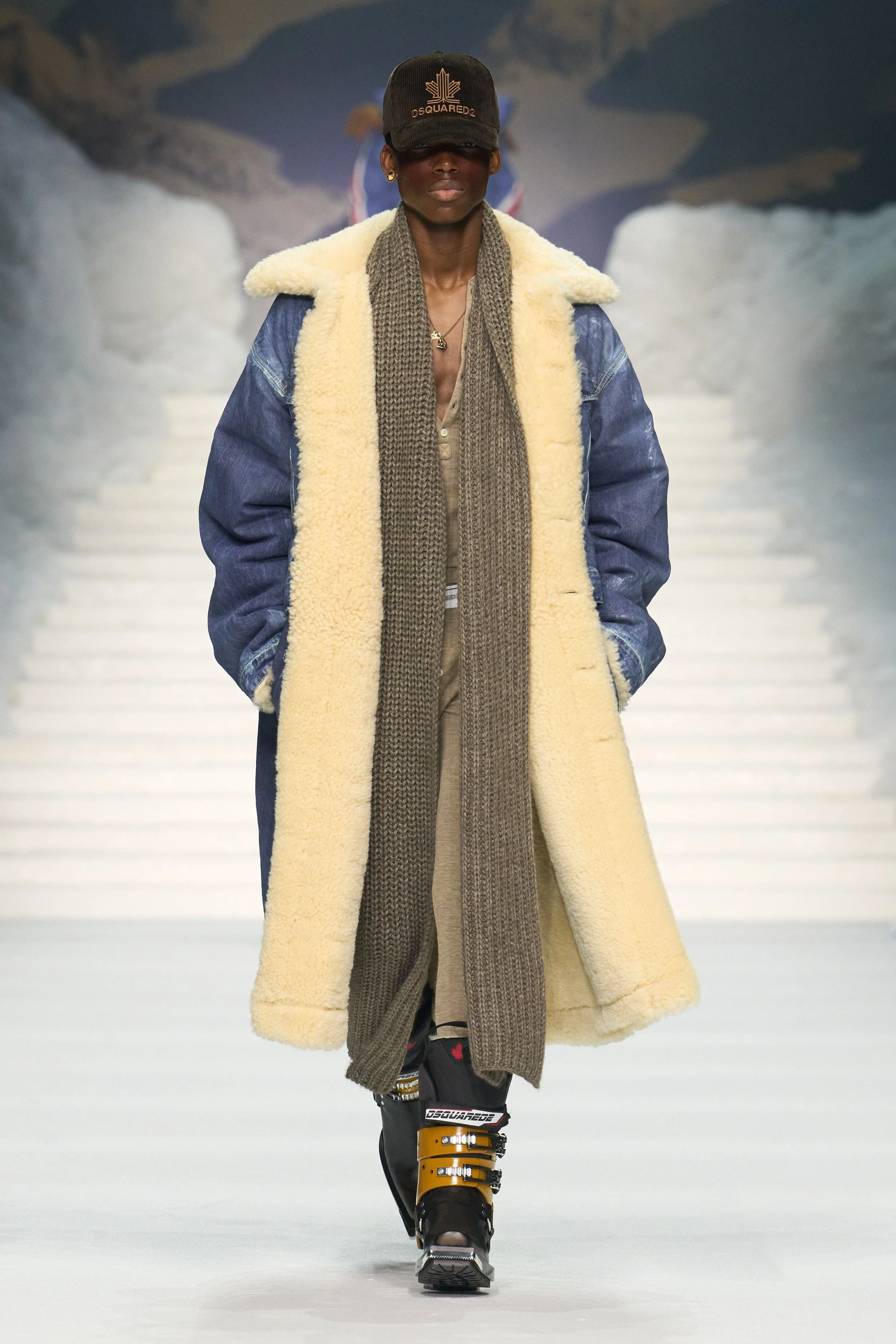
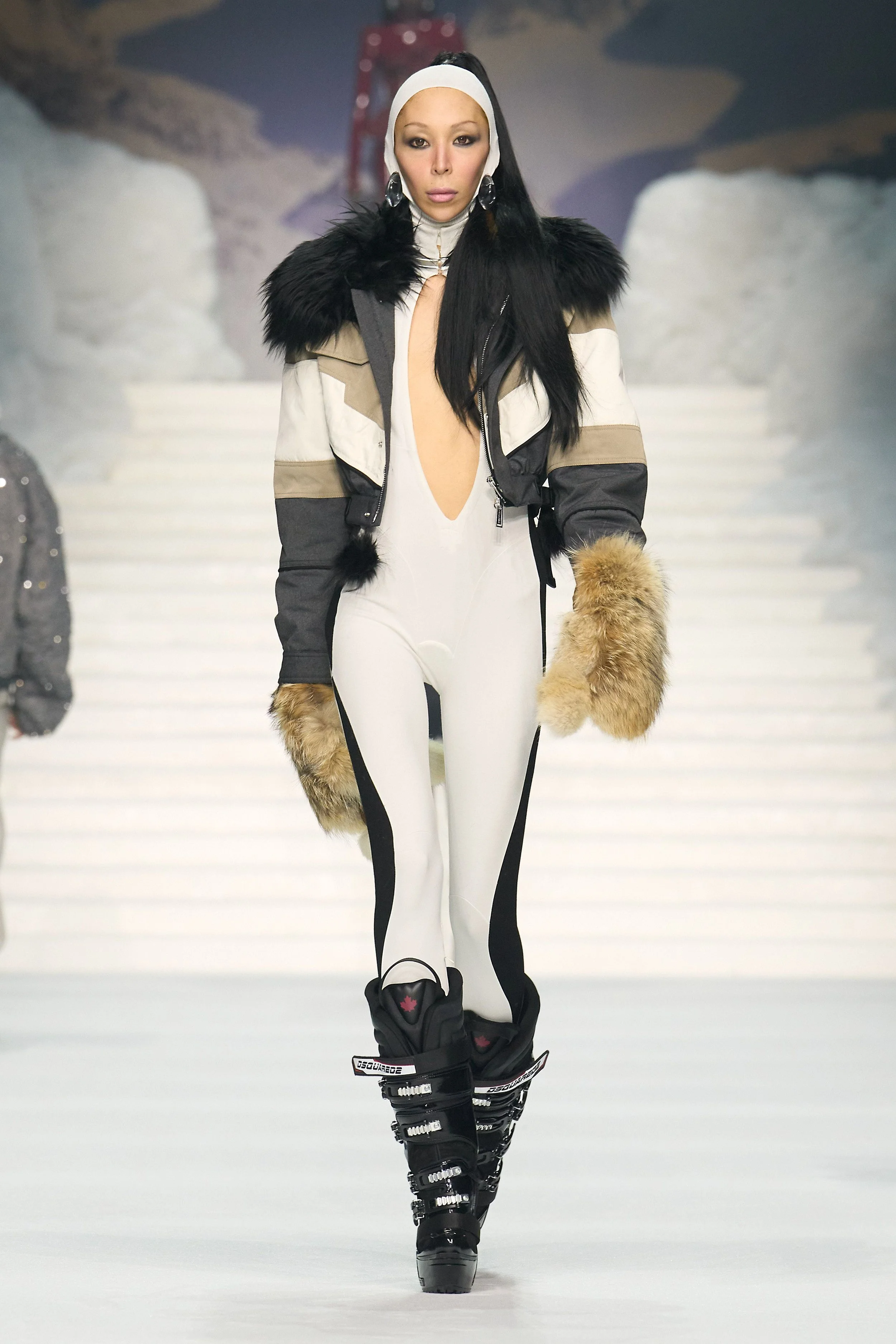
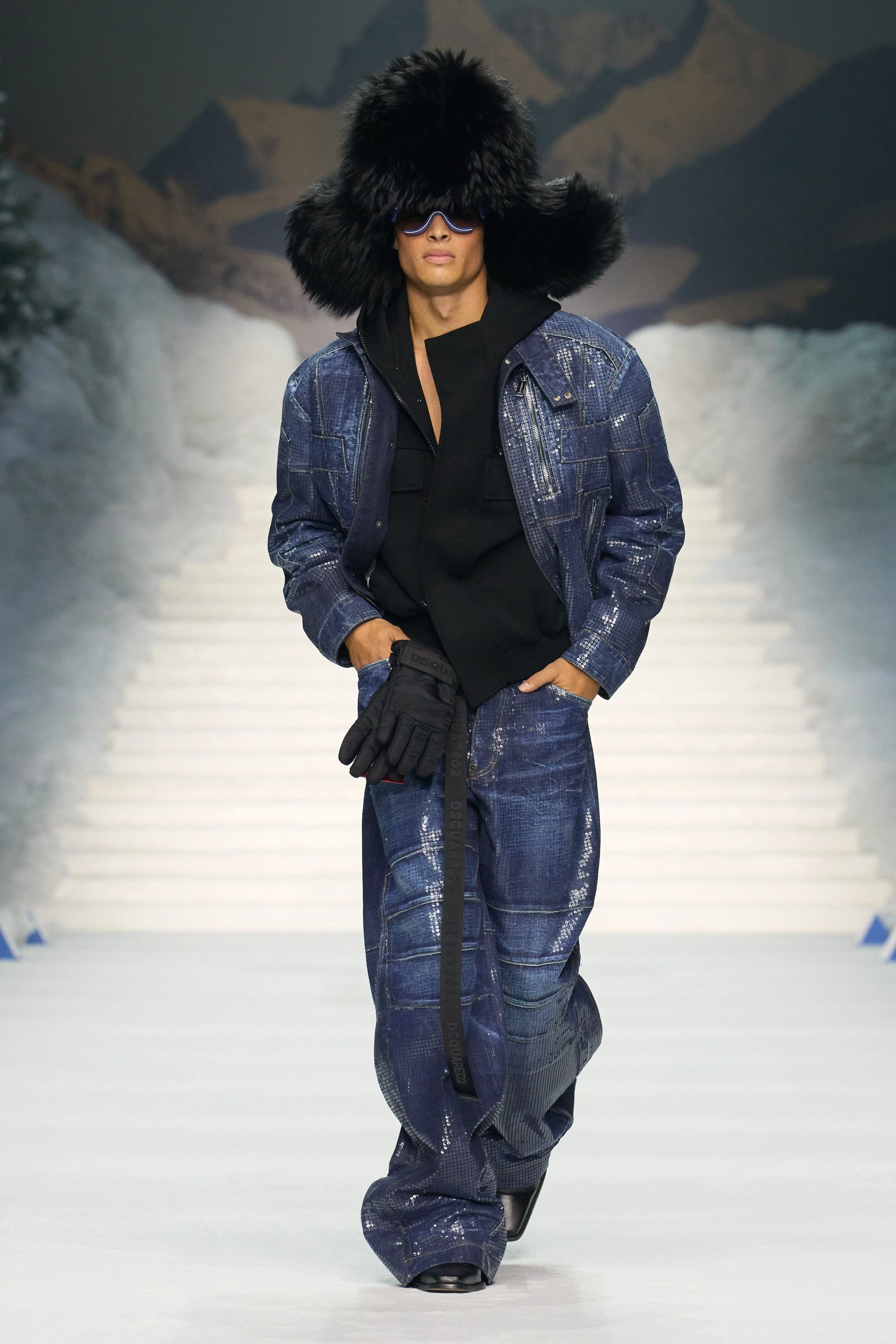
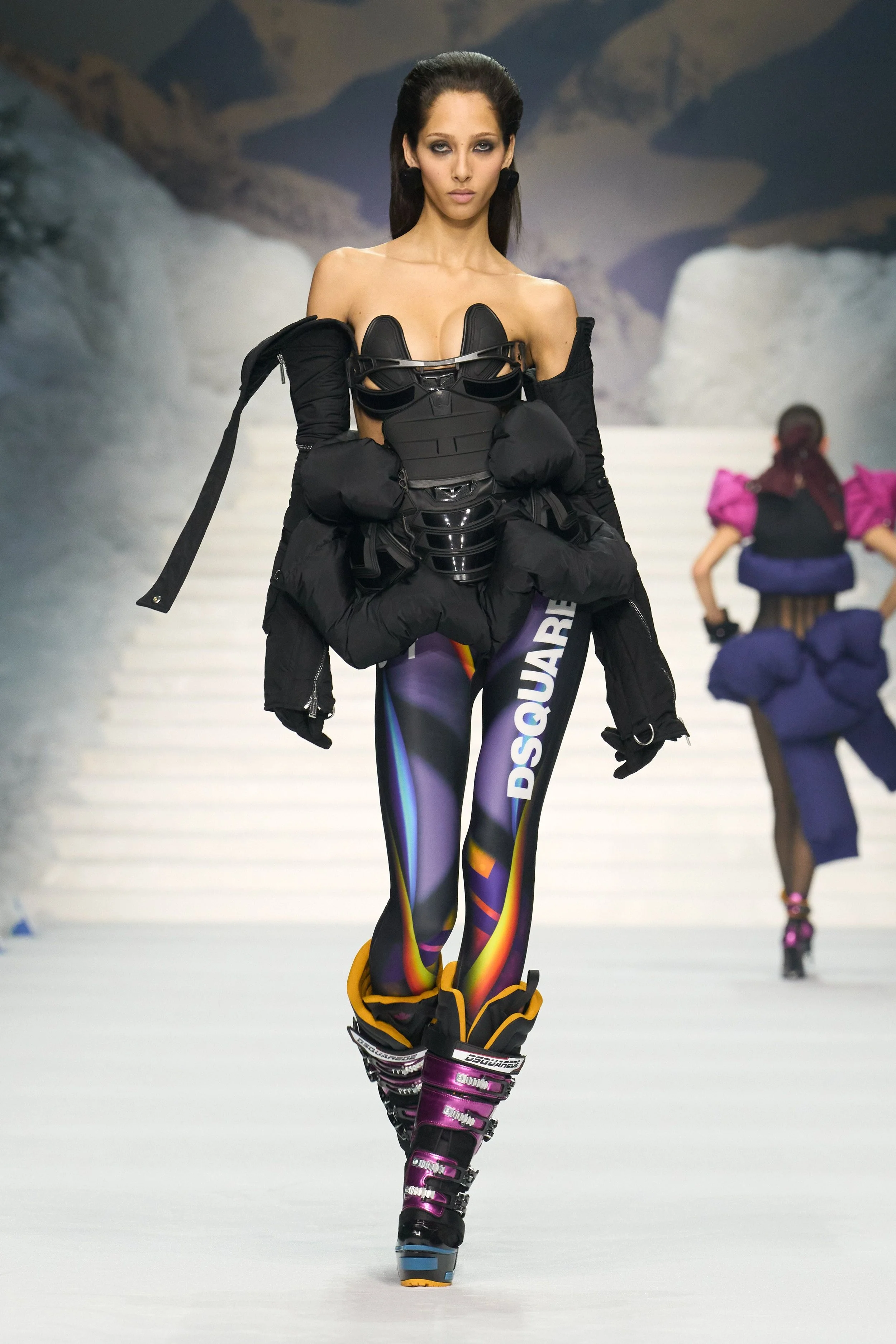
Dean and Dan Caten have long worn their Canadian heritage as a badge of honour, threading its iconography through nearly every Dsquared2 collection. It came as little surprise, then, that for Fall/Winter 2026 the twin designers doubled down on those roots, opening the show with Hudson Williams — the breakout star of our favourite gay hockey saga Heated Rivalry and arguably Canada’s hottest export right now. Williams took to the runway clad in the brand’s signature denim, finished with Dsquared2’s irreverent take on ski boots.

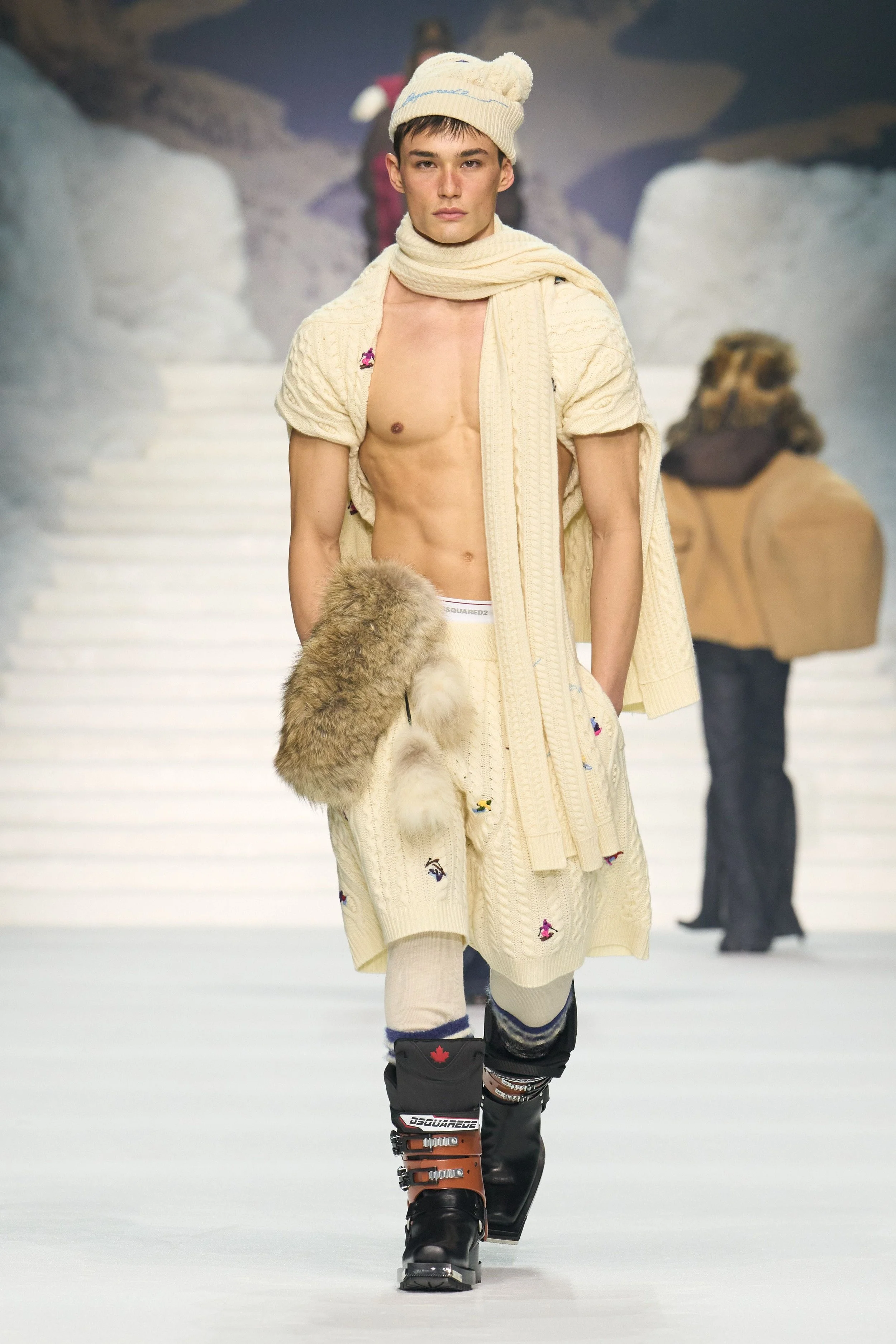
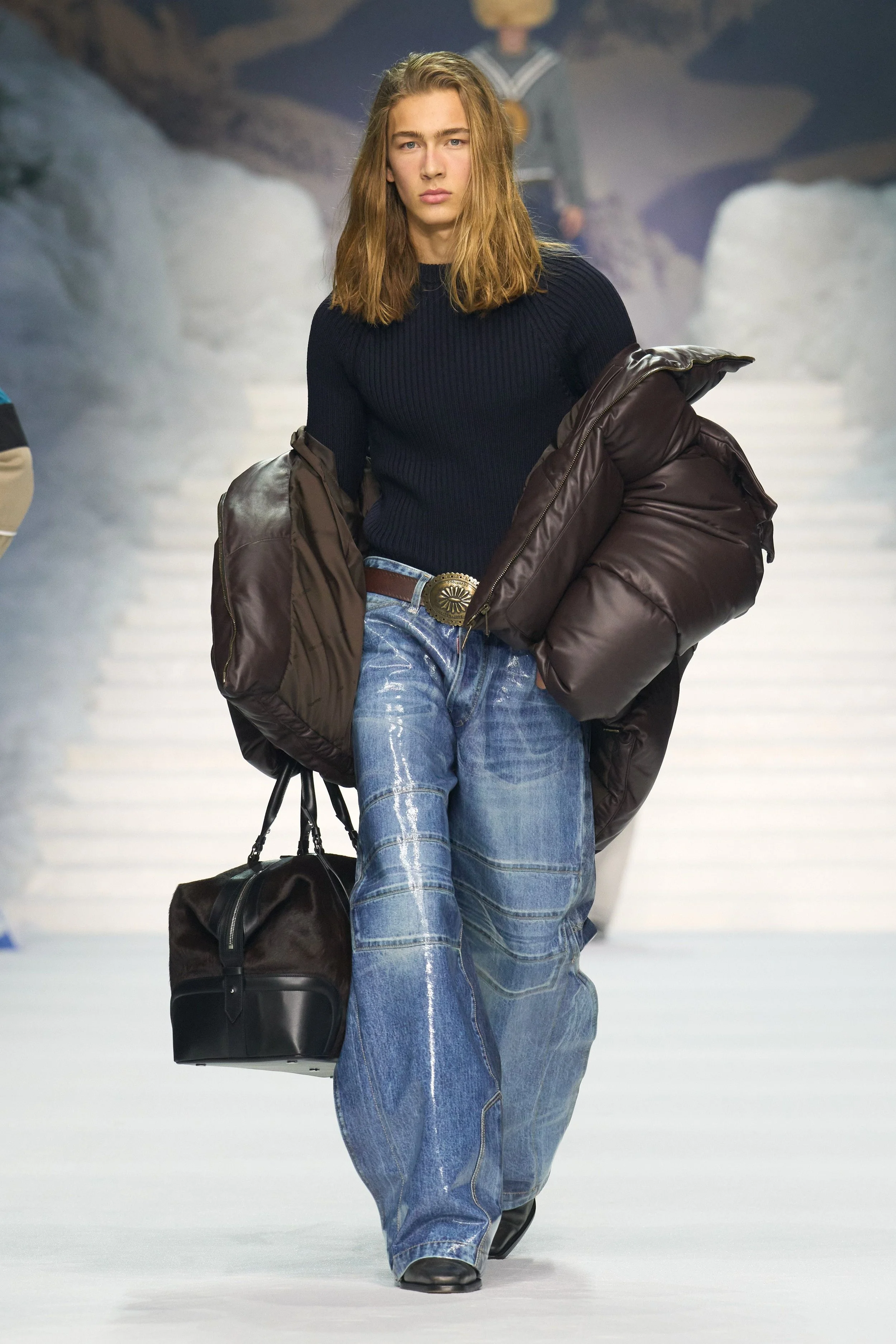
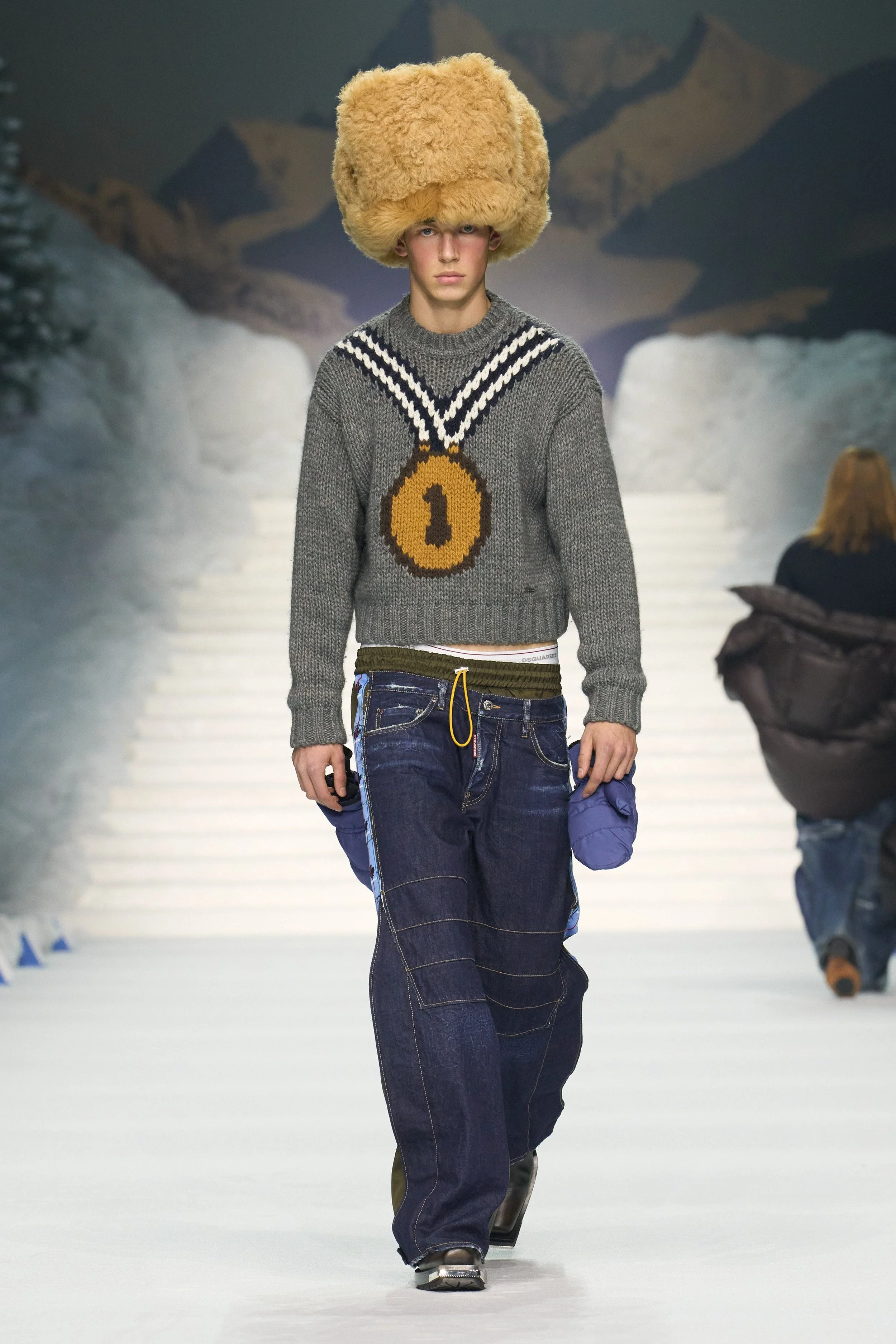
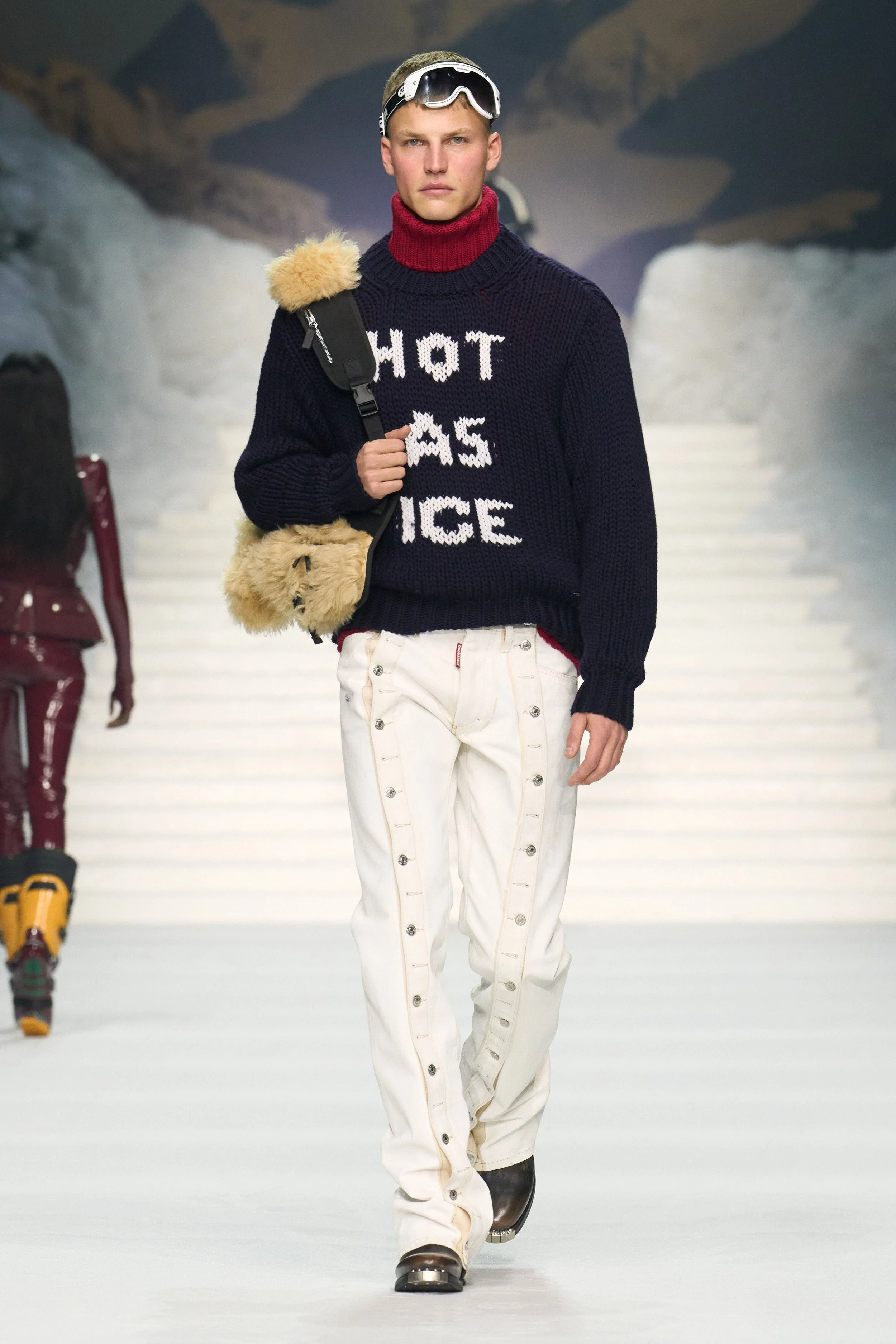
Drawing inspiration from winter sports in all their guises, the collection riffed on hockey uniforms, technical performance wear, and unapologetic après-ski glamour. Puffer fabrics were exaggerated into roomy shorts and oversized hats, while XXL fur and shearling coats were layered over skin-tight jeans and long johns. The mood was unmistakably charged: a navy jumper emblazoned with the slogan HOT AS ICE made the message explicit.

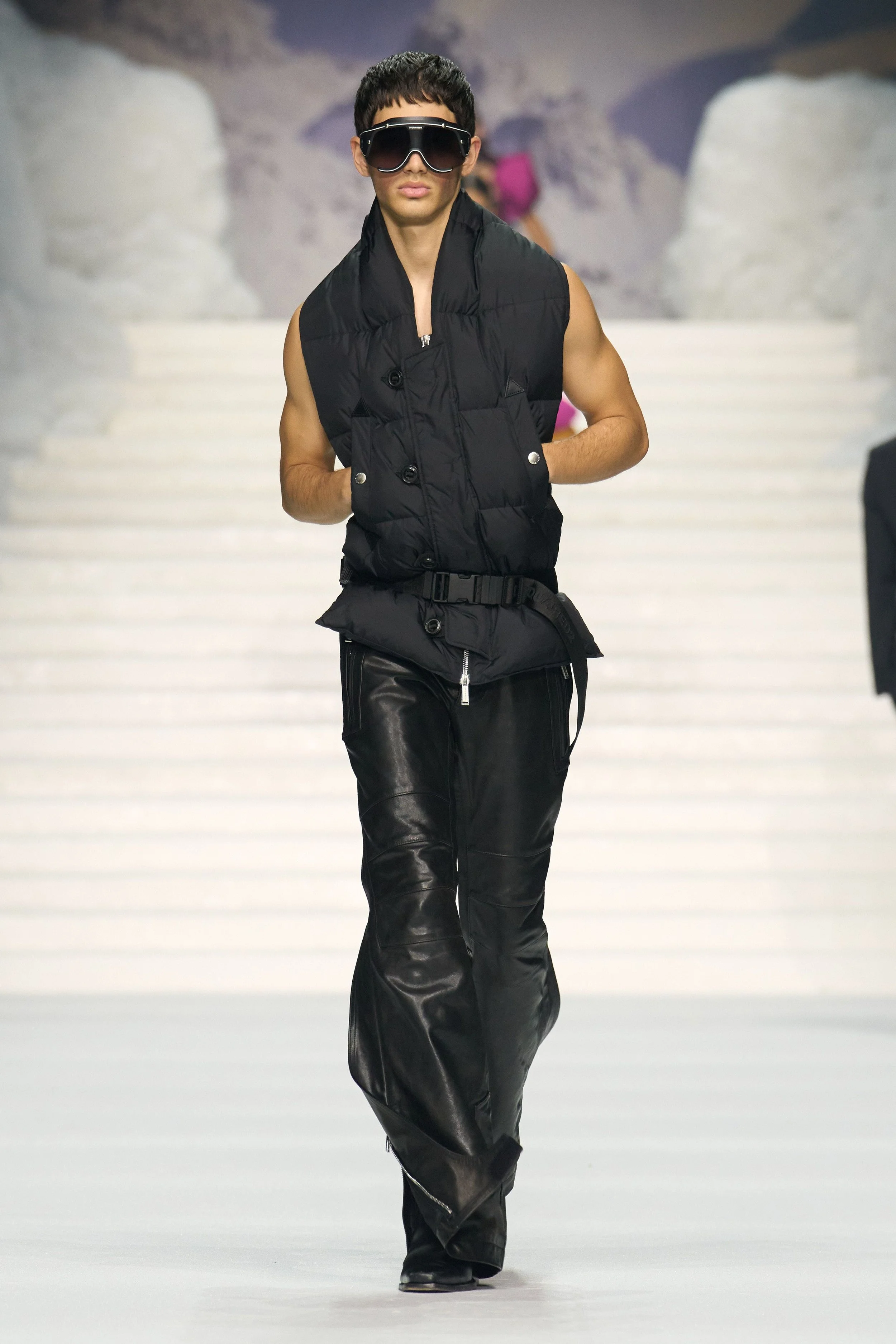
Elsewhere, cable-knit sets were slashed to reveal sculpted six-packs, while a black gilet was reimagined as a backless party top, styled with leather bootcut trousers and ski goggles from Dsquared2’s collaboration with eyewear brand Carrera. Equal parts tongue-in-cheek and horny, the collection captured the Catens at their best — playful, provocative, and proudly Canadian.


Words by Martin Onufrowicz

GENERATION GUCCI 2026

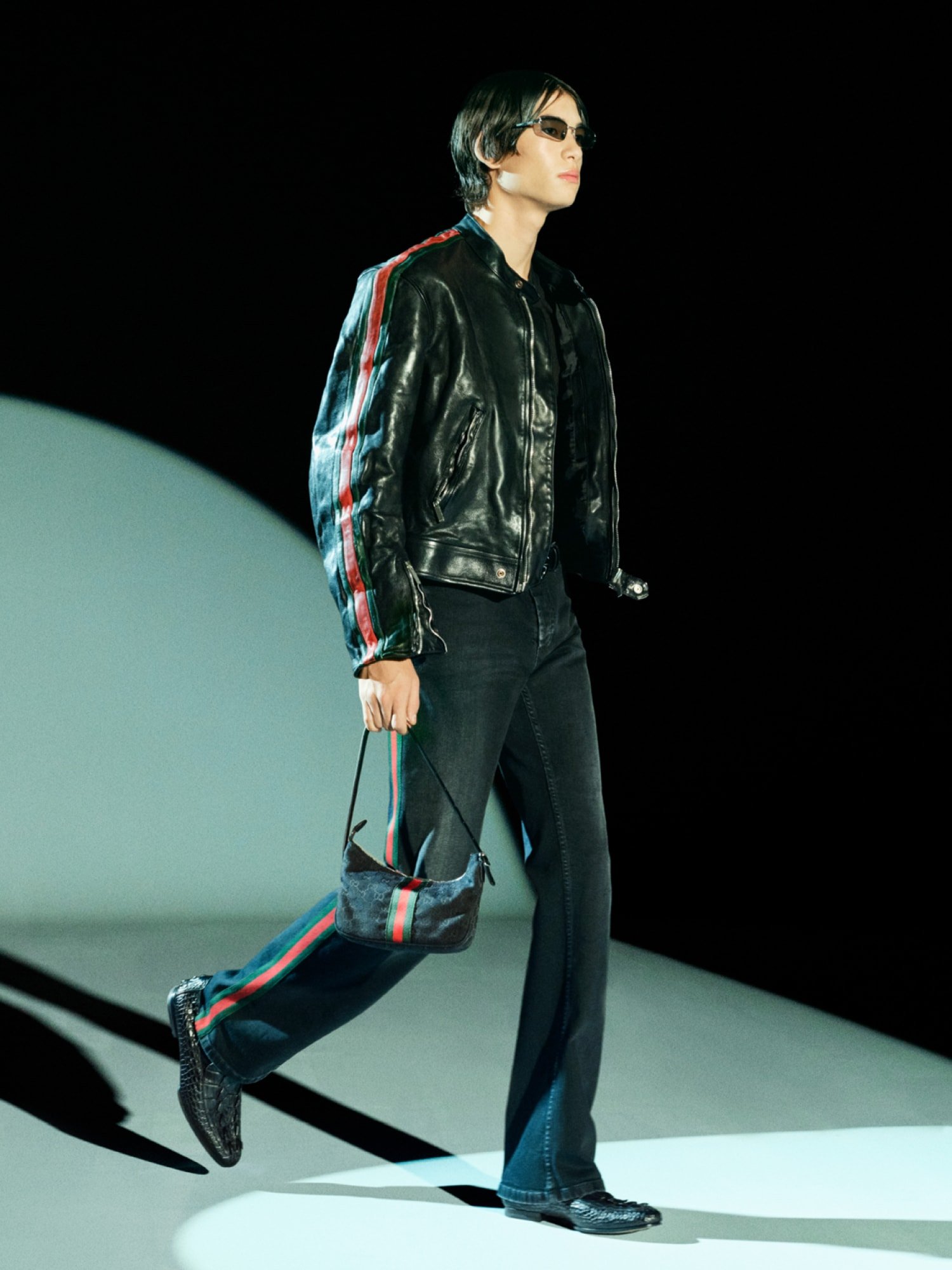
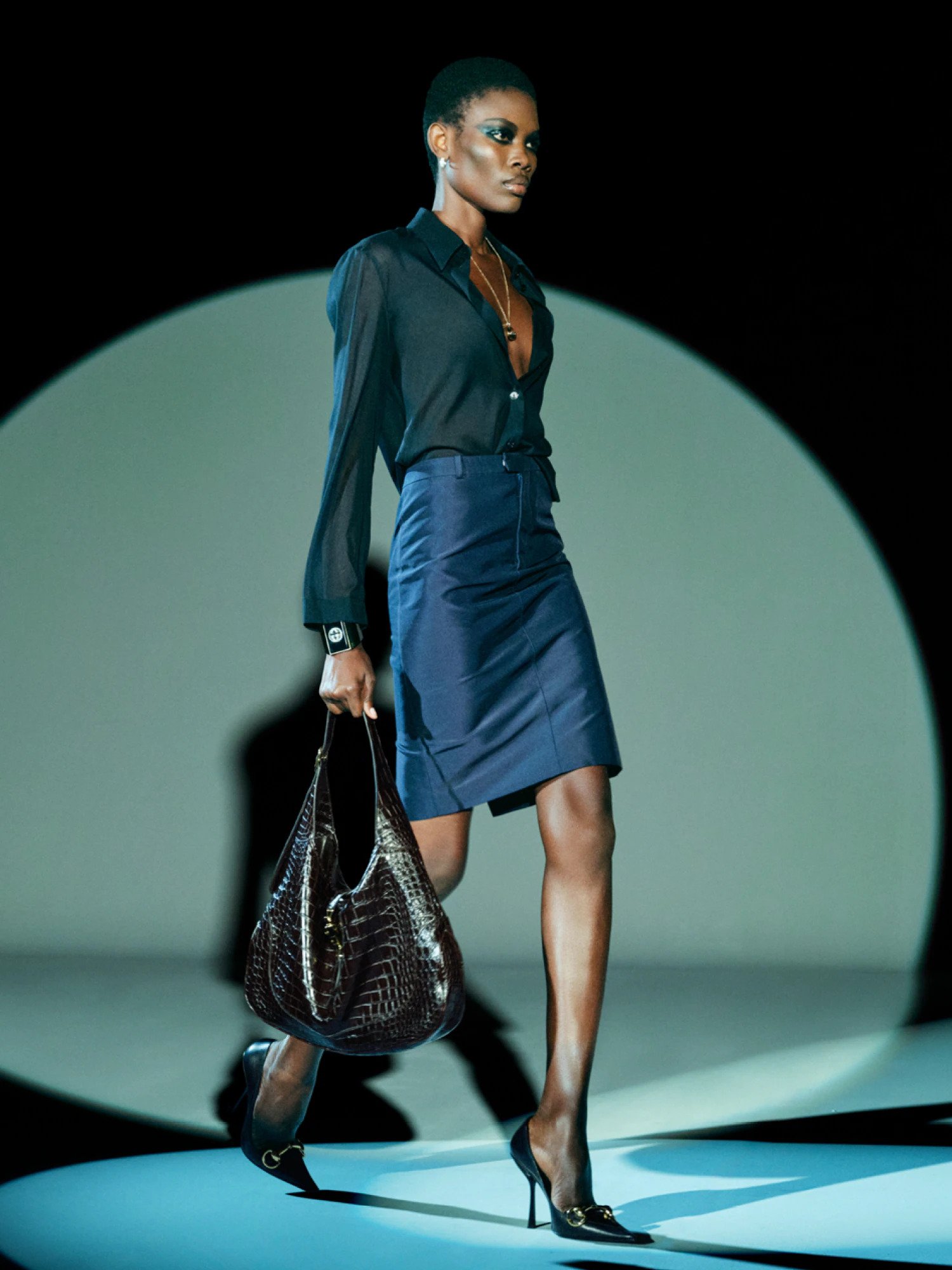
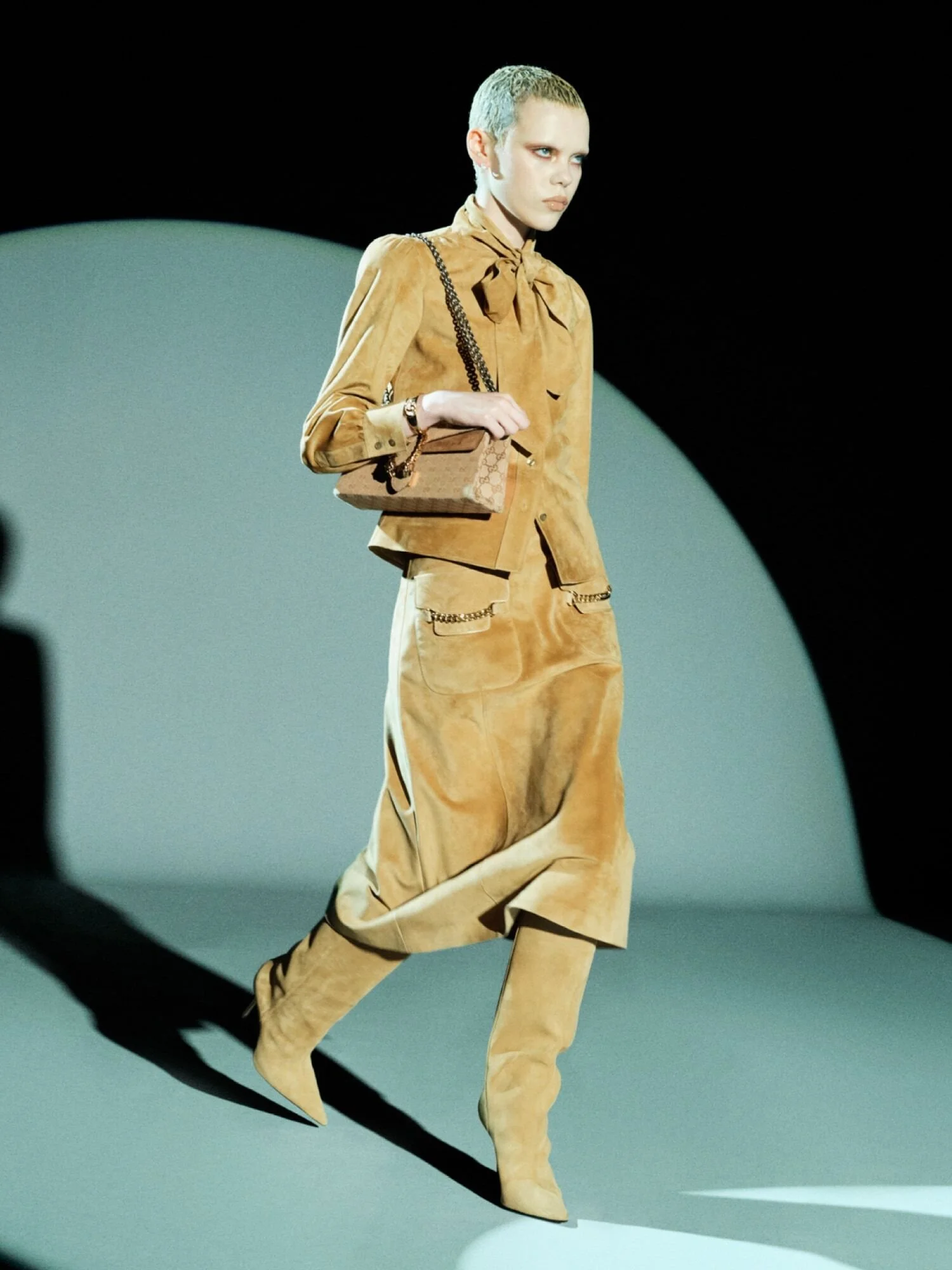
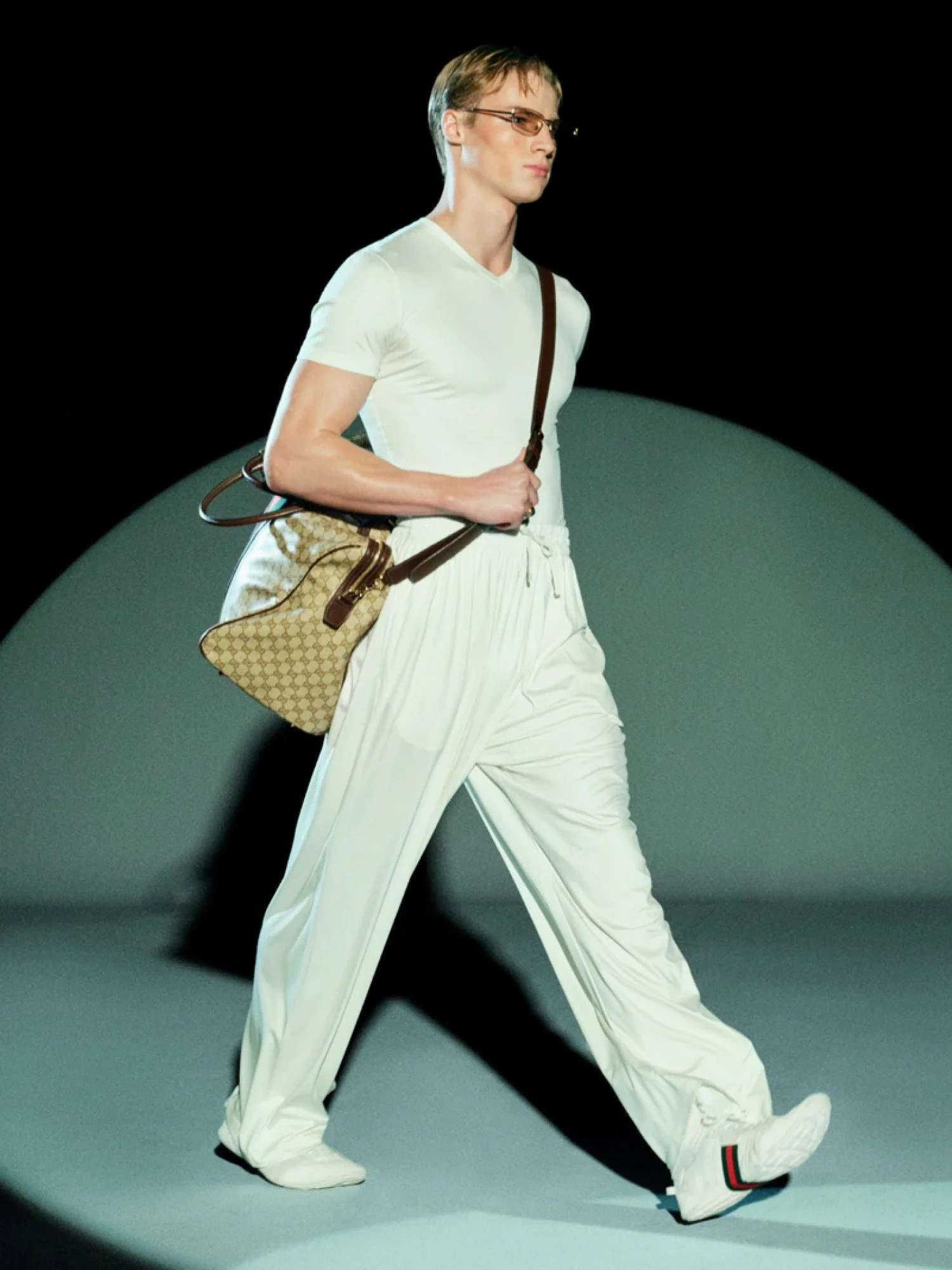
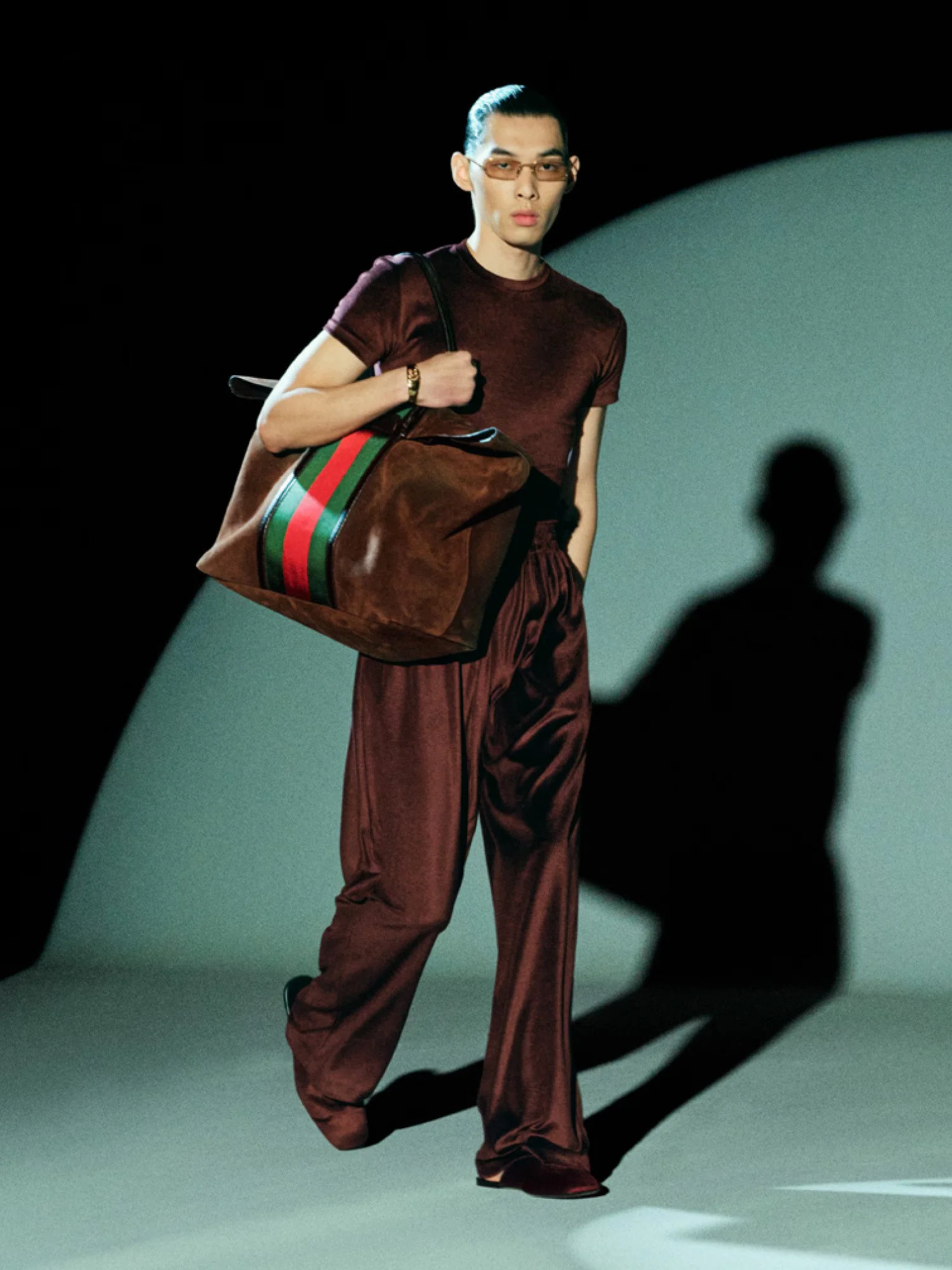
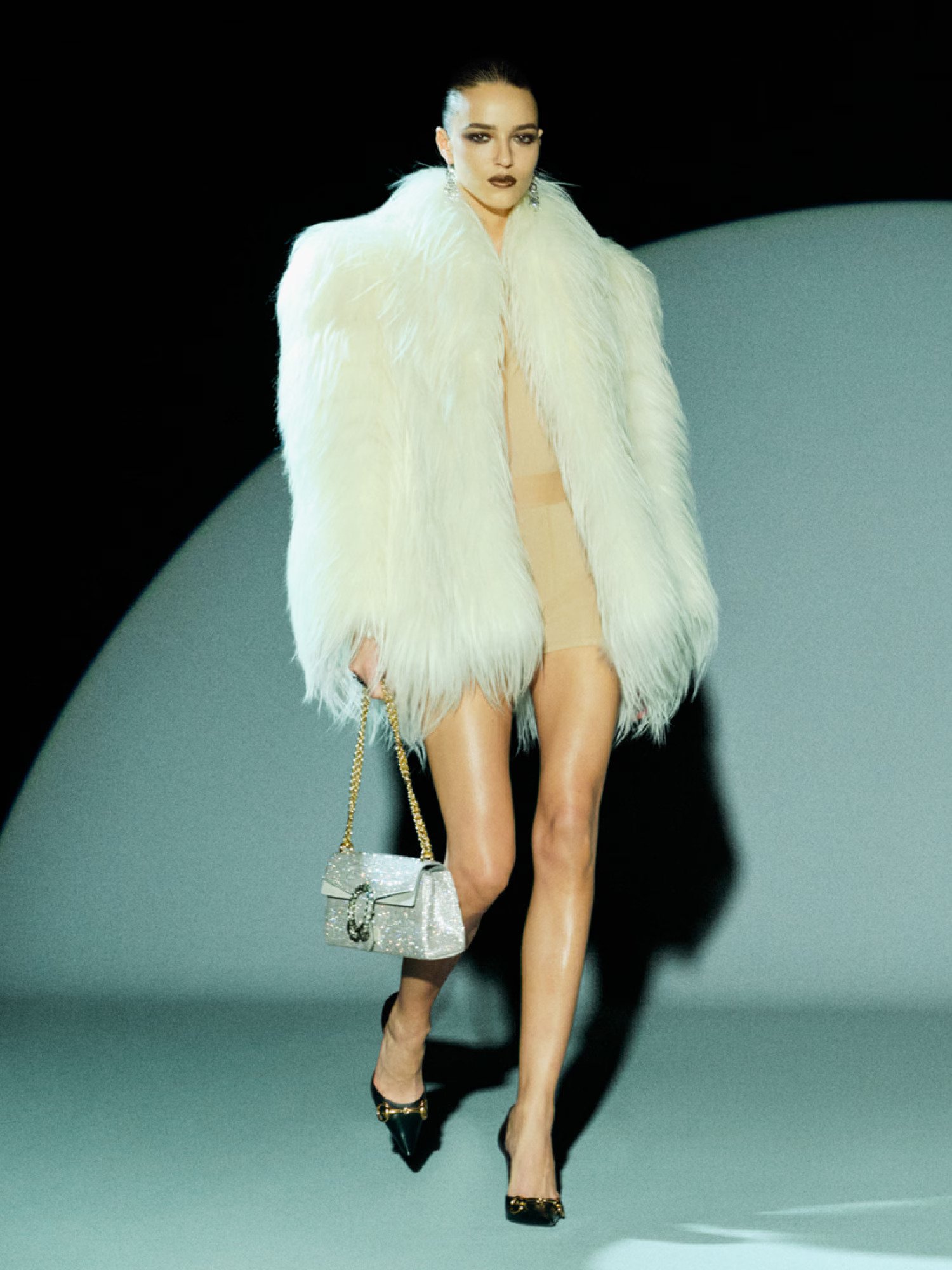
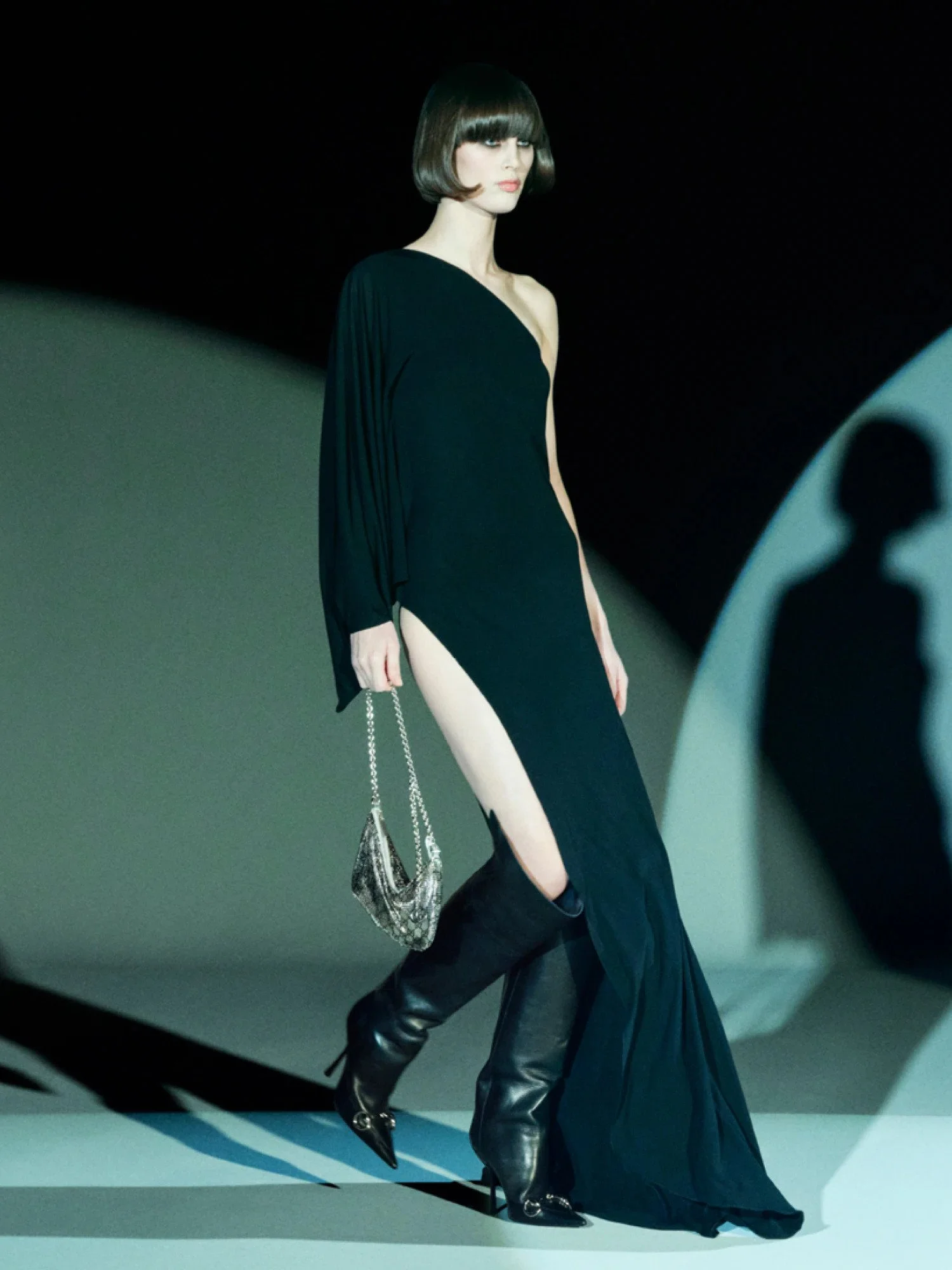
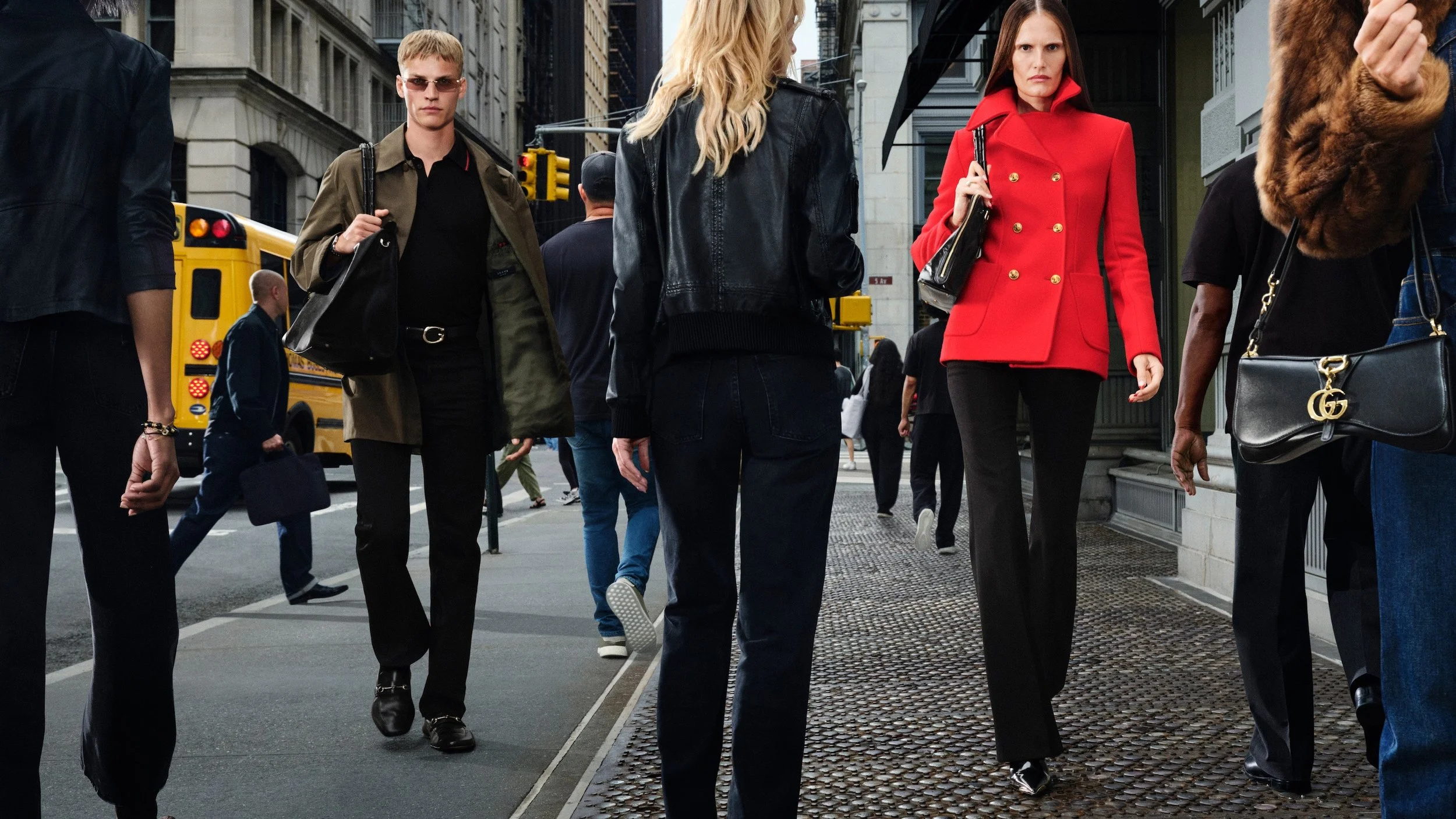
Have you felt it? That simmering thrum running through culture right now — sexy is unapologetically back. From the collective thirst for Pillion, Alexander Skarsgård’s biker dom-com, to the queer-hockey delirium of Heated Rivalry, a delicious sense of naughtiness has been colouring every corner of the zeitgeist. It’s little wonder, then, that this charge also courses through Demna’s latest vision for Gucci.

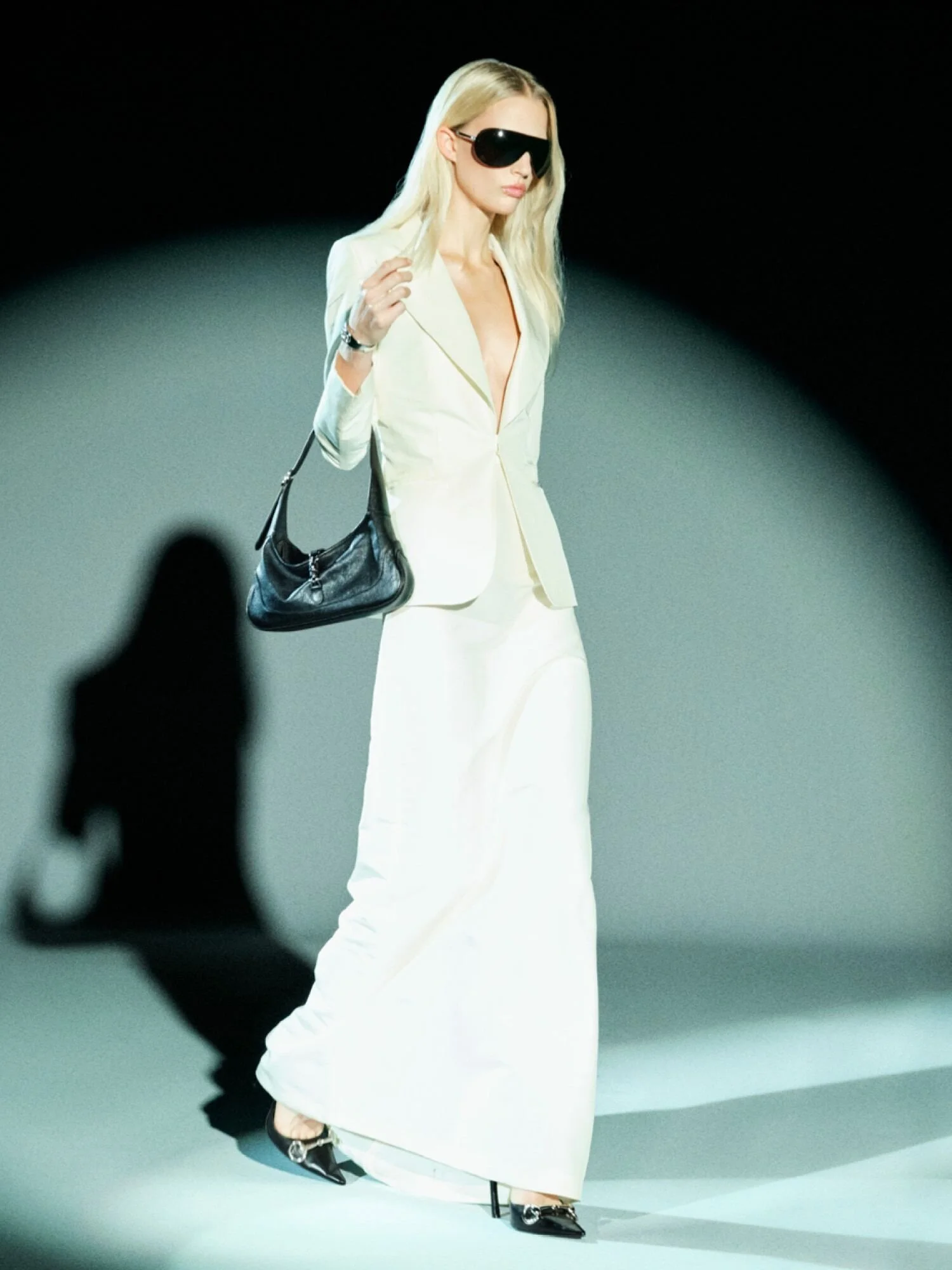
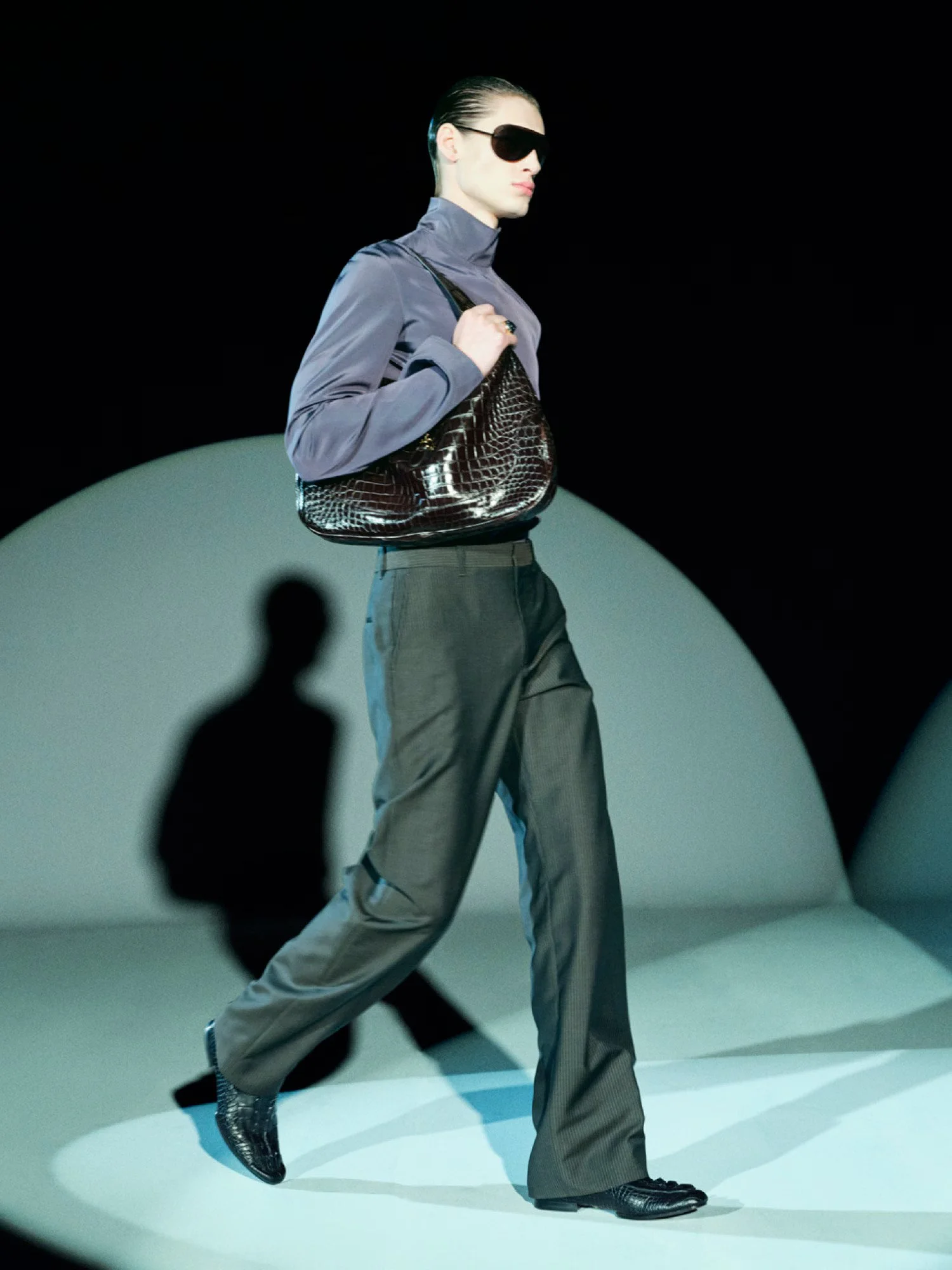
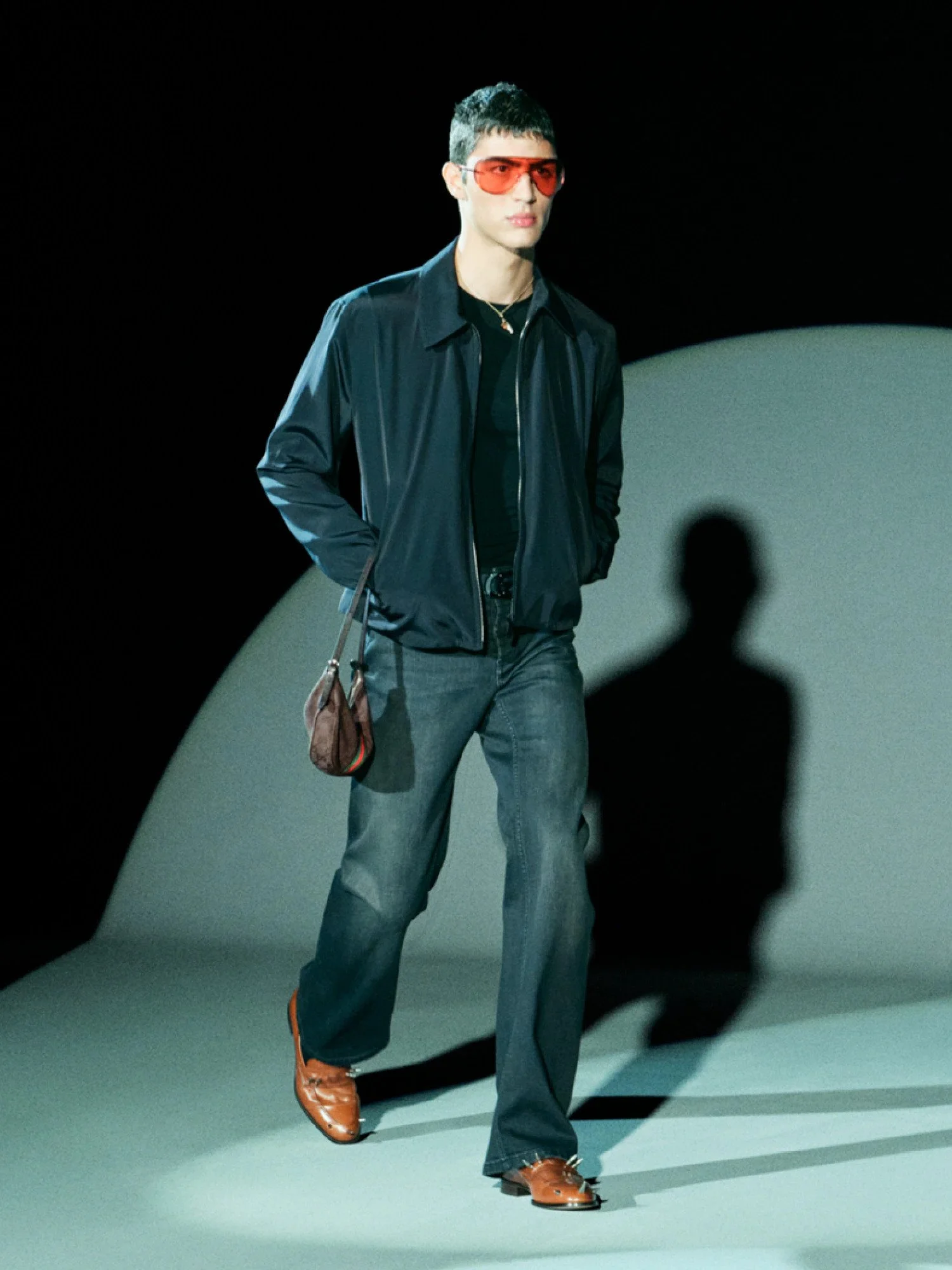
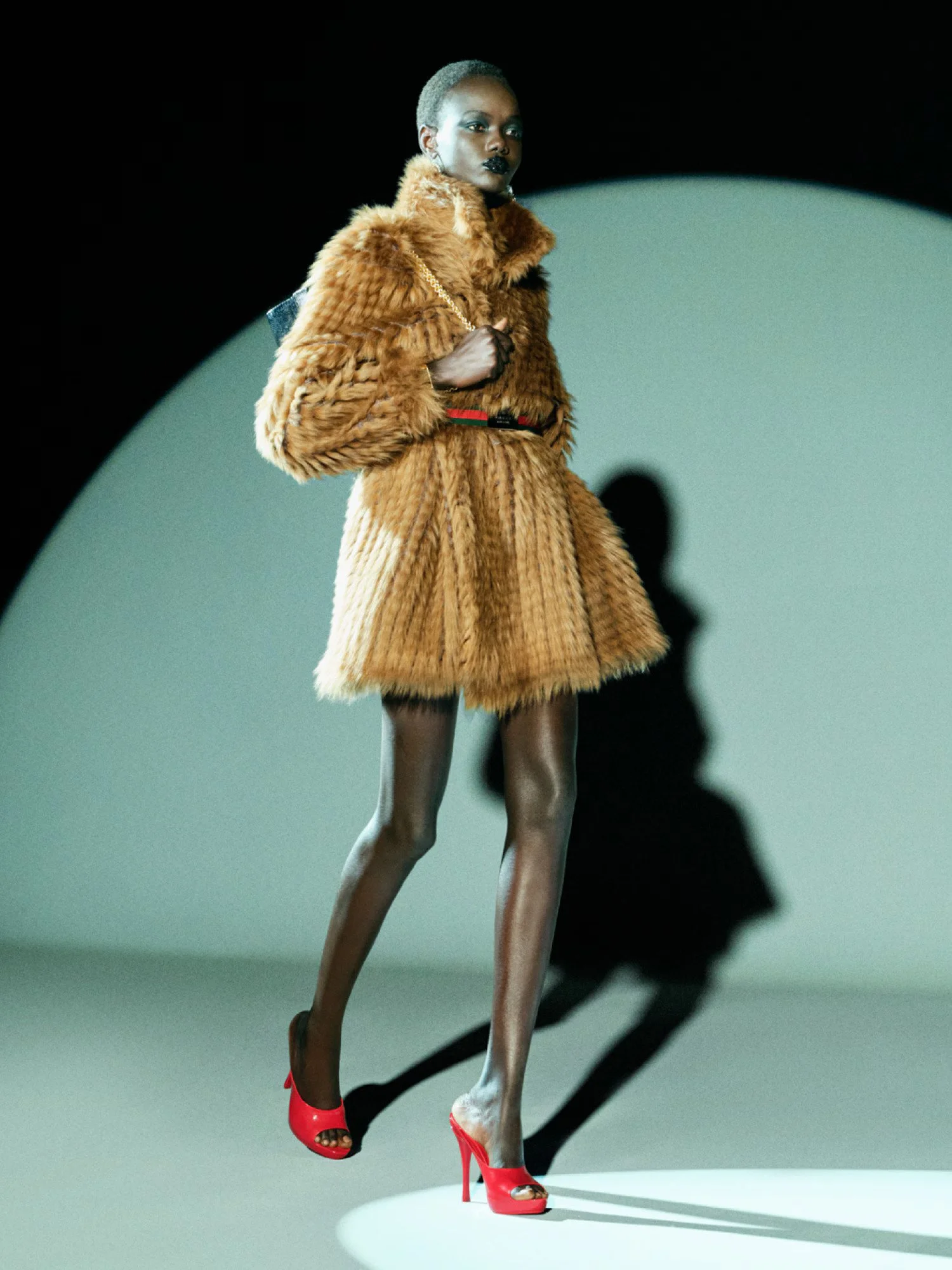
Generation Gucci emerges as a decadent paradox: a collection conjured from a show that never happened, yet rendered so vividly through Demna’s lens that it lands like a core memory — or, better yet, a fashion-soaked wet dream. The lookbook collapses eras into a single, sultry timeline: archival silk-faille tailoring, biker leathers toughened to perfection, pencil skirts sharpened to a dangerous point, and an after-dark wardrobe engineered for effortless seduction.

The accessories flirt outright. Cross-body bags striped in Gucci’s signature colours, slung over all-white or chocolate silhouettes, conjure the decadent sheen of a 2000s football icon — think David Beckham in full superstardom. Matching belts cinch the waists of plush fur coats, revealing legs tipped in lacquer-red pumps. The Jackie, rendered in inky black, dangles nonchalantly alongside oversized aviators and the highest of stilettos elevated with a gleaming Horsebit detail. Even the loafers get an S&M twist, sprouting metal spikes.

With this iteration of the house, Demna doesn’t just participate in the fashion conversation — he seizes it entirely. And honestly? We’re more than willing to completely submit.

Words by Martin Onufrowicz